


Are you currently planning your trip to Datong and wondering how to get to some of those beautiful grottoes and temples nearby without renting a car? If so, then you’re in the right place!
When I was in Datong, I took the shuttle to the Hanging Temple, caught another one to Yingxian Wooden Pagoda, and made it back to the city all in one day. You can also take a shuttle to Yungang Grottoes from the same spot in Datong, although I’d save that one for a separate day as there’s so much to see there!
Getting around was actually pretty easy once I figured out which shuttles to book. Getting a ticket to climb the Hanging Temple, on the other hand? That’s a different story. In this guide, you’ll find everything you need to know to visit the Hanging Temple and Yingxian Wooden Pagoda in one day, from how to book the climbing ticket to which shuttles to take and where to catch them.
What to Know Before You Book the Tickets?
The Hanging Temple Tickets
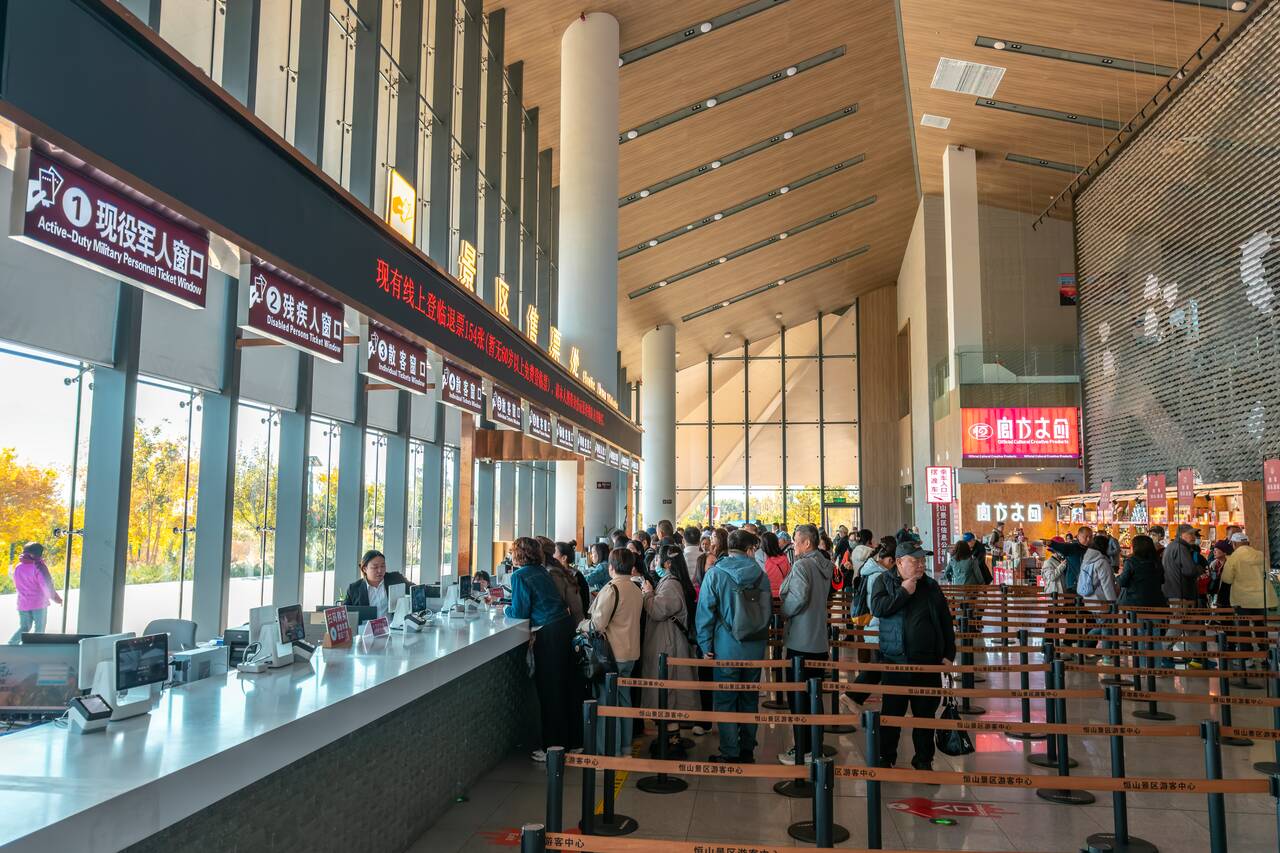
The first thing to figure out is whether you want the basic admission ticket for the Hanging Temple, which lets you view the temple from below, or the climbing ticket, which gives you access to the temple itself.
Basic admission costs 15 CNY, while climbing costs an additional 100 CNY. Make sure you know which ticket you are buying, as entering the scenic area does not automatically mean you can go up.
When I tried to reserve a climbing ticket through the official booking system, it required a Chinese phone number, so I couldn’t complete the reservation. Buying on-site was another option, but climbing tickets are limited and availability is not guaranteed. I took the 8 AM bus from Datong, arrived around 9:30 AM, and was told they were already sold out.
- Hanging Temple Tickets and Shuttle Options
- Yingxian Wooden Pagoda Tickets and Shuttle Options
- Yungang Grottoes Tickets and Shuttle Options
If climbing is a priority and you are willing to pay more, I found a VIP package listed at around 131 USD that advertised transfers from Datong, scenic-area admission, and climbing access. You can check the available packages here. It was way more expensive than the standard tickets, though.
Otherwise, you will have to wing it, get to the visitor center as early as possible, and hope you can get the ticket on-site. The site is open from 8 AM to 4:30 PM, although hours vary by season, so check the schedule for your travel date. Remember that the scenic area being open does not guarantee climbing tickets will still be available.
Yingxian Wooden Pagoda Ticket
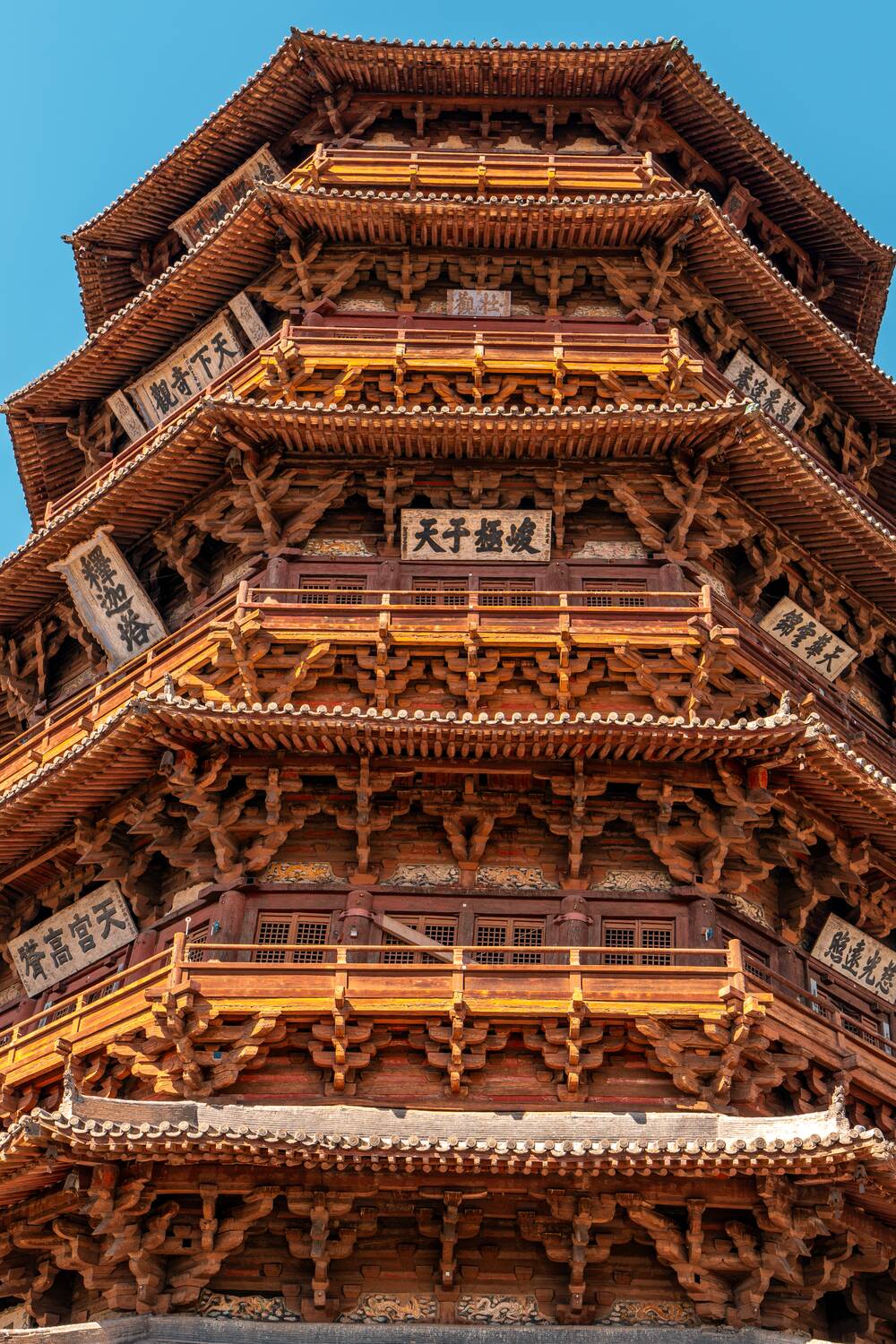
You can buy a ticket for Yingxian Wooden Pagoda at the entrance or book it online here. Admission costs 50 CNY per person. The pagoda is generally open from 8 AM to 5 PM, with ticket sales ending at 4:30 PM and last entry at 4:45 PM. Check the hours for your travel date before choosing your afternoon shuttle.
Yungang Grottoes Ticket
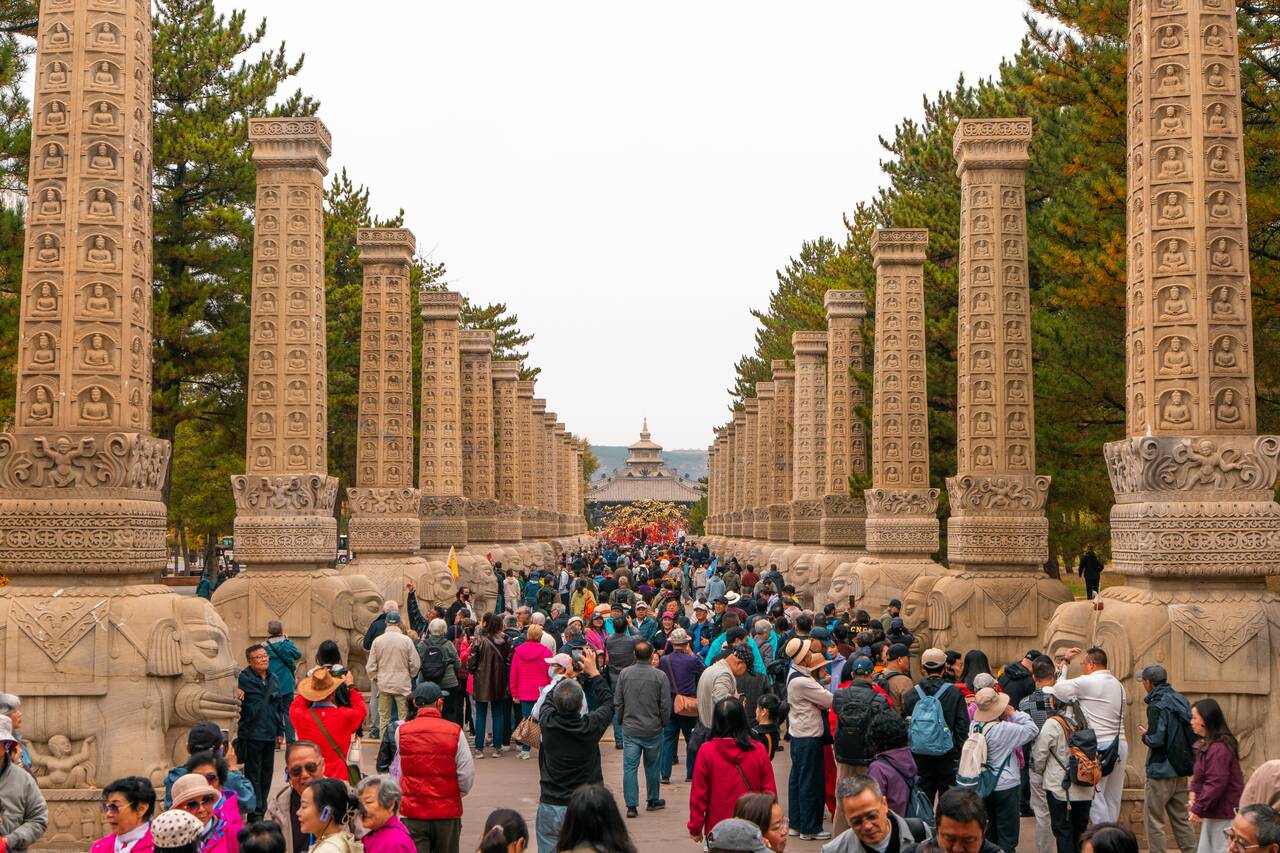
Admission to Yungang Grottoes costs 120 CNY from April to October and 100 CNY from November to March. You’ll need to book admission separately from the shuttle.
Make sure you book your entry time online before you go. You can book your entrance ticket on Trip.com here. Use your passport details when booking and bring your passport with you on the day.
The grottoes are generally open from 8:30 AM to 4:30 PM. Check the hours when you book and give yourself plenty of time before last entry.
2-Day Itinerary
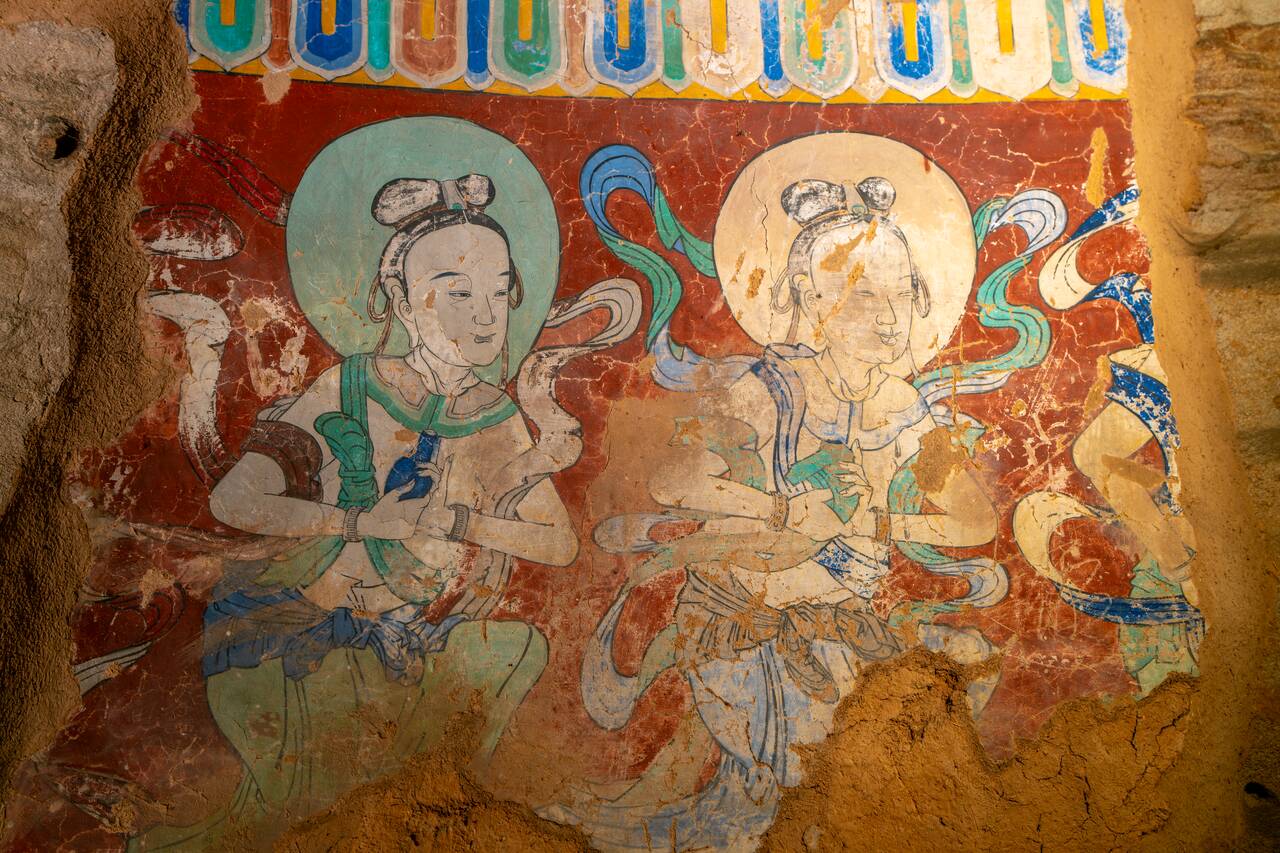
Once you know which tickets you need, here’s how I’d split the trip. Use Datong as your base and take the direct shuttle between the temple and pagoda on the first day.
- Day 1, morning. Take an early shuttle from Datong to the Hanging Temple. If you have a climbing ticket, leave enough time for the queue before your next shuttle.
- Day 1, afternoon. Take the shuttle from Hengshan Visitor Center to Yingxian Wooden Pagoda. Give yourself 1 to 2 hours there before heading back to Datong.
- Day 2, morning. Head to Yungang Grottoes and set aside at least half a day. There’s a lot to see once you get inside the caves!
How to Get to the Hanging Temple, Yingxian Wooden Pagoda, and Yungang Grottoes
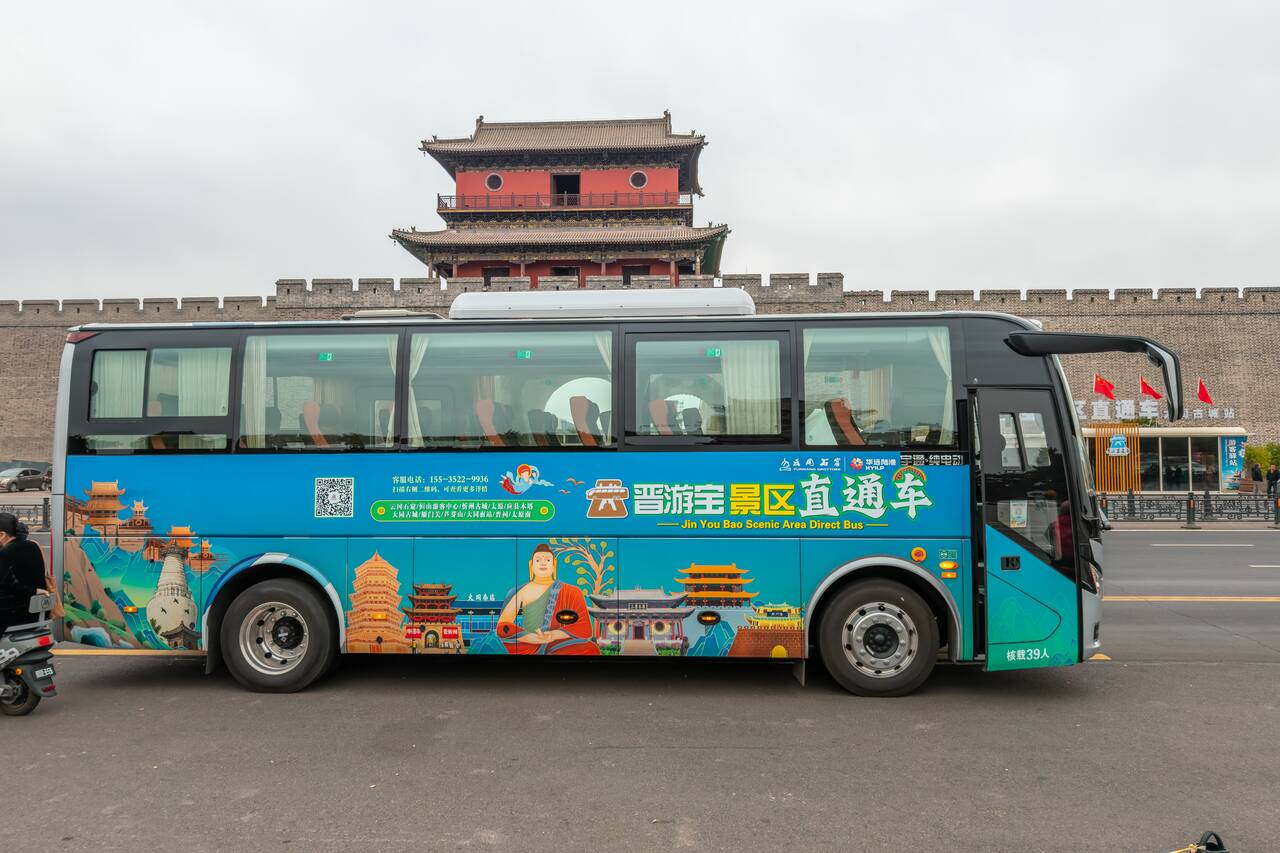
To visit these 3 places, we are going to have to split the trip over 2 days. The Hanging Temple and Yingxian Wooden Pagoda on the first day, and Yungang Grottoes on the second day. Here's how is you can do it in detail:
How to Get from Datong to the Hanging Temple
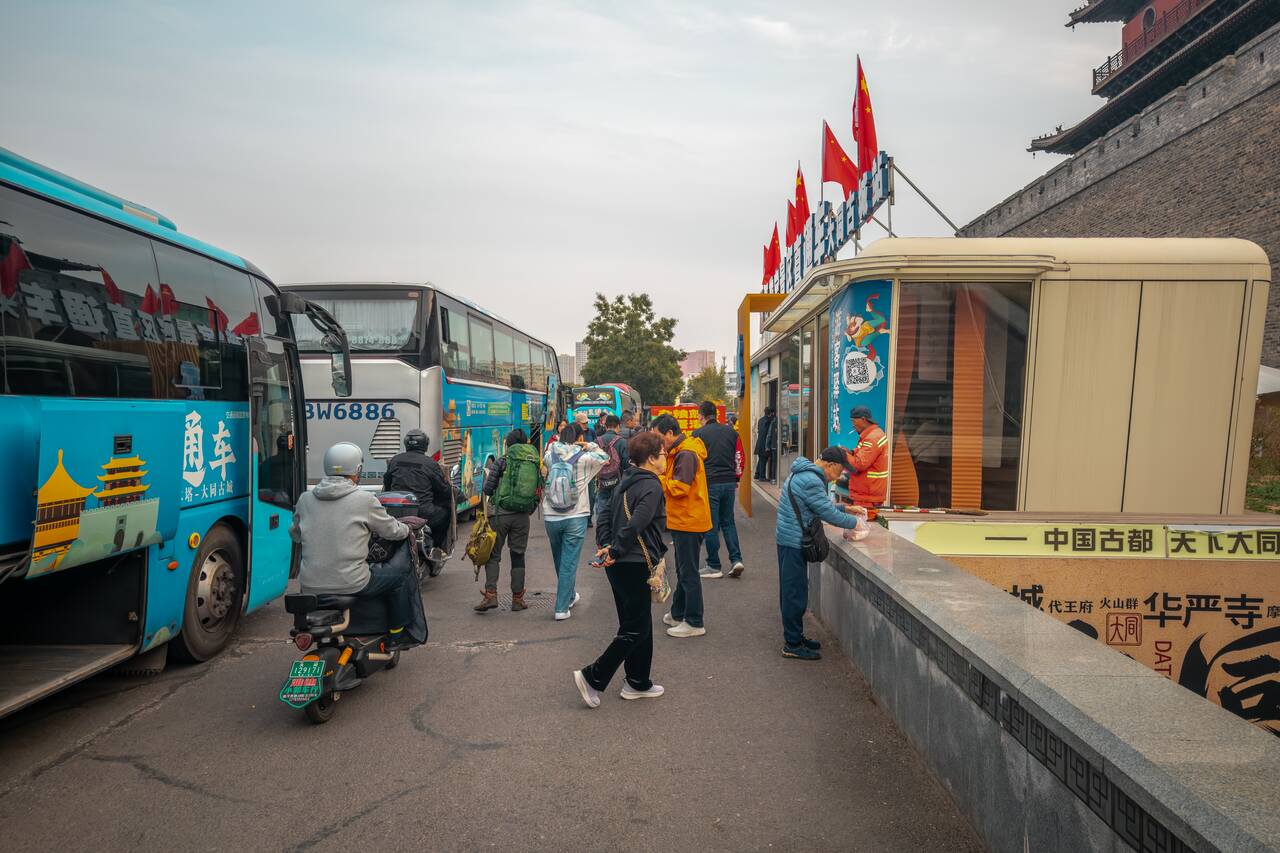
I recommend visiting the Hanging Temple on your first morning. To do that, you are going to have to book the shuttle bus the day before and pick a time you want to go. It should be under the shuttle bus section, labeled "Datong Ancient City to Hengshan Visitor Center shuttle" or something similar.
Once it's booked, you can head over to the shuttle bus hub, which is located in front of Datong Ancient City's East Gate, on the opposite side of the road, about 15 minutes before your bus schedule.
The ride should take about 1.5 hours and costs 20 CNY one way. When I was there, there were 6 AM, 8 AM, 8:30 AM, 9:30 AM, and 10:30 AM buses. I recommend you get the 8 AM one so that when you arrive, the sun should be high enough for the light to shine right on the Hanging Temple.
How to Get from the Hanging Temple to Yingxian Wooden Pagoda
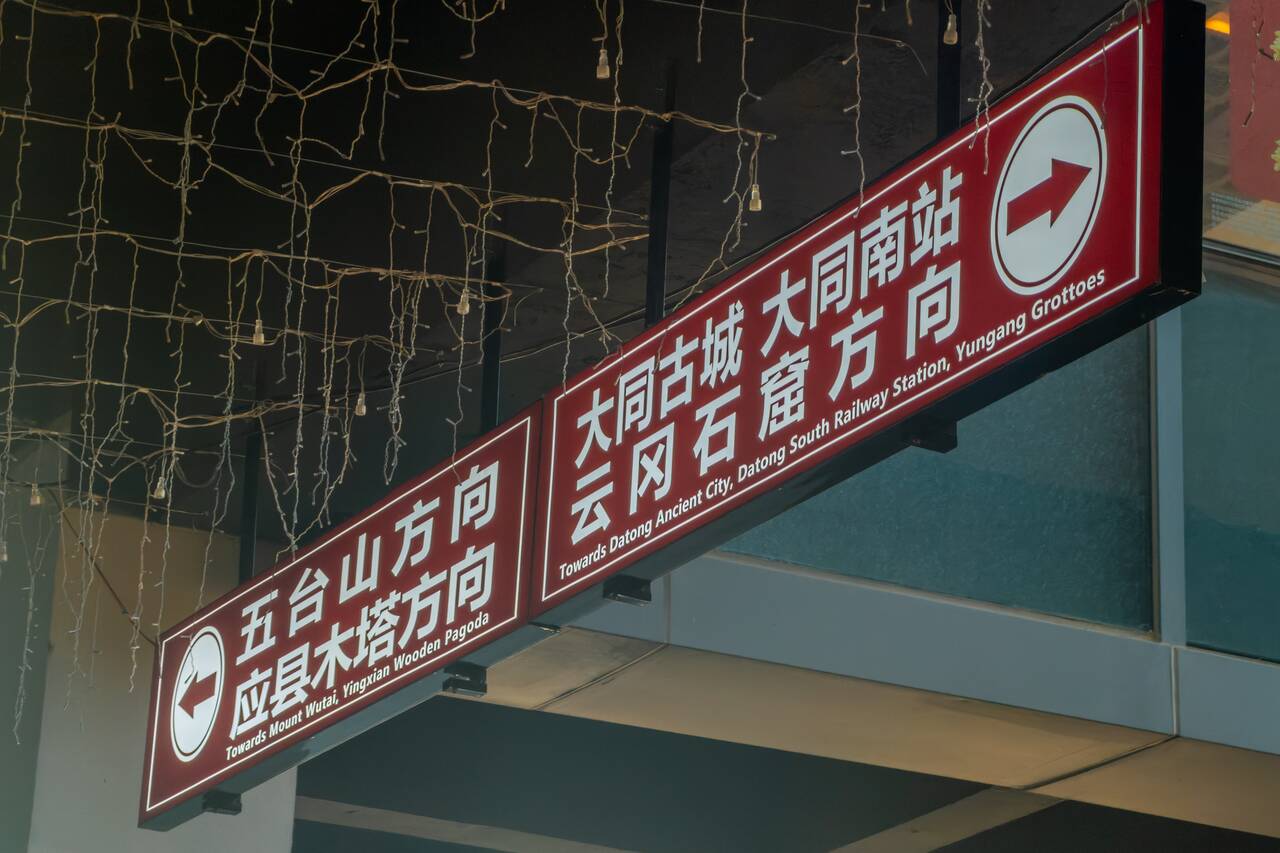
Once you’re done at the temple, head back to Hengshan Visitor Center and you can take the shuttle straight from there to Yingxian Wooden Pagoda. There should be a sign at Hengshan Visitor Center directing you to Yingxian Wooden Pagoda bus. If not, you can ask the staff there to direct you to the bus.
Don't forget to book the shuttle bus and time slot on Trip.com as well. It should be labeled "Shuttle bus from Heng Shan Mountain travelers distribution center to Ying County Wooden Pagoda (Individual)" and cost around 27 CNY per person.
The time you take the bus will depend entirely on whether you are able to get access to the temple or not. When I was there, there were 3 buses running at 11 AM, 12:30 PM, and 1:55 PM to pick from and I picked the 11 AM one as I didn't get to go inside the temple. If you are able to climb the temple, I'd book the 12:30 PM one or later. It should take about an hour before you arrive at Yingxian Wooden Pagoda.
How to Get Back to Datong from Yingxian Wooden Pagoda
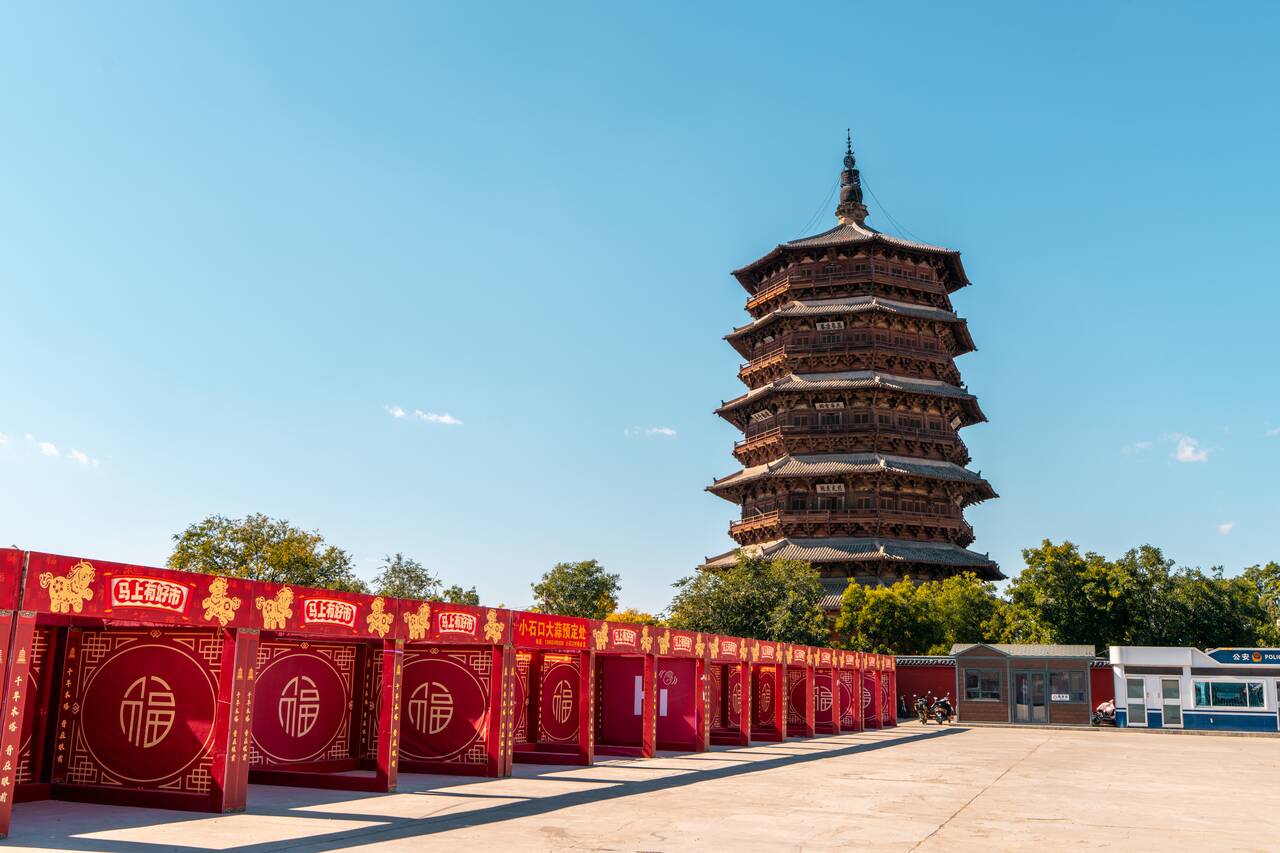
After you are done with the pagoda, you can catch the shuttle bus back from where they drop you off, which should be around here, and you should be back in Datong in about an hour. You can book the shuttle bus here. Make sure you select Yingxian Wooden Pagoda Shuttle bus to Datong Ancient City and pick the time. When I was there, there were buses leaving at 11 AM, 2 PM, 4 PM, and 5 PM. The bus should cost around 39 CNY.
When you are selecting the shuttle bus, you might also see that you can go straight from Yingxian Pagoda to Yungang Grottoes, which would make visiting all 3 places in one day doable. But I’ll be honest with you. You’re not going to enjoy it if you have to rush through every stop just to catch the next shuttle bus. There’s quite a lot to see at Yungang Grottoes, so I recommend leaving the grottoes for the next day.
How to Get from Datong to Yungang Grottoes
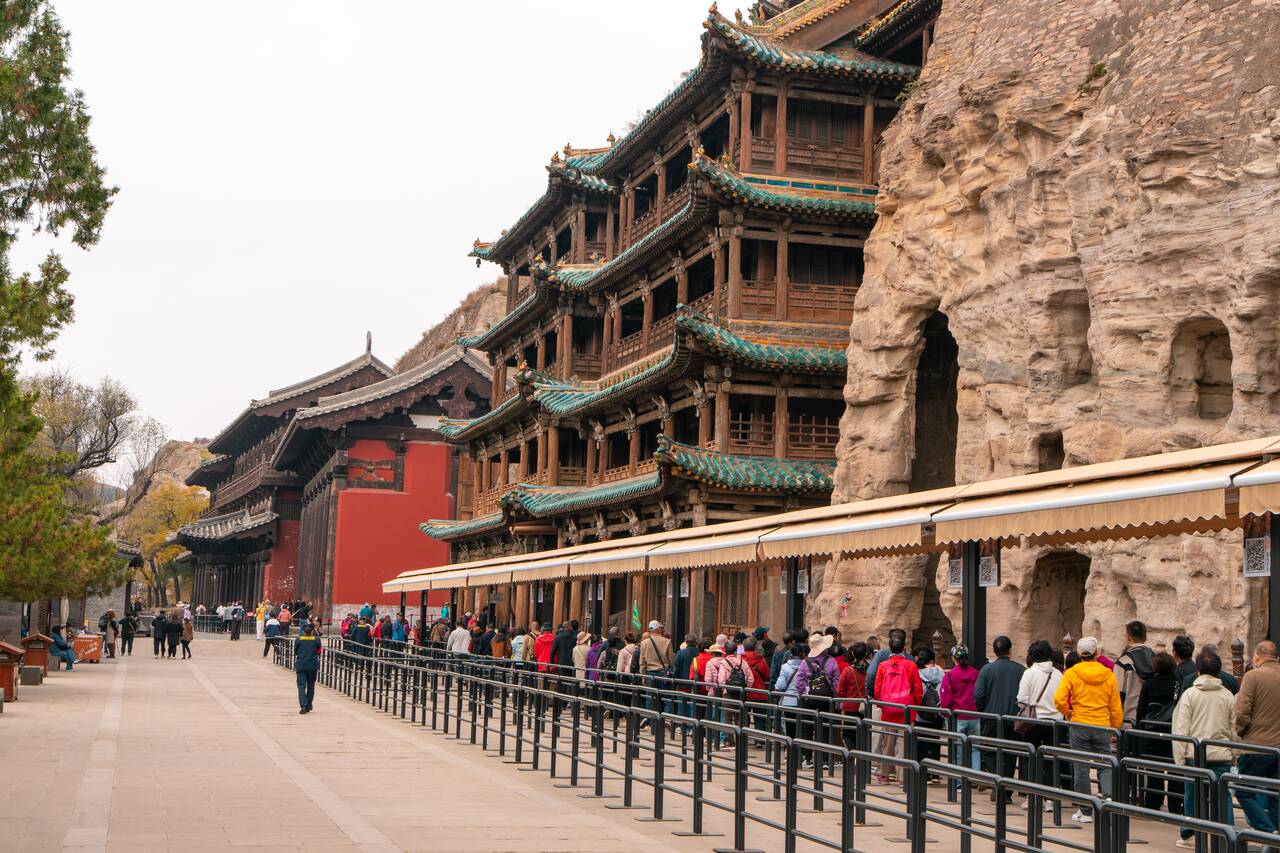
For Yungang Grottoes, before anything else, make sure you book your Yungang Grottoes admission ticket and select a time slot so you can plan your shuttle around your entry time. The ticket should cost around 100 CNY per person. I recommend doing this the day before.
Once that is done, you can then book the shuttle bus and select a departure time that gets you there within your admission time slot. It should be under the shuttle bus section, labeled "Datong Ancient City shuttle bus to Yungang Grottoes (Individual)". The bus will leave from the east gate shuttle stop, the same stop as the other shuttles from Datong I mentioned in this guide.
There should be buses running every 30 minutes from 8:40 AM to 3:40 PM every day, so pick the time that works with the time slot you got for Yungang Grottoes. The bus should take about 35 minutes and costs 10 CNY one way.
What to Expect at Each Place
Hanging Temple
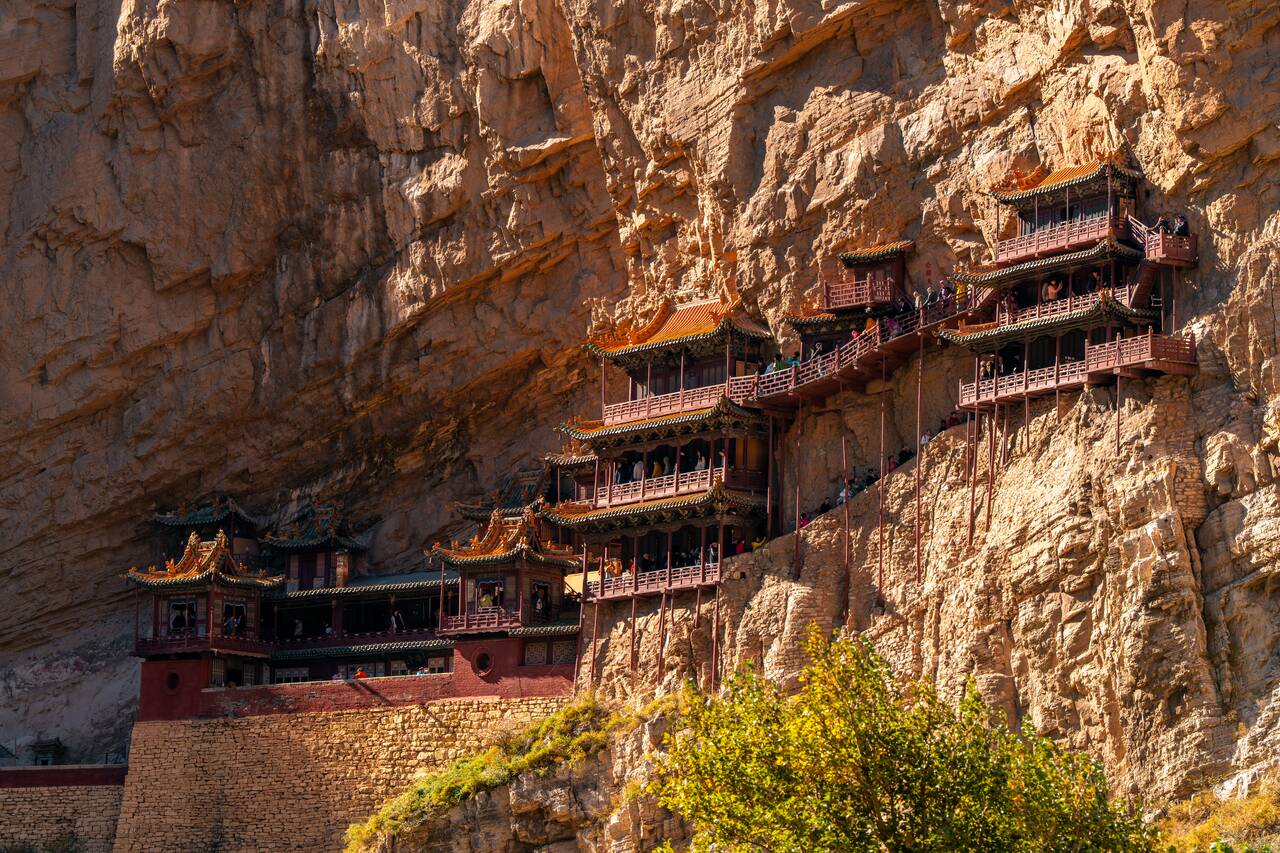
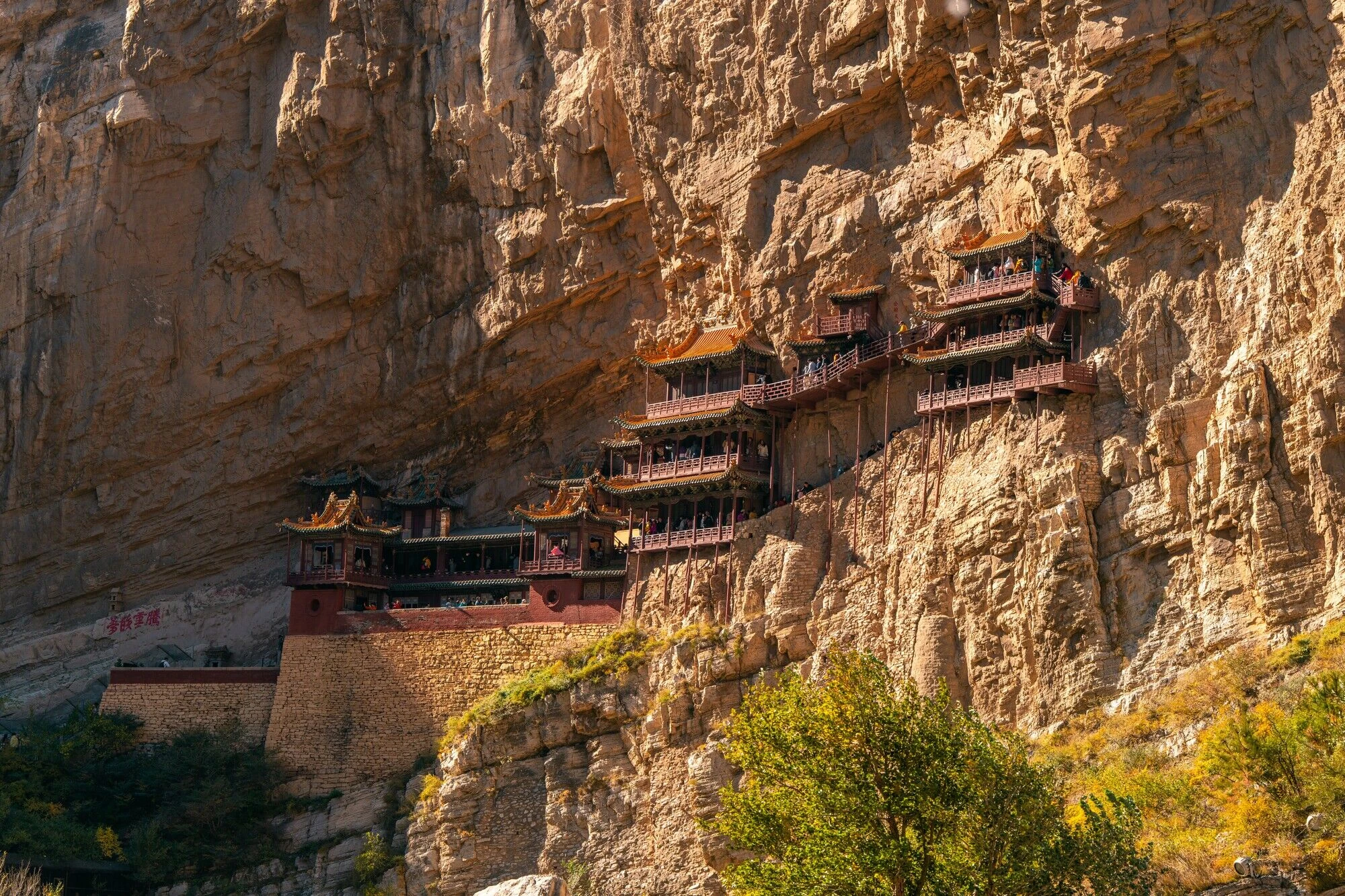
Hanging Temple is one of the most impressive sites to visit in Datong, with its wooden halls and walkways clinging to the cliff face. Seeing it from below, you can’t help but wonder how anyone managed to build something like this in such a location!
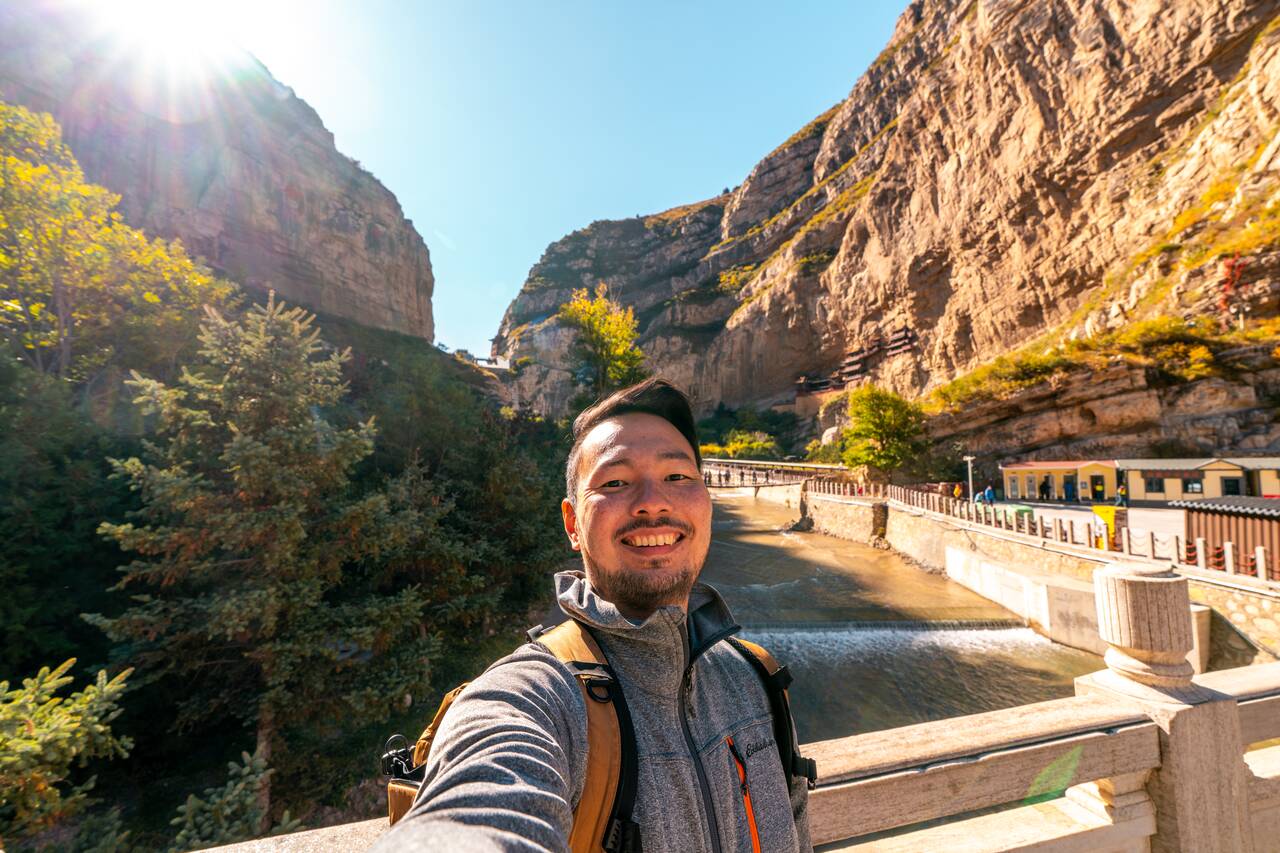
Without a climbing ticket, my visit lasted only around 10 minutes, and that was it 😅. You can admire it from below and browse a few shops and street food stalls, but there wasn’t much else to keep me there. If I’m being honest, I’m not sure I would make the trip just for that.
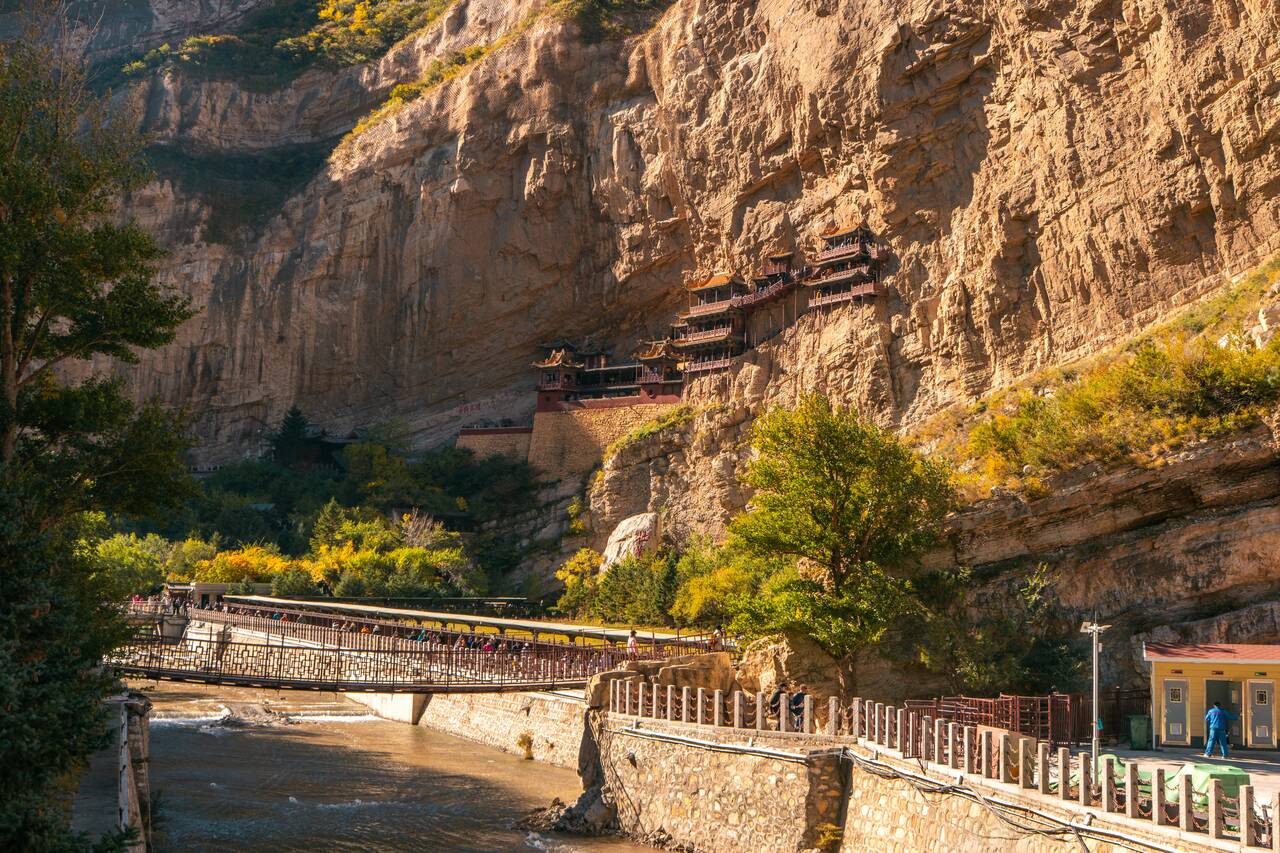
From below, I could also see how narrow the wooden walkways were and how slowly visitors were moving through them. I didn’t get to experience the climb myself, but with that many people, it looked like it would take forever to go through. Something to keep in mind if, like me, you don’t particularly enjoy crowded spaces!
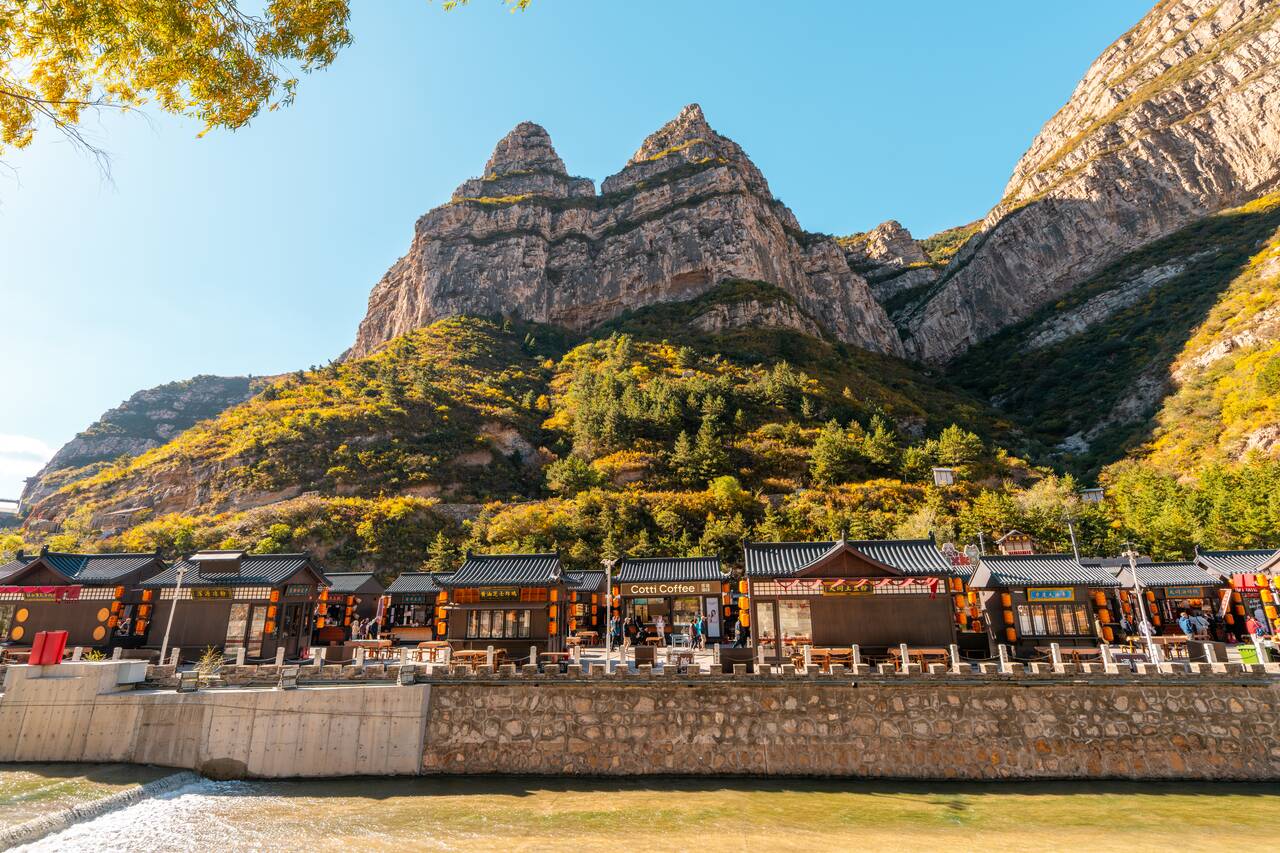
For photography, the surrounding cliffs affect when sunlight reaches the temple. Taking the 8 AM bus worked well for me, as arriving much earlier could have meant finding the temple still in shadow. The timing will vary with the season, though. Bring layers as well. I visited in October, and it was already very cold and windy.
Yingxian Wooden Pagoda

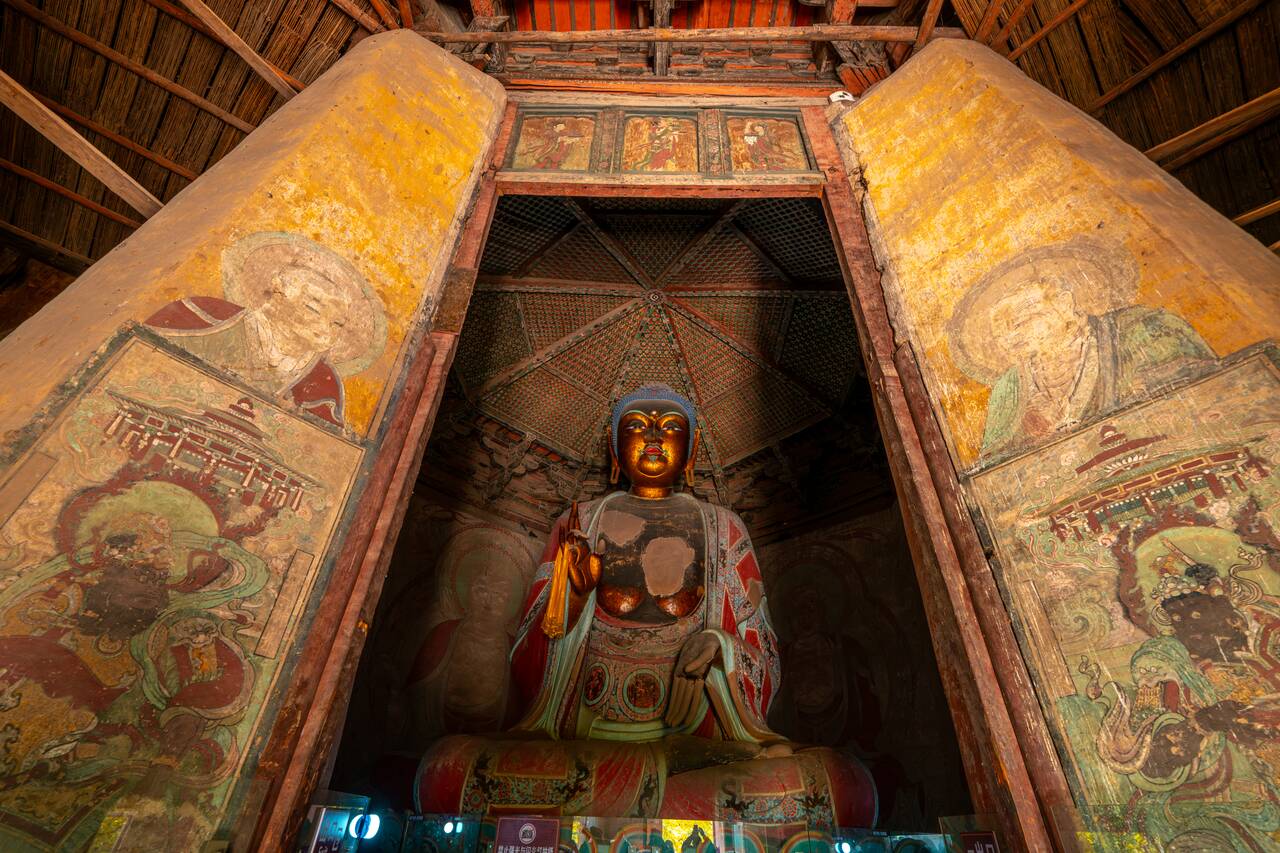
Next up is Yingxian Wooden Pagoda, a beautiful wooden tower with stunning layered roofs and intricate supporting brackets that become even more impressive as you get closer. Take your time walking around it and appreciating the details from different angles. The massive Buddha image inside is also quite a sight to behold!
After the crowds at the Hanging Temple, I was so happy to find the pagoda much quieter. The grounds are more spread out, so I could wander around the courtyard and see the tower from different angles without standing shoulder to shoulder with other tourists. Definitely a welcome change!
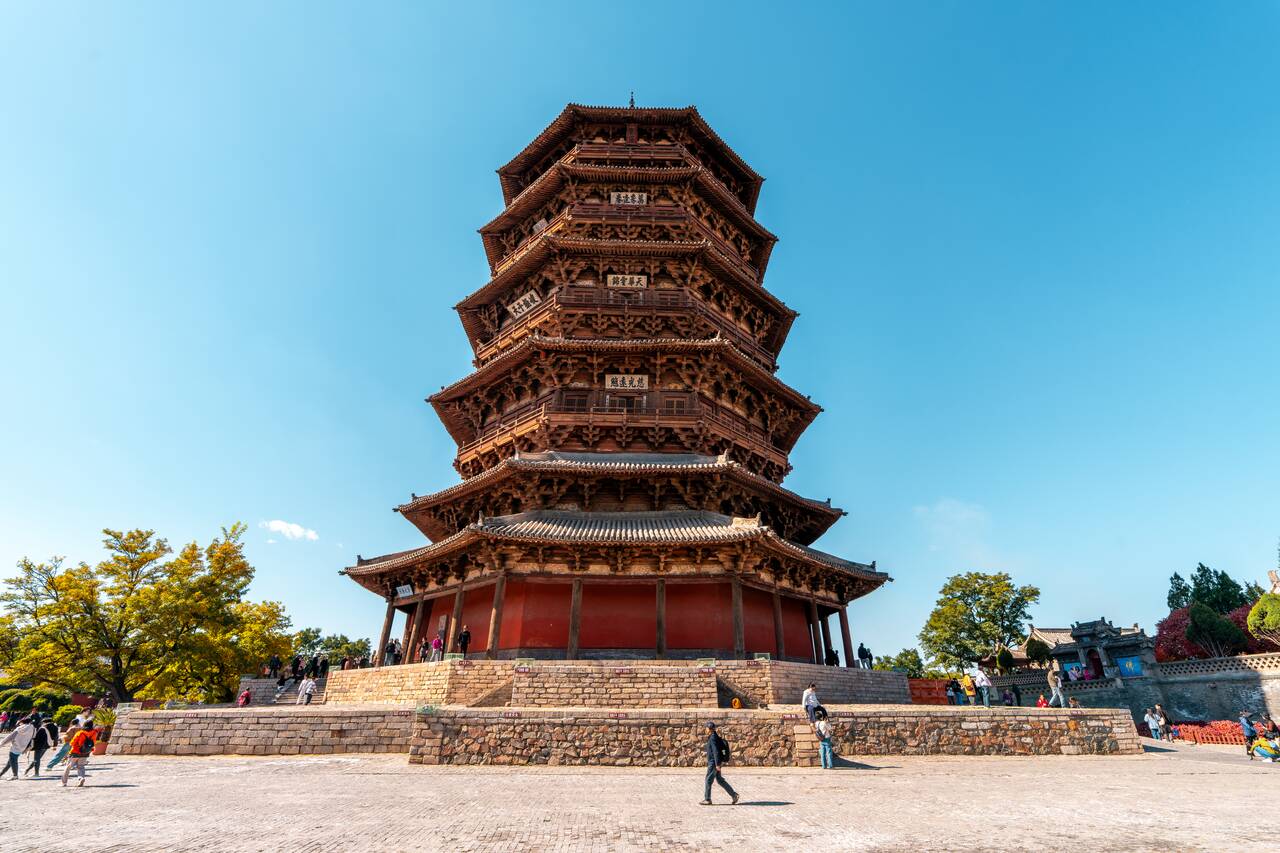
The place is quite spacious with several attractions you can explore. I'd spare around an hour or 2 here before heading back. There are many restaurants and cafes outside the pagoda's gate so you can have lunch somewhere there while you wait for the bus back to Datong.
Yungang Grottoes
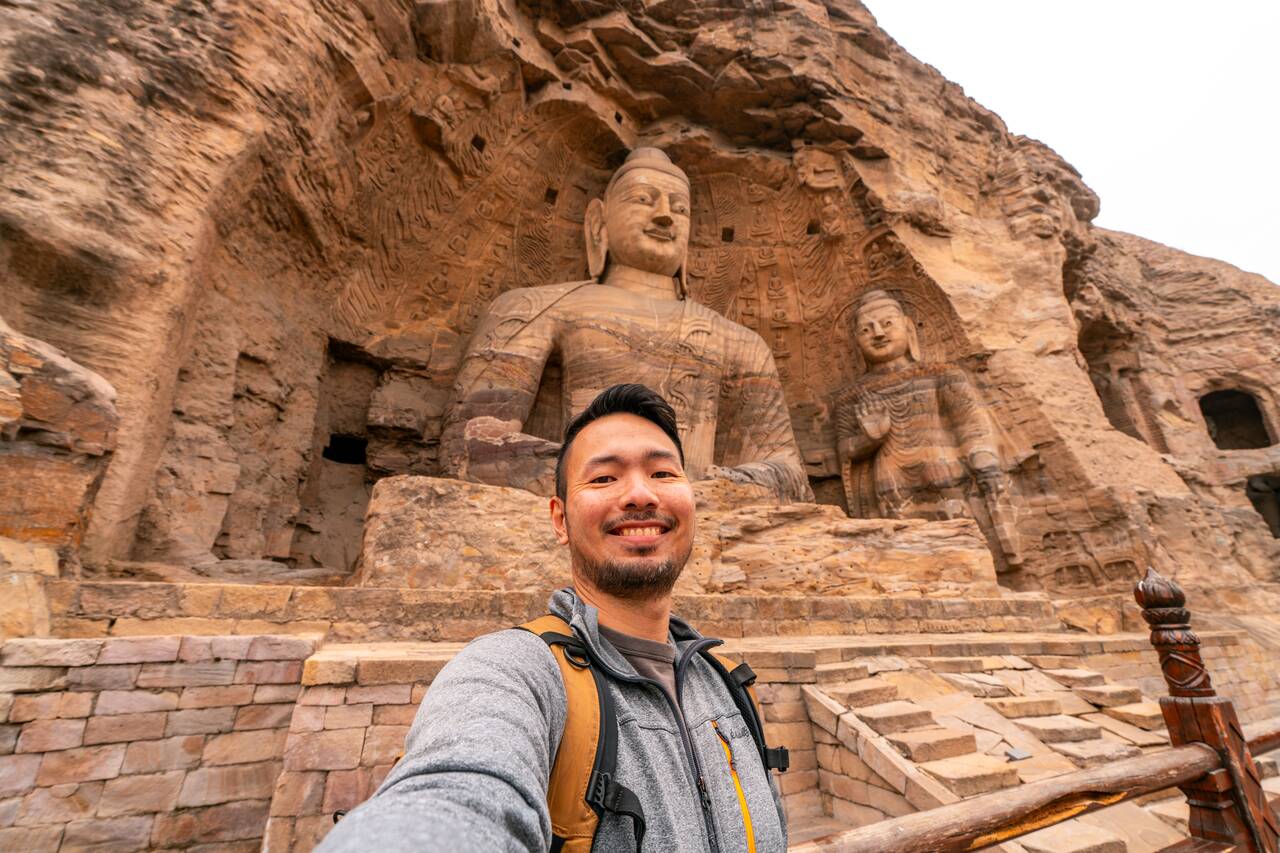
Yungang Grottoes completely blew me away. Dare I say, it was one of the most beautiful places I visited on this trip through China! The enormous Buddhist statues are impressive enough, but the intricate carvings inside the caves were what really stopped me in my tracks. Everywhere I looked, there was another detail to admire.
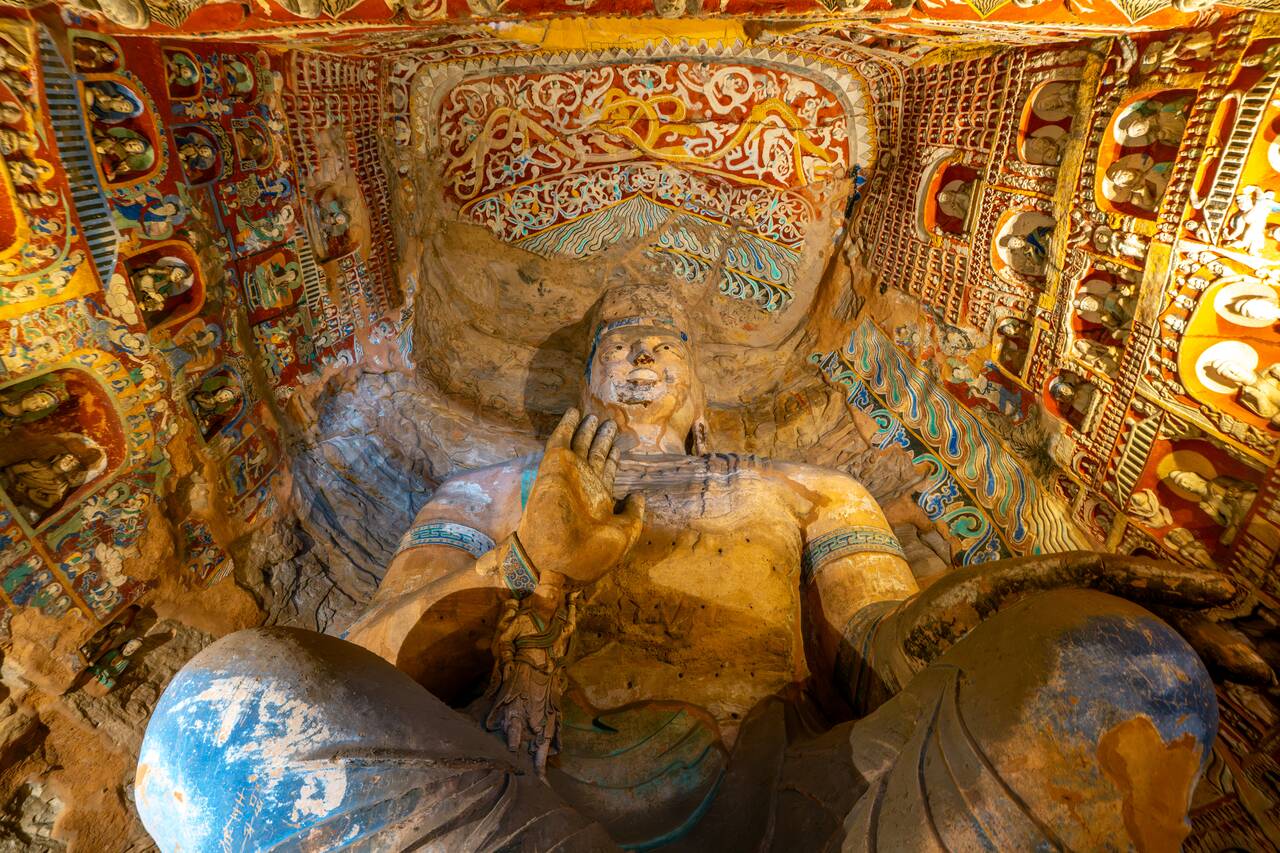
Some caves are so densely decorated that it’s hard to know where to look first. There are tiny figures covering the walls, elaborate carvings overhead, and even traces of color still visible in some of the caves. Give yourself time to look around after you’ve seen the main statues!
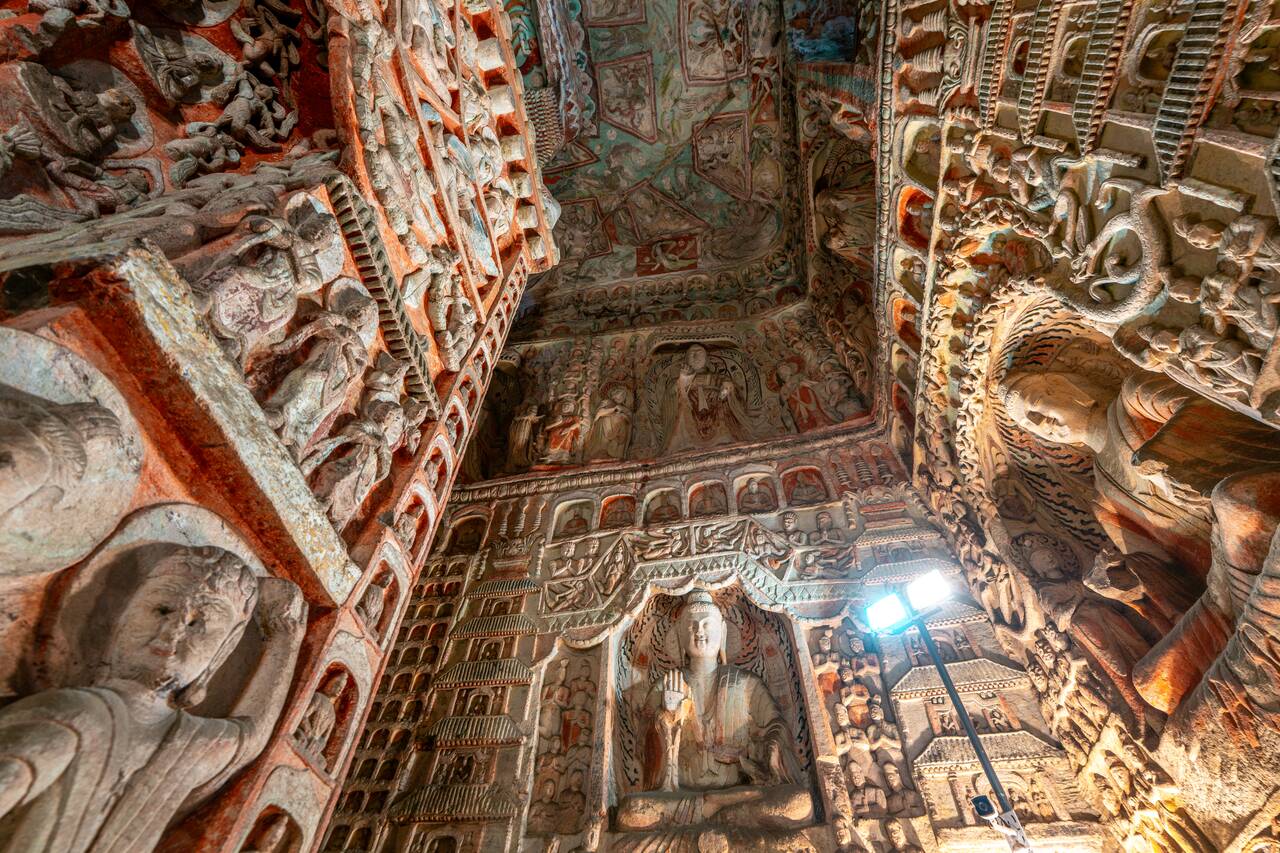
If they’re open when you visit, make time for Caves 5 and 6. Cave 5 houses the largest Buddha statue at the site, standing around 17 meters tall. Cave 6 has an incredible carved central pillar and scenes from the life of the Buddha that fill the space from floor to ceiling. Also, don’t miss Cave 20, with its iconic seated Buddha out in the open.
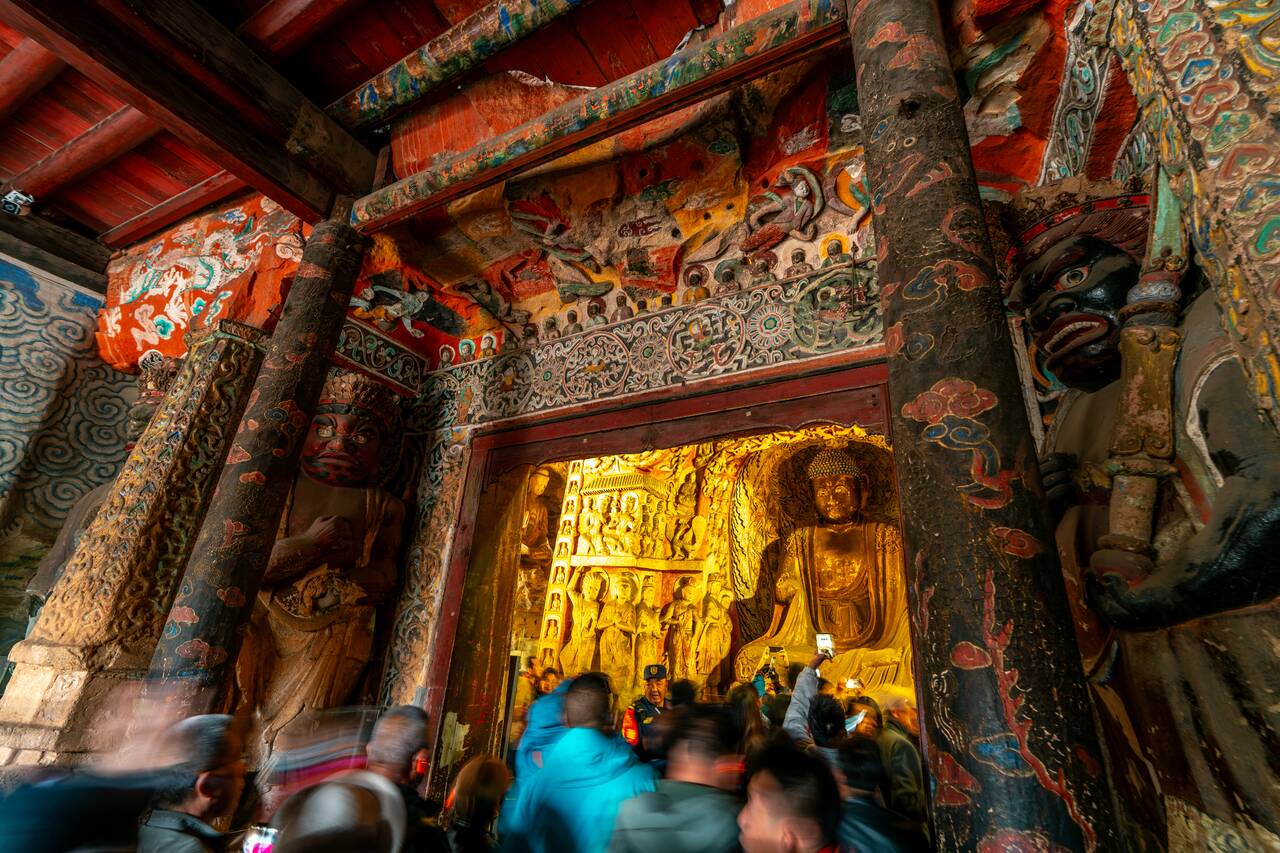
Yes, it can get crowded. Very, very crowded! When I was there, it was busy right from the entrance, and I shuffled slowly through the caves shoulder to shoulder with other tourists, following the flow from one chamber to the next.
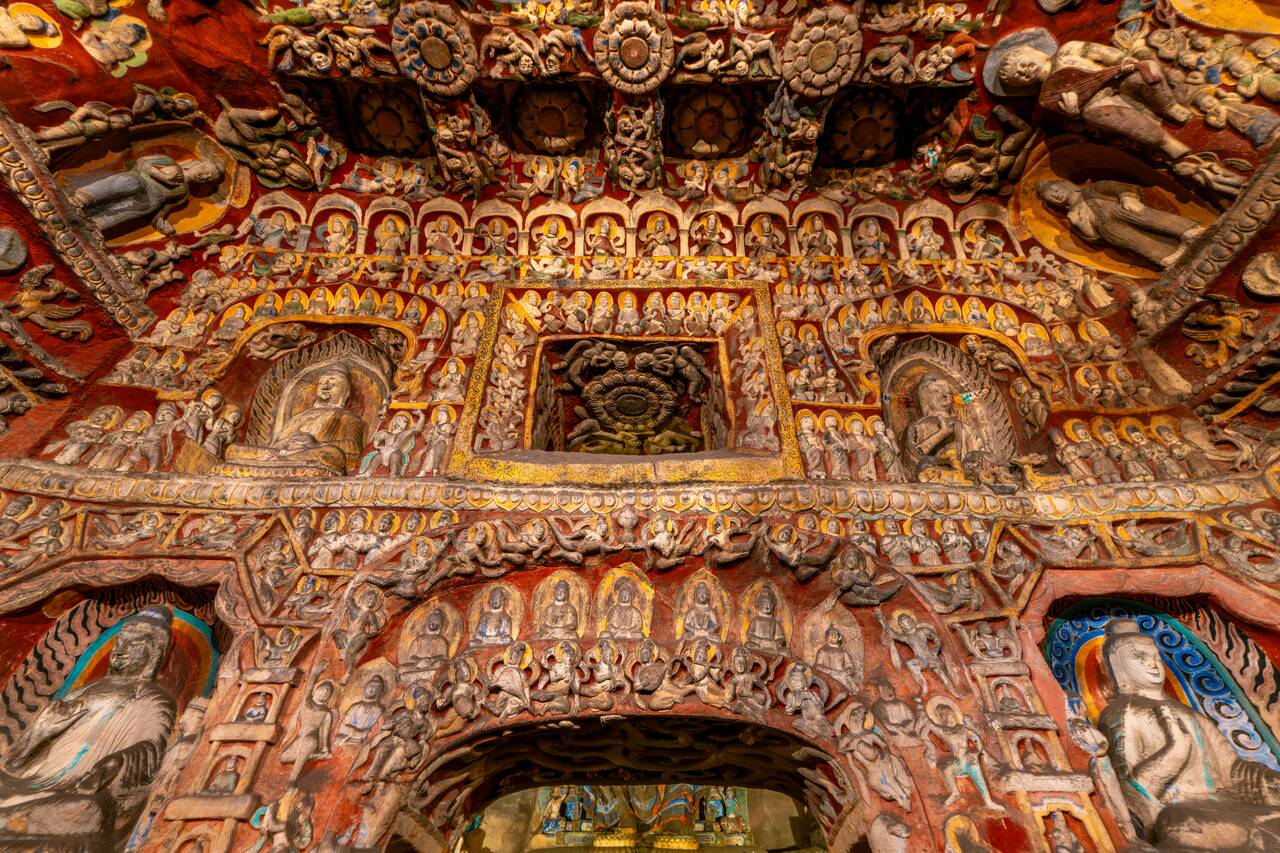
Normally, that would take away from the experience quite a bit for me, but the interiors were so extraordinary that I sometimes forgot about the crowds entirely. I was too busy looking up and admiring all the intricate carvings! If you are in Datong, this is a must-visit for sure!
Is It Worth Visiting All Three Places from Datong?
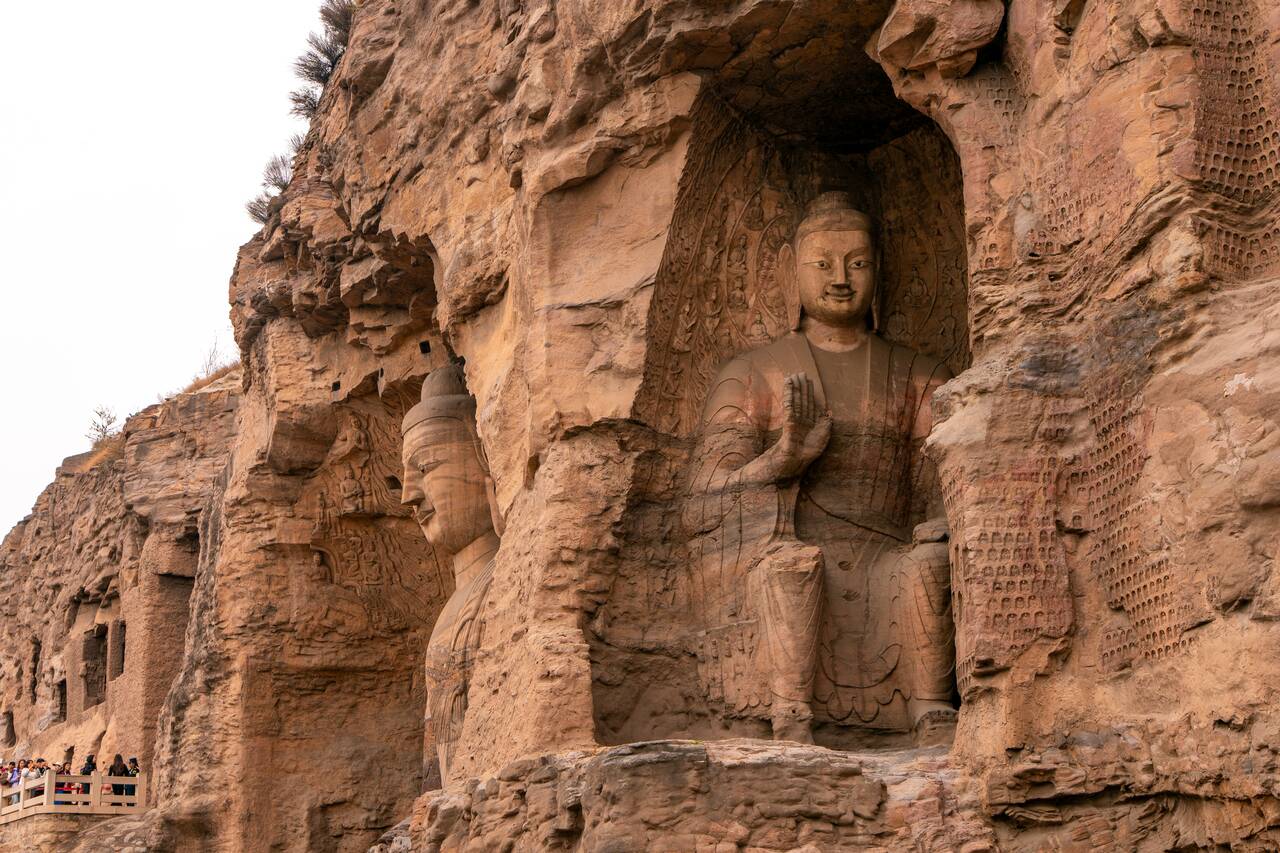
Yes, I’d visit all three over two days. Pairing the Hanging Temple with the pagoda made the first day worthwhile for me, even though I only saw the temple from below. If I went again, I’d try to book the climbing ticket before leaving Datong.
Yungang Grottoes was my favorite of the three. Even with the crowds, I’d happily go back, and if you only have time for one of these sights, this would be my pick. There's quite a lot to see, and it is best to leave this on its own day so you have time to explore. If you’re planning the rest of your trip, check out my Datong travel guide.
Things to Know Before Visiting China
- Always Carry Your Passport: Everything revolves around your passport/ID in China, and it’s often used interchangeably as your main form of identification. Many major tourist attractions require you to show your passport when buying a ticket, and the ticket will then be linked to it. You’ll scan your passport again to enter. The same applies to high-speed trains. It’s best to carry your passport with you at all times while traveling in China.
- Get an eSIM: China’s cashless economy relies on constant internet access, so having a data connection is essential. I highly recommend getting an eSIM or a local SIM card for your trip. An eSIM is often better because the service is usually based in Hong Kong, which bypasses China’s Great Firewall, meaning you can access apps like Instagram and YouTube without a VPN. I suggest checking eSIM options on Klook or Trip.com, as they tend to be the most affordable.
- Use AMap to Navigate: Google Maps doesn’t work well in China, so local apps like AMap are much more informative and accurate for getting around. It even provides metro information, making it easy to navigate city subway systems. I used AMap throughout my entire trip, and it worked perfectly! In this guide, I’ll be linking locations with AMap links instead of Google Maps, so be sure to download it before your trip.
- Use VPN to Bypass the Great Firewall: As you may know, many major websites such as Google, Facebook, Instagram, TikTok, and more are blocked in China. To access them, you’ll need a VPN like LetsVPN installed on both your phone and laptop before you arrive in China. This is crucial as once you're in the country, you won’t be able to search for or download VPN apps. I used LetsVPN during my trip, and it worked very well throughout. The service is affordable too, with a free tier offering limited data or a basic unlimited plan for just 5.99 USD per month.
- Connect Alipay with Your Credit Card: First, download Alipay from the app store, set up your account, and link it to your credit card. This will be one of the two main ways you’ll pay for services in China. Alipay also has mini-apps built in, such as Didi (China’s version of Uber), so you don’t need to download separate apps, and you can use them directly through Alipay. Very convenient!
- Get a Transport Card Working in Alipay: Once you have Alipay set up, you’ll need to verify your account before you can activate a transport card for metro and bus rides. First, if you’re not currently in the city you want to use, tap the city name in the top-left corner and select the correct city. After that, tap the “Transport” button and request a transport card. You’ll be asked to upload a photo of your passport for verification. Once approved, your transport card will be issued, and you can use the QR code to scan and pay for buses and metro rides.
- Get WeChat Set Up: WeChat is another essential app for communicating with locals, thanks to its built-in translation feature. It’s also widely used for payments as Alipay only works about 70% of the time, while WeChat is commonly needed for paying individuals, buying entry tickets at certain attractions, and more. Setting up WeChat can be a bit tricky though because you need verification from an existing user. The easiest way is to ask your hotel’s reception to help verify your account when you arrive in China, which is how I got mine activated.
- Use Trip.com / Trip App: For hotels, day trips, attraction tickets, train tickets, flights, and everything in between, you can use Trip.com or the Trip app to book all your travel needs. It’s very convenient, offers a great user experience, and has a generous cancellation policy that gives you more flexibility when traveling in China.
Disclaimer: This post may contain affiliate links. See our disclosure policy.
First Published:


