


After several days exploring Beijing’s enormous palaces and temples, I decided to hop on a high-speed train and spend a day in Tianjin, a beautiful port city filled with European-style streets, ornate bridges, and modern skyscrapers lining the Haihe River. It was definitely a much-needed change of scenery!
While the European architecture wasn’t the main draw for me, Tianjin had a few surprises that made the trip worthwhile. The wonderfully unusual Porcelain House and the dramatic interior of Zhongshuge Bookstore were among my favorites, while strolling along the river gave me a chance to slow down after an action-packed few days in Beijing and really take in the city.
If you have a day to spare in Beijing and fancy exploring somewhere different, this guide covers my favorite things to do in Tianjin, along with practical tips on getting there, getting around, and deciding which places deserve your time. Let’s begin!
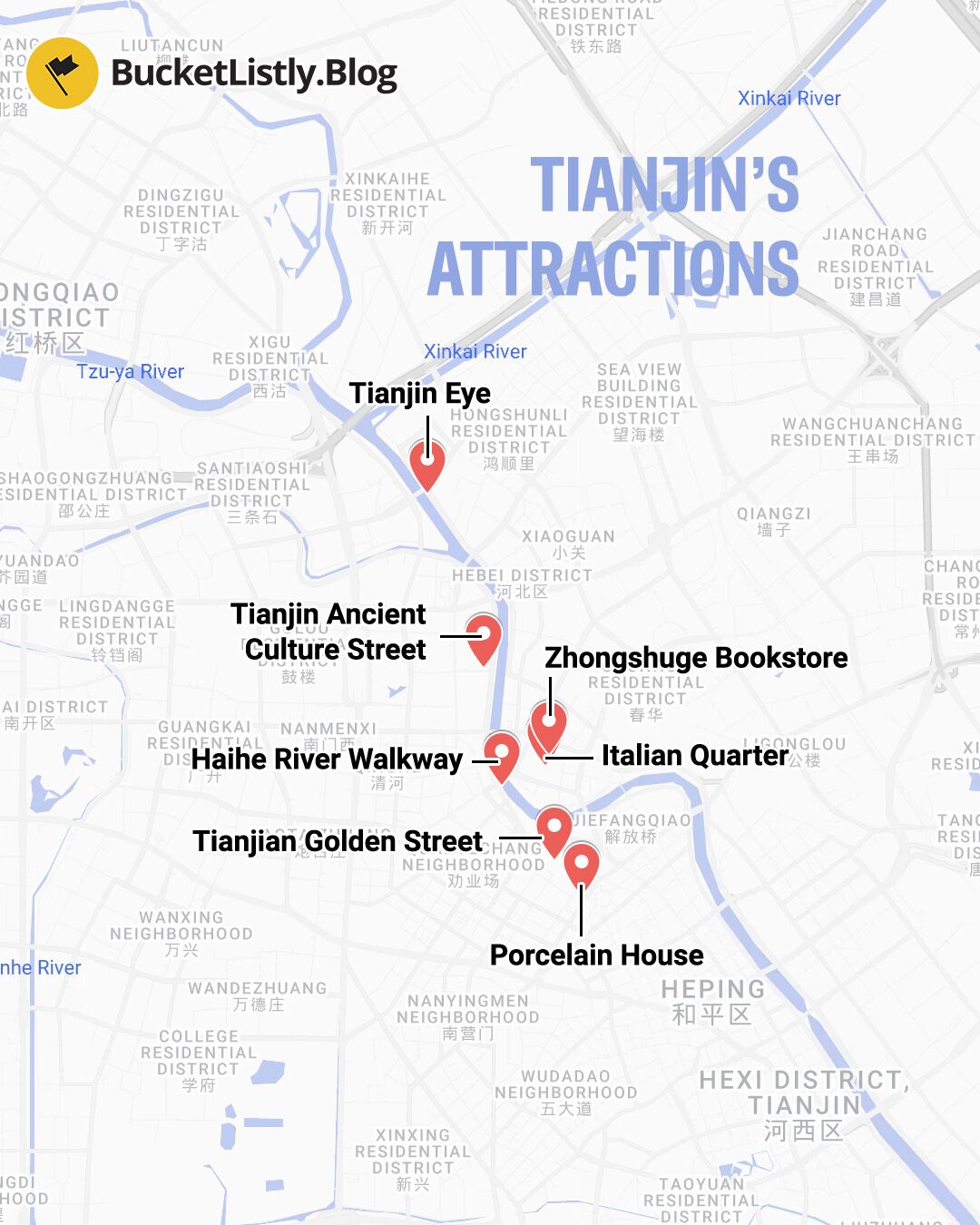
Map of Tianjin’s Attractions
Quick Summary
| ♥️ Must See: | Porcelain House |
|---|---|
| 💎 Hidden Gem: | Zhongshuge Bookstore |
| 🥘 Place to Eat: | Tianjin Ancient Culture Street |
| 🛌 Place to Stay: | Y.TUO Hotel Tianjin Station Italian Style Zone Branch |
7 Best Things to Do in Tianjin
1. Admire the Porcelain House

- 📍 Location: Porcelain House [Map Link]
- 🕐 Opening Hours: 9 AM - 7 PM
- 💰 Entry Fees: 50 CNY (~7 USD)
- ⚡ Pete's Take: "This is one of my favorite attractions here. It reminded me so much of Gaudí's work in Barcelona, except here, they are made from pieces of porcelain."
Porcelain House was one of the highlights of Tianjin for me. The building is covered in an elaborate patchwork of porcelain pieces, with exquisite details that become more impressive the closer you look.
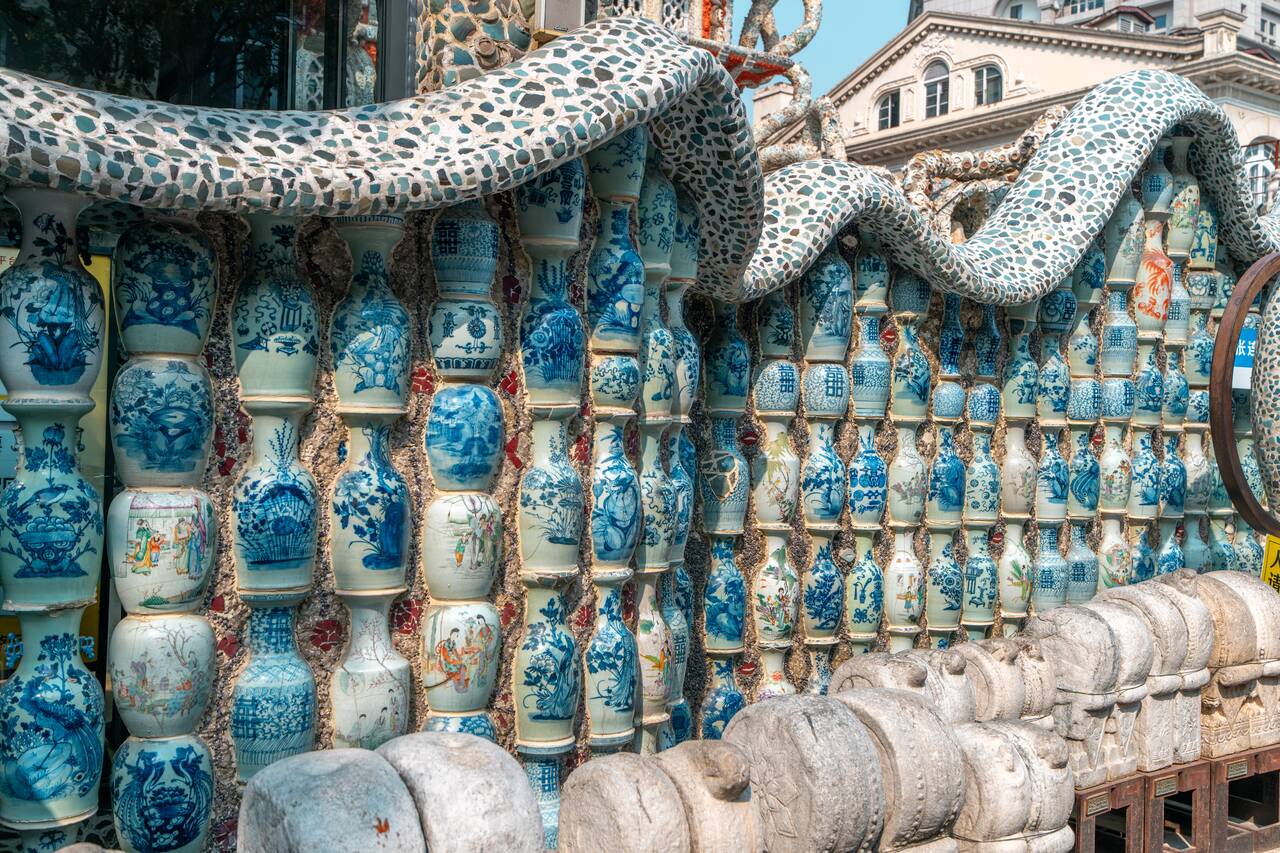
The house really reminded me of Gaudí’s work in Barcelona, with its unusual curves and colors, except here, the decorations are made from pieces of porcelain. Even the surrounding walls are decorated with porcelain vases stacked together. Not gonna lie, those exterior walls were actually my favorite part of the house!
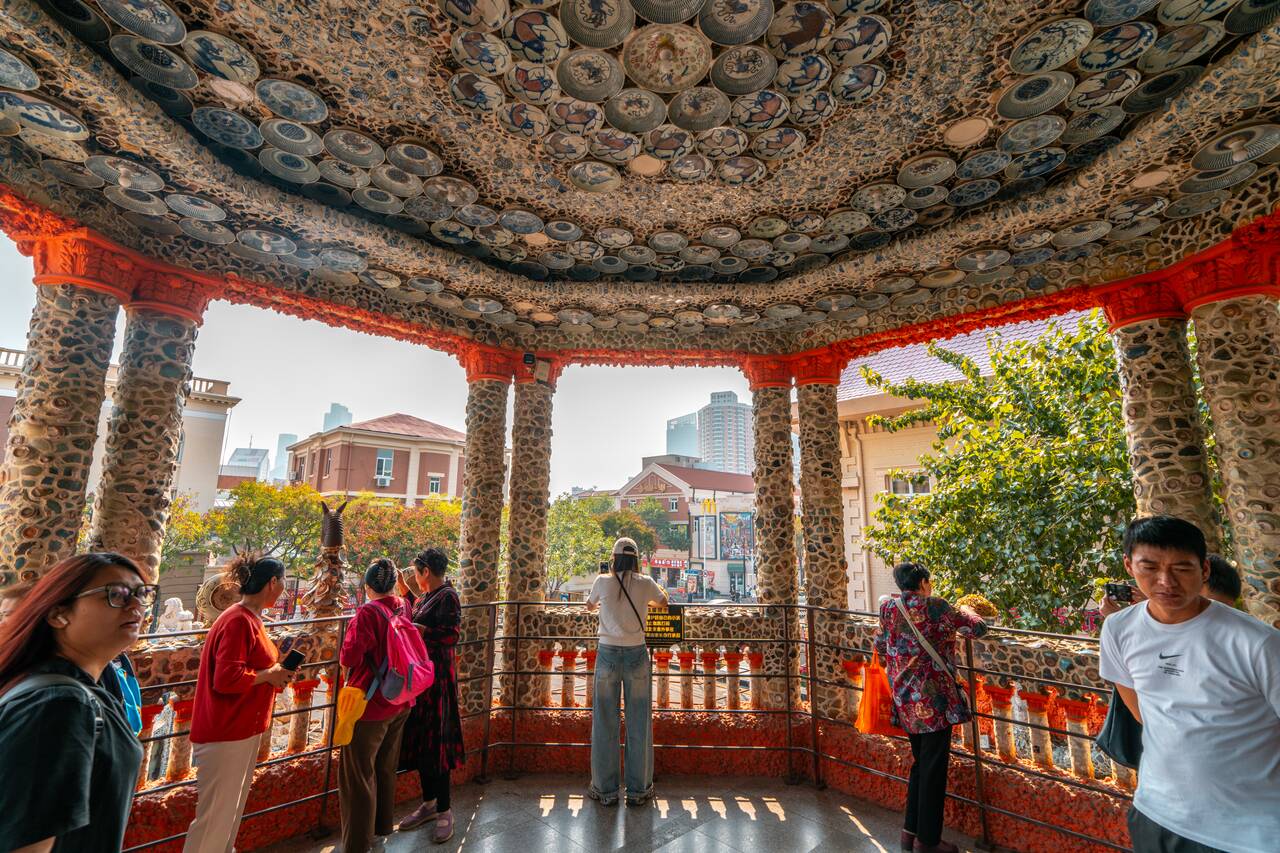
There are several floors to explore inside, along with balconies where you can step out and enjoy the views. I would allow around 30 minutes to an hour to look around without rushing, especially if you enjoy photographing the intricate decorations.
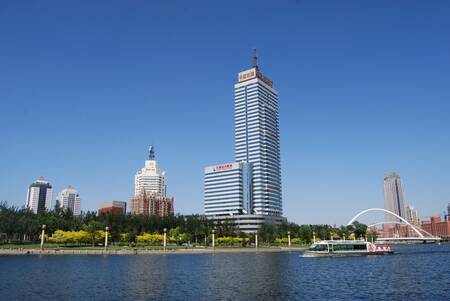
- Tianjin Yuanyang Metropark Hotel (Tianjin Railway Station Jinwan Plaza) (Budget)
- Y.TUO Hotel Tianjin Station Italian Style Zone Branch (Mid-Range) 👍 Top Pick
- Hilton Garden Inn Tianjin Railway Station (High-End)

To get in, you will have to pay the entry fee of 50 CNY per person, and the opening hours were 9 AM to 7 PM. You can book your ticket online here or buy it at the entrance. For me, this is one of those places you really have to see for yourself!
Where to Stay in Tianjin?
 👍 Top Pick

2. Explore Tianjin Golden Street

- 📍 Location: Tianjin Golden Street [Map Link]
- ⚡ Pete's Take: "A great walking route connects Porcelain House with the Italian Quarter."
After visiting the Porcelain House, head over to Tianjin Golden Street, a lively pedestrian shopping area full of shops, restaurants, cafés, and malls. It makes for a great detour between the Porcelain House and the Italian Quarter, especially if you fancy a little shopping or want to find somewhere for breakfast or lunch before continuing to explore the city.
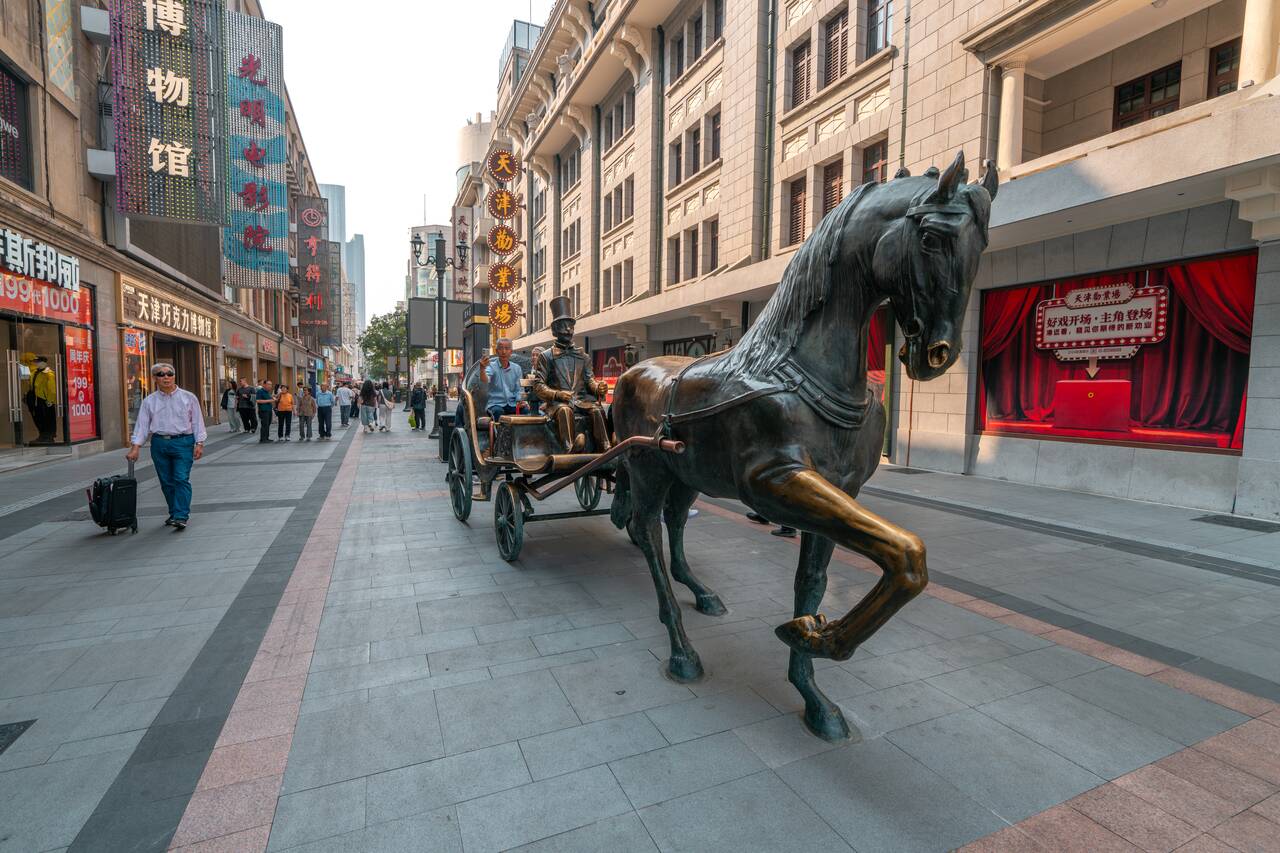
There are also plenty of beautiful European-style buildings along the way, so keep an eye out for them as you explore. For a moment, I felt like I was walking along a shopping street somewhere in Western Europe! It was only because of all the Chinese characters on signs that actually brought me back to reality.
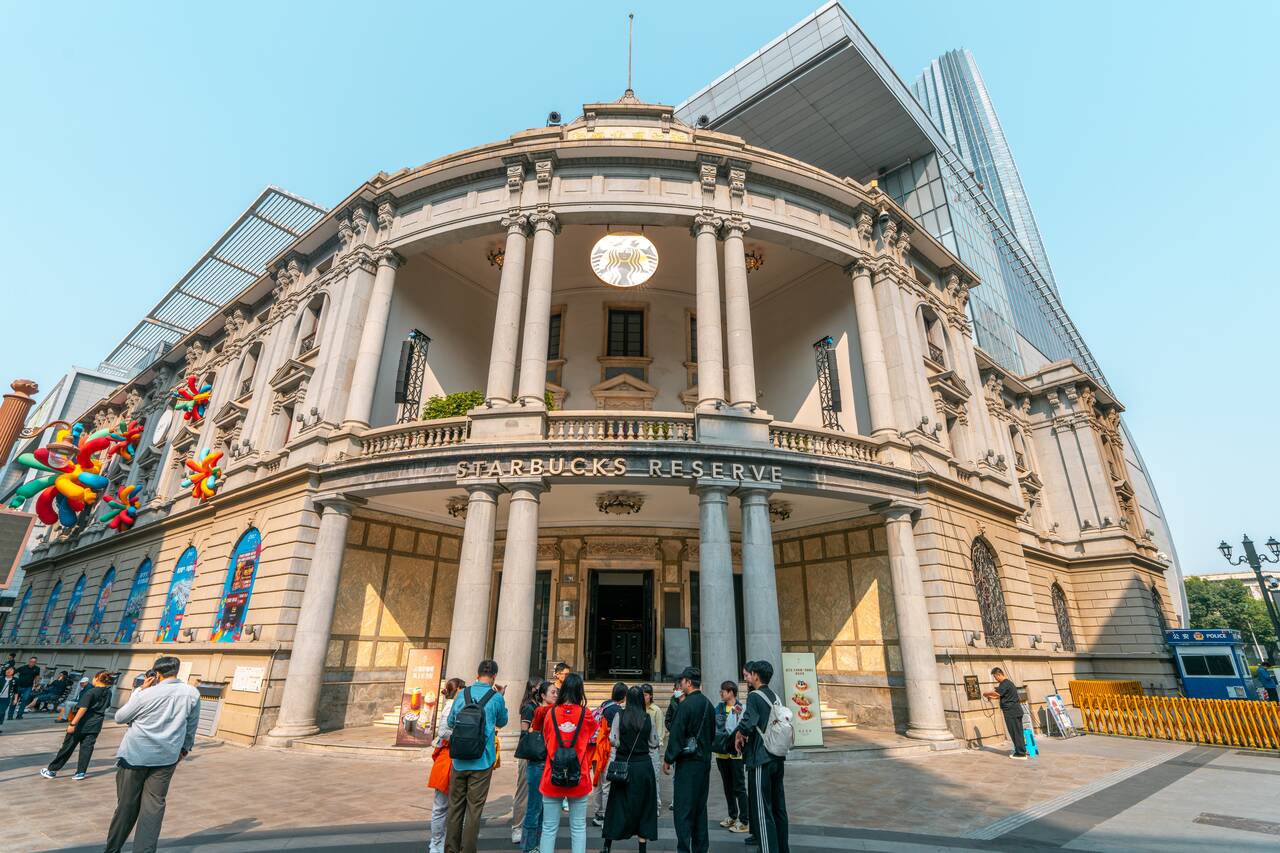
Once you are done, make your way toward the Haihe River and cross Bei’an Bridge. From there, you can continue into the Italian Quarter, another place worth exploring and our next stop in this guide.
3. Explore the Italian Quarter
- 📍 Location: Italian Quarter [Map Link]
- ⚡ Pete's Take: "Tianjin's history as a port city goes deep, and the Italian Quarter is a remnant of it. A bit tacky, but still a part of the city's history."
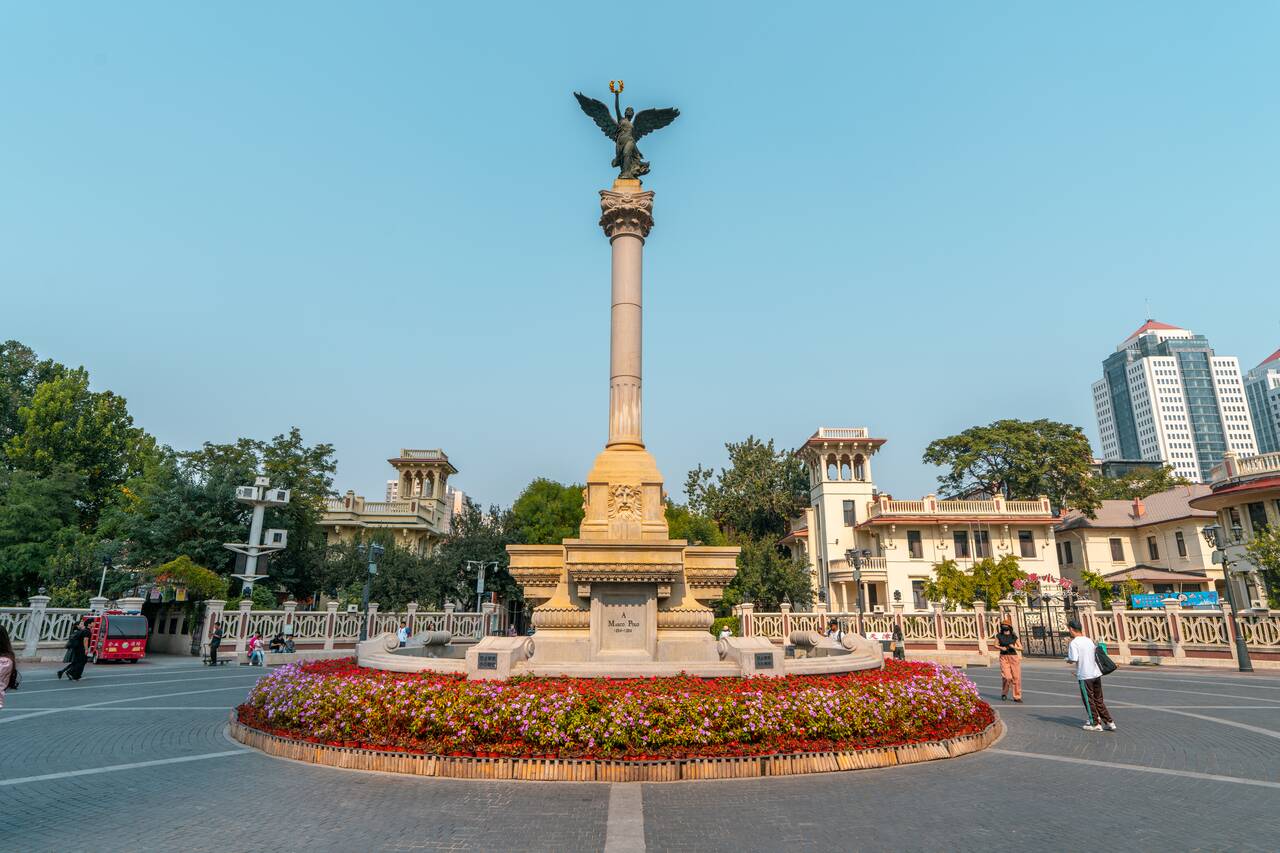
With its European-style villas, squares, and restaurant terraces, the Italian Quarter might seem like an unusual thing to find in China. But this is more than an Italian-themed shopping district or fake European city you often see in the news.
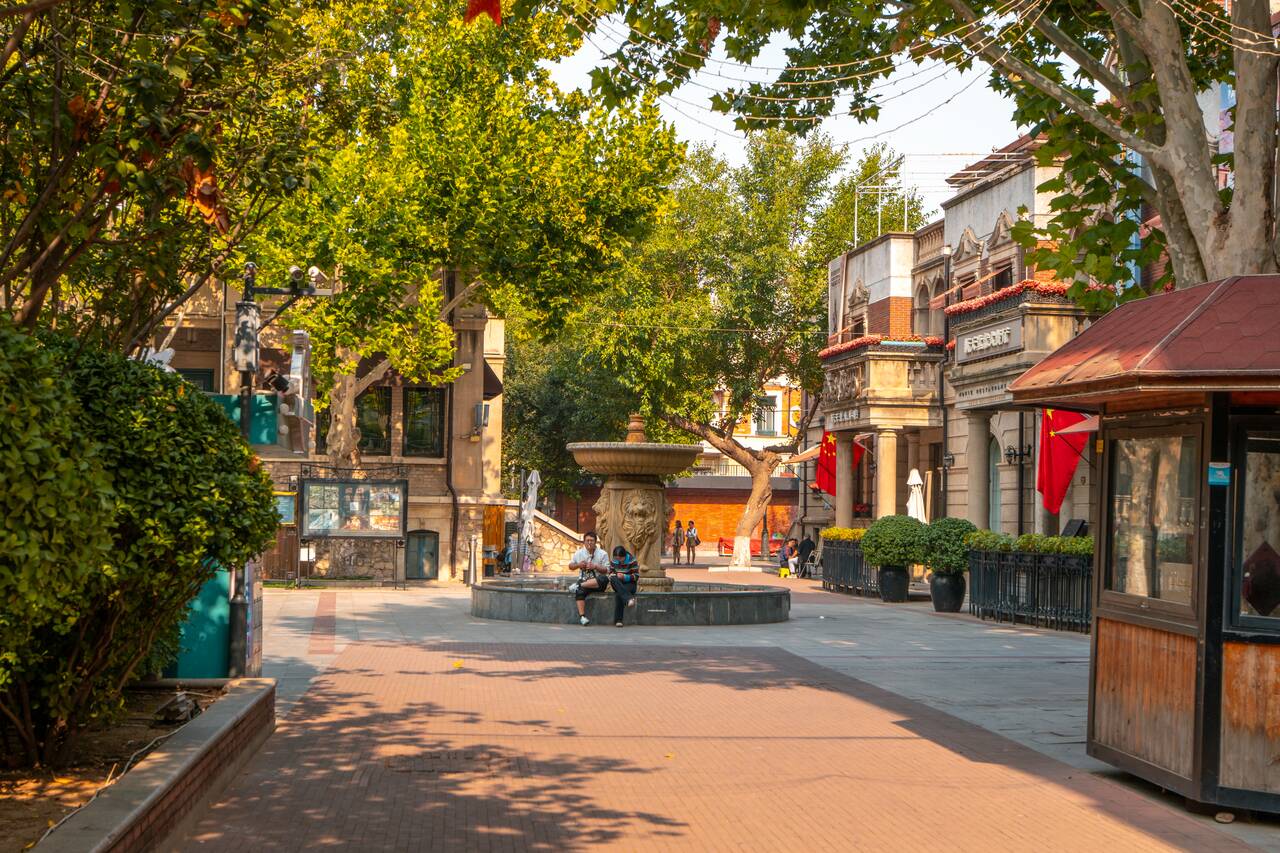
This place actually occupies the former Italian concession, that was established in 1901 following the Boxer Uprising, when foreign powers imposed further concessions and privileges on China.
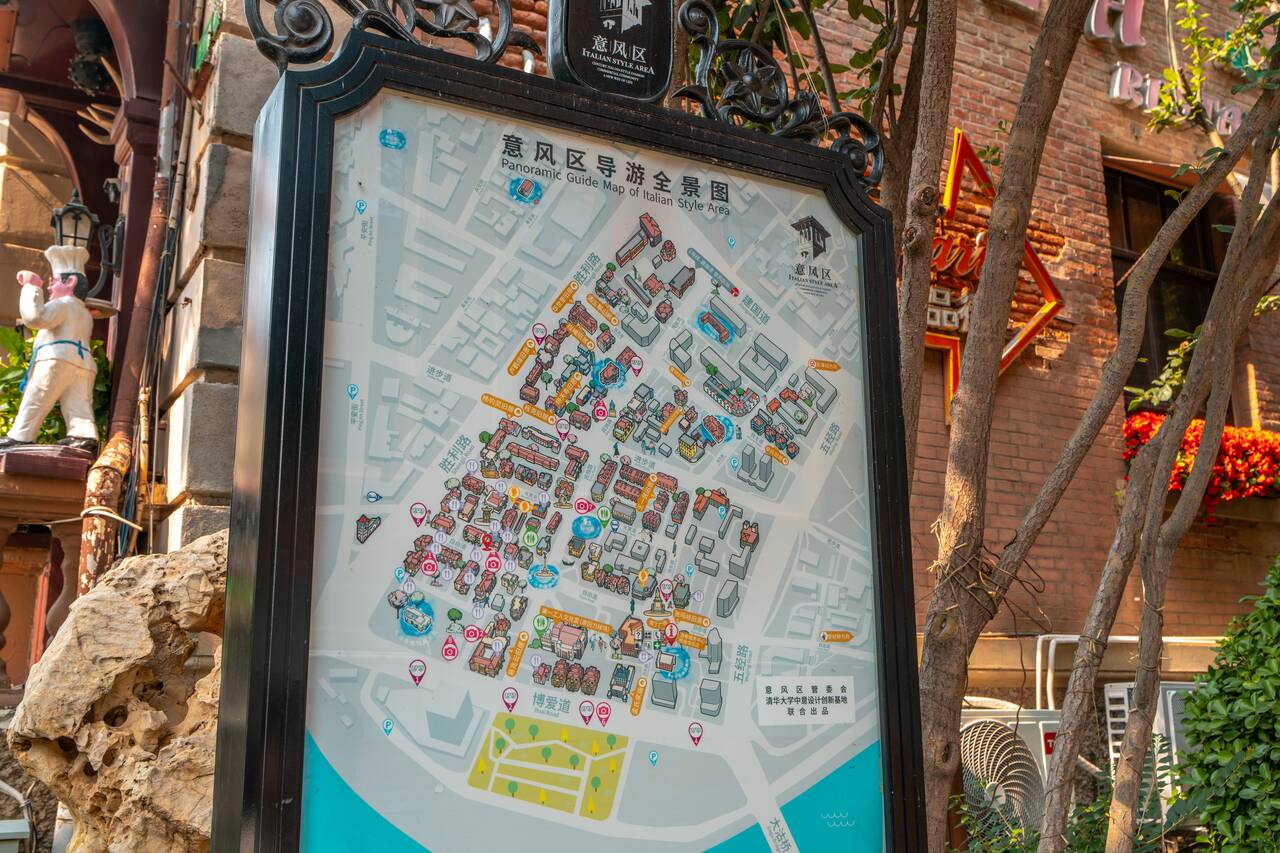
Tianjin was an important treaty port, with several foreign-controlled districts that left their mark on the city’s architecture. This particular area was administered by Italy and developed with European-style streets and buildings.
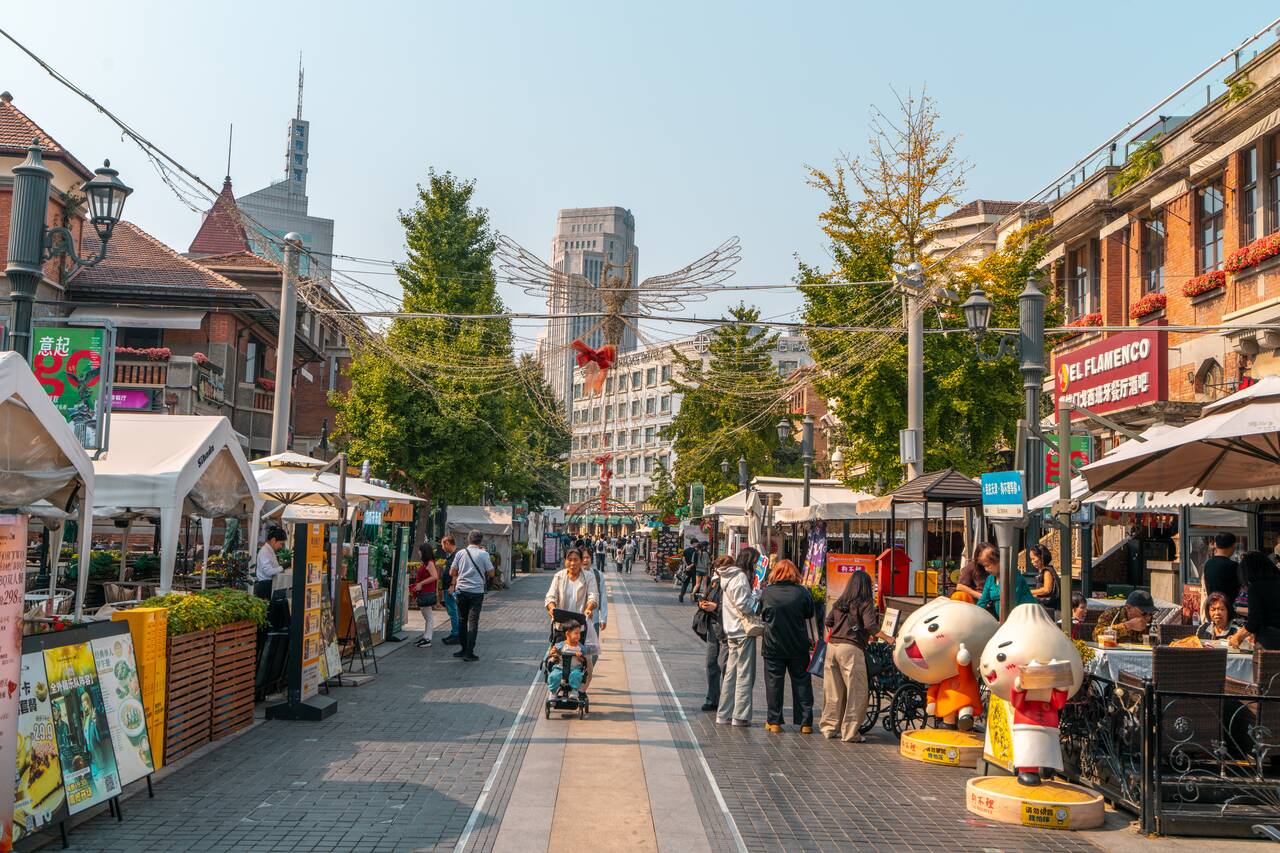
This is the reason why walking around Tianjin can feel so different from exploring other Chinese cities like Beijing with its imperial palaces and temples. Today, the former concession has been restored and adapted into a tourist area filled with restaurants, cafés, shops, and historic buildings.
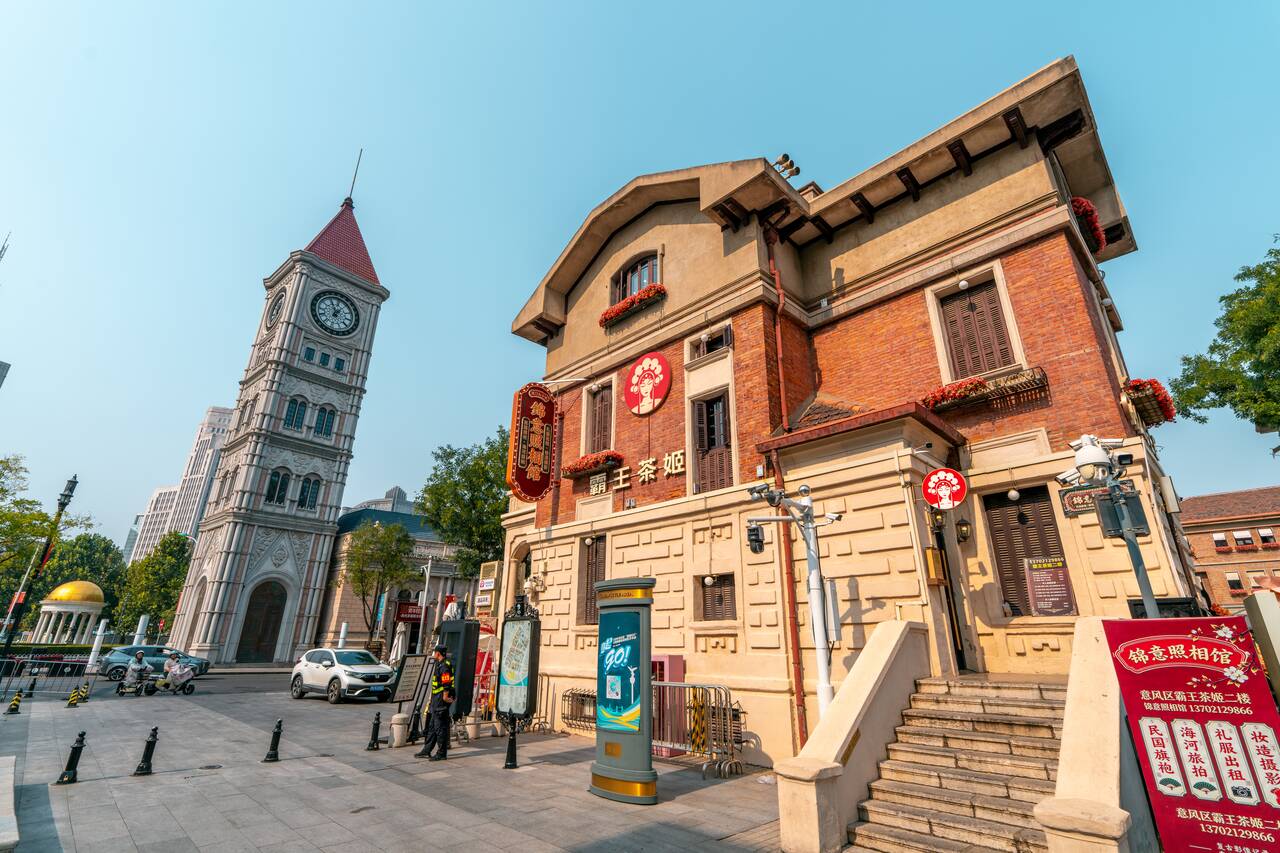
To be honest, parts of it can feel a little tacky and touristy, but the history behind it makes it worth seeing. This mix of Chinese city life and European architecture is part of Tianjin’s identity, and the Italian Quarter is a good place to get a feel for it. Take some time to wander beyond the busiest dining streets and look at the villas and architectural details along the way.
4. Admire the Beauty of Zhongshuge Bookstore
- 📍 Location: Zhongshuge Bookstore [Map Link]
- 🕐 Opening Hours: 9:30 AM - 10 PM
- 💰 Entry Fees: Free
- ⚡ Pete's Take: "The interior of the store is absolutely stunning; do not miss it as you explore the Italian Quarter."
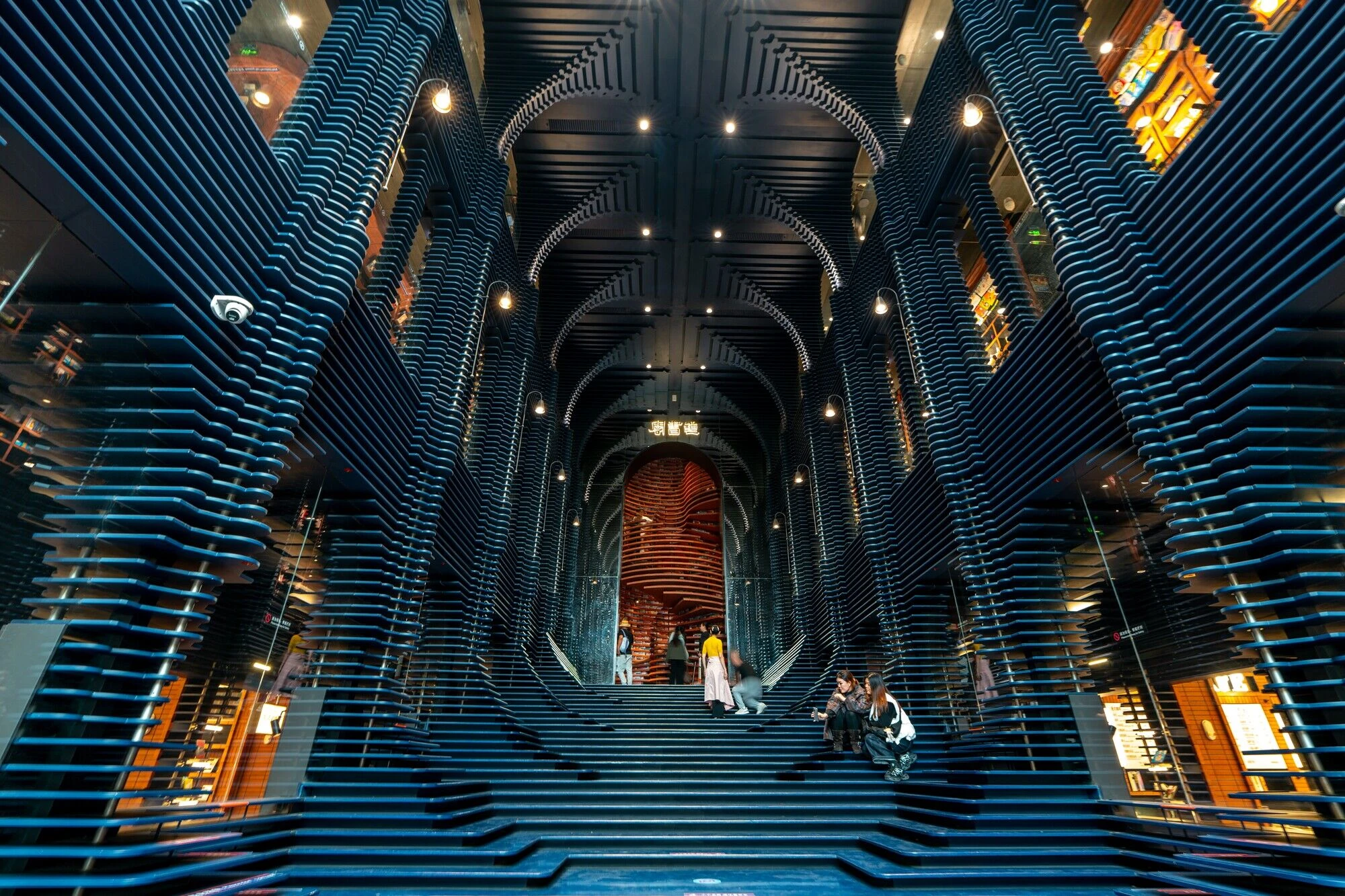
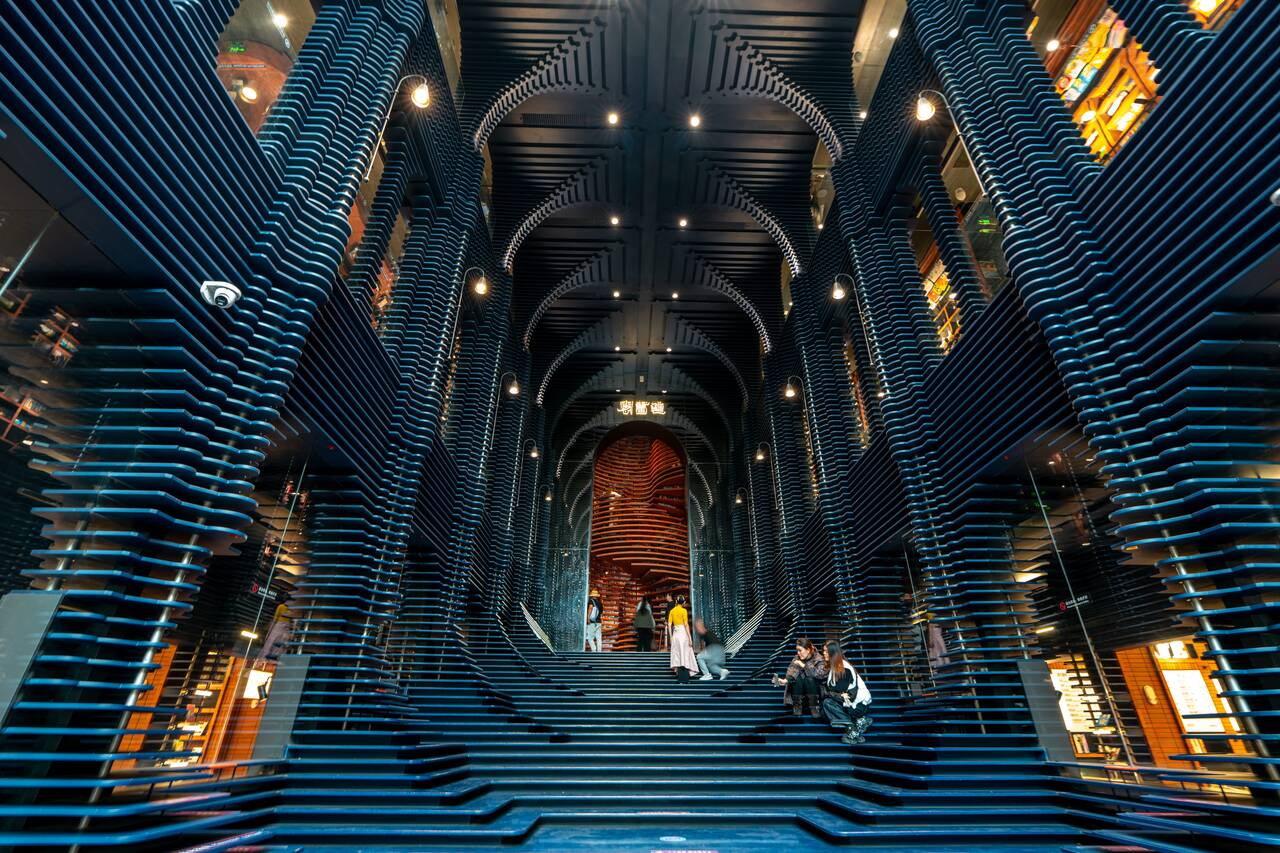
While exploring the Italian Quarter, be sure to stop by Zhongshuge Bookstore, where the interior is as much of an attraction as the books themselves. Right on the get go, it's stirking exterior with its towering red-brick arches will grab your attention the moment you walk by it.
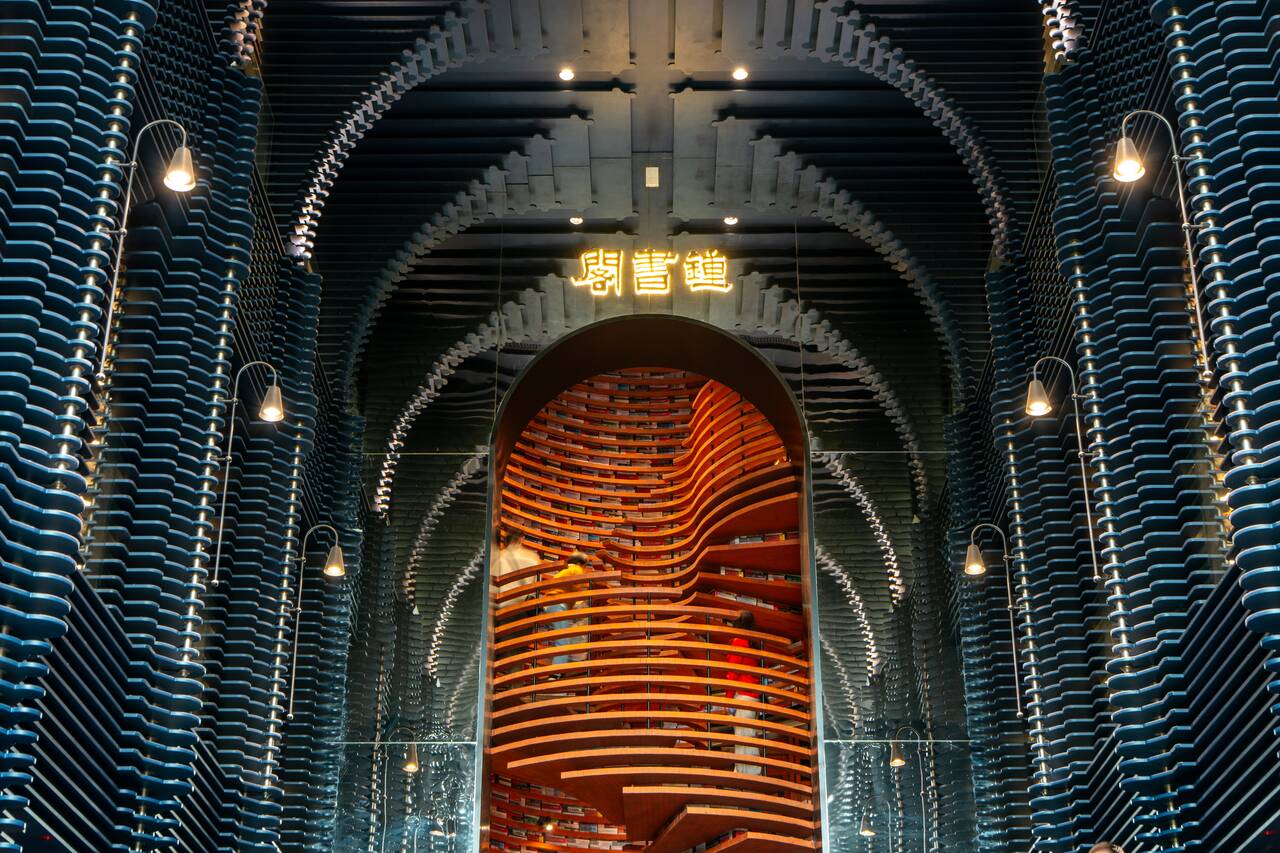
Once inside, you will find yourself standing beneath curved dark-blue structures sweeping through the space. It feels almost like stepping into a cathedral reimagined as a modern art installation, with bold colors and clean lines!
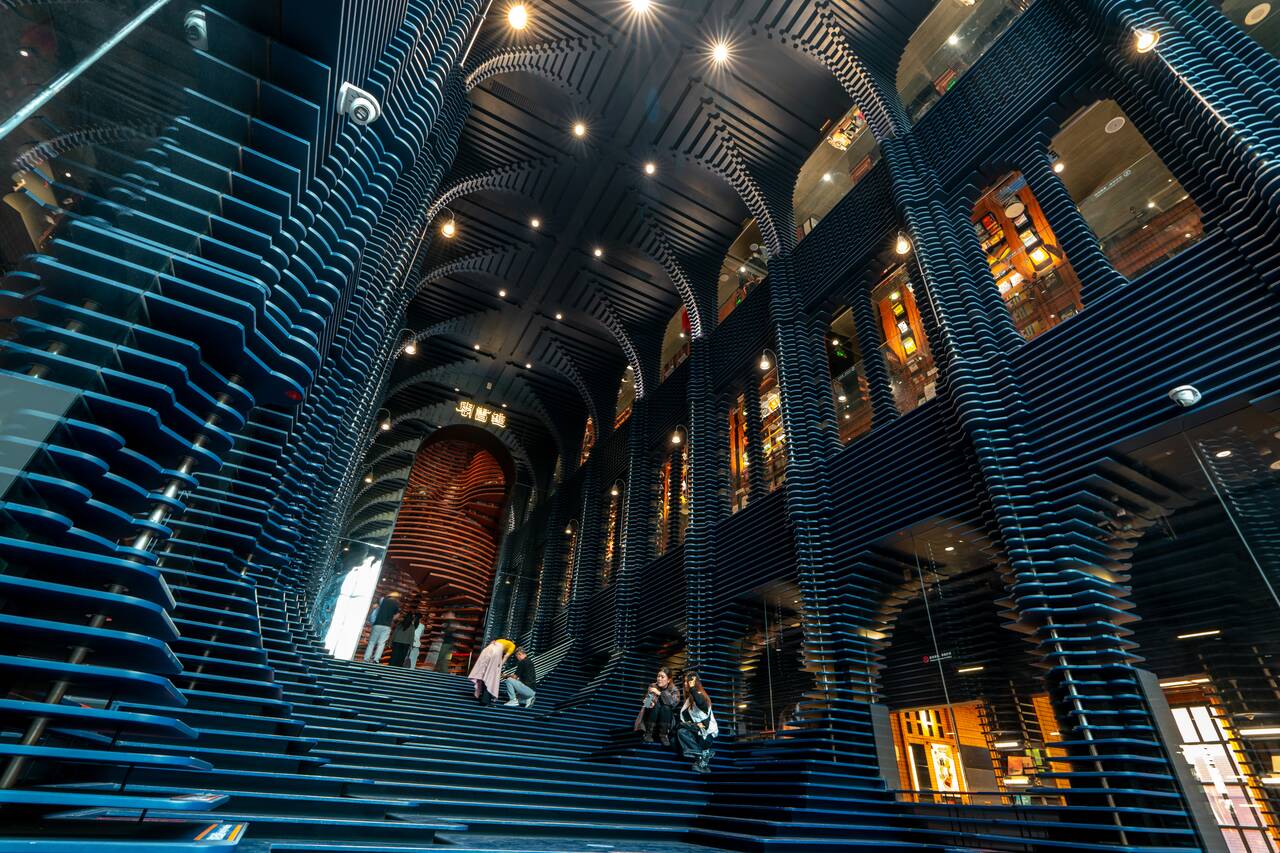
The brickwork flows through the interior, forming shelves, steps, and seating areas, while a striking spiral staircase draws your eye upward. It is quite a sight, so take your time exploring the different levels and seeing how the design changes from each angle.
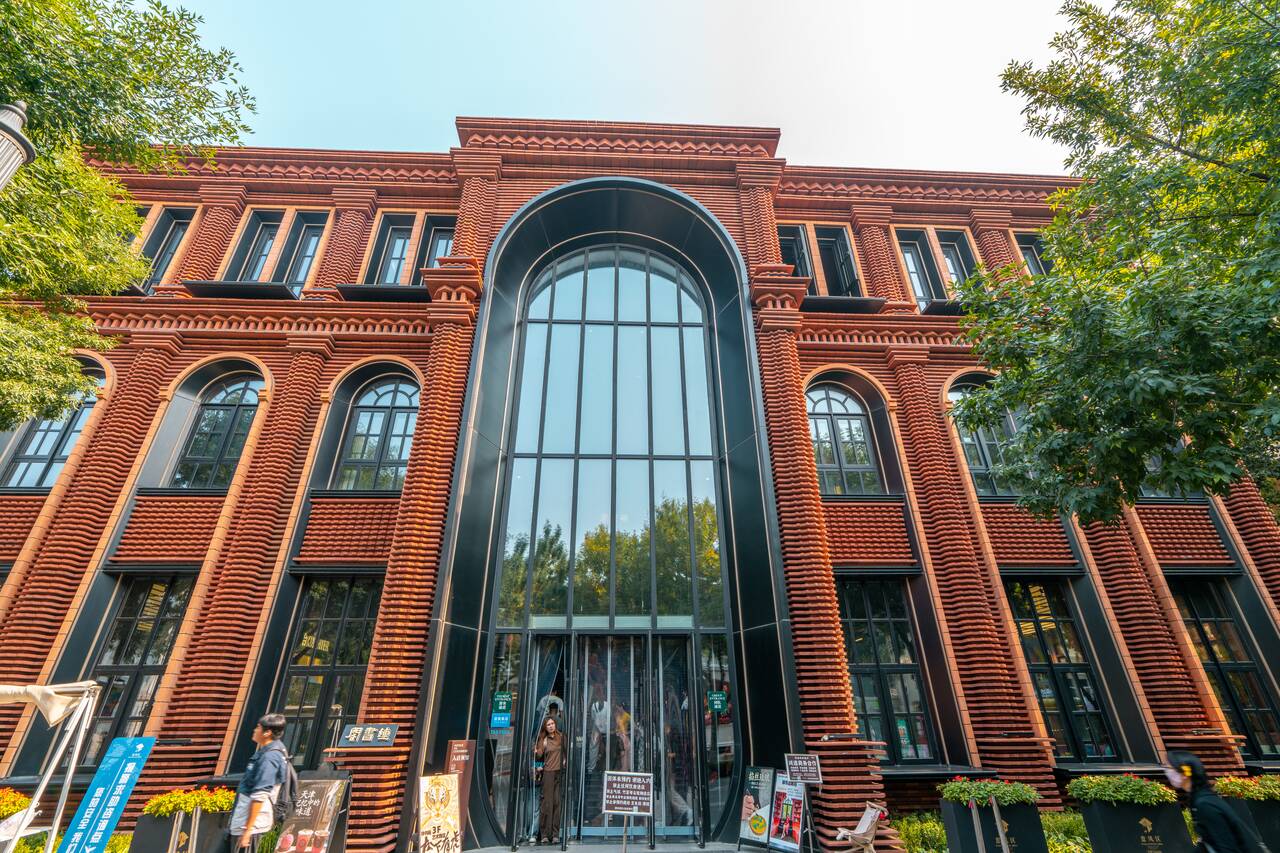
Entry to the bookstore is free, and it is open daily from 9:30 AM to 10 PM. I would allow around 30 minutes to appreciate the interior, take some photos, and browse the store before moving on.
5. Walk Along the Haihe River
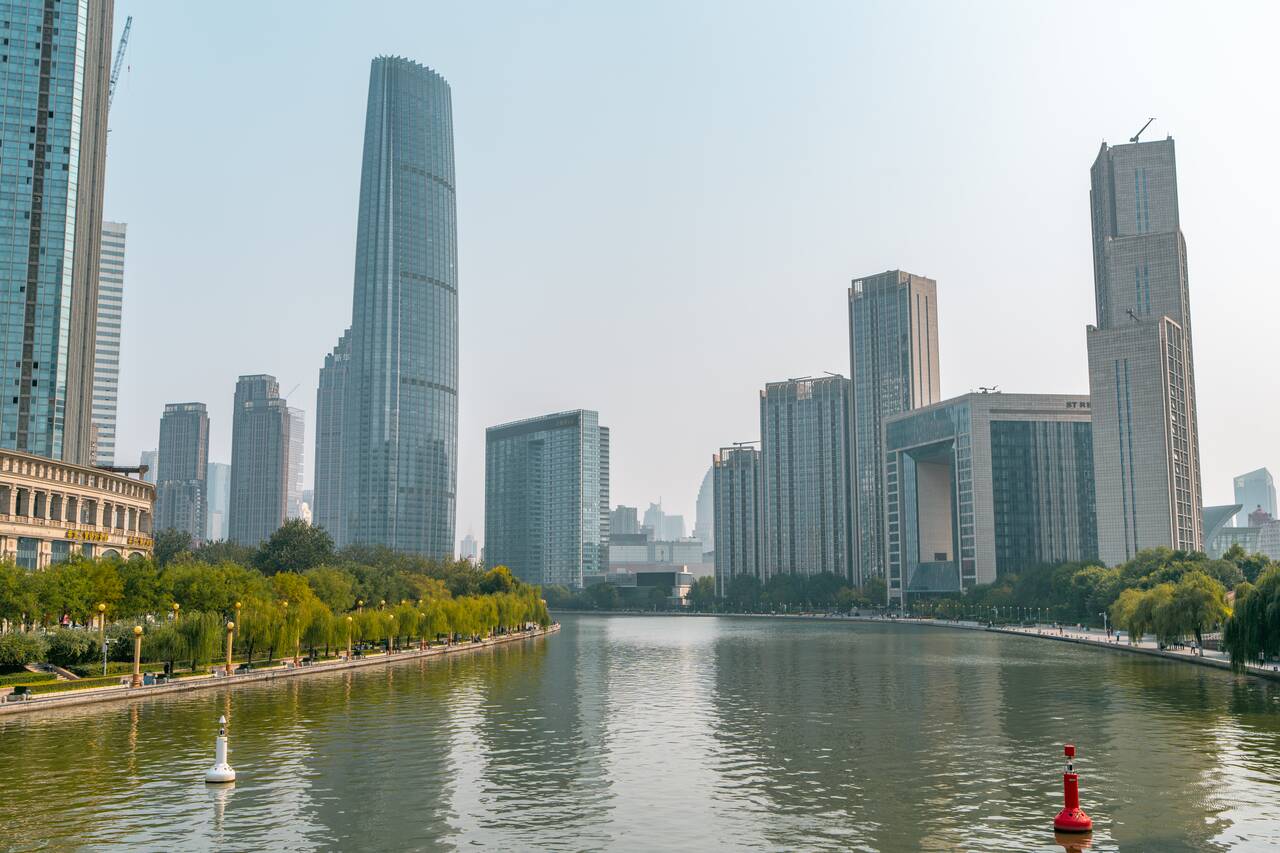
- 📍 Location: Haihe River [Map Link]
- ⚡ Pete's Take: "Keep an eye out for the local uncles taking a dip in the river, despite swimming being prohibited! 🤣"
A stroll along the Haihe River is a great way to appreciate Tianjin’s mix of old and new. Modern skyscrapers rise behind European-style buildings, while ornate bridges connect the two banks. It’s quite a contrast, and you will find plenty of places to stop for photos along the way.
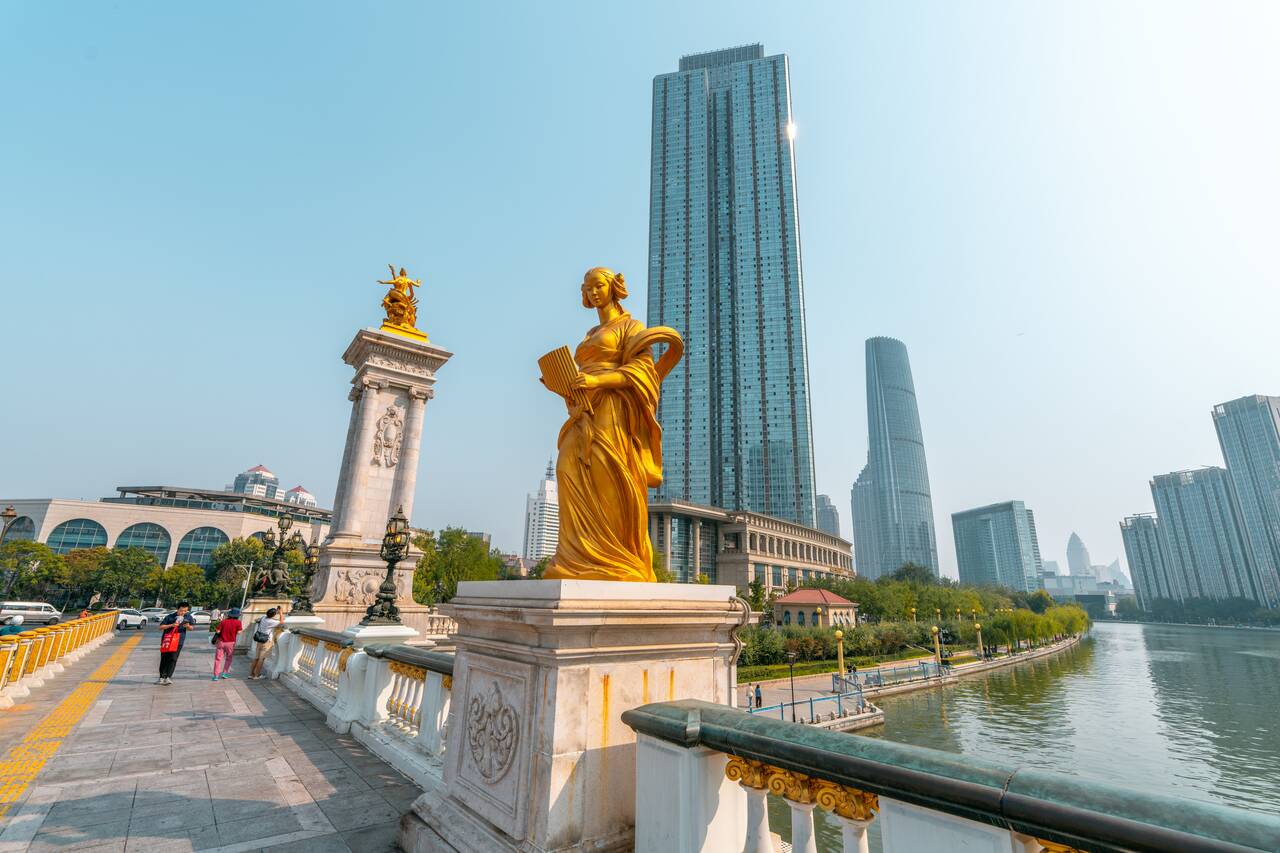
I really liked the bridges here, especially Bei’an Bridge. From afar, its design reminded me of something you might see in France, but look more closely at the sculptures and decorations, and you will notice a distinctly Chinese twist. Pretty cool to see!
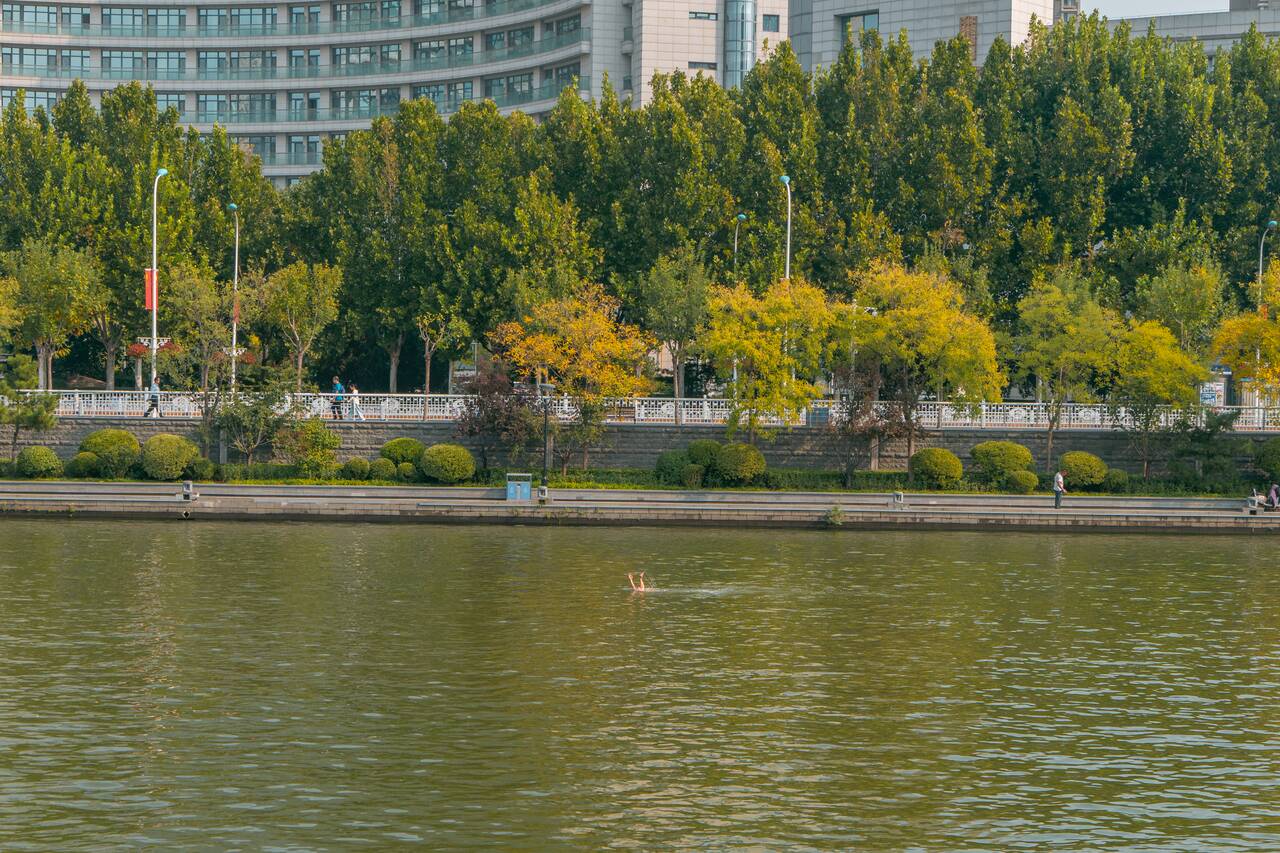
Also, keep an eye out for the local uncles taking a dip in the river! I spotted them jumping in and swimming around, clearly enjoying themselves without a care in the world. I had heard that swimming there was no longer allowed, but that didn’t seem to stop the ones I saw 🤣. They certainly looked determined to enjoy the water no matter what!
6. Wander Along Tianjin Ancient Culture Street
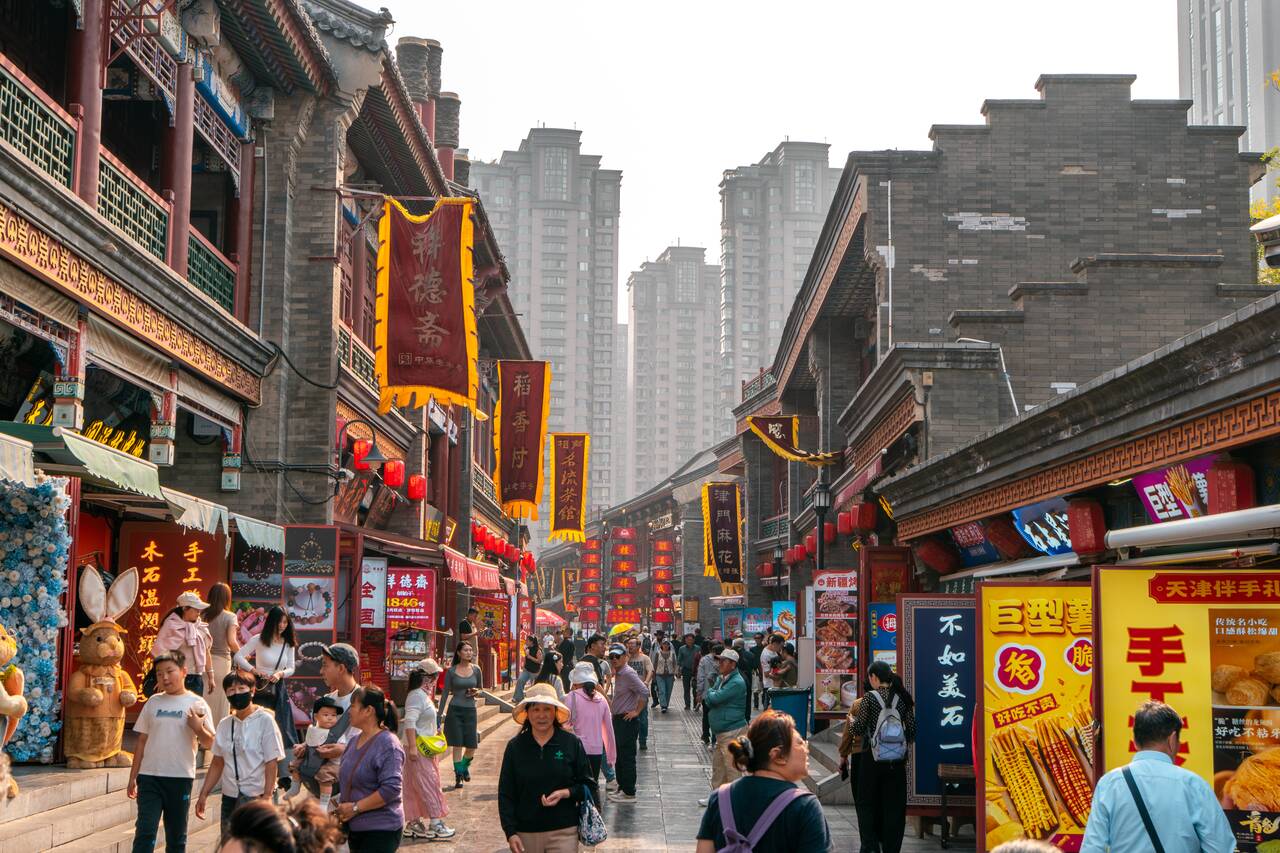
- 📍 Location: Tianjin Ancient Culture Street [Map Link]
- 🕐 Opening Hours: 9 AM - 8 PM
- 💰 Entry Fees: Free
- ⚡ Pete's Take: "Think of an ancient district like this as a night market, and you will enjoy yourself more."
Tianjin Ancient Culture Street is another of those ancient-style districts you will find in many Chinese cities, lined with traditional-style buildings, renovated shopfronts, cafés, restaurants, and street food stalls.
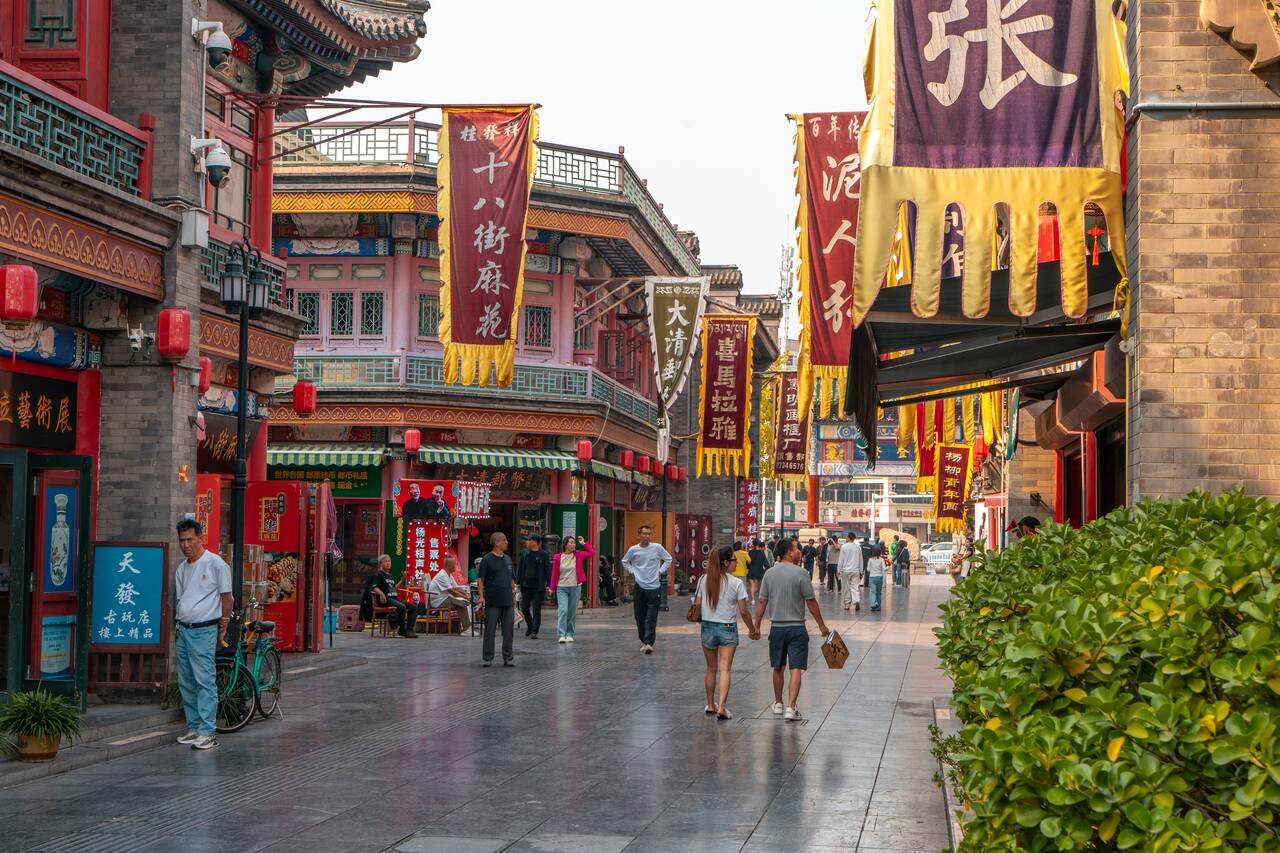
To be honest, after spending so much time traveling around China, I have seen plenty of these shopping streets, and they can start to feel repetitive. The buildings look lovely, but I no longer visit these places primarily for sightseeing.
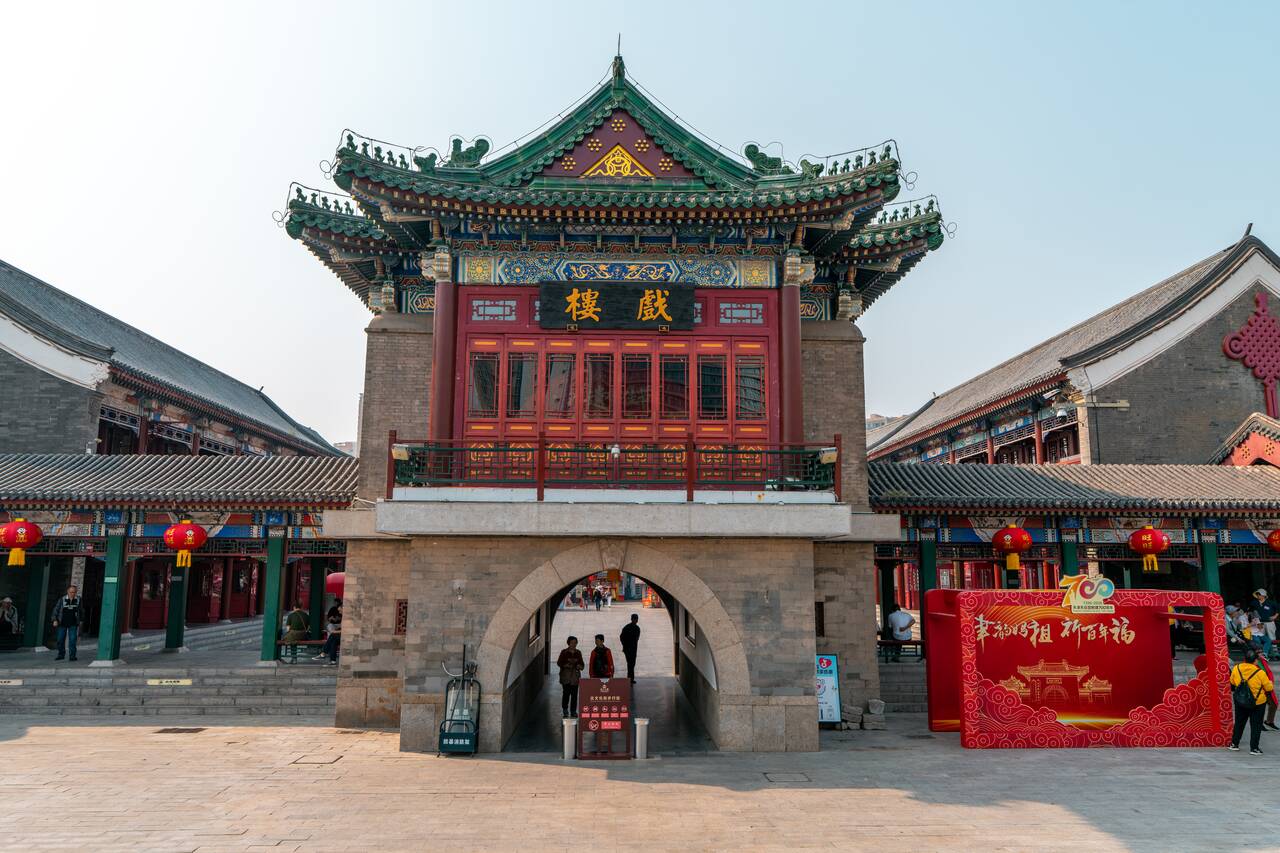
Instead, I think of them as the Chinese equivalent of Thailand’s night markets. Almost every city has one, and many sell similar things, but you go to enjoy the food, browse the stalls, and take in the lively atmosphere.
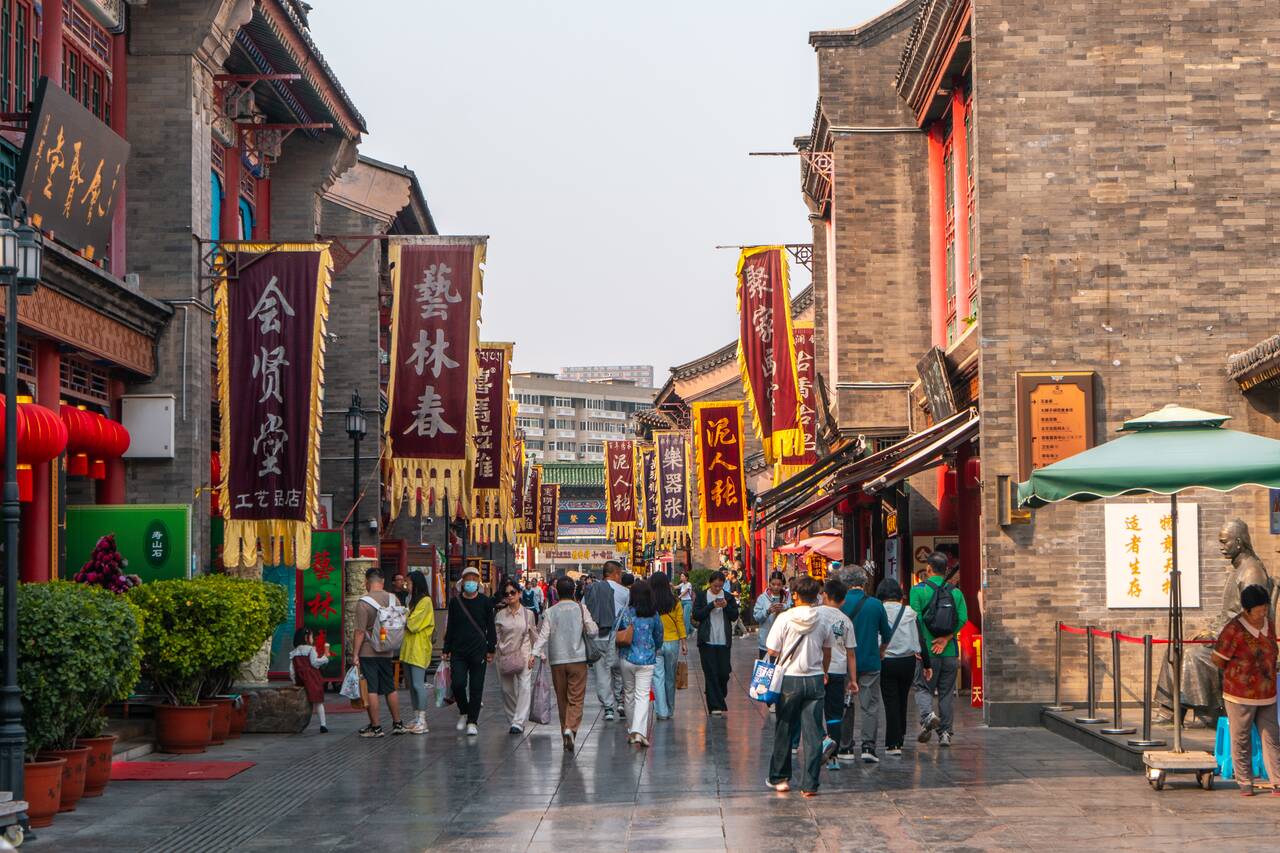
Approaching Ancient Culture Street with that mindset made it much more enjoyable for me. If you are looking for somewhere to snack and wander in the early evening, be sure to check it out. It is open daily from 9 AM to 8 PM, and entry is free.
7. Go up the Tianjin Eye
- 📍 Location: Tianjin Eye [Map Link]
- 🕐 Opening Hours: 9:30 AM - 9:30 PM
- 💰 Entry Fees: 90-138 CNY (~13-21 USD)
- ⚡ Pete's Take: "Make sure the visibility is good before you buy the ticket and get on the Tianjin Eye!"
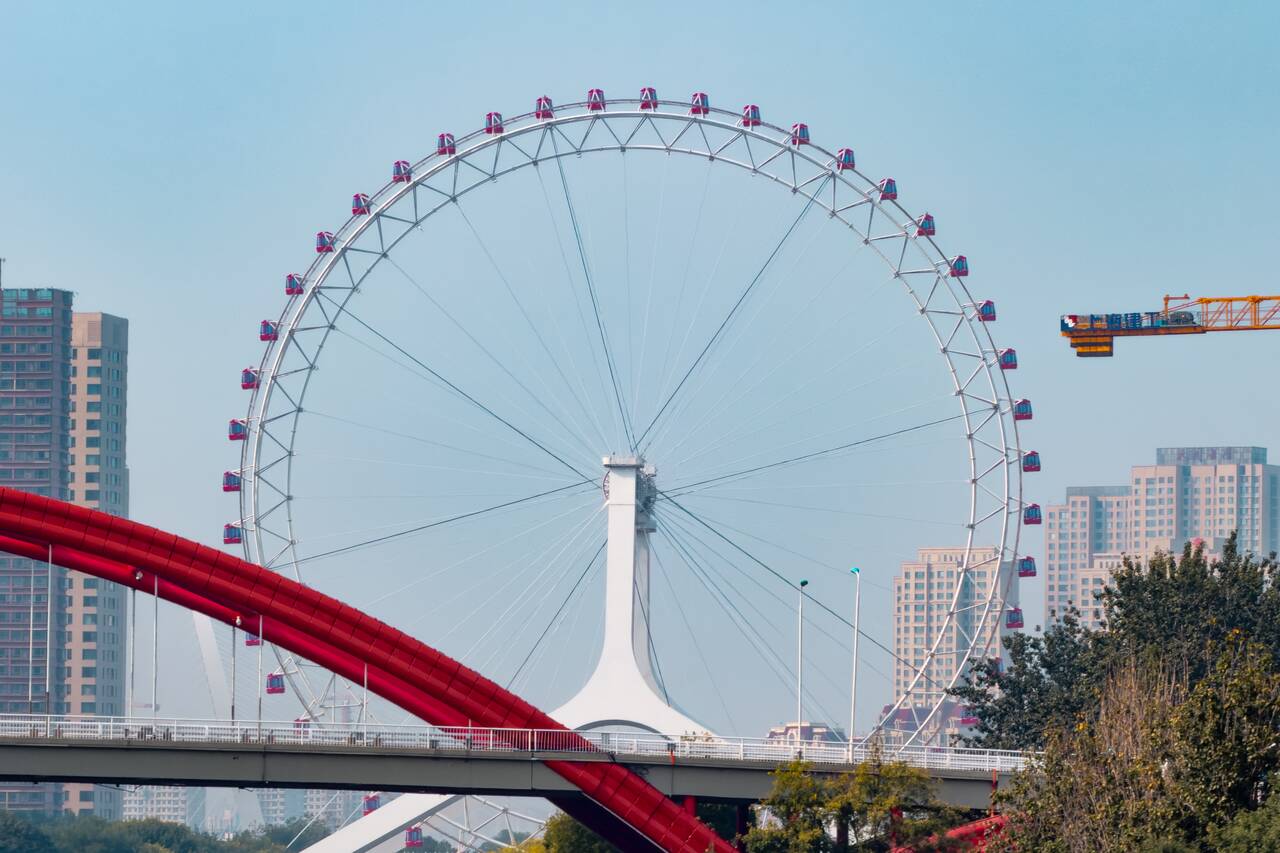
If you are looking for a great view over the city, be sure to go take a ride on the Tianjin Eye, the enormous Ferris wheel built over Yongle Bridge. As your cabin rises above the Haihe River, you will be rewarded with sweeping views of the waterfront, bridges, and surrounding skyline.
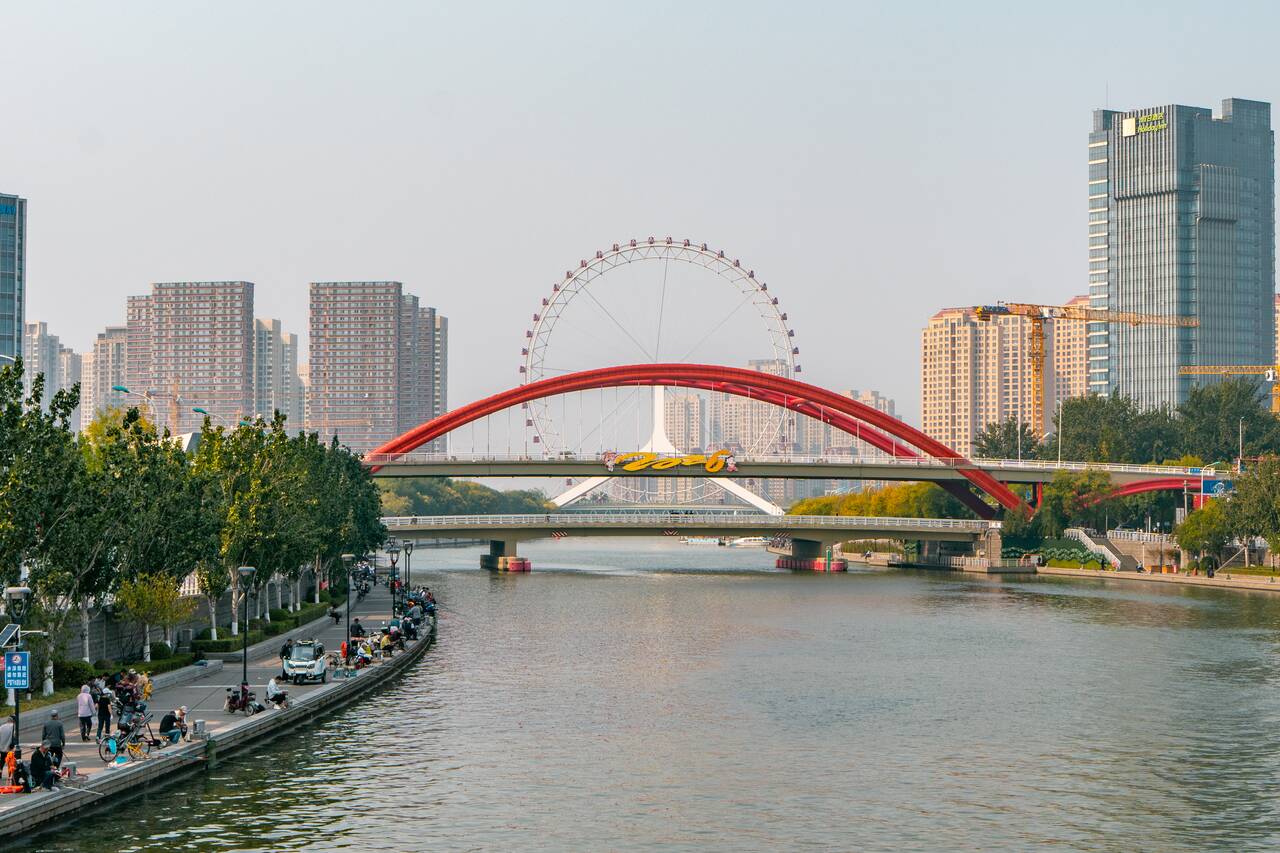
The tickets cost 90 CNY during the day and 138 CNY for evening sessions from 6 PM and they are open from 9:30 AM to 9:30 PM, Tuesday to Sunday, with a later opening at 6 PM on Mondays due to routine maintenance. You can book the ticket online here. Just make sure visibility is good before buying your ticket, as haze can take away much of the experience!
Which Places Should You Prioritize?
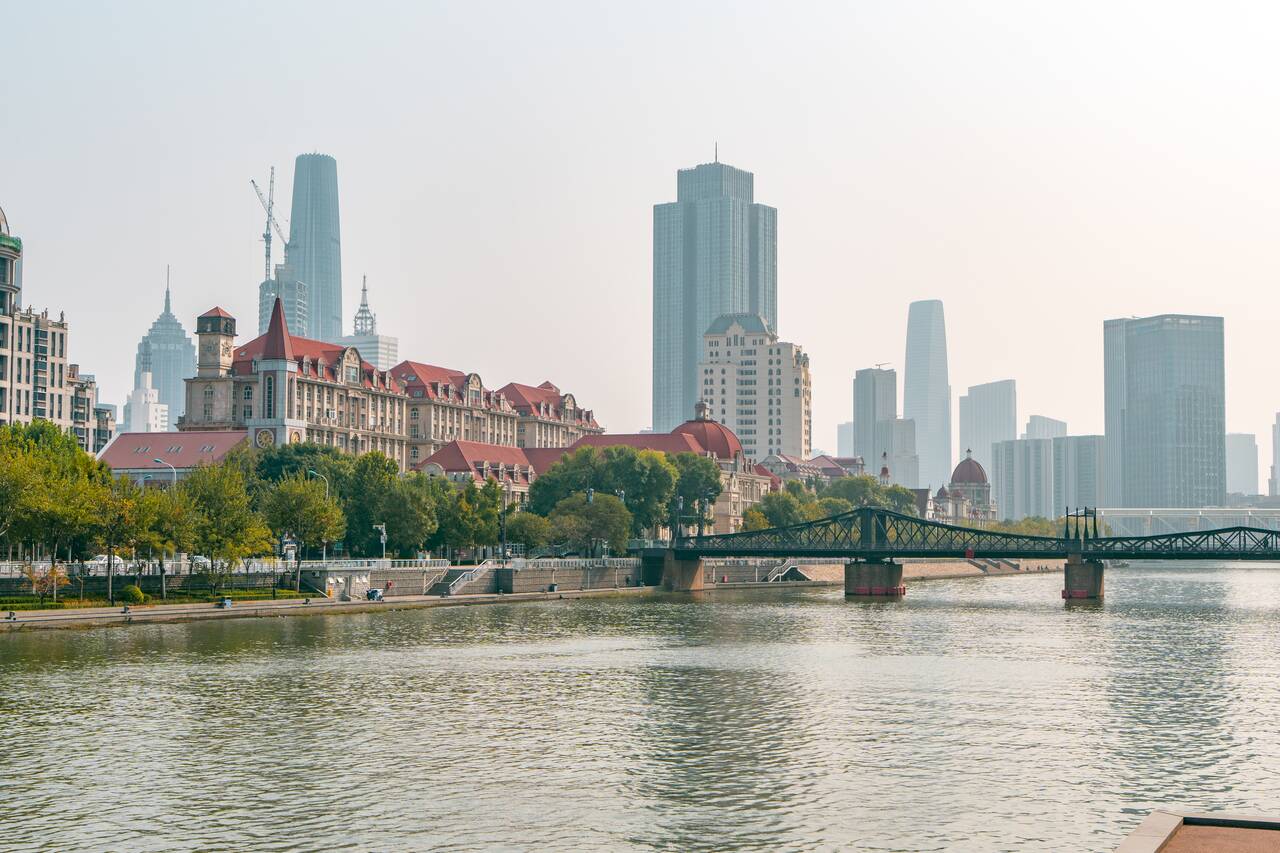
If you have limited time in Tianjin, I would prioritize the Porcelain House, Italina Quarter, and a walk along the Haihe River. These are unique to this city and together they give you a nice mix of what the city has to offer.
For a nice walking route: Start at the Porcelain House, explore Golden Street, then cross Bei’an Bridge toward the Italian Quarter and Zhongshuge Bookstore. Stop for food or coffee and leave some time to enjoy the river views along the way.
If you have extra time: Add Ancient Culture Street for an evening stroll, or head to the Tianjin Eye if you want a view from above. I would only pay for the wheel if visibility is good. Otherwise, admire it from the riverside and continue exploring the city. There is plenty of activities to fill your day!
When to Visit Tianjin?

The best time to visit Tianjin is during spring (April to May) and autumn (September to October), when the weather is generally comfortable for walking around the city and along the Haihe River. Since much of the attractions here involves being outdoors, the mild temperature will make your experience so much better.
Try to avoid the Labor Day holiday in early May and Golden Week in early October if your dates are flexible, as popular attractions can get busy with domestic tourists. Summer can be hot and humid, while winter can be bitterly cold, so I would stick to spring or autumn.
How to Get to Tianjin?

By Air: If you are traveling from abroad or another part of China, you can fly into Tianjin Binhai International Airport (TSN). The airport is connected to the city by Metro Line 2, which serves Tianjin Railway Station, allowing you to conveniently reach the city center by public transport. Depending on flight availability, you can also fly into Beijing and continue to Tianjin by train.
For finding flights, I would recommend browsing through Skyscanner or Expedia to find an affordable flight from where you live to Tianjin.
By Train: If you are coming from Beijing, the easiest option is to take a high-speed train from Beijing South Railway Station to Tianjin Railway Station. The train journey takes around 30 minutes, making Tianjin an easy day trip. Remember to factor in getting to Beijing South and allowing time for security and boarding, rather than treating it as a 30-minute door-to-door journey!
You can search for trains on Trip.com. Be sure to choose Tianjin Railway Station (天津站) as your destination rather than Tianjin South or Tianjin West, as it puts you right at the city center and you can hit the ground running. If you are coming from elsewhere in China, compare the available routes and check your arrival station carefully before booking.
How to Get Around Tianjin?
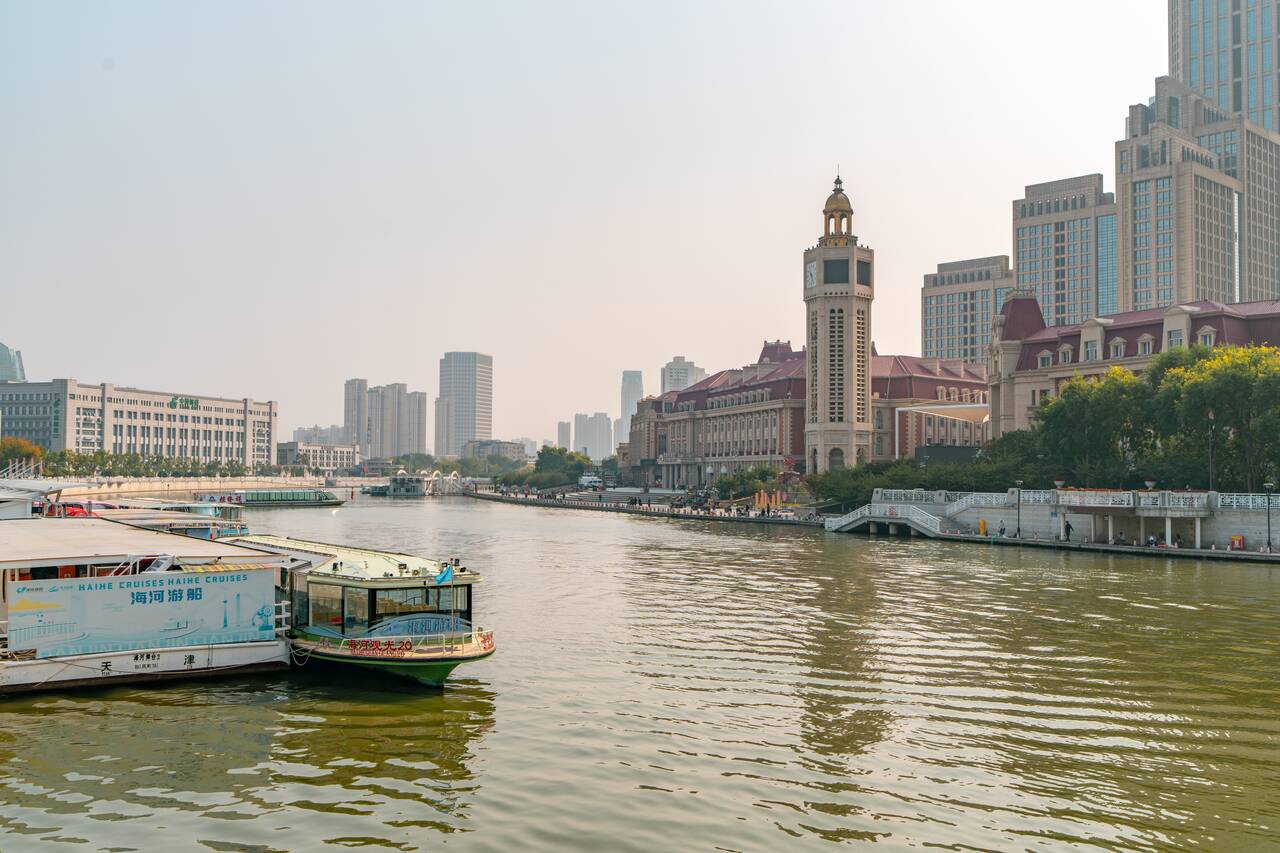
By Walking: The good thing about Tianjin is that several attractions here are within walking distance of Tianjin Railway Station, which makes it much easier to explore on foot than other cities of this size.
The riverside walkways are a great way to see the city and enjoy its skyline. Mind you, Tianjin is still pretty large, so you may want to use the metro or DiDi to reach attractions farther afield, like the Tianjin Eye.
By Metro: The metro is another easy and affordable way to get around, especially when you want to save your energy as you move around the city. Use AMap to check your route and the best station exit. Before your first ride, open Alipay, go to “Transport”, select Tianjin, and activate the city’s transport QR code.
By DiDi: As always, DiDi is still the most convenient option for places that are a little further away. They are cheap and reliable and you can easily book through the DiDi mini-app inside Alipay. This is especially useful if you are trying to fit several spread-out attractions into a day trip.
How Many Days to Spend in Tianjin?
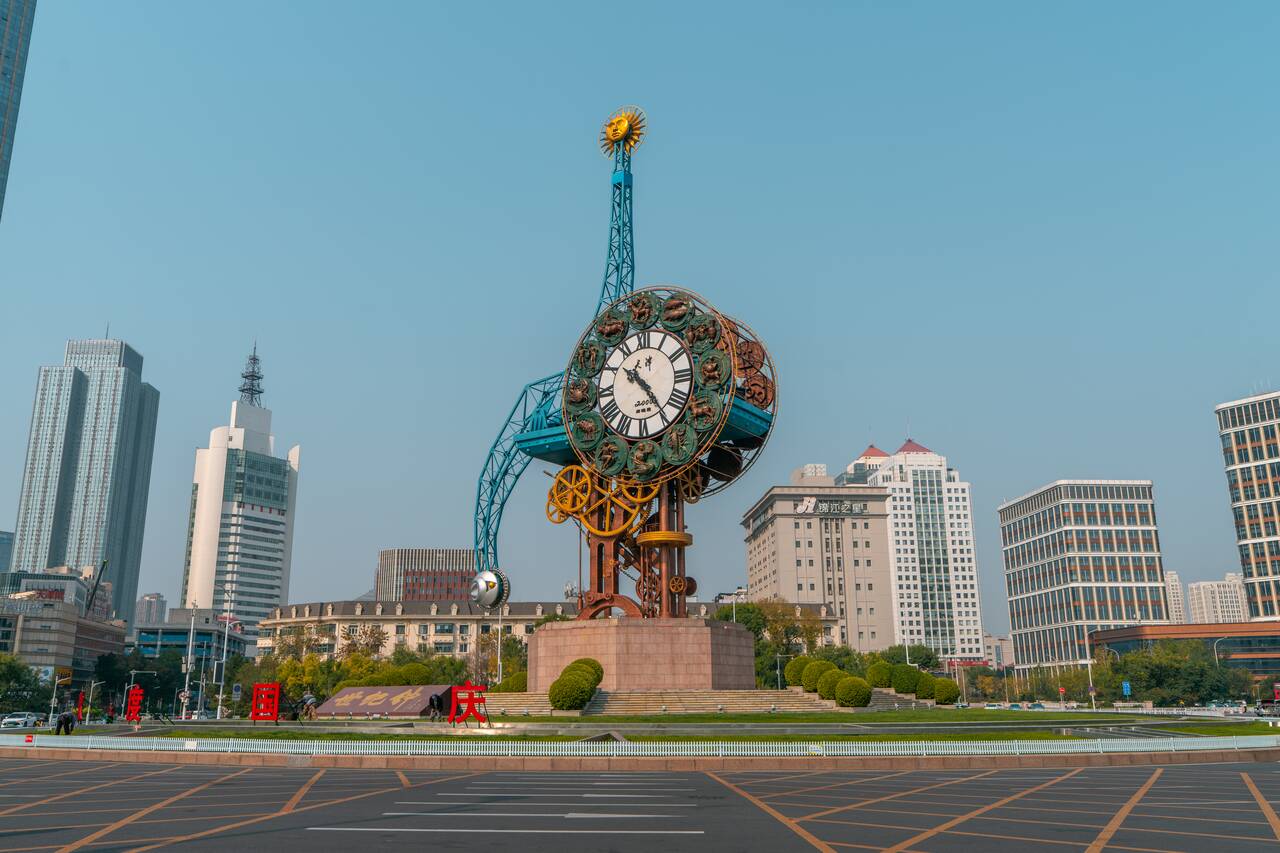
For the attractions covered in this guide, I think a day trip from Beijing is enough to get a good introduction to Tianjin. Start early, prioritize the places that interest you most, and combine walking with the metro or DiDi to save time.
If you prefer a slower pace, you can stay overnight and give yourself more time to relax at the cafés and browse the shops around town. The city is also especially beautiful after dark, giving you another reason to spend the night.
Is Tianjin Worth Visiting?
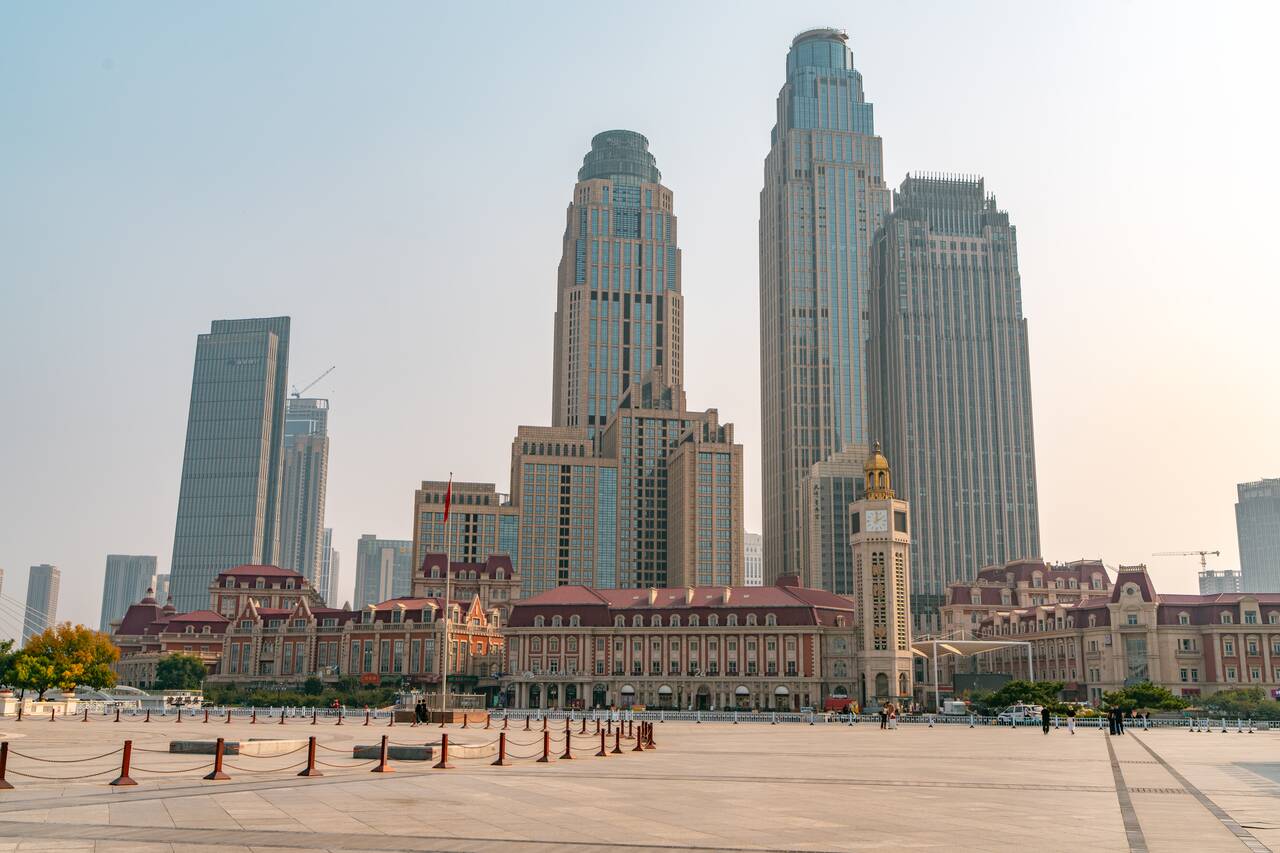
To be honest, I thought Tianjin was just okay. It is not a city I would go out of my way to visit, partly because the European-style architecture was not a major draw for me personally. Some parts reminded me of Shanghai, but on a smaller, less crowded, and more affordable scale.
That said, if you have a day to spare in Beijing, are not planning to visit Shanghai on this trip, and want a bit of a change of scenery, Tianjin is a great place to be. Between the awesome Porcelain House, the Italian Quarter, and the river views, there is enough to keep you occupy for a day or 2.
Things to Know Before Visiting China
- Always Carry Your Passport: Everything revolves around your passport/ID in China, and it’s often used interchangeably as your main form of identification. Many major tourist attractions require you to show your passport when buying a ticket, and the ticket will then be linked to it. You’ll scan your passport again to enter. The same applies to high-speed trains. It’s best to carry your passport with you at all times while traveling in China.
- Get an eSIM: China’s cashless economy relies on constant internet access, so having a data connection is essential. I highly recommend getting an eSIM or a local SIM card for your trip. An eSIM is often better because the service is usually based in Hong Kong, which bypasses China’s Great Firewall, meaning you can access apps like Instagram and YouTube without a VPN. I suggest checking eSIM options on Klook or Trip.com, as they tend to be the most affordable.
- Use AMap to Navigate: Google Maps doesn’t work well in China, so local apps like AMap are much more informative and accurate for getting around. It even provides metro information, making it easy to navigate city subway systems. I used AMap throughout my entire trip, and it worked perfectly! In this guide, I’ll be linking locations with AMap links instead of Google Maps, so be sure to download it before your trip.
- Use VPN to Bypass the Great Firewall: As you may know, many major websites such as Google, Facebook, Instagram, TikTok, and more are blocked in China. To access them, you’ll need a VPN like LetsVPN installed on both your phone and laptop before you arrive in China. This is crucial as once you're in the country, you won’t be able to search for or download VPN apps. I used LetsVPN during my trip, and it worked very well throughout. The service is affordable too, with a free tier offering limited data or a basic unlimited plan for just 5.99 USD per month.
- Connect Alipay with Your Credit Card: First, download Alipay from the app store, set up your account, and link it to your credit card. This will be one of the two main ways you’ll pay for services in China. Alipay also has mini-apps built in, such as Didi (China’s version of Uber), so you don’t need to download separate apps, and you can use them directly through Alipay. Very convenient!
- Get a Transport Card Working in Alipay: Once you have Alipay set up, you’ll need to verify your account before you can activate a transport card for metro and bus rides. First, if you’re not currently in the city you want to use, tap the city name in the top-left corner and select the correct city. After that, tap the “Transport” button and request a transport card. You’ll be asked to upload a photo of your passport for verification. Once approved, your transport card will be issued, and you can use the QR code to scan and pay for buses and metro rides.
- Get WeChat Set Up: WeChat is another essential app for communicating with locals, thanks to its built-in translation feature. It’s also widely used for payments as Alipay only works about 70% of the time, while WeChat is commonly needed for paying individuals, buying entry tickets at certain attractions, and more. Setting up WeChat can be a bit tricky though because you need verification from an existing user. The easiest way is to ask your hotel’s reception to help verify your account when you arrive in China, which is how I got mine activated.
- Use Trip.com / Trip App: For hotels, day trips, attraction tickets, train tickets, flights, and everything in between, you can use Trip.com or the Trip app to book all your travel needs. It’s very convenient, offers a great user experience, and has a generous cancellation policy that gives you more flexibility when traveling in China.
Disclaimer: This post may contain affiliate links. See our disclosure policy.
First Published:


