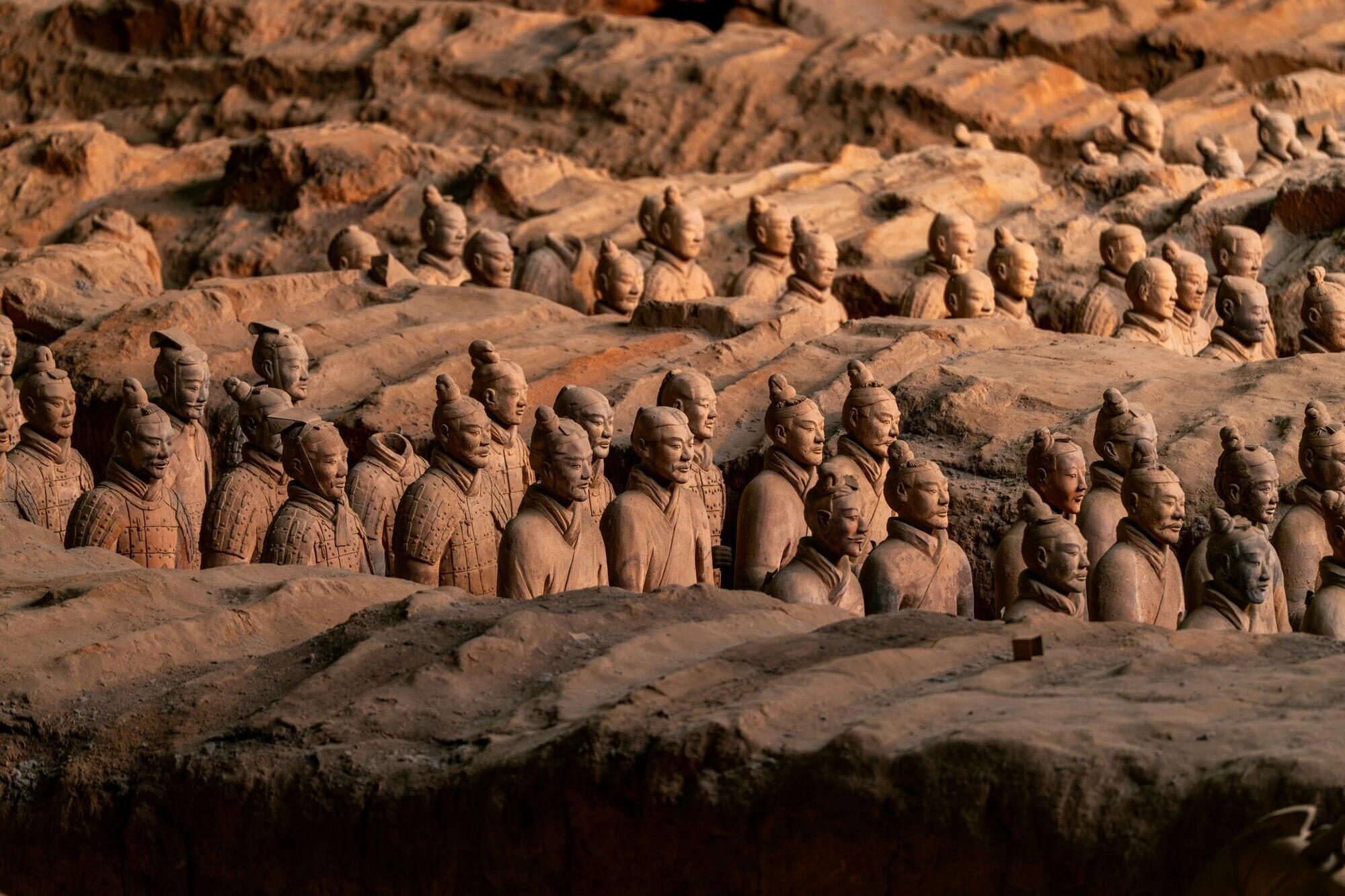



After exploring Datong, I continued my journey to Xi’an, a city I had been looking forward to visiting for the longest time because of its ancient history and, of course, the Terracotta Warriors. What I didn’t expect was just how much I would enjoy everything else the city had to offer!
The Terracotta Warriors were incredible, as expected, but The Song of Everlasting Sorrow was a big surprise for me. In fact, I think it was one of the best shows I’ve seen in China! Add an outstanding history museum, delicious Shaanxi noodles, and evenings spent wandering among illuminated towers and street performances, and my days in Xi’an flew by!
In this guide, I’ll take you through my favorite things to do in Xi’an, along with practical tips on getting around, what to book ahead, and how to fit everything together. Whether you are here for the history, food, or a little of both, here’s everything you need to plan your visit. Let’s begin!
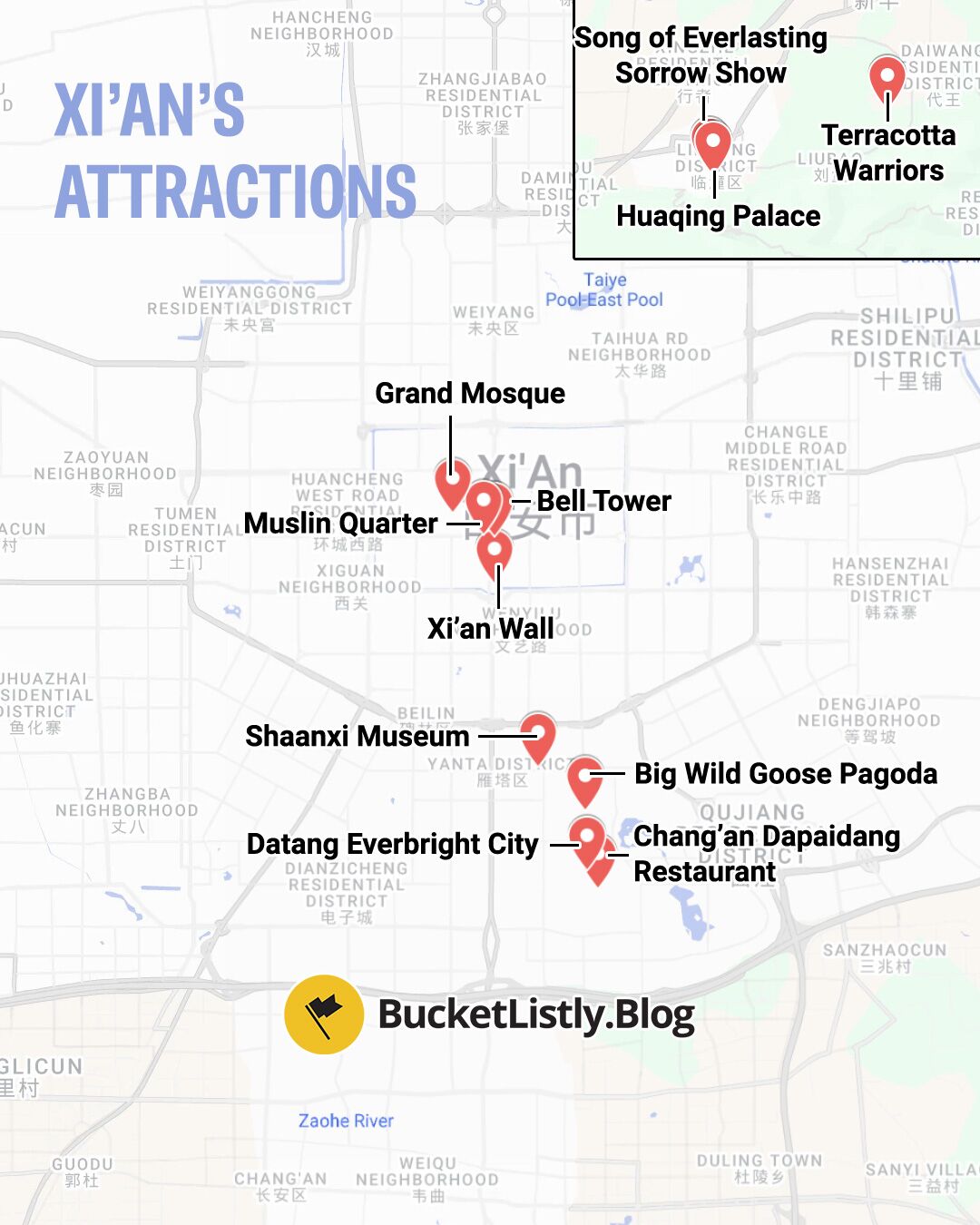
Map of Xi'an's Attractions
Quick Summary
| ♥️ Must See: | The Song of Everlasting Sorrow |
|---|---|
| 👍 Must Do: | See the Terracotta Warriors |
| 💎 Hidden Gem: | the Great Mosque of Xi’an |
| 🏛️ Best Museum: | Shaanxi History Museum |
| 🥘 Place to Eat: | Chang’an Dapaidang |
11 Best Things to Do in Xi'an
1. See the Terracotta Warriors
- 📍 Location: Terracotta Warriors [Map Link]
- 🕐 Opening Hours: 8:30 AM - 6:30 PM
- 💰 Entry Fees: 120 CNY (~18 USD)
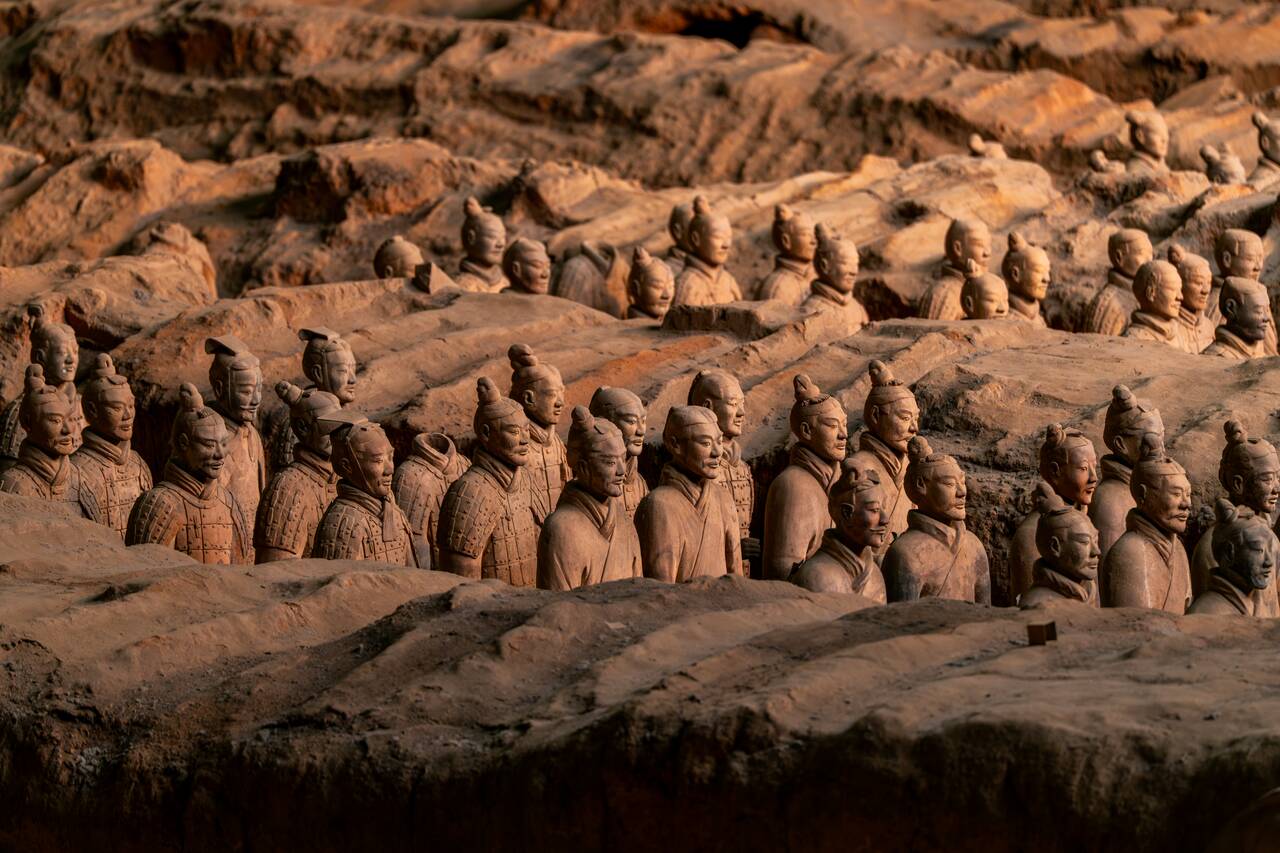
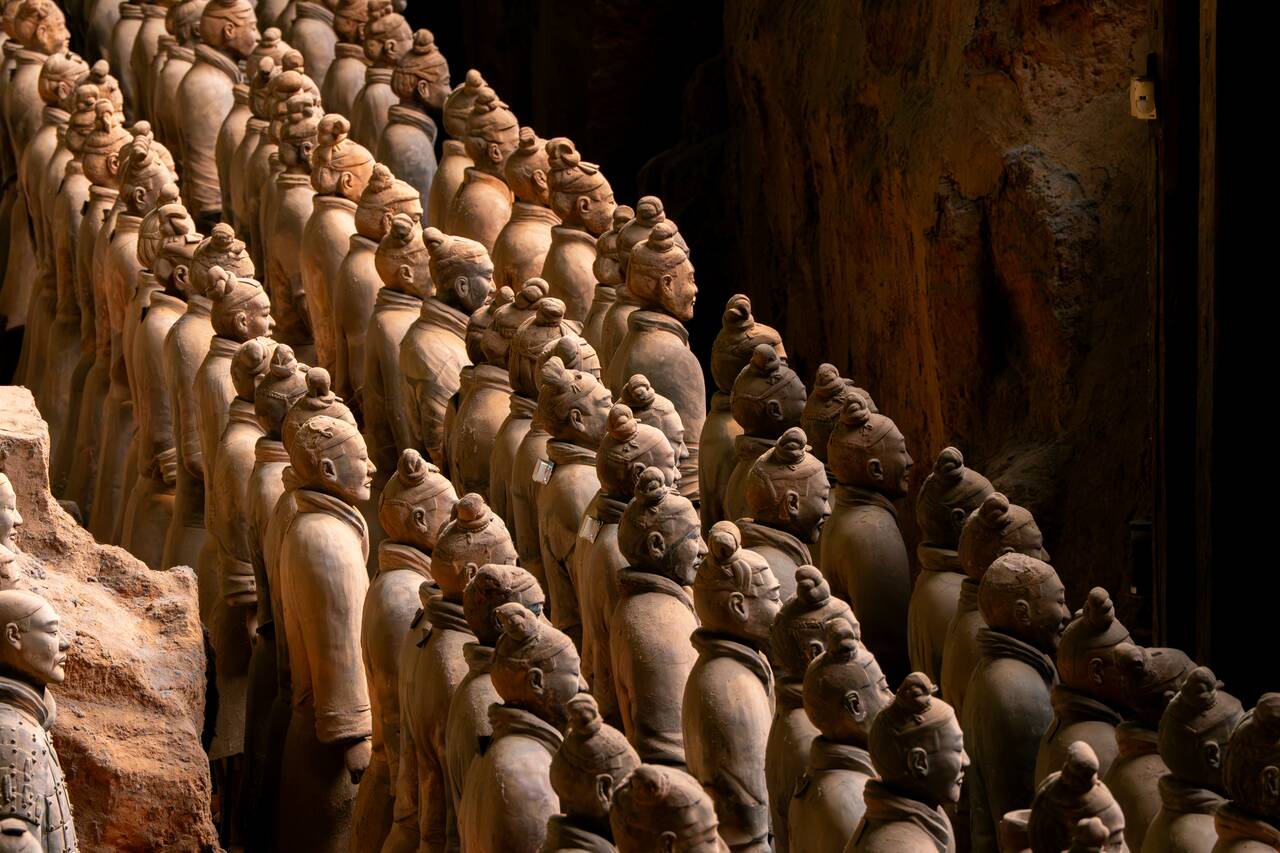
- ⚡ Pete's Take: "I love that the warriors aren’t all identical. Even their ears are different, which makes me wonder whether they were based on real soldiers, although we don’t know for sure."
If there is one place you absolutely have to visit while in Xi’an, it is the Terracotta Warriors. Created more than 2,000 years ago to guard the tomb of Qin Shi Huang, China’s first emperor, this enormous underground army is one of the most extraordinary archaeological discoveries in the world.
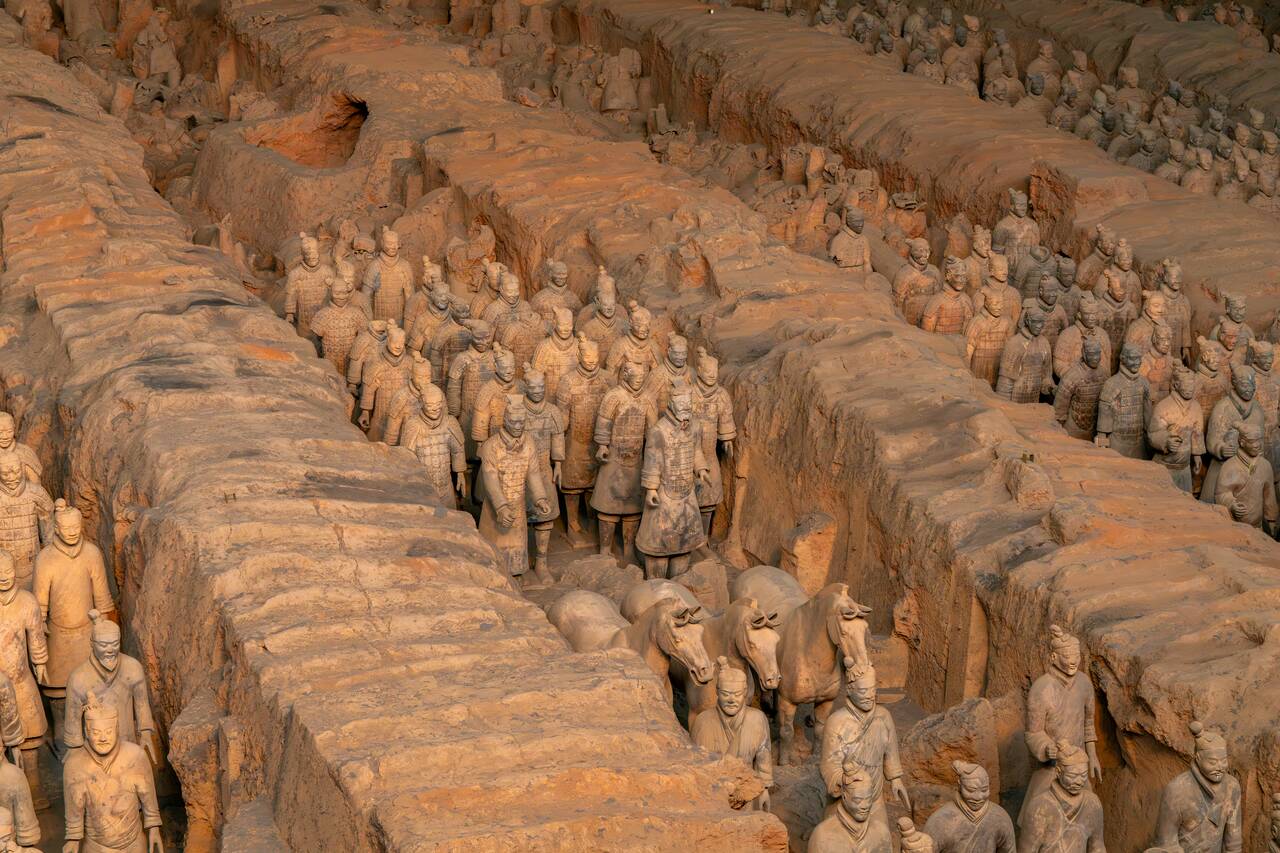
The army was discovered in 1974 by local farmers digging a well, revealing thousands of life-sized soldiers, horses, and chariots buried near the emperor’s mausoleum. What makes it so impressive is not just the scale, but the details, from the soldiers’ facial features and hairstyles to their armor.
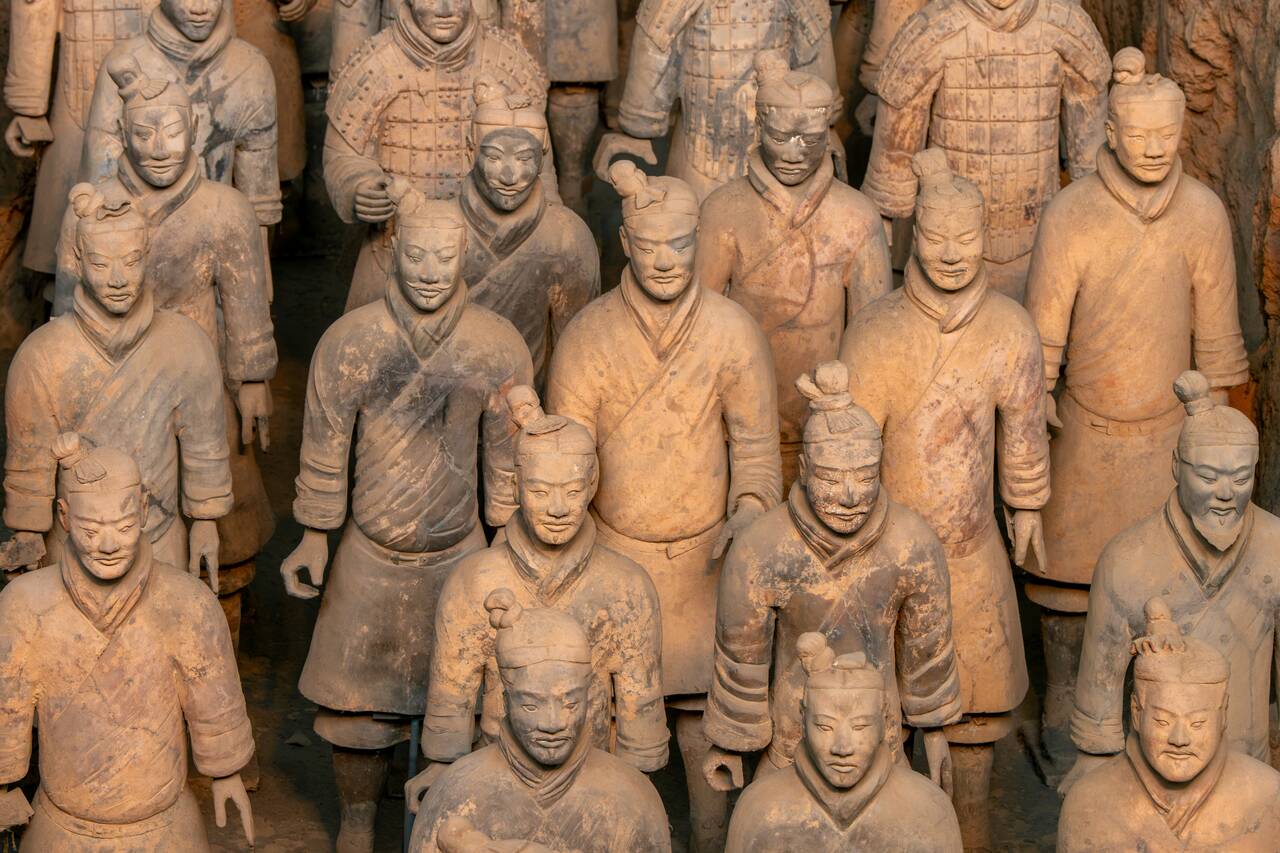
If you look closely at the statues, you will see that they aren’t carbon copies of one another. Each has its own combination of facial features, hairstyles, and expressions. Even their ears vary in shape and size! Looking at their individual features, it’s easy to imagine that they were modeled on the emperor’s actual soldiers, although we don’t know for sure!
- OJC Holiday Hotel(Xi'an Bell Tower Metro Station) (Budget)
- Ji Hotel (Xi'an Zhonglou Subway Station Branch) (Mid-Range) 👍 Top Pick
- Orange Hotel (Xi'an Bell Tower Hui Fang) (High-End)
- Terracotta Warriors Entry Ticket
- The Song of Everlasting Sorrow Show Ticket
- Huaqing Palace Entry Ticket
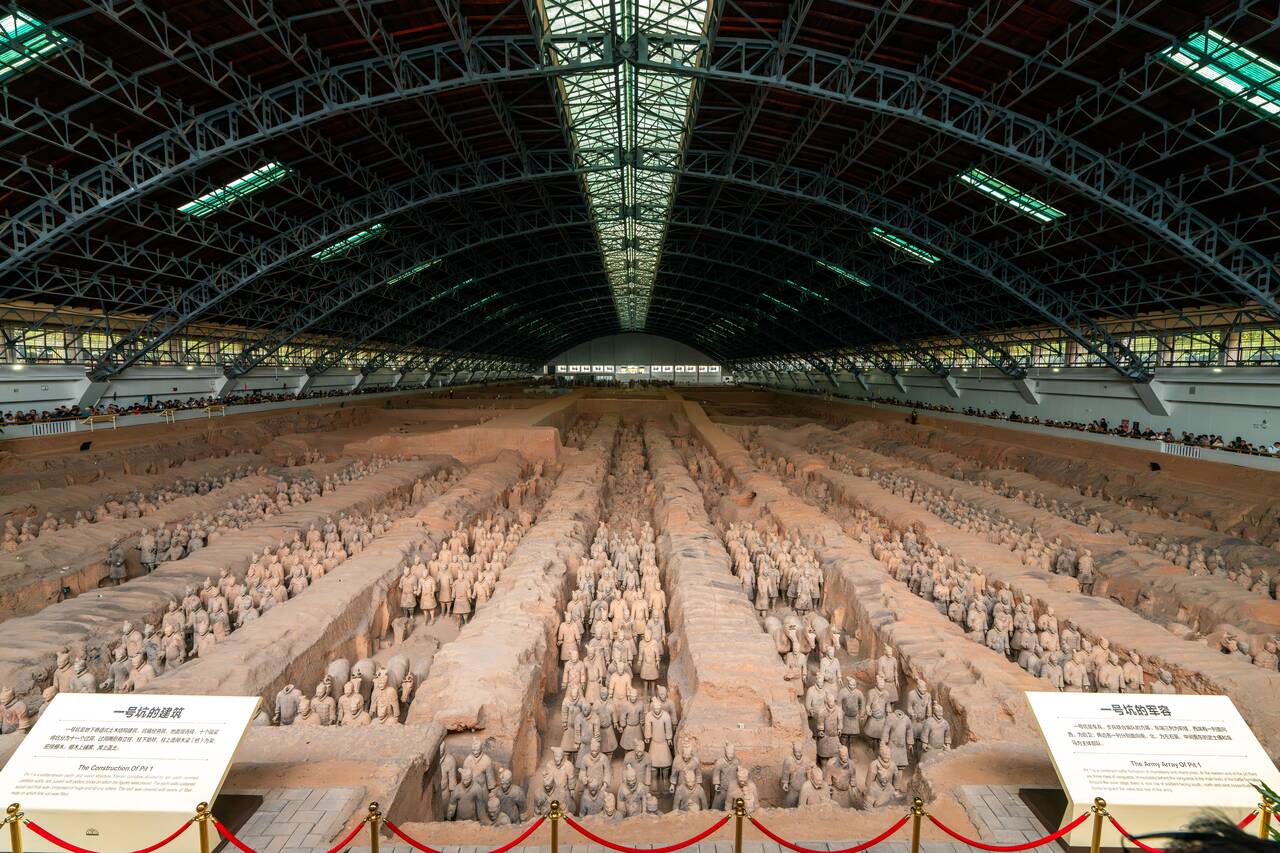
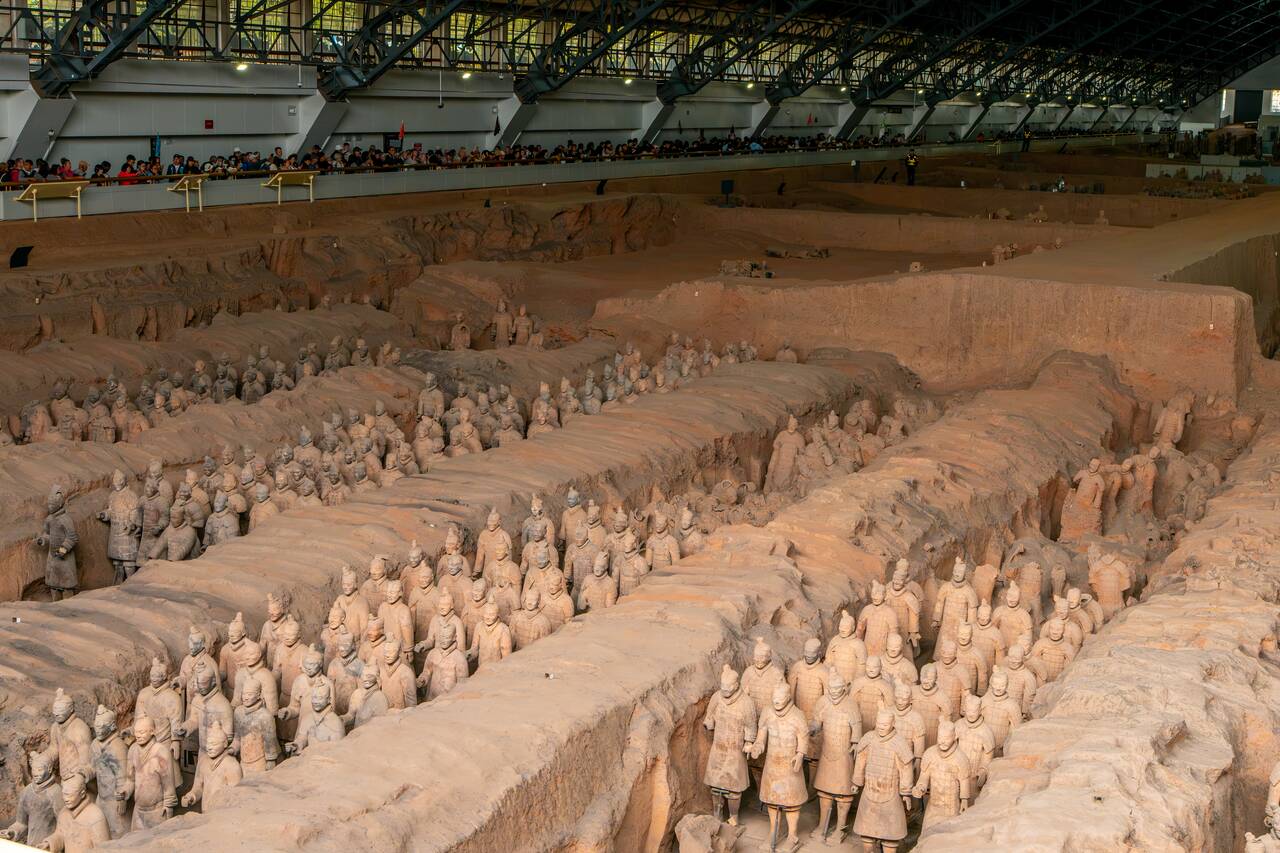
Be sure to prioritize Pit 1, the largest excavation hall and my favorite part of the visit. This is where you will find the iconic rows of warriors stretching across the enormous space, and seeing them in person is quite something! It is also the most crowded area, so expect plenty of people around the viewing railings.
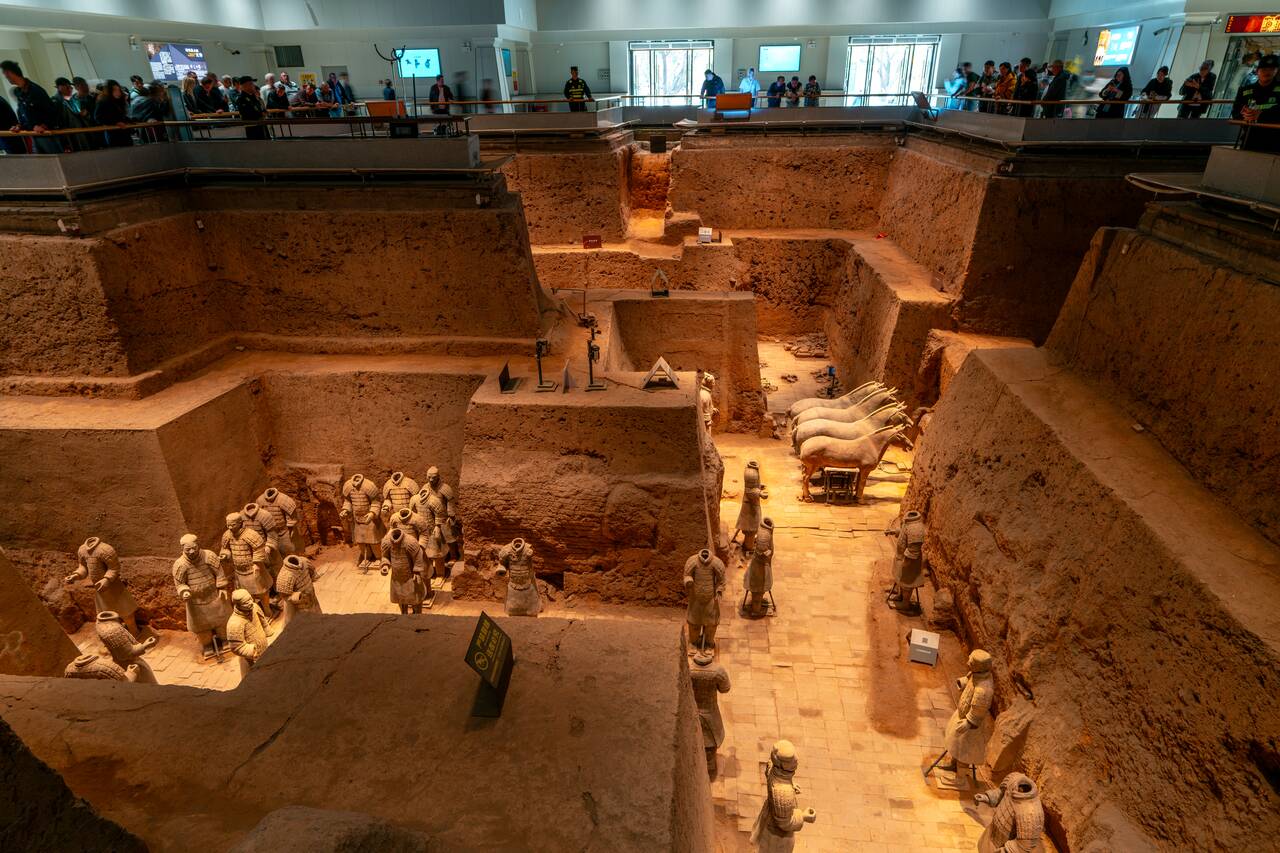
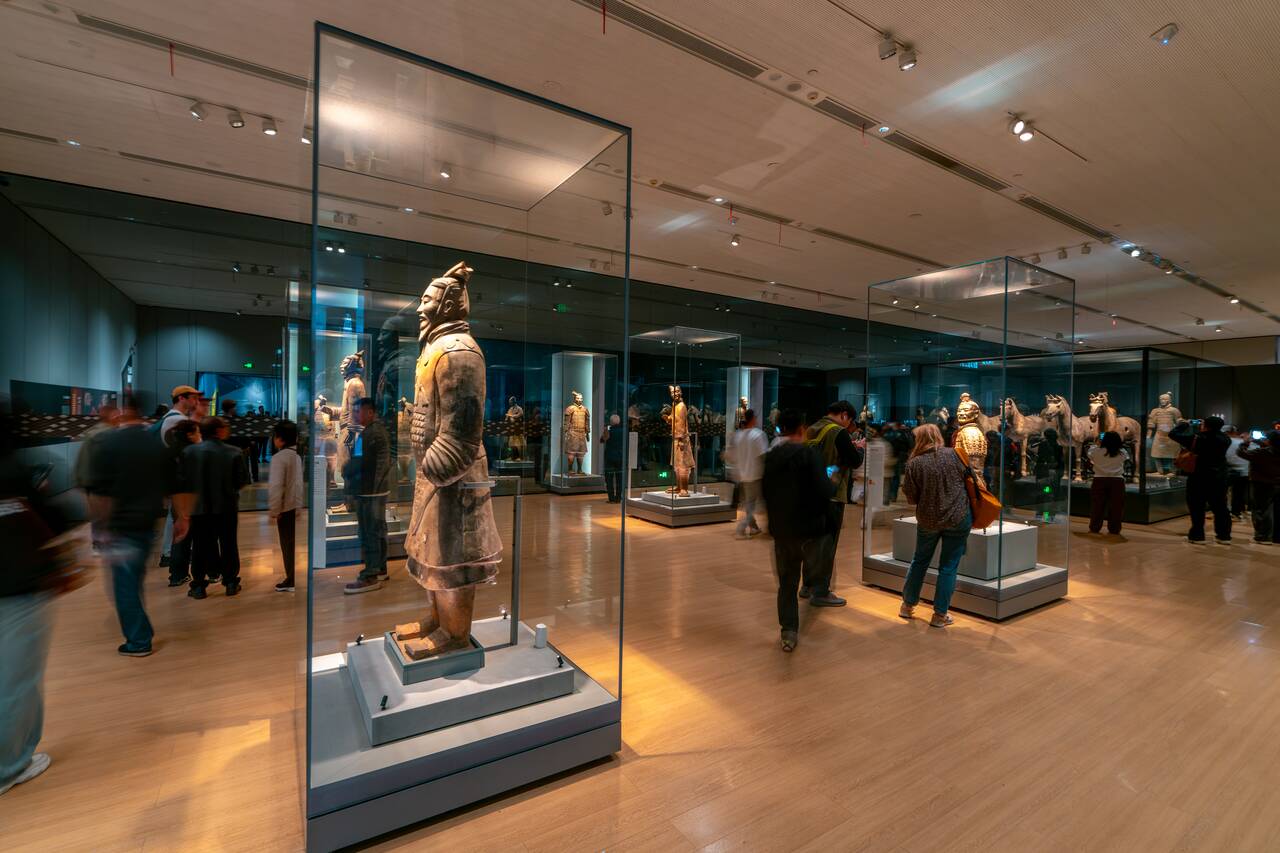
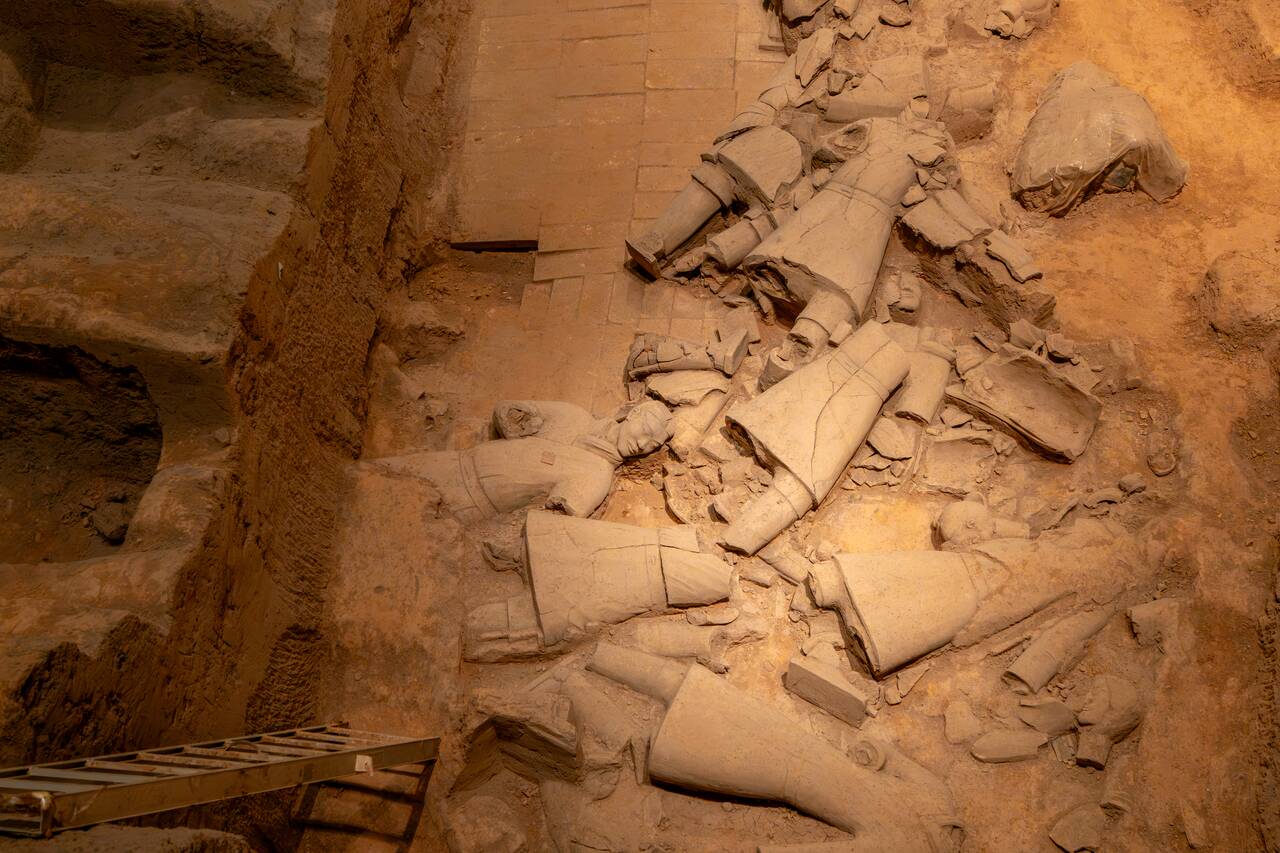
Pits 2 and 3 are also worth exploring, as it shows the condition of excavation sites and how difficult it is to restore them. There are museum exhibitions on site as well, where you can learn more about the discoveries and appreciate some of the objects in greater detail.
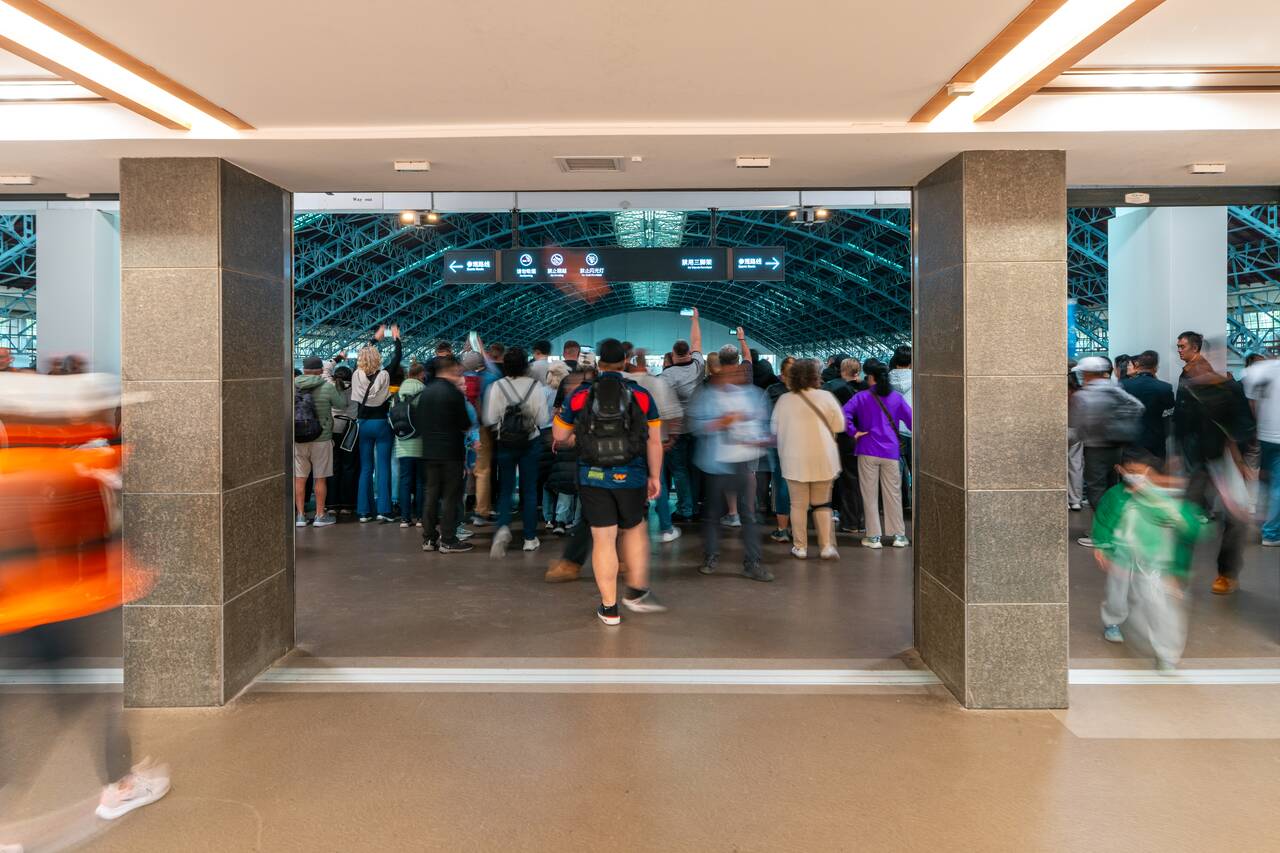
Yes, it gets very crowded, but I found the crowds surprisingly well managed. Moving around the excavation halls could be frustrating at times, but people generally kept moving and the flow worked well enough. You might have to wait for a good viewing spot, but take your time and you will get your chance to appreciate the warriors up close.
You will need to reserve a timed entry ticket, and popular slots can book out quickly, so book in advance. You can check tickets and tour options on Trip.com here. Check the package carefully, as some options include transport or a guide.
To get here from central Xi’an, take the metro to Huaqingchi Station on Line 9, then book a DiDi to the Terracotta Warriors entrance. Combining the metro with a short DiDi ride is a convenient way to keep costs down while giving yourself more flexibility than if you go with a tour or shuttle.
After your visit, you can take a DiDi back to Huaqing Palace if you plan to explore the grounds and watch The Song of Everlasting Sorrow that evening. Otherwise, return to Huaqingchi Station and take the metro back into the city.
If you plan to watch The Song of Everlasting Sorrow, I recommend choosing an early afternoon time slot for the Terracotta Warriors. After your visit, take a DiDi back to Huaqing Palace, leaving enough time to explore the grounds and find your way to the show without rushing.
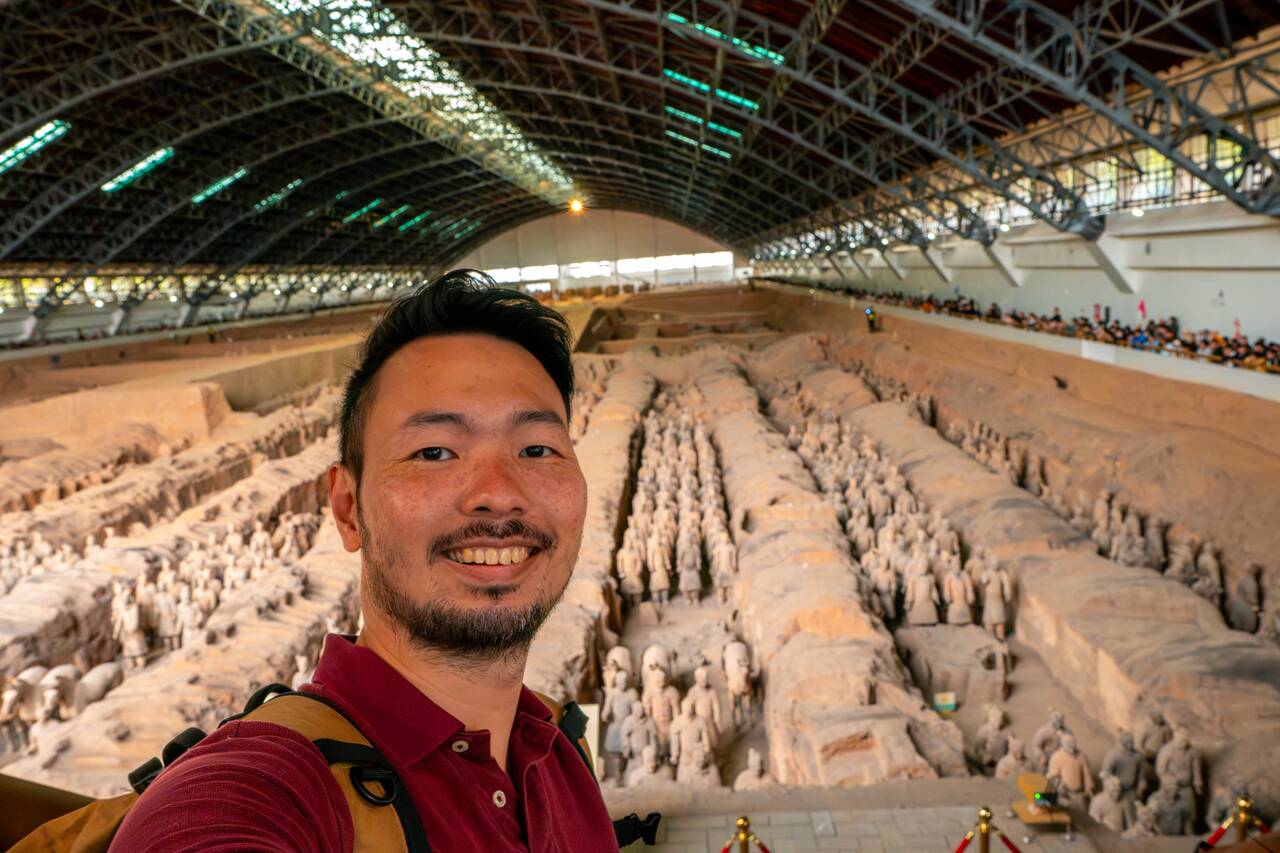
I booked the 2 PM time slot and finished around 3:30 PM, then spent the rest of the afternoon exploring Huaqing Palace before the show started at 7:30 PM. This worked out perfectly for me, with enough time to enjoy both places without rushing or having too much time to kill between them.
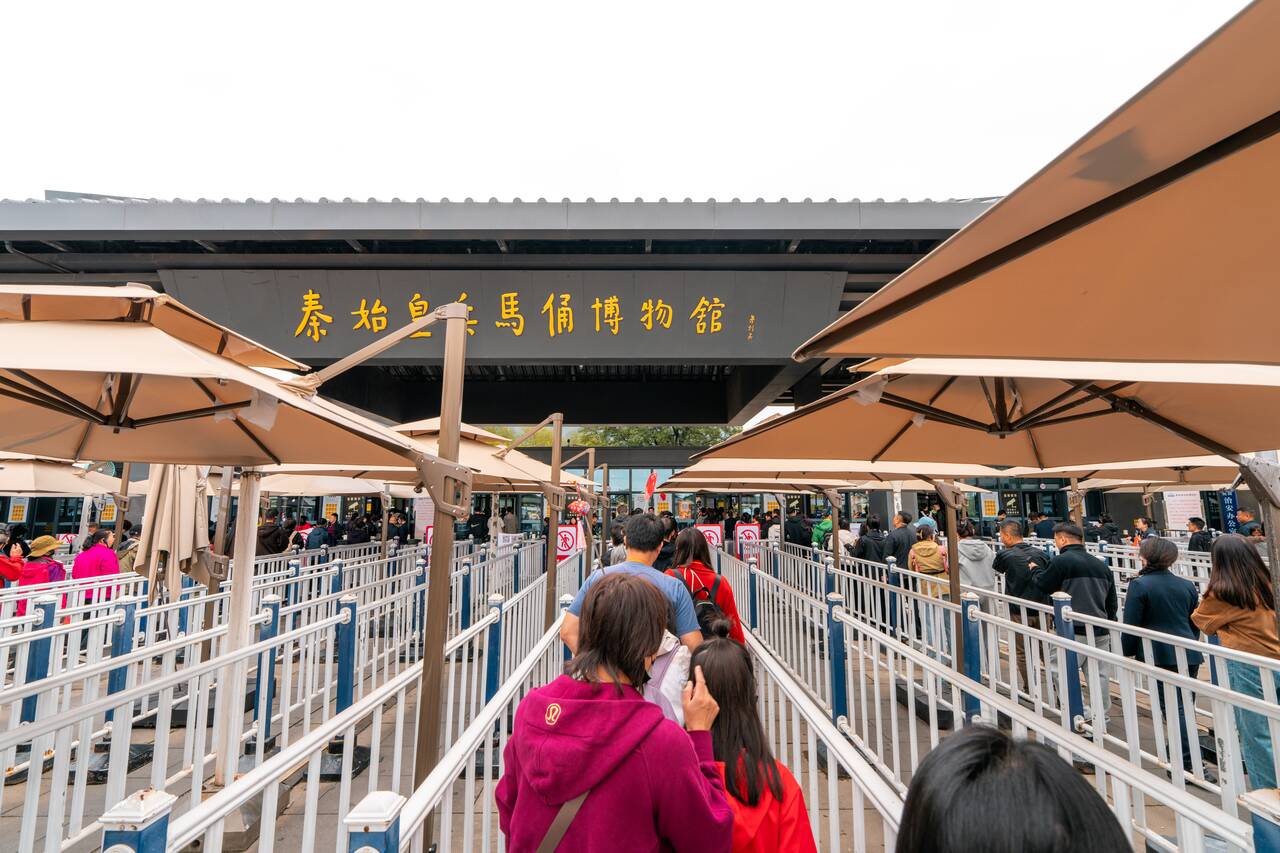
The entry ticket is 120 CNY. The museum opens from 8:30 AM to 6:30 PM from March 16 to November 15, with last admission at 5 PM, and 8:30 AM to 6 PM from November 16 to March 15, with last admission at 4:30 PM.
Where to Stay in Xi'an?



2. Explore Huaqing Palace

- 📍 Location: Huaqing Palace [Map Link]
- 🕐 Opening Hours: 7:30 AM - 5:30 PM
- 💰 Entry Fees: 120 CNY (~18 USD)
- ⚡ Pete's Take: "I can see why some people come away disappointed by the palace alone, but with the hike and the evening show, I thought it was well worth visiting."
After exploring the Terracotta Warriors, head over to Huaqing Palace, a former imperial hot spring retreat at the foot of Mount Li. The place is particularly famous for its association with Tang dynasty Emperor Xuanzong and his beloved consort, Yang Guifei, whose story inspired The Song of Everlasting Sorrow, the evening show performed here.
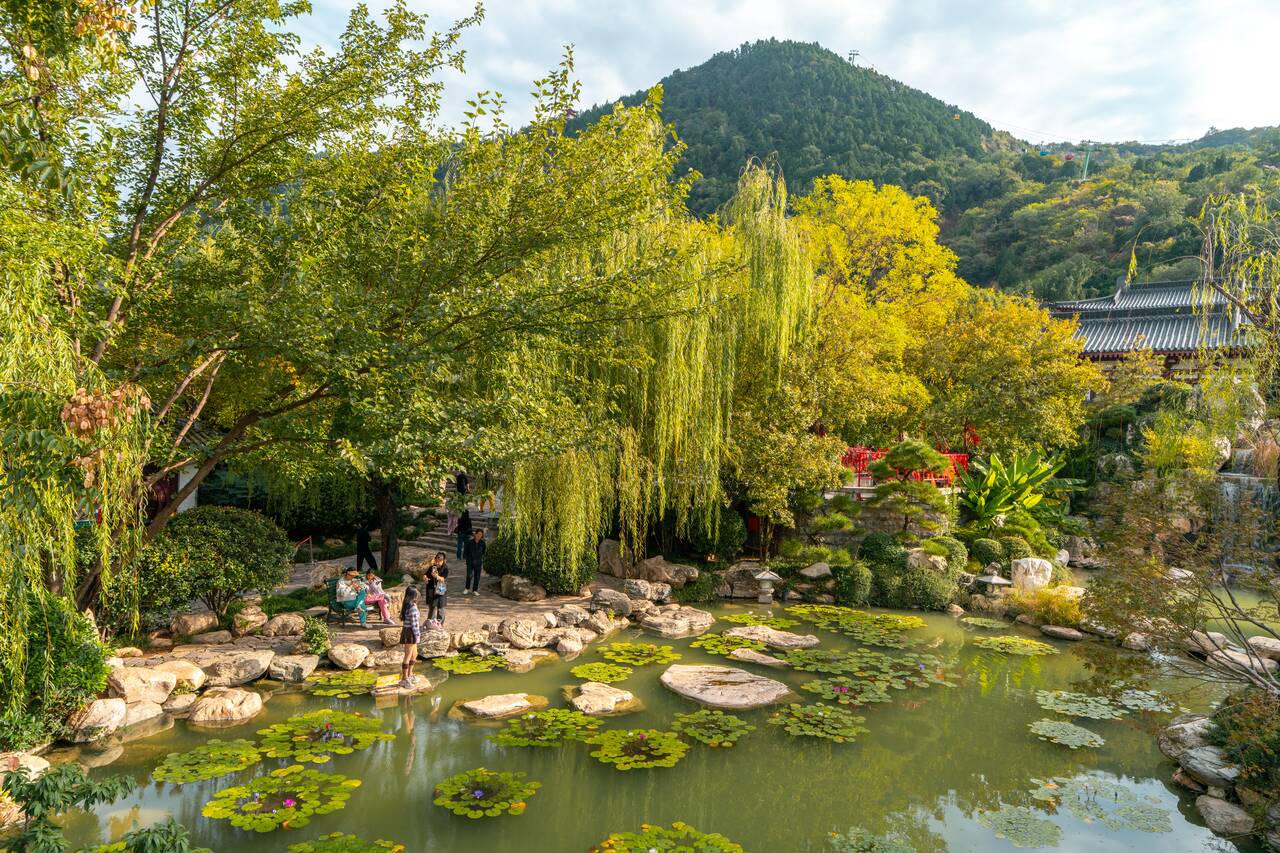
Inside, you will find landscaped gardens, lakes, palace-style halls, and the remains of imperial bathing pools. It is a pleasant place to wander, but to be honest, the palace grounds alone weren’t anything particularly special for me, especially after visiting so many impressive temples around China.

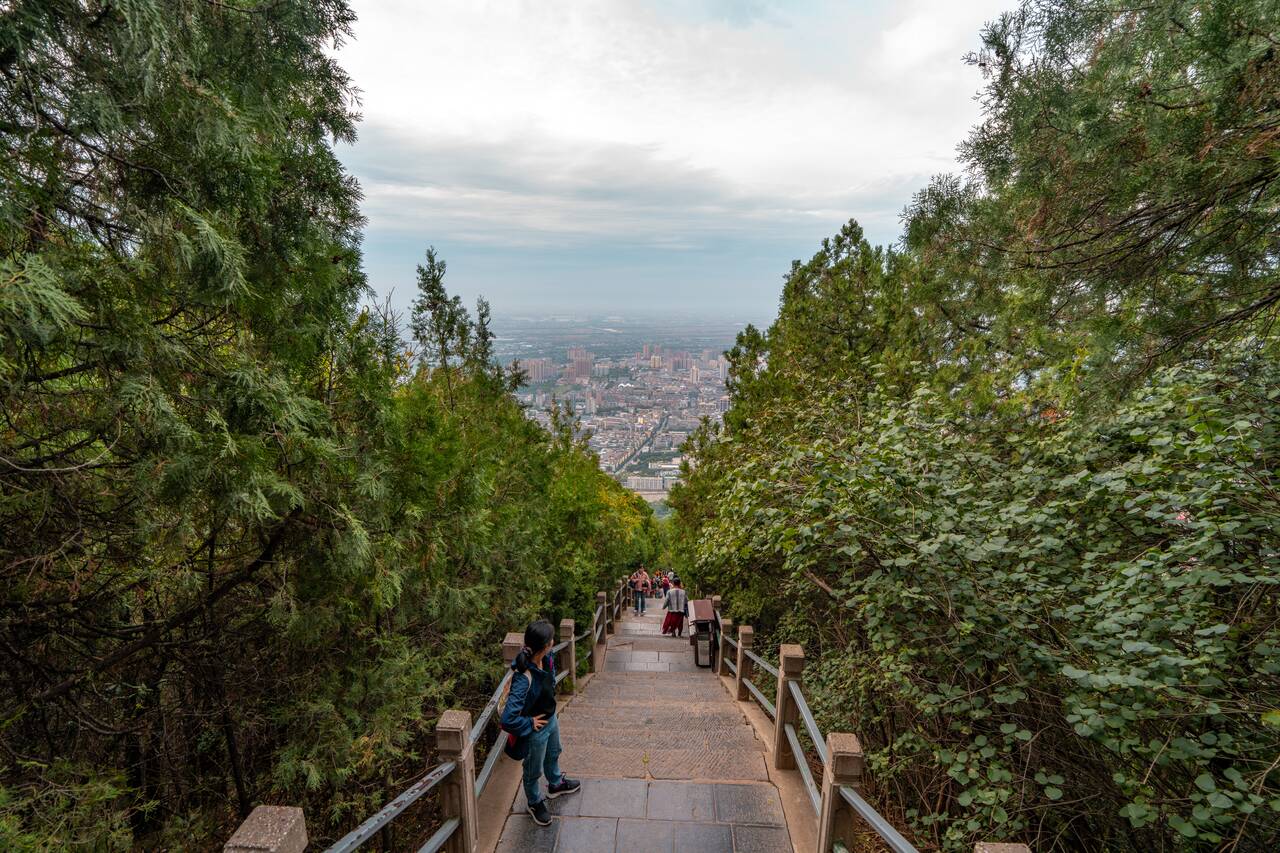
What I do recommend is taking the cable car up Mount Li and continuing on foot to the beacon tower for a great view of the surrounding area. The cable car saves you some climbing, but you will still have to do the work to get there. Once you get to the upper station, it's about another 30 minutes hike along steep stairs until you arrive at the tower.
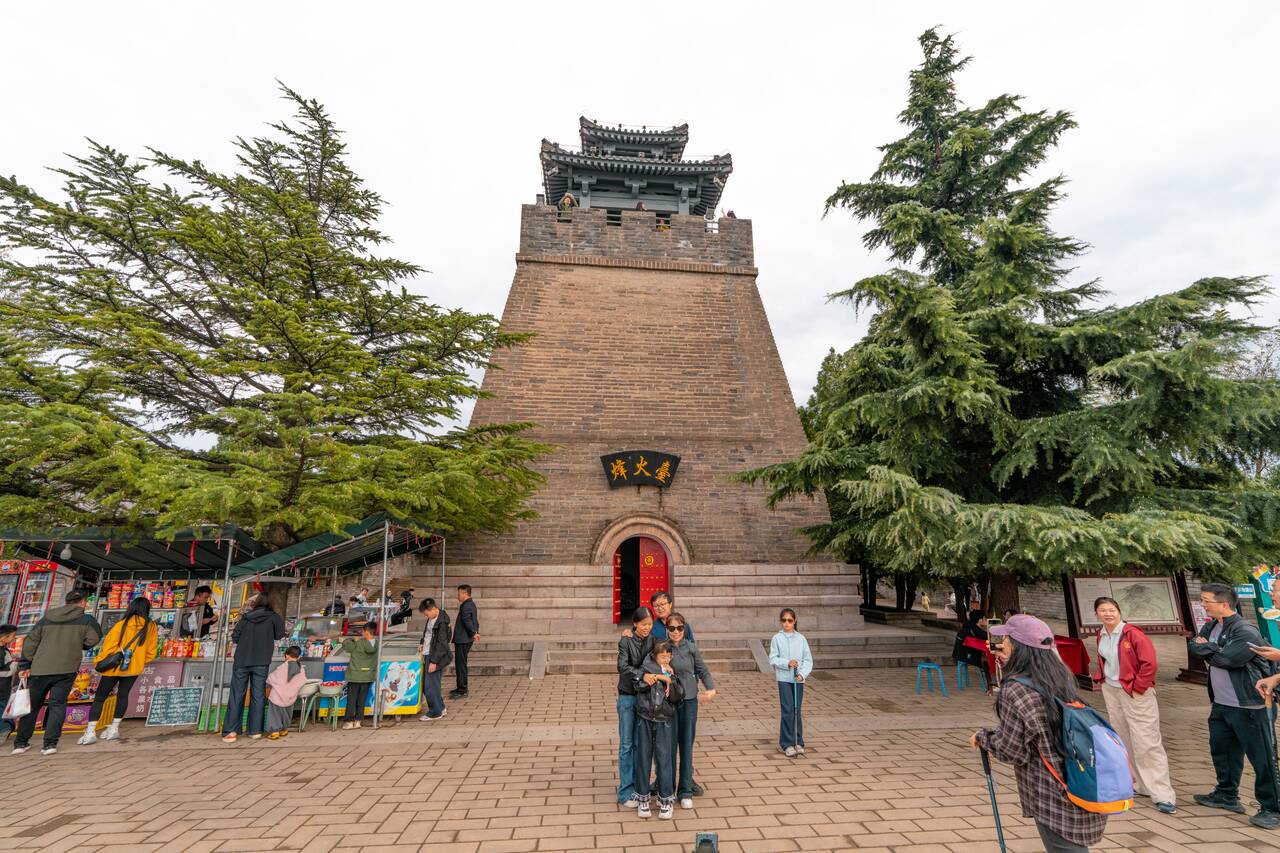
It was quite a climb, but the views made it worthwhile for me. Be sure to pack some water and snacks, although you will also find vendors selling refreshments near the top if you need anything. Take a breather and enjoy the view before heading back down. Just leave enough time for the return journey, especially if you are catching the evening show.

For me, the real highlight here was The Song of Everlasting Sorrow, and I highly recommend you make time for it. We will discuss more about the show in details in the next section. I’ve heard that some people were a little disappointed by the palace, but between the hike and the evening performance, I thought it was a great experience and well worth the visit.

The entry fee to the palace is 120 CNY per adult, with the cable car and evening show charged separately. The opening hours are 7:30 AM to 5:30 PM, with last admission at 5 PM. You can book your Huaqing Palace ticket online here.
There are packages that include both admission and the cable car, so be sure to choose the right option. Once you arrive, exchange your online booking for a physical ticket at the ticket window before heading to the entrance. If your package doesn’t include the cable car, you can buy tickets separately for 35 CNY going up, 30 CNY coming down, or 60 CNY for a return trip. The cable car operates from 8 AM to 5 PM.
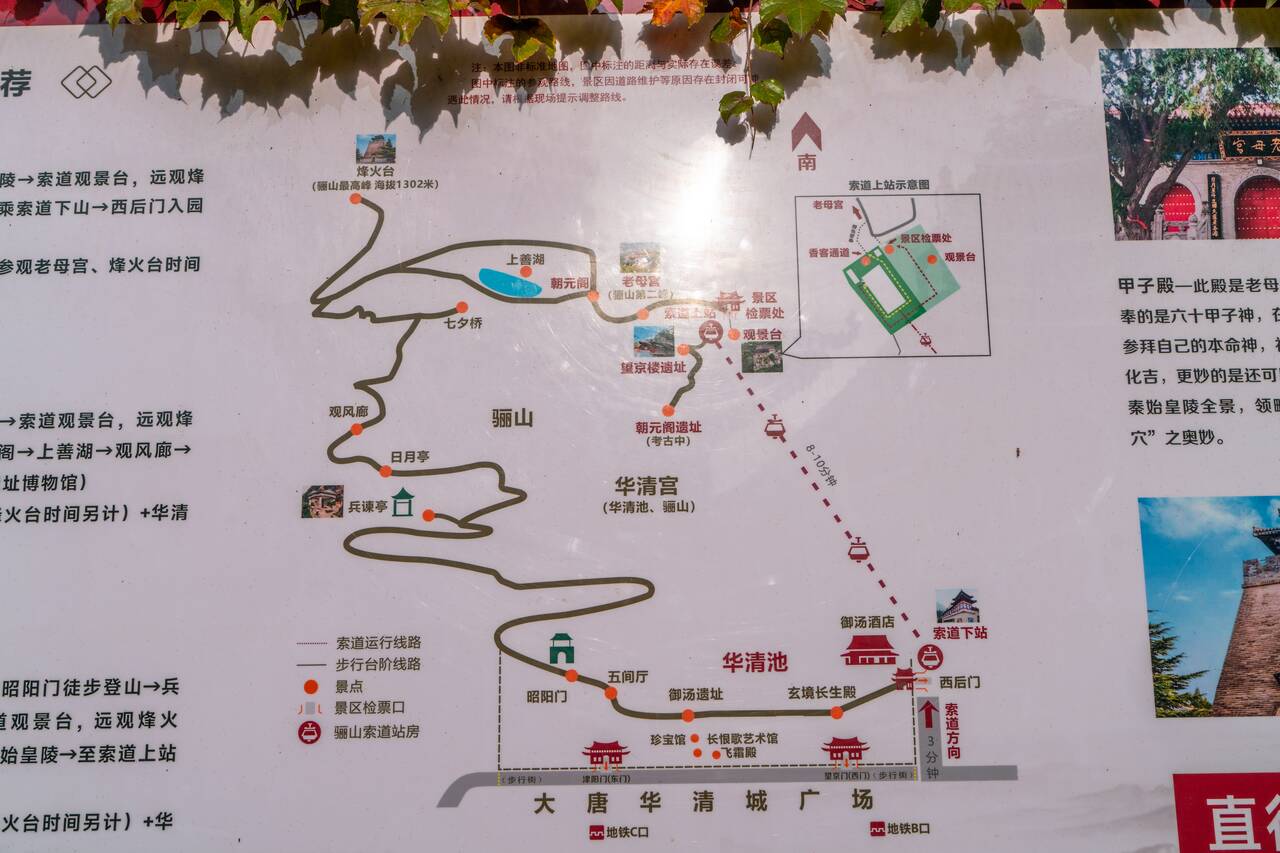
Getting here is easy: take the metro to Huaqingchi Station on Line 9 and walk to the entrance. If you are following my itinerary, visit the Terracotta Warriors first, then take a DiDi here for the afternoon and stay for the evening performance. It makes for a full day without having to travel back and forth from central Xi’an.
3. Watch the Song of Everlasting Sorrow

- 📍 Location: The Song of Everlasting Sorrow [Map Link]
- 🕐 Opening Hours: 7:10 PM
- 💰 Entry Fees: 199-988 CNY (~30-148 USD)
- ⚡ Pete's Take: "The Song of Everlasting Sorrow was honestly one of the best shows I’ve seen in China. It’s still one of the things I remember most about Xi’an."
One of the most impressive experiences I had in Xi’an, and one that still sticks with me to this day, was watching The Song of Everlasting Sorrow. This outdoor dance drama tells the story of Tang dynasty Emperor Xuanzong and his beloved consort, Yang Guifei, from their romance to the rebellion that brought their world crashing down.
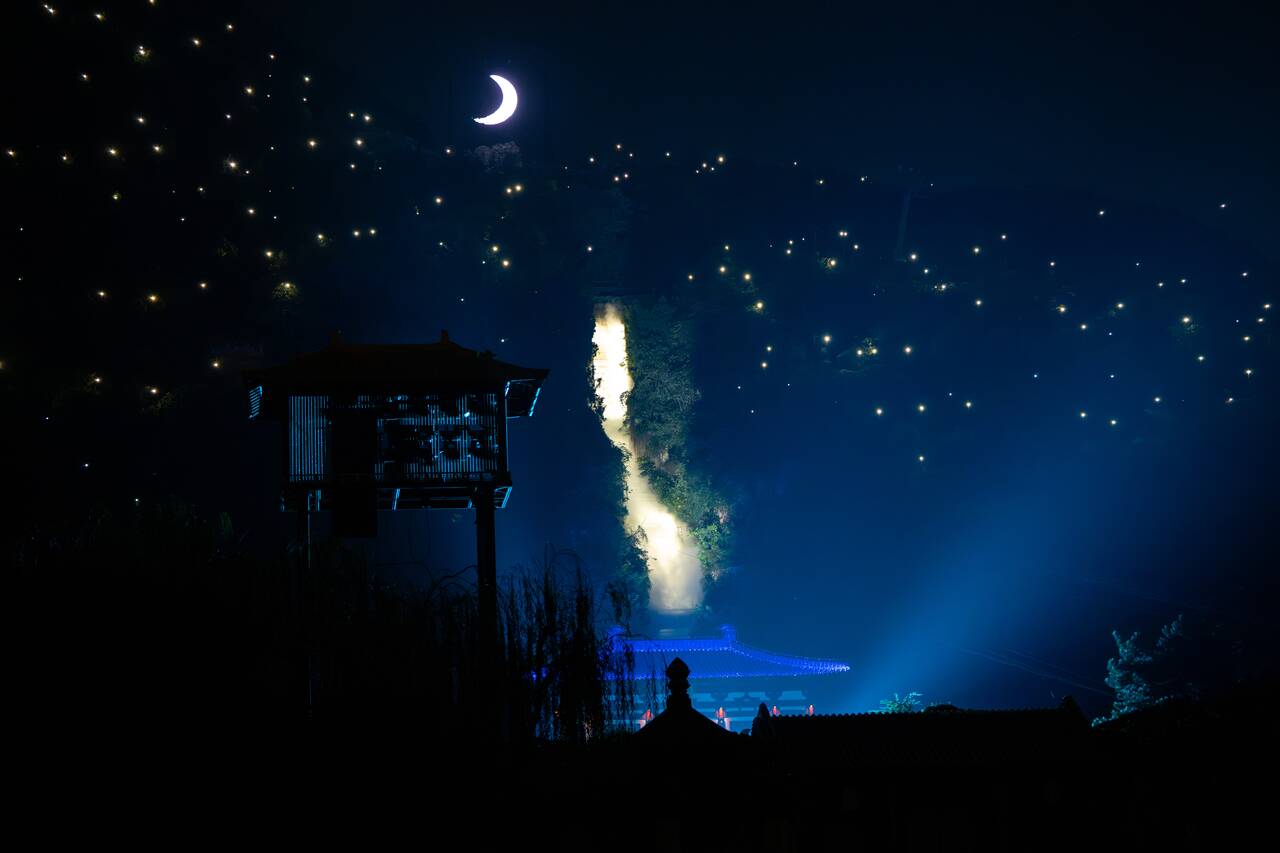
This was honestly one of the best shows I have seen in China. The production, costumes, choreography, and stage design were absolutely incredible. They turned the mountain behind the palace into part of the stage, complete with lights, artificial waterfalls, and an enormous glowing moon. I had hiked up that very mountain earlier in the day and hadn’t even noticed all the equipment hidden there! 😅
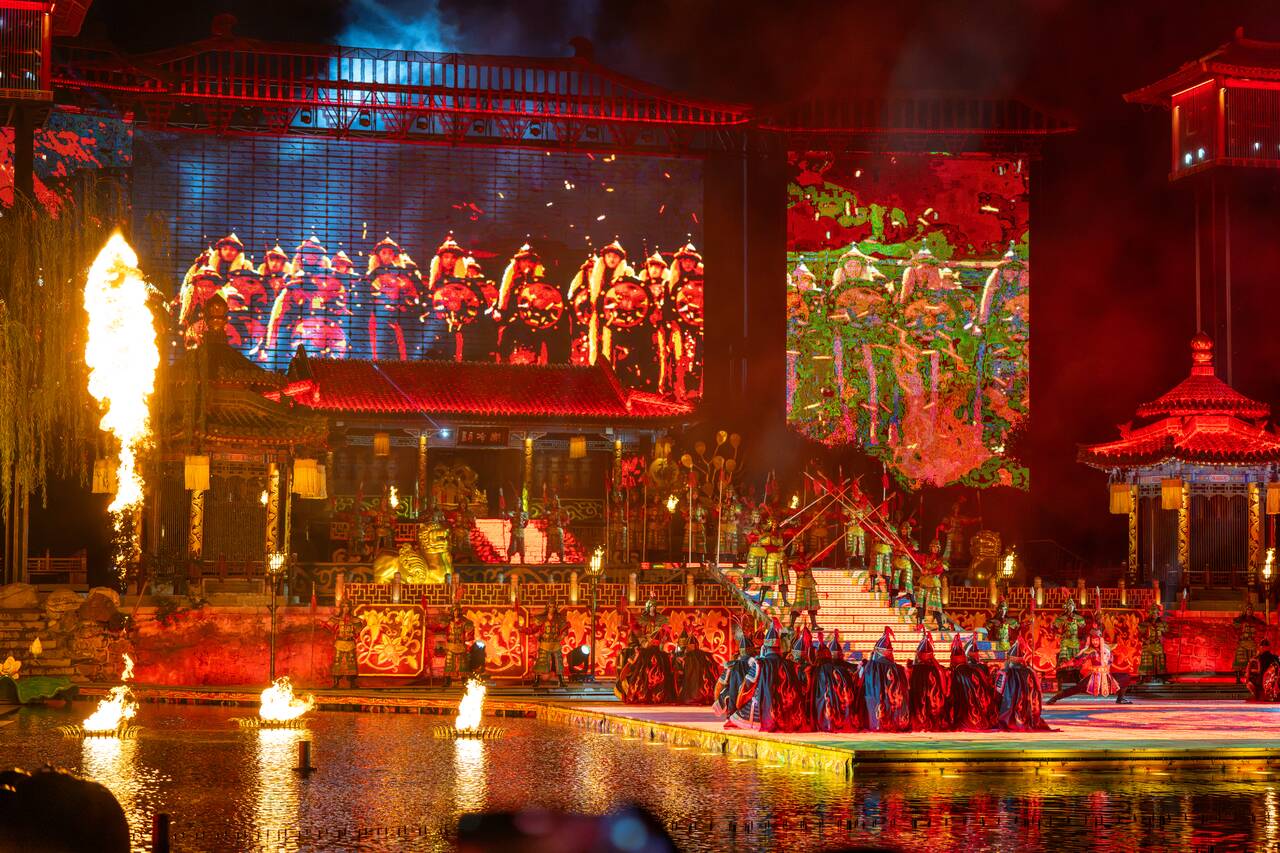
Throughout the roughly 70-minute performance, there were pyrotechnics, fireworks, beautifully choreographed dances, and constantly changing scenery. I was mesmerized the entire time. Just when I thought I had seen everything the stage could do, something else happened that left me wondering how on earth they pulled it off.
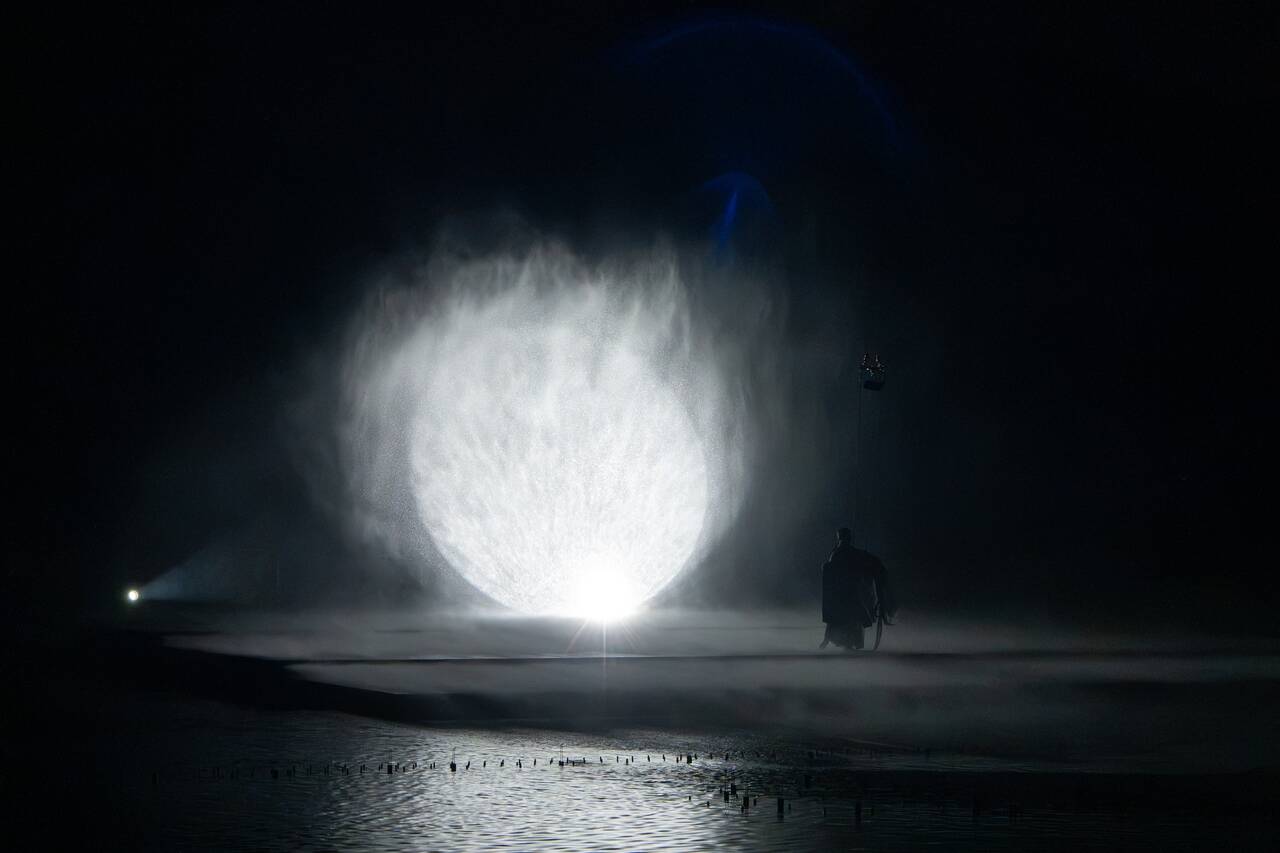
I particularly loved how they used water and lighting to create different effects. At times, illuminated fountains concealed the scenery changes, making the transitions feel almost seamless. In one scene, water spray and light created what looked like a swirling wind tunnel, something straight out of a fairy tale. It was such a creative use of the space!

One thing to keep in mind is that, with my booking, I could choose a seating section but not an exact seat. The seat was assigned when the ticket was issued, so you might end up closer to the center or farther to the side within your section. If having a better position matters to you, consider a central seating category or one of the more expensive VIP options.

Be sure to arrive at least 30 minutes before your performance and allow time to exchange your booking for a physical ticket before entering. If you are already exploring Huaqing Palace during the day, you will have to leave when the daytime grounds close and enter again for the performance using your separate show ticket.

The tickets to the show start from 199 all the way to 988 CNY, depending on the seating category. The show time varies by season by when I was there in early October, the first show starts at 7:10 PM and goes all the way to almost 9 PM. Check your chosen date carefully and book your show ticket online here. A show-only visit does not require a separate daytime palace admission ticket.

For me, it was worth every penny. The costume design, stage production, and choreography all came together so beautifully, and the mountain setting made it even more memorable. If you have never seen this kind of large-scale outdoor performance before, this is going to be a first experience that is hard to beat!
4. Walk Along Xi’an’s City Wall
- 📍 Location: Xi’an City Wall [Map Link]
- 🕐 Opening Hours: 8 AM - 10 PM
- 💰 Entry Fees: 54 CNY (~8 USD)
- ⚡ Pete's Take: "I think Xi’an City Wall is a great place to get a feel for just how big the old city was. You can’t really appreciate that scale from street level."
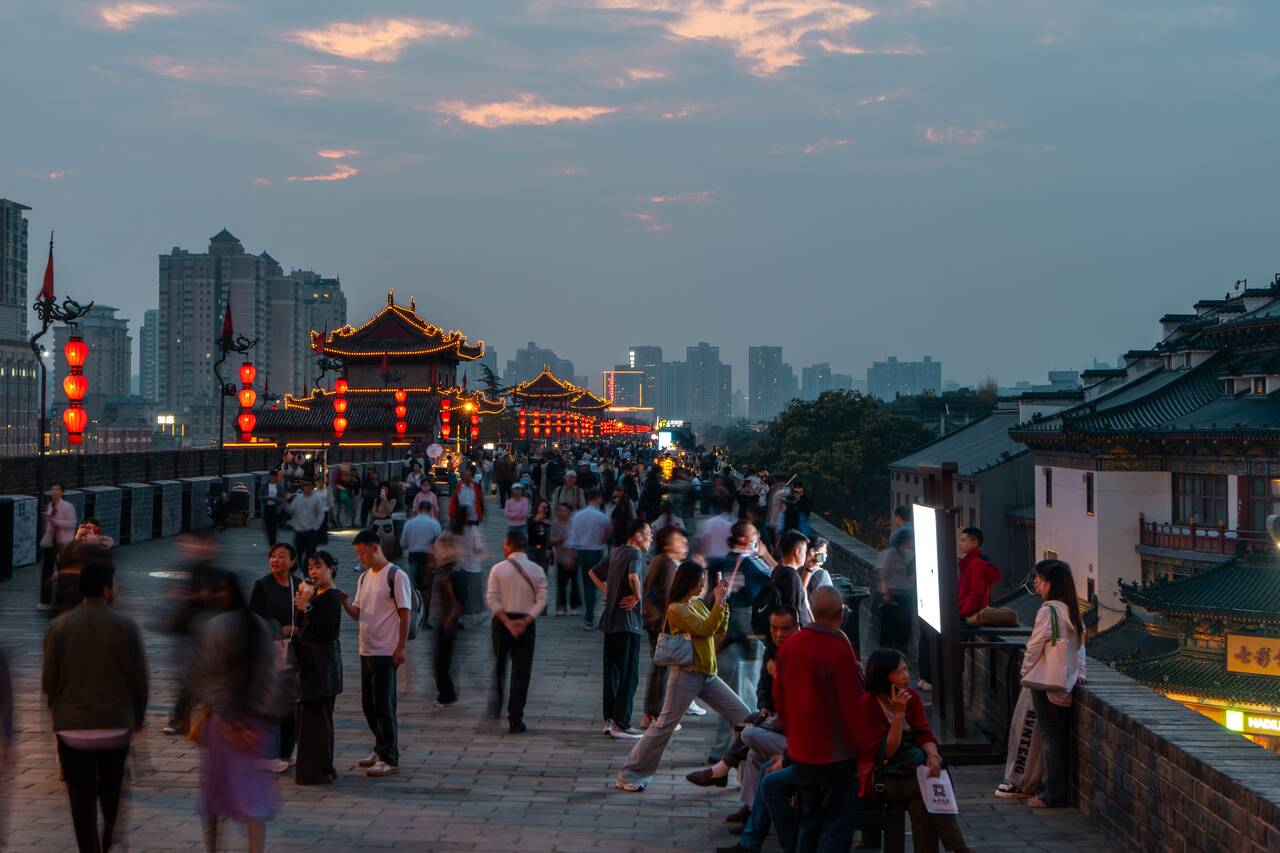
For a different perspective on the city, head up to Xi’an City Wall, an enormous defensive wall surrounding the historic center. Built during the early Ming dynasty on earlier foundations, it protected the city with a combination of imposing gate towers, battlements, and a moat. Today, it is one of China’s best-preserved city walls and a great place to appreciate the scale of the ancient city.
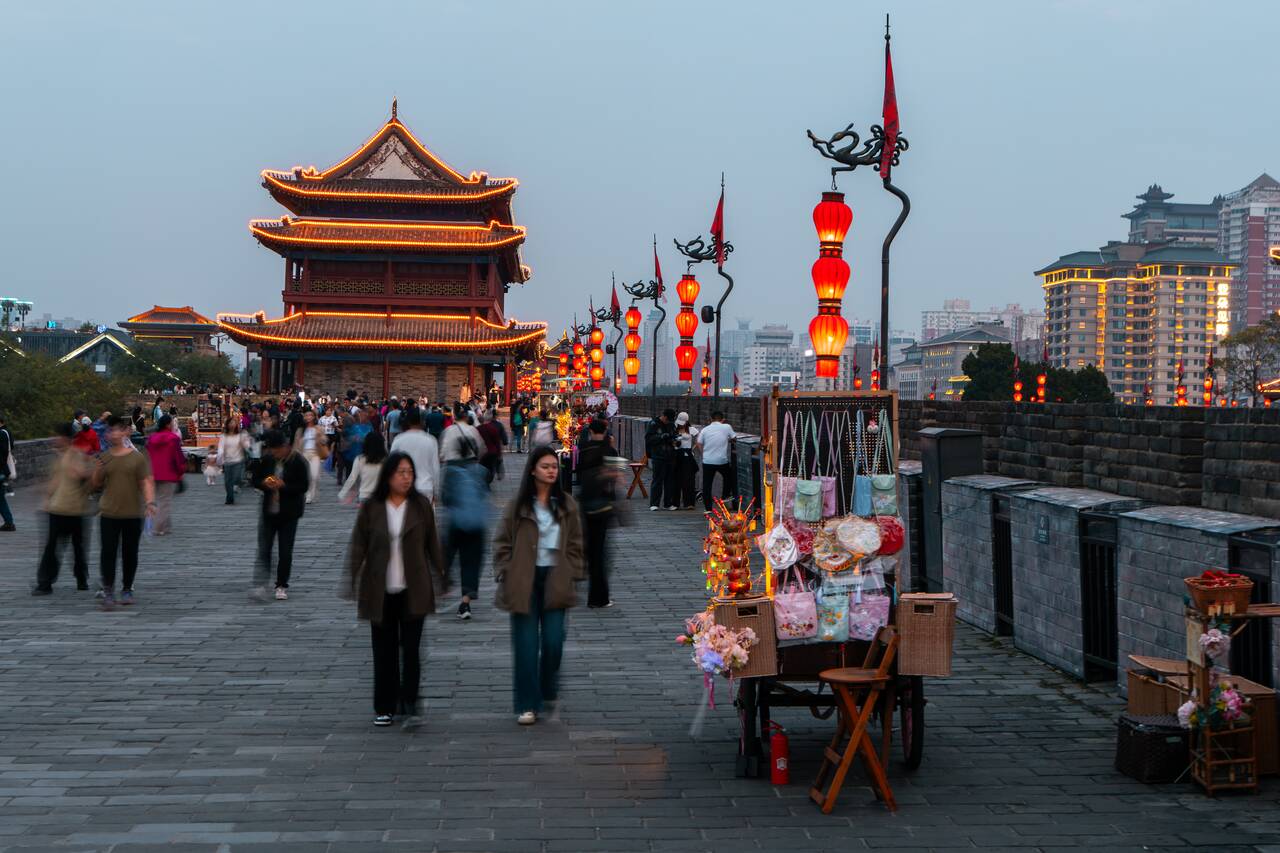
The full circuit stretches around 13.7 kilometers, so don’t underestimate the distance if you plan to walk the whole thing! From the broad walkway, you can look out over the rooftops, busy streets, and modern buildings beyond the wall.
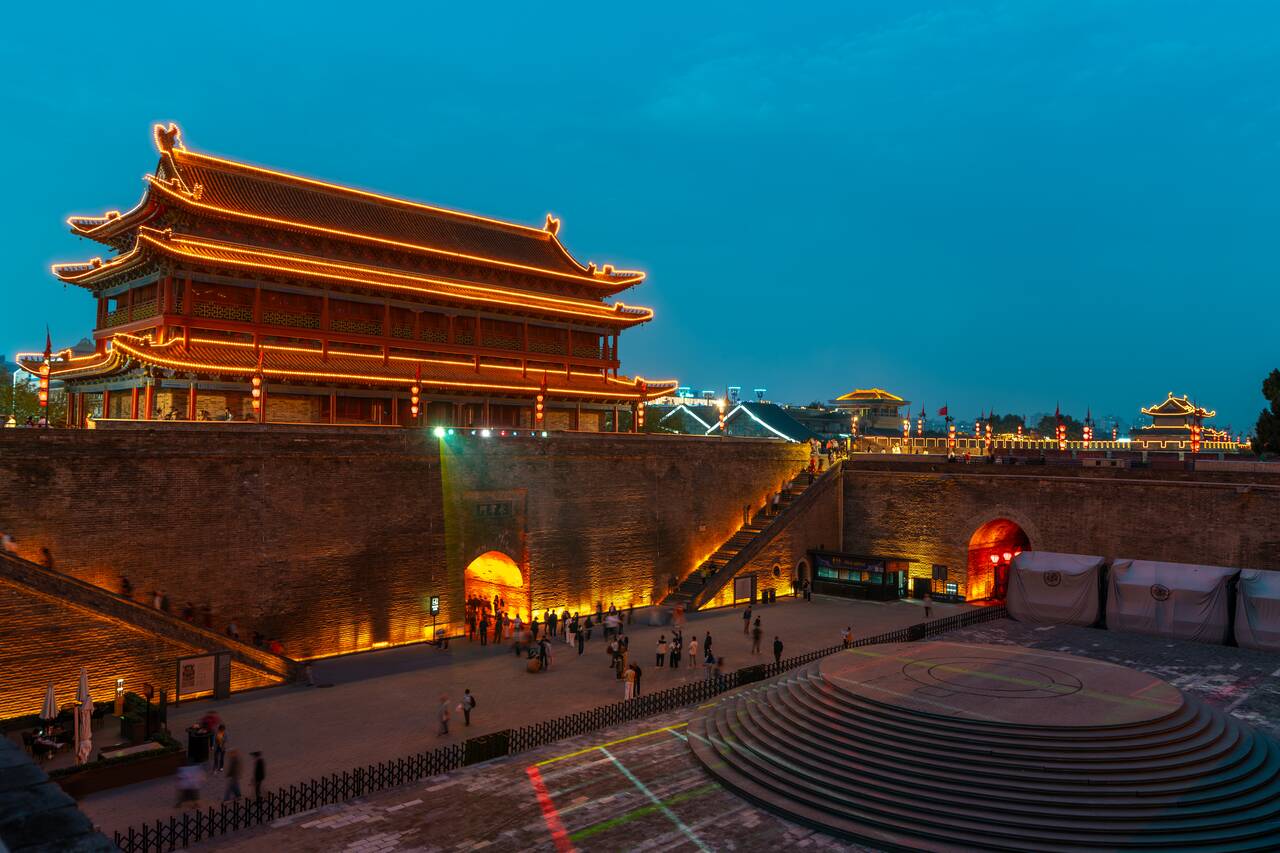
I recommend entering through the South Gate, also known as Yongning Gate, which is convenient if you are already exploring the central area around the Bell Tower. You can also get here easily by taking Metro Line 2 to Yongningmen Station and walking over to the entrance.
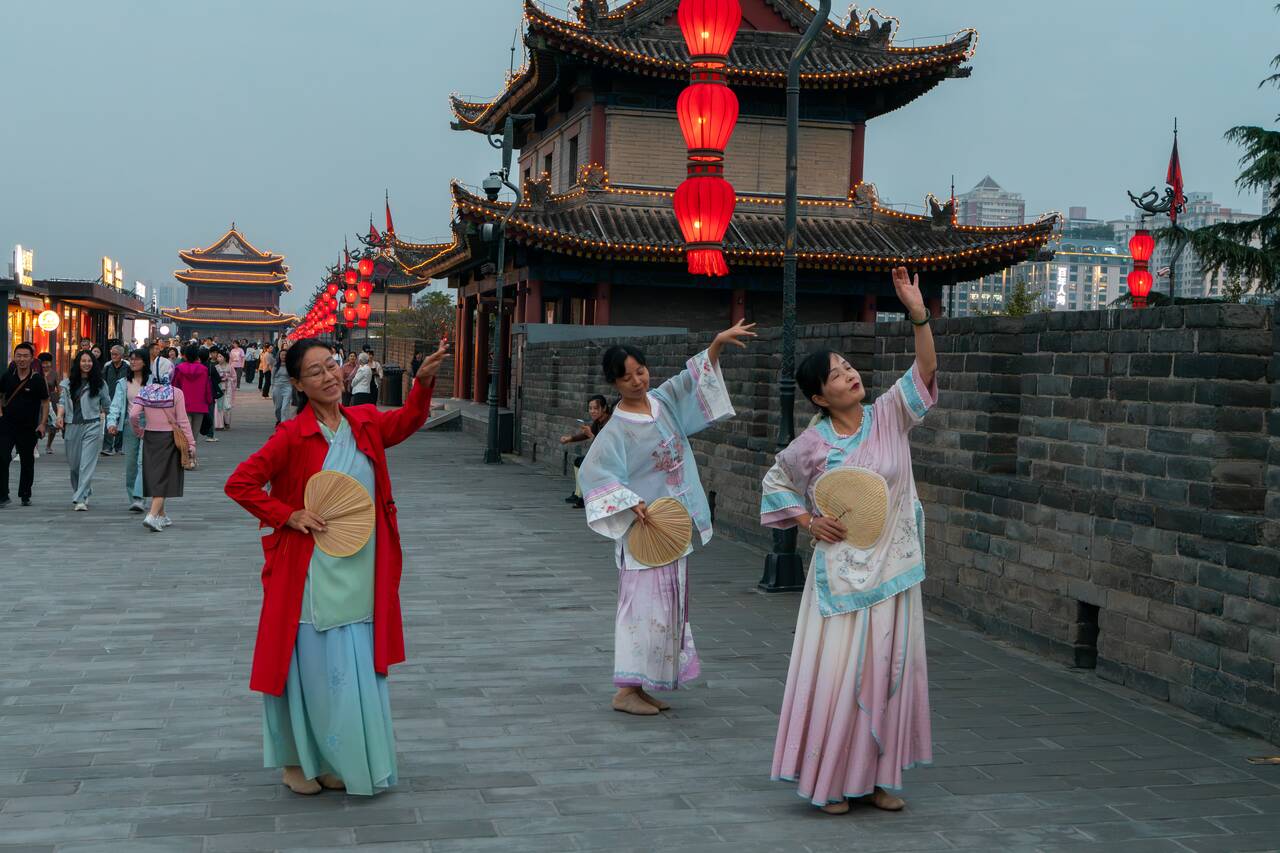
Once you are up there, you can walk as far as you like or rent a bicycle to cover more ground. A standard bike costs 45 CNY for 180 minutes, while a tandem bike costs 90 CNY for the same period, separate from admission.
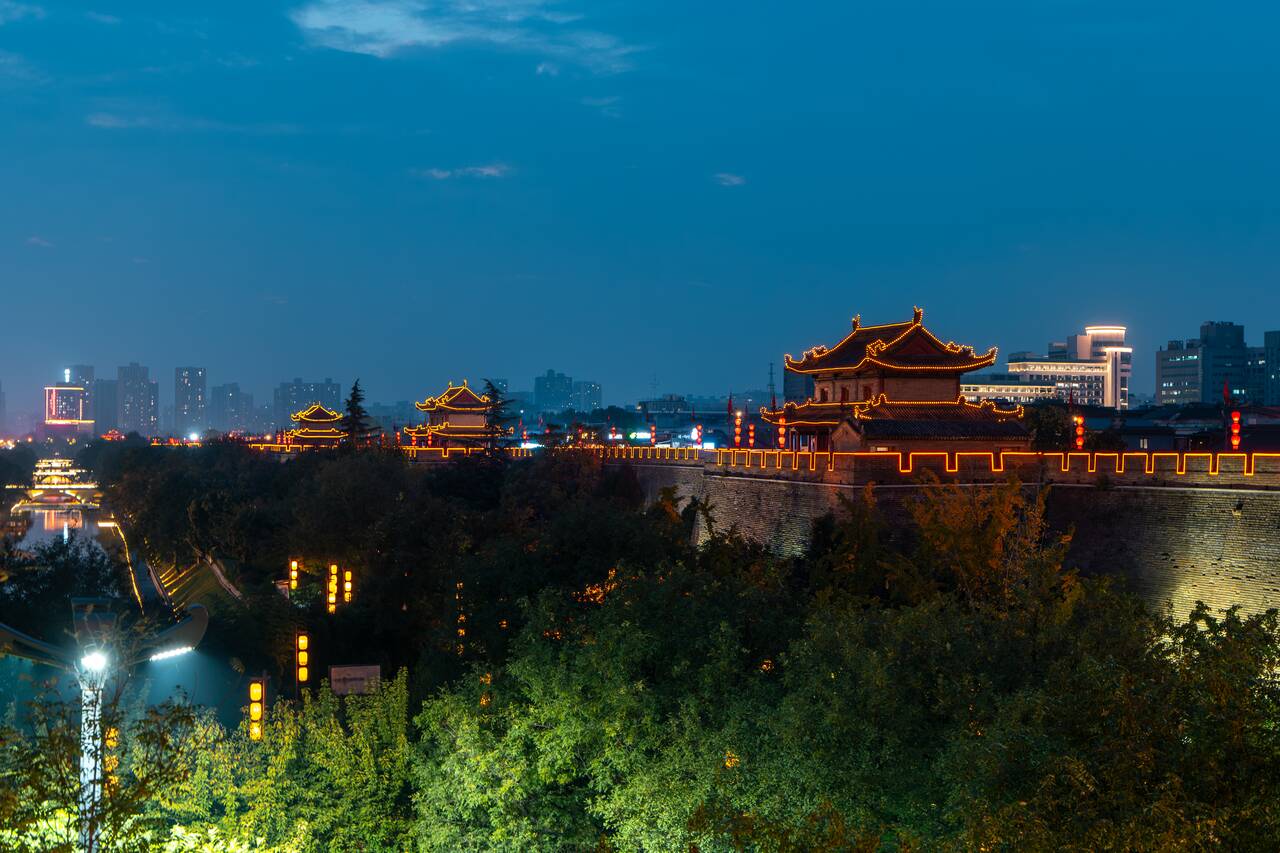
Personally, I recommend coming in the late afternoon and staying through sunset. The views over the city are particularly beautiful as the light softens, and once the towers and surrounding buildings light up, the atmosphere changes completely. Give yourself time to stop, enjoy the views, and take in the city vibes. It's gets quite lively up here after sundown.

The admission fee to the wall is 54 CNY per person, and the South Gate is generally open from 8 AM to 10 PM. Other gates may close earlier, so check before planning to exit somewhere else. You can buy your ticket at the entrance or book your Xi’an City Wall ticket online here. Select your preferred date and entry time slot when booking, and make sure you bring your passport for entry.
5. Eat Your Way Around the Muslim Quarter

- 📍 Location: Muslim Quarter [Map Link]
- ⚡ Pete's Take: "I found the food in the Muslim Quarter a little pricier than elsewhere in Xi’an, but it is still fun to walk around. Restaurants that are worthwhile here are the ones that are full of people queuing; that's always a good sign when it comes to picking a restaurant."
If you are looking for somewhere to eat and see just how Xi’an can get, head over to the Muslim Quarter, a network of bustling streets and alleyways full of food stalls, restaurants, and souvenir shops. There always seem to be people here, but it gets especially lively in the evening, when the lights come on and the smell of grilled meat fills the streets.

Why is there so many people crowding the Muslim Quarter? Well, we have to go back to the ancient time. Back in the day, Xi’an was the eastern end of the Silk Road, connecting China with Central Asia and beyond.

Muslim merchants, including traders from Persia and the Arab world, traveled these routes, and some settled here. The city’s longstanding Hui Muslim community is part of that legacy, and exploring this neighborhood gives you a glimpse of just how diverse Xi’an is.

You will notice that heritage in the food, with plenty of beef and lamb dishes alongside local noodle specialties. Look out for yangrou paomo, a lamb soup with torn pieces of flatbread, beef roujiamo, a flatbread stuffed with chopped beef, and cumin-seasoned lamb skewers. For something sweet, you can also try persimmon cakes or grab some fresh pomegranate juice as you wander.
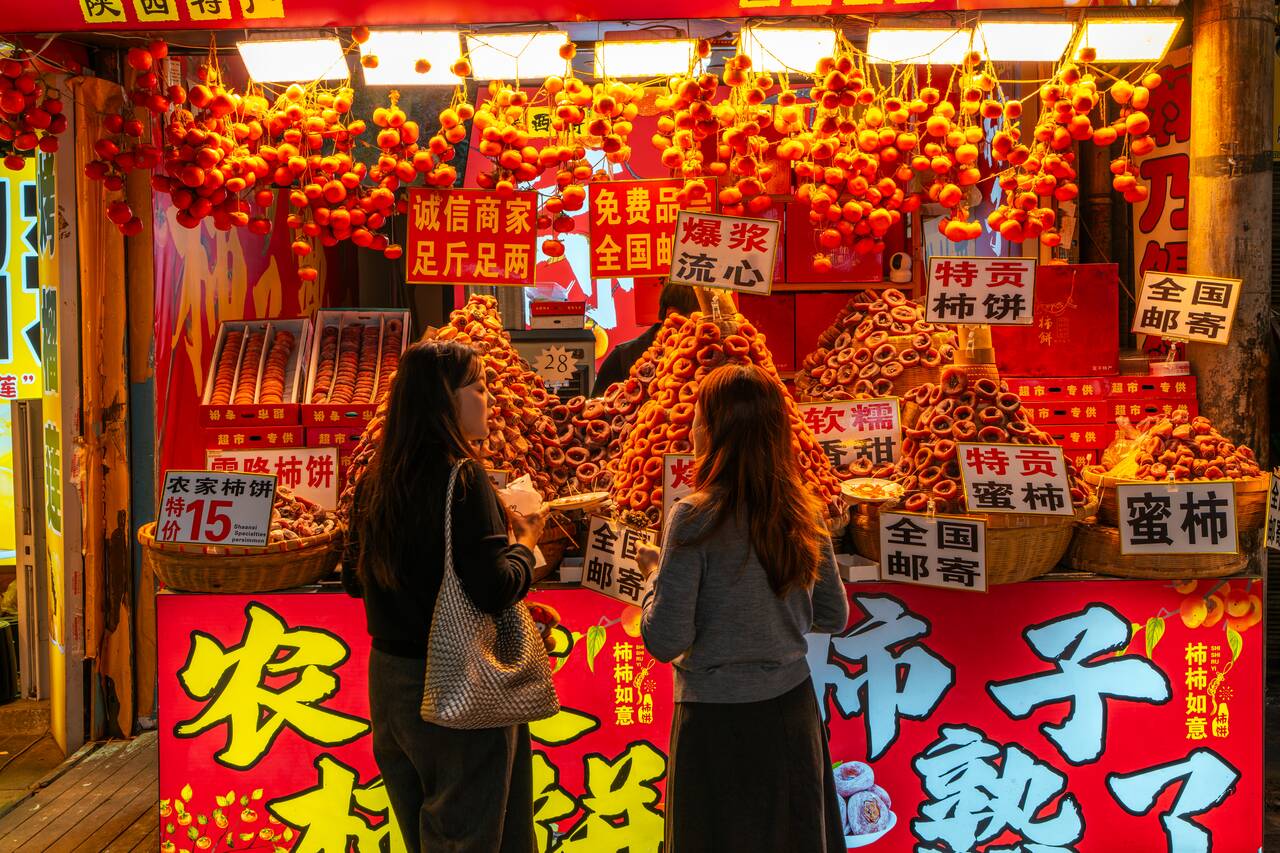
There is plenty to tempt you, although I found the food a little pricier than elsewhere in the city, especially along the busiest streets. I would browse a few stalls and compare prices before deciding what to eat. It is always a good sign if there's a lot of people crowding one stall or restaurant. Don’t forget to explore the smaller alleyways and corners as well, where you will find more shops and plenty of souvenirs to browse.

Personally, I recommend coming during the day for a quieter, more relaxed look around, then returning in the evening for food and a livelier atmosphere. The two experiences feel quite different, and it is worth seeing both if you have time. You can also combine your daytime visit with the Great Mosque, tucked away within the neighborhood, which we will discuss next.
6. Step Inside the Great Mosque of Xi’an
- 📍 Location: the Great Mosque of Xi’an [Map Link]
- 🕐 Opening Hours: 8 AM - 7 PM
- 💰 Entry Fees: 25 CNY (~4 USD) (Mar-Nov), 15 CNY (Dec-Feb)
- ⚡ Pete's Take: "I've seen quite a few mosques in my life, but I've never seen anything quite like this one."
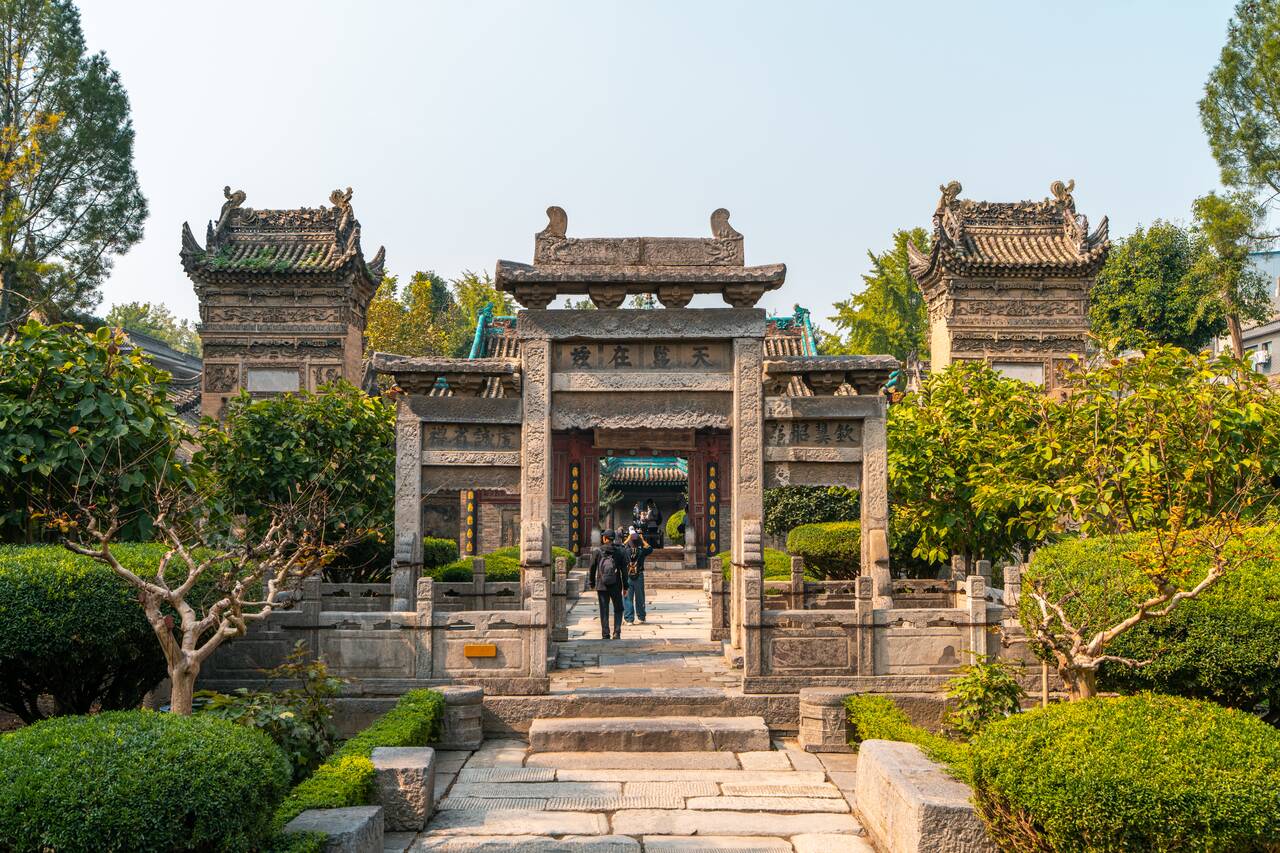
Wile you explore the Muslim Quarter, be sure to drop by and check out the Great Mosque of Xi’an. It was unlike any mosque I had seen before amd I've seen quite a lot in my life! With its traditional Chinese roofs, landscaped courtyards, and intricately decorated wooden buildings, you could easily mistake it for a Chinese temple at first glance!
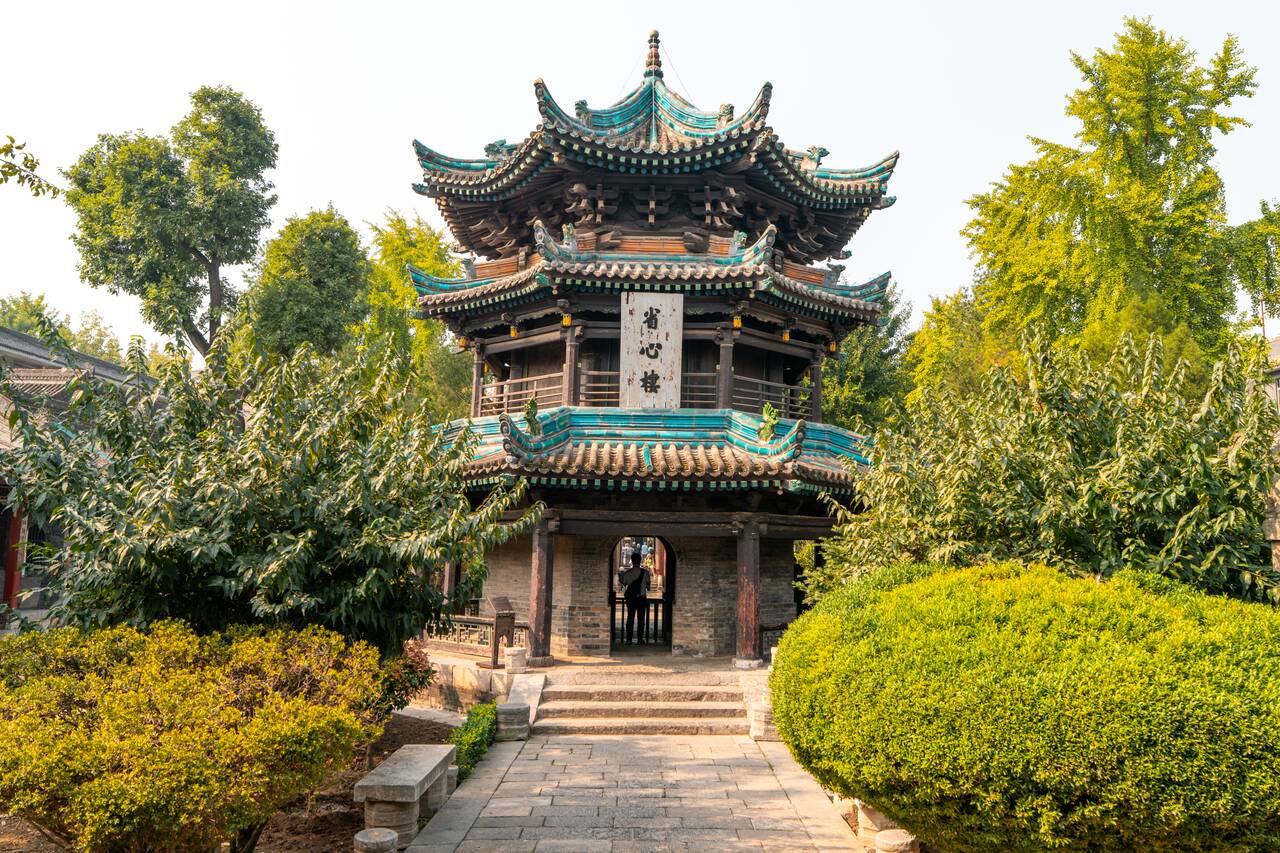
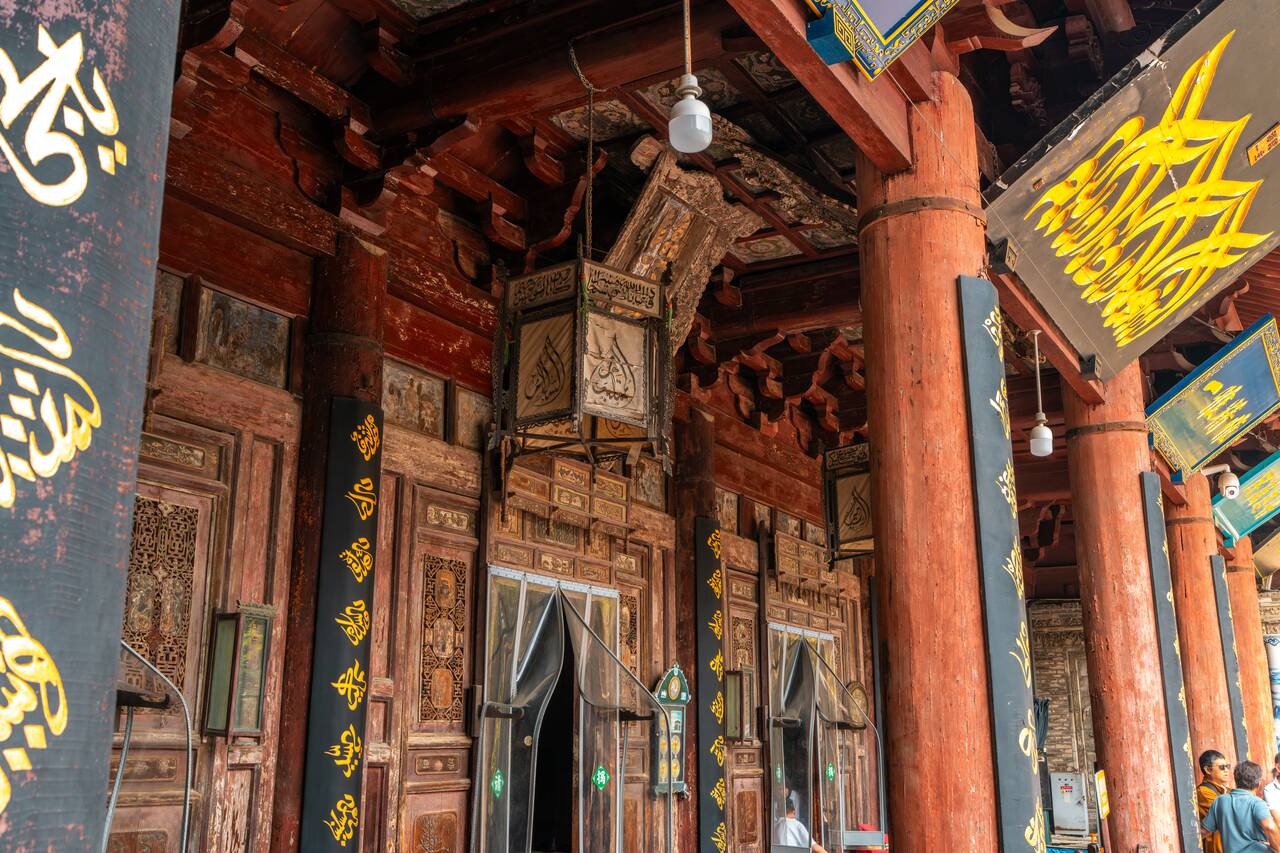
Look closer, though, and you will notice Arabic calligraphy alongside Chinese inscriptions, showcasing the true beauty of Xi'an and its diverse culture. Take your time and walk through the courtyards, admire the carved details, gateways, and pavilions along the way.
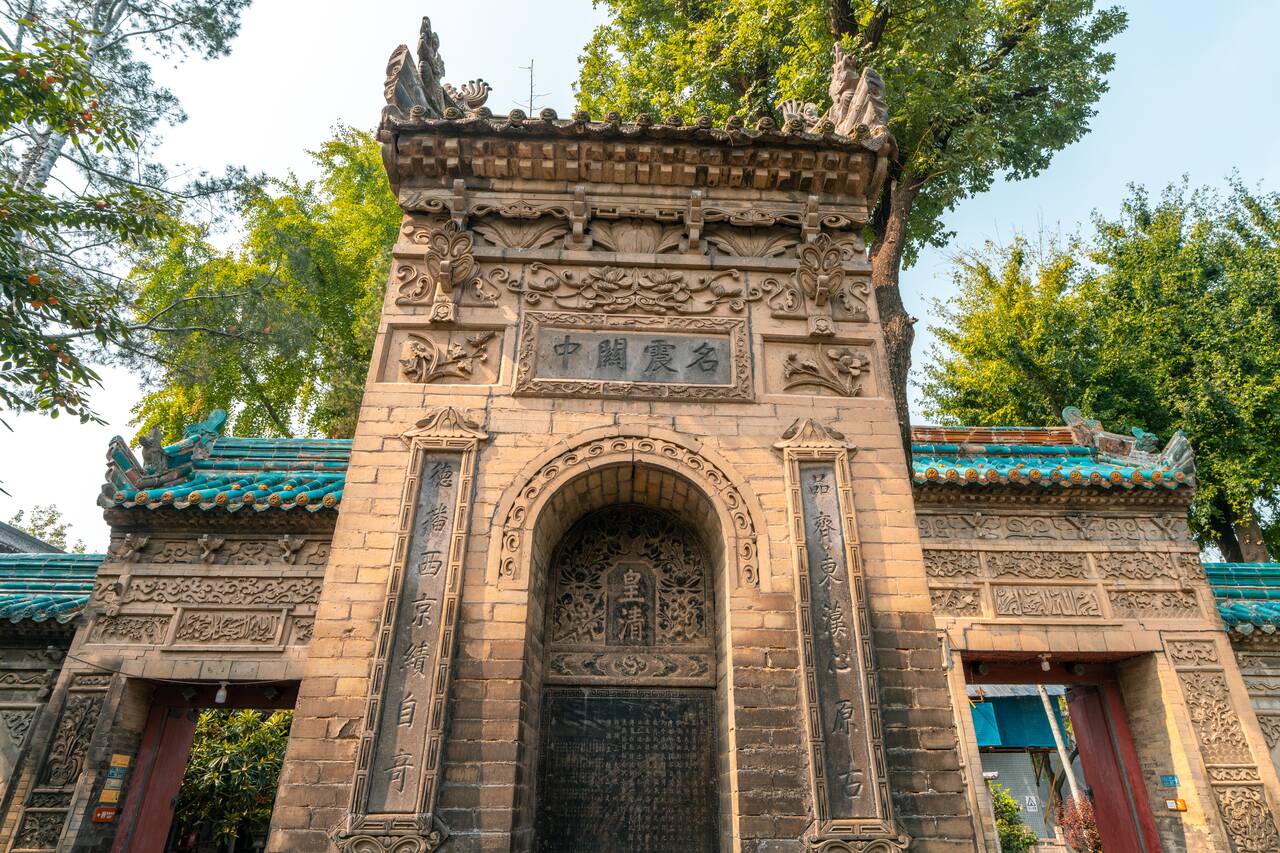
What I loved most was how peaceful it felt. After walking through the crowded streets outside, stepping through the entrance felt like finding a little oasis in the middle of the Muslim Quarter. It was such a welcome change of pace, and one of my favorite places to slow down here.
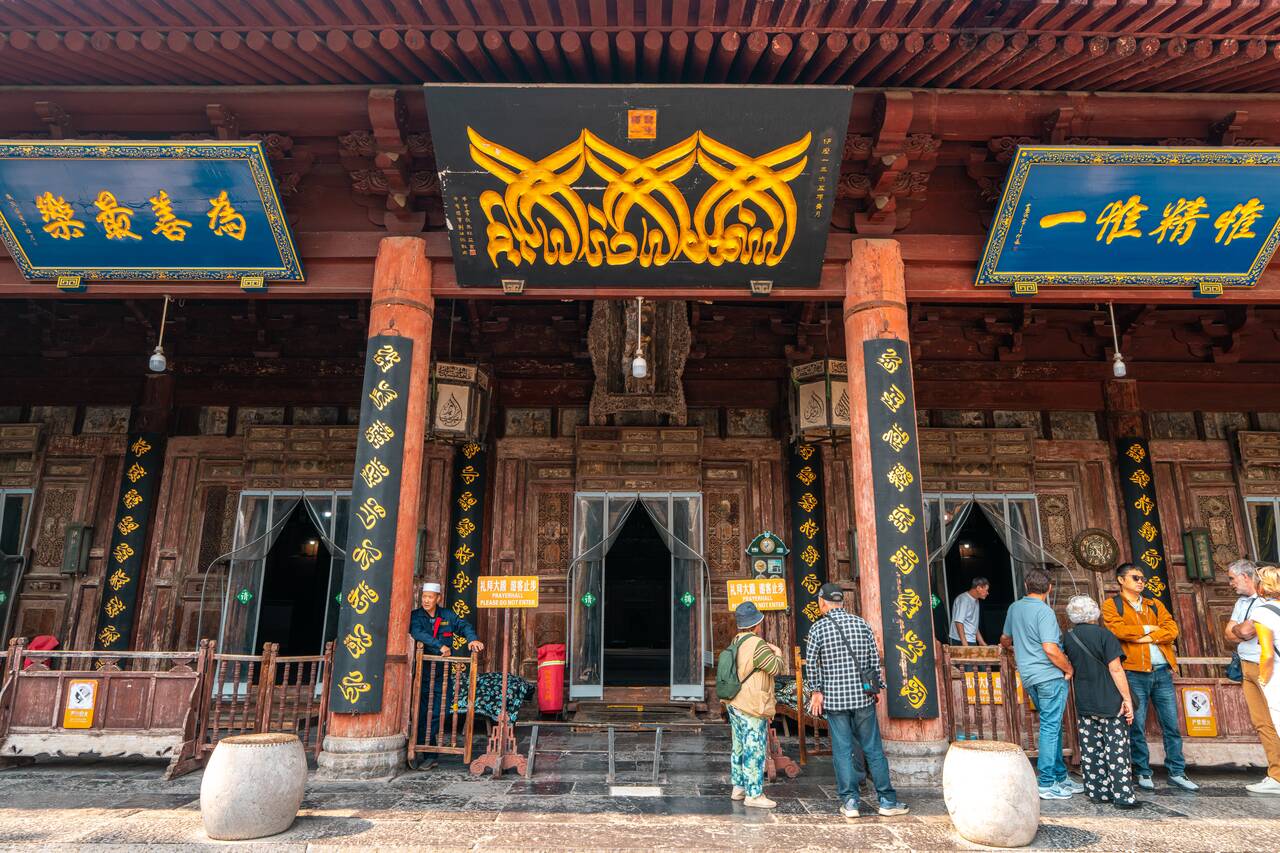
Keep in mind that this is still an active place of worship, so dress respectfully and give worshippers their space. Non-Muslim visitors can explore the courtyards, but the main prayer hall is reserved for Muslims. I would allow around 30 minutes to an hour to really appreciate the space.
The entry ticket is 25 CNY from March to November and 15 CNY from December to February, with tickets available at the entrance. The place is open from 8 AM to 7 PM daily, although winter hours can be shorter, so I recommend visiting during the day.
7. See Xi’an’s Bell and Drum Towers

- 📍 Location: Xi’an’s Bell Tower [Map Link]
- 🕐 Opening Hours: 8:30 AM - 9:30 PM
- 💰 Entry Fees: 30 CNY (~4 USD)
- ⚡ Pete's Take: "It's one of the most photographed spots in the city, and it is especially beautiful at night, so don't forget to come check it out."
Right in the heart of the city, you will find Xi’an’s Bell Tower, an imposing Ming dynasty landmark surrounded by busy roads and modern buildings. It’s one of the most photographed spots in the city, and at night, you will find many Chinese tourists dressed in traditional garments, fan in hand, posing all around it. If there’s one national sport China has mastered, it’s photography 🤣.
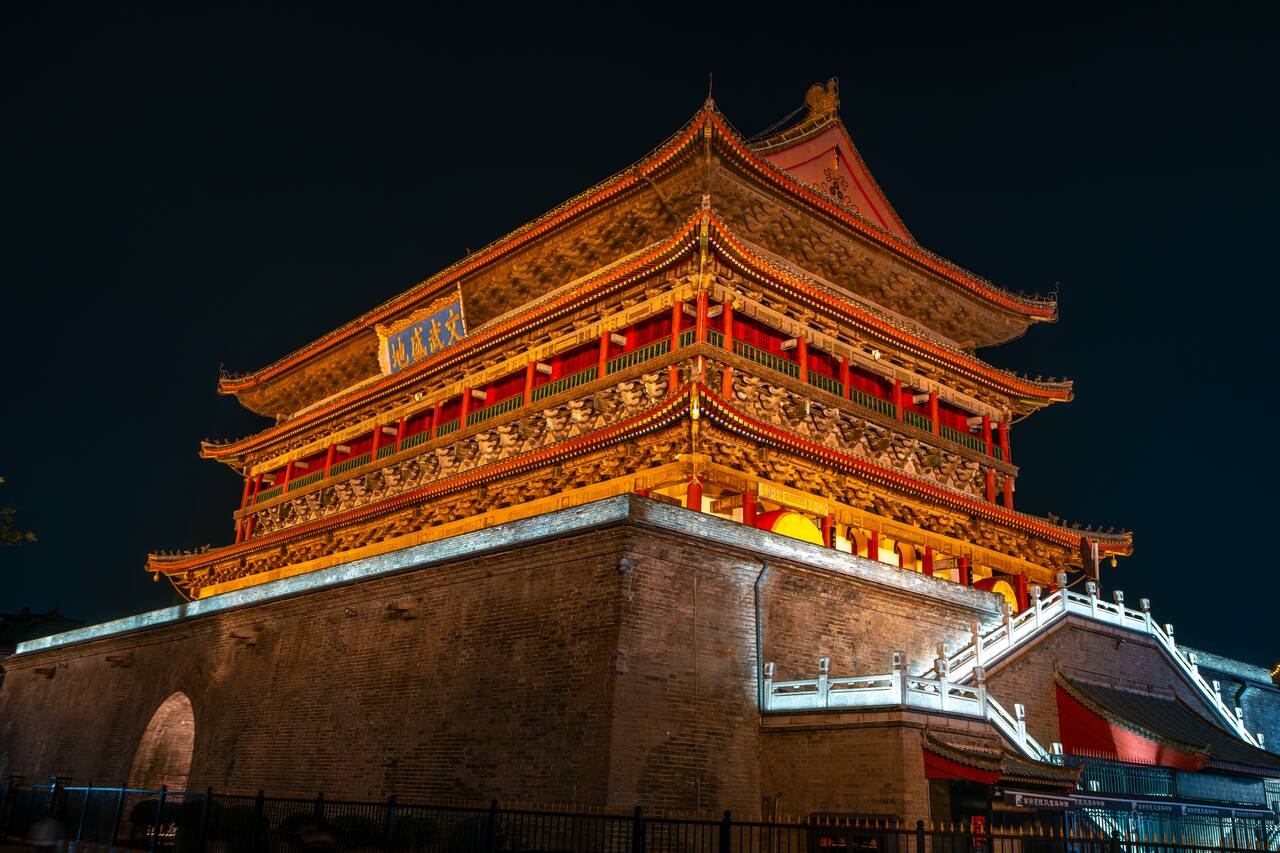
Originally built in 1384, the tower was used to mark the time, with its bell announcing the beginning of the day while the nearby Drum Tower marked the evening. With its layered green-tiled roofs, red wooden structure, and enormous brick base, it creates a stunning contrast with the modern buildings surrounding it.

If you want to explore the interiors, you can visit during the day, but I also recommend seeing both towers after dark, when they light up beautifully against the night sky. Since they are close to each other and the Muslim Quarter, you can easily combine all three into an evening outing.
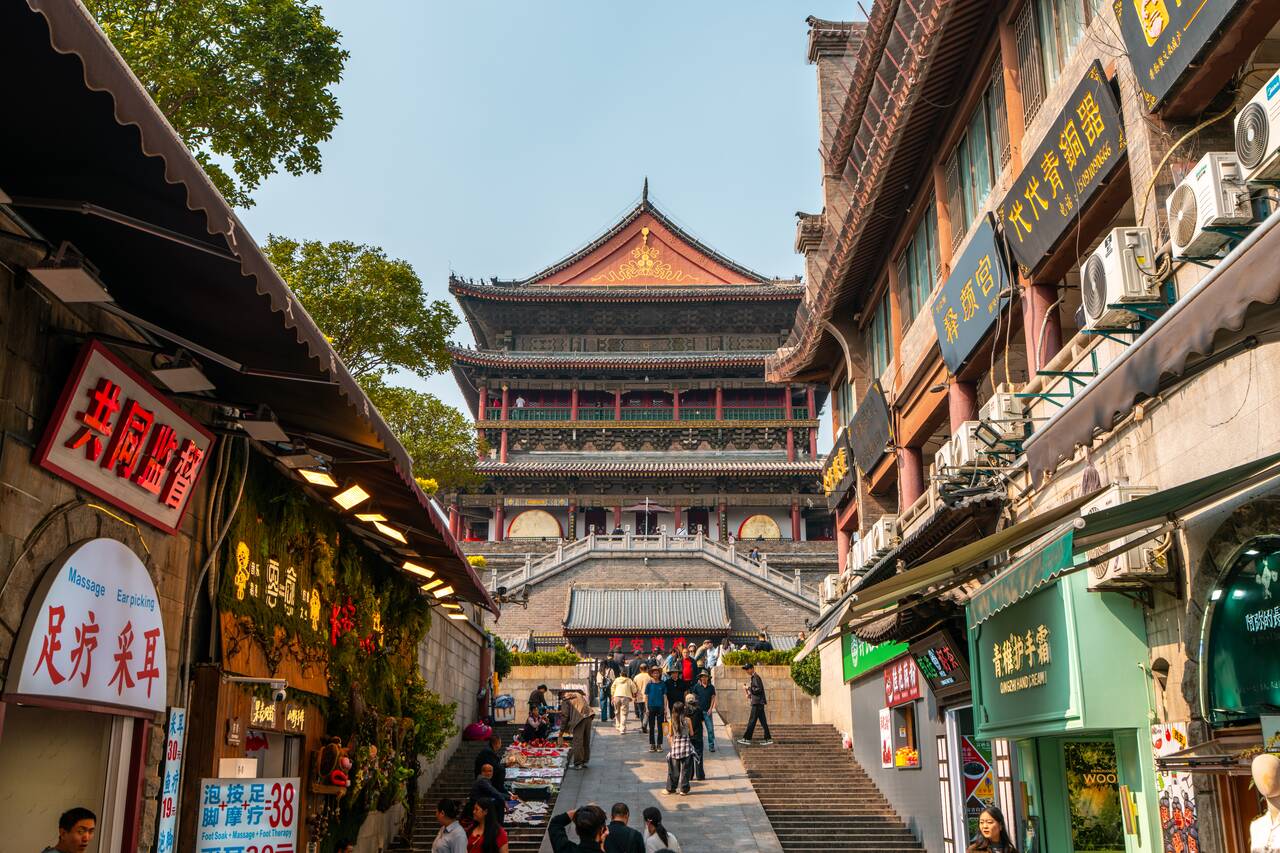
To enter the towers, you will have to pay 30 CNY each for the Bell Tower and Drum Tower, or 50 CNY for a combined ticket. The Bell Tower opens from 8:30 AM to 9:30 PM from April 1 to October 10, with last admission at 9 PM, and 8:30 AM to 6 PM from October 11 to March 31, with last admission at 5:30 PM.
8. Explore the Shaanxi History Museum
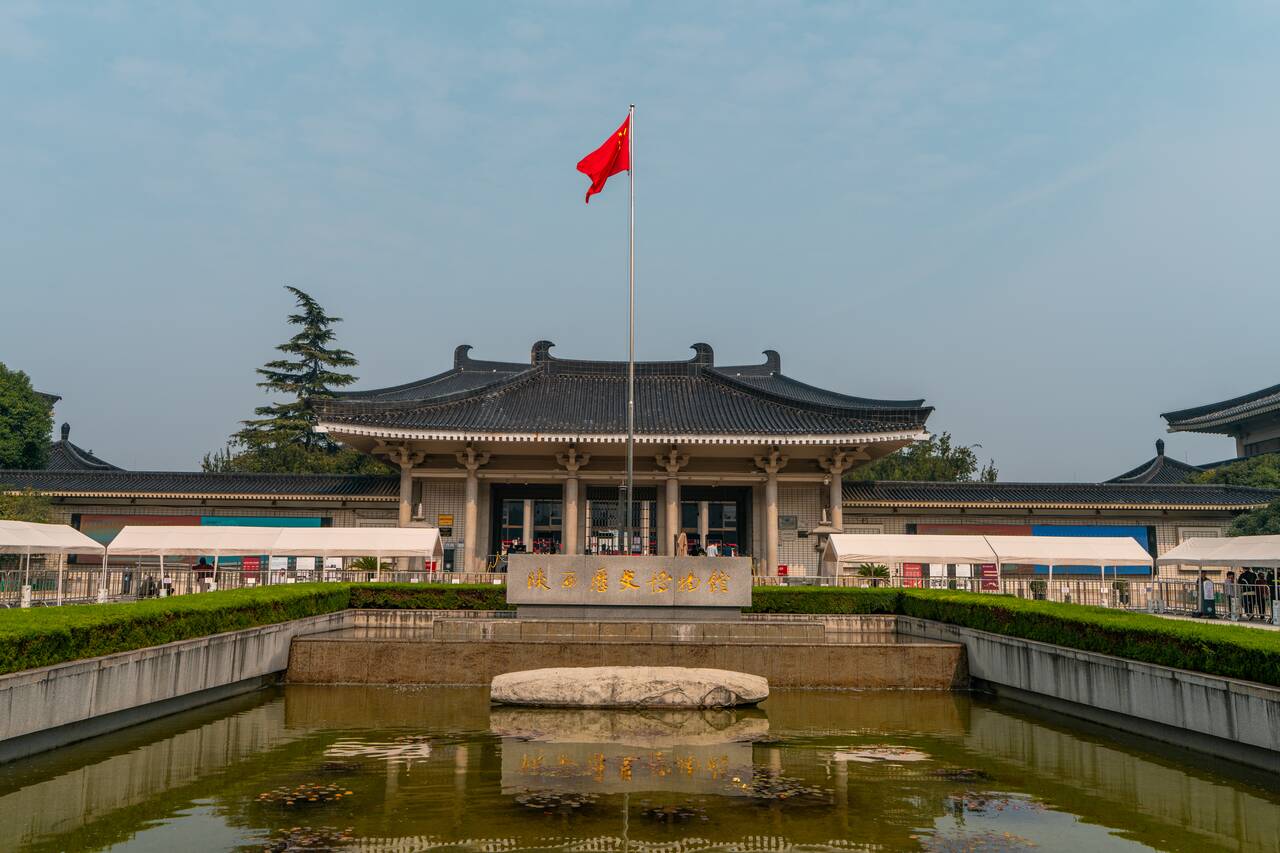
- 📍 Location: Shaanxi History Museum [Map Link]
- 🕐 Opening Hours: 8:30 AM - 7 PM
- 💰 Entry Fees: Free (reservation needed)
- ⚡ Pete's Take: "Don’t leave your reservation until the last minute. When I checked during my October visit, the next four days were already fully booked, so I’d be prepared to plan around whatever slot you can get."
If you enjoy ancient history, make sure you visit the Shaanxi History Museum. This was one of the best museums I visited in China. Dare I say, although it isn’t as big as the National Museum in Beijing, I actually preferred the collection here!
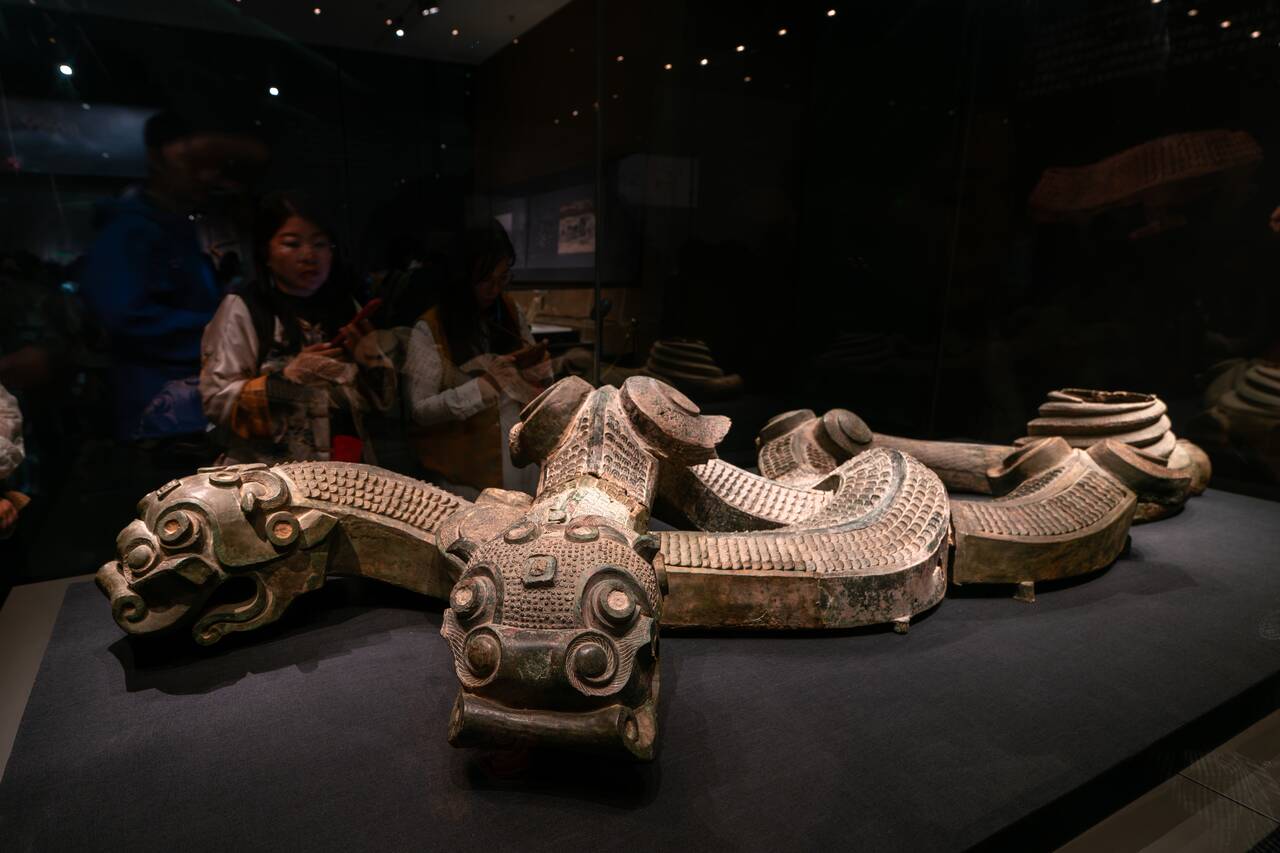
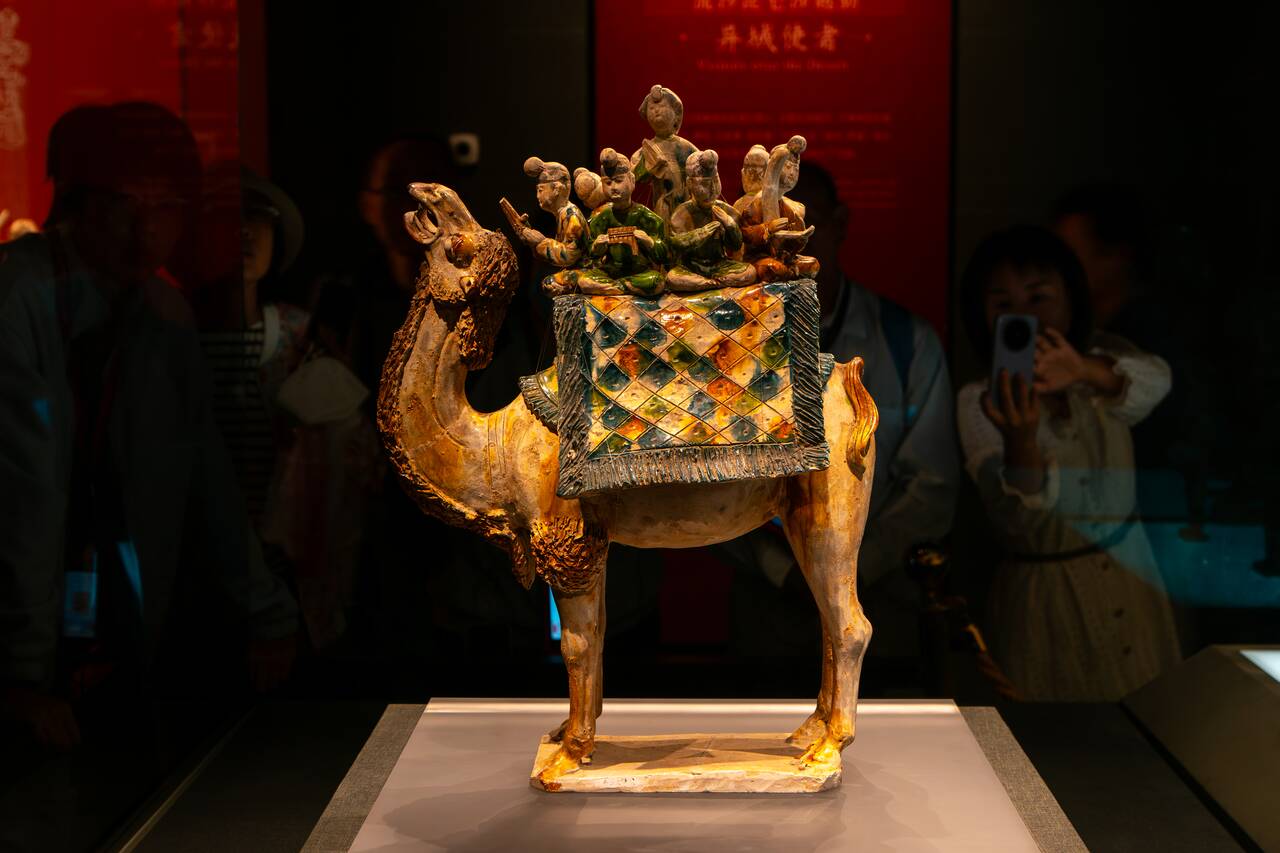
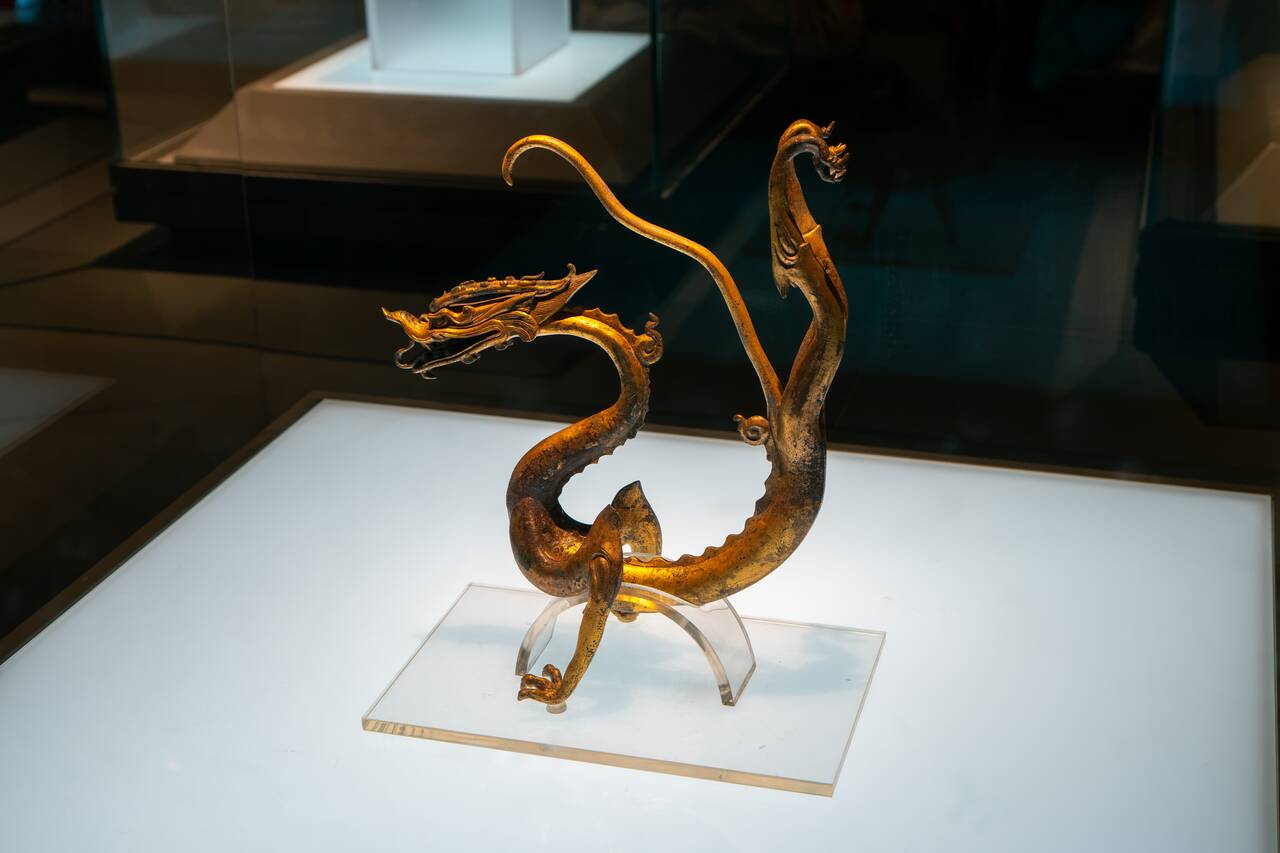
There was something about the ancient artifacts here that I found more intriguing than those in other museums in China, from the 2,000-year-old Twin Bronze Dragons to pottery figurines depicting Silk Road merchants on camels and beautifully crafted gold and silver objects.
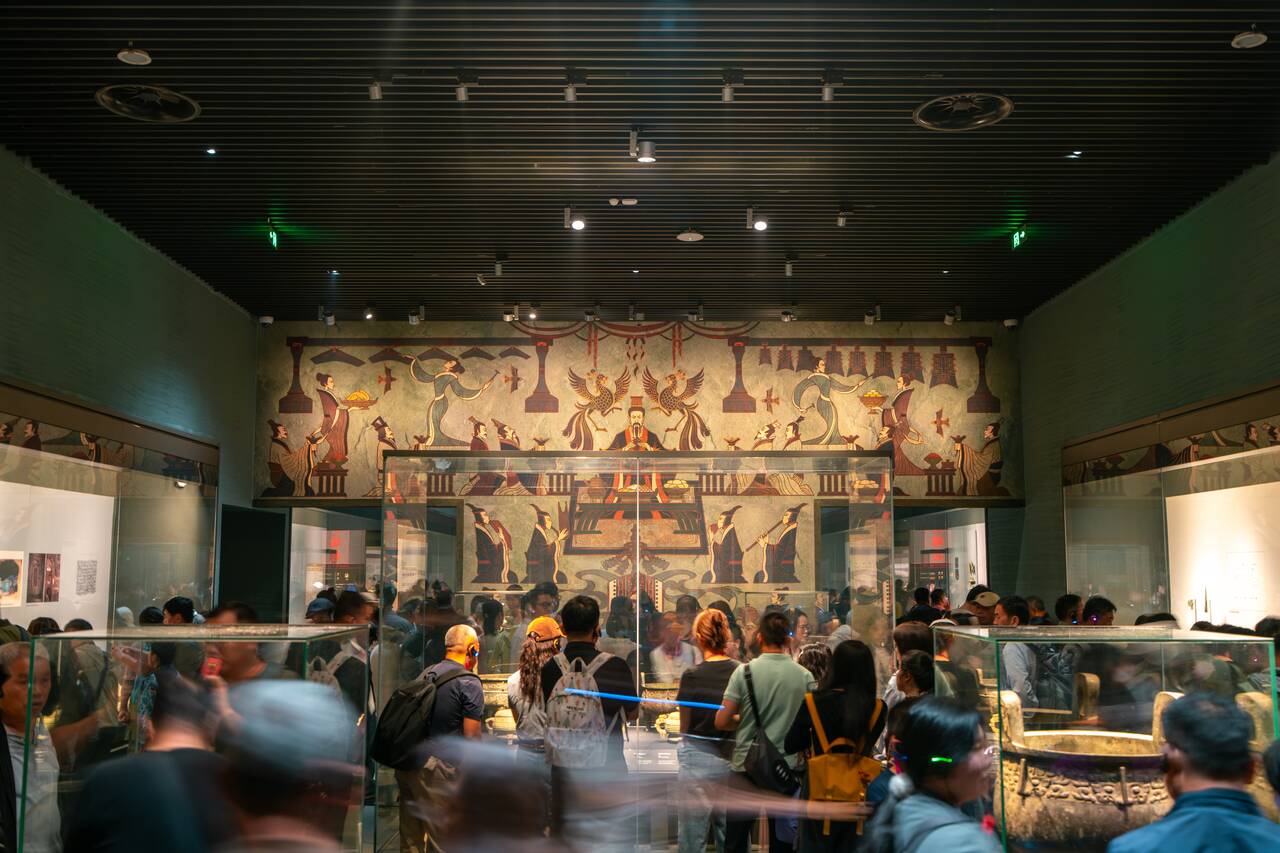
To me, the collection felt way more antique for some reason, which makes sense considering that this region was home to the capitals of several major dynasties, including the Qin, who established China’s first unified empire over 2000 years ago.
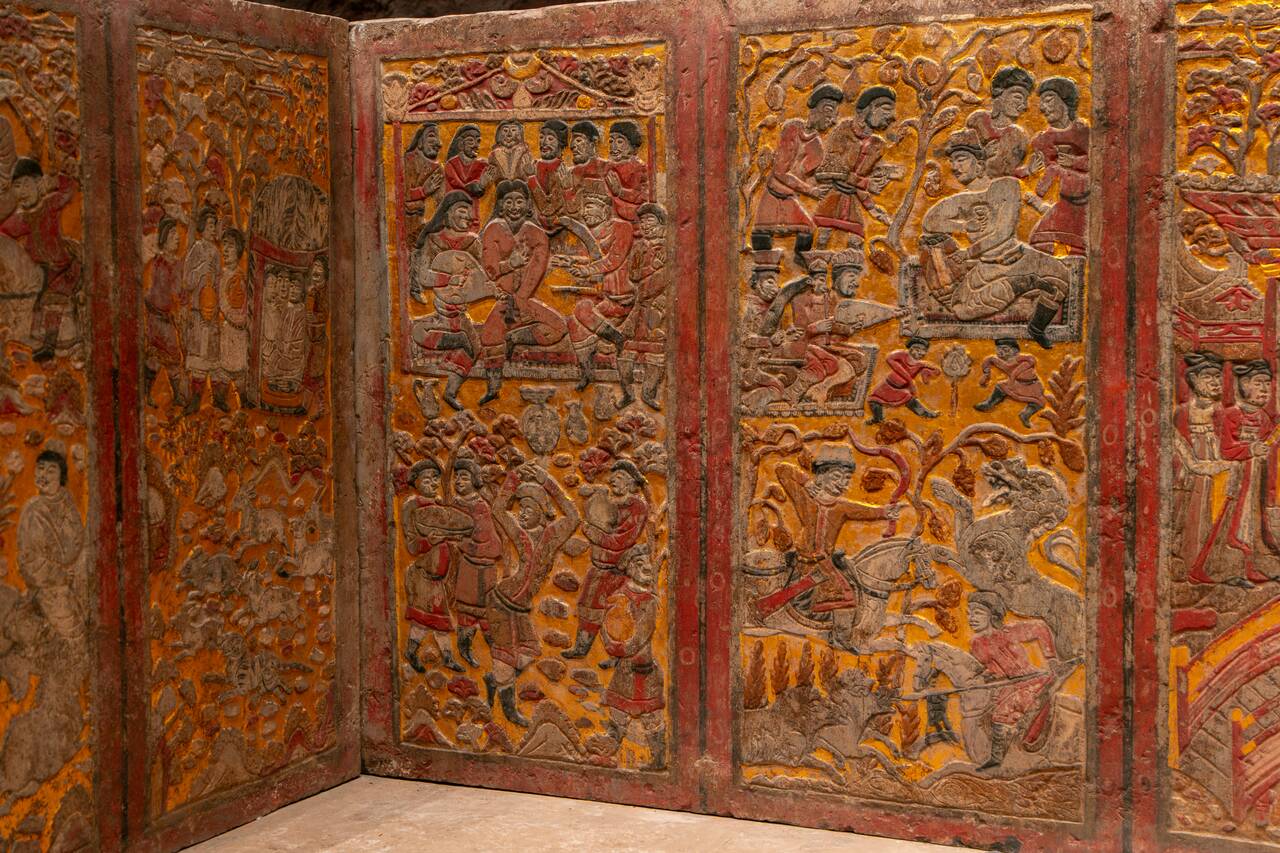
The museum takes you through different periods of Shaanxi’s history, with collections covering the Zhou, Qin, Han, and Tang dynasties. There's quite a lot to see here, so give yourself around 2 to 3 hours, or longer if you enjoy reading the displays.
Entry is free, but you must reserve a time slot in advance, and availability disappears very, very quickly! When I checked during my October visit, the next four days were already fully booked. If you want to visit, you may have to plan your itinerary around an available time slot, so don’t leave booking until the last minute!
The museum releases time slots 5 days in advance at 5 PM China time. You can reserve through the museum’s official WeChat booking system or check booking and guided-tour options on Trip.com here. Keep in mind that third-party packages may charge for a guide or booking service, even though general admission is free. Bring the passport you used to make your reservation and arrive within your booked time slot.
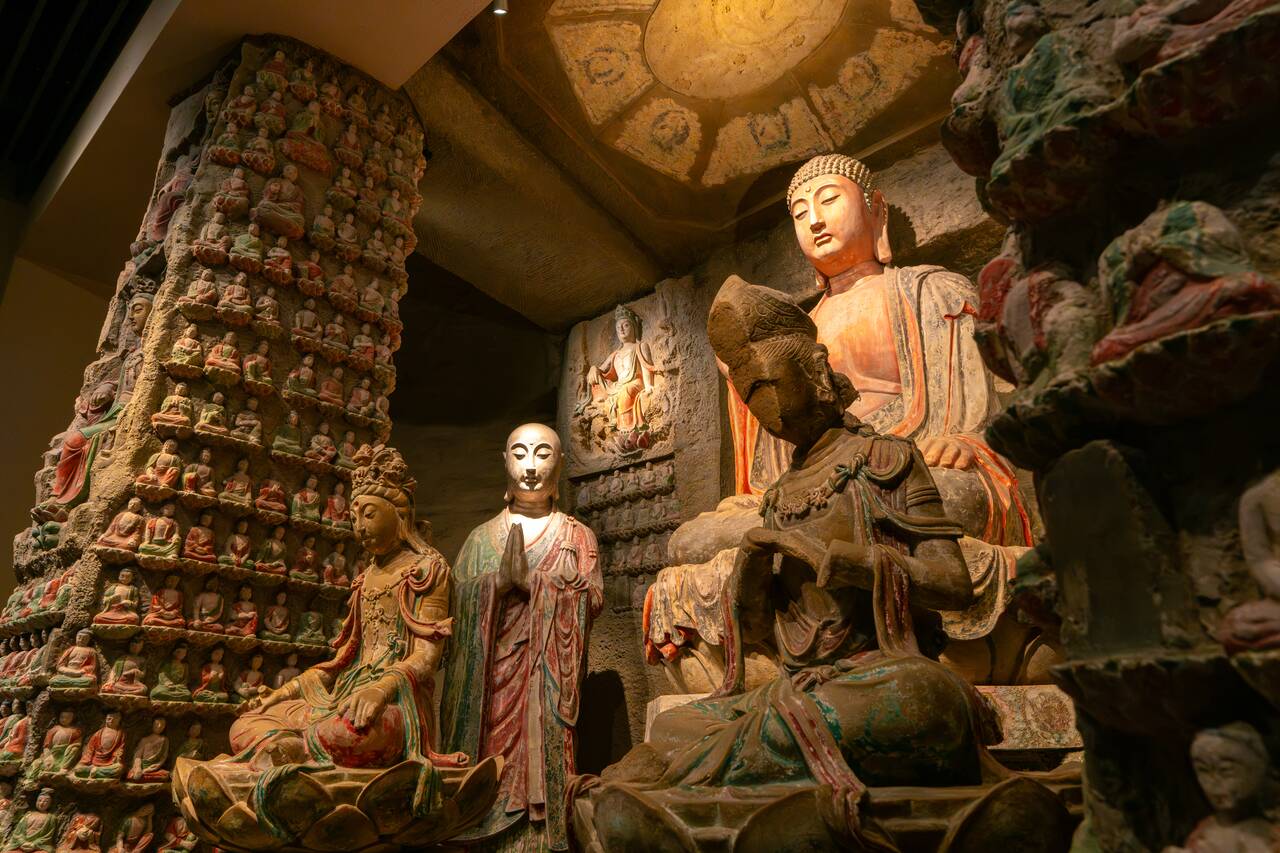
The museum opens from 8:30 AM to 7 PM, with last admission at 6 PM. This museum is also close to the Giant Wild Goose Pagoda, so you can easily combine the two before spending the evening at Datang Everbright City.
9. Visit the Giant Wild Goose Pagoda
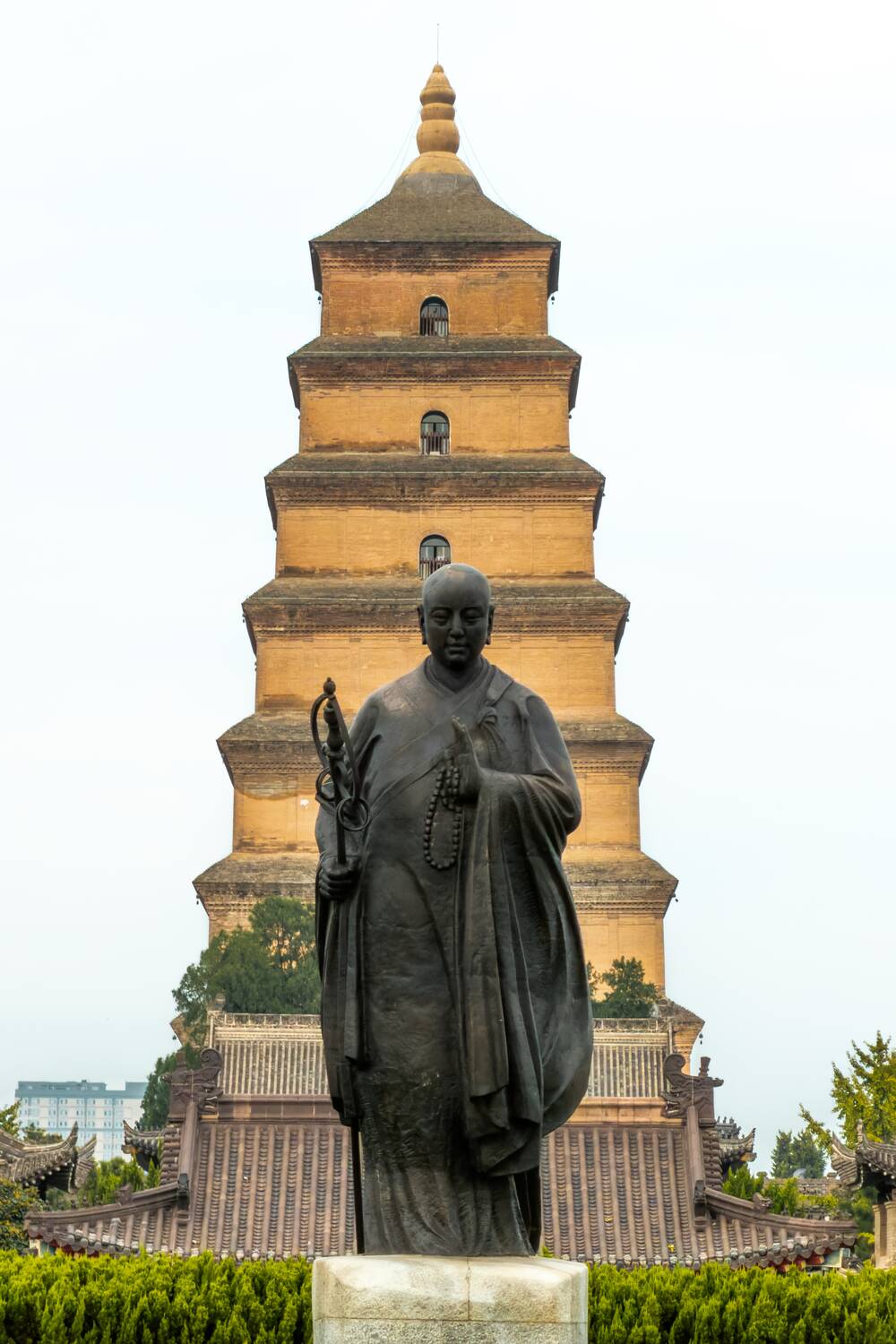
- 📍 Location: Giant Wild Goose Pagoda [Map Link]
- 💰 Entry Fees: 35 CNY (~5 USD)
- ⚡ Pete's Take: "Since it is a little outside the center, you can combine this with Shaanxi Museum and Datang Everbright City as one trip."
Another landmark worth checking out in Xi’an is the Giant Wild Goose Pagoda, a seven-story brick tower standing within the grounds of Da Ci’en Temple. Originally built in 652 during the Tang dynasty, it was created to house Buddhist scriptures and relics brought back from India by the monk Xuanzang.
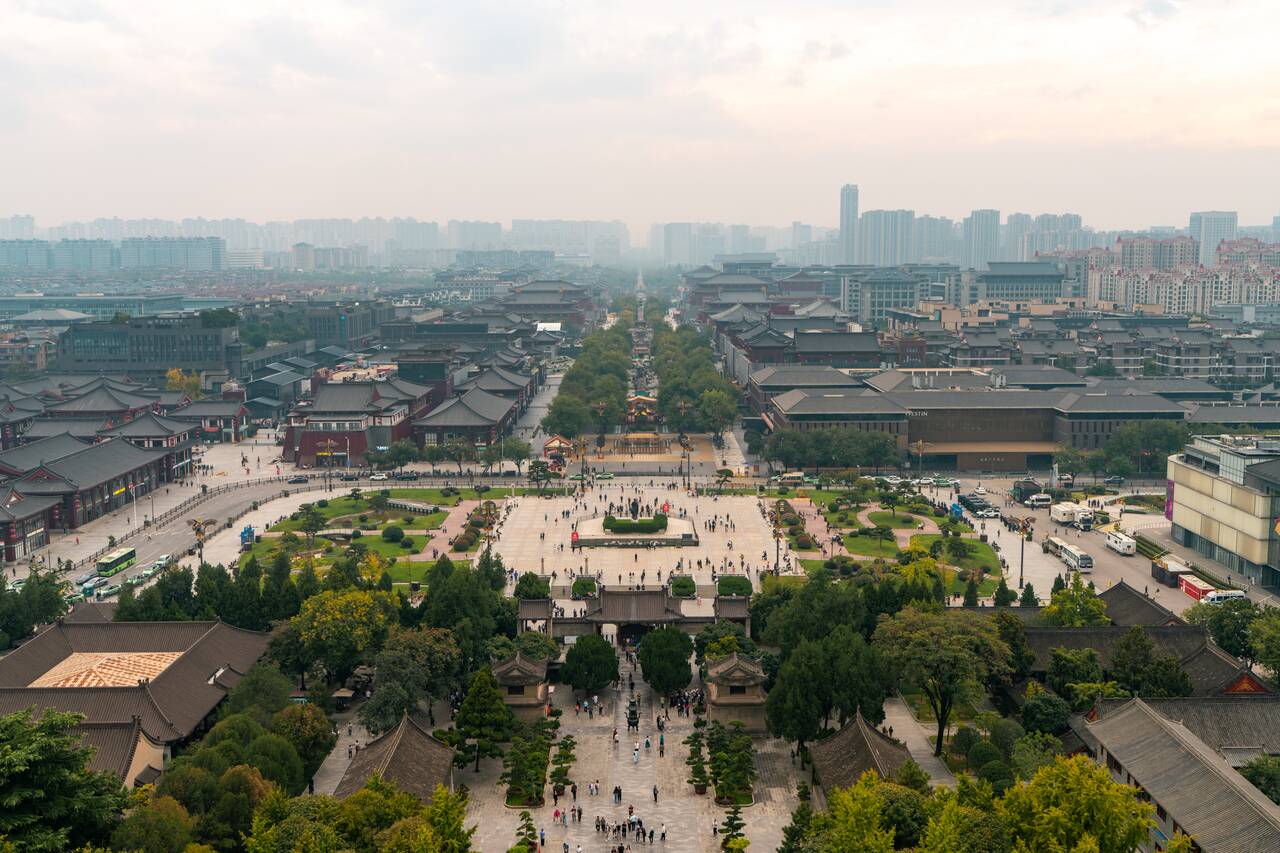
Be sure to climb to the top for a great view over the surrounding city. The stairs inside are quite steep and narrow, but the views are well worth the effort. I recommend going up when visibility is good so you can appreciate just how beautiful the temple grounds look from above, set against the modern buildings surrounding them.
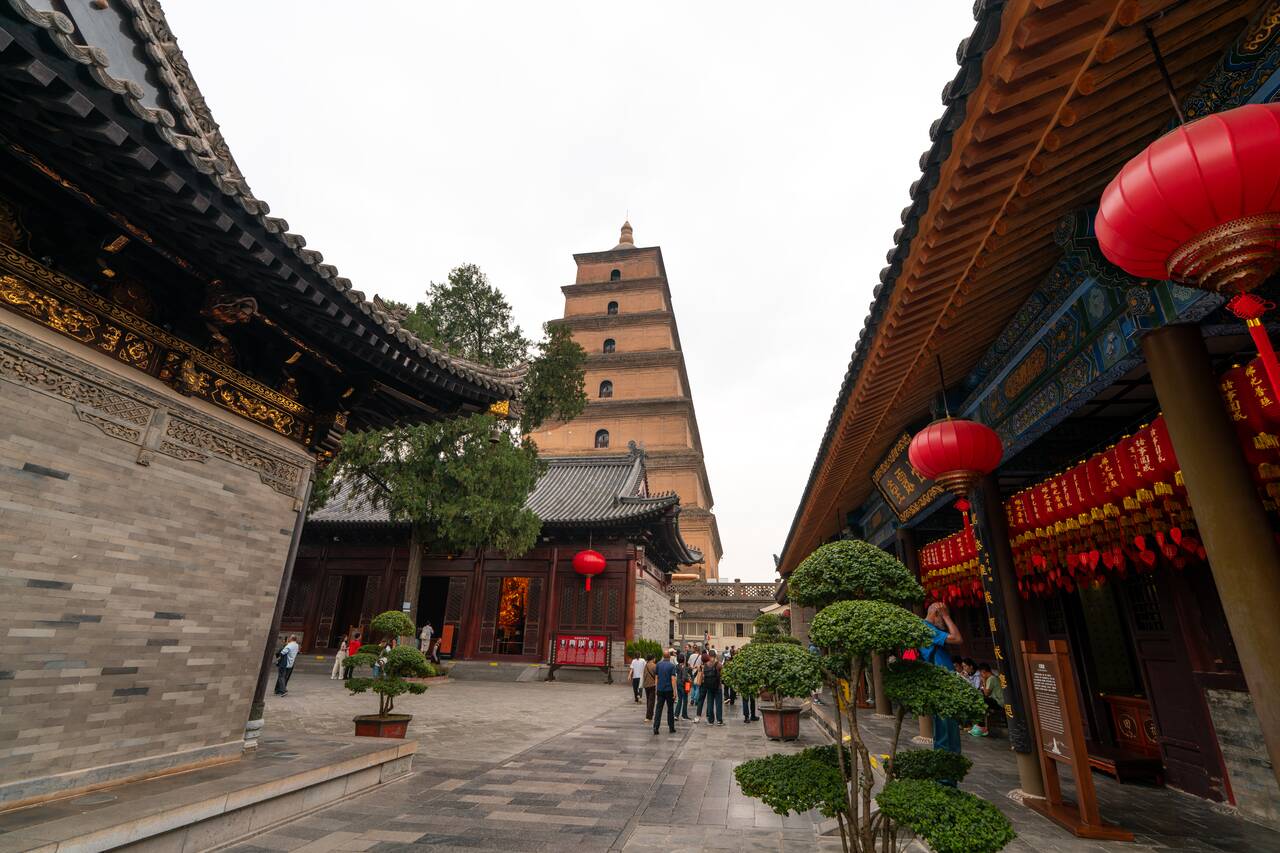
Before leaving, spend some time exploring the temple’s courtyards and halls as well. I recommend visiting in the afternoon, then staying in the area for Datang Everbright City after dark. The pedestrian area stretches south from the pagoda, making the two easy to combine.
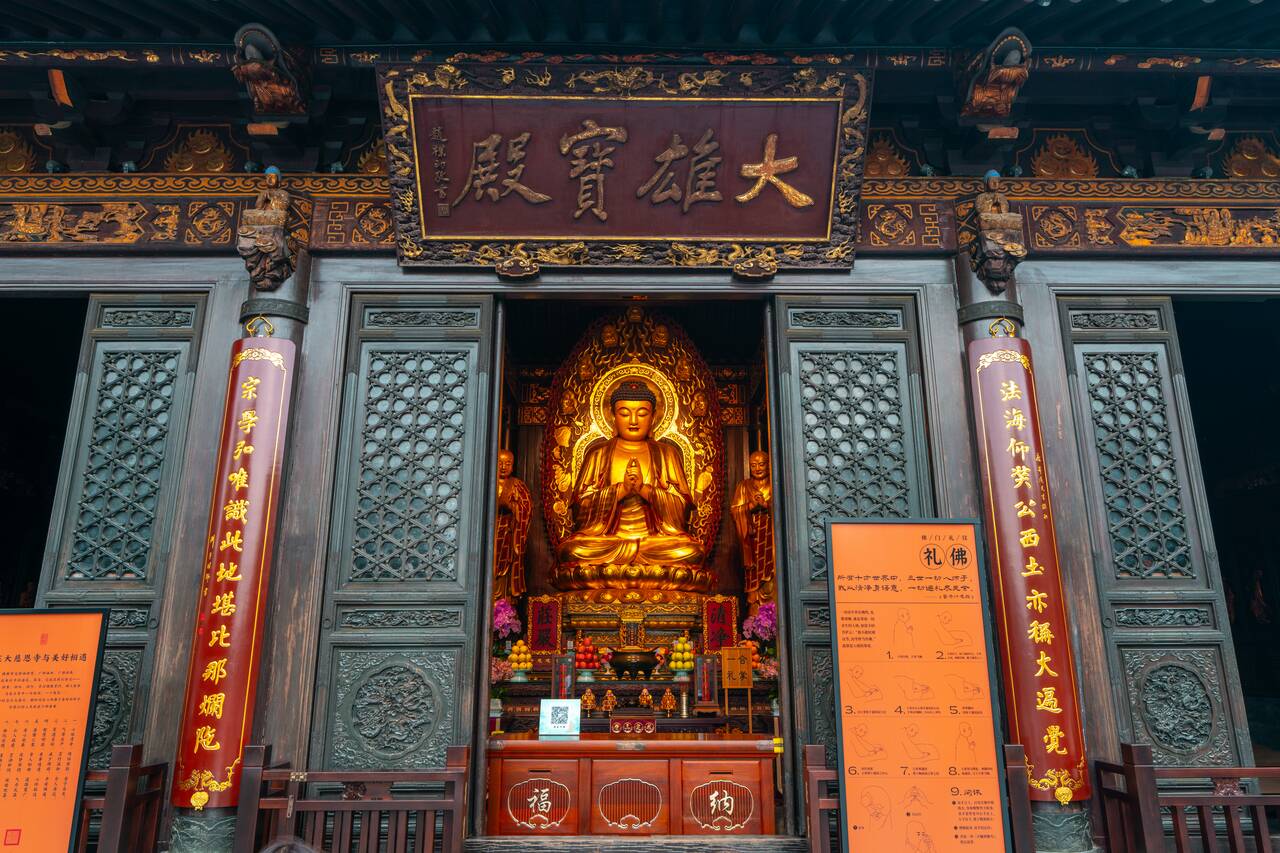
To climb, you will have to first pay 10 CNY to get inside Da Ci’en Temple, and pay a separate 25 CNY ticket to climb the pagoda, bringing the total to 35 CNY. You can buy tickets on site or check ticket options online here.
10. Spend an Evening at Datang Everbright City
- 📍 Location: Datang Everbright City [Map Link]
- ⚡ Pete's Take: "Don't bother visiting this during the day. Come at night and enjoy all the lights and shows this place has to offer!"
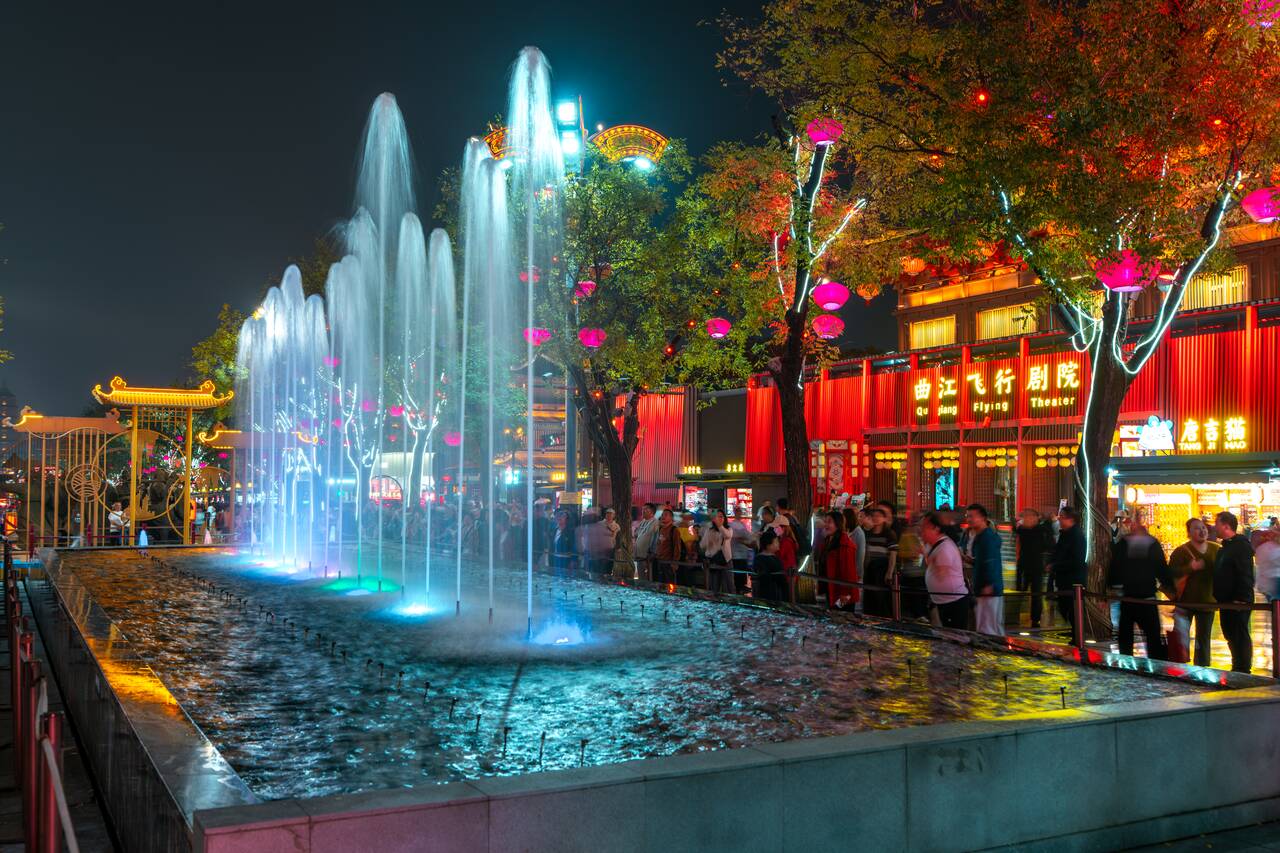
For a cool place to hang out in Xi’an at night, head over to Datang Everbright City, a pedestrian area that really comes alive after dark. Personally, I wouldn’t even bother coming during the day. This place is best experienced at night, and my god, does it get lively!
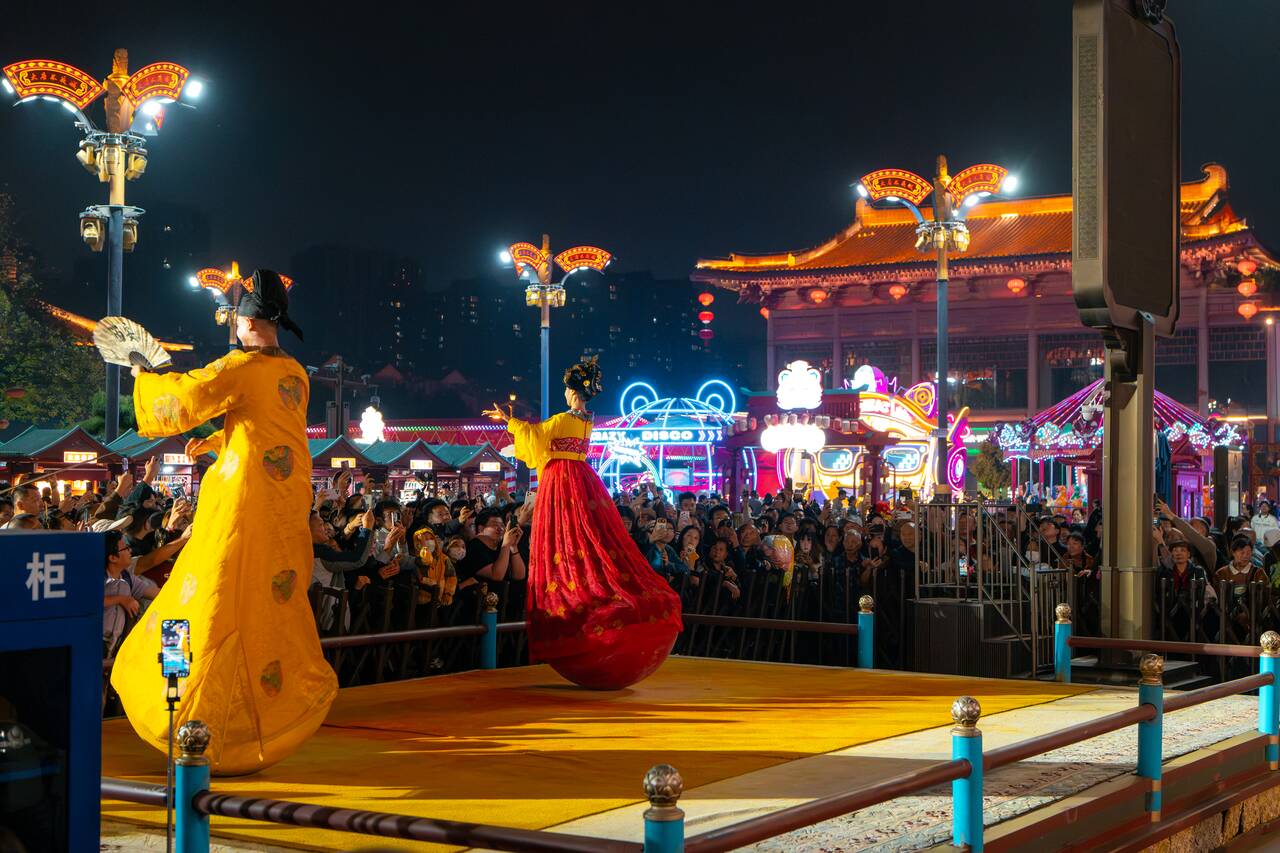
The buildings and monuments are beautifully illuminated, while Chinese tourists flood the streets, making the whole area feel like one big festival. As you wander, you will come across little pockets of performances and shows, as well as street food stalls, restaurants, and shops, so take your time and stop whenever something catches your attention. There is just so much going on here, it's unreal.
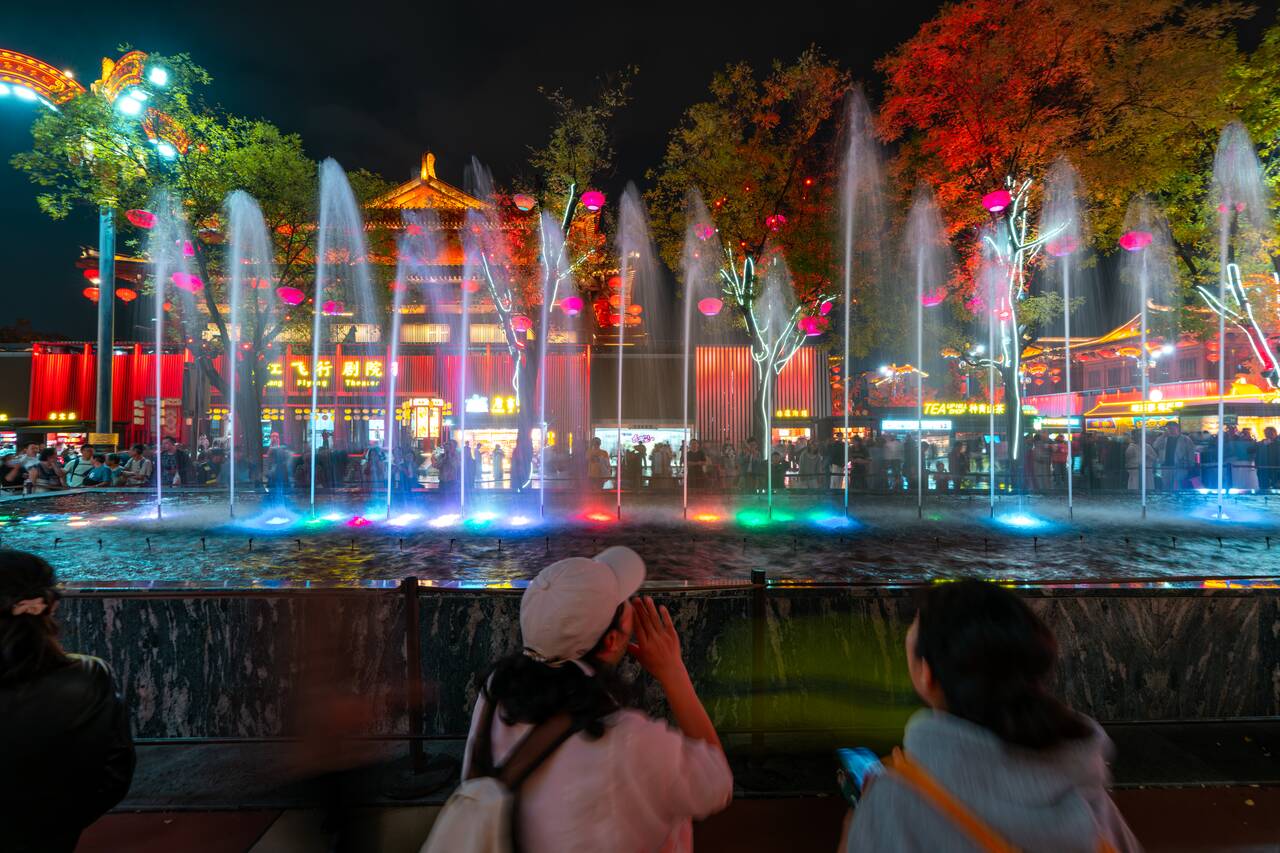
One of my favorite spots was the shouting fountain, where the water responds to sound. Basically, the louder you shout, the higher it goes and you will probably hear people shouting before the fountain even comes into view 🤣. I remember wondering what all the commotion was about before seeing people shouting to keep the fountain up 🤣.
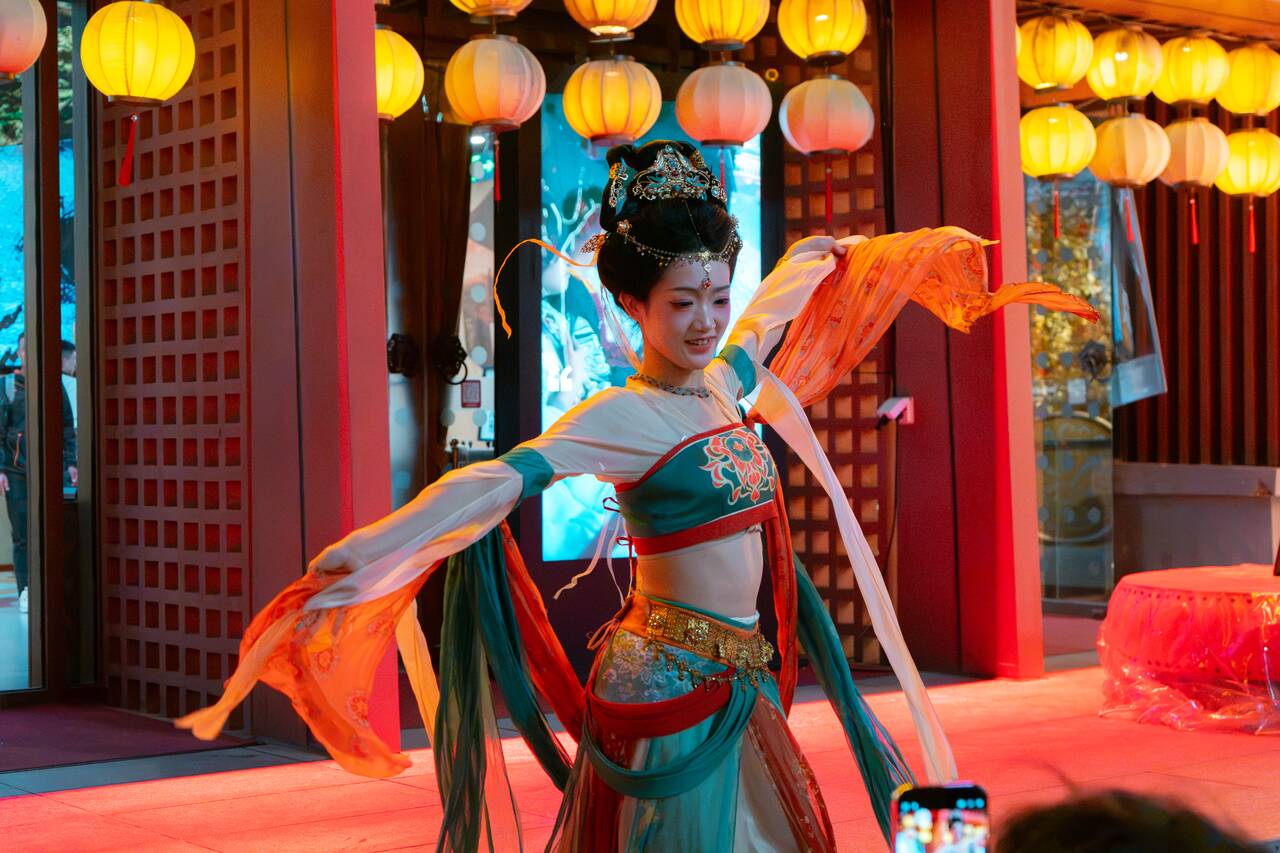
You can easily combine this with an afternoon visit to the Giant Wild Goose Pagoda, then spend the evening wandering around and enjoying the lively atmosphere. It was one of my favorite places to hang out at night in Xi’an, and definitely somewhere I recommend you make time for!
11. Enjoy Dinner and Performances at Chang’an Dapaidang
- 📍 Location: Chang’an Dapaidang [Map Link]
- 🕐 Opening Hours: 12 PM - 11:30 PM
- 💰 Price Range: Expensive
- ⚡ Pete's Take: "Come around 6:30 PM if you want to see the free show at the restaurant."
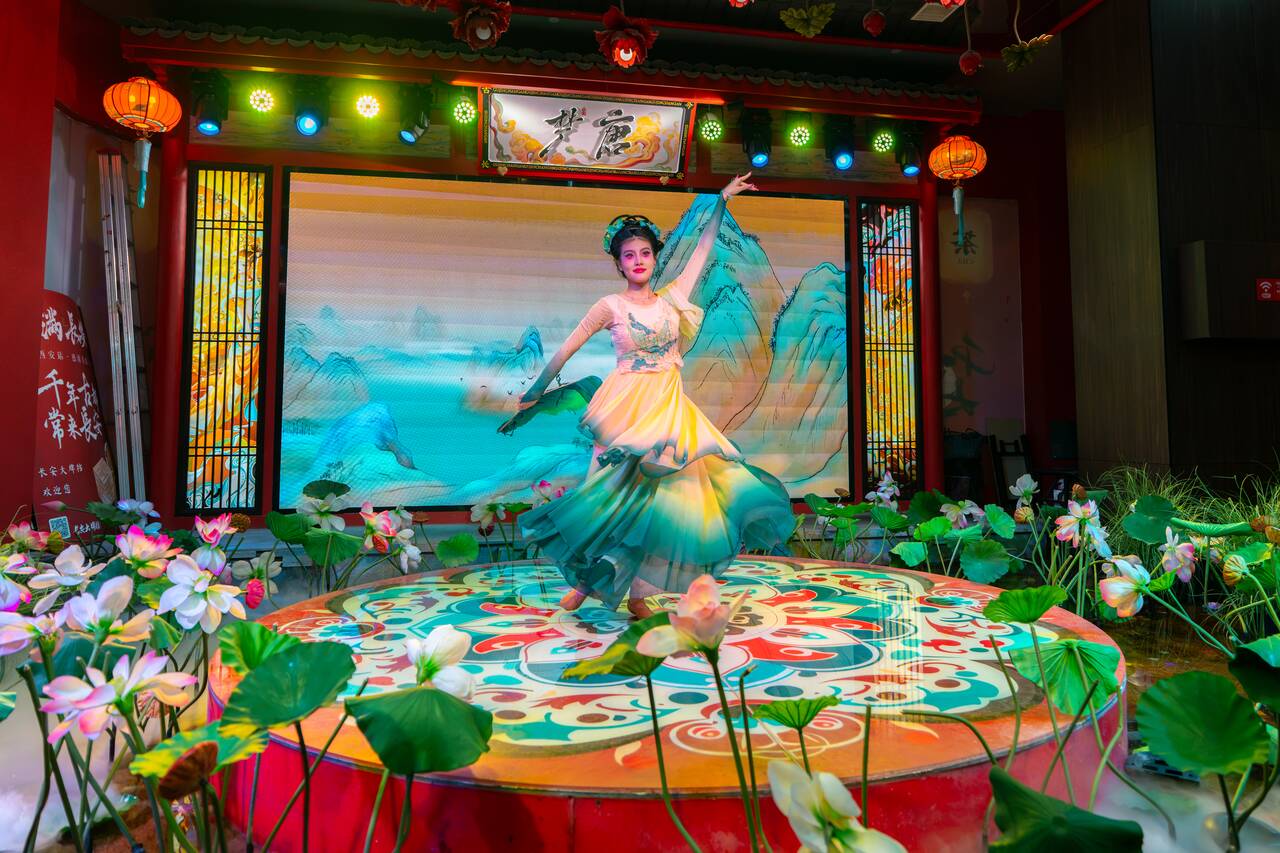
Last but not least, while exploring Datang Everbright City, stop by Chang’an Dapaidang for dinner with a little entertainment on the side. It is a fun place to try some local food while keeping the evening’s lively atmosphere going.
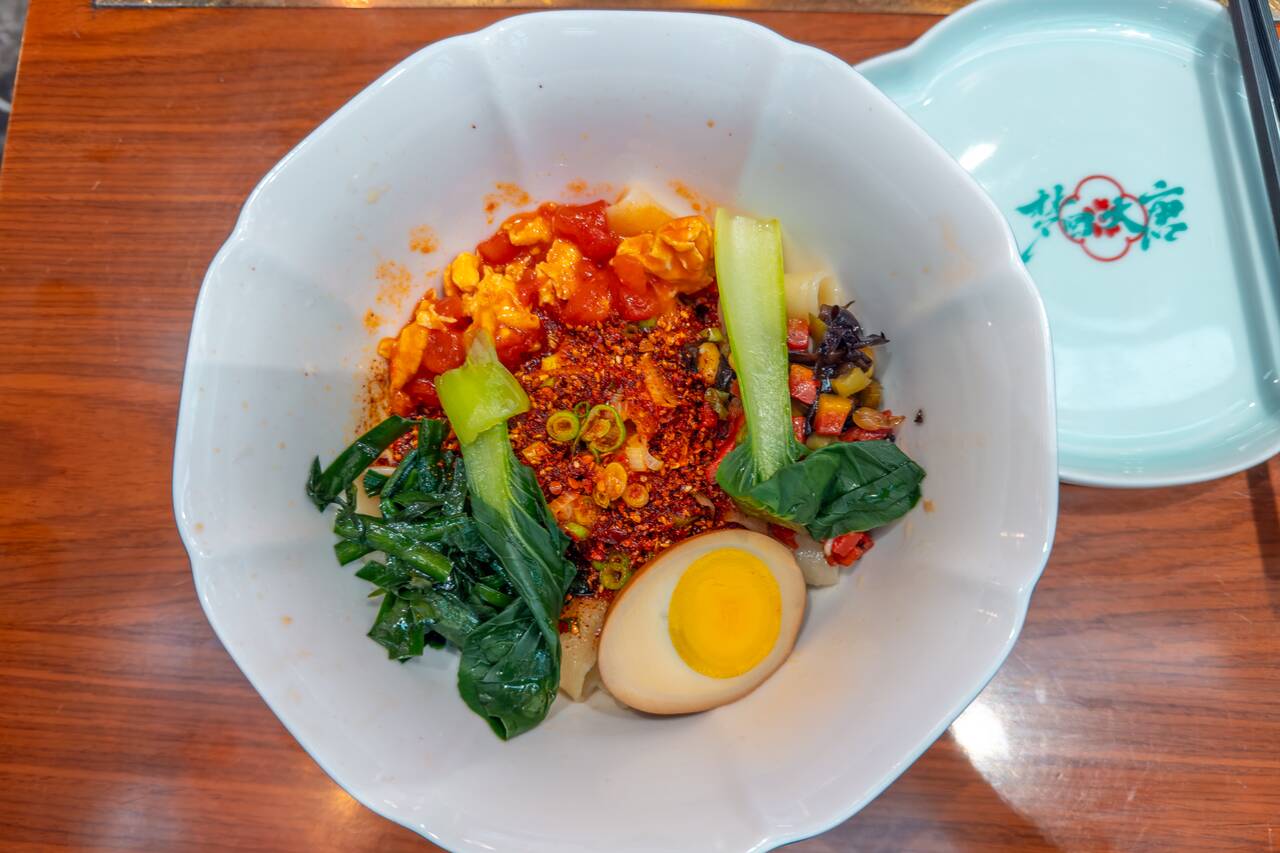
They serve Shaanxi’s famous noodles, which were perfect for a solo traveler like me looking for a meal without ordering an entire table of food. There are also plenty of local dishes that are better shared, so if you are traveling with a group, this is a great opportunity to order a few different things and try them together.
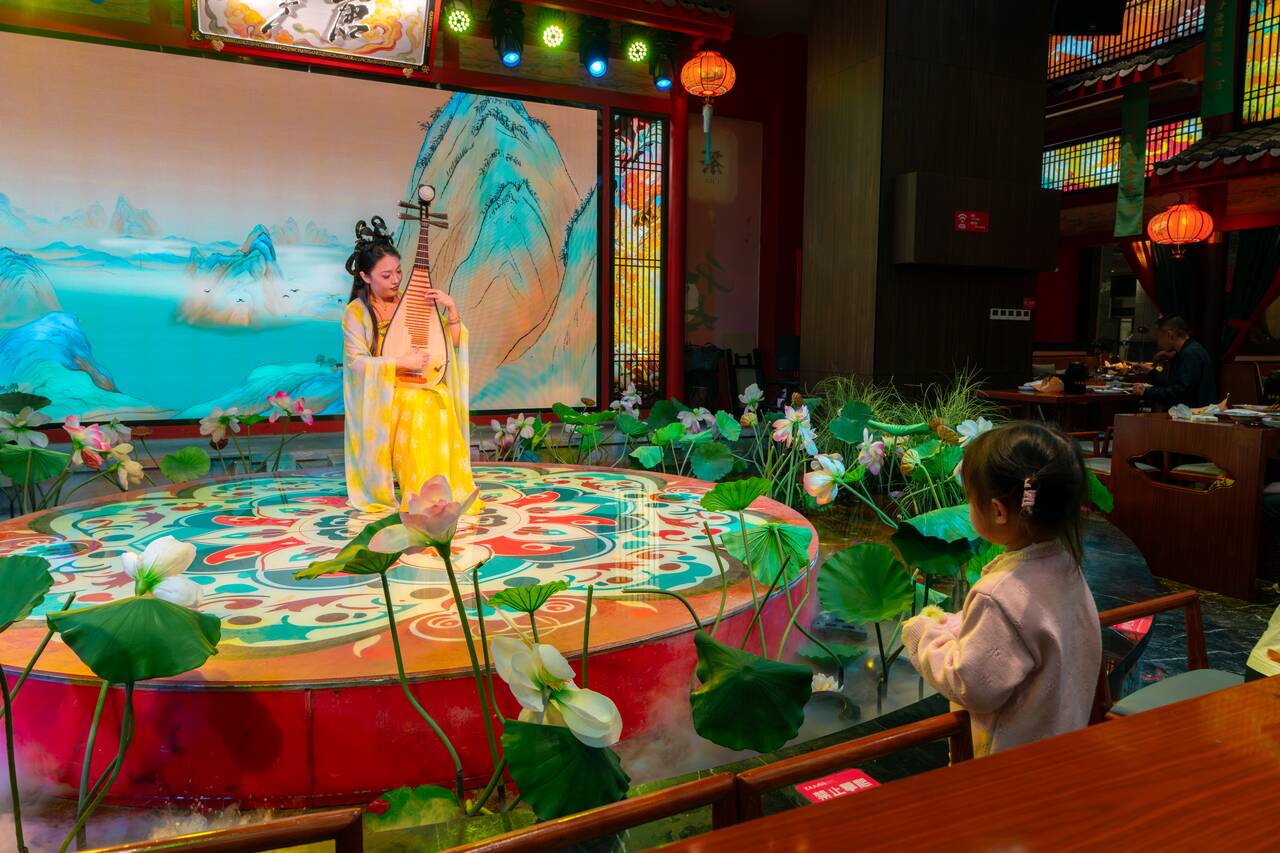
When I was there, performers came out one by one from around 6:30 PM to entertain diners as they ate, and they were great! There was dancing, live music, and even hosts coming over to the tables to mingle with us. They seemed a little disappointed when they realized I couldn’t speak Chinese (as a Thai, I blend in a little too well here 😅). Haha! It was very fun and a lovely way to round off an evening in this part of Xi’an!
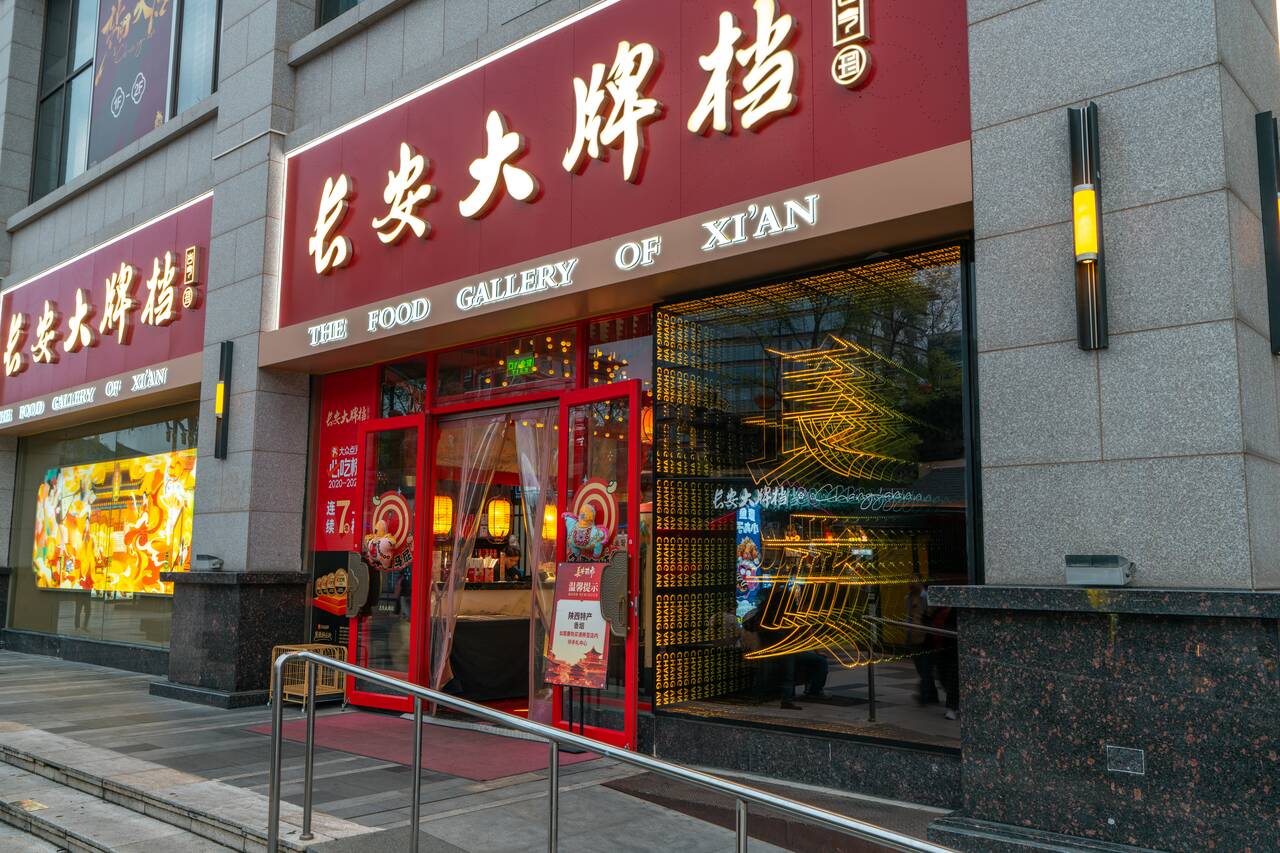
The restaurant opens from 12 PM to 11:30 PM daily. If you want to catch the performances, aim for dinner around 6:30 PM. It's best to come a little earlier as the place will get packed during dinner time.
Which Places Should You Prioritize?
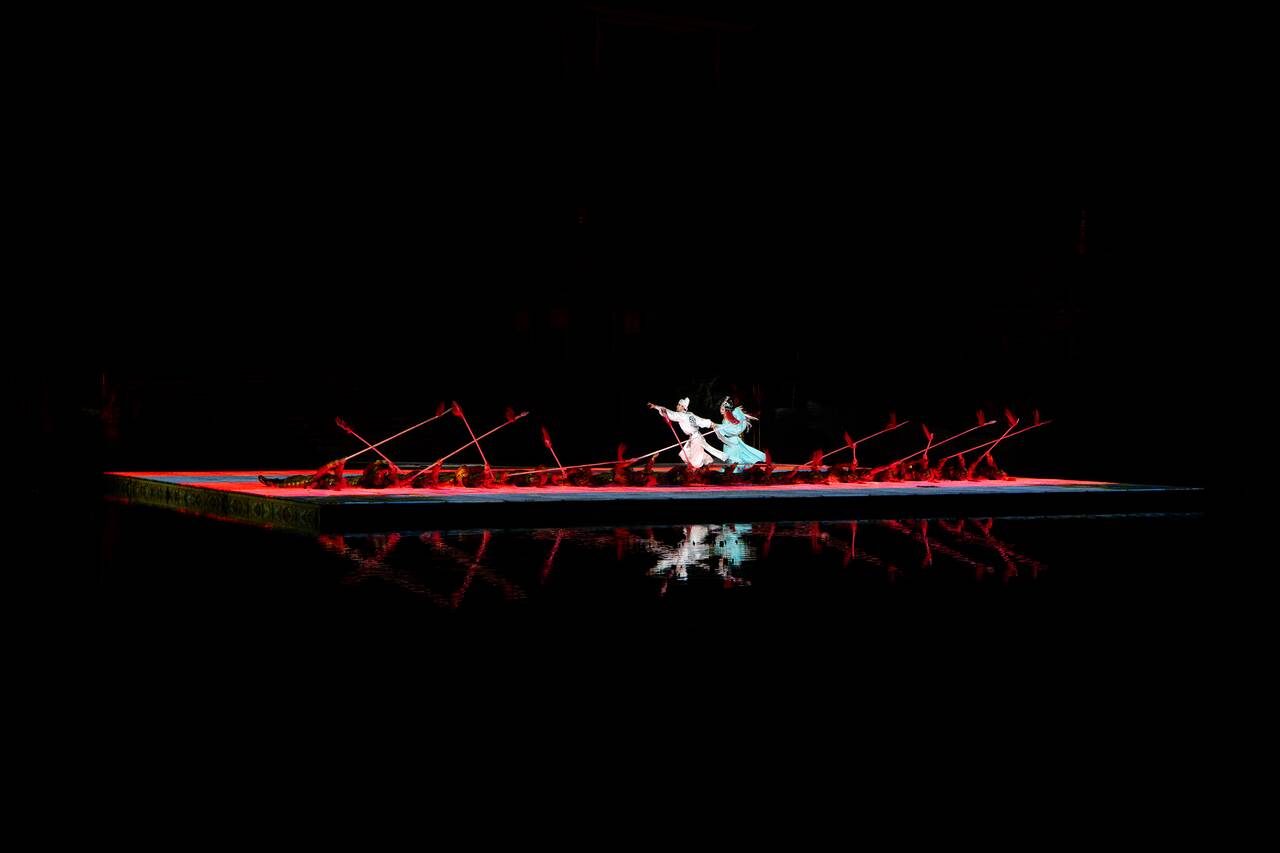
If you only have time for the highlights: Prioritize the Terracotta Warriors and The Song of Everlasting Sorrow. These were two of my most memorable experiences in Xi’an, and you can combine them with Huaqing Palace in one day. Book both ahead and leave enough time between them to avoid rushing.
For exploring the city: Walk or cycle along the City Wall, then visit the Great Mosque and explore the Muslim Quarter. Come back after dark to see the Bell Tower and Drum Tower illuminated and grab something to eat. The mosque was a particular favorite of mine as I have never seen something quite like it.
If you love history: Make time for the Shaanxi History Museum. I even preferred its collection to the National Museum in Beijing, but reservations disappear quickly, so arrange this early and fit the rest of your itinerary around your available slot.
For a fun evening: Combine an afternoon visit to the Giant Wild Goose Pagoda with Datang Everbright City after dark, stopping at Chang’an Dapaidang for dinner and performances. This is a great way to balance the historical sights with some of the liveliest nighttime scenes in Xi’an.
If you need to cut something: I would skip entering the Bell Tower and Drum Tower and admire them from outside instead. Huaqing Palace’s grounds alone would also be a lower priority for me, although the mountain hike and evening show made the visit worthwhile.
When to Visit Xi'an?
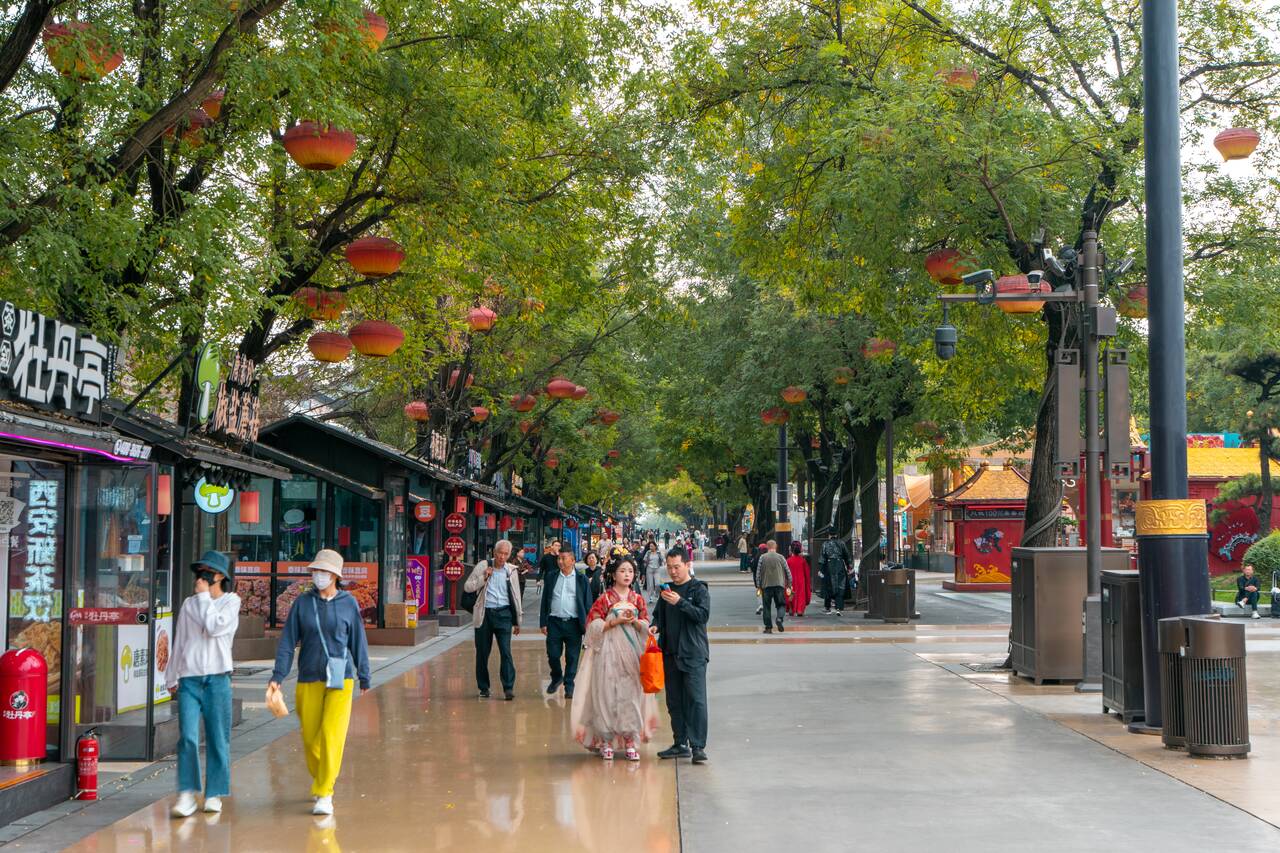
The best time to visit Xi’an is during spring (April to May) and autumn (September to October), when temperatures are generally comfortable for exploring the city on foot. Summers can get quite hot, while winters are very cold, so with all the walking you will likely be doing, the shoulder seasons will make it much more enjoyable.
Try to avoid the Labor Day holiday in early May and Golden Week in early October if your dates are flexible, as the major attractions can get particularly crowded. If you plan to visit during spring or autumn, bring layers, especially if you plan to stay out for evening shows.
How to Get to Xi'an?

By Train: If you are already traveling around China, the high-speed train is a convenient way to reach Xi’an. Most high-speed services arrive at Xi’an North Railway Station, which connects to the city’s metro network. Check the exact station on your ticket, as Xi’an Railway Station and Xi’an North are different places.
You can search for routes and book through Trip.com. From Xi’an North, use AMap to find the best metro connection to your accommodation. The metro is a convenient and affordable way to reach the city center, so there is no need to take a DiDi if you want to save money. If you have heavy luggage or prefer a direct ride to your hotel, DiDi is another option.
By Air: You can fly into Xi’an Xianyang International Airport (XIY), which serves domestic and international routes. From the airport, Metro Line 14 connects to Xi’an North Railway Station, where you can transfer to other lines toward the city center.
For finding flights, I would recommend browsing through Skyscanner or Expedia to compare flights from where you live to Xi’an.
How to Get Around Xi'an?

By Walking: Walking is a great way to explore Xi'am, especially around the Bell Tower, Muslim Quarter, and the streets inside the city walls. However, Xi’an is large, and its major sights are quite spread out, so you will have to combine walking with the metro or DiDi, to get to further away places.
By Metro: The metro is an easy and affordable way to get around the city, especially to and from transport hubs like a railway station or an airport. Use AMap to check your route and the best station exit. Before your first ride, open Alipay, go to “Transport,” select Xi’an, and activate the appropriate metro QR code.
By DiDi: DiDi is useful when an attraction is a long walk from the nearest metro station, or when you simply want to rest your feet. You can book through the DiDi mini-app inside Alipay and check the quoted fare before confirming. Allow extra time during rush hour, as a car is not always faster than the metro.
For the Terracotta Warriors and Huaqing Palace: A convenient, budget-friendly option is to take the metro to Huaqingchi Station on Line 9, near Huaqing Palace, then continue by DiDi to the Terracotta Warriors. This keeps costs down compared with taking a taxi all the way from central Xi’an and gives you more flexibility than relying on bus or shuttle schedules.
If you are visiting both attractions, you can explore the Terracotta Warriors first, then take a DiDi back to Huaqing Palace. This also works well if you plan to watch The Song of Everlasting Sorrow there in the evening, which I highly recommend. Plan ahead and check the entry slots and performance time on your tickets so you have enough time to explore both places without rushing to the show.
How Many Days to Spend in Xi'an?
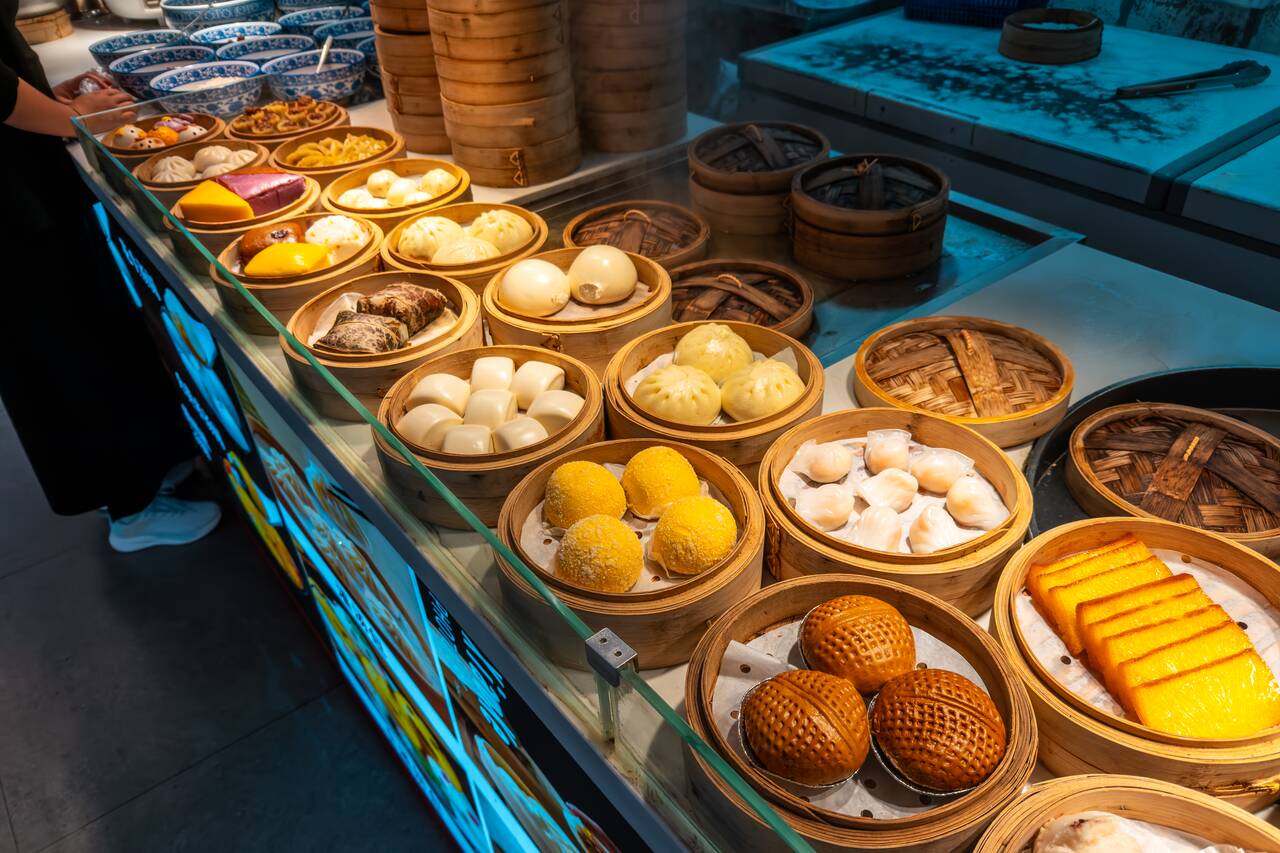
I would recommend spending 3 full days in Xi’an. This gives you a day for the Terracotta Warriors and Huaqing Palace, plus two days for the city’s museums, historical sights, food, and evening entertainment.
Day 1: City Wall, Bell Tower, Great Mosque, and Muslim Quarter. Start with a walk along the city wall, then explore the Bell Tower and visit the Great Mosque. Finish with an evening wandering around the Muslim Quarter and enjoy all the street food there.
Day 2: Terracotta Warriors, Huaqing Palace, and The Song of Everlasting Sorrow. Set aside the full day for these out-of-town attractions. If you want to catch the show, which runs in the evening, then you will have the first half of the day free to roam. In the early afternoon, head over to the Terracotta Warriors, continue to Huaqing Palace, and stay for the evening show.
Day 3: Shaanxi History Museum and Datang Everbright City. Plan your museum visit around the reservation you secure, then leave the evening for Datang Everbright City.
Is Xi'an Worth Visiting?

Absolutely! I came to Xi’an looking forward to the Terracotta Warriors, but left impressed by so much more. The Song of Everlasting Sorrow was one of the best shows I’ve seen in China, the Shaanxi History Museum had one of my favorite collections, and the Great Mosque was unlike any mosque I had visited before.
What made the city even more enjoyable was how much there was to do after dark. Between the illuminated towers, street food in the Muslim Quarter, and performances around Datang Everbright City, the evenings were just as memorable as the daytime sightseeing. Add some delicious Shaanxi noodles, and I would happily recommend spending at least 3 full days in Xi’an!
Things to Know Before Visiting China
- Always Carry Your Passport: Everything revolves around your passport/ID in China, and it’s often used interchangeably as your main form of identification. Many major tourist attractions require you to show your passport when buying a ticket, and the ticket will then be linked to it. You’ll scan your passport again to enter. The same applies to high-speed trains. It’s best to carry your passport with you at all times while traveling in China.
- Get an eSIM: China’s cashless economy relies on constant internet access, so having a data connection is essential. I highly recommend getting an eSIM or a local SIM card for your trip. An eSIM is often better because the service is usually based in Hong Kong, which bypasses China’s Great Firewall, meaning you can access apps like Instagram and YouTube without a VPN. I suggest checking eSIM options on Klook or Trip.com, as they tend to be the most affordable.
- Use AMap to Navigate: Google Maps doesn’t work well in China, so local apps like AMap are much more informative and accurate for getting around. It even provides metro information, making it easy to navigate city subway systems. I used AMap throughout my entire trip, and it worked perfectly! In this guide, I’ll be linking locations with AMap links instead of Google Maps, so be sure to download it before your trip.
- Use VPN to Bypass the Great Firewall: As you may know, many major websites such as Google, Facebook, Instagram, TikTok, and more are blocked in China. To access them, you’ll need a VPN like LetsVPN installed on both your phone and laptop before you arrive in China. This is crucial as once you're in the country, you won’t be able to search for or download VPN apps. I used LetsVPN during my trip, and it worked very well throughout. The service is affordable too, with a free tier offering limited data or a basic unlimited plan for just 5.99 USD per month.
- Connect Alipay with Your Credit Card: First, download Alipay from the app store, set up your account, and link it to your credit card. This will be one of the two main ways you’ll pay for services in China. Alipay also has mini-apps built in, such as Didi (China’s version of Uber), so you don’t need to download separate apps, and you can use them directly through Alipay. Very convenient!
- Get a Transport Card Working in Alipay: Once you have Alipay set up, you’ll need to verify your account before you can activate a transport card for metro and bus rides. First, if you’re not currently in the city you want to use, tap the city name in the top-left corner and select the correct city. After that, tap the “Transport” button and request a transport card. You’ll be asked to upload a photo of your passport for verification. Once approved, your transport card will be issued, and you can use the QR code to scan and pay for buses and metro rides.
- Get WeChat Set Up: WeChat is another essential app for communicating with locals, thanks to its built-in translation feature. It’s also widely used for payments as Alipay only works about 70% of the time, while WeChat is commonly needed for paying individuals, buying entry tickets at certain attractions, and more. Setting up WeChat can be a bit tricky though because you need verification from an existing user. The easiest way is to ask your hotel’s reception to help verify your account when you arrive in China, which is how I got mine activated.
- Use Trip.com / Trip App: For hotels, day trips, attraction tickets, train tickets, flights, and everything in between, you can use Trip.com or the Trip app to book all your travel needs. It’s very convenient, offers a great user experience, and has a generous cancellation policy that gives you more flexibility when traveling in China.
Disclaimer: This post may contain affiliate links. See our disclosure policy.
First Published:


