

The first time I visited Beijing was in 2012. Back then, the city felt chaotic, the sky was covered in pollution, and one of my clearest memories was getting scammed by a tuk-tuk driver outside the Forbidden City. Fast forward 14 years, and I was back in Beijing to begin my second month-long trip through China (I explored the South and Southwest during my first trip). This time, my experience could not have been more different.
This time around, I spent about a week exploring Beijing, and to my surprise, the city felt nothing like I remembered it. It felt orderly and safe, the sky was blue, and with apps handling everything from payments to transport, I no longer had to negotiate a ride with a shady tuk-tuk driver!
To help you plan your own trip, I’ve put together my favorite things to do in Beijing, from grand imperial palaces to quieter corners of the city. Along the way, I’ll share practical tips on what to book ahead, how to get around, and which places to prioritize, so you can spend less time figuring out the logistics and more time enjoying Beijing. Let’s begin!
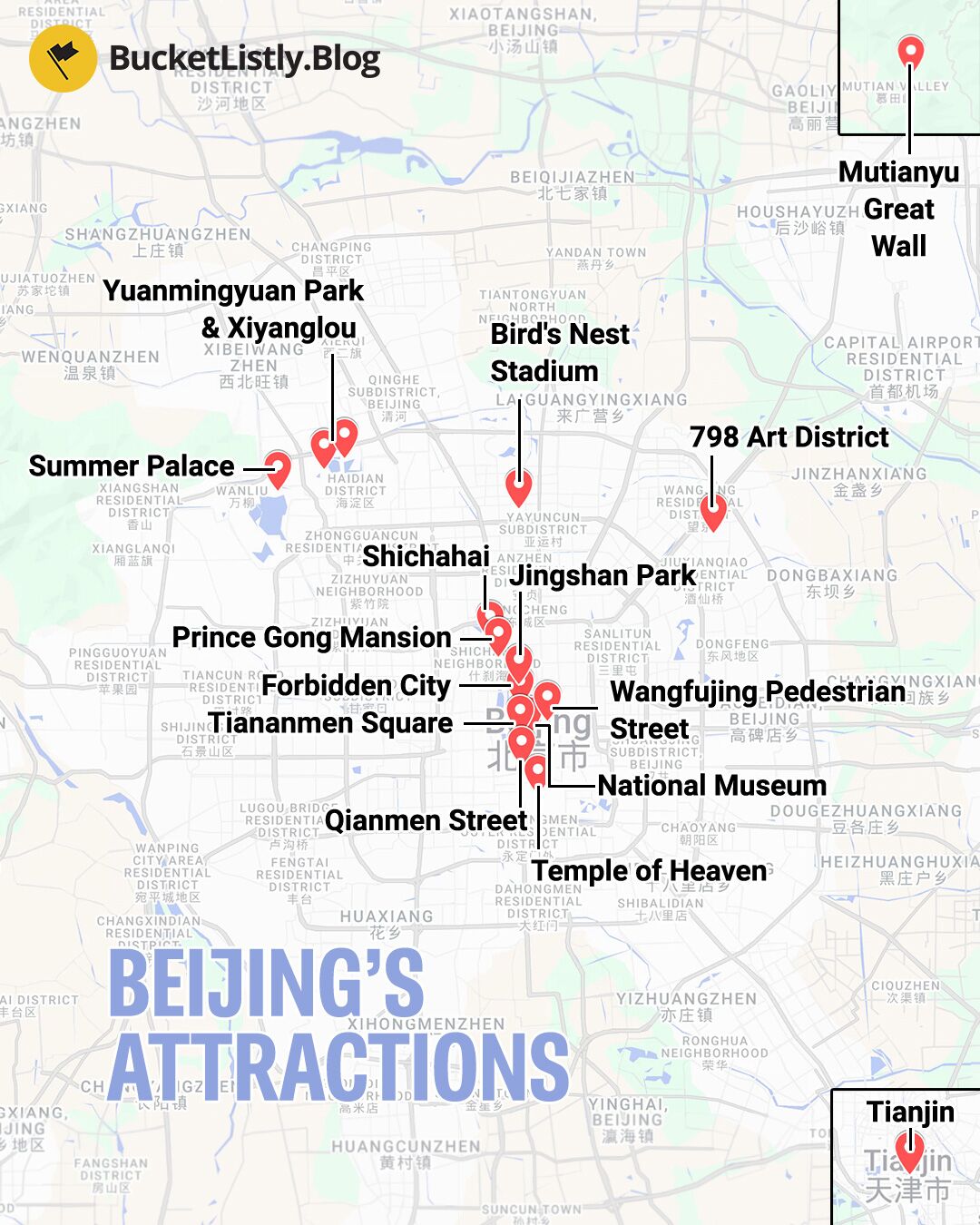
Map of Beijing's Attractions
Quick Summary
| ♥️ Must See: | Forbidden City |
|---|---|
| 👍 Must Do: | Visit the Temple of Heaven |
| 💎 Hidden Gem: | 798 Art District |
| ☀️ Great Day Trip: | Mutianyu Great Wall |
| 🏛️ Best Museum: | National Museum of China |
15 Best Things to Do in Beijing
1. Explore the Forbidden City
- 📍 Location: Forbidden City [Map Link]
- 🕐 Opening Hours: 8:30 AM - 5 PM (vary by season)
- 💰 Entry Fees: 60 CNY (~9 USD)
- ⚡ Pete's Take: "You have to book this way in advance as it gets booked out very quickly. The tickets can be reserved only 7 days in advance, and they often release them at 8 PM Beijing time on their official website, so don't forget! You can't just show up here and get in!"
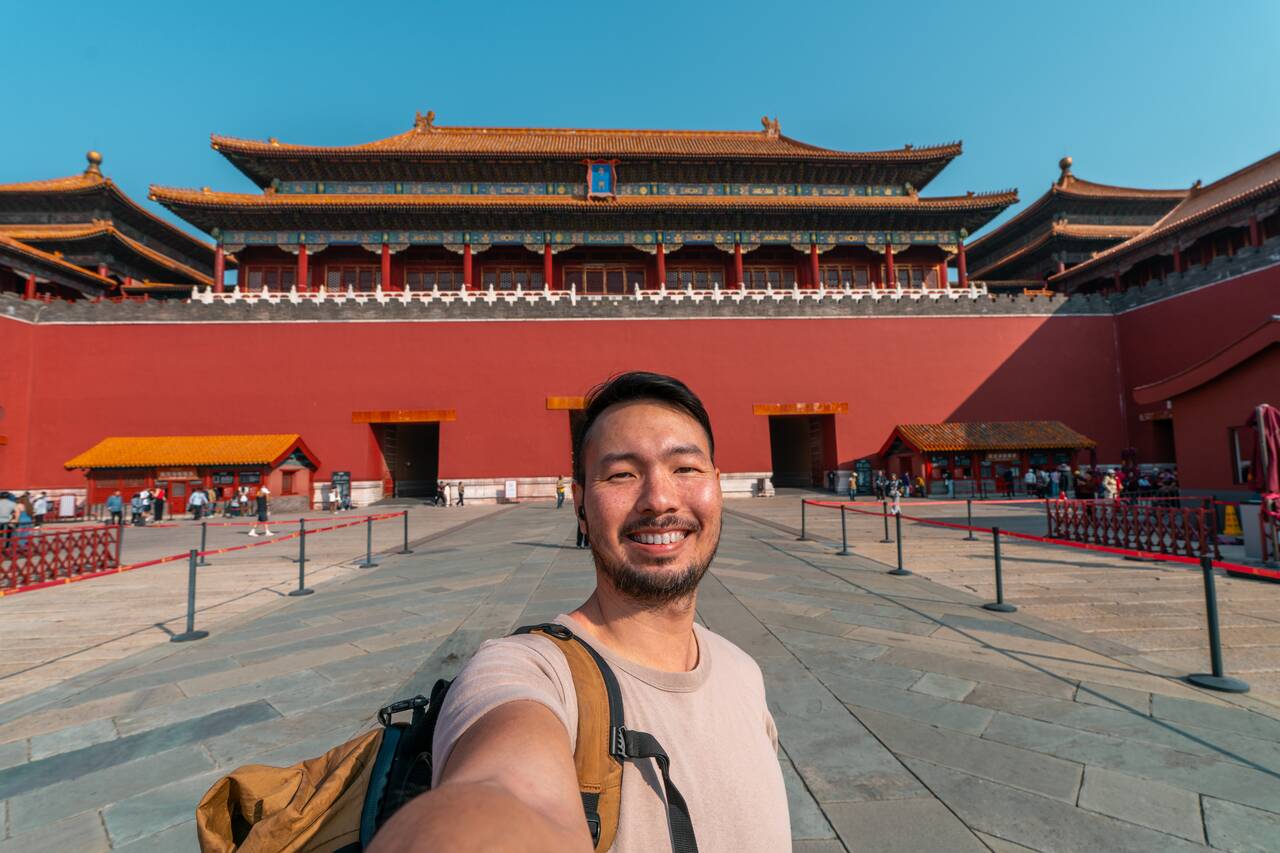
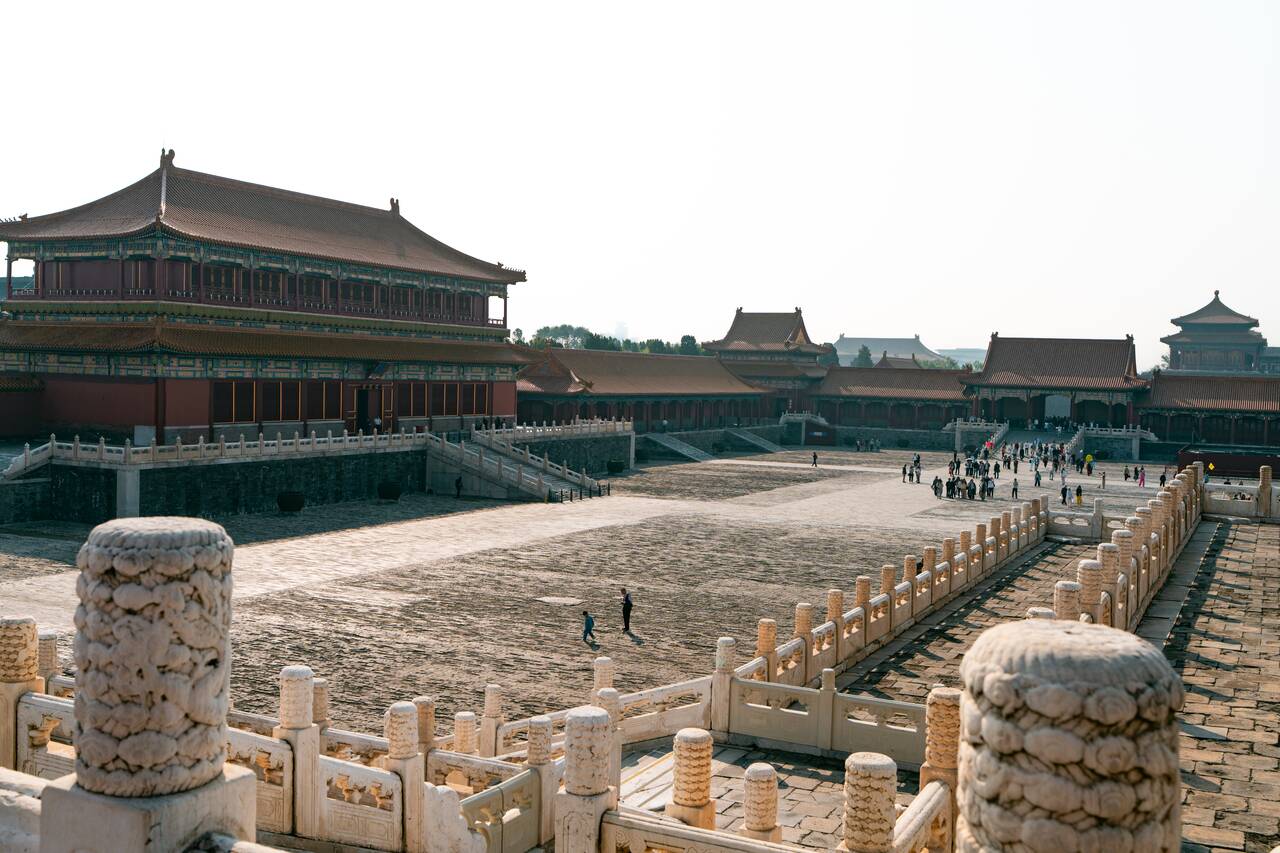
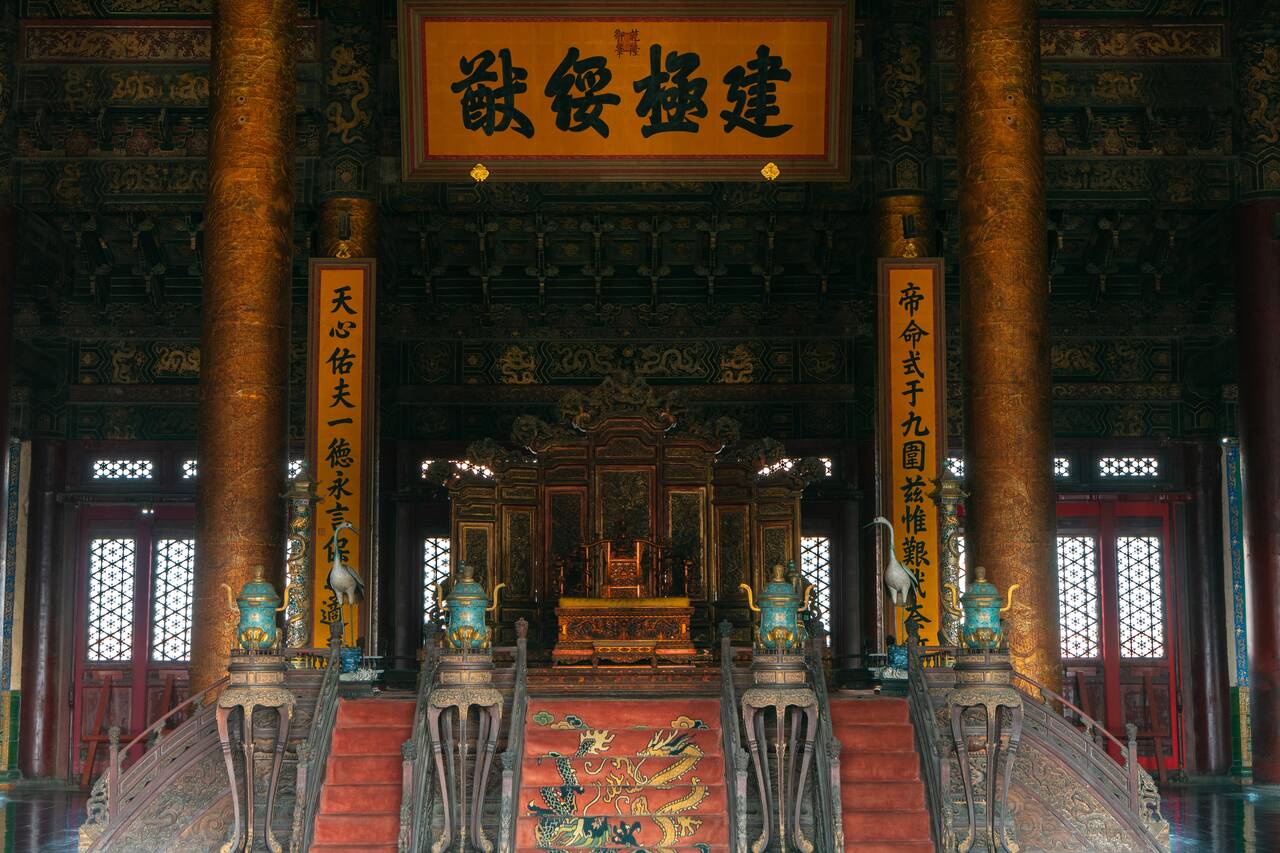
Of course, if you come to Beijing, you HAVE to visit the Forbidden City! Once home to China’s emperors, this vast palace complex takes you through enormous courtyards, monumental gates, and halls topped with golden roofs. If this is your first time in Beijing, I would put it near the top of your list.
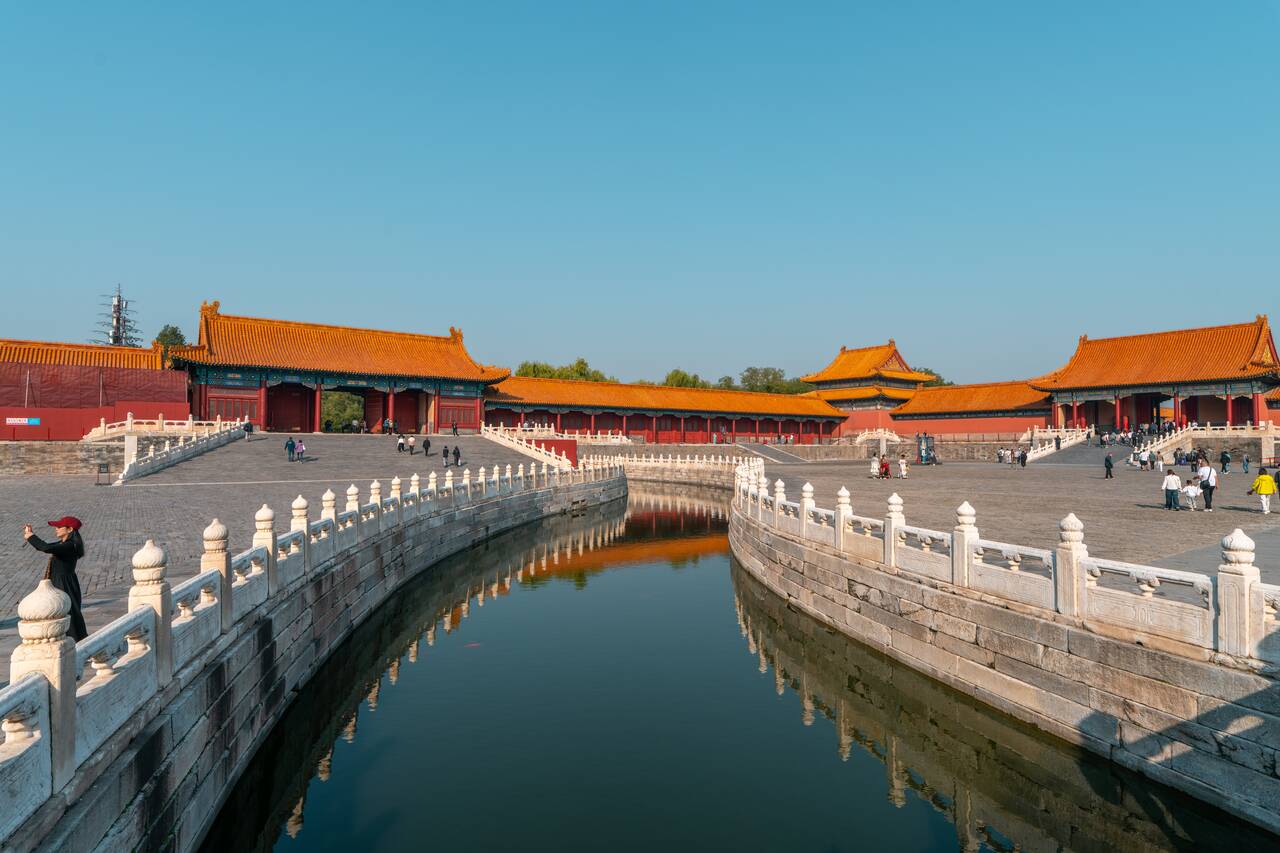
First and foremost, you will need to book your ticket and entry session in advance, as daily visitor numbers are limited and tickets get booked out really quickly. When I checked around October 7, almost every available date was already fully booked, with availability only toward the end of the booking window. Once you know your travel dates, set a reminder: tickets go on sale at 8 PM Beijing time, 7 days before your visit. Book as soon as reservations open and plan the rest of your sightseeing around the session you secure.
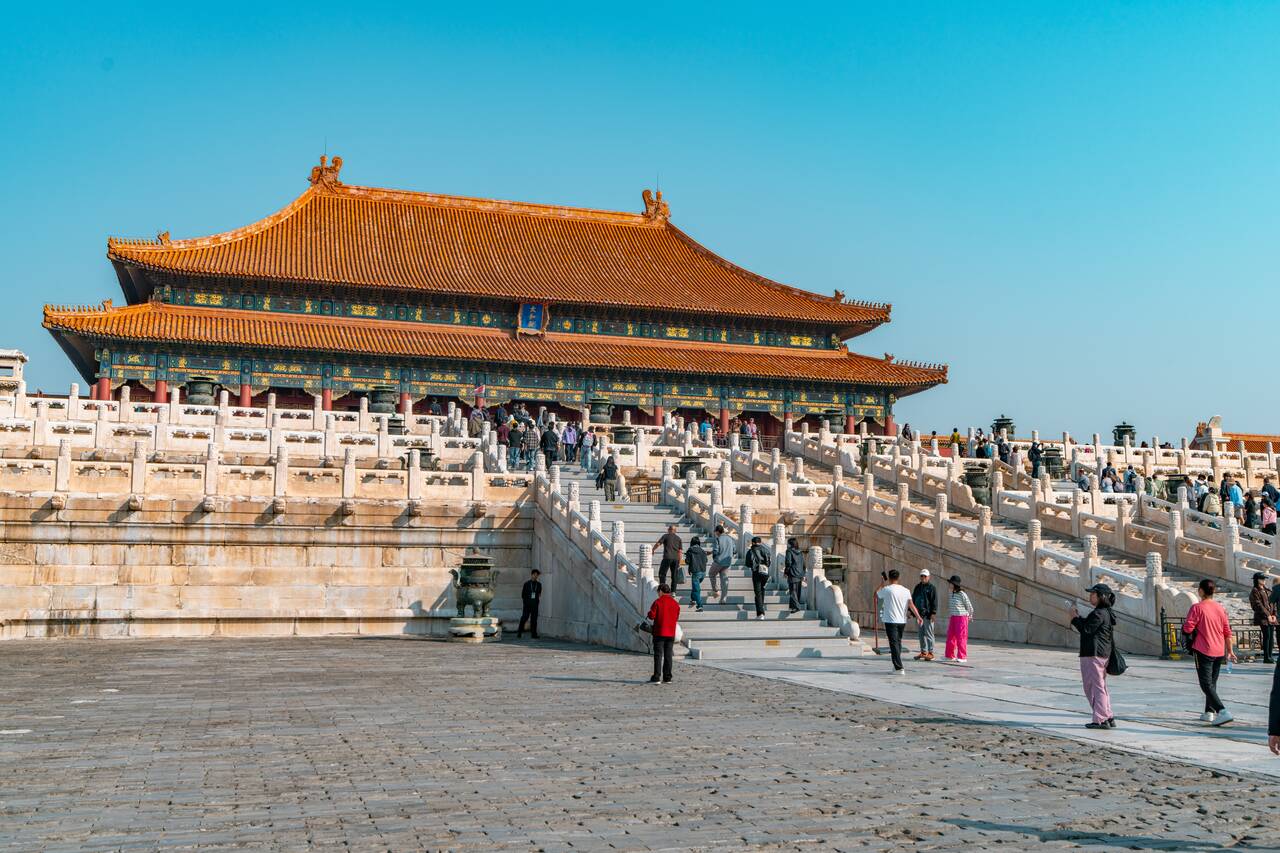
You can book through the official website here and choose either a morning or afternoon session. I recommend booking the morning session and arriving for opening time to make the most of your day. Don’t expect to have the place to yourself, though, especially during the holidays!
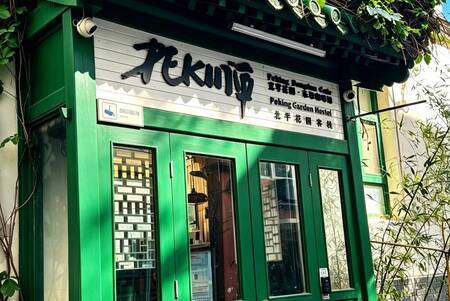
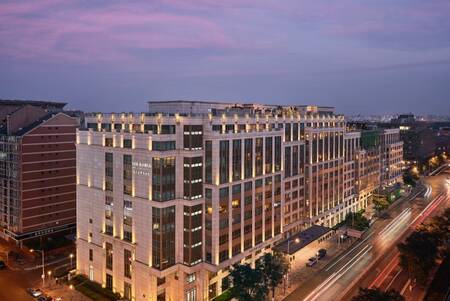
- Peking Station Hostel (Budget)
- Super8 Hotel (Beijing Gongti Sanlitun Taiguli) (Mid-Range) 👍 Top Pick
- New World Beijing Hotel (High-End)
The palace is generally open from Tuesday to Sunday and closed on Mondays, except during national holidays, so use Mondays to visit other attractions instead. Opening hours are 8:30 AM to 5 PM from April to October, with last admission at 4 PM, and 8:30 AM to 4:30 PM from November to March, with last admission at 3:30 PM.
Standard adult admission costs 60 CNY from April to October and 40 CNY from November to March. The Treasure Gallery and the Gallery of Clocks each cost an additional 10 CNY. You can select these when booking your ticket.
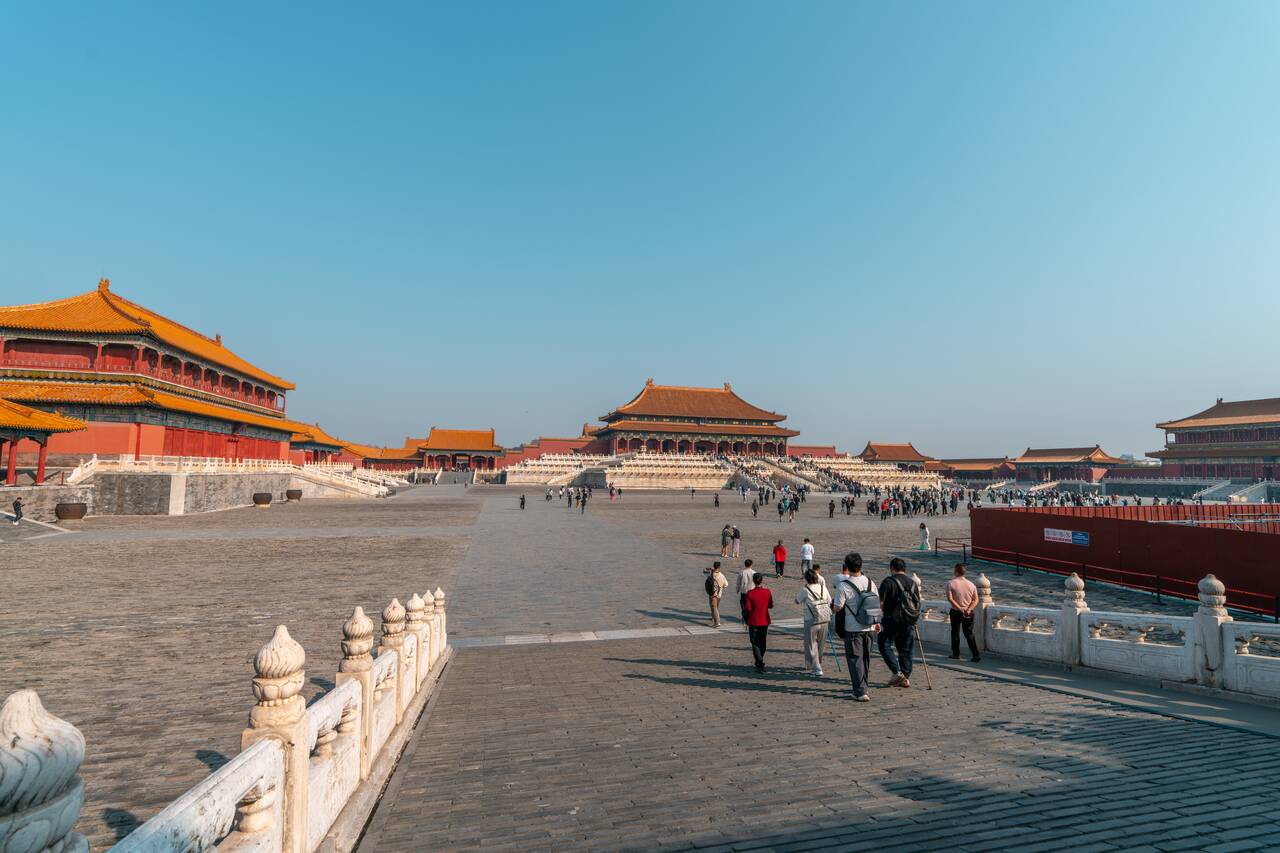
The Forbidden City is massive, with one enormous courtyard after another. In my experience, this gave the crowds more room to spread out, making it more enjoyable to explore than the narrower, busier walking paths at the Summer Palace.
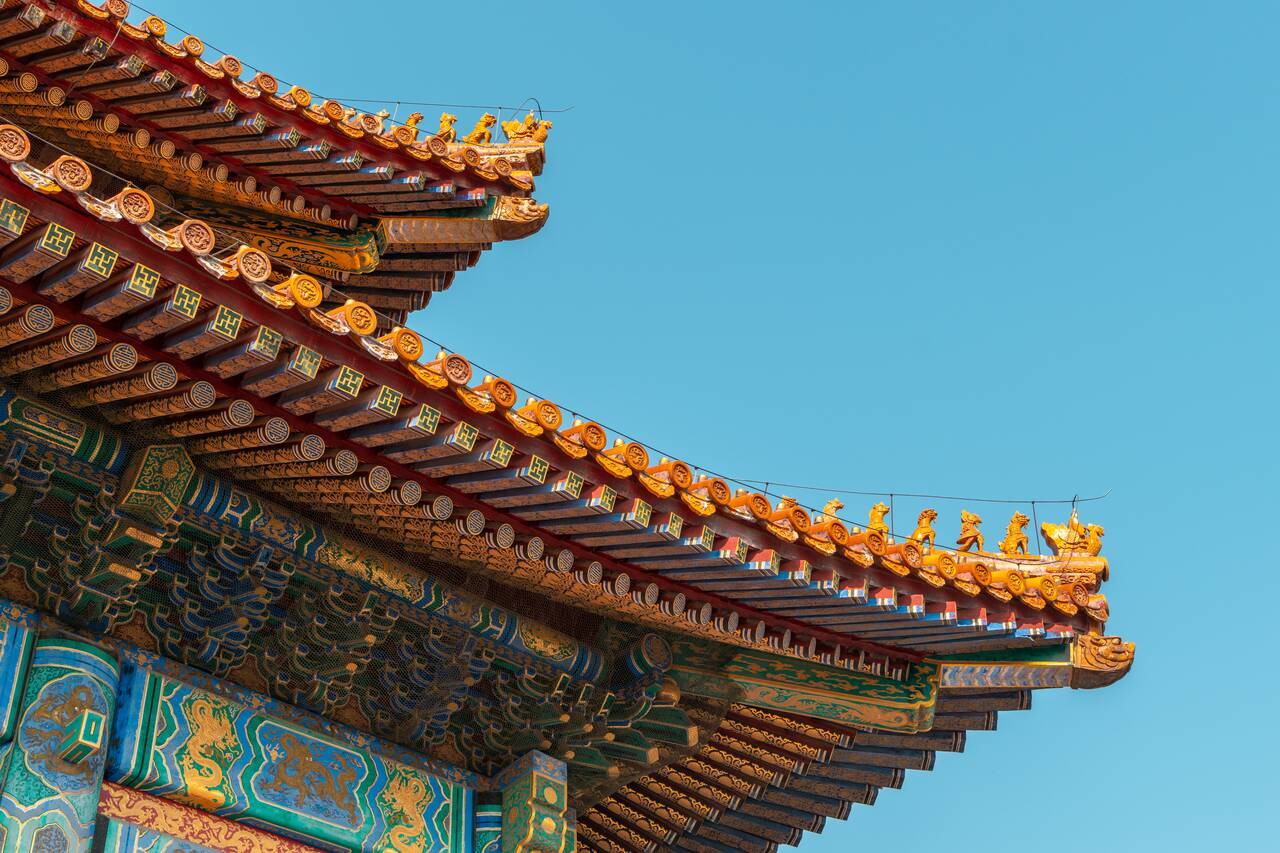
Give yourself at least half a day here, especially if you enjoy history, architecture, or photography. There is a lot of walking involved, and rushing through it between other attractions would take away much of the experience. Wear comfortable shoes and keep the rest of your day flexible.
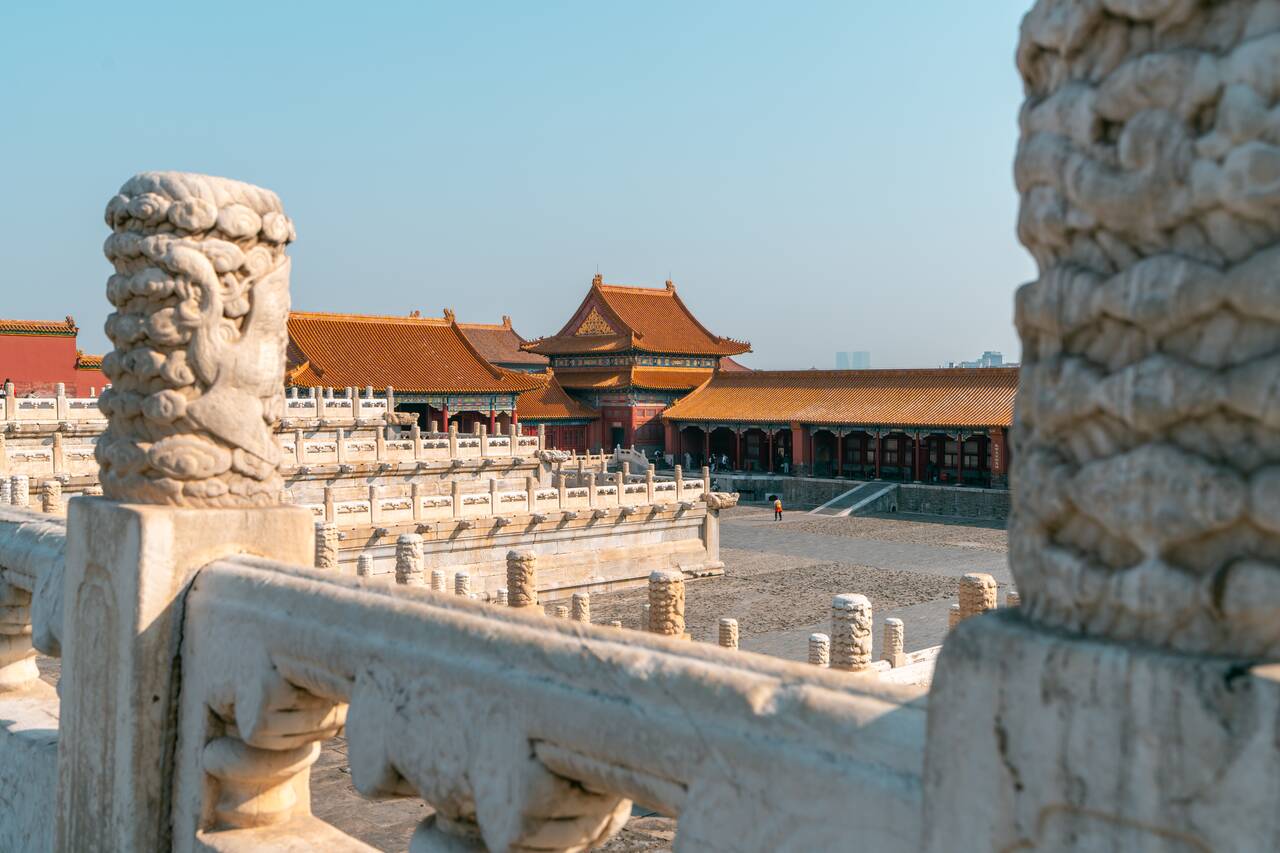
After your visit, continue to Jingshan Park for a view over the palace rooftops. Seeing the Forbidden City from above gives you a whole new appreciation of the enormous complex you have just walked through.
Where to Stay in Beijing?

2. See the Forbidden City from Jingshan Park
- 📍 Location: Jingshan Park [Map Link]
- 🕐 Opening Hours: 6 AM - 9 PM (vary by season)
- 💰 Entry Fees: 2 CNY (~0.3 USD)
- ⚡ Pete's Take: "This is one of the best viewpoints from which you can see the Forbidden City from above. It's an easy climb, too!"
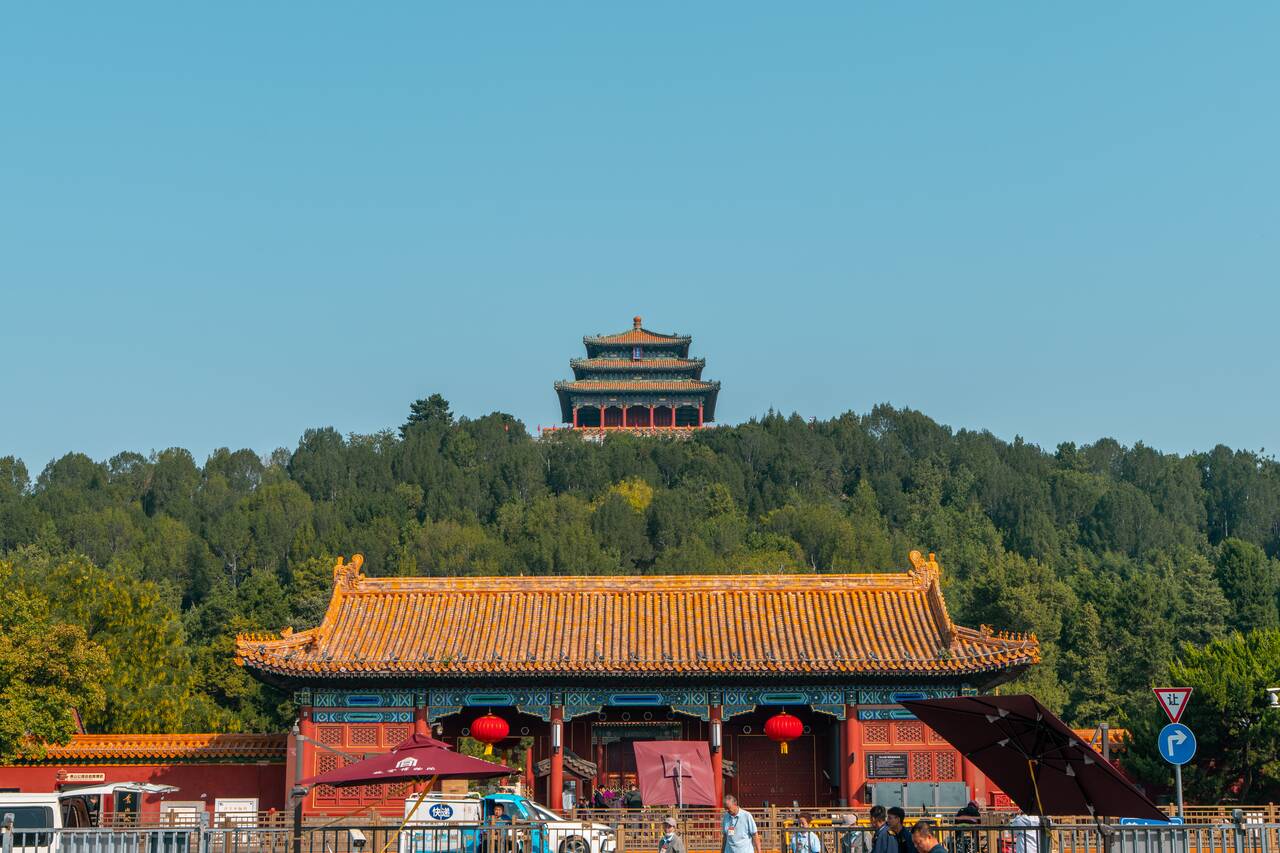
After exploring the Forbidden City, you will exit through the north gate, directly across the road from Jingshan Park, where you can climb up to a viewpoint overlooking the palace. Walking through its enormous courtyards is one thing, but seeing those golden rooftops stretching into the distance really puts the scale of the palace into perspective!
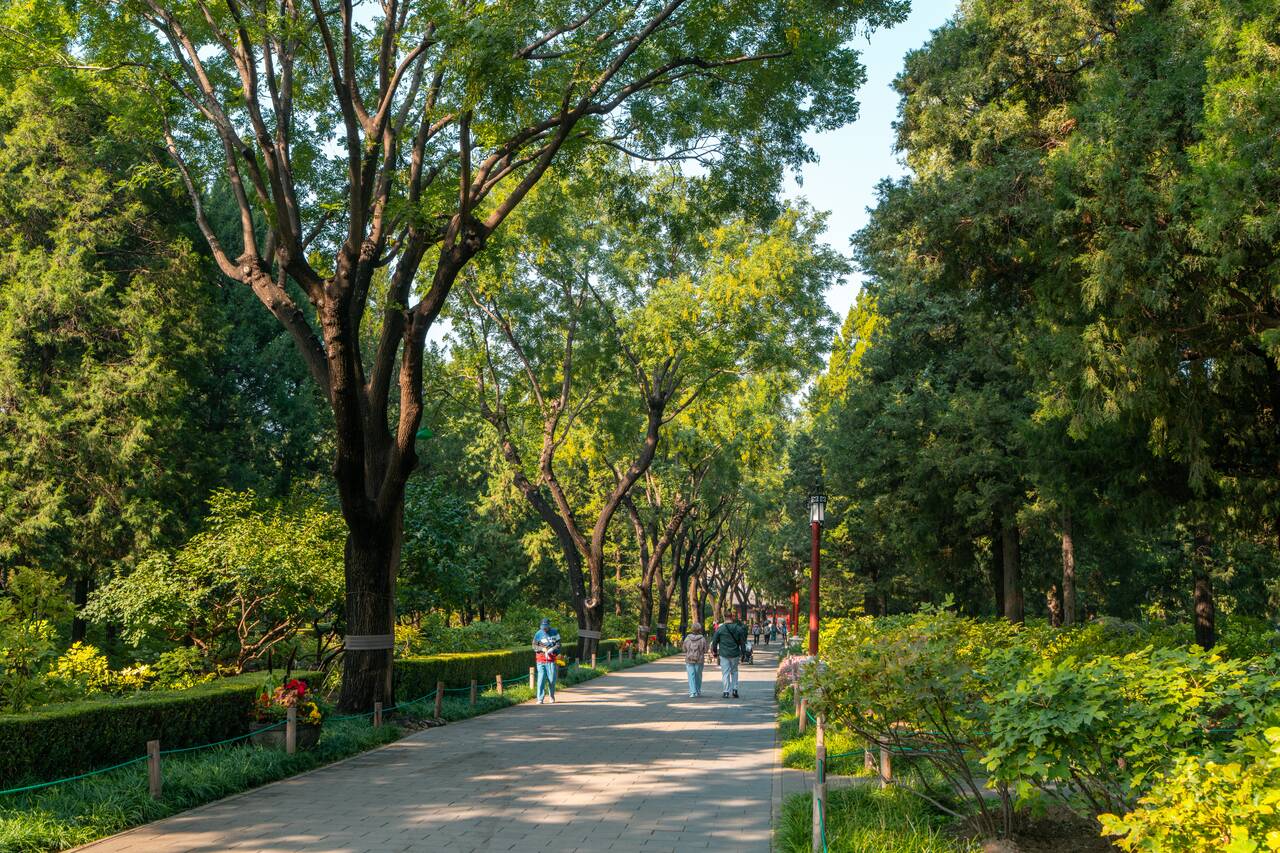
As you enter the park, turn left and follow the tree-covered path until you find the steps leading up the hill. Continue climbing until you reach Wanchun Pavilion, where you can look south over the palace complex and its strikingly symmetrical layout. This is the classic Forbidden City viewpoint and one I would definitely make time for, especially if you enjoy photography.
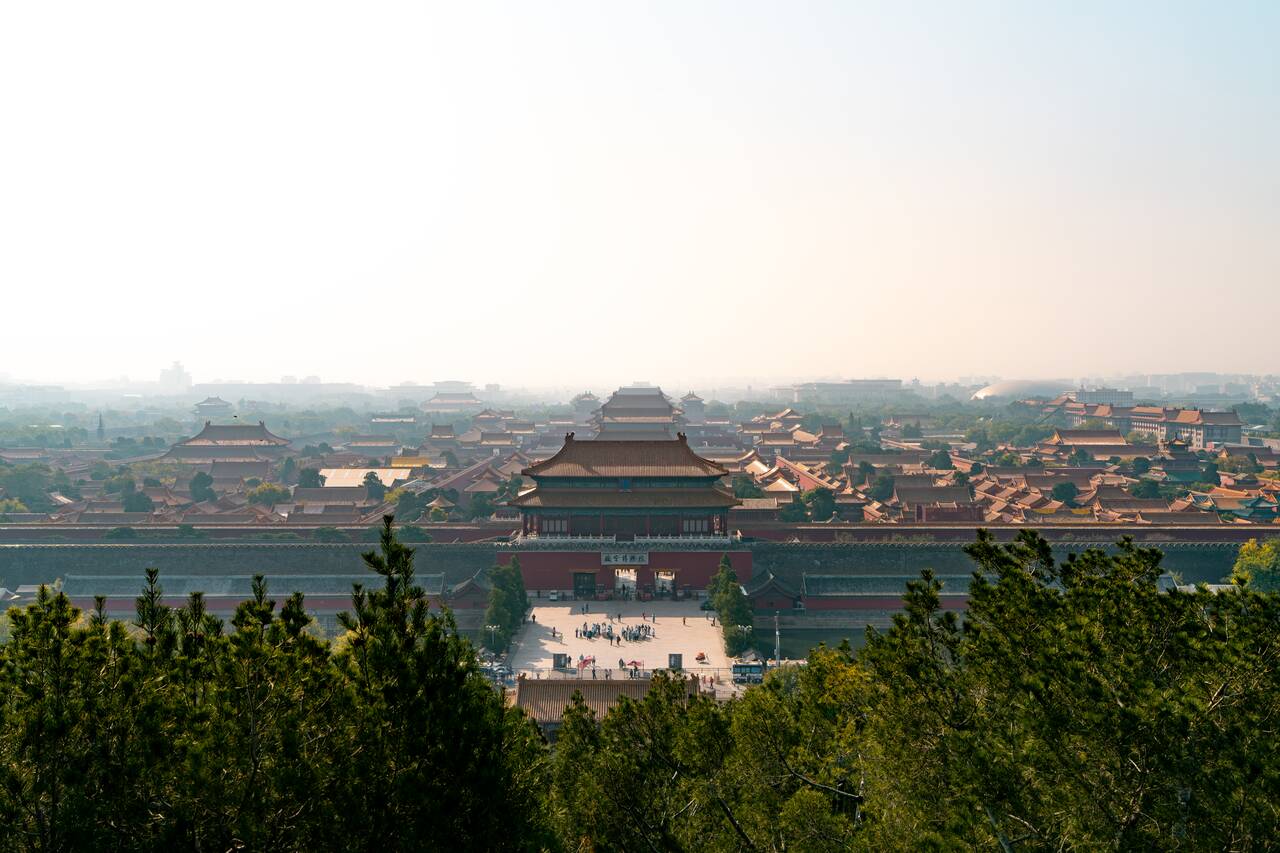
The climb isn’t long, taking me about 10 minutes, but your legs might not appreciate it after hours of walking around the palace 😅. Once you reach the top, take a moment to look in the other directions as well, as the views extend beyond the Forbidden City to the surrounding cityscape.
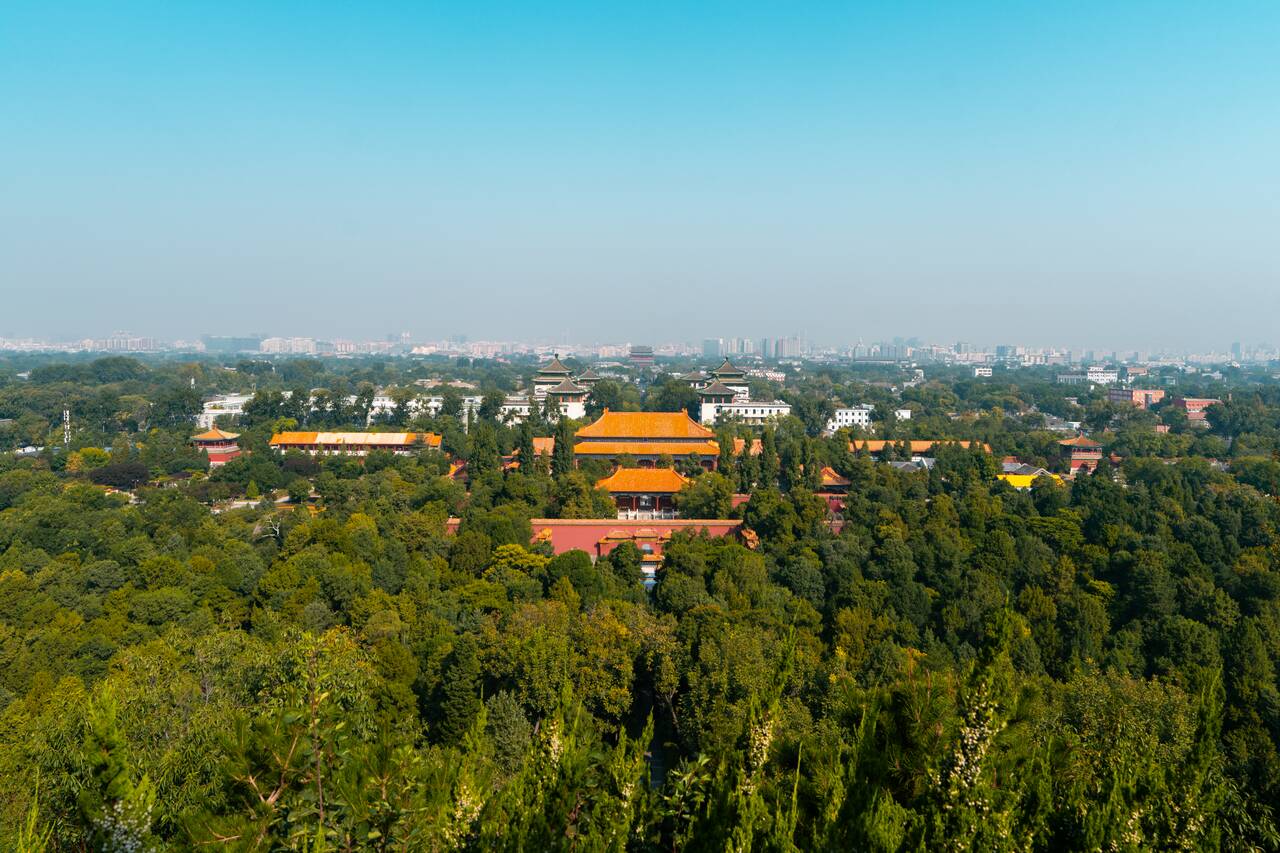
This is a quick stop that you can comfortably fit into an hour. The view is the main reason I would come, so clear visibility will make a big difference to the experience. The park is open daily from 6 AM to 9 PM during peak season and 6:30 AM to 8 PM during low season. Standard admission is 2 CNY, and you can buy your ticket at the entrance.
3. Take a Day Trip to the Great Wall at Mutianyu
- 📍 Location: Mutianyu Great Wall [Map Link]
- 🕐 Opening Hours: 7:30 AM - 6 PM (vary by season)
- 💰 Entry Fees: 40 CNY admission; 260 CNY with return bus + cable car.
- 📖 Full Guide: How to Visit Mutianyu Great Wall from Beijing
- ⚡ Pete's Take: "The higher you hike, the fewer people you will see, which makes it much more enjoyable. If you are able, go and tackle the Hero Slope! The view up there is absolutely incredible."
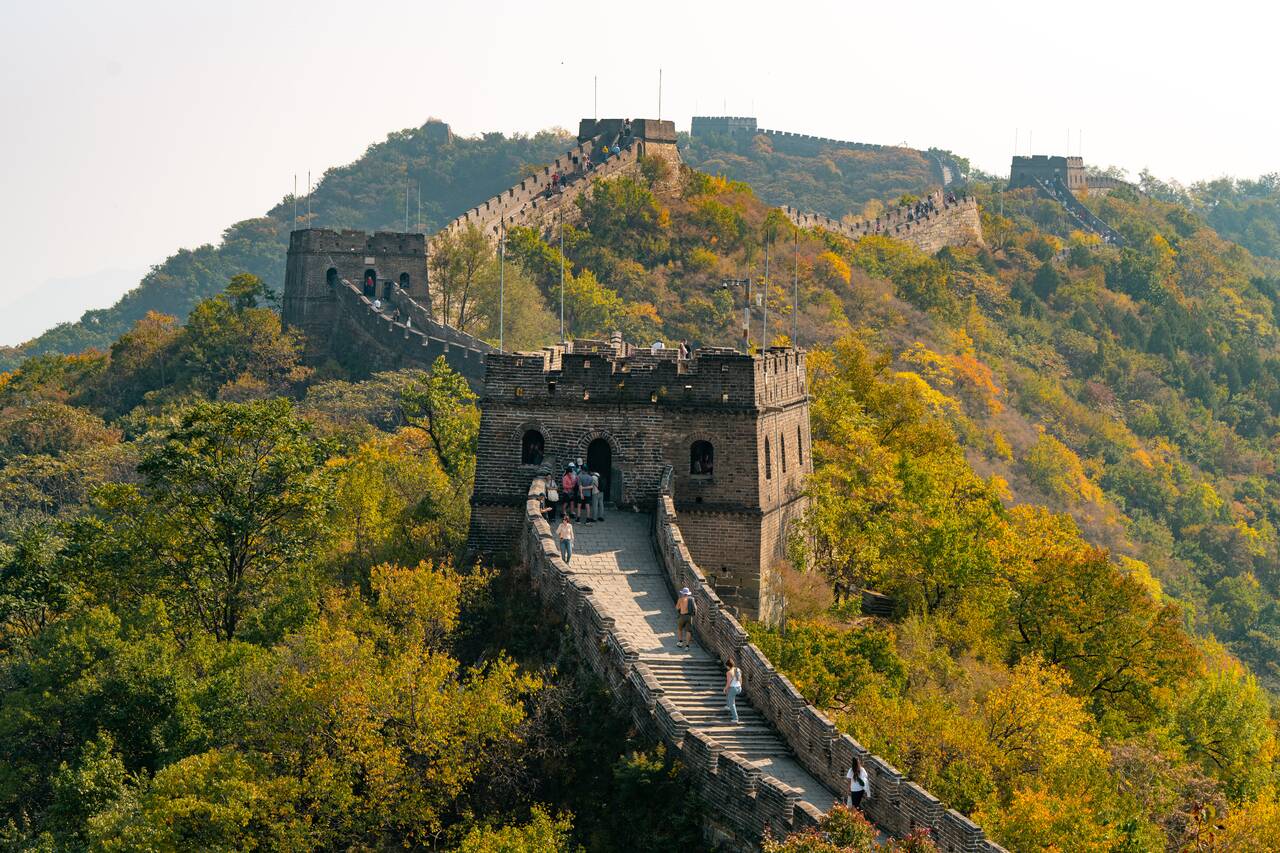
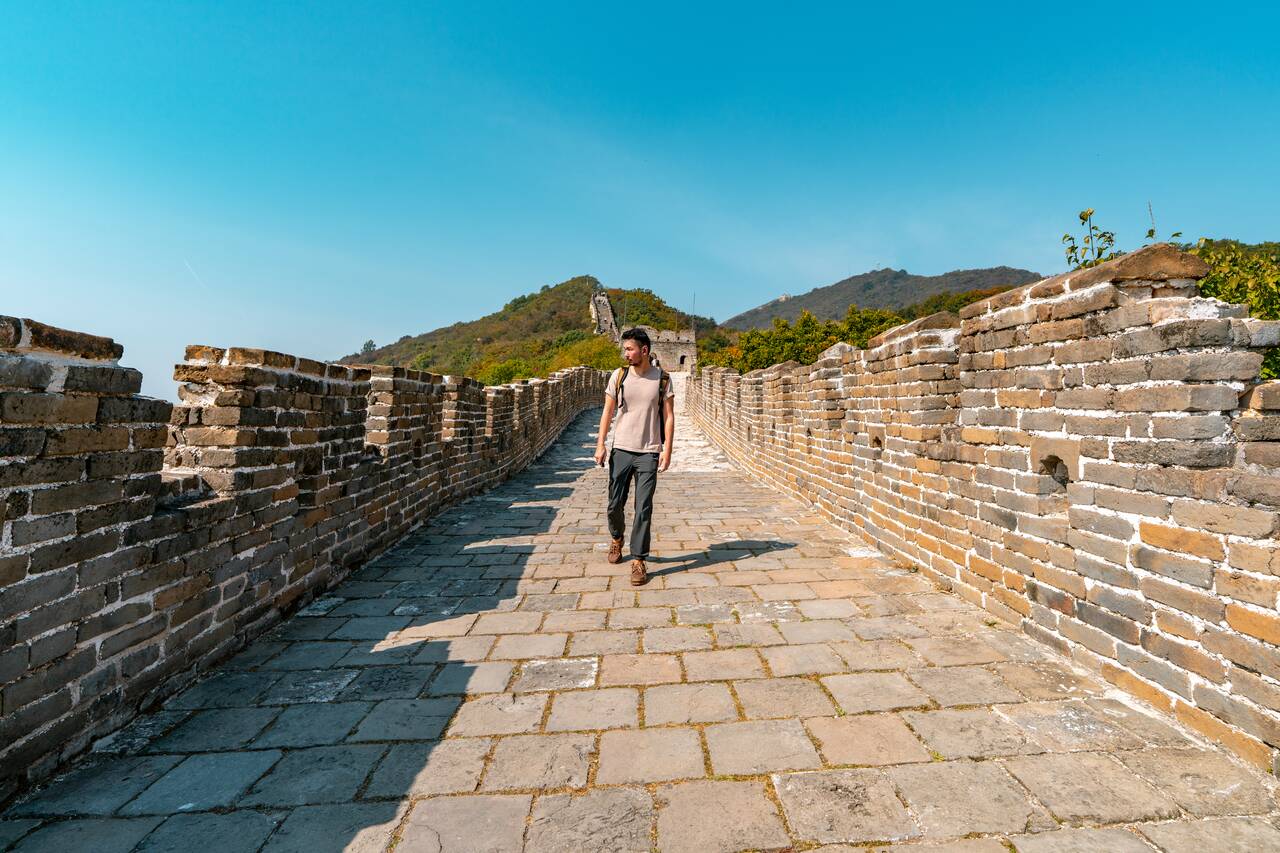
You can’t come all the way to Beijing without seeing the Great Wall, and Mutianyu Great Wall makes for an incredible day trip. I chose it over Badaling because it has a reputation for being less crowded. Badaling is closer to central Beijing and easier to reach, making it a popular choice, but if you are happy to travel a little farther, I would recommend Mutianyu.
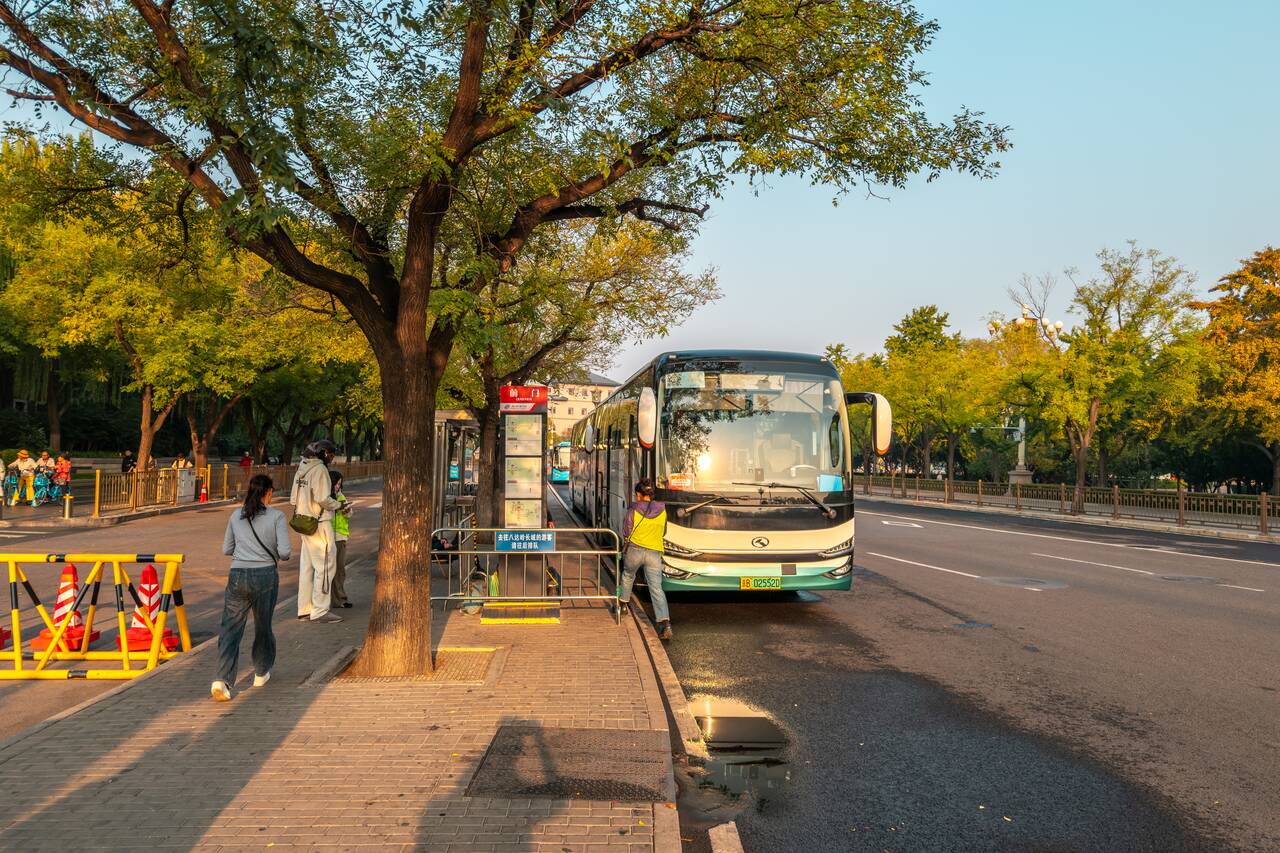
I took a direct tourist bus from the Beijing Tourist Distribution Center (Qianmen Branch). When you arrive, you will see several large buses heading to different sections of the Great Wall, so make sure you get on the Mutianyu one. Look for staff wearing vests and ask them to point you toward the correct bus.
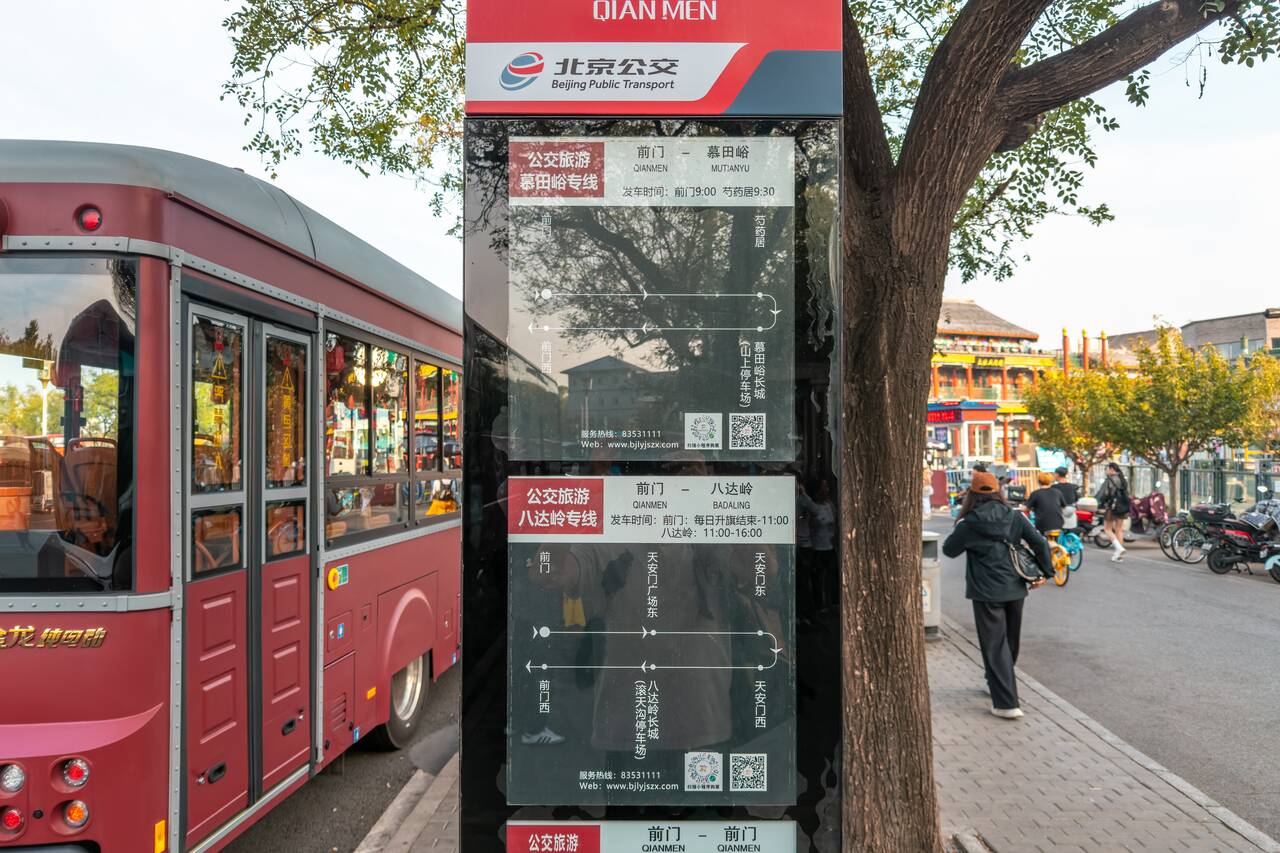
During my visit, morning departures were roughly between 7 AM and 10 AM, although schedules can change depending on the season and demand. I arrived at 8 AM without a reservation and got on a bus straight away. Staff assigned passengers to the available buses, so I didn’t need to book ahead on that occasion. Check the departure arrangements beforehand, especially during busy holidays.
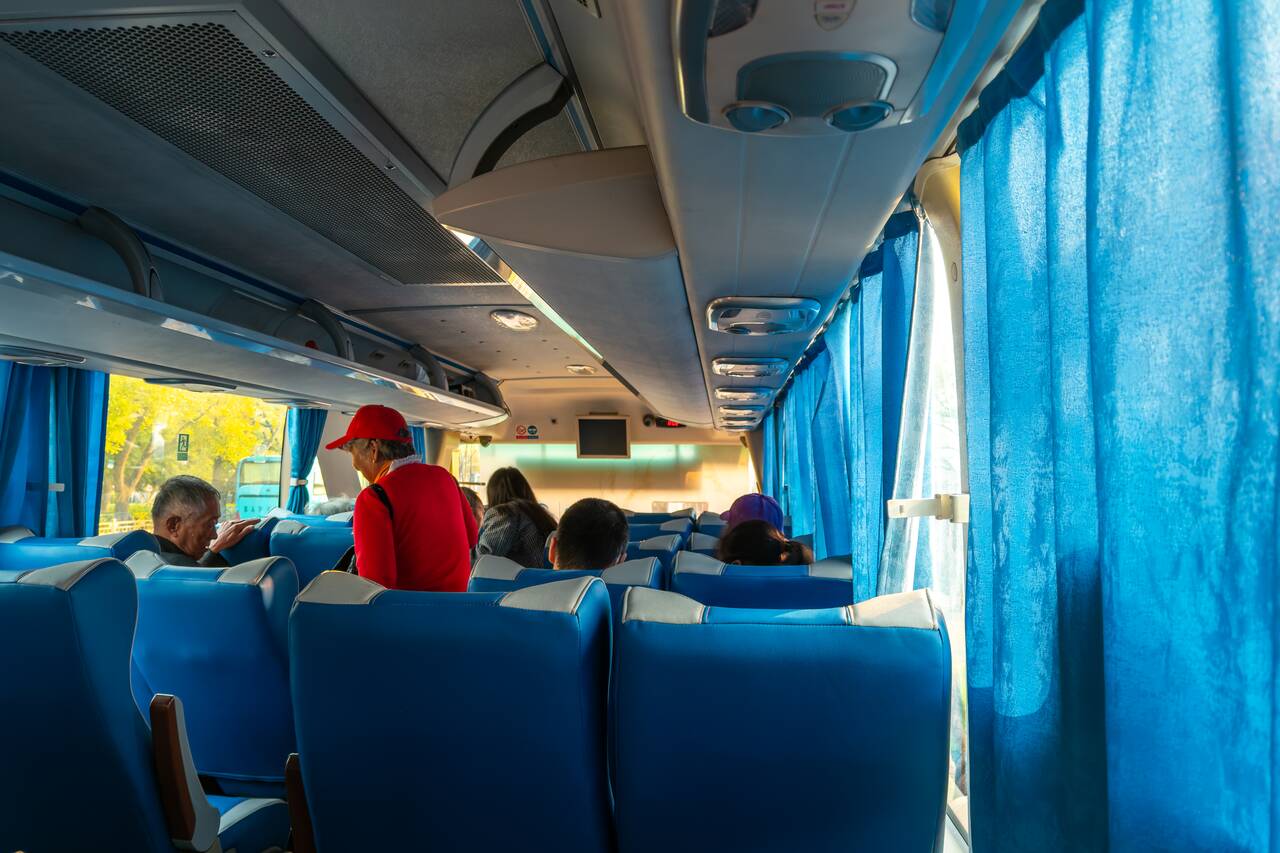
The journey took about 2 hours each way. I bought my admission and cable car tickets from the staff at the departure point, which worked out slightly cheaper than the option I had found on Trip.com. My total was 260 CNY: 80 CNY for the return bus, 40 CNY for admission, and 140 CNY for the return cable car.
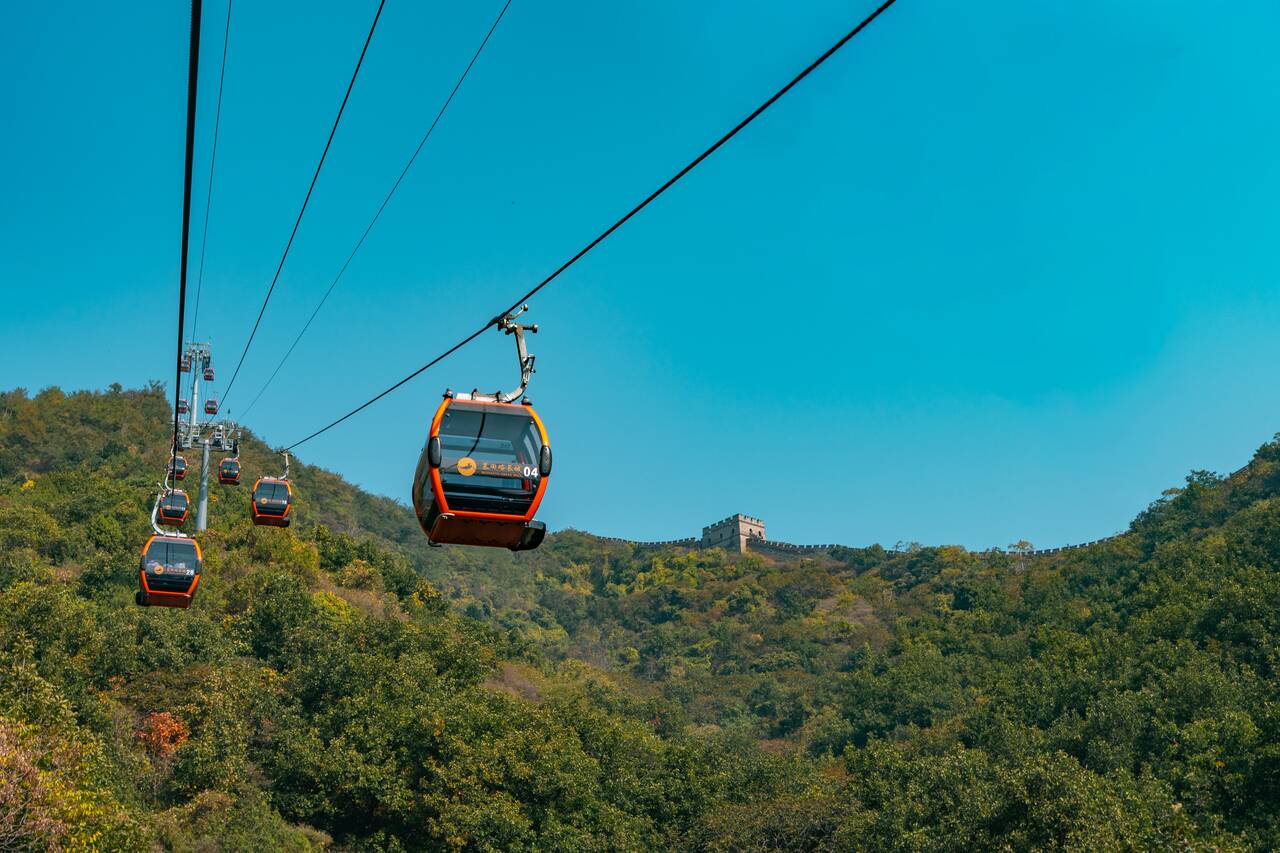
Our bus parked at P4, about a 5-minute walk from the cable car station, so I didn’t need to pay for the park’s separate shuttle bus. Confirm where your bus will park before buying any additional shuttle tickets, and check the return departure time with the staff before heading up to the wall. My bus has 2 return times, 2 PM and 2:30 PM, and I was able to get back in time for the 2 PM bus.
If you prefer to arrange your own transport, such as DiDi, you can book your attraction tickets through Trip.com. However, expect a private ride to cost considerably more than the 80 CNY return tourist bus, and arrange how you will get back to Beijing before setting off.
There are different ways to get up and down, so pay attention to which tickets you buy. The enclosed cable car takes you to Tower 14, while the open-air chairlift and toboggan serve Tower 6. These are separate systems, so a return cable car ticket does not include the chairlift or toboggan.
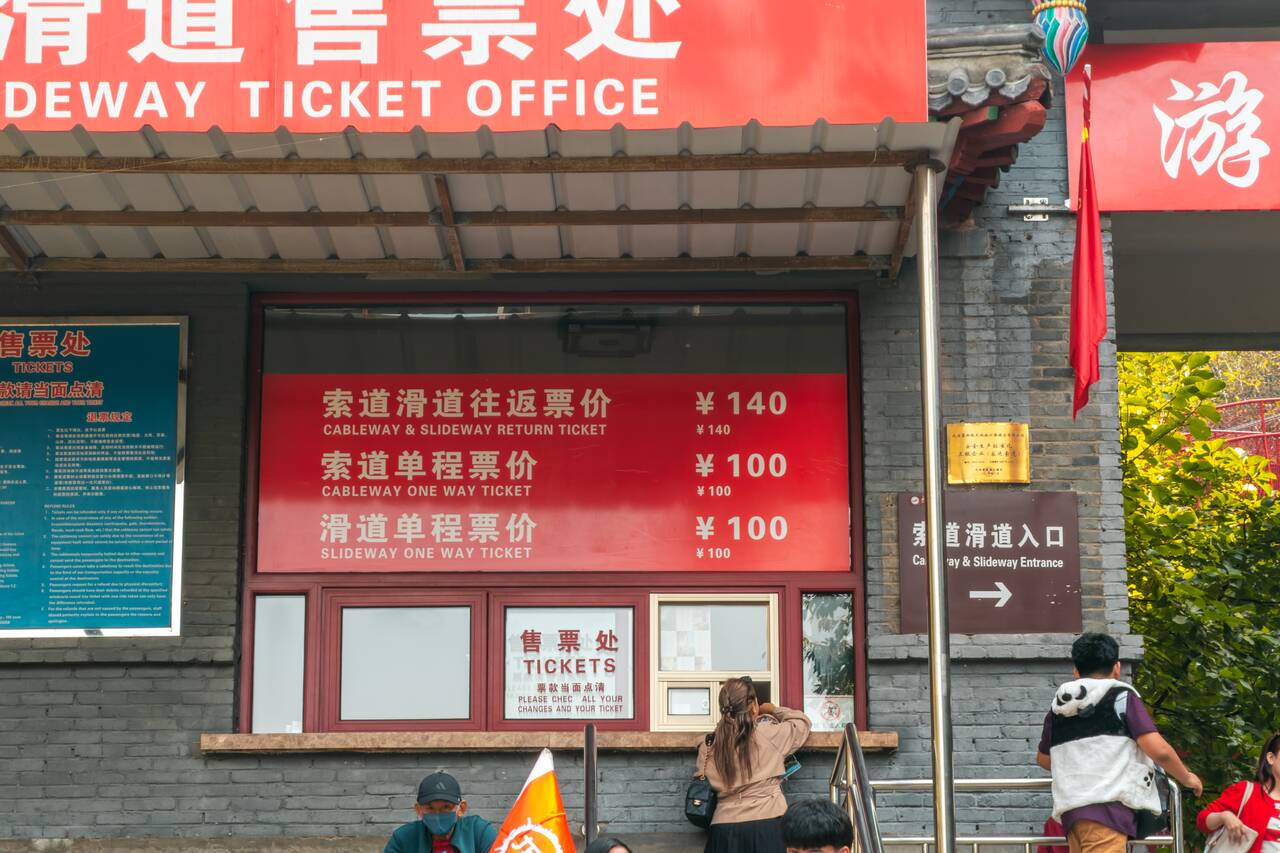
During my visit, the chairlift-up and toboggan-down combination cost 140 CNY, while adding a toboggan descent to my cable car plan would have cost an extra 100 CNY. If you take the cable car up and want to slide down, remember that you will also need to walk from Tower 14 to Tower 6.
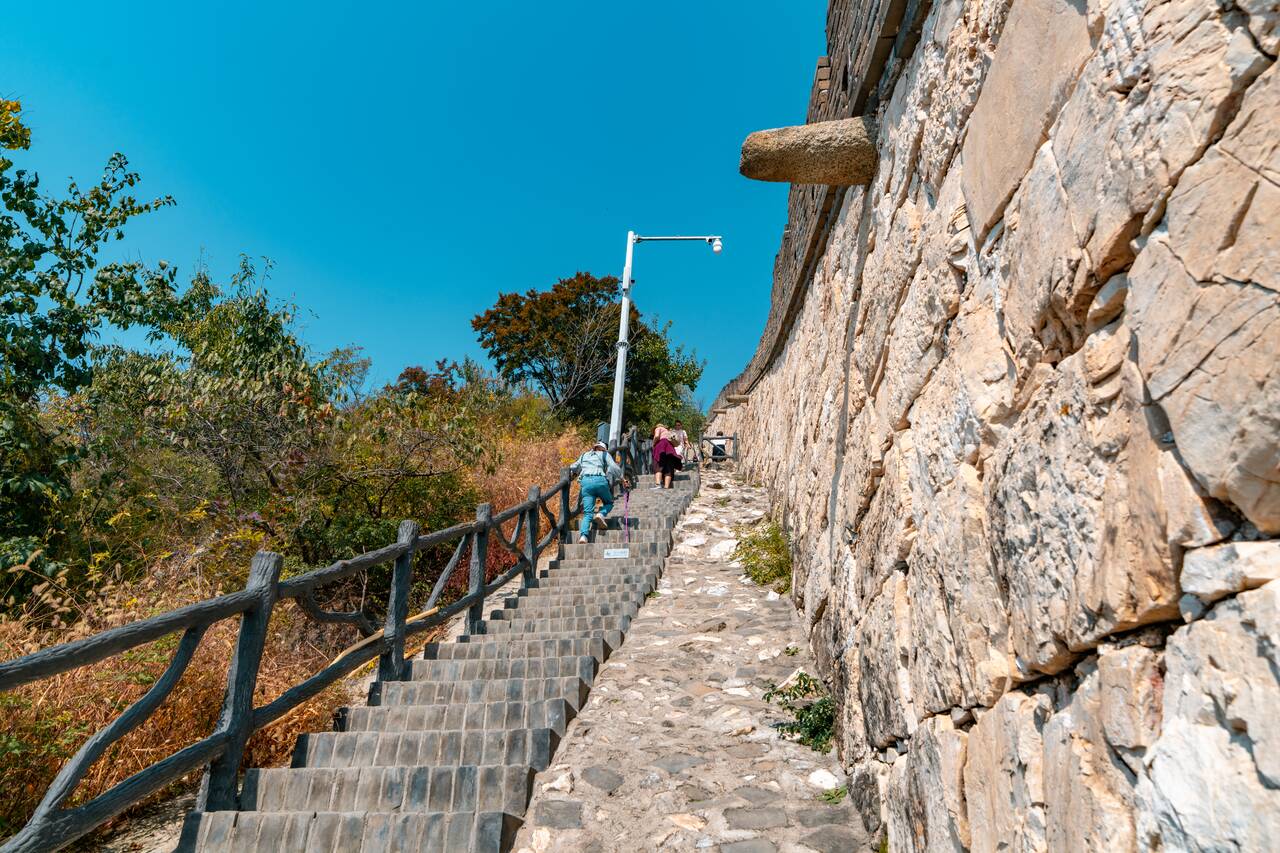
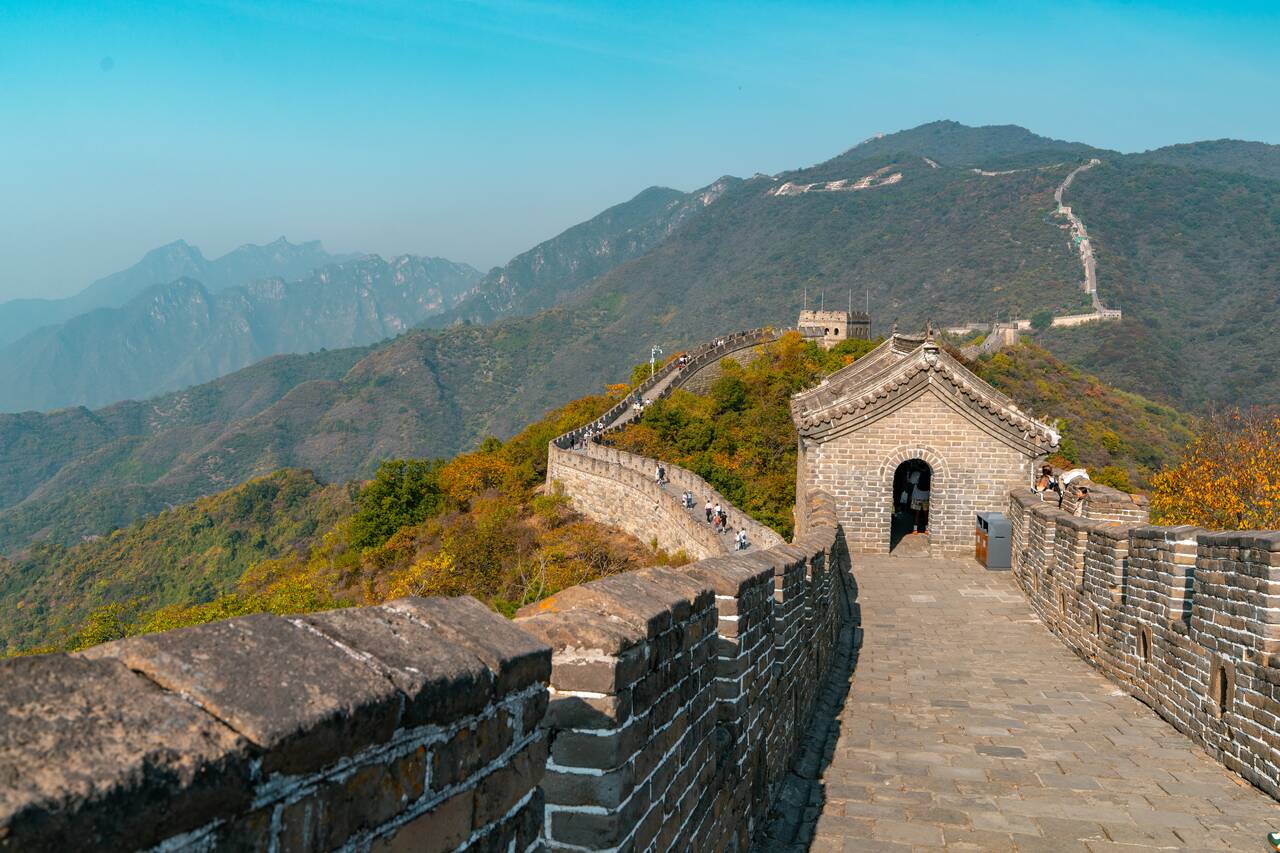
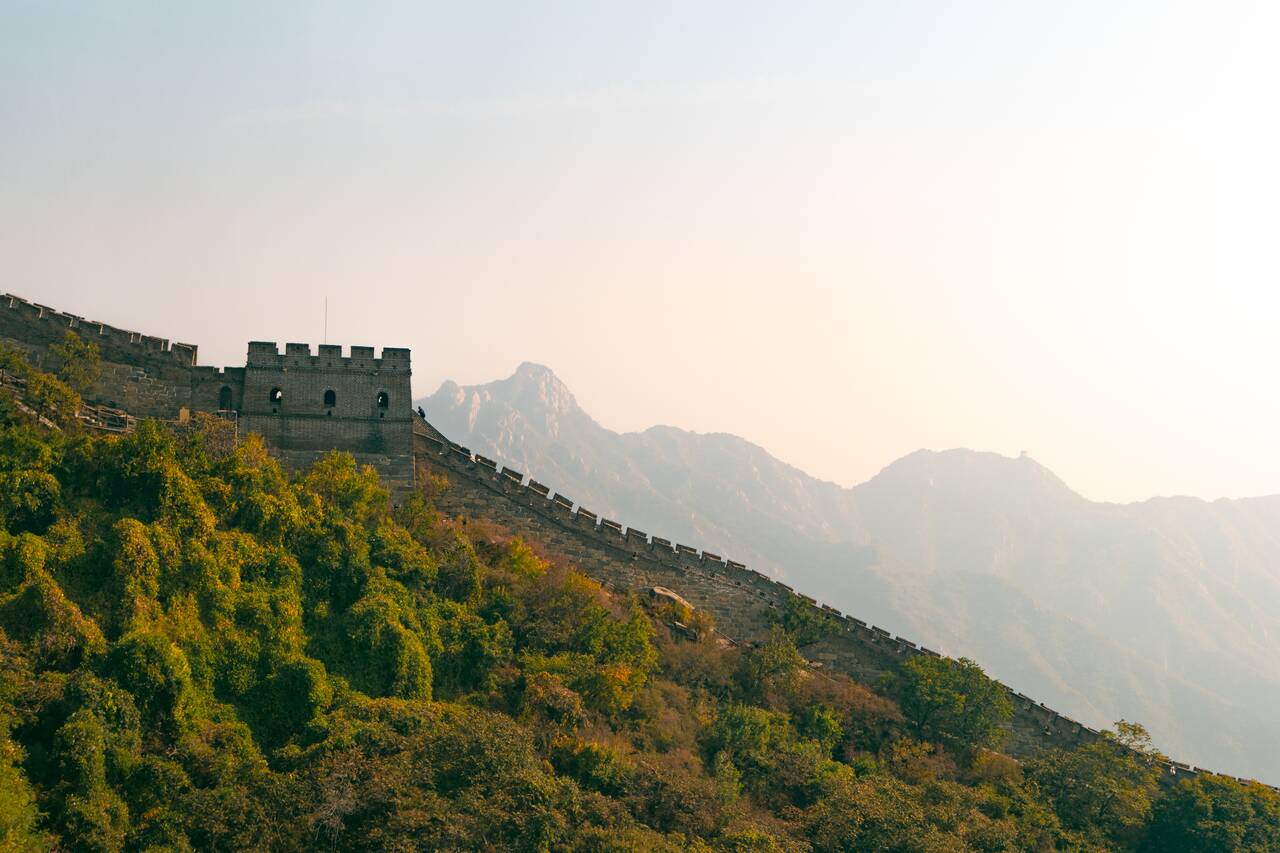
For a challenge, head west from Tower 14 toward Tower 20, where you will tackle the steep climb known as Hero Slope. The stairs get seriously steep toward the top, so take your time! This was the kind of Great Wall experience I had come for: a proper hike with watchtowers and mountain ridges stretching into the distance.
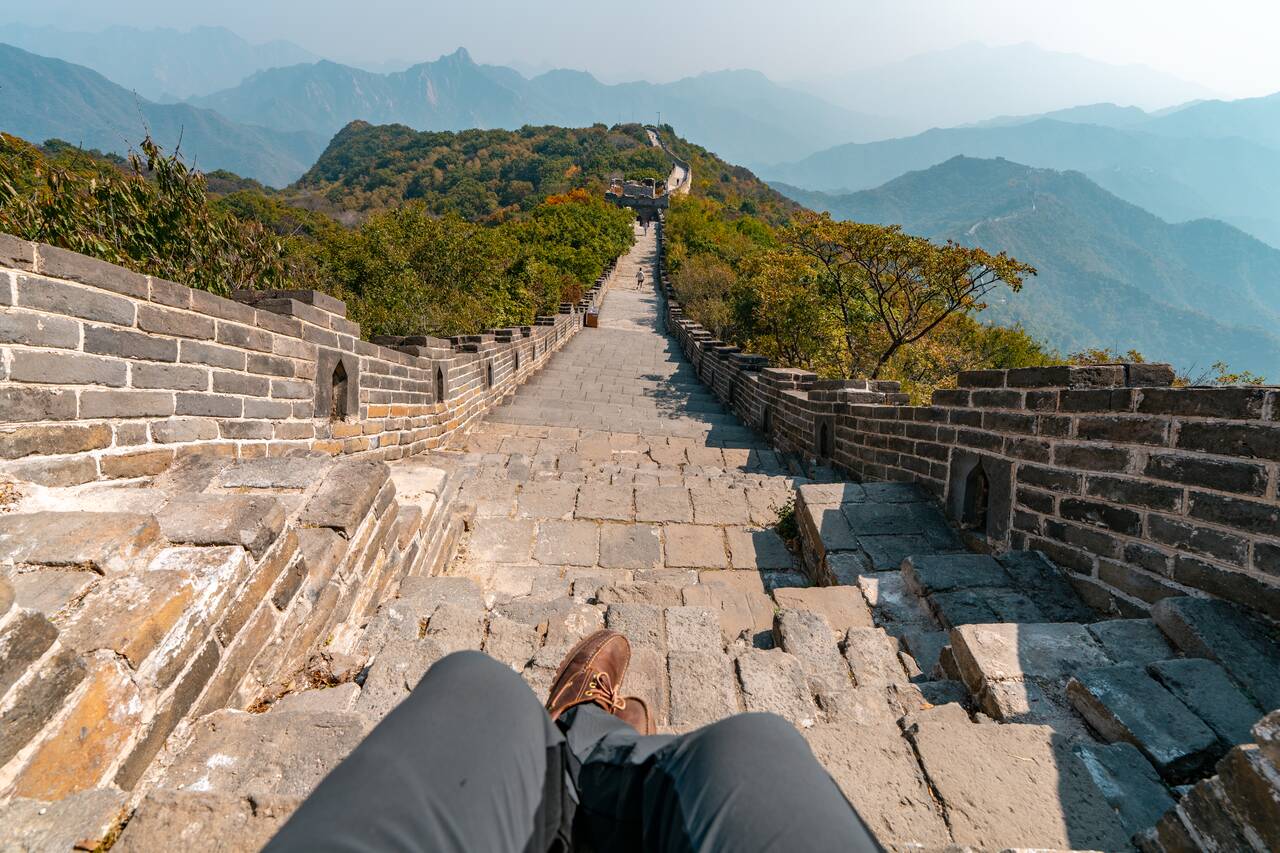
I visited the day after Golden Week ended and was surprised by how much less crowded it was than I had expected. Most people seemed to congregate around the cable car and chairlift access points, and the farther uphill I walked, the fewer people I encountered. If you have the energy, I would definitely recommend hiking beyond the arrival areas. Trust me, you will appreciate the place much more.
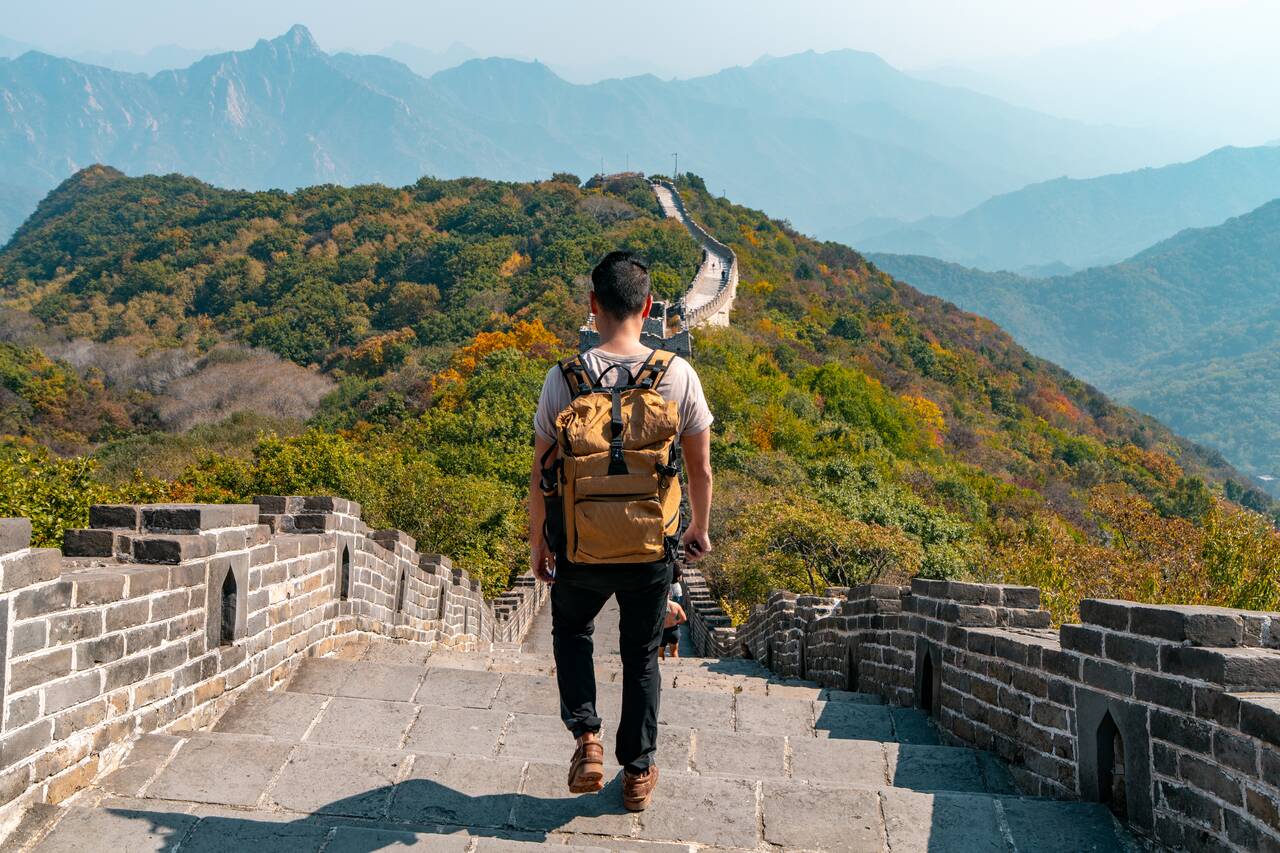
My own walk from Tower 15 toward Tower 23 took about 1.5 hours each way, or 3 hours in total. It is a steep walk, but you will be rewarded with a hell of a view up there. Be sure to wear comfortable shoes, bring water, and leave enough time to descend and catch your bus.
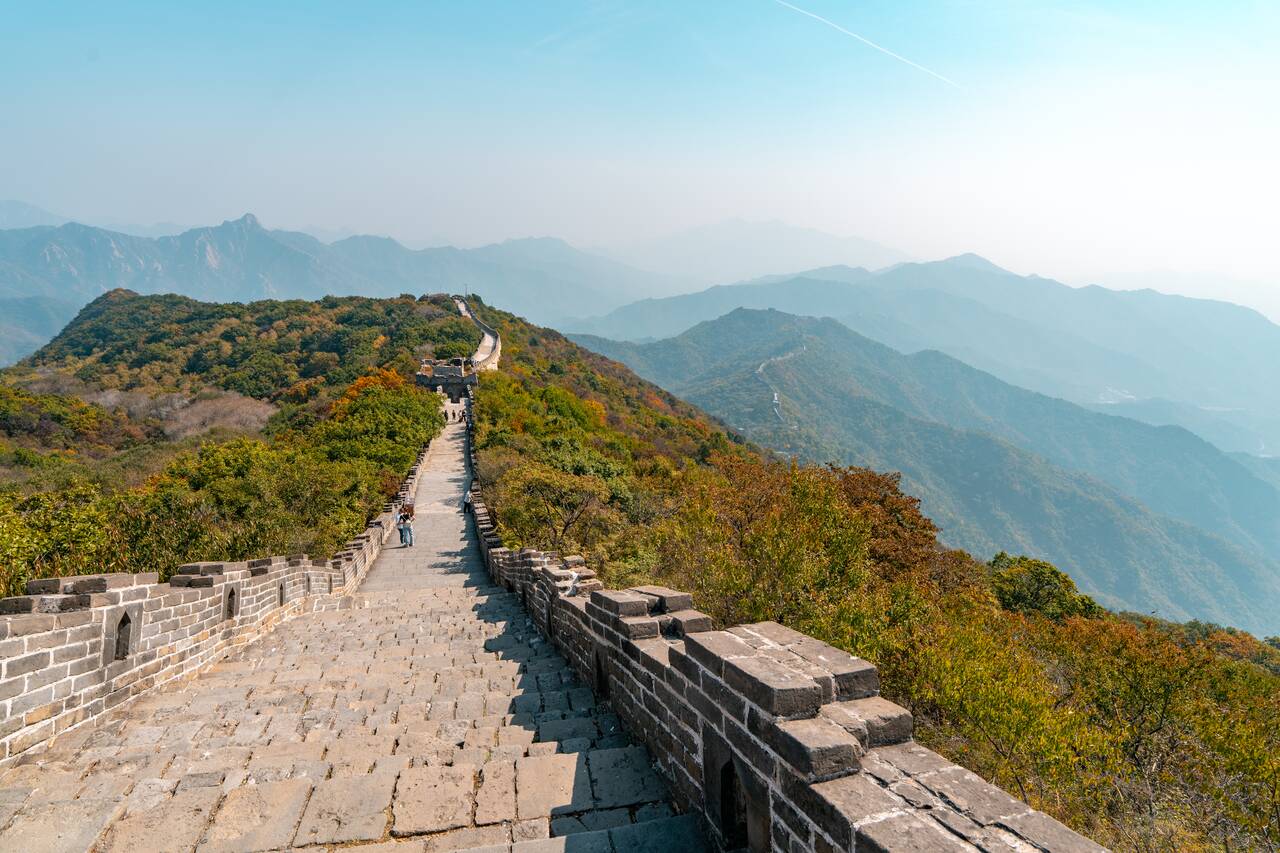
During the peak season, Mutianyu is usually open from 7:30 AM to 6 PM on weekdays, with ticket sales ending at 5 PM and last entry at 5:30 PM. On weekends, it opens from 7:30 AM to 6:30 PM, with ticket sales ending at 5:30 PM and last entry at 6 PM. Hours change seasonally, so check the official website before visiting, along with the operating times of your chosen lift.

4. Visit the Temple of Heaven
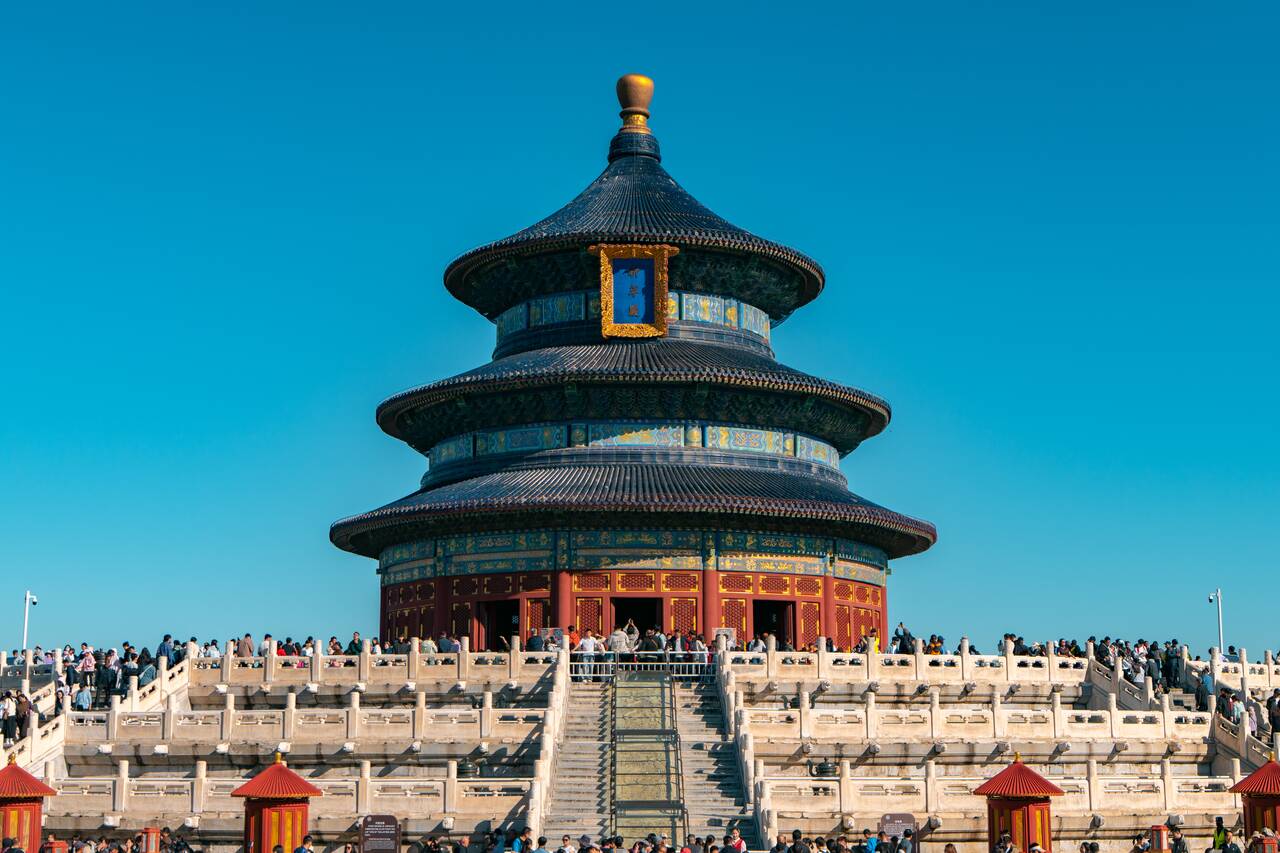
- 📍 Location: Temple of Heaven [Map Link]
- 🕐 Opening Hours: 8 AM - 6 PM (vary by season)
- 💰 Entry Fees: 34 CNY (~5 USD)
- ⚡ Pete's Take: "Be sure to buy the combined ticket (the more expensive option) at the entrance, so you don't have to buy another ticket to get into the Temple of Heaven, as the cheapest ticket will only give you access to the park surrounding the temple."
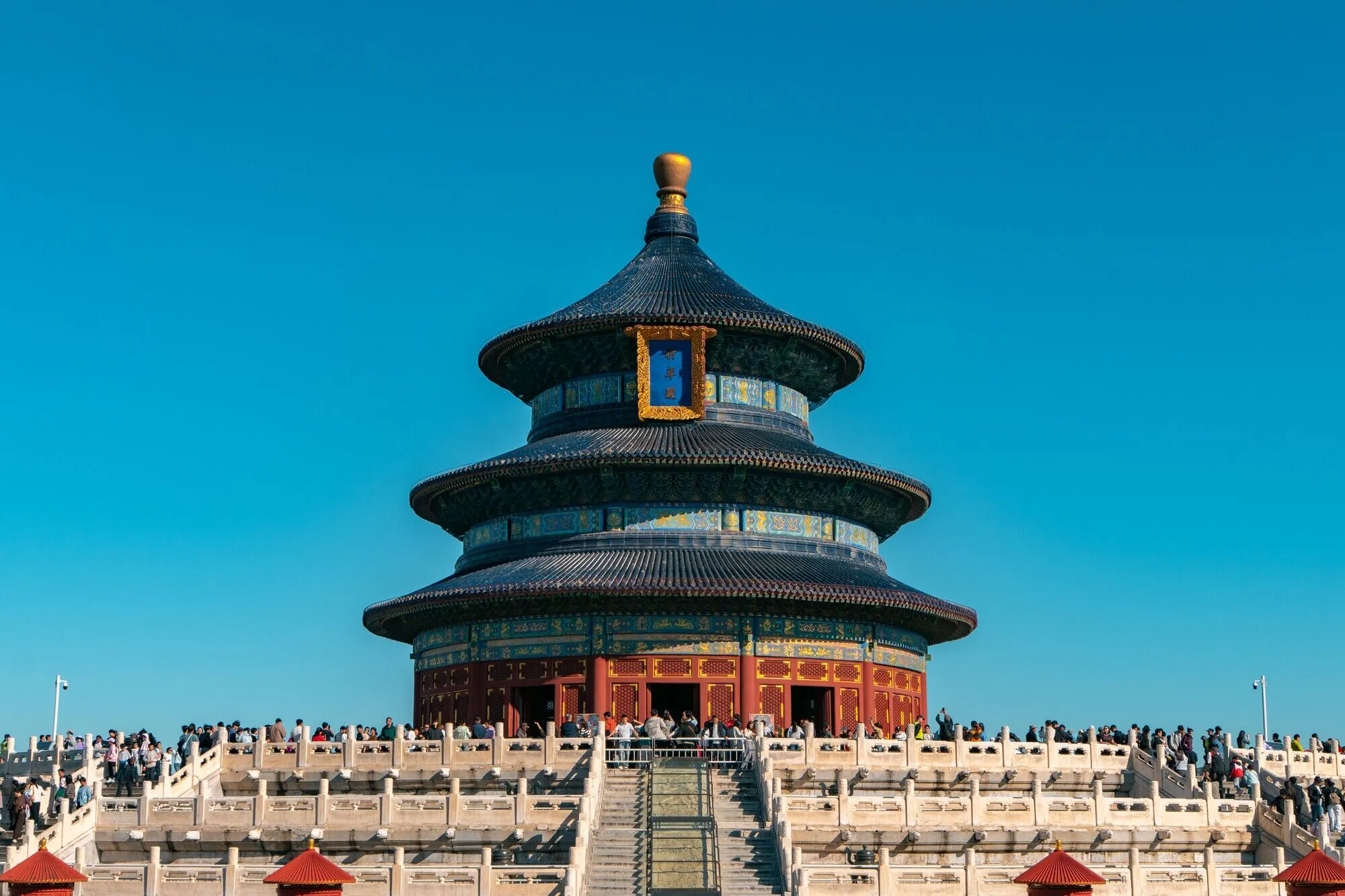
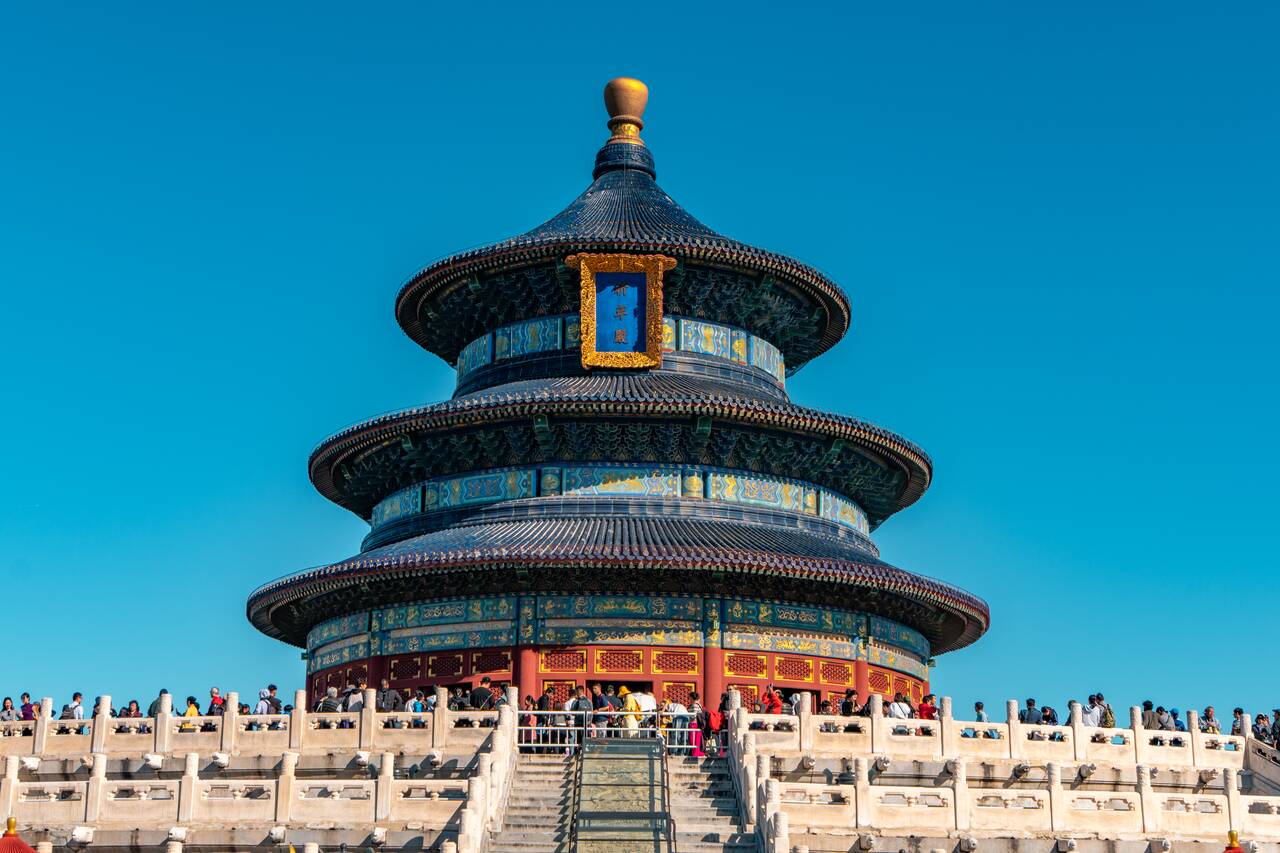
Temple of Heaven is another place I would put near the top of your Beijing list. Its circular Hall of Prayer for Good Harvests, with its tiered blue roof rising above white marble terraces, is one of the city’s most recognizable sights. Seeing it in person, you can really appreciate the details and symmetry of the building.
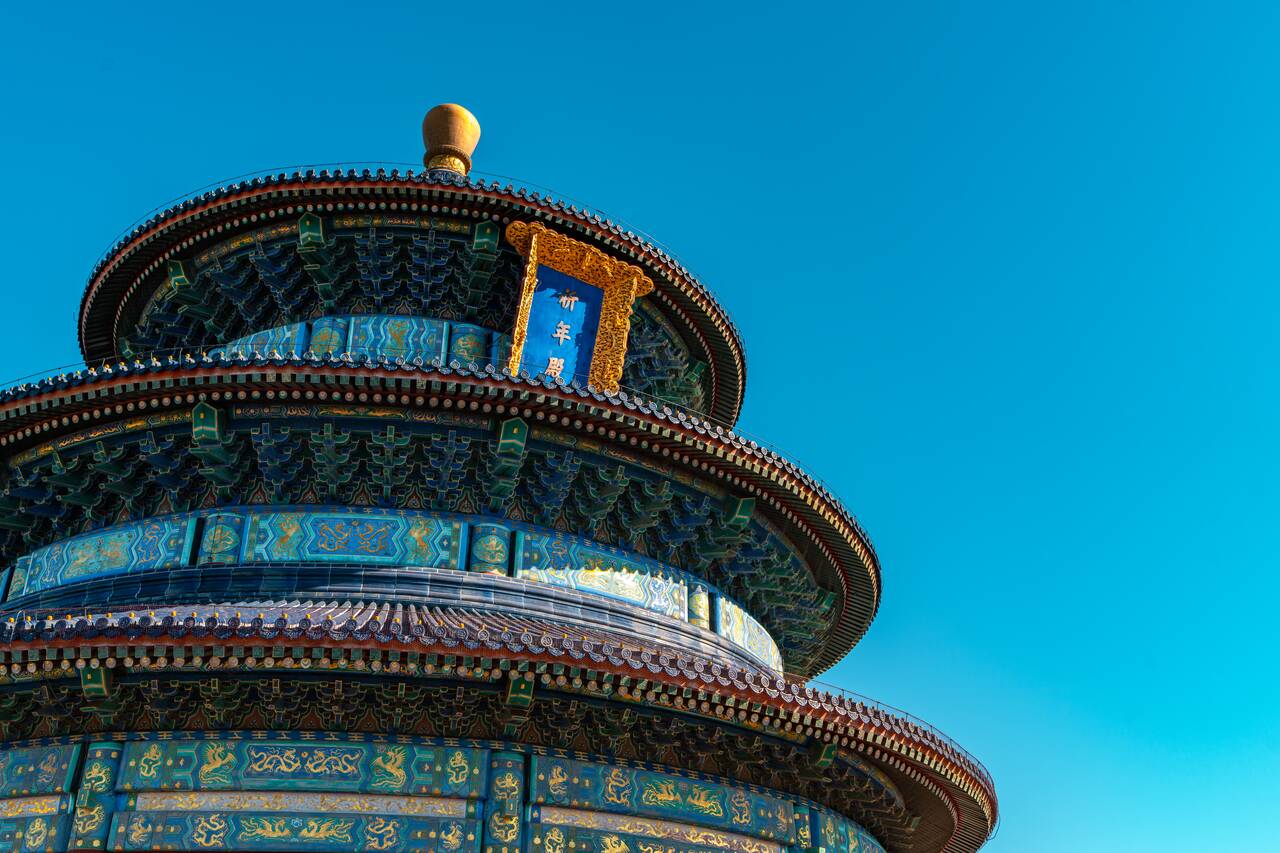
Historically, this was where emperors performed ceremonies to pray for good harvests. Beyond the famous hall, take time to explore the surrounding complex, including the Imperial Vault of Heaven and the Circular Mound Altar. The buildings and ceremonial spaces are spread out, so don’t expect this to be a quick photo stop!
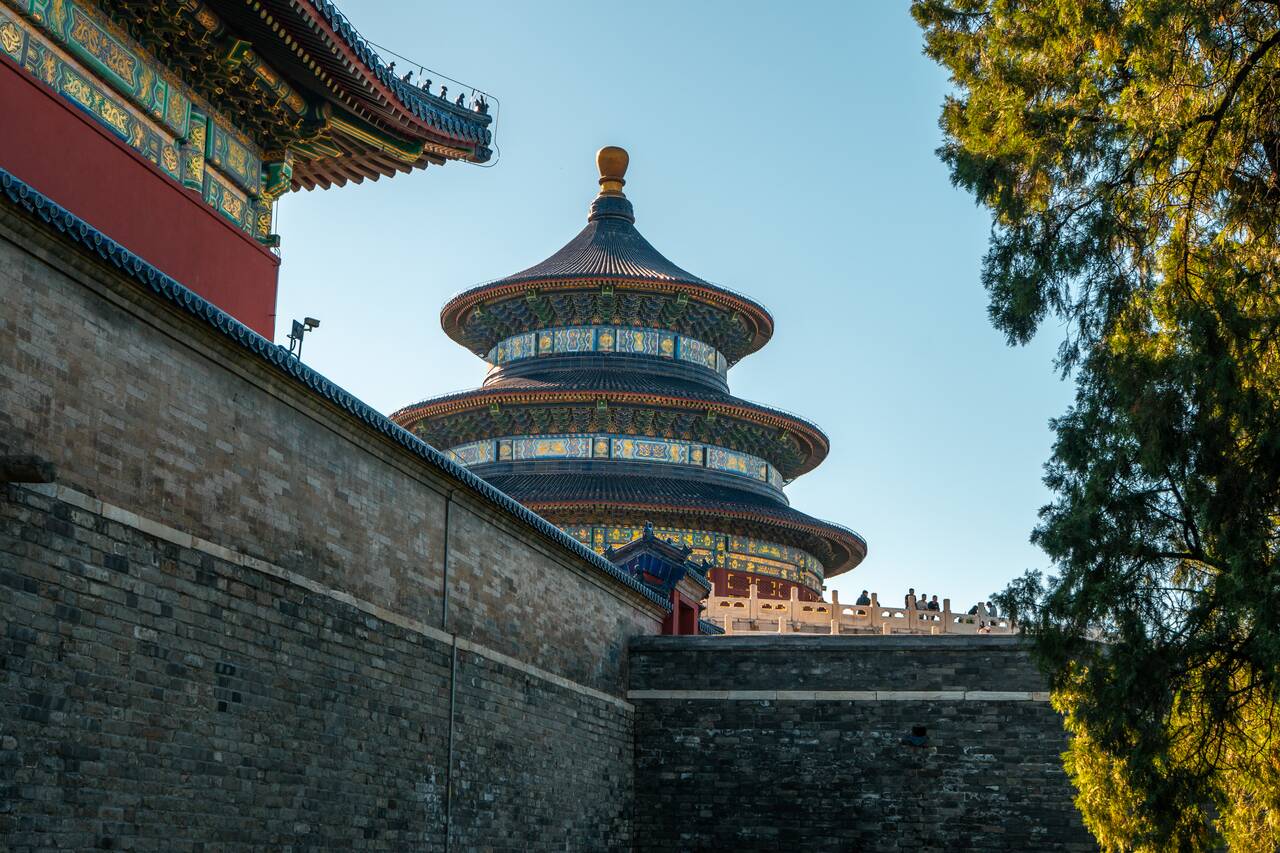
I paid 34 CNY for my ticket and would recommend allowing around 2 hours to explore. I went here during the Golden Week and didn't have to book the ticket in advance. I just get to the entrance and buy the ticket there. Easy-peasy.
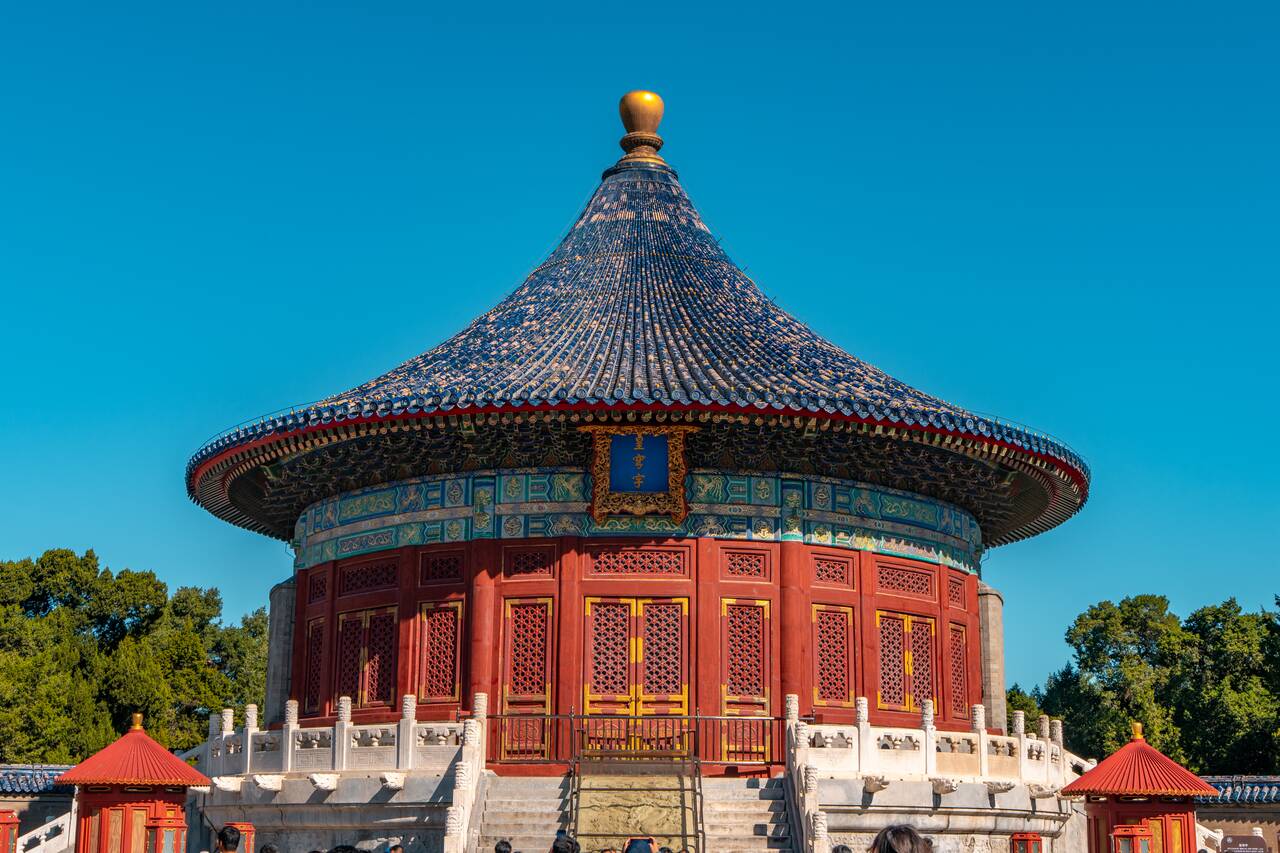
There is plenty of walking involved, both between the main sights and through the surrounding park, so be sure to wear comfortable shoes and check which exit works best for your next destination to avoid unnecessary backtracking. Qianmen Street is a great place to head over to next, maybe grab some coffee or lunch there before you continue on exploring Beijing.
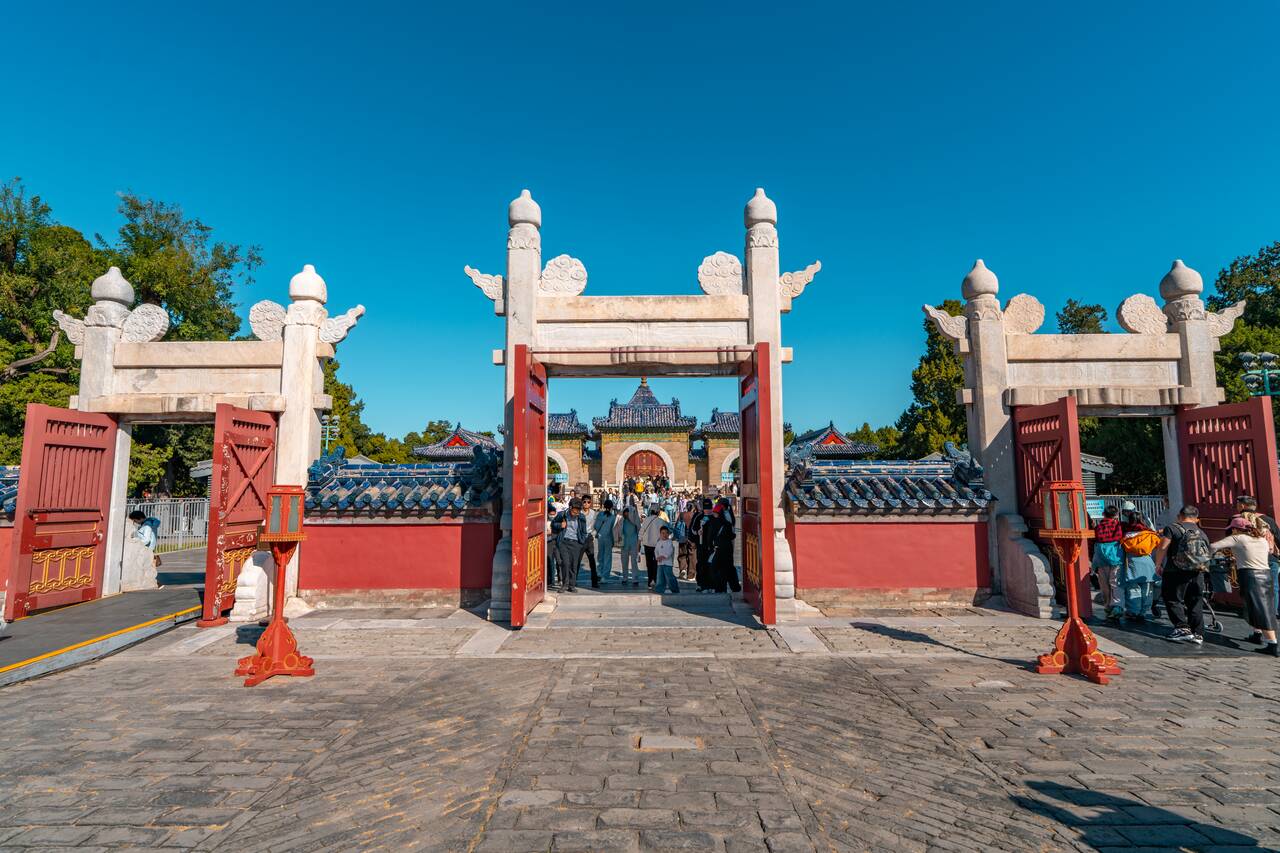
The Temple of Heaven is open from 8 AM to 6 PM from April to October, with last entry at 5:30 PM, and 8 AM to 5 PM from November to March, with last entry at 4:30 PM. These sights are closed on Mondays except public holidays, although the surrounding park remains open daily from 6 AM during peak season or 6:30 AM during low season until 10 PM.
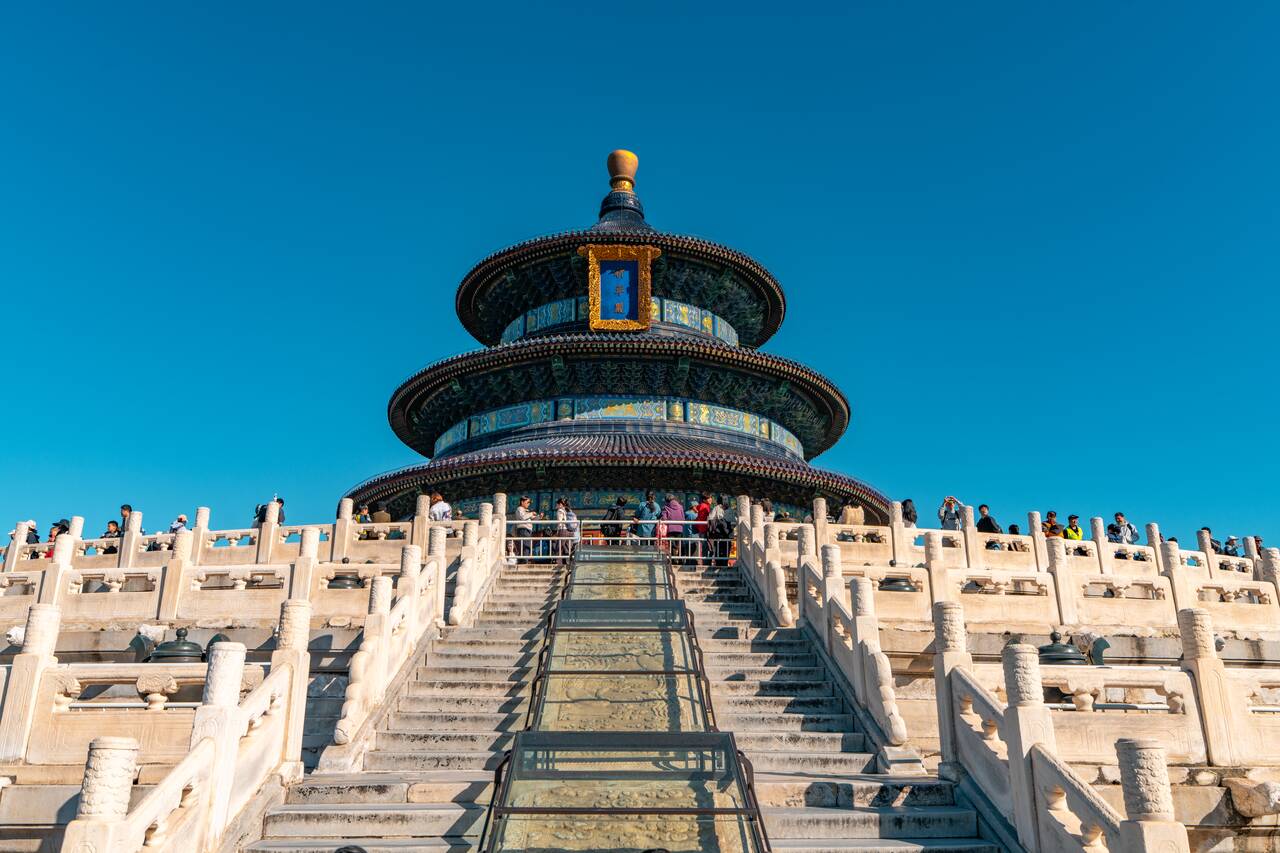
The combined ticket costs 34 CNY during peak season and 28 CNY during low season and includes the main monuments. Basic park admission is cheaper at 15 CNY and 10 CNY respectively, but does not include the Hall of Prayer for Good Harvests and the other main monuments, so make sure you buy the combined ticket! If you prefer to book in advance, you can book your Temple of Heaven tickets on Trip.com.
5. Visit the National Museum of China
- 📍 Location: National Museum of China [Map Link]
- 🕐 Opening Hours: 9 AM - 5 PM (vary by season)
- 💰 Entry Fees: Free
- ⚡ Pete's Take: "This is another place where you have to book your ticket well in advance. The museum is free to enter, but it has a daily capacity limit, and you will have to visit only during the time slot you book. Once you have the reservation, there is no need to book a ticket for Tiananmen Square, as the museum will give you access to that as well."
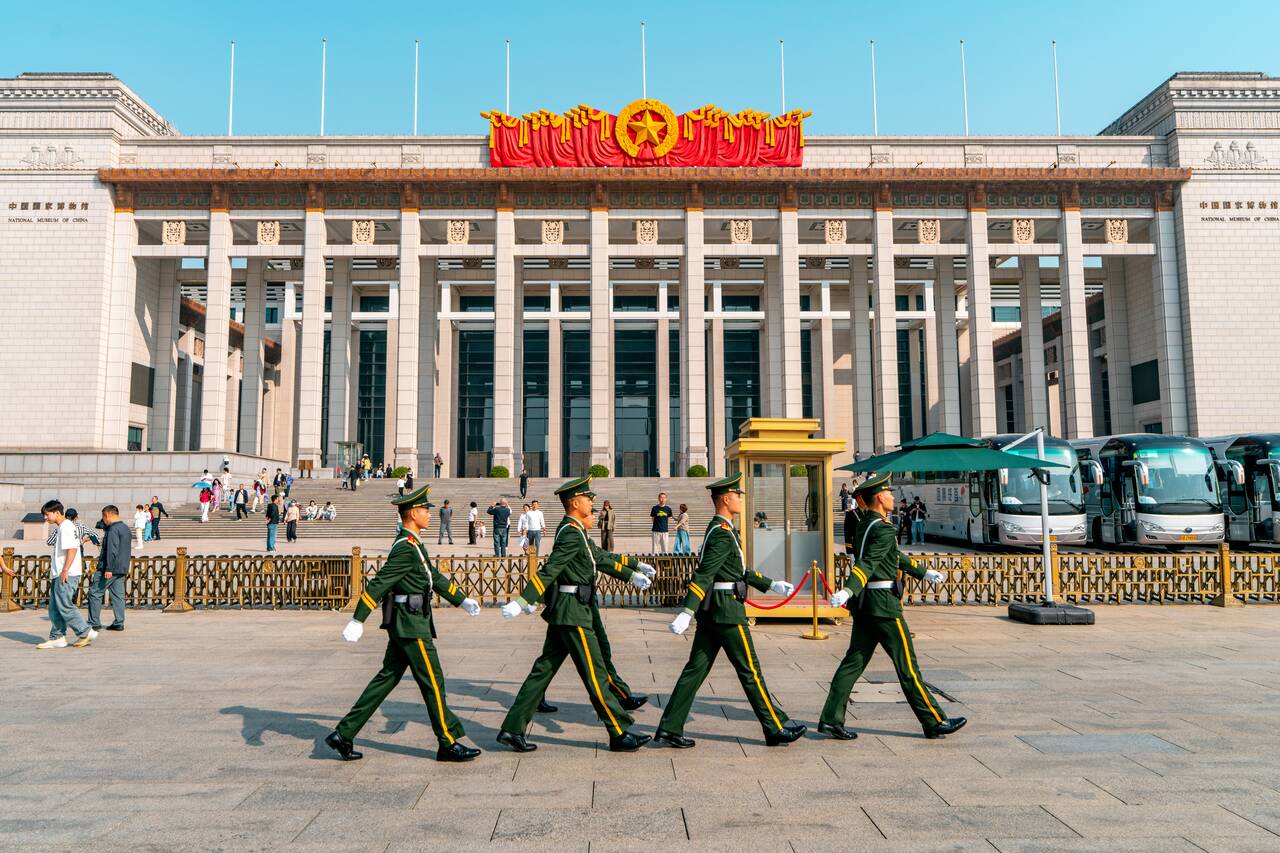
If you enjoy history, the National Museum of China is definitely worth adding to your itinerary. Its exhibitions take you from ancient artifacts to modern scientific achievements, and the best part is that entry is free! You do, however, need to reserve your visit in advance.
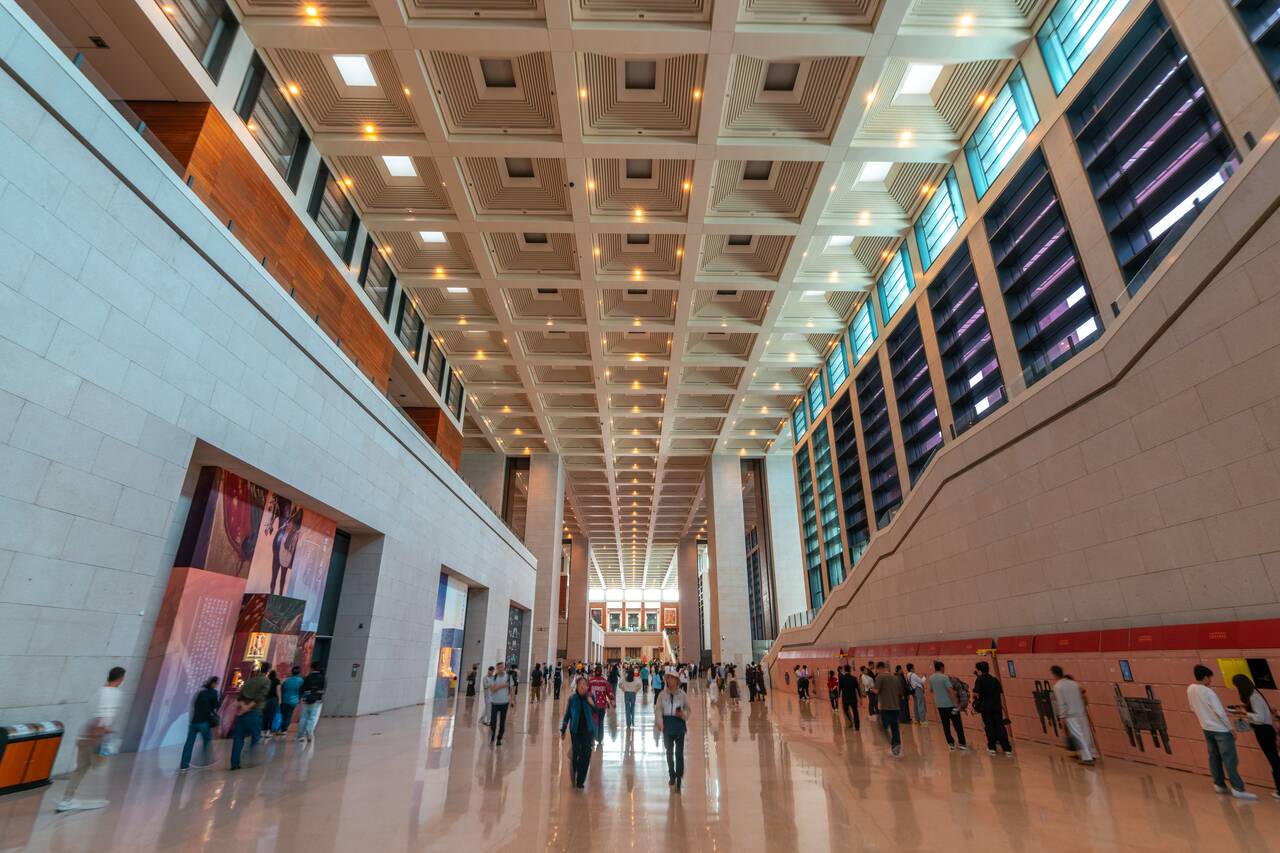
Like the Forbidden City, the museum limits daily visitor numbers, and reservations can get booked out really quickly. Ideally, book 7 days before your planned visit, when reservations open at 5 PM Beijing time, through the official website. You will need to choose an entry time slot, so plan the rest of your day around the reservation you secure and bring the passport you used to book.
Entry times are controlled, so don’t expect to arrive whenever you like. During my visit, staff began letting people queue for their session around 30 minutes beforehand, but follow their instructions on the day. The approach is fenced to direct visitors through the checkpoints. From the metro exit, follow the designated fenced route toward the museum rather than trying to cut across. Trust me, it's way easier this way.
The museum opens from 9 AM to 5 PM, with last admission at 4 PM, and is closed on Mondays except national public holidays. From June 1 to October 31, closing time is extended to 5:30 PM, with last admission at 4:30 PM. Your reserved entry slot still applies, regardless of the museum’s closing time.
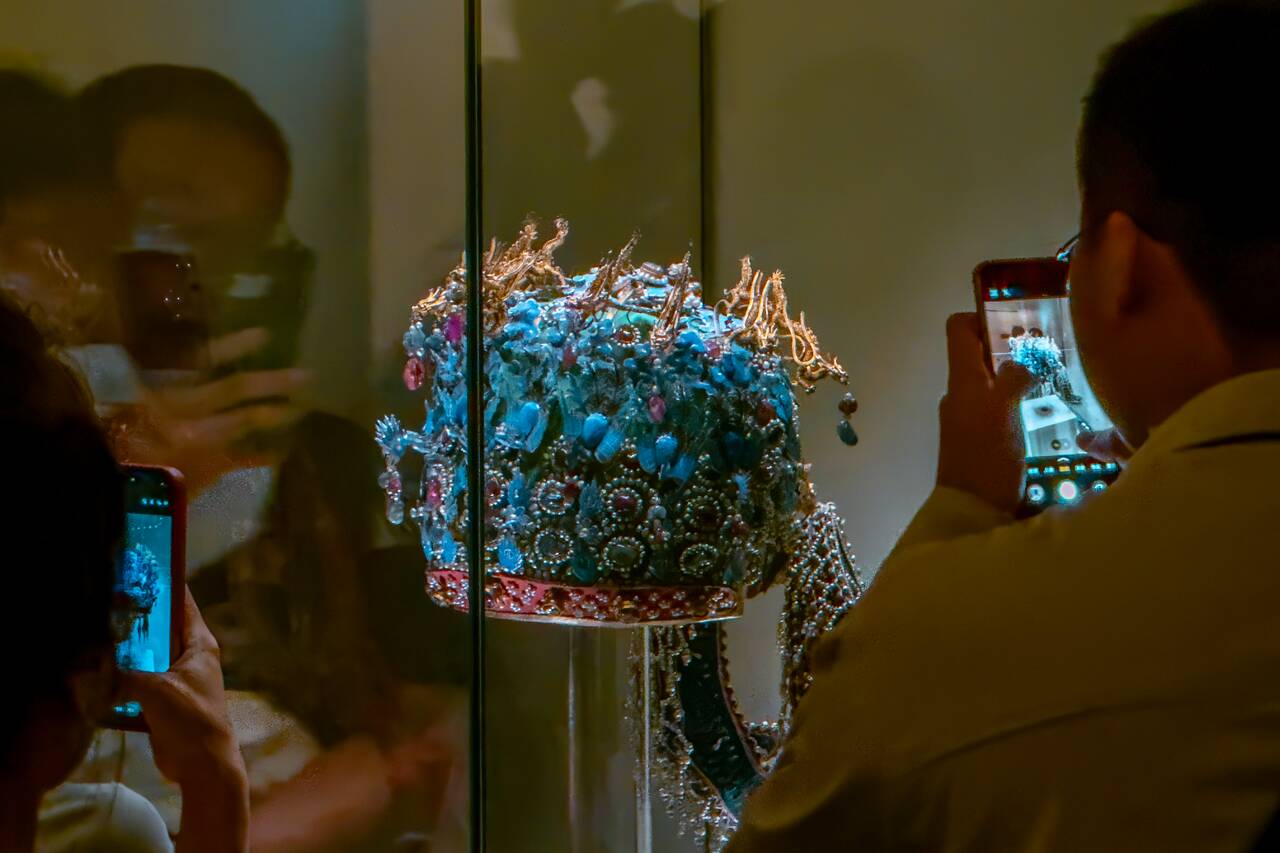
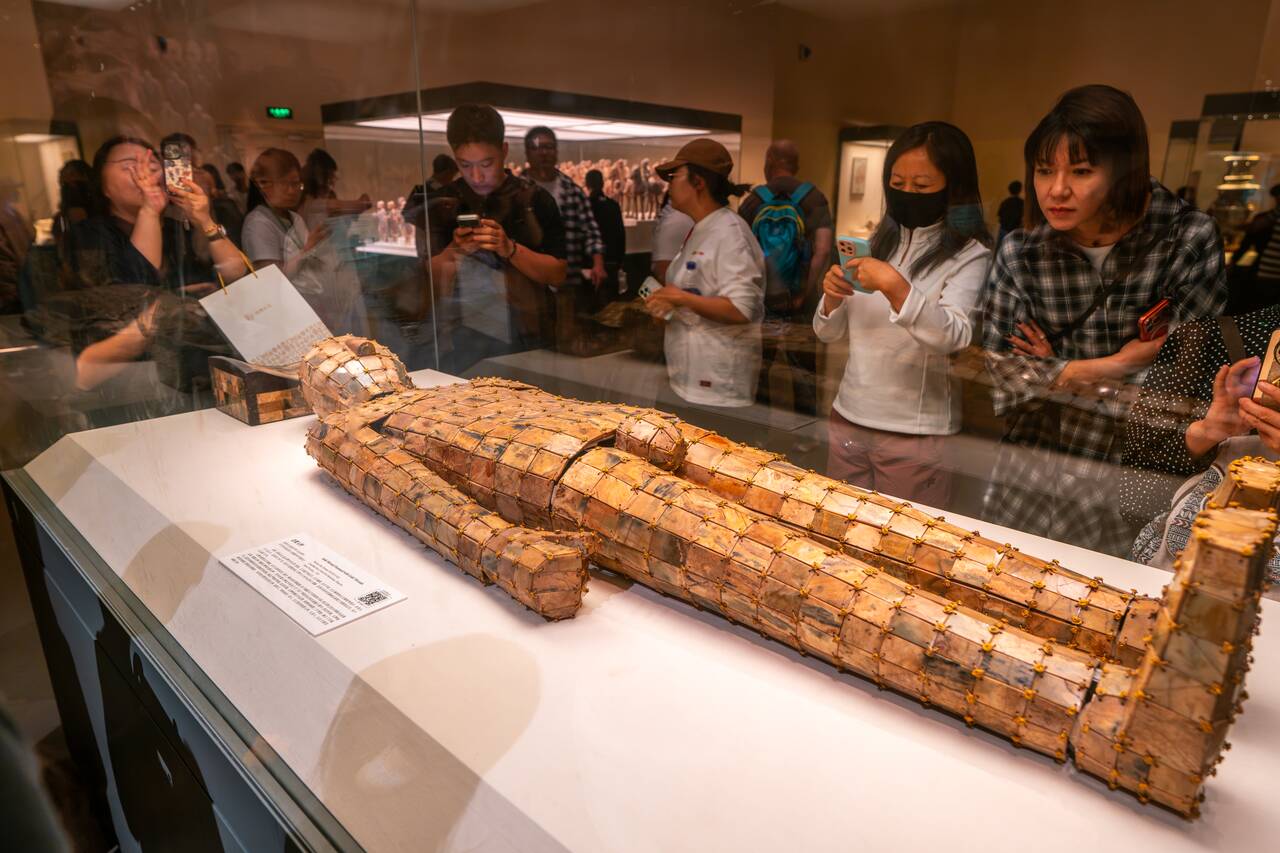
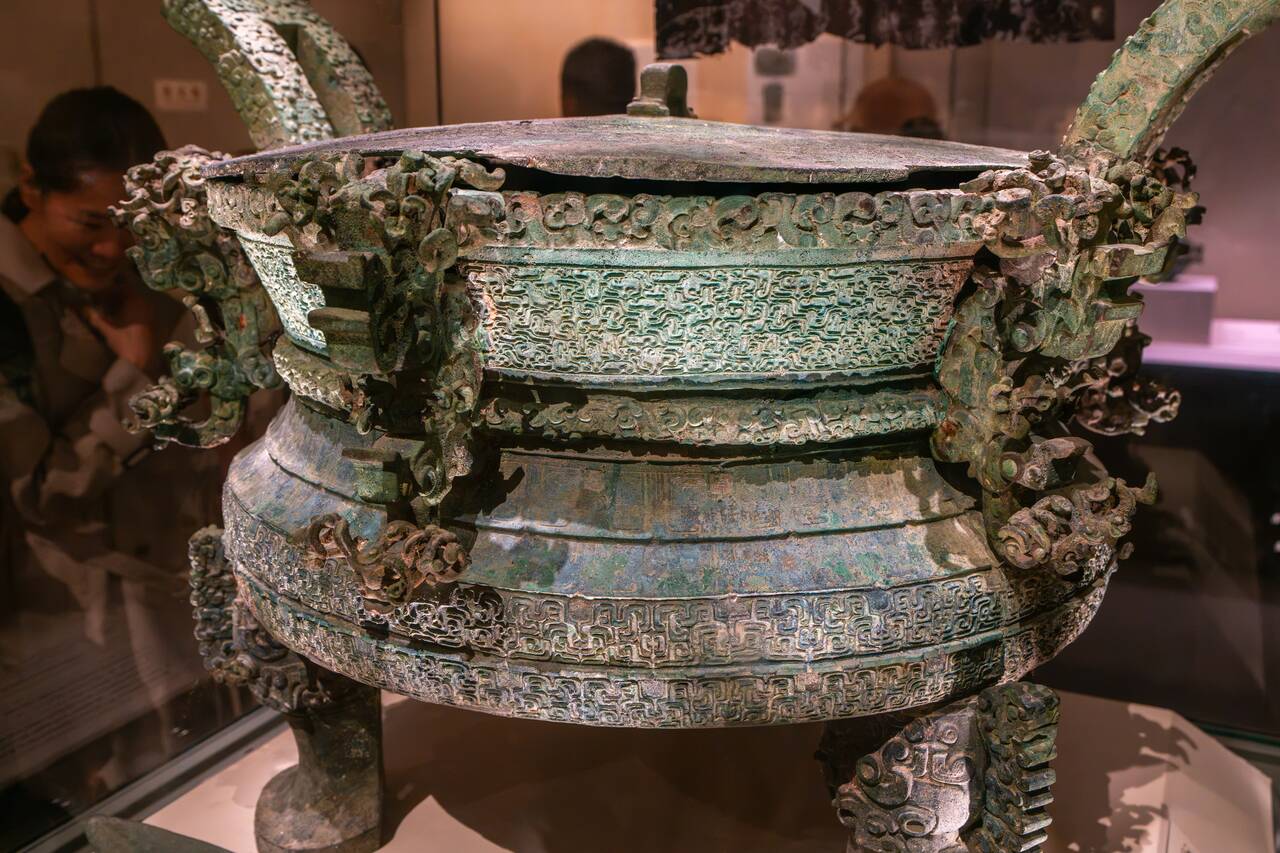
Inside, the permanent Ancient China exhibition on the basement level is a must-see. There are so many fascinating artifacts here, but one of my personal favorites was the stunning Nine-Dragon Nine-Phoenix Crown of Empress Xiaoduan. It was a sight to see. The exhibition is extensive and can be crowded at times, so do not rush it.

Another section I really enjoyed was the Science and Technology exhibition on the upper floor, with displays covering everything from early domestically produced aircraft to spaceflight. It was eye-opening to see how far China has come technologically, and at such breakneck speed. As an Asian myself, I couldn’t help but admire it with a mixture of envy and awe!
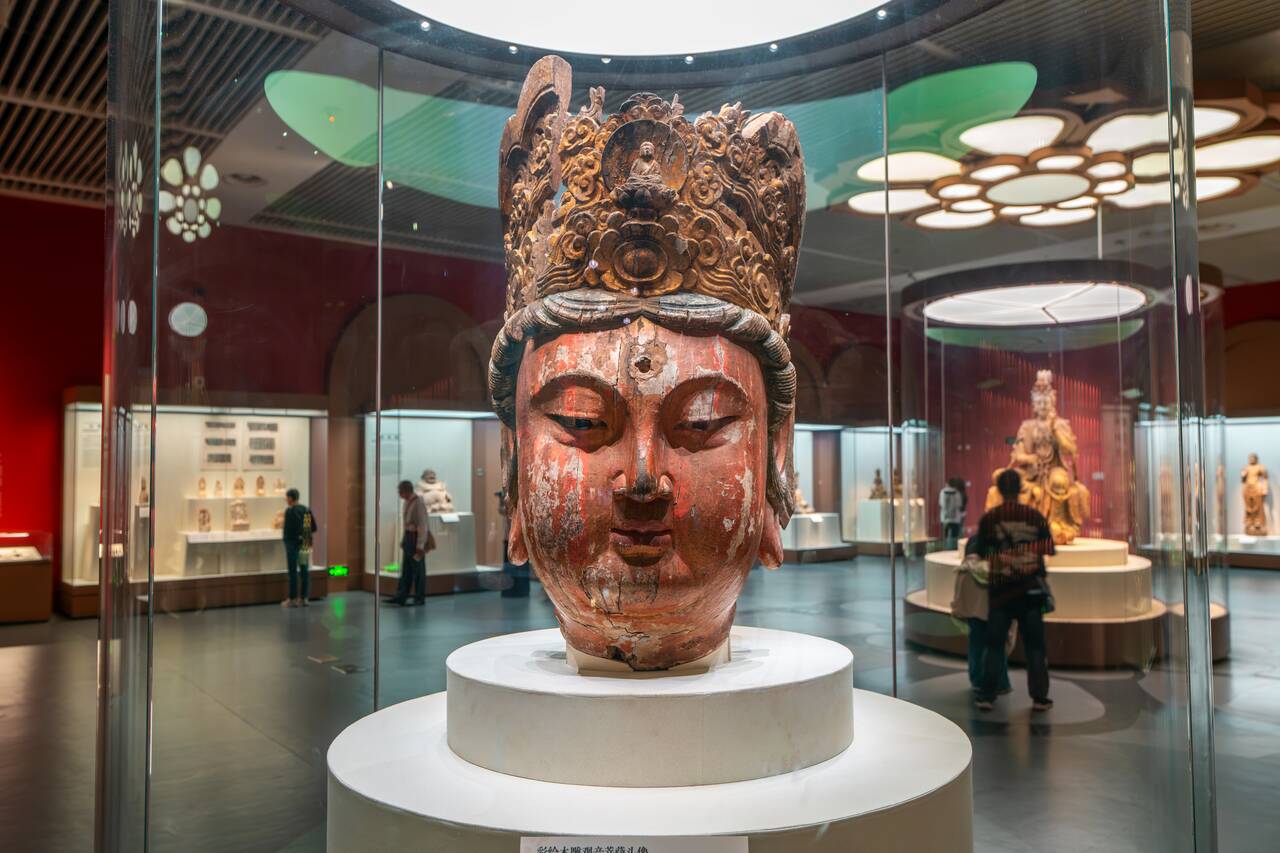
With four floors above ground and a basement level containing a mix of permanent and temporary exhibitions, this is a large museum with plenty to take in. I would allow at least 2 hours, and longer if you enjoy reading the displays, most of which also have English explanations.
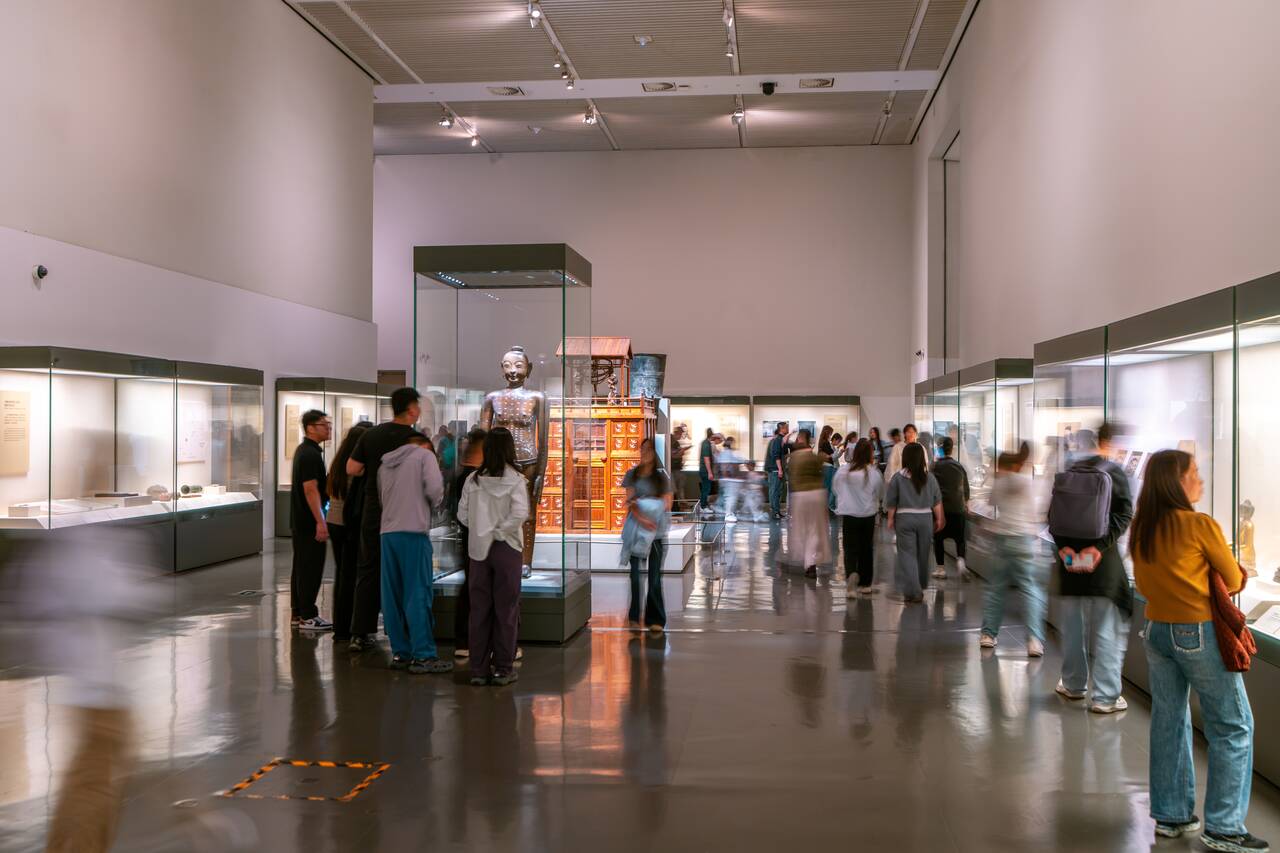
After my visit, I was able to continue to Tiananmen Square directly from the museum exit without making a separate square reservation. This made the two sights easy to combine, and I would set aside at least half a day to explore both without rushing.
6. See Tiananmen Square
- 📍 Location: Tiananmen Square [Map Link]
- 🕐 Opening Hours: 5 AM - 10 PM (vary by season)
- 💰 Entry Fees: Free
- ⚡ Pete's Take: "If you have a reservation for the National Museum, you do not need a reservation for this, as the museum exits right into the square. There is no need to book them separately."
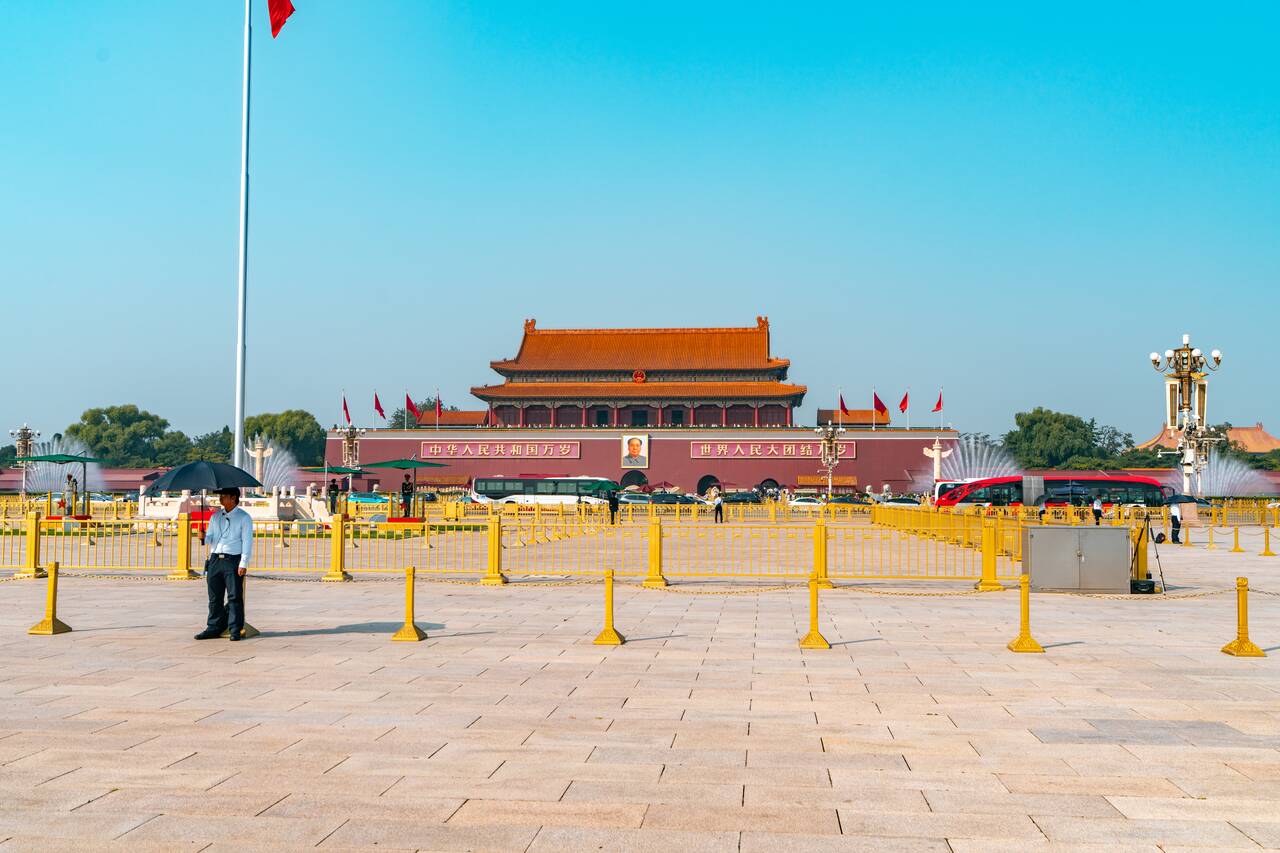
Tiananmen Square is another of Beijing’s most recognizable sights, and its enormous scale is something you really have to see for yourself to appreciate. To the north is Tiananmen Gate, with the famous portrait of Mao Zedong, while the National Museum of China and the Great Hall of the People flank the square on either side.
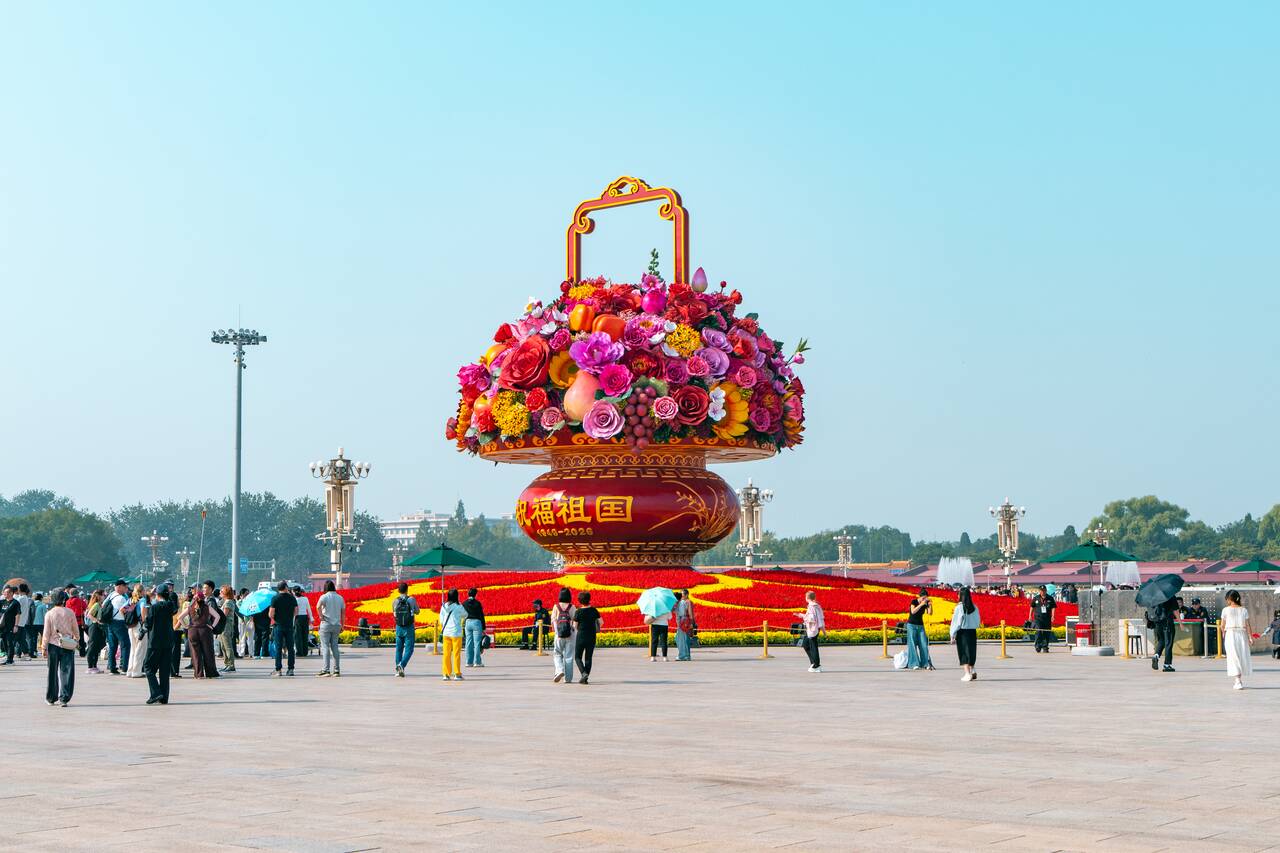
Unlike the palaces and museums, this is more of a place to walk around, take in the surroundings, and appreciate its historical significance. The square has been the setting for major events in modern Chinese history, including the founding of the People’s Republic in 1949 and the 1989 pro-democracy protests and subsequent military crackdown.
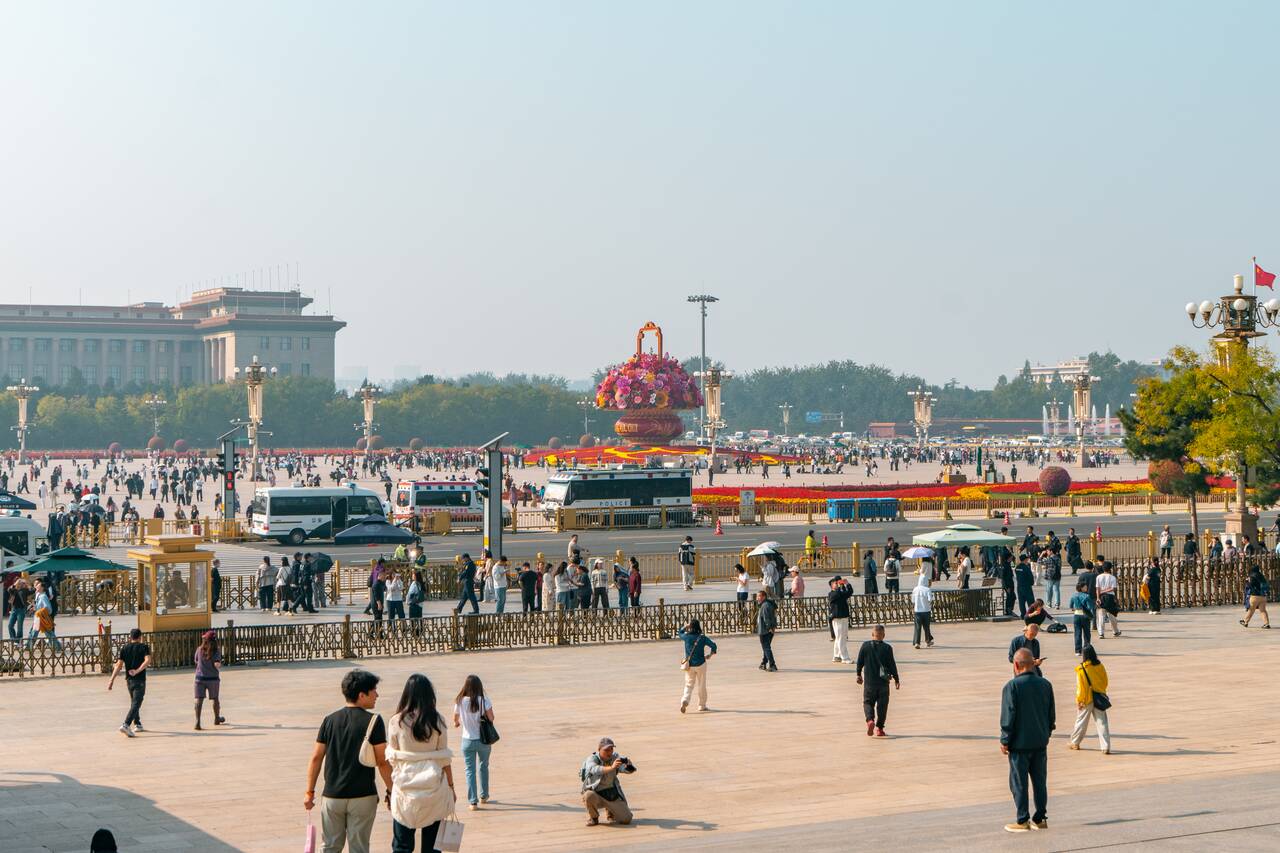
I visited after exploring the National Museum of China, which was very convenient as the museum exit led directly toward the square, and I didn’t need a separate reservation for Tiananmen Square. I highly recommend combining the two sights into one visit to simplify your planning as keeping track of all the reservations required around Beijing can get pretty hectic!
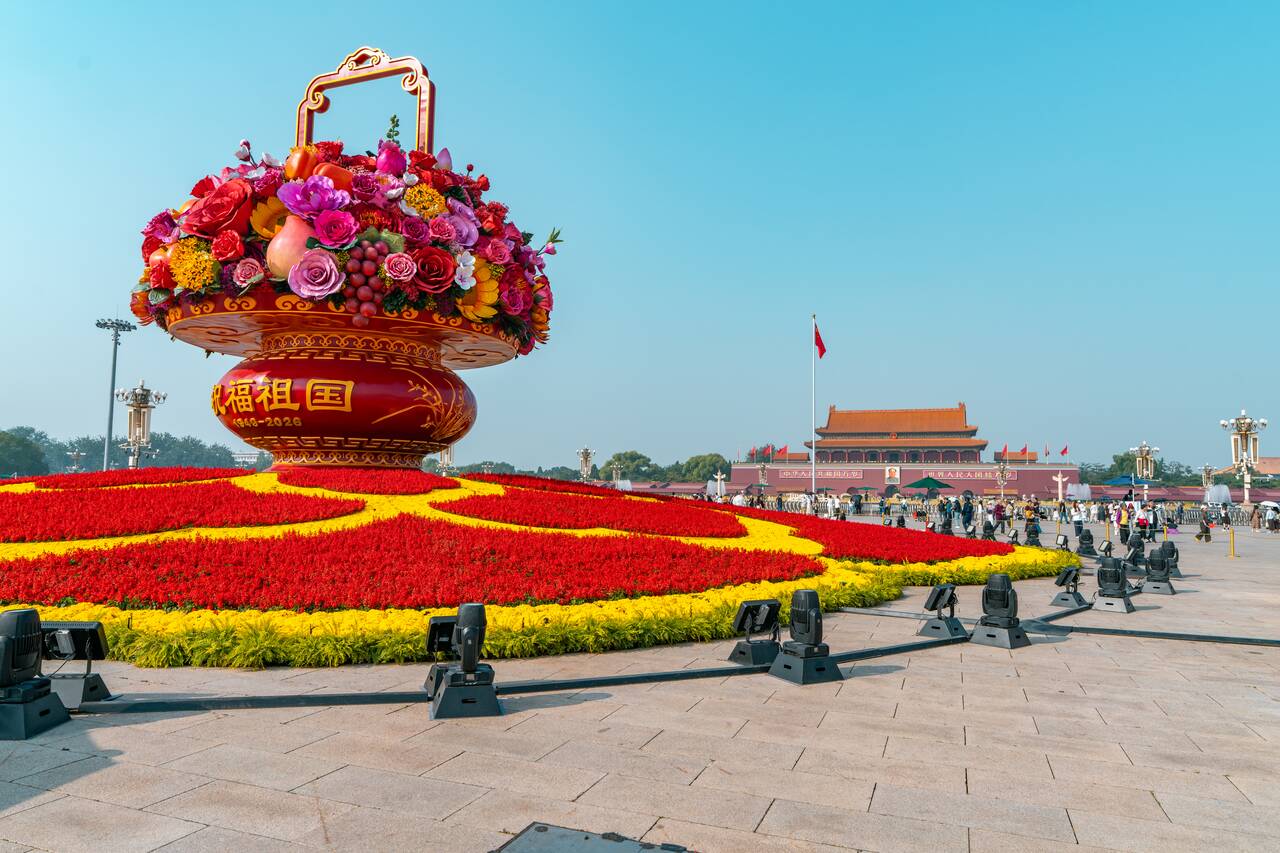
I would allow around 30 minutes for the square itself, on top of your museum visit. There is plenty of open space and little shade, so come prepared for the weather and expect a lot of walking!
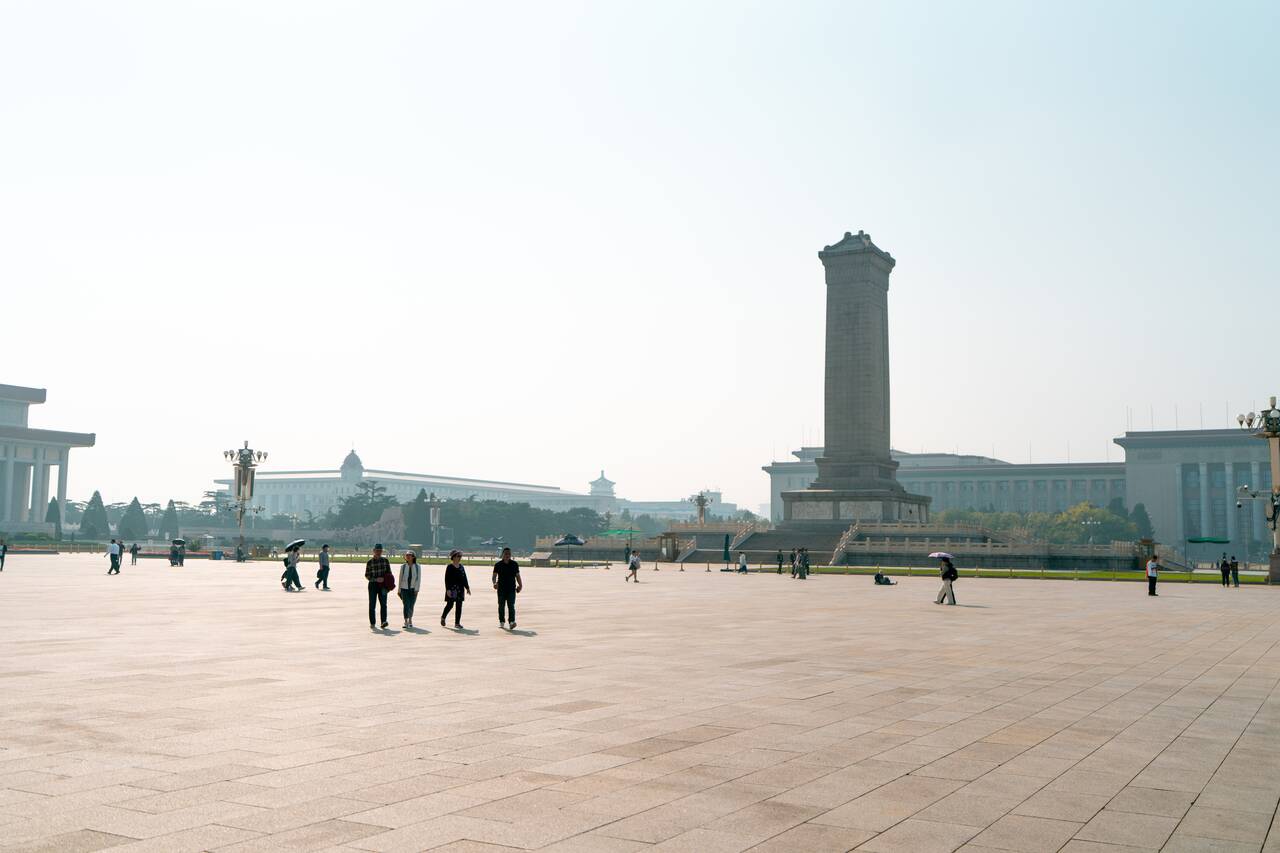
Tiananmen Square is open daily from 5 AM to 10 PM, and entry is free, although access arrangements can change during special events and holidays. If you are visiting independently, reserve your visit 1 to 7 days in advance through the official reservation platform and bring your passport for the security checks.
7. Walk Along Qianmen Street
- 📍 Location: Qianmen Street [Map Link]
- ⚡ Pete's Take: "There are lots of lovely cafes and restaurants here where you can enjoy a meal. Drop by for lunch or dinner in between your explorations."
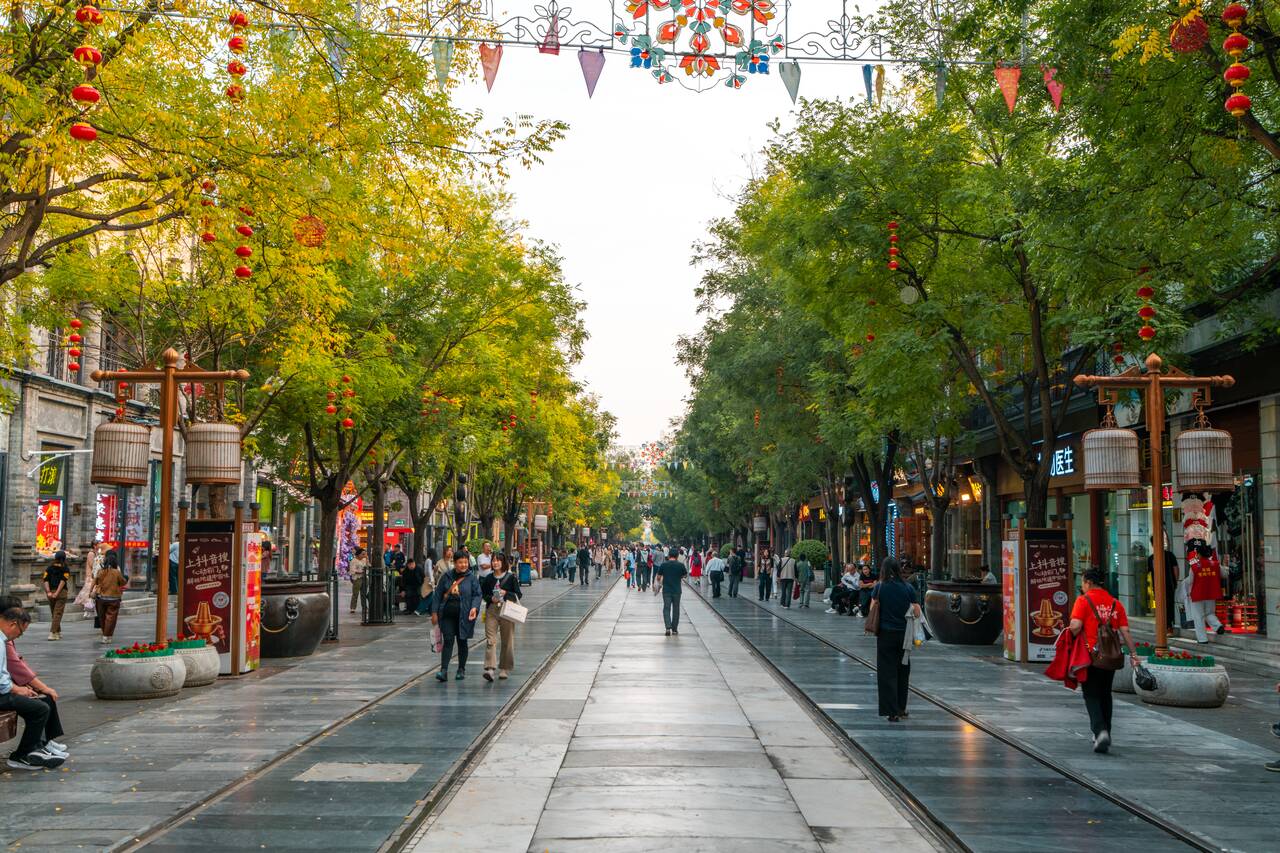
If you are looking for somewhere to take a break from sightseeing around Beijing’s palaces and museums, head to Qianmen Street, a lovely pedestrian area full of shops and cafés waiting for you to explore. I particularly enjoyed exploring the shaded side streets, which was a much needed change of pace after all the walking around the city’s enormous attractions.
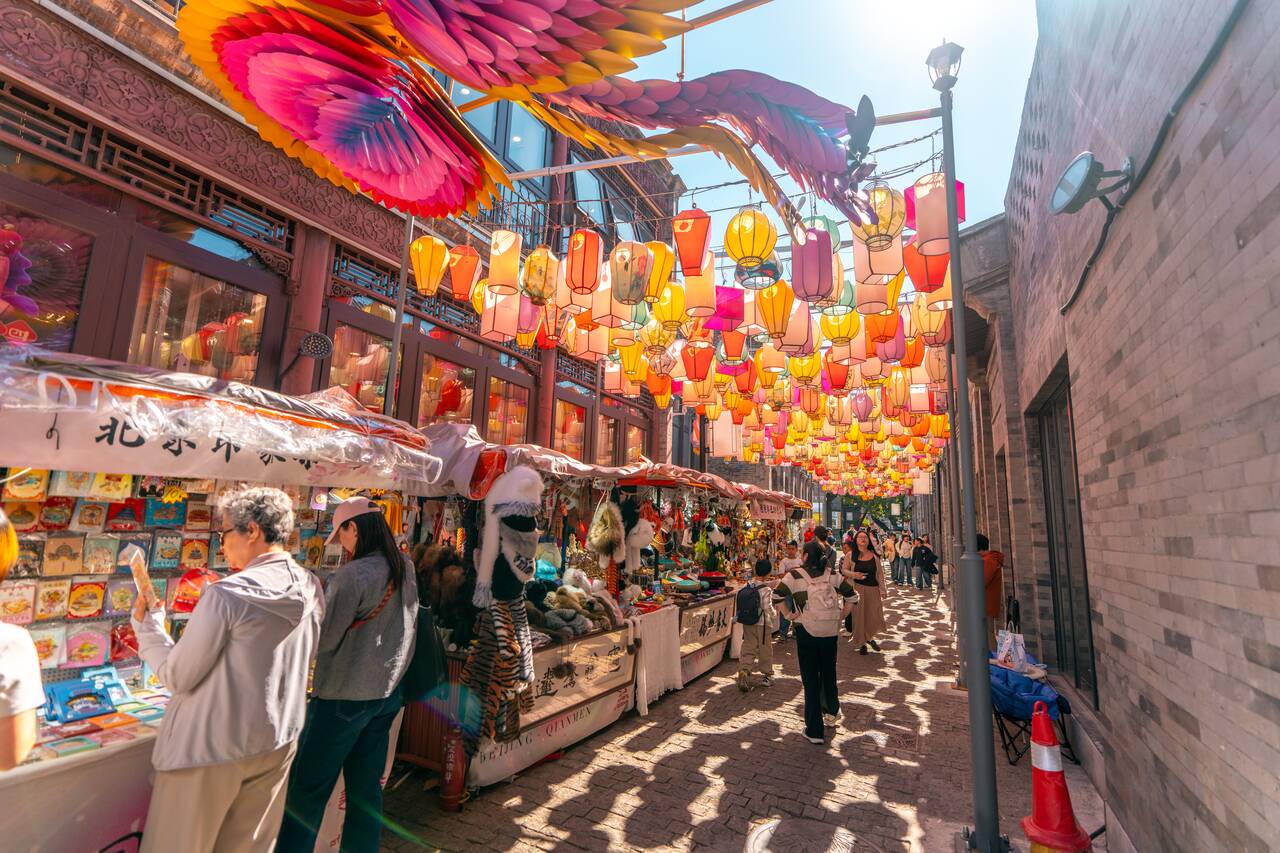
For a coffee break, stop by Yutianchuan Coffee and grab a nice refreshing cold brew and spend time relaxing before continuing to explore the area and enjoy the lively vibe here.
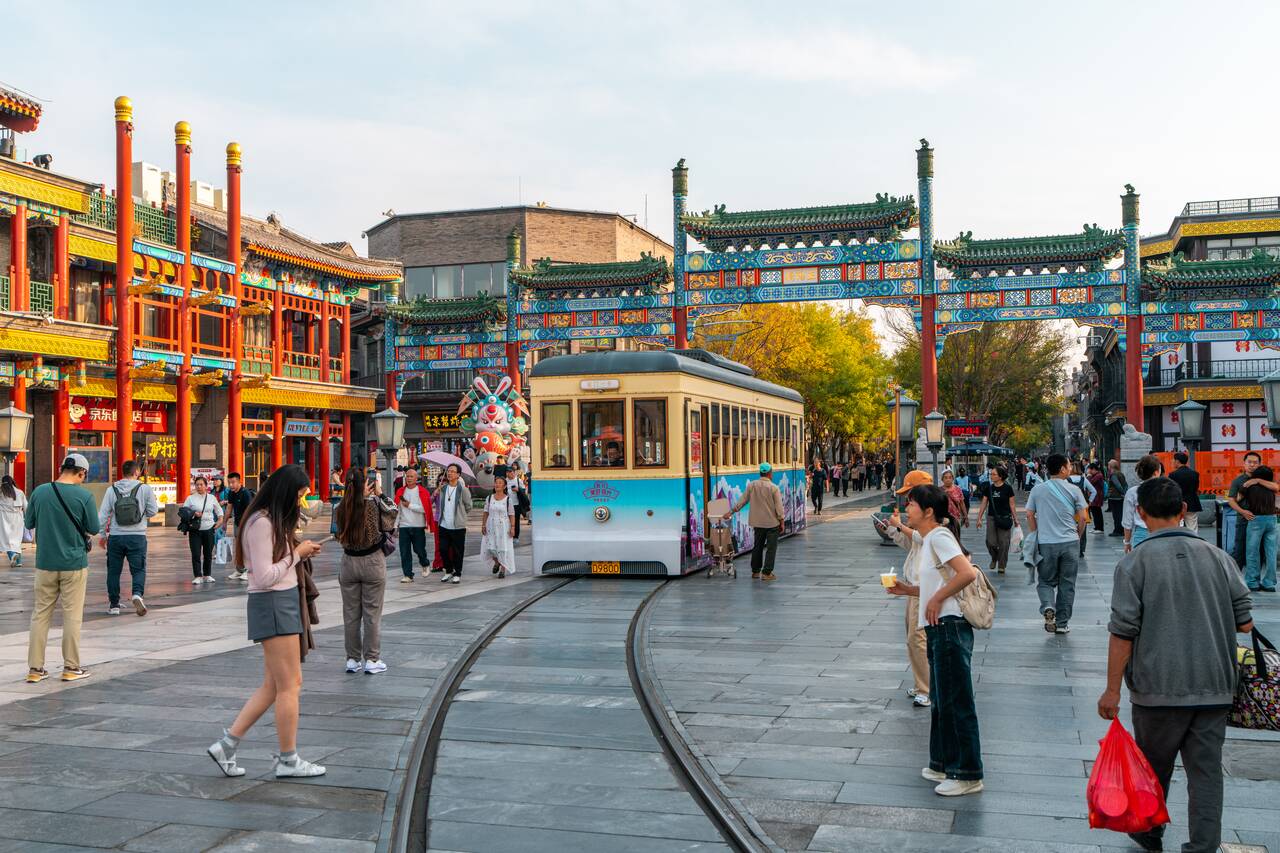
The main pedestrian street, stretching south from Zhengyangmen Arrow Tower, is also lined with restaurants, which makes for a great place to stop by for lunch or dinner. There is even a tram that travels slowly along the street, giving you a chance to enjoy the surroundings without having to wade through the crowds.
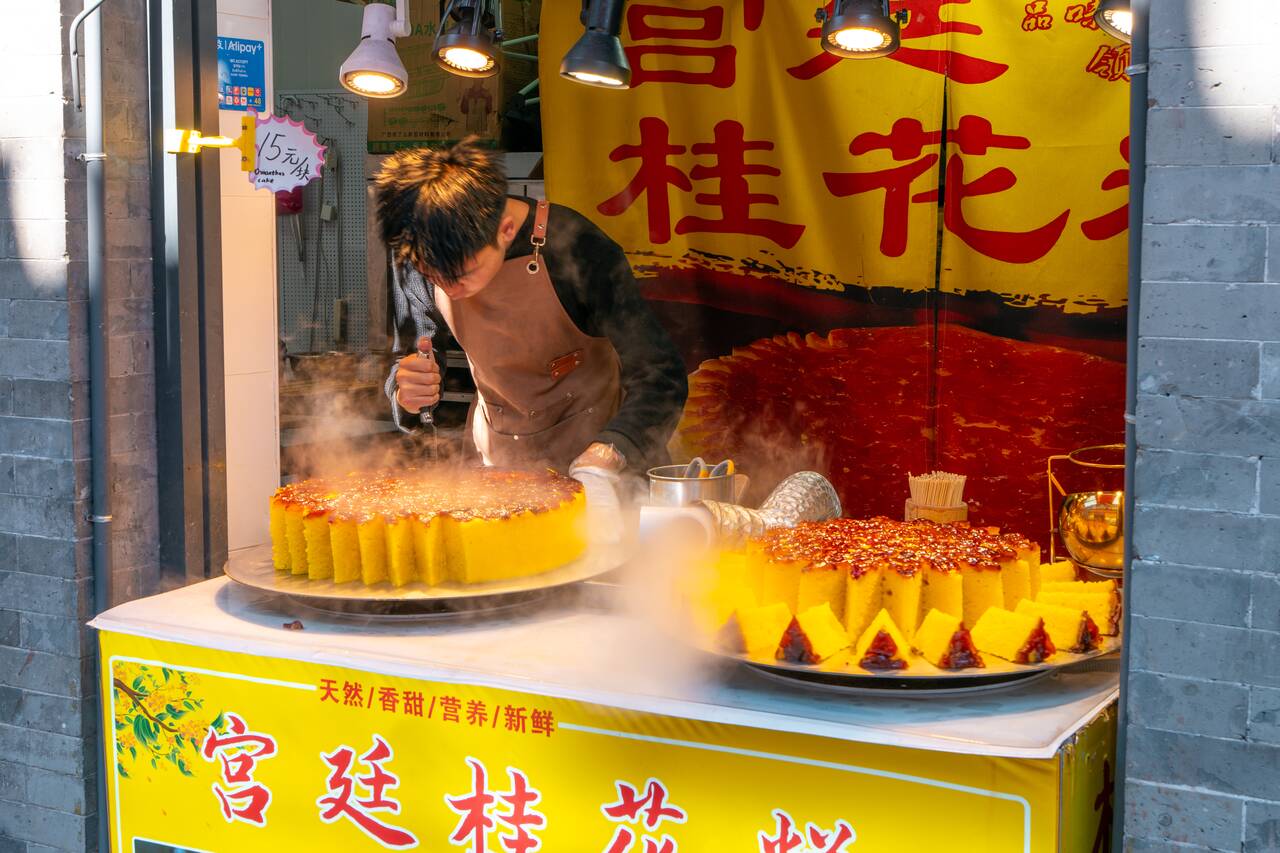
With the National Museum nearby and the Mutianyu tourist buses departing from the Qianmen area, you can easily fit a visit around your museum trip or grab dinner here after returning from the Great Wall.
8. Explore Wangfujing Pedestrian Street
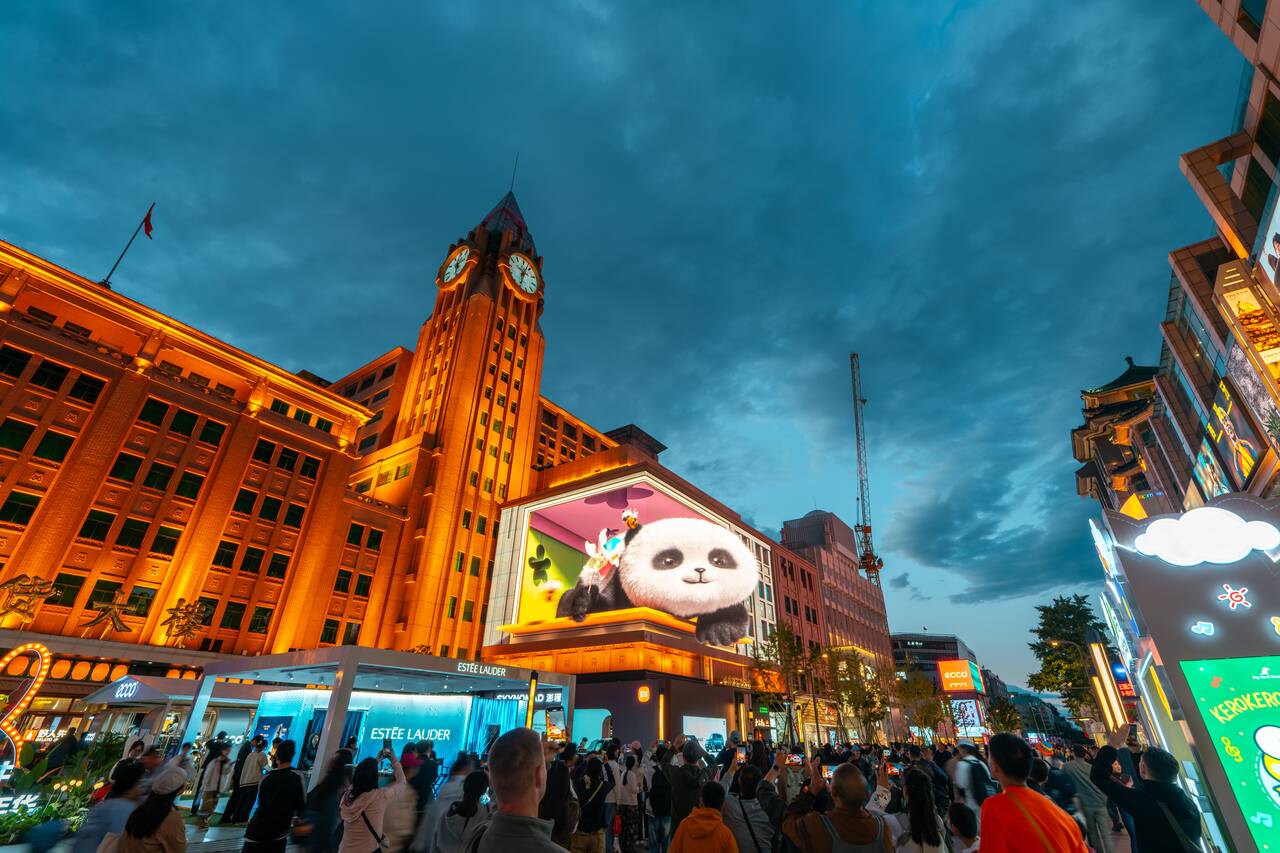
- 📍 Location: Wangfujing Pedestrian Street [Map Link]
- ⚡ Pete's Take: "I highly recommend visiting this street at night; it's much livelier than during the day."
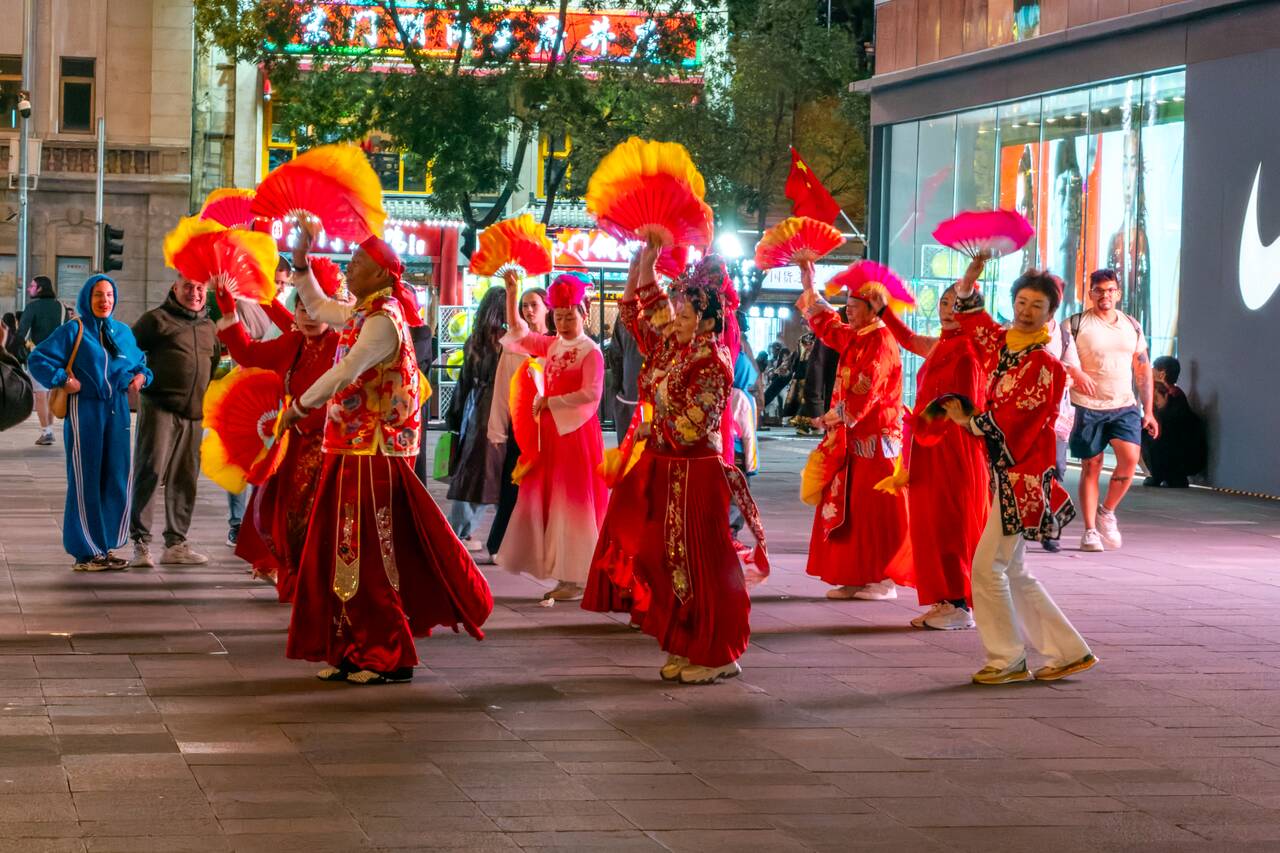
Wangfujing Pedestrian Street is another fun pedestrian area to explore in Beijing, especially in the evening when the lights come on and the street fills with people. The illuminated storefronts and lively crowds give it a completely different feel from Beijing’s historic sights, almost as if you have stepped into another city. I loved it!

Personally, I would save this one for after dark, as I found it much livelier than during the day. Come for a stroll and stop at whichever shops catch your eye. The atmosphere is the main draw here, so you don’t need a detailed plan, just leave yourself some time to wander and take it all in!
9. Explore the Summer Palace

- 📍 Location: Summer Palace [Map Link]
- 🕐 Opening Hours: 6 AM - 8 PM (vary by season)
- 💰 Entry Fees: 30-20 CNY (~5-3 USD)
- ⚡ Pete's Take: "You do not have to book for this one. Just make sure you are ready to walk a ton, as attractions are spread out here."
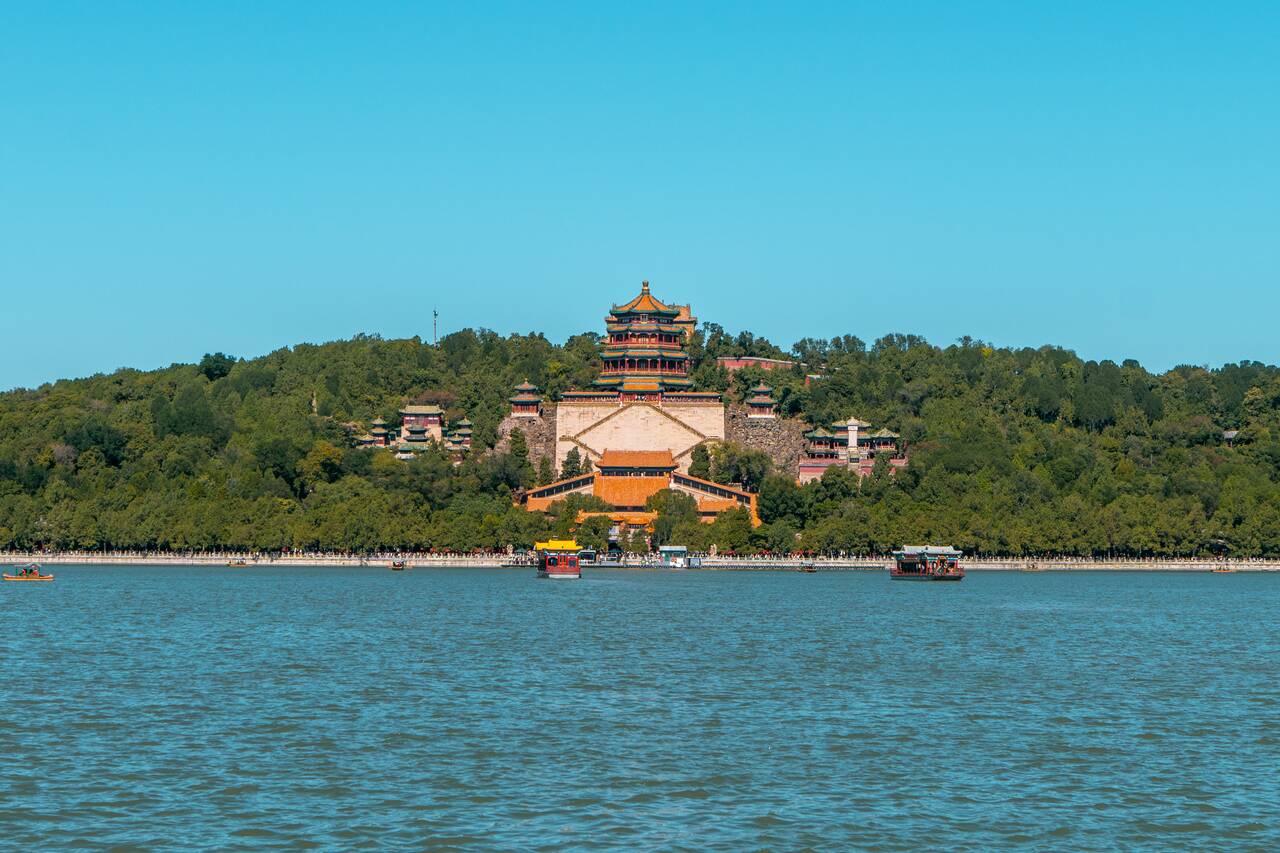
Summer Palace is a sprawling imperial palace located a bit outside of the city, where you will find gardens, covered walkways, and beautiful ornate buildings stretch around Kunming Lake set against the backdrop of Longevity Hill. Despite its name, this is far more than a single palace you can pop into for a quick look. Think of it as an entire landscape to explore!
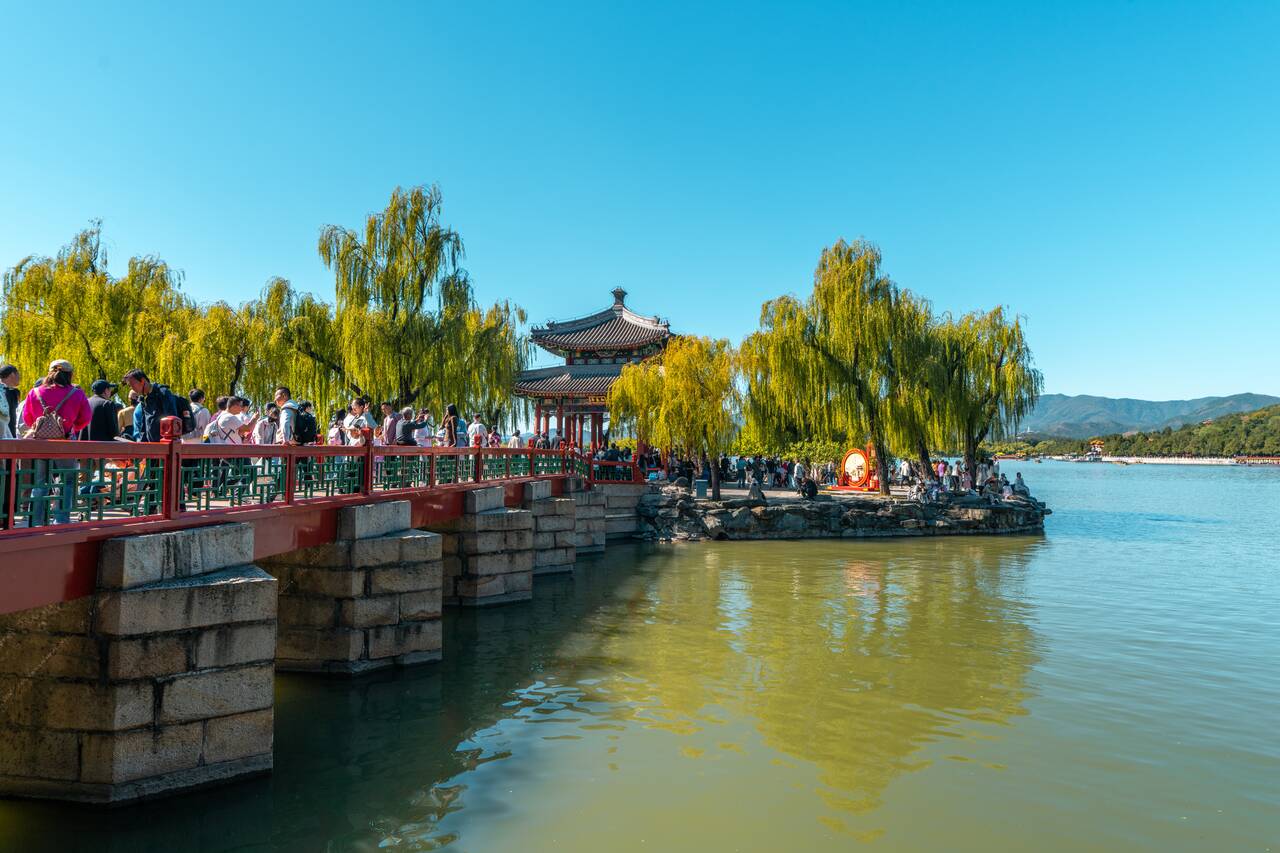
The grounds cover roughly 3 square kilometers, much of which is water, but don’t let that fool you into underestimating the walking involved. The Summer Palace felt almost as crowded as the Forbidden City during my visit, but with narrow paths hugging the lake, getting around was much more of a headache. I visited toward the end of Golden Week, and it was absolute mayhem!
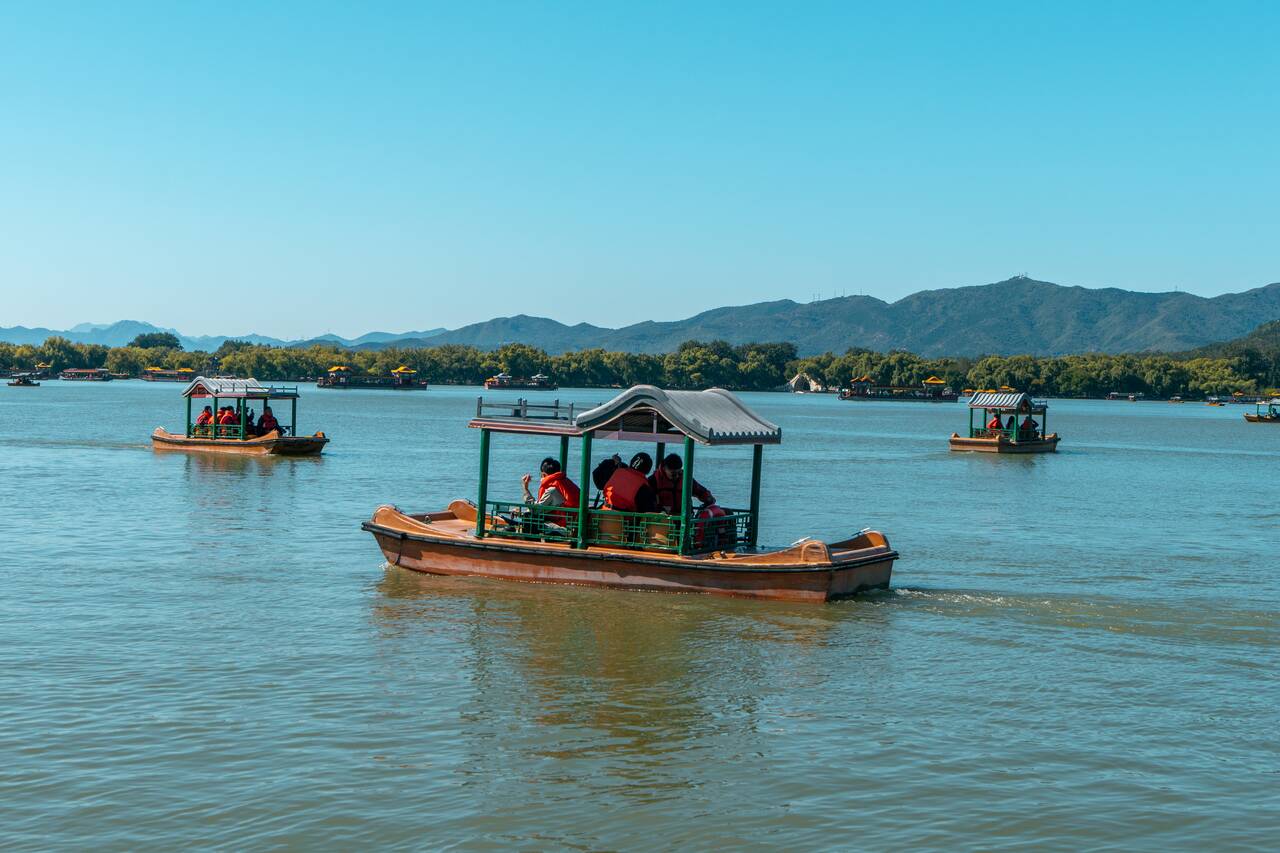
The main sights are spread out, and some involve climbing quite a few stairs, so getting between them can quickly eat into your time. Allow at least 3 to 4 hours to explore the highlights without rushing, especially on a busy day.
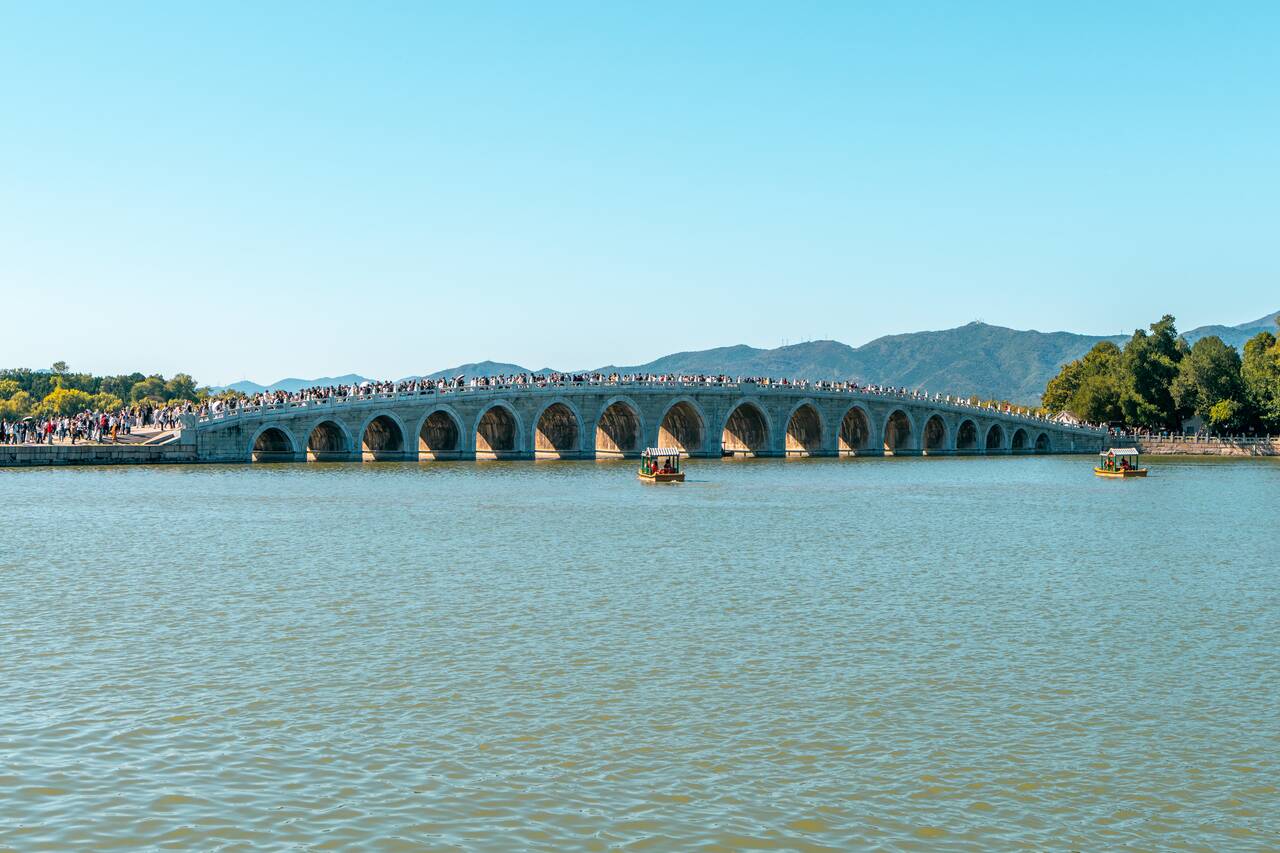
For a first visit, I would focus on strolling along the lake and check out Xiuyi Bridge and go up the Tower of Buddhist Incense for a great view of the lake. You don’t need to walk around the entire lake to appreciate the place.
The grounds are open from 6 AM to 8 PM from April to October, with last entry at 7 PM, and 6:30 AM to 7 PM from November to March, with last entry at 6 PM. The entry fee is 30 CNY during peak season and 20 CNY during low season. The combined ticket costs 60 CNY and 50 CNY respectively. You do not have to book this ticket in advance. You can either buy it from the gate or get it online from here.
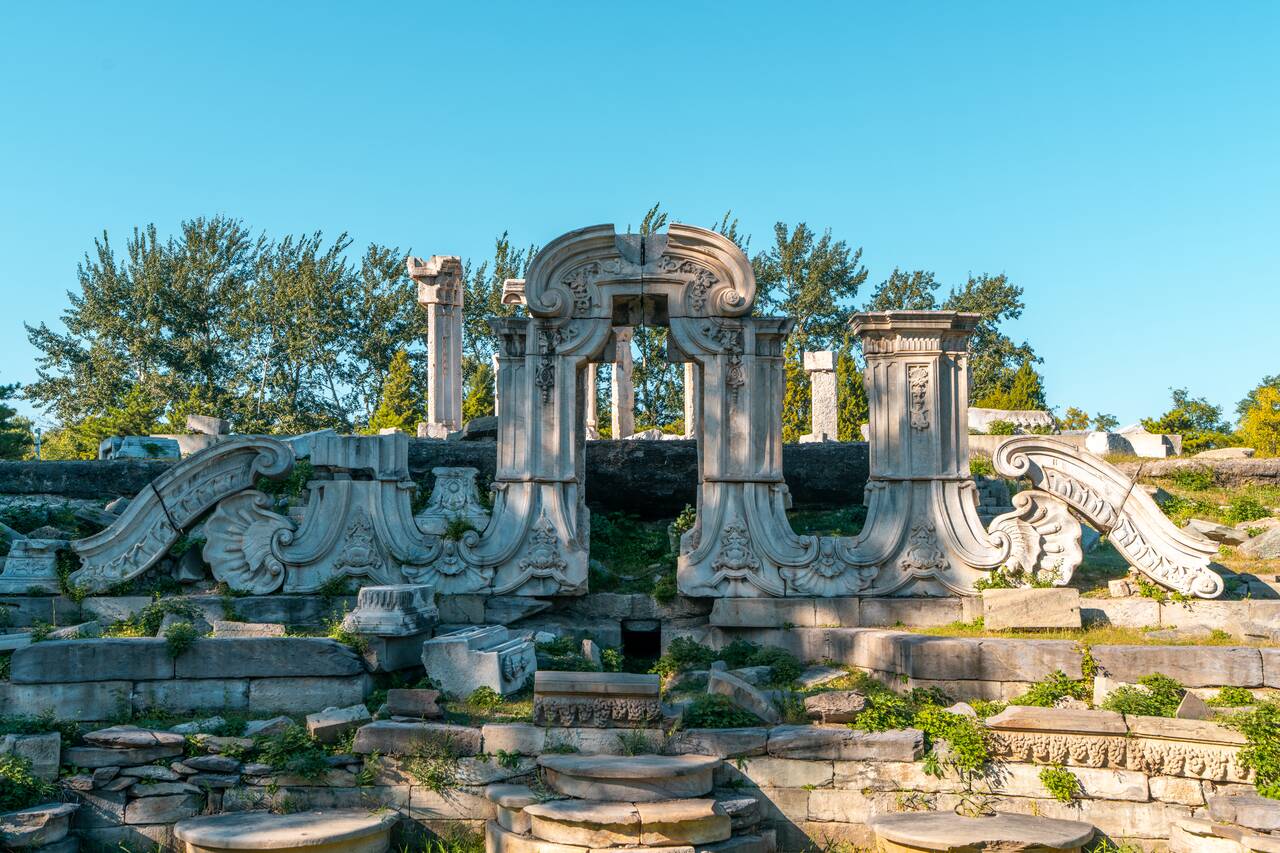
10. Explore Yuanmingyuan Park and the Xiyanglou Ruins
- 📍 Location: Yuanmingyuan Park [Map Link]
- 🕐 Opening Hours: 7 AM - 7 PM (vary by season)
- 💰 Entry Fees: 25 CNY (~4 USD)
- ⚡ Pete's Take: "If you mainly want to see Dashuifa, take a DiDi to the Changchunyuan East Gate instead of entering from the Summer Palace side as I did, as it is a long walk to get to the ruins!"
Yuanmingyuan Park, also known as the Old Summer Palace, was once an enormous complex of imperial gardens and palaces. It was looted and burned by British and French troops in 1860, and today, its gardens and surviving ruins offer a striking contrast to the restored grandeur of the nearby Summer Palace. Preserved as a reminder of that destruction, the ruins sure make this a particularly poignant place to visit.
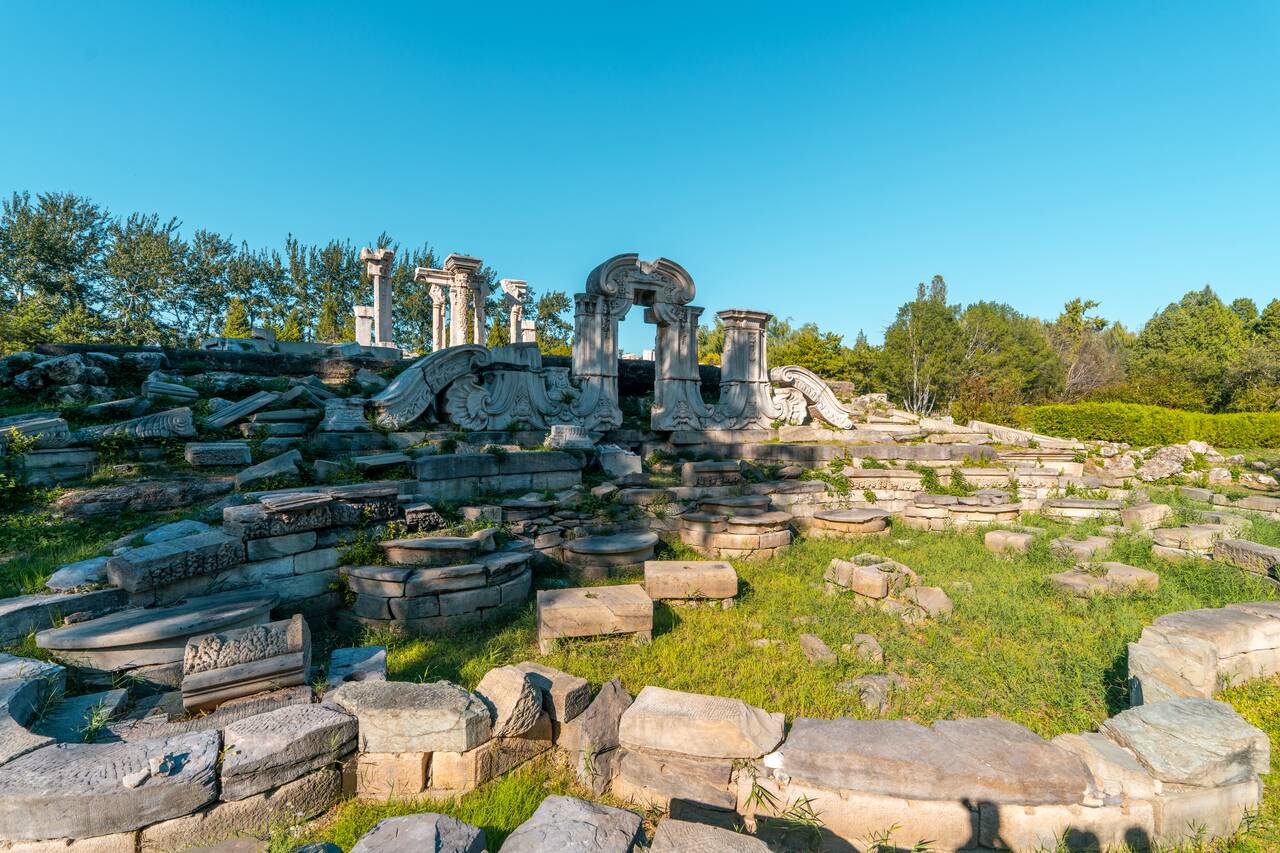
The most famous landmark here is Dashuifa, or the Great Fountain, with its iconic stone arches and columns that you have probably seen in photos of Beijing all over the internet. Despite being shown as in Yuanmingyuan Park, the ruins are actually in a separately ticketed section of the park called Xiyanglou located on the northeast corner of the park.
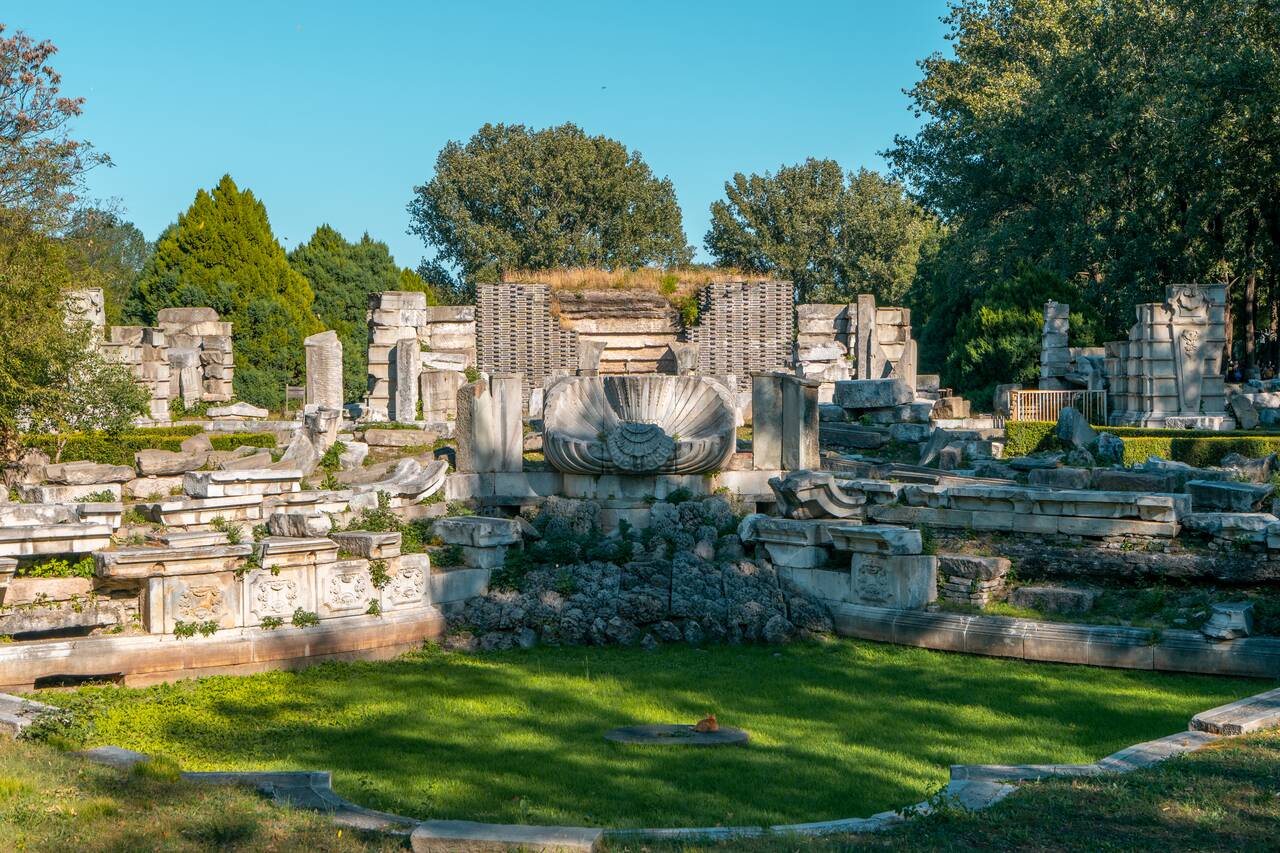
What’s awesome about these ruins is that their European-style architecture makes them look almost like Roman ruins, which is what sparked my interest in the first place. So I made it my mission to find them on this trip. It looked simple enough on the map, but as is often the case when traveling, nothing is quite as simple as it seems 😅.
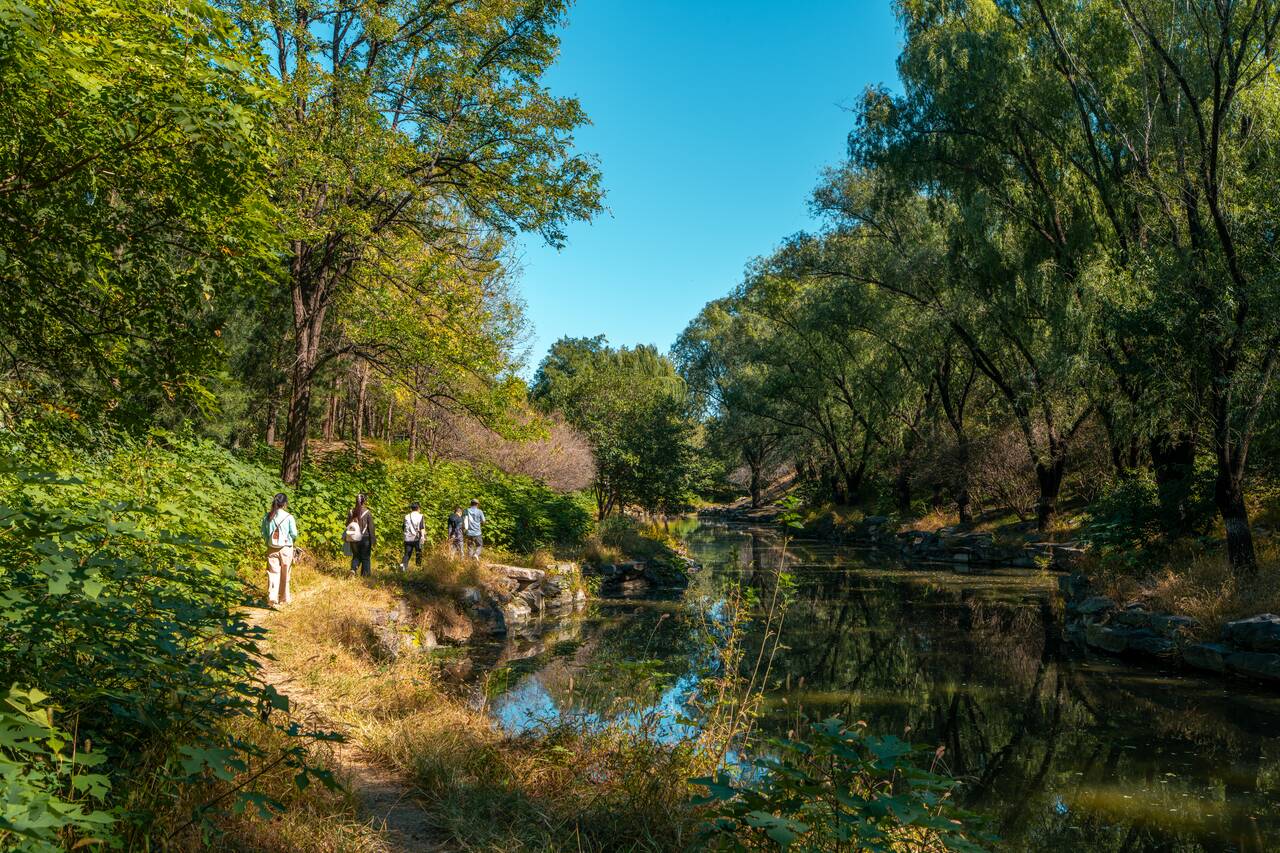
Now, don’t make the same mistake I did: this park is massive, and choosing the wrong entrance can leave you a long way from the ruins! I entered from the southwest side after visiting the Summer Palace, assuming they would be somewhere nearby. Instead, I spent hours wandering around Yuanmingyuan Park before realizing they were in the Xiyanglou section, all the way over in the northeastern corner. By the time I finally reached them, almost half a day had gone by!
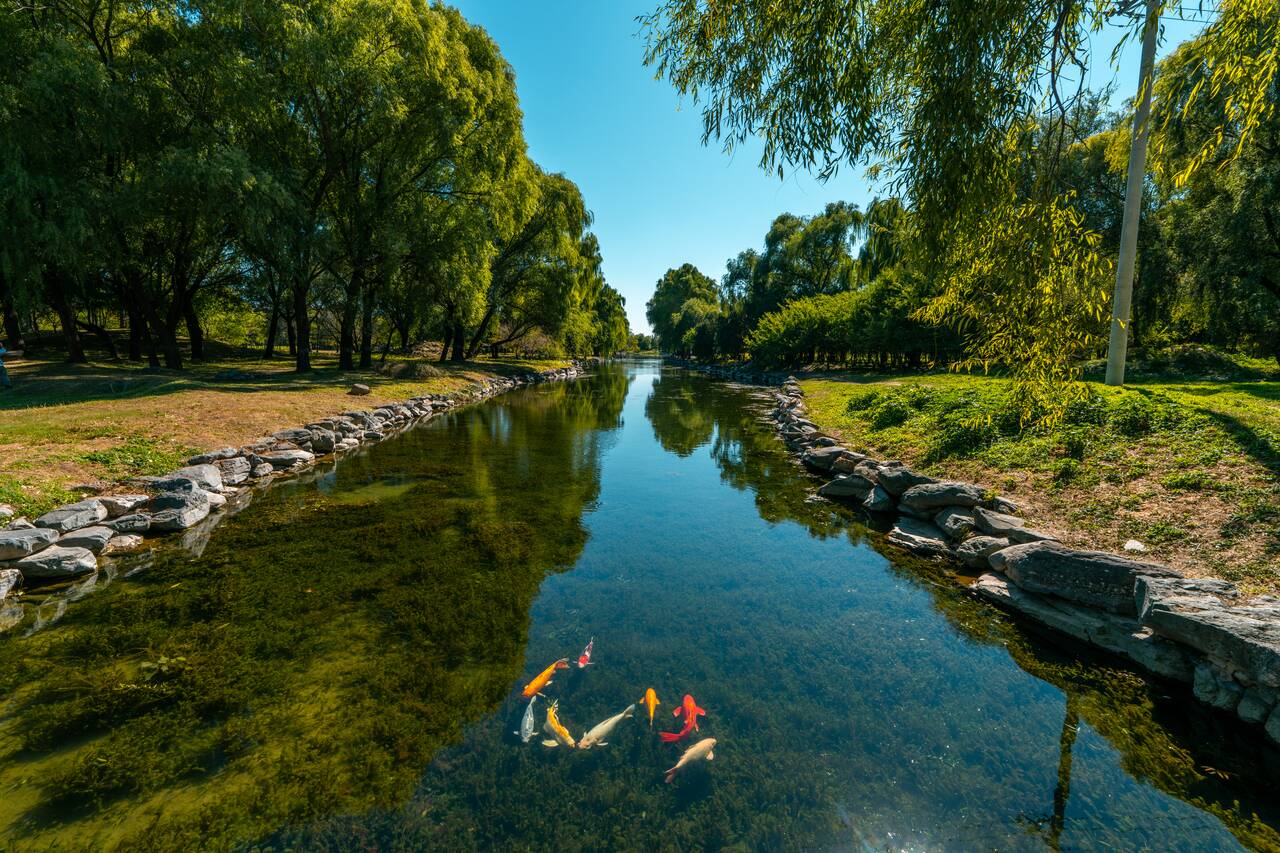
Don’t get me wrong, the park itself was lovely, with plenty of walking paths, greenery, and peaceful corners to explore. In fact, I found it much quieter and more relaxing than Xiyanglou itself. But if your main goal is to see the ruins, I would take a DiDi to the Changchunyuan East Gate and walk to Xiyanglou from there, rather than entering from the Summer Palace side.
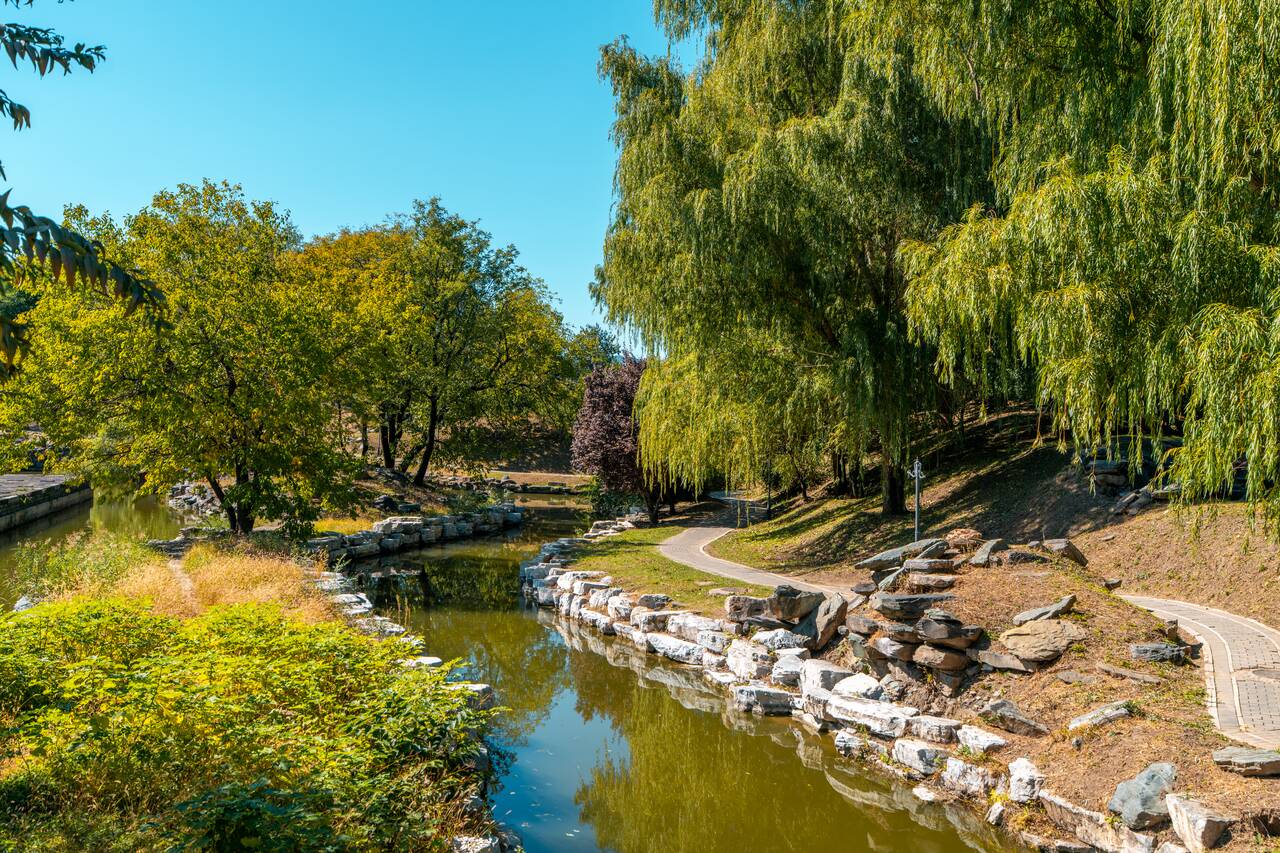
Between exploring the Summer Palace and wandering around here trying to find them, I clocked over 25,000 steps that day 😅. You can combine the two parks, but choose your entrances carefully and expect a lot of walking!
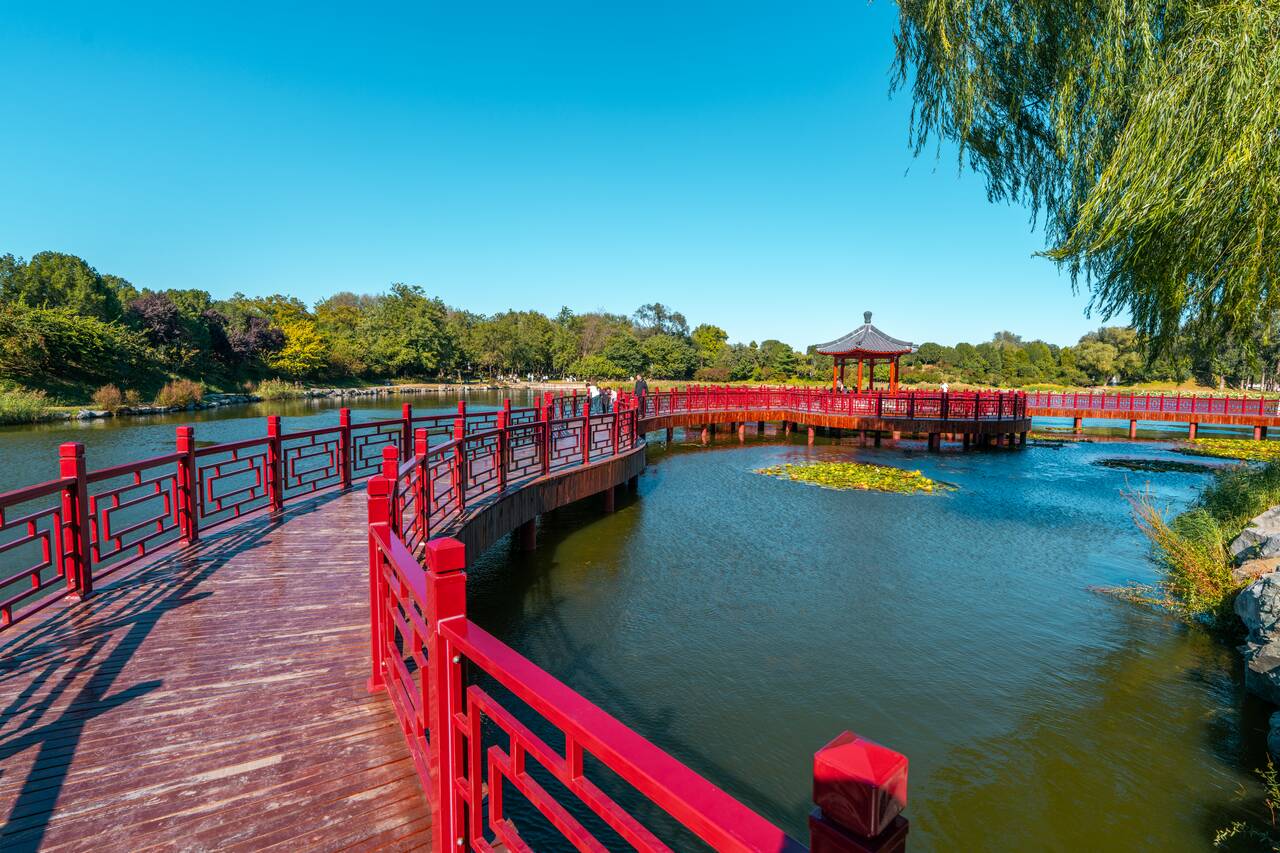
The park’s opening hours are 7 AM to 7 PM from April to October, with the grounds closing at 9 PM, and 7 AM to 5:30 PM from November to March, with the grounds closing at 7:30 PM. Arrive well before the ticketing cutoff if you want time to explore the ruins rather than just the gardens.
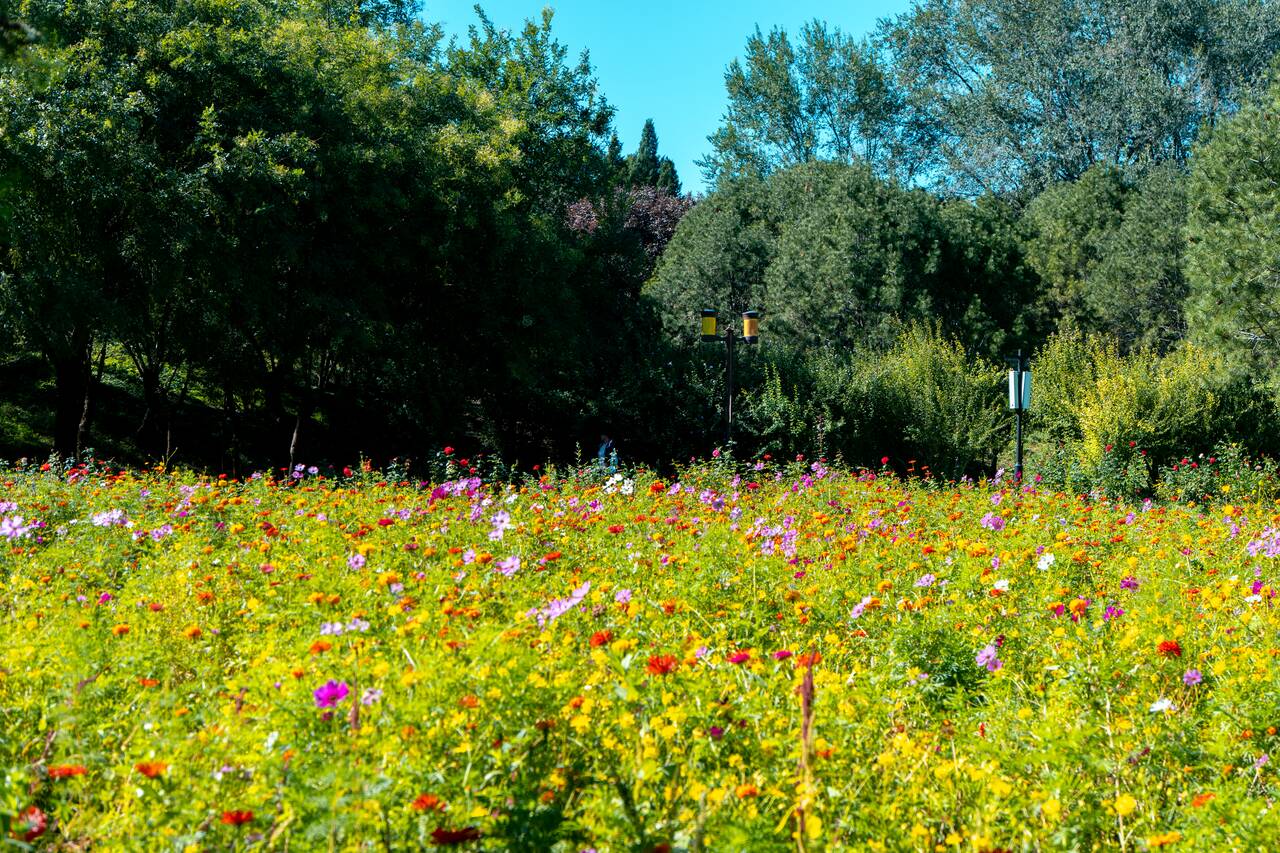
The park's entry fee is 10 CNY, while access to the Xiyanglou ruins costs an additional 15 CNY. If you want to see both, you can buy the 25 CNY combined ticket instead, both of which can be purchased on arrival without an advance reservation.
11. Wander Around Shichahai
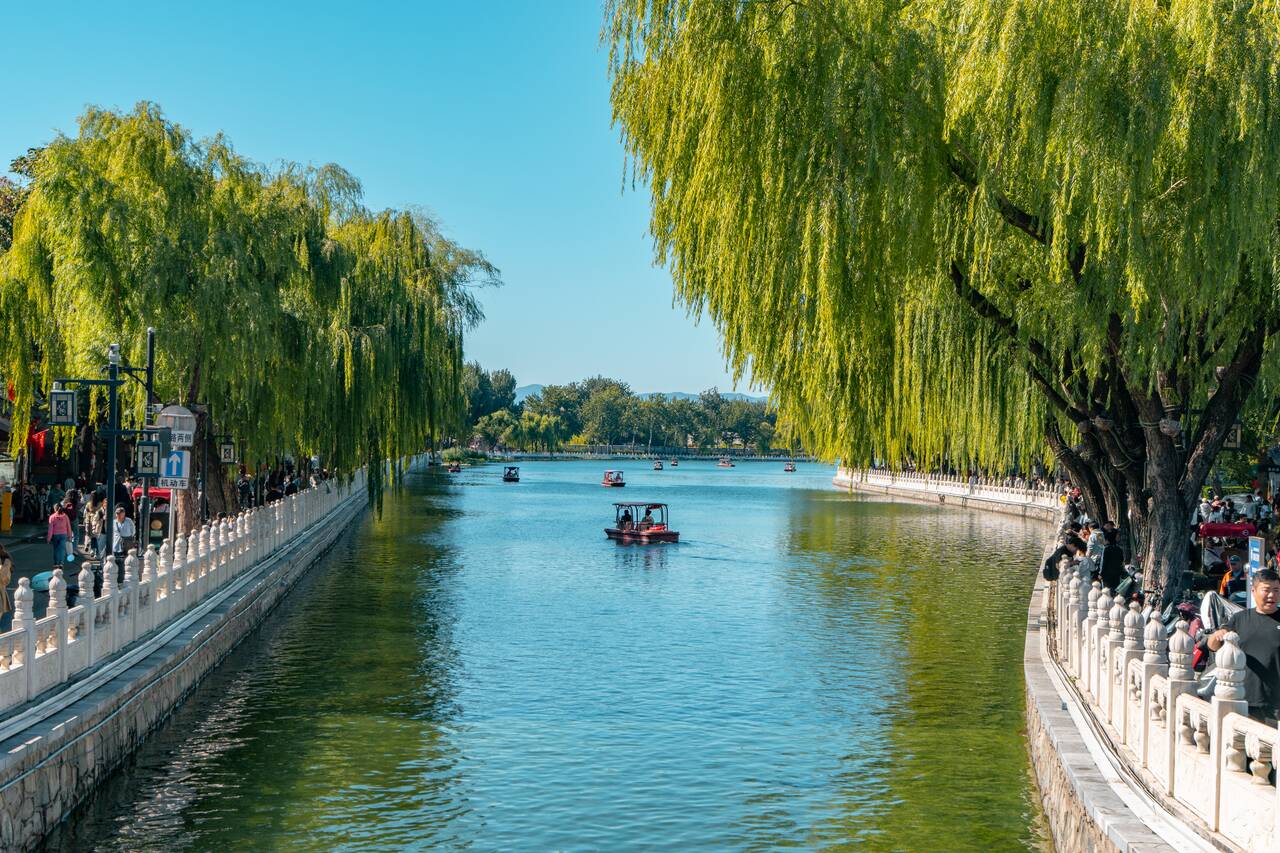
- 📍 Location: Shichahai [Map Link]
- ⚡ Pete's Take: "This is a great spot to check out if you want to slow down a bit and enjoy the lakeside vibe."
Shichahai is a lovely lakeside area dotted with restaurants and cafés, where you can come and enjoy a nice stroll around the lake and admire the beautiful view surrounding it. It's not a must-see, but if you some time to spare, it's a great place to take a break from all the historical sights in the city,
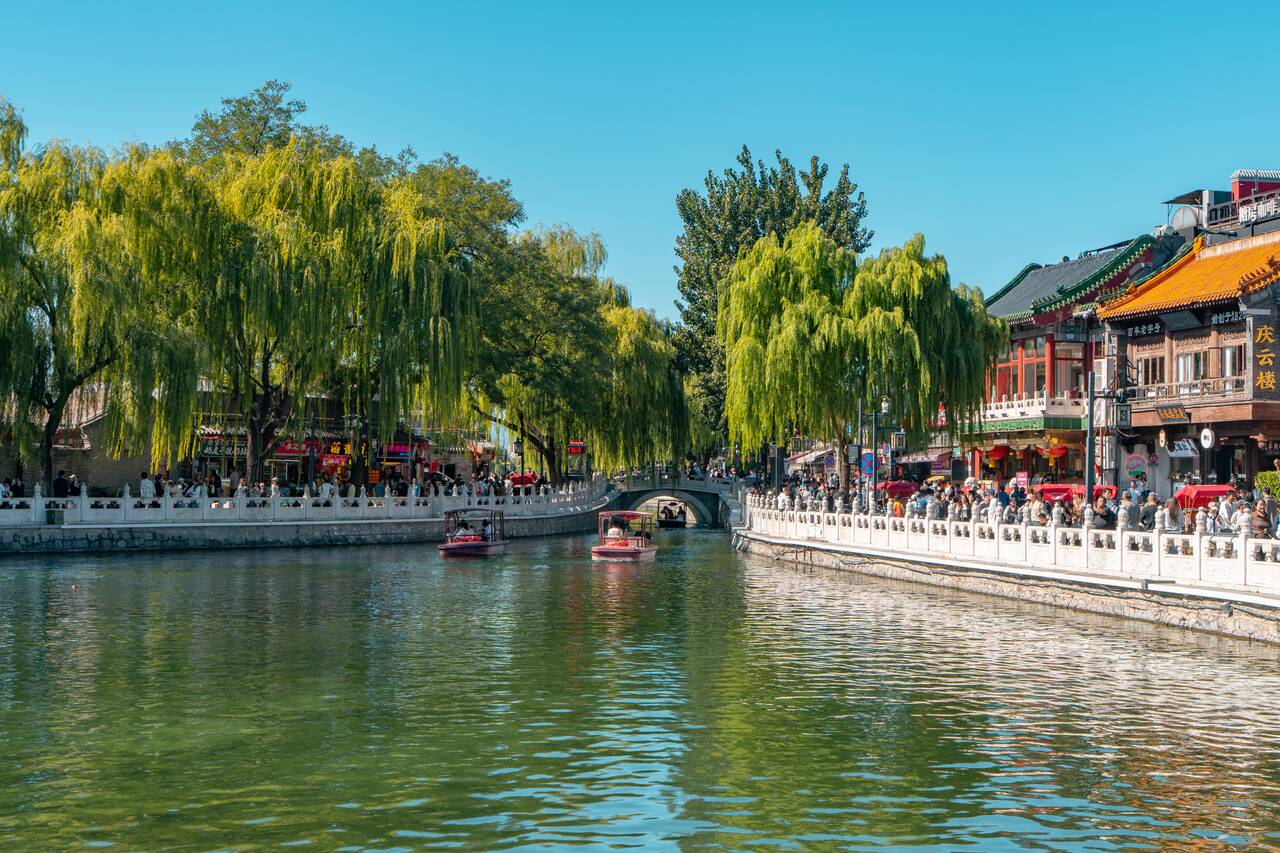
You can easily combine a walk here with a visit to nearby Prince Gong’s Mansion Museum. After exploring the mansion, head over to the lake to find somewhere for lunch or a coffee. You don't need to follow any detailed itinerary or routes for this one, which makes it a perfect place to visit on one of your relaxing days in Beijing.
12. Step Inside Prince Gong’s Mansion
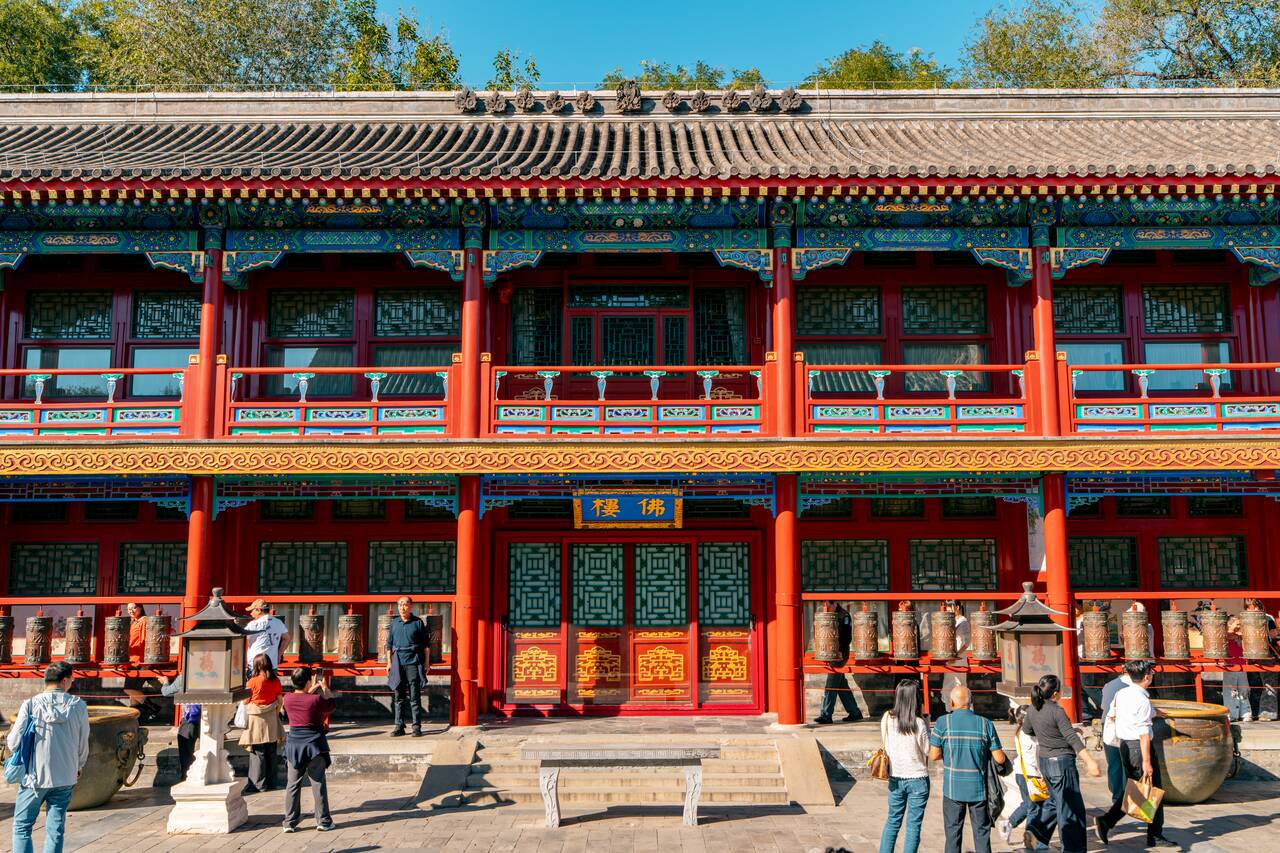
- 📍 Location: Prince Gong’s Mansion [Map Link]
- 🕐 Opening Hours: 8:30 AM - 5 PM
- 💰 Entry Fees: 40 CNY (~6 USD)
- ⚡ Pete's Take: "This can be easily visited along with Shichahai, so be sure to check it out."
While you visit Shichahai, be sure to stop by Prince Gong’s Mansion, a historic residence complex that combines formal courtyards and residential halls with a garden of winding paths, rockeries, and pavilions.
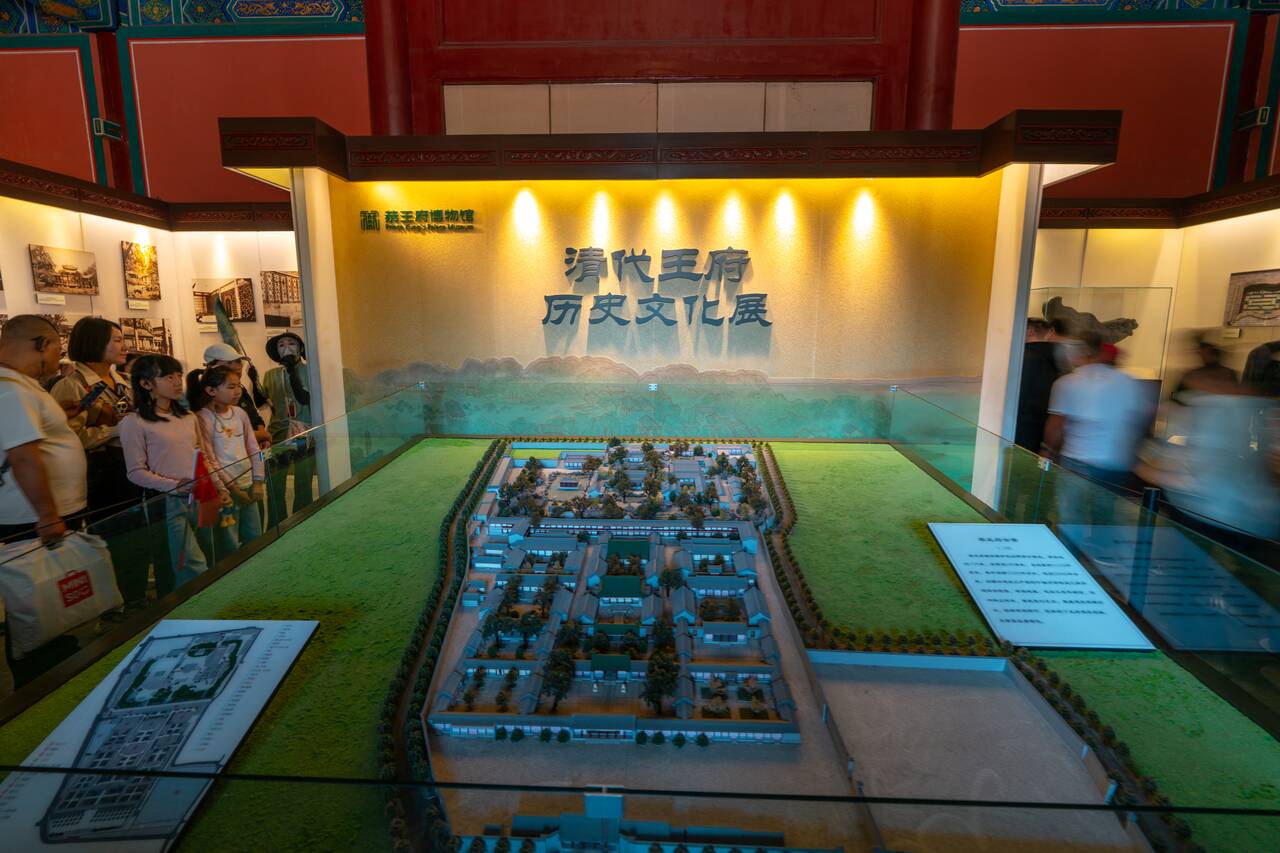
Inside each building, there is a collection of small museums you can explore and learn more about it. Also, take your time and admire the intricate architectural details, as you walk through one garden after another.
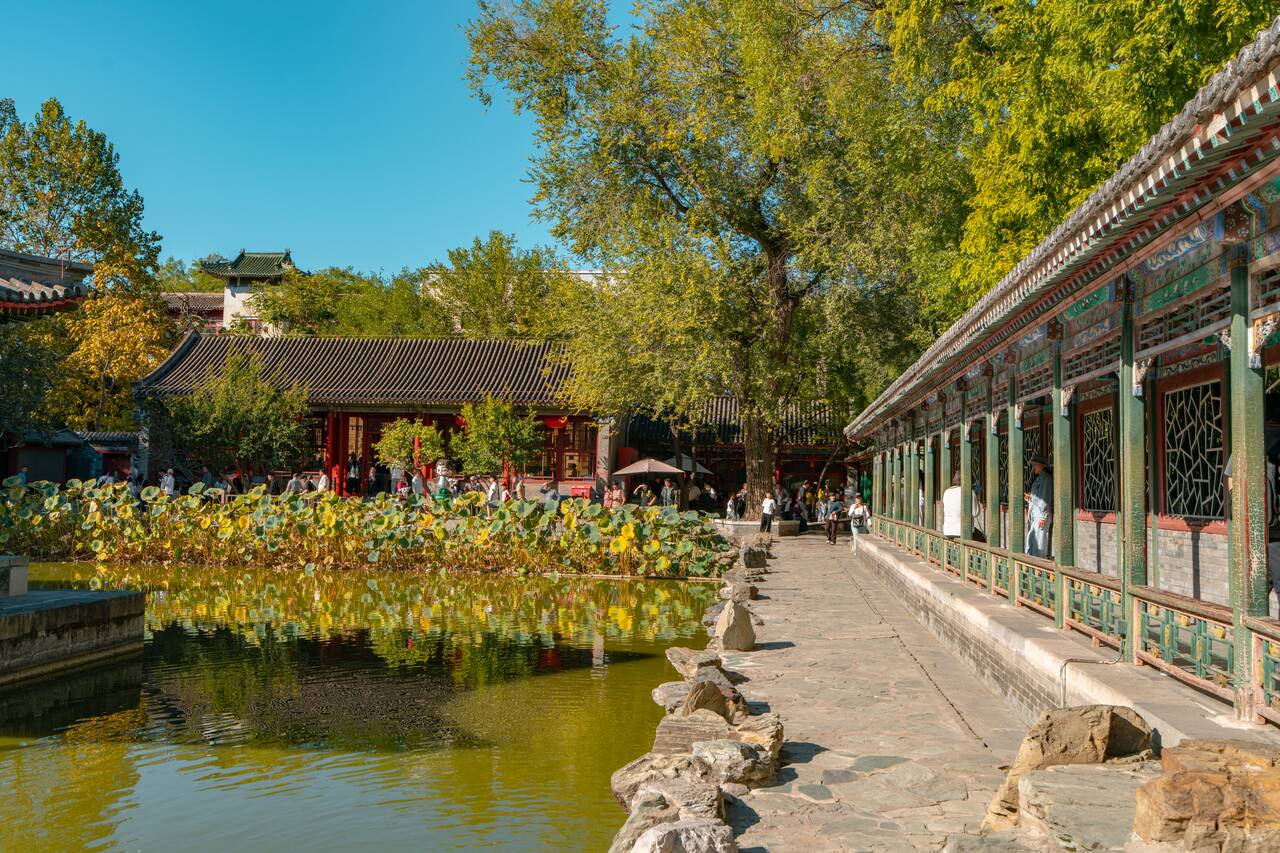
I would allow around 1 - 2 hours to explore the courtyards and gardens without rushing. The place is open from 8:30 AM to 5 PM, Tuesday to Sunday, with last admission at 4:10 PM. It is closed on Mondays except public holidays, and the entry fee is 40 CNY and you can buy it at the entrance.
13. Discover Beijing’s Creative Side at 798 Art District
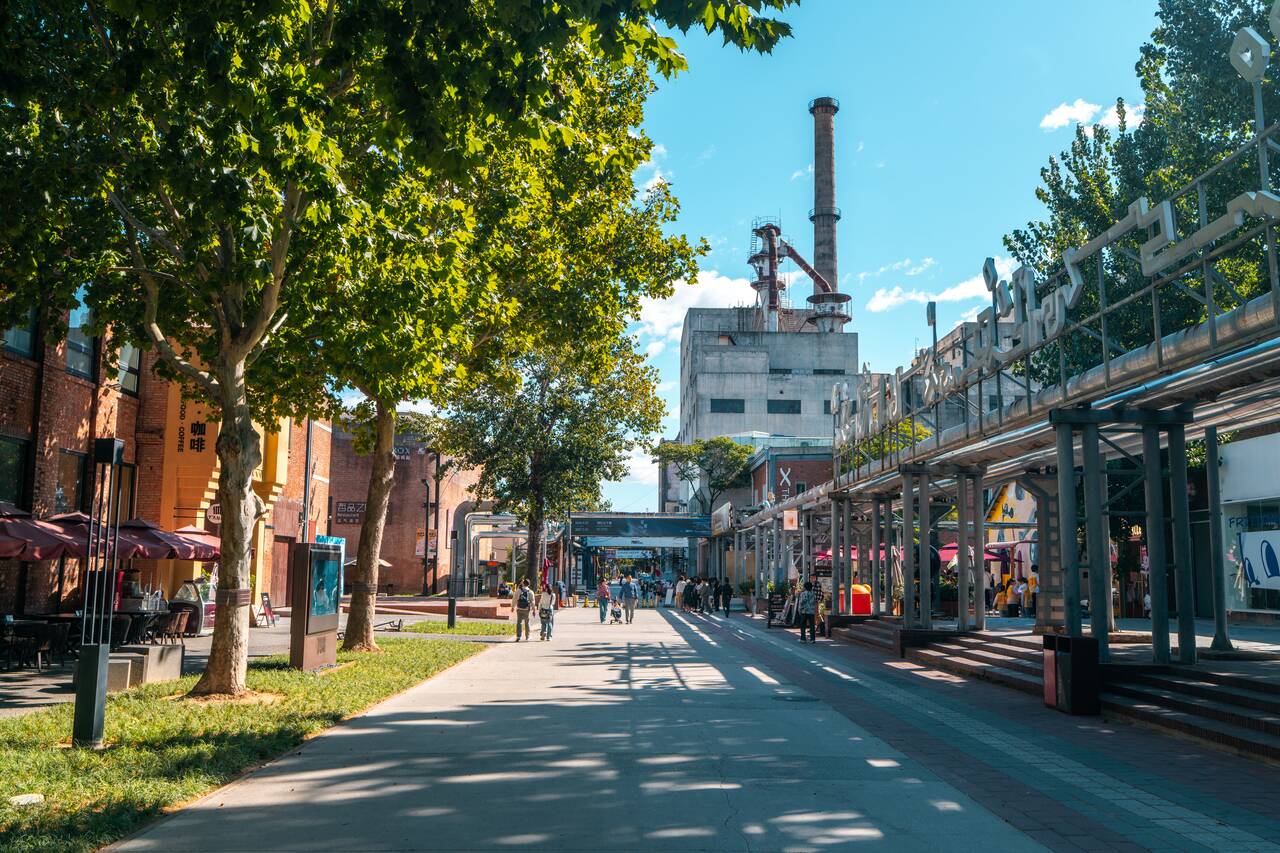
- 📍 Location: 798 Art District [Map Link]
- 🕐 Opening Hours: 10 AM - 6 PM (galleries and shops)
- 💰 Entry Fees: Free
For something completely different from the rest of the attractions I mentioned in the guide, head to 798 Art District, a former industrial complex transformed into a neighborhood of galleries, art installations, and creative shops. Seeing old factory buildings given a new life through art was very inspiring, and I really enjoyed walking around the streets, discovering all kinds of cool art installations scattered around the area.
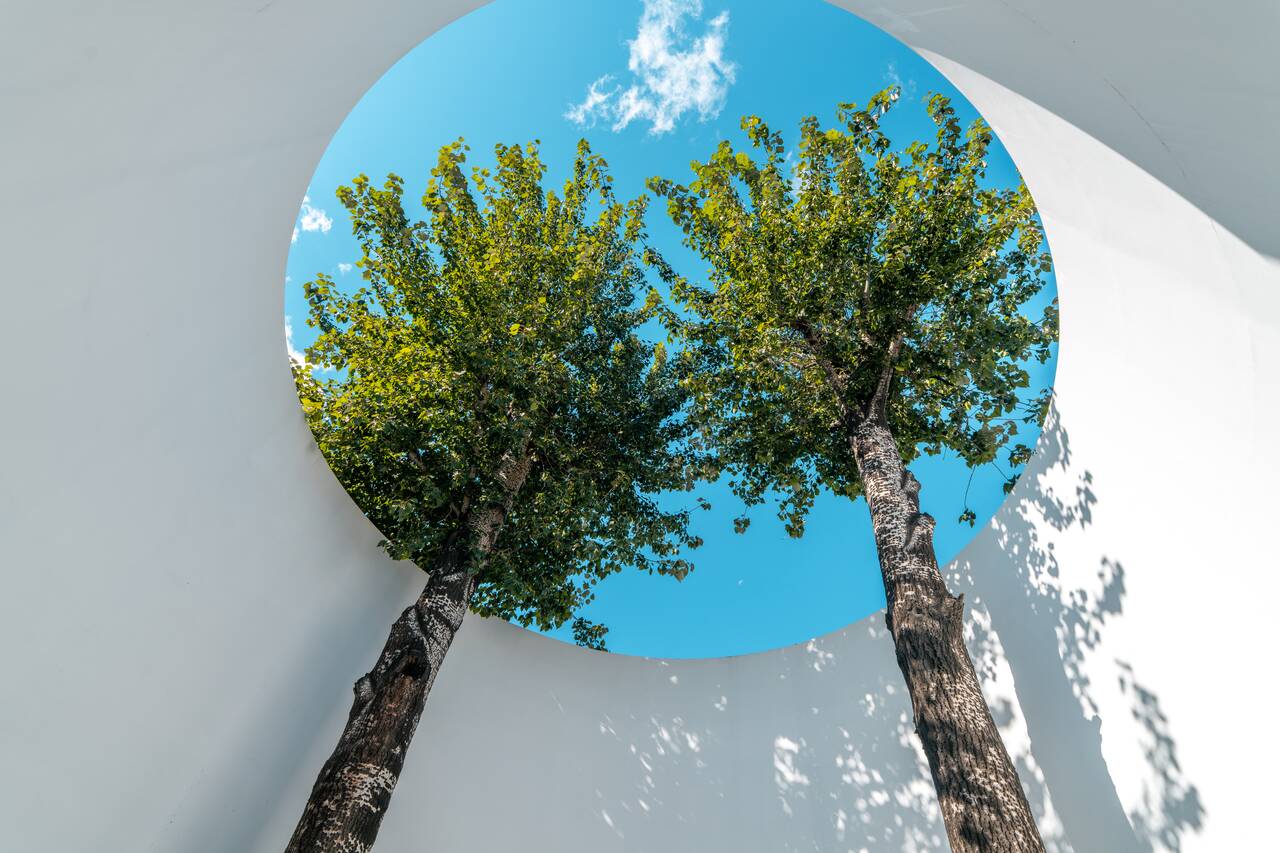
There are plenty of galleries to explore here as well, so don’t just stick to walking around outside. Some exhibitions are free, while others charge separate admission fees. Just walk around and pop into whichever gallery spaces catch your eye!
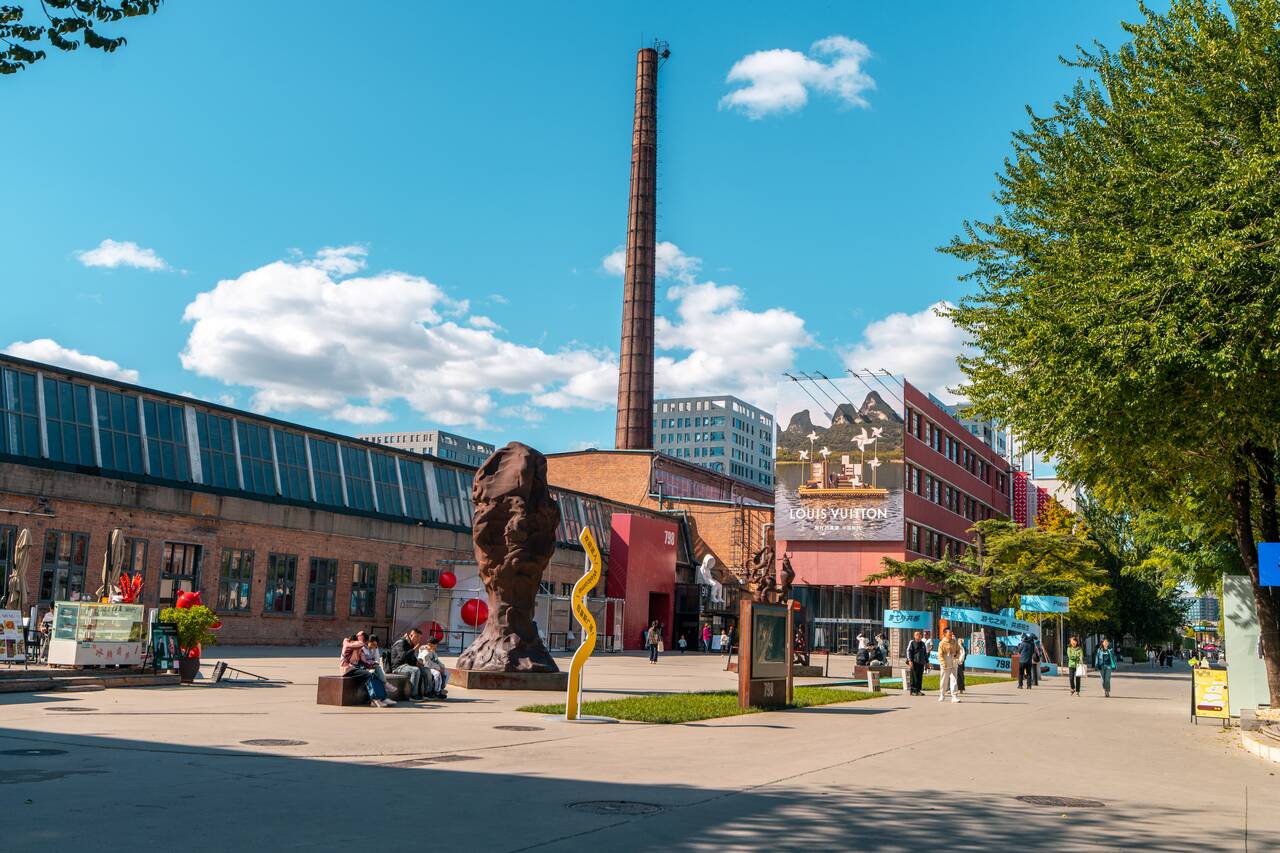
The art shops are also worth browsing, especially if you are looking for unique souvenirs to bring home to your loved ones. I would allow around 2 to 3 hours here, with extra time if you want to visit several exhibitions or linger over coffee or lunch.
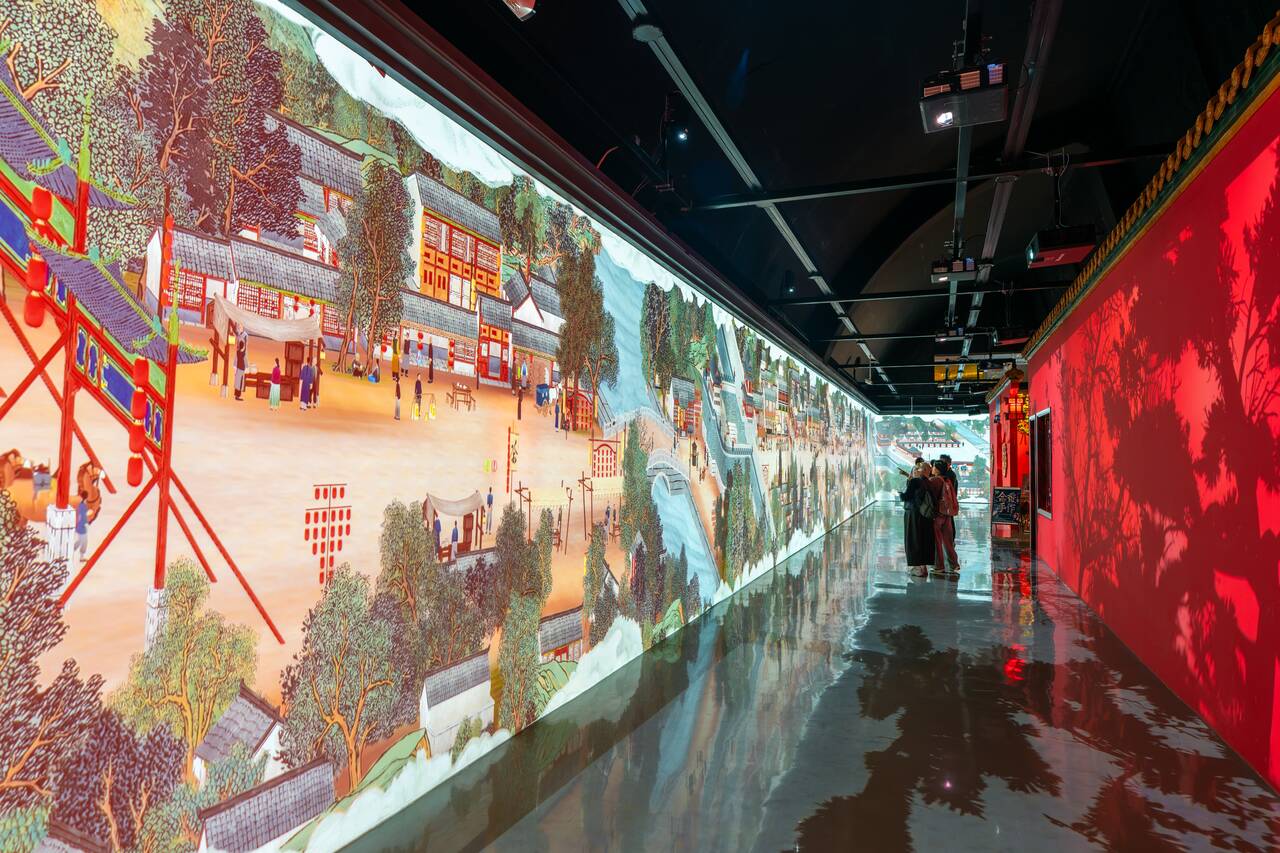
This was one of my favorite spots in Beijing, as it felt much calmer and more relaxing than the city’s busier tourist attractions. I recommend coming in the late morning, when the galleries begin opening, so you can explore before the afternoon crowds arrive.
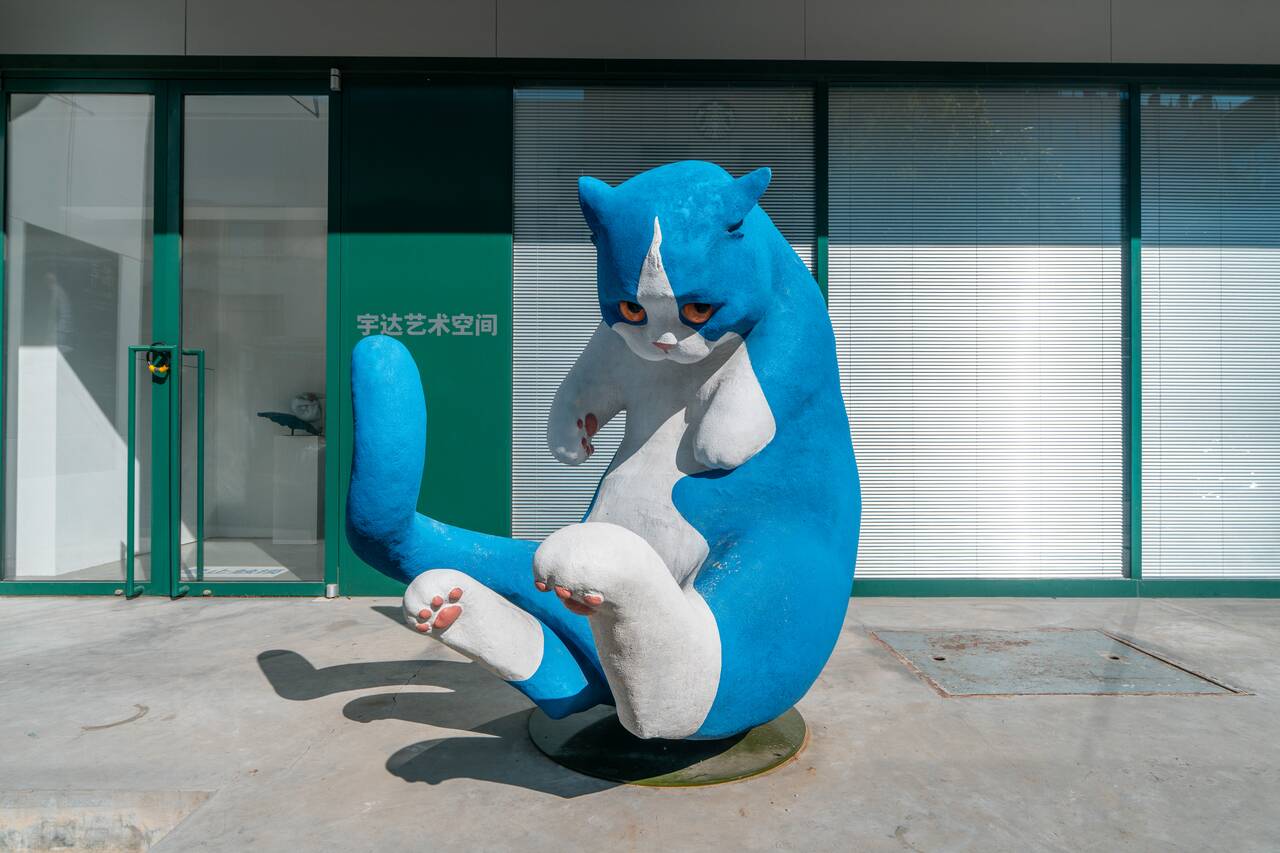
Entry to the district is free, and the outdoor areas are open around the clock. Galleries typically open around 10 AM to 6 PM or 11 AM to 7 PM, depending on the venue, and some close on Mondays or Sundays. Individual exhibitions set their own prices and reservation requirements, so check ahead if there is a particular one you want to see.
14. See the Bird’s Nest at Olympic Park
- 📍 Location: Bird’s Nest at Olympic Park [Map Link]
- ⚡ Pete's Take: "If you’ve only got a few days, I’d prioritize other sights over this one."
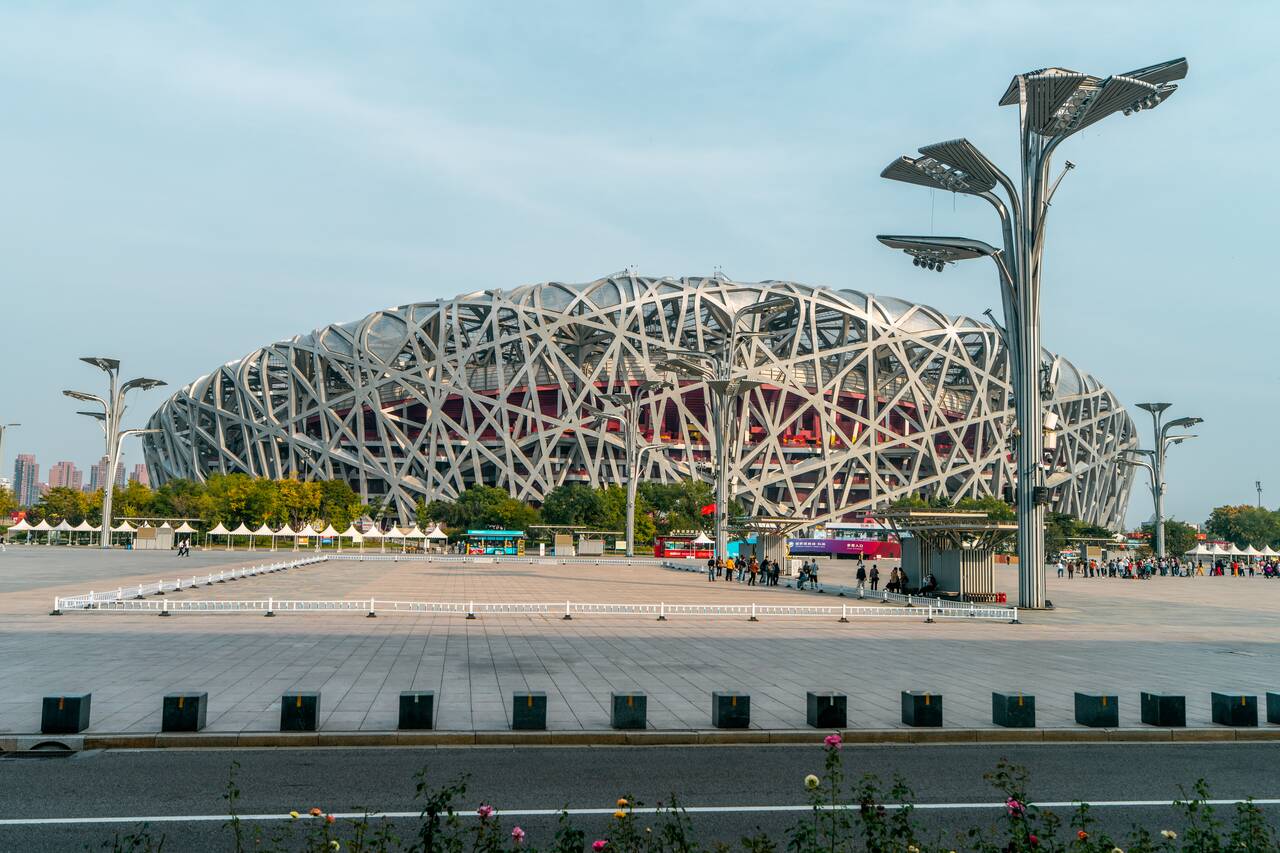
If you have some extra time in Beijing, head to Olympic Park to see the Bird’s Nest, the stadium best known for hosting the opening and closing ceremonies of the 2008 Beijing Olympics. Its tangled steel exterior is impressive to see up close and makes a change from the traditional architecture you will encounter elsewhere in the city.
That said, I wouldn’t call this a must-see, especially if you only have a few days in Beijing. Come if you are interested in the architecture or simply want to walk around Olympic Park. There are some souvenir shops here that still sell the 2008 Olympic souvenir, which I thought was interesting 😀. It's optional and only if you have time to spare.
15. Take a Day Trip to Tianjin
- 📍 Location: Tianjin [Map Link]
- 📖 Full Guide: 7 Best Things to Do in Tianjin
- ⚡ Pete's Take: "If you have a day to spare and would like to get out of Beijing for a bit, Tianjin is a great option."
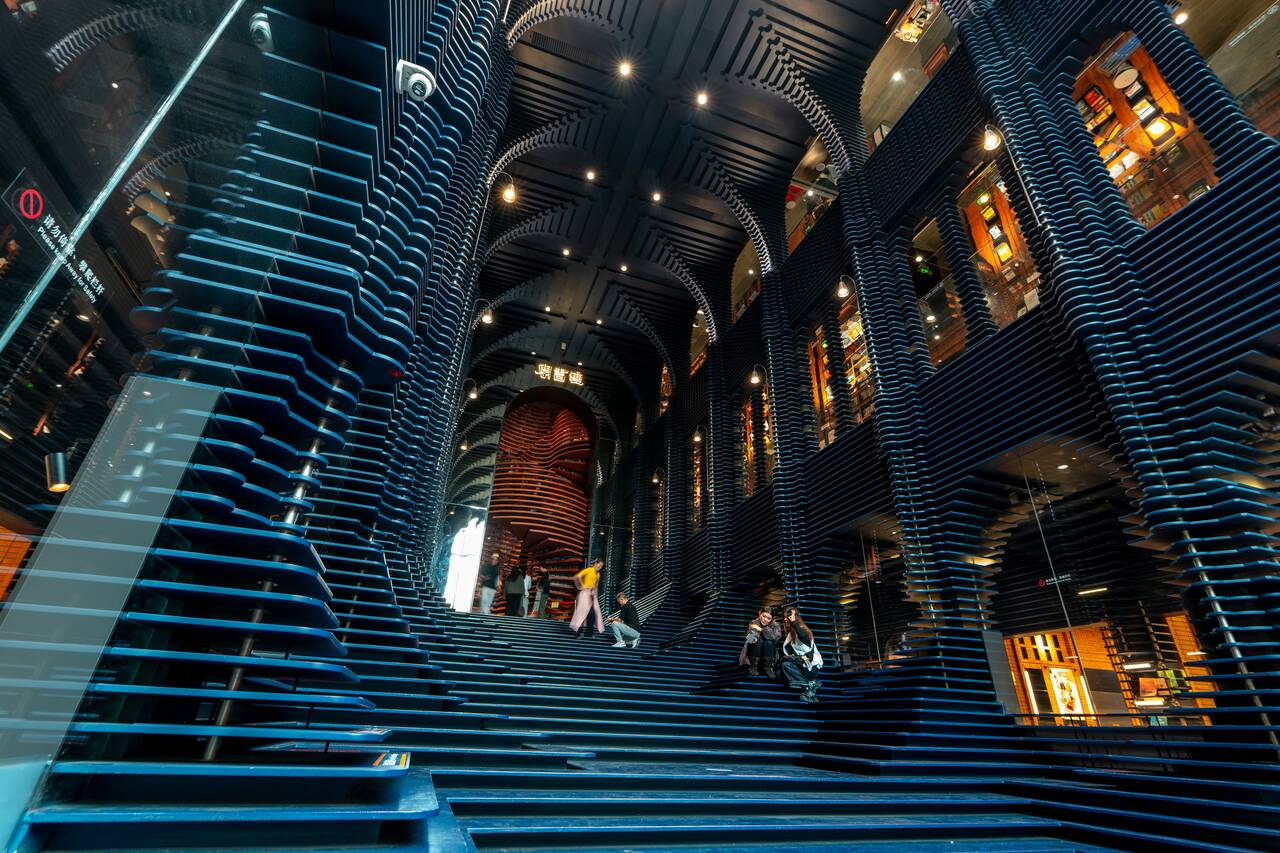
If you have a day to spare, consider taking a trip to Tianjin for a change of scenery. With high-speed trains taking around 30 minutes from Beijing South to Tianjin Station, it is an easy excursion that lets you explore another city without moving your luggage or changing hotels.
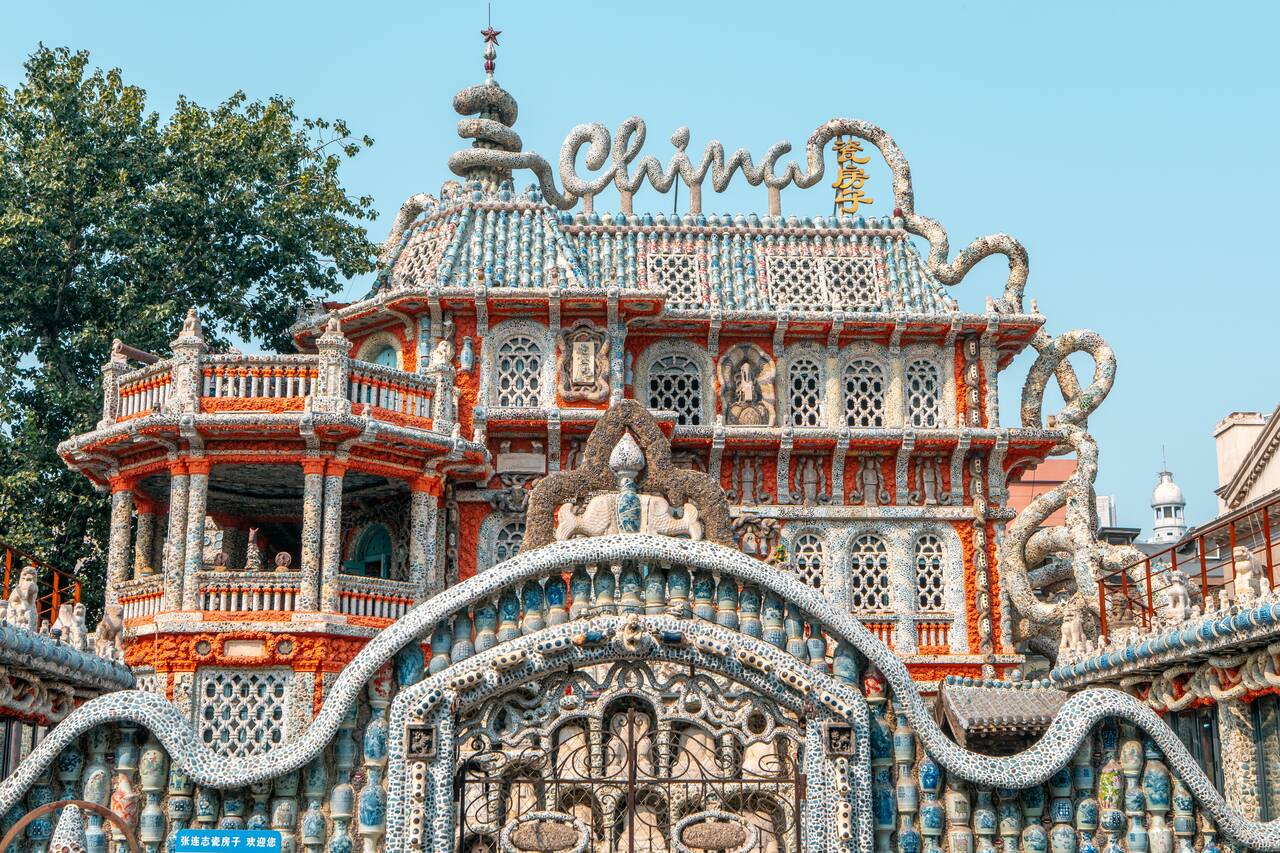
Highlights include the Porcelain House, an unusual building covered in porcelain pieces, and the Italian Quarter, where European-style architecture gives the streets a very different feel from the rest of the city. Leave some time for a stroll around Tianjin Ancient Culture Street and enjoy the view of Haihe River as well.
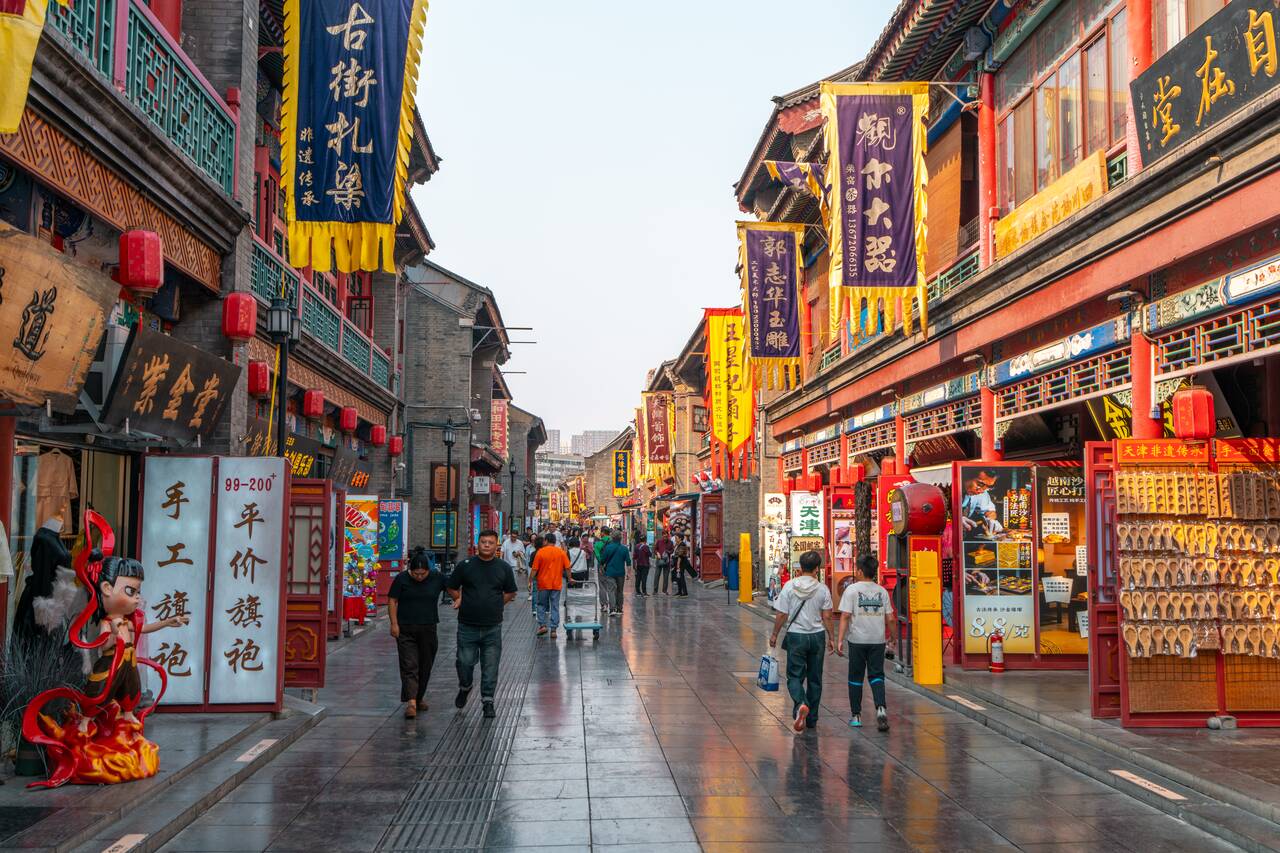
I wouldn’t call Tianjin a must-see if your time in Beijing is limited, but it makes a nice little day trip once you have covered the main sights. Give yourself a full day to explore the city before catching the train back to Beijing in the evening.

Which Places Should You Prioritize?
If you have limited time in Beijing, I would prioritize the Forbidden City, Jingshan Park, the Temple of Heaven, and a day trip to the Great Wall at Mutianyu. These would be my top picks for a first visit, with Jingshan Park providing the perfect follow-up to the Forbidden City for its view over the palace rooftops.
For history and architecture: Add the Summer Palace and the National Museum of China. Prince Gong’s Mansion is another great option if you want to explore a smaller historic residence, while Yuanmingyuan and its Xiyanglou Ruins offer a different perspective on Beijing’s imperial past. Give the larger sites like Summer Palace, Yuanmingyuan, and its Xiyanglou plenty of time as they are enormous.
For wandering and a change of pace: Spend some time around Shichahai, or explore the galleries and creative spaces at 798 Art District. Qianmen Street and Wangfujing Pedestrian Street can fit around your main sightseeing plans as evening spots as that is when these places are most lively, rather than taking up a separate day.
If you have extra time: Add the Bird’s Nest at Olympic Park or take a day trip to Tianjin. I would explore Beijing’s main sights first, though, especially if fitting in Tianjin would mean rushing through the Forbidden City, Summer Palace, or Great Wall.
Things to Know Before Visiting China
- Always Carry Your Passport: Everything revolves around your passport/ID in China, and it’s often used interchangeably as your main form of identification. Many major tourist attractions require you to show your passport when buying a ticket, and the ticket will then be linked to it. You’ll scan your passport again to enter. The same applies to high-speed trains. It’s best to carry your passport with you at all times while traveling in China.
- Get an eSIM: China’s cashless economy relies on constant internet access, so having a data connection is essential. I highly recommend getting an eSIM or a local SIM card for your trip. An eSIM is often better because the service is usually based in Hong Kong, which bypasses China’s Great Firewall, meaning you can access apps like Instagram and YouTube without a VPN. I suggest checking eSIM options on Klook or Trip.com, as they tend to be the most affordable.
- Use AMap to Navigate: Google Maps doesn’t work well in China, so local apps like AMap are much more informative and accurate for getting around. It even provides metro information, making it easy to navigate city subway systems. I used AMap throughout my entire trip, and it worked perfectly! In this guide, I’ll be linking locations with AMap links instead of Google Maps, so be sure to download it before your trip.
- Use VPN to Bypass the Great Firewall: As you may know, many major websites such as Google, Facebook, Instagram, TikTok, and more are blocked in China. To access them, you’ll need a VPN like LetsVPN installed on both your phone and laptop before you arrive in China. This is crucial as once you're in the country, you won’t be able to search for or download VPN apps. I used LetsVPN during my trip, and it worked very well throughout. The service is affordable too, with a free tier offering limited data or a basic unlimited plan for just 5.99 USD per month.
- Connect Alipay with Your Credit Card: First, download Alipay from the app store, set up your account, and link it to your credit card. This will be one of the two main ways you’ll pay for services in China. Alipay also has mini-apps built in, such as Didi (China’s version of Uber), so you don’t need to download separate apps, and you can use them directly through Alipay. Very convenient!
- Get a Transport Card Working in Alipay: Once you have Alipay set up, you’ll need to verify your account before you can activate a transport card for metro and bus rides. First, if you’re not currently in the city you want to use, tap the city name in the top-left corner and select the correct city. After that, tap the “Transport” button and request a transport card. You’ll be asked to upload a photo of your passport for verification. Once approved, your transport card will be issued, and you can use the QR code to scan and pay for buses and metro rides.
- Get WeChat Set Up: WeChat is another essential app for communicating with locals, thanks to its built-in translation feature. It’s also widely used for payments as Alipay only works about 70% of the time, while WeChat is commonly needed for paying individuals, buying entry tickets at certain attractions, and more. Setting up WeChat can be a bit tricky though because you need verification from an existing user. The easiest way is to ask your hotel’s reception to help verify your account when you arrive in China, which is how I got mine activated.
- Use Trip.com / Trip App: For hotels, day trips, attraction tickets, train tickets, flights, and everything in between, you can use Trip.com or the Trip app to book all your travel needs. It’s very convenient, offers a great user experience, and has a generous cancellation policy that gives you more flexibility when traveling in China.
When to Visit Beijing?
The best time to visit Beijing is during spring (April to May) and autumn (September to October), when temperatures are generally comfortable for exploring the city’s enormous palace grounds, walking around its neighborhoods, and heading out to the Great Wall. Autumn would be my first choice, especially if you want to combine sightseeing with colorful foliage.
Try to avoid the National Day holiday in early October and the Labor Day holiday in early May, when domestic tourists flock to attractions across the country, making it difficult to enjoy the sights in peace. I visited during the first week of October, often referred to as Golden Week, and the crowds were no joke! If your schedule allows, visit outside these holidays.
Summer can be hot and rainy, which makes exploring a city as large as Beijing, with all the walking involved, much more tiring. Winter, on the other hand, can be bitterly cold, especially when you are exposed to the wind on the Great Wall. Both seasons are manageable with the right preparation, but for a first visit involving plenty of outdoor sightseeing, I would stick to spring or autumn.
How to Get to Beijing?
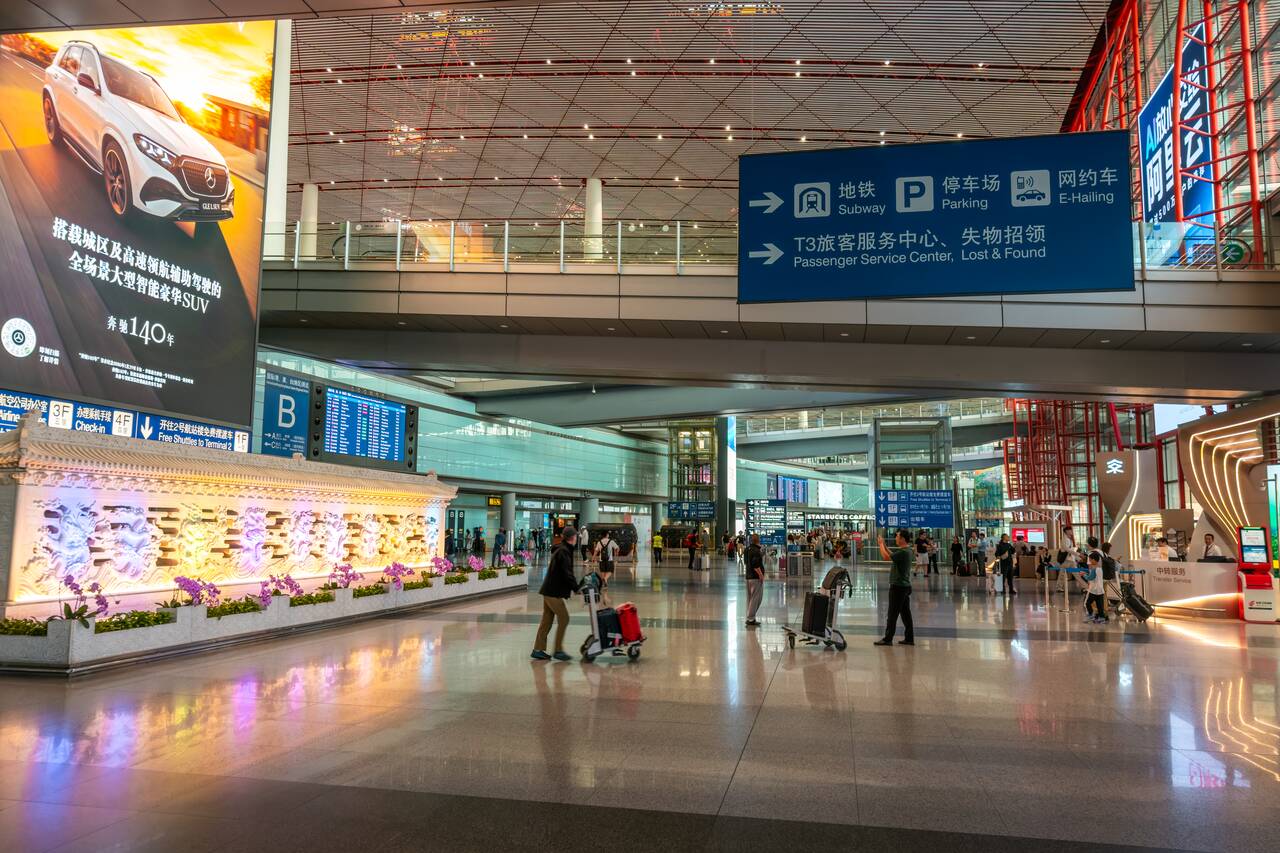
By Air: If you are traveling from abroad, flying is the most straightforward way to reach Beijing. The city has two major airports: Beijing Capital International Airport (PEK) and Beijing Daxing International Airport (PKX). Check both when comparing flights, as prices and schedules may differ. Both airports have airport express trains connecting to the city’s subway network, making it super easy to reach your accommodation by public transport.
For finding flights, I would recommend browsing through Skyscanner or Expedia to find an affordable flight from where you live to Beijing.
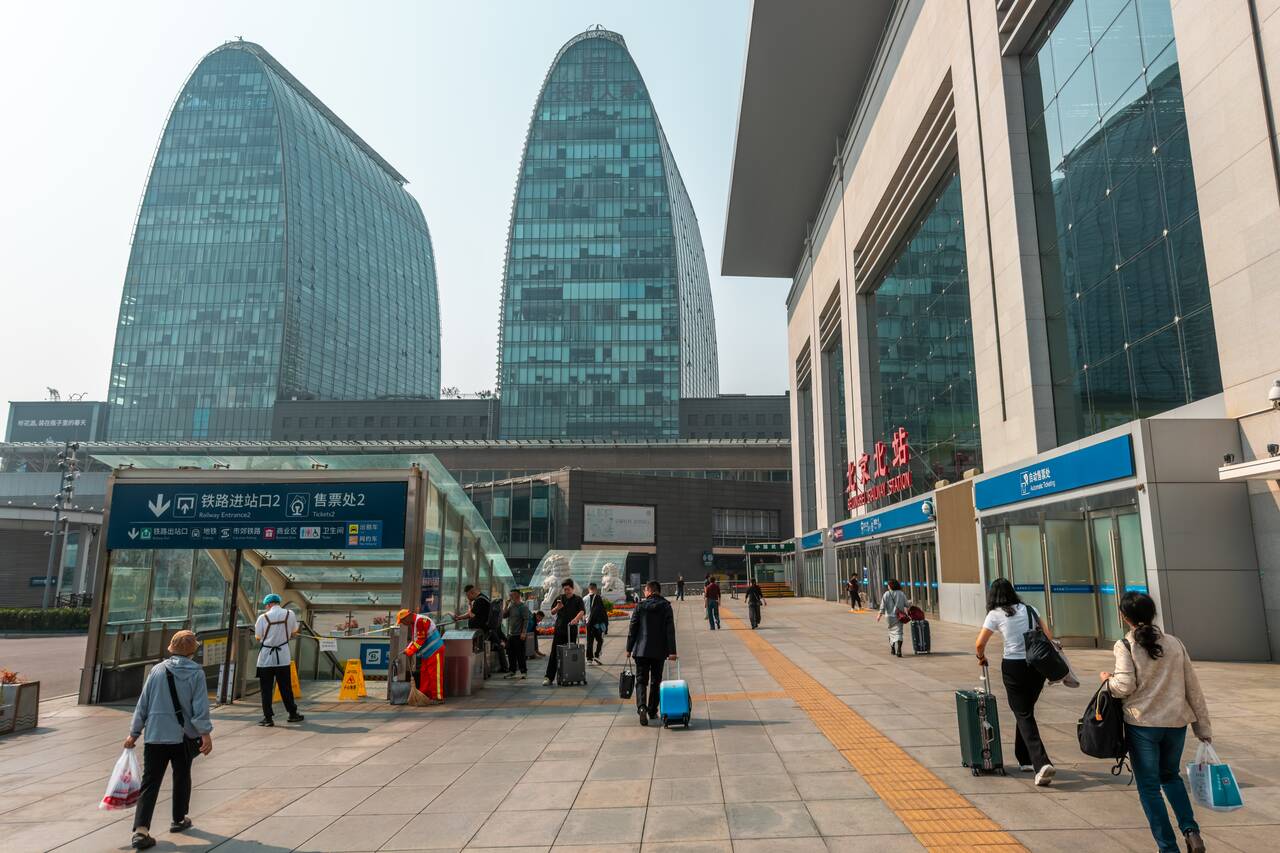
By Train: If you are already traveling around China, you can also reach Beijing by high-speed train. Search for your route on 12306 or Trip.com and compare the journey time with flying. Beijing has several railway stations, so check the exact arrival station on your ticket before planning your onward journey to your accommodation.
How to Get Around Beijing?
By Walking: Walking is a great way to explore individual neighborhoods like Shichahai and the streets around Qianmen, but don’t let the map fool you into thinking everything is within easy walking distance. Beijing is enormous, and what looks like a block away on the map can turn into a walk of over 30 minutes! It’s best to combine walking with the metro to get between areas. Even with public transport, expect plenty of walking inside attractions like the Forbidden City and Summer Palace. Wear comfortable shoes and avoid packing too many large sights into one day!
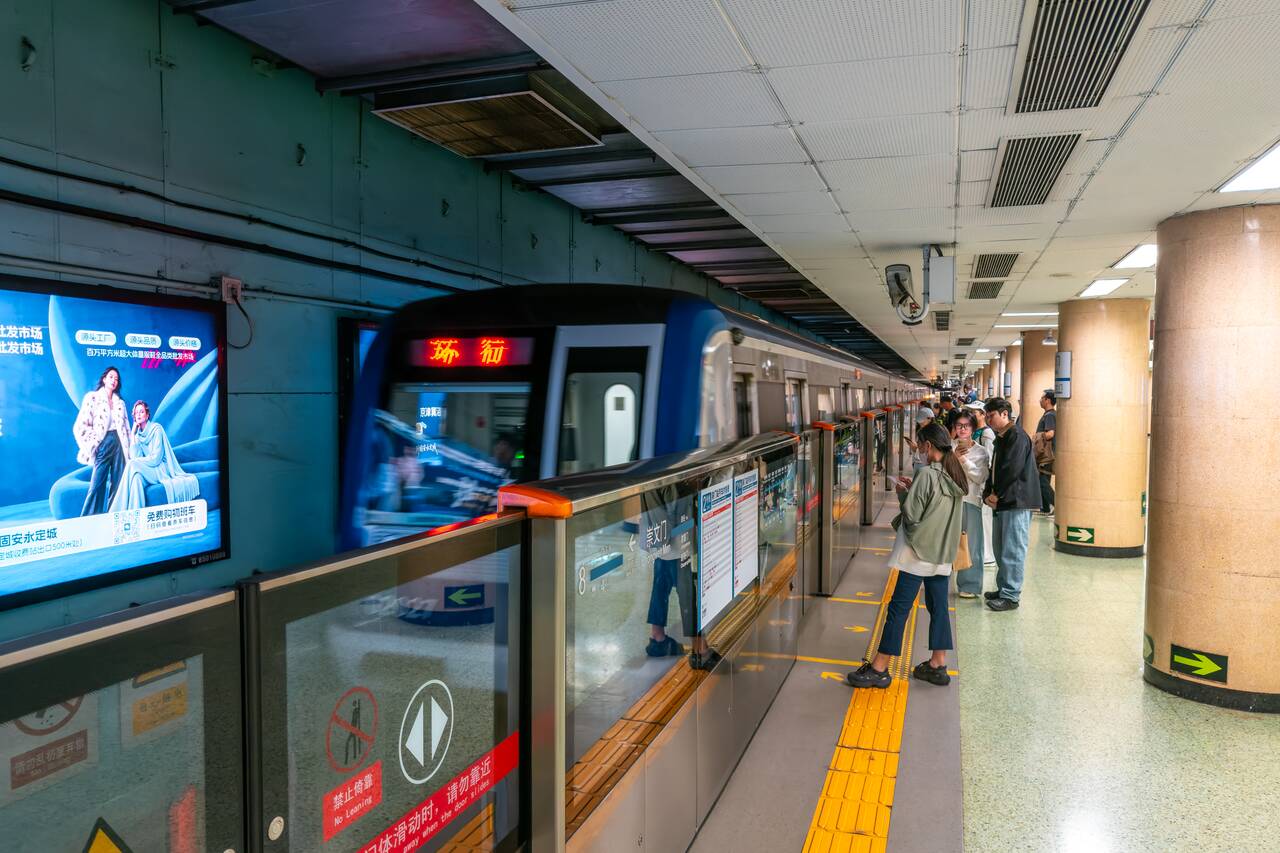
By Metro: The metro is a great way to travel between Beijing’s main sightseeing areas without dealing with road traffic. Check the station exit closest to your destination, as choosing the wrong one can add quite a bit of walking. Amap will tell you which exit to take to get to your destination, so be sure to follow it. Make sure you have Alipay and its transport QR code set up before your first ride. You can learn more about getting started here: Things to Know Before Visiting China.
By Didi: Didi is China’s version of Uber, more reliable and much more affordable. It’s an easy and comfortable way to get around cities like Beijing. You can see the price in advance and hail a ride using the Didi mini-app inside Alipay, with all payments handled directly through Alipay. It’s an efficient, fast, and budget-friendly way to travel around the city.
How many days to spend in Beijing?
I would recommend spending 5 to 6 full days in Beijing to explore its main attractions, take a day trip to the Great Wall at Mutianyu, and leave yourself some breathing room between sightseeing days. Five days will cover the Beijing sights below, while a sixth day gives you time for a day trip to Tianjin. Here is how I would organize your time:
Day 1: Forbidden City, Jingshan Park, Shichahai, and Prince Gong’s Mansion. Start with the Forbidden City, then head up Jingshan Park for a view over the palace rooftops. Spend the afternoon visiting Prince Gong’s Mansion and wandering around Shichahai, before finishing with an evening stroll along Wangfujing Pedestrian Street. This is a packed day, so if you prefer to explore the Forbidden City slowly, leave Prince Gong’s Mansion for another day.
Day 2: Temple of Heaven, Qianmen Street, National Museum, and Tiananmen Square. Visit the Temple of Heaven in the morning, then explore Qianmen Street and stop for lunch before your reserved National Museum visit. Finish at Tiananmen Square, allowing time for security checks and confirming the access requirements for your visit.
Day 3: Summer Palace and Yuanmingyuan. Dedicate the day to these two sprawling former imperial palaces, including the Xiyanglou Ruins inside Yuanmingyuan. Expect plenty of walking, start early, and prioritize the areas you most want to see rather than trying to cover every corner of both parks.
Day 4: Great Wall at Mutianyu. Set aside the day for your Great Wall excursion, including transport to and from Beijing. Keep the evening free for dinner and a well-earned rest.
Day 5: 798 Art District and the Bird’s Nest. Spend the morning exploring the galleries and creative spaces around 798 Art District, then head to Olympic Park to see the Bird’s Nest. Keep this day flexible so you can enjoy a slower pace or catch up on anything you missed earlier.
Day 6: Day Trip to Tianjin. If you have an extra day, take a trip to Tianjin before returning to Beijing in the evening. Otherwise, you can finish your Beijing visit after Day 5 without missing the main sights covered in this itinerary.
Plan around your reservations: Treat this as a suggested route rather than a fixed schedule. Arrange your Forbidden City and National Museum reservations as early as you can, ideally a week before your visit, as both have daily visitor limits and get booked out really fast. These places only release tickets 7 days in advance, so be sure to book the moment reservations open.
Disclaimer: This post may contain affiliate links. See our disclosure policy.
First Published:


