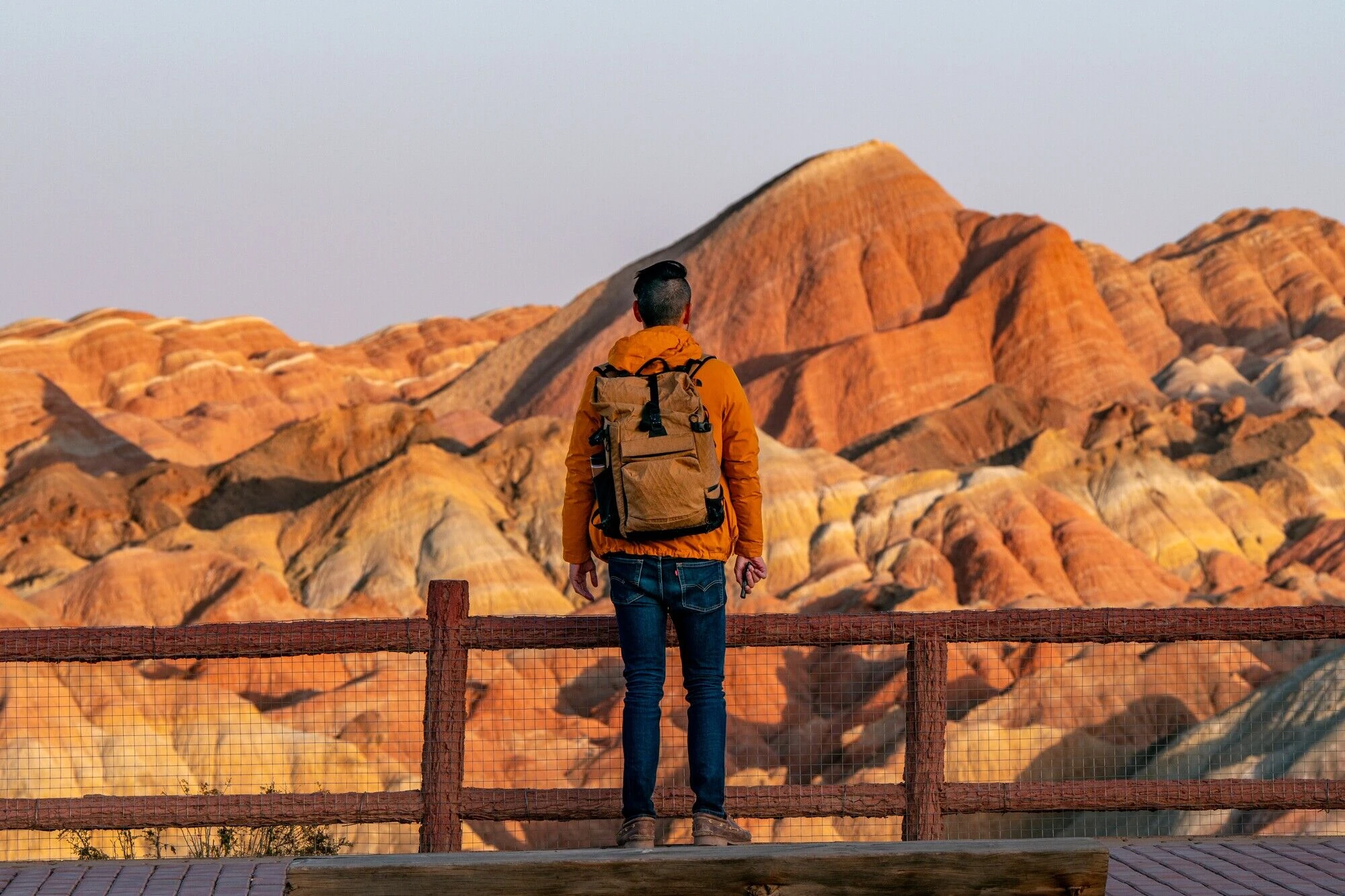


I’ve traveled along many parts of the Silk Road, from Kyrgyzstan and Uzbekistan to Pakistan, but I had yet to explore the ancient routes through China. So on my fourth trip to China, I made it my goal to follow the Silk Road through Gansu, a province in the country’s desert northwest.
I thought I’d seen it all, but Gansu still completely caught me by surprise with its historical sights, many of which are more than 2,000 years old, and its surreal landscapes, which absolutely blew my mind! So many times, I found myself asking, “How is this place even real?” Gansu ended up being my favorite part of this trip, and I’m here to share it all with you.
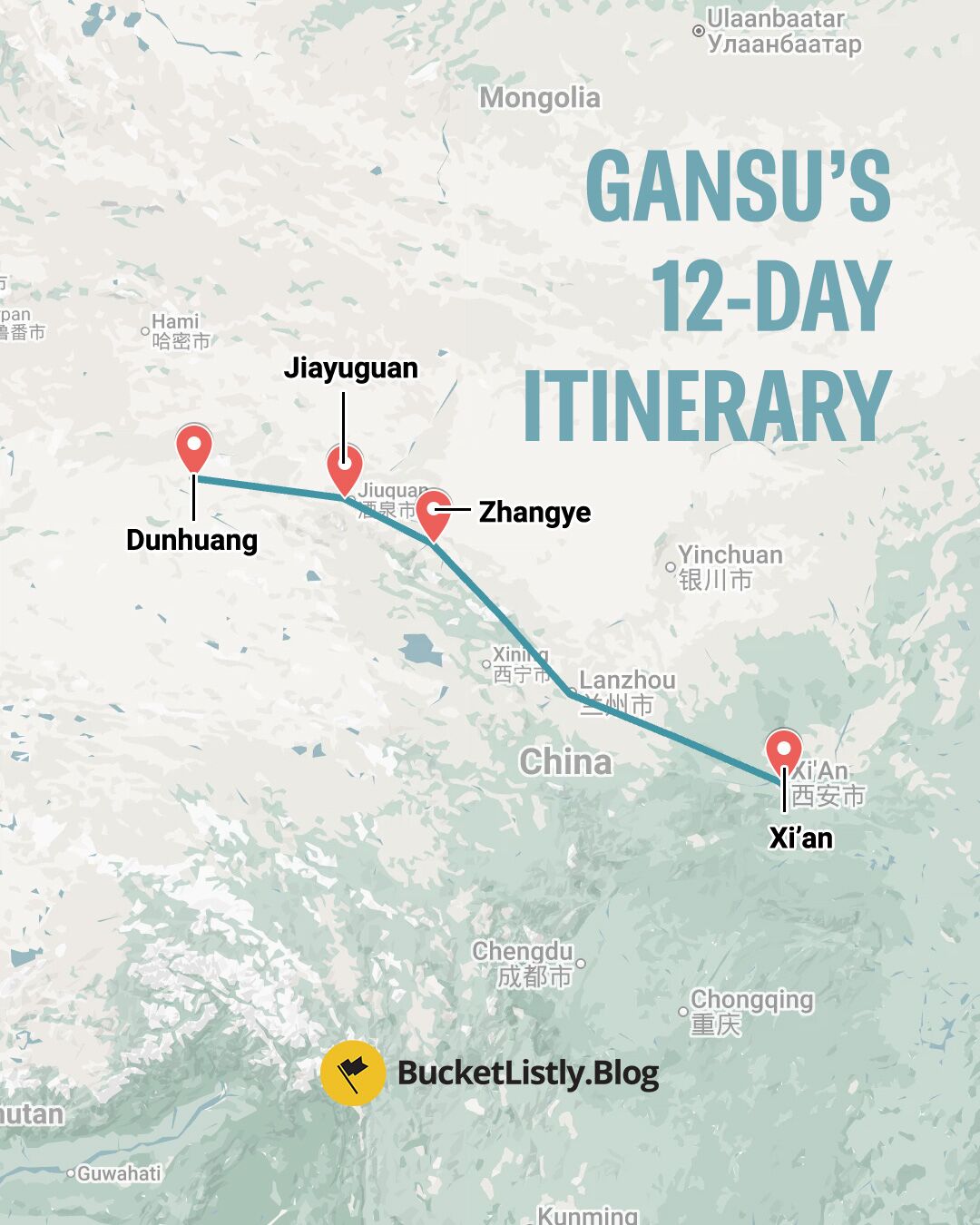
In this itinerary, we’ll start in Xi’an and make our way west through Zhangye, Jiayuguan, and Dunhuang. I’ll share my favorite stops along the way, how to get around on your own, what to book ahead, and where I think a tour is worth it. Let’s begin!
Map of this Gansu Itinerary
Gansu’s 12-Day Itinerary: A Complete Breakdown
Day 1–3: Xi’an (4 nights)
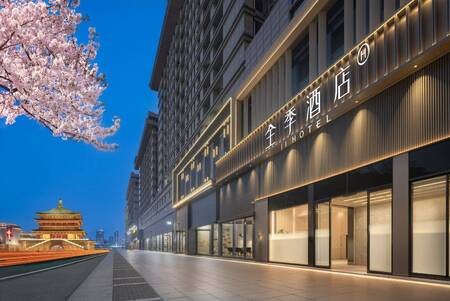
- 📍 Stay: Ji Hotel (Xi'an Zhonglou Subway Station Branch)
- 🕐 Time: 4 nights
- 📖 Full Guide: Best Things to Do in Xi’an
This itinerary begins in Xi’an, where we’ll spend three full days exploring the city. That gives you a day for the Terracotta Warriors and Huaqing Palace, plus two days for museums, historical sights, food, and a relaxing evening.
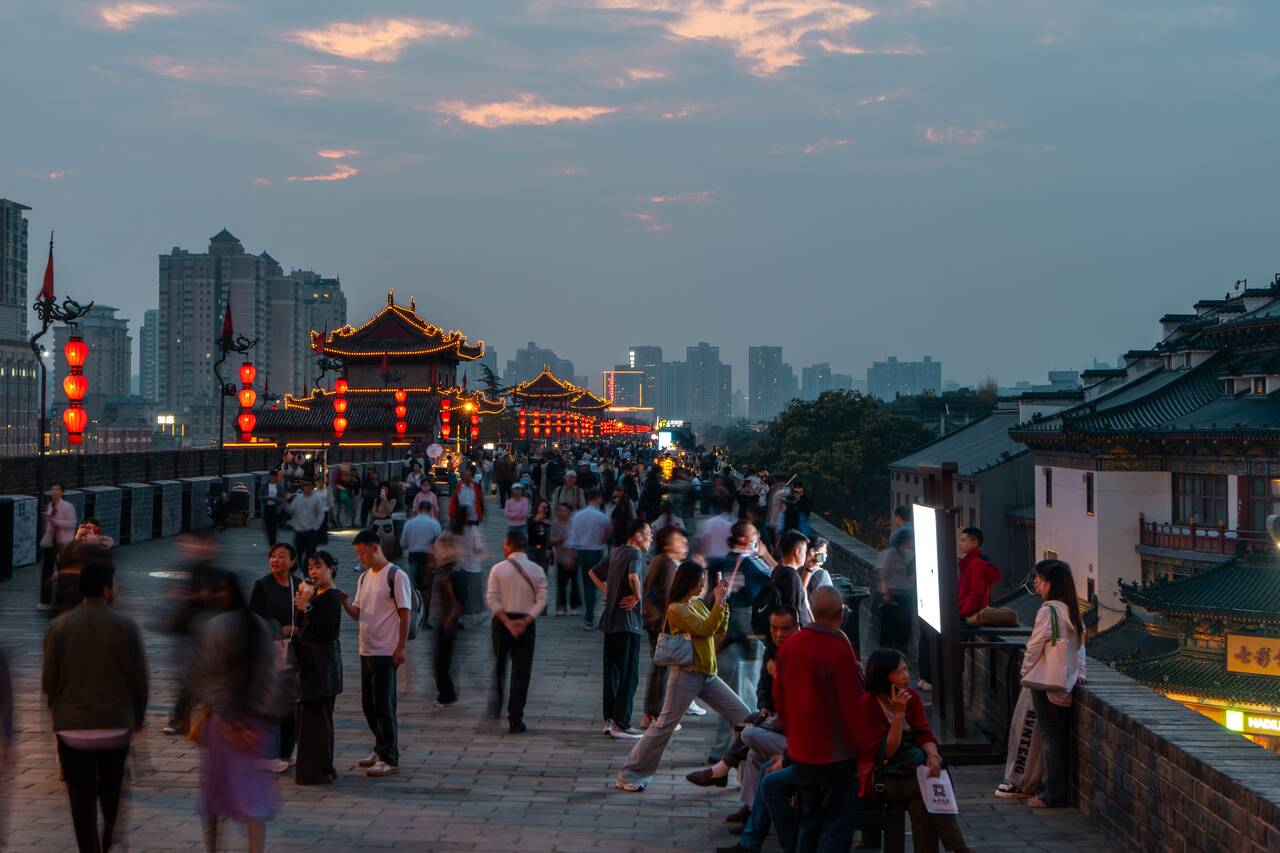
On your first day in Xi’an, I’d start at Xi’an City Wall. This enormous defensive wall surrounds the historic center. Built during the early Ming dynasty on earlier foundations, it protected the city with a combination of imposing gate towers, battlements, and a moat. Today, it is one of China’s best-preserved city walls and a great place to appreciate the scale of the ancient city.
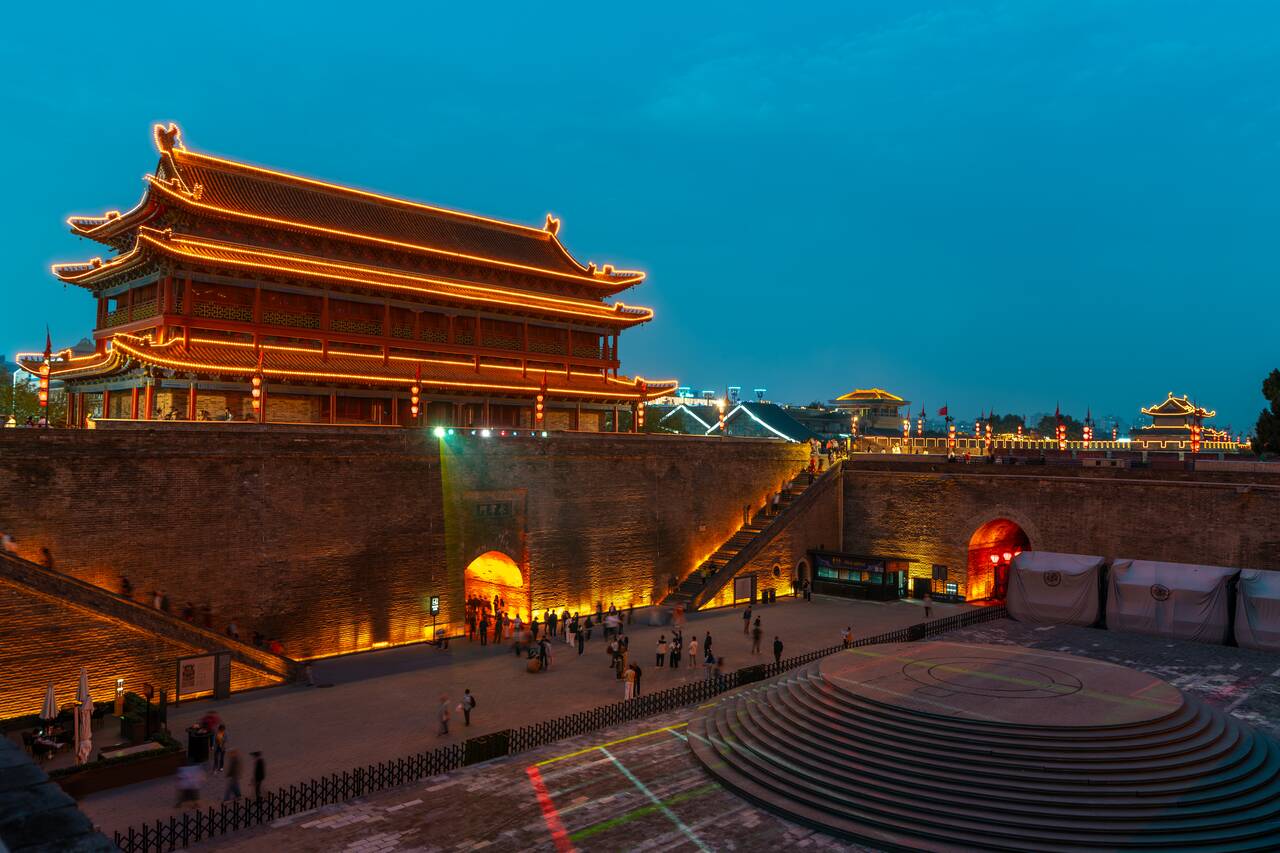
I recommend entering through the South Gate, also known as Yongning Gate, which is convenient if you are already exploring the central area around the Bell Tower. You can also get here easily by taking Metro Line 2 to Yongningmen Station and walking over to the entrance.
- Zhangye Pingshan Lake Grand Canyon and Rainbow Mountains Day Tour
- Jiayuguan Fortress, Overhanging Great Wall, and First Beacon Tower Private Tour
- Dunhuang Western Route Day Tour
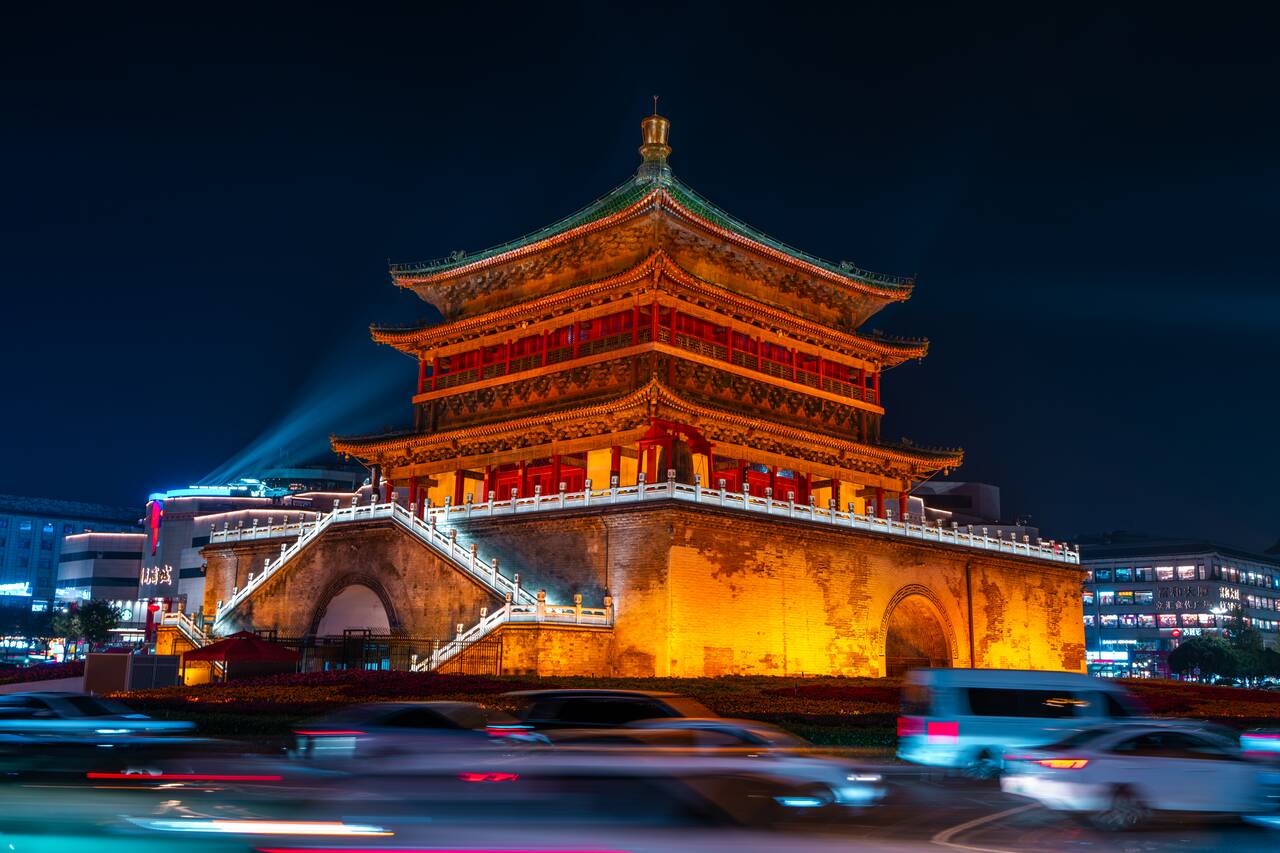
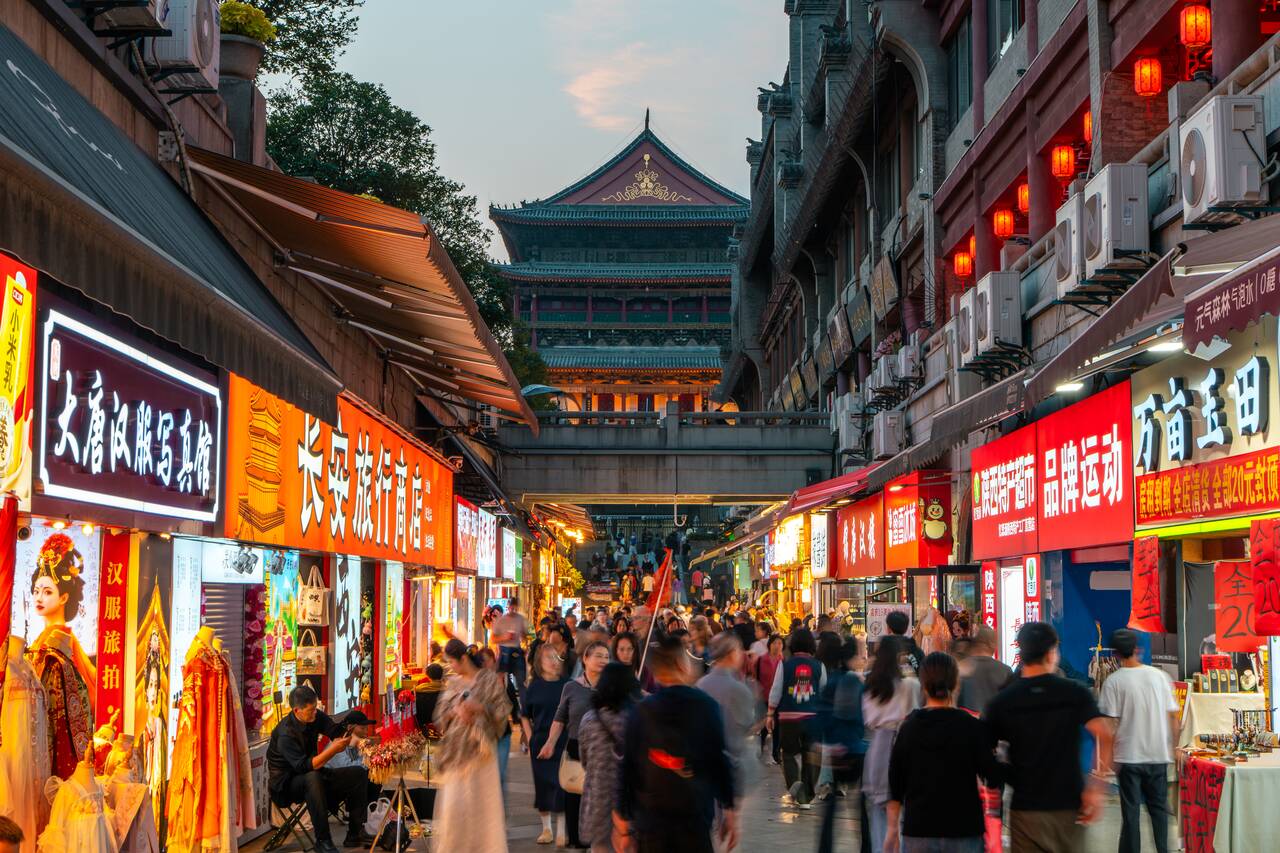
Once you’re back down, make your way to the Bell Tower and the nearby Drum Tower. Xi’an’s Bell Tower is an imposing Ming dynasty landmark surrounded by busy roads and modern buildings. It’s one of the most photographed spots in the city, and at night, you will find many Chinese tourists dressed in traditional garments, fan in hand, posing all around it. If there’s one national sport China has mastered, it’s photography 🤣.
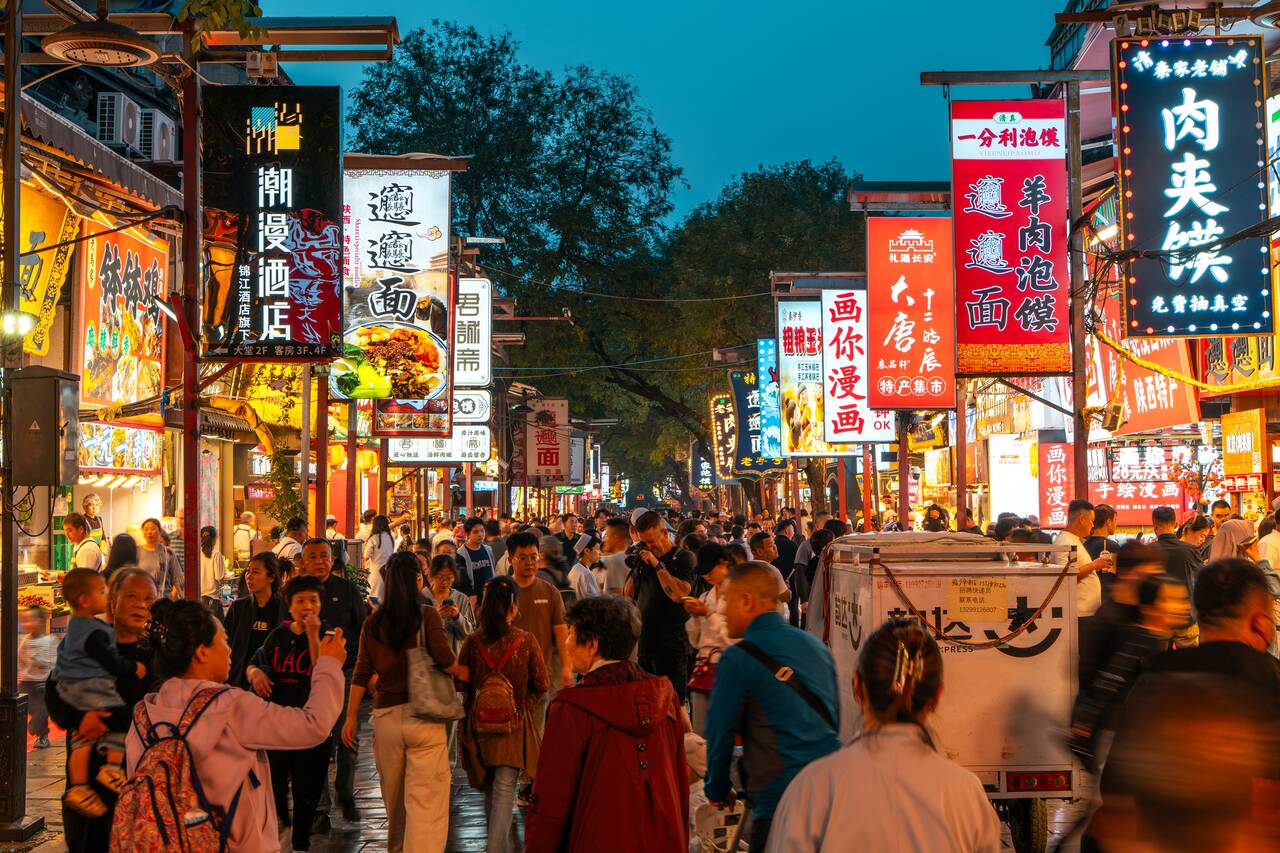
If you want to explore the interiors, you can visit during the day, but I also recommend seeing both towers after dark, when they light up beautifully against the night sky. Since they are close to each other and the Muslim Quarter, you can easily do all three on your first day here.
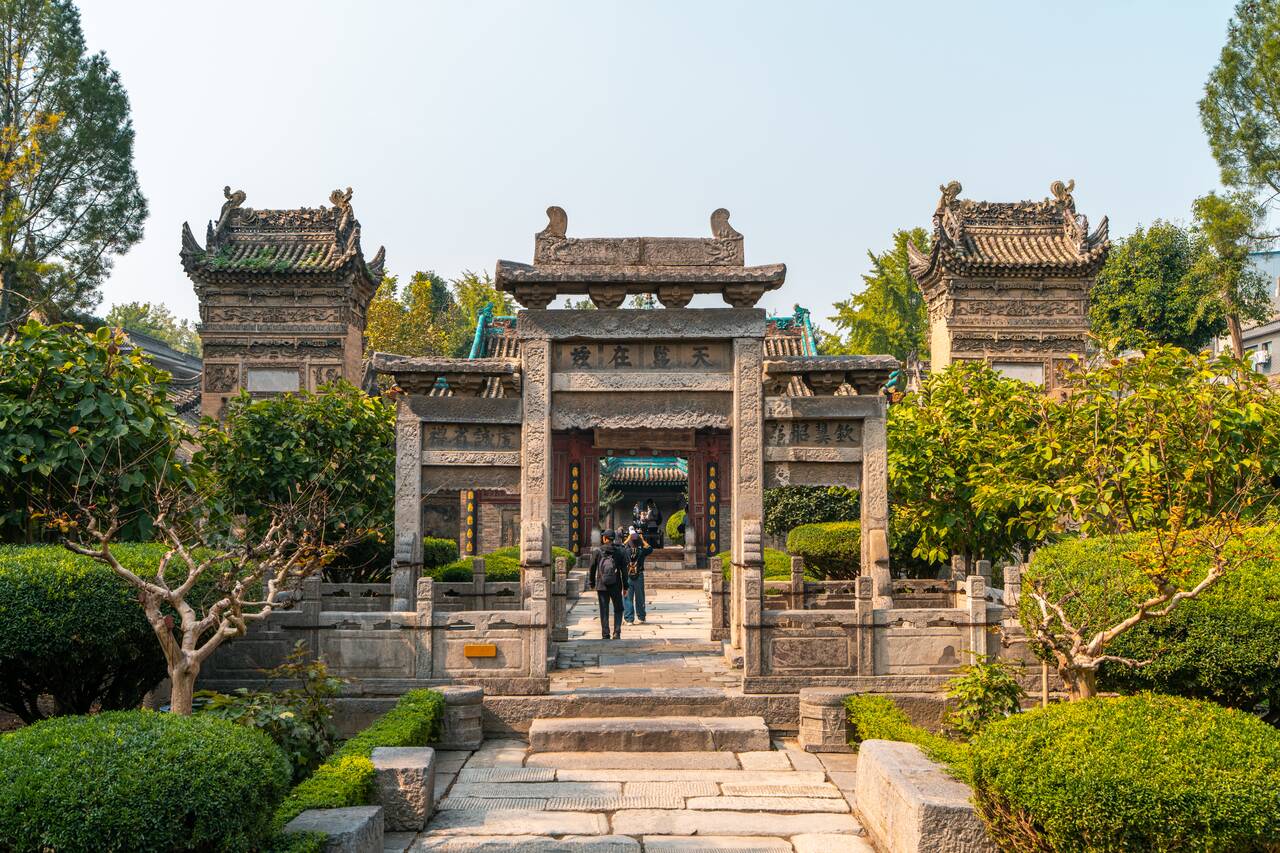
While you explore the Muslim Quarter, be sure to drop by and check out the Great Mosque of Xi’an. It was unlike any mosque I had seen before, and I've seen quite a lot in my life! With its traditional Chinese roofs, landscaped courtyards, and intricately decorated wooden buildings, you could easily mistake it for a Chinese temple at first glance!

In the evening, head back out into the Muslim Quarter and eat your way through the neighborhood. The city’s Hui Muslim community is part of its Silk Road history, and you can see that in the food. You’ll find plenty of beef and lamb dishes alongside local noodle specialties. Look out for yangrou paomo, a lamb soup with torn pieces of flatbread, beef roujiamo, a flatbread stuffed with chopped beef, and cumin-seasoned lamb skewers. For something sweet, you can also try persimmon cakes or grab some fresh pomegranate juice as you wander.
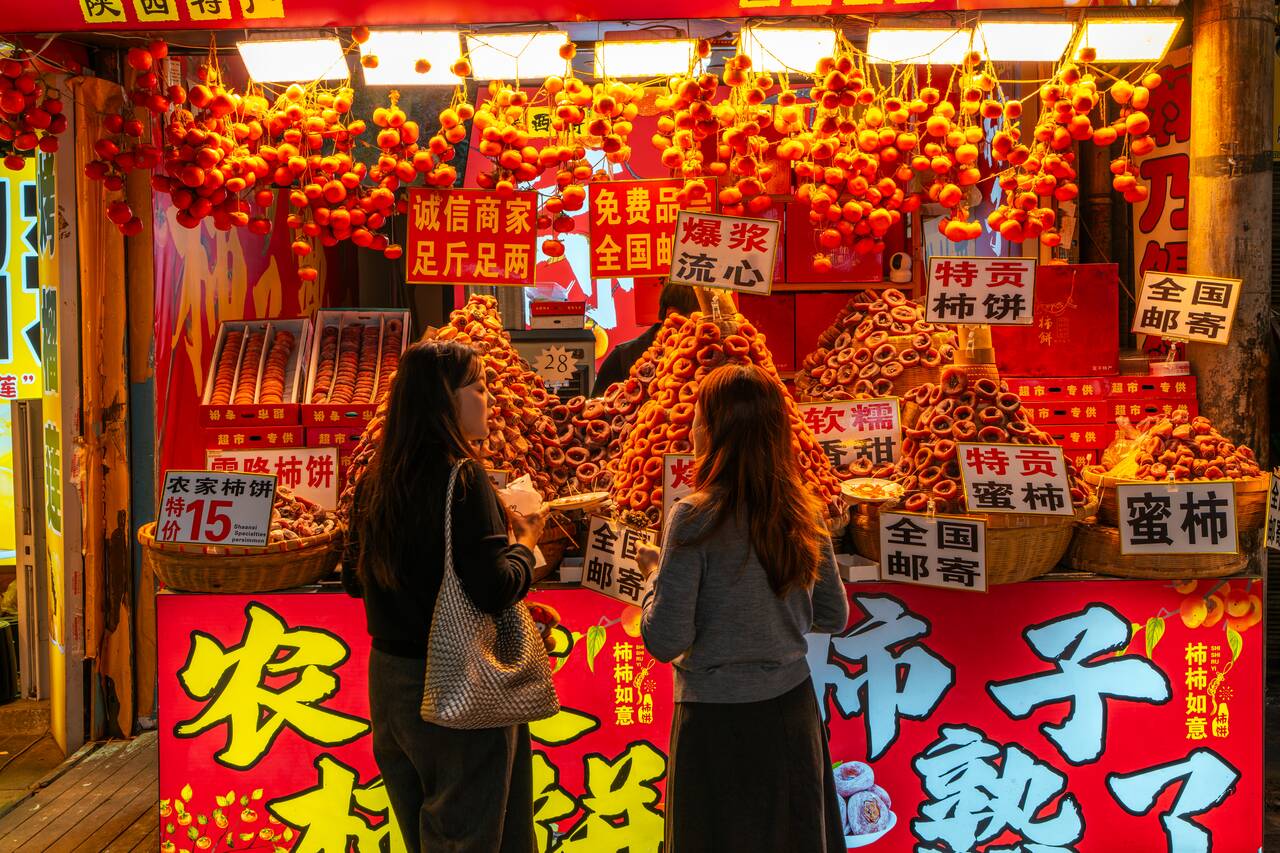
There is plenty to tempt you, although I found the food a little pricier than elsewhere in the city, especially along the busiest streets. I would browse a few stalls and compare prices before deciding what to eat. It is always a good sign if there's a lot of people crowding one stall or restaurant. Don’t forget to explore the smaller alleyways and corners as well, where you will find more shops and plenty of souvenirs to browse.
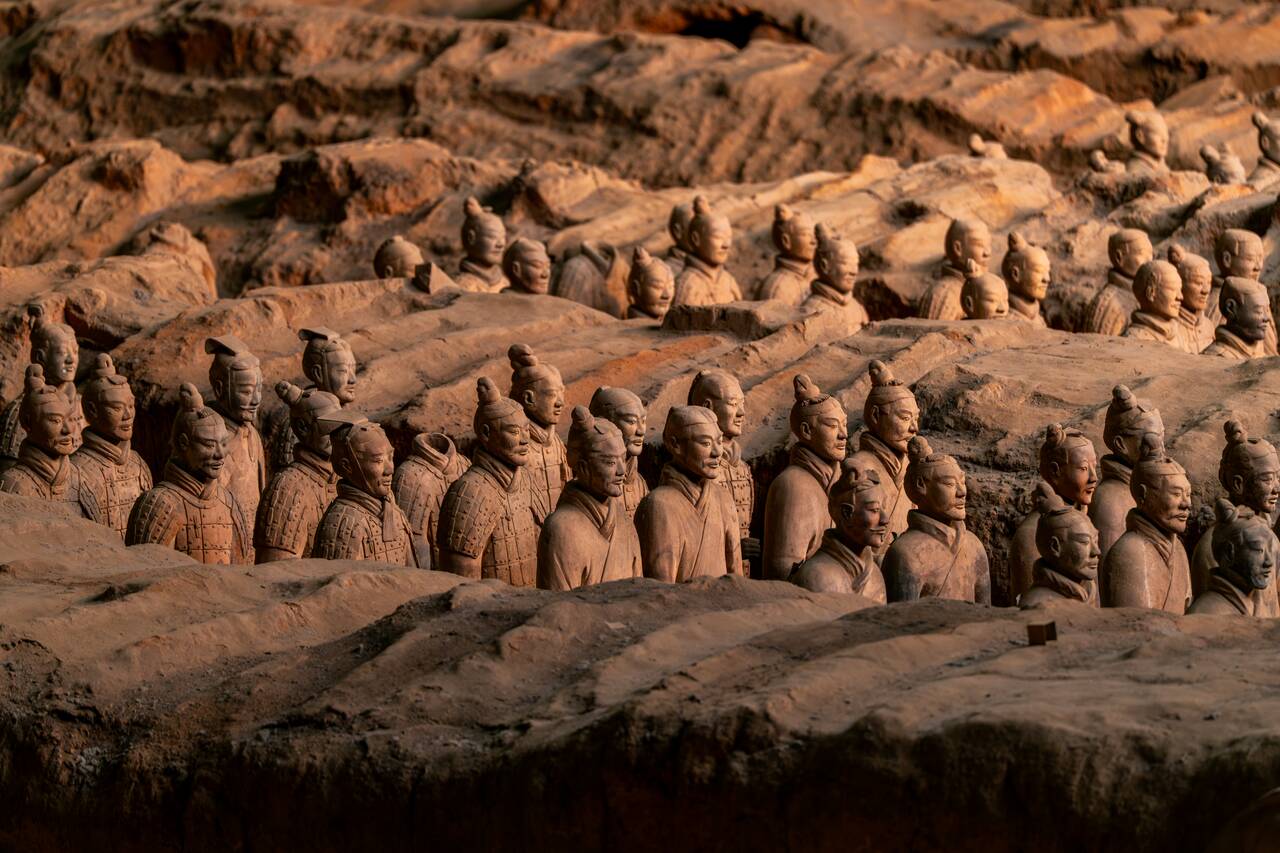
On your second day, we’re heading out of the city to see the Terracotta Warriors. If you want to catch the show at Huaqing Palace in the evening, take it easy in the morning and book an early afternoon slot for the warriors. Created more than 2,000 years ago to guard the tomb of Qin Shi Huang, China’s first emperor, this enormous underground army is one of the most extraordinary archaeological discoveries in the world.
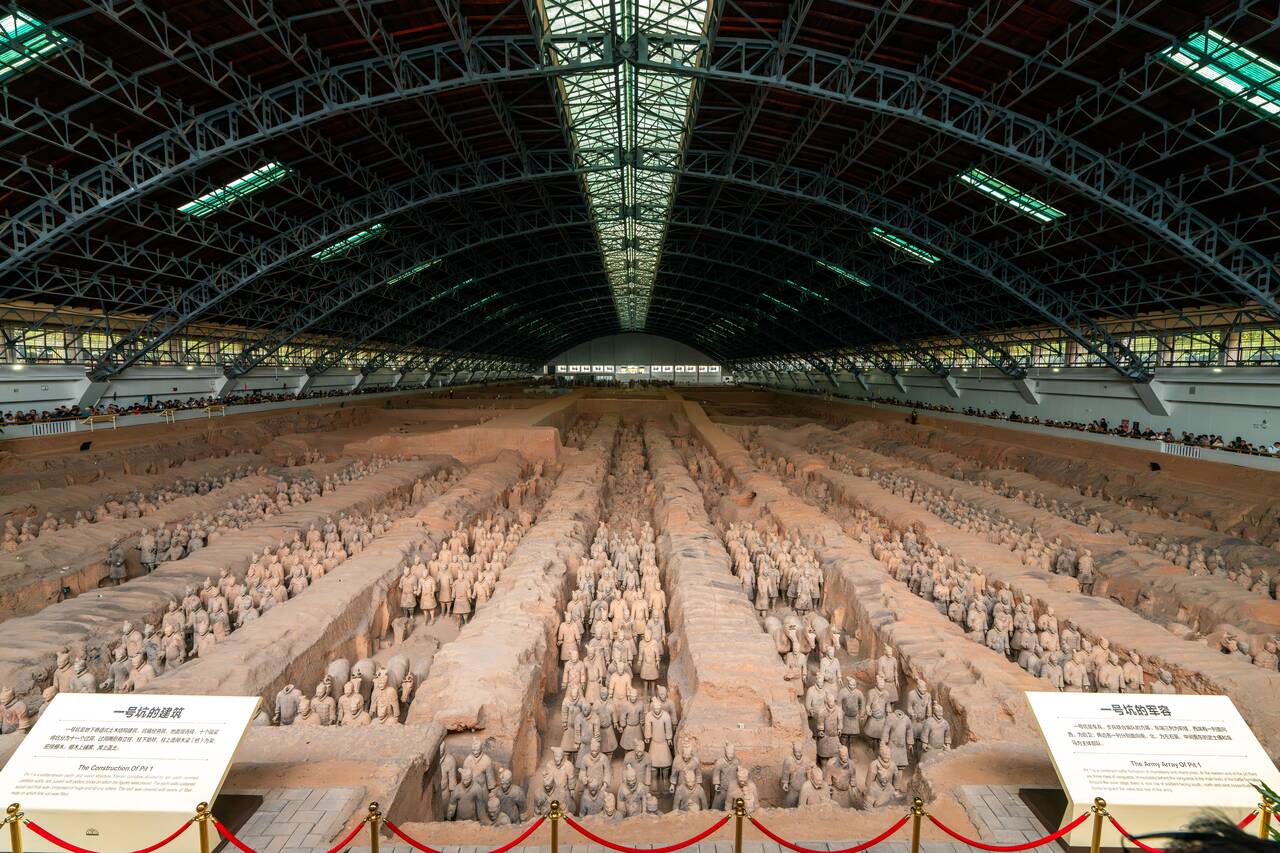
Be sure to prioritize Pit 1, the largest excavation hall and my favorite part of the visit. This is where you will find the iconic rows of warriors stretching across the enormous space, and seeing them in person is quite something! It is also the most crowded area, so expect plenty of people around the viewing railings.
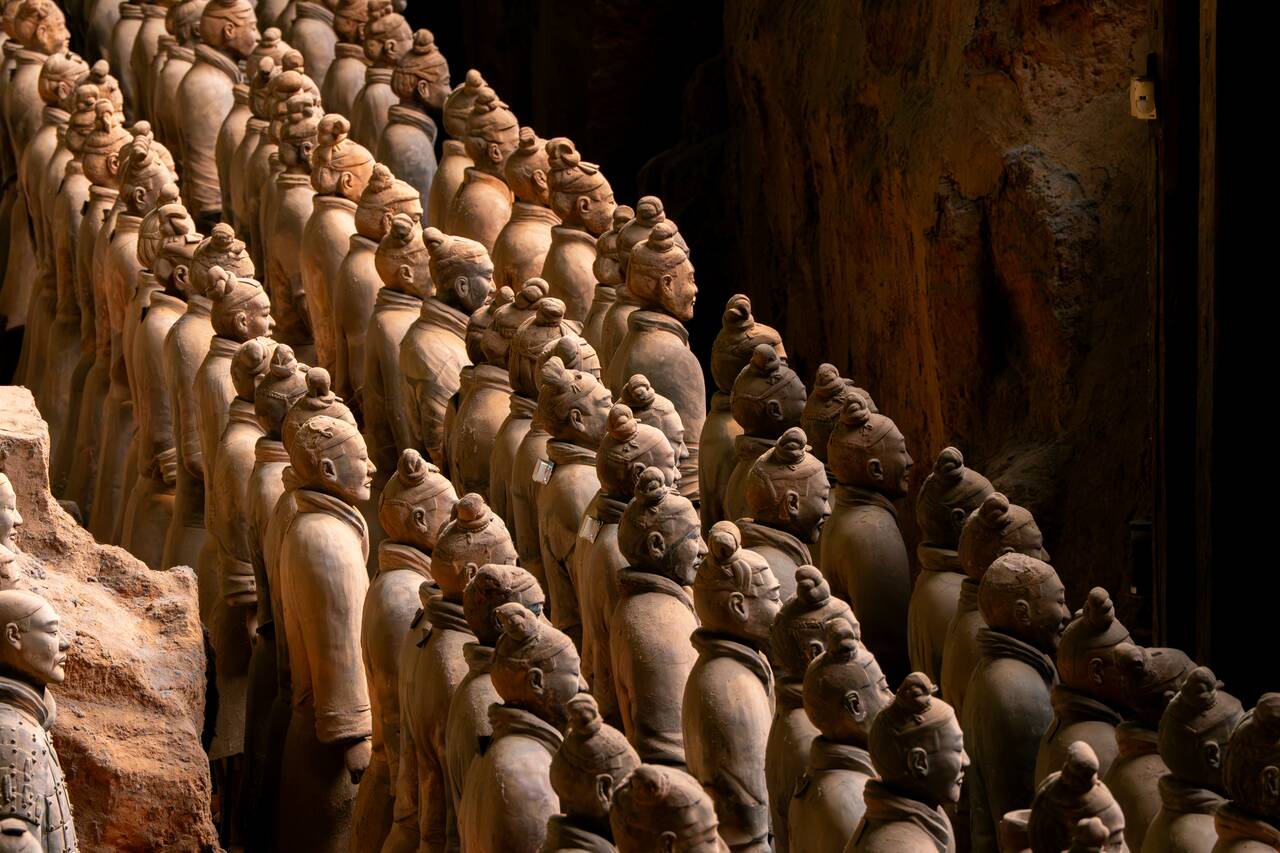
You will need to reserve a timed entry ticket, and popular slots can book out quickly, so book in advance. You can check tickets and tour options on Trip.com here. Check the package carefully, as some options include transport or a guide.
To get here from central Xi’an, take the metro to Huaqingchi Station on Line 9, then book a DiDi to the Terracotta Warriors entrance. Combining the metro with a short DiDi ride is a convenient way to keep costs down while giving yourself more flexibility than if you go with a tour or shuttle.
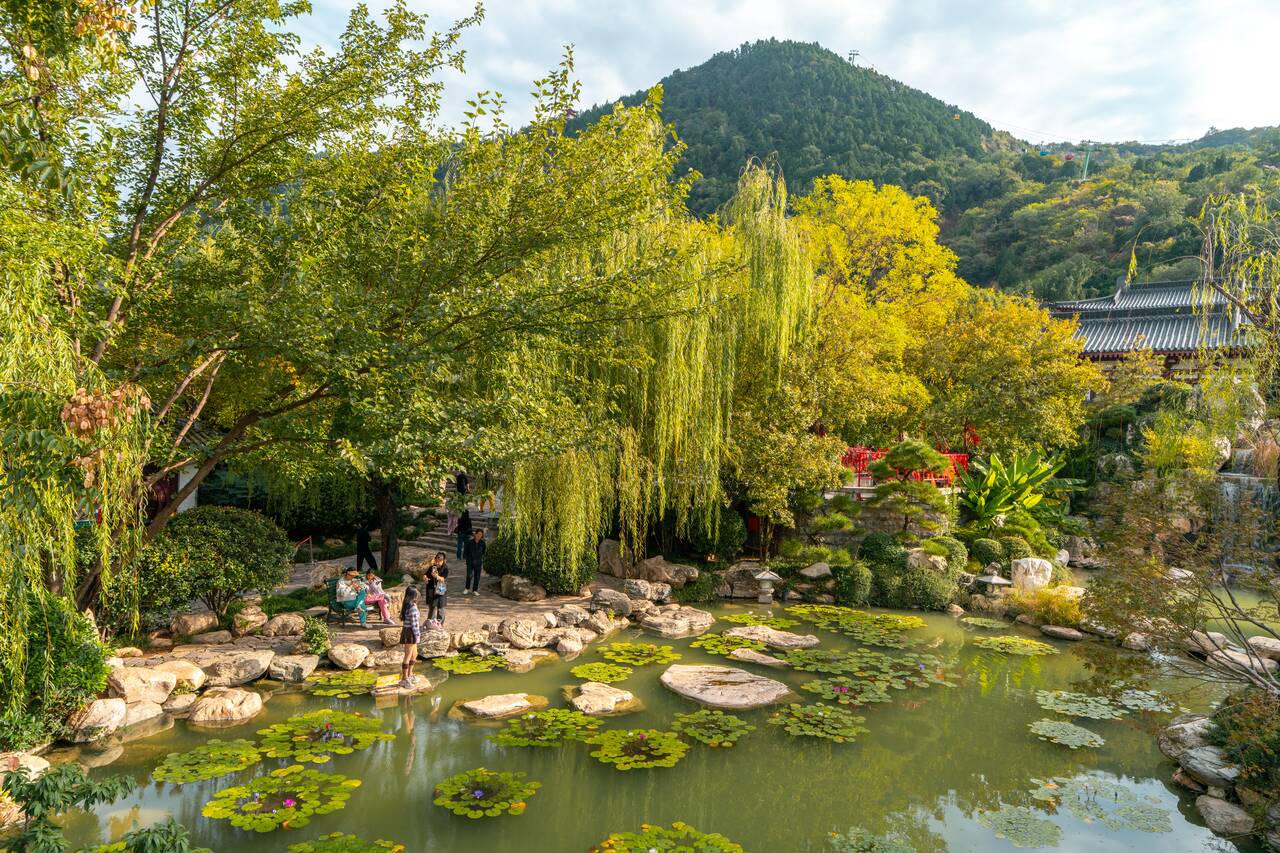
After exploring the Terracotta Warriors, head over to Huaqing Palace, a former imperial hot spring retreat at the foot of Mount Li. The place is particularly famous for its association with Tang dynasty Emperor Xuanzong and his beloved consort, Yang Guifei, whose story inspired The Song of Everlasting Sorrow, the evening show performed here.
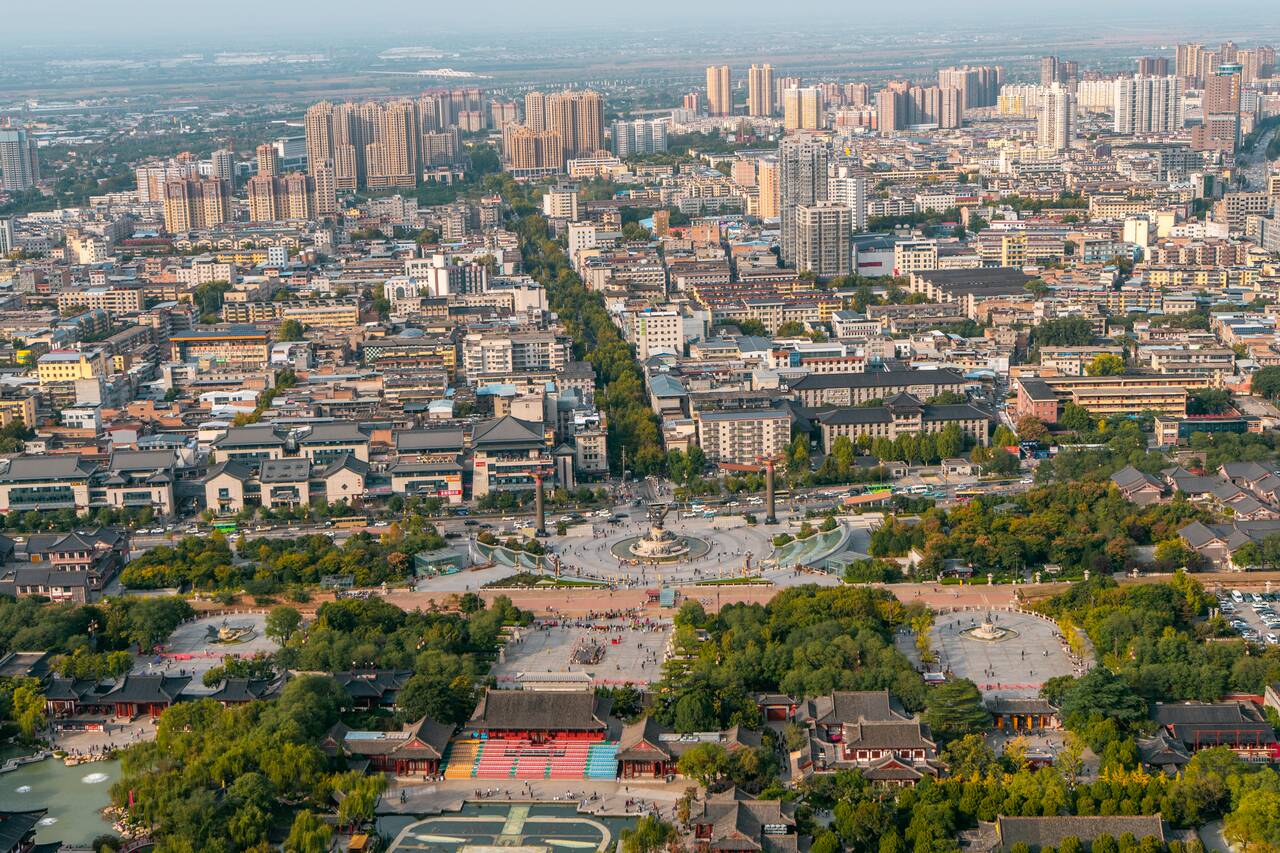
What I do recommend is taking the cable car up Mount Li and continuing on foot to the beacon tower for a great view of the surrounding area. The cable car saves you some climbing, but you will still have to do the work to get there. Once you get to the upper station, it's about another 30-minute hike along steep stairs until you arrive at the tower.

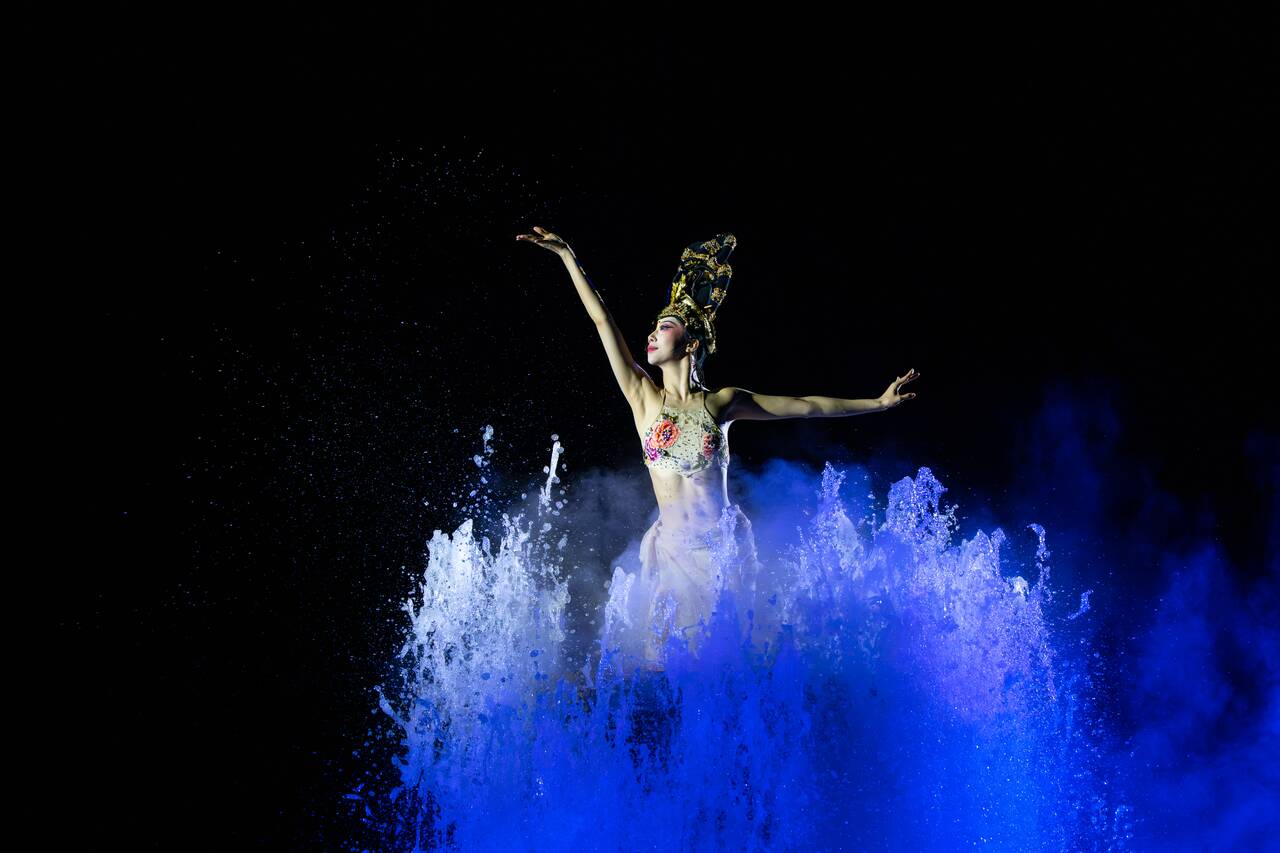
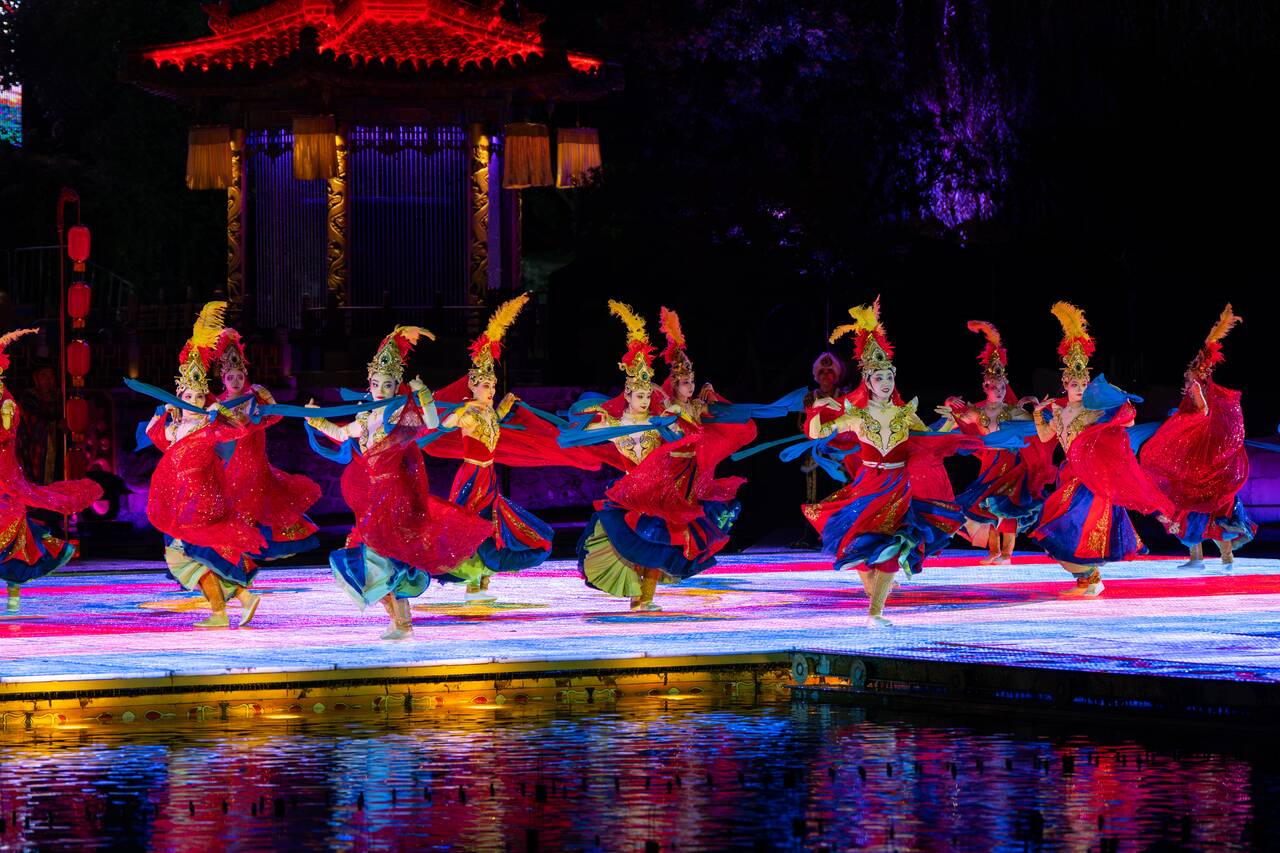
Once you’re done exploring the palace grounds, stick around for The Song of Everlasting Sorrow. This outdoor dance drama tells the story of Tang dynasty Emperor Xuanzong and his beloved consort, Yang Guifei, from their romance to the rebellion that brought their world crashing down.
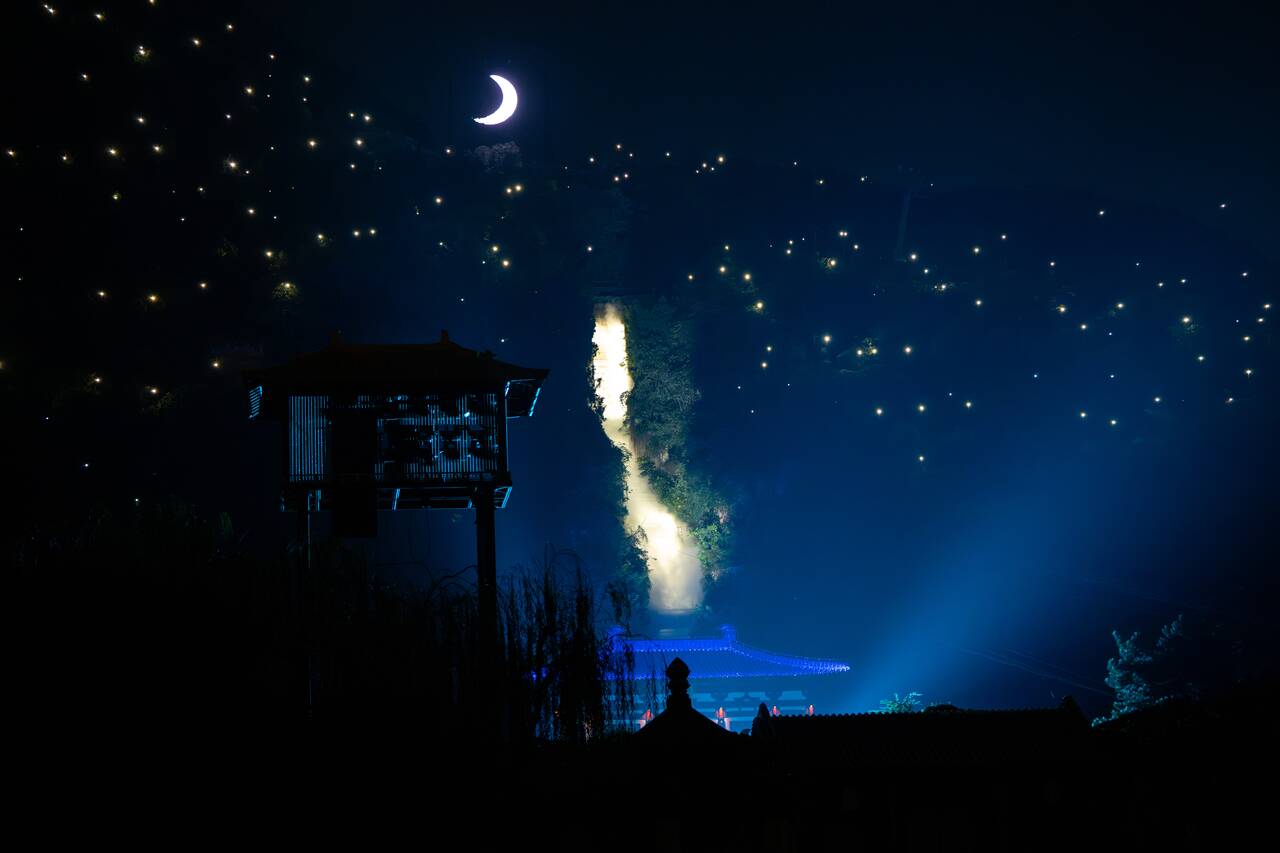
This was honestly one of the best shows I have seen in China. The production, costumes, choreography, and stage design were absolutely incredible. They turned the mountain behind the palace into part of the stage, complete with lights, artificial waterfalls, and an enormous glowing moon. I had hiked up that very mountain earlier in the day and hadn’t even noticed all the equipment hidden there! 😅
Be sure to arrive at least 30 minutes before your performance and allow time to exchange your booking for a physical ticket before entering. If you are already exploring Huaqing Palace during the day, you will have to leave when the daytime grounds close and enter again for the performance using your separate show ticket.
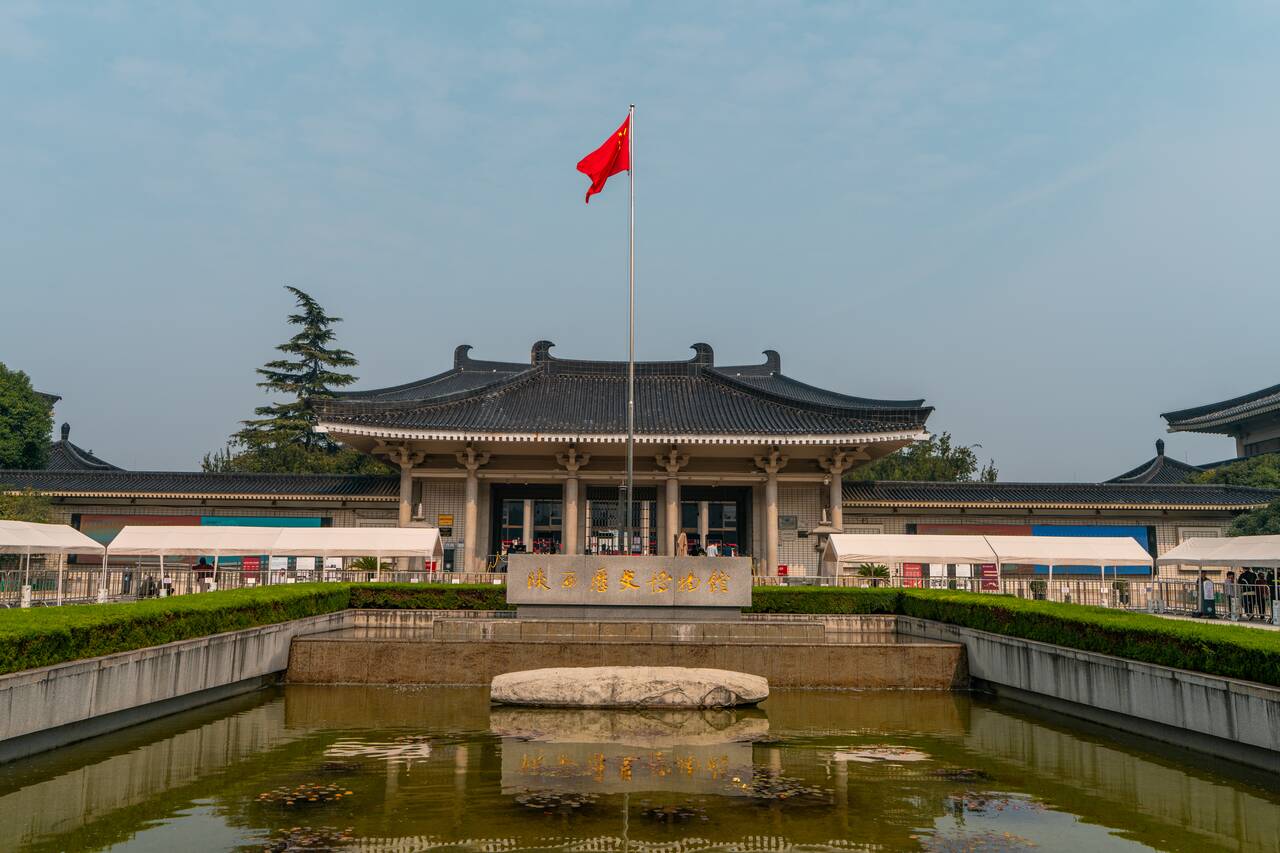
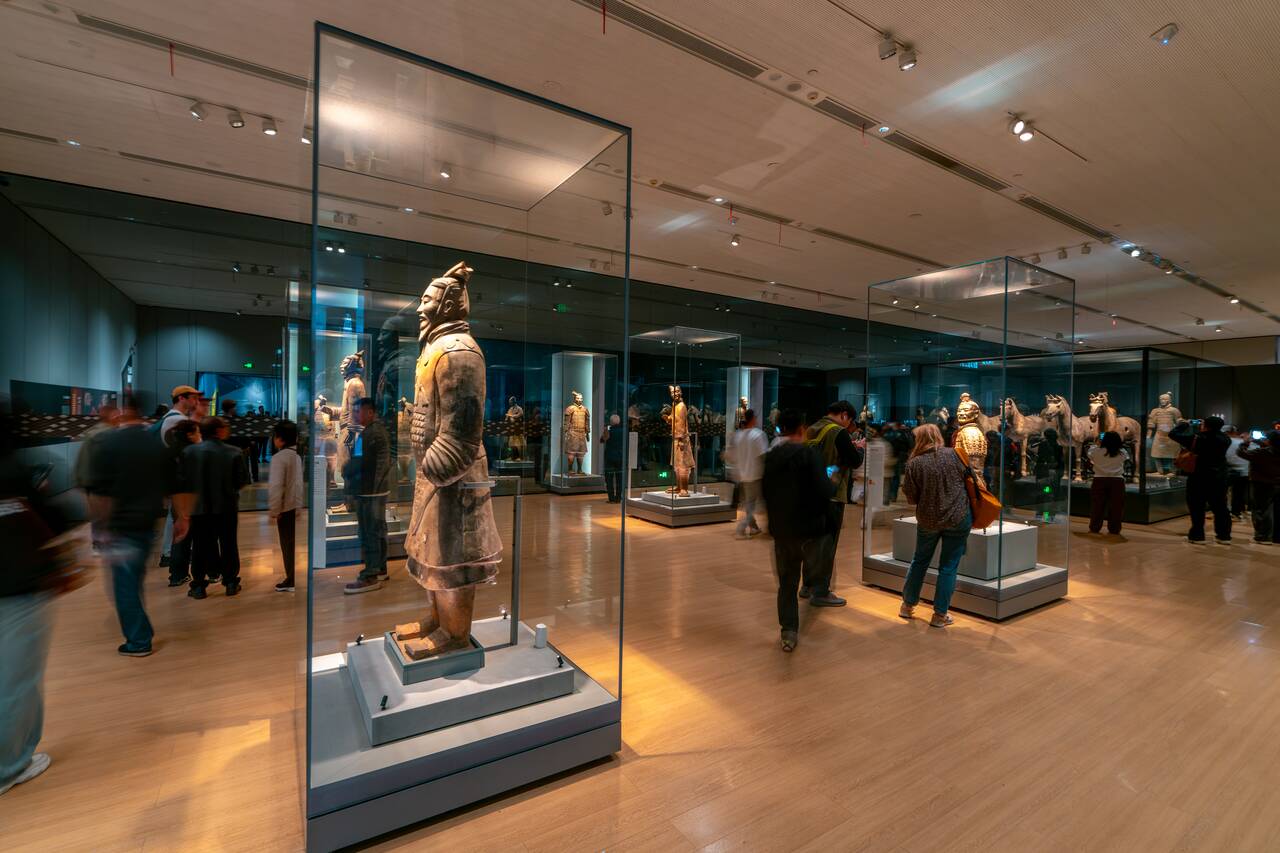
On your last day in Xi’an, plan the rest of your day around whatever time slot you can get at the Shaanxi History Museum. This was one of the best museums I visited in China. Dare I say, although it isn’t as big as the National Museum in Beijing, I actually preferred the collection here!
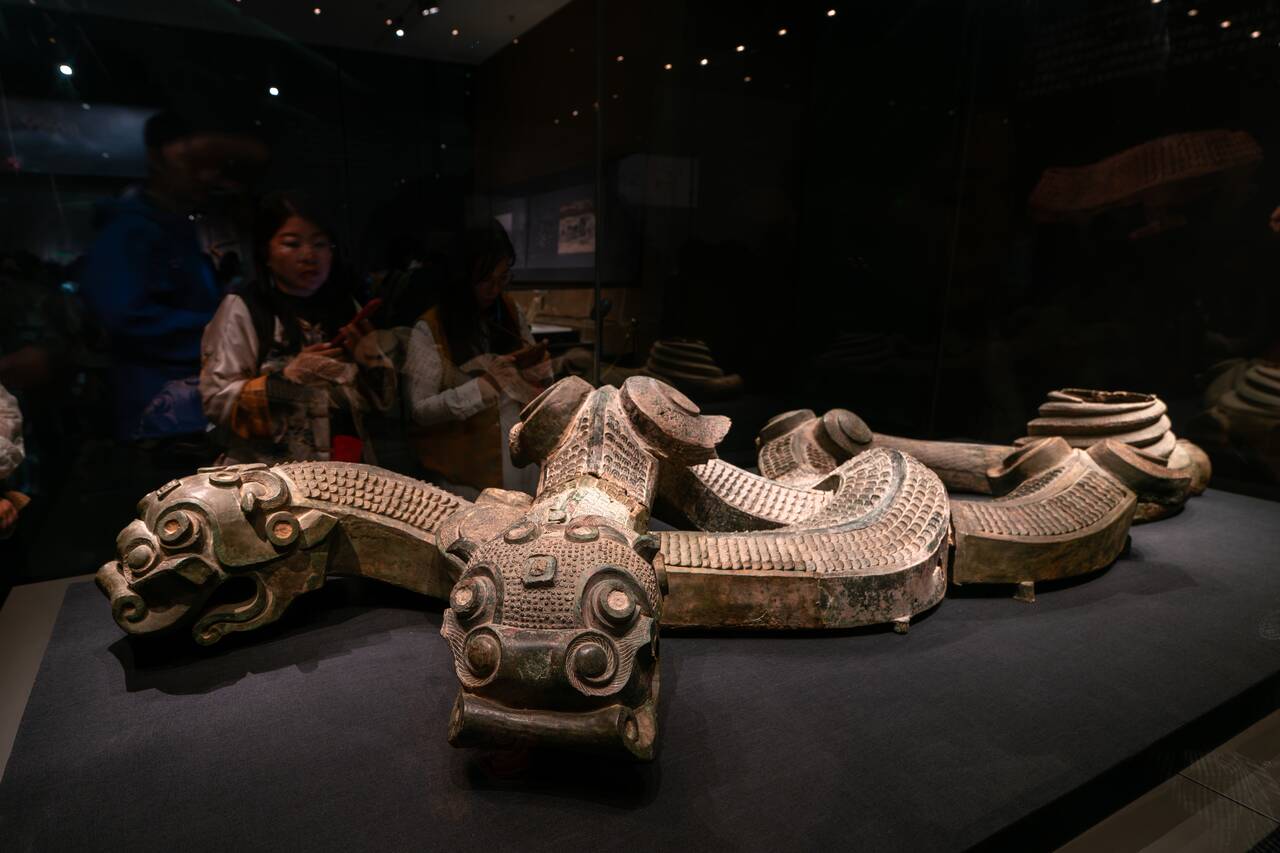
There was something about the ancient artifacts here that I found more intriguing than those in other museums in China, from the 2,000-year-old Twin Bronze Dragons to pottery figurines depicting Silk Road merchants on camels and beautifully crafted gold and silver objects.
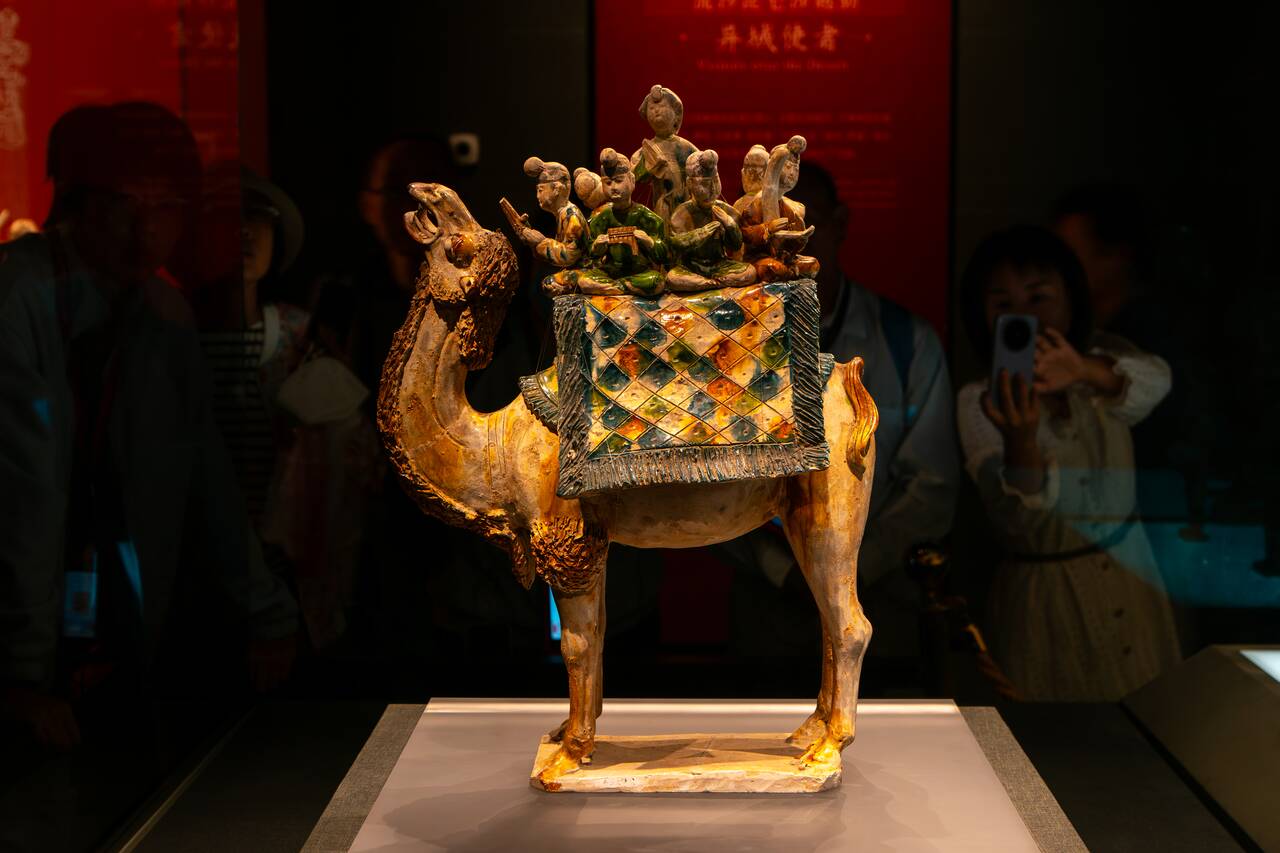
Entry is free, but you must reserve a time slot in advance, and availability disappears very, very quickly! When I checked during my October visit, the next four days were already fully booked. If you want to visit, you may have to plan your itinerary around an available time slot, so don’t leave booking until the last minute!
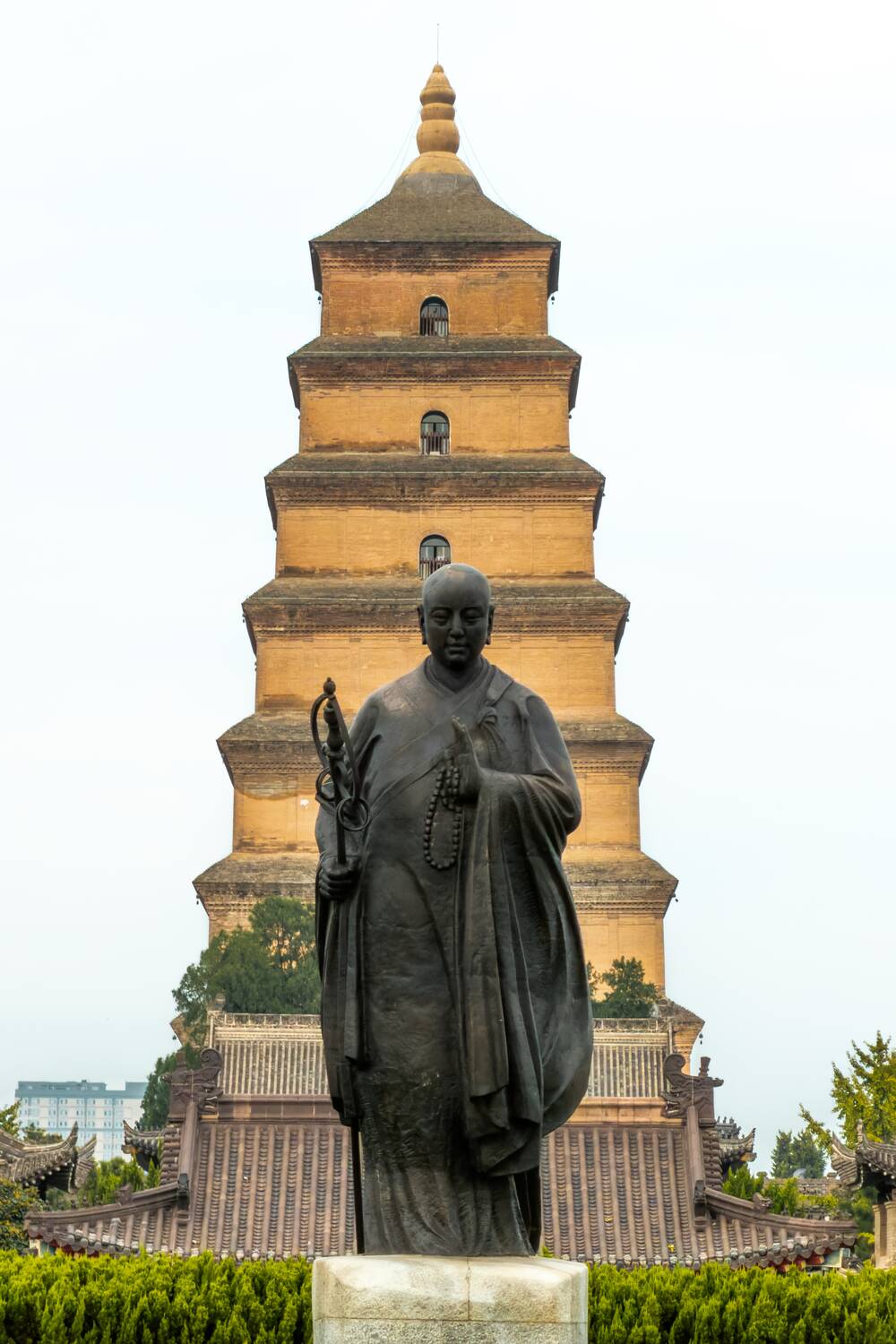
Afterward, head over to Da Ci’en Temple and spend the afternoon around the Giant Wild Goose Pagoda. It’s a seven-story brick tower, right in the temple grounds. Originally built in 652 during the Tang dynasty, it was created to house Buddhist scriptures and relics brought back from India by the monk Xuanzang.
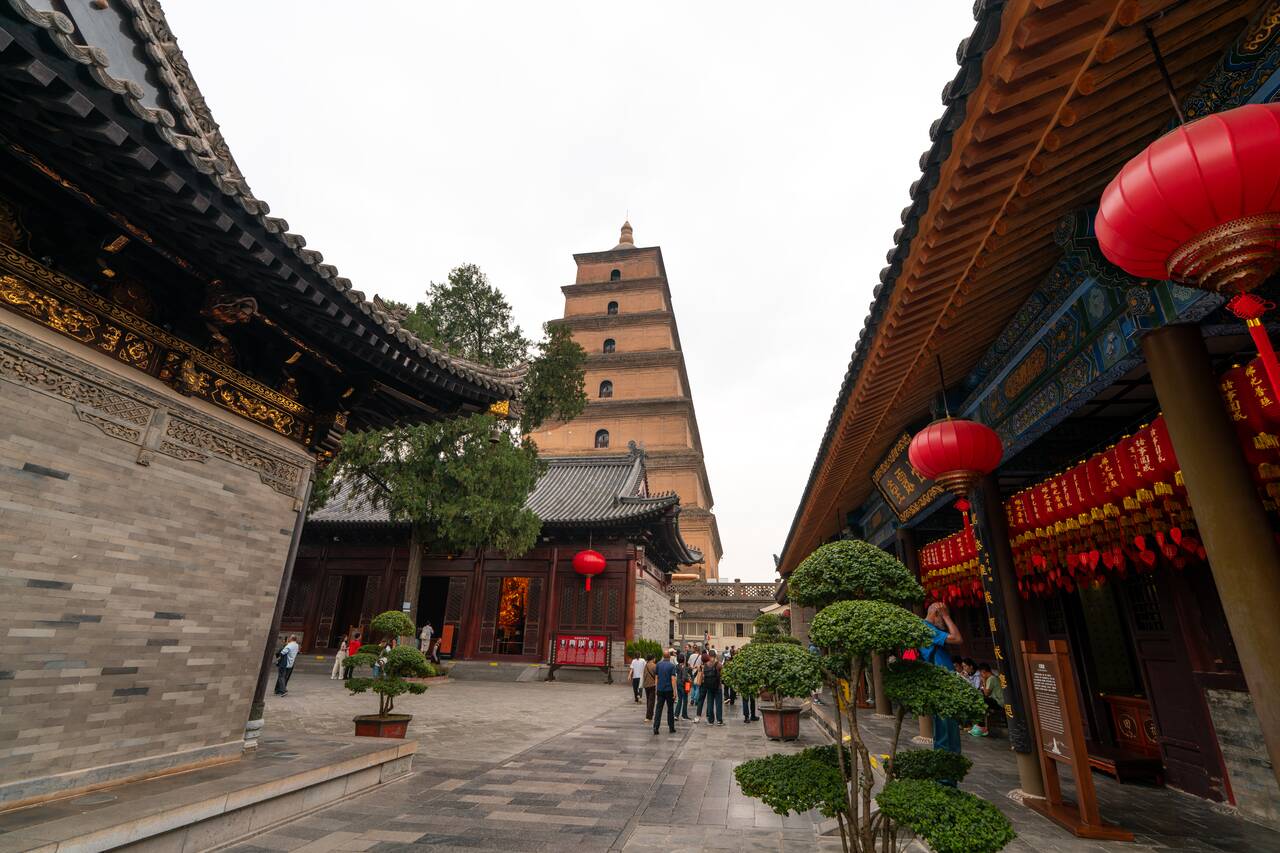
Before leaving, spend some time exploring the temple’s courtyards and halls as well. I recommend visiting in the afternoon, then staying in the area for Datang Everbright City after dark. The pedestrian area stretches south from the pagoda, making the two easy to combine.
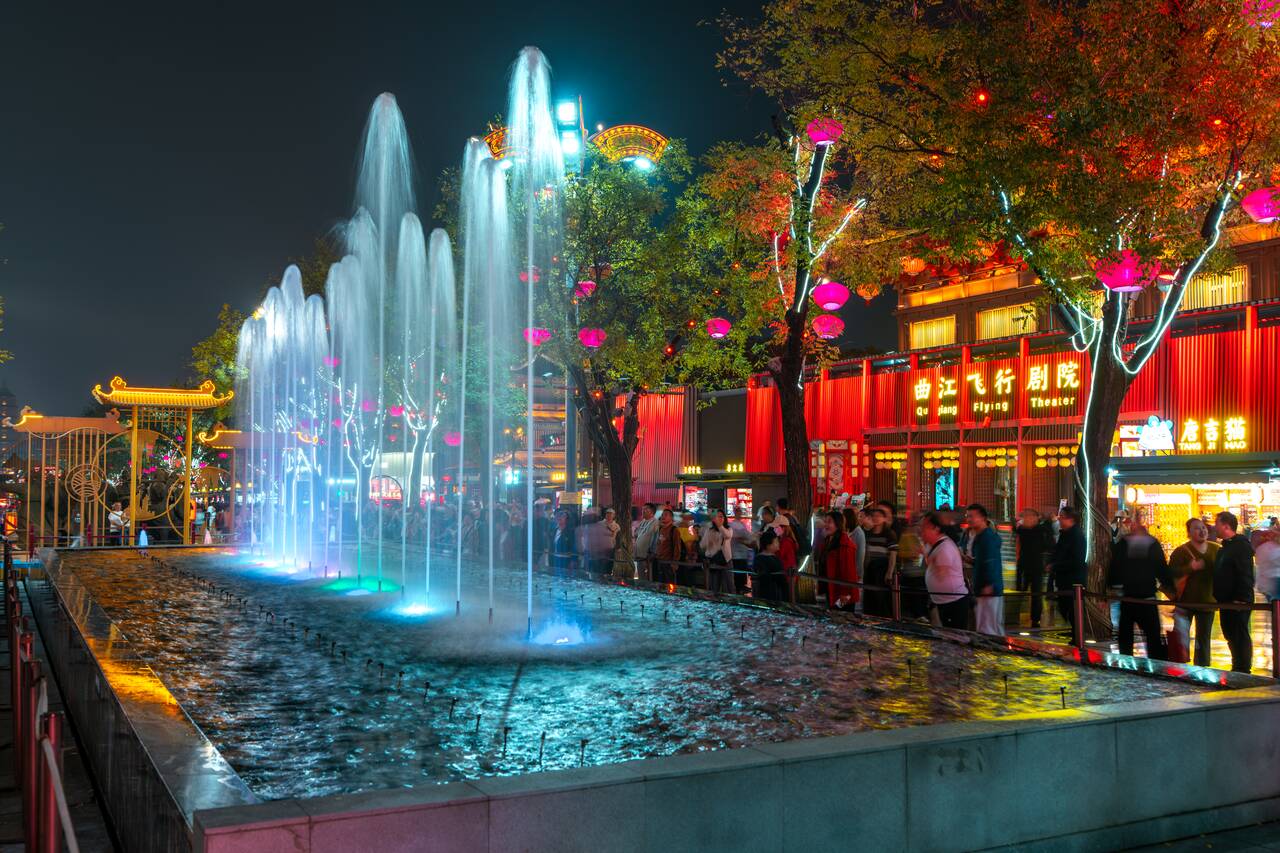
For a cool place to hang out in Xi’an at night, head over to Datang Everbright City, a pedestrian area that really comes alive after dark. Personally, I wouldn’t even bother coming during the day. This place is best experienced at night, and my god, does it get lively!
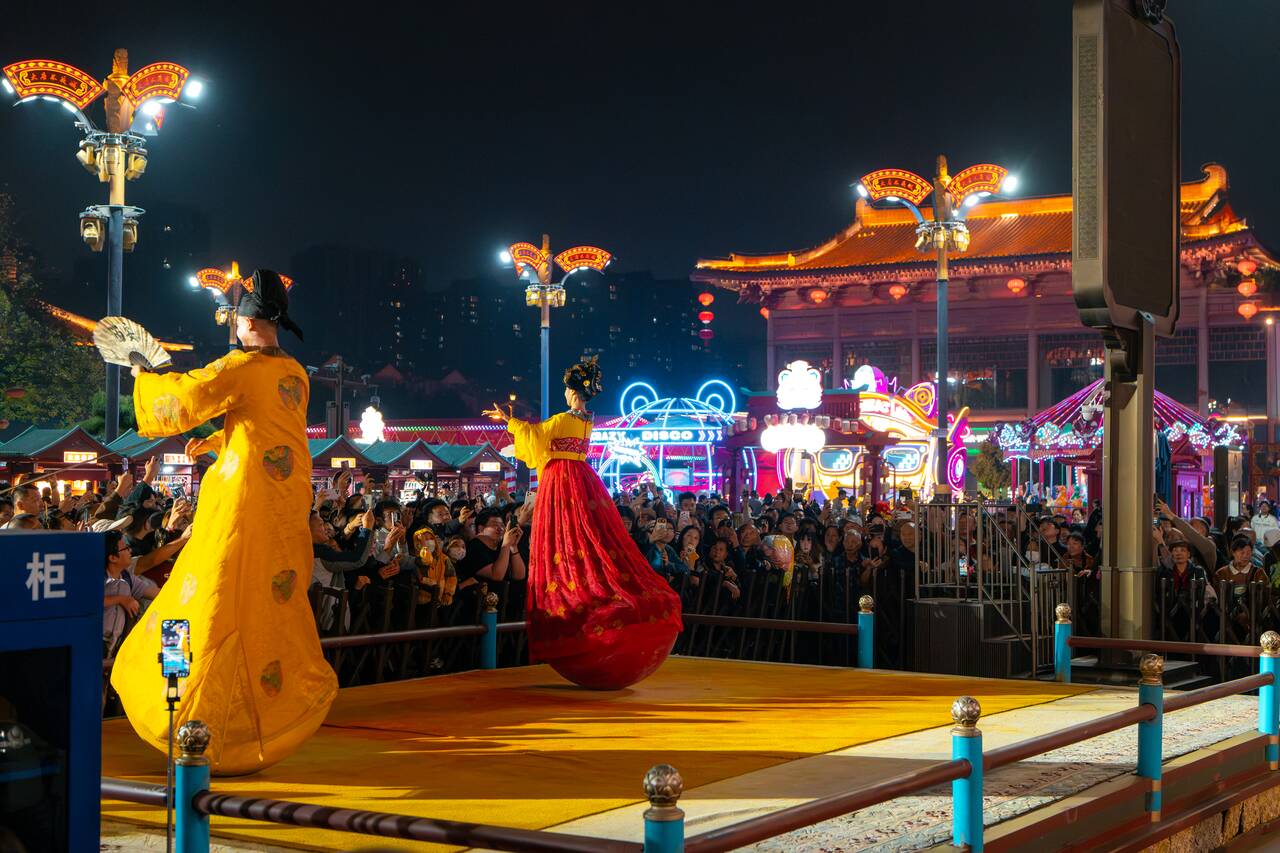
The buildings and monuments are beautifully illuminated, while Chinese tourists flood the streets, making the whole area feel like one big festival. As you wander, you will come across little pockets of performances and shows, as well as street food stalls, restaurants, and shops, so take your time and stop whenever something catches your attention. There is just so much going on here, it's unreal.
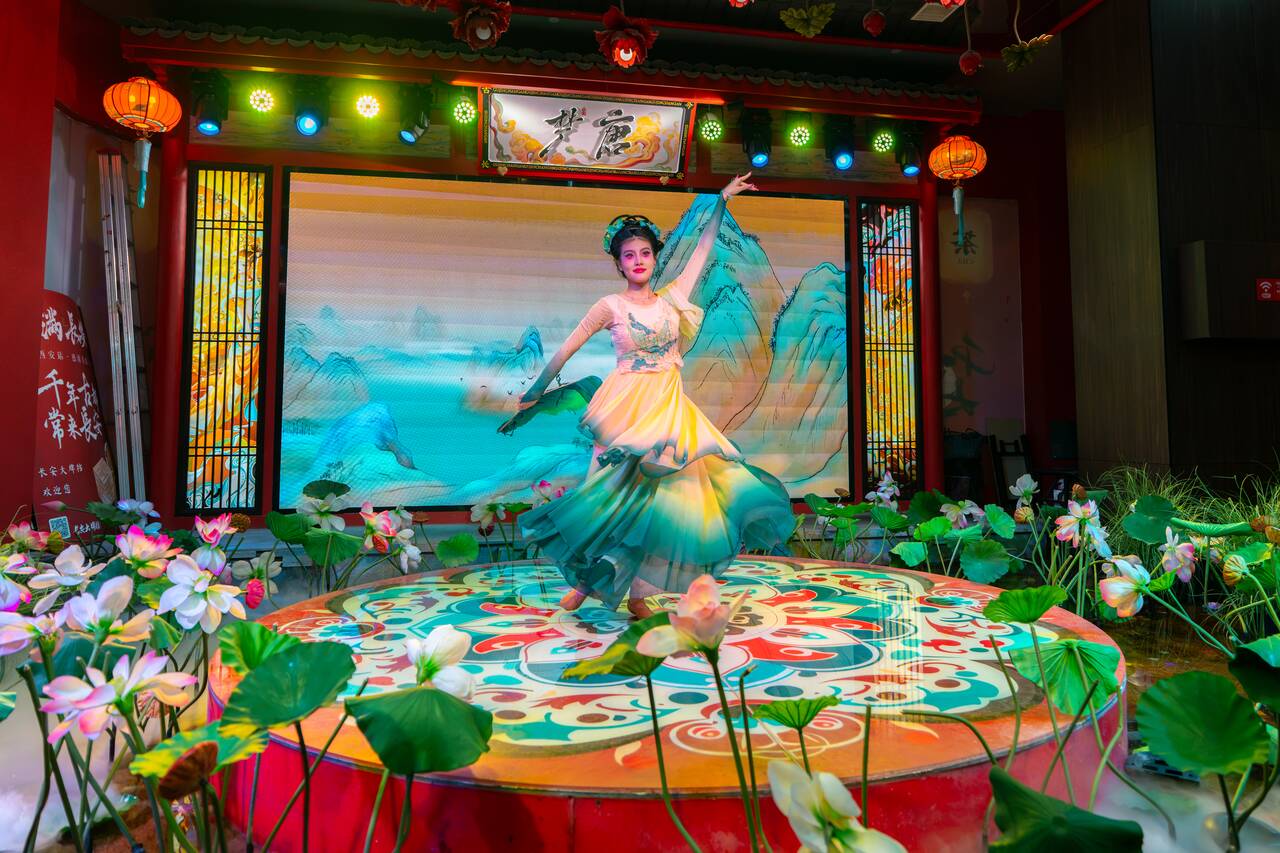
Last but not least, while exploring Datang Everbright City, stop by Chang’an Dapaidang for dinner with a little entertainment on the side. It is a fun place to try some local food while keeping the evening’s lively atmosphere going.
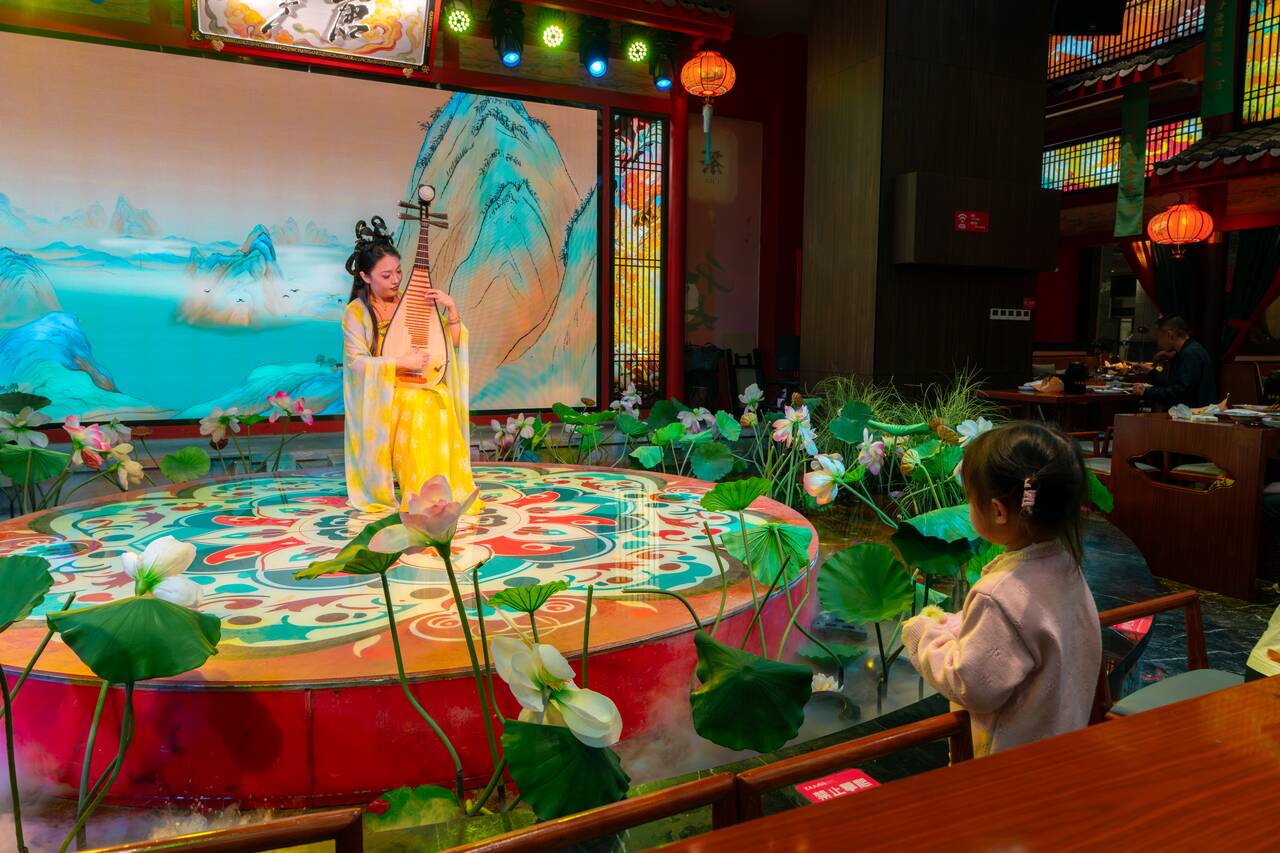
When I was there, performers came out one by one from around 6:30 PM to entertain diners as they ate, and they were great! There was dancing, live music, and even hosts coming over to the tables to mingle with us. They seemed a little disappointed when they realized I couldn’t speak Chinese (as a Thai, I blend in a little too well here 😅). Haha! It was very fun and a lovely way to round off an evening in this part of Xi’an!

Where to Stay in Xi’an?

Getting from Xi’an to Zhangye
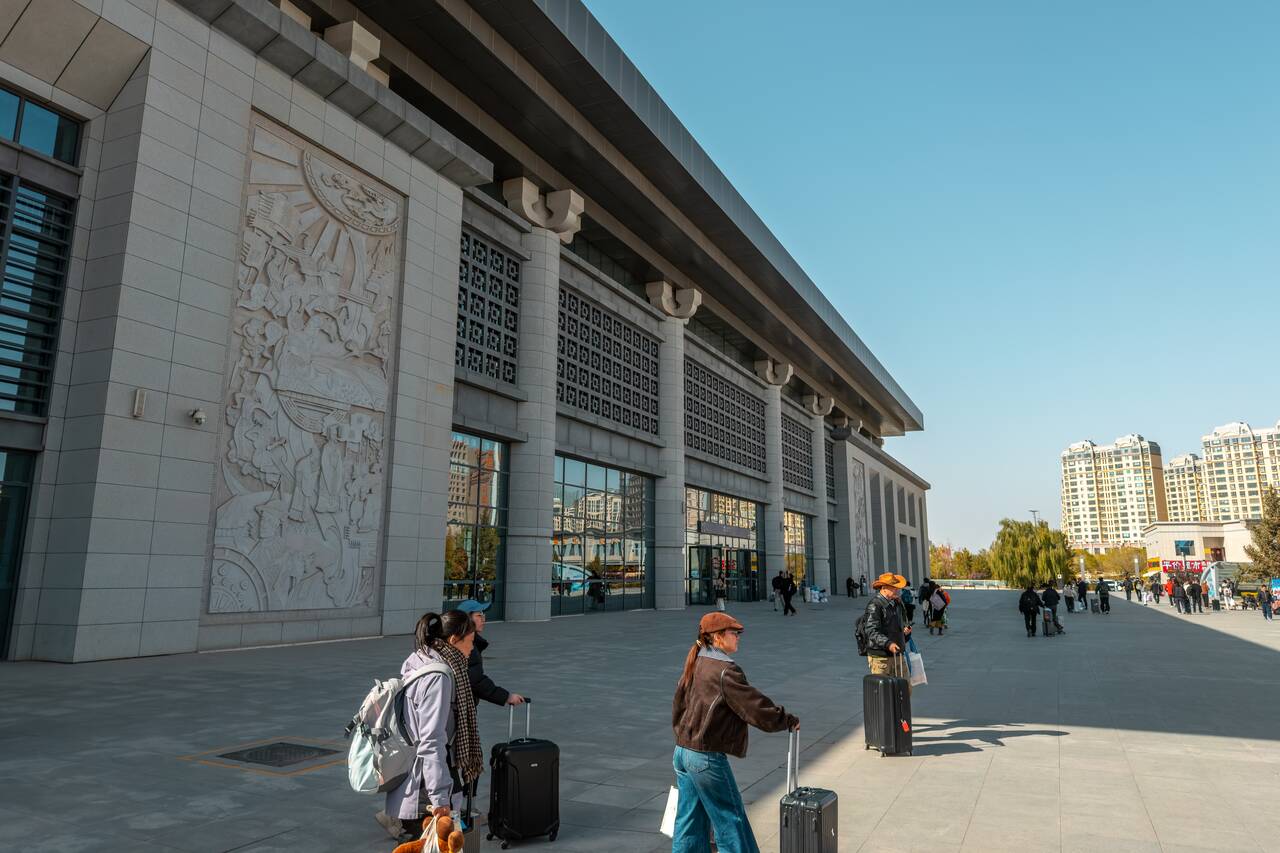
On Day 4, head to Xi’an North Railway Station and take the high-speed train to Zhangye West. At around 7 hours, this is the longest leg of the trip, so you might want to book a first-class seat if you’d like a little extra comfort.
Zhangye has two railway stations, so when you book on Trip.com, make sure you select Zhangye West and choose a high-speed train. Once you arrive in Zhangye West, you can take a DiDi straight to your accommodation.
Day 4–7: Zhangye (4 nights)
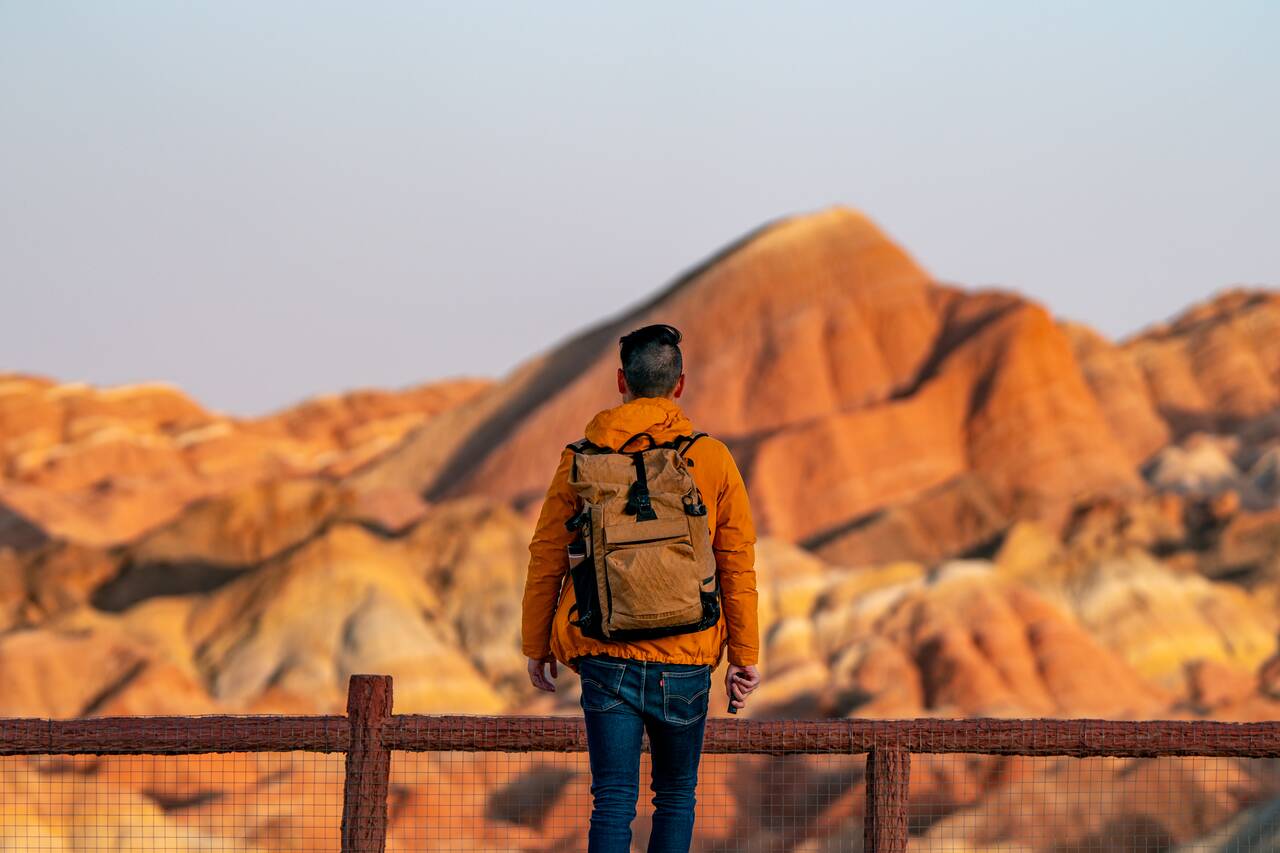
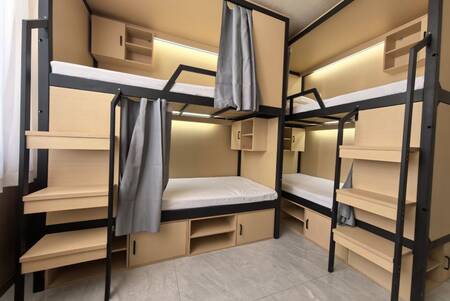
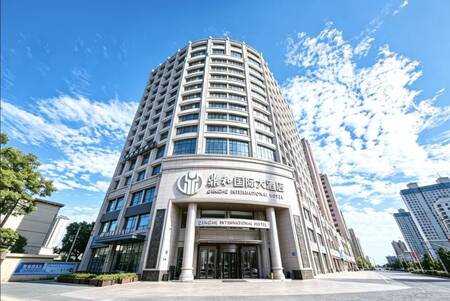
- 📍 Stay: Elong R.YUN Hotel (Zhangye West Railway Station Bell Tower Area)
- 🕐 Time: 4 nights
- 📖 Full Guide: Best Things to Do in Zhangye
Next up, we’re heading to Zhangye. The Rainbow Mountains were the reason I wanted to come here, but I didn’t expect to find this much adventure! With three full days, you can explore the city, take a day trip to Mati Temple, and hike Pingshan Lake Grand Canyon before catching sunset at the Rainbow Mountains.
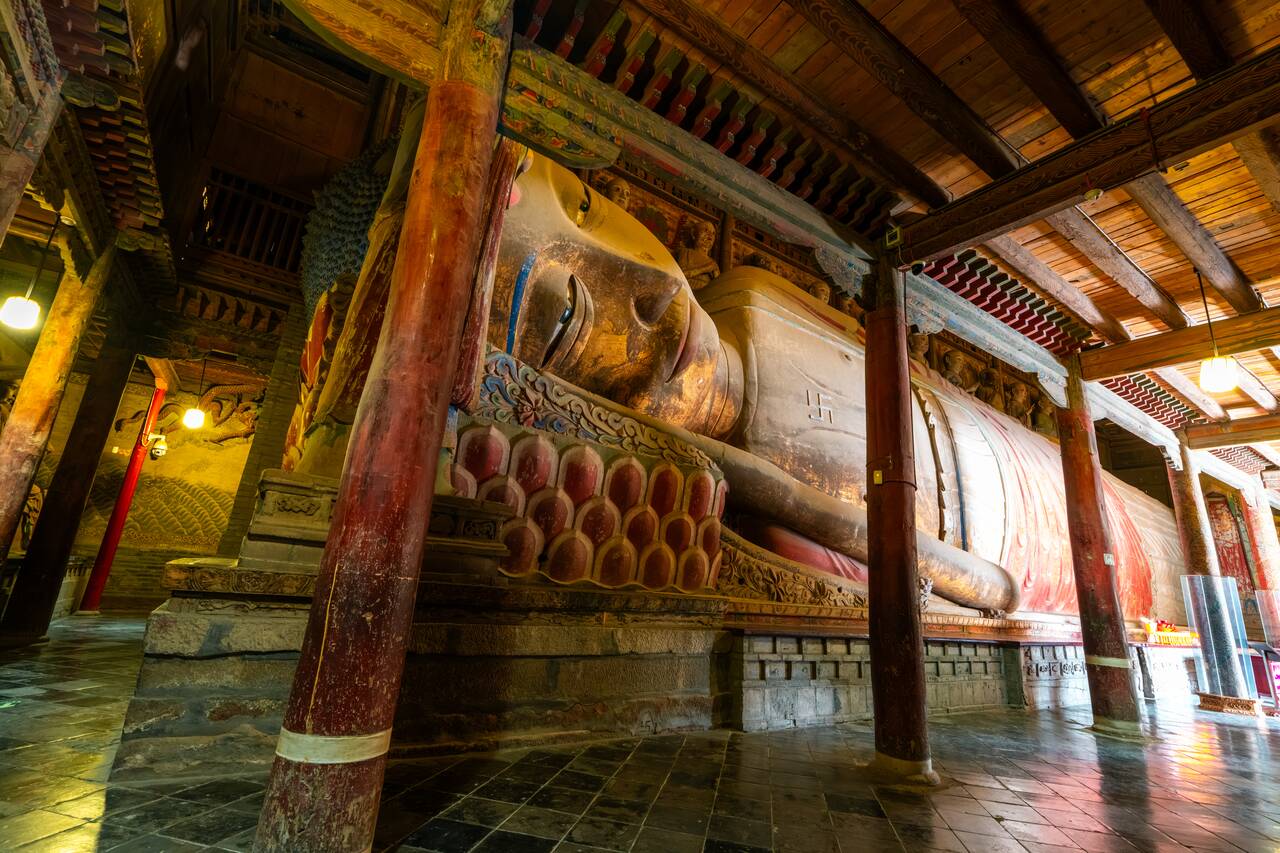
Start your first full day in Zhangye, Day 5, at Dafosi Temple. It’s also known as the Giant Buddha Temple. The temple dates back to the Western Xia dynasty and houses China’s largest indoor reclining Buddha made of clay over a wooden frame. I knew it was going to be big, but the sheer scale of it still blew my mind when I stepped into the hall!
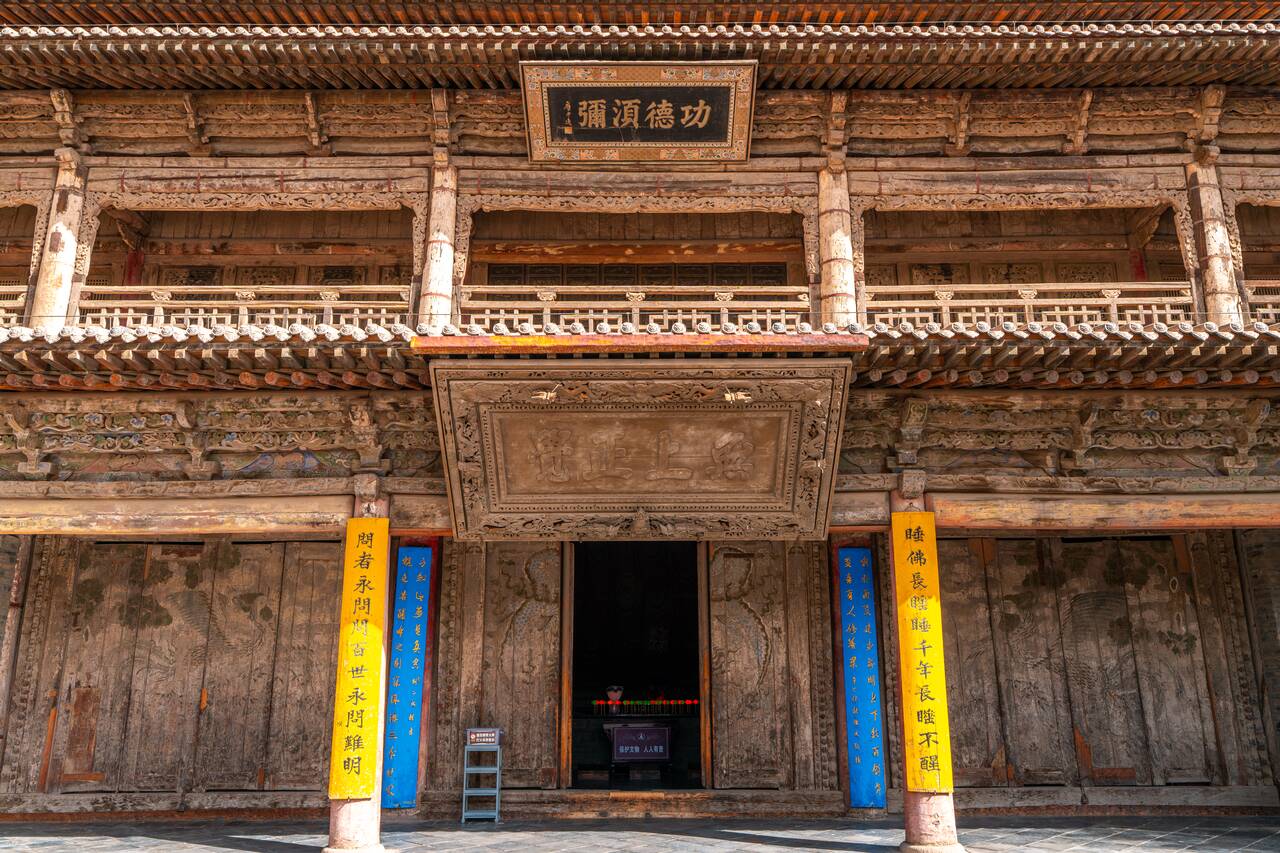
The hall itself is beautiful too, with its weathered wooden exterior and layered roofs. Take a moment to admire it from the courtyard before heading inside. There’s plenty to see beyond the main hall as well, with smaller shrines, museum displays, and a pagoda scattered around the grounds.
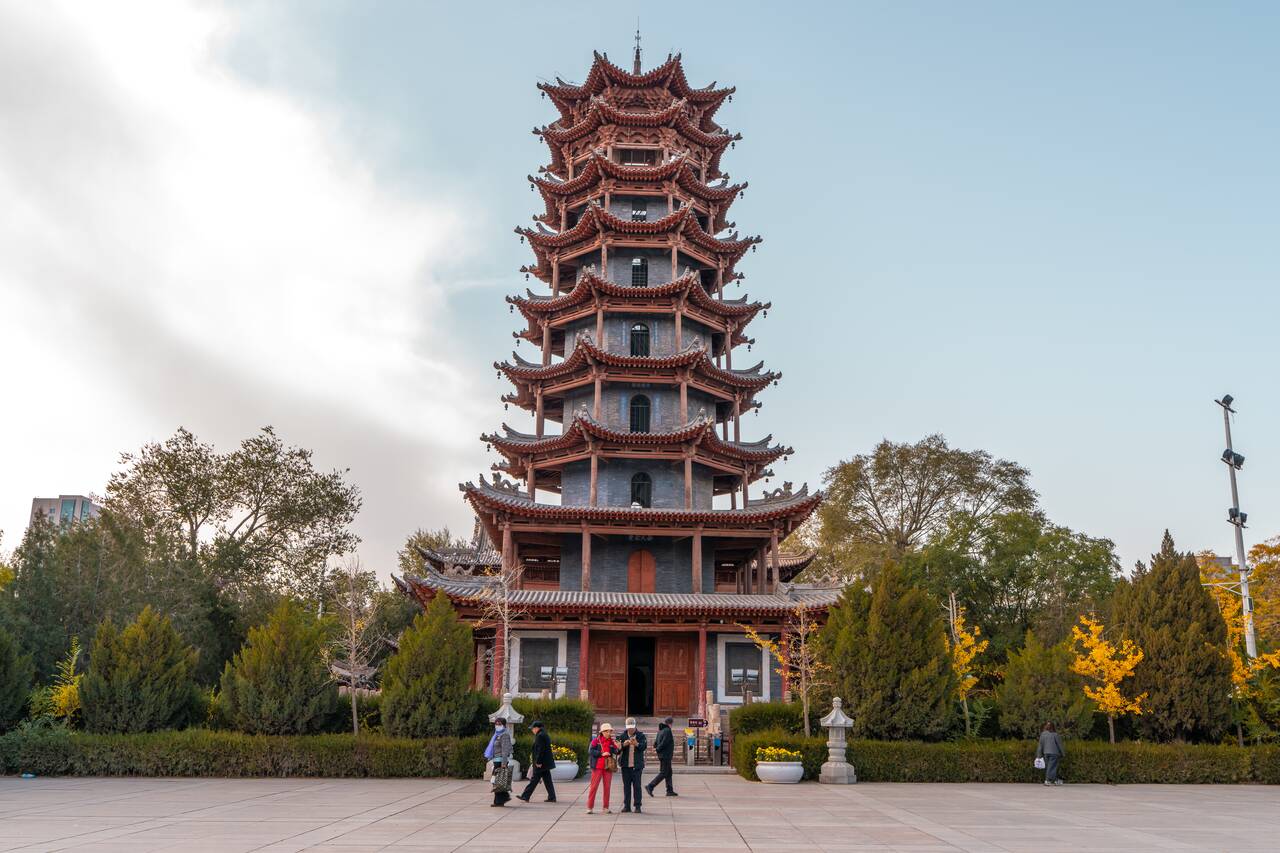
While you are exploring central Zhangye, be sure to stop by the Wooden Pagoda Temple, also known as the Xilai Wooden Pagoda. The original pagoda dates back to the Northern Zhou dynasty, although the nine-tiered brick and wooden tower you see today was rebuilt in 1926.
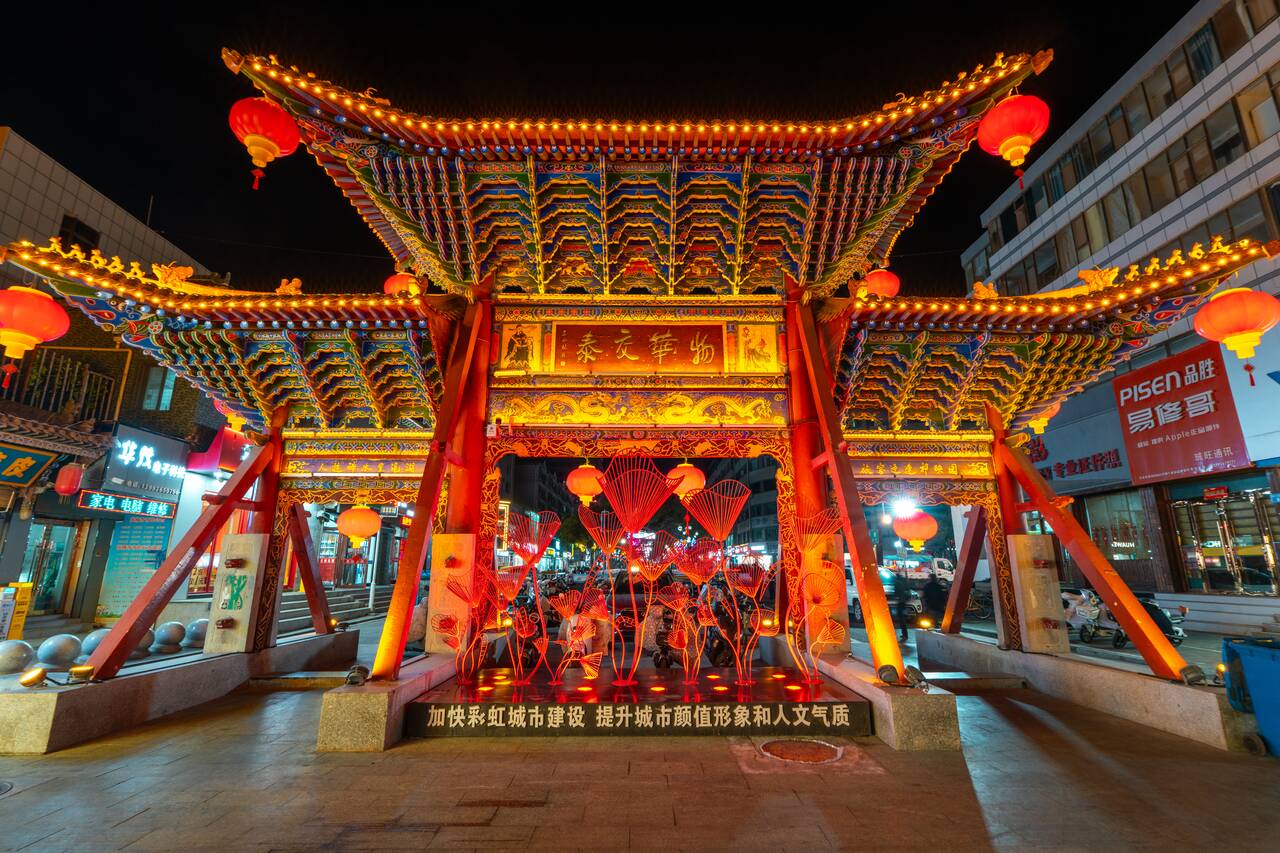
If you’re looking for somewhere to eat in the evening, head to Ming and Qing Dynasty Ancient Street, a night market lined with street food stalls and restaurants. It’s a good place to hang out in the evening and at night.
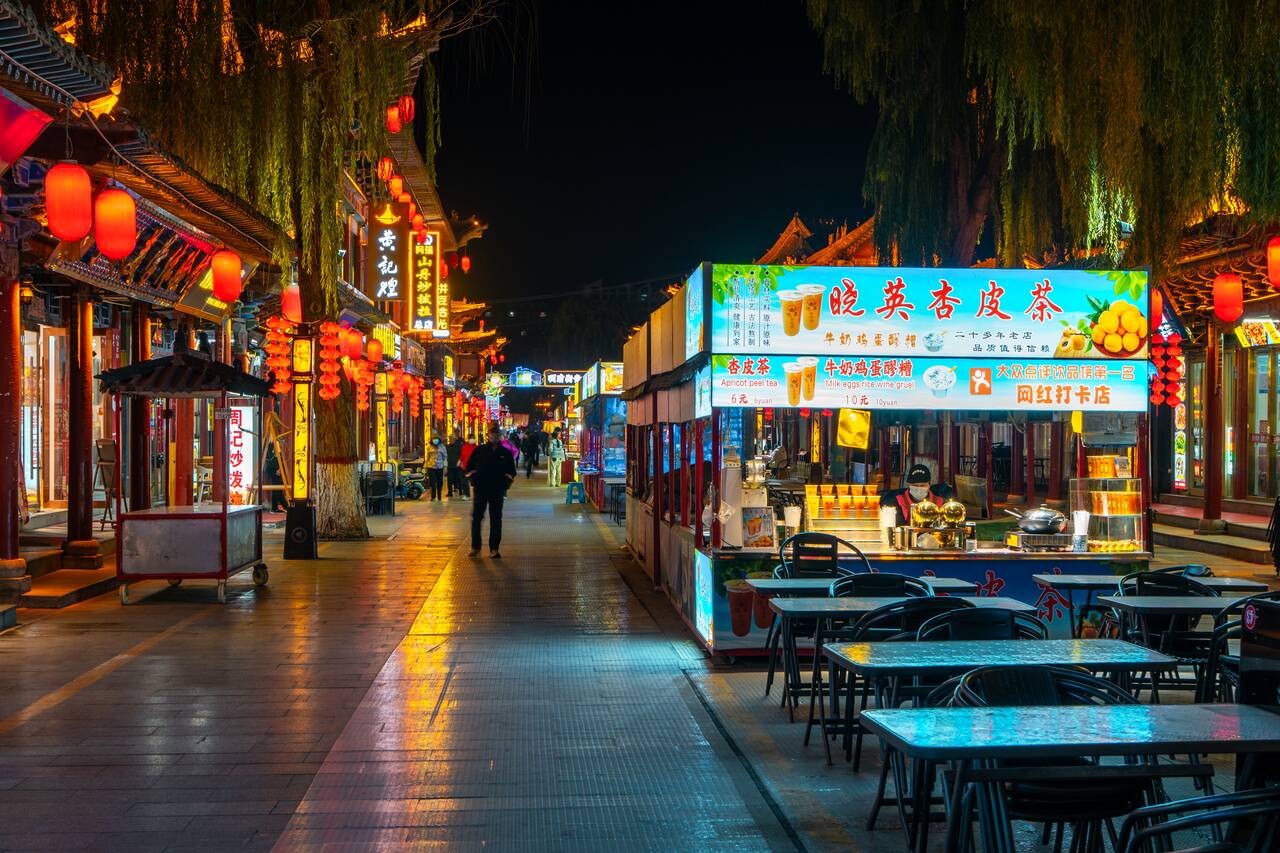
It wasn’t quite as lively as I’d expected when I visited, but winter was already approaching and it was pretty cold out. There was still plenty to choose from, though, and if you’re looking for something delicious to eat after a day out exploring Zhangye, this is where you want to be! It's not too far from the bus station, so you can drop by here after your day trips.
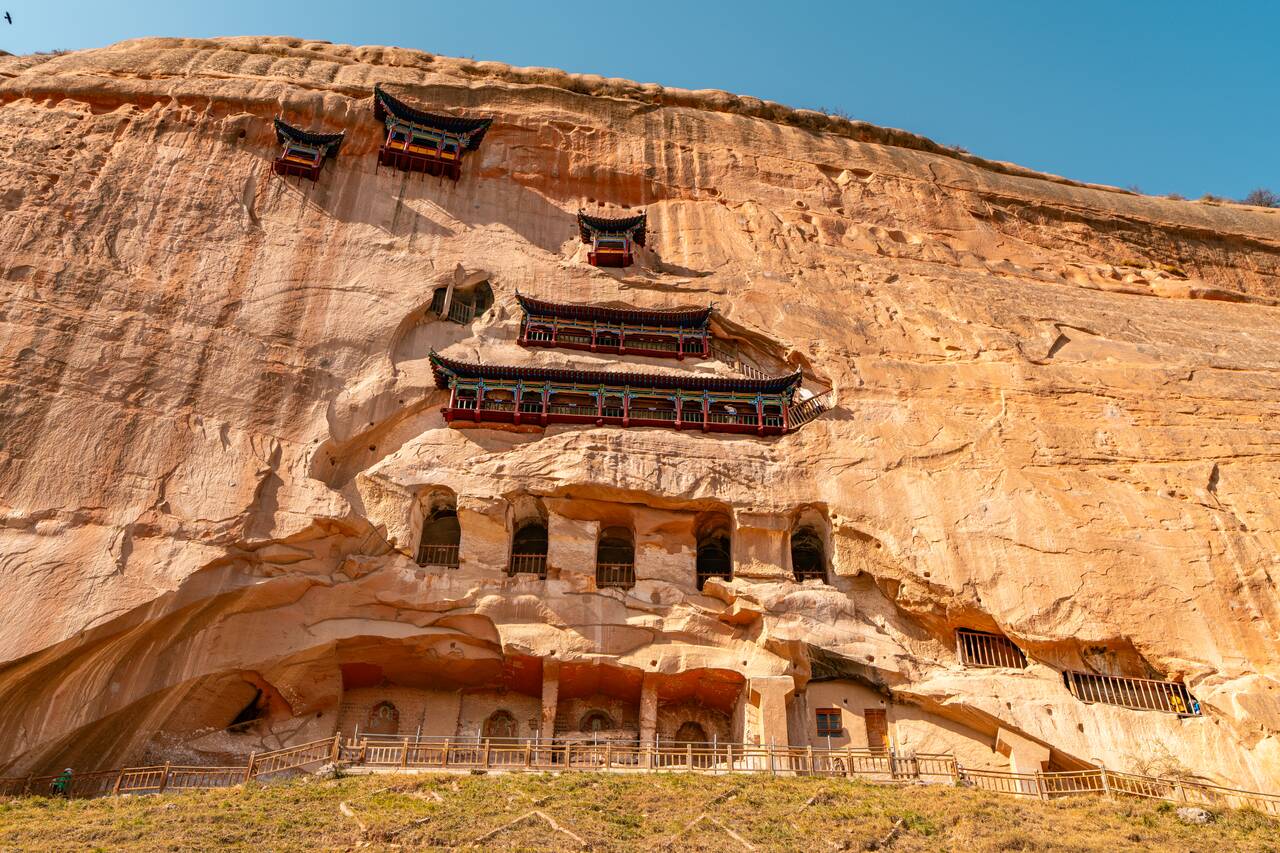
On Day 6, head over to Zhangye Bus Station and catch either the 8:40 AM or 9:15 AM tourist shuttle out to Mati Temple and give yourself the whole day to explore. The shuttle should cost around 49 CNY round trip per person.
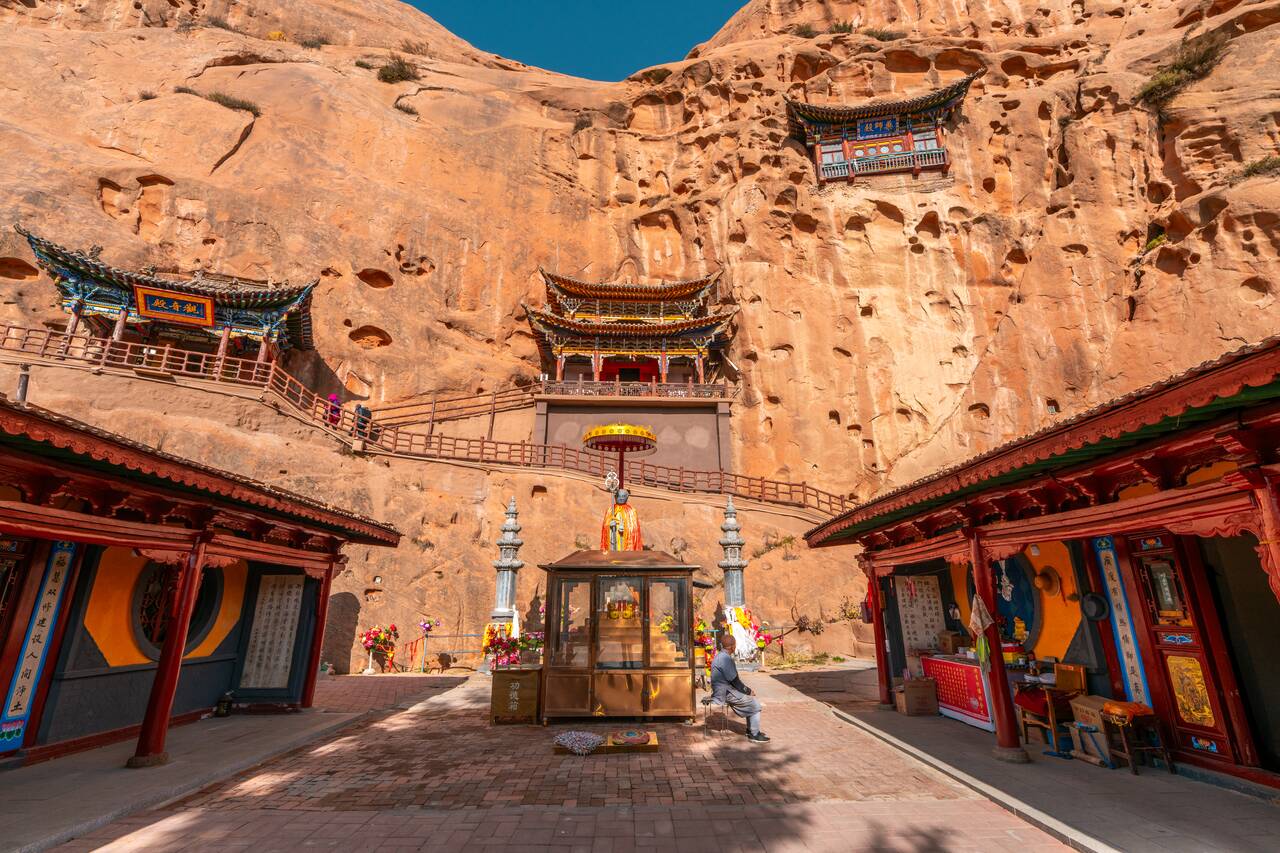
Mati Temple is a series of Buddhist grottoes carved into the cliffs at the foot of the Qilian Mountains, and trust me, you don’t want to miss it!
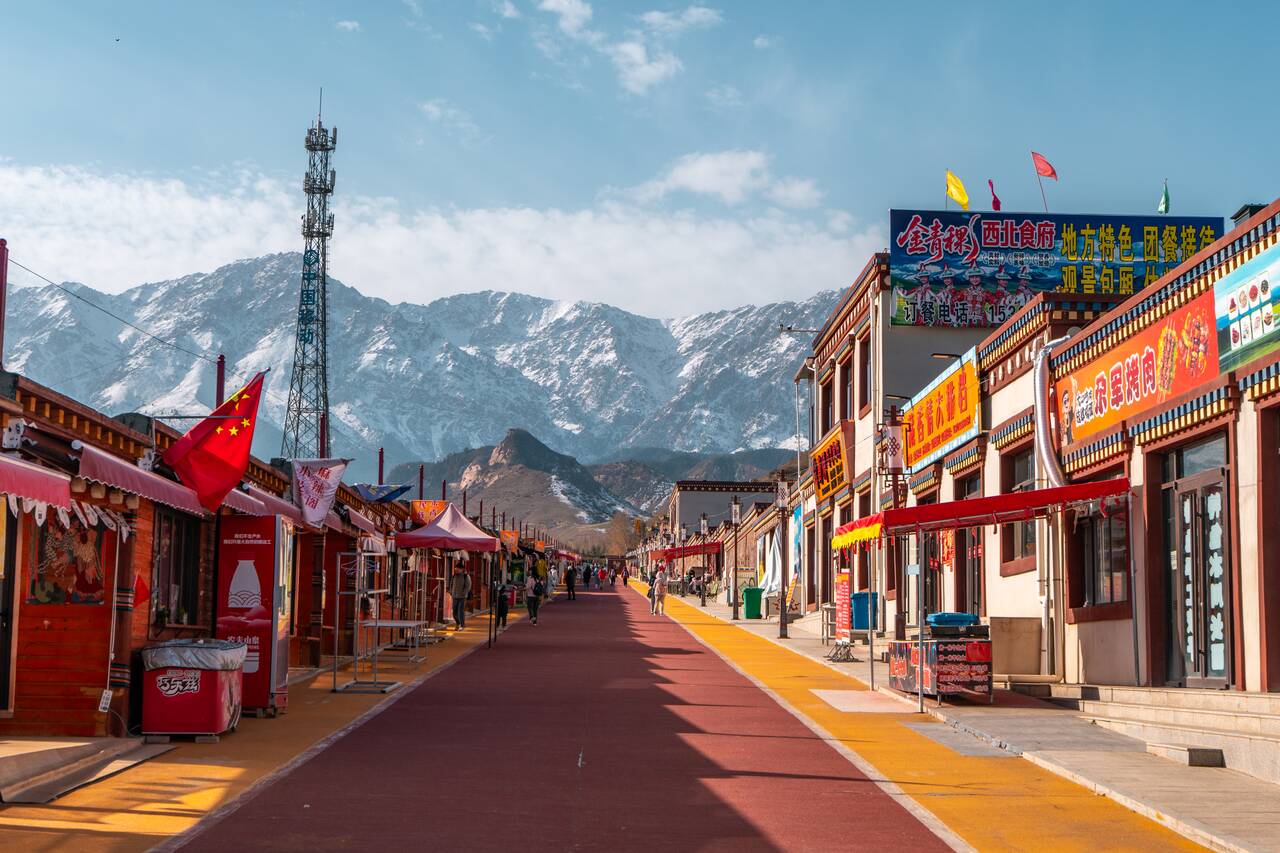
It takes about 1.5 hours each way by shuttle from Zhangye. Again, much like any other parks here, once you arrive, the park’s sightseeing bus will take you between the grottoes. The bus will stop at around 3 places and I found all of them worth dropping by.
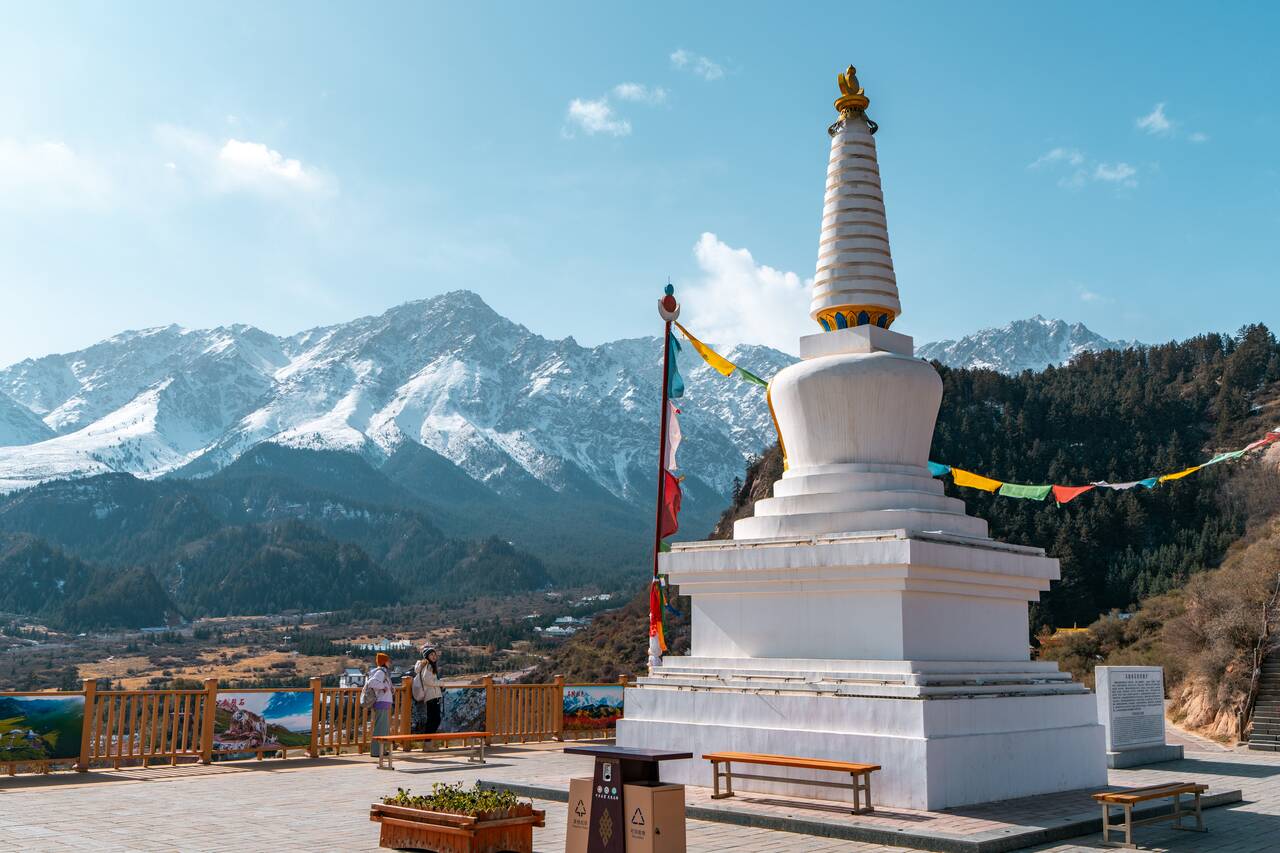
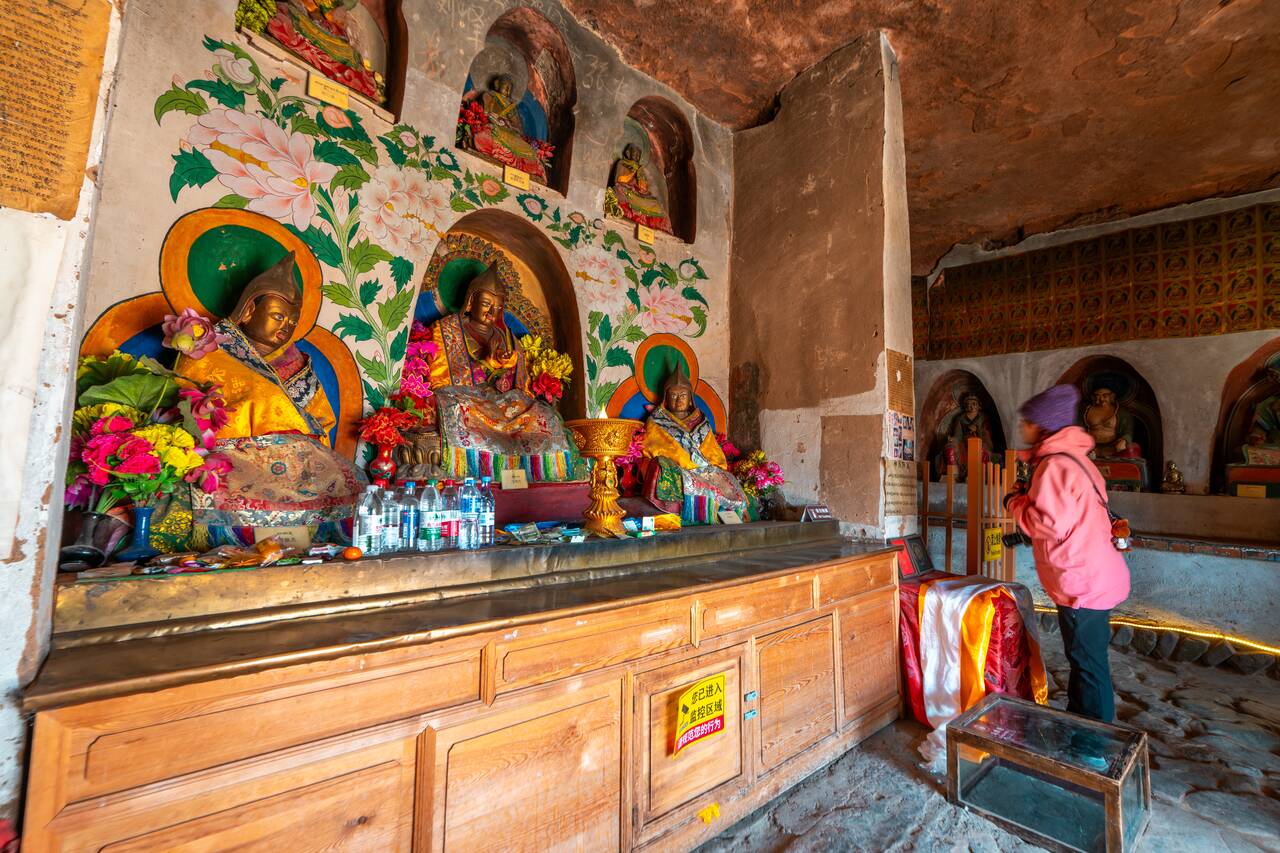
The second stop is the highlight of the park, the Thirty-Three Heavens Grottoes. This is also the main rest area, with small restaurants and shops where you can grab a quick bite. I’d save lunch until after the hike, as there’s quite a bit to explore up there.
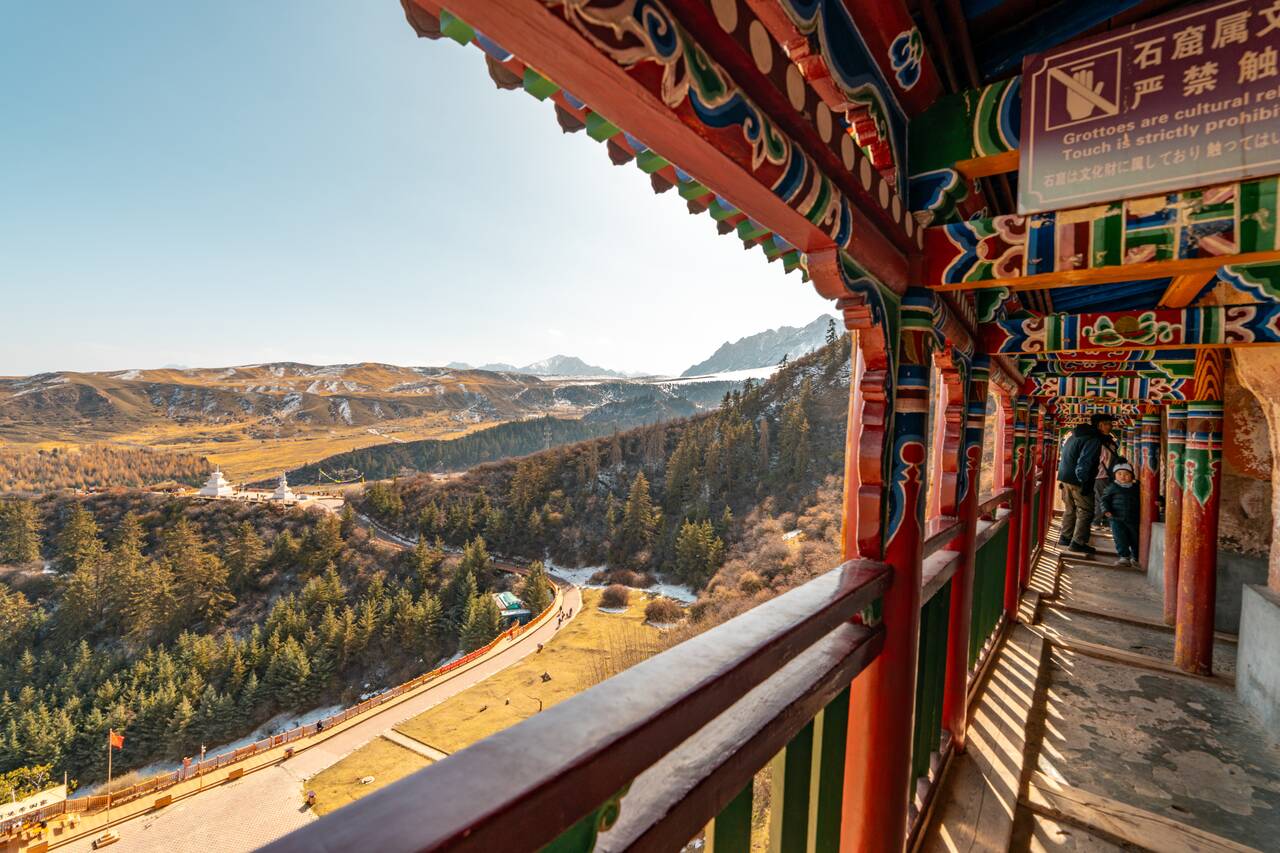
Give yourself 1 to 2 hours to explore the grottoes. The stairs are extremely narrow and steep in places, so be very, VERY careful as you climb between the caves. Thankfully, there were way fewer people here than at the Rainbow Mountains when I visited, so I didn’t have to squeeze past people on the stairs nearly as often.
If you came with the 8:40 AM bus, the bus should pick you up at Mati Temple at 3 PM. If you came with the 9:15 AM, it should pick you up at 3:30 PM. These times may change, so make sure you confirm it with the staff at the bus station as well as your driver. Once you are back in Zhangye, spend the rest of the day relaxing before calling it a night.
We’re going to fit quite a bit into Day 7, our last day in Zhangye! We’ll start early by heading back to Zhangye Bus Station to catch the bus to Pingshan Lake Grand Canyon. You can take the 8:30 AM or 9:45 AM bus, but I’d go with the earlier one so we have enough time to catch the afternoon bus to the Rainbow Mountains for sunset.
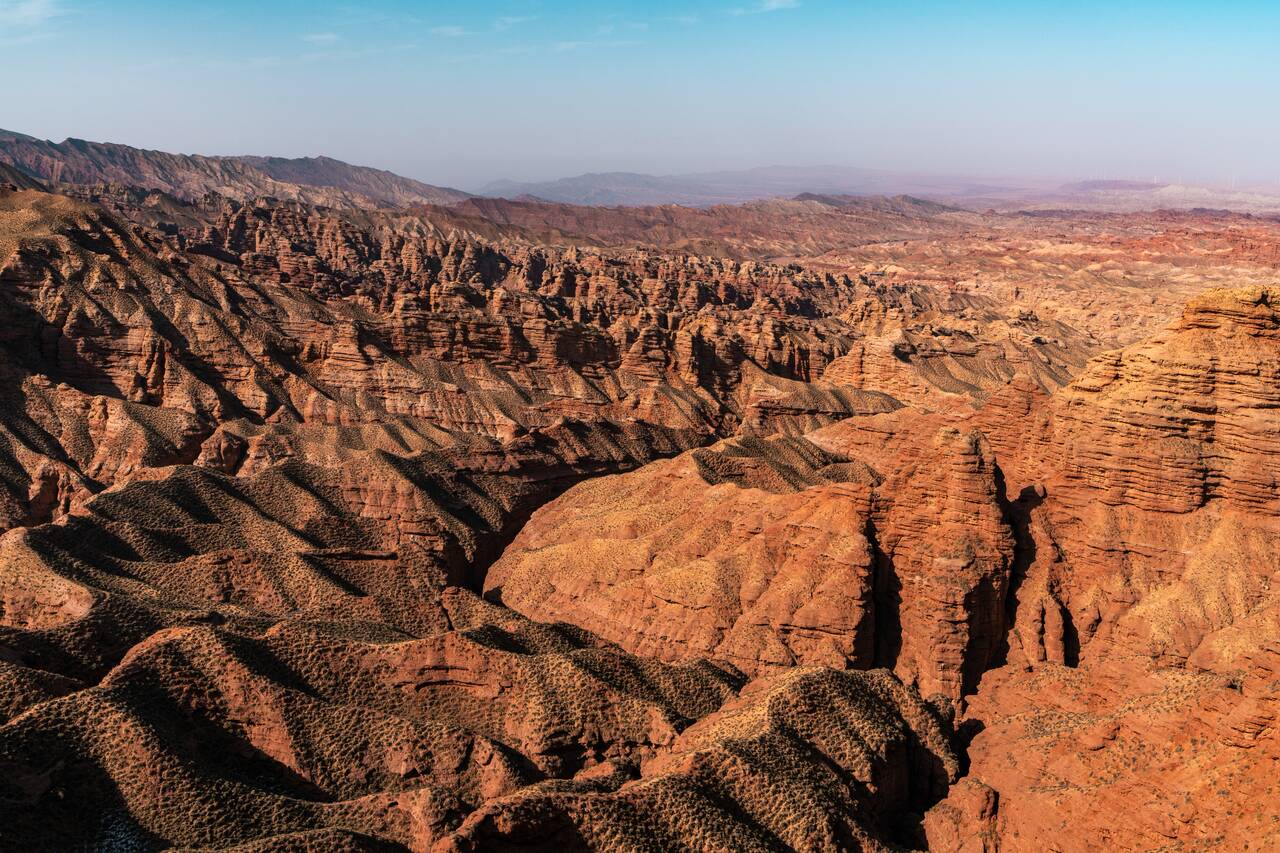
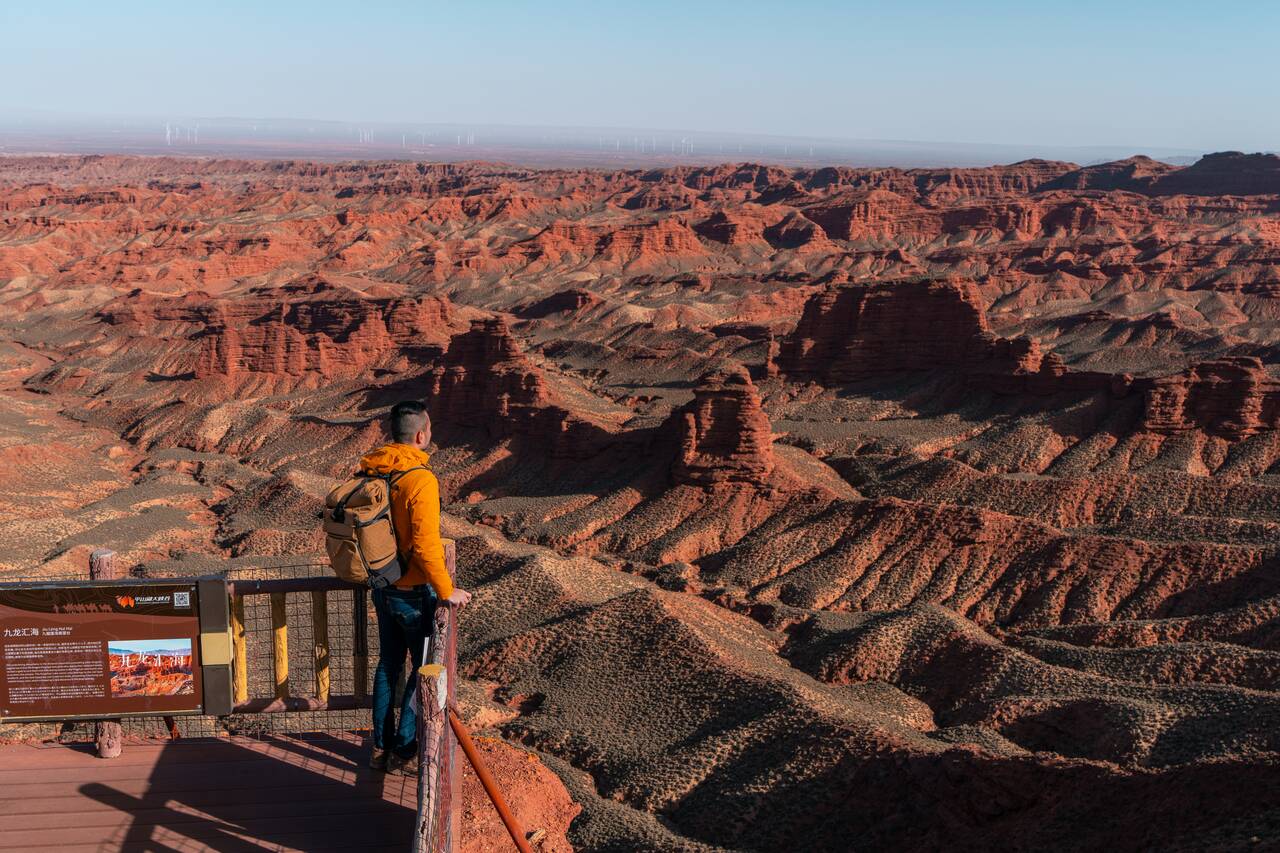
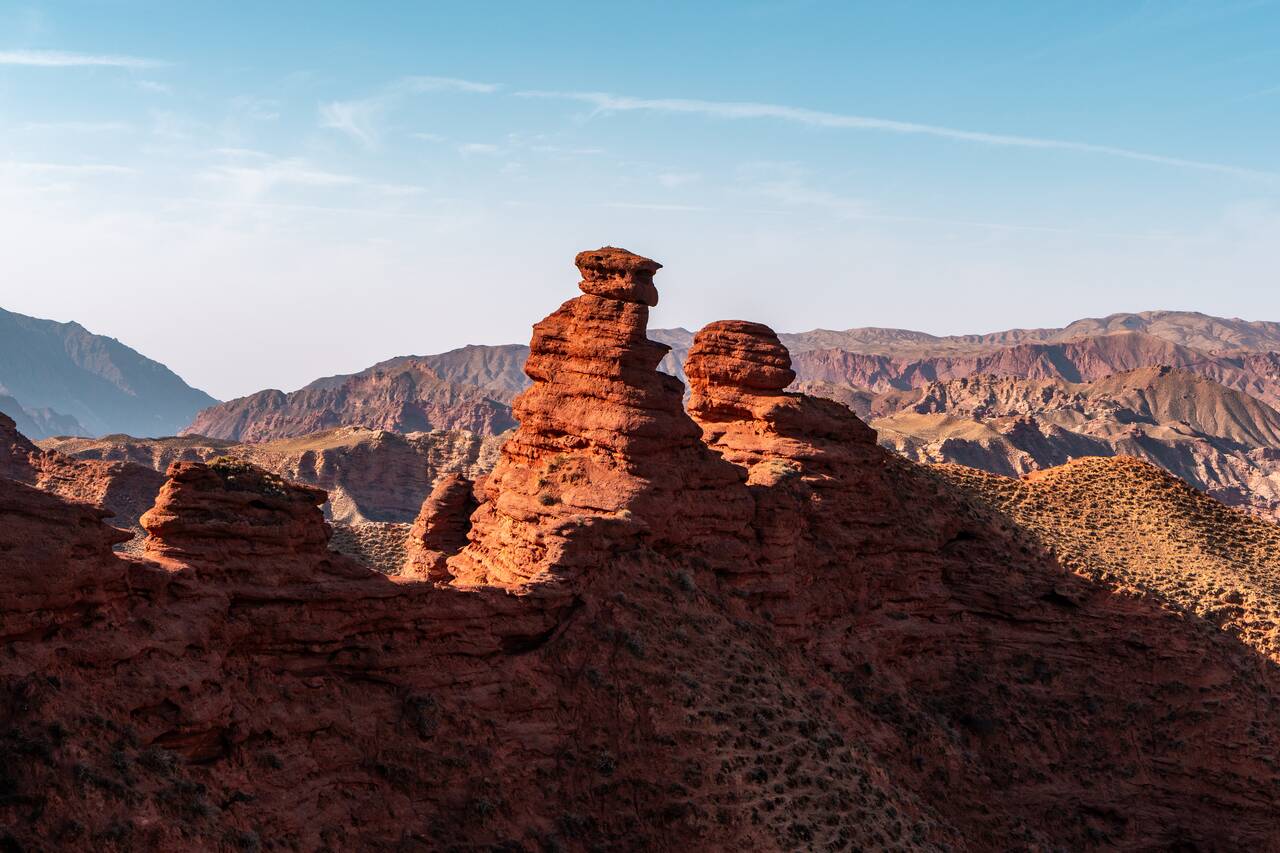
What’s cool about Pingshan is that it’s a maze of reddish cliffs, narrow ravines, and jagged rock towers. The best part is that you can go all the way down to the canyon floor and hike your way back up! If you’ve spent most of your time in Gansu admiring the scenery from viewing platforms, this is a great chance to get right in the middle of it!
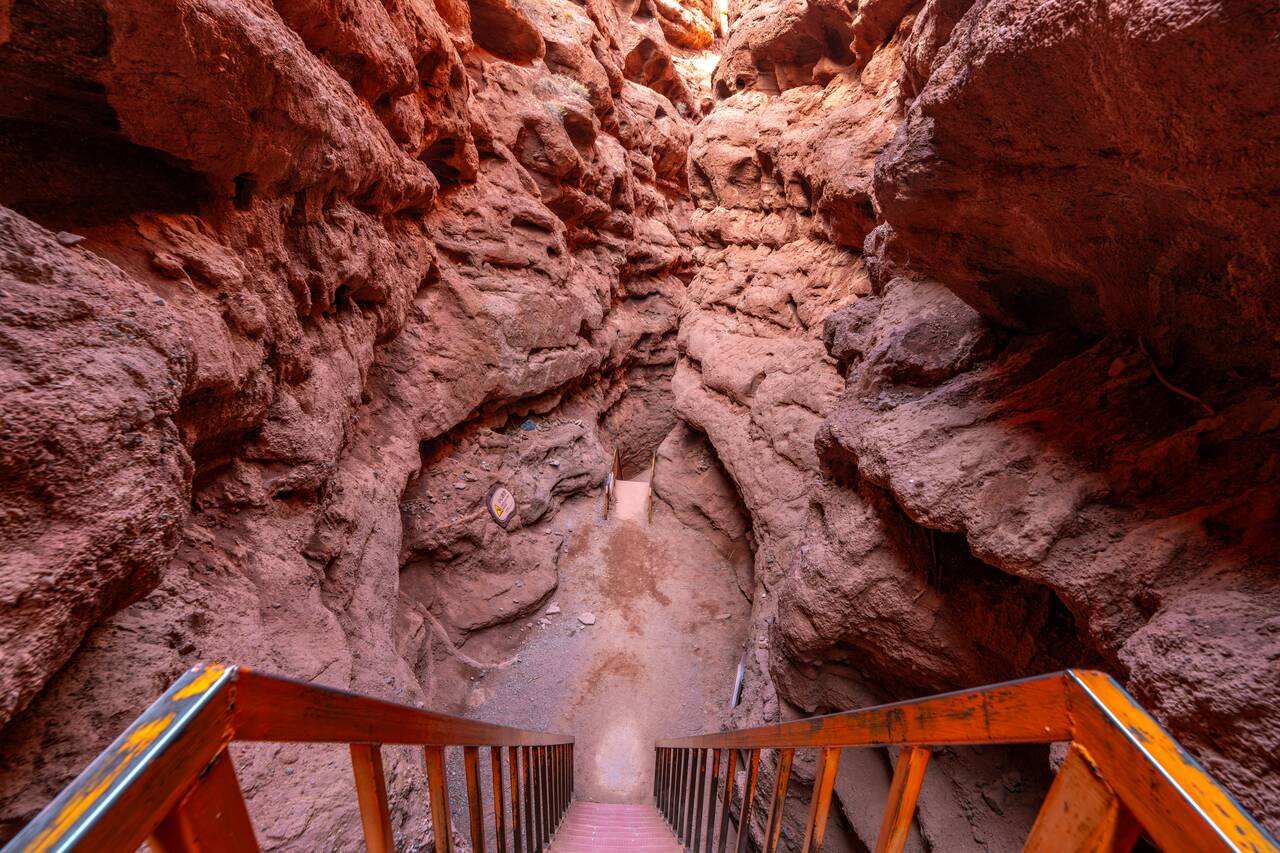
As you walk along the rim, you’ll come across a path leading down into the canyon. This is where you can take on the lower canyon trail, which involves squeezing through extremely narrow passages and climbing steep metal stairs to get back up. It was exhilarating and quite a challenge, especially when I looked up and saw how much farther I still had to climb.
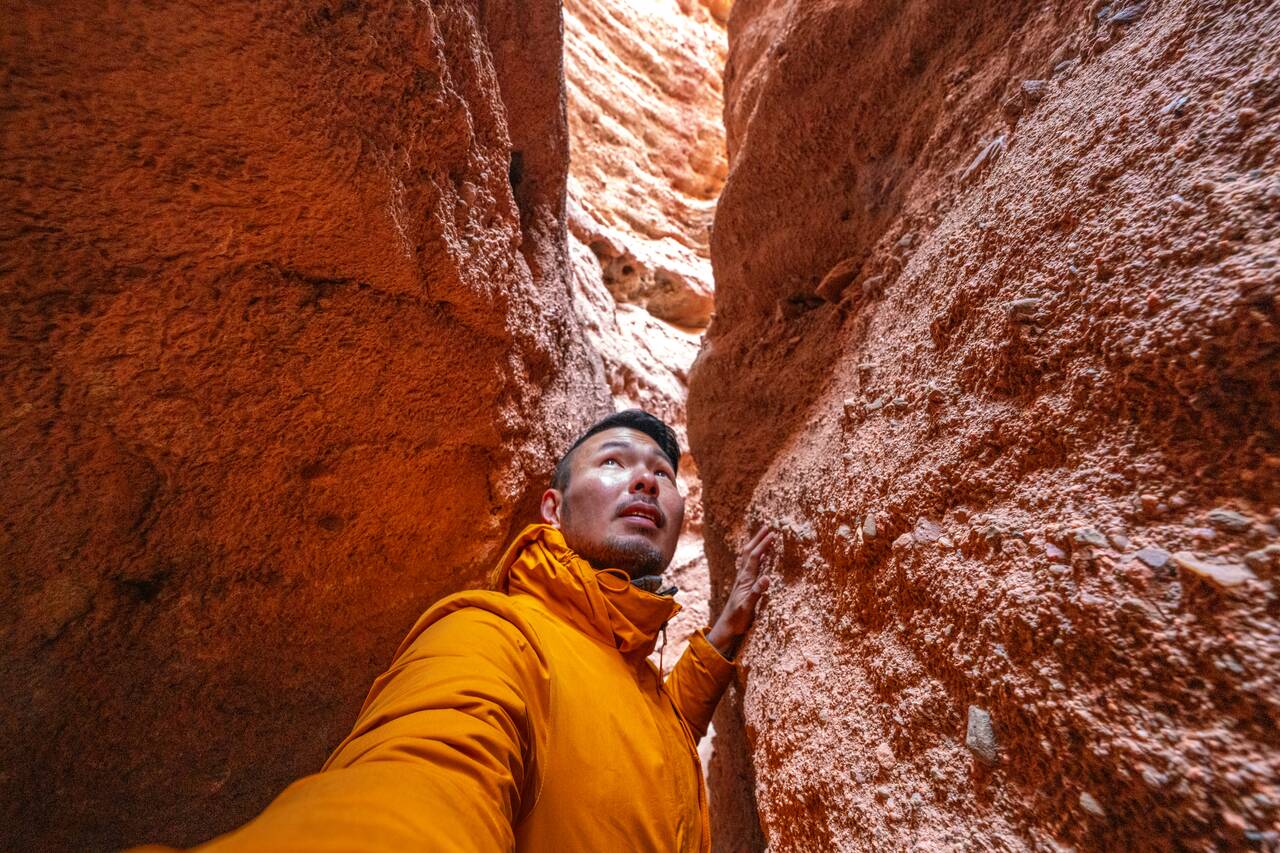
If steep stairs and tight spaces aren’t your thing, you can stay on the rim trail. Just keep walking past the turnoff for a few more minutes and you’ll reach the viewpoint. It makes it a pretty short stop, though without the climb, and for me, getting down into the canyon and figuring out how to get back up was half the fun!
If you take the 8:30 AM bus, which I recommend, your return shuttle will pick you up at 2:30 PM. You should be back at Zhangye Bus Station around 3 PM, in time to catch the 3:45 PM shuttle to Qicai Danxia for sunset. I did this exact trip and although it was a long day, it worked out really well in the end, and I got to see both places in the light I wanted! If you’re doing the same, confirm both shuttle schedules at the station before you set off, as there isn’t much room for delays.
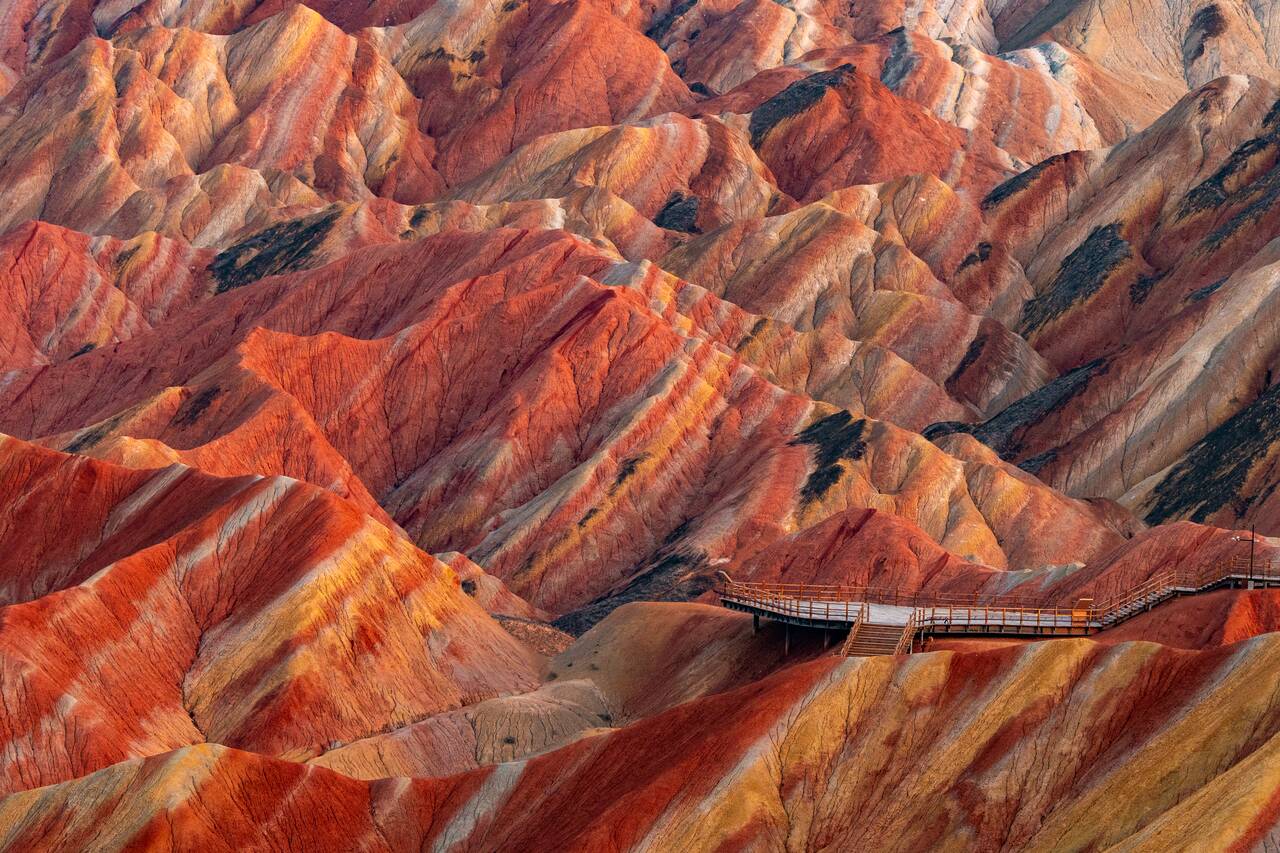
Once you get to Qicai Danxia, take the park’s sightseeing bus around the four viewpoints and save the last one for sunset. If there’s one place you absolutely have to see in Zhangye, it’s the Qicai Danxia Scenic Area, home to the famous Rainbow Mountains. I spent days exploring Gansu and the ancient Silk Road, and this was easily one of the most surreal and beautiful places I saw on the trip. Maybe in my life!
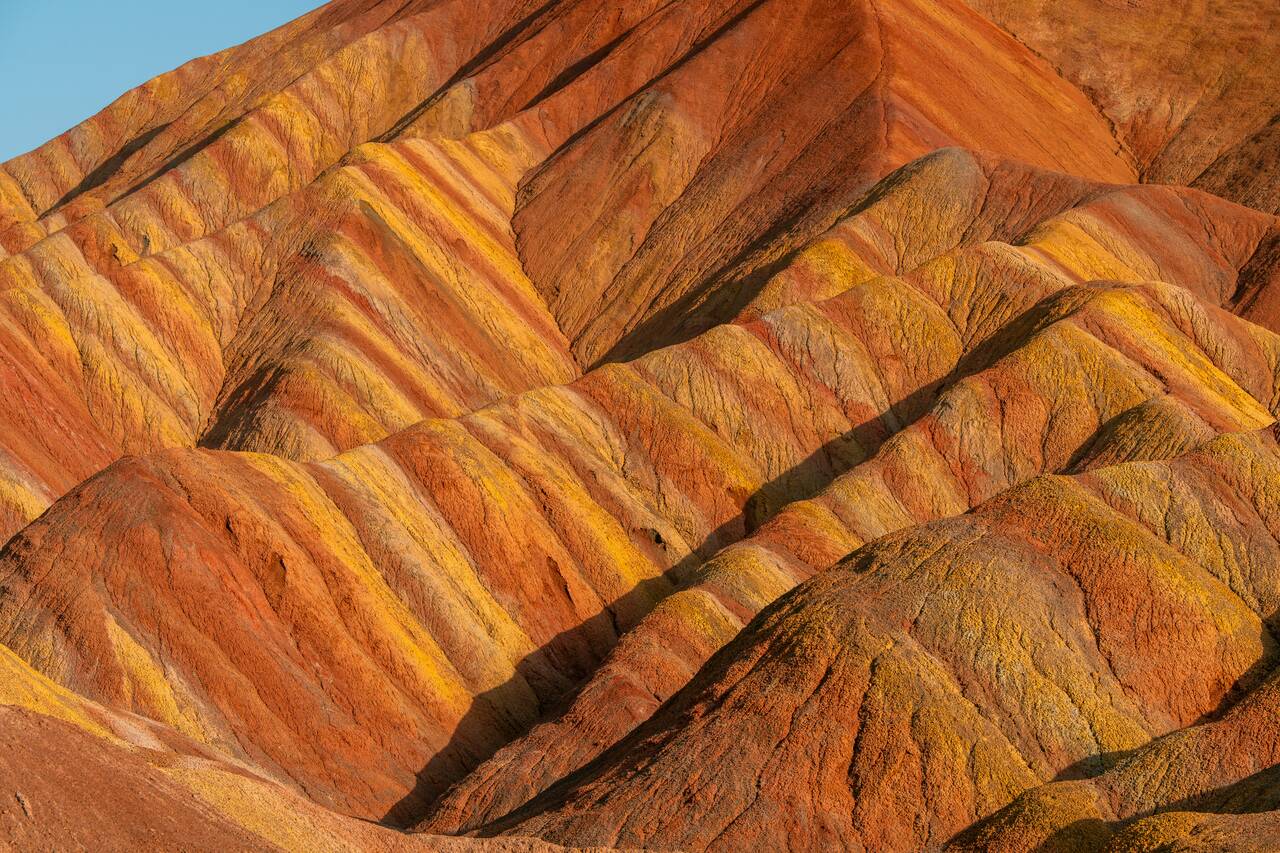
If you take the 3:45 PM shuttle as I recommend, you should arrive here at around 4:45 PM, and you will have about 2.5 hours to explore before catching the ride back at 7:30 PM. The return time may differ when you visit so make sure you check with your driver first!
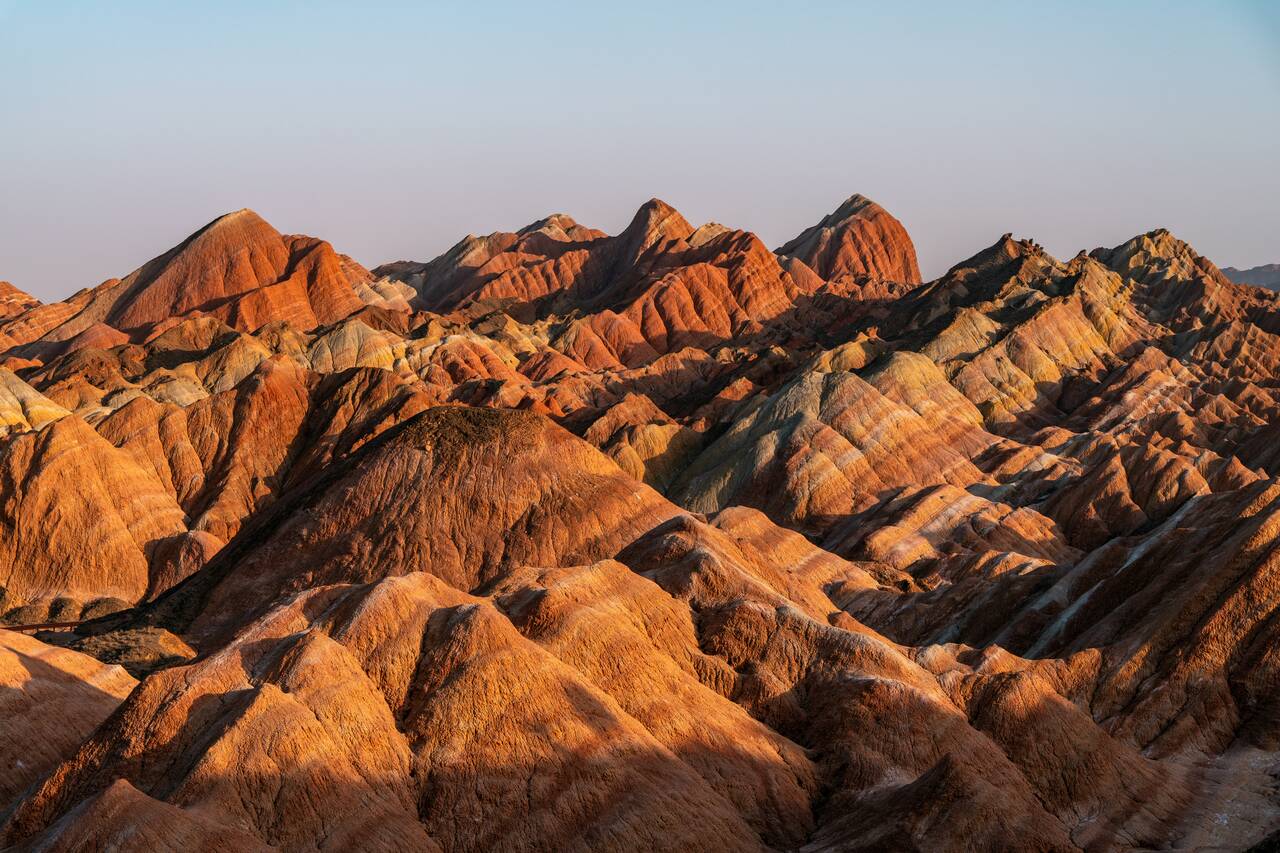
Once you’re done at Qicai, take the shuttle back to Zhangye. You should get back to the city around 8 PM, just in time to grab dinner and call it a day.


Getting from Zhangye to Jiayuguan
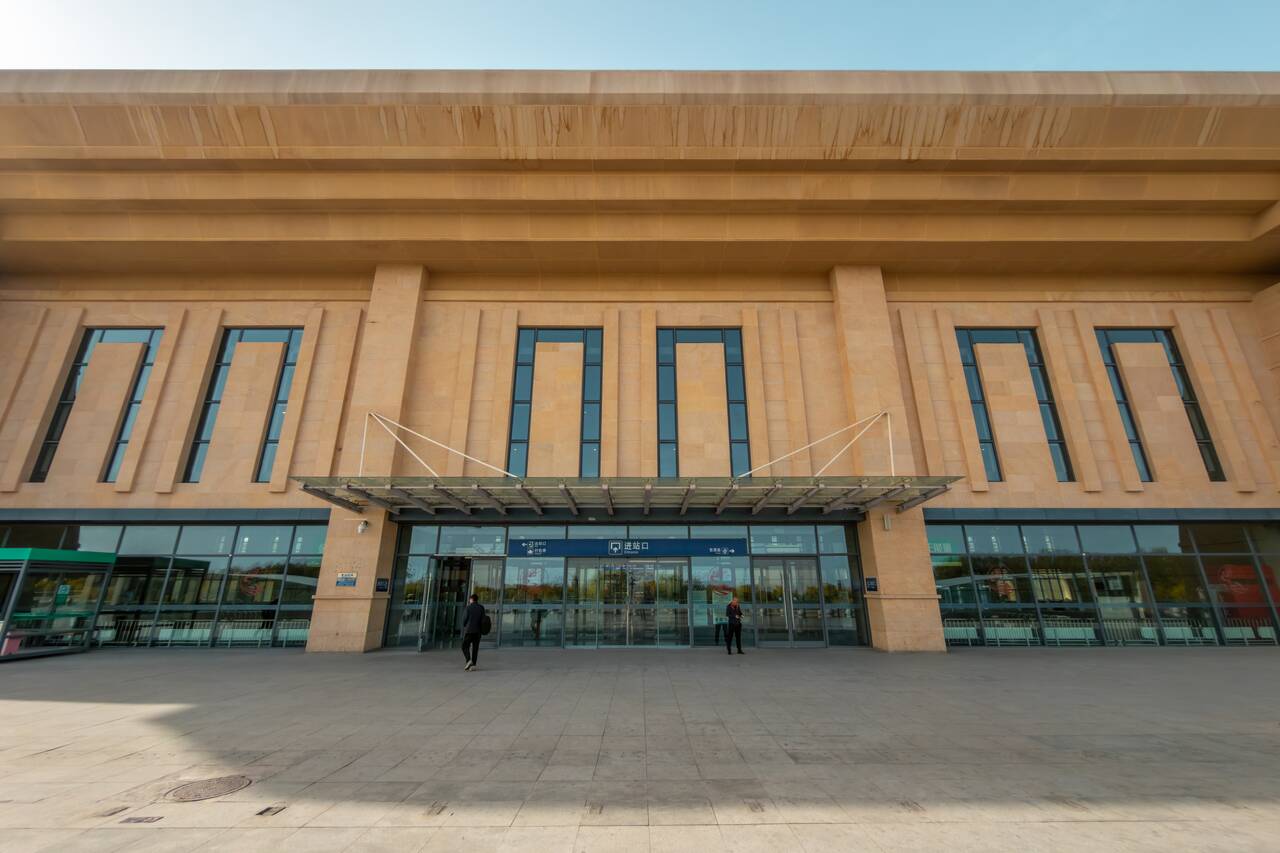
On Day 8, head back to Zhangye West Railway Station and take the train to Jiayuguan South. The two cities aren’t far apart, so this leg should take about 1.5 hours. You can check departure times and book your ticket on Trip.com.
Day 8–9: Jiayuguan (2 nights)
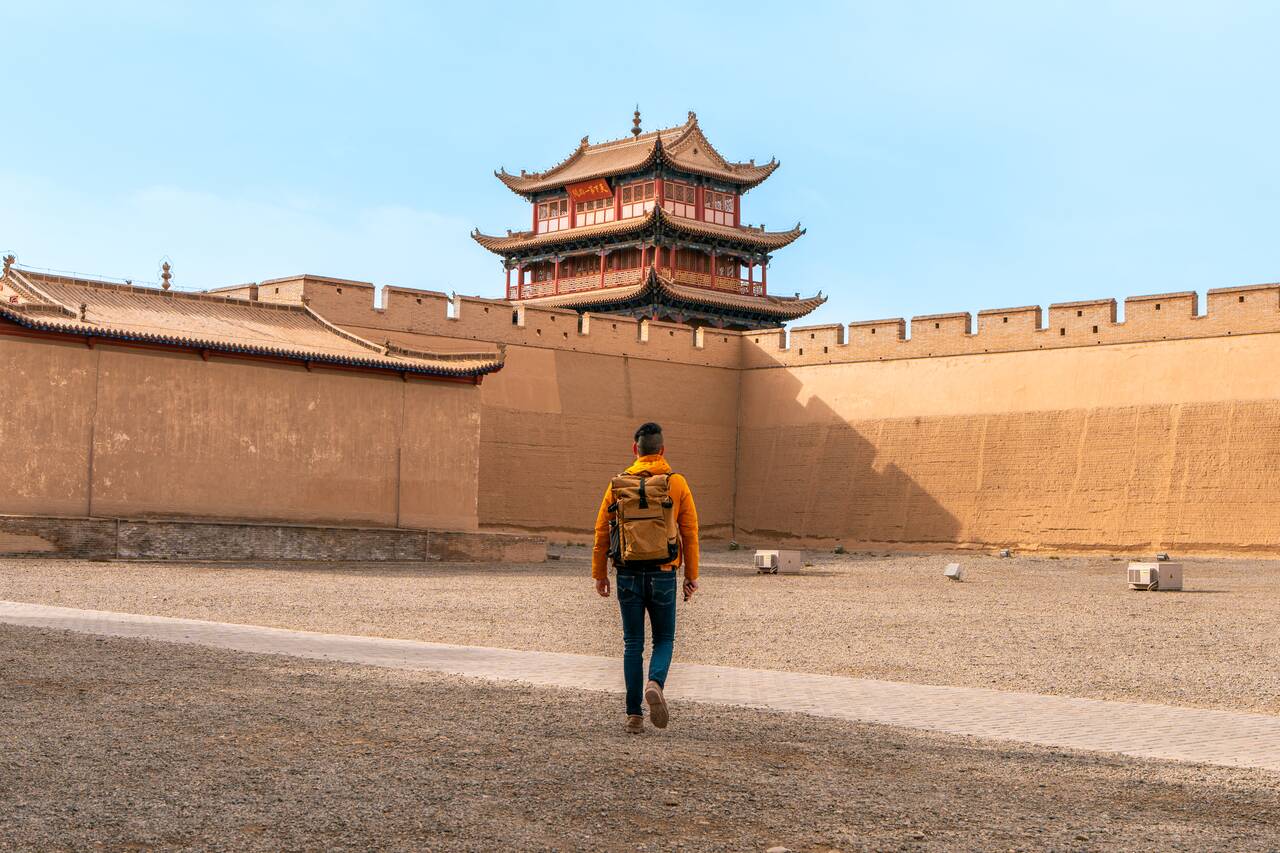
- 📍 Stay: Jiayuguan Pass Fantawild Flagship Hotel
- 🕐 Time: 2 nights
- 📖 Full Guide: Best Things to Do in Jiayuguan
After taking the train from Zhangye, we’ll have a full day in Jiayuguan. Despite it being the largest cities in Gansu we will be visiting, there are surprisingly few numbers of things to do here, so one full day should be enough to see the main sights in Jiayuguan.
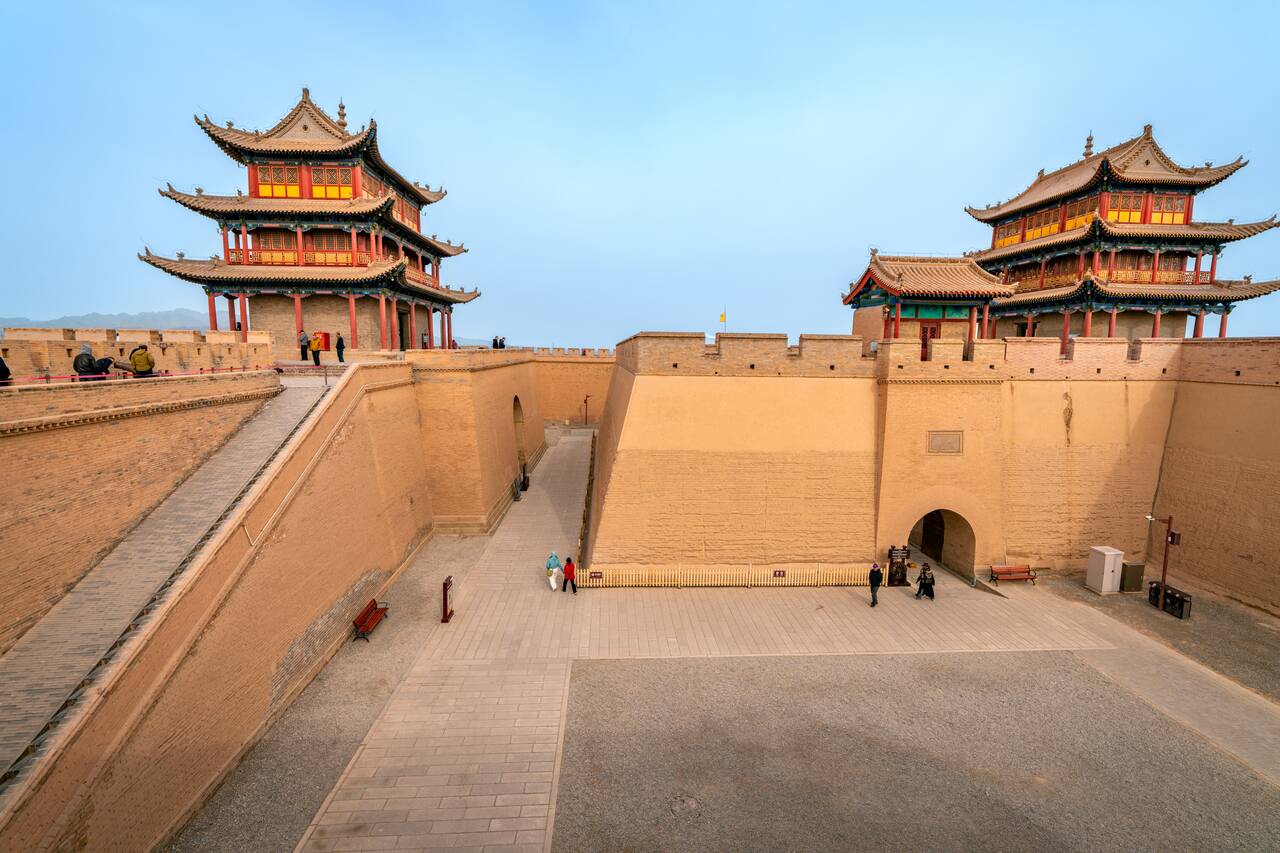
On Day 9, start at Jiayuguan Fortress and give yourself a couple of hours to explore before moving on. The Jiayuguan Cultural Relics Scenic Area is the main attraction in the city and one of the reasons I decided to stop here while traveling along the Silk Road. Construction of the fortress began way back in 1372, during the Ming dynasty. It guarded a narrow stretch of the Hexi Corridor at the western end of the Ming Great Wall, a key passage for merchants and travelers heading west along the Silk Road.
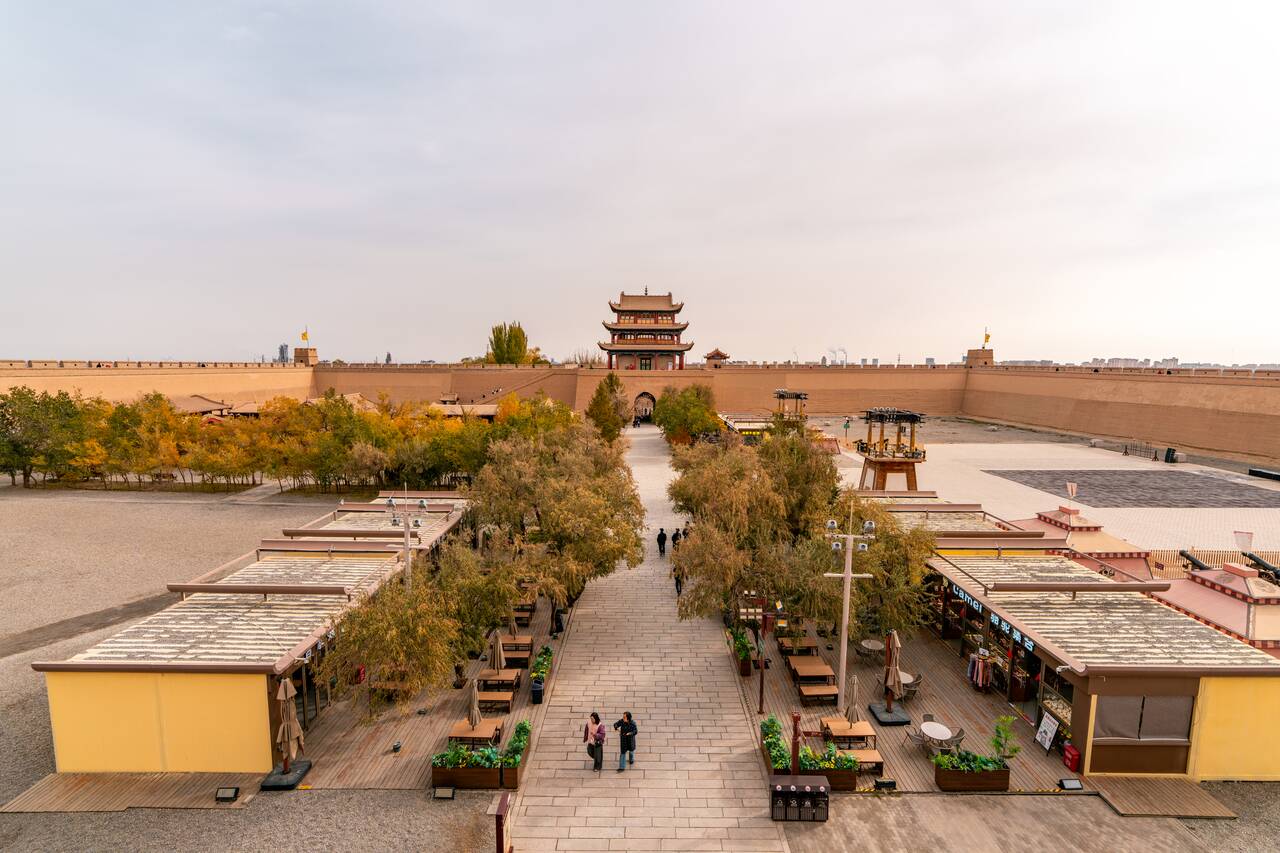
Once you arrive, take your time admiring the gates and towers as you walk through each layer of the fortifications. Be sure to find the stairs up to the ramparts and walk along the walls. The view from up there was one of my favorite parts of the visit. You can see the towers and courtyards below, with the snowy mountains rising behind them. Quite a sight to see!
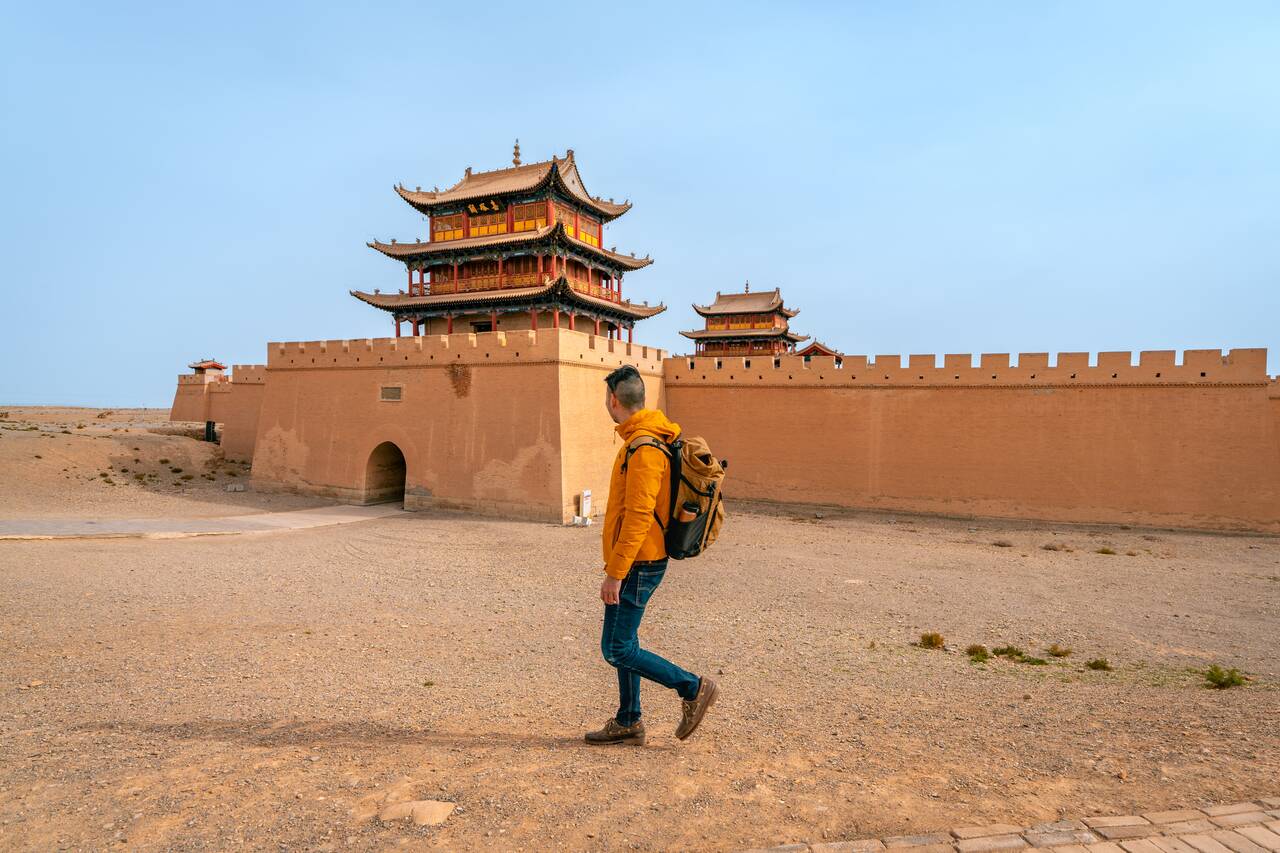
I also spent hours walking around the park, trying to find the best photo spots, and I found two I’d recommend. The first is out in the desert beyond the west gate. Walk a little farther than where the crowds tend to gather, then turn around. From there, you can see the fortress much as a merchant approaching along the Silk Road might have seen it. Pretty formidable, if you ask me!
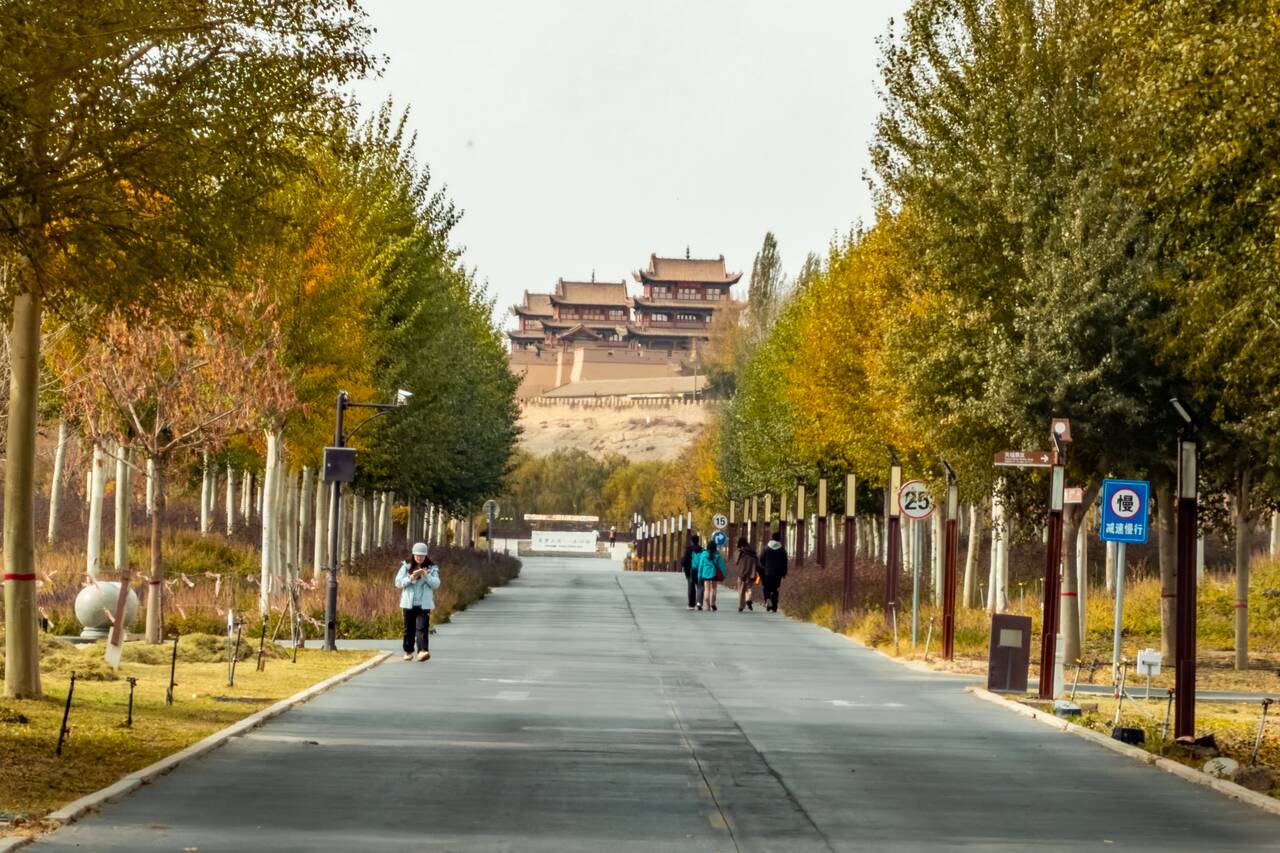
The other spot is inside the park, along this road back to the visitor center. I spotted it by accident from the shuttle on the way back and immediately wished I’d walked instead 😬. If you want to save some energy, I’d take the shuttle to the fortress and walk back so you can stop for photos along the way.
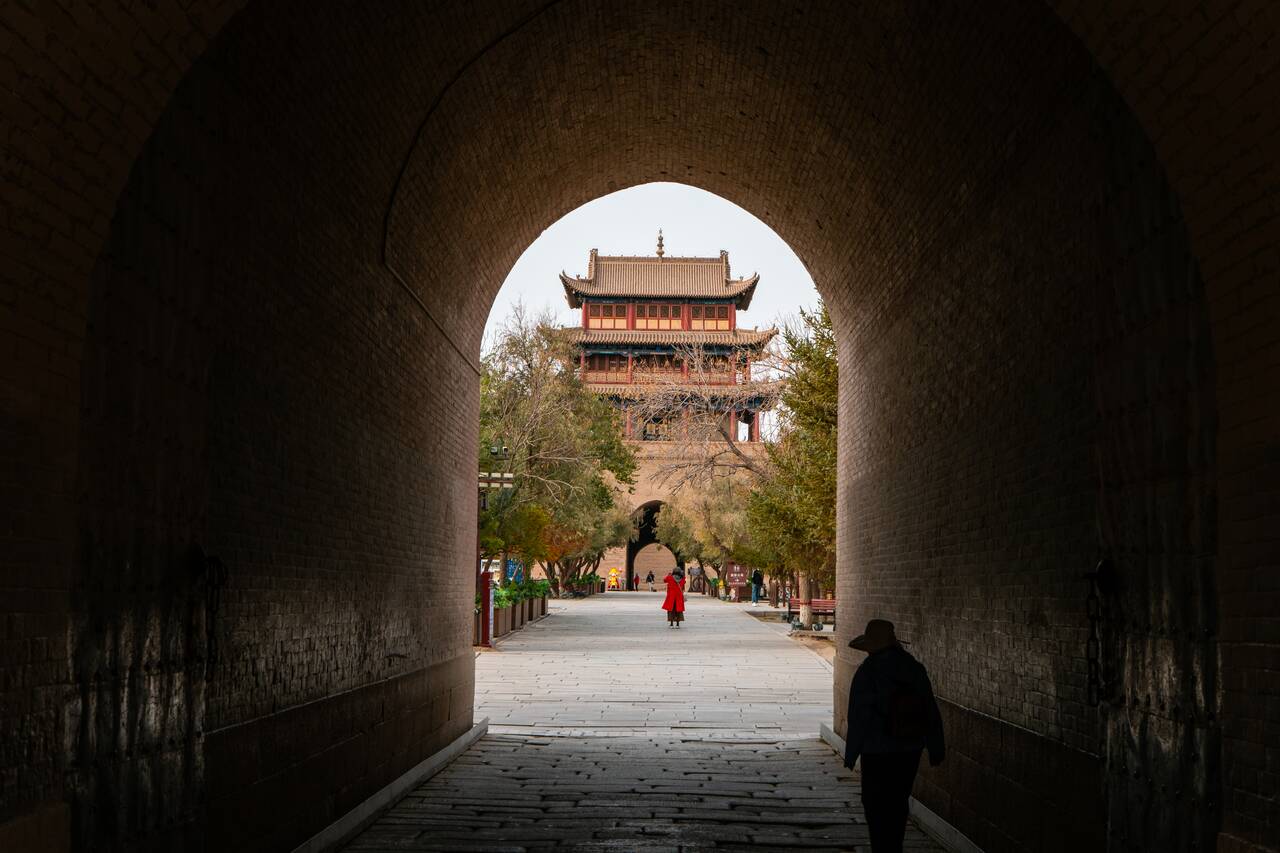
The coolest thing about Jiayuguan is that your fortress ticket also includes entry to the Overhanging Great Wall and the First Beacon Tower, so you only need one ticket to visit all three!
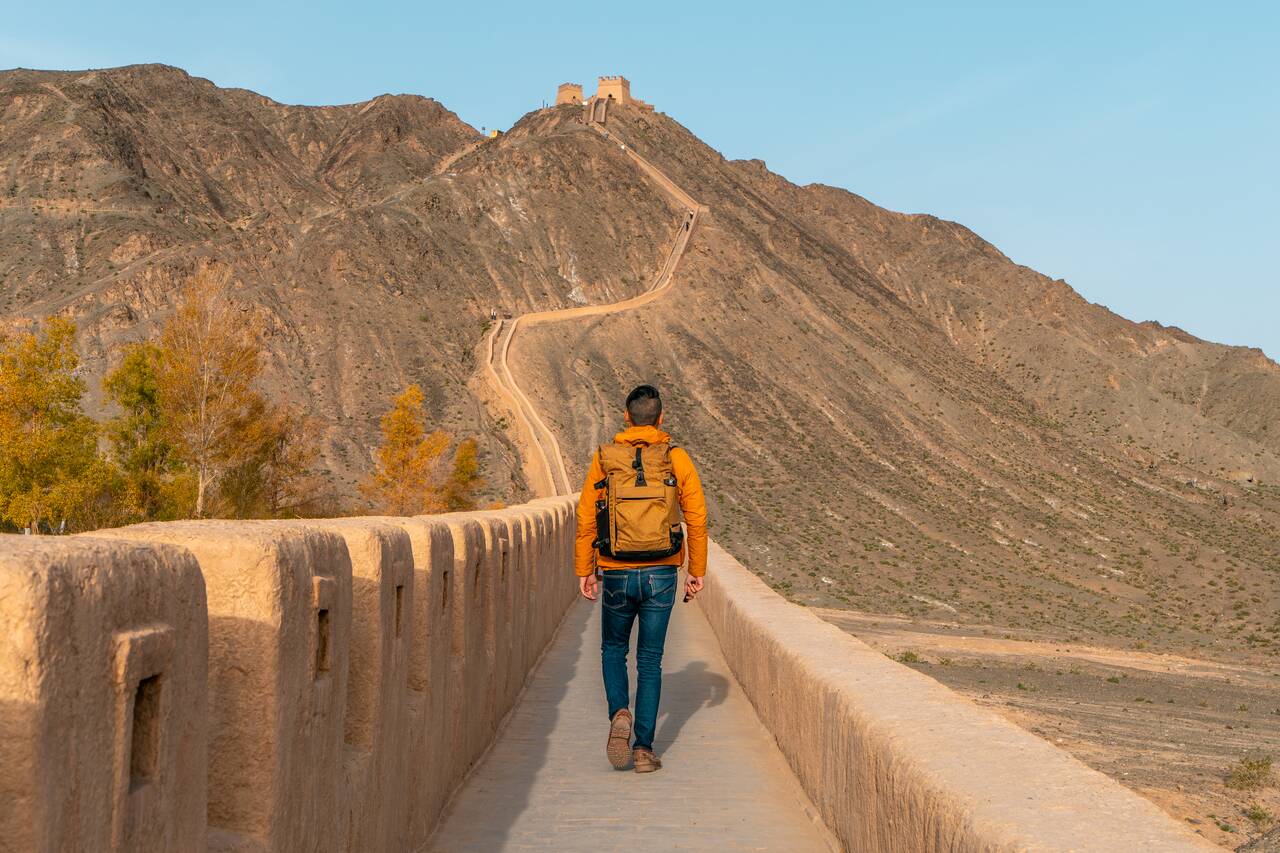
After the fortress, take a DiDi to the Overhanging Great Wall, also known as Xuanbi Great Wall. The Ming dynasty built this section in the 16th century to reinforce Jiayuguan’s defenses and block a route through the Black Mountains.
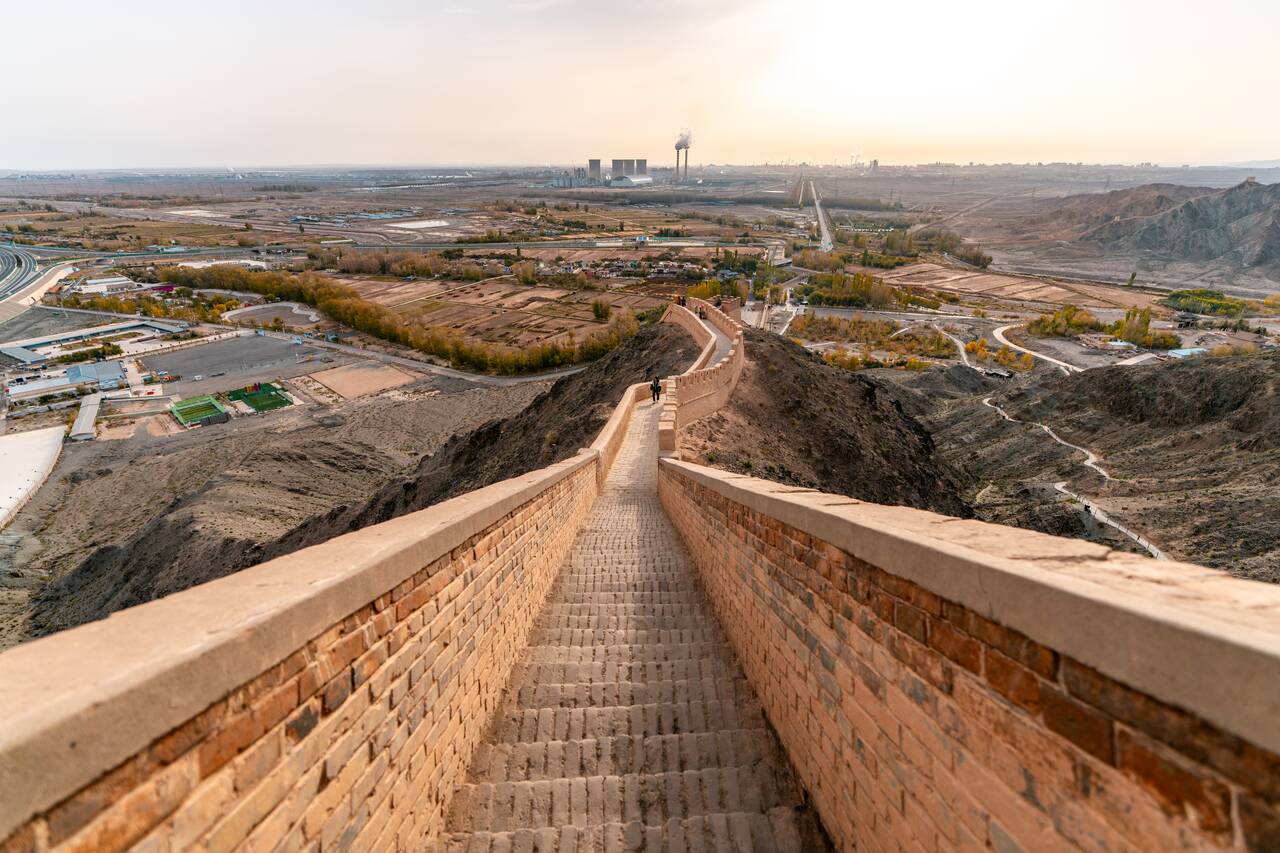
I recommend climbing the steps along the wall to the top, then coming down the other way. The climb is steep, so pace yourself! You will pass two beacon towers on the way up, and they make great spots to catch your breath and look back at how far you have climbed.
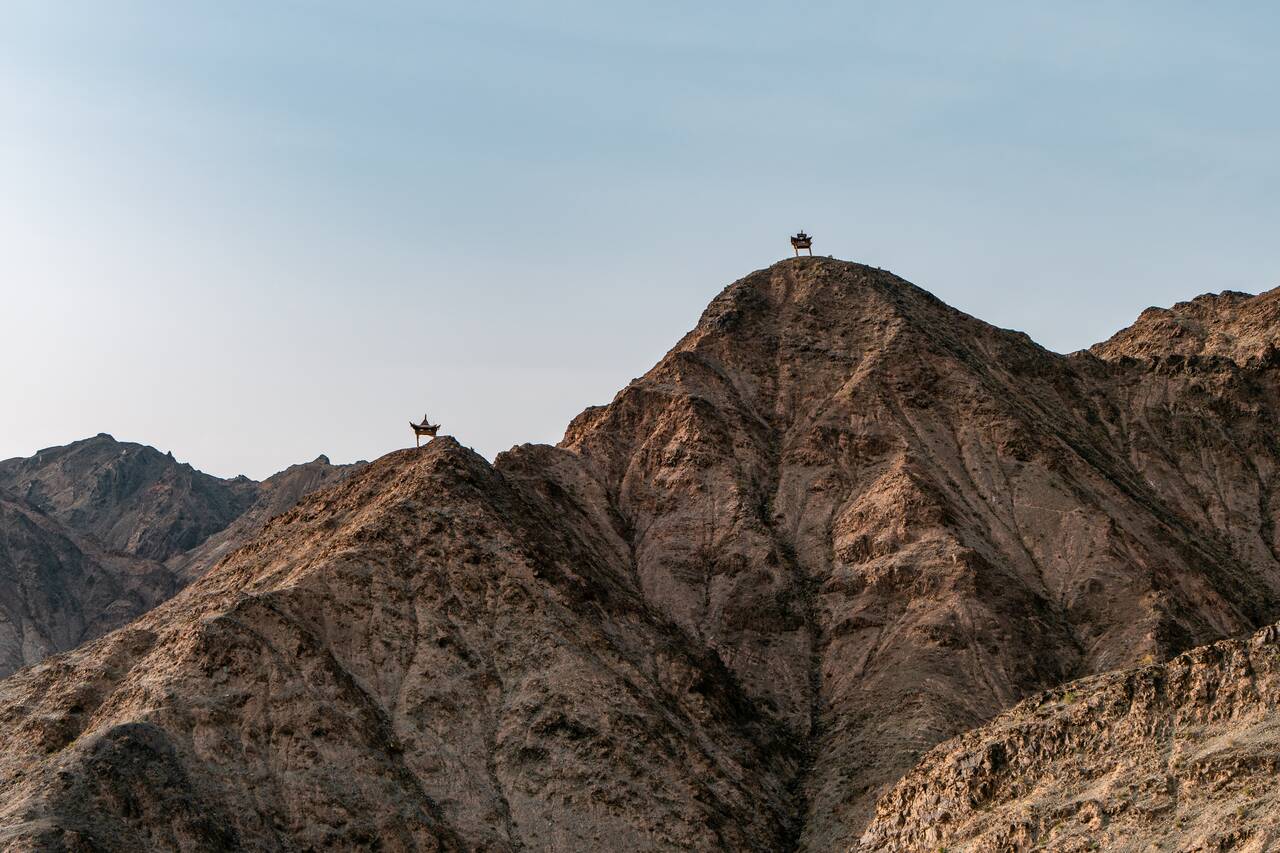
The trail down the other side is much more relaxed, and you can see other stretches of the Great Wall from afar along the way. I would set aside around 2 - 3 hours for the whole visit, especially if you want to take your time on the steps and stop for photos.
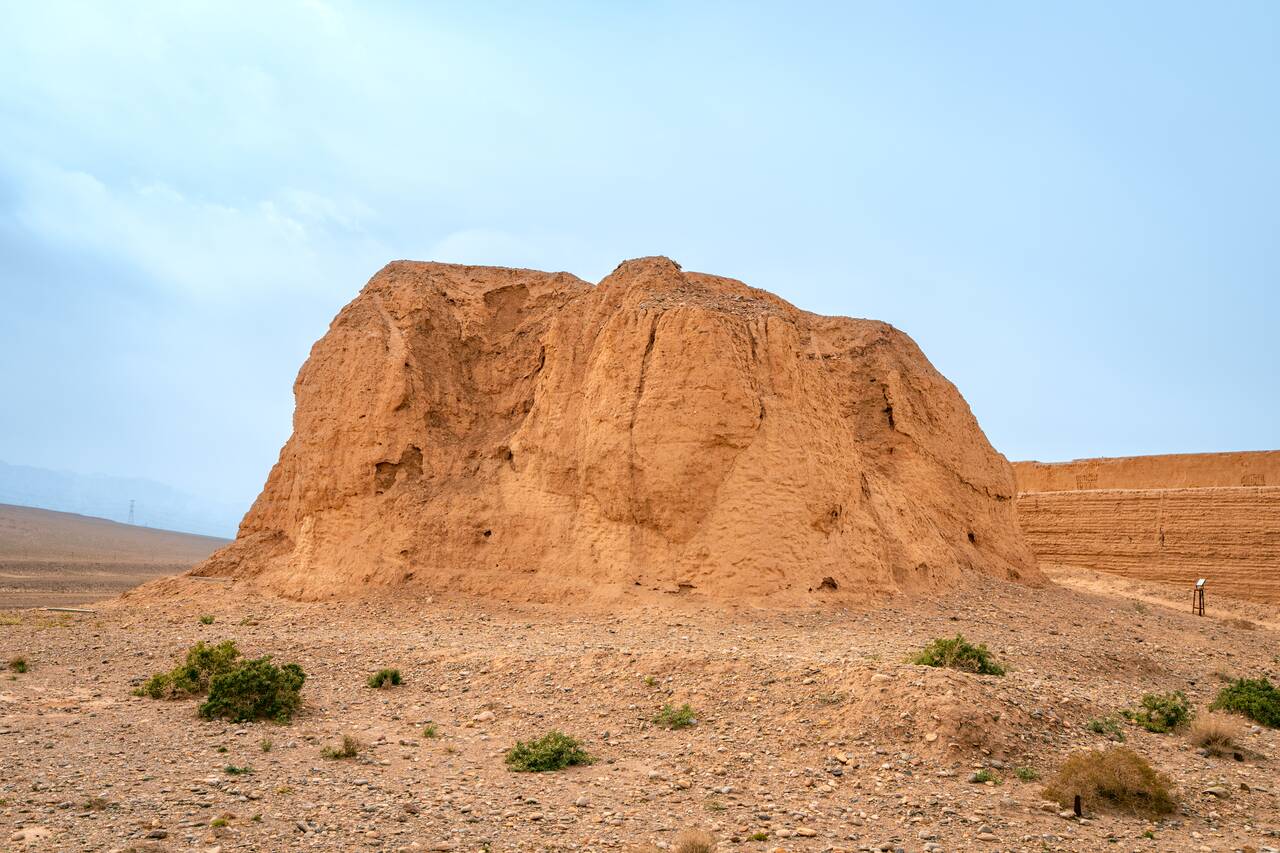
Once you’re back down from the wall, take another DiDi and finish the day at the First Beacon Tower. This is where you can see the remains of a Ming dynasty signal tower built in 1539. It stands right on the edge of a cliff overlooking the Taolai River. Soldiers used towers like this to relay warnings along the frontier, and once you see how far you can look out from here, it’s easy to understand why they picked this spot. You can even see Jiayuguan Fortress from here.
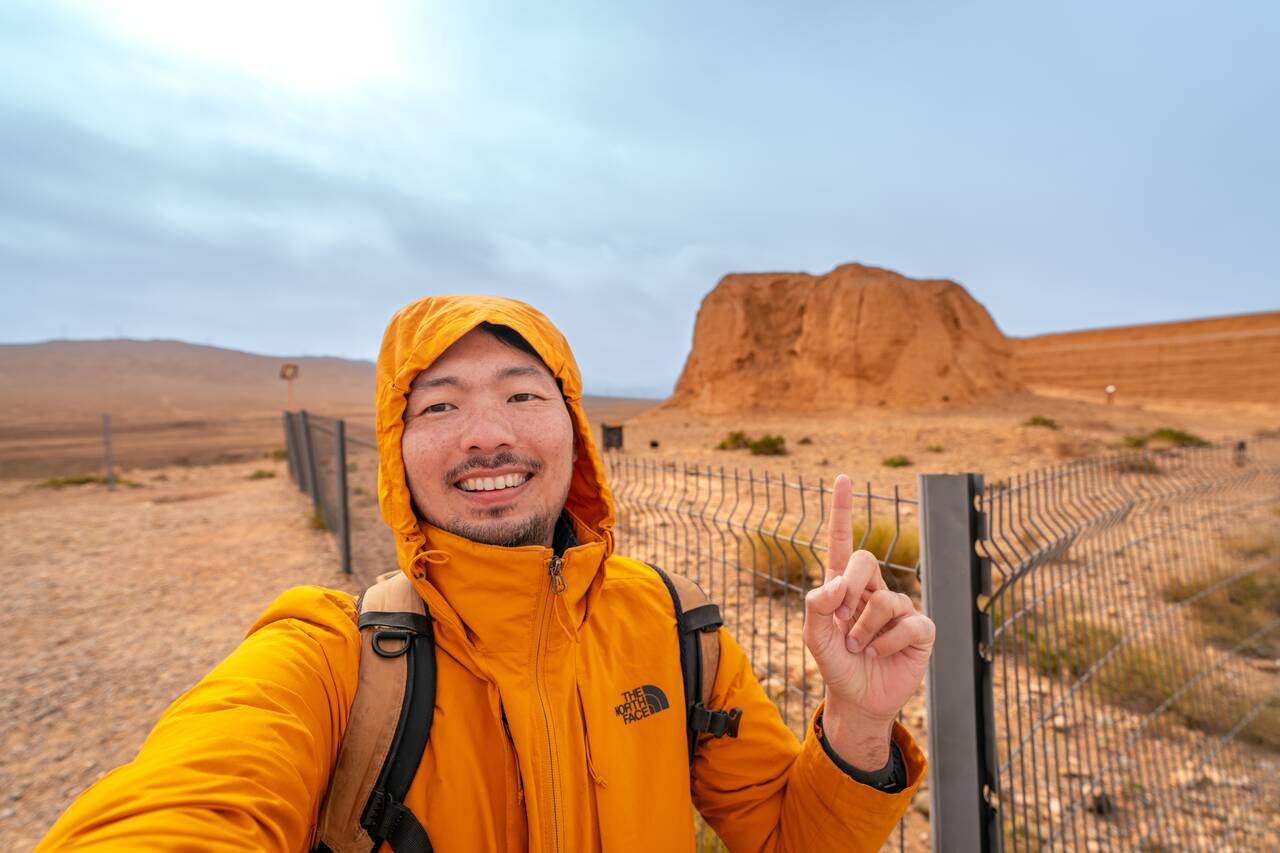
This is a quick stop, and there isn’t a whole lot left of the tower itself. But the fact that you are standing right at the western end of the Ming Great Wall was enough of a reason for me to come! From Jiayuguan, the Ming defenses stretched east all the way toward what is now the border with North Korea.
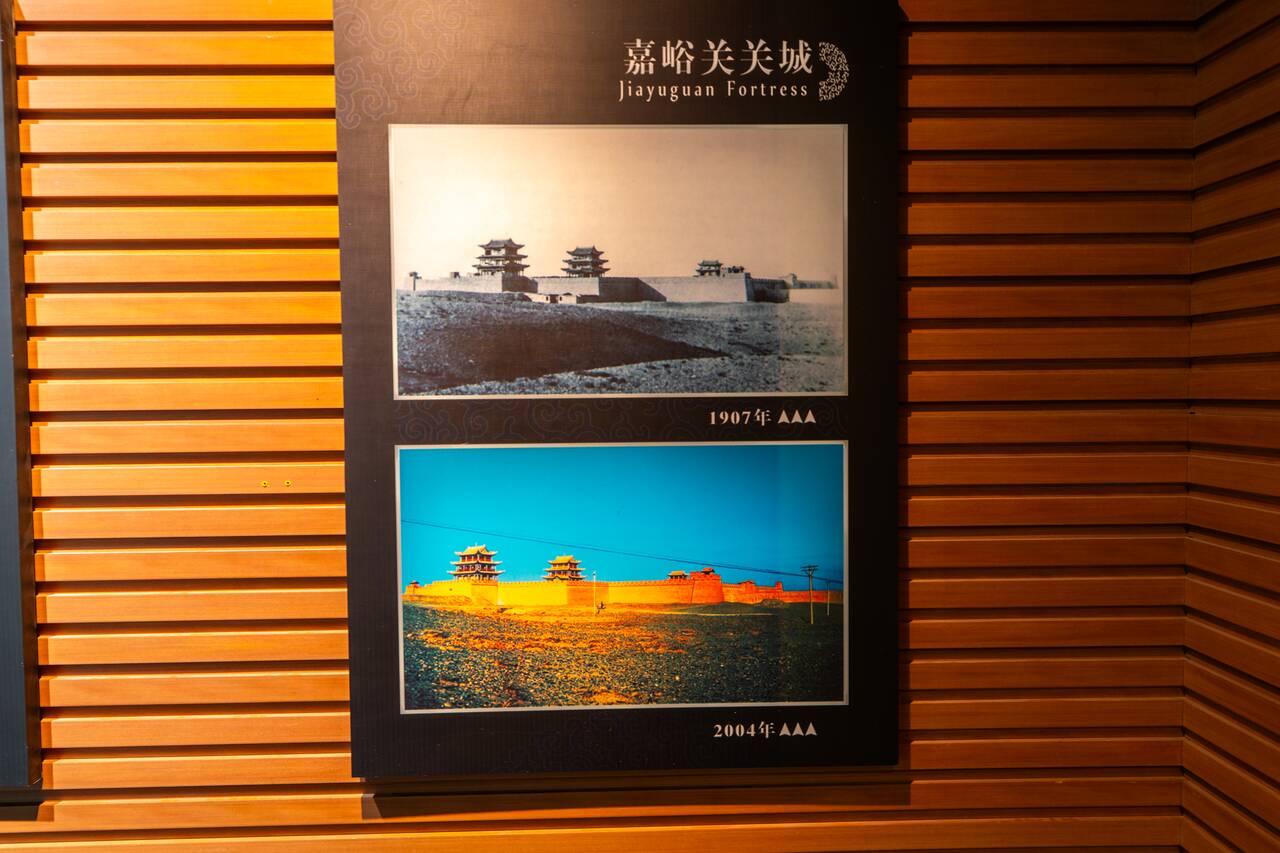
Be sure to check out the underground museum while you’re here. It has a fascinating collection of photos from around 1900 showing the beacon tower, Jiayuguan Fortress, and other sites in the area. I loved comparing the old photos of the fortress with what I’d just seen in person. It was pretty awesome to see how closely some of the reconstructed buildings resemble the ones in those photos! Once you’re done, you can take it easy for the rest of the day.



Getting from Jiayuguan to Dunhuang
On Day 10, look for a train from Jiayuguan South to Dunhuang Railway Station on Trip.com. The journey should take about 2.5 hours. Once you get to Dunhuang, grab a DiDi into town and drop off your bags.
Day 10–12: Dunhuang (3 nights)
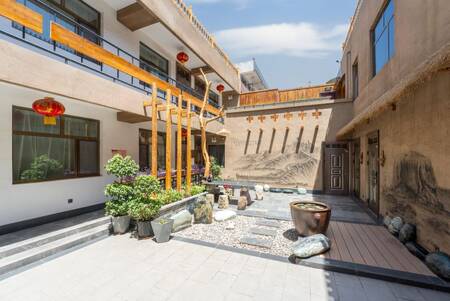
- 📍 Stay: Dunhuang Hotel
- 🕐 Time: 3 nights
- 📖 Full Guide: Best Things to Do in Dunhuang
For the last stop on this itinerary, we’re heading to Dunhuang. We’ll spend two full days here. On the first day, we’ll visit the Mogao Caves in the morning and head to Crescent Lake for sunset. On the second day, we’ll explore Yumen Pass and the desert landscapes west of Dunhuang.
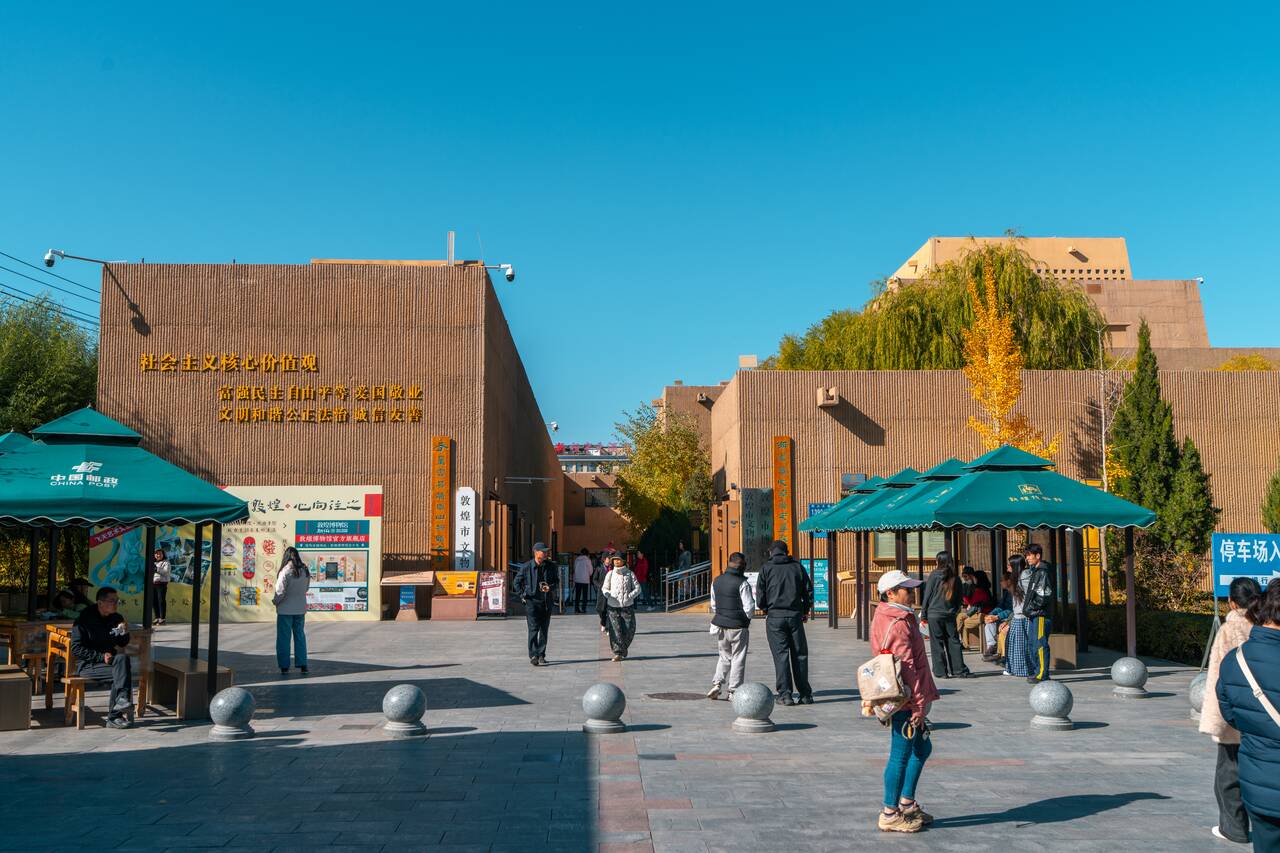
If you get in early enough on Day 10, take it easy and spend a bit of time exploring town. Start at Dunhuang Museum, where you’ll find a great collection of artifacts giving you an overview of Dunhuang’s history and its importance along the Silk Road. It is a great place to put the caves and passes you’re about to visit in context.
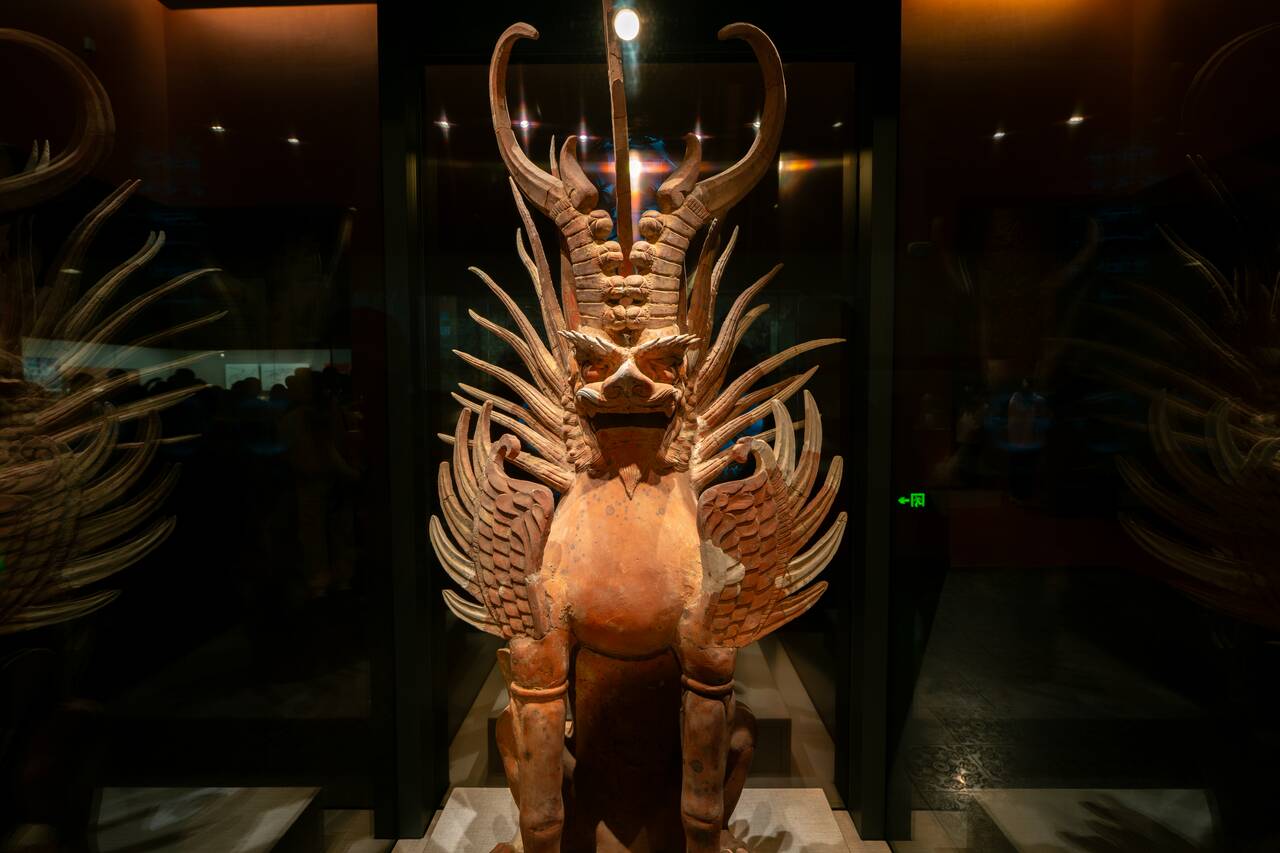
I would allow around 1 to 2 hours to explore the exhibitions. It is a great place to spend a slower morning or afternoon. The fact that entry is free is also a huge plus!
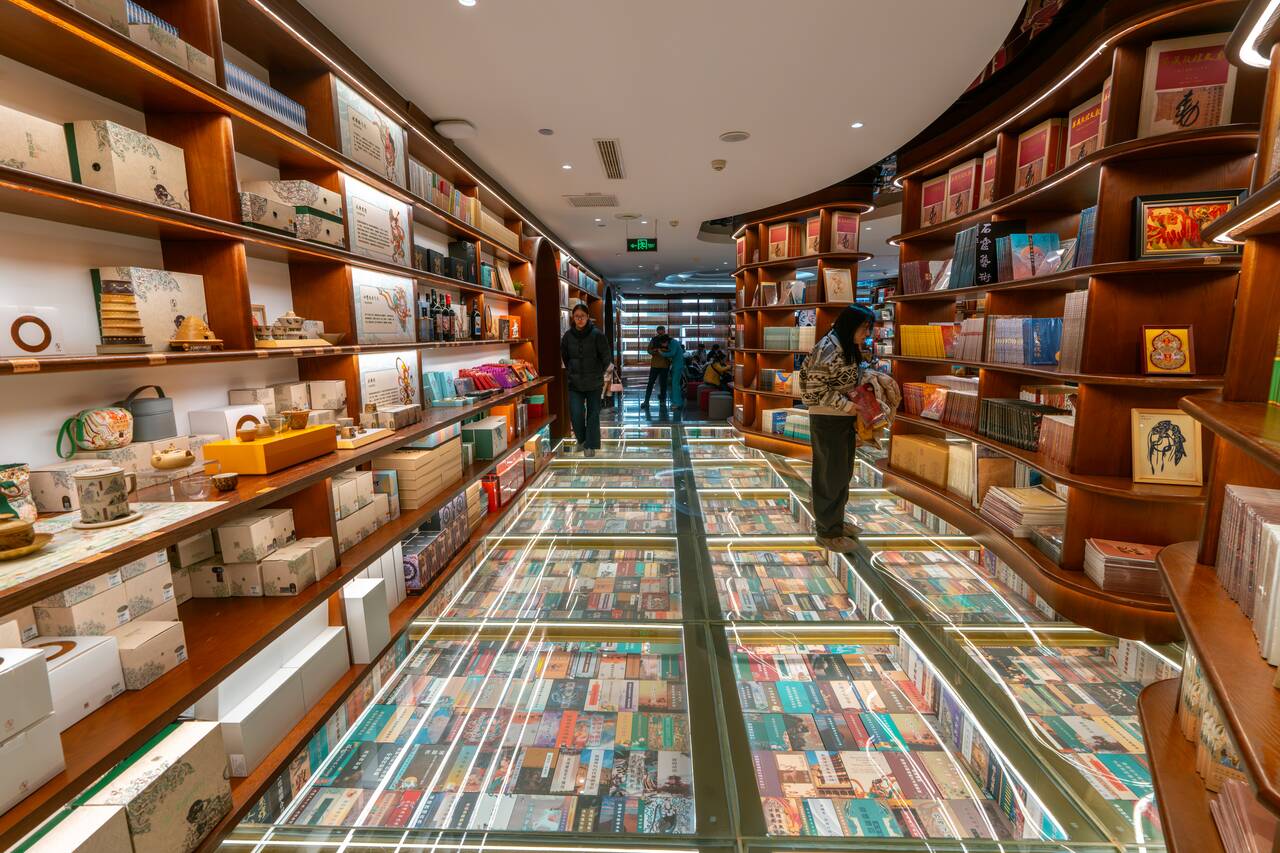
Afterward, stop by Dunhuang Book Center for a coffee and a look around. It’s a lovely bookstore where you can browse books or shop for gifts. It is a nice little break from all the historical sights you will see around Dunhuang.
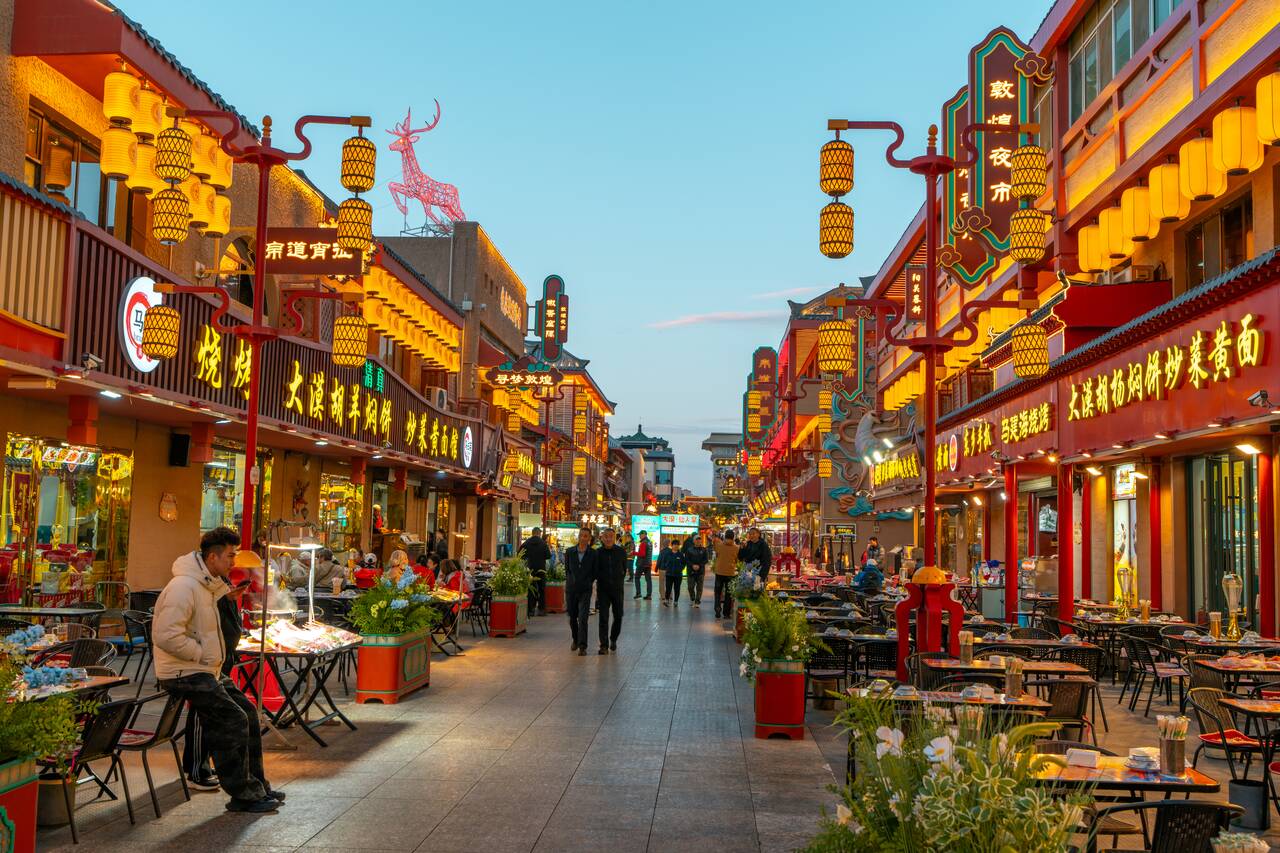
In the evening, head over to Dunhuang Night Market for dinner. It’s also known as Shazhou Night Market. There is an awesome selection of food here, from regional specialties to the typical Chinese street food you will find elsewhere. With so many stalls to choose from, the hardest part is deciding what to eat!
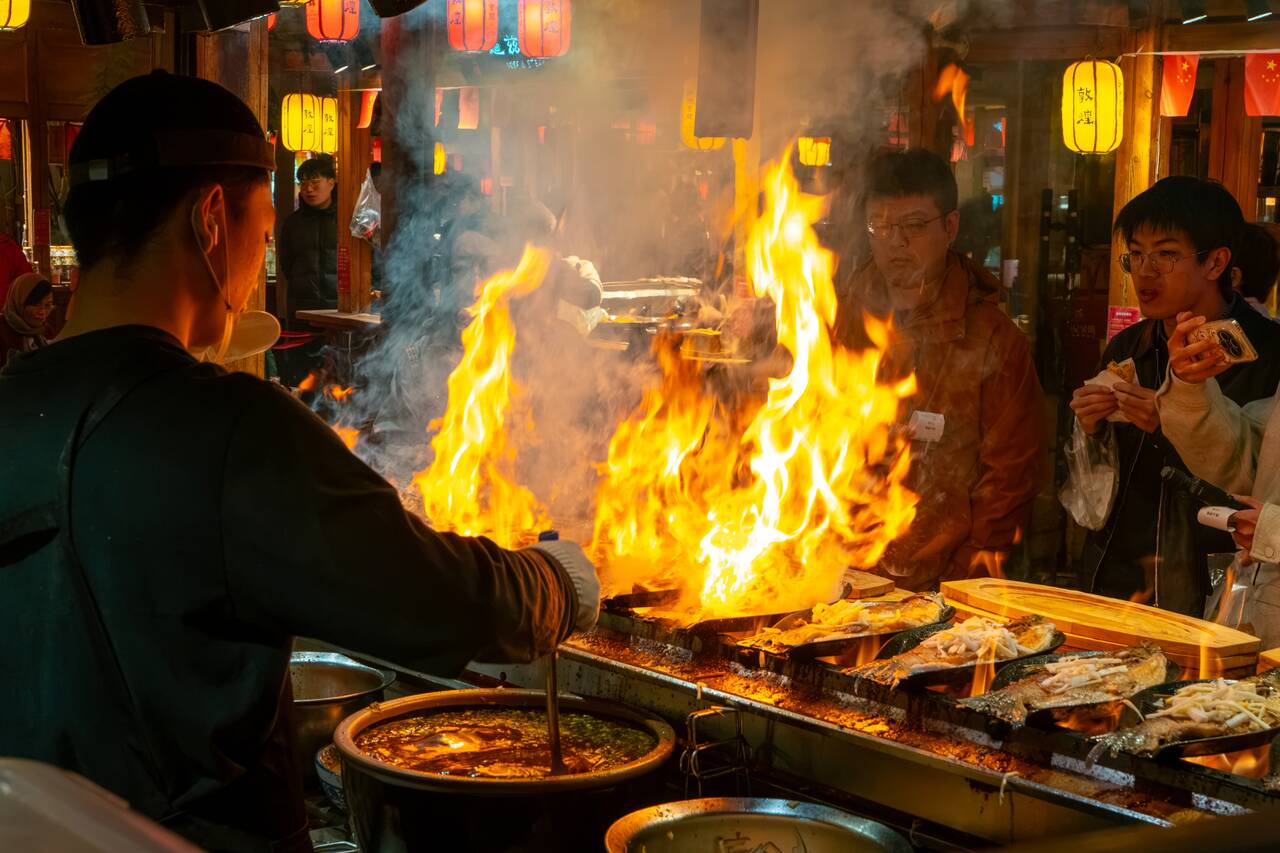
I found a stall grilling fish with spicy sauce and just couldn’t help myself. I had to try it, and it was great! Mind you, food here can get quite expensive. I mean, I’m eating fish in a desert, for crying out loud 🤣. Still, it was the selection and the lively atmosphere that I enjoyed most, so I didn’t mind spending a little more.
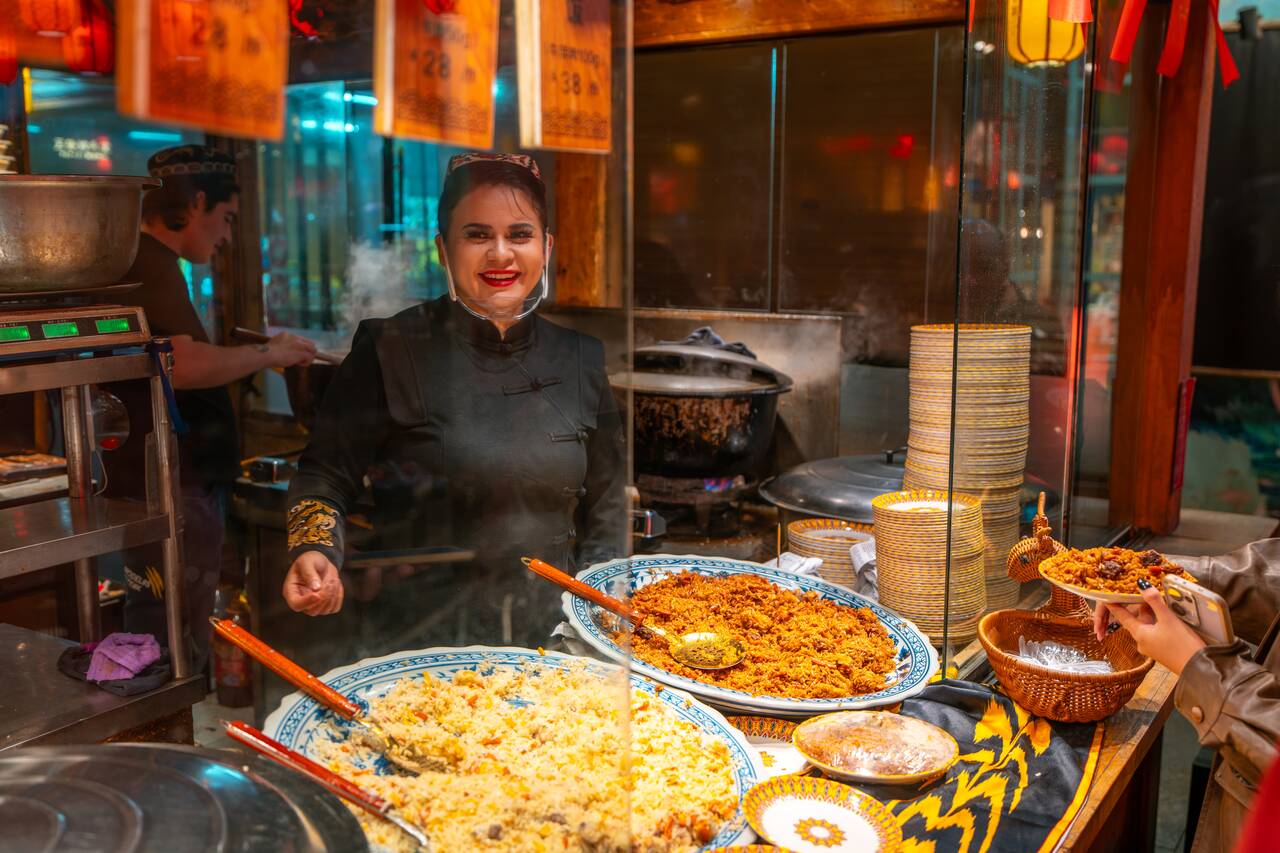
Also, be sure to try plov, if you haven’t had it before. This Central Asian staple is a rice dish commonly cooked with meat, carrots, and onions, and you will often see it called shouzhua fan here. I recommend coming around 7:30 PM onward. Stalls can stay open late during the busy season, while things tend to wind down earlier in the colder months.
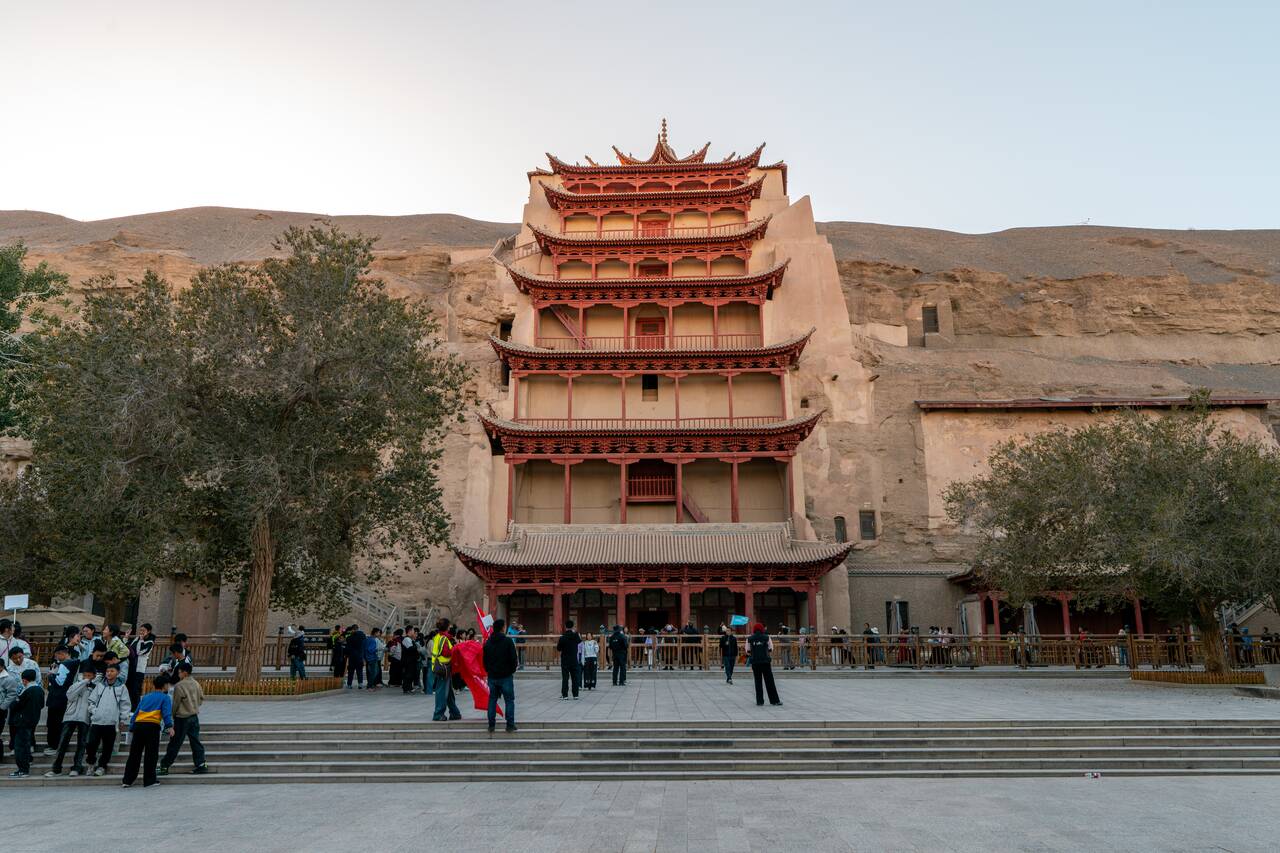
On Day 11, head to Mogao Caves in the morning. This UNESCO World Heritage Site is one of the most historically significant places along the Silk Road, with beautifully painted Buddhist sculptures and incredibly detailed murals hidden inside its cliffside caves. It is the main reason many people, including me, come to Dunhuang, and once you step inside, you will understand why!
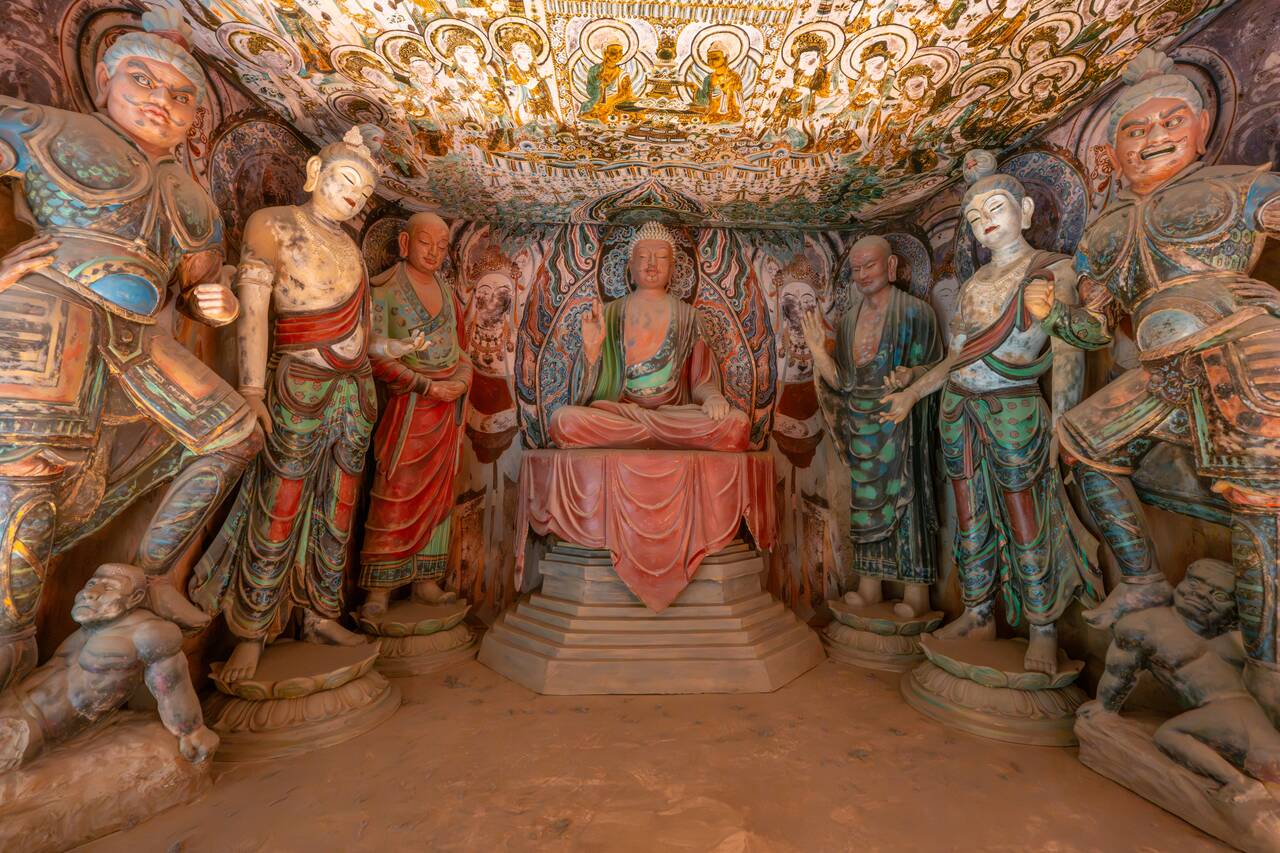
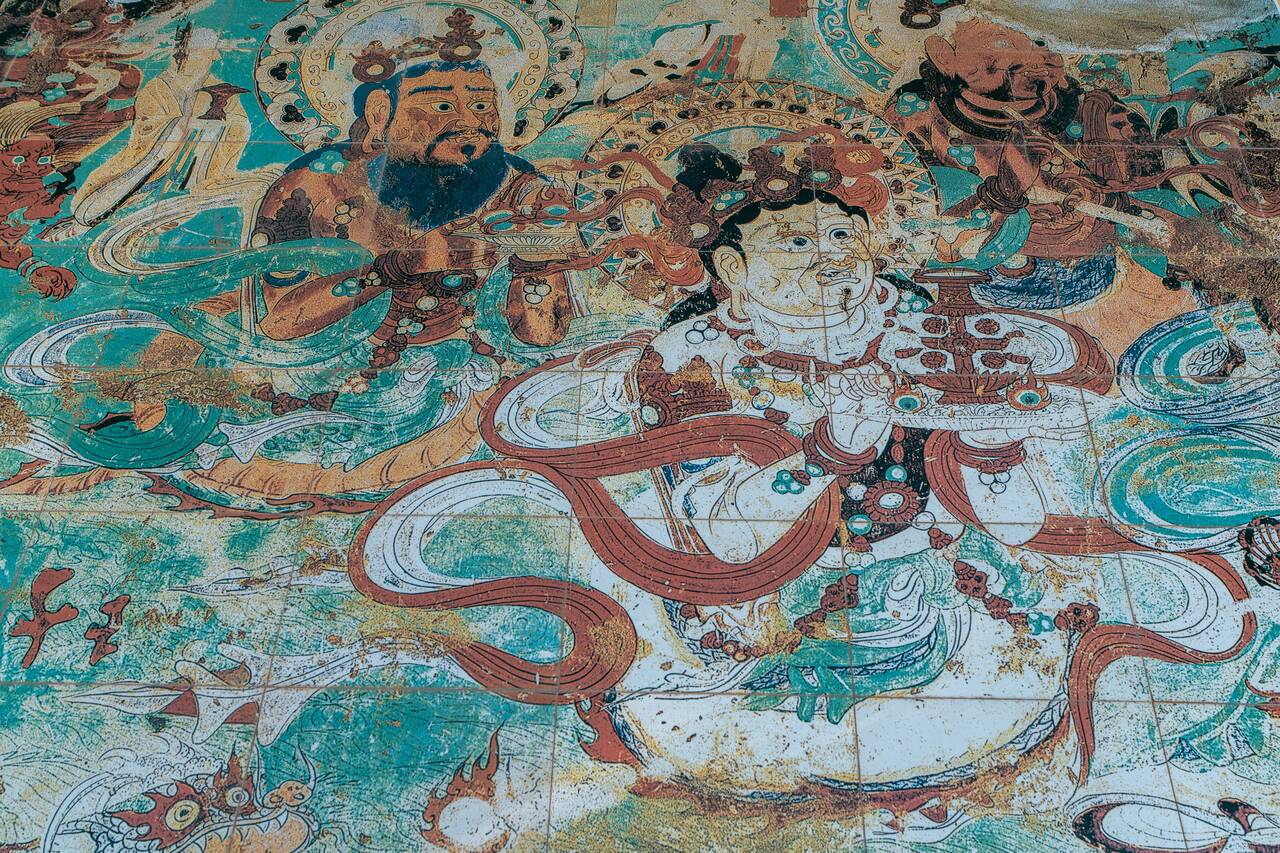
And because of that, unfortunately, photography and filming are strictly prohibited inside the caves, so the interior images I share here are of museum replicas or separately sourced reference images I found elsewhere. They should give you an idea of what to expect, but it is nothing quite like seeing it with your own eyes, trust me.
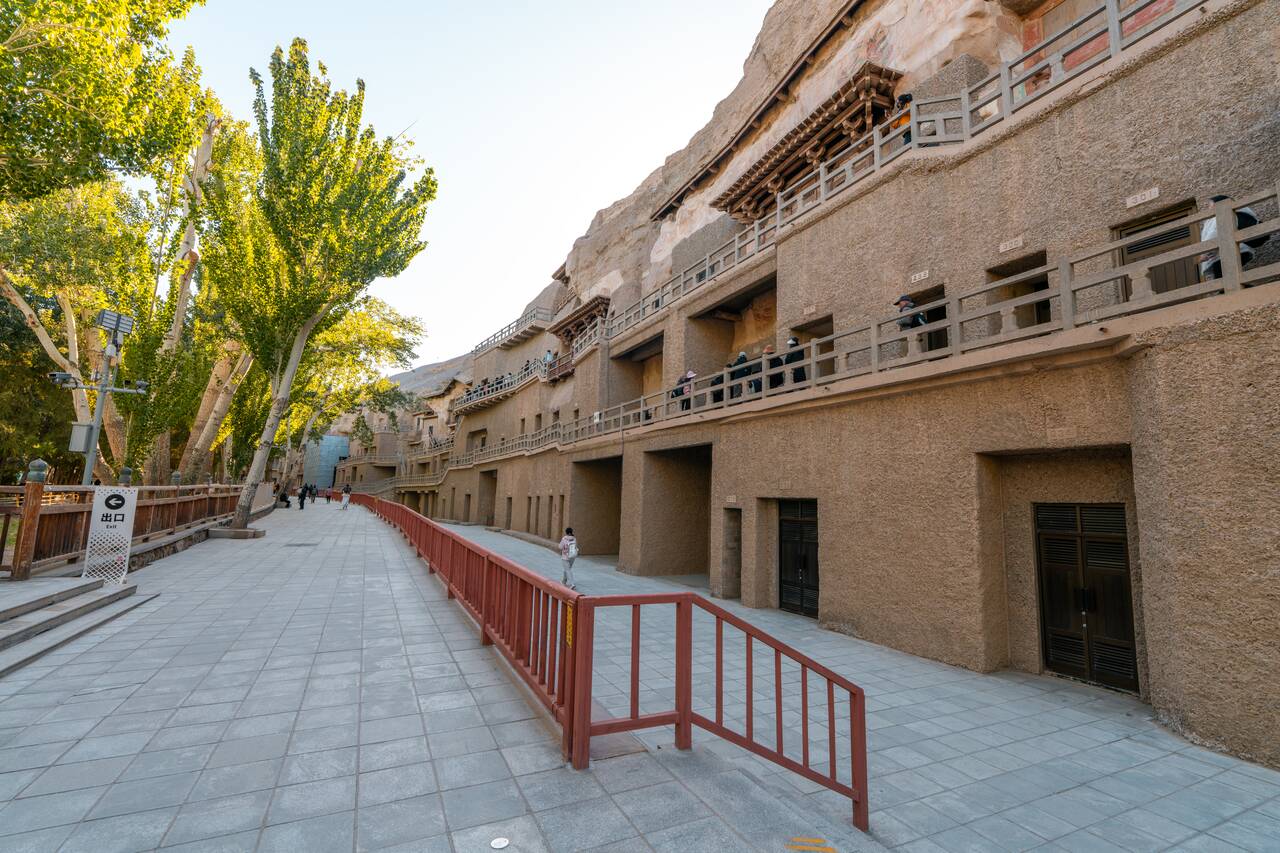
Book your time slot as early as possible, as daily visitor numbers are limited and popular sessions fill up quickly. I recommend checking at least a week before your visit, and earlier if you are traveling during a busy period. You can check ticket options on Trip.com here. Don’t rely on turning up and buying a regular ticket on the day.
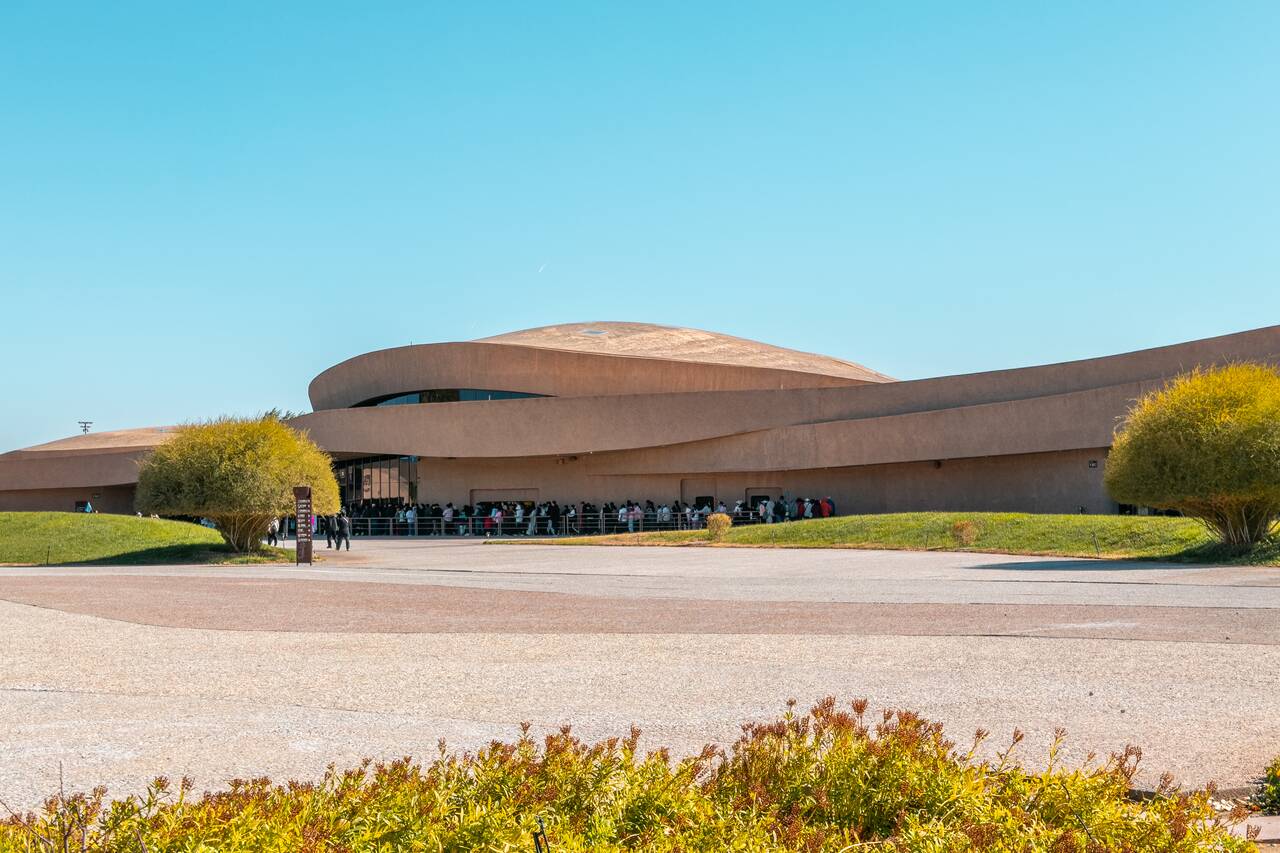
To get to the caves, you can take a DiDi. Just make sure you select the Mogao Caves Digital Exhibition Center, not the caves themselves, as this is where your visit begins before you board the park’s shuttle bus to the caves. Bring your passport and arrive at least 30 minutes before your reserved time to collect your paper ticket and find the correct entrance.
Allow at least 3 to 4 hours for the entire experience, including ticket collection, queues, films, shuttle journeys, and the cave tour. I recommend a morning session, which gives you more breathing room afterward and leaves the late afternoon free for Crescent Lake. The morning light is also lovely for photographing the cave façades outside.
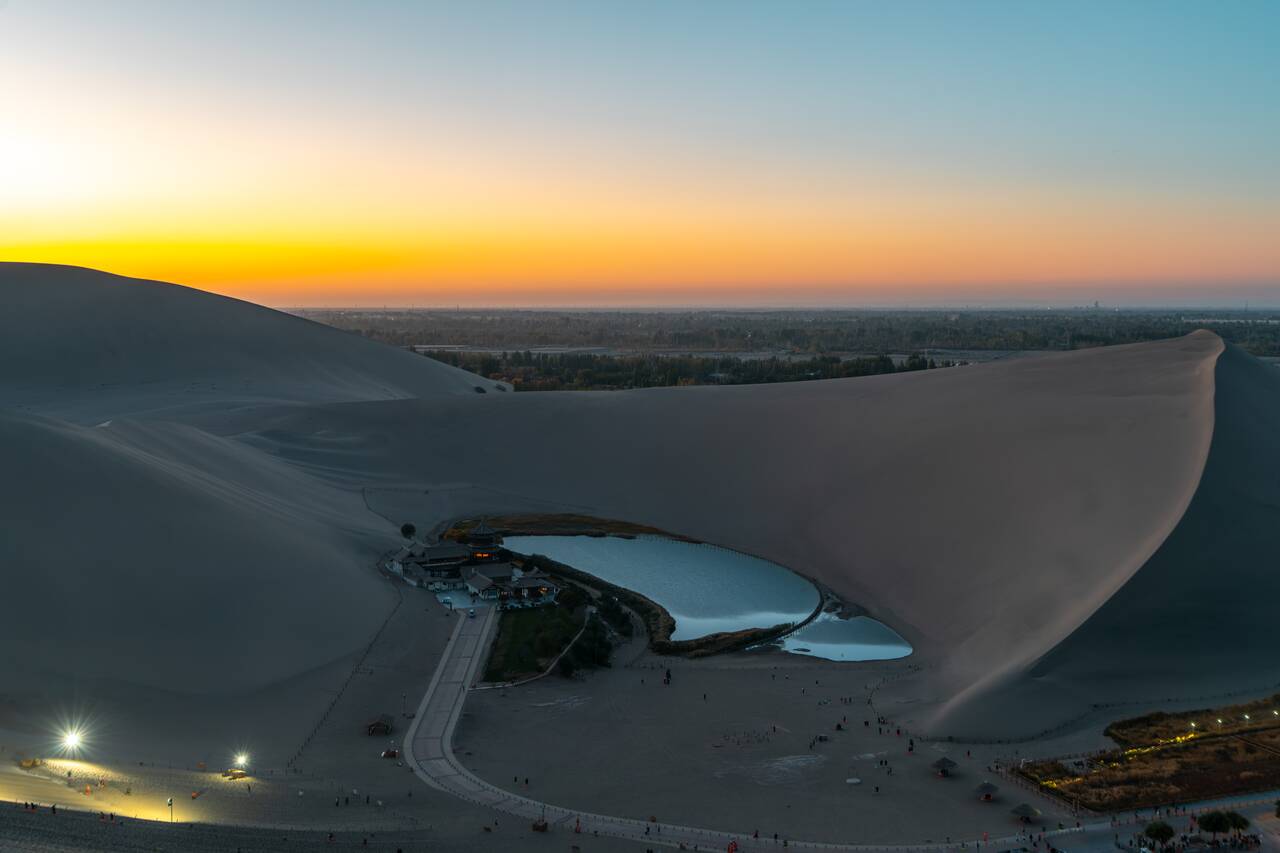
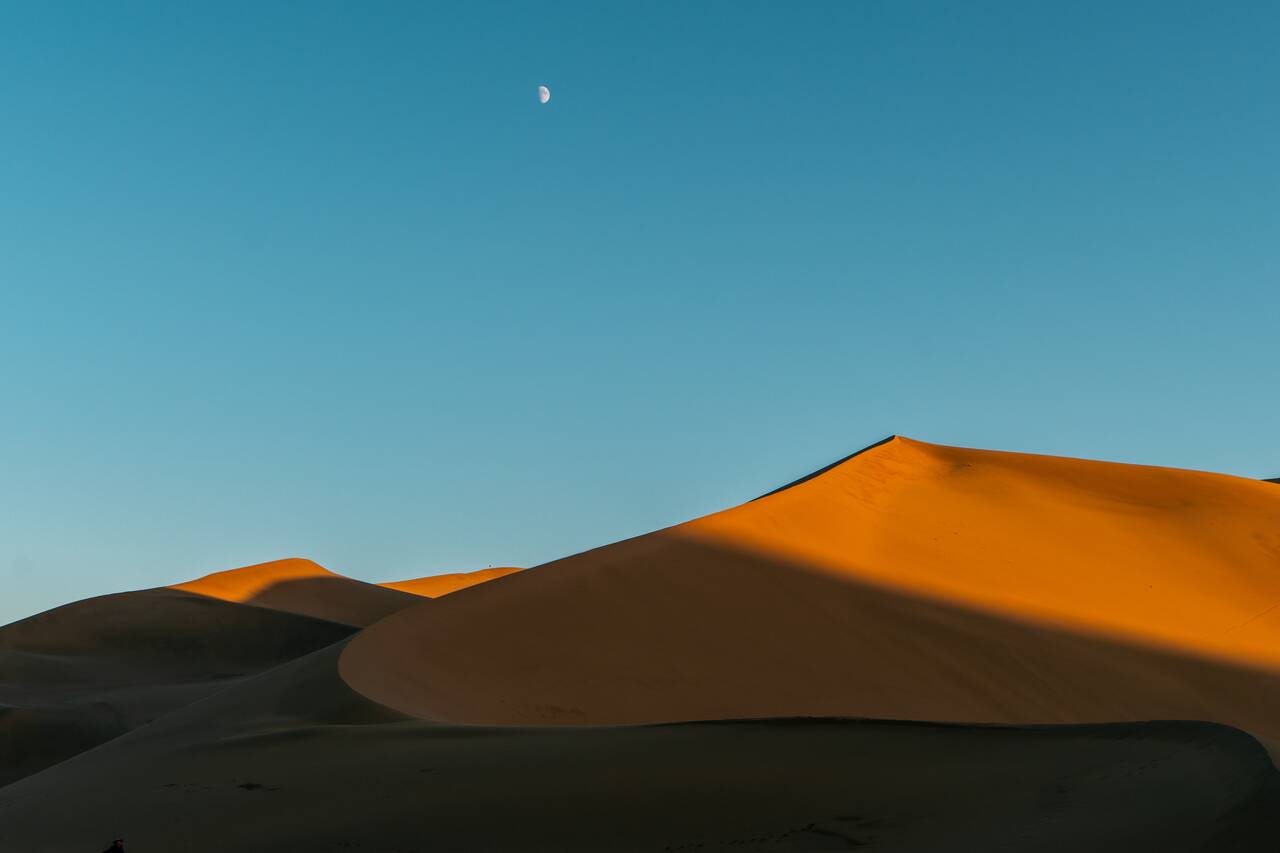
After the cave tour, head back to the city for lunch and a break before spending the rest of the afternoon at Crescent Lake, a crescent-shaped spring nestled among the enormous dunes of the Singing Sand Mountains. This little oasis has existed for more than 2,000 years and still holds water year-round. Pretty amazing to see in the middle of a desert! Give yourself plenty of time to climb the dunes before sunset so you can see the whole thing from above.
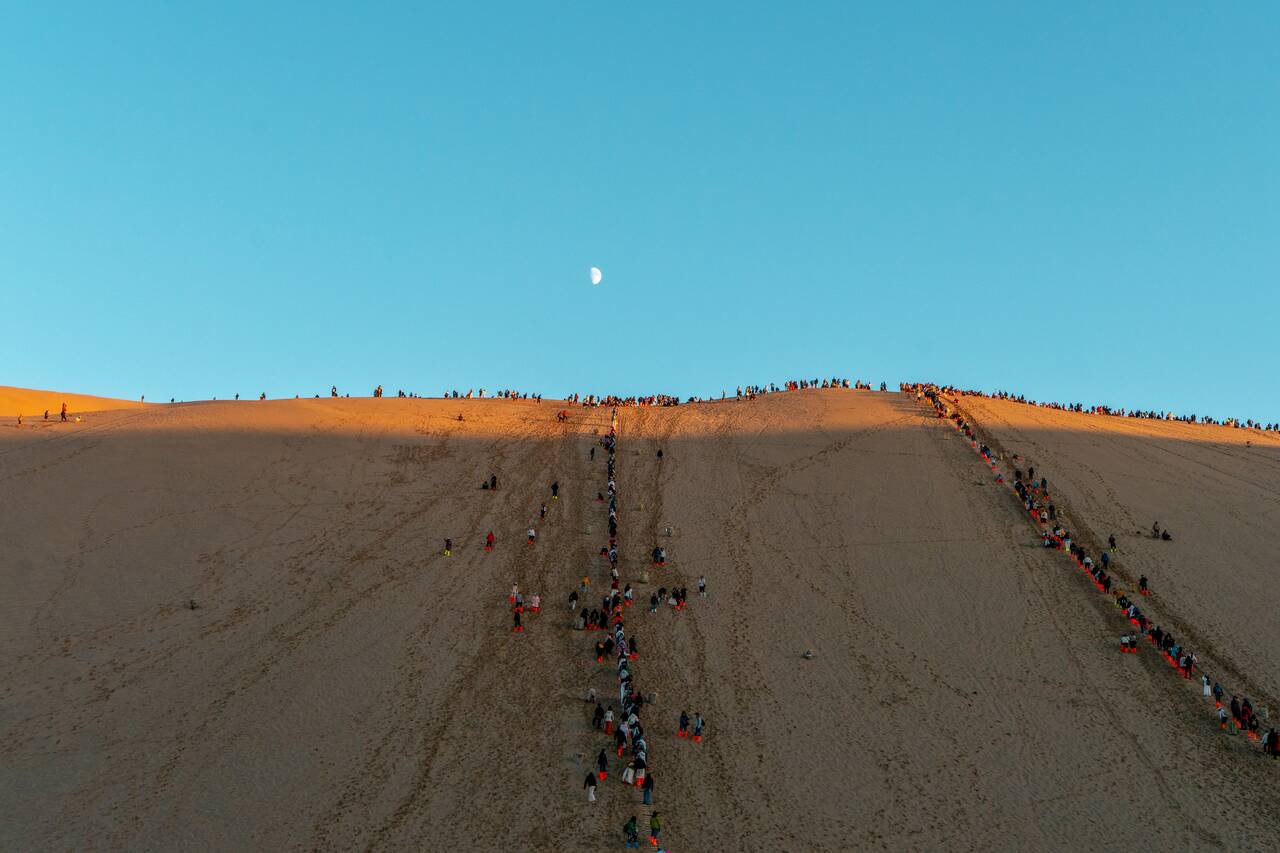
The climb is steep, but thankfully, they’ve installed ladders in the sand to make it much easier. You’ll probably find yourself in a line of people heading up, especially around sunset, so give yourself a little extra time to reach the top!
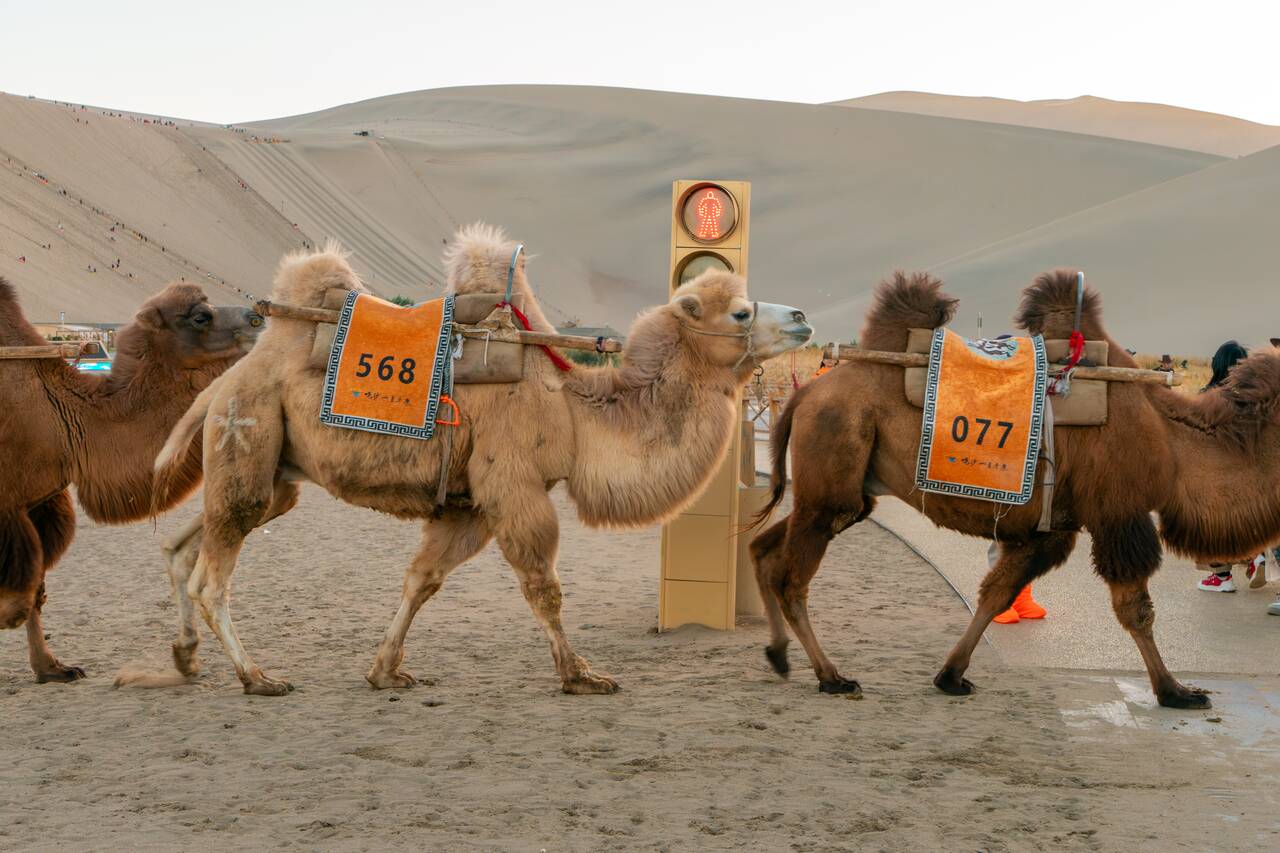
Give yourself around 30 to 40 minutes to walk from the entrance and climb up, and longer if the queues are moving slowly as it gets pretty crowded up there around sunset. Once you reach a good spot, take a breather and enjoy the view as the light changes across the dunes.
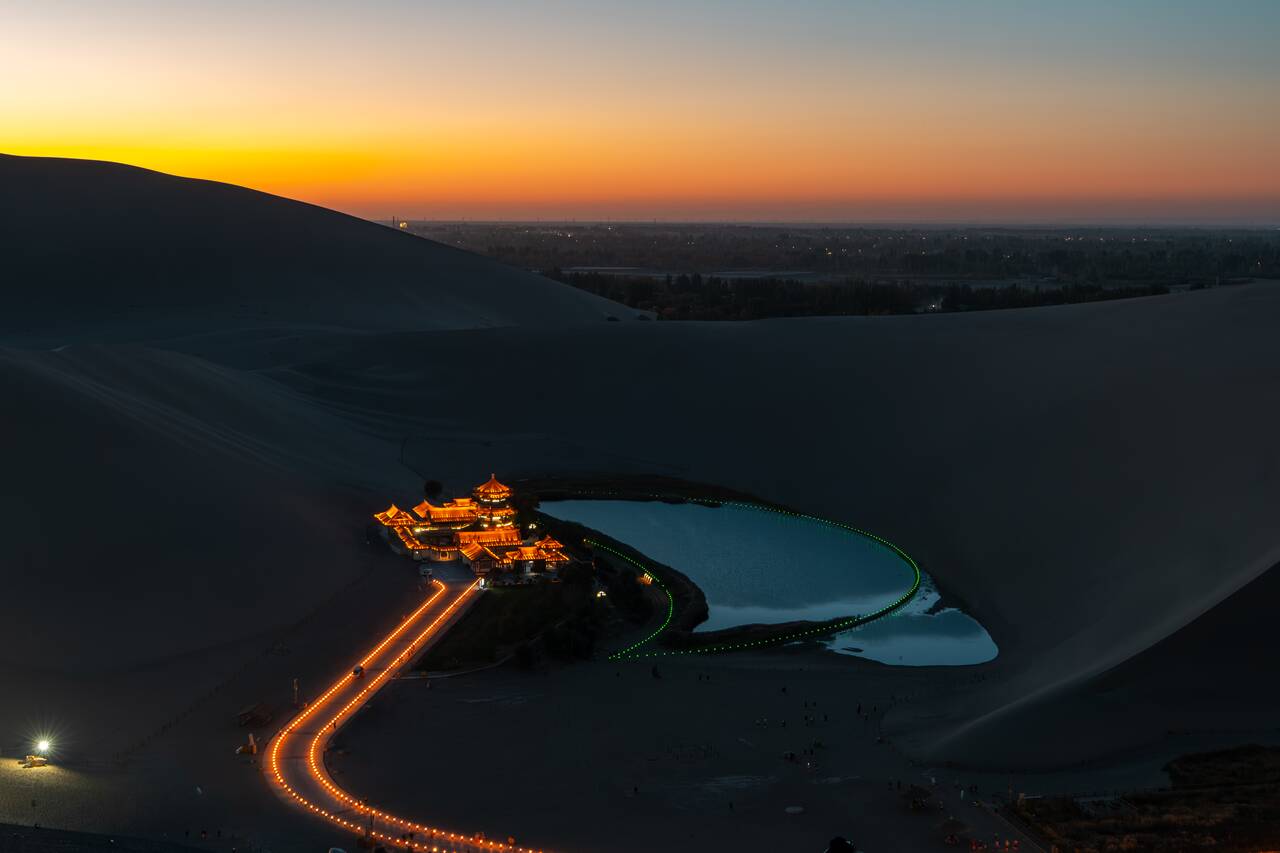
Be sure to stay until dark, when they turn on the lights around Crescent Lake. It is quite a sight to see! When I was there in mid-October, the lights came on around 7:30 PM, and the illuminated buildings against the dark dunes were absolutely beautiful. It was also very windy and cold up there, so pack layers!
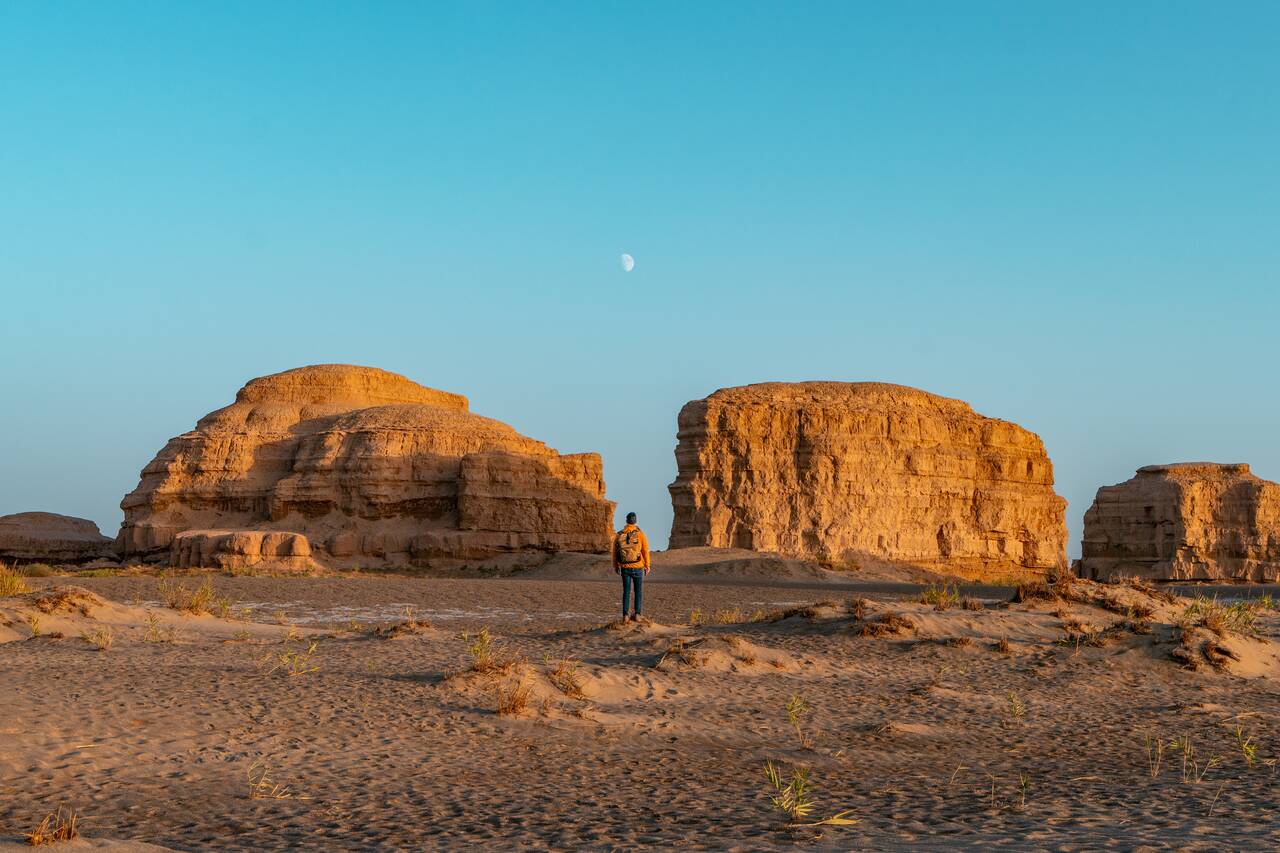
On Day 12, we’re going to spend the whole day exploring west of Dunhuang, visiting the Western Thousand Buddha Caves, Yangguan Pass, Yumen Pass, and Yardang Geopark. These places are pretty spread out, so I recommend joining the same full-day tour I took. It’s one of the most affordable ways to see all four in one day without having to arrange a private car yourself.
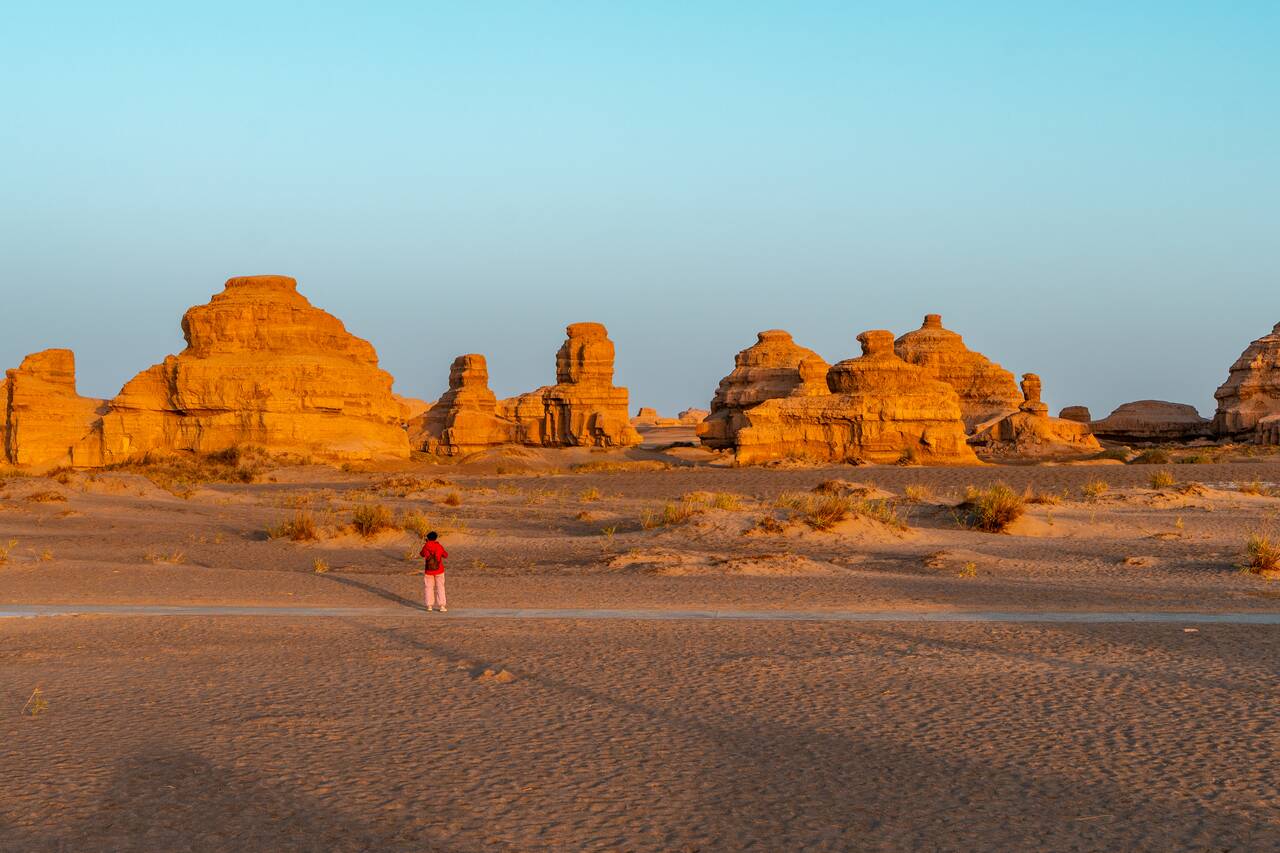
Expect a long day, starting around 8 AM and returning around 9 to 10 PM or later, depending on the season and itinerary. It is a lot of time on the road, but watching the sunset over the formations at Yardang was one of my favorite moments in Gansu, and definitely well worth the effort.
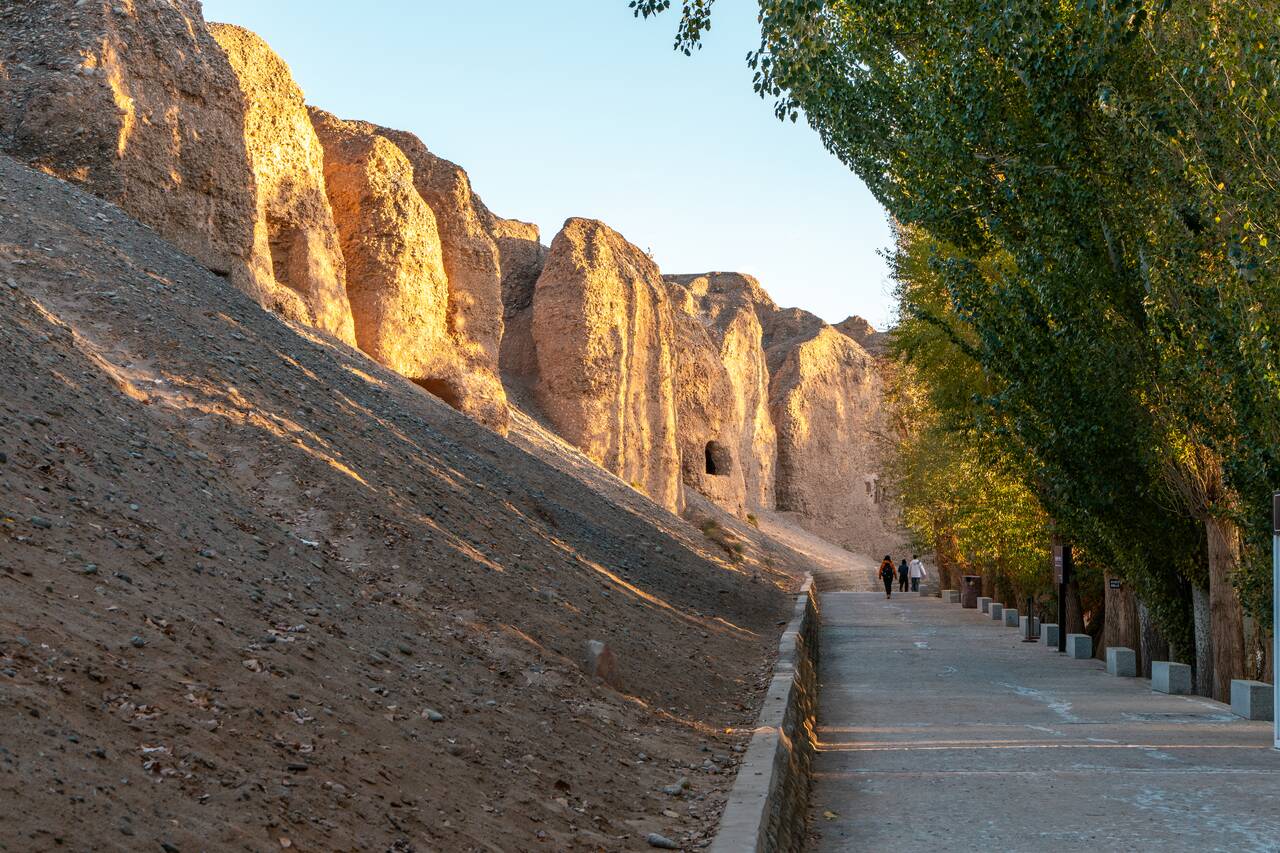
Your first stop will be the Western Thousand Buddha Caves, a cave complex with painted Buddhist sculptures and murals similar to those at Mogao, but with fewer caves to explore.
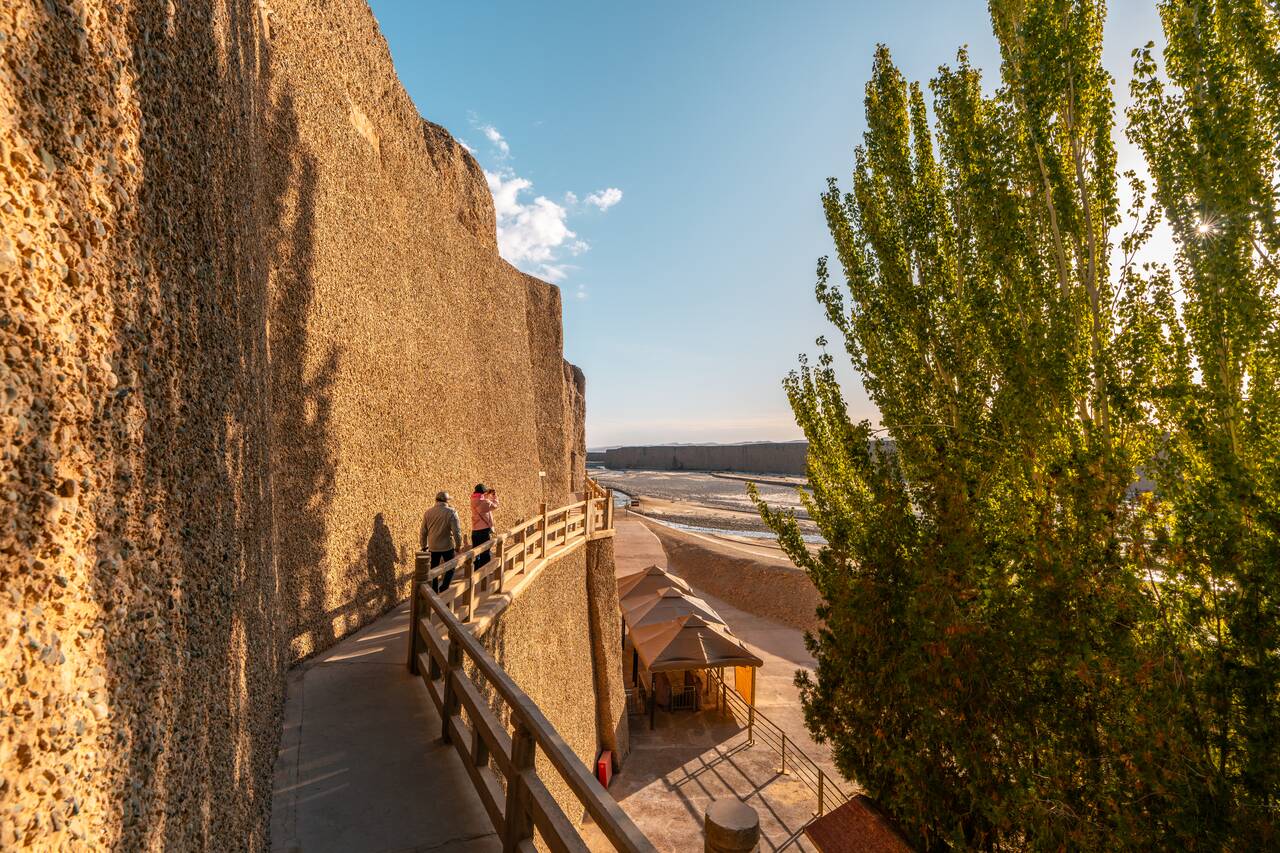
Like at Mogao, you will explore the caves with a guide who opens the rooms for your group. Unfortunately, there wasn’t an English-language tour available like Mogao, but I still enjoyed seeing it and being able to compare the two.
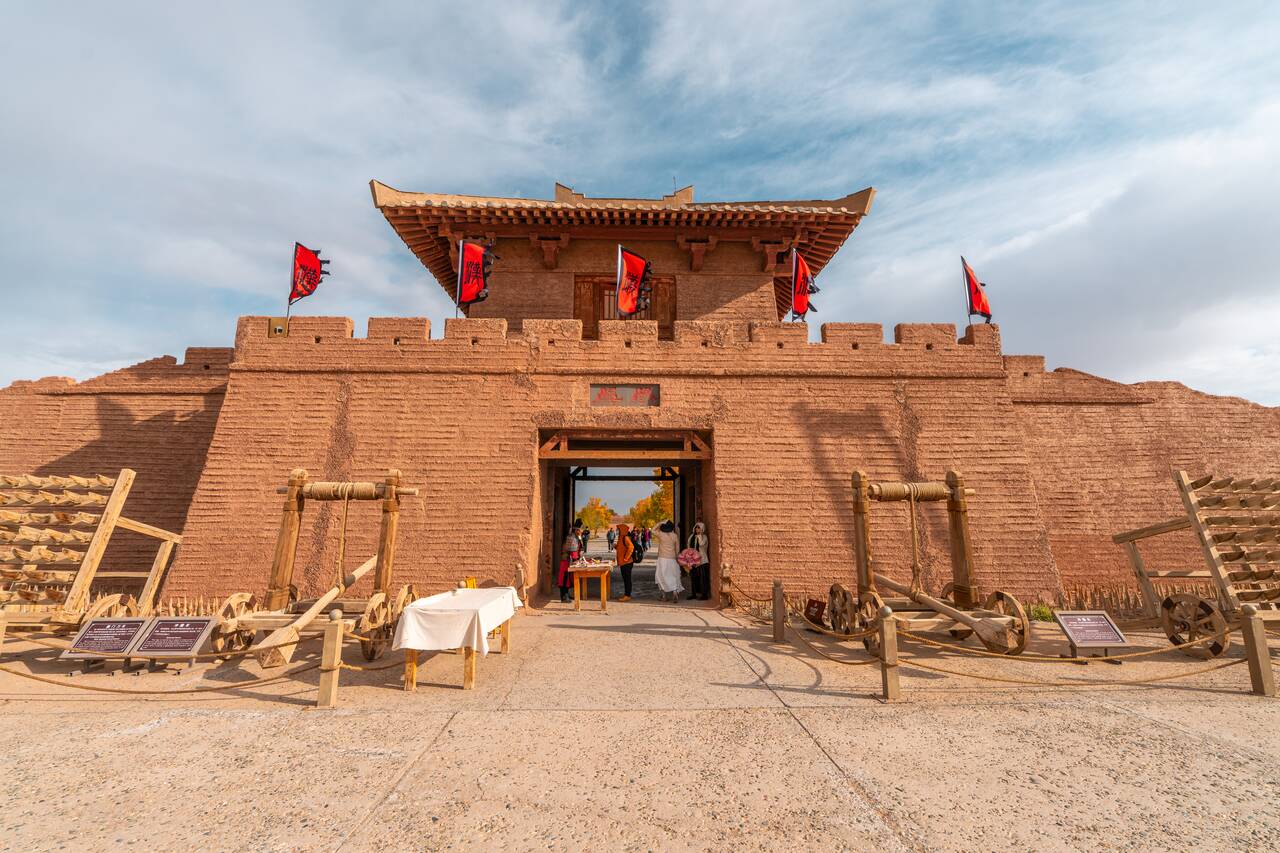
Next up, you will visit Yangguan Pass, an important gateway along the ancient Silk Road established during the Western Han dynasty. It is basically a sister pass to Yumen Pass and it controlled access to the southern route heading west from Dunhuang, while Yumen Pass served the northern route.
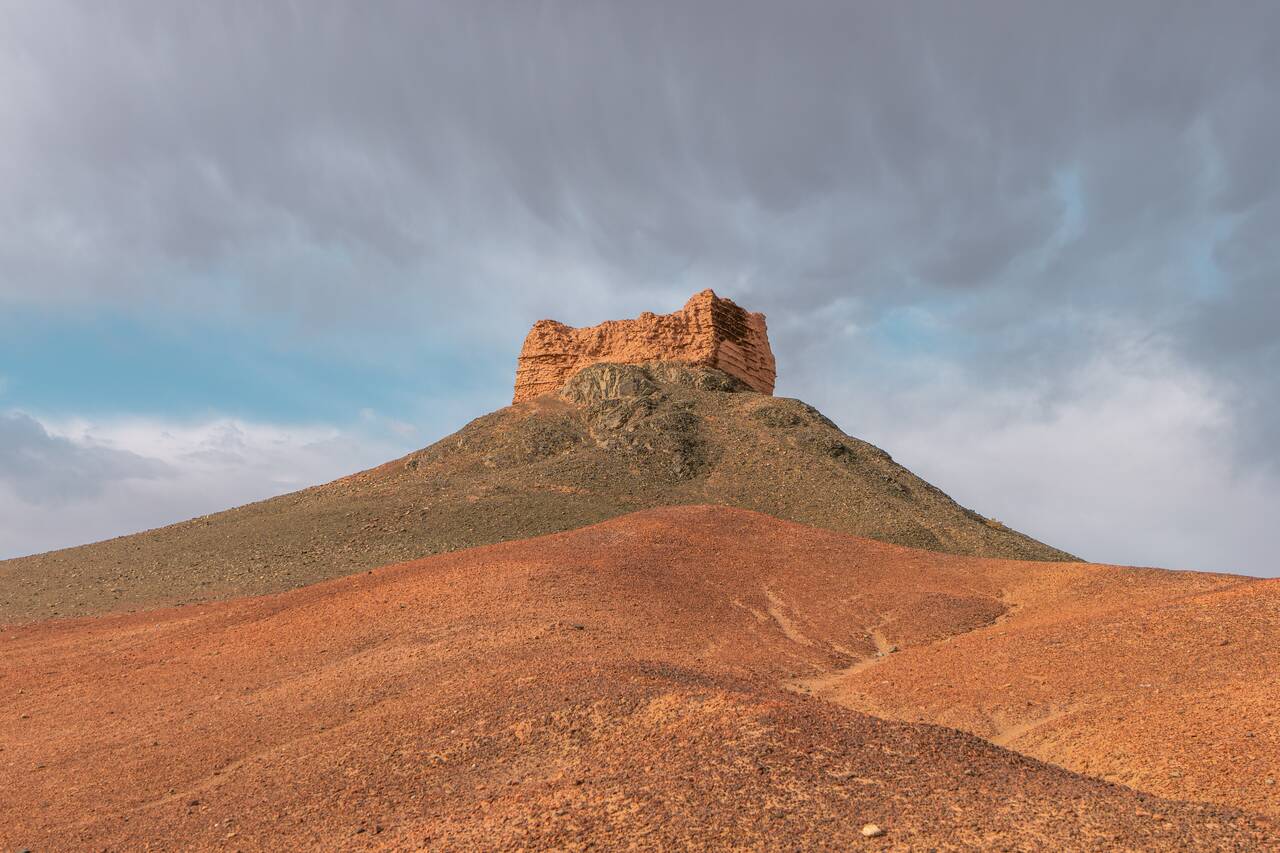
Seeing the ruined tower still standing after more than 2,000 years was pretty incredible. You can also walk along a stretch of the ancient Silk Road trail, which, as a history buff, I found particularly interesting. There isn’t much left to see along the path itself, but you can almost picture all the people and caravans that once traveled through this landscape as you walk. I love it!
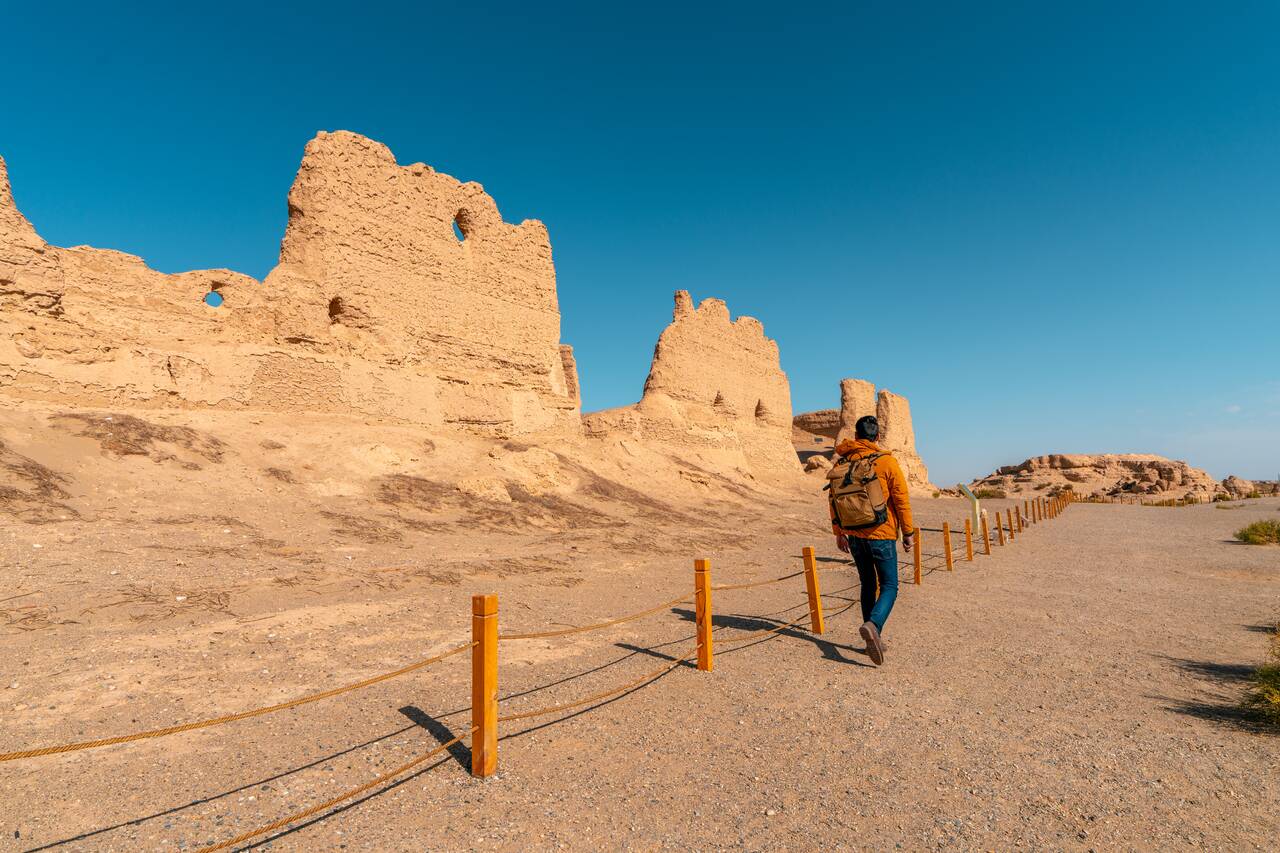
After Yangguan Pass, you will head over to Yumen Pass, also known as the Jade Gate Pass. Yumen Pass was an important gateway between Han dynasty China and the Western Regions, modern-day Central Asia, where merchants, soldiers, and travelers passed through along the Silk Road.
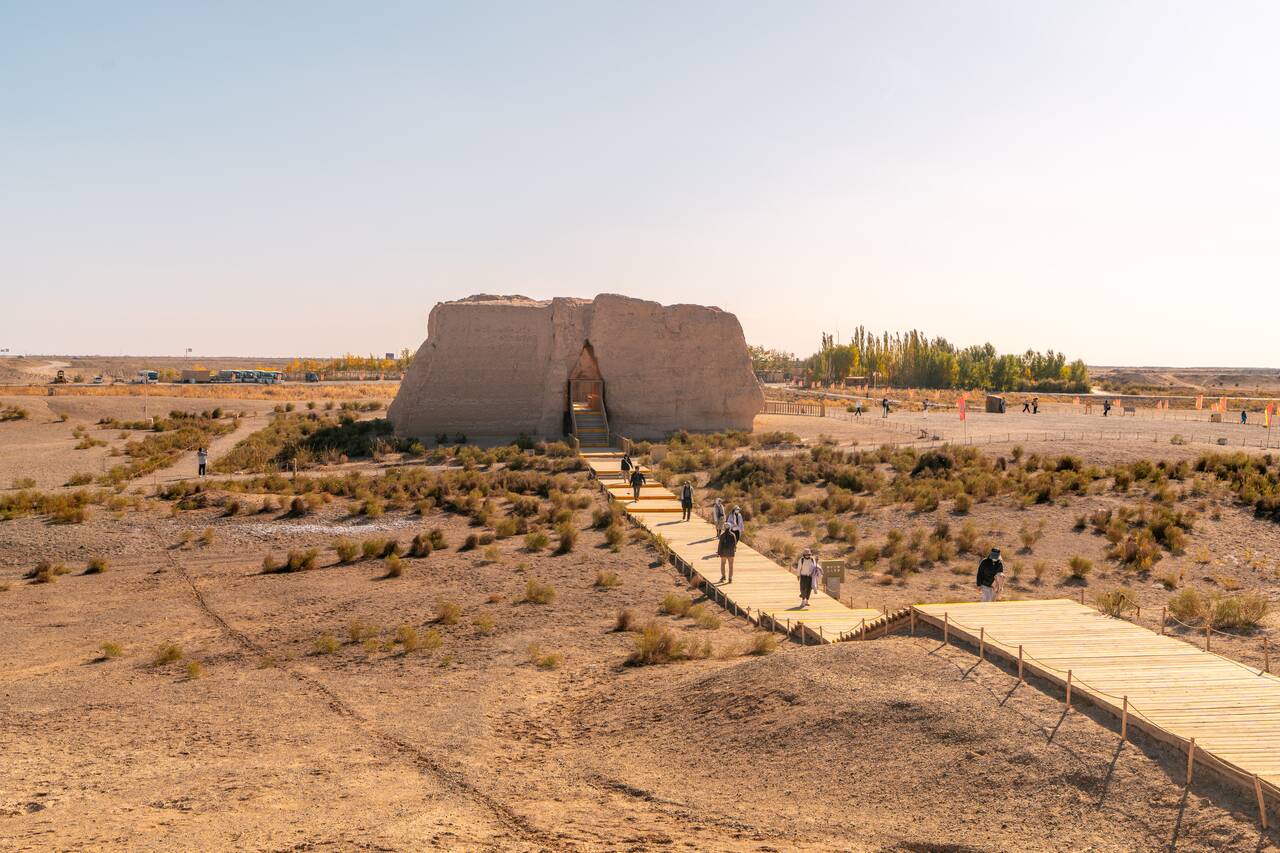
The scenic area has three main stops: Xiaofangpan Fortress, the Han Great Wall, and the Hecang granary ruins. They are spread quite far apart, so you will need to take the park’s sightseeing shuttle to explore them all.
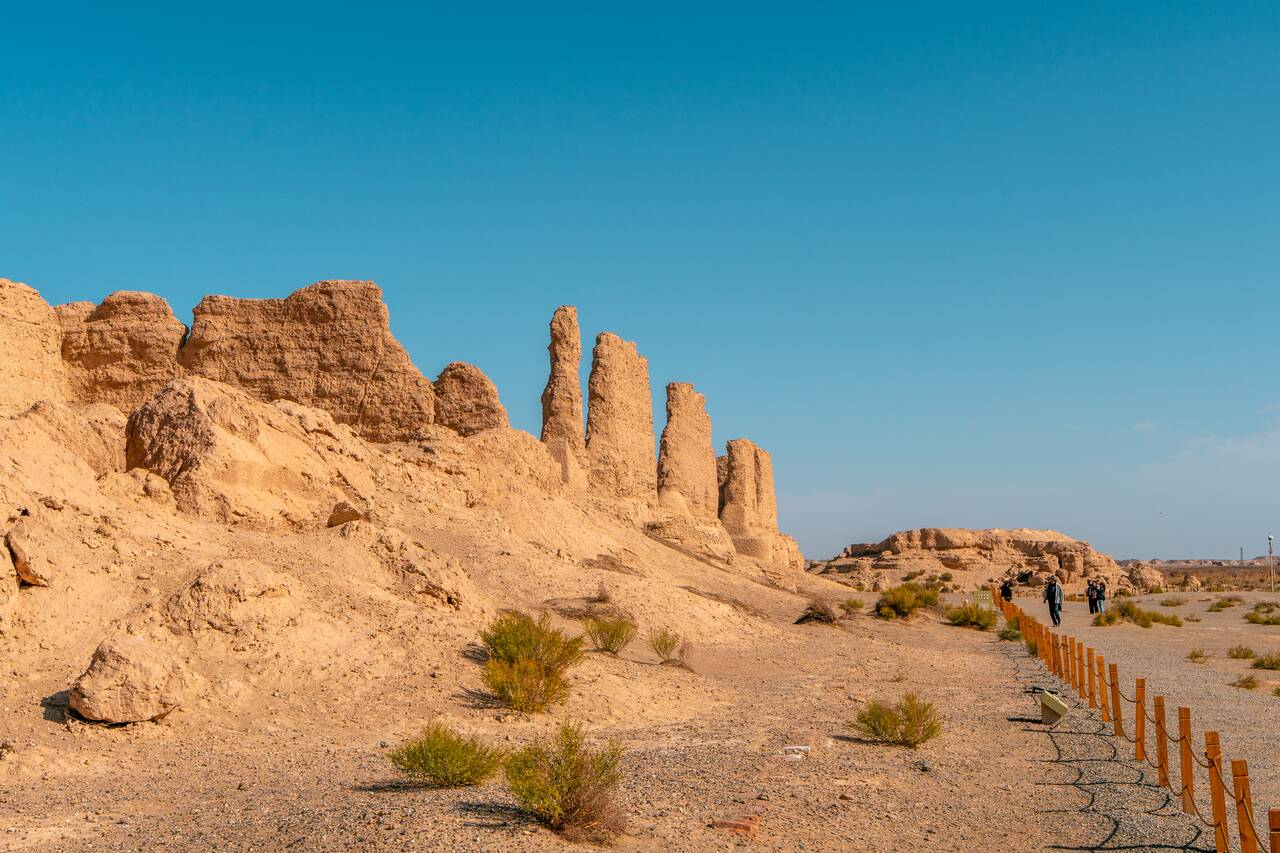
Last but not least is Hecang Granary Ruins, which was probably the most impressive ruin here for me. This was an important military granary, storing supplies for the soldiers stationed along the frontier. Large sections of its earthen walls are still standing, and you can make out the remains of the separate storage chambers as you walk around.
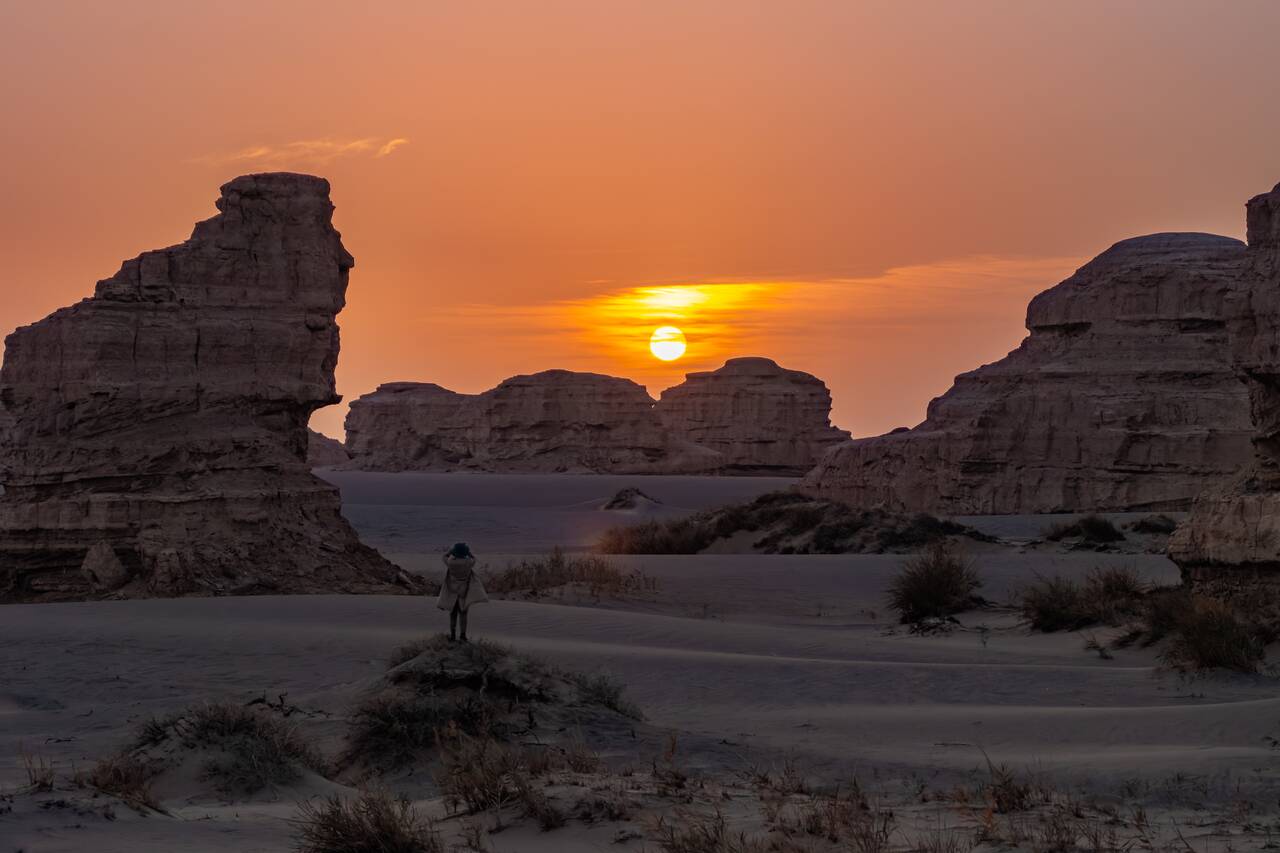
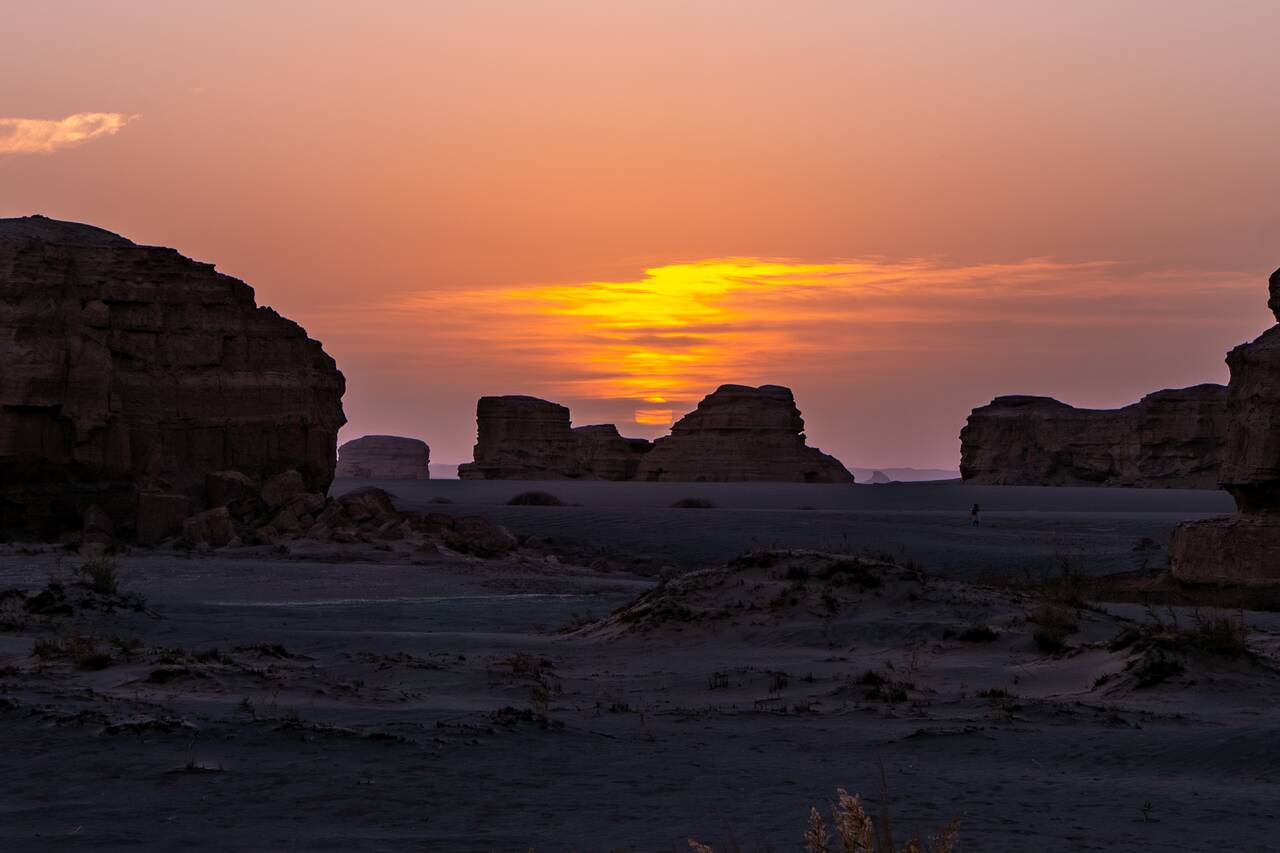
From Yumen Pass, you will continue your journey to Yardang Geopark, the final stop, and stay for sunset before making the long drive back to Dunhuang. Located near the border between Gansu and Xinjiang, Dunhuang Yardang Geopark is one of the most surreal landscapes I have seen on this trip. With enormous wind-carved formations rising from the barren desert, the place looks almost like the ruins of an ancient city on another planet!
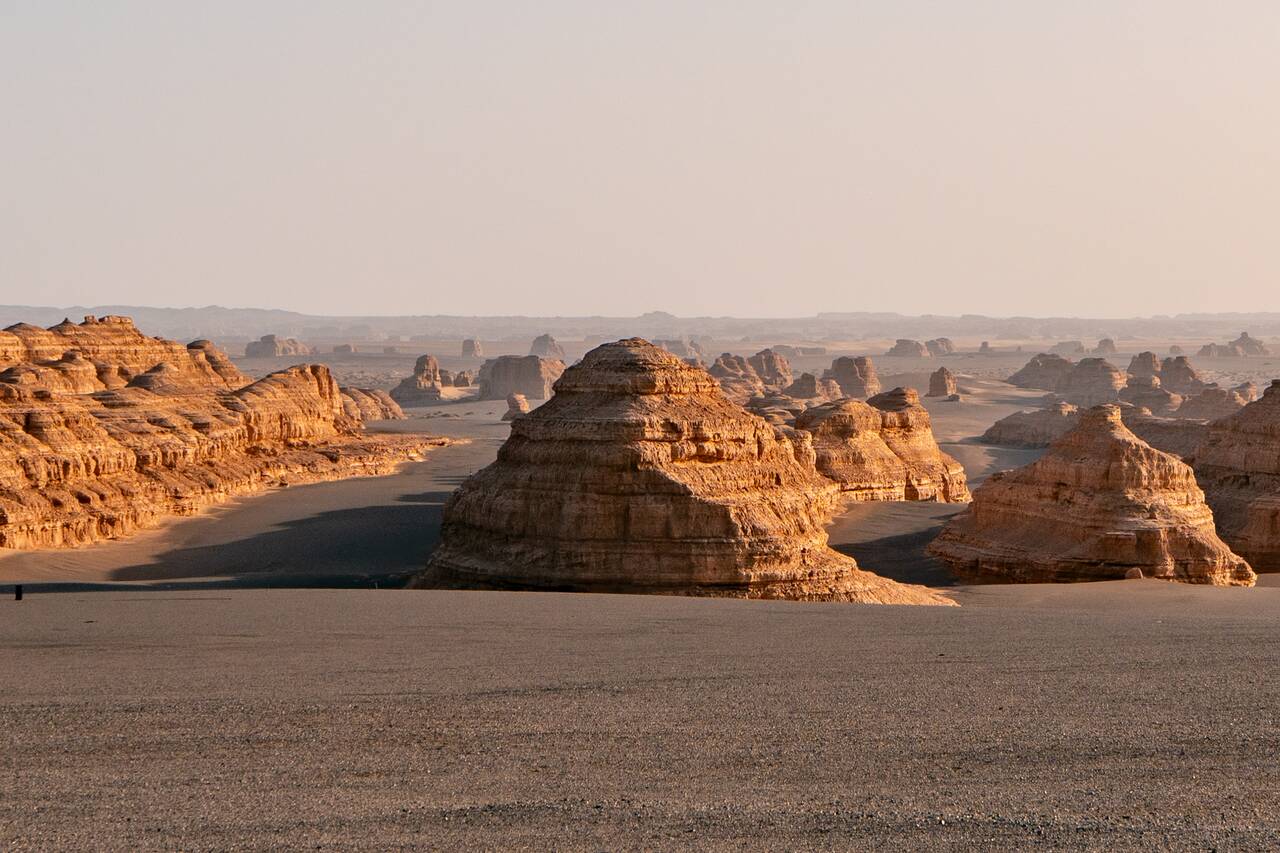
One of my favorite stops was the Western Sea Fleet, where rows of enormous formations stretch across the desert like a fleet of ships sailing through the sea. It was absolutely breathtaking to see, especially with the low evening light bringing out the shapes and shadows.
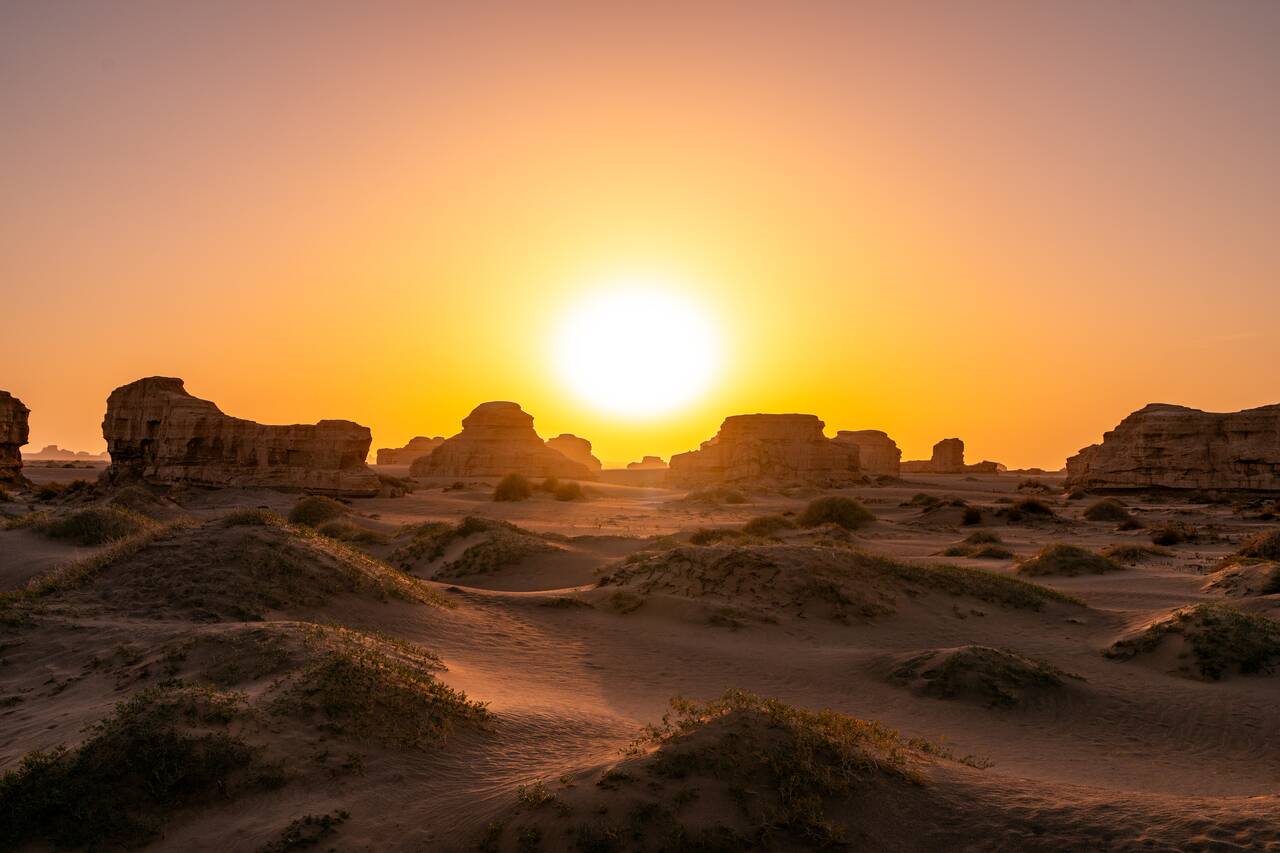
We were there from around 6 PM to 7 PM for sunset, and it was incredible! Watching the light change across those strange formations, with nothing but desert stretching into the distance, was definitely the highlight of the entire western-route trip for me. It is a long journey to get here, but the sunset alone made it worthwhile.
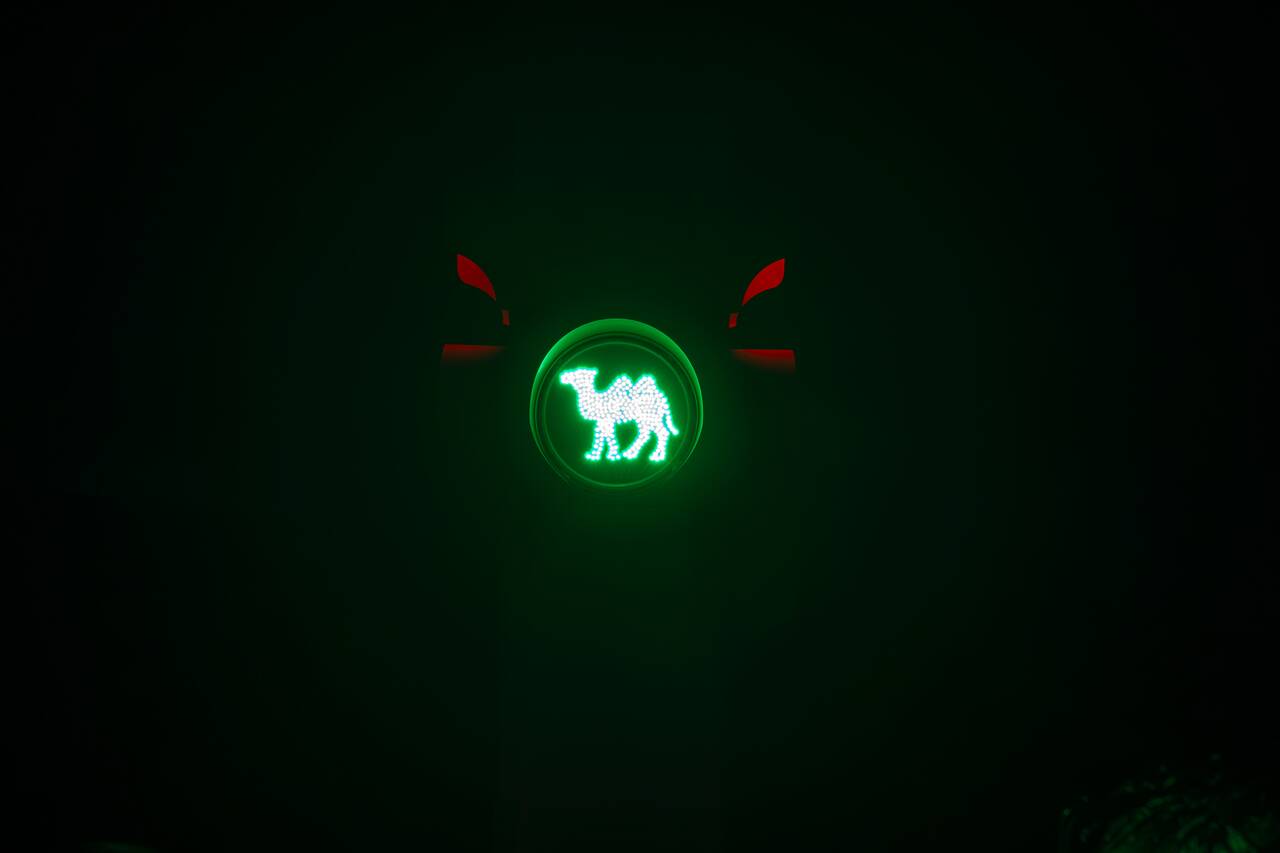
And that’s it for our journey along the ancient Silk Road in China! After starting in Xi’an and making our way west through Gansu, I can’t think of a better way to end the trip than watching the sun go down over the desert at Yardang. I’d waited years to see this part of the Silk Road, and even on the last day, I still found myself asking, “How is this place real?” I hope you have as much fun exploring Gansu as I did. Safe travels!




When to Visit Gansu?
For this itinerary, I’d aim for April to May or September to October, when temperatures are generally more comfortable for exploring Gansu. Most of what you’ll be doing here is outdoors, and since you are in the desert it can be very hot in the summer. Personally, I’d go in autumn, as spring can bring strong winds and blowing sand around Dunhuang.
I was there in mid-October, and it was already very cold in the mornings and at night, with temperatures around -2 to 4°C. Once the sun came out, it warmed up to around 14 to 19°C, which was much more manageable. I often wore 3 to 4 layers in the mornings and evenings, while during the day, I could get by with 2 to 3 layers.
If your dates are flexible, I’d avoid the Labor Day holiday in early May and Golden Week in early October. The Rainbow Mountains get crowded enough as it is, and you’ll want to book your Mogao Caves tickets ahead, especially if you’re traveling during either holiday.
How to Get to Gansu?
For this itinerary, we are starting in Xi’an, which is actually in neighboring Shaanxi, not Gansu, and we will continue our journey up to Gansu via high-speed train.
By Train: If you are already traveling around China, the high-speed train is a convenient way to reach Xi’an. Most high-speed services arrive at Xi’an North Railway Station, which connects to the city’s metro network.
You can search for routes and book through Trip.com. From Xi’an North, use AMap to find the best metro connection to your accommodation. If you have heavy luggage or prefer a direct ride to your hotel, DiDi is another option.
By Air: You can fly into Xi’an Xianyang International Airport (XIY), which serves domestic and international routes. From the airport, Metro Line 14 connects to Xi’an North Railway Station, where you can transfer to other lines toward the city center.
For finding flights, I would recommend browsing through Skyscanner or Expedia to compare flights from where you live to Xi’an.
How to Get Around Gansu?
By Train: Getting around Gansu is relatively easy, especially if you’re following this itinerary. High-speed trains are the easiest way to travel between the main stops, from Xi’an to Zhangye, then on to Jiayuguan and Dunhuang. You can book your train tickets on Trip.com. Just double-check the station names before booking, as cities like Zhangye and Jiayuguan have more than one railway station.
By Bus or Shuttle: Once you get to each city, you can use local buses and tourist shuttles to reach some of the sights outside town. In Zhangye, for example, you can take shuttles from the bus station to places like Pingshan Lake Grand Canyon and Qicai Danxia.
By DiDi (getting around cities): DiDi is an easy way to get between railway stations, your accommodation, and sights that are a little too far to walk. Once you’re in the city center, you can explore many of the central sights on foot.
By Tour: For sights that are farther out and spread apart, joining a tour can make things much easier. I’d recommend doing this for Yumen Pass in Dunhuang, as the Western Thousand Buddha Caves, Yangguan Pass, Yumen Pass, and Yardang Geopark are all quite far from one another. A full-day tour lets you visit all four without having to arrange transport between each stop yourself.
How Much Money Do I Need for This Gansu Itinerary?
From this 12-day itinerary, we can calculate approximately how much money you will be spending here (average) as follows:
| 🛌 Lodging: | 348 USD (29.00 USD/Day) |
| 🥘 Food: | 180 USD (15.00 USD/Day) |
| 🚗 Transportation: | 155 USD (12.92 USD/Day) |
| 🧗 Activities: | 275 USD (22.92 USD/Day) |
| 💰 Total Budget: | 958 USD (79.83 USD/Day) |
Is It Safe to Travel in Gansu?
Like much of China, Gansu felt very safe to me. The main thing I’d prepare for is the weather, as you’ll be spending a lot of time outdoors on this itinerary. Temperatures in the desert can vary quite a bit from day to night and from season to season. Summers can get very hot, while mornings and evenings in spring and autumn can be chilly. Winter can be bitterly cold.
I’d bring a few layers you can take off during the day and put back on when the sun goes down, especially if you’re planning to stay out for sunset in the desert.
Which Tourist SIM Card Is Best for China?
China’s cashless economy relies on constant internet access, so having a data connection is essential. I highly recommend getting an eSIM or a local SIM card for your trip. Check whether your plan includes roaming data in mainland China before you buy. I suggest checking eSIM options on Klook or Trip.com, as they tend to be the most affordable.
Things to Know Before Visiting China
- Always Carry Your Passport: Everything revolves around your passport/ID in China, and it’s often used interchangeably as your main form of identification. Many major tourist attractions require you to show your passport when buying a ticket, and the ticket will then be linked to it. You’ll scan your passport again to enter. The same applies to high-speed trains. It’s best to carry your passport with you at all times while traveling in China.
- Get an eSIM: China’s cashless economy relies on constant internet access, so having a data connection is essential. I highly recommend getting an eSIM or a local SIM card for your trip. An eSIM is often better because the service is usually based in Hong Kong, which bypasses China’s Great Firewall, meaning you can access apps like Instagram and YouTube without a VPN. I suggest checking eSIM options on Klook or Trip.com, as they tend to be the most affordable.
- Use AMap to Navigate: Google Maps doesn’t work well in China, so local apps like AMap are much more informative and accurate for getting around. It even provides metro information, making it easy to navigate city subway systems. I used AMap throughout my entire trip, and it worked perfectly! In this guide, I’ll be linking locations with AMap links instead of Google Maps, so be sure to download it before your trip.
- Use VPN to Bypass the Great Firewall: As you may know, many major websites such as Google, Facebook, Instagram, TikTok, and more are blocked in China. To access them, you’ll need a VPN like LetsVPN installed on both your phone and laptop before you arrive in China. This is crucial as once you're in the country, you won’t be able to search for or download VPN apps. I used LetsVPN during my trip, and it worked very well throughout. The service is affordable too, with a free tier offering limited data or a basic unlimited plan for just 5.99 USD per month.
- Connect Alipay with Your Credit Card: First, download Alipay from the app store, set up your account, and link it to your credit card. This will be one of the two main ways you’ll pay for services in China. Alipay also has mini-apps built in, such as Didi (China’s version of Uber), so you don’t need to download separate apps, and you can use them directly through Alipay. Very convenient!
- Get a Transport Card Working in Alipay: Once you have Alipay set up, you’ll need to verify your account before you can activate a transport card for metro and bus rides. First, if you’re not currently in the city you want to use, tap the city name in the top-left corner and select the correct city. After that, tap the “Transport” button and request a transport card. You’ll be asked to upload a photo of your passport for verification. Once approved, your transport card will be issued, and you can use the QR code to scan and pay for buses and metro rides.
- Get WeChat Set Up: WeChat is another essential app for communicating with locals, thanks to its built-in translation feature. It’s also widely used for payments as Alipay only works about 70% of the time, while WeChat is commonly needed for paying individuals, buying entry tickets at certain attractions, and more. Setting up WeChat can be a bit tricky though because you need verification from an existing user. The easiest way is to ask your hotel’s reception to help verify your account when you arrive in China, which is how I got mine activated.
- Use Trip.com / Trip App: For hotels, day trips, attraction tickets, train tickets, flights, and everything in between, you can use Trip.com or the Trip app to book all your travel needs. It’s very convenient, offers a great user experience, and has a generous cancellation policy that gives you more flexibility when traveling in China.
Disclaimer: This post may contain affiliate links. See our disclosure policy.
First Published:

