


Central American capital cities are not always the biggest tourist attractions, and honestly, I only managed to visit two capital cities out of all 7 countries in Central America during my five-month-long trip, one being Panama City and the other, San José.
While many travelers write off San José as just a stopover, I decided to spend a few days here to see what the city had to offer. Since San José is located right in the center of Costa Rica, chances are you will pass through here at some point while traveling around the country, so I wanted to find out whether it is actually worth adding to your itinerary.
Within this guide, you will find all of my favorite things to do, where to eat, how to get around, and everything you need to know to plan your visit. Whether you are staying for a day before heading into the wild or using it as your base to explore the Central Valley, I hope this guide helps you make the most of your time in Costa Rica's capital.

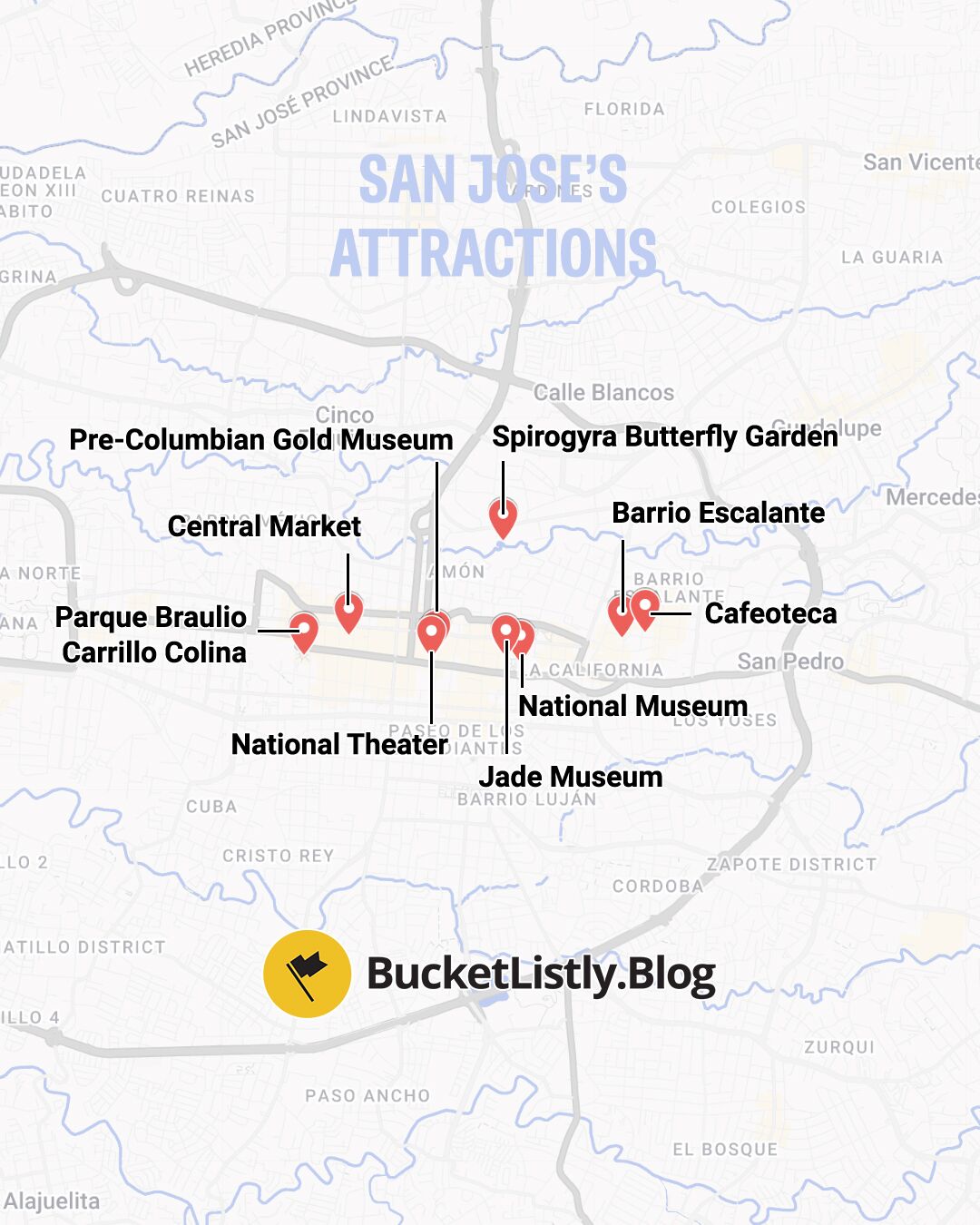
Map of San Jose's Attractions
Quick Summary
| 💎 Hidden Gem: | Barrio Escalante |
|---|---|
| 🏛️ Best Museum: | National Museum of Costa Rica |
| 🥘 Place to Eat: | Central Market |
| ☀️ Great Day Trip: | Poás Volcano |
10 Experiences I Think Are Worth It in San Jose
1. Wander Around Barrio Escalante
- 📍 Location: Barrio Escalante [Map Link]
- ⚡ Pete's Take: "My favorite neighborhood in the city has many cozy cafes and restaurants for you to enjoy."
Barrio Escalante is probably one of my favorite areas to walk around and explore in San Jose. Once a quiet residential district filled with elegant homes, the neighborhood has transformed into one of the city's trendiest areas, packed with cafes, restaurants, bars, bakeries, and boutique shops, waiting for you to explore.
This neighborhood is nothing like the city's downtown. The area is much more relaxed and walkable, with tree-lined streets, colorful murals, and a lively atmosphere, and you will see both locals and tourists hanging out here throughout the day.
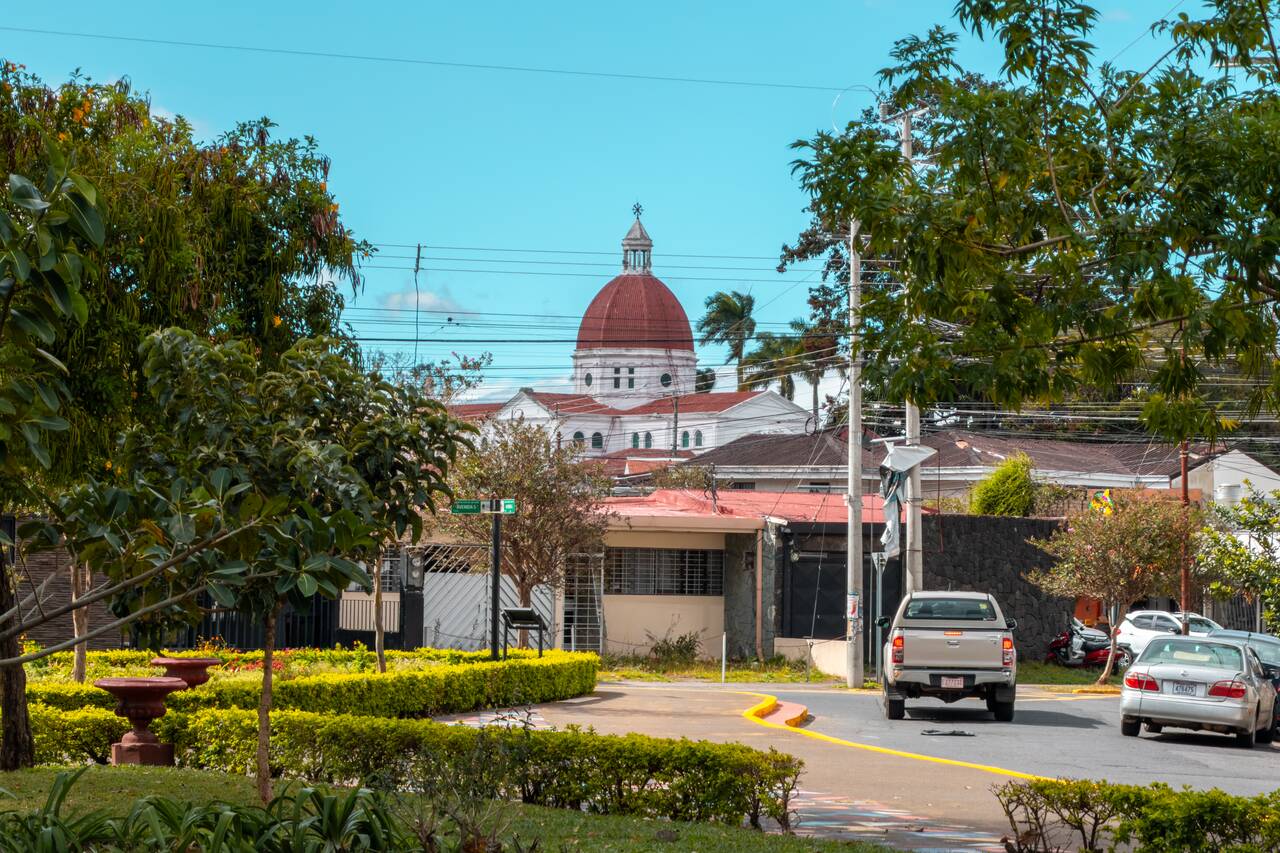
You can easily spend an hour or two wandering the streets, enjoying the green spaces, discovering hidden coffee shops, and taking in a side of San José that many people miss: a more modern and creative side of the city that feels completely different from the historic city center.
- Viajero San José Hostel (Budget)
- Cando Living Apartments in Central Avenue (Mid-Range) 👍 Top Pick
- Gran Hotel Costa Rica, Curio Collection By Hilton (High-End)
- Tortuga Island Full Day Tour from San José with Lunch (12 - 18 hours)
- Poás Volcano and Coffee Tour with Tasting and La Paz Falls (7 - 8 hours)
- Arenal Volcano Experience Full-Day Tour from San Jose (14 hours)
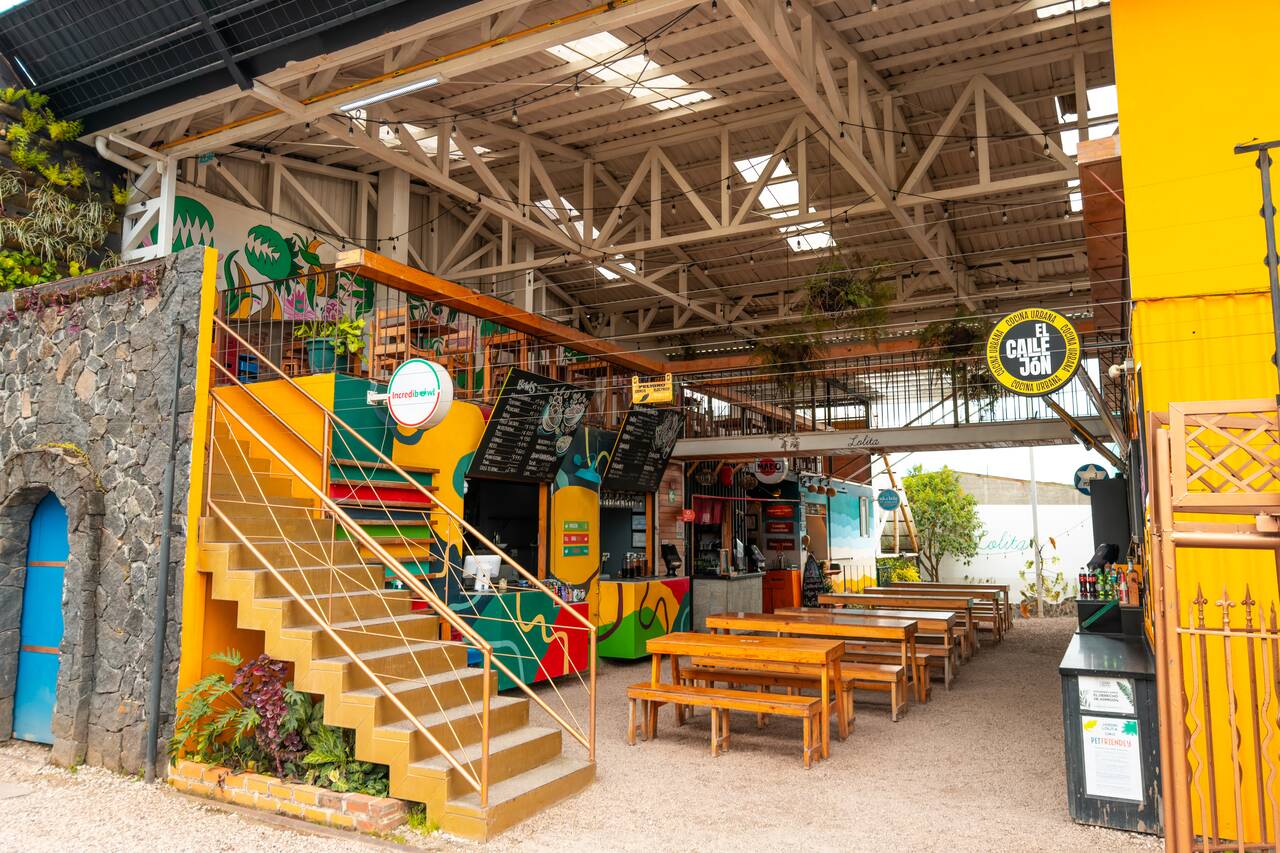
If you are feeling hungry, this is one of the best places in San José to eat. The neighborhood is home to everything from traditional Costa Rican restaurants and specialty coffee roasters to international cuisine from all over the world. In the evening, the area becomes even livelier as people gather for dinner and drinks after work.
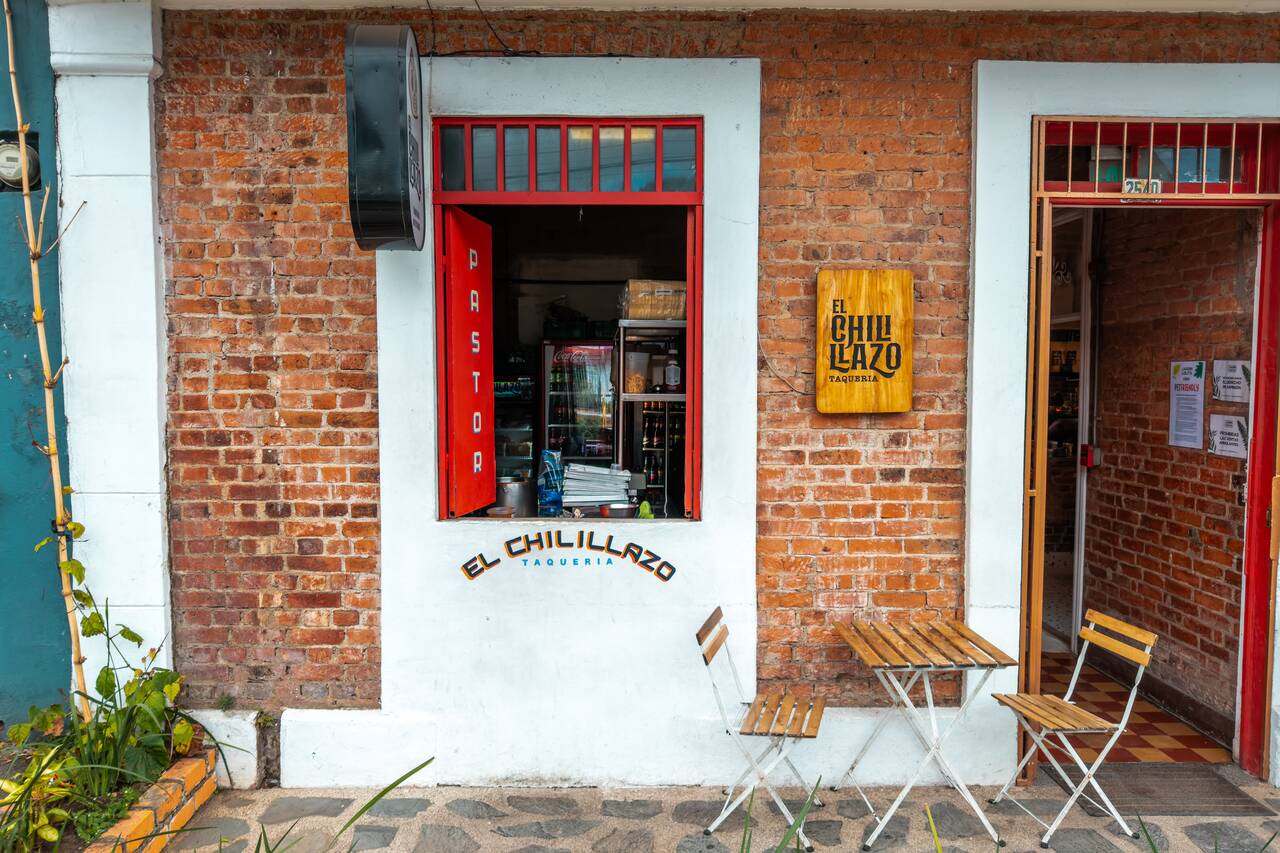
I recommend visiting in the late afternoon and staying into the evening when the neighborhood is at its most vibrant. It is a great place to slow down, enjoy a good meal, and experience a different side of Costa Rica's capital beyond its museums and historic landmarks.
Where to Stay in San Jose?


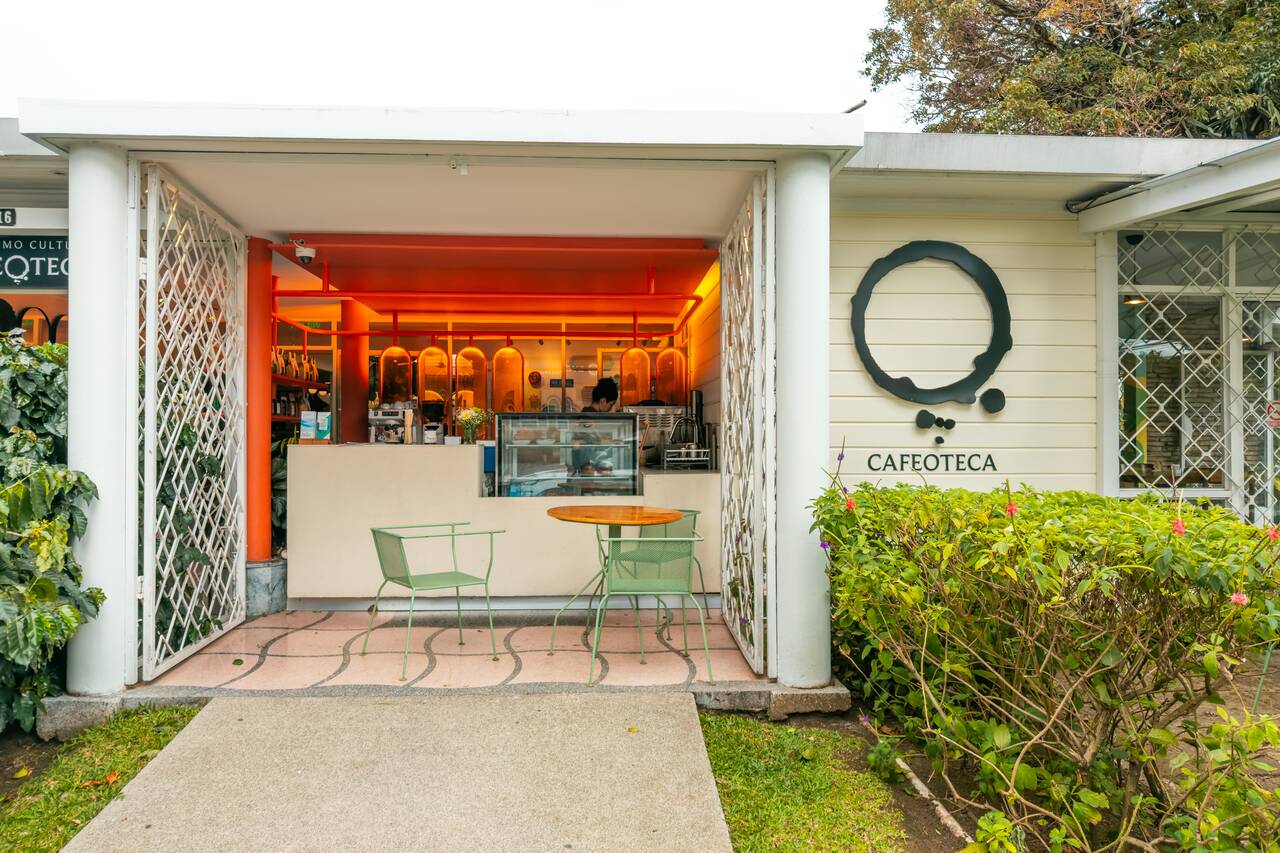
2. Have Coffee at Cafeoteca
- 📍 Location: Cafeoteca [Map Link]
- 🕐 Opening Hours: 7 AM - 7 PM
- 💰 Price Range: Expensive
- ⚡ Pete's Take: "A great place to stop by for coffee as you explore Barrio Escalante."
While you are exploring Barrio Escalante, be sure to stop by Cafeoteca, one of my favorite cafes in the neighborhood, for a cup of coffee. Costa Rica is famous for producing some of the best coffee in the world, and you cannot visit the country's capital without trying some of its specialty coffee!
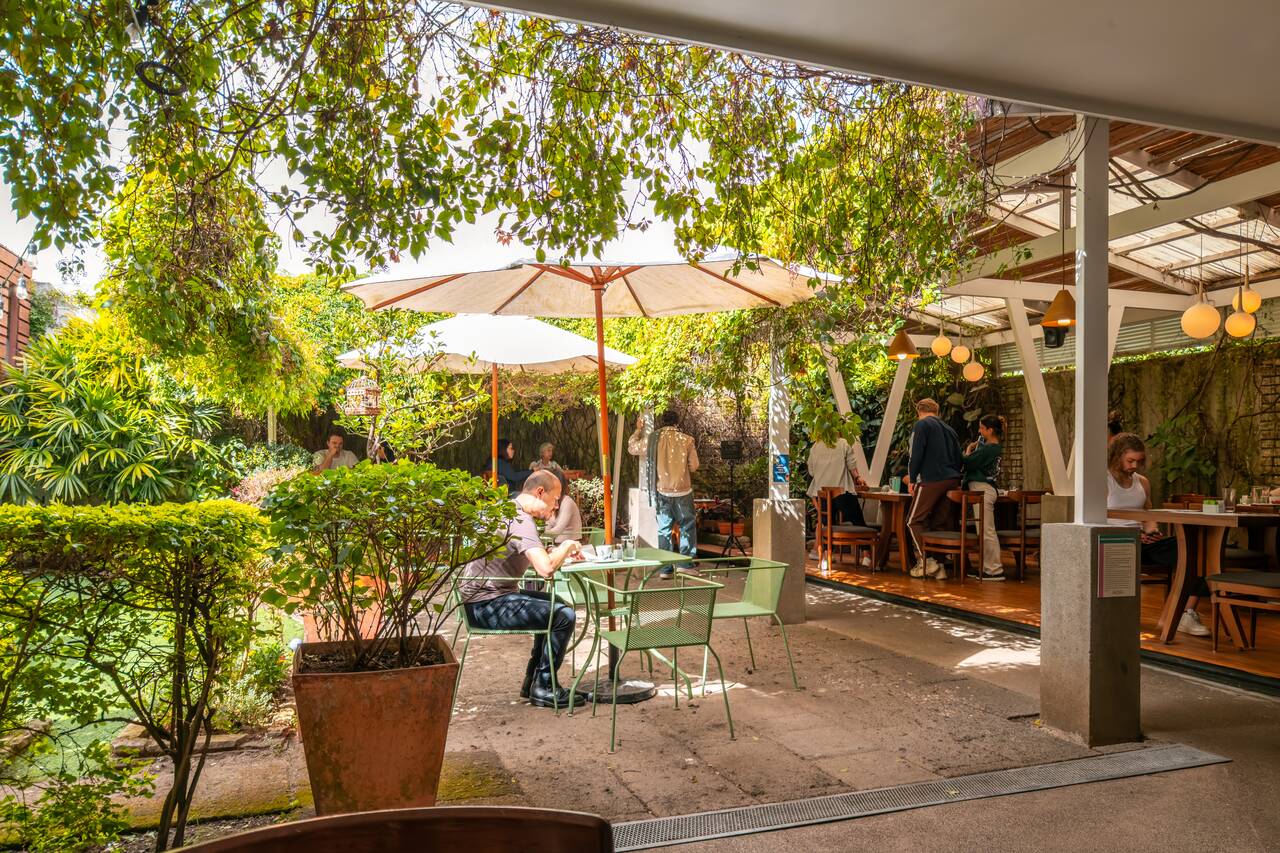
For one, the space at Cafeoteca is absolutely gorgeous and surprisingly spacious, with plenty of different sections and cozy corners where you can sit and enjoy their selection of coffees. They even have a small garden in the middle where you can sip on one of their specialty brews while basking in the sunlight surrounded by trees and plants.
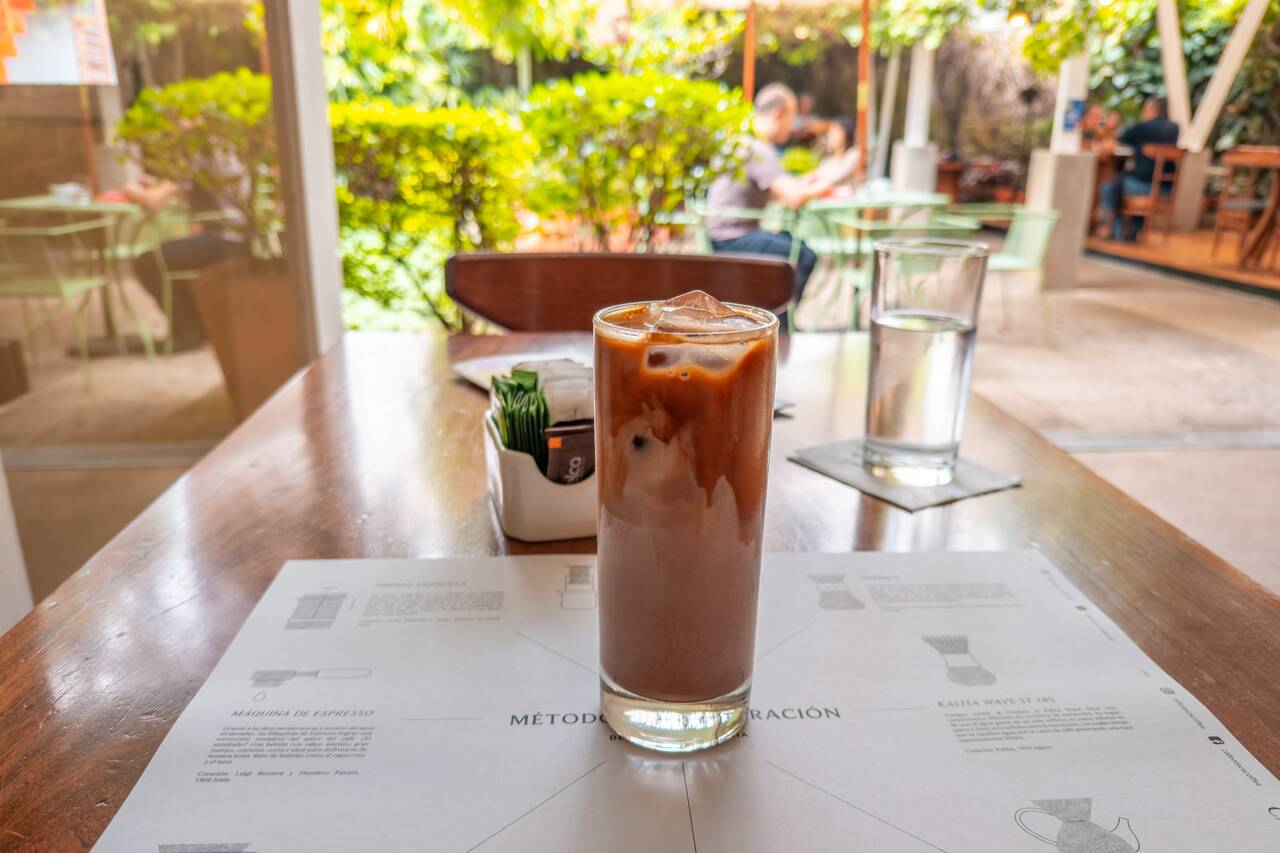
They also serve meals and a variety of other drinks, so feel free to order whatever catches your eye. The prices lean toward the more expensive side, but considering the beautiful setting, relaxed atmosphere, and coffee beans sourced from local producers across Costa Rica, I would say it is well worth it. The cafe is open from 7 AM to 7 PM every day except Monday.
3. Learn More About the History at the National Museum of Costa Rica
- 📍 Location: National Museum of Costa Rica [Map Link]
- 🕐 Opening Hours: 8:30 AM - 4:30 PM
- 💰 Entry Fees: 11 USD
- ⚡ Pete's Take: "Plan for 1 to 2 hours to see everything. It's well worth the entry fee, in my opinion."
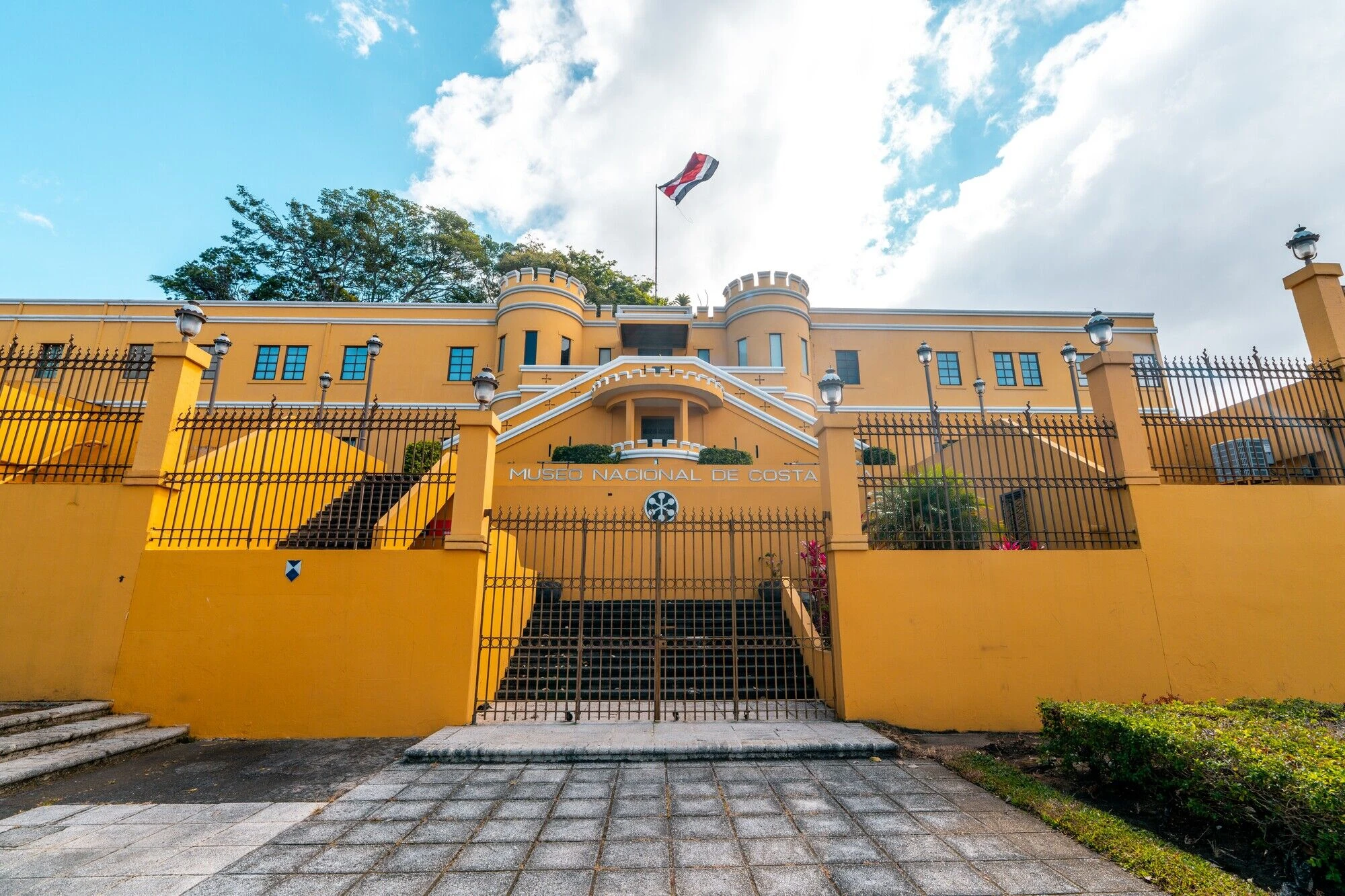
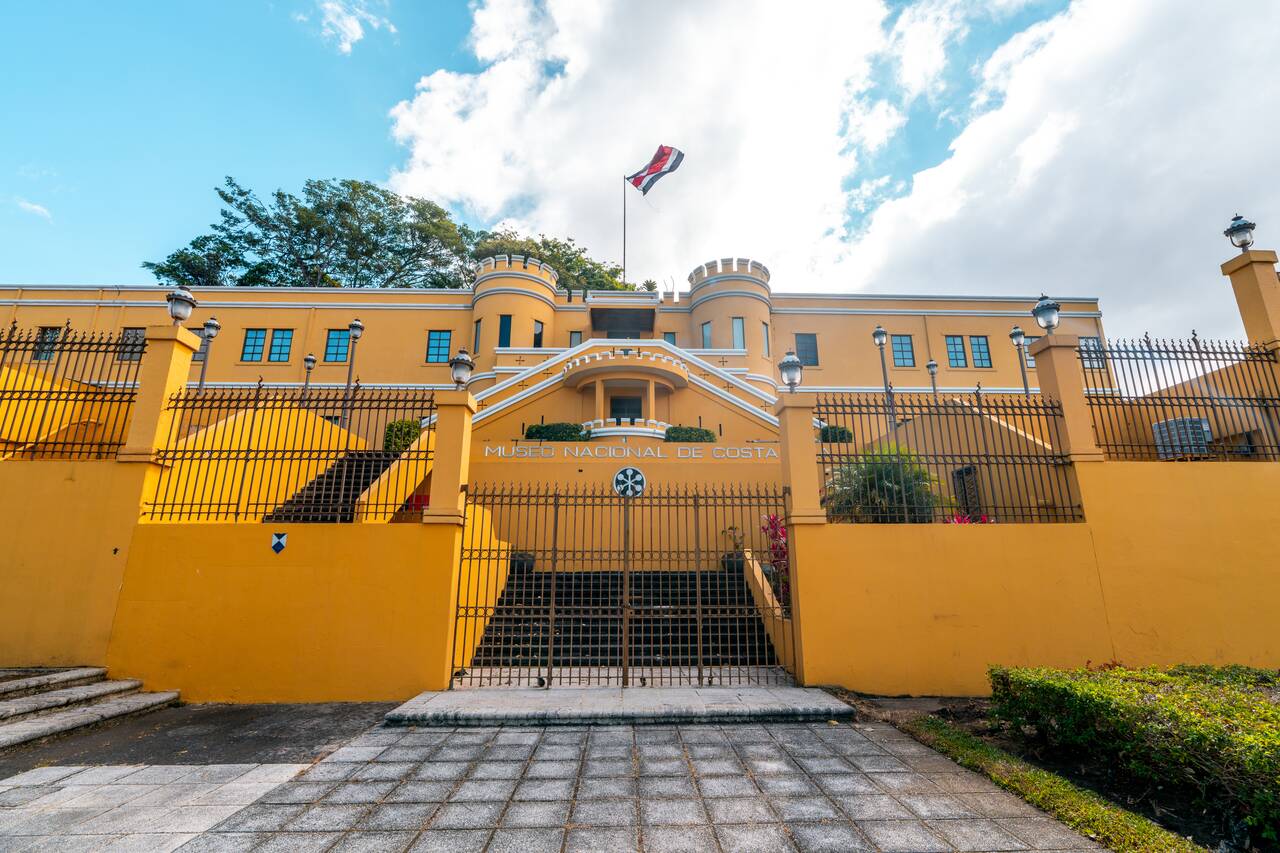
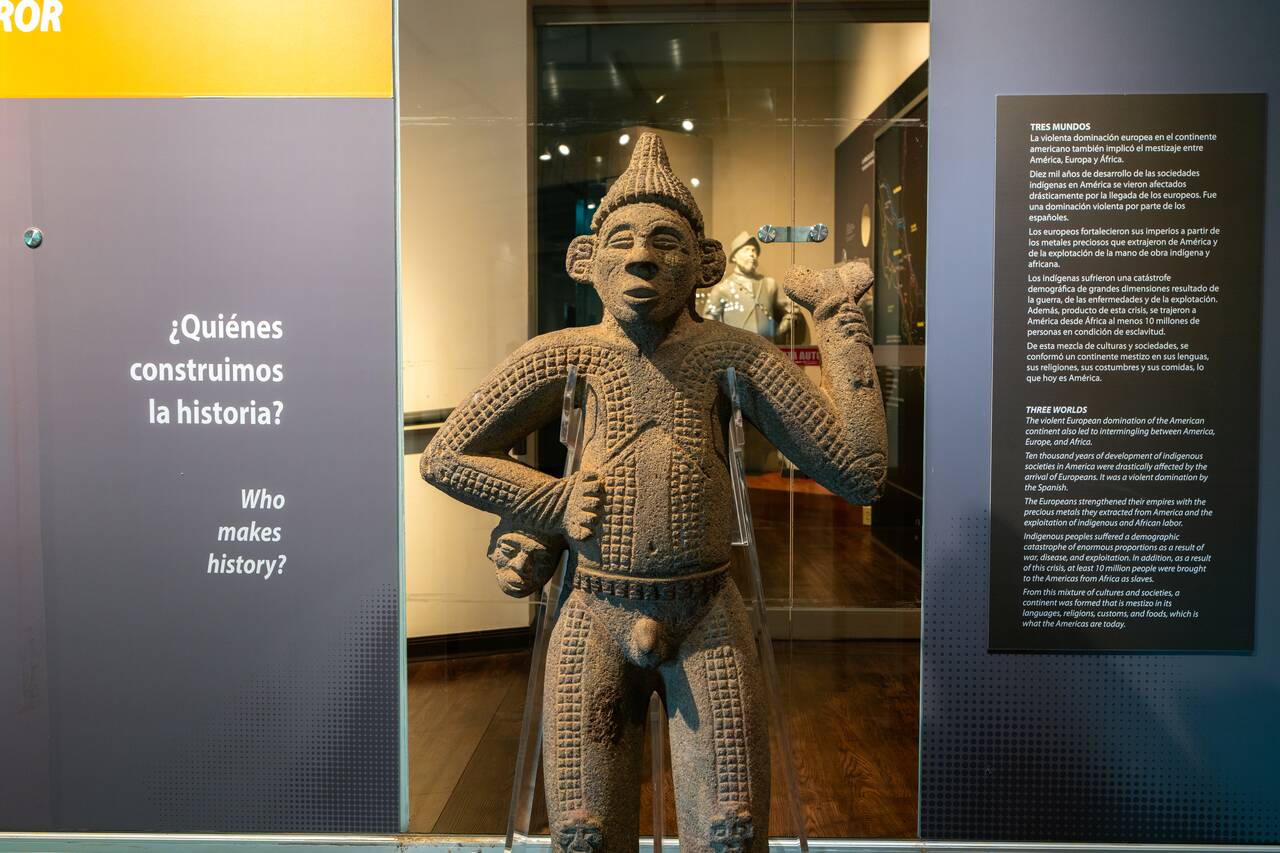
If you are interested in learning more about Costa Rica beyond its beaches, volcanoes, and wildlife, be sure to visit the National Museum of Costa Rica, one of the most important museums in the country. Housed inside the former Bellavista Fortress, the museum will take you on a fascinating journey through Costa Rica's history, from its pre-Columbian origins to the modern nation it is today.
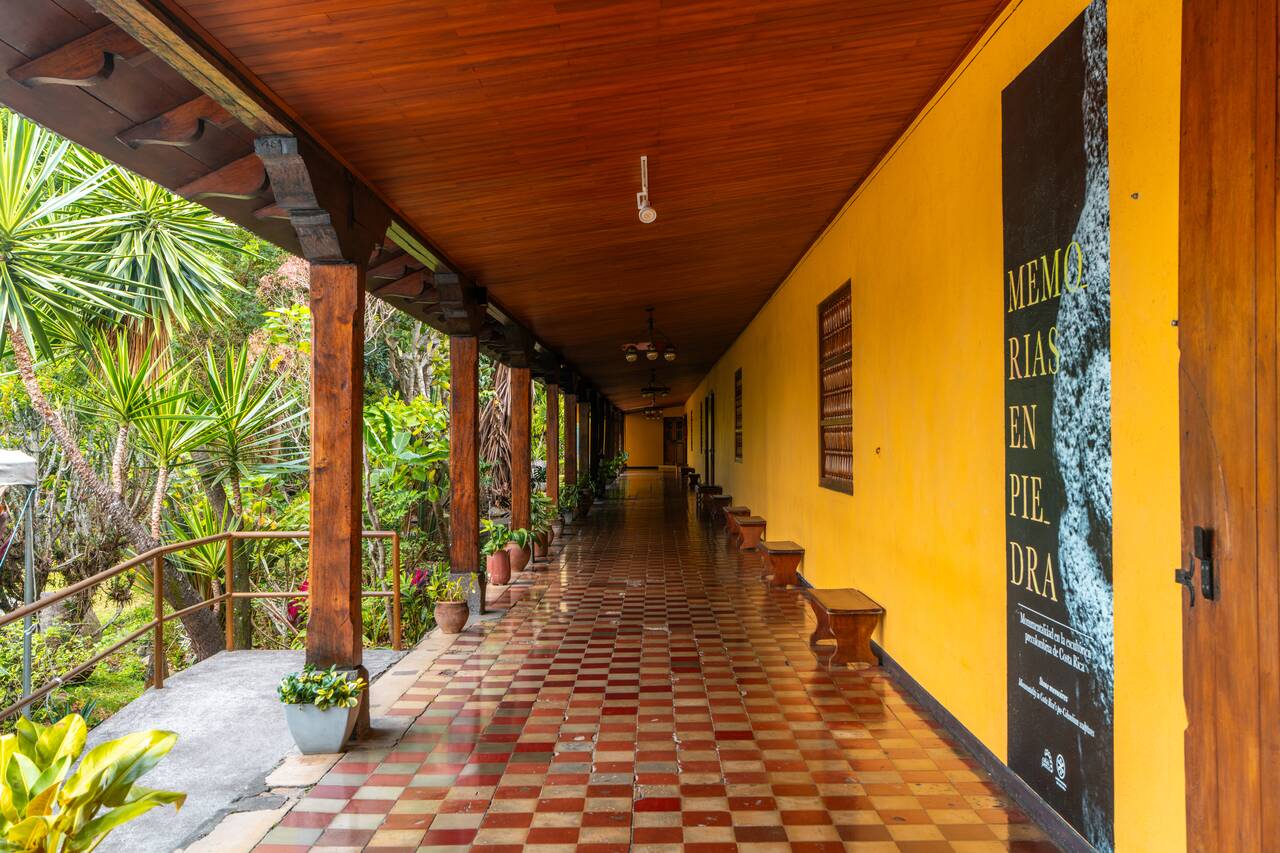
As you explore the museum, you will find exhibits covering Indigenous cultures, archaeological discoveries, colonial history, independence, and the country's social and political development over the centuries. If you have ever wondered why Costa Rica does not have a military, this is also one of the best places to learn about the events that led to its abolition and how that decision helped shape the country you see today.
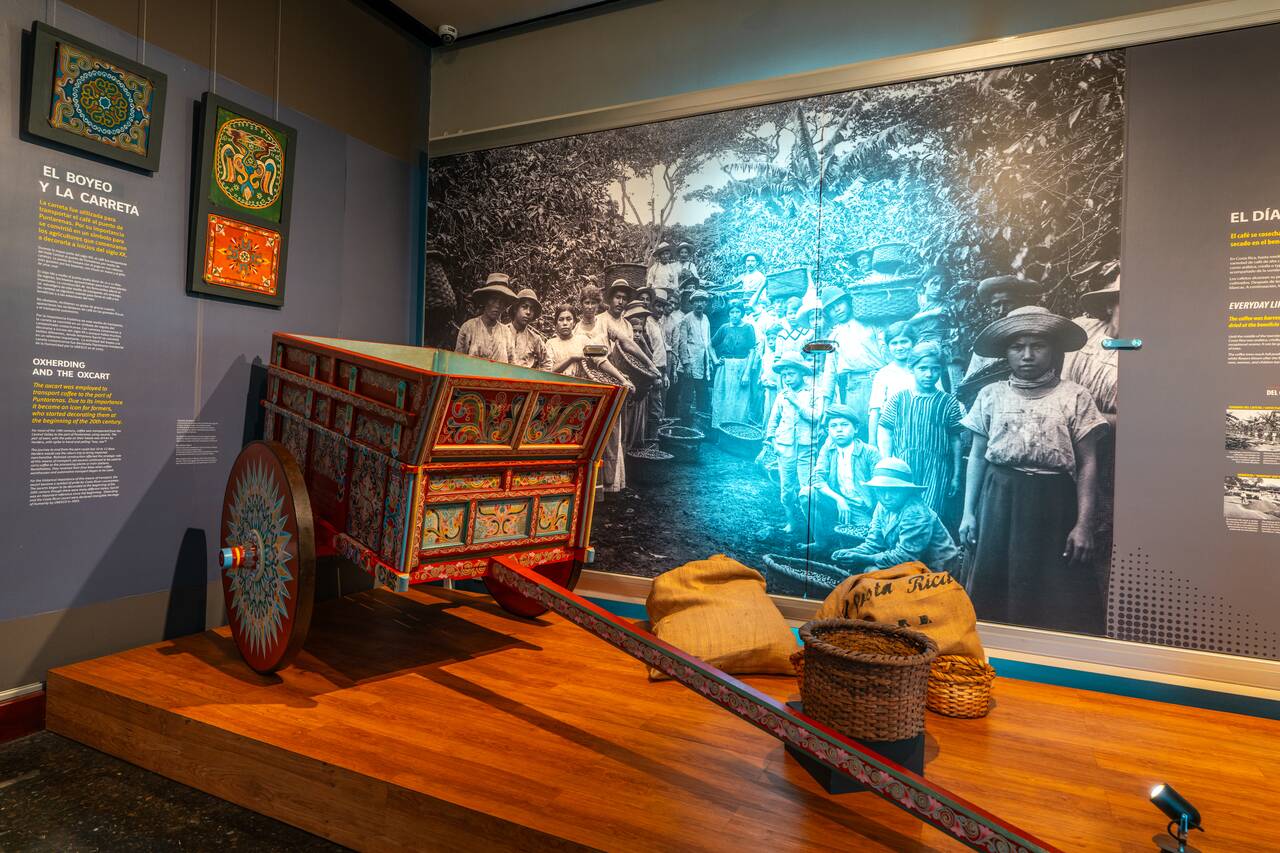
Although the exhibitions were excellent and informative, I think the highlight for me was the building itself. Before becoming a museum, it served as a military barracks, and you can still see bullet holes in the walls from Costa Rica's 1948 civil war. Not long after the conflict ended, the country abolished its military and symbolically transformed the former barracks into a national museum, which I thought was really cool to learn.
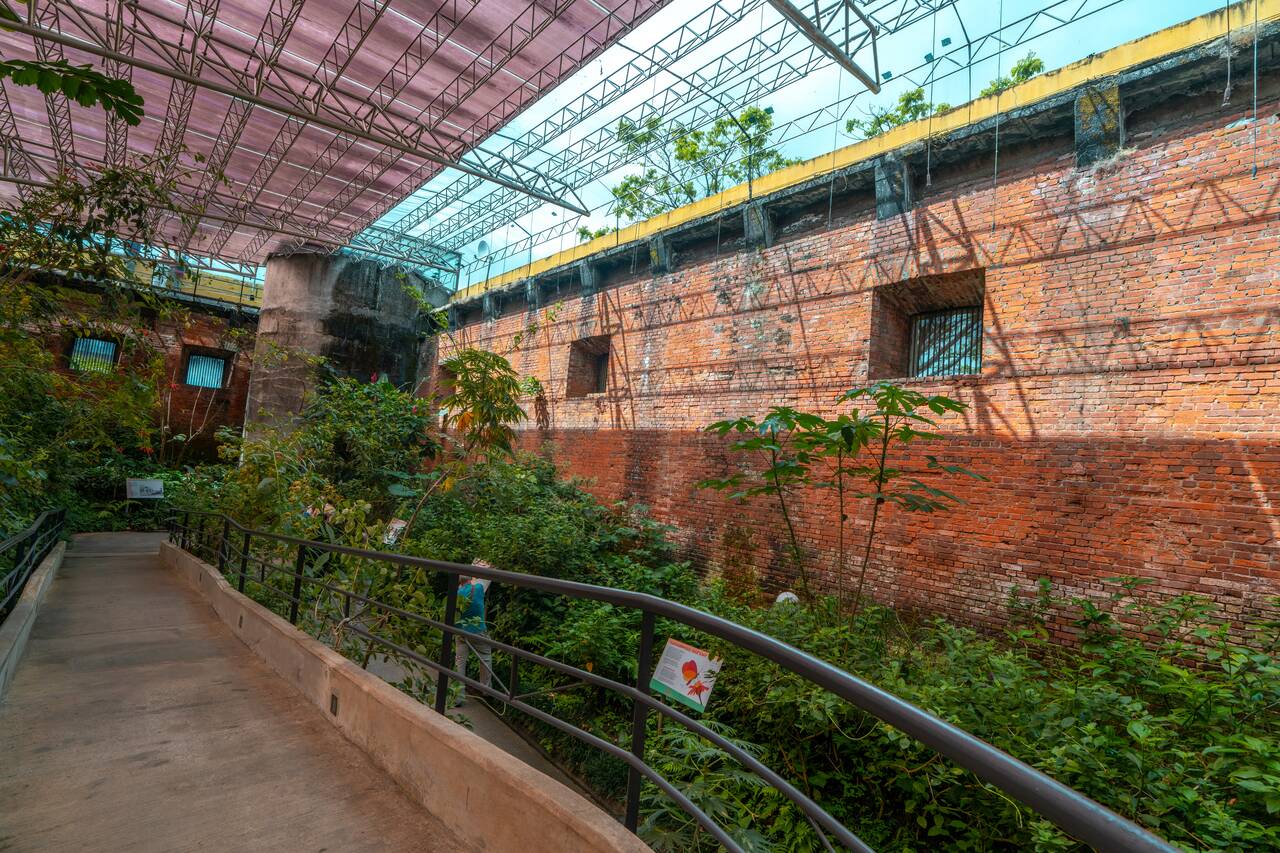
Be sure to spend some time exploring the museum's beautiful grounds. Right at the entrance, you will find yourself in a large butterfly garden where colorful butterflies roam freely. As you make your way around the old barracks, you can climb up the fortress walls and check out the view of the city from above.
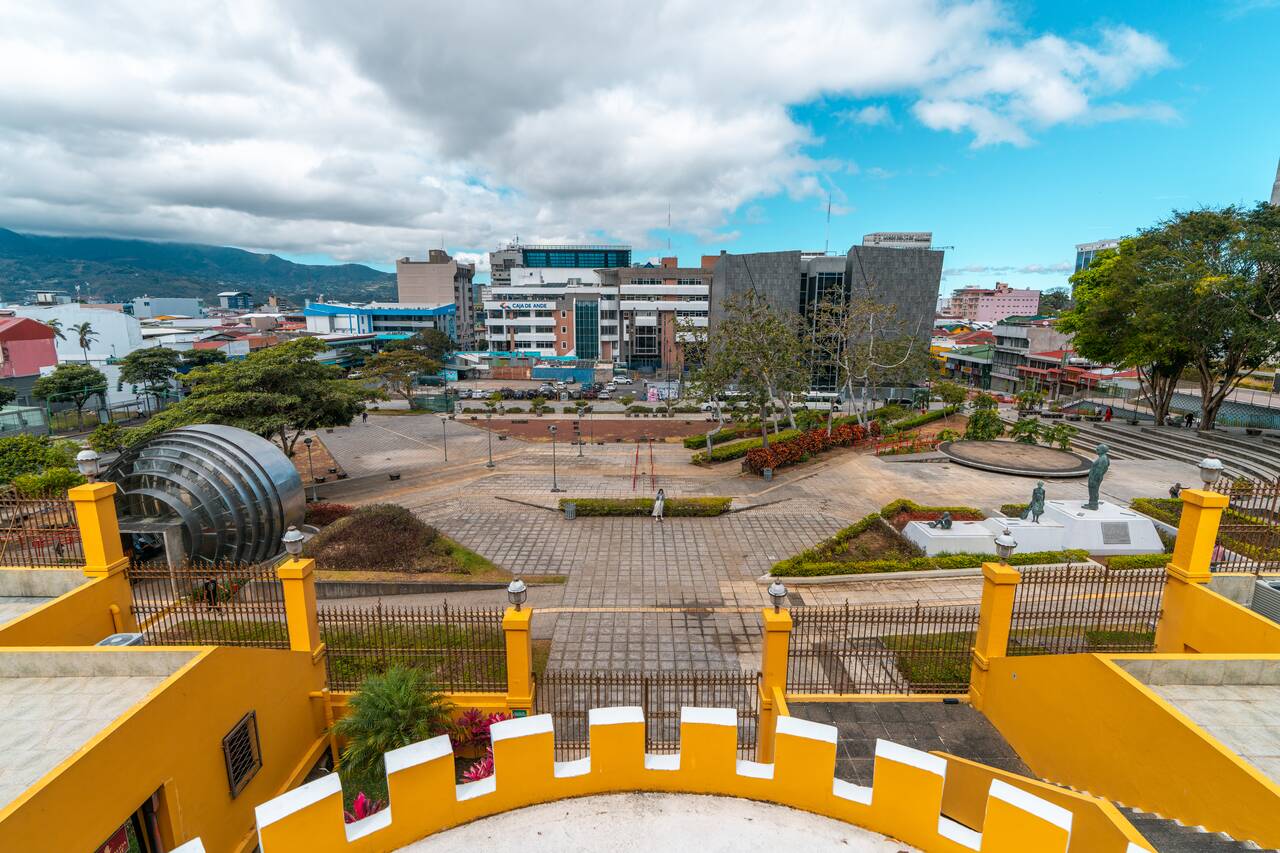
Out of all the museums I visited in San José, I found this one to be one of the most interesting. It provides you with a great introduction to the country’s history and culture, which will make you appreciate Costa Rica even more as you continue exploring. The museum is quite large, so expect to spend at least 1 to 2 hours here if you want to see everything properly.
The museum is open daily from 8:30 AM to 4:30 PM, and admission costs around 11 USD for foreign visitors. Entry is free for everyone on Saturdays and Sundays, while the museum is closed on Mondays.
4. Visit the Pre-Columbian Gold Museum
- 📍 Location: Pre-Columbian Gold Museum [Map Link]
- 🕐 Opening Hours: 9 AM - 4:30 PM
- 💰 Entry Fees: 9,795 CRC (~22 USD)
- ⚡ Pete's Take: "It's a little pricey, but it's worth dropping by if you've never seen pre-Columbian gold artifacts."
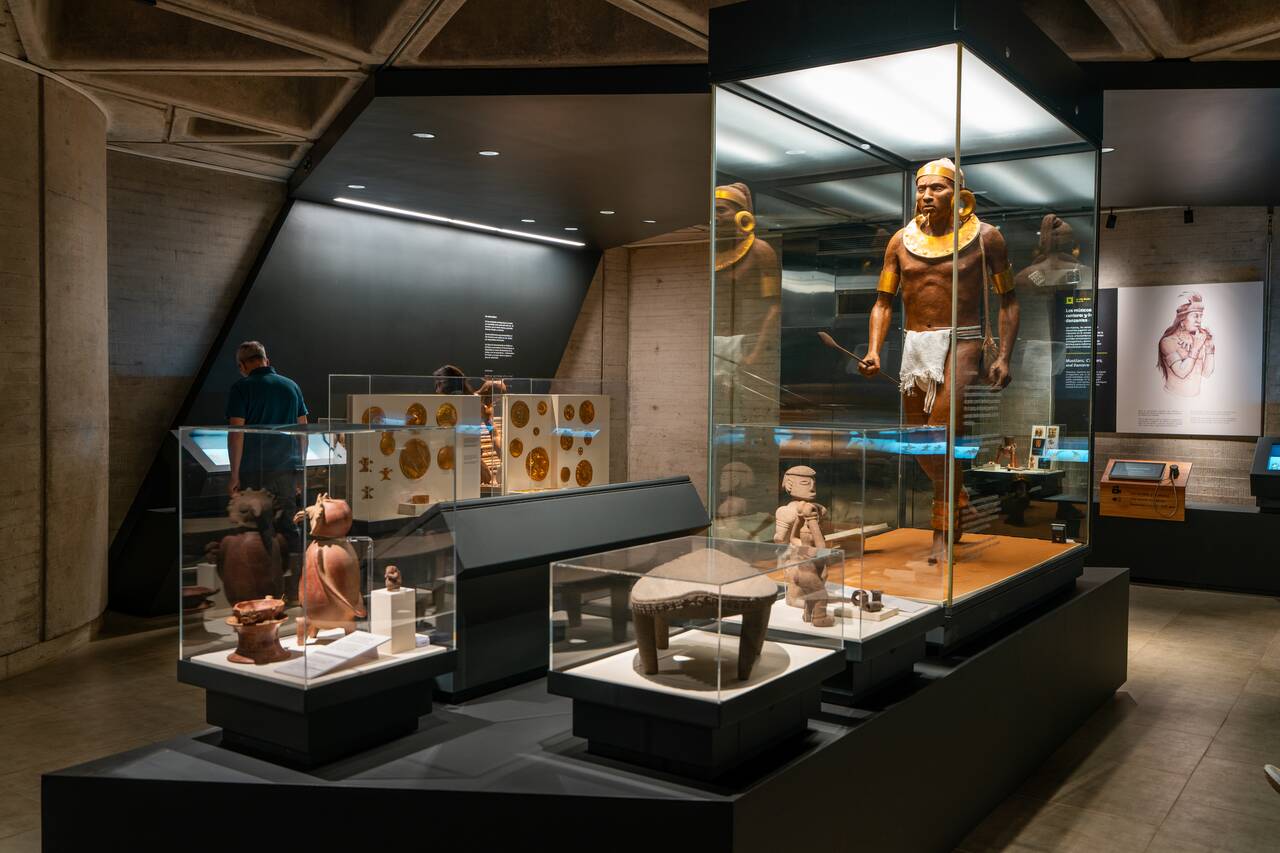
Another museum I highly recommend visiting in San José is the Pre-Columbian Gold Museum, which houses an incredible collection of gold artifacts that showcase the history and craftsmanship of Costa Rica's Indigenous communities long before European arrival.
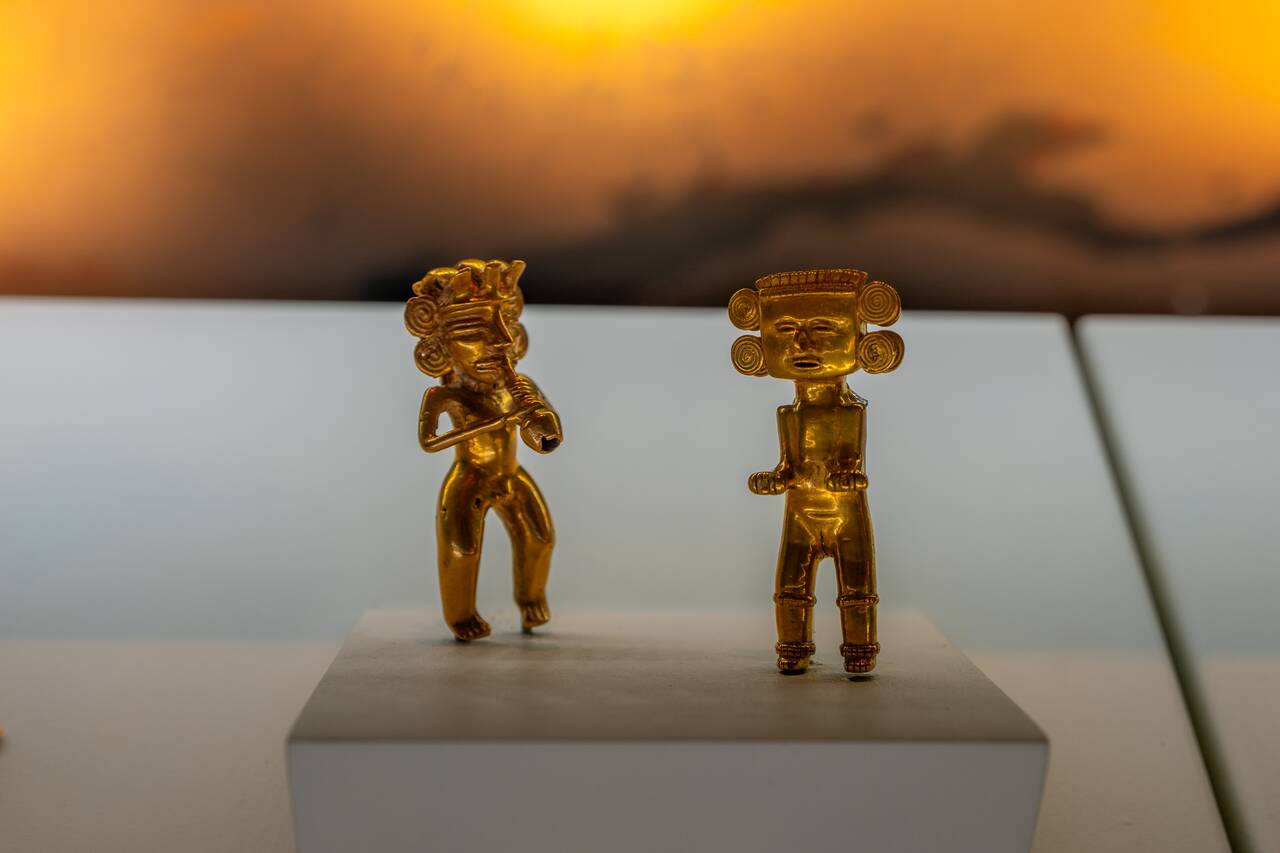
As you walk through the exhibits, you will see hundreds of beautifully crafted gold pieces, including jewelry, ornaments, tools, and ceremonial objects that were created by Indigenous groups across Costa Rica. Many of the artifacts feature designs inspired by birds, frogs, jaguars, and other wildlife, which show the deep connection Indigenous communities had with the natural world.
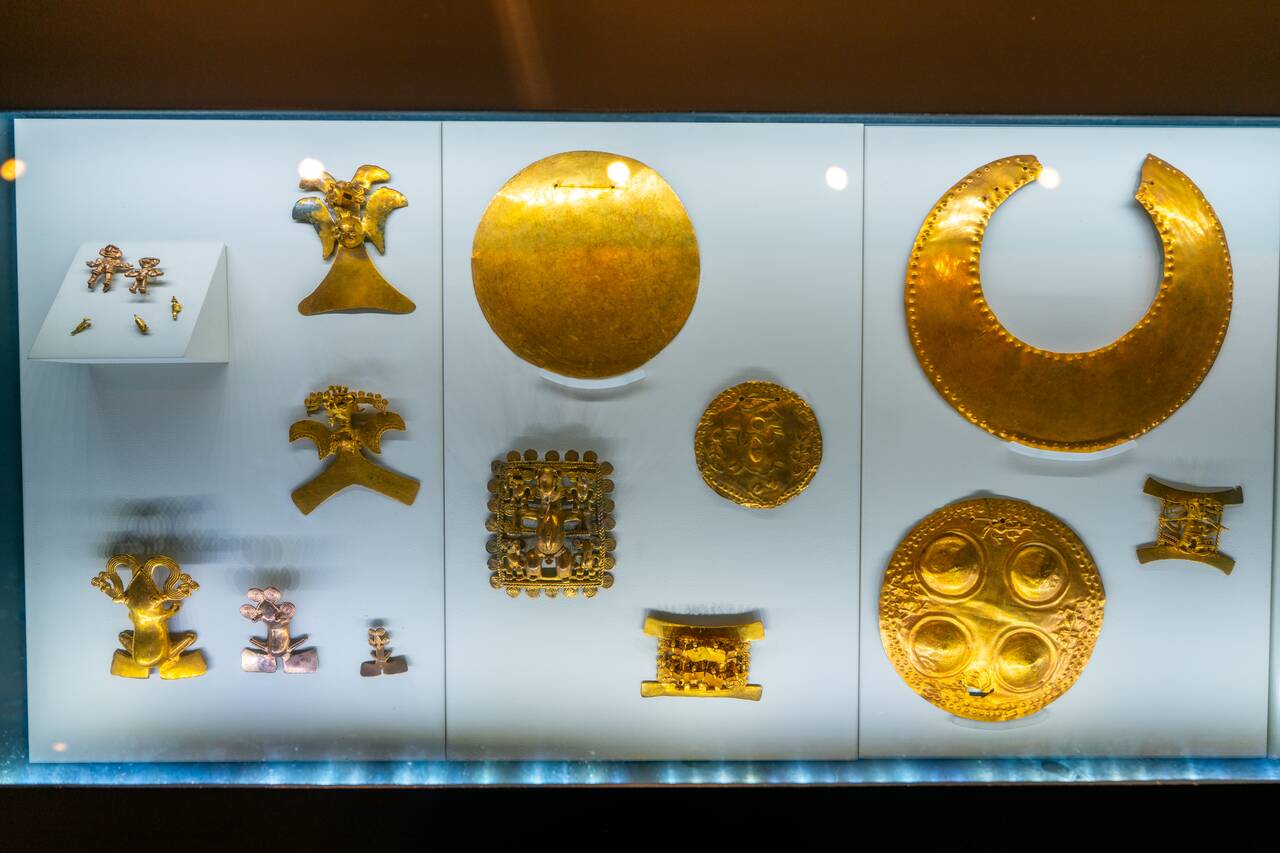
You will learn about the role these objects played in ceremonies and everyday life through its vast exhibition, which goes to show that Costa Rica is not all about nature. It has history too! They also have a good collection of coins and limited versions of banknotes from around the world. Very cool to see.
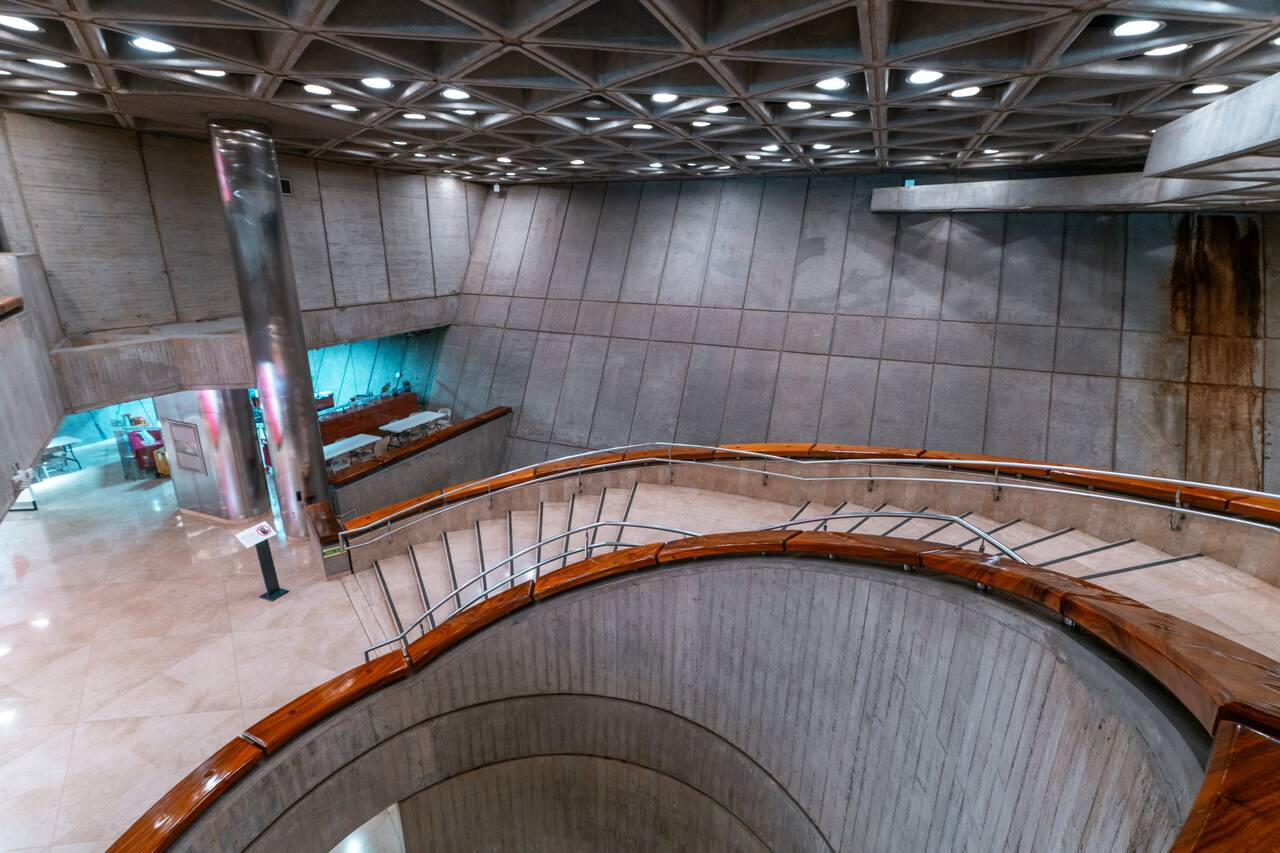
The museum will take you about 1 hour maximum to see all of its displays and exhibitions, which are spread across several underground floors. The museum is open from 9 AM to 4:30 PM every day, and the entrance fee is 9,795 CRC (around 21 USD) per person. It is a little pricey, but if you have never seen pre-Columbian gold artifacts before, I think it is worth dropping by to experience a different side of Costa Rica beyond its famous nature and wildlife.
5. Browse the Central Market
- 📍 Location: Central Market [Map Link]
- 🕐 Opening Hours: 9 AM - 6 PM
- ⚡ Pete's Take: "A great place to find something to eat while you explore the city."
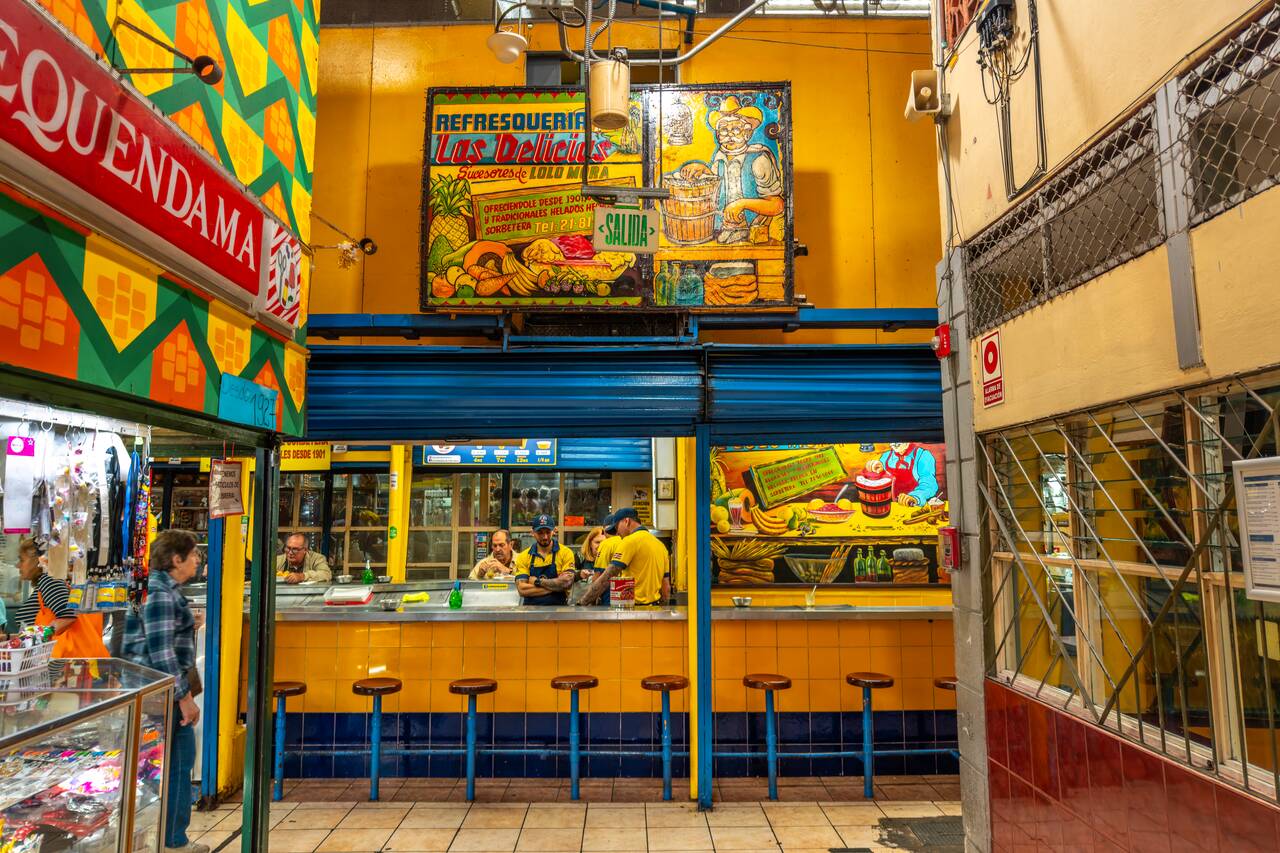
If you want to experience the everyday side of San José, head to the Central Market, one of the oldest and liveliest markets in the city. The historic market has been serving locals since 1880 and is a great place to see what daily life in Costa Rica looks like beyond the tourist attractions.
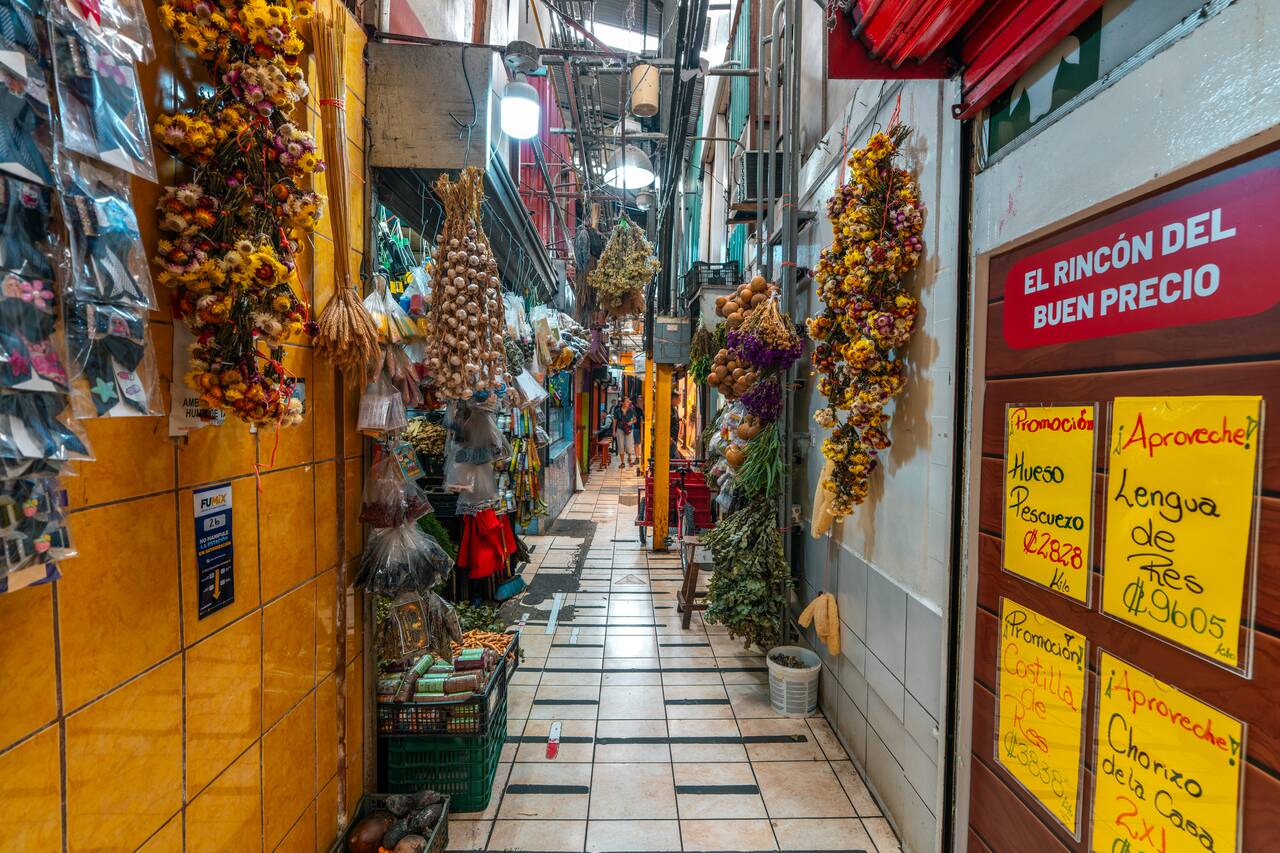
Walking through the narrow aisles, you will find stalls selling everything from fresh fruits, vegetables, spices, and herbs to souvenirs, local crafts, and traditional products. The market can feel a little chaotic at first, but that is part of the charm, and you will get used to it in no time. It is noisy, colorful, and full of local energy.
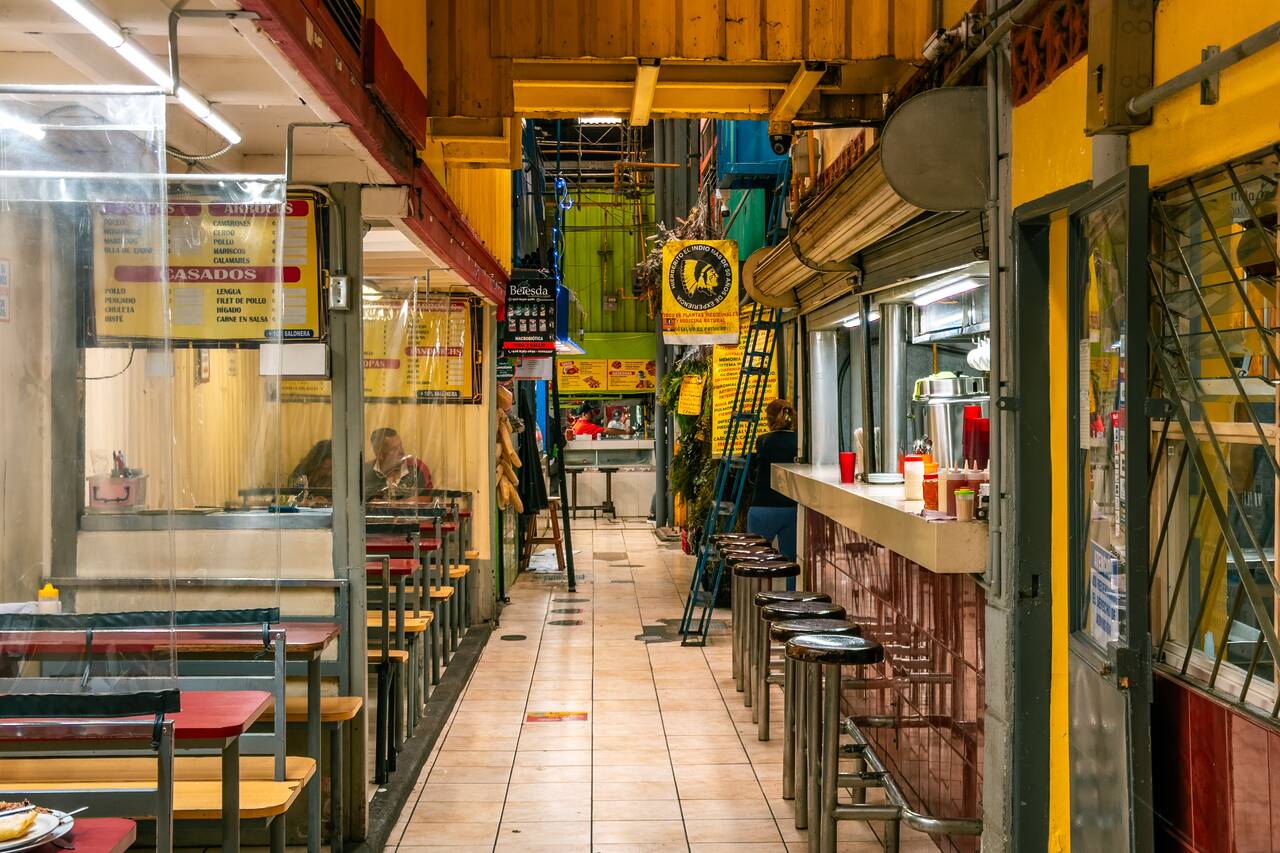
Be sure to come here if you are looking for a cool place to try local cuisine. You will find many small restaurants and food stalls tucked between the shops, serving classic Costa Rican dishes like casado, gallo pinto, and fresh seafood at much more affordable prices than many restaurants around the city.
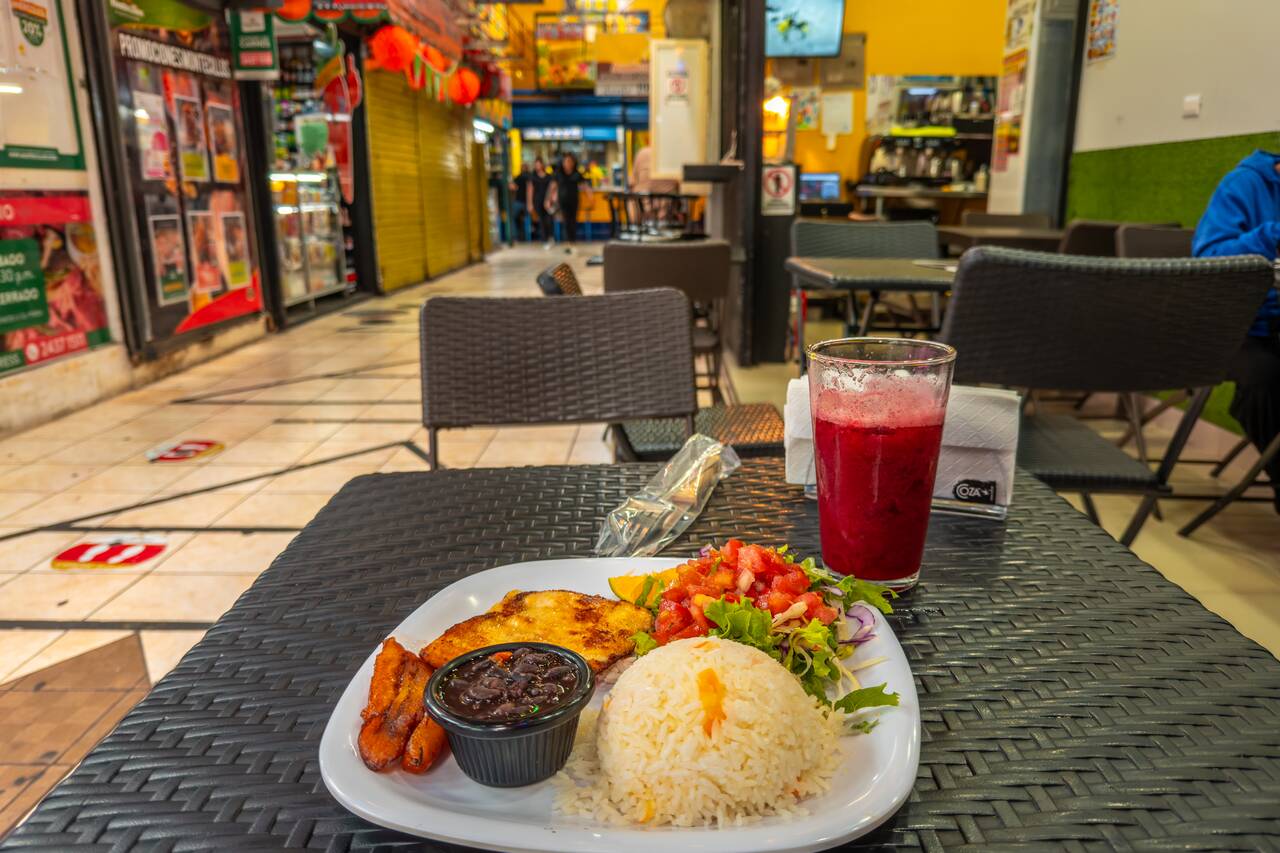
I recommend stopping by one of the small sodas (local family-run restaurants) inside the market and trying a traditional meal. These are some of the best places to experience authentic Costa Rican food, and to be honest, it was one of the highlights of my time in San José.
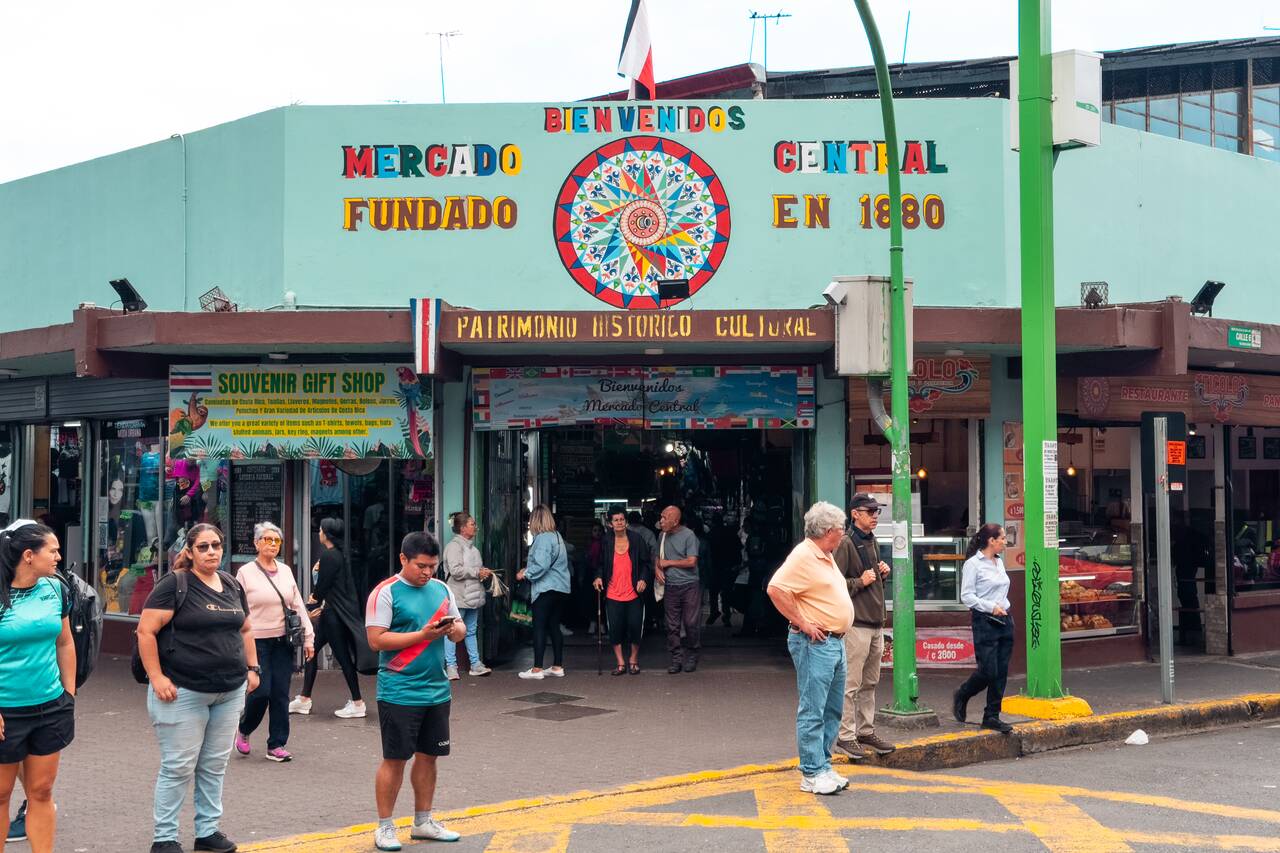
The market does not take long to explore, and you can easily visit it in 30 minutes to an hour while exploring downtown San José. Just keep an eye on your belongings as it can get crowded, especially during the morning and lunch hours. The market is open from 9 AM to 6 PM every day except Monday.
6. Hang Out at Parque Central de San José
- 📍 Location: Parque Central de San José [Map Link]
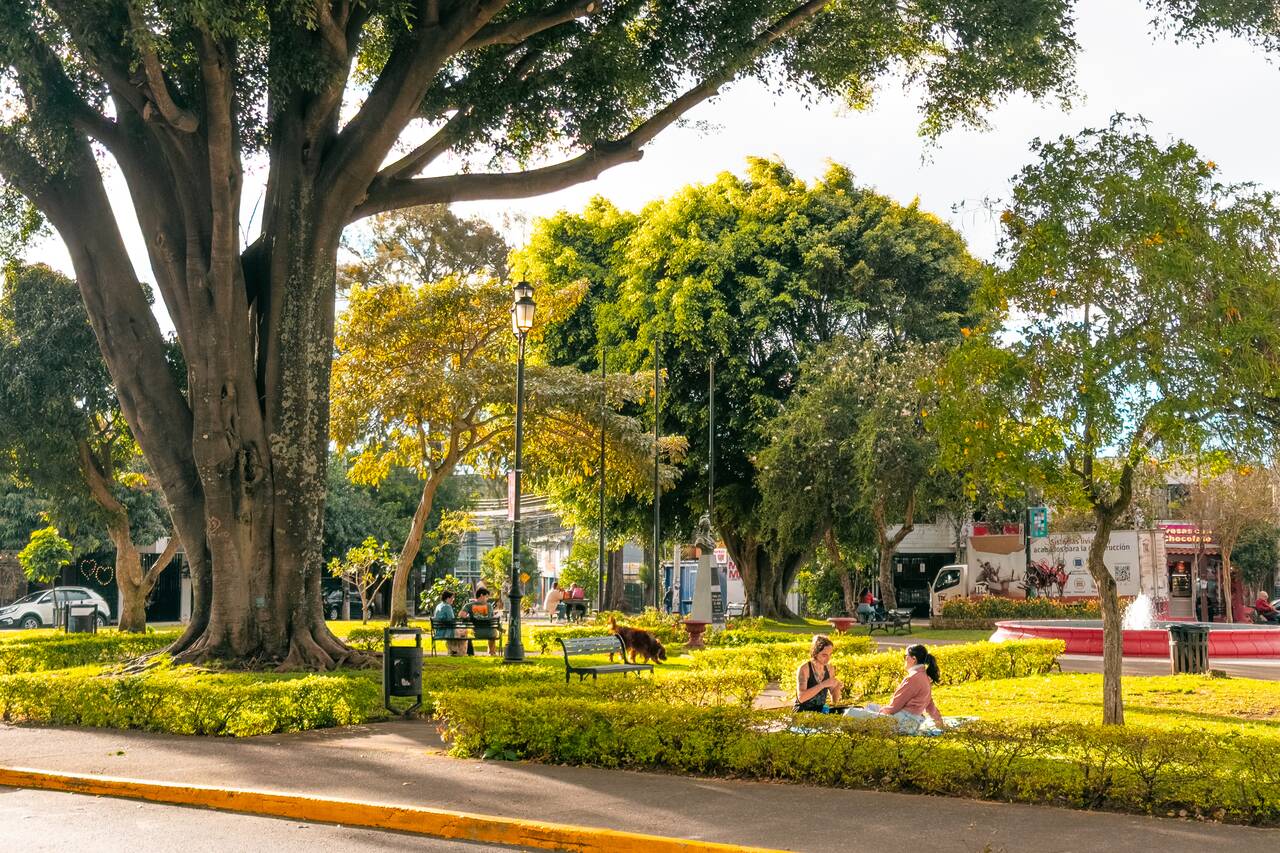
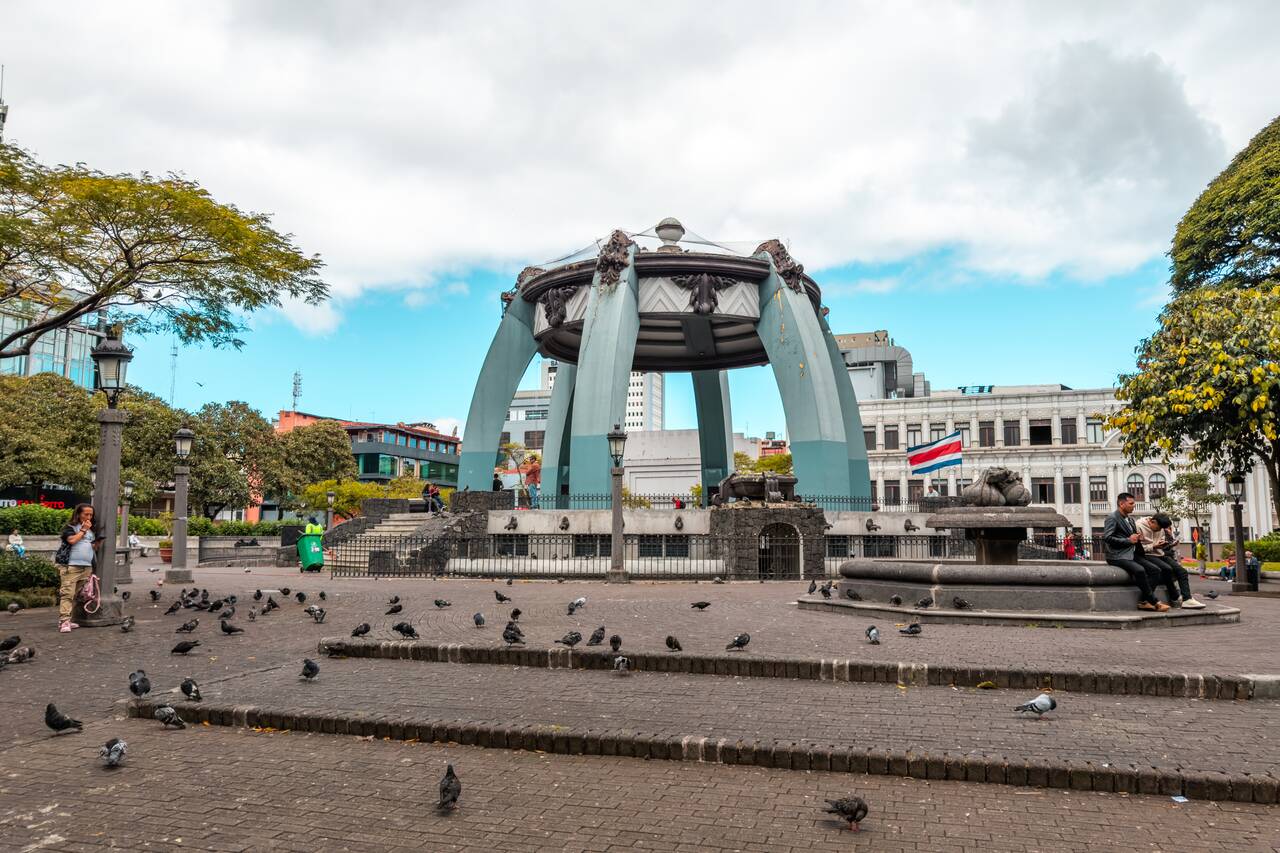
Not too far from the Central Market, you will find Parque Central de San José, a spacious city park where locals like to hang out. It is a great place to stop by and experience the everyday rhythm of the city. Unlike some of the other attractions in San José, this park is not really about sightseeing; it is more about sitting back, people-watching, and taking in the local vibe of the capital.
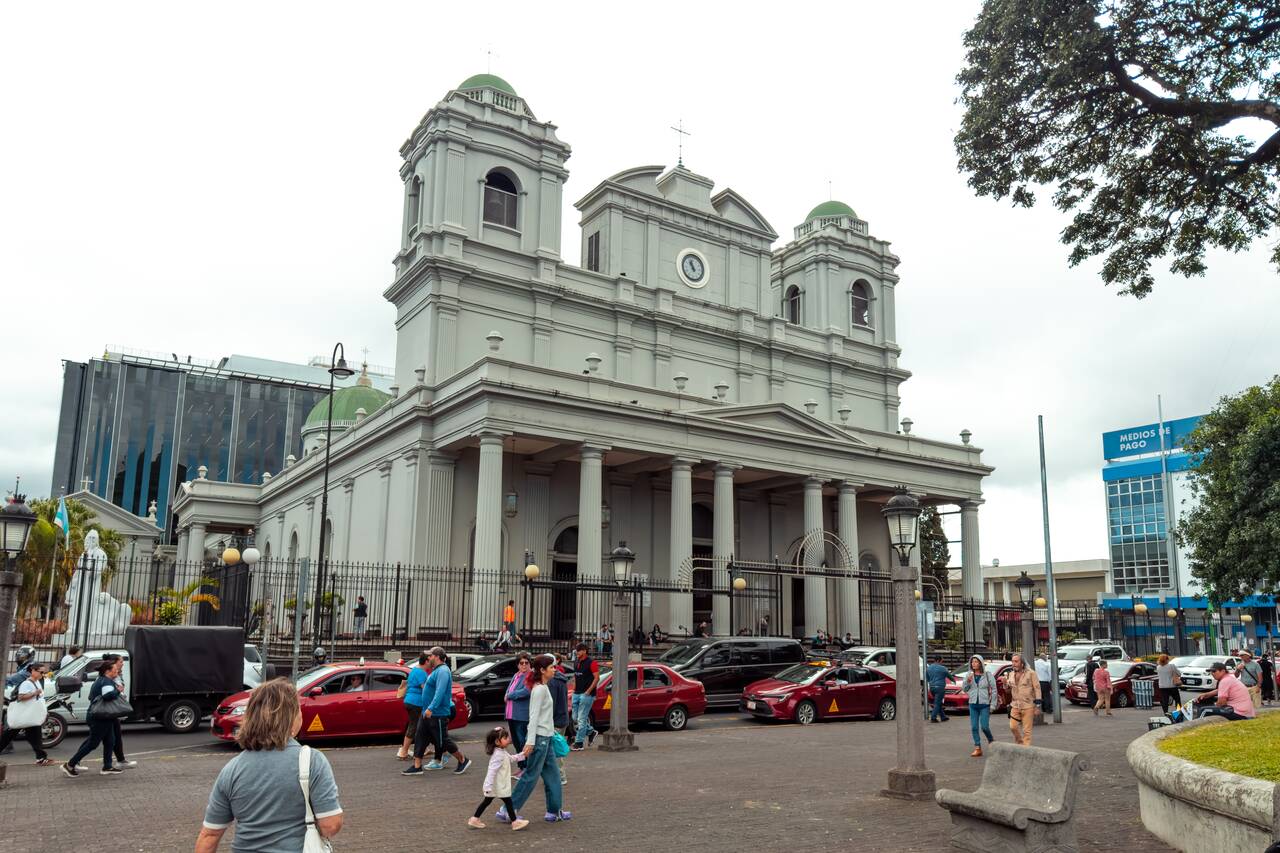
Not to say that there's nothing to see here. At the park, you will find Metropolitan Cathedral, a beautiful church worth checking out, and just a block away, the National Theater, which we will discuss in detail in the next section.
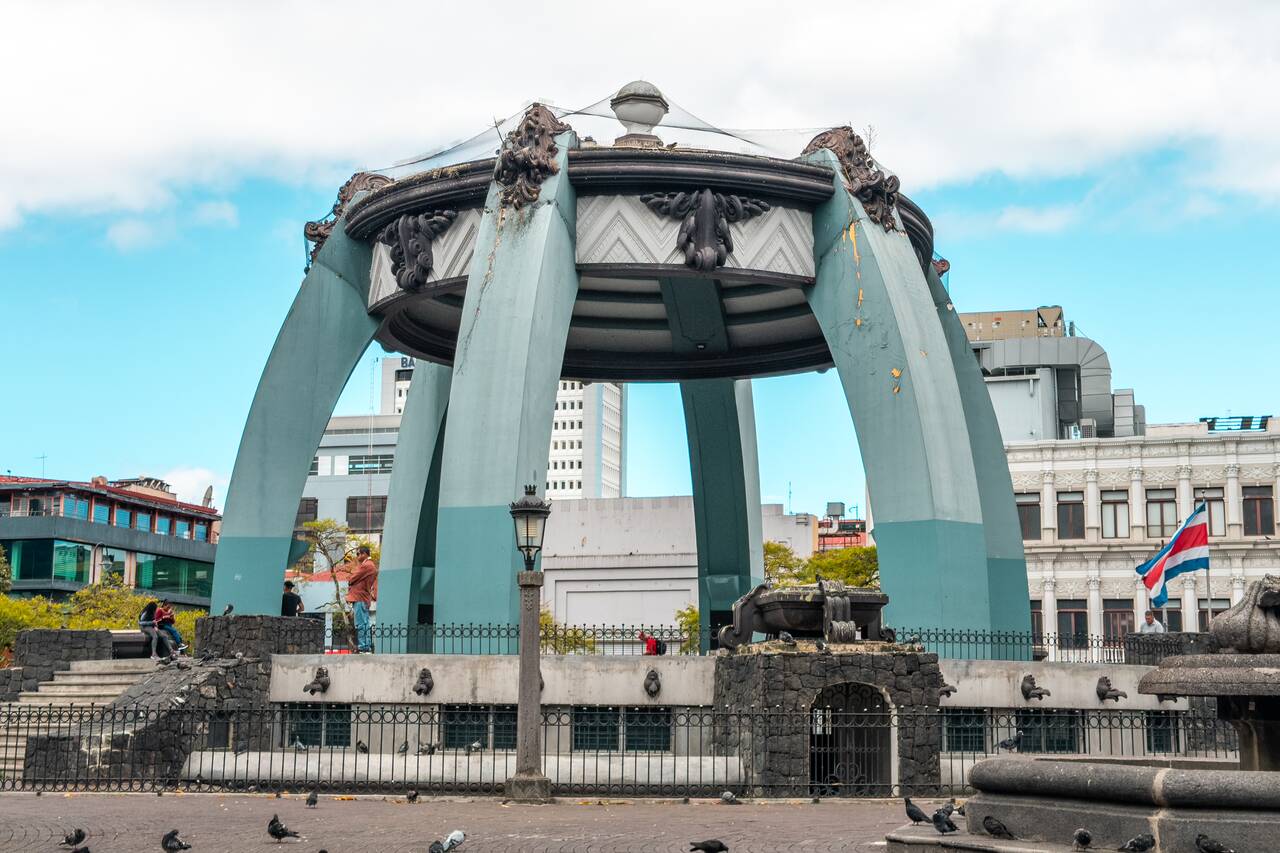
Also, do not miss seeing one of San José's famous landmarks, the small historic gazebo located right in the center of the park. It has become a recognizable symbol of the city and is a great spot to take a short break after visiting the museums or markets nearby. I recommend stopping by during the day when the area is lively before continuing your walk around downtown San José.
7. Visit the National Theater of Costa Rica
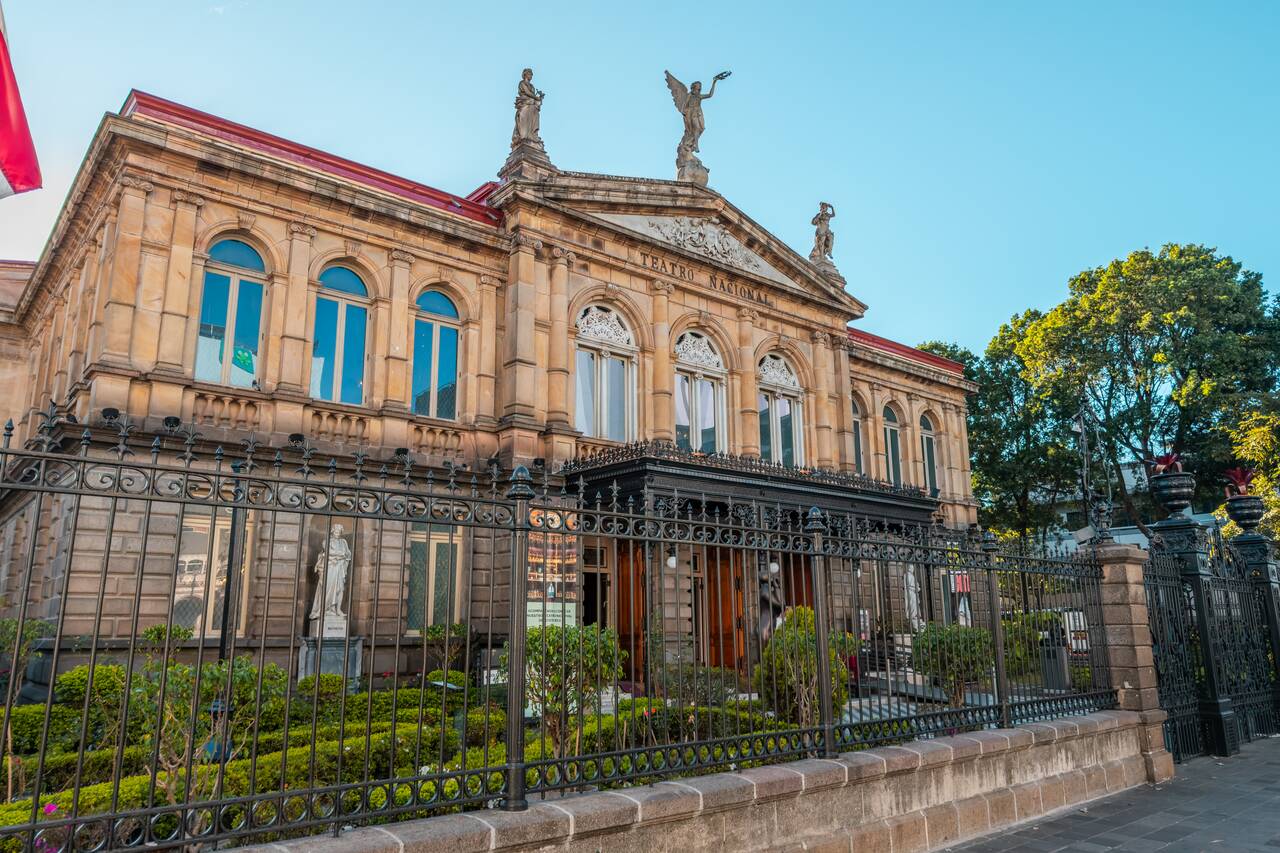
- 📍 Location: the National Theater of Costa Rica [Map Link]
- 🕐 Opening Hours: 9 AM - 4 PM
- 🏄 Tour: Walking Tour with National Theater Admission
- ⚡ Pete's Take: "Go on a guided tour inside or enjoy a nice cup of coffee at its café."
Located not too far from Parque Central de San José and the Pre-Colombian Gold Museum, you will find the National Theater of Costa Rica, one of the most beautiful architectural sights you can see in the city. The theater was built in the late 19th century after Costa Rican coffee producers helped fund its construction, and it officially opened in 1897.
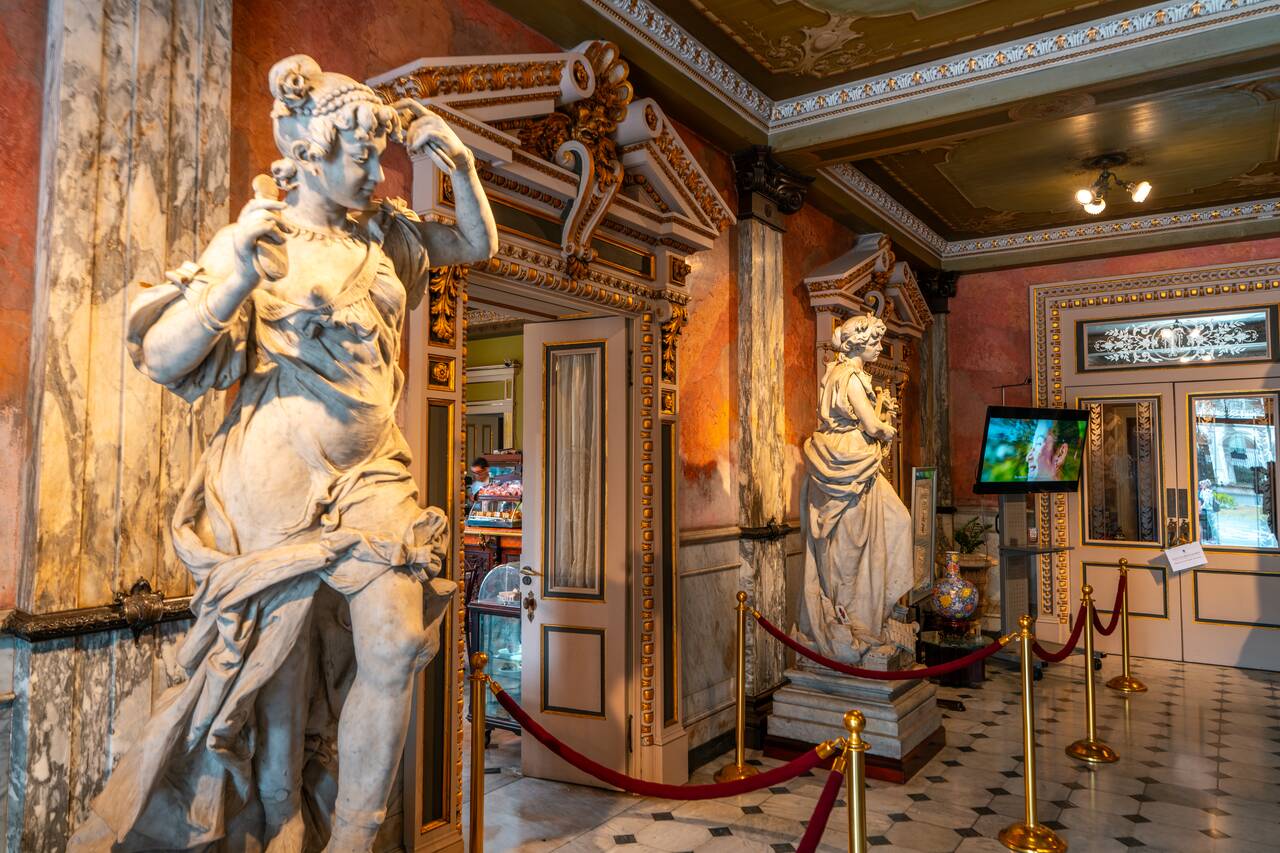
As soon as you step inside, you will see why it is often called one of the most impressive buildings in San José. The interior features beautiful European-inspired architecture, elegant marble floors, detailed sculptures, and intricate artwork that feels completely unexpected from the outside.
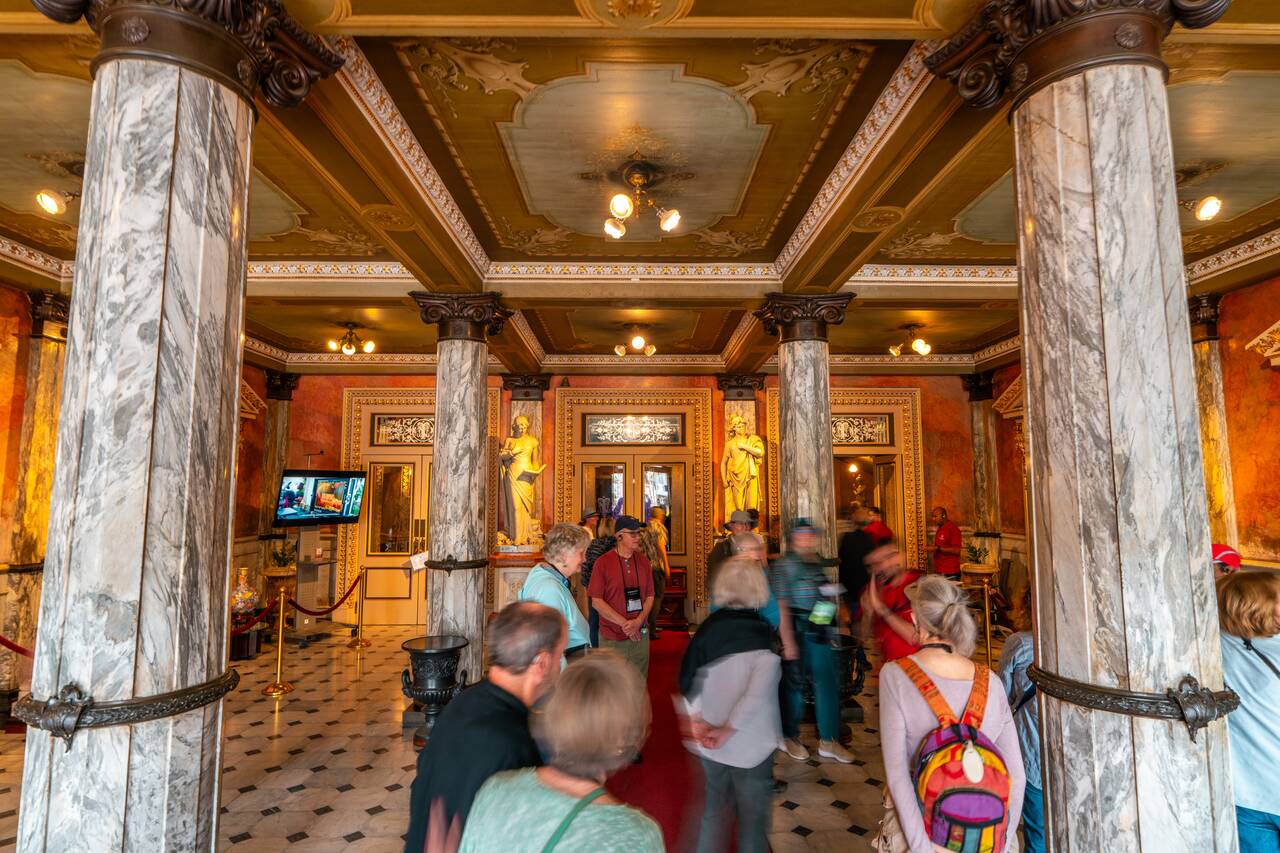
One of the highlights is the famous ceiling painting above the main staircase, known as "Allegory of Coffee and Bananas", which represents two of Costa Rica's most important exports during that era. Although the original artwork has a complicated history, it remains one of the most photographed parts of the theater.
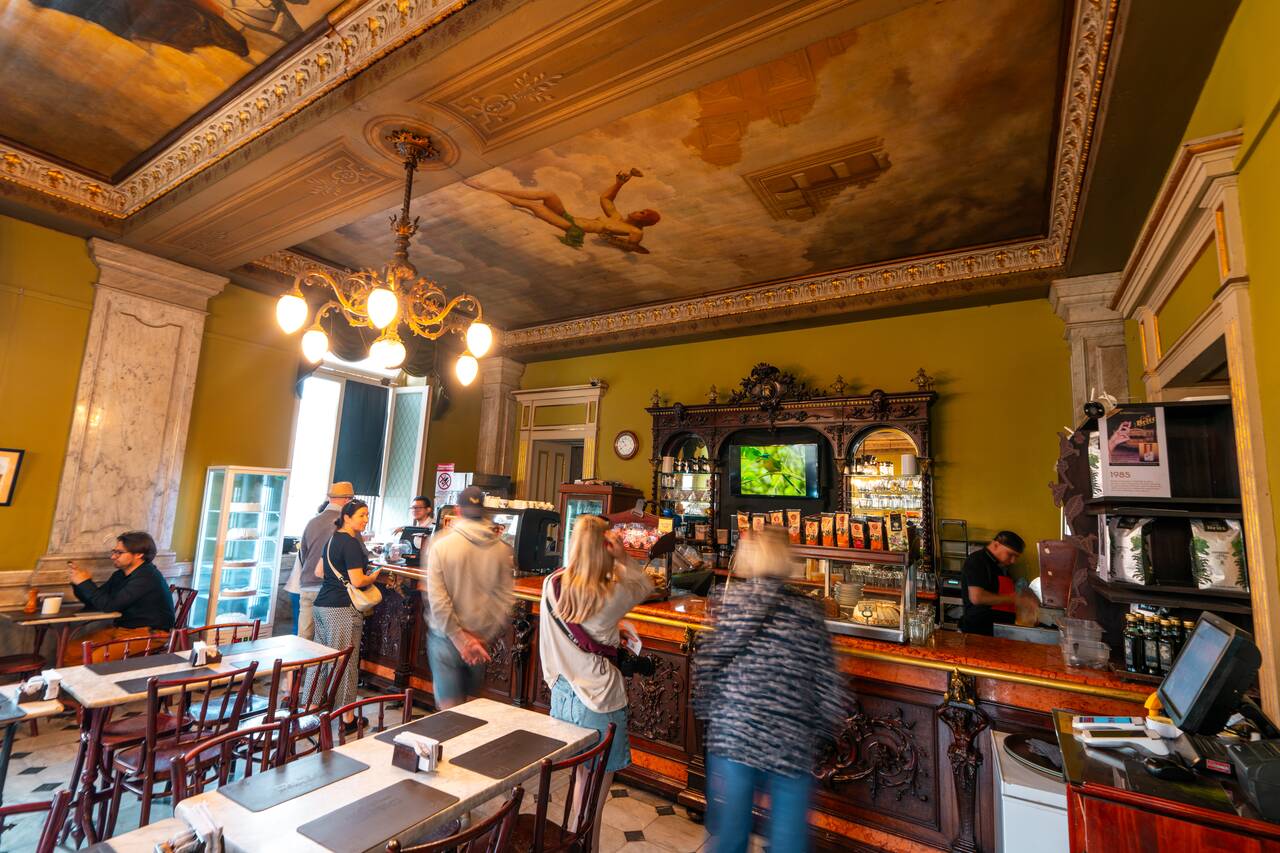
You can visit the theater through a guided tour, which will give you more insight into its history, architecture, and cultural importance. If you do not want to join a guided tour, there is also a lovely cafe inside where you can stop for a coffee or dessert while enjoying the place's stunning beauty.
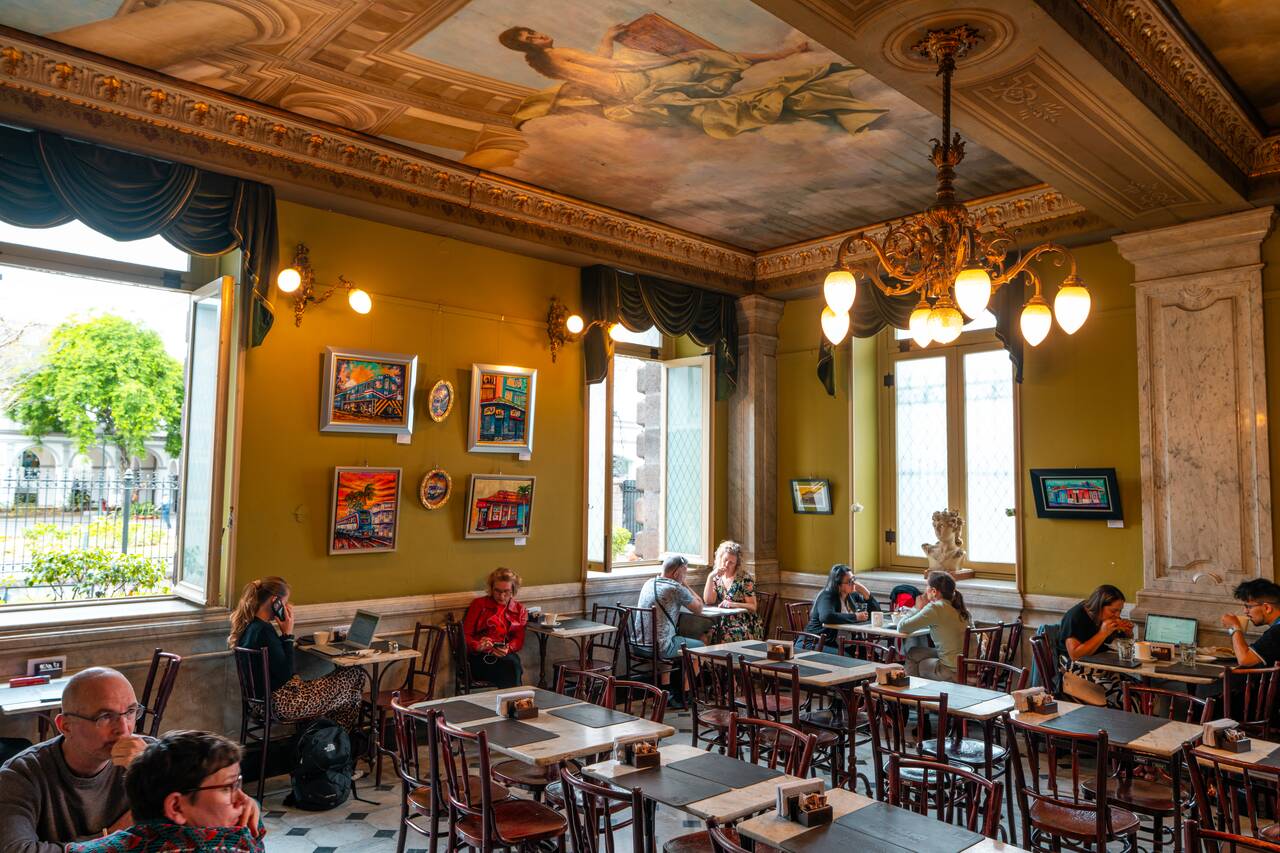
When I was inside, I honestly did not feel like I was in Costa Rica at all, it felt more like stepping into a European theater! The theater and guided tours are open from 9 AM to 4 PM daily, while the cafe is open from 9 AM to 7 PM every day.
8. Visit Spirogyra Butterfly Garden
- 📍 Location: Spirogyra Butterfly Garden [Map Link]
- 🕐 Opening Hours: 8:30 AM - 3:30 PM
- 💰 Entry Fees: 7 USD
- ⚡ Pete's Take: "It's a quick stop if you have time to spare."
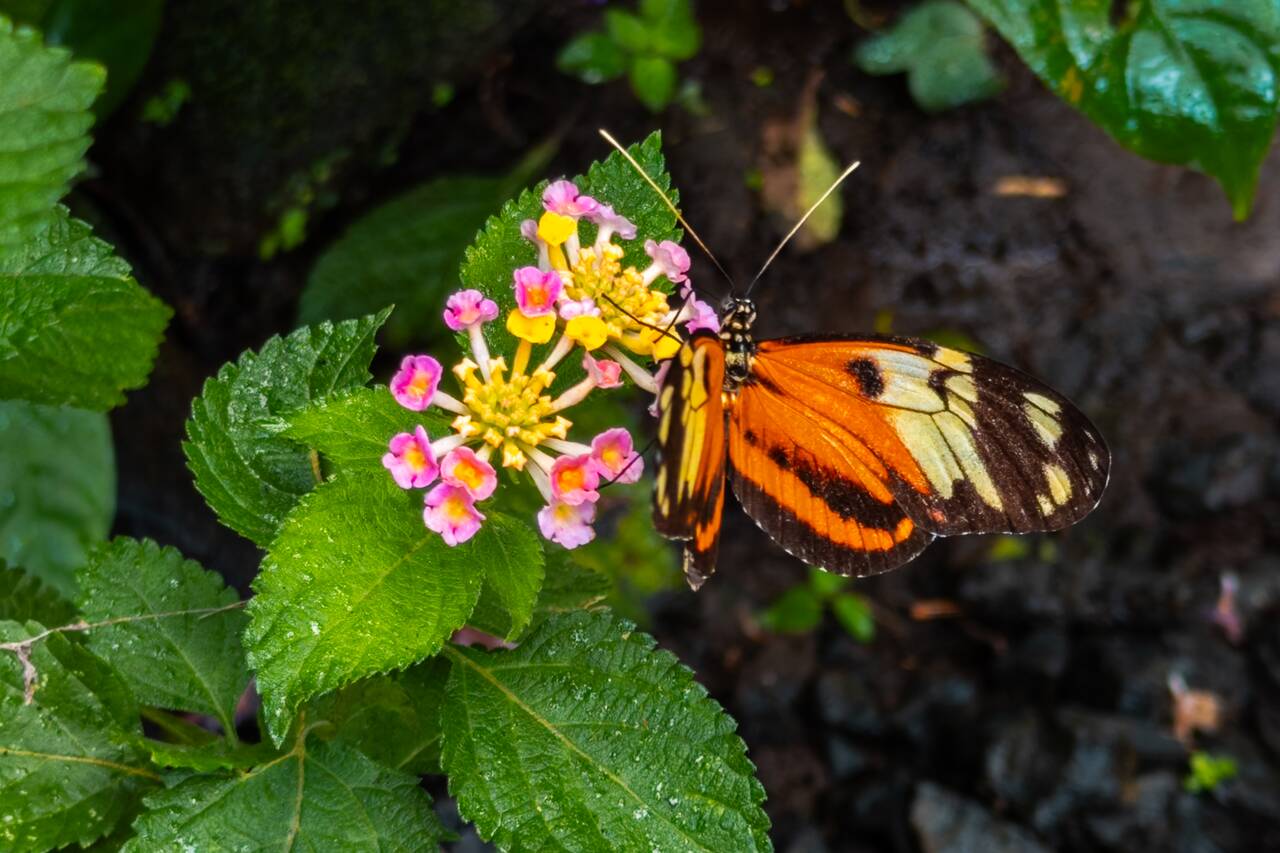
If you want to experience Costa Rica's incredible biodiversity without leaving San José, make sure to visit the Spirogyra Butterfly Garden. Located about a 20-minute walk from downtown San José, this small urban butterfly garden is home to dozens of colorful butterfly species, and you can walk among them.

The butterflies here roam freely around you, feeding on flowers and resting on plants as you explore the garden. The garden is designed to recreate a natural habitat, allowing you to observe them up close while learning about their life cycle and their importance to the ecosystem.

The visit won't take you very long, usually around 30 minutes, making it a great and easy addition to your San José itinerary. The garden is open daily from 8:30 AM to 3:30 PM, closes at 2:30 PM on weekends, and the entrance fee is around 7 USD per person.
9. Walk Around Jade Museum
- 📍 Location: Jade Museum [Map Link]
- 🕐 Opening Hours: 8 AM - 5 PM
- 💰 Entry Fees: 16 USD
- ⚡ Pete's Take: "It's another large museum that requires you to spend 1 to 2 hours exploring. A great way to kill some time while you are in the city."
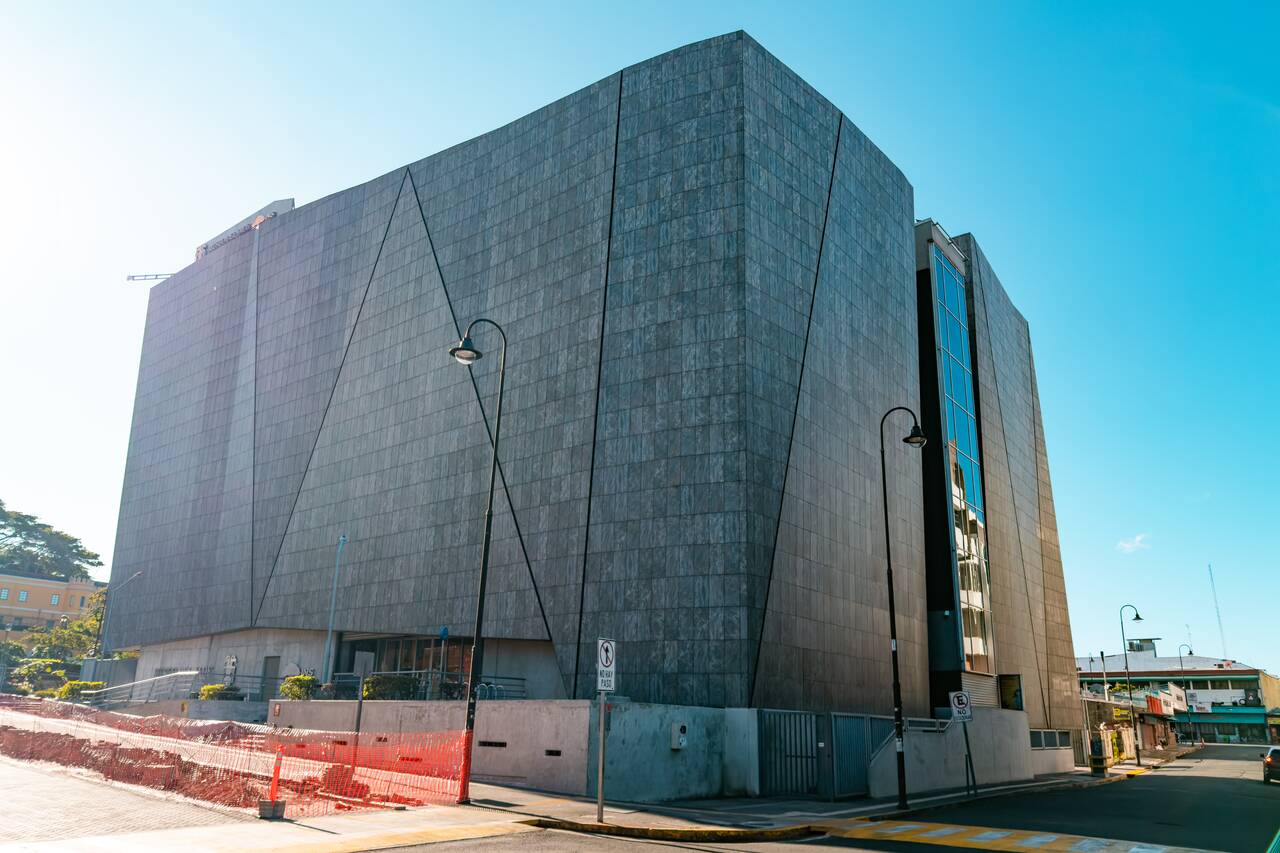
Jade Museum is another great place to visit if you want to learn more about Costa Rica's Indigenous history and culture. The museum houses the largest collection of pre-Columbian jade artifacts in the Americas, with thousands of pieces dating back hundreds of years.
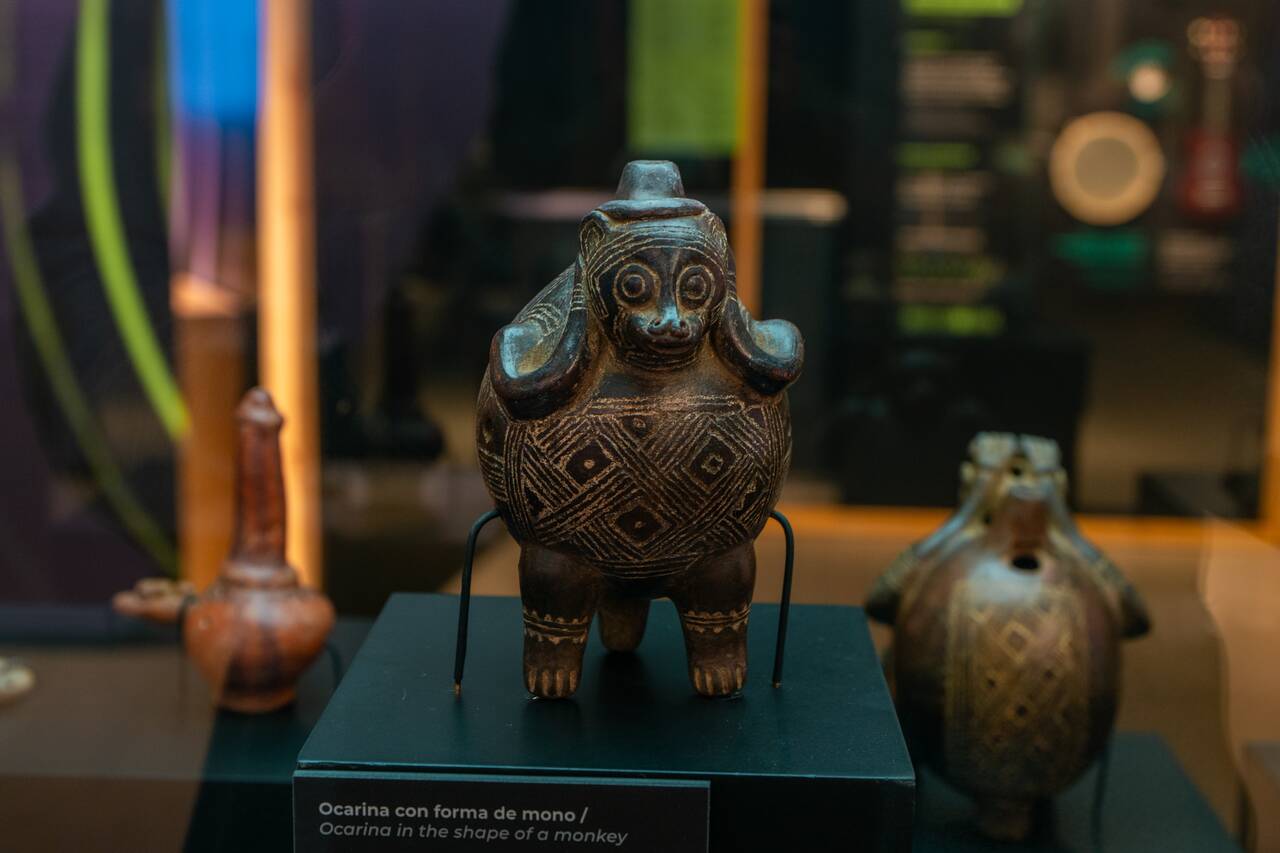
As you walk through the exhibitions, you will see beautifully carved jade jewelry, tools, and ornaments created by Indigenous communities across Costa Rica. The exhibitions will also explain how jade was used in Indigenous society, from symbols of status and power to objects connected with spirituality, trade, and daily life. You will also learn how these communities worked with jade and why it was considered such a valuable material.
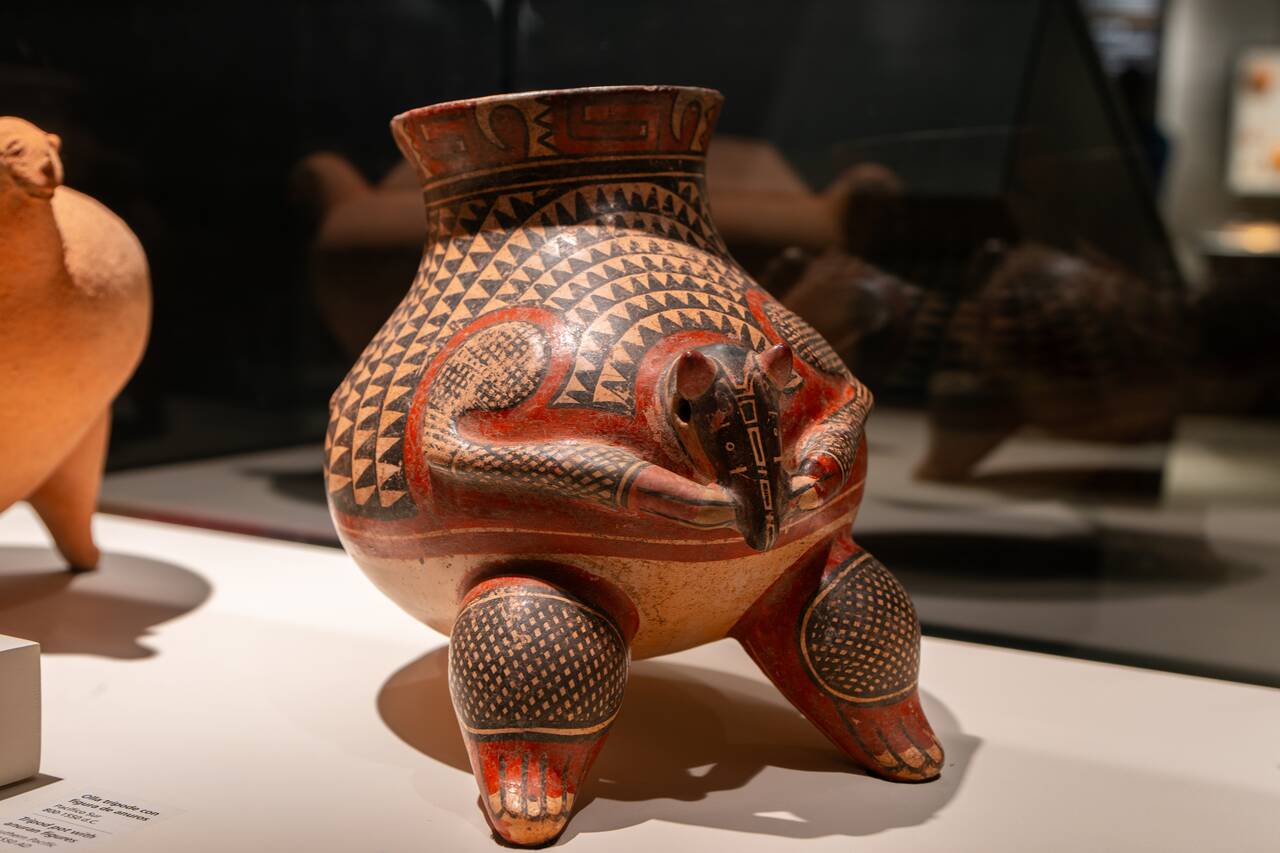
The museum is quite large and can easily take around 1 to 2 hours to explore properly. It is open from 8 AM to 5 PM daily, and the entrance fee is 16 USD per person.
10. Go on one of the many day trips from San Jose
- 📍 Location: Poás Volcano [Map Link], La Paz Waterfall [Map Link]
- 🏄 Tours: Available day trips from San Jose
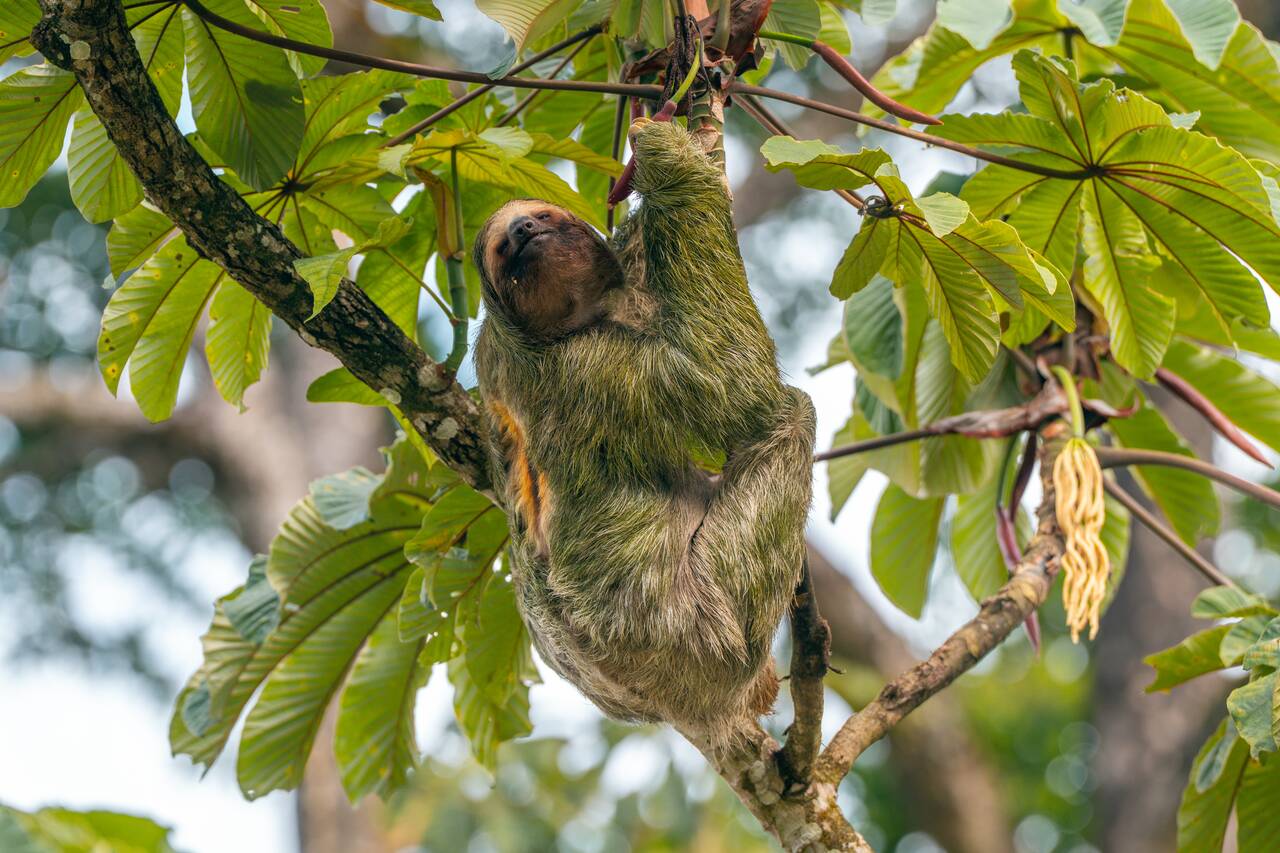
If you have a day to spare in San José, you might want to consider going on one of the many day trips that depart from here. The city is perfectly positioned in the center of the country, and you can often find tours that will take you to places like Poás Volcano, where you can see one of Costa Rica's most accessible active volcanoes, and La Paz Waterfall Gardens, where you can walk through rainforest trails and see waterfalls, birds, butterflies, and other wildlife.
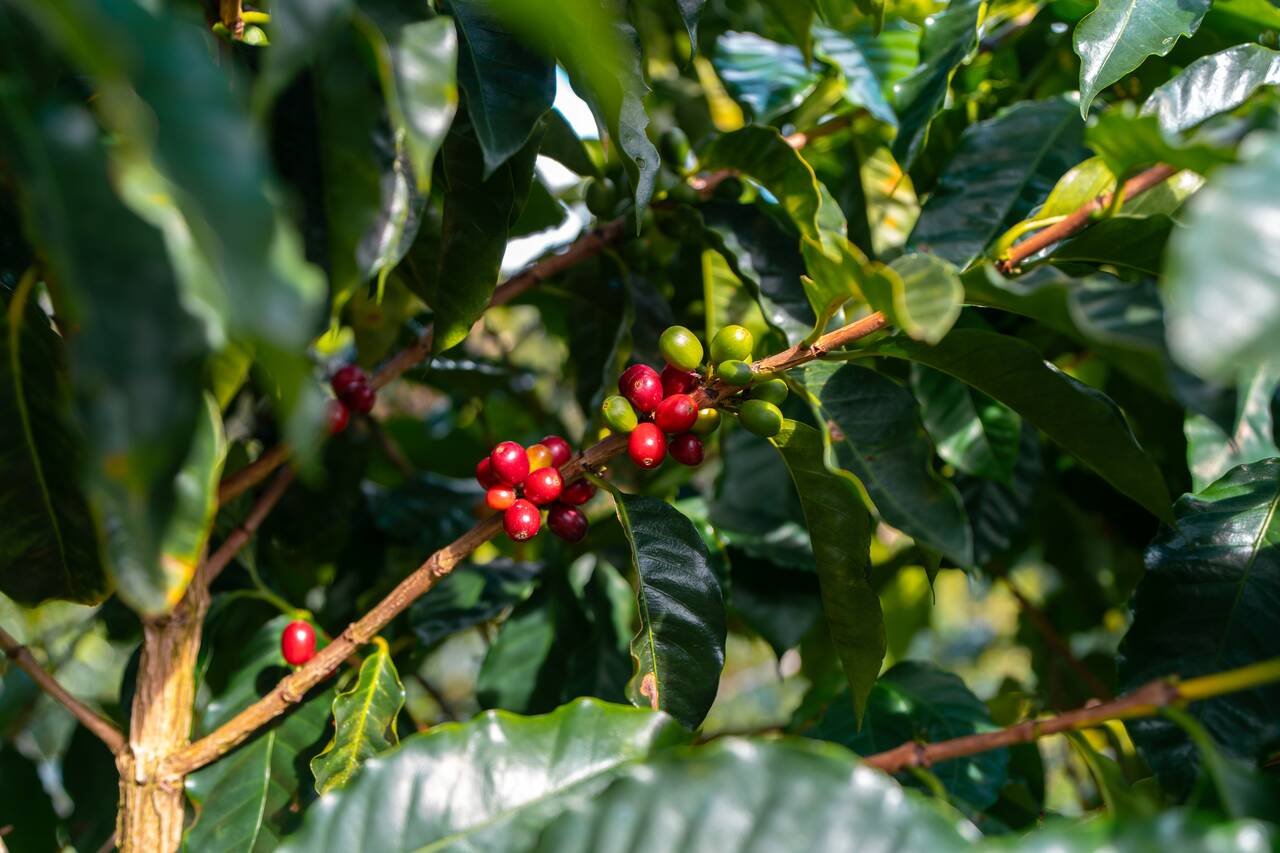
Costa Rica is also famous for its coffee, and a coffee plantation tour, which is often combined with Poás Volcano, is another great option. You can visit farms around the Central Valley, learn about the entire coffee-making process, and of course enjoy a fresh cup of Costa Rican coffee while surrounded by beautiful mountain scenery.
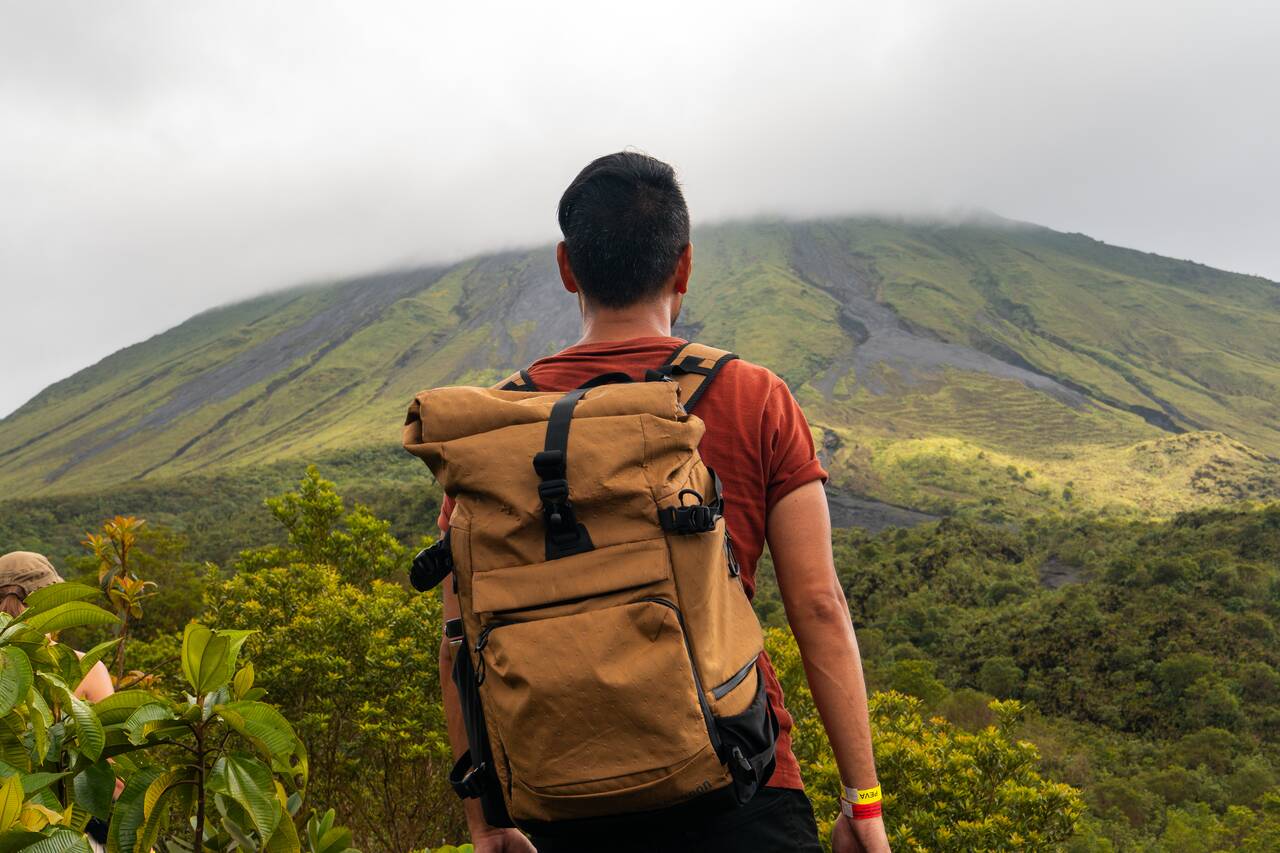
There is even a day trip that will take you all the way to Arenal Volcano in La Fortuna if you are not planning to visit the area on this trip but still want to get a glimpse of it. La Fortuna is one of my favorite places in Costa Rica, and I highly recommend staying a few nights there, but if you are short on time, at least you have the option to visit it as a day trip from San José.

When to Visit San Jose?
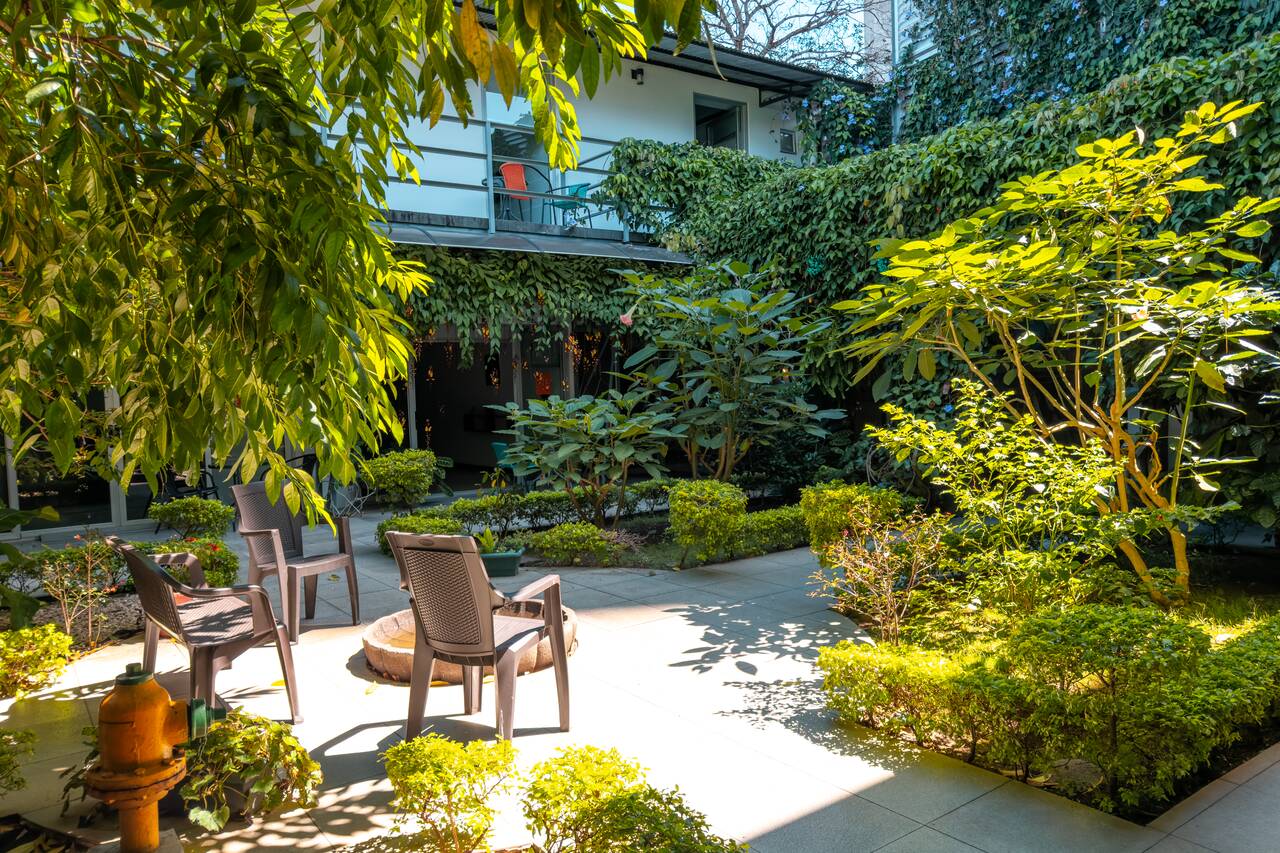
Generally speaking, the best time to visit San José is during the dry season between December and April, when you can expect the most sunshine, lower humidity, and the least amount of rain. This is also the peak tourist season in Costa Rica, so expect higher prices and more tourists all around.
That said, San José's location in the Central Valley gives it a much milder climate compared to the country's coastal regions. Temperatures remain relatively comfortable year-round, often ranging between 15°C and 27°C (59°F - 81°F), which is much more pleasant than other parts of the country.
The green season from May to November can also be a great time to visit. While rain showers are more frequent, they often arrive in the afternoon or evening, giving you plenty of time for sightseeing earlier in the day. The surrounding mountains become lush and green, and you will often find fewer tourists and lower accommodation prices during this period.
If you plan on taking day trips to places like Poás Volcano, La Paz Waterfall Gardens, or nearby coffee plantations, I recommend visiting during the dry season for the best chance of clear skies and unobstructed views. That said, weather in Costa Rica can be unpredictable, so it is always a good idea to carry a light rain jacket no matter the time of year.
How to Get to San Jose?

From Abroad: The easiest way to get to San José is by flying into Juan Santamaría International Airport, which has direct connections to many cities across North America, Europe, and Latin America. You can check flight availability here. Once you arrive, you can take an Uber into the city center. The journey usually takes around 30 to 45 minutes, depending on traffic.
From La Fortuna: If you are traveling from La Fortuna, you can take a direct bus, shared shuttle, or rental car. Shared shuttles are the most convenient option and usually take around 3.5 to 4.5 hours. You can find shared shuttles here. Public buses are cheaper but often require more time and may involve transfers in either Quesada or San Ramon.
From Manuel Antonio: Several direct buses operated by Tracopa connect Manuel Antonio and Quepos with San José daily. The journey typically takes around 3 to 4 hours depending on traffic conditions. The bus will drop you off at Tracopa Bus Terminal and you can book online and pay with a credit card via Pass App Android | iOS. Highly recommended!
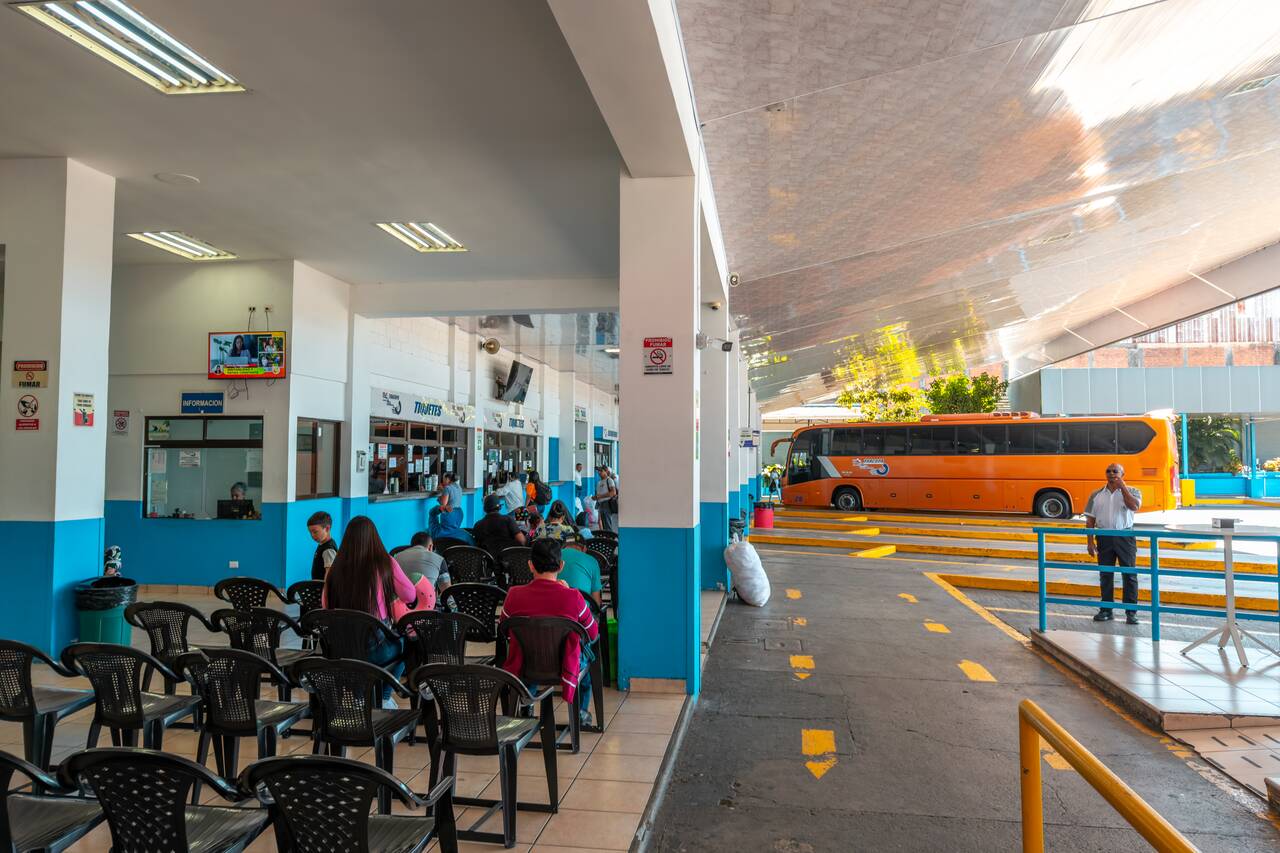
From Uvita: Direct buses operated by Tracopa also run between Uvita and San José every day. Travel time is usually around 4 to 5 hours, although traffic near the capital can sometimes add extra time to the journey. The bus will drop you off at Tracopa Bus Terminal and you can book online and pay with a credit card via Pass App Android | iOS.
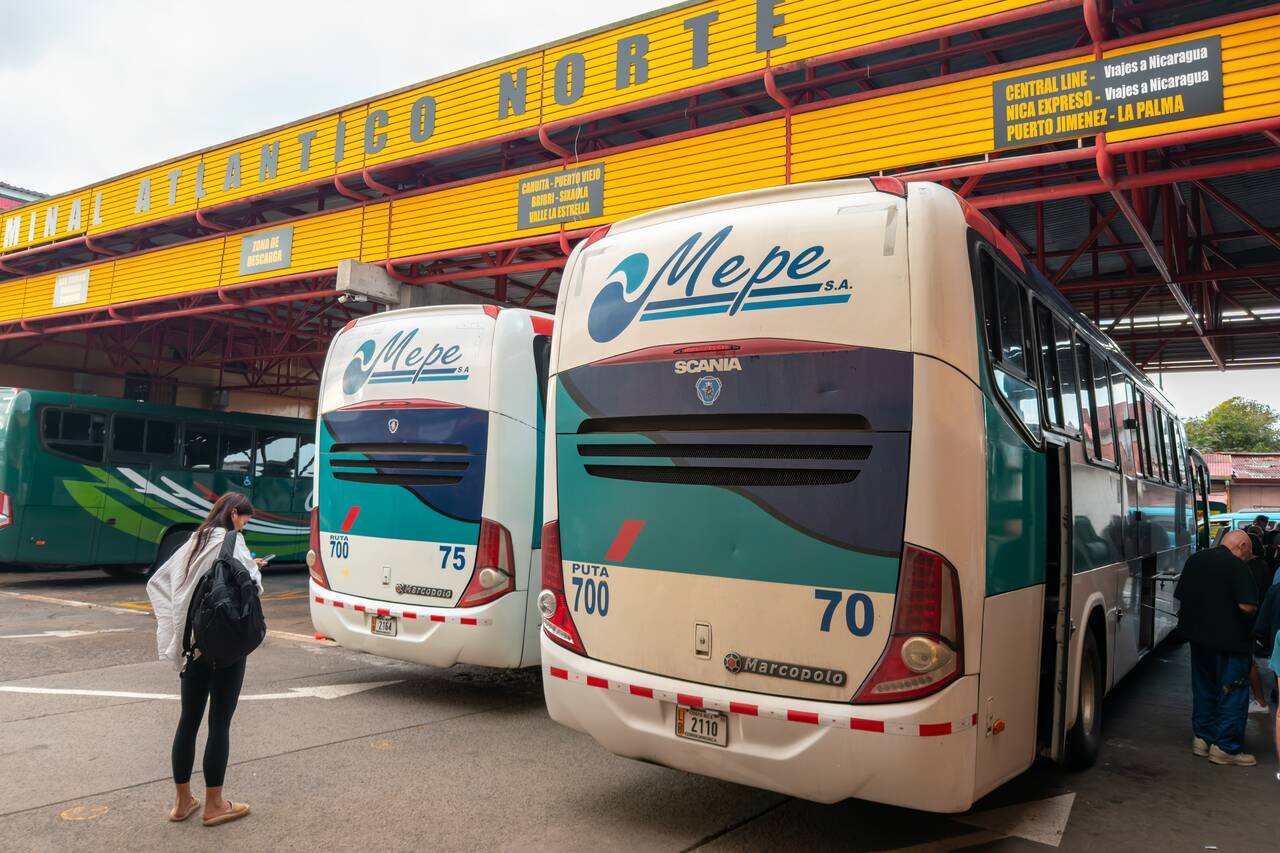
From Puerto Viejo: Direct buses operated by MEPE run several times a day between Puerto Viejo and San José. The journey generally takes between 4.5 and 5.5 hours, although roadworks and traffic can occasionally make it considerably longer. The bus will drop you off at the MEPE Terminal in San José.
I would recommend not booking this bus through third-party platforms, as they often overcharge by as much as 10 USD per ticket. Instead, you can purchase tickets directly from this small ticket kiosk in Puerto Viejo before your departure date. Tickets should cost around 20 USD, and payment is typically accepted in cash only.
How to Get Around San Jose?
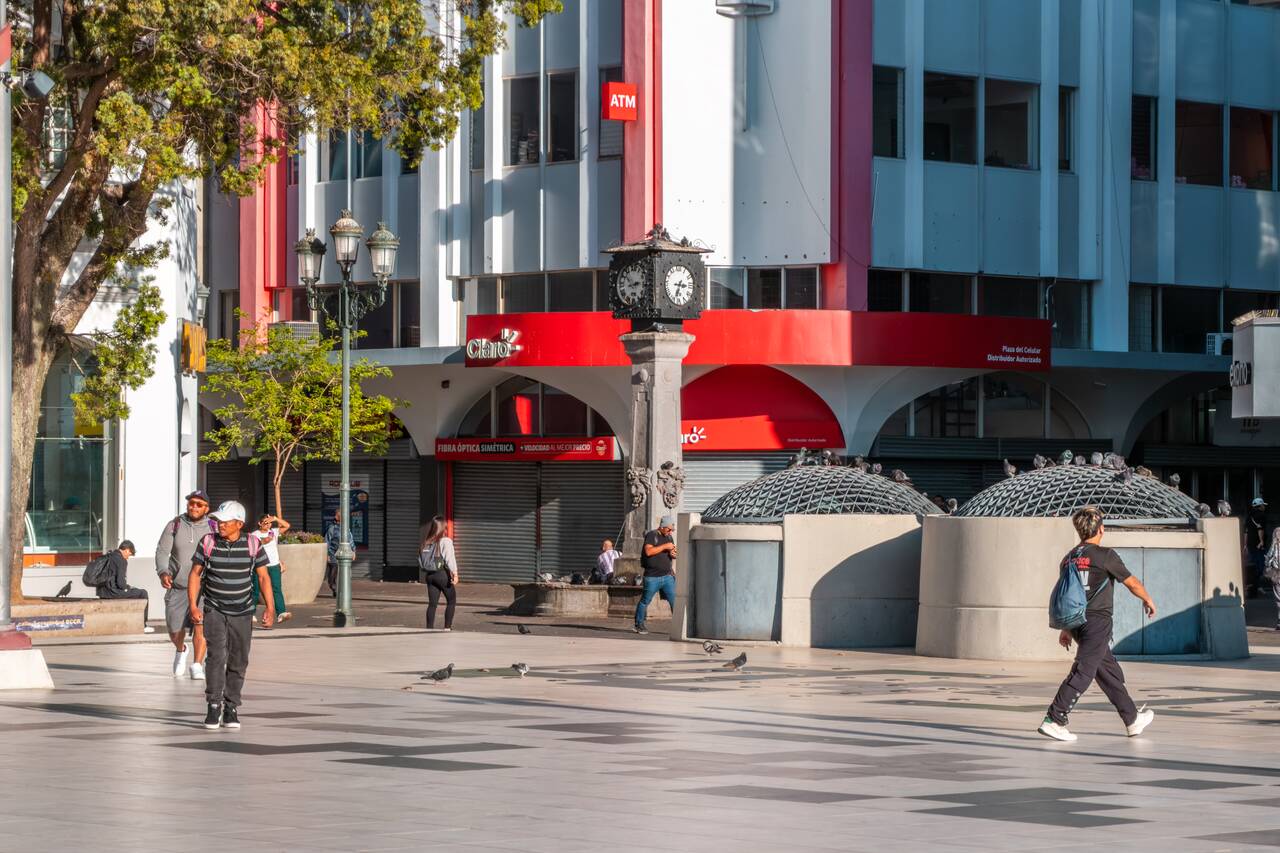
By Walking: If you are staying around Downtown San José, Barrio Amón, or Barrio Escalante, many attractions such as the National Theater, Gold Museum, Central Market, Jade Museum, and National Museum can be reached on foot. During the day, walking is often the best way to explore the city and experience its atmosphere firsthand.
By Uber: Uber is widely available in San José and is my preferred way of getting around longer distances within the city. It is very safe, reliable, and often cheaper than traditional taxis. If you plan to visit neighborhoods like Barrio Escalante from downtown, Uber is usually the easiest option.
By Bus: San José has an extensive public bus network connecting the city with surrounding neighborhoods and nearby towns. Buses are cheap and frequent, although navigating the system can be a little confusing for first-time visitors since there is no single central bus terminal and routes are operated by different companies. I would avoid it especially if you don't speak Spanish.
By Rental Car: I generally would not recommend renting a car solely for exploring San José. Traffic can be heavy, parking is often limited, and most attractions are easier to reach on foot or by Uber. However, if San José is the starting point for a larger Costa Rica road trip, renting a car can be a convenient option. You can browse rental car options online or pick one up directly from the airport.
How Many Days to Spend in San Jose?
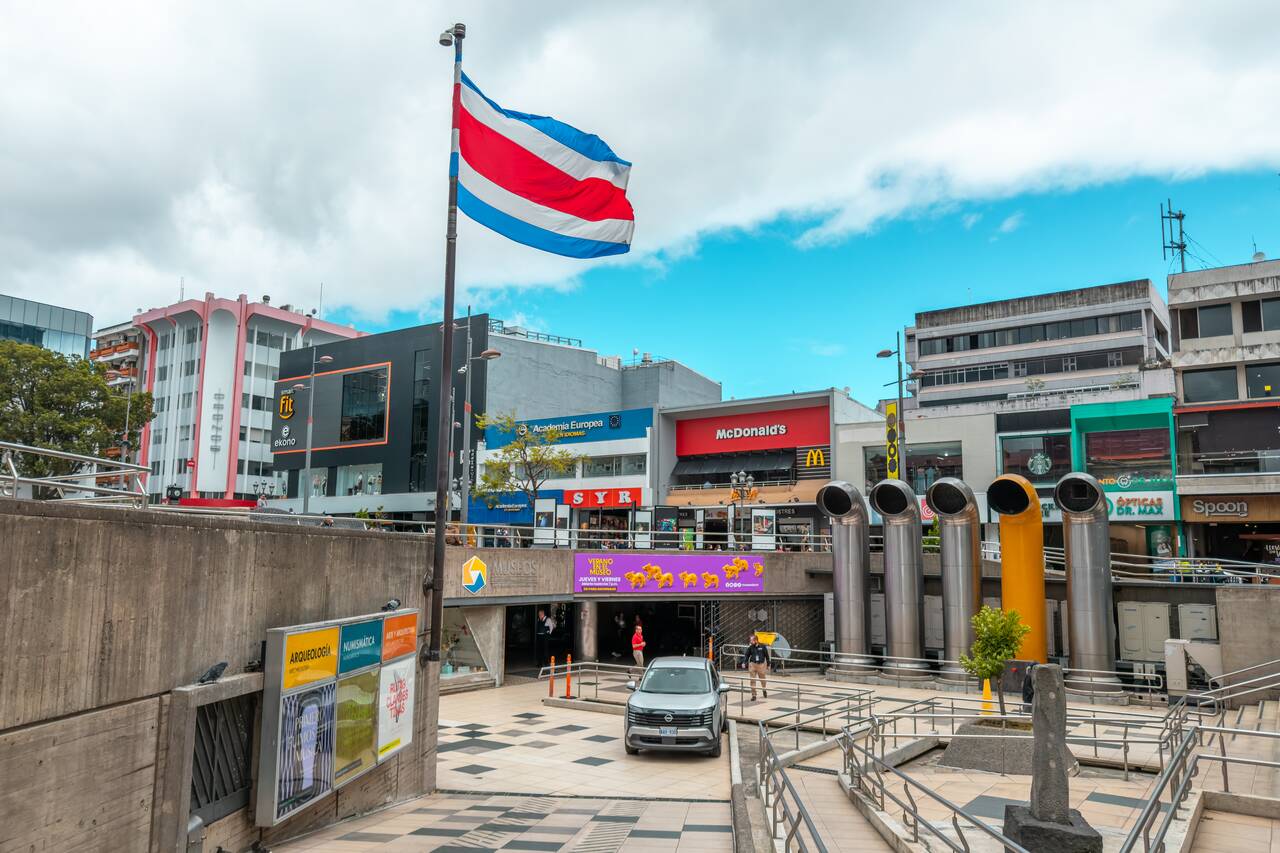
I recommend spending at least 1 to 2 days in San José. While many people treat the capital as nothing more than a transportation hub before heading off to places like La Fortuna, Manuel Antonio, or Puerto Viejo, the city has enough things to do to keep you occupied for a day, maximum two. It is also a great place to break up a longer trip, slow down for a bit, and recharge before continuing your journey across Costa Rica.
- Day 1: Explore Downtown San José, visit the National Theater, Gold Museum, Jade Museum, Central Market, Barrio Amón, and finish the day with dinner in Barrio Escalante.
- Day 2: Take a day trip to Poás Volcano, La Paz Waterfall Gardens, or a nearby coffee plantation.
Is it safe in San Jose?
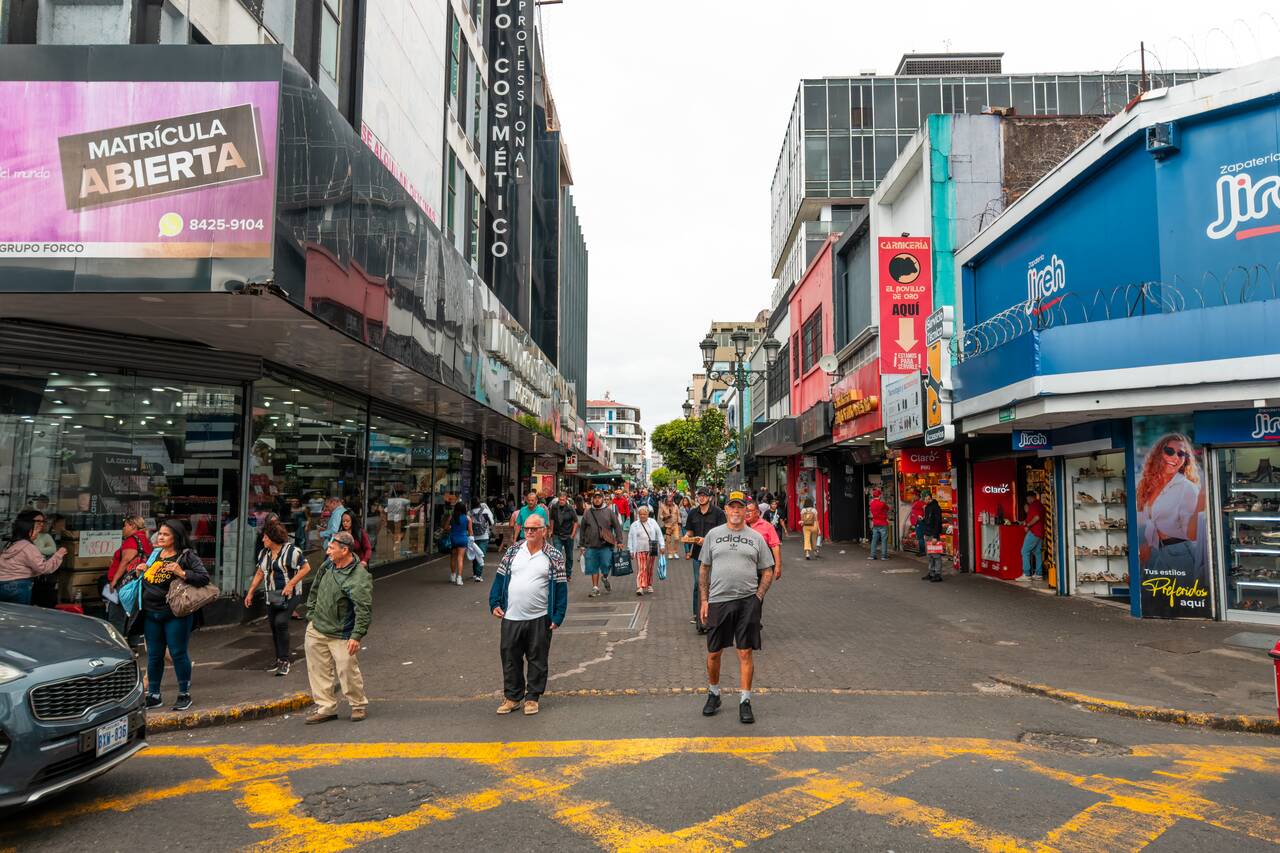
Generally speaking, San José is reasonably safe for travelers, but it does require a bit more caution than many of Costa Rica's smaller tourist destinations. Like most major cities in Latin America, petty crimes such as pickpocketing, bag snatching, and opportunistic theft can occur, especially in crowded areas, bus terminals, markets, and on public transportation.
During my time in San José, I never felt particularly unsafe walking around the city during the day. Areas such as Downtown San José and Barrio Escalante were generally busy and felt comfortable to explore. That said, I always kept an eye on my belongings and avoided displaying expensive cameras, phones, or valuables unnecessarily when walking around.
At night, I recommend being a bit more cautious. While neighborhoods like Barrio Escalante remain lively well into the evening, some parts of downtown can become quiet after dark. If you are traveling alone or returning late, taking an Uber is often the safest and most convenient option.
As with anywhere in Latin America, common sense goes a long way. Keep your valuables secure, avoid walking alone through deserted areas late at night, be mindful around bus stations, and do not leave bags unattended in cafes or restaurants.
Disclaimer: This post may contain affiliate links. See our disclosure policy.
First Published:
Last updated:

