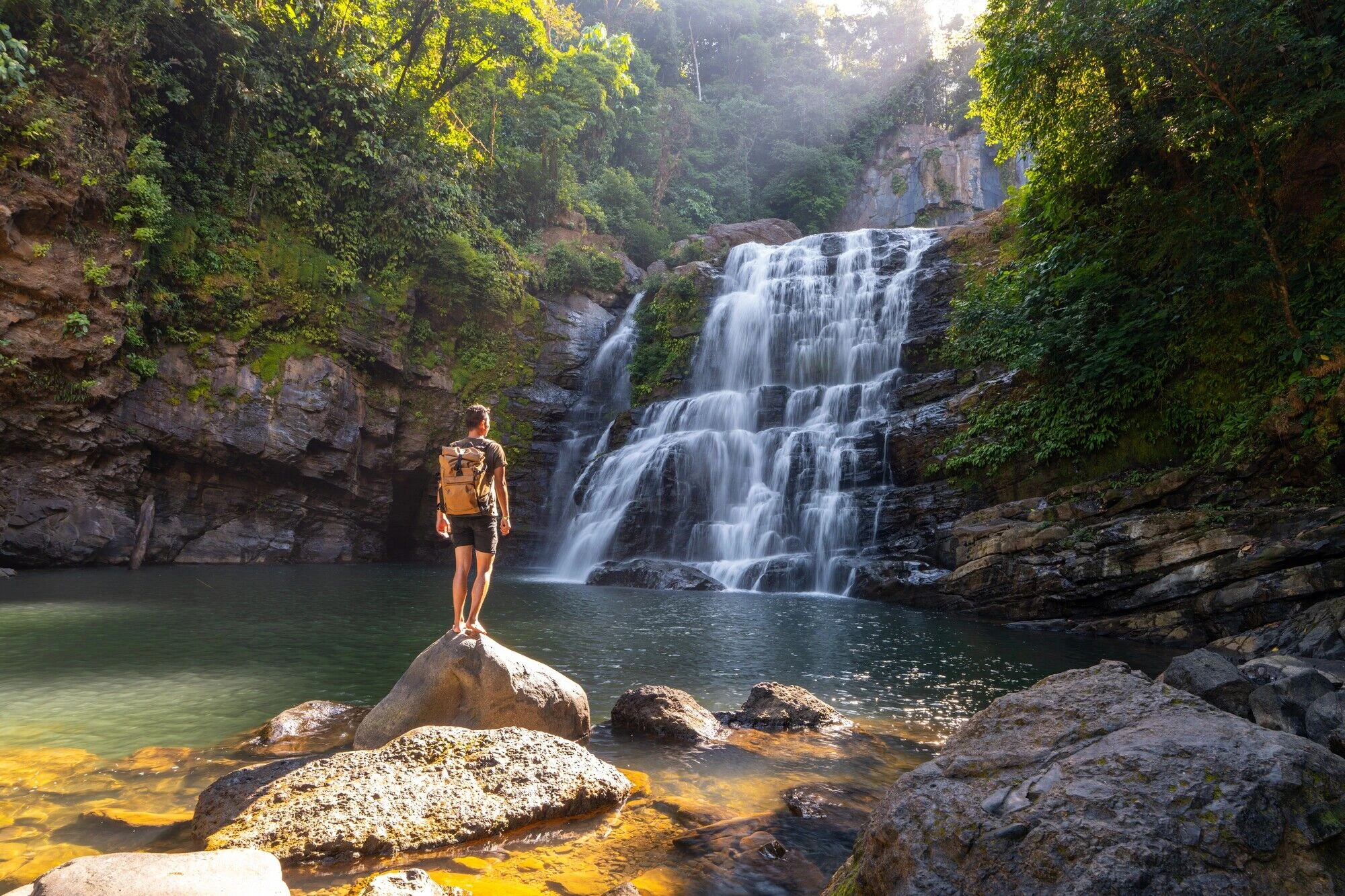



Uvita is not your typical beach destination in Costa Rica. For starters, the town itself is actually located a bit inland from the ocean, although the beach is still easily reachable, and it has a much more local feel compared to the typical tourist beach towns you find along the coast. Honestly, I found that refreshing.
What makes Uvita special is the incredible nature that surrounds it. During my time here, I got to explore some of Costa Rica's most beautiful landscapes, from swimming in Nauyaca Waterfalls, which ended up becoming my favorite waterfall in the country, to walking along the pristine beaches of Marino Ballena National Park and going whale-watching and spotting humpback whales along the Pacific coast.
In this Uvita travel guide, I will share everything I learned from my time here, including the best things to do, how to get around, where to stay, and all the tips you need to plan your trip to this beautiful corner of Costa Rica. Continue on for more!

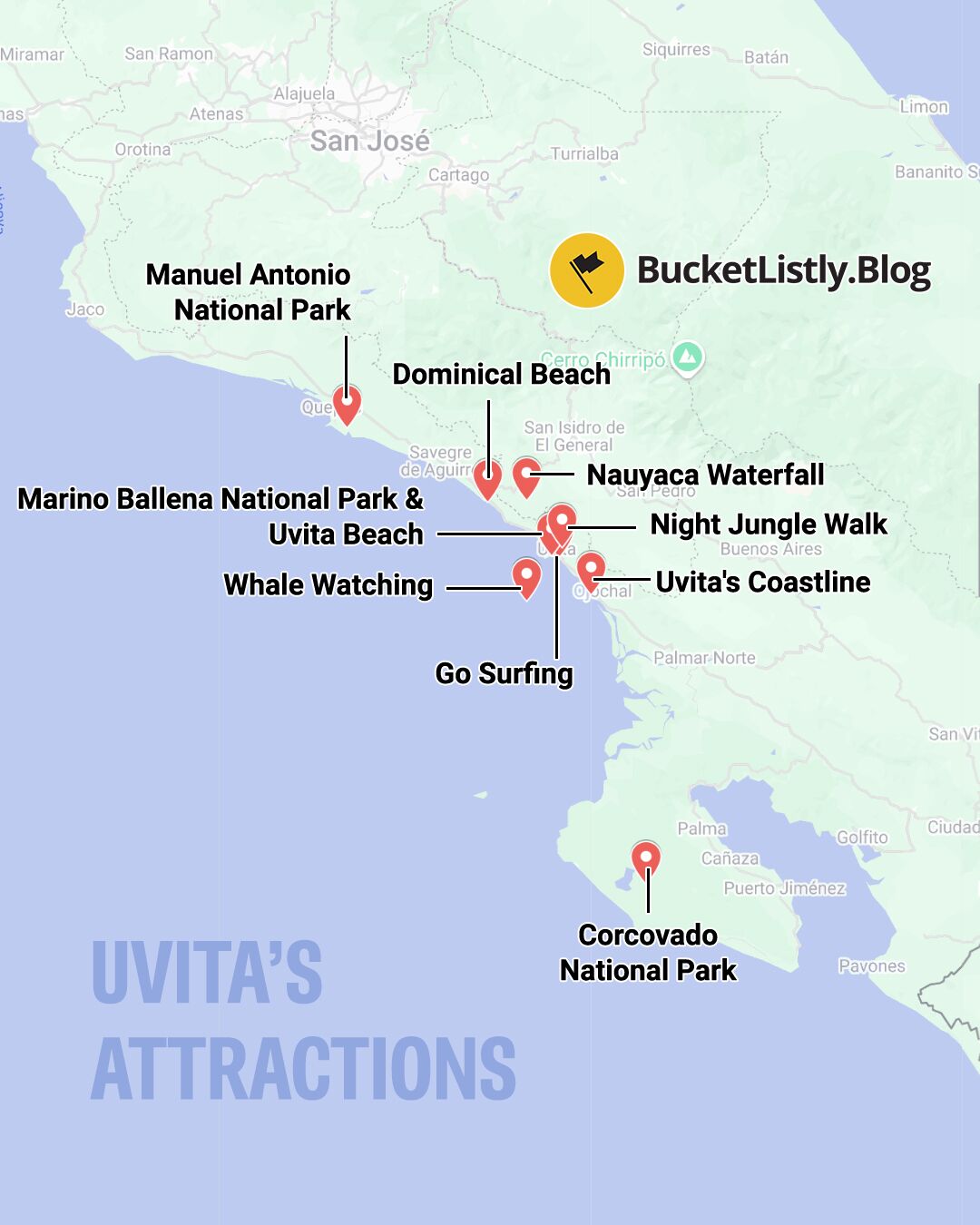
Map of Uvita's Attractions
Quick Summary
| ♥️ Must See: | Nauyaca Waterfalls |
|---|---|
| 👍 Must Do: | Marino Ballena National Park |
| ☀️ Great Day Trip: | Corcovado National Park |
| 🛌 Place to Stay: | Bahia Selvatica Lodge |
10 Experiences I Think Are Worth It in Uvita
1. Go Whale Watching
- 📍 Location: Marino Ballena National Park [Map Link]
- 🏄 Tour: Whale-Watching Boat Trip
- ⚡ Pete's Take: "If you're in Uvita between January and April or July and November, don't miss whale watching."
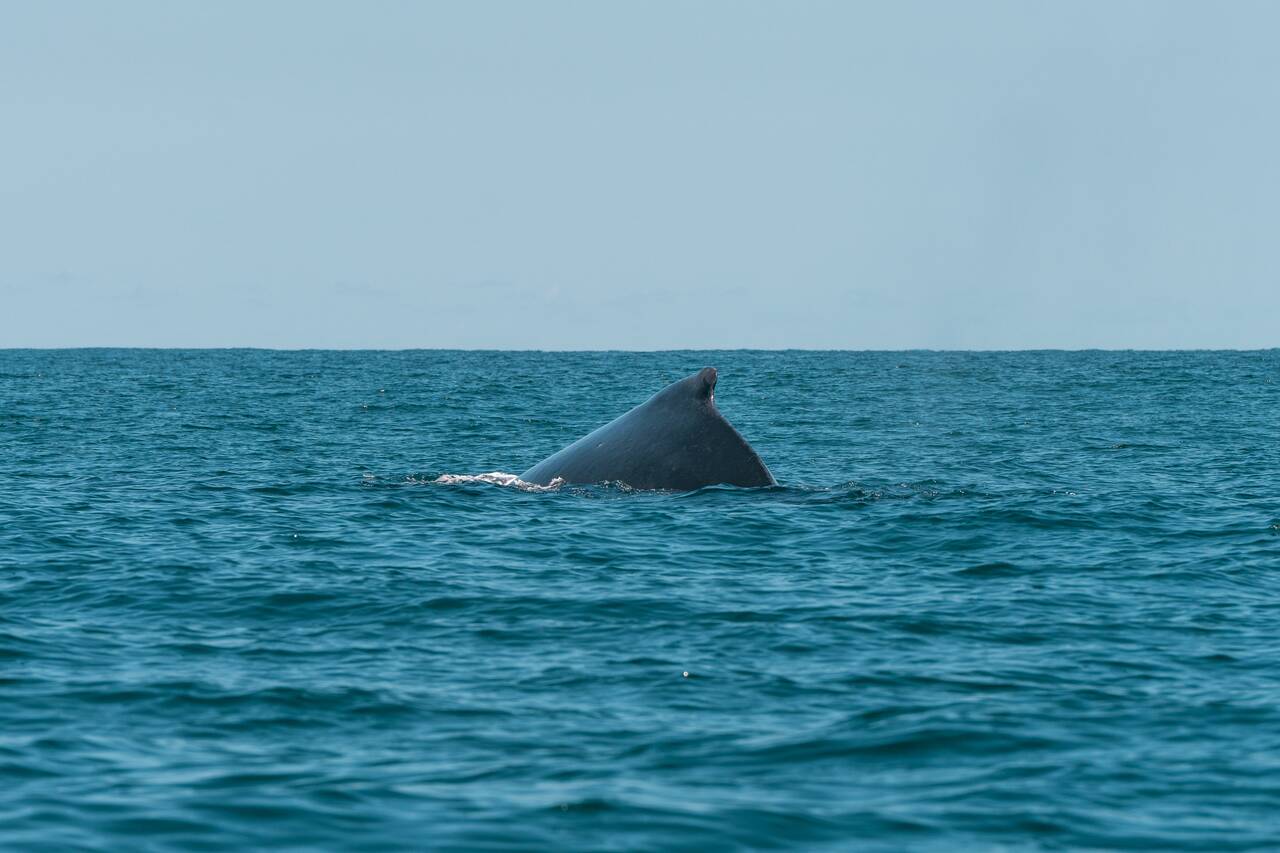
If there is one activity that you must do in Uvita, it is whale watching. The town sits right next to Marino Ballena National Park, one of the best places in Costa Rica to see humpback whales, and one of the few places in the world where whales from both the Northern and Southern Hemispheres migrate through during different times of the year.
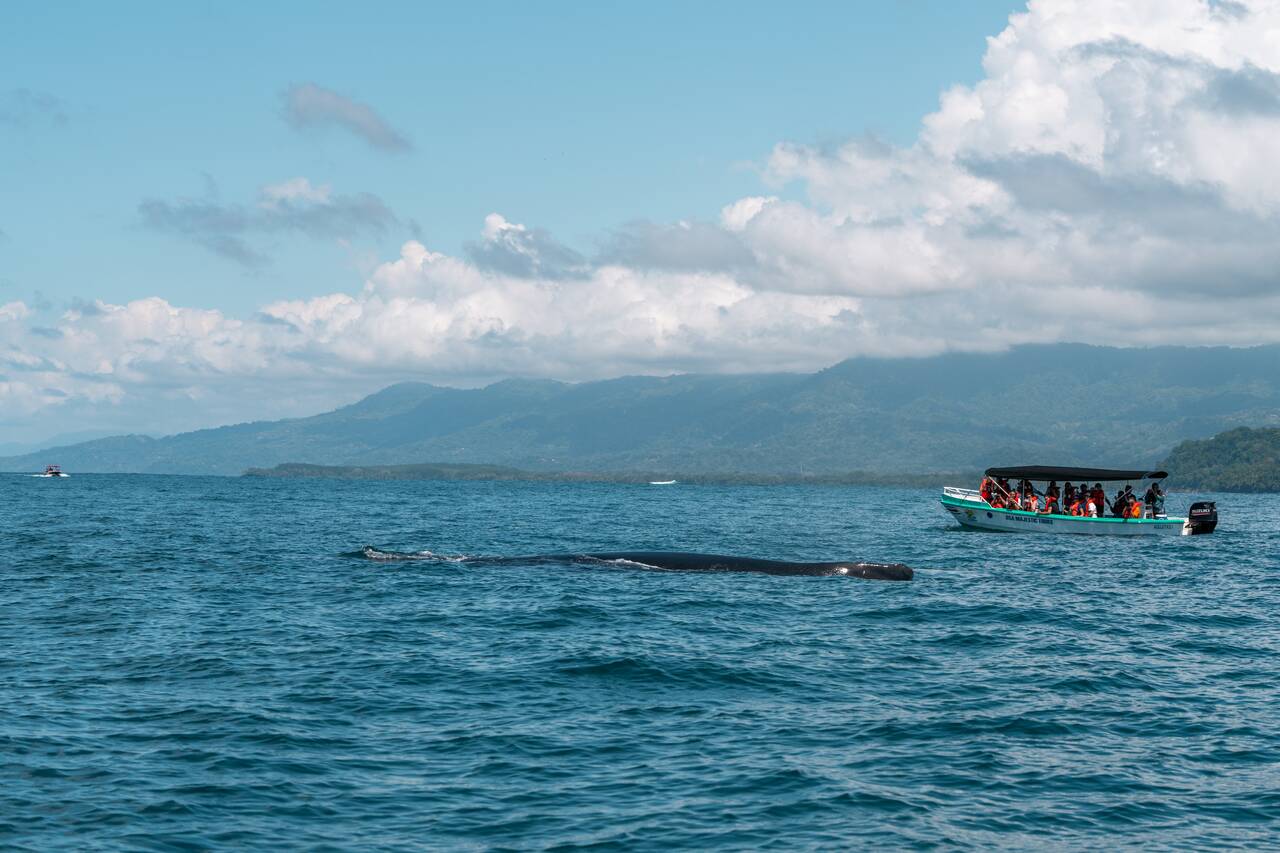
Depending on when you visit, you may have the chance to see humpback whales breaching, slapping their tails on the water, or swimming alongside their calves. Even outside of whale season, boat tours often encounter dolphins, sea turtles, manta rays, and other marine life, but like everything related to wildlife, sightings are never guaranteed.
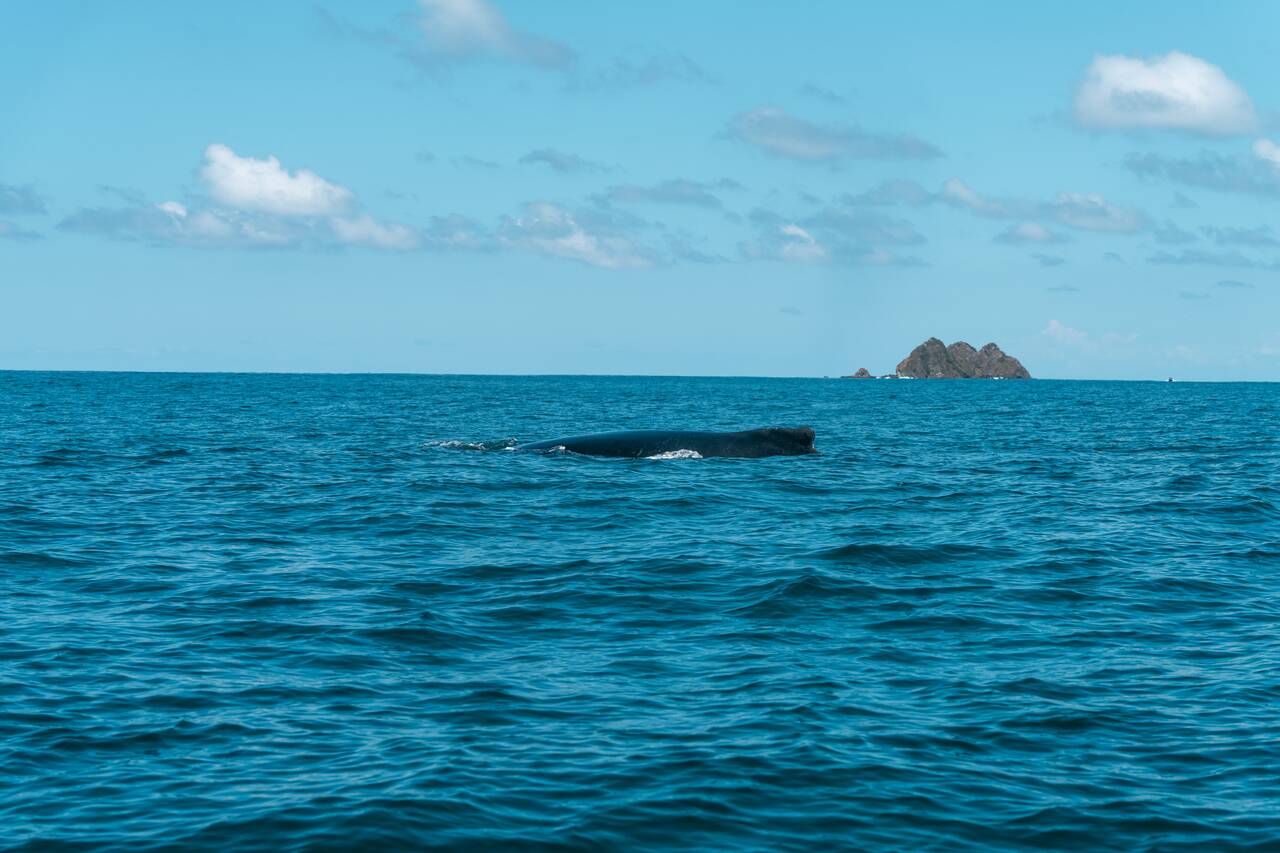
I was lucky enough to visit during whale season and managed to spot 2 humpback whales and several dolphins during my tour. Seeing these enormous animals emerge from the water just a short distance from the boat was one of the highlights of my time in Costa Rica and something I will not forget anytime soon.
- Flutterby House Hostel (Budget)
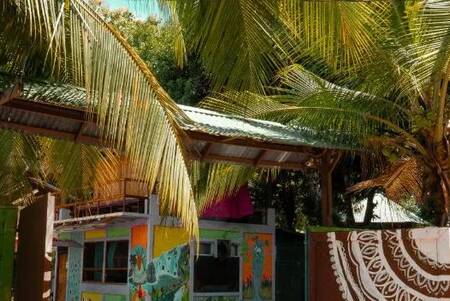
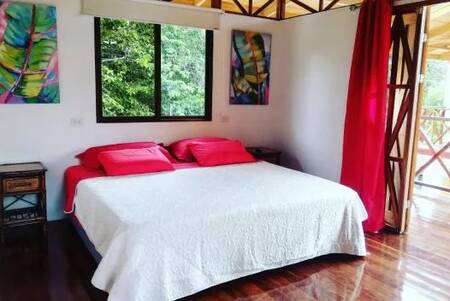
- Bahia Selvatica Lodge (Mid-Range) 👍 Top Pick
- Ibiza Tropical Beach Villas (High-End)
- Whale-Watching Boat Trip (3 - 4 hours) 🏅 Top Pick
- Manuel Antonio National Park Tour from Uvita (5 hours)
- Full Day Tour in Corcovado National Park from Uvita (8 hours)
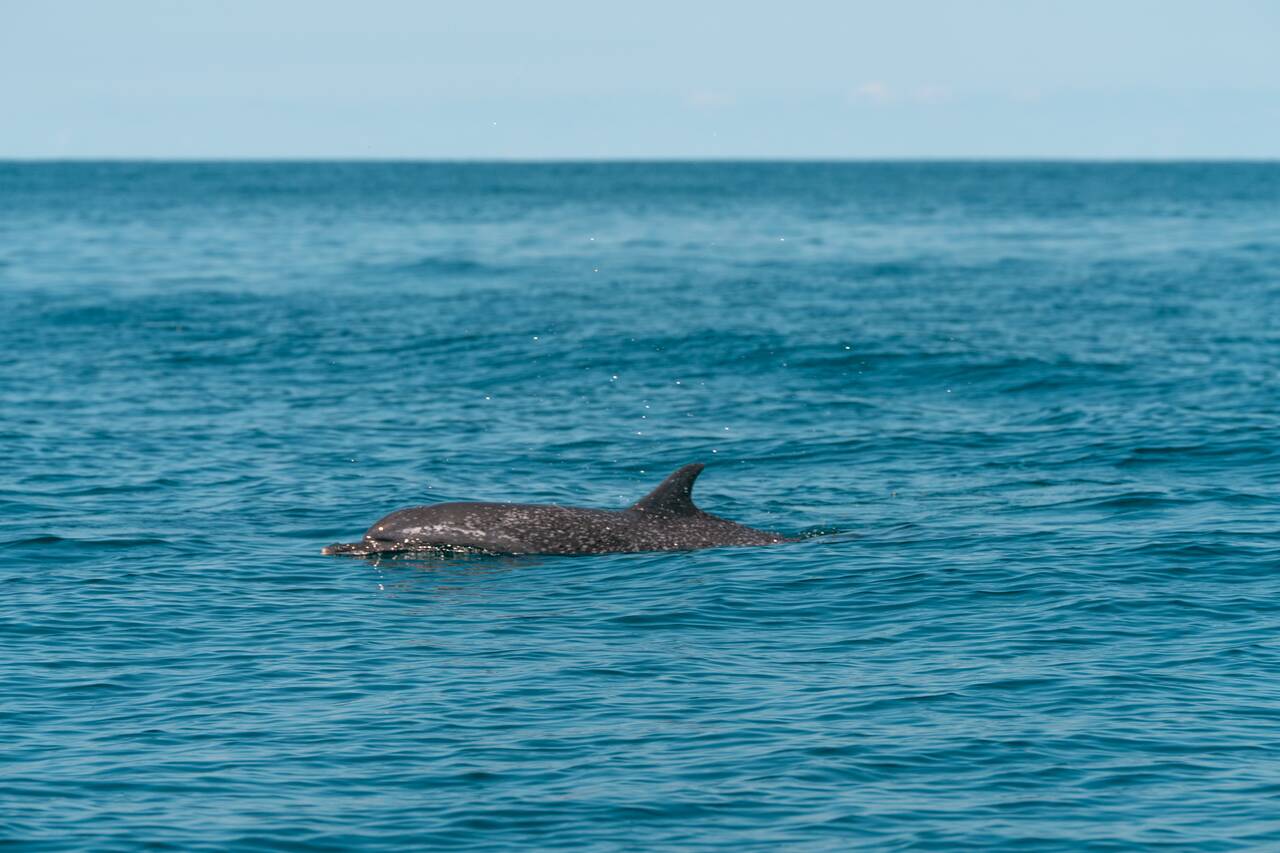
Most whale-watching tours will meet near the entrance of Marino Ballena National Park and depart directly from Uvita Beach. The tours usually last around 3 to 4 hours, essentially a half-day activity. Since sea conditions are generally calmer in the morning, tours usually leave early in the day. Be sure to bring sunscreen, water, and a camera with a zoom lens if you have one.
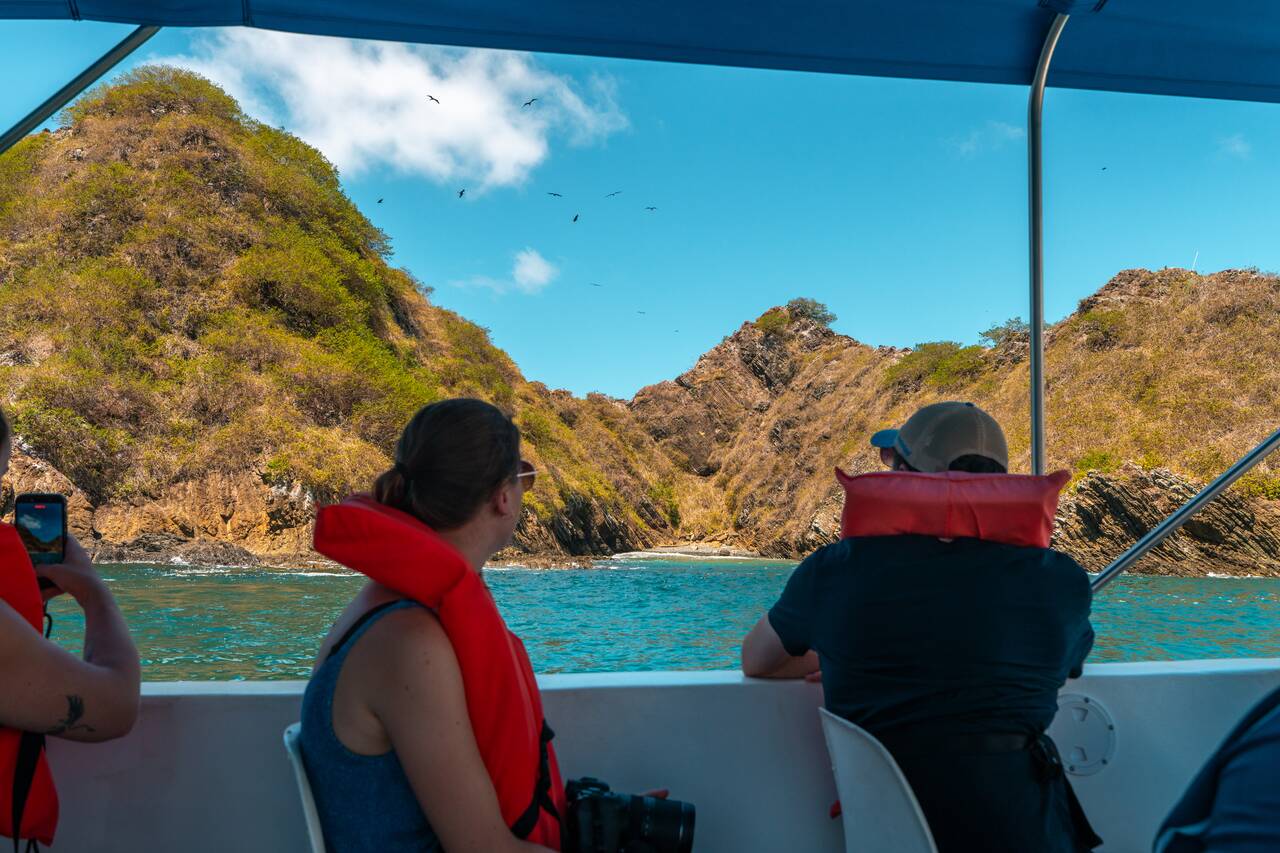
The tour will also include exploring Uvita's beautiful coastline, which we will discuss in more detail later on, as well as a snorkeling stop. However, there is not much to see in terms of fish and coral reefs compared to places like Bocas del Toro, Panama, where the snorkeling was incredible.
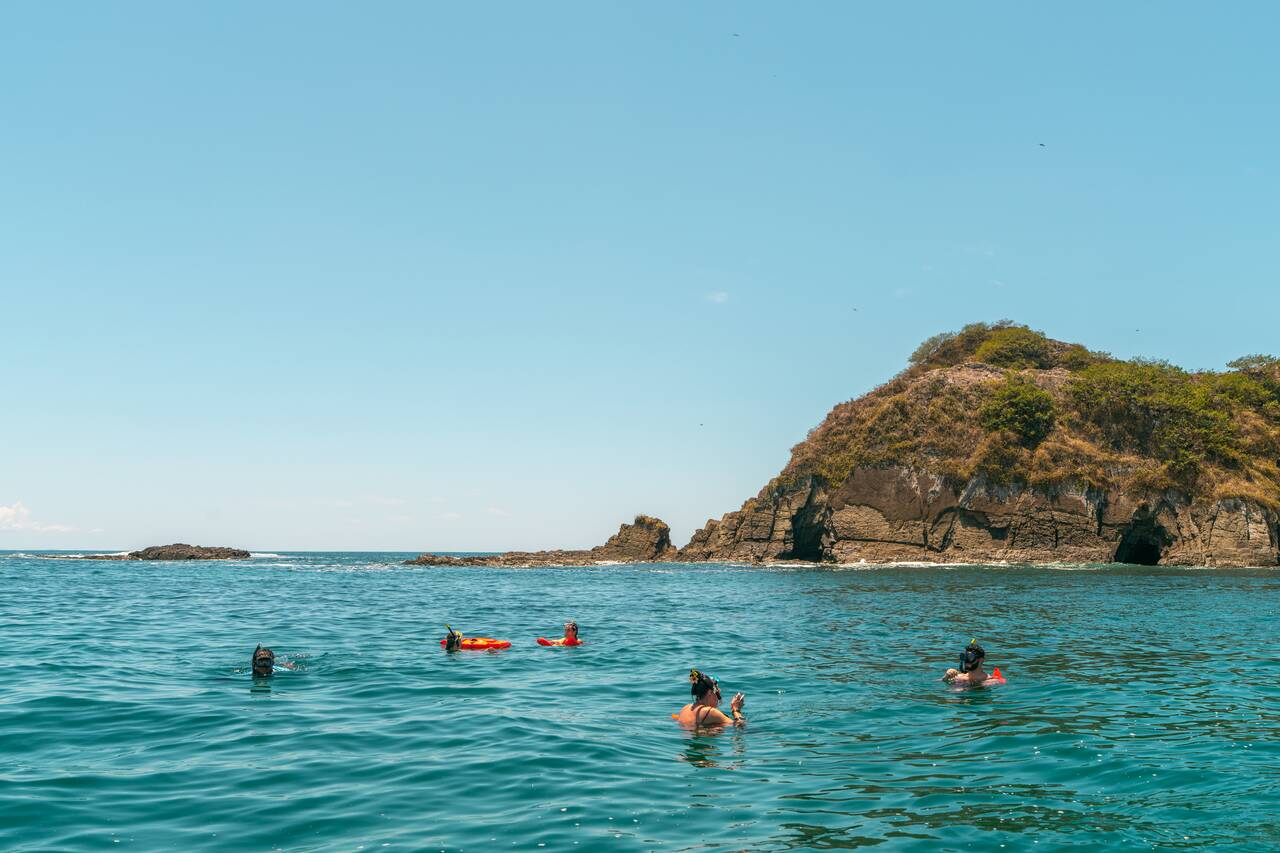
That said, the setting itself was pretty amazing. We were snorkeling around a small remote island inhabited only by birds, and it reminded me a lot of my time snorkeling in the Galapagos. The scenery alone made the experience worth it.
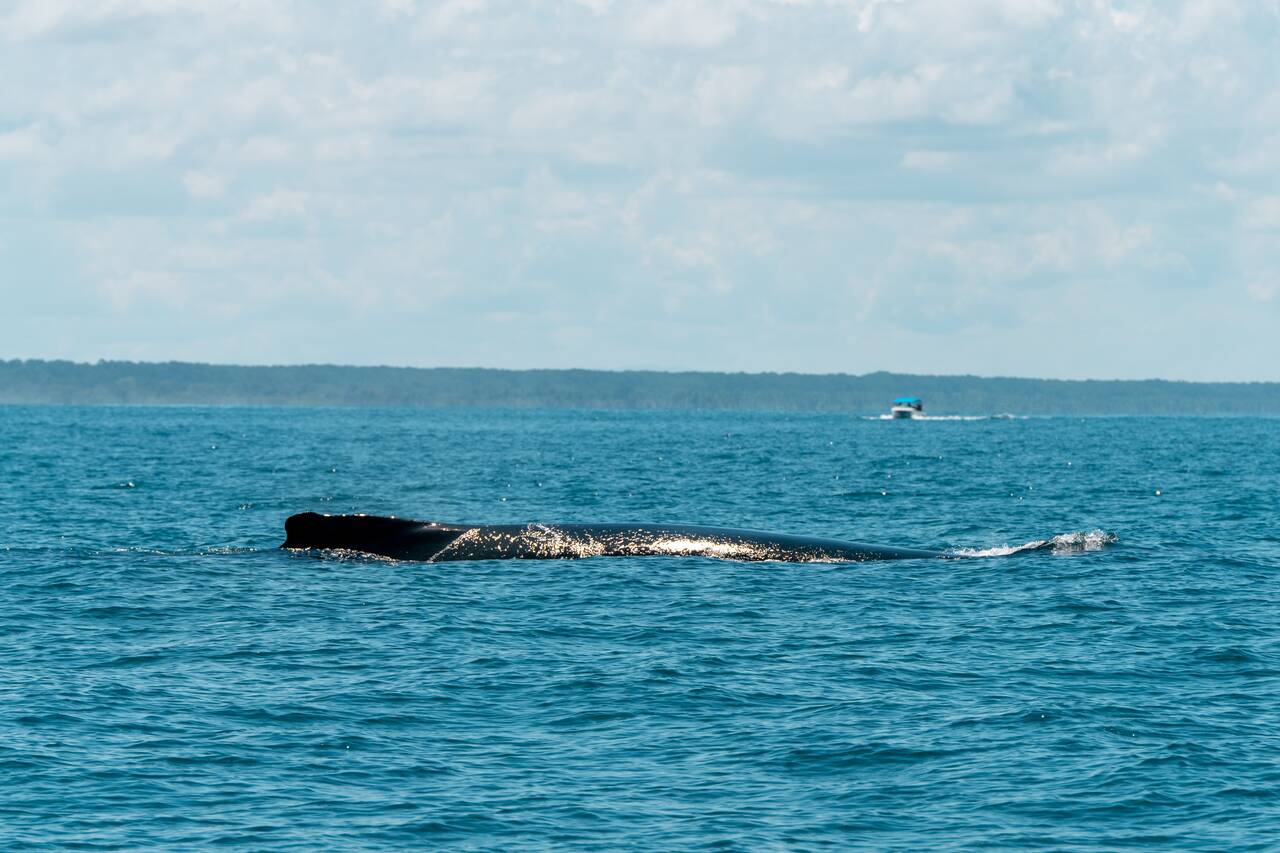
If you are visiting Uvita between January and April or July and November, I highly recommend adding a whale-watching tour to your itinerary. You can book the tour here. It is easily one of the best experiences you can have in Uvita, so don't miss it!
Where to Stay in Uvita?

2. Explore Marino Ballena National Park
- 📍 Location: Marino Ballena National Park [Map Link]
- 🕐 Opening Hours: 7 AM - 6 PM
- 💰 Entry Fees: 3,800 CRC (~8 USD)
- ⚡ Pete's Take: "Keep an eye out for the whale tail feature of the beach, which can often be seen at low tide."
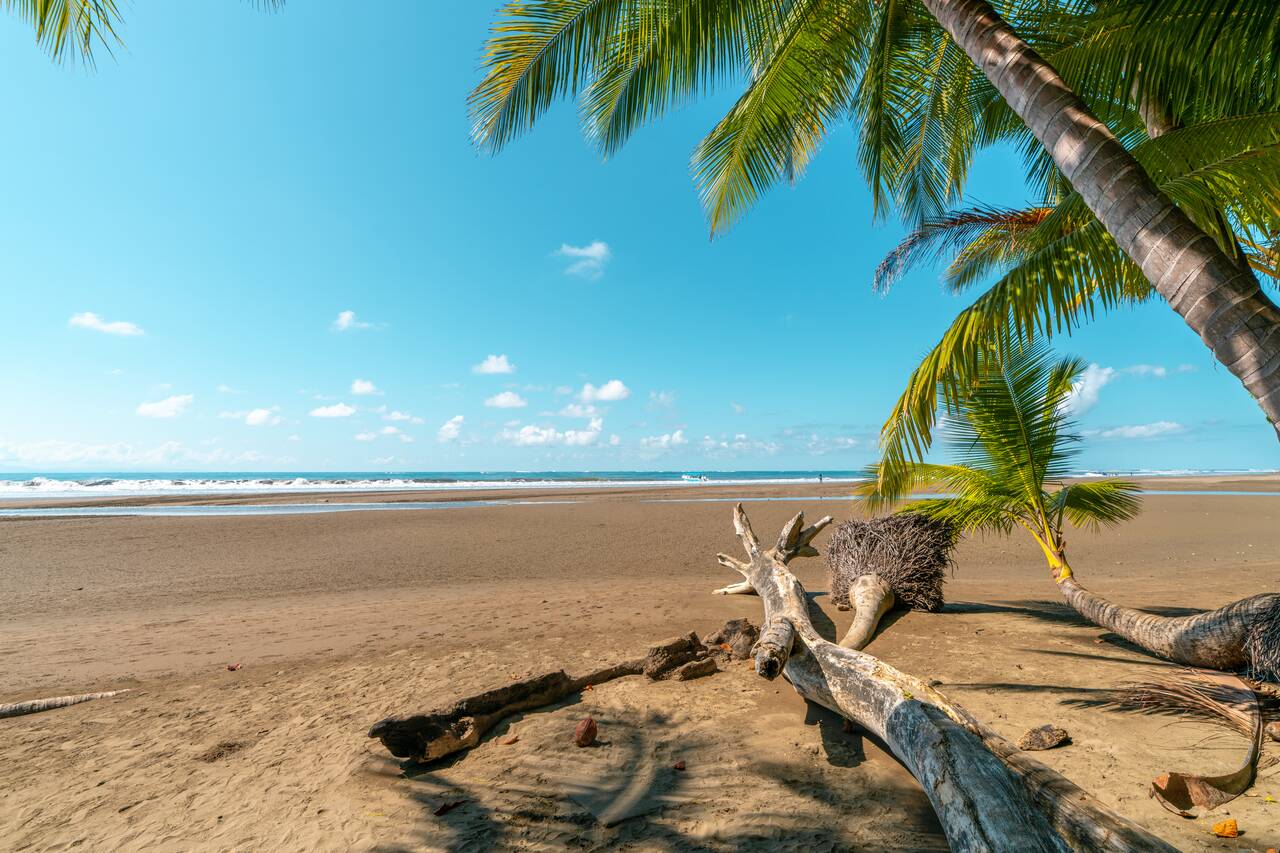
If you are doing a whale-watching tour, you can spend the rest of the day exploring Marino Ballena National Park. This beautiful coastal park is famous for its beaches, marine life, and the iconic Whale Tail sandbar. The park protects a large stretch of coastline and surrounding ocean, allowing you to experience the untouched natural beauty that Costa Rica is famous for.
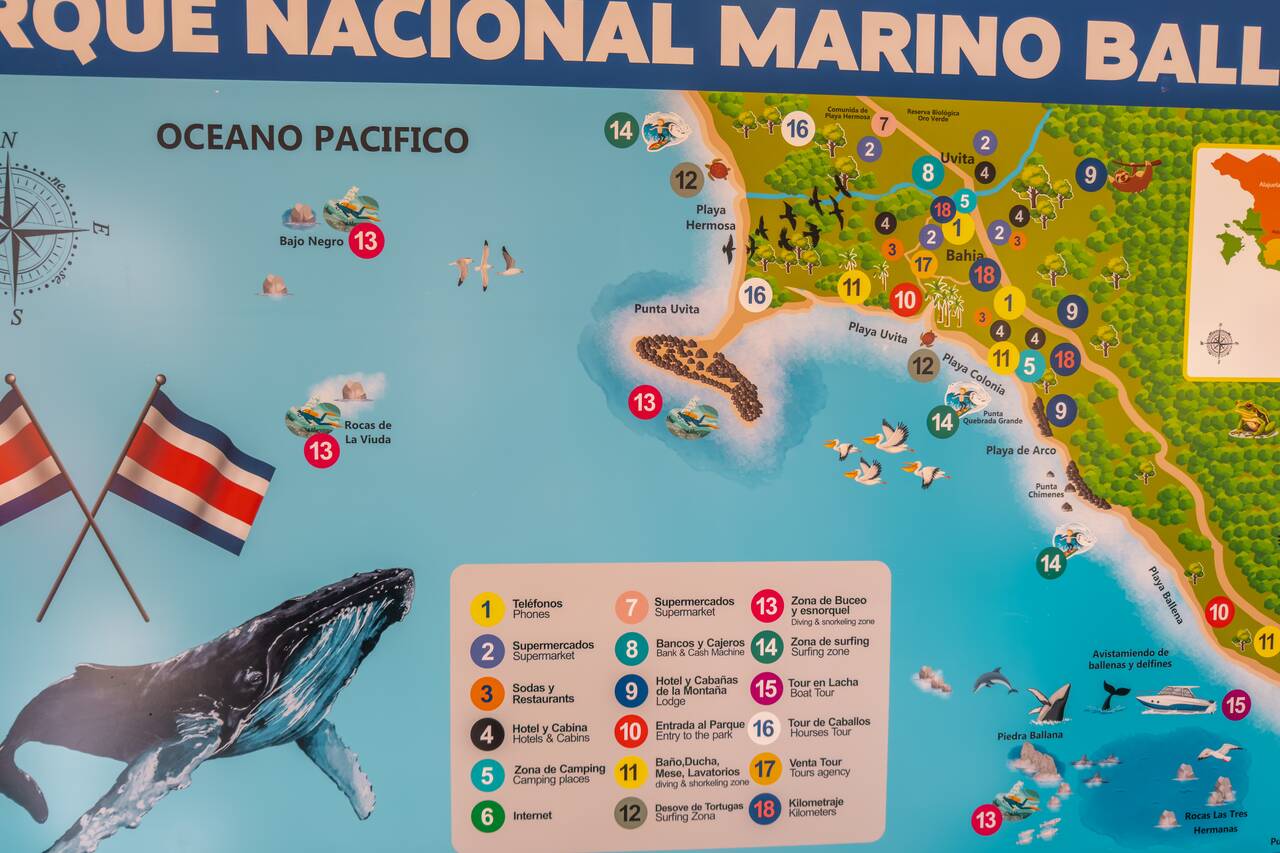
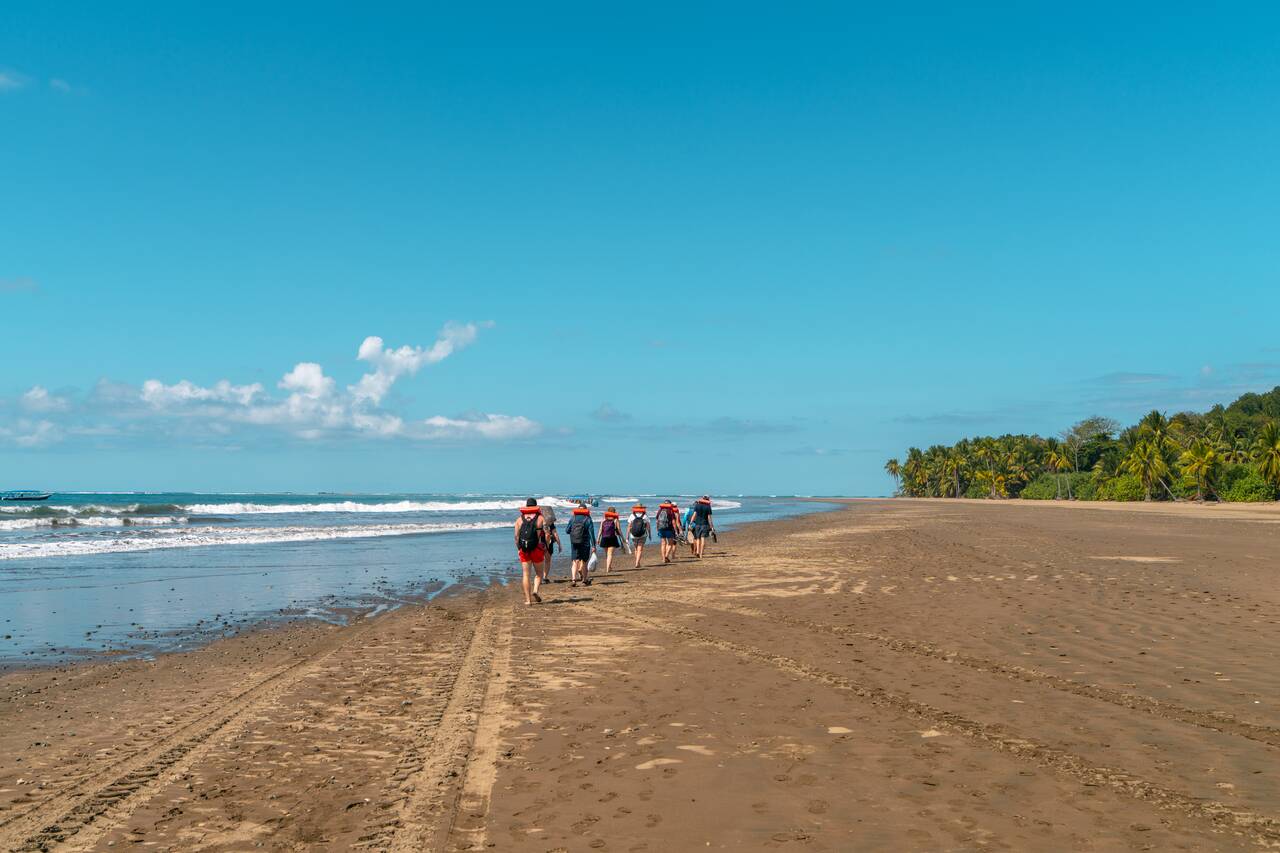
The most famous attraction here is the naturally shaped Whale Tail, a sandbar formation that coincidentally looks like the tail of a whale when viewed from above. The shape is created by two beaches meeting in the middle, and it is best visited during low tide when you can walk all the way out along the beach. How awesome is that!
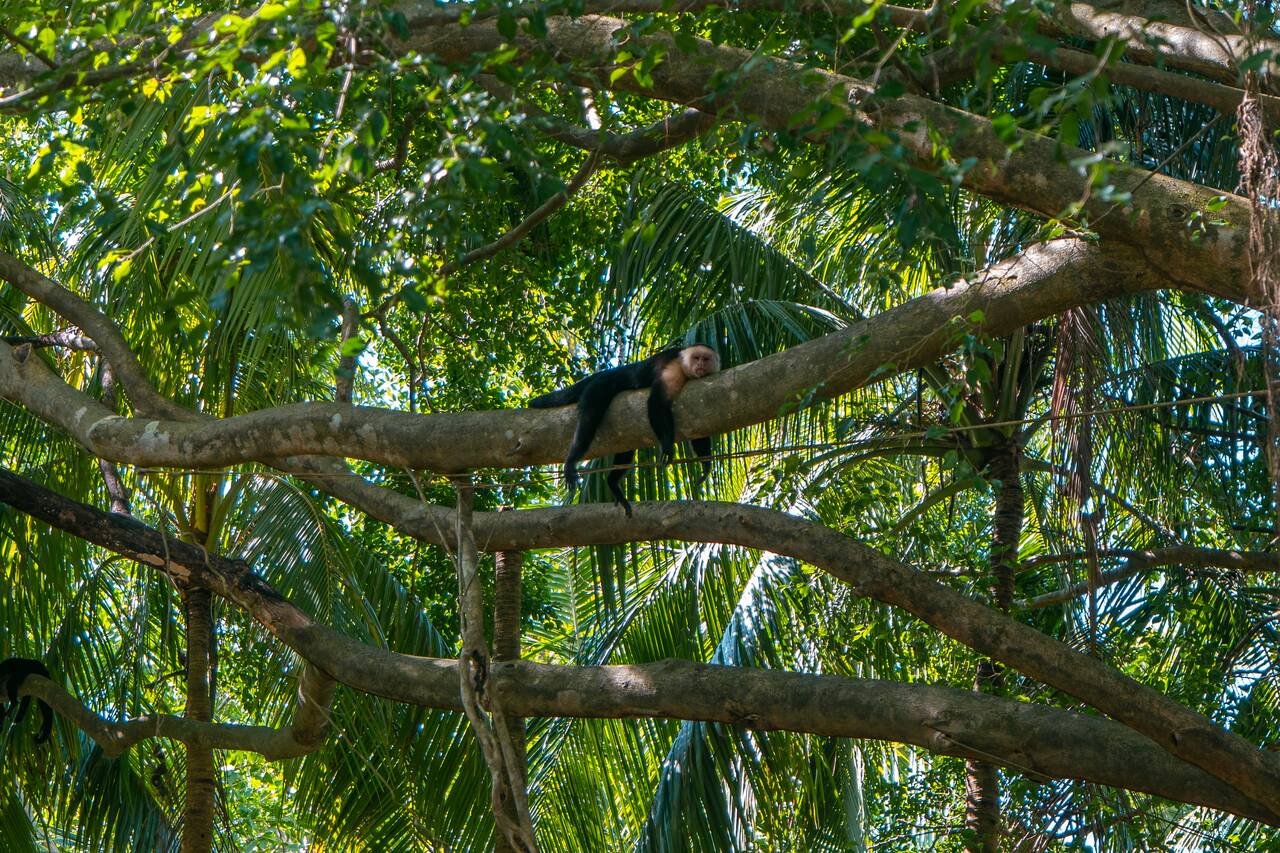
Beyond the Whale Tail, the park is a great place to relax on the beach, walk along the coastline, and spot some wildlife. Depending on the season, you might see monkeys, scarlet macaws, sloths, dolphins, sea turtles, and even humpback whales offshore.
Since most whale-watching tours include entry to Marino Ballena National Park, you won't have to pay extra to get in. If you are visiting the park independently, then the entrance fee should be around 6 USD.
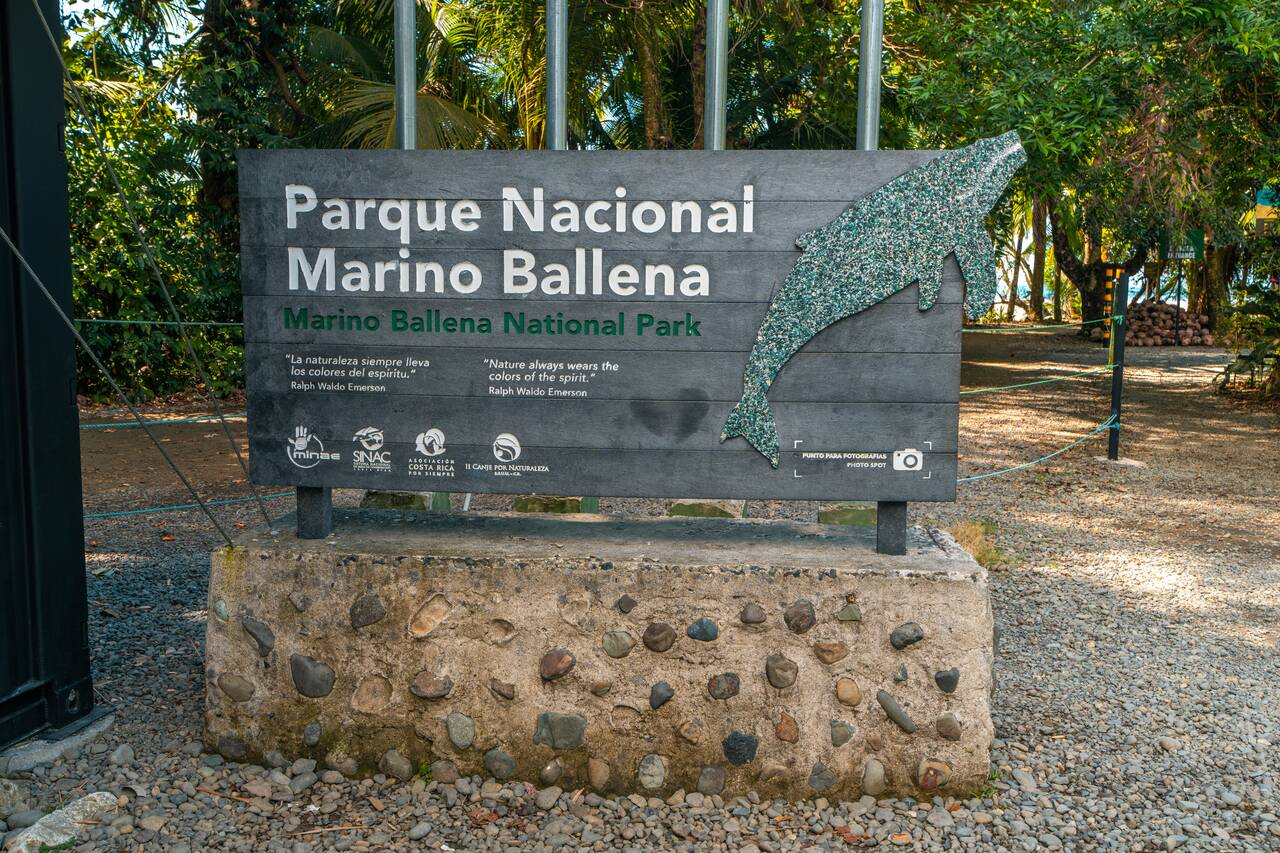
The entrance fee to Marino Ballena National Park is around 3,800 CRC (7 USD) for foreign visitors, and the park is open from 7 AM to 6 PM every day. I recommend checking the tide schedule before visiting, as the Whale Tail is only accessible during low tide.
3. Relax at Playa Uvita
- 📍 Location: Playa Uvita [Map Link]
- 🕐 Opening Hours: 7 AM - 6 PM
- 💰 Entry Fees: 3,800 CRC (~8 USD) (7 USD)
- ⚡ Pete's Take: "It's best to visit Playa Uvita in the early morning or late afternoon to avoid the intense sun."
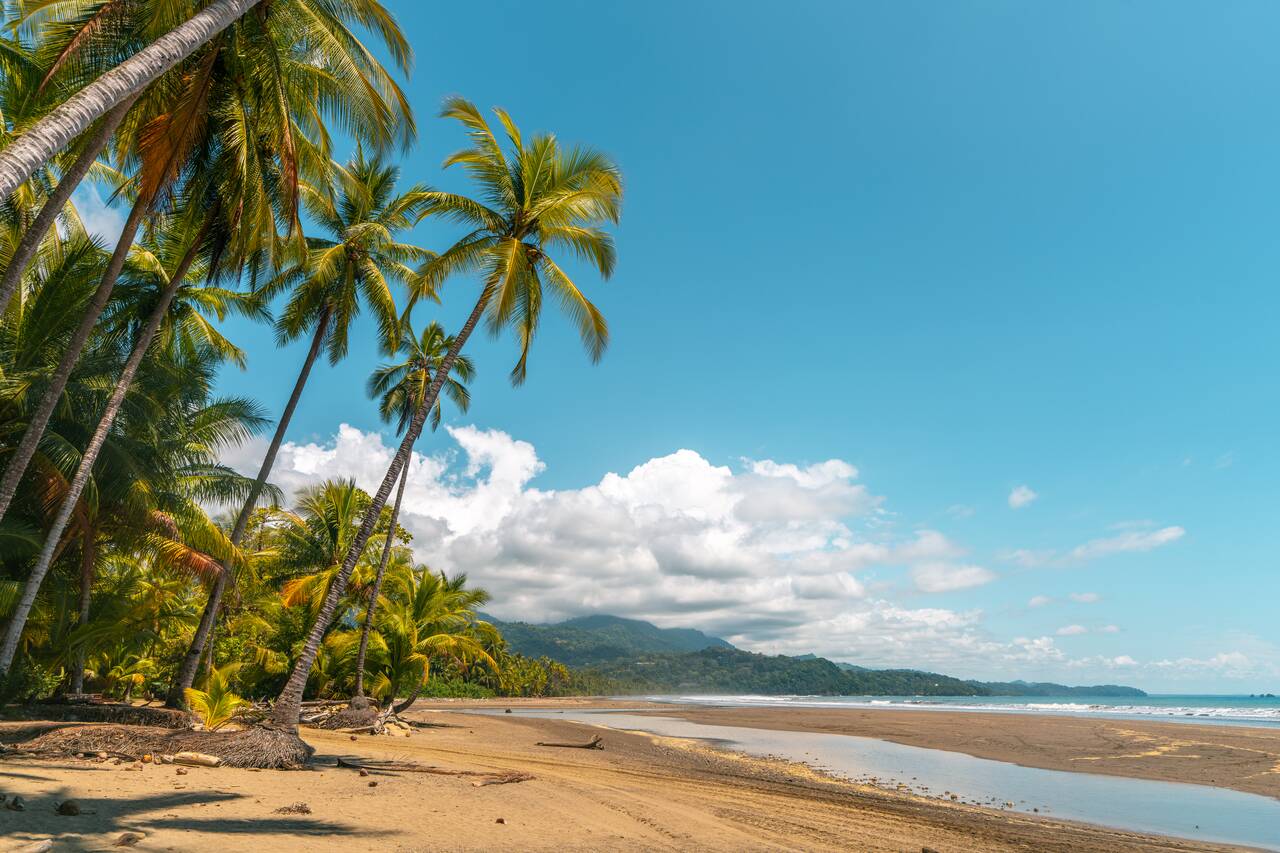
After exploring Marino Ballena National Park, you can spend the rest of the day relaxing at Playa Uvita. This long stretch of golden sand is one of the most beautiful beaches in the area and the perfect place to watch the sunset along Costa Rica's Pacific coast.
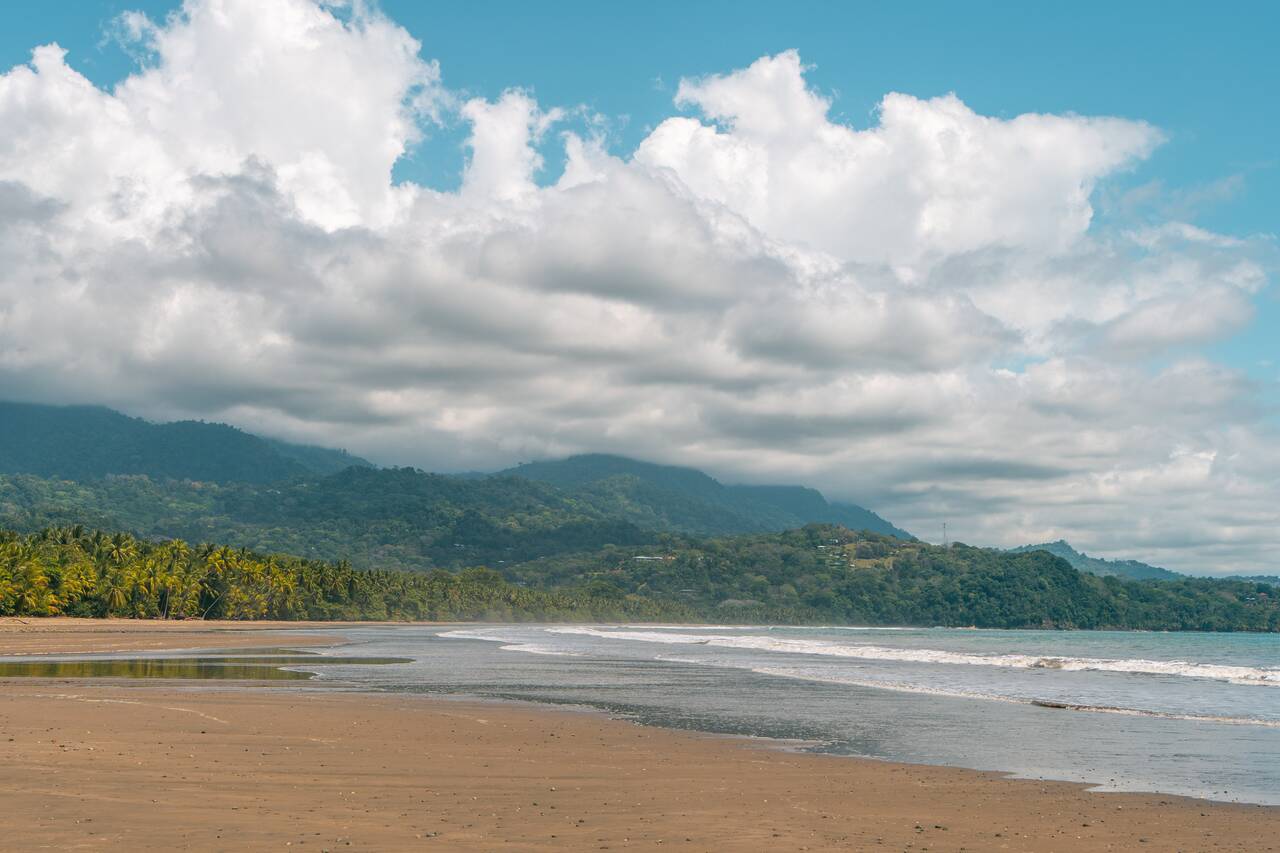
Unlike some of the more developed beaches in Costa Rica, Playa Uvita still feels wild and untouched, with rainforest-covered hills surrounding the coastline and plenty of space to find a quiet spot. It is a great place to swim, walk along the shore, watch the sunset, or simply sit under the shade and enjoy the scenery.
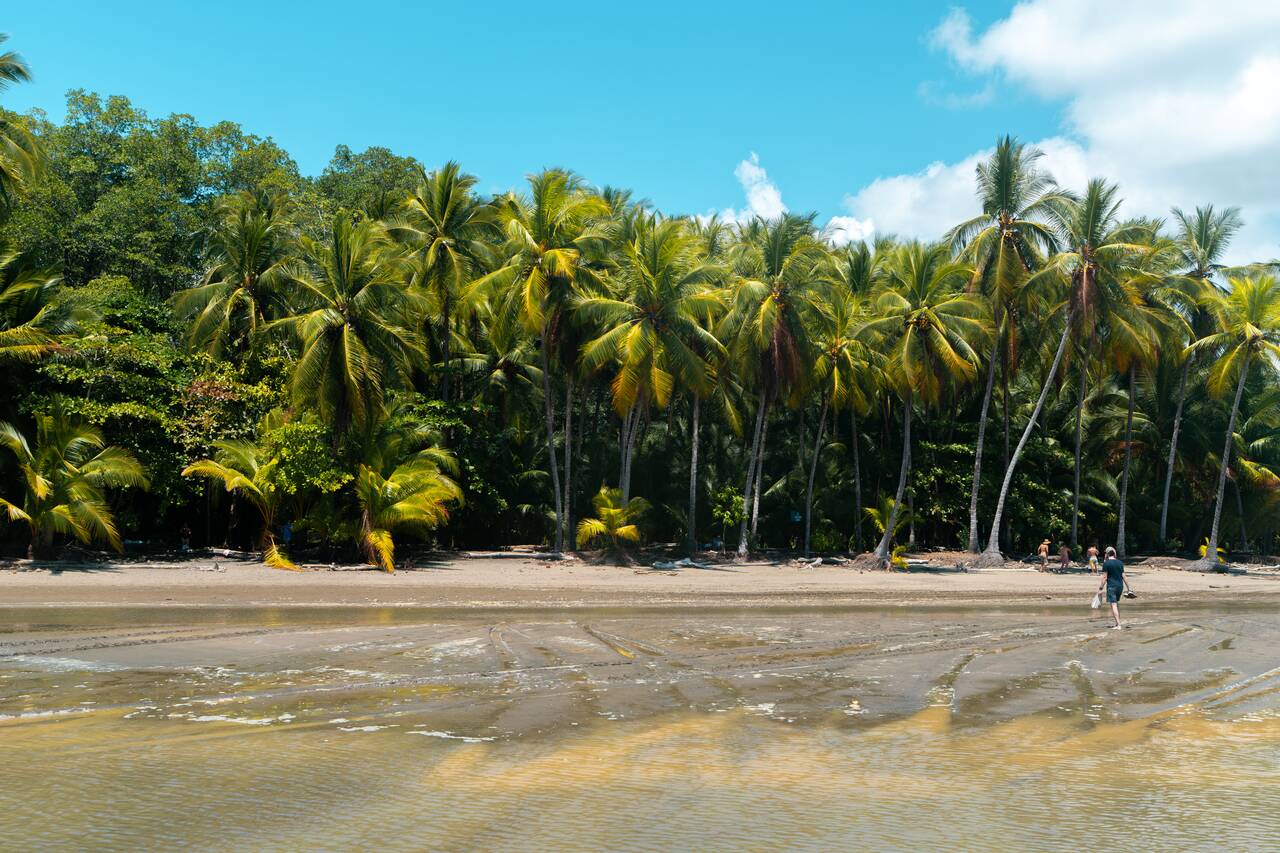
I just love how spacious and clean the beach is, and it never feels crowded since people are often spread out across the national park. You will not have trouble finding a quiet spot to relax and enjoy a peaceful beach day here. Keep in mind that the sun in Uvita can be quite intense, and even though there are plenty of shaded areas along the beach, I still think it is best to visit in the early morning or late afternoon.
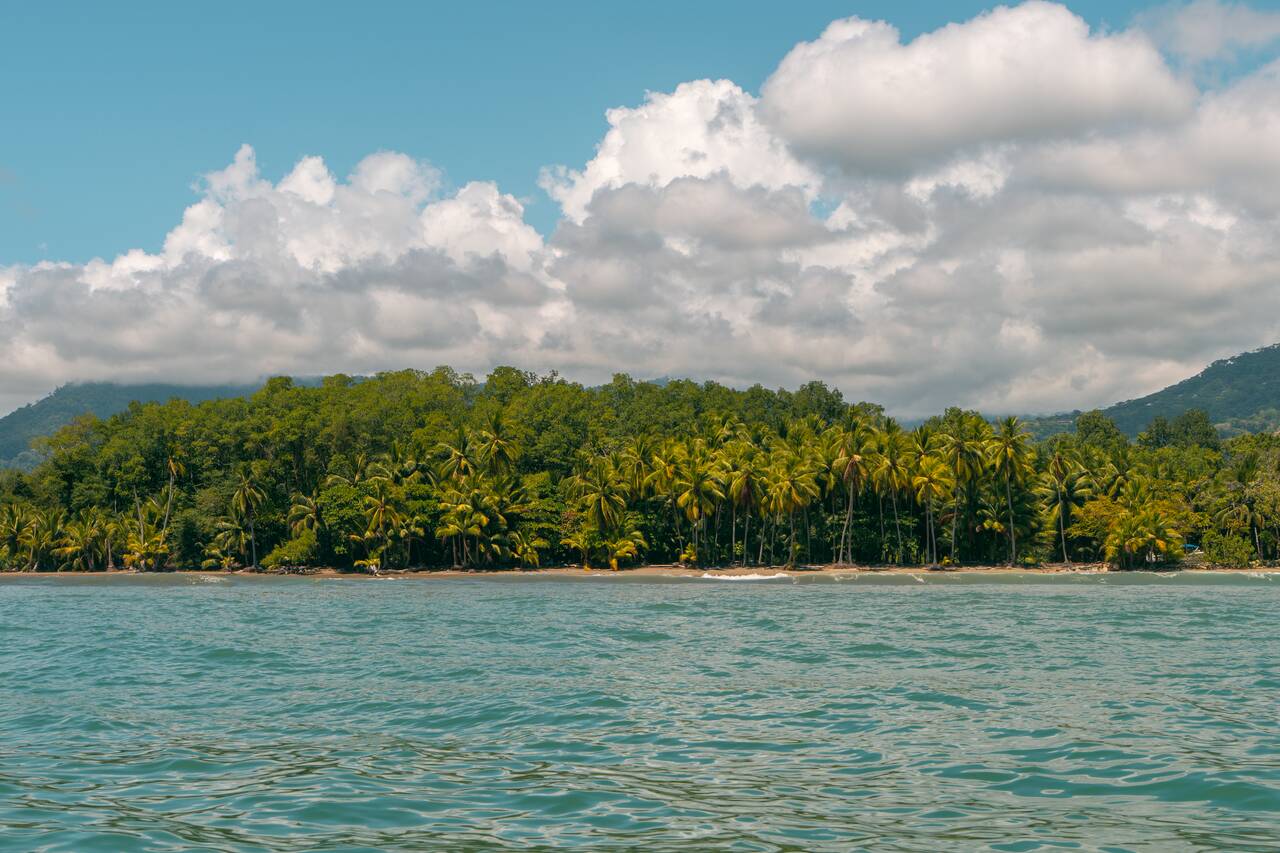
Since the beach is located inside Marino Ballena National Park, you will need to pay the entrance fee of 3,800 CRC (7 USD). The park is open from 7 AM to 6 PM every day. If you are joining a whale-watching tour, the entrance fee is usually included in the tour price, so you do not need to pay separately.
4. Explore Uvita's Coastline
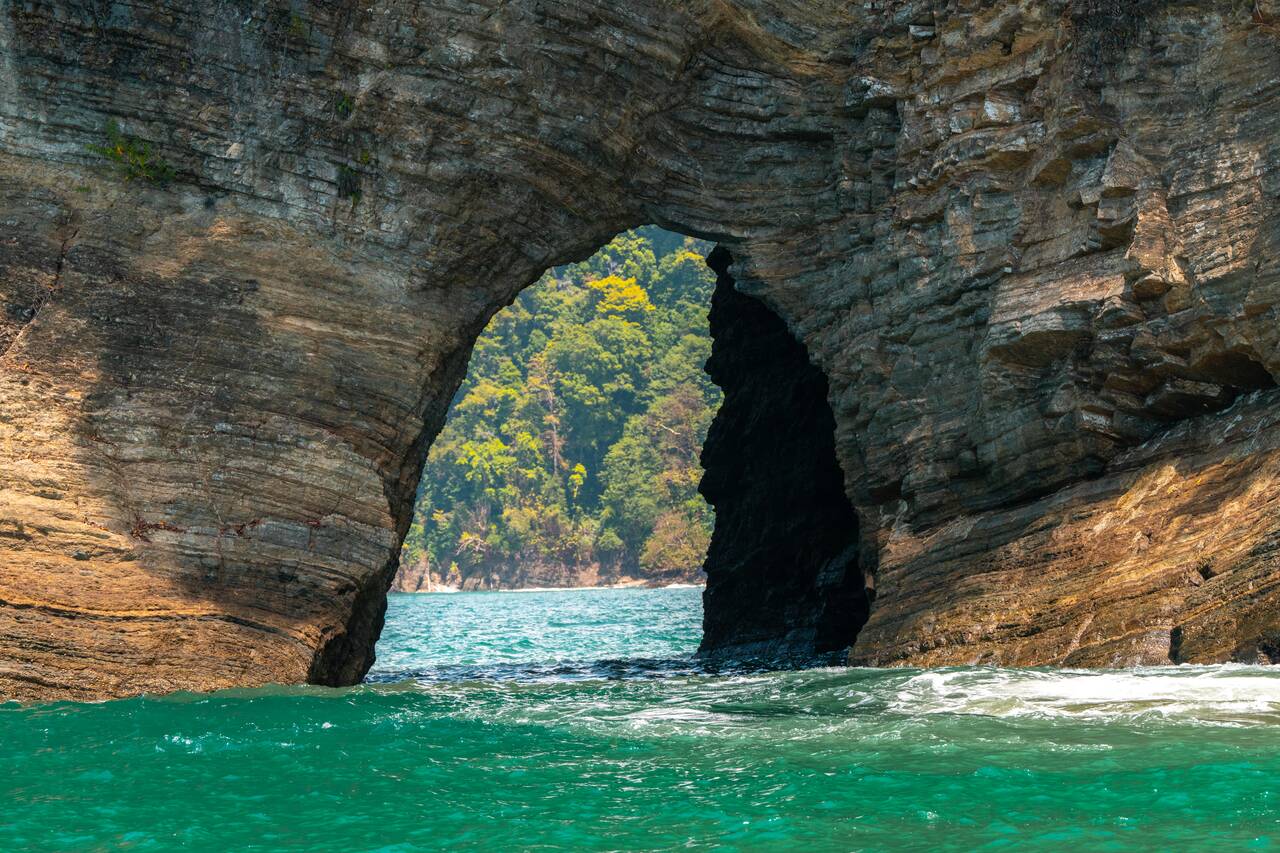
- 📍 Location: Playa Piñuelas [Map Link]
- 🏄 Tour: Whale-Watching Boat Trip
You can go beyond Marino Ballena National Park and explore some of the hidden beaches along its coastline. The stretch of shore here is long and relatively undeveloped, meaning you will often find quiet pockets of sand, dramatic jungle backdrops, and far fewer crowds compared to other parts of Costa Rica’s Pacific coast.
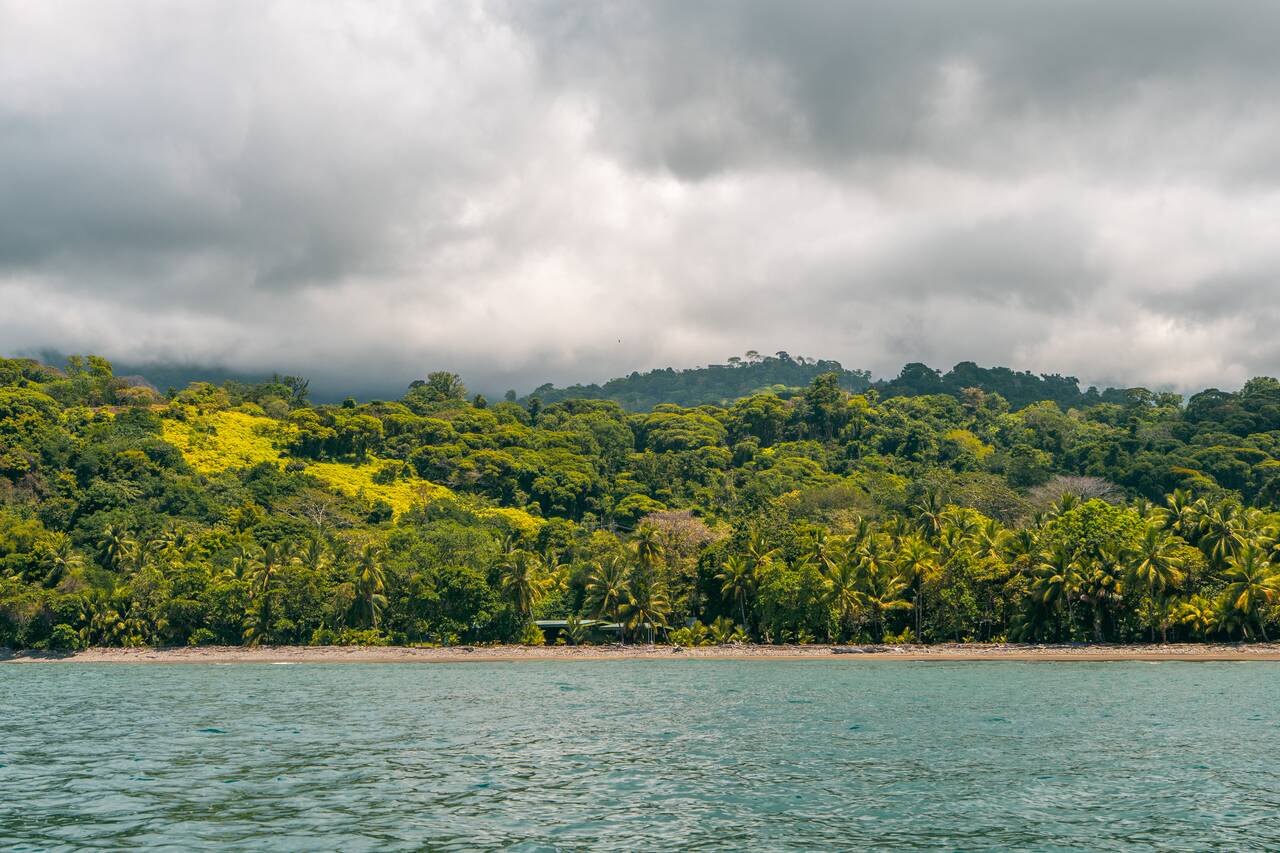
If you are willing to venture a little further, you will also find several hidden beaches tucked between rocky headlands and rainforest, like Playa Piñuelas, Playa Ventanas, and Arco Beach. These spots are not always clearly marked, and some require short walks or access through small local roads, but they often reward you with nearly empty beaches and a much more secluded atmosphere.
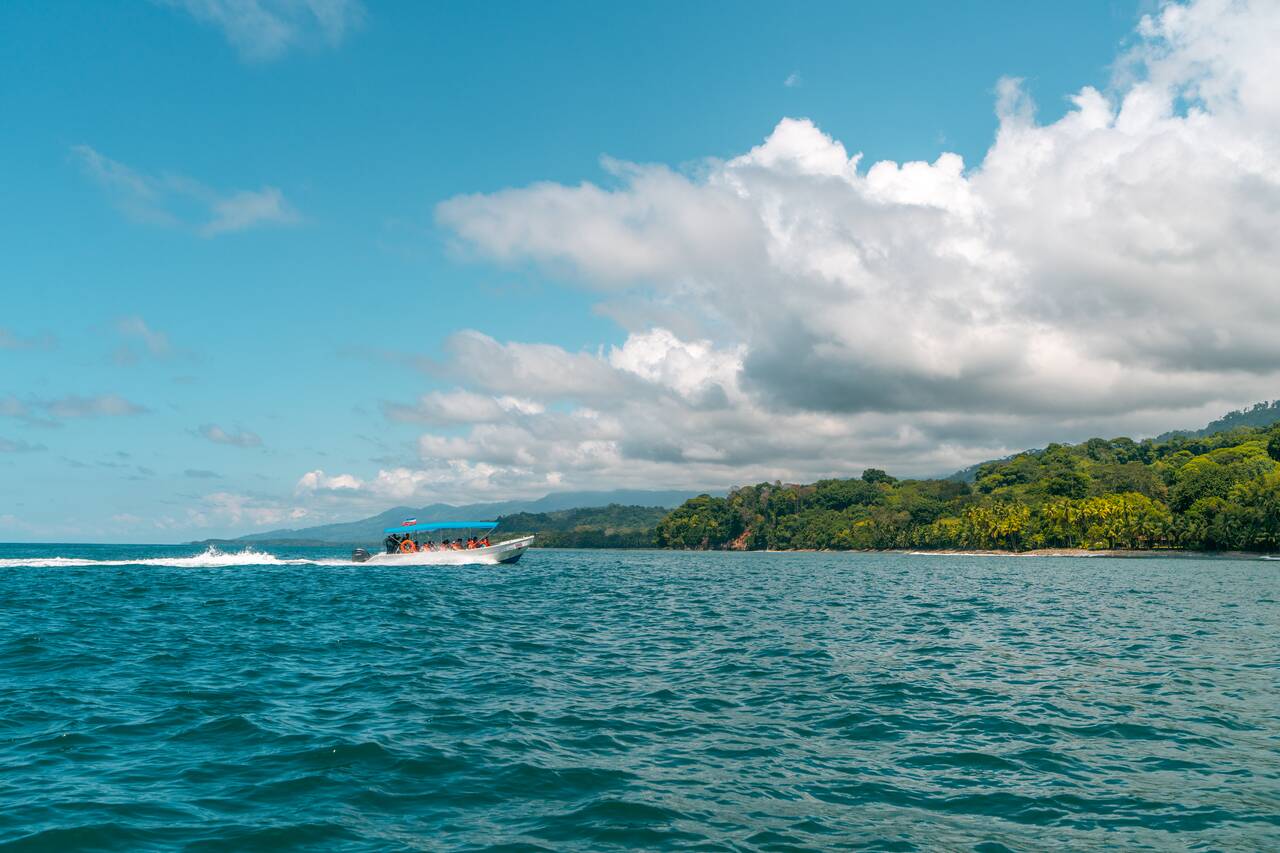
To get to these beaches, you can either rent a car and drive there or join a boat tour that will take you along Uvita's coastline. If you go on a whale-watching tour, you will pass by many of these beaches, although the tours usually do not stop there. Still, you will get to see some of the coastline's coolest features, like Punta Elefante, an elephant-shaped rock formation sitting inside a beautiful coastal cove.
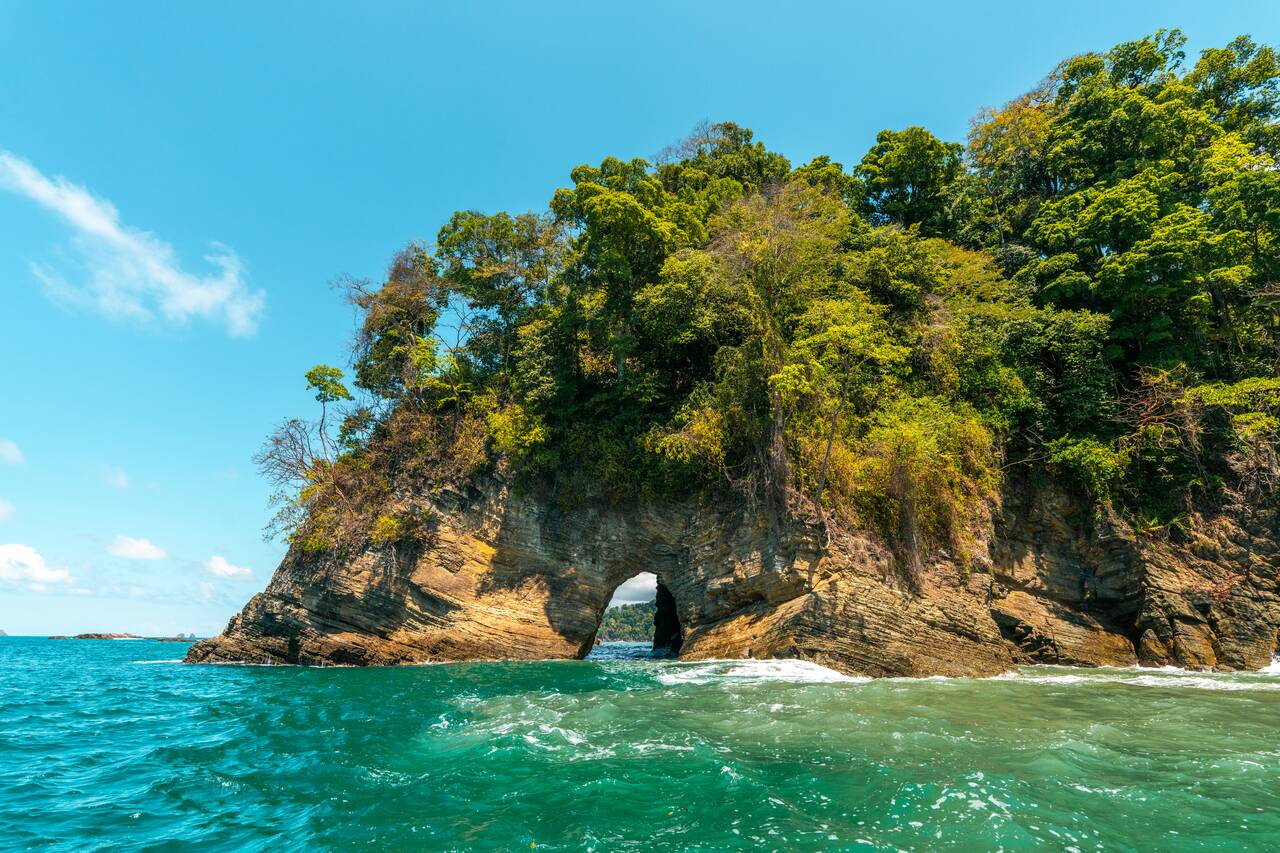
Just keep in mind that facilities are limited in these more remote areas, so bring water, sunscreen, and anything else you might need for a few hours. Also, be respectful of private property and always check access points before heading down to the shore.
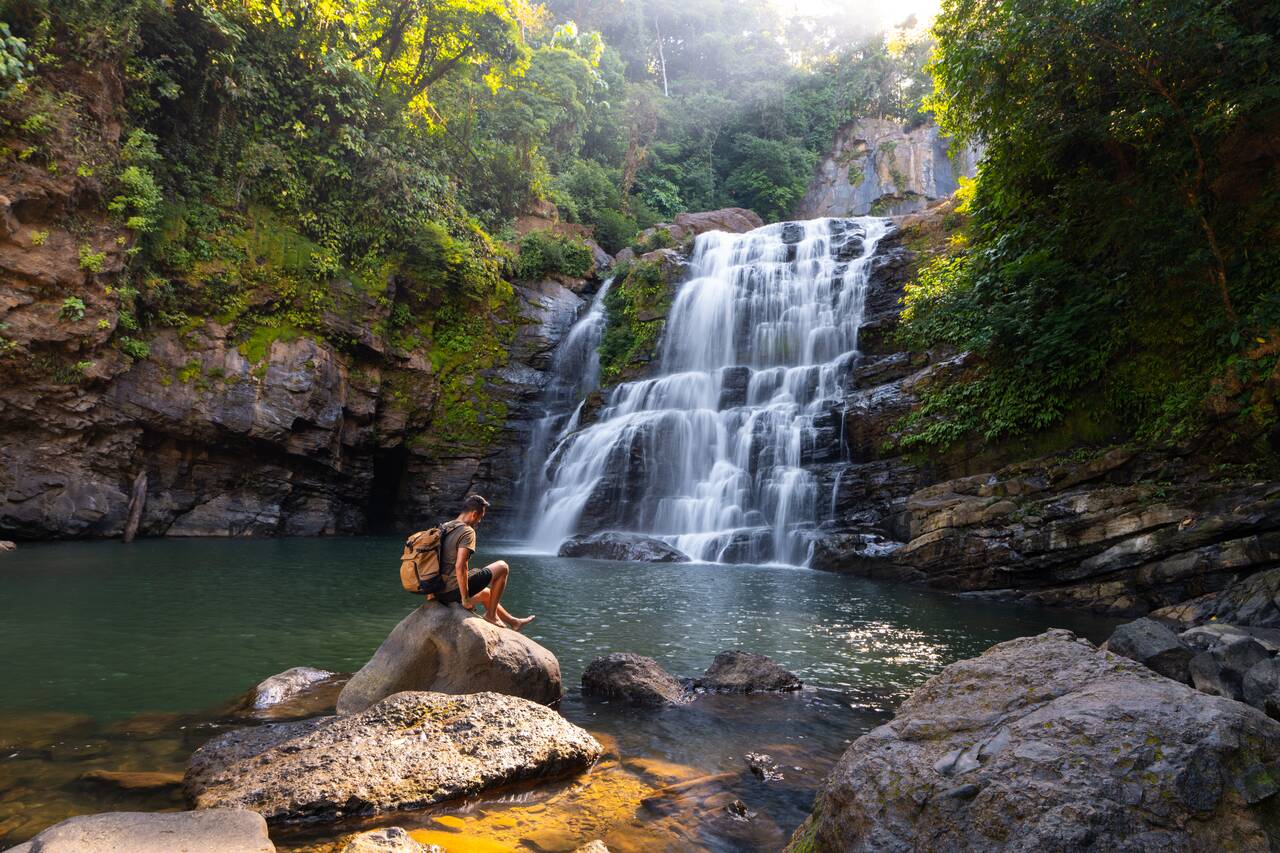
5. Swim in Nauyaca Waterfall
- 📍 Location: Nauyaca Waterfalls [Map Link]
- 🕐 Opening Hours: 7 AM - 3 PM
- 💰 Entry Fees: 5,000 CRC (~11 USD)
- 📖 Full Guide: How to Get from Uvita to Nauyaca Waterfalls (and Back)
- ⚡ Pete's Take: "It's my favorite waterfall in Costa Rica, so make sure you get here."
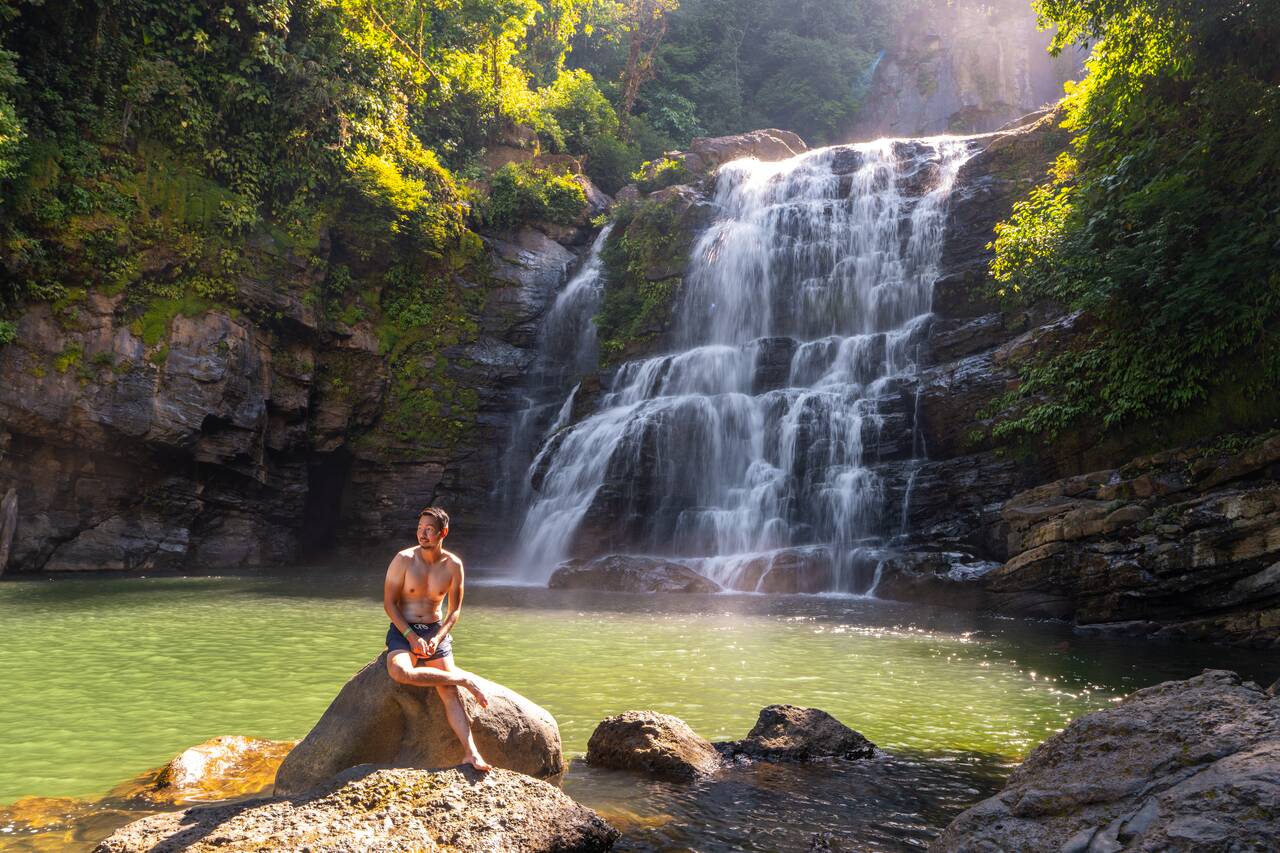
Out of all the waterfalls I saw in Costa Rica (and I saw quite a few of them), Nauyaca Waterfalls is by far my favorite. Not because of its size, but because of its natural beauty, peaceful atmosphere (especially in the early mornings), and the lush rainforest surroundings that make you feel like you are swimming in a true jungle.
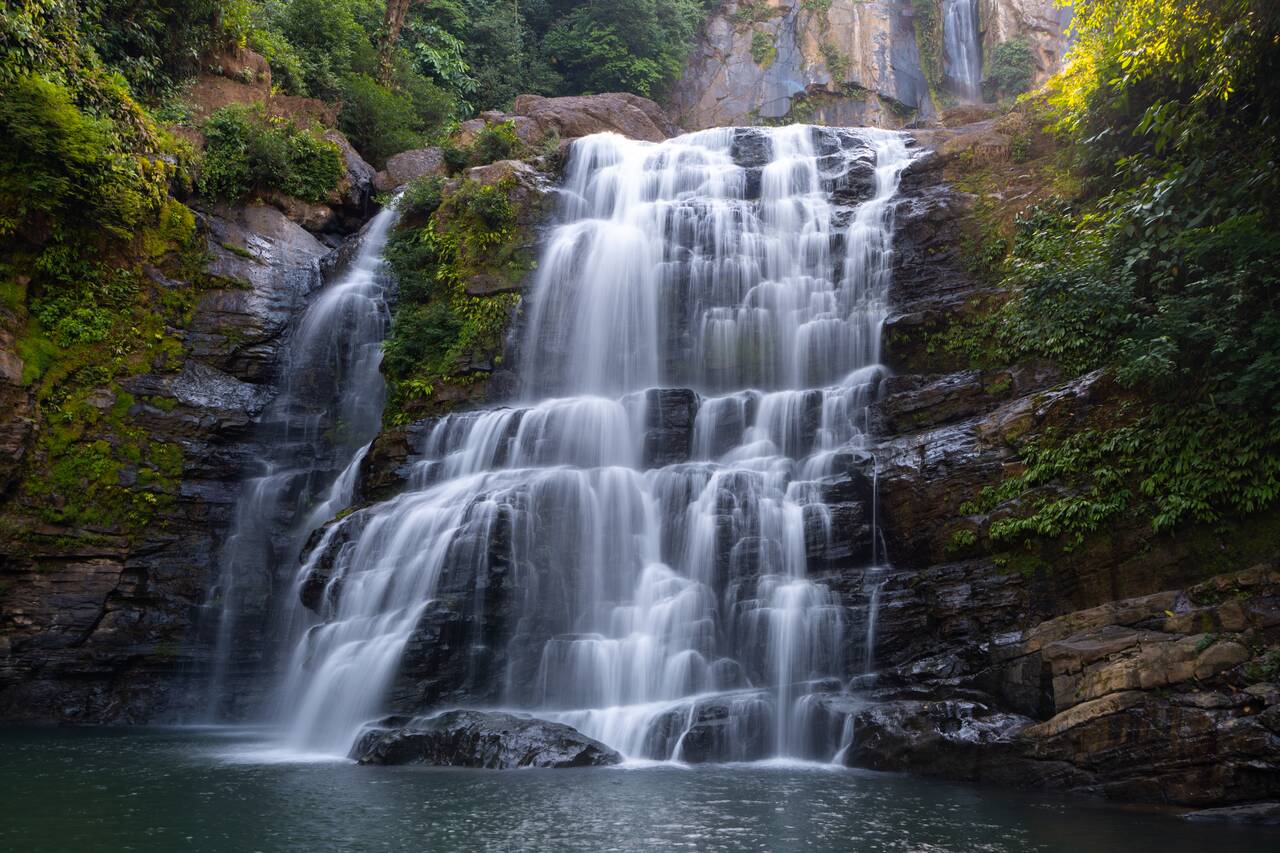
And of course, there is nothing better than jumping into the refreshing cool water after hiking for hours to get there! I spent more than an hour just hanging out at the waterfall in the early morning, swimming around its refreshingly cool water, and enjoying the scenery before other people arrived. It was awesome.
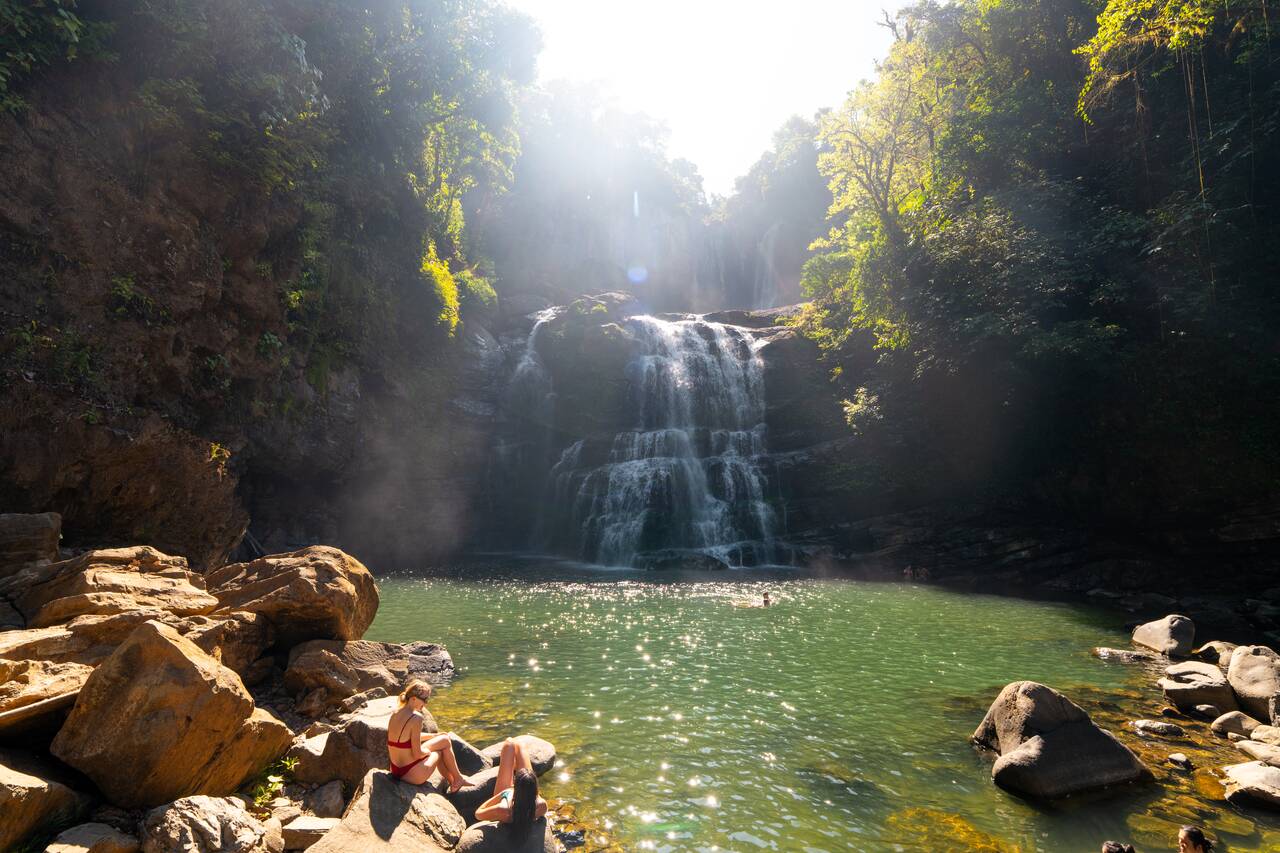
To get there from Uvita, you can either rent a car and drive, join an organized tour, or visit independently using public transportation. This is how I did it and it allowed me to reach Nauyaca Waterfalls early, beat the crowds, and enjoy the place with barely anyone else around.
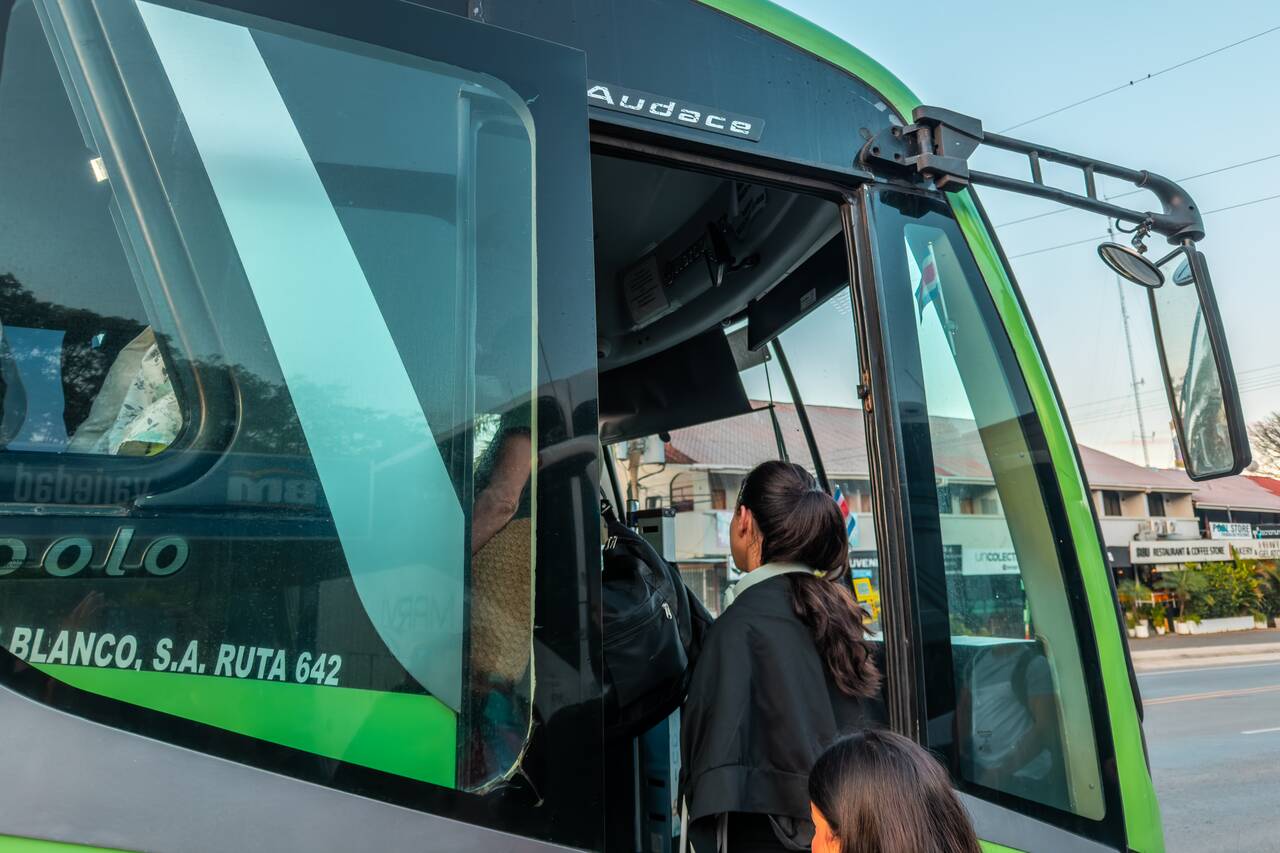
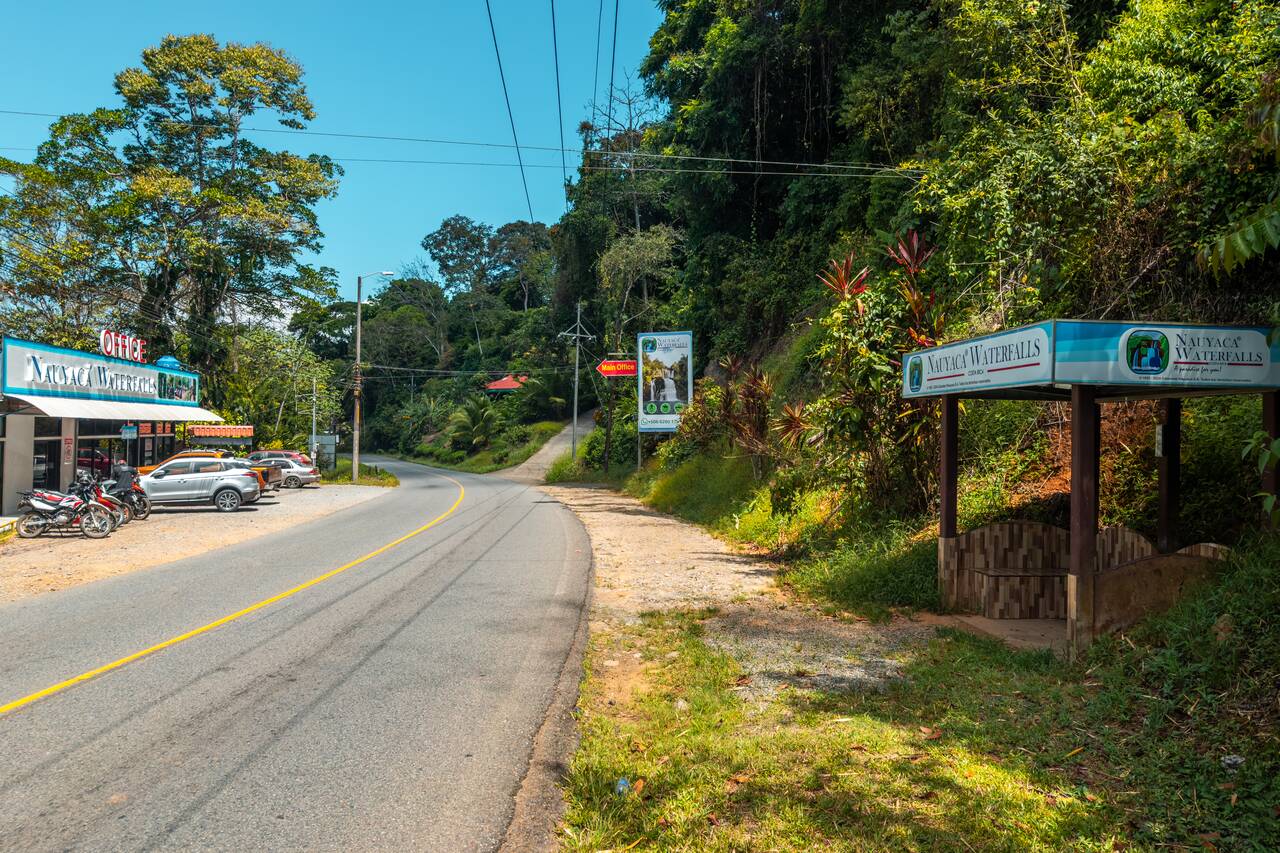
I woke up at 5:30 AM, and got to this bus stop by 6 AM, to catch the only morning bus from Uvita to San Isidro that passes by the entrance of Nauyaca Waterfalls. The bus was scheduled at 6:15 AM, but it could arrive anytime between 6 to 6:20 AM, so be sure to get there early as I did.
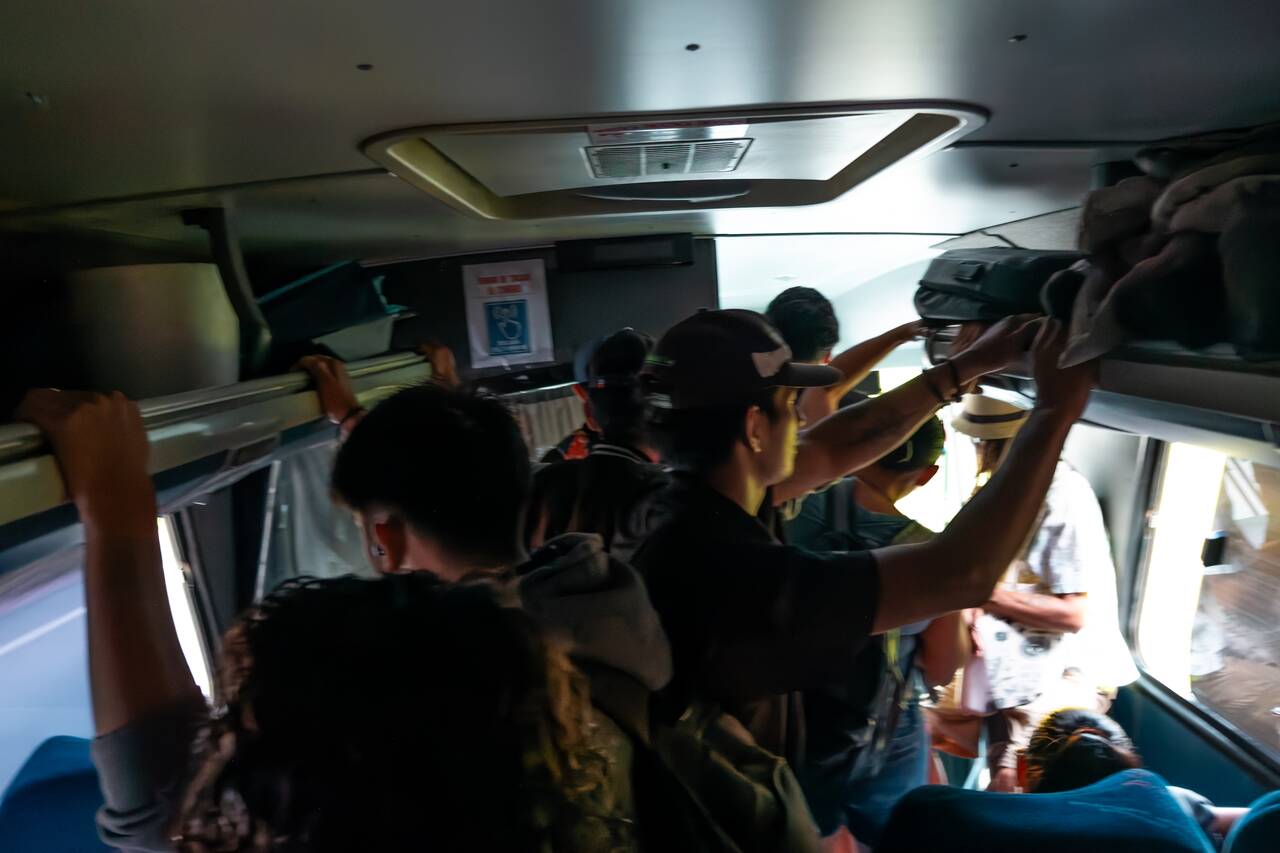
I got on the bus, told the driver to drop me off at Nauyaca Waterfalls, paid 1,000 CRC (2.20 USD) in cash, and I was off in no time. Since it is the only morning bus going in that direction, the bus was packed with locals and I had to stand for the entire ride. Thankfully, the journey only took around 20 minutes, and I got off at the entrance of Nauyaca Waterfalls at around 7 AM.
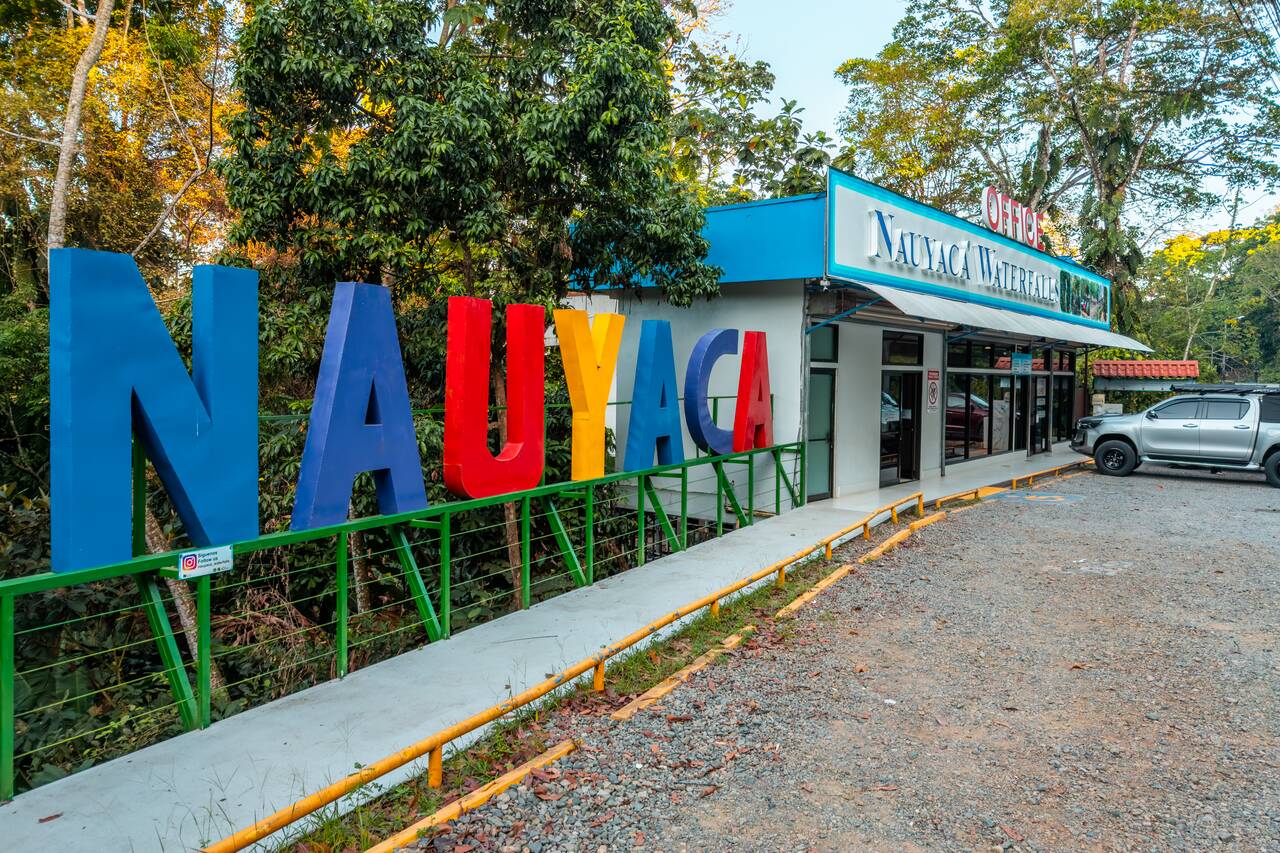
From there, I bought my entrance ticket at the Visitor's Center, which is located not too far from the entrance. The park is open from 7 AM to 3 PM every day. The ticket costs around 5,000 CRC (11 USD), and you have three options for getting to the waterfall.
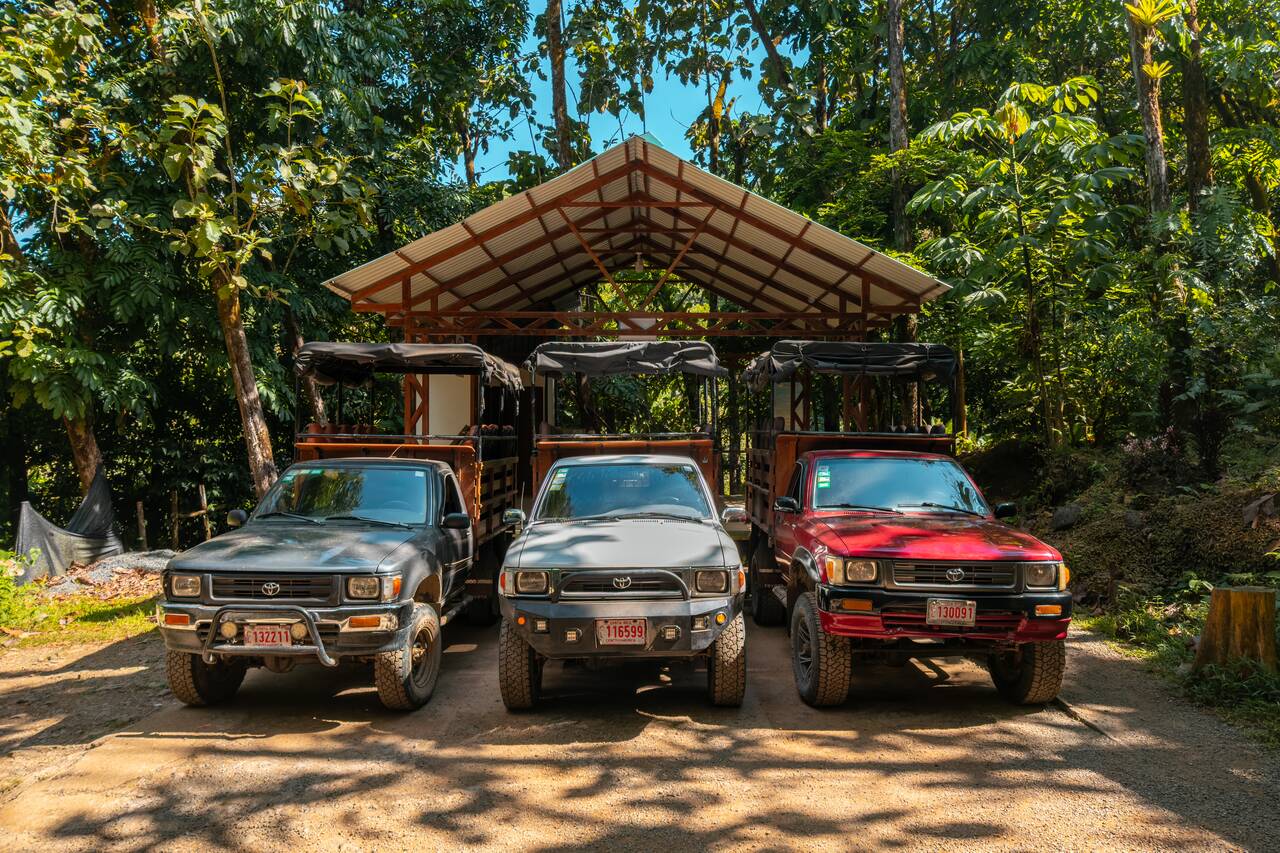
The first option is to take the jeep, which runs every hour from 7 AM to 1 PM. With this option, you will get around 2 hours at the waterfall before the jeep takes you back to the Visitor's Center at a designated time. This option costs an additional 16,000 CRC (32 USD) per person and requires only about a 5-minute walk to reach the waterfall.
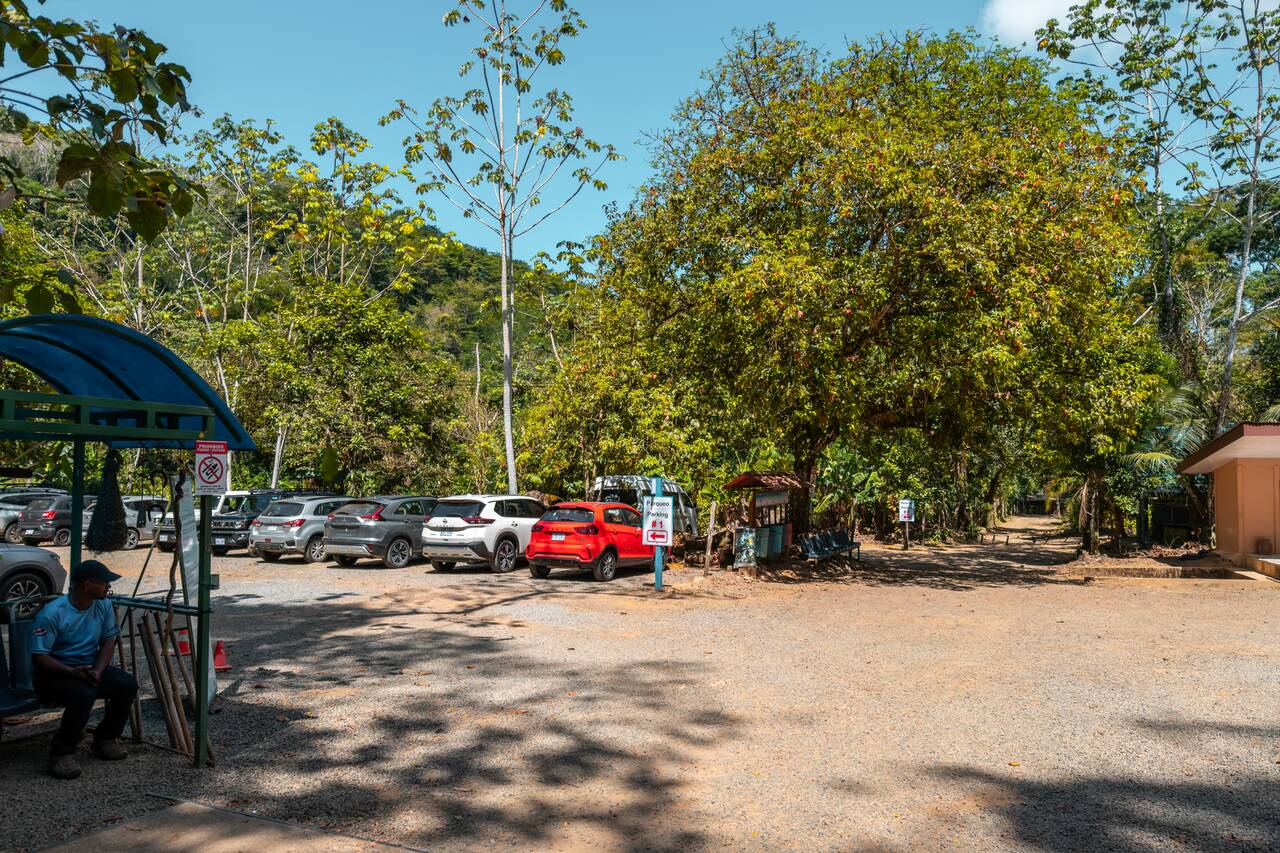
The second option is driving yourself if you have rented a car. You can drive to this parking lot, which is located around 2 km inside the park. From there, you will need to hike around 3.5 km, which takes approximately 40 minutes to reach the waterfall. Be sure to get your ticket at the Visitor's Center first, as you will not be able to park your car without it.
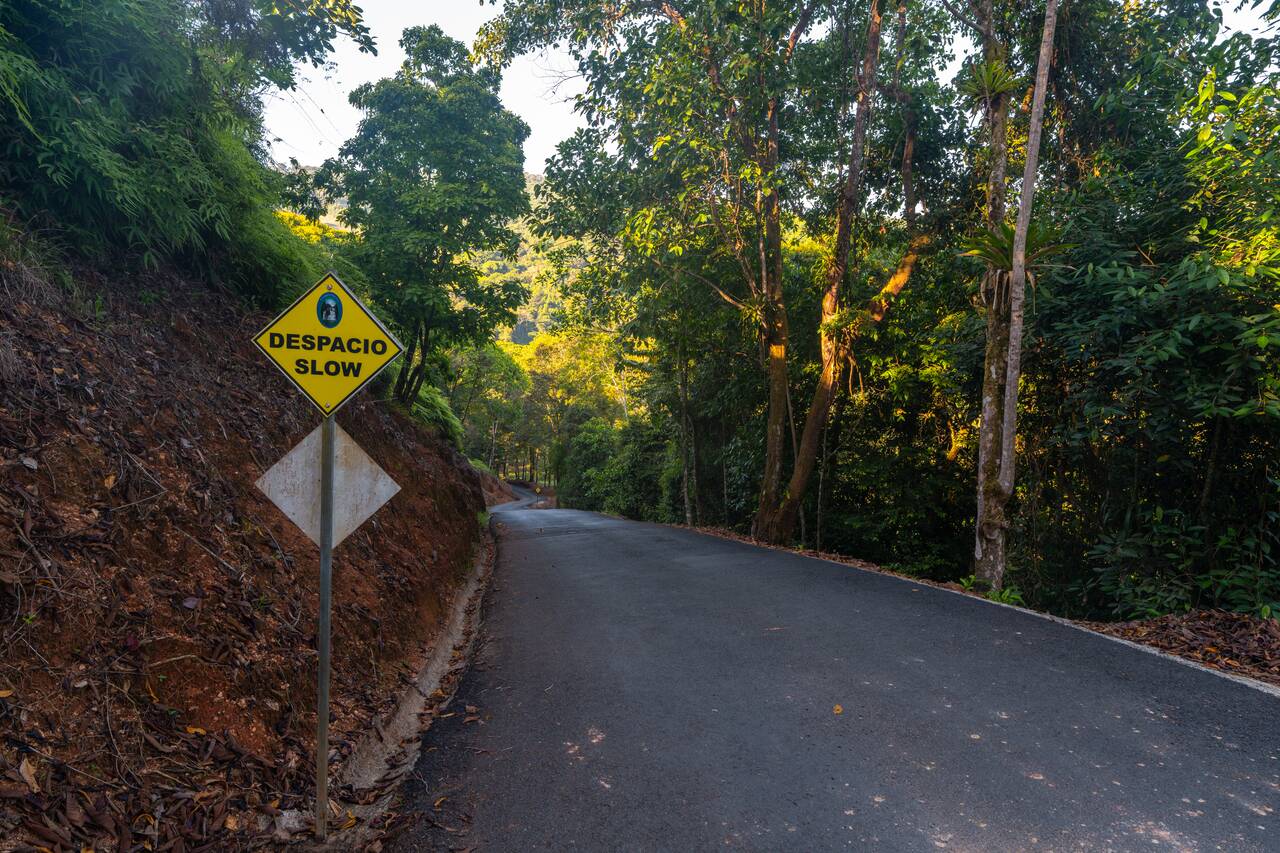
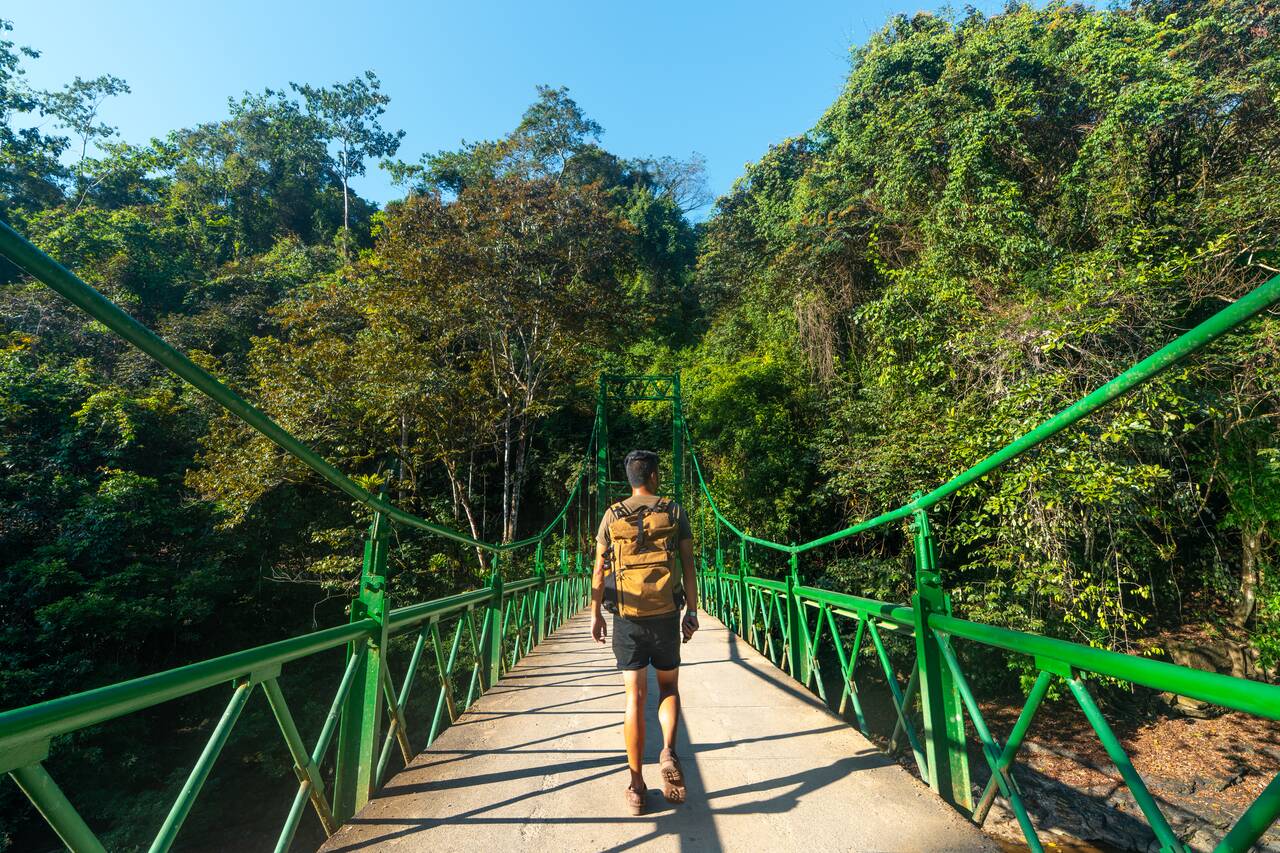
Last but not least, the cheapest option is to hike the entire trail from the entrance to the waterfalls and back, which is what I did. Keep in mind that if you choose this option, the last ticket entry is at 2 PM, not 3 PM. The total hike is around 11 km, and it took me about 1 hour each way. The trail starts with a downhill section from the entrance to the parking lot, followed by a mostly shaded and relatively flat path through the forest.
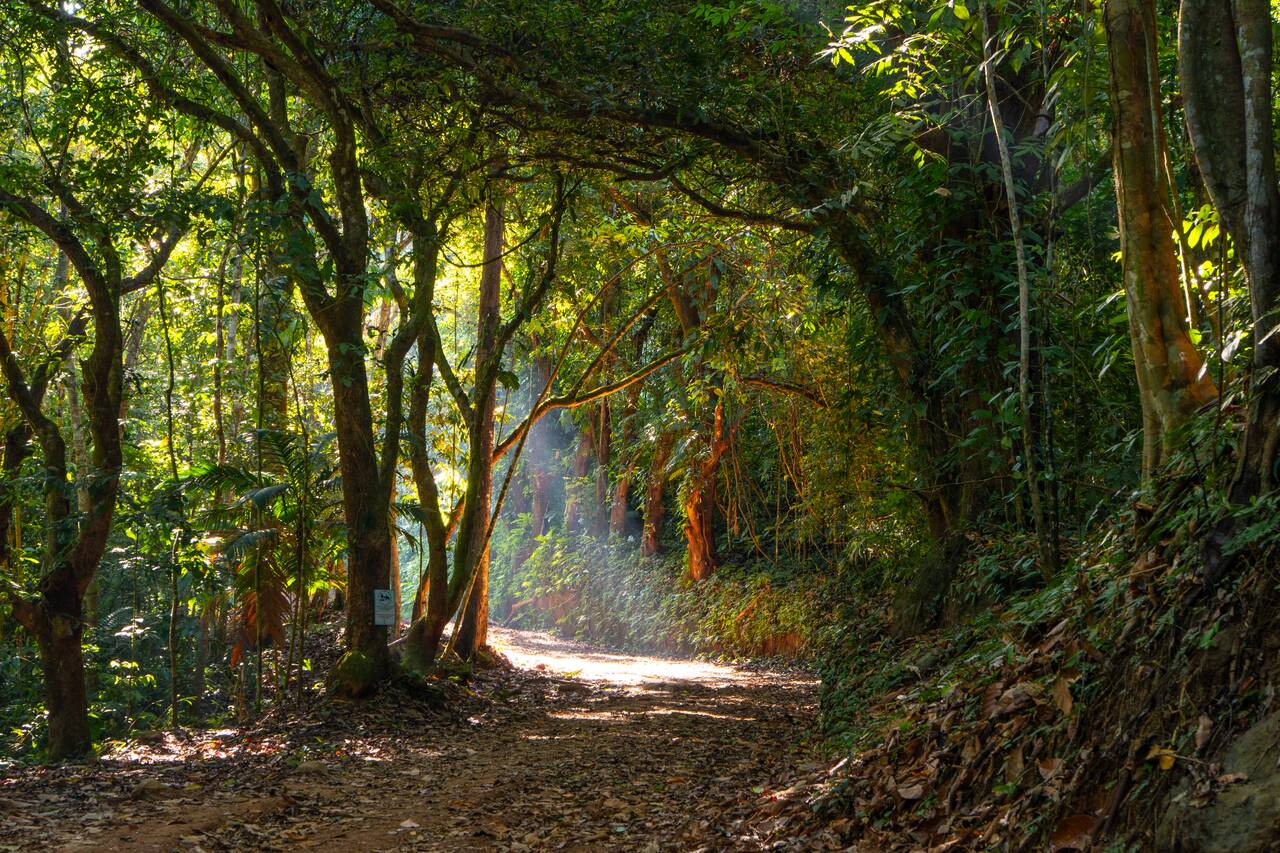
The hike back took a bit longer, around 1 hour and 15 minutes, as the uphill section back to the main road was definitely a bit of a knee killer. That said, the trail itself is beautiful and part of the fun of getting there, so I would highly recommend hiking if you have the time and energy.
Getting back from Nauyaca Waterfalls to Uvita using public transportation was a little more complicated. The next bus returning from San Isidro does not come until 4:30 PM, which I found way too late since the entire experience, including the hike there and back, will usually not take more than 4 hours.
Instead of wasting time waiting around, I decided to call an Uber to Dominical Beach, which is located along the main coastal road not too far from Nauyaca Waterfalls. From there, I could easily catch one of the many local buses connecting Dominical and Uvita. This way, I not only saved time but also got the chance to explore Dominical, a place I highly recommend visiting and will talk about in more detail next.

6. Relax at Dominical Beach
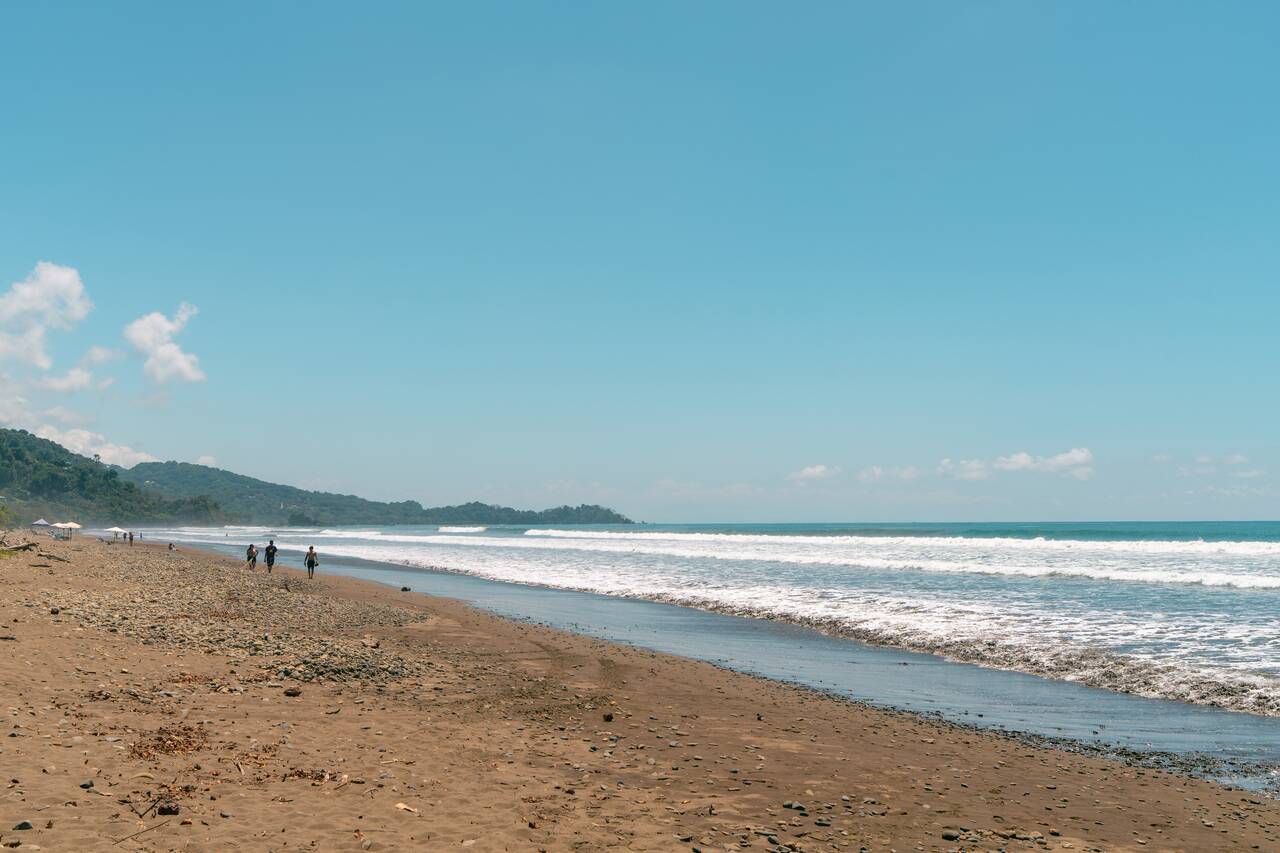
- 📍 Location: Dominical Beach [Map Link]
- 💰 Entry Fees: 1,200 CRC (~3 USD)
- ⚡ Pete's Take: "You'll enjoy walking around Dominical Beach but don't expect great swimming due to strong currents."
If you are looking for a more laid-back beach town near Uvita, be sure to spend some time at Dominical Beach. Located just a short bus ride away from Uvita, this small surf town has a completely different vibe with its bohemian atmosphere, beachfront cafes, and slower pace of life.
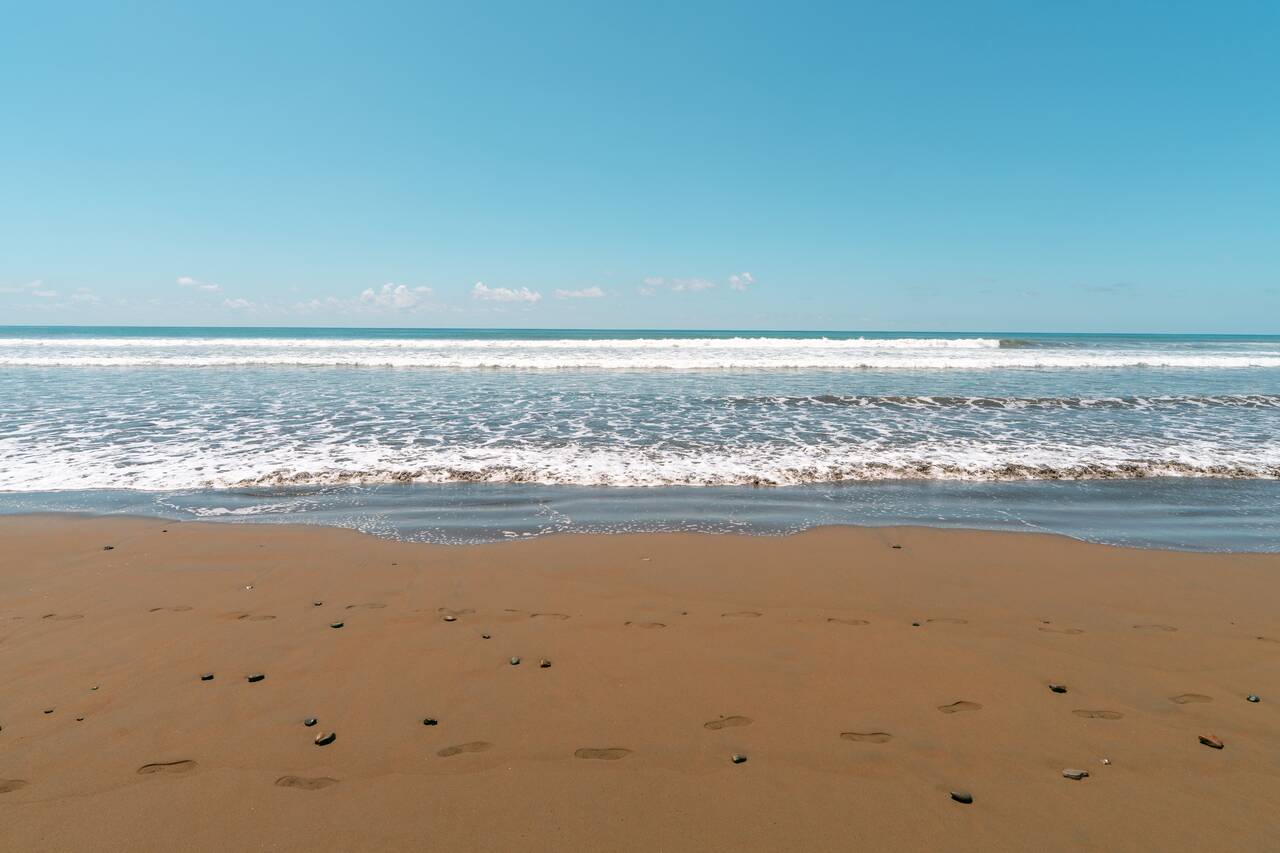
Unlike Uvita, which feels less like a traditional beach town and more like a regular town that happens to be near the ocean 😅, Dominical has that classic surf-town feeling with everything centered around the beach, and since it is along the way between Uvita and Nauyaca Waterfalls, Dominical is the perfect place to drop by after you hike the waterfalls.
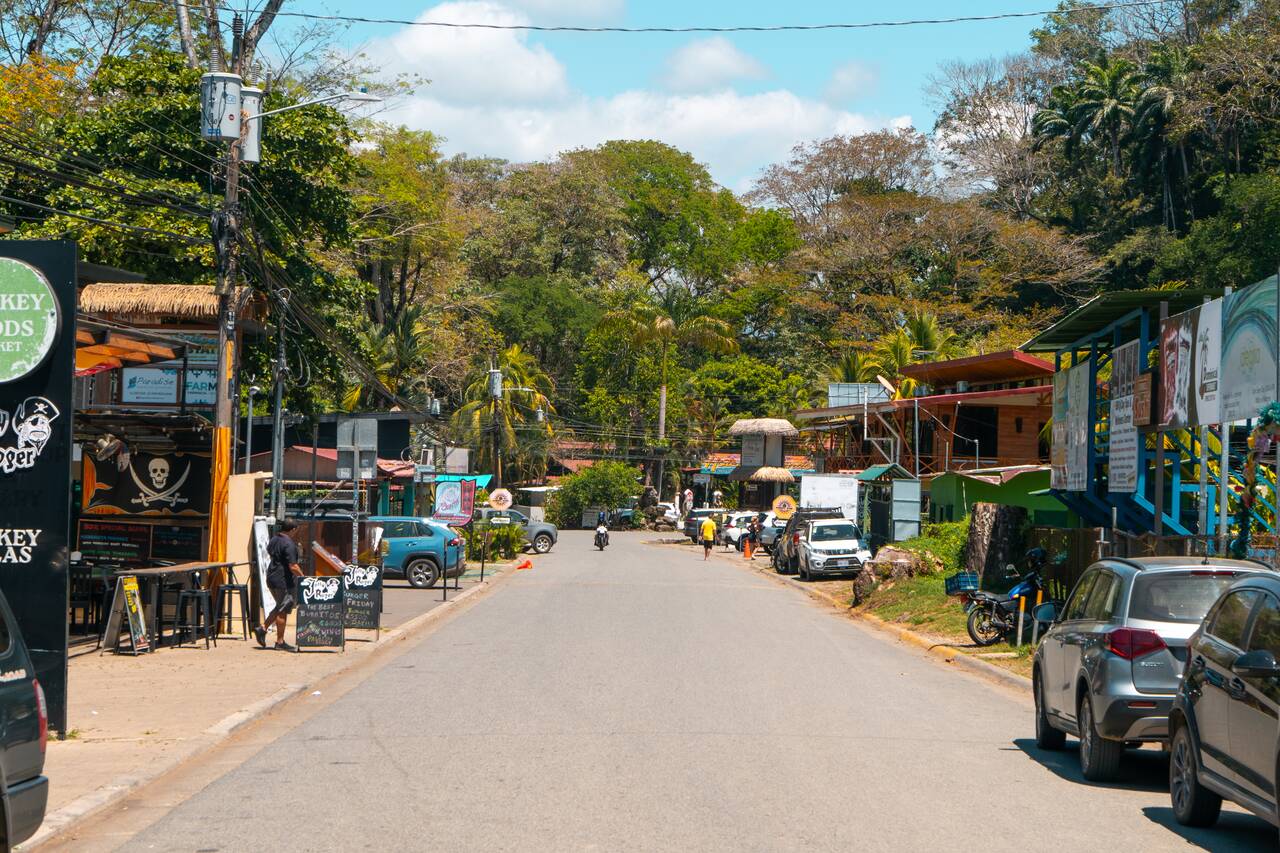
Dominical is famous for its powerful waves, so you will find plenty of surfers here. The town reflects that surf culture as well, with many surf shops, cafes, and restaurants catering to surfers and tourists more than the more local feel of Uvita. The beach is not really known for swimming due to the strong currents, and I don't think it is particularly beautiful compared to some of the ones in Uvita, but I have to admit, the town itself was really nice to walk around.
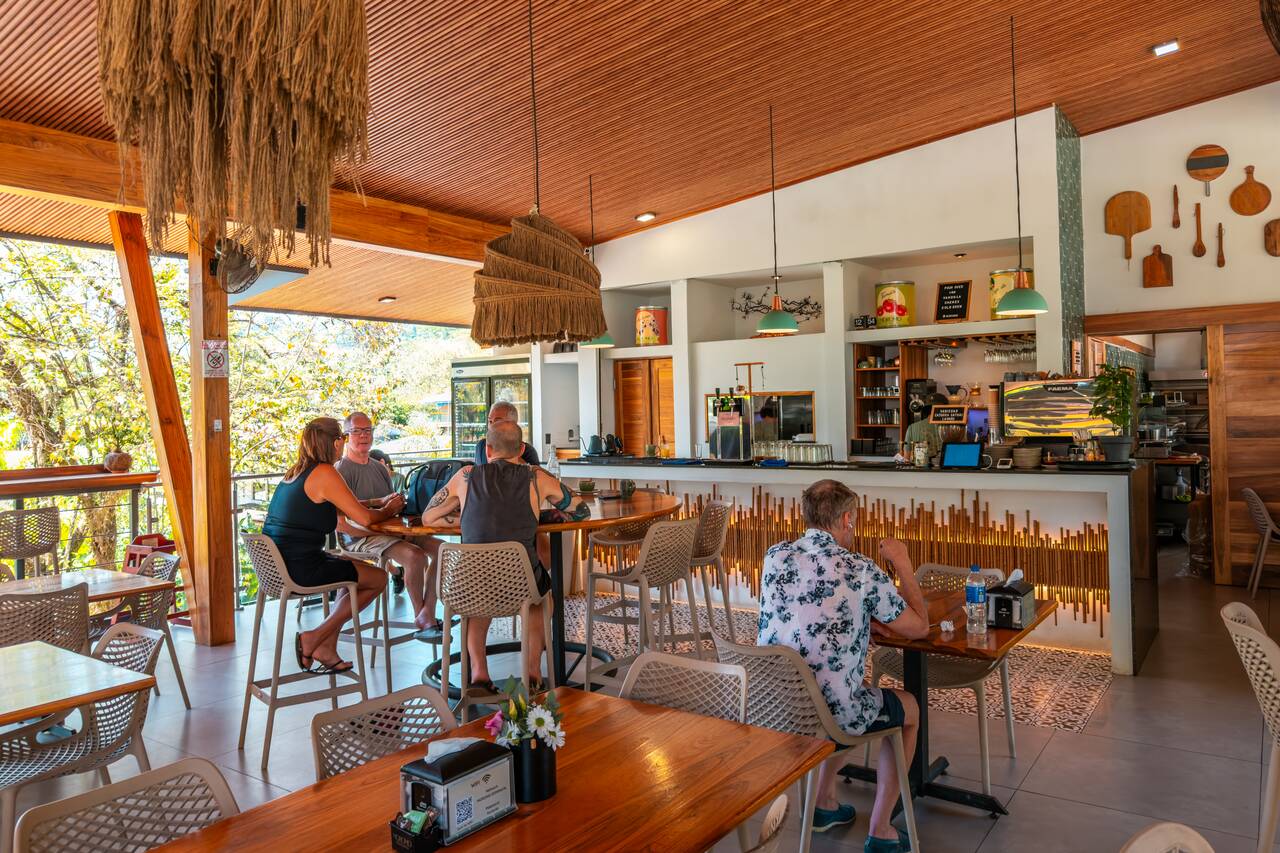
I spent around half a day here, walking along Dominical Beach and relaxing at one of the many cafes around town. My favorite cafe was Moromo Forneria, which has a beautiful open-air space, delicious coffee, and some of the friendliest staff I encountered in Costa Rica. Be sure to check it out while you are here.
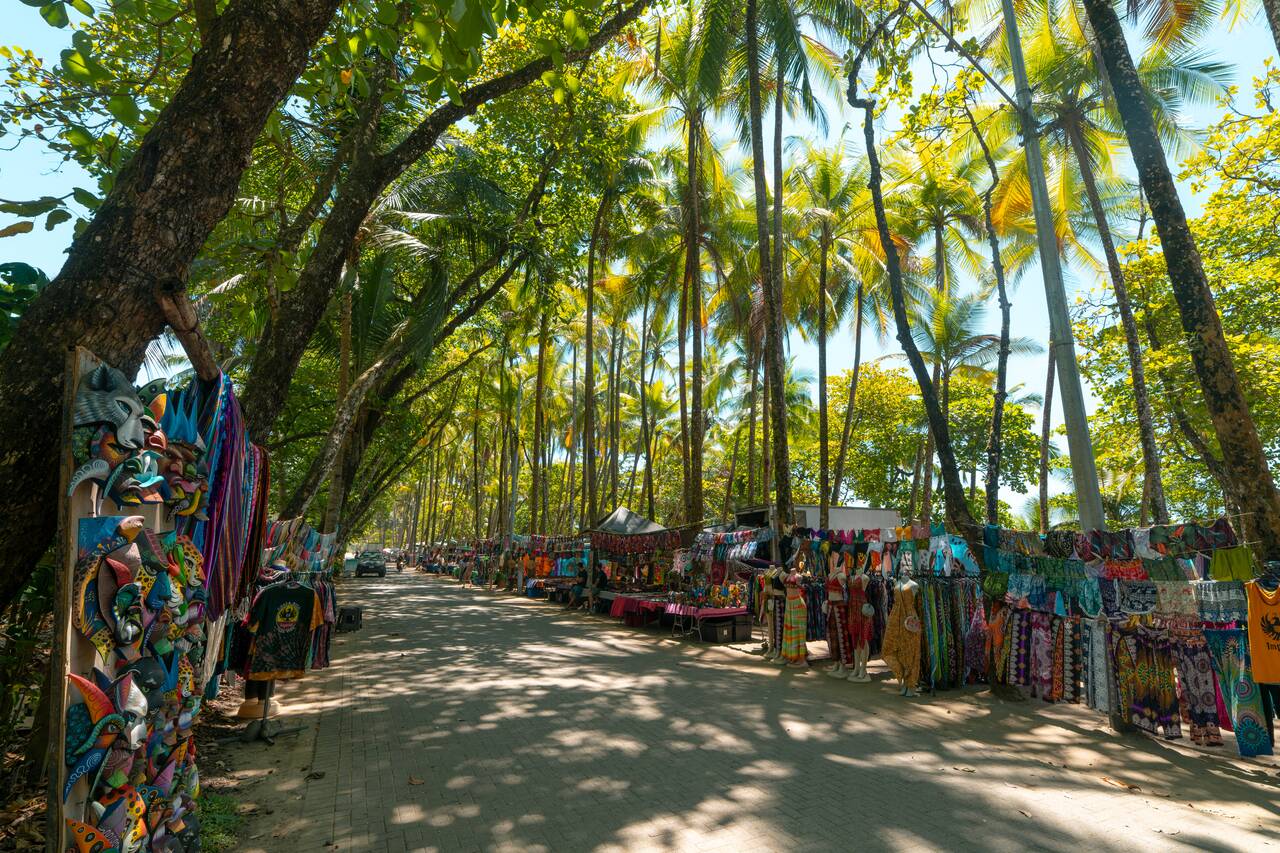
The town itself is small and easy to explore on foot. You will find plenty of restaurants, cafes, and local markets to keep you occupied for the rest of the afternoon after finishing your Nauyaca Waterfalls hike. From here, you can catch a bus back to Uvita, which takes around 20 minutes, runs every hour on weekdays and every 2 hours on weekends, and costs approximately 1,200 CRC. It is a great place to spend an afternoon or even stay a few nights if you prefer a more alternative beach destination compared to Uvita.
7. Learn How to Surf
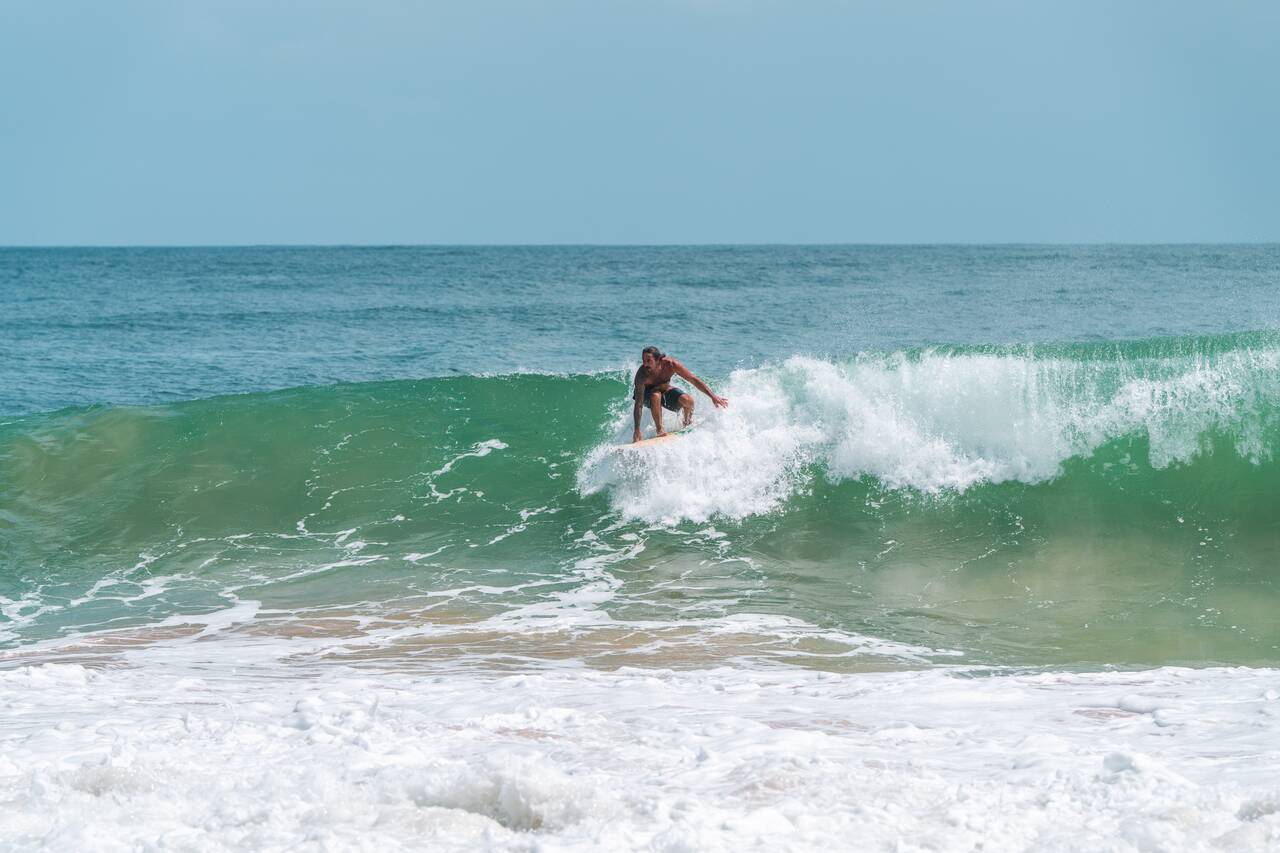
- 📍 Location: Playa Chaman [Map Link]
- 🏄 Tour: 2-Hour Private & Group Surf Guided Lesson
With its consistent waves and laid-back surf culture, Uvita and the surrounding area are a great place to learn how to surf. While Dominical is the more famous surf town nearby, you can also find surf schools and instructors around Uvita, like at Playa Chaman, that cater to beginners looking to get their first taste of riding the waves.
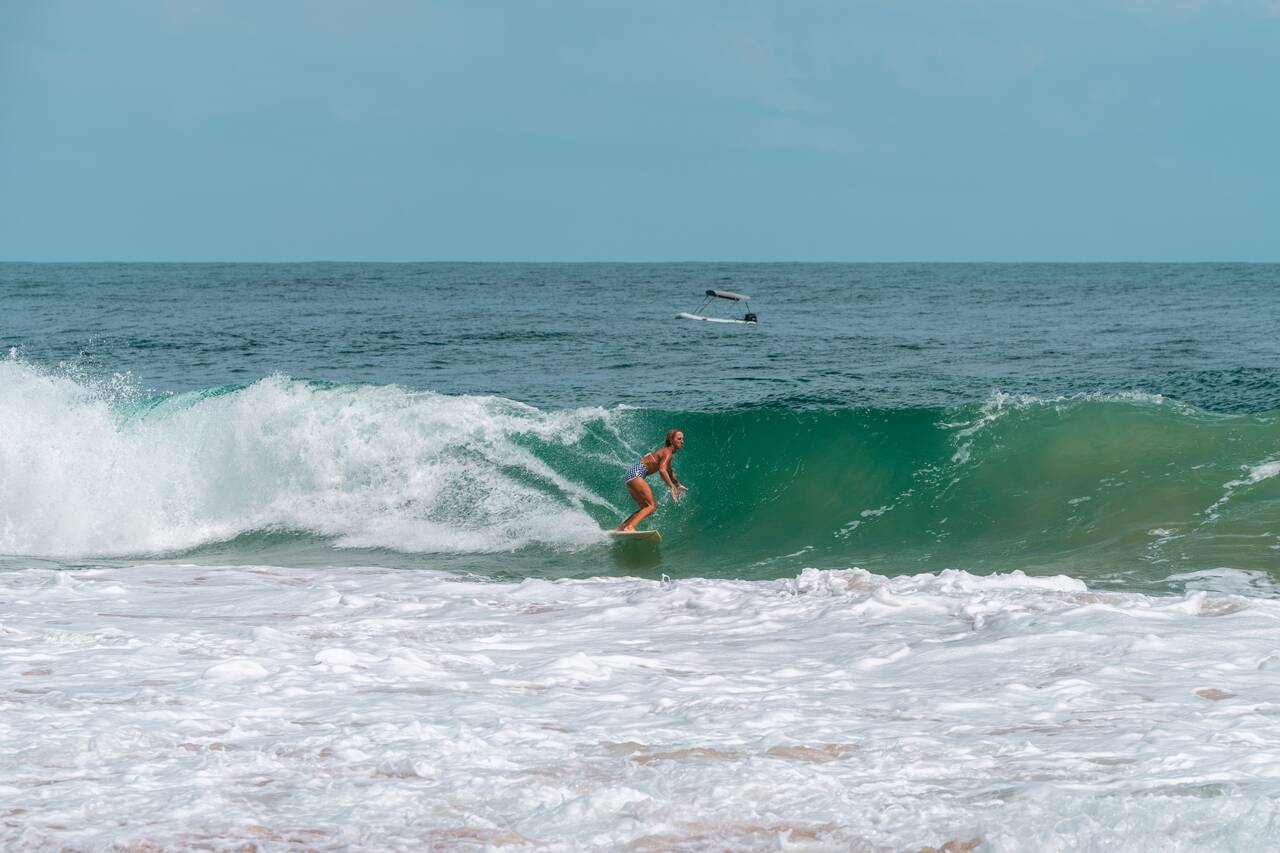
You can spend the day learning how to surf with experienced instructors who know the conditions around the area well and will take you to spots that are more suitable for beginners. Your first lesson will usually cover the basics on the beach before heading into the water to practice standing up, balancing, and catching smaller waves. The activity usually takes around half a day.
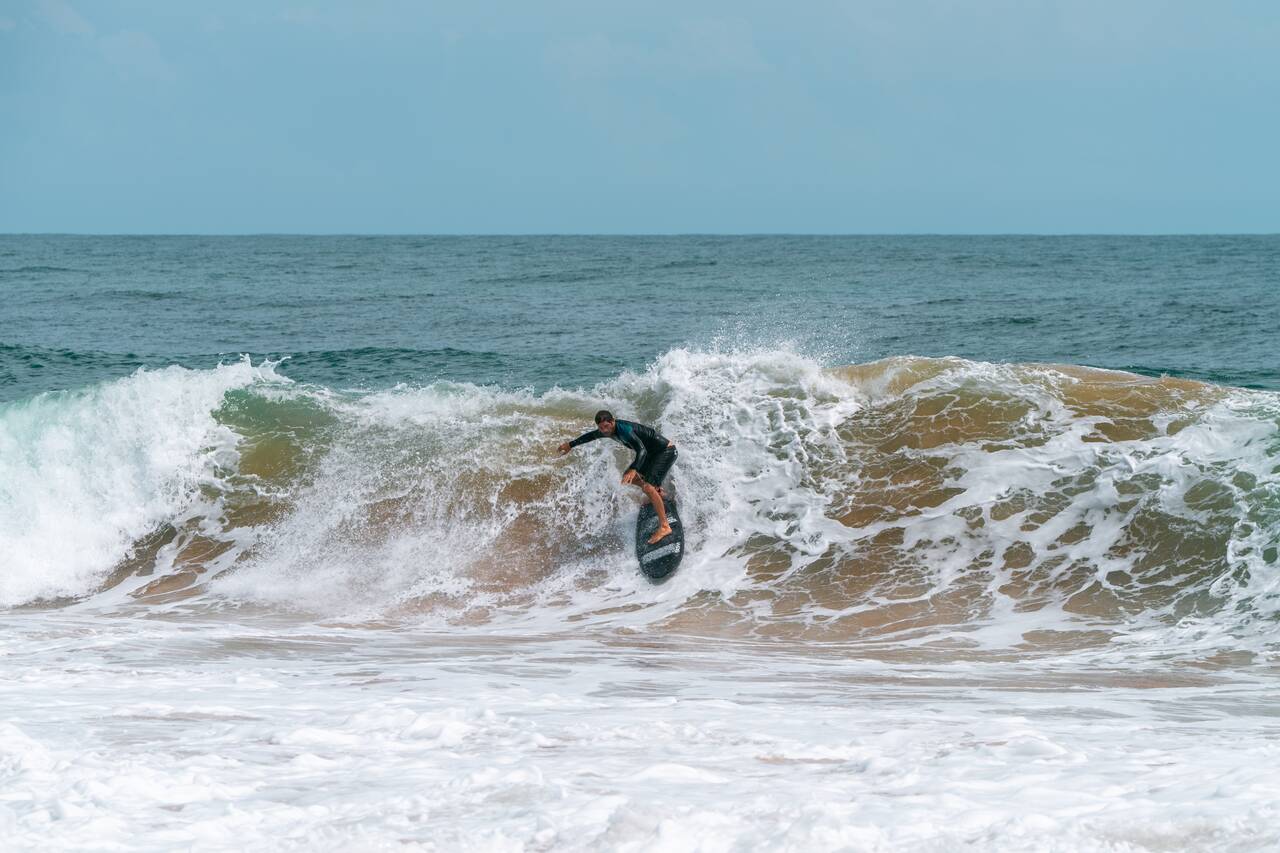
If you are interested in trying surfing in Costa Rica, Uvita is a great place to start. You can usually book a surf lesson for a few hours, and it is a fun way to experience the Pacific coast beyond just relaxing on the beach.
8. Spot Wildlife Around Uvita At Night
- 📍 Location: Spot Wildlife Around Uvita At Night [Map Link]
- 🕐 Opening Hours: 2 hours
- 🏄 Tour: Guided Night Tour in Uvita
- ⚡ Pete's Take: "A guided night tour is always the best way to see wildlife, as most of the interesting animals are nocturnal."
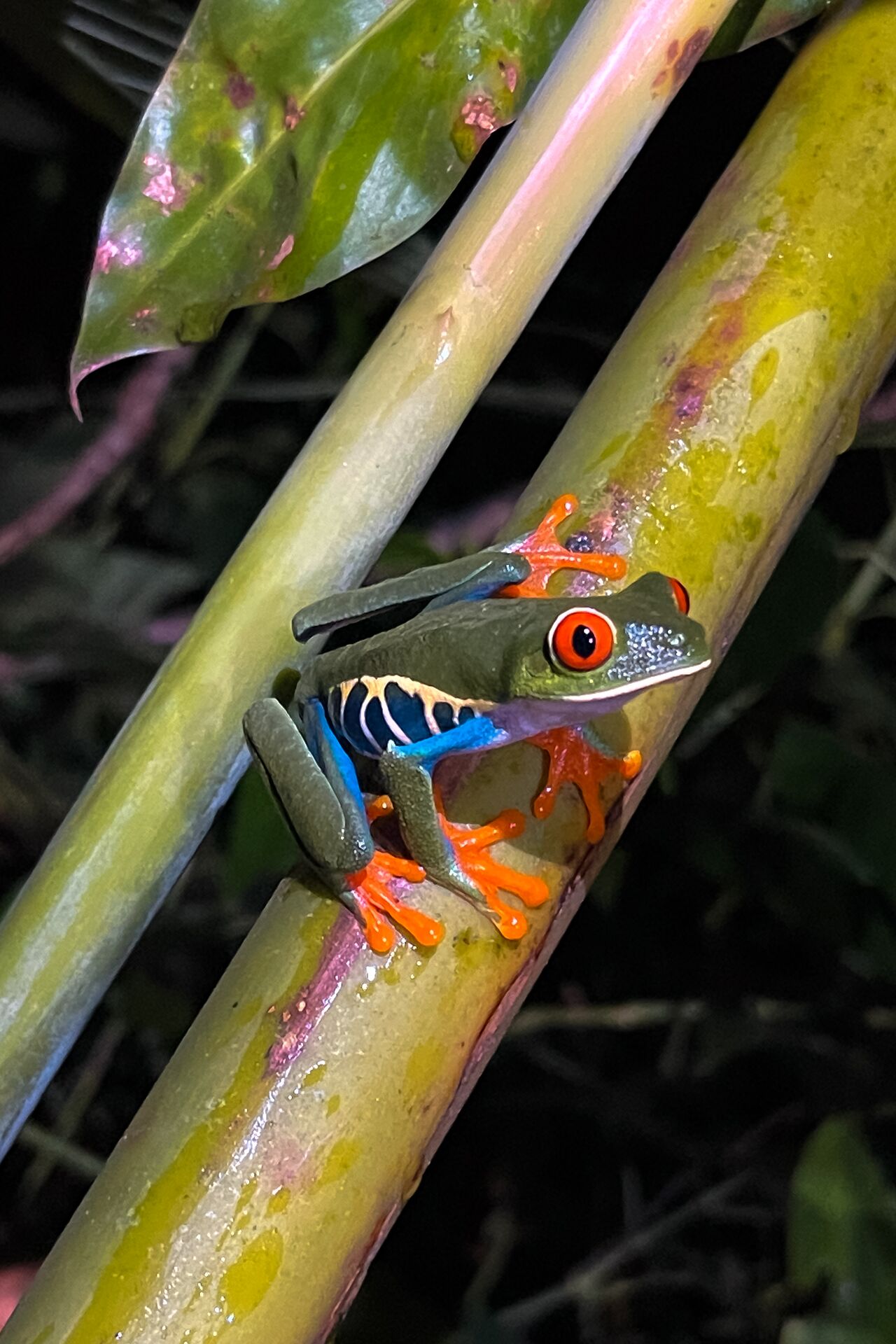
One of the coolest things about Costa Rica is that the wildlife does not stop when the sun goes down. In fact, some of the most interesting creatures only come out at night. If you want to see some really cool wildlife here, I recommend joining a guided night tour to spot these nocturnal animals in their natural habitat.
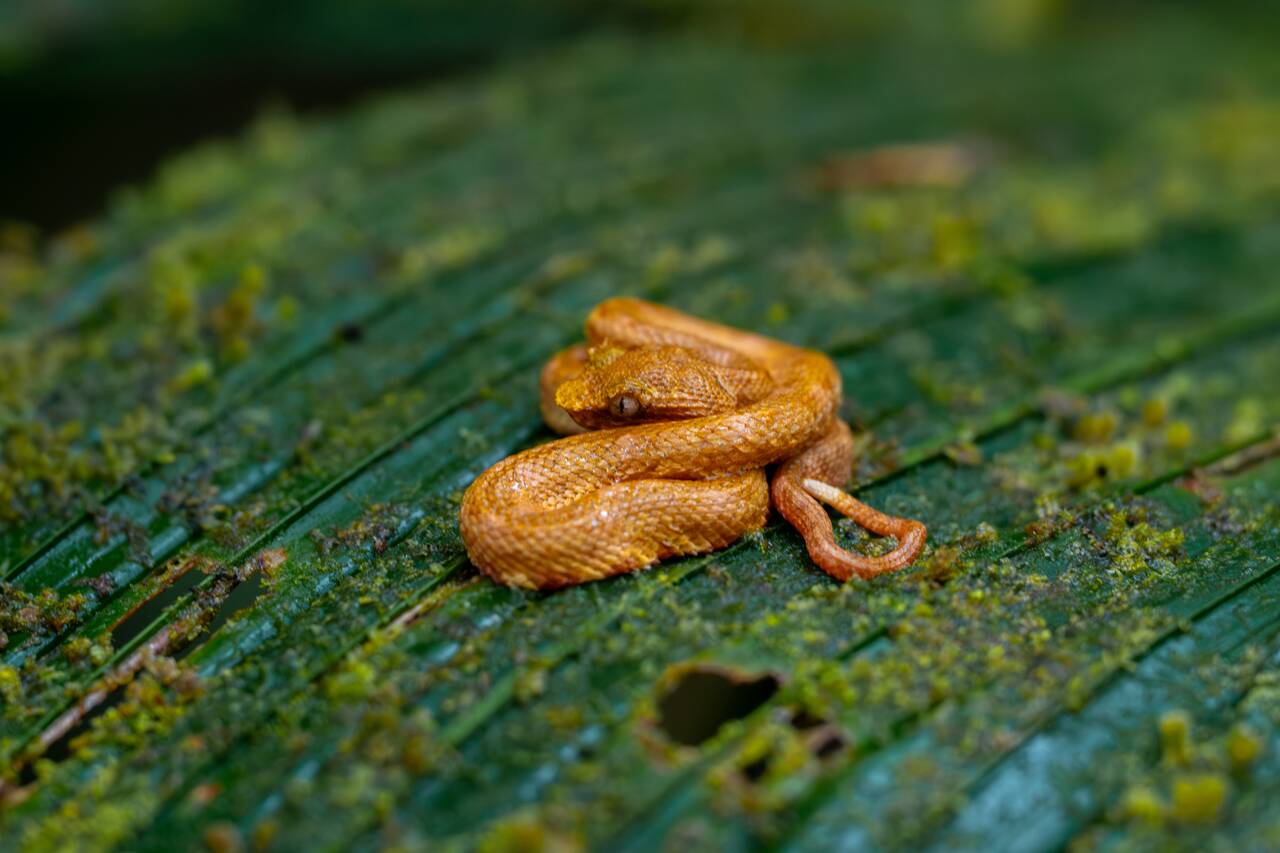
After dark, you have the chance to spot animals that are difficult to see during the day, including frogs, snakes, insects, spiders, tarantulas, and other nocturnal creatures. With a knowledgeable guide who knows where to look, you can learn about the different species and see how the jungle transforms once the forest becomes active at night.
You can join a guided night tour in Uvita, which lasts around 2 hours and takes you through the rainforest with a professional guide. The tour usually provides lanterns, safety footwear, water, and snacks, so all you have to do is show up and enjoy the experience. Just be careful where you step at night since you are in Costa Rica, and you never know what you might run into out there. After my tarantula encounter on the Nauyaca Waterfalls trail, I was definitely a little more careful about where I stepped 😅.
9. Spend a Day at Manuel Antonio National Park
- 📍 Location: Manuel Antonio National Park [Map Link]
- 🕐 Opening Hours: 7 AM - 3 PM
- 💰 Entry Fees: 16 USD
- 🏄 Tour: Manuel Antonio National Park Tour from Uvita
- ⚡ Pete's Take: "Get there early to avoid the crowds, and book your entry ticket a few days in advance."
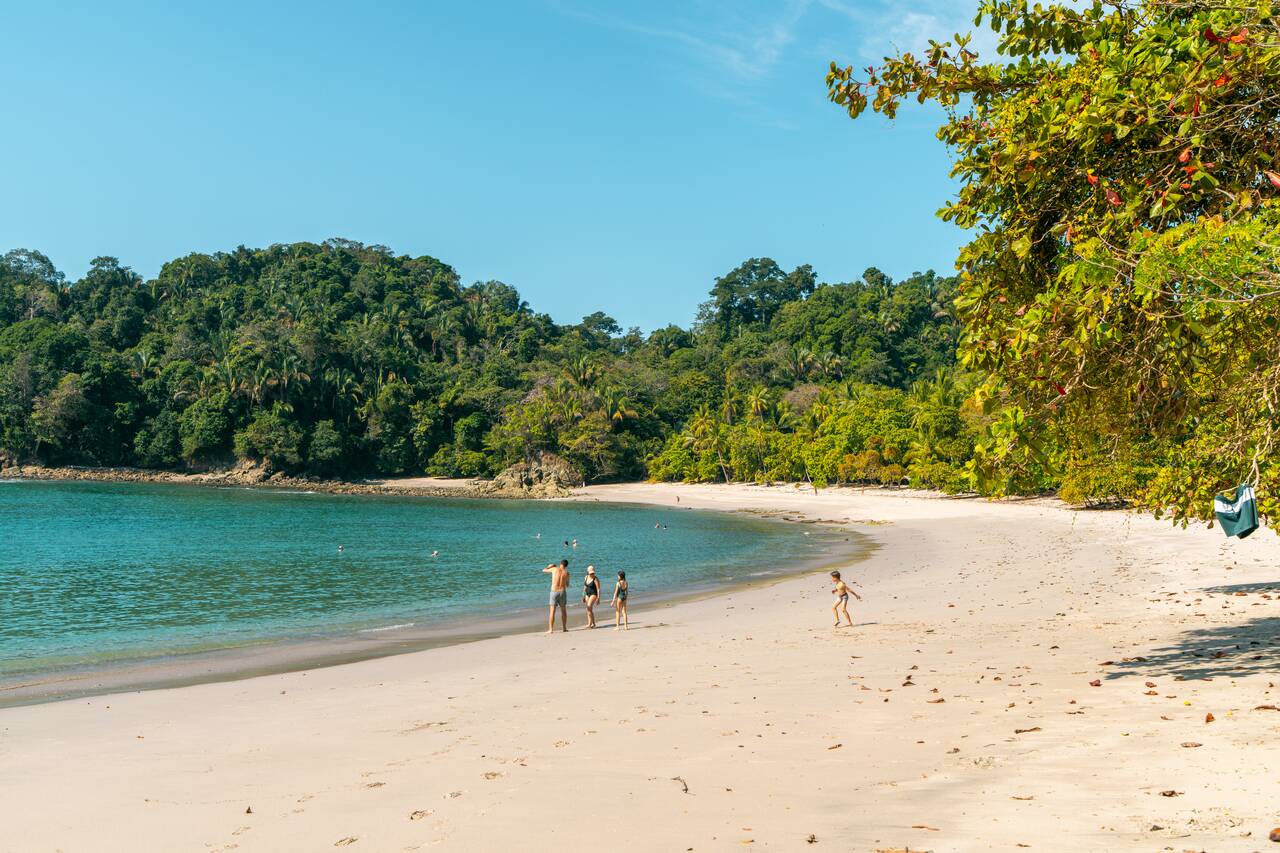
If you have some extra time in Uvita and are not planning to spend a few nights at Manuel Antonio National Park, you might want to consider visiting it as a day trip. You can visit the park independently or join one of the organized tours that leave from Uvita and take you to the national park, where you can hike along beautiful rainforest trails, spot all kinds of wildlife, and return to Uvita afterward.
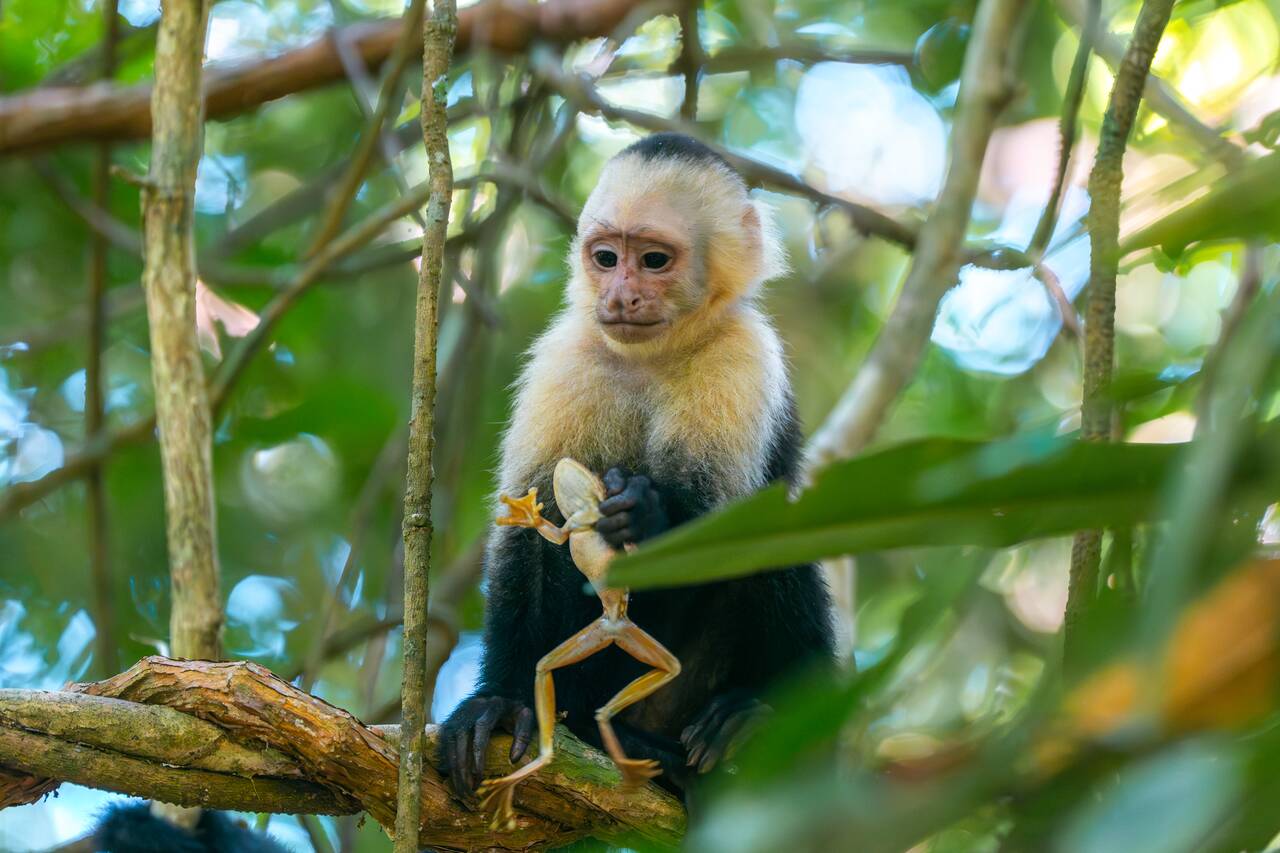
The biggest highlight of Manuel Antonio is the chance to see Costa Rica's wildlife up close. As you walk along the park's trails, you can spot monkeys, sloths, iguanas, colorful birds, and many other animals living in the rainforest. The park is also one of the most accessible places in Costa Rica to see wildlife, as the main trail is relatively flat and easy to walk.
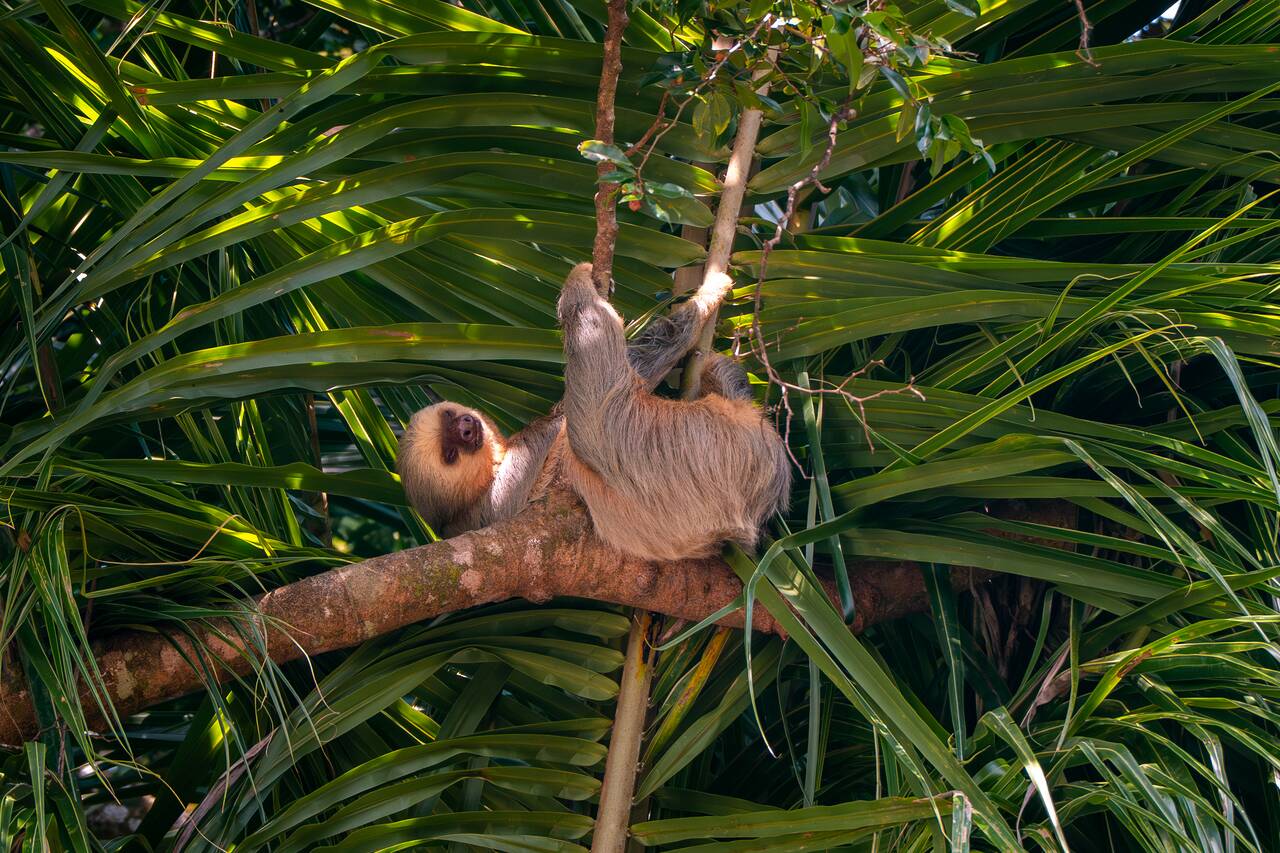
At the end of the national park, after spending an hour spotting wildlife, you will find several beautiful beaches surrounded by lush rainforest where you can swim, relax, and enjoy the scenery after exploring the trails. The beaches here are really beautiful and well worth a visit. However, Manuel Antonio National Park is one of Costa Rica's most popular attractions and it can get quite crowded during the day, so the earlier you get here, the better.
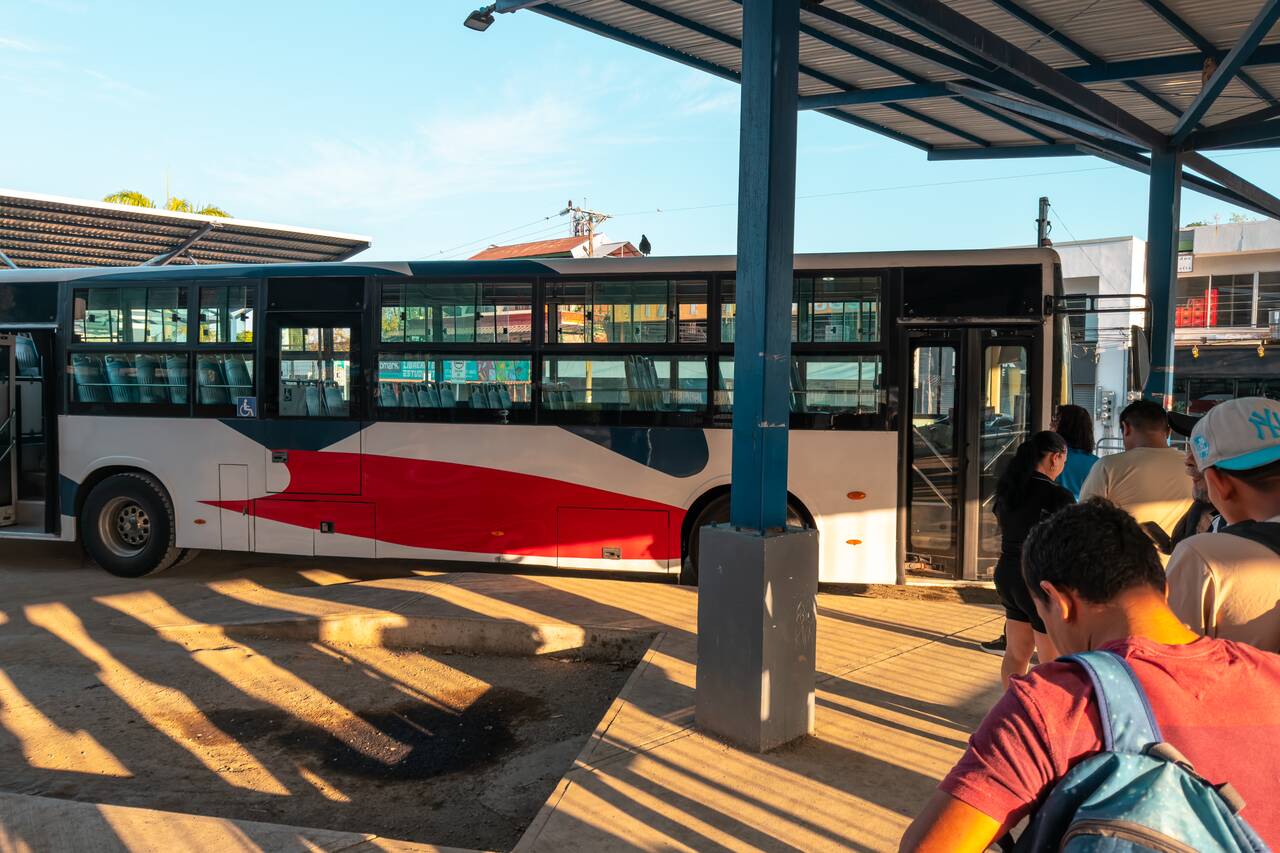
If you are visiting from Uvita independently, you will have to catch the earliest bus from Uvita to Quepos at 5:15 AM. From Uvita, it takes around 2 hours and you should arrive in Quepos Bus Terminal at 7:15 AM, where you can catch the next bus to Manuel Antonio National Park. This leg of the bus should cost around 2,500 CRC (5.50 USD) per person.
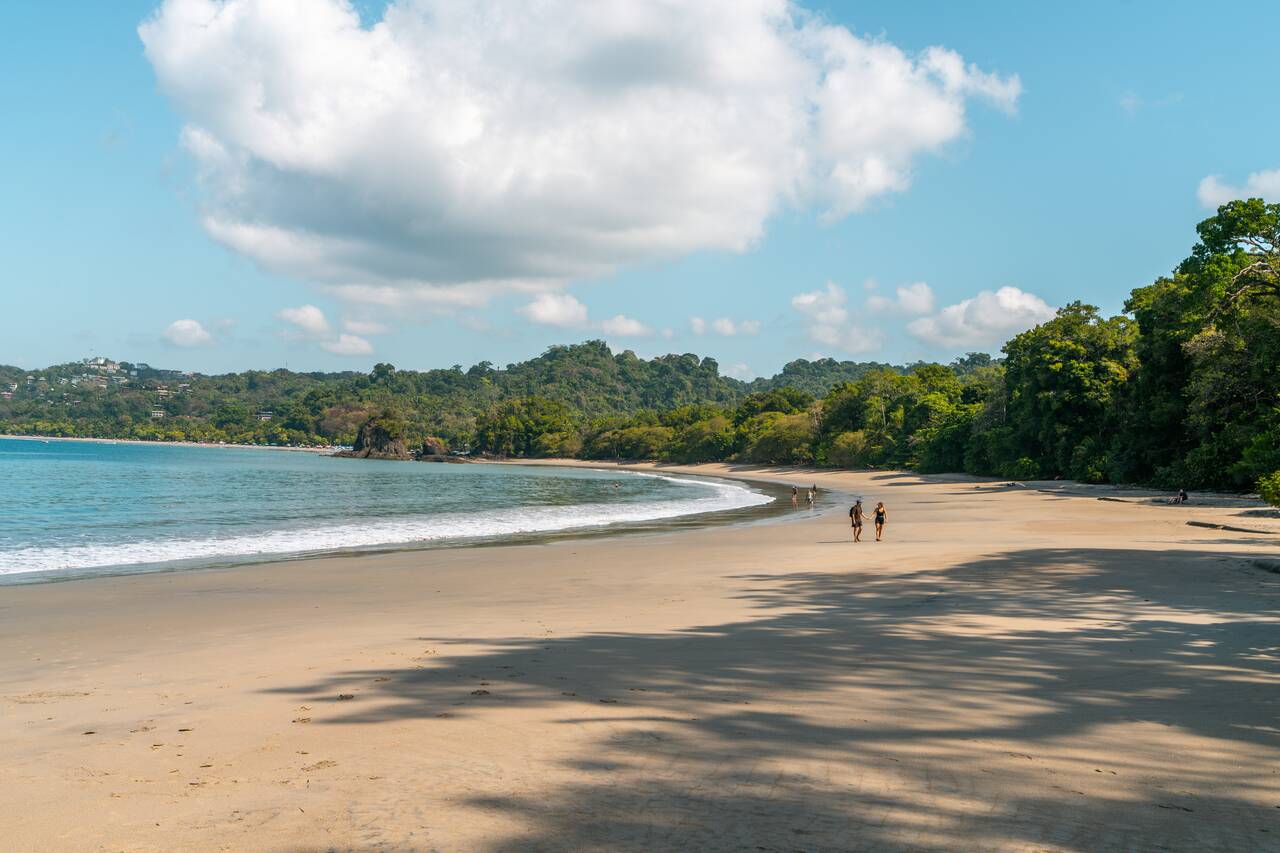
From Quepos, it should take around 30 minutes and cost approximately 370 CRC (0.81 USD) before you arrive at the entrance of Manuel Antonio National Park. The park is open from 7 AM to 3 PM every day except Tuesdays, and the entrance fee is around 16 USD. Due to its popularity, tickets can only be purchased online here, and you will need to select a time slot before visiting as the park limits the number of daily visitors to help protect the environment.
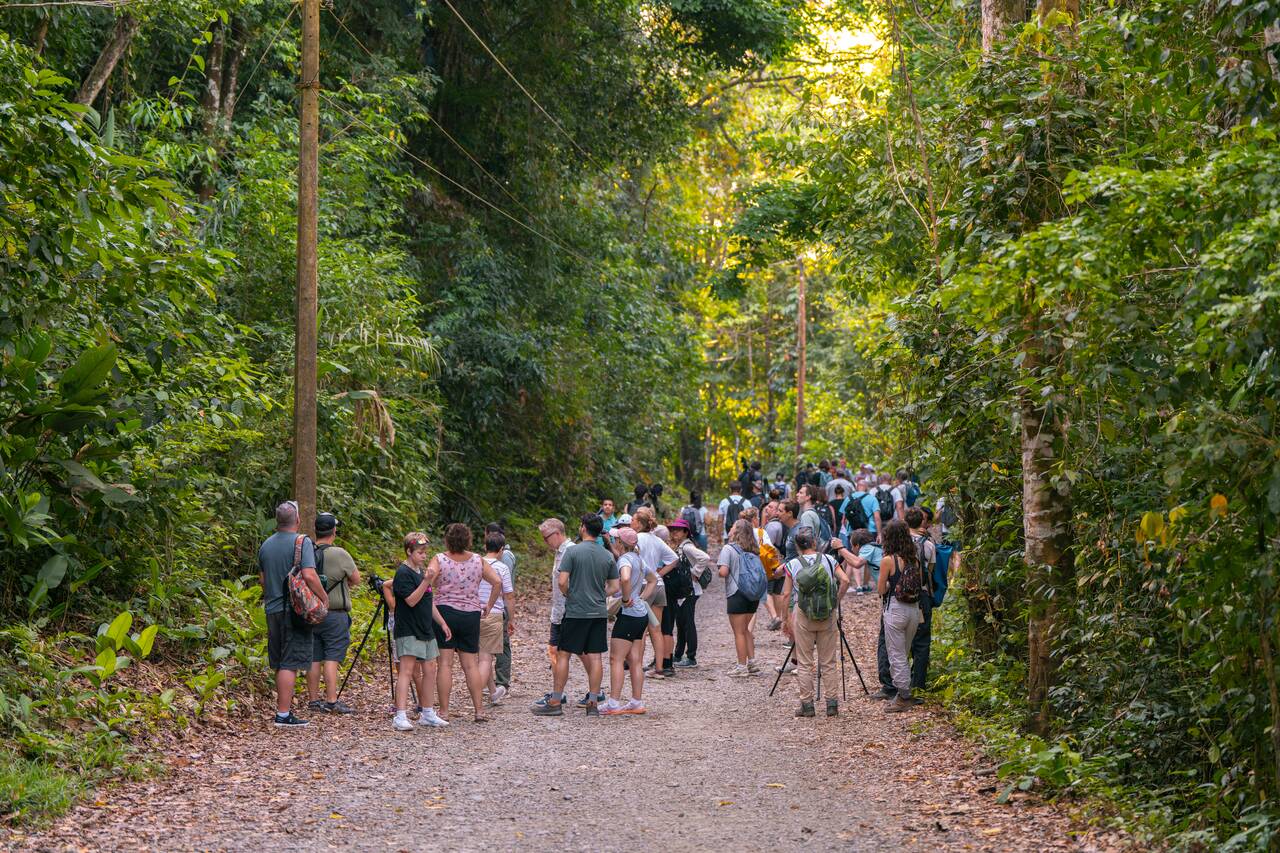
You will not be allowed to enter without a valid time slot, and tickets can sell out quickly during busy periods, so be sure to book a few days in advance. You can also hire a guide right at the entrance of the park if you need one. They can help you spot more animals than exploring independently, although I found the pace a little too slow for my liking.

Also, do not bring any snacks with you on this trip as food is prohibited inside the park. I learned that the hard way when I had all my snacks taken away at the entrance 😅.

10. Go on a Day Trip and Explore Corcovado National Park
- 📍 Location: Corcovado National Park [Map Link]
- 🕐 Opening Hours: 7 AM - 4 PM
- 💰 Entry Fees: 16.95 USD
- 🏄 Tour: Full Day Tour in Corcovado National Park from Uvita
- ⚡ Pete's Take: "Be ready for a long day, but it’s worth it if you love wildlife."
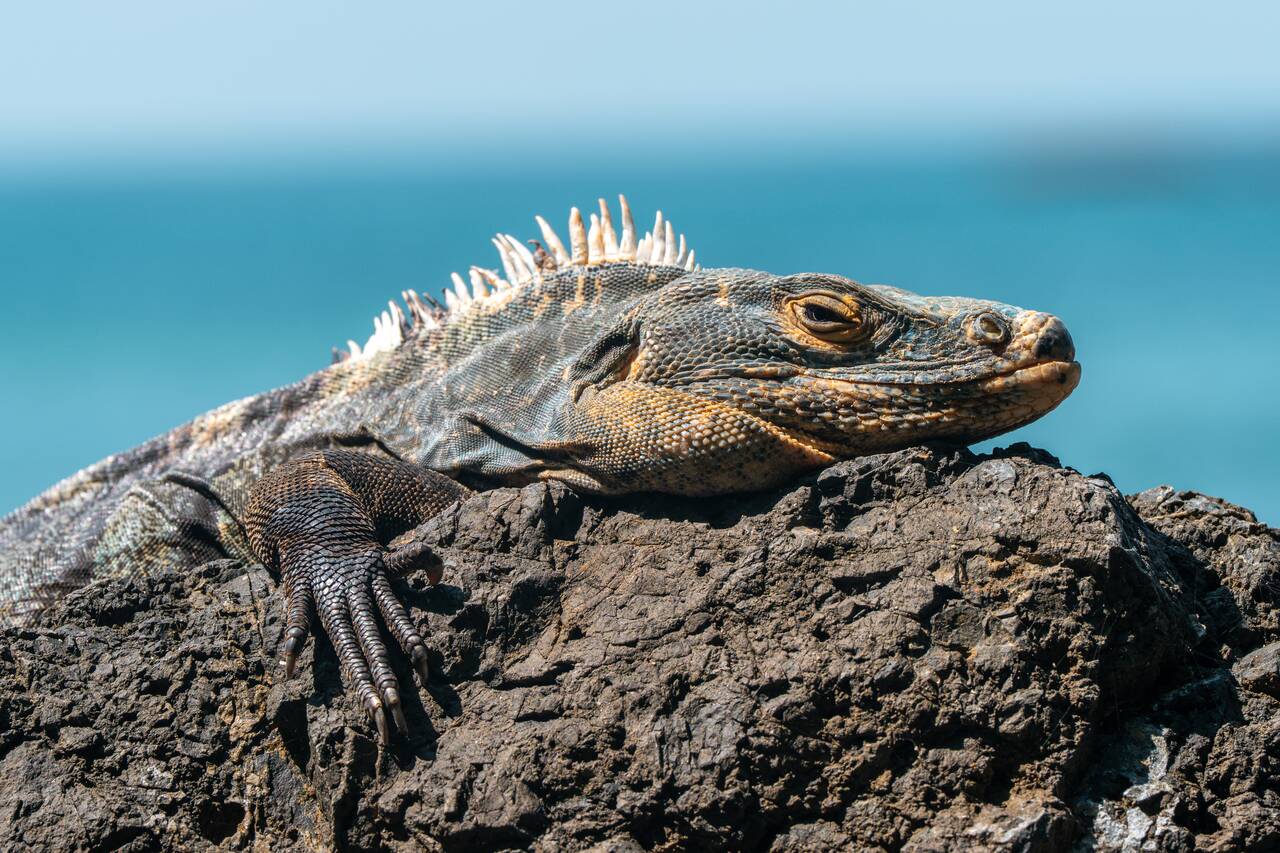
One of the wildest places in Costa Rica you can visit is Corcovado National Park, a remote rainforest located on the Osa Peninsula. It is home to an incredible variety of wildlife, including monkeys, sloths, and many rare species that you don't see very often, such as tapirs, and more.
If you have a day to spare in Uvita and are looking to go beyond the usual tourist trail, you might want to consider joining a full-day Corcovado National Park tour. It will be a long journey, so buckle up! The trip usually starts early in the morning with a boat ride along the Pacific coast before arriving at the park, where you will hike through the rainforest with a guide, learn about the ecosystem, and hopefully spot some of the incredible wildlife that calls this place home.
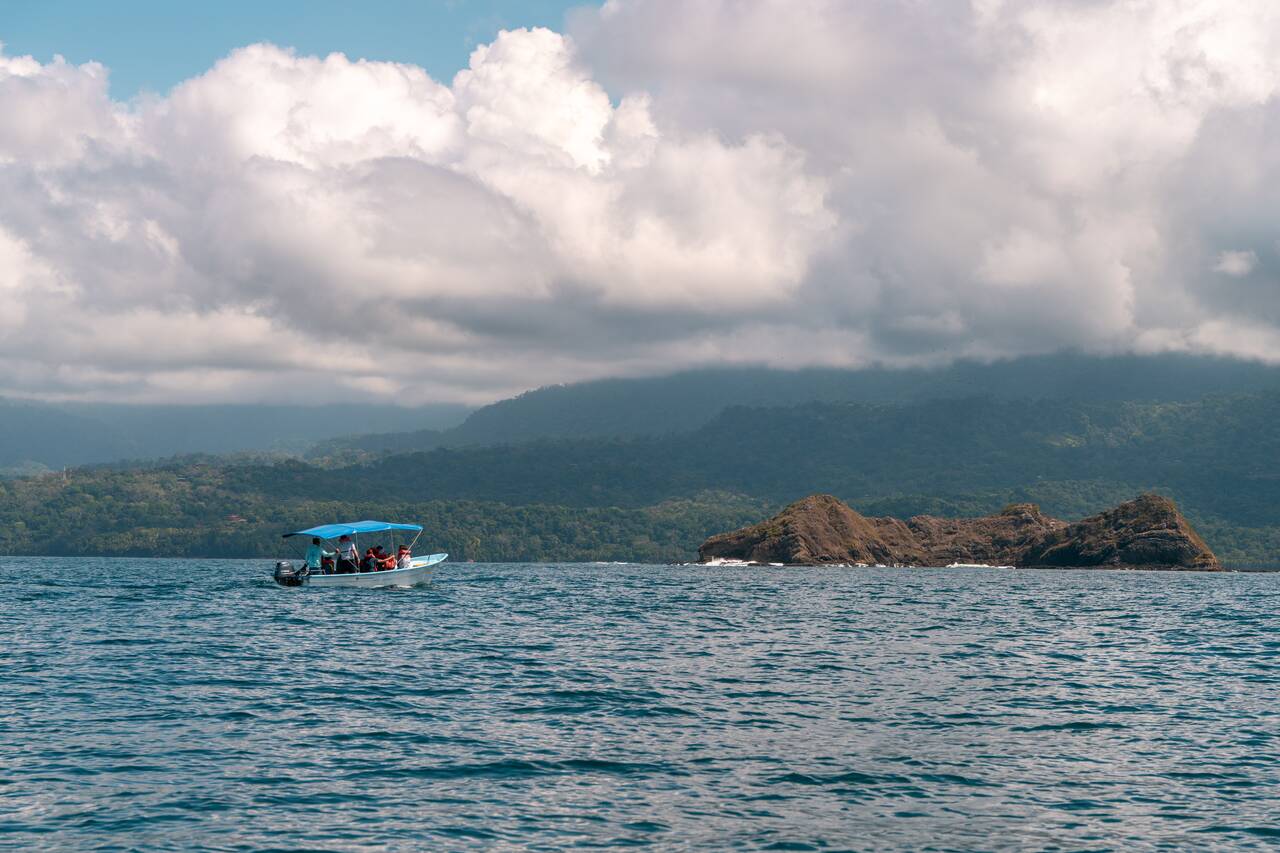
The boat ride itself is also part of the adventure, as you will travel along Costa Rica's beautiful coastline and may even spot marine life along the way, including dolphins, turtles, or whales depending on the season.
Keep in mind that Corcovado is a proper wilderness, not a zoo, so wildlife sightings are never guaranteed. Facilities are limited, so don't expect a 5-star experience here. That said, the remoteness of Corcovado National Park is what makes the wildlife here so abundant to see. Tapirs are not easily seen anywhere in the world, and you can find them wandering around all over here.
If you love wildlife and encountering animals in their natural habitats, Corcovado National Park is where you want to be. Just be prepared for a long day, as you will spend a good amount of time traveling by boat and hiking through the rainforest. The national park is open from 7 AM to 4 PM daily, and the entrance fee is around 16.95 USD per person.
When to Visit Uvita?
Uvita can be visited year-round, but the best time to visit depends on what you want to do. The dry season generally runs from December to April, bringing sunnier days, lower humidity, and better conditions for beach activities and exploring the area.
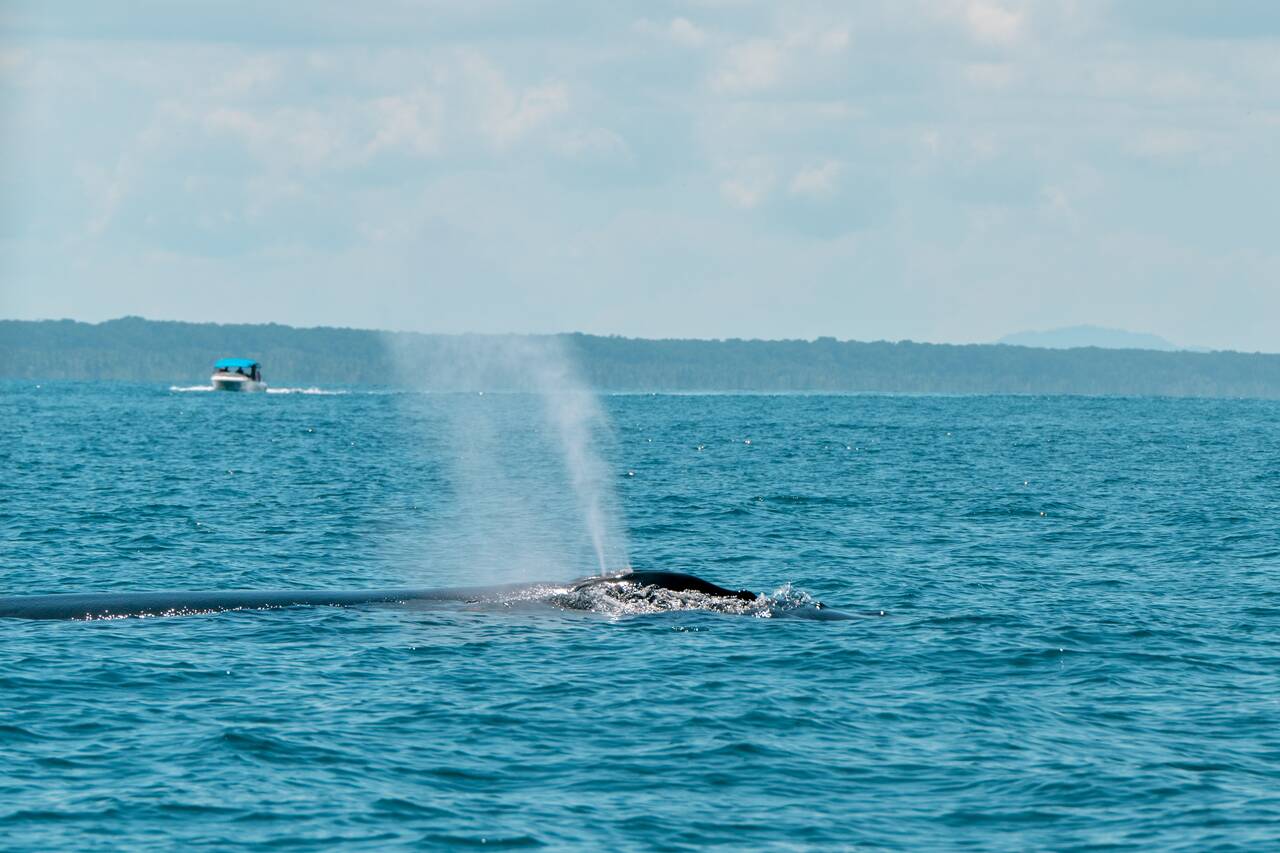
That said, one of the biggest reasons people visit Uvita is for whale watching, and the best months for that fall within two periods: January to April, when humpback whales from the Northern Hemisphere migrate through the area, and July to November, when Southern Hemisphere humpback whales arrive along the coast. If seeing whales is your main goal, I would recommend planning your trip around these periods.
Personally, I visited in February and we were out in the water for less than an hour, and we saw a few whales and dolphins. Again, when dealing with wildlife, it is not always a guarantee you will see one even during the best of months, but if you want to increase your chances, stick to the recommended period.
Other than the whales, the weather in February was very hot, especially between 11 AM and 5 PM, so I would recommend booking accommodation with air conditioning if you are visiting during this period. There is also not a whole lot of shade around Uvita, so walking around during the middle of the day was not always pleasant.
That said, I had nothing but beautiful clear days during my visit, which allowed me to enjoy all the outdoor activities I came here for. To be honest, I will take hot but sunny days over cooler but rainy ones any day!
How to Get to Uvita?
To get to Uvita, you will first need to get to Costa Rica. The easiest way is to fly into the country's main travel hub, Juan Santamaría International Airport, which has direct connections to many cities across North America, Europe, and Latin America. You can check flight availability here.
Once you arrive, you can either spend a night in San José or continue directly to Uvita. The town is located about 220 km south of the capital and can be reached by rental car, shuttle, or public bus. If you are heading into San José first, you can take an Uber from the airport to the city center, which usually takes around 30 to 45 minutes depending on traffic.
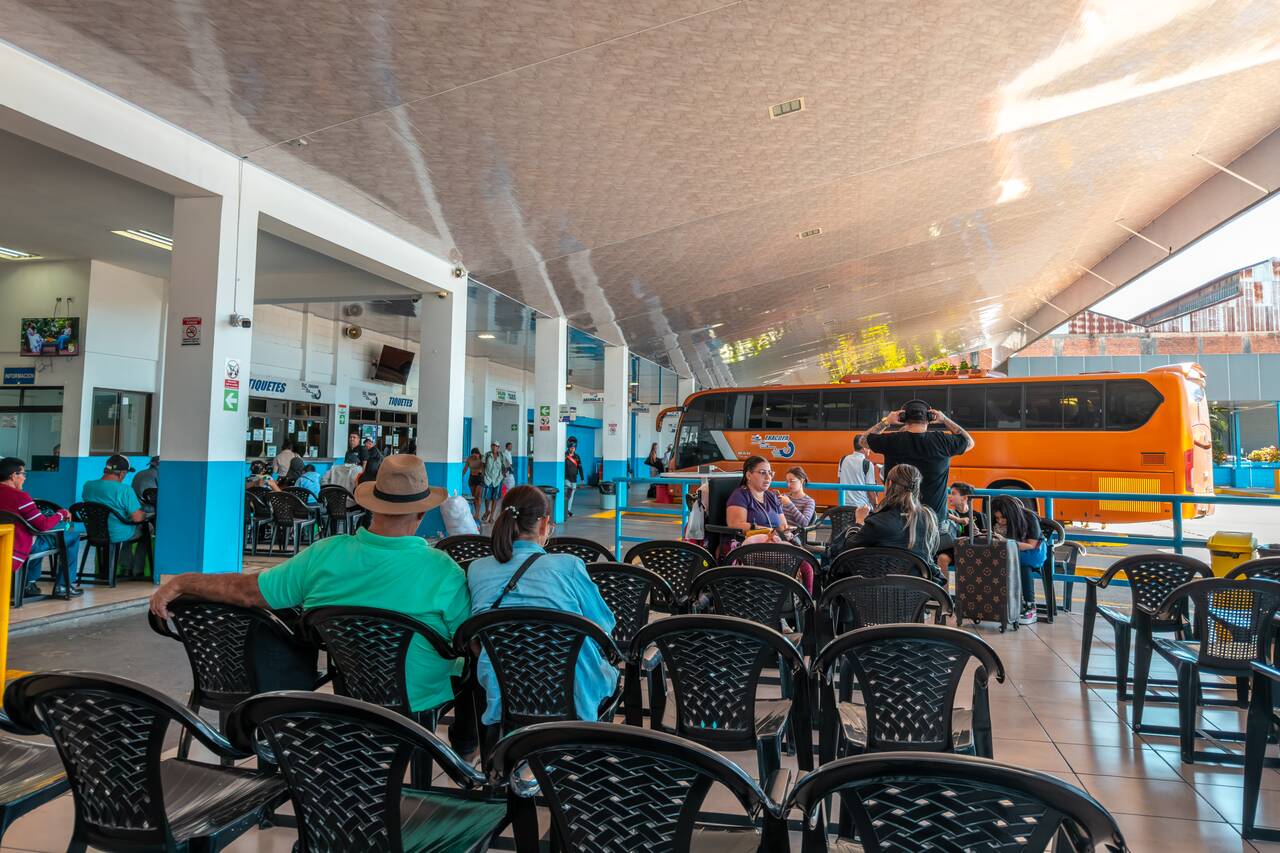
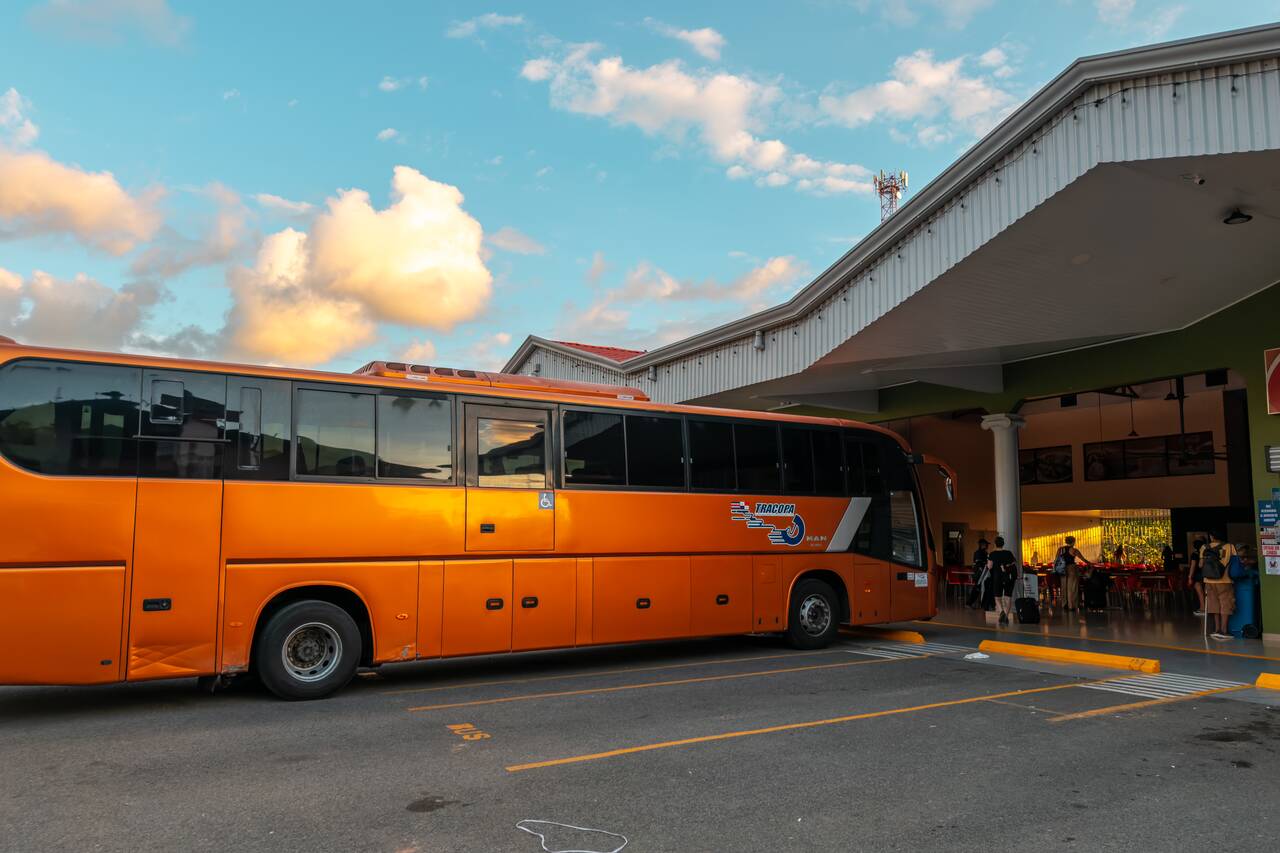
From San José: Direct buses operated by Tracopa run daily between San José and Uvita. You can catch the bus from Tracopa Bus Terminal and book tickets online with a credit card via the Passer App: Android | iOS.
Tickets cost around 7,860 CRC (17 USD), and the journey usually takes between 4 and 5 hours, although traffic near the capital can sometimes add extra time. The bus will drop you off at the Tracopa Bus Terminal in Uvita.
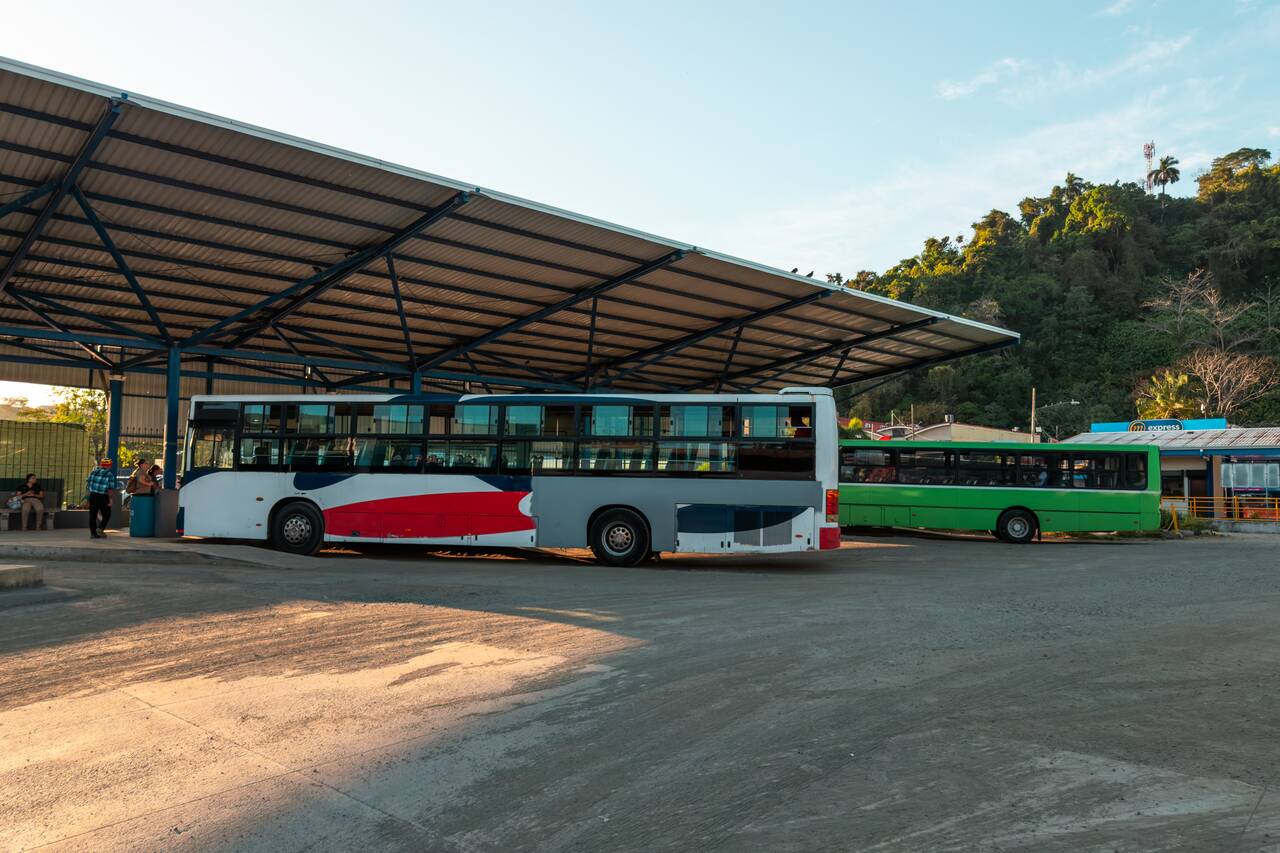
From Manuel Antonio / Quepos: Getting to Uvita from Manuel Antonio or Quepos is very easy. You can catch a direct bus from the Quepos Bus Terminal. The bus runs four times a day at 6 AM, 9:30 AM, 2:30 PM, and 5:30 PM. The journey takes around 2 hours and costs approximately 2,500 CRC (5.50 USD). You can check the latest schedule here.

From Dominical: There are even more local buses connecting Uvita and Dominical. You can catch a bus from this bus stop on the highway. The bus runs several times a day from 5:10 AM to 5:20 PM, almost every 2 hours. The journey takes around 20 minutes and costs approximately 1,200 CRC (2.6 USD). Again, make sure you consult the latest schedule here.
From Puerto Viejo: Traveling from Puerto Viejo requires crossing the country. The easiest option is to take a bus to San José, spend the night, and then connect to a Tracopa bus bound for Uvita. Expect the journey to take most of the day. If you are driving, the trip usually takes around 6 to 7 hours.

How to Get Around Uvita?
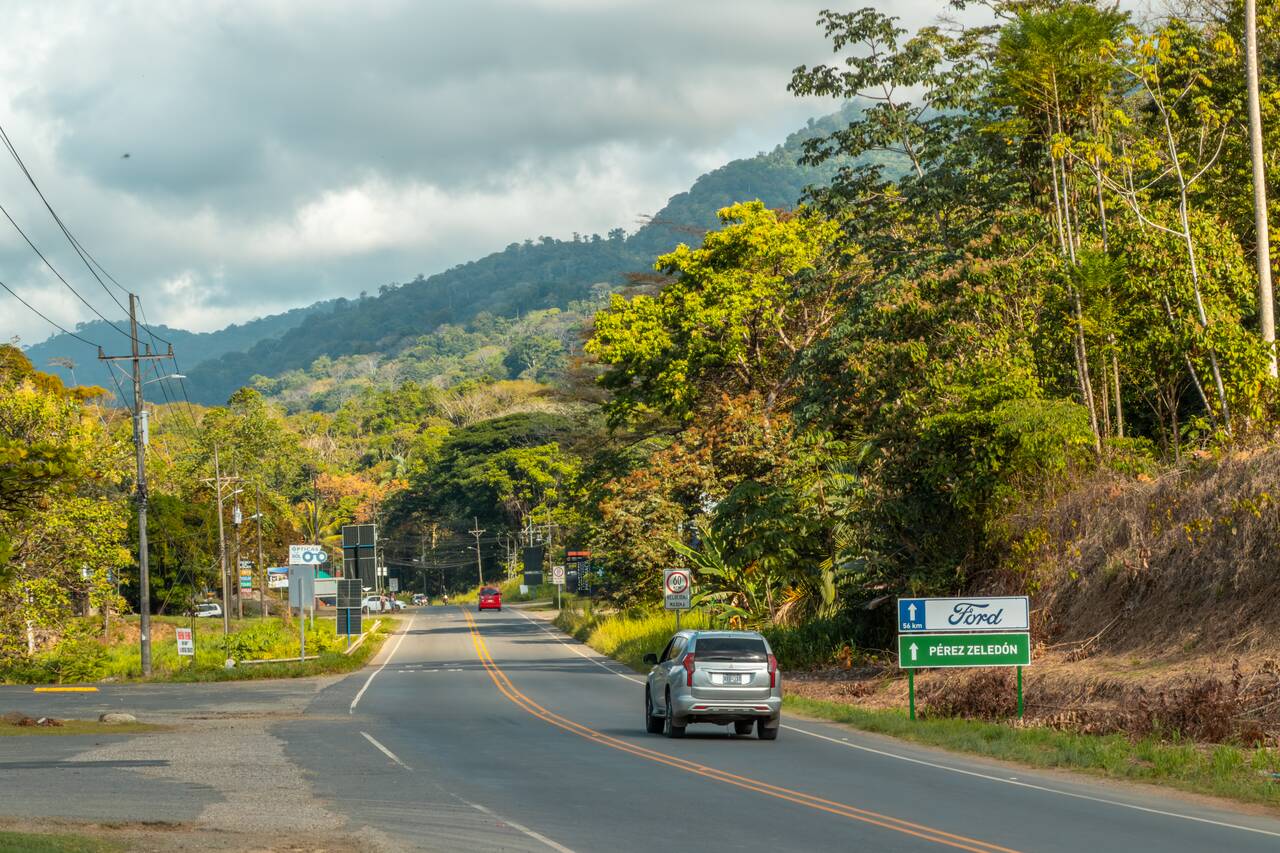
Uvita is a small beach town, but its attractions are spread out over a fairly large area. While you can walk between some places in the town center, most people will find it much easier to have their own transportation, especially if you plan to visit waterfalls, beaches, and nearby destinations like Dominical.
By Rental Car: Renting a car is by far the most convenient way to explore Uvita and the surrounding area. It gives you the flexibility to visit places like Uvita Waterfall, Playa Hermosa, Nauyaca Waterfalls, and Marino Ballena National Park at your own pace. Most roads around town are in decent condition, although some roads leading to accommodations in the hills can be rough. You can rent the car here.
By Scooter or ATV: Scooters and ATVs are also great alternatives, especially if you are a solo traveler. They are perfect for getting around town and visiting nearby attractions at your own pace while keeping transportation costs relatively low. If you are planning to rent one, be sure to contact Uvita Scooter Rental well in advance, as availability can be limited. I tried reaching out to them via WhatsApp, but they were already fully booked for my travel dates.
By Public Bus: For the cheapest option, and the one I used most often, you can rely on the local bus network. Public buses are affordable and surprisingly reliable, especially for destinations along the coast such as Dominical and Nauyaca Waterfalls. The main downside is that the schedules are not always convenient.
I personally used public transportation to visit Nauyaca Waterfalls and had to wake up quite early to catch the 6:15 AM bus. The return schedule was also a bit inconvenient, with the next bus not arriving until 4:30 PM. Since I was finished exploring the waterfalls by noon, I decided to take an Uber to Dominical instead and catch a local bus back to Uvita from there. For bus travels, make sure you consult the latest schedule here.
By Uber: Uber does operate in Uvita, but I found it to be somewhat unreliable due to the distances between attractions and the limited number of drivers in the area. Getting to places is usually not a problem, but finding a ride back can sometimes be difficult. I would not rely on Uber as your primary mode of transportation unless you are combining it with public buses.
For example, I took a local bus to visit Nauyaca Waterfalls and did not want to wait for the 4:30 PM bus back to Uvita. Instead, I managed to get a cheap Uber to Dominical and then caught a local bus back from there. It worked well, but I would not count on Uber always being available when you need it.
On Foot: Walking is possible if you are staying near the center of town, but keep in mind that Uvita is quite spread out. The tropical heat can also make walking during the middle of the day uncomfortable, especially since there is not much shade along many of the roads.
How Many Days to Spend in Uvita?
I recommend spending at least 3 days in Uvita. While the town itself is relatively small, there are plenty of activities and attractions in the surrounding area that can easily keep you busy for several days.
- Day 1: Go whale-watching, relax at Uvita Beach, and explore Marino Ballena National Park
- Day 2: Visit Nauyaca Waterfalls, relax at Dominical Beach and Town
- Day 3: Go on a day trip to either Corcovado National Park or Manuel Antonio National Park
Is it safe in Uvita?
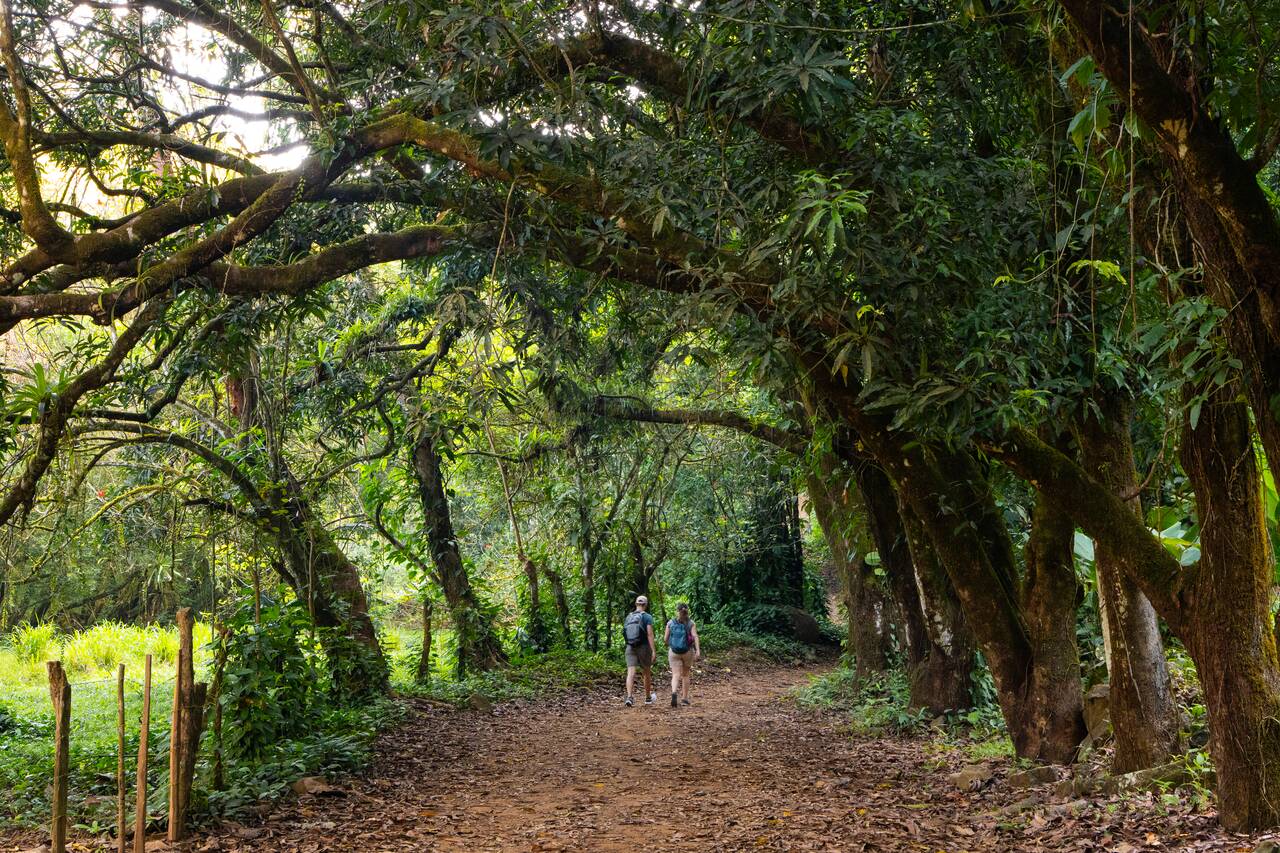
Yes, I found Uvita to be a very safe place to visit. The town is small, laid-back, and geared heavily toward tourism, with plenty of travelers, expats, and locals going about their daily lives. I walked around town during the day, took public buses, and explored many of the area's attractions on my own without ever feeling unsafe.
As with anywhere in Costa Rica, petty theft can happen, so it is always a good idea to keep an eye on your belongings, avoid leaving valuables unattended on the beach, and use common sense when walking around at night. Other than that, Uvita felt much safer than many larger cities in Central America.
That said, the biggest danger I encountered in Uvita was not crime but nature itself. While hiking to Nauyaca Waterfalls, a tarantula hidden beneath a pile of dry leaves on the trail suddenly jumped onto my leg and bit me on the ankle before quickly disappearing back into the forest 😱.
Fortunately, everything turned out fine, as I was reassured by a park ranger I met later that day. Still, it was quite painful, and I was definitely panicking for a while, frantically searching the internet to find out whether I was going to die or not while still hiking the trail 😅. My ankle swelled up slightly and remained sore for a few days afterward, but thankfully that was the extent of it. I am still waiting for my special spider powers to manifest though! 🤣
If you plan on hiking around Uvita, especially on forest trails, be sure to wear proper closed-toe shoes and pay attention to where you step. Most wildlife wants nothing to do with people, but occasionally you might encounter a hidden spider, snake, or other creature sharing the trail with you.
Disclaimer: This post may contain affiliate links. See our disclosure policy.
First Published:
Last updated:

