

Puerto Viejo was the first town I visited in Costa Rica after crossing the border from Panama, and what a way to be introduced to the country! You know you are in Costa Rica when you start spotting sloths and all kinds of wildlife right from the road, which is exactly what happened to me when I cycled along the coastal road in Puerto Viejo.
While most people come here for the beautiful beaches, Puerto Viejo is so much more than just a tropical destination. You can spend your mornings spotting wildlife, your afternoons cycling through the jungle, and your evenings enjoying some of the best Caribbean food in the country.
After spending several days exploring Puerto Viejo, I have decided to compile all my favorite things to do here, along with all the information you need to plan your trip, from how to get around and where to eat to itinerary and more. Continue reading if you are thinking about adding Puerto Viejo to your next Costa Rica trip.

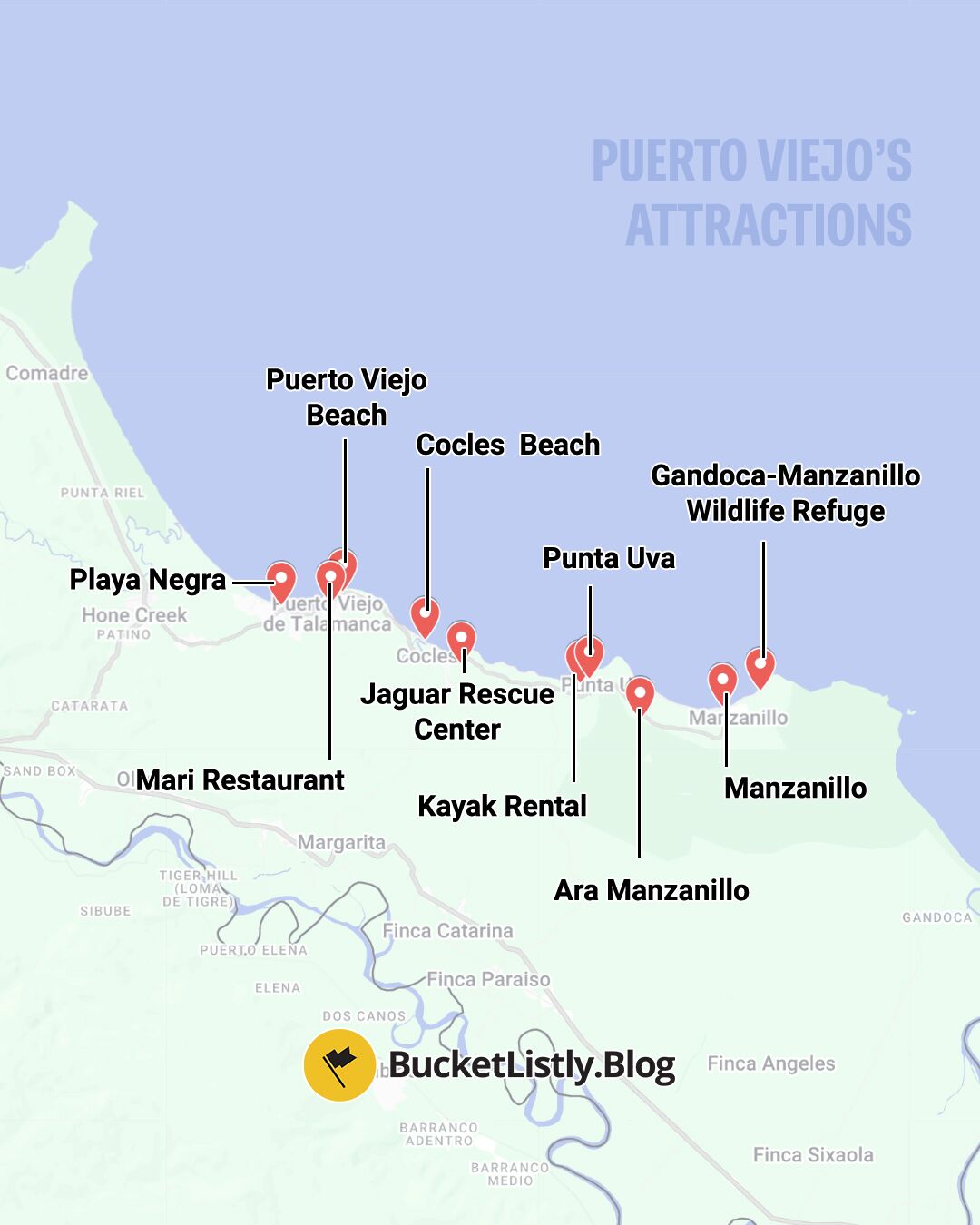
Map of Puerto Viejo's Attractions
Quick Summary
| ♥️ Must See: | Playa Punta Uva |
|---|---|
| 👍 Must Do: | Manzanillo |
| 💎 Hidden Gem: | Gandoca-Manzanillo Wildlife Refuge |
| 🥘 Place to Eat: | Mari Soda Restaurant & Bar |
10 Experiences I Think Are Worth It in Puerto Viejo
1. Stroll Around Puerto Viejo Beach in the Morning
- 📍 Location: Puerto Viejo Beach [Map Link]
- ⚡ Pete's Take: "Wake up early to walk the beach; it's the best time for wildlife spotting and fewer crowds."
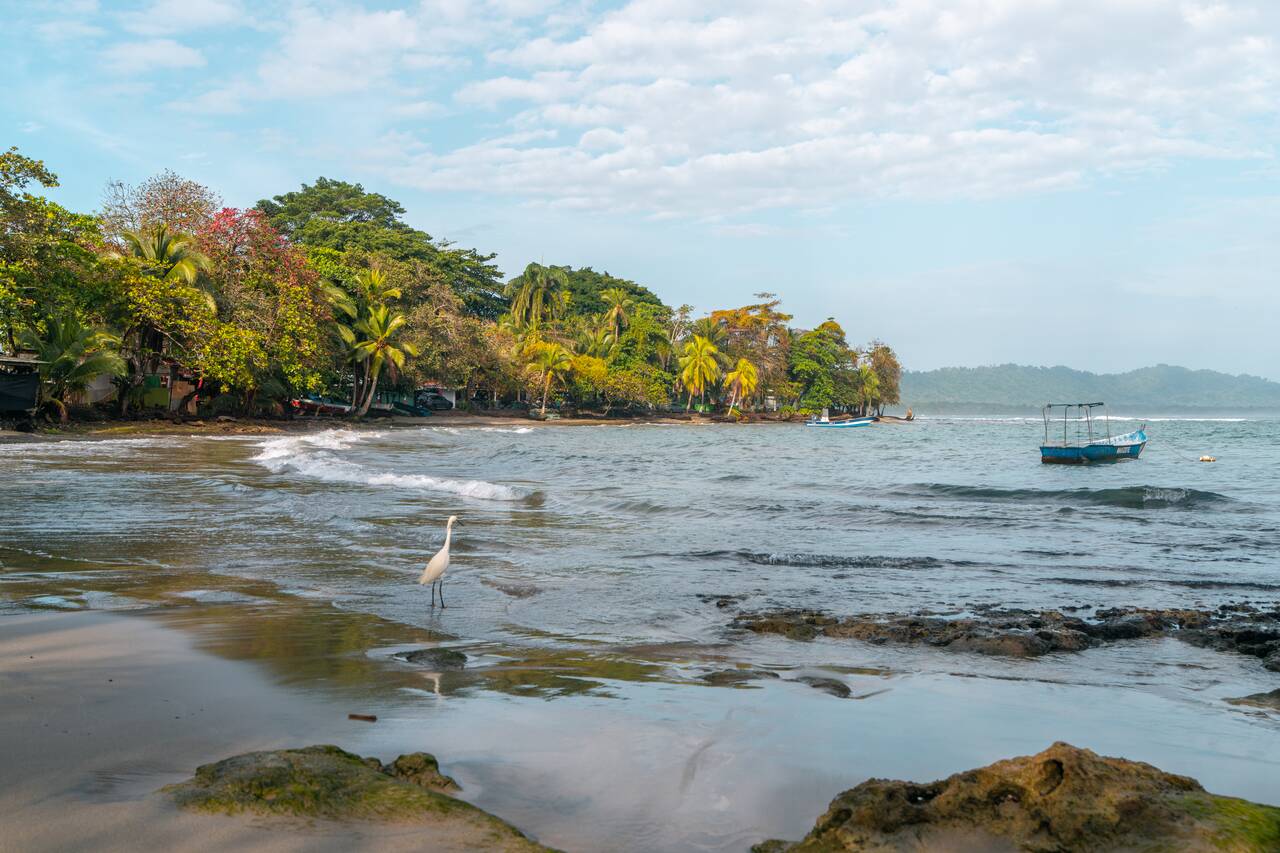
One of my favorite things to do in Puerto Viejo is simply wake up early and take a slow walk along Puerto Viejo Beach before the town starts to get busy. The mornings here have a completely different atmosphere, with calm waves, fewer people, and the surrounding rainforest slowly coming alive.
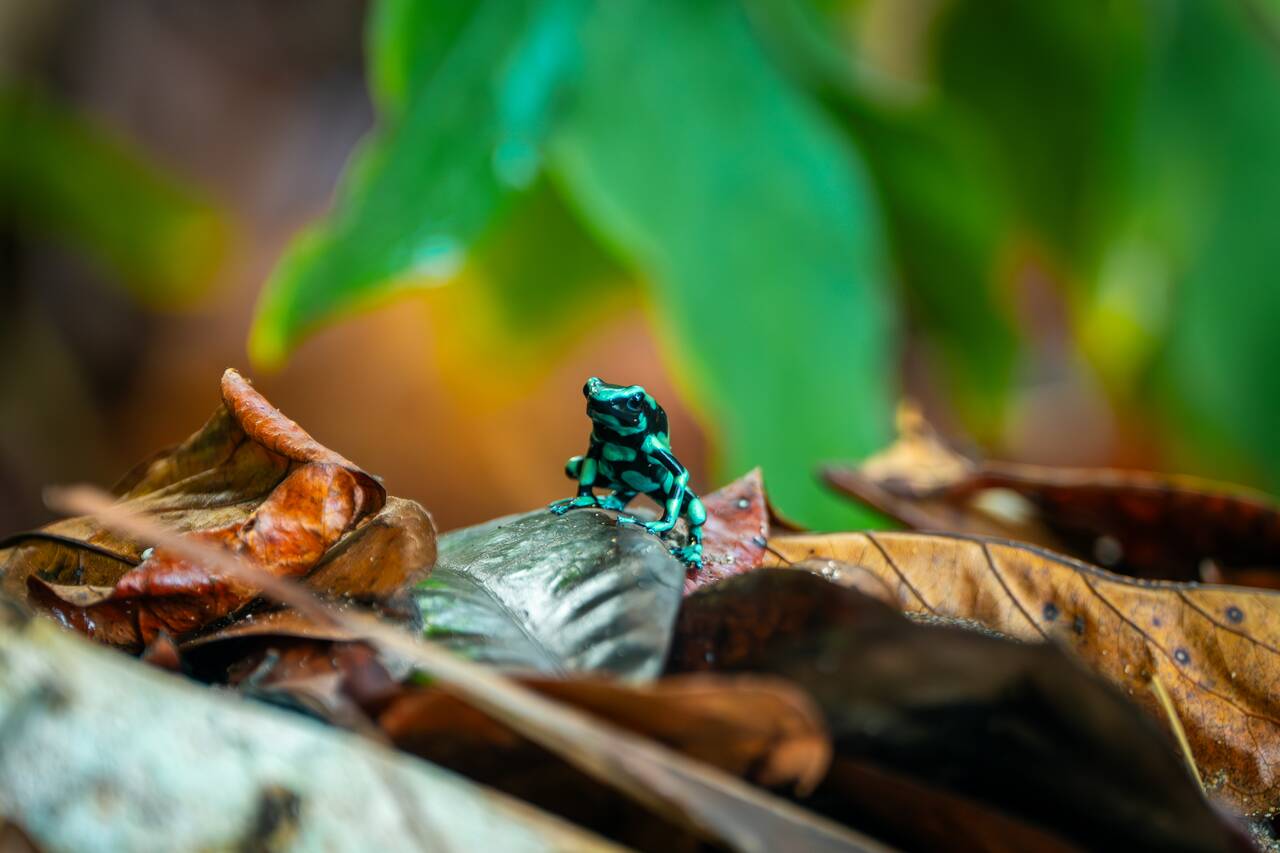
Because the jungle comes right up to the coastline, you do not have to go far to spot wildlife. During my morning walks, I often saw spider monkeys jumping between the trees, colorful birds flying overhead, and all kinds of small creatures hiding in the vegetation. If you are lucky, you might even spot a green and black poison dart frog, one of the many fascinating amphibians that call this part of Costa Rica home.
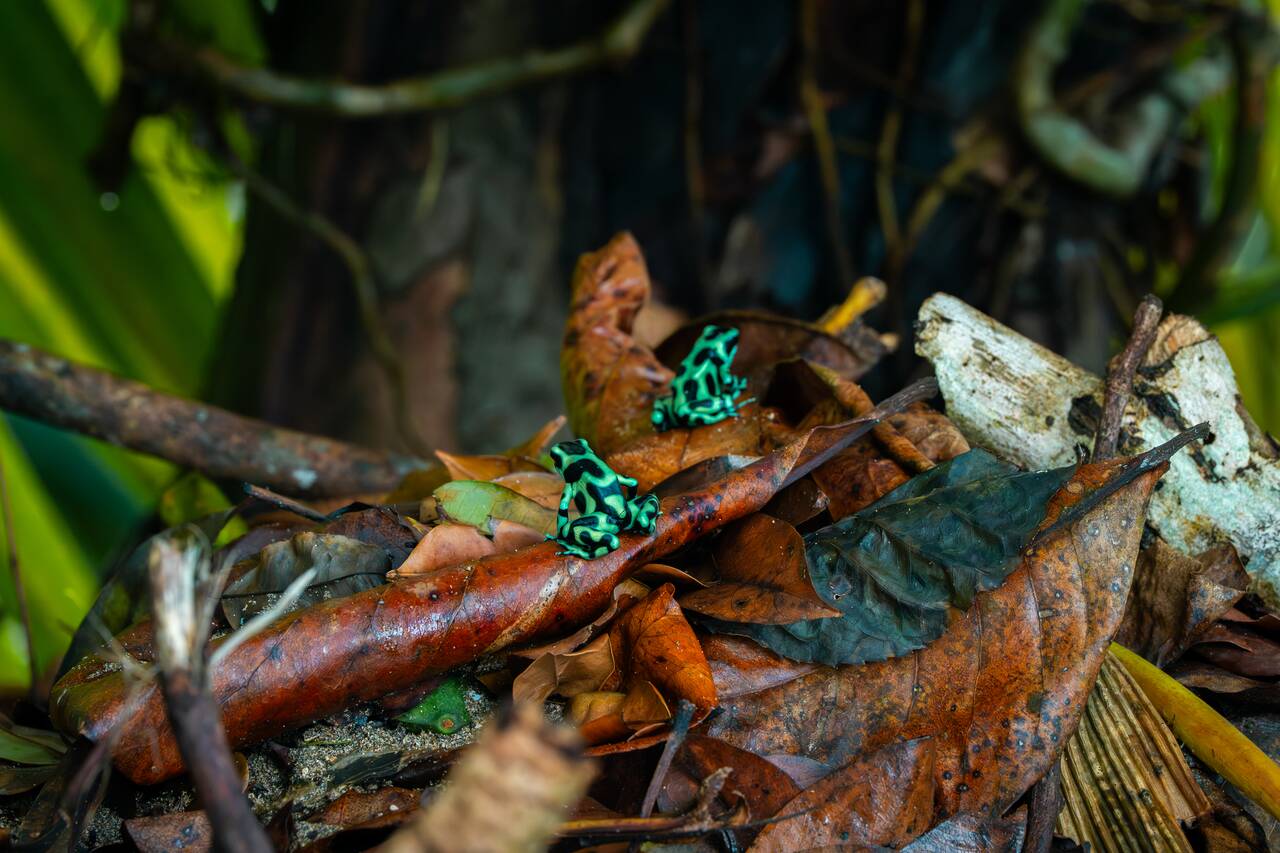
The best time for wildlife spotting is early in the morning when animals are most active and the temperatures are cooler. Walk slowly, listen carefully, and keep looking up into the trees. Many of the best sightings happen when you least expect them.
- Pagalù Hostel (Budget)
- Cabinas Montesol (Mid-Range) 👍 Top Pick
- Namu Garden Hotel & Spa - Adults Only (High-End)
- Puerto Viejo Sloth Jungle and River Kayaking Tour (3 hours)
- Punta Uva Wildlife Kayaking, Hike & Sloth Watching Tour (2-3 hours)
- The Sloth and Kayak Tour - Ethical wildlife encounters (3 hours)
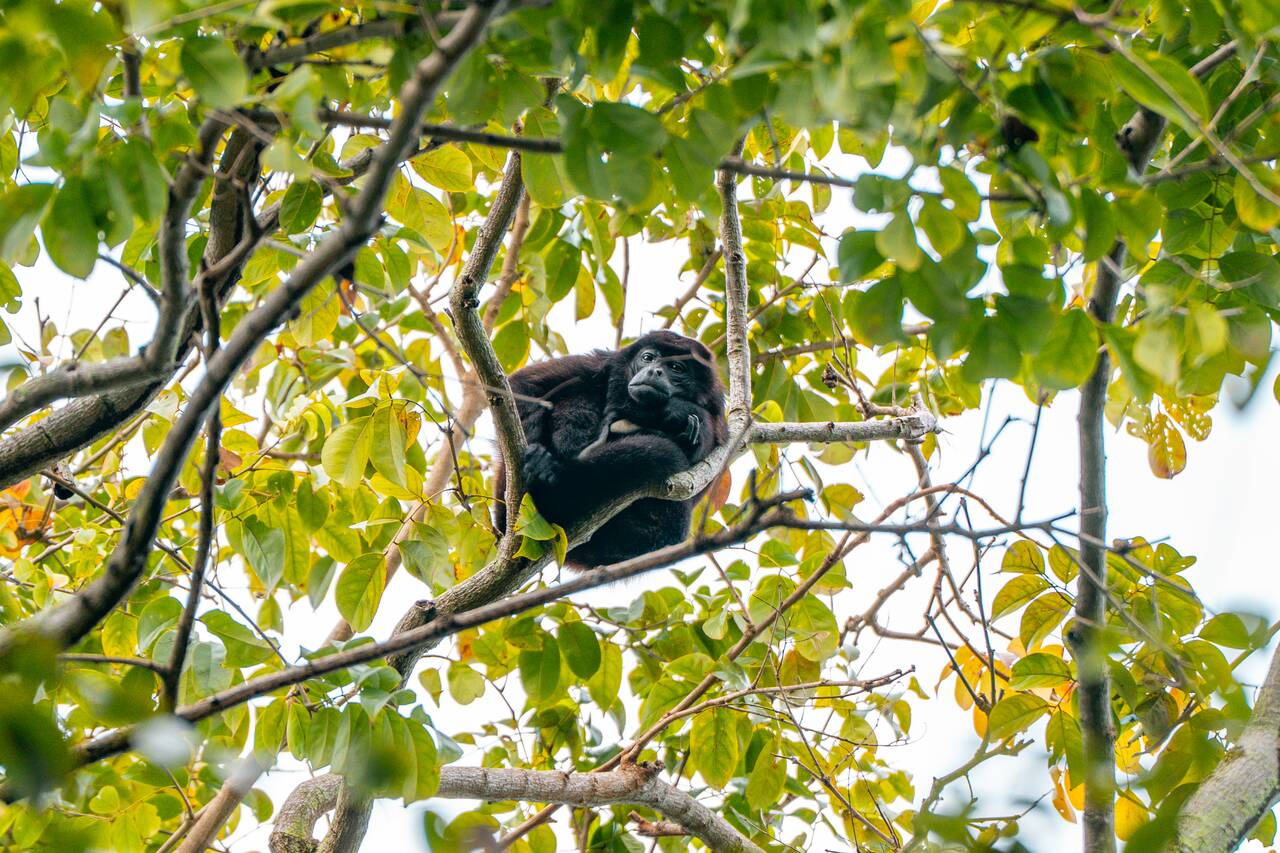
Shout out to the beach staff member who was cleaning this area that morning. He waved at me and pointed out all the animals I ended up seeing that day 😉. I will always be grateful to him, as it was my first day in Costa Rica, and this experience perfectly captured what makes the country so unique. The people are incredibly friendly, and the wildlife is everywhere here, unlike anywhere else I have visited.
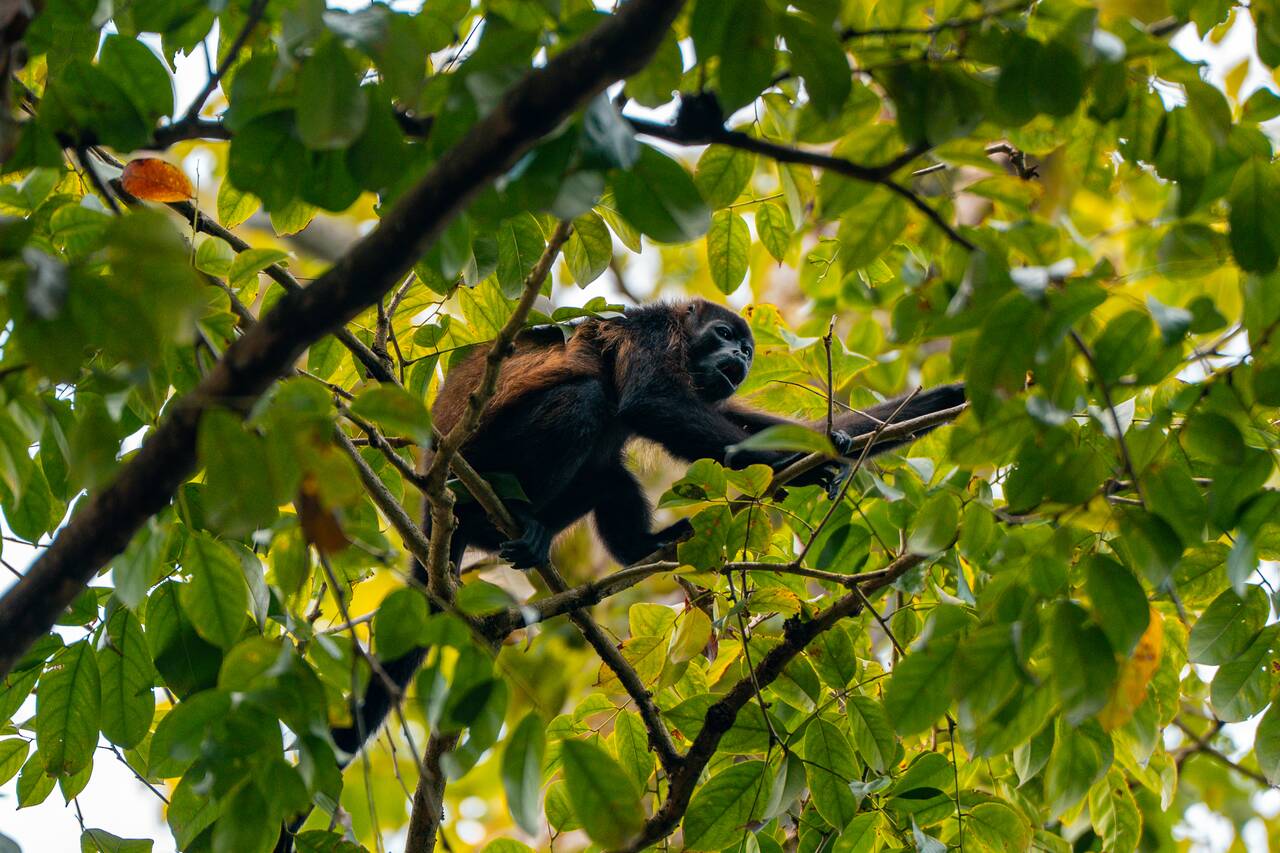
I would also recommend bringing a camera with a zoom lens if you have one. The monkeys tend to stay high in the canopy, and having a bit of reach will make it much easier to capture them without disturbing their space. It is a simple activity, but it perfectly captures what makes Puerto Viejo special: the feeling that the jungle is always just a few steps away.
Where to Stay in Puerto Viejo?
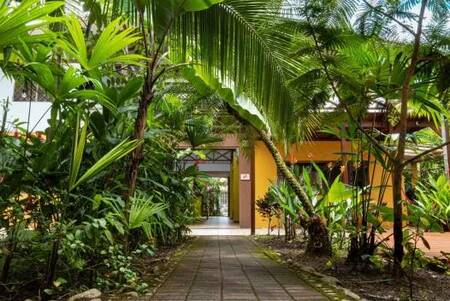


2. Relax at Playa Cocles
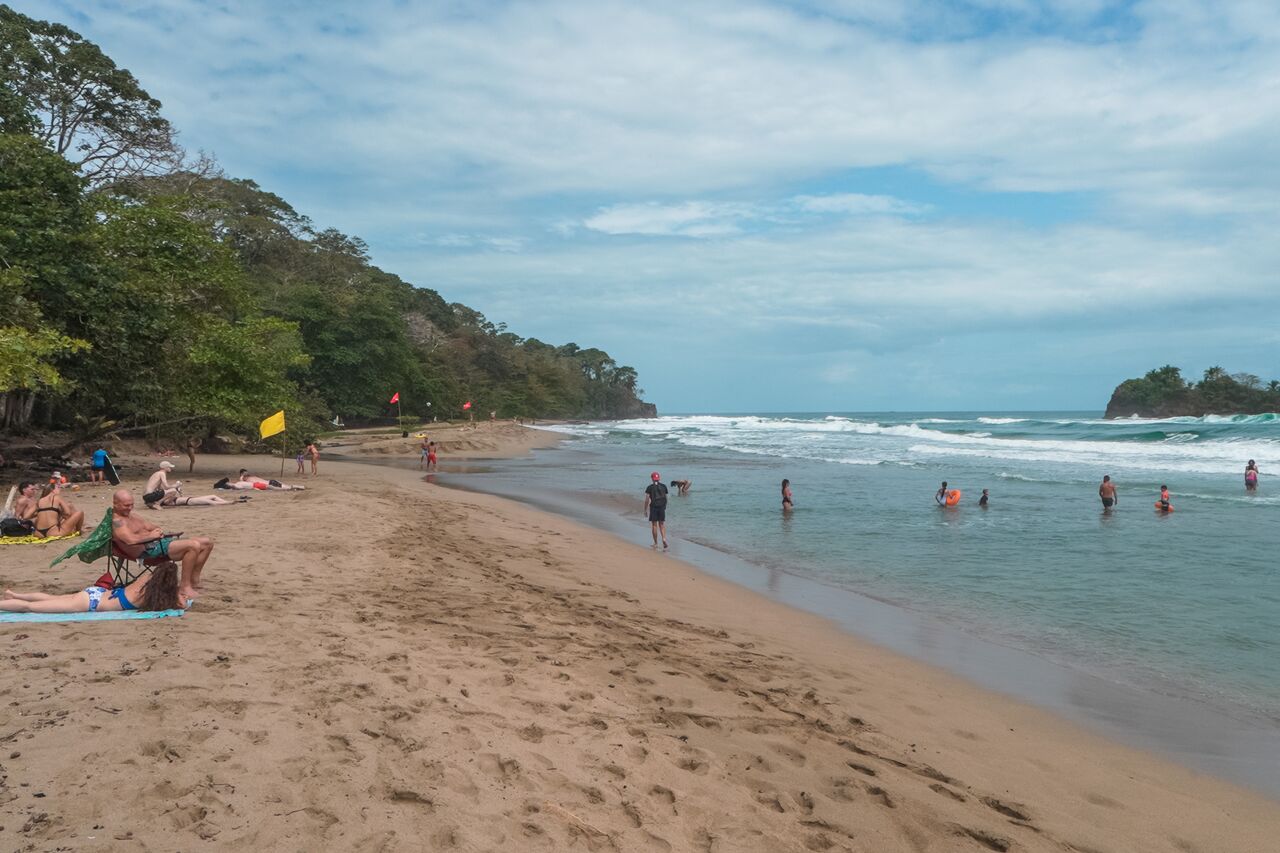
- 📍 Location: Playa Cocles [Map Link]
One of the best beaches to visit near Puerto Viejo is Playa Cocles, a beautiful stretch of golden sand located just a short bike ride or a 30-minute walk from town. Unlike the more laid-back beaches closer to Puerto Viejo, Playa Cocles has a livelier atmosphere with all kinds of activities you can enjoy.
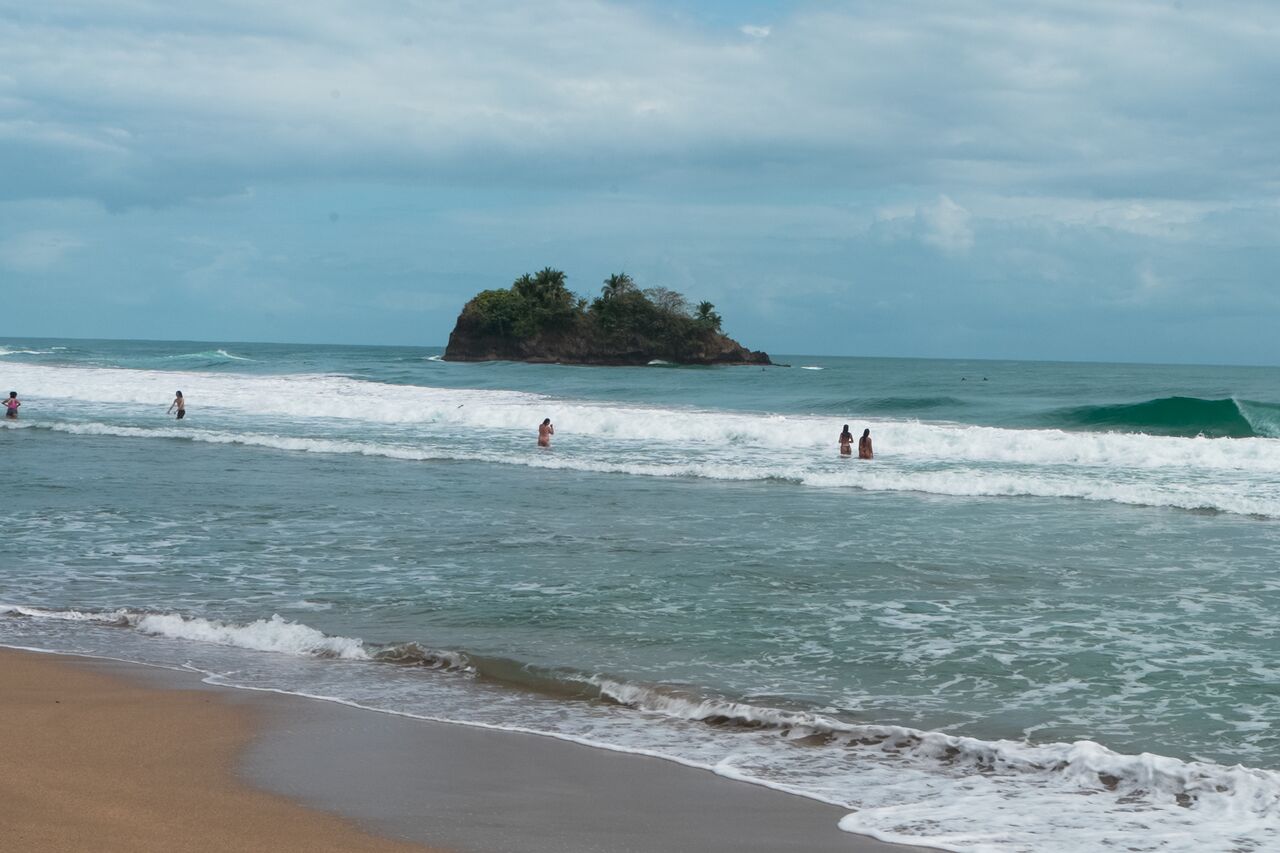
The beach is also larger than the ones in Puerto Viejo, stretching for a few kilometers. On the other side, you will find resorts, restaurants, and cafes surrounded by palm trees and dense rainforest where you can relax. It is a great place to spend a lazy afternoon, doing nothing but enjoying the beach.
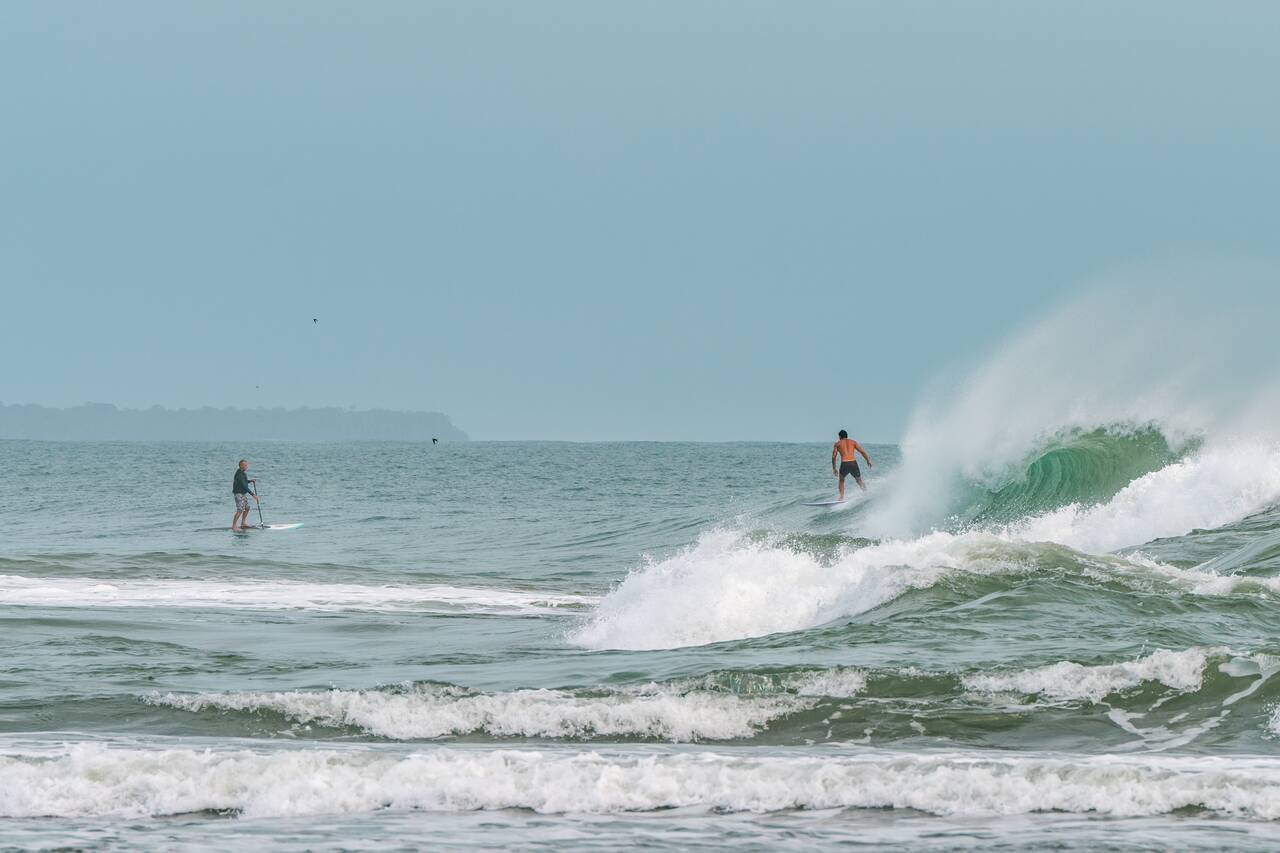
Playa Cocles is also one of the best surfing beaches in the Puerto Viejo area. The waves here can get quite strong, especially during certain times of the year, so it is better suited for experienced surfers. If you are not comfortable in the water, I recommend being cautious when swimming and keeping an eye on local conditions.
One of my favorite things about Playa Cocles is how easy it is to combine with a bike ride along the coast. You can stop here for a swim or a beach break before continuing onward to Punta Uva or Manzanillo. The road between the beaches is incredibly scenic, with plenty of opportunities to stop and spot wildlife along the way.
3. Visit Jaguar Rescue Center
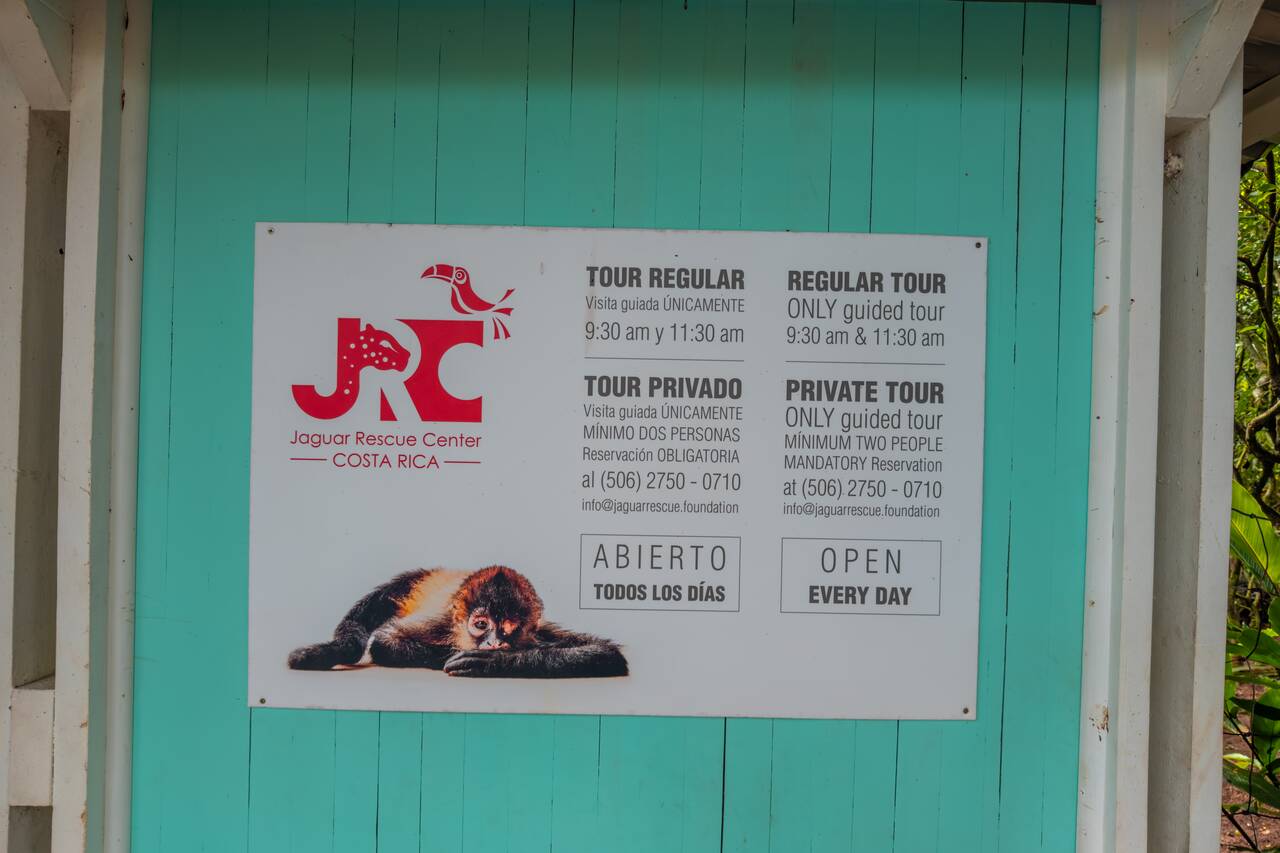
- 📍 Location: Jaguar Rescue Center [Map Link]
- 🕐 Opening Hours: 9:30 AM - 1 PM
- 💰 Entry Fees: 29 USD
- ⚡ Pete's Take: "Entries are available as time slots, so be sure to book the ticket and plan accordingly."
As you explore the coastal road in Puerto Viejo, you will come across Jaguar Rescue Center, a wildlife rehabilitation center dedicated to rescuing and caring for injured, orphaned, and displaced animals from Costa Rica's Caribbean Coast.
Despite its name, you will probably not see a jaguar here. The center was actually named after the first wild cat they rescued, but today it cares for a wide variety of animals, including monkeys, sloths, birds, reptiles, and other rainforest creatures that need help before they can hopefully return to the wild.
To see the inside, you will have to go on a guided tour, which runs twice a day - one at 9:30 AM and another at 11:30 AM, no reservation required. Just make sure you plan your visit accordingly and arrive at least 15-20 minutes prior. The guided tour should last around 1.5 hours.
The knowledgeable guides will share the stories behind each animal, explain their rehabilitation process, and give you a fascinating look into the challenges wildlife faces in Costa Rica, both in English and in Spanish. You will be touring outdoors most of the time, so be sure to pack a raincoat in case it starts to pour.
The center is open from 9:30 AM to 1 PM daily except on the first of January, and the entrance ticket is 29 USD per person. Again, you will need to go with a mandatory guide, so make sure to align your visit to 9:30 AM or 11:30 AM. If you love wildlife, this is definitely one of the places I would not skip in Puerto Viejo.
4. Spot Sloths around Playa Punta Uva
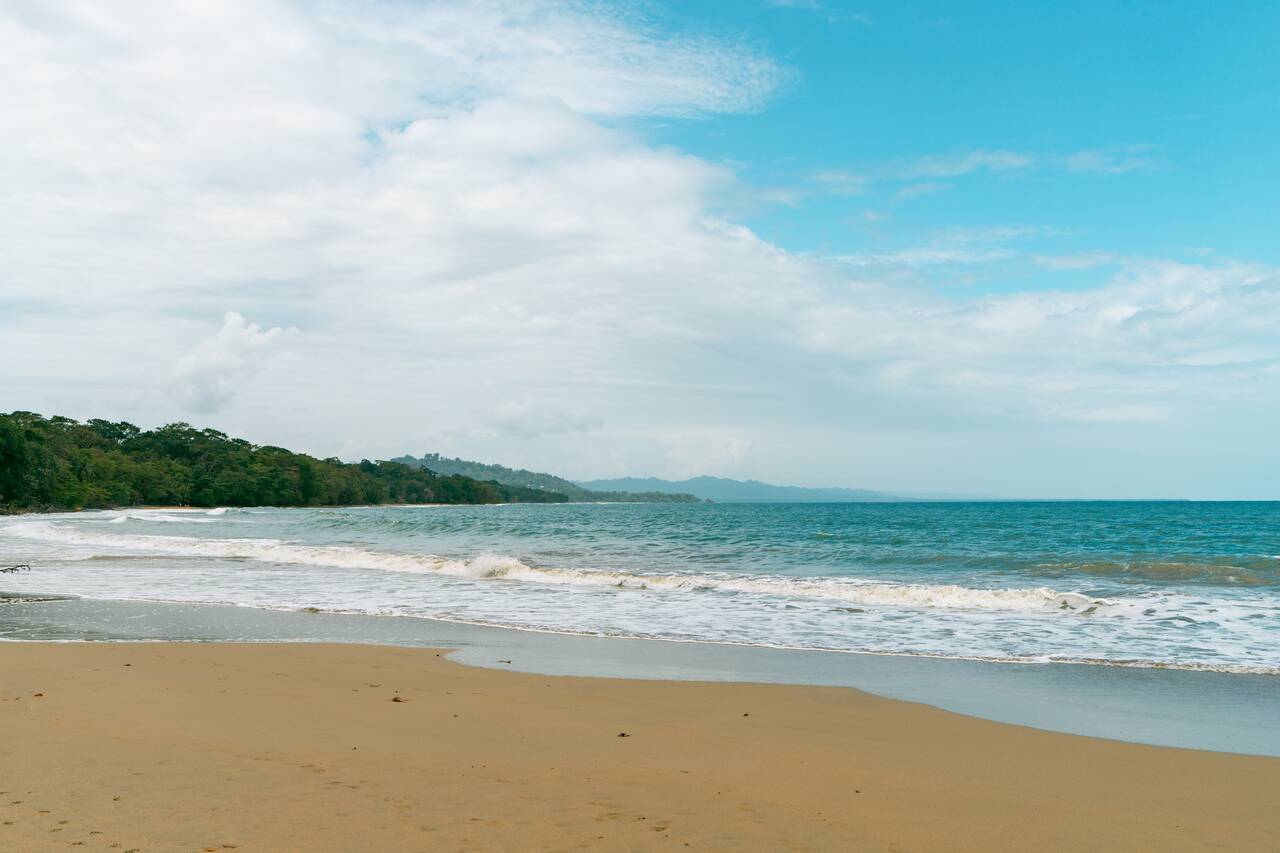
- 📍 Location: Playa Punta Uva [Map Link]
- ⚡ Pete's Take: "Look out for wildlife here. I saw tons of sloths just hanging out by the trees right next to the beach."
One of the best places to spot wildlife around Puerto Viejo is Playa Punta Uva, a beautiful beach surrounded by dense rainforest and some of the calmest waters along the Caribbean Coast. While most people come here to hang out at the beach, the real highlight for me was that I didn't have to go far to encounter Costa Rica's incredible wildlife.
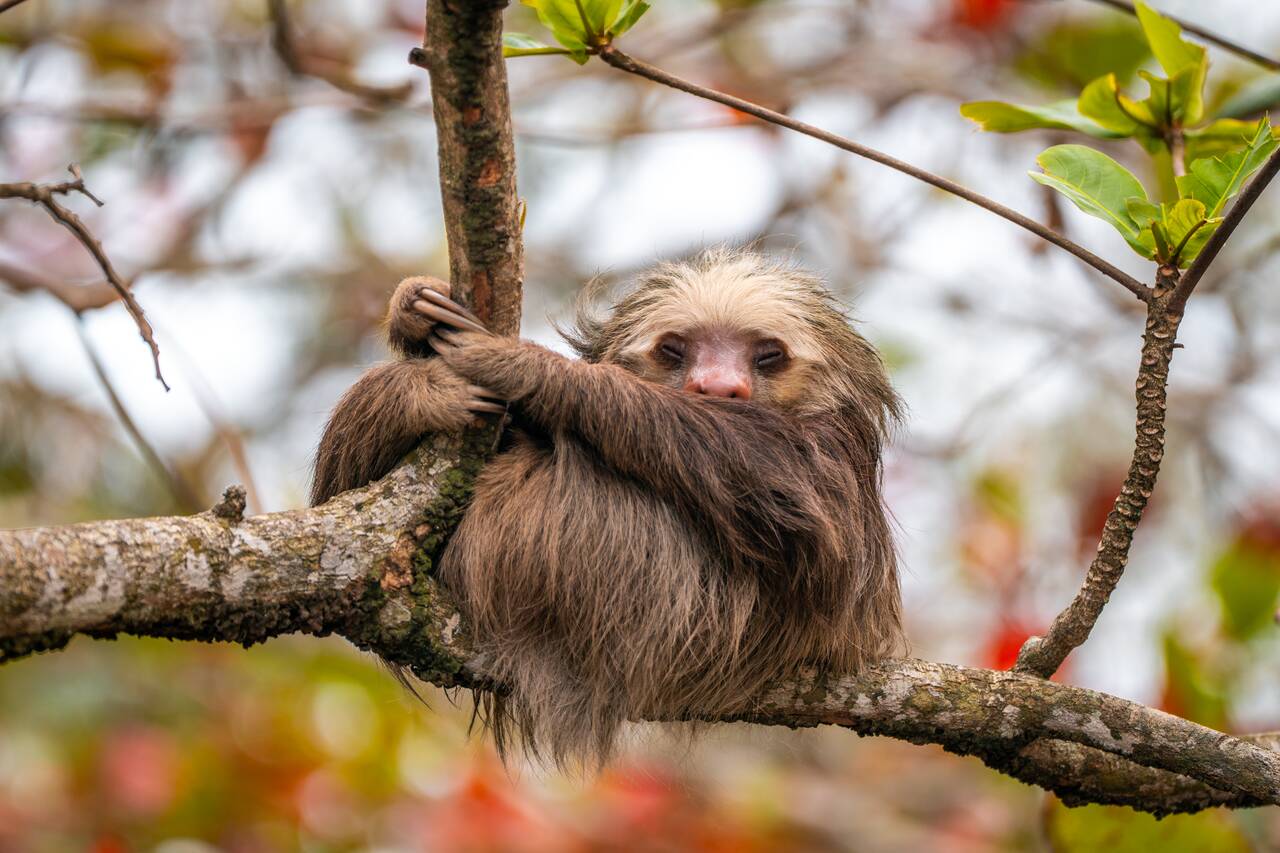
As you walk along the road toward Punta Uva or explore the jungle edges around the beach, keep your eyes on the trees. Sloths are surprisingly common in this area, and I spotted several of them just hanging out above the road, slowly moving between branches. They blend in extremely well with their surroundings, so take your time and look carefully. Sometimes the easiest way to find them is by looking for a group of people staring up at the trees 😉.
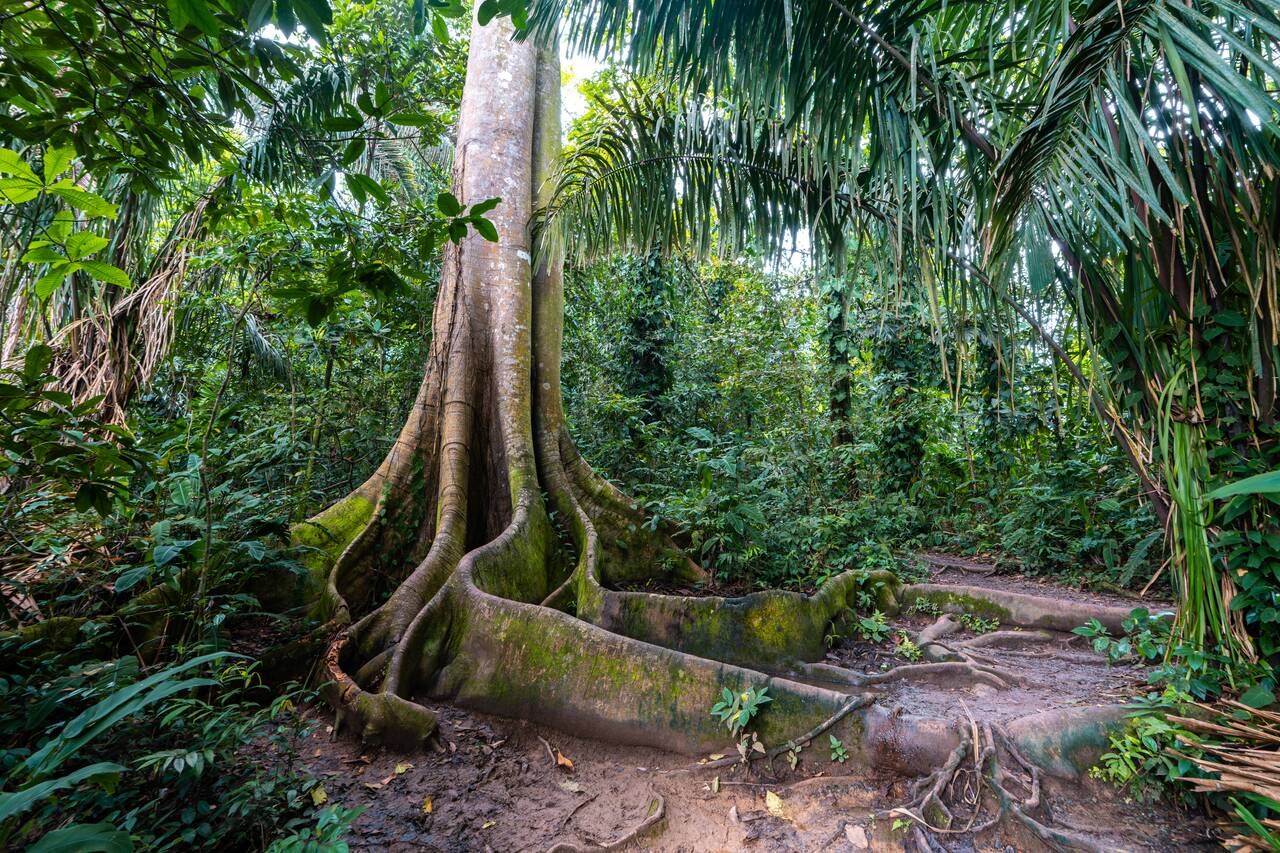
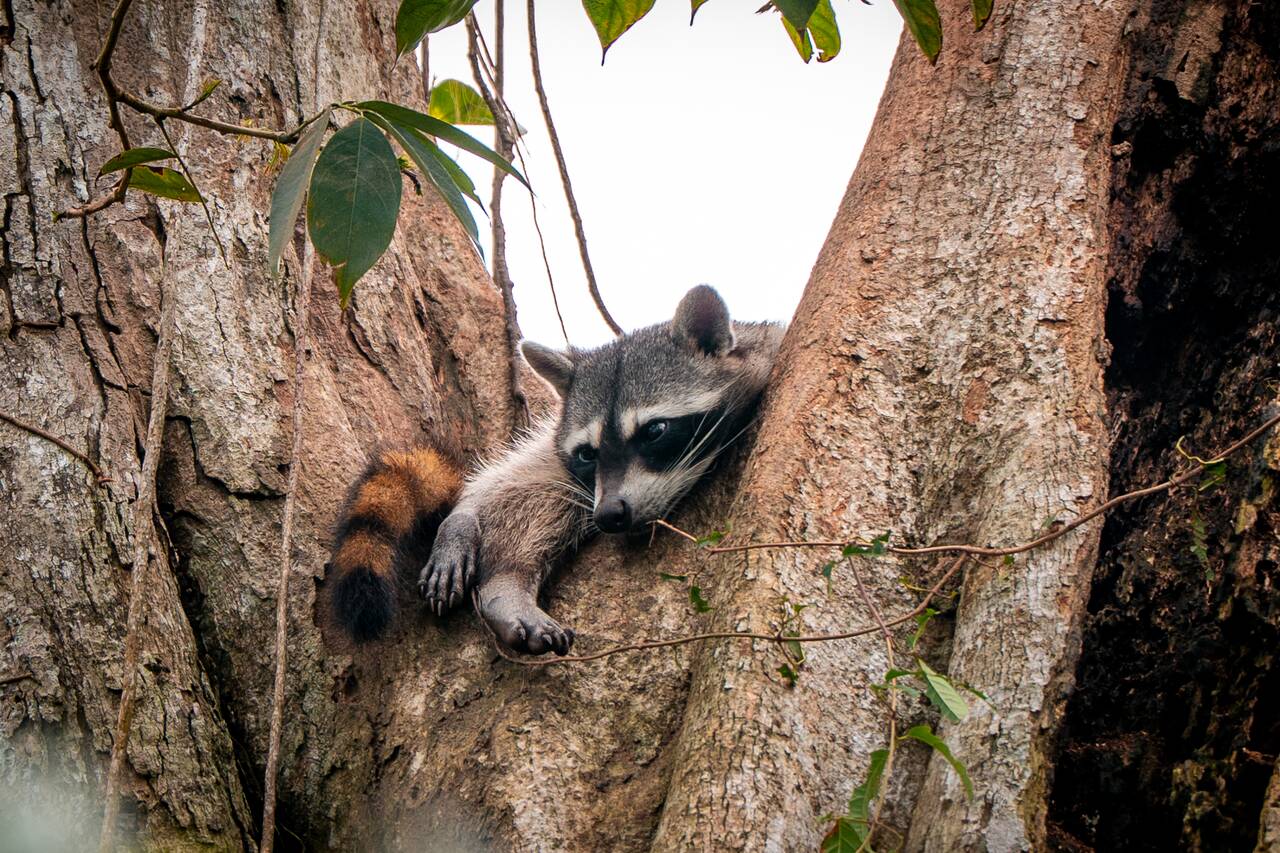
Besides sloths, you might also spot monkeys, colorful birds, raccoons, and other small creatures living in the surrounding rainforest. You can hike up to Cueva Punta Uva and check out the view from the top of the hill, or walk over to Playa Grande, which is arguably an even better beach than Playa Punta Uva.
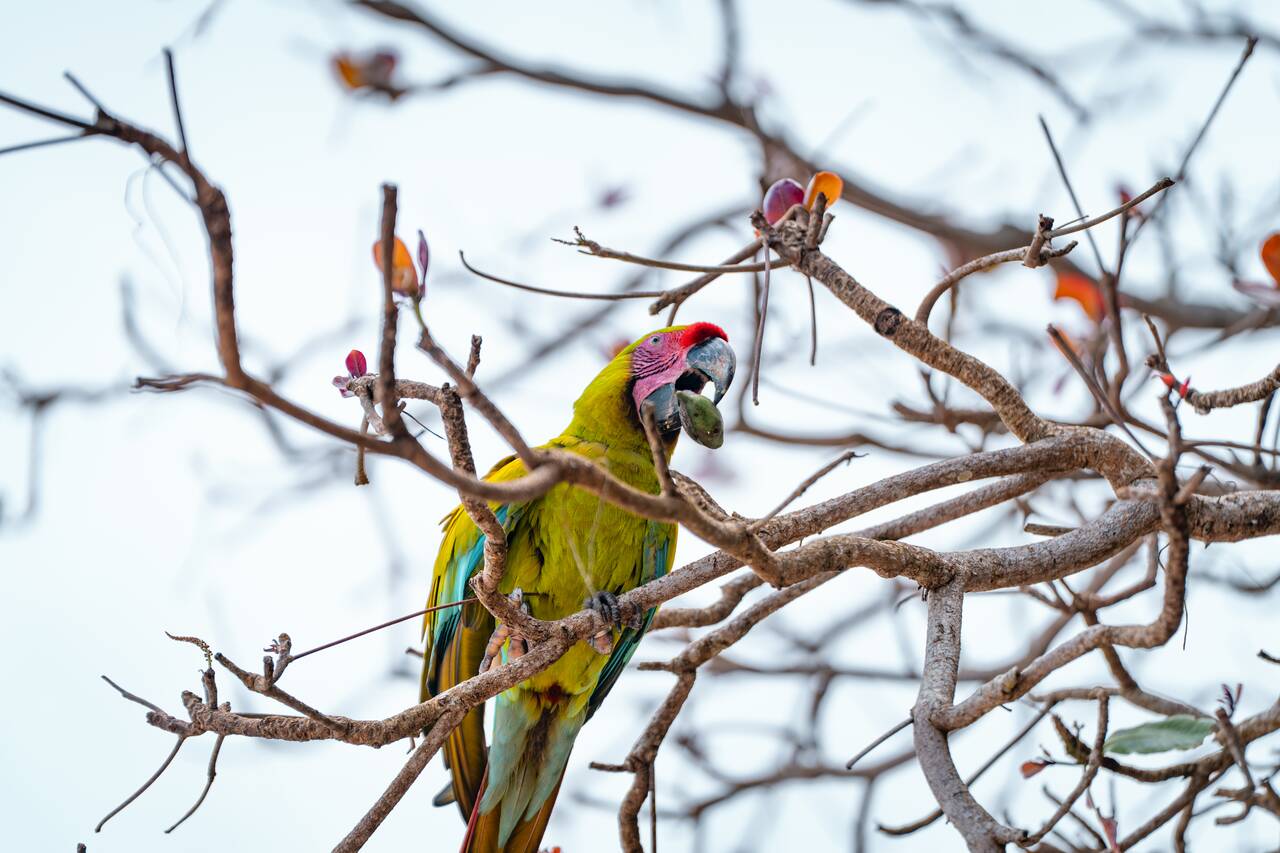
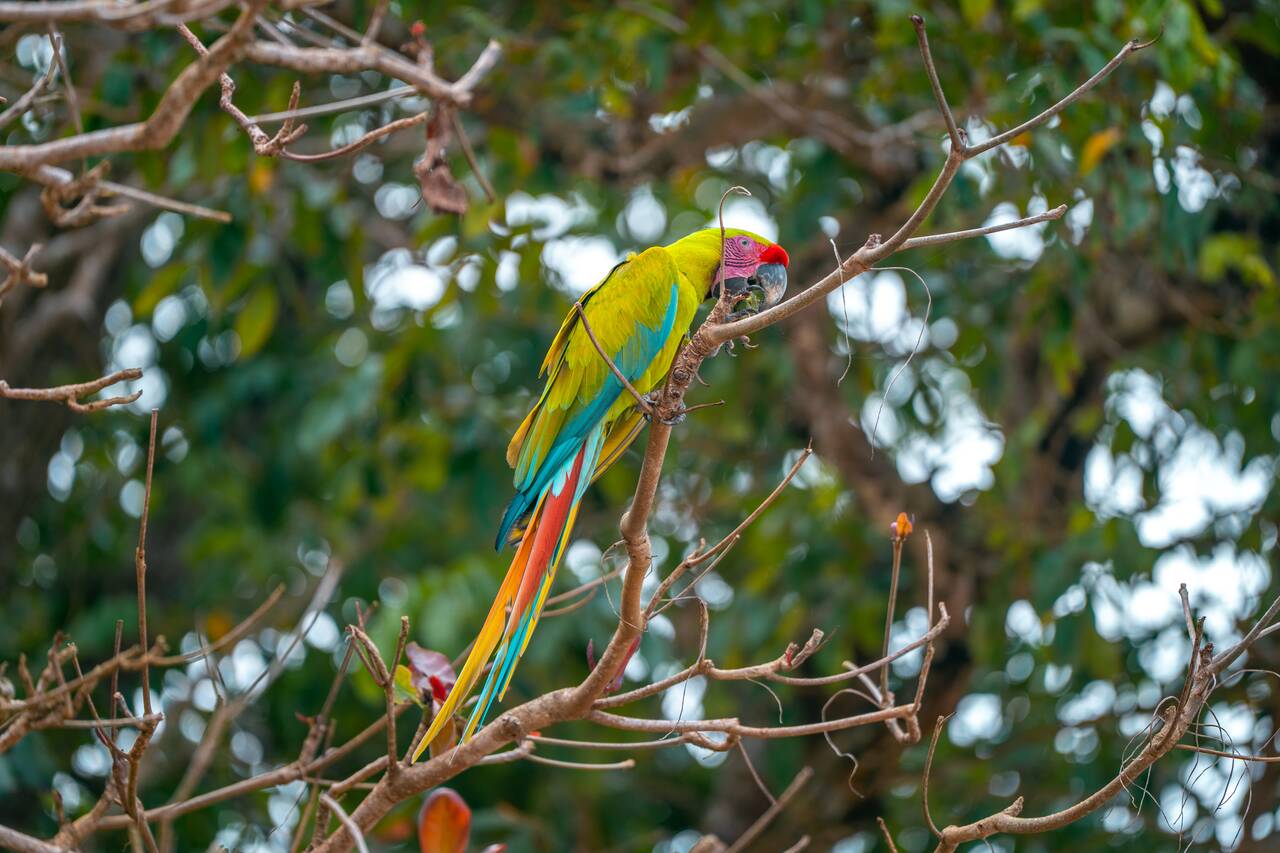
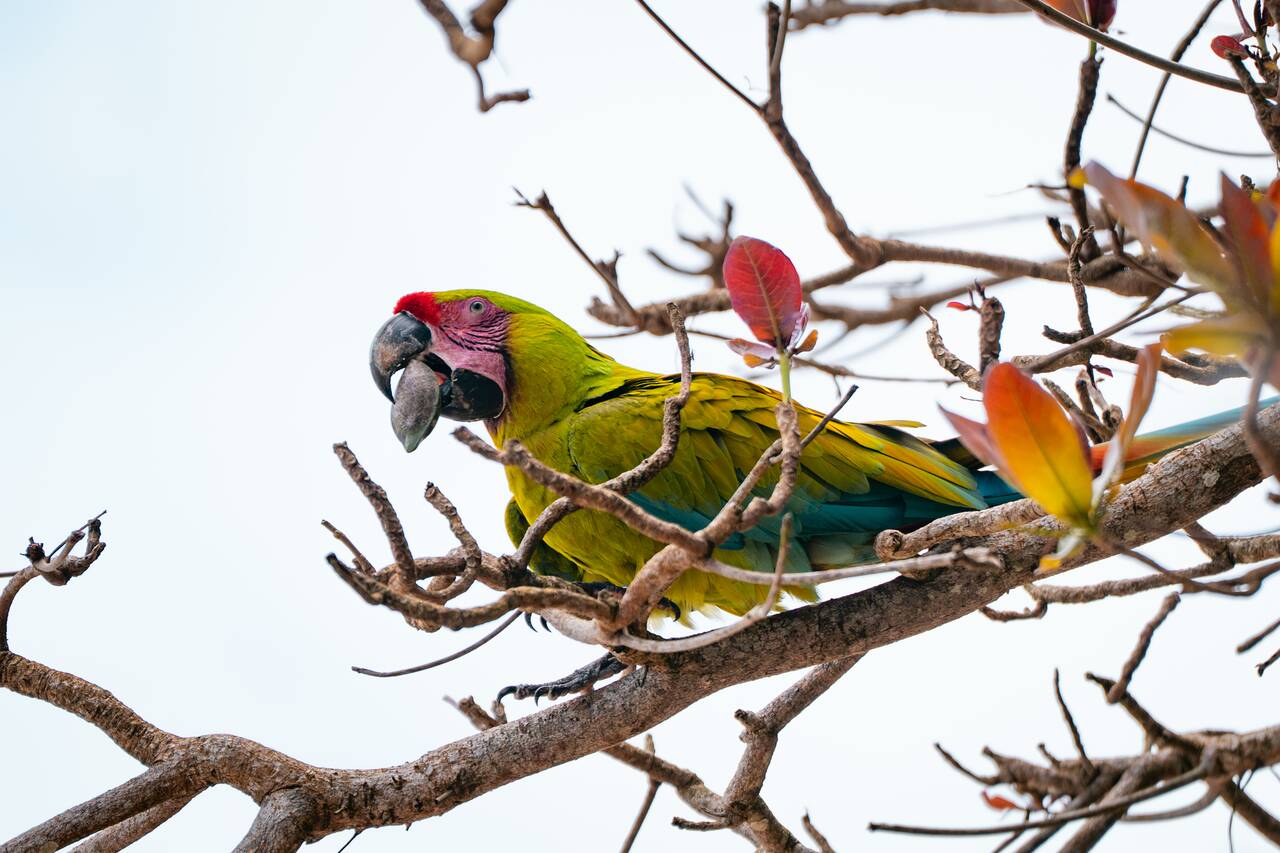
Playa Grande is more spacious, feels less crowded, and gives you plenty of chances to spot even more wildlife. When I got there, I saw a group of people looking up at a tree, and then I spotted this massive Great Green Macaw sitting and cracking open a hard shell seed on one of the trees right by the beach. It was awesome.
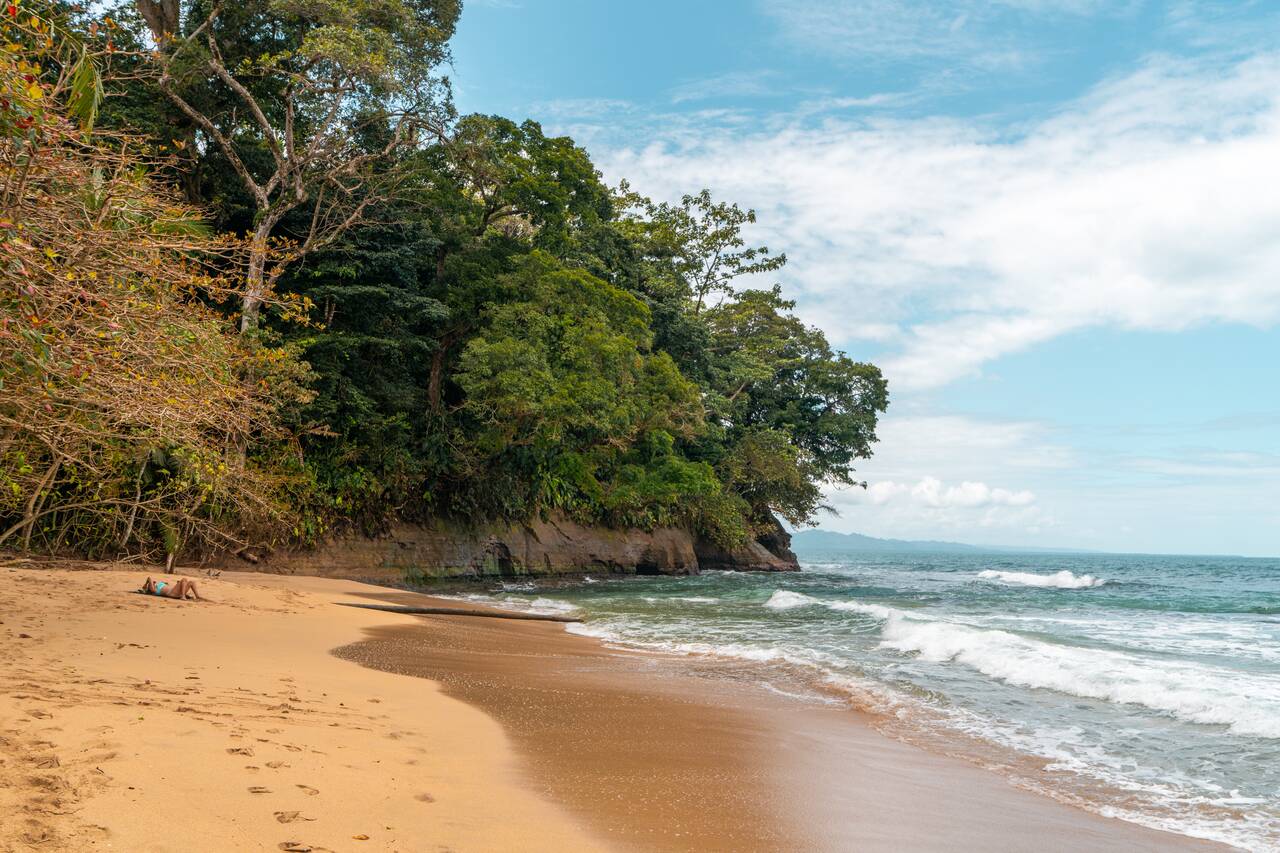
I recommend visiting early in the morning when animals are more active and before the beach gets busier. You can rent a bike from Puerto Viejo and ride here in about 30 minutes, and you can easily spend a few hours swimming, relaxing on the sand, and exploring the nearby jungle paths.
5. Kayak the Mangrove Forest in Punta Uva
- 📍 Location: Pachos Place Kajac and Surfing [Map Link]
- 🕐 Opening Hours: 9:30 AM - 4:30 PM
- 💰 Kayak Rental Fees: 10 USD / Book guided tour
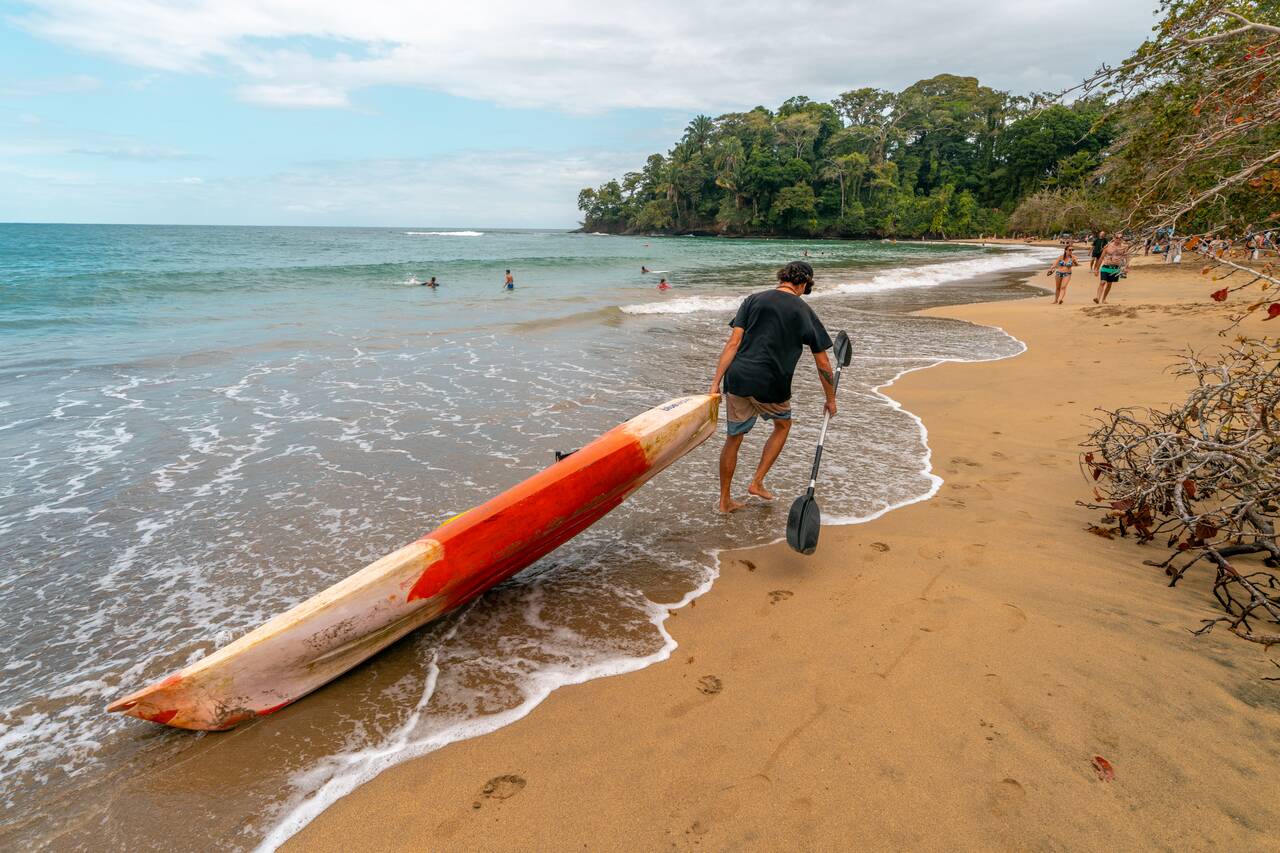
If you really like Punta Uva and want to spend more time exploring its wonderful lush rainforest, I highly recommend you grab a kayak from Pachos Place Kajac and Surfing located near the beach, and go explore the mangrove forest up the river.
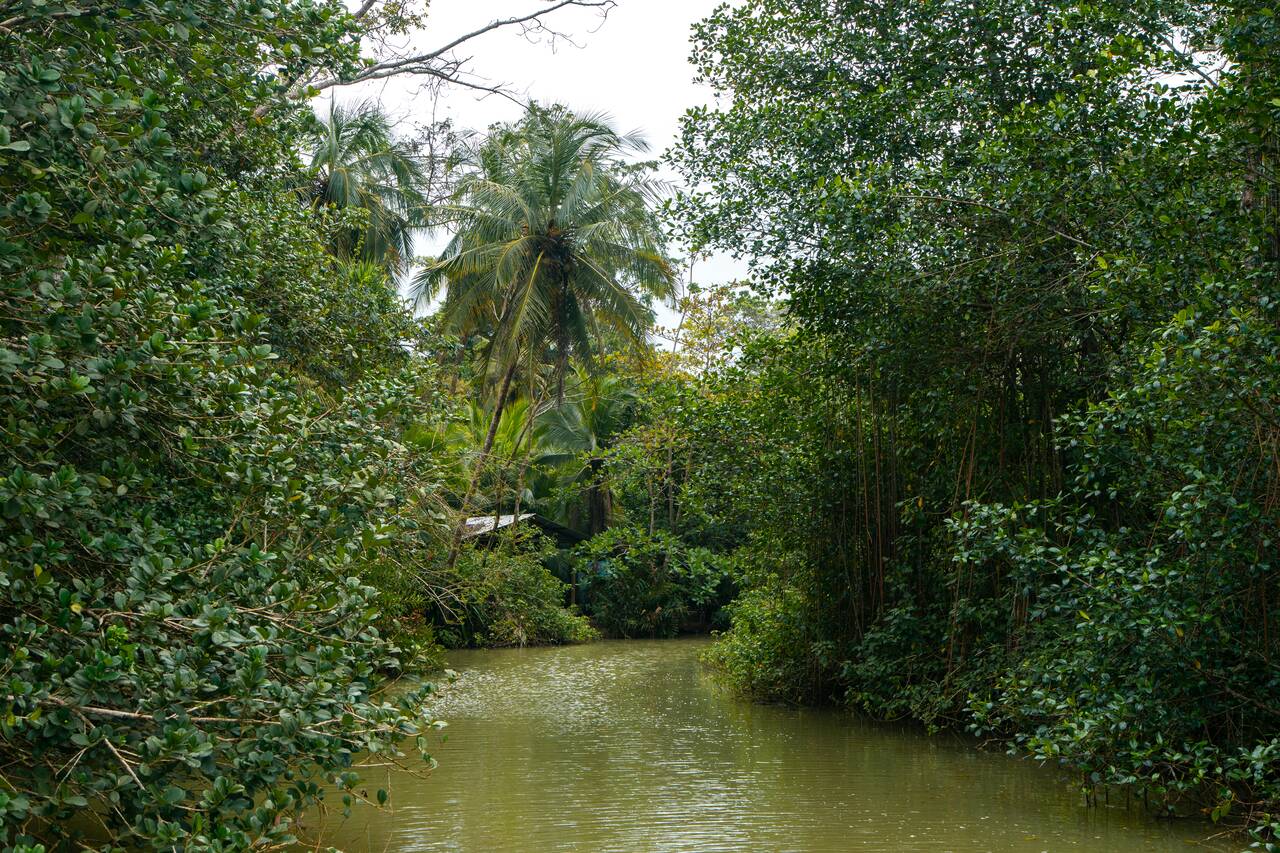
While most travelers come here for the beautiful beaches, the waterways behind the coastline are home to a completely different ecosystem filled with wildlife. As you slowly make your way through the mangroves, keep your eyes open for wildlife. You might spot something that you may not have easily seen, like toucans, if you were to just walk around the beach.
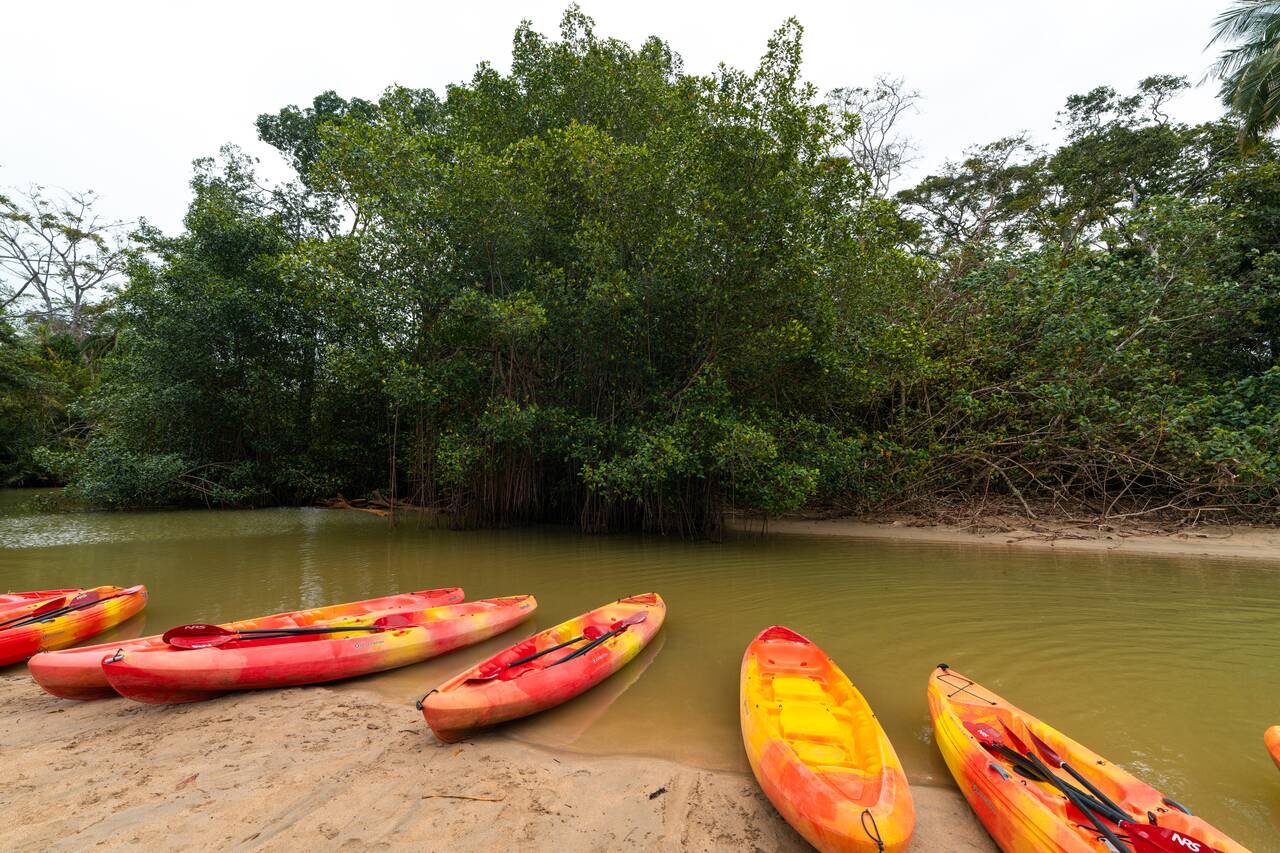
You can either do it with a local guide, which will increase your chance of seeing animals substantially as they often know what to look out for or where certain animals like to hang out, or you could do a self-guided tour to explore the river at your own leisure.
The tour usually takes around 1.5 hours and can be easily combined with a visit to Playa Punta Uva or Playa Grande. Kayak rentals cost around 10 USD per hour, with guided tours available for an additional fee. The rental place is open every day from 9:30 AM to 4:30 PM.
6. Bike to Playa Manzanillo
- 📍 Location: Manzanillo [Map Link]
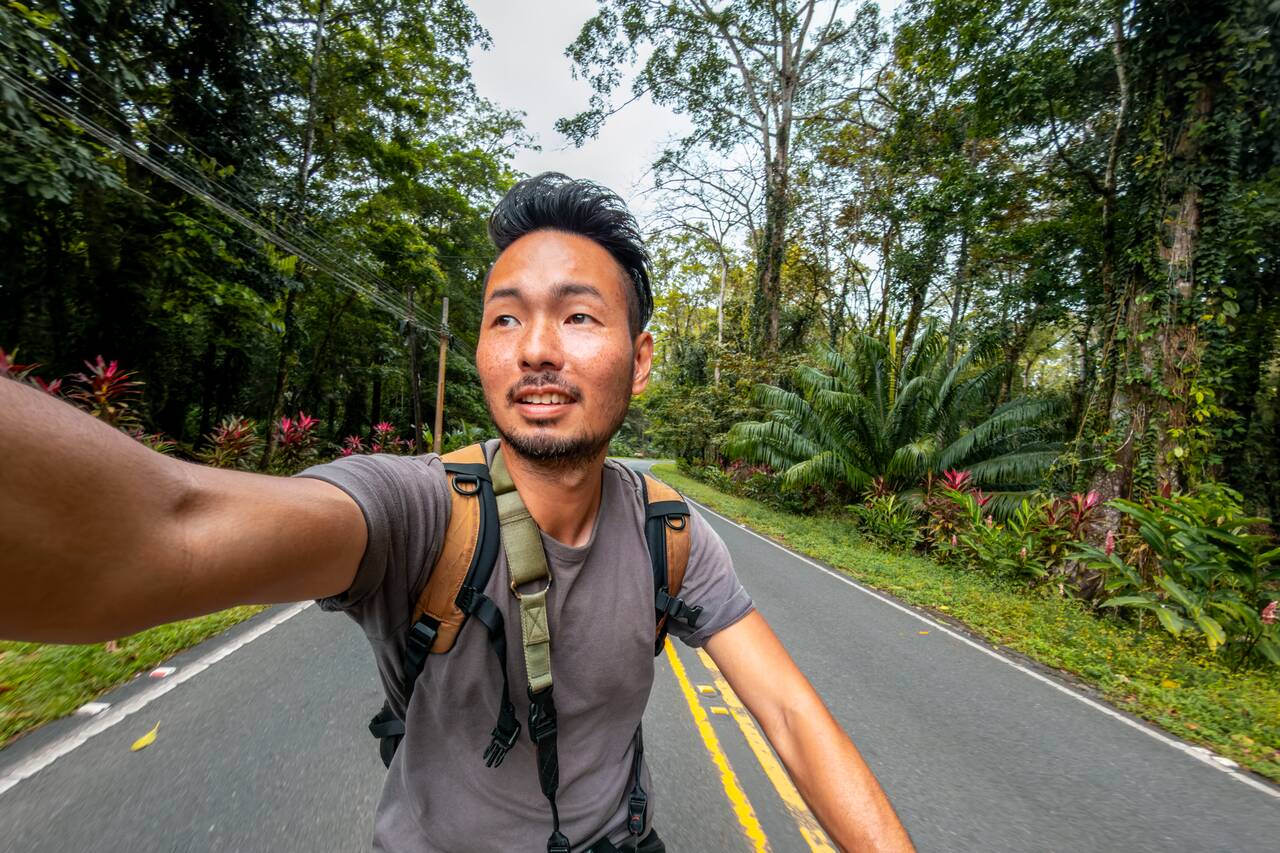
- ⚡ Pete's Take: "It's a beautiful road for riding a bike—there's not a lot of traffic, and it's full of trees."
If I could only recommend one thing to do in Puerto Viejo, it would be to rent a bicycle and ride down the coastal road toward Manzanillo. The route takes you past some of the most beautiful beaches on Costa Rica's Caribbean Coast, with the ocean on one side and dense rainforest on the other.
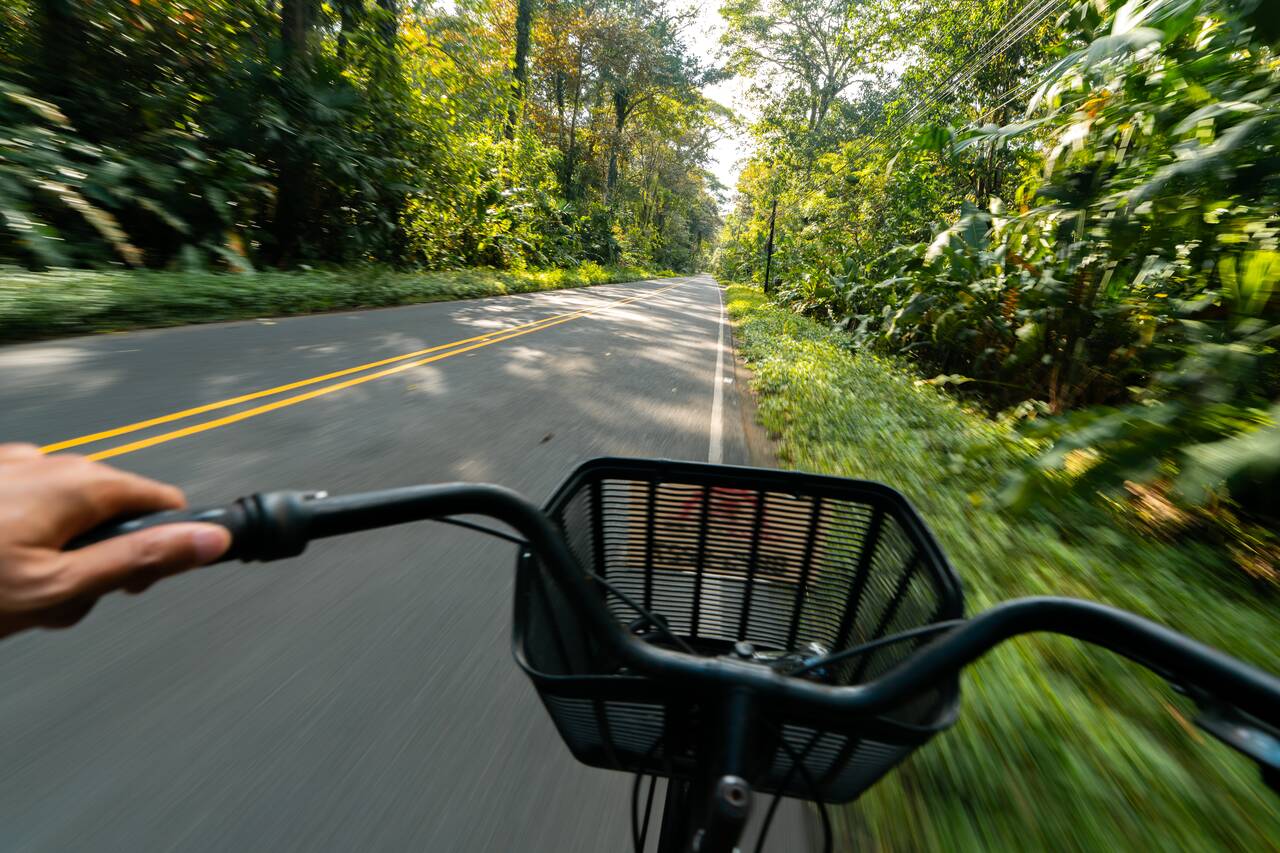
The ride from Puerto Viejo to Manzanillo takes around an hour without stopping, but I would recommend taking your time. There are plenty of reasons to slow down along the way, whether it is stopping at a quiet beach, grabbing a drink, looking for wildlife, or simply enjoying the scenery.
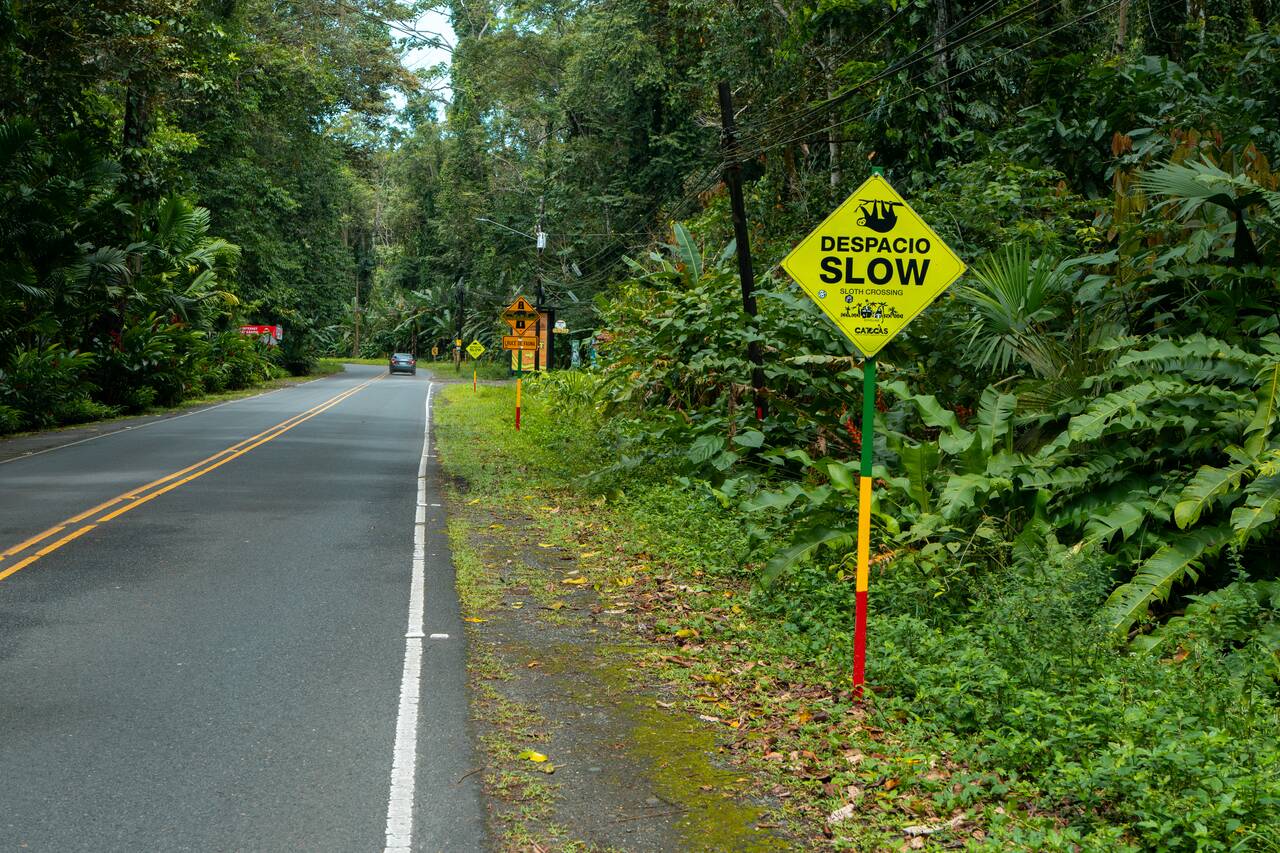
The road is mostly flat, with only a couple of short uphill sections as you get closer to Manzanillo. It is an easy ride for most people, and the lack of heavy traffic makes cycling here feel safe and enjoyable. Just be sure to bring enough water, as the tropical heat can sneak up on you, especially around midday.
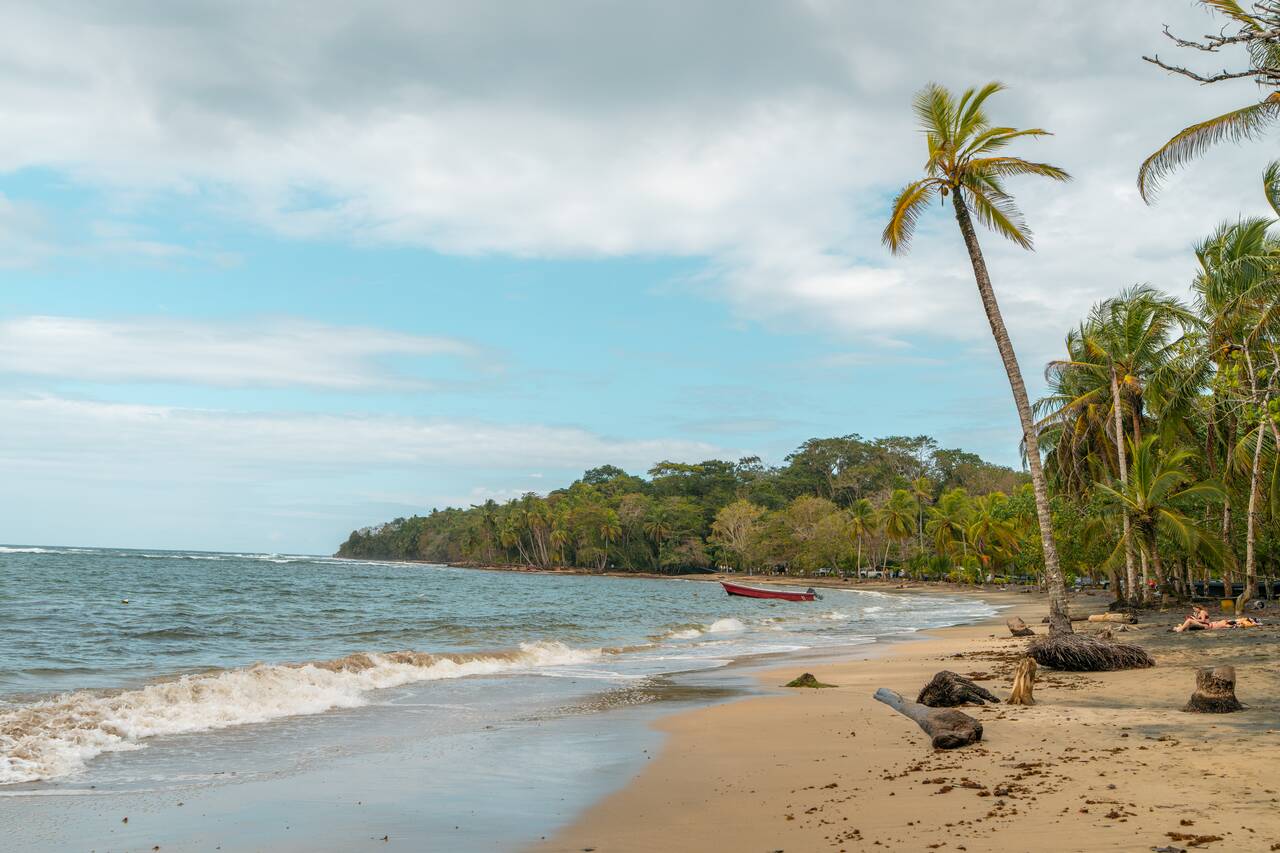
At the end of the coastal road, you will find yourself in Manzanillo, a small and peaceful fishing village that feels like a world away from the busier streets of Puerto Viejo. Unlike Puerto Viejo, Manzanillo still feels raw and untouched. The village itself is small, with a few local restaurants, shops, and places to grab a drink, but the real highlight is the nature surrounding it.
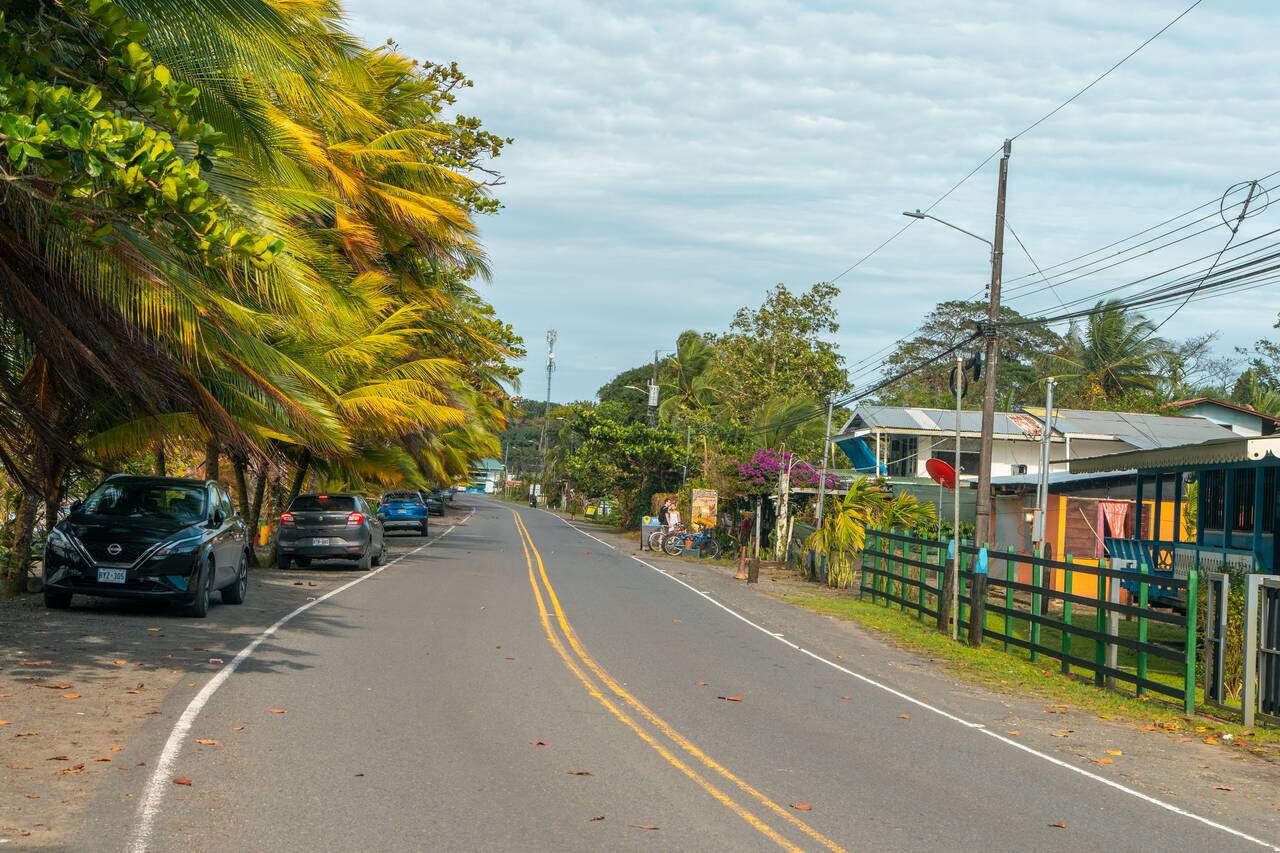
I recommend walking along the coastline and exploring beyond the main beach area. The further you go, the quieter it gets, and you will find small hidden beaches where you might have the entire place to yourself. The scenery here is absolutely incredible and, in my opinion, makes the whole journey of getting here worthwhile.
7. Hike Around Gandoca-Manzanillo Wildlife Refuge
- 📍 Location: Gandoca-Manzanillo Wildlife Refuge [Map Link]
- 🕐 Opening Hours: 6:30 AM - 3 PM
- 💰 Entry Fees: Free
One of the best things to do while you are in Manzanillo is to hike around the Gandoca-Manzanillo Wildlife Refuge. Located just beyond the village of Manzanillo, this protected area is where the rainforest meets the Caribbean Sea, creating one of the most beautiful and wildlife-rich landscapes on the coast.
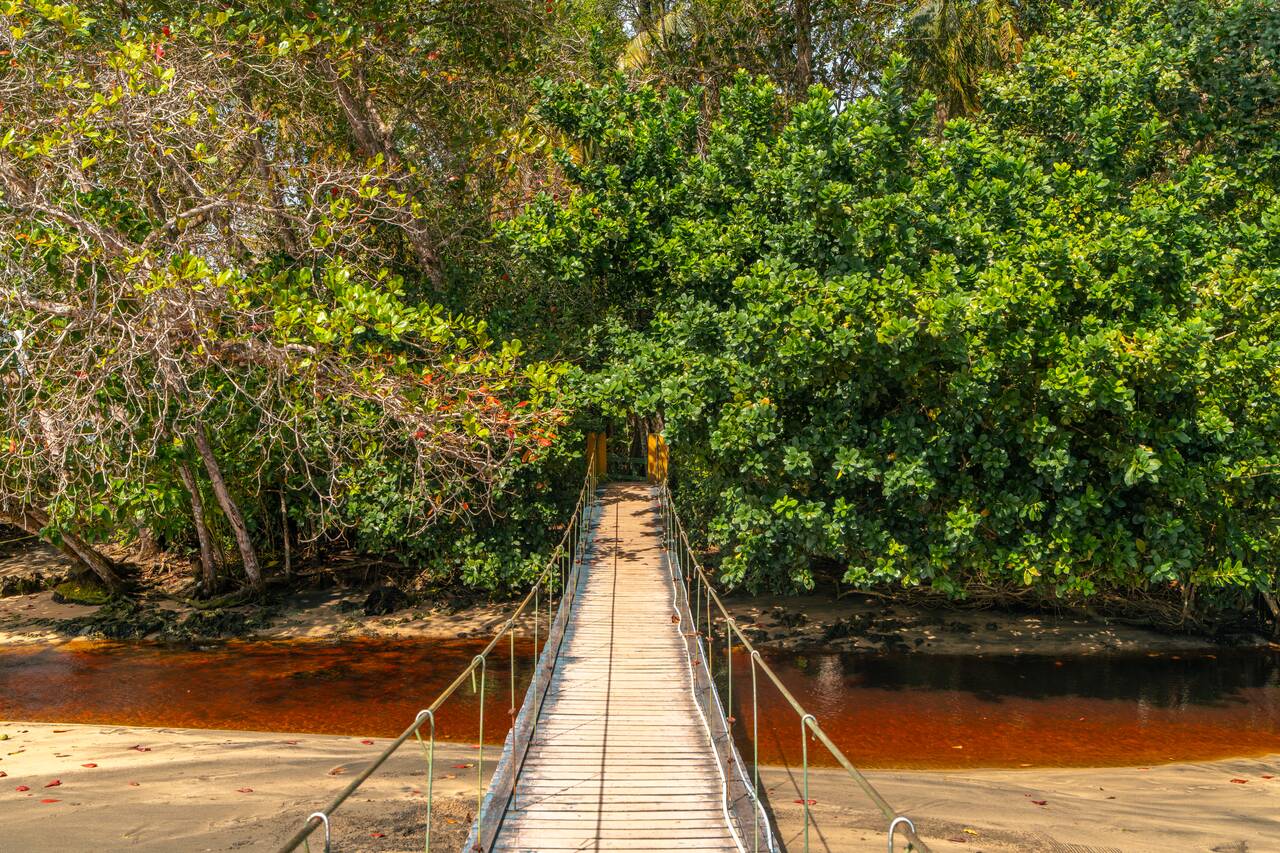
Once you arrive, you can enter the entrance, cross the small river via a suspension bridge, and then the trails will take you through dense rainforest, past secluded beaches, and along rocky viewpoints overlooking the Caribbean Sea. Keep your eyes open for wildlife, as this area is home to sloths, monkeys, tropical birds, and many other creatures that thrive in this protected environment.
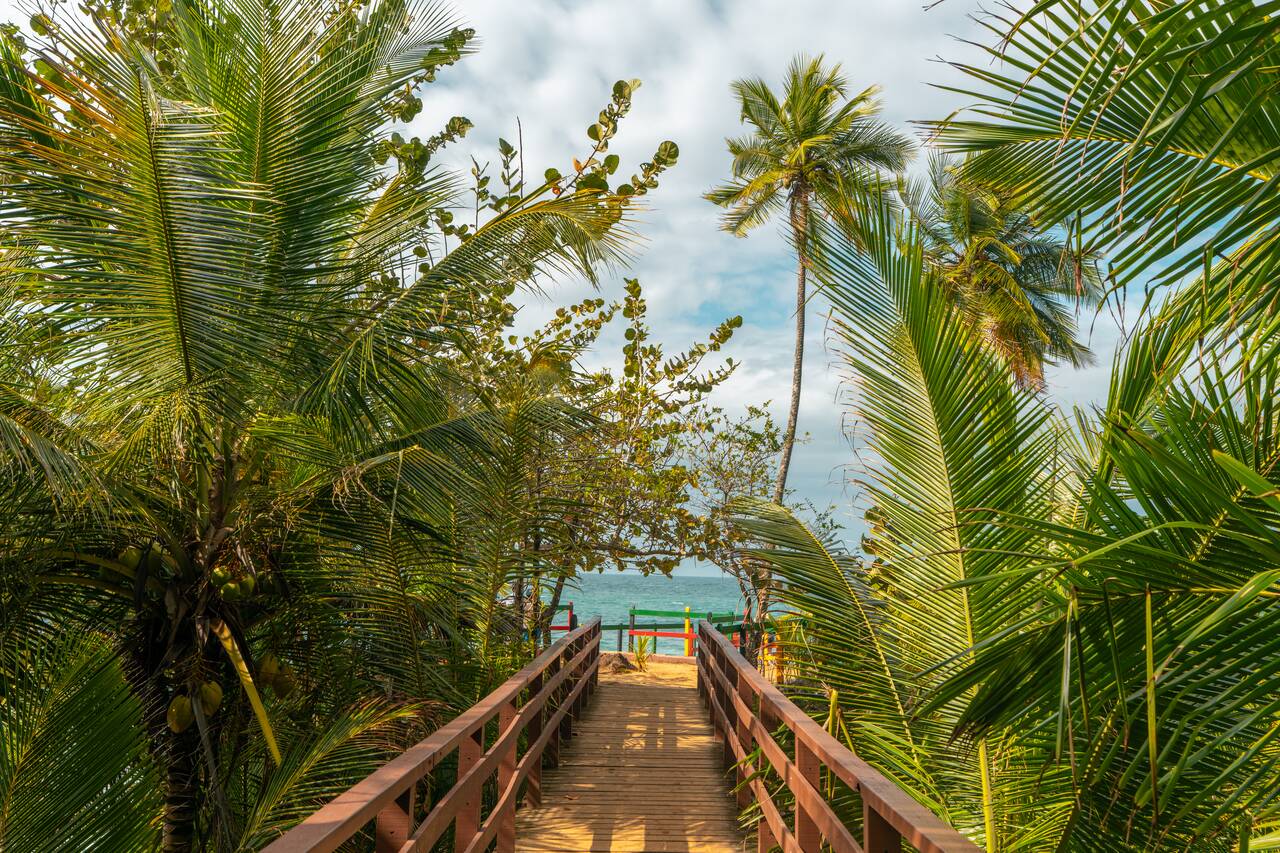
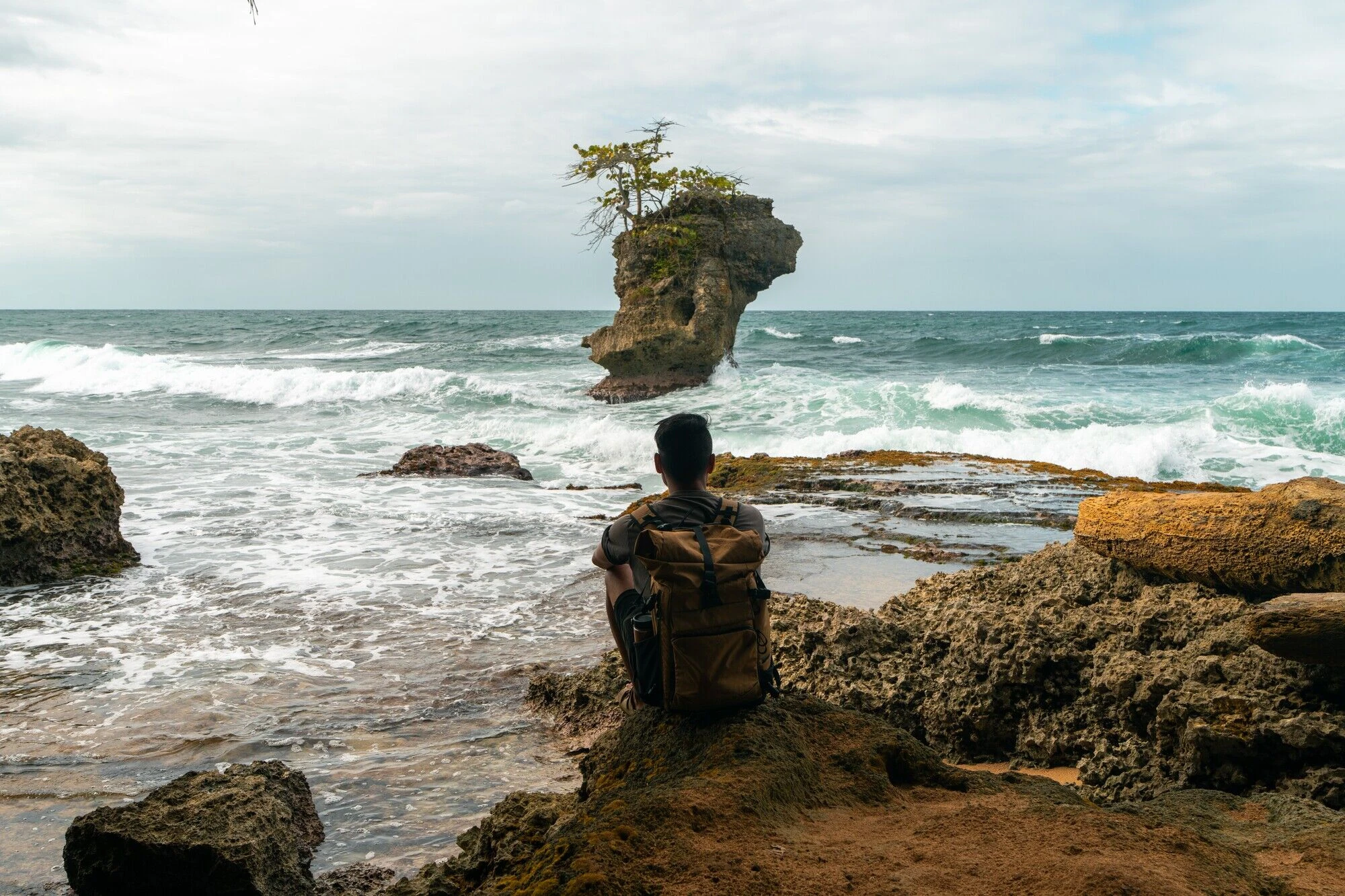
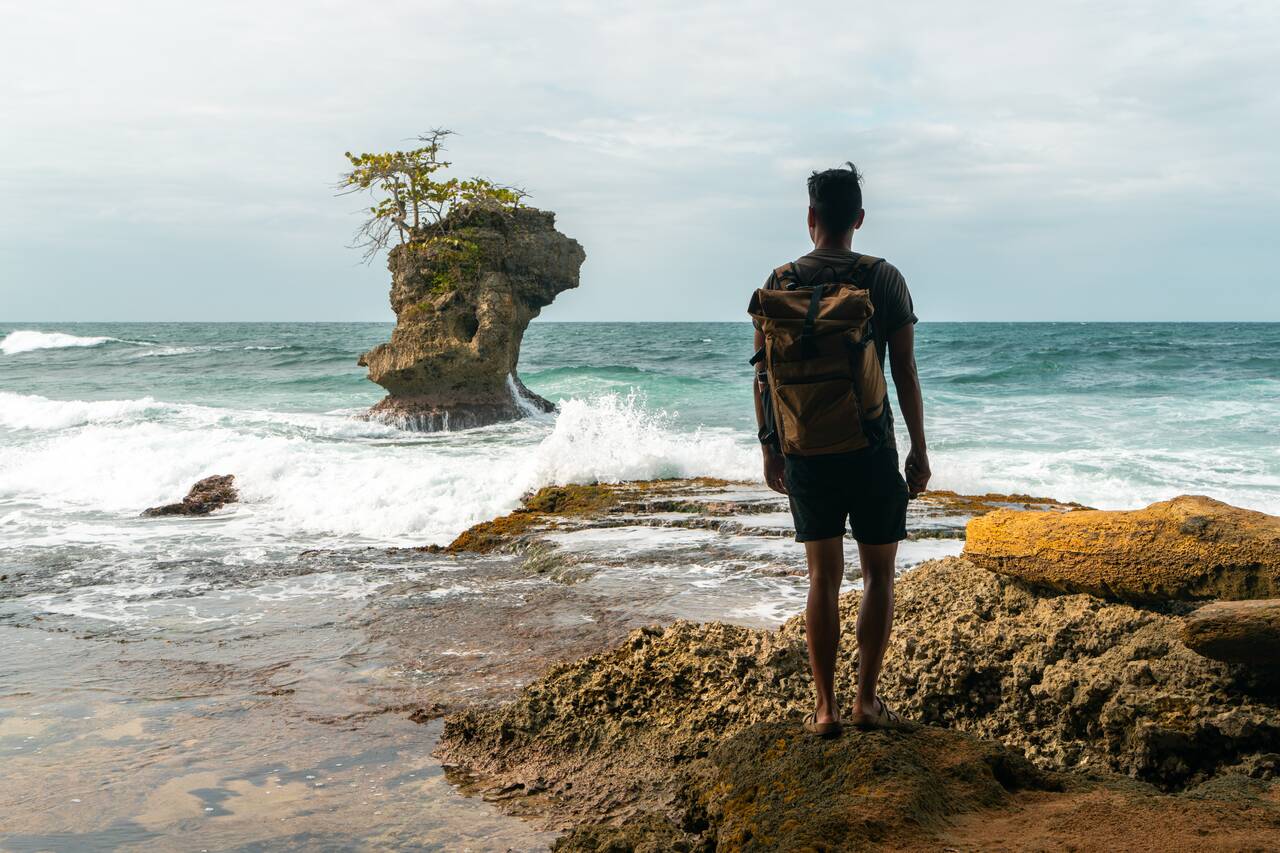
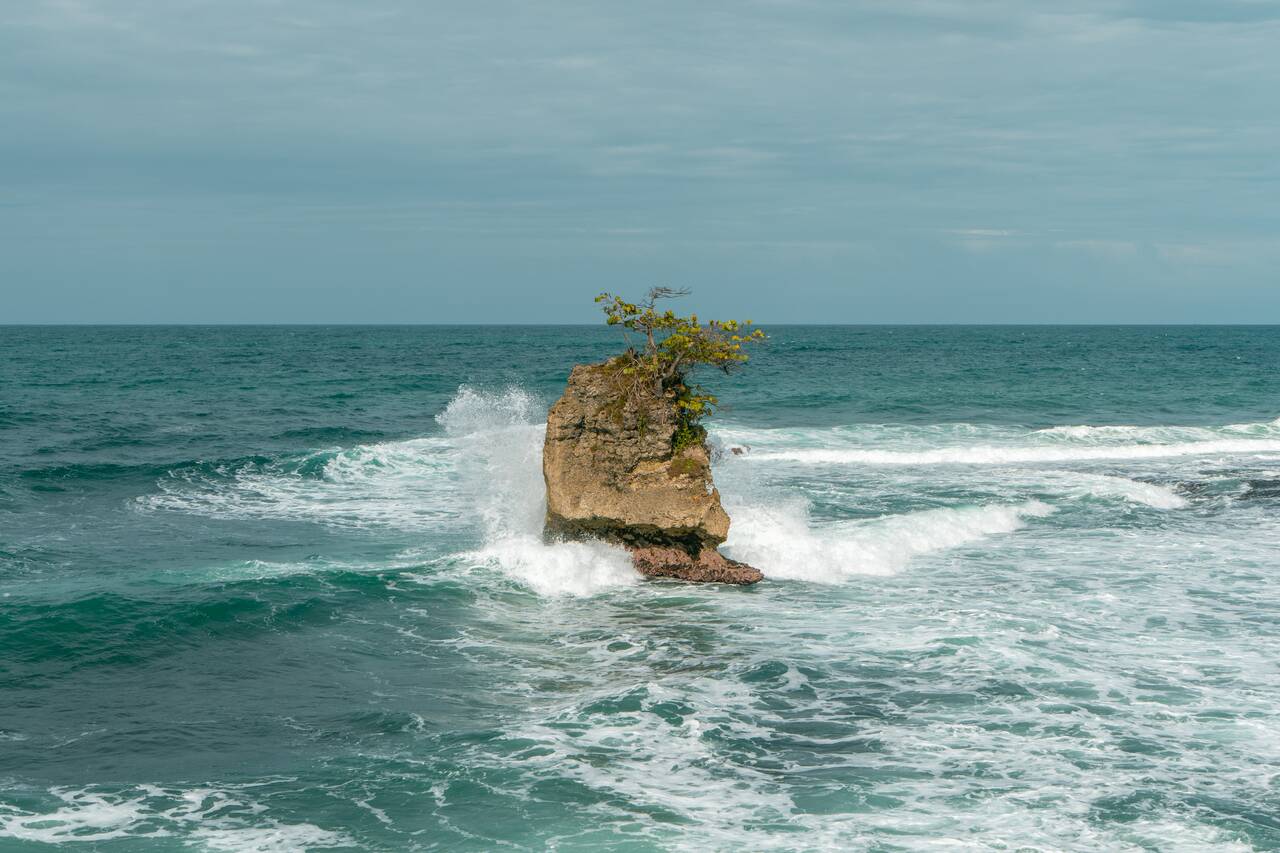
The trails here are not overly difficult, but they can get muddy and slippery after rain, so I recommend wearing proper shoes and taking your time. Make sure you hike all the way to Mirador Manzanillo, where you can see one of the most famous landmarks in the park: a lone rock standing in the ocean with a tree growing on top, weathering the waves and storms of the Caribbean Sea.
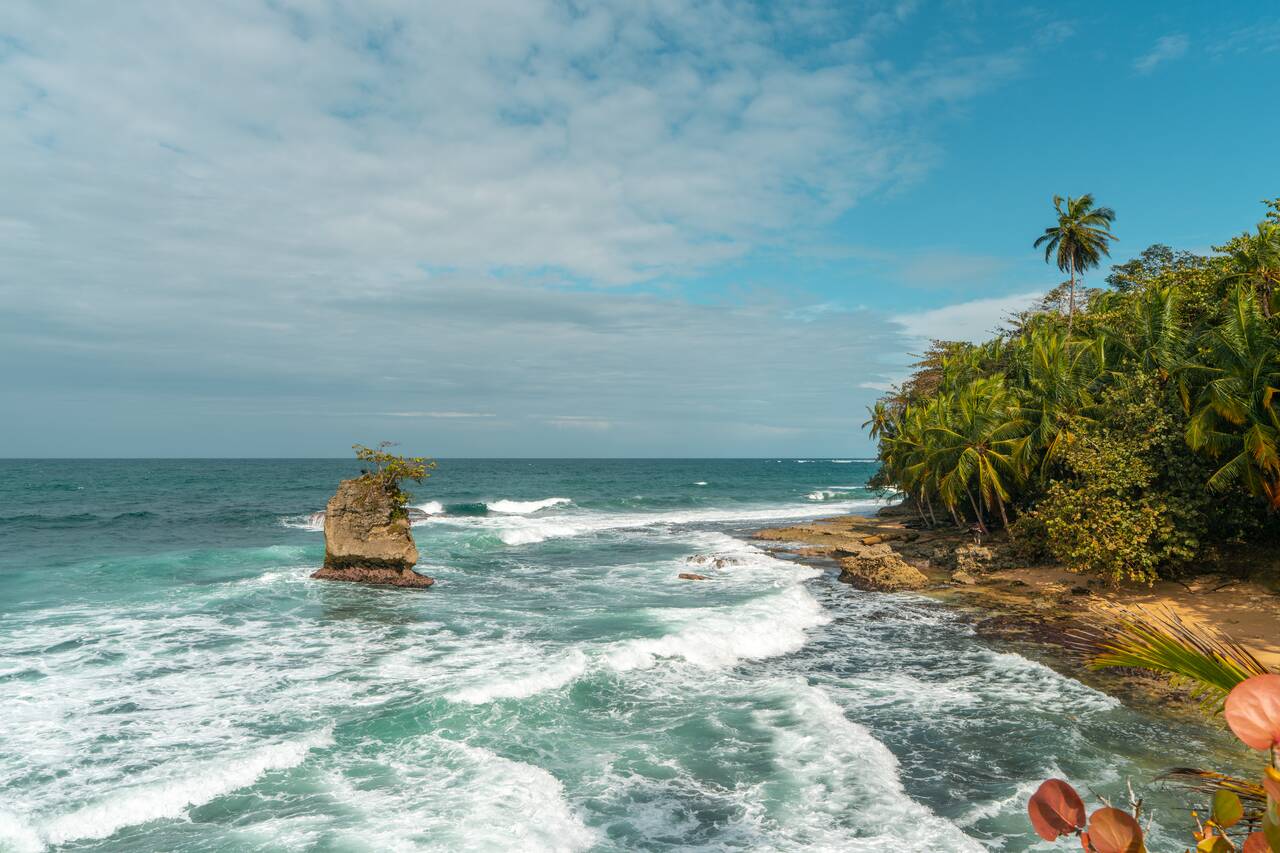
If you have the time, you can even hike all the way to Punta Mona Sendero. However, expect the trail to become less maintained the further you venture into the park. Be sure to wear proper shoes, as the terrain can get muddy after rain, and keep an eye out for wildlife, including snakes, as you go deeper into the forest.
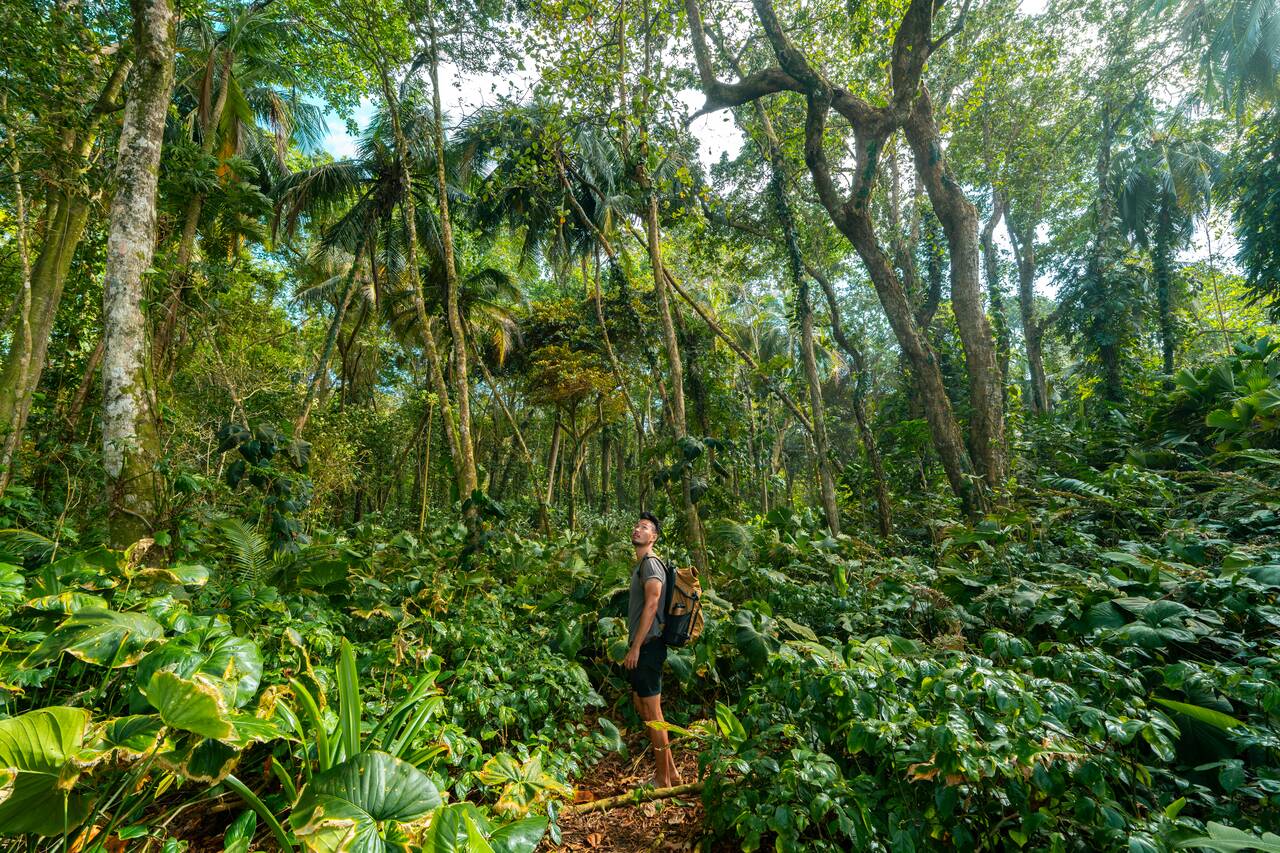
Personally, the walk to Mirador Manzanillo was already an awesome little hike and more than enough for a quick adventure before relaxing at the secluded beach inside the park. I had a great time here, and I highly recommend making it all the way to Manzanillo so you can explore this incredible area. The park is open daily from 6:30 AM to 3 PM, and entry is free, which makes the experience even better!
8. Drop By Ara Manzanillo
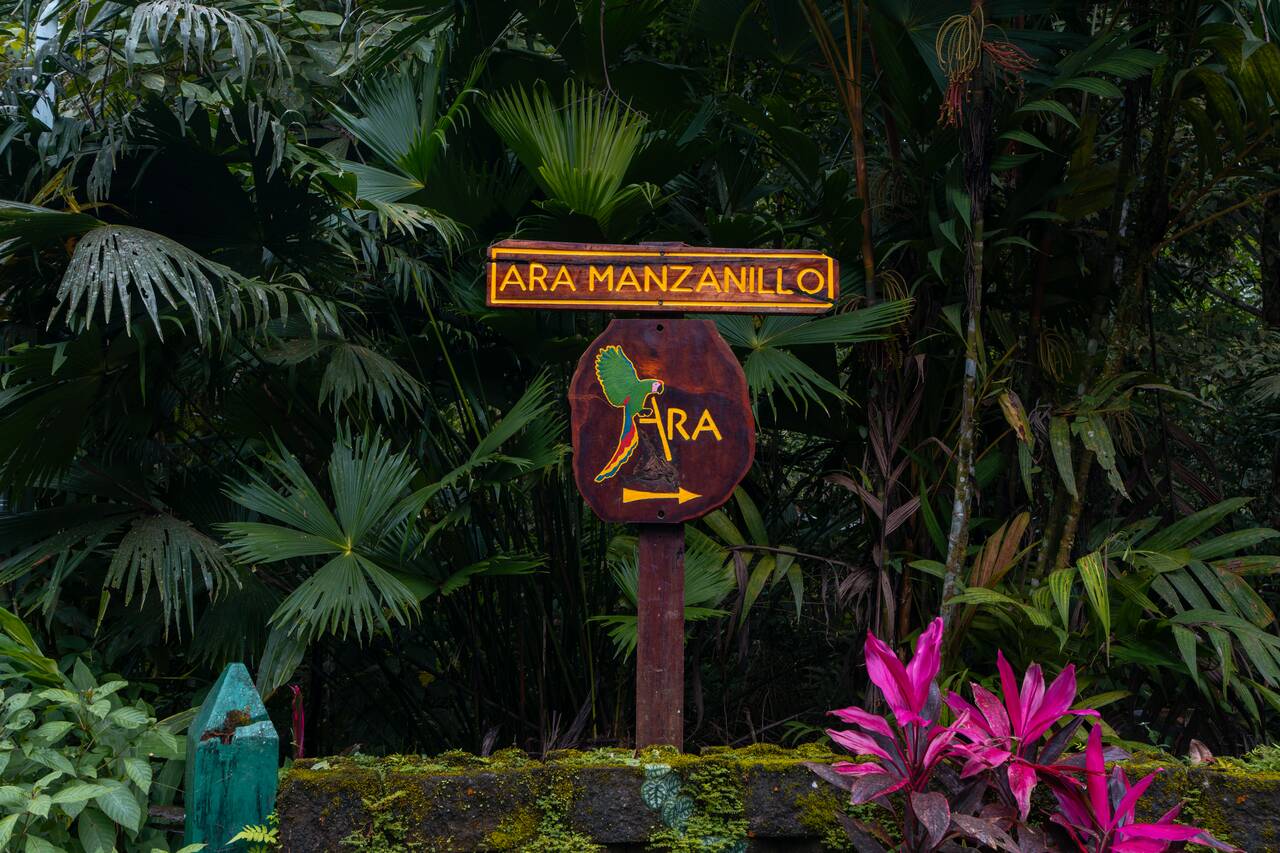
- 📍 Location: Ara Manzanillo [Map Link]
- 🕐 Opening Hours: 3 PM - 4 PM
- 💰 Entry Fees: 20 USD
- ⚡ Pete's Take: "You need to join a guided tour to get inside, which runs at 3 PM daily, so plan accordingly."
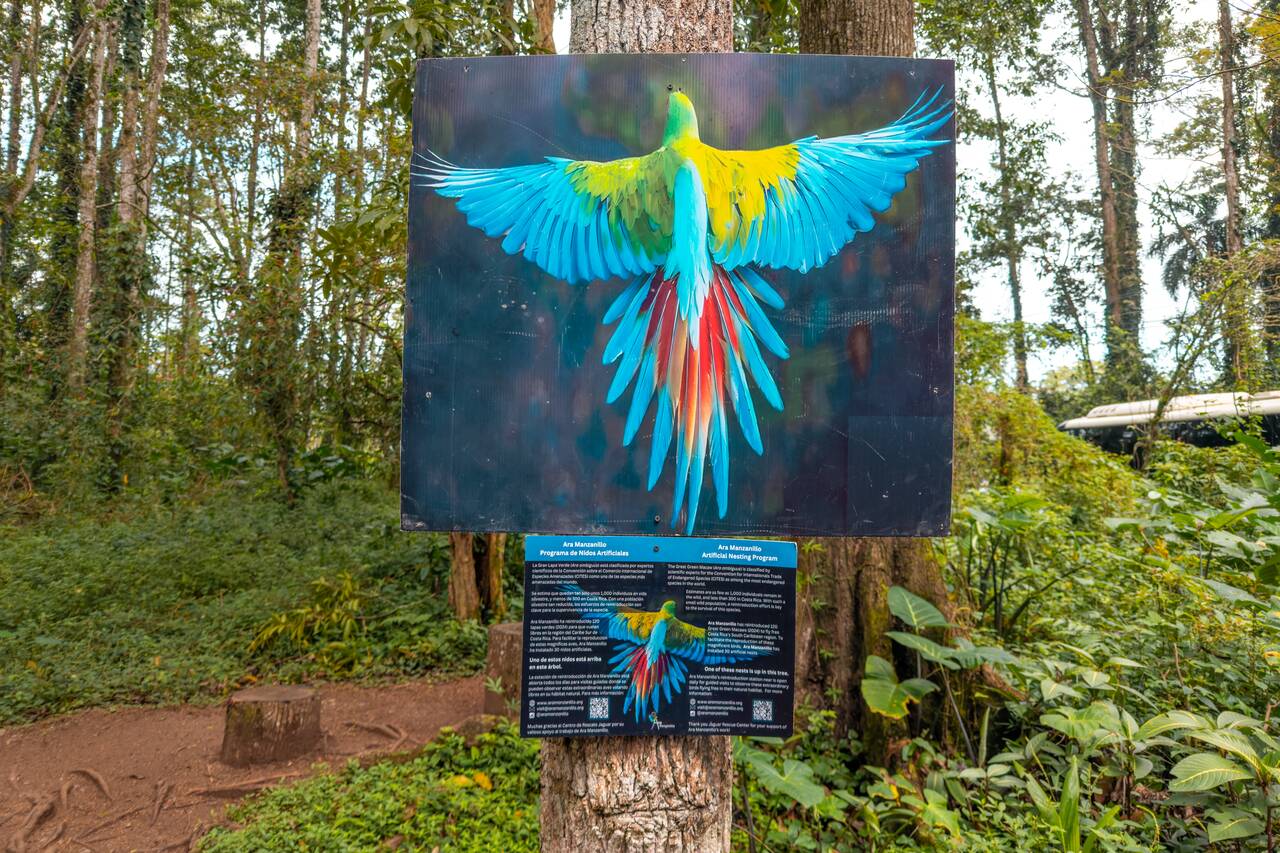
If you love wildlife, be sure to stop by Ara Manzanillo, a conservation center dedicated to protecting and rehabilitating the Great Green Macaw, one of Costa Rica's most iconic and endangered birds. The center is located near Manzanillo so you can easily drop by on your way to or back from the village.
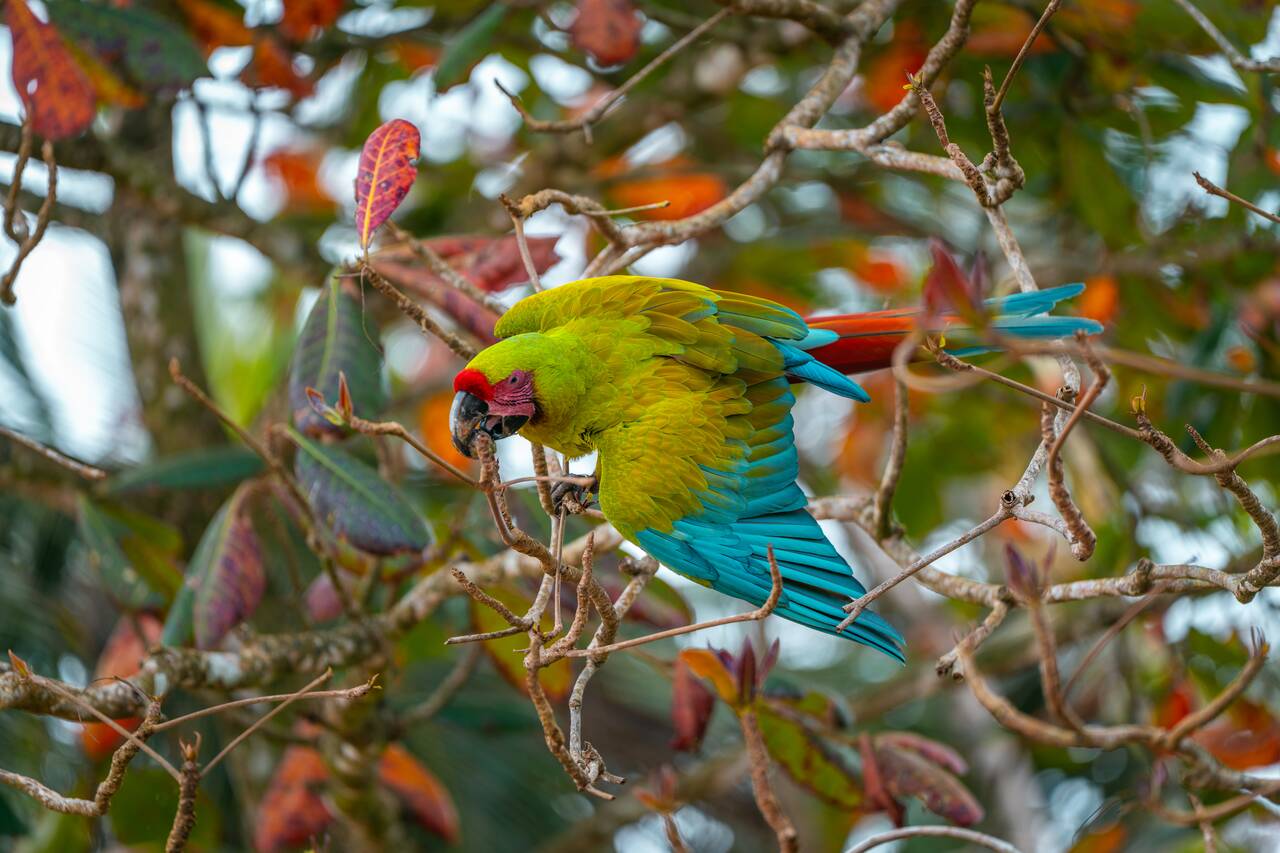
The Great Green Macaw is an incredible bird to see in the wild. With its bright green feathers, large size, and loud calls, it is hard to miss when one flies overhead. Unfortunately, their numbers have declined significantly due to habitat loss, especially the disappearance of the almond trees they rely on for food and nesting.
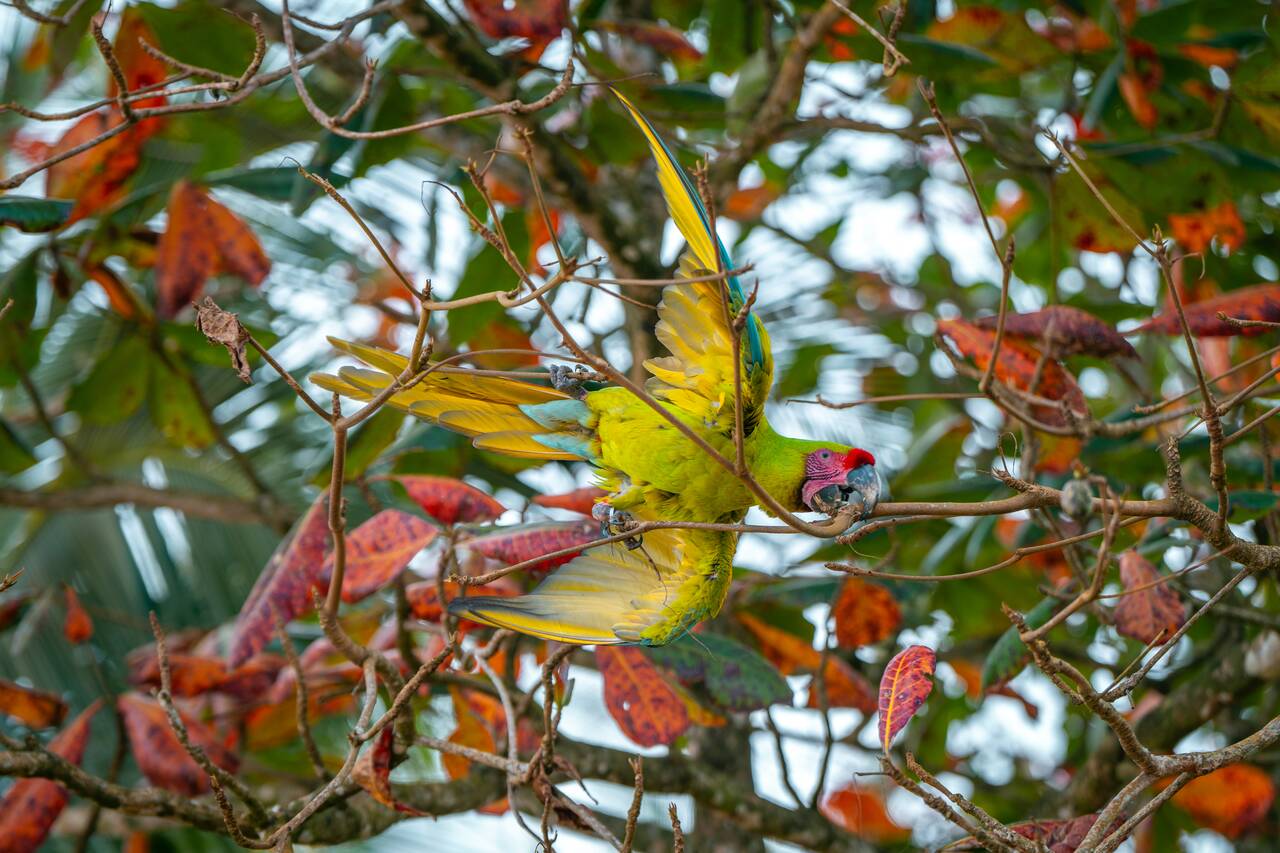
During your visit, you can learn more about the conservation work being done here, see rescued birds, and understand the challenges these macaws face. The staff is passionate about what they do and can share fascinating information about the birds and the ecosystem around Manzanillo.
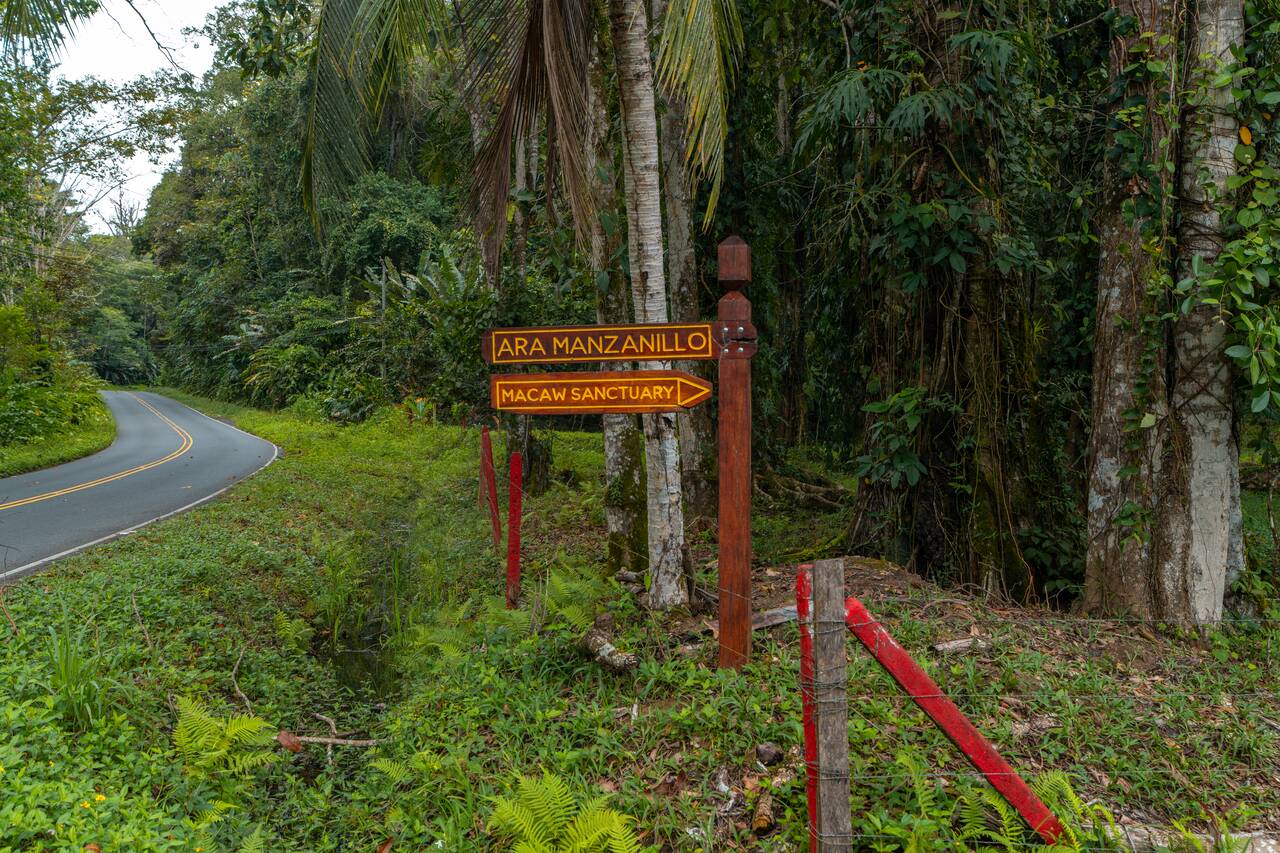
The visit does not take long, so it is easy to combine with a trip to Manzanillo or the Gandoca-Manzanillo Wildlife Refuge. That said, they only accept online bookings, and the guided tour is available from 3 PM to 4 PM only, so you will have to plan your visit carefully. You can reserve your ticket here, and it should cost around 20 USD per person.
9. Stroll Around Playa Negra
- 📍 Location: Playa Negra [Map Link]
- ⚡ Pete's Take: "It's a nice walk from town, but there's not much else to see except the beach."
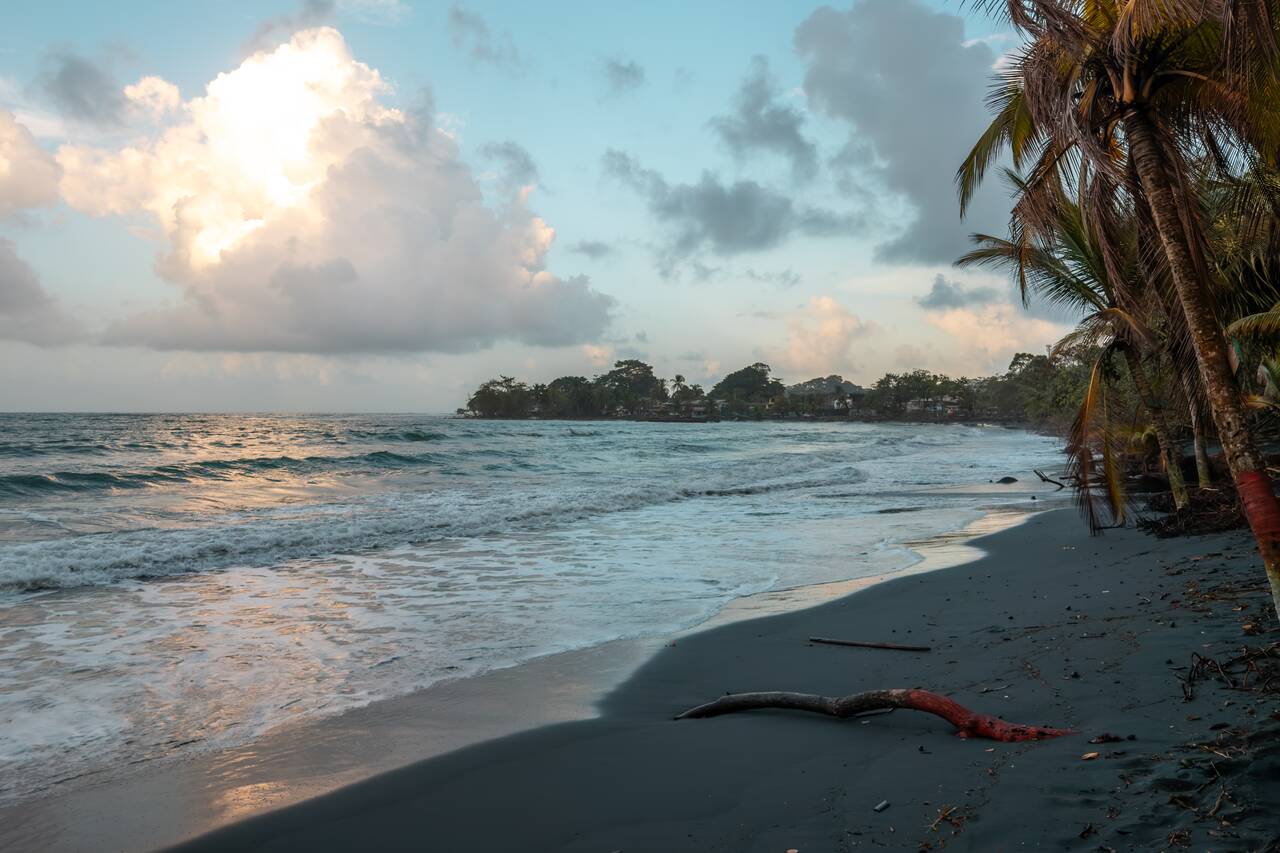
If you are looking for a cool beach to visit that is not too far from Puerto Viejo, you are going to love Playa Negra, a beautiful black sand beach located just a short walk from the center of Puerto Viejo. Unlike the golden sand beaches further south, this beach gets its name from its unique dark volcanic sand, giving it a completely different look and feel. I thought I was in Iceland for a minute here!
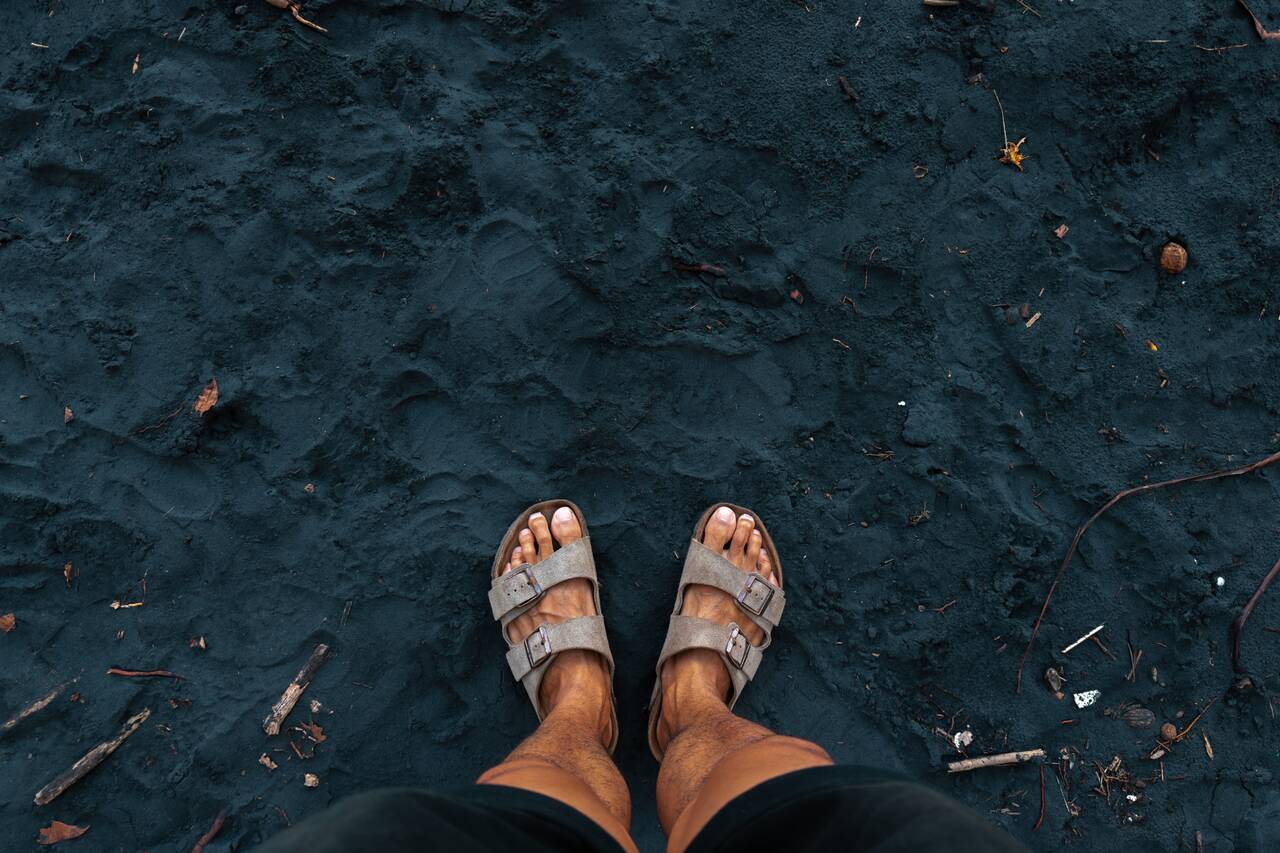
The contrast between the black sand, turquoise Caribbean water, and surrounding jungle is what makes this beach so unique compared to other beaches you will find in Central America. It is also a great spot to visit in the morning, especially during sunrise when the light is softer, and you might see locals walking along the shore or fishermen heading out to sea.
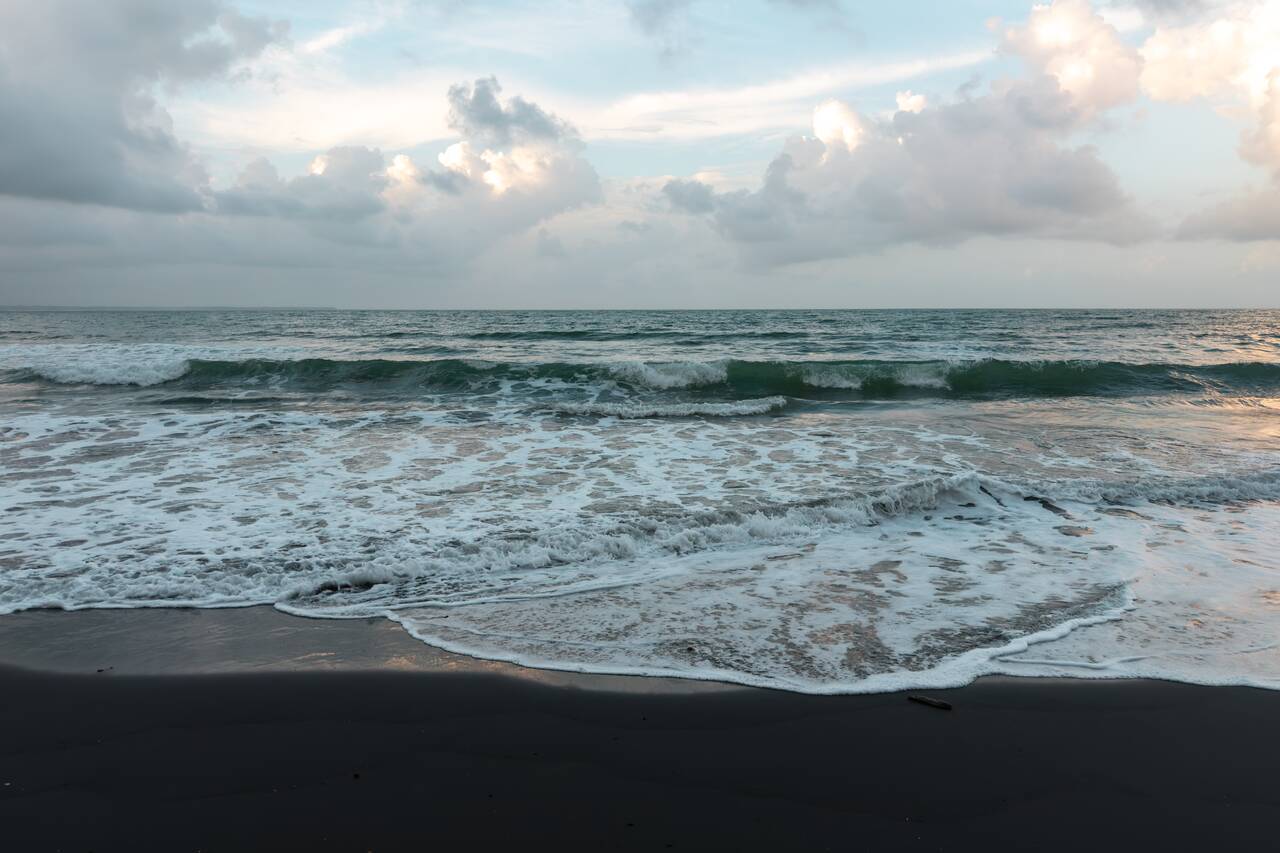
It does not take long to visit, as there is not much else to do around here besides strolling along the beach. I recommend stopping by during your first day in town, grabbing a coffee or breakfast nearby, and taking a relaxing walk along the shore before exploring the rest of the area.
10. Try Costa Rican Food with a Caribbean Twist
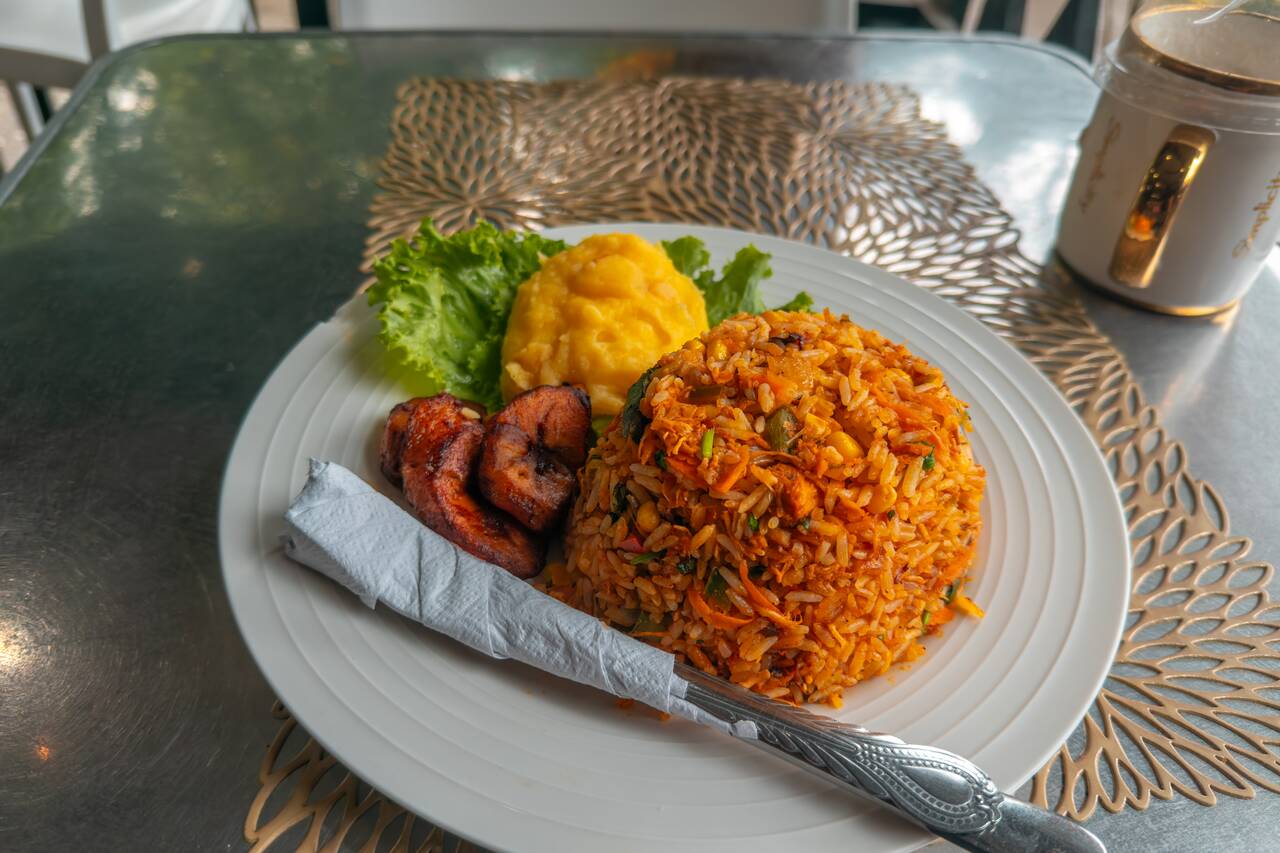
- 📍 Location: Mari Soda Restaurant & Bar [Map Link]
- 🕐 Opening Hours: 7 AM - 7:30 PM
- 💰 Price Range: 2,500-5,000 CRC (~6-11 USD)
- ⚡ Pete's Take: "Head to Mari Soda for affordable Caribbean food and skip the tourist traps elsewhere."
One of the best things about Puerto Viejo is that the experience is not just about beaches and wildlife. The town is also one of the best places in Costa Rica to try Caribbean cuisine, thanks to the strong Afro-Caribbean influence that has shaped this part of the country.
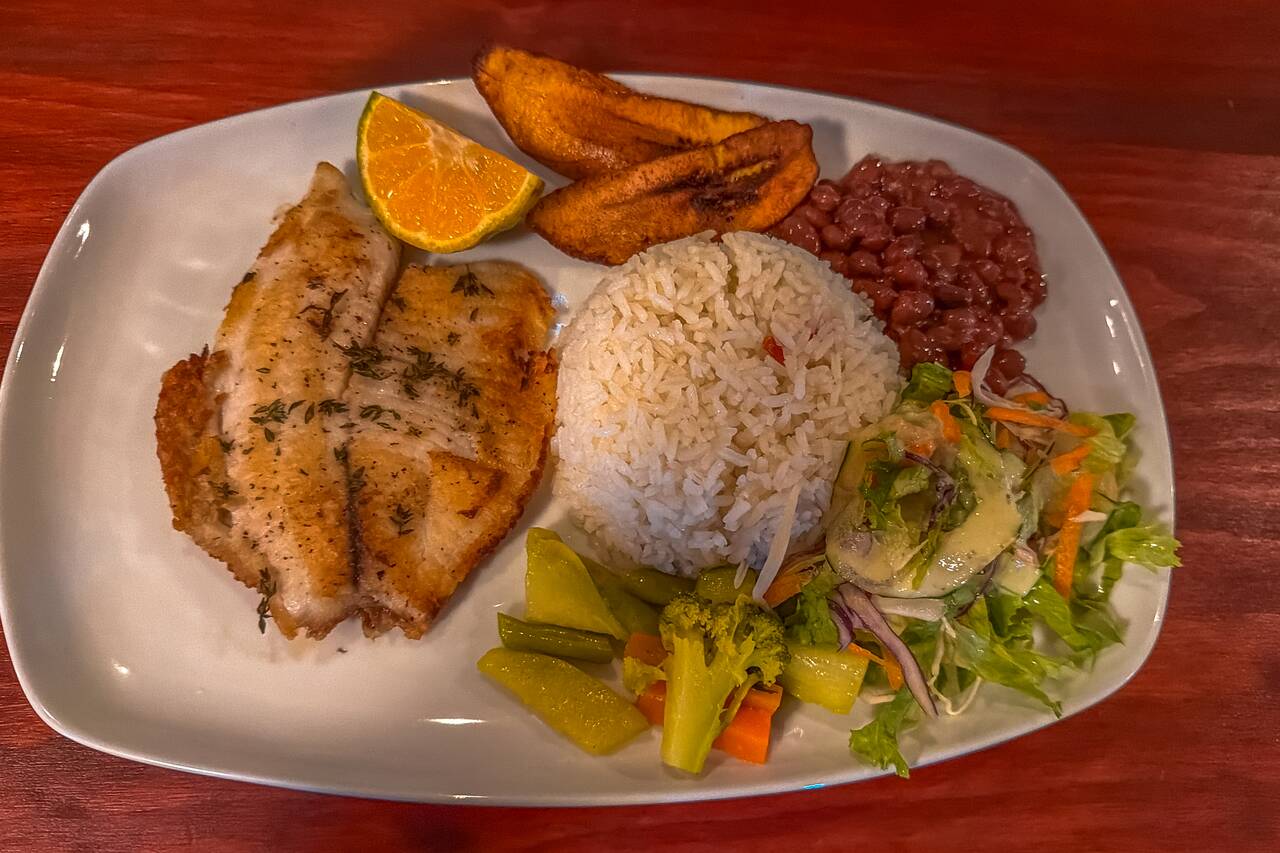
Unlike the more traditional Costa Rican dishes you might find elsewhere, the food around Puerto Viejo is packed with bold flavors, spices, coconut, and fresh seafood. One of the dishes you should not miss is rice and beans, a Caribbean-style version made with coconut milk and spices, usually served with chicken, fish, or vegetables.
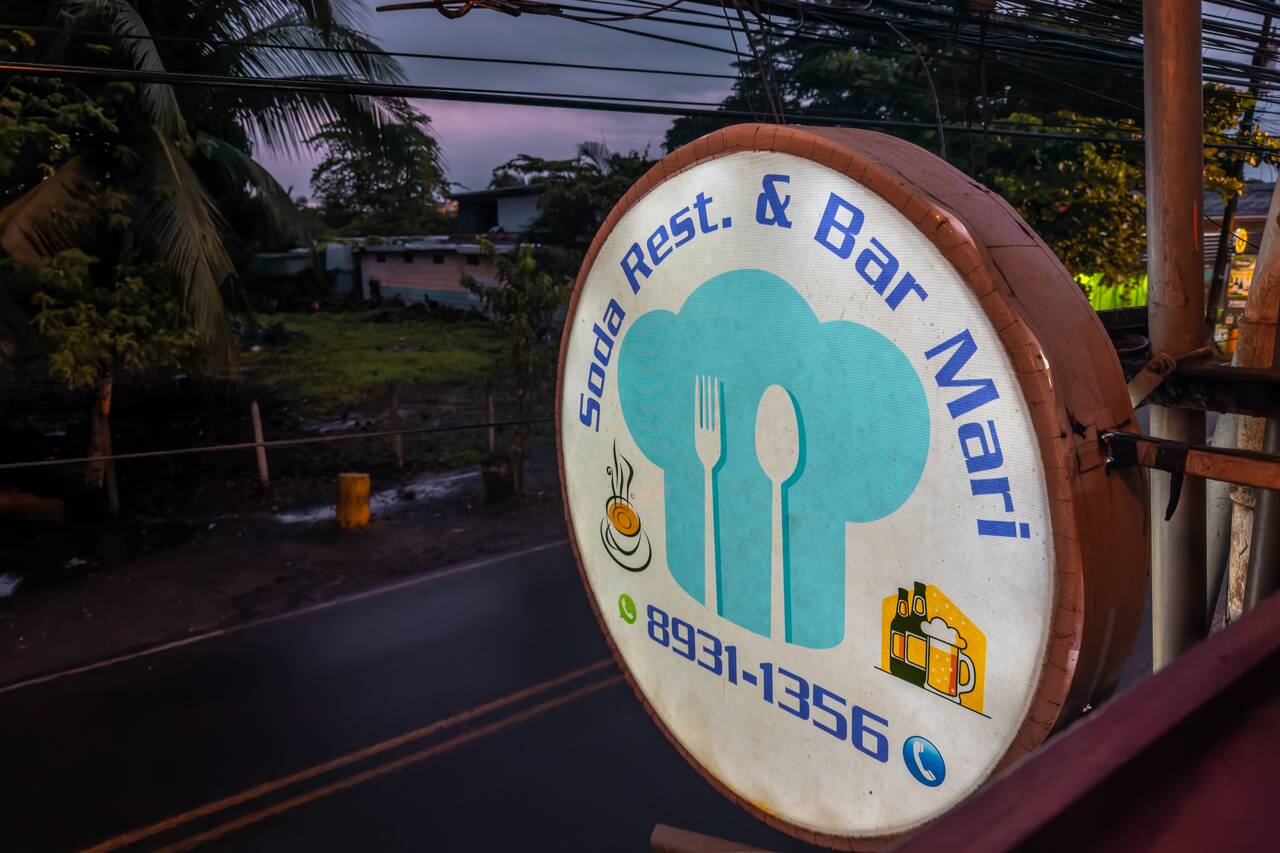
One of my favorite restaurants that I often frequent is Mari Soda Restaurant & Bar, a roadside local restaurant with a balcony where you can order Caribbean dishes and watch the world go by. They are the most affordable I have found in Puerto Viejo, which is not easy to find due to how catered to tourists the village has become.
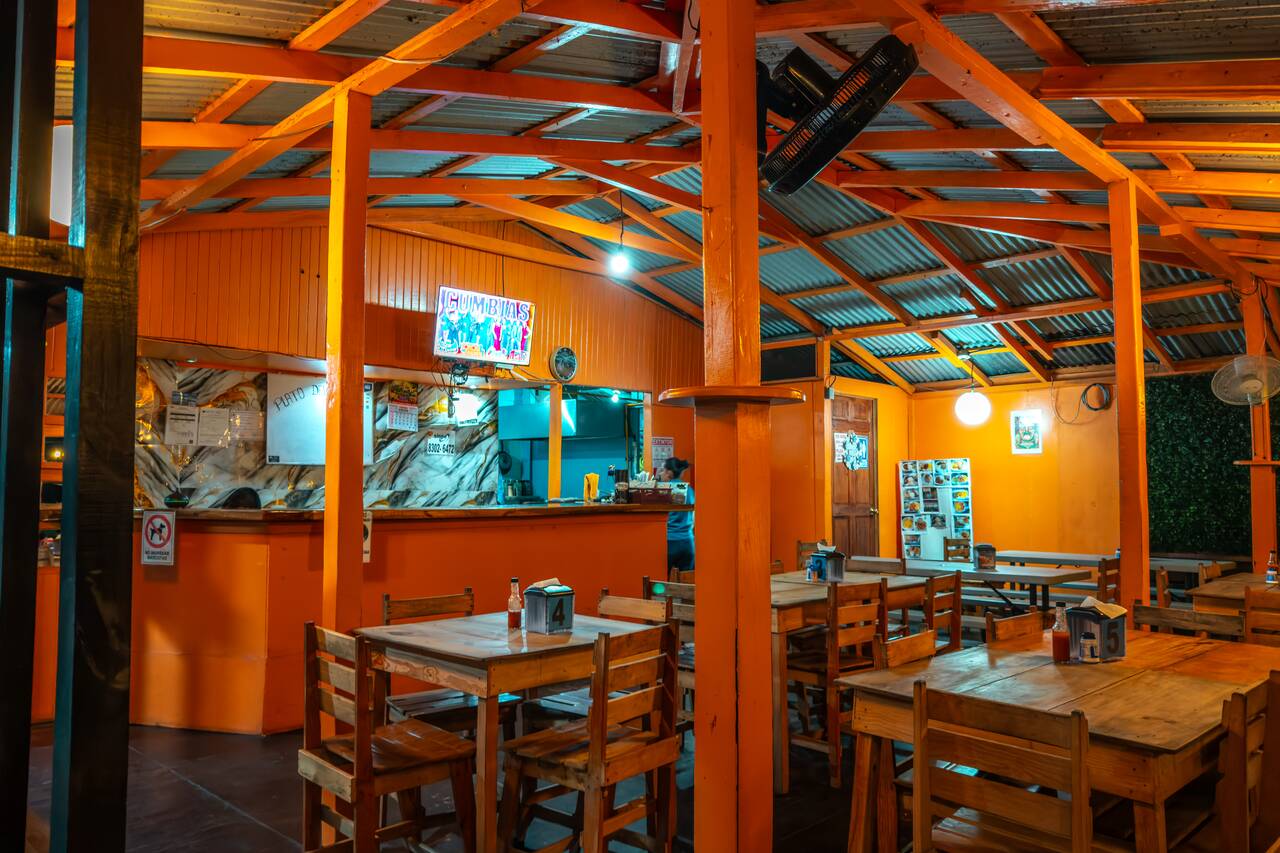
I always like coming here for lunch or dinner, and I have always found many locals eating here as well, which is always a good sign. If you are looking for a great restaurant to try Caribbean food, you will love it here. The restaurant is open from 7 AM to 7:30 PM every day except Thursday, and the food costs around 2,500 to 5,000 CRC (~5.5 - 11 USD) per dish.
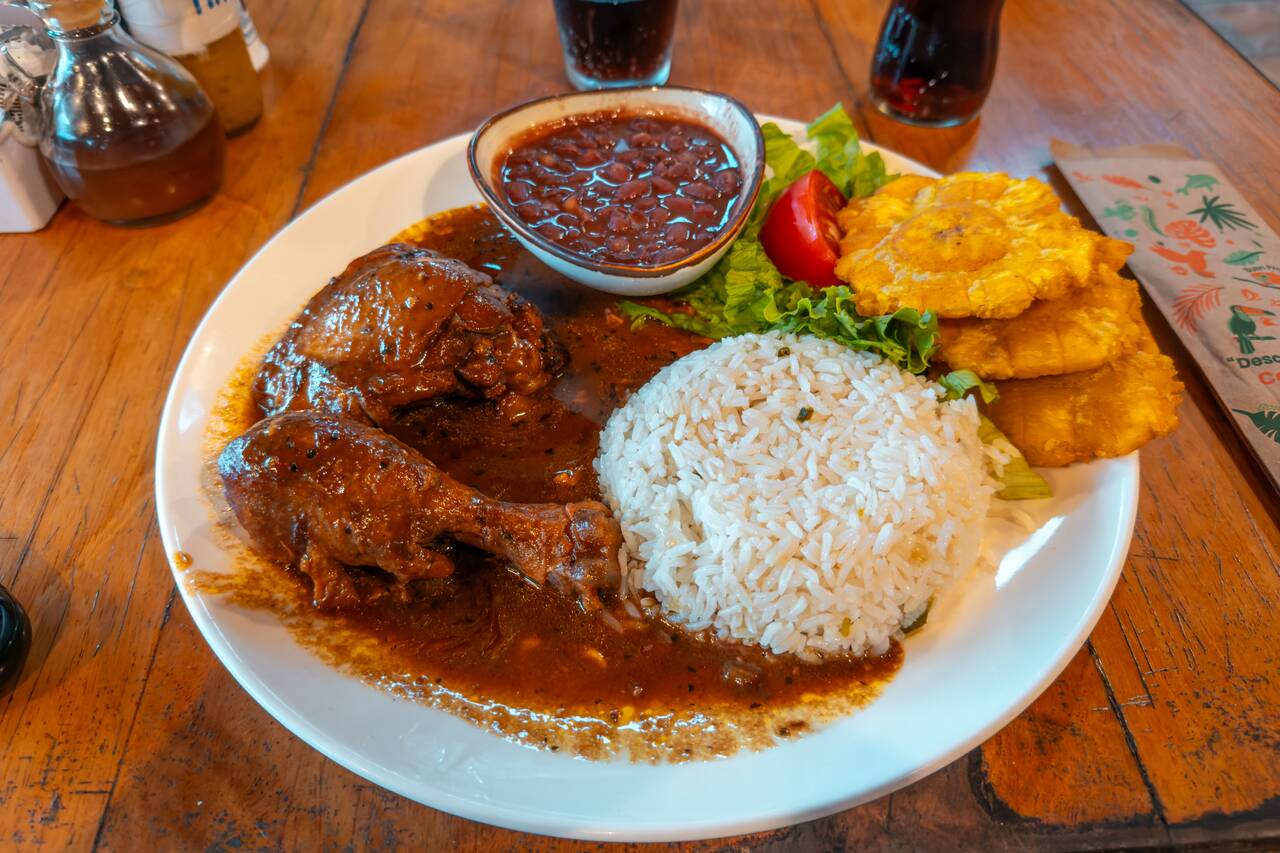
Another great place to try Caribbean food is Restaurante Lidia's Place, a small local restaurant serving tasty homemade Caribbean-style dishes and flavorful sauces. It is a bit more expensive compared to Mari Soda Restaurant & Bar, but it is still a great option if you want to try a more refined Caribbean food.
What to Eat & Drink in Puerto Viejo?
1. Eat Affordable Local Food at Mari Soda Restaurant & Bar
- 📍 Location: Mari Soda Restaurant & Bar [Map Link]
- 🕐 Opening Hours: 7 AM - 7:30 PM
- 💰 Price Range: 2,500-5,000 CRC (~6-11 USD)
As mentioned earlier, one of my favorite restaurants in Puerto Viejo is Mari Soda Restaurant & Bar. While the town has plenty of restaurants, I found many of them to be quite expensive and more catered toward tourists. Mari Soda is one of the few places I kept coming back to, and I often saw plenty of locals eating here as well, which is always a good sign.
The food here is really good and reasonably priced, unlike some of the other places in town. I ordered the Cascado con Filete de Tilapia, a local dish with delicious fresh fish, and it was excellent. I highly recommend trying one of their seafood dishes while you are here.
The restaurant is open from 7 AM to 7:30 PM every day except Thursday, and prices range from 2,500 to 5,000 CRC (~5.5 - 11 USD) per dish. If you are looking for a simple, affordable, and authentic place to try local food, Mari Soda is definitely worth checking out.
2. Try Carribean Food at Restaurante Lidia's Place
- 📍 Location: Restaurante Lidia's Place [Map Link]
- 🕐 Opening Hours: 12:30 PM - 8:30 PM
- 💰 Price Range: Expensive
Another great place to try Caribbean food in Puerto Viejo is Restaurante Lidia's Place, a small local restaurant known for its authentic flavors and quiet atmosphere, thanks to its location, being located a little outside the busiest part of town.
The menu features many classic dishes from the region, with plenty of coconut, spices, fresh seafood, and traditional cooking techniques that reflect Puerto Viejo's Afro-Caribbean roots. I ordered their Pollo en Salsa dish, and it was very good. The thick, tasty sauce slowly cooked with the chicken was incredibly delicious and, as expected, packed with Caribbean flavors unique to this part of Costa Rica.
That said, the prices here are quite a bit higher compared to other local restaurants, so I would recommend coming here if you want to splurge a little and enjoy a more refined Caribbean meal. The restaurant is open from 12:30 PM to 8:30 PM every day except Monday.
3. Have Breakfast at Pan Pay
- 📍 Location: Have Breakfast at Pan Pay [Map Link]
- 🕐 Opening Hours: 7 AM - 5 PM
- 💰 Price Range: 1,000-4,500 CRC (~2-10 USD)
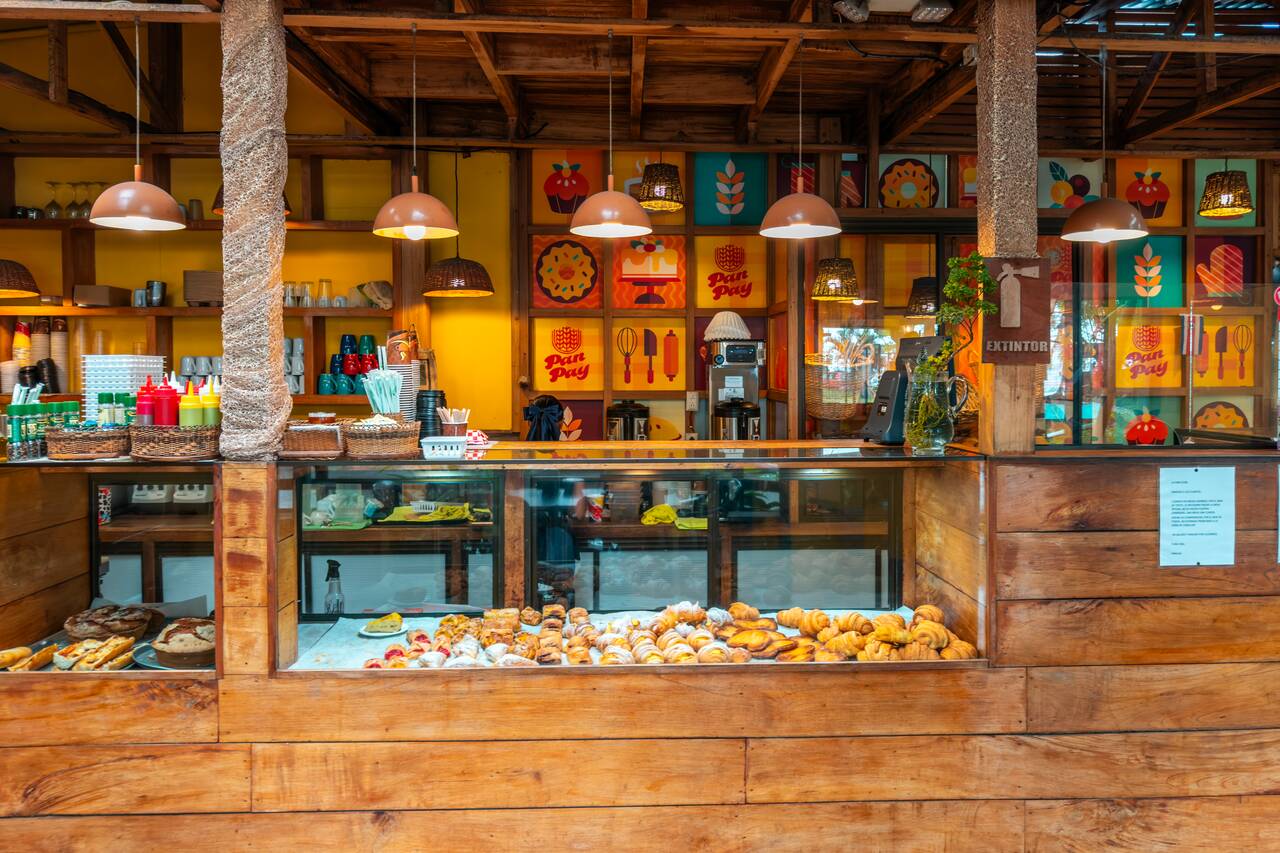
If you are looking for a good place to start your morning in Puerto Viejo, head to Pan Pay, a popular local bakery and cafe known for its fresh bread, pastries, and simple breakfast options. It is a great spot to grab a coffee, enjoy a relaxed breakfast, and fuel up before a day of exploring the Caribbean Coast.

The bakery is always packed in the morning, so if you come too late, you might not be able to find a seat. Either way, you can order something to go and enjoy your breakfast at the beach, as it is not too far from the bakery.

The bakery is open from 7 AM to 5 PM every day, and the price range for pastries and coffee is around 1,000 to 4,500 CRC (~2 - 8 USD). I love coming here early in the morning to enjoy a cup of coffee and some pastries before hitting the road and exploring Puerto Viejo.
When to Visit Puerto Viejo?
Unlike Costa Rica's Pacific Coast, which experiences a well-defined dry season from December to April, Puerto Viejo and the country's Caribbean Coast follow a completely different weather pattern. Rain can occur throughout the year here, but that does not necessarily mean gloomy weather. In fact, it is not uncommon to experience bright sunshine in the morning, a brief tropical shower in the afternoon, and clear skies again by sunset.
Generally speaking, the best time to visit Puerto Viejo is between February and April as well as September and October, when the Caribbean Coast tends to enjoy its driest and sunniest conditions. That said, weather here can be unpredictable, and rain is possible at any time of year.
When I visited in February, it rained for three days straight, with only brief periods of sunshine in the early morning before the showers rolled back in for the rest of the day. I was there for four days and only got one completely clear day, so I ended up doing almost every outdoor activity I wanted to do on that day 😅.
All in all, it is best to always pack a rain jacket when visiting Puerto Viejo. You never really know when the rain might roll in here, regardless of the month you are visiting. I would also recommend adding a few buffer days to your itinerary, as I did, so you have a better chance of experiencing this side of Costa Rica on a nice clear day. When the sun is out and the Caribbean Sea lights up in shades of turquoise, Puerto Viejo is every bit as beautiful as the photos suggest.
How to Get to Puerto Viejo?
From San José: The easiest and most affordable way to get to Puerto Viejo is by flying into Juan Santamaría International Airport in San Jose and taking a direct bus from MEPE Bus Terminal.
Buses depart several times a day and usually cost around 20 USD. You can buy tickets directly at the bus terminal, which is what I would recommend, as many online booking platforms tend to charge a hefty markup. The journey typically takes around 4.5 to 5.5 hours to reach Puerto Viejo, although travel times can vary quite a bit depending on traffic and road conditions. When I was there, ongoing road construction during the height of the high season turned the journey into a 7-hour ordeal, so be sure to factor in some extra time just in case.
Driving is also a great option if you plan to explore other parts of Costa Rica. The roads are generally in good condition, and the drive takes around 4.5 hours. Just be aware that Route 32 occasionally experiences delays due to heavy rain or landslides, especially during the wetter months. You can check the rental car price here.
From La Fortuna: If you are traveling from La Fortuna, the easiest option is to book a shared shuttle, which usually takes around 5 to 6 hours. There is no direct public bus connection between the two destinations, so traveling by bus requires changing in San José and can easily take up most of the day.
In my experience, Interbus is one of the best transfer services in Costa Rica. While it is certainly more expensive, with tickets costing around 70 USD for this route, I have always had excellent experiences with them. The vehicles are comfortable, the AC is in full blast, the drivers are professional, and the service has consistently been reliable throughout my travels in Costa Rica.
From Bocas del Toro, Panama: Puerto Viejo is often combined with Bocas del Toro thanks to its close proximity to the Panama border. The journey typically takes around 3 to 4 hours and involves a combination of boat transfers, border crossings, and shuttle or bus transportation.
Most travelers begin by taking a boat from Bocas Town to Almirante on the mainland before continuing by shuttle to the Sixaola border crossing. After completing immigration procedures on both sides of the border, you can continue onward to Puerto Viejo by local bus, taxi, or a pre-arranged shuttle.
For convenience, I highly recommend booking a shared shuttle service, as they will handle most of the logistics and guide you through the border crossing process, and make the journey a bit less stressful 😅. You can browse shared shuttle options here.
How to Get Around Puerto Viejo?
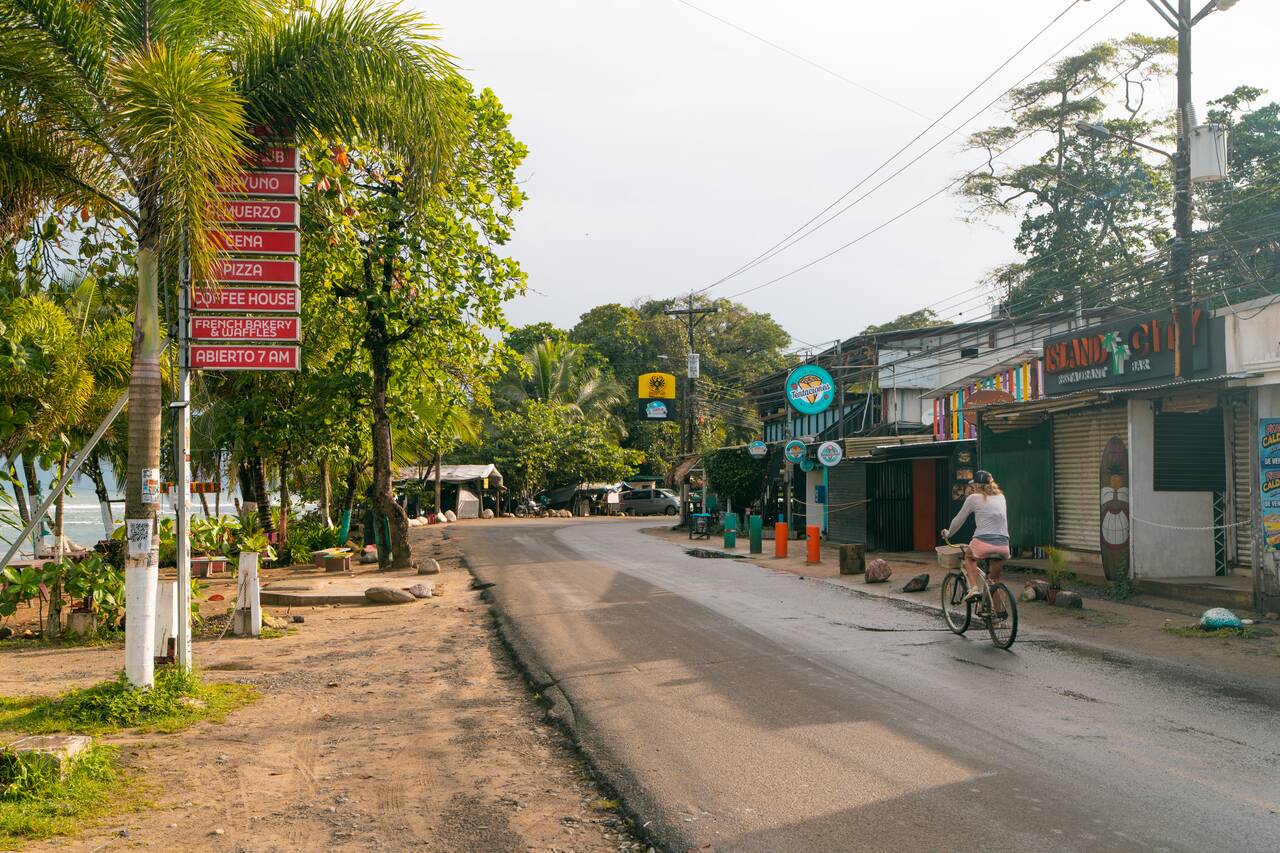
By Walking: Getting around Puerto Viejo is incredibly easy. The town itself is compact and walkable, and many restaurants, cafes, shops, and accommodations are located within a short distance of one another. Most of the area's main attractions are connected by a single coastal road that runs south toward Manzanillo, and you can even walk to Playa Cocles in around 30 minutes. That said, if you plan to explore farther afield, such as Punta Uva or Manzanillo, renting a bicycle is a much more practical option.
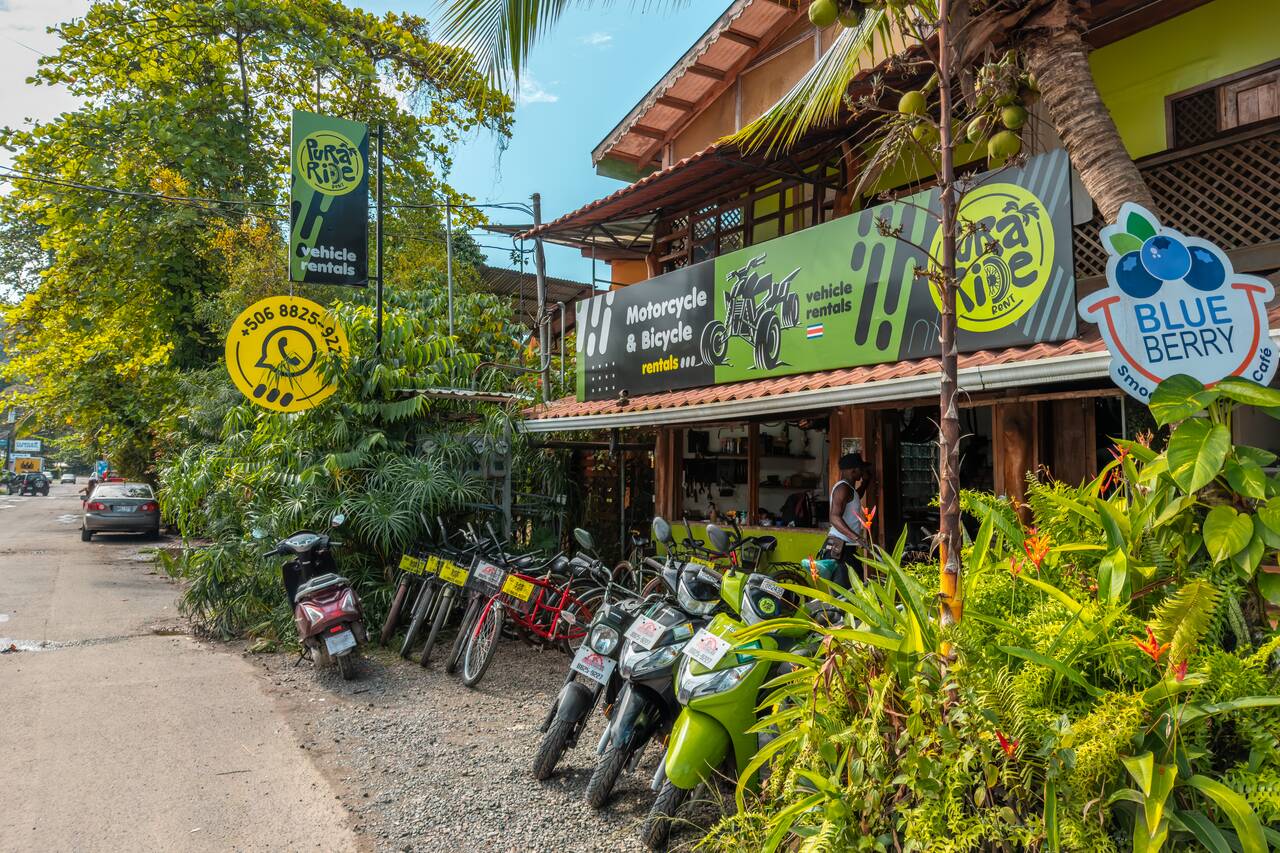
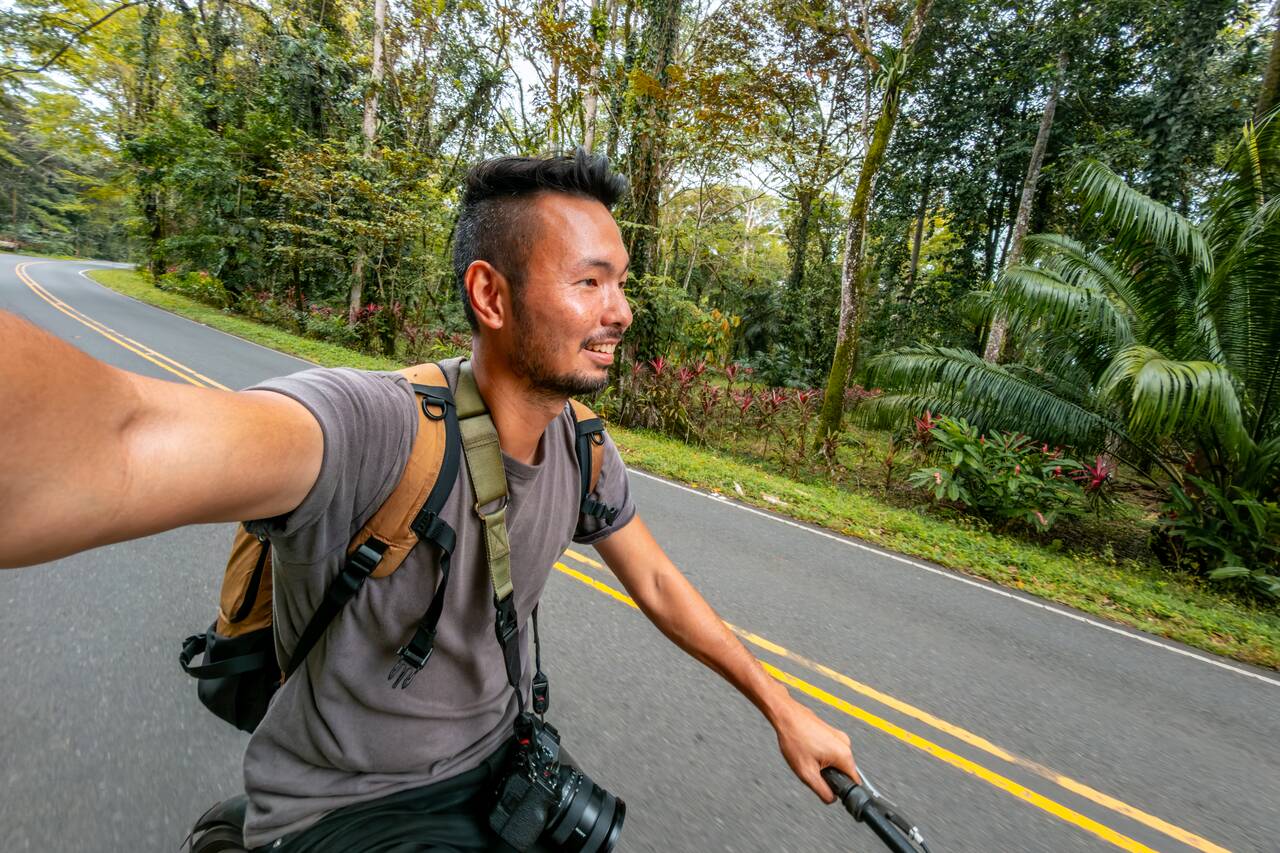
By Bike/Scooter/ATV: For most travelers, I highly recommend renting a bicycle from either Tuanis Rent a Bike or Pura Rides. Puerto Viejo is one of the most bike-friendly destinations in Costa Rica, and cycling is by far the best way to explore the beautiful coastline. The road between Puerto Viejo, Punta Uva, and Manzanillo is mostly flat, with only a couple of short uphill stretches near Manzanillo.
Along the way, you will pass beautiful beaches and dense rainforest, and if you keep your eyes peeled, you might even spot a sloth hanging from the trees above the road, which happened several times during my rides. Bicycle rentals typically cost around 10 USD per day, while e-bikes generally start at around 25 USD per day. If you prefer something with a bit more power, motorbike rentals usually range from 30 to 50 USD per day depending on the engine size, while two-seater ATVs and larger vehicles can cost anywhere between 50 and 150 USD per day.

Personally, I rented a bicycle for most of my stay and found it to be the perfect way to explore the area. While there are no dedicated bike lanes, the coastal road is generally quiet and not particularly busy, so it was a breeze to cycle around. The ride from Puerto Viejo to Manzanillo takes around 30 to 40 minutes, depending on how often you stop to admire the scenery or look for wildlife along the way.
By Car: If you prefer the flexibility of having your own transportation, you can rent a car from one of the many rental agencies in Puerto Viejo or browse available options online here. A car is not strictly necessary for exploring Puerto Viejo itself, but it can be useful if you plan to visit places farther afield, such as Cahuita, or other destinations along Costa Rica's Caribbean Coast.
How Many Days to Spend in Puerto Viejo?
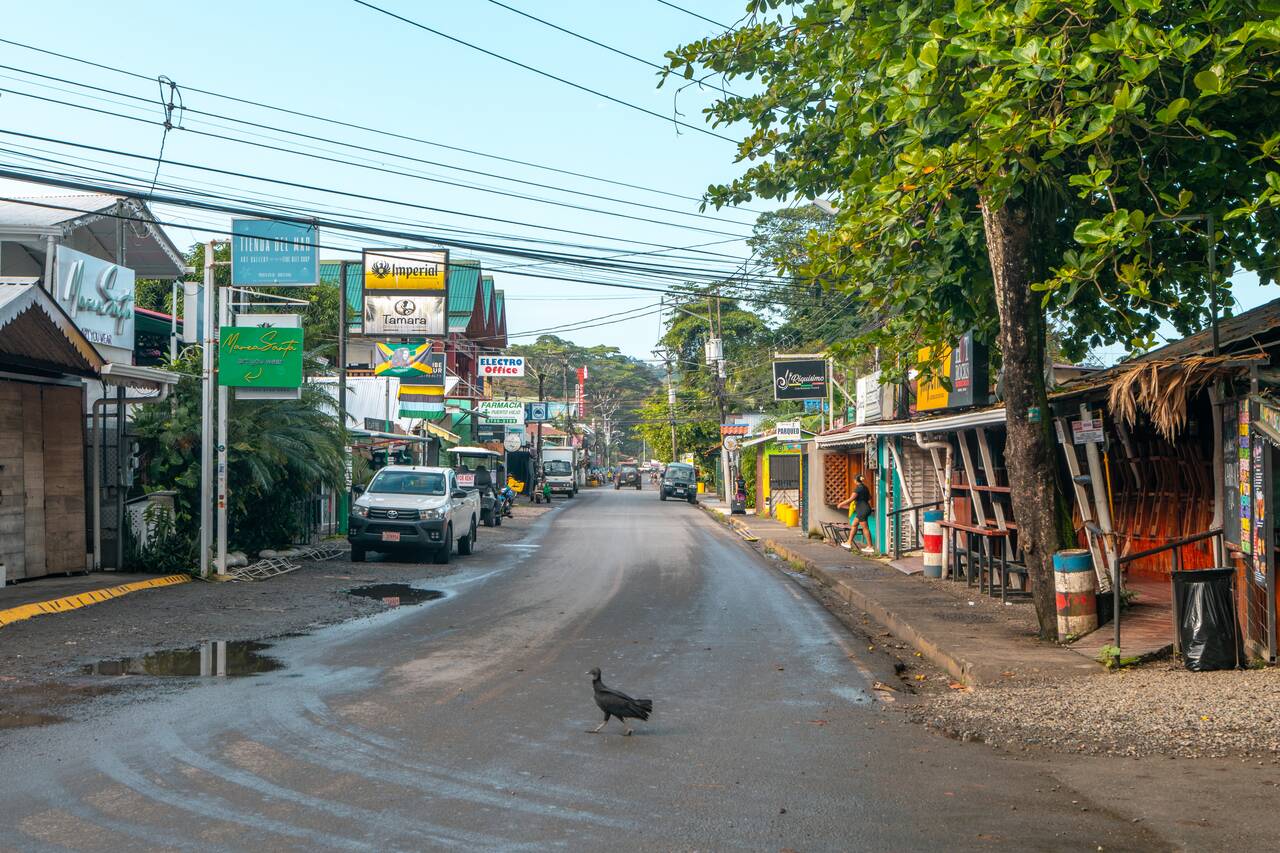
I recommend spending at least 3 to 4 days in Puerto Viejo to fully experience everything the area has to offer. This will give you enough time to explore the beautiful beaches between Puerto Viejo and Manzanillo while also building in a few buffer days in case the weather does not cooperate.
- Day 1: Explore Puerto Viejo town, relax at Playa Negra and Playa Puerto Viejo, and check out some of the area's excellent cafes, restaurants, and bakeries.
- Day 2: Rent a bicycle and cycle down the coast. Visit Punta Uva, Manzanillo, and explore the trails of Gandoca-Manzanillo Wildlife Refuge.
- Day 3: Walk or cycle to Playa Cocles and spend the day relaxing and enjoying all the activities you can do here.
- Day 4: Keep this as a buffer day in case of rain, or use it to revisit your favorite beach, go sloth spotting, or take a day trip to Cahuita National Park.
Is it safe in Puerto Viejo?
Yes, Puerto Viejo is generally considered one of the safer destinations in Costa Rica and I never felt unsafe during my time there. The town has a laid-back atmosphere, friendly locals, and a well-established tourism industry, so you should be fine.
That said, as with any popular beach town, petty theft can occasionally occur. Do not leave valuables unattended on the beach, avoid leaving bags visible inside rental vehicles, and keep an eye on your belongings in crowded areas. Most incidents reported by travelers tend to involve unattended items rather than confrontational crime.
If you are planning to cycle between beaches or explore the coastal road, be sure to lock your bicycle whenever you leave it unattended. Many accommodations provide secure places to store bikes overnight, and most rental shops will include a lock with the rental.
One thing I would be more cautious about than crime is nature. Strong currents can occur at some beaches, particularly during rough weather, and conditions can change quickly. Always pay attention to warning flags, local advice, and ocean conditions before swimming.
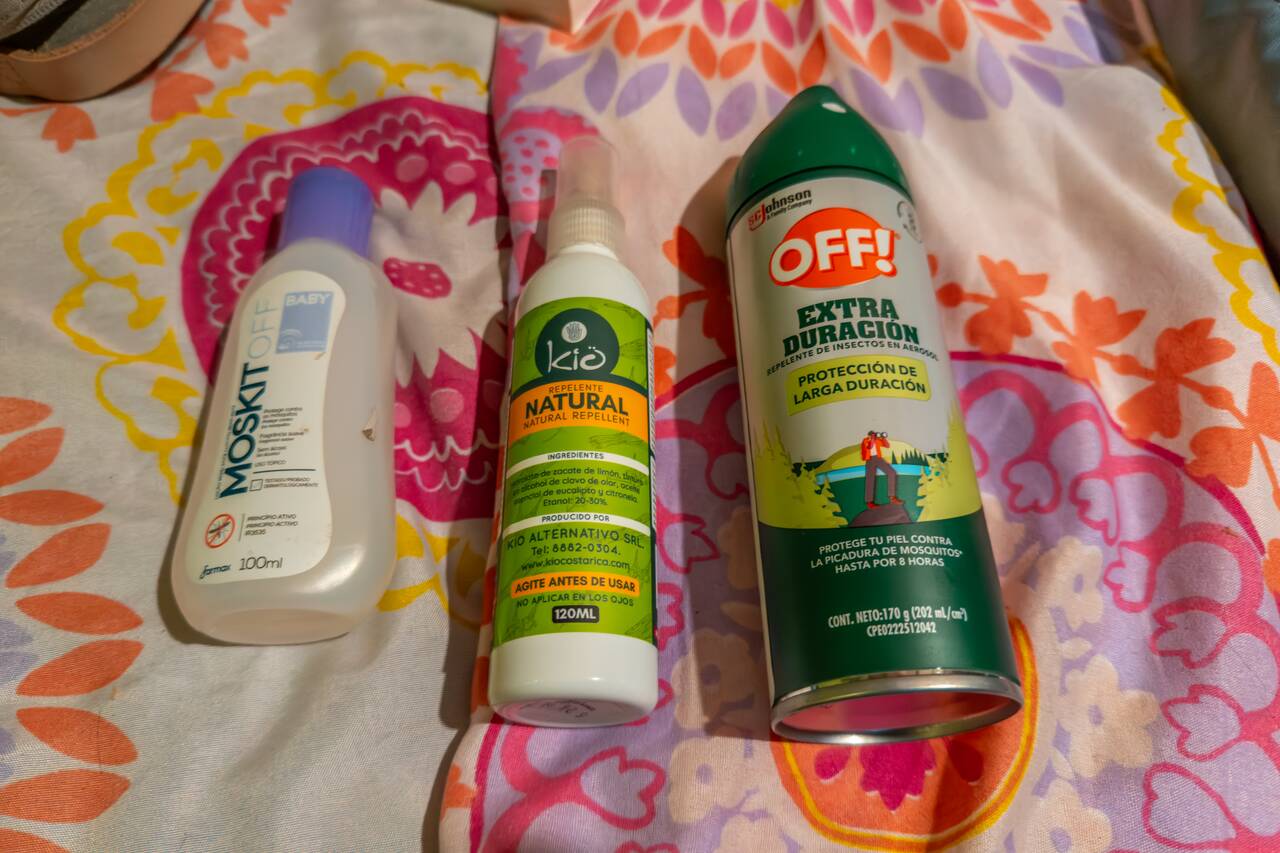
Also, be prepared for mosquitoes here. There are a lot of them in Puerto Viejo, and since many accommodations do not have air conditioning, you will likely have to deal with them during your stay. I tried all kinds of mosquito repellents, and I found that only ones with a high percentage of DEET actually worked well, like the OFF! repellent. The natural repellents I tried only lasted a few minutes before the mosquitoes started swarming again. If you are planning to bring one from home, I recommend getting a repellent with a high DEET concentration.
Disclaimer: This post may contain affiliate links. See our disclosure policy.
First Published:
Last updated: