

Costa Rica may be an expensive and very westernized country compared to other countries in Central America, but if you look at it as a wildlife destination, there is no competition. Costa Rica is truly the best wildlife destination in the region thanks to its abundance of wild nature, minimal industrialization, and a country that understands the importance of preserving its untouched landscapes.
I spent a little over 2 weeks in Costa Rica, exploring some of its pristine beaches on both the Caribbean and Pacific sides, spotting wildlife in places like Manuel Antonio at sea level, and the cloud forest of Monteverde high up in the mountains. If you want to follow my route, this guide is for you.
I have included all the information of my 2-week trip in this itinerary including all my favorite places, practical travel tips, transportation advice, and everything you need to plan an unforgettable trip. If you are planning to visit Costa Rica soon, continue on and find out what this wonderful country has to offer.

Map of this 2-Week Costa Rica Itinerary
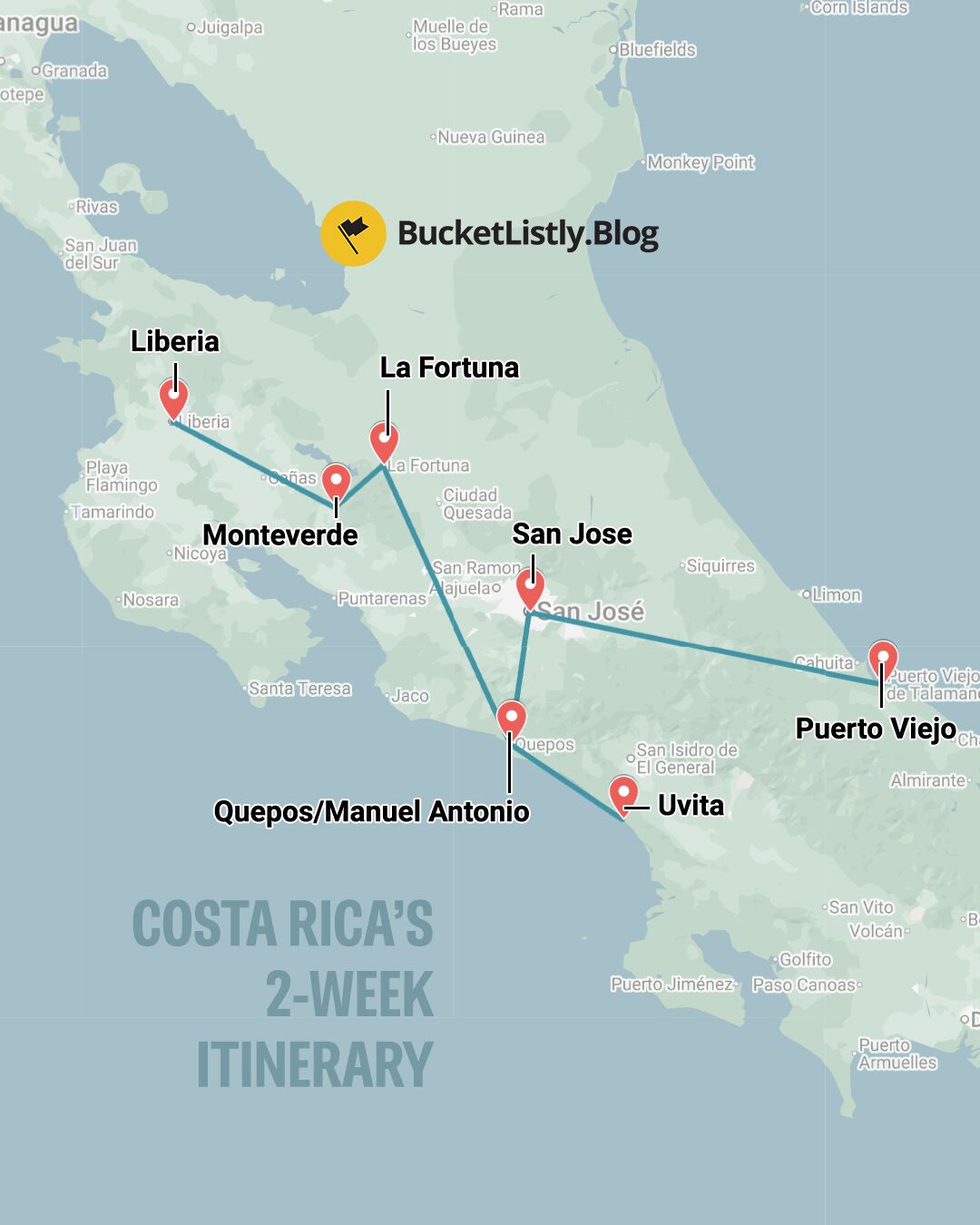
2 Weeks Costa Rica Itinerary
Day 1-2: San Jose (2 nights)
- 📍 Stay: Cando Living Apartments in Central Avenue
- 🕐 Time: 2 nights
- 📖 Full Guide: Discover San José, Costa Rica: Things to Do, Travel Tips & Itinerary
This itinerary begins in San Jose where you will be flying into. San Jose, much like other capital cities in Latin America, is not a big tourist destination, but since we will be passing through it anyway, why not spend a day and go see what this city has to offer.

You use the arrival day to recover from your flight and spend your first full day in Costa Rica exploring the city's historic center. Visit landmarks like the National Theatre, wander through the lively Central Market, and stop by a local café for your first cup of Costa Rican coffee.
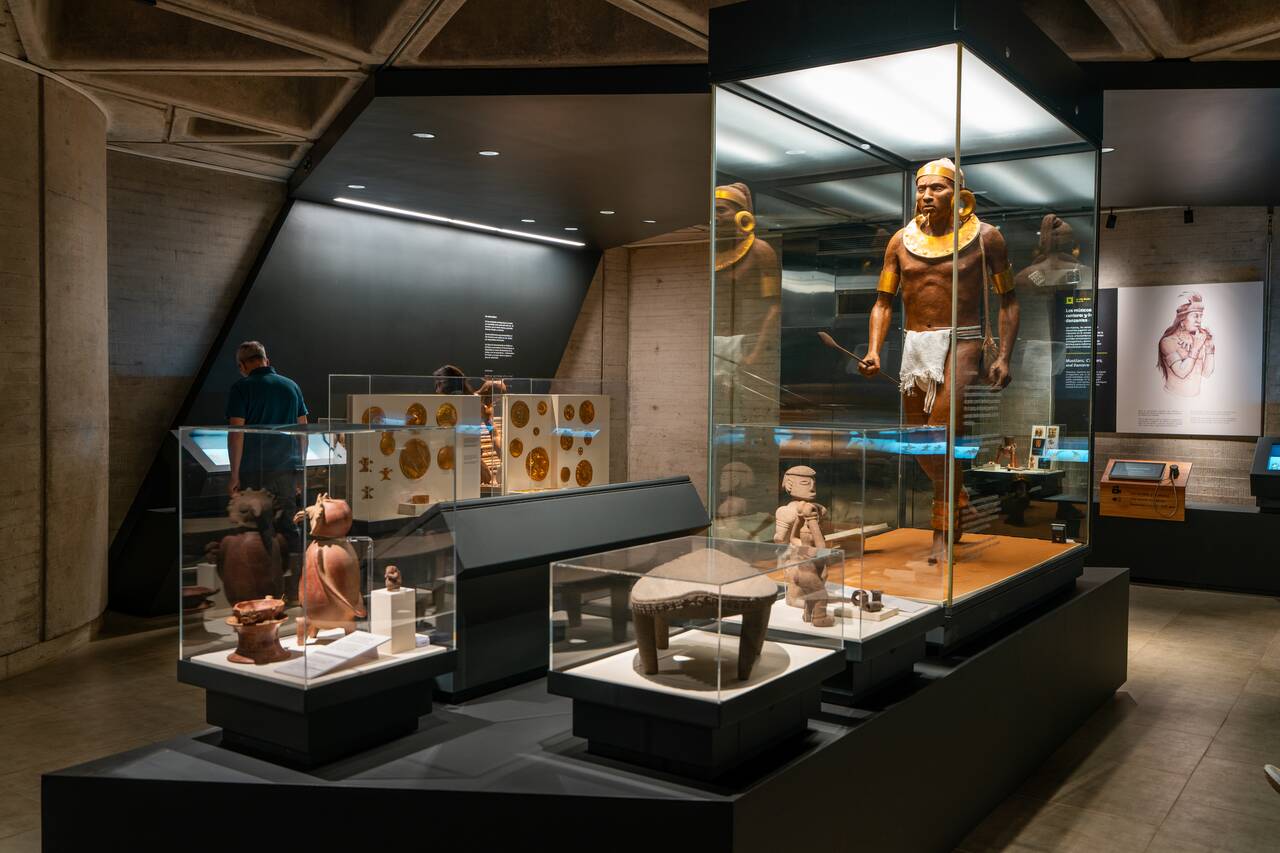
You can also check out some of the great museums in the city like Pre-Columbian Gold Museum, which houses an incredible collection of gold artifacts that showcase the history and craftsmanship of Costa Rica's Indigenous communities long before European arrival.
- National Geographic Journeys: Highlights of Costa Rica (9 days)
- Costa Rica Adventure (10 days)
- Essential Costa Rica - Package with Manuel Antonio National Park (10 Days)
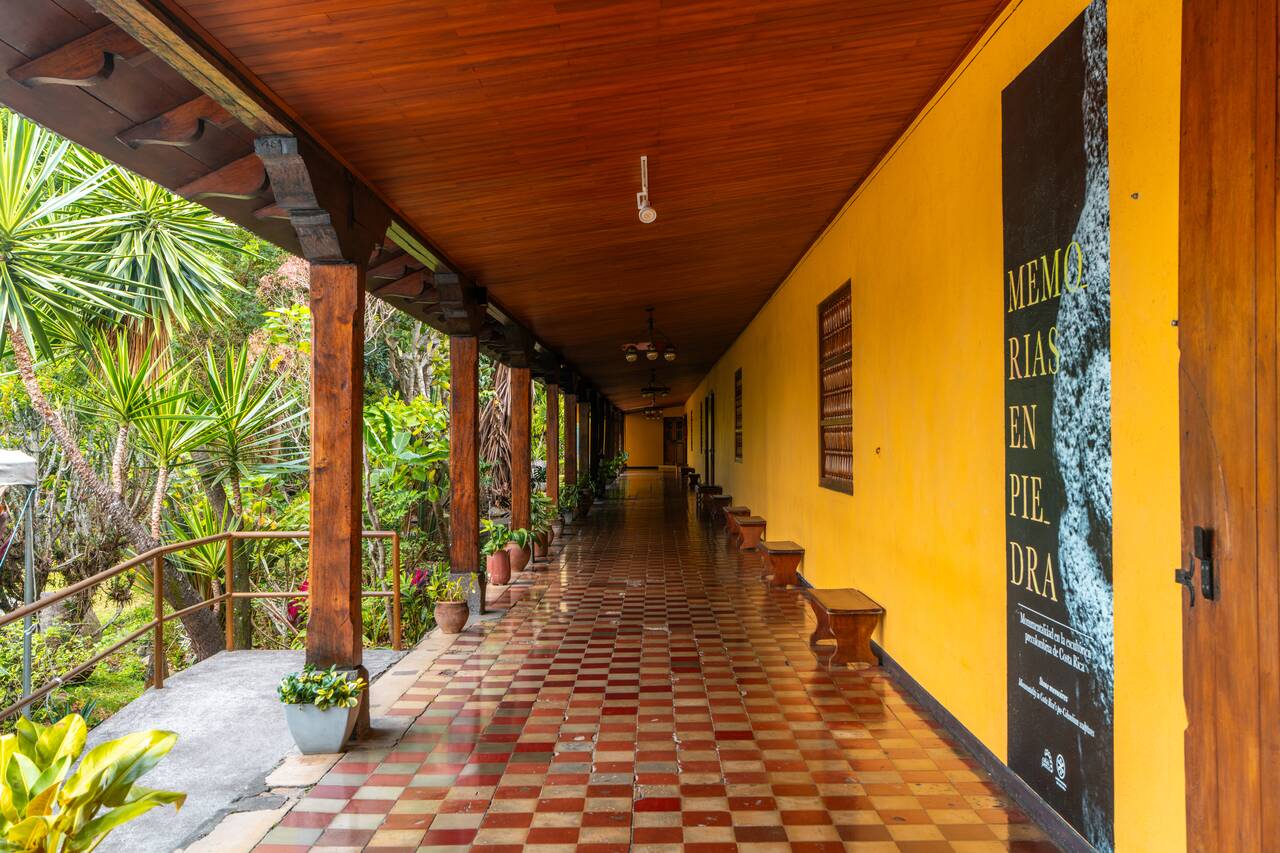
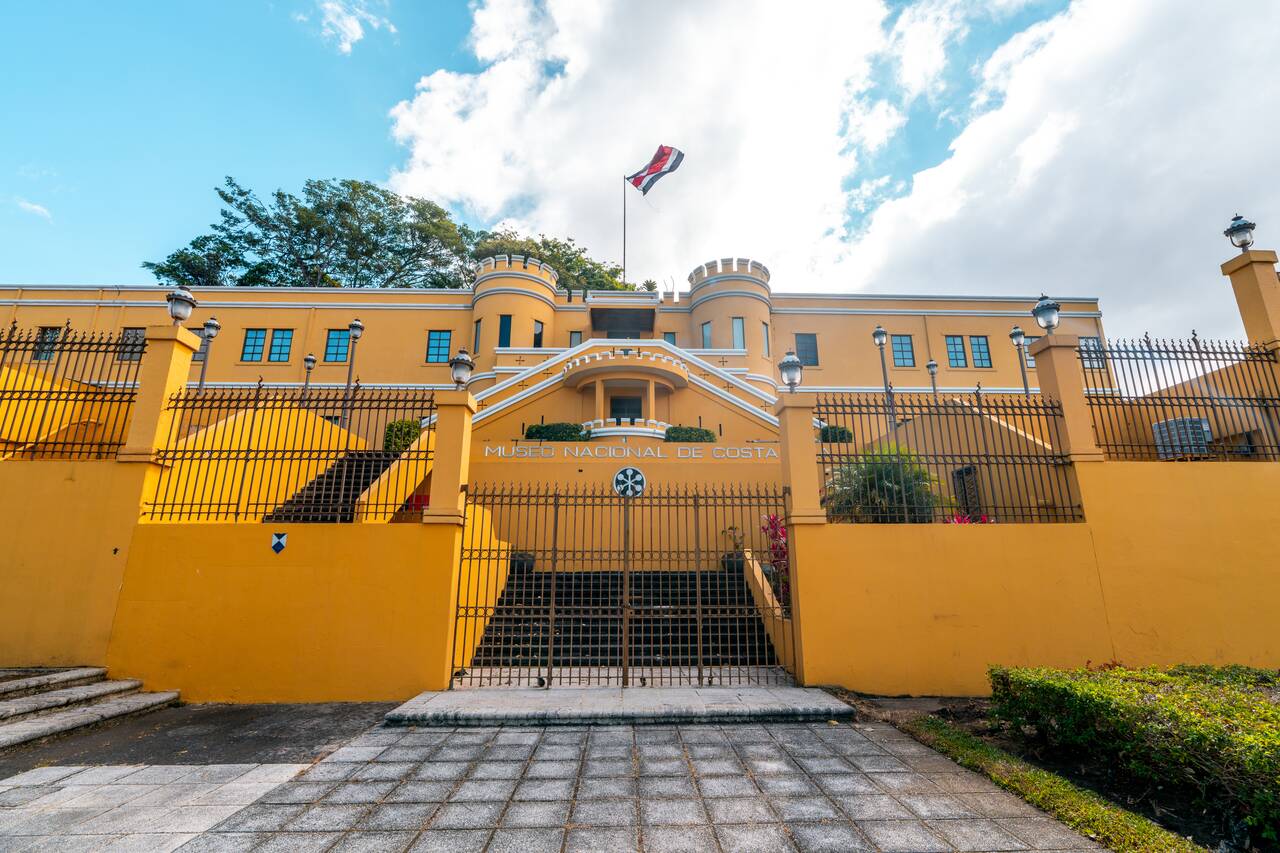
If you are interested in learning more about Costa Rica beyond its beaches, volcanoes, and wildlife, be sure to visit the National Museum of Costa Rica. Housed inside the former Bellavista Fortress, the museum features exhibitions that take you on a fascinating journey through Costa Rica's history, from its pre-Columbian origins to the modern nation it is today.
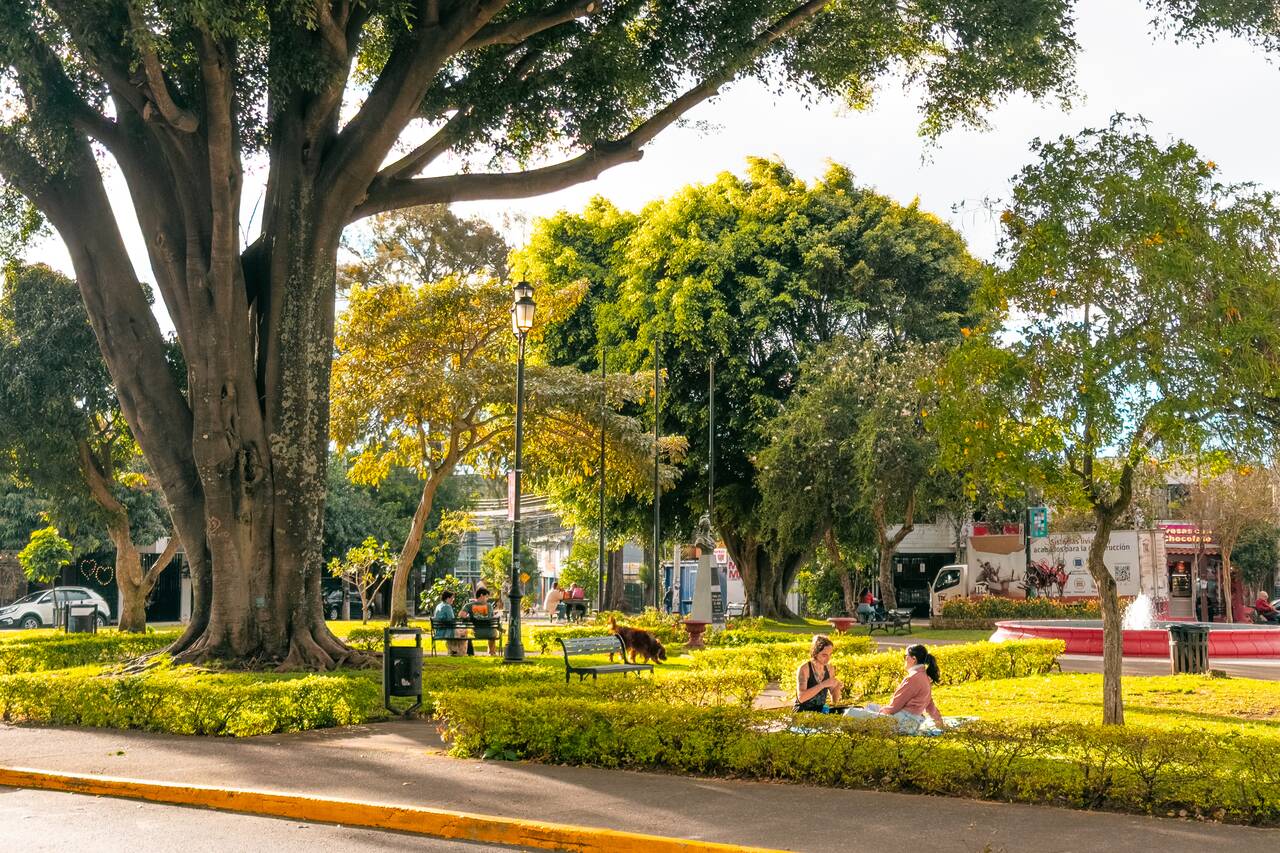
In the afternoon, you can go and wander around Barrio Escalante, one of my favorite neighborhoods in the city. Once a quiet residential district filled with elegant homes, the neighborhood has transformed into one of the city's trendiest areas, packed with cafes, restaurants, bars, bakeries, and boutique shops, waiting for you to explore.
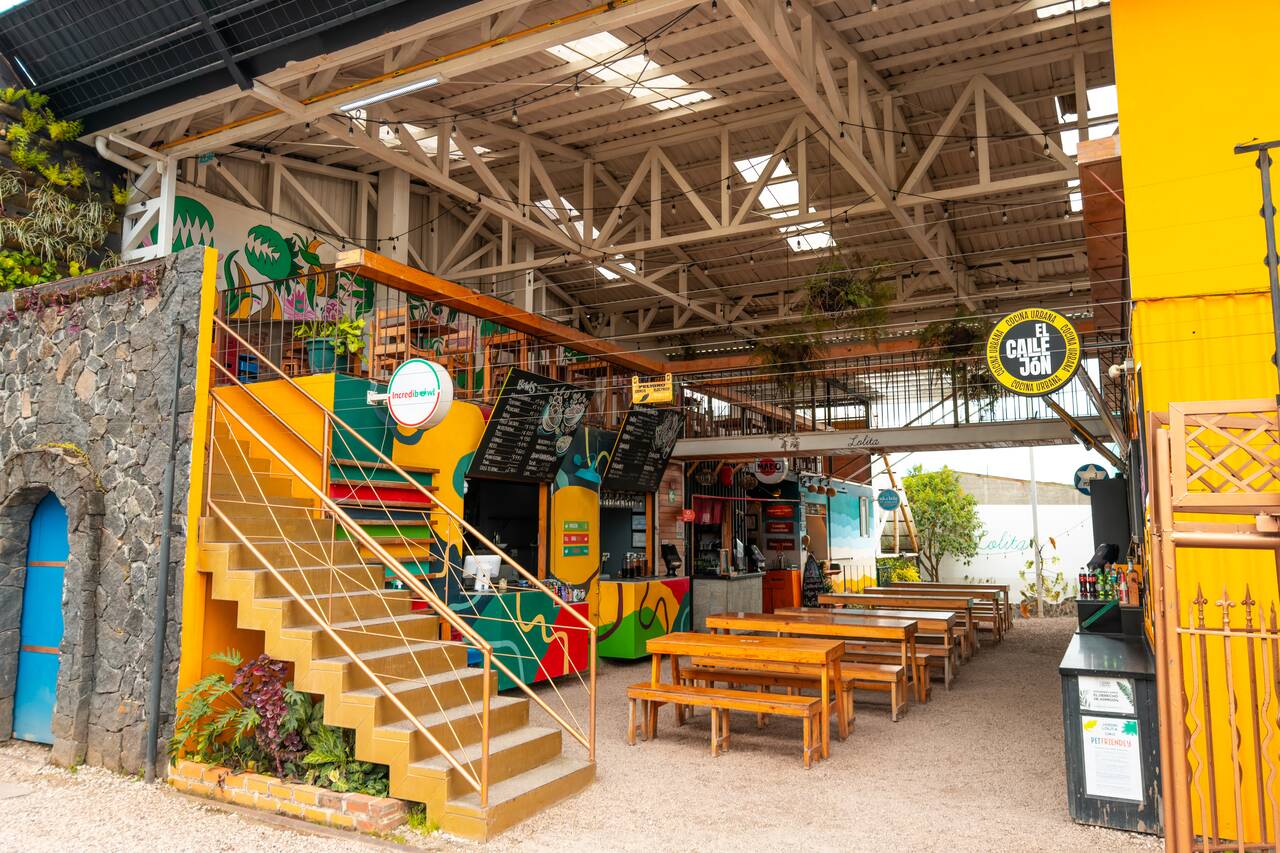
This neighborhood is nothing like the city's downtown. The area is much more relaxed and walkable, with tree-lined streets, colorful murals, and a lively atmosphere, and you will see both locals and tourists hanging out here throughout the day.
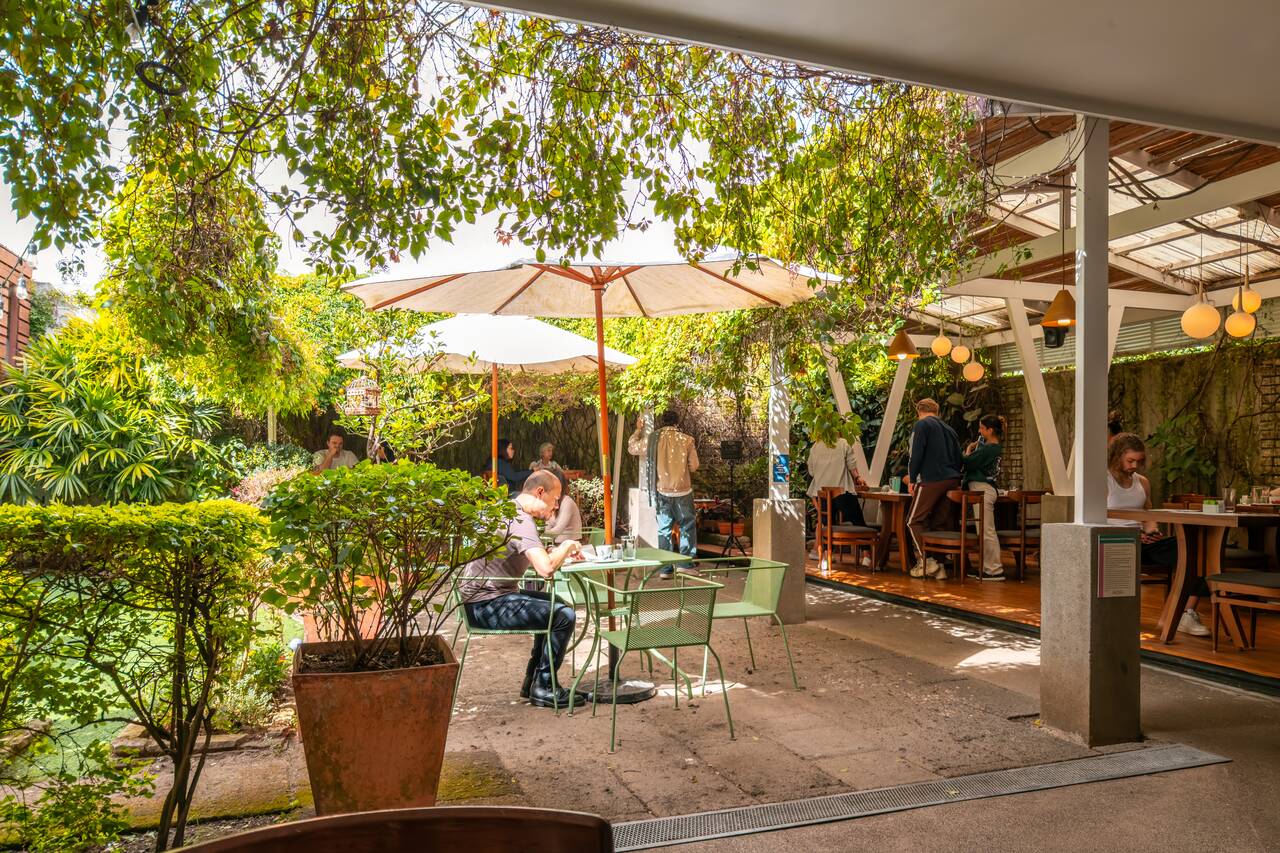
You can spend the rest of the evening here, soaking up the lively atmosphere at one of the many cafes or restaurants before calling it a night and preparing for your journey to Puerto Viejo the next day.




Getting from San Jose to Puerto Viejo
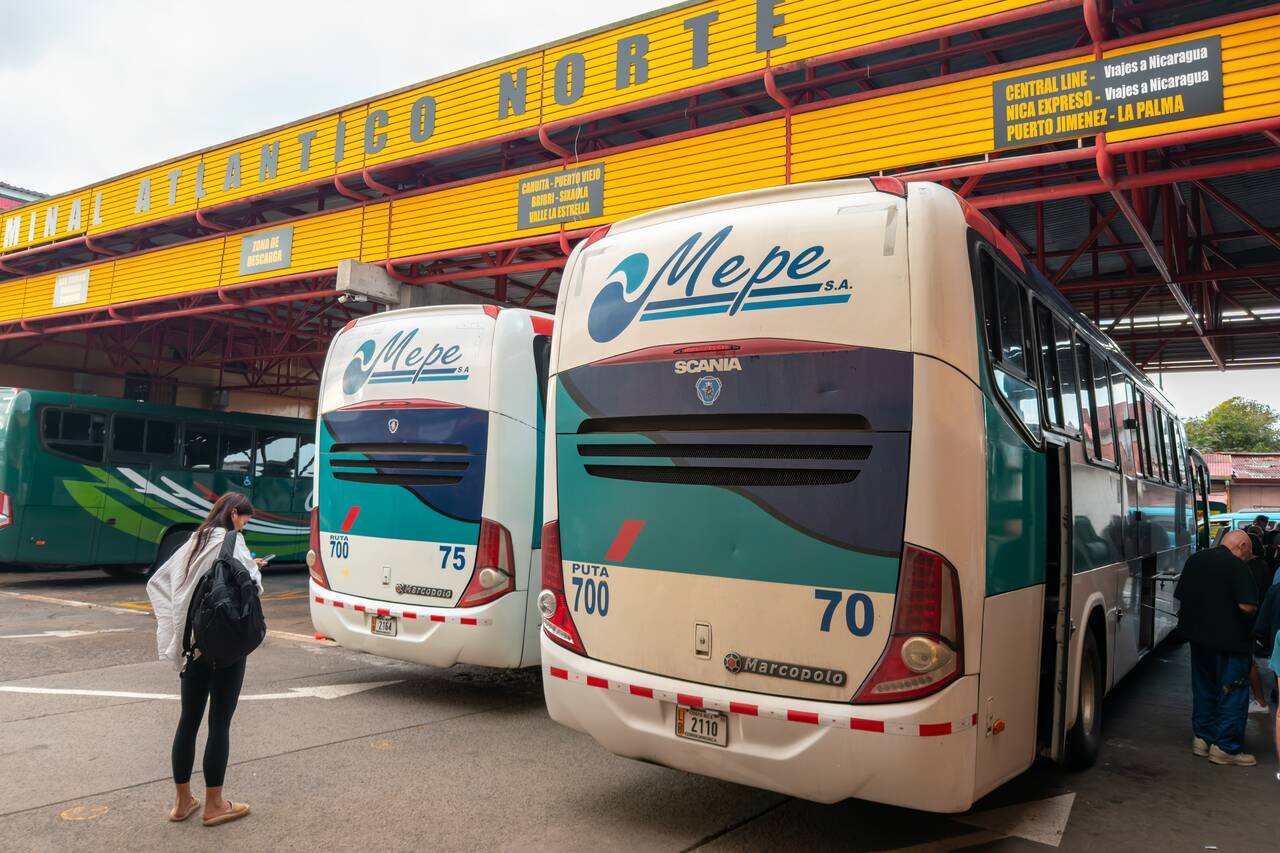
The easiest and most affordable way to get from San Jose to Puerto Viejo is by taking a direct bus from MEPE Bus Terminal. Buses depart several times a day and usually cost around 20 USD. You can buy tickets directly at the bus terminal, which is what I would recommend, as many online booking platforms tend to charge a hefty markup.
The journey typically takes around 4.5 to 5.5 hours to reach Puerto Viejo, although travel times can vary quite a bit depending on traffic and road conditions. When I was there, ongoing road construction during the height of the high season turned the journey into a 7-hour ordeal, so be sure to factor in some extra time just in case.
Driving is also a great option if you decide to rent a car for this itinerary. The roads are generally in good condition, and the drive takes around 4.5 hours. Just be aware that Route 32 occasionally experiences delays due to heavy rain or landslides, especially during the wetter months. You can check the rental car price here.
Day 3-5: Puerto Viejo (3 nights)
- 📍 Stay: Cabinas Montesol
- 🕐 Time: 3 nights
- 📖 Full Guide: Puerto Viejo Travel Guide: Things to Do, Itinerary & Travel Tips
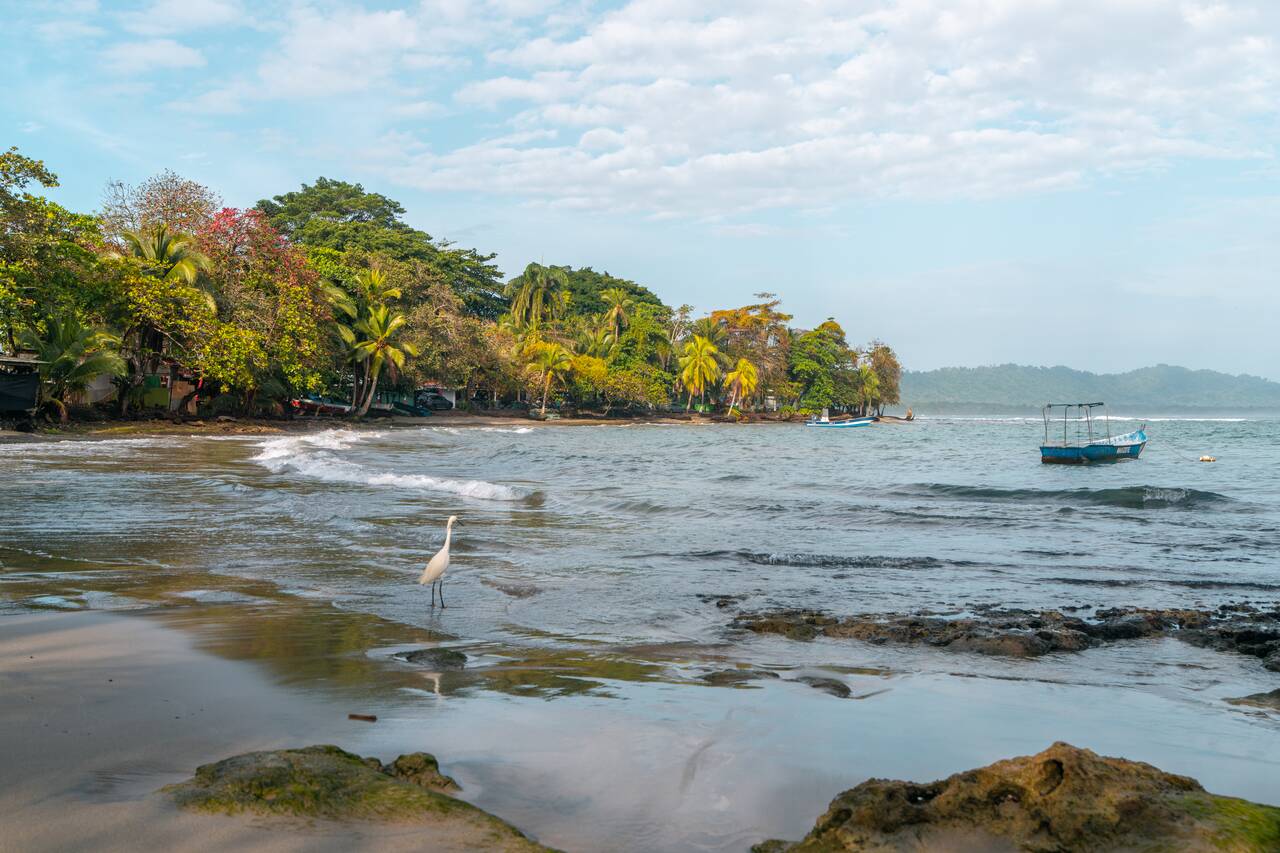
One of the first things I highly recommend you do on your first day in Puerto Viejo is simply wake up early and take a slow walk along Puerto Viejo Beach before the town starts to get busy. The mornings here have a completely different atmosphere, with calm waves, fewer people, and the surrounding rainforest slowly coming alive.
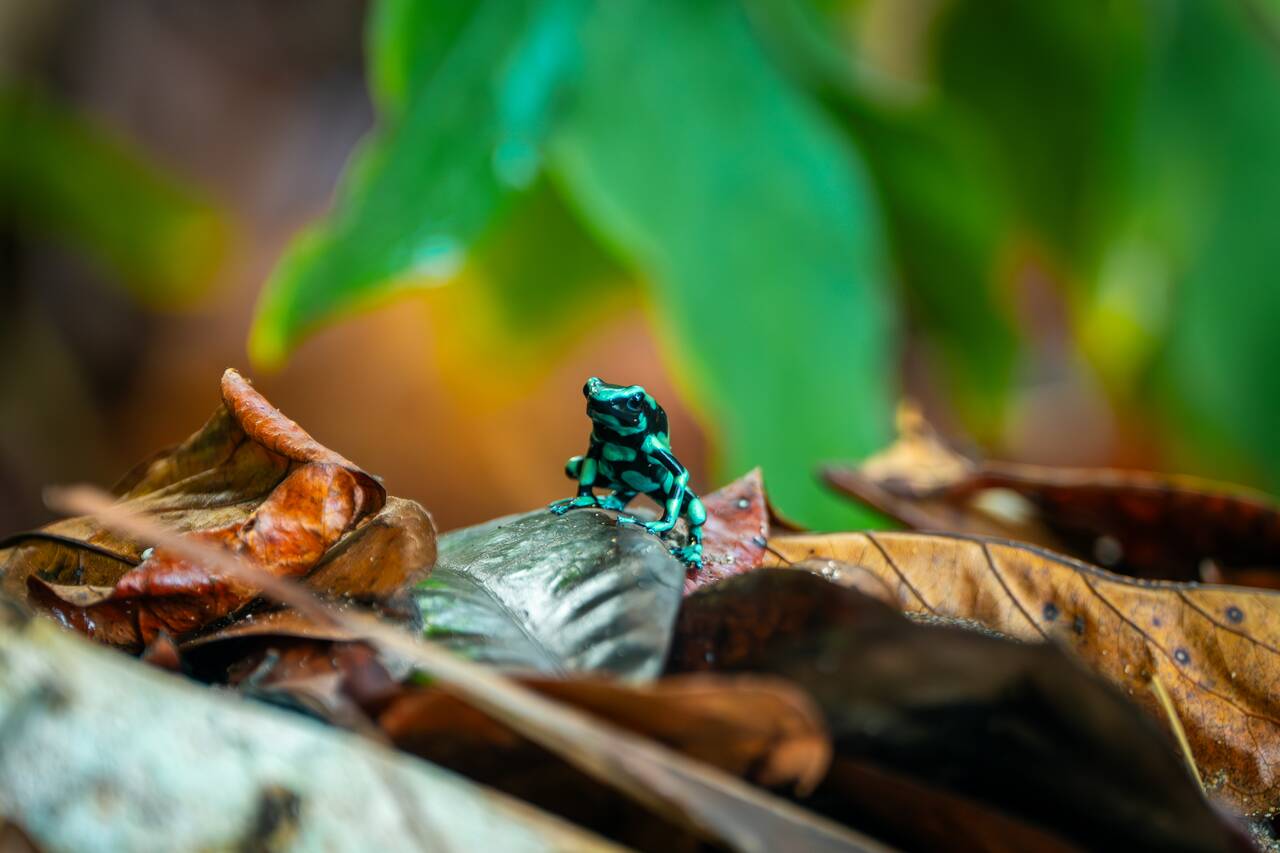
Because the jungle comes right up to the coastline, you do not have to go far to spot wildlife. During my morning walks, I often saw spider monkeys jumping between the trees, colorful birds flying overhead, and all kinds of small creatures hiding in the vegetation. If you are lucky, you might even spot a green and black poison dart frog, one of the many fascinating amphibians that call this part of Costa Rica home.
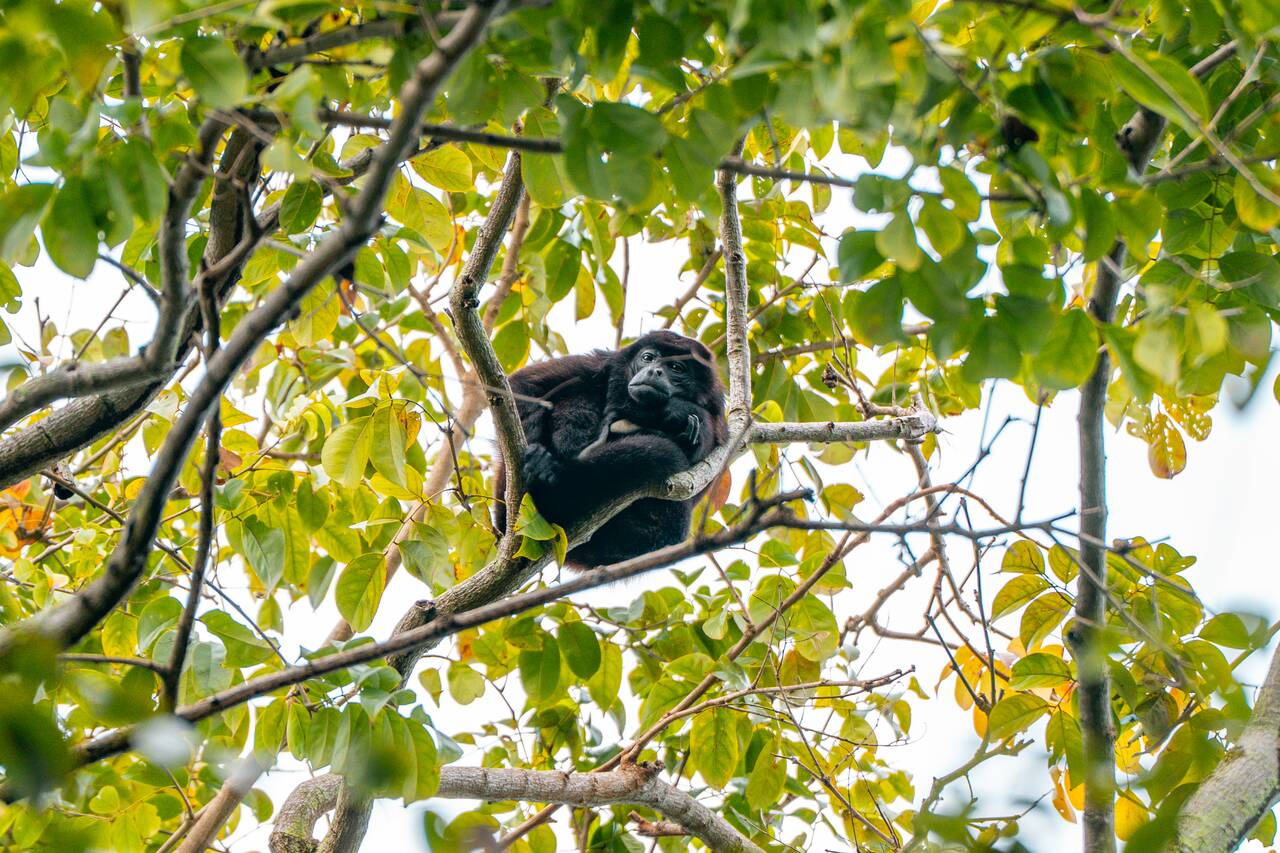
The best time for wildlife spotting is early in the morning when animals are most active and the temperatures are cooler. Walk slowly, listen carefully, and keep looking up into the trees. Many of the best sightings happen when you least expect them.
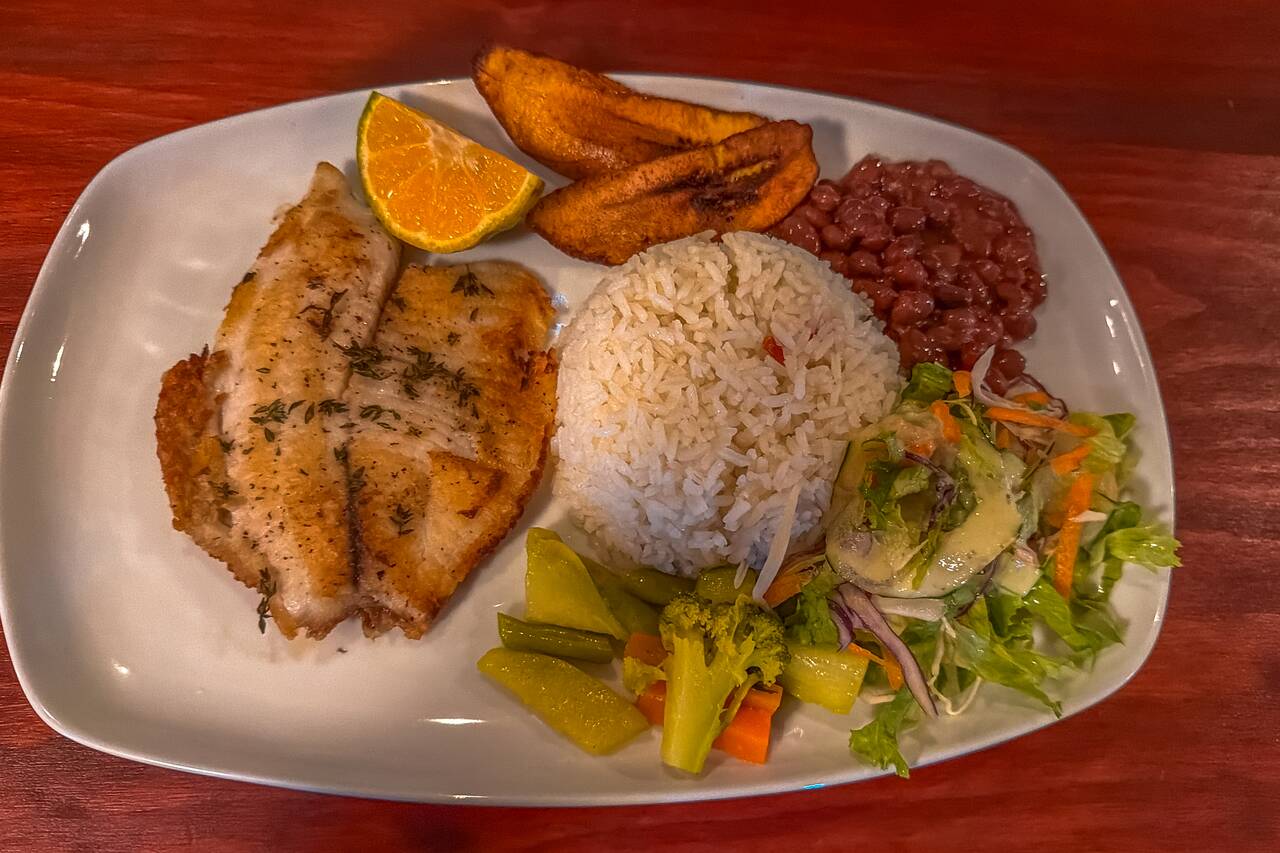
In the afternoon, you can go explore the town a bit, check out the local Costa Rican/Caribbean cuisine at one of the many restaurants and cafes here. One of my favorite places to eat is Mari Soda Restaurant & Bar, a roadside local restaurant with a balcony where you can order Caribbean dishes and watch the world go by. They are the most affordable I have found in Puerto Viejo, which is not easy to find due to how catered to tourists the village has become.
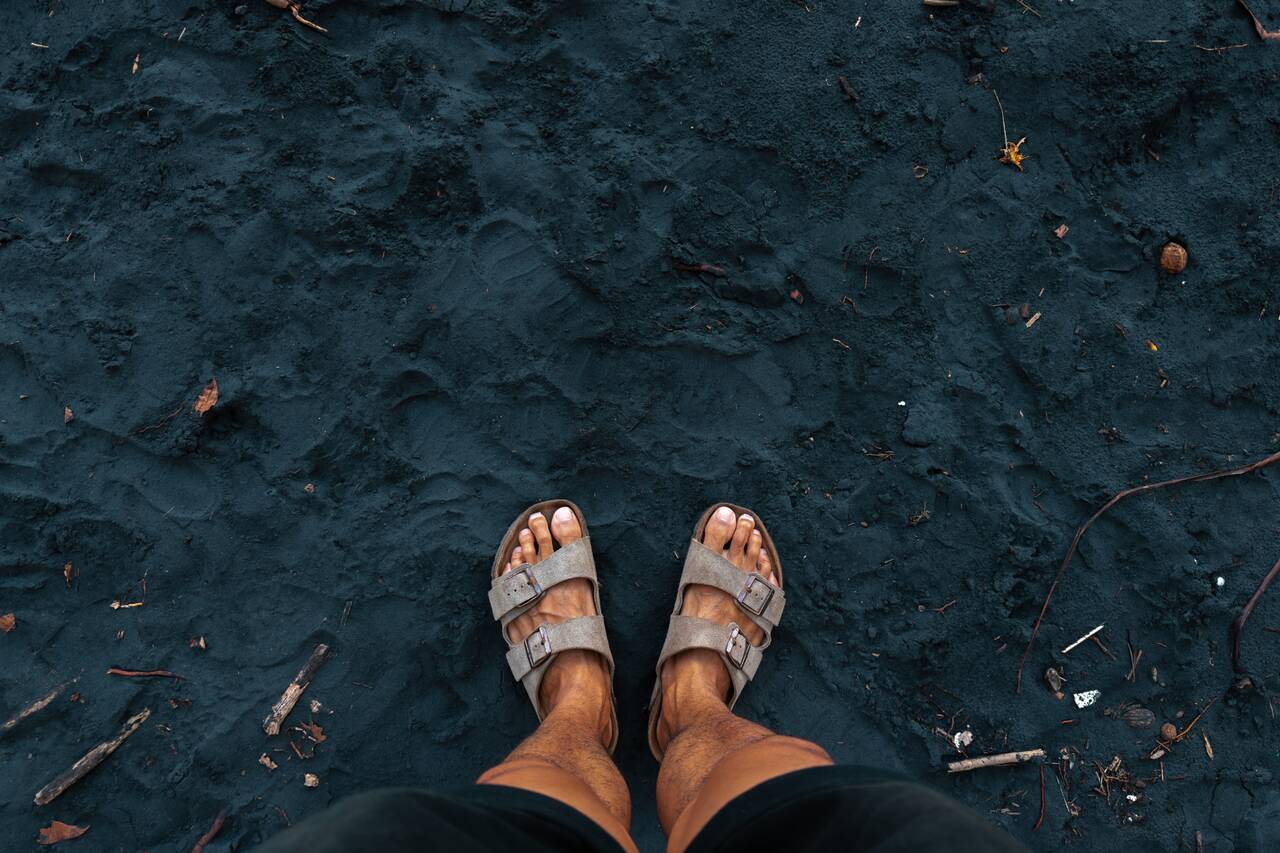
In the evening, you can go for a walk along Playa Negra, a beautiful black sand beach located just a short walk from the center of Puerto Viejo. Once you are done, you can spend the rest of the evening relaxing in town and prepare for a long day exploring the coastline tomorrow.
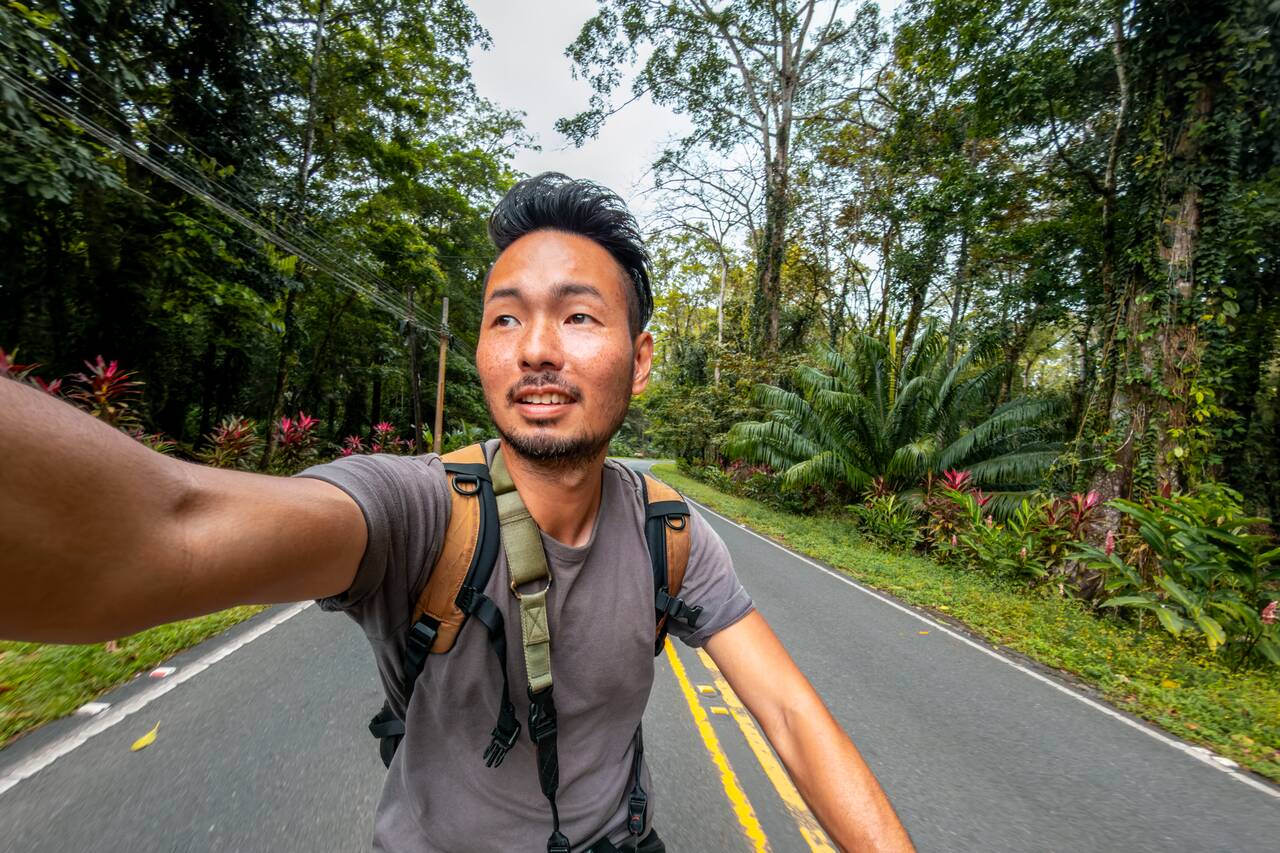
For the second day, you can start early, go and rent a bicycle from either Tuanis Rent a Bike or Pura Rides and ride down the coastal road toward Manzanillo. The route takes you past some of the most beautiful beaches on Costa Rica's Caribbean Coast, with the ocean on one side and dense rainforest on the other.
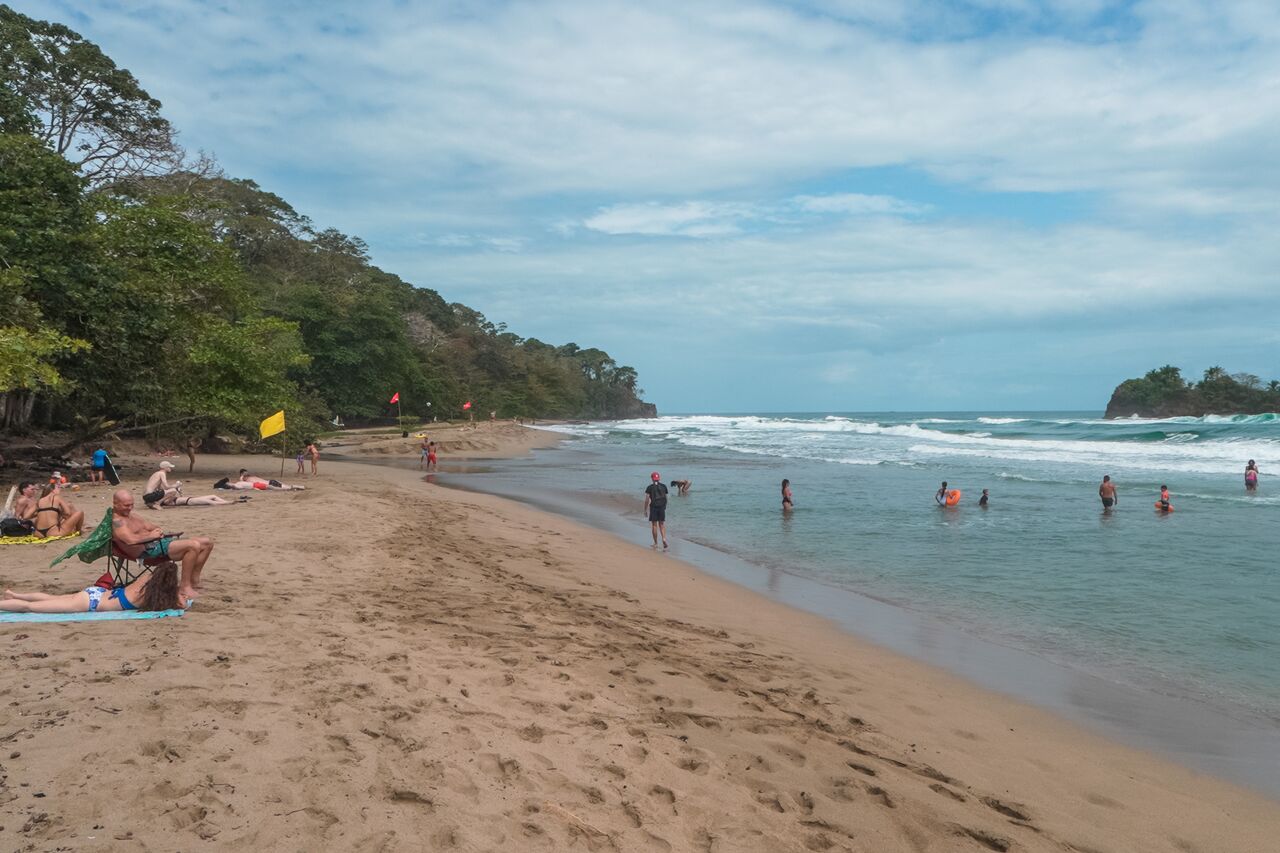
The first place you will visit is Playa Cocles, a beautiful stretch of golden sand located just a short bike ride or a 5-minute bike ride from town. Unlike the more laid-back beaches closer to Puerto Viejo, Playa Cocles has a livelier atmosphere with all kinds of activities you can enjoy.
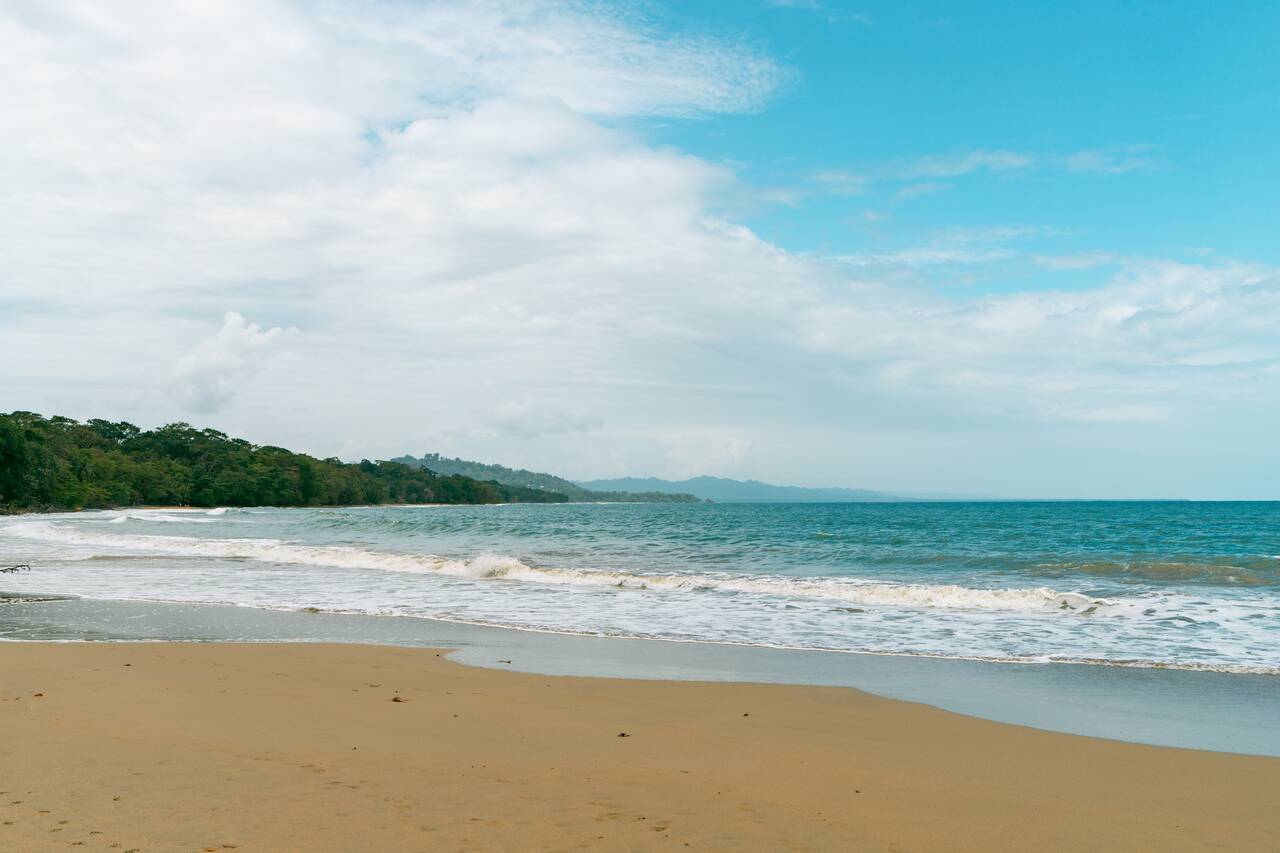
After you are done, you can continue on the ride to Playa Punta Uva, another awesome beach surrounded by dense rainforest and some of the calmest waters along the Caribbean Coast. While most people come here to hang out at the beach, the real highlight for me was that I didn't have to go far to encounter Costa Rica's incredible wildlife.
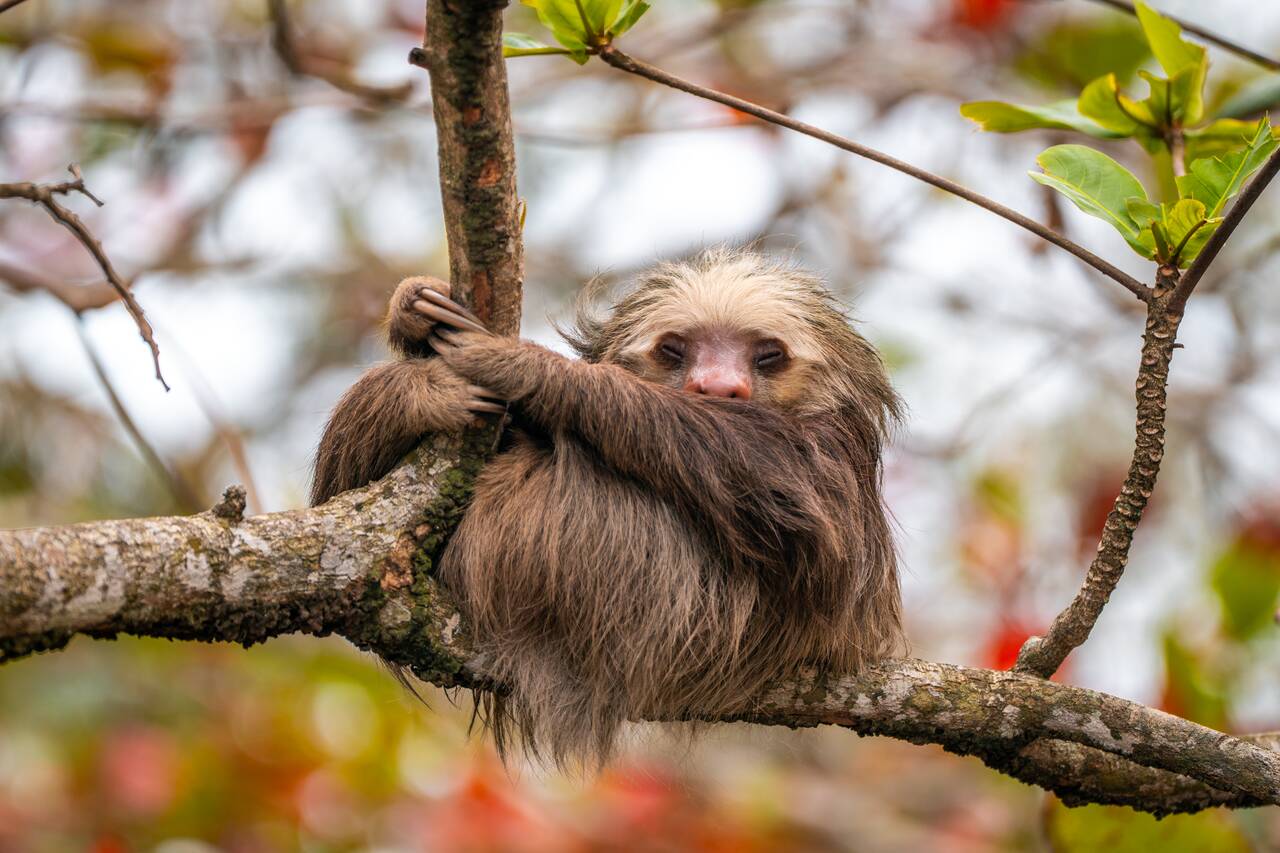
As you walk along the road toward Punta Uva or explore the jungle edges around the beach, keep your eyes on the trees. Sloths are surprisingly common in this area, and I spotted several of them just hanging out above the road, slowly moving between branches.
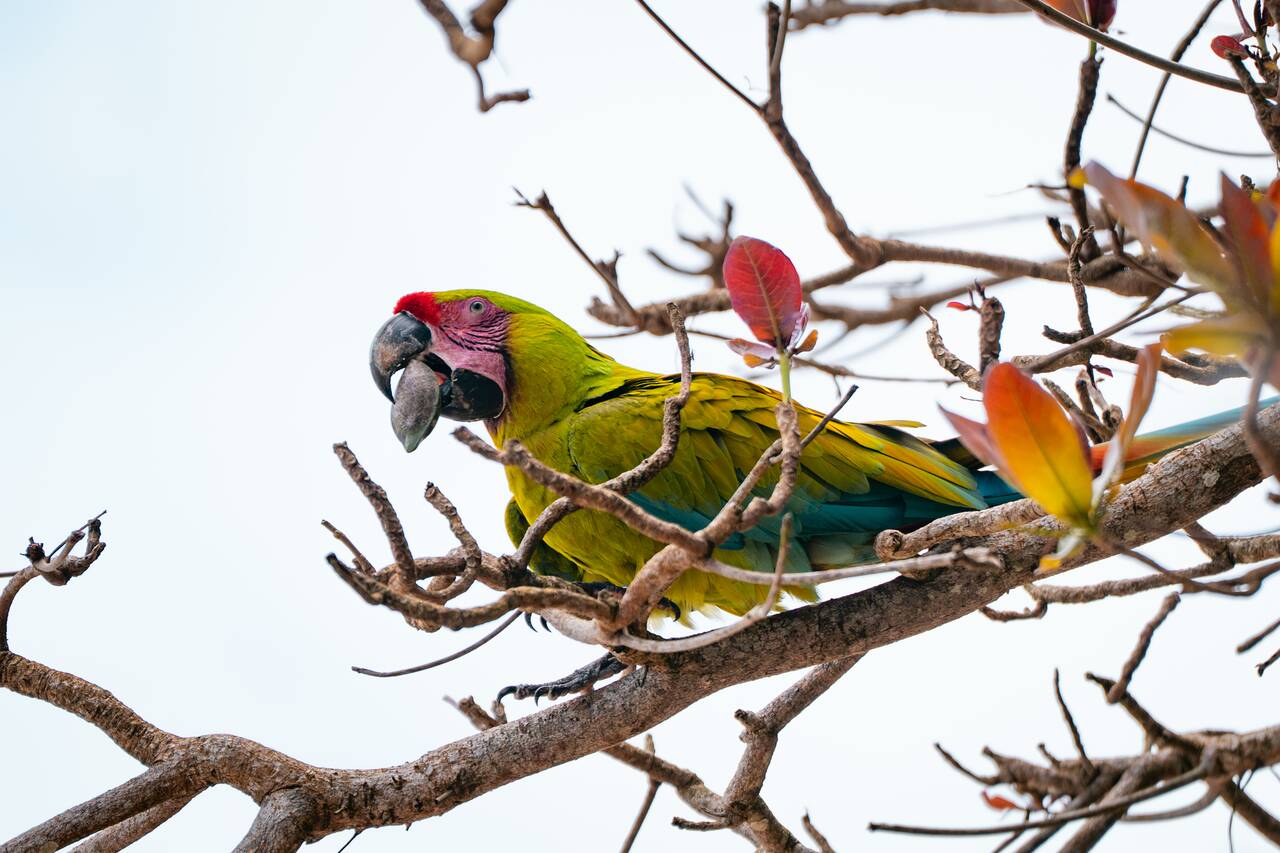
Besides sloths, you might also spot monkeys, colorful birds, raccoons, and other small creatures living in the surrounding rainforest. You can hike up to Cueva Punta Uva and check out the view from the top of the hill, or walk over to Playa Grande, which is arguably an even better beach than Playa Punta Uva.
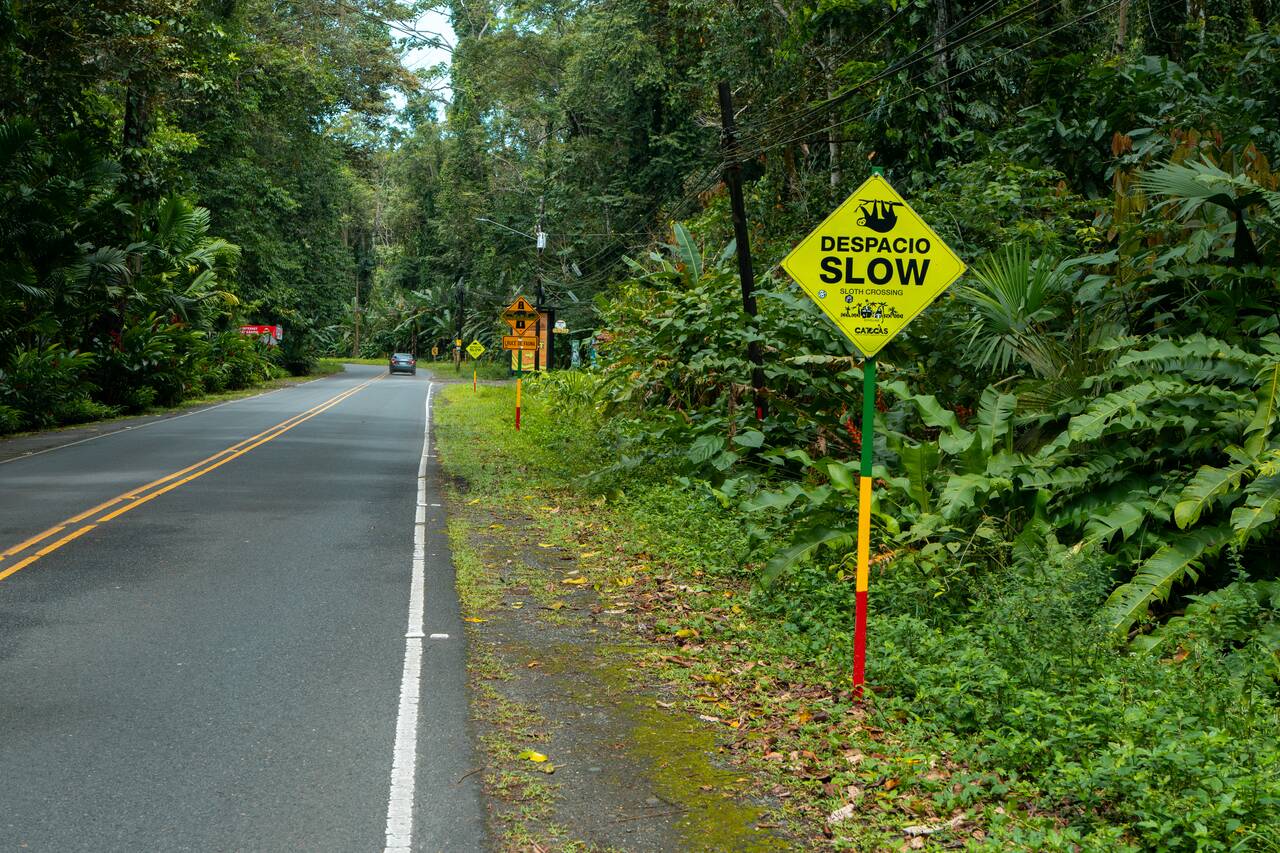
From Punta Uva, you can ride all the way to Manzanillo Beach. The road is mostly flat, with only a couple of short uphill sections as you get closer to Manzanillo. It is an easy ride for most people, and the lack of heavy traffic makes cycling here feel safe and enjoyable. Just be sure to bring enough water, as the tropical heat can sneak up on you, especially around midday.
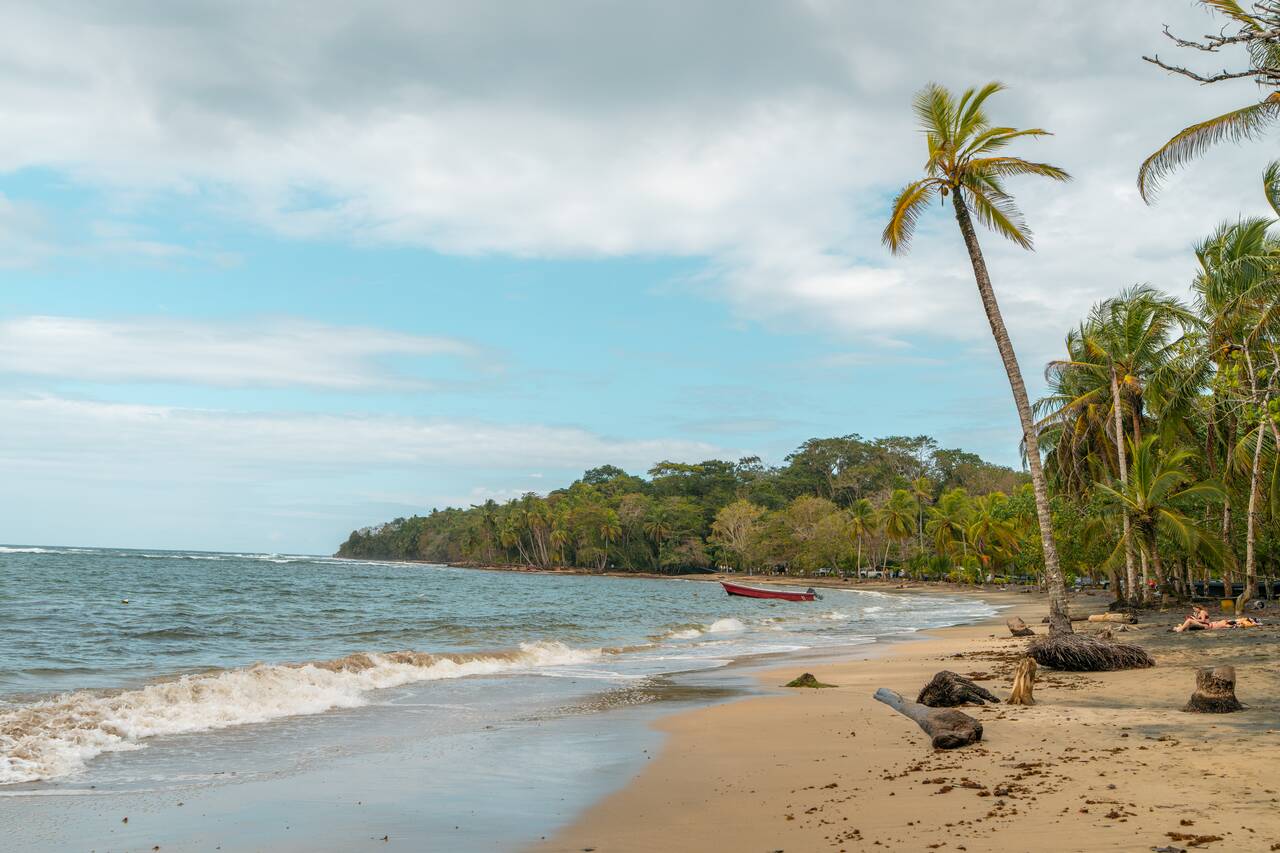
At the end of the coastal road, you will find yourself in Manzanillo, a small and peaceful fishing village that feels like a world away from the busier streets of Puerto Viejo. Unlike Puerto Viejo, Manzanillo still feels raw and untouched. The village itself is small, with a few local restaurants, shops, and places to grab a drink, but the real highlight is the nature surrounding it.
And there is no better place to experience the wonderful nature of Manzanillo than at Gandoca-Manzanillo Wildlife Refuge. Located just beyond the village of Manzanillo, this protected area is where the rainforest meets the Caribbean Sea, creating one of the most beautiful and wildlife-rich landscapes on the coast.
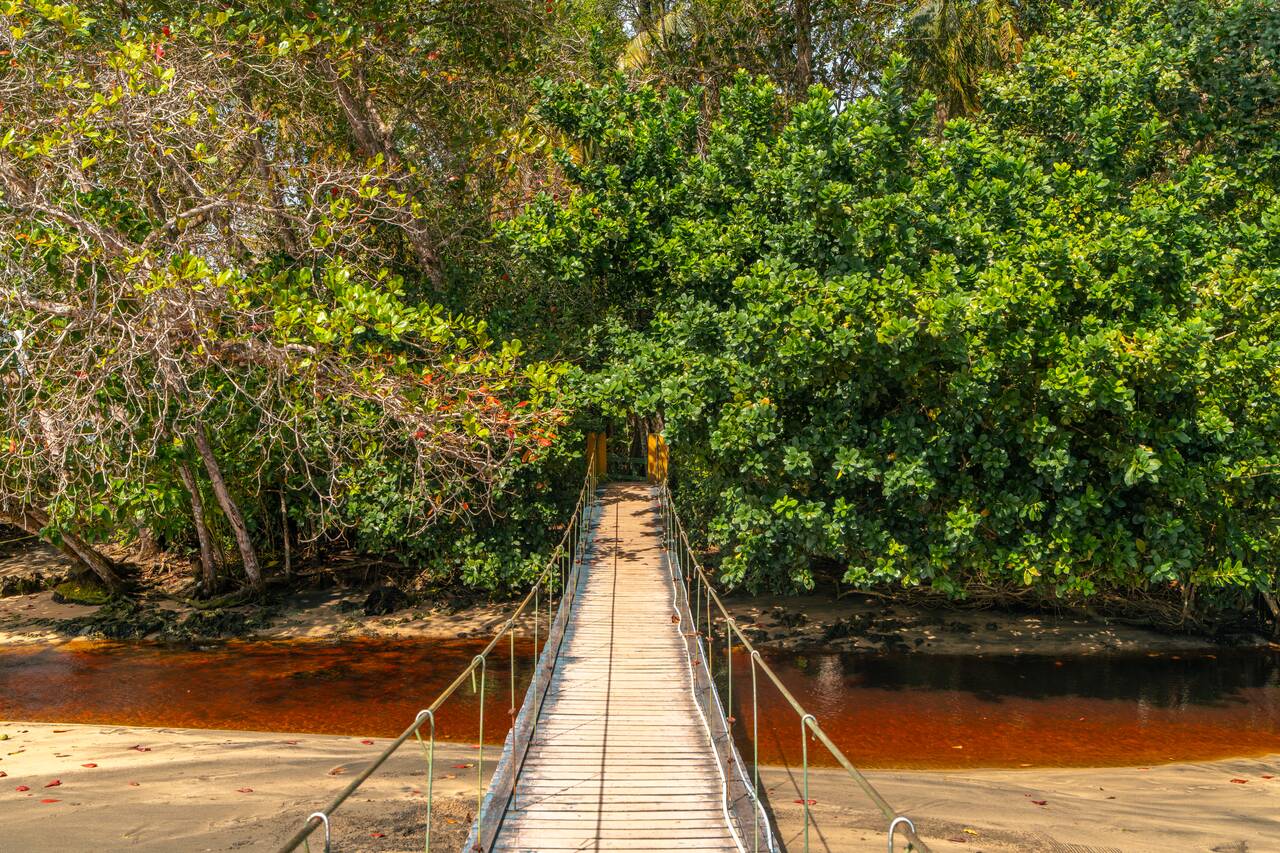
Once you arrive, you can enter the entrance, cross the small river via a suspension bridge, and then the trails will take you through dense rainforest, past secluded beaches, and along rocky viewpoints overlooking the Caribbean Sea. Keep your eyes open for wildlife, as this area is home to sloths, monkeys, tropical birds, and many other creatures that thrive in this protected environment.
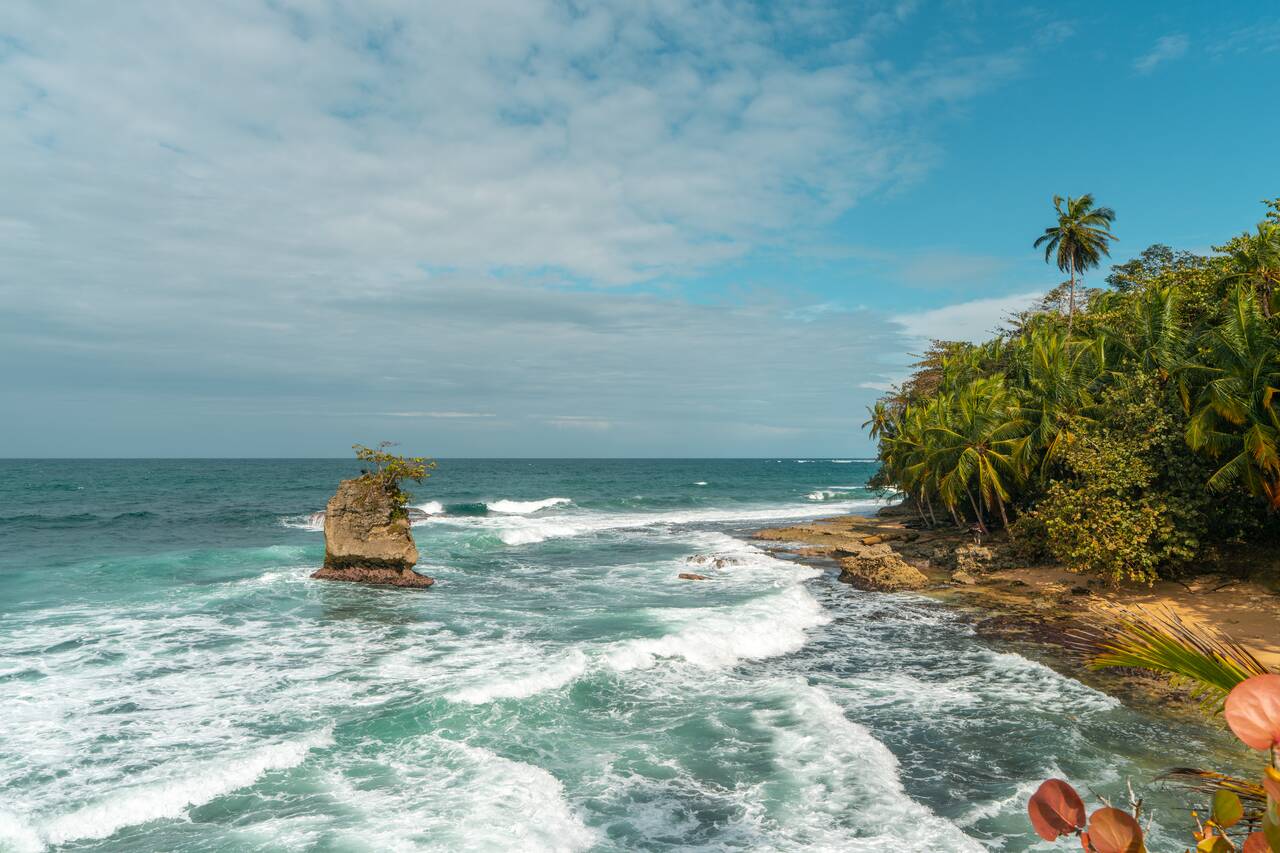
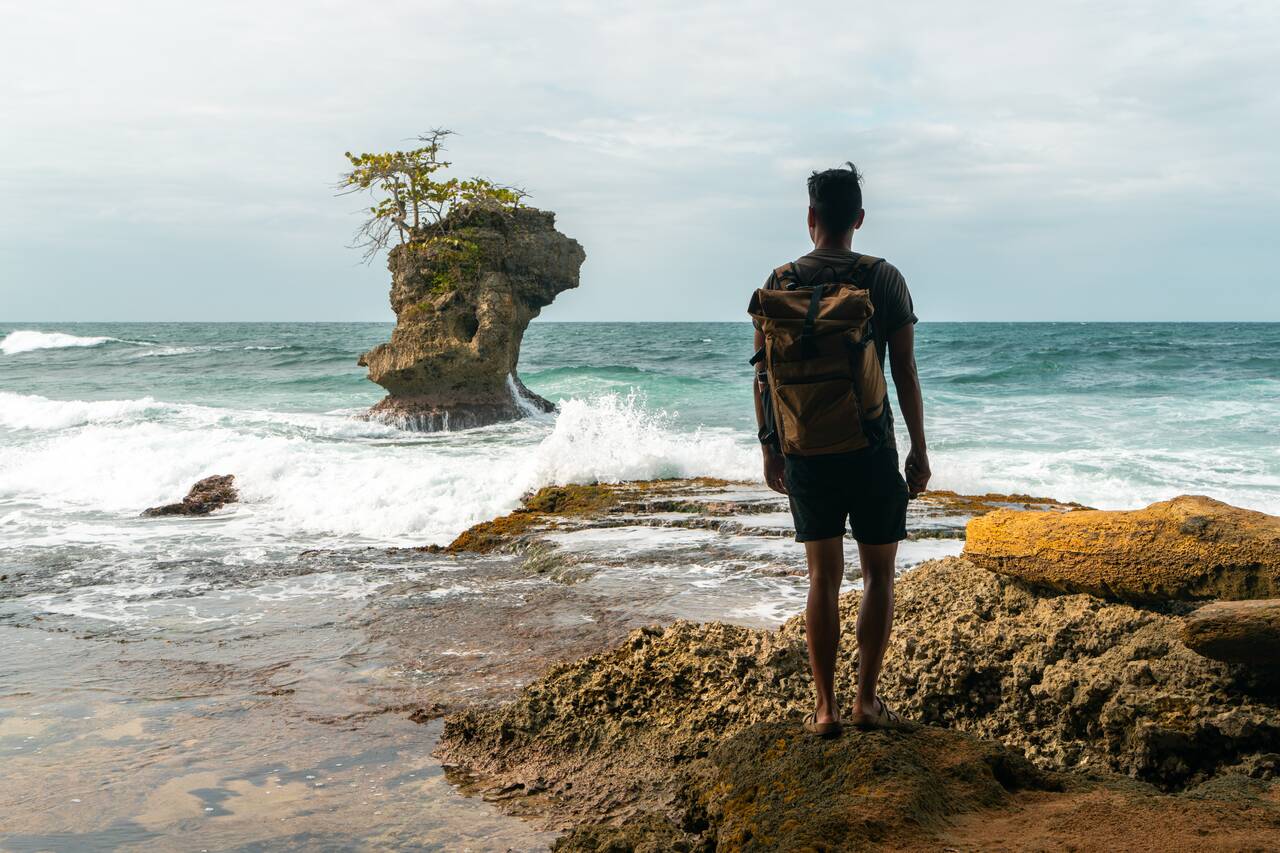
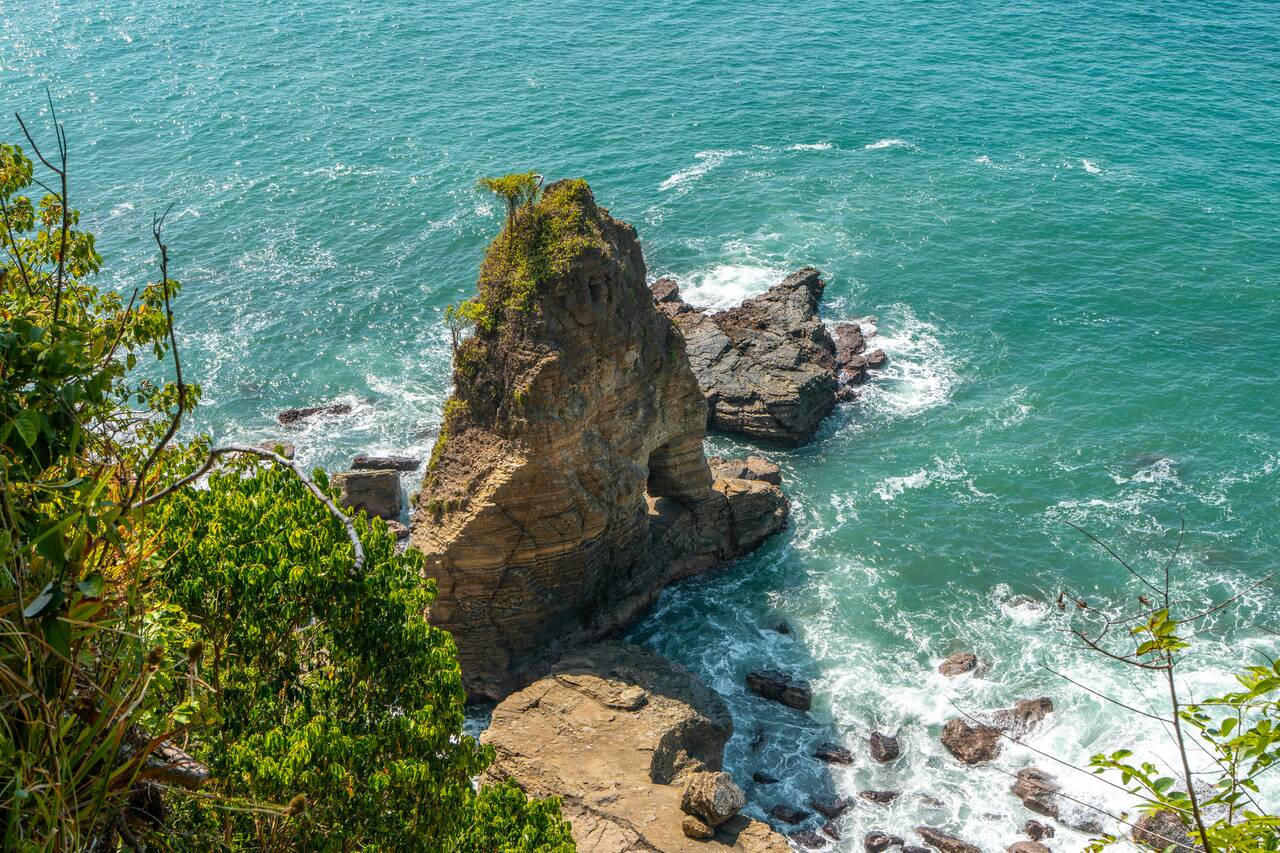
The trails here are not overly difficult, but they can get muddy and slippery after rain, so I recommend wearing proper shoes and taking your time. Make sure you hike all the way to Mirador Manzanillo, where you can see one of the most famous landmarks in the park: a lone rock standing in the ocean with a tree growing on top, weathering the waves and storms of the Caribbean Sea.
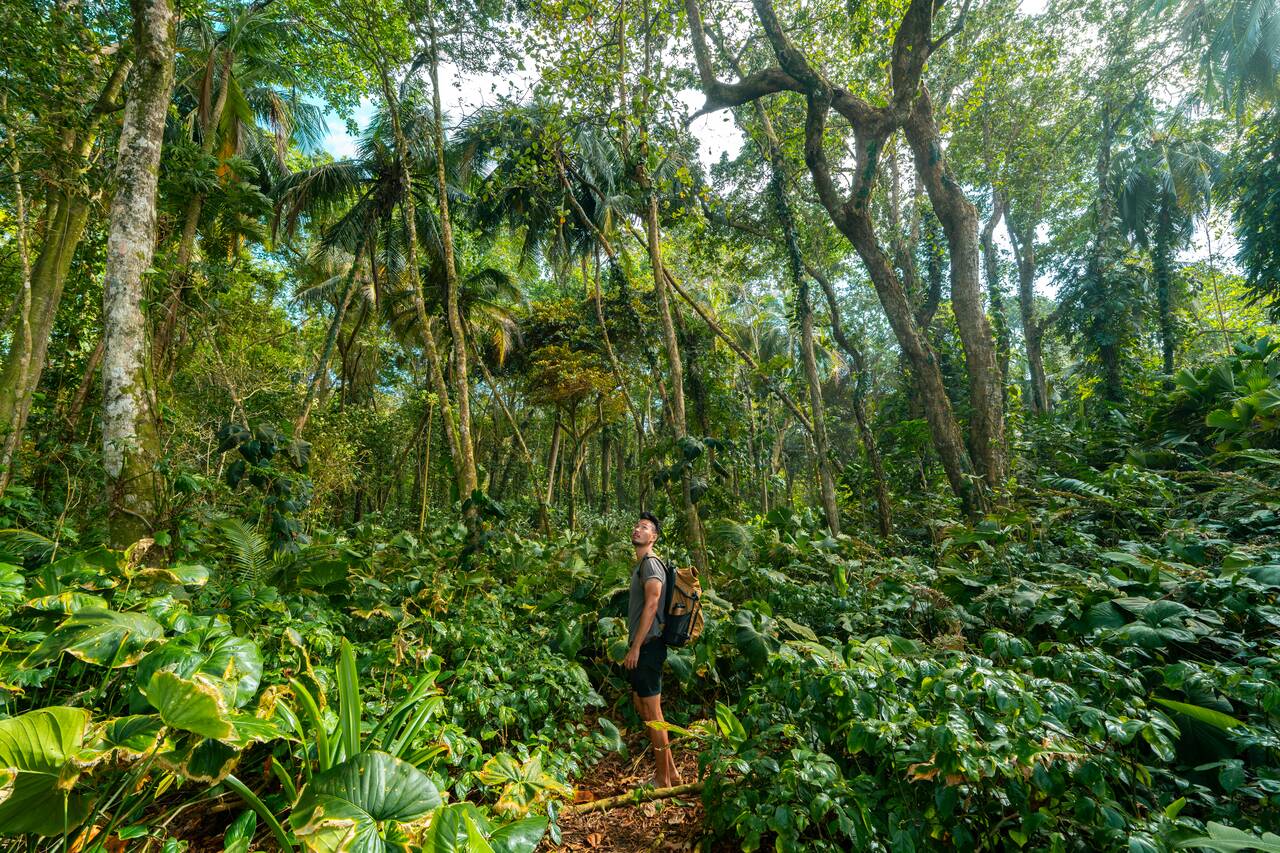
The park closes at 3 PM, so be sure to plan your visit accordingly. Once you're done, it will take around an hour to ride back to Puerto Viejo, where you can spend the rest of the day relaxing in town and resting before heading to Uvita the next day. It's going to be a long travel day involving two buses and more than 10 hours on the road, so be prepared to get up early!



Getting from Puerto Viejo to Uvita
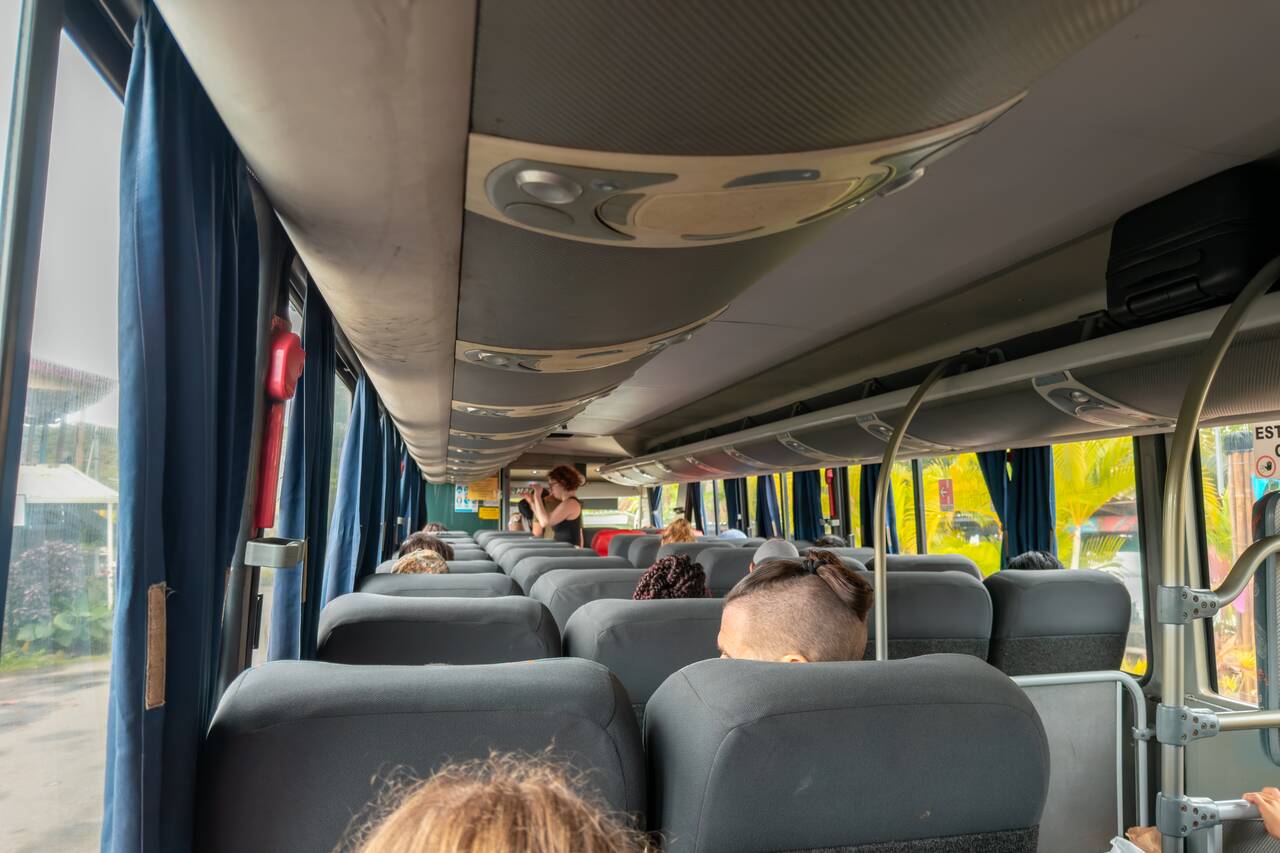
From Puerto Viejo to Uvita, you will have to start very early as it is a long journey, taking about 10 hours in total, and you will have to transit in San Jose all in one day. It's possible, but only if you start early in Puerto Viejo. If not, feel free to stay another night in San Jose.
Direct buses operated by MEPE run several times a day between Puerto Viejo and San José. The journey generally takes between 4.5 and 5.5 hours, although roadworks and traffic can occasionally make it considerably longer. The bus will drop you off at the MEPE Terminal in San José.
The bus runs daily at 3 AM, 5:30 AM, 9 AM, 12 PM, and 4 PM. I recommend taking either the 5:30 AM or 9 AM departure. I also recommend not booking this bus through third-party platforms, as they often overcharge by as much as 10 USD per ticket. Instead, purchase your ticket directly from this small ticket kiosk in Puerto Viejo before your departure date. Tickets should cost around 20 USD, and payment is typically accepted in cash only.
Once you arrive in San Jose, you will have to take an Uber to Tracopa Bus Terminal, where you can catch the bus to Uvita. You can book tickets online with a credit card via the Passer App: Android | iOS, or you can get it from the bus station with cash only.
Tickets cost around 7,860 CRC (17 USD), and the journey usually takes between 4 and 5 hours, although traffic near the capital can sometimes add extra time. Buses run throughout the day, generally every hour from 5:30 AM to 10:10 PM. If you're arriving in San José from Puerto Viejo, I recommend catching either the 3 PM or 4 PM departure, depending on when you arrive. The bus will drop you off at the Tracopa Bus Terminal in Uvita at around 7–8 PM.
Day 6-8: Uvita (3 nights)
- 📍 Stay: Bahia Selvatica Lodge
- 🕐 Time: 3 nights
- 📖 Full Guide: How to Get from Uvita to Nauyaca Waterfalls (and Back)
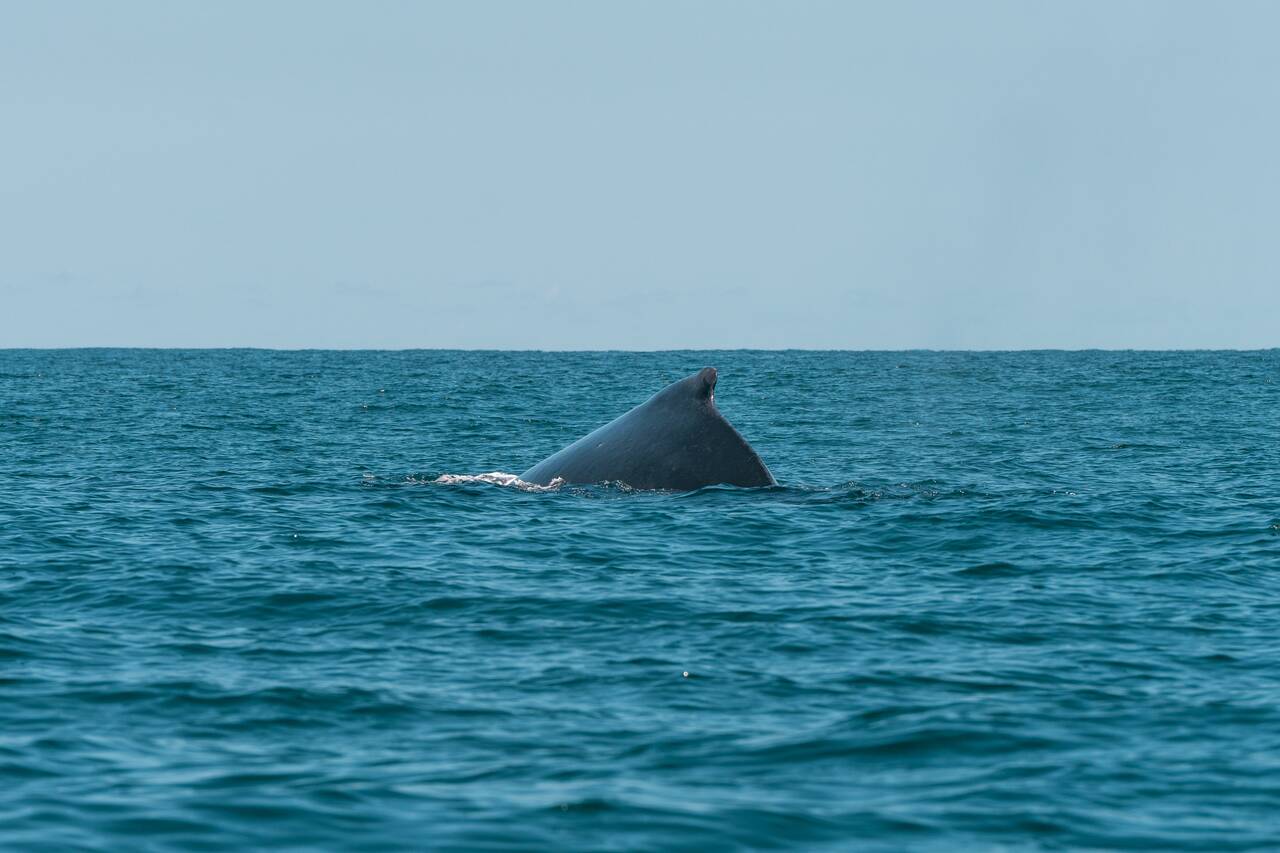
If there is one activity you absolutely must do in Uvita, it is whale watching, which is why I recommend booking this whale-watching tour before you arrive, so you can do it on your first day here. The town sits right next to Marino Ballena National Park, one of the best places in Costa Rica to see humpback whales and one of the few places in the world where whales from both the Northern and Southern Hemispheres migrate through at different times of the year.
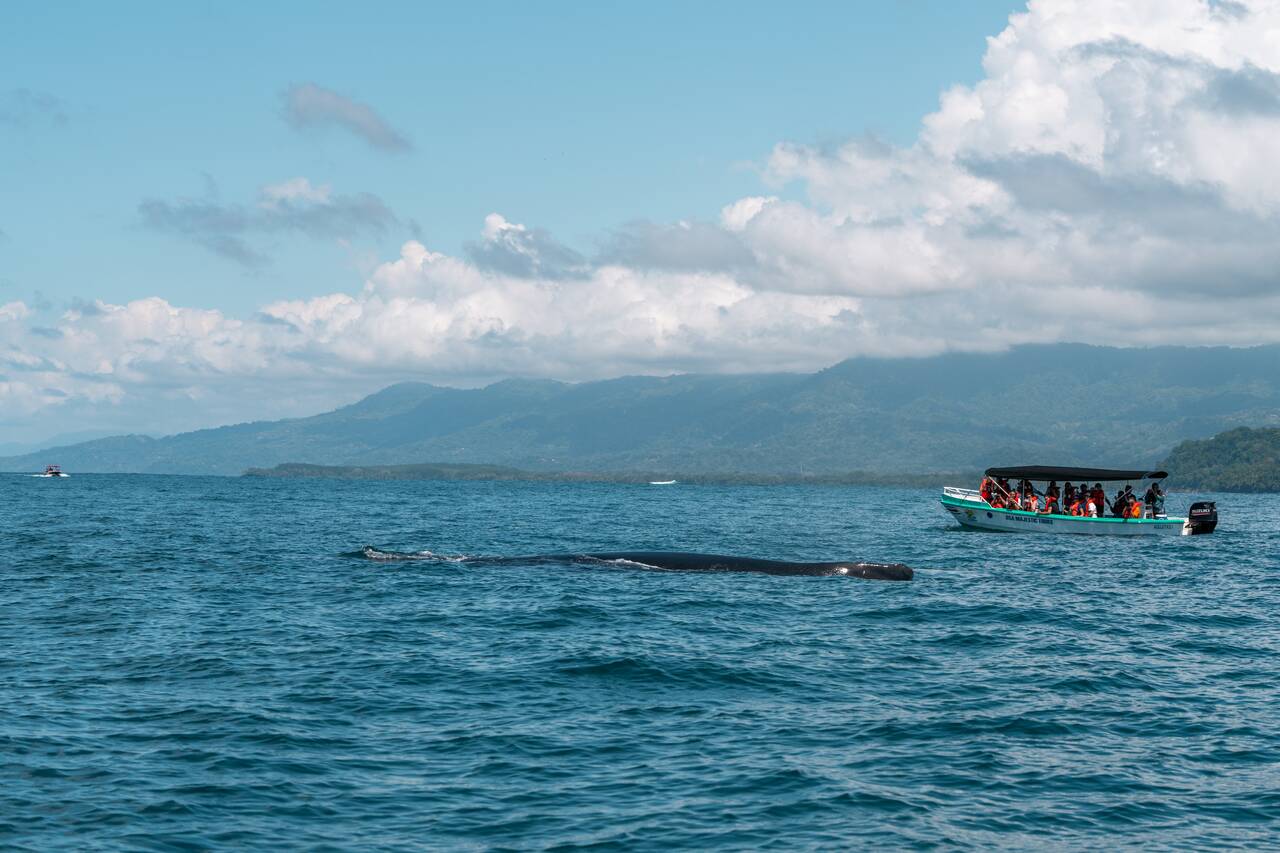
Depending on when you visit, you may have the chance to see humpback whales breaching, slapping their tails on the water, or swimming alongside their calves. Even outside of whale season, boat tours often encounter dolphins, sea turtles, manta rays, and other marine life, but like everything related to wildlife, sightings are never guaranteed.
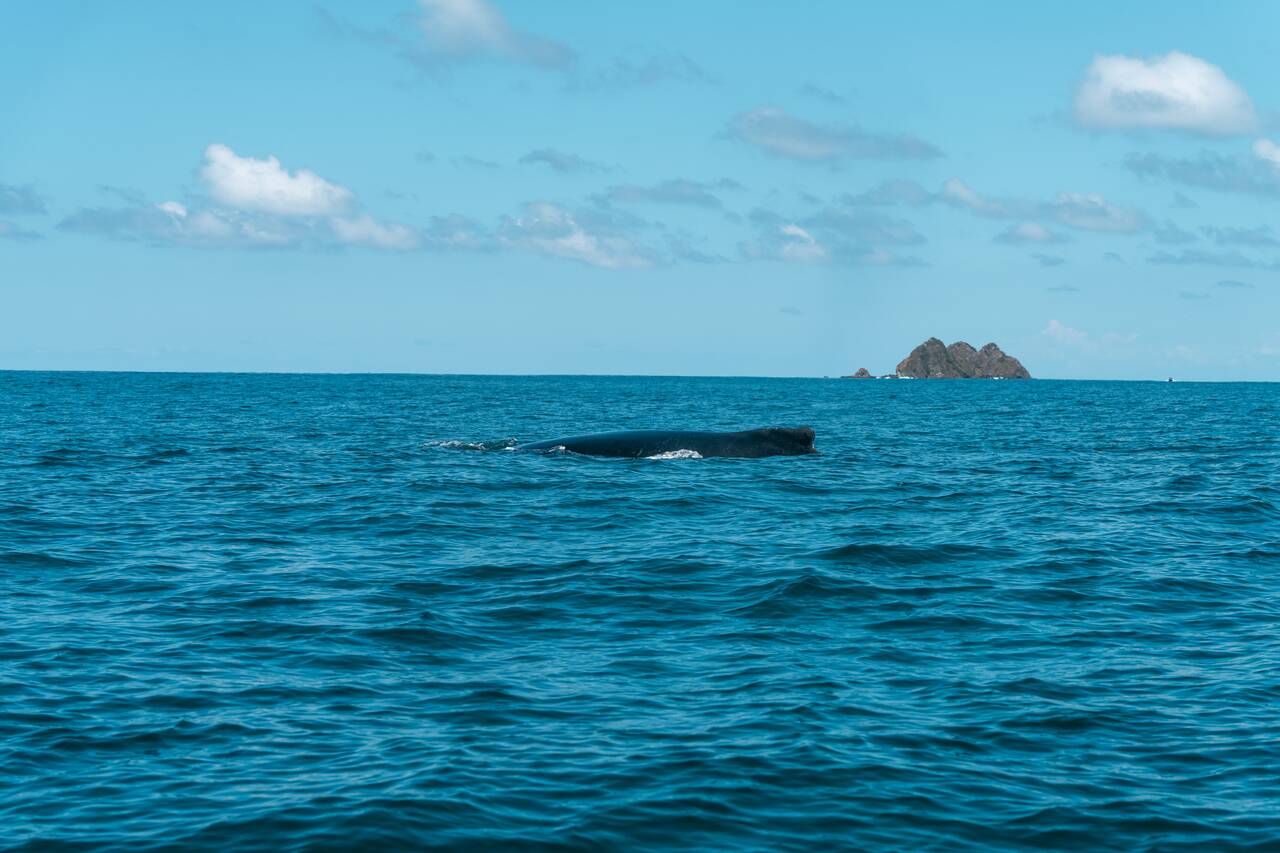
I was lucky enough to visit during whale season and managed to spot 2 humpback whales and several dolphins during my tour. Seeing these enormous animals emerge from the water just a short distance from the boat was one of the highlights of my time in Costa Rica and something I will not forget anytime soon.
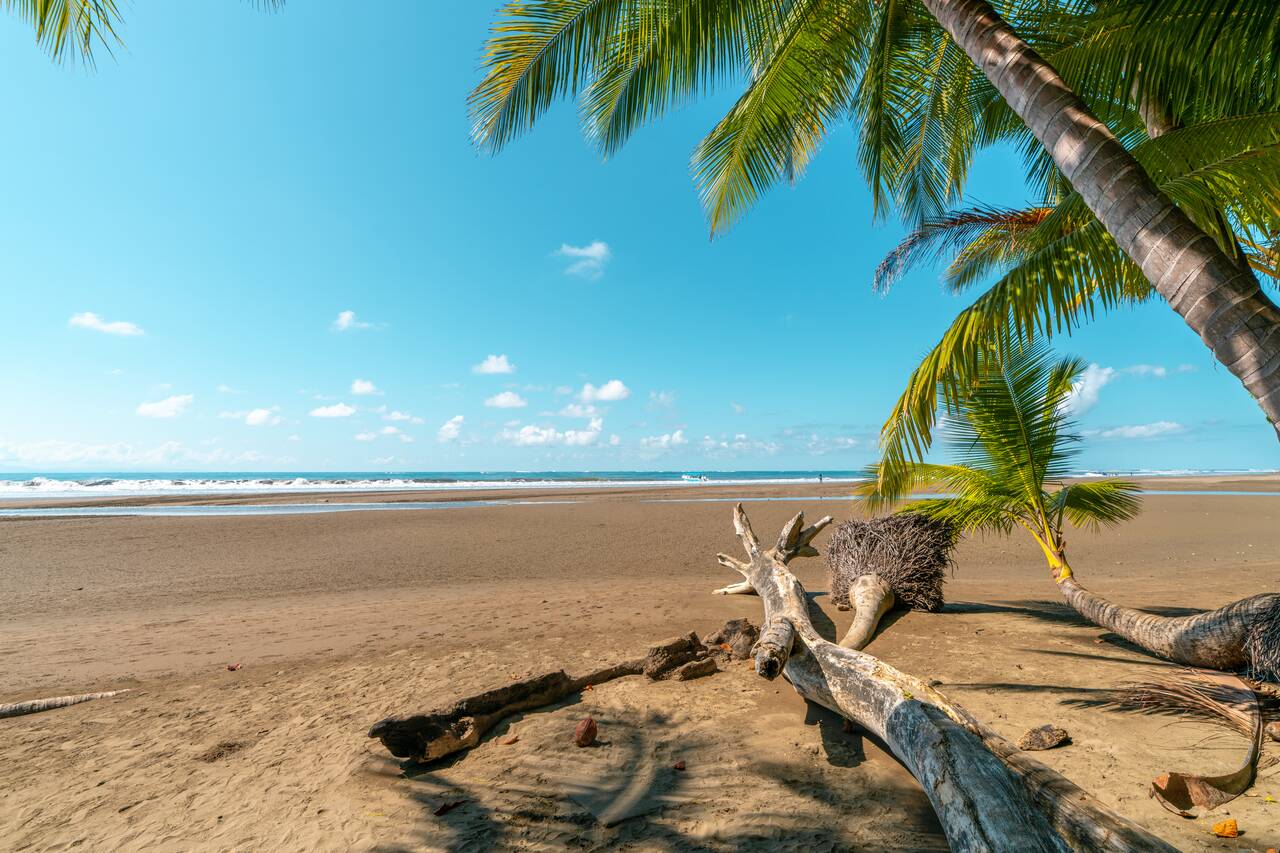
The whale-watching tour should take about half a day, which will leave you another half to explore Marino Ballena National Park. This beautiful coastal park is famous for its beaches, marine life, and the iconic Whale Tail sandbar. The park protects a large stretch of coastline and surrounding ocean, allowing you to experience the untouched natural beauty that Costa Rica is famous for.
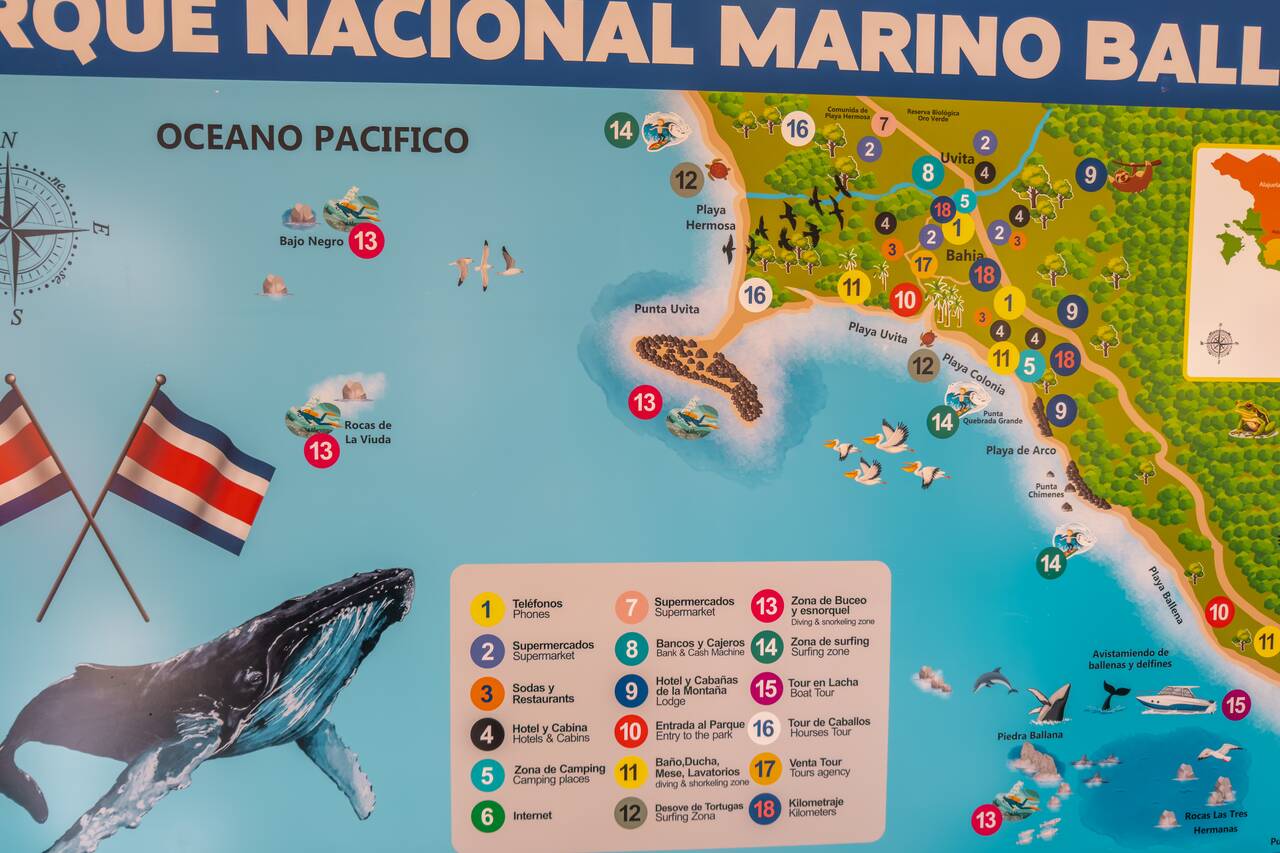
The most famous attraction here is the naturally shaped Whale Tail, a sandbar formation that coincidentally looks like the tail of a whale when viewed from above. The shape is created by two beaches meeting in the middle, and it is best visited during low tide when you can walk all the way out along the beach. How awesome is that!
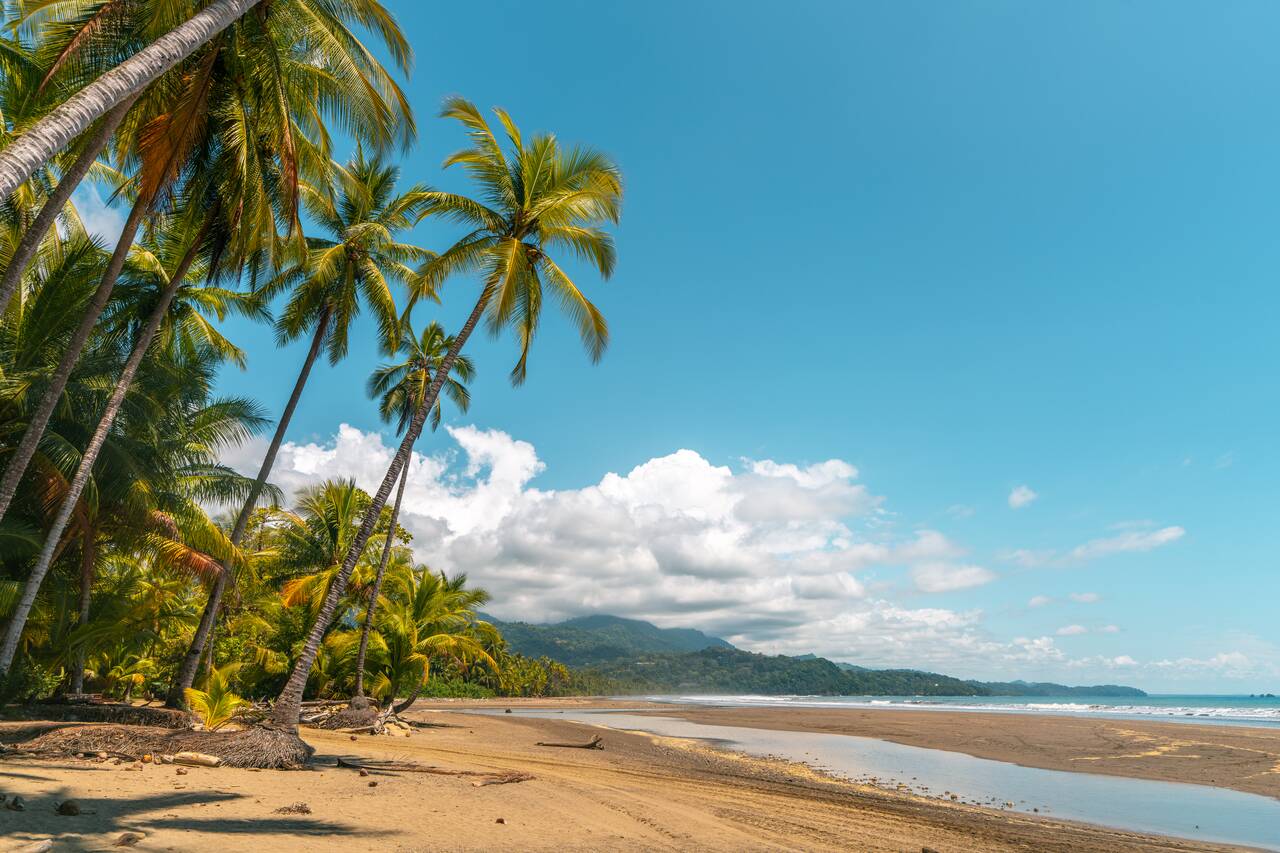
After exploring Marino Ballena National Park, you can spend the rest of the day relaxing at Playa Uvita. This long stretch of golden sand is one of the most beautiful beaches in the area and the perfect place to watch the sunset along Costa Rica's Pacific coast.
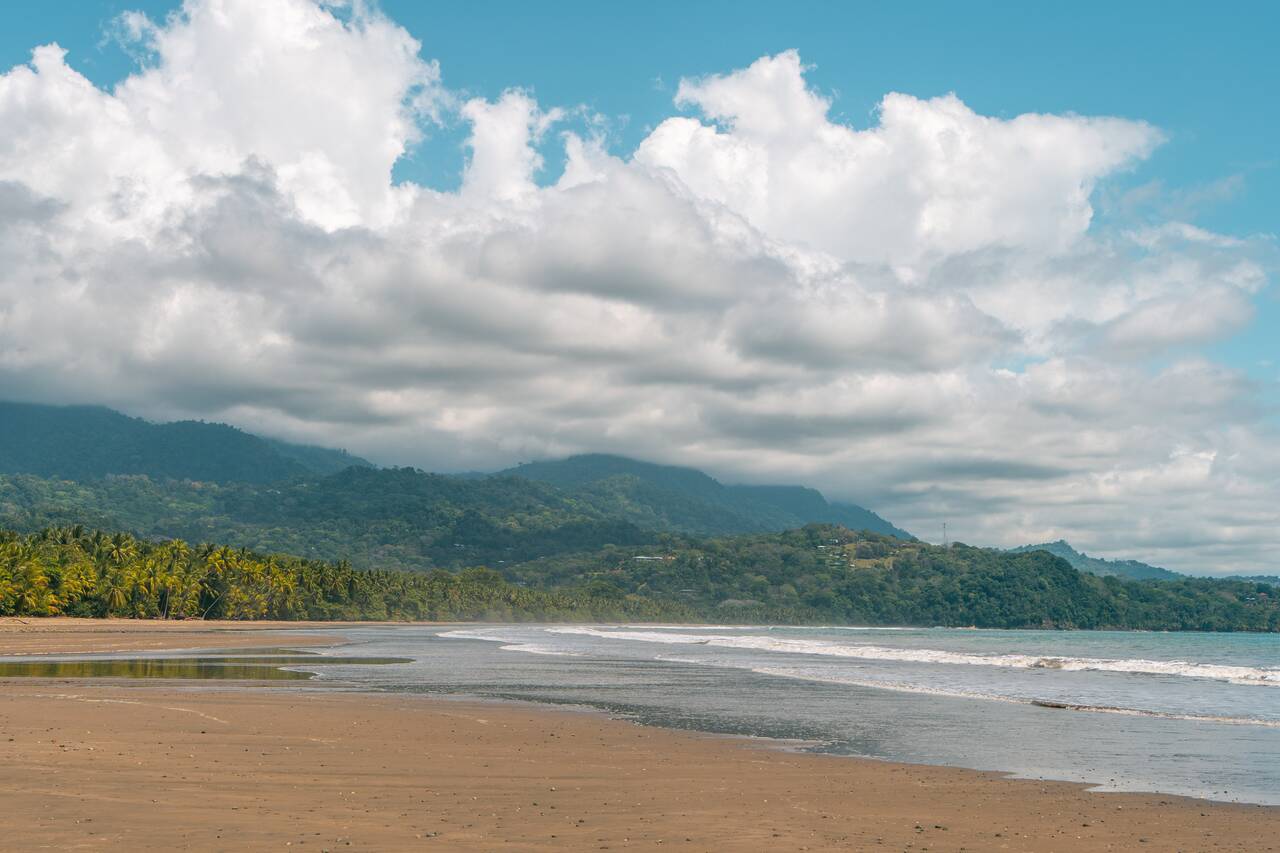
Unlike some of the more developed beaches in Costa Rica, Playa Uvita still feels wild and untouched, with rainforest-covered hills surrounding the coastline and plenty of space to find a quiet spot. It is a great place to swim, walk along the shore, watch the sunset, or simply sit under the shade and enjoy the scenery. After you are done, you can head back to your accommodation and retreat for the day.

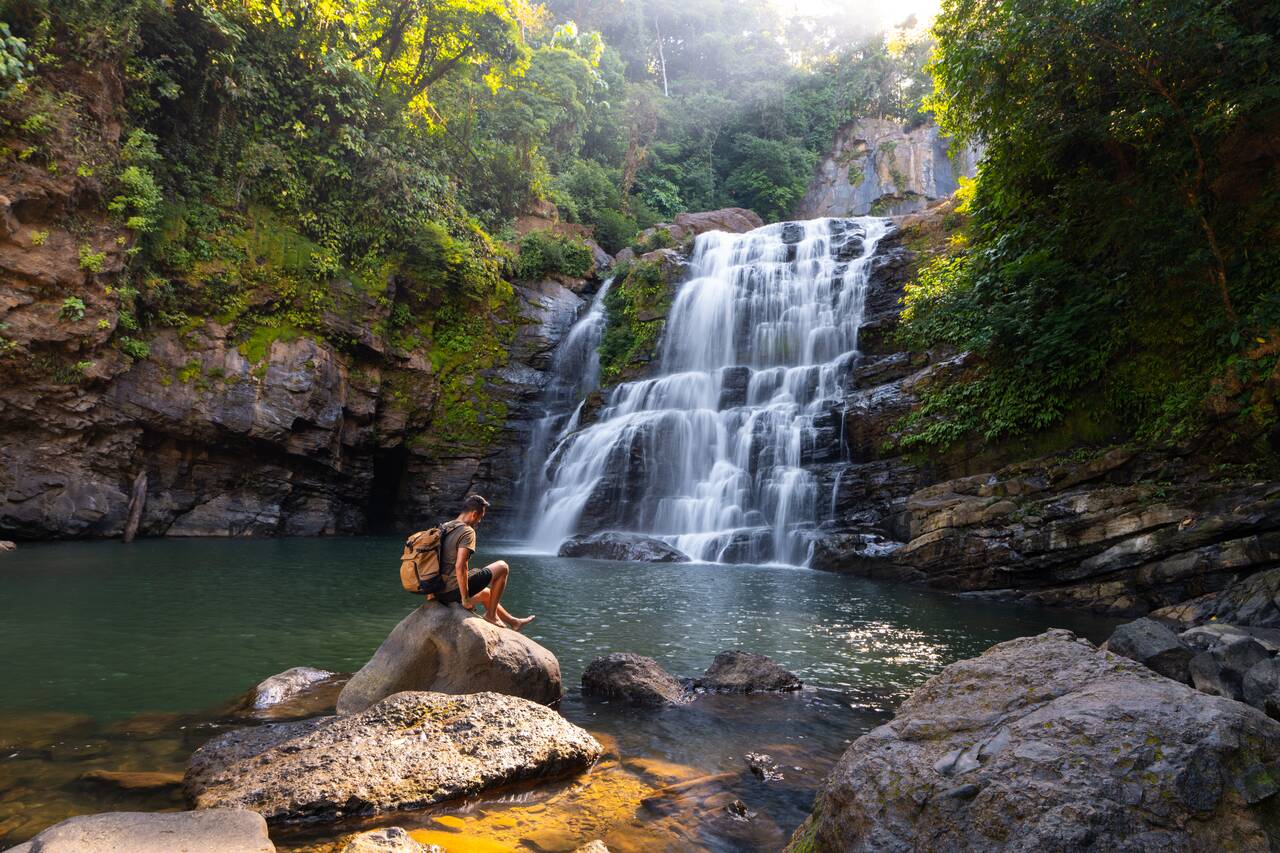
On your second day in Uvita, we will be visiting Nauyaca Waterfalls, by far, my favorite waterfall in Costa Rica. Not because of its size, but because of its natural beauty, peaceful atmosphere (especially in the early mornings), and the lush rainforest surroundings that make you feel like you are swimming in a true jungle.
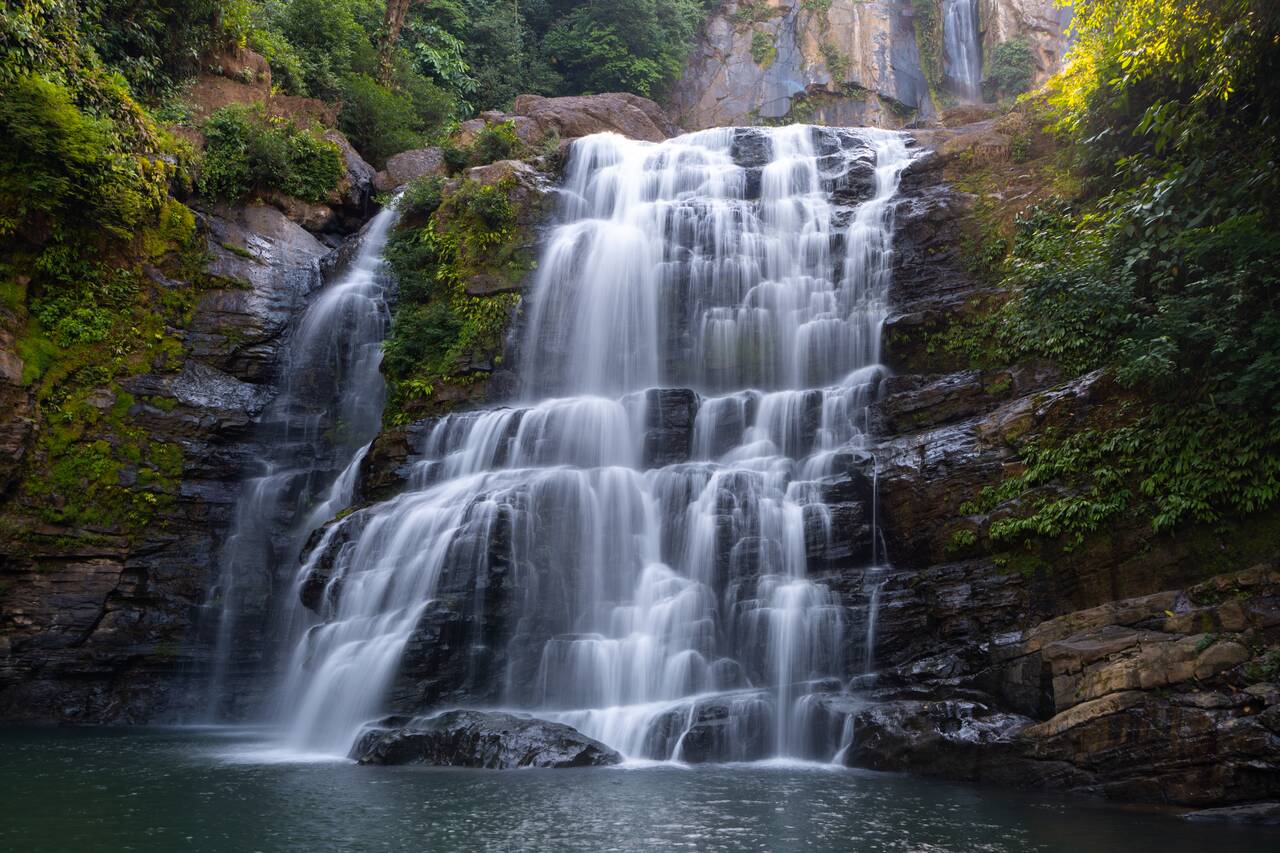
And of course, there is nothing better than jumping into the refreshing cool water after hiking for hours to get there! I spent more than an hour just hanging out at the waterfall in the early morning, swimming around its refreshingly cool water, and enjoying the scenery before other people arrived. It was awesome.
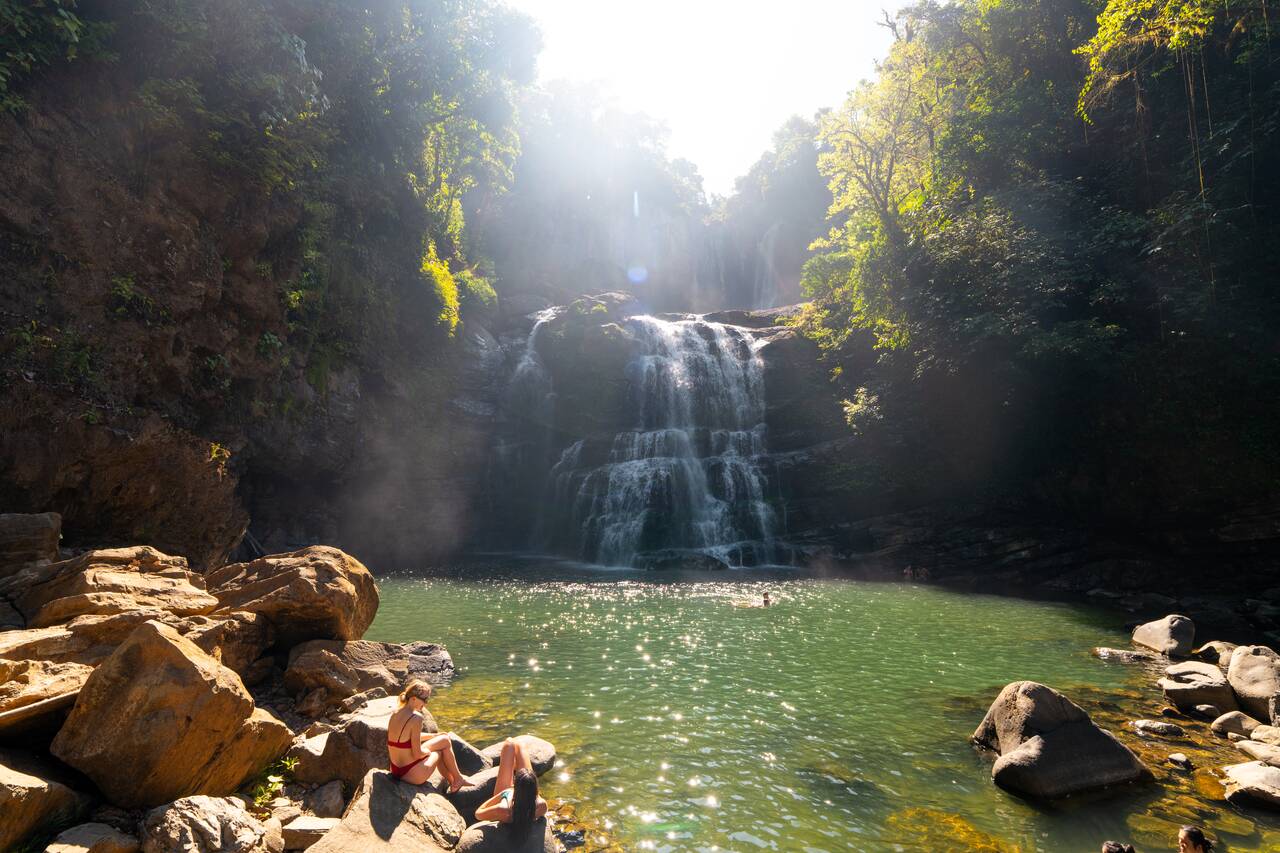
To get there from Uvita, you can either rent a car and drive, join an organized tour, or visit independently using public transportation. This is how I did it, and it allowed me to reach Nauyaca Waterfalls early, beat the crowds, and enjoy the place with barely anyone else around.
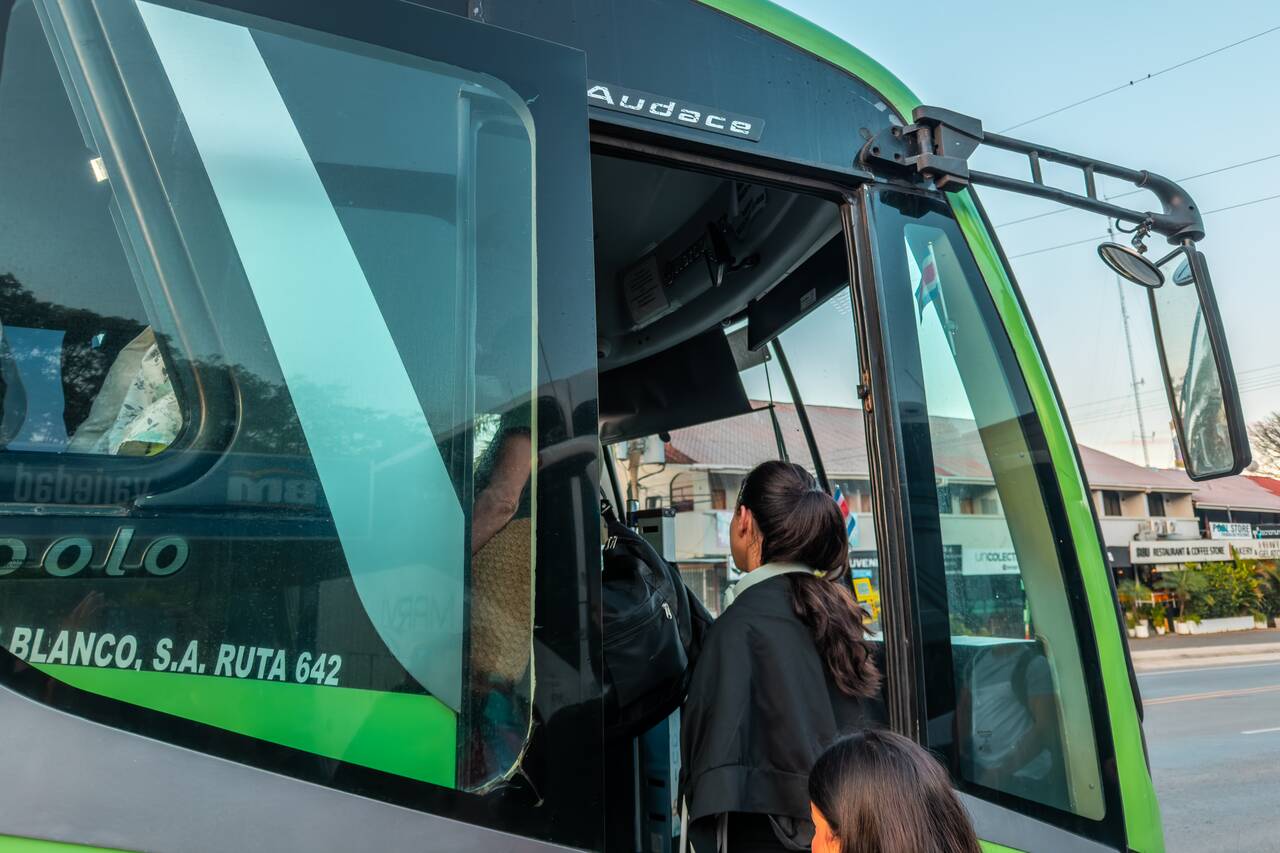
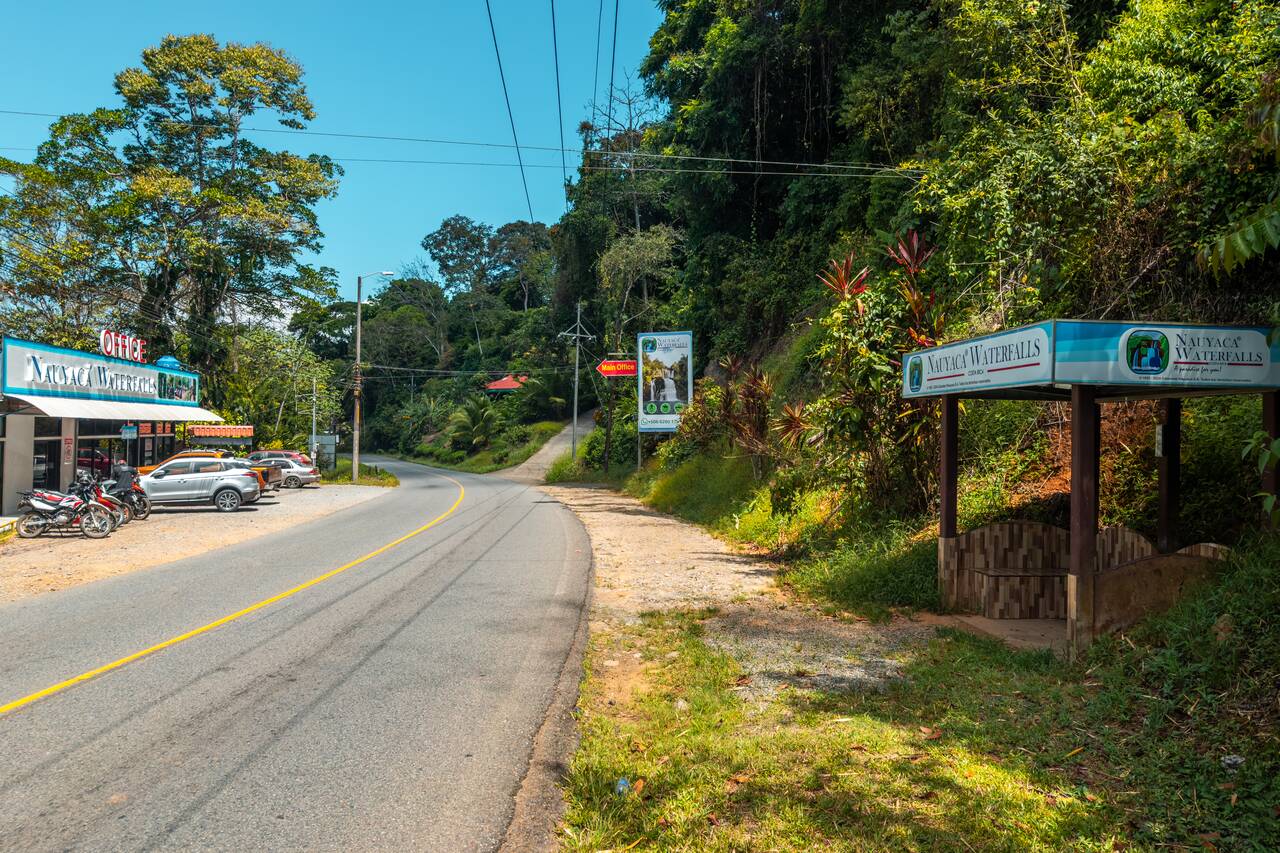
You will have to wake up at 5:30 AM and get to this bus stop by 6 AM to catch the only morning bus from Uvita to San Isidro that passes by the entrance of Nauyaca Waterfalls. The bus was scheduled at 6:15 AM, but it could arrive anytime between 6 to 6:20 AM, so be sure to get there earlier.
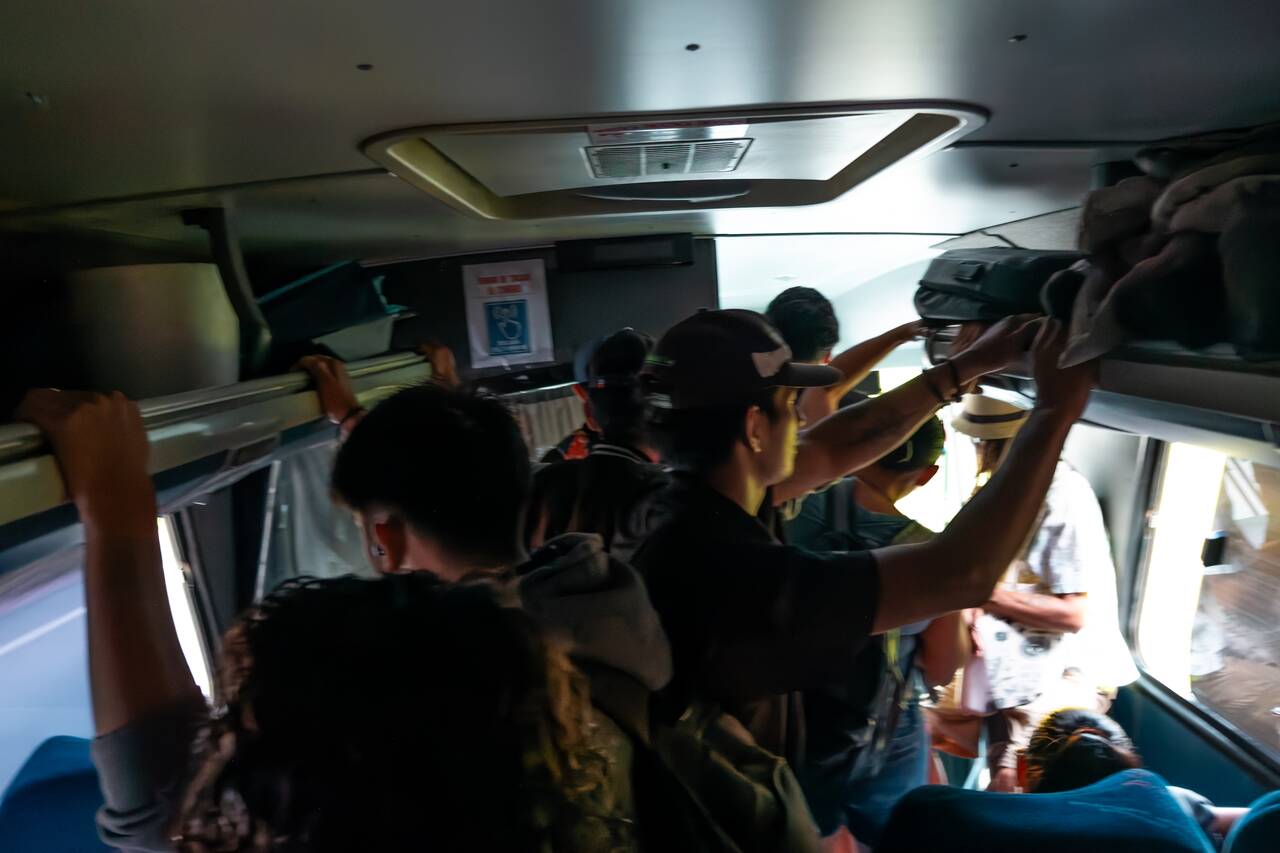
After you get on the bus, tell the driver to drop you off at Nauyaca Waterfalls, pay 1,000 CRC (2.20 USD) in cash, and you will be off in no time. Since it is the only morning bus going in that direction, the bus will be packed with locals and you might have to stand much of the ride. Thankfully, the journey only takes around 20 minutes, and you will be dropped off at the entrance of Nauyaca Waterfalls at around 7 AM.
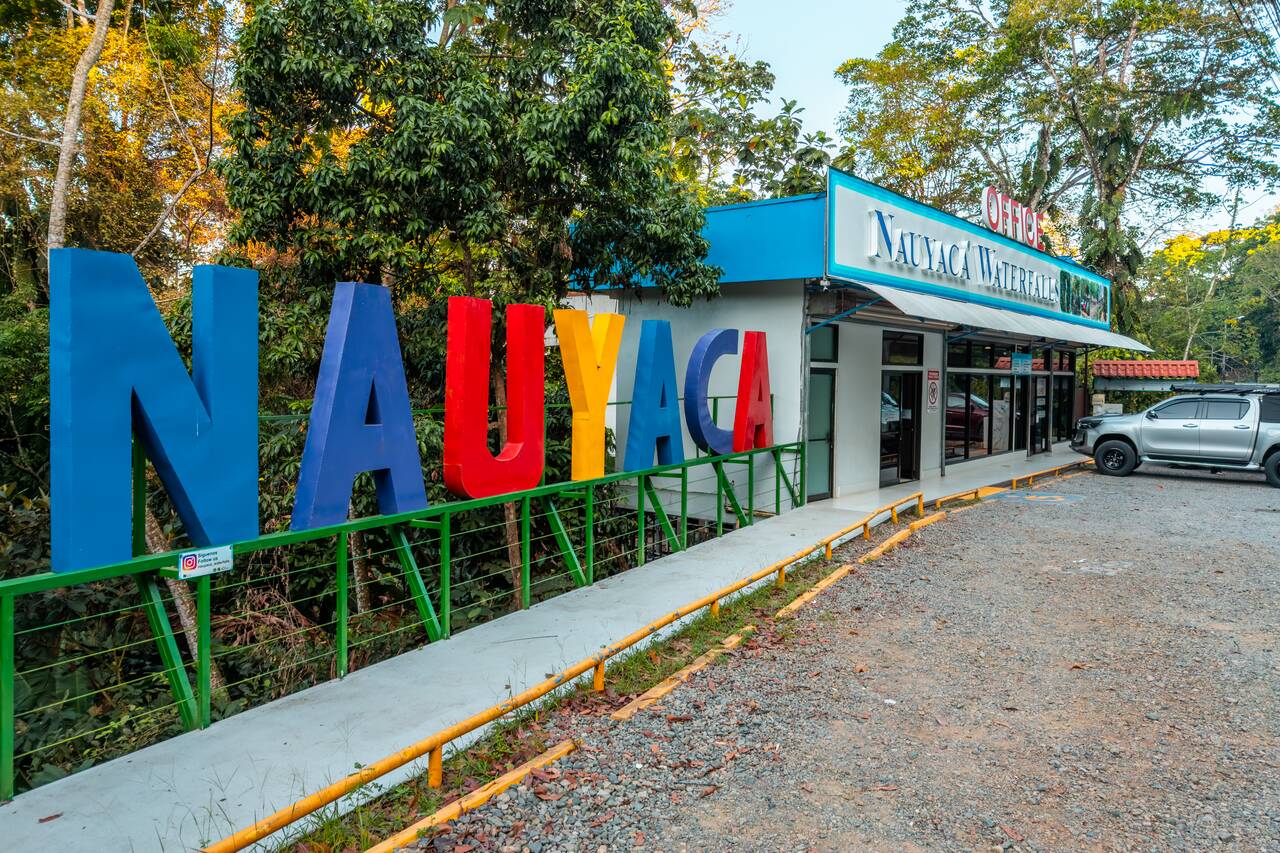
From there, you can buy the entrance ticket at the Visitor's Center, which is located not too far from the entrance. The park is open from 7 AM to 3 PM every day. The ticket costs around 5,000 CRC (11 USD), and you have three options for getting to the waterfall.
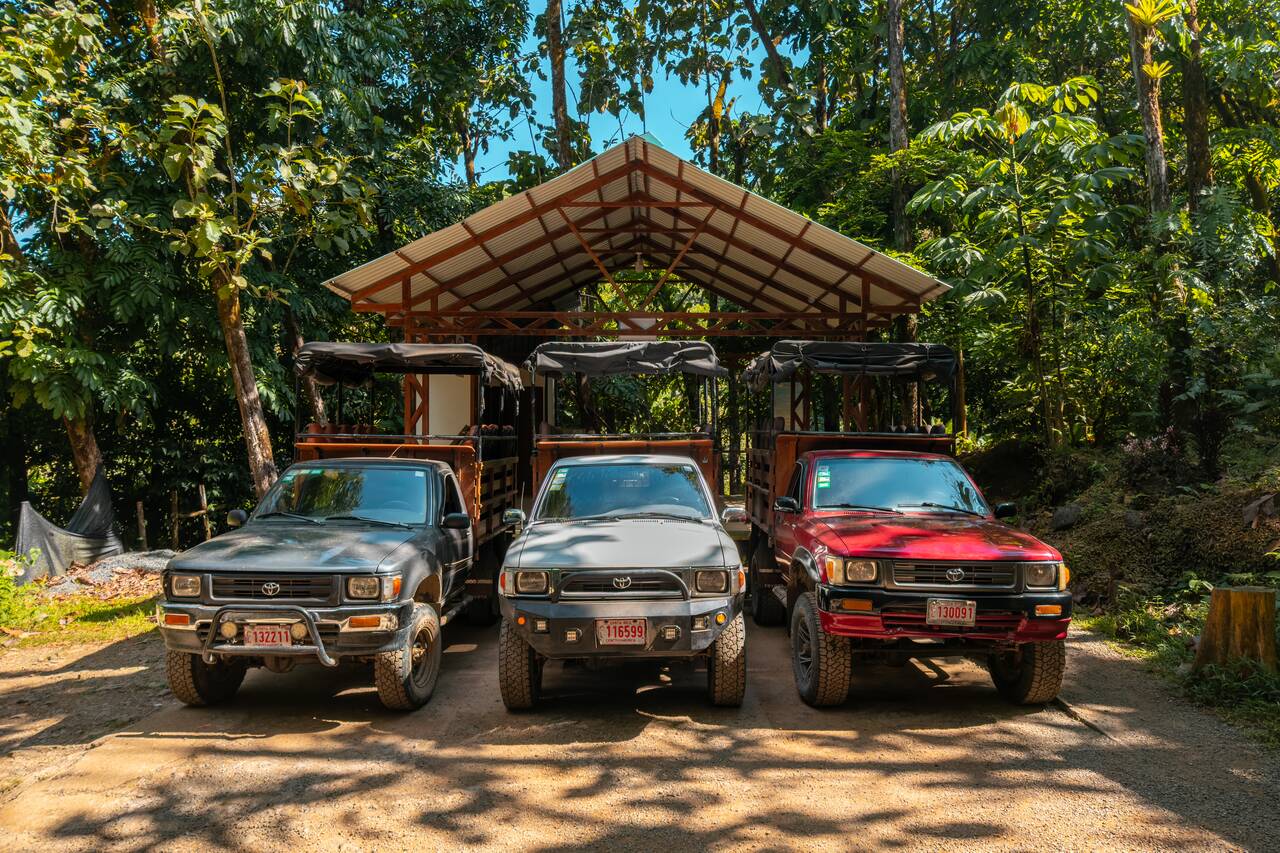
The first option is to take the jeep, which runs every hour from 7 AM to 1 PM. With this option, you will get around 2 hours at the waterfall before the jeep takes you back to the Visitor's Center at a designated time. This option costs an additional 16,000 CRC (32 USD) per person and requires only about a 5-minute walk to reach the waterfall.
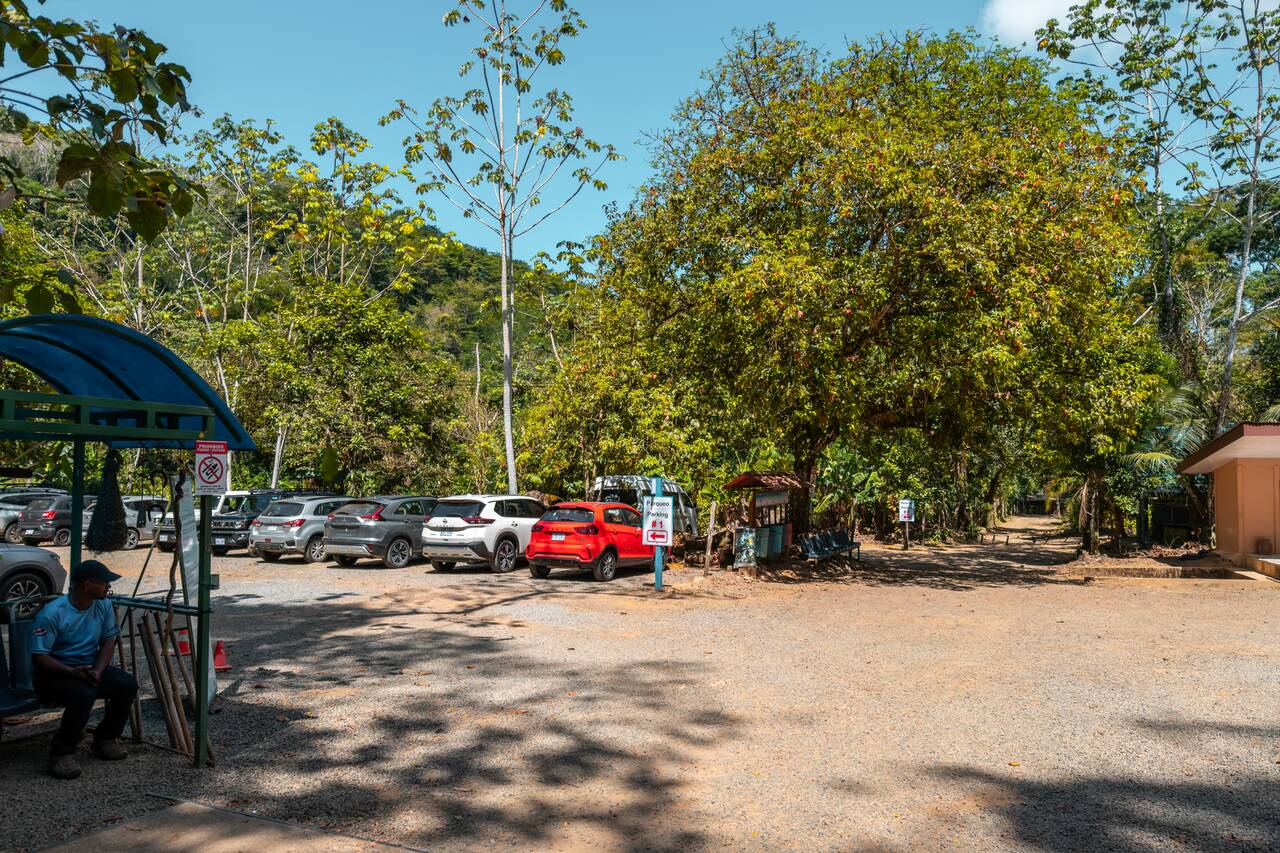
The second option is driving yourself if you have rented a car. You can drive to this parking lot, which is located around 2 km inside the park. From there, you will need to hike around 3.5 km, which takes approximately 40 minutes to reach the waterfall. Be sure to get your ticket at the Visitor's Center first, as you will not be able to park your car without it.
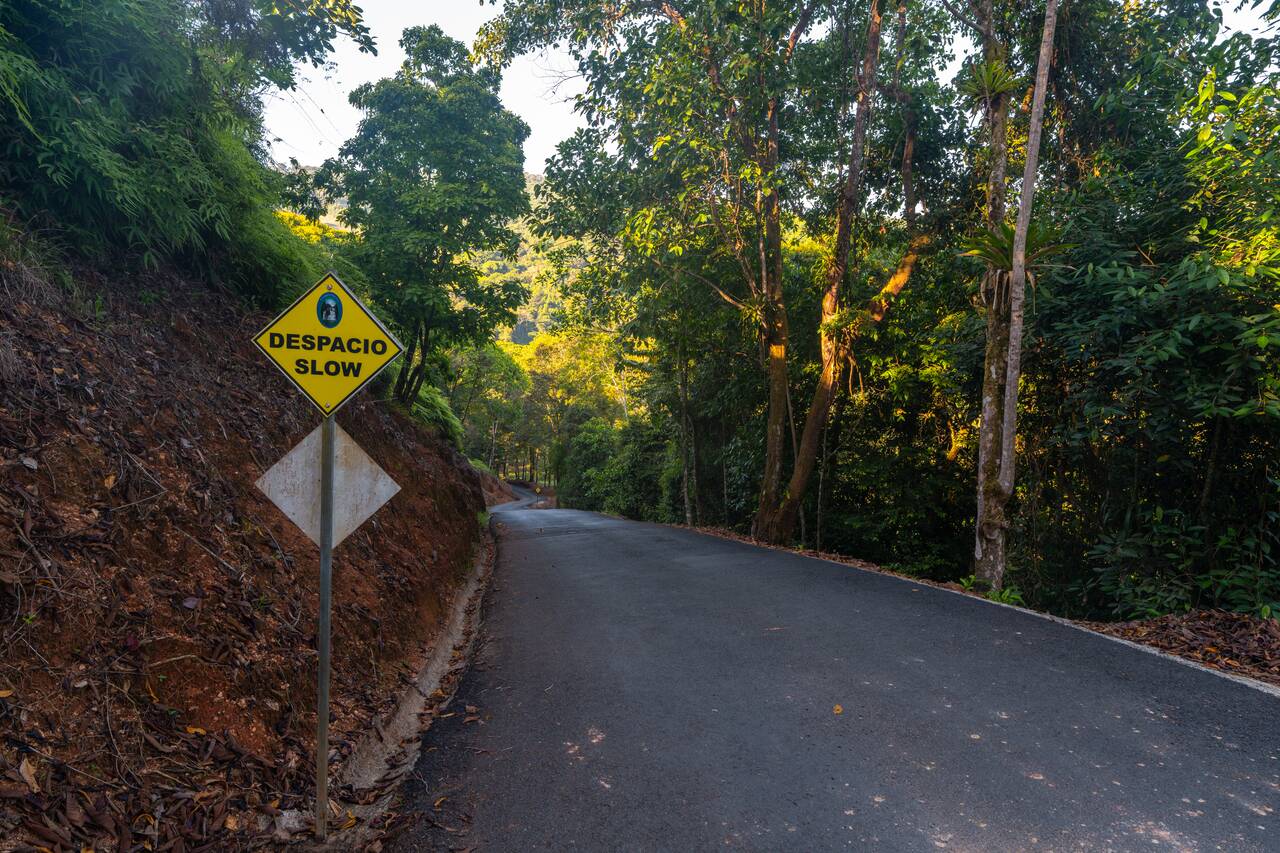
Last but not least, the cheapest option is to hike the entire trail from the entrance to the waterfalls and back, which is what I did. Keep in mind that if you choose this option, the last ticket entry is at 2 PM, not 3 PM. The total hike is around 11 km, and it took me about 1 hour each way. The trail starts with a downhill section from the entrance to the parking lot, followed by a mostly shaded and relatively flat path through the forest.
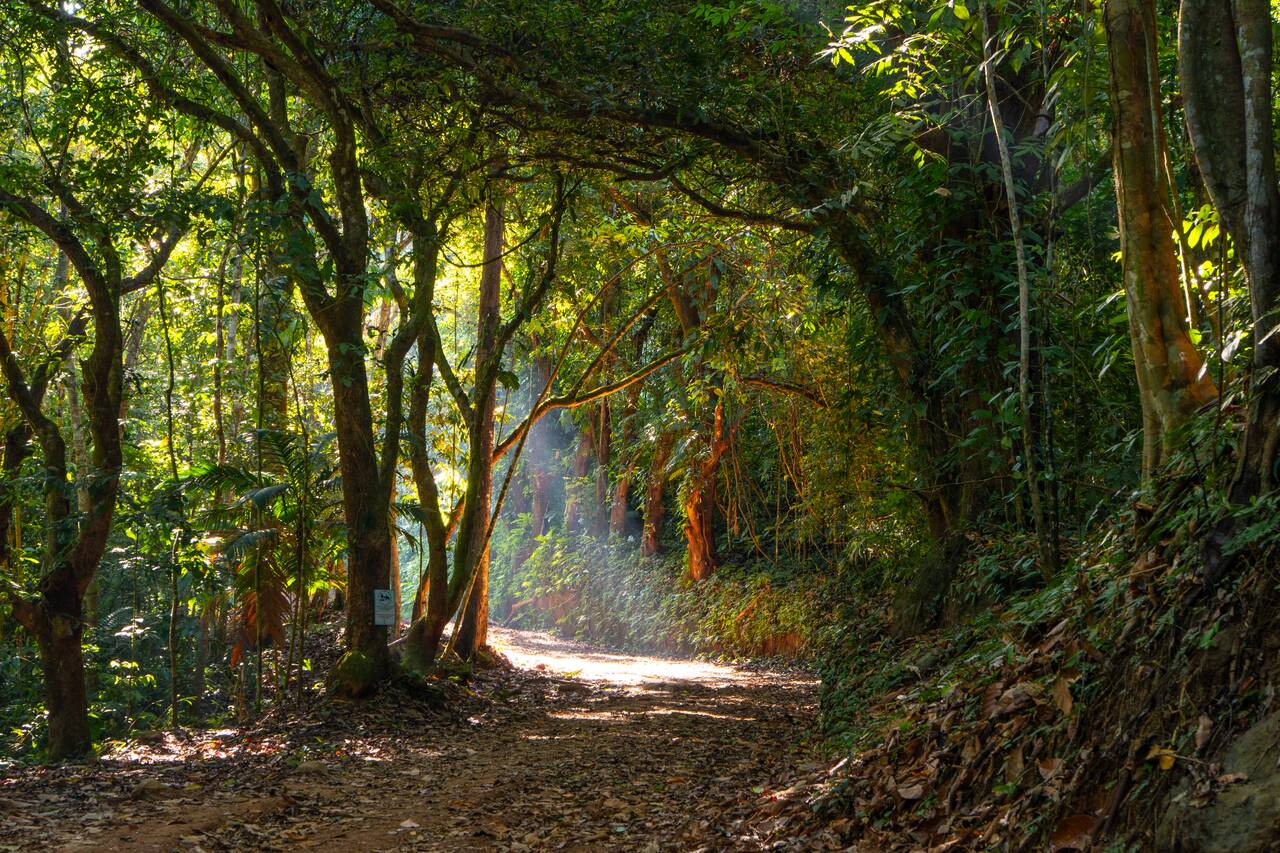
The hike back will take a bit longer, around 1 hour and 15 minutes, as the uphill section back to the main road was definitely a bit of a knee killer. That said, the trail itself is beautiful and part of the fun of getting there, so I would highly recommend hiking if you have the time and energy.
That said, getting back from Nauyaca Waterfalls to Uvita using public transportation is a little more complicated. The next bus returning from San Isidro does not come until 4:30 PM, which I found is way too late since the entire experience, including the hike there and back, will usually not take more than 4 hours.
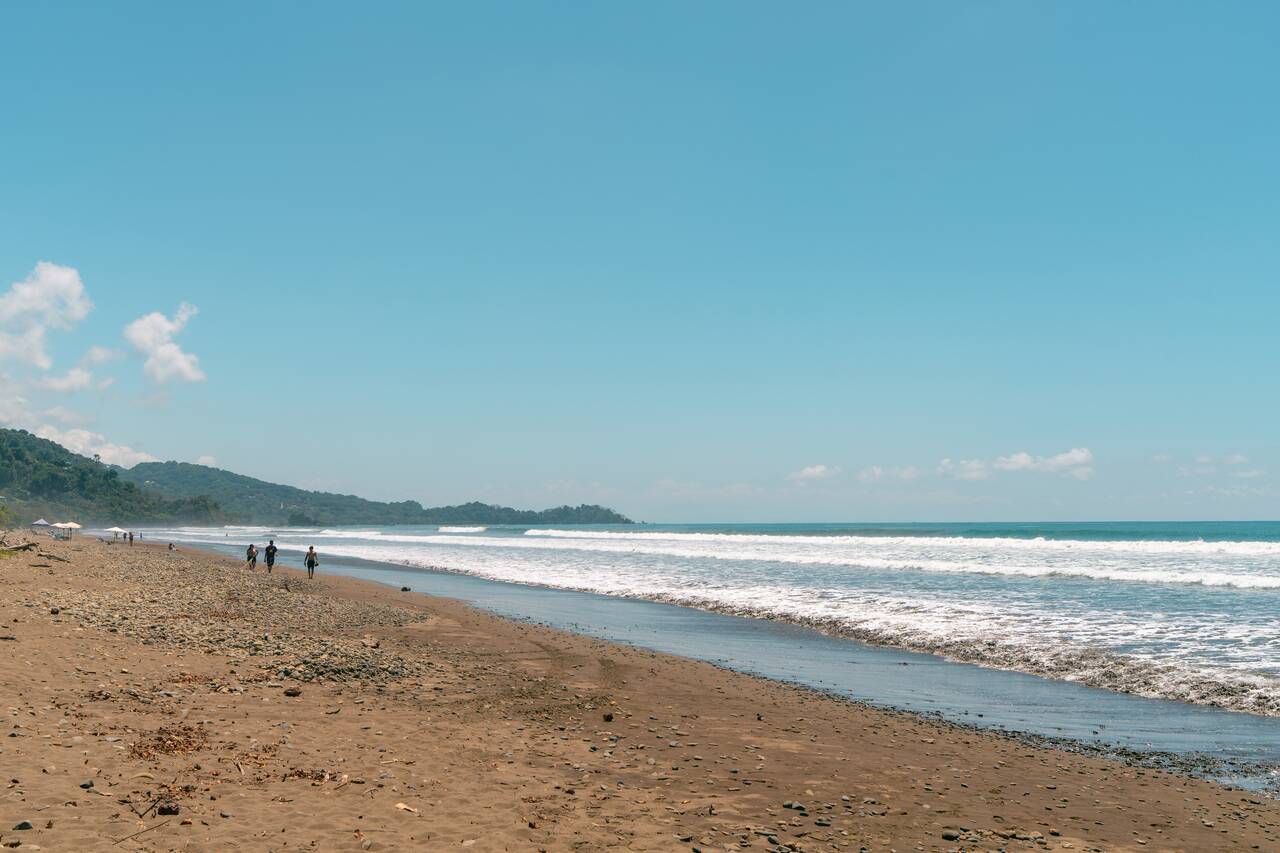
Instead of wasting time waiting around, you can do what I did and call an Uber to Dominical Beach, which is located along the main coastal road not far from Nauyaca Waterfalls. From there, you can relax on the beach, stroll around town, and enjoy lunch at one of the many restaurants before catching one of the frequent local buses to Uvita from this bus stop. This should keep you occupied for the rest of the day, so head back to your accommodation for the night and prepare for your short trip to Manuel Antonio the next day.



Getting from Uvita to Quepos/Manuel Antonio
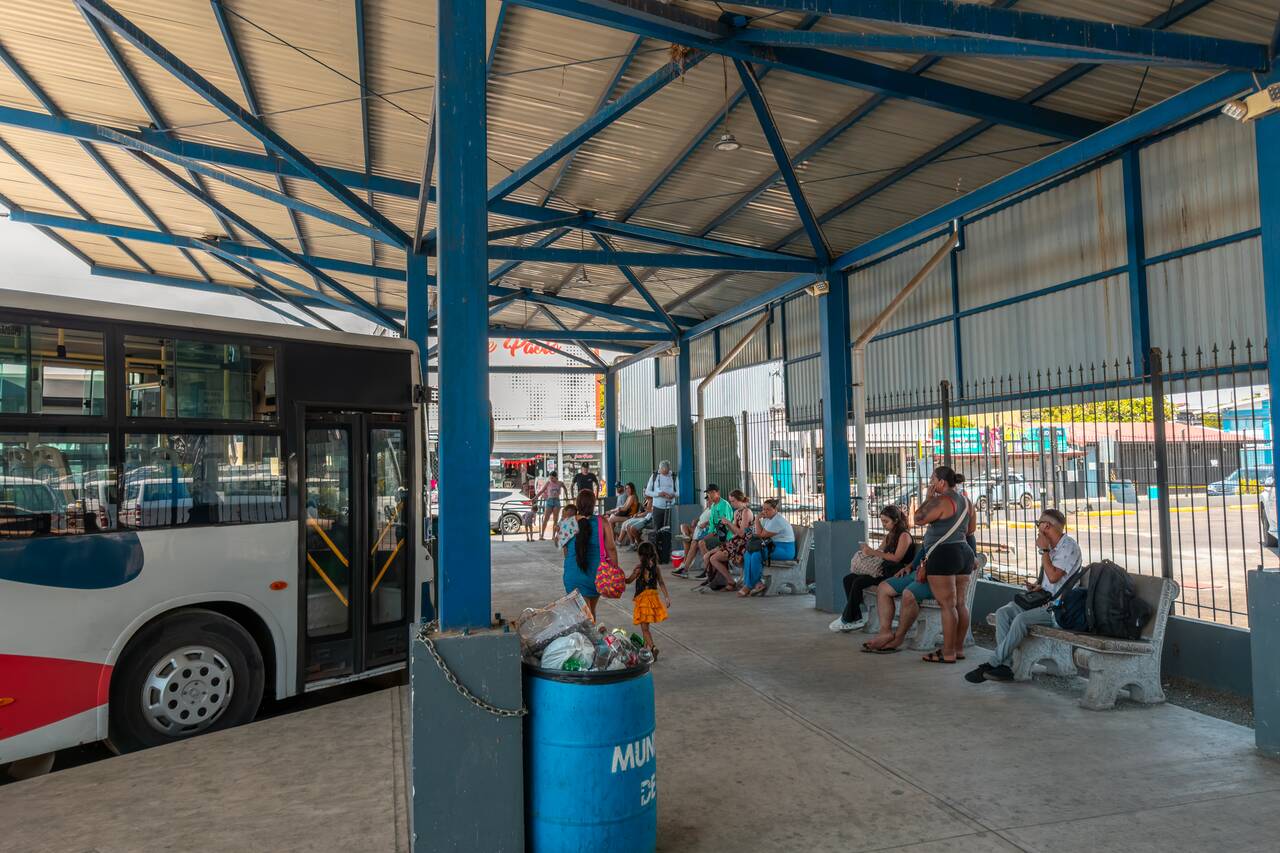
From Uvita, you will find several direct local buses running this route daily. The journey takes around 2 hours from Uvita (or about 1 hour from Dominical) and costs approximately 2,500 CRC (5.50 USD) from Uvita. You can catch the bus from the Uvita Tracopa Bus Terminal. Be sure to check the latest schedules before traveling: Uvita.
Day 9-10: Manuel Antonio (2 nights)
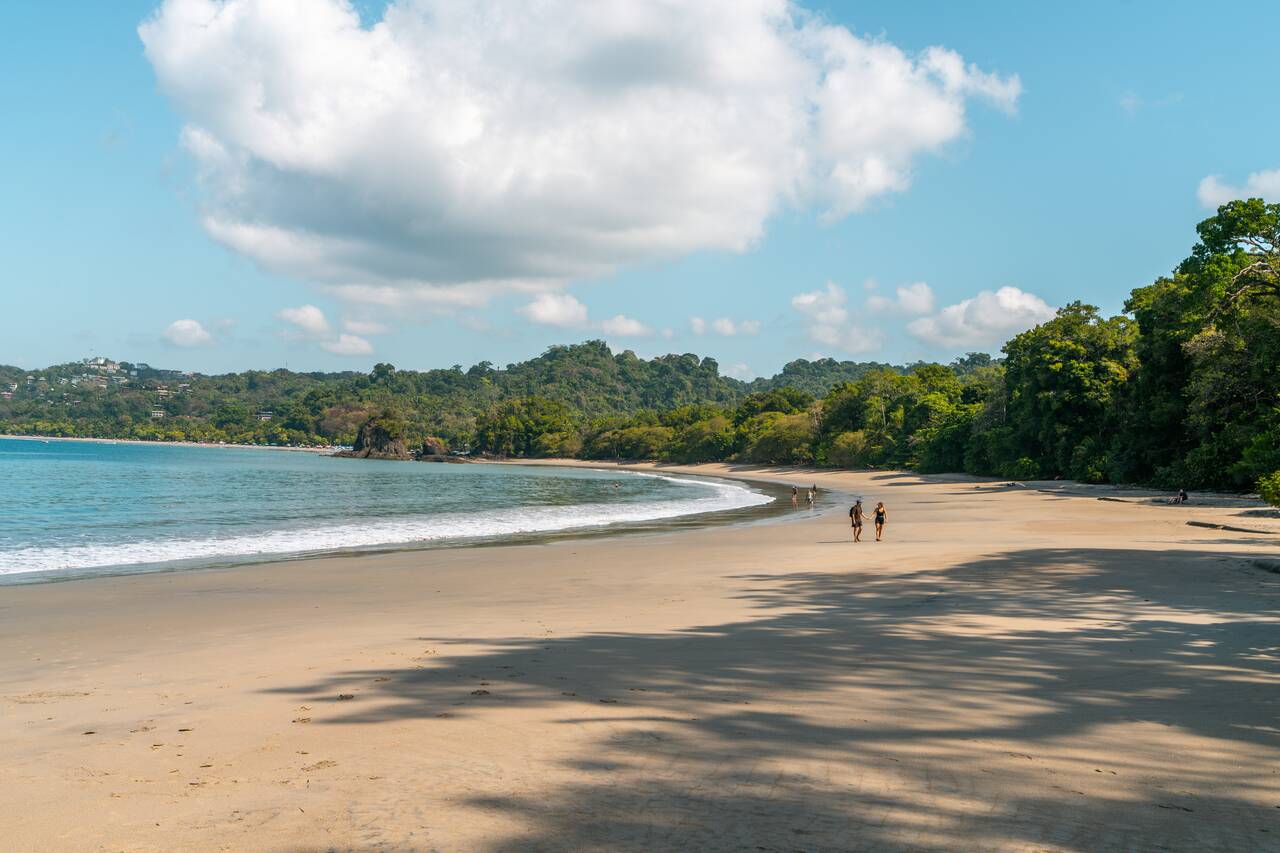
- 📍 Stay: Hotel Villa Prats
- 🕐 Time: 2 nights
- 📖 Full Guide: Exploring Manuel Antonio: Things to Do, Travel Tips & Itinerary
And we have arrived in one of the most popular tourist destinations in Costa Rica, Manuel Antonio, and its unique and easily accessible national park where you can experience the country's incredible wildlife without having to hike far. First and foremost, you will have to get to the national park from either Quepos or Manuel Antonio town which are all connected by a local bus route that takes only 20 minutes to travel from one end to another.
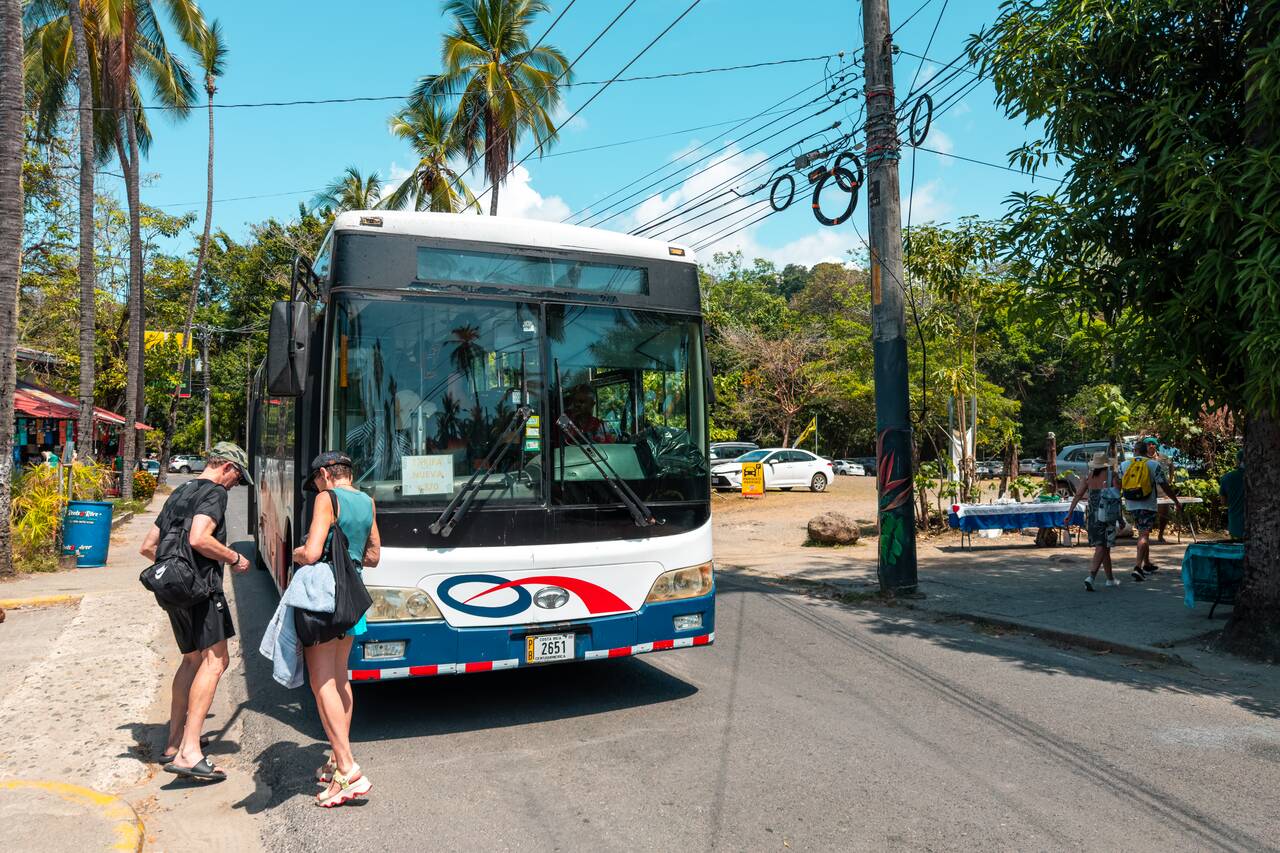
The bus runs every 15–20 minutes throughout the day, takes around 15 minutes to reach the national park, and costs approximately 370 CRC (0.80 USD). You can catch the bus from the Quepos Bus Terminal or simply flag one down anywhere along the main road between Quepos and Manuel Antonio. It really couldn't be easier or more affordable.
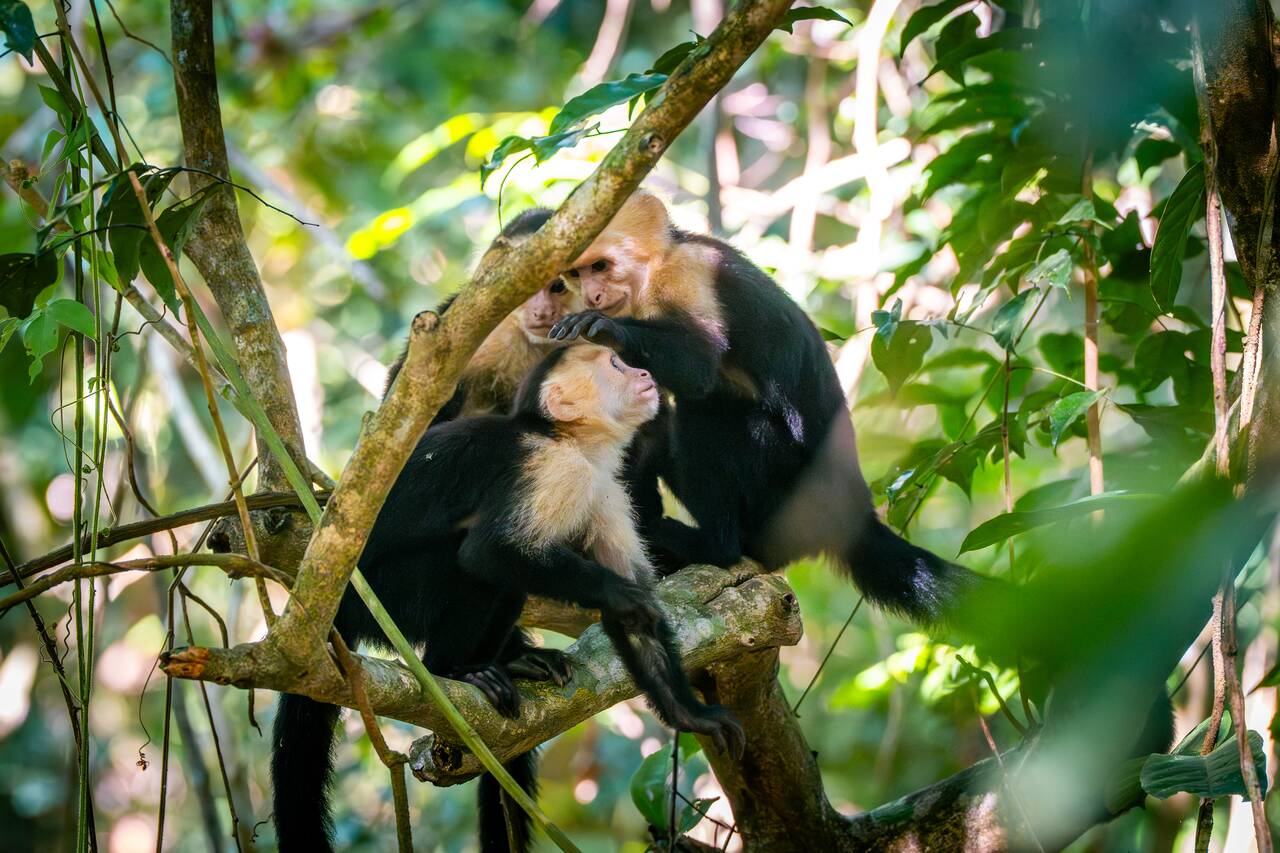
Once you arrive at the national park, you can easily spend the entire day exploring its many hiking trails, spotting wildlife, and relaxing on its pristine beaches. Since it is one of Costa Rica's most popular attractions, expect larger crowds as the day goes on. So I highly recommend arriving early in the morning to enjoy the park before it gets busy.
Although it can get crowded at times, it won't take long to move past the busy areas where most tour groups stop to watch wildlife. Once you get further into the park, you can enjoy the beautiful beaches and hiking trails with a bit more peace and quiet before the crowds arrive.
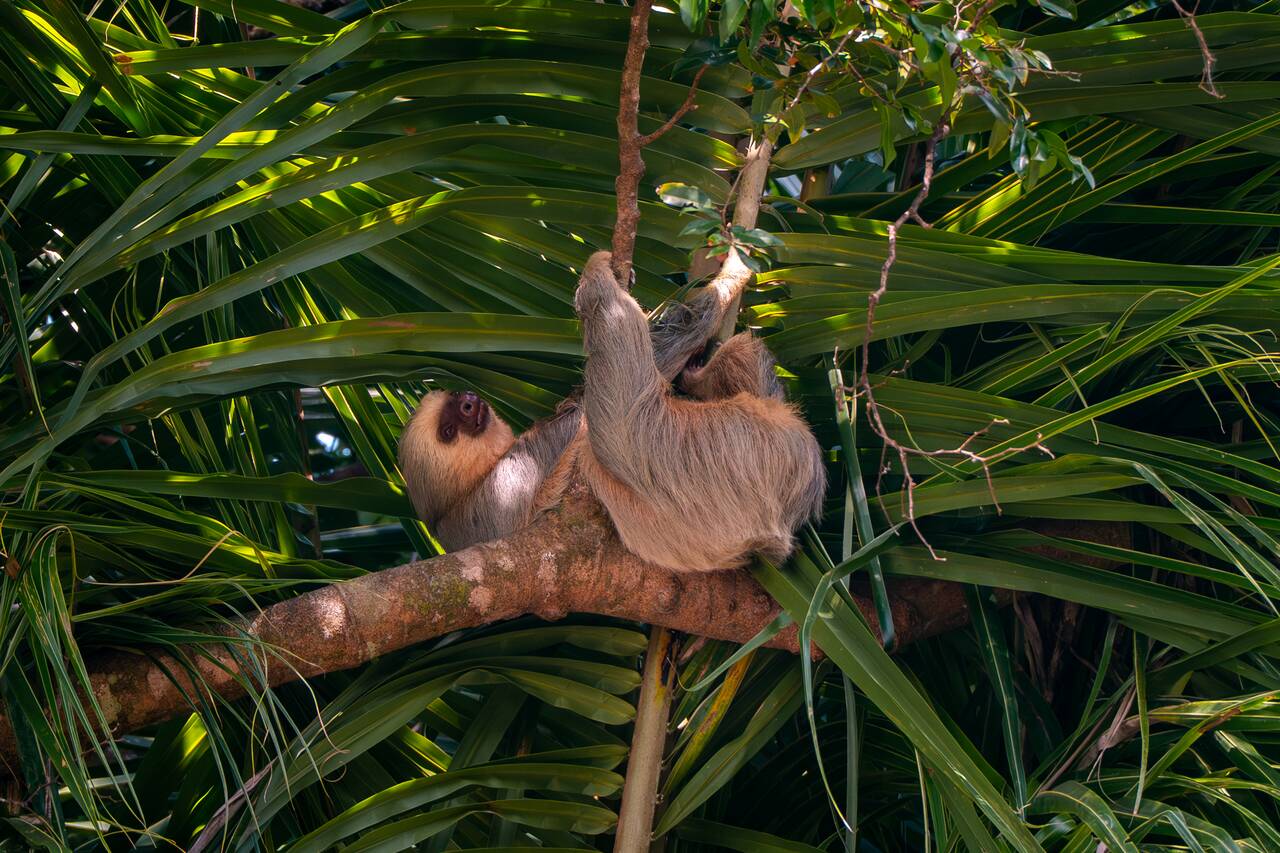
It is incredibly easy to spot wildlife here, even without a guide. I explored the park on my own and, within just a few hours, I had already seen sloths, several species of monkeys, countless iguanas, and plenty of colorful birds, all while walking along easy rainforest trails that eventually opened up to stunning white-sand beaches backed by dense jungle. It is one of the few places in Costa Rica where you can go from wildlife spotting to swimming in the ocean within minutes.
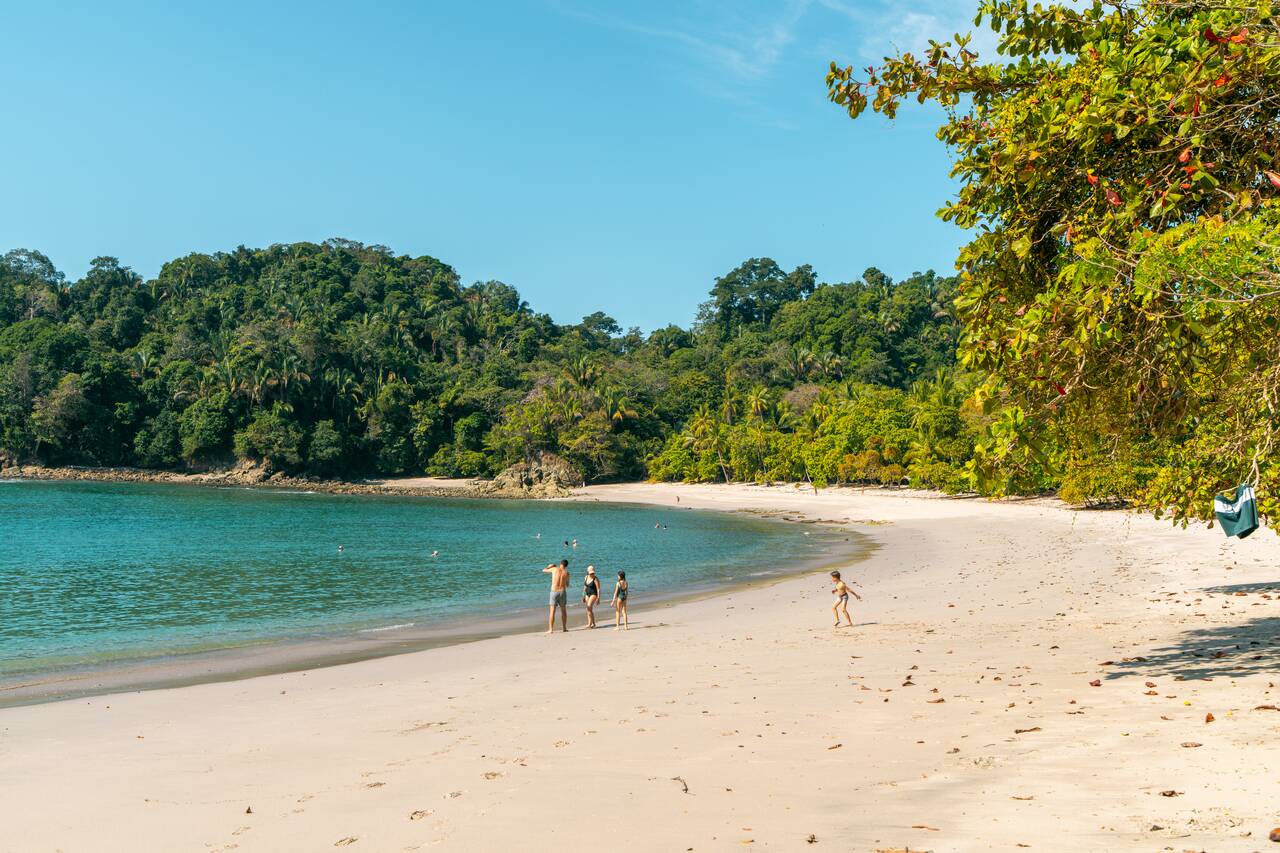
After spending the morning exploring the trails and spotting wildlife, there is no better way to finish your visit to Manuel Antonio National Park than by relaxing at Playa Manuel Antonio. This beautiful white-sand beach is surrounded by lush rainforest, calm turquoise water, and the kind of scenery that makes Costa Rica so famous.
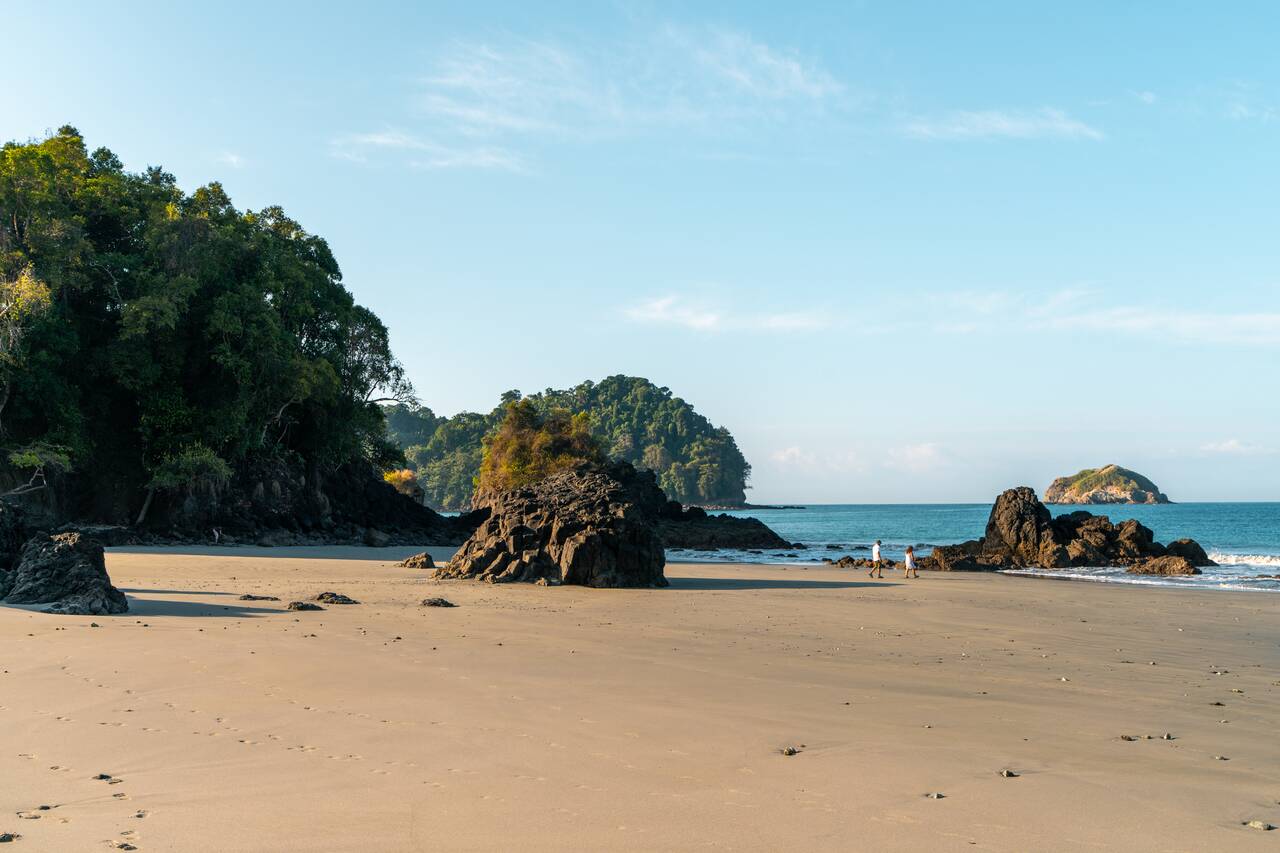
After you are done with the park, you can come out and enjoy the sunset at Espadilla Beach. This beautiful stretch of golden sand sits just outside Manuel Antonio National Park, and it is the perfect place to watch the sunset if you are staying near the national park.
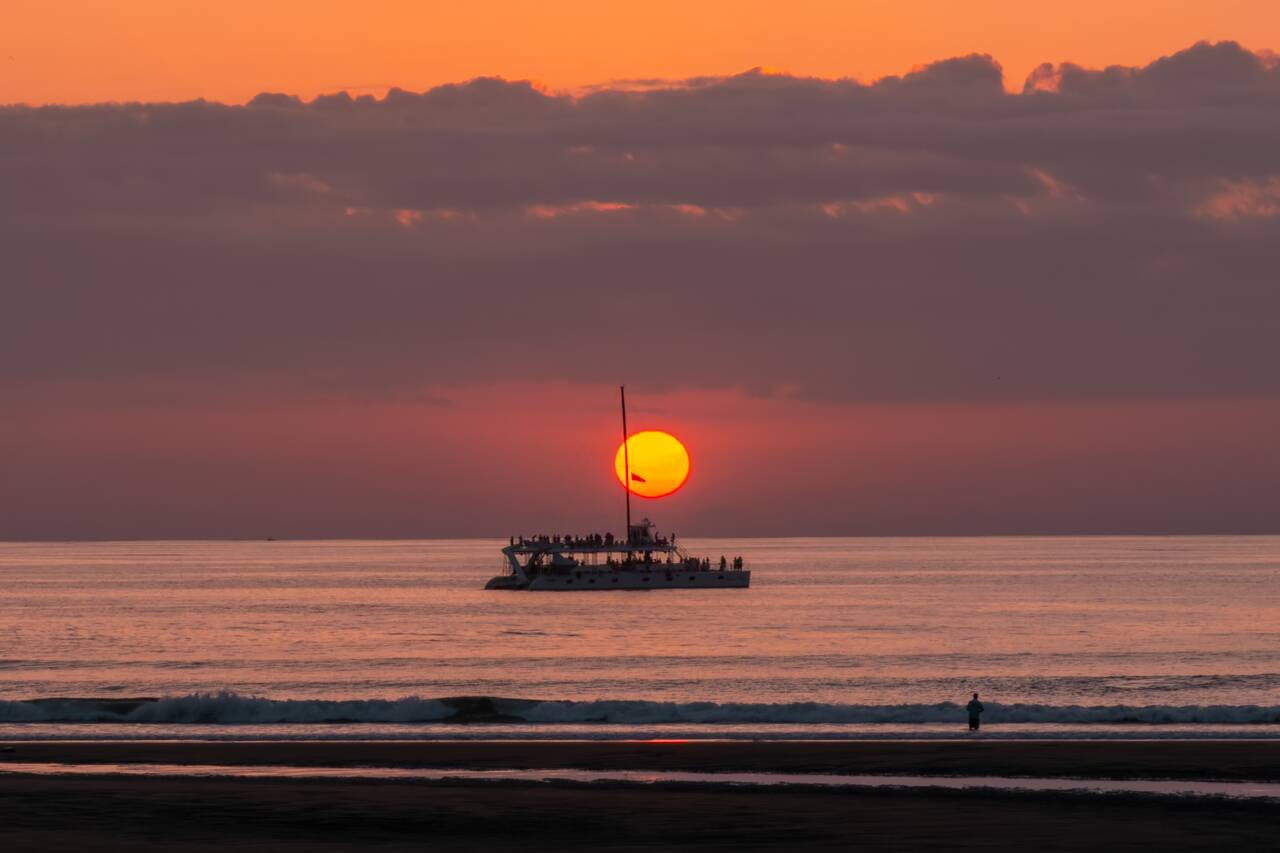
If you are staying in Quepos, one of the best places to watch the sunset is El Malecón Park, a small waterfront area where you can watch the sunset over the Pacific Ocean. It is a lively spot where you will find plenty of locals and tourists hanging out as the sun dips below the horizon, painting the sky with shades of orange and purple. It is quite a sight to behold. Once done, you can head back to your accommodation and rest for the day.

Getting from Quepos/Manuel Antonio to La Fortuna
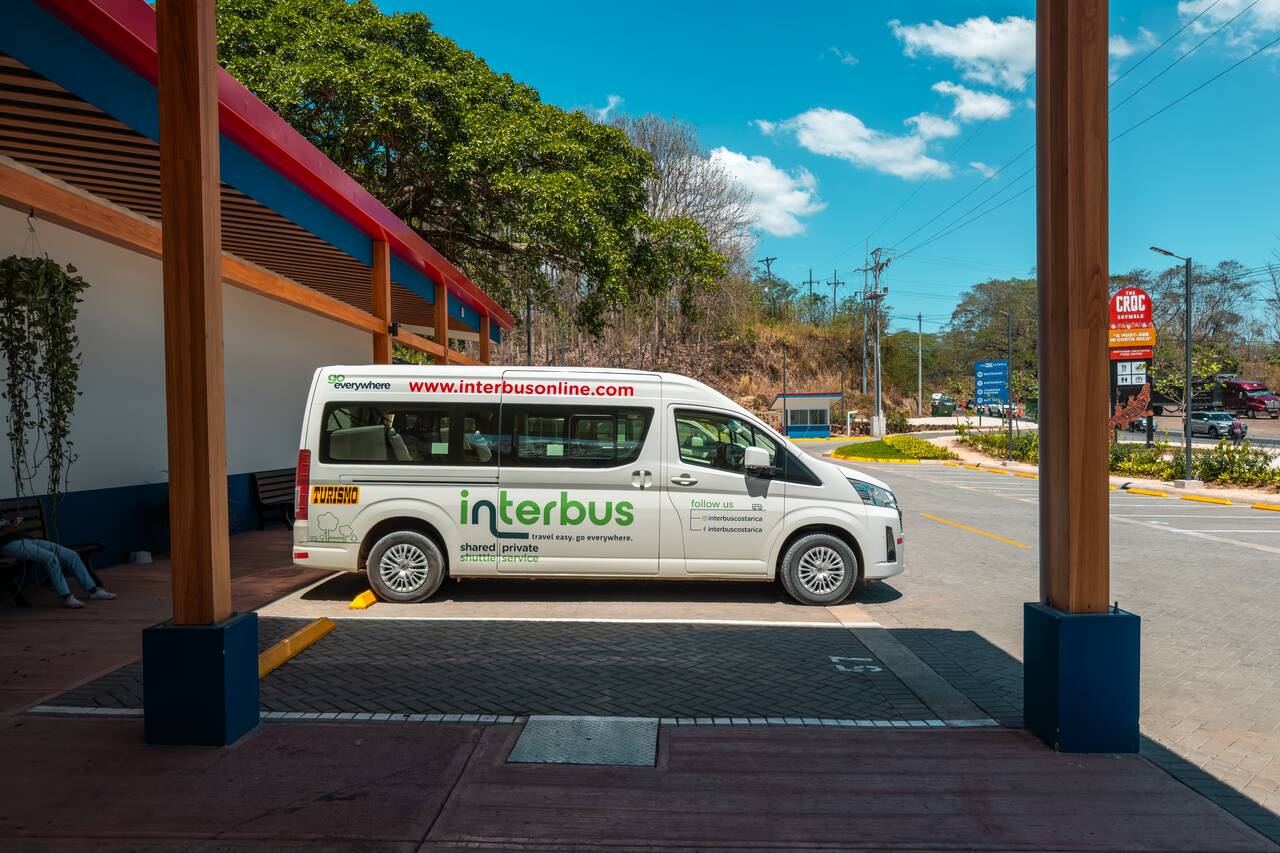
For this leg, I recommend booking a shared shuttle. They are much faster and more convenient than piecing together multiple public buses, which will mean that you will have to spend a night in San José. Not ideal. The shuttle service should take about 5 hours and they will pick you up at your hotel in Quepos or Manuel Antonio and drop you off at the hotel in La Fortuna.
You can find and compare shuttle services here. It should cost about 100 USD per person for this trip. I took Interbus from Quepos to La Fortuna, and the journey went smoothly; we even arrived earlier than expected. Highly recommended.
Day 11-13: La Fortuna (3 nights)
- 📍 Stay: Arenal Xilopalo
- 🕐 Time: 3 nights
- 📖 Full Guide: Exploring La Fortuna: Best Things to Do, Travel Tips & Itinerary
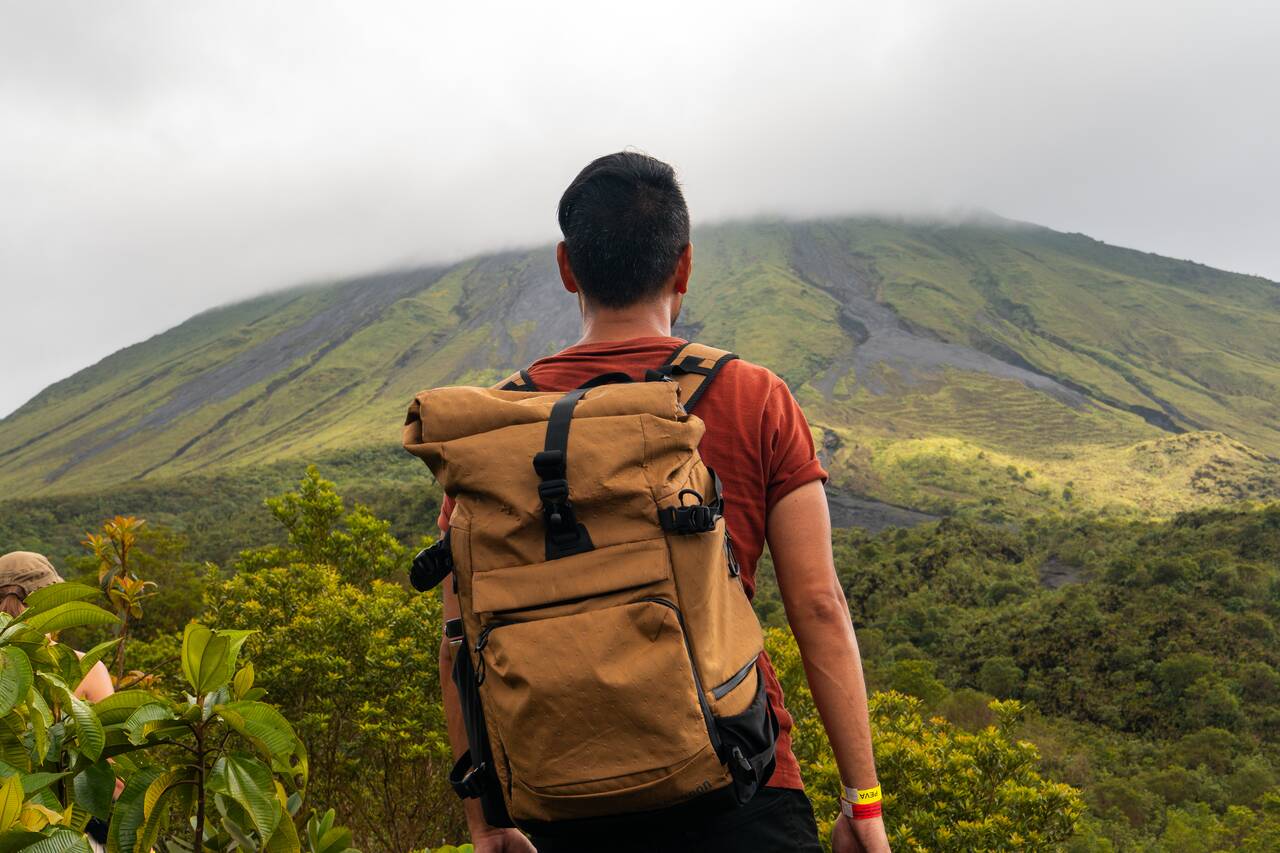
After spending several days at the beach, it's time to explore one of Costa Rica's more adventurous regions: La Fortuna. Home to the perfectly cone-shaped Arenal Volcano, La Fortuna offers endless outdoor activities, from hiking around the volcano and exploring rainforests to ziplining and soaking in natural hot springs.
Thanks to its cooler climate compared to many other parts of the country, lush rainforest teeming with wildlife, and the volcanic activity that shaped the entire region, La Fortuna is the perfect place for adventure. We will spend the next 2 days exploring everything this incredible destination has to offer.
First things first, we are going on a full-day adventure that will take you to some of La Fortuna's highlights, including La Fortuna Waterfall, Arenal Volcano, Mystico Hanging Bridges, and ending the day relaxing at a natural hot spring. Be sure to book the tour at least a day in advance!
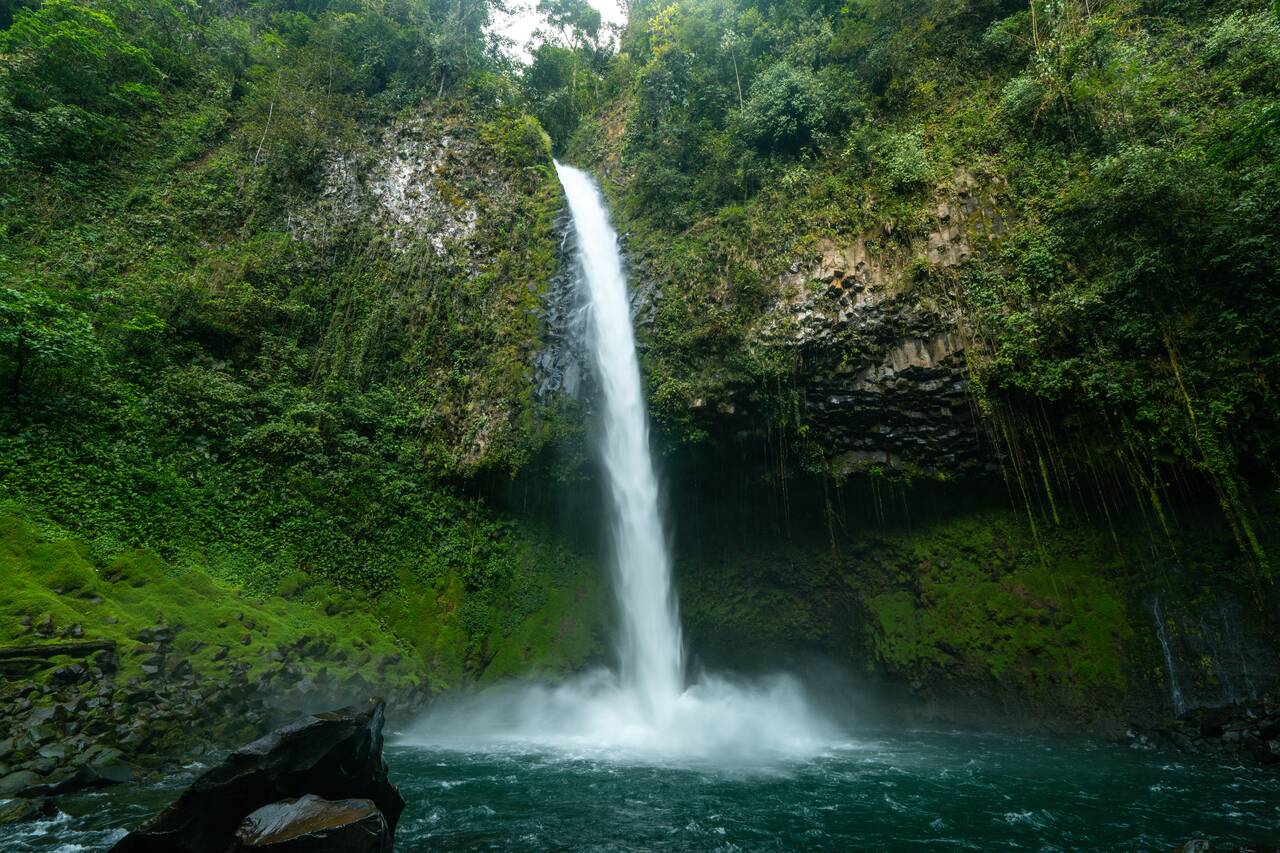
Your first stop is La Fortuna Waterfall, a stunning 70-meter waterfall hidden inside the rainforest, where you can hike down to the base and swim in its refreshing waters.
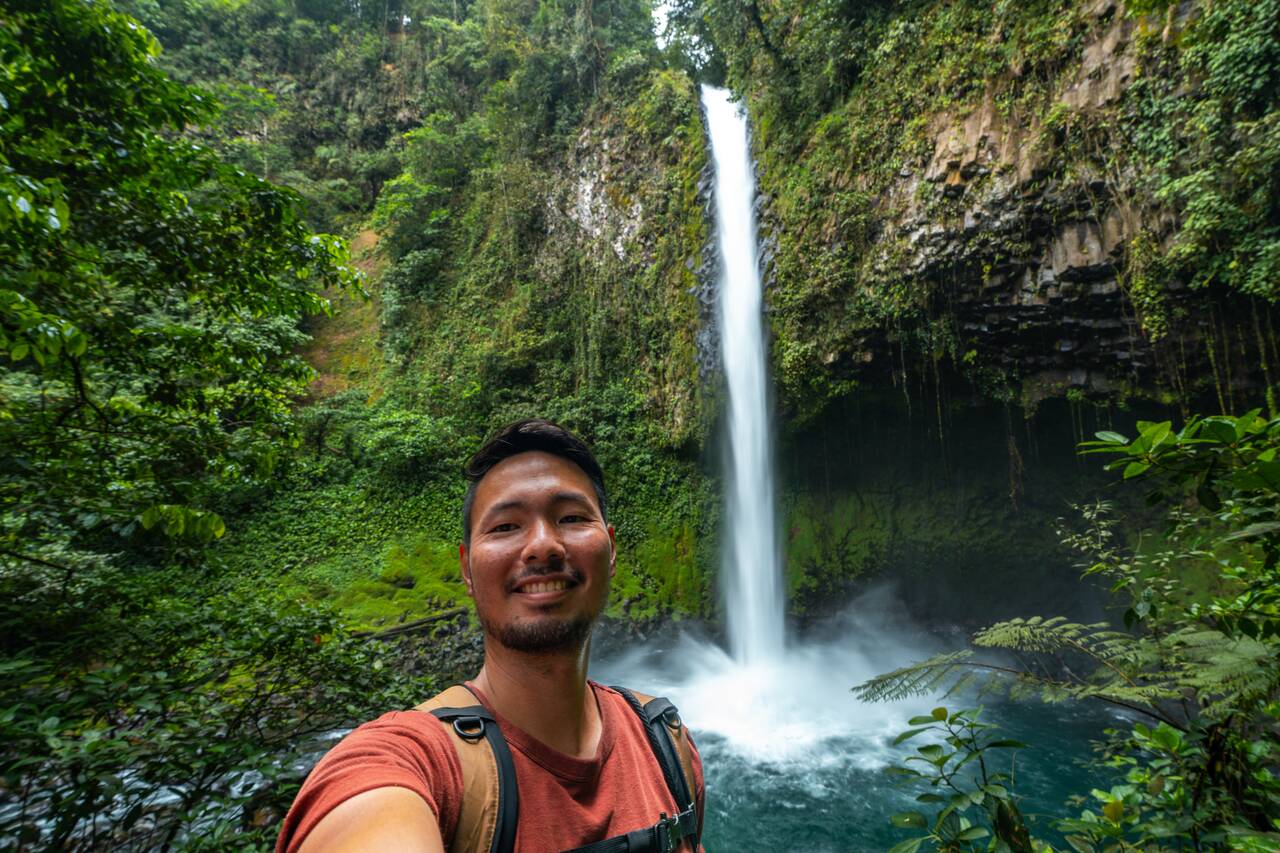
Once you arrive at the gate, you will have to walk down a staircase with around 500 steps through the jungle to get to the waterfall. The walk down is fairly easy, but keep in mind that you will have to climb all those steps back up afterward 😅, so don't use up all your energy while swimming. You will have around 2 hours at the waterfall before you continue your journey to Arenal Volcano.
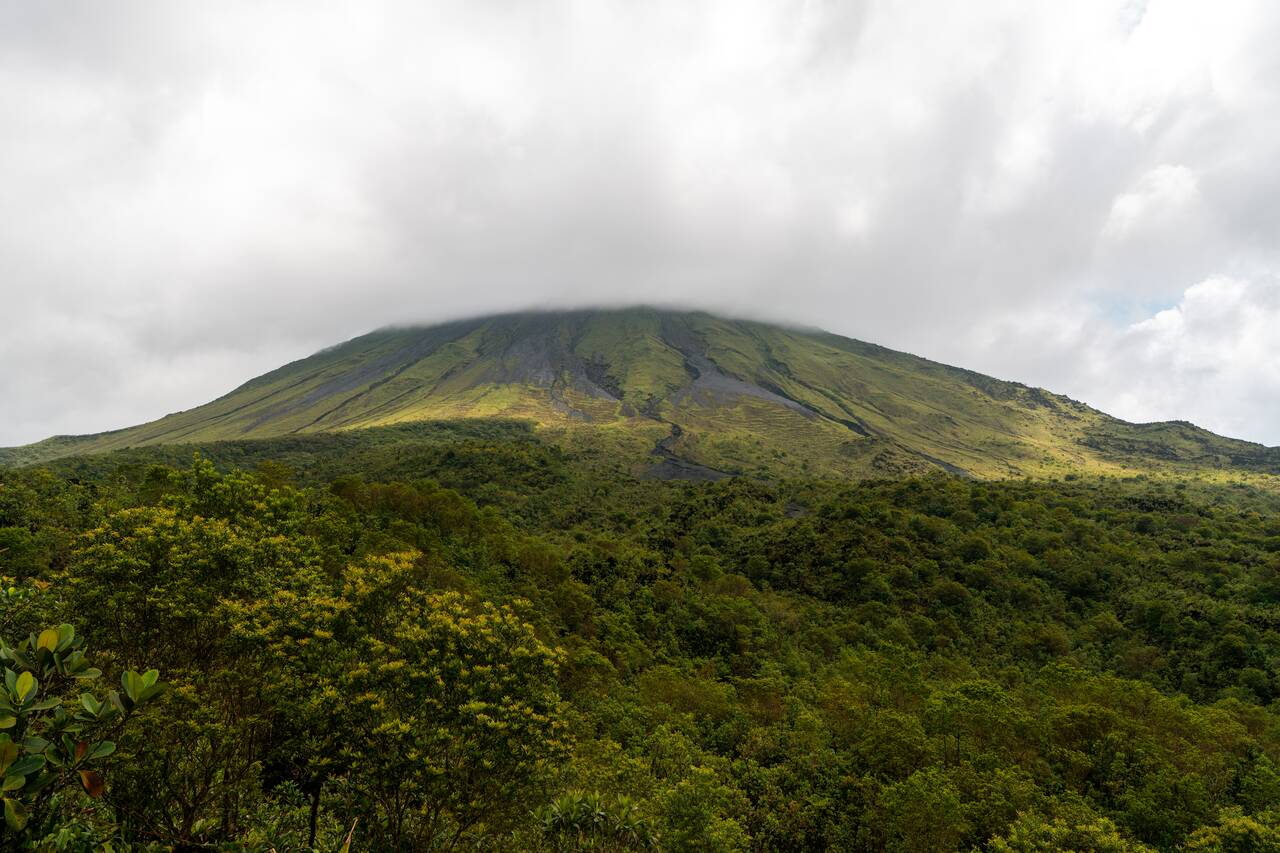
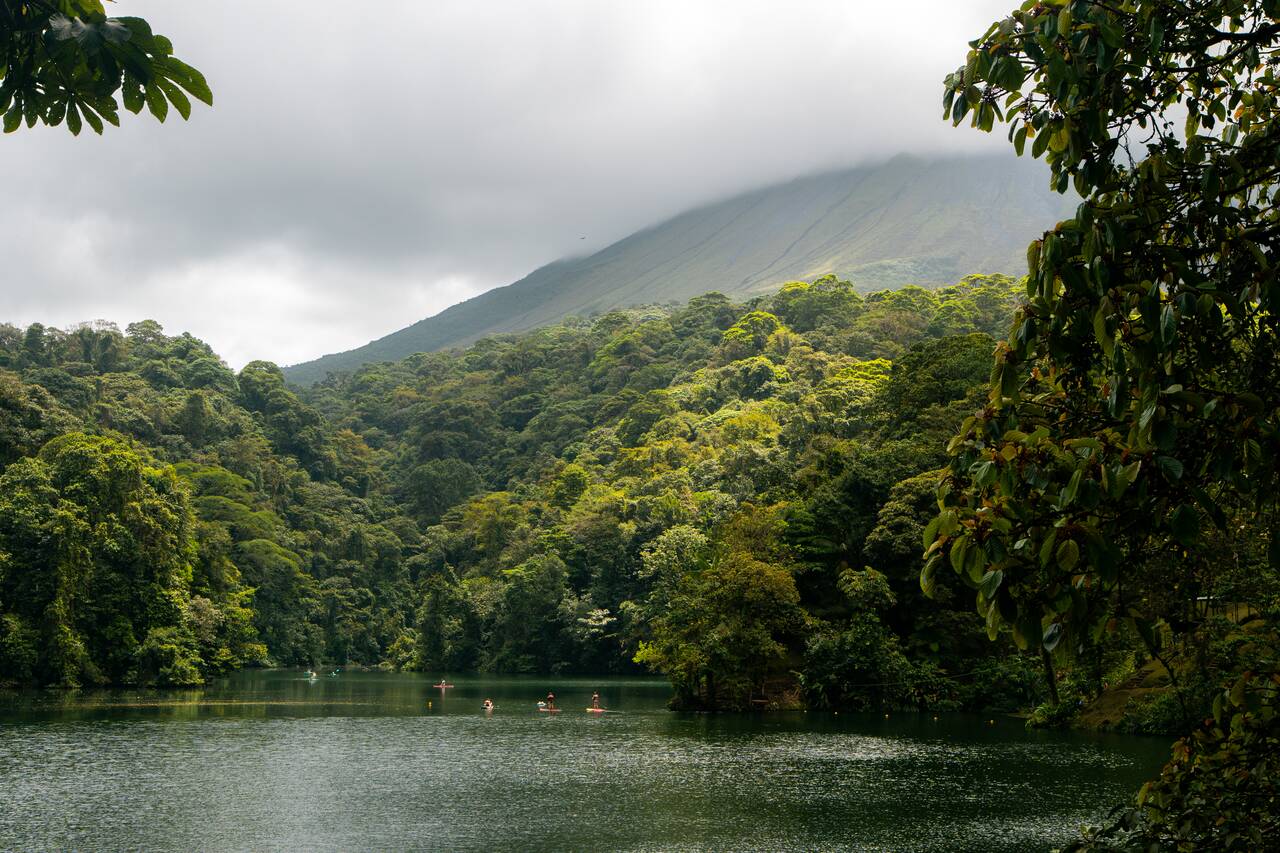
Arenal Volcano is located within a national park where you can find some of the best hiking trails in the area, taking you through lava fields, beautiful rainforest, and several viewpoints overlooking the Arenal Volcano. Even if the summit is hidden behind clouds, as it was during most of my visit, the scenery is still well worth the trip.
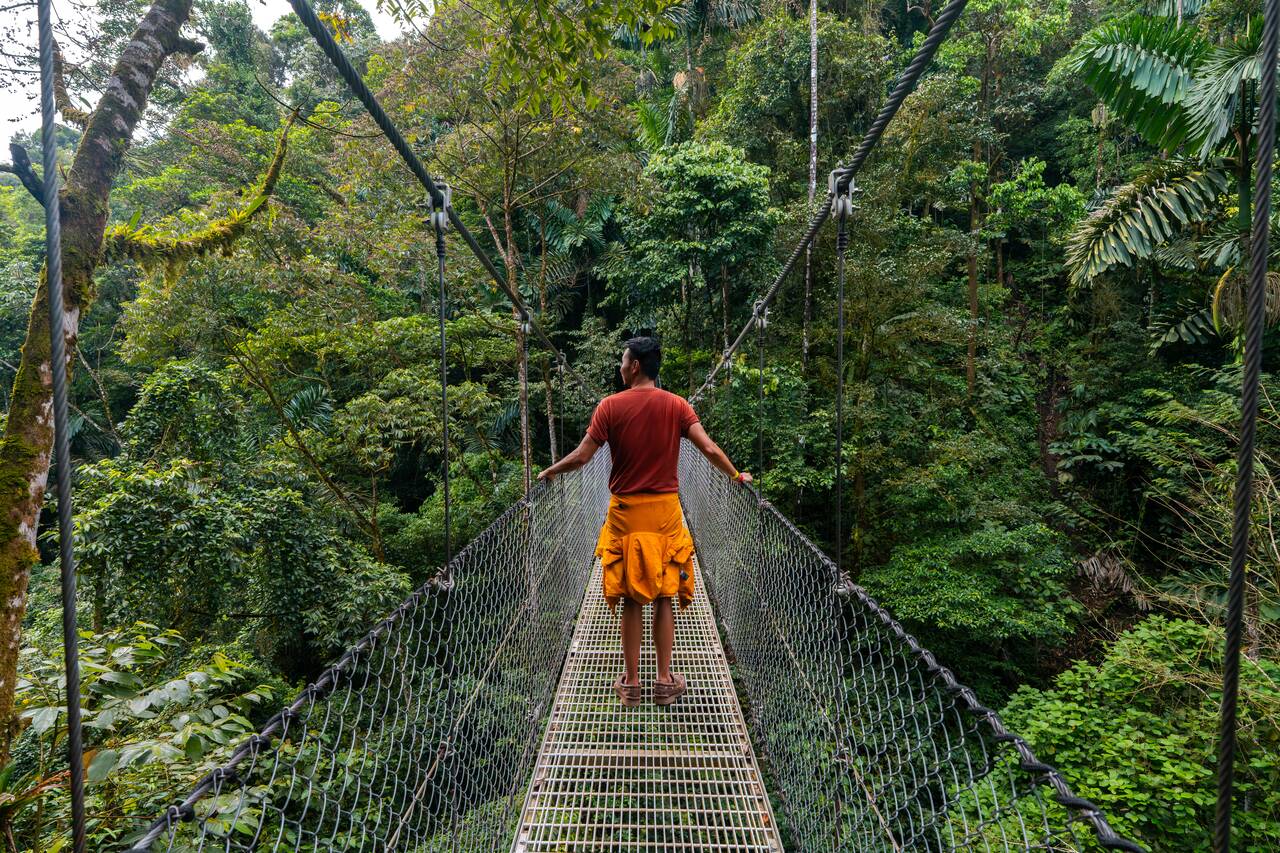
You should spend around 2 hours hiking around the national park before having a packed lunch there and continuing on to visit Mystico Hanging Bridges. This is another cool adventure park where, instead of exploring the jungle from the forest floor, the trail takes you high above the canopy, allowing you to walk across a series of hanging bridges while surrounded by lush rainforest.
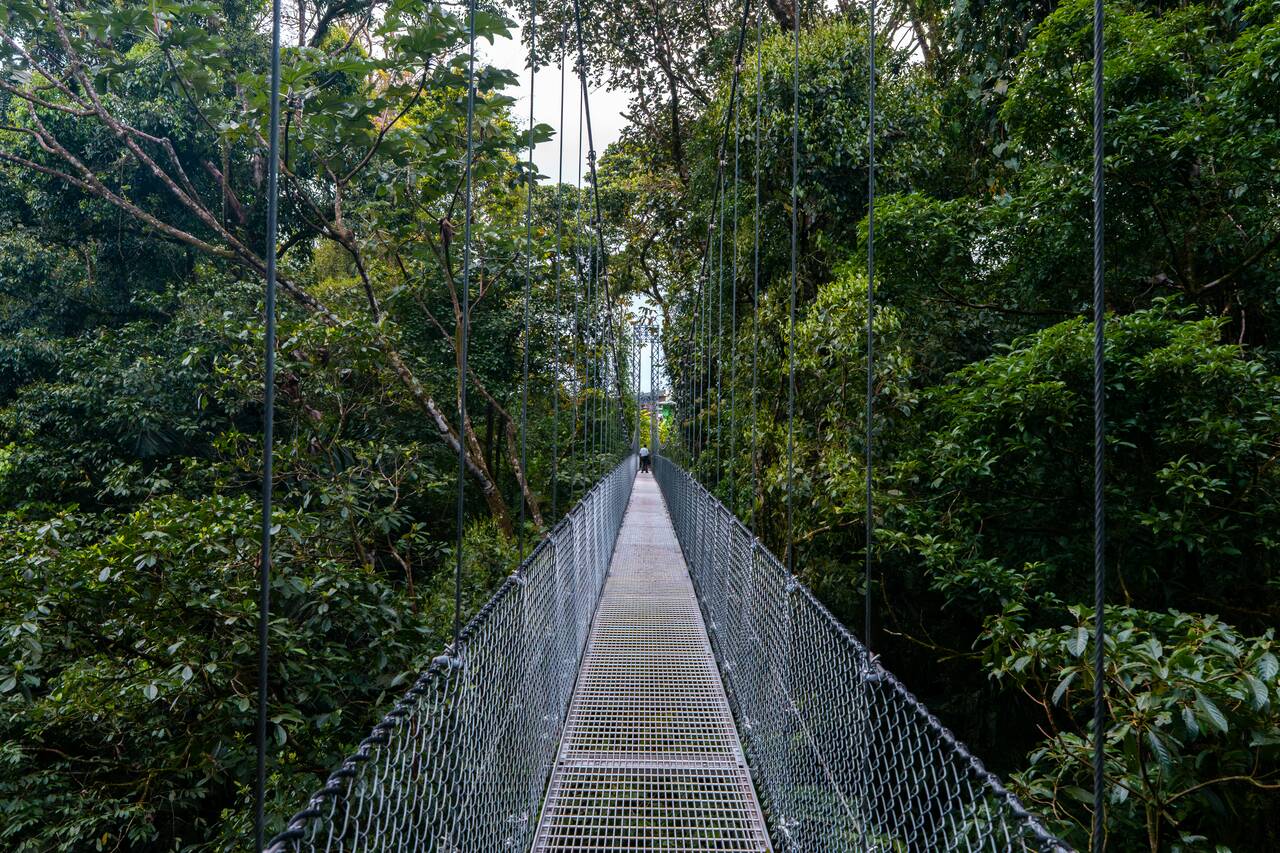
The trail is around 3.2 km long and takes about 1.5–2 hours to complete. It is very easy to hike as it is mostly flat and slightly descending. It's only at the end where you will have to hike up a bit, as the "elevator" that was advertised still wasn't built yet when I was there.
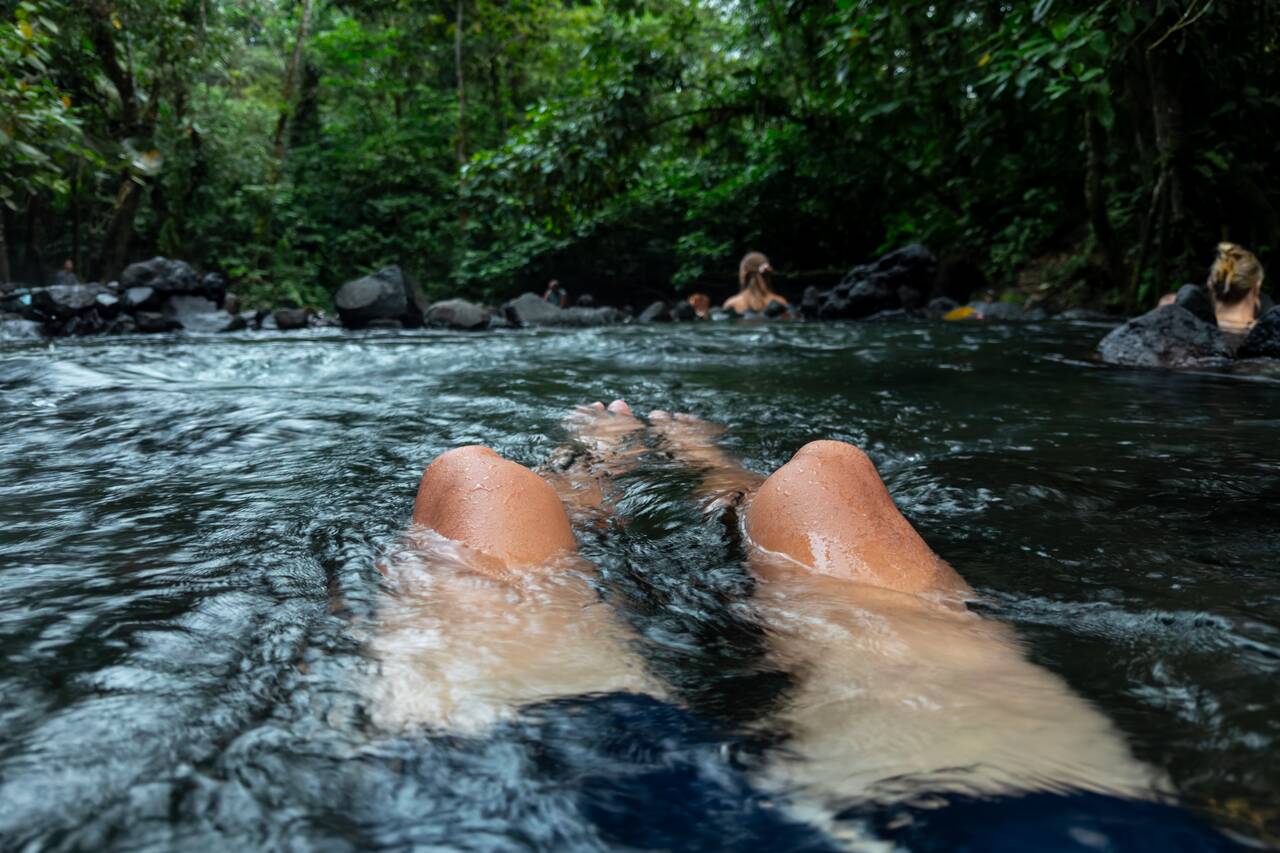
After spending your day hiking through rainforests, chasing waterfalls, and exploring volcano trails, there is no better way to end the day in La Fortuna than by relaxing in its famous hot springs. Thanks to the geothermal activity from Arenal Volcano, the area is home to several natural hot springs where you can soak in warm, mineral-rich water surrounded by lush jungle.
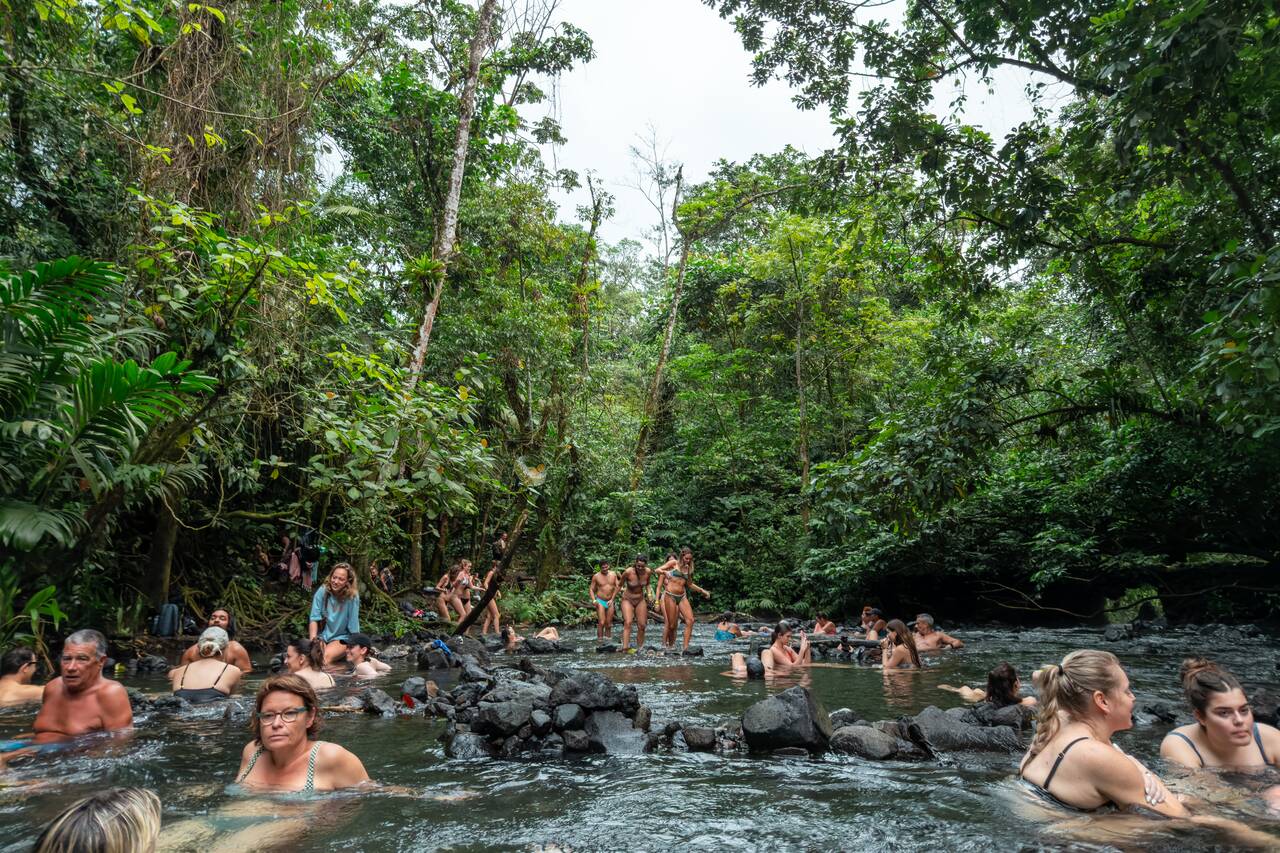
There are plenty of hot spring resorts around La Fortuna, ranging from luxury experiences to more budget-friendly options, or even free ones. The most popular free option and where the tour will likely take you is El Choyin, which is located just off the road near Tabacón. Although it can get crowded at times, I still found the experience incredibly relaxing.
After relaxing in the hotspring, you will be taken back to La Fortuna late at night, where you can spend the rest of the day relaxing and preparing for another day trip to Rio Celeste Waterfall the next day. It is quite a long drive, but you are going to love it!
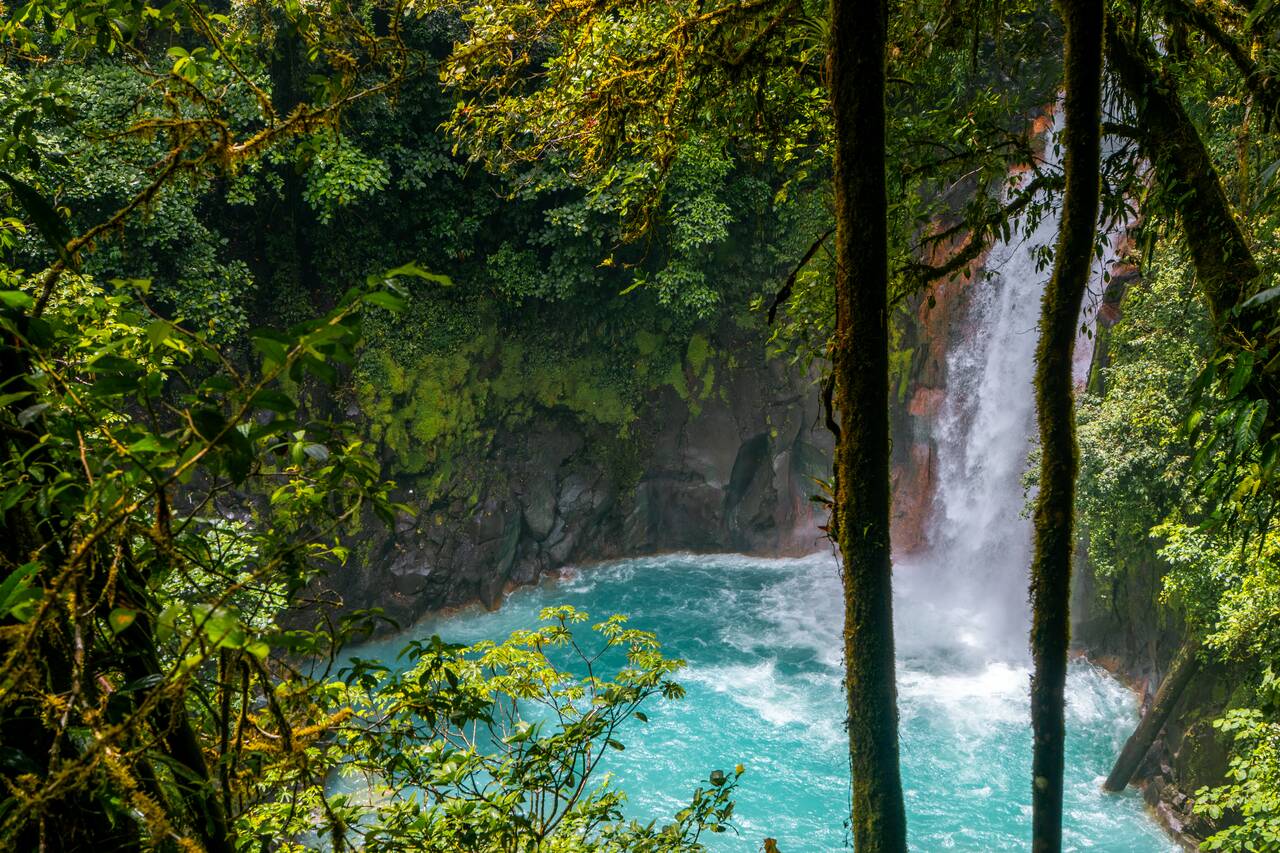
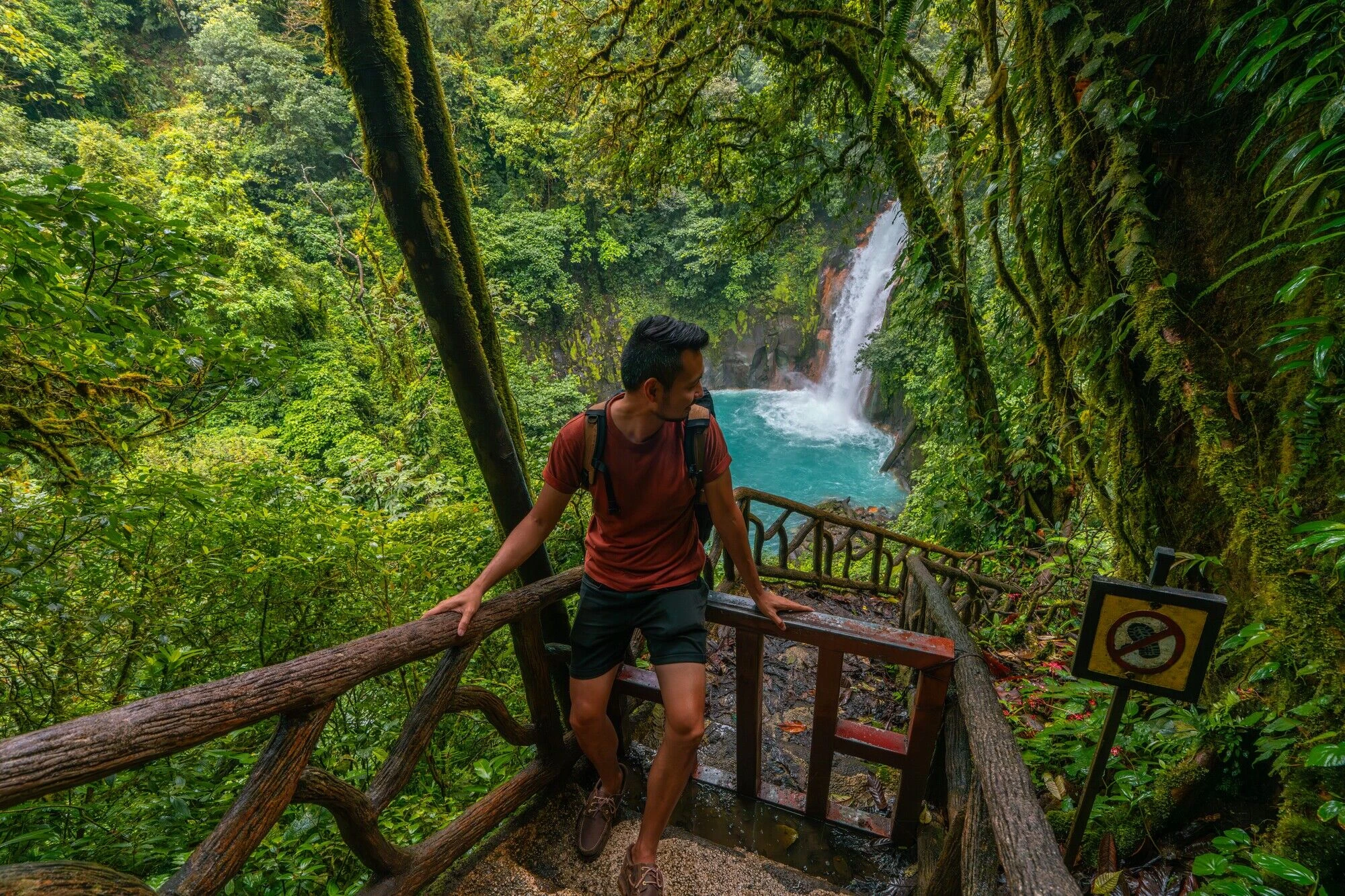
On your second day in La Fortuna, we are going to go on another day trip to visit Rio Celeste Waterfall, one of the most stunning turquoise waterfalls you will see in Costa Rica. The waterfall's unreal blue color comes from the Rio Celeste River, which gets its vibrant hue from a natural chemical reaction involving volcanic minerals. I've seen many waterfalls in my life, but I have never seen anything quite as vivid as this one!
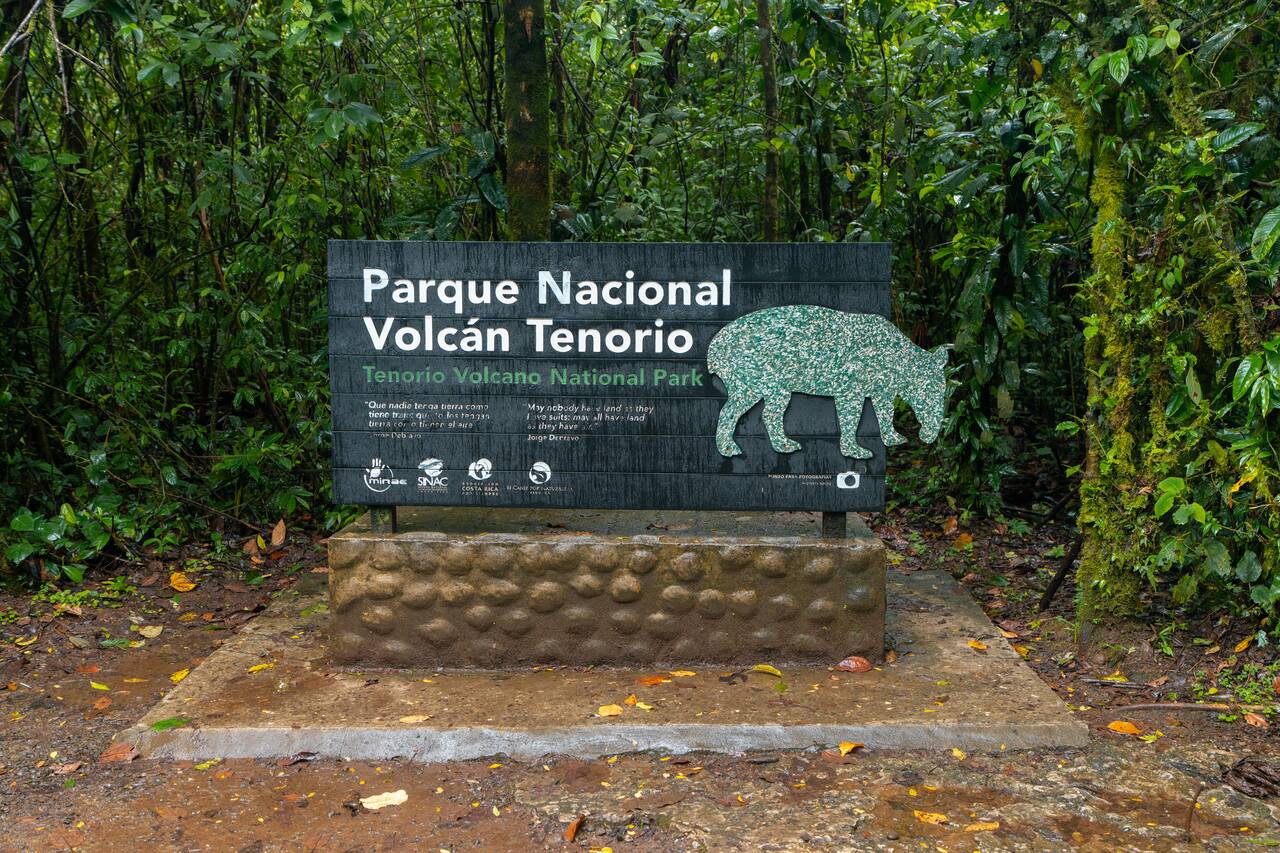
The main hike begins from here and takes you through lush rainforest to several highlights, including the famous Rio Celeste Waterfall, the turquoise river viewpoint, and the spot where the river changes color. The trail is around 3–4 km round trip and takes about 1.5–2 hours to complete, although you will likely spend more time stopping for photos along the way.
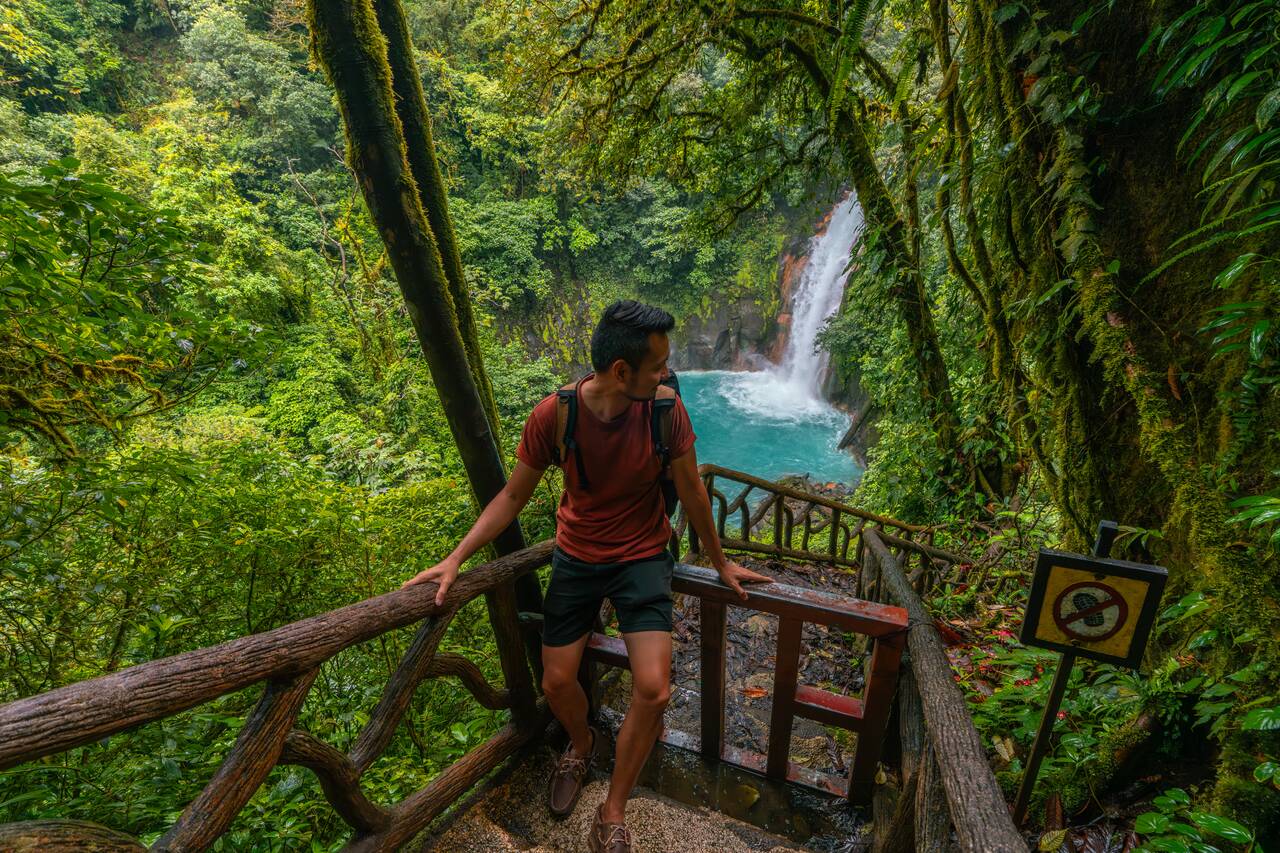
The waterfall itself is the highlight of the hike. After descending a staircase into the rainforest, you will be greeted by the bright blue water cascading into a pool below. Unfortunately, swimming is not allowed here, and the lower part of the staircase was damaged by a landslide and has yet to be fixed, so you can only see it from afar as in the photos above.
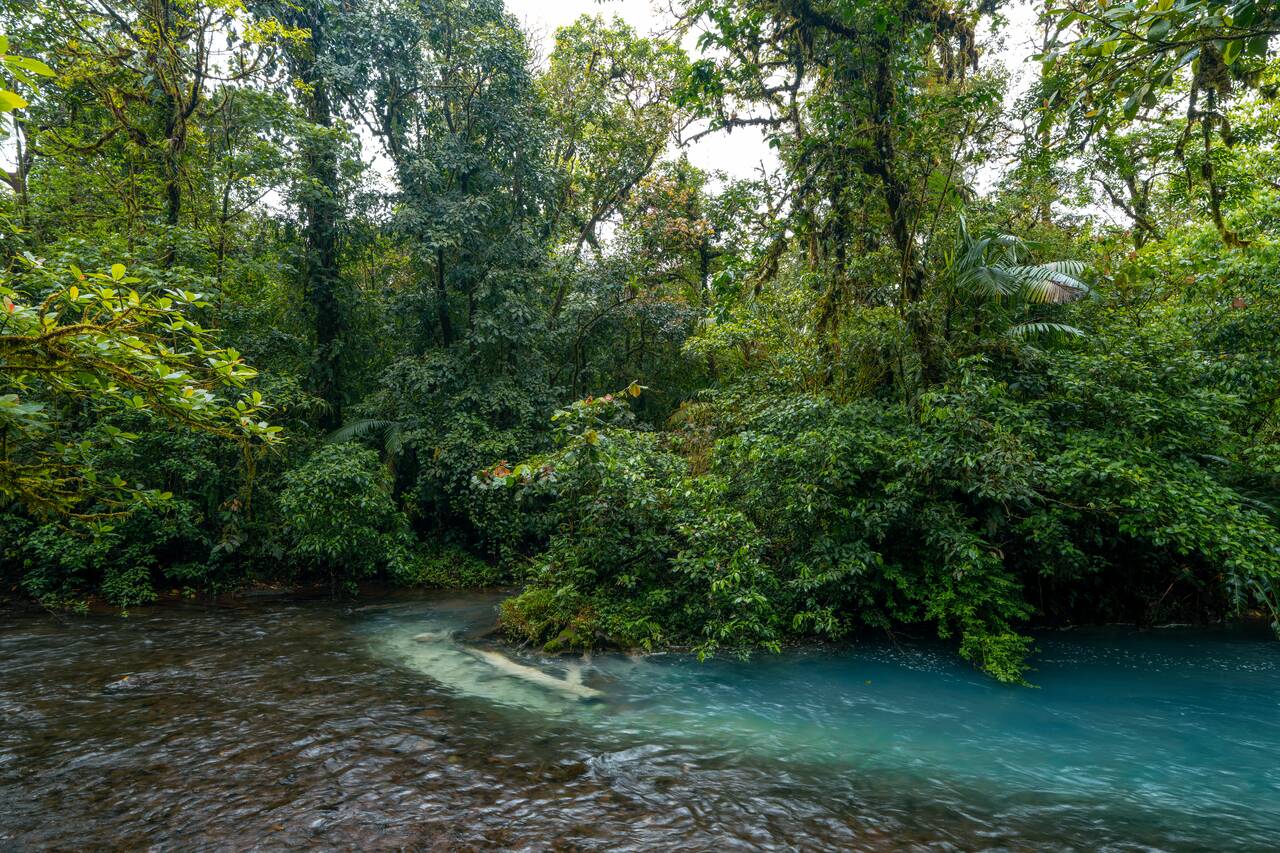
Keep in mind that Rio Celeste receives a lot of rain, and the trail can get very muddy, especially during the wet season. Wear proper hiking shoes and bring a rain jacket. Also, try to visit on a clear day; the turquoise color is much more vibrant when there is less rain mixing into the river.
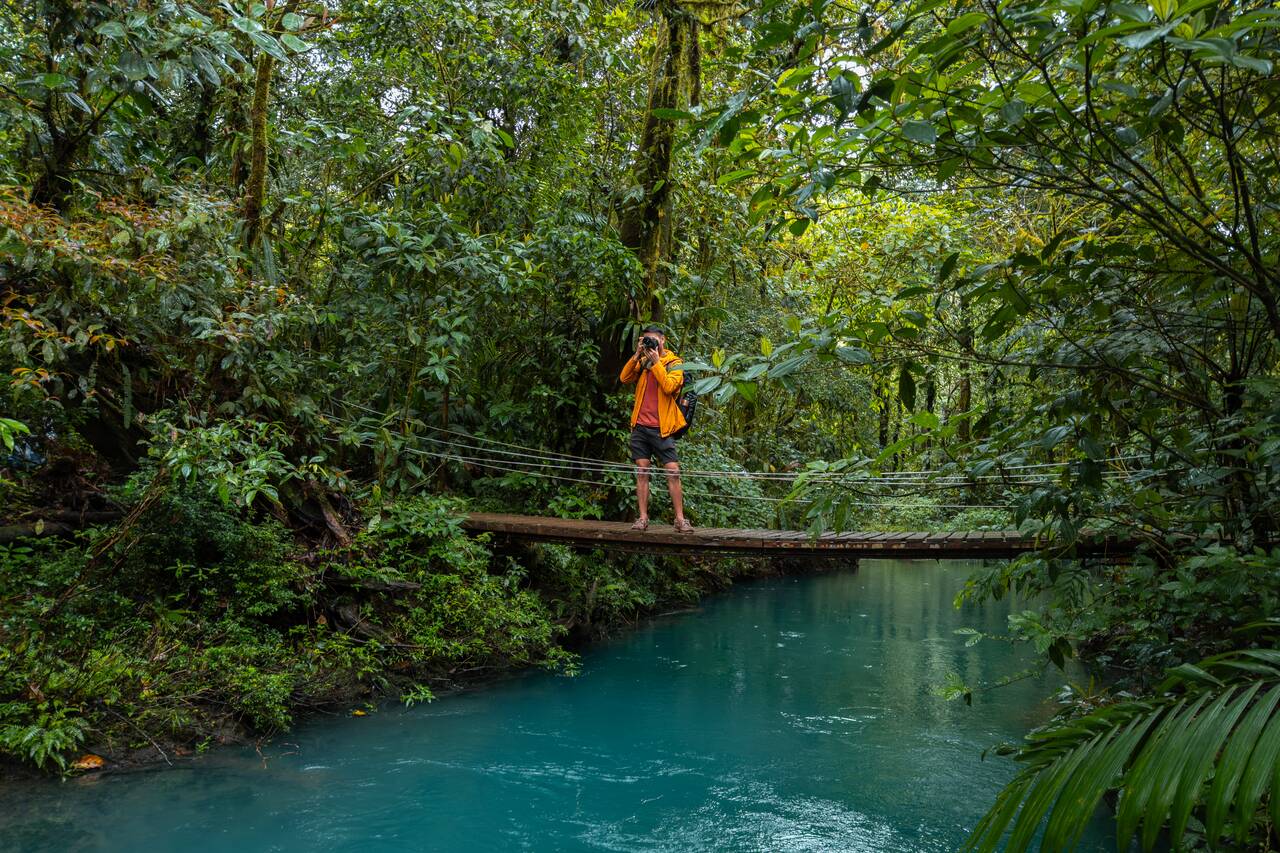
Be sure to book this organized tour, which is the one I went with and I highly recommend. The tour includes transportation, lunch, entry fees, and a guide. Our guide was Annie, and she was the best, very knowledgeable, friendly, and even took photos for us. Some of the photos you see here were taken by her, so thanks, Annie!
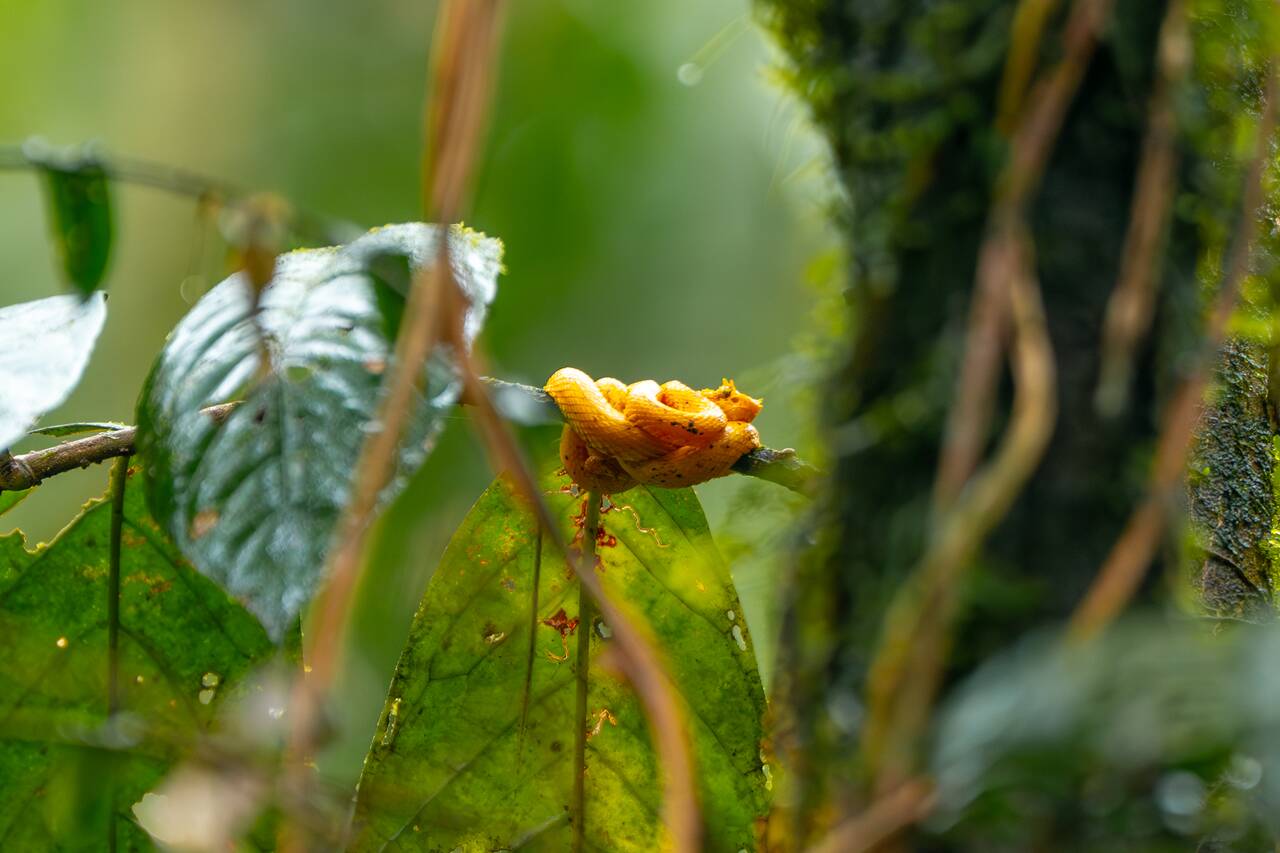
Also, thanks to her, we were able to spot this little poisonous snake high up in the trees. I wouldn't have noticed it even if I was standing right next to it! They are so well camouflaged, but Annie spotted it right away, which is why I recommend coming with a guided tour. I would have missed so much if it weren't for our guide, Annie!
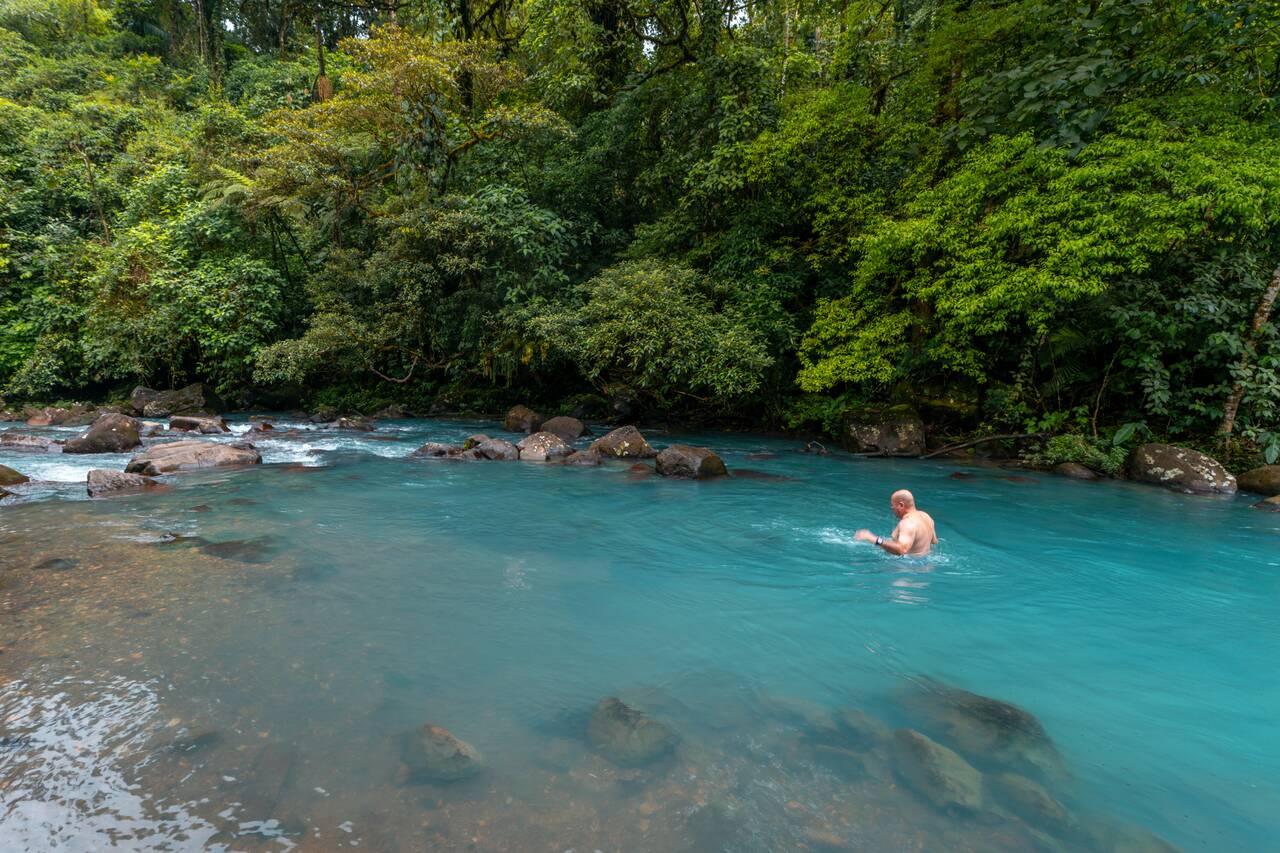
After the hike, you will get a chance to swim in the vivid blue water of Rio Celeste, but not at the waterfall itself. This spot along the Celeste River, located just outside the park, is where you can swim in the famous blue water for free. You will often see both locals and tourists hanging out by the river here as well.
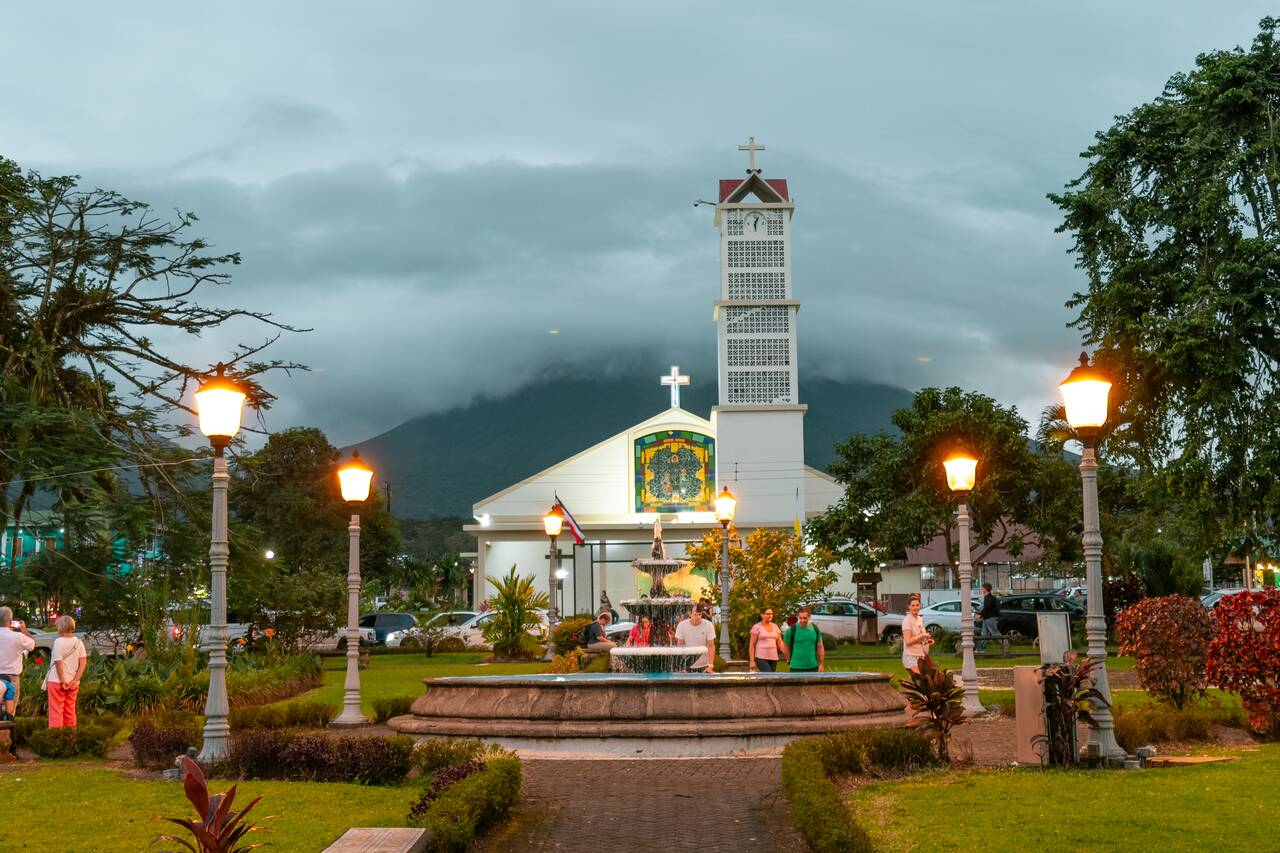
After a dip in the water, you will be taken to lunch before starting your journey back to La Fortuna. Once you get back, you can relax around Parque de La Fortuna, the main park located right in the center of town. The park is surrounded by restaurants, cafes, shops, and a beautiful white church, with Arenal Volcano often looming in the background.
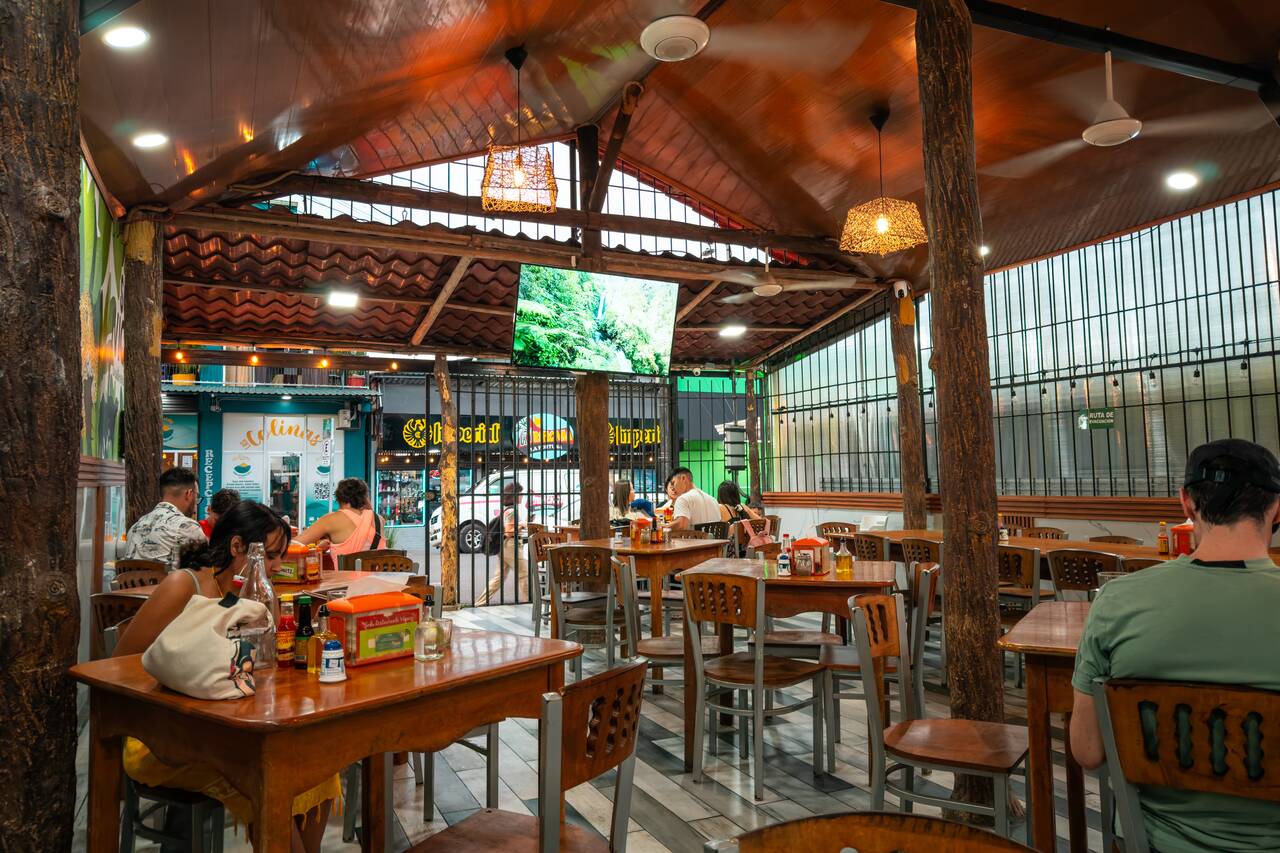
Be sure to try some of the local cuisine for dinner while you are here. One of my favorite restaurants that I frequented during my time in La Fortuna was Soda Víquez, a small local restaurant located not far from Parque de La Fortuna. They serve a great selection of traditional Costa Rican dishes that are delicious and much more affordable than many other places in town.
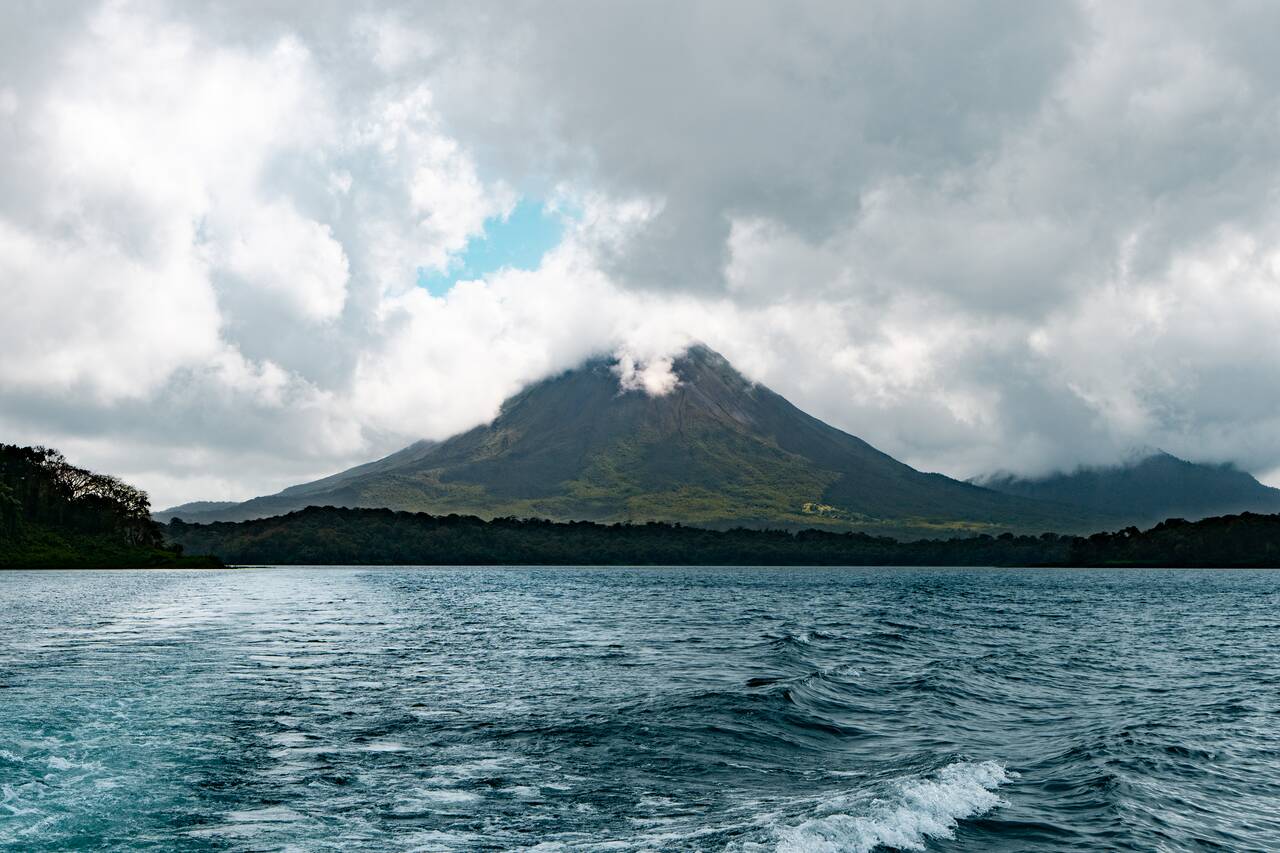
After you are done with dinner, you can retreat for the night and prepare for a scenic journey across Arenal Lake tomorrow. You will take the famous Jeep-Boat-Jeep transfer service to Monteverde.



Getting from La Fortuna to Monteverde
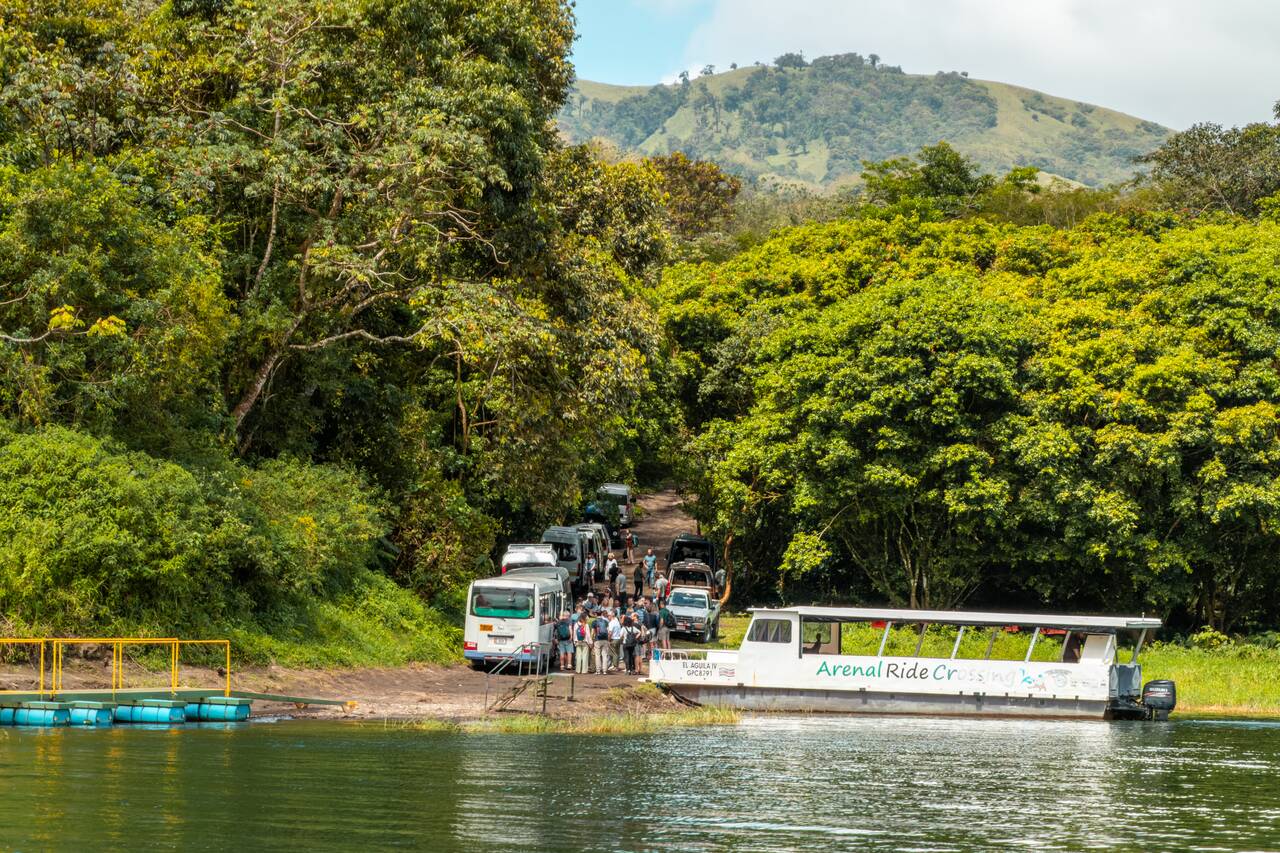
The fastest and most popular way to travel between La Fortuna and Monteverde is the famous Jeep-Boat-Jeep transfer. The journey takes around 3 hours and includes a scenic boat ride across Lake Arenal, which is an experience in itself. You can book the transfer here. I traveled from La Fortuna this way, and the whole trip went smoothly. The views across Lake Arenal were phenomenal.
Day 14-15: Monteverde (2 nights)
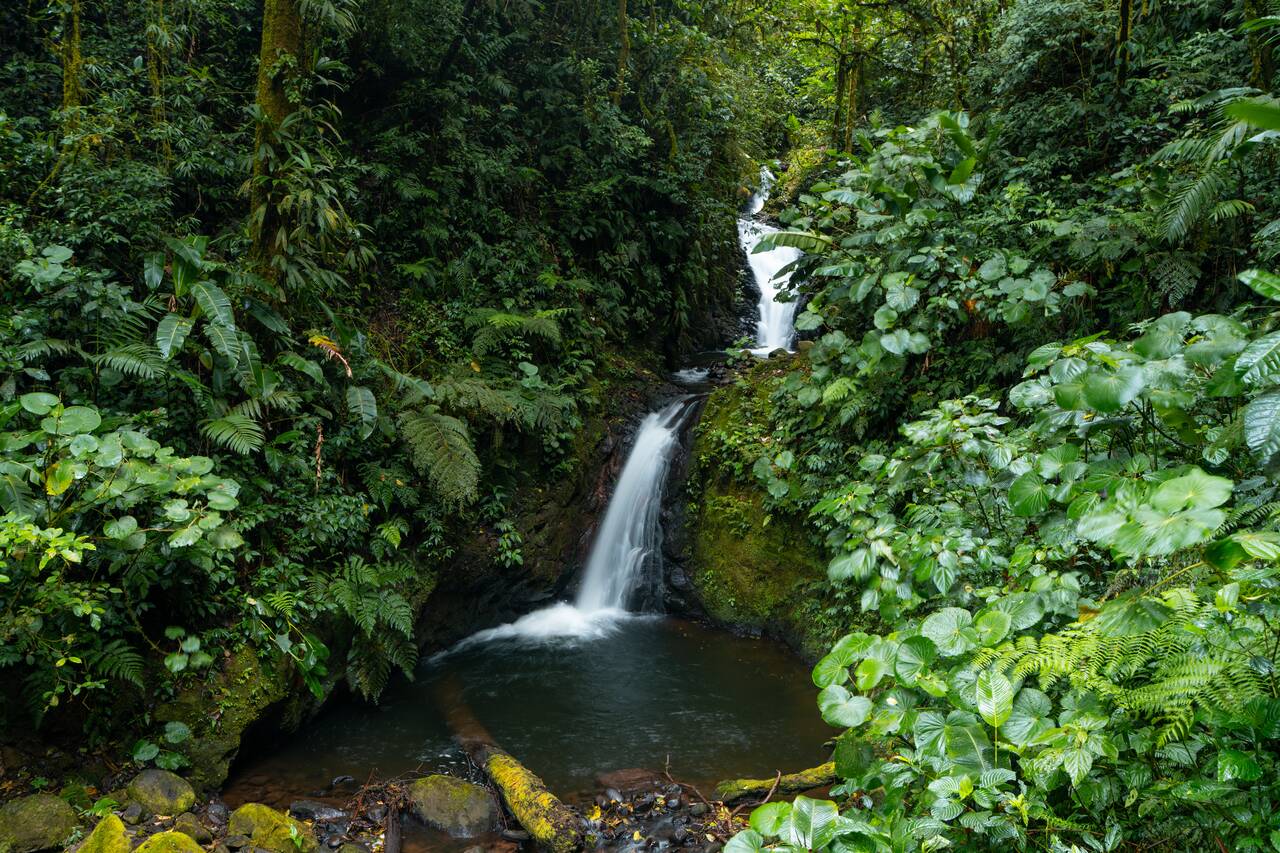
- 📍 Stay: Cabinas Vista Al Golfo
- 🕐 Time: 2 nights
- 📖 Full Guide: Visiting Monteverde: My Favorite Activities, Travel Tips & Itinerary
And finally, we have arrived at the last destination of this itinerary: Monteverde, a town famous for its cloud forests. The weather here is much cooler than the rest of the country, and the cloud forest has its own unique ecosystem waiting to be explored. We will spend the entire day experiencing the magic of Monteverde.
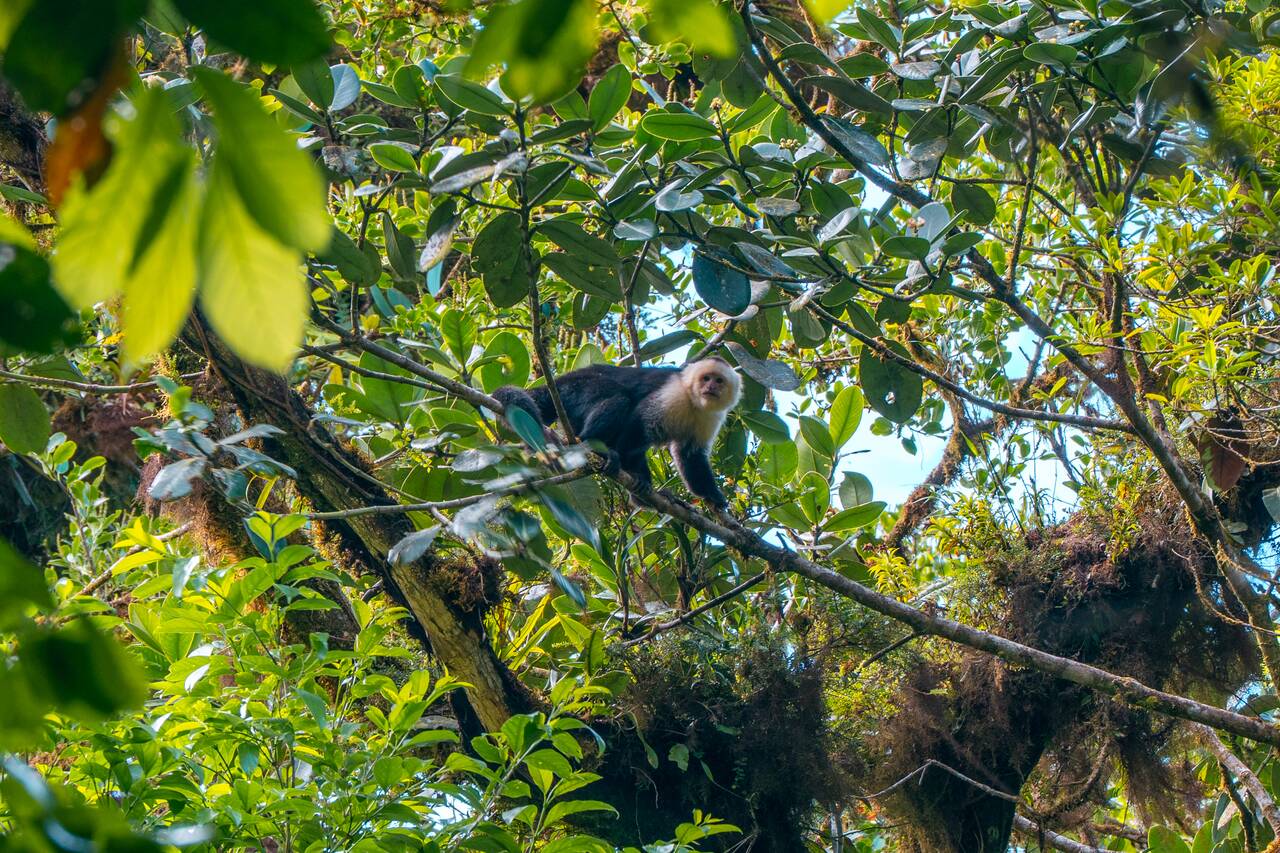
When most people visit Monteverde, they head straight to the famous Monteverde Cloud Forest Biological Reserve. While the reserve itself is beautiful, I found the way it is managed to be a little money-grabbing. For one, since it is so popular, they limit the number of visitors on each trail, so you have to book a specific trail in advance, which isn't ideal.
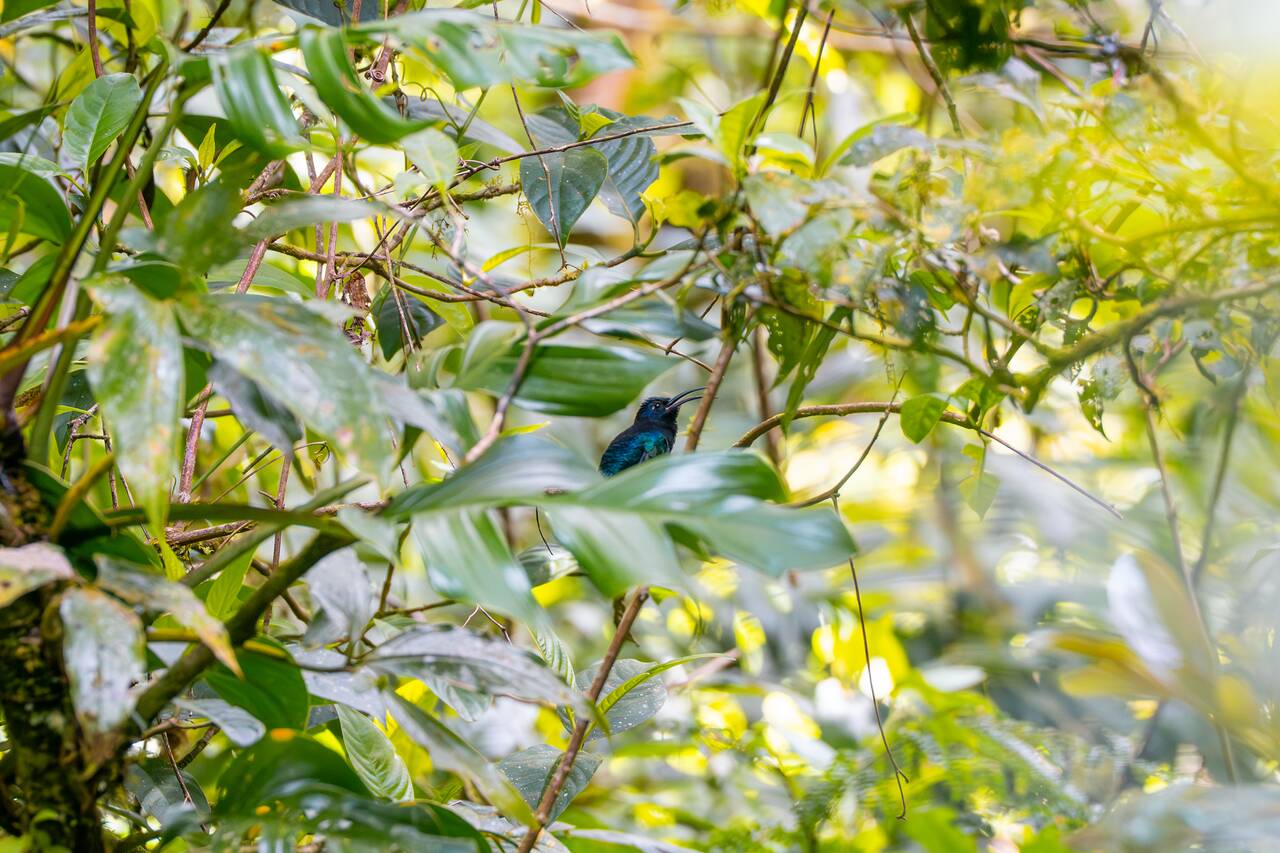
Secondly, they charge 29 USD for admission, and although there are three hiking trails, you are only allowed to hike the one you booked. You are not allowed to explore the other trails after finishing yours. Each trail takes about an hour or 2 to complete, and if you want to hike another one, you have to pay another 29 USD. In my opinion, that's a rip-off and a very cash-grab approach to managing the reserve. I can't recommend it when there are much better alternatives nearby.
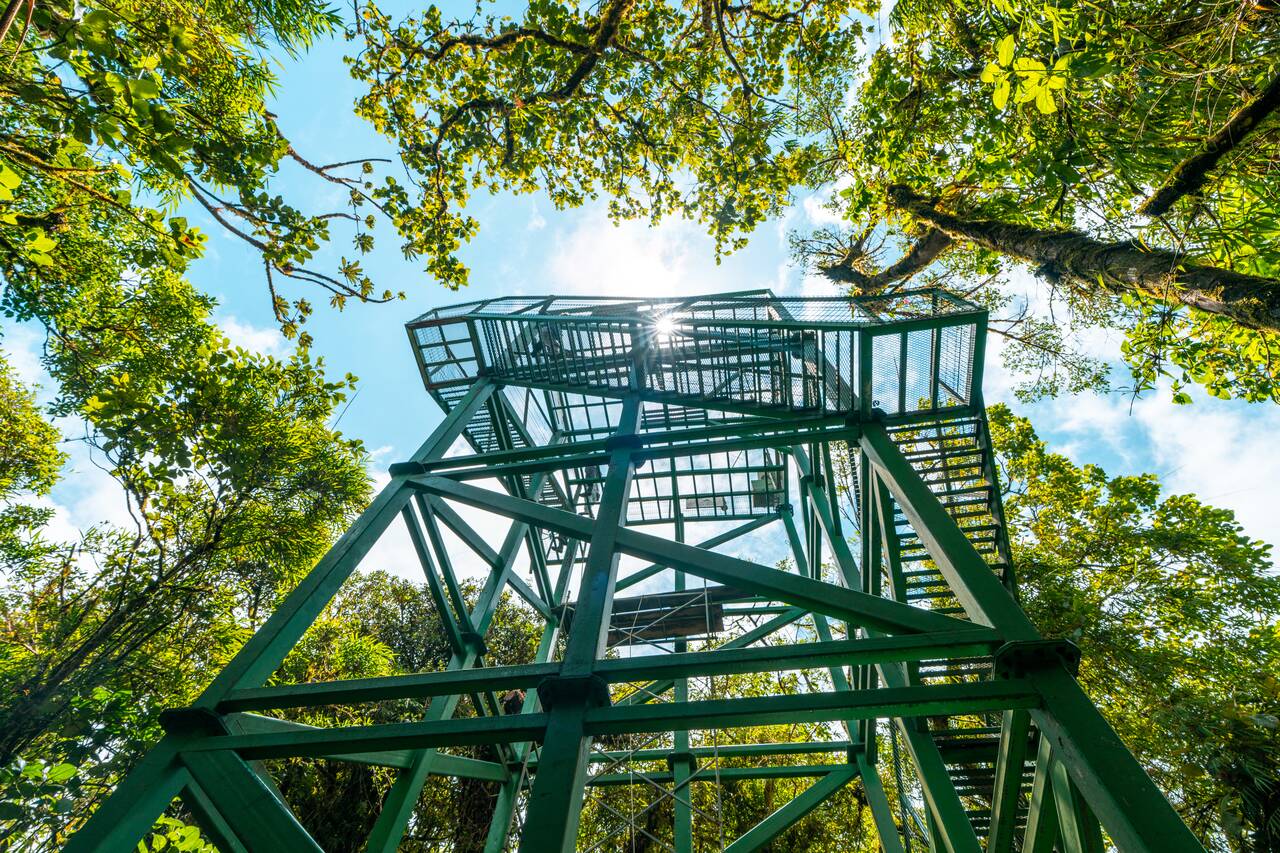
Instead, I recommend visiting the Santa Elena Cloud Forest Reserve. The experience is just as magical, but the trails are much quieter and feel more natural, with dirt paths instead of the well-paved trails you'll find at Monteverde Cloud Forest.
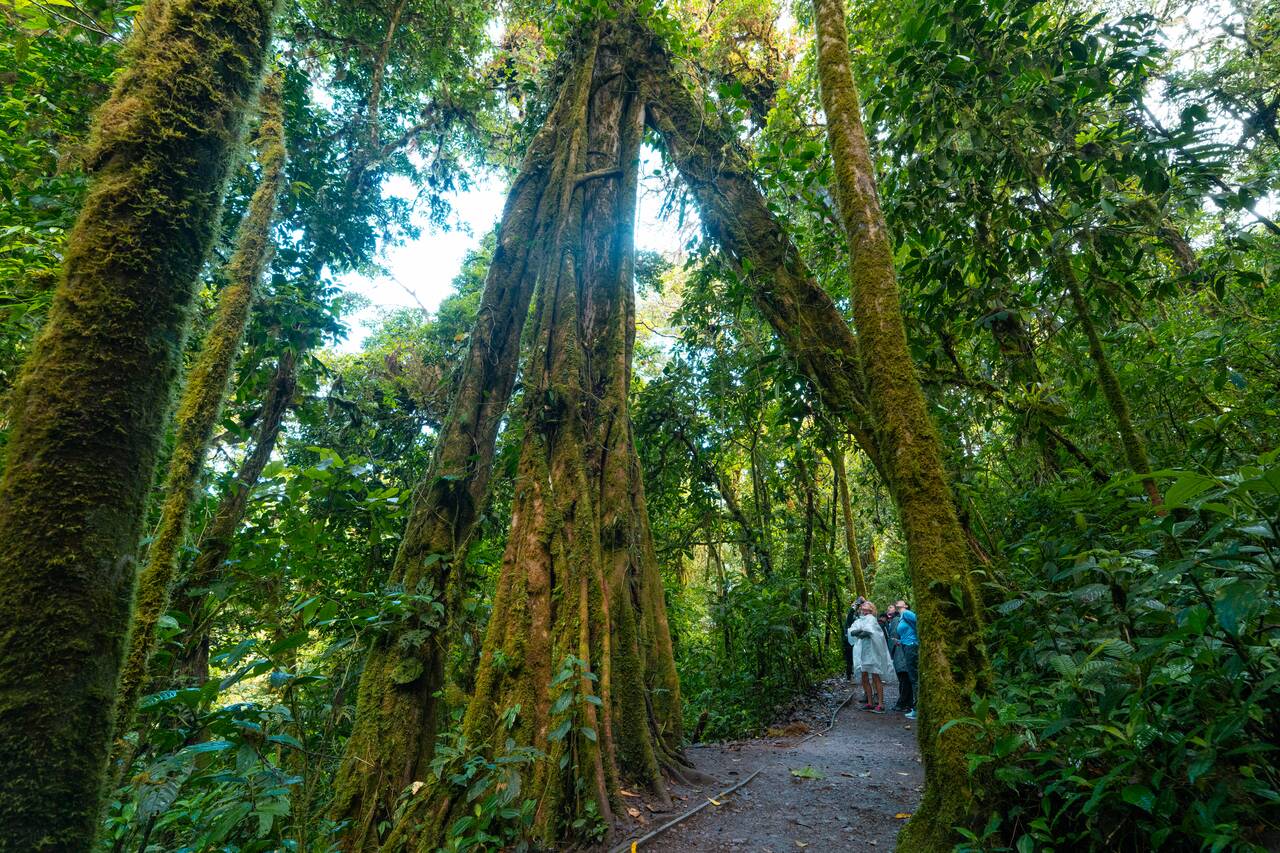
You also don't have to book your visit in advance, and the reserve offers many more hiking trails and viewpoints that you can explore with a single admission ticket. Best of all, it costs only 20 USD for a self-guided visit, which is a much better value than Monteverde Cloud Forest in my opinion.
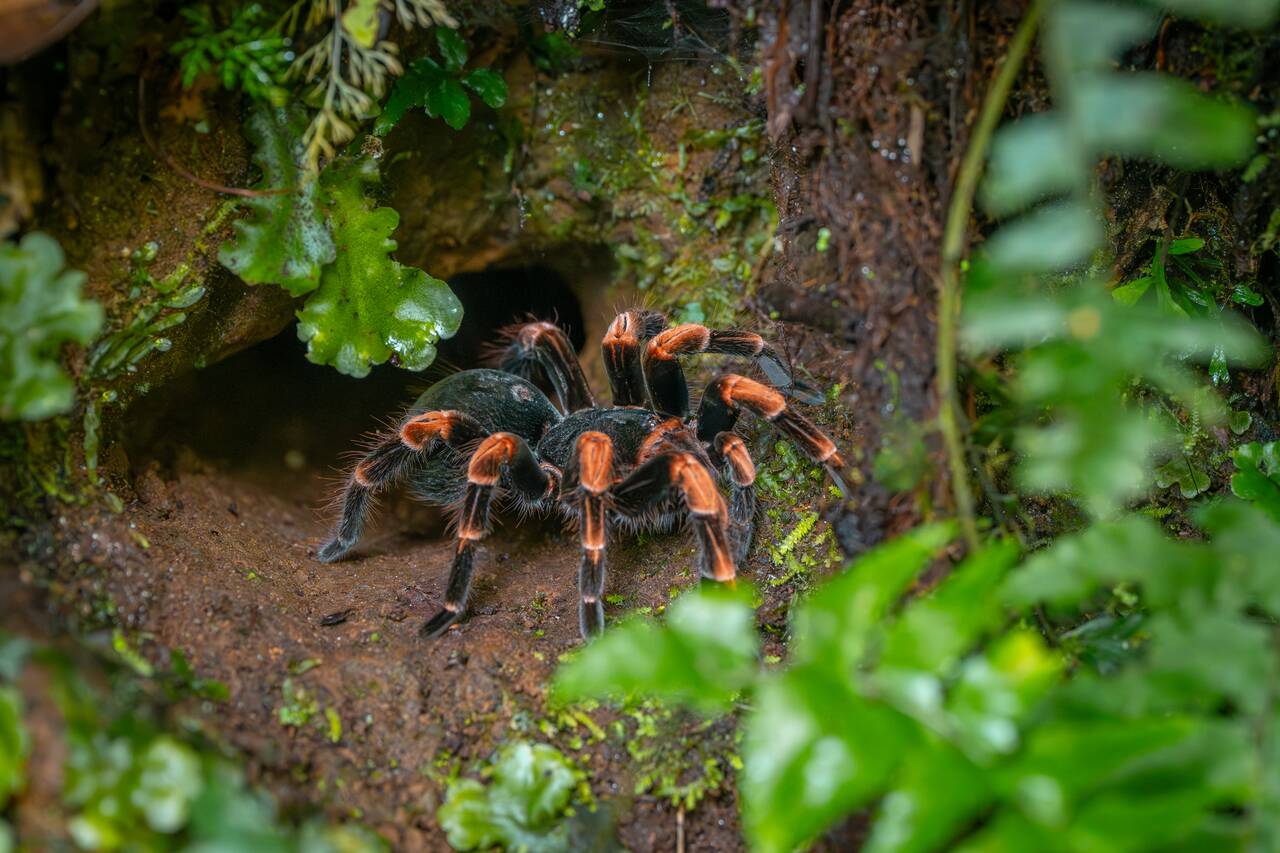
For Santa Elena, I went with a guided tour, which costs 40 USD per person. The guide took us around the reserve, spotting all kinds of animals from tarantulas to monkeys. Apparently, there are also quetzals here, but we weren't so lucky as they were nowhere to be found. Our guide told us he saw one a few weeks ago 😢.
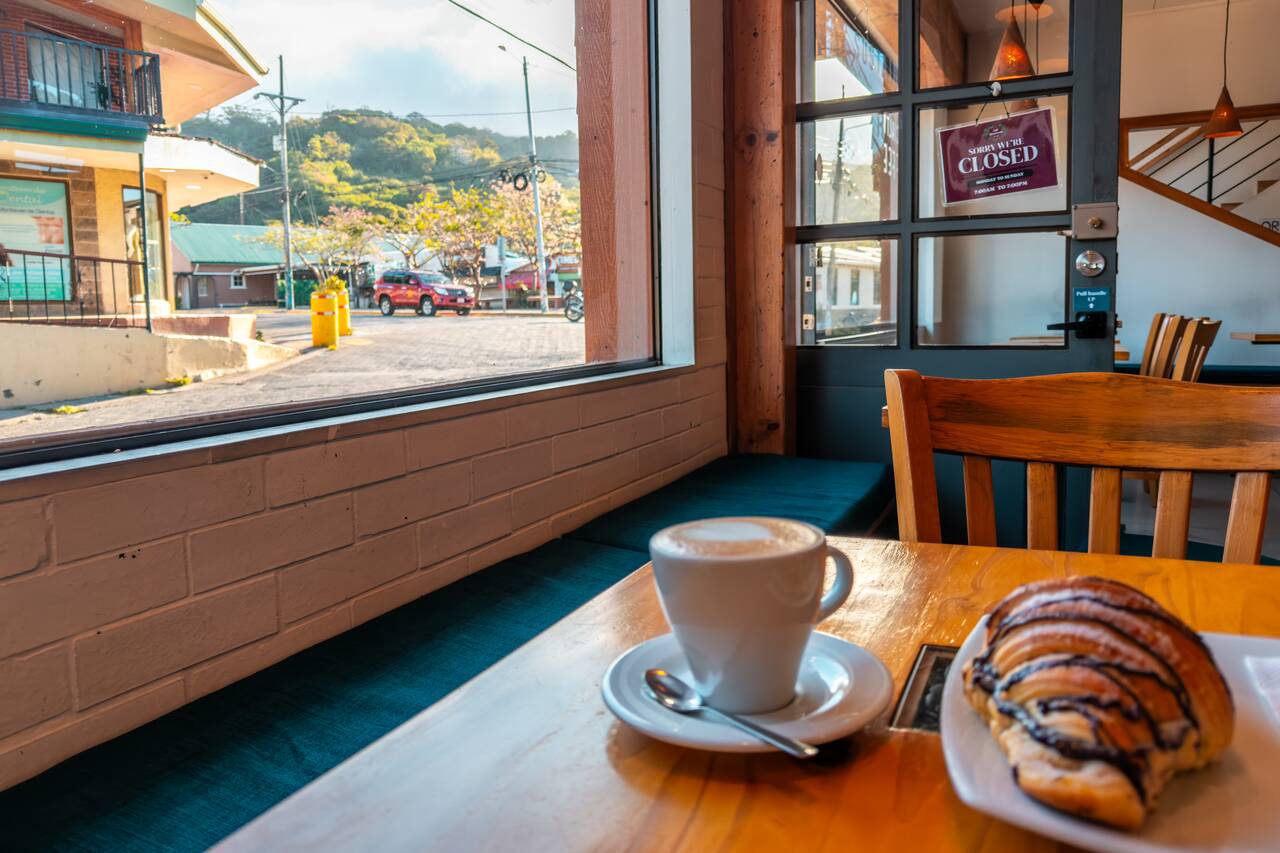
It should take around half a day to finish exploring the cloud forest. After you are done, you can either visit Selvatura Adventure Park, which is within walking distance of Santa Elena Cloud Forest Reserve, and go for another hanging bridge walk, ziplining, or head back to town, enjoy a nice cup of coffee at Santa Elena Coffee Shop, try some local food at Tree House, a restaurant with a giant tree growing through the middle of it, and relax for the rest of the day.



Getting from Monteverde to Liberia
From Monteverde, there is no direct bus to Liberia, so you will have to go with a shared transfer service again. As usual, the shared transfer service will pick you up at the hotel in Monteverde, take you to Liberia or straight to the airport in about 2.5 - 3.5 hours, and it should cost around 35 - 50 USD. Very easy and straightforward. You can book the shared transfer here.
Day 16: Liberia (Flying Out)
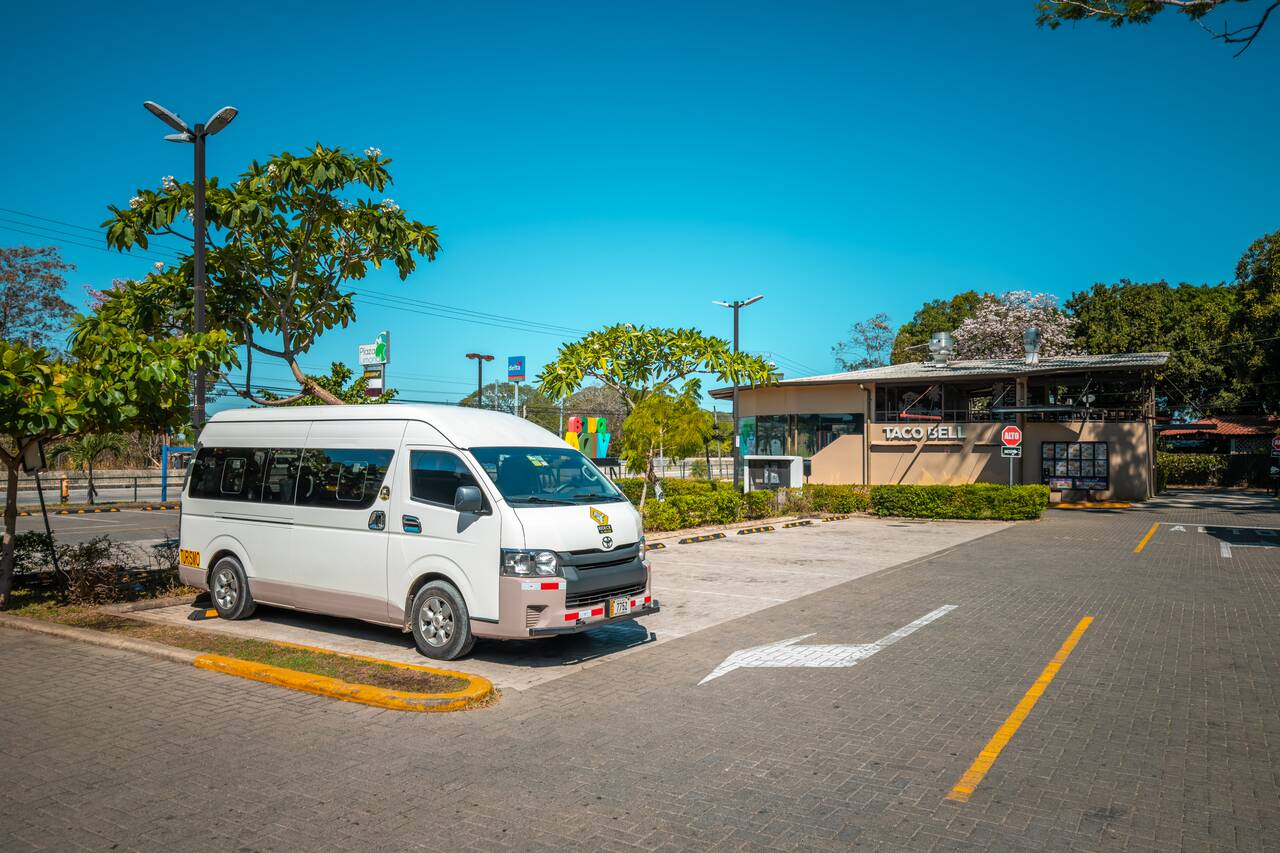
And just like that, we have reached the end of this Costa Rica itinerary. Depending on your flight time, you can spend your last day exploring Liberia, relaxing, or simply making your way from Monteverde straight to the airport.
If you have some extra time, you can wander around the town center, grab a final Costa Rican meal, and soak up the last bit of the country's laid-back atmosphere before heading to Daniel Oduber Quirós International Airport (LIR) for your flight home.
When to Visit Costa Rica?
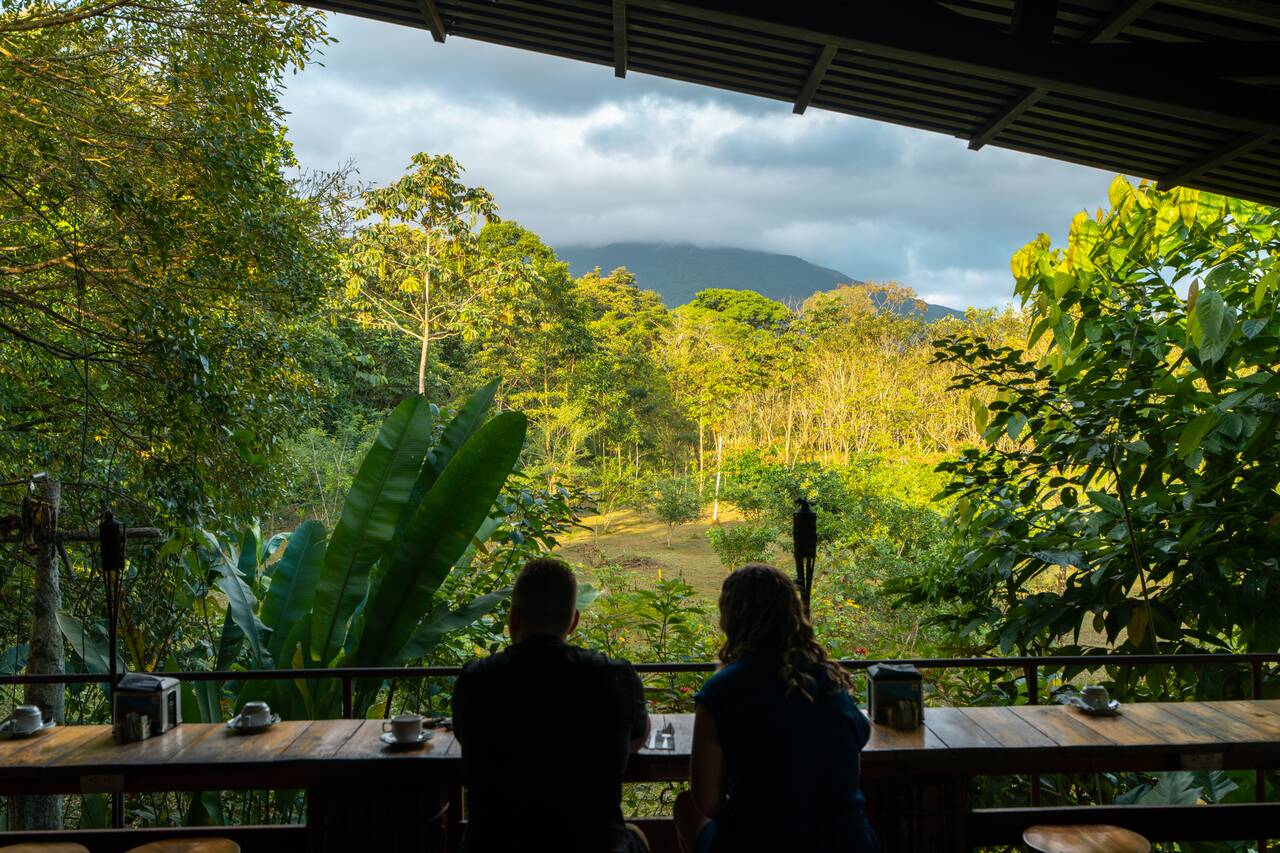
The best time to visit Costa Rica depends on what you want to experience, but generally, the dry season (December to April) is considered the best time to visit. During these months, you can expect plenty of sunshine, which will be perfect for hiking, wildlife spotting, and enjoying the country's beautiful beaches. This is also the busiest time of the year, so expect higher prices and more tourists, especially around Christmas, New Year, and Easter.
I visited Costa Rica in February, and for the most part, the weather was fantastic. The Pacific Coast was sunny almost every day, while the Caribbean side, around Puerto Viejo, had occasional showers. Places like Monteverde were much cooler due to the higher elevation, and afternoons often brought a bit of mist or light rain, which only added to the cloud forest atmosphere.
The green season (May to November) brings more frequent rainfall, especially on the Pacific Coast, but it also transforms the country into a lush tropical paradise with fewer tourists and lower accommodation prices. Rain often falls in the afternoon, leaving the mornings surprisingly clear, so you can still fit plenty of activities into your day.
If your main goal is wildlife, Costa Rica is a fantastic destination year-round. Different species are active at different times of the year, from sea turtles nesting along both coasts to migrating whales, colorful birds, monkeys, and sloths that can be spotted throughout the country. No matter when you visit, there is always something incredible to see.
How to Get to Costa Rica?
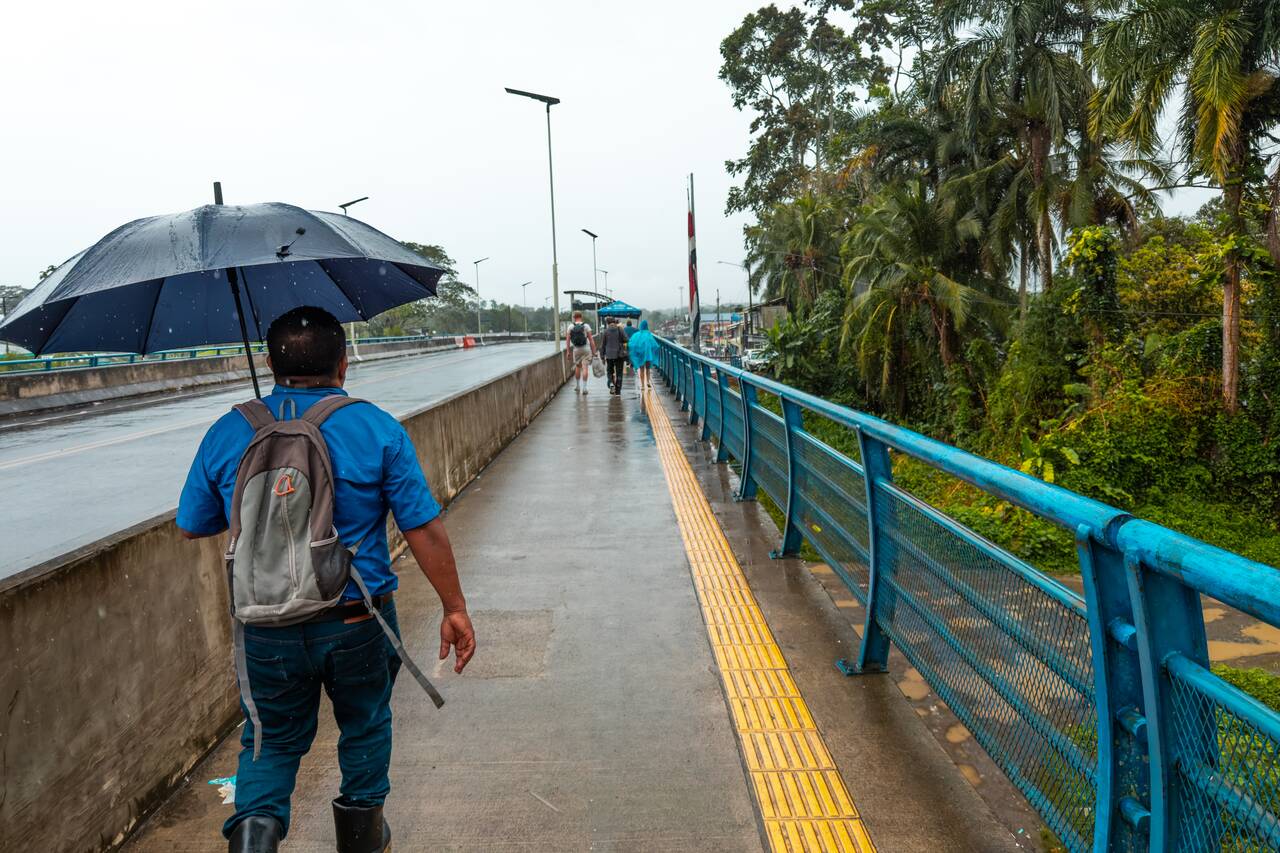
Costa Rica has two major international airports: Juan Santamaría International Airport (SJO) near San José and Daniel Oduber Quirós International Airport (LIR) in Liberia. Which airport you should fly into depends on where you plan to begin your trip.
Flying from other countries: For this particular itinerary, I recommend flying into Juan Santamaría International Airport (SJO). There are direct flights to Costa Rica from many major cities across North America, Europe, and Latin America.
If you are flying from further away, you will most likely connect through hubs such as Miami, Houston, Panama City, Mexico City, or Bogotá before continuing to Costa Rica. Be sure to browse Skyscanner or Expedia for the best flight deals.
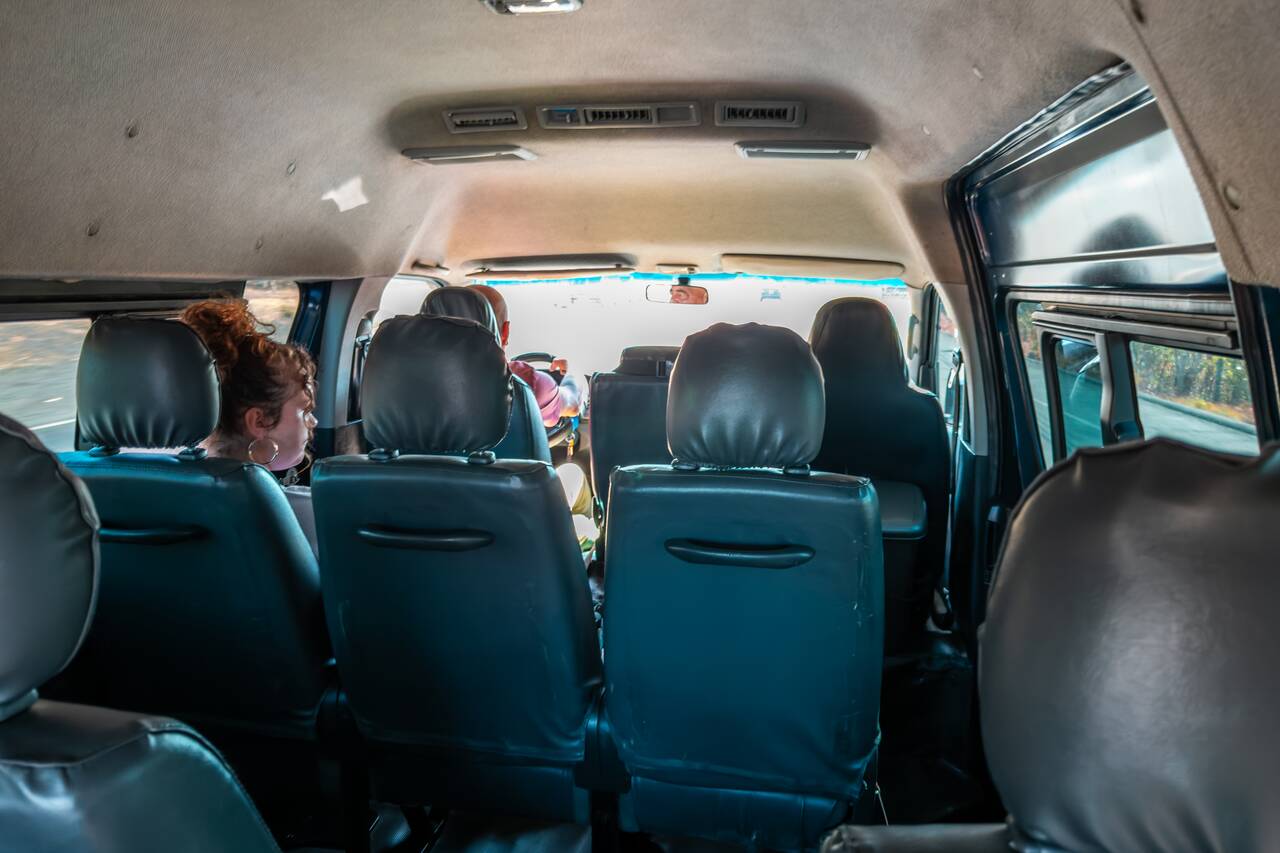
Traveling by Land from Nicaragua: If you are traveling overland from Nicaragua, head to Liberia first and follow this itinerary in reverse, starting in Monteverde and ending in Puerto Viejo. This way, you won't have to backtrack at all. From Puerto Viejo, you can easily catch a shared shuttle across the border to Bocas del Toro in Panama.
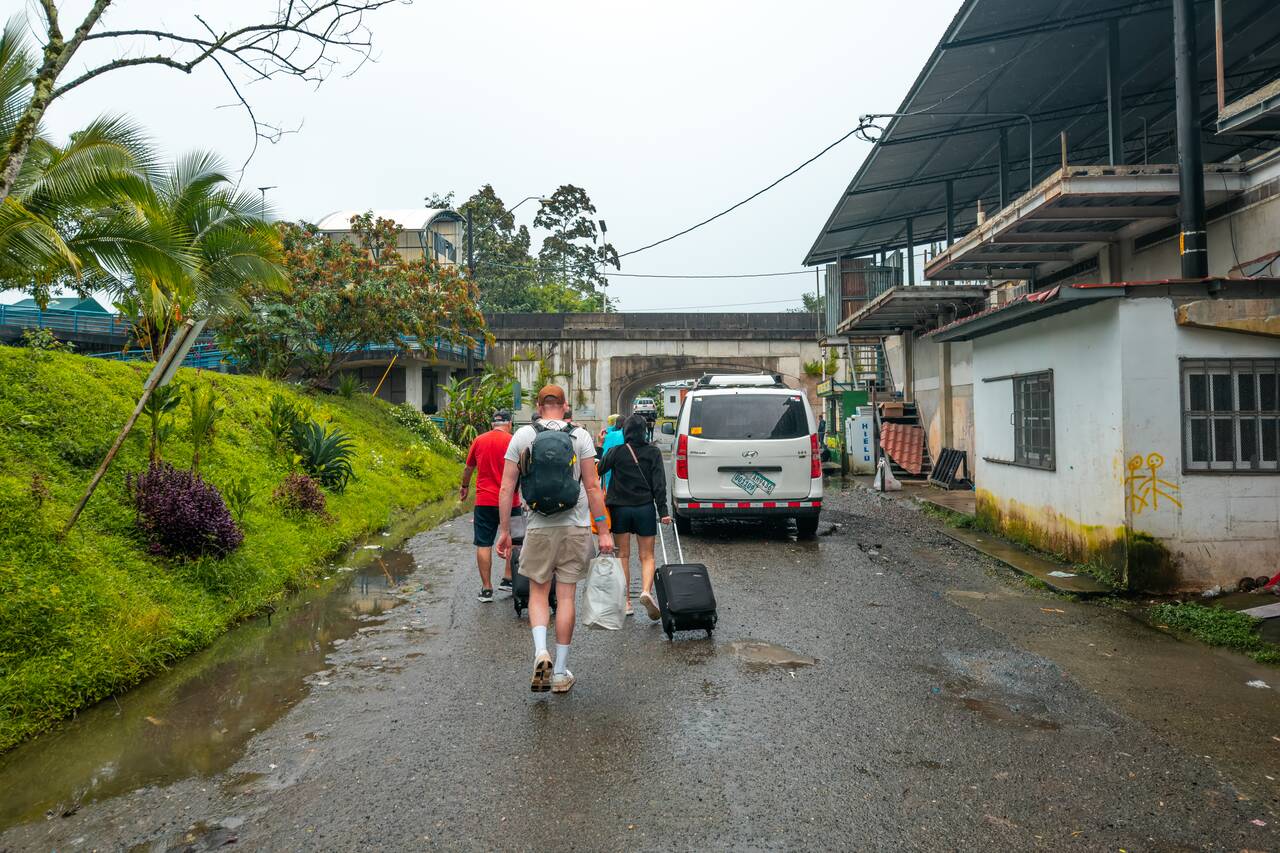
Traveling by Land from Panama: If you are traveling overland from Panama, you can take a shared shuttle from Bocas del Toro to Puerto Viejo and begin this itinerary there instead of San José. This allows you to travel across Costa Rica without backtracking, finishing your trip in Liberia, where you can either fly home or continue overland to Nicaragua.
How to Get Around Costa Rica?
By Public Bus: Public buses are the cheapest way to travel around Costa Rica and reach almost every town in the country. They are reliable and comfortable enough for long journeys, although you will sometimes have to transfer in San José or other larger towns. If you are traveling on a budget, this is the option I recommend, as I traveled almost entirely by bus during my trip.
By Shared Shuttle: Shared shuttles are the most convenient option if you don't want to rent a car. They usually provide hotel pickup and drop-off, saving you the hassle of getting to and from bus terminals. They also often connect popular tourist destinations directly, such as Uvita and La Fortuna, without requiring you to transfer between buses.
Although they are more expensive than public buses, they can save you several hours of travel time. I recommend booking them through Bookaway, where you can compare schedules and prices between different operators.
By Rental Car: Renting a car gives you the most flexibility, especially if you plan to visit waterfalls, national parks, or beaches that are difficult to reach by public transportation. Most major roads are paved, although some destinations require driving on rough gravel roads, particularly during the rainy season. If you are comfortable driving, this is easily the best way to explore Costa Rica at your own pace. You can rent a car here.
How Much Money Do I Need For 2 weeks in Costa Rica?
From this 2-week itinerary, we can calculate approximately how much money you will be spending here (on average) as follows:
| 🛌 Lodging: | 304 USD (19 USD/Day) |
| 🥘 Food: | 480 USD (30 USD/Day) |
| 🚗 Transportation: | 278.5 USD (17.38 USD/Day) |
| 🧗 Activities: | 350 USD (21.88 USD/Day) |
| 💰 Total Budget: | 1,412.5 USD (88.28 USD/Day) |
Is it Safe in Costa Rica?
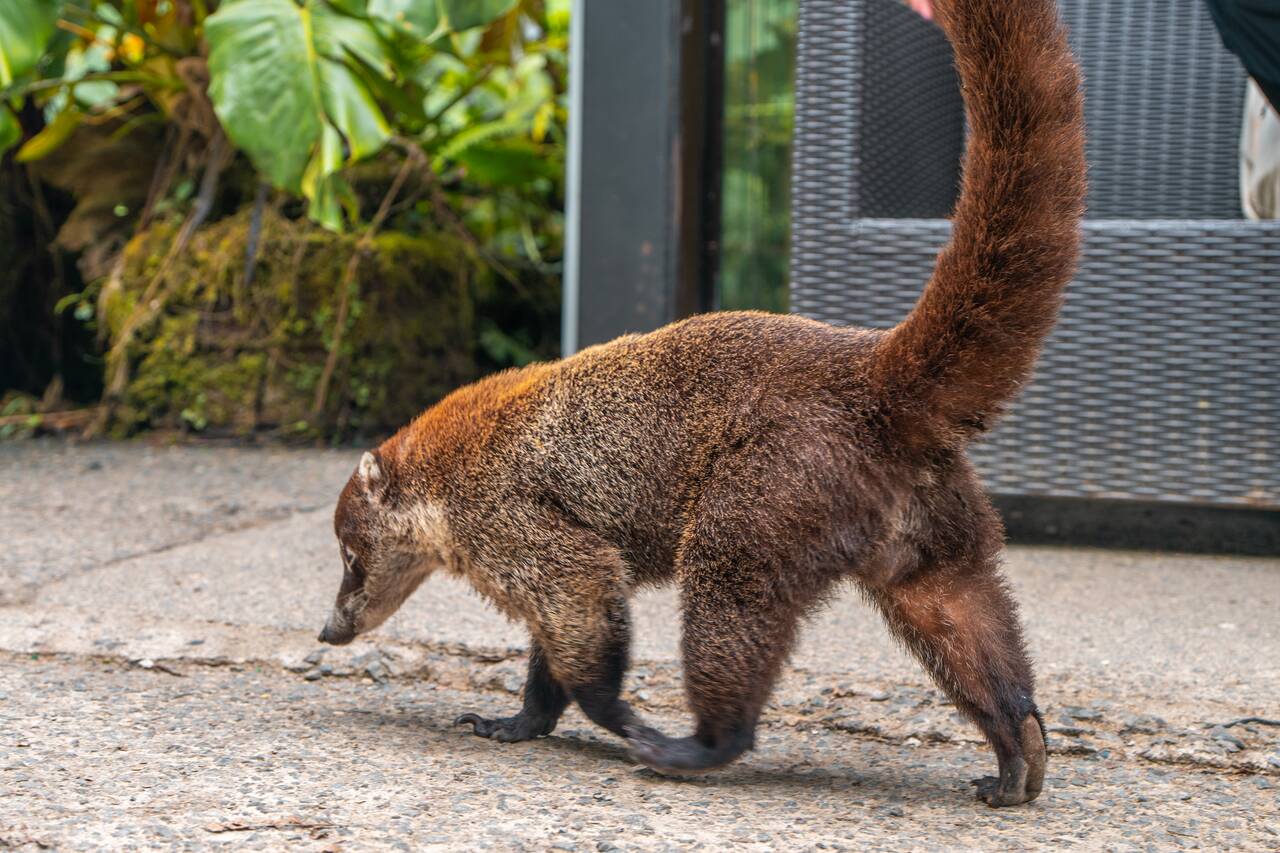
Yes, Costa Rica is generally one of the safest countries to visit in Central America, and I felt comfortable traveling around the country on my own using public transportation. Like anywhere else, though, it's important to stay aware of your surroundings and take some common-sense precautions.
Although much less common than in many other Latin American countries, petty theft and opportunistic crime can still occur, especially in larger cities like San José. Avoid leaving valuables unattended, don't leave bags or other belongings visible inside rental cars, and only carry the cash you need for the day.
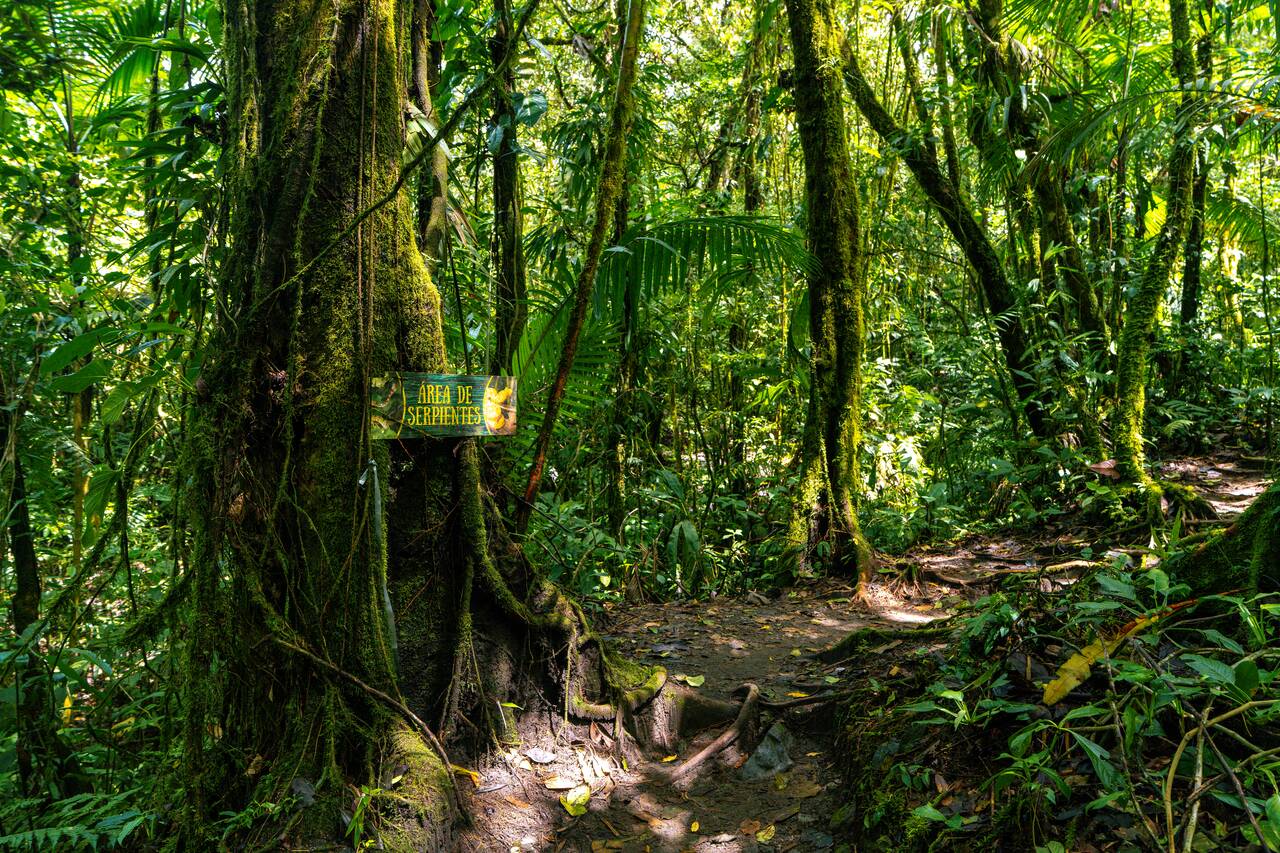
Nature is often a bigger hazard than crime in Costa Rica. Rivers can turn into dangerous flash floods after heavy rain, hiking trails can become muddy and slippery, and the ocean currents on both coasts can be extremely strong. Always pay attention to warning signs, avoid swimming where locals advise against it, and never underestimate the weather, especially during the rainy season.
If you're driving, be extra careful on mountain roads, particularly around Monteverde and during the green season. Some roads are steep, winding, or unpaved, and heavy rain can make driving conditions more challenging.
Disclaimer: This post may contain affiliate links. See our disclosure policy.
First Published:
Last updated: