

Out of all the national parks I visited in Costa Rica, Manuel Antonio National Park is probably one of the most unique and accessible places to experience the country's incredible wildlife. Thanks to its combination of protected rainforest, mangroves, and coastline, the park creates the perfect habitat for many of Costa Rica's most iconic animals.
Yes, this park is popular and can get extremely crowded at times, but there are ways to avoid the worst of it. Plus, I don't think I have ever visited a place quite like this where you can go from spotting monkeys and sloths in the jungle to swimming in the ocean within minutes. Despite its downsides, Manuel Antonio is still an incredible place to visit, and we are going to cover everything you need to know in this travel guide.
Here, I will share everything I learned from my visit, including how to avoid the crowds, the best things to do, how to get around, where to stay, travel tips, and much more. Continue reading if you are planning your own trip!

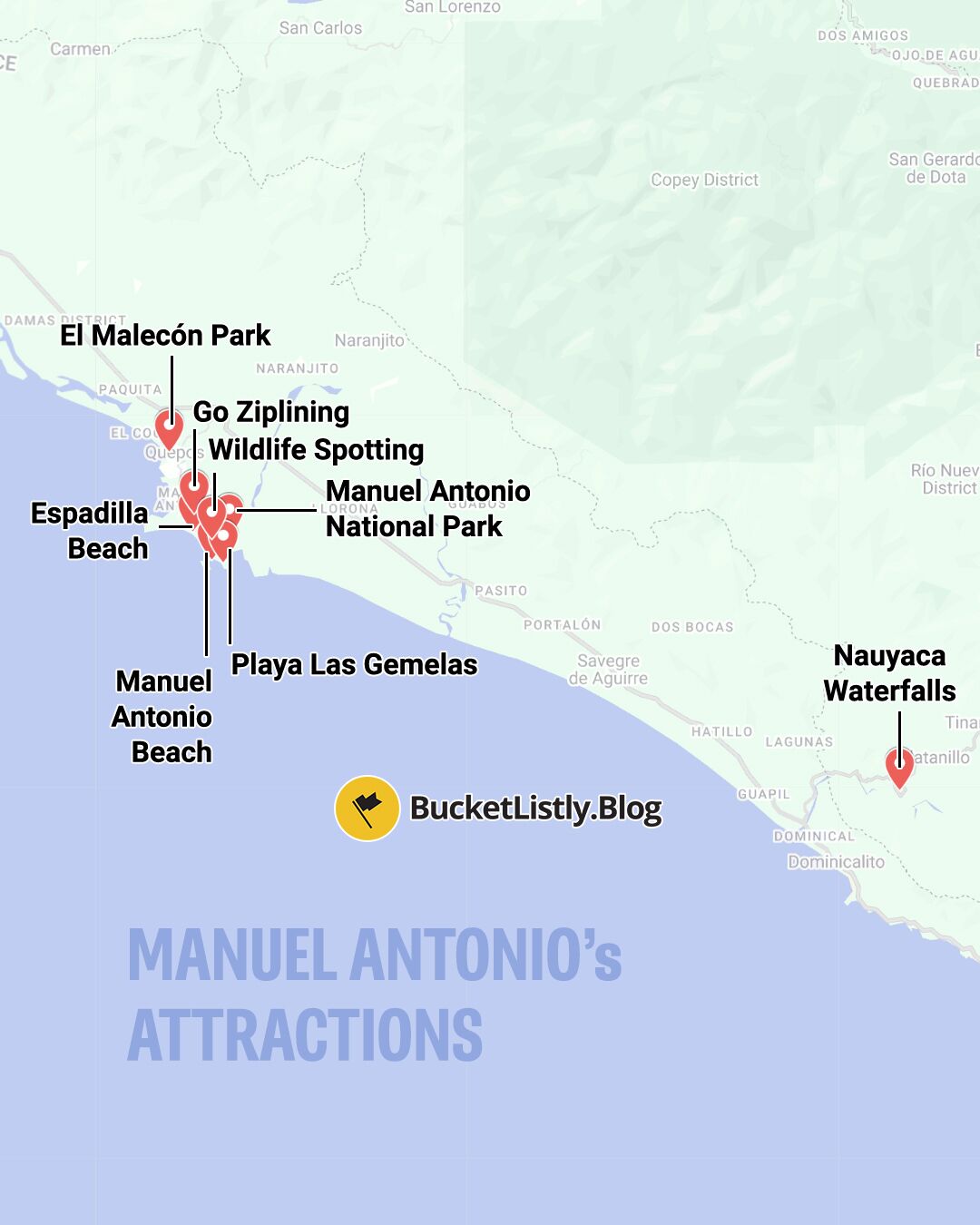
Map of Manuel Antonio's Attractions
Quick Summary
| ♥️ Must See: | Manuel Antonio National Park |
|---|---|
| 👍 Must Do: | Spot Wildlife Along the Trails |
| ☀️ Great Day Trip: | Nauyaca Waterfalls |
| 🌤️ When to visit: | Dec - Apr |
8 Best Things to Do in Manuel Antonio
1. Visit Manuel Antonio National Park
- 📍 Location: Manuel Antonio National Park [Map Link]
- 🕐 Opening Hours: 7 AM - 3 PM
- 💰 Entry Fees: 16 USD
- ⚡ Pete's Take: "Get there as early as you can and power through to the beach area before all the tours arrive to enjoy a peaceful time inside. Do not bring snacks, as you will have to throw them away before entering the park."
Of course, one of the main reasons why anyone would visit Manuel Antonio and Quepos is to visit Manuel Antonio National Park. Despite being one of the smallest national parks in Costa Rica, it packs an incredible amount of wildlife, lush rainforest, scenic hiking trails, and some of the country's most beautiful beaches into a surprisingly compact and easily accessible area.
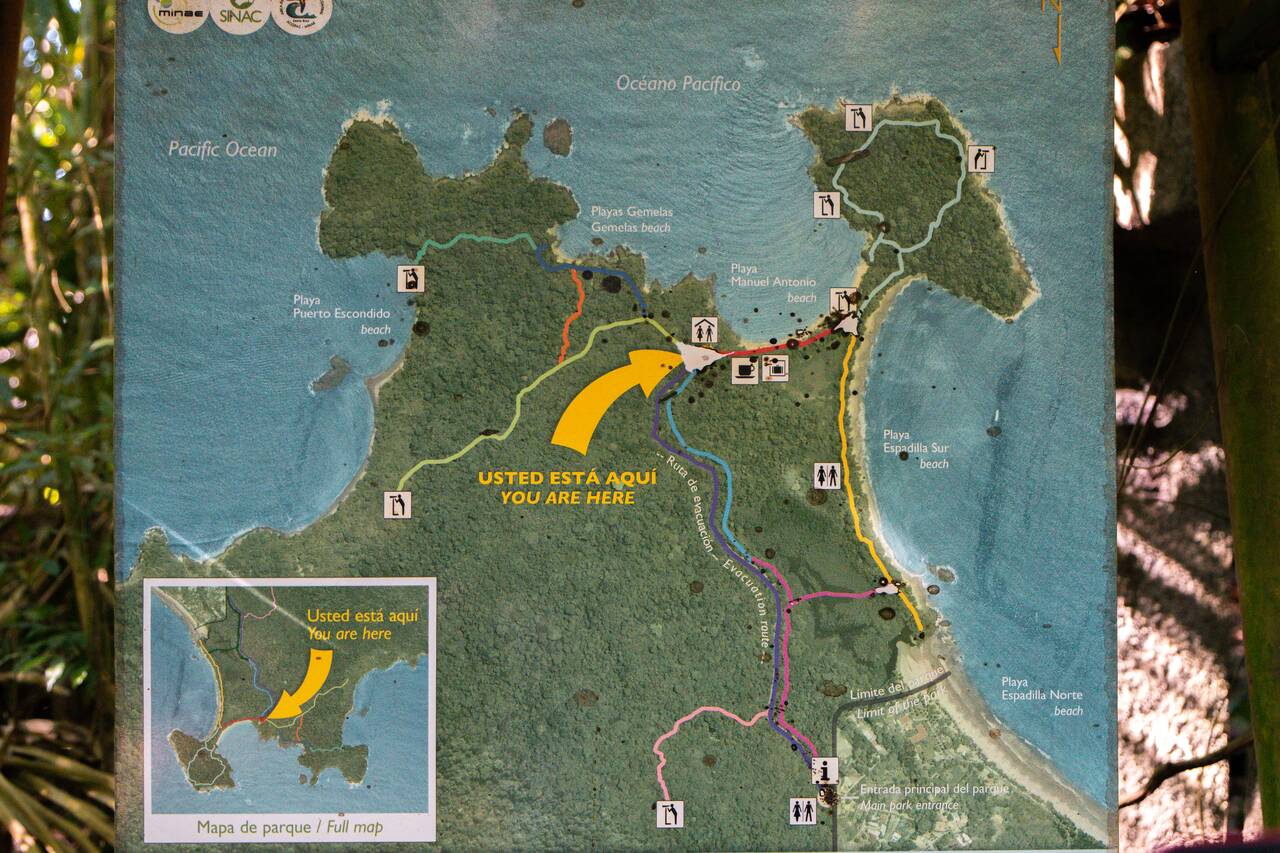
I spent an entire day exploring the park, and although it was crowded at times, it didn't take me long to speed through the park where all the tour groups are watching animals, and get to the beautiful beaches and hiking trails inside the park and had a bit of a peaceful time before everyone arrives.
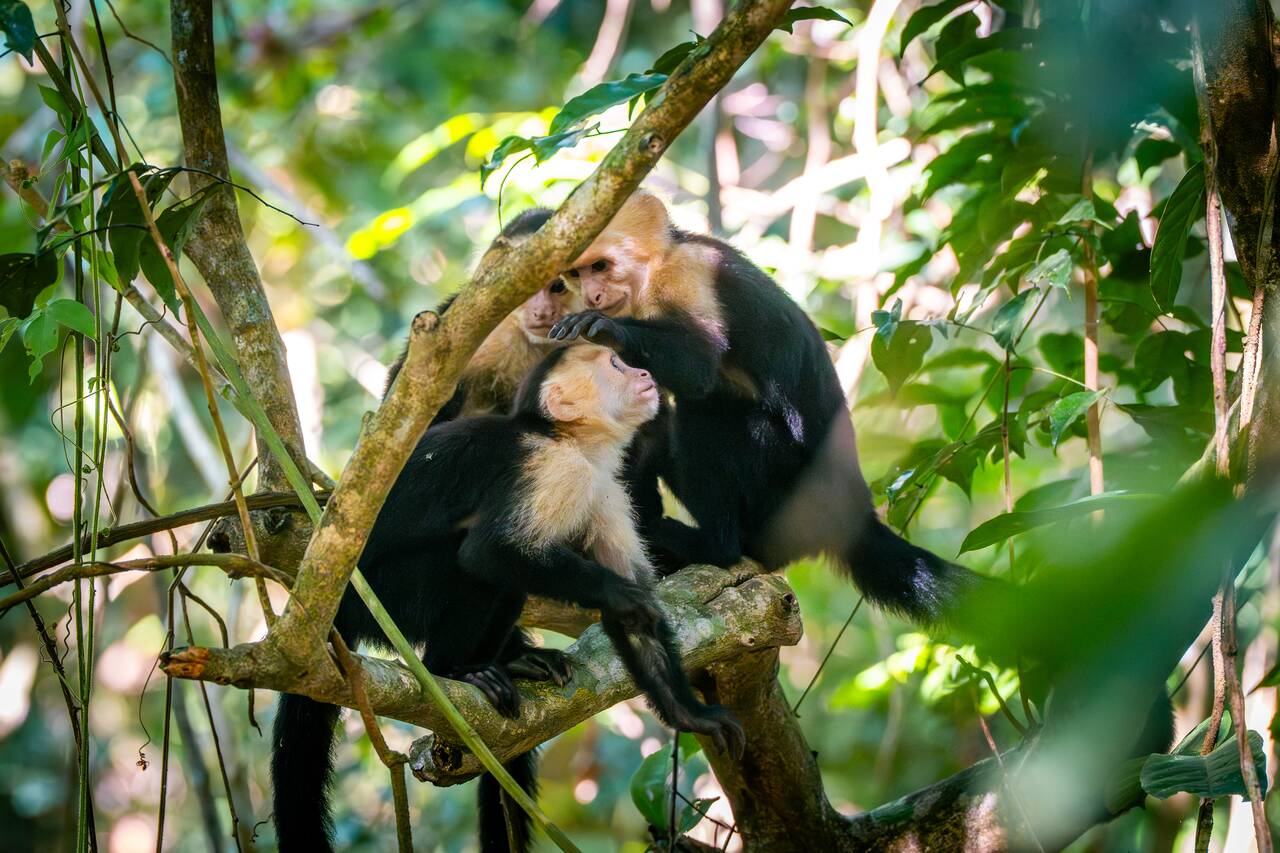
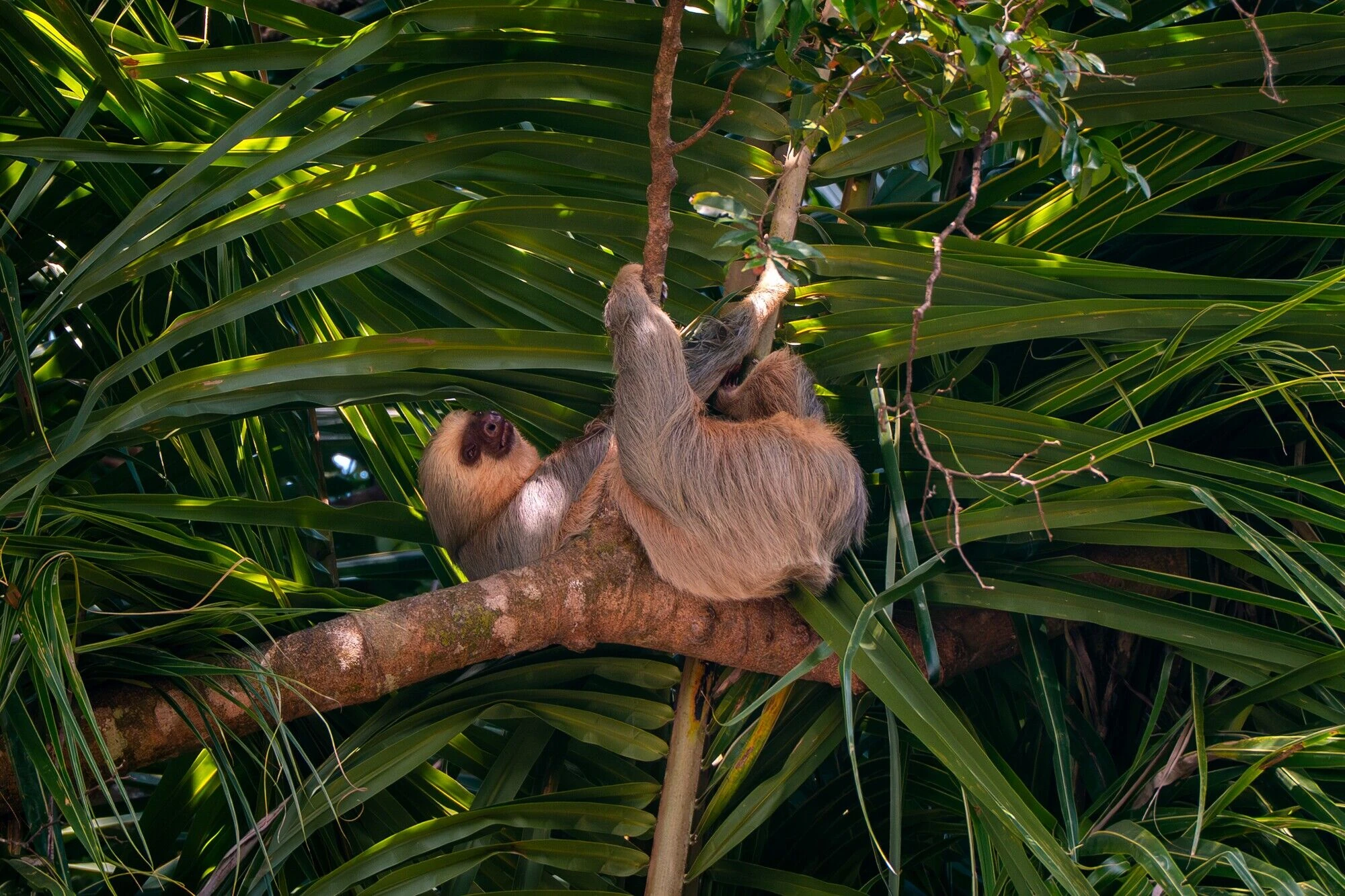
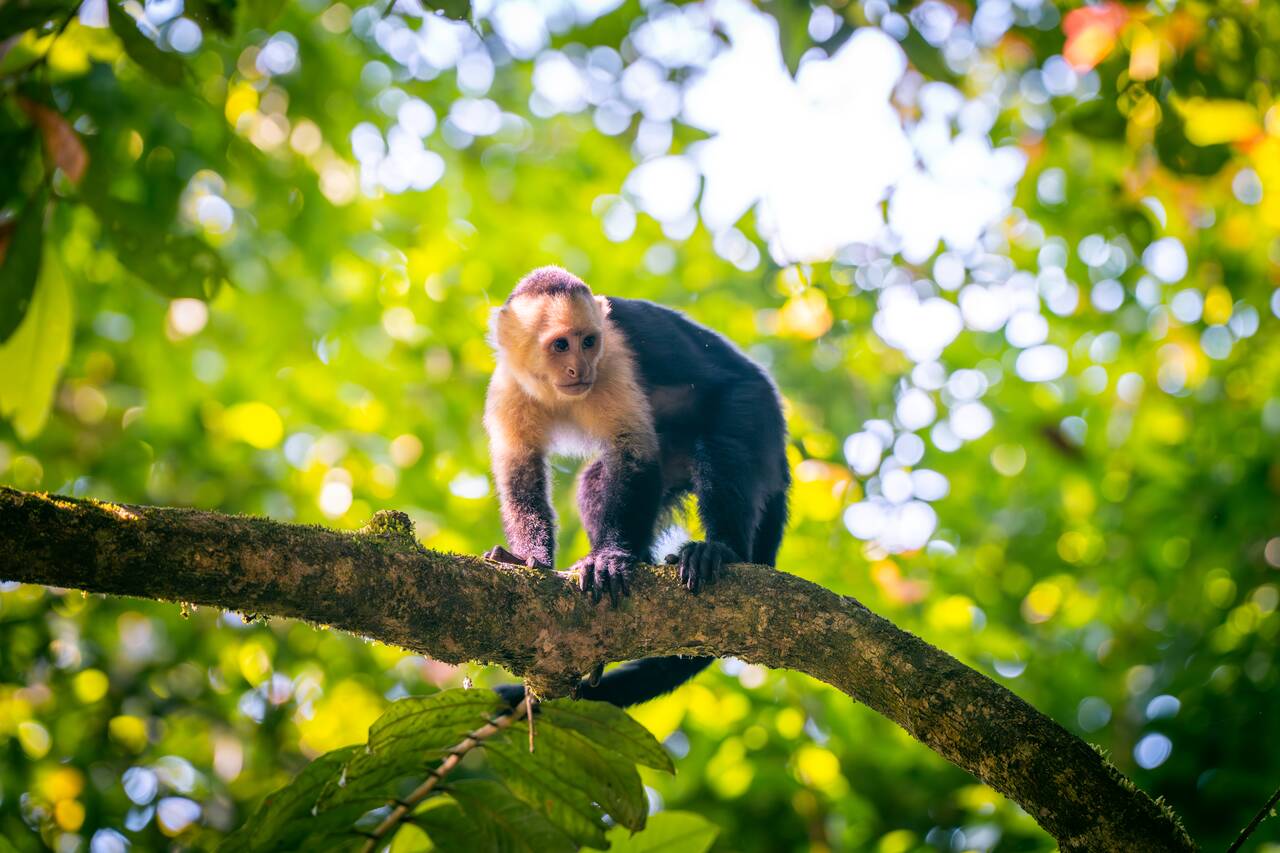
It is incredibly easy to spot wildlife here, even without a guide. I explored the park on my own and, within just a few hours, I had already seen sloths, several species of monkeys, countless iguanas, and plenty of colorful birds, all while walking along easy rainforest trails that eventually opened up to stunning white-sand beaches backed by dense jungle. It is one of the few places in Costa Rica where you can go from wildlife spotting to swimming in the ocean within minutes.
- Manuel Antonio Entry Reservation (must book in advance) 🏅 Top Pick
- Manuel Antonio Canopy Tour (4.5 hours)
- Private Transfer from Manuel Antonio to Nauyaca Waterfalls (Round Trip) (4 hours)
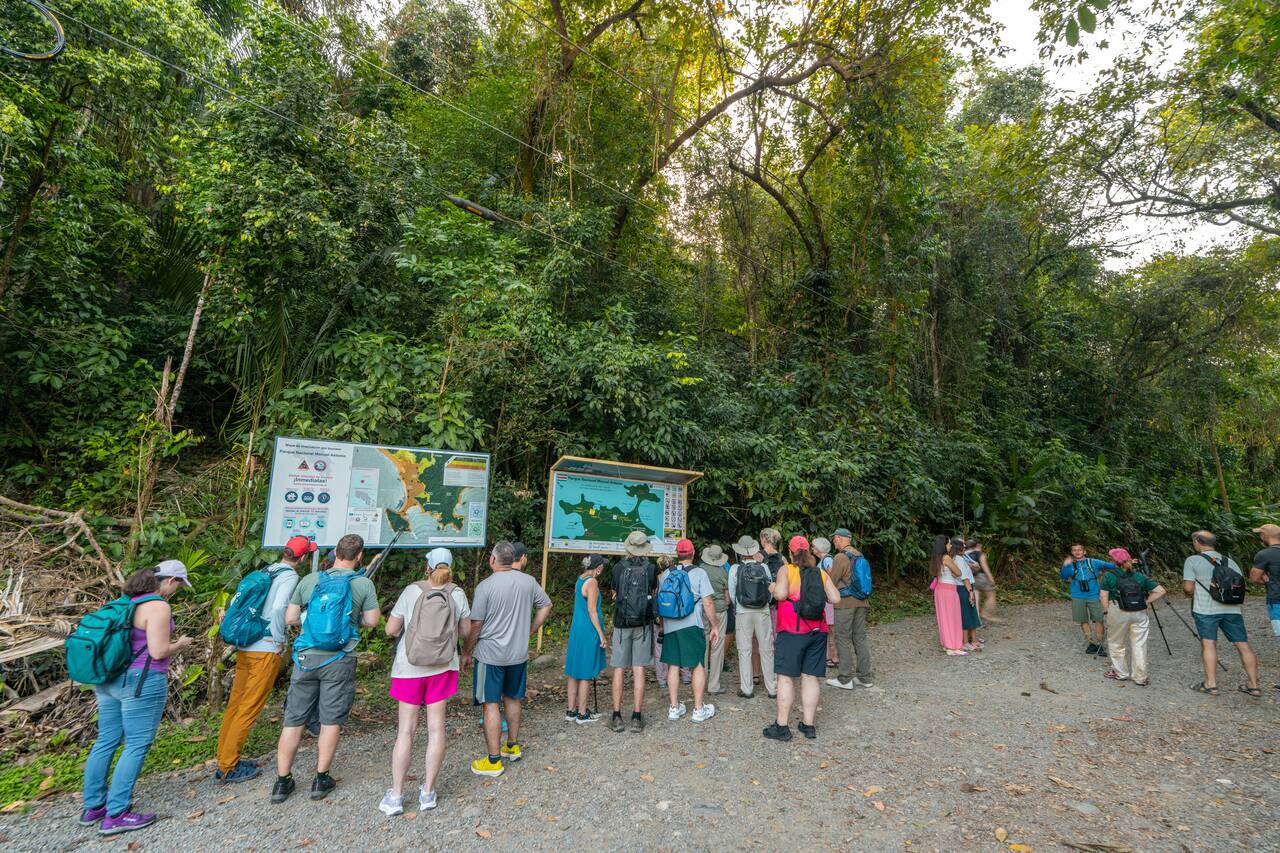
Since the park can get extremely crowded due to how popular and accessible Manuel Antonio National Park is, I highly recommend catching one of the earliest buses you can so you arrive before the crowds. The bus from Quepos to Manuel Antonio starts running at 5:30 AM and runs roughly every 10 minutes throughout the day.
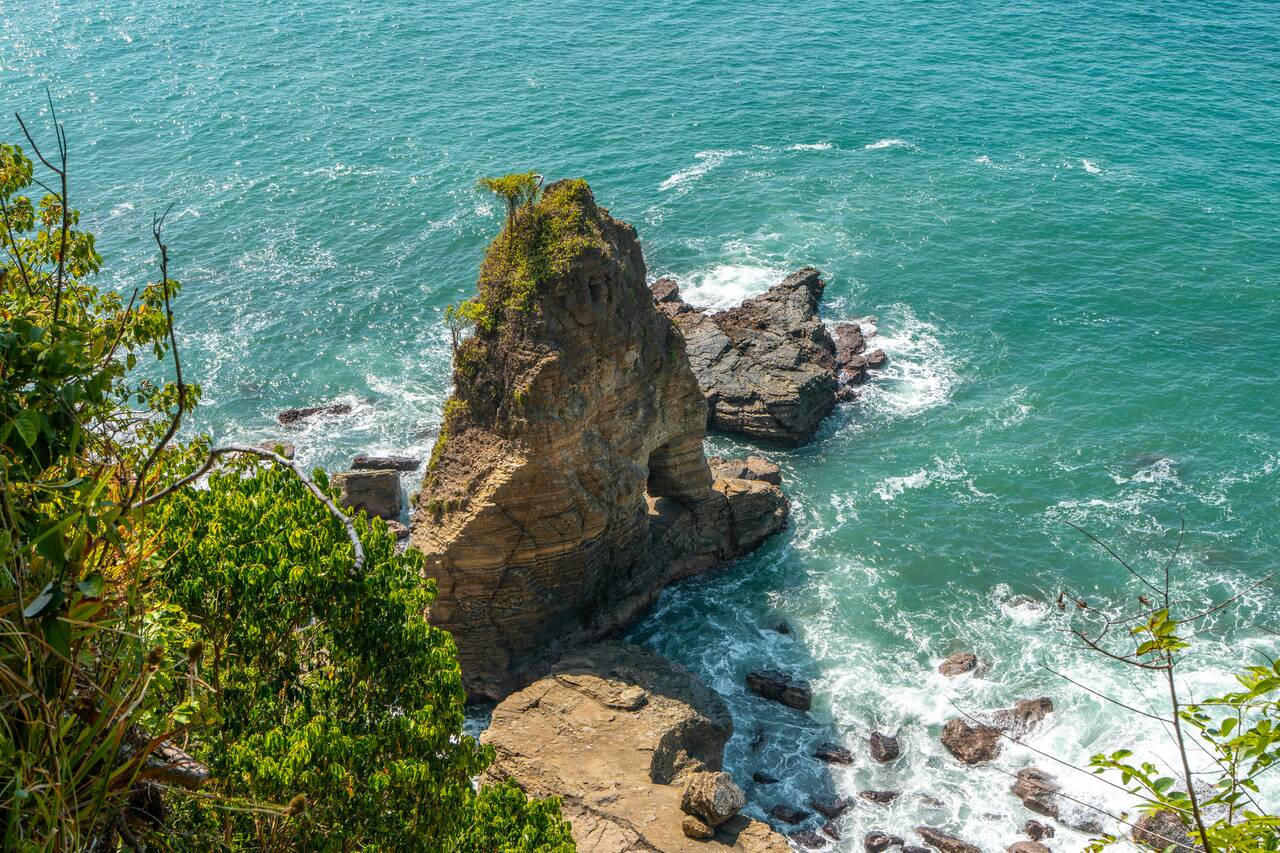
Not only will you avoid the biggest crowds, but the cooler morning temperatures also make hiking much more enjoyable, and the wildlife tends to be more active. It gets extremely hot during the day, especially between 11 AM and 4 PM, so make sure you are prepared if you visit later in the day.
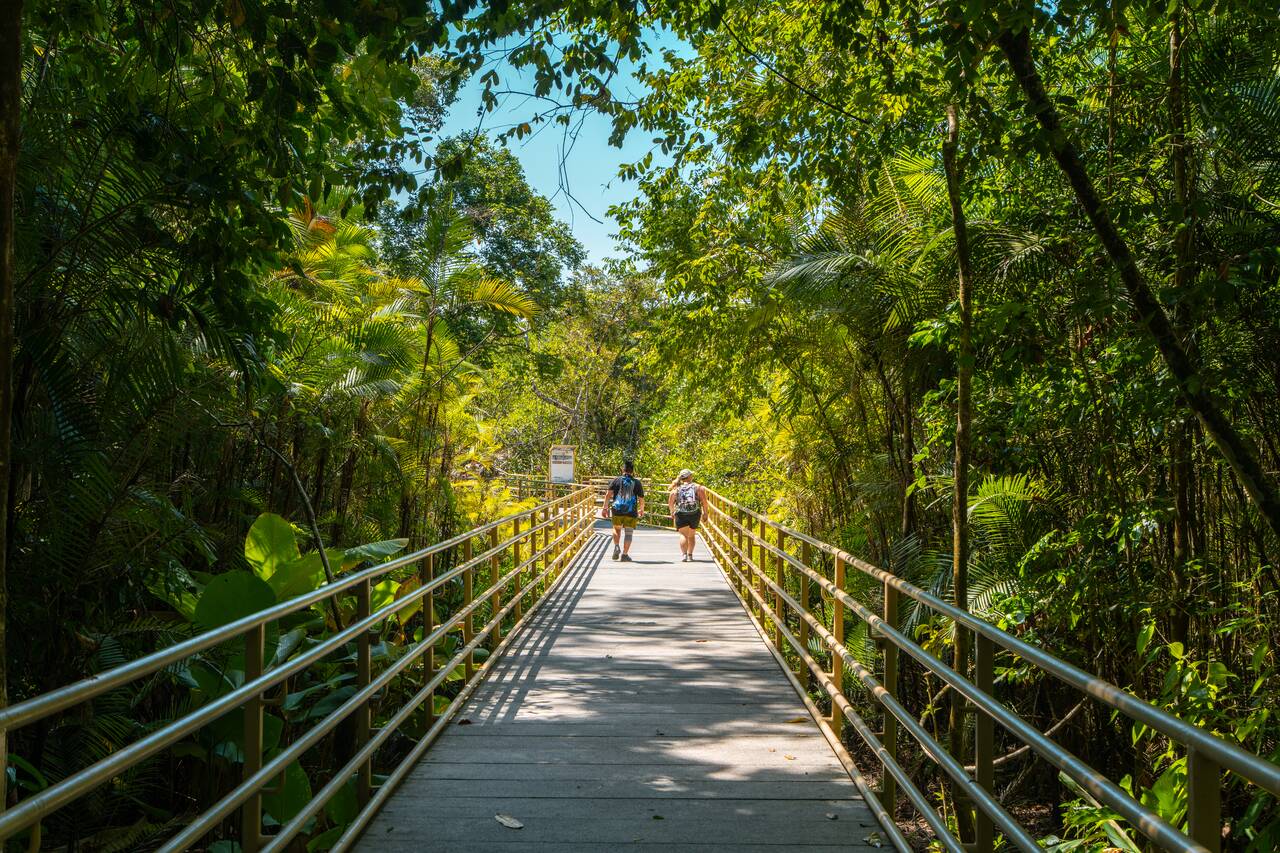
Keep in mind that the park is open from 7 AM to 3 PM every day except Tuesday. It also has a daily capacity limit and a timed entry system, so be sure to book your time slot a few days before your arrival. You can book your ticket here. The ticket costs around 16 USD per person.
2. Spot Wildlife Along the Trails
- 📍 Location: Manuel Antonio National Park [Map Link]
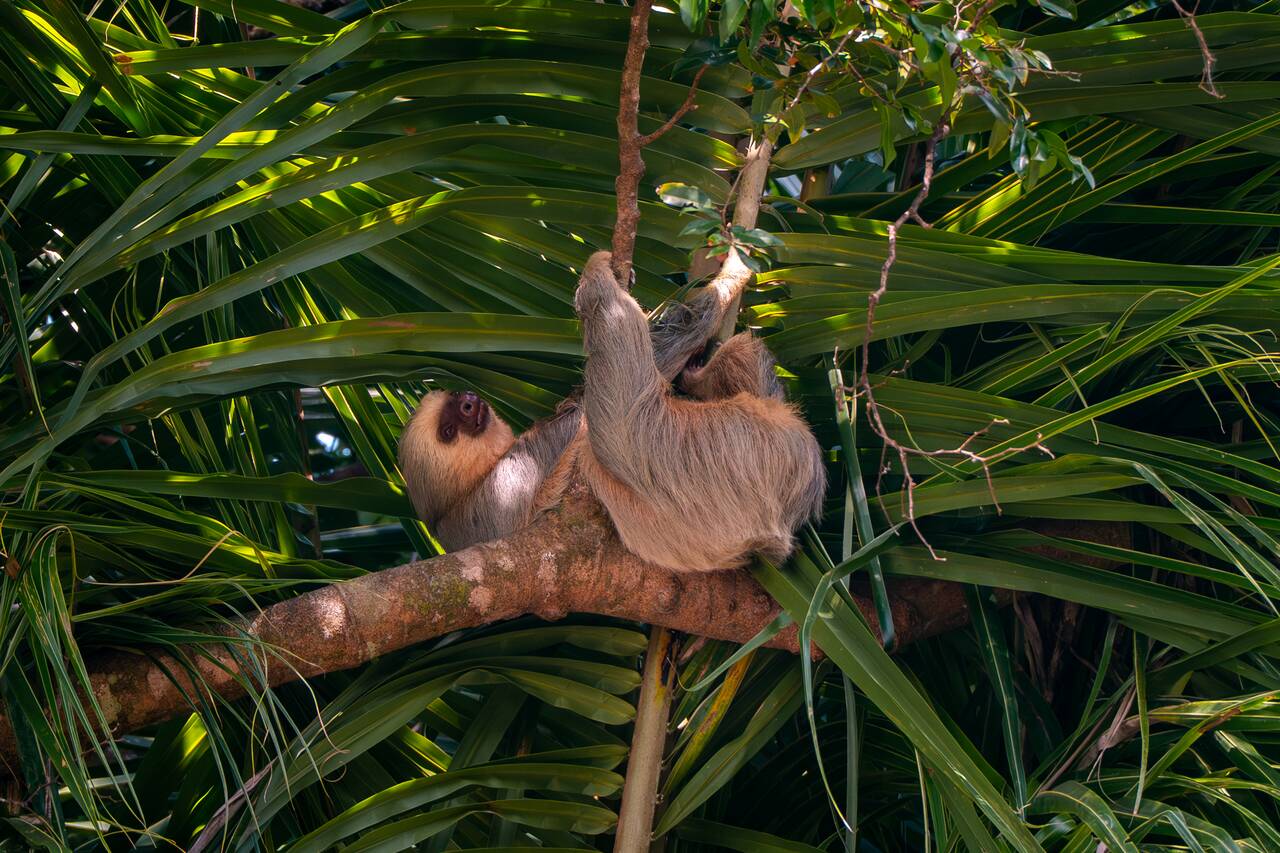
- ⚡ Pete's Take: "I saw so many animals here, from sloths to monkeys, iguanas, and more. You will have better luck in the morning!"
One of the biggest reasons why Manuel Antonio National Park is so popular is the chance to see Costa Rica's wildlife up close. The park's combination of protected rainforest, mangroves, and coastline creates the perfect habitat for many of the country's most iconic animals, and the best part is that you don't have to hike for hours deep into the jungle to find them.
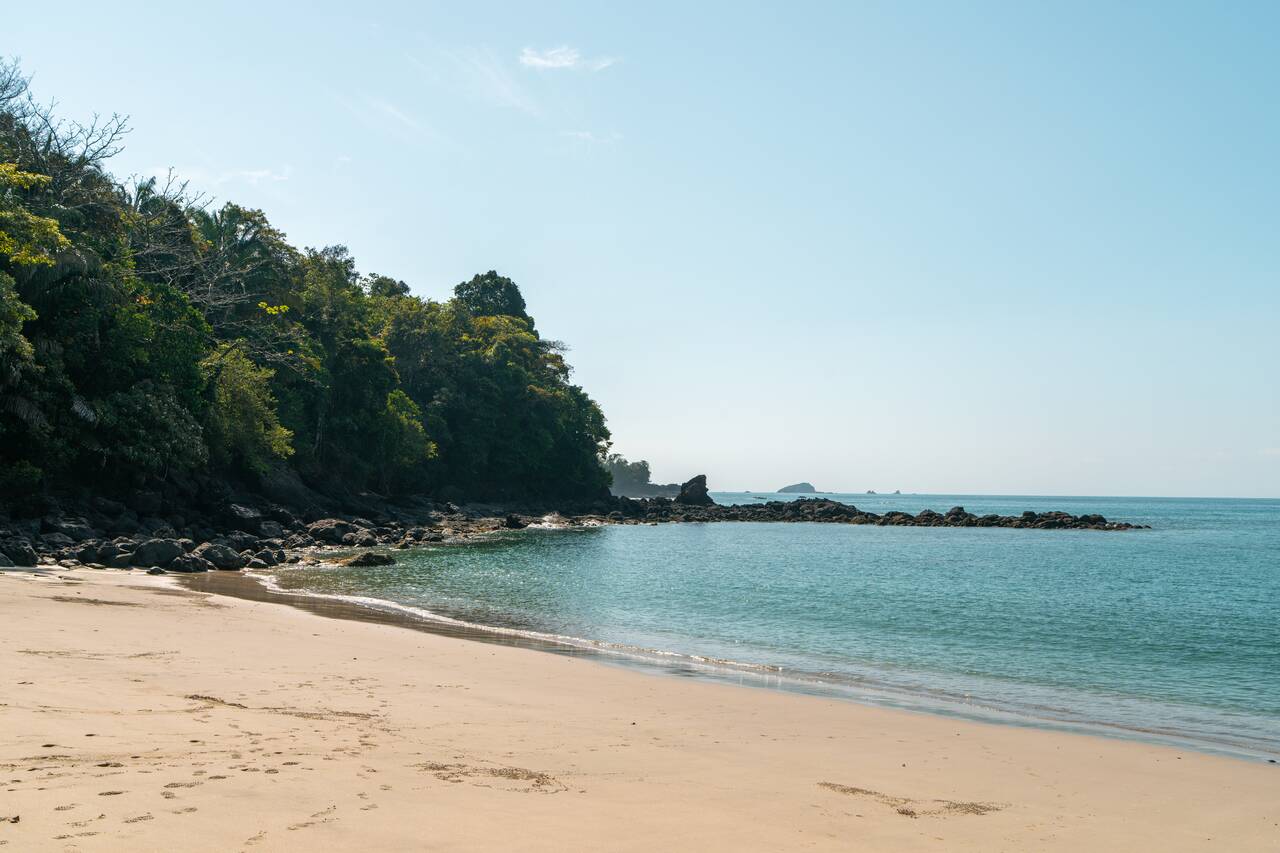
There are several hiking trails and smaller side trails you can explore inside the park, but I recommend starting with the main trail that leads to Playa Manuel Antonio first. Most guided tours follow this route, so heading there early allows you to spot wildlife along the way while beating the crowds at the beach. Once you have enjoyed the main highlights, you can come back and explore the smaller trails at your own pace.
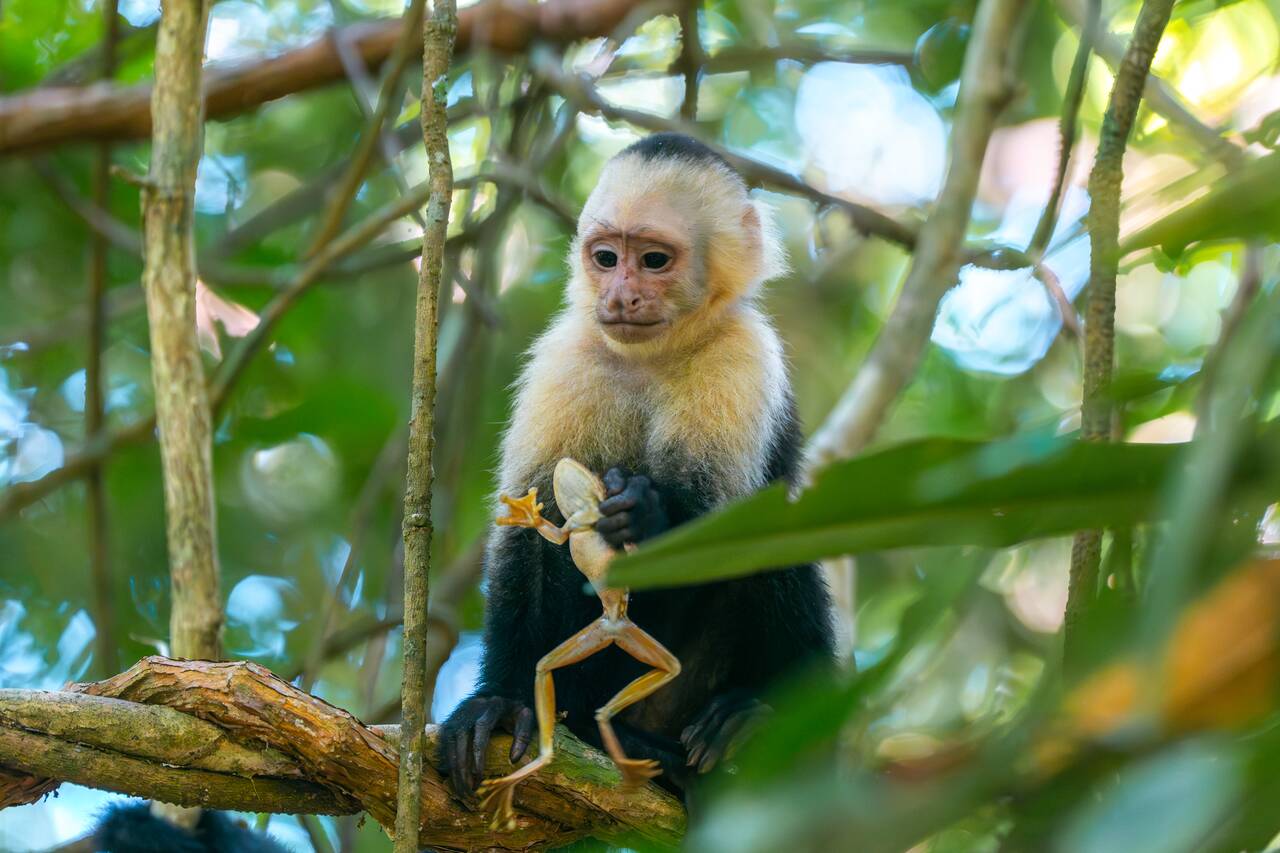
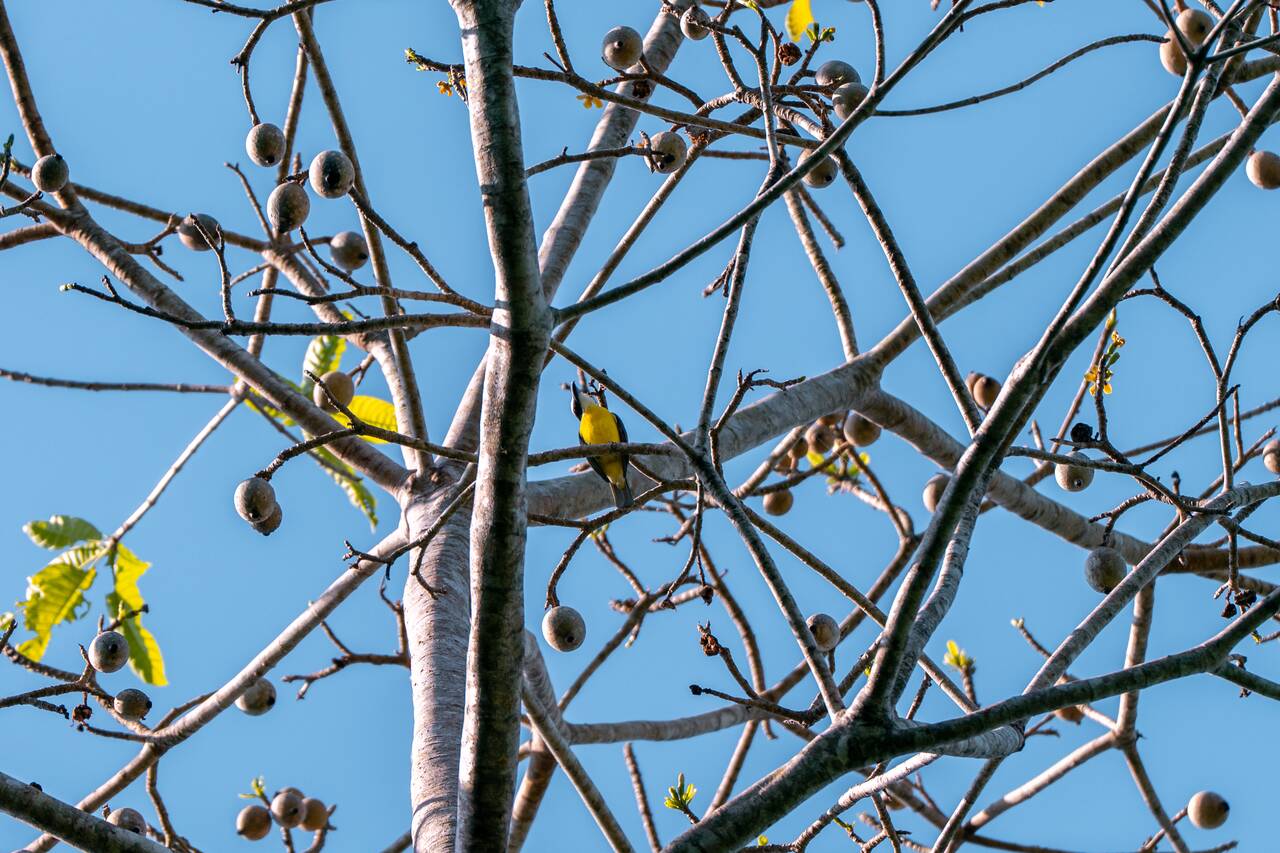
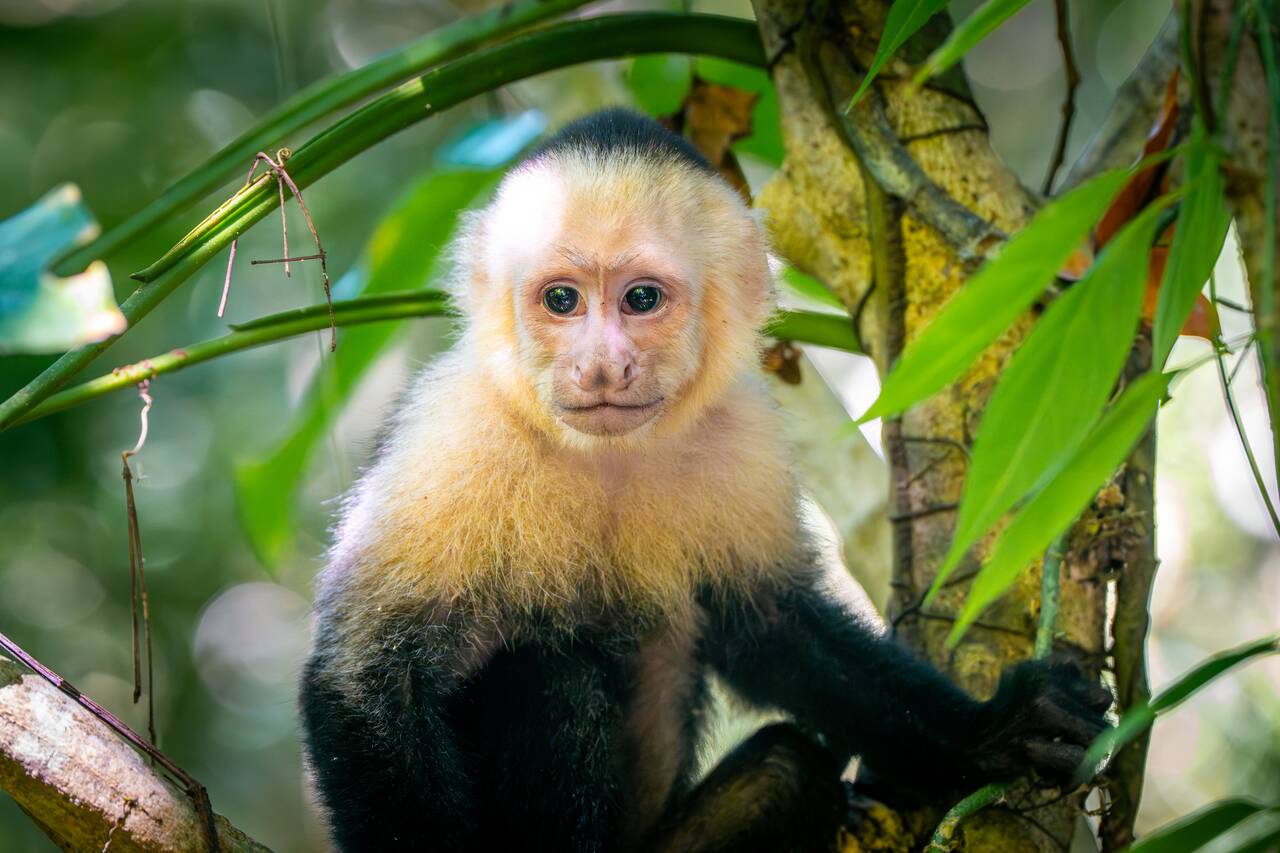
As you walk along the trails, keep your eyes on the trees because you will likely spot monkeys swinging between branches, sloths slowly moving through the canopy, and colorful birds hiding among the leaves. I personally saw several species of monkeys, sloths, and iguanas within just a few hours of exploring the park, which honestly made it one of my favorite wildlife experiences in Costa Rica.
If you are exploring independently as I did, one little trick is to keep an eye out for guided tours. If you see a group stopping and looking up at something, there is a good chance they have spotted some wildlife, so you can simply take a peek as well 😉. The guided tours can move quite slowly, so once you spot the animals, you can continue ahead to the beach and enjoy a few peaceful moments before the groups arrive.
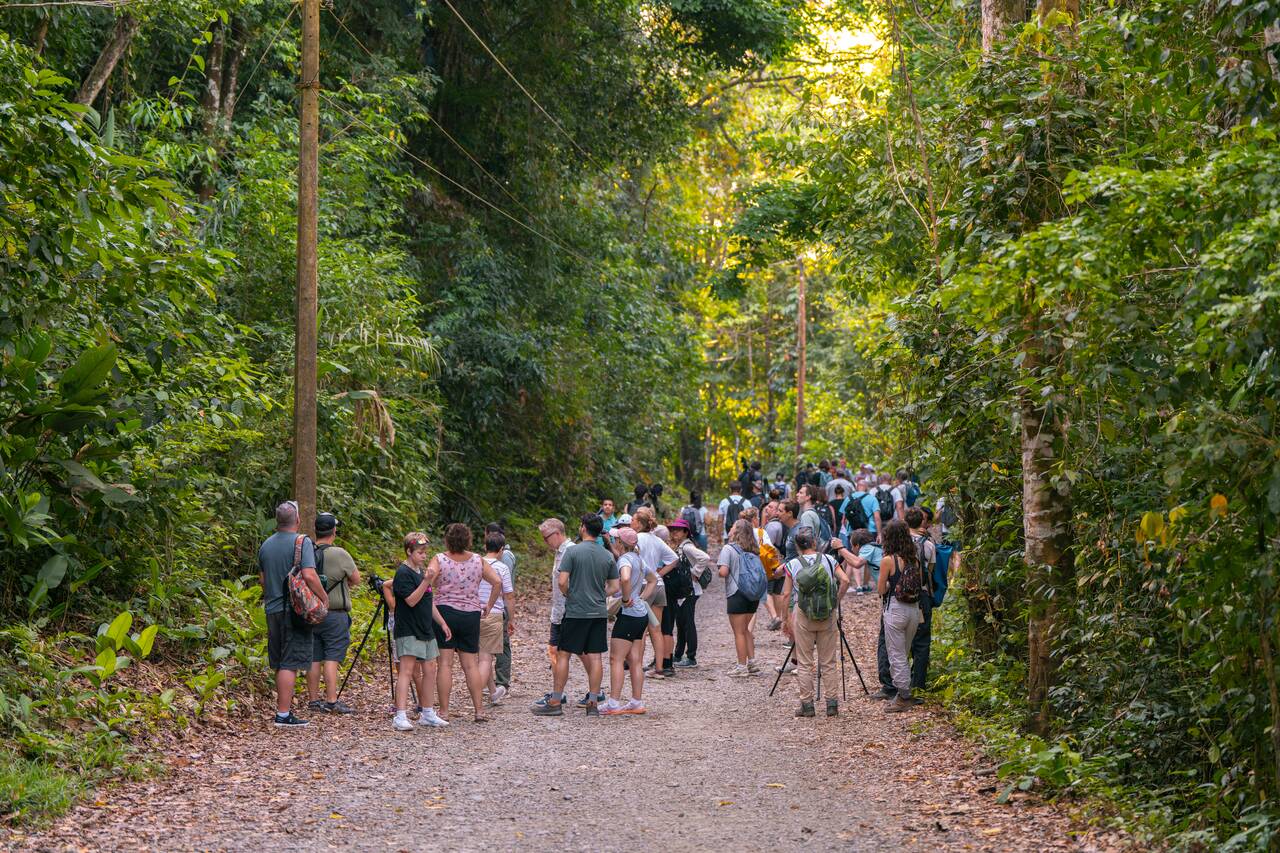
If you prefer a guided tour, which definitely has its advantages, you can join one of the many group tours organized at the entrance of the park. There are also local guides who may approach you as you enter, and you can hire one directly from there. With a guide, you will often spot more wildlife and learn much more about the animals and ecosystem compared to exploring on your own.
Personally, I have done many guided tours throughout Costa Rica already, so I was happy to explore independently this time. It allowed me to enjoy the flexibility of moving at my own pace (I walk quite fast 😅) while also getting ahead of the crowds and enjoying the park more peacefully.
3. Relax at Playa Manuel Antonio
- 📍 Location: Playa Manuel Antonio [Map Link]
- ⚡ Pete's Take: "If you want this beach to yourself, enter the national park when it opens and power through the park to this beach to swim, as most groups will still be looking at animals out front."
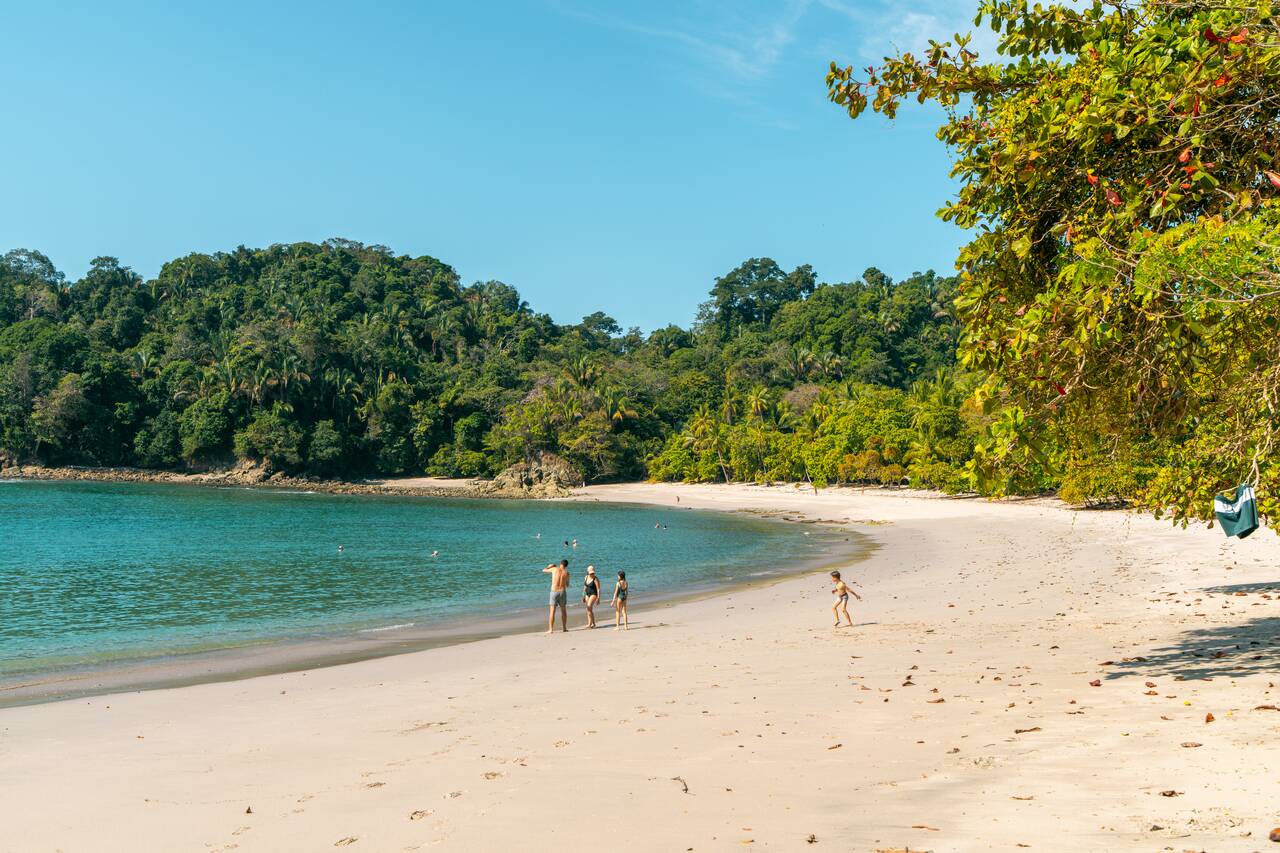
After spending the morning exploring the trails and spotting wildlife, there is no better way to finish your visit to Manuel Antonio National Park than by relaxing at Playa Manuel Antonio. This beautiful white-sand beach is surrounded by lush rainforest, calm turquoise water, and the kind of scenery that makes Costa Rica so famous.
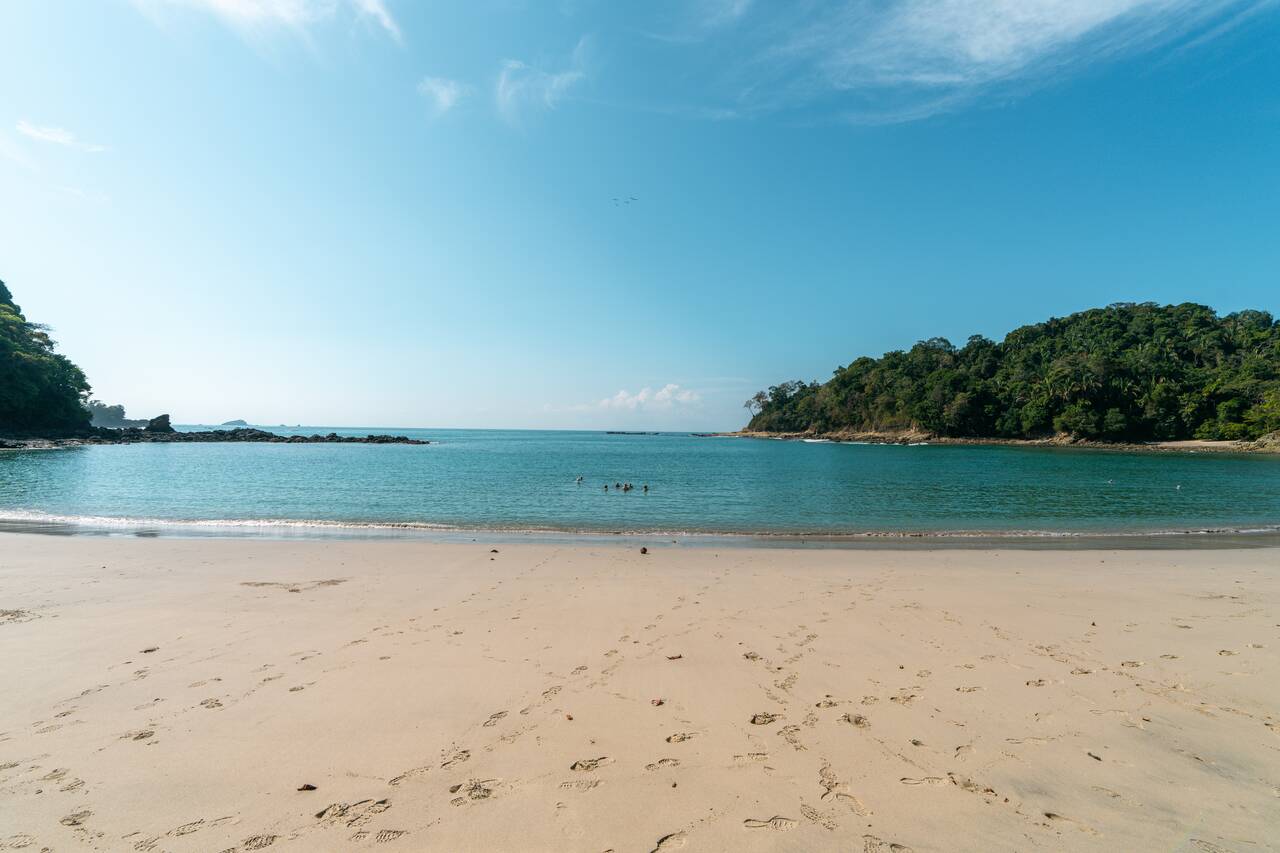
What I loved about this beach is how unique the setting feels. I've been to many places in Costa Rica and have never seen a beach quite like this. You can literally finish watching monkeys and sloths in the jungle, walk a few minutes down the trail, and suddenly find yourself swimming in the ocean. It is easily one of the most scenic beaches I visited in Costa Rica.
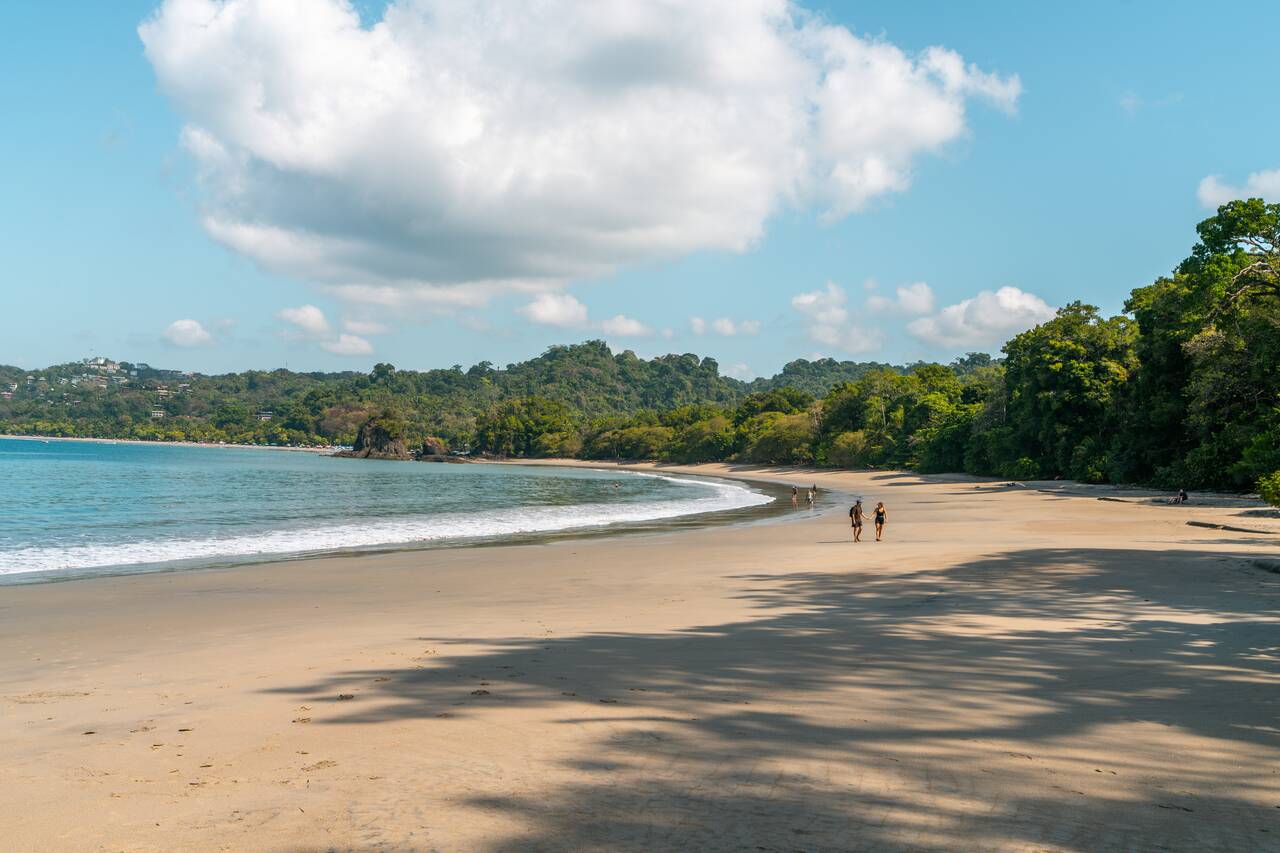
Just be careful with your belongings while relaxing here, especially if you have a colorful and attention-grabbing backpack. The monkeys and raccoons in the park are incredibly smart and will not hesitate to grab anything left unattended 😅.
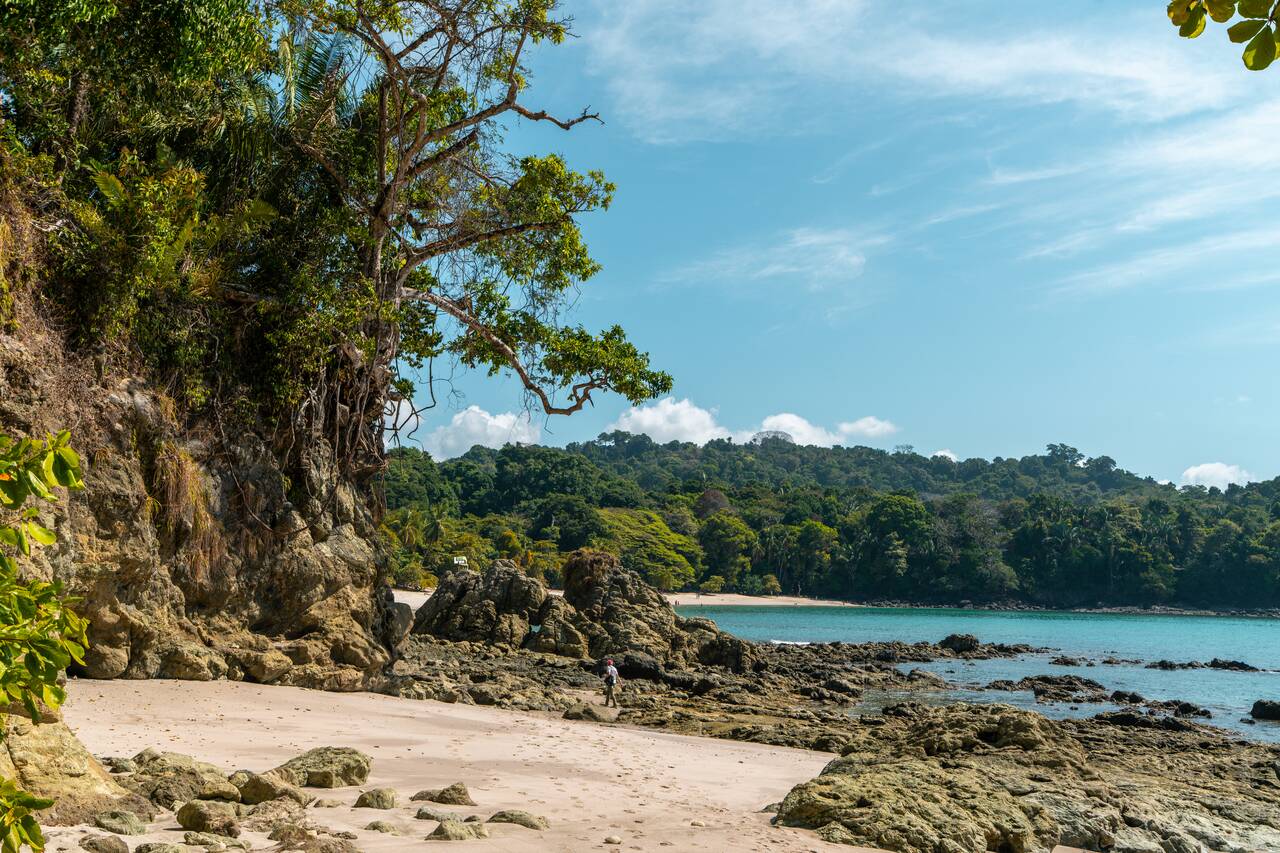
Like most places, Playa Manuel Antonio is best enjoyed when there are fewer people around. This is why I recommend arriving at Manuel Antonio National Park as early as possible, powering through the main trail, and reaching Playa Manuel Antonio before the big tour groups arrive. That way, you can experience the beach at its most peaceful.
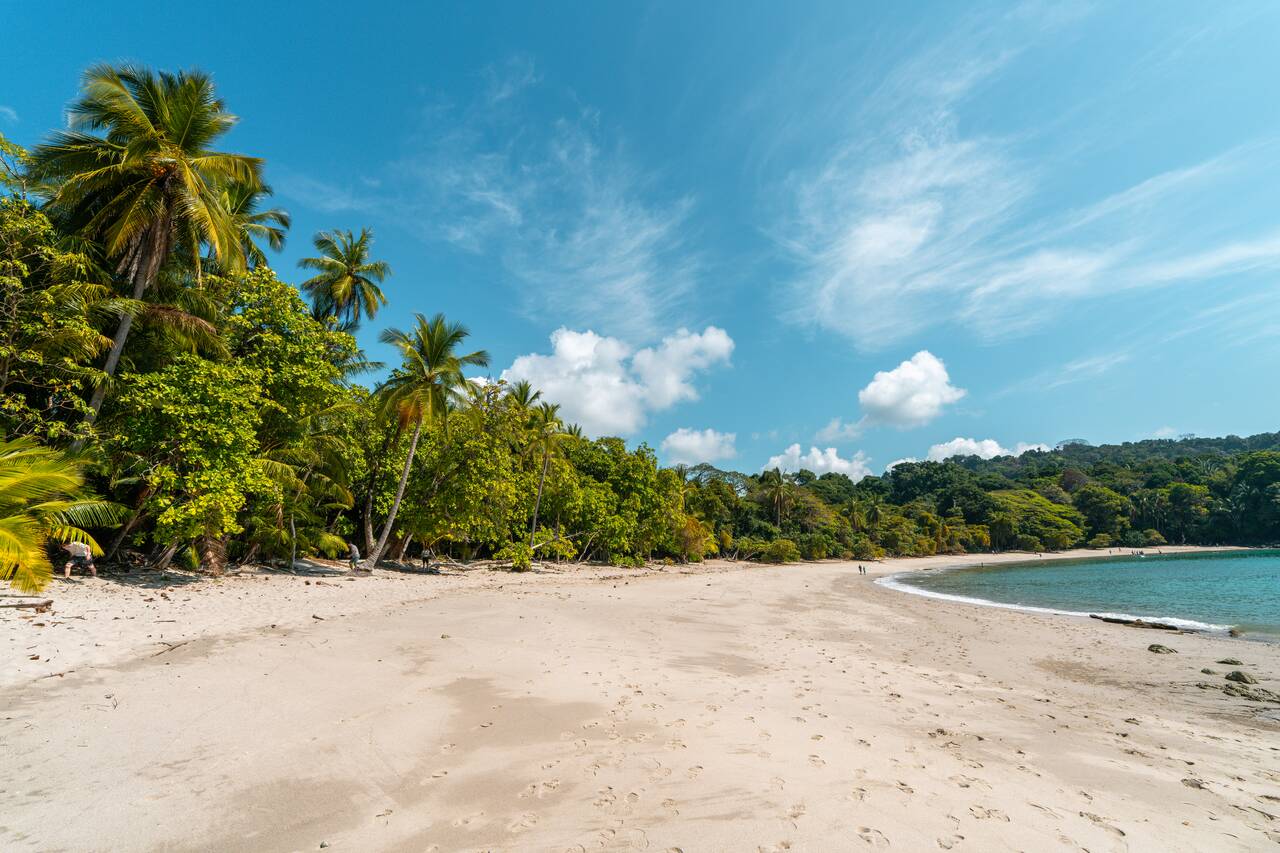
Most guided tours move quite slowly since they stop frequently to spot wildlife and listen to the guide's explanations, which can easily take an hour or more before they reach the beach. By getting there early, you can enjoy the beautiful scenery first before the crowds start rolling in.
4. Find a quiet swimming spot at Playa Las Gemelas
- 📍 Location: Playa Las Gemelas [Map Link]
- ⚡ Pete's Take: "Watch out where you sit and put your bags here; iguanas are well camouflaged on those rocks!"
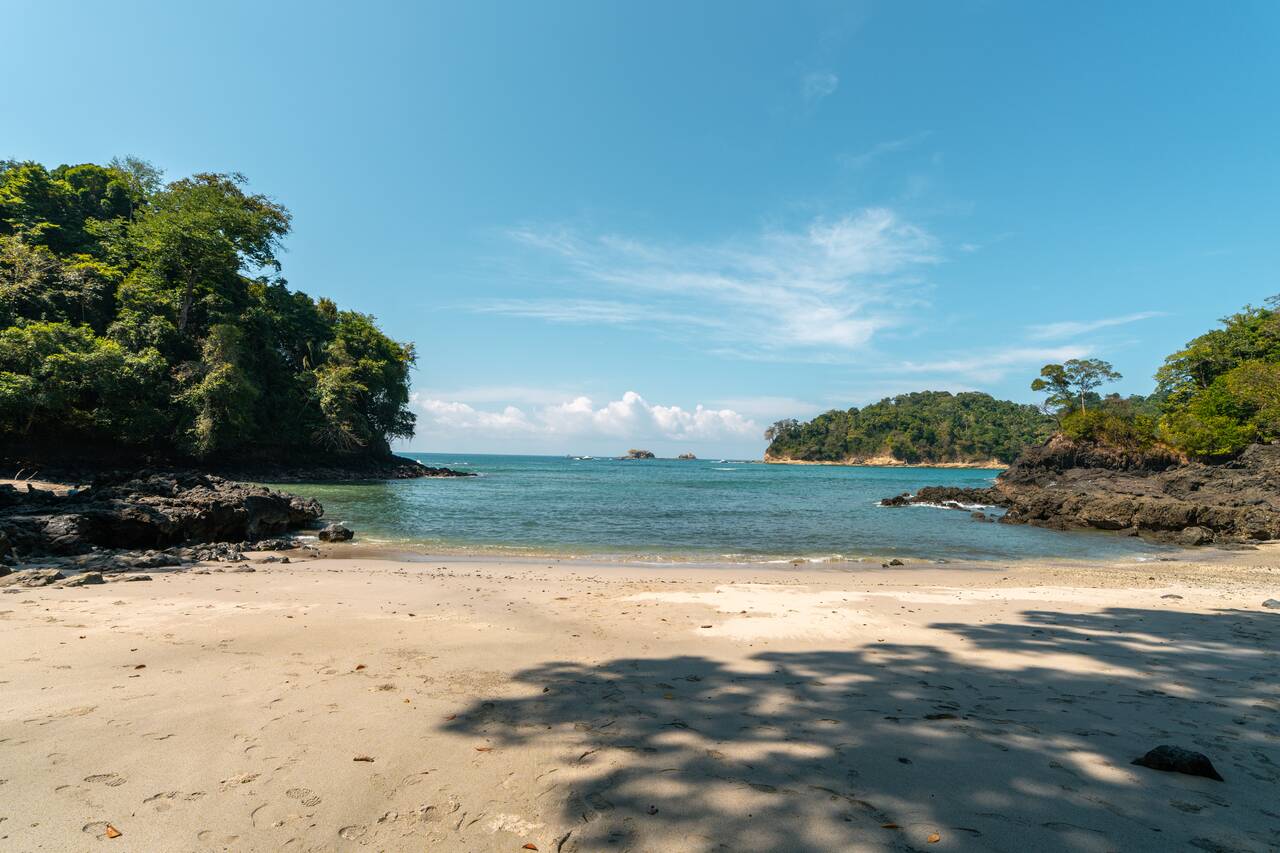
After you are done exploring Playa Manuel Antonio and spotting wildlife along the trails, spend some time exploring the smaller hiking paths around the park. One trail I recommend is the short walk to Playa Las Gemelas, a small and secluded white-sand beach where you can swim, relax, and enjoy a quieter side of Manuel Antonio.
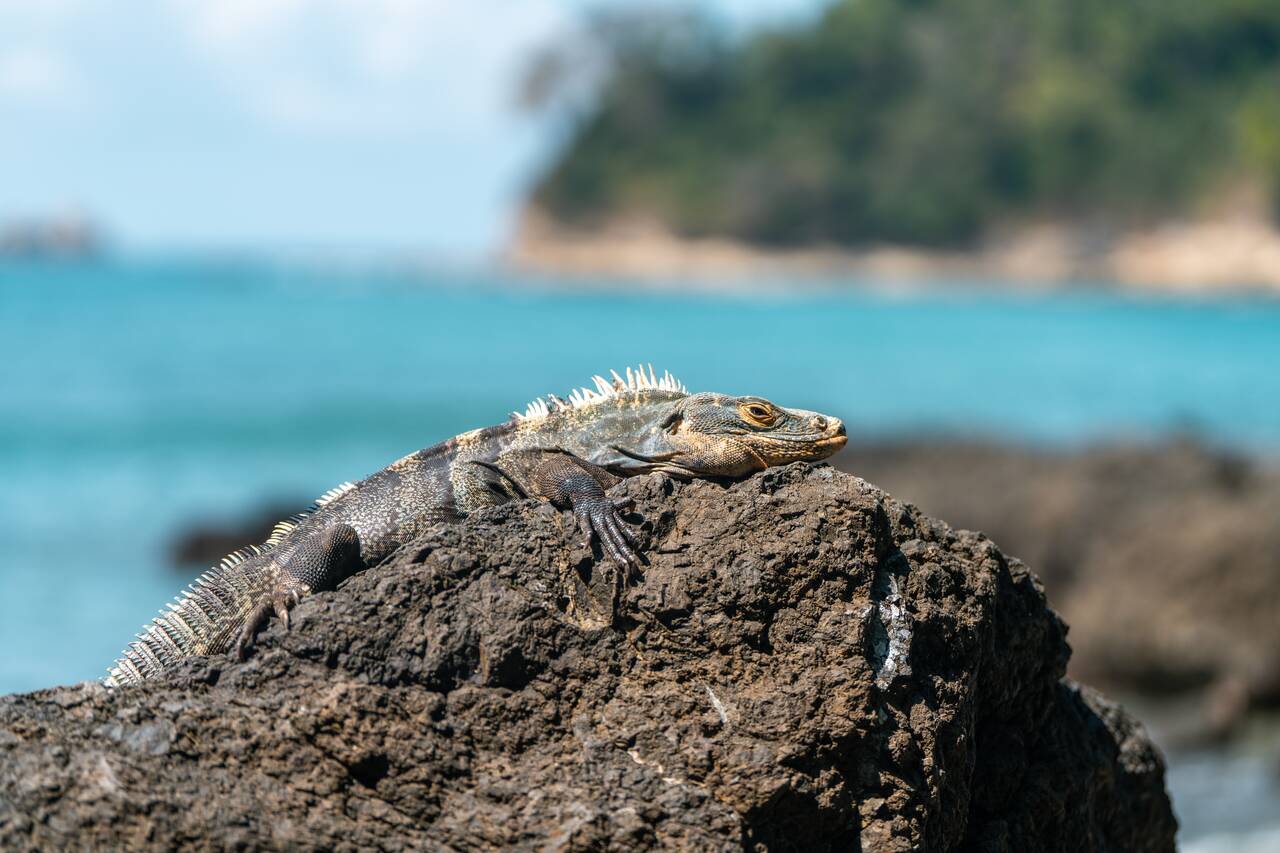
You might even spot some iguanas hanging around the beach, but be careful, as they are often well camouflaged against the rocks. Before sitting down on any of them, make sure there isn't an iguana already claiming the spot 😅. One of them definitely caught me by surprise when I was about to sit down.
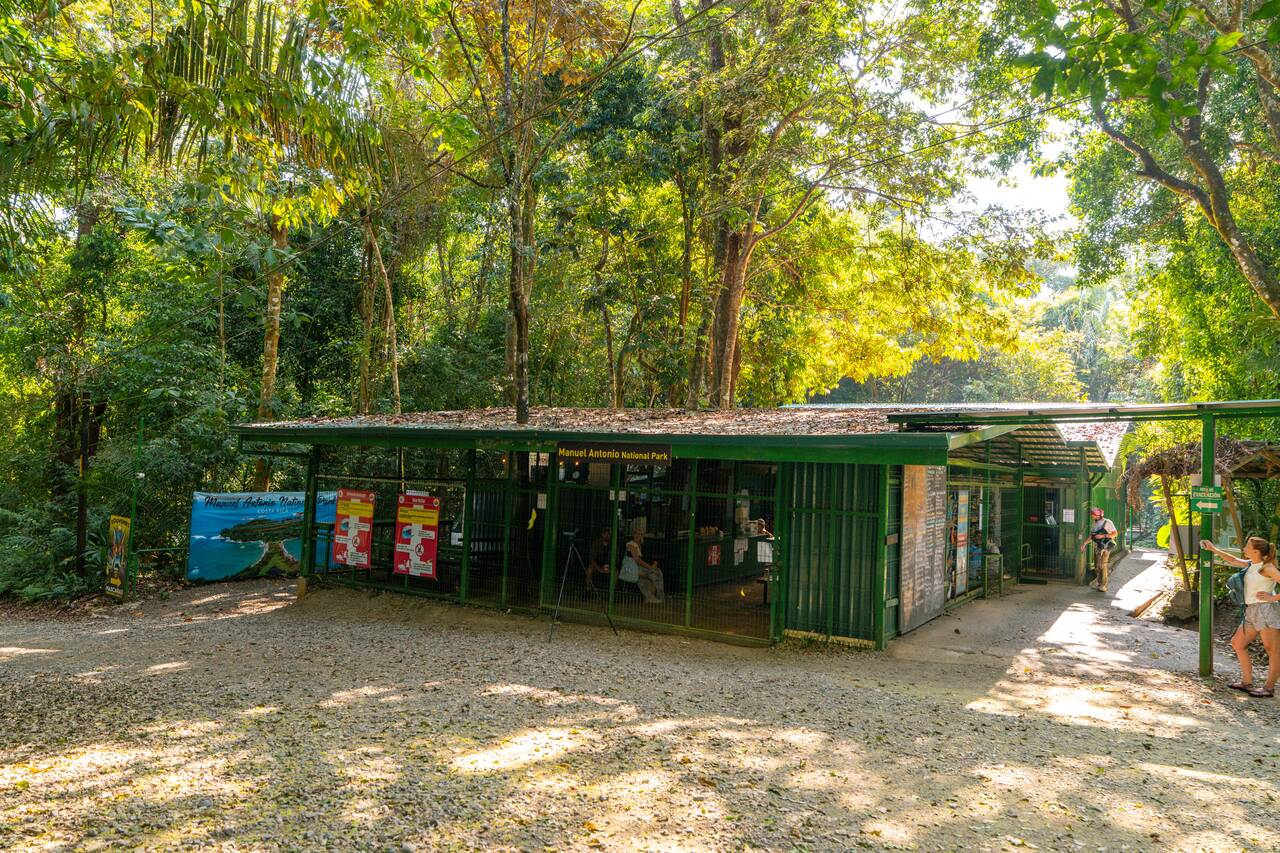
The hike to get to Playa Las Gemelas started near the cafeteria, which is the only place in the park where you can get food and drink. However, you are not allowed to take it out of the area, so you can take a break there after exploring the main areas of the park before embarking on this trip.
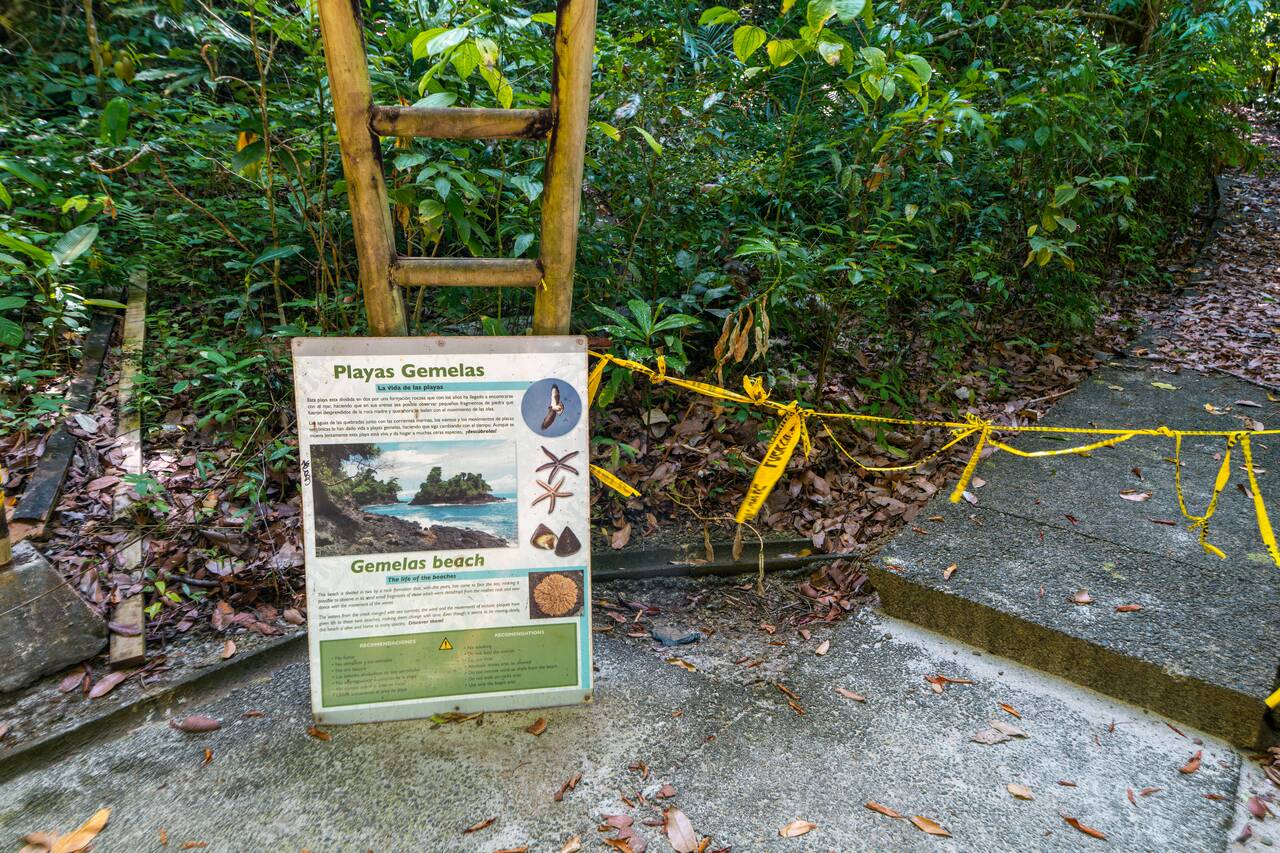
It is an easy and short trail to Playa Las Gemelas, and it takes less than 20 minutes to reach the beach. The trail is actually connected to a longer route that leads to Escondido Beach, but unfortunately, it has been closed for quite some time, and I have no idea when it will reopen. From what I saw, the trail also did not look very well maintained, so I would recommend sticking to the open paths.
5. Drop by Espadilla Beach
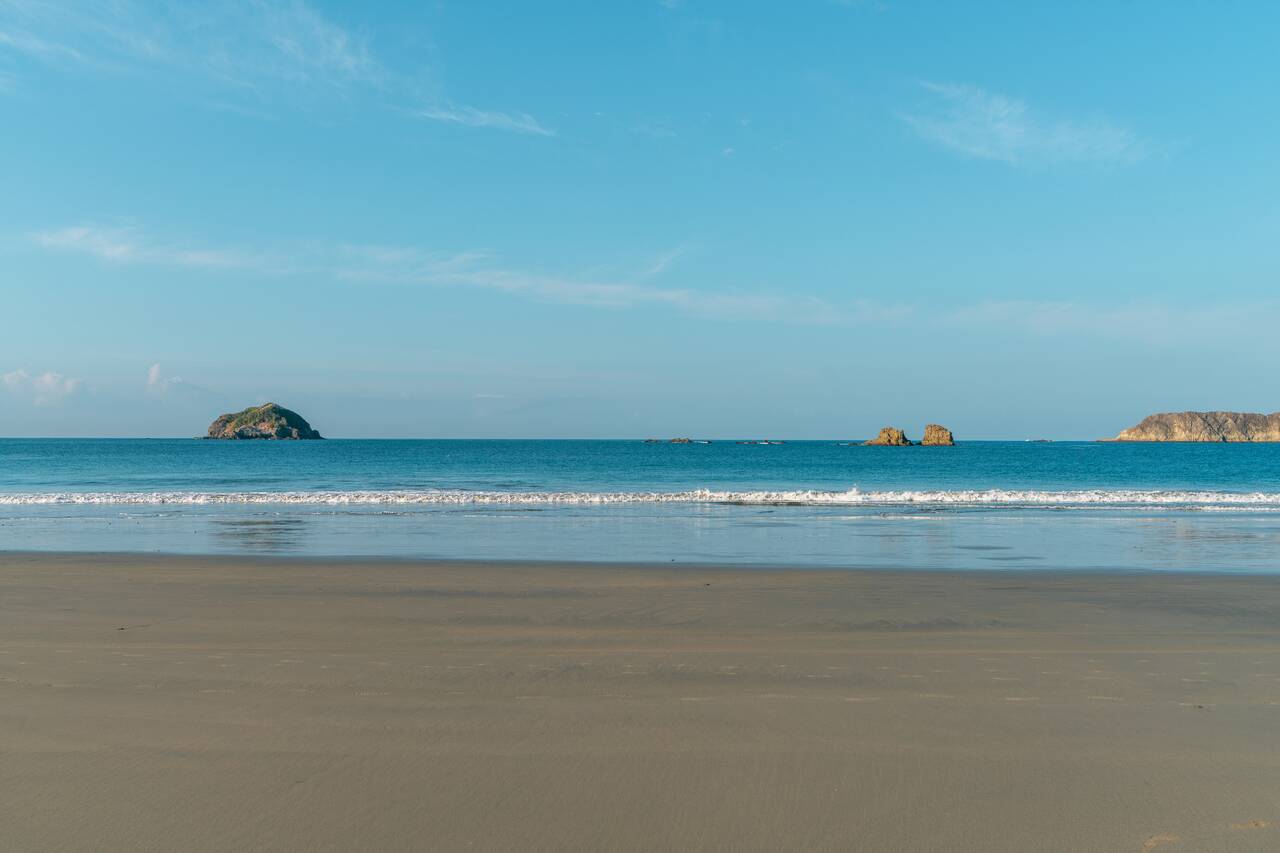
- 📍 Location: Espadilla Beach [Map Link]
- ⚡ Pete's Take: "Again, this beach is much better in the early morning; it gets more crowded as the day goes on."
If you arrive in Manuel Antonio before the park opens, I recommend going for a walk along Espadilla Beach. This beautiful stretch of golden sand sits just outside Manuel Antonio National Park and can get quite busy during the day. However, in the early morning, it is peaceful, quiet, and a great place to enjoy the coastline before starting your park visit.
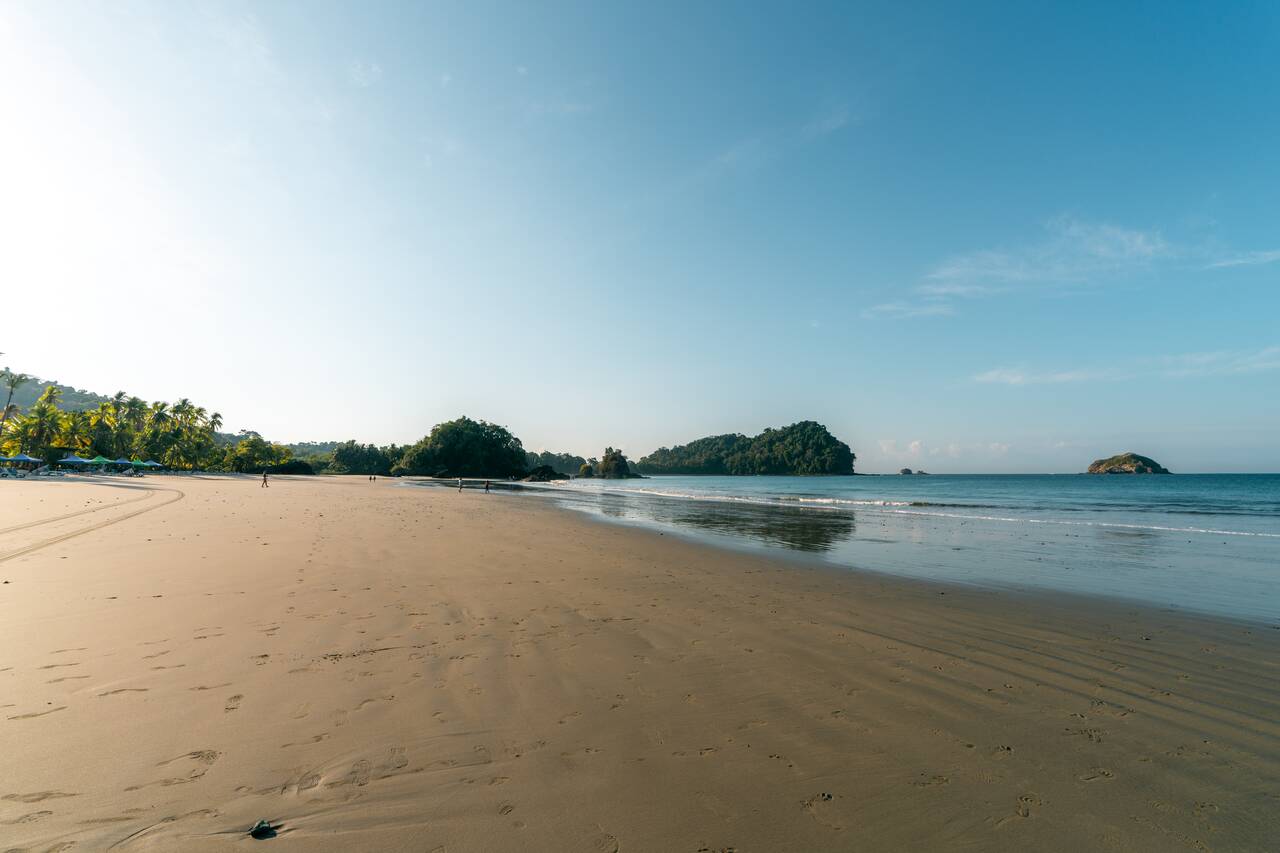
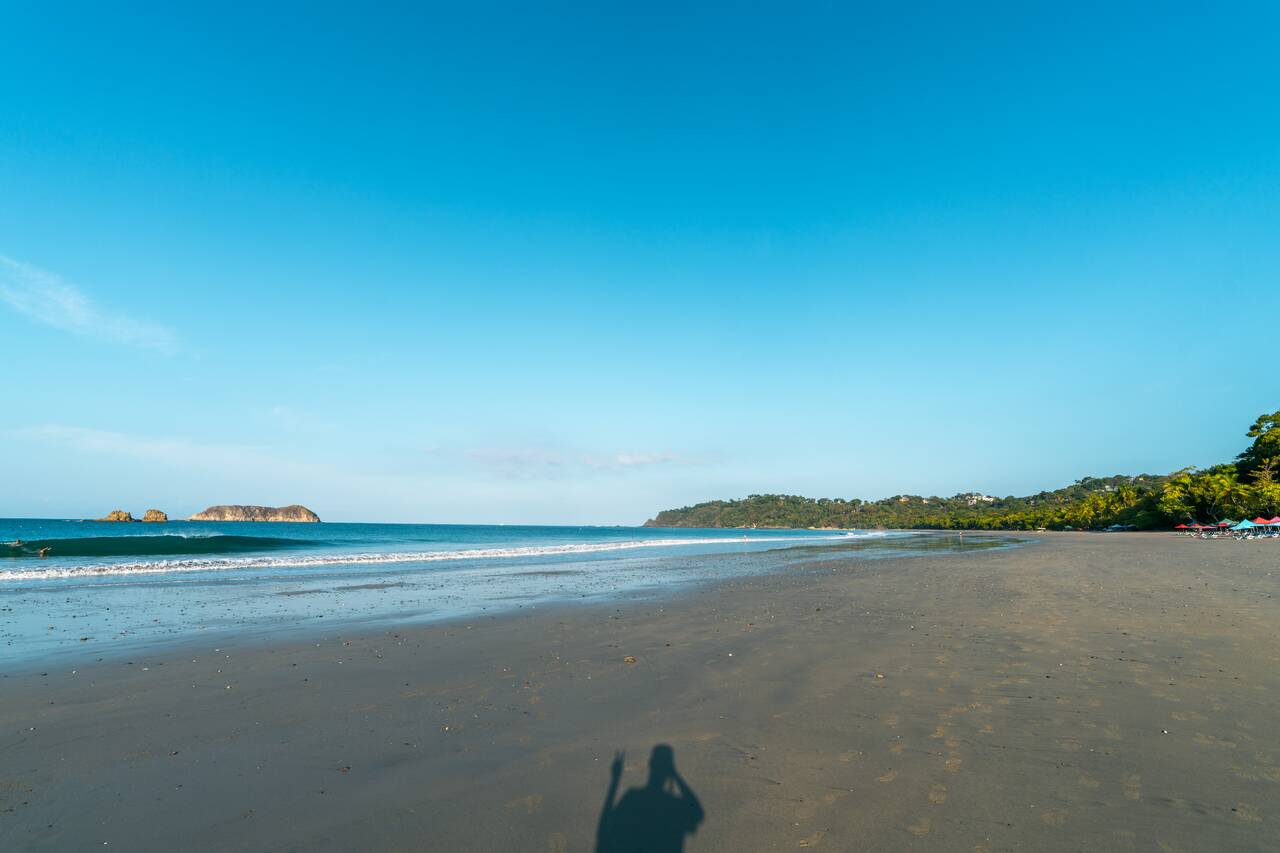
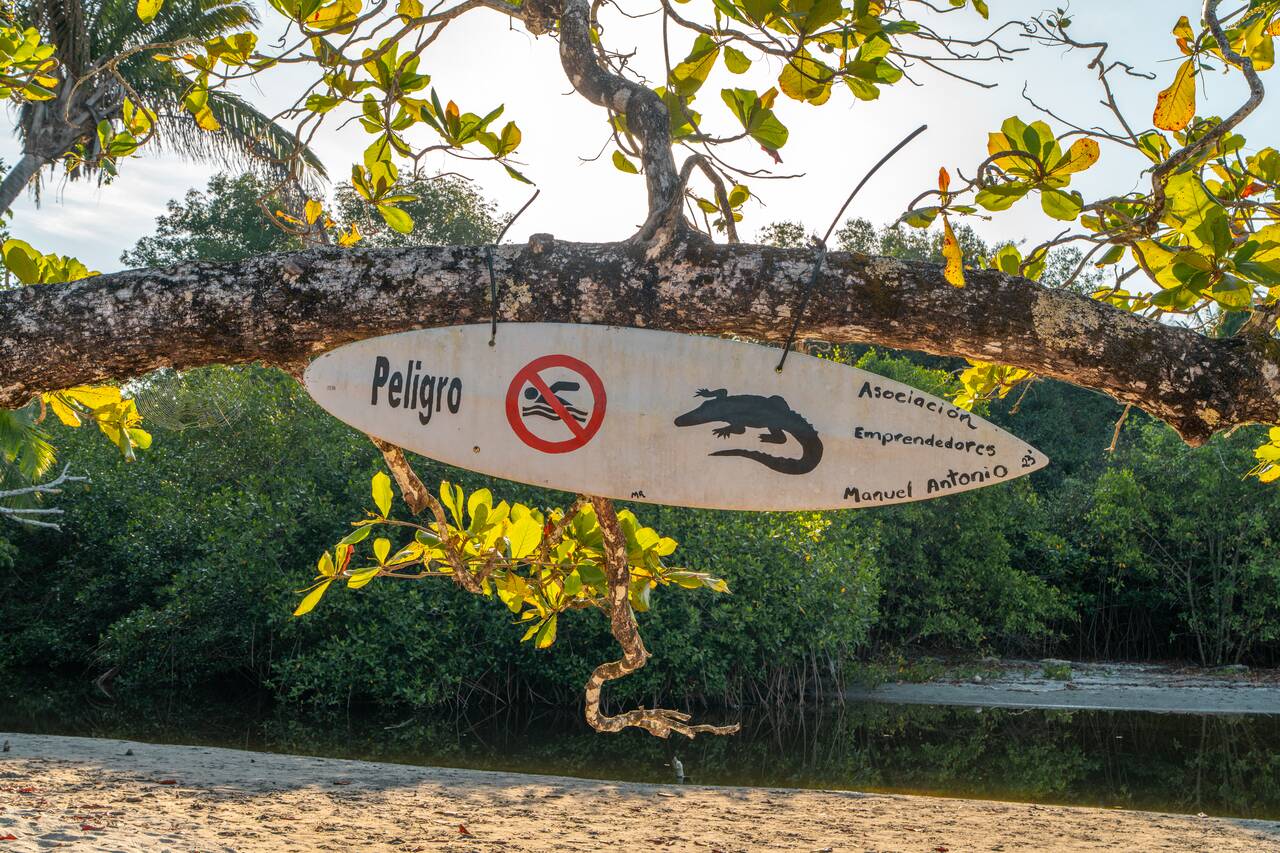
I arrived around 7 AM and the beach was completely empty, so I spent some time walking along its beautiful coastline. There are some really nice rock formations on the left side of the beach that you can walk out to and explore. Just be careful not to go into the river, though, as I saw a sign warning about crocodiles 😬.
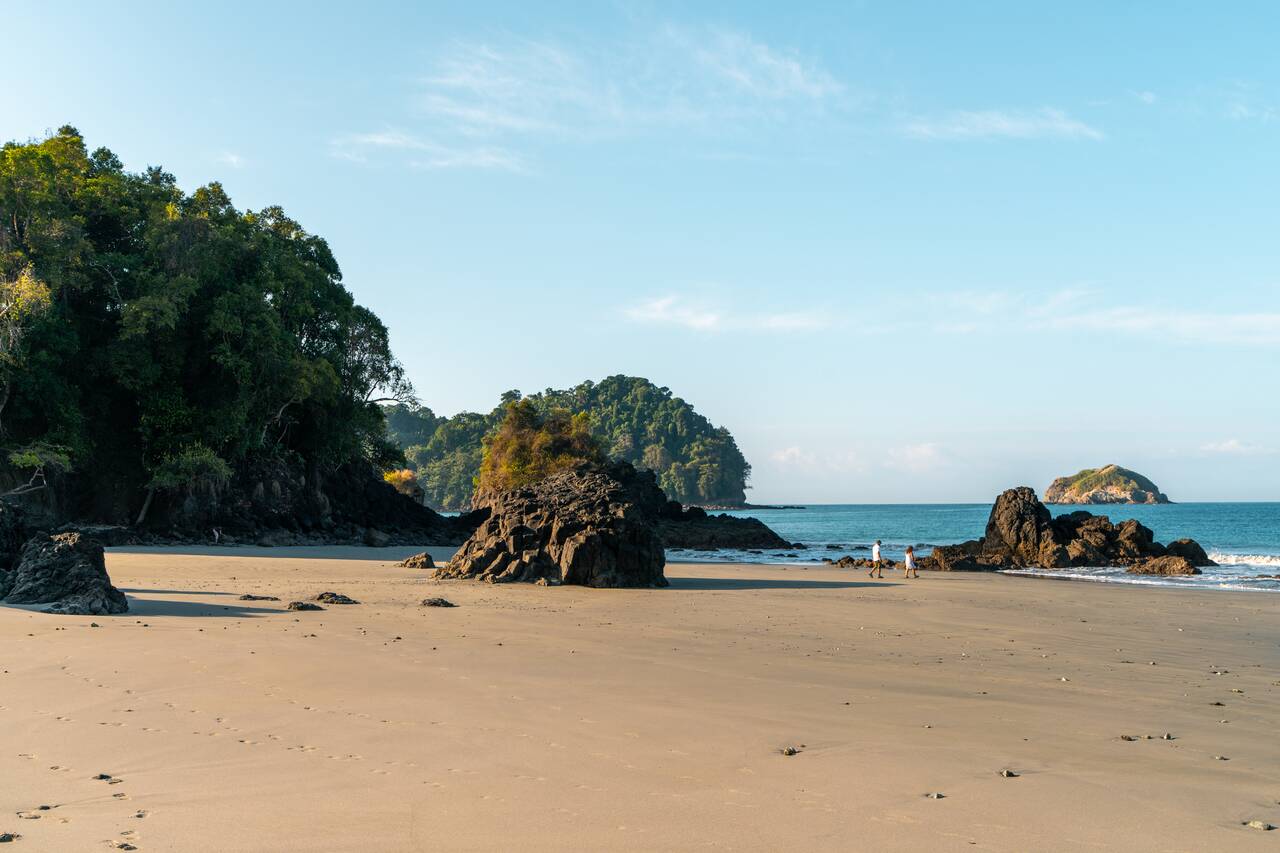
You can also come by here in the evening to watch the sunset. The atmosphere will be completely different from the morning as the place will become much more lively with more people out and about enjoying the restaurants and cafes nearby. I prefer the morning, so if you get to Manuel Antonio early or stay around this area, be sure to come check out Espadilla Beach at sunrise and sunset.
6. Watch the Sunset at El Malecón Park, Quepos
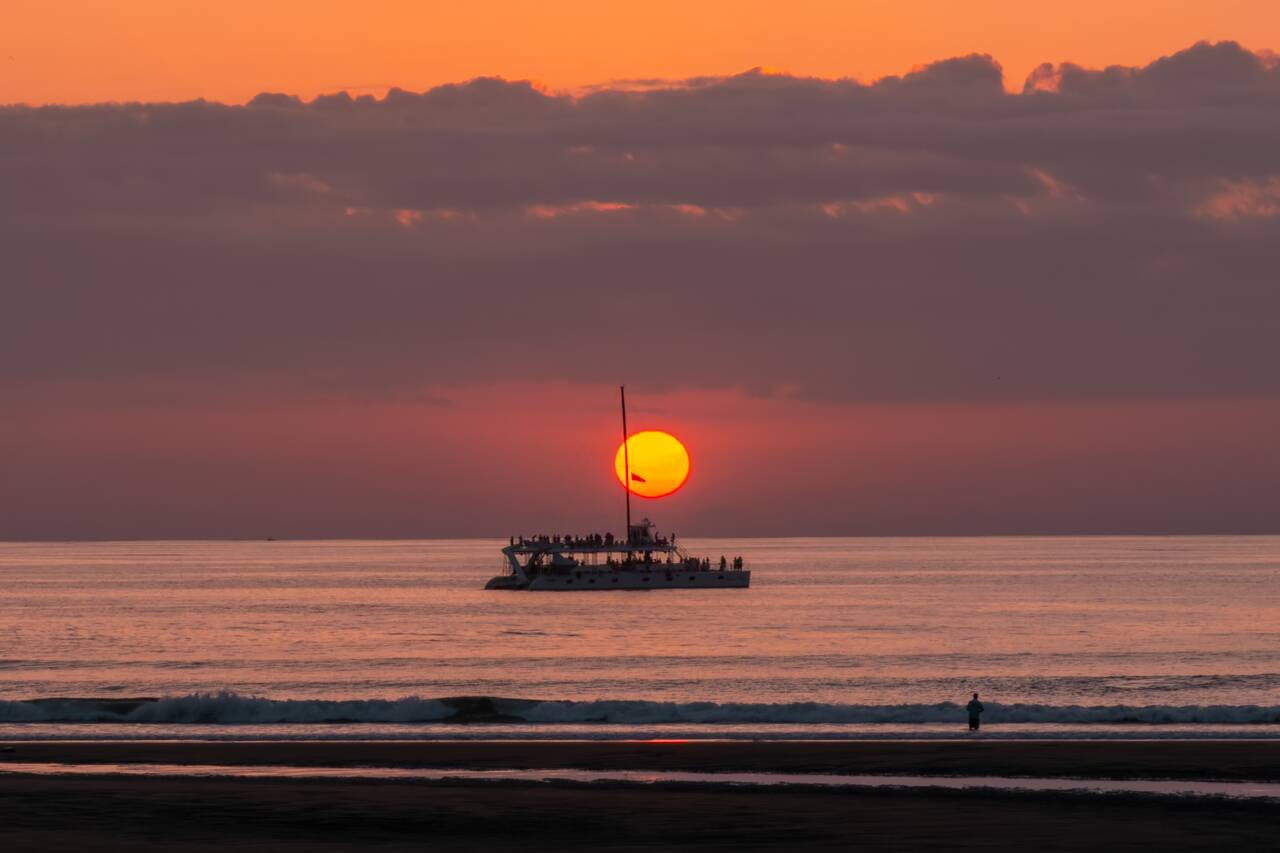
- 📍 Location: El Malecón Park [Map Link]
- ⚡ Pete's Take: "If you are staying in Quepos, be sure to come and watch the sunset here; it's quite breathtaking."
If you are staying in Quepos, one of the best places to end your day is El Malecón Park, a small waterfront area where you can watch the sunset over the Pacific Ocean. It is a lively spot where you will find plenty of locals and tourists hanging out as the sun dips below the horizon, painting the sky with shades of orange and purple. It is quite a sight to behold.
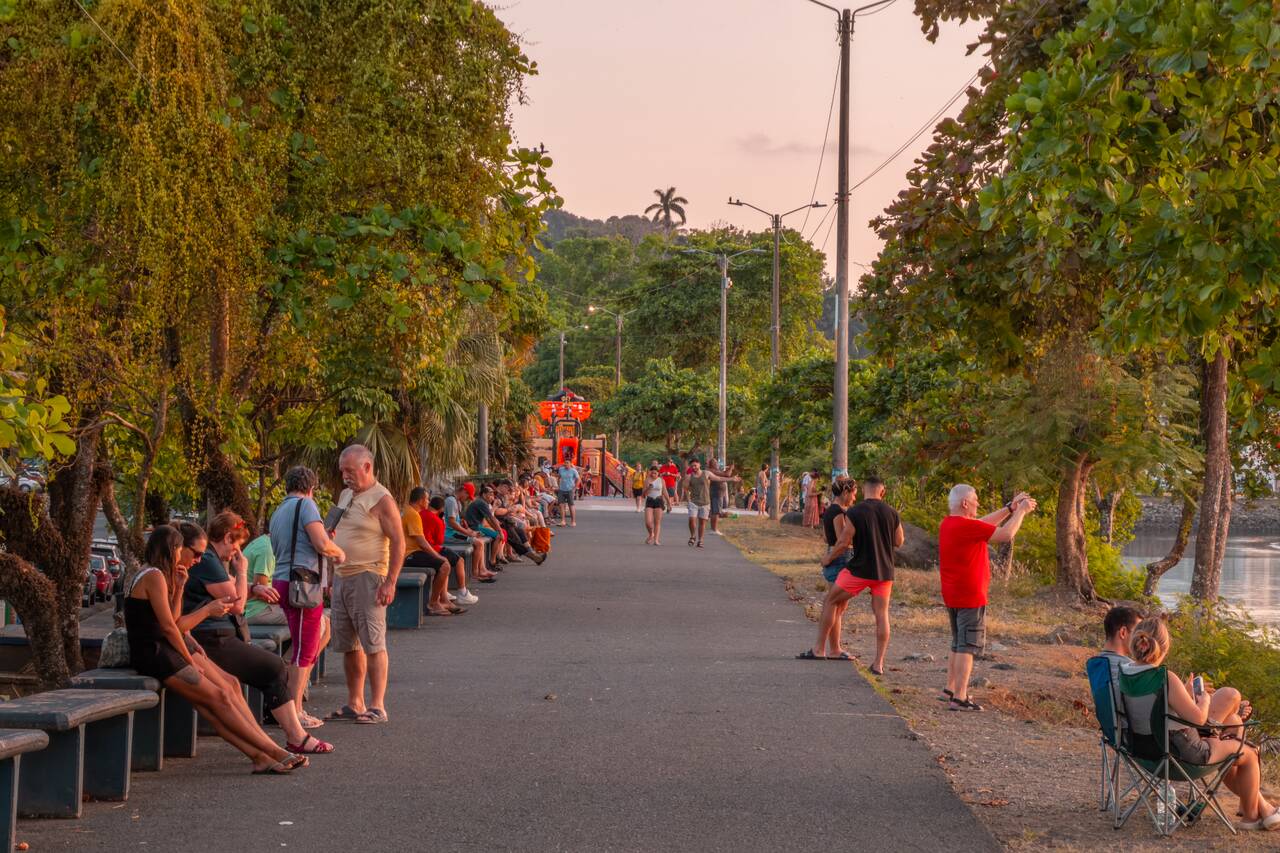
Along the waterfront, you will find a nice cobblestone park and playground where you should be able to find benches to sit and enjoy the view. There will also be some street performers here to keep you entertained throughout the evening.
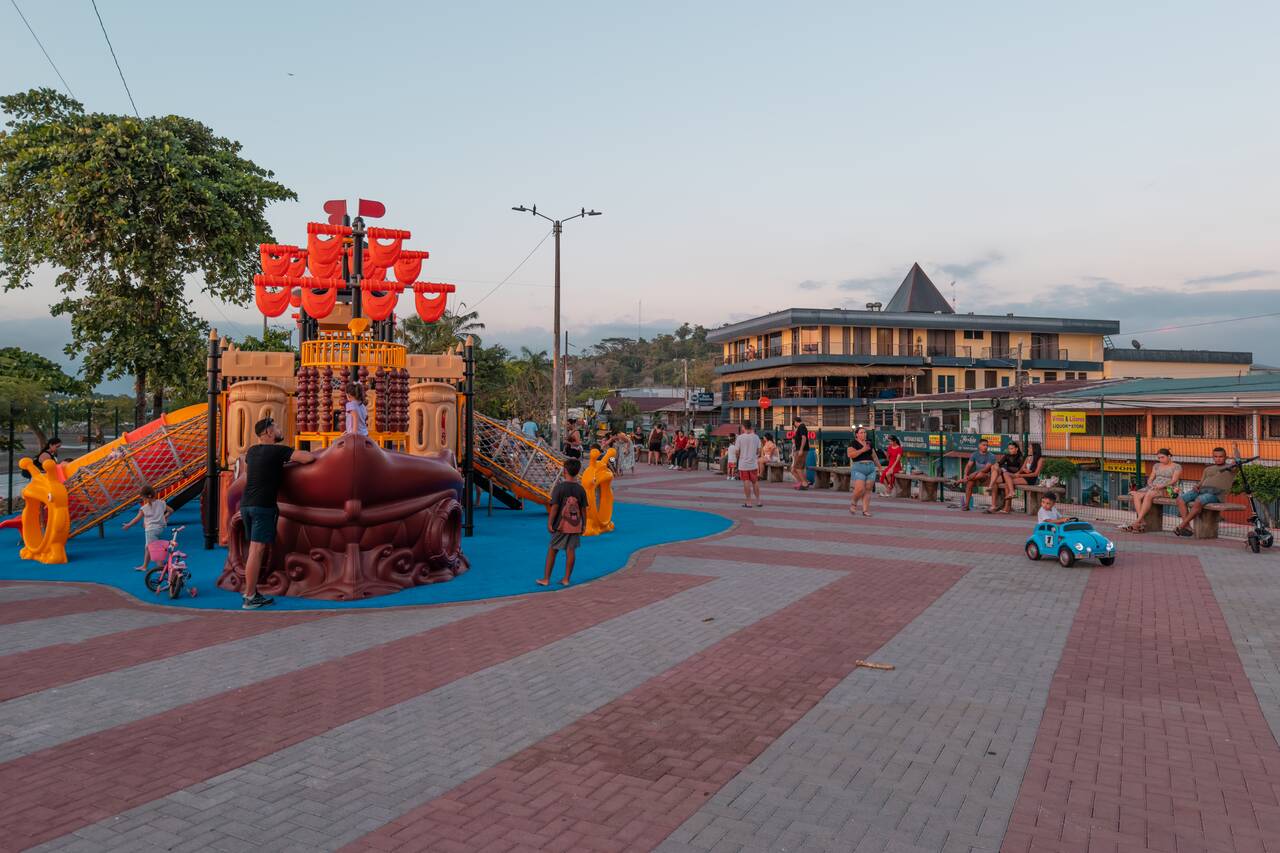
I recommend grabbing a drink or some food nearby and coming here around sunset. It is a great way to enjoy the evening without having to travel far if you are staying in Quepos. You will also get to experience a more local side of the town, which might change your perception of Quepos and its not-so-great reputation.
7. Go Ziplining
- 📍 Location: El Santuario Canopy Adventure Tour [Map Link]
- 🏄 Tour: Manuel Antonio Canopy Tour
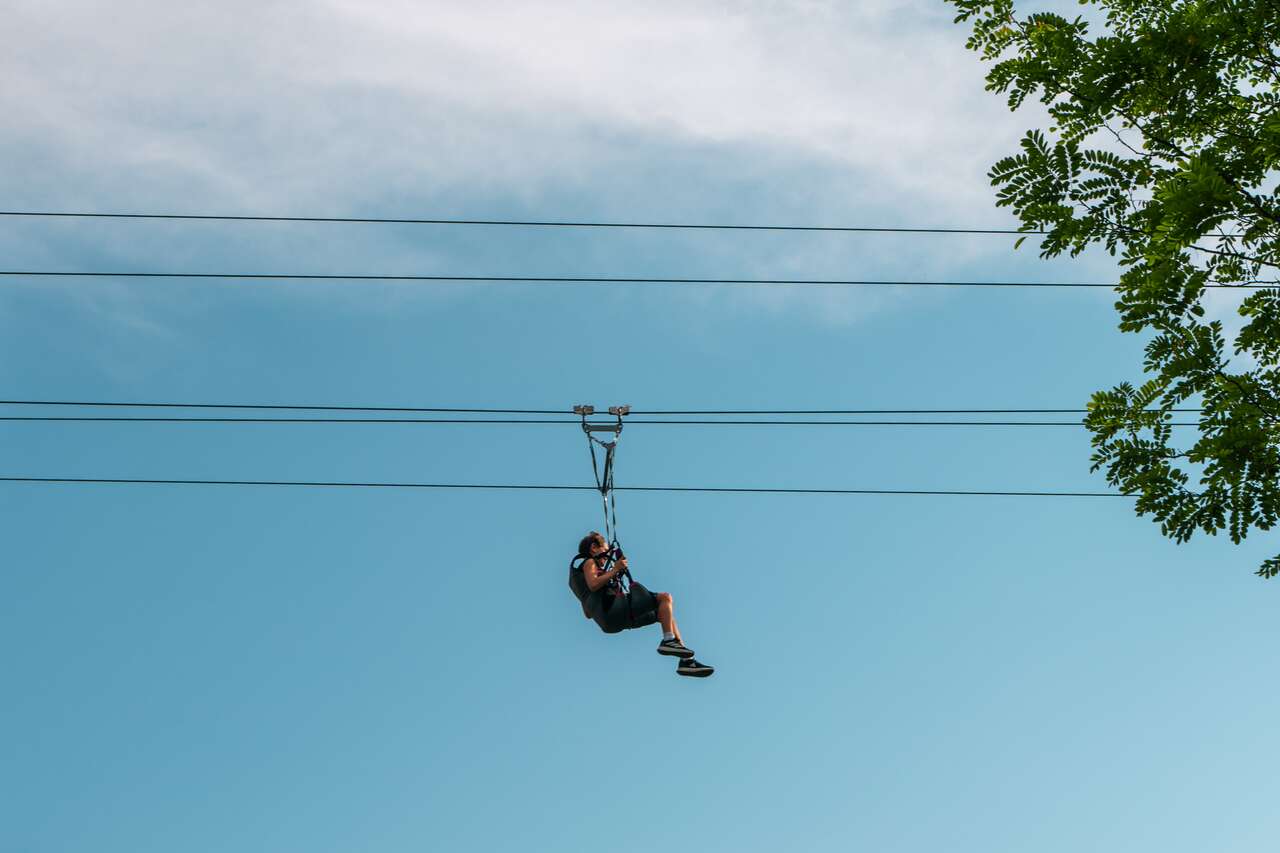
If you are looking for a more adventurous way to experience the rainforest around Manuel Antonio, I highly recommend going on a ziplining tour. You can fly through the jungle canopy, cross hanging bridges, and get a completely different perspective of Costa Rica's incredible nature from above.
I recommend checking out the Manuel Antonio Canopy Tour, which features one of the longest twin zip lines in Central America. The tour takes around 4.5 hours and includes multiple zip lines through the forest, hanging bridges, transportation, and lunch.
You will not only get to enjoy the surrounding rainforest from a completely different angle, but also, if you are lucky, you might even spot some wildlife along the way. 😉
8. Visit Nauyaca Waterfalls as a Day Trip
- 📍 Location: Nauyaca Waterfalls [Map Link]
- 💰 Entry Fees: 5,000 CRC (~11 USD)
- ⚡ Pete's Take: "This is one of my favorite waterfalls in Costa Rica, so if you can, don't miss it!"
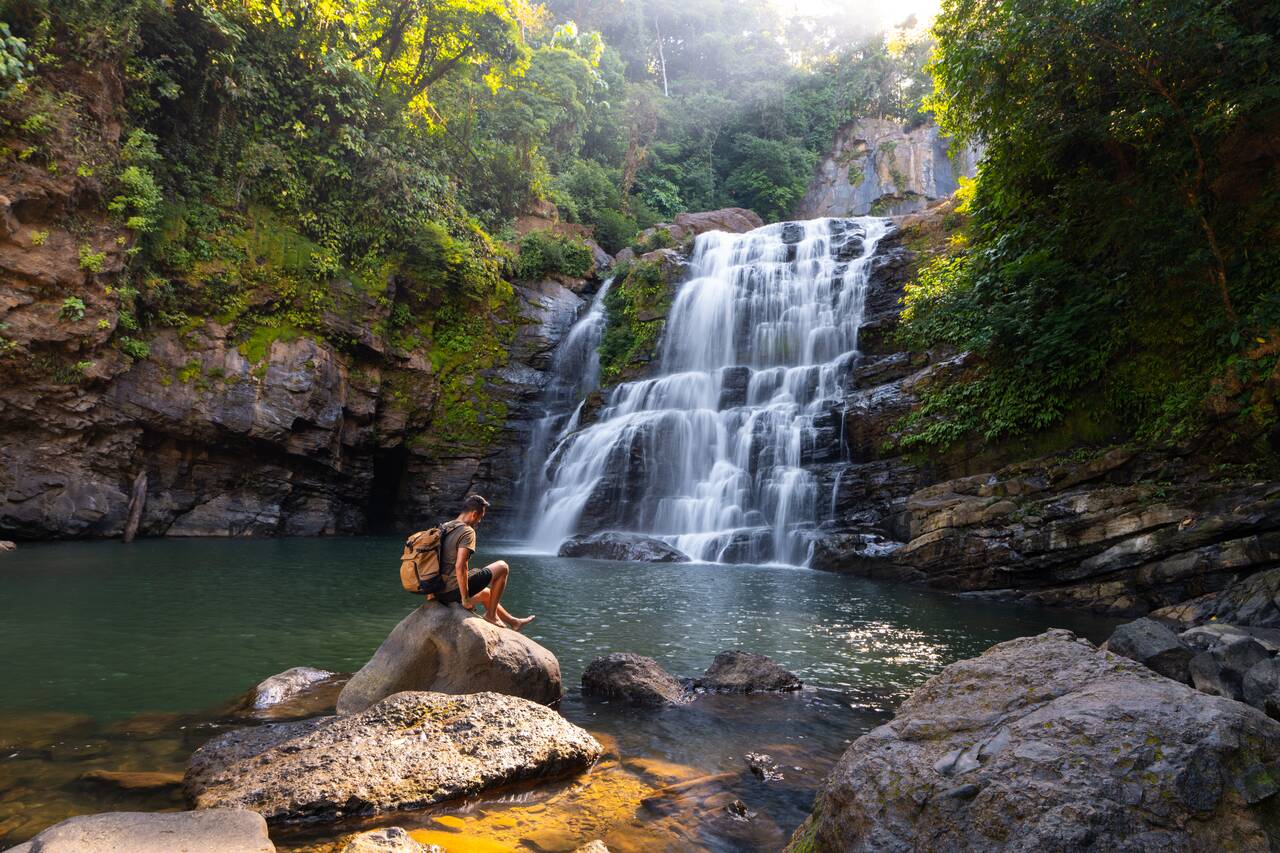
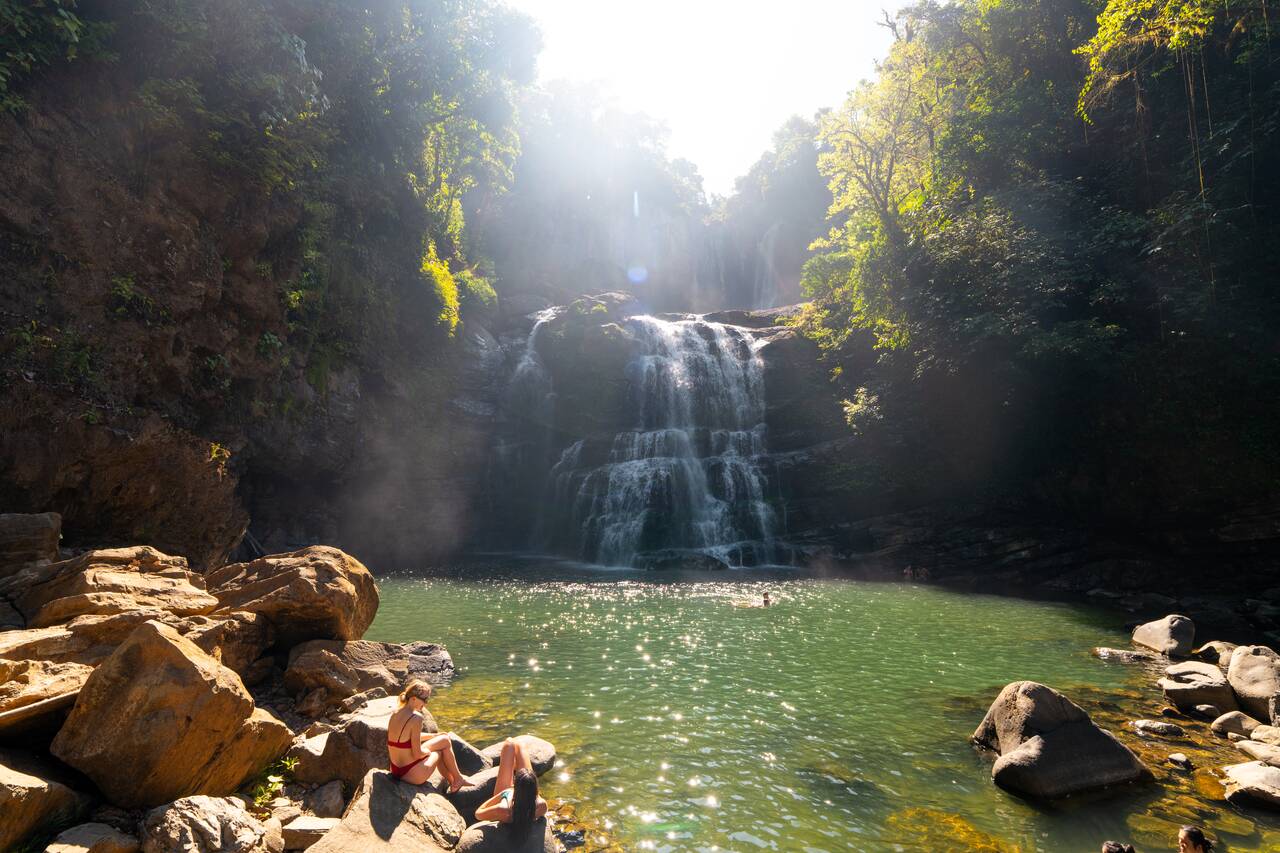
Out of all the waterfalls I saw in Costa Rica (and I saw quite a few of them), Nauyaca Waterfalls is by far my favorite. Not because of its size, but because of its natural beauty, peaceful atmosphere (especially in the early mornings), and the lush rainforest surroundings that make you feel like you are swimming in a true jungle.
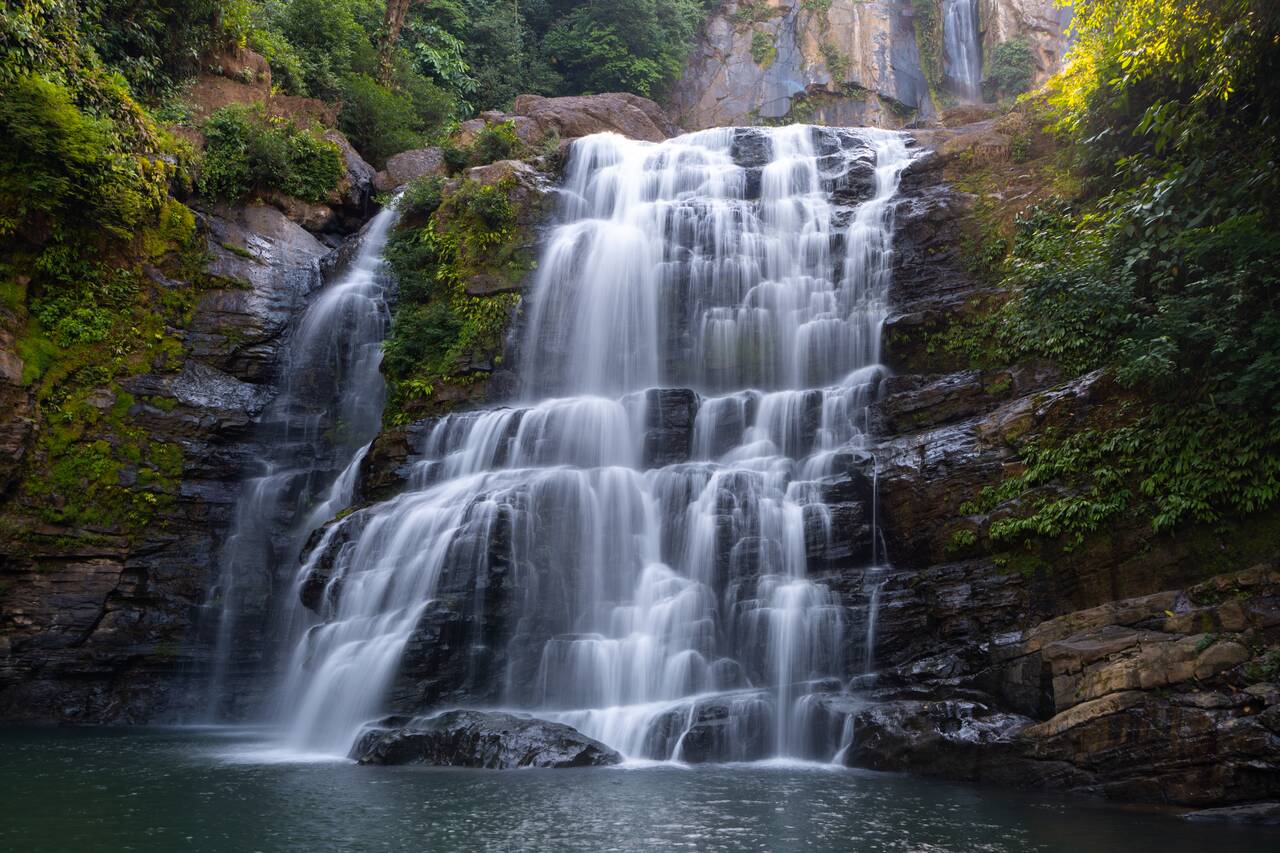
And of course, there is nothing better than jumping into the refreshing cool water after hiking for hours to get there! I spent more than an hour just hanging out at the waterfall in the early morning, swimming around its refreshingly cool water, and enjoying the scenery before other people arrived. It was awesome.
To get there from Manuel Antonio, you can either rent a car and drive, join an organized tour, or visit independently using public transportation, which is not too difficult and will save you a ton of money.
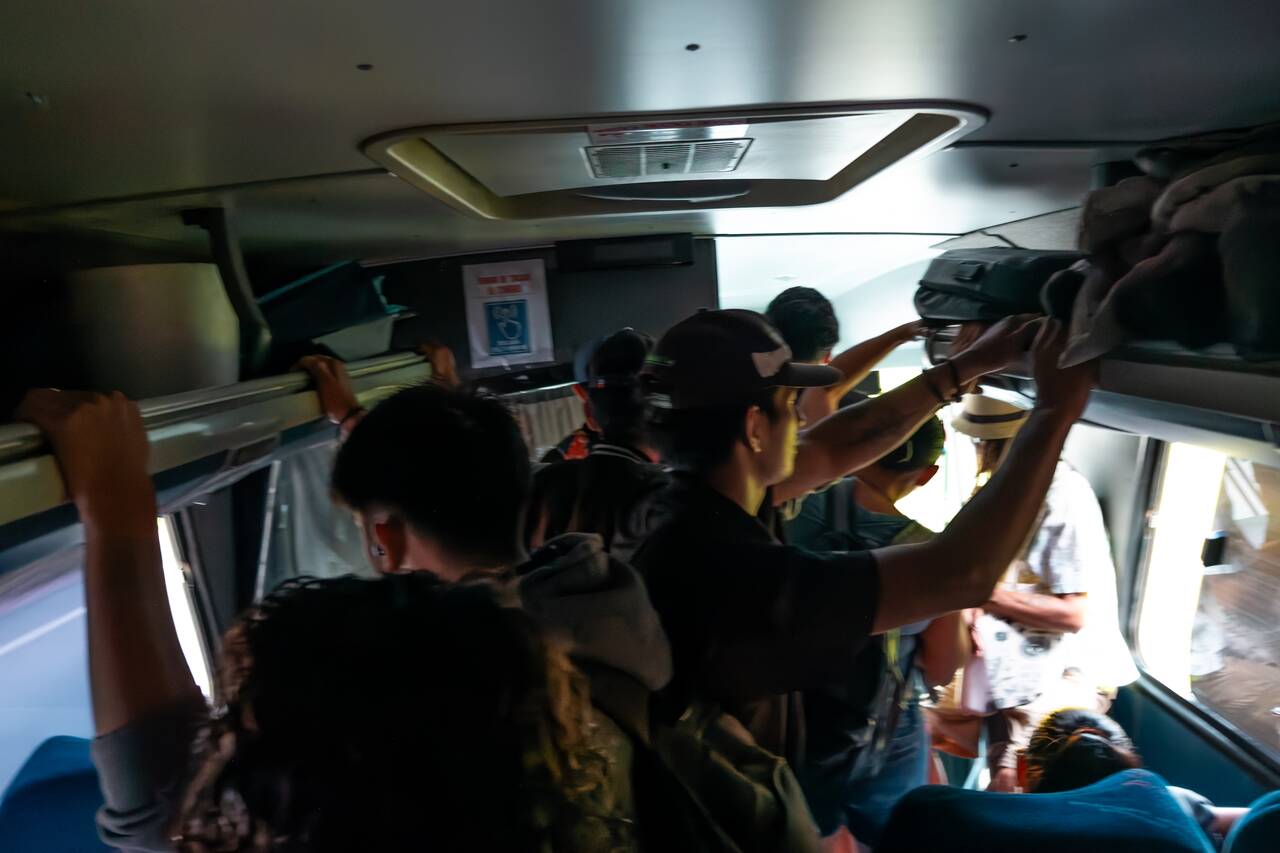
From Quepos, you can catch the 5 AM bus from Quepos Bus Terminal heading towards San Isidro. There is only one morning bus, so you will have to wake up early and make sure you catch it. This bus passes by this bus stop near the entrance to Nauyaca Waterfalls. Be sure to tell the driver that you want to get off there.
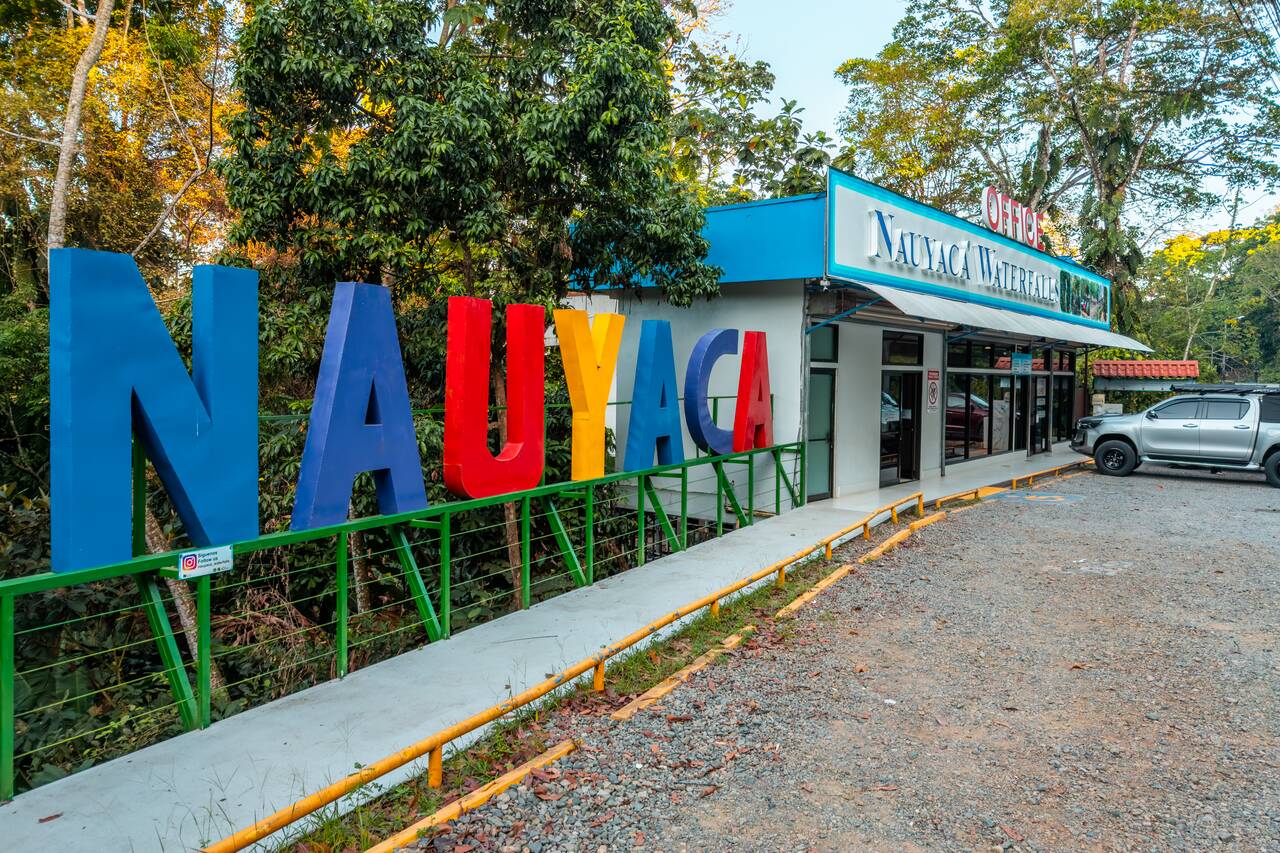
The bus takes around 2 hours and costs approximately 1,000–1,500 CRC (2–3 USD) in cash. You should arrive around 6:50 AM, which means you will have to wait for the Visitor's Center to open at 7 AM so you can buy your entrance ticket. Do not start hiking before getting your ticket, as you will not be allowed to enter the waterfall without one. The ticket costs around 5,000 CRC (11 USD), and you have three options for getting to the waterfall.
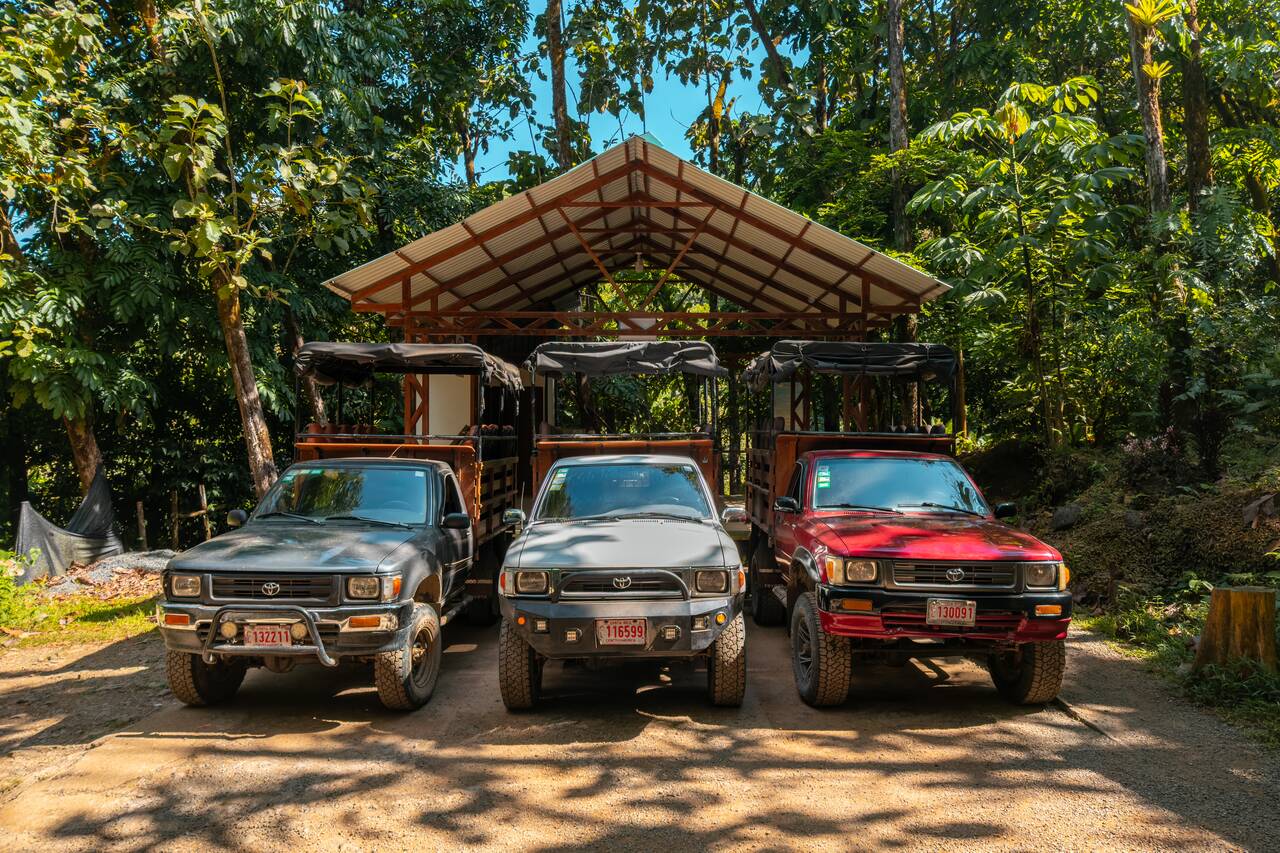
The first option is to take the jeep, which runs every hour from 7 AM to 1 PM. With this option, you will get around 2 hours at the waterfall before the jeep takes you back to the Visitor's Center at a designated time. This option costs an additional 16,000 CRC (32 USD) per person and requires only about a 5-minute walk to reach the waterfall.
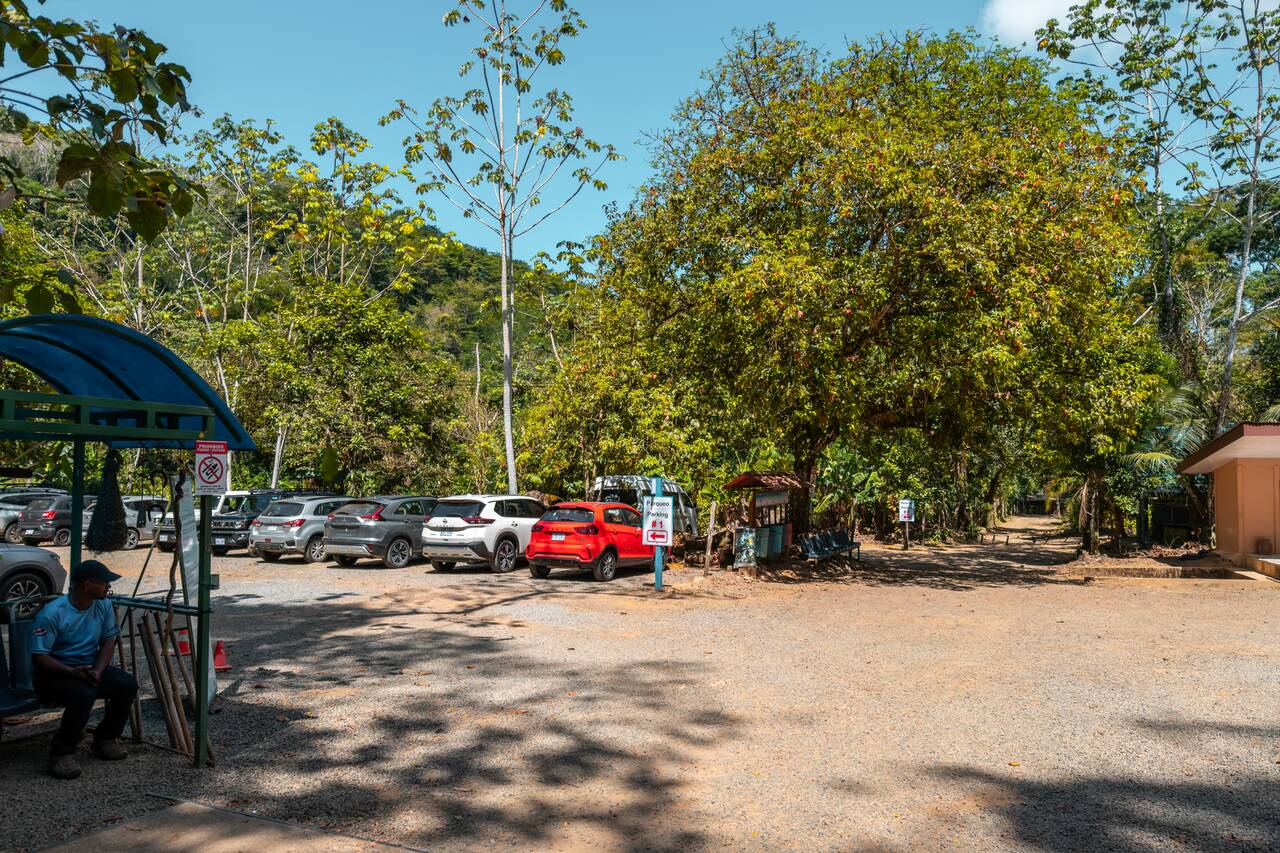
The second option is driving yourself if you have rented a car. You can drive to this parking lot, which is located around 2 km inside the park. From there, you will need to hike around 3.5 km, which takes approximately 40 minutes to reach the waterfall. Be sure to get your ticket at the Visitor's Center first, as you will not be able to park your car without it.
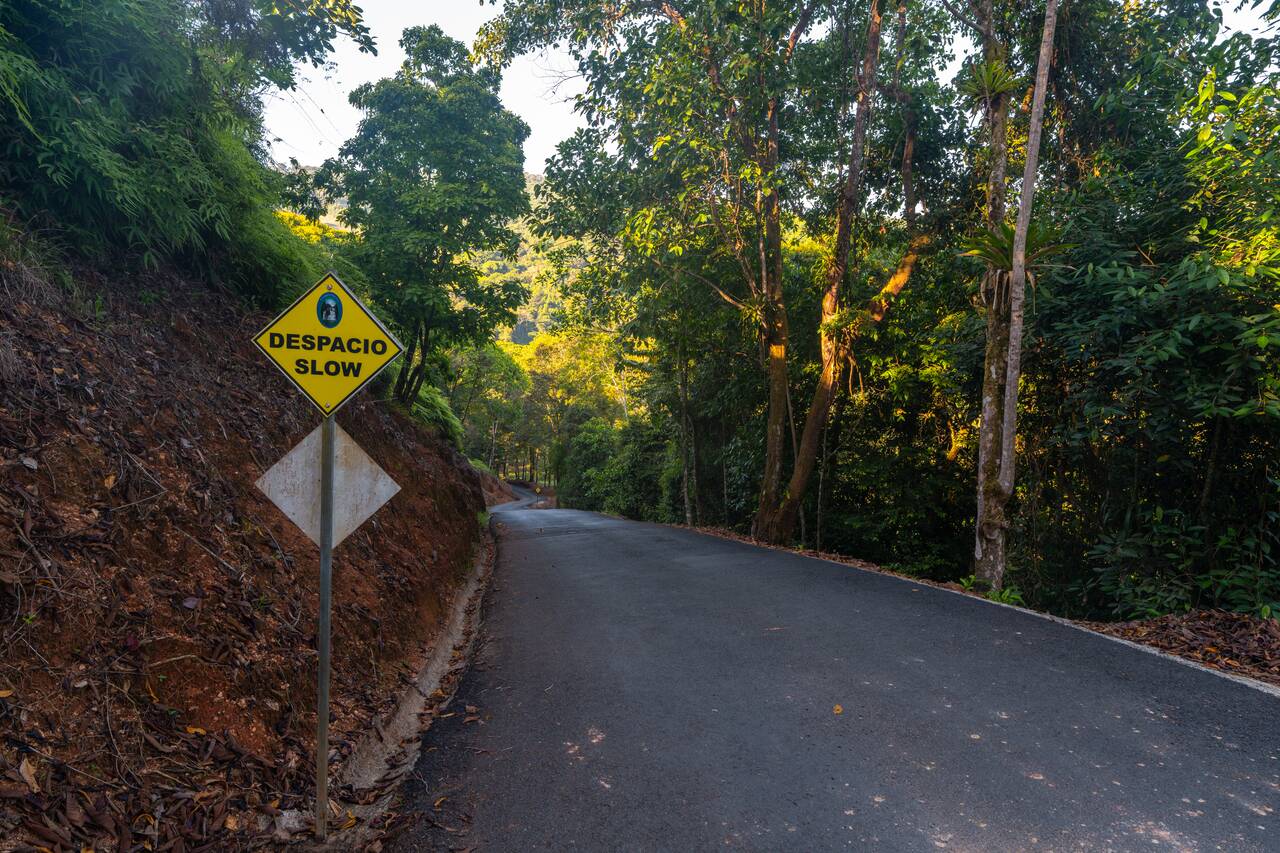
Last but not least, the cheapest option is to hike the entire trail from the entrance to the waterfalls and back, which is what I did. Keep in mind that if you choose this option, the last ticket entry is at 2 PM, not 3 PM. The total hike is around 11 km, and it took me about 1 hour each way. The trail starts with a downhill section from the entrance to the parking lot, followed by a mostly shaded and relatively flat path through the forest.
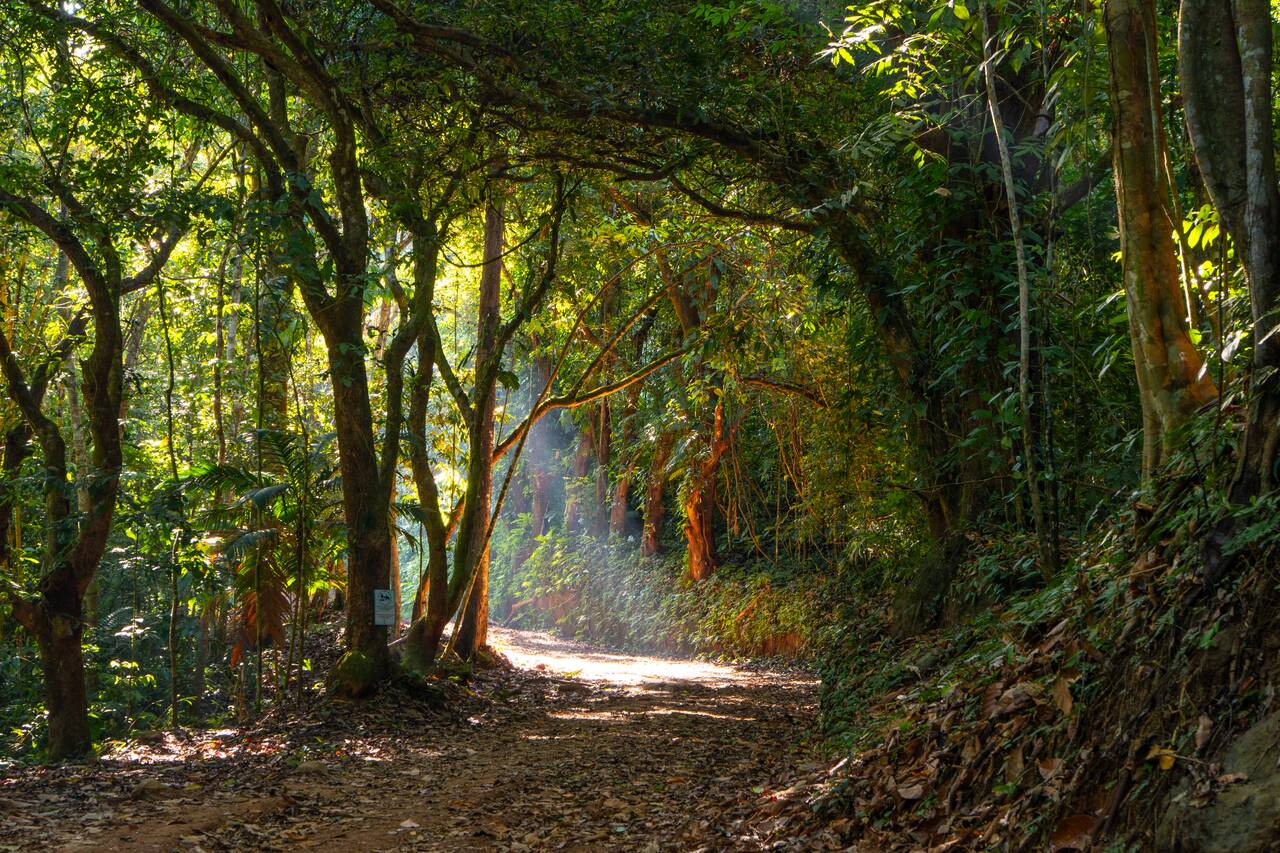
The hike back took a bit longer, around 1 hour and 15 minutes, as the uphill section back to the main road was definitely a bit of a knee killer. That said, the trail itself is beautiful and part of the fun of getting there, so I would highly recommend hiking if you have the time and energy.
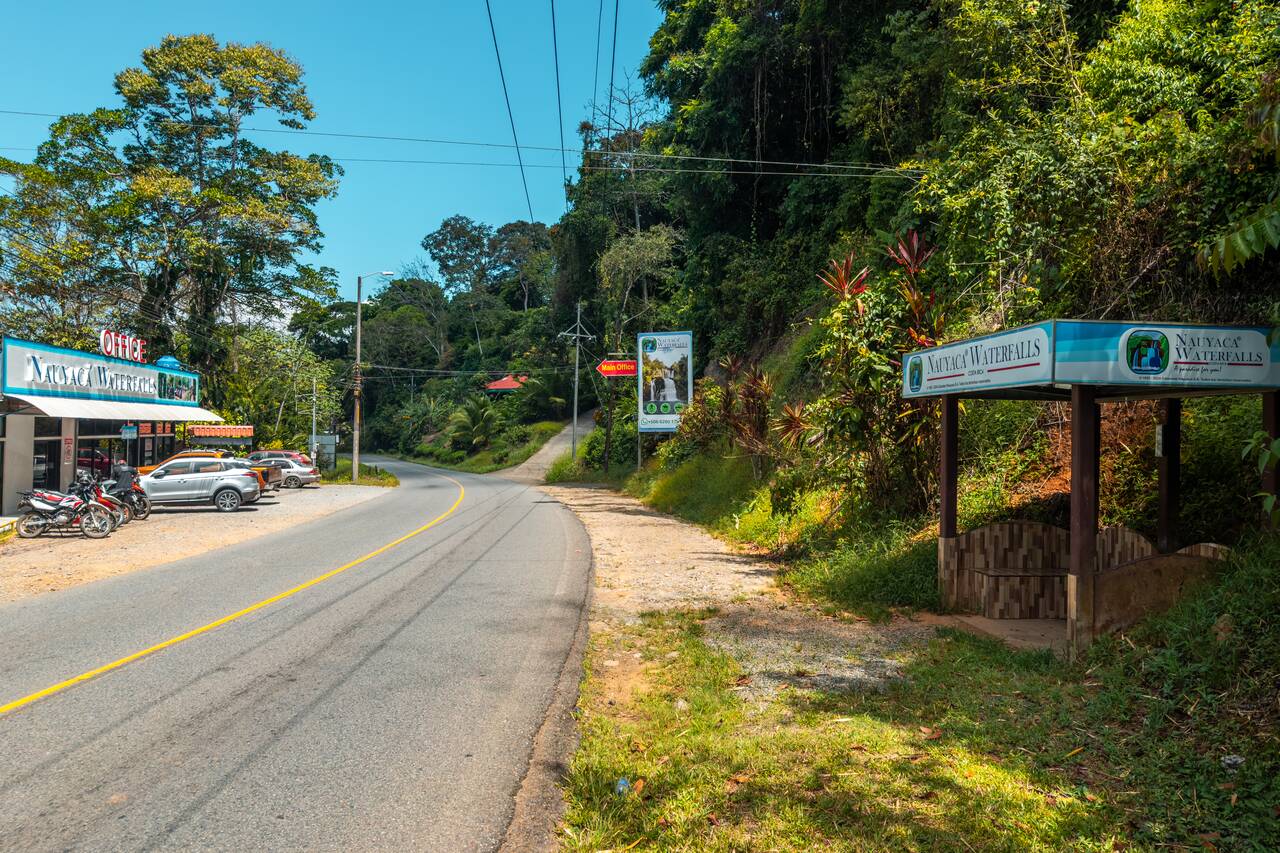
To get back from Nauyaca Waterfalls to Manuel Antonio, you can catch the 12:20 PM buses or you can take an Uber down to Dominical Beach, which is located along the main coastal road not too far from Nauyaca Waterfalls. Spend some time chilling in Dominical before catching one of the many local buses connecting Dominical and Quepos. You can check the latest bus schedule from Dominical to Quepos here.
Where to Stay in Manuel Antonio?
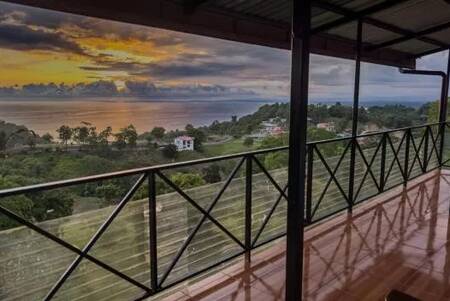
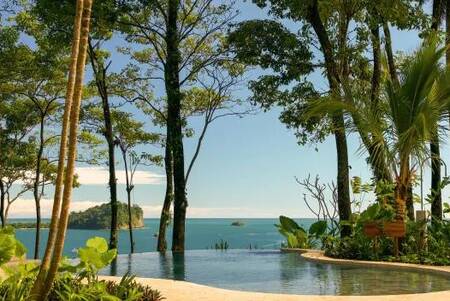
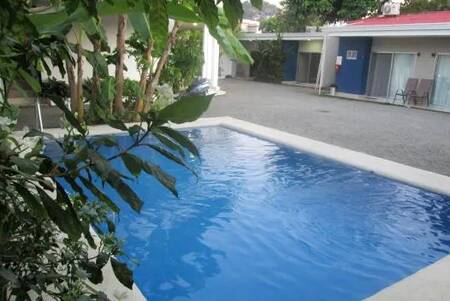
Unlike many beach destinations in Costa Rica, most accommodations in Manuel Antonio are not located directly on the beach. Instead, they are spread out along the hillside road that connects Quepos with Manuel Antonio National Park.
If you are visiting primarily to explore Manuel Antonio National Park, I recommend staying somewhere along the main road between Quepos and the park entrance. The local bus runs frequently throughout the day, and it costs 370 CRC (0.8 USD) and takes 30 minutes each way. Below are some of my recommendations:
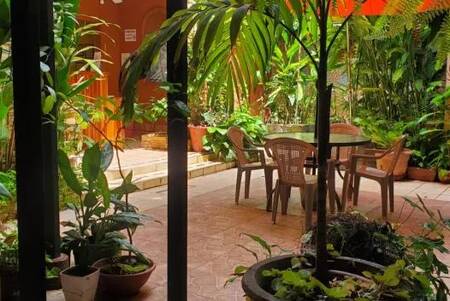
If you are traveling on a budget, Quepos is usually the cheapest place to stay. It offers more affordable hotels, supermarkets, and local restaurants while still being only a 10 to 15-minute bus ride from the national park.
That said, both expats and locals I spoke to mentioned that Quepos has a bit of a reputation for being less safe than Manuel Antonio. Personally, though, I found it to be no different from many other authentic Latin American towns where locals live and work. As long as you use common sense, avoid walking alone on quiet streets at night, and don't flaunt valuables, you should be just fine. Below are some of my recommended places to stay:


When to Visit Manuel Antonio?
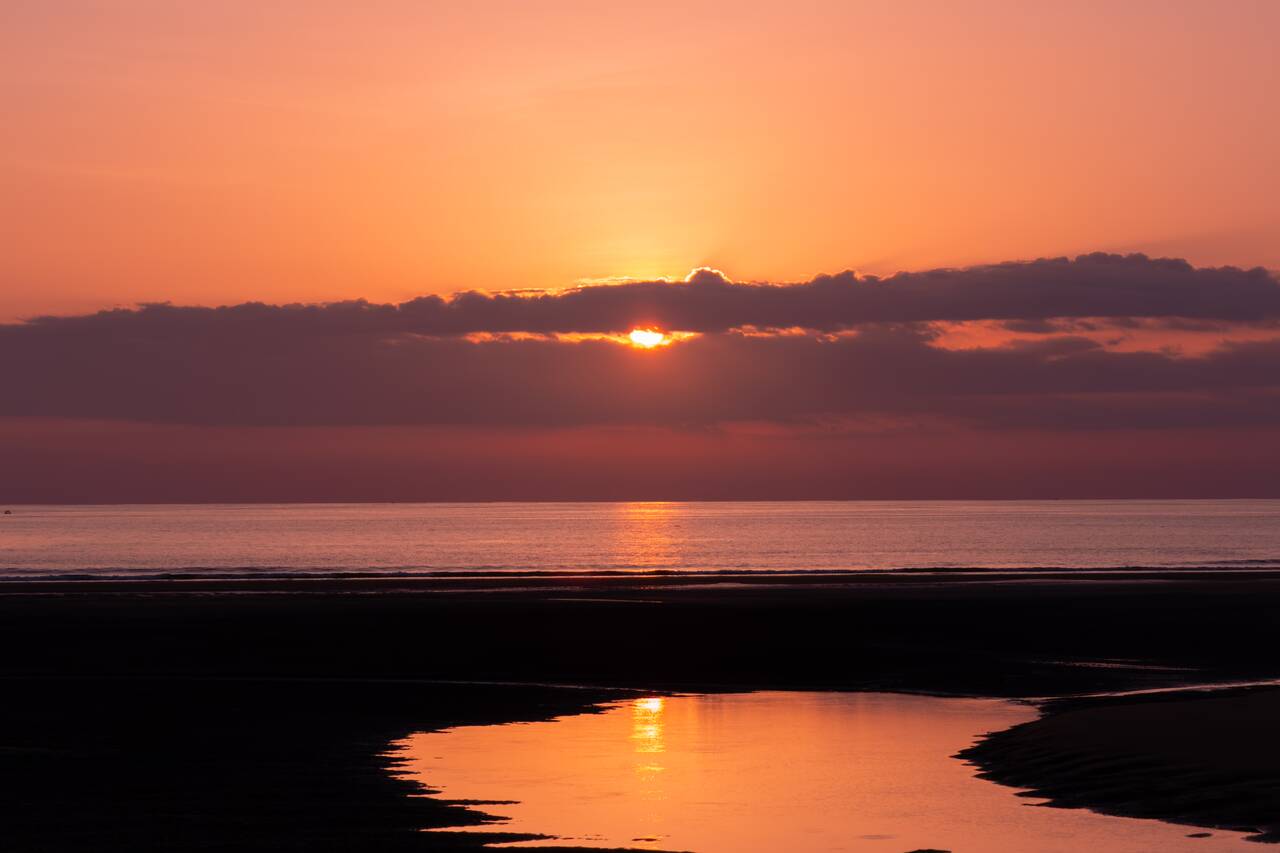
The best time to visit Manuel Antonio is during the dry season, from December to April, when you can expect plenty of sunshine, lower humidity, and great conditions for hiking the park's rainforest trails and relaxing on its beautiful beaches.
This is also the busiest time of the year, so be sure to book your accommodation and national park tickets well in advance. The national park has a daily capacity limit, so make sure you get your time slot prior to your arrival! You can book your time slot here.
I visited Manuel Antonio in February and had beautiful weather throughout my stay. Most days were sunny with very little rain, which made it perfect for spotting wildlife and spending time at the beaches inside the national park. It was quite hot around midday though, so I recommend starting your visit as early as possible, not only to beat the heat but also to enjoy the park before the crowds arrive.
The rainy season, which runs roughly from May to November, brings fewer tourists and lusher rainforest scenery. Afternoon showers are common, but mornings are often still clear enough to explore the park. Wildlife can be seen year-round, so regardless of when you visit, there is always a good chance of spotting monkeys, sloths, iguanas, and colorful birds along the trails.
How to Get to Manuel Antonio?
To get to Manuel Antonio, you will first have to get to Costa Rica. The easiest way is to fly into Juan Santamaría International Airport in San José, the country's main international gateway. From there, you can continue to Manuel Antonio by bus, shuttle, or rental car. For flights, I recommend browsing Skyscanner or Expedia to compare prices and find the best deals from where you live.
From San José: Direct buses operated by Tracopa run daily between San José, Quepos, and Manuel Antonio National Park. You can catch the bus from Tracopa Bus Terminal and book tickets online with a credit card via the Passer App: Android | iOS.
Depending on where you are staying, the bus may drop you off at either the Quepos Bus Terminal or the Tracopa Bus Stop near the entrance to Manuel Antonio. From either stop, you should be able to reach your accommodation on foot, by local bus, or by taxi if needed.
From Dominical or Uvita: Several direct local buses run daily between Dominical, Uvita, and Quepos. The journey takes around 2 hours from Uvita (or about 1 hour from Dominical) and costs approximately 2,500 CRC (5.50 USD) from Uvita. You can catch the bus from across the street from this bus stop on the main highway in Dominical or from the Uvita Tracopa Bus Terminal. Be sure to check the latest schedules before traveling: Uvita | Dominical.
From further away (La Fortuna, Monteverde, etc.): If you are traveling from destinations farther away, I recommend taking a shuttle service. They are more expensive than public buses, but they are much faster, more comfortable, and will often drop you off directly at your accommodation. You can compare shuttle services here. I personally recommend Interbus. While it is on the pricier side, I found it to be very reliable and one of the easiest ways to travel between Costa Rica's major tourist destinations.
By Rental Car: If you don't mind spending a little more, you can also rent a car at San José Airport and drive to Manuel Antonio yourself. The roads are generally in good condition, and I found driving in Costa Rica to be much easier than in many other countries in Central America. Having your own car also gives you the flexibility to explore nearby destinations like Uvita, Dominical, and Nauyaca Waterfalls at your own pace.
How to get Around Manuel Antonio?
On Foot: If you are staying near Manuel Antonio National Park or along the main road, many restaurants, beaches, and hotels are within walking distance. Just keep in mind that the area is quite hilly, so be prepared for a few steep walks.
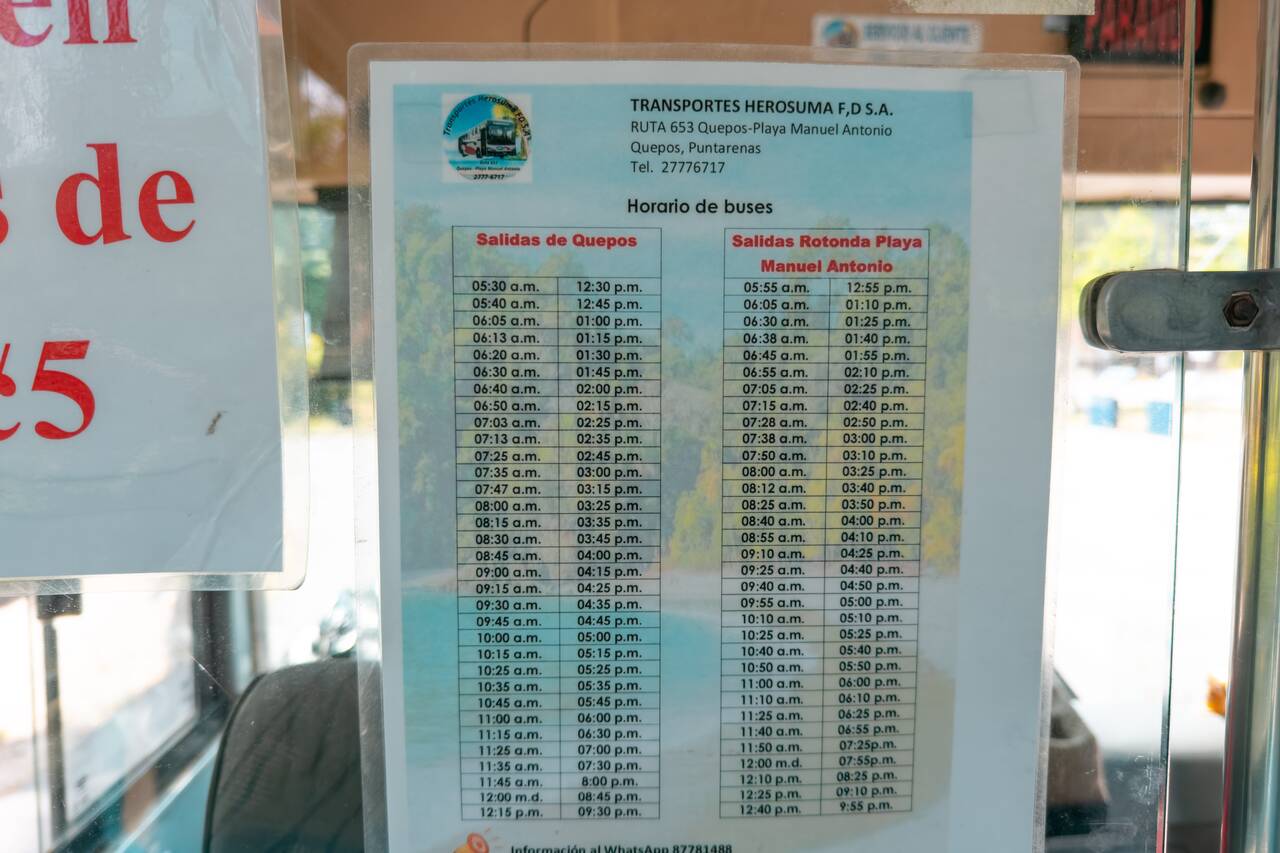
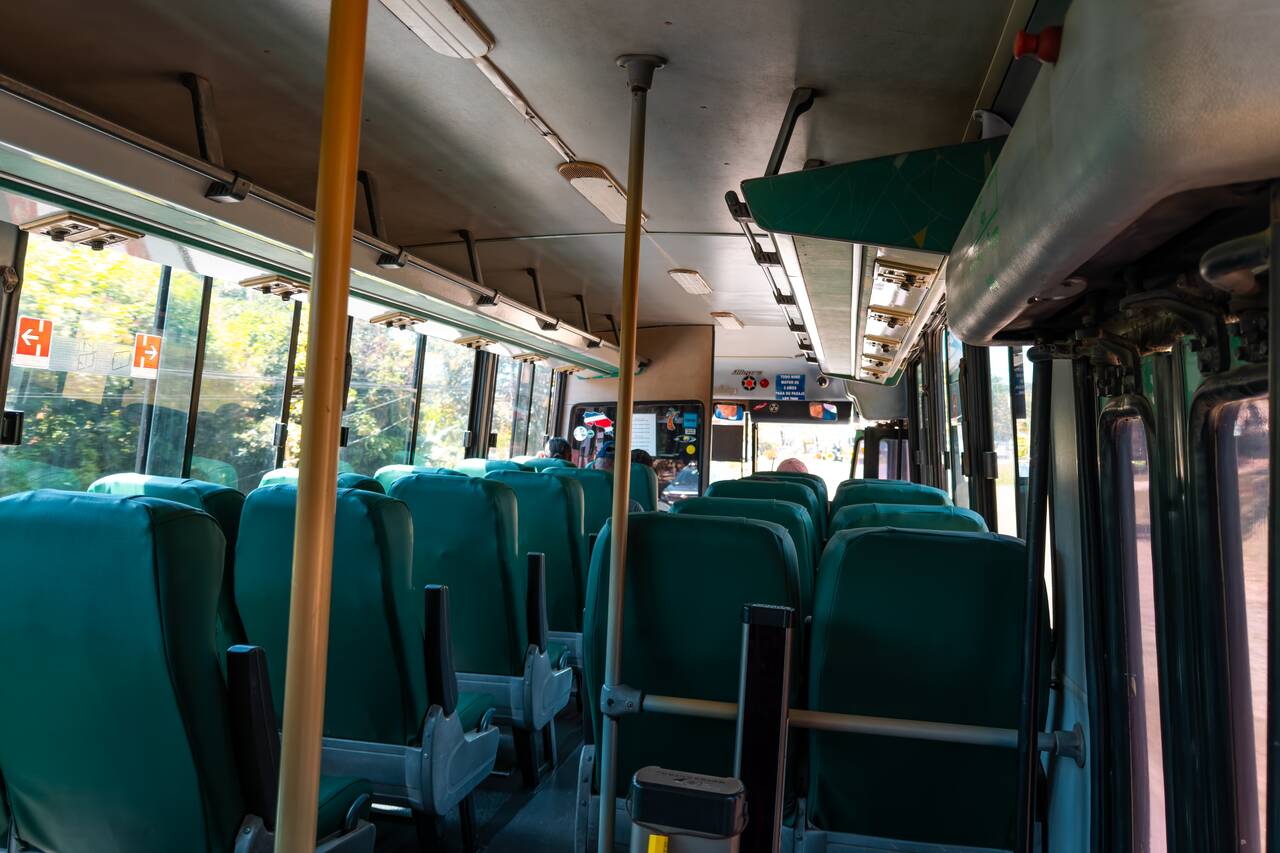
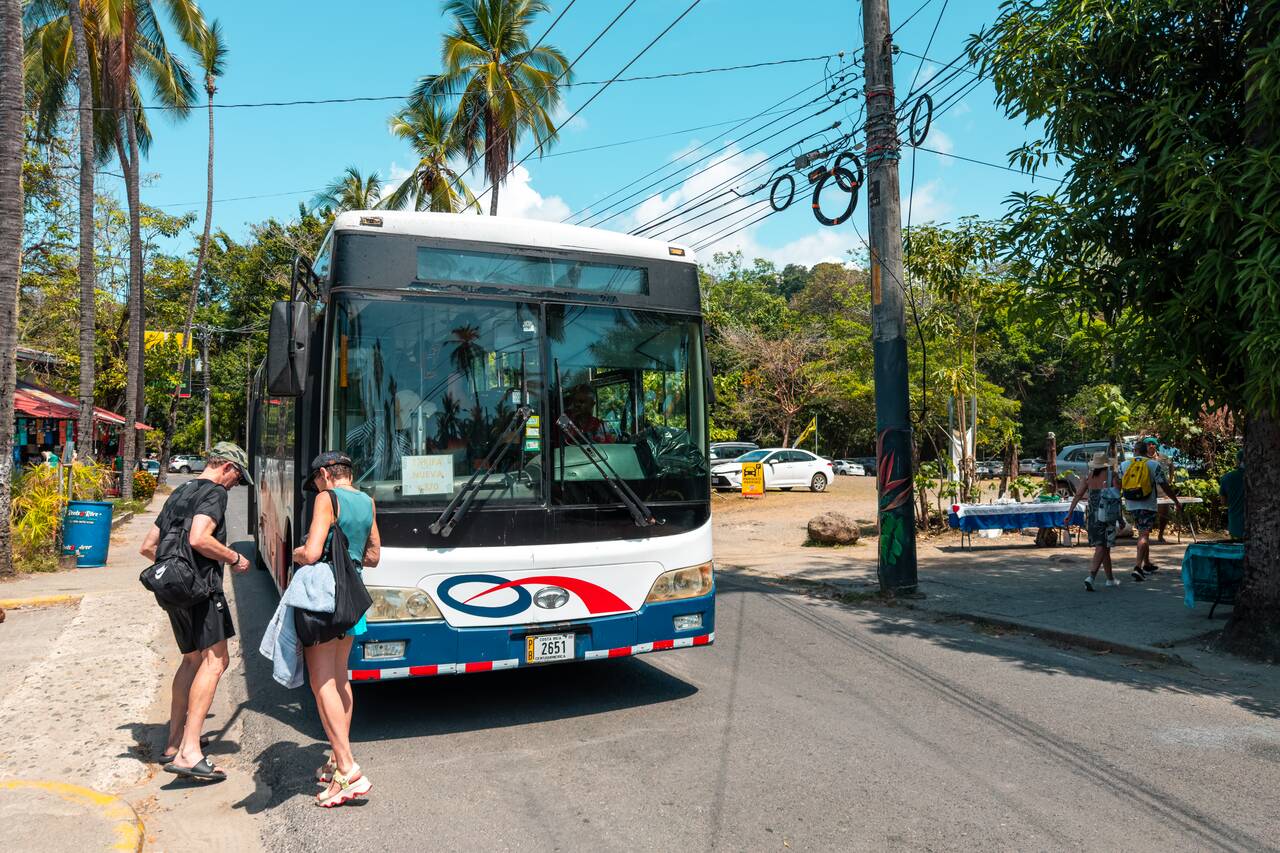
By Local Bus: The local bus between Quepos and Manuel Antonio is by far the cheapest and most convenient way to get around. Buses run every 15–20 minutes throughout the day, take around 15 minutes to reach the national park, and cost approximately 370 CRC (0.80 USD). You can catch the bus from the Quepos Bus Terminal or simply flag one down anywhere along the main road between Quepos and Manuel Antonio. It really couldn't be easier or more affordable.
By Taxi or Uber: Taxis are readily available throughout Manuel Antonio and Quepos, and Uber also operates in the area, although availability can vary depending on the time of day. Personally, I don't think you'll need either unless you are traveling as a group or carrying a lot of luggage. Between the frequent local buses and the walkable areas around Manuel Antonio, I never had to use Uber or a taxi during my stay.
By Rental Car: Renting a car is a great option if you plan to explore beyond Manuel Antonio, such as Uvita, Dominical, or Nauyaca Waterfalls. Keep in mind that parking near the entrance of Manuel Antonio National Park is limited and privately operated, so expect to pay a small parking fee. You can find a rental car here.
How many days to spend in Manuel Antonio?
I recommend spending 2 to 3 days in Manuel Antonio or Quepos. This gives you enough time to spend a full day exploring Manuel Antonio National Park, relaxing on its beautiful beaches, spotting wildlife, and another day for activities like ziplining or visiting nearby places such as Nauyaca Waterfalls.
- Day 1: Explore Manuel Antonio National Park and relax at its beautiful beaches.
- Day 2: Visit Nauyaca Waterfalls, then stop by Dominical or explore Quepos on your way back.
- Day 3 (Optional): Go ziplining, take a surf lesson, or simply spend the day relaxing at the beach.
Is it Safe in Manuel Antonio?
Yes! I found Manuel Antonio to be one of the safest places I visited in Costa Rica. During my time here, I felt completely comfortable walking around the tourist areas during the day, using the local buses, and exploring the national park on my own. As always, it's a good idea to keep an eye on your belongings and avoid walking alone on quiet streets late at night, especially in Quepos, but I never ran into any problems.
One thing you should watch out for in Manuel Antonio is the monkeys. Although they are nowhere near as aggressive as the ones I encountered in Southeast Asia, they are incredibly clever. I was told that they often work in groups, with one monkey distracting tourists while another quietly sneaking up from behind to grab anything colorful or interesting from backpacks. They are surprisingly cunning, so always keep your belongings close.
Inside Manuel Antonio National Park, food is not allowed for exactly this reason. The rule helps protect both the wildlife and tourists by discouraging animals from approaching people. Be sure to leave any snacks behind before entering; otherwise, they will check your bag and you'll be asked to throw them away at the entrance. Unfortunately, I learned that the hard way 🥲.
Disclaimer: This post may contain affiliate links. See our disclosure policy.
First Published:
Last updated:


