



When most people think of Brazil, places like Rio de Janeiro, Salvador, and Iguazu Falls often come to mind. However, hidden away in the northeastern state of Maranhão lies one of the most surreal landscapes not only in Brazil but in the entire world: Lençóis Maranhenses.
At first glance, the national park looks like an endless desert, with towering white sand dunes stretching to the horizon. But unlike a desert, Lençóis Maranhenses comes alive after the rainy season, when thousands of crystal-clear freshwater lagoons form between the dunes, creating a surreal landscape that stretches as far as the eye can see.
If you are planning a visit, this guide covers everything you need to know about Lençóis Maranhenses, including the best places to visit, where to stay, how to get there, how to get around, and all the practical information you need to plan an unforgettable trip to one of Brazil's most extraordinary natural wonders.

Map of Attractions in Lençóis Maranhenses
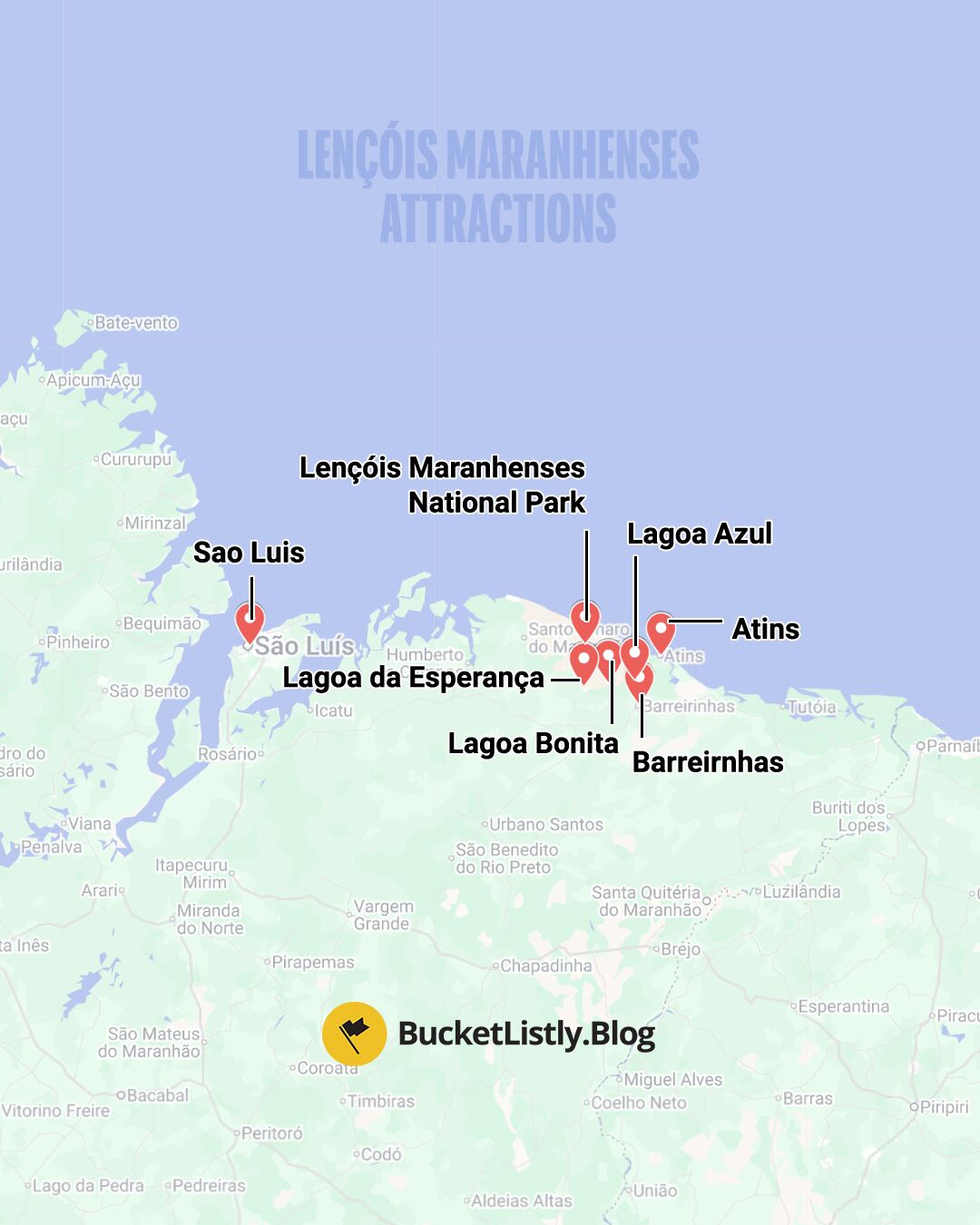
Quick Summary
| ♥️ Must See: | Lagoa Bonita |
|---|---|
| 👍 Must Do: | Lagoa da Esperança |
| 🌤️ When to visit: | Jun - Aug |
| 🏃♂️ Getting around: | 4x4 |
7 Best Places to Visit in Lençóis Maranhenses
1. Watch the Sunset at Lagoa Bonita
- 📍 Location: Lagoa Bonita [Map Link]
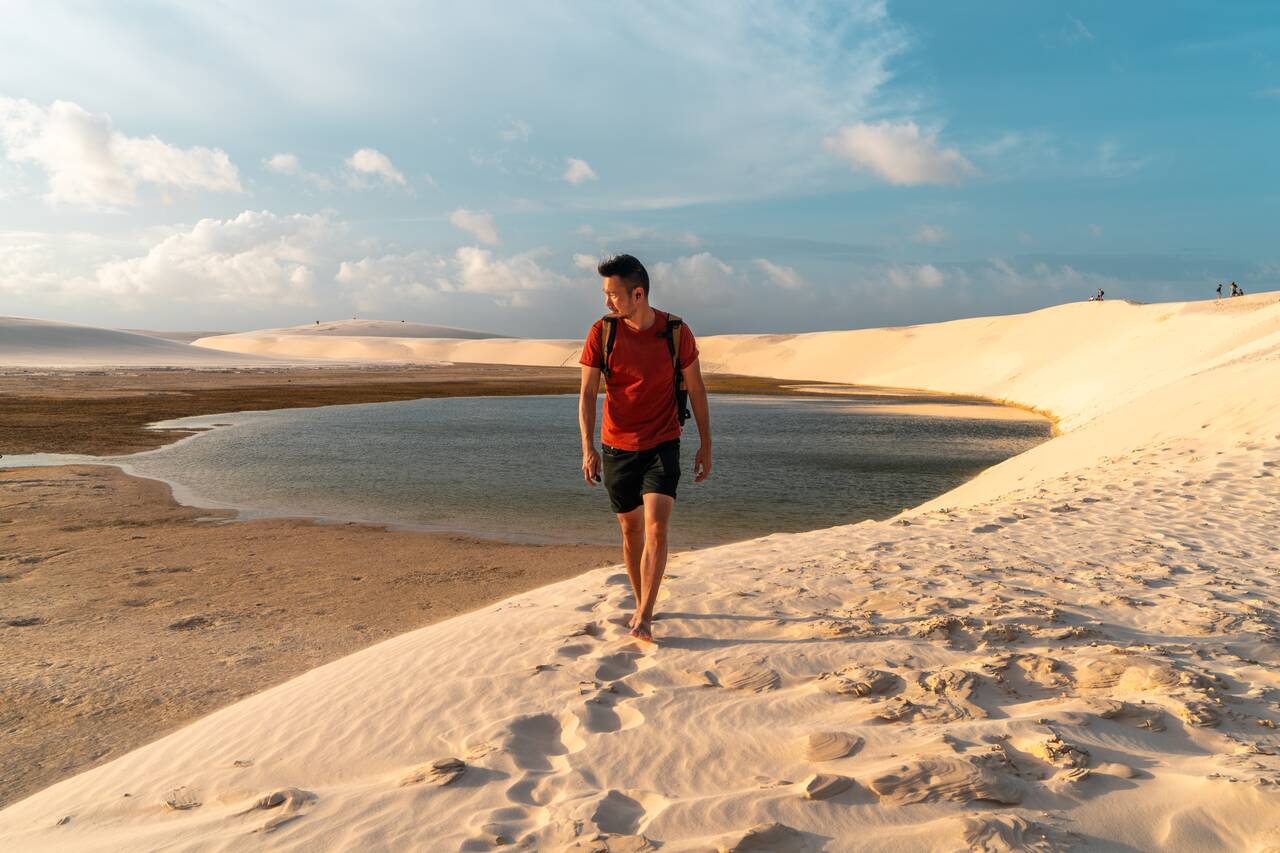
If there is one tour I would recommend you do in Lençóis Maranhenses, it is the sunset tour to Lagoa Bonita, which is one of the most famous sunset spots in the national park.
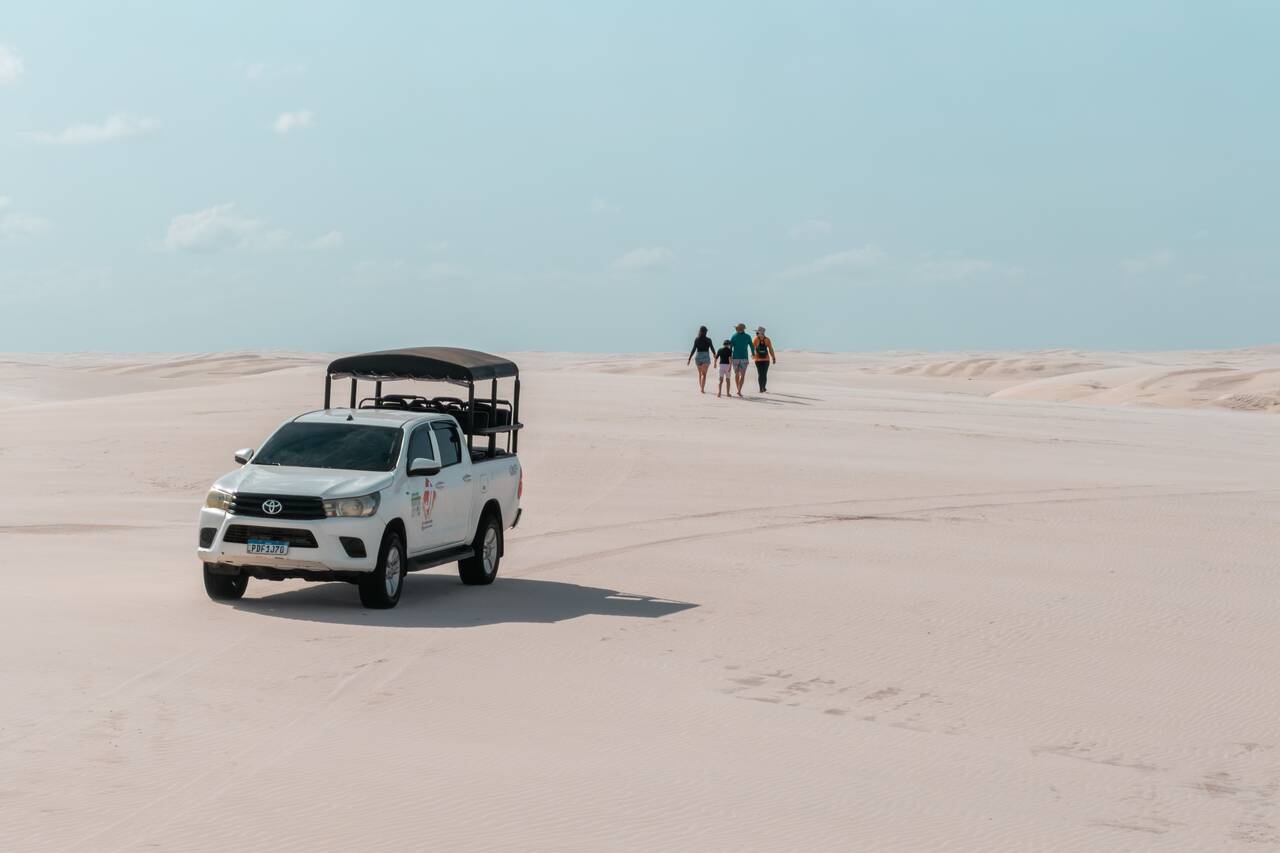
To reach Lagoa Bonita, you will have to endure one of the bumpiest rides you are ever likely to experience as your 4x4 bounces across sandy tracks and rolling dunes. The journey from Barreirinhas takes around an hour, so be prepared for a rough but fun ride. The easiest way to visit is with an organized tour, which takes care of all the transportation and logistics.
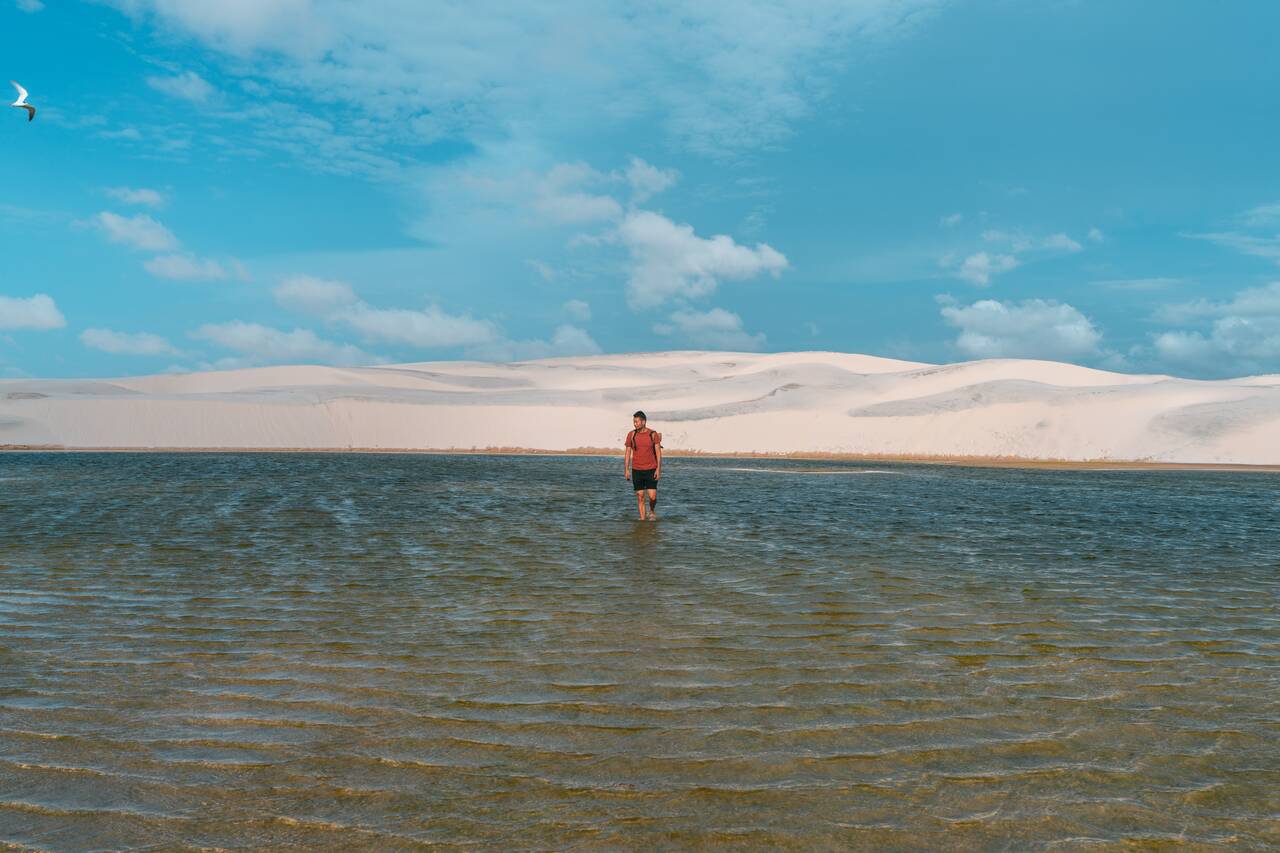
After the 4x4 ride, the tour will usually drop you off a short distance from the lagoon, giving you around 30 to 45 minutes to hike through the dunes before reaching Lagoa Bonita. This is a good chance for you to discover the smaller lagoons that formed in between the rolling sand dunes.
- Lagoa Bonita Sunset Tour (3 hours)
- Lagoa Bonita & Lagoa Azul Full Day Tour (8 hours)
- Lagoons, Atins & Canto do Atins in One Day Tour (8 hours)
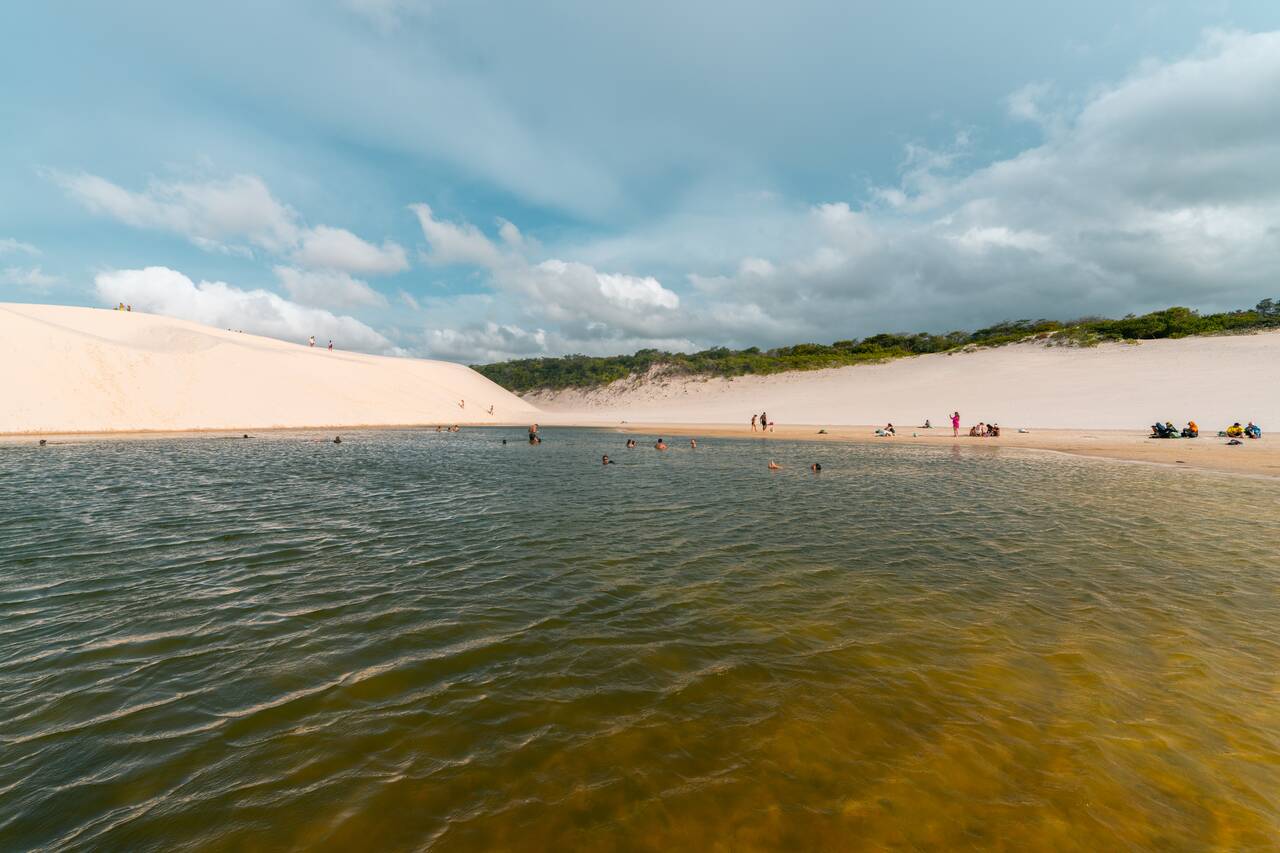
Once you arrive at Lagoa Bonita, you can spend your time swimming in the lagoon, relaxing by the water, or climbing one of the tall dunes nearby and sliding down into the water below. Before sunset, be sure to make your way up the highest dune in the area, where you will be rewarded with a breathtaking view over the endless dunes of Lençóis Maranhenses as the sun slowly disappears below the horizon.
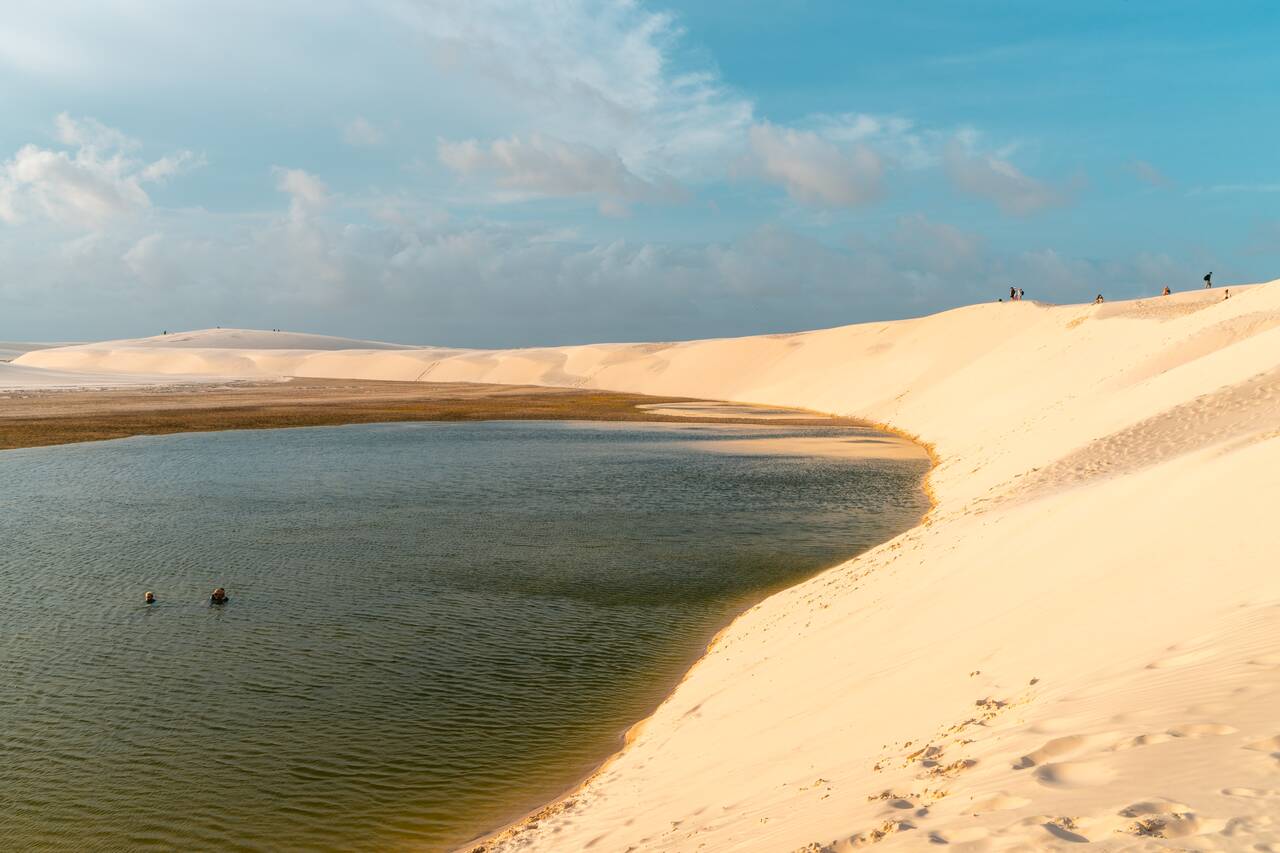
From the top of these sand dunes, you will be rewarded with a breathtaking panorama of endless white sand dunes stretching across the horizon. After the rainy season, you will see that famous scenery of countless blue lagoons dotting the landscape from here. Even though I visited in January when many of the lagoons had not yet fully formed, I still found the scenery absolutely incredible.
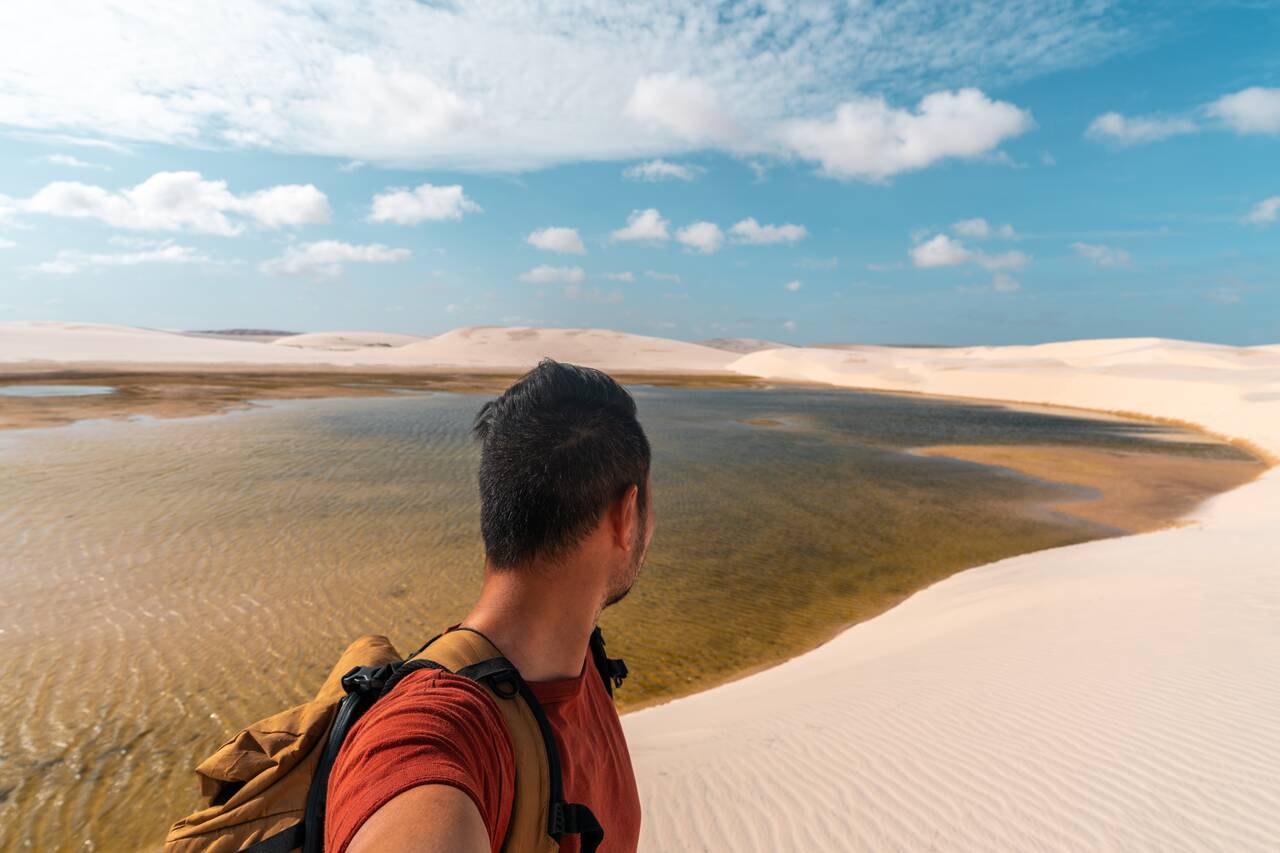
The tour usually lasts around half a day and can be arranged through most hotels, guesthouses, and tour agencies in town, or booked online here. If you prefer to see more of the national park in a single day, you can also join a full-day tour, which combines Lagoa Bonita at sunset with visits to other popular lagoons, such as Lagoa Azul.
2. Take a 4x4 Tour Through the Dunes

- 🏄 Tour: 4x4 Tour Through the Dunes
Whether you are heading to Lagoa Bonita, Lagoa Azul, Lagoa da Esperança, or one of the more remote corners of the park, chances are you will spend a good amount of time bouncing around in the back of an open 4x4 pickup truck. The rides can be rough, dusty, and occasionally uncomfortable, but they are also a big part of the adventure.
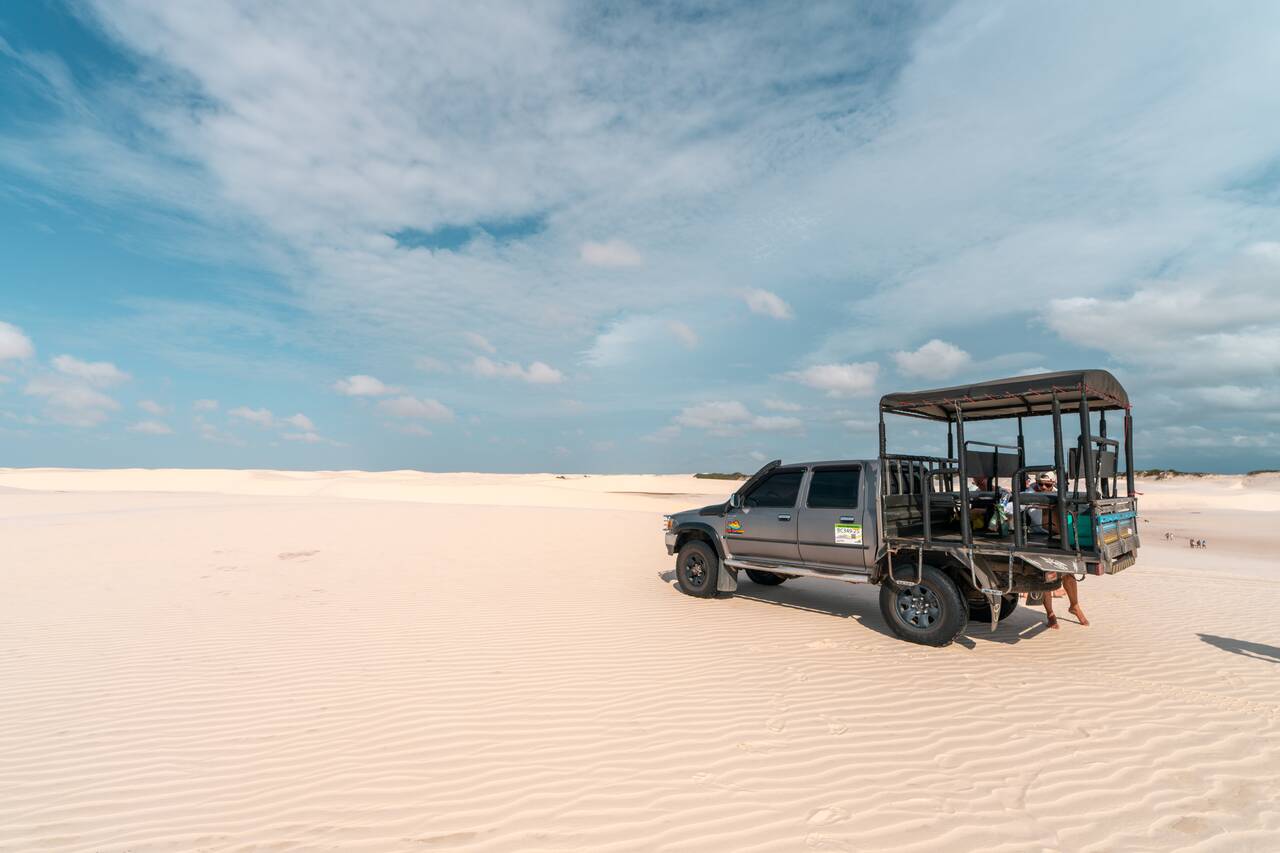
What I found most impressive was how the drivers always seemed to know exactly where they were going. The routes often cut through vast stretches of sand with no visible roads or signs, yet they navigated the maze-like landscape with ease. Watching them maneuver through the dunes only made me appreciate why joining a tour is usually the best way to explore the park.
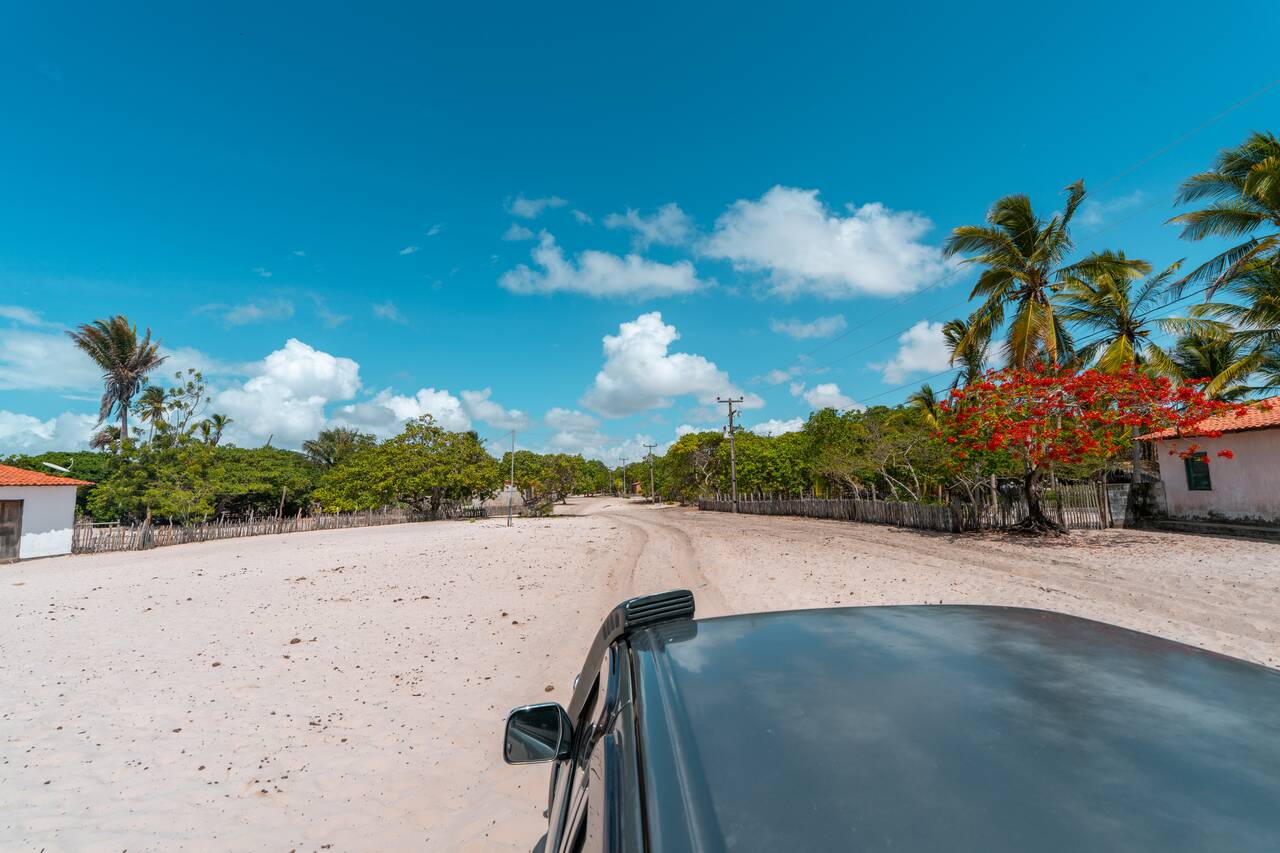
Along the way, you will pass remote villages, freshwater lagoons, and some of the most beautiful scenery in the region. Even when I was not at a lagoon or viewpoint, I was thoroughly enjoying the ride, and I think you will too. If you are planning to visit Lençóis Maranhenses, be prepared for a few bumpy rides.
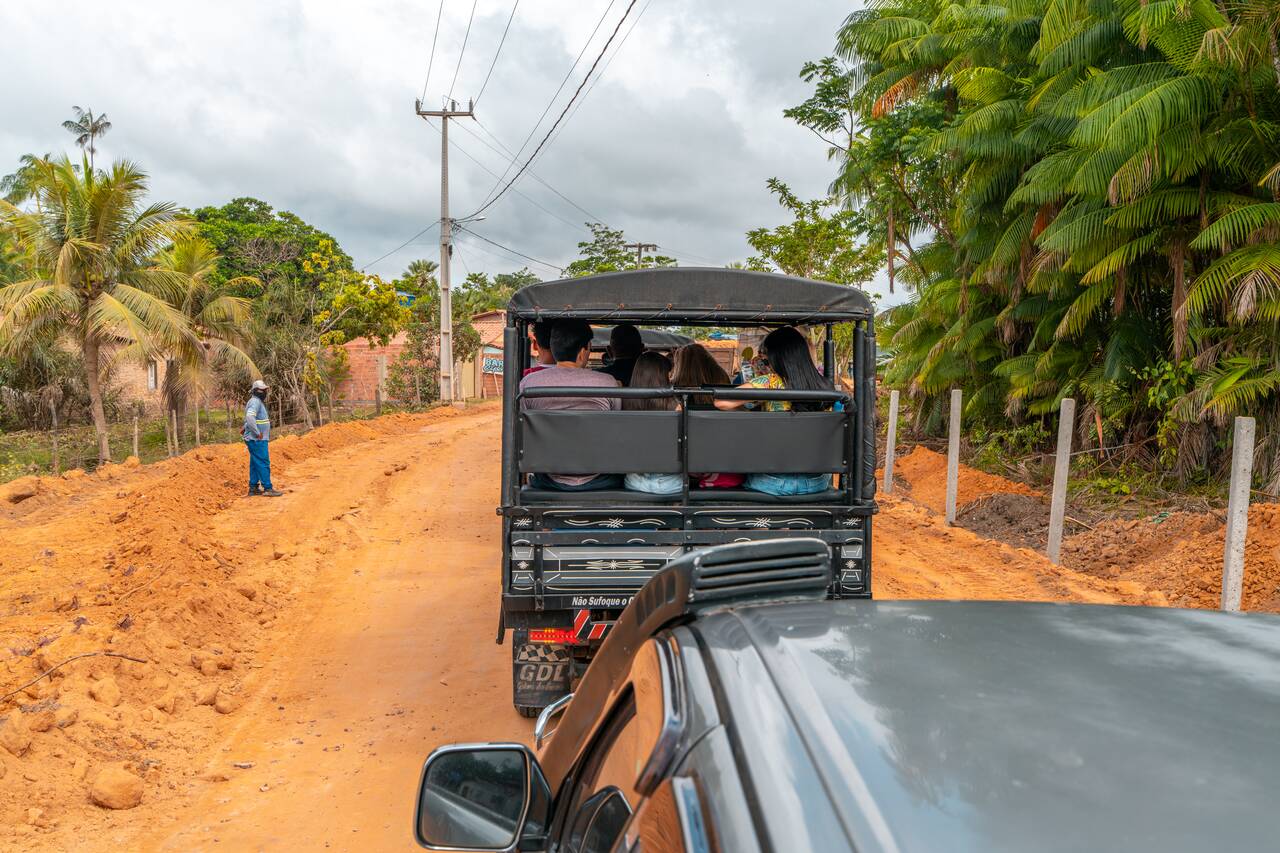
They may not be the most comfortable part of the trip, but they are certainly one of the most memorable. Just watch out for low-hanging tree branches and the metal rails inside the truck. With all the bouncing around, it is surprisingly easy to bump your head if you are not paying attention. I'm speaking from experience here 🤣.
3. Relax at Lagoa Azul
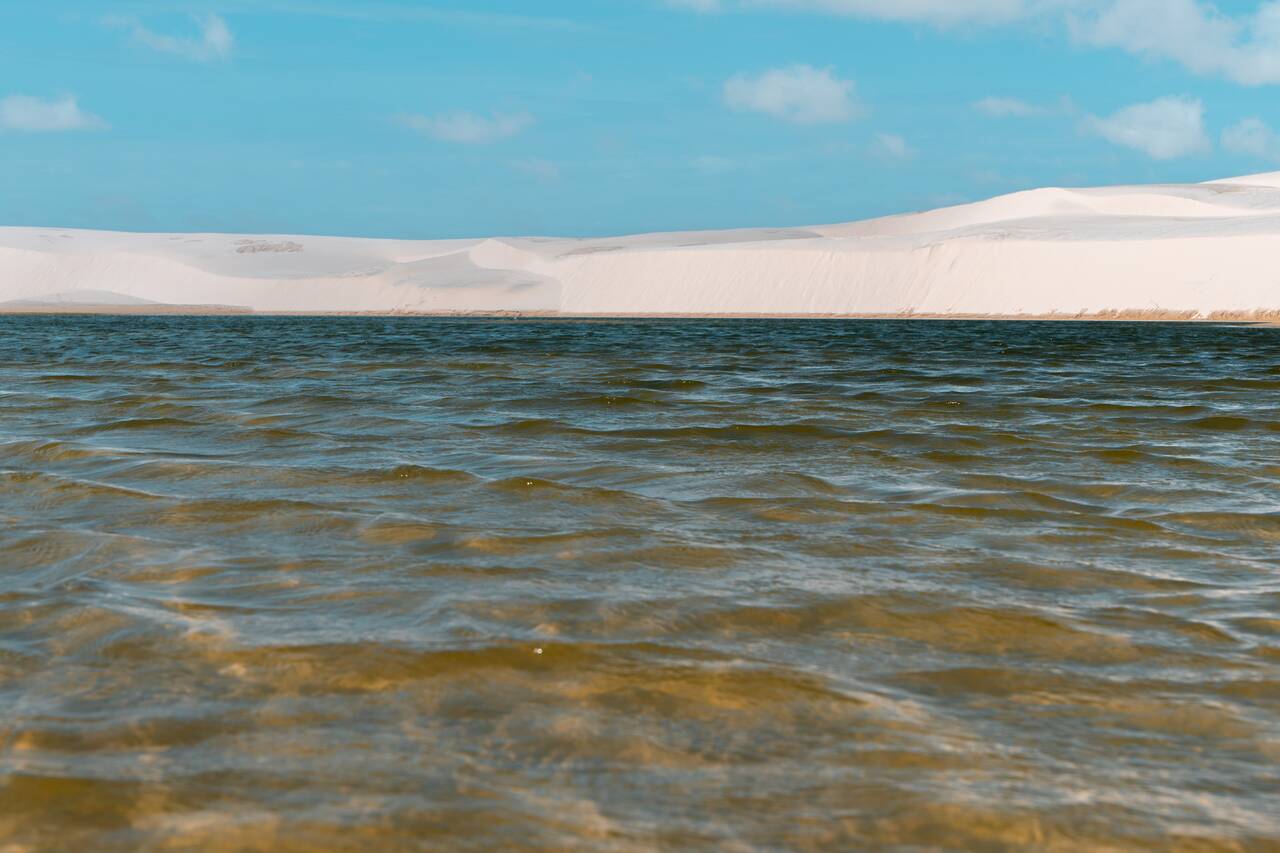
- 📍 Location: Lagoa Azul [Map Link]
If you are joining the full-day tour, Lagoa Azul is usually the first stop of the day. Here, you will have plenty of time to walk around the dunes, swim in the lagoons, and relax before heading off for lunch. We spent around two hours here, which I found to be more than enough time to enjoy the scenery and cool off in the water.
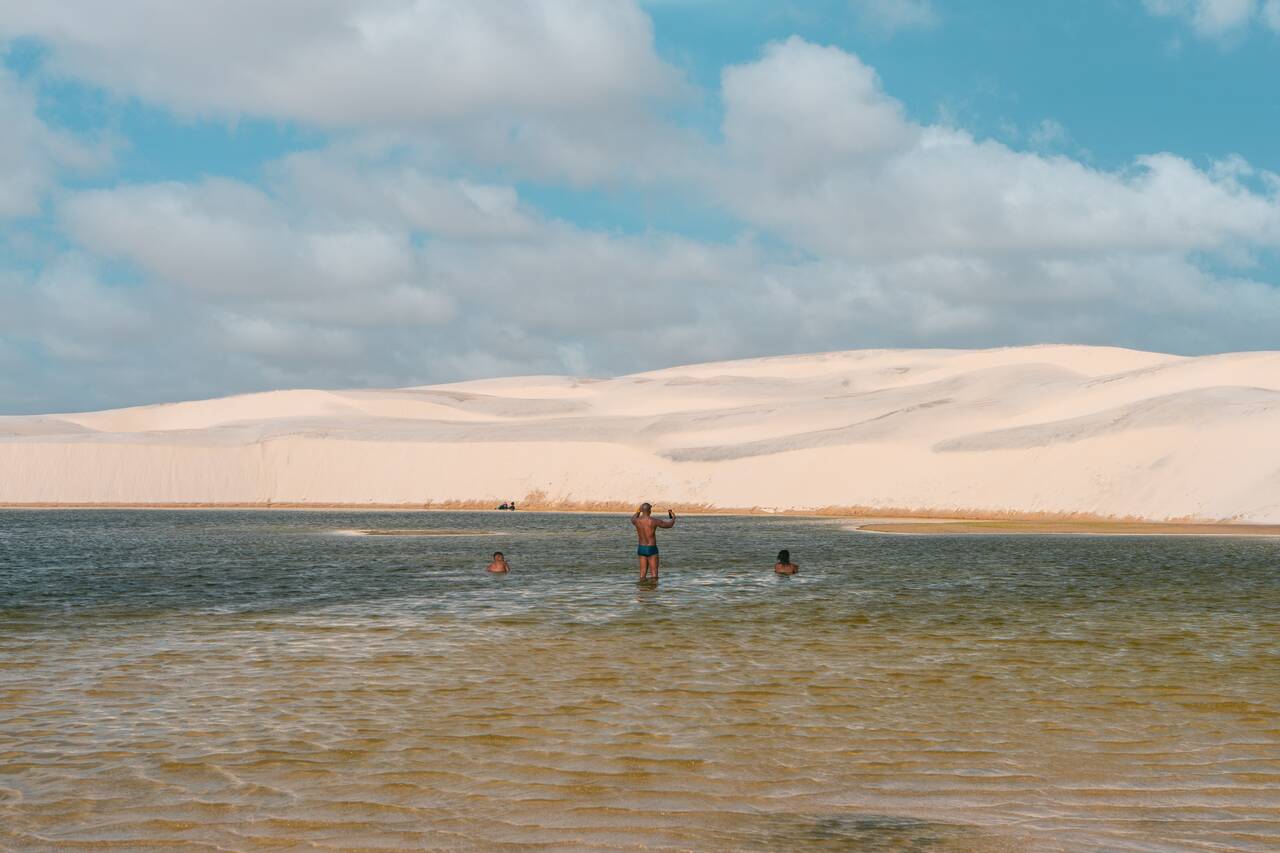
The water is often remarkably clear and cool, making it a joy to swim in, especially after spending time hiking around the dunes. With very little shade and the sun beating down on the sand, you are going to want to go for a dip in the lagoon, trust me.

Like many attractions in Lençóis Maranhenses, getting here requires a roughly one to one-and-a-half-hour 4x4 ride from Barreirinhas, and the easiest way to visit is with an organized tour. Keep in mind that Lagoa Azul can dry up during the dry season, so your guide may take you to a different lagoon with better water levels instead. Tour operators are constantly communicating with one another and monitoring conditions throughout the park, so you should still be able to enjoy a similar experience regardless of when you visit.
4. Swim in Lagoa da Esperança
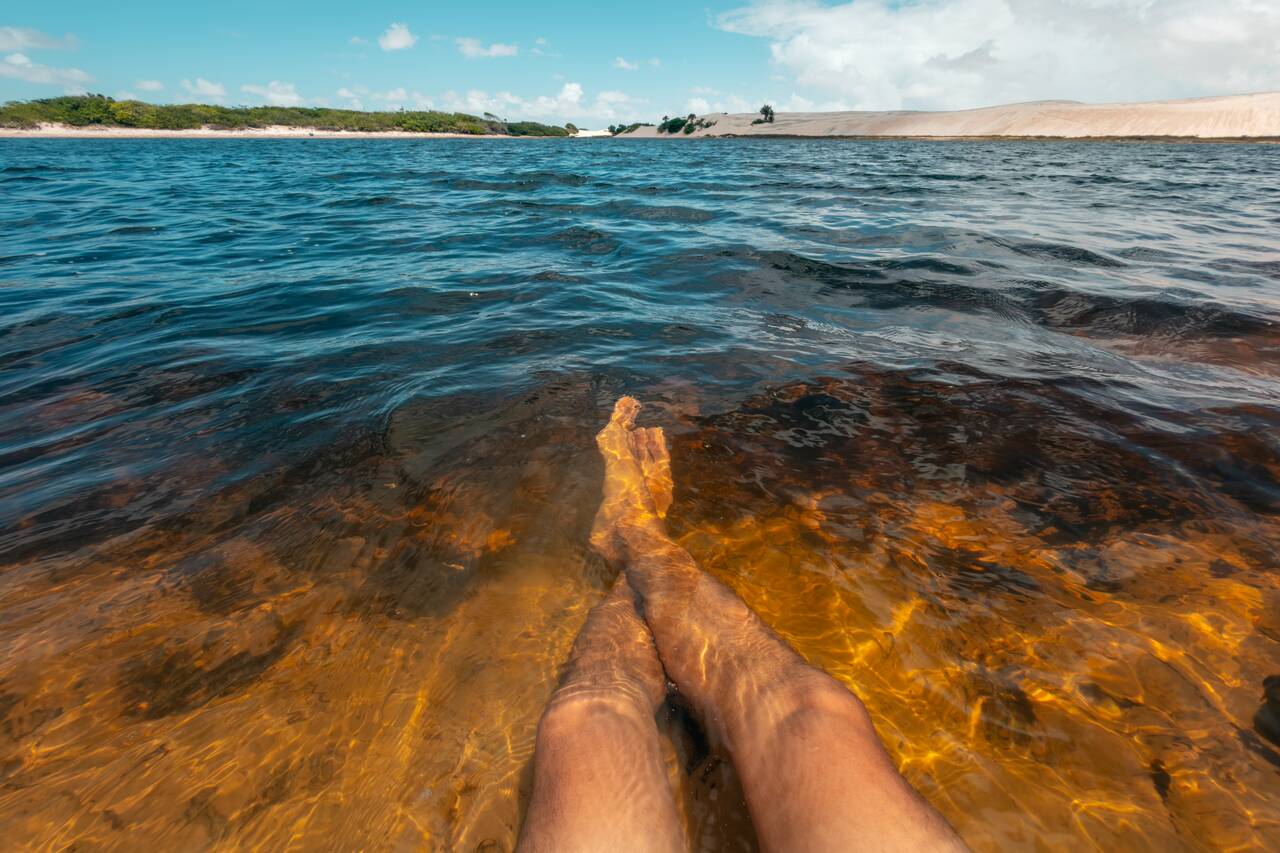
- 📍 Location: Lagoa da Esperança [Map Link]
If you are looking for a place that is guaranteed to have water year-round, you cannot go wrong with Lagoa da Esperança. Despite its name, it is actually a river that is often mistaken for a large lake and is the largest body of water in the national park.
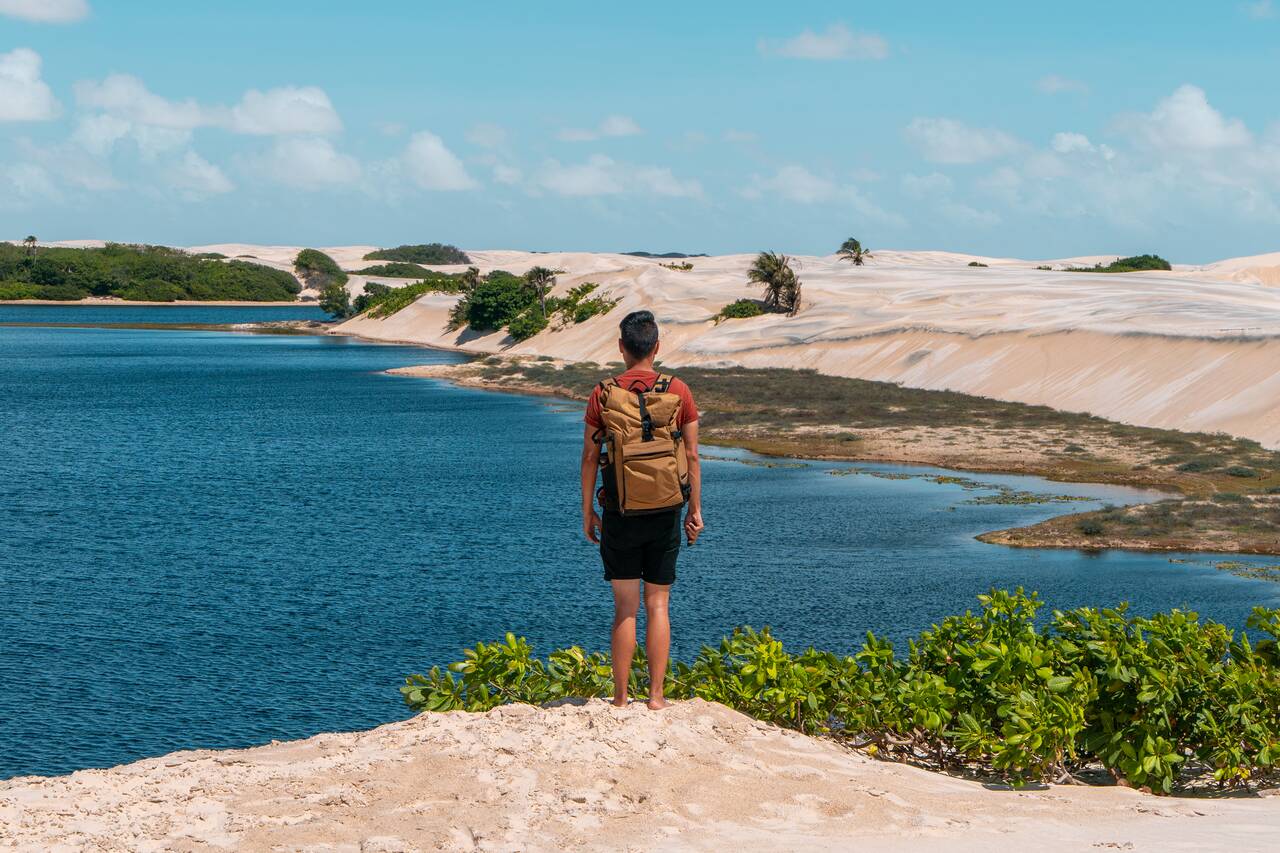
Unlike many of the park's seasonal lagoons, which appear after the rainy season and gradually disappear during the dry months, Lagoa da Esperança retains water throughout the year thanks to its connection to underground water sources and nearby rivers.
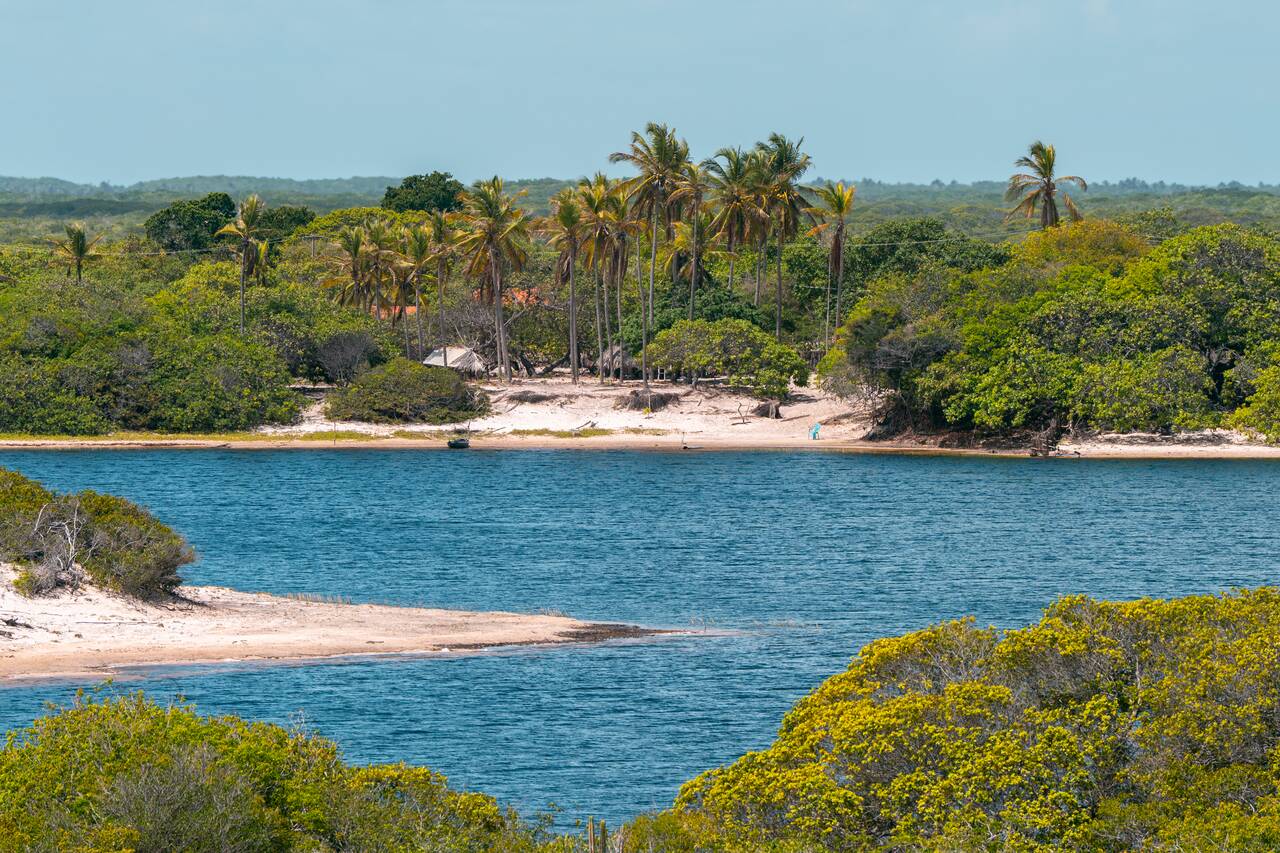
Because of this, it has long been an important water source for the small communities living around the national park, and you can still see small villages scattered along its banks as you make your way there. Again, it will take you about an hour driving on bumpy sandy tracks to get here, and a full-day tour will often include this spot.
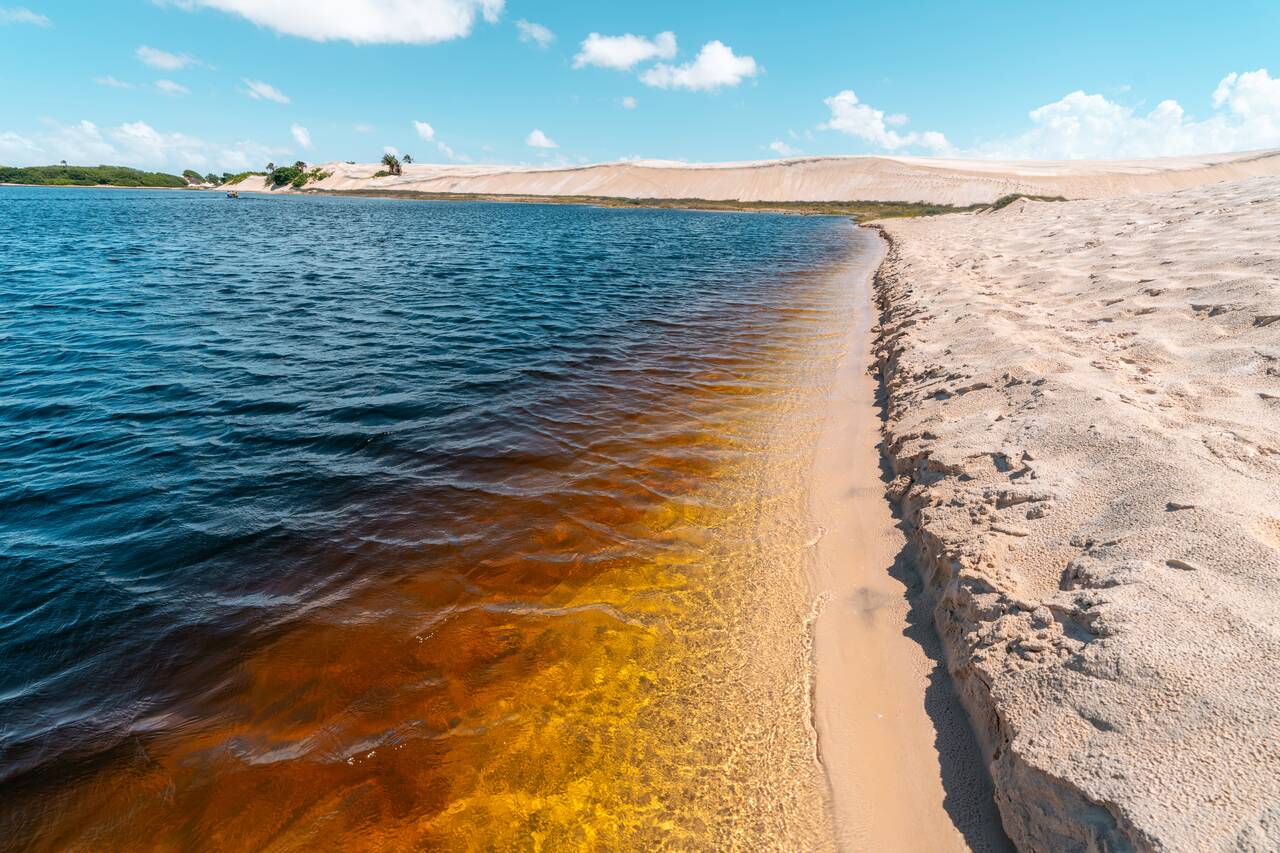
You can also spend some time walking around the dunes before cooling off in the refreshing, crystal-clear water of the river. Unlike many of the other lagoons in the national park, there are several shaded areas along the riverbank where you can escape the heat between hikes and swims, which I really appreciated.
5. Enjoy Slow Travel in Atins

- 📍 Location: Atins [Map Link]
If all the 4x4 rides, dune hikes, and lagoon hopping start to wear you out, consider spending a day or two in Atins, a laid-back fishing village located where Lençóis Maranhenses meets the Atlantic Ocean. With its sandy streets, beachfront setting, and relaxed atmosphere, Atins is the perfect place to slow down and experience a different side of the region.

Unlike Barreirinhas, which serves as the main gateway to the national park and can be quite busy at times, Atins feels much more remote and peaceful. Life moves at a slower pace here, and much of your day can be spent simply wandering through town, relaxing at a beachside café, or watching fishermen return with their daily catch.
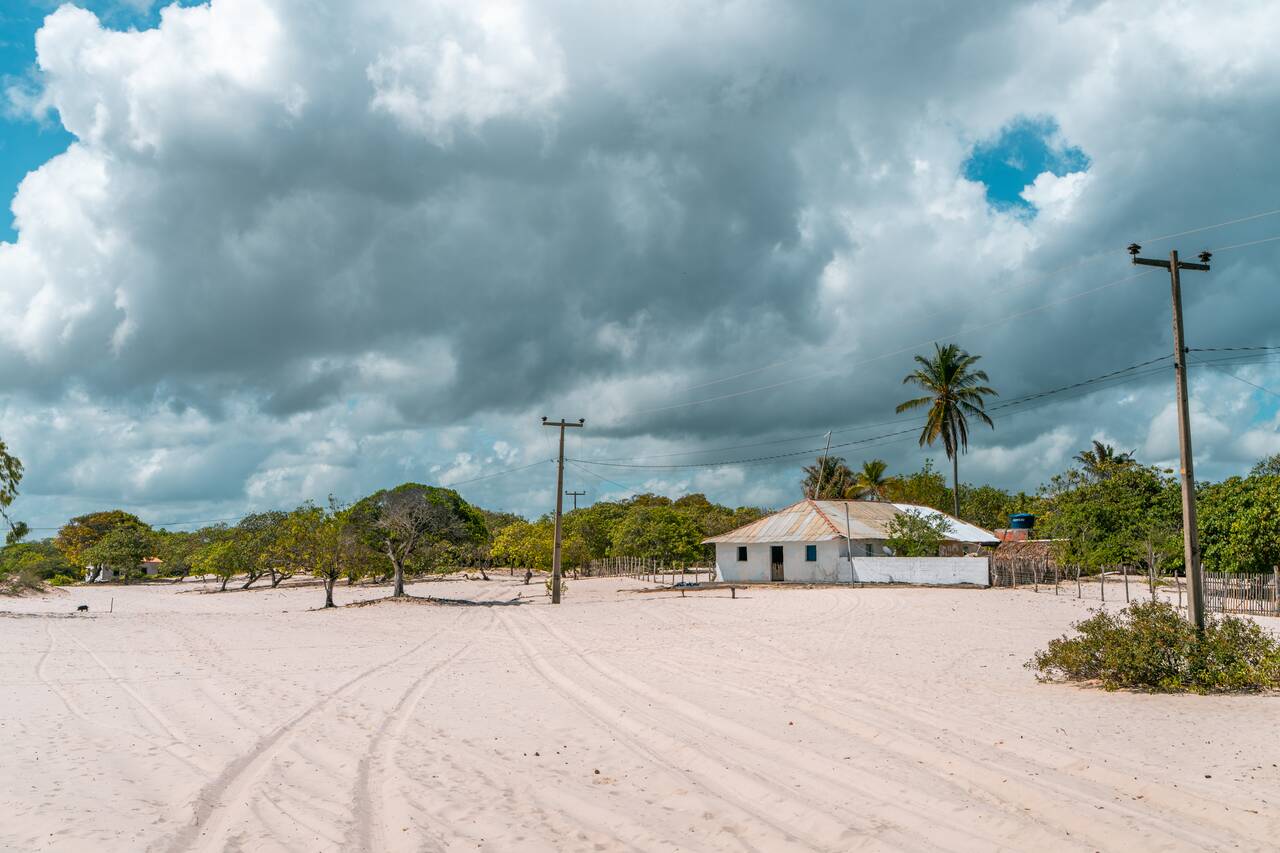
Keep in mind that Atins is quite undeveloped, which is part of its charm, but it also means getting there can be a bit challenging. There are no paved roads, limited infrastructure, and very little traffic. What you get in return is a peaceful village filled with charming guesthouses, rustic restaurants, and long stretches of beach where you can often walk for miles without seeing many other people.
If your schedule allows, I highly recommend spending at least one night in Atins rather than visiting on a day trip. This is where you can truly slow down, relax, and immerse yourself not only in the stunning landscape but also in the small local communities that call this unique region home.
6. Explore Barreirinhas
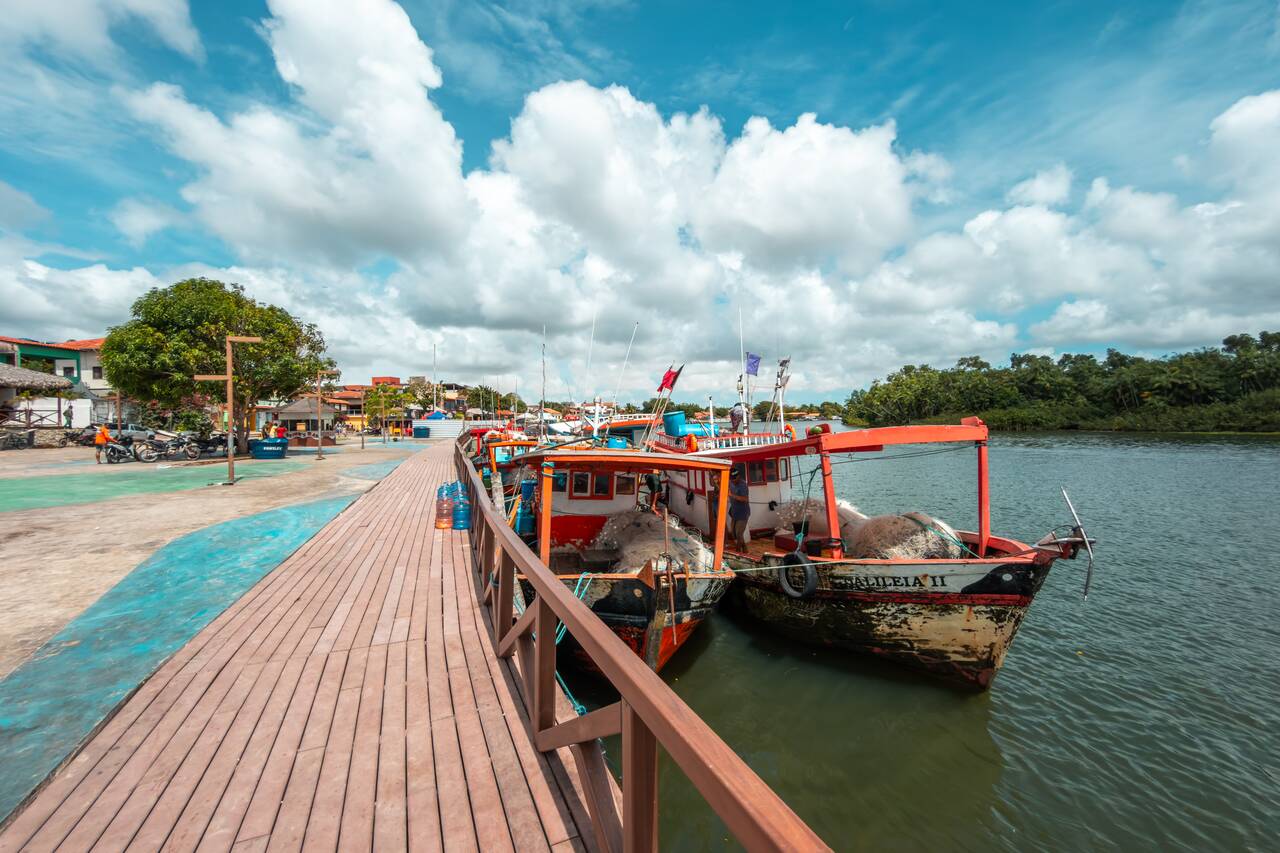
- 📍 Location: Barreirinhas [Map Link]
While most people use Barreirinhas simply as a base for exploring Lençóis Maranhenses, I think the town is worth spending some time in as well. Located on the banks of the Preguiças River, Barreirinhas is the main gateway to the national park and the largest town in the region, with plenty of restaurants, cafés, shops, and tour operators.
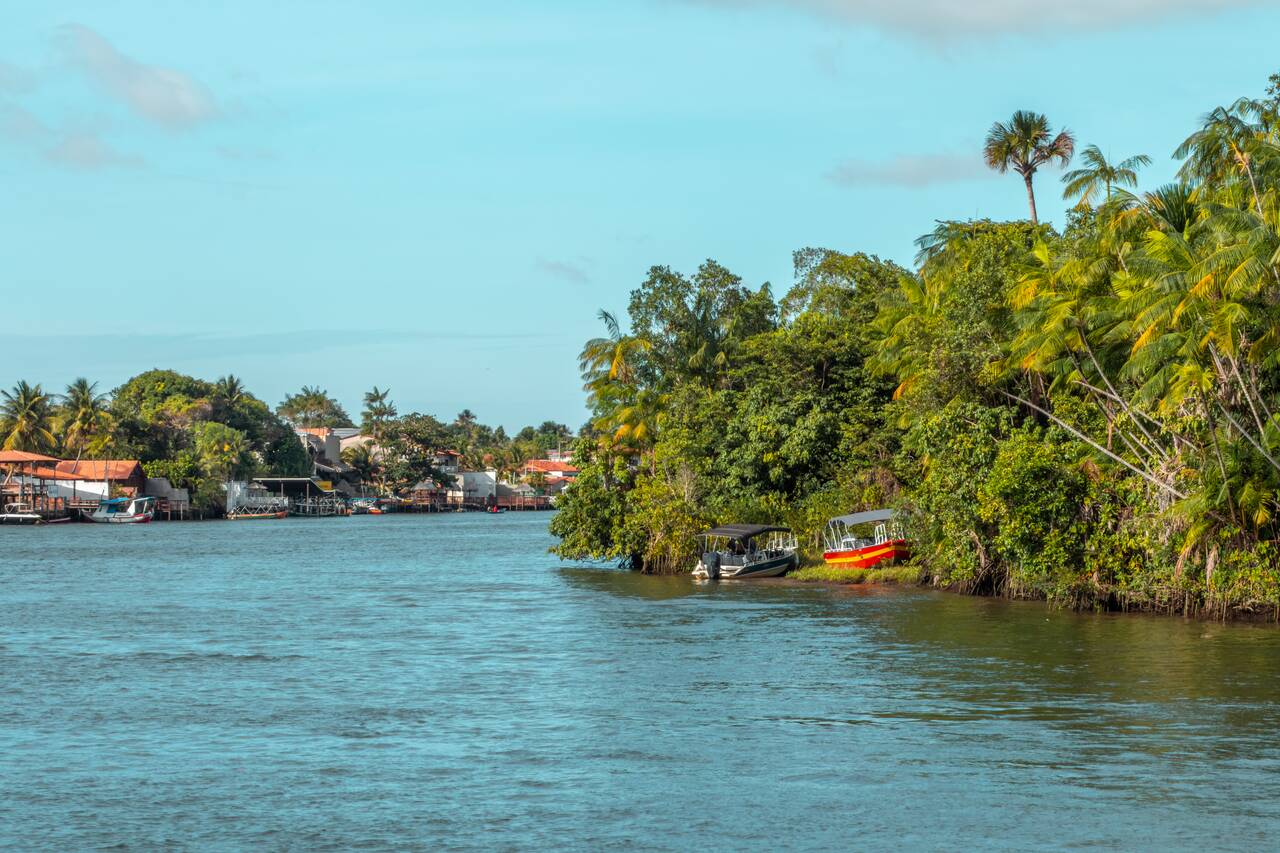
After a long day of hiking through the dunes and swimming in lagoons, I enjoyed walking along the riverfront in the evening and taking in the laid-back atmosphere. The town comes alive after sunset, with people gathering at riverside restaurants and bars to enjoy the cooler temperatures and watch boats drift by on the water.
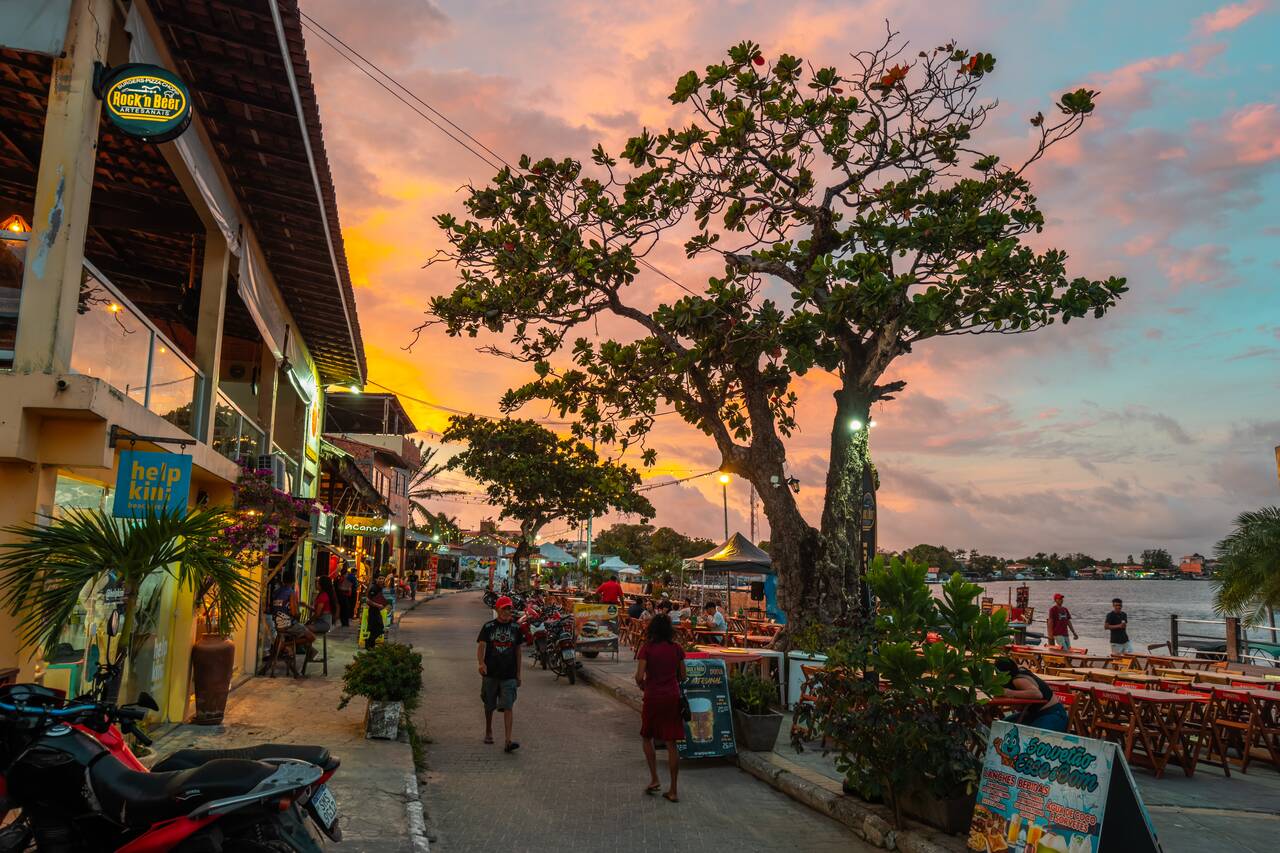
When I was there, the town was expanding and improving the riverfront walkway, so the area should be even more pleasant to explore now. While you are here, be sure to visit Dunas Urbanas, a massive sand dune located right in the heart of Barreirinhas overlooking the Preguiças River. It is a popular spot among locals, who come here to relax, have a picnic, swim in the river, and watch the sunset from the top of the dune.
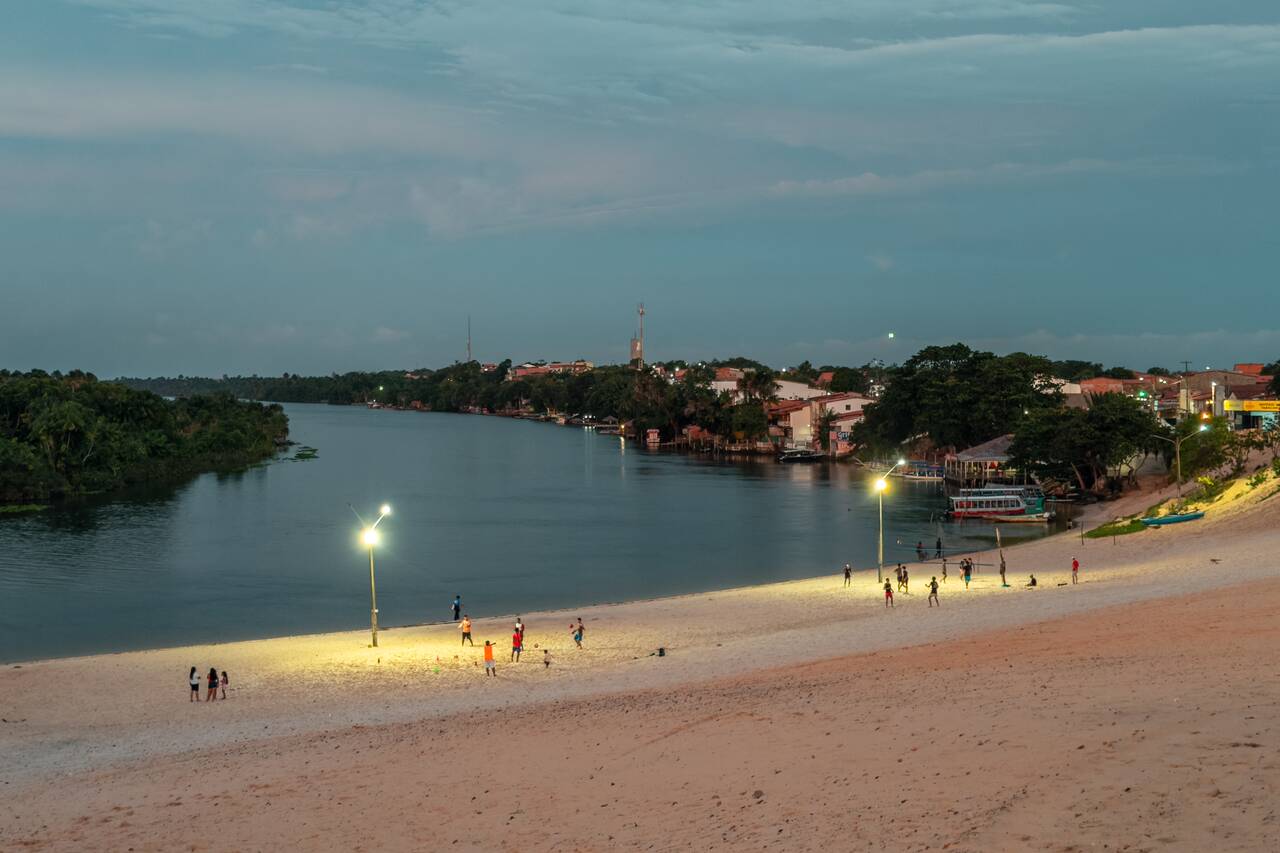
Barreirinhas is also where most tours to Lençóis Maranhenses, Atins, Caburé, and Lagoa da Esperança begin. If you have just arrived, it is a good place to spend a few hours arranging tours, stocking up on supplies, and getting a feel for the region before heading deeper into the national park.
7. Spend a few days in Sao Luis

- 📍 Location: São Luís [Map Link]
- 📖 Full Guide: A Guide to São Luís, Brazil's City of Tiles: Best Things to Do & Travel Tips
Since most of you will likely pass through São Luís on your way to Lençóis Maranhenses, I highly recommend setting aside a day or two to explore the city before or after your trip. Do not sleep on it. As the capital of Maranhão State, São Luís is home to some of the most beautiful colonial architecture in the region, with strong Portuguese influences reflected in its colorful tiled buildings, earning it the nickname "Cidade dos Azulejos" (City of Tiles).

The city's historic center is a UNESCO World Heritage Site and one of the largest collections of colonial buildings in Brazil. Wander through its cobblestone streets and you will find beautiful churches, grand mansions, lively squares, museums, and countless buildings decorated with the colorful Portuguese tiles that have become one of the city's defining features.
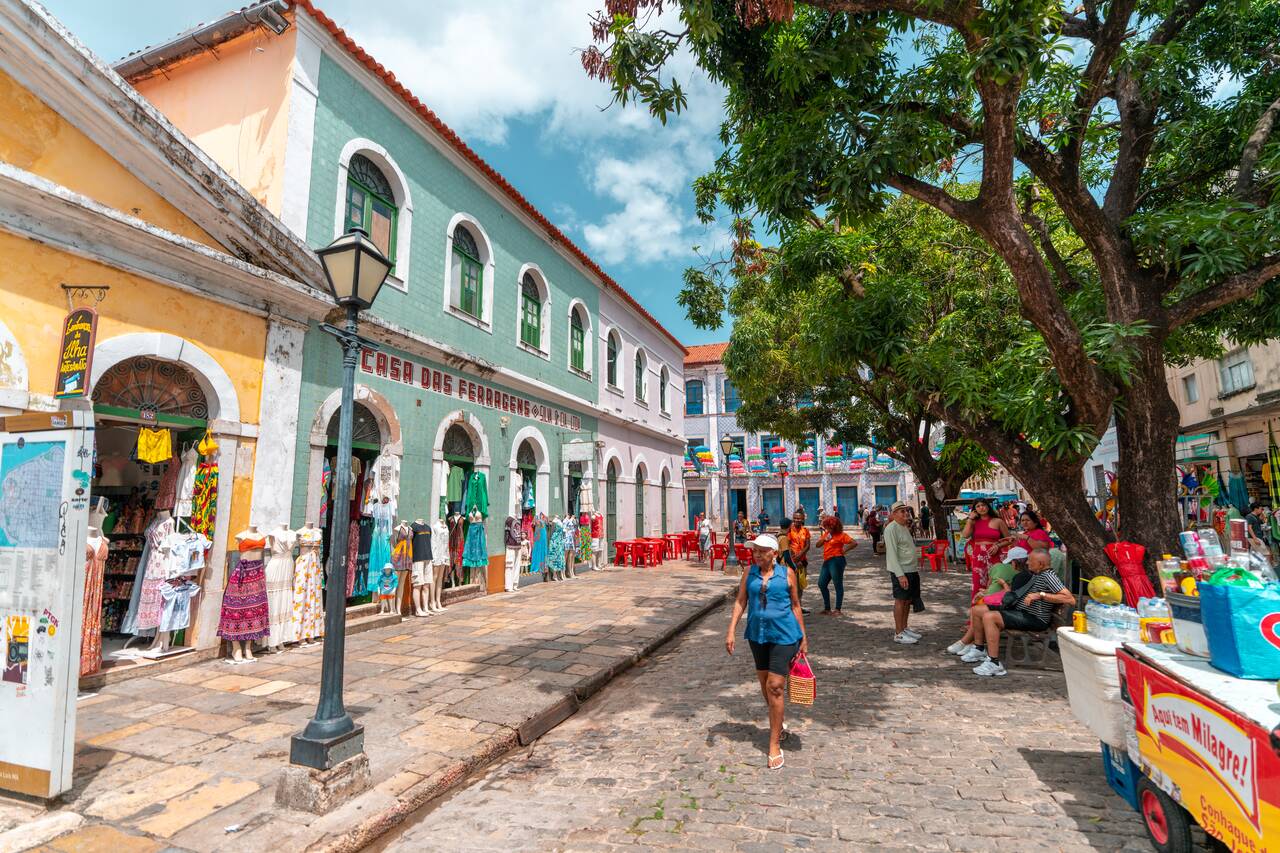
One of my favorite things about São Luís was how authentic it felt. Sure, many of the buildings are in need of major restoration and maintenance, but to me, it felt more rustic, lived-in, and genuine, unlike some of Brazil's more famous colonial cities, which often feel more polished and attract way too many tourists.

Beyond the historic center, São Luís is also known for its awesome traditions and lively music scene. If your timing is right, you may even catch one of the city's traditional cultural celebrations, as I did when I unexpectedly stumbled upon a live concert organized by the city at Plaza Nauro Machado.
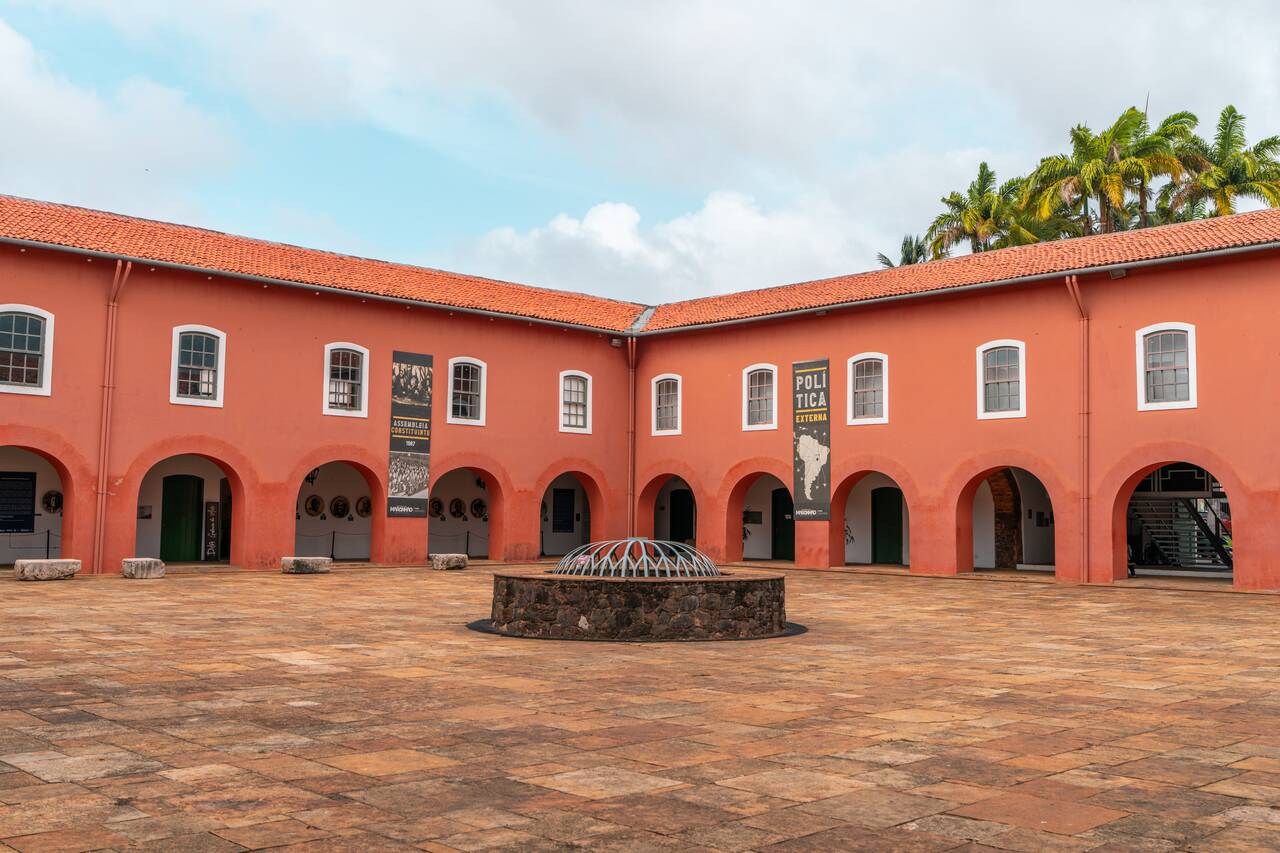
The whole area was extremely lively at night, with people out and about enjoying either street performances or events often held in the square. Other places to visit in Sao Luis are Fair Praia Grande Market, Catarina Mina Alley, Catedral Metropolitana de São Luis, Ribeirão Fountain, and all the great museums in the city such as Museu Histórico e Artístico do Maranhão, Museu do Reggae Maranhão, and more.
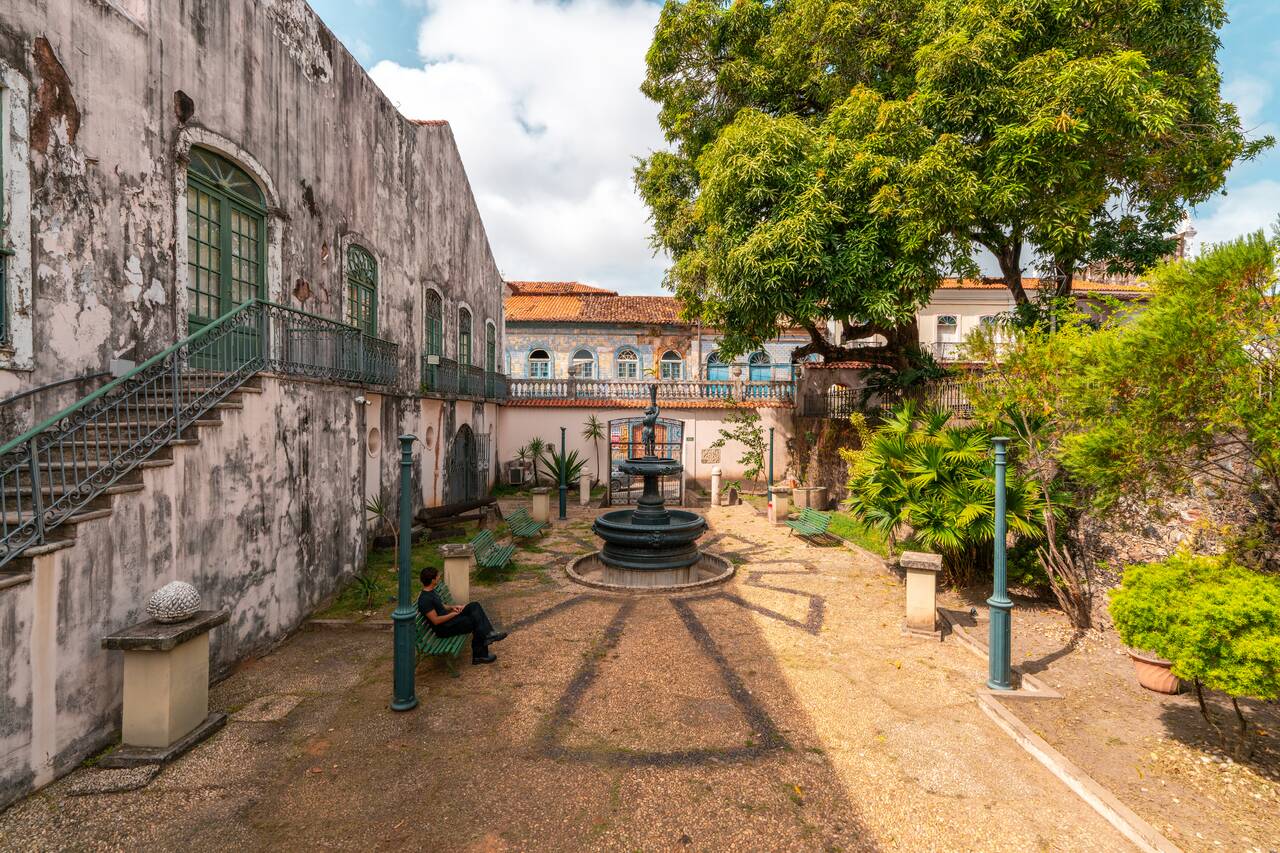
If you are already making the journey to Lençóis Maranhenses, be sure to stop by and explore São Luís for a few days. You are going to love it, and it is a great chance to experience a Brazilian city that isn't a major city like Rio de Janeiro, Salvador, or São Paulo.

Where to Stay in Lençóis Maranhenses?
When planning a trip to Lençóis Maranhenses, one of the biggest decisions you will have to make is choosing where to stay. The national park is enormous, and most people base themselves in one of three gateway towns: Barreirinhas, Santo Amaro, or Atins. Each offers a very different experience depending on your travel style and priorities.
Barreirinhas: Barreirinhas is the most popular base and where most travelers stay. It has the widest range of accommodations, restaurants, tour operators, and transportation options, making it the easiest place to organize your trip. If it is your first time visiting Lençóis Maranhenses, I would recommend staying here as it offers the best balance of convenience, affordability, and accessibility.


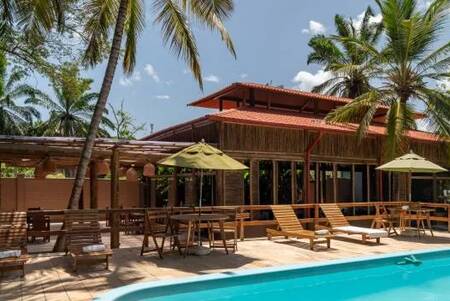
Santo Amaro: If your main goal is to see the most beautiful lagoons with fewer crowds, Santo Amaro is an excellent choice. Many of the park's most impressive lagoons are located closer to Santo Amaro, allowing you to spend less time in a vehicle and more time exploring the dunes.
The town itself is much quieter and has fewer accommodation options than Barreirinhas, but that is also part of its charm. Keep in mind that getting there is a bit more complicated, as you will likely need to arrange a private transfer from São Luís, which can add significantly to the overall cost of your trip.


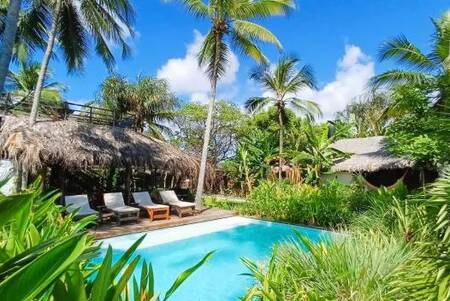
Atins: Atins is a small, laid-back village located between the dunes and the Atlantic Ocean. It is the perfect base if you prefer a slower pace of travel and do not mind sacrificing some convenience for easy access to both the beach and the national park. Keep in mind that getting here is not easy as well, as you will likely need to arrange a private transfer from Barreirinhas through your accommodation. These transfers can be quite expensive, so be sure to factor the additional cost into your travel budget.



Personally, I stayed in Barreirinhas and found it to be the most practical base, especially since I was relying on public transportation. It has plenty of accommodation options for every budget, and most tours can be arranged directly through your hotel or guesthouse. If it is your first visit to Lençóis Maranhenses, I think Barreirinhas is the safest and easiest choice.
When to Visit Lençóis Maranhenses?
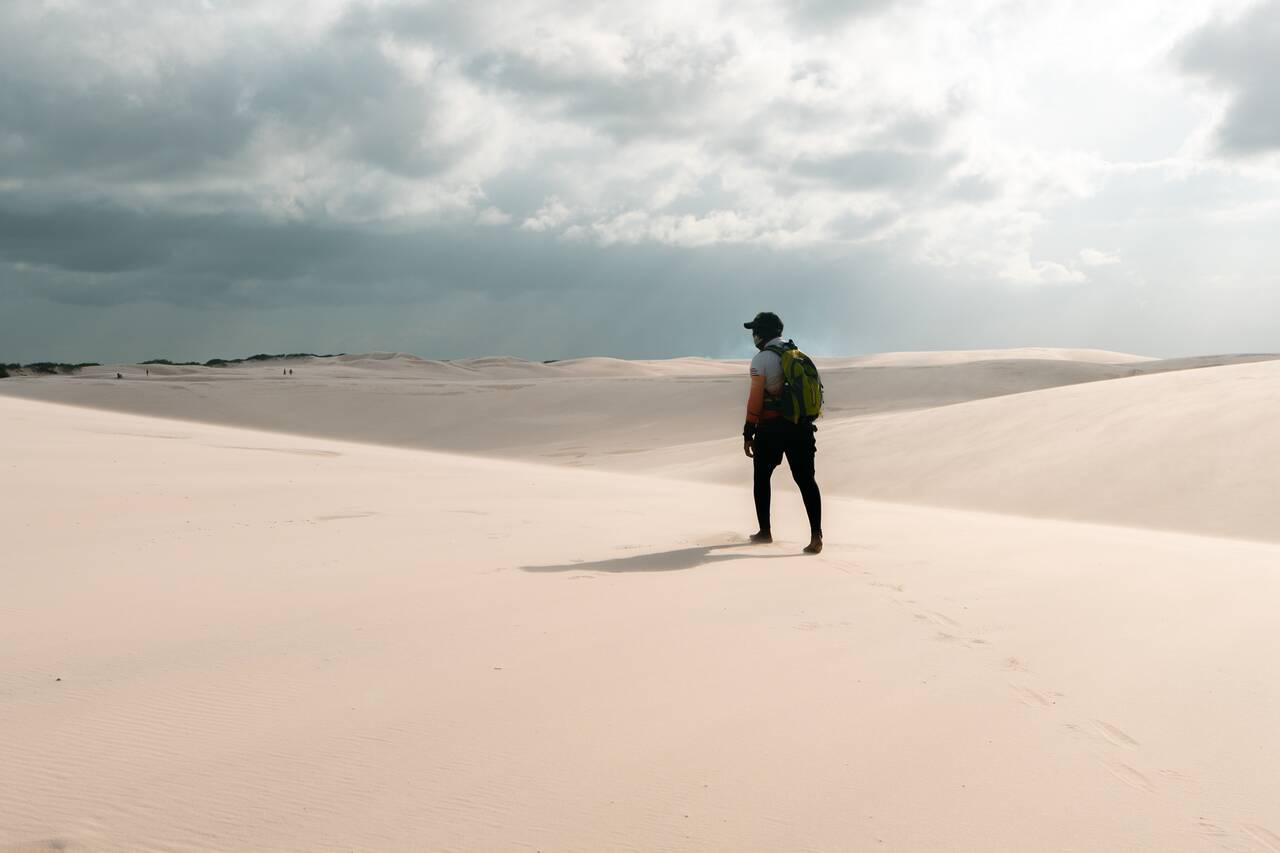
The best time to visit Lençóis Maranhenses is between June and September when the park's famous freshwater lagoons are full after months of seasonal rainfall. This is when the landscape is at its most spectacular, with crystal-clear blue lagoons scattered among endless white sand dunes as far as the eye can see.
If you want to experience Lençóis Maranhenses at its absolute best, I recommend visiting between late June and early August. During this period, the lagoons are usually at their fullest, the weather is mostly sunny, and conditions are ideal for exploring the dunes, watching the sunset, and swimming in the natural pools.
Unfortunately, I visited in January, which is during the rainy season, so I didn't get to see the park at its peak. That said, we were still able to visit several lagoons that retain water year-round, such as Lagoa Bonita and Lagoa da Esperança, and they were still incredibly beautiful. As an added bonus, there were fewer tourists around, and both tours and accommodations were more affordable.
If I were to visit again, I would definitely come after the rainy season, which generally runs from January to May. While the rain is essential for filling the lagoons, frequent showers and cloudy skies can make outdoor activities less enjoyable, so wait until June to visit, which is when the rain begins to ease, and the park transforms into the breathtaking landscape it is famous for.
If you are unable to visit during peak lagoon season, September can still be a great time to go, although some of the smaller lagoons may begin to shrink. I would avoid visiting between October and December if possible, as many lagoons dry up completely, and it is a long journey to see these lagoons.
How to Get to Lençóis Maranhenses?
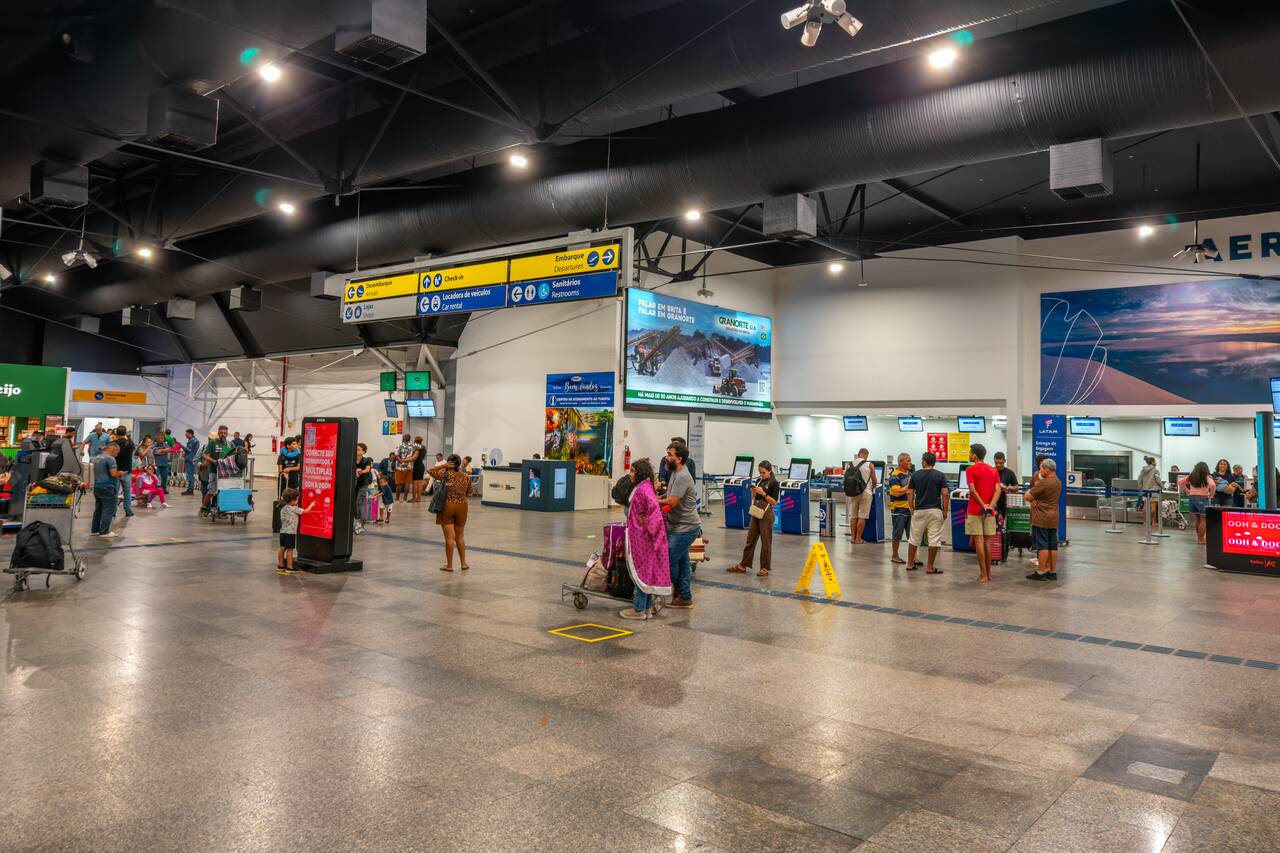
Lençóis Maranhenses is located in the northeastern Brazilian state of Maranhão, about 250 km east of São Luís, the state capital. The easiest way to reach the national park is to first fly to São Luís International Airport and then continue overland to one of the gateway towns such as Barreirinhas, Santo Amaro, or Atins.
By Plane: Most travelers begin their journey by flying into São Luís International Airport (SLZ). The airport is well connected to major Brazilian cities such as São Paulo, Rio de Janeiro, Salvador, and Belo Horizonte. For finding flights, I recommend browsing through Skyscanner or Expedia for the best fare.
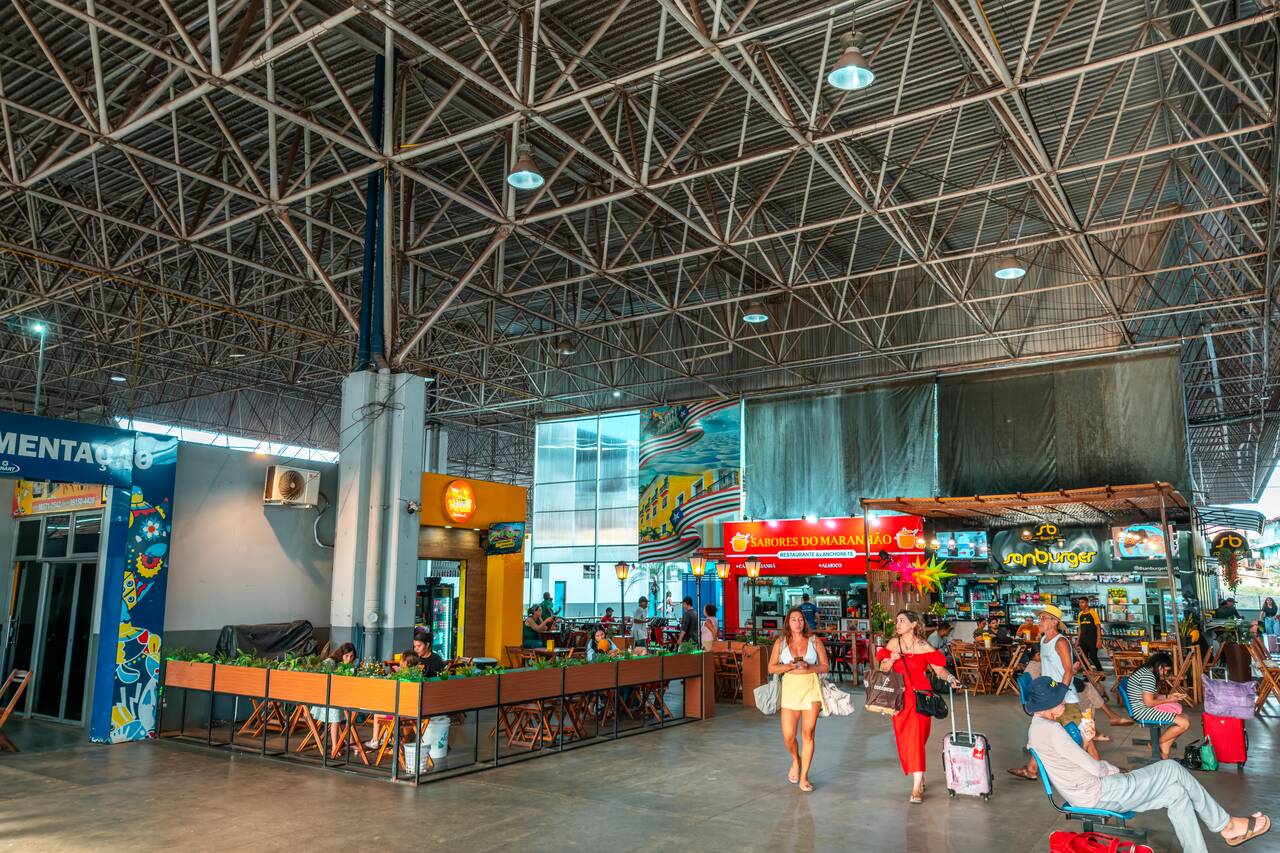
By Bus: From São Luís, you can easily catch a bus from Rodoviário de São Luís, which is located only 15 minutes away from the airport and you should be able to get there easily by Uber. From the terminal, you can take one of the many daily buses to most travelers continue to Barreirinhas, the main gateway to Lençóis Maranhenses.
The journey takes around 4.5 hours by bus. I took the Guanabara bus departing at 6 PM since my flight from Salvador arrived in the afternoon. I reached Barreirinhas at around 10:30 PM and was able to walk to my accommodation from the bus station without any issues. The whole process was easy and straightforward. You can book the bus ticket here.

Getting to Santo Amaro: If you prefer a quieter base with easier access to the dunes, you can travel directly from São Luís to Santo Amaro do Maranhão. However, getting there independently can be a bit challenging, as public transportation options are limited. The easiest way is to arrange a transfer through your accommodation, although these transfers can be quite expensive. The journey takes around 4 hours from São Luís.
Getting to Atins: Atins is another excellent base if you prefer a more laid-back atmosphere and want easy access to both the dunes and the beach. Reaching Atins requires a bit more planning, as the final stretch from Barreirinhas can only be accessed by 4x4 vehicle or boat.
In my opinion, the easiest option is to arrange a transfer through your accommodation before you arrive. Expect to pay a premium for the service, especially compared to getting to Barreirinhas, which is why I chose to stay there in the first place, and be sure to organize it with your accommodation in advance.
How to get Around Lençóis Maranhenses?
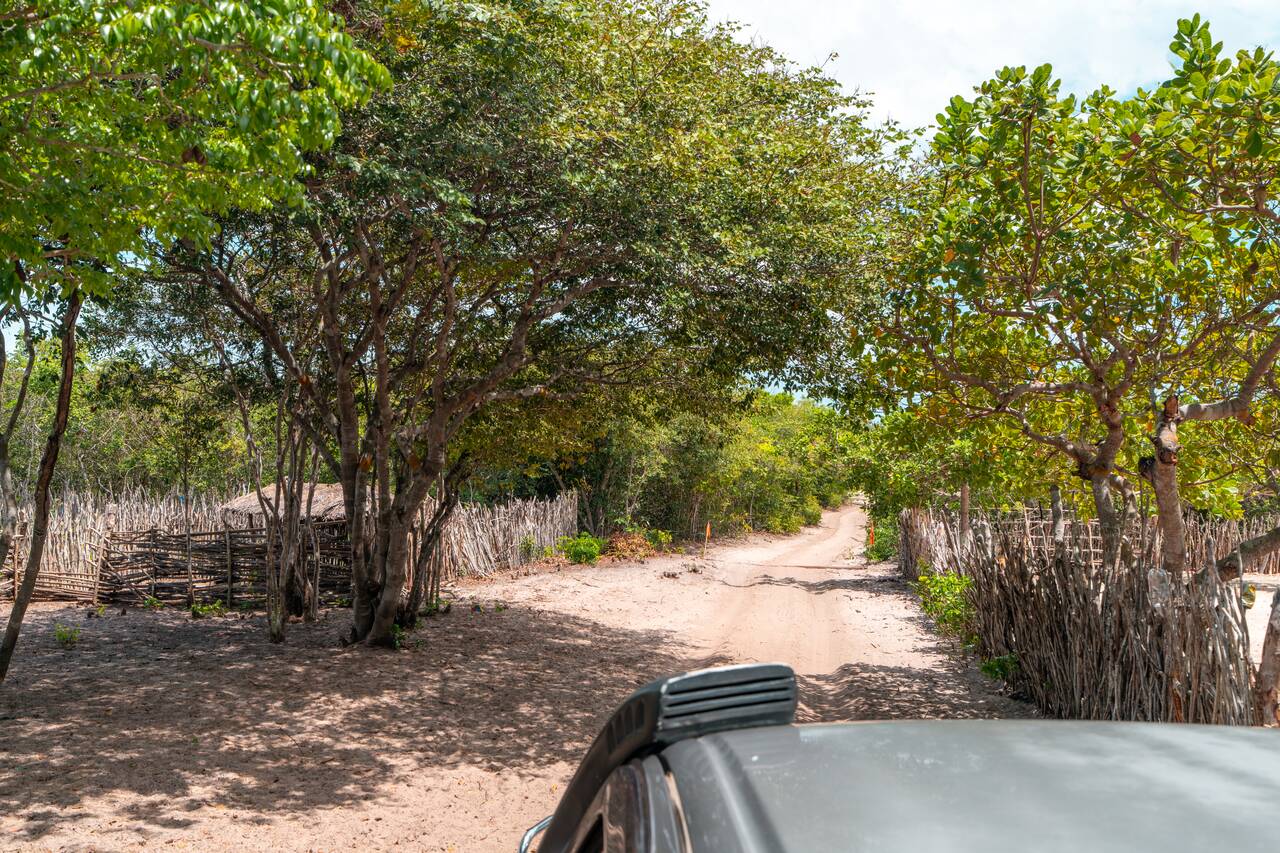
Getting around Lençóis Maranhenses is a little different from most destinations in Brazil. Since the national park is made up of vast sand dunes, lagoons, rivers, and remote villages, you cannot simply drive yourself to most attractions. Instead, you will need to rely on guided tours, 4x4 vehicles, and boats to explore the area.
By Tour: The easiest way to visit the park's main attractions is by joining organized tours. Whether you are staying in Barreirinhas, Santo Amaro, or Atins, you will find plenty of tour operators offering half-day and full-day excursions to the lagoons and dunes. Most tours include transportation and a local guide, as well as lunch, so all you have to do is show up and enjoy the ride, and it's going to be a hell of a ride!
By 4x4: Many of the most popular lagoons can only be reached by 4x4 vehicles due to the sandy terrain. In places like Santo Amaro and Atins, 4x4 transportation is often the only practical way to get around. The rides can be a little bumpy, but they are all part of the adventure. Most tours include transportation in a 4x4 pickup truck, so you won't have to worry about arranging it yourself.
I would not recommend renting a 4x4 and attempting to explore the park independently. The trails through the dunes can be confusing, and many routes are unmarked. Unless you know the area well, it is easy to get lost among the endless dunes. Hiring a local guide or joining a tour is by far the safest and easiest way to explore Lençóis Maranhenses.
On Foot: Once you arrive at the dunes, expect to do quite a bit of walking. Most lagoon tours involve short hikes across the sand to reach the best swimming spots and viewpoints. The walks are generally not too difficult, but the heat can be intense, especially around midday, so be sure to bring plenty of water, sunscreen, and a hat.
Personally, I found it easiest to base myself in Barreirinhas and book tours through my accommodation. The tours were affordable, well-organized, and included all transportation, so I didn't have to worry about the logistics of it all. If you want to save money, do as I did and base yourself in Barreirinhas.
How Many Days to Spend in Lençóis Maranhenses?

I recommend spending at least 2 days in Lençóis Maranhenses so you can spend a day exploring the town you are basing in and the next day doing a day trip to see the lagoons inside the national park. You can also add another day to do more day trips or just relax and enjoy the vibe if you are staying in Atins or Santo Amaro. Here's the itinerary I would recommend:
- Day 1: Explore your base, Barreirinhas, Santo Amaro, or Atins. Browse around for tours you are going to go the next day, relax, and enjoy the town's vibe.
- Day 2: Visit Lagoa da Esperança, Lagoa Azul, and Lagoa Bonita and watch the sunset over the dunes.
- Day 3: More day trips to visit other towns like Atins, Rio Preguicas, and more via organized tours from your base.
I personally spent 3 days in Lençóis Maranhenses and thought it was the perfect amount of time. It gave me enough flexibility to visit several different lagoons, explore the dunes at a relaxed pace, and leave room for unexpected weather or tour changes.
Is it safe in Lençóis Maranhenses?
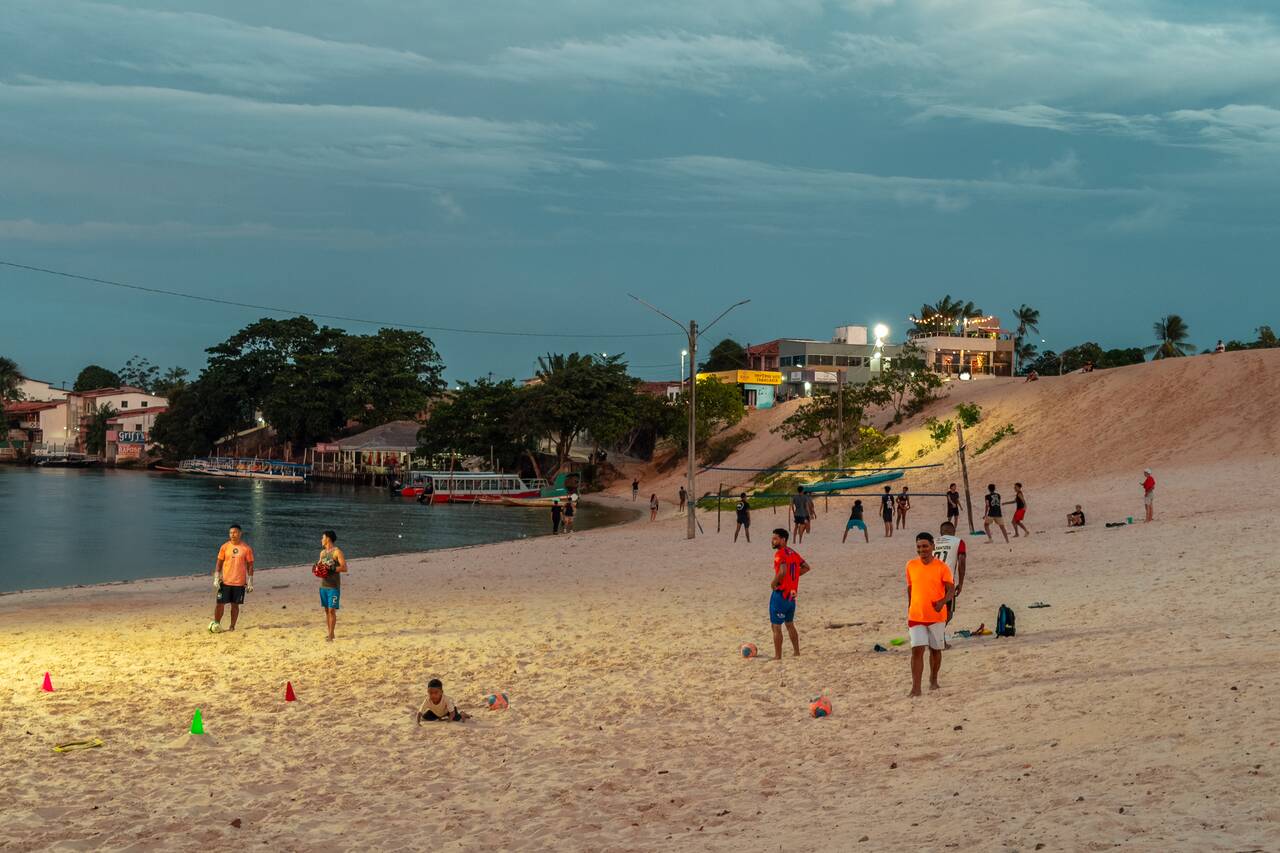
Yes, I found Lençóis Maranhenses to be a very safe destination. The region is primarily made up of small towns and nature-based attractions, and during my time there, I never felt unsafe walking around Barreirinhas or joining tours into the national park.
As with anywhere in Brazil, it is still a good idea to take basic precautions. Avoid leaving valuables unattended, keep an eye on your belongings in busy areas, and avoid carrying large amounts of cash. Most visitors spend their time on guided tours or exploring the dunes, where safety concerns are generally minimal.
The biggest risks in Lençóis Maranhenses are actually related to the environment rather than crime. The sun can be extremely intense, and walking across the dunes without adequate water, sunscreen, or a hat can quickly become uncomfortable. Be sure to stay hydrated and protect yourself from the heat, especially if you are visiting during the middle of the day.
Disclaimer: This post may contain affiliate links. See our disclosure policy.
First Published:
Last updated: