



After more than a decade since my last trip to South America, I finally made it to Brazil this time around, starting with Rio de Janeiro, and honestly, I could not have asked for a better city to begin the journey. Rio de Janeiro is probably one of the most beautiful cities I have ever seen, right up there with Cape Town, with its iconic Sugarloaf Mountain and Christ the Redeemer, one of the Seven Wonders of the World, towering over the city.
I spent over a week exploring the nooks and crannies of Rio, and I’m here to help guide you through the city with a comprehensive list of my favorite things to do, along with all the essential information you need on how to get around the city, the best time to visit, and how to stay safe. If you are planning to visit Rio soon, then read on because I wrote this travel guide specifically for you!

Rio de Janeiro Attractions Map
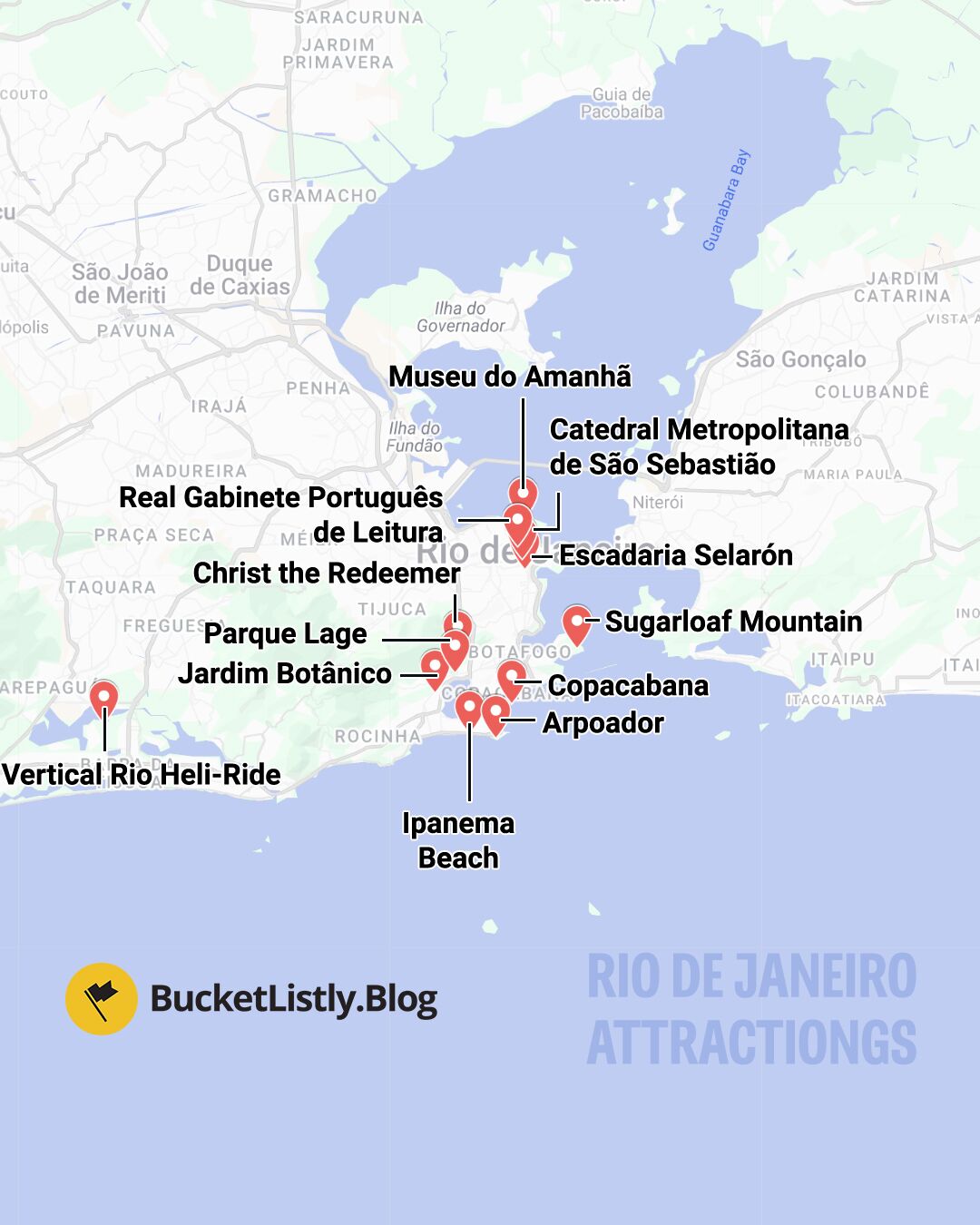
Quick Summary
| 👍 Must Do: | Vertical Rio |
|---|---|
| 🏛️ Best Museum: | Museum of Tomorrow |
| 🛌 Place to Stay: | Vila Galé Rio de Janeiro |
| 🌤️ When to visit: | May - Oct |
12 Experiences I Think Are Worth It in Rio
1. Fly Over Rio de Janeiro in a Helicopter

- 📍 Location: Vertical Rio [Map Link]
- 💰 Entry Fees: 1,020 BRL (~203 USD)
- ⚡ Pete's Take: "I managed to perfectly time my flight with sunset by booking the 6 PM slot, and it was absolutely incredible."
One of the coolest things I did in Rio de Janeiro was taking a helicopter ride over the city at sunset with Vertical Rio, one of the few helicopter operators in the city that offers open-door flights. With the help of a secured harness, you can even hang your legs out of the helicopter and take photos during the flight.

I know, it sounds very Instagram-y, but wow, it was exhilarating, not just seeing Christ the Redeemer from the air at sunset, but also feeling the wind as I hung my legs out of the helicopter for the first time. Not gonna lie, it was a little nerve-racking at first. The wind was so strong that it could easily have knocked my shoes off if it were not for the instructor repeatedly reminding me to tighten them properly.

With Vertical Rio, you will be flying from a heliport located about a 45-minute Uber ride from Rio’s South Zone, and you will need to arrive around 30 minutes before your scheduled flight time. Transfers are not included, so you will have to make your own way there. I found that most helicopter operators in Rio are pretty similar, with their heliports located quite far from the city center.
- Aquarela do Leme (Budget)
- Vila Galé Rio de Janeiro (Mid-Range) 👍 Top Pick
- PortoBay Rio de Janeiro (High-End)
- Full Day in Rio: Christ, Sugarloaf, Selarón & Barbecue Lunch (8 hours)
- Rio de Janeiro Helicopter Tour – Scenic Flights Over Landmarks (45 mins)
- 3 Hour Rocinha Favela Walking Tour with a Local Guide (3 hours)

Once you arrive, the staff will brief you on all the safety procedures, which they take very seriously. They will provide harnesses and safety straps for everything - your phone, camera, and yourself - to make sure nothing accidentally falls during the flight. You will not be able to bring a backpack onboard, so only take essentials like your phone and camera and leave the rest in the lockers provided.

When it is time for your flight, the staff will escort you to the helicopter and securely fasten you into your seat before takeoff. From there, you will spend around 45 minutes flying over Rio’s incredible skyline, passing iconic landmarks such as Christ the Redeemer, Sugarloaf Mountain, Copacabana Beach, and Ipanema.

You will not be hanging your legs out right away, though. The helicopter usually flies quite fast between landmarks, and only once it slows down will the helicopter pilot notify you that you can begin hanging your legs out for a short period of time before asking you to pull them back in as you move on to the next location. You usually get around 3 to 4 “leg-hanging” sessions before heading back to the helipad. The entire flight lasts around 45 minutes in total.

You really cannot fully appreciate just how beautiful Rio is until you see it from above. This city is definitely high on my list of the most beautiful cities in the world, right up there with Cape Town. I managed to perfectly time my flight with sunset by booking the 6 PM slot, and it was absolutely incredible.

If you are interested in doing the same, you can book your helicopter tour directly through the Vertical Rio website, with prices starting from around 1,020 BRL (~200 USD). They are not the only helicopter tour operator in the city, though. This one also offers open-door helicopter flights, while this option is a good alternative if you do not mind flying with the doors closed.
Where to Stay in Rio de Janeiro?



2. Visit Christ the Redeemer

- 📍 Location: Christ the Redeemer [Map Link]
- 🕐 Opening Hours: 8 AM - 7 PM
- 💰 Entry Fees: 87 BRL (~17 USD) or 134 BRL
- ⚡ Pete's Take: "I recommend visiting early in the morning or later in the afternoon to avoid the biggest crowds and heat."
No trip to Rio de Janeiro would be complete without visiting the iconic Christ the Redeemer, one of the New Seven Wonders of the World and by far the most recognizable landmark in Brazil. Standing on top of Corcovado Mountain overlooking the entire city, the statue is even more impressive in person than in photos.
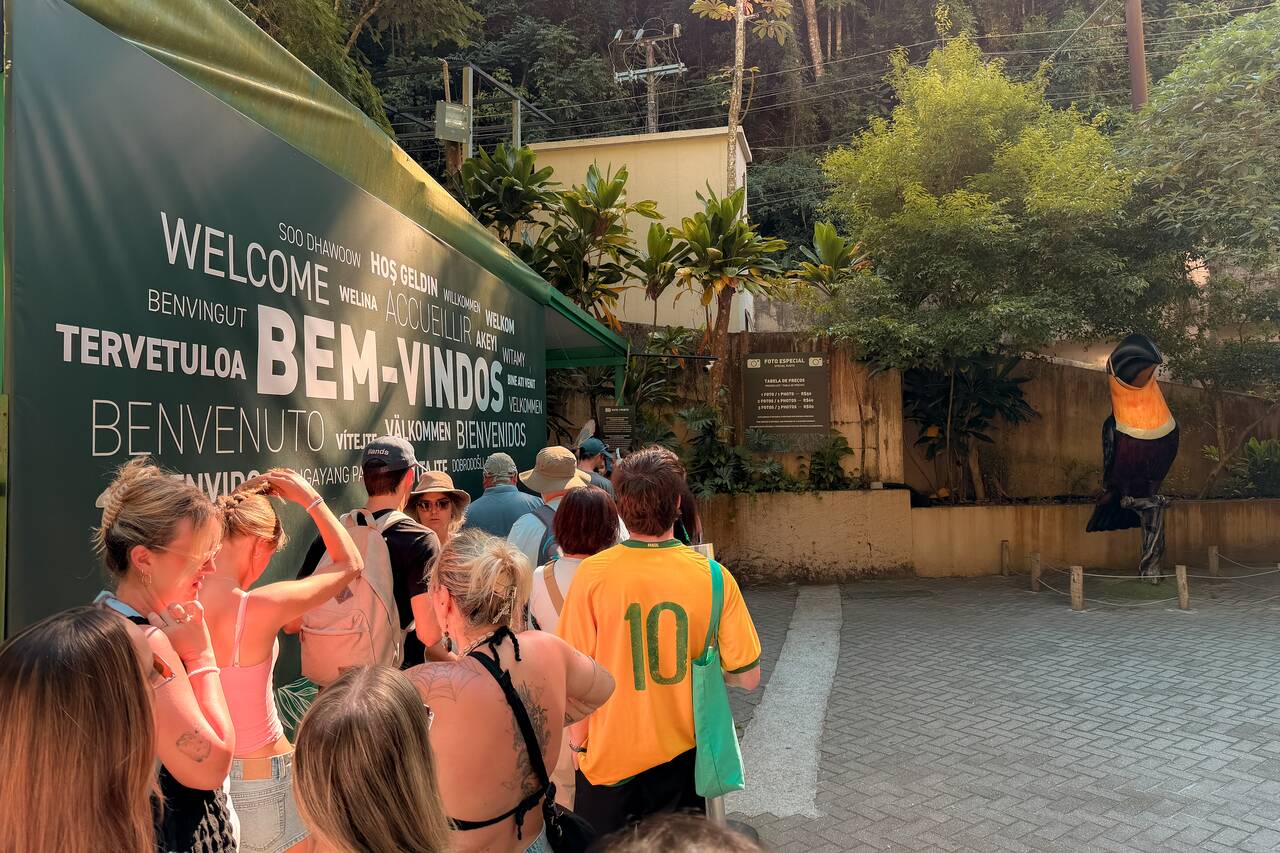
There are several ways to get there. The easiest way is to go with an organized tour which will take you to Christ the Redeemer without having you worry about getting the ticket or the logistics of it all. These tours also include a visit to the Sugarloaf Mountain so you will be hitting 2 birds with one stone if you go this route.

If you want more freedom, you can also visit the place independently by taking an Uber all the way to the Visitor's Center, where you can buy the ticket at the gift shop there or online here. The ticket should cost around 87 BRL (17.28 USD), and from the visitor center, there will be a park's shuttle to take you all the way up to Christ the Redeemer and back.

There is also the official Corcovado train that takes you up to Christ the Redeemer, but make sure you take an Uber to this station, not the visitor center one, as I have heard there are scammers waiting to prey on clueless tourists up there. You can buy the train ticket directly at the station on the same day, so there is usually no need to book in advance. A roundtrip train ticket, which also includes entrance to Christ the Redeemer, costs around 134 BRL (~27 USD) per person.

Once you arrive at the top, you will be rewarded not only with a close-up view of the massive statue itself, but also some of the best panoramic views in Rio. From up there, you can see Sugarloaf Mountain, Copacabana Beach, Ipanema, Guanabara Bay, and even parts of Tijuca National Park stretching out in every direction.

I highly recommend visiting either early in the morning or later in the afternoon to avoid the biggest crowds and the intense midday heat. Sunset is also beautiful from up there, although it tends to get much busier around that time.
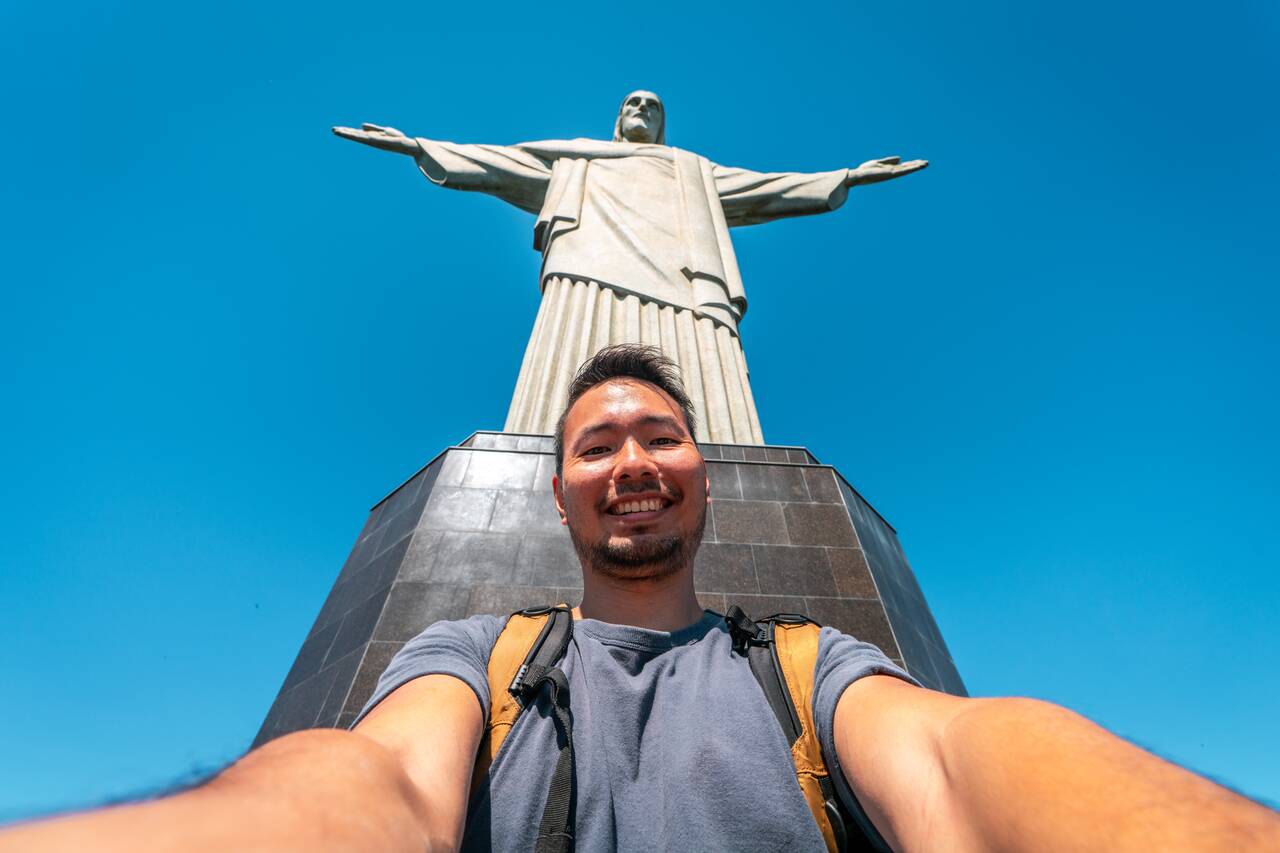
Even though Christ the Redeemer is one of Rio’s most touristy attractions, it absolutely lives up to the hype, so be sure not to miss it while you are here. It is one of those places you simply have to see with your own eyes. The place is open from 8 AM to 7 PM daily.
3. Ride the Cable Car to Sugarloaf Mountain

- 📍 Location: Sugarloaf Mountain [Map Link]
- 🕐 Opening Hours: 8:30 AM - 9 PM
- 💰 Entry Fees: 205 BRL (~40 USD)
- ⚡ Pete's Take: "I honestly think Sugarloaf offers some of the best views in Rio, even better than Christ the Redeemer in some ways."
Another iconic experience you absolutely should not miss in Rio de Janeiro is riding the cable car up to Sugarloaf Mountain, one of the city’s most famous viewpoints. Honestly, I actually preferred Sugarloaf Mountain over Christ the Redeemer. The viewpoint feels much more open and spread out, and it generally does not feel nearly as crowded as Christ the Redeemer.

The journey to the top is done in two stages via the famous glass cable cars. First, you will ride up to Morro da Urca, where you can already enjoy incredible views over Praia Vermelha, Botafogo, and the surrounding coastline. From there, you will transfer to another cable car that takes you all the way up to the summit of Sugarloaf Mountain itself.

Once at the top, you will be rewarded with stunning 360-degree views over Rio de Janeiro, including Copacabana Beach, Christ the Redeemer, Guanabara Bay, downtown Rio, and the endless mountains surrounding the city. If possible, try to time your visit around sunset as the golden light over the city is absolutely magical from here.

I honestly think Sugarloaf offers some of the best views in Rio, even better than Christ the Redeemer in some ways because you can actually see the entire skyline with Christ the Redeemer standing prominently in the background.

To get to the cable car station, you will have to take an Uber to Parque Bondinho Pão de Açúcar. From there, you can either line up to buy tickets on-site or book them online in advance. I highly recommend getting there early to avoid the long queues, especially around sunset and on weekends.
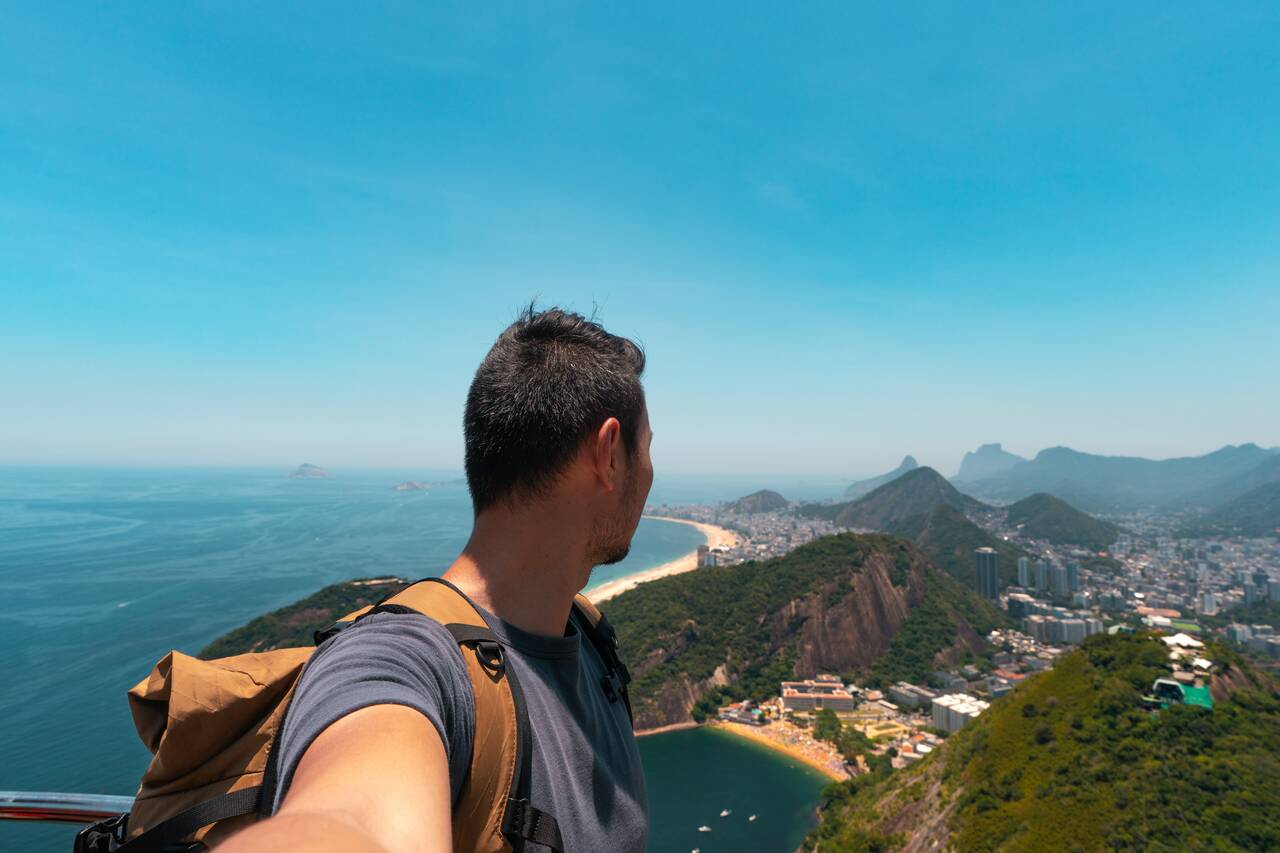
You can also visit as part of an organized tour, which often includes Christ the Redeemer as well. The cable car operates daily from 8:30 AM to 9 PM, with departures roughly every 20 minutes. A roundtrip ticket costs around 205 BRL (~40 USD) per person.
4. Relax at Copacabana Beach

- 📍 Location: Copacabana Beach [Map Link]
- ⚡ Pete's Take: "I loved coming here either early in the morning or later in the afternoon when the heat's more bearable."
Of course, one of the highlights of visiting Rio de Janeiro is relaxing and enjoying its vibrant beach culture at Copacabana Beach, one of the most famous urban beaches in the world. Stretching for several kilometers along Rio’s coastline, the beach features a lovely promenade where you can walk with the sandy shoreline on one side and the stunning cityscape on the other.

The beach can get extremely busy on weekends and holidays, especially during summer, but that lively atmosphere is honestly part of the experience. You will often find locals playing football, groups dancing to music, and vendors selling everything from snacks to caipirinhas. You can always count on there being something going on at Copacabana Beach.

I personally loved coming here either early in the morning or later in the afternoon when the heat became more bearable and the entire beach started glowing under the golden morning/evening light. You can spend hours simply walking along the promenade. It took me about 45 minutes to walk from the far end of Copacabana Beach to Ipanema, and it is honestly one of the best ways to get a feel for Rio when you first arrive in the city.
5. Explore Ipanema Beach

- 📍 Location: Ipanema Beach [Map Link]
- ⚡ Pete's Take: "I personally found myself spending way more time here than in Copacabana simply because it's calmer and less chaotic."
When you see photos of Rio, you often see a beautiful sandy beach with a stunning view of a dramatic mountain in the background. Most likely, that photo is taken at Ipanema Beach, which I consider to be the most beautiful beach in the city, even more so than Copacabana.

Compared to Copacabana, Ipanema feels a little more relaxed and polished, with plenty of nice cafes, restaurants, bars, and boutique shops nearby. The promenade here is also great for walking, jogging, or simply sitting down and people-watching for a while.

I personally found myself spending way more time here than in Copacabana simply because of its calmer and less chaotic atmosphere. If you can find affordable accommodation in Ipanema, I highly recommend staying here. Copacabana may be cheaper, but it felt a little too busy for my liking.

Ipanema Beach is also famous for its incredible sunsets. Every evening, crowds gather near Arpoador Rock at the far end of the beach to watch the sun slowly disappear behind the mountains, and honestly, it is one of the best sunset spots in all of Rio, which is exactly why I recommend heading there for sunset, as we will discuss in the next section.
6. Watch the Sunset at Arpoador Beach

- 📍 Location: Arpoador Beach [Map Link]
For the best sunset spot, I have to give it to Arpoador Beach, which is located in between Copacabana and Ipanema Beach, right by Arpoador Peninsula. This is one of my favorite sunset spots in the city!
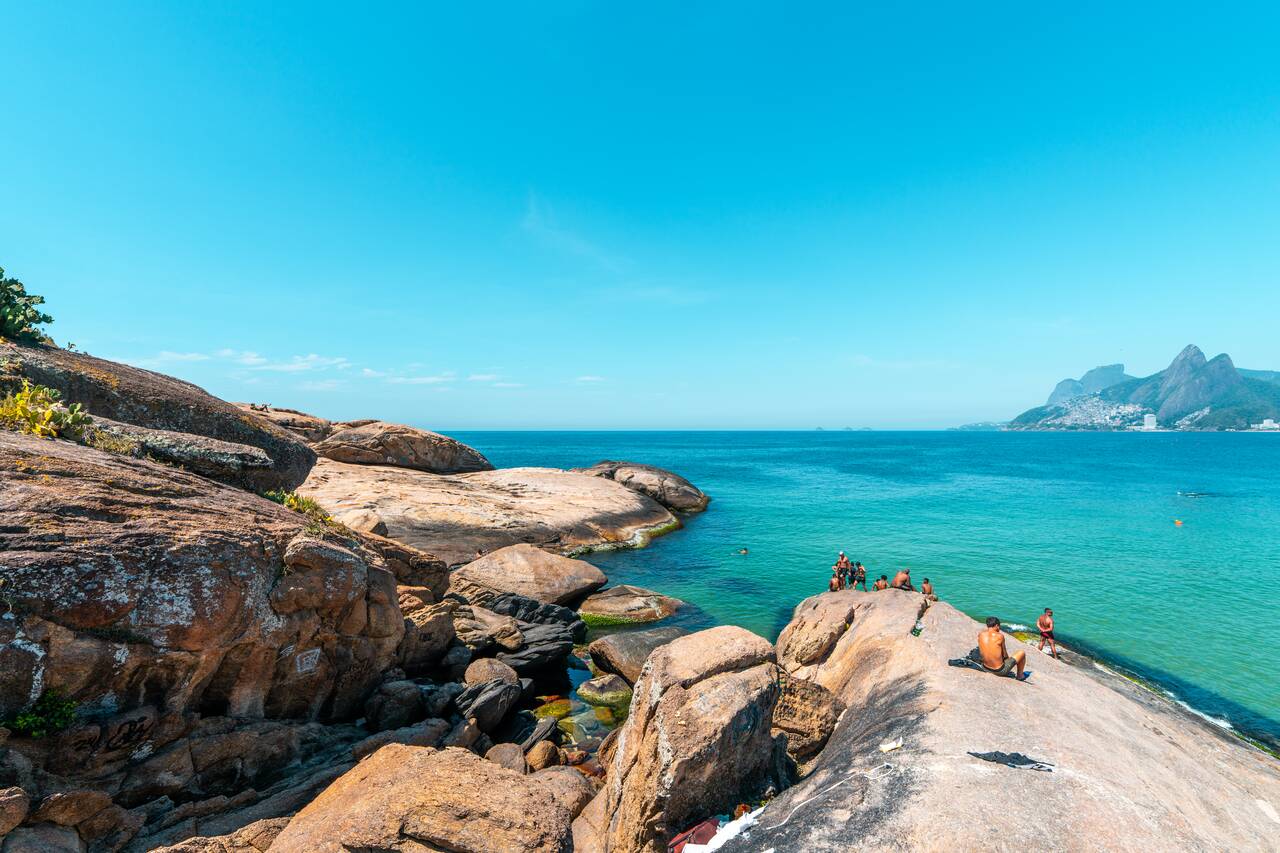
Every evening, you will often find both locals and tourists gathering here to sit on the rocks and watch the sun slowly disappear behind the mountains surrounding the coastline. The atmosphere is incredible, especially when the crowd starts clapping and cheering as the sun finally sets. Gotta love the camaraderie we can share over such a simple thing in life 😉.

At the peninsula, there is also a nice walking trail that takes you up onto the rocks where you can enjoy a beautiful vantage point over the Ipanema coastline. From up there, you can see the entire curve of Ipanema Beach, the Dois Irmãos mountains in the distance, and the golden light reflecting across the ocean as surfers catch the last waves of the day.
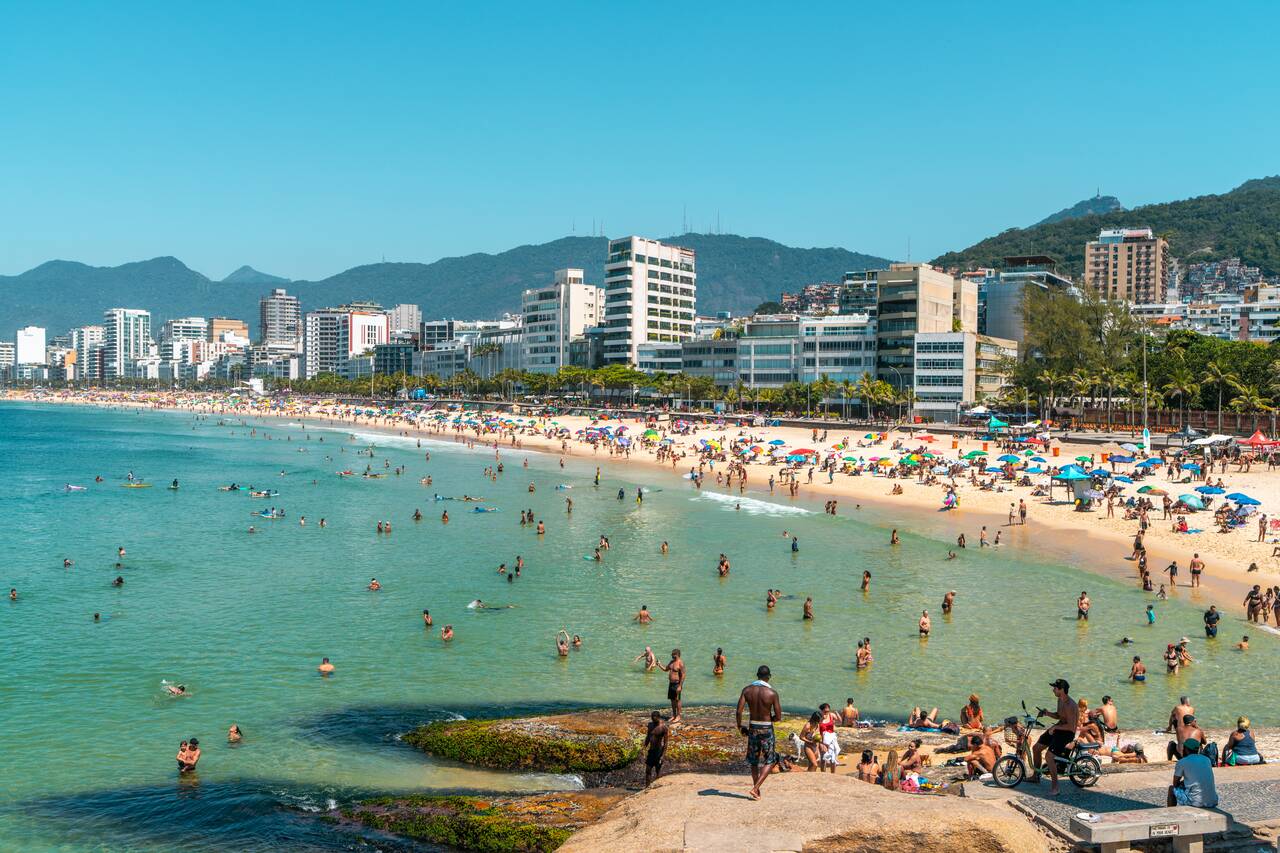
I highly recommend arriving at least 30 to 45 minutes before sunset to secure a good spot, especially on weekends when it gets extremely busy.
7. Stroll Around Jardim Botânico

- 📍 Location: Jardim Botânico [Map Link]
- 🕐 Opening Hours: 8 AM - 5 PM
- 💰 Entry Fees: 80 BRL (~16 USD)
- ⚡ Pete's Take: "I recommend spending around 2 to 3 hours thoroughly exploring the area before moving on to Parque Lage."
If you are looking for a break from Rio’s busy beaches and chaotic streets, I highly recommend visiting Jardim Botânico, Rio de Janeiro’s stunning botanical garden located at the foot of Corcovado Mountain. The garden is home to thousands of species of tropical plants and towering imperial palm trees.
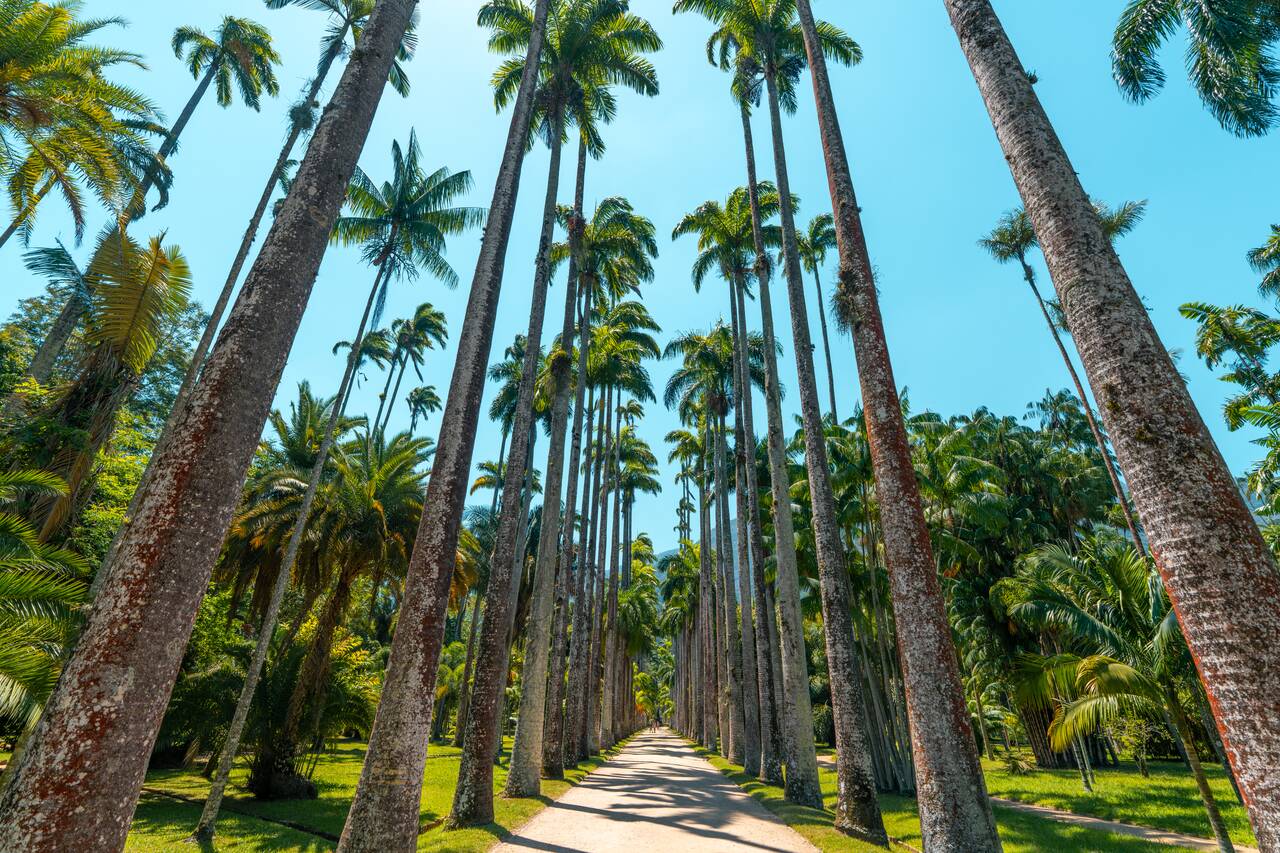
One of the highlights here is the iconic palm tree avenue, a long symmetrical pathway lined with enormous royal palms that have become one of the most photographed spots in the garden. The entire place feels incredibly peaceful compared to the rest of Rio, making it perfect for those looking for some quiet time in the city.
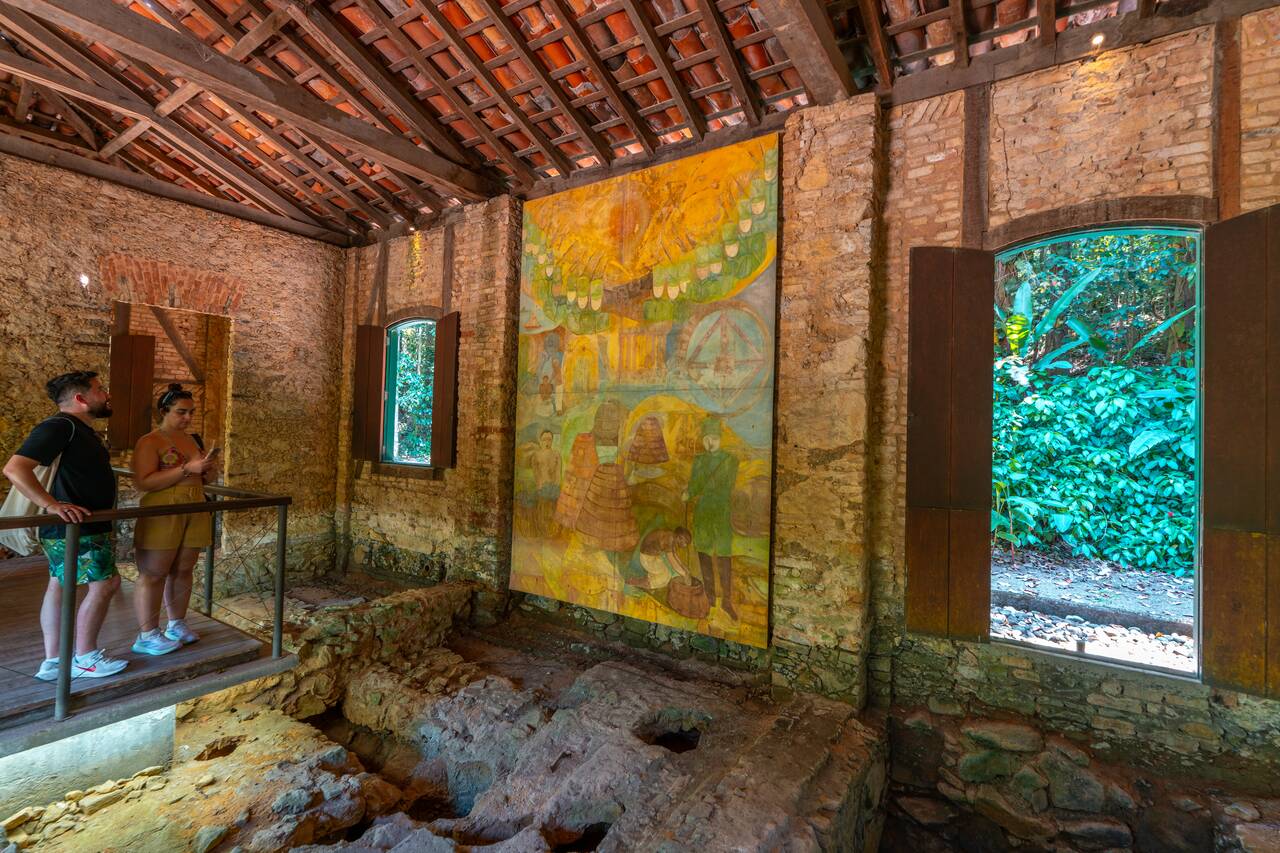
As you wander around the garden, you will also find orchids, giant water lilies, bamboo forests, hidden fountains, and even small monkeys if you are lucky. With Corcovado Mountain and Christ the Redeemer towering in the background, this place is truly quite a sight to behold.

The botanical garden is open daily from 8 AM to 5 PM, and tickets cost around 80 BRL (~16 USD) per person. Despite what some people say, I was able to pay with a credit card just fine. I recommend spending around 2 to 3 hours thoroughly exploring the area before moving on to Parque Lage.
8. Check Out Parque Lage
- 📍 Location: Parque Lage [Map Link]
- 🕐 Opening Hours: 8 AM - 8 PM
- 💰 Entry Fees: Free
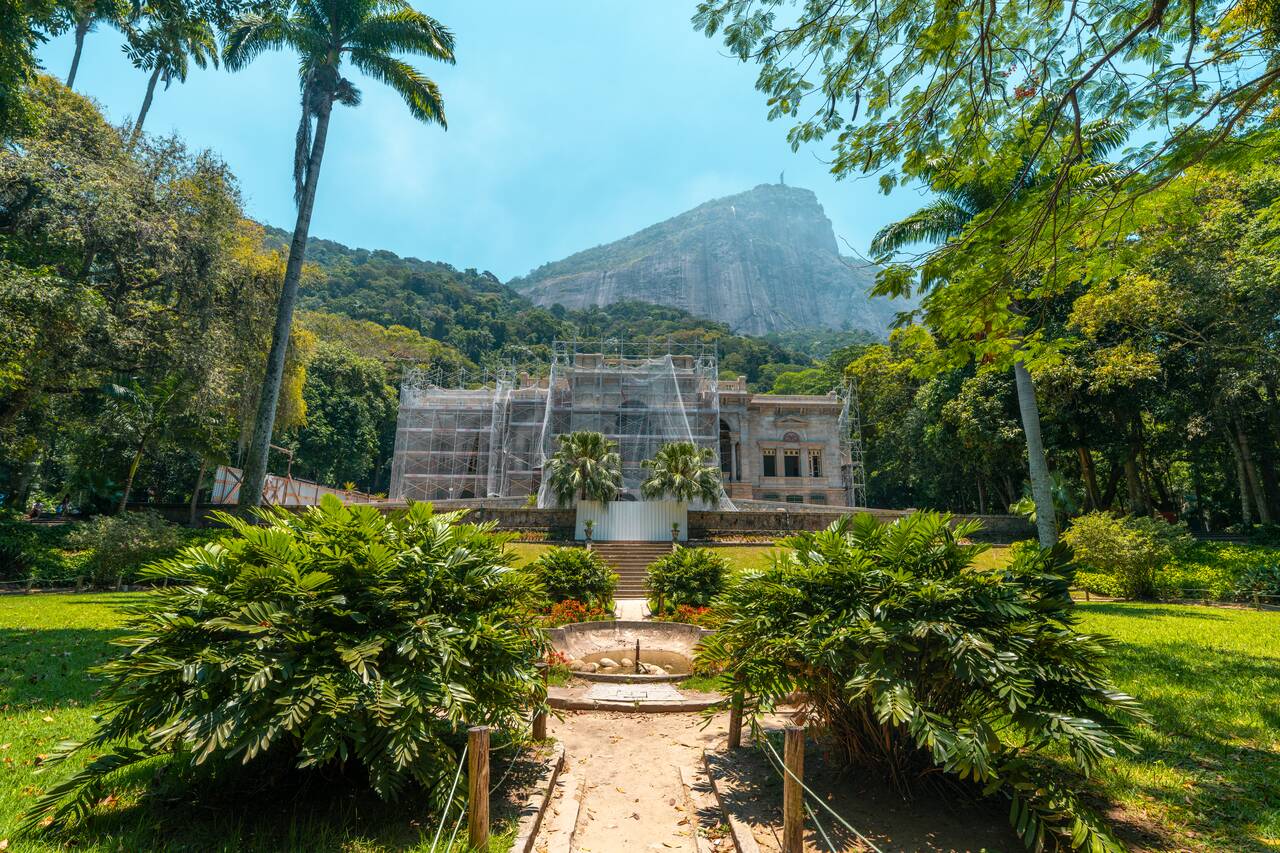
- ⚡ Pete's Take: "You should head to Parque Lage for a couple of hours to enjoy the atmosphere, even if the mansion is closed for renovations."
From Jardim Botânico, you should be able to walk over to Parque Lage and explore its smaller, but beautiful nonetheless, garden. The whole area feels safe and surprisingly green compared to other parts of Rio, and you should be able to comfortably walk between the two places without any problems.
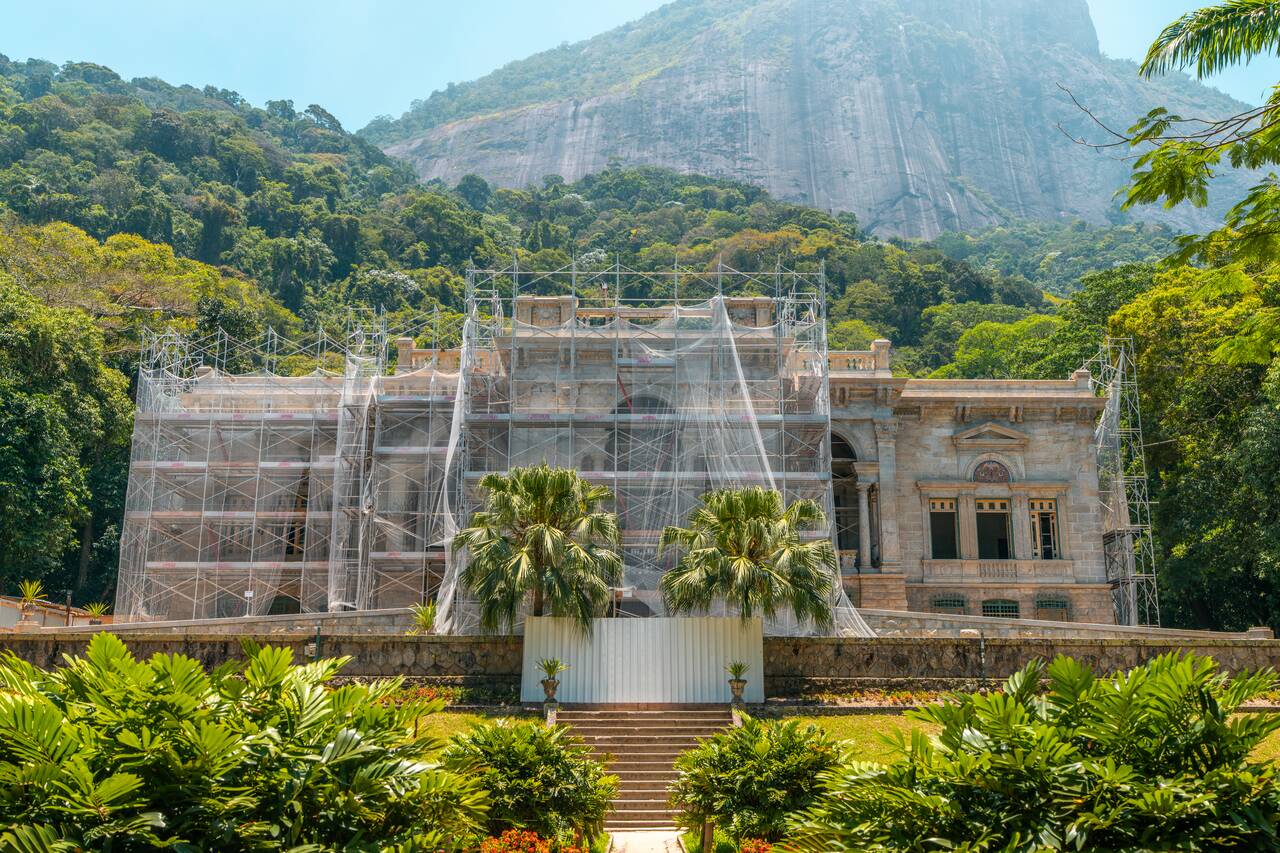
The park is famous for its elegant historic mansion, lush tropical gardens, walking trails, and the incredible view of Christ the Redeemer towering dramatically above the courtyard.
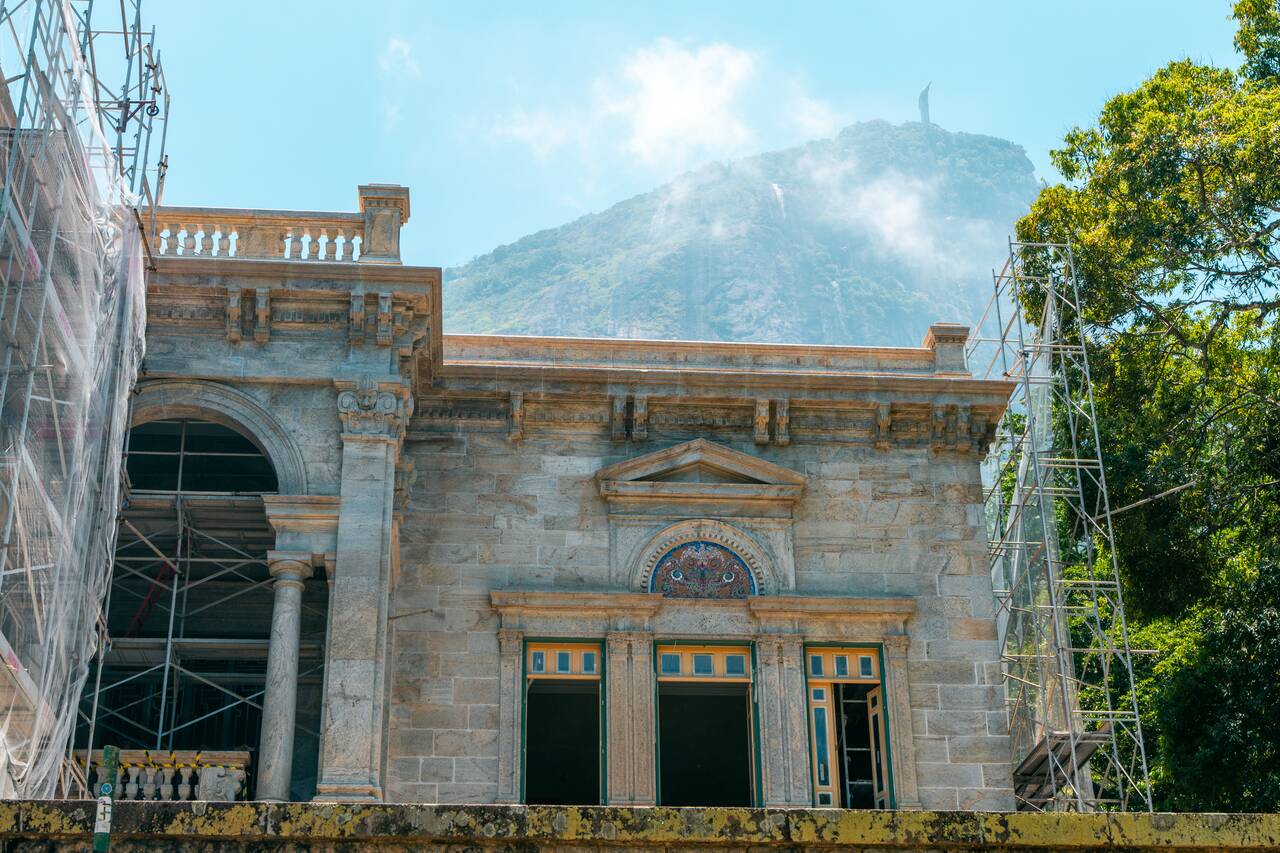
The mansion itself is home to an art school and a lovely café located right in the center courtyard. Unfortunately, as of 2026, it is currently under renovation and will likely remain that way for a few years. Even if you cannot go inside the mansion, it is still worth stopping by just to enjoy the atmosphere and admire the architecture.

The park surrounding the mansion is full of tropical plants, hidden pathways, small ponds, fountains, and jungle scenery that almost make you forget you are still inside a massive city. It feels much calmer and more relaxed compared to the busy beaches and tourist areas around Rio.
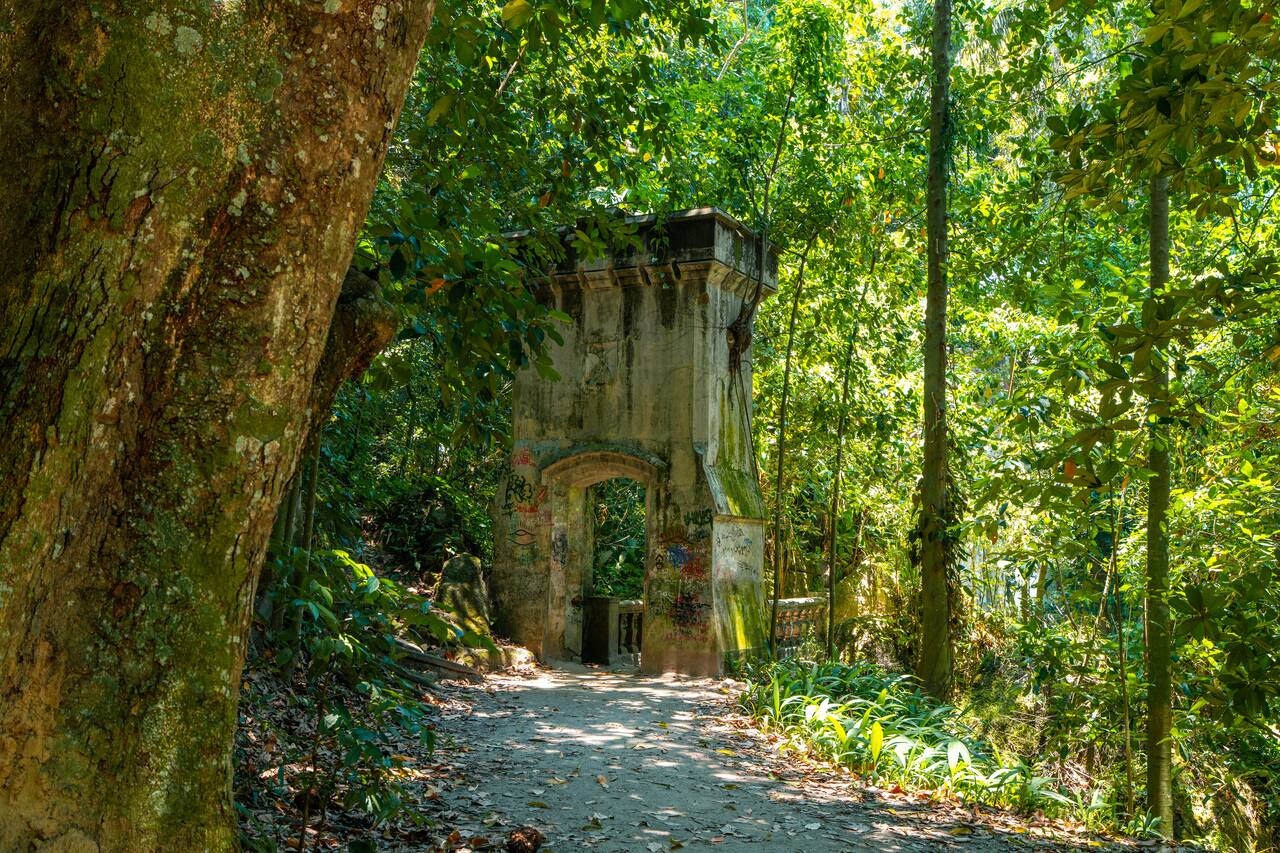
There are also hiking trails here that connect to Tijuca National Park and even routes leading toward Corcovado Mountain for those looking for a bit more adventure. Best of all, entry to Parque Lage is completely free, making it an easy stop to combine with a visit to Jardim Botânico. Expect to spend around 1 - 2 hours here. The park is open daily from 8 AM to 8 PM.
9. Take Photos at Escadaria Selarón
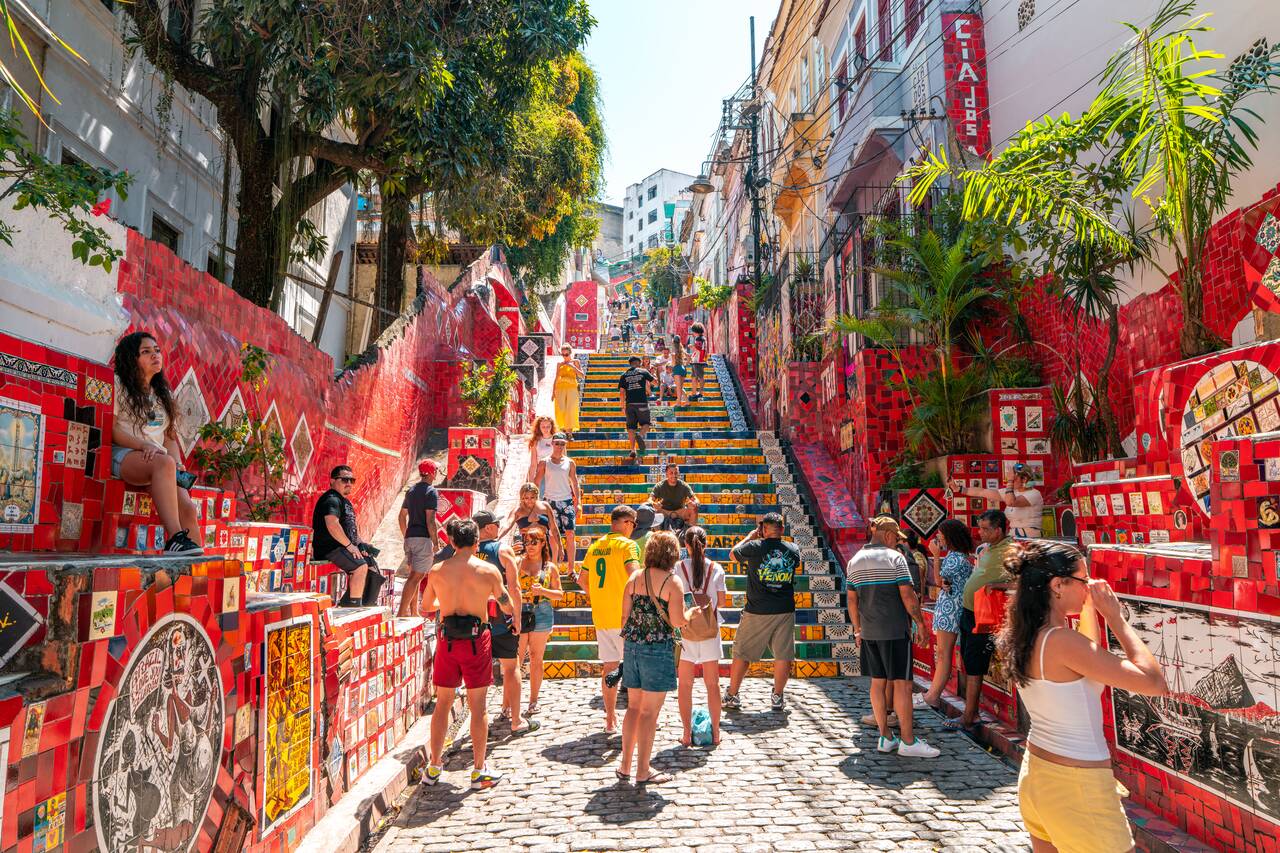
- 📍 Location: Escadaria Selarón [Map Link]
- ⚡ Pete's Take: "Very pretty, but it gets crowded most times of the day. Unfortunately, lots of influencers are treating this place as their stage."
One of the most colorful and iconic landmarks in Rio de Janeiro is Escadaria Selarón, also known as the Selarón Steps. This incredibly photogenic staircase connects the neighborhoods of Lapa and Santa Teresa and has attracted tons of tourists in recent years thanks to influencers and Instagrammers constantly flooding the place.
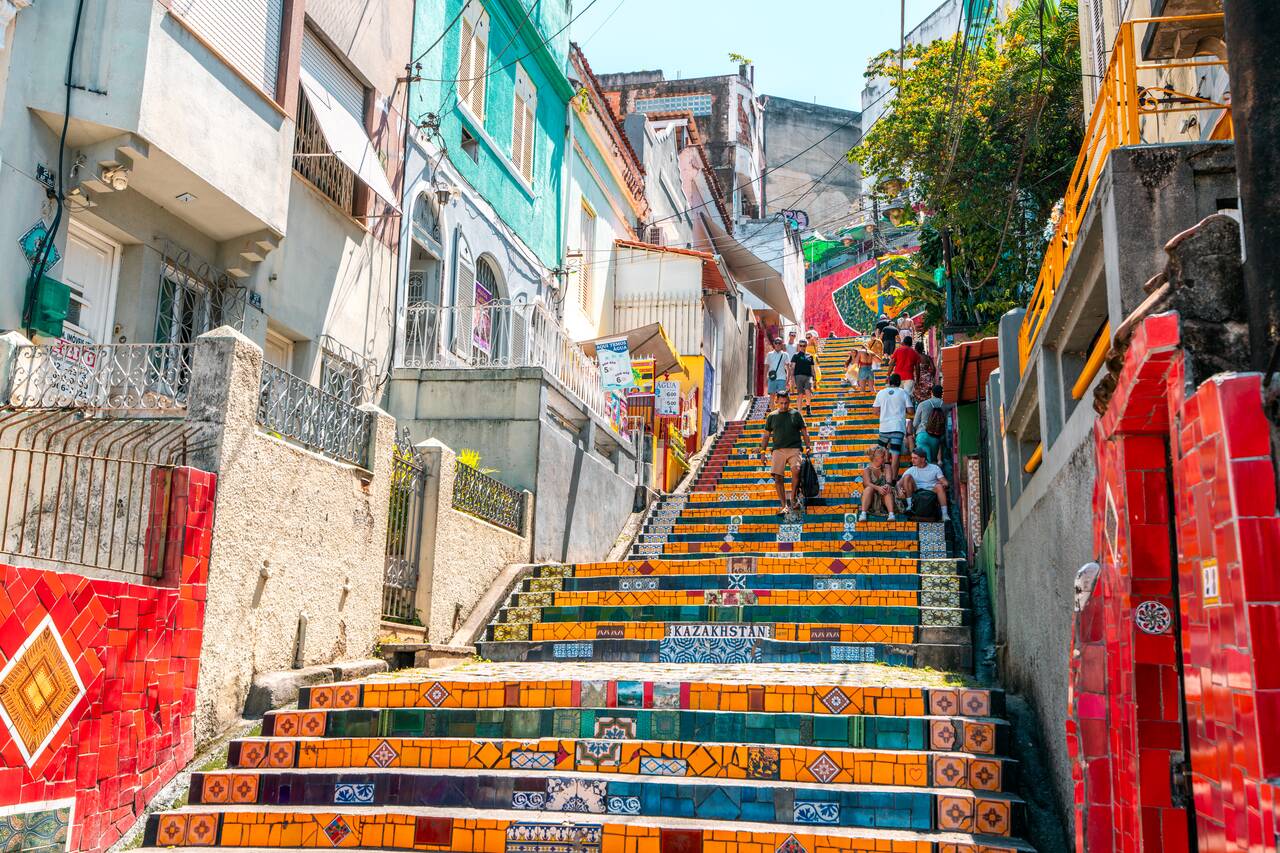
The staircase was created by Chilean-born artist Jorge Selarón, who spent years transforming the once-ordinary stairway into a massive public art project using thousands of colorful tiles collected from all around the world. Today, the staircase features over 2,000 tiles from more than 60 countries.
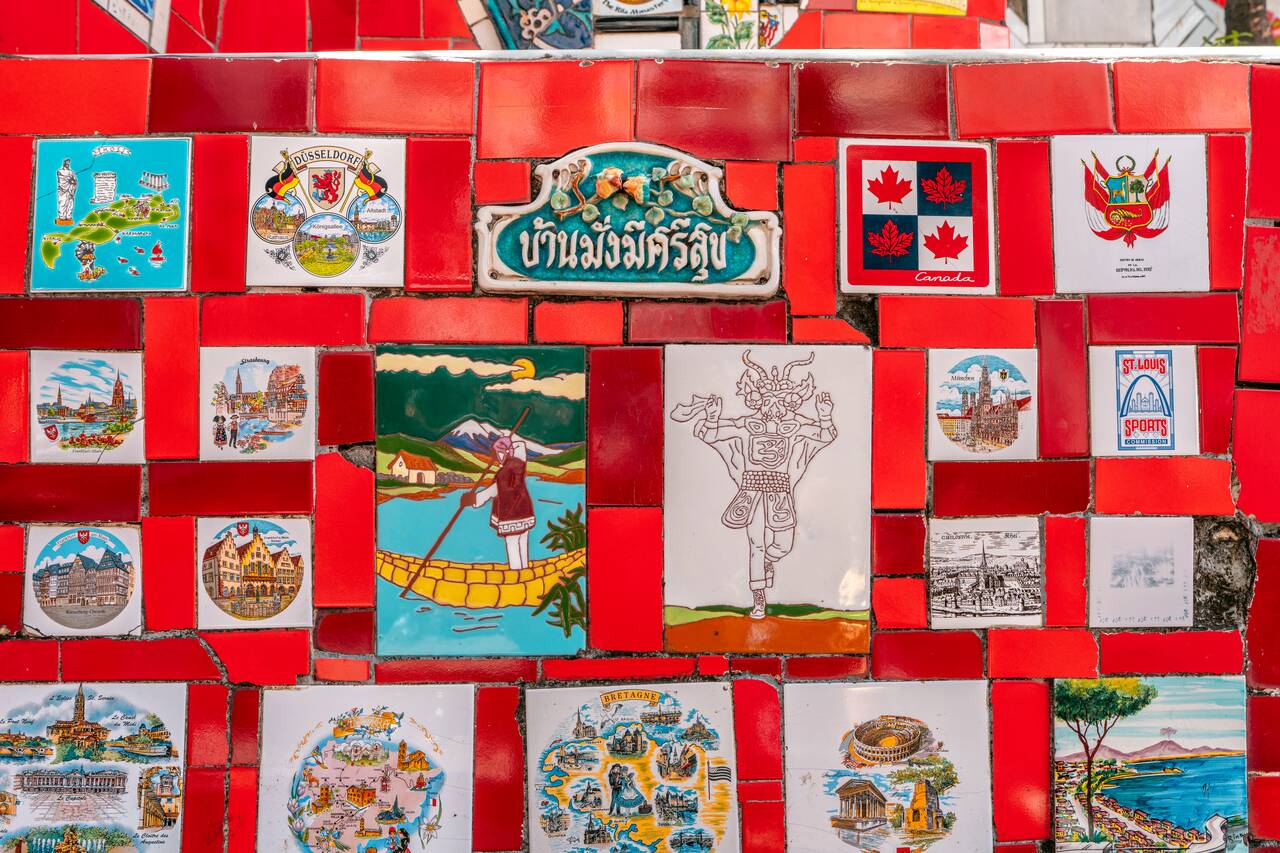
Yes, it is crowded and full of tourists for most of the day, but I still think the staircase is beautiful in its own right and definitely worth visiting. As you walk up the stairs, you will notice countless unique patterns, artworks, flags, and messages hidden among the tiles. I even found Thai script on one of the tiles here, which was pretty wild to see 🤣.
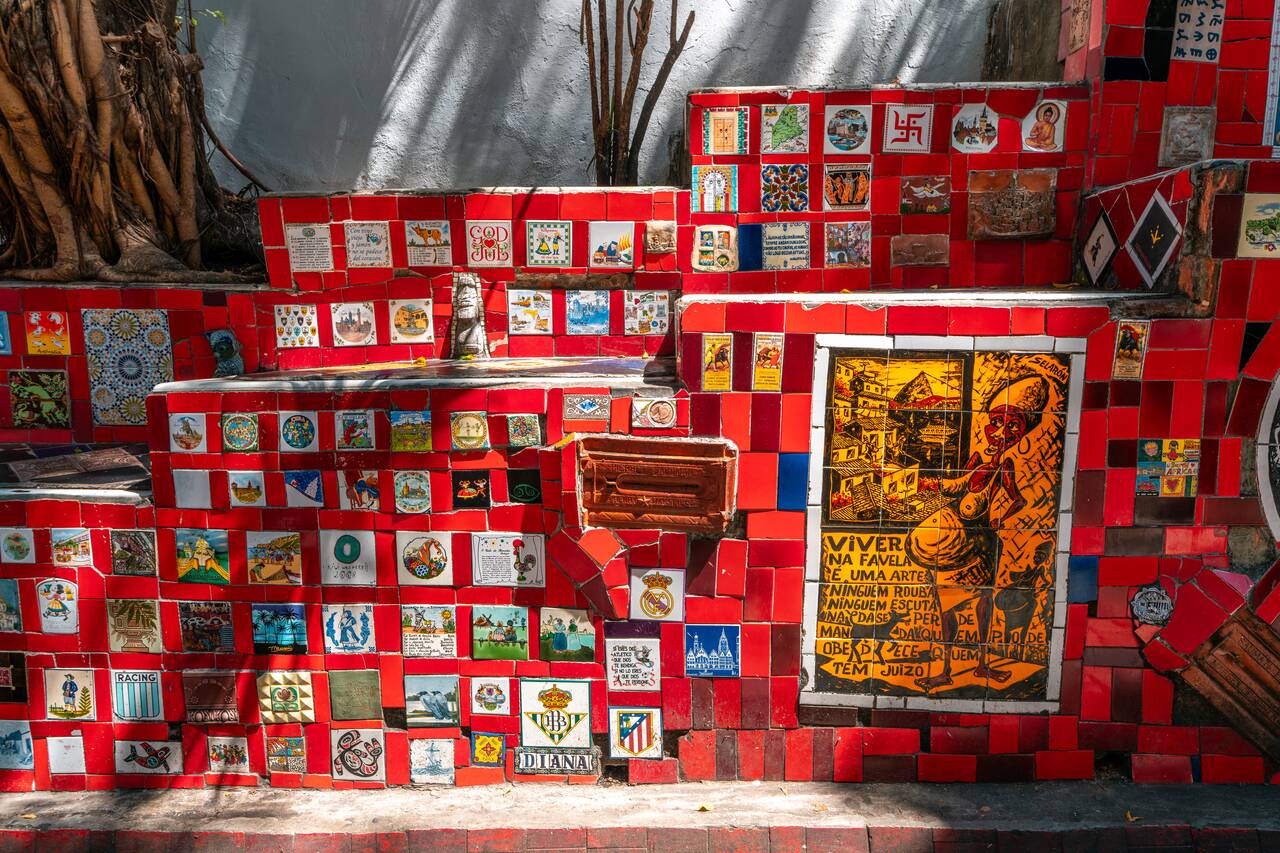
The area surrounding the steps is not considered the safest, so I would recommend taking an Uber directly there and back if possible. If you are planning to visit Catedral Metropolitana de São Sebastião do Rio de Janeiro next, which I highly recommend, make sure you stick to the main roads and follow the crowds instead of wandering into quieter side streets.

I actually did this walk on Christmas Day, which turned out to be a huge mistake as the streets were eerily empty and some areas felt pretty unsafe with barely anyone around. It should feel much better during normal weekdays though, as this is usually a busy commercial area with plenty of office workers and people out and about.
10. Be Blown Away by the Catedral Metropolitana de São Sebastião do Rio de Janeiro
- 📍 Location: Catedral Metropolitana de São Sebastião [Map Link]
- 🕐 Opening Hours: 7 am - 5 pm
- 💰 Entry Fees: Free
- ⚡ Pete's Take: "Very pretty, but the walk from Escadaria Selarón to here is best done on weekdays when there are lots of people around. I walked on Christmas Day, and it felt too isolated and sketchy as there was no one around except me and homeless people."
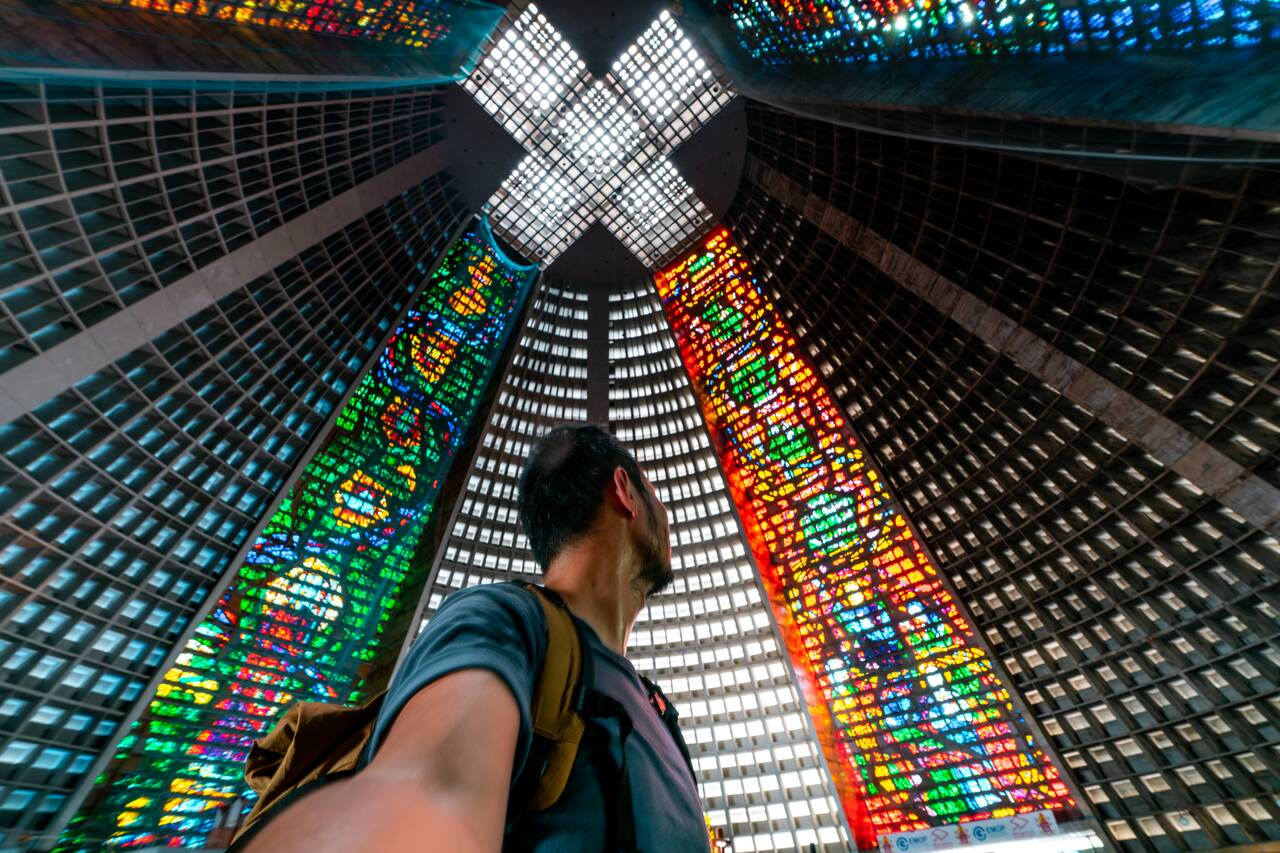
One of the most unique buildings you can visit in Rio de Janeiro is Catedral Metropolitana de São Sebastião, the city’s massive modern cathedral located near the Lapa district. Unlike the traditional colonial churches you often find around Brazil, this cathedral features a brutalist, almost futuristic design with its enormous cone-shaped structure.
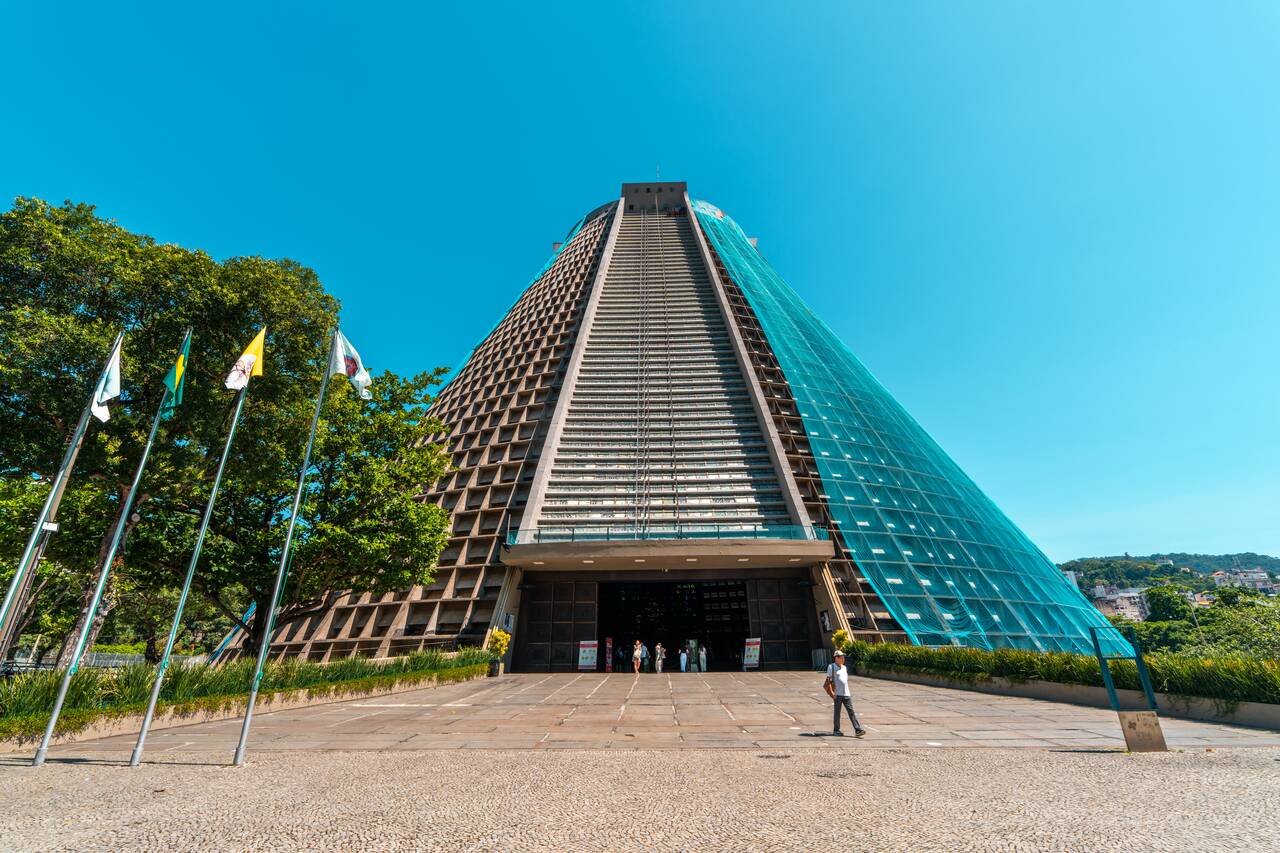
Honestly, from the outside, the building looks almost like a silo from a nuclear power plant, which may not be the prettiest of styles, but the real highlight of this cathedral is the interior.

Inside, you will find four gigantic stained-glass panels stretching from floor to ceiling all the way up to the circular skylight above, creating an incredible colorful glow throughout the cathedral. The sheer scale of the interior is honestly hard to appreciate until you stand inside it yourself.
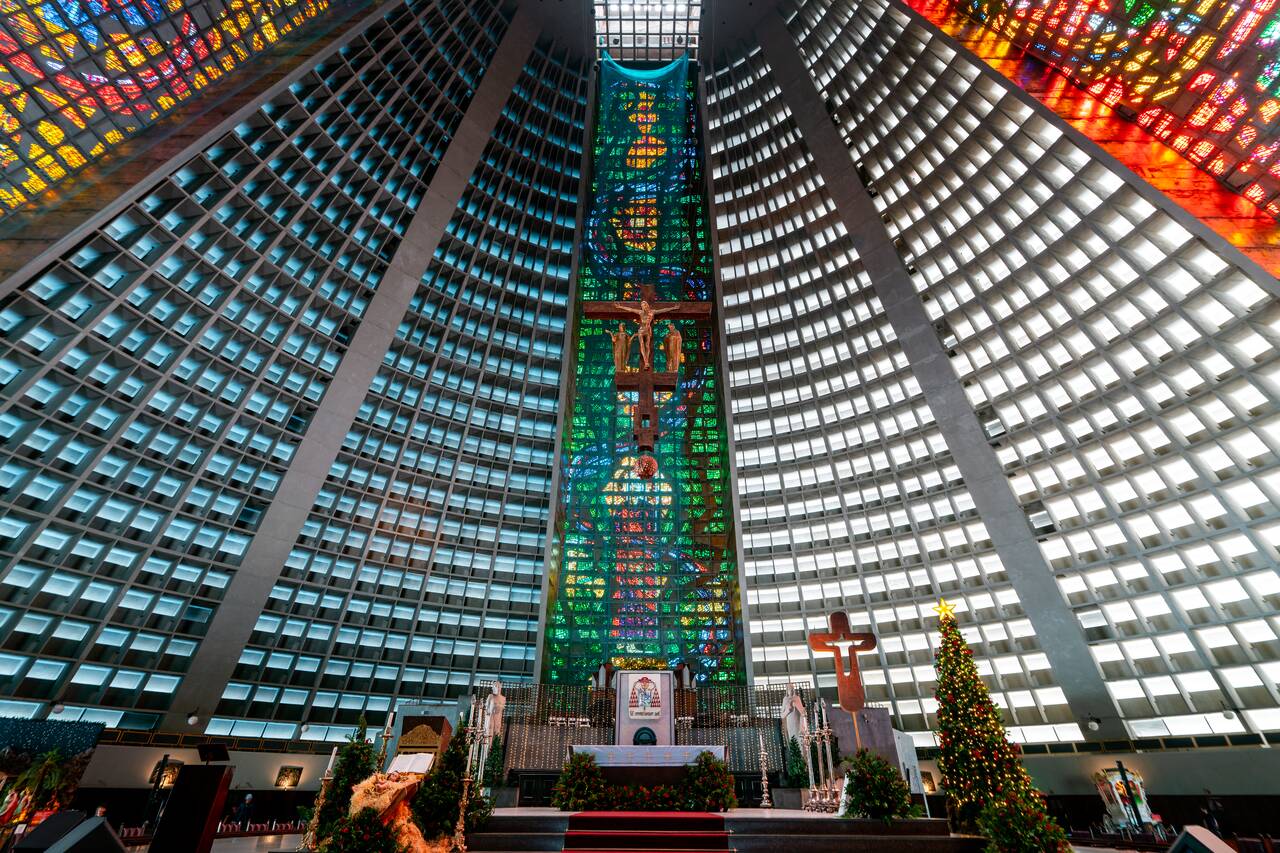
Entry is free, and you really do not need more than 20 to 30 minutes here unless you want to sit down and take in the atmosphere. Even if you are not particularly into churches or religious sites, I still think this cathedral is absolutely worth visiting purely for its architecture alone. The Cathedral is open every day from 7 am to 5 pm.
11. Walk Around Museu do Amanhã
- 📍 Location: Museum of Tomorrow [Map Link]
- 🕐 Opening Hours: 10 AM - 6 PM
- 💰 Entry Fees: 40 BRL (~8 USD)
- ⚡ Pete's Take: "Even if you don't want to pay to get in, the area around the museum is very nice, and the exterior is really beautiful. It's definitely worth a visit."
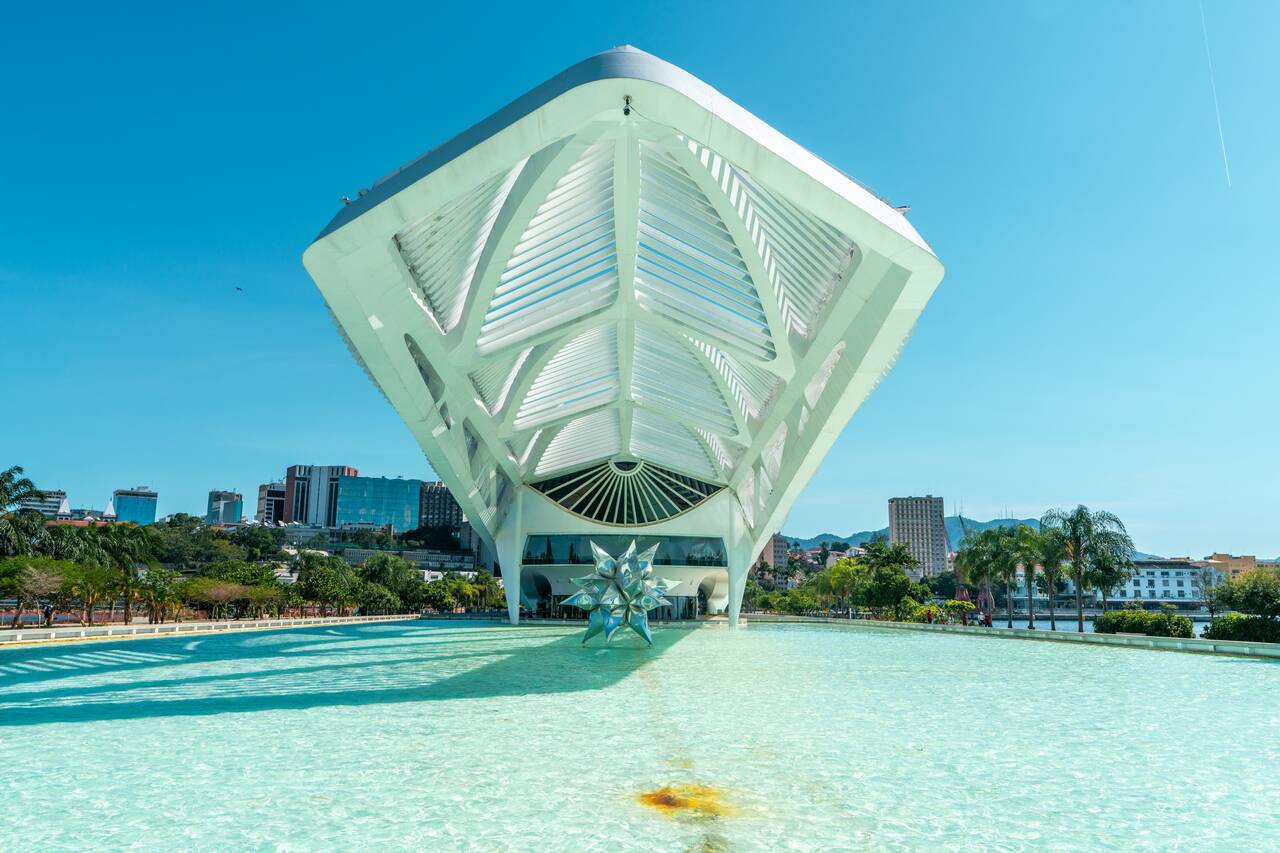
Another awesome piece of architecture that you might want to see in Rio is Museu do Amanhã, also known as the Museum of Tomorrow. Located along Rio’s revitalized waterfront area, the museum is easily one of the most visually striking buildings in the city, with its design looking almost like a futuristic spaceship floating beside Guanabara Bay.
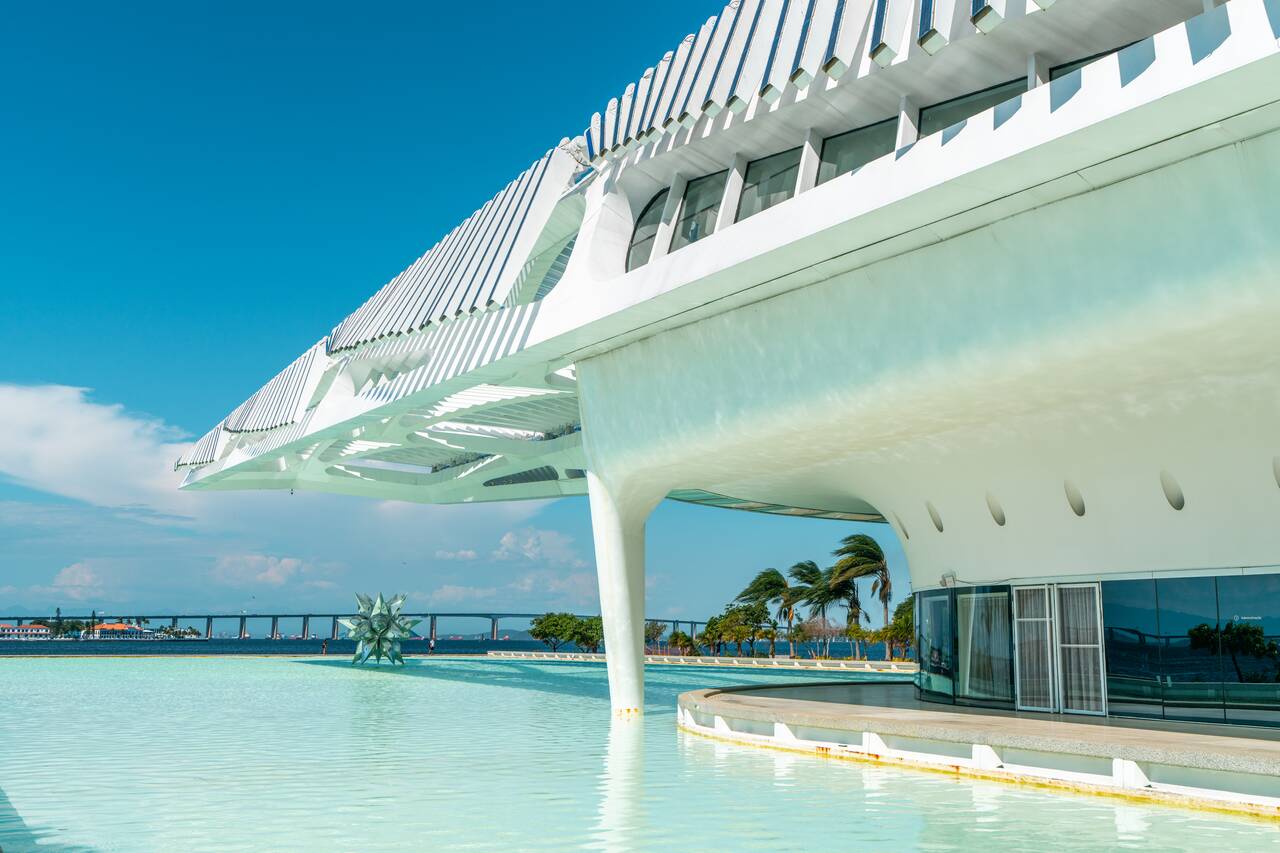
Inside, the museum focuses on science, sustainability, climate change, technology, and the future of humanity through a series of immersive and interactive exhibits. The exhibitions are beautifully designed and feel much more modern and engaging compared to many traditional museums in the city.

Even if you don't go inside, walking around the waterfront area is just as interesting as the museum itself. The entire district feels much more modern and open compared to the older parts of Rio, with wide promenades, public art installations, and nice views over the bay.

The museum is open from 10 AM to 6 PM from Thursday to Tuesday and is closed on Wednesdays. Tickets cost around 40 BRL (~8 USD) per person. It is an awesome place to check out, especially if you are already exploring nearby attractions like Escadaria Selarón and the cathedral.
12. Check Out Real Gabinete Português de Leitura

- 📍 Location: Real Gabinete Português de Leitura [Map Link]
- 🕐 Opening Hours: 10 AM - 5 PM
- 💰 Entry Fees: Free
- ⚡ Pete's Take: "I unfortunately didn't see it, but if you have time, visit on a weekday to avoid disappointment."
If you are a fan of beautiful libraries and historic architecture, you absolutely have to visit Real Gabinete Português de Leitura, one of the most stunning libraries in Rio that I unfortunately did not see due to my timing, but you must go and see it if you have the time.
The library was founded by Portuguese immigrants in the 19th century and is home to one of the largest collections of Portuguese literature outside of Portugal. But honestly, the real highlight here is the architecture itself.
Inside, you will find towering dark wooden bookshelves stretching several stories high, intricate carved details, massive chandeliers, and a beautiful stained-glass skylight illuminating the entire reading room. The atmosphere inside feels incredibly grand, quiet, and almost magical.
The library is relatively small, so do not expect to spend more than 20 to 30 minutes here unless you want to sit down and admire the space for a while. Entry is free, although you may occasionally have to wait a bit during busy hours to get in.
The place is open from 10 AM to 5 PM on weekdays and closed on weekends and holidays, which just happened to be the days I was exploring this part of Rio 😅. If you want to visit, make sure you come on a weekday to avoid the same disappointment I had 🤣.
When to Visit Rio de Janeiro?

There is probably a reason why the Portuguese king, King John VI, decided to abandon Europe and relocate the entire royal court to Rio de Janeiro. The weather is always great in Rio de Janeiro and is truly an all-year-round destination thanks to its warm tropical climate.
That said, if I had to pick the best time to visit, May to October would be ideal due to the more pleasant weather, lower humidity, and fewer chances of heavy rain.
For the party lovers out there, you might also want to consider visiting in February when the country’s largest Carnival celebration takes place. Just make sure to book your accommodation and flights well in advance, as prices can get ridiculously expensive during this period.
Rio’s rainiest months are generally from December to March. Rain often comes in short but intense tropical downpours during the afternoon or evening, although sunny weather usually returns quickly afterward, so you can still comfortably plan a trip around this time.
I visited in January, and even though the weather was extremely hot most days, the skies were often beautifully clear, which was perfect for photography. That said, I frequently had to escape the heat during the middle of the day because it could get pretty intense. All in all, Rio is one of those destinations you can visit any time of the year and still have an incredible experience.
How to Get to Rio de Janeiro?

Getting to Rio de Janeiro is relatively easy, as the city is one of the main international gateways into Brazil. Rio is served by two airports: a larger international airport and a smaller domestic airport closer to the city center.
Most international travelers will arrive at Rio de Janeiro–Galeão International Airport (GIG), located about 20 km north of the city center. It handles most long-haul international flights as well as some domestic routes. From there, you can easily travel into the city via Uber.
Most airports in Brazil have designated Uber pick-up areas, so all you have to do after arriving is request an Uber and head over to the designated pick-up spot. It is easy, affordable, and generally safe. Depending on traffic and your destination, the ride from Galeão Airport to areas like Copacabana or Ipanema usually takes around 30 to 50 minutes.
For finding flights, I recommend browsing through Skyscanner or Expedia to compare prices and find cheap flights to Rio de Janeiro.
How to get Around Rio de Janeiro?

By Uber: Personally, I found Uber to be the most convenient way to get around Rio. It is affordable, widely available, and generally much easier than navigating the bus system, especially if you do not speak Portuguese. Plus, it is very safe, and I often used it to get around each neighborhood without problems.
By Metro: Rio’s metro system is modern, relatively safe, air-conditioned, and easy to use. It is especially useful for getting between the South Zone neighborhoods like Copacabana, Ipanema, Botafogo, and the city center while avoiding the horrible traffic the city is infamous for. If you are staying near a metro station, this can save you a lot of time during rush hour.
By Walking: Certain parts of Rio are very walkable, especially neighborhoods like Copacabana and Ipanema where most tourists stay. You should be able to walk along the beachfront promenades, which are absolutely beautiful, during the day and late into the evening without problems.
That said, I would avoid walking long distances at night in quieter areas and always stay aware of your surroundings, especially when carrying cameras or phones.
How many days to spend in Rio de Janeiro?

I recommend spending at least 4 to 5 days in Rio de Janeiro if you want enough time to properly experience the city without rushing. Rio is not just about checking off famous landmarks like Christ the Redeemer or Sugarloaf Mountain.
The real charm of the city comes from its fun beach culture, vibrant nightlife, music, food, and laid-back atmosphere, and you will need to take your time to really enjoy it. I spent around a week in Rio de Janeiro and I was barely scratching the surface. Trust me, you will never get bored in this city!
- Day 1: Copacabana, Ipanema Beach, Arpoador Sunset.
- Day 2: Christ the Redeemer, Sugarloaf Mountains
- Day 3: Botanic Garden, and Parque Lage
- Day 4: Escadaria Selarón, the Metropolitan Cathedral, and Sunset Helicopter Ride over Rio
Is it Safe in Rio de Janeiro?

I had the same worry after seeing so many robbery videos, but to be honest, Rio de Janeiro is generally safe in tourist areas if you stay aware. However, it does require more caution than many other major cities.
In Rio de Janeiro, safety varies a lot depending on where you are and what time it is. Popular neighborhoods like Copacabana, Ipanema, Leblon, Botafogo, and Santa Teresa (daytime) are where most travelers stay and spend time. These areas are usually fine during the day and early evening, especially along main streets and the beachfront promenades.
You might see a lot of homeless people wandering around these areas, but from my experience, they usually don’t bother you. Not gonna lie, coming from other countries, it felt a bit jarring at first for me, with homeless people sleeping on almost every corner and trash on some streets, but I got used to it pretty quickly and you learn to live with it.
Petty theft (such as phone snatching or pickpocketing) is the most common issue, not violent crime for tourists. The usual precautions go a long way: don’t flash your phone constantly in quiet areas, avoid walking alone late at night in unfamiliar streets, and use Uber instead of hailing taxis on the street.
My recommendation is to be aware of your surroundings at all times and stay street smart. Rio can feel intense in parts, but it is also one of those cities where millions of visitors come every year and have an amazing time, so there is no need to worry too much. You will be fine as long as you follow the basic safety advice I have written here.
Disclaimer: This post may contain affiliate links. See our disclosure policy.
First Published:
Last updated: