



Brazil had been high on my bucket list for years, and when I finally had the chance to visit the country properly, as I had technically been to Brazil 10 years earlier when I crossed the border from Argentina at Iguazu Falls for a day, I decided to dedicate an entire month to exploring what this country has to offer, and boy, was it worth it.
Truth be told, I never felt bored during the entire month I spent exploring the country, from visiting the iconic beaches of Rio de Janeiro and celebrating the Bonfim Festival in Salvador to hiking around the surreal dunes of Lençóis Maranhenses and Chapada Diamantina.
With a country as large as Brazil, planning a trip can feel overwhelming. There are countless places worth visiting, and the distances between destinations can be enormous. After spending a month traveling around the country, I put together this itinerary to help you enjoy Brazil exactly as I did.
In this guide, I will show you every single detail of how I spent one month in Brazil (well, a little over 40 days, as there is just so much to see 😉), including where to go, what to do, how to get around, and plenty of tips I learned along the way. If you are planning your first trip to Brazil, this itinerary should help you make the most of your time in one of the most incredible countries in South America.

Map of this One-Month Brazil Itinerary
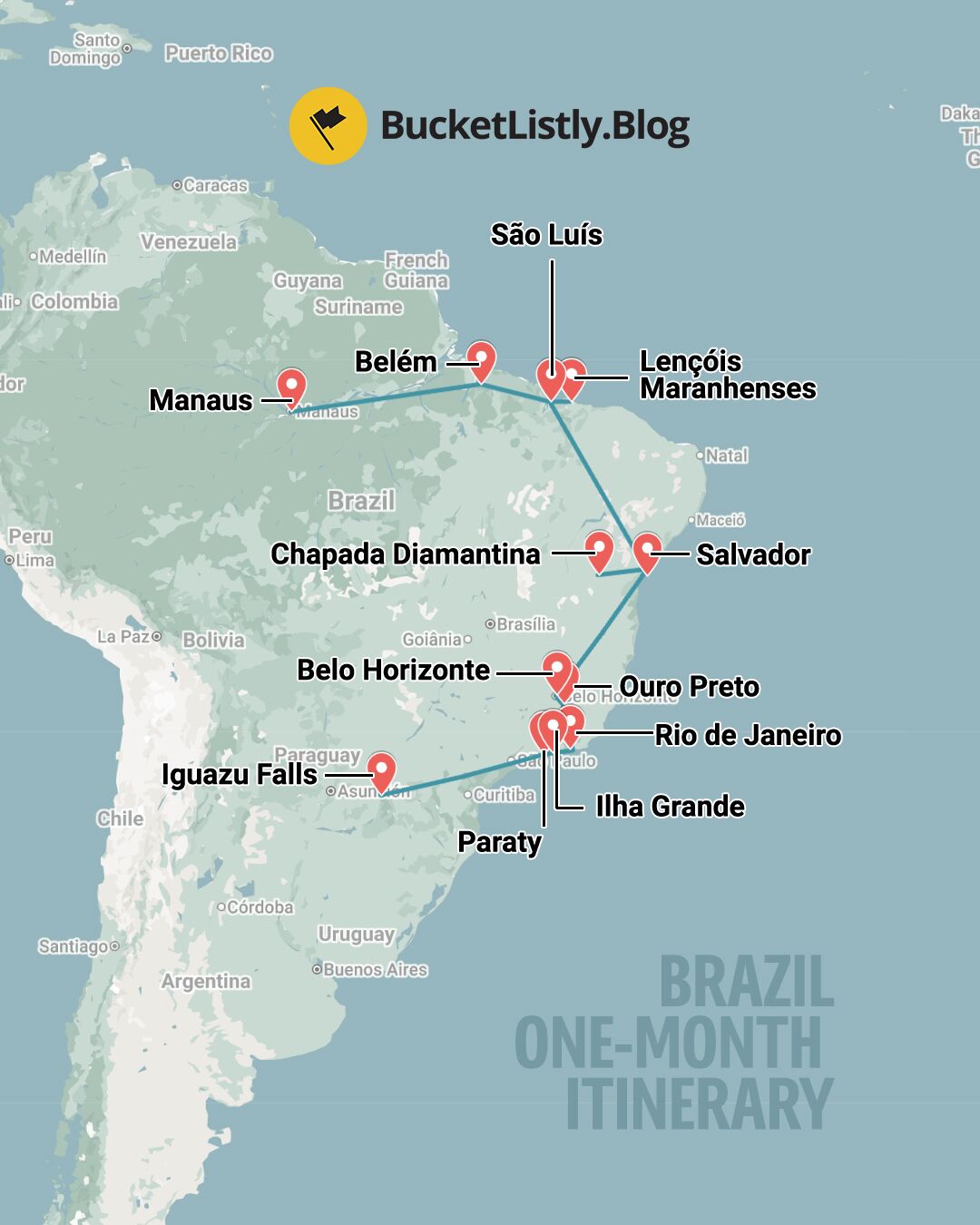
Quick Summary
| ☀️ Day 1-4: | Rio de Janeiro |
| ☀️ Day 5-7: | Paraty |
| ☀️ Day 8-10: | Ilha Grande |
| ☀️ Day 11-14: | Iguazu Falls |
| ☀️ Day 15-17: | Ouro Preto |
| ☀️ Day 18-20: | Belo Horizonte |
| ☀️ Day 21-23: | Salvador |
| ☀️ Day 24-27: | Chapada Diamantina |
| ☀️ Day 28-30: | Lençóis Maranhenses |
| ☀️ Day 31-32: | São Luís (Optional) |
| ☀️ Day 33-35: | Belém (Optional) |
| ☀️ Day 36-40: | Manaus & The Amazon |
One Month Itinerary for Brazil
Day 1-4: Rio de Janeiro (4 nights)

- 📍 Stay: Vila Galé Rio de Janeiro
- 🕐 Time: 4 nights
- 📖 Full Guide: Explore Rio de Janeiro: My Favorite Experiences, Tips & 4-Day Itinerary
There is no better place to begin your Brazil adventure than Rio de Janeiro. With its iconic beaches, dramatic mountain scenery, vibrant neighborhoods, and world-famous landmarks like Christ the Redeemer and Sugarloaf Mountain, Rio is the perfect introduction to the country.

We will be spending 4 days in Rio de Janeiro, starting with the first day exploring the wonderful beaches the city is famous for. In the morning, go for a walk along the beautiful promenade at Copacabana Beach. The morning is the best time to visit, as the heat is still bearable and the atmosphere is calm and enjoyable.

You can spend hours simply walking along the promenade. It took me about 45 minutes to walk from the far end of Copacabana Beach to Ipanema, and it is honestly one of the best ways to get a feel for Rio when you first arrive in the city. I highly recommend you do the same.
- Pure Brazil (14 days)
- Brazil Carnival Full Experience 6D/5N (Rio de Janeiro) (6 days)
- Rio de Janeiro & Amazon Rainforest Sustainable Experience (9 days)

When you see photos of Rio, you will often find a beautiful sandy beach with a stunning view of a dramatic mountain in the background. More often than not, that photo was taken at Ipanema Beach, which I consider to be the most beautiful beach in the city, even more so than Copacabana. You can easily walk between the two beaches in about 30 minutes.
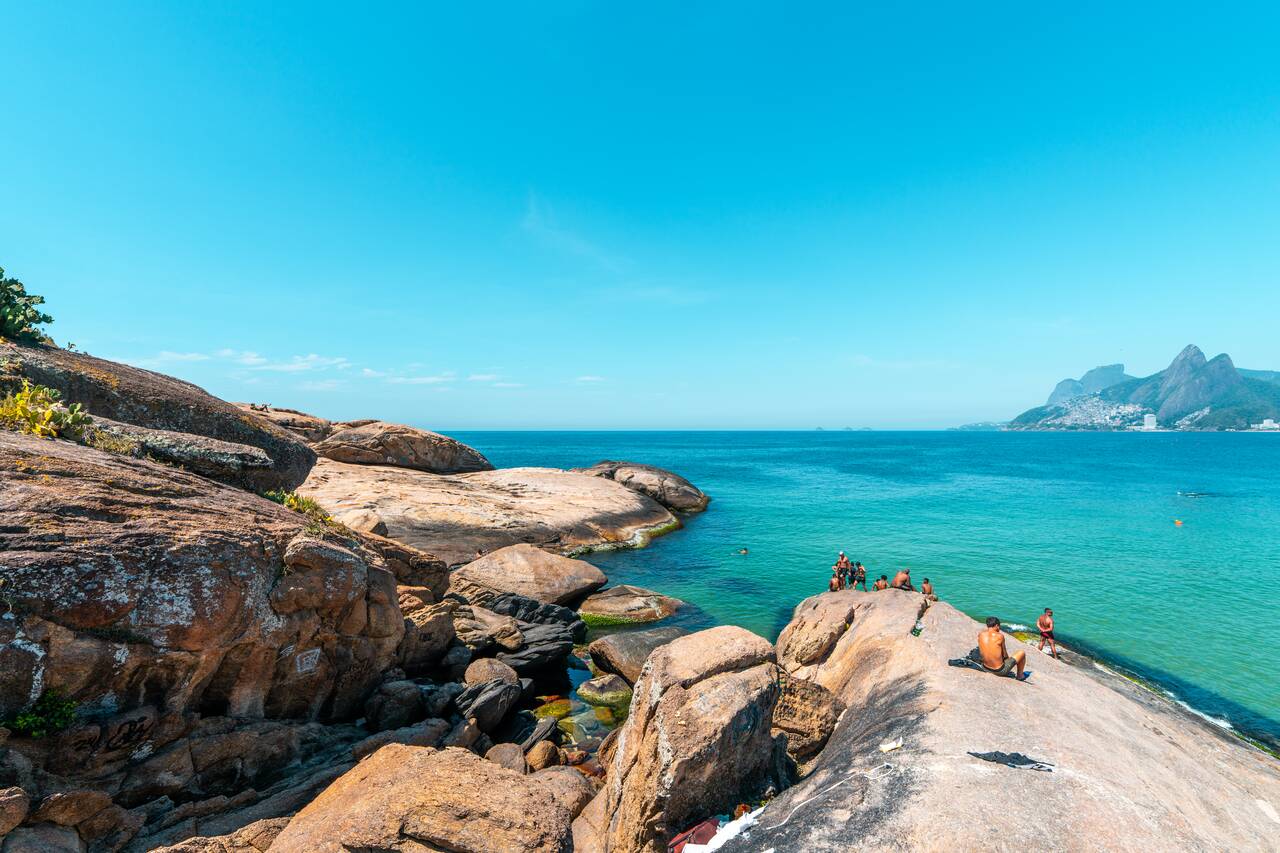
Ipanema Beach is also famous for its incredible sunsets. Every evening, crowds gather near Arpoador Rock at the far end of the beach to watch the sun slowly disappear behind the mountains, and honestly, it is one of the best sunset spots in all of Rio, so make sure you come back here for sunset.

Spend the first day relaxing at the beach and resting as you become acquainted with Brazil, its climate, and how things work over here. The second day, you can go and visit the famous Christ the Redeemer and Sugarloaf Mountains. I mean no trip to Rio would be complete without visiting these 2 famous landmarks.

You can easily visit these two places independently using Uber, or you can join an organized tour and not have to worry about tickets or logistics. The tour should take around 4–5 hours, depending on the queues at each attraction that day. I recommend visiting Christ the Redeemer as early as possible, ideally right at opening time, as it can get very crowded later in the day, and you could end up waiting more than two hours just to get to the top.
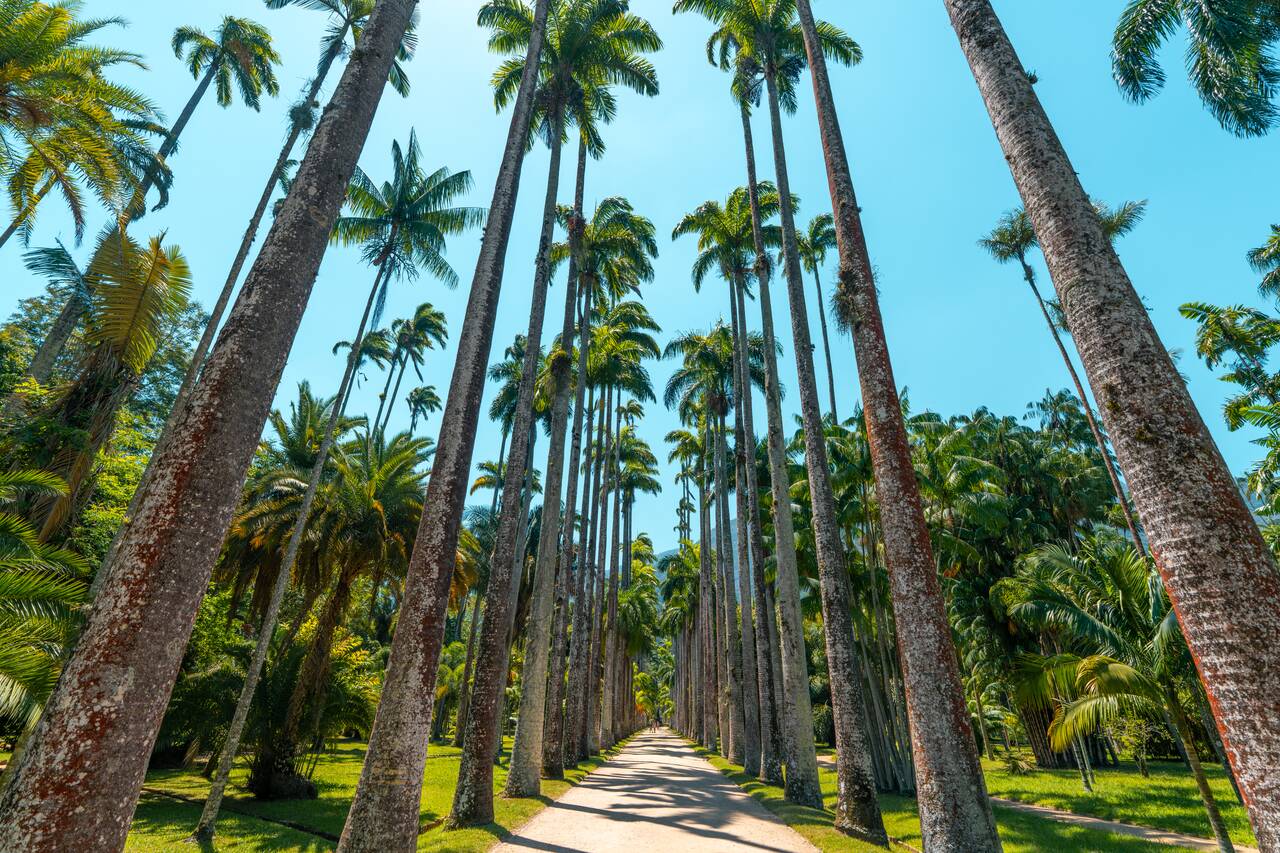
On your third day in Rio, you can go for a morning stroll at Jardim Botânico, Rio de Janeiro’s stunning botanical garden located at the foot of Corcovado Mountain. The garden is home to thousands of species of tropical plants and towering imperial palm trees.
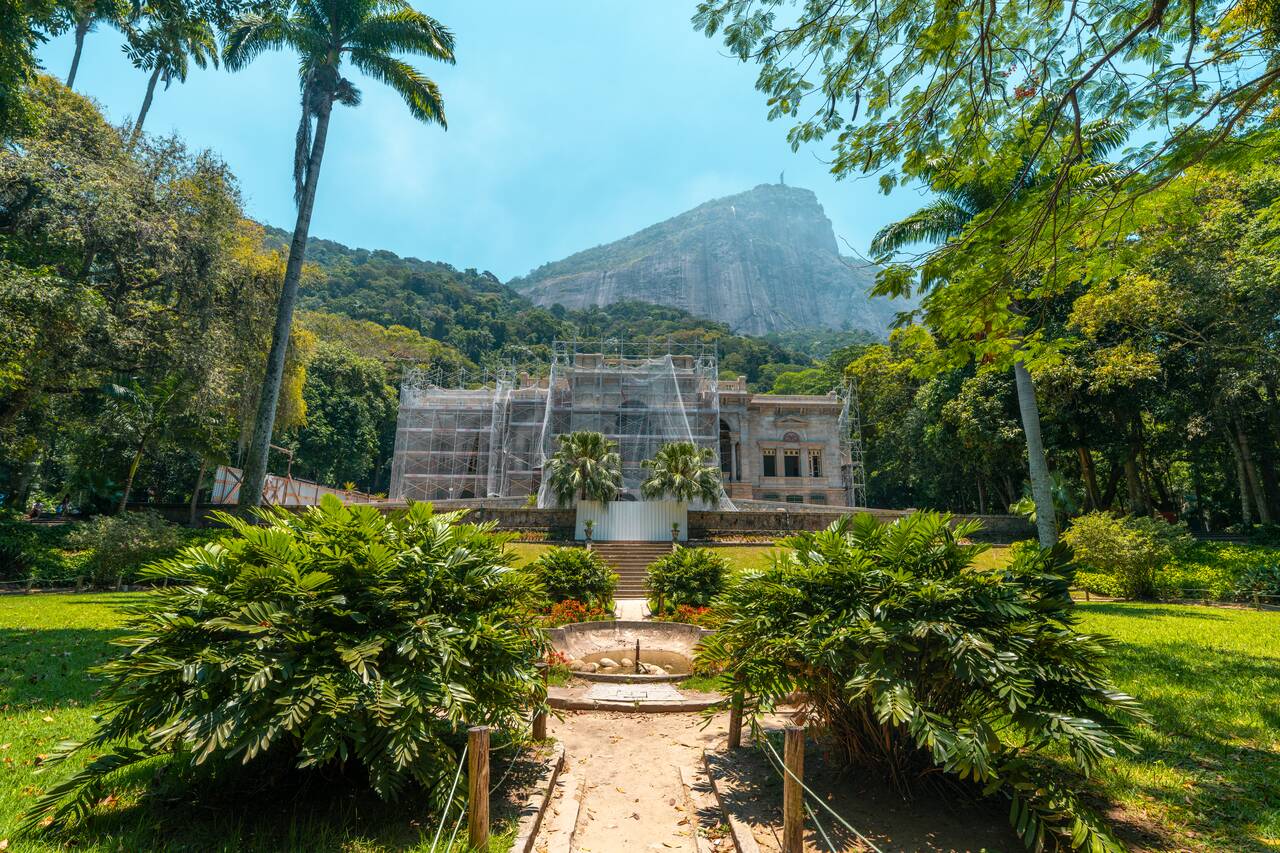
From Jardim Botânico, you should be able to walk over to Parque Lage and explore its smaller, but beautiful nonetheless, garden. The whole area feels safe and surprisingly green compared to other parts of Rio, and you should be able to comfortably walk between the two places without any problems.
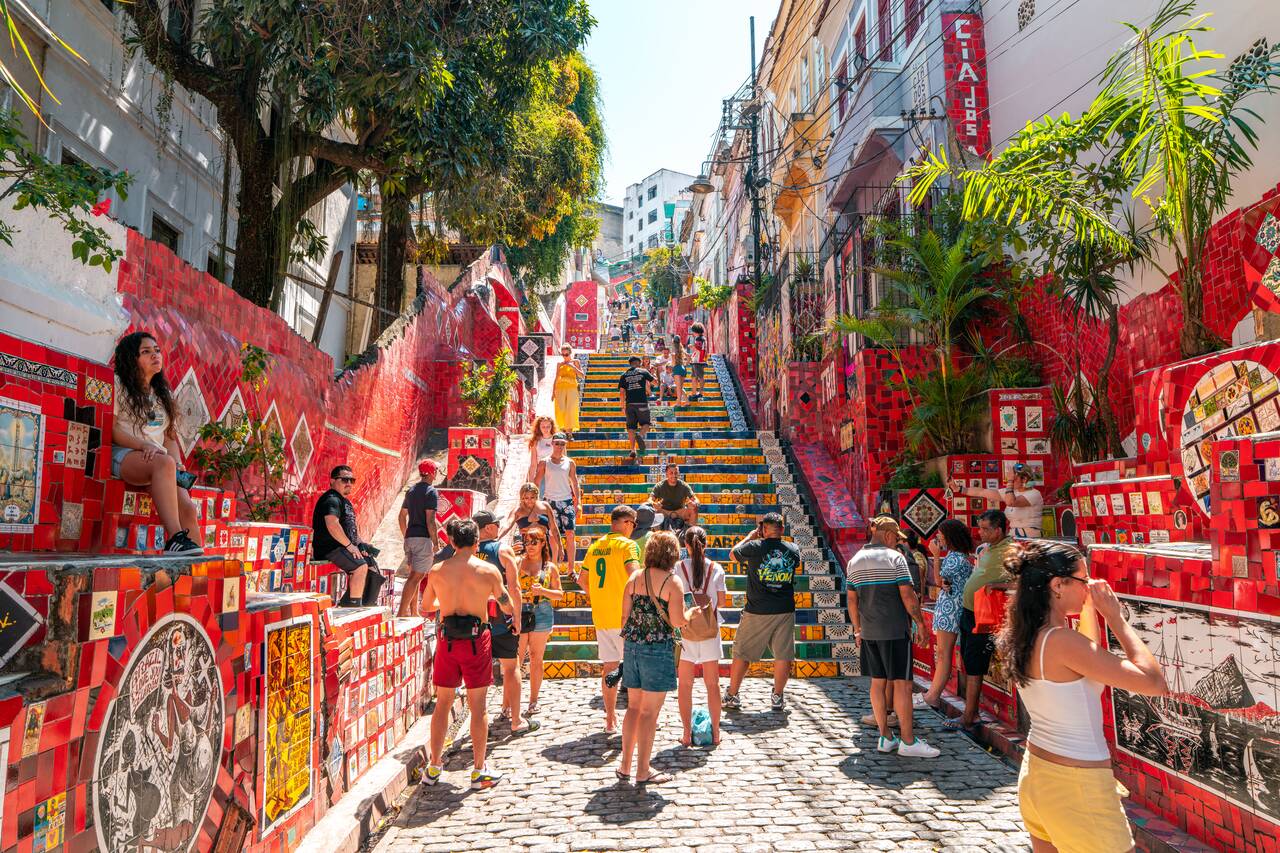
On your last day in Rio, you can go and explore the city center and visit the famous Escadaria Selarón, also known as the Selarón Steps. This incredibly photogenic staircase connects the neighborhoods of Lapa and Santa Teresa. Keep in mind that this place has become an influencer hotbed, so expect lots of crowds throughout the day.
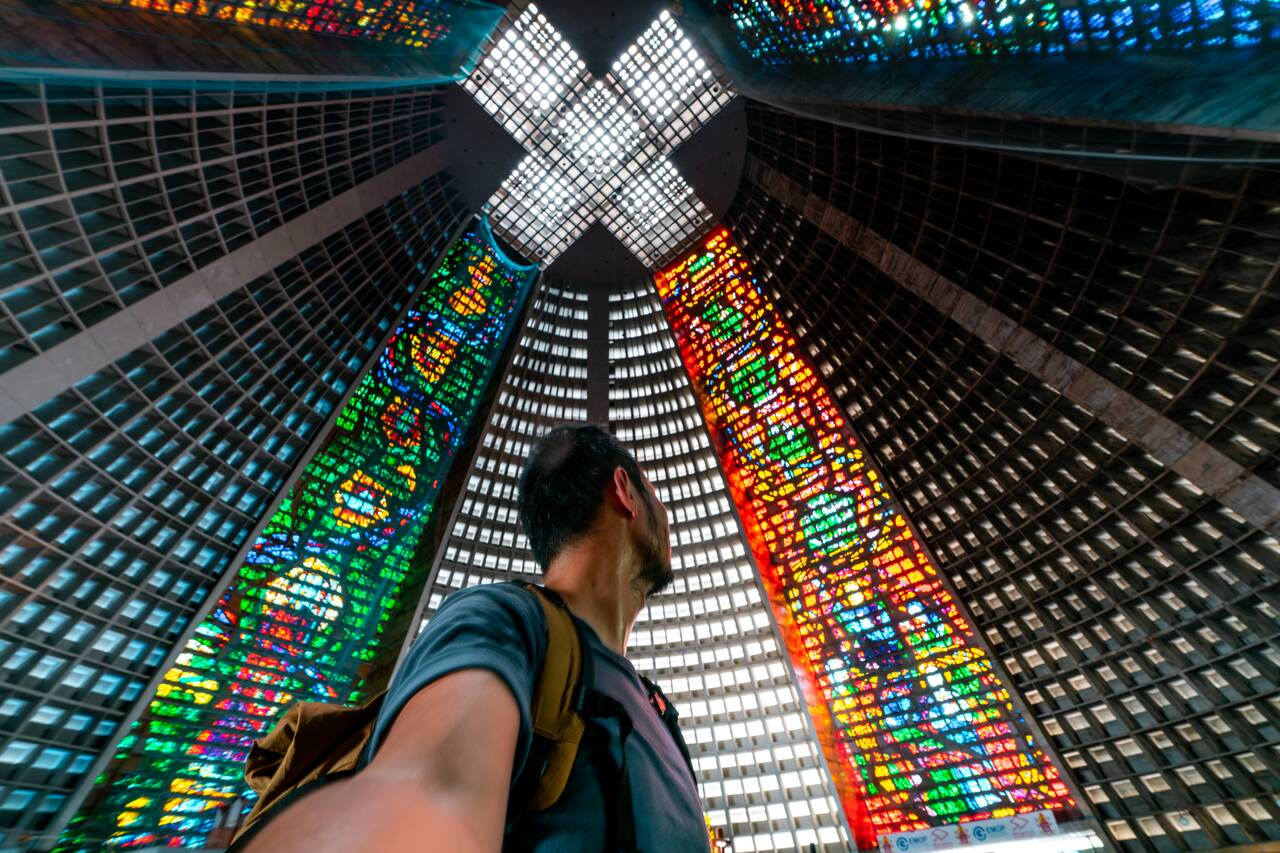
After you are done with Escadaria Selarón, you can continue and walk to Catedral Metropolitana de São Sebastião, the city’s massive modern cathedral located near the Lapa district. Unlike the traditional colonial churches you often find around Brazil, this cathedral features a brutalist, almost futuristic design with its enormous cone-shaped structure.
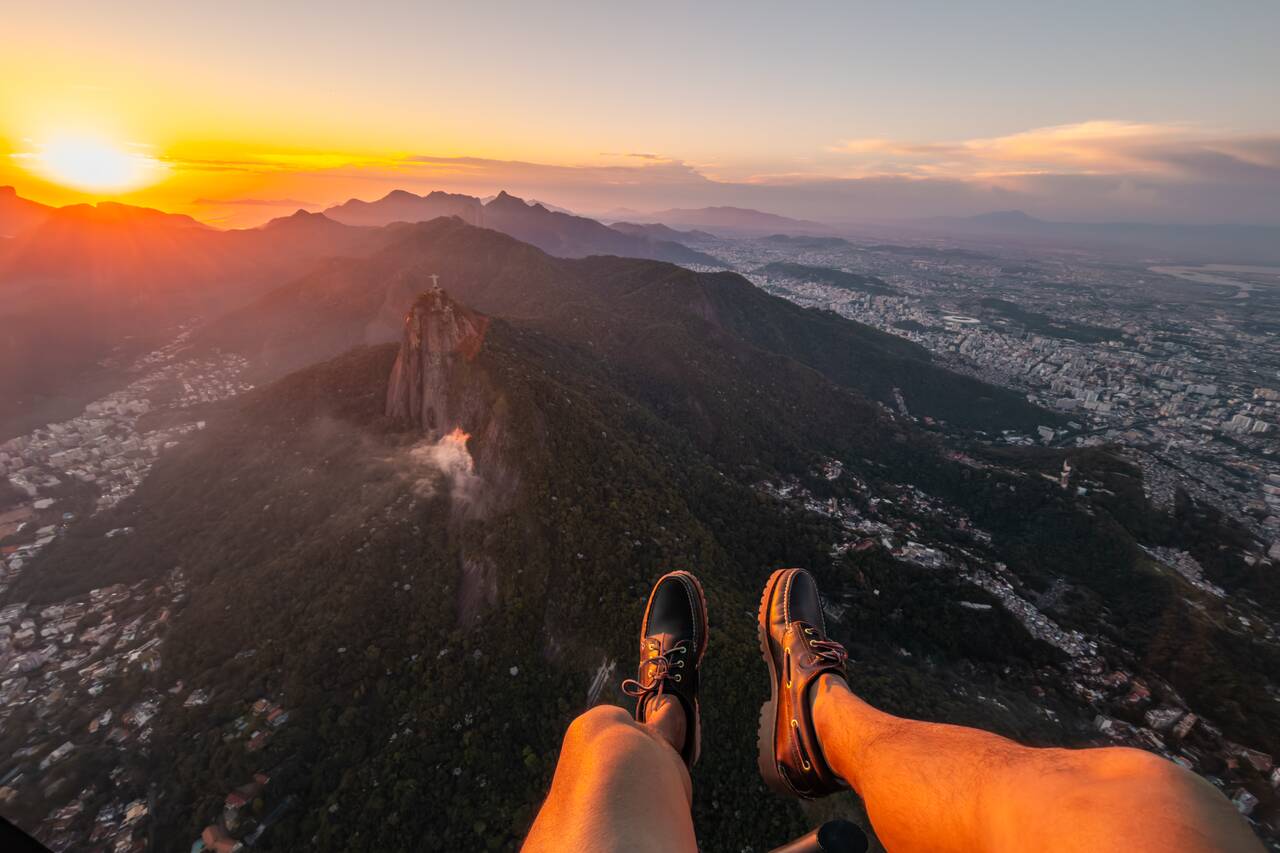
In the evening, we are going to end the day with one of the coolest things you can do in Rio: taking a helicopter ride over the city at sunset with Vertical Rio, one of the few helicopter operators in the city that offers open-door flights. With the help of a secured harness, you can even hang your legs out of the helicopter and take photos during the flight.

I know, it sounds very Instagram-y, but wow, it was exhilarating, not just seeing Christ the Redeemer from the air at sunset, but also feeling the wind as I hung my legs out of the helicopter for the first time. Not gonna lie, it was a little nerve-racking at first. The wind was so strong that it could easily have knocked my shoes off if it were not for the instructor repeatedly reminding me to tighten them properly.

I recommend going around sunset time so you can have one of the best seats in the city to witness the sunset, just as I did 😉. After you are done, head back to your accommodation and call it a day. Tomorrow, we are going to visit the beautiful beachside colonial town of Paraty!




Getting From Rio de Janeiro to Paraty
From Rio de Janeiro, the journey to Paraty takes around 5 to 6 hours by road depending on traffic. Several bus companies, such as Costa Verde, operate daily routes between Rio and Paraty, with buses departing from Rodoviária do Rio several times a day.
You can book the bus online here or purchase tickets directly at the terminal. Bus tickets usually cost around 100 BRL (~20 USD) per person, and buses continue to operate even during holidays. That said, I highly recommend booking in advance if you are traveling during weekends or holiday periods. Keep in mind that if you book online, you will still need to exchange your booking for a physical ticket at the station, so make sure to arrive a bit earlier before departure.
Day 5-7: Paraty (3 nights)
- 📍 Stay: Pousada Roma
- 🕐 Time: 3 nights
- 📖 Full Guide: Discover Paraty: 10 Best Things to Do & More
Next stop: Paraty, a beautiful seaside colonial town with beautifully preserved historic streets, lush rainforest-covered mountains, stunning tropical beaches, island-filled bays, and a laid-back atmosphere.
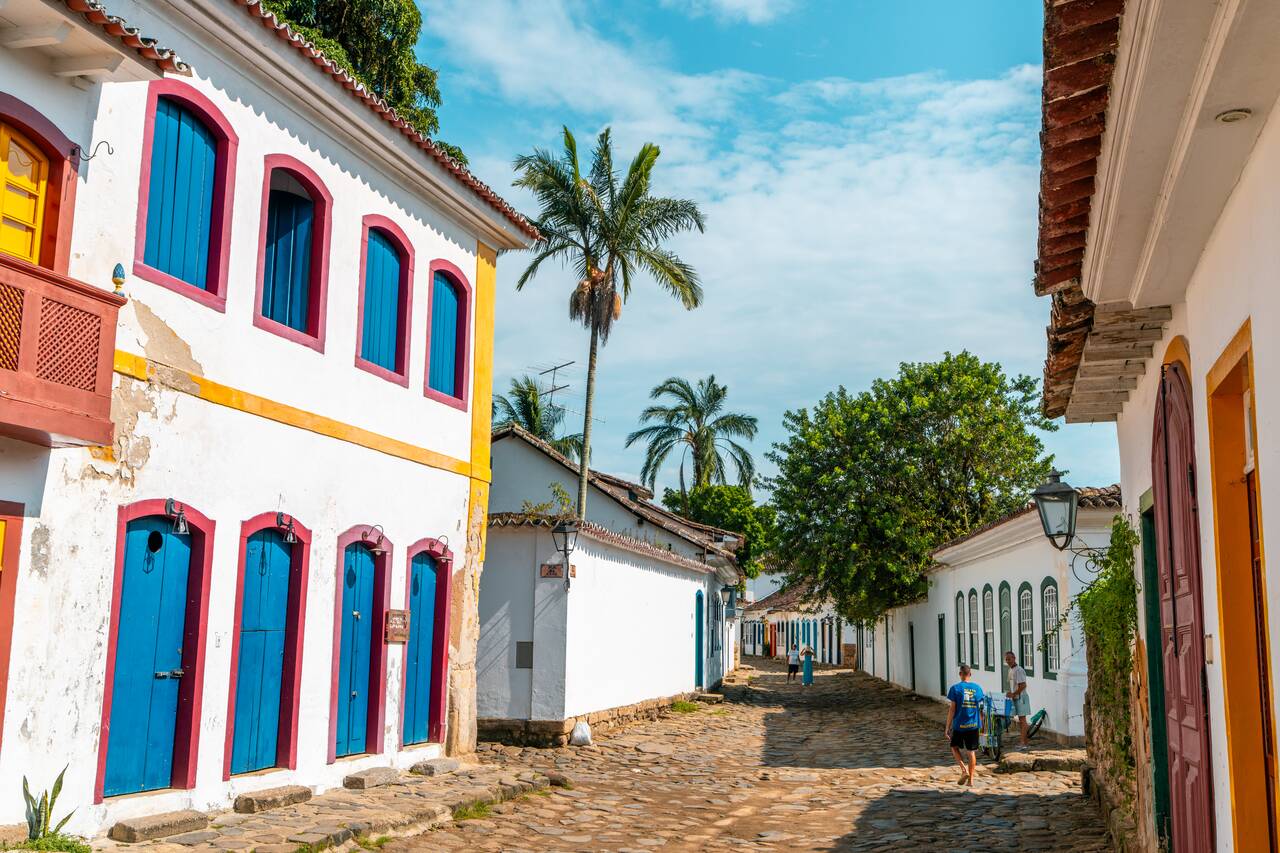
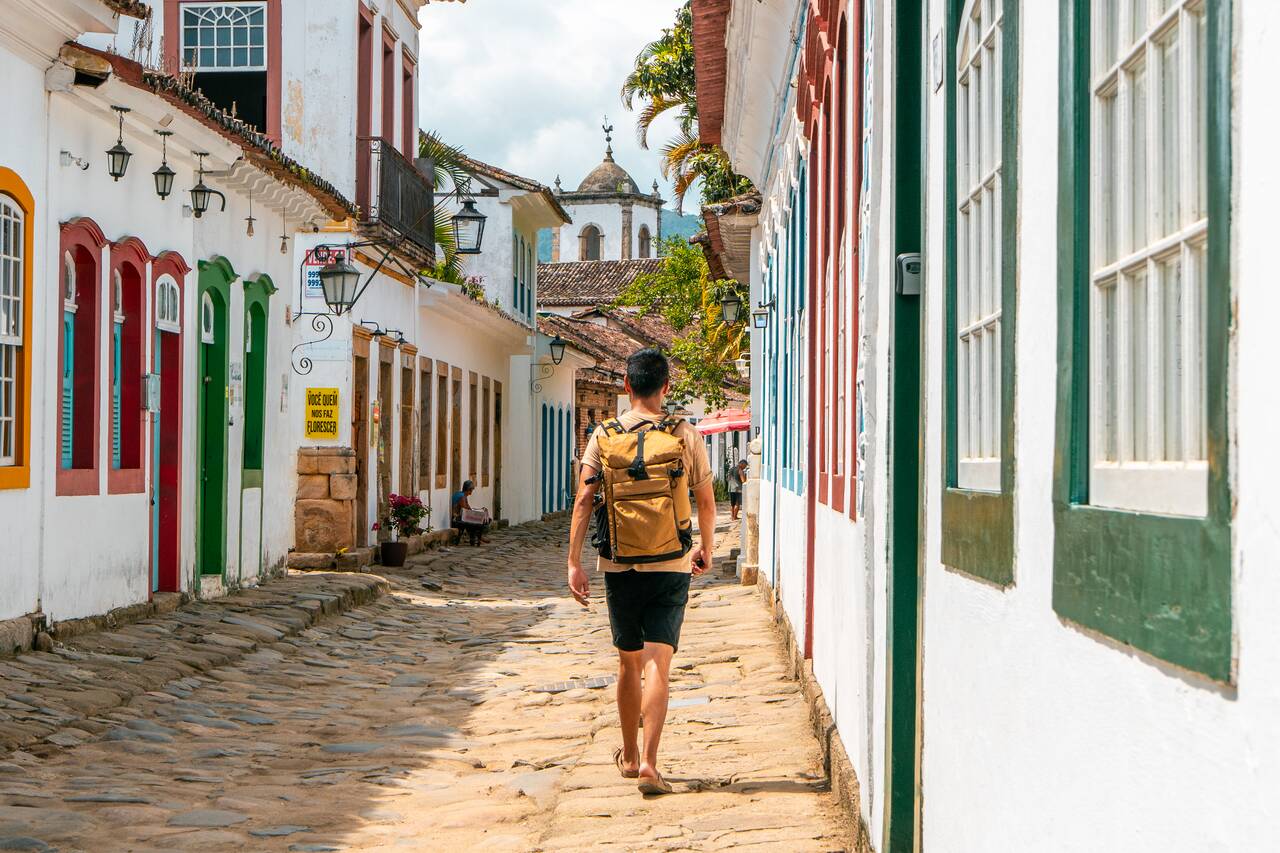
One of the best things to do in Paraty is simply wandering around and exploring its beautifully preserved historic center. The entire old town feels like an open-air museum with its white colonial buildings, colorful window frames, cobblestone streets, and charming little plazas scattered throughout the area.
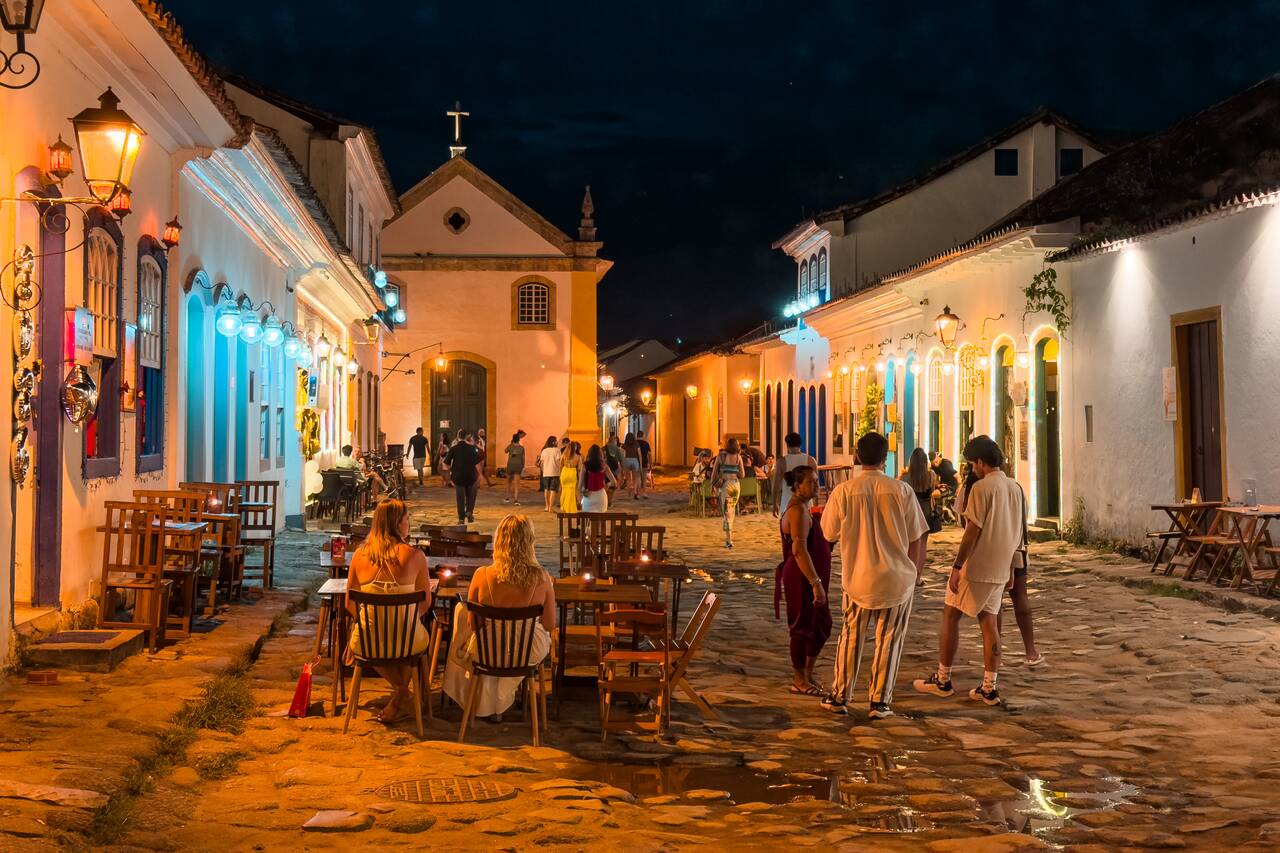
You can spend the first day exploring the colonial streets, renting a kayak to explore the beautiful coastline and mangrove forests, and simply relaxing and enjoying the local vibe. Be sure to stroll around the old town at night as well, as that is when it is at its liveliest.
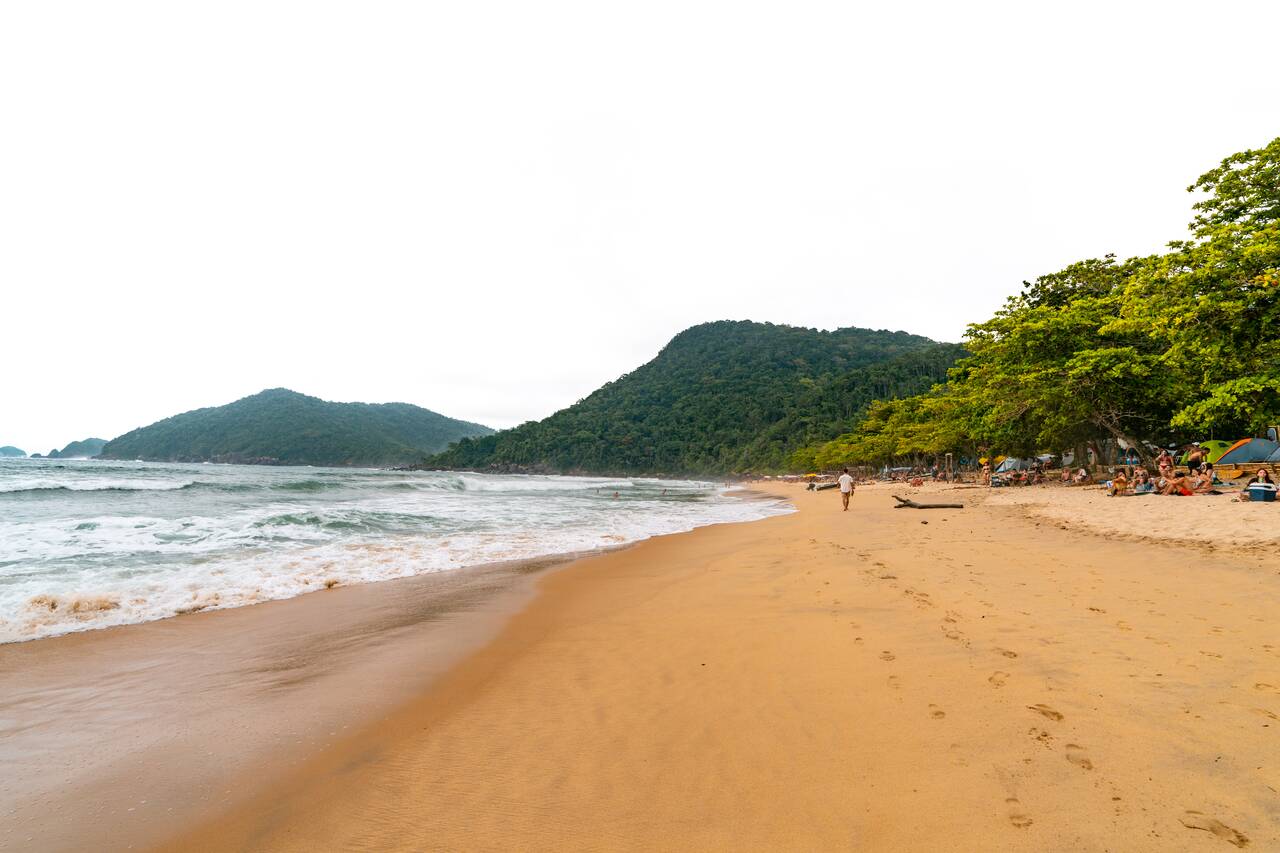
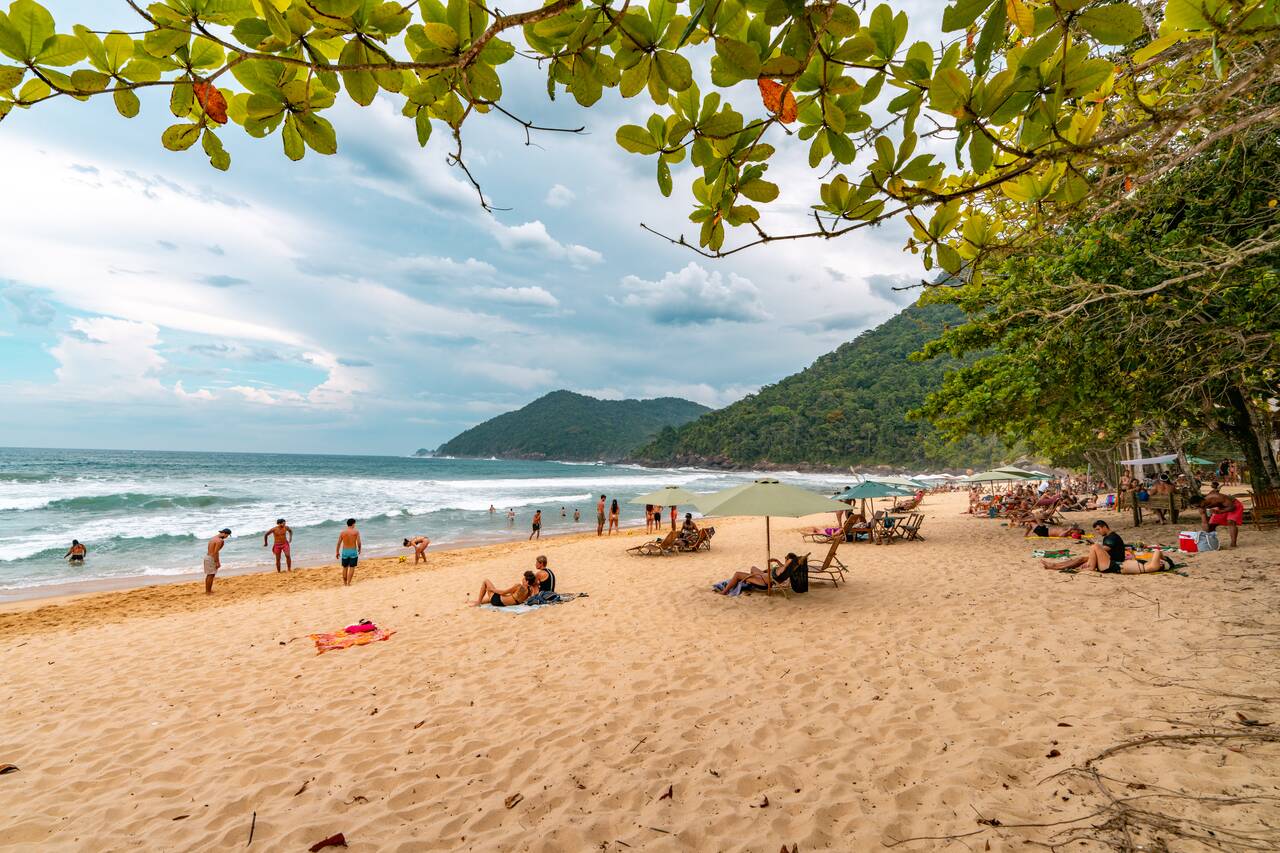
For the second day, you can go and hike Praia do Sono, one of the most beautiful and laid-back beaches in the area. Surrounded by lush rainforest and only accessible by hiking trail or boat, the beach feels wonderfully remote compared to the more touristy beaches nearby, like Trindade.
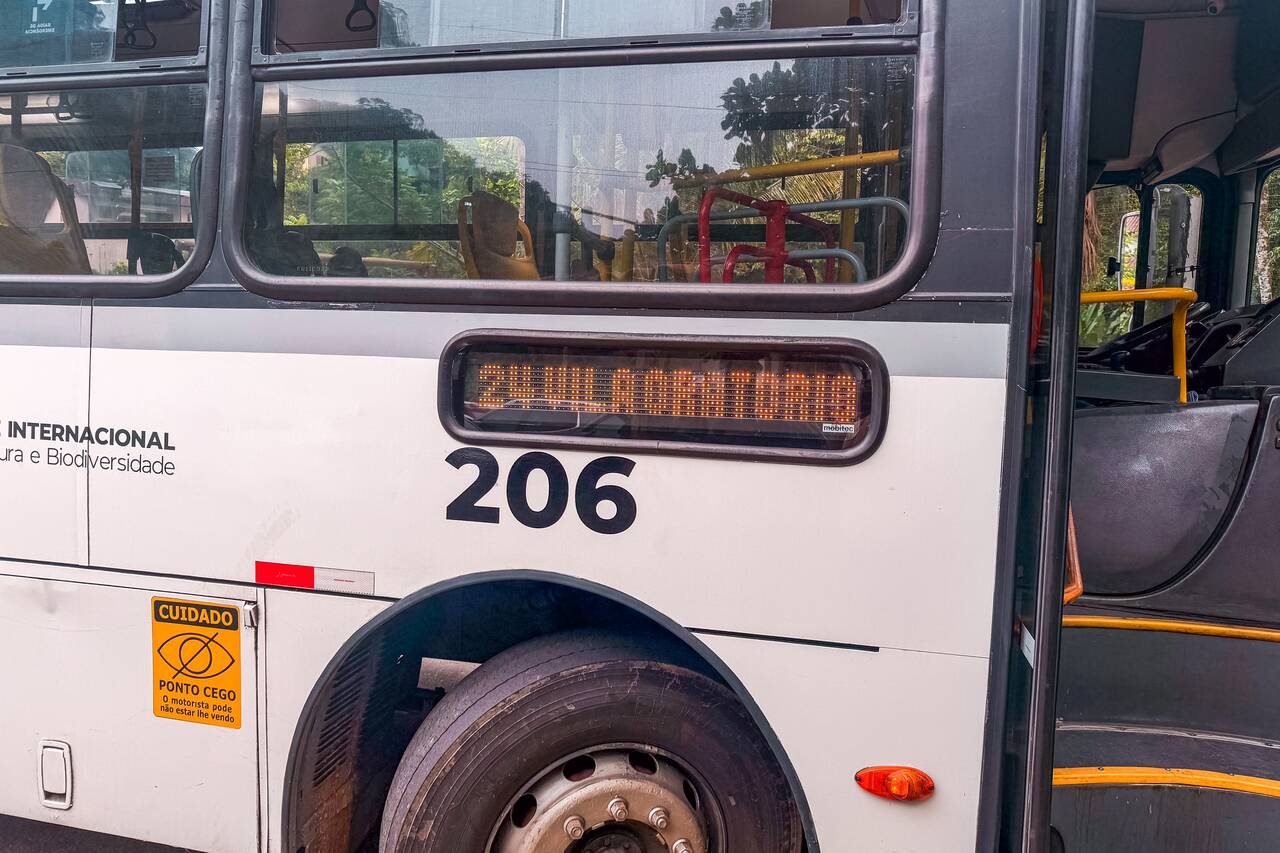
To get there, you will first need to take a local bus from Paraty to Vila Oratório, which takes around 45 minutes. You can catch bus #24 from Rodoviária de Paraty. It leaves every hour on weekdays and every 2 hours on weekends, and the ride should cost around 5 BRL (~1 USD) per person.
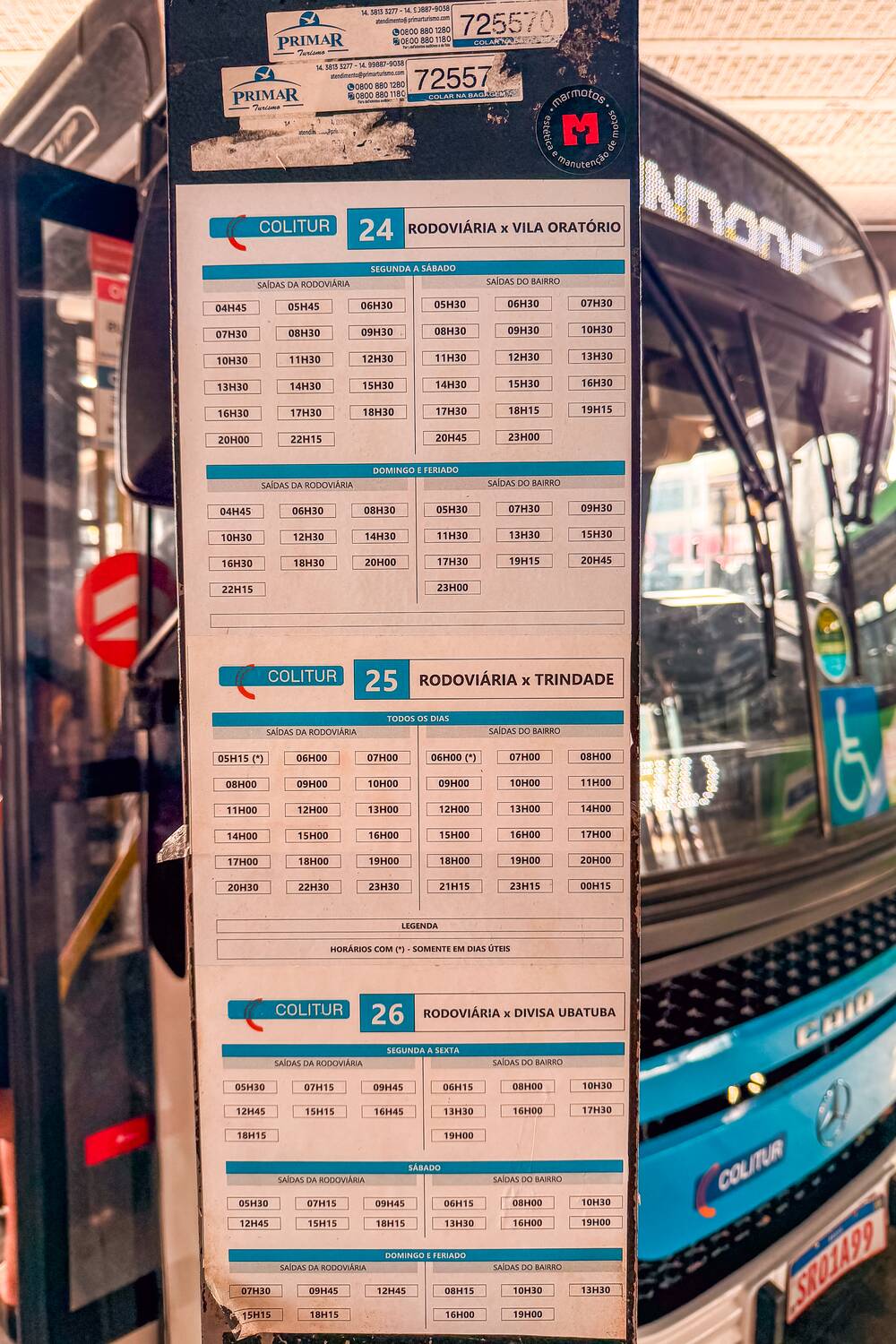
You can pay the fare directly to the bus driver once you get on the bus, but YOU NEED TO PAY WITH CASH! Credit cards are generally not accepted on these local buses. The bus schedule is shown above.
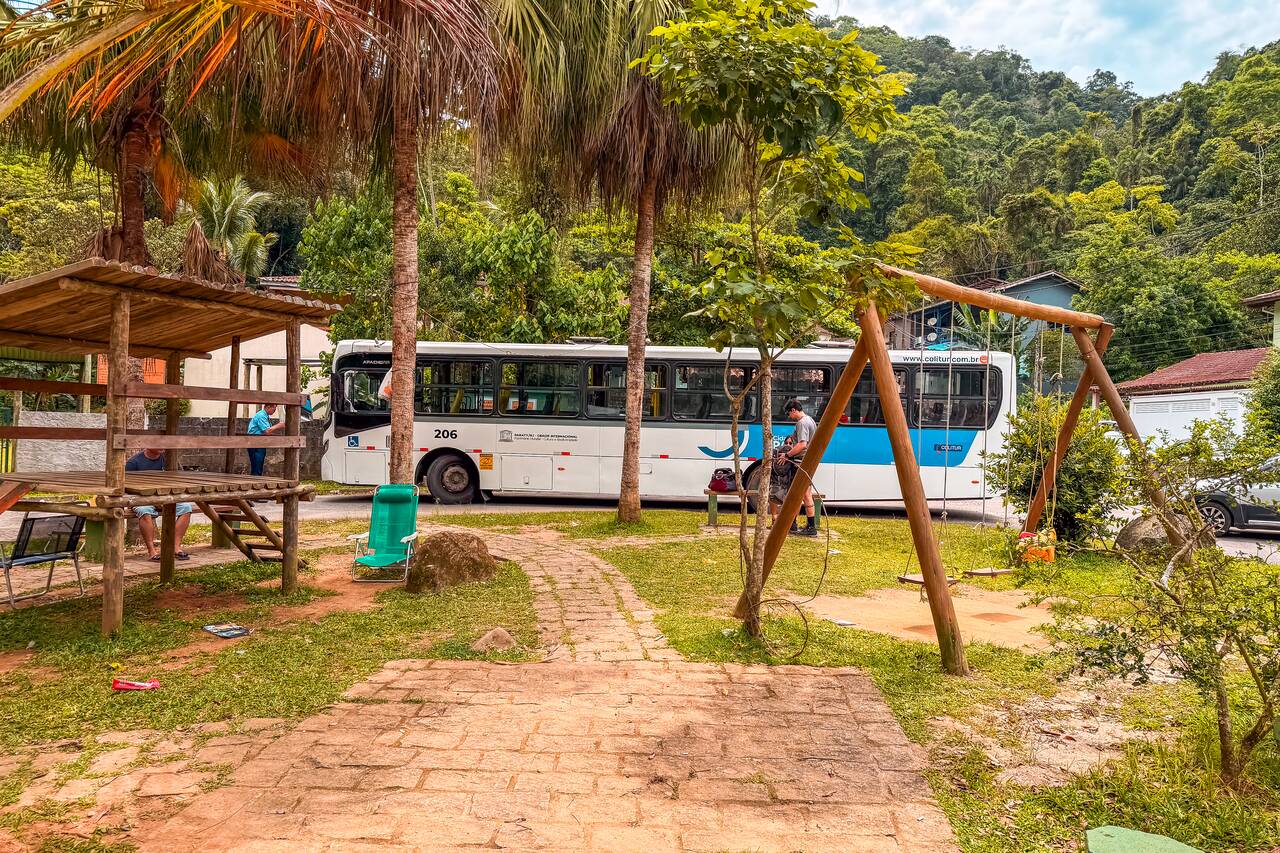
Make sure you get off at the end of the line, not before. The bus will drop you off at this location right next to the trailhead, and you can begin hiking to Praia do Sono.
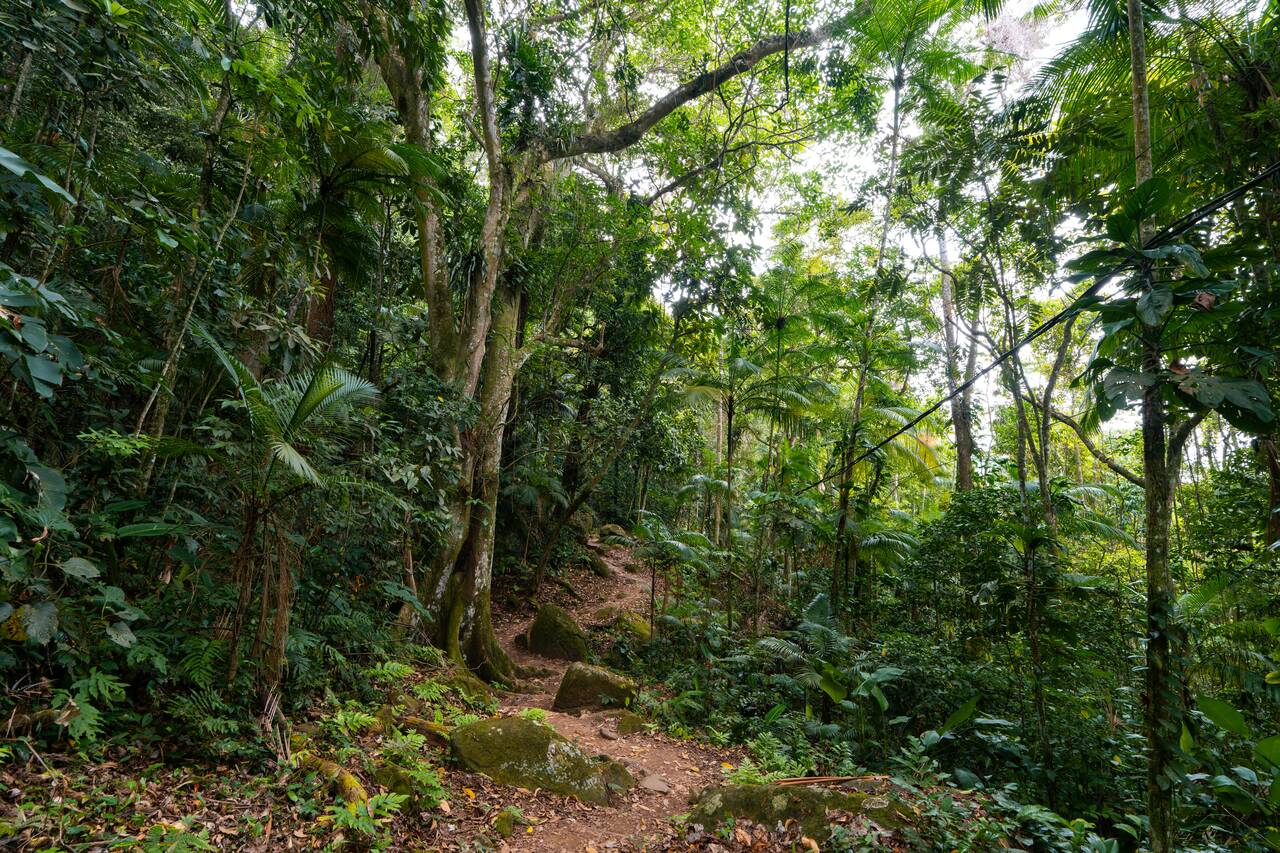
The hike takes around 1 hour each way through the Atlantic rainforest and is not super difficult. It will get you sweating for sure, but as long as you take your time, you should get there in no more than an hour. The trail is mostly shaded and well-marked, although it can get quite muddy and slippery after rain, so make sure you wear proper footwear.
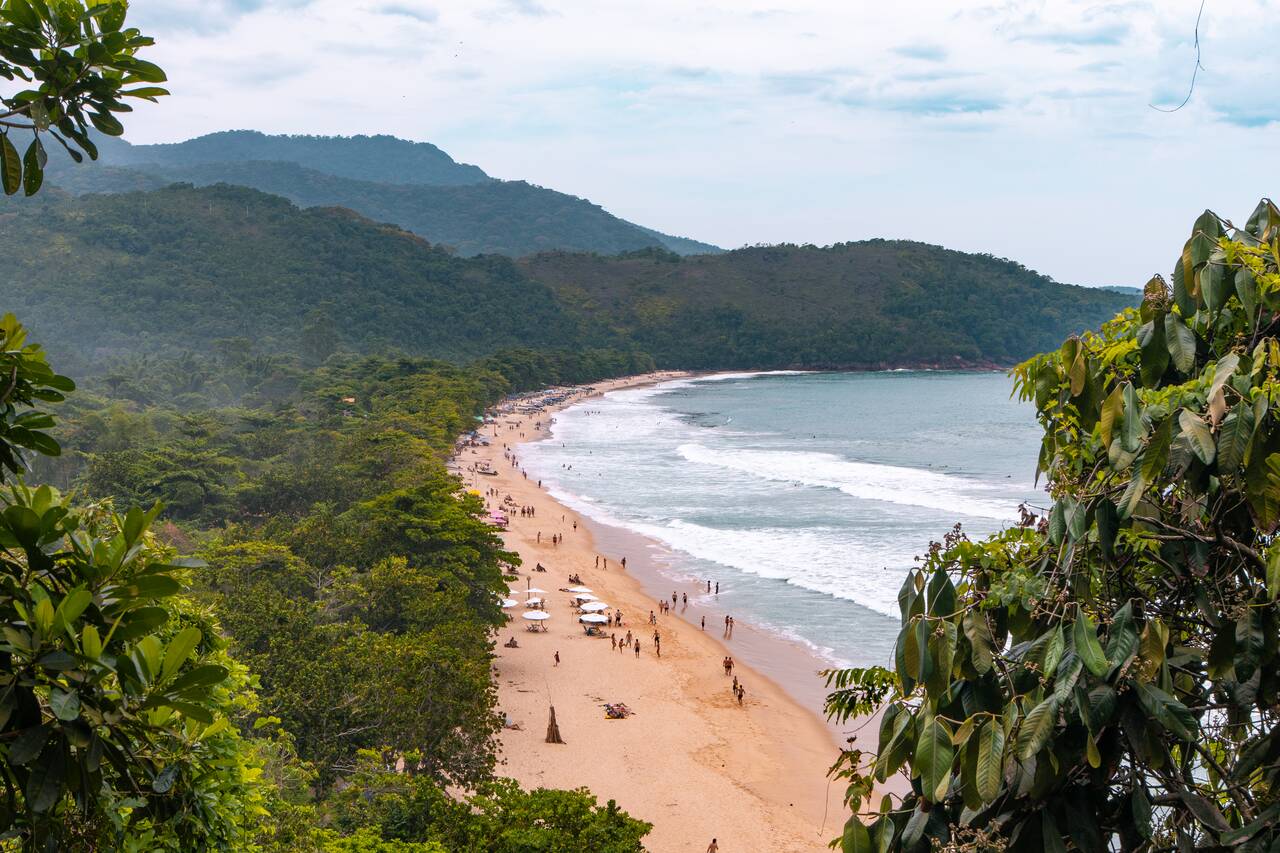
Once you arrive, you will be rewarded with a stunning crescent-shaped beach lined with palm trees, soft sand, clear water, and a wonderfully relaxed atmosphere. There are also a few simple beachfront restaurants and bars where you can grab fresh seafood, snacks, or cold drinks while enjoying the view.
After you are done, you can hike back to the bus stop where you were dropped off and catch the bus back to the city. Spend the rest of the day relaxing and enjoying a few drinks before bringing your time in Paraty to an end.




Getting From Paraty to Ilha Grande
From Paraty, the fastest and most convenient way to get to Ilha Grande is by taking a bus and a ferry, which can be arranged independently or as part of a transfer service. The transfer usually costs between 40 USD and 60 USD, depending on how quickly you want to get there. You can book a transfer here, and they will often pick you up directly from your hotel in Paraty. The journey should take about 3–4 hours.
If you prefer to travel independently, you can catch a bus from Rodoviária de Paraty to Conceição de Jacareí, which should take around 2.5 hours. From there, you can catch a ferry to Ilha Grande, which takes about 20 minutes. This option is usually cheaper than booking a transfer.
Day 8-10: Ilha Grande (3 nights)
- 📍 Stay: Pitanga Ilha Grande
- 🕐 Time: 3 nights
- 📖 Full Guide: Top Things To Do in Ilha Grande, Brazil: A Complete Guide via roadandthrive.com
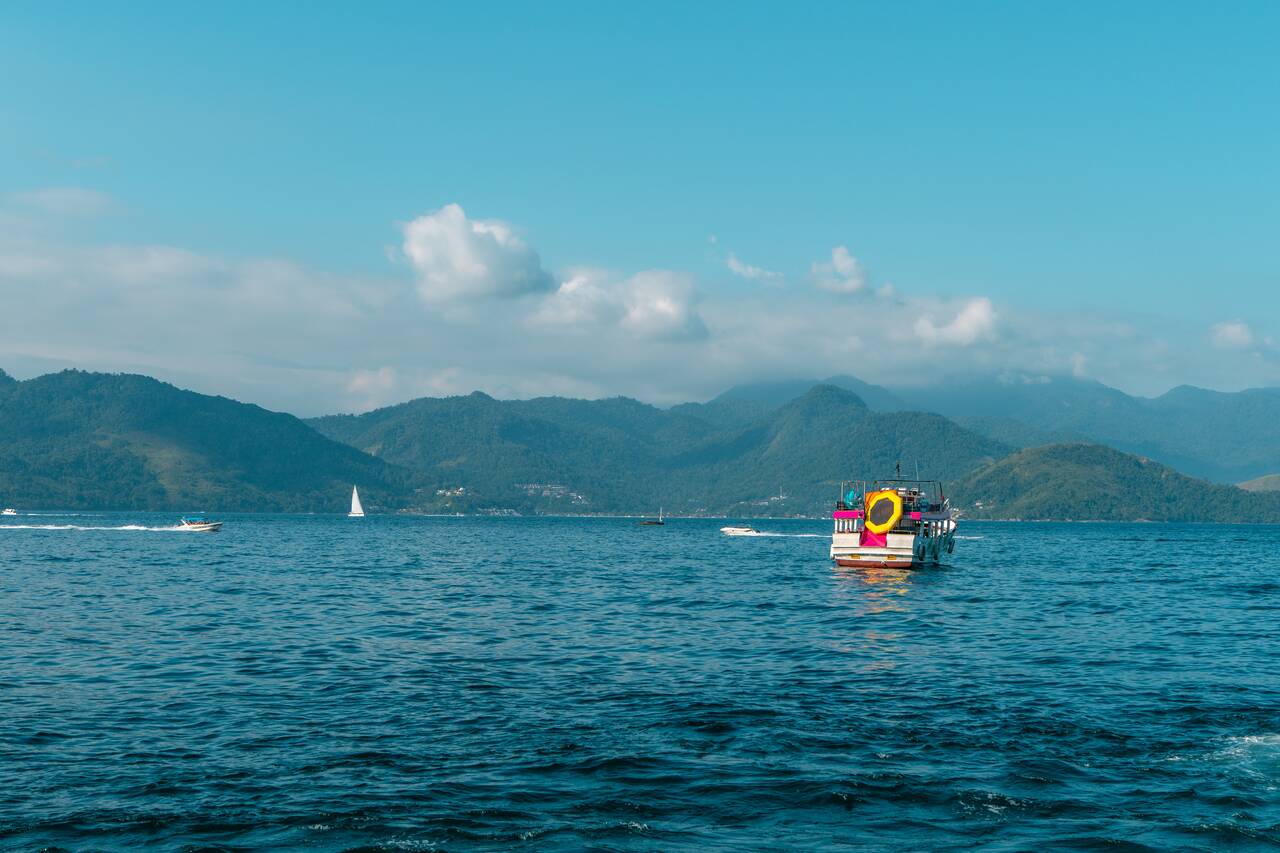
Next up is Ilha Grande, a beautiful car-free island known for its pristine beaches, crystal-clear waters, lush rainforest, and laid-back atmosphere. After visiting the busy cities and colonial towns you have visited so far, Ilha Grande is the perfect place to slow down and enjoy Brazil's incredible natural beauty.
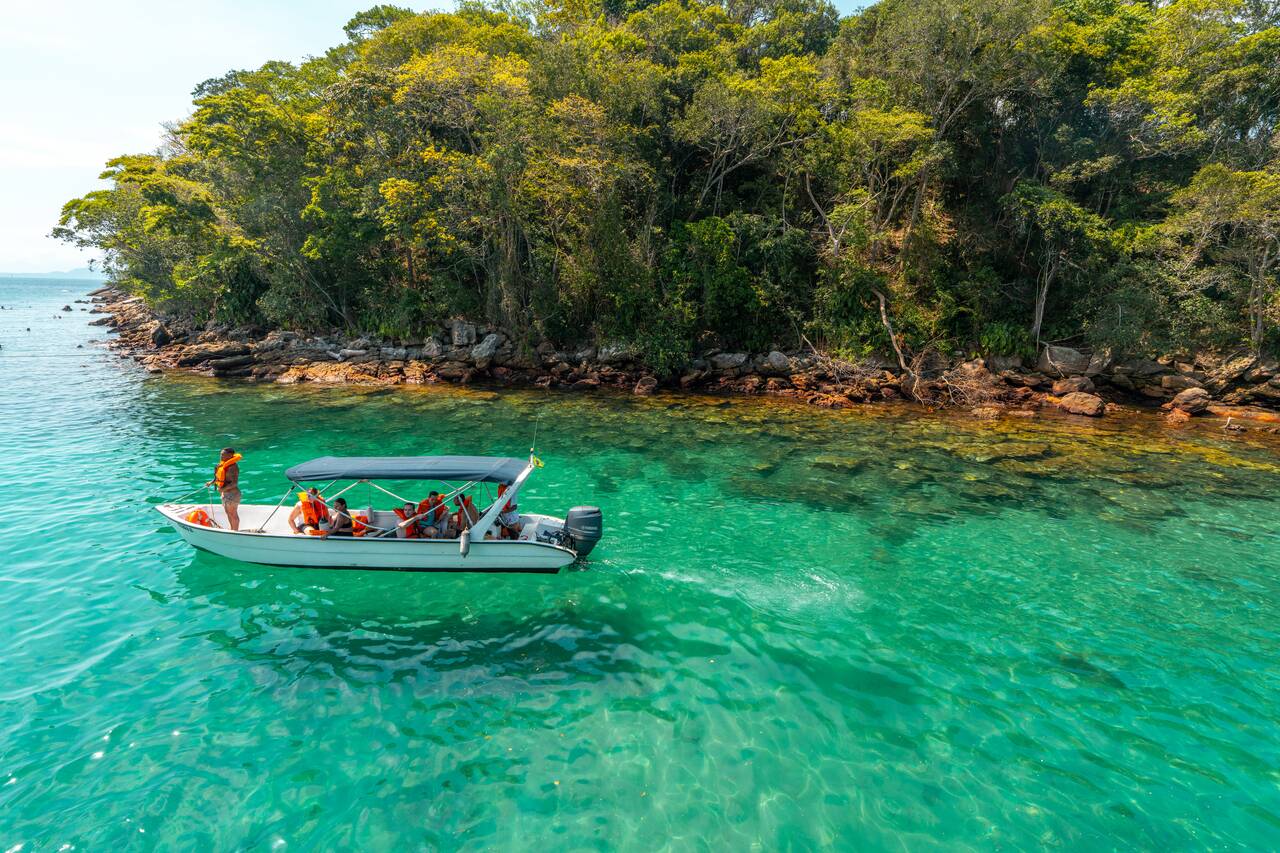
On your first day, I recommend spending the morning settling into your accommodation in Vila do Abraão before heading out to explore the island's most famous beach, Lopes Mendes, known for its long stretch of soft white sand, and beautiful turquoise water. You can either hike there through the rainforest or take a boat to Pouso and complete the final section on foot. Spend the afternoon swimming, relaxing on the beach, and enjoying the incredible scenery before making your way back to Vila do Abraão for the evening.
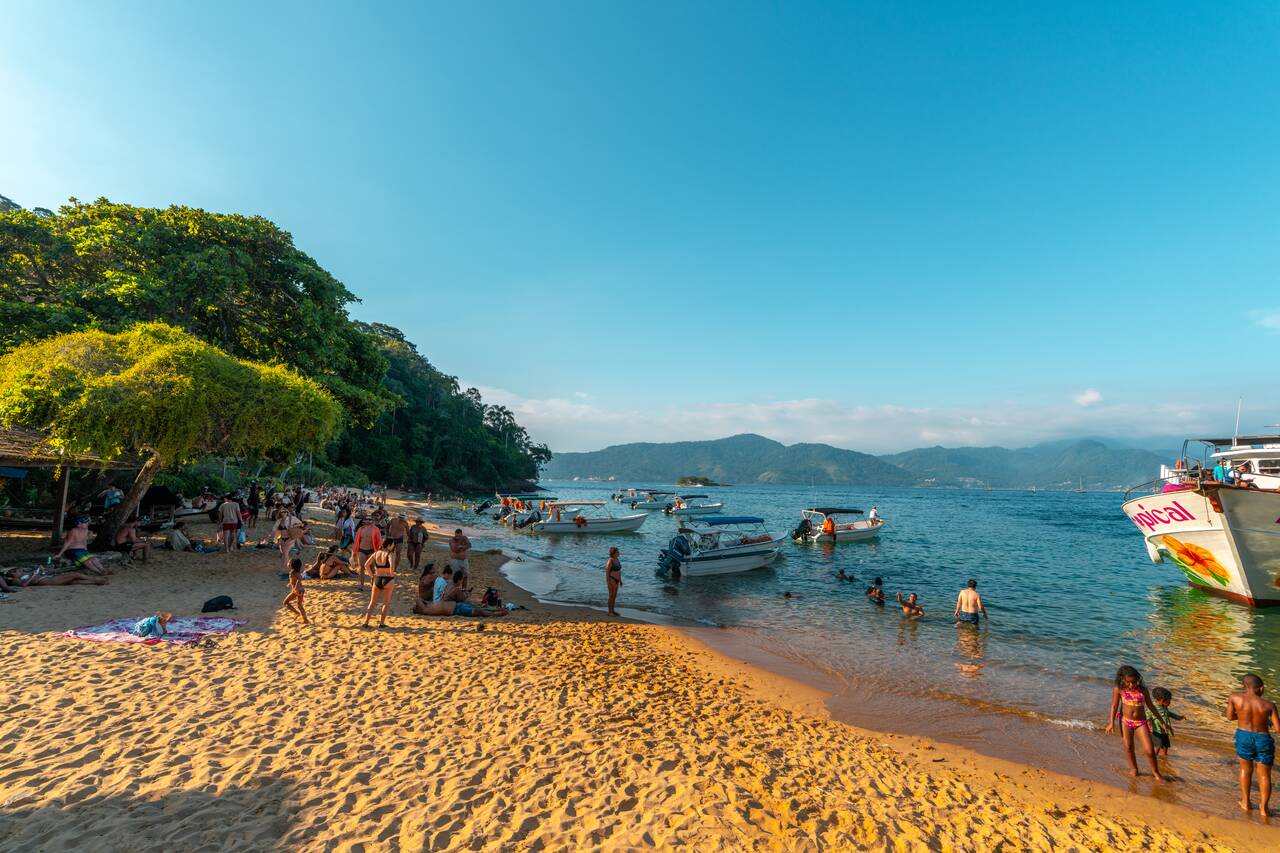
On your second day, join one of the many boat tours that circle Ilha Grande and visit some of the island's most beautiful spots. Most tours stop at places like Lagoa Azul, Lagoa Verde, and several secluded beaches and snorkeling locations around the island. The water around Ilha Grande is incredibly clear, and you can see plenty of fish without having to go in the water even. It is easily one of the best day trips you can do here.
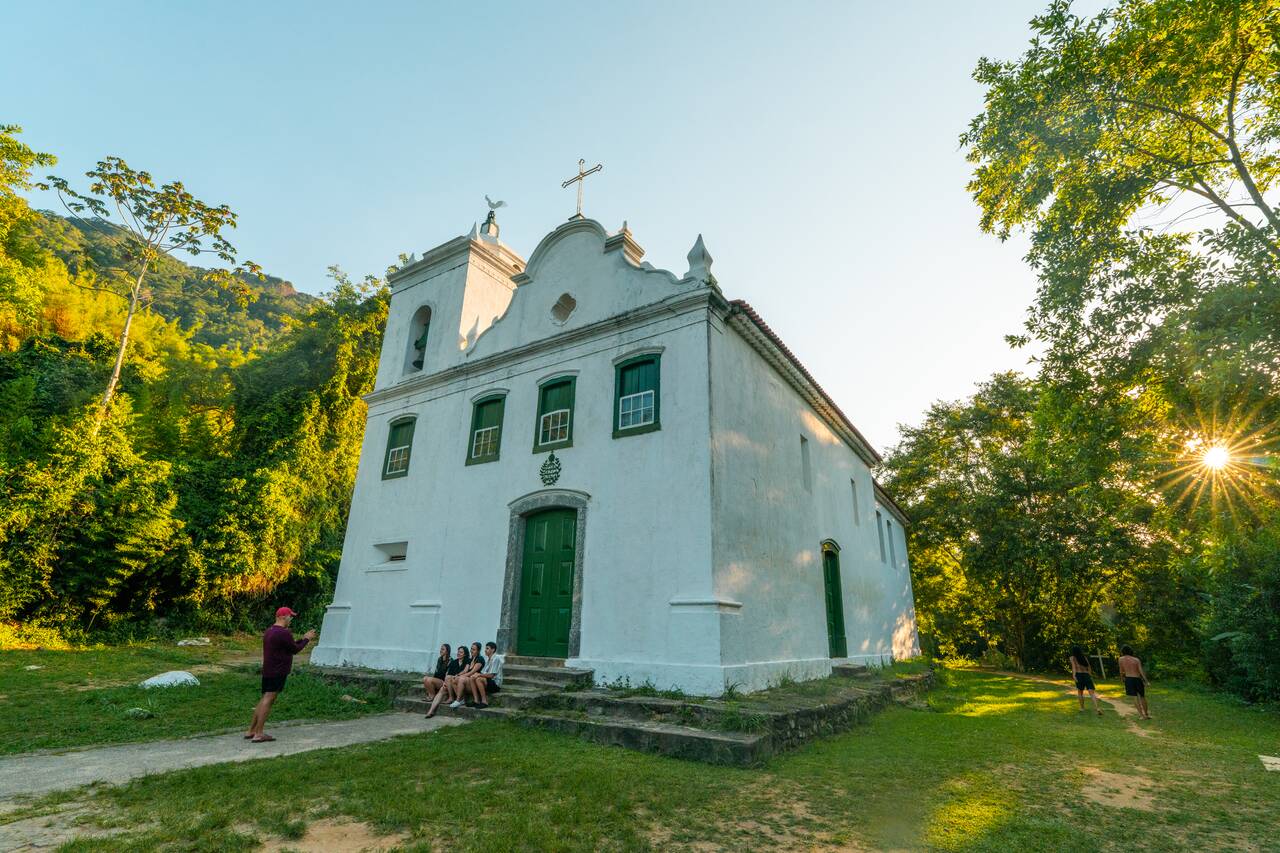
After the boat tour, return to Vila do Abraão and spend your final evening enjoying the relaxed atmosphere by the waterfront before continuing on to your next destination the following day.
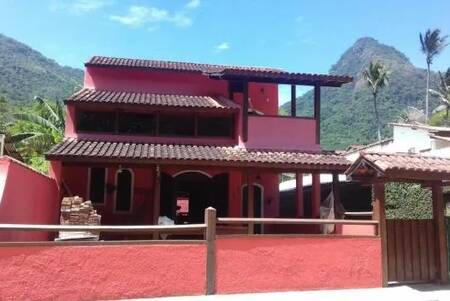
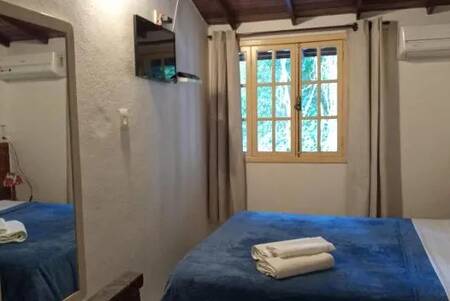
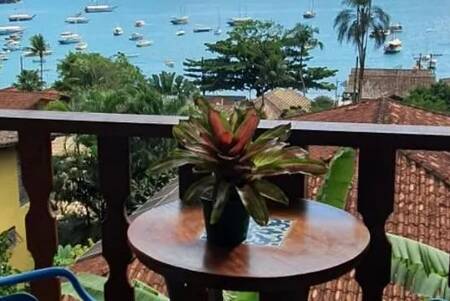
Getting From Ilha Grande to Rio to Iguazu Falls
From Ilha Grande, you will first have to get back to Rio de Janeiro. You can either return the same way you came, which may require spending a night in Rio before catching a flight to Iguazu Falls, or you can take a shortcut with an organized transfer, which will arrange all the connections for you. The journey should take around 4–5 hours to get back to Rio.
From Rio, there are several direct flights to Iguazu Falls operated by GOL. If you plan to travel on the same day, I recommend booking a flight departing at 6 PM or later, ideally around 9 PM, just to be safe. This will give you enough time to get from the city to the airport, as traffic in Rio can be quite heavy and unpredictable. The flight takes around 2.5 hours and usually costs about 80 USD.
If you want a more relaxed traveling day, you can stay one night in Rio, or split the Rio program into 2 parts of 2 days each, first 2 days in Rio before Paraty and Ilha Grande, and another 2 after the trip, so you don't waste time.
Day 11-14: Iguazu Falls (4 nights)

- 📍 Stay: Hotel Rouver
- 🕐 Time: 4 nights
- 📖 Full Guide: Exploring Iguazu Falls: A 3-Day Itinerary
We will be spending around 3 days at Iguazu Falls, with one day dedicated to exploring the Brazilian side of the falls, another exploring the Argentine side, and a final day to relax and enjoy other activities such as a helicopter ride over the falls.
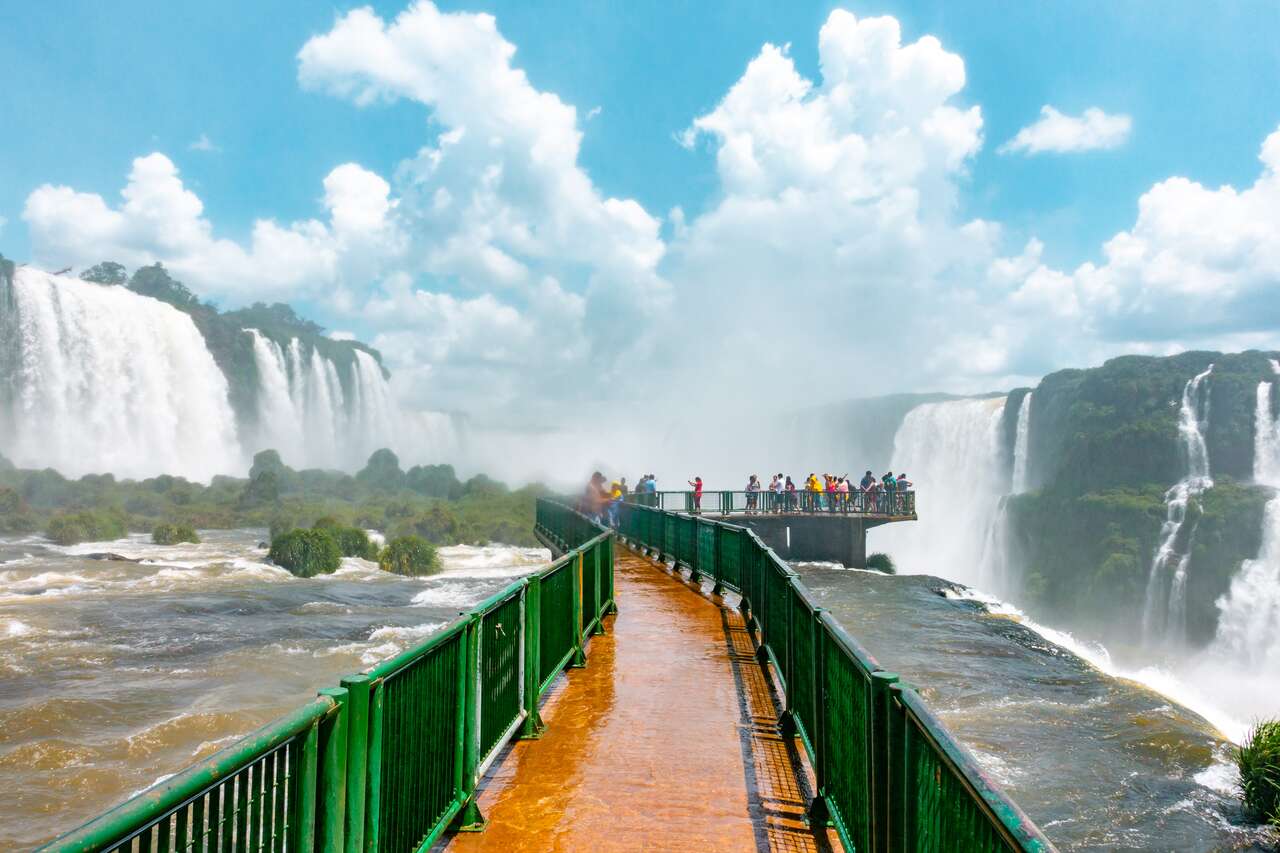
On your first day, head straight to the Brazilian side of Iguazu Falls. While the Brazilian side is smaller, it has the most breathtaking panoramic views of the entire waterfall system. Spend the day walking along the scenic trails and viewpoints overlooking the falls, ending at the famous walkway that takes you right out over the river for an incredible view of the Devil's Throat.

Since the Brazilian side is smaller, you won't be walking as much today as you would on the Argentinian side the next day, so explore at your own leisure. Make sure you bring a rain jacket and a rain cover for your backpack as you will definitely get wet here.

On your second day, cross the border into Argentina and explore the Argentine side of Iguazu Falls. This side is much larger and allows you to get much closer to the waterfalls. Personally, I preferred the Argentine side, as there are many more hiking trails to explore.
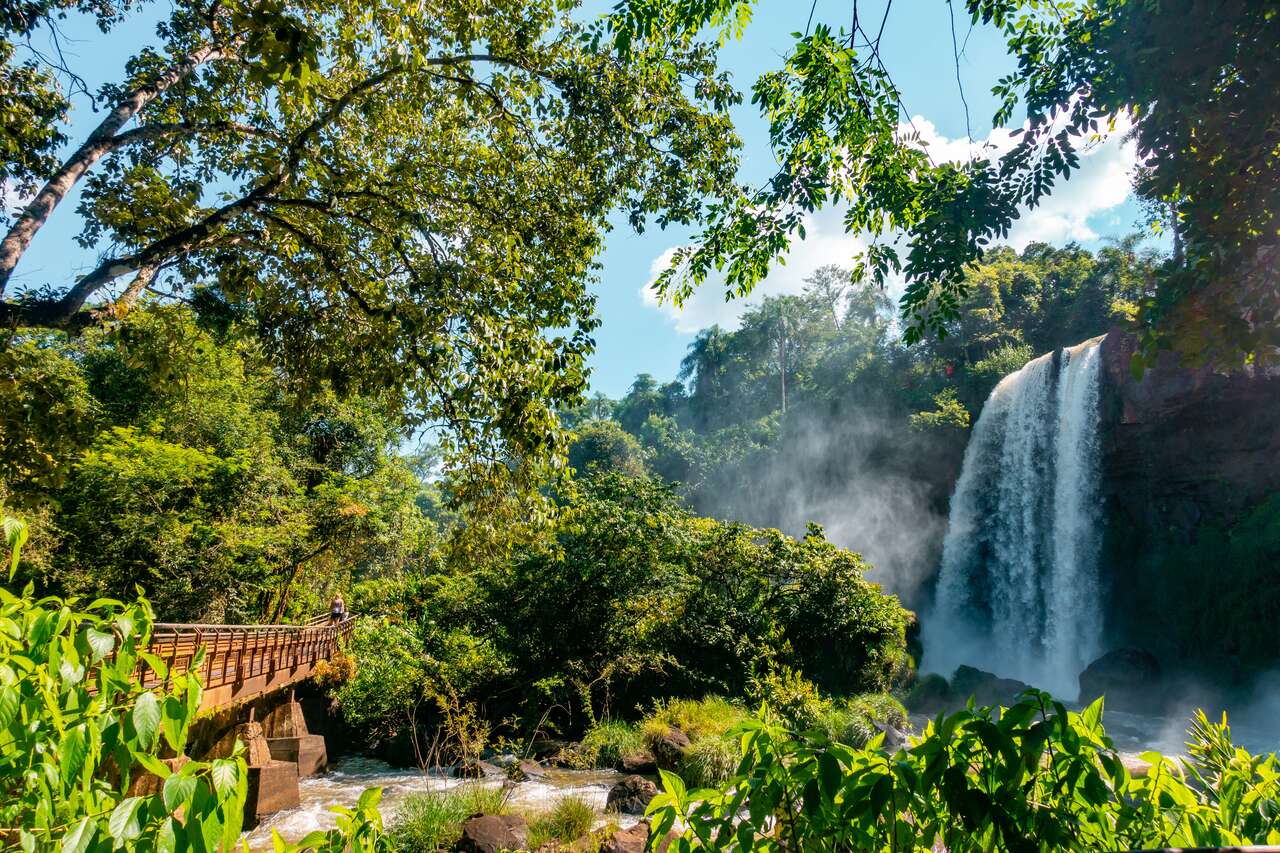
Spend the day exploring the Upper Circuit, Lower Circuit, and the spectacular Devil's Throat walkway, where you can stand right above the most powerful section of the falls. Expect a full day of walking, as there is much more to see here than on the Brazilian side.

On your final day, take things a little slower and enjoy some of the other activities available around Iguazu Falls. You can take a helicopter ride for a bird's-eye view of the waterfalls, join one of the boat trips that take you right beneath the falls, or simply relax and enjoy the facilities around the town. If you missed anything during the previous two days, this is also a good opportunity to revisit your favorite viewpoints or spend some time photographing the falls in different lighting conditions.


Getting From Iguazu Falls to Ouro Preto
From Iguazu Falls, you can fly to Belo Horizonte, the capital and largest city of the state of Minas Gerais, and then catch a 2-hour bus to Ouro Preto. There are several daily flights connecting the two destinations, operated by GOL and Azul, usually with a layover in São Paulo. The journey should take around 4–5 hours in total and cost approximately 80 USD. You can find the flight here.
Once you arrive in Belo Horizonte, you can easily reach Ouro Preto by bus. Several buses depart daily from Rodoviária de Belo Horizonte, and the journey takes around 2.5 to 3 hours depending on traffic. Tickets usually cost around 70 BRL (~14 USD) per person, and you can reserve them online here. If you are traveling on weekends or during holidays, I highly recommend booking the bus in advance.
Day 15-17: Ouro Preto (3 nights)
- 📍 Stay: Pouso dos Sinos
- 🕐 Time: 3 nights
- 📖 Full Guide: Ouro Preto Travel Guide: Best Things to Do, Tips & Itinerary
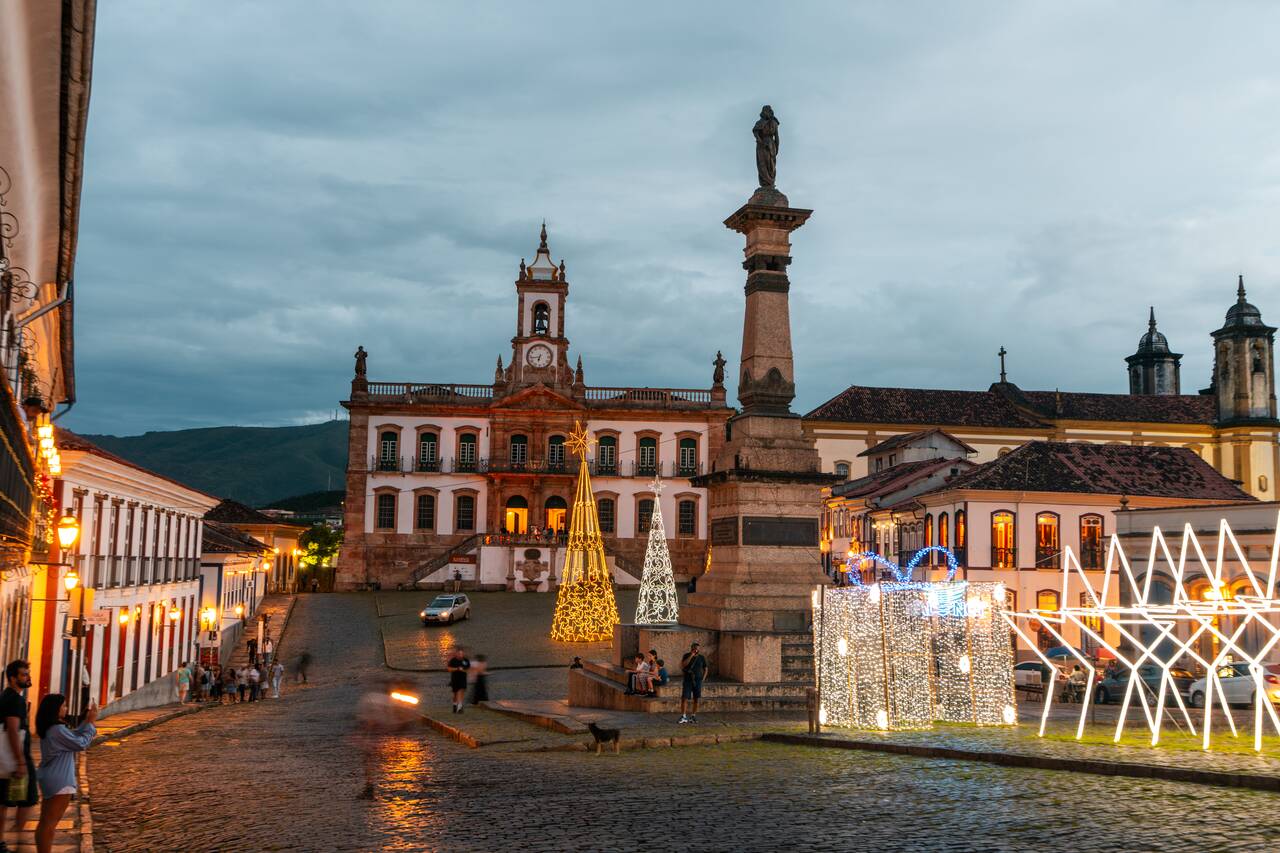
Ouro Preto is probably one of the most beautiful colonial towns you will see in Brazil. It certainly was for me, and we are going to spend around 2 days here exploring its beautiful colonial architecture, cobblestone streets, and some of the most stunning churches in the country.
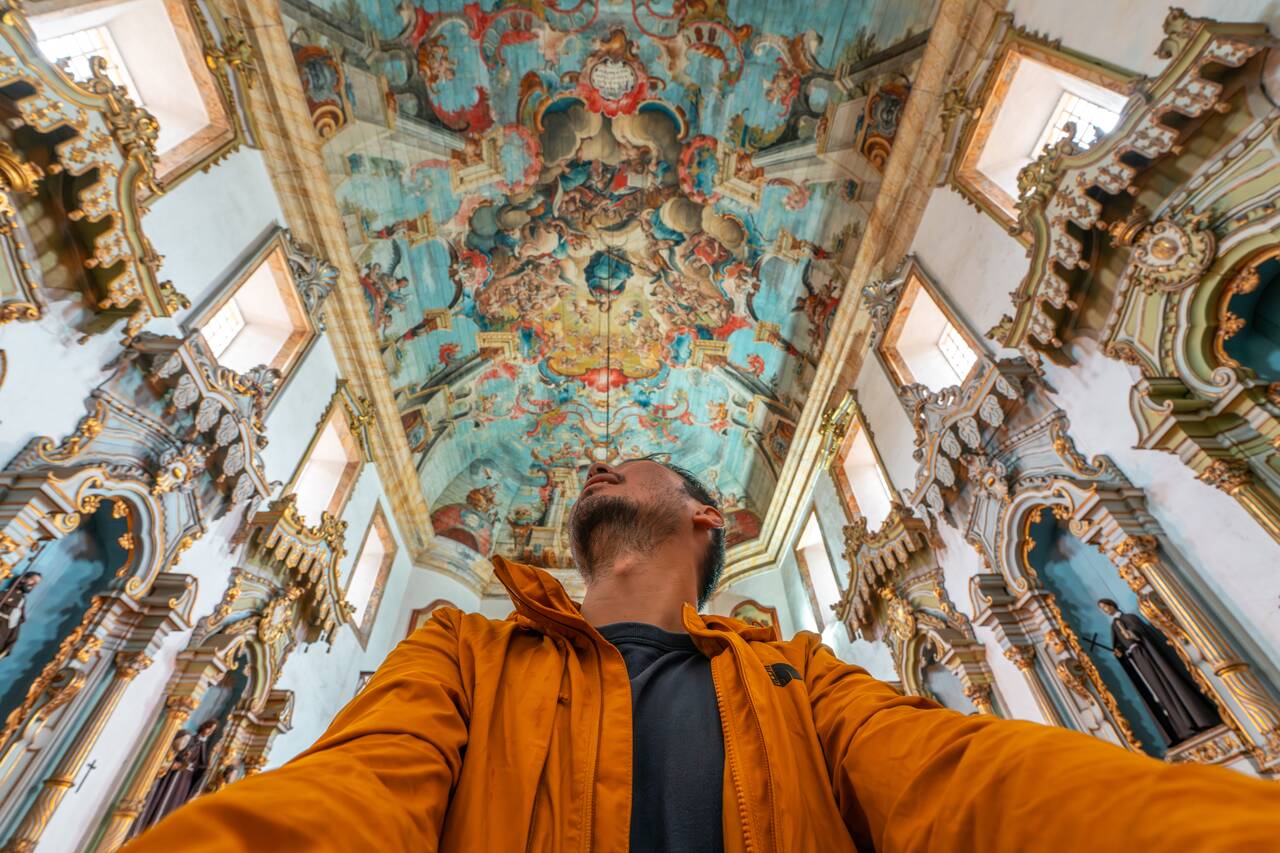
On your first day, spend your time wandering through the historic center and taking in the atmosphere of the town. Ouro Preto is one of those places where getting lost is half the fun. Walk along its steep cobblestone streets, admire the colorful colonial buildings, and visit some of the town's most impressive landmarks, including Praça Tiradentes, the Museum of the Inconfidência, and the magnificent Church of Saint Francis of Assisi.

In the evening, find a local restaurant and try some traditional Minas Gerais cuisine. This region is famous for its comfort food, and Ouro Preto is one of the best places in Brazil to experience it. After dinner, take another stroll through the historic center where the churches and colonial buildings are beautifully illuminated.
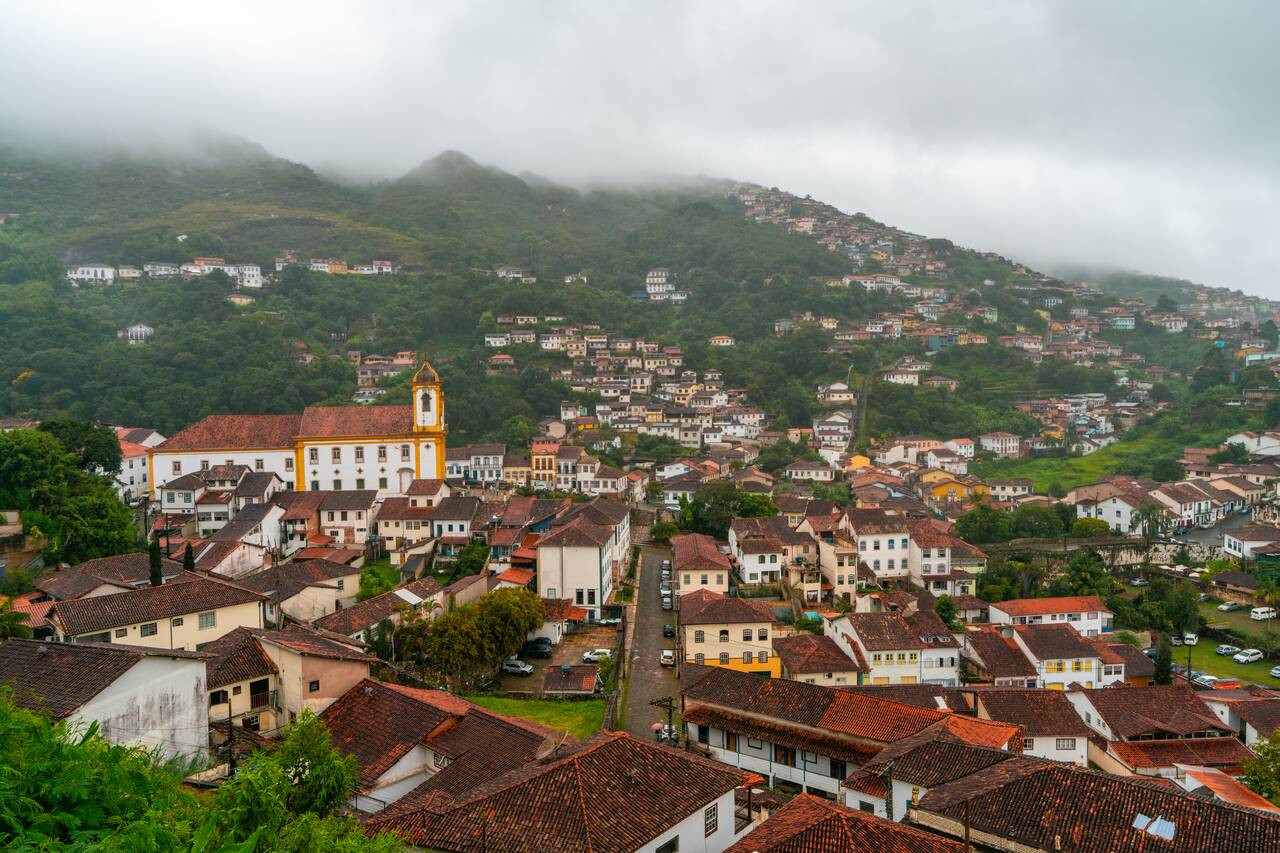
On your second day, venture beyond the town center and explore some of the area's historic gold mines. During Brazil's gold rush, Ouro Preto was one of the wealthiest cities in the Americas, and several former mines have been preserved and opened to tourists.

Also, be sure to visit other churches located outside the town square as well. There are many churches with great viewpoints thanks to the hilly surroundings. There are also museums like Museu Boulieu and Casa dos Contos Museum to keep you occupied for the rest of the day before ending your second day in Ouro Preto.




Getting From Ouro Preto to Belo Horizonte
From Ouro Preto, you can return to Belo Horizonte the same way you arrived, by catching a bus from Rodoviária de Ouro Preto. The journey takes around 2.5 hours to reach Belo Horizonte. Tickets usually cost about 70 BRL (~14 USD) per person, and you can reserve them online here.
Day 18-20: Belo Horizonte (3 nights)
- 📍 Stay: Ibis Belo Horizonte Savassi
- 🕐 Time: 3 nights
- 📖 Full Guide: Belo Horizonte Travel Guide: Best Things to Do, Tips & Itinerary
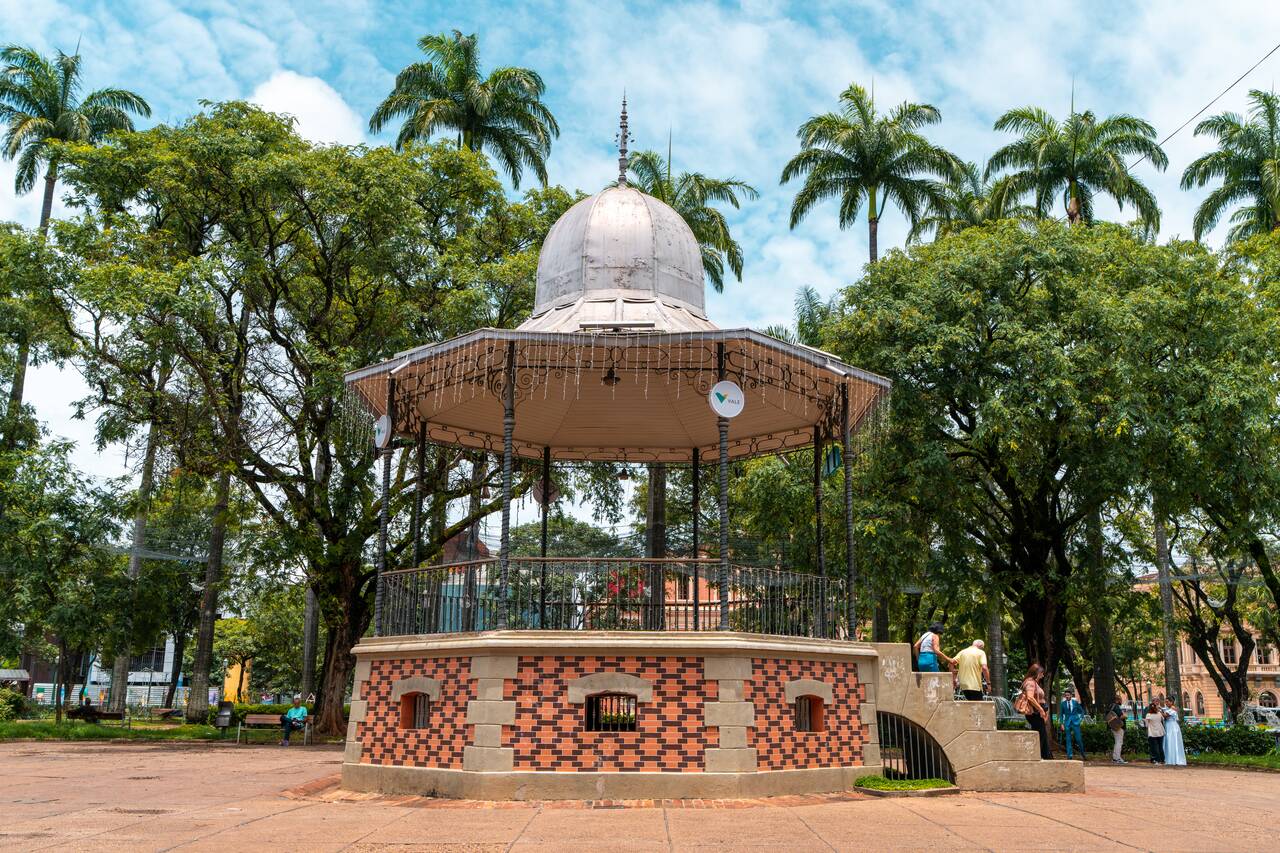
Belo Horizonte, the capital of Minas Gerais, is often overlooked by most people. It is a fantastic city to slow down, enjoy great food, and since we are already passing through it, we might as well check it out and see what it has to offer. We will be spending 2 days here, using it as a base to experience both the city itself and the surrounding highlights.
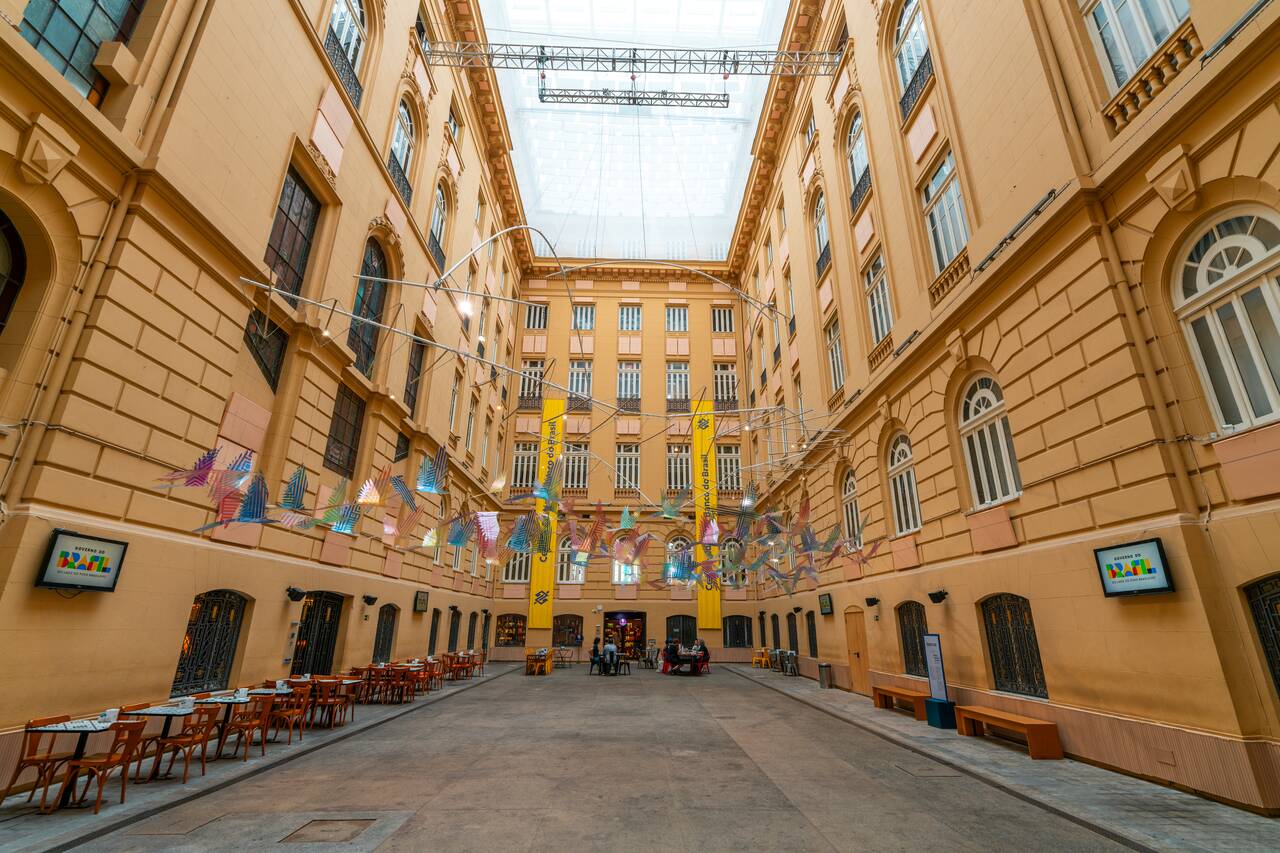
On your first day, you can go and explore Praça da Liberdade, home to some of the city's best museums like Bank of Brazil Cultural Center (CCBB), a cultural center housed inside a beautifully restored historic building that regularly hosts some of the most interesting art exhibitions in Belo Horizonte.
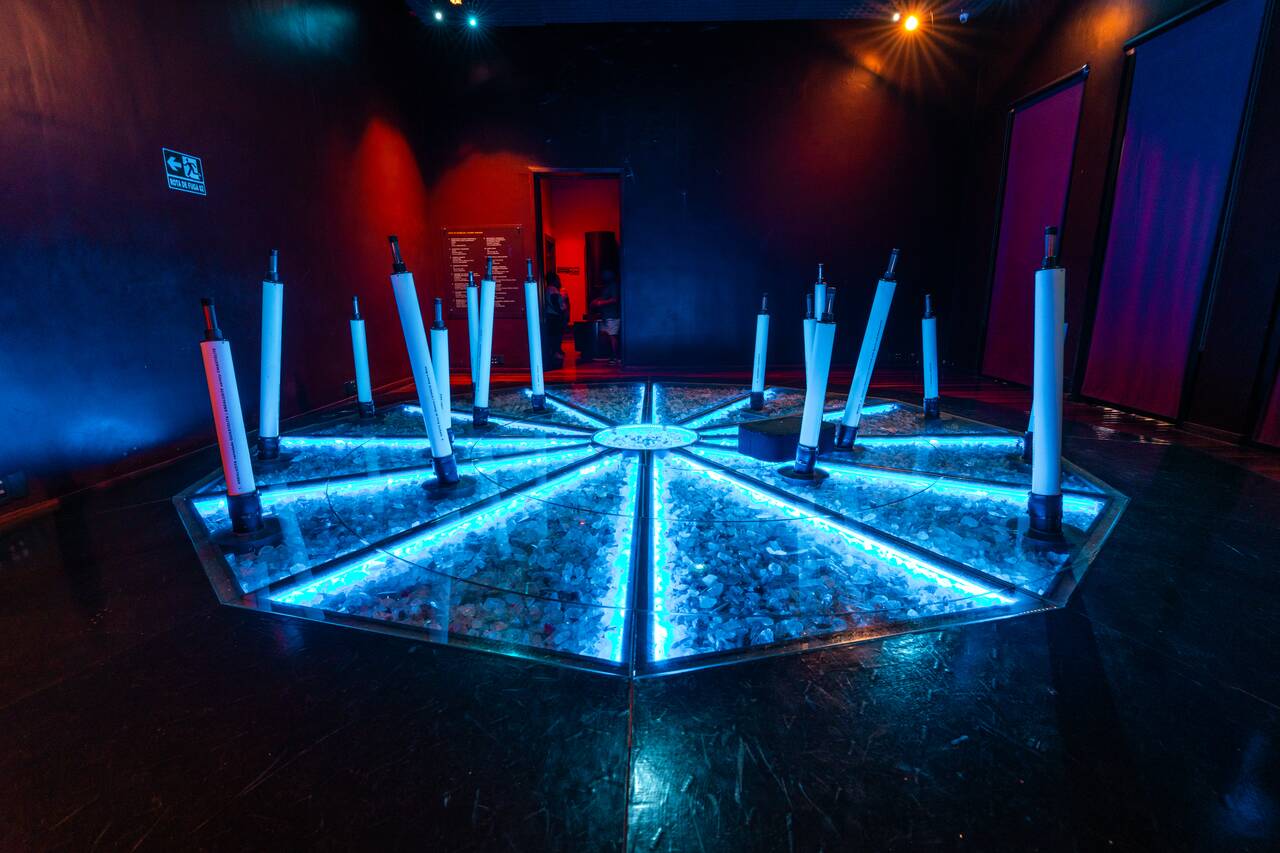
Another museum I highly recommend visiting while exploring Praça da Liberdade is the Museum of Mines and Metal (MM Gerdau), one of the most modern and interactive museums in Belo Horizonte. Unlike many traditional museums, MM Gerdau makes heavy use of interactive exhibits, multimedia presentations, touchscreens, and audiovisual displays. The exhibits are spread across several floors and cover everything from geology and mineral formation to the history of mining, industrial development, and the role natural resources played in shaping Brazil.
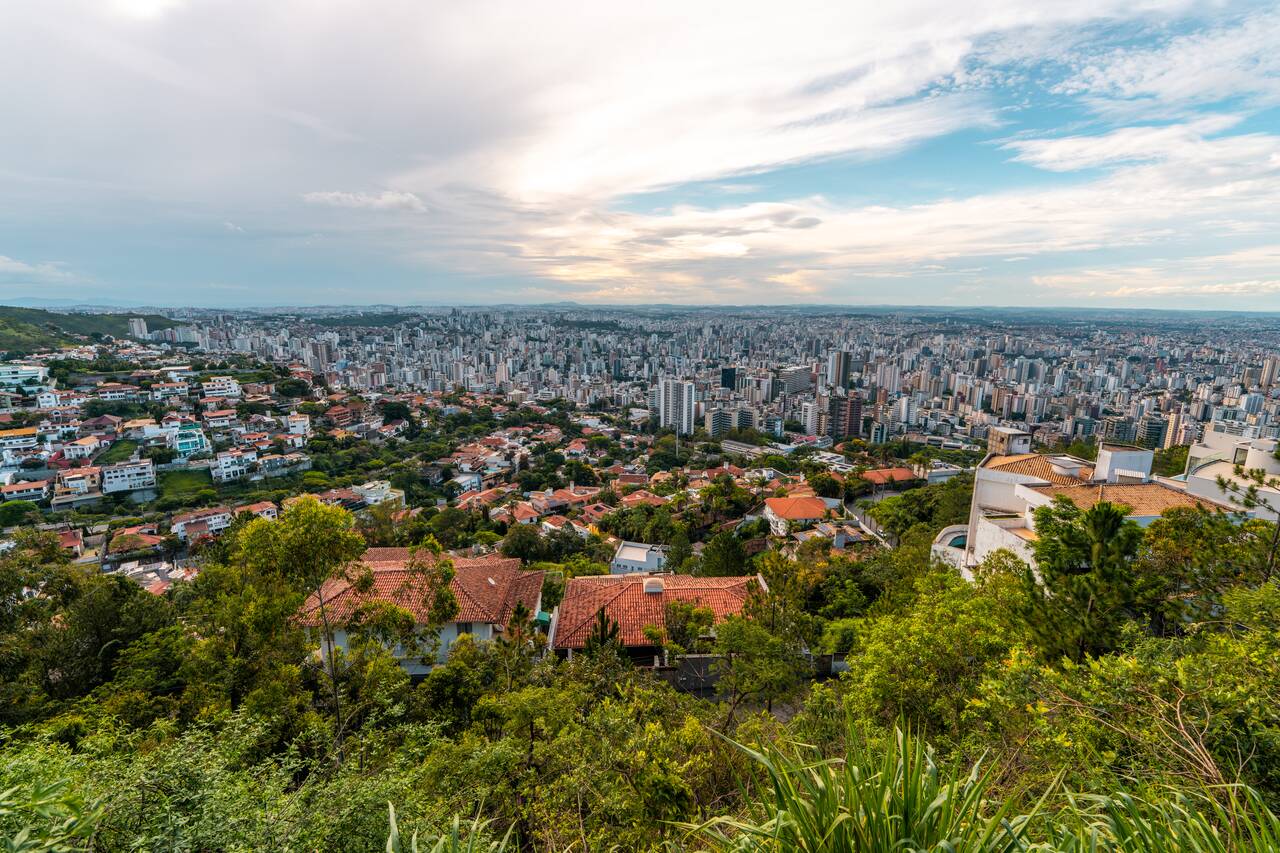
Other museums you might wanna check out while here are Palácio das Artes, a modern art museum, and Arts and Crafts Museum, a history museum housed inside a beautifully restored colonial train station. In the evening, you can go and watch the sunset at Mirante do Mangabeiras, the city's most famous viewpoint and one of the best places to appreciate just how massive Belo Horizonte really is.
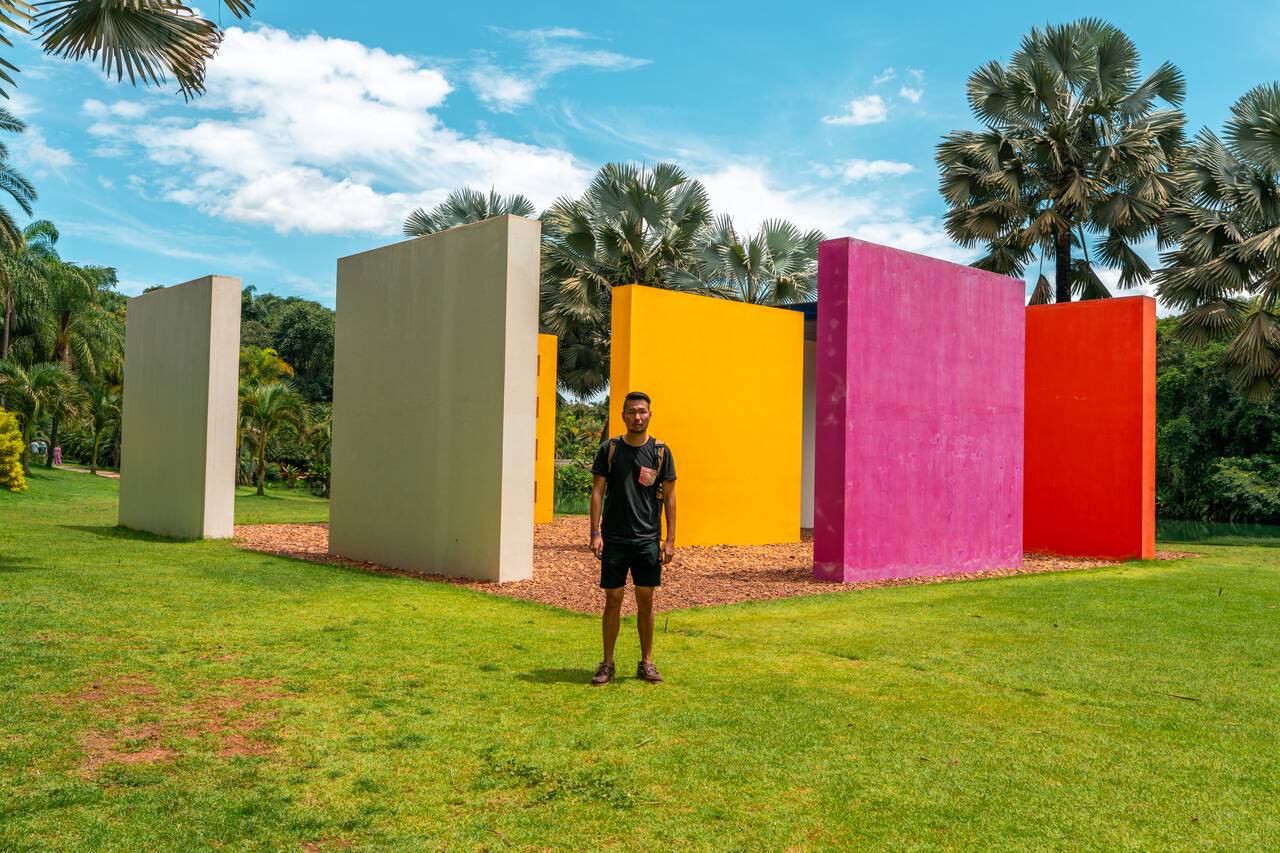
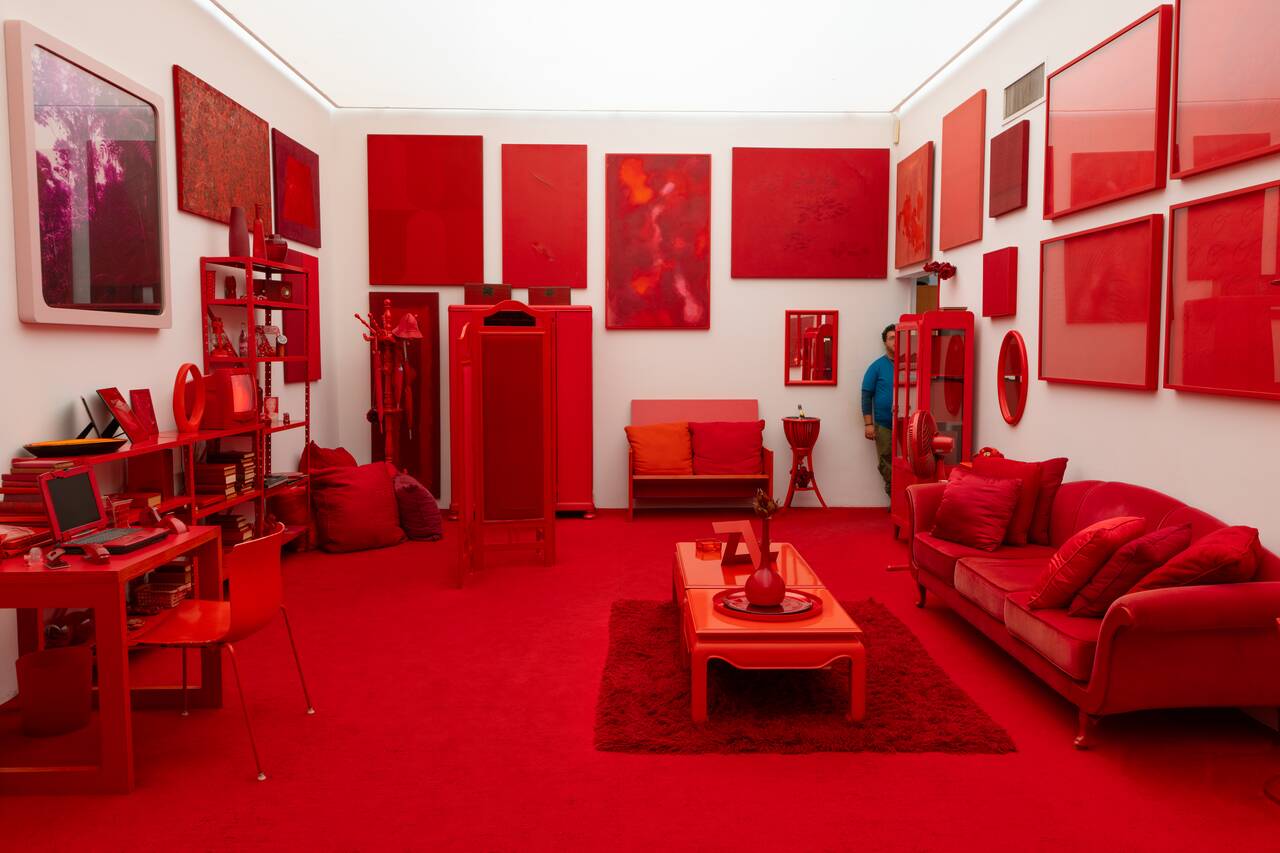
On your second day, take a full-day trip from Belo Horizonte to Inhotim Museum, one of the largest open-air contemporary art museums in the world. Located about 1.5–2 hours from the city, Inhotim is one of the reasons I think stopping by Belo Horizonte is worthwhile. This open-air museum is a unique blend of art, architecture, and botanical gardens set within a vast tropical landscape, which is unlike any museum I've seen before, especially on such a scale.

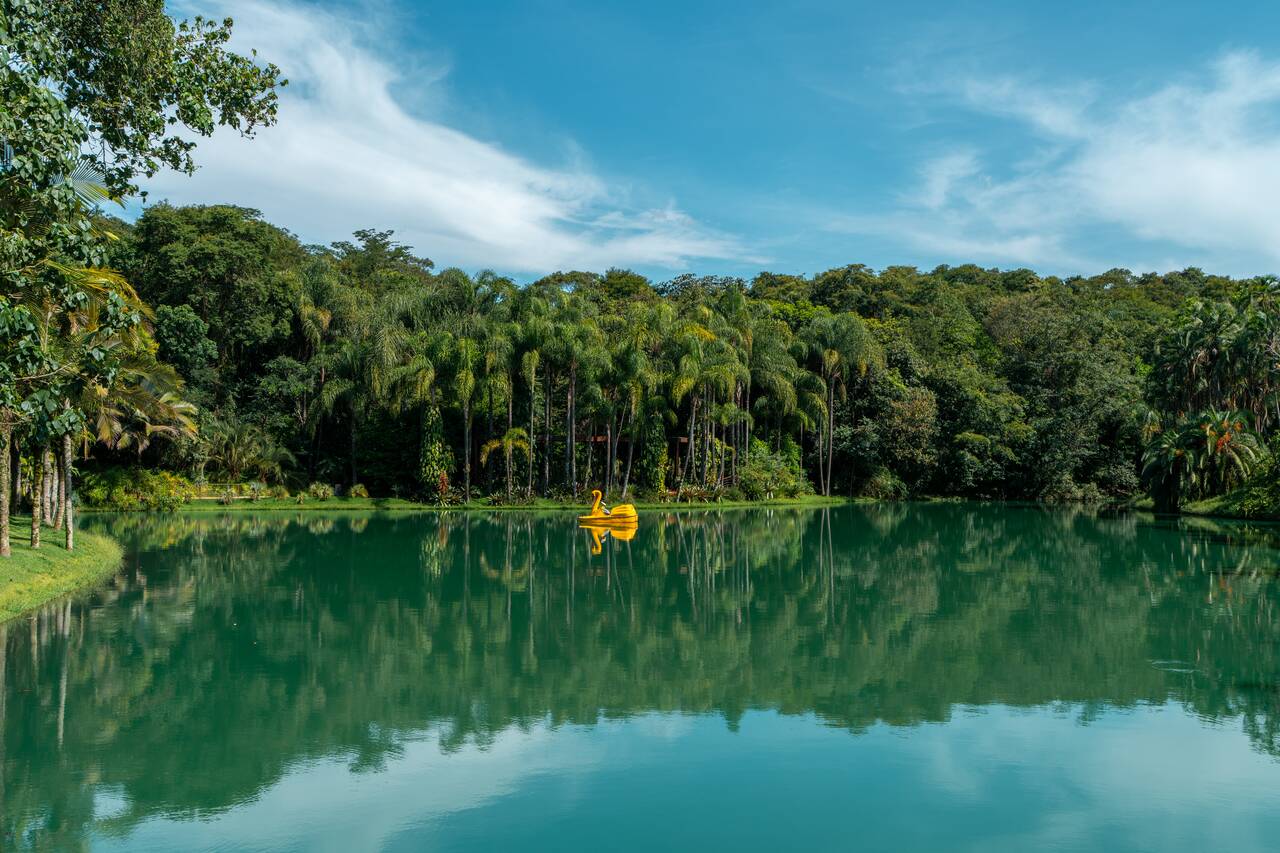
You can spend the entire day exploring its extensive grounds, where large-scale installations and galleries are spread out across forested trails and landscaped gardens. Some of the highlights include immersive art pavilions, striking outdoor sculptures, and beautifully designed exhibition spaces hidden throughout the property. You will be walking a lot here, so take your time and enjoy the mix of art and nature at a relaxed pace.

There are several cafés and restaurants inside the complex, so you can easily spend the entire day here without rushing. I recommend arriving early in the morning to make the most of your visit, as Inhotim is massive and you will not be able to see everything in just a few hours.
Inhotim is located around 60 km (37 miles) from Belo Horizonte, and the easiest way to get there is via the official shuttle service, which you can reserve here. The shuttle costs around 140 BRL (~28 USD) for a round-trip ticket and departs daily at 8 AM from in front of Holiday Inn Savassi.

After a full day exploring Inhotim, return to Belo Horizonte in the evening and enjoy a relaxed dinner in the Savassi neighborhood before ending your day.



Getting from Belo Horizonte to Salvador
Getting from Belo Horizonte to Salvador is fairly straightforward, with several daily direct flights available between the two cities operated by airlines such as GOL, LATAM, and Azul. The flight takes around 2 hours and if you book it in advance, you can usually find tickets for around 80–120 USD.
From Belo Horizonte's city center, you can take an Uber to Belo Horizonte Airport and from there catch a 3-hour flight to Deputado Luís Eduardo Magalhães International Airport in Salvador, which is located about 30–40 minutes from the historic center (Pelourinho), depending on traffic. From the airport, you can easily take an Uber to your accommodation in the city.
Day 21-23: Salvador (3 nights)
- 📍 Stay: Bed & Breakfast Villa Camor
- 🕐 Time: 3 nights
- 📖 Full Guide: Discover Salvador: Best Things to Do, Tips & Itinerary
Salvador is one of the most vibrant and lively cities in Brazil, thanks to its colorful colonial architecture, lively music scene, and incredible coastal views. I had an amazing time in Salvador, and in this itinerary, we will be spending around 2 days here so we can experience the city’s energy and culture to its fullest.
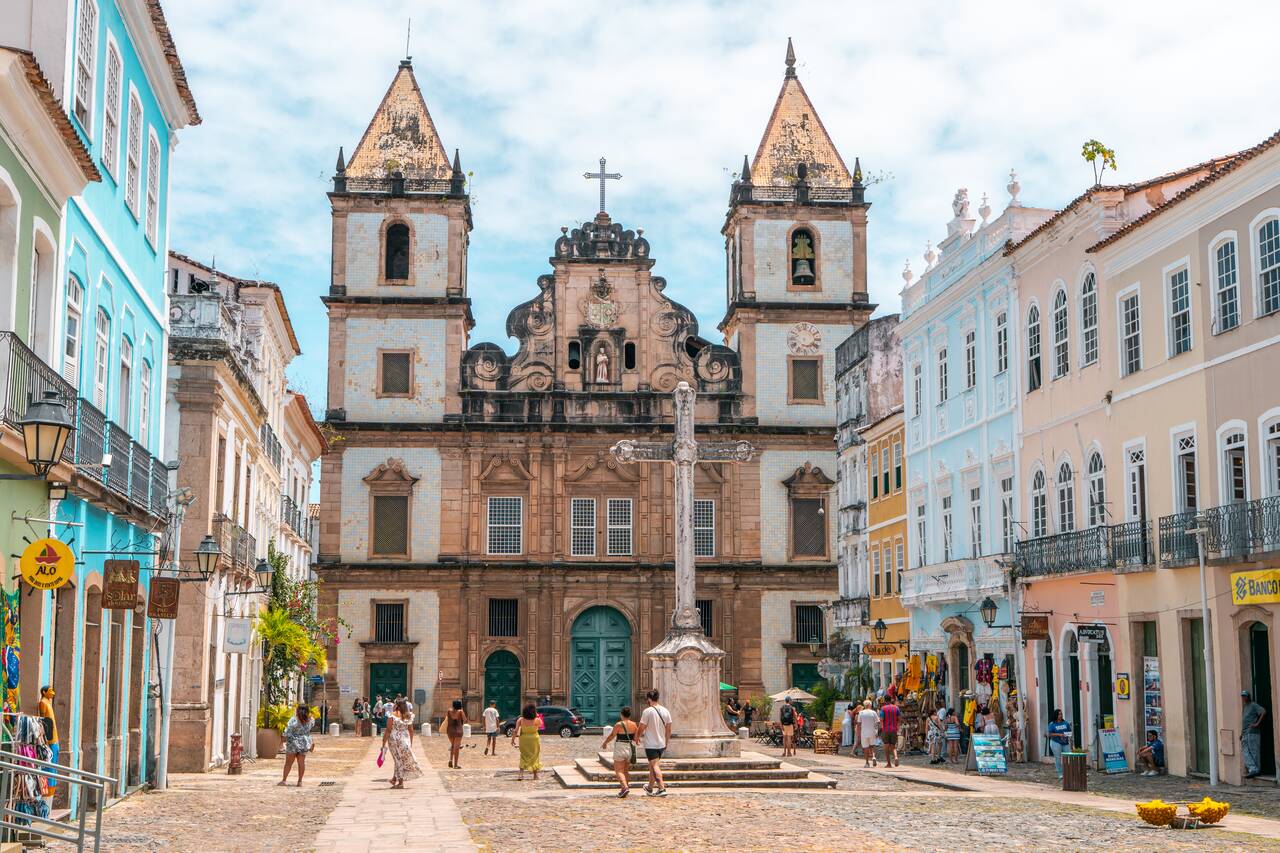
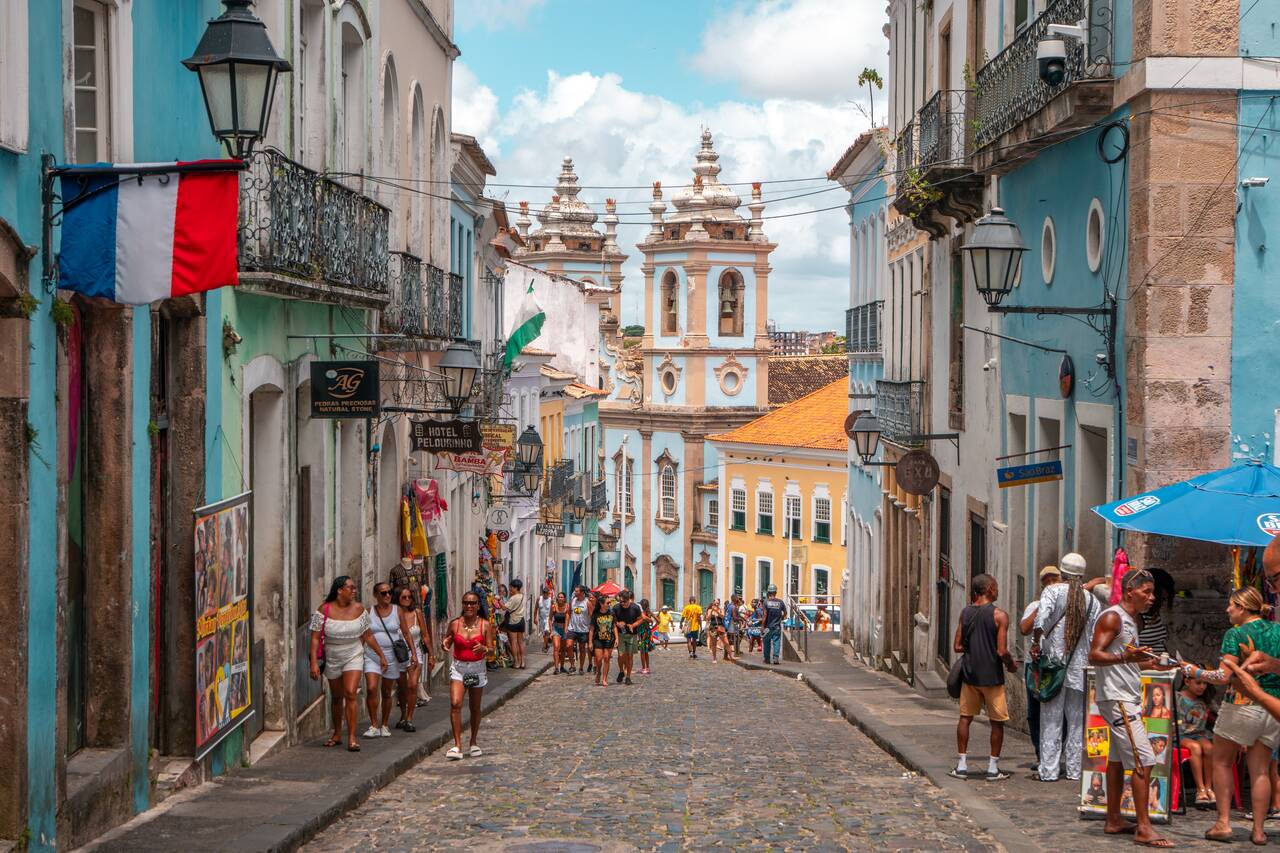
On your first day, head straight to Pelourinho, the historic heart of Salvador and a UNESCO World Heritage Site. Spend the morning wandering through its cobblestone streets, admiring the brightly colored colonial buildings, baroque churches like São Francisco Church, and the lively squares filled with music and local life.
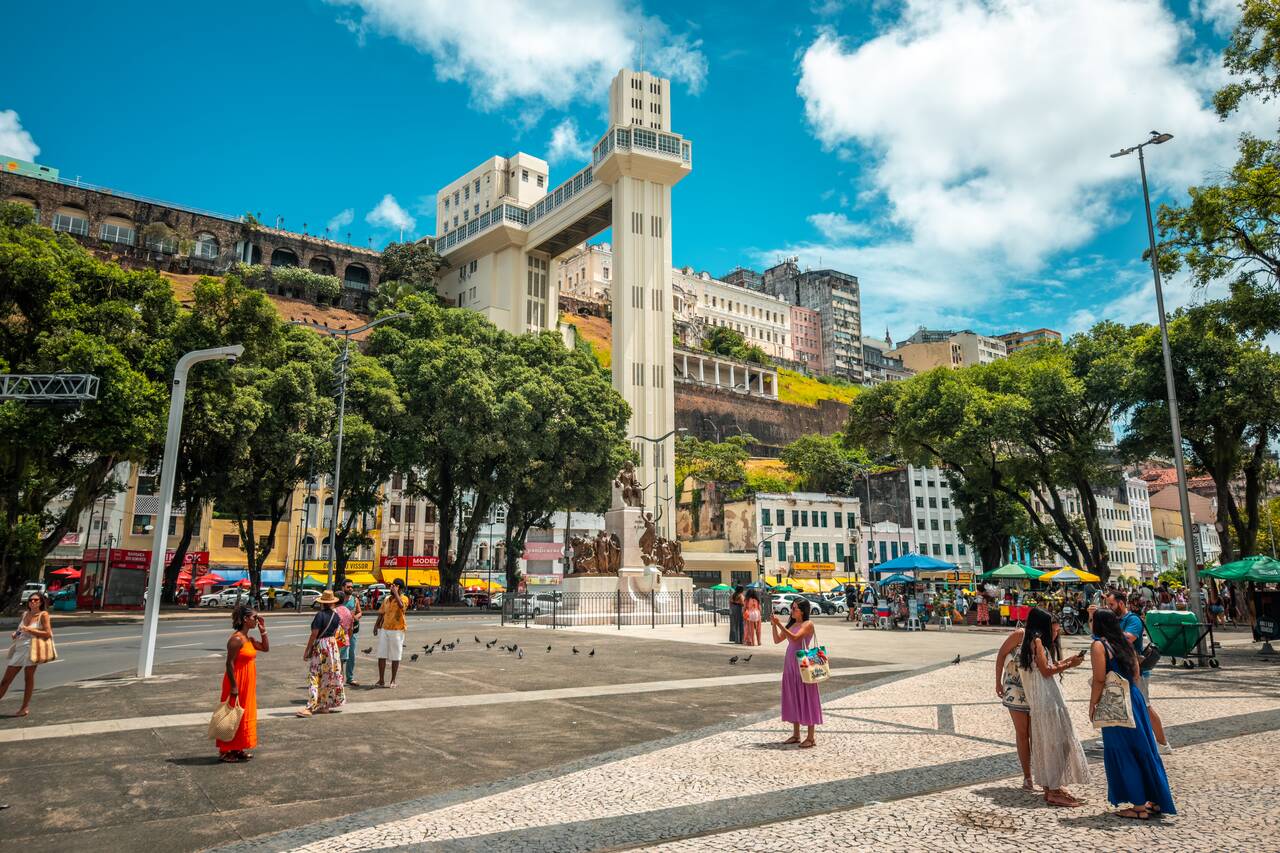
In the afternoon, make your way to the Elevador Lacerda and descend to the Lower City to explore the Mercado Modelo and waterfront area. From here, you can enjoy views over All Saints Bay and get a sense of the city’s split geography between the upper and lower town.
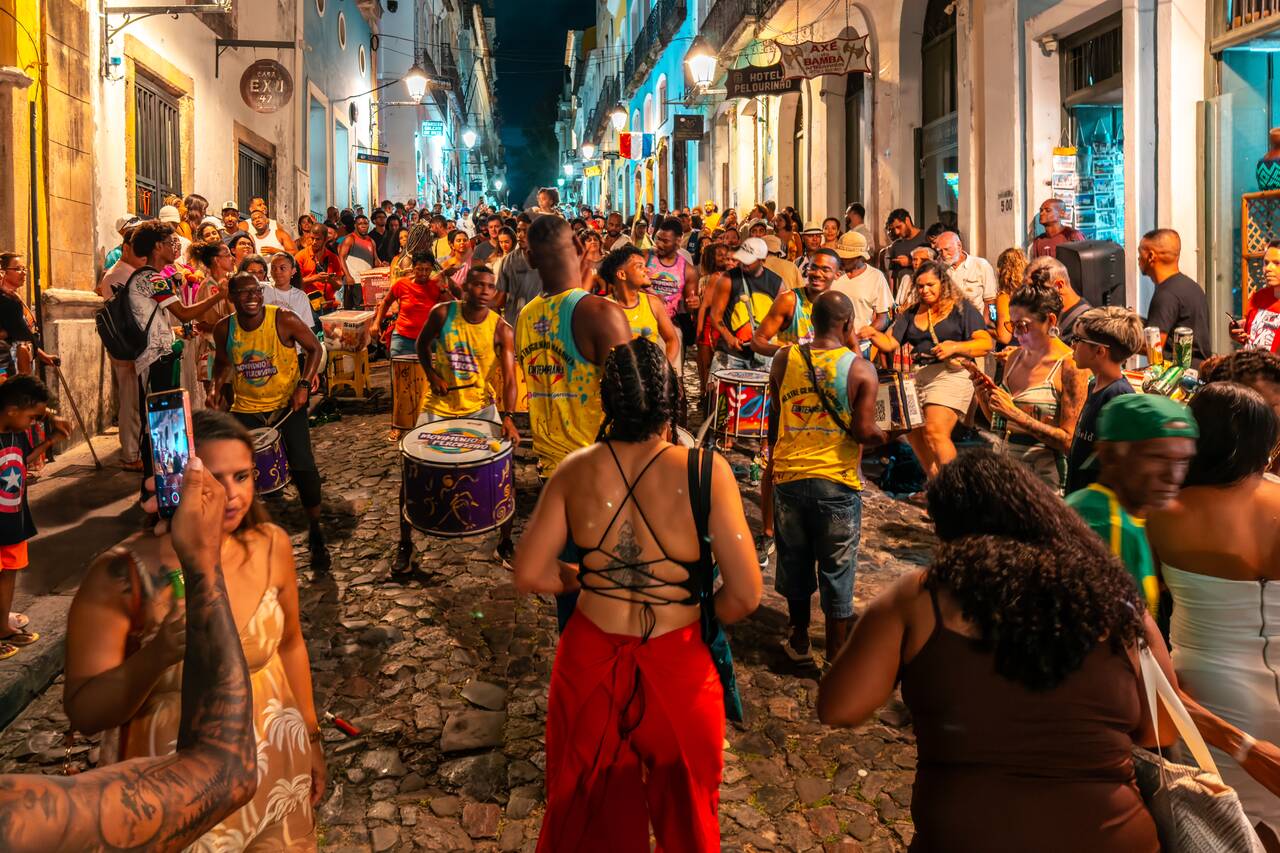
End your day at Pelourinho again at night, as the area comes alive with restaurants blasting music into the streets, groups of performers putting on all kinds of shows, from small acoustic sets with ukuleles to full-blown percussion bands, and you can even join in and dance with them! The atmosphere is unique and feels distinctly Bahian, and I don’t think there’s anywhere quite like it.
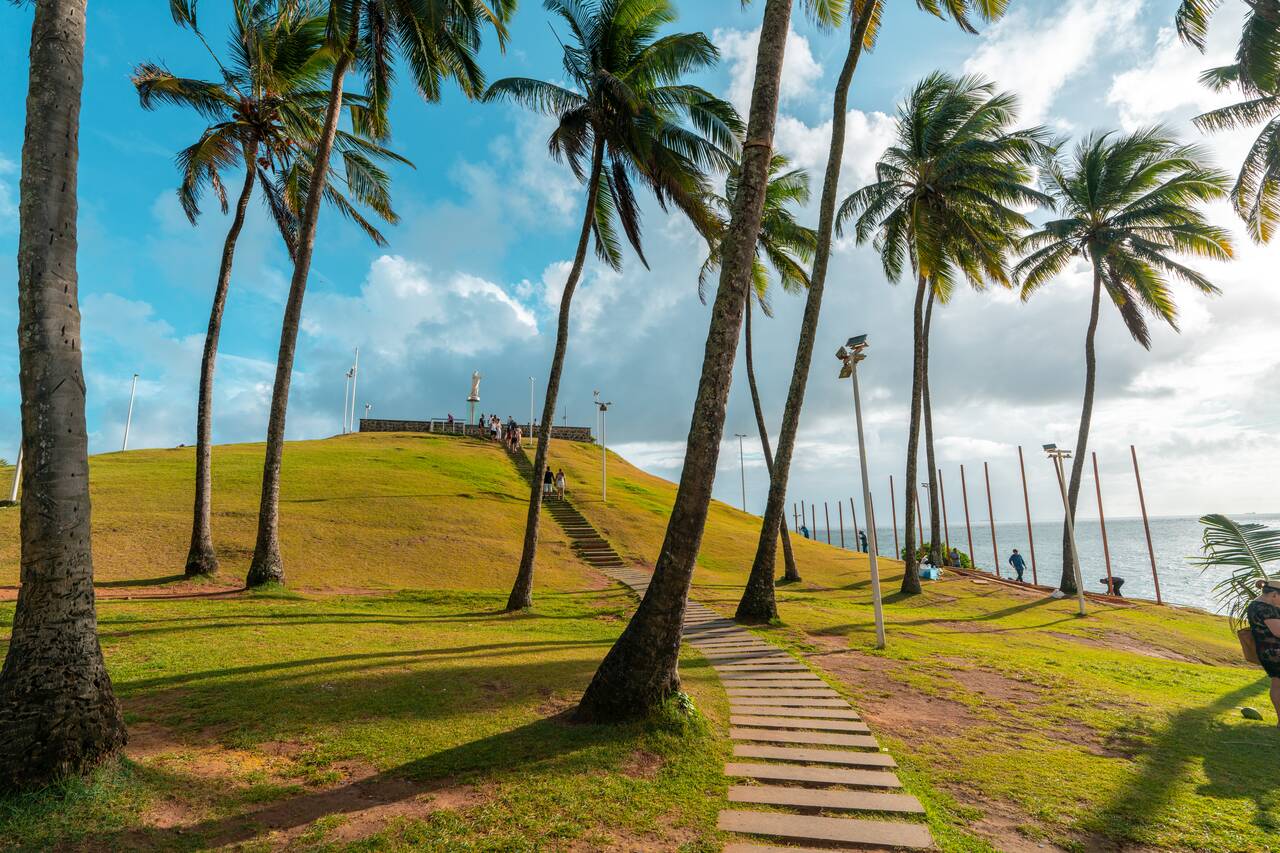
On your second day, explore Salvador’s beautiful coastline. Start with a relaxing morning at Porto da Barra Beach, one of the most popular urban beaches in the city with calm waters and a lively local atmosphere. After a swim or a beach walk, you can continue along the coast to enjoy more seaside viewpoints or simply relax at a beachfront café, which Barra is famous for.
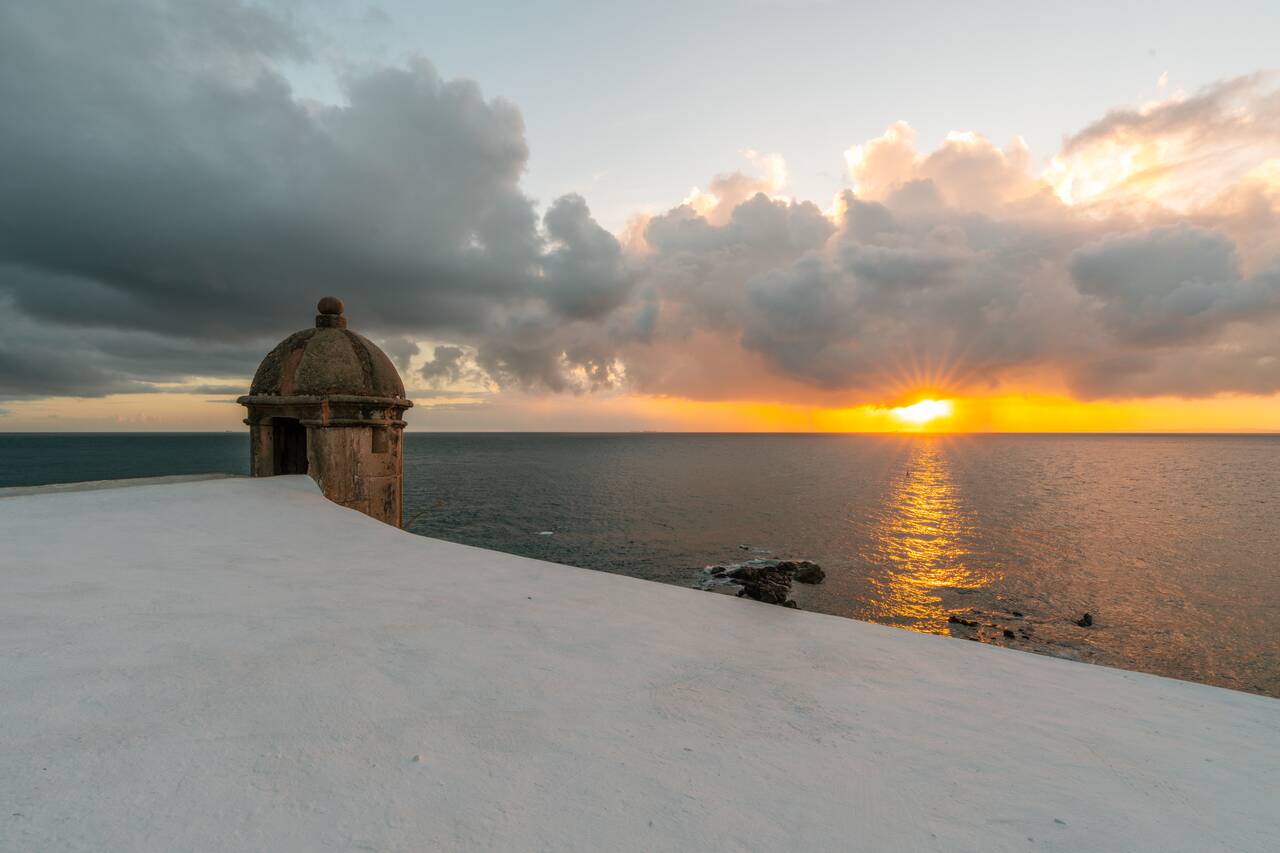
Spend the rest of the day exploring Barra neighborhood, and be sure to drop by and check out Museu Náutico da Bahia before sunset. You can go up the lighthouse, check out the view of the bay, and enjoy a nice sunset view from the museum's walls before heading back to your accommodation and retreating for the day and continuing our journey west.




Getting from Salvador to Chapada Diamantina
From Salvador, you can take an overnight bus to Lençóis, the main town hub of Chapada Diamantina. The journey takes around 6 to 7 hours overnight, or up to 10 hours during the day due to traffic. You can save on accommodation in Salvador by booking one night less and taking an overnight bus that leaves at 11 PM for Chapada Diamantina, arriving around 6 AM.
I found Guanabara's overnight bus surprisingly comfortable, with their Leito Individual seat, a much more sofa-like seat that tends to sell out quickly due to limited availability. You can book the bus here.
The bus will leave from Terminal Águas Claras and arrive at Terminal Rodoviário de Lençóis. I paid around 53 USD for a Leito Individual seat, and it was so comfortable that I almost missed my stop 😅. Once you arrive, you can simply walk to most hotels and pousadas in town, as Lençóis is compact and very easy to get around on foot.
Day 24-27: Chapada Diamantina (4 nights)
- 📍 Stay: Vila Sancar Pousada
- 🕐 Time: 4 nights
- 📖 Full Guide: Chapada Diamantina Travel Guide: Brazil's Most Incredible Hiking Destination
After an overnight bus from Salvador, you will arrive in Lençóis, the main base town of Chapada Diamantina, at around 6 AM. You can either do an early check-in at your hotel and get some sleep, or grab breakfast and coffee at Destino, which often opens early. I always go there for early breakfasts, and it is usually one of the first places to open in town.
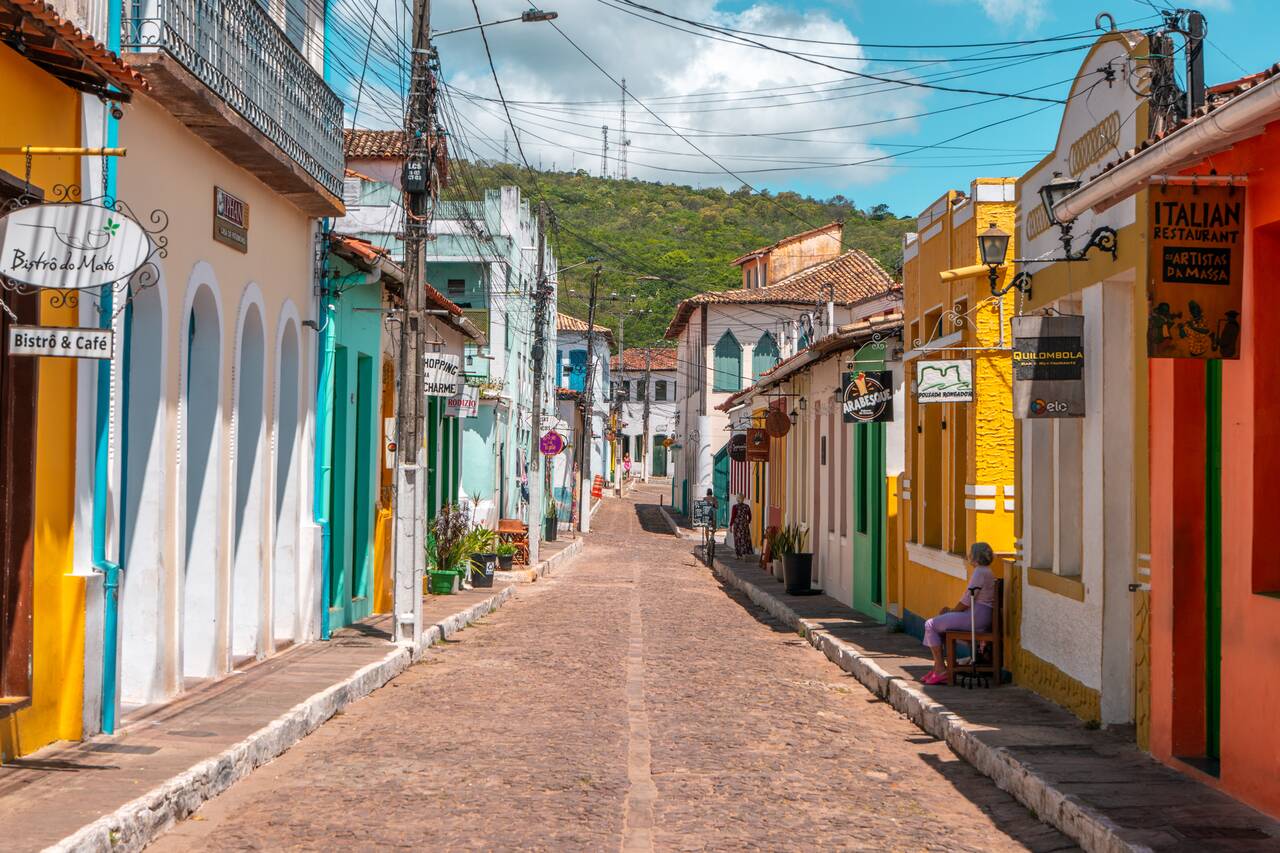
Spend the first part of the day settling in and exploring the charming colonial streets of the town, which are small, walkable, and full of local cafés and restaurants. Wait until you can check into your hotel and enjoy a bit of rest before heading out again.

In the afternoon, head out to Ribeirão do Meio, one of the easiest and most popular half-day hikes from Lençóis. The trail takes you through scenic countryside and ends at a natural rock slide and swimming spot, perfect for cooling off after your journey. Return to Lençóis in the evening and enjoy a relaxed dinner in town.
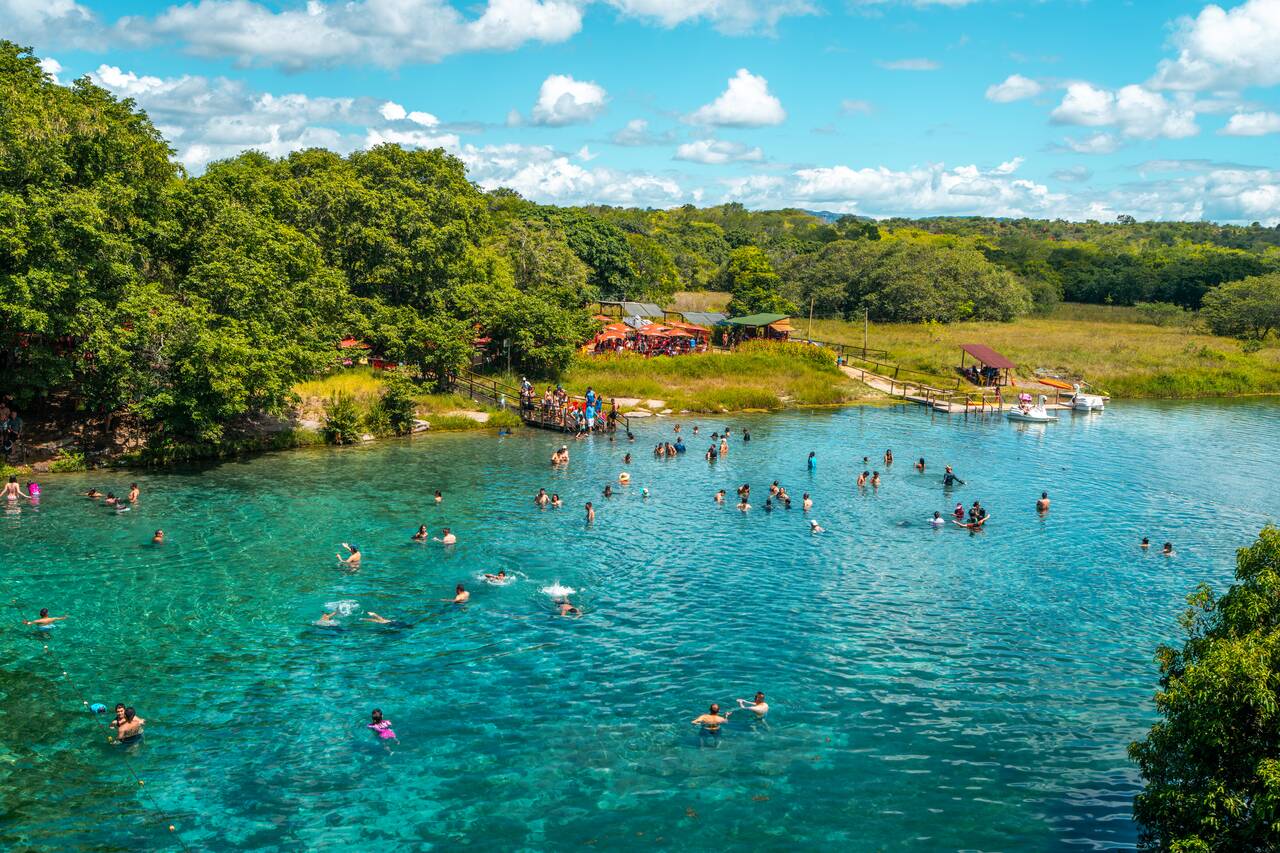
On the first full day here, go on this cave day trip organized by Zen-Tur, and they will take you to all the cool places around town like Poço do Diabo, a beautiful waterfall and a swimming spot, Gruta da Fumaça, one of the many beautiful caves you can explore, Pratinha, a recreational park with the most beautiful blue water you've ever seen, and more.
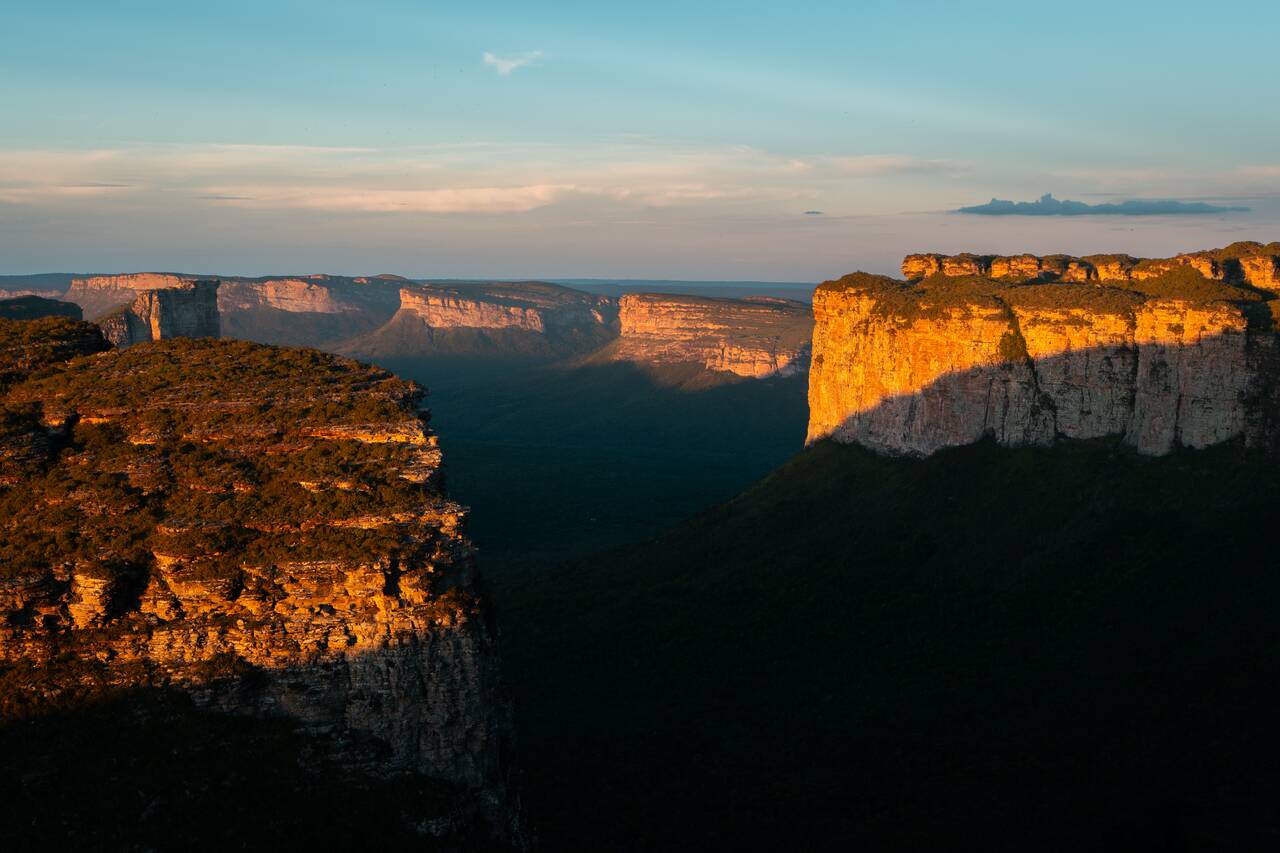
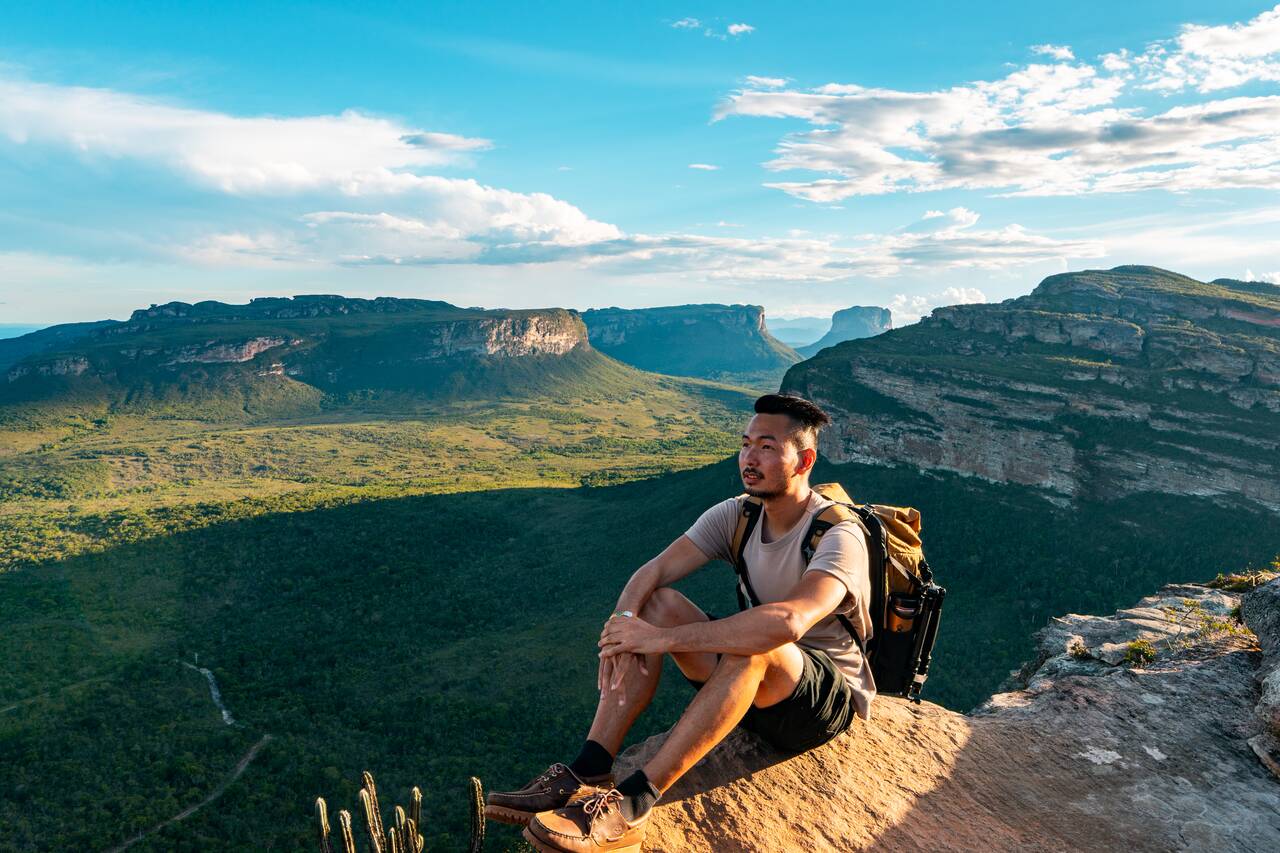
One of my favorite places the tour will take you to is Morro do Pai Inácio, the region's most iconic viewpoint and one of the most beautiful places to watch the sunset in Chapada Diamantina. It is a beautiful mountain standing at 1,120 meters above sea level with a grand vantage point that allows you to see just how expansive the whole area is.
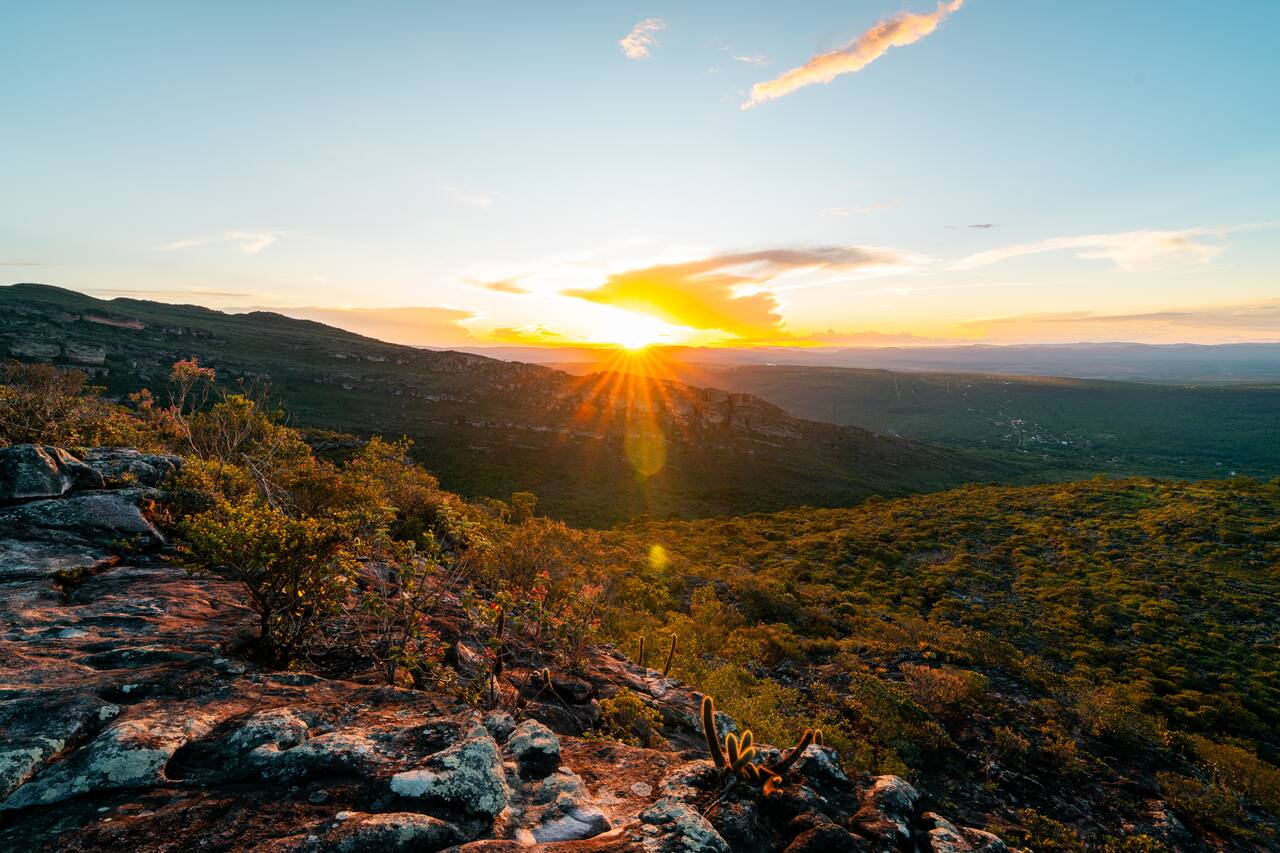
The tour will align your visit with sunset, and if you are there on a nice clear day, you are in for quite a treat! As the sun begins to dip below the horizon, the entire landscape is bathed in warm golden light. It is truly quite a sight to behold!
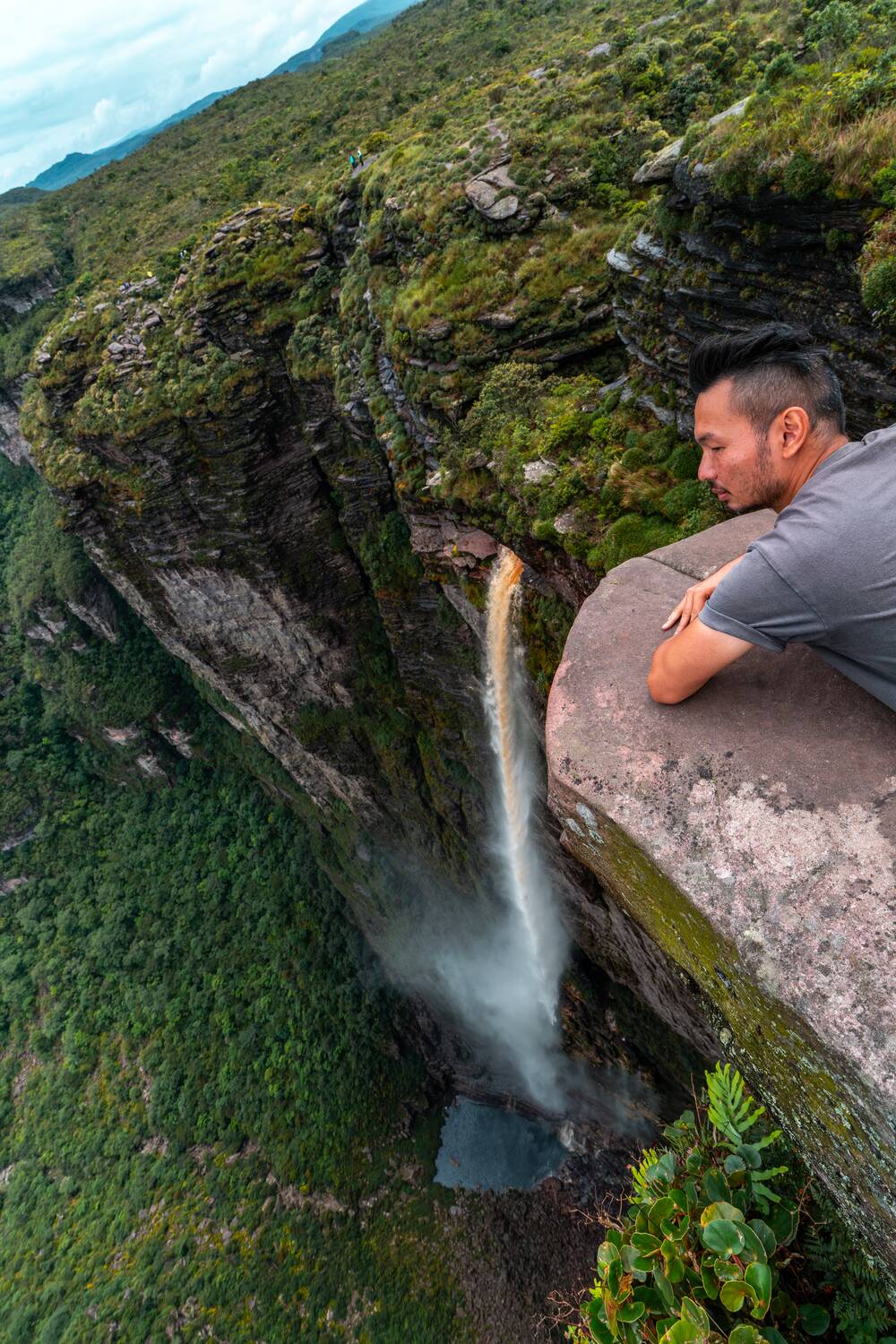
On your second day in Chapada Diamantina, we will be dedicating it to one of the most iconic sights in Chapada Diamantina: Cachoeira da Fumaça, one of the tallest waterfalls in Brazil. You can go with an organized waterfall tour by Zen-Tur and they will take you in the morning to the town of Capao where the hike begins.
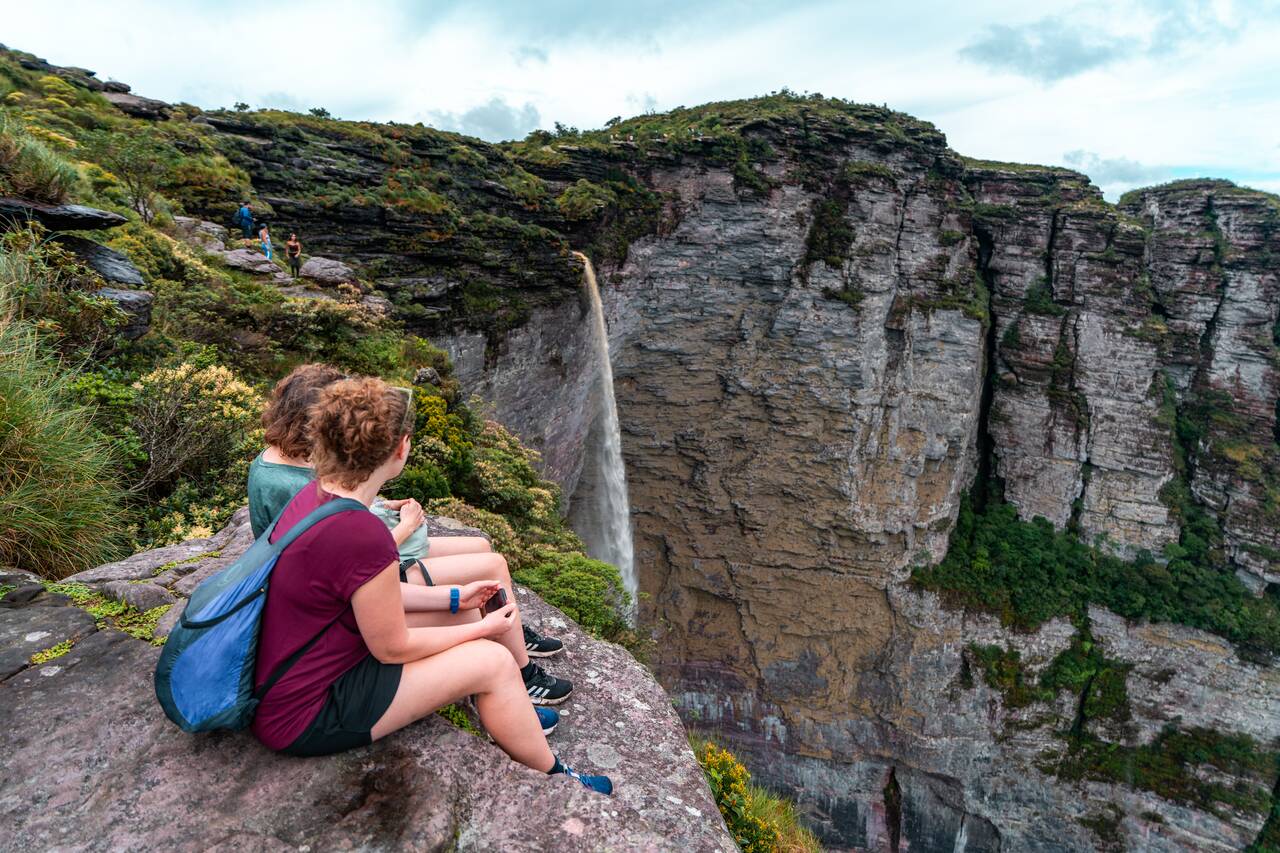
The hike to the top viewpoint is definitely the highlight of my visit to Chapada Diamantina. From up there, you will get sweeping views over the valley and the dramatic waterfall plunging into the canyon below. The hike is moderately challenging but absolutely worth it for the scenery alone. Expect to spend most of the day here, including transport time.

Return to Lençóis in the evening and rest after a full day of hiking. On your third day, do not book additional accommodation or, if you can, arrange a late check-out, as today will be your rest day. You will be taking another overnight bus back to Salvador to catch a flight to São Luís and make your way to Lençóis Maranhenses.
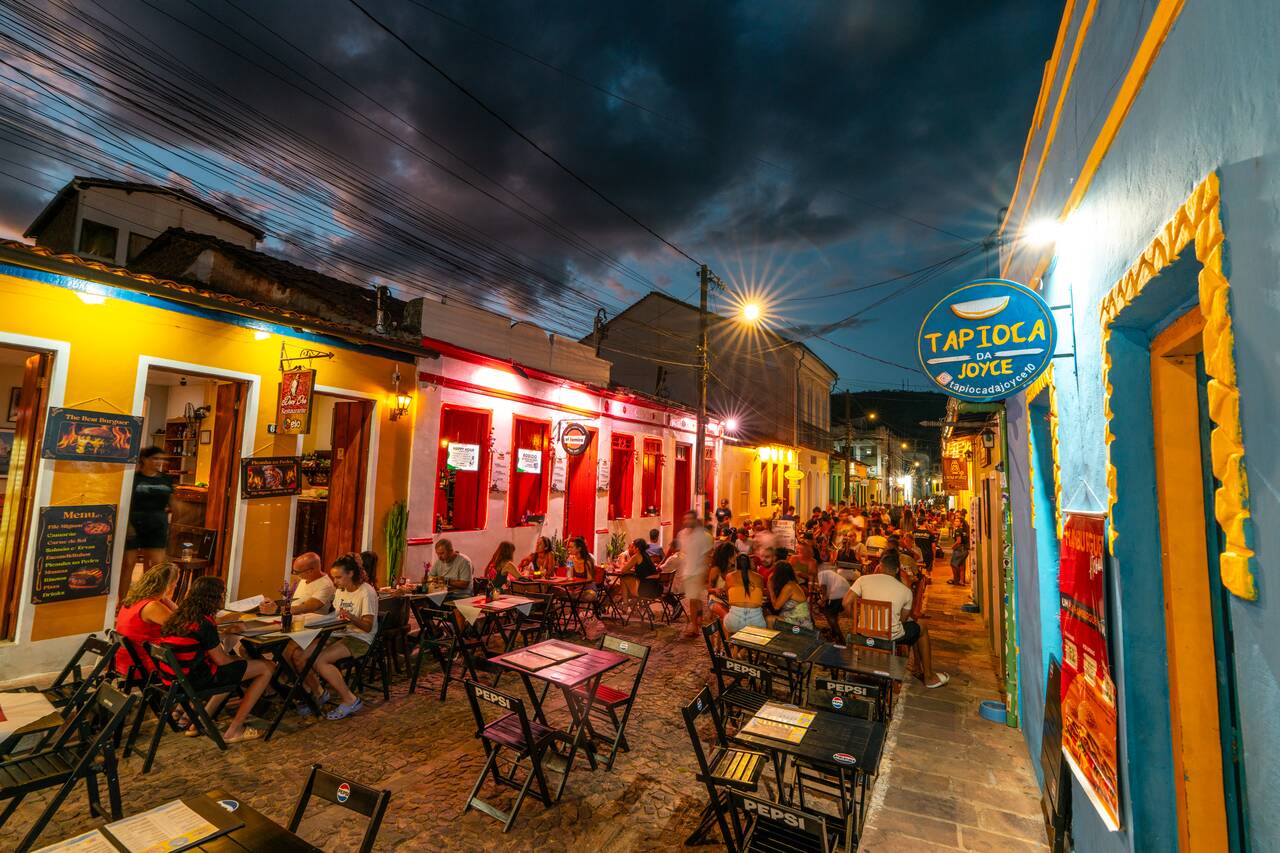
On your rest day, you can give your legs and knees a bit of rest, go for a walk around town, and maybe visit Piscinas Naturais do Serrano before heading back to town to prepare for your overnight bus to São Luís. There are usually night buses at around 8 PM and 11 PM that will get you back to Salvador around 6 AM, in time for flights to São Luís. Book the bus here.

Where to Stay in Chapada Diamantina?

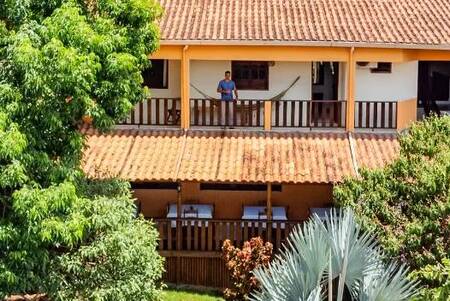

Getting from Chapada Diamantina to Lencois Maranhenses
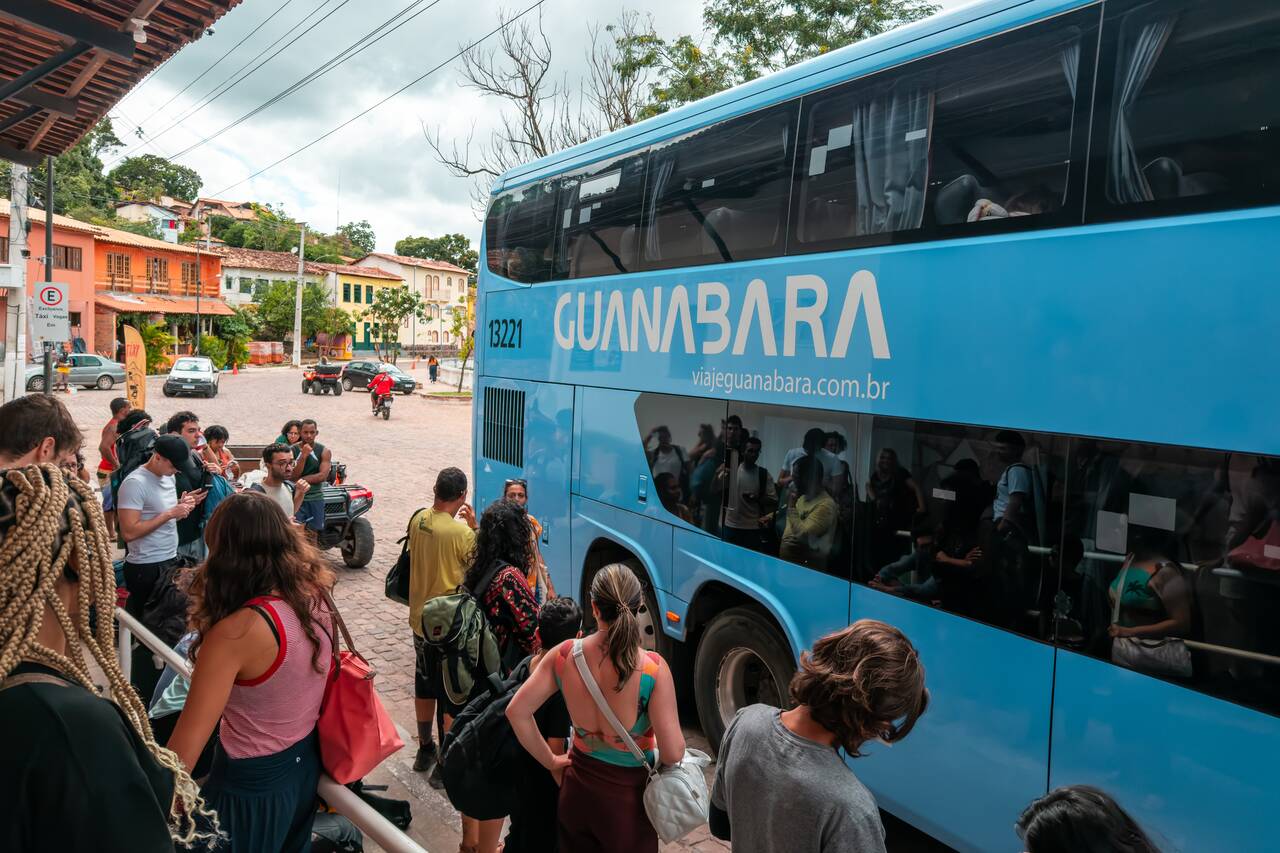
From Lencois in Chapada Diamantina, you can take an overnight bus to Salvador from Terminal rodoviário de Lençóis. There are usually night buses at around 8 PM and 11 PM that will get you back to Salvador around 6 AM, in time for flights to São Luís. Book the bus here.
Once you arrive at Terminal Águas Claras in Salvador, you can get breakfast at the terminal before taking an Uber to the airport and catching a flight to São Luís. There is usually a direct flight operated by GOL at around 2:35 PM, which takes about 2 hours to reach São Luís. The flight typically costs around 130 USD, and you can check prices on Skyscanner.
Day 28-30: Lencois Maranhenses (3 nights)
- 📍 Stay: Vila Sancar Pousada
- 🕐 Time: 3 nights
- 📖 Full Guide: A Guide to Lençóis Maranhenses: Brazil's Most Surreal Landscape
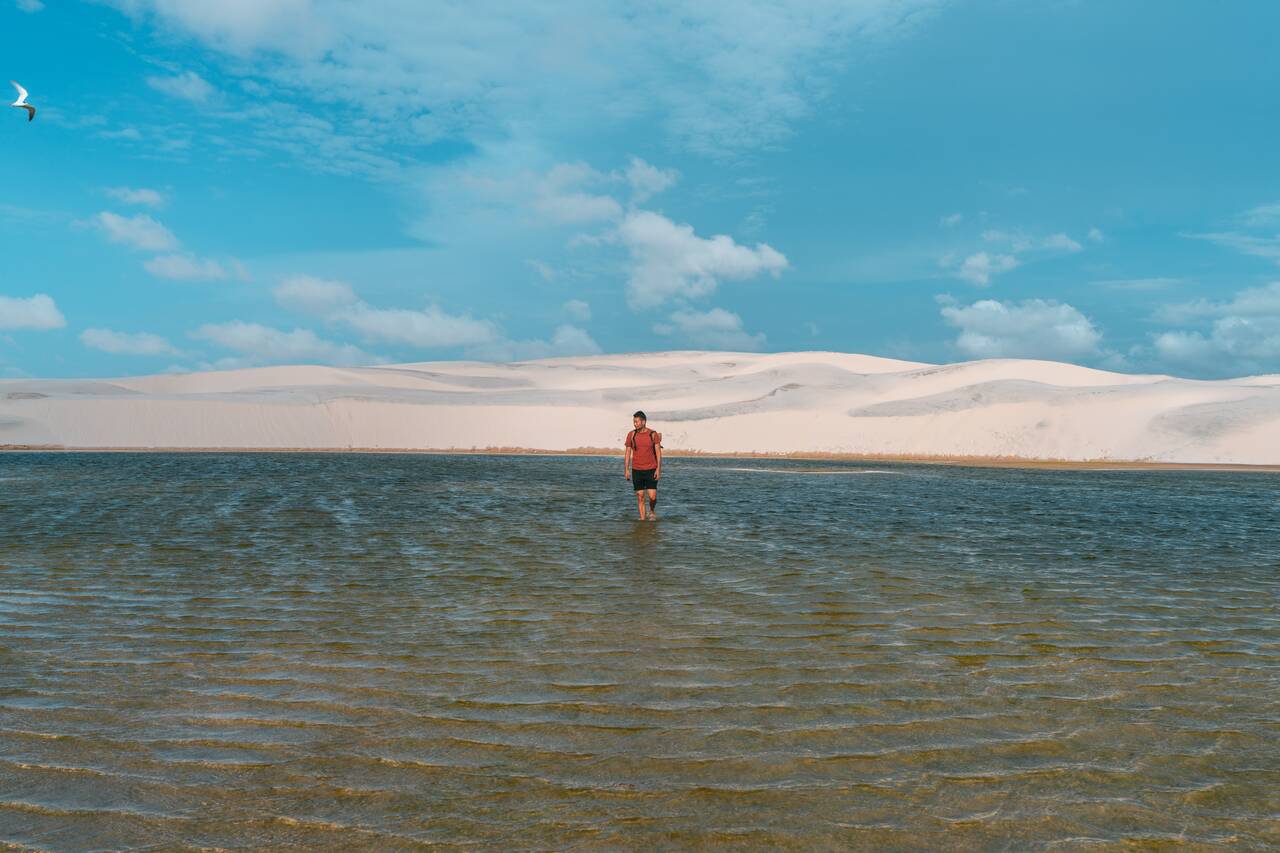
Lençóis Maranhenses is hands down one of the most surreal landscapes you will see in Brazil. The place is famous for its endless white sand dunes filled with seasonal freshwater lagoons stretching out as far as the eye can see. It truly is quite a sight to behold, and we will be spending 2 full days here based in Barreirinhas, the main gateway town, to explore the park’s most beautiful areas.

On your first day, join a full-day tour into Lençóis Maranhenses National Park to visit the famous Lagoa Azul circuit. Most tours depart from Barreirinhas in the morning and take you by 4x4 vehicle across sandy tracks into the park, which is an attraction in itself. It is a bumpy ride, so hang on tight!
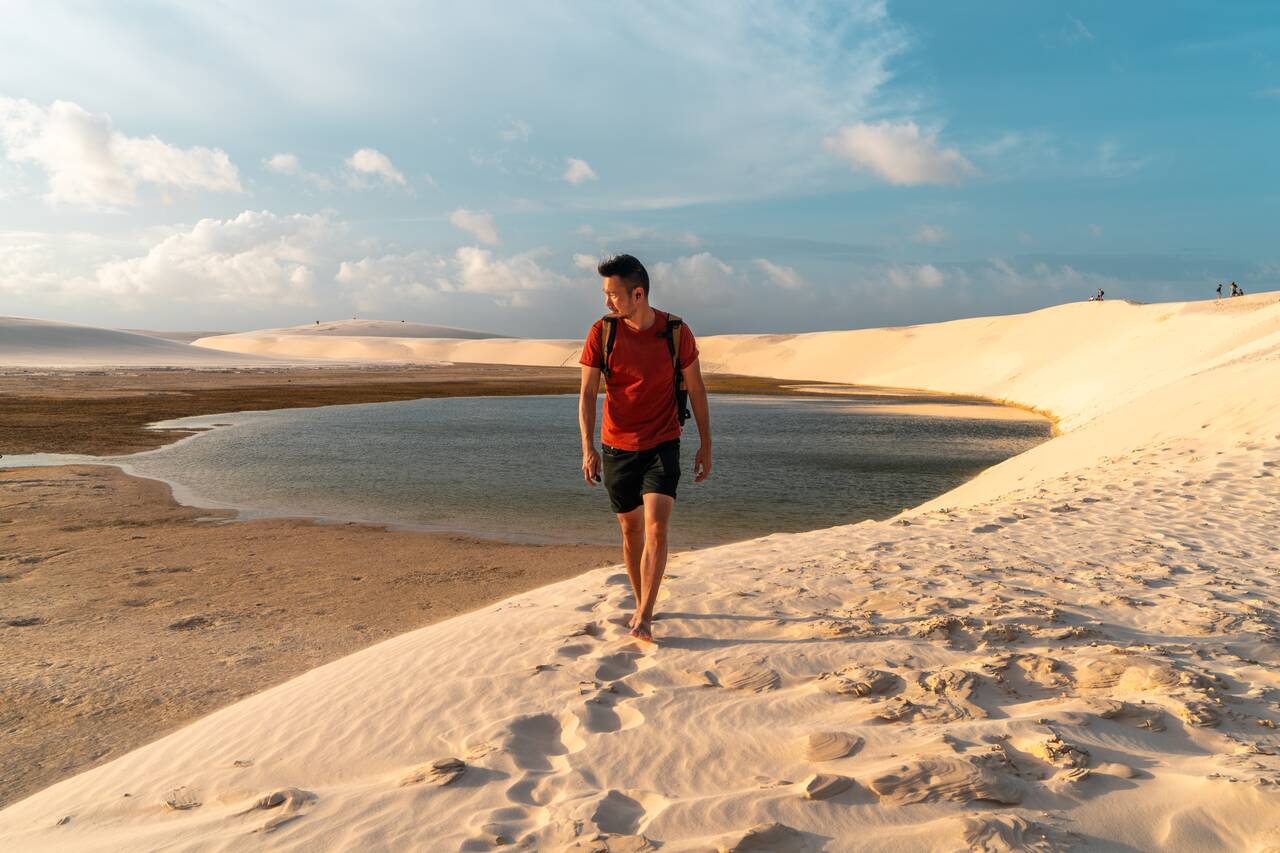
Once inside, you will hike across vast dunes and swim in crystal-clear freshwater lagoons surrounded by endless white sand. The scenery here feels almost otherworldly, especially when the lagoons are full between June and September. You will have plenty of time to swim, relax, and explore different lagoon stops before heading to Lagoa Bonita, where you will watch the sunset over the surreal landscape.
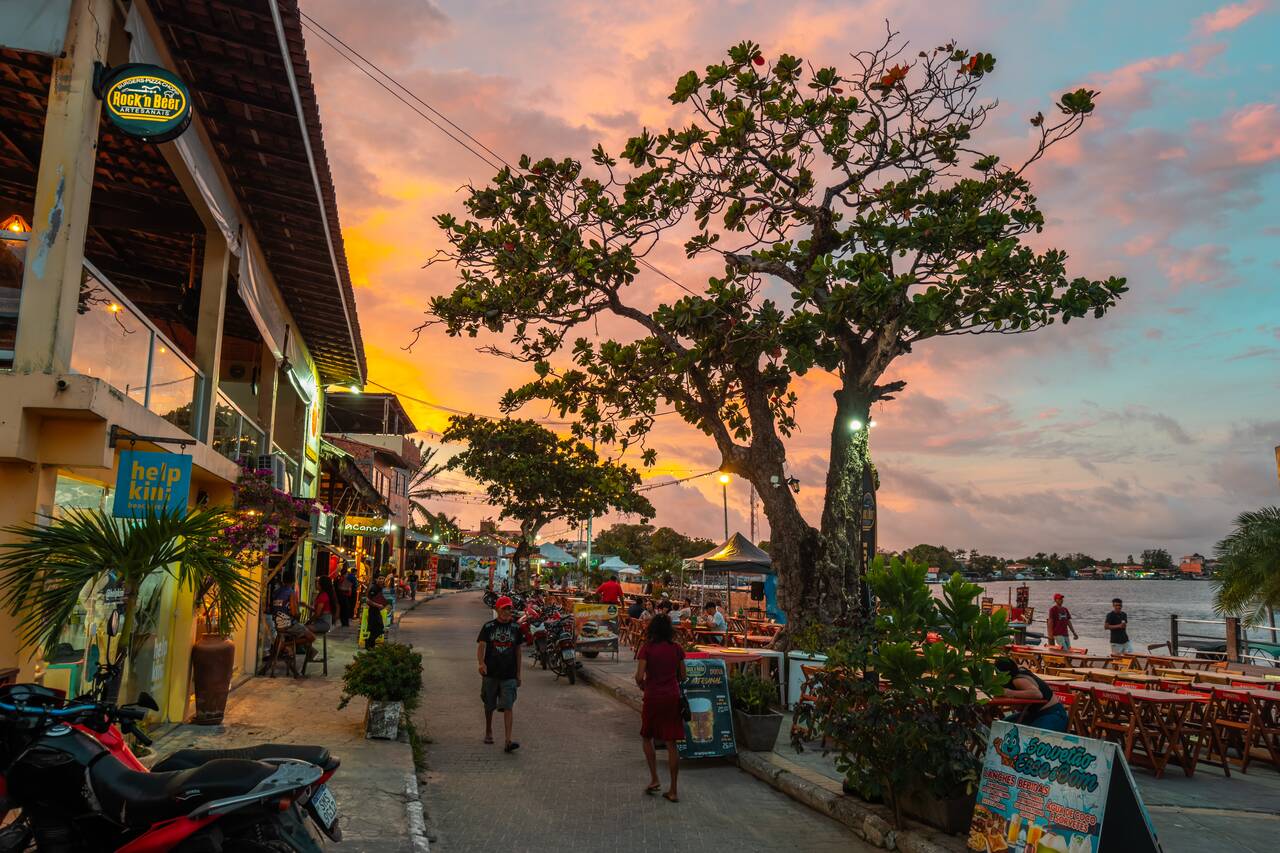
After sundown, you will be taken back to Barreirinhas and you should arrive by around 7 PM, just in time to enjoy a bit of nightlife in town. I highly recommend walking along the riverfront, as it gets quite lively in the evening with restaurants filled with people enjoying the view of the river.
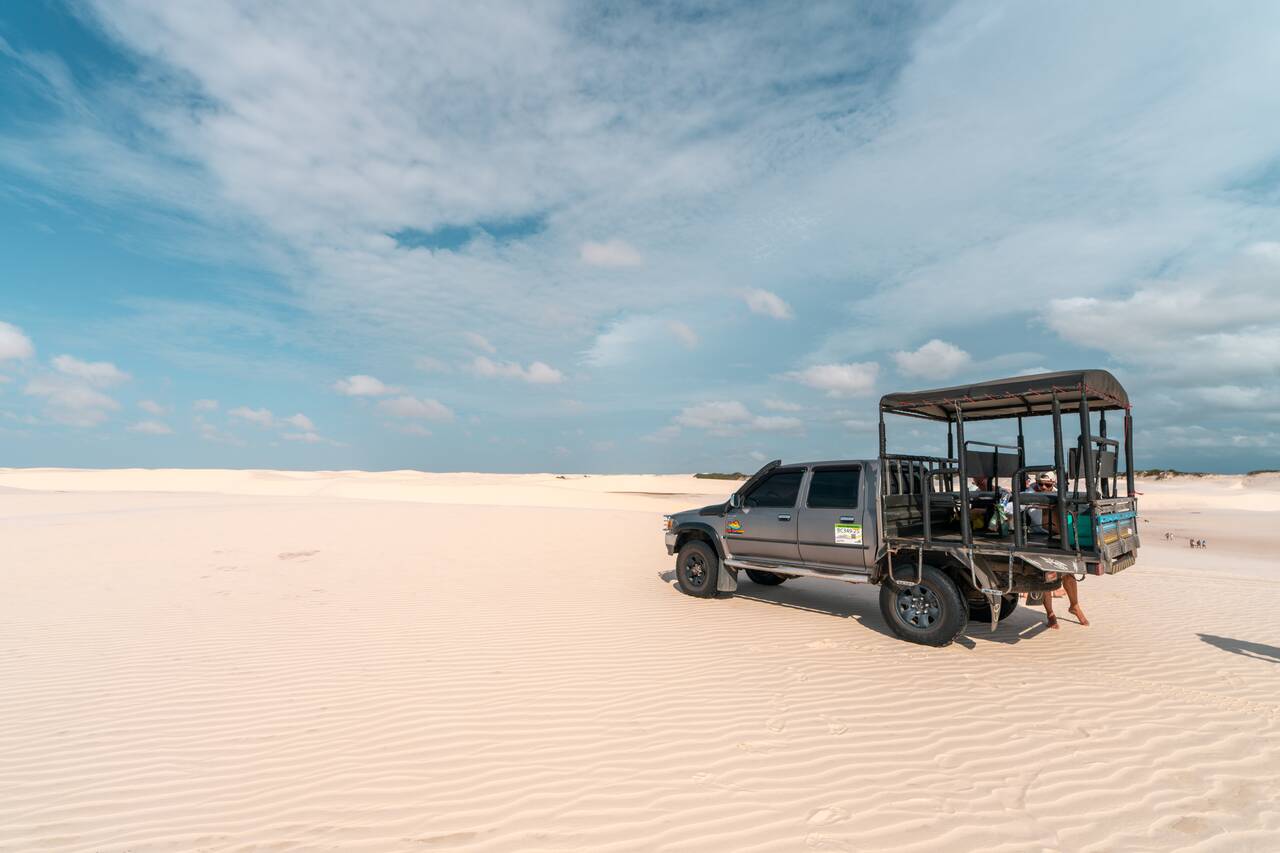
On your second day, you can use this as a rest day or go on another day trip, this time to visit the quiet beach town of Atins and explore more of the lagoons from that side of the national park. Once you are done, you can spend the rest of the day enjoying Barreirinhas one last time before continuing your journey the next day.

Where to Stay in Lencois Maranhenses?



Getting from Barreirinhas to Sao Luis

Getting from Barreirinhas to São Luís is fairly straightforward with public buses. The journey takes around 4–5 hours depending on traffic and road conditions. You can get your ticket here and exchange it for your physical ticket at the office on the second floor of this gas station. You will then wait for the bus at the gas station.
If you wish to skip São Luís, you should be able to take an Uber from the bus terminal to the airport in less than 15 minutes, as they are located close to one another. Keep in mind that traffic can delay your bus arrival, so plan accordingly. From there, you can either fly to Belém or directly to Manaus if you also wish to skip Belém, which is another optional stop on this itinerary. Be sure to check flight options on Skyscanner.
Day 31-32: Sao Luis (optional) (2 nights)
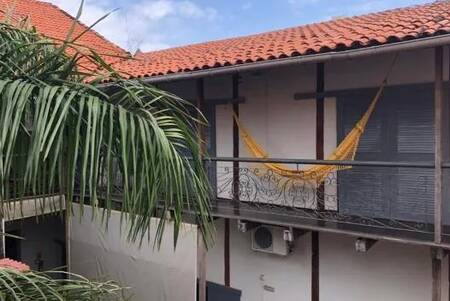
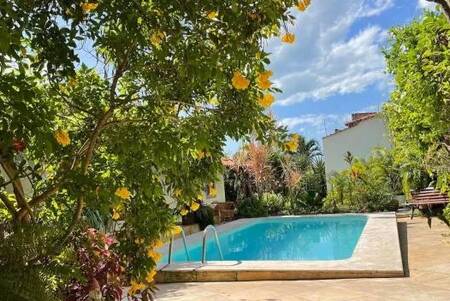
- 📍 Stay: Palma Hostel
- 🕐 Time: 2 nights
- 📖 Full Guide: A Guide to São Luís, Brazil's City of Tiles: Best Things to Do & Travel Tips
This is optional; in case you have limited time, you can skip it and go straight to the airport and fly to Belem or Manaus. But if you have time to spare, since we will be passing through São Luís anyway, we might as well set aside one full day to explore the city and see what the capital of Maranhão has to offer.
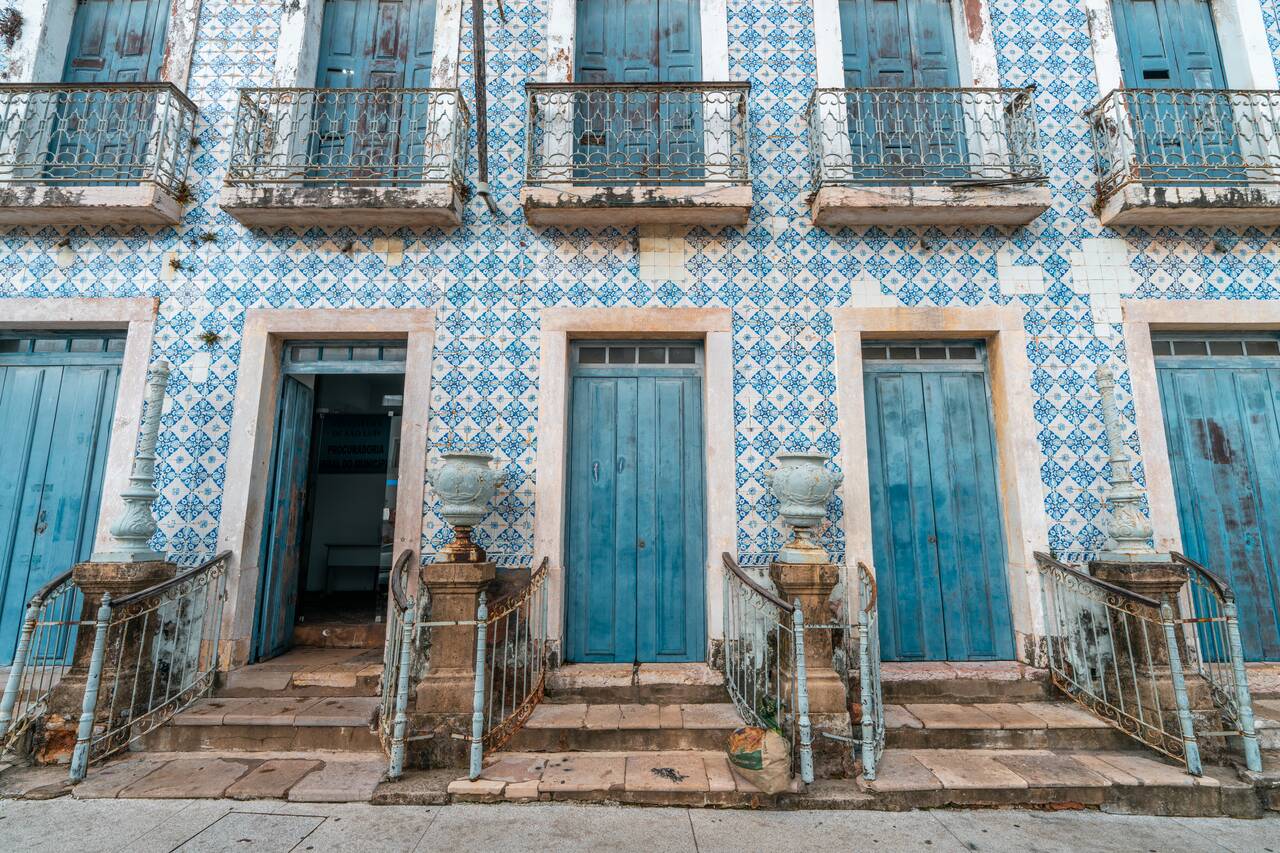
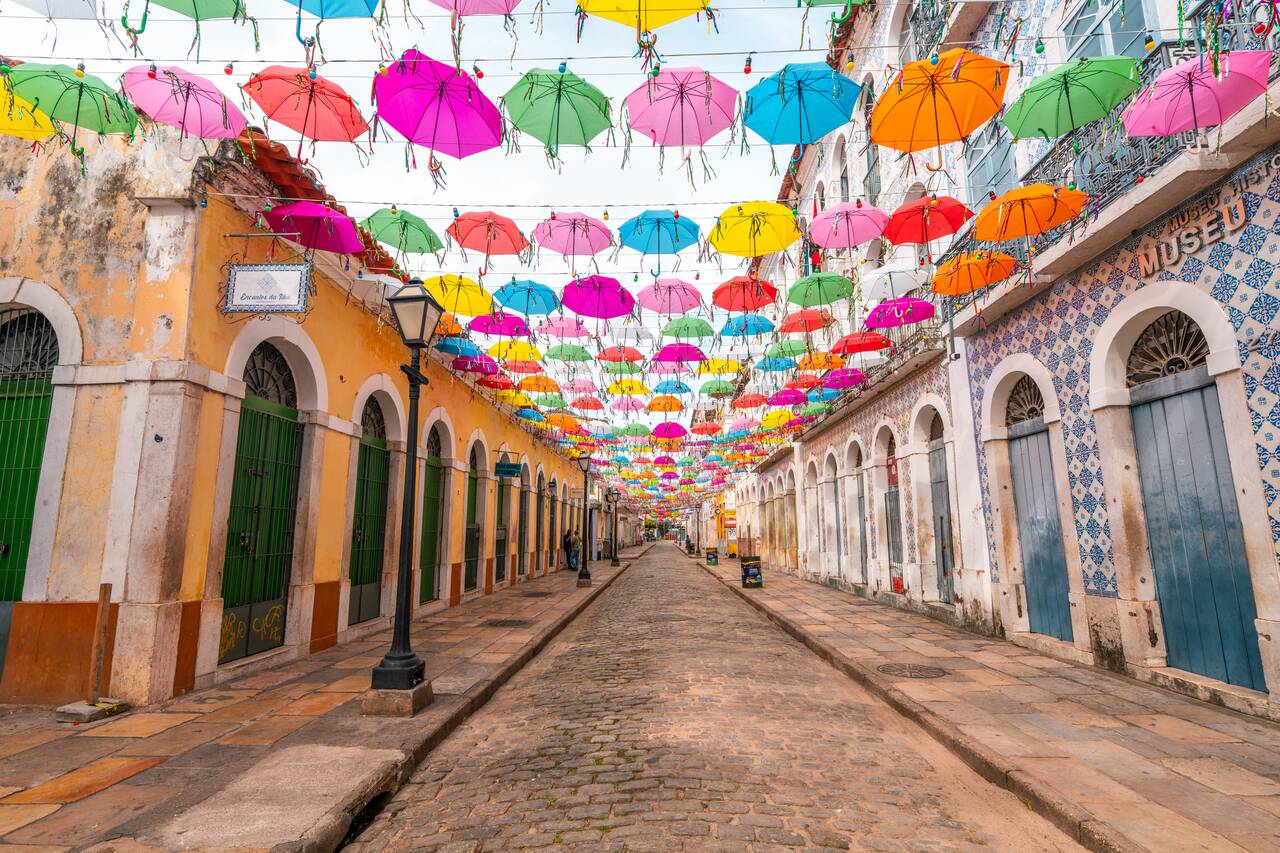
The city's historic center is a UNESCO World Heritage Site and one of the largest collections of colonial buildings in Brazil. Wander through its cobblestone streets and you will find beautiful churches, grand mansions, lively squares, museums, and countless buildings decorated with the colorful Portuguese tiles that have become one of the city's defining features.
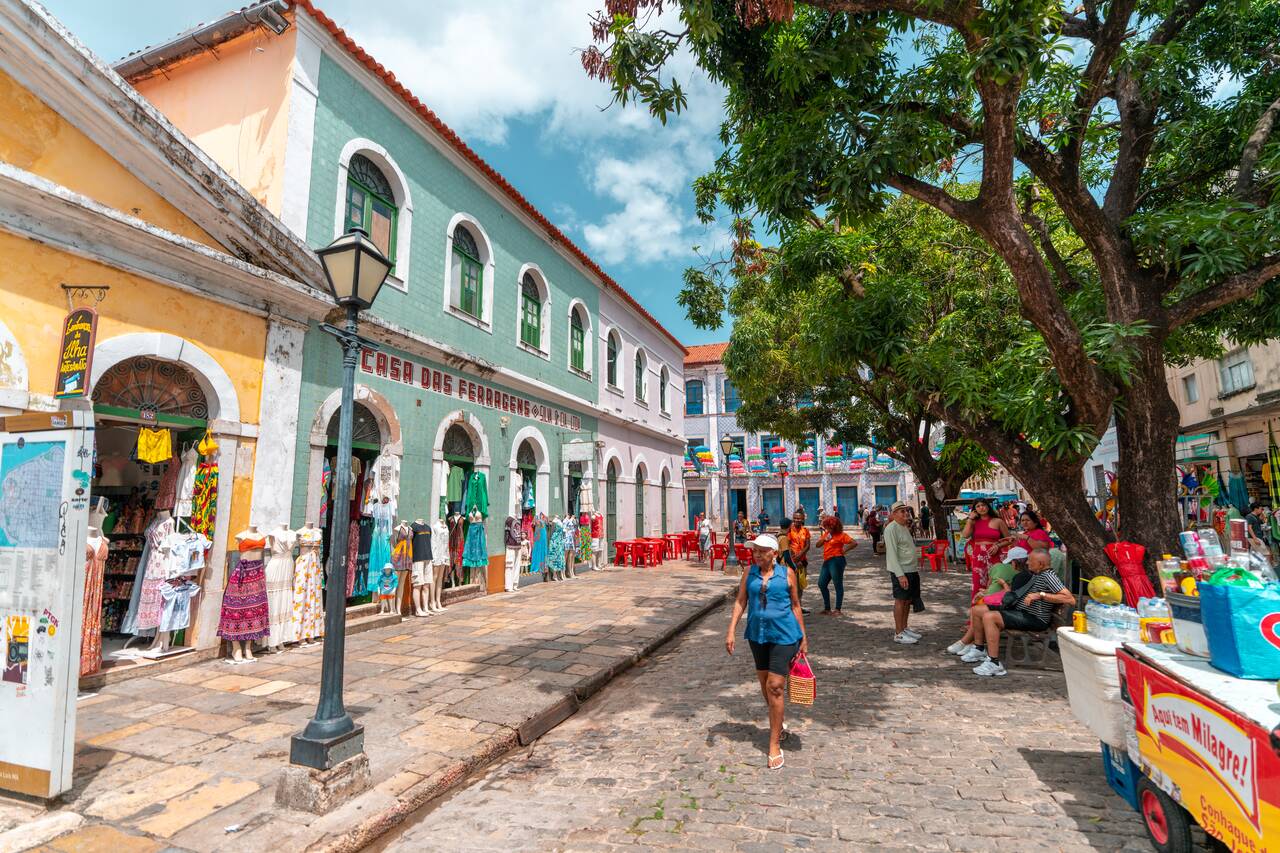
One of my favorite things about São Luís was how authentic it felt. Sure, many of the buildings are in need of major restoration and maintenance, but to me, it felt more rustic, lived-in, and genuine, unlike some of Brazil's more famous colonial cities, which often feel more polished and attract way too many tourists.

Beyond the historic center, São Luís is also known for its awesome traditions and lively music scene. If your timing is right, you may even catch one of the city's traditional cultural celebrations, as I did when I unexpectedly stumbled upon a live concert organized by the city at Plaza Nauro Machado.
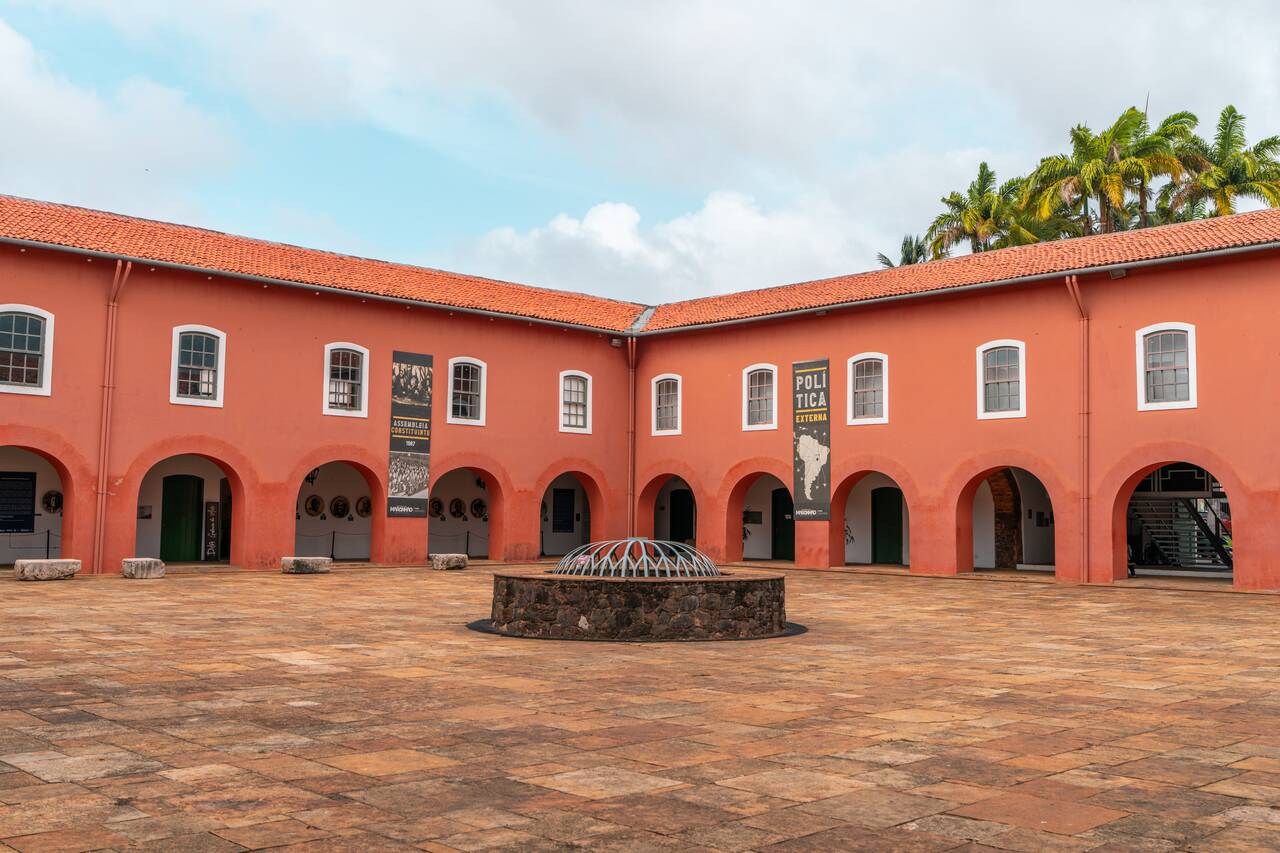
The whole area was extremely lively at night, with people out and about enjoying either street performances or events often held in the square. Other places to visit in Sao Luis are Fair Praia Grande Market, Catarina Mina Alley, Catedral Metropolitana de São Luis, Ribeirão Fountain, and all the great museums in the city such as Museu Histórico e Artístico do Maranhão, Museu do Reggae Maranhão, and more.

Getting from Sao Luis to Belem
Between São Luís and Belém, there are no practical overland routes, so flying is by far the easiest and most efficient option. Azul Airlines runs direct flights on this route a few days per week, so if you can, try to align your departure day with one of these direct connections to avoid wasting time on layovers.
I took the 3:55 PM flight from São Luís International Airport and it took about 1 hour to reach Belém International Airport. From there, you can take an Uber to the city center in about 30 minutes. You can check flight prices on Skyscanner.
If you wish to skip Belem, another optional destination, you should be able to find a flight from Sao Luis to Manaus, with a short layover in Belem. Azul operates this route as well, and the flight should cost around 130 USD. Be sure to check the flights on Skyscanner.
Day 33-35: Belem (Optional) (3 nights)
- 📍 Stay: Ecopousada Miriti
- 🕐 Time: 3 nights
- 📖 Full Guide: A Guide to Belem, the Gateway to Amazon: Best Things to Do & Travel Tips
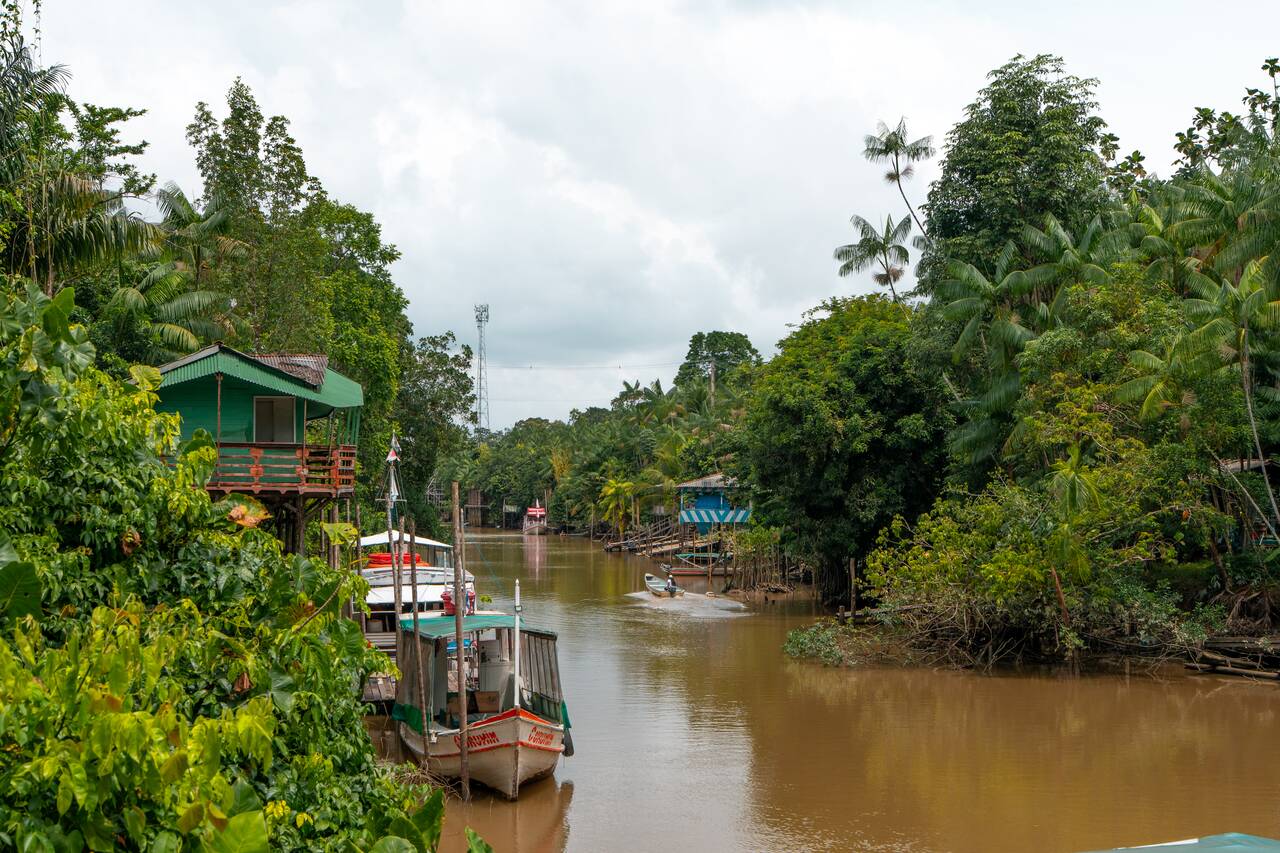
Belém was one of the biggest surprises of my trip through Brazil. Before arriving, I knew almost nothing about the city, but I quickly fell in love with its incredible Amazonian cuisine, fascinating culture, and unique position as the gateway to the Amazon. We will be spending 2 days here exploring the city's highlights and sampling some of the best food in the country.
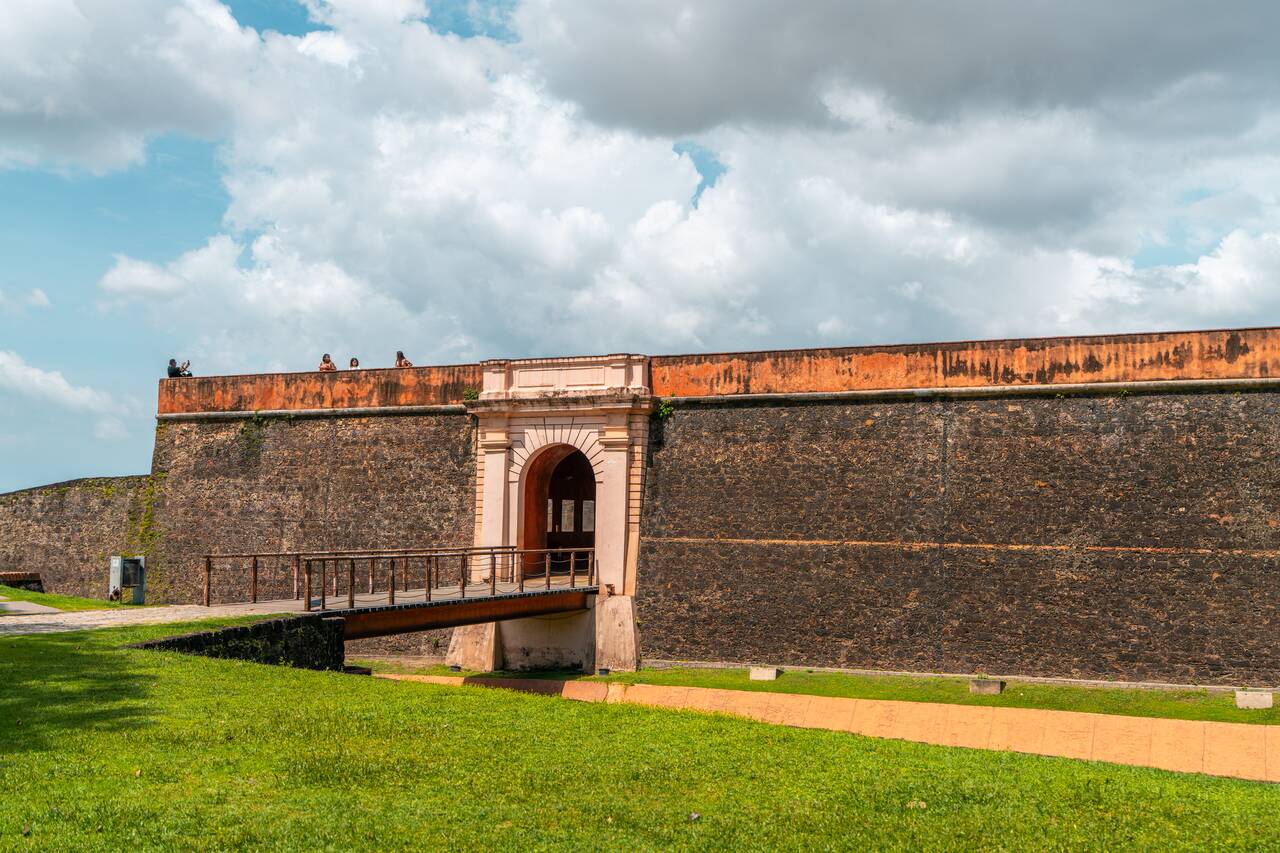
On your first day, start early at Ver-o-Peso Market, one of the largest open-air markets in South America. Wander through the shops and stalls selling exotic fruits, Amazonian herbs, spices, and fresh seafood. Afterward, walk over to Forte do Presépio, a historic fortress with a great view of the bay.
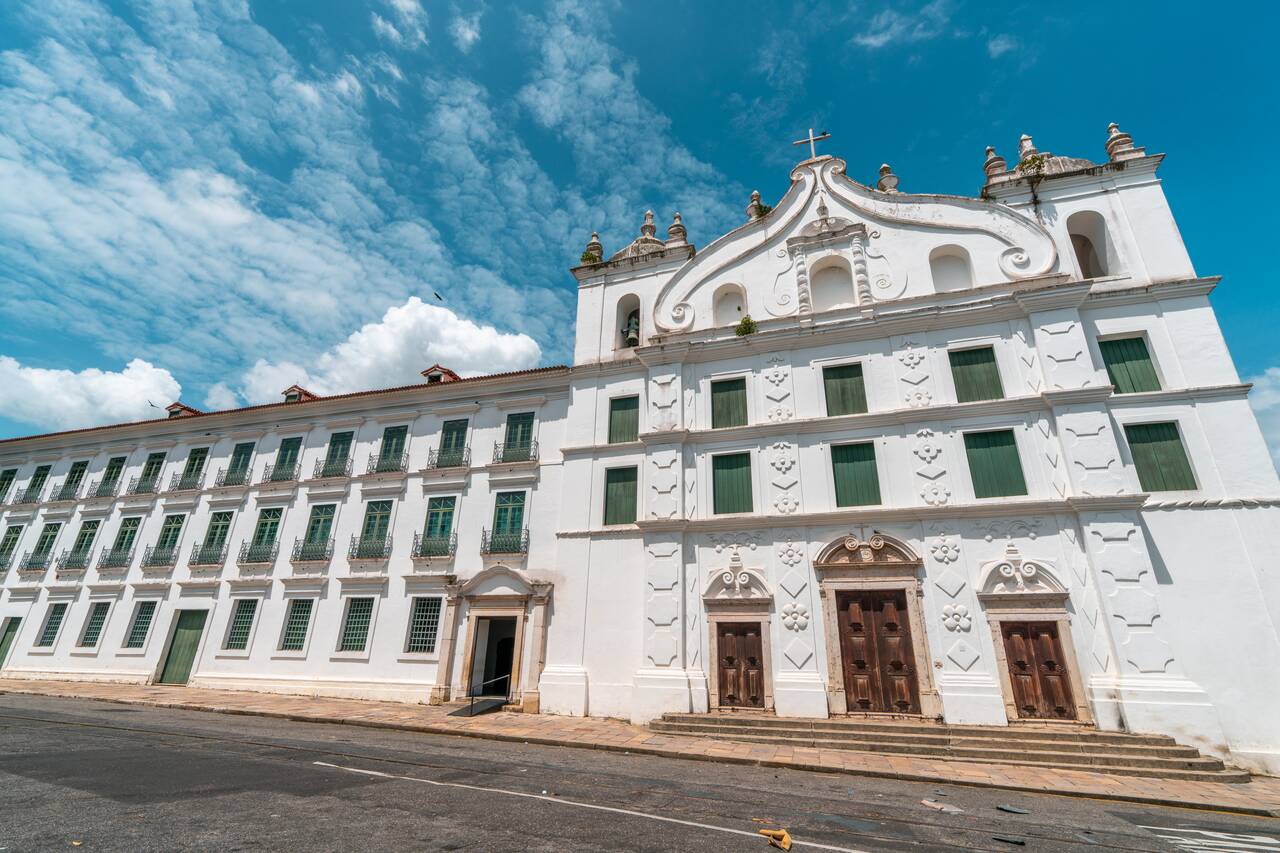
From the fortress, you can also walk by and check out St. Alexander Church & Museum of Sacred Art, a beautiful church with a museum that houses an impressive collection of religious sculptures, paintings, liturgical objects, and artifacts gathered from churches across Pará.
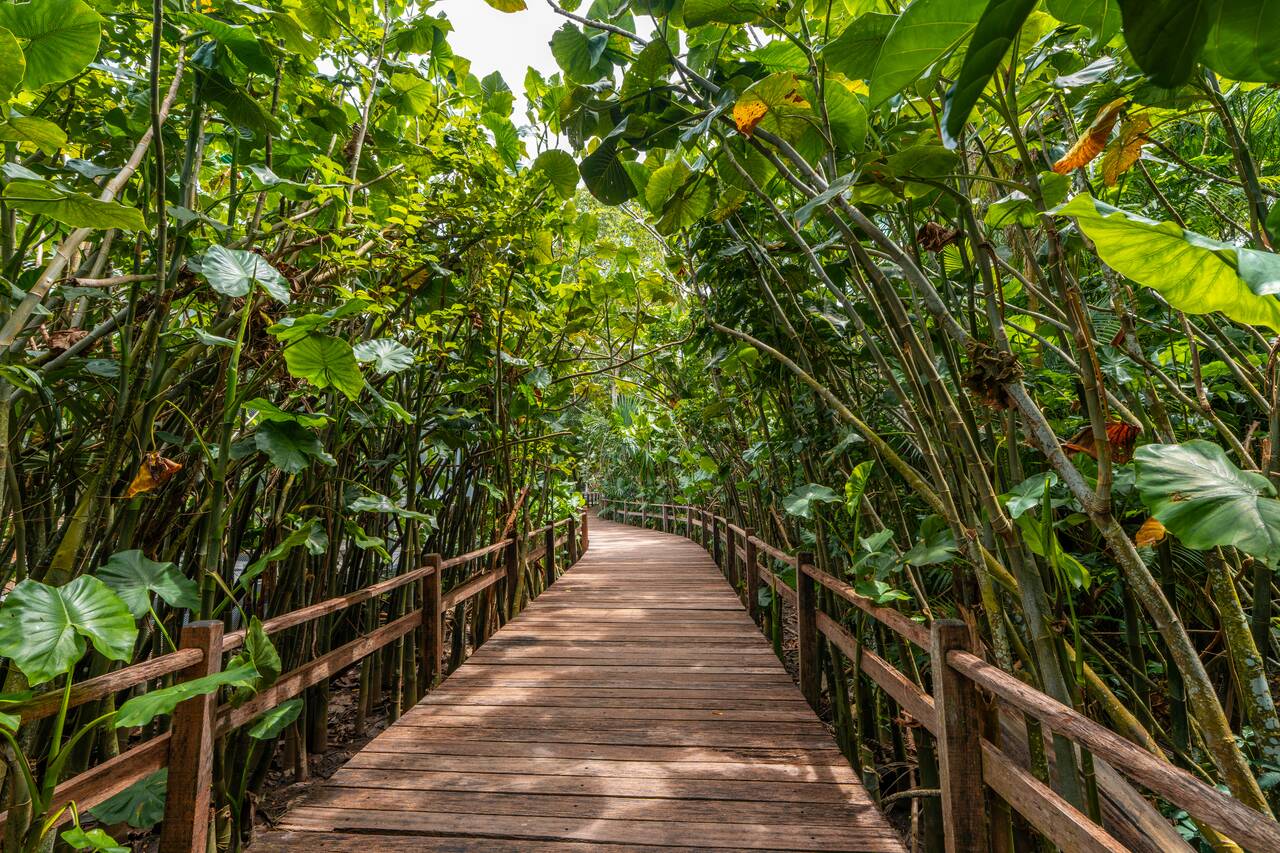
In the afternoon, you can either visit Mangal das Garças, a beautiful riverside nature park where you will find all kinds of exotic wildlife from across the Amazon region roaming freely, or Zoobotanical Park, a massive 5.4-hectare park home to more than 600 animals and over 500 plant species native to the Amazon, and spend a few hours hanging out with the animals.
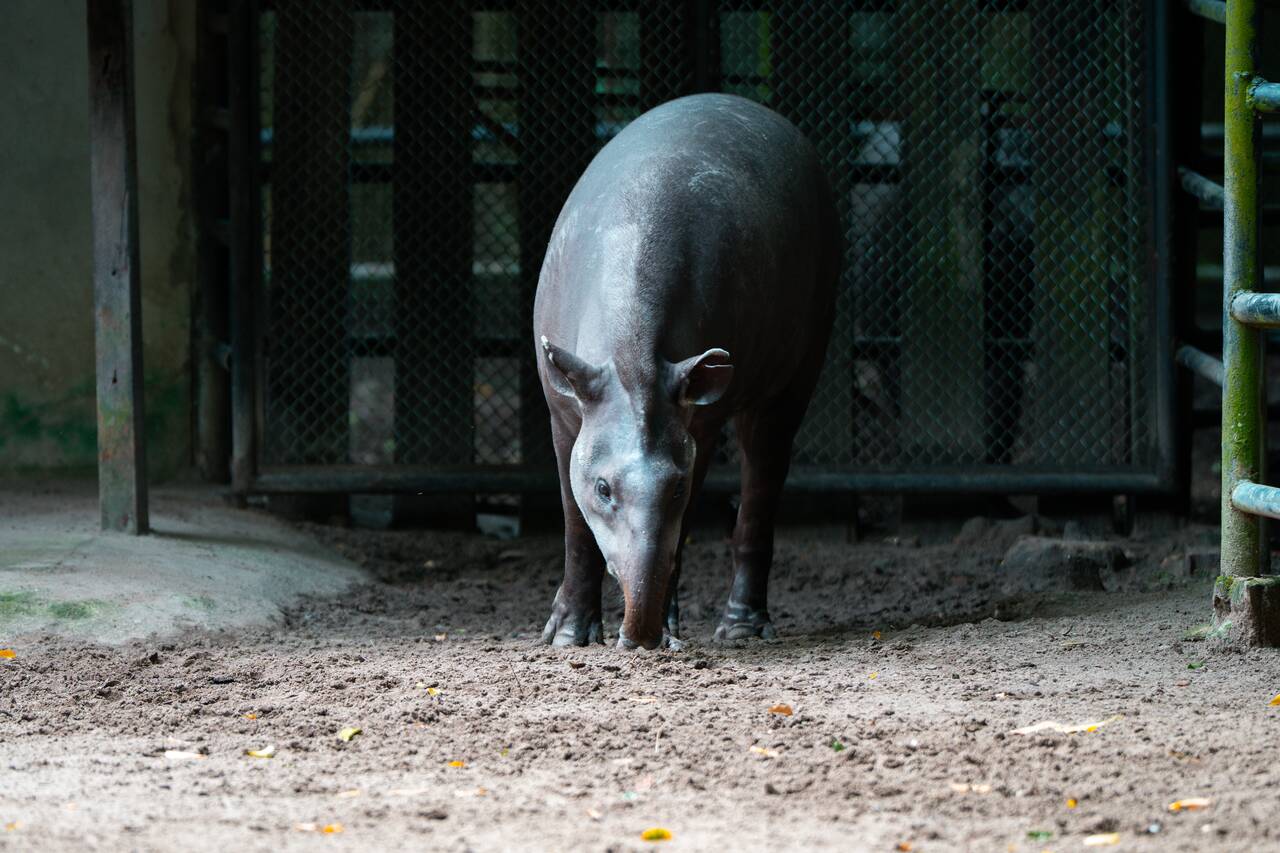
I love both places, and if you have another day to spare, I highly recommend visiting both. If not, you can choose based on whether you prefer a park where animals roam freely or one with more of a zoo-like setting. Zoobotanical Park is better for seeing rare animals such as tapirs, anacondas, piranhas, and jaguars, while Mangal das Garças is known for its incredible birdlife, including the Scarlet Ibis, my favorite bird of all.
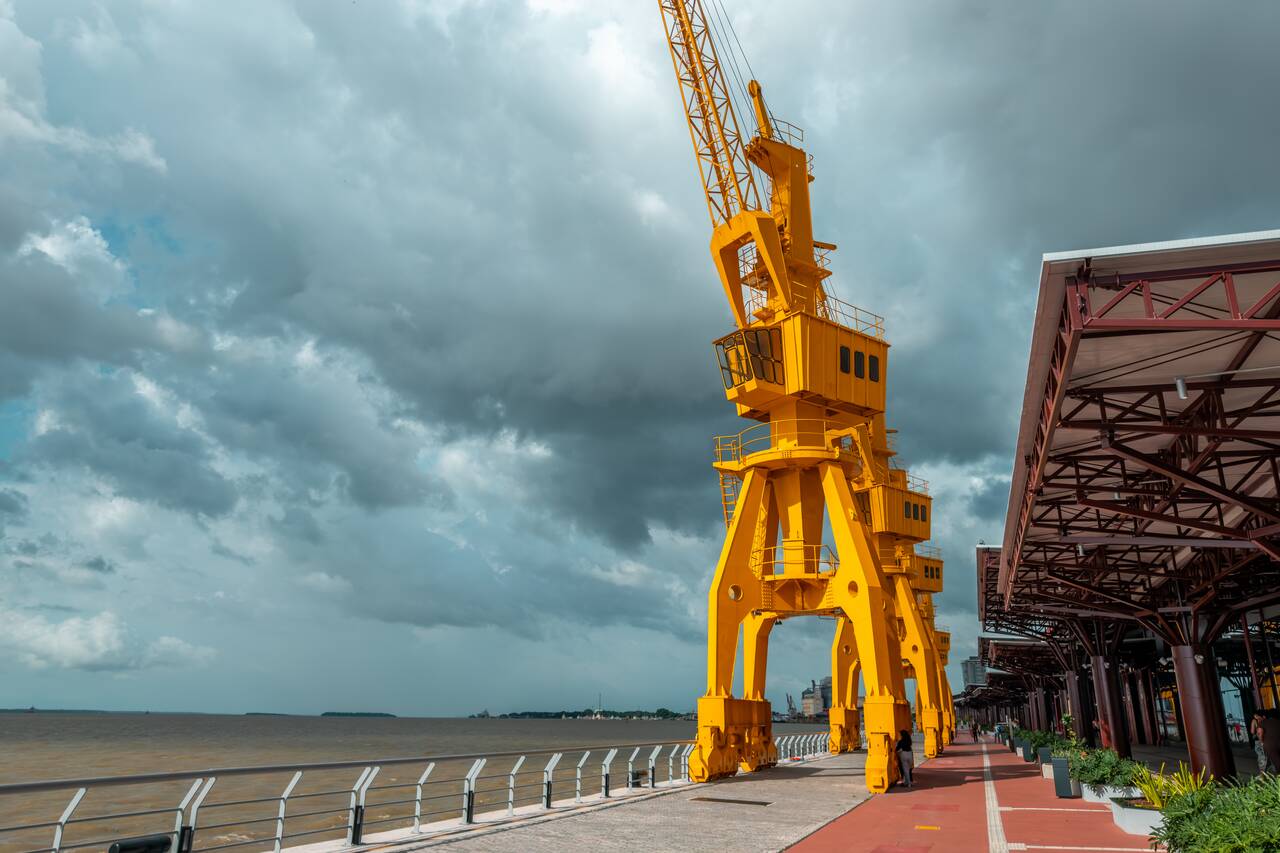
In the evening, head to Estação das Docas for a stroll along its beautifully renovated waterfront, find a local restaurant and enjoy the delicious cuisine Belém is known for, try some tapioca ice cream from Cairu, watch the sunset over the river, and call it a day.
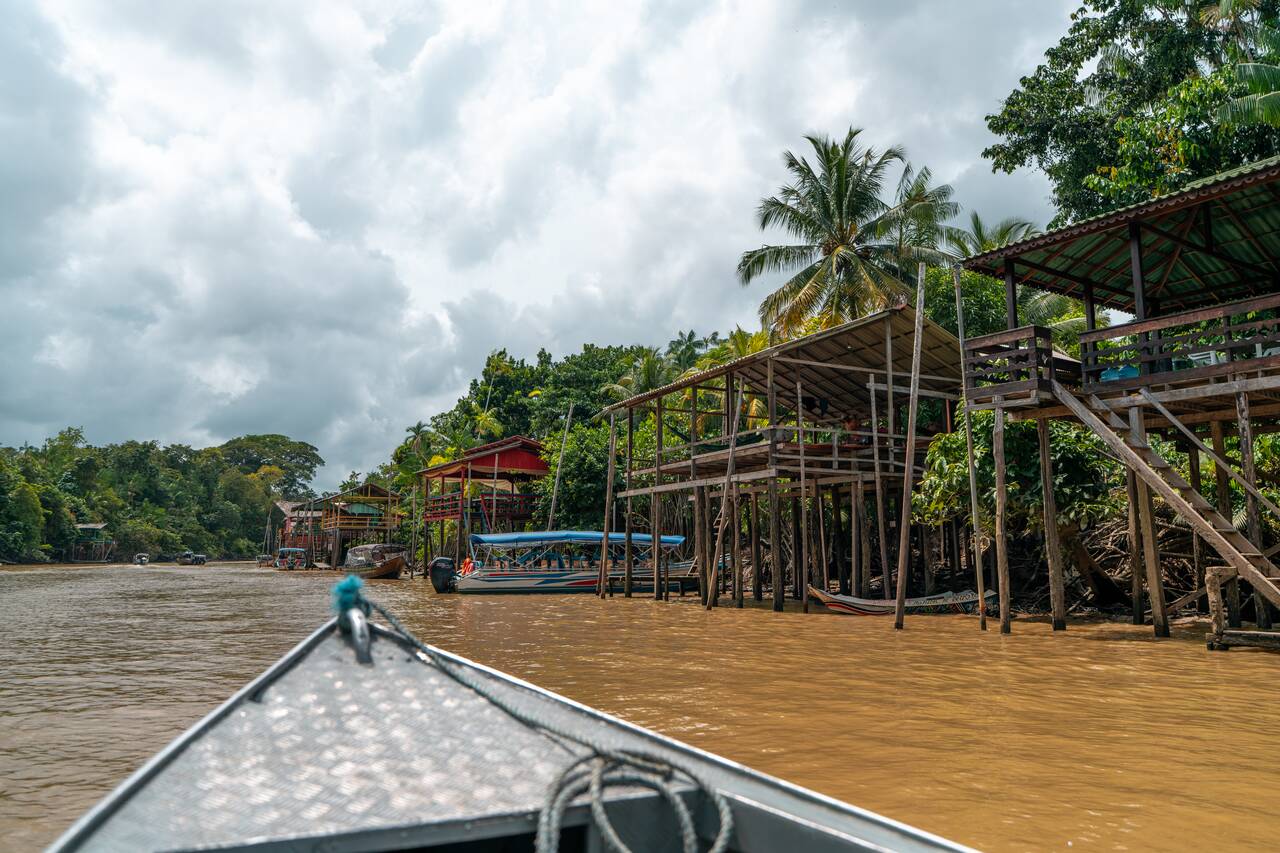
On your second day, take a boat across the river to Ilha do Combu, where you can experience a slice of the Amazon rainforest without venturing far from the city. Spend the day exploring jungle trails, visiting cacao farms, enjoying the peaceful riverside atmosphere, and trying local dishes surrounded by nature. It is easily one of the most memorable experiences you can have in Belém.
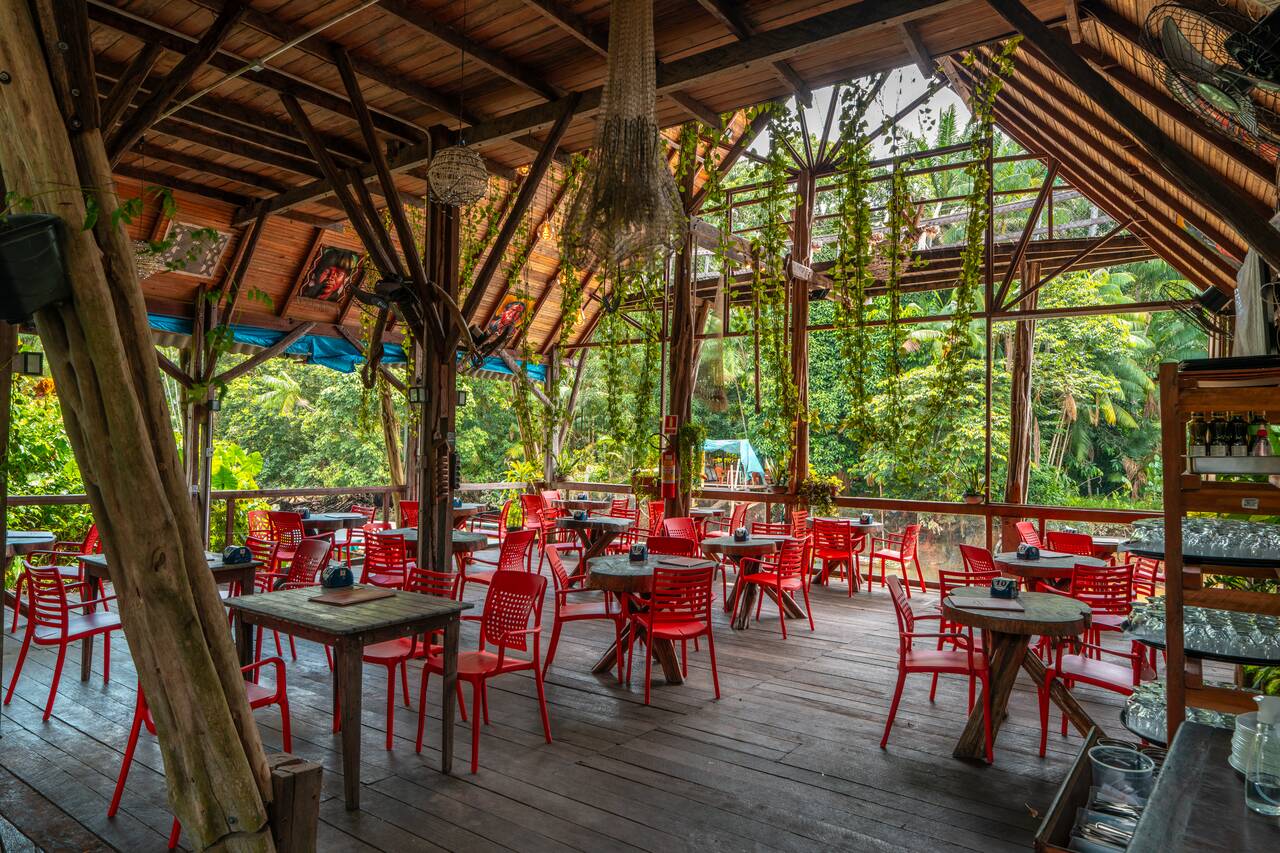
If you are looking for a restaurant where you can spend an entire day, I highly recommend Restaurante Chalé da Ilha, located farther down the river in a quieter part of the jungle. It has a lovely and cozy setting surrounded by peaceful, lush rainforest. You can easily spend the whole day here relaxing, enjoying the scenery, and swimming!
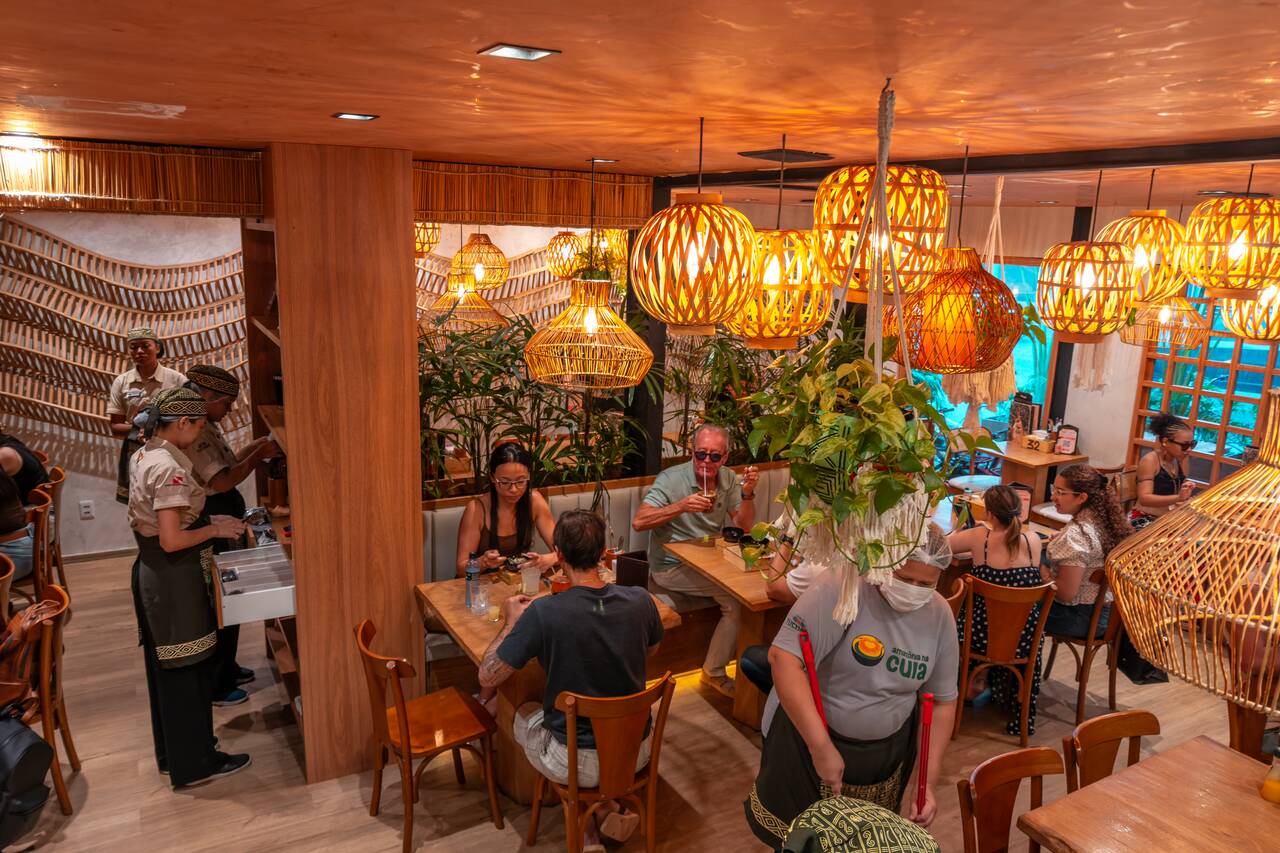
Once you return to the city, spend the rest of the late afternoon exploring places you may have missed, such as the Basilica Sanctuary of Our Lady of Nazareth or the beautiful Theatro da Paz. End your time in Belém with dinner at Amazônia na Cuia, where you can try regional specialties such as pato no tucupi and authentic unsweetened açaí before continuing your journey deeper into the Amazon.



Getting from Belem to Manaus
Getting from Belém to Manaus is easy thanks to several daily flights connecting the two largest cities in the Brazilian Amazon. Both Azul and GOL operate direct flights on this route, with flight times of around 2 hours. Tickets usually cost between 80–150 USD depending on the season and how far in advance you book. Be sure to compare prices on Skyscanner before your trip.
Day 36-40: Manaus & the Amazon (5 nights)
- 📍 Stay: Hotel Saint Paul
- 🕐 Time: 3 nights
- 📖 Full Guide: Best things to do in Manaus: complete guide from a Brazilian’s perspective (via janelasabertas.com)
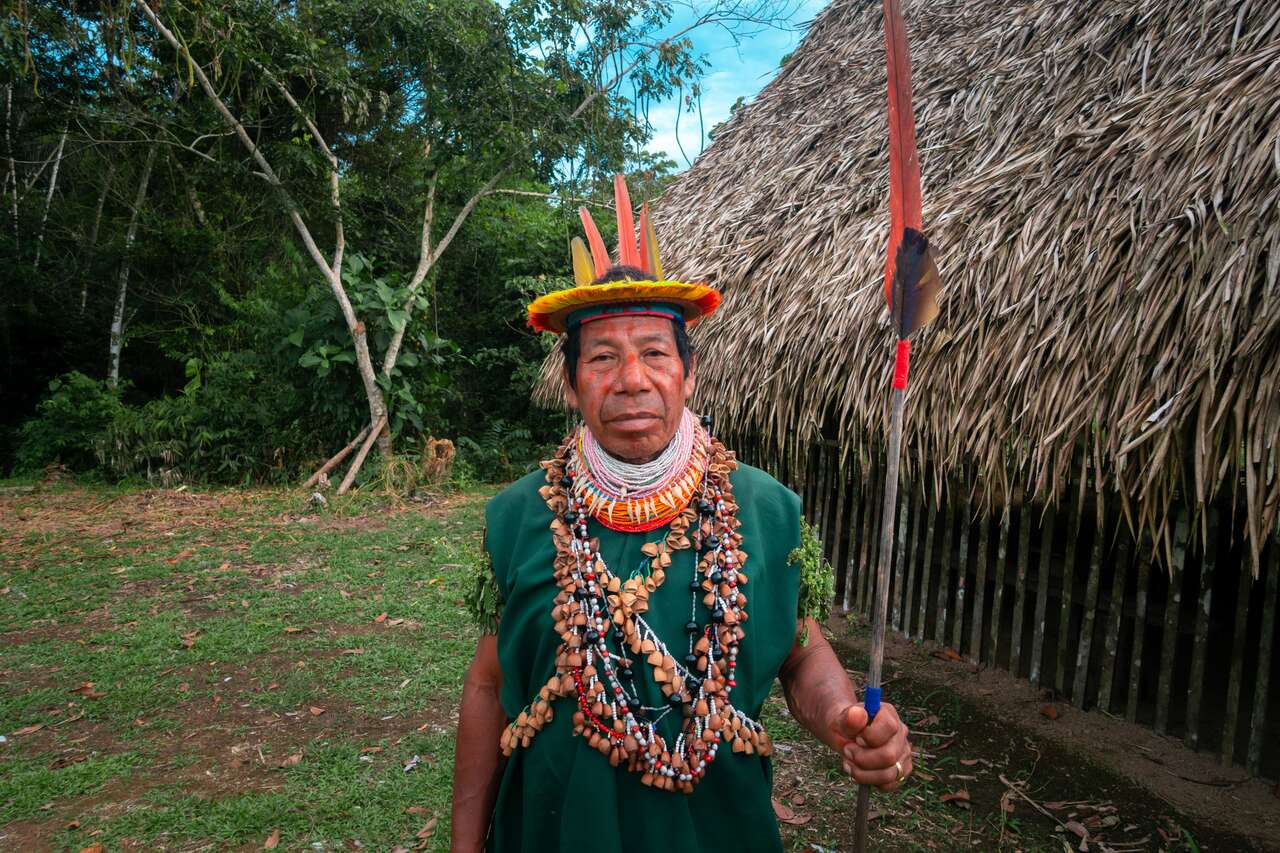
After exploring Brazil's cities, beaches, waterfalls, and national parks, it is finally time for the ultimate Amazon experience. Manaus is the perfect gateway to the world's largest rainforest, and you can spend anywhere from 1 day to 4 days here, depending on how much time you want to dedicate to the Amazon.
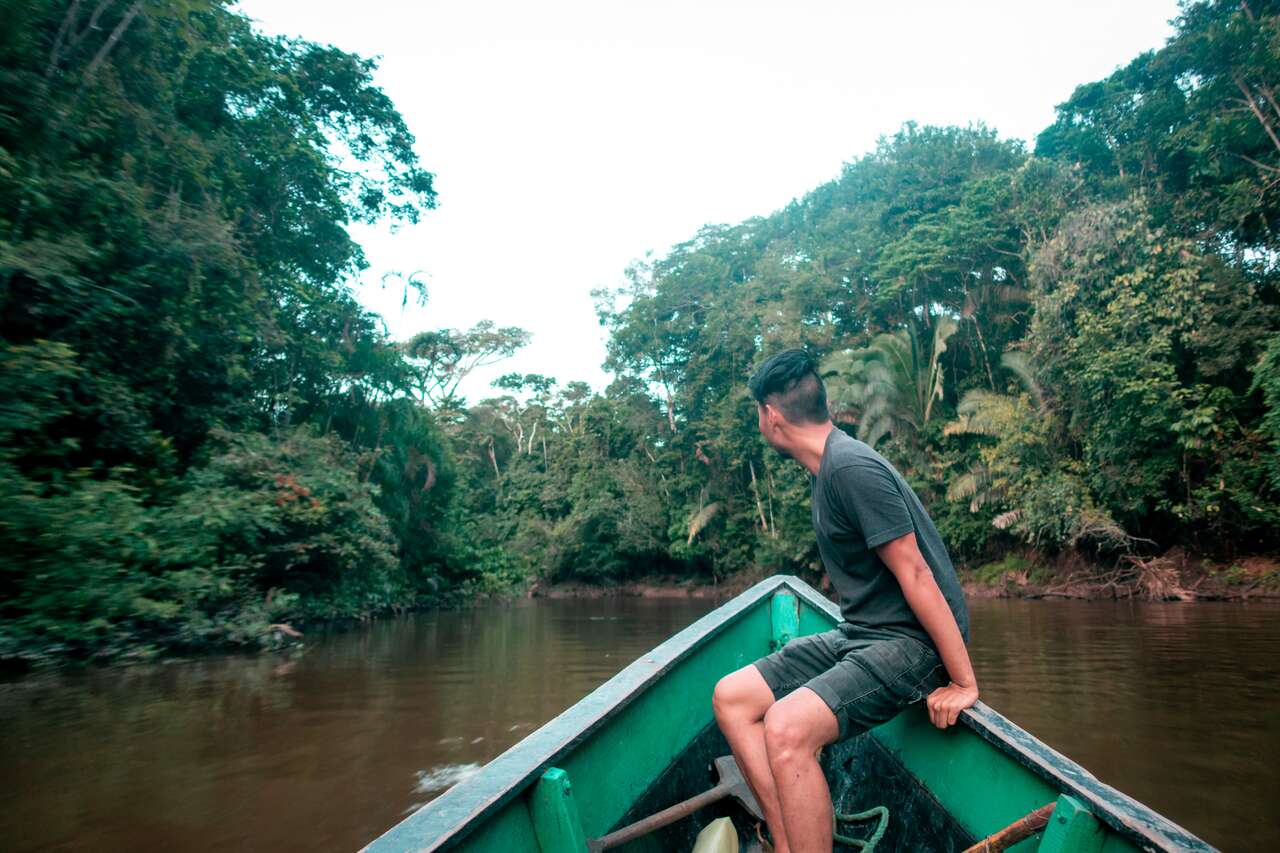
There are many Amazon excursions to choose from, with durations ranging from a single day to 4+ days. Personally, I think 3-day excursions is the sweet spot, as it gives you plenty of time to explore the jungle, learn about its unique ecosystem, visit local riverside communities, experience their way of life, and much more.

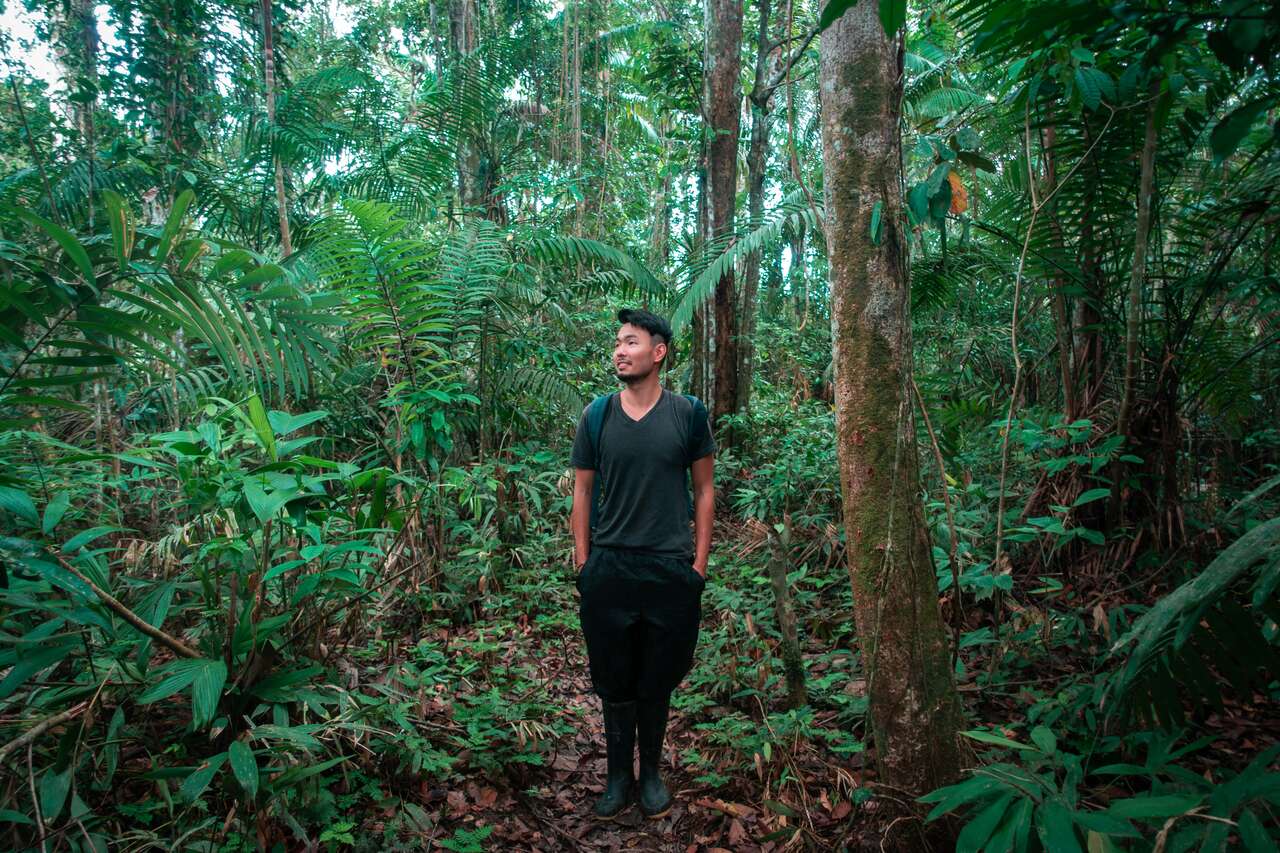
During your time in the rainforest, you will travel by boat along the river, fish for piranhas, search for wildlife, swim in lagoons, and immerse yourself in nature. It is truly a once-in-a-lifetime experience, and hopefully, you will get to see an anaconda as I did 😉.
Once back in Manaus, you can spend the night in the city and fly home the next day. Congratulations, you have completed a one-month (ish) backpacking itinerary across Brazil! Kudos!



When to Visit Brazil?

Brazil is a massive country with several different climate zones, so the best time to visit depends largely on where you plan to go. In general, however, the dry season between May and September is often considered the best time to visit much of the country, with cooler temperatures, lower humidity, and less rainfall.
If you are planning to visit popular destinations such as Rio de Janeiro, São Paulo, Iguazu Falls, or much of southern Brazil, the months between May and September offer nice weather for outdoor activities. This period is especially good for hiking, wildlife spotting, and exploring cities without the intense summer heat.
The summer months between December and March are the busiest time of the year due to school holidays, Christmas, New Year, and Carnival. While the atmosphere can be incredible, especially during Carnival celebrations, expect higher prices, larger crowds, and hotter, more humid weather.
If your trip focuses on the Amazon region, including destinations such as Belém, Manaus, and the surrounding rainforest, the dry season generally runs from June to November. During this time, trails are more accessible, river beaches emerge, and it is easier to explore the jungle on foot. The wetter months between December and May bring heavier rainfall but also higher river levels, making it easier to access certain flooded forest areas by boat.
Overall, Brazil can be visited year-round, but for this itinerary, I recommend planning your trip between June and September, as you will get the best of everything with good weather throughout, and the lagoons in Lençóis Maranhenses should be filled up by then. One thing you will miss, though, is Carnival, which usually takes place around February, so consider the trade-off.
How to Get to Brazil?
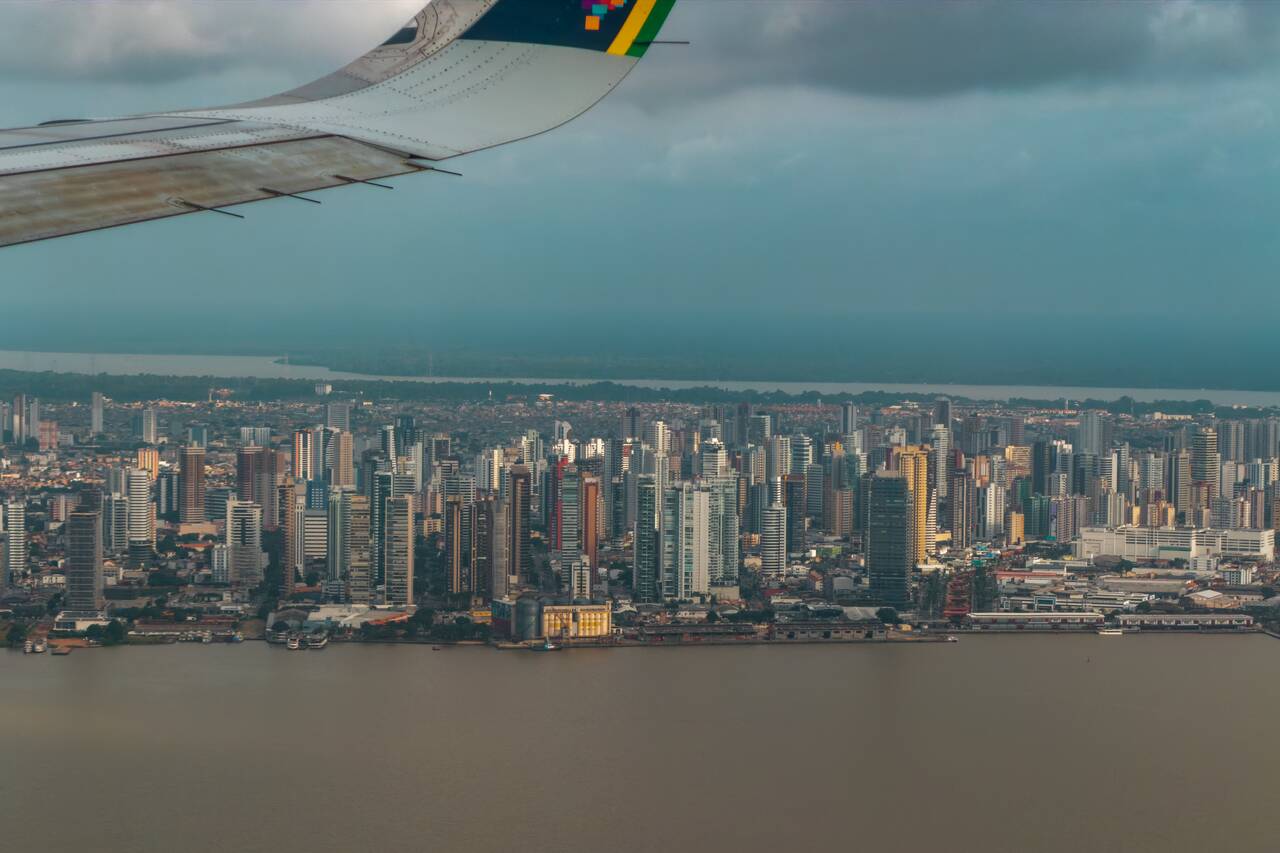
Brazil is well connected to the rest of the world, with several major international airports serving flights from North America, Europe, the Middle East, and other parts of South America. You should have no trouble finding flights from your country to cities like São Paulo or Rio de Janeiro, although other cities such as Brasília, Salvador, Recife, Fortaleza, and Belém also receive international flights.
If you are following this itinerary, the easiest entry point will likely be Rio de Janeiro, where you can explore the city and the beautiful Costa Verde. From there, you can easily fly to Iguazu Falls and then on to Belo Horizonte. Brazil's domestic flight network is extensive, making it relatively easy to travel between major cities and regions.
For those of you coming from neighboring South American countries, overland border crossings are also possible from countries such as Argentina, Uruguay, Paraguay, Bolivia, Peru, Colombia, Venezuela, Guyana, Suriname, and French Guiana, although flying is often much faster due to the country's enormous size.
Once you arrive in Brazil, domestic flights are generally the most efficient way to cover long distances. While long-distance buses are available and often comfortable, travel times can be extremely long, especially when moving between different regions of the country.
For the best flight deals, I recommend using flight comparison websites such as Skyscanner or Expedia to compare routes and prices before booking.
How to Get Around Brazil?
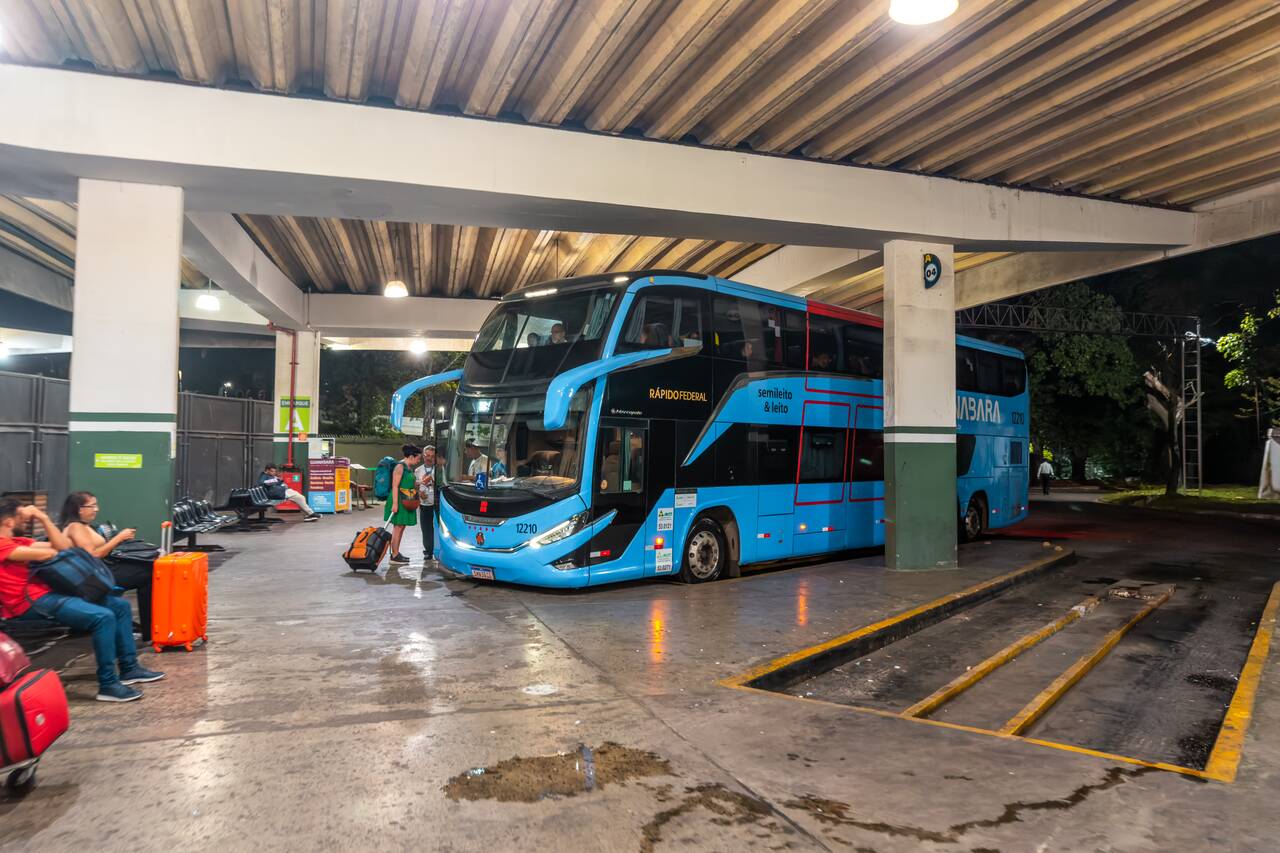
Brazil is a massive country, so getting around often involves a combination of domestic flights, long-distance buses, and the occasional ferry.
Domestic Flights: For this itinerary, we will be flying quite a bit between major destinations. Brazil has an extensive air network served by airlines such as LATAM, Gol, and Azul, and it is often possible to find reasonably priced flights if you book in advance. Considering the size of the country, flying will save you a tremendous amount of time compared to traveling overland.
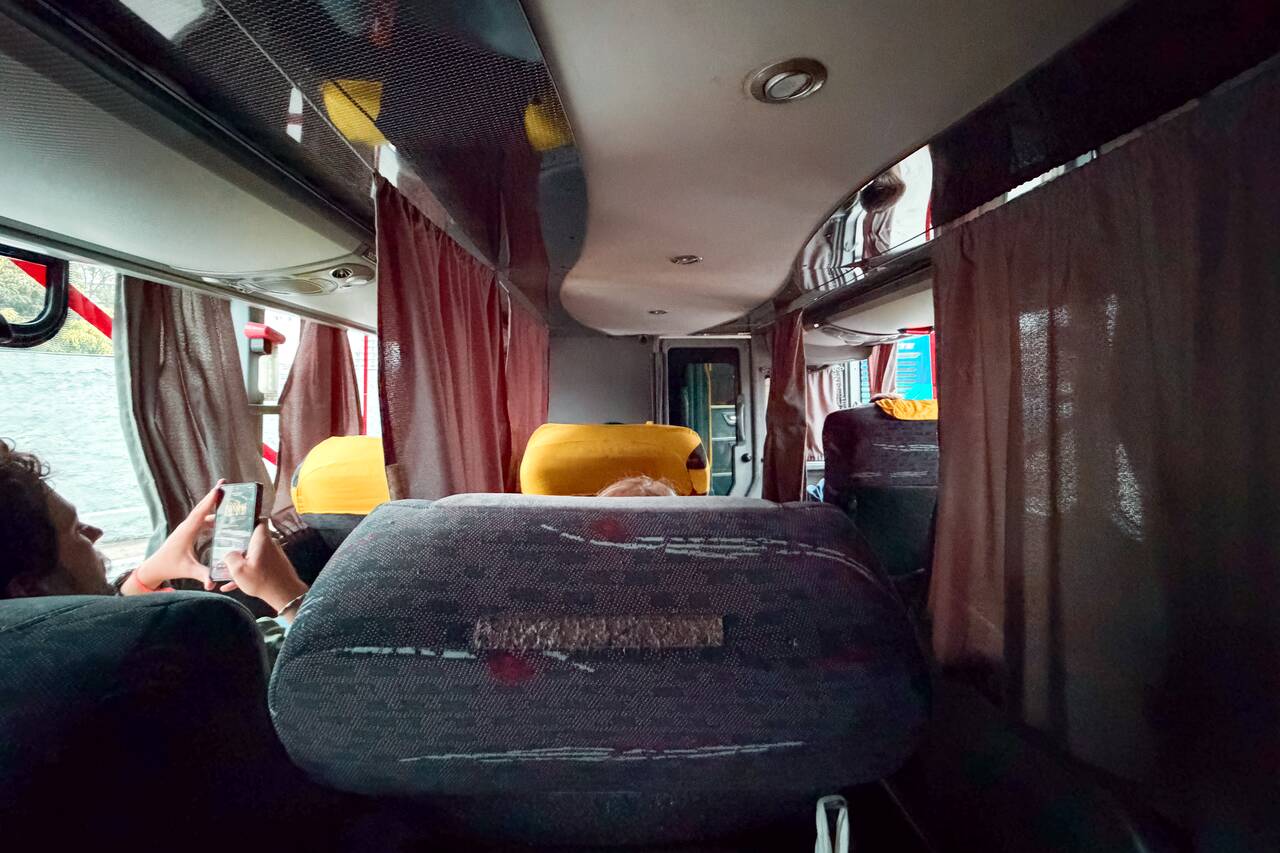
Buses: Long-distance buses are another popular way to travel around Brazil. The buses are generally comfortable, reliable, and often feature reclining seats for overnight journeys. They are usually much cheaper than flying, although travel times can be extremely long. A route that takes a couple of hours by plane can easily turn into a 20-hour bus journey.
Boats & Ferries: In the Amazon region, boats and ferries also play an important role in transportation. Destinations such as Ilha do Combu, river communities, and some remote towns can only be reached by water.
Uber (within cities): Within cities, I mostly use Uber, which is widely available in major urban areas, very safe, and often surprisingly affordable. For shorter distances, walking is usually the best way to explore historic centers and neighborhoods, although the tropical heat can be intense in places like Belém and São Luís. Avoid walking between neighborhoods at night!
For this itinerary, I relied on a mix of long-distance buses and domestic flights to travel between major destinations. Between Rio de Janeiro, Iguazu Falls, Belo Horizonte, Salvador, São Luís, Belém, and Manaus, we will be flying domestically, while for shorter journeys to destinations such as Paraty, Ouro Preto, Chapada Diamantina, and Lençóis Maranhenses, we will be using public buses.
How Much Money Do I Need For One month in Brazil?
From this one-month itinerary (40 days, more like), we can calculate approximately how much money you will be spending here (on average) as follows:
| 🛌 Lodging: | 820 USD (20 USD/Day) |
| 🥘 Food: | 840 USD (21 USD/Day) |
| 🚗 Transportation: | 955 USD (23.88 USD/Day) |
| 🧗 Activities: | 900 USD (22.5 USD/Day) |
| 💰 Total Budget: | 3,515 USD (87.87 USD/Day) |
Is it Safe in Brazil?
Brazil often gets a bad reputation when it comes to safety, but after spending more than a month traveling around the country, I found that it is generally safe to visit as long as you take the usual precautions and stay aware of your surroundings.
Like anywhere else, some areas are safer than others. Large cities such as Rio de Janeiro, São Paulo, Salvador, Belém, and Manaus all have neighborhoods where you should be extra cautious, especially at night. Petty crimes such as pickpocketing, bag snatching, and phone theft are far more common than violent crime for most travelers, so avoid displaying expensive valuables and be mindful when using your phone in public.
One thing I noticed throughout Brazil is that locals are often quick to warn you if you are doing something risky. More than once, I had people tell me to put away my camera, avoid certain streets, or be careful in specific areas. If a local gives you advice, I highly recommend listening to it.
For transportation, I generally relied on Uber in larger cities, especially after dark. It was affordable, convenient, and often felt safer than walking through unfamiliar neighborhoods at night. During the day, I had no issues exploring historic centers, markets, and tourist attractions on foot.
As for this itinerary, I never experienced any serious problems beyond a few warnings from locals and the occasional uncomfortable area. By using common sense, avoiding deserted streets at night, keeping valuables out of sight, and staying aware of your surroundings, you should have no trouble enjoying everything Brazil has to offer.
Overall, I would not let safety concerns stop you from visiting Brazil. It is an incredible country with amazing people, stunning landscapes, and some of the most memorable travel experiences I have ever had.
Which tourist SIM card is best for Brazil?
For most of you visiting Brazil, I recommend getting an eSIM before you arrive, as it is by far the easiest way to stay connected without having to deal with local registration requirements or finding a physical SIM card after landing.
If your phone supports eSIMs, providers such as Airalo or Trip.com offer data plans that work throughout Brazil and can be activated within minutes. I personally find eSIMs to be the most convenient option, especially if you are visiting multiple countries during the same trip.
If you prefer getting a local SIM card, the main mobile operators in Brazil are Vivo, Claro, and TIM. Vivo generally has the best coverage across the country, especially in smaller towns and more remote areas, while Claro and TIM also offer extensive networks in major cities and tourist destinations.
Keep in mind that purchasing a local SIM card in Brazil can sometimes be a little complicated for foreign tourists, as some plans require a Brazilian CPF (tax identification number) for registration. Because of this, many travelers find eSIMs to be the easier and less stressful option.
Mobile coverage is generally excellent in cities such as Rio de Janeiro, Salvador, Belém, and Manaus. However, if you plan to spend time deep in the Amazon or in very remote parts of the country, expect coverage to become limited or disappear entirely.
For more information about Brazil's local SIM card: Brazil's Prepaid Data SIM Card.
Tips: To stay connected with people at home, make sure that you have a VPN, such as ProtonVPN, installed before traveling. It's FREE, and you can gain access to services that may be blocked in certain countries.
Disclaimer: This post may contain affiliate links. See our disclosure policy.
First Published:
Last updated: