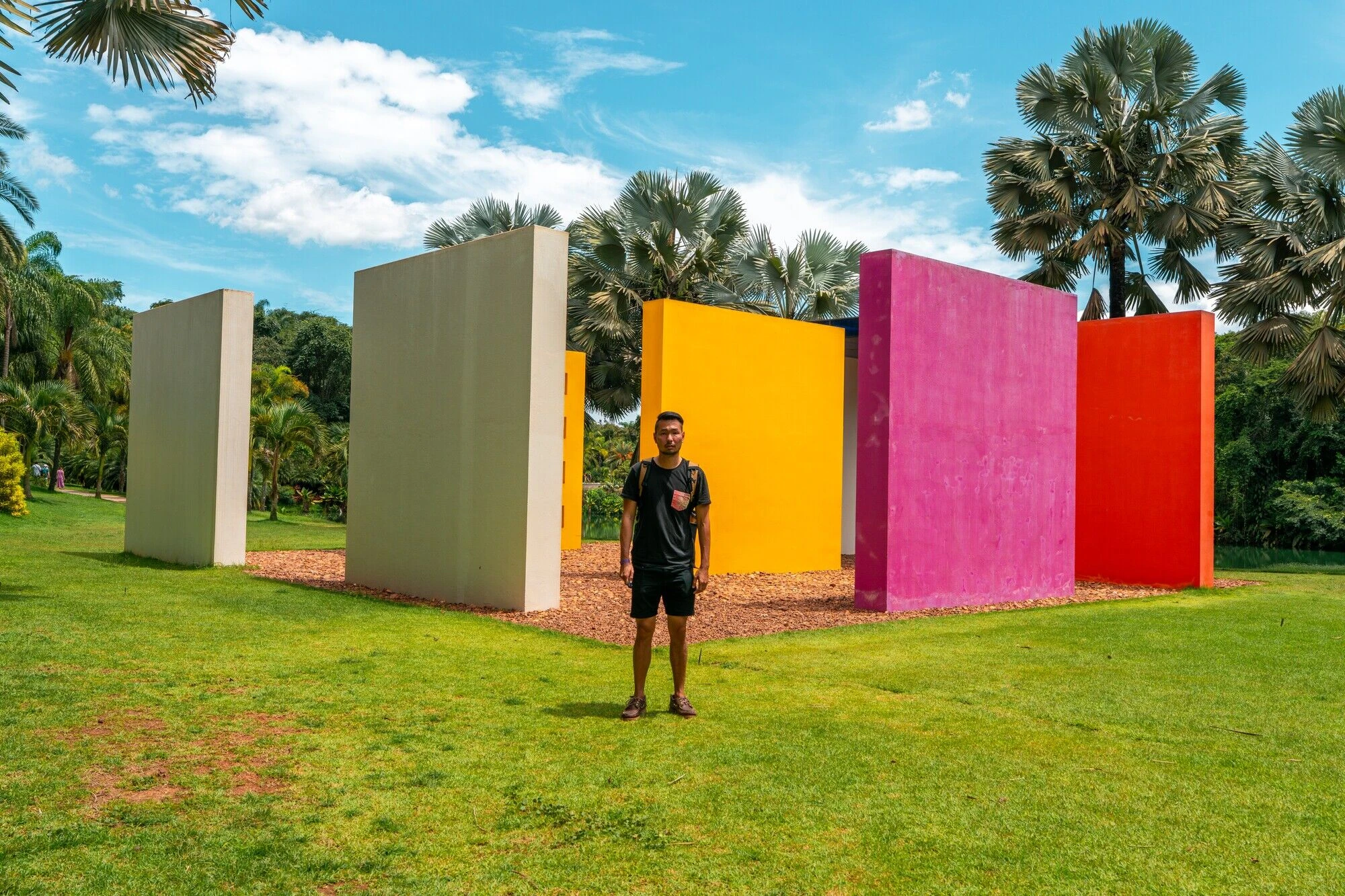



If there is one reason to travel all the way to Belo Horizonte in Minas Gerais, it is Inhotim, one of the best art museums in the world that is part contemporary art museum, part botanical garden, and part open-air park. In all my years of travel, I have never seen anything quite like it!
One moment, you are standing inside a room surrounded by Yayoi Kusama's mesmerizing lights. The next, you are listening to sounds from deep beneath the Earth's surface, exploring a giant steel-and-glass dome hidden in the woods, or stumbling upon a swimming pool designed to look like a telephone directory.
Here, the entire landscape becomes part of the museum experience. Galleries are hidden among forests, lakes, gardens, and hills, encouraging you to slow down, wander, and discover things at your own pace.
I spent a full day exploring Inhotim and managed to visit most of the highlights featured in this guide. In this article, I will share my favorite galleries and installations, along with practical tips on how to get there, how much time you need, and how to make the most of your visit.
The Official Map & Walking Routes in Inhotim
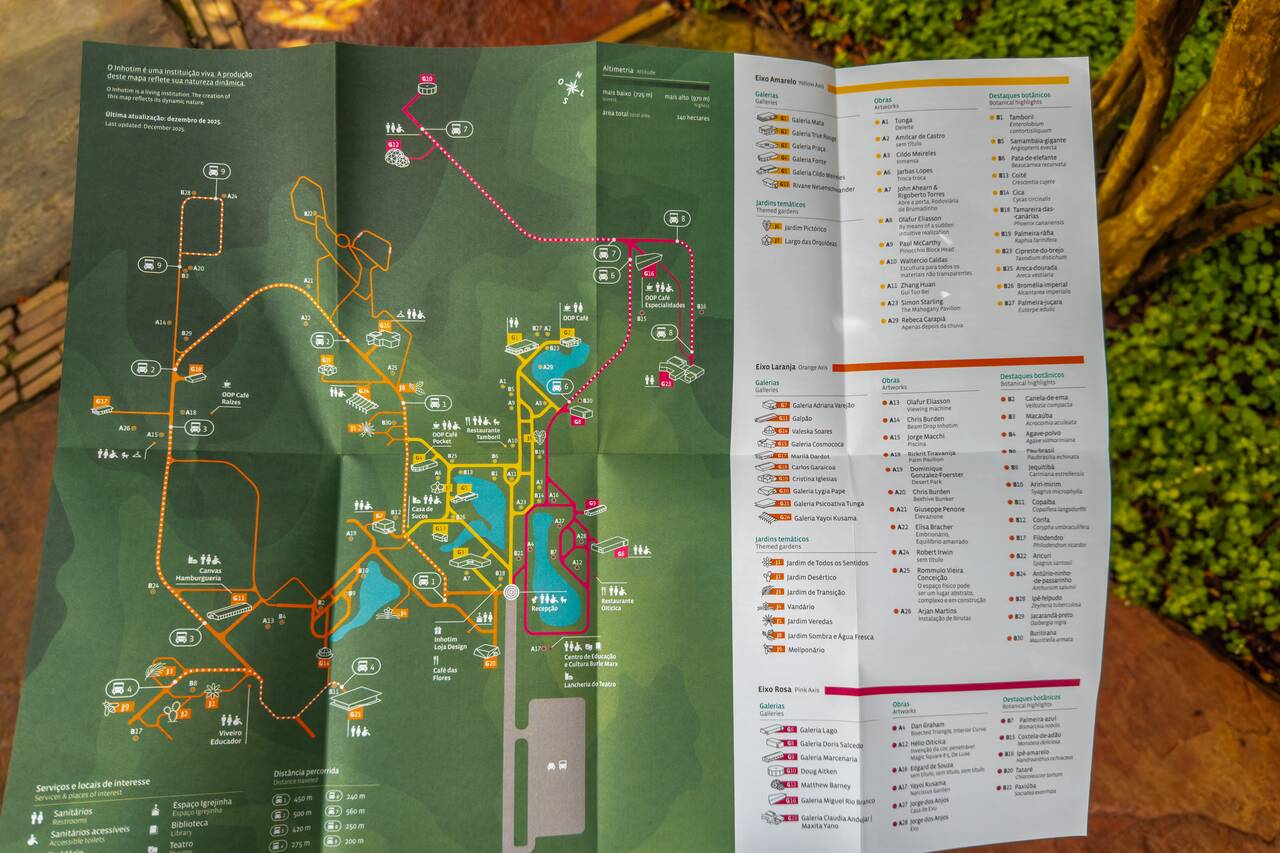
Above is the official map I received during my visit to Inhotim. It includes all the galleries, walking routes, shuttle stops, restaurants, restrooms, and other useful points of interest to help you navigate the park.
Map of My Favorite Galleries at Inhotim
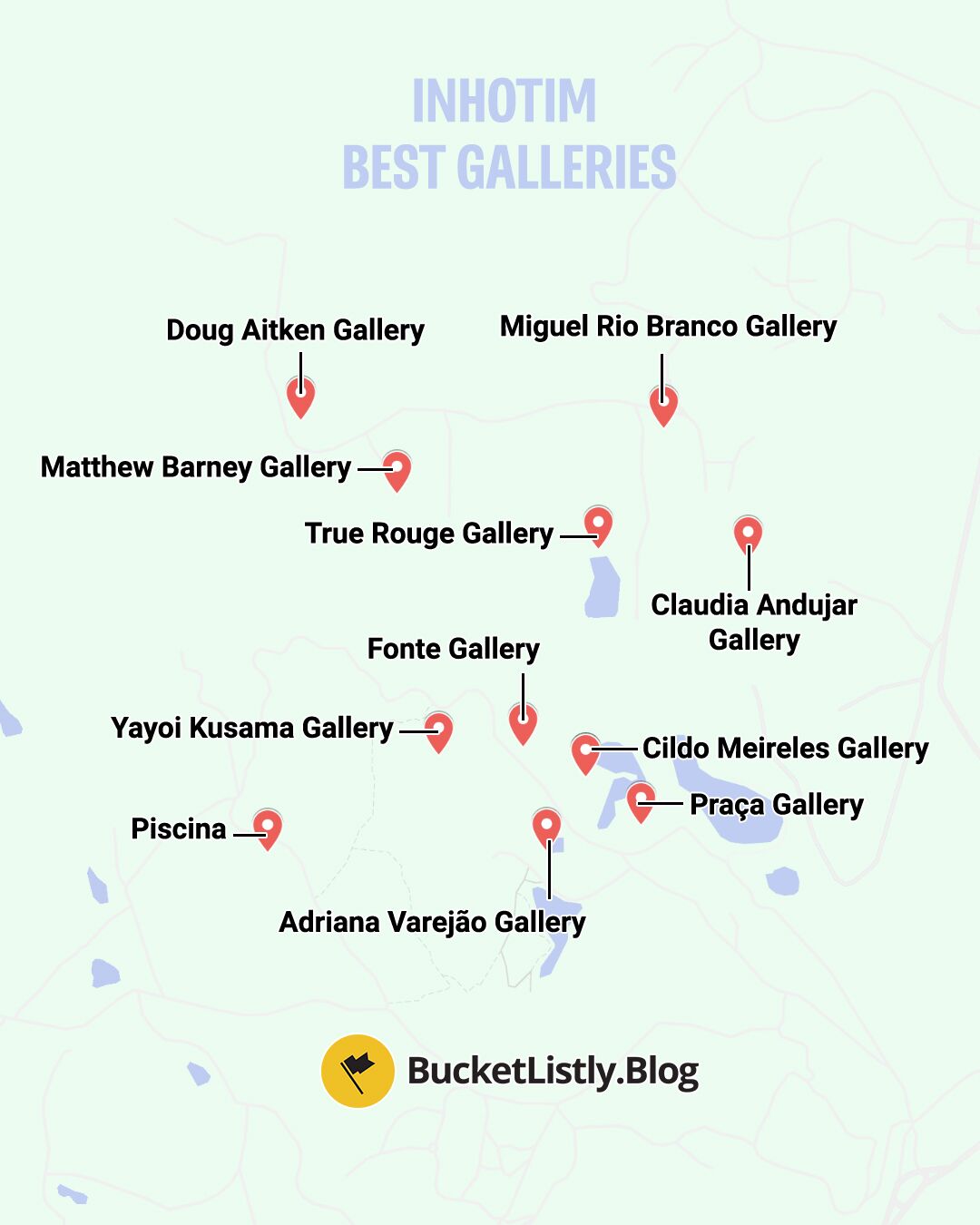
If you are short on time, here are some of my favorite galleries at Inhotim, all mapped out for you above. These are the galleries that impressed me the most during my visit, and if you only have one day at Inhotim, I would recommend focusing on these highlights.
8 Galleries I Think Are Worth Visiting at Inhotim (In Walking Order)
1. Cildo Meireles Gallery
- 📍 Location: Cildo Meireles Gallery [Map Link]
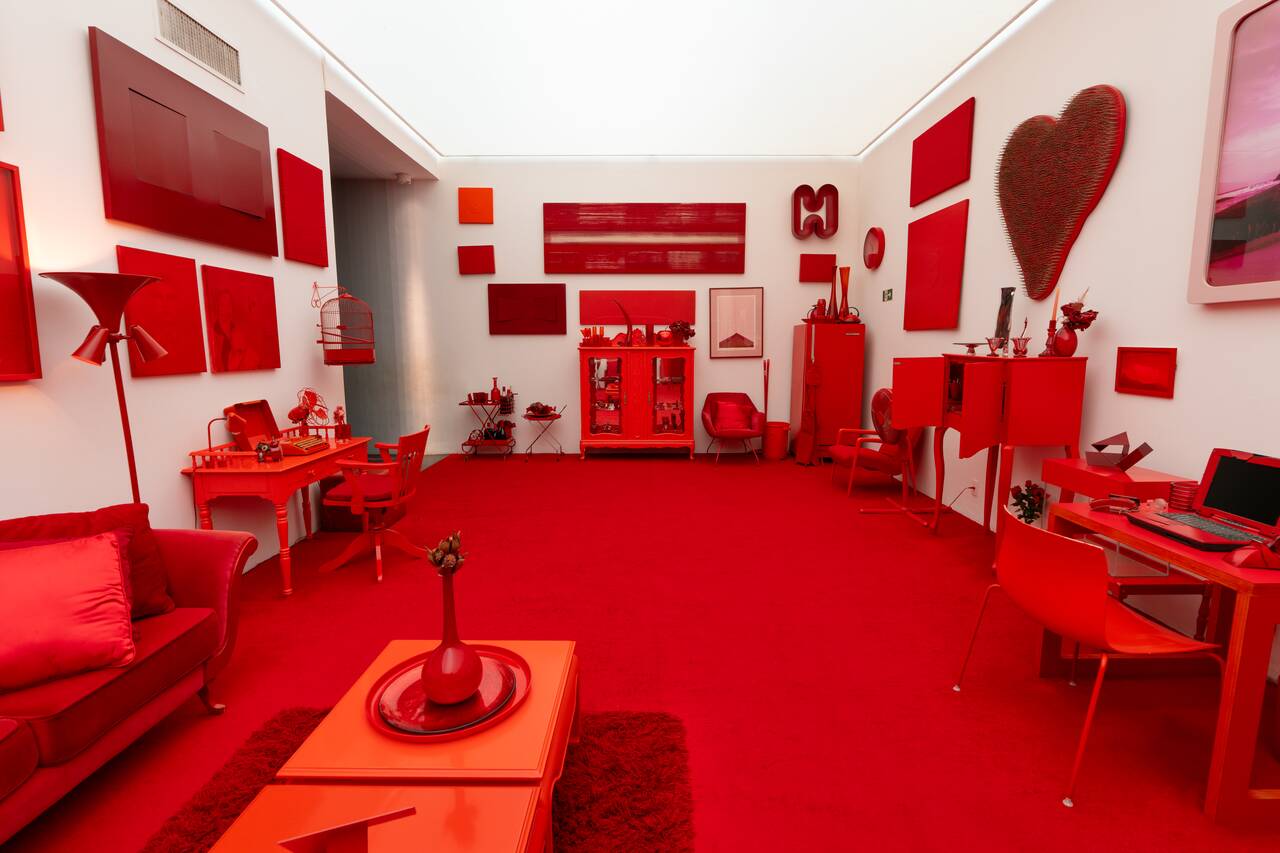
Let's begin with one of the most memorable galleries I visited at Inhotim, Cildo Meireles Gallery, a gallery dedicated to the work of one of Brazil's most influential contemporary artists, housing several large-scale installations, with my favorite one being the "Red Room".
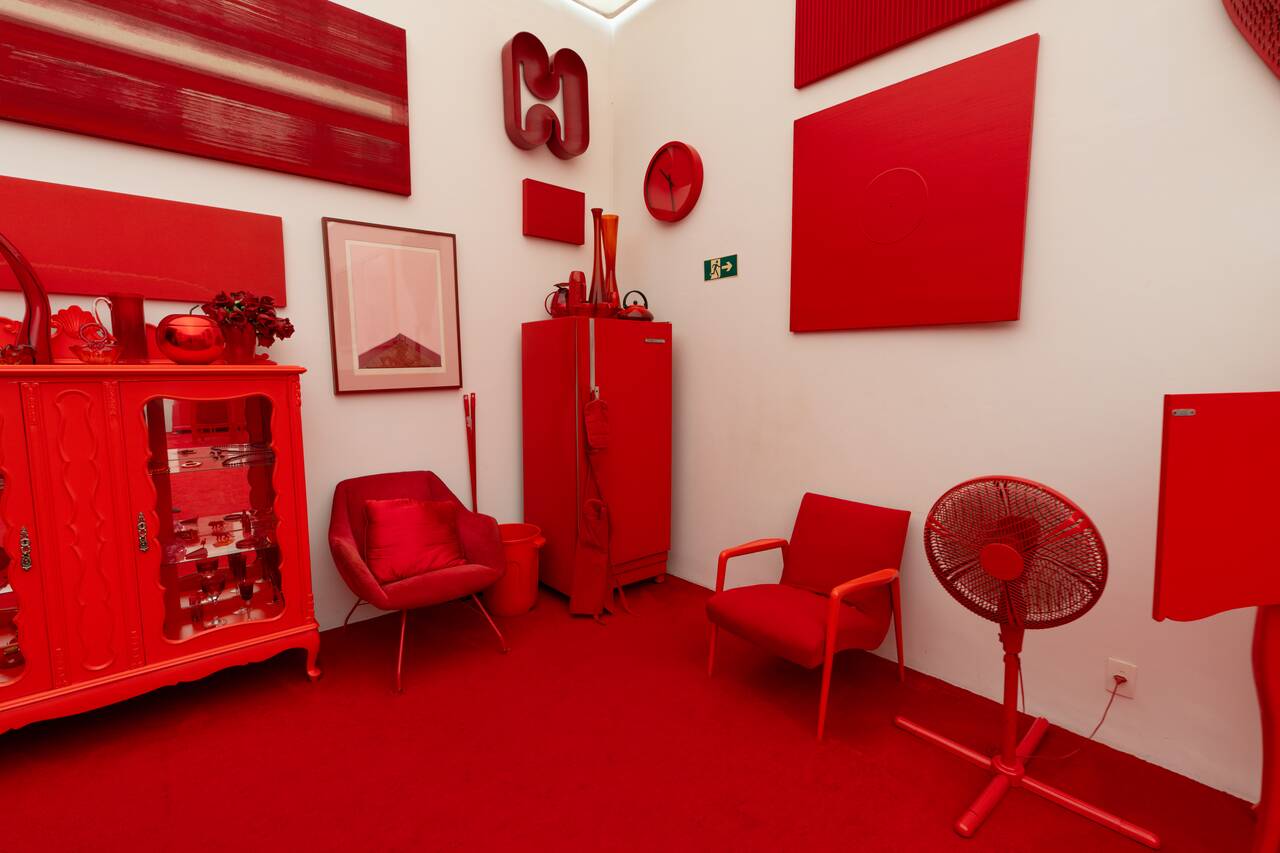
Desvio para o Vermelho (Red Shift), or as I like to call it, "the Red Room", is a fascinating multi-room installation where everyday objects are arranged in increasingly intense shades of red.

As you wander through the rooms, an unsettling feeling slowly creeps in, although it is hard to pinpoint exactly why. Seeing everything around you, even the items inside the refrigerator, painted in the same deep crimson red makes for one of the most surreal and unsettling experiences in Inhotim.
- Inhotim Museum Entry Ticket 🏅 Top Pick
- Inhotim Museum Bus Transfer (7:30 AM - 4:30 PM) 🏅 Top Pick
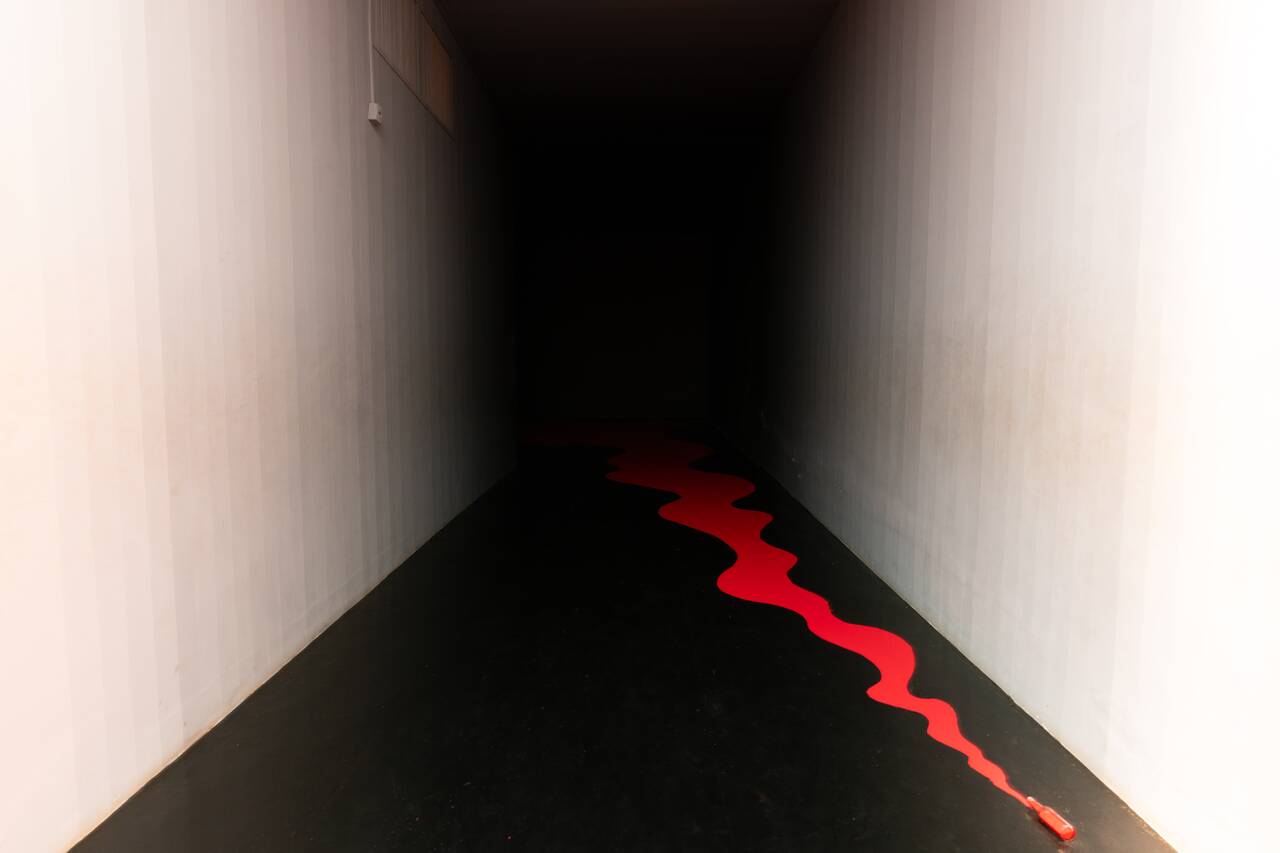
Make sure you walk all the way to the final room at the back. The space is almost completely dark, with a tilted sink as the centerpiece, softly illuminated, and water continuously flowing from the faucet.

As you approach, you will notice that the water is deep red, accompanied by the sound of it rushing down the drain. To be honest, the whole scene feels strangely unsettling and surreal, but that is exactly the kind of emotion a great art installation should evoke. It is one of those experiences that is difficult to put into words. You just have to see it in person to fully appreciate it.
2. Adriana Varejão Gallery
- 📍 Location: Adriana Varejão Gallery [Map Link]
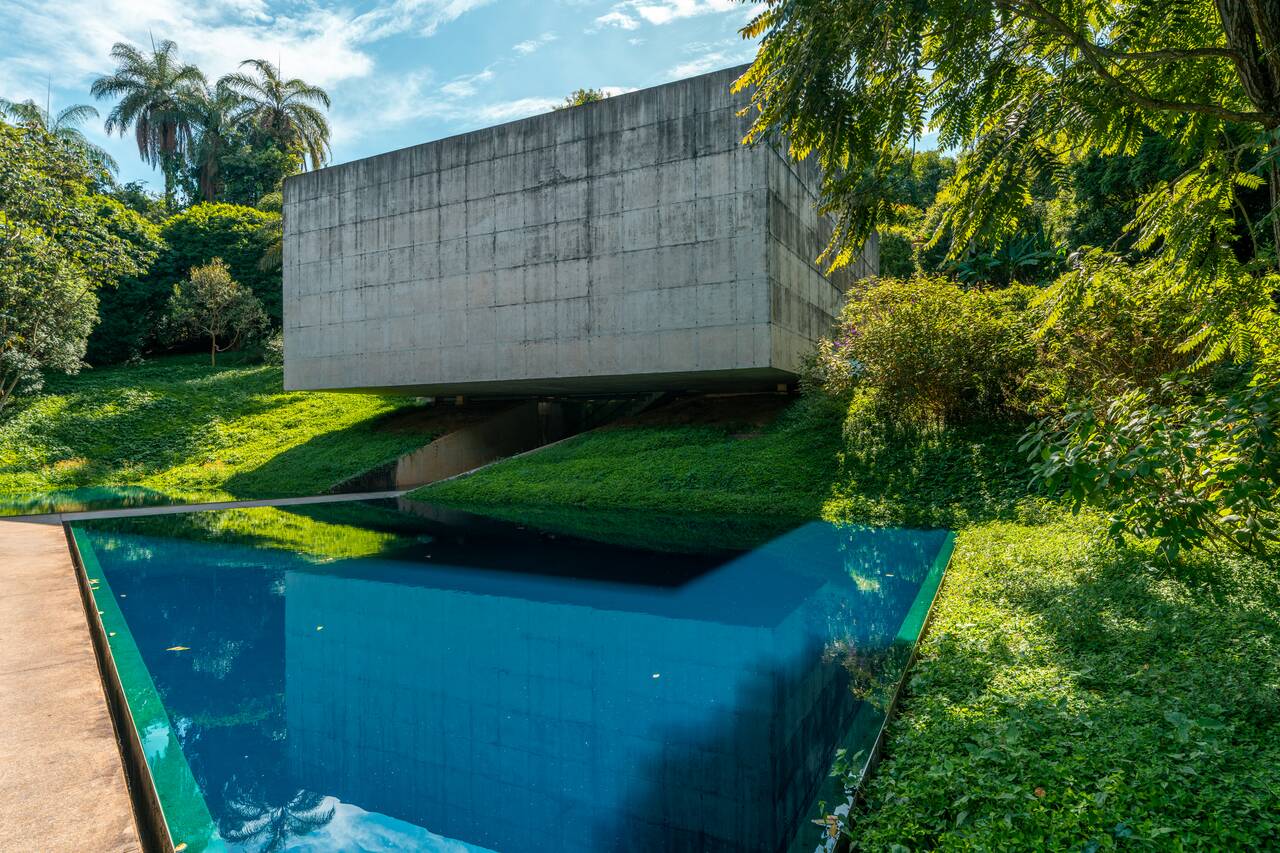
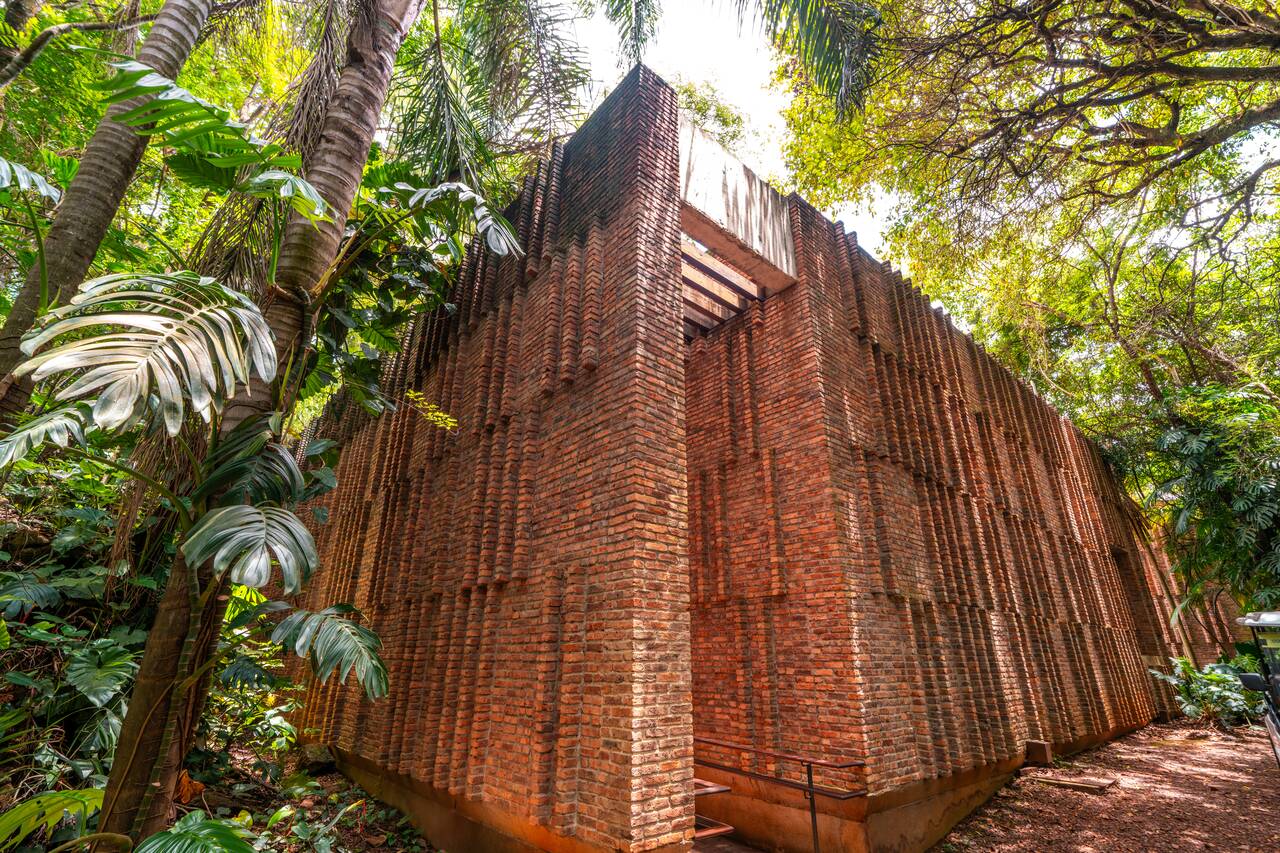
Right next to the entrance, you will find Adriana Varejão Gallery, home to several striking works by one of Brazil's most celebrated contemporary artists, housed inside one of the museum's most iconic buildings.
The gallery itself is a work of art. Designed with clean modern lines and surrounded by a reflective pool of water, the building somehow manages to make Brutalist architecture feel warm, inviting, and, dare I say, cozy? How is that even possible?
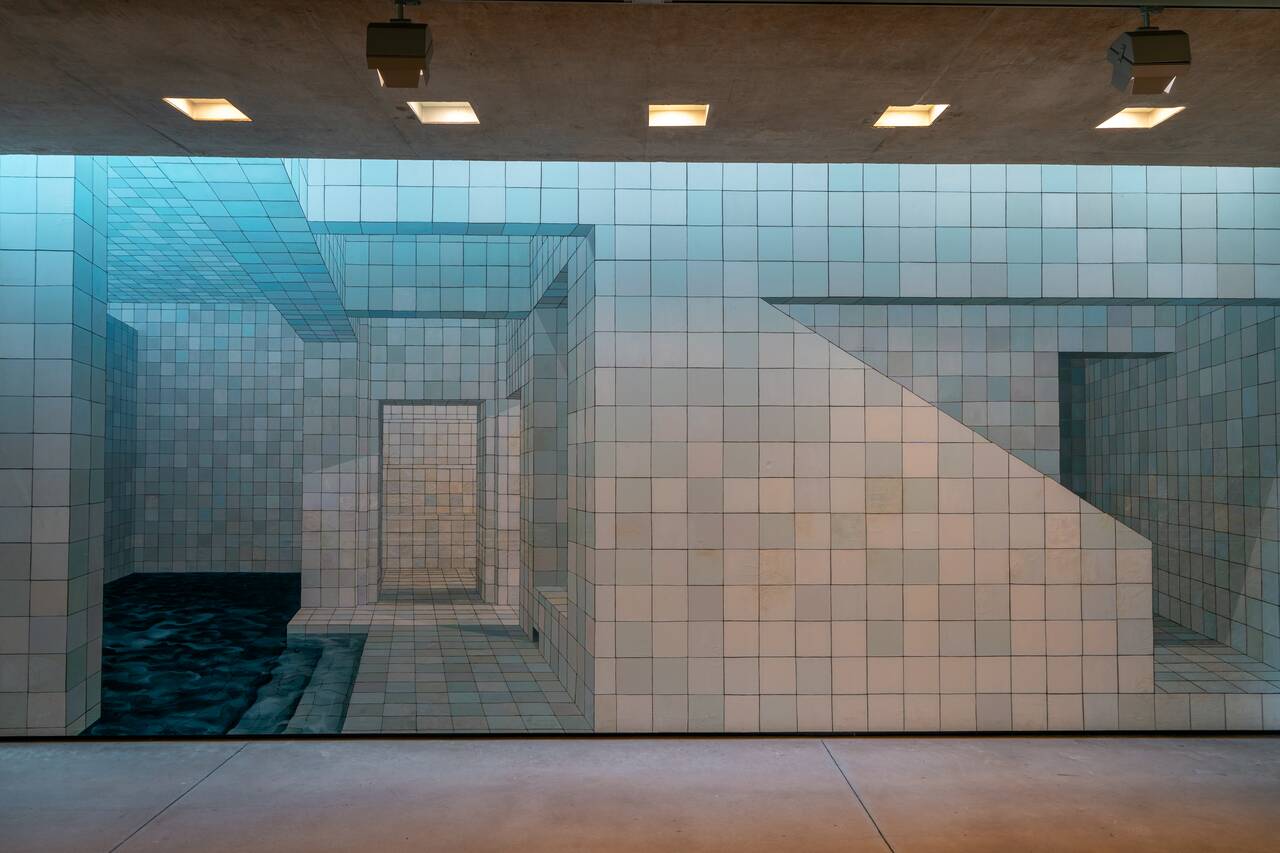
Inside, you will find several of Adriana Varejão's large-scale works exploring themes of Brazilian history, colonialism, identity, and cultural mixing. Her pieces are often beautiful at first glance but reveal something much deeper and sometimes unsettling the longer you look at them.

My favorite work here was Celacanto Provoca Maremoto, a massive installation covered in thousands of hand-painted blue tiles inspired by traditional Portuguese azulejos. The gallery itself has multiple levels and sections, so be sure to explore it thoroughly and do not rush through it.
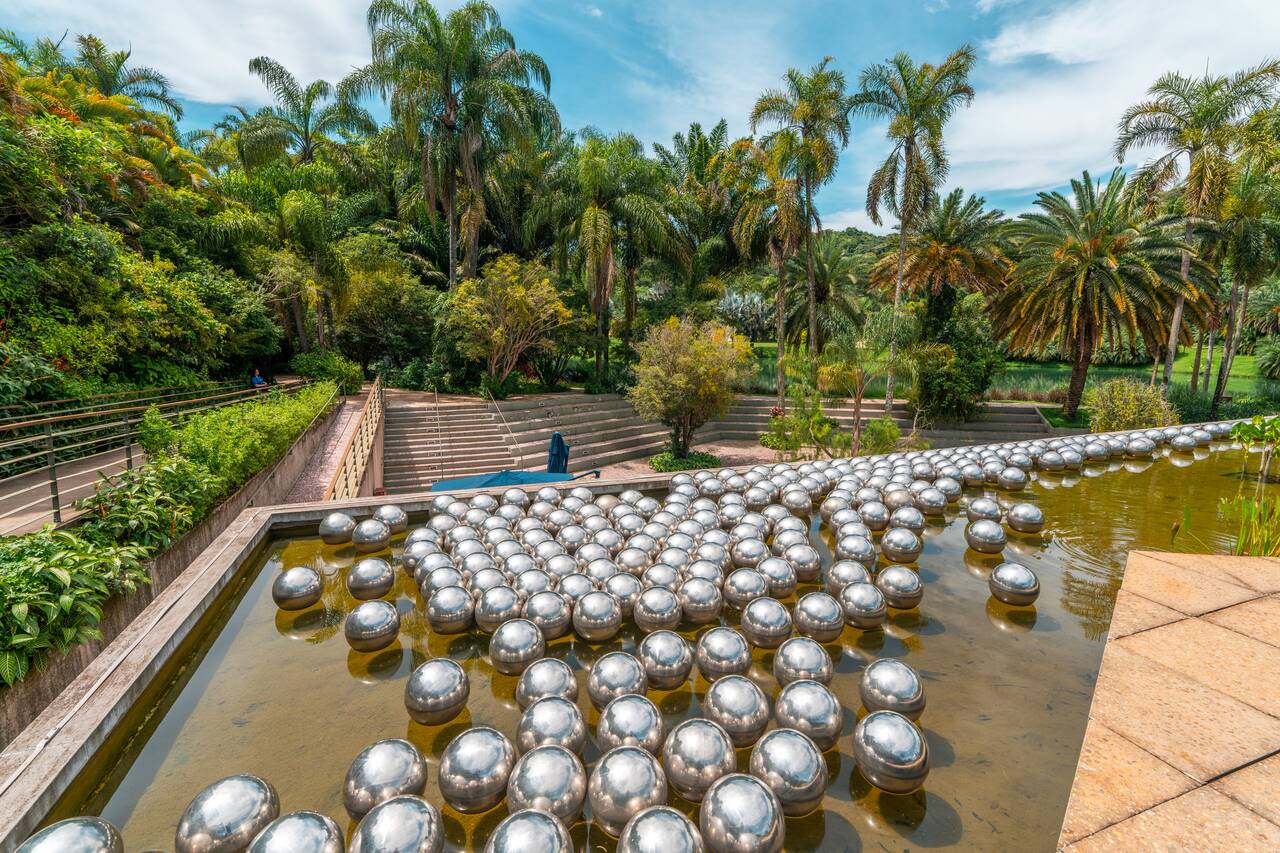
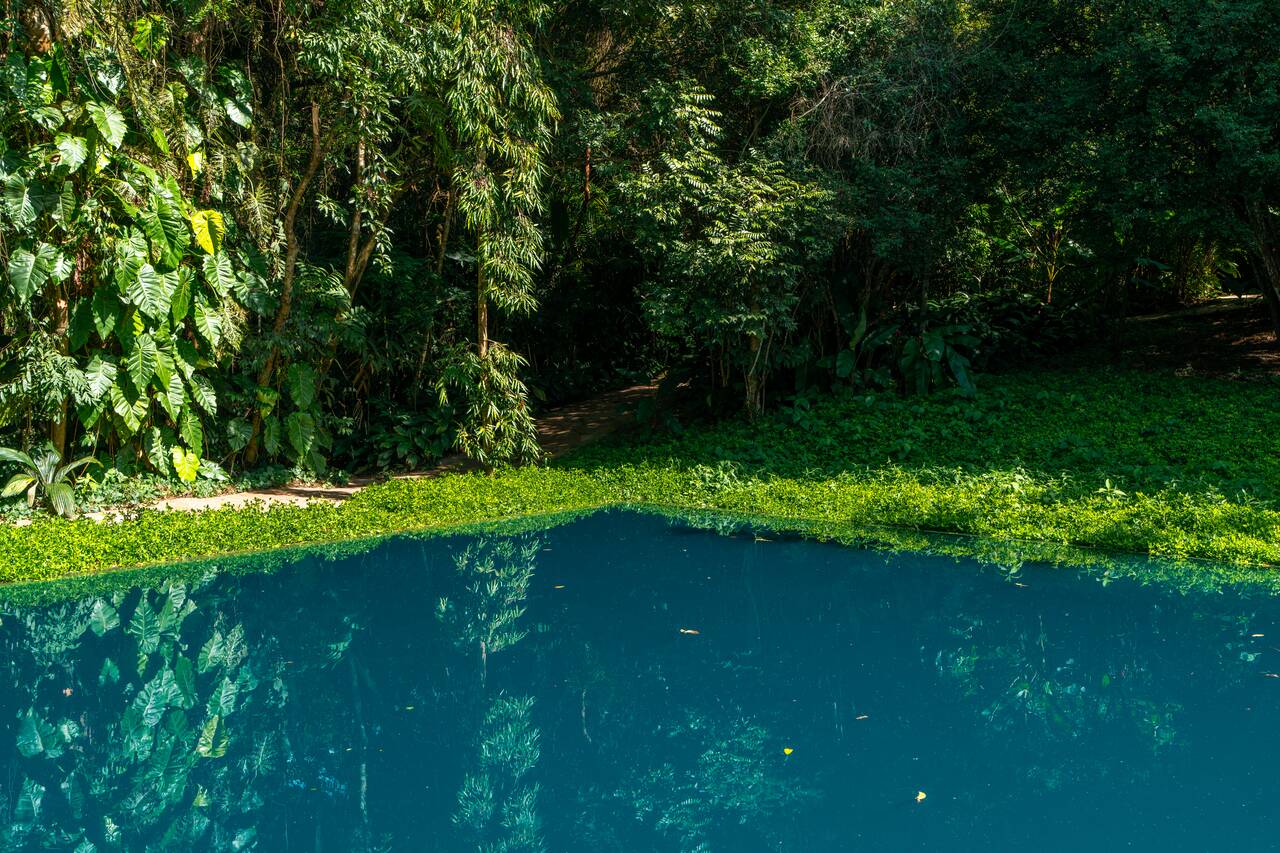
Before leaving, take some time to walk around the reflecting pool outside. It is one of the most beautiful corners of Inhotim and a perfect place to pause and take in the surroundings before continuing your exploration of the park.
3. Yayoi Kusama Gallery
- 📍 Location: Yayoi Kusama Gallery [Map Link]
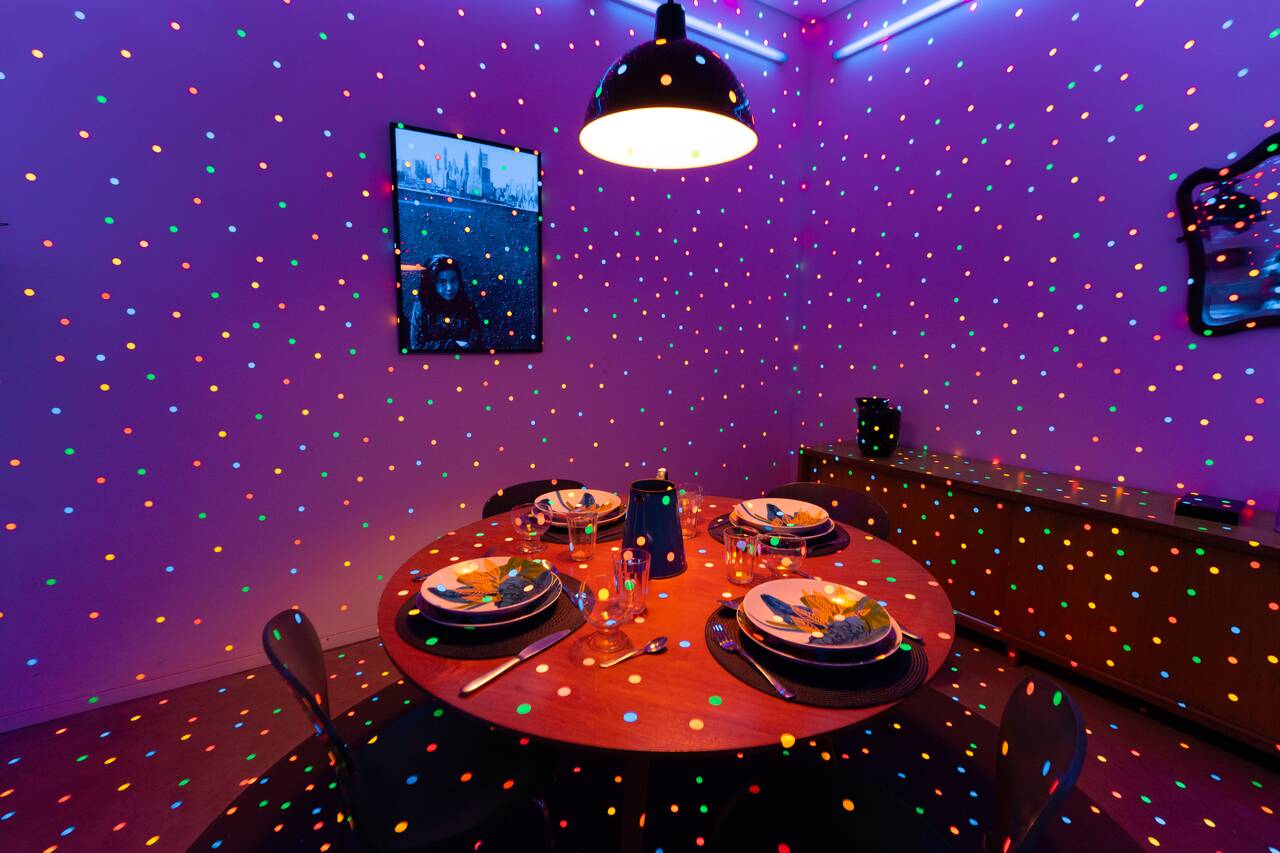
If you are a fan of contemporary art, chances are you have already heard of Yayoi Kusama, the legendary Japanese artist known for her iconic polka dots and immersive installations. At Yayoi Kusama Gallery, you can experience some of her most famous works, like Fireflies on the Water and Dots Obsession.
The gallery is divided into two sections, each dedicated to one of Kusama's most famous works. When I visited, the Fireflies on the Water installation was on display, featuring mirrored walls, a shallow pool of water reflecting the space, and around 150 hanging LED lights inside a small dark room. It was incredible!

The moment the staff closed the door, we were plunged into complete darkness. Then the lights came on, and suddenly it felt as if we were standing beside a lake at night, surrounded by thousands of glowing fireflies stretching endlessly into the distance. It was absolutely incredible.
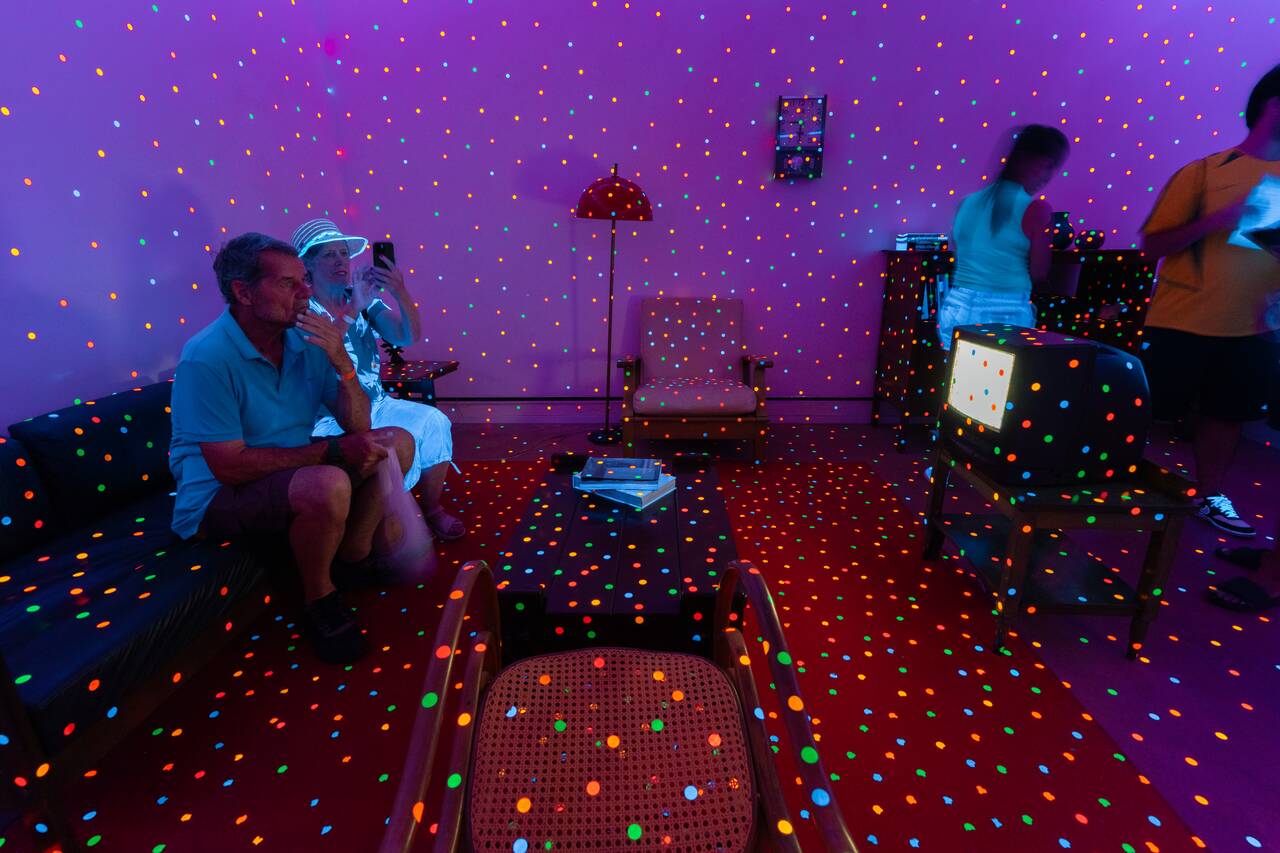
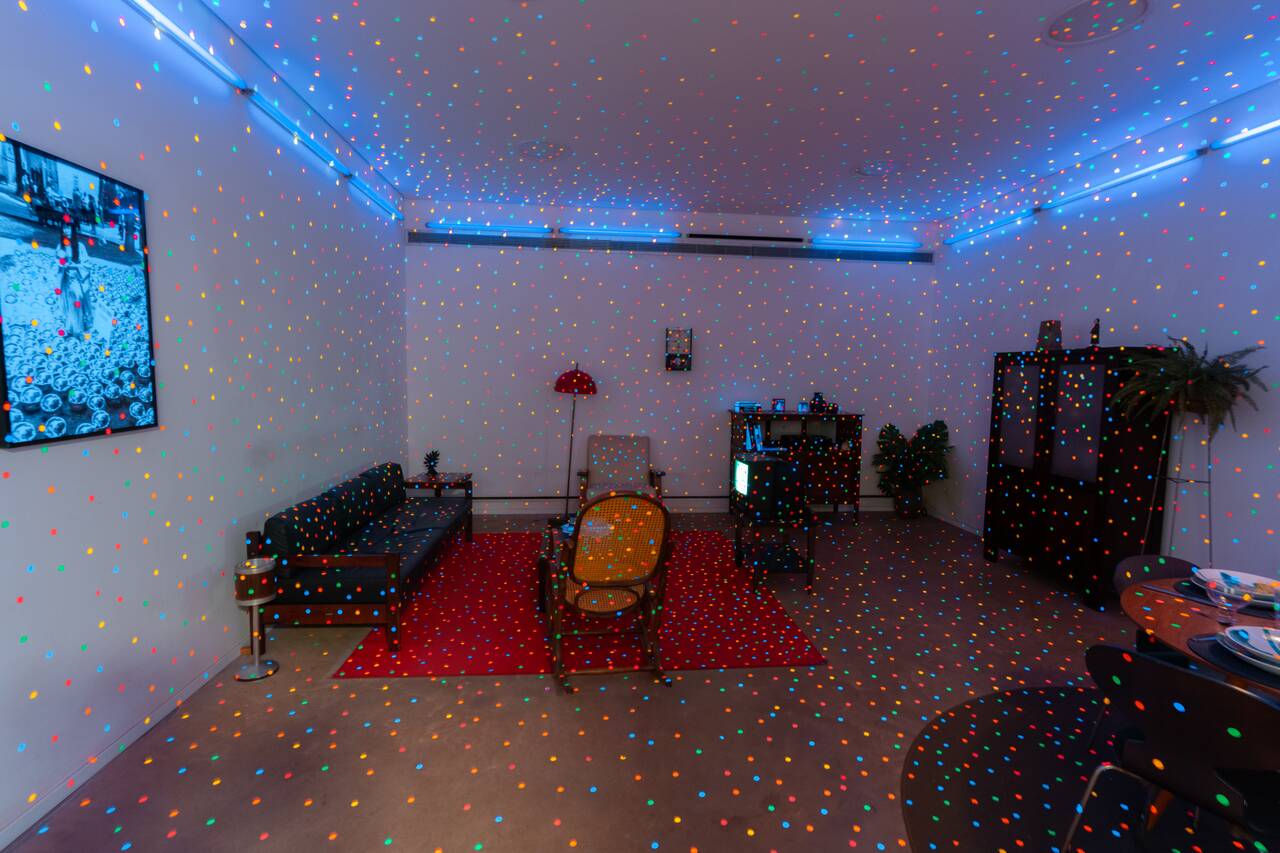
Another section featured her Dots Obsession work, with what initially appears to be a normal living room covered entirely in glowing polka dots. The dots extend from the ceiling to the floor, creating the illusion that colorful lights are being projected throughout the space.

In reality, everything is carefully painted and arranged to produce that effect. It was an absolutely surreal experience and one of the most memorable installations I encountered at Inhotim.
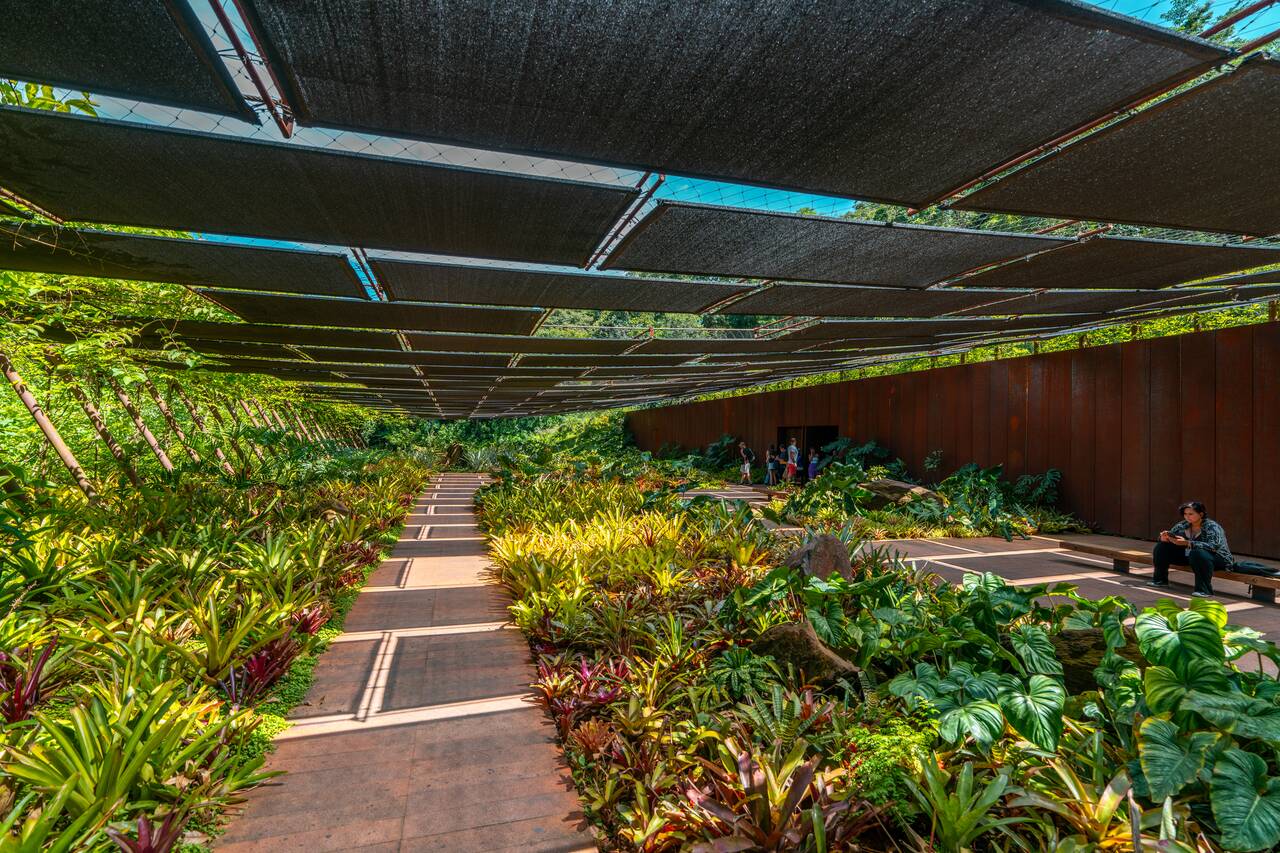
The gallery is one of the most popular at Inhotim, so expect a bit of a wait, especially during busy periods. Since many of Kusama's installations are housed inside relatively small rooms, the number of visitors allowed inside at one time is limited. Once you enter, you will usually have around 5 to 10 minutes to enjoy the installation and take photos before your time is up, so make the most of it while you are there.
4. Fonte Gallery
- 📍 Location: Fonte Gallery [Map Link]
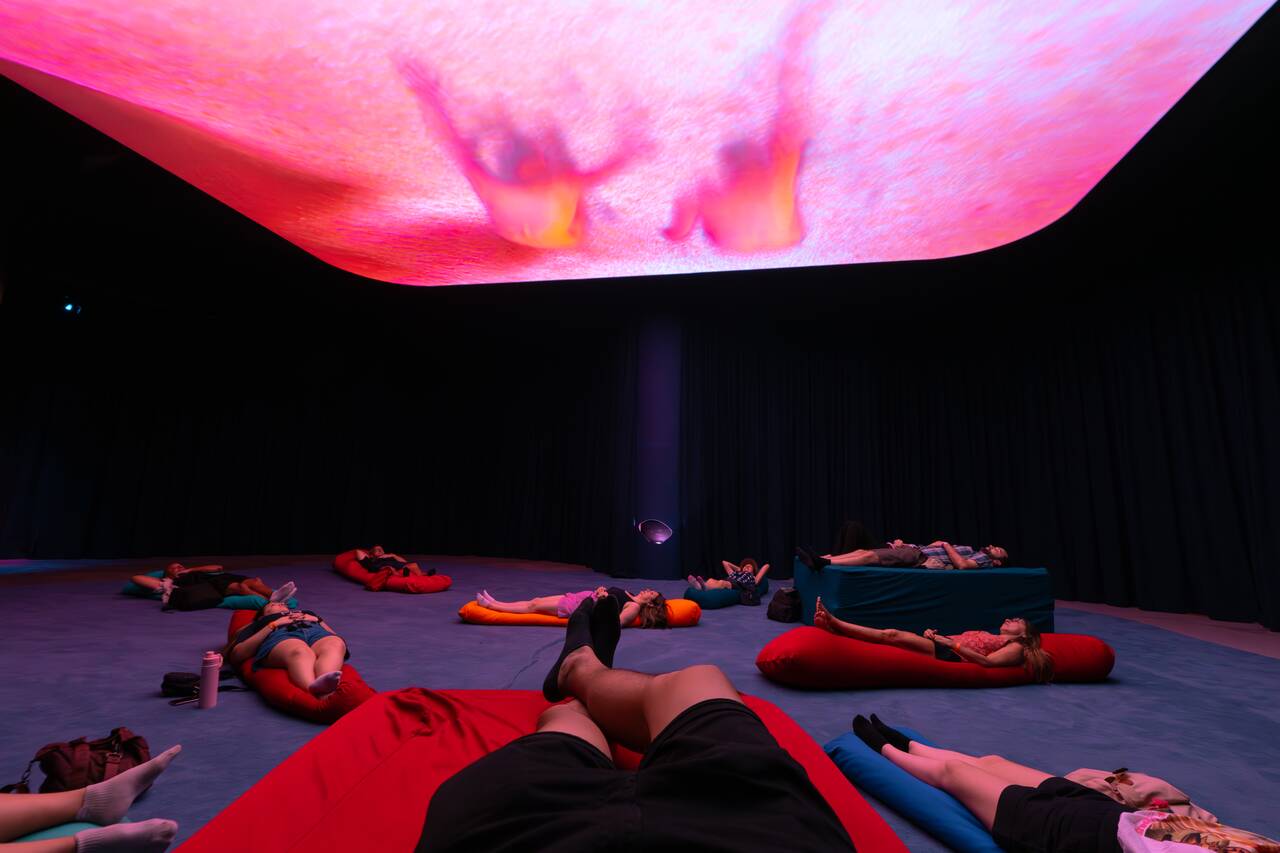
Fonte Gallery is a gallery that often houses short temporary exhibitions, so what you might experience when you are there might not be the same experience that I had, which is more reason to go see what is up when you are in Inhotim.
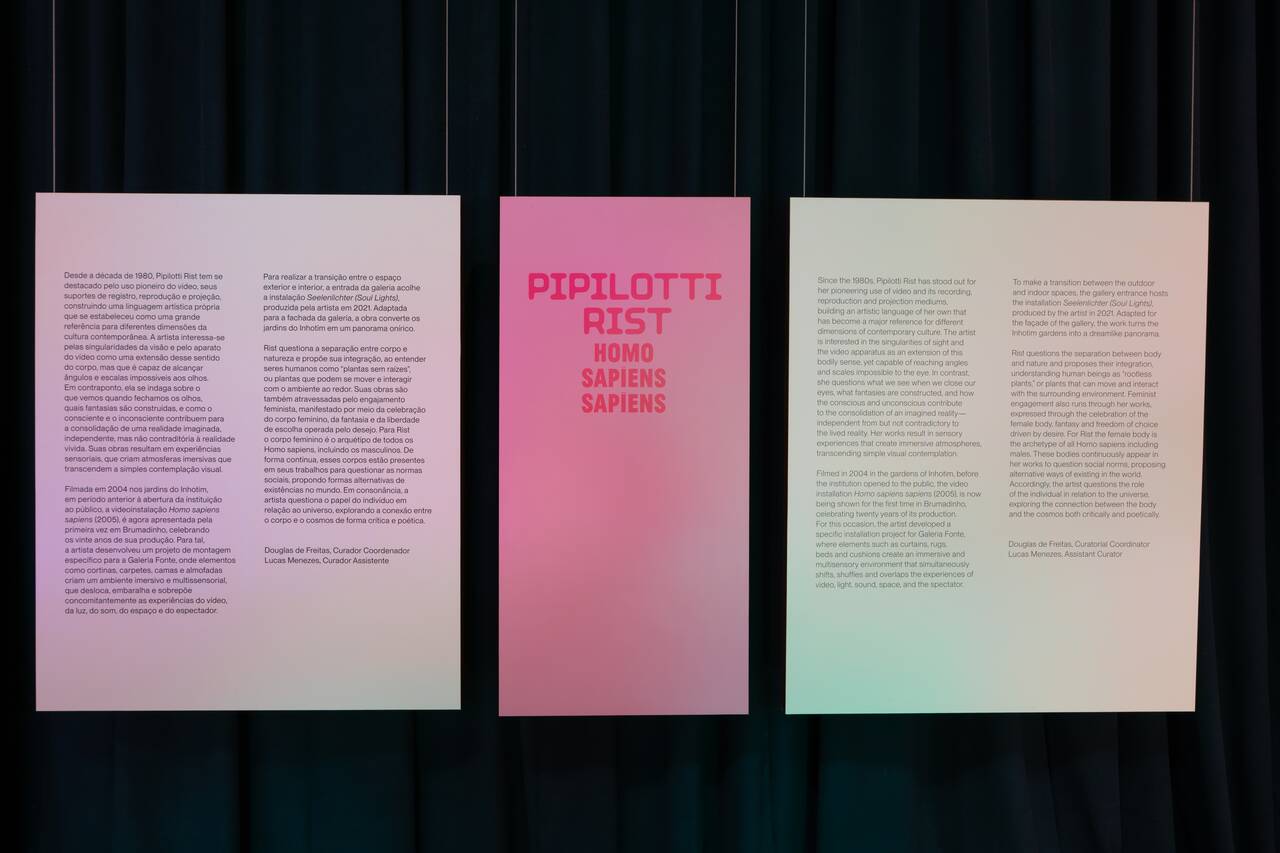
When I visited, the gallery was showing Homo Sapiens Sapiens by Swiss artist Pipilotti Rist, and let me tell you, it is definitely not suitable for children and probably not safe for work either 😅. The installation feels less like a traditional gallery and more like a dreamlike retreat hidden away within the botanical gardens.
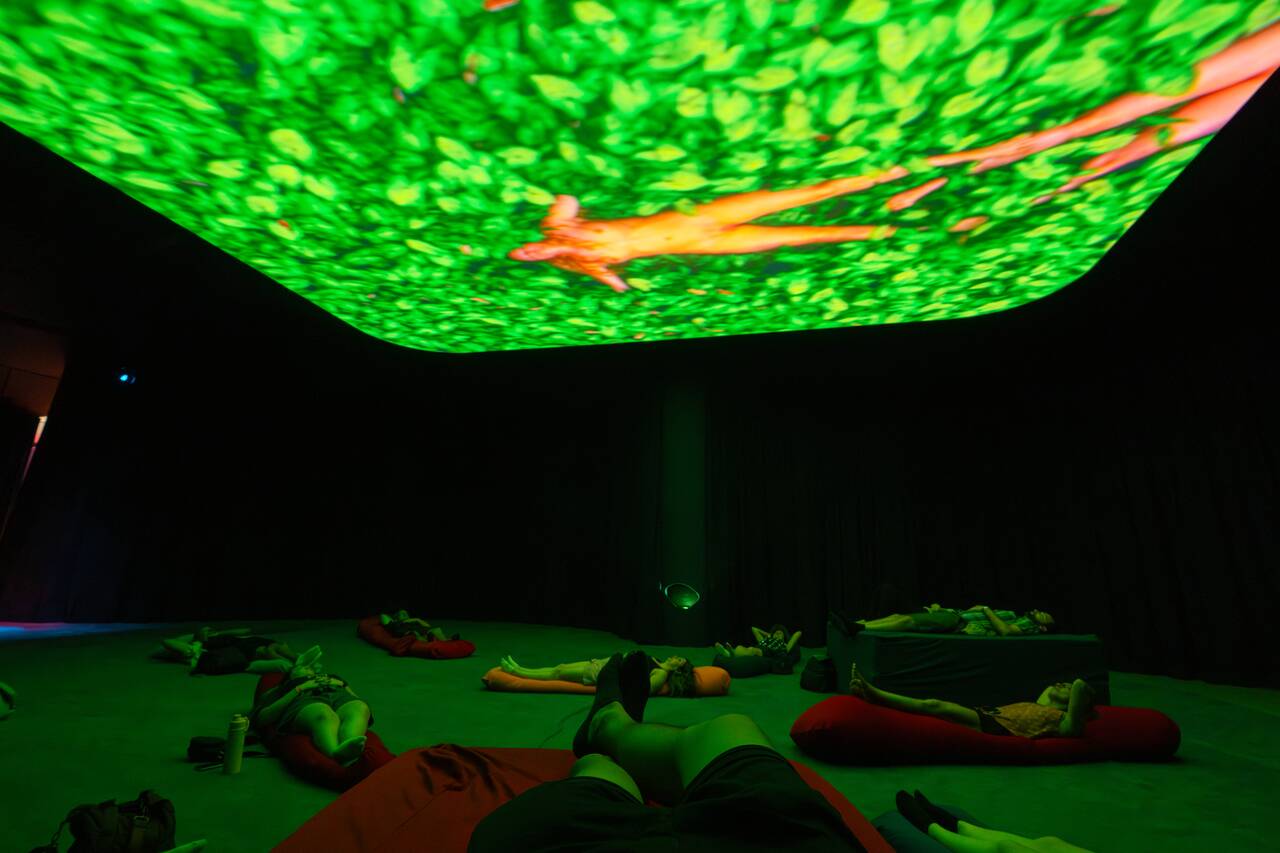
As you enter the dark pavilion, a colorful video projection fills the ceiling above you. Instead of standing and looking up, you are encouraged to lie down on large cushions and bean bags scattered across the floor.
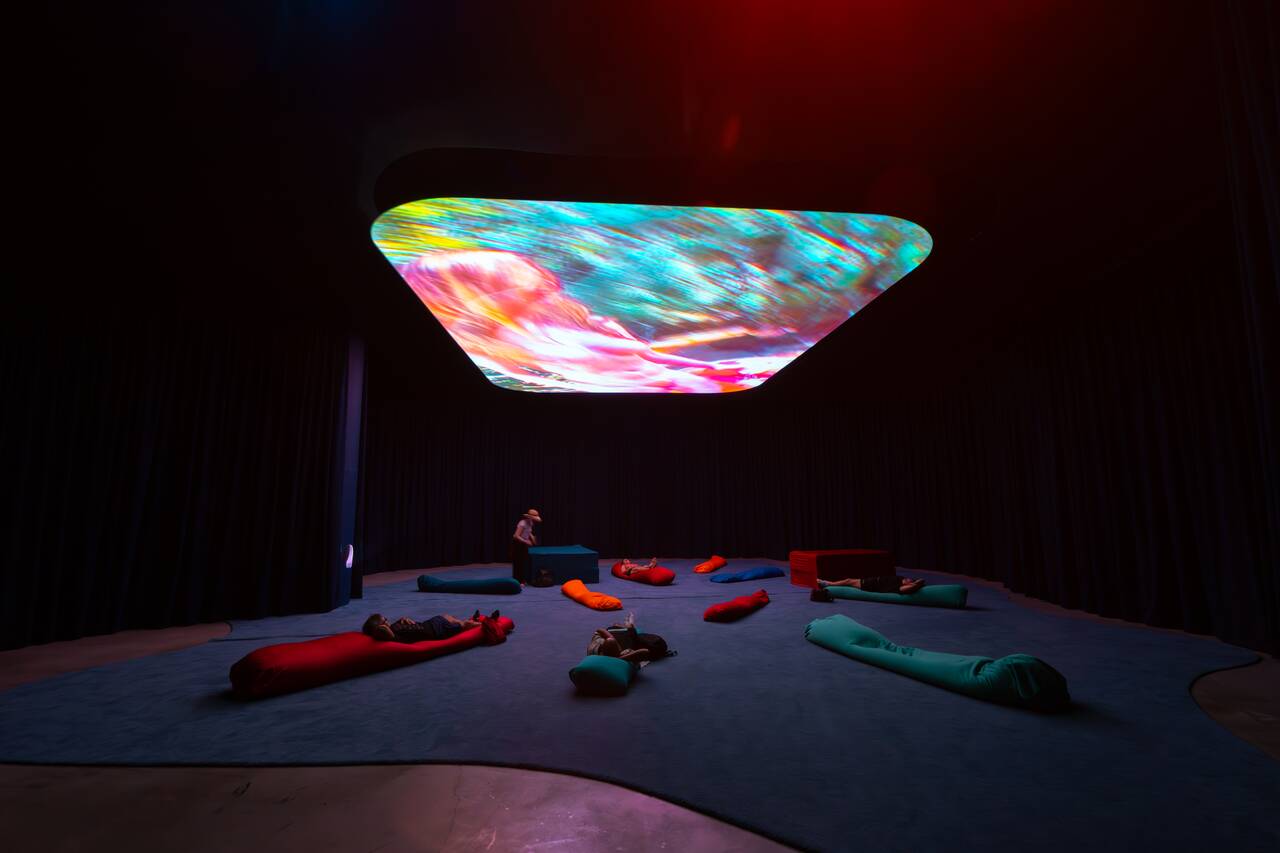
What's most interesting is the video itself, which features a vibrant collage of slow-motion imagery, nature scenes, and people running through the landscape naked. It was definitely jarring at first, but it is weirdly calming just to watch the video of humans being humans in their natural state. It's not for everyone, and certainly not for kids, but still, I think it's worth checking out.
5. Miguel Rio Branco Gallery
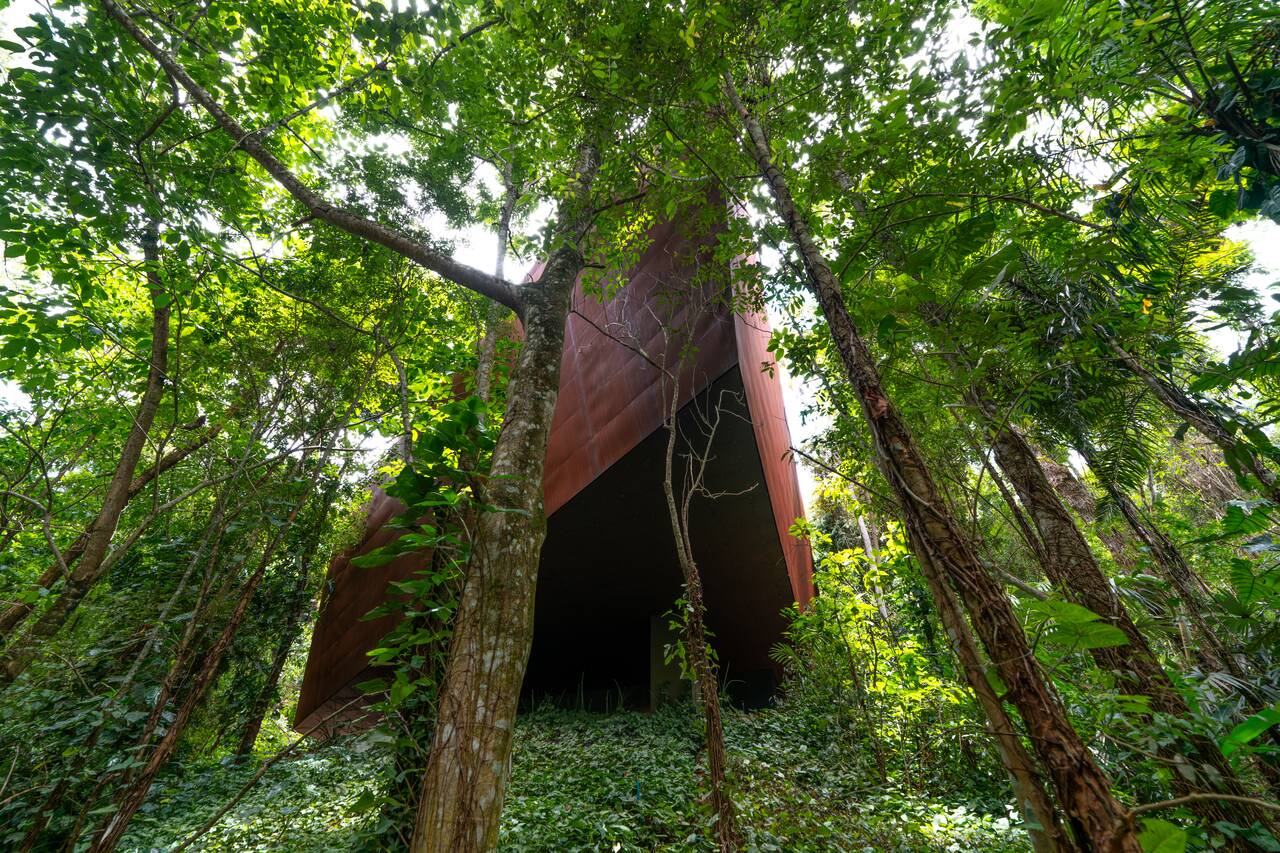
- 📍 Location: Miguel Rio Branco Gallery [Map Link]
If you enjoy photography, be sure to stop by Miguel Rio Branco Gallery, a great gallery in Inhotim focusing more on photography. The gallery is dedicated to the work of Brazilian photographer, filmmaker, and artist Miguel Rio Branco, and it presents a powerful collection of images that explore themes of identity, urban life, social inequality, and the human condition.
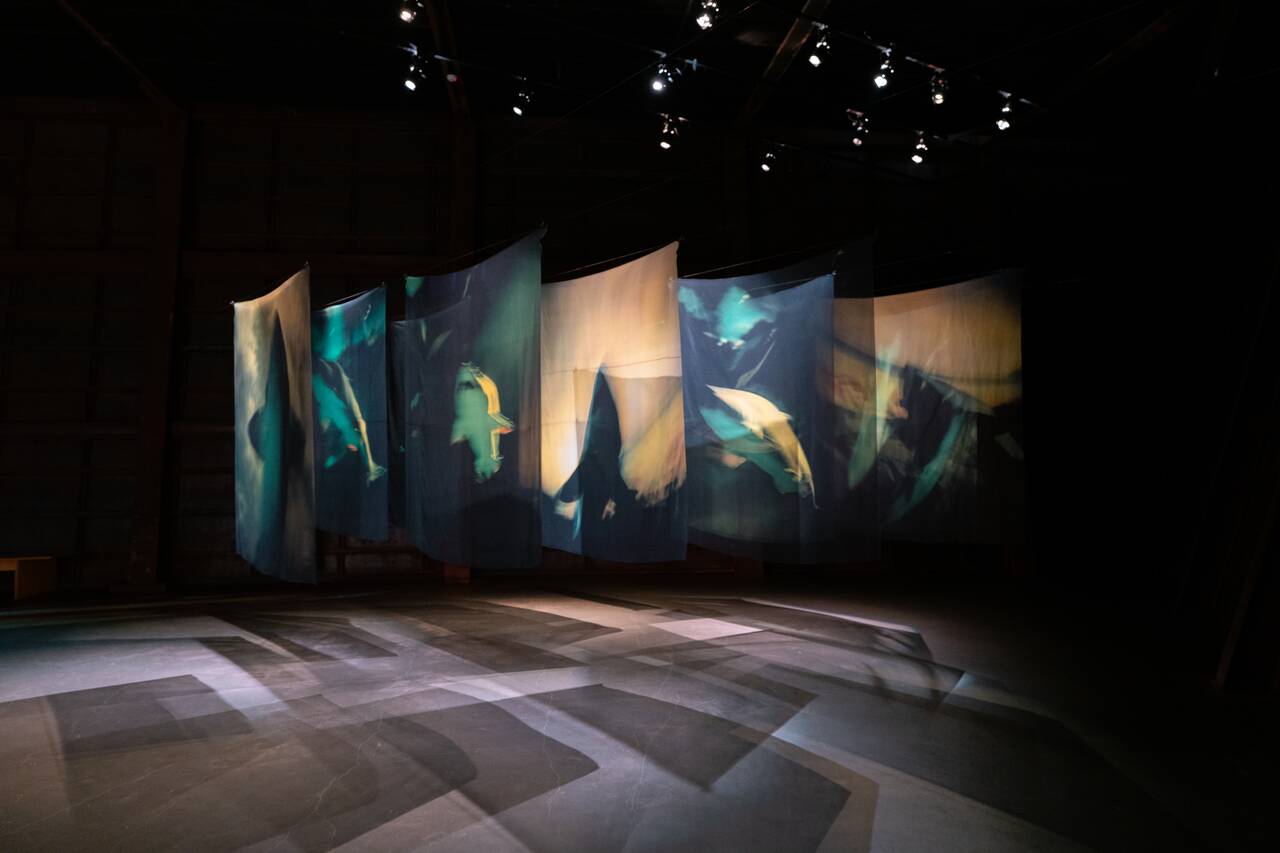
Unlike many of the more interactive installations at Inhotim, this gallery relies on the strength of photography and visual storytelling. The large-format photographs are often displayed alongside videos, sound, and carefully designed lighting, creating an atmosphere that feels both intimate and cinematic.
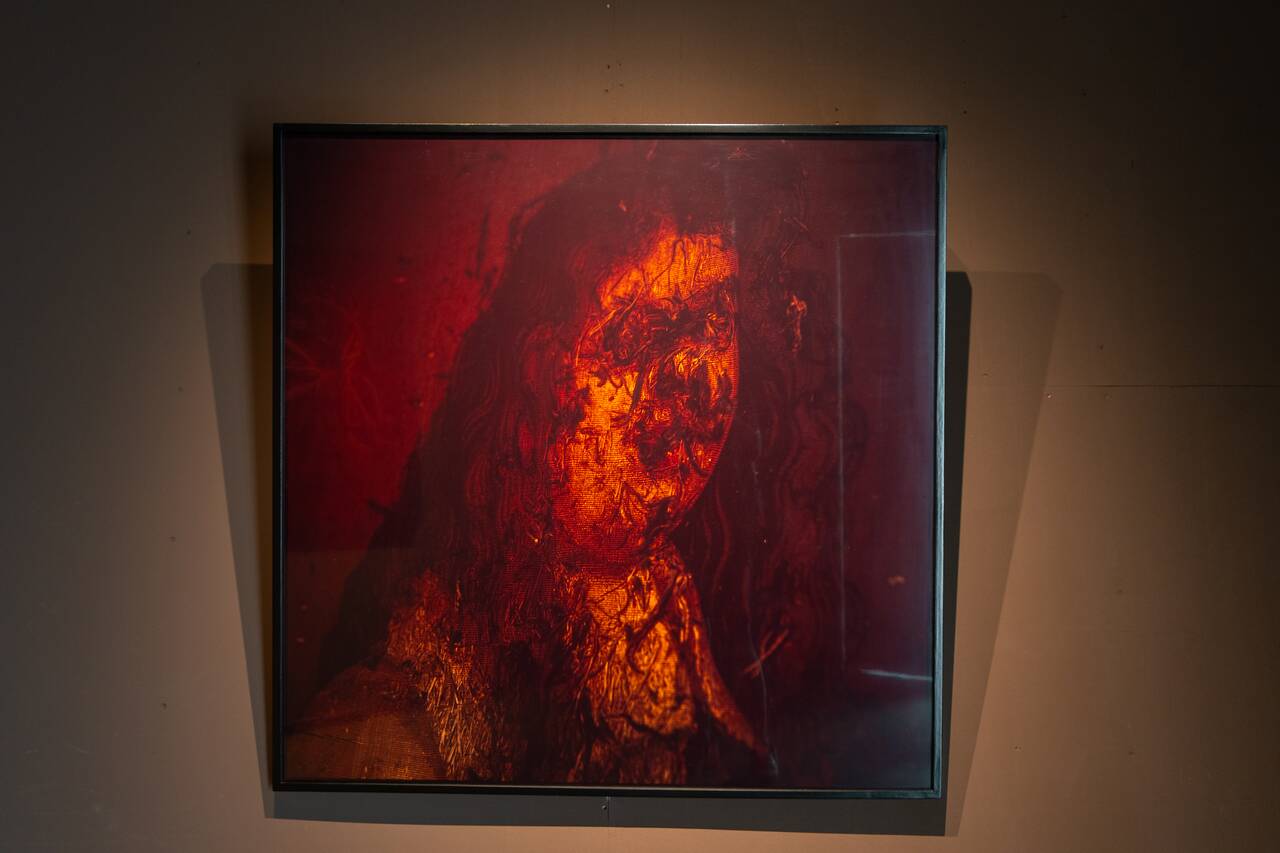
What struck me most was the raw emotion captured in many of the images. Some of the photographs were downright unsettling, especially when combined with the darkened exhibition spaces and the intense audio of people screaming playing in the background.
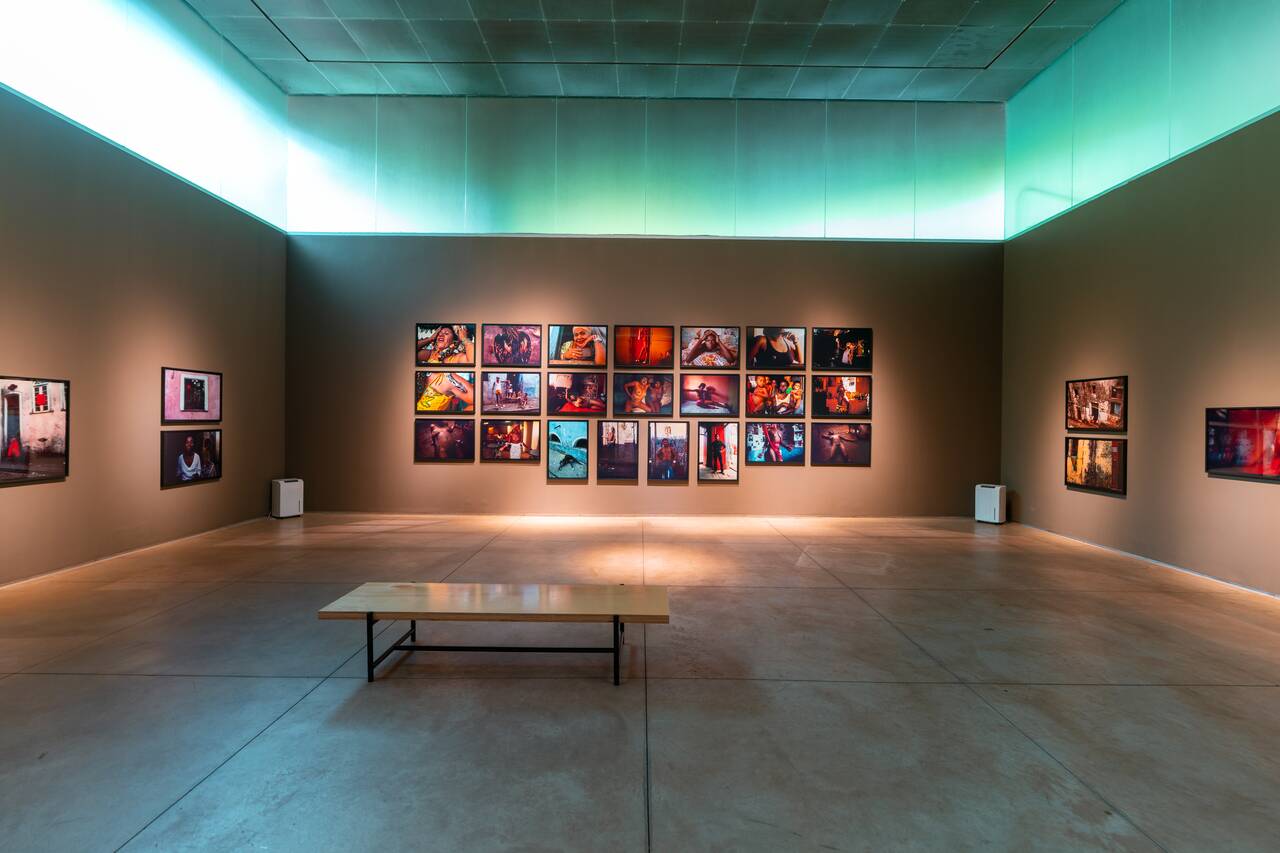
The gallery itself is relatively small and can be explored in around 20 to 30 minutes, making it an easy stop as you make your way through the park. That said, this is probably not a gallery for young children, as some of the imagery and audio can be quite intense and emotionally unsettling at times.
6. Claudia Andujar Gallery
- 📍 Location: Claudia Andujar Gallery [Map Link]
Another excellent photography exhibition worth visiting is Claudia Andujar Gallery, dedicated to the work of the Swiss-Brazilian photographer and activist. The gallery showcases decades of her work documenting the lives, culture, and struggles of the Yanomami people, one of Brazil's largest Indigenous groups.

Through her photographs, Claudia Andujar captures intimate moments of daily life, spiritual ceremonies, family relationships, and the close connection the Yanomami maintain with the Amazon rainforest.

The photographs themselves are stunning. Many of them use dramatic lighting, long exposures, and experimental techniques that give the images an almost dreamlike quality while still feeling incredibly authentic. I can only hope to be half as good as her as I continue traveling the world and capturing places and people to share with you all here 😅.
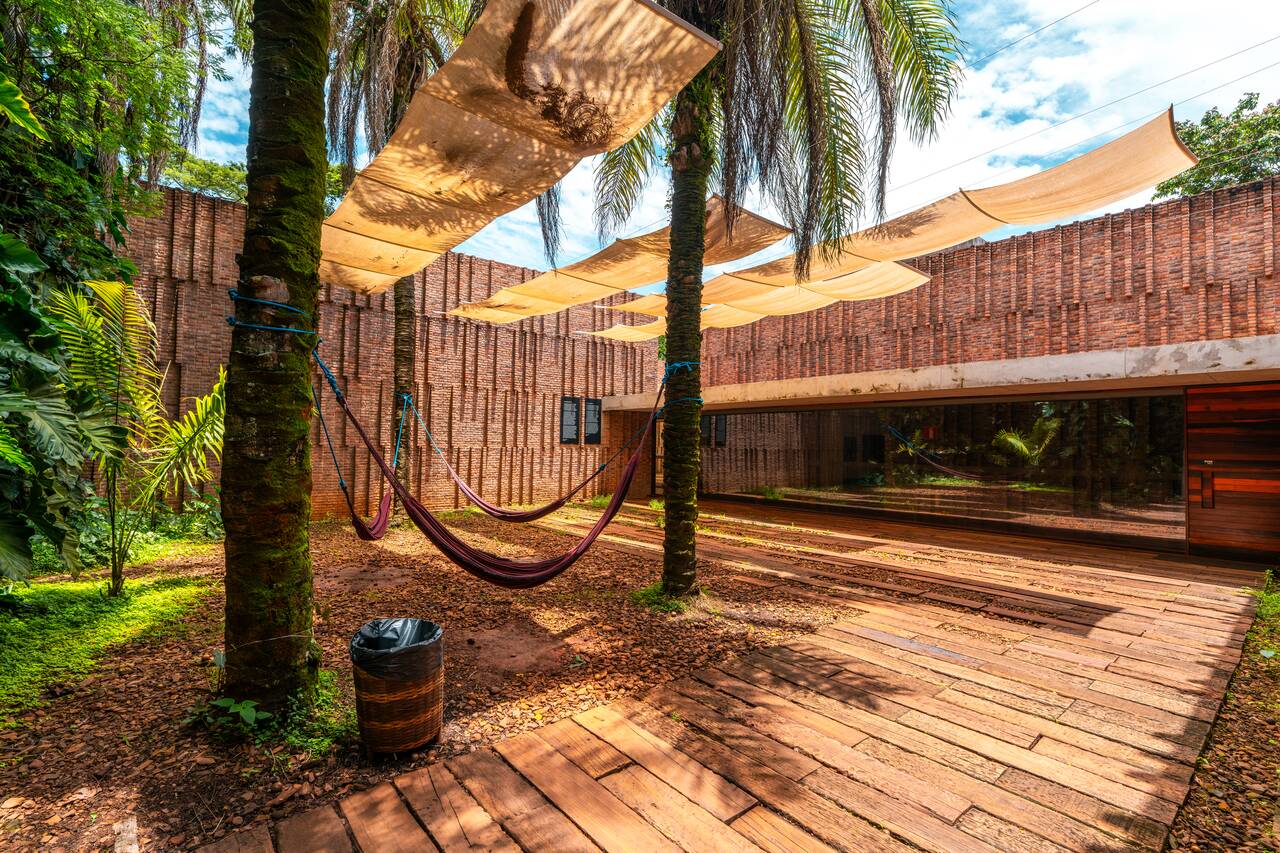
You can comfortably explore the gallery in around 30 minutes, although I found myself spending much longer being mesmerized by the details of some of her portrait photos of the Yanomami people. If you like photography, you are going to love this gallery.
7. Doug Aitken Gallery (Sonic Pavilion)
- 📍 Location: Doug Aitken Gallery (Sonic Pavilion) [Map Link]
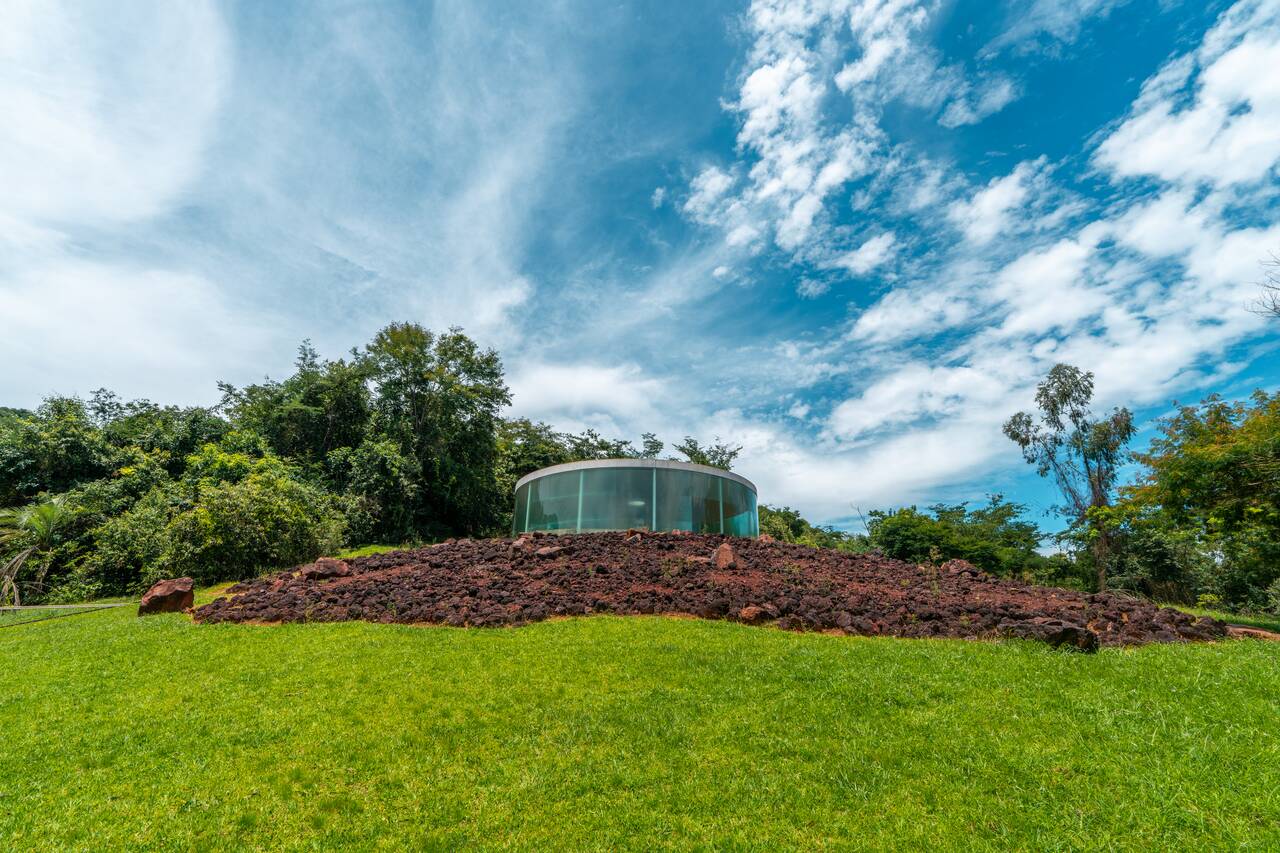
Sitting on top of a hill overlooking the surrounding landscape at the far end of the park, you will find this circular glass pavilion known as Doug Aitken Gallery or Sonic Pavilion. While the setting alone is worth the journey, the real magic happens once you step inside.
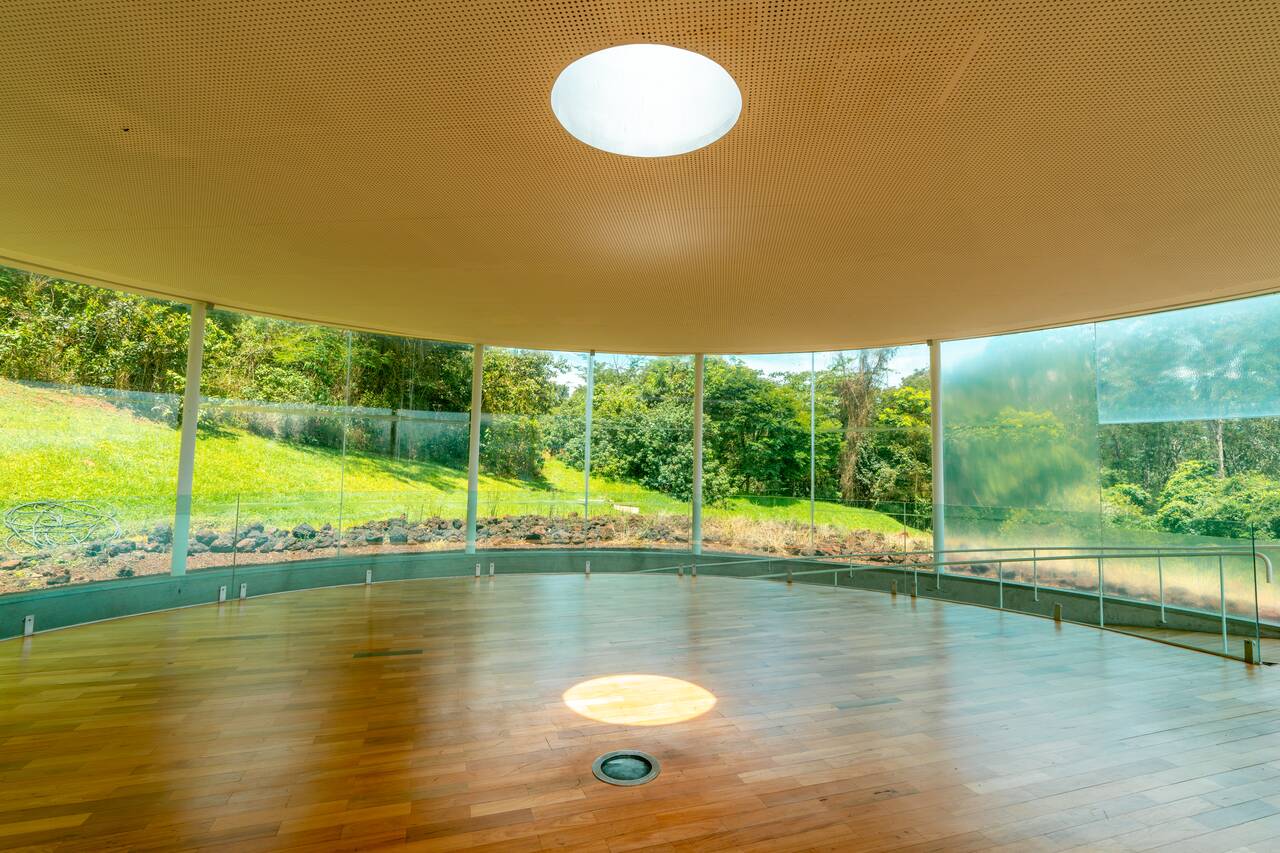
At the center of the pavilion is a borehole drilled more than 200 meters deep into the earth. Sensitive microphones installed deep underground capture vibrations and sounds from within the planet itself, transmitting them into the pavilion through a surround-sound system.
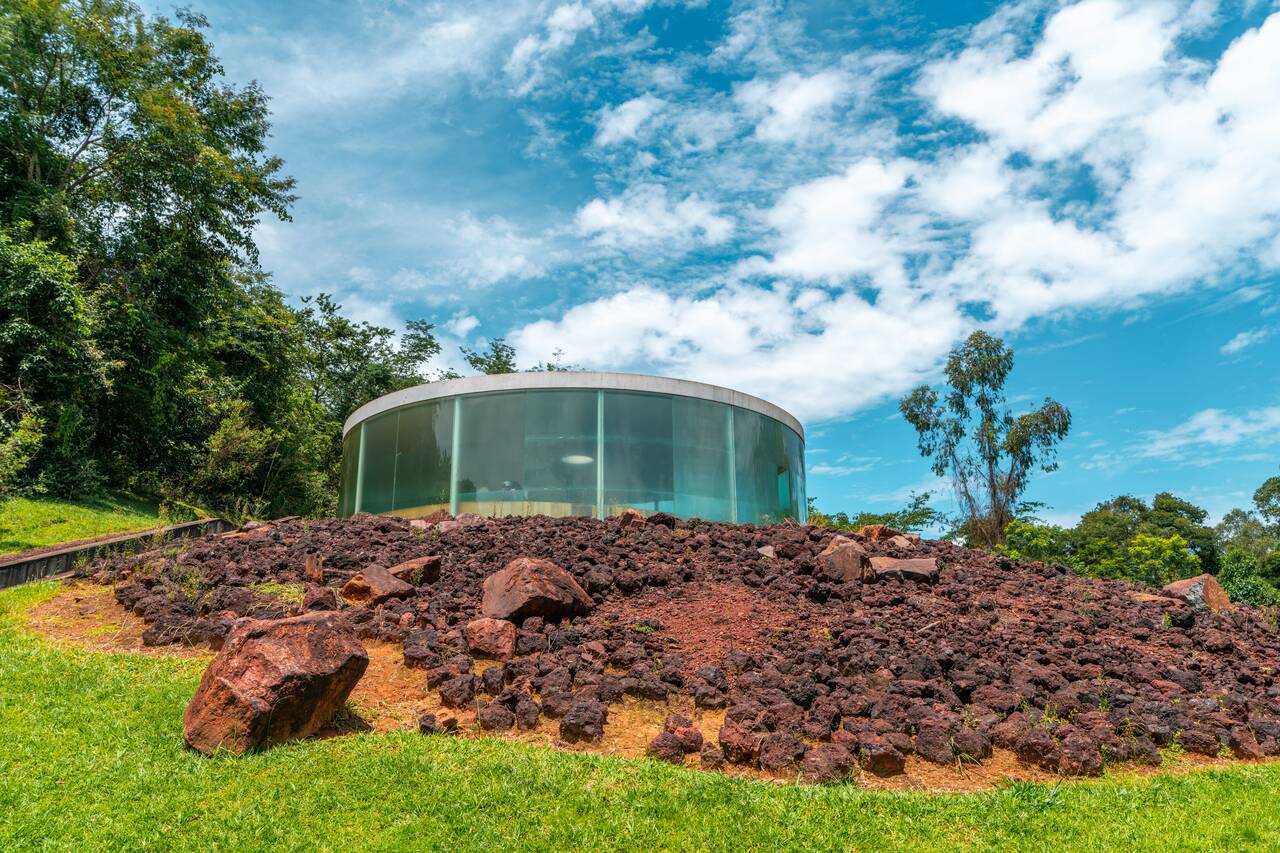
As you sit inside, you hear a constantly changing soundtrack of deep rumbles, subtle vibrations, and mysterious noises coming from far below the surface. Sometimes it is almost silent, while at other times you can hear strange resonances echoing through the space. I recommend spending at least 10 to 15 minutes here. Since the gallery is located quite far from many of the park's other highlights, I would recommend taking the electric shuttle cart to get here and save both time and energy.
8. Matthew Barney Gallery
- 📍 Location: Matthew Barney Gallery [Map Link]
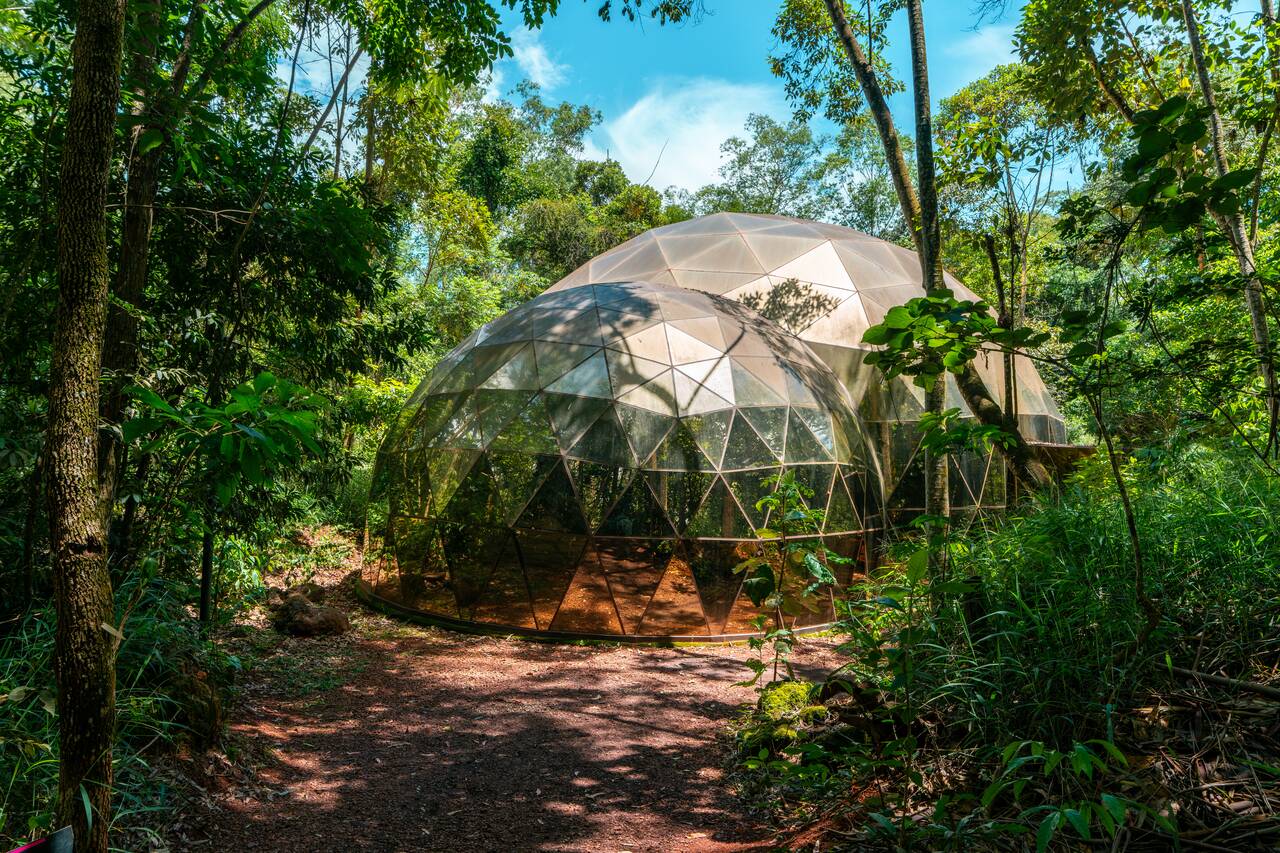
Once you are done with Doug Aitken Gallery, be sure to walk over to Matthew Barney Gallery, tucked away in the woods not far from the Sonic Pavilion. The gallery houses De Lama Lâmina, a large-scale installation whose centerpiece is a massive tractor supporting a tree inside a striking steel-and-glass dome.

The work was inspired by a performance Barney carried out during the Salvador Carnival and explores themes ranging from mythology and Afro-Brazilian culture to humanity's relationship with nature. I won't pretend to fully understand everything the artist was trying to say, but the image of a heavy machine holding up a living tree was certainly quite a sight to behold.
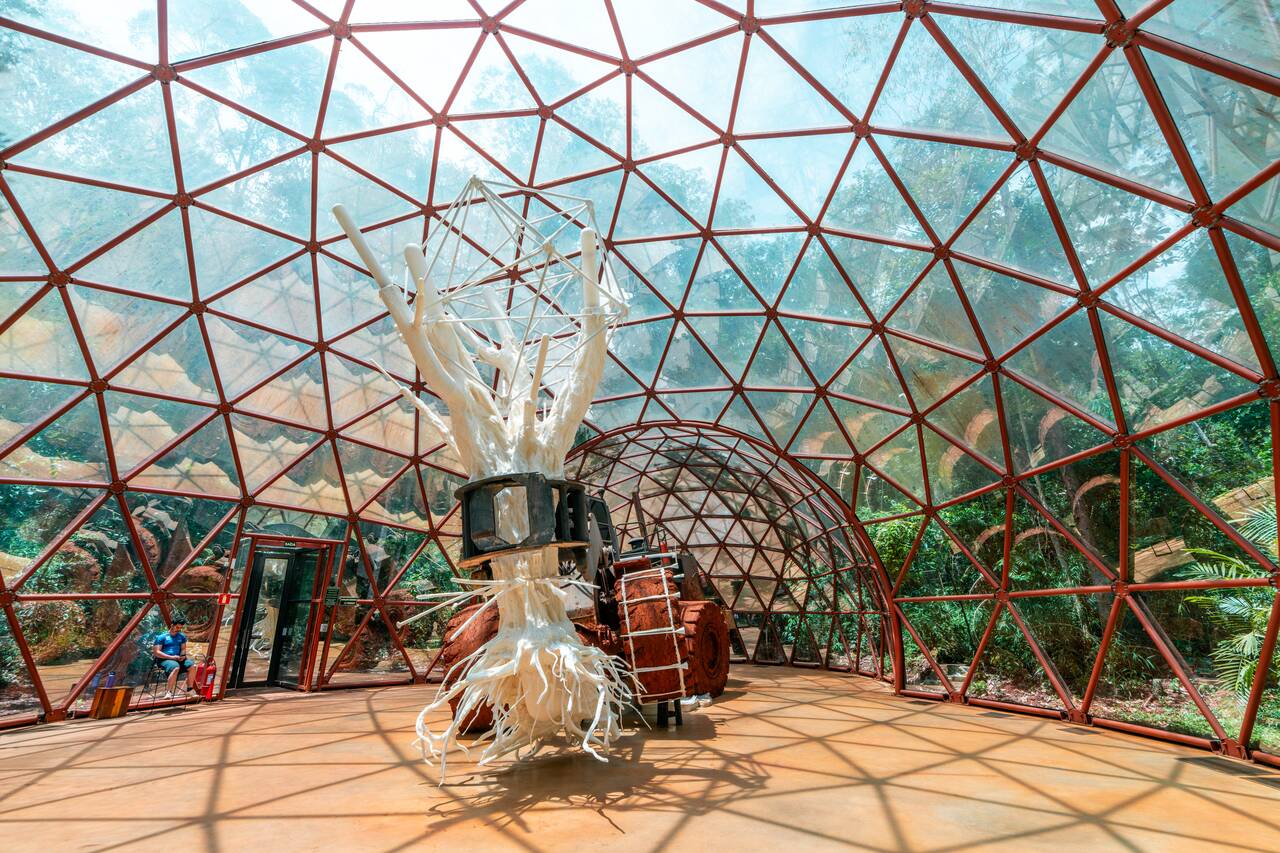
Whether you interpret it as a commentary on ecology, industry, or something entirely different, it is one of the strangest and most visually striking installations at Inhotim. Since it is located close to the Sonic Pavilion, it makes for a perfect stop to combine with your visit to Doug Aitken Gallery.
Other Things to Do in Inhotim if You Have Time
1. Sit and Listen at Praça Gallery
- 📍 Location: Praça Gallery [Map Link]
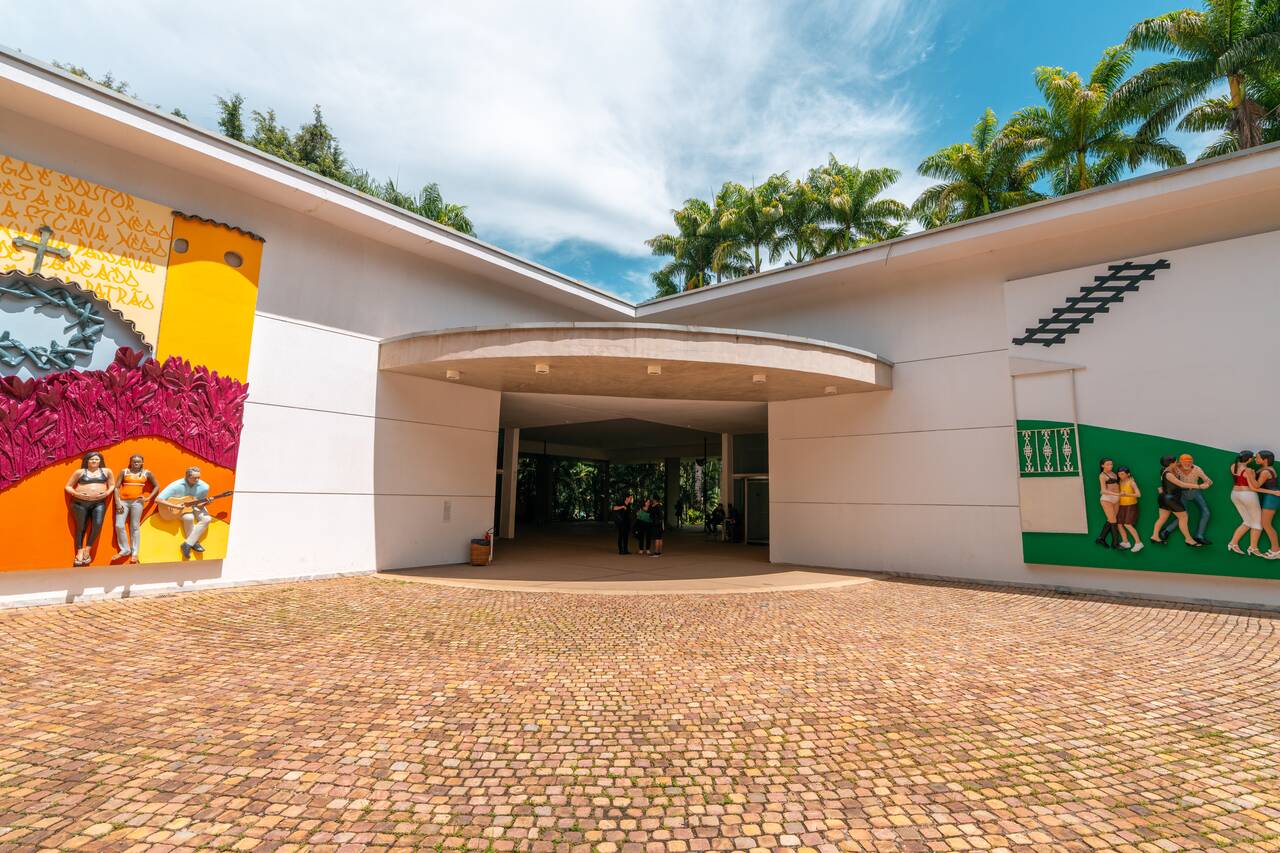
Located right near the entrance of Inhotim, Praça Gallery was the first gallery I visited. While it was not one of the highlights of my trip, I still found it worth checking out, especially if it is your first time visiting Inhotim.
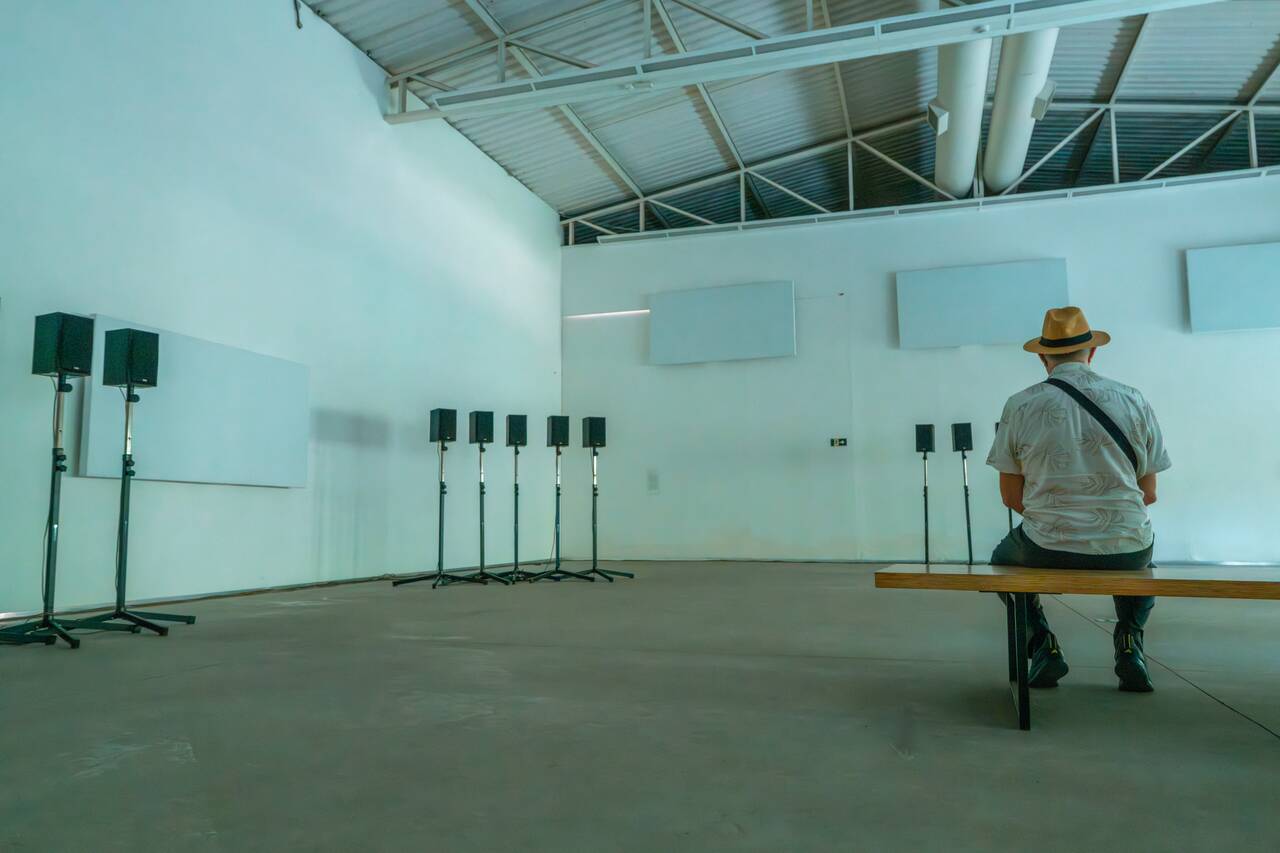
The gallery houses several installations, but the one that stood out to me the most was Forty Part Motet (2001) by Janet Cardiff. The installation places you in the middle of a 40-channel sound system, with each speaker representing an individual member of the Salisbury Cathedral Choir. As the choir sings, you can walk between the speakers and hear each voice separately or stand in the center and experience the full performance as a whole.

There was something incredibly calming about simply sitting there and listening to the music surround me from every direction. It was one of those moments that made everything click for me and helped me understand what Inhotim is all about. It is not just a place to see art, but a place to slow down, be present, and fully immerse yourself in the experience.
2. Piscina
- 📍 Location: Piscina [Map Link]
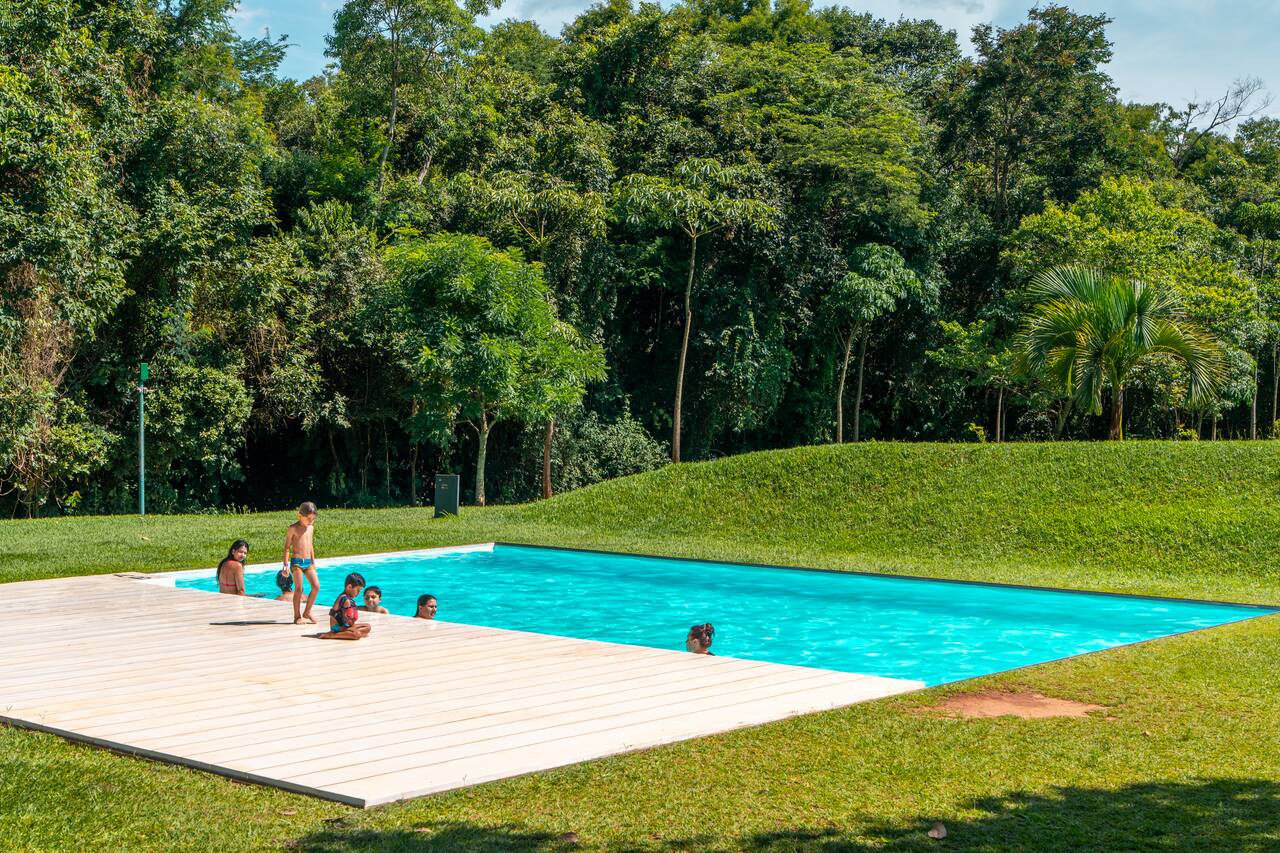
One of the more playful installations I stumbled upon was Piscina by Jorge Macchi. At first glance, it looks like a normal swimming pool, which is definitely not what you expect to see in an art museum, but once you take a closer look, you will notice something strange: the pool is designed to resemble a giant telephone directory, complete with an alphabetical index built into the steps leading down into the water.
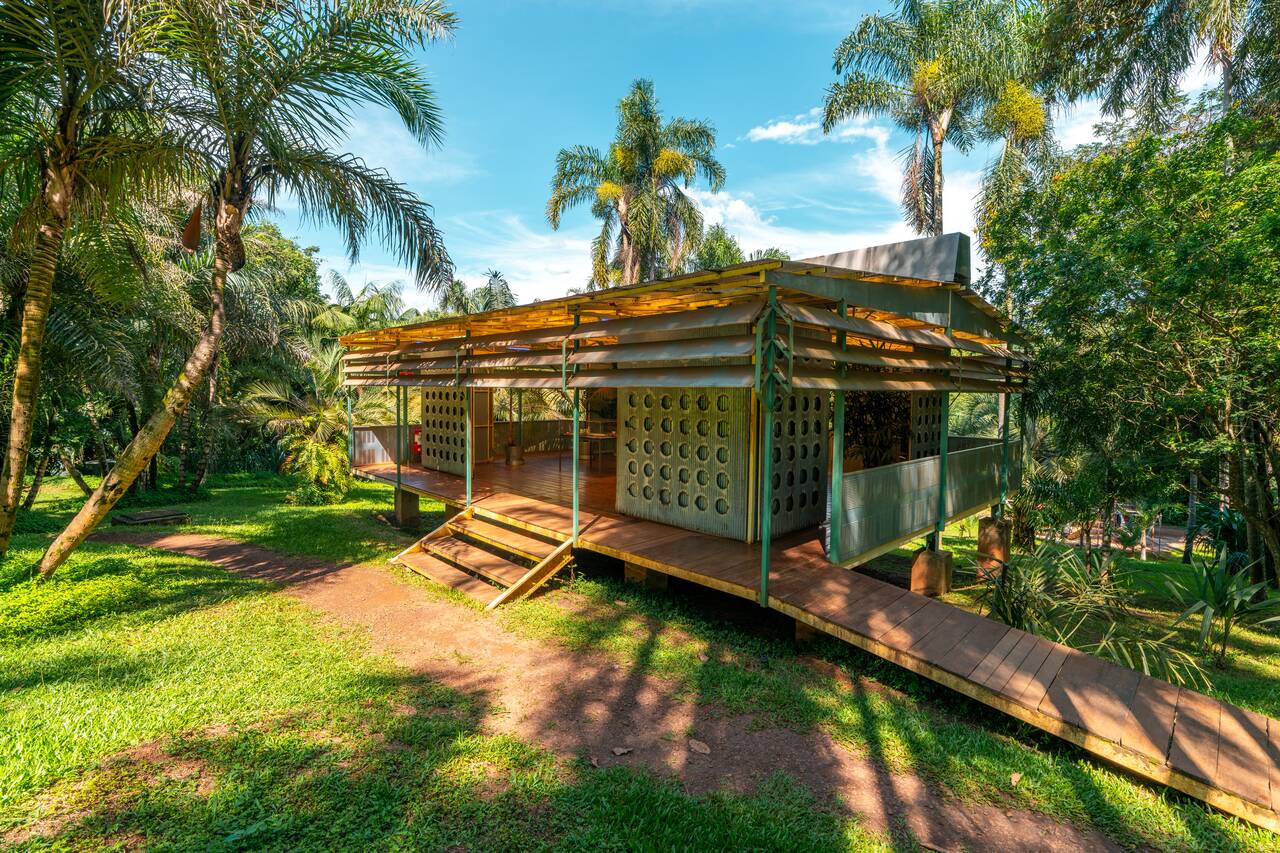
The installation was originally inspired by one of the artist's watercolor drawings, where he often takes ordinary everyday objects and places them in unusual situations or gives them completely new functions. Here, he transformed that simple sketch into a life-sized structure that you can walk around and experience for yourself.
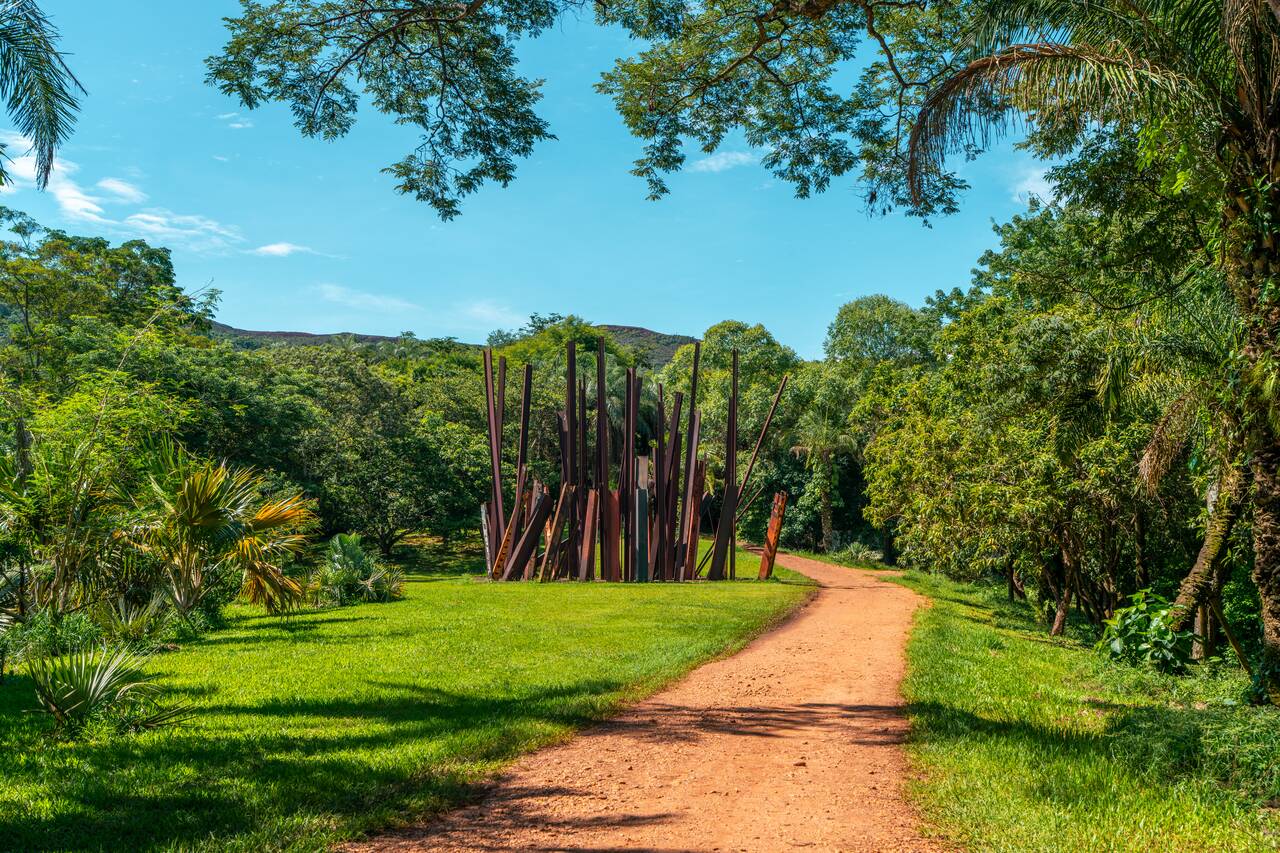
I loved how unexpected it felt. It is one of those artworks that makes you stop, smile, and wonder, "Who even comes up with something like this?" The best part is that you can actually swim here and cool off between exploring the galleries and gardens of Inhotim. Just be sure to bring a swimsuit if you plan on taking a dip!
3. Have a Coffee at True Rouge Gallery
- 📍 Location: True Rouge Gallery [Map Link]
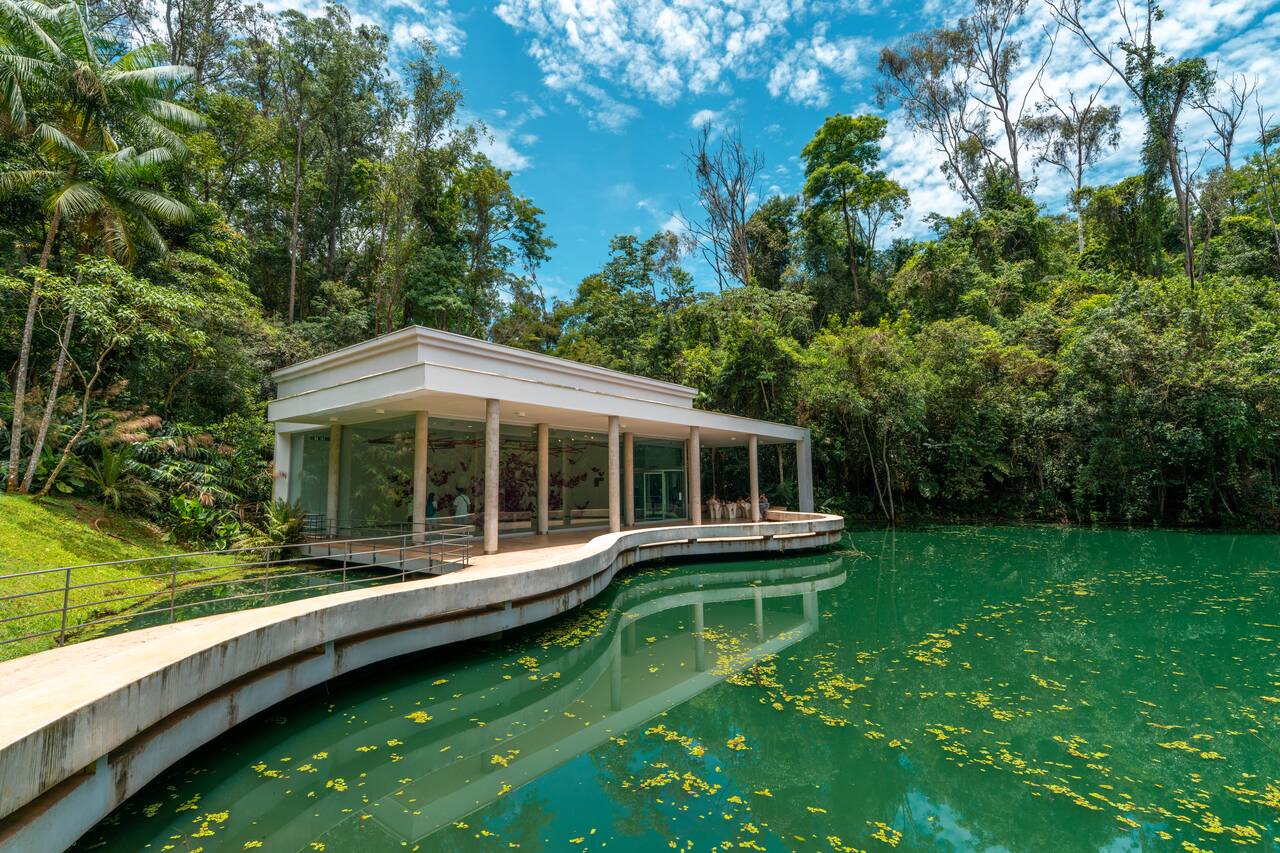
If you are looking for a break, I highly recommend stopping by the café next to True Rouge Gallery, where you can enjoy both the art installation and the stunning views of the botanical gardens in front of you. The coffee and pastries were a little expensive, but that is to be expected for a café inside a museum. It is a great midway stop to rest and reenergize before continuing your exploration of Inhotim.
4. Walk Around Inhotim Botanical Garden
- 📍 Location: Inhotim Botanical Garden [Map Link]
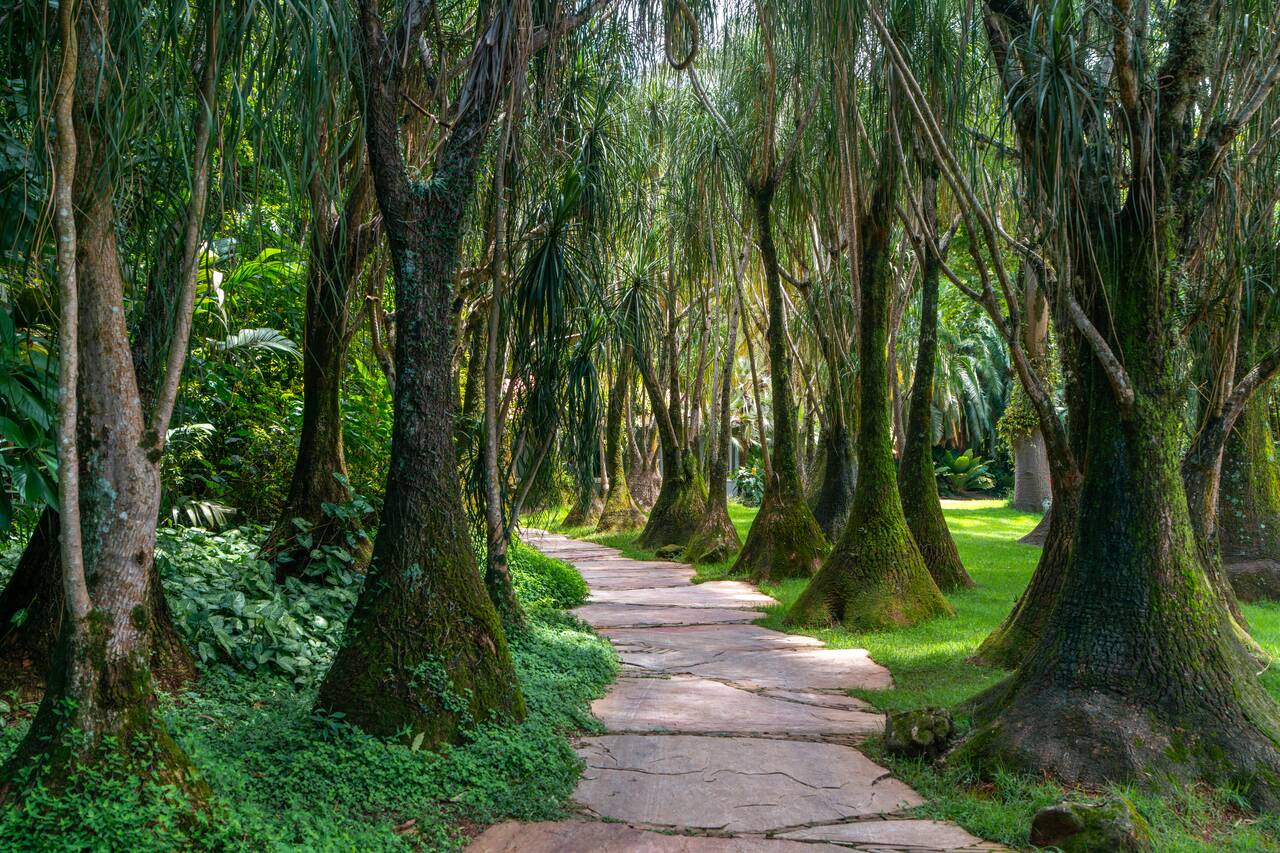
Last but not least, do not forget to spend some time wandering through the beautiful Inhotim Botanical Garden. You will find some incredible plant species here, along with art installations woven into the landscape and scattered along the walking paths that crisscross the entire park.
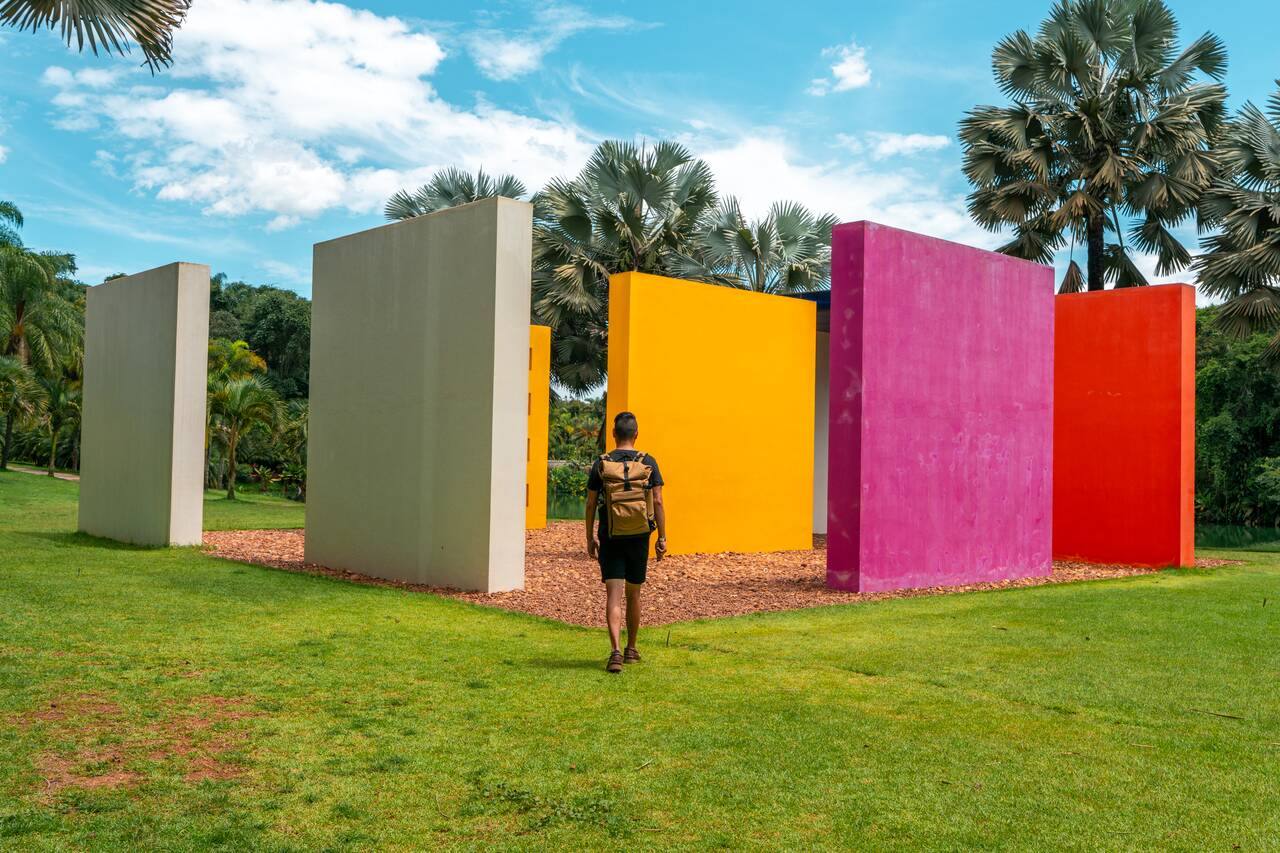
Whatever you do, do not rely solely on the shuttle carts. Take the time to walk between galleries whenever you can. Some of my favorite moments at Inhotim happened while strolling through the gardens, discovering unexpected artworks, and simply taking in the scenery. In many ways, that is what Inhotim is really all about.
Where to Stay near Inhotim?
Most visitors base themselves in Belo Horizonte and visit Inhotim as a day trip. The city has far more accommodation options, restaurants, cafés, museums, and nightlife, making it a much better base if you are spending several days in Minas Gerais.
I personally stayed in Savassi, which I found to be the best neighborhood for first-time visitors. It is safe, walkable, full of great restaurants and cafés, and close to many of Belo Horizonte's main attractions. From here, you can easily catch the official shuttle to Inhotim in the morning and return to the city in the evening.
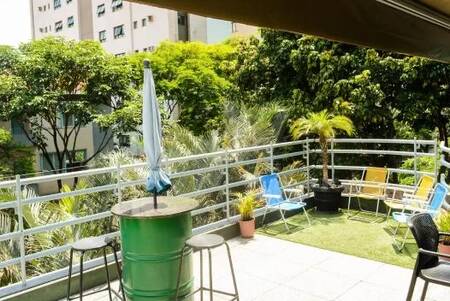


If your main goal is to explore Inhotim thoroughly, consider staying in Brumadinho, the small town where the museum is located. This allows you to arrive early, avoid the long commute from Belo Horizonte, and even split your visit across two or three days.
Accommodation options are more limited than in Belo Horizonte, but there are several charming pousadas and small guesthouses nearby. Staying locally is especially useful if you plan to purchase a multi-day ticket and want to experience more of the museum at a relaxed pace.



When to Visit Inhotim?
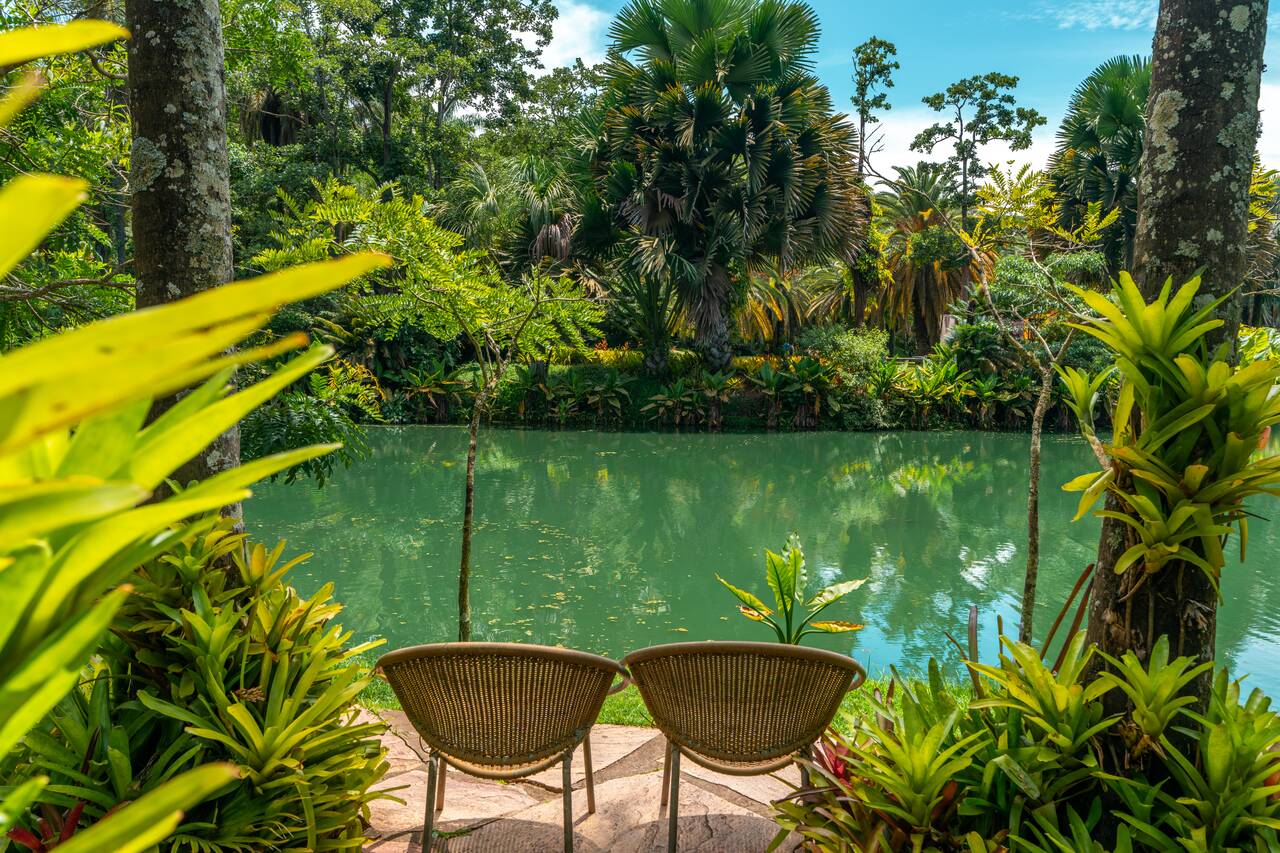
The best time to visit Inhotim is during the dry season between May and September, when the weather is cooler, sunnier, and much more comfortable for exploring the garden on foot. You can expect pleasant daytime temperatures, low humidity, and plenty of sunshine during this time.
The rainy season usually runs from around October to March, with December and January often seeing the heaviest rainfall. If possible, I would avoid visiting during this period as the rain can last for hours or even days at a time. This is especially important if you plan to visit Inhotim since it is a massive open-air museum and botanical garden where good weather makes a huge difference to the experience.
I personally visited Inhotim in January and, despite it being the rainy season, I was lucky enough to get great weather for my entire stay. That said, I would definitely call it luck, as it had rained nonstop for the three days prior while I was in Ouro Preto. By the time I visited Inhotim, it seemed like the rain had finally run its course 😅.
Avoid visiting on Mondays and Tuesdays if possible, as Inhotim is closed. If you want to save some money, you may want to consider visiting on Wednesdays or the last Sunday of every month, as the museum offers free admission on those days. However, you will need to book tickets well in advance, as the park has a daily capacity of only 5,000 visitors. It can also get very crowded, and you may have to queue at certain areas.
If you do not mind paying for a ticket and prefer a more peaceful experience, you can visit on Thursday or Friday, as weekends can also get quite crowded. I visited on a regular day and had a great experience. It never felt crowded, and I was able to enjoy a peaceful stroll most of the time.
How to Get to Inhotim?
Getting to Belo Horizonte

In order to get to Inhotim, you will first have to get to Belo Horizonte, which is pretty easy thanks to its central location in southeastern Brazil and its well-connected airport and bus network. Most travelers arrive either by plane through Belo Horizonte International Airport (Confins) or by long-distance bus from other major cities in Brazil.
By Air: Flying is by far the easiest way to reach Belo Horizonte. The city's main airport, Confins International Airport, is located around 40 km (25 miles) north of the city center and serves flights from major Brazilian destinations such as Rio de Janeiro, São Paulo, Brasília, Salvador, Recife, and many others.

Once you arrive, you can take an Uber into the city. Uber is widely available, safe, and generally affordable in Belo Horizonte. At almost every major transportation hub in Brazil, including airports and bus terminals, there is usually a designated ride-hailing pick-up area, so you can simply follow the signs from inside the airport to the Uber transportation zone to catch your ride into the city center.
For finding flights, I recommend browsing through Skyscanner or Expedia to compare prices and find cheap flights to Belo Horizonte.
From Rio de Janeiro: If you prefer traveling overland, several comfortable long-distance buses operate daily between Rio de Janeiro and Belo Horizonte. The journey takes around 10 hours depending on traffic and the service you choose. Buses depart from Rodoviária do Rio and arrive at Rodoviária de Belo Horizonte and you can reserve the bus ticket here.
From São Paulo: There are also frequent direct buses from São Paulo, with the journey taking approximately 10 hours as well. Buses depart from Terminal Rodoviário do Tietê and arrive in central Belo Horizonte, and you can reserve the bus ticket here.
Getting from Belo Horizonte to Inhotim

Inhotim is located around 60 km (37 miles) from Belo Horizonte, and the easiest way to get there is via the official shuttle service, which you can reserve here. The shuttle costs around 140 BRL (~28 USD) for a round-trip ticket and departs daily at 8 AM from in front of Holiday Inn Savassi.

The return shuttle leaves Inhotim at 4:30 PM on weekdays and 5:30 PM on weekends from the museum's parking lot, giving you plenty of time to explore the grounds. Be sure to book the shuttle well in advance, as it often sells out one or two days before departure.
How to get Around Inhotim?

Inhotim is massive, like really really massive, and you are going to have to know how to get around efficiently, especially if you have limited time. The park is divided into color-coded routes, and you can explore it in two main ways: on foot or by using the internal electric shuttle carts.
By Walking: Walking is the most immersive way to experience Inhotim, and I highly recommend it. You will move through tropical gardens, forest paths, and open landscapes while discovering installations along the way. However, distances between some galleries can be quite long, so be prepared for a lot of walking if you choose this option.
By Shuttle Carts: For longer distances, Inhotim provides free electric shuttle carts that connect major galleries and stops throughout the park. These are especially useful if you are short on time or want to prioritize specific installations without walking the entire route.
To catch one, there are designated shuttle stops near clusters of galleries, and you simply need to wait until one arrives and hop on. Seats are limited, so if it is crowded, you may need to wait a bit longer. Honestly, if it is a short distance, it can sometimes be faster just to walk.
I recommend combining both methods: walking between nearby galleries to enjoy the scenery, and using the shuttle carts for longer stretches. That's how I did it, and I was able to cover most of the highlights in one day. Make sure to grab a map at the entrance or use the official Inhotim map to plan your route in advance, as it is easy to underestimate just how big the park really is.
How Much Time Do You Need for Inhotim?
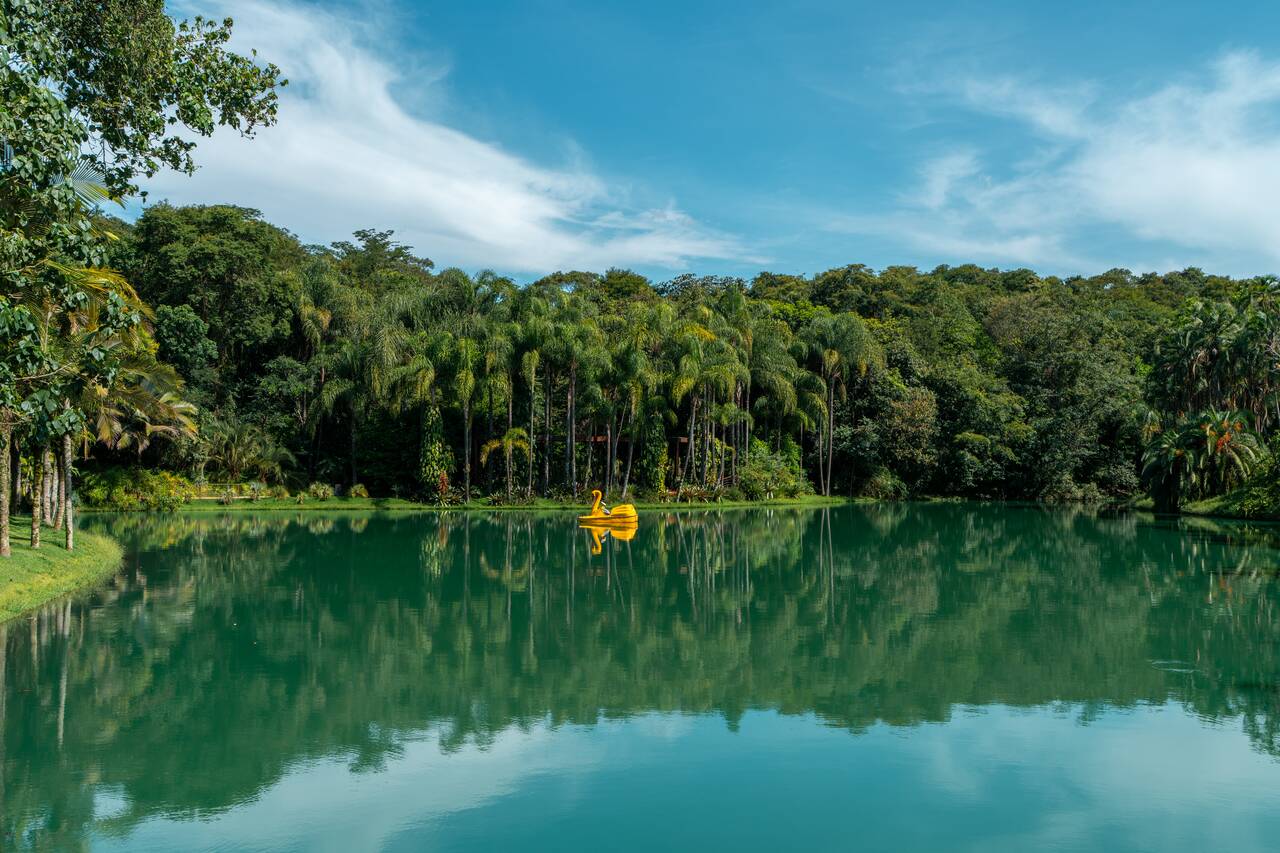
Inhotim is enormous, and the amount of time you need really depends on how deeply you want to explore it. At a minimum, I would recommend setting aside a full day to see the highlights without rushing.
If you only have one day, focus on the galleries and installations I recommend on this list, and use a mix of walking and shuttle carts to cover more ground efficiently. If you have more time, two days is ideal. This allows you to explore the park at a more relaxed pace, and discover some of the more hidden installations that most people miss. If you find something interesting, do not hesitate to share it in the comments!
Personally, I spent one full day here, and I was able to visit most of the highlights in Inhotim. However, I am a fast walker and a fast traveler (that is what traveling full time for over 10 years will do to you 😅). For most people, one full day is enough, but if you have the time and budget, I would recommend at least two days to truly appreciate the scale of Inhotim.
Tips for Visiting Inhotim

- Start early: Inhotim is massive, and you’ll need the full day. Arriving right at opening time gives you enough hours to see the highlights without rushing. I took the shuttle at 8 AM and arrived at 9:30 AM, right at opening time giving me more than 7 hours to explore.
- Book tickets in advance: Especially on weekends and free admission days (Wednesdays / last Sunday of the month). Capacity is limited to 5,000 visitors per day, and tickets can sell out a few days in advance. The same applies to the official shuttle service, so book your tickets well in advance.
- Pick the Galleries you want to see: Look at this travel guide before you go and prioritize galleries you want to see. Otherwise, you’ll waste a lot of time zig-zagging across the park.
- Walking + Shuttle Carts: Walk between nearby installations to enjoy the nature and use electric carts for long distances to save energy and time.
- Wear Comfortable Shoes: You will walk a lot—easily 10–15 km in a full day if you explore properly. From my Apple Health app, I walked over 18,000 steps that day!
- Avoid Rainy Days: Most of Inhotim is outdoors, and rain can seriously limit movement between galleries. Check the weather forecast and plan accordingly.
- Weekdays Are Better: Weekends and free-entry days can get crowded, especially around popular installations and shuttle stops. If possible, visit on Thursdays or Fridays for a more peaceful experience.
What to Bring for Inhotim?
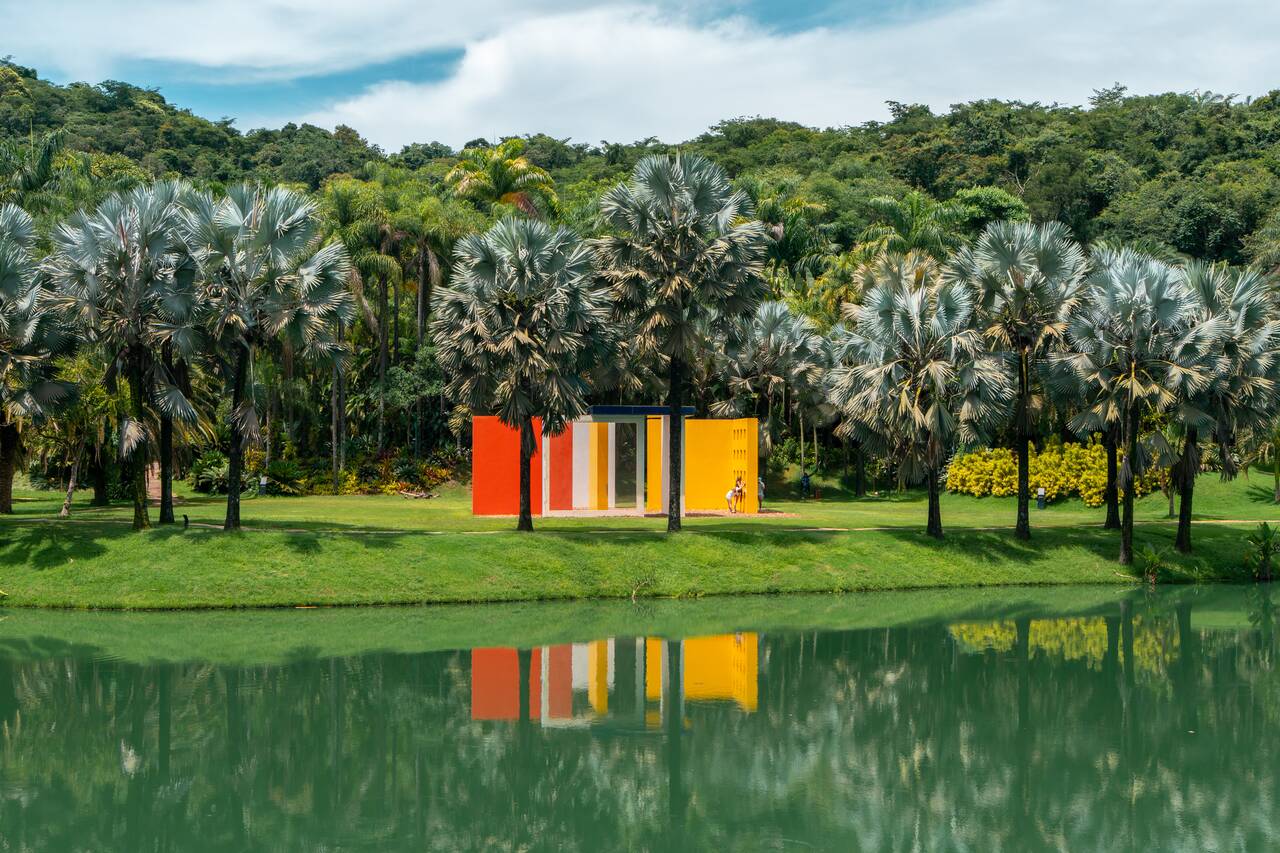
- Water Bottle: You will be spending much of your time walking outdoors, so be sure to carry a water bottle with you. There are free water refill stations throughout the park, allowing you to stay hydrated as you explore.
- Sunscreen, Cap, or Hat: You will be out in the sun for much of the day, so make sure to protect yourself from the heat and UV exposure.
- Light Rain Jacket: Bring a light rain jacket or waterproof layer just in case the weather changes unexpectedly.
- Comfortable Walking Shoes: Expect to walk several kilometers throughout the day, even if you use the shuttle carts occasionally. Comfortable shoes are a must.
- Portable Charger: You will likely be out exploring for 7+ hours. If you plan to take lots of photos and videos with your phone, consider bringing a portable charger to keep your devices powered throughout the day.
- Camera: Inhotim is one of the most photogenic museums in the world, with incredible architecture, gardens, and art installations around every corner, so do not forget your camera.
Inhotim Opening Hours & Ticket Prices
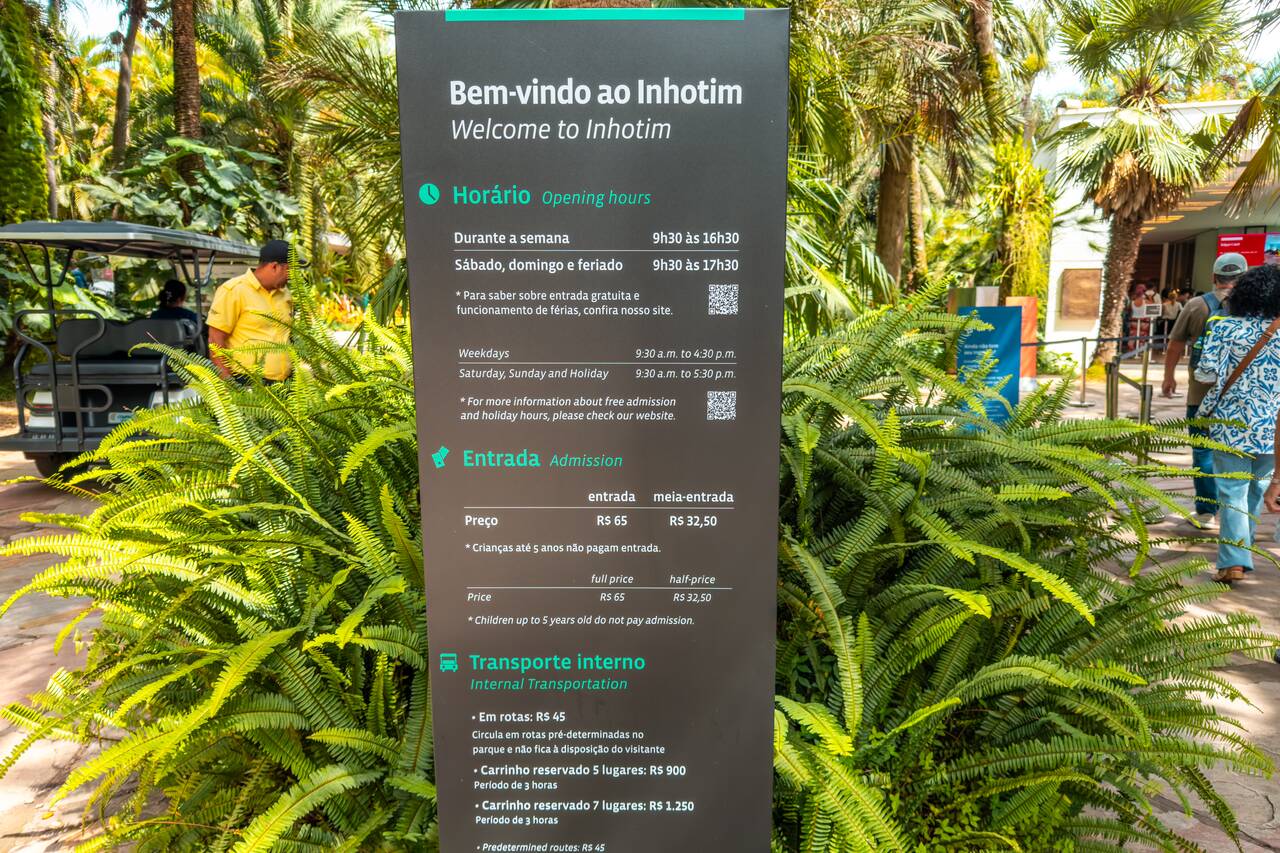
A one-day admission ticket costs 65 BRL (~13 USD). If you want to spread your visit across multiple days, you can purchase a two-day pass for 114 BRL or a three-day pass for 150 BRL.
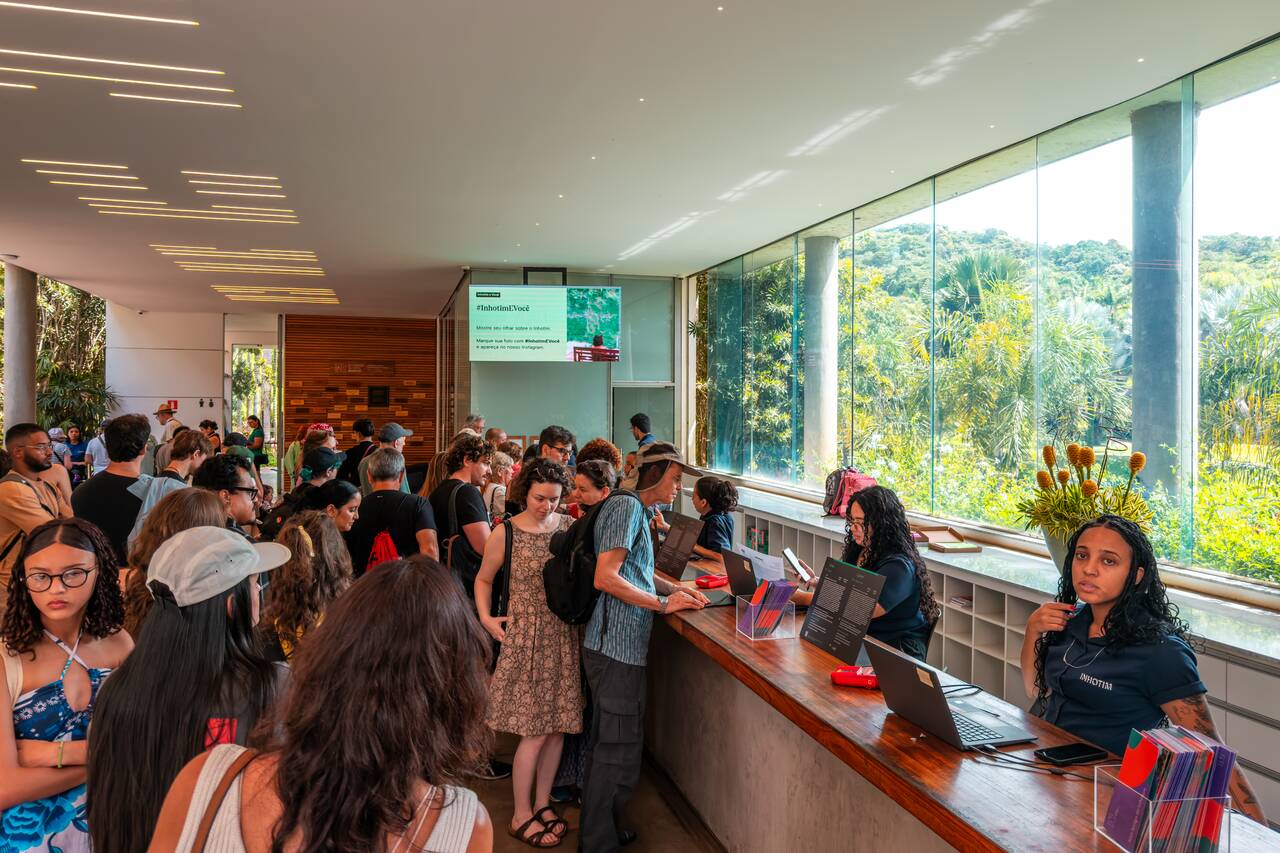
The museum is open from Wednesday to Friday, from 9:30 AM to 4:30 PM, and from 9:30 AM to 5:30 PM on weekends and holidays. Admission is free on Wednesdays. The museum is closed on Mondays and Tuesdays, so be sure to plan your visit accordingly.
Disclaimer: This post may contain affiliate links. See our disclosure policy.
First Published:
Last updated: