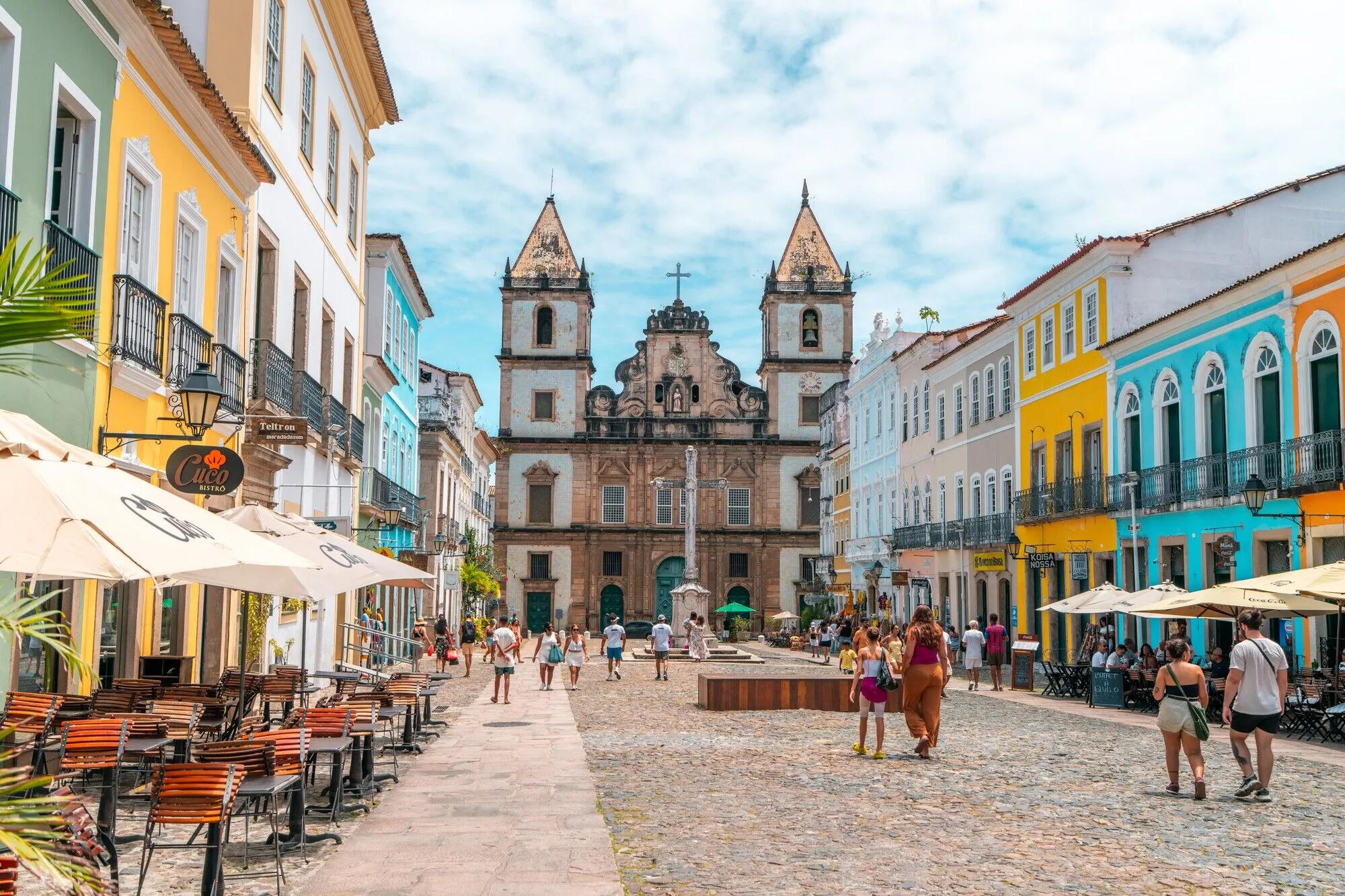



While Rio de Janeiro is known for its iconic beaches and São Paulo for its sprawling urban landscape, Salvador stands out for its colorful colonial streets, rich Afro-Brazilian heritage, lively music scene, and some of the best food in the country.
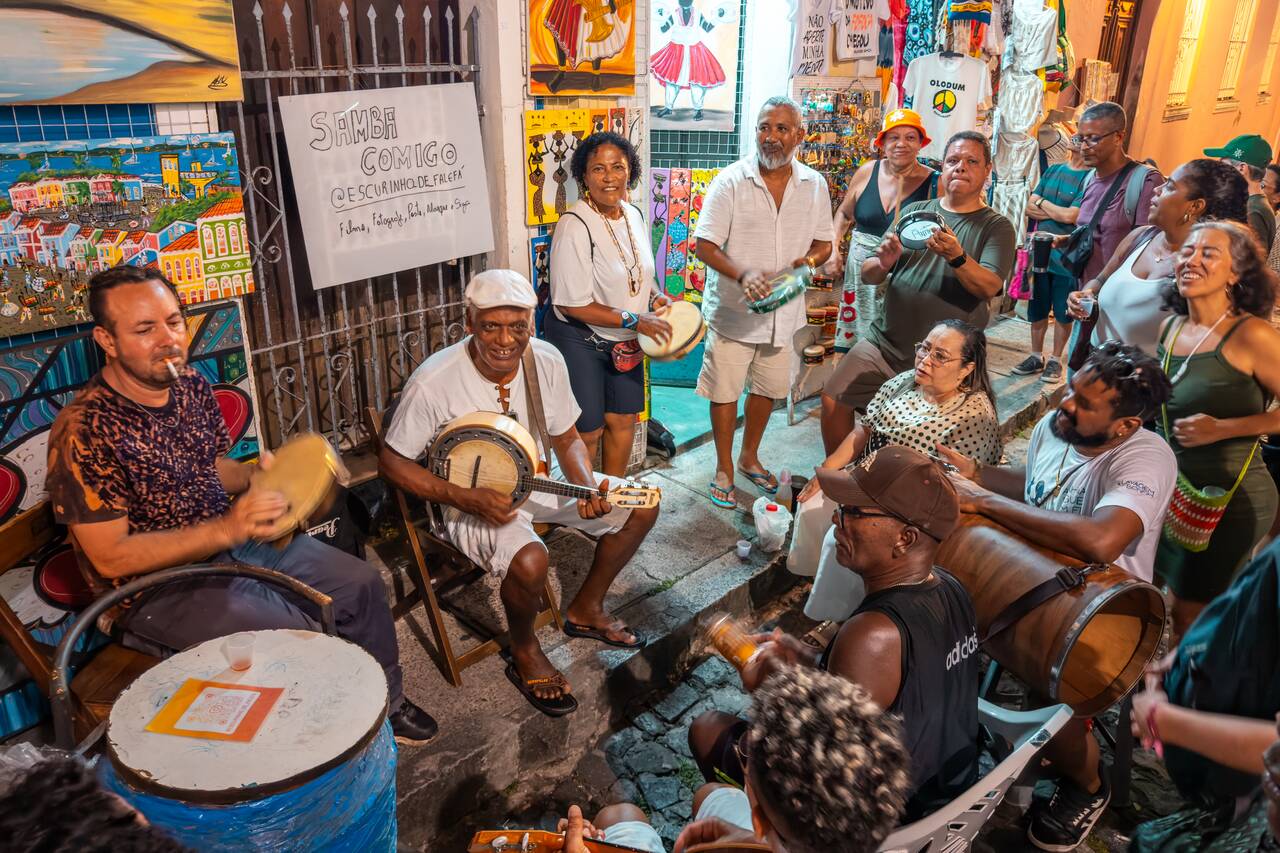
It is one of the most fun cities I have ever visited, with so many colors, creativity, and, best of all, music reverberating through every corner, and I mean it. On every single corner in Pelourinho, you would find a full-on band playing percussion drums, trumpets, and all that jazz at all hours, day and night! They don't call this place the capital city of music for nothing!
I spent around 5 days in Salvador, and I had a great time, but what made me love this city even more was the fact that I was there during the Bonfim Festival, which is the second-largest celebration in the city, second only to Carnival.
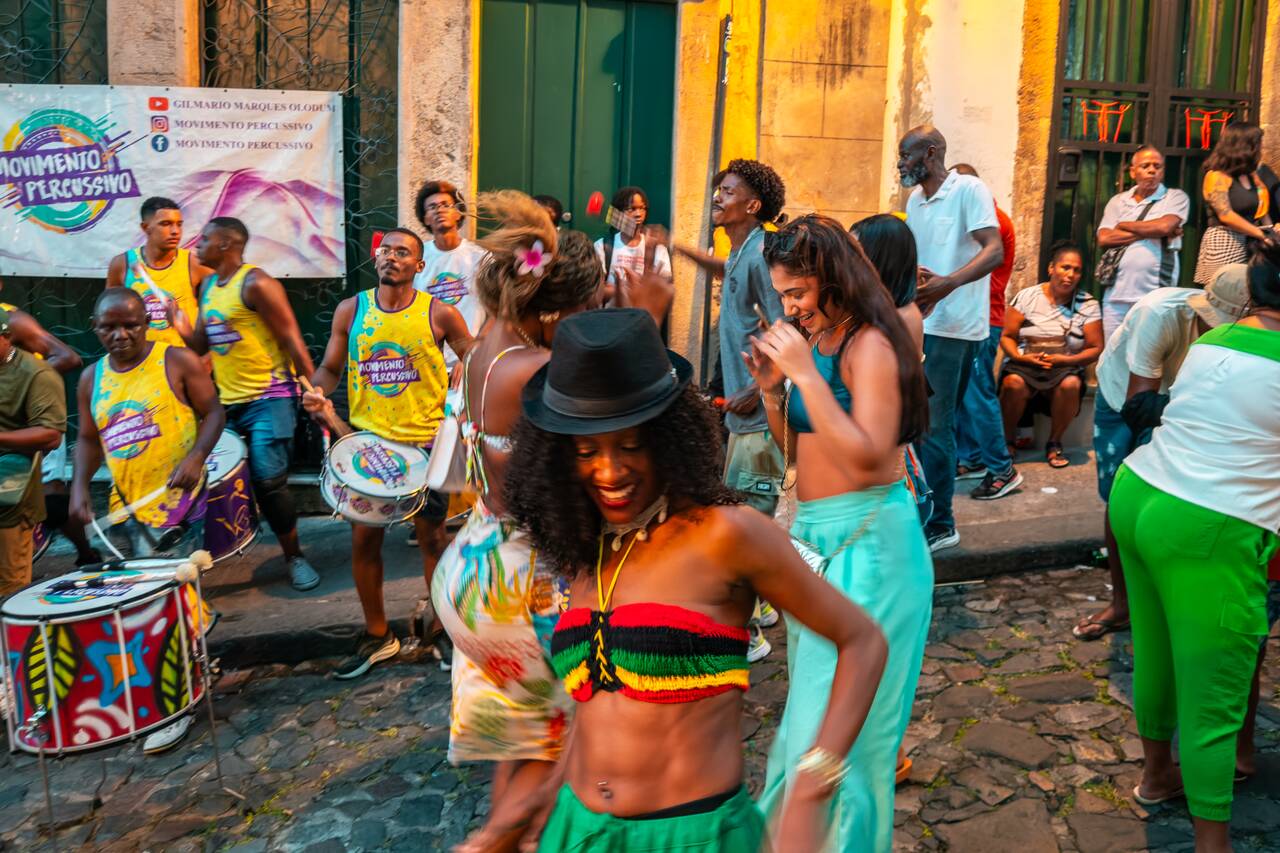
Basically, the Bonfim Festival is a mini Carnival but without the foreign tourist crowds, and prices remain affordable. All over the city, you will find people dancing, bands playing all kinds of Brazilian music, parades of people in colorful outfits, and everything in between. It was a madhouse, and I loved it!
I had such a great time in this city that I decided to write a full travel guide about it. In this guide, I'll show you the best things to do in Salvador, where to stay, what to eat, how to get around, and share a practical itinerary to help you make the most of your time in one of Brazil's most fun cities.

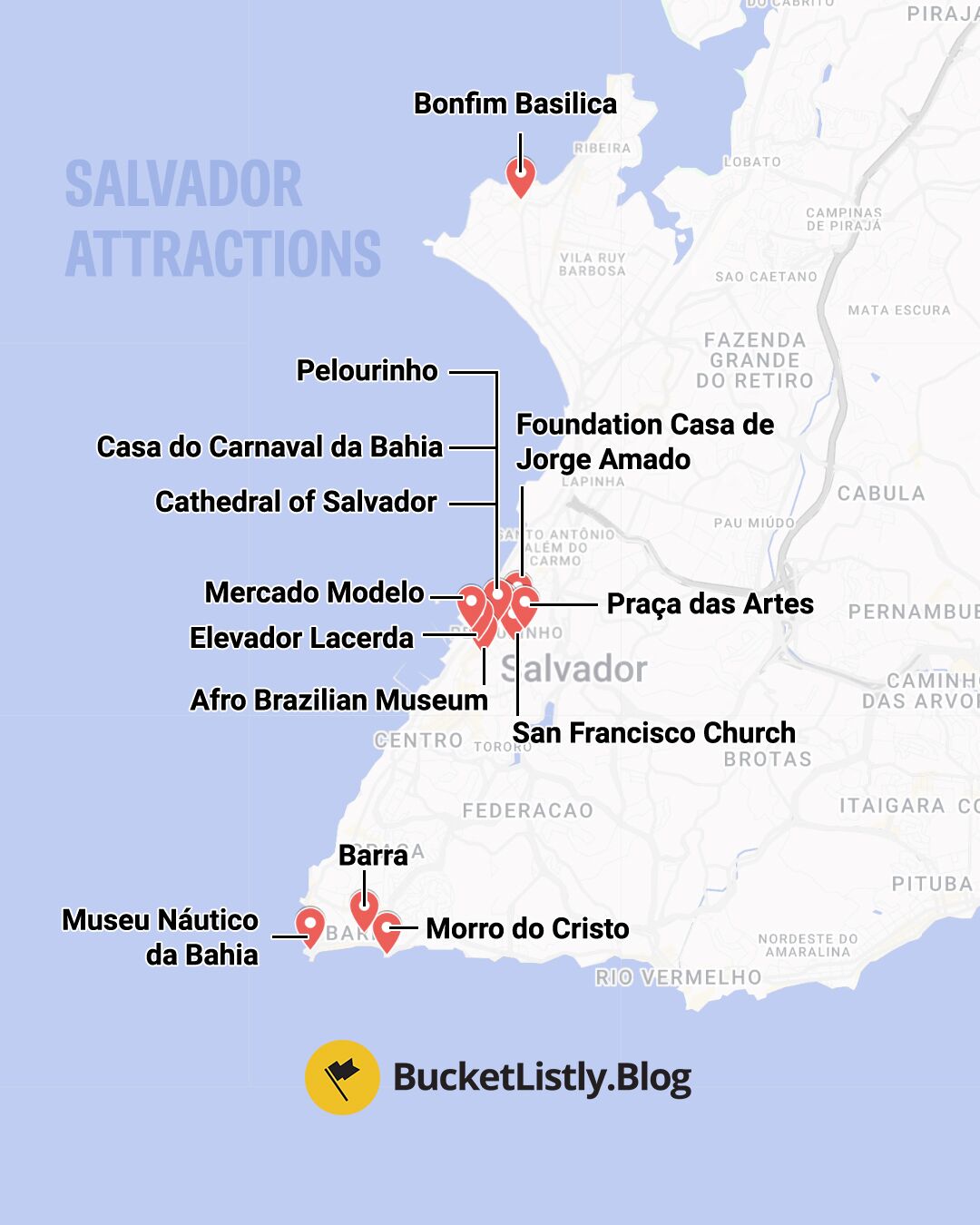
Map of the Best Places in Salvador
Quick Summary
| ♥️ Must Visit: | Pelourinho |
|---|---|
| 👍 Must Do: | Lavagem do Bonfim festival |
| 🏛️ Best Museum: | Casa do Carnaval da Bahia |
| 🥘 Place to Eat: | Largo Terreiro de Jesus |
15 Experiences I Think are Worth It in Salvaldor
1. Wander Around Pelourinho
- 📍 Location: Pelourinho [Map Link]
- ⚡ Pete's Take: "Visit during the day for sights, but don't miss the lively atmosphere at night."
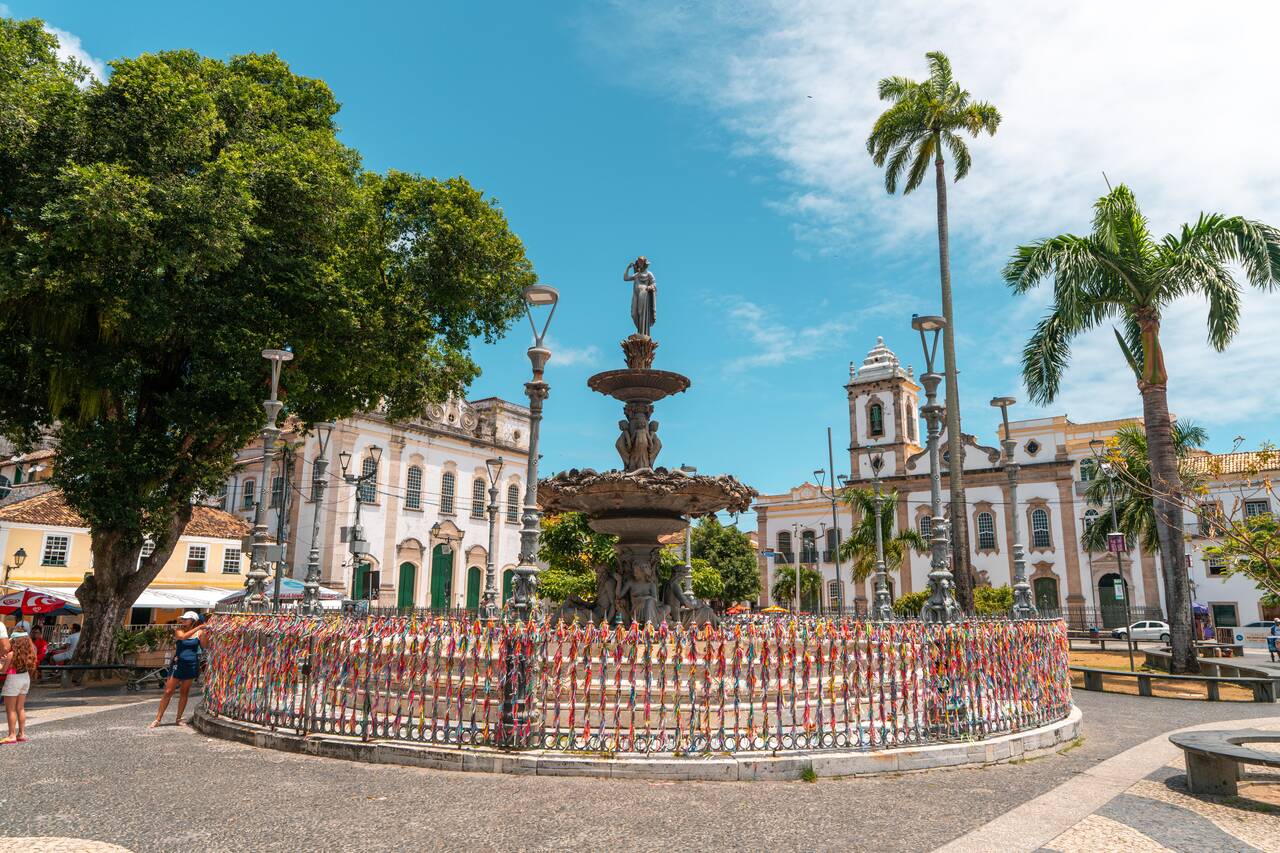
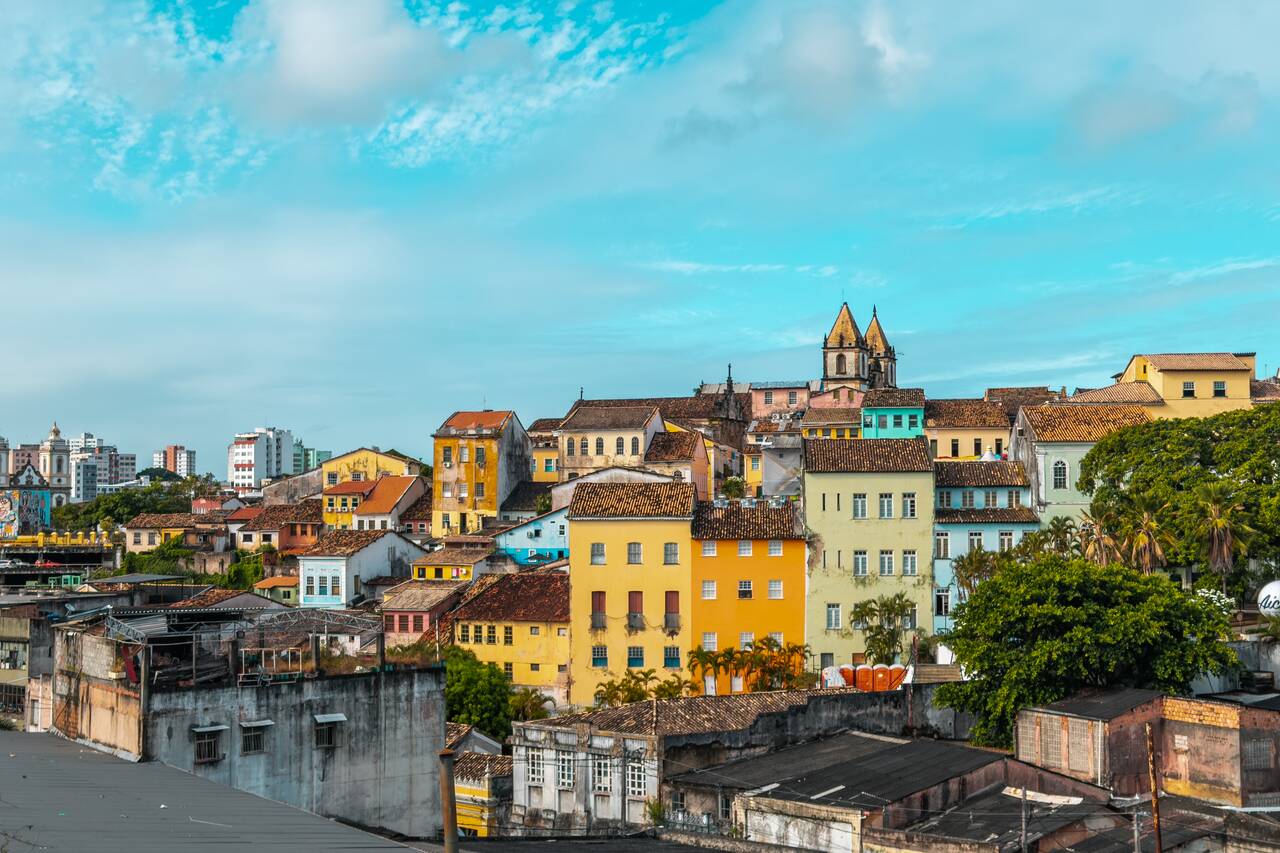
Just arrived in Salvador and not sure where to begin? I highly recommend you go and wander the streets of Pelourinho, the city's colorful historic center. With its pastel-colored colonial buildings, cobblestone streets, lively squares, and beautiful churches, this UNESCO World Heritage Site is where you will find the most action in the city.
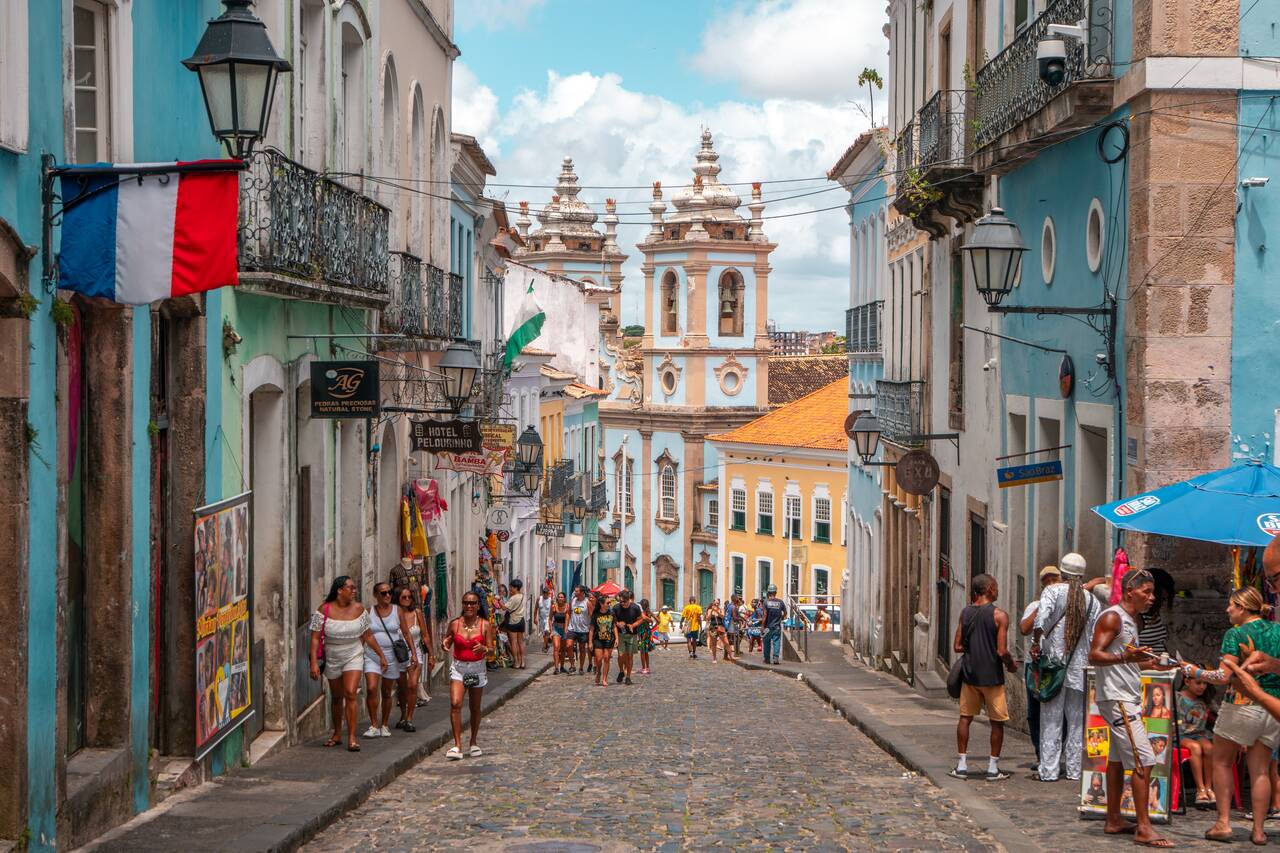
You will find plenty of attractions scattered throughout the neighborhood, including historic churches, museums, cultural centers, restaurants, cafés, and viewpoints overlooking the Bay of All Saints. I will cover some of my favorite spots in Pelourinho in more detail later in this guide.
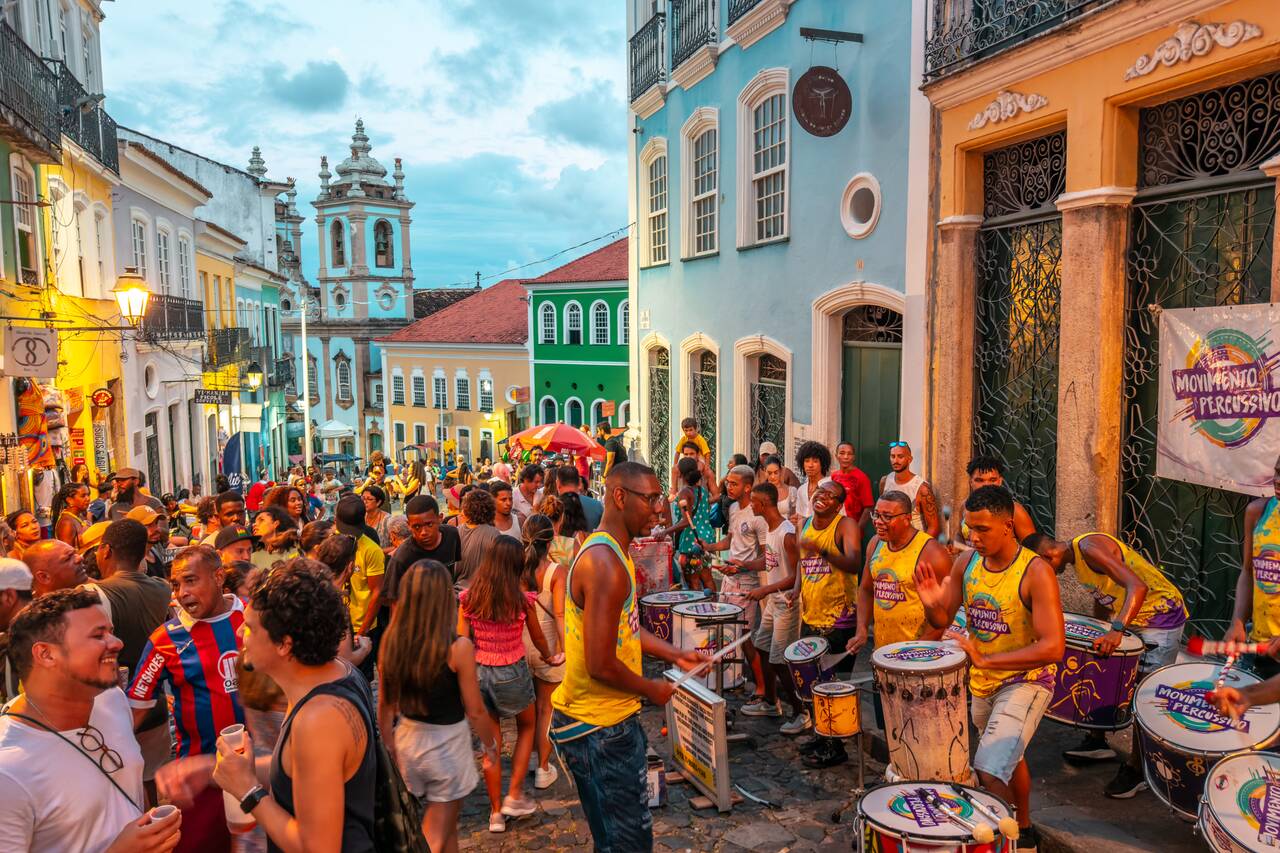
I spent hours exploring Pelourinho and never got bored of it. There is always something going on here, day or night. One moment you are admiring centuries-old architecture, and the next you are watching a spontaneous capoeira performance or listening to, and even dancing along with, drummers practicing in the streets.
- Hostel Barra (Budget)
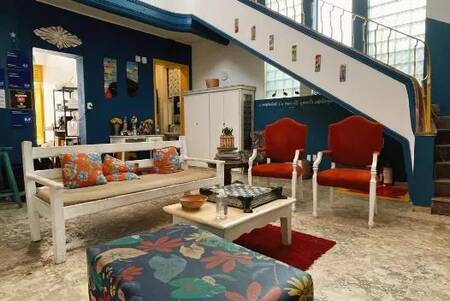
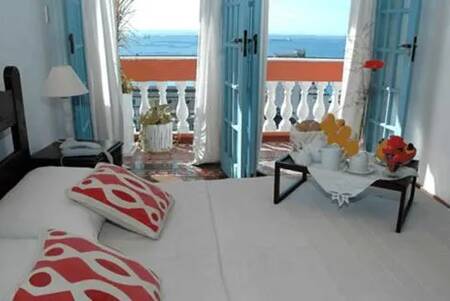
- Bed & breakfast Villa Carmo (Mid-Range) 👍 Top Pick
- Hotel Villa Bahia (High-End)
- City Tour Salvador Historica (3 hours)
- Tour to the Frades Islands and Itaparica, from Salvador (8 hours)
- Tour Praia do Forte and Guarajuba, Leaving Salvador (8 hours)
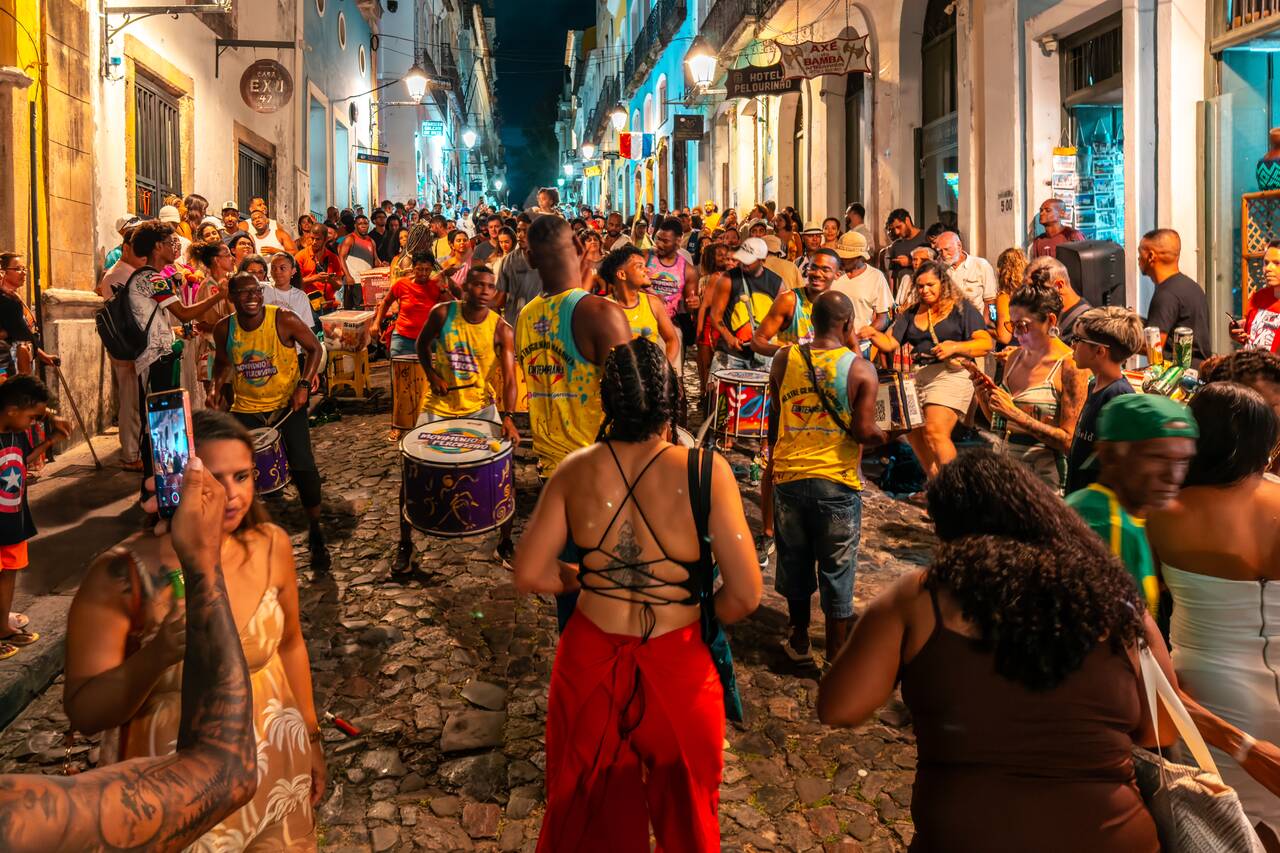
I recommend visiting both during the day and in the evening. During the day, you can appreciate the architecture and visit the attractions, while at night the neighborhood comes alive with music, restaurants, and a lively atmosphere that feels distinctly Bahian, and I don't think there's any place quite like this.
Where to Stay in Salvador?
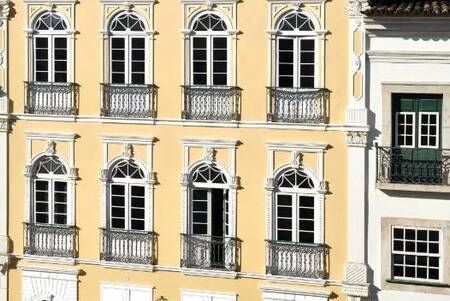
2. Check out the view from Foundation Casa de Jorge Amado
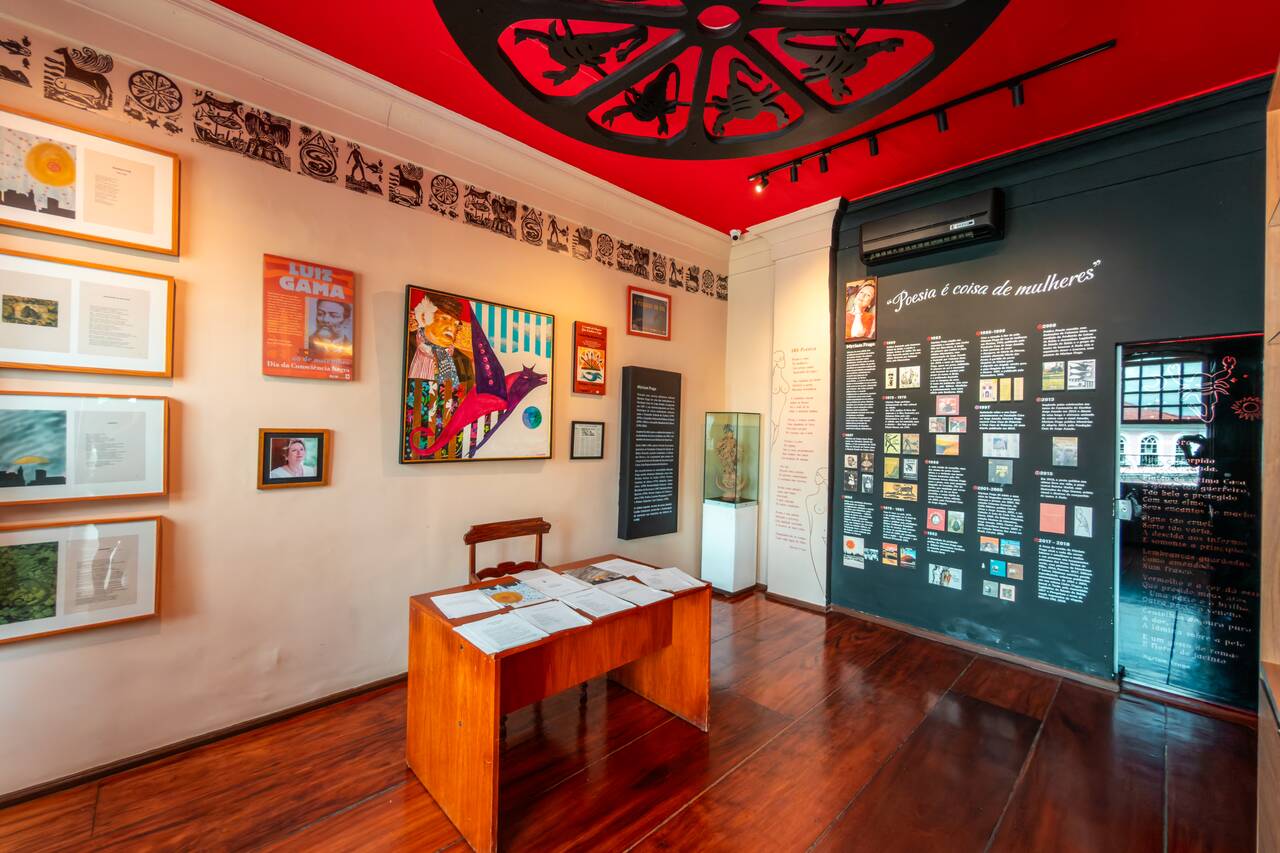
- 📍 Location: Fundação Casa de Jorge Amado [Map Link]
- 🕐 Opening Hours: 10 AM - 6 PM
- 💰 Entry Fees: 20 BRL (~4 USD)
- ⚡ Pete's Take: "Head to the balcony for a great view of the old town."
Located right in the heart of Pelourinho, Fundação Casa de Jorge Amado is a museum dedicated to the life and work of Jorge Amado, one of Brazil's most celebrated writers. Even if you are not familiar with his books, the museum is still worth visiting for its colorful exhibits, cultural significance, and one of the best viewpoints in Pelourinho.
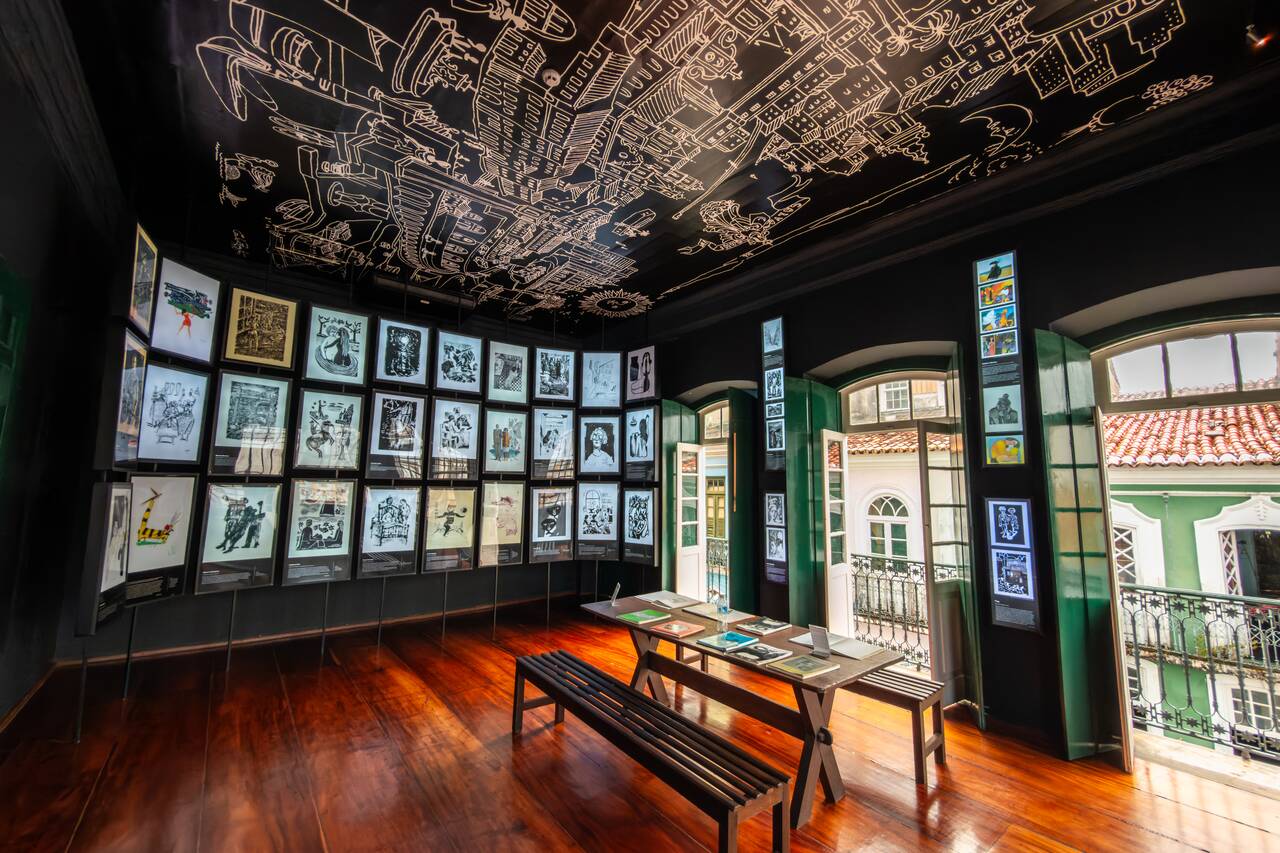
Inside, you will find photographs, manuscripts, personal belongings, and exhibits detailing Jorge Amado's life and his influence on Brazilian literature and culture. The museum provides an interesting glimpse into Bahia's history and the people who helped shape its identity.
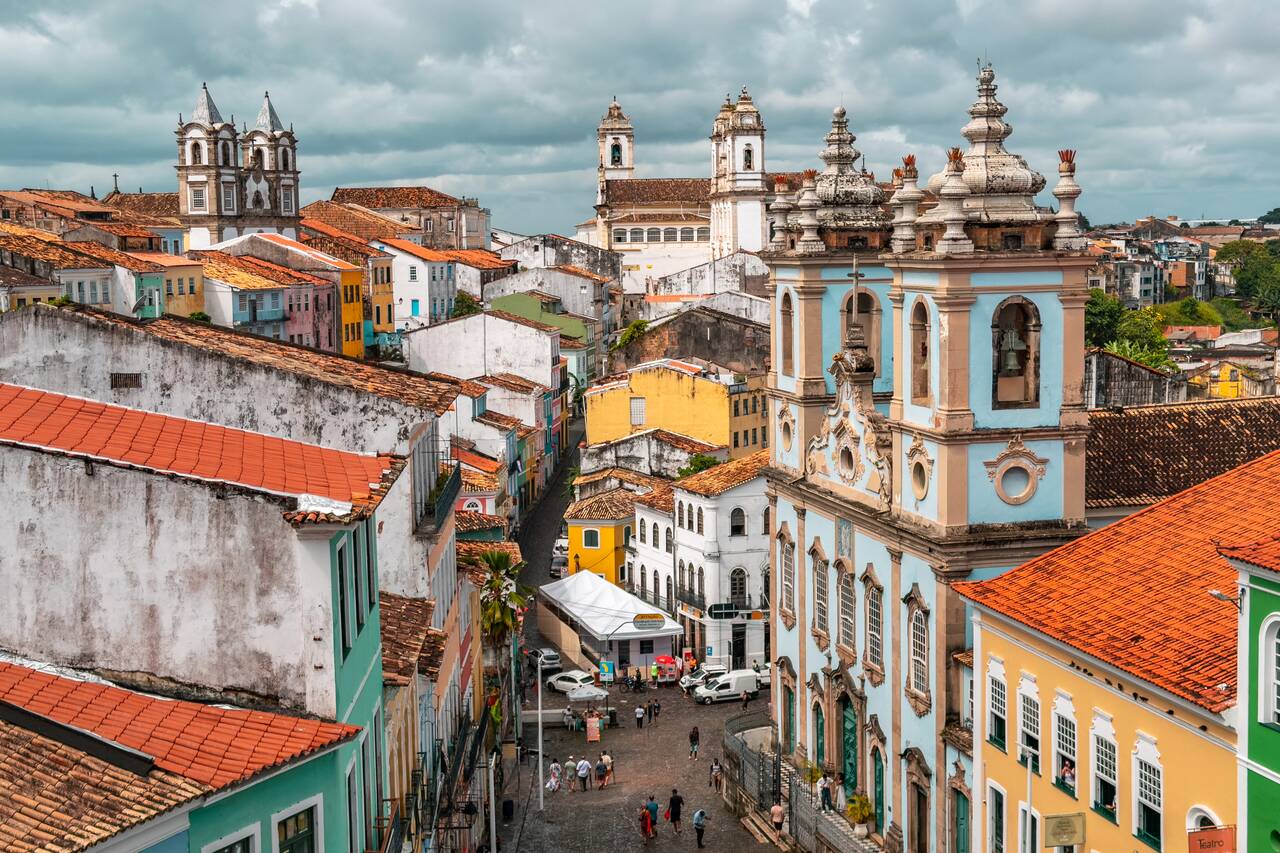
That said, my favorite part of the museum was not the exhibits themselves but the balcony on the upper floor. From here, you get a fantastic view over Pelourinho's colorful colonial buildings, church towers, and lively squares below. It is one of the best spots in the neighborhood for photos and a great place to take a short break from wandering around the historic center.
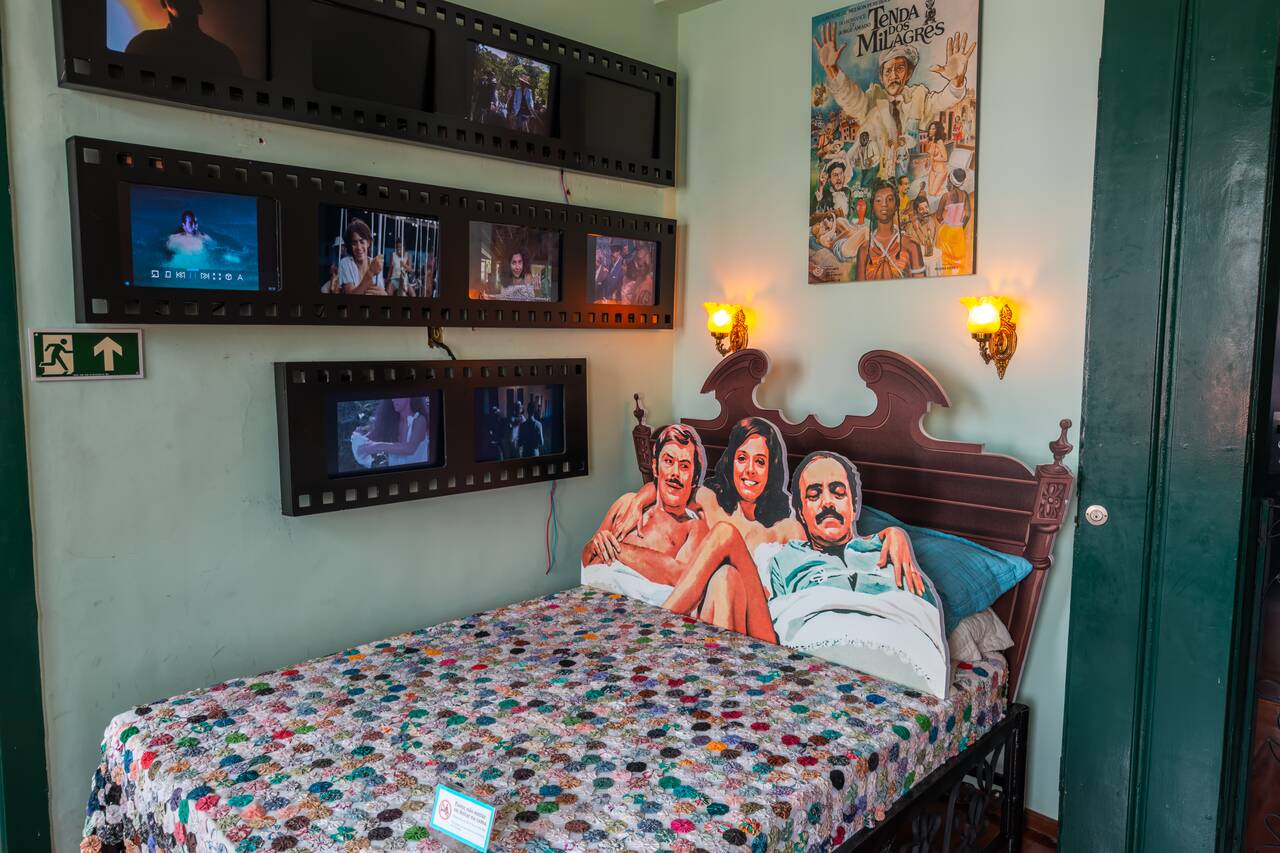
The museum is relatively small and can be explored in around 30 to 45 minutes. It is open daily from 10 AM to 6 PM, except on Sundays. Admission is 20 BRL (around 4 USD) per person, although you can visit for free on Wednesdays.
3. Visit Cathedral of Salvador
- 📍 Location: Cathedral of Salvador [Map Link]
- 🕐 Opening Hours: 9 AM - 5:30 PM
- 💰 Entry Fees: 10 BRL (~2 USD)
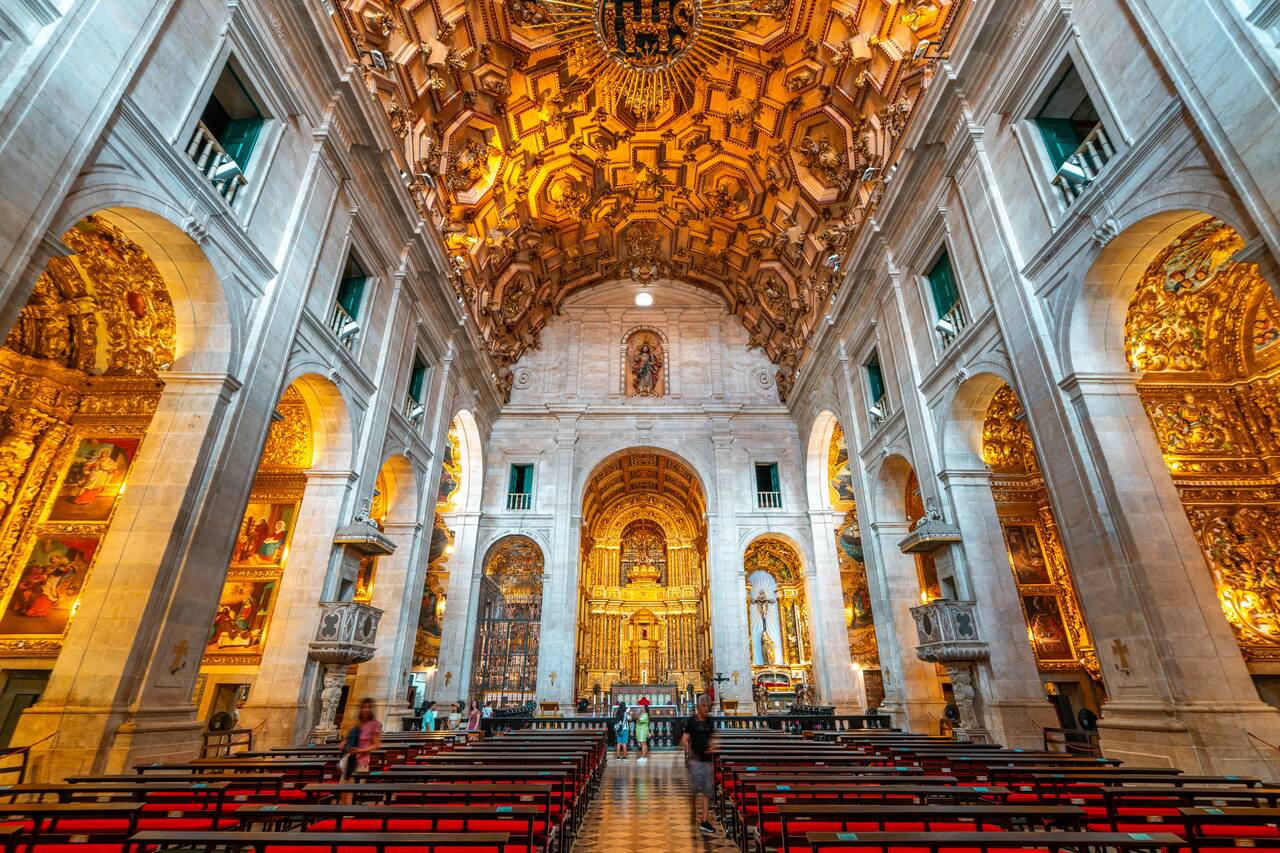
One of the finest churches you can visit in Pelourinho is the Cathedral of Salvador, a magnificent church located right next to Largo Terreiro de Jesus Square. I think it perfectly showcases just how wealthy and influential the Jesuits were during Brazil's colonial period.
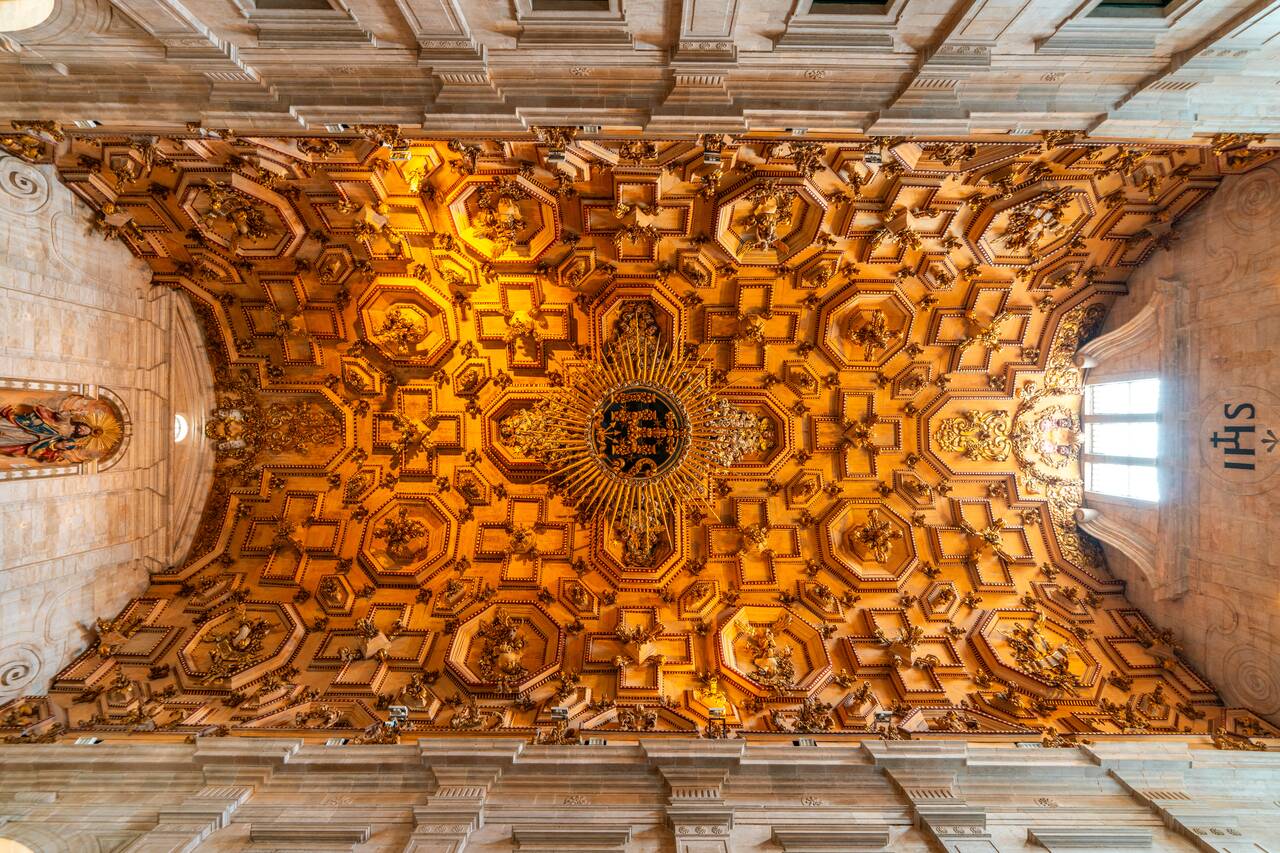
Built in the 17th century, the cathedral's exterior is already impressive, with its massive facade towering over many of the surrounding buildings. However, the real highlight lies inside. The moment you step through the doors and look up, you will be greeted by a beautifully decorated ceiling, elaborate gilded altars, and intricate carvings throughout the church. The level of detail in some of these decorations is absolutely insane and completely blew me away!
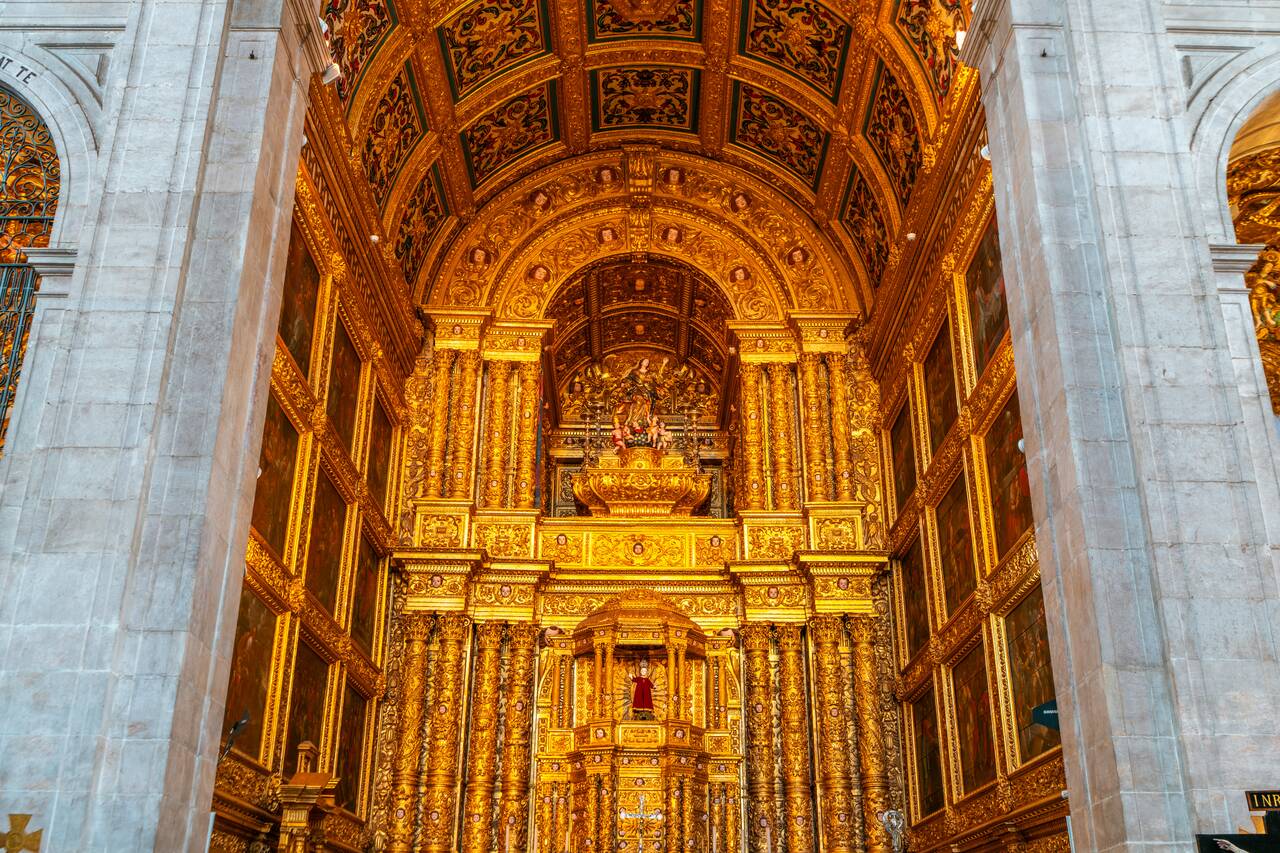
The cathedral is open daily from 9 AM to 5:30 PM, and the entrance fee is 10 BRL (around 2 USD) per person. If you are exploring Largo Terreiro de Jesus Square and looking for a beautiful place to visit nearby, be sure to stop by the Cathedral of Salvador.
4. Check Out the Interior of Church and Convent of São Francisco
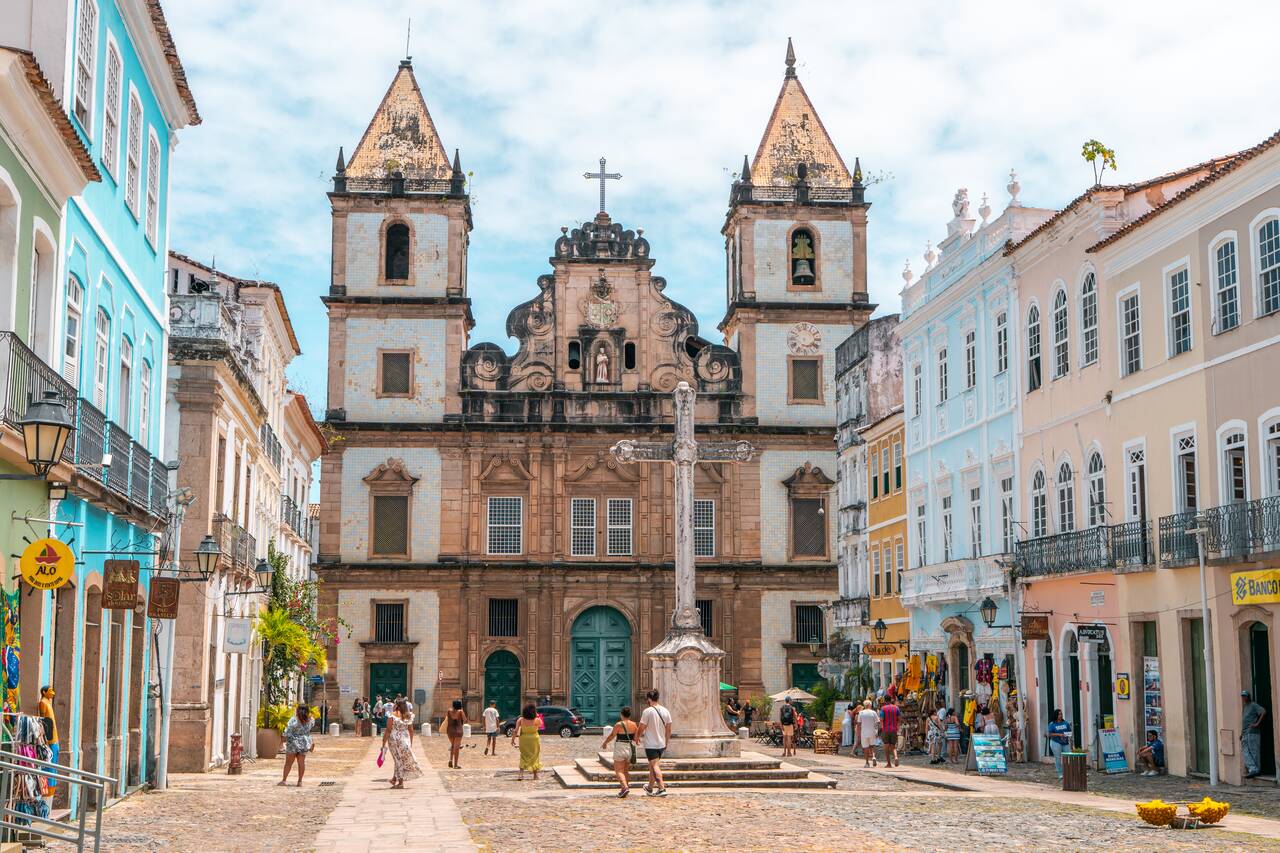
- 📍 Location: Church and Convent of São Francisco [Map Link]
- 🕐 Opening Hours: 9 AM - 5 PM
- 💰 Entry Fees: 20 BRL (~4 USD)
- ⚡ Pete's Take: "One of the most beautiful churches in Salvador, but it's been closed for quite some time now."
Another awesome church to visit, located right across the square from the Cathedral of Salvador, is the Church and Convent of São Francisco. Often considered one of the most beautiful churches in Brazil, this Baroque masterpiece from the 18th Century is famous for its jaw-dropping interior covered almost entirely in gold.
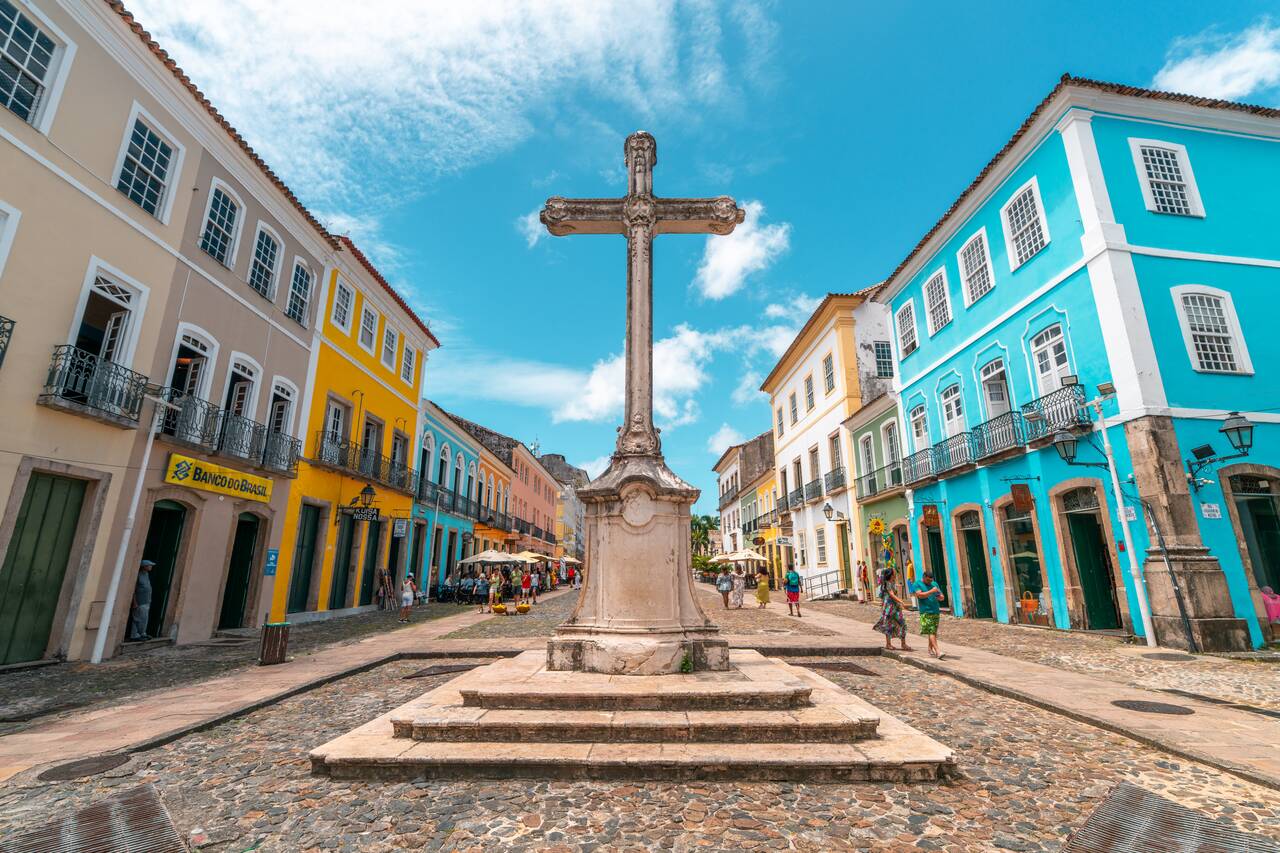
From the outside, the church looks relatively modest compared to some of Salvador's other landmarks, but once you step inside, you are usually greeted by an interior filled with intricate gilded carvings, elaborate religious artwork, and stunning decorative details.
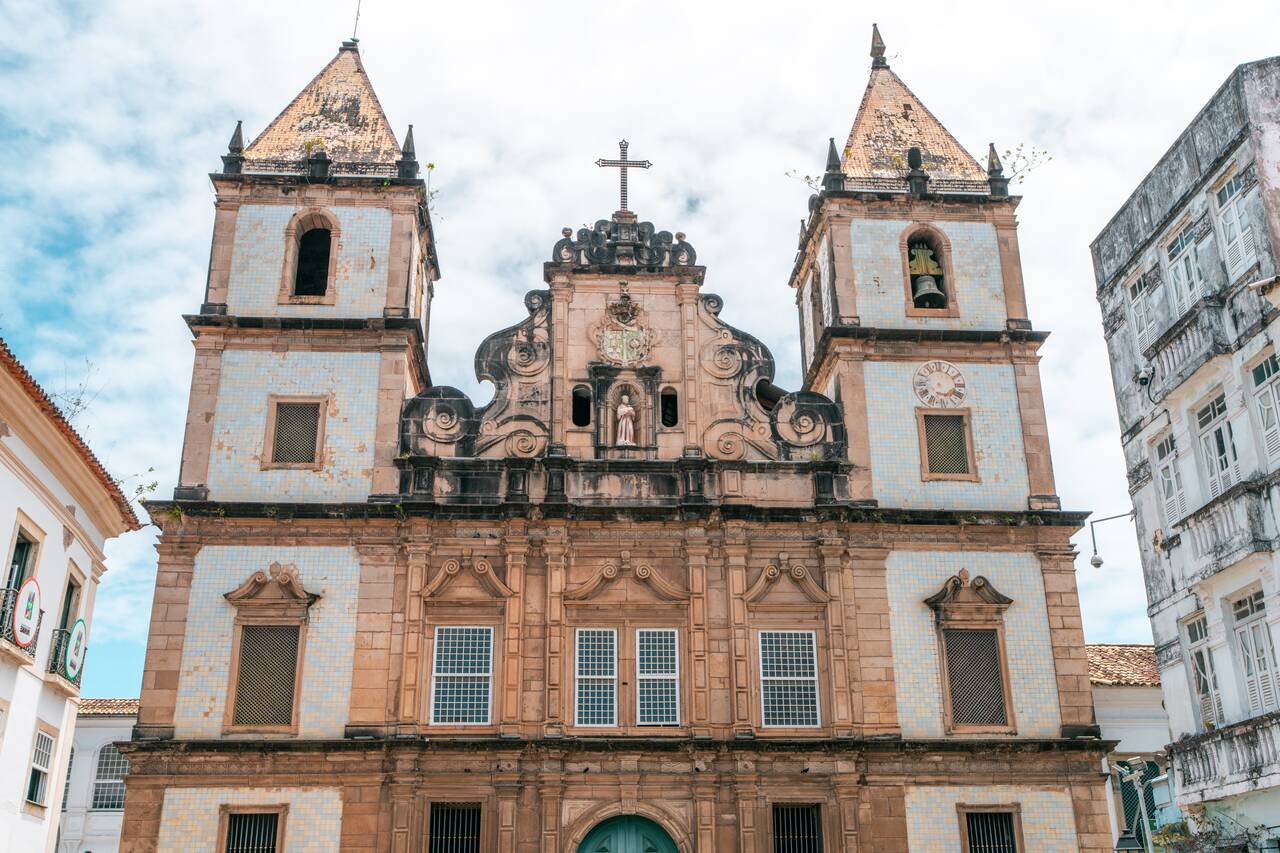
Or so I've heard 😅. When I was there, the church was undergoing repairs following the partially collapsed ceiling incident in early 2025, so I never got to see the famous interior for myself. I can't believe my luck sometimes. The church is generally open daily from 9 AM to 5 PM. If you have better luck than I did and the main church is open to visitors again, admission costs around 20 BRL (4 USD) per person and is well worth it.
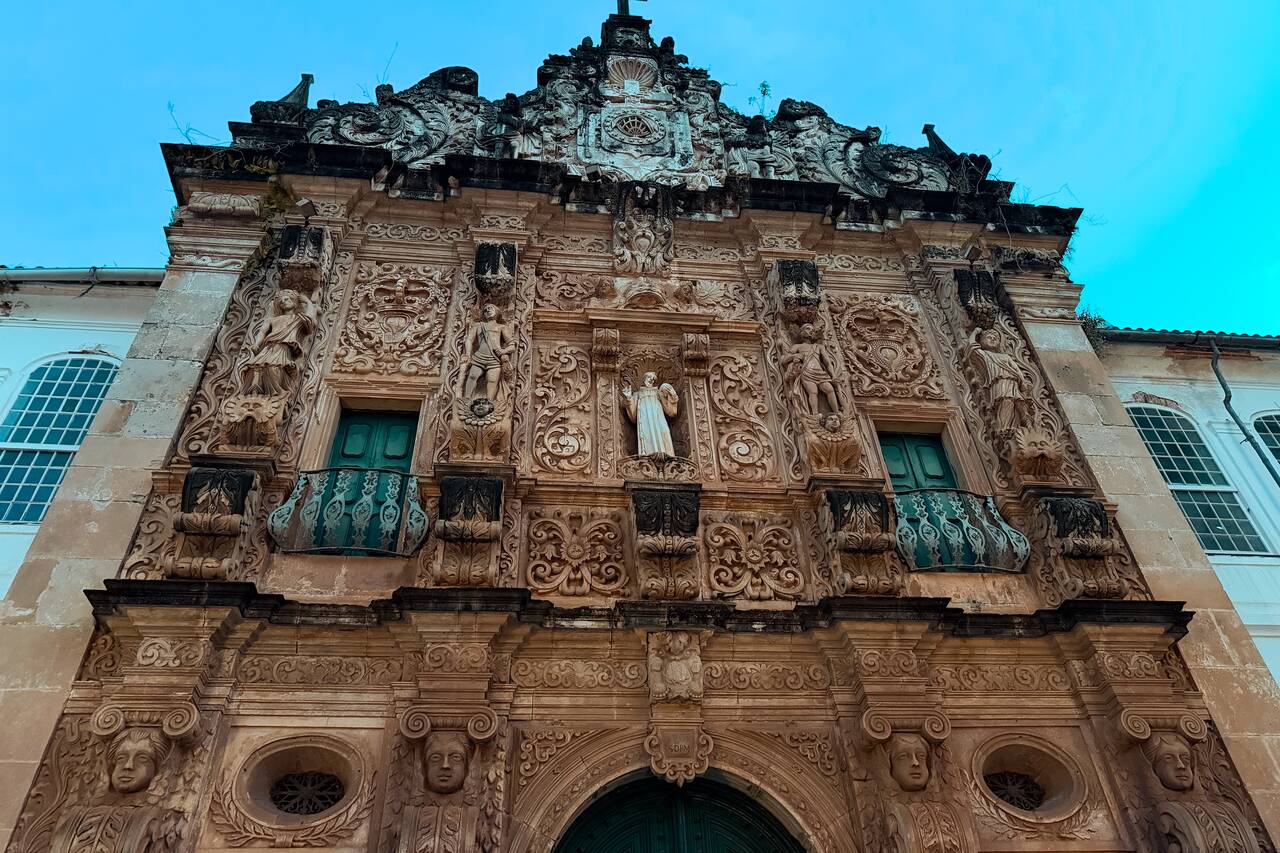
If the interior remains closed, however, I don't think it is worth paying just to visit the annex. In that case, I would recommend checking out other churches instead, such as the Igreja da Ordem Terceira Secular de São Francisco right next door, which features an incredibly ornate facade and some fascinating architectural details.
5. Enjoy a Free Concert at Praça das Artes
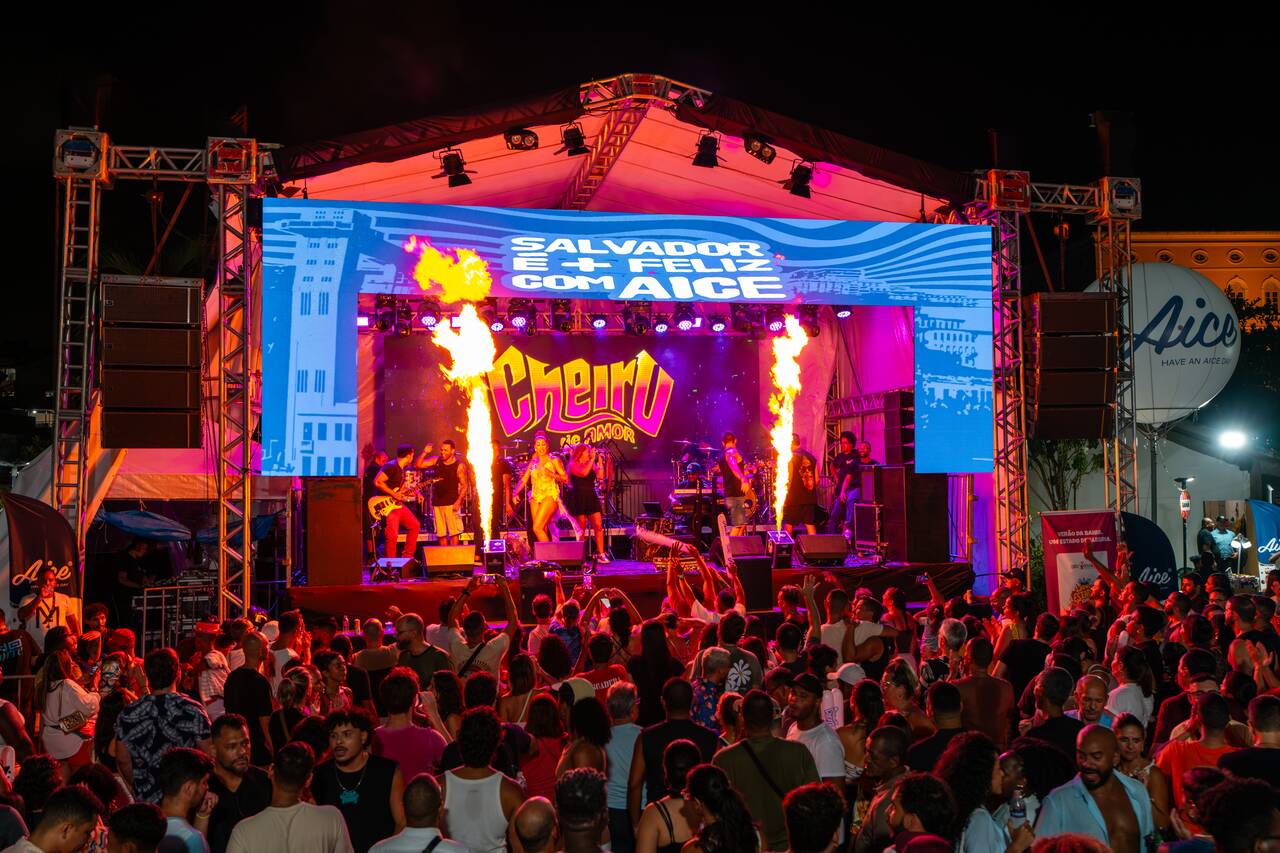
- 📍 Location: Praça das Artes [Map Link]
- 💰 Entry Fees: Free
- ⚡ Pete's Take: "My first impression of the city is that there was a live concert playing when I arrived. I really enjoyed it."
If you are exploring Pelourinho in the evening and hear live music echoing through the streets, chances are it is coming from Praça das Artes. This lively open-air cultural space often hosts free concerts, performances, and community events, making it one of the best places to experience Salvador's vibrant music scene.
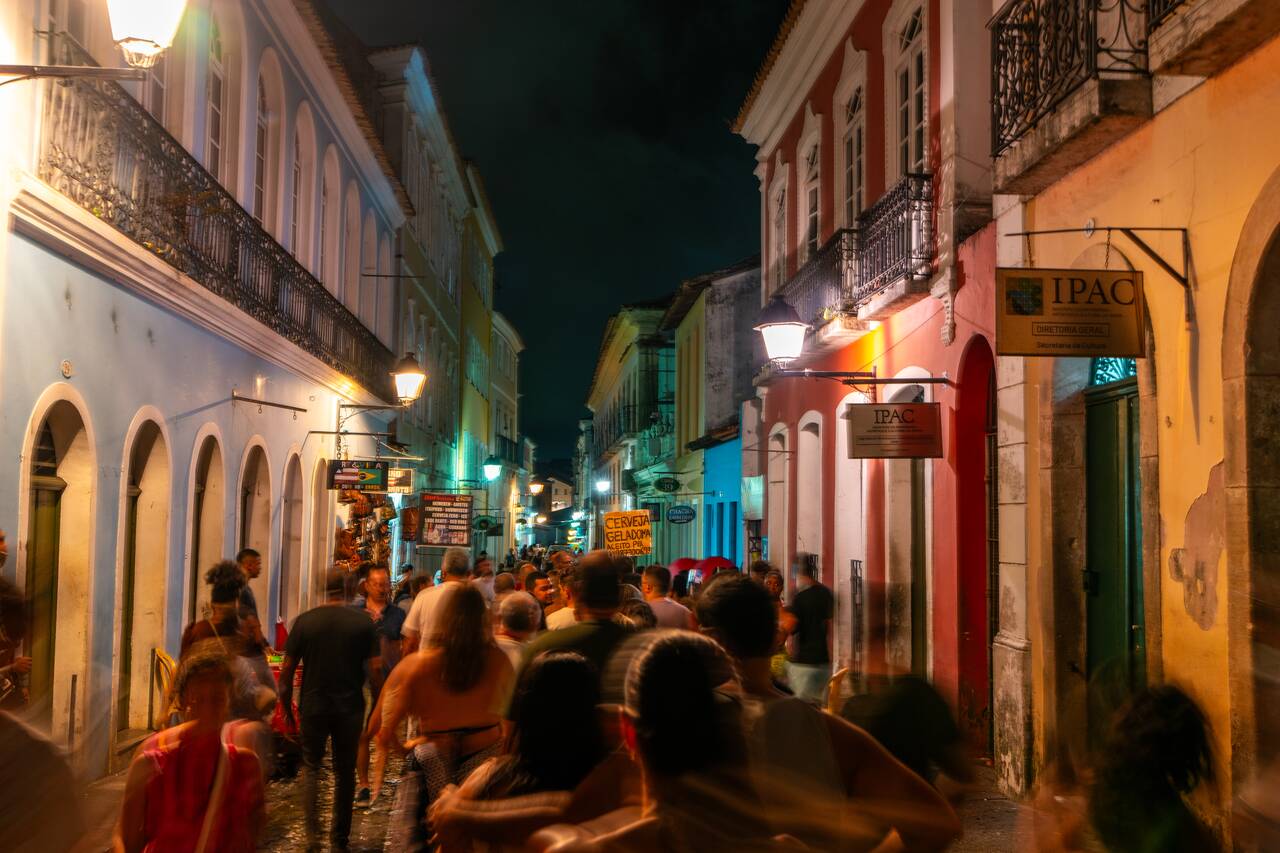
I stumbled upon a concert here completely by accident as I arrived at my hotel late in the evening. I heard the fun tune reverberating throughout the night, and it got me curious. I decided to follow the music and found people crowding in front of Praça das Artes.
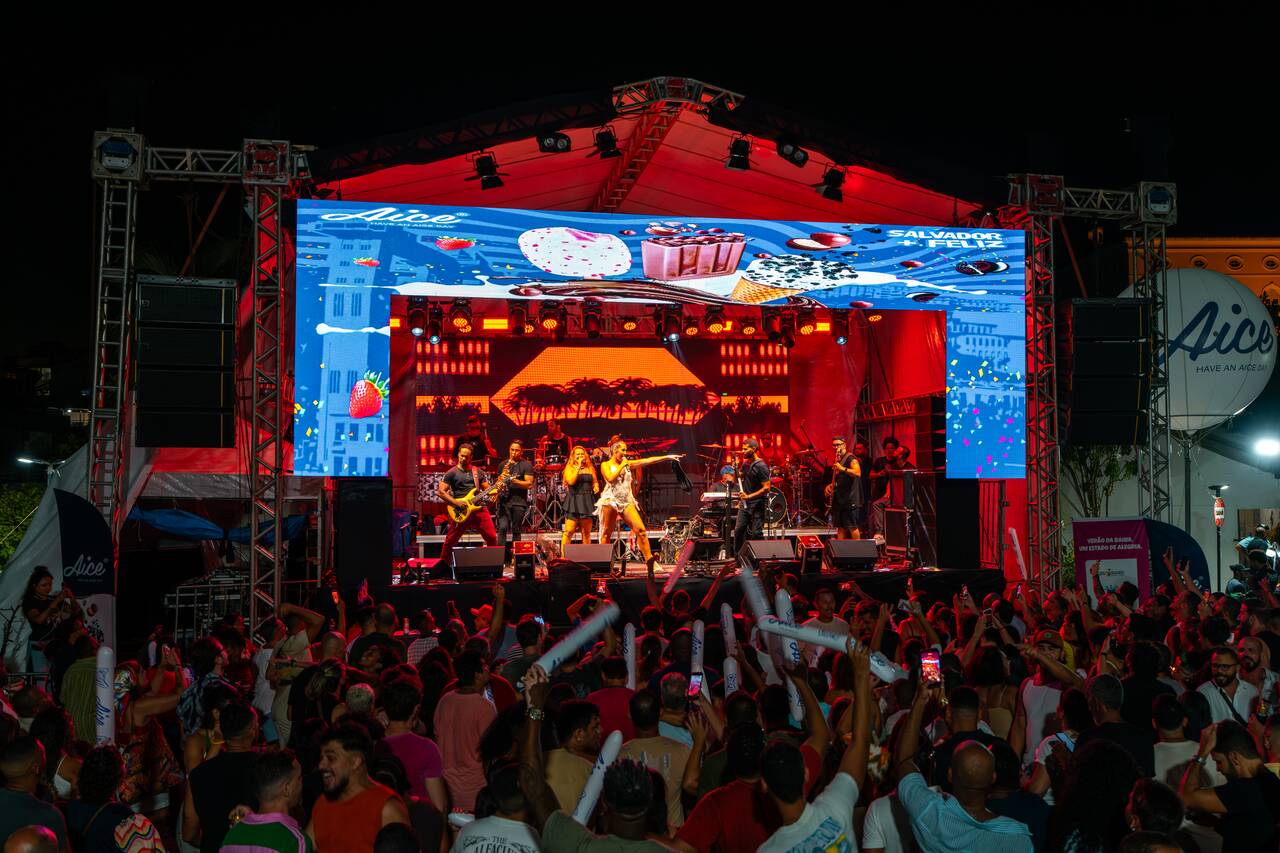
As it turned out, Cheiro de Amor was performing, and it ended up being one of my favorite experiences in the city. The atmosphere was incredible. Locals and tourists were dancing together, musicians were performing on stage, and the entire square felt alive with energy.
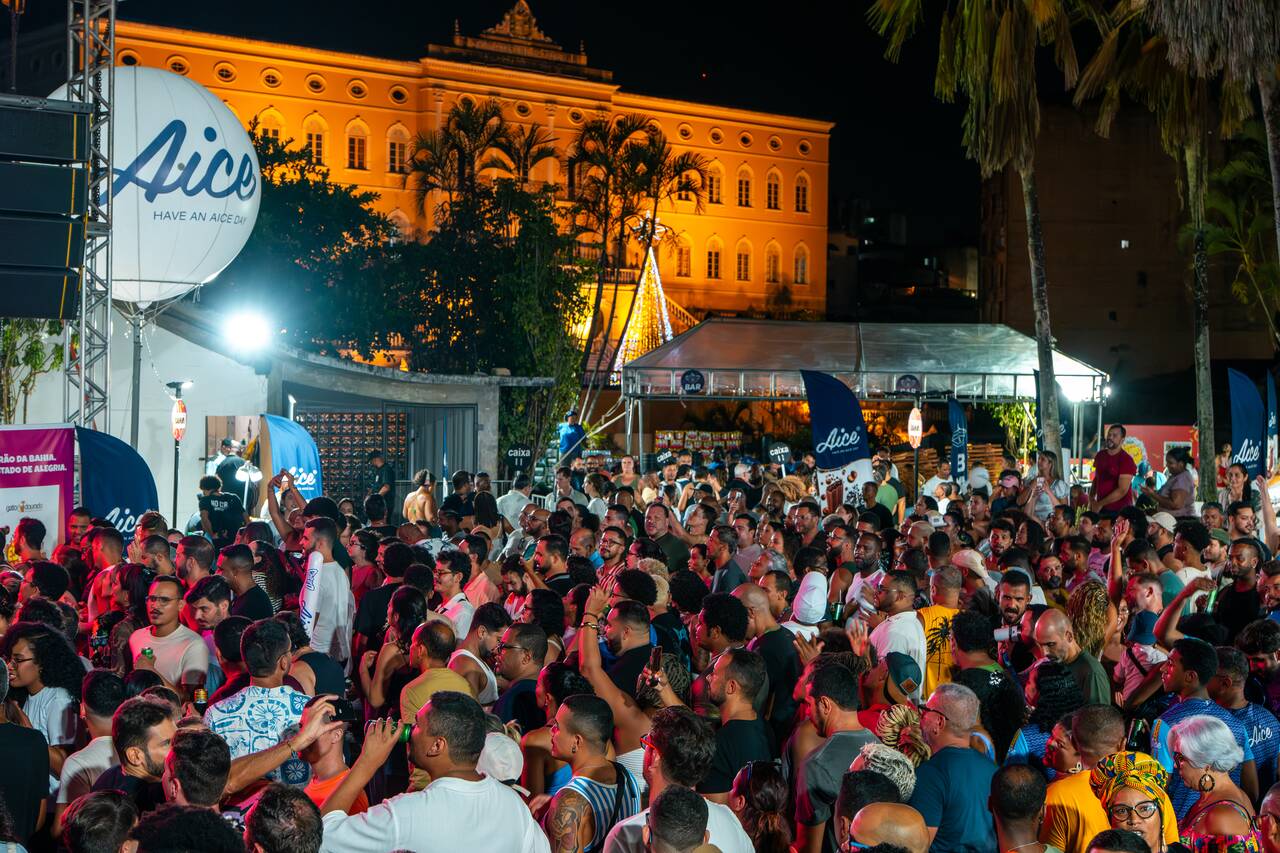
One of the things I loved most about Salvador was how music seemed to be everywhere. You do not always have to buy tickets or plan ahead. Sometimes all you have to do is wander around the historic center and you will find an amazing performance taking place right in front of you.
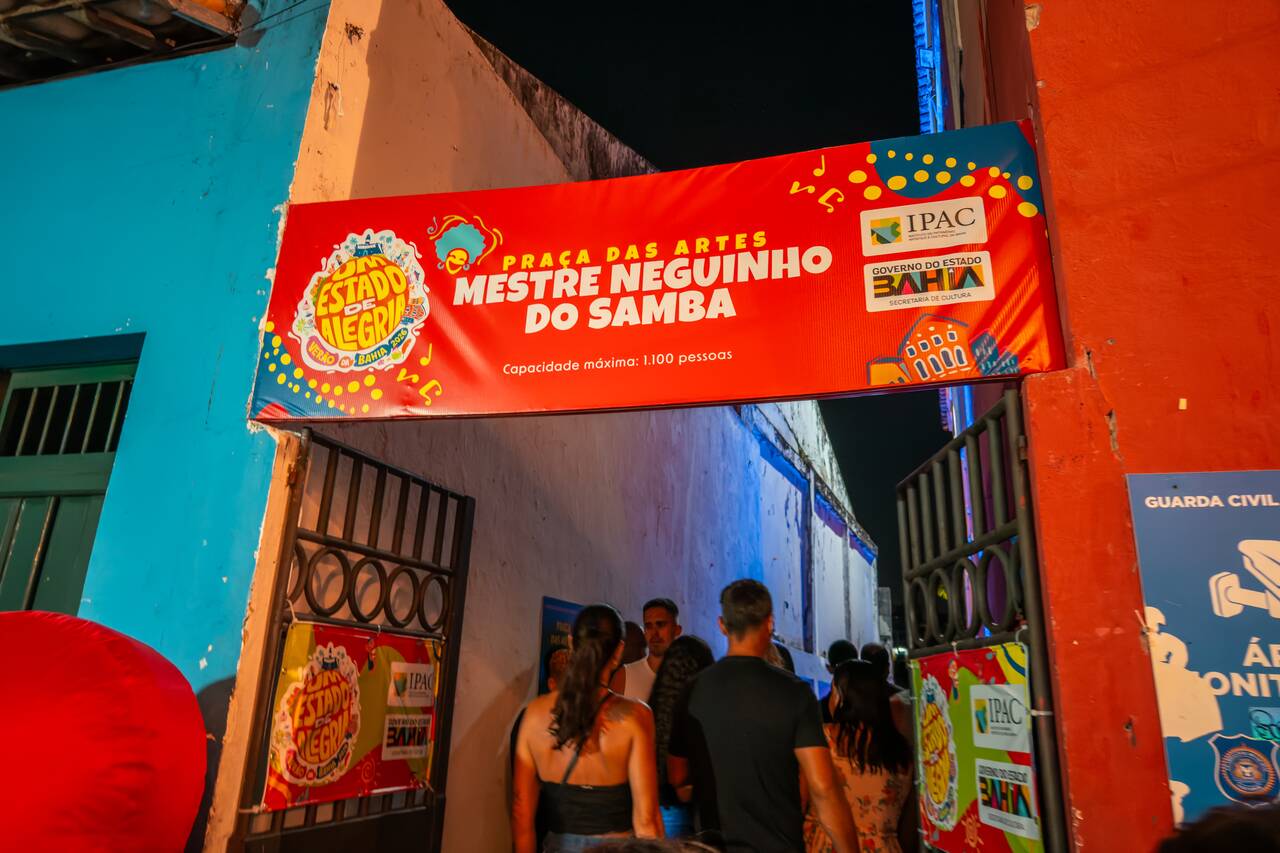
If there is an event happening while you are in town, I highly recommend sticking around for a while. Grab a drink, find a place to sit, and enjoy the show. It is one of the best ways to experience the city's culture and see why Salvador is often considered the musical heart of Brazil.
6. Stroll Around Casa do Carnaval da Bahia
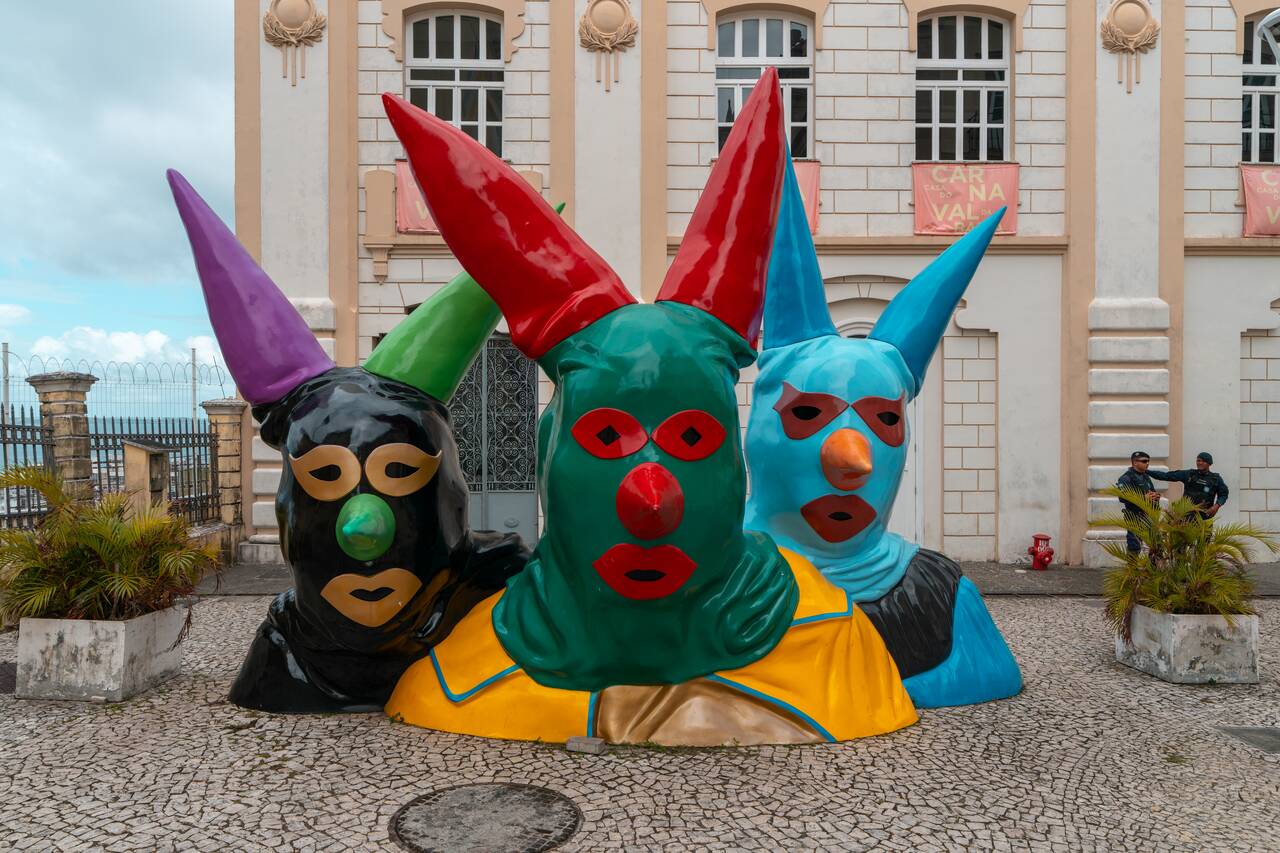
- 📍 Location: Casa do Carnaval da Bahia [Map Link]
- 🕐 Opening Hours: 9 AM - 5 PM
- 💰 Entry Fees: 20 BRL (~4 USD)
- ⚡ Pete's Take: "A great museum to visit if you want to learn more about the famous carnival."
If you want to learn more about the history and culture behind Salvador's world-famous Carnival, be sure to stop by Casa do Carnaval da Bahia. Located right behind Largo Terreiro de Jesus Square, this modern museum is dedicated to one of the most famous cultural celebrations in Brazil.
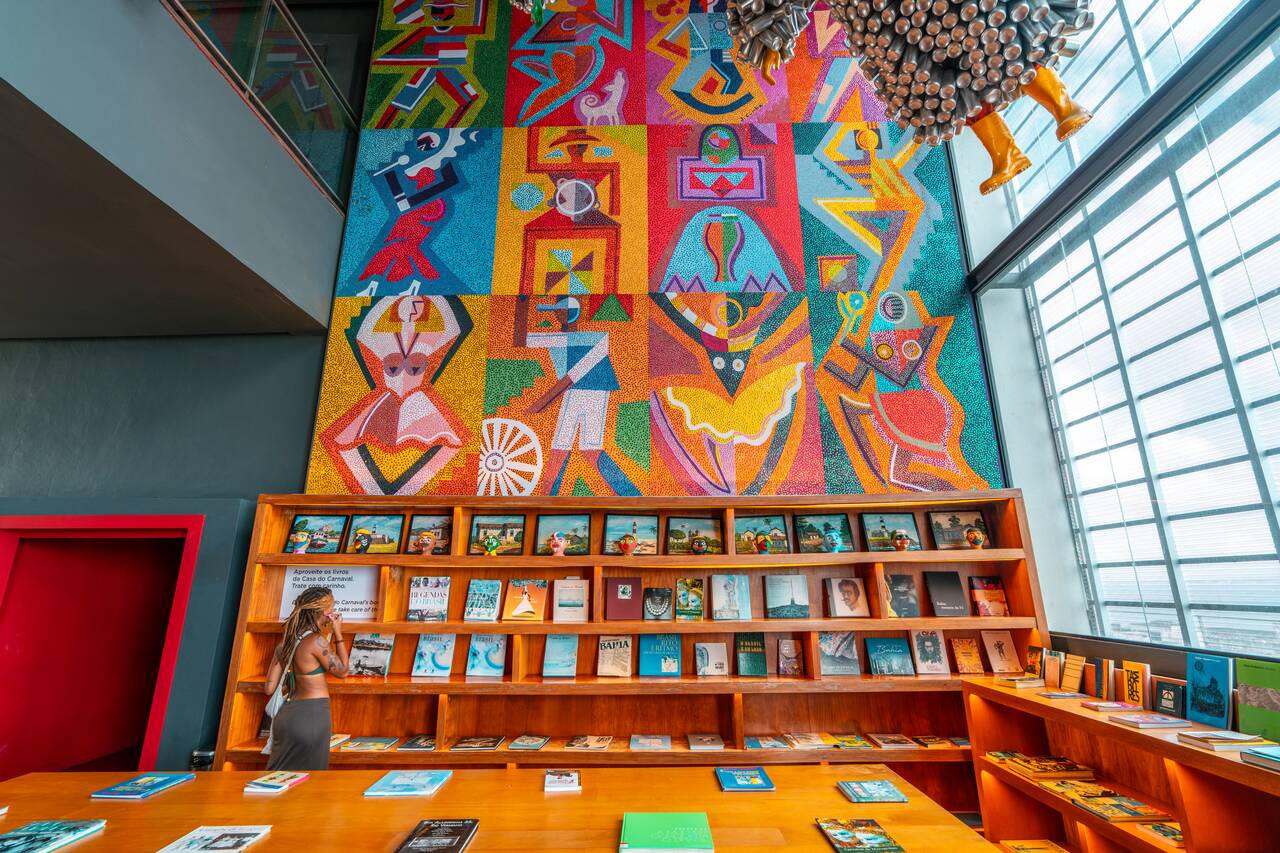
Through interactive exhibits, videos, costumes, music, and multimedia displays, the museum tells the story of how Carnival evolved in Salvador and how it became one of the largest street festivals in the world. You will also learn about the artists, musicians, and cultural movements that helped shape the event into what it is today.
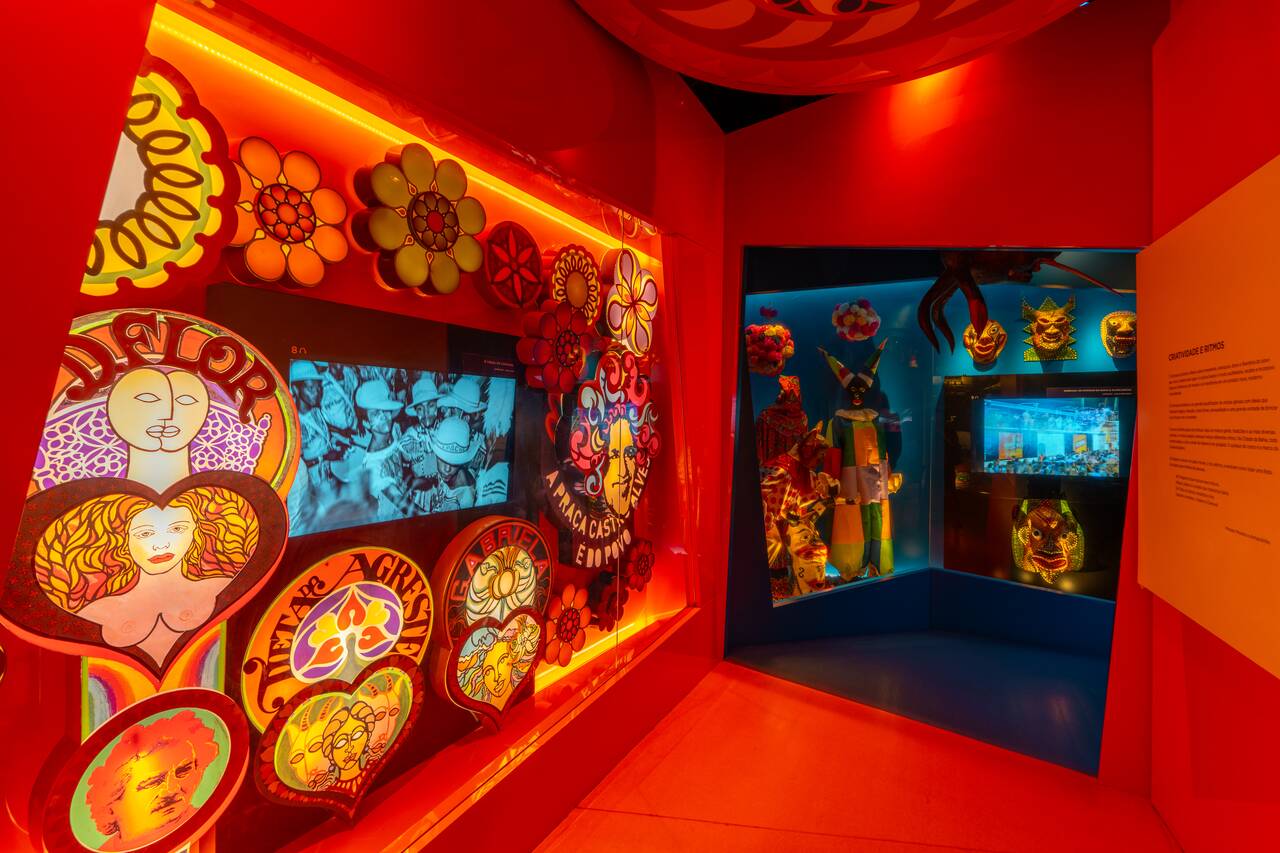
Even though I was lucky enough to experience the Bonfim Festival while I was in Salvador, I still found the museum interesting as it provided a lot of context about the city's deep connection with music, dance, and public celebrations. It helped me appreciate just how important these events are to the local culture.
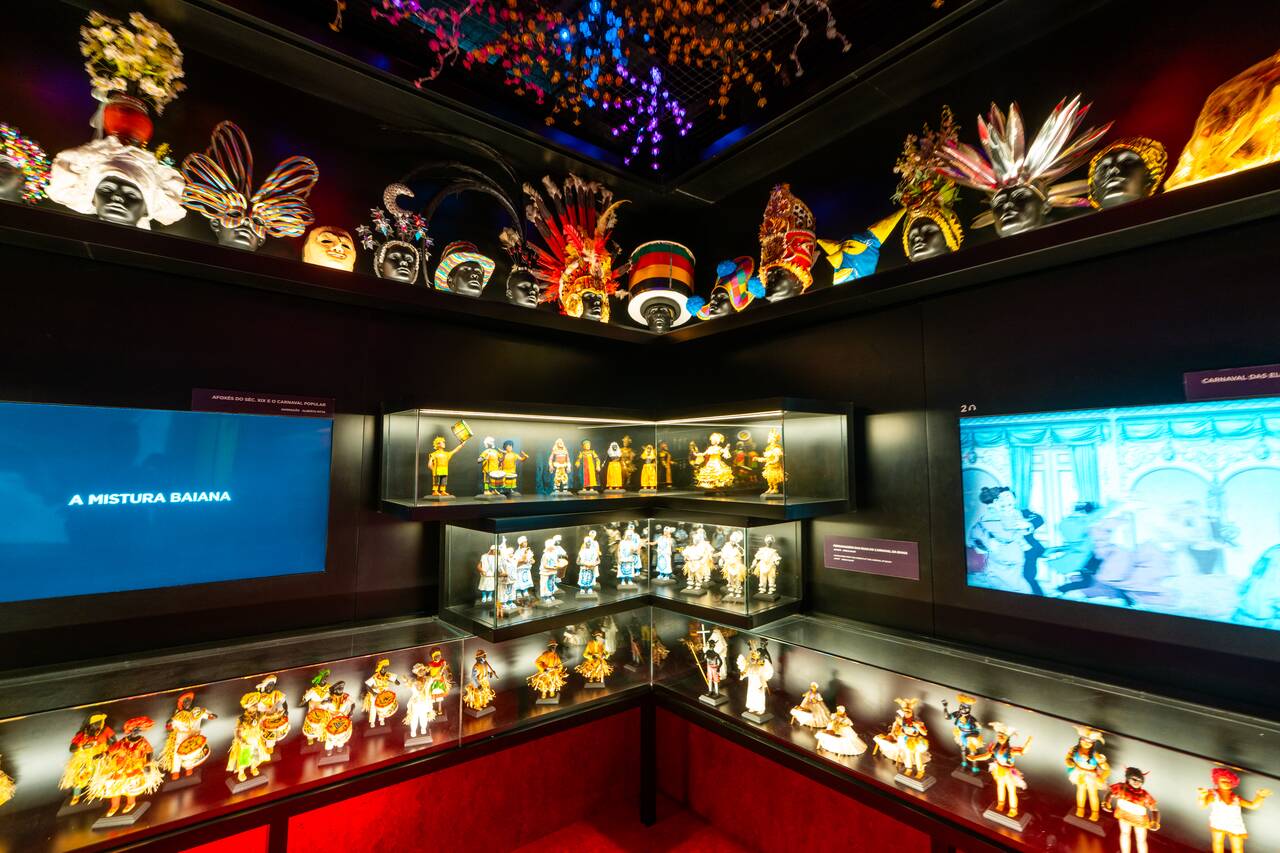
The museum is spread across several floors and should take around an hour to explore. There are also some fantastic views over the historic center from the rooftop café, so be sure to make your way all the way up there. The museum is open from 9 AM to 5 PM every day except Mondays, and admission costs 20 BRL (around 4 USD) per person.
7. Learn More About the Afro-Brazilian Culture at Cultural Afro Brazilian Museum
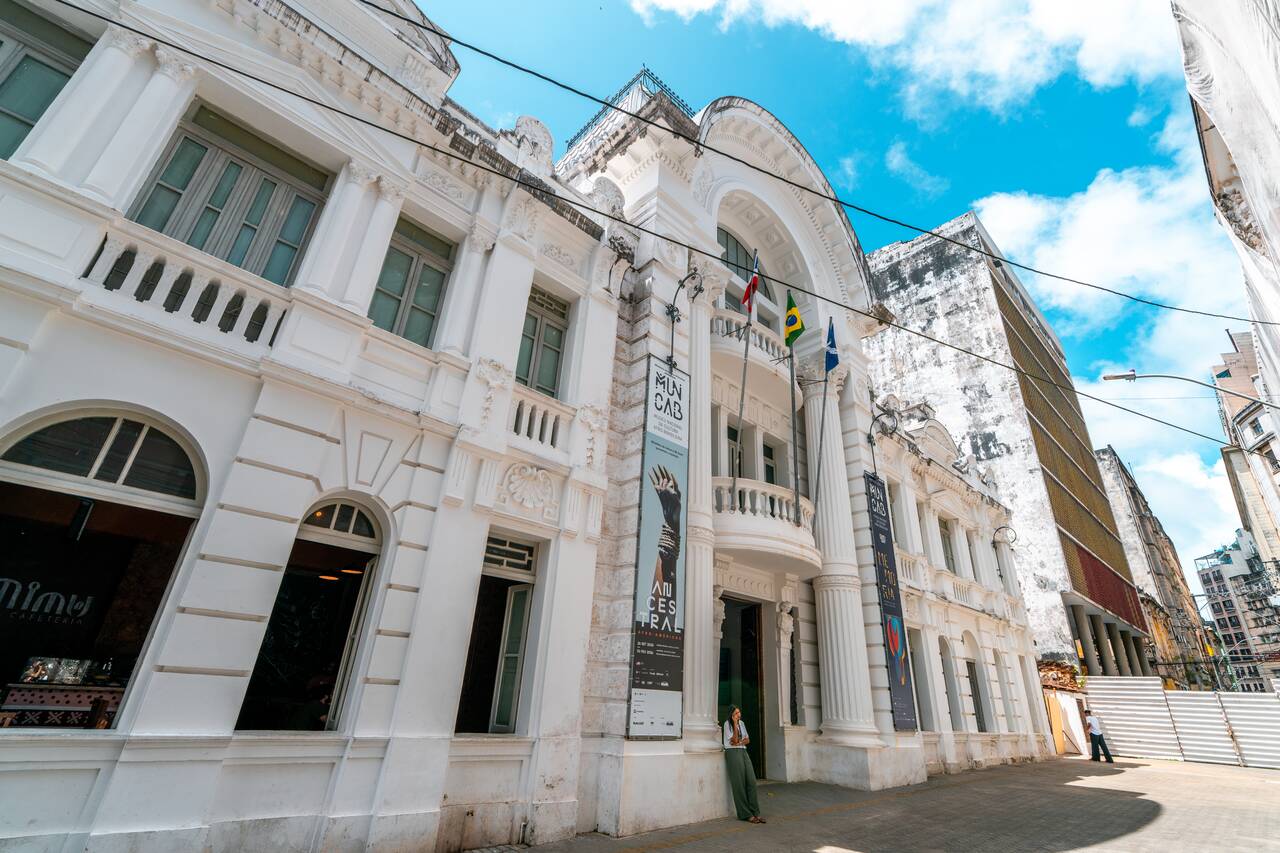
- 📍 Location: Afro-Brazilian Museum (Museu Afro-Brasileiro) [Map Link]
- 🕐 Opening Hours: 10 AM - 4:30 PM
- 💰 Entry Fees: 20 BRL (~4 USD)
- ⚡ Pete's Take: "A great place to learn more about the culture of Afro-Brazilian people."
If you want to better understand the cultural roots that make Salvador so unique, be sure to visit the Afro-Brazilian Museum (Museu Afro-Brasileiro), which is dedicated to preserving and showcasing the history, traditions, and influence of African cultures in Brazil.
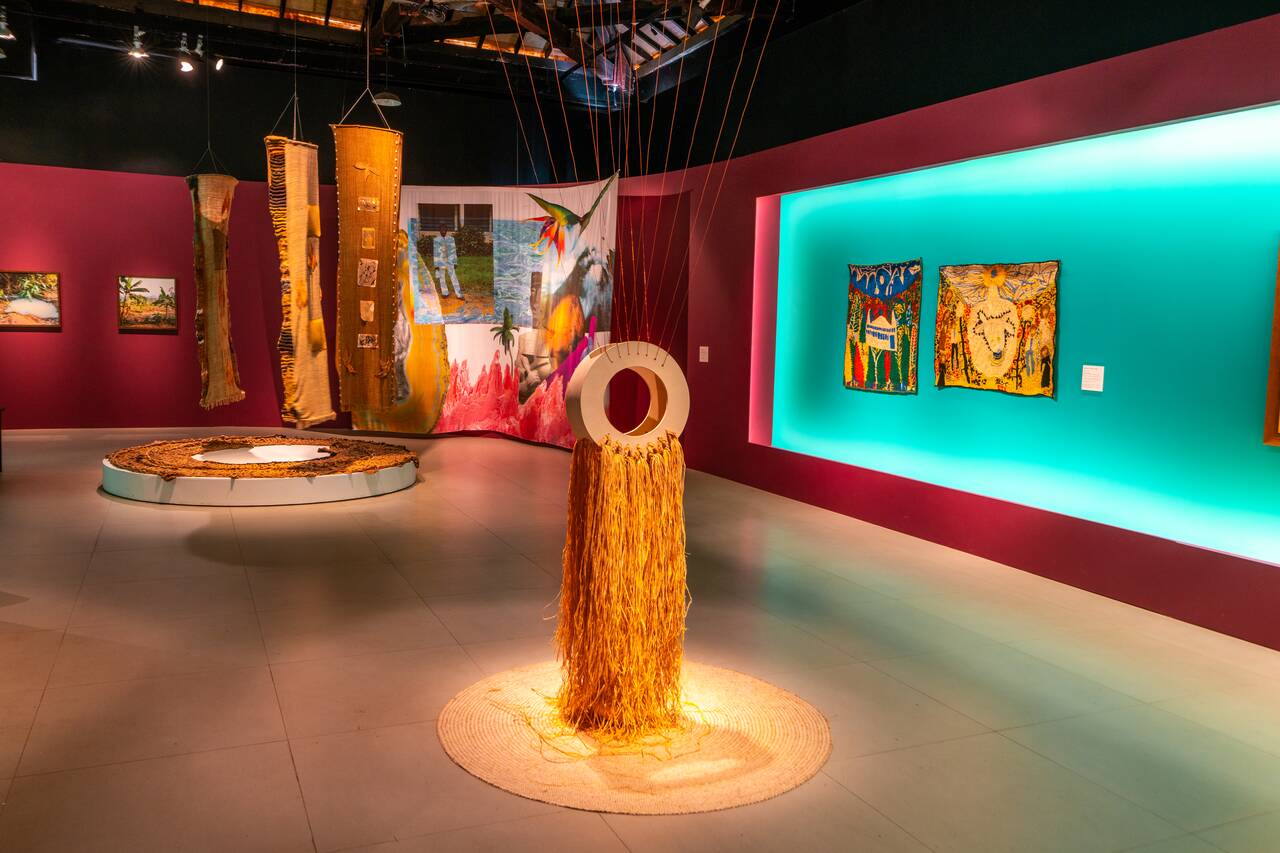
The museum is quite modern, with several floors filled with interesting artworks, exhibits, and installations, so expect to spend around an hour exploring it. I had a great time wandering through the galleries. There is also a nice little café on the ground floor where you can sit down and take a break after your visit.
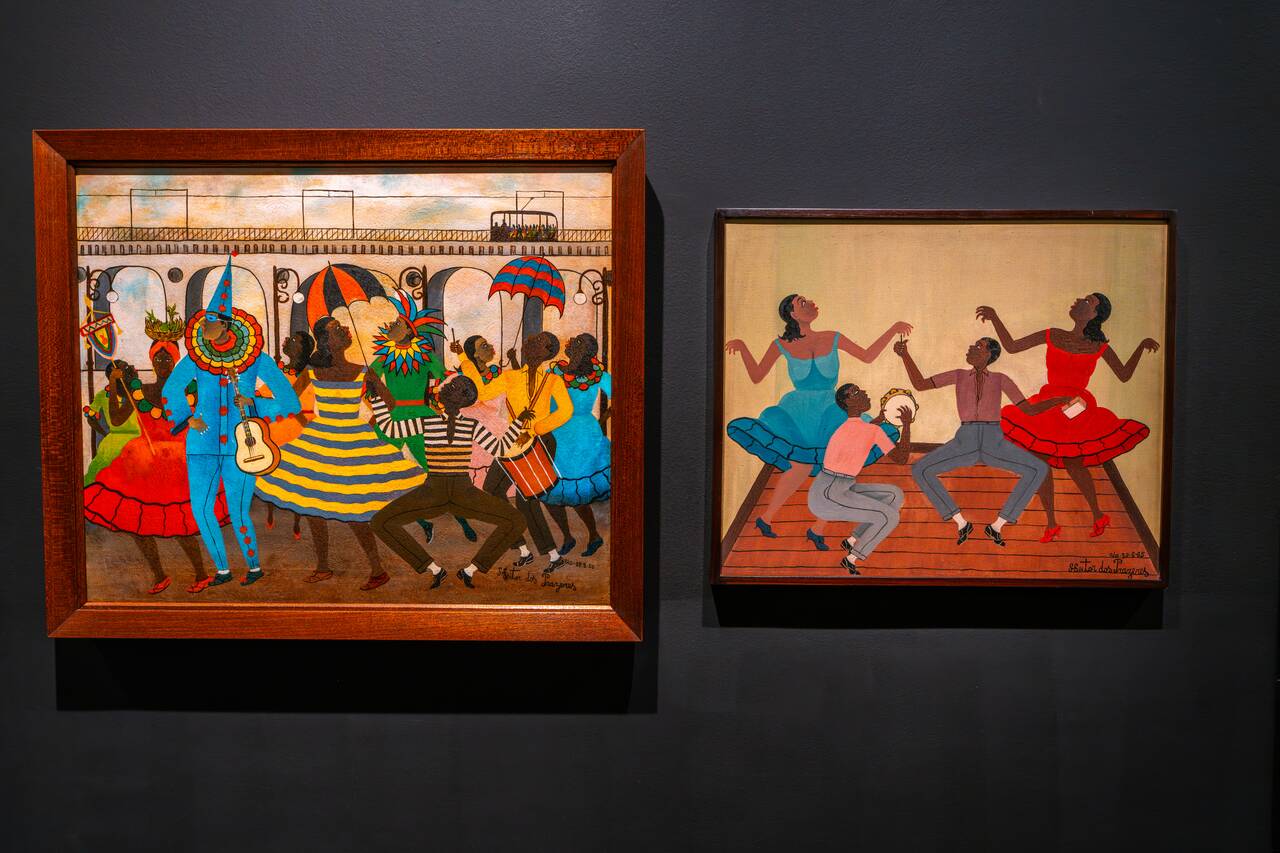
What I found most interesting was how much context the museum provided for many of the things I was seeing around the city. From capoeira performances in Pelourinho to the rhythms of Bahian music and the city's unique cuisine, so much of Salvador's identity is rooted in its African heritage, and this museum does a great job of explaining those connections.
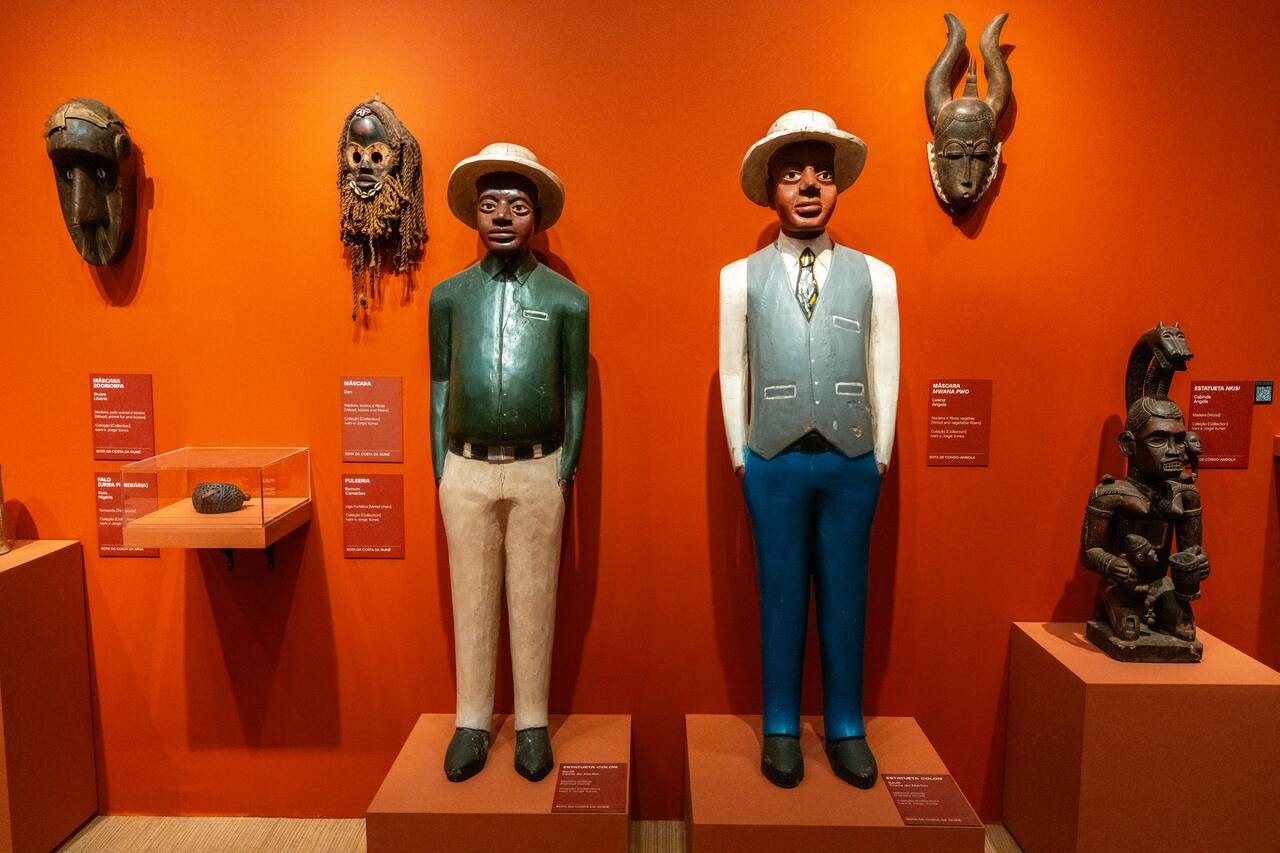
The museum is generally open from 10 AM to 4:30 PM, Tuesday through Sunday, and is closed on Mondays. Admission costs around 20 BRL (4 USD) per person. If you are interested in the history and culture behind Salvador, this is one of the best museums in the city to visit.
8. Ride the Elevador Lacerda
- 📍 Location: Elevador Lacerda [Map Link]
- 🕐 Opening Hours: 6 AM - 11 PM
- 💰 Entry Fees: Free
- ⚡ Pete's Take: "Ride the Elevador Lacerda for the views; it's free too."
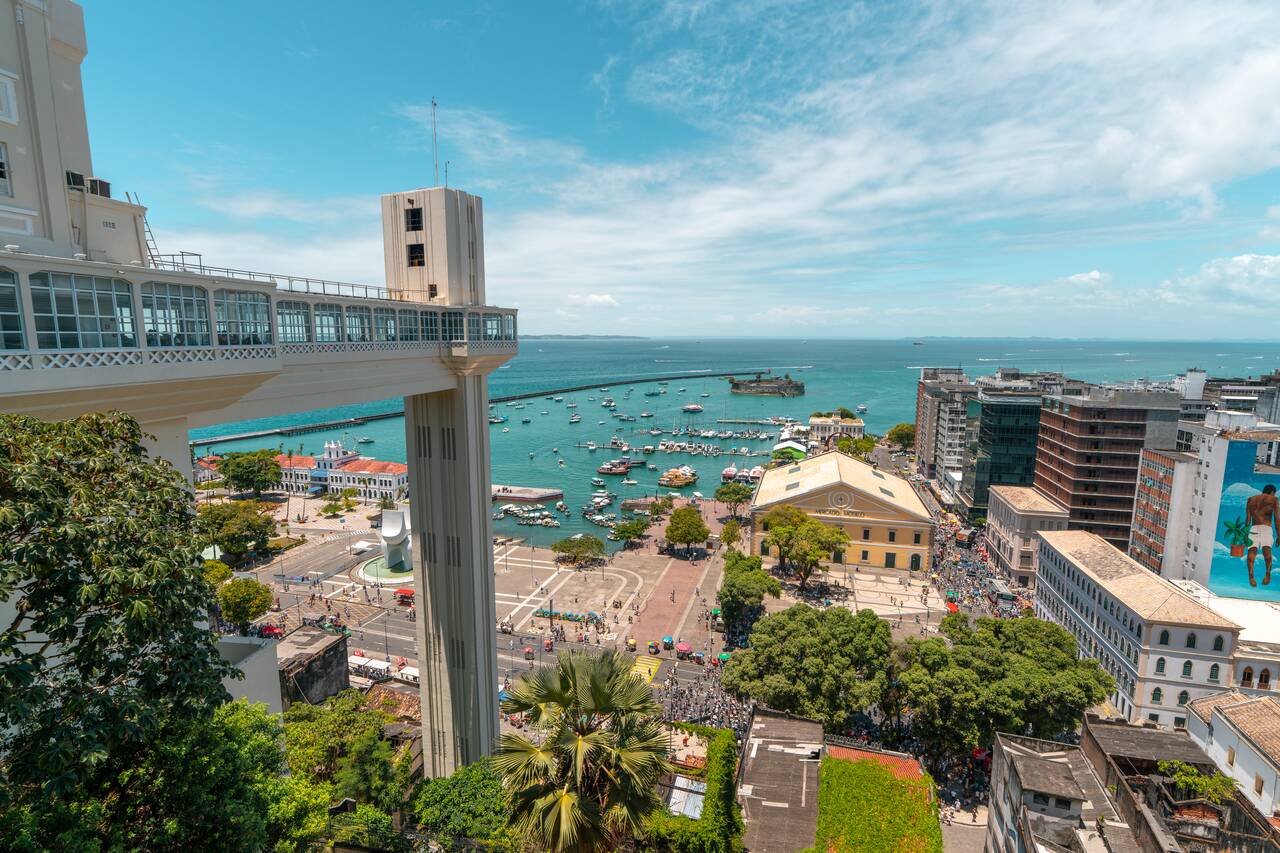
If you are looking for an easy way to get between the Lower City and the Upper City without having to hike up and down every time, you can do so via the Elevador Lacerda, a historic public elevator and one of Salvador's most iconic landmarks.
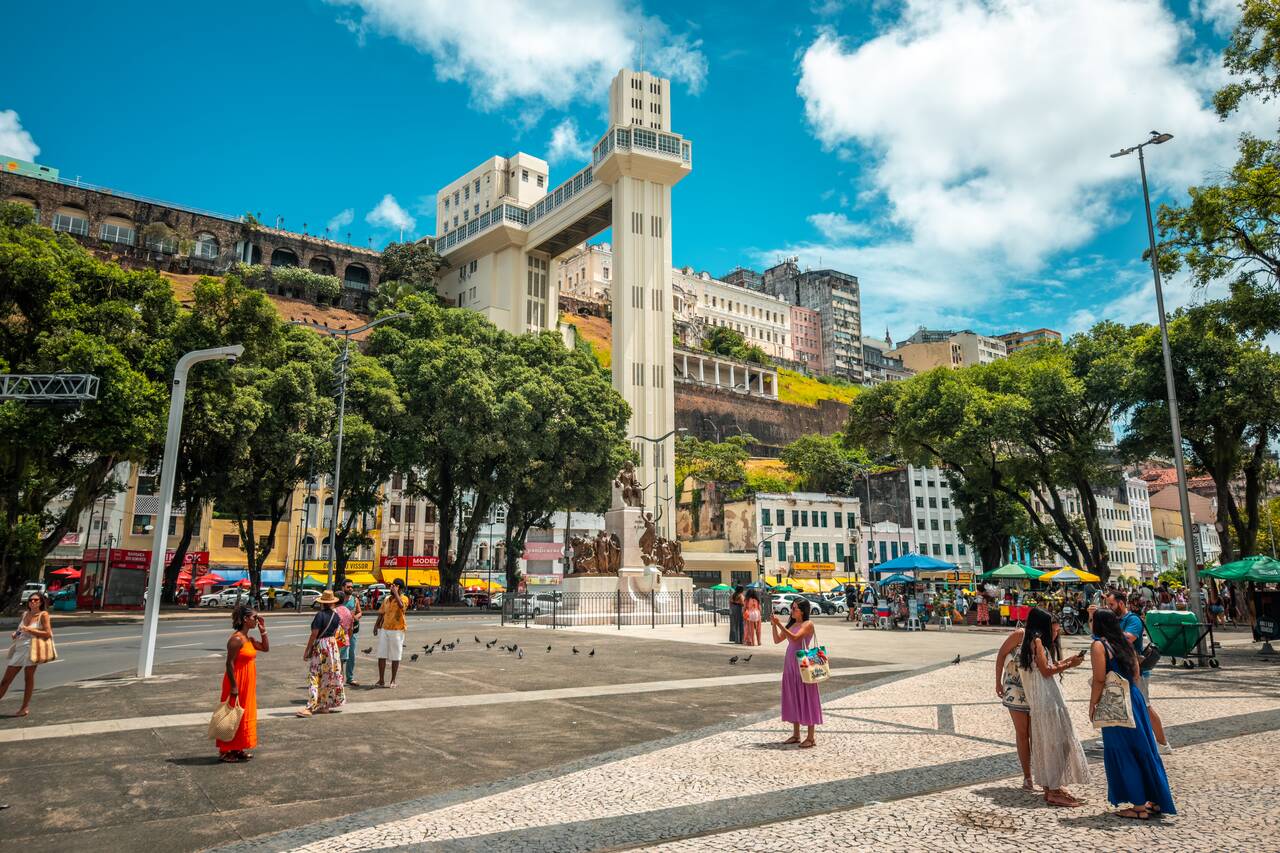
The elevator was built in the 19th century as the world's first urban elevator and remains an important part of daily life in the city. The structure rises more than 70 meters above the Bay of All Saints, offering fantastic views over the harbor, the waterfront, and the colorful buildings of Salvador. Even if you do not need it for transportation, it is worth taking a ride just for the views alone.
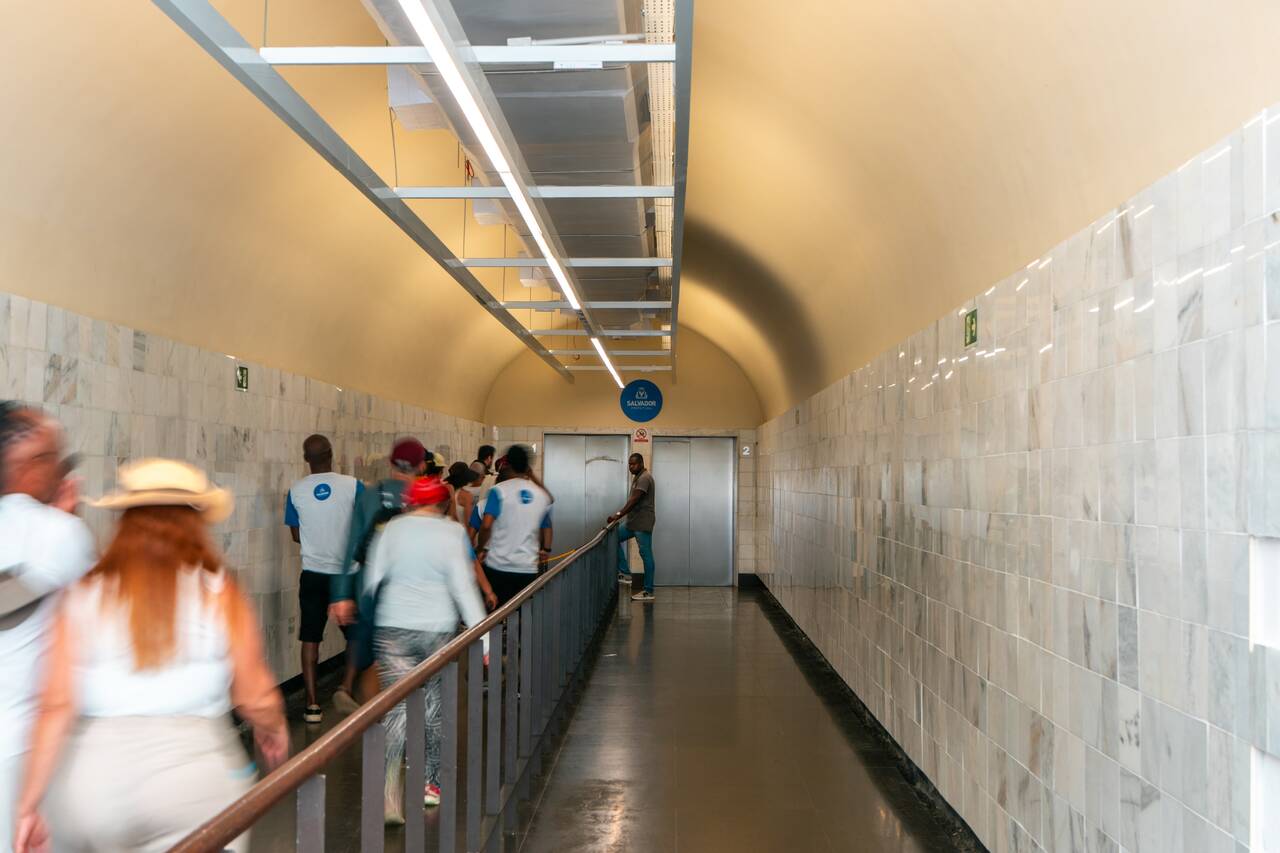
Even if you do not need it for transportation, I highly recommend taking a ride at least once. The journey only takes a few seconds, but the views from the top are fantastic. Best of all, it is completely free, so there is really no reason not to ride it while you are here. The elevator operates daily from 6 AM to 11 PM.
9. Explore Mercado Modelo
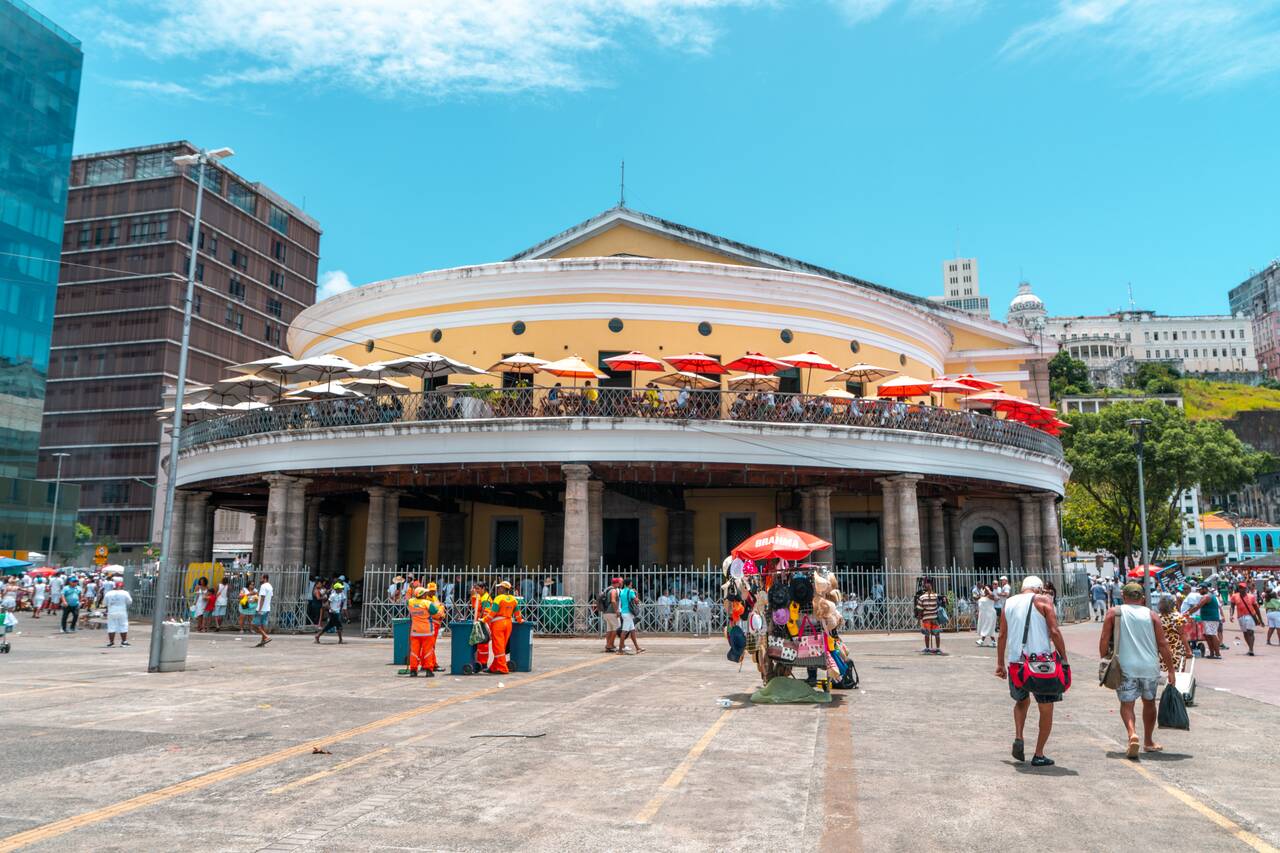
- 📍 Location: Mercado Modelo [Map Link]
- 🕐 Opening Hours: 9 AM - 6 PM
- ⚡ Pete's Take: "A nice market with lots of shops; you can drop by here for food as you explore the city."
After taking the Elevador Lacerda down to the lower city, you can go and check out Mercado Modelo, one of the most famous markets in Salvador and a great place to experience the city's vibrant culture.
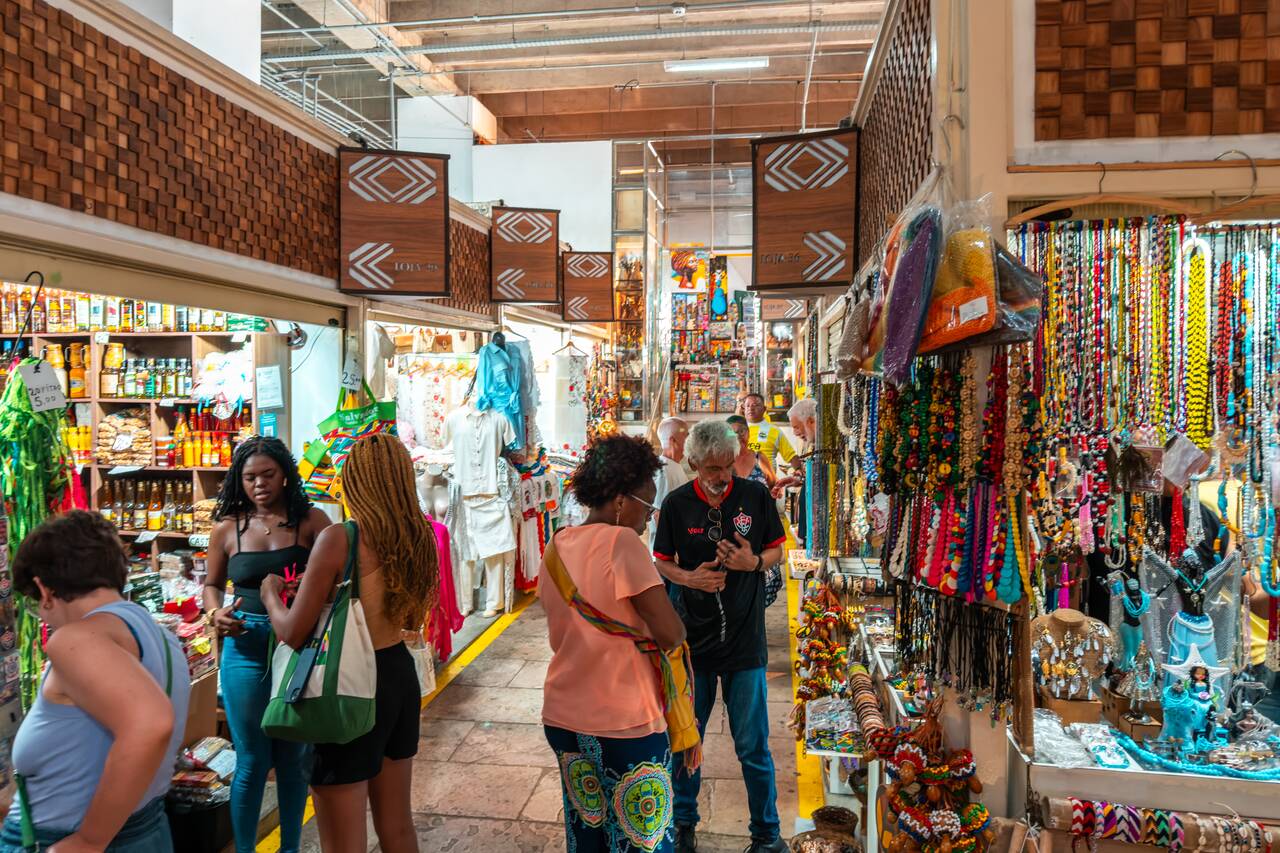
Inside, you will find hundreds of stalls selling everything from handmade crafts and local artwork to souvenirs, clothing, jewelry, musical instruments, and traditional Bahian products. If you are looking for gifts to bring home, this is one of the best places in the city to shop.
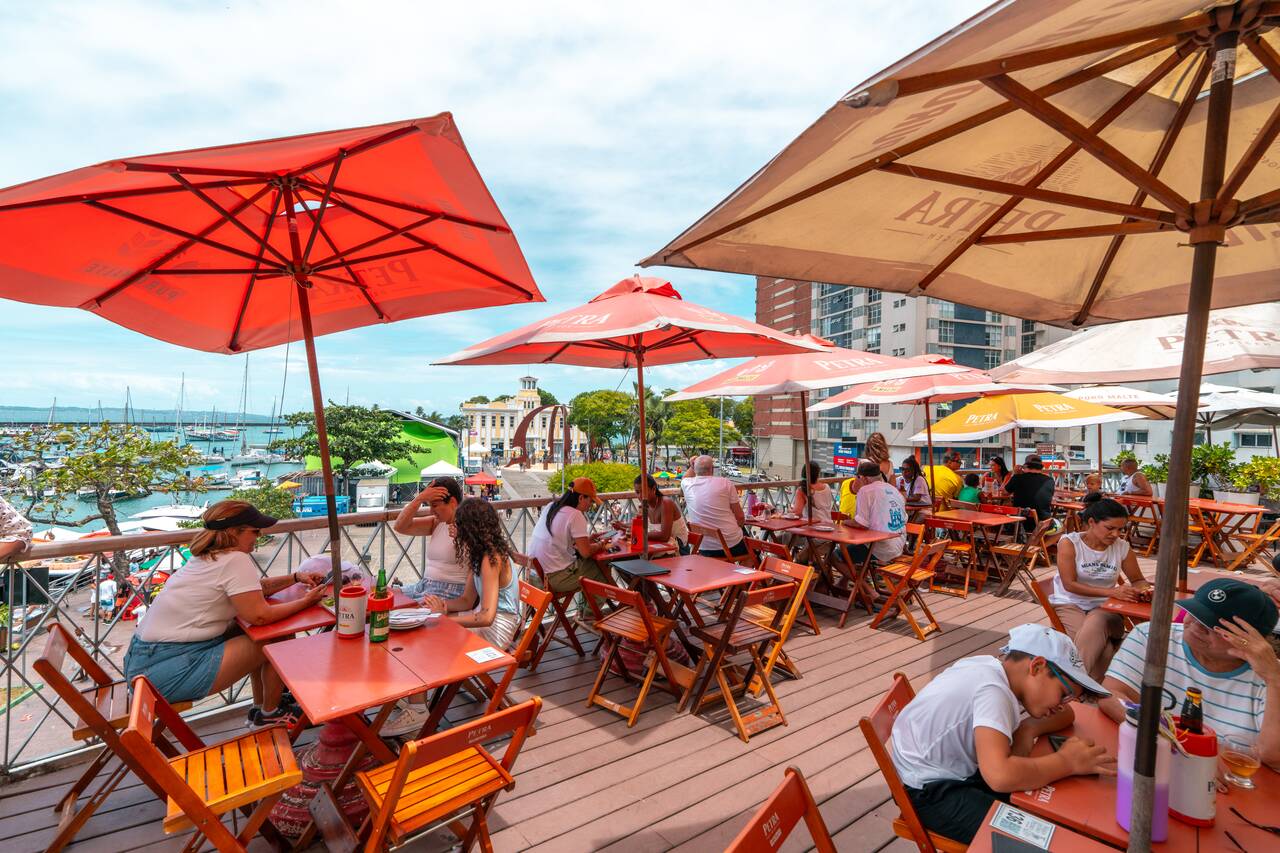
Even if you are not planning to buy anything, Mercado Modelo is still worth visiting for the atmosphere alone. The market is always bustling with activity, and they have a restaurant with a lovely balcony overlooking the harbor area. It is a really cool view and well worth checking out while you are there.
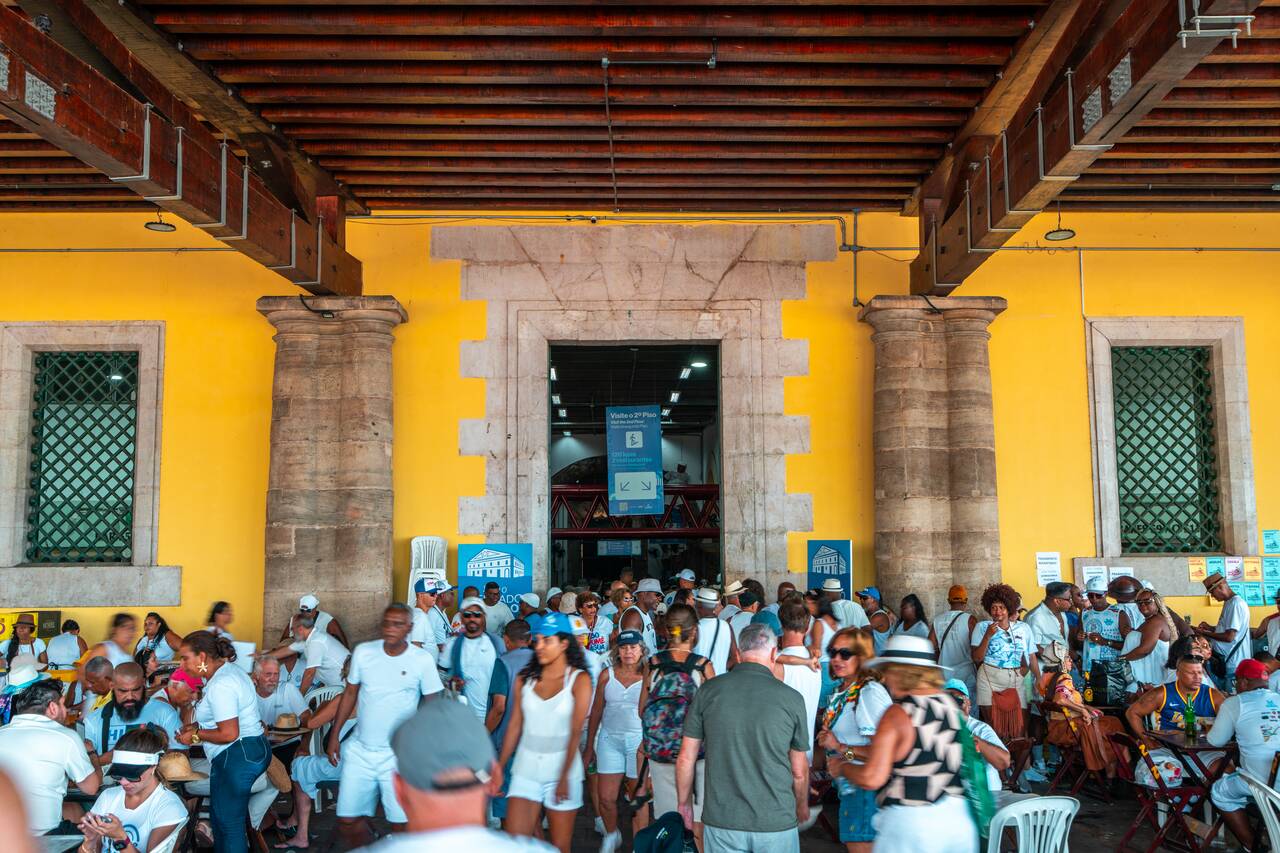
One thing to keep in mind is that many vendors expect a bit of negotiation, especially when it comes to souvenirs. Prices are generally not outrageous, but it never hurts to politely ask if there is a discount available. The market is open daily from 9 AM to 6 PM.
10. Check Out the View from Morro do Cristo
- 📍 Location: Morro do Cristo [Map Link]
- 💰 Entry Fees: Free
- ⚡ Pete's Take: "It's a nice view, but just go for a quick look and then explore Barra Beach."
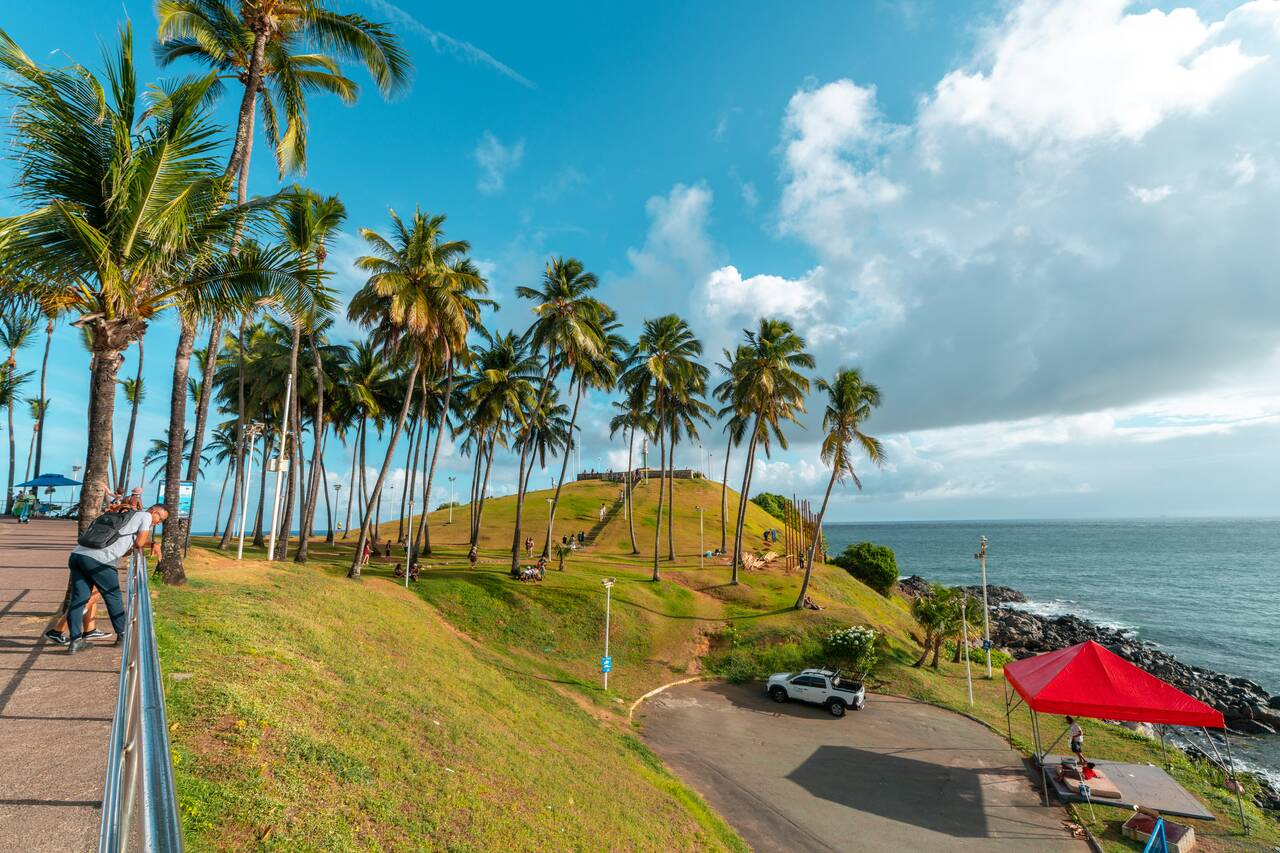
If you are looking for one of the best viewpoints in Salvador, make your way to Morro do Cristo, a hilltop viewpoint located at the northern end of Barra Beach. From here, you get a fantastic panoramic view of the coastline, the Bay of All Saints, and the city's modern skyline stretching into the distance.
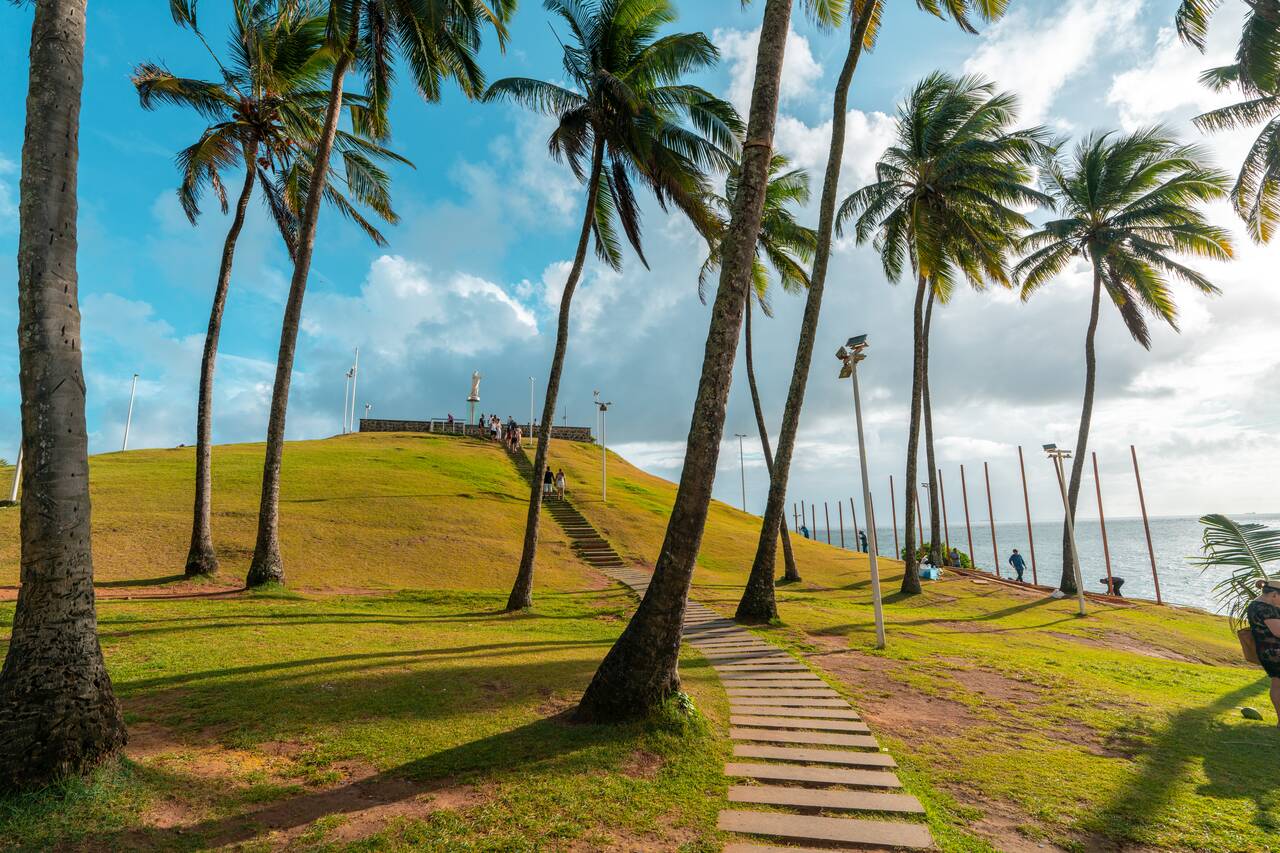
The viewpoint is named after the statue of Christ that stands on top of the hill, overlooking the ocean and the city below. While the statue itself is relatively modest compared to the famous Christ the Redeemer in Rio de Janeiro, the real reason to come here is for the scenery.
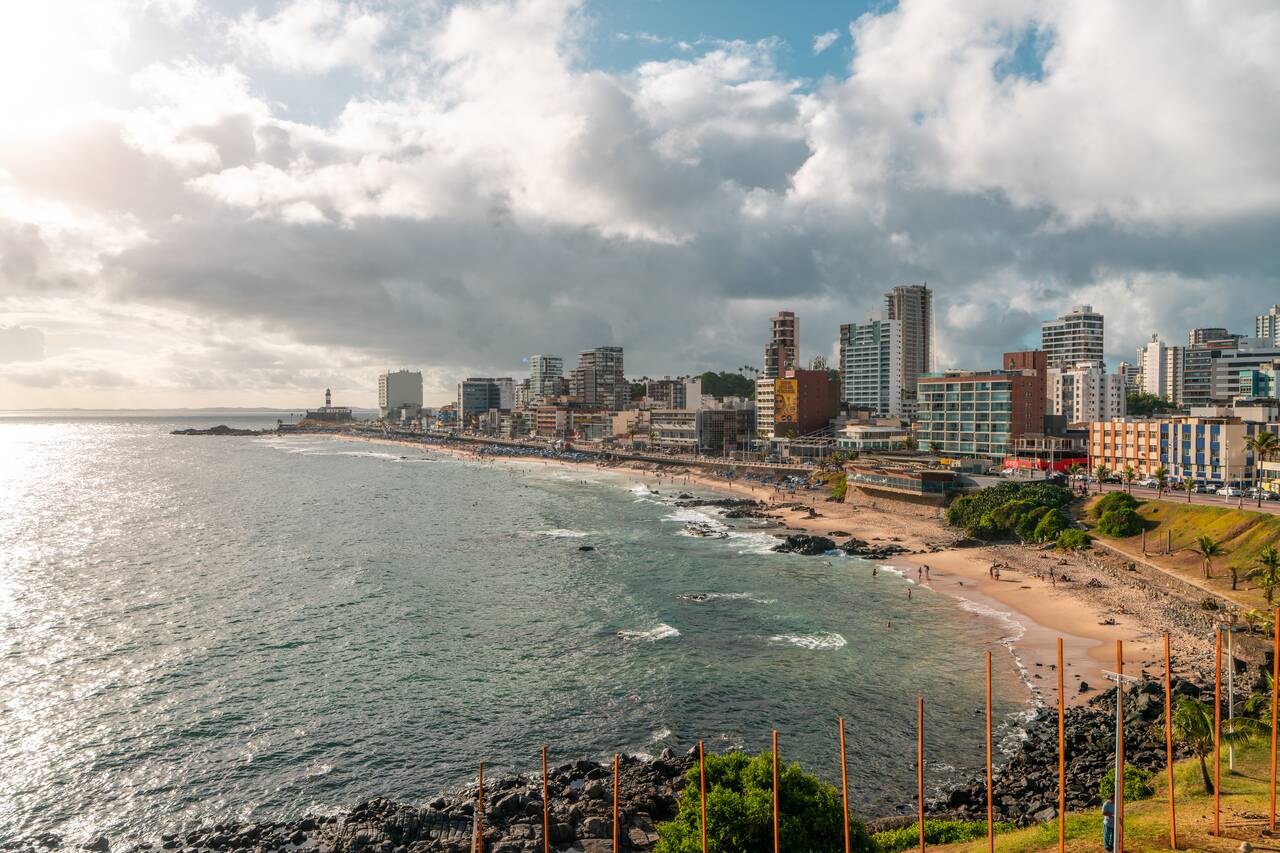
The area around Morro do Cristo is also great for a walk. You can easily combine a visit with exploring the Barra neighborhood, strolling along Barra Beach, or visiting the Museu Náutico da Bahia afterwards. We will dive into these places in more detail in the next entries. You should be able to get from the historic center to Morro do Cristo easily via Uber, and you might be happy to know, the entry to the viewpoint is free 😉.
11. Hang Out in Barra Neighborhood
- 📍 Location: Barra neighborhood [Map Link]
- ⚡ Pete's Take: "You'll have a better time in Barra if you prefer a beach vibe over the chaos of Pelourinho."
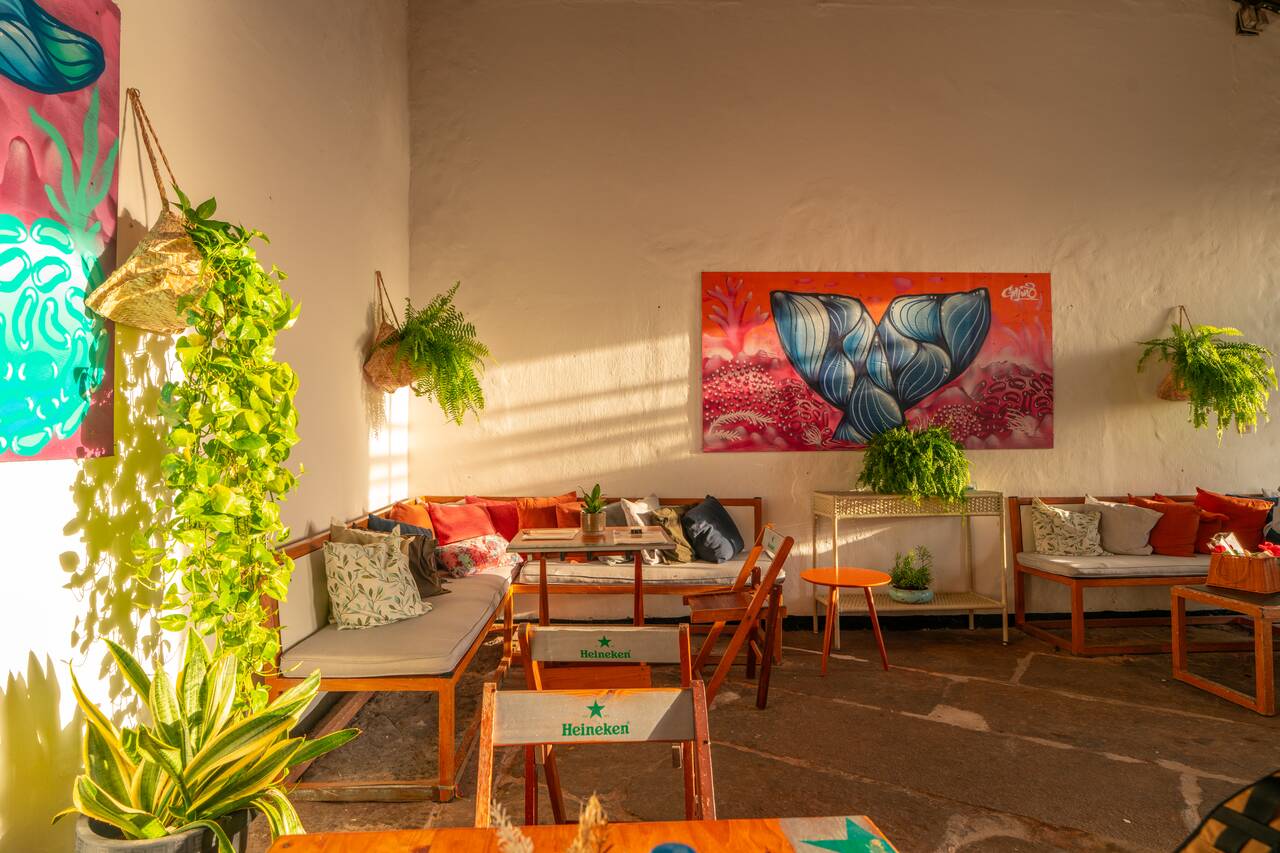
If you are looking for a more relaxed side of Salvador, head over to the Barra neighborhood, one of the city's most pleasant coastal areas and a great alternative place to stay and hang out compared to the bustling Pelourinho.
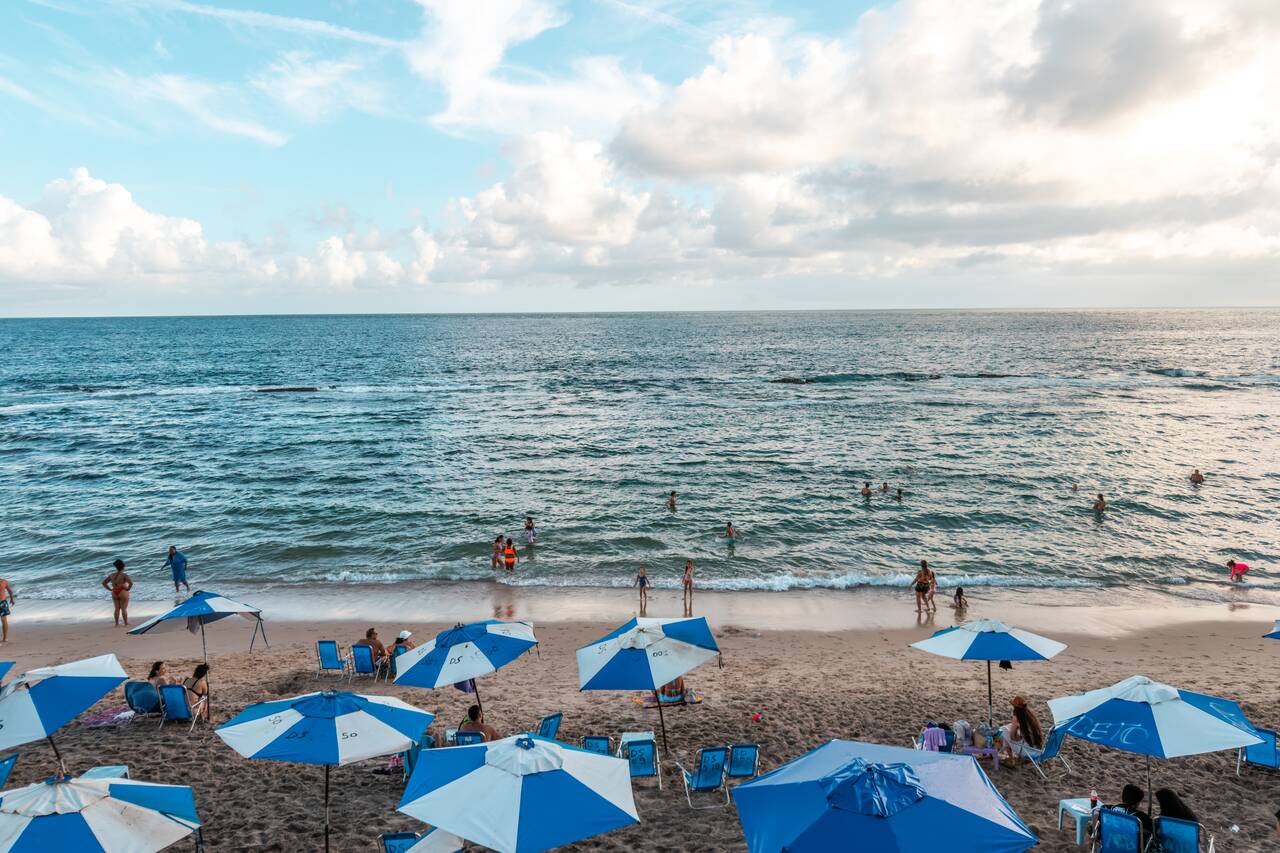
Unlike the historic chaos of Pelourinho, Barra feels more modern, laid-back, and beach-oriented, so if you are looking for more of a beach holiday than a history-focused trip, this is the place to be. There are some really nice restaurants along the streets behind the main coastal road, so you can spend time exploring the area, especially around sunset.
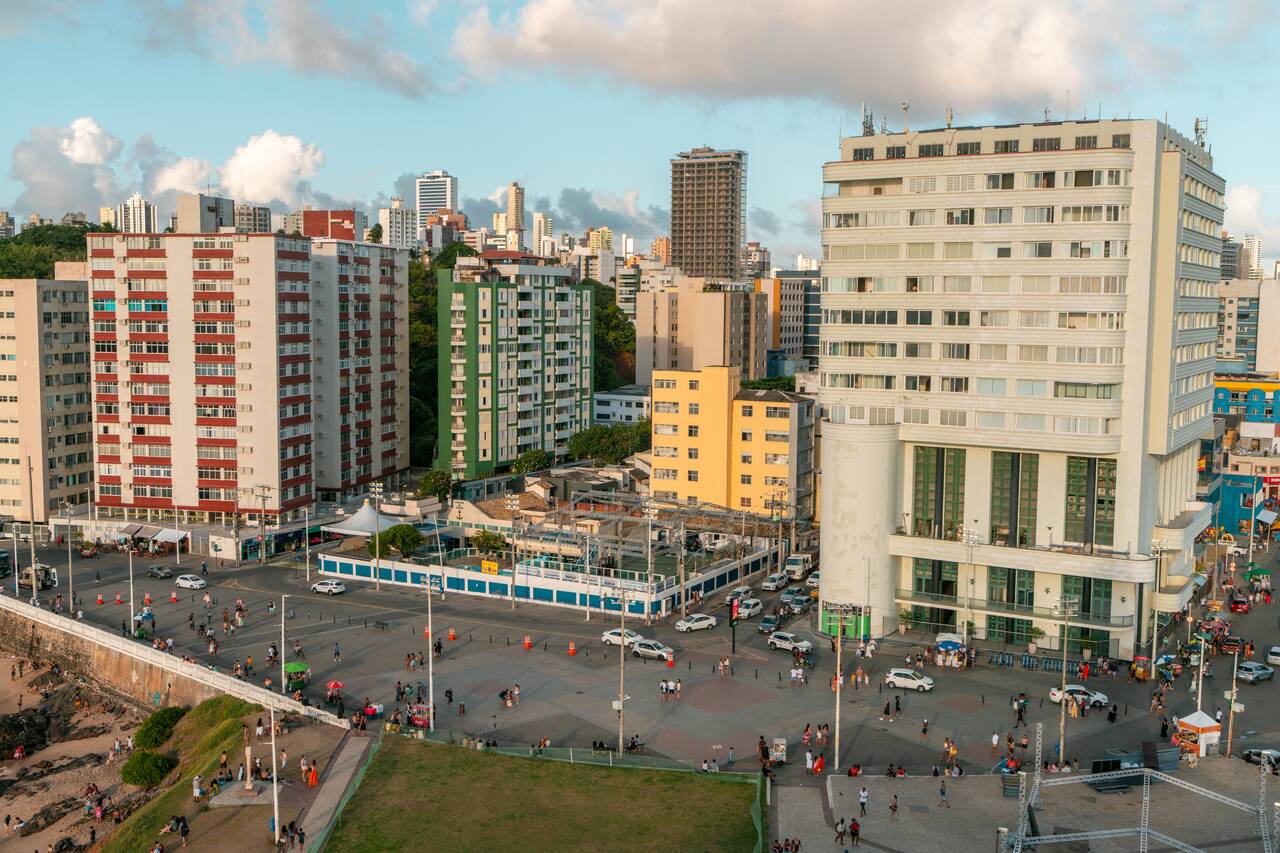
It is not as wild as other parts of the city, but it has a laid-back charm that provides a great contrast to the more chaotic atmosphere of Salvador. If you are looking for a place to hang out after sundown, be sure to come check out Barra.
12. Watch the Sunset from the Walls of Museu Náutico da Bahia
- 📍 Location: Museu Náutico da Bahia [Map Link]
- 🕐 Opening Hours: 9 AM - 6 PM
- 💰 Entry Fees: 20 BRL (~4 USD)
- ⚡ Pete's Take: "It's worth the museum entry to see the sunset, but allow time for both the exhibition and the lighthouse."
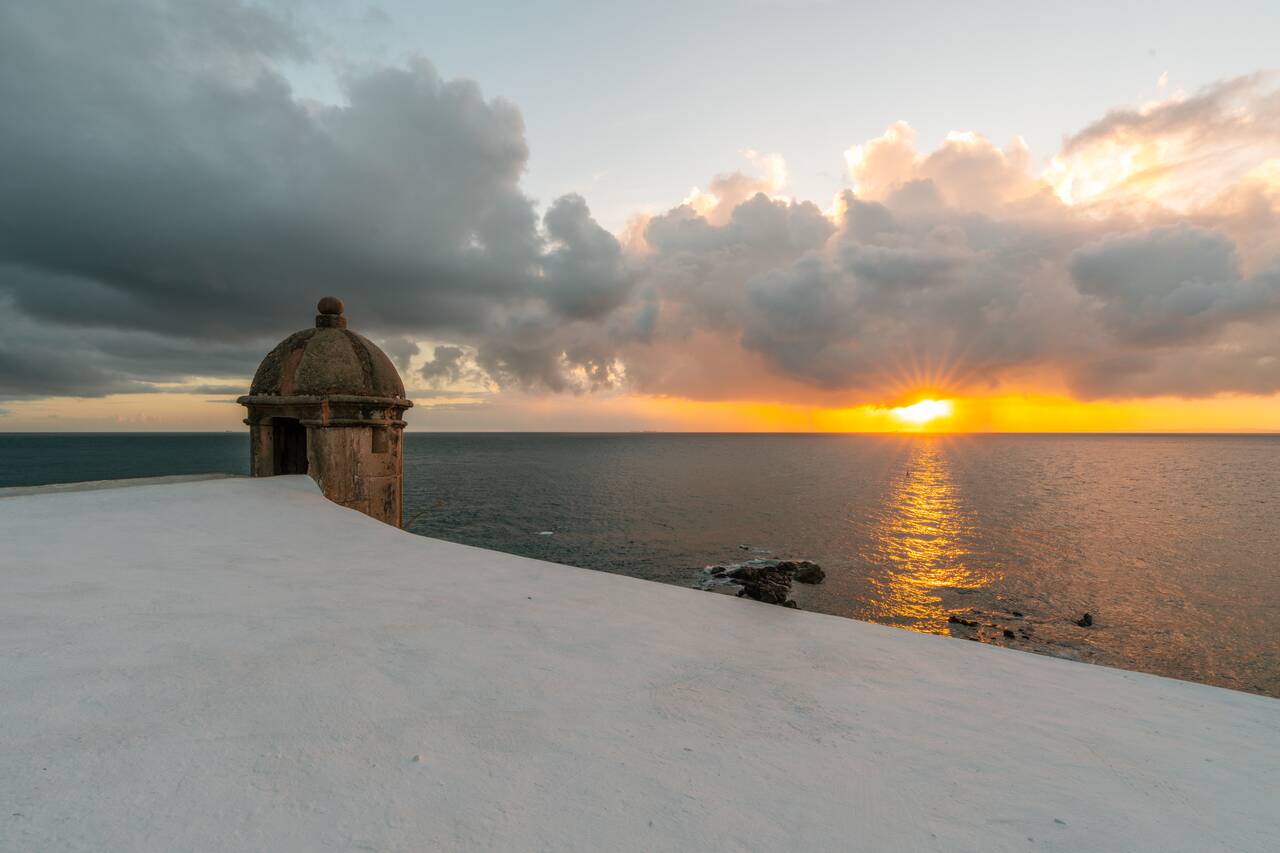
One of the best places to catch the sunset in Salvador is from the Museu Náutico da Bahia, located inside the historic Farol da Barra complex. This museum is dedicated to telling the maritime history of the city, with a fine collection of old navigation tools and a lighthouse you can climb for a great view over the coastline.
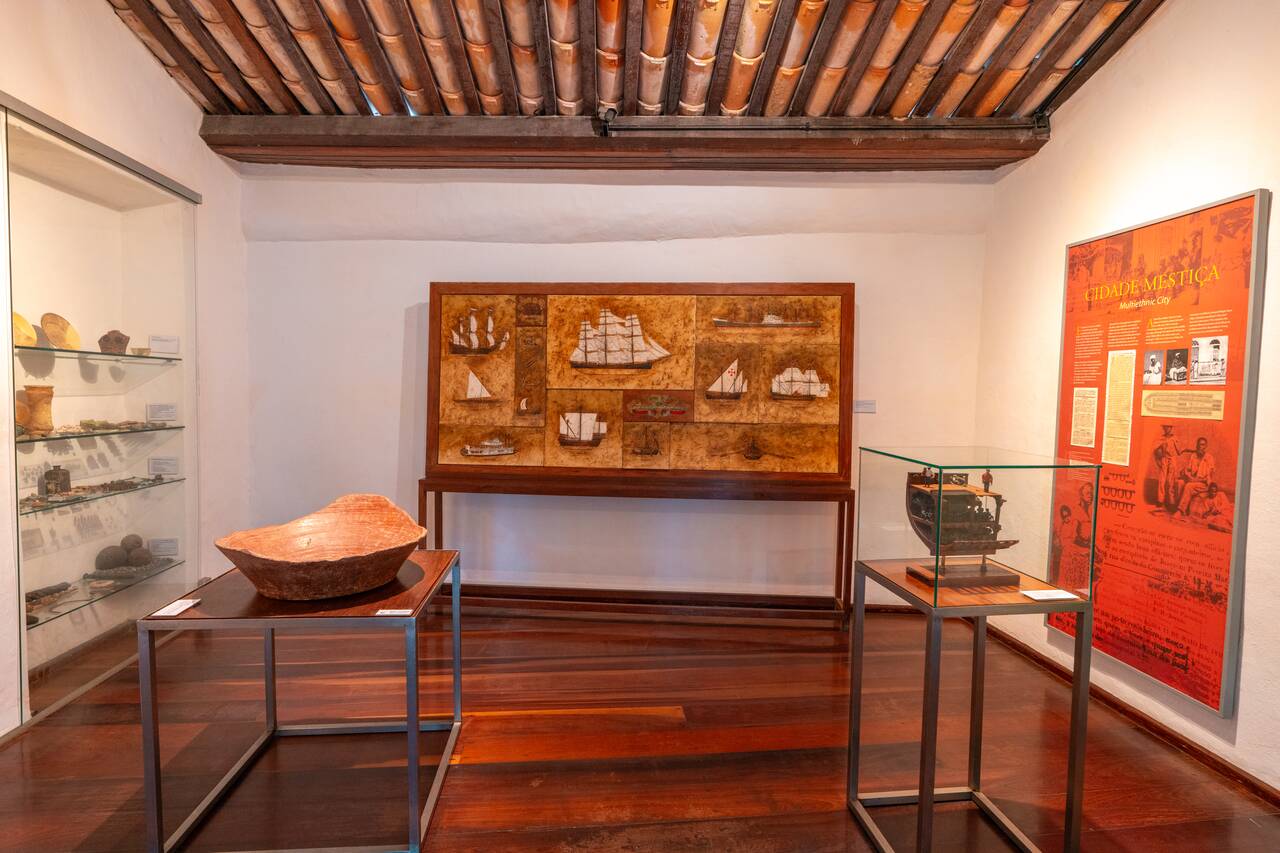
I really enjoyed the artifacts inside the museum, and I spent around 30 minutes going through the exhibition before I actually made it to the top of the lighthouse. Even that alone was already worth a visit for me, but just wait until you see the view from the top of the lighthouse.
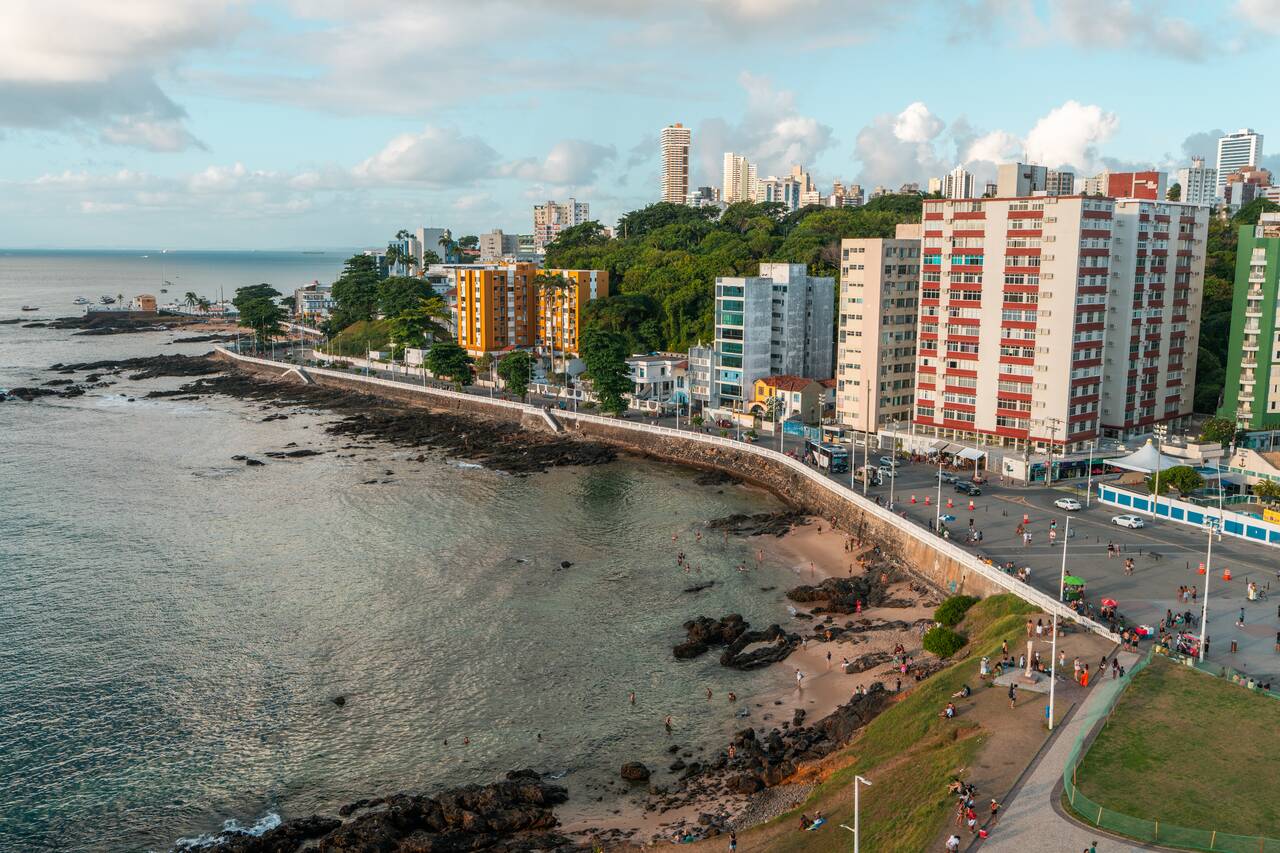
Due to its location right on the edge of the coastline, it is one of my favorite spots to watch the sunset and see the city's coastline bathe in golden sunlight. You can view it from the top of the lighthouse or from the café on the second level, where you will have access to a balcony overlooking the ocean.
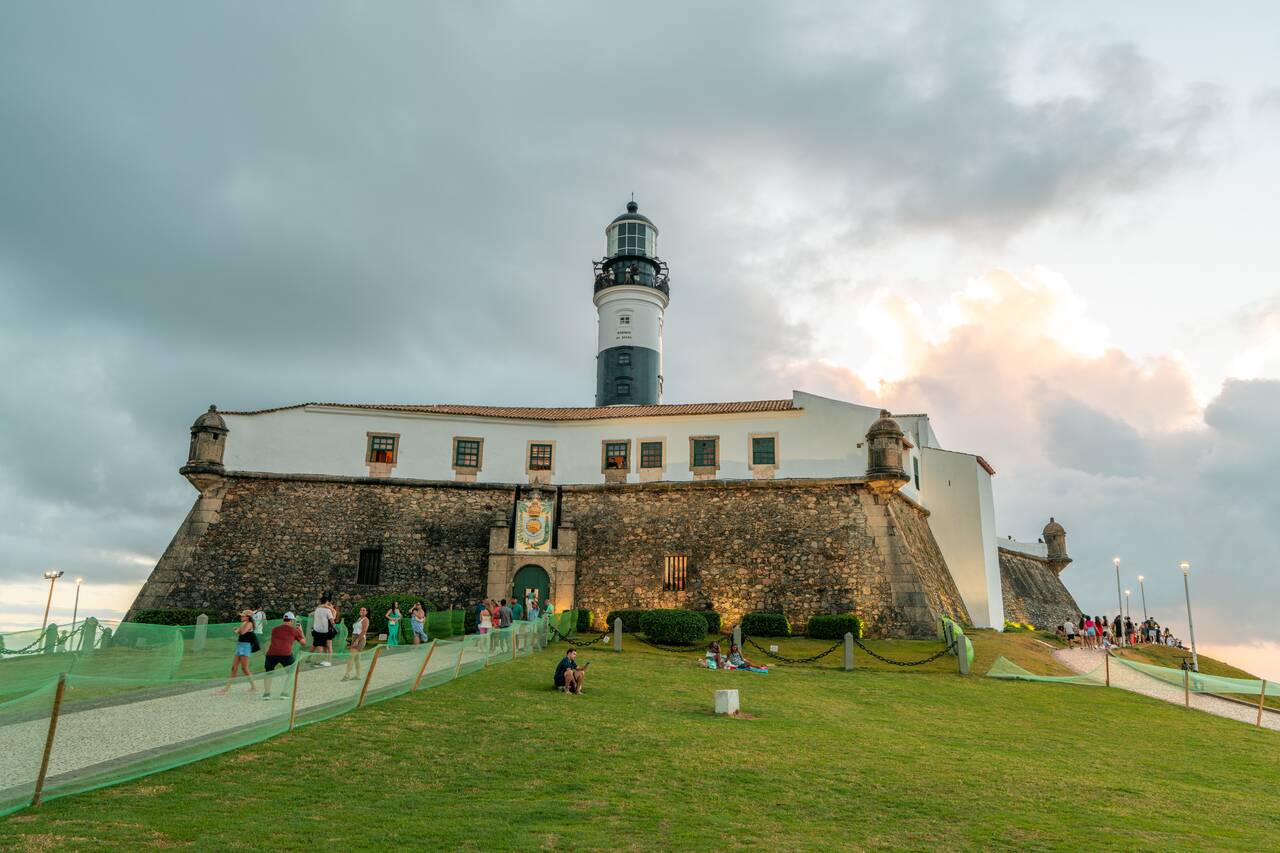
If you are staying in Barra, this is an easy and highly recommended sunset spot. If not, you can take an Uber from the historic center and combine it with a walk along Barra Beach and a visit to Morro do Cristo for the perfect relaxed afternoon in Salvador.
13. Visit Bonfim Church
- 📍 Location: Church of Nosso Senhor do Bonfim [Map Link]
- 🕐 Opening Hours: 6 AM - 12 PM, 2 PM - 6 PM
- 💰 Entry Fees: Free
- ⚡ Pete's Take: "Visit the church the day before or after the Bonfim festival to avoid the crowds."
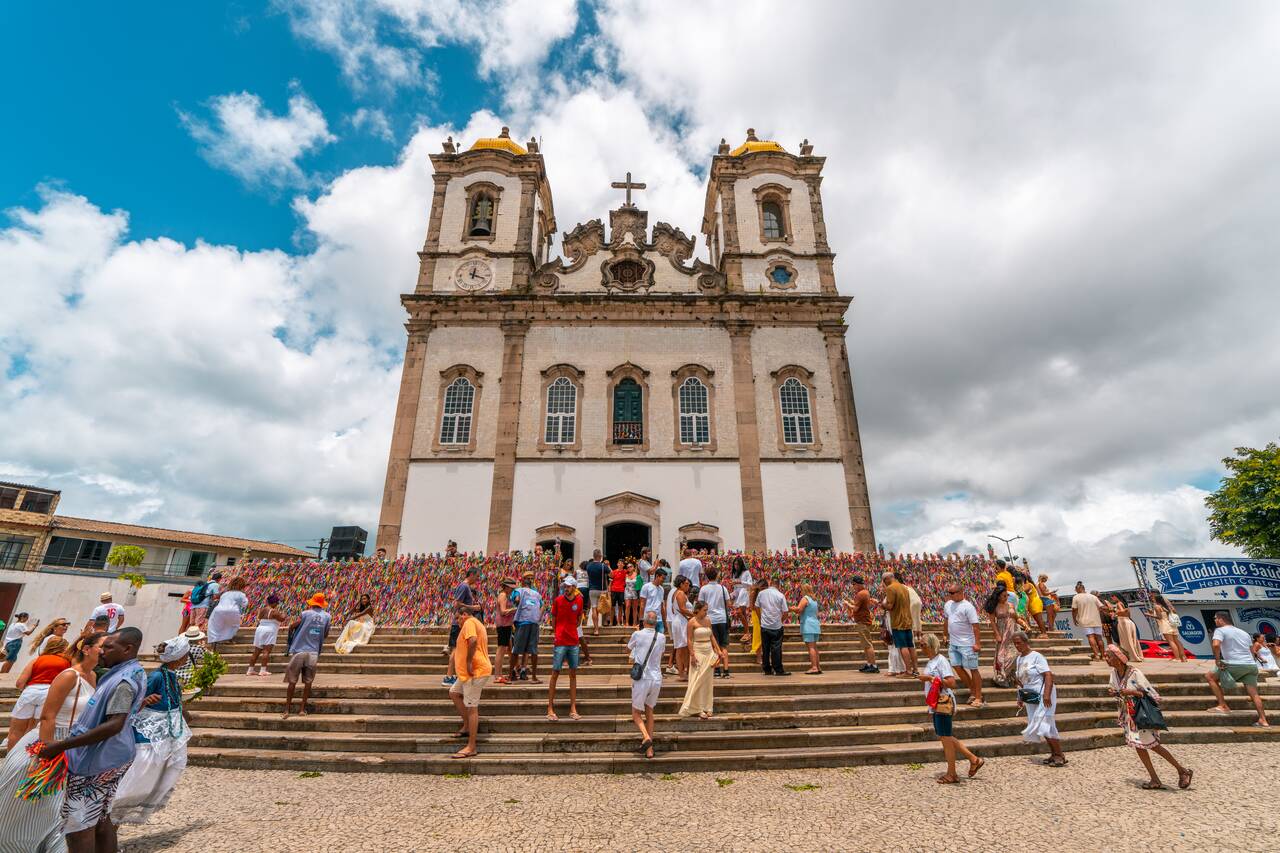
One of the most important landmarks in Salvador is the Church of Nosso Senhor do Bonfim, located in the Bonfim neighborhood on the Itapagipe Peninsula. This iconic church was built in the 18th century and has deep ties to Bahian culture and Afro-Brazilian traditions in Salvador. Although it is a bit out of the way, I highly recommend visiting it while you are here.
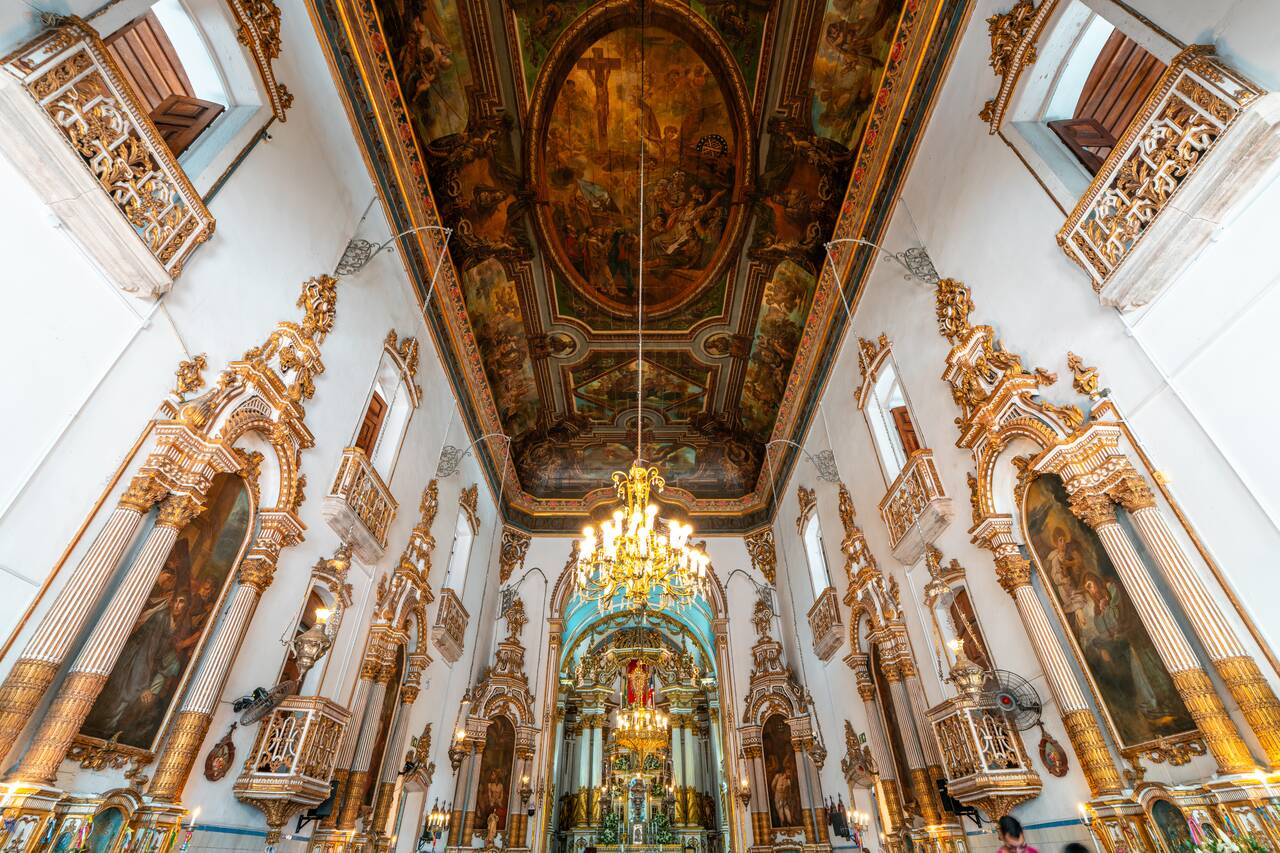
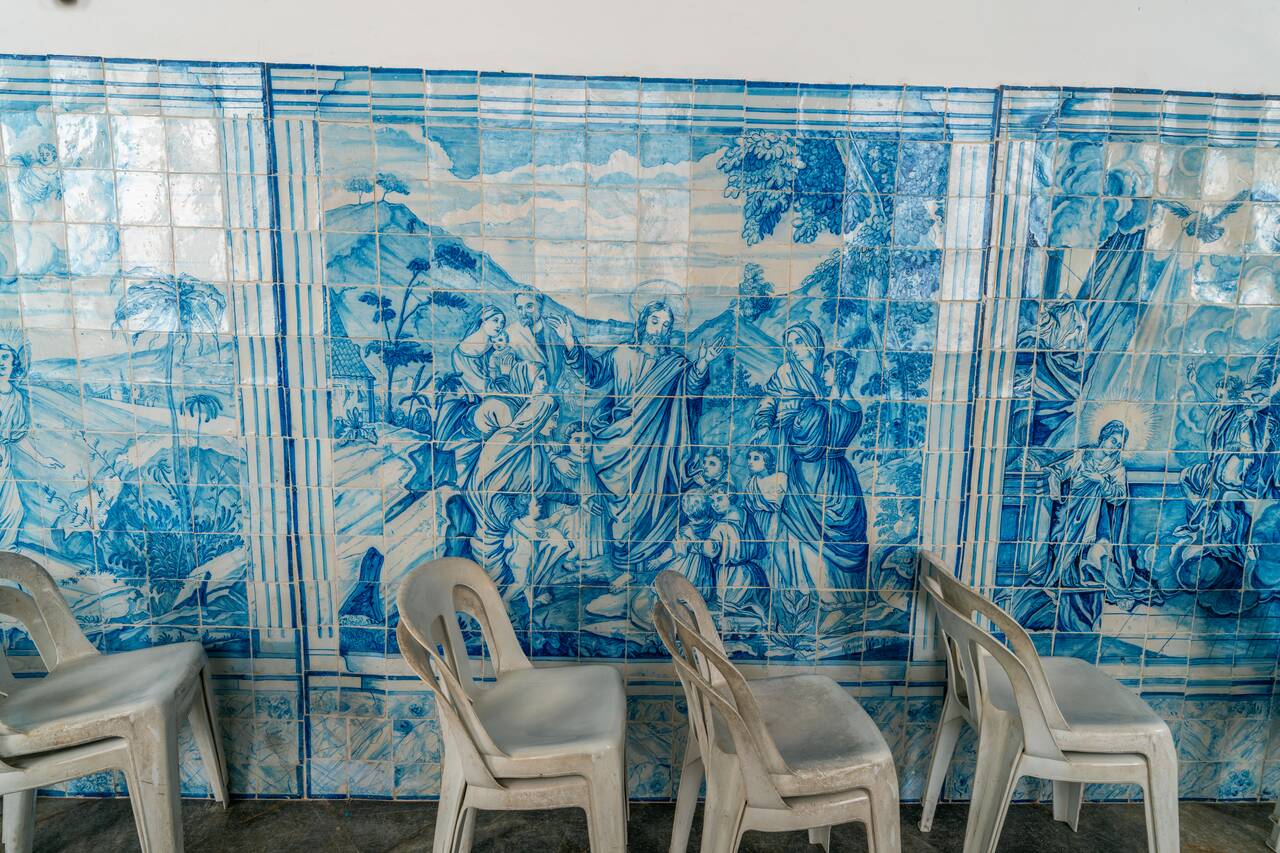
The church is beautiful both inside and outside, with elegant neoclassical architecture, an impressive collection of blue tile murals, and, most stunning of all, its magnificent wooden ceiling, one of the most impressive ceiling murals I have seen in Brazil. Seriously, the intricate details of the ceiling mural will absolutely blow your mind.
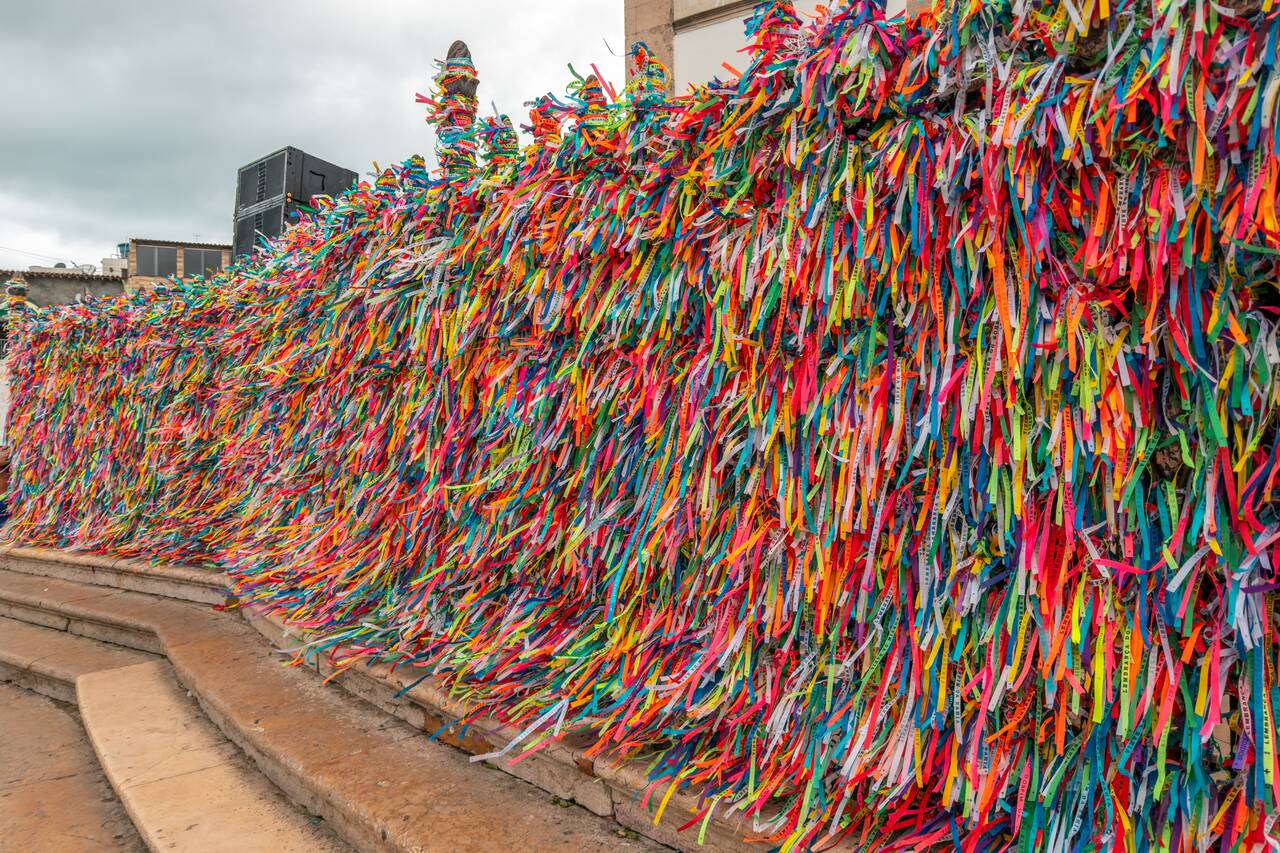
Not just that, one of the most unique traditions associated with the church is the colorful "fitas do Bonfim" ribbons. You can tie these ribbons around the church railings while making a wish, and when the ribbon naturally falls off over time, it is believed that the wish will come true.
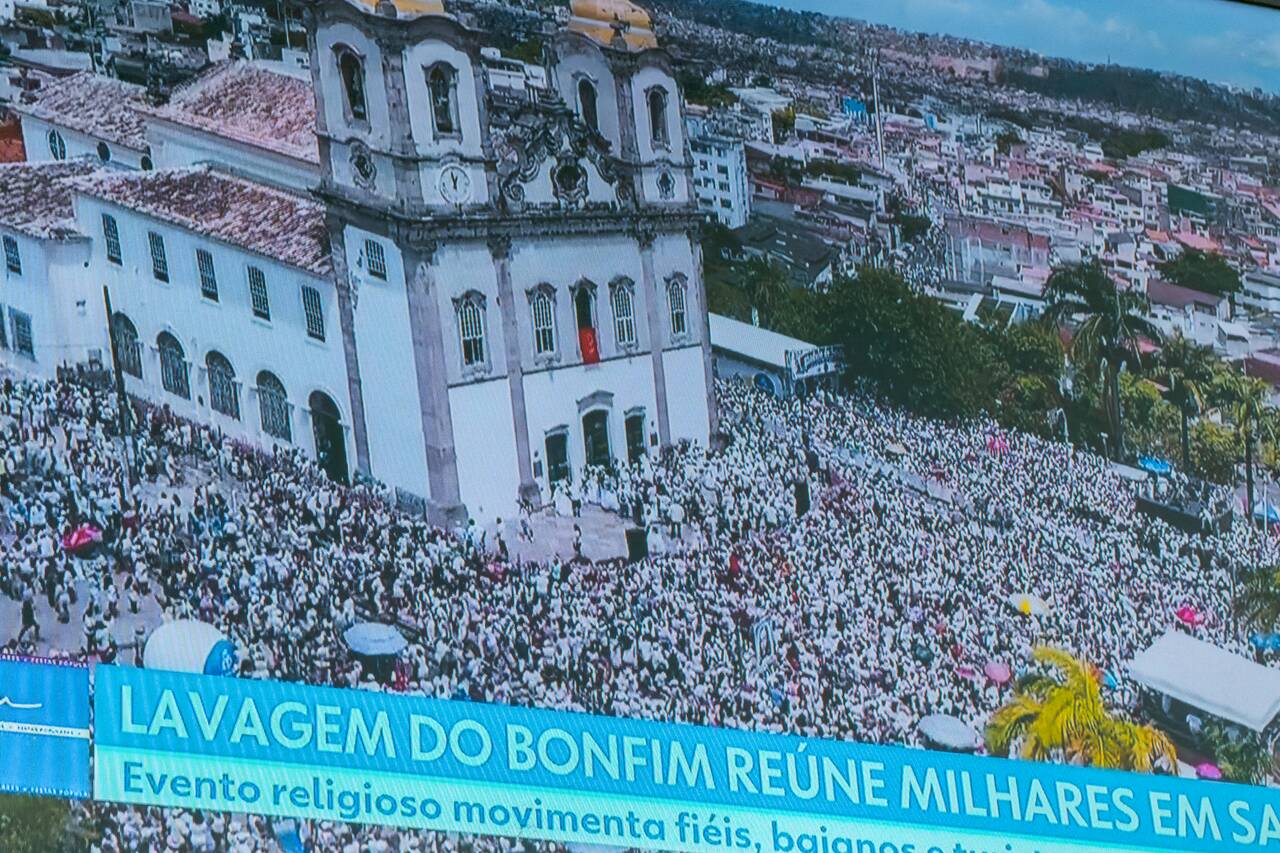
If you are here during the Lavagem do Bonfim festival, do not come on the day of the celebration because you won’t be able to make your way to the church due to how crowded it gets. This church is the heart of the festival and is where the event gets its name, with all the parades eventually congregating here as the celebration unfolds. So heed my warning and visit the church the day before or after instead.
The church is open from 6 AM to 12 PM and again from 2 PM to 6 PM every day, and entry is free. If you want to visit Salvador during the Bonfim festival, the event is often held on the second Thursday of January, so be sure to plan accordingly.
14. Celebrate the Bonfim Festival in Salvador
- 📍 Location: Lavagem do Bonfim festival [Map Link]
- ⚡ Pete's Take: "If you want to see Bonfim, skip the tourist attractions and just enjoy the festival festivities."
If you happen to be in Salvador in January, as I did, you are in for quite a treat. Every second Thursday of January, the Lavagem do Bonfim festival is held in the city, and it is considered the second-largest citywide celebration in Salvador, only behind Carnival in February. The celebration is also unique to Salvador, so you will not find it anywhere else but here.
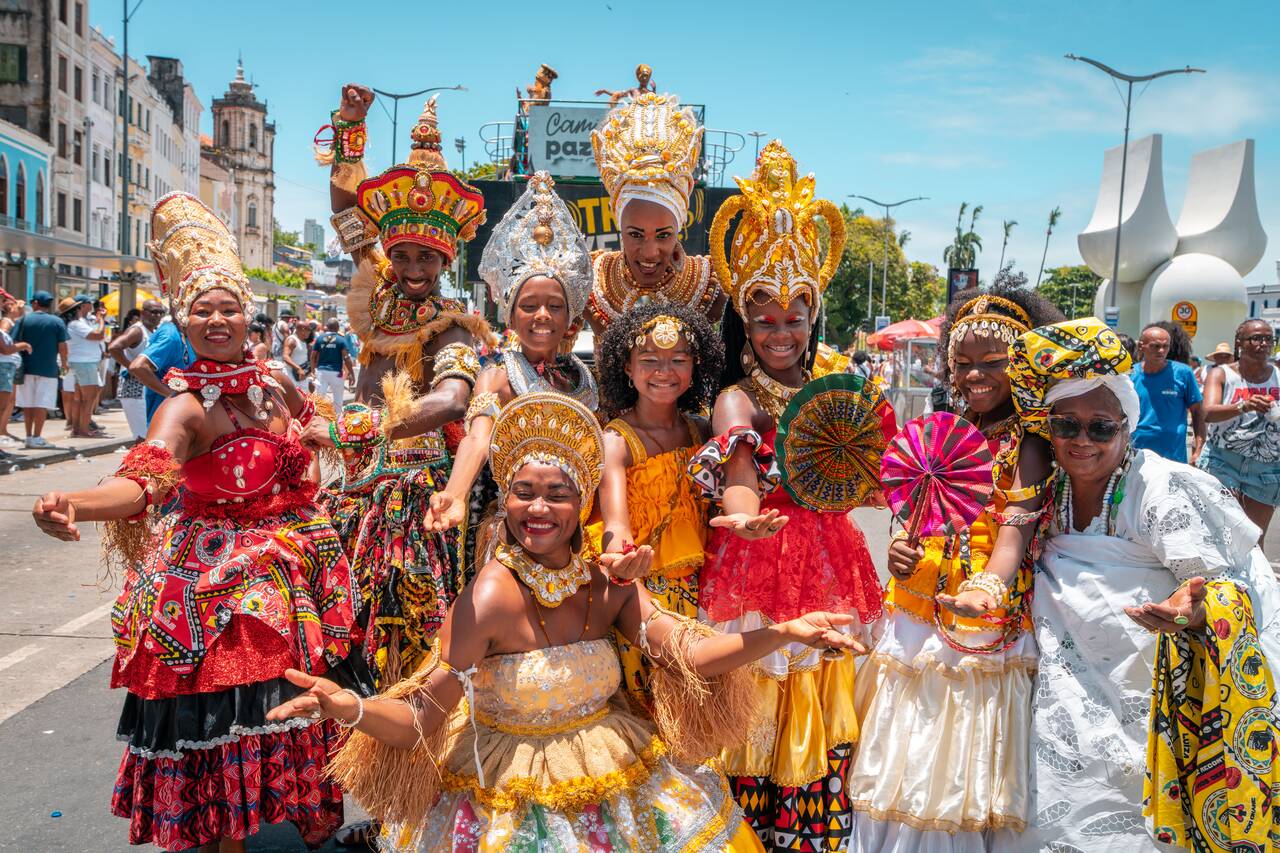
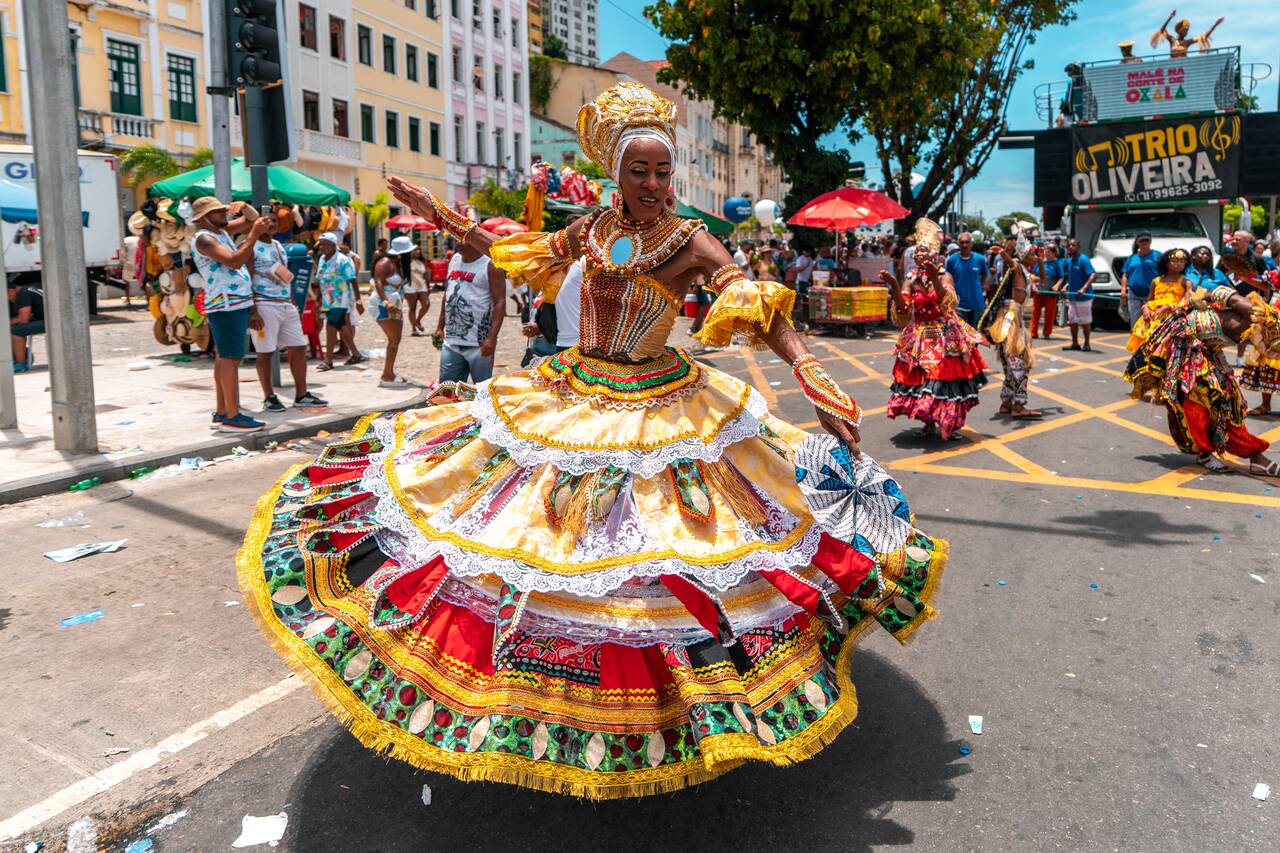
Basically, the Bonfim Festival is a mini Carnival but without the foreign tourist crowds, and prices remain affordable. All over the city, you will find people dancing, bands playing all kinds of Brazilian music, parades of people in colorful outfits, and everything in between. It was a madhouse, and I loved it!
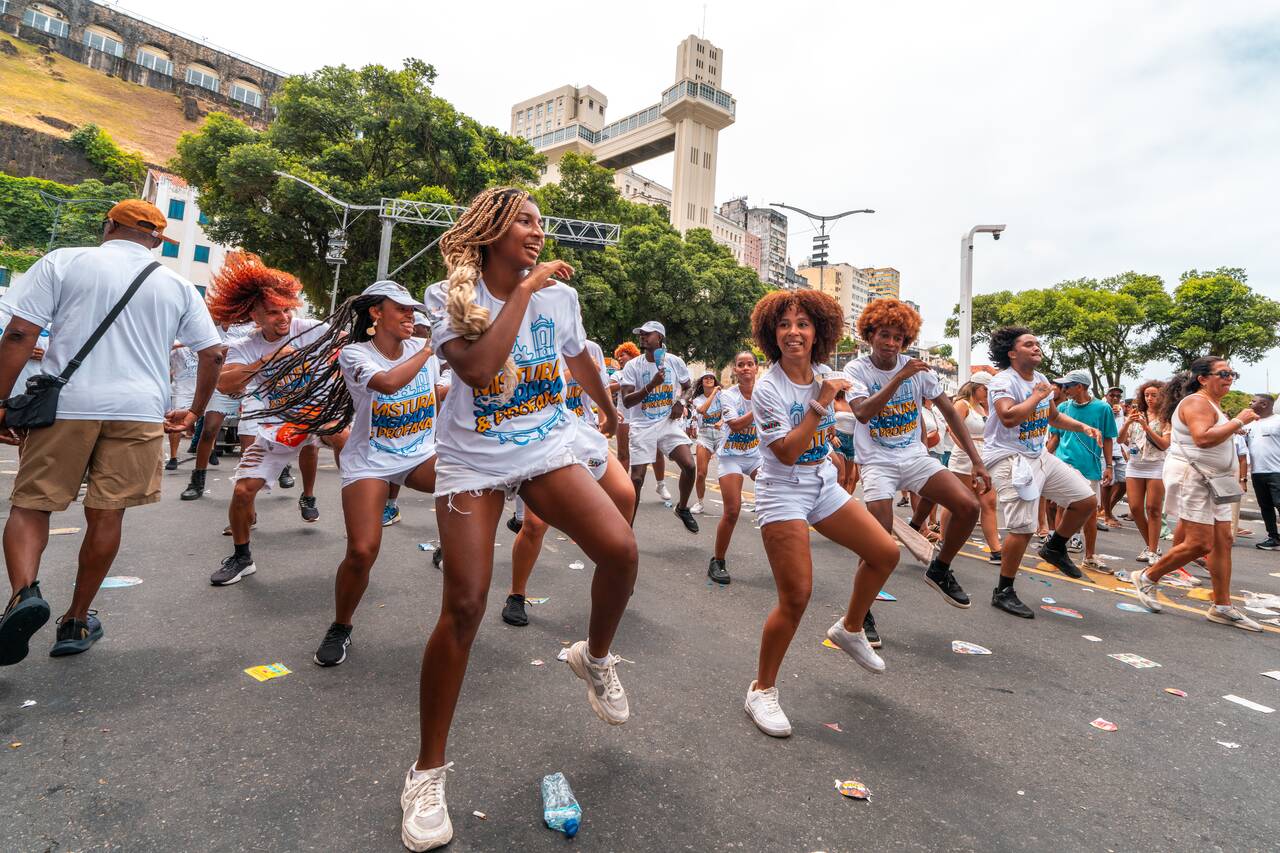
The highlight of the celebration is a massive procession that starts in the lower city and makes its way to the Church of Nosso Senhor do Bonfim. Thousands of participants dressed in white walk together for several kilometers, accompanied by music, dancing, drumming, and street celebrations along the way.
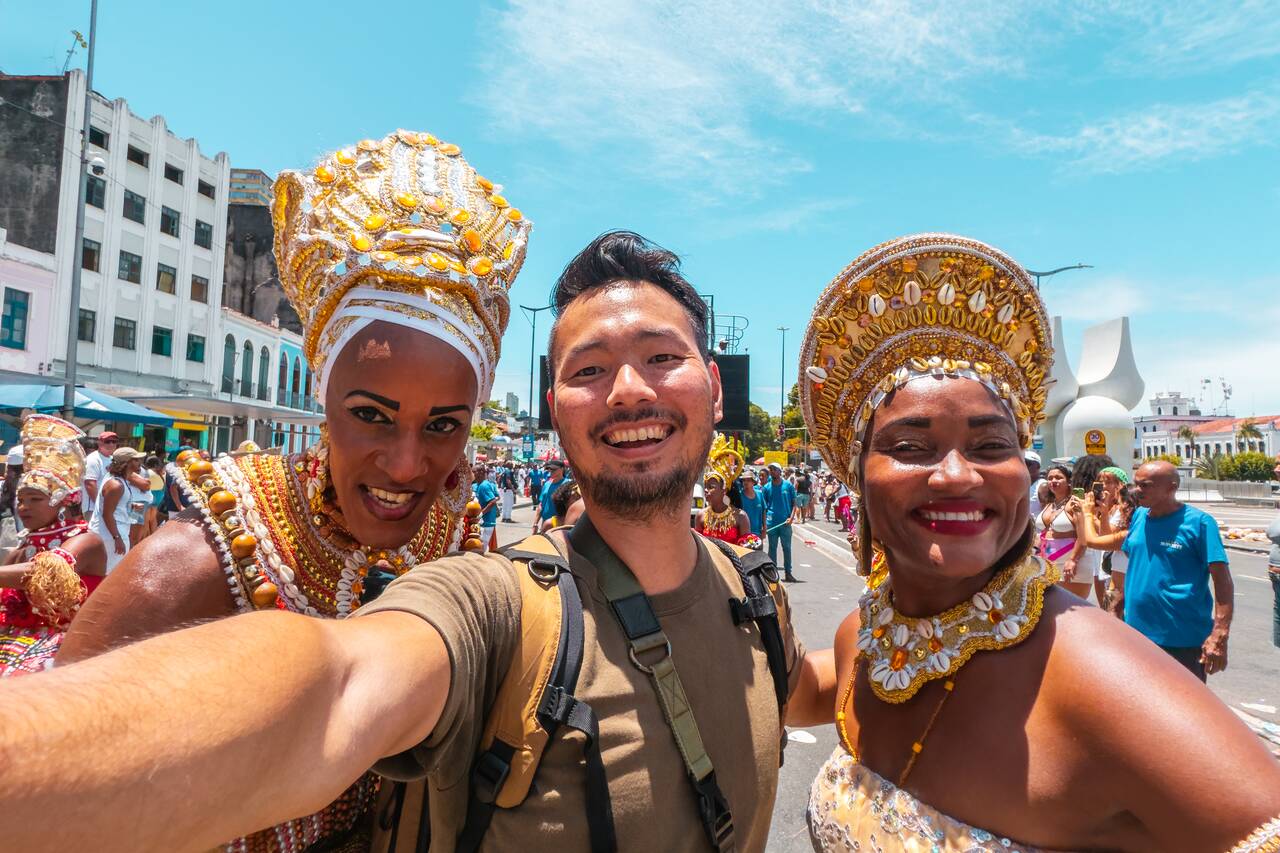
I was lucky enough to experience the festival myself, and the energy is unlike anything I have ever seen. The streets are filled with people celebrating, singing, and dancing to the live music performances from trios elétricos, which are support vehicles carrying live percussion groups and musicians.
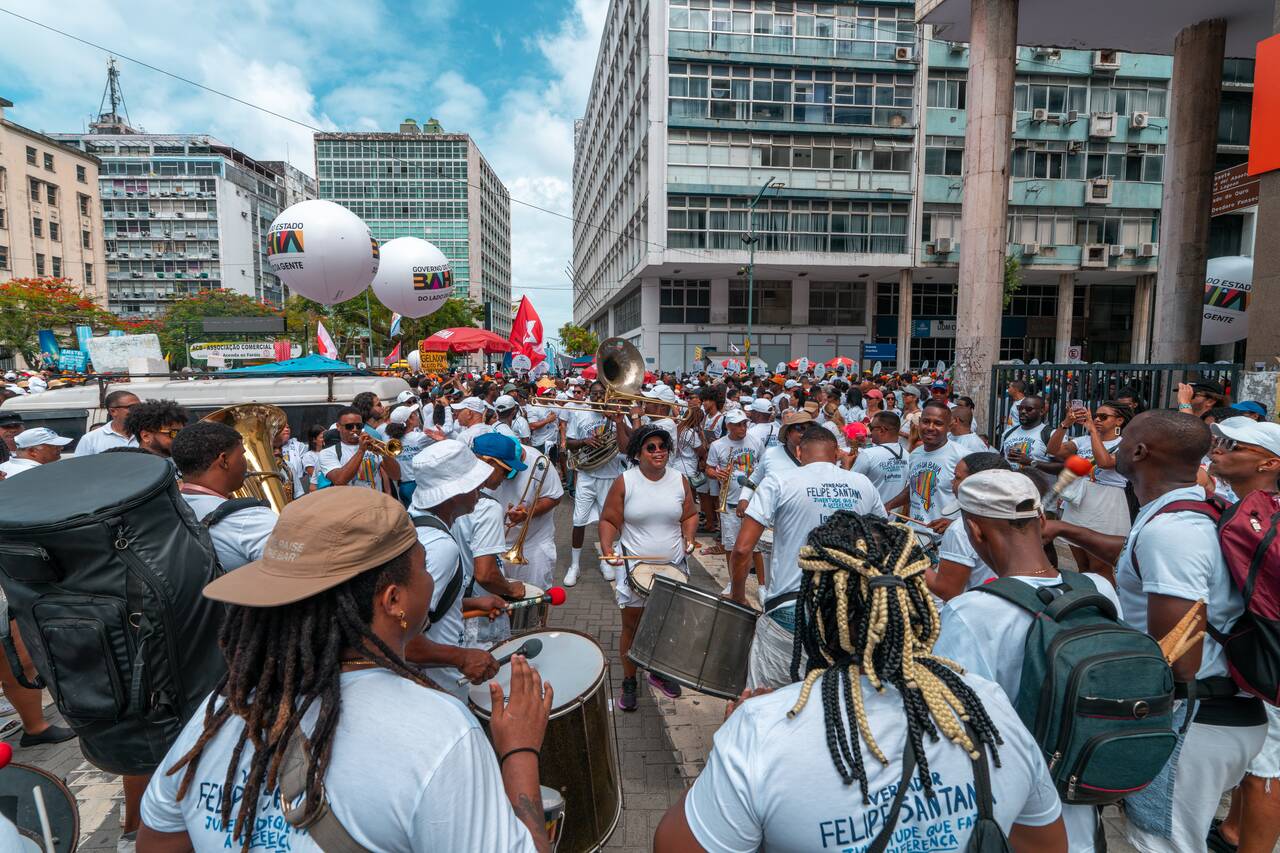
There were hundreds of bands playing along the streets as it slowly moved along the procession route. The music often crashed together, creating a continuous flow of sound unlike anything I've experienced before.
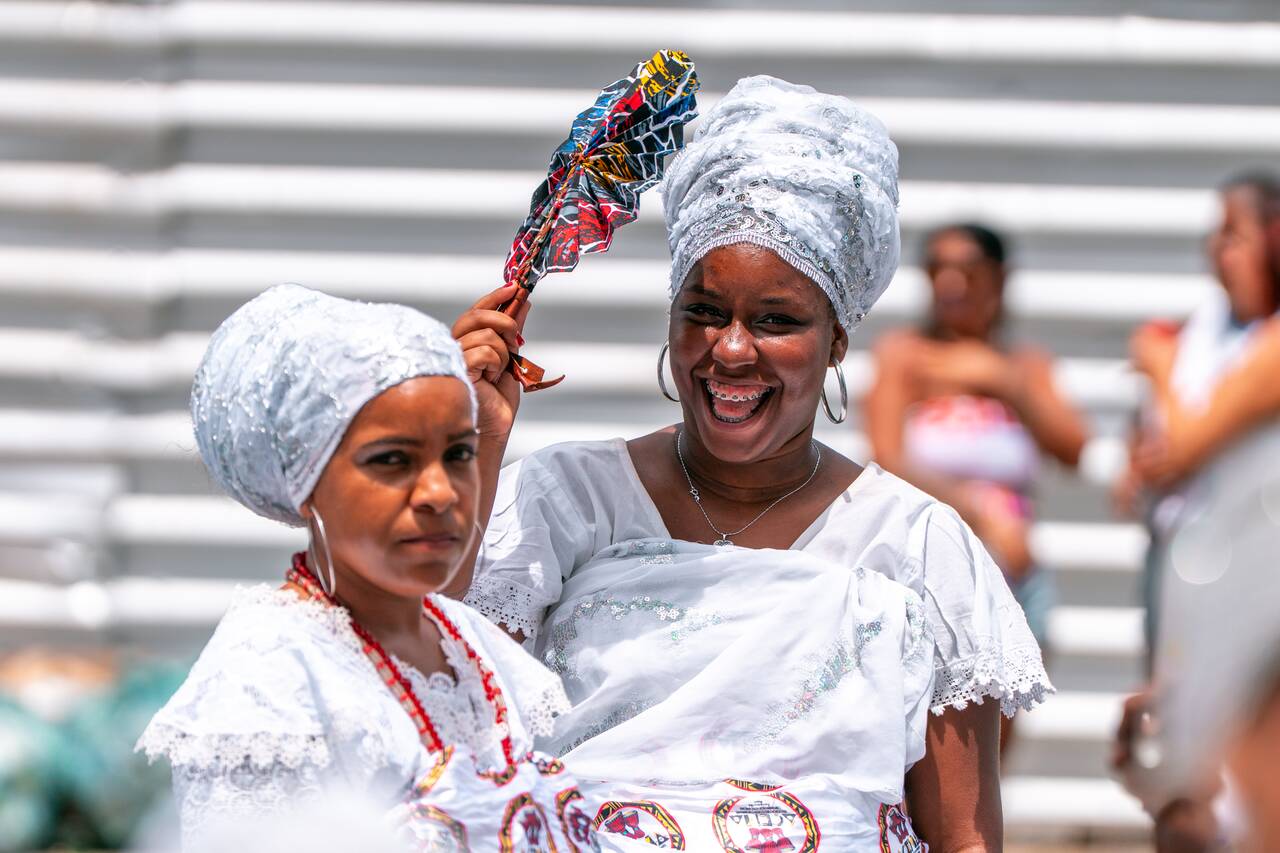
It was chaotic, it was fun, and I ended up spending an entire day just following the parades, taking photos of people dressed in traditional dresses and carnival-like costumes. I believe I was out in the sun for like 4-5 hours dancing with the locals.
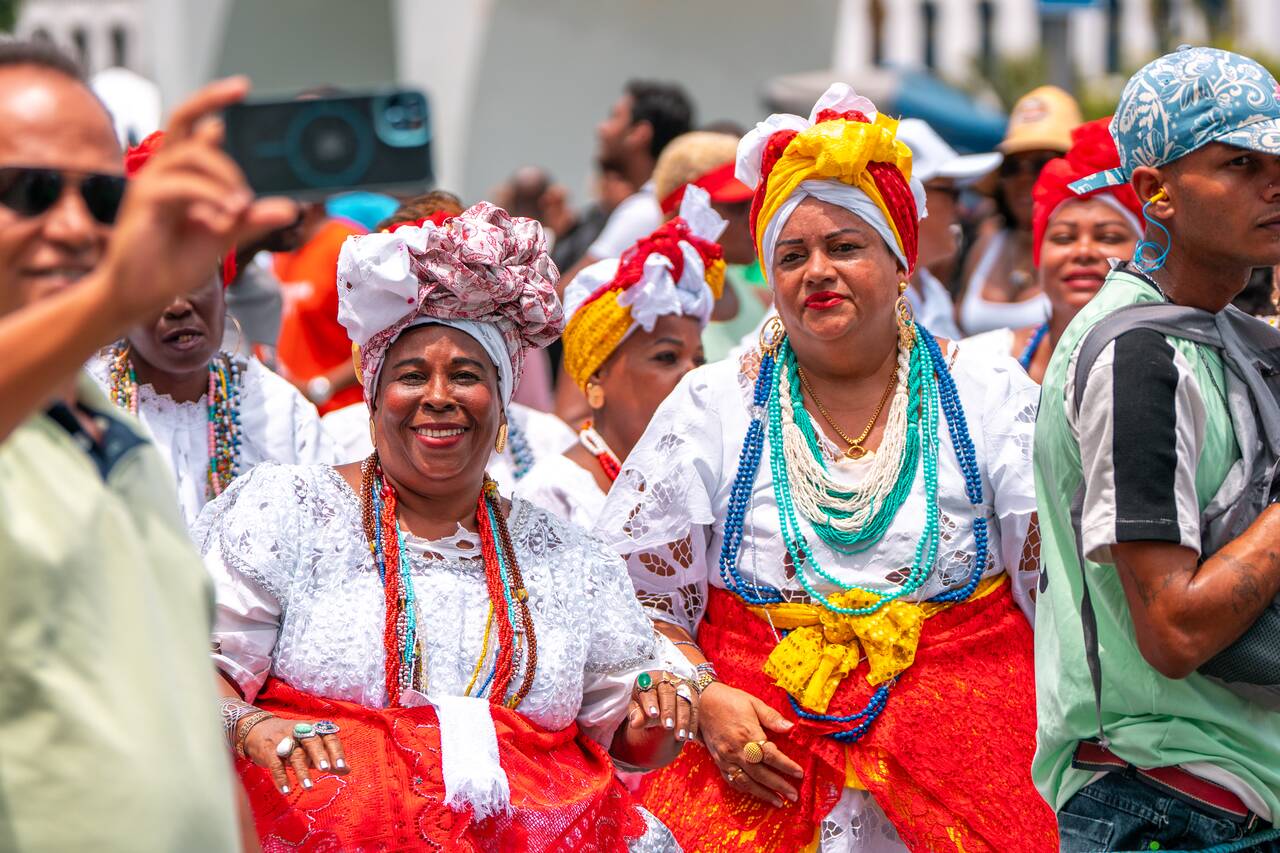
What's unique about Bonfim compared to Carnival is that you’re not watching the performances from a fixed stage, like you do at Carnival. At Bonfim, you’re walking inside a moving street festival, with music coming from every direction: marching bands, drumming groups, and sound trucks all blending together. It feels more like you are part of the event than a spectator and I love it.
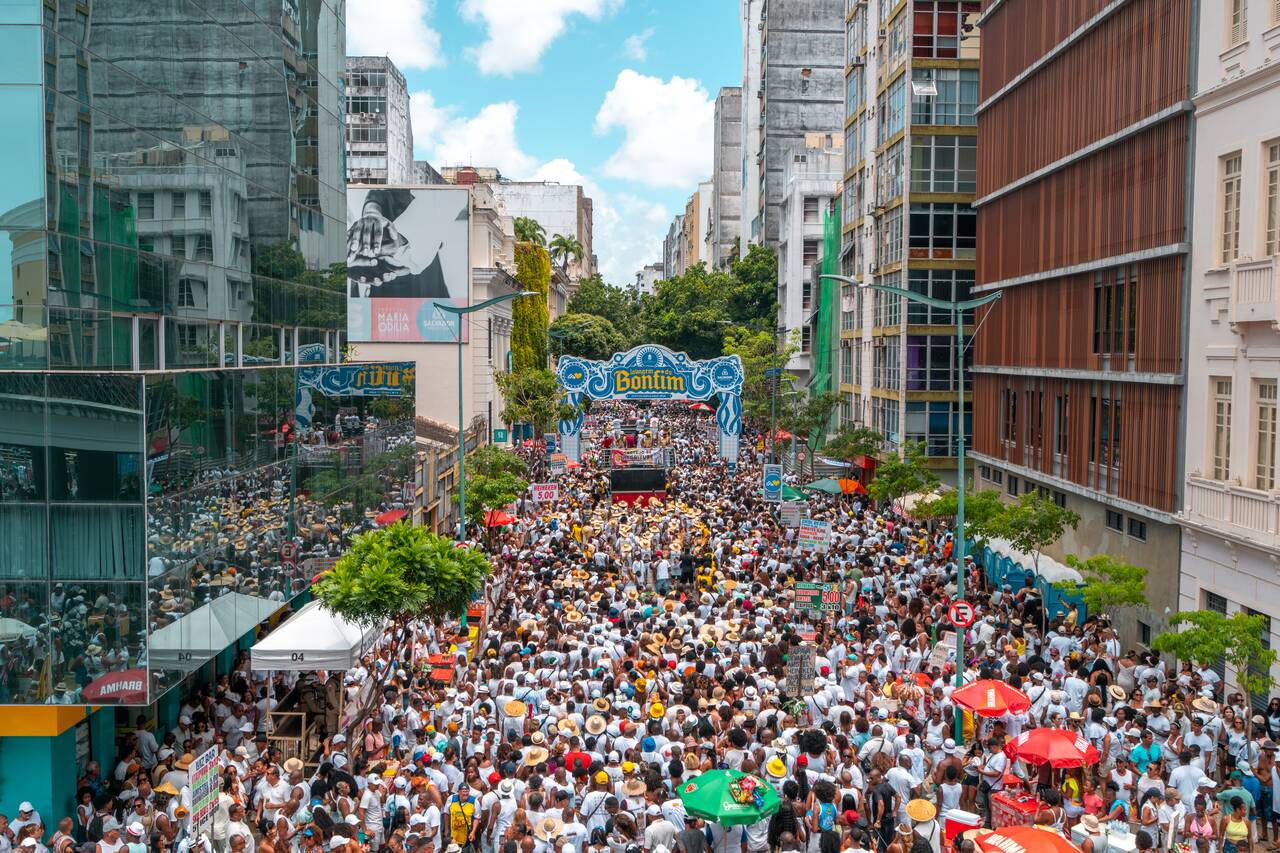
It is important to note that this is an extremely crowded event. If your main goal is to visit tourist attractions like Bonfim Church or other places in the city, just forget about it. Most places are closed anyway, and even if they are open, like Bonfim Church, they will be far too crowded to visit anyway. Instead, just enjoy the festivities and take the rest of the day off.
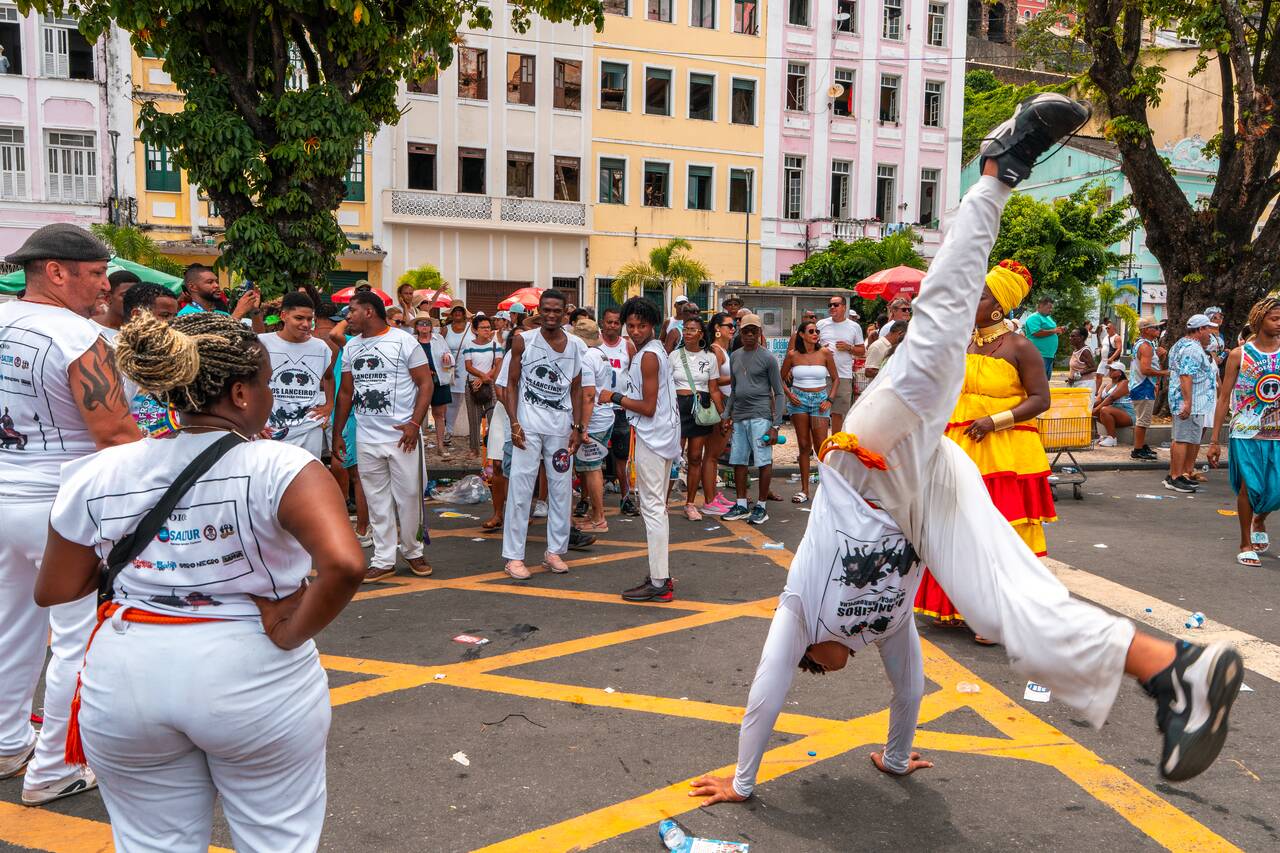
Celebrating Lavagem do Bonfim in Salvador was probably my favorite moment of my Brazil trip, and if you can align your visit, I highly recommend doing so, as you will not get to experience this anywhere else. Just be prepared for large crowds, long walks, and heat that can get pretty extreme during the day, especially when you are out dancing in the streets like everyone else 😉. Also, watch your belongings and stay street smart!
15. Try All the Food in Salvador
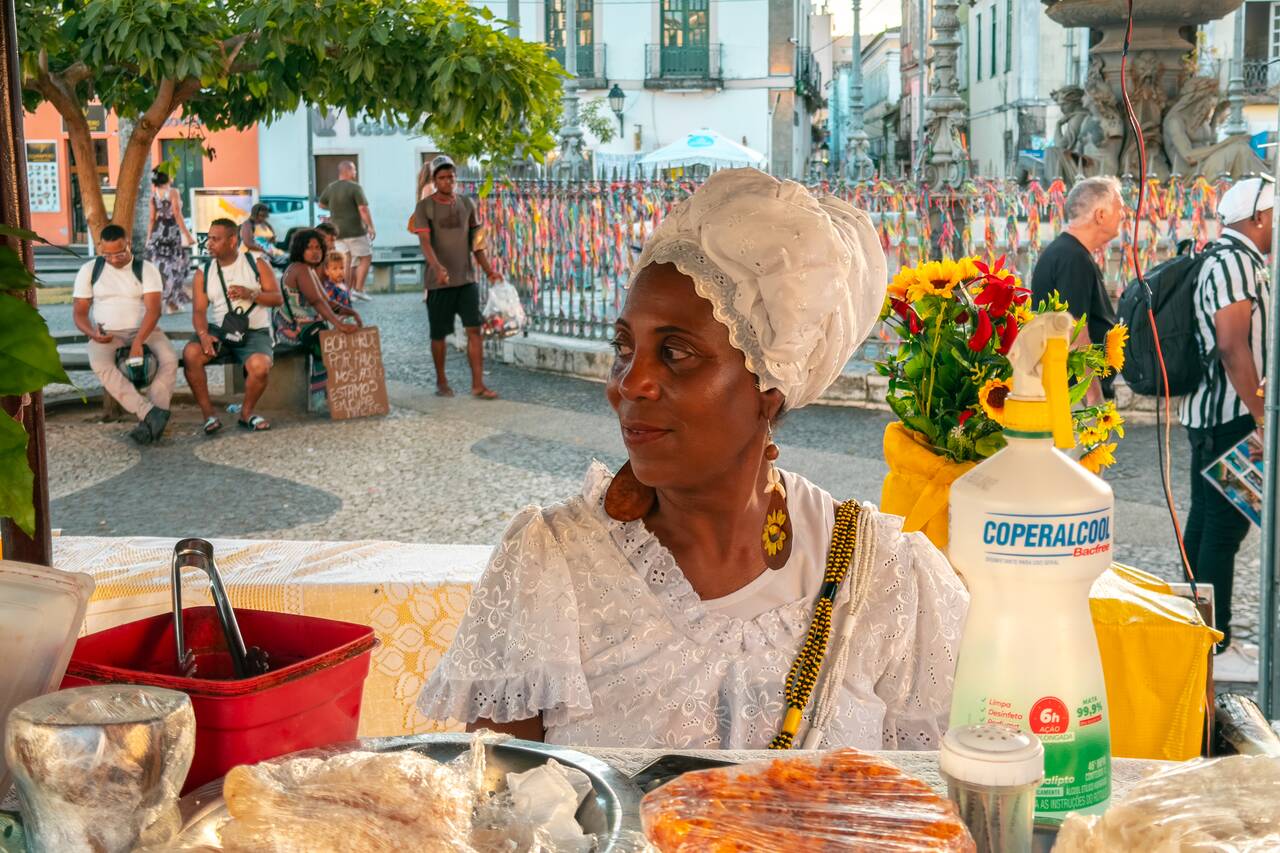
- 📍 Location: Largo Terreiro de Jesus [Map Link]
- ⚡ Pete's Take: "Try the acarajé from street vendors, and skip fancy restaurants."
Thanks to its diverse population and history, Bahian cuisine is unlike anywhere else in Brazil, as it is shaped heavily by Afro-Brazilian traditions that are known for their bold flavors, rich sauces, and generous use of ingredients like coconut milk, dendê oil (palm oil), and fresh seafood.
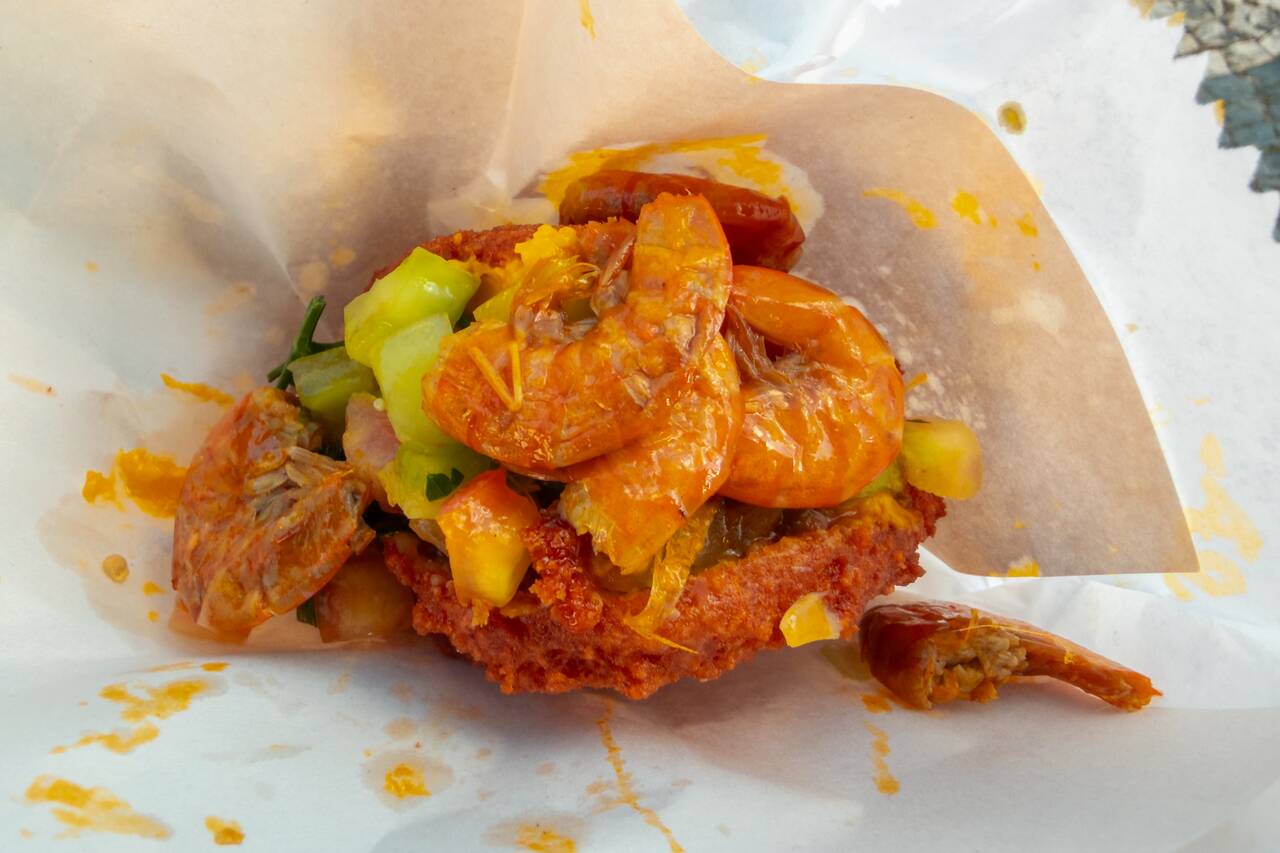
If there is street food you have to try, it is acarajé, a deep-fried ball made from black-eyed peas, traditionally prepared by Baianas dressed in white. It is sliced open and stuffed with spicy shrimp, vatapá, and caruru. You will see street vendors selling it all over Salvador, especially around Largo Terreiro de Jesus in Pelourinho.
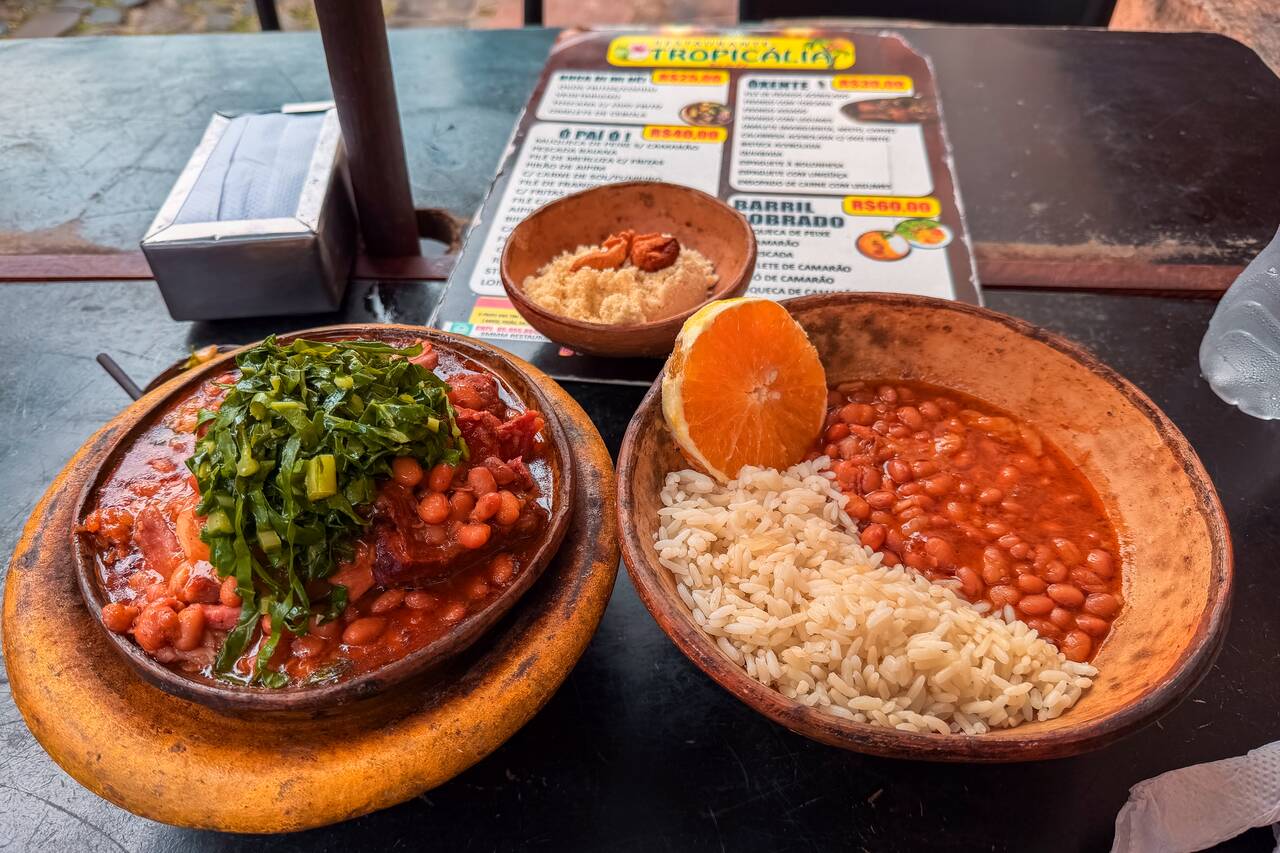
Another of my favorite dishes is Feijoada, a rich and delicious black bean stew typically made with pork cuts such as sausage, ribs, and bacon. It is slow-cooked for hours until the flavors become deep and tasty, and it is usually served with rice, farofa, orange slices, and sautéed greens. I tried Feijoada from Restaurante Tropicália and I loved it.
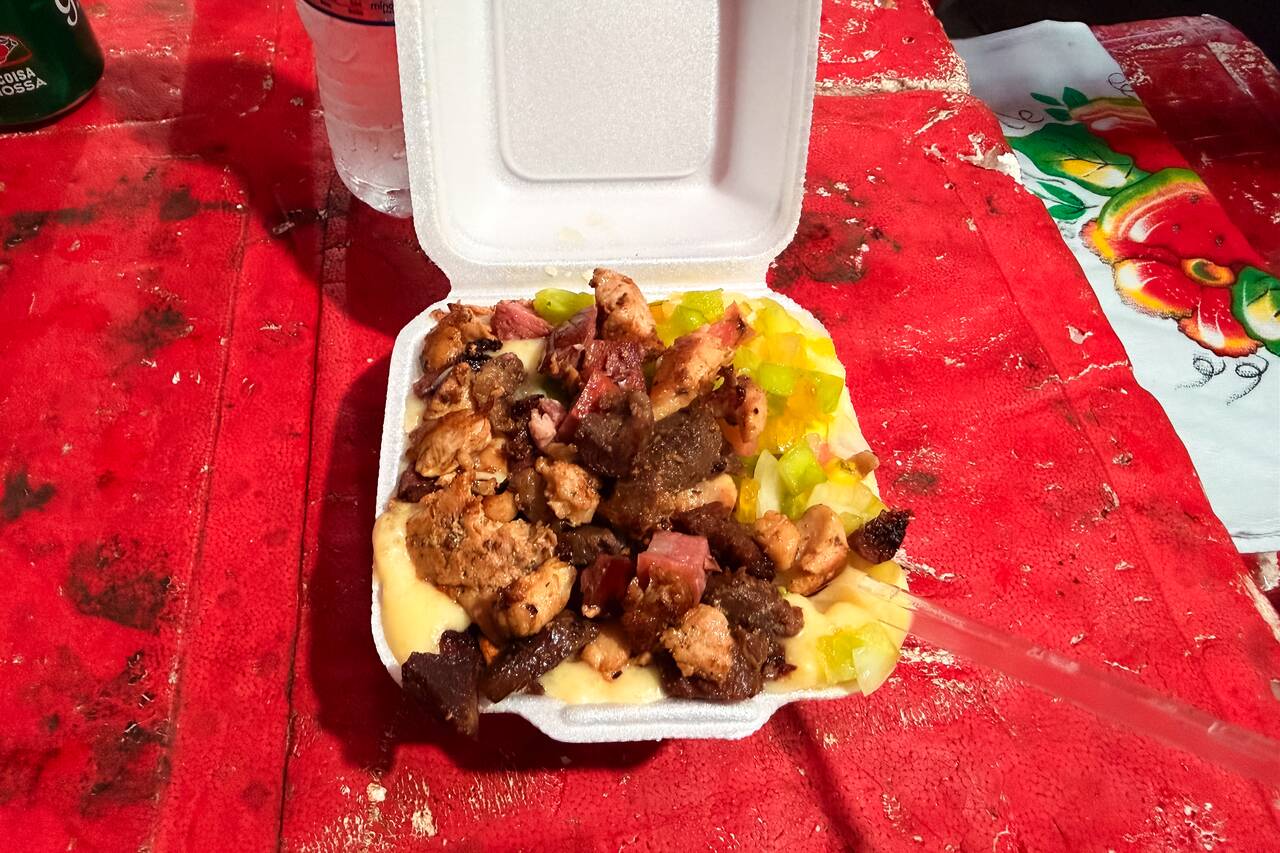
What I loved most about eating in Salvador was how accessible and local everything felt. You do not need fancy restaurants to experience great food. Some of the best meals I had were from simple street stalls or small neighborhood eateries packed with locals. It kind of reminded me of my home country, Thailand, where street food is always readily available! 😉 So don't forget to be adventurous and try some of Salvador's best local food!
When to Visit Salvador?
The best time to visit Salvador is during the dry season between September and March, when you can expect plenty of sunshine, warm temperatures, and ideal conditions for exploring the city's colorful historic center and beautiful beaches.
If you want to experience Salvador at its most vibrant, consider visiting during the Bonfim Festival in January or Carnival in February or early March. Carnival in Salvador is one of the largest street parties in the world, attracting millions of tourists, both local and foreign. The atmosphere is incredible, but accommodation prices increase significantly, and the city becomes extremely crowded.
Personally, I visited during the Bonfim Festival in January, and I thought it was the perfect time to be there. The city was alive with celebrations and music, but it felt much more accessible and affordable than Carnival. It was like experiencing a mini Carnival without the massive crowds and inflated prices.
The rainy season generally runs from April to August, with May, June, and July typically seeing the highest rainfall. That said, rain in Salvador often comes in short bursts rather than lasting all day, so it is still possible to enjoy the city during these months. Just be prepared for occasional showers and more humid weather.
If your goal is to combine good weather, lively cultural events, and manageable crowds, I would recommend visiting between January and March. If you prefer fewer tourists and lower prices while still enjoying mostly sunny weather, September to November is another excellent time to visit.
How to Get to Salvador?
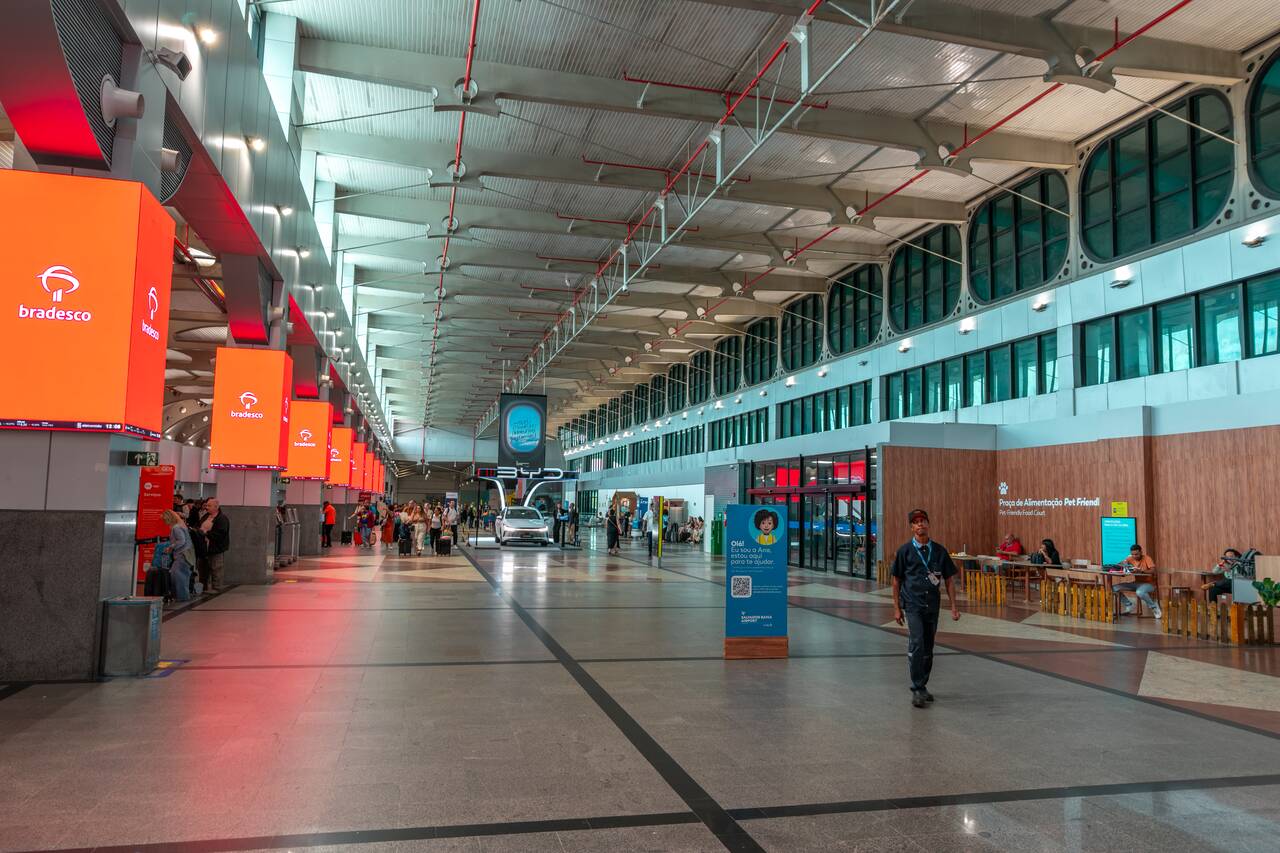
Salvador is one of Brazil's largest cities and the capital of Bahia State, and it is well connected to both domestic and international destinations. Most travelers arrive by plane, although long-distance buses are also available from major cities across Brazil.
By Plane: The easiest and most convenient way to get to Salvador is by flying into Salvador International Airport (SSA), located about 25 km from the city center. The airport receives frequent domestic flights from major Brazilian cities such as Rio de Janeiro, São Paulo, Brasília, and Belo Horizonte, as well as a handful of international flights.
For finding flights, I recommend browsing through Skyscanner or Expedia for the best fare.
From the airport, you can take an Uber, airport bus, or the metro into the city. I personally used Uber throughout my stay in Salvador and found it to be affordable, reliable, and much more convenient than dealing with public transportation.
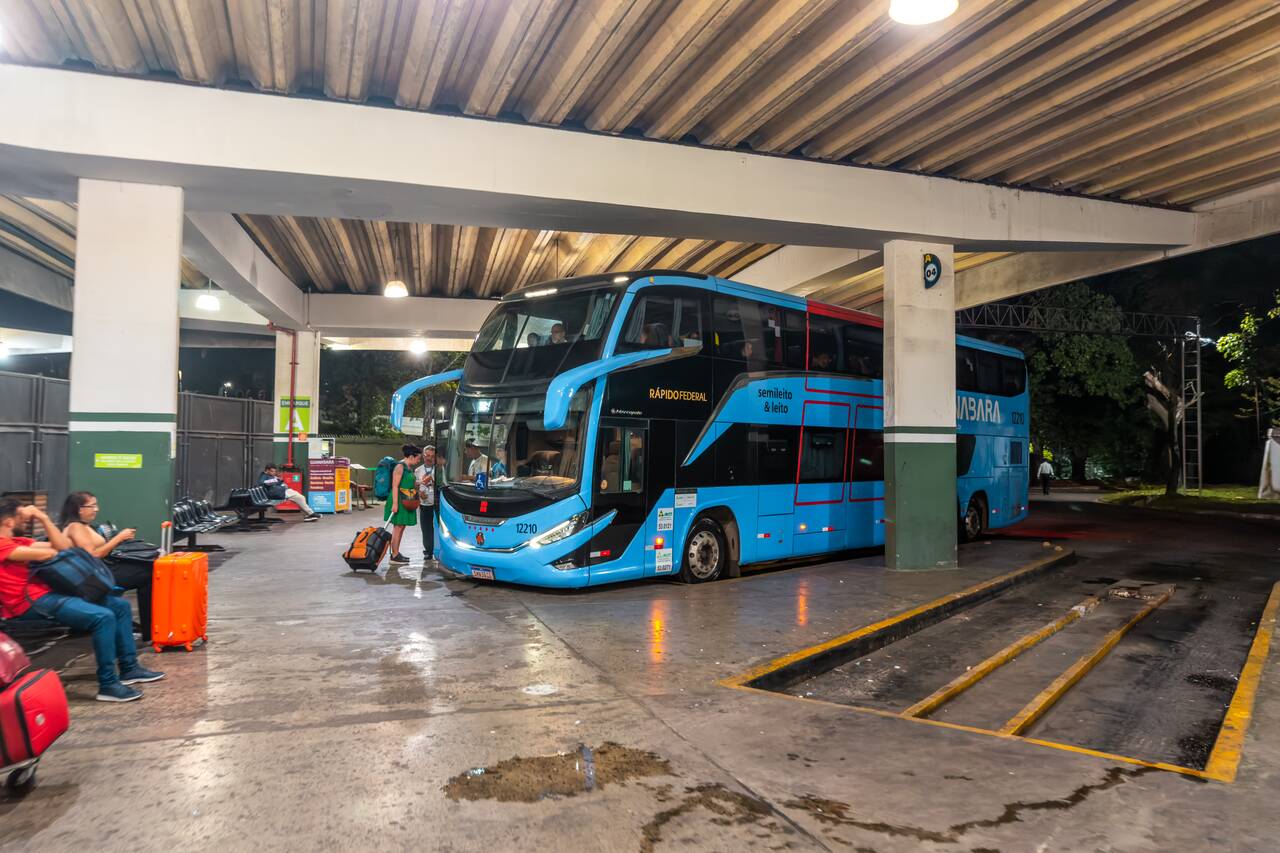
By Bus: If you are already traveling around Brazil, long-distance buses connect Salvador with many major destinations throughout the country. The main bus terminal is Rodoviária de Salvador - Águas Claras as of 2026, and the terminal receives buses from places such as Rio de Janeiro, São Paulo, Recife, and Chapada Diamantina.
Keep in mind that Brazil is a huge country, and bus journeys can be extremely long. For example, the trip between Rio de Janeiro and Salvador can take more than 30 hours by bus. Unless you are on a tight budget or enjoy overland travel, flying is usually the better option. If not, be sure to book the bus here in advance.
How to get Around Salvador?
Salvador is a large city, but getting around is relatively straightforward thanks to its affordable ride-hailing services, public transportation network, and walkable historic center. During my time there, I primarily relied on Uber and found it to be by far the easiest way to get around.
By Uber: For most travelers, Uber is the best way to get around Salvador. Rides are inexpensive by international standards, widely available throughout the city, and generally safer and more convenient than hailing taxis on the street. I used Uber several times a day and never had any issues.
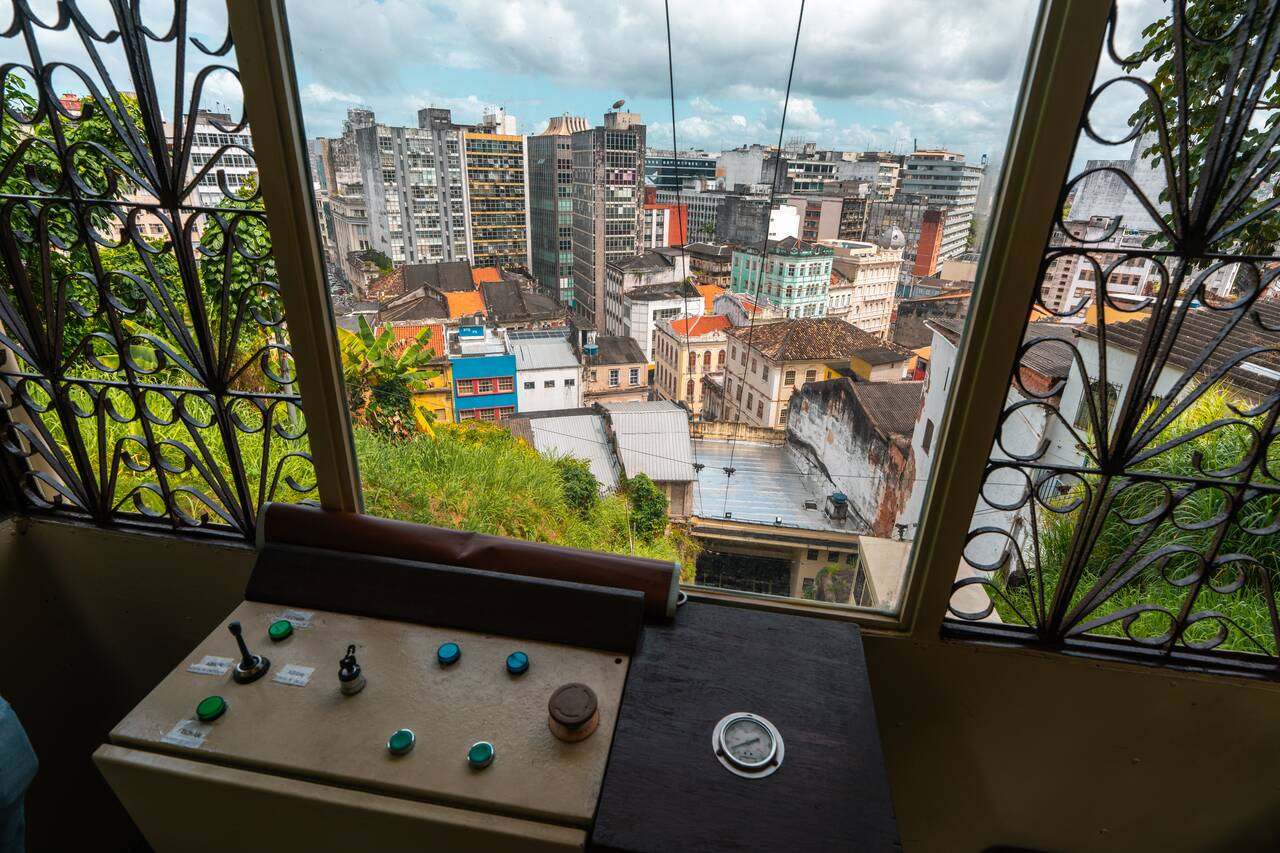
On Foot: Areas such as Pelourinho, Salvador's historic center, are best explored on foot. Many of the city's main attractions, churches, museums, restaurants, and viewpoints are located within walking distance of one another. Just be prepared for steep hills, uneven cobblestone streets, and the occasional staircase. Use the elevator or trams to travel between the lower and upper city.
By Metro: Salvador has a modern and surprisingly efficient metro system that connects the airport, bus terminal, and several parts of the city. While most tourists will not use it extensively, it can be a useful and inexpensive option for longer journeys.
By Bus: Local buses cover virtually every corner of Salvador and are very affordable. However, unless you speak Portuguese and are familiar with the city, they can be confusing to navigate. I would recommend sticking with Uber unless you are traveling on a very tight budget.
How Many Days to Spend in Salvador?
I recommend spending at least 3 days in Salvador to fully appreciate the city's unique blend of history, culture, music, food, and beaches. While it is possible to see the main highlights in a couple of days, giving yourself a few extra days will allow you to experience the city at a more relaxed pace. Here's an itinerary for Salvador:
- Day 1: Explore Historic Center
- Day 2: Spend time at the Beach
- Day 3: Relax or Enjoy the festivities
I personally spent around 5 days in Salvador, with one full day dedicated to the Bonfim Festival and another day set aside to rest, and I thought it was the perfect amount of time. It gave me enough time to explore the city's major attractions, experience the Bonfim Festival, sample plenty of Bahian food, and still enjoy a few slower days to enjoy the little things the city has to offer.
Is it safe in Salvador?
Like many large cities in Brazil, Salvador has a reputation for crime, but I found it to be manageable as long as you take the same precautions you would in any major city. During my time there, I never encountered any problems, although I was always mindful of my surroundings.
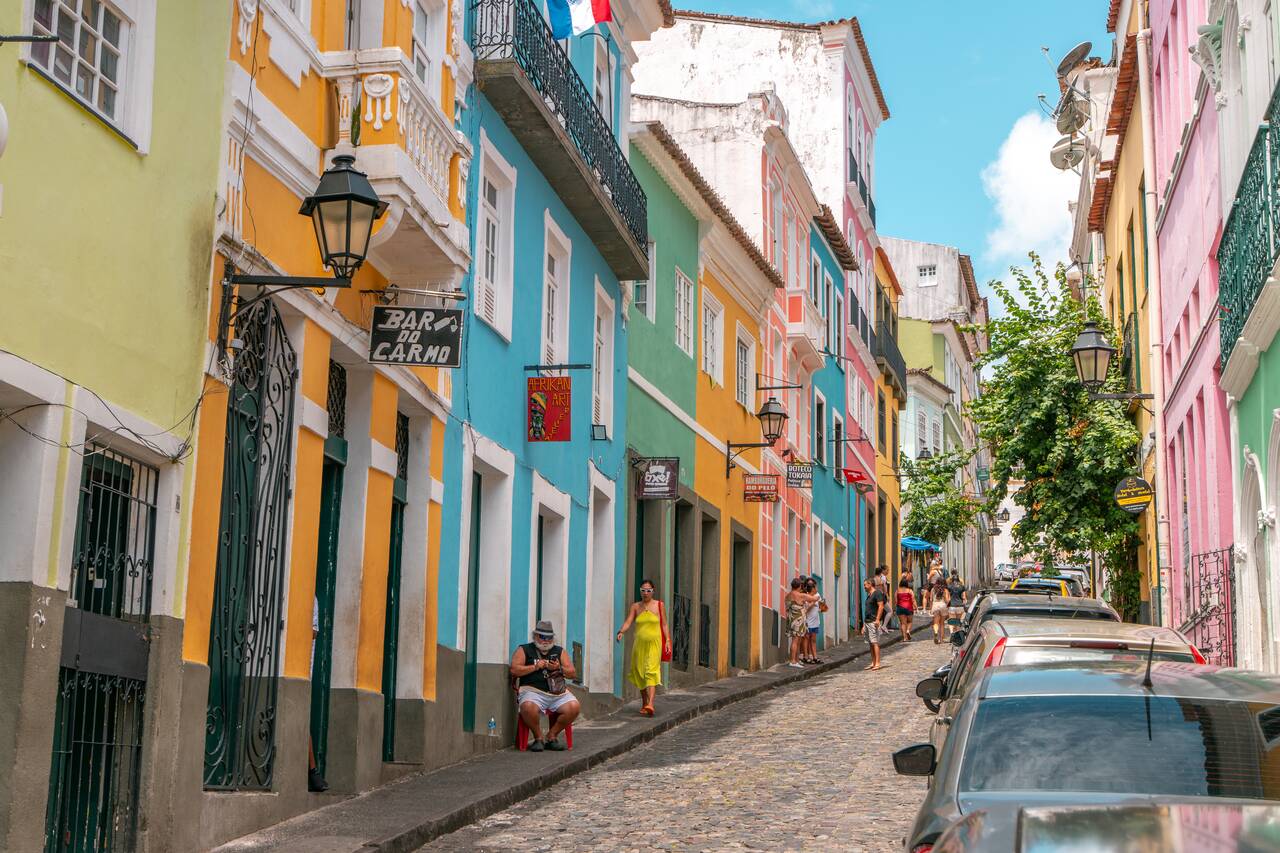
The areas most travelers visit, such as Pelourinho, Barra, Rio Vermelho, and Santo Antônio Além do Carmo, are generally safe during the day when there are plenty of people around. That said, petty theft and opportunistic crime can occur, so avoid displaying expensive cameras, jewelry, phones, or large amounts of cash unnecessarily.
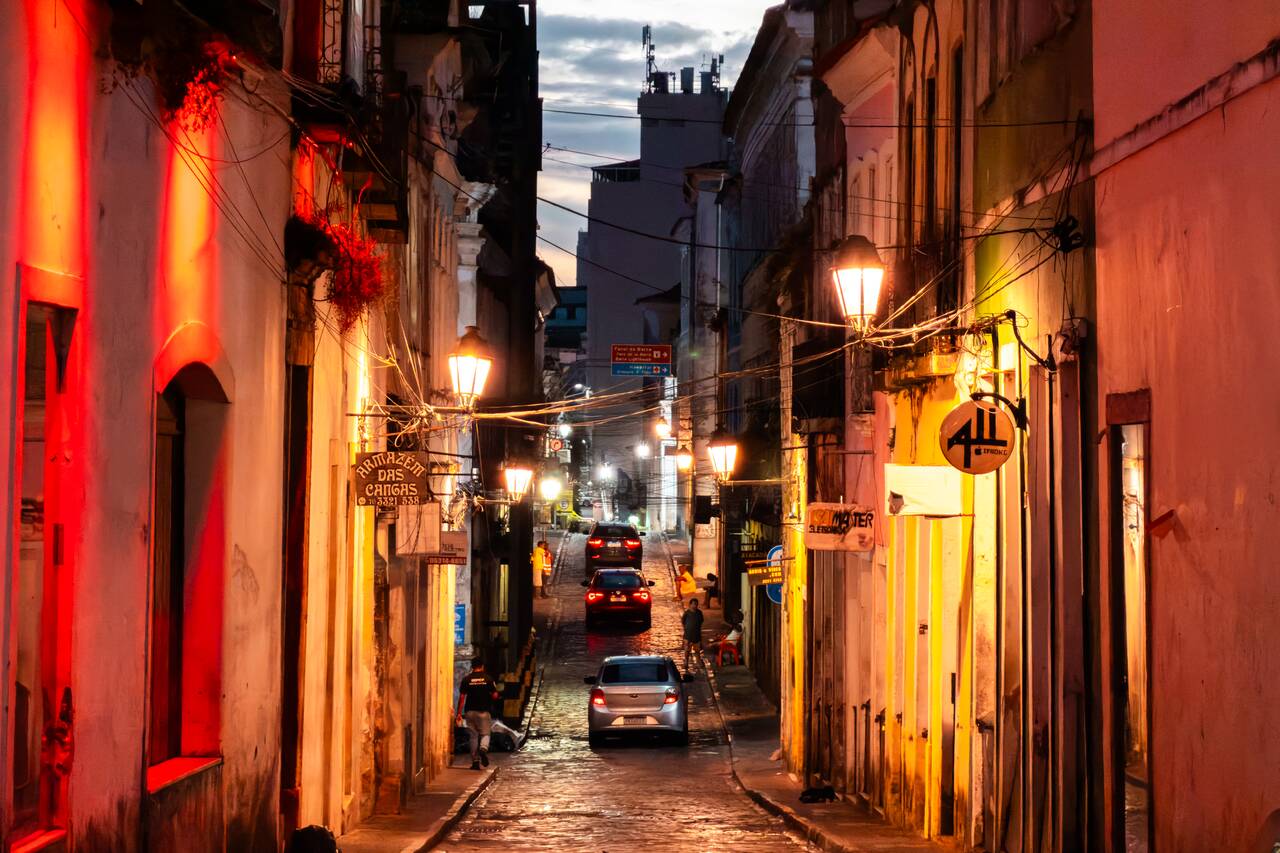
At night, I recommend using Uber rather than walking between neighborhoods, even if the distance looks short on the map. Uber is inexpensive in Salvador and provides an extra layer of convenience and safety.
One thing I noticed in Salvador is that locals are usually very honest about which areas are safe and which areas should be avoided. If your hotel staff, accommodation host, or Uber driver advises against walking somewhere, it is generally a good idea to listen to their advice.
The receptionist at the hotel where I was staying warned me about pickpockets every time I walked out the door. He did not speak a word of English, but he always made sure to get the message across. I took his warning to heart, stayed aware of my surroundings, and thankfully nothing bad happened during my time in Salvador. Mind you, I was there during one of the busiest times of the year, the Bonfim Festival, so he was especially cautious about it.
When exploring Pelourinho, stay on the main streets where there are plenty of people, shops, restaurants, and police presence. The area is heavily visited by tourists, but some side streets can become quiet surprisingly quickly.
As always, trust your instincts. If a street feels deserted or uncomfortable, simply turn around or call an Uber. By staying aware of your surroundings and taking a few common-sense precautions, you should have no trouble enjoying everything Salvador has to offer.
Overall, I would not let safety concerns stop you from visiting. Salvador is one of the most culturally rich and fascinating cities in Brazil, and with a bit of caution, it can be an incredibly rewarding destination to explore.
Disclaimer: This post may contain affiliate links. See our disclosure policy.
First Published:
Last updated: