


There are a few reasons why travelers might find themselves in São Luís, the capital of Maranhão State in northeastern Brazil. However, I would assume that most of you landed on this page because you are planning a trip to Lençóis Maranhenses, only to realize that you have to pass through São Luís first, and now you are wondering whether the city is worth a stop. Am I right?
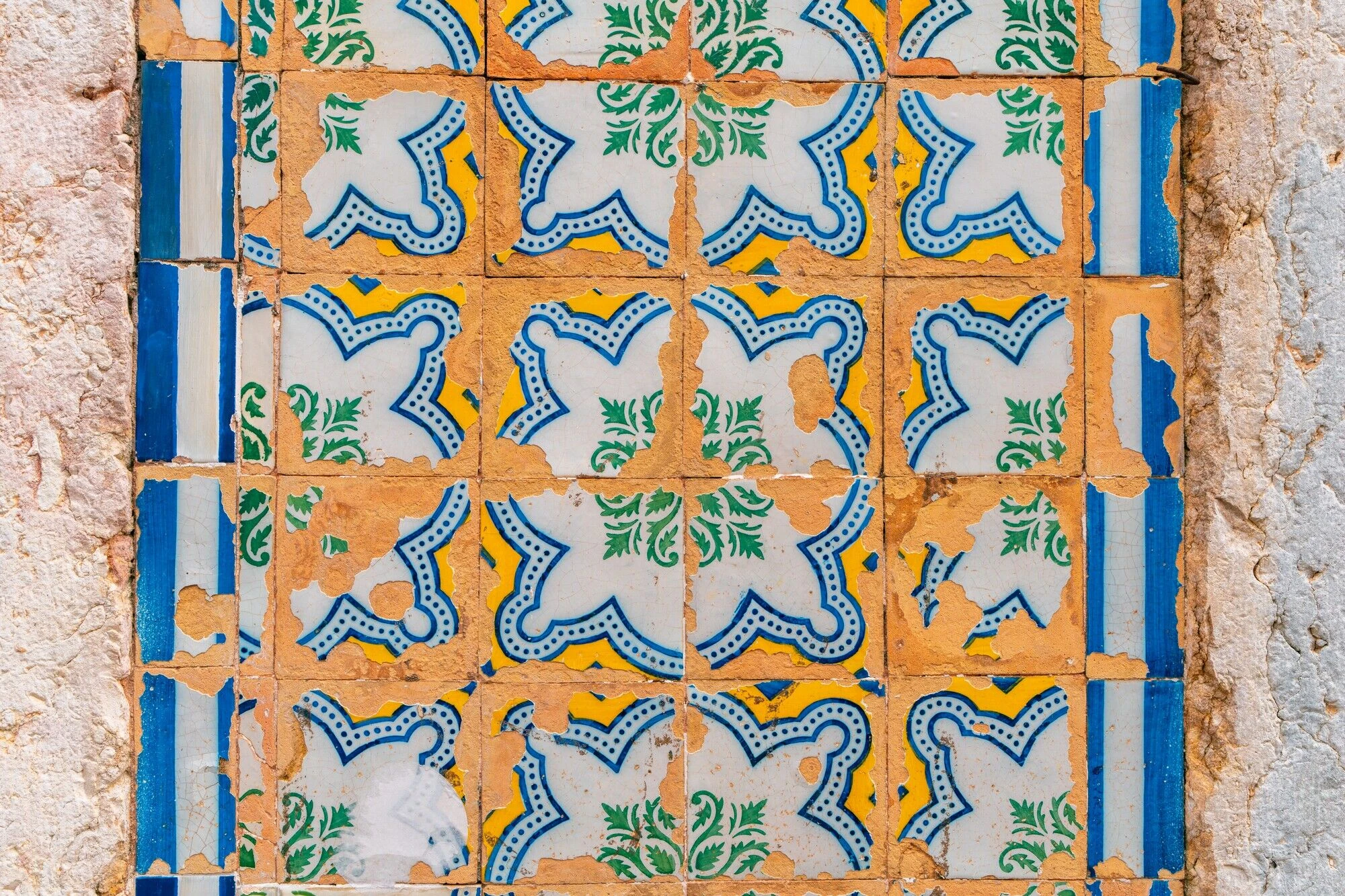
Well, I had the exact same question, and I have to say, do not sleep on São Luís. The city has far more to offer than you might expect. Known as the "Cidade dos Azulejos" (City of Tiles), São Luís is famous for its beautiful Portuguese-tiled buildings that line the streets of its UNESCO-listed historic center.
While many of these buildings are in need of restoration, I found that this only added to the city's charm and made visiting the city quite unique from other places in Brazil. The city is also home to several fascinating museums and a vibrant cultural scene, with events and live performances taking place throughout the year.
During my visit, I even stumbled upon a free concert in the historic center completely by accident. If you have the time, I would highly recommend spending at least one or two days here before continuing on to Lençóis Maranhenses.
If I have managed to pique your interest, then you are in the right place. In this guide, I will show you all the best things to do in São Luís, as well as everything you need to know to plan your trip. Let's get started!

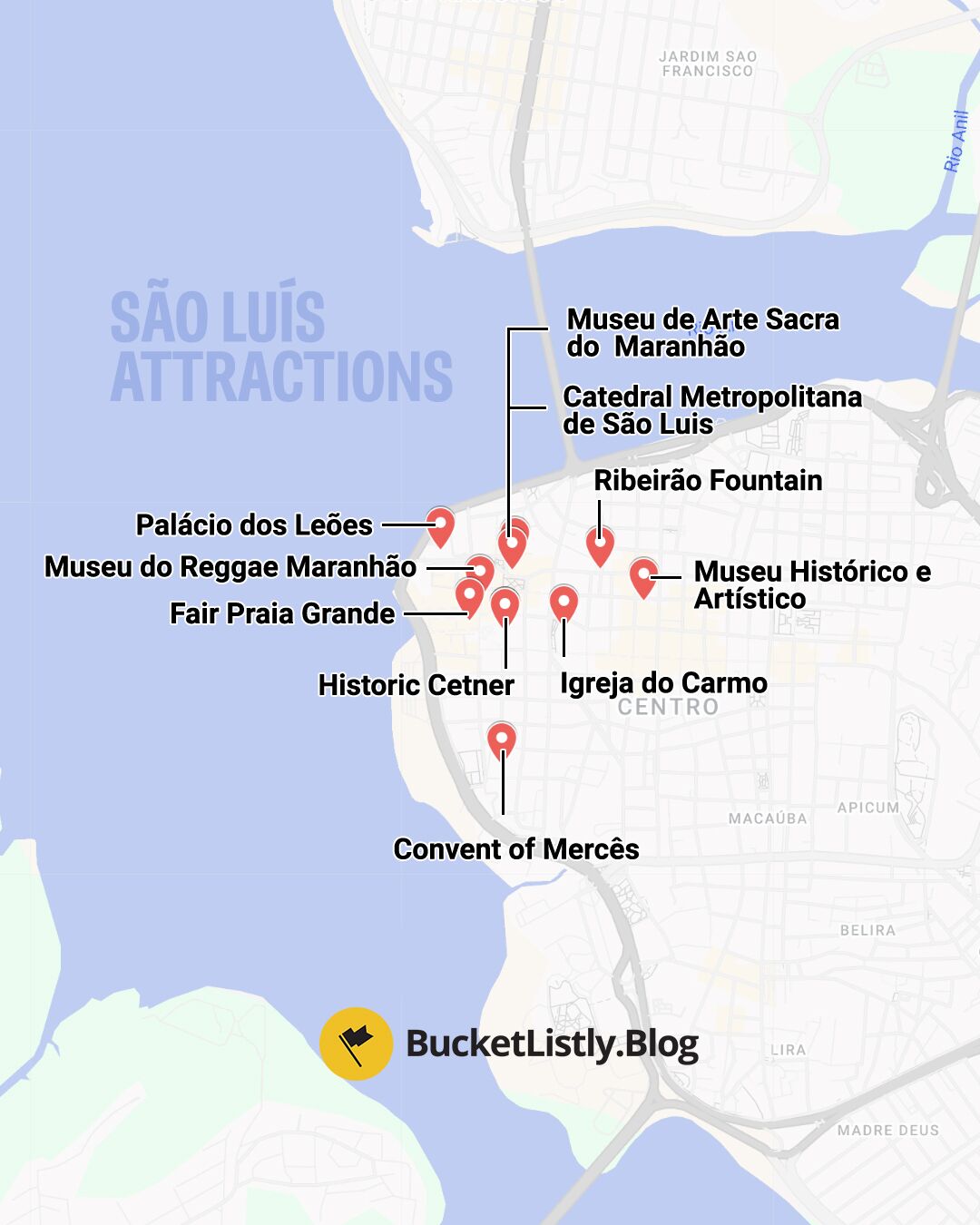
Map of Attractions in Sao Luis
Quick Summary
| ♥️ Must See: | Rua Portugal |
|---|---|
| 👍 Must Do: | city's historic center |
| 🥘 Place to Eat: | Feira Praia Grande |
| 🏛️ Best Museum: | Museu Histórico e Artístico do Maranhão |
11 Experiences I Think are Worth It in Sao Luis
1. Explore the Historical Old Town
- 📍 Location: city's historic center [Map Link]
- ⚡ Pete's Take: "Beautiful architecture, although many are in need of maintenance."
The city's historic center is a UNESCO World Heritage Site and one of the largest collections of colonial buildings in Brazil. Wander through its cobblestone streets and you will find beautiful churches, lively squares, museums, and countless buildings decorated with the colorful Portuguese tiles that have become one of the city's defining features.
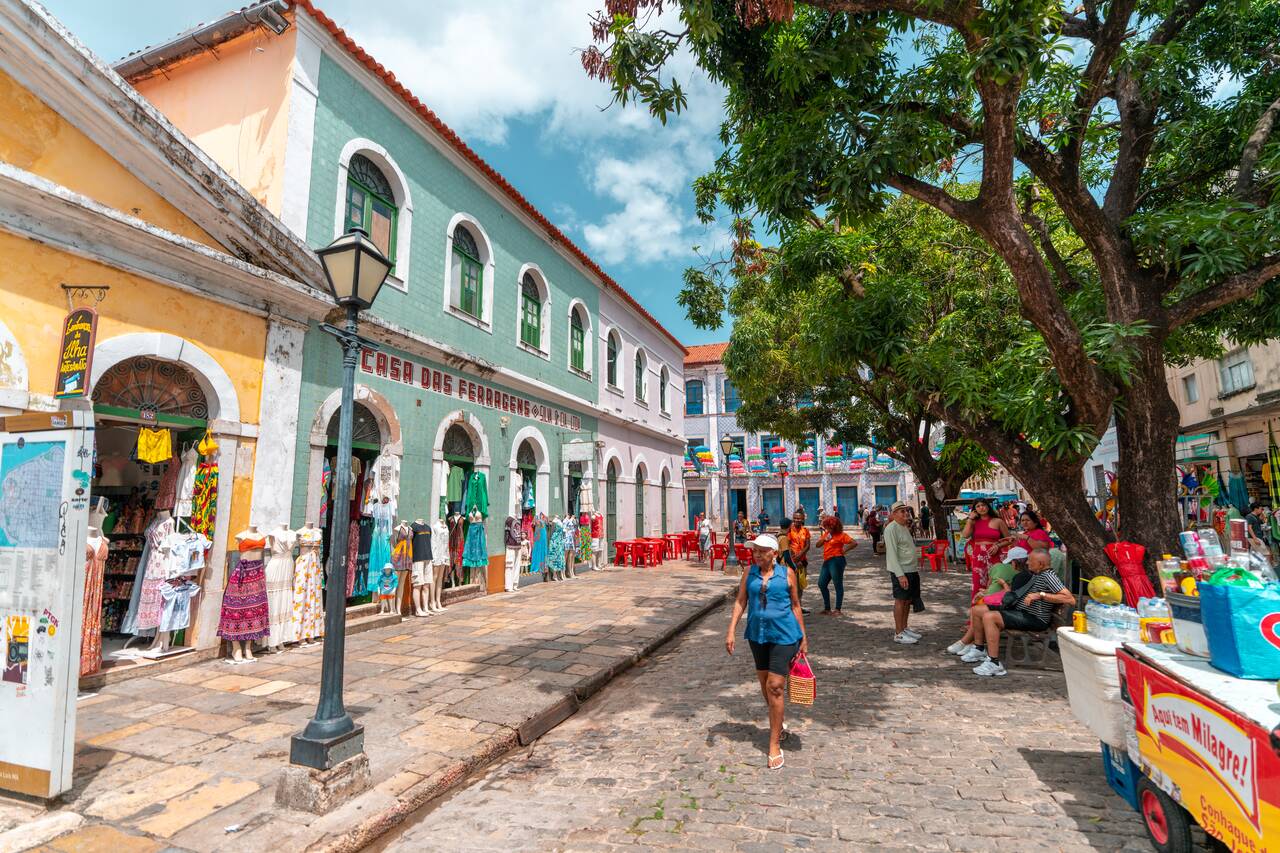
What I liked most about São Luís was how authentic it felt. Sure, many of the buildings are in need of major restoration and maintenance, but to me, that only added to the city's character. It felt more rustic, lived-in, and genuine than some of Brazil's more famous colonial cities, which often feel more polished and attract far too many tourists.
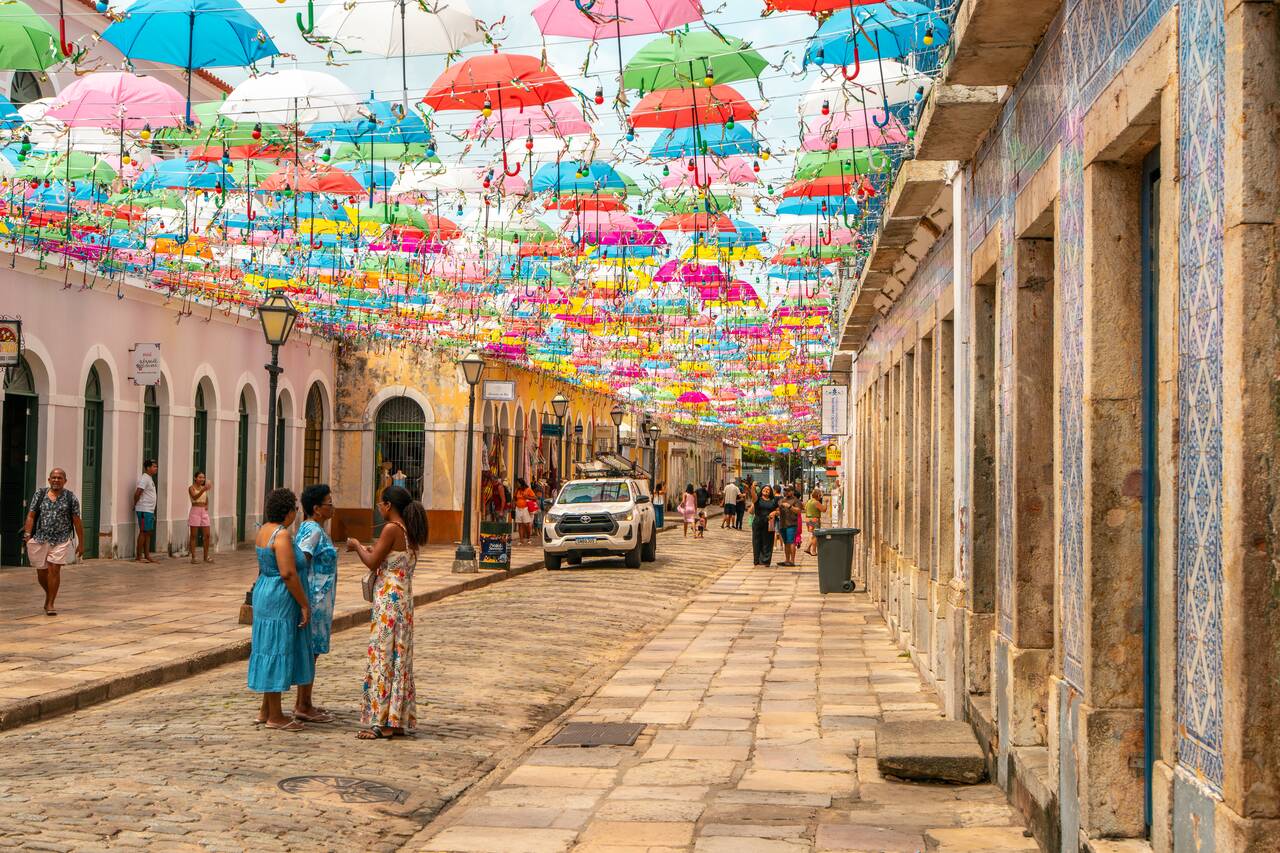
What I recommend you do here is simply wander around the historic center without any plan and see where the streets take you. Around almost every corner, you will stumble upon colorful façades and decorations, hidden courtyards, interesting museums, lively public squares, and viewpoints overlooking the bay.
- Reviver Hostel (Budget)
- Palma Hostel (Mid-Range) 👍 Top Pick
- Casarão da Fonte (High-End)
- Private Walking Tour of the Historical Center of São Luís do Maranhão (2 - 3 hours)
- 7 Days in Chapada das Mesas Nature and Culture (7 days)
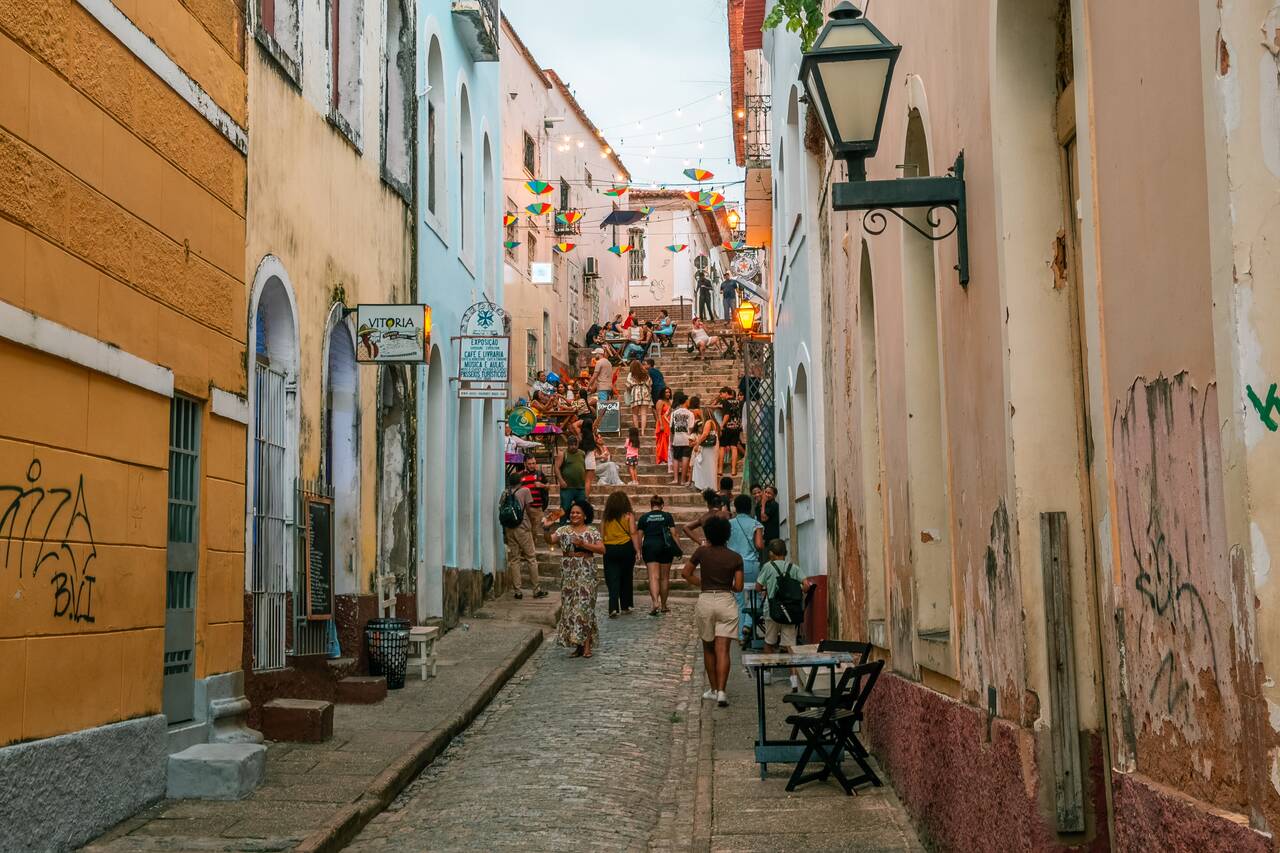
The historic center is surprisingly compact, with most attractions located within walking distance of one another. I would recommend setting aside at least half a day to wander around and enjoy the atmosphere. It feels unlike any other city I have visited in Brazil.
Where to Stay in Sao Luis?
2. Track Down all the Beautiful Tiled Buildings
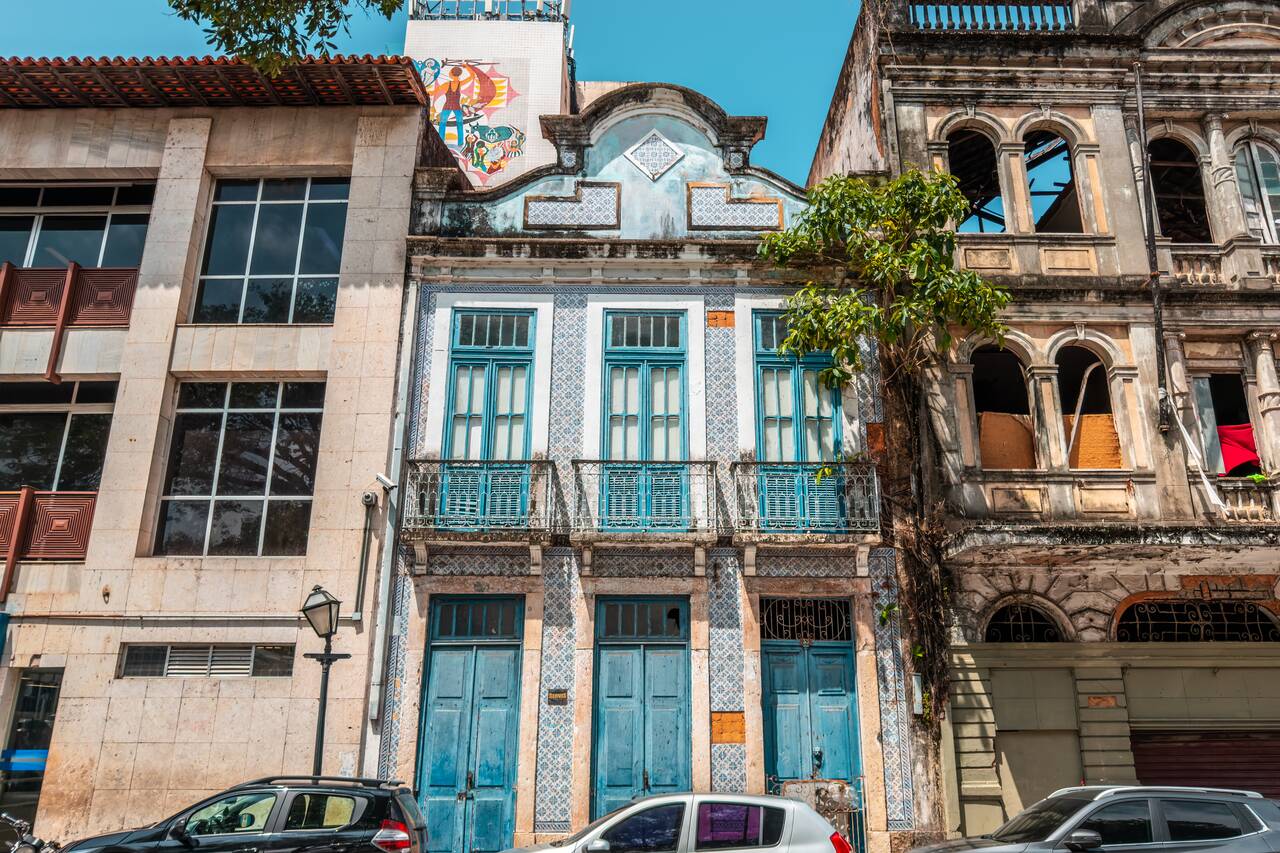
- 📍 Location: Rua Portugal [Map Link]
- ⚡ Pete's Take: "The tiled buildings are really beautiful here, not in an extravagant way like in Portugal, but in a more rustic way."
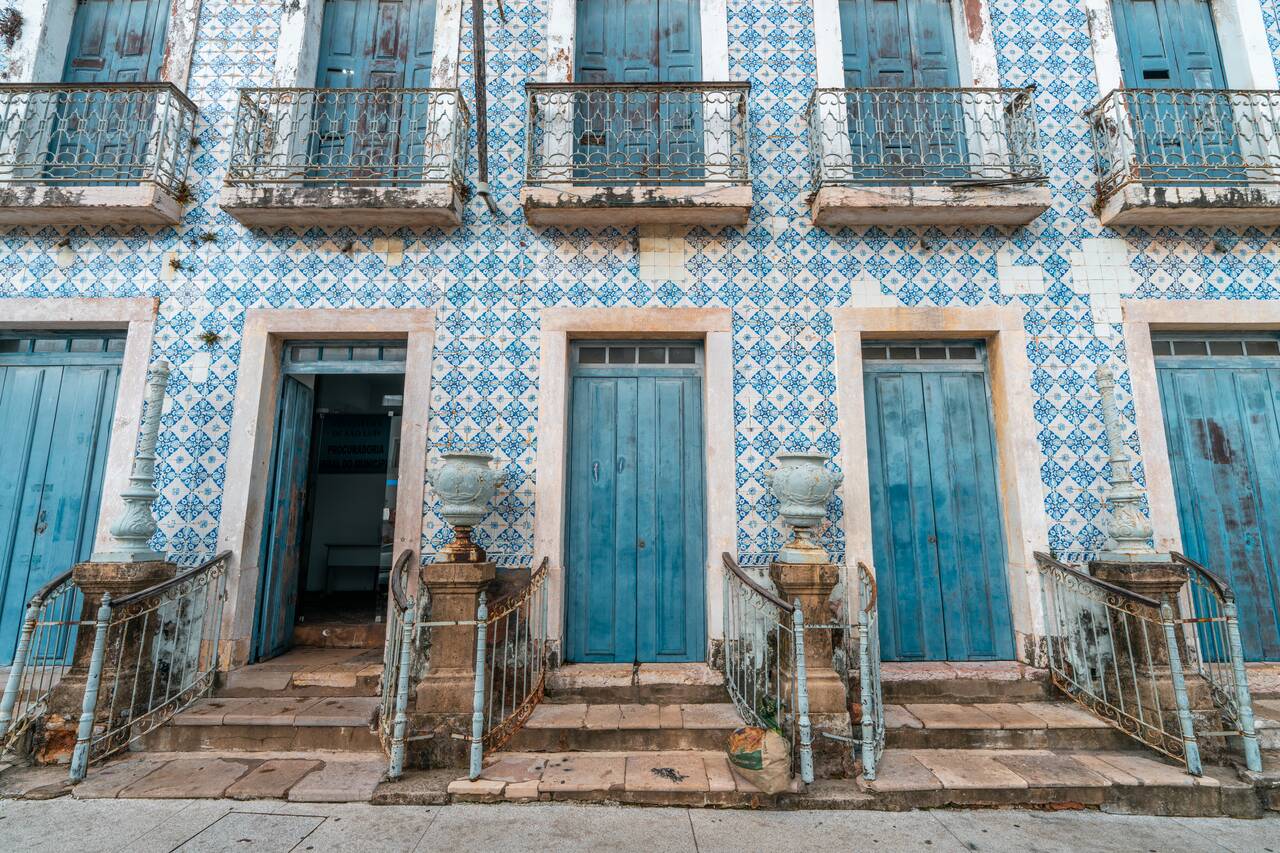
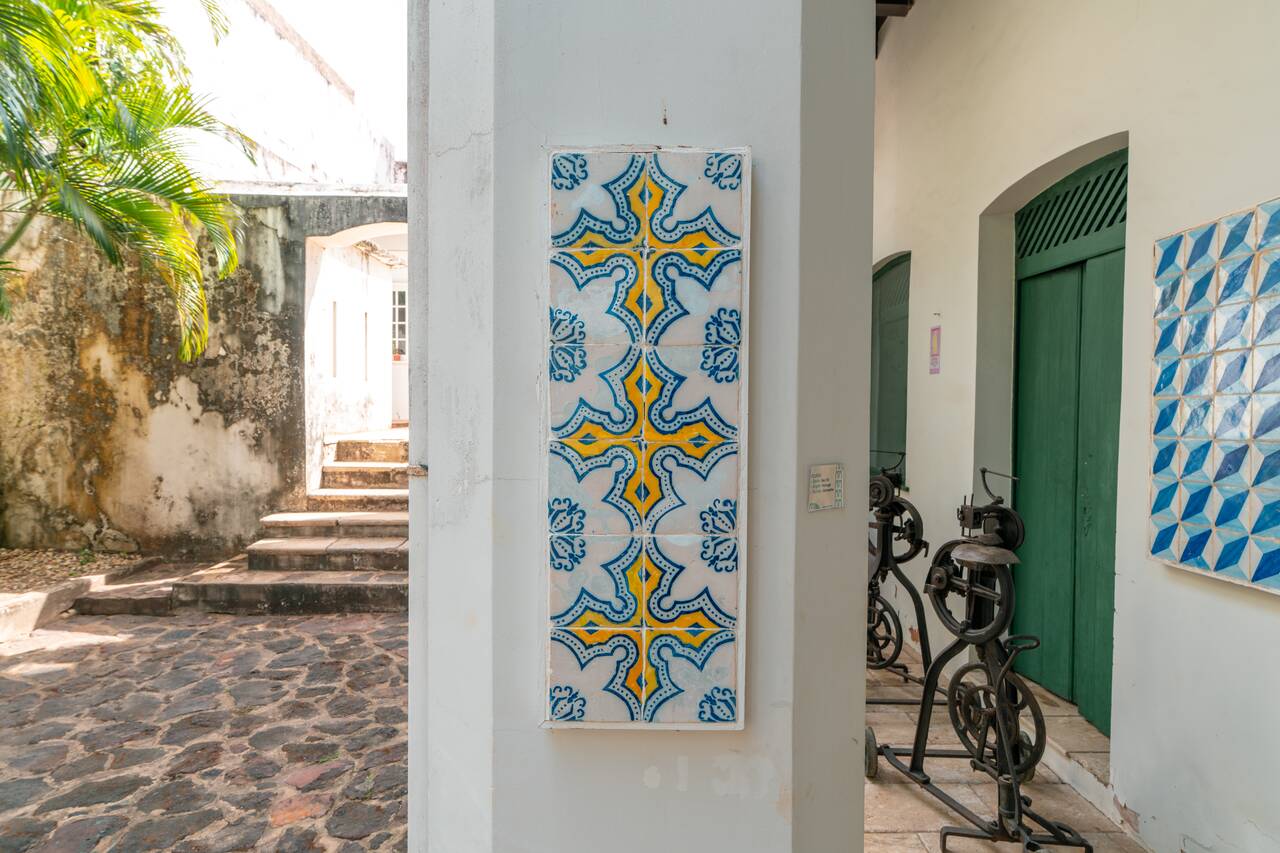
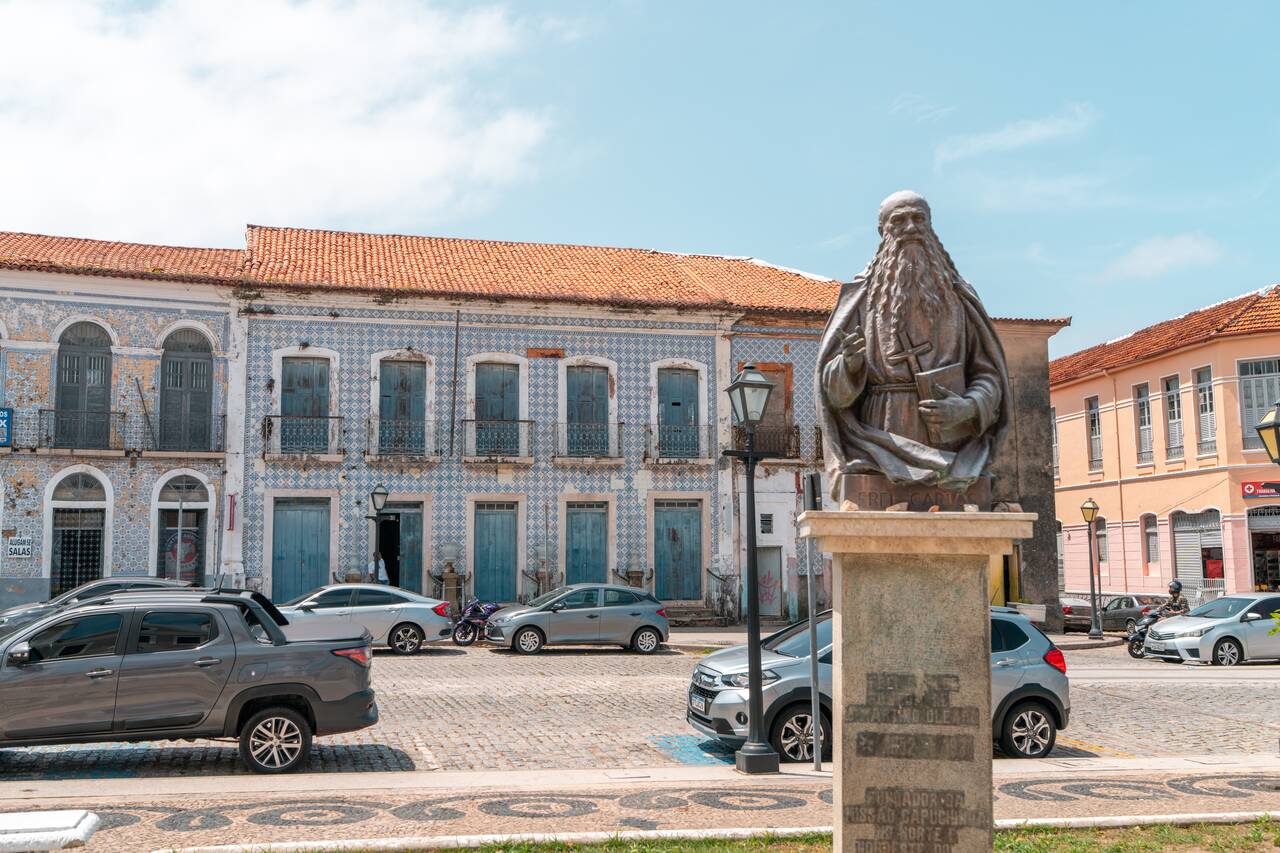
One of the most unique things you can do in São Luís is hunt down the city's beautiful tiled buildings. After all, there is a reason São Luís earned the nickname "Cidade dos Azulejos" (City of Tiles). Throughout the historic center, you will find hundreds of colonial buildings covered in colorful Portuguese ceramic tiles, something you can't find much anymore in Brazil, or at least not to the same scale as here.
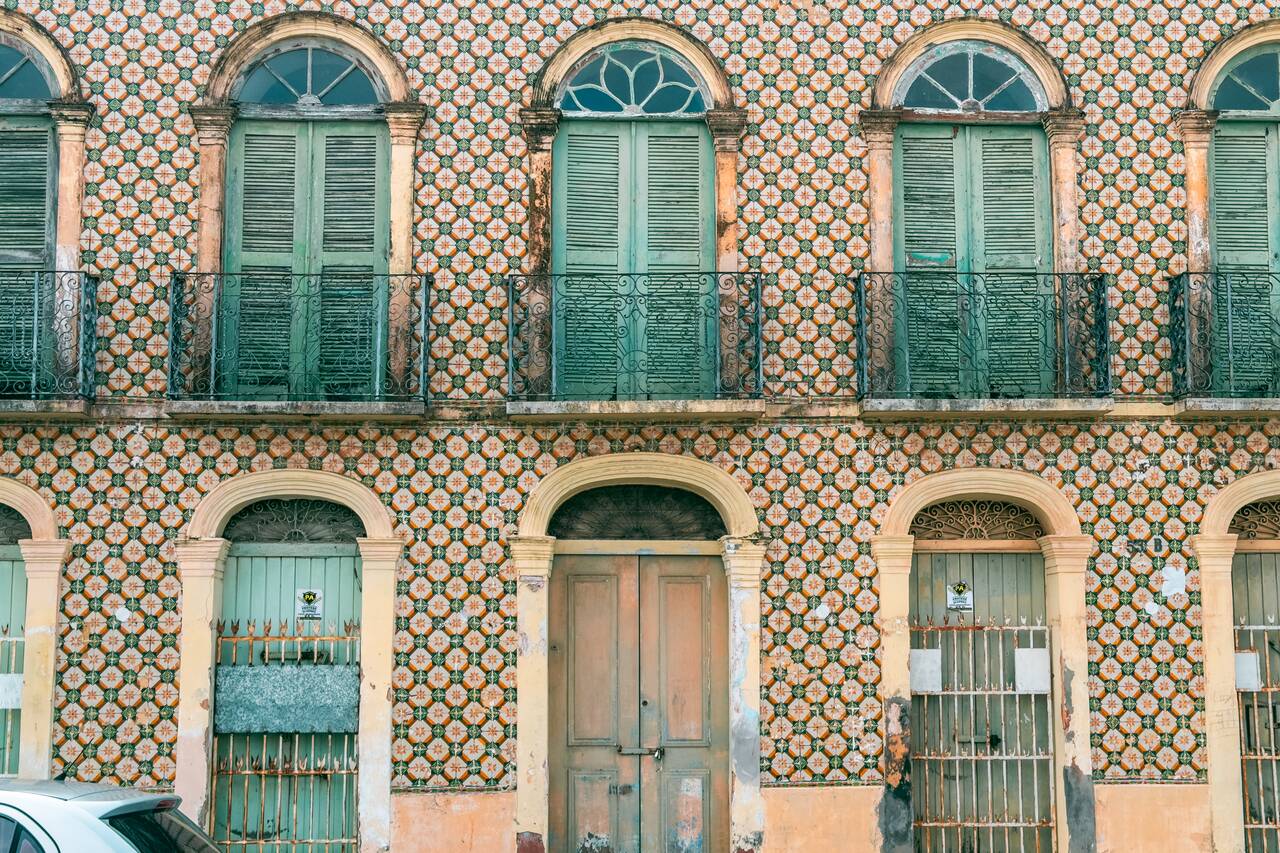
These tiles were originally imported from Portugal during the colonial period and served a practical purpose beyond decoration. They helped protect buildings from the region's tropical heat, humidity, and heavy rainfall while also adding a touch of elegance to the city's architecture.
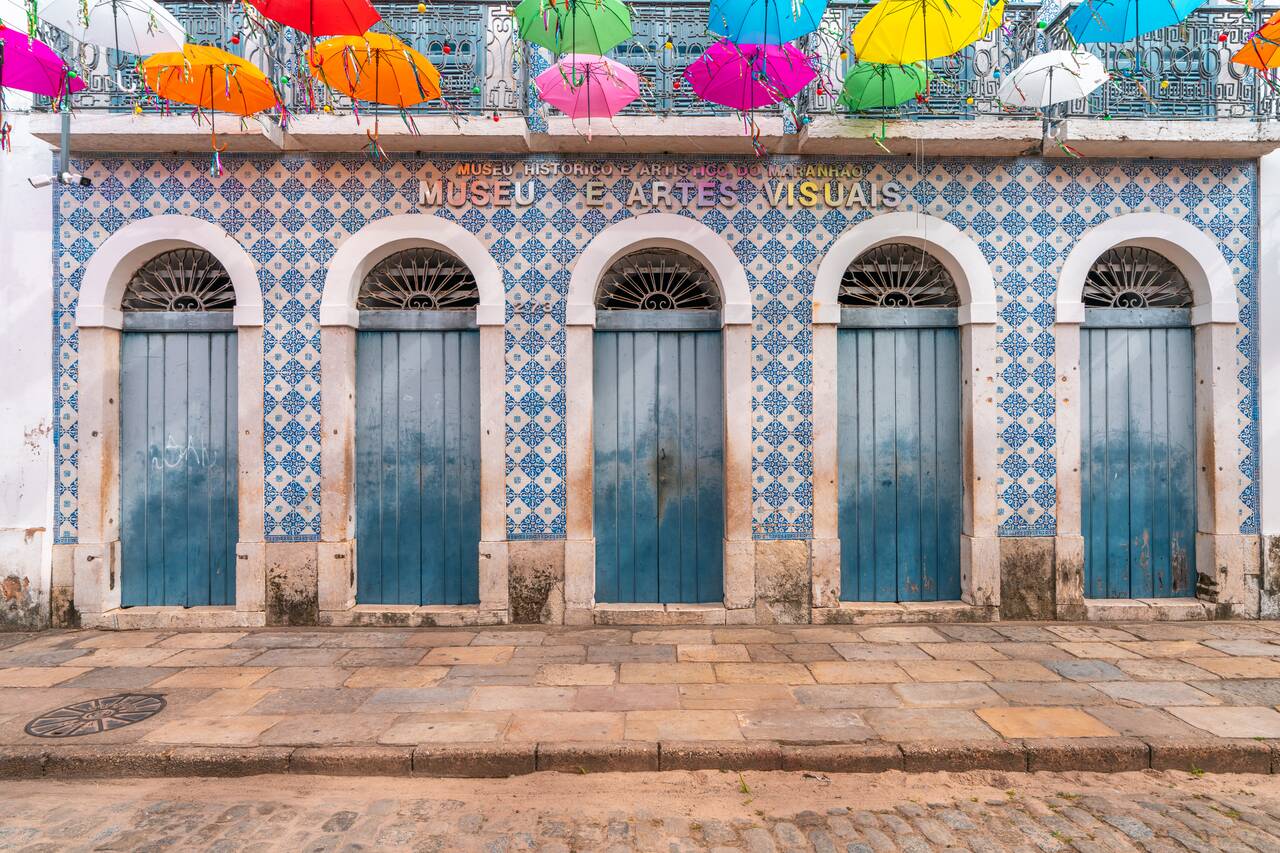
Some of the most impressive examples can be found along Rua Portugal and the surrounding streets, where entire blocks are lined with beautifully preserved façades featuring intricate patterns and vibrant colors.
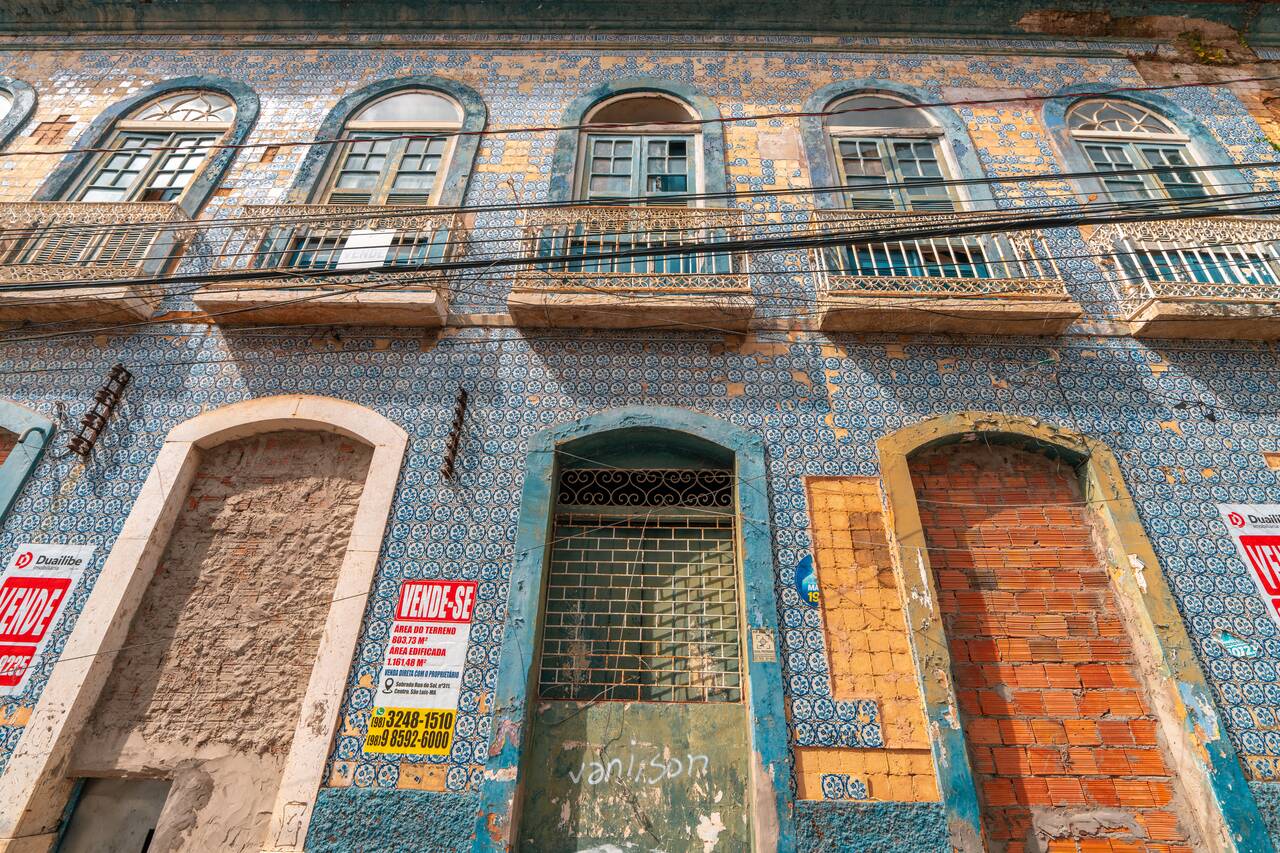
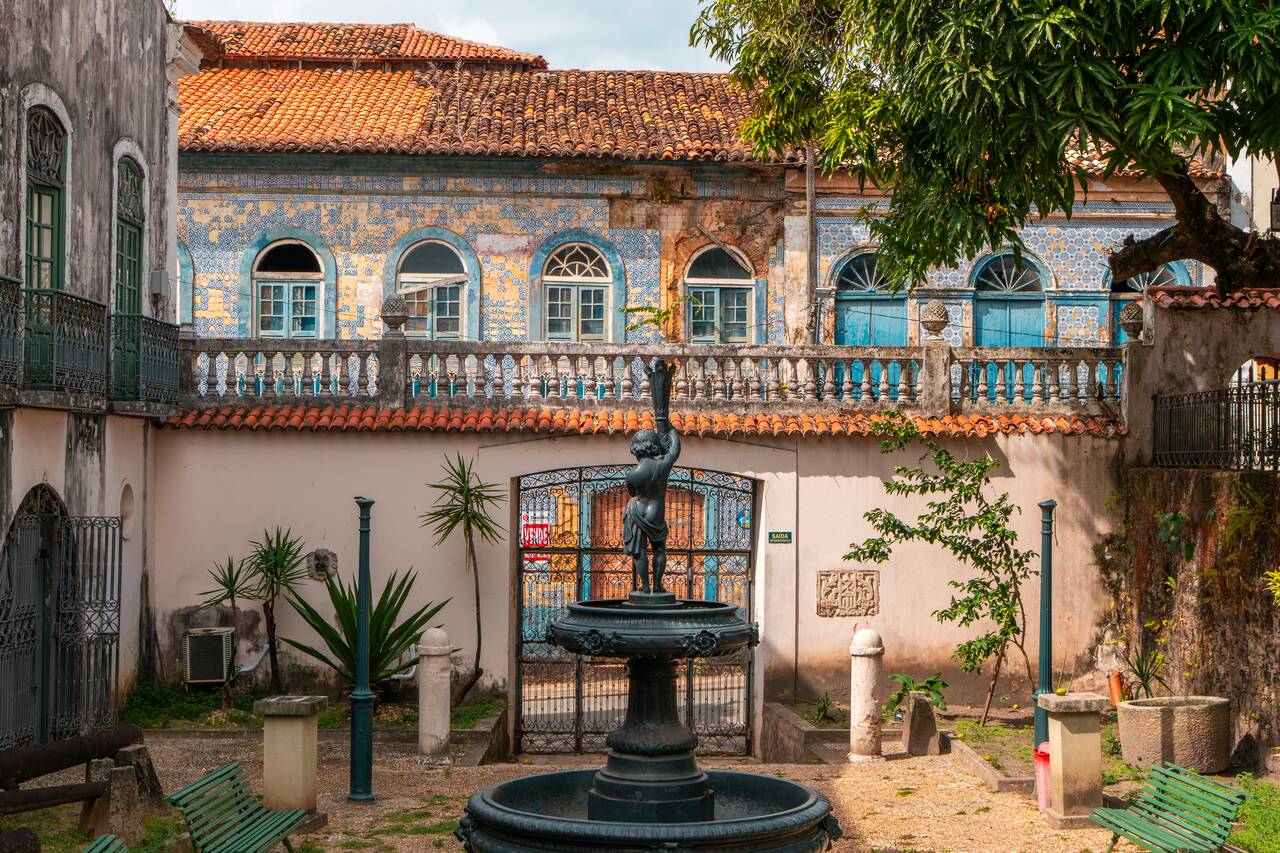
If you enjoy photography, this area is one of the best places in the city to wander around with your camera. Another beautiful tiled building that really caught my attention, although sadly abandoned, is the one located directly across from Museu Histórico e Artístico do Maranhão, which we will visit later in this guide. This is why I recommend exploring the historic center thoroughly, as some of the most interesting buildings are often hidden in plain sight.
3. Check Out Igreja do Carmo
- 📍 Location: Igreja do Carmo [Map Link]
- 🕐 Opening Hours: 9 AM - 6 PM
- 💰 Entry Fees: Free
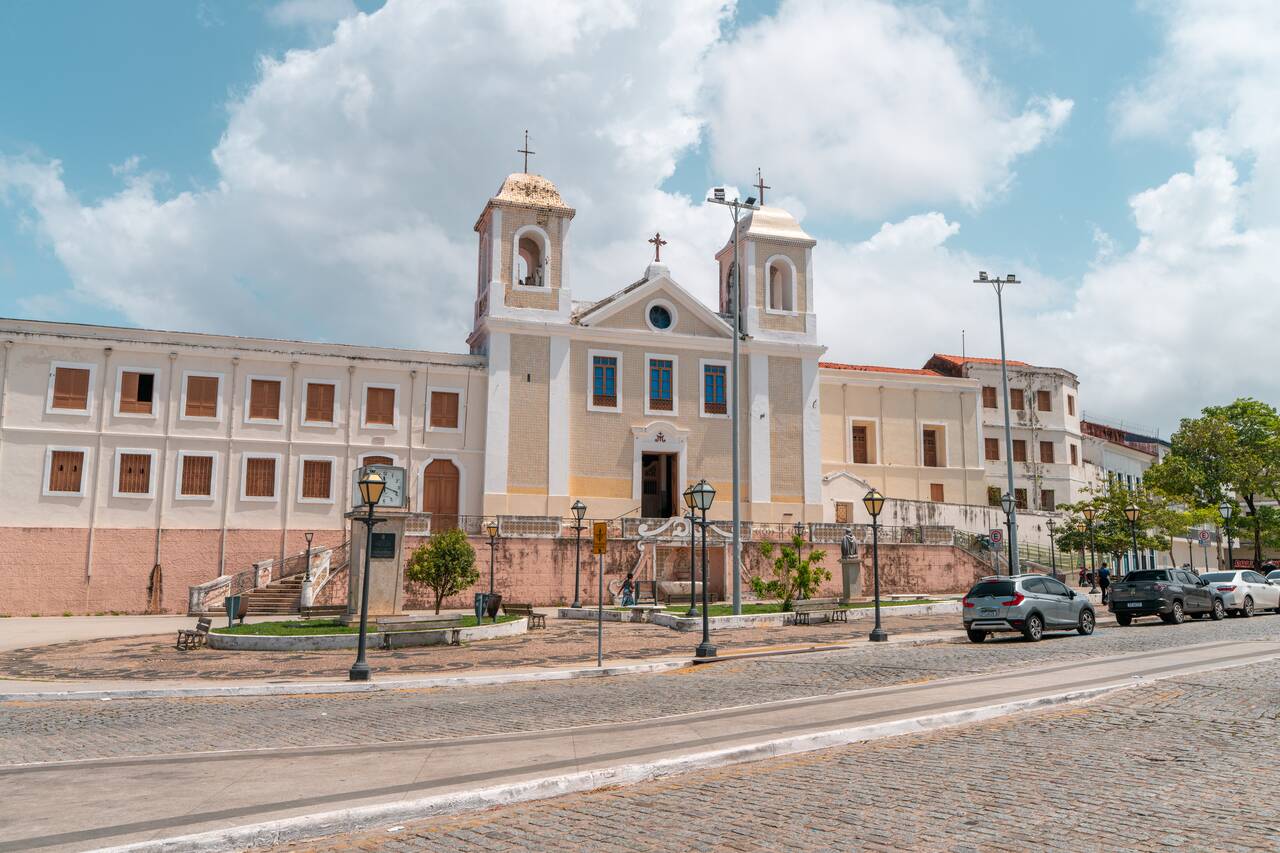
One of the most beautiful churches you can visit in São Luís is Igreja do Carmo, a historic church located right in the heart of the city's UNESCO-listed historic center. With its stunning colonial façade and prominent location overlooking Praça João Lisboa, it is probably one of the most recognizable landmarks in São Luís.
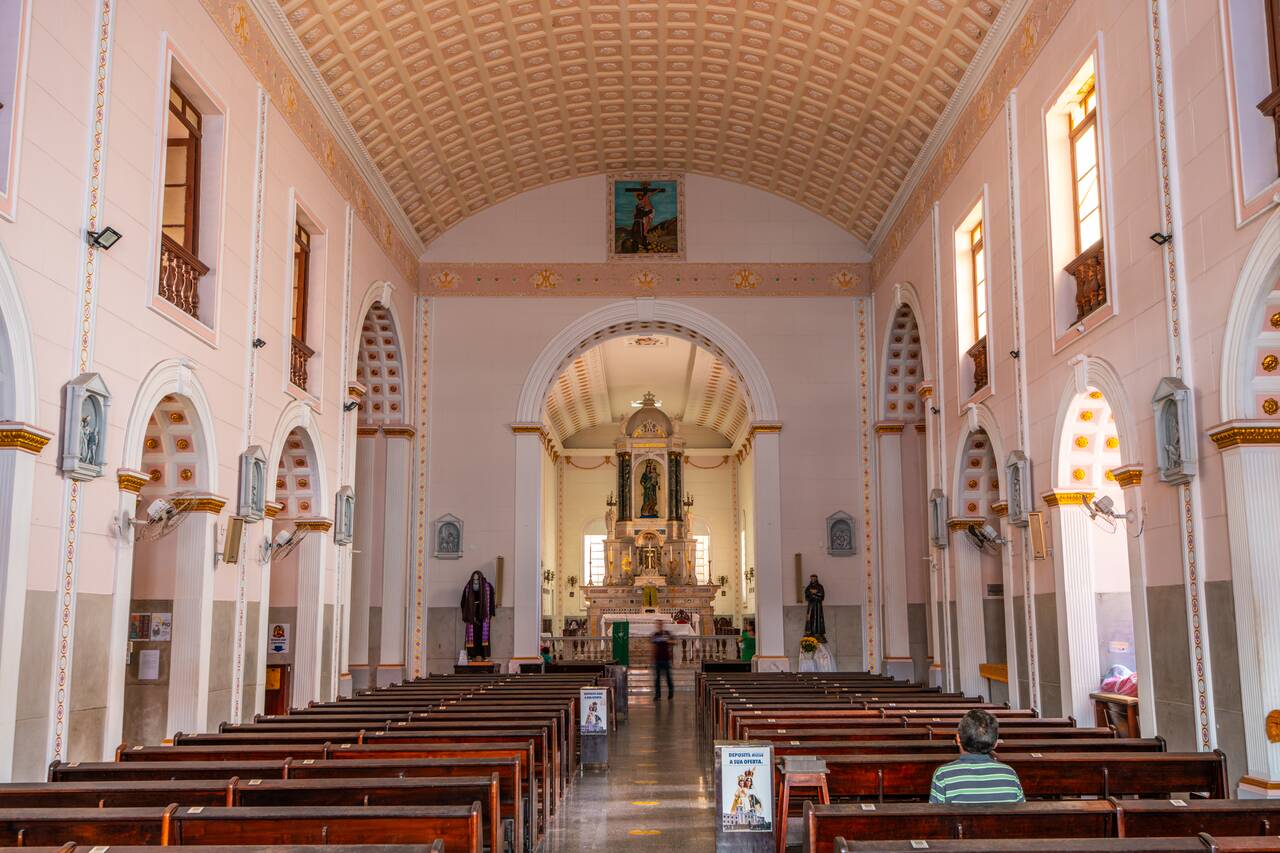
Built in the 17th century and later rebuilt after suffering damage during conflicts involving the Dutch, the church has played an important role in the city's history for centuries. During the Dutch invasion of São Luís, the church was reportedly used as a refuge by local residents seeking shelter from the fighting.
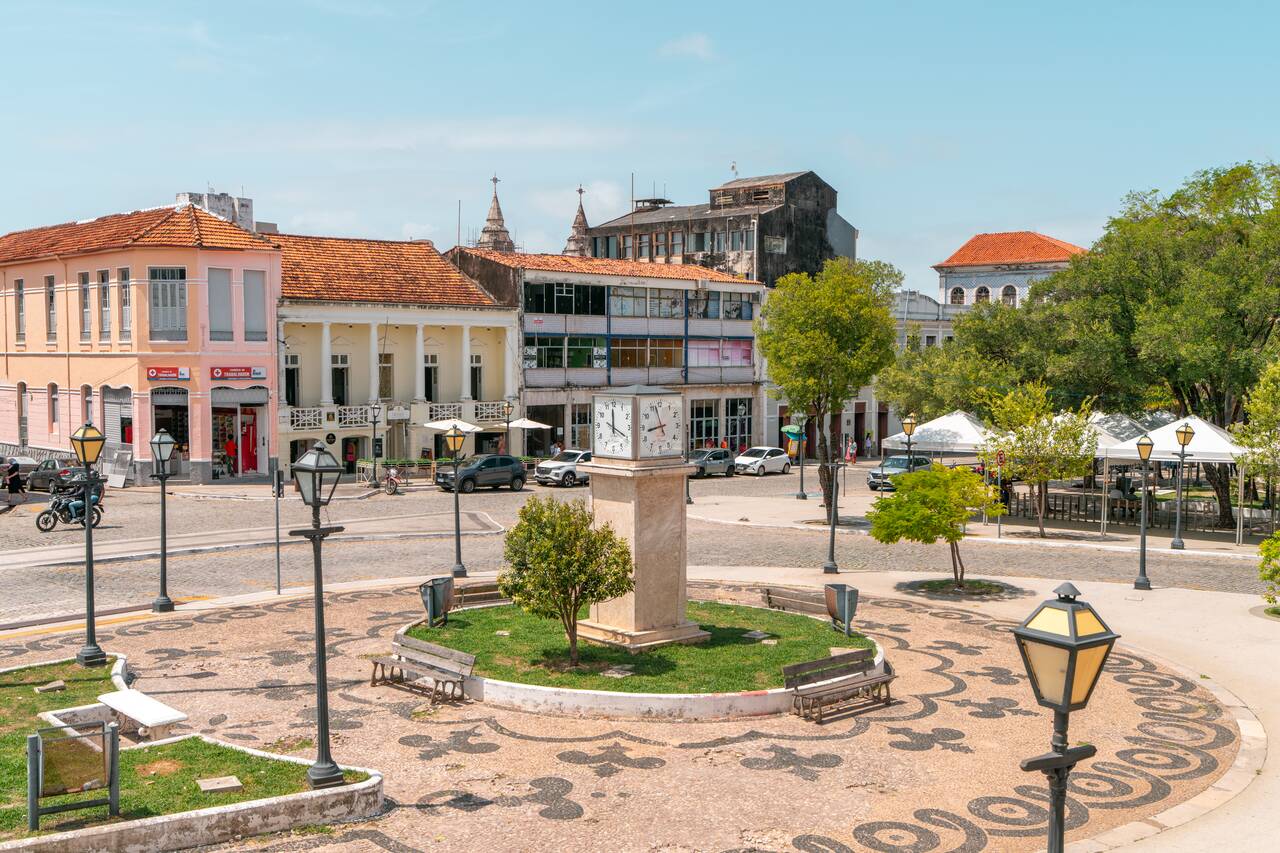
The church features beautiful religious artwork and ornate decorations inside, but I found the exterior and its scale to be a bit more impressive. You can get a nice view over the square from the church's entrance. There are also some really nice tiled buildings around this area as well. The church is open from 9 AM to 6 PM every day except on Sundays, and the entry is free.
4. Visit Catedral Metropolitana de São Luis and Museu de Arte Sacra do Maranhão
- 📍 Location: Catedral Metropolitana de São Luís [Map Link]
- 🕐 Opening Hours: 8:30 AM - 6 PM
- 💰 Entry Fees: Free
- ⚡ Pete's Take: "If the cathedral's closed for renovations, focus on the Museu de Arte Sacra and explore at your own pace."
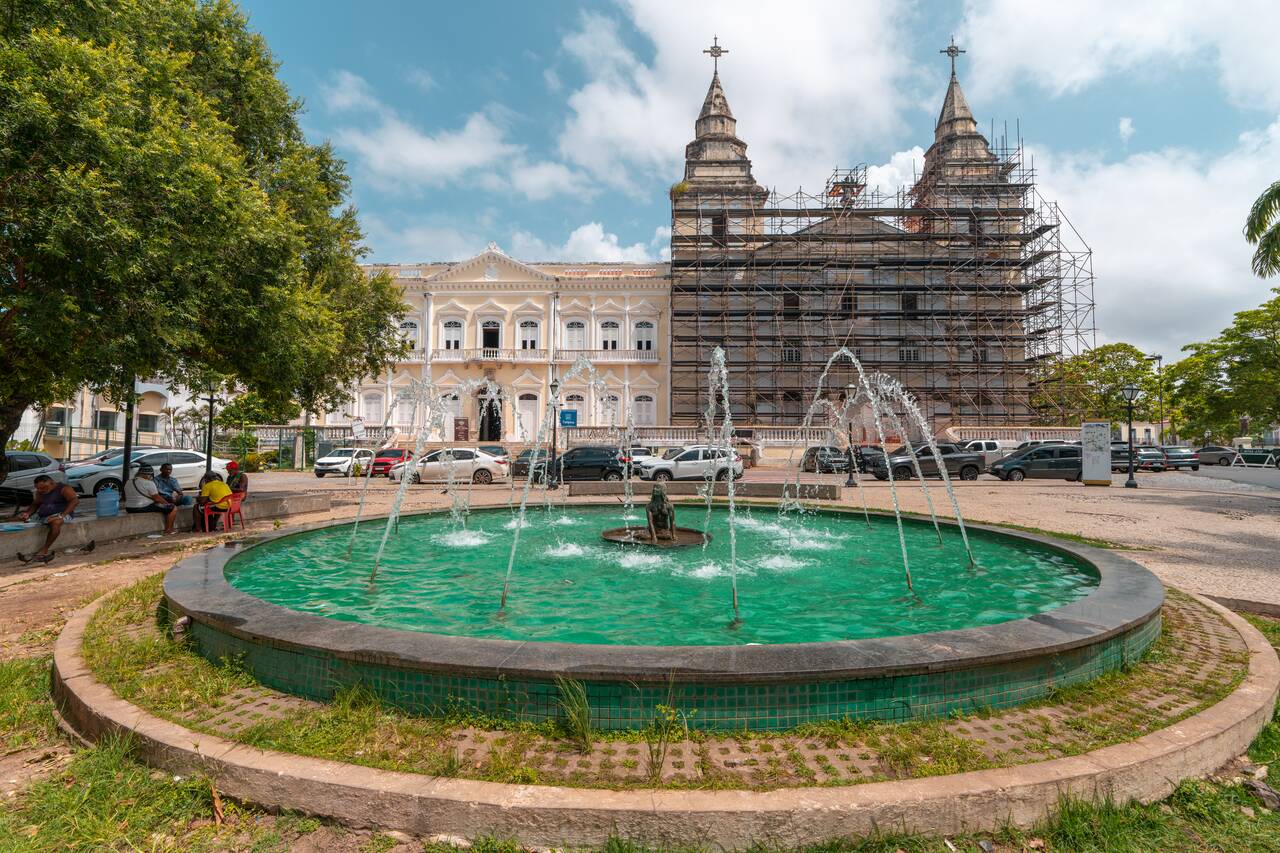
If you enjoy history, architecture, and religious art, be sure to visit the Catedral Metropolitana de São Luís and the adjacent Museu de Arte Sacra do Maranhão. Located right in the heart of the historic center, these 2 attractions are great to combine with Palácio dos Leões as you make your way there.
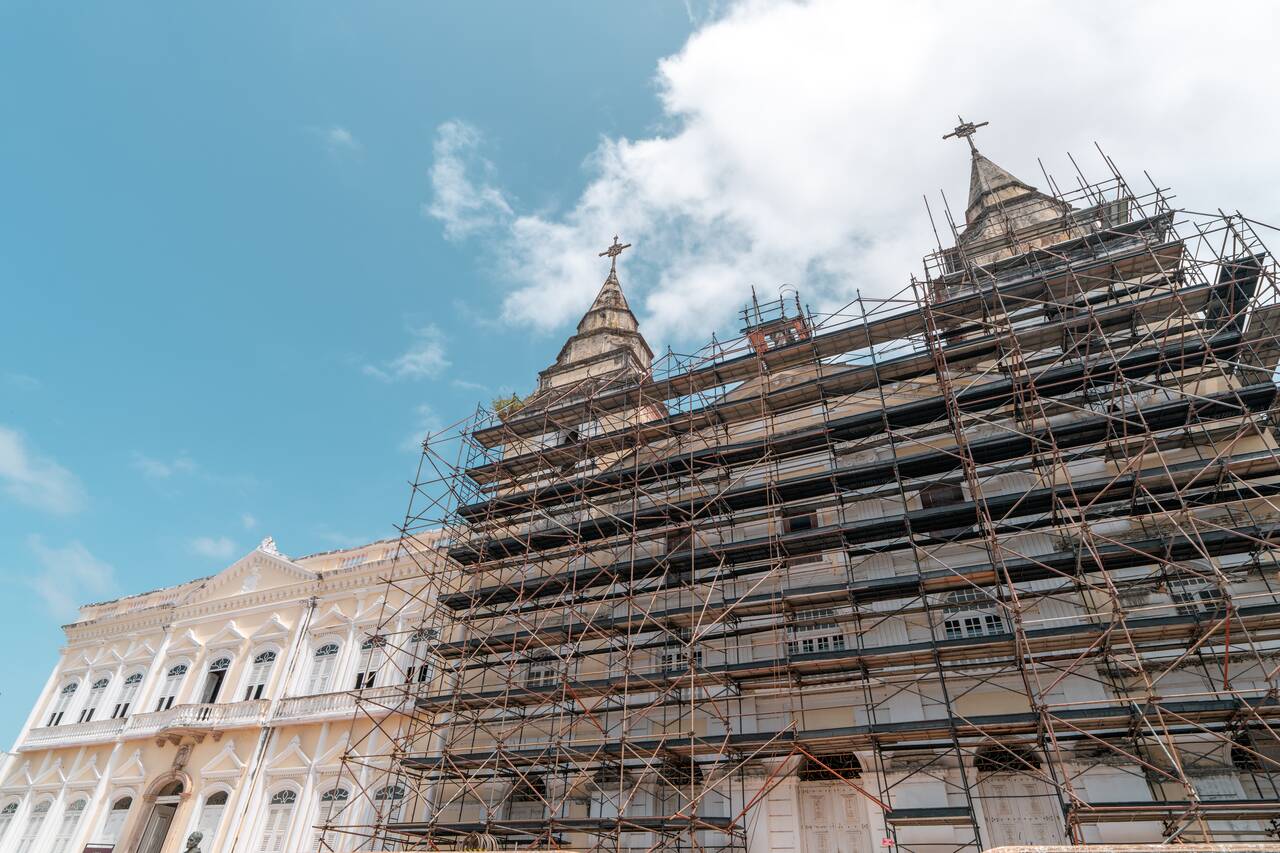
The cathedral dates back to the 17th century and features a beautiful neoclassical façade, but from what I have heard, the interior is even more impressive. Unfortunately, I visited while the cathedral was undergoing renovations, so I never got the chance to see inside. In fact, the façade was almost entirely covered by scaffolding and protective sheeting, making it difficult to appreciate the building from the outside as well.
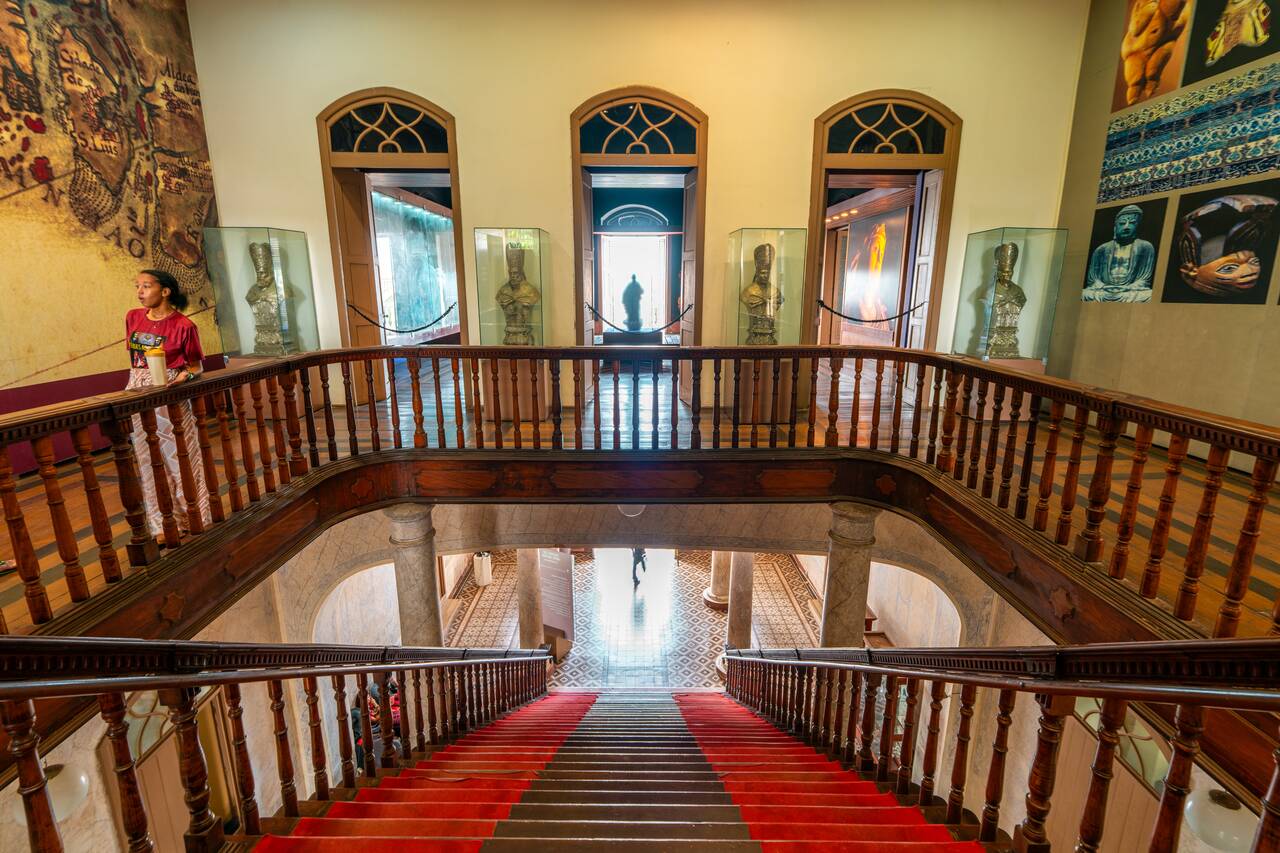
What I did instead was visit the Museu de Arte Sacra do Maranhão, a small but fascinating museum dedicated to religious art and history located right next door. Its collection includes sacred sculptures, paintings, liturgical objects, and artifacts collected from churches throughout Maranhão. Visits are usually conducted in groups led by a local guide.
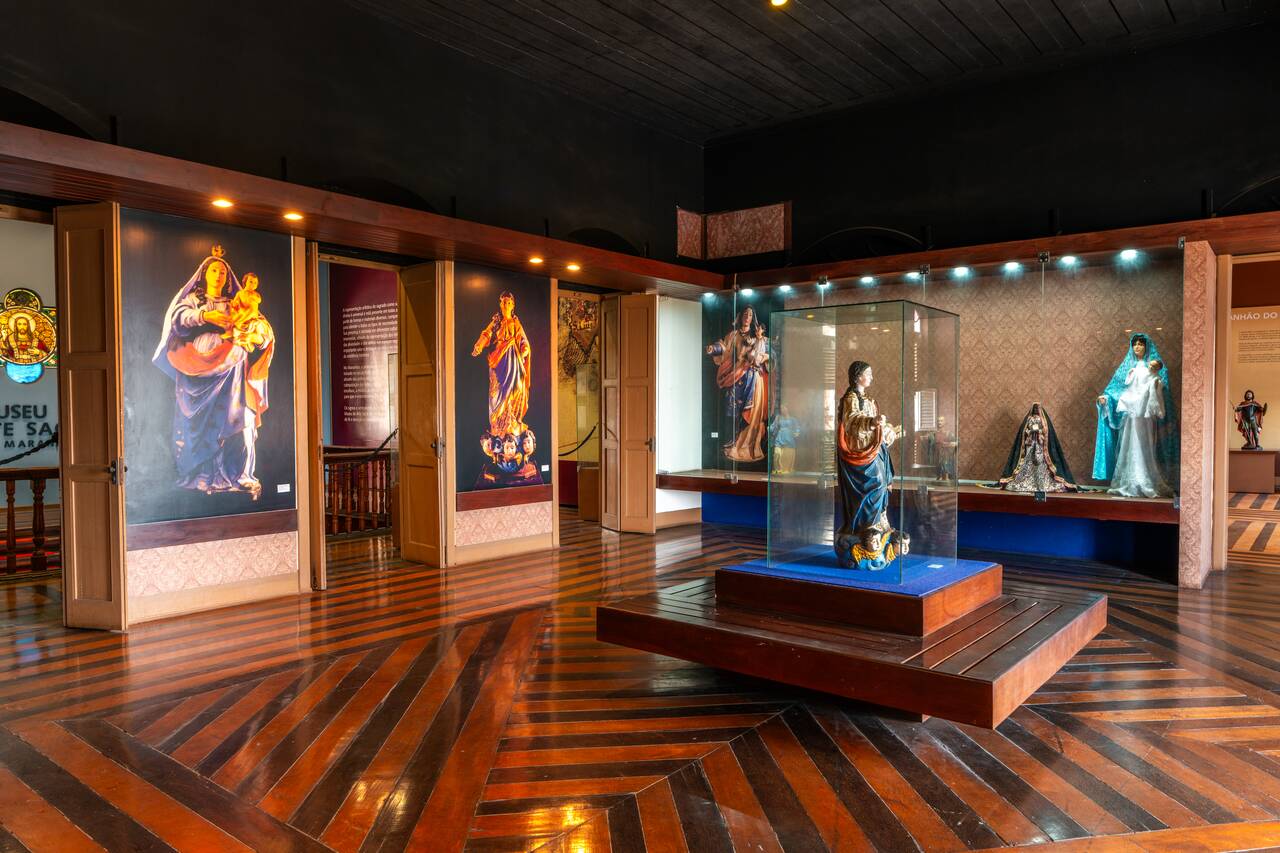
Of course, the tour was entirely in Portuguese, so I ended up hanging back and exploring the museum at my own pace, which I actually quite enjoyed. The cathedral is generally open daily from 8:30 AM to 6 PM, while the museum is open from 9 AM to 5 PM, Tuesday through Saturday. Both are closed on Sundays and Mondays. Best of all, admission to both attractions is free.
5. Check Out the View from Palácio dos Leões
- 📍 Location: Palácio dos Leões [Map Link]
- ⚡ Pete's Take: "It's worth stopping by for the views, but don't expect to go inside the palace."
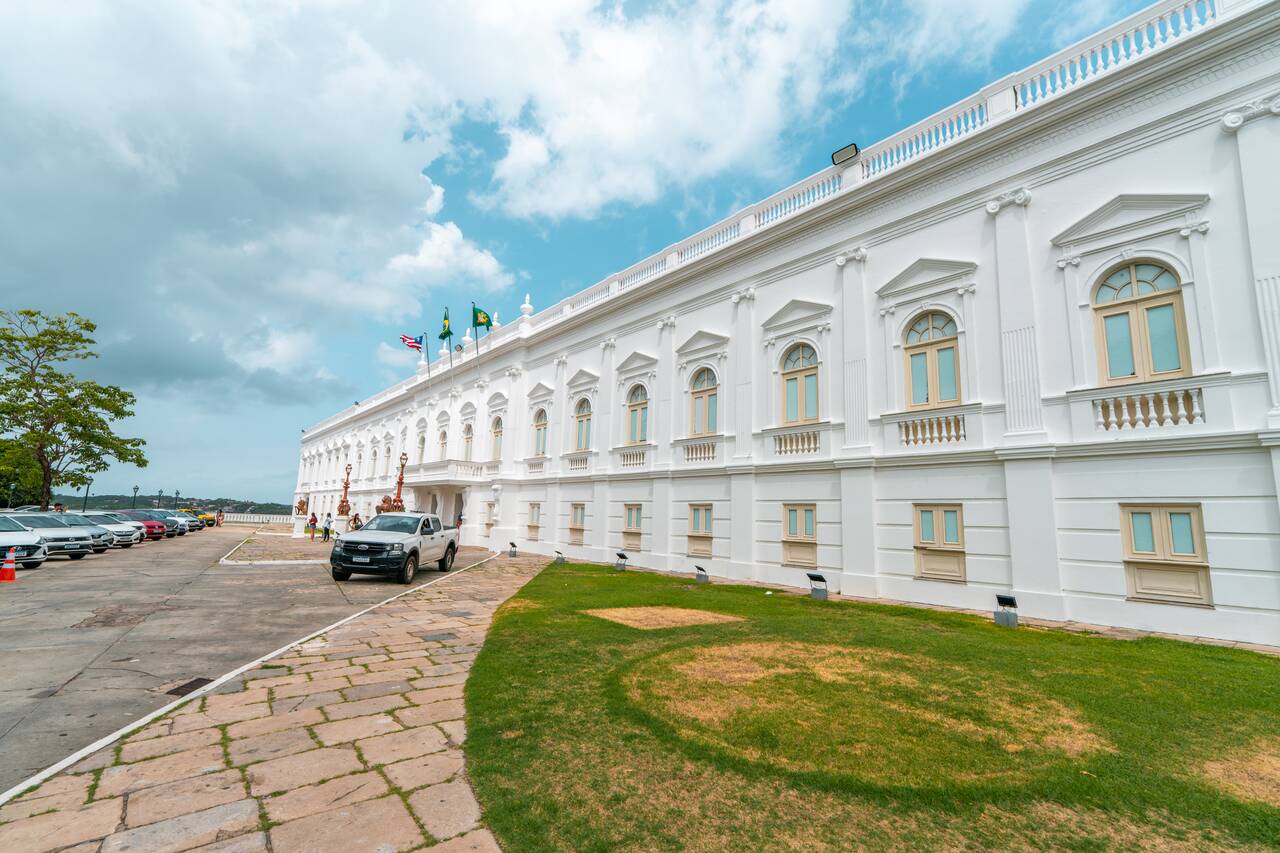
Situated on a hill overlooking the Bay of São Marcos, Palácio dos Leões is one of the most impressive buildings in São Luís' historic center in terms of scale. Today, it serves as the official residence of the governor of Maranhão, but the site originally housed a French fort built in 1612 that marked the founding of the city.
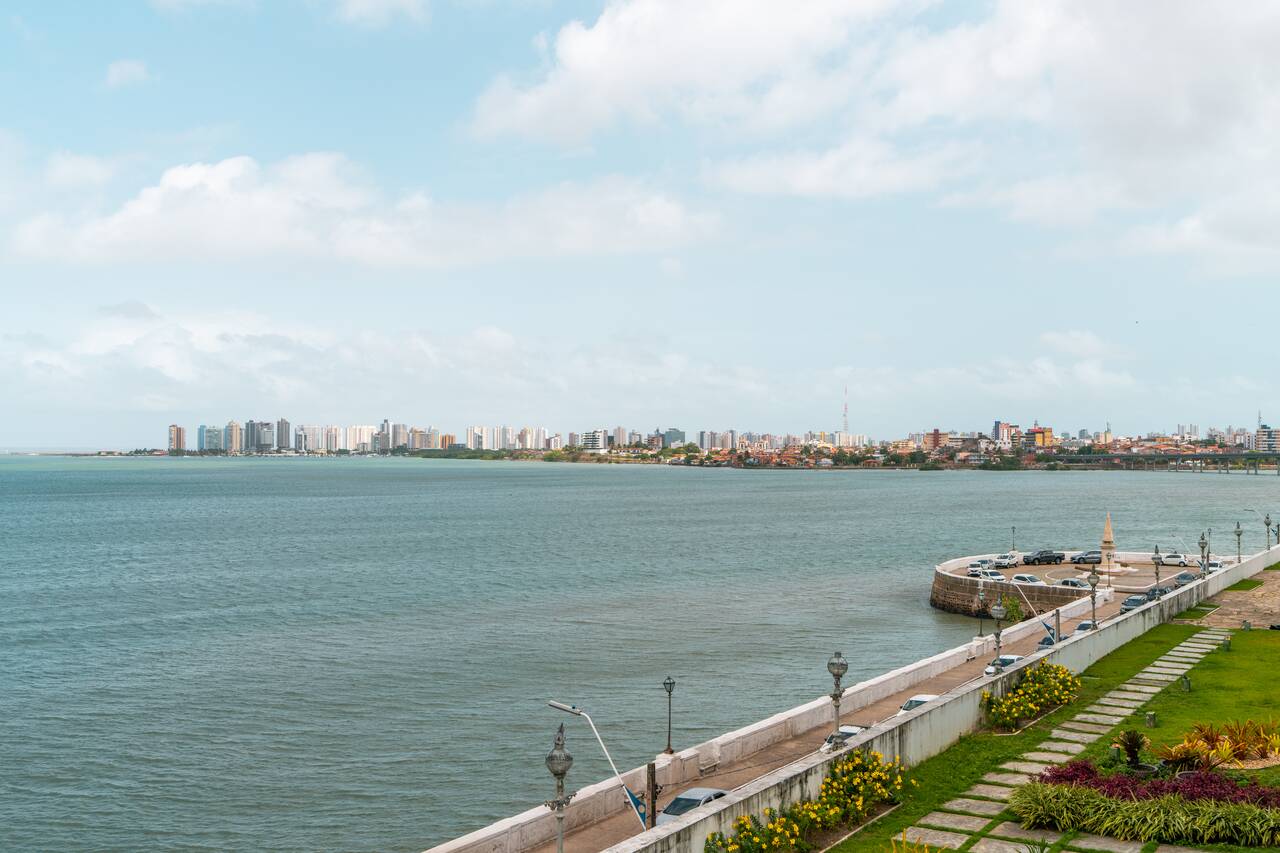
Unfortunately, the palace has been closed to the public for quite some time, but it is still an impressive sight with its striking white façade. Even without going inside, it is well worth stopping by to admire the architecture and enjoy the panoramic views of the waterfront, the historic center, and the surrounding coastline from the area around the palace.
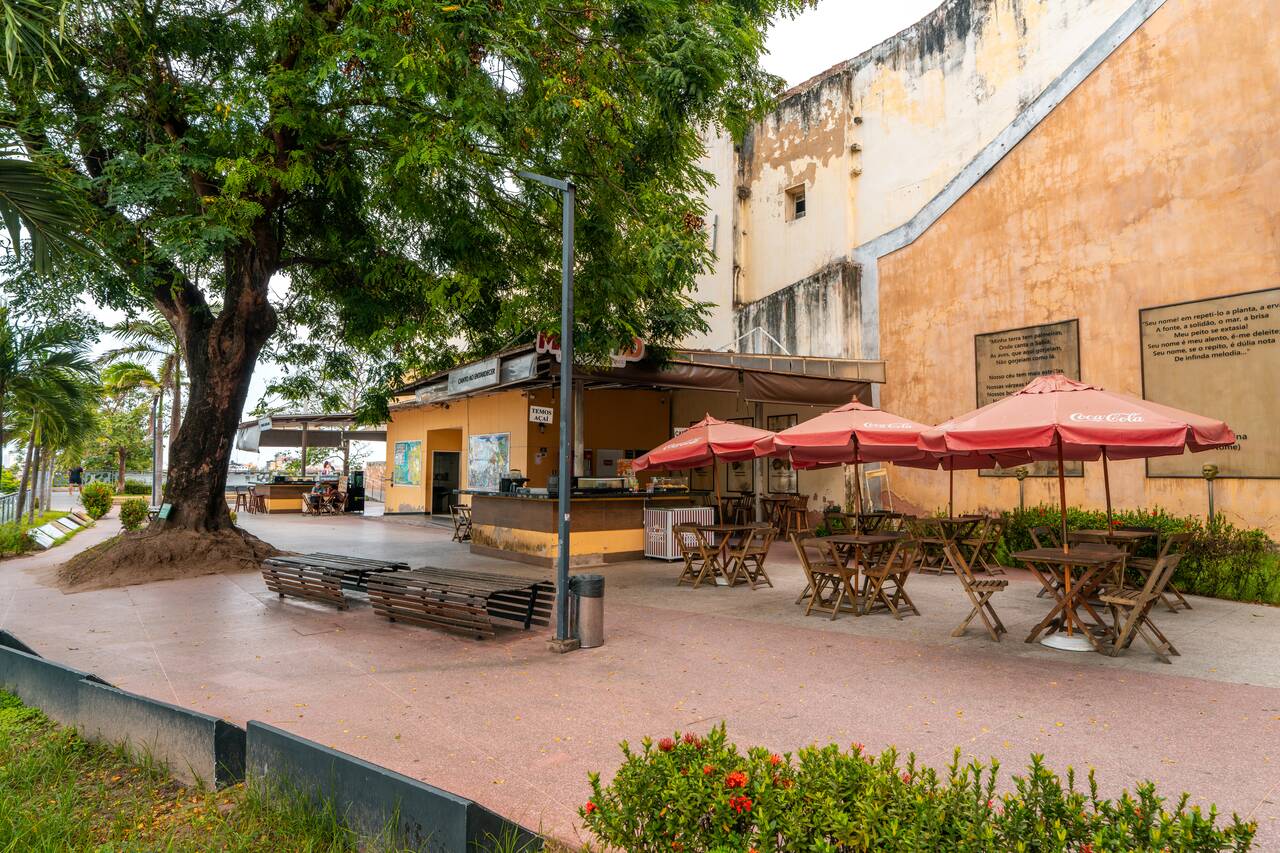
If you are visiting the Catedral Metropolitana de São Luís, Palácio dos Leões is located just a few blocks away, making it easy to combine the two into a single walk around the historic center. There is also a café nearby with a great view overlooking the bay, so be sure to stop by if you have the time.
6. Enjoy Free Concert at Plaza Nauro Machado
- 📍 Location: Plaza Nauro Machado [Map Link]
- ⚡ Pete's Take: "If you're in town when an event's happening, don't miss it; just grab a seat and enjoy."
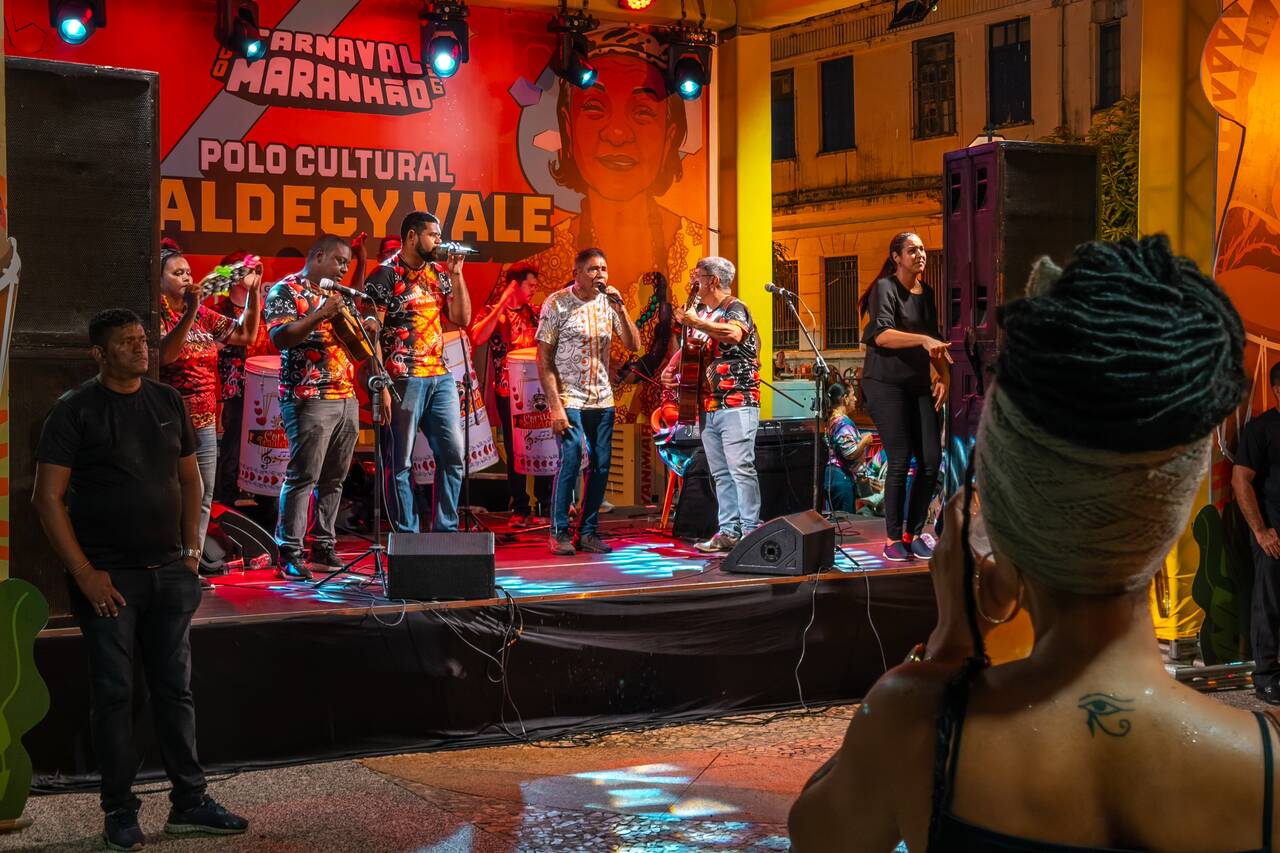
Beyond the historic center, São Luís is also known for its awesome traditions and lively music scene. If your timing is right, you may even catch one of the city's traditional cultural celebrations, as I did when I unexpectedly stumbled upon a live concert organized by the city at Plaza Nauro Machado.

I actually stumbled upon a free concert here completely by accident while wandering around the historic center one evening. The whole area was extremely lively at night, with people out and about enjoying either street performances or events often held in the square.

If you are lucky enough to be in town when an event is taking place here, do not miss it. Even if you have no idea what is being performed, just grab a seat, enjoy the atmosphere, and take in the local culture. Chances are you will have a great time, just like I did.
7. Check Out Fair Praia Grande
- 📍 Location: Feira Praia Grande [Map Link]
- 🕐 Opening Hours: 8 AM - 9 PM
- ⚡ Pete's Take: "It's worth stopping for lunch and sampling local flavors at a handful of restaurants and local bars inside."
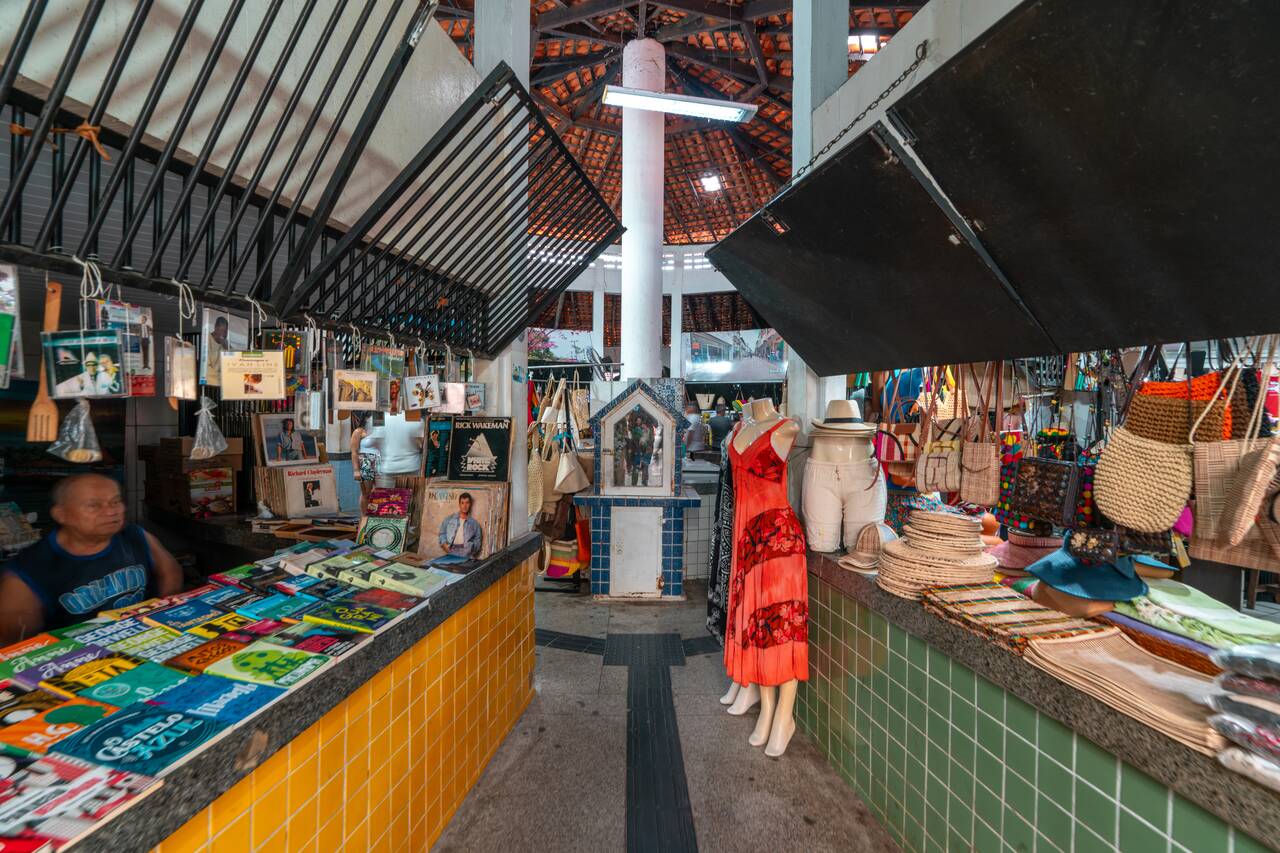
If you are looking for a cool market to do some people-watching or find something local to eat, I recommend checking out Feira Praia Grande, a traditional market located right in the heart of the historic center. Originally built as a public granary, it has since evolved into a lively meeting place for locals and was one of my favorite spots to find a local restaurant and sample São Luís cuisine.
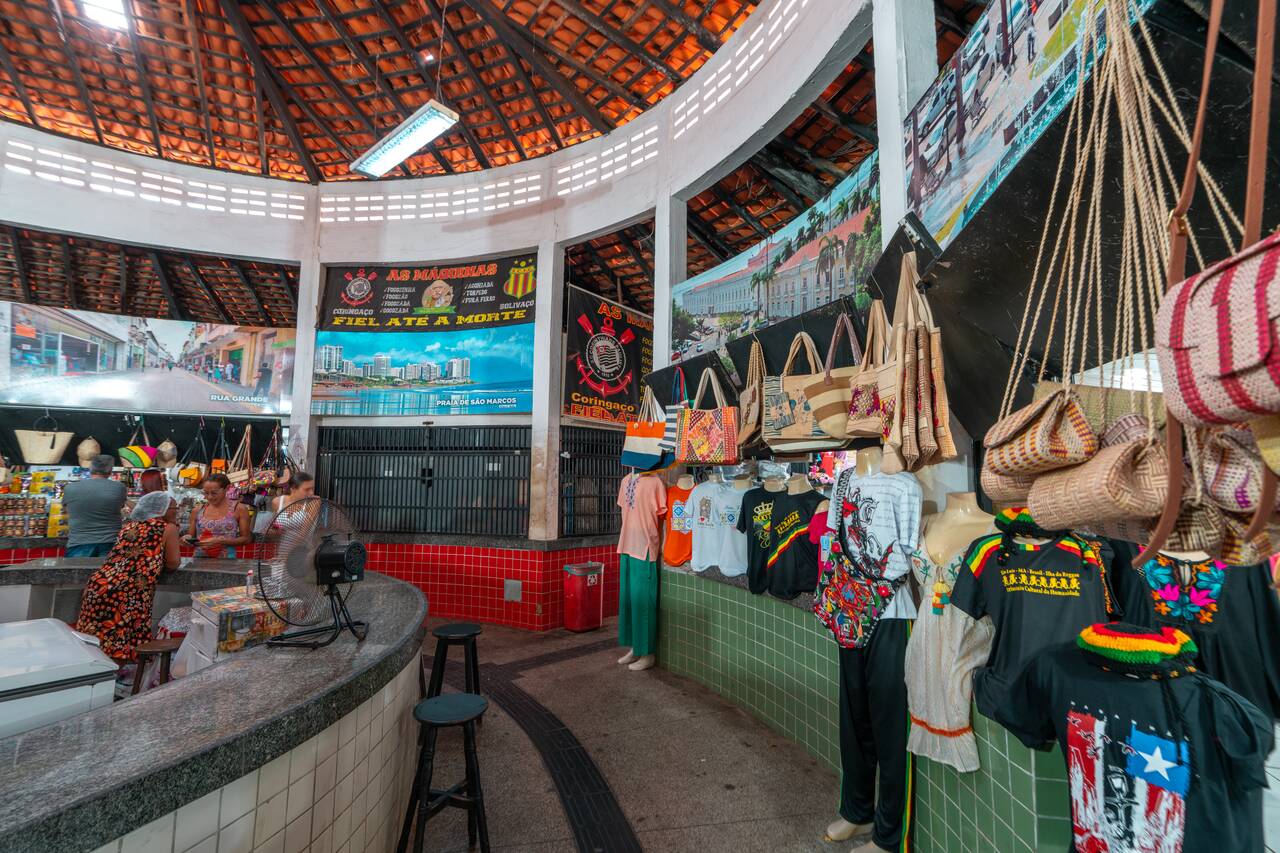
Inside, you will find stalls selling all kinds of local products, from handicrafts and souvenirs to regional spices, dried shrimp, cachaças, liqueurs, nuts, sweets, and other Maranhense specialties. It is a great place to pick up gifts or sample some of the local flavors before continuing your journey through the state.
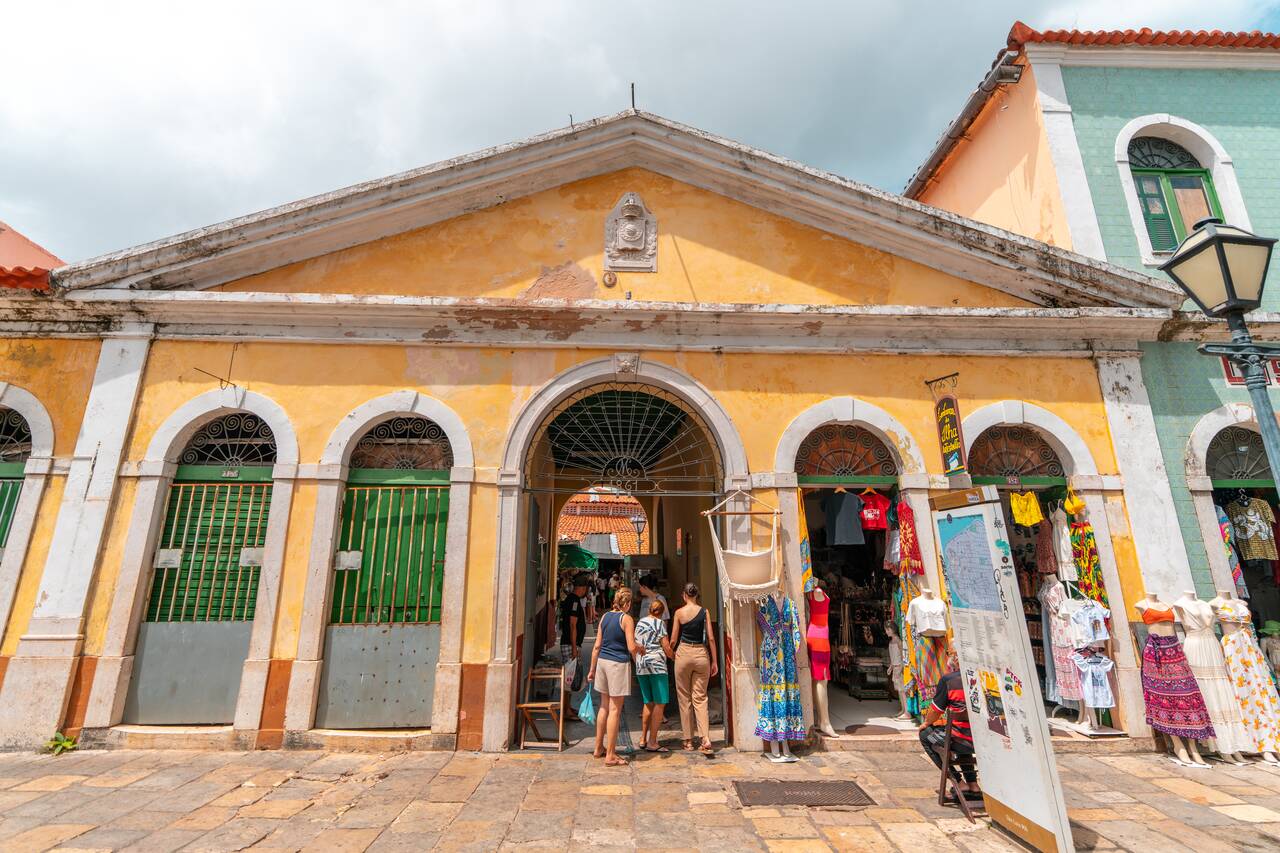
As the market is located right in the heart of the historic center, it makes for a great place to take a break from sightseeing and perhaps grab some lunch before continuing your exploration. The market is open daily from 8 AM to 9 PM, except on Sundays.
8. Drop by Museu do Reggae Maranhão
- 📍 Location: Museu do Reggae Maranhão [Map Link]
- 🕐 Opening Hours: 9 AM - 6 PM
- 💰 Entry Fees: Free
- ⚡ Pete's Take: "It's a nice, free museum, but quite small and can be done in 30 minutes or less."
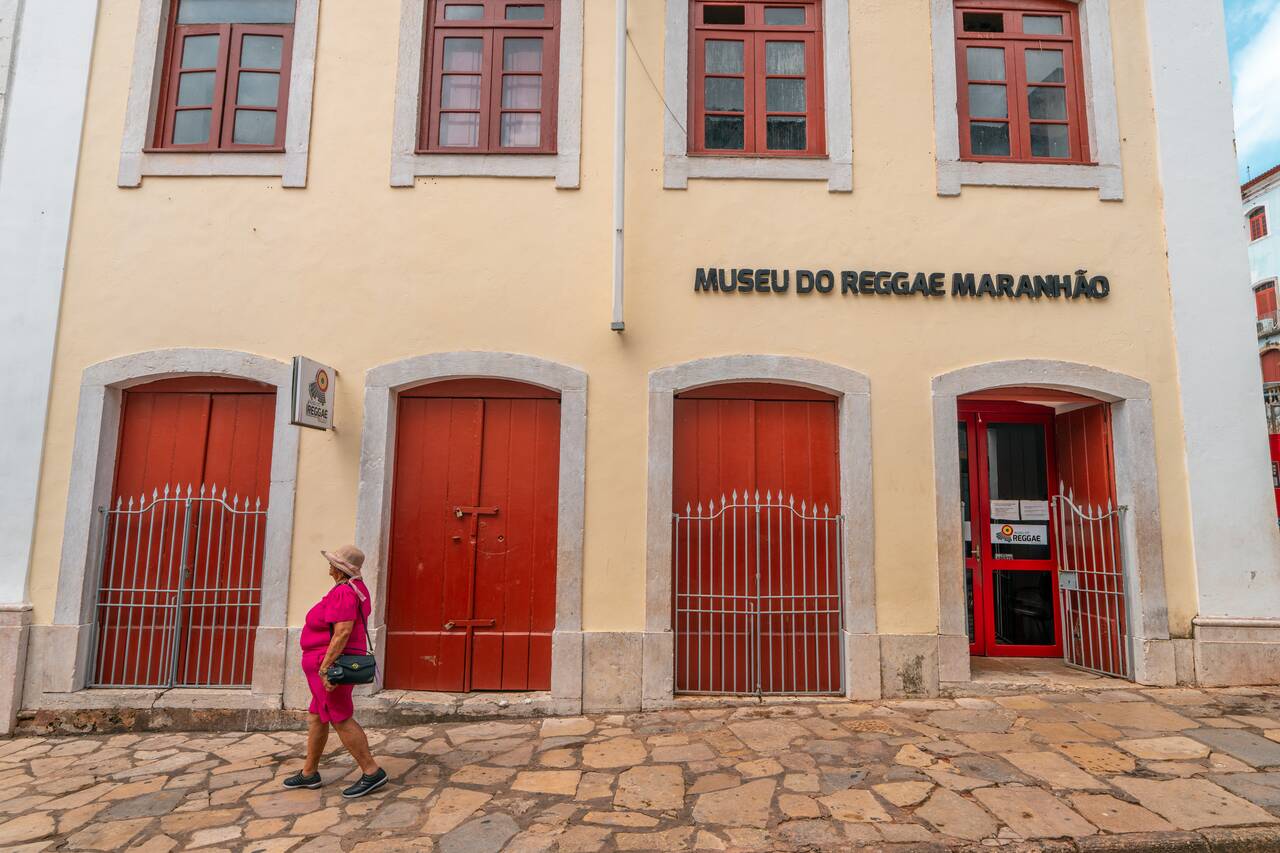
Did you know that Sao Luis is considered the capital of Reggae in Brazil? While reggae is most commonly associated with Jamaica, São Luís's love for Reggae music is so much that they have built an entire museum around it which you can visit at Museu do Reggae Maranhão. This museum is dedicated to the state's long-standing love affair with reggae music.
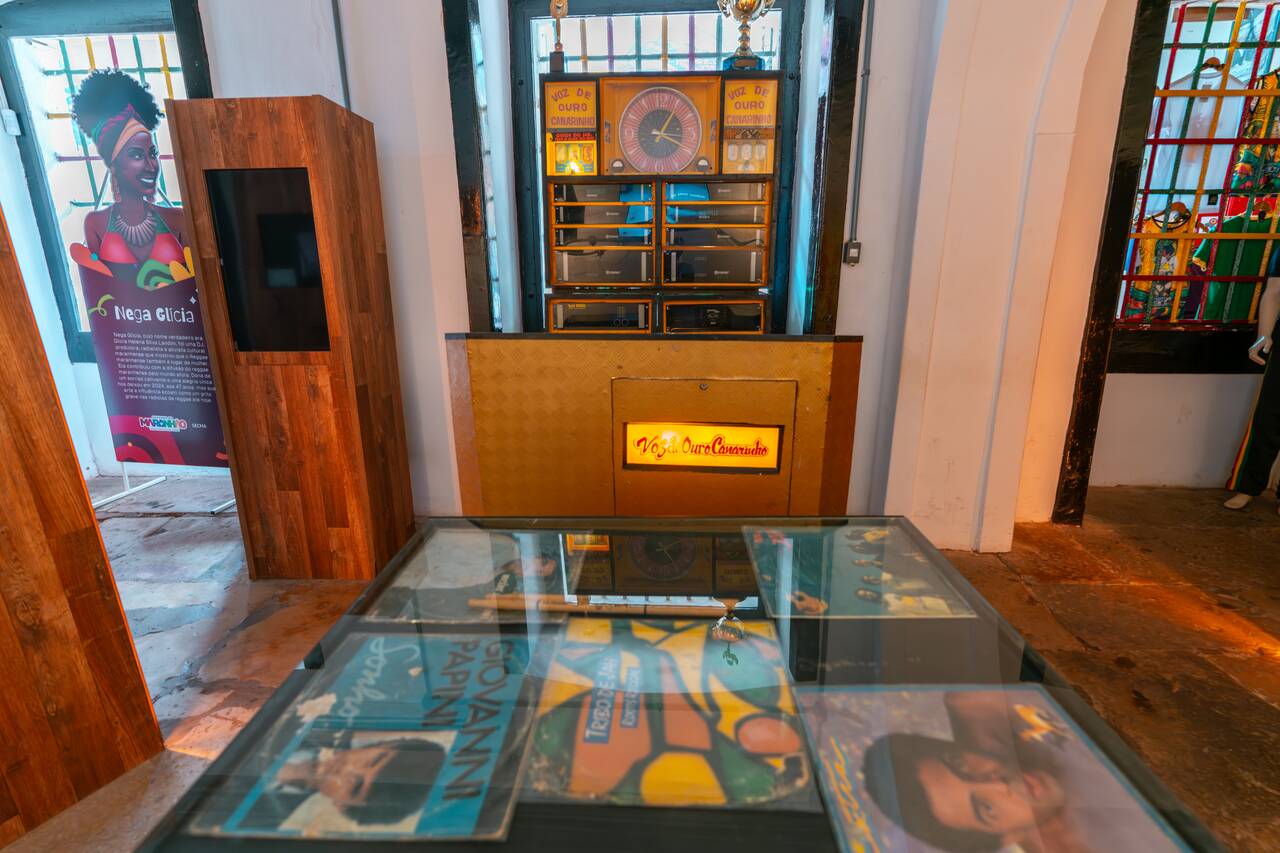
Located inside a beautifully restored colonial building in the historic center, the museum explores how reggae first arrived in Maranhão and eventually became an important part of the state's cultural identity. Through photographs, records, sound systems, memorabilia, and interactive exhibits, you can learn about the musicians, DJs, and communities that helped shape the local reggae scene.
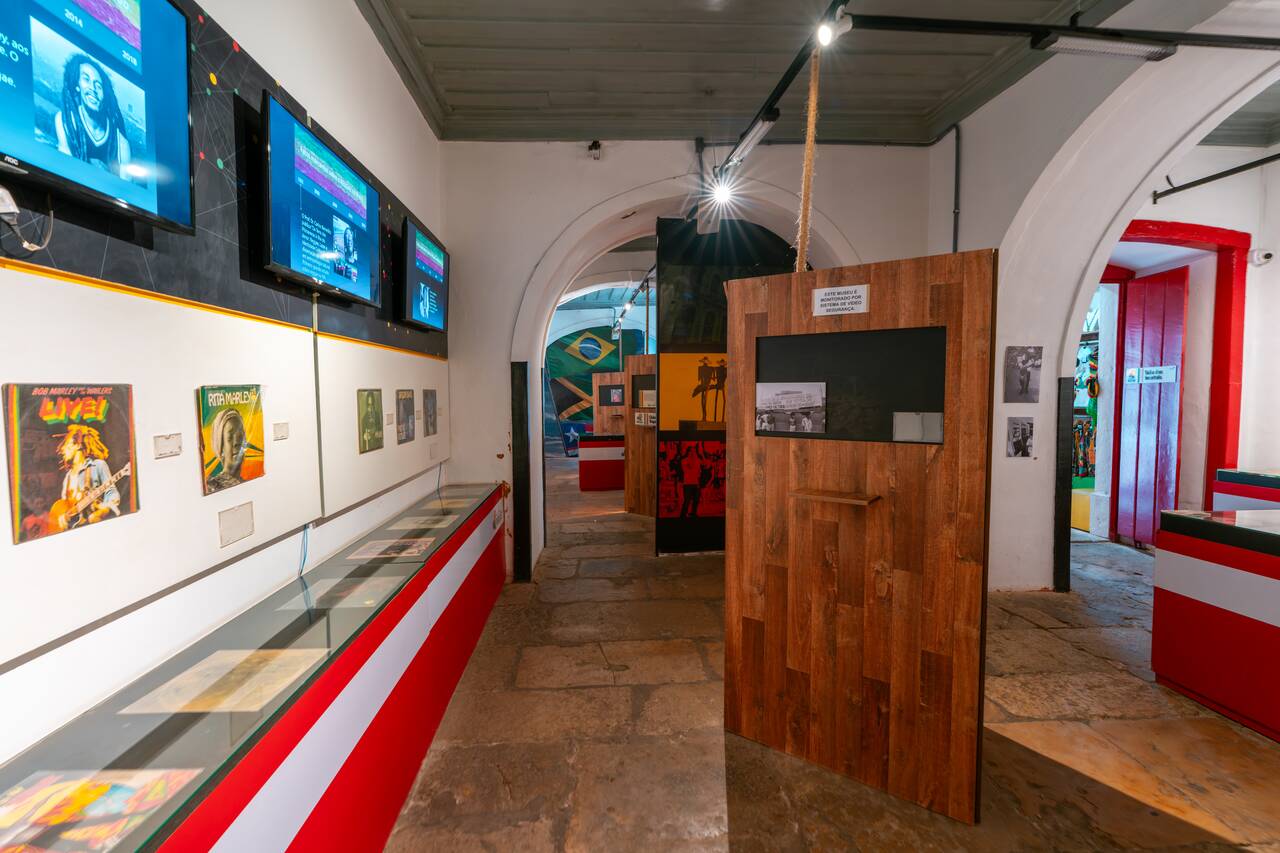
The museum is relatively small and can be explored in around 30 to 45 minutes. The museum is open from 9 AM to 6 PM every day except on Mondays, and the entry is free. There are other small but unique museums around this area worth checking out as well, like Museu da Gastronomia Maranhense, so be sure to drop by there as well.
9. Walk By Ribeirão Fountain
- 📍 Location: Ribeirão Fountain [Map Link]
- ⚡ Pete's Take: "A beautiful fountain for sure, but not a whole lot to do and see in the area."
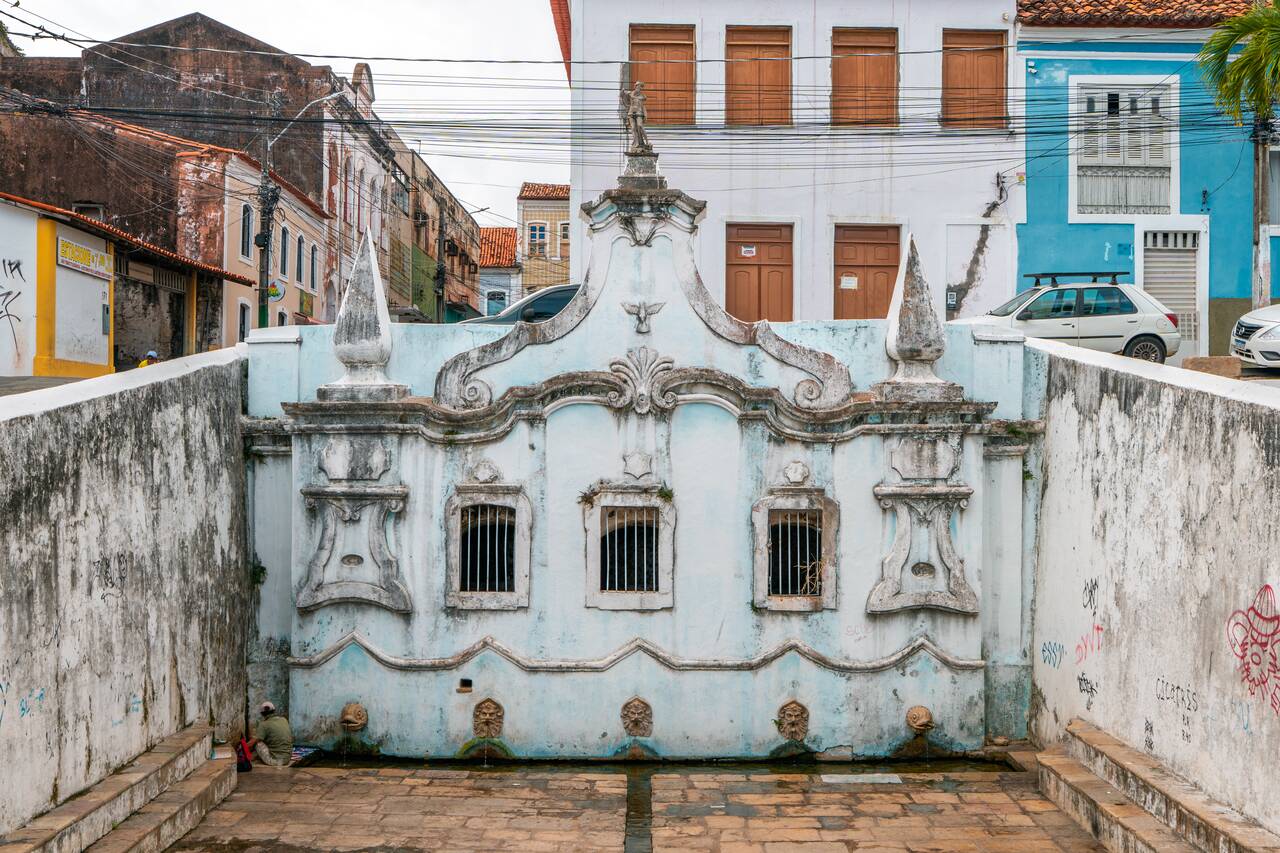
While exploring the historic center, be sure to stop by the Ribeirão Fountain, one of the oldest and most important historical landmarks in São Luís. This fountain was built in the 18th century and once served as one of the city's primary water sources for the people during the colonial era.
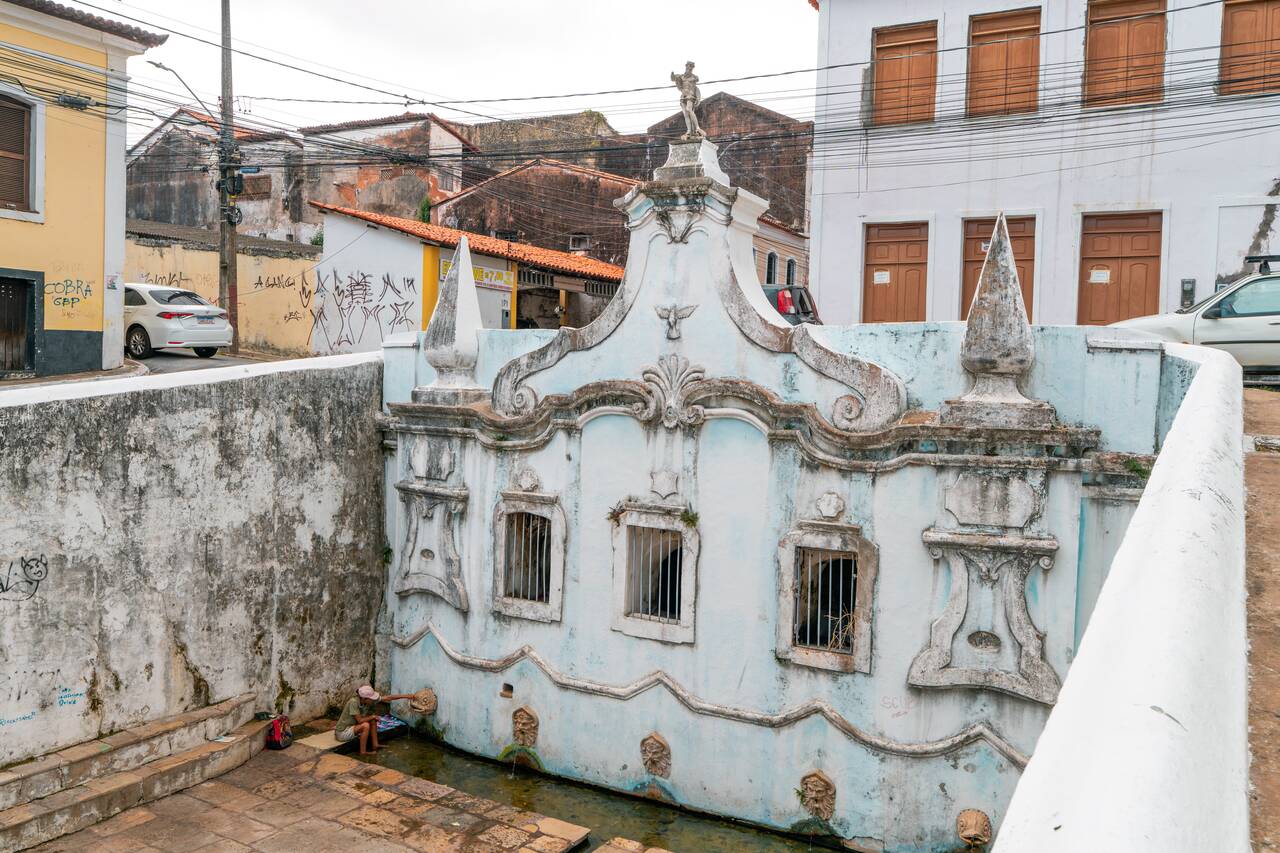
The fountain is decorated with carved stonework, mythological figures, and colonial-era details, standing out from the other monuments in the city. According to local legends, it is also associated with stories of hidden treasures and underground tunnels connecting different parts of the historic center, which definitely piqued my curiosity.
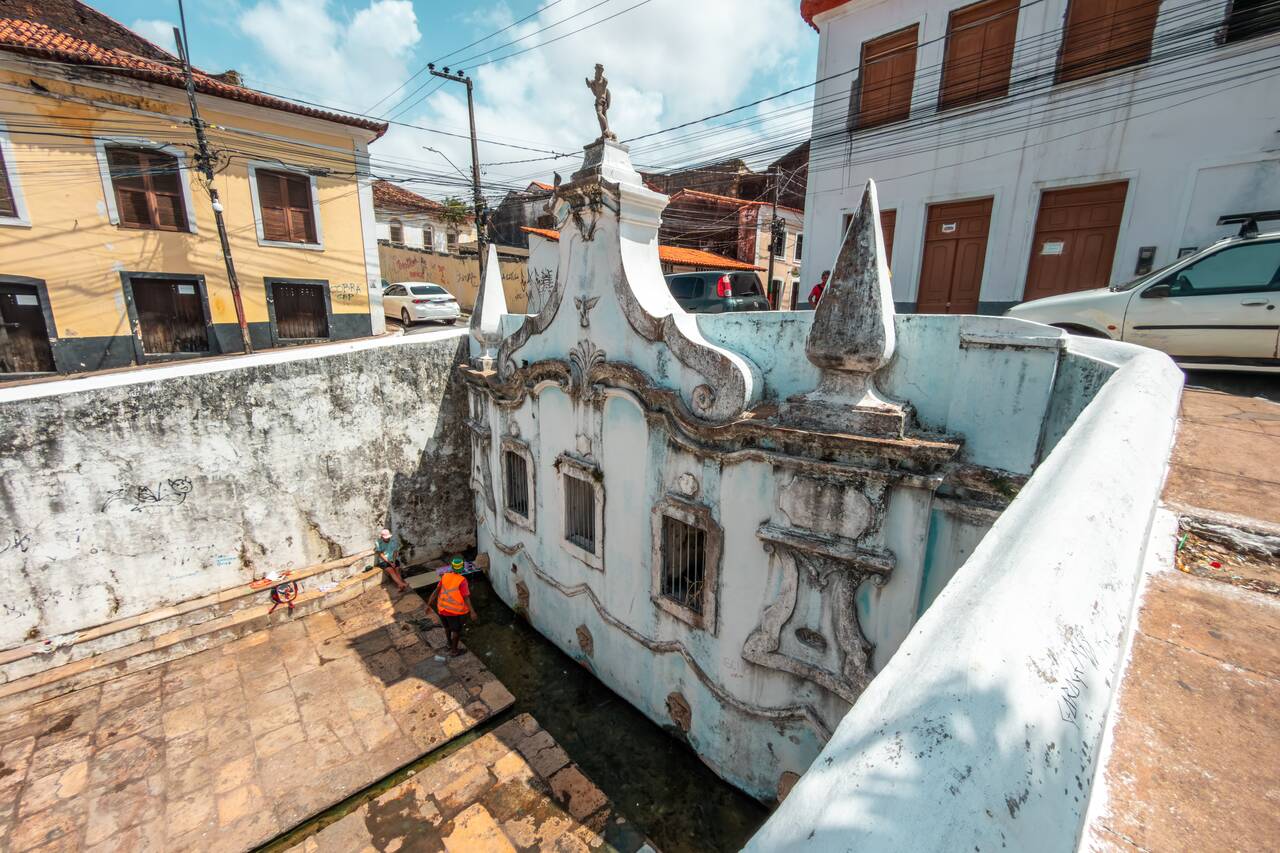
Although it is no longer used as a public water source and is not as vibrant blue as it once was, with much of the paint having chipped away over time, it is still well worth a visit. It is especially easy to combine with a stop at Museu Histórico e Artístico do Maranhão, which is located just around the corner and is the next place we will be visiting in this guide.
10. Explore Museu Histórico e Artístico do Maranhão
- 📍 Location: Museu Histórico e Artístico do Maranhão [Map Link]
- 🕐 Opening Hours: Tue-Fri, 2-5 PM
- 💰 Entry Fees: Free
- ⚡ Pete's Take: "It's worth visiting for the free admission, but be aware that a staff member will have to accompany you around, as that's the policy."
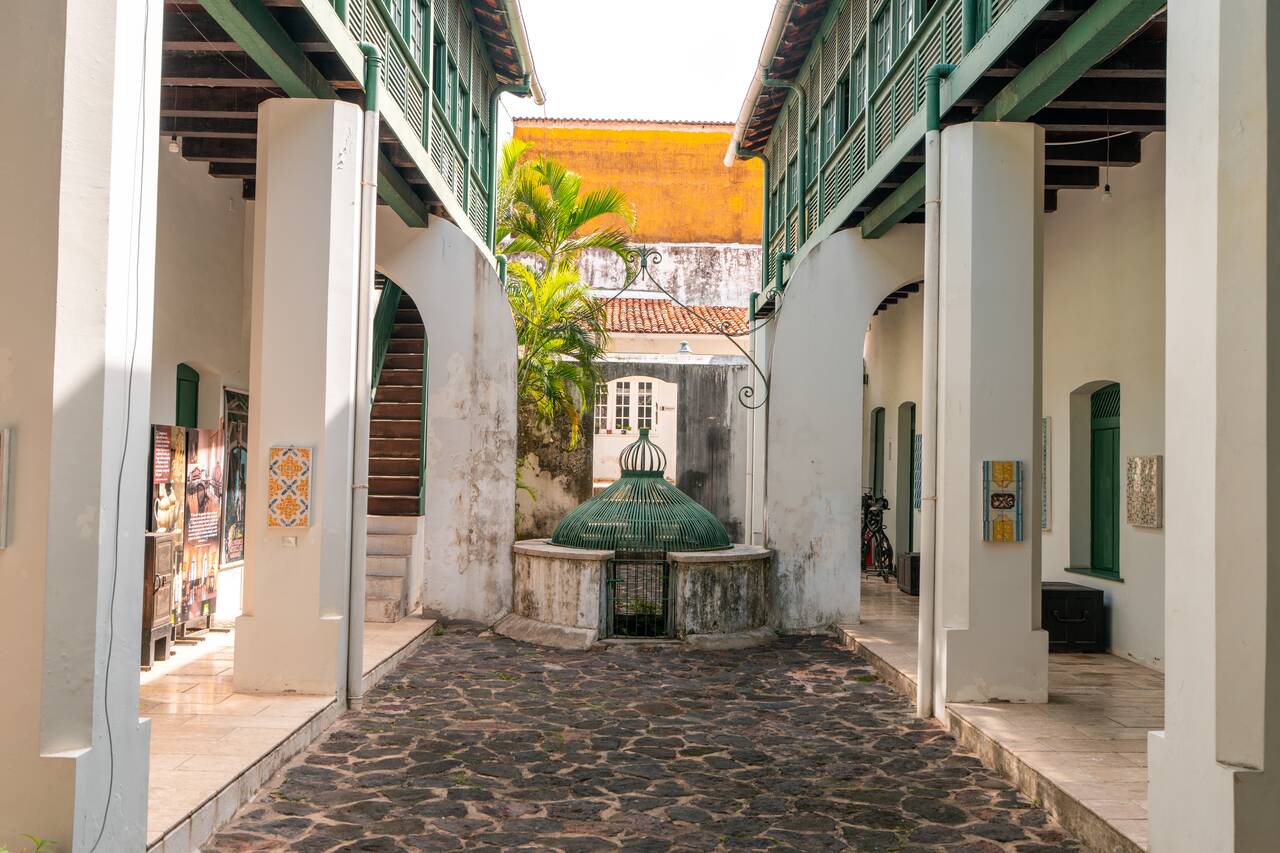
One of the most beautiful museums you can visit in Sao Luis is Museu Histórico e Artístico do Maranhão, a museum housed inside a beautiful 19th-century mansion dedicated to preserving the history, culture, and daily life of Maranhão.
Inside, you will find an impressive collection of period furniture, artwork, decorative objects, photographs, and personal belongings that showcase how wealthy families in São Luís once lived. The rooms have been carefully preserved and furnished, giving you the feeling of stepping back in time and wandering through a colonial-era residence.
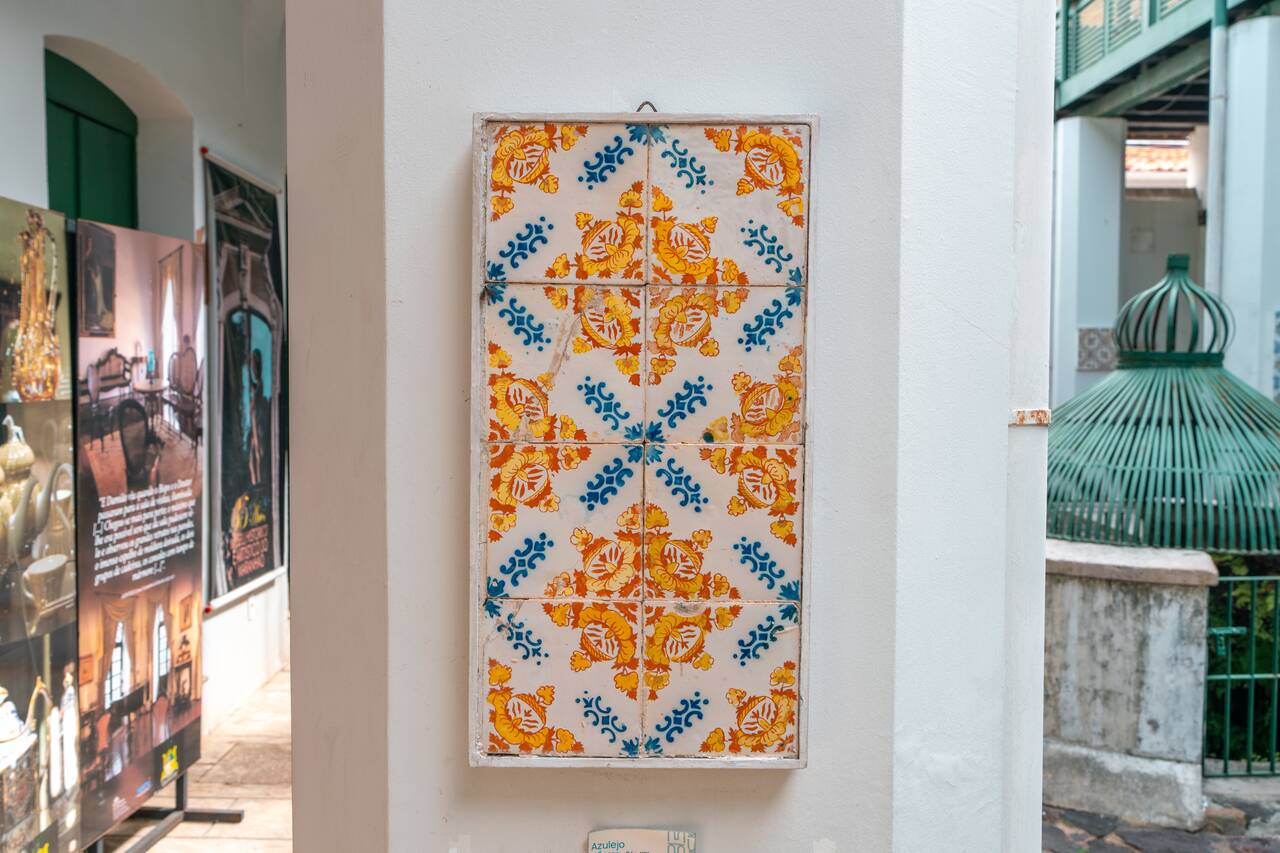
What I enjoyed most was seeing all the beautiful colored tiles preserved in pristine condition, unlike the ones you see on the streets nowadays, all framed on the walls for us to appreciate up close.
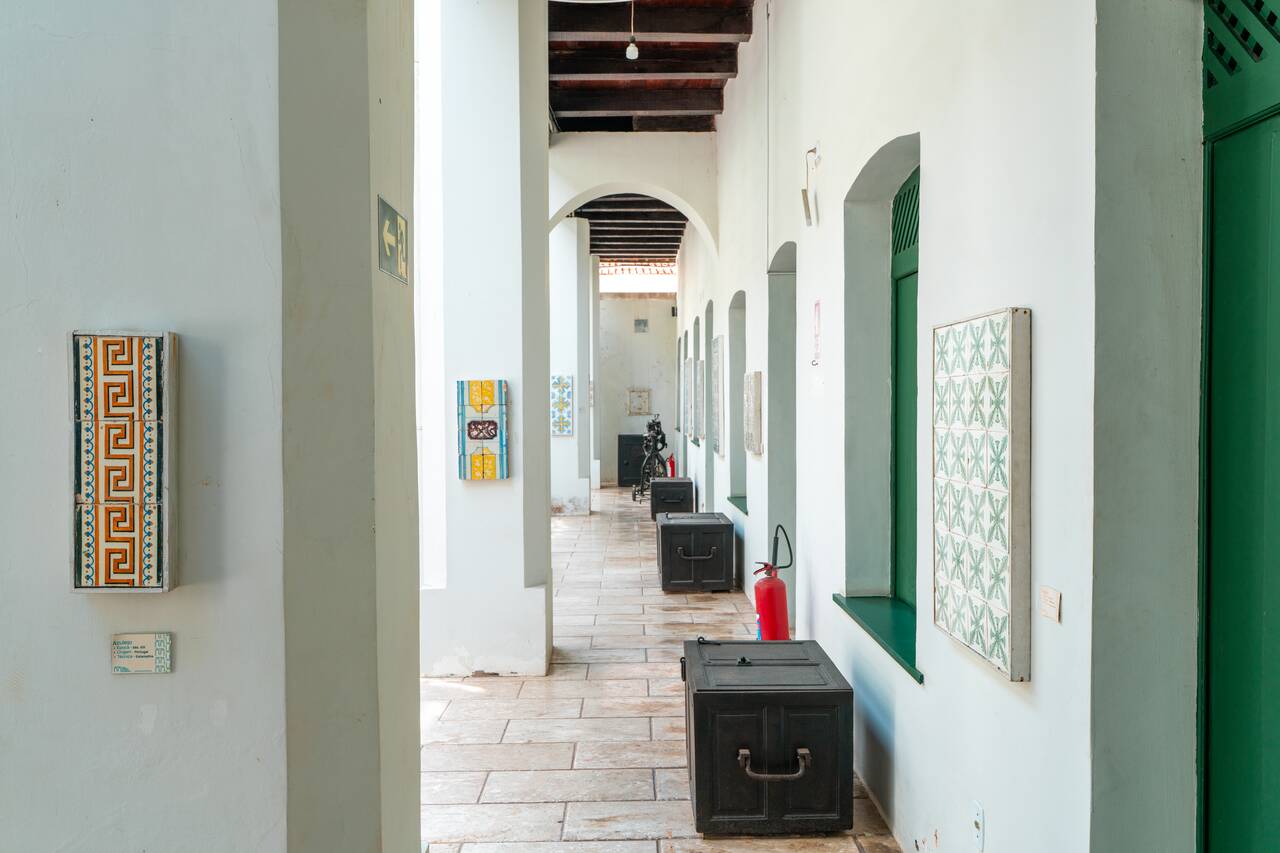
It is also impressive how much of the original architecture and interior decoration has been preserved here, from the elegant tiled floors and grand staircases to the antique furniture and chandeliers. It really shows just how much wealth flowed into this city during the colonial time.
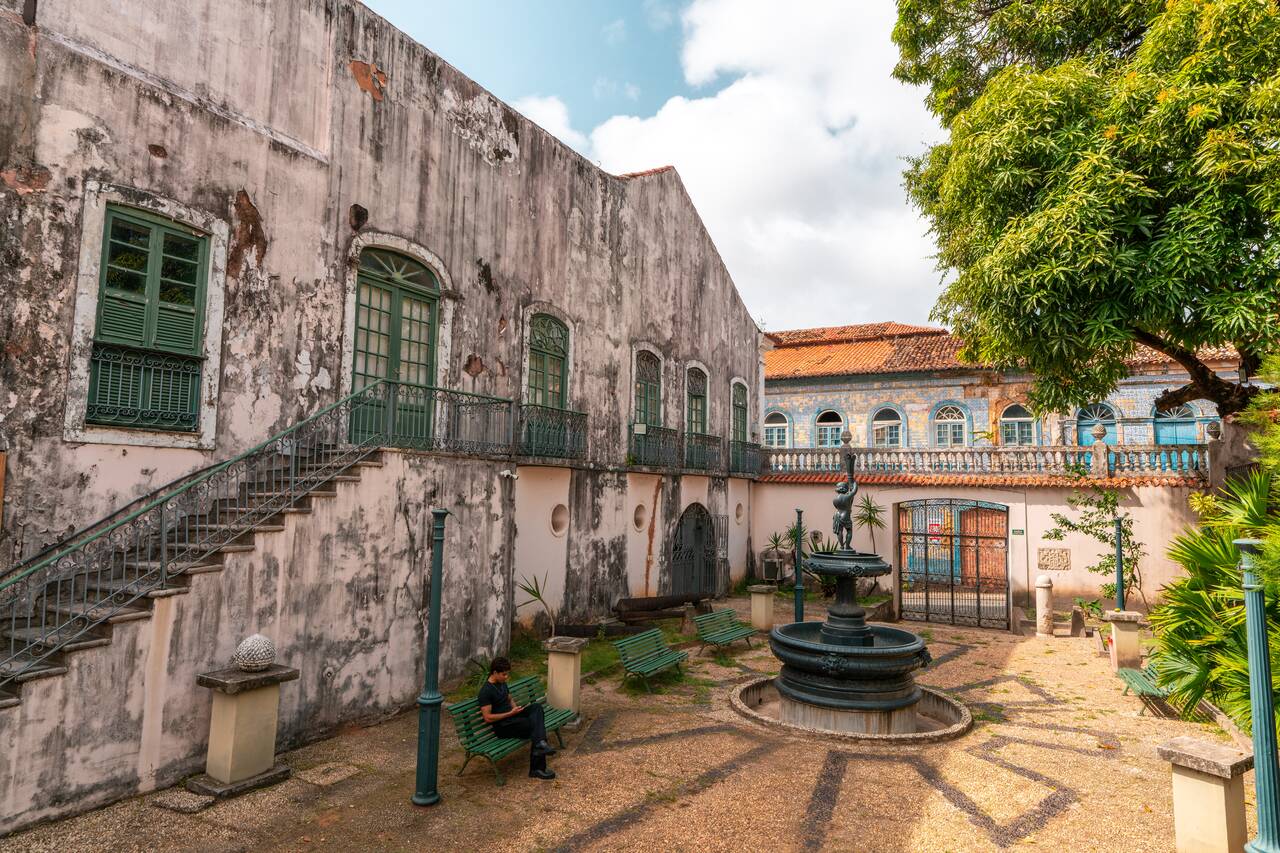
The building itself is just as interesting as the collection it houses. Be sure to take your time exploring not only the mansion's interior but also the peaceful garden behind it, as well as the beautiful tiled building directly across the street, which remains one of my favorite examples of São Luís' famous azulejo-covered architecture.
The museum is open from Tuesday to Friday, from 2 PM to 5 PM, and admission is free. One thing to keep in mind is that you will be accompanied by a staff member at all times as you move from room to room, so you cannot explore the mansion independently. I personally did not mind it, but it is something worth knowing before you visit.
11. Visit Convent of Mercês
- 📍 Location: Convento das Mercês [Map Link]
- 🕐 Opening Hours: 8 AM - 5:30 PM Tuesday - Friday
- 💰 Entry Fees: Free
- ⚡ Pete's Take: "Very large and not many tourists, but it's a bit of a walk from the city center."
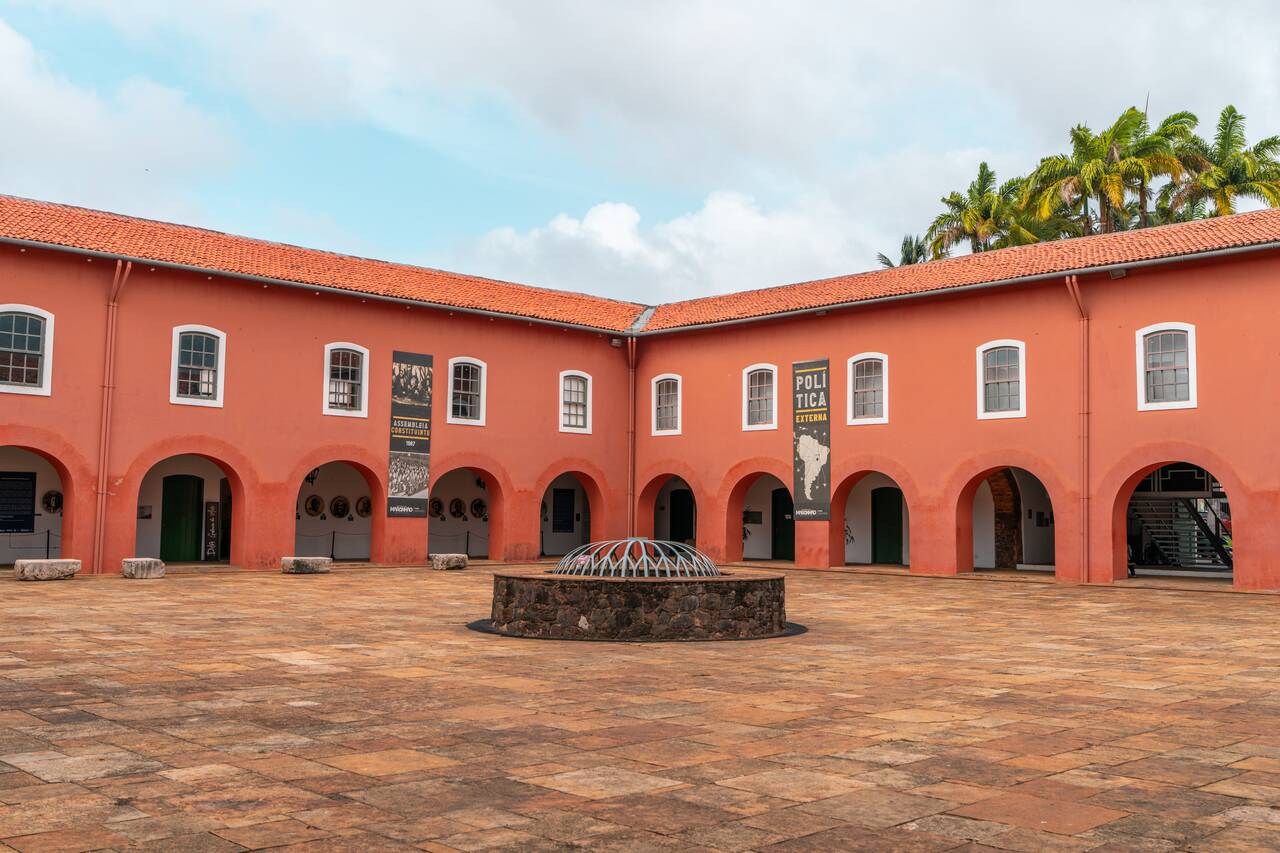
Another historical landmark worth visiting in São Luís is the Convento das Mercês, a large former convent located on the edge of the historic center. Built in the 17th century by the Mercedarian Order, the complex has served many purposes throughout its long history, including as a convent, military barracks, and educational institution.
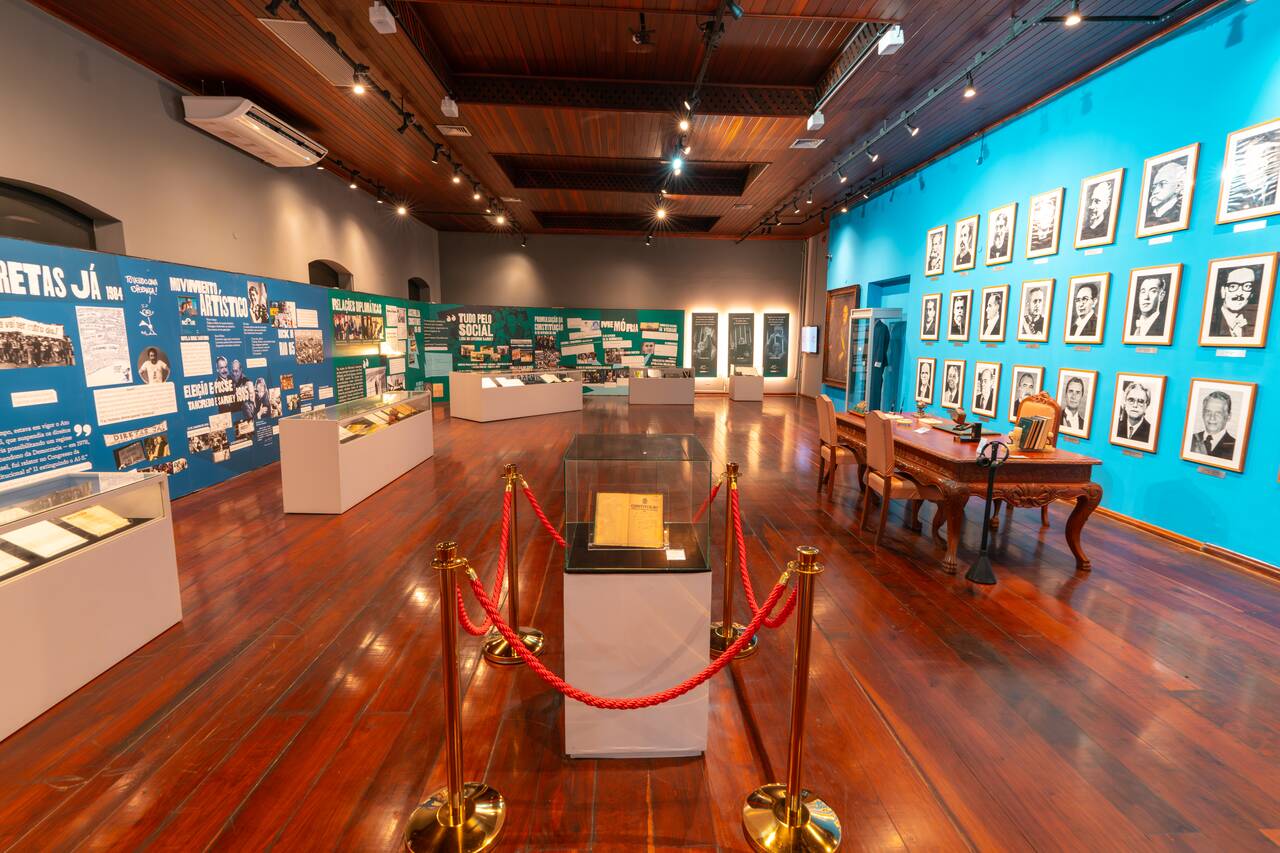
Today, the building houses the Fundação da Memória Republicana Brasileira, a museum and cultural center dedicated to preserving the history of Brazil's republican period. Inside, you will find exhibitions covering Maranhão's political and cultural history, as well as displays related to former Brazilian president José Sarney, who was born in the state.
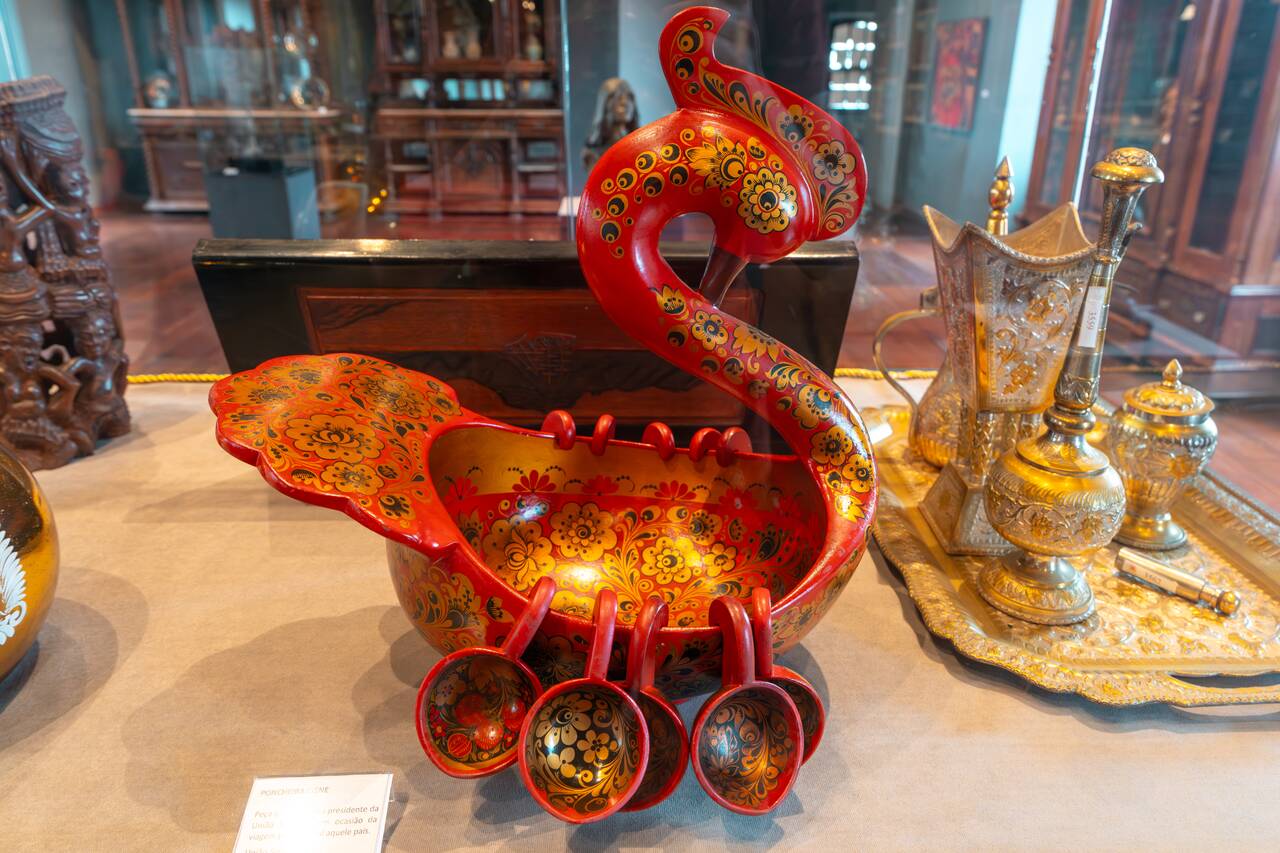
Even if you are not particularly interested in politics, the convent itself is well worth visiting. I really enjoyed wandering through its long corridors, spacious exhibition halls, and large open-air courtyard. Compared to many of the smaller colonial buildings in the historic center, Convento das Mercês feels much grander, which was a nice change of pace.
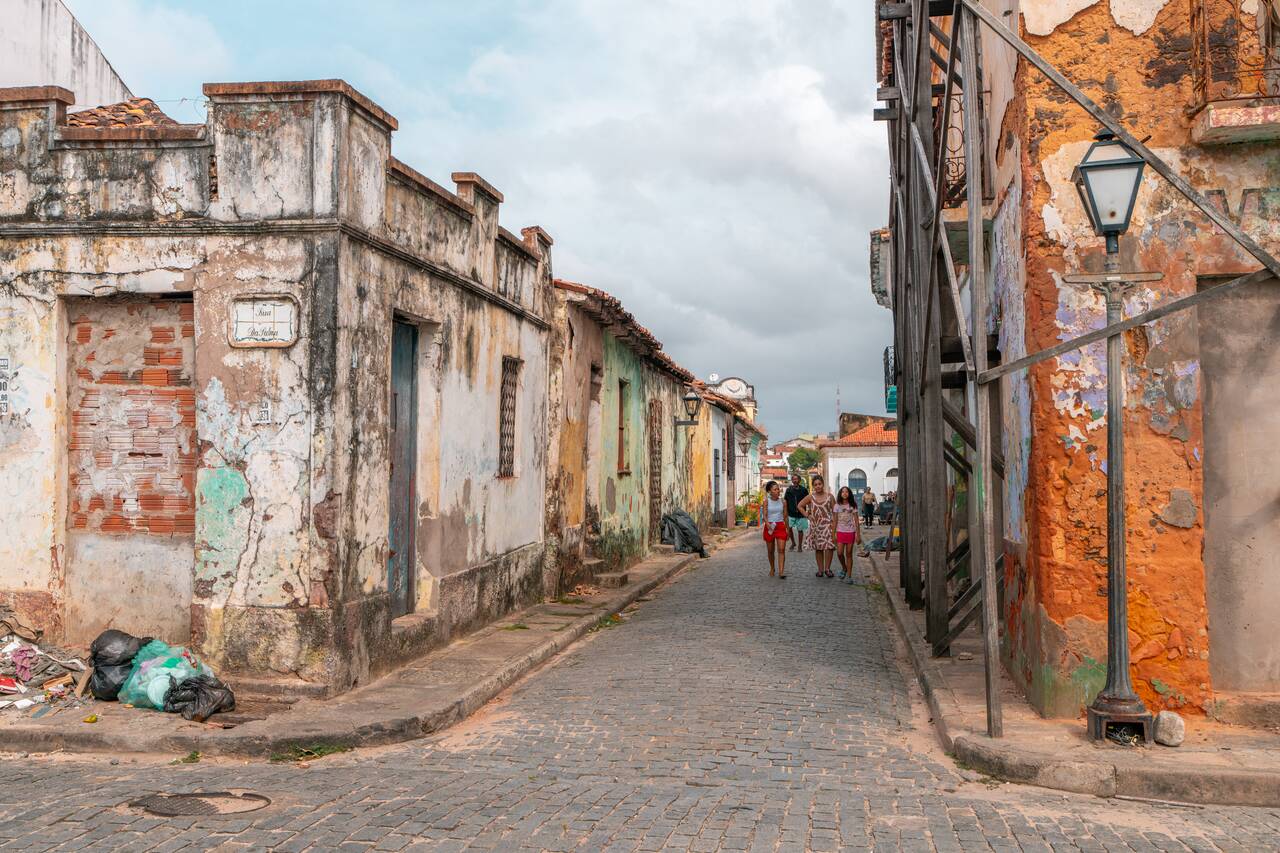
The convent is located a little south of the historic center, but you should be able to reach it on foot in less than 30 minutes. It is a pleasant walk that allows you to see a quieter side of São Luís beyond the main tourist areas. The convent is open from 8 AM to 5:30 PM Tuesday through Friday, 9 AM to 5 PM on Saturdays, and 9 AM to 1 PM on Sundays. It is closed on Mondays, and admission is free.
What to Eat & Drink in Sao Luis?
1. Eat like a local at Ôh Brasileirão
- 📍 Location: Ôh Brasileirão [Map Link]
- 🕐 Opening Hours: 11 AM - 3 PM
- 💰 Price Range: Affordable
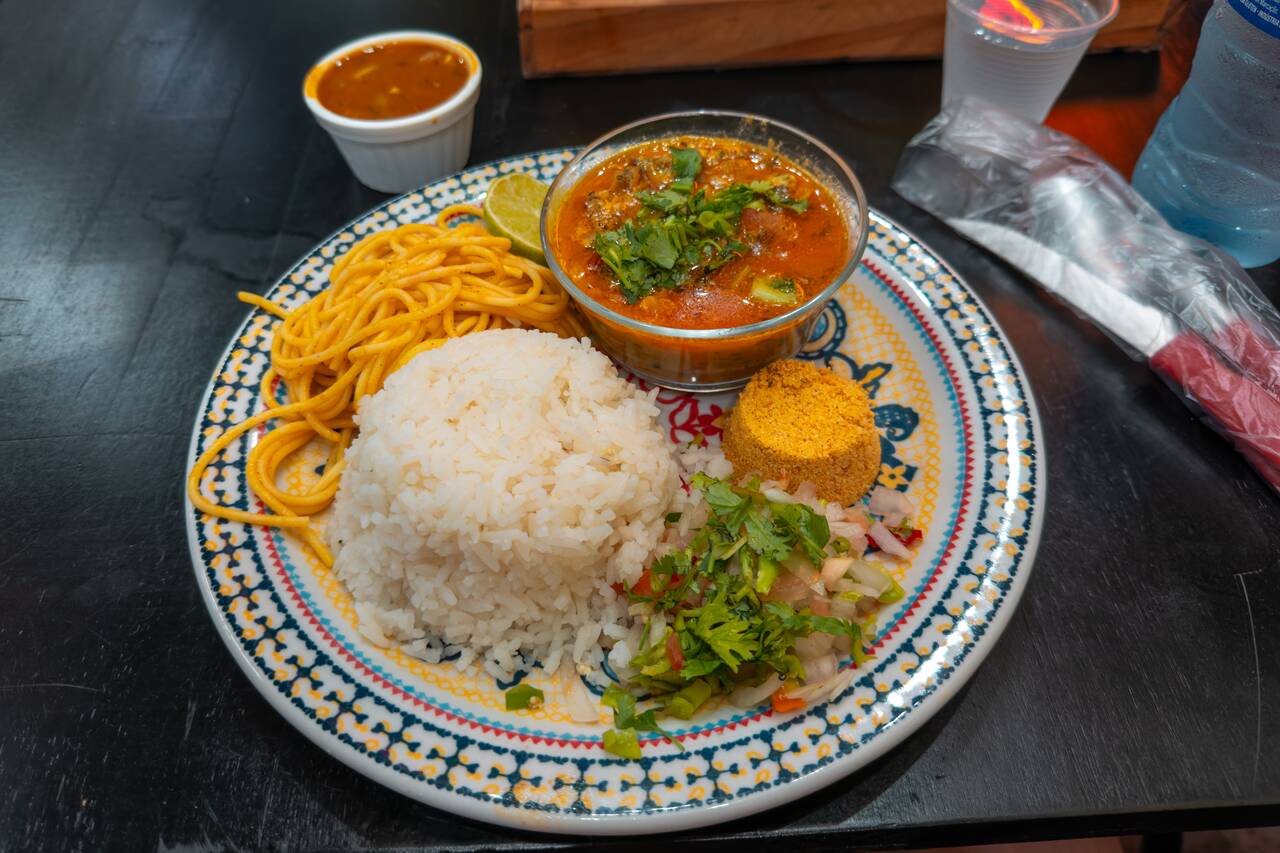
If you are looking to try a great local restaurant that serves regional dishes and is actually popular with locals, I highly recommend Ôh Brasileirão. It is located near Igreja do Carmo, directly across from the square, making it a convenient place to stop for lunch while exploring the historic center.
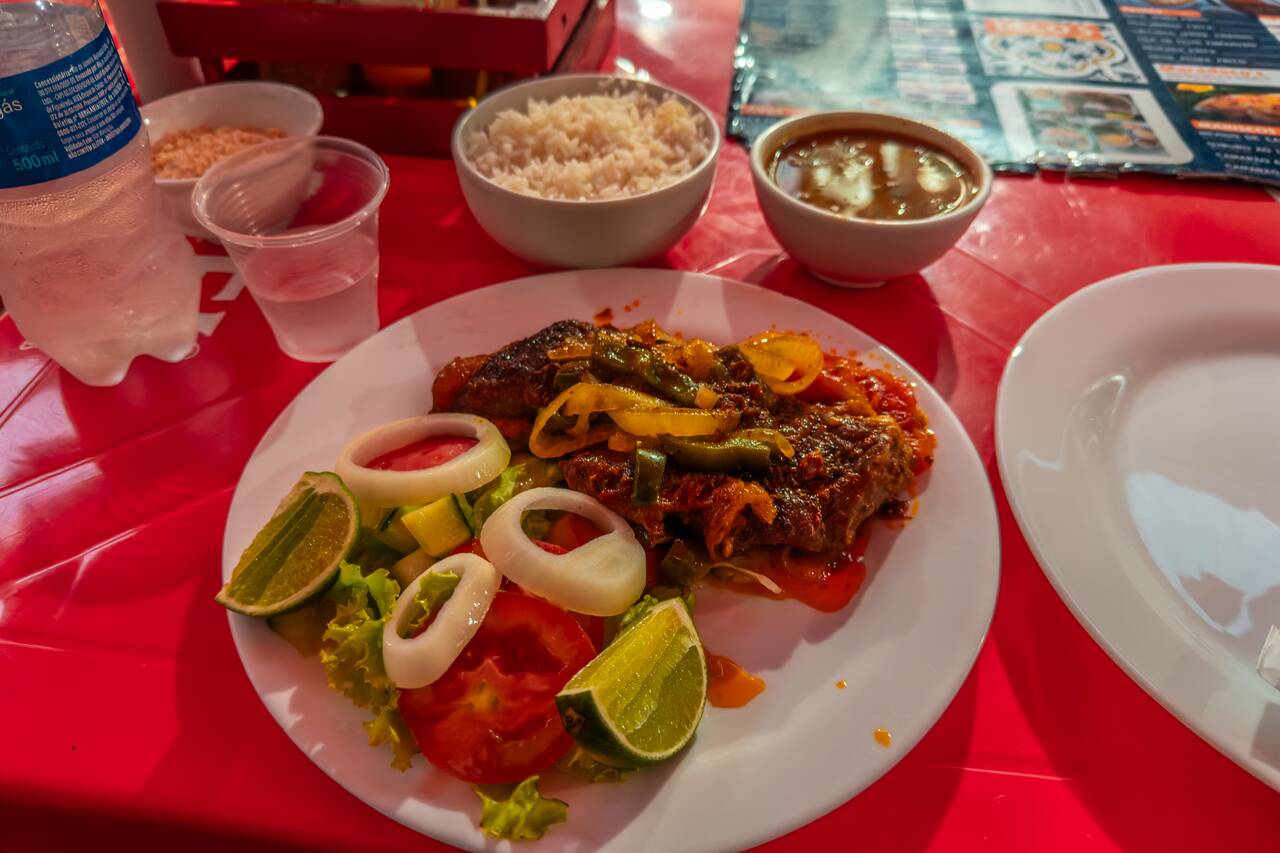
This is a buffet-style restaurant where you simply grab a plate, choose whatever dishes you want from the trays on display, and pay based on the weight of your food. This type of restaurant is quite common in Brazil, and I absolutely love it because I can see exactly what I am ordering before committing. As someone who does not speak a word of Portuguese, it makes trying local food much easier.
The restaurant is open daily from 11 AM to 3 PM, and the prices are very reasonable. It is the perfect place to stop for lunch while exploring the historic center and a great opportunity to try some authentic Maranhense cuisine.
2. Enjoy the Laid-back Atmosphere at Café Guará
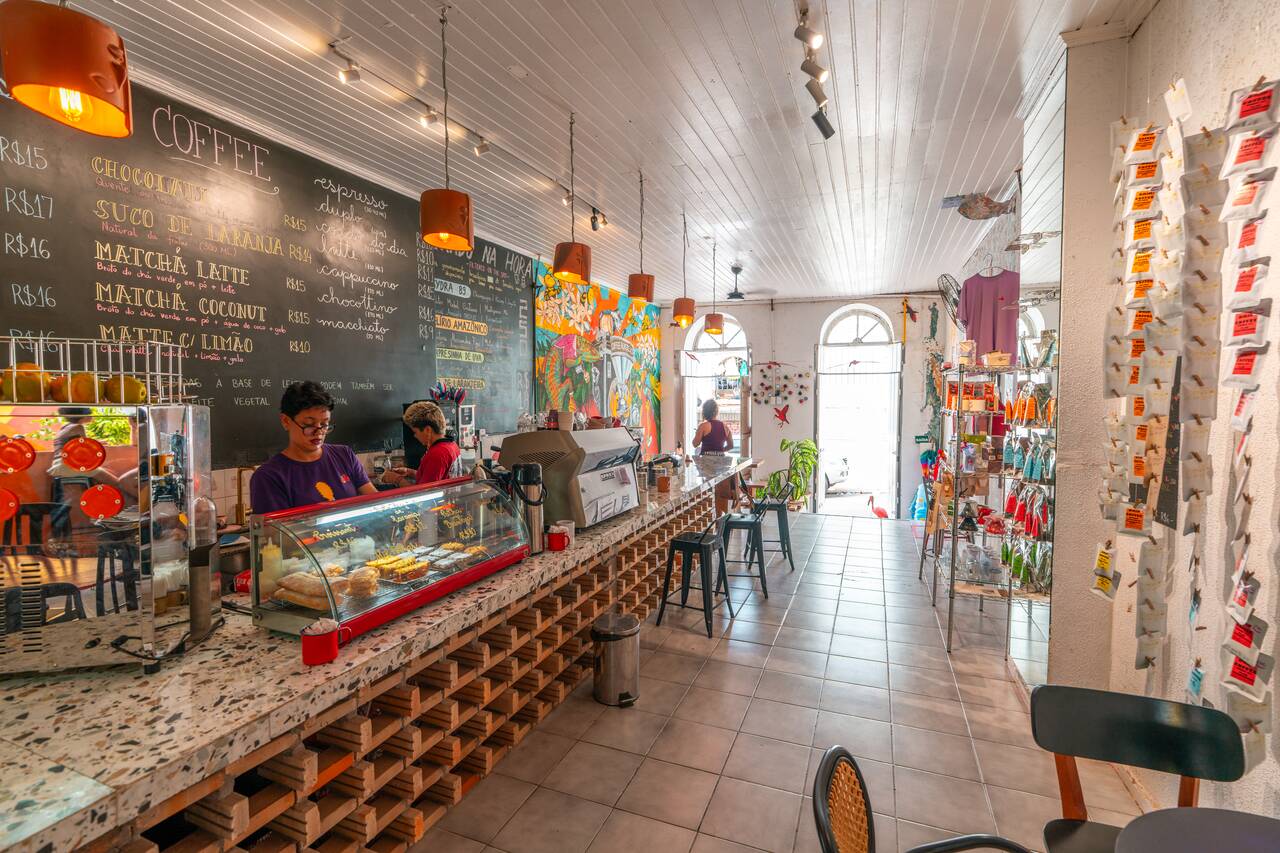
- 📍 Location: Café Guará [Map Link]
- 🕐 Opening Hours: 10 AM - 6 PM
- 💰 Price Range: Affordable
One of my favorite cafés in São Luís is Café Guará, located just east of the historic center, not far from Ribeirão Fountain and the Museu Histórico e Artístico do Maranhão. It makes for a great stop while exploring this part of the city.
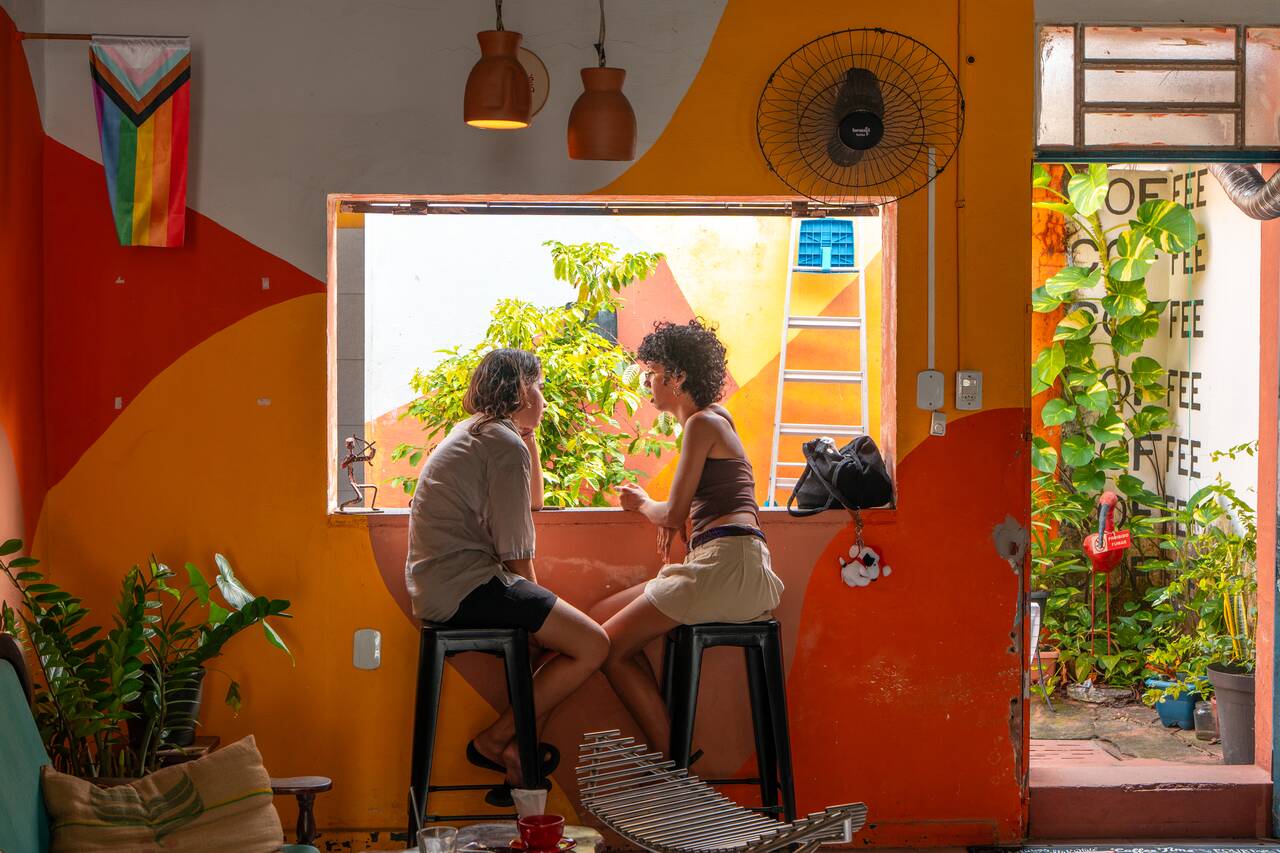
The café is incredibly cozy, with seating by the windows that allows the breeze to flow through the space, keeping it cool and comfortable throughout the day. They serve excellent coffee made from locally sourced beans, and the prices are very reasonable. The staff is also extremely friendly, and many of them speak good English, which is always a nice bonus.
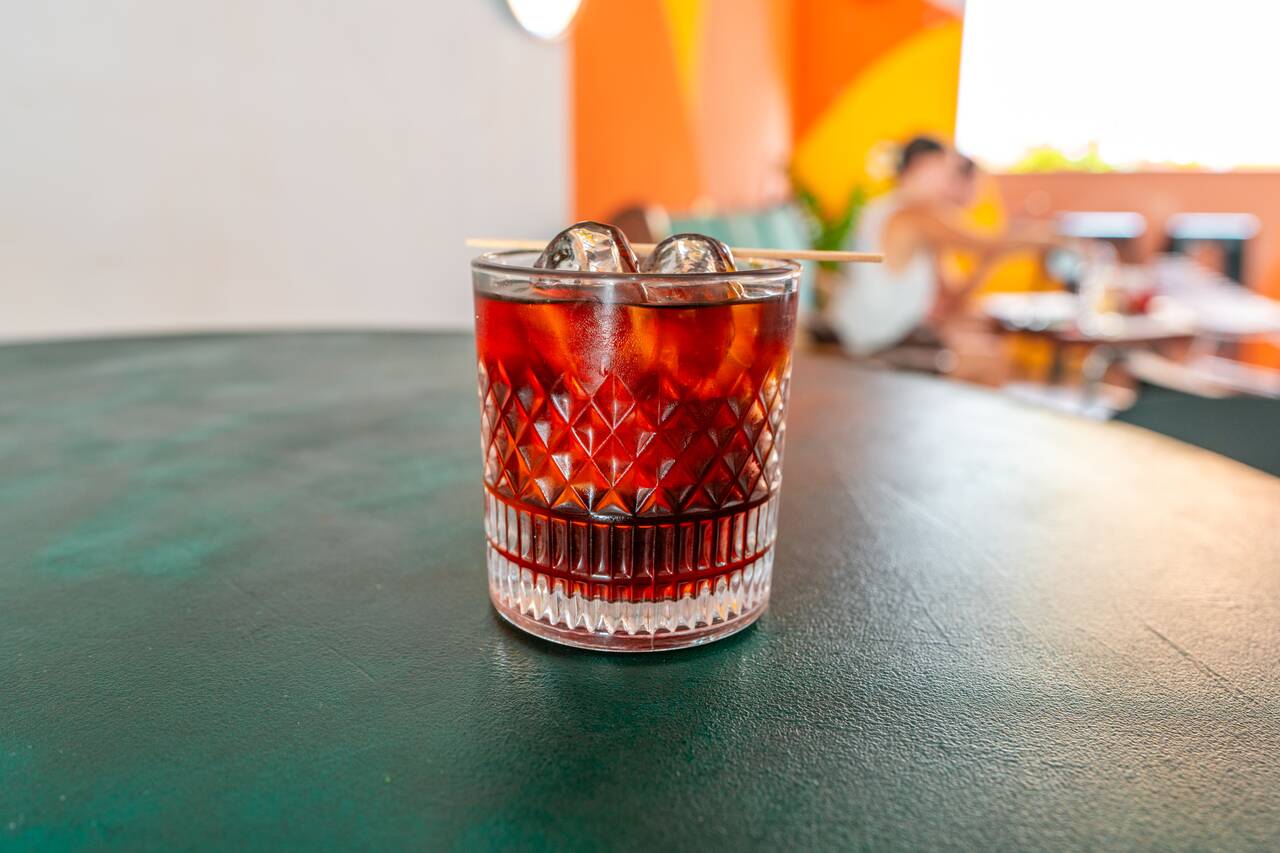
It quickly became one of my favorite places in São Luís to relax and take a break from sightseeing. If you are in the area, I highly recommend stopping by for a coffee and a snack. The café is open from 10 AM to 6 PM every day except Sundays.
When to Visit Sao Luis?
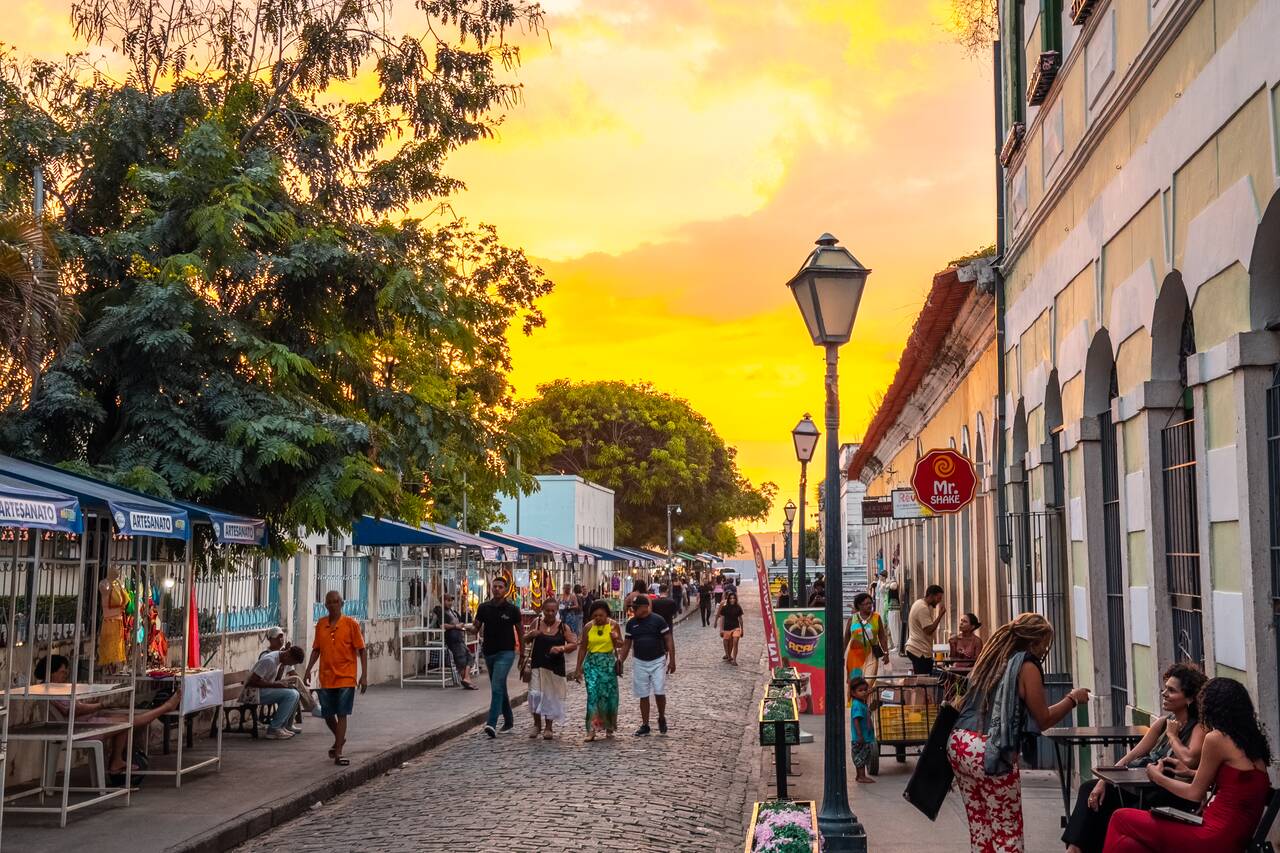
The best time to visit São Luís is during the dry season between June and August, when you can expect plenty of sunshine, lower humidity, and comfortable conditions for exploring the city's historic center on foot.
This period also coincides with the Bumba Meu Boi Festival, a UNESCO-recognized cultural tradition that fills the city with colorful costumes, music, dancing, and performances celebrating the region's unique heritage.
I visited São Luís in January and had a great time despite it being the beginning of the rainy season. While I experienced a few showers, they were usually short-lived and rarely disrupted my plans. The city was lively, accommodation was affordable, and I even stumbled upon a free concert in the historic center completely by accident.
How to Get to Sao Luis?
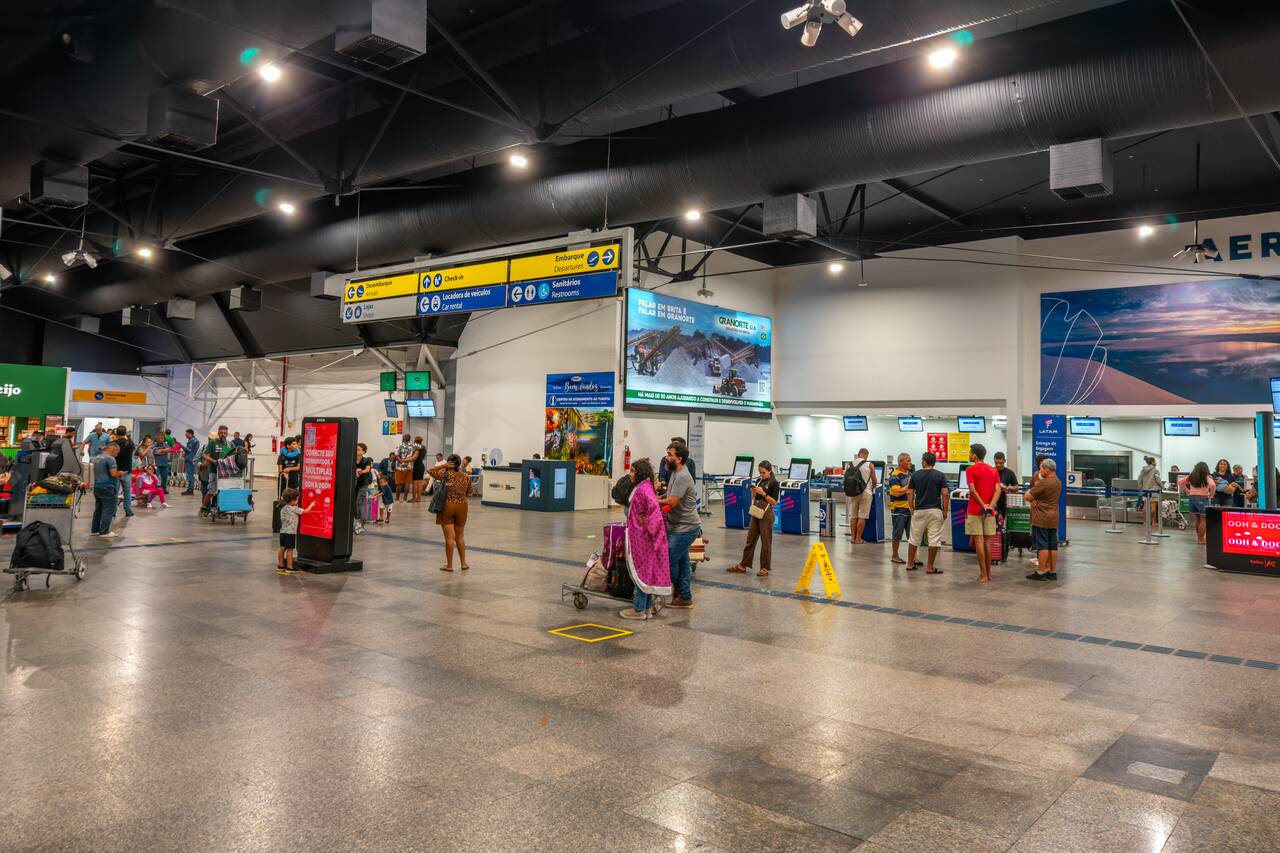
São Luís is the capital of Maranhão State in northeastern Brazil and serves as the main gateway to Lençóis Maranhenses National Park. Thanks to its international airport and long-distance bus connections, getting here is relatively straightforward from most major cities in Brazil.
By Plane: The easiest and most convenient way to get to São Luís is by flying into São Luís International Airport (SLZ), located about 15 km from the historic center. The airport is well connected to major Brazilian cities such as São Paulo, Rio de Janeiro, Salvador, and Belo Horizonte. For finding flights, I recommend browsing through Skyscanner or Expedia for the best fare.
From the airport, you can easily reach the city center by Uber, which is reliable, relatively affordable, and generally safe. I used Uber throughout my stay and found it to be by far the easiest way to get around São Luís.
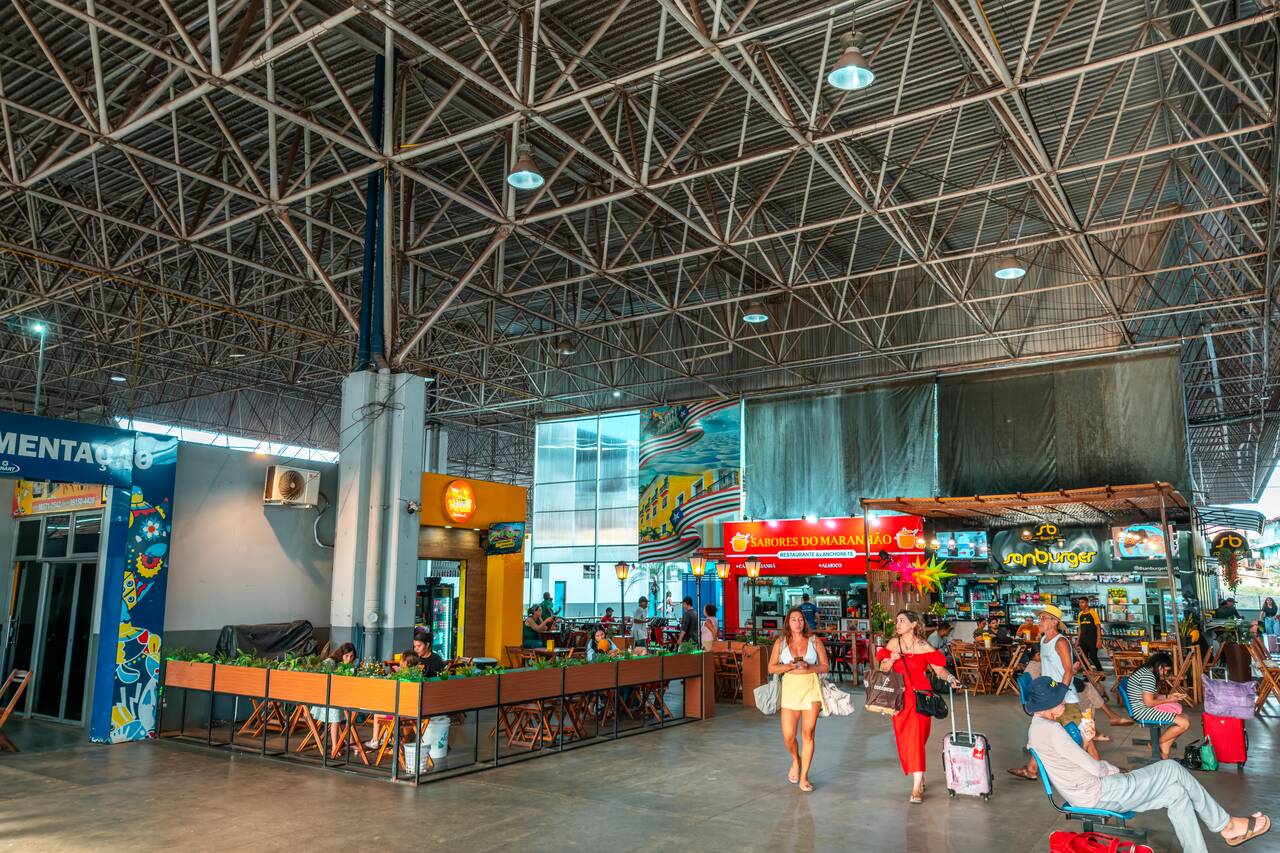
By Bus: If you are already traveling around Brazil, long-distance buses connect São Luís with many destinations throughout the country. The main bus terminal, Terminal Rodoviário de São Luís, receives buses from cities such as Belém, Fortaleza, Teresina, and other major destinations across northeastern Brazil.
Keep in mind that Brazil is a massive country, and bus journeys can be extremely long. Unless you are traveling from a nearby destination or are on a tight budget, flying is usually the most practical option.
How to get Around Sao Luis?
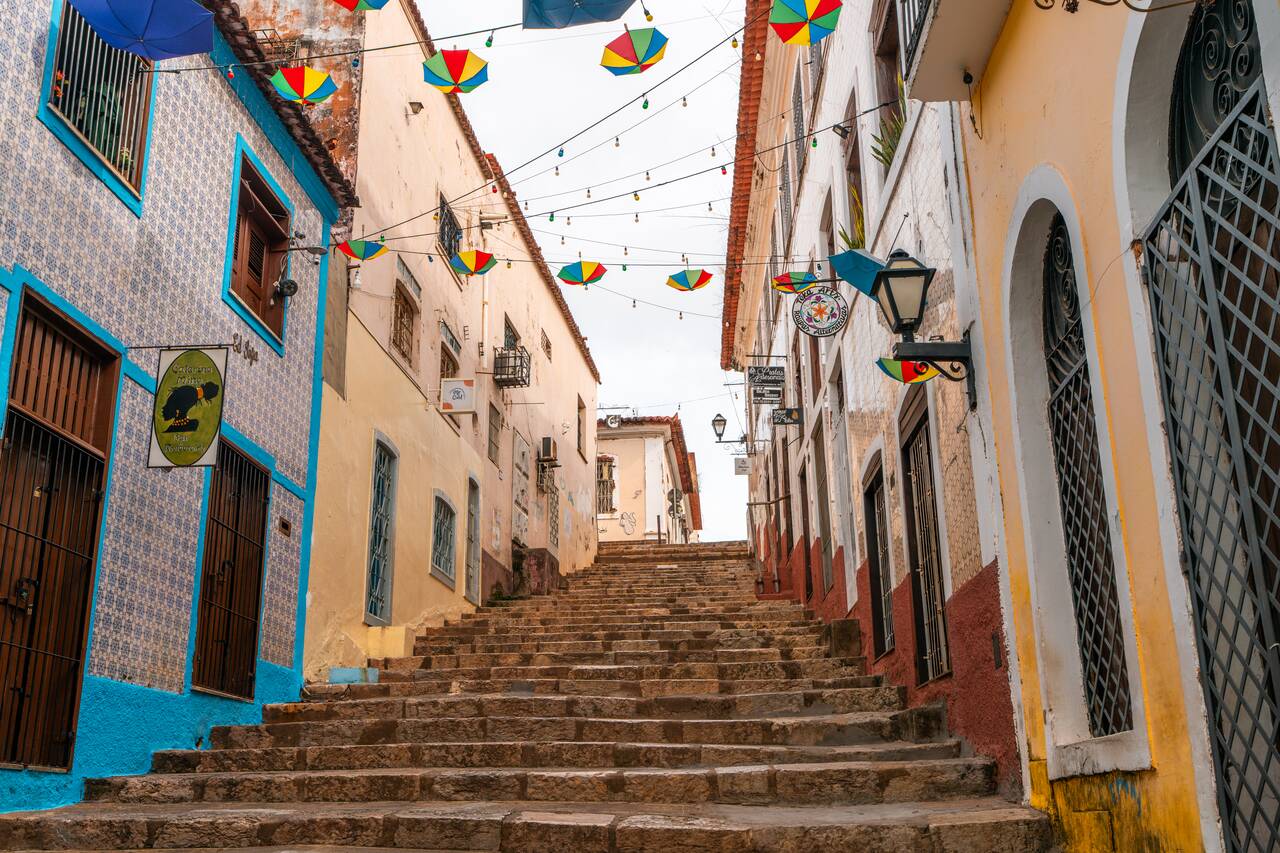
São Luís is a relatively easy city to get around, especially if you plan to spend most of your time exploring the historic center and nearby neighborhoods. During my visit, I stayed in the historic center, which allowed me to walk to most attractions, restaurants, and museums. Because of that, I highly recommend staying in or near the historic center if it fits your budget.
On Foot: The historic center is best explored on foot. Many of the city's main attractions, restaurants, and public squares are located within walking distance of one another. The area is full of beautiful colonial architecture, and it is such a joy to wander through its crisscrossing streets in the evening.
By Uber: For destinations farther away, such as the airport, bus terminal, beaches, or modern neighborhoods, Uber is the way to go. Rides are generally affordable, widely available, and much more convenient than navigating the local bus network. I used Uber several times during my stay and never had any issues.
By Bus: While buses are inexpensive, they can be confusing to navigate if you do not speak Portuguese or are unfamiliar with the city. Unless you are traveling on a very tight budget, I would recommend sticking with Uber.
How Many Days to Spend in Sao Luis?

I recommend spending at least 2 days in São Luís to fully appreciate the city's historic center, cultural attractions, museums, and lively atmosphere. While it is possible to see the main highlights in a day, giving yourself an extra day will allow you to explore at a more relaxed pace and experience the city after dark when many of its public squares and cultural venues come alive.
Here's the itinerary I recommend for São Luís:
- Day 1: Explore the historic center, visit the museums, admire the colorful tiled buildings, and enjoy the atmosphere around Plaza Nauro Machado and the waterfront in the evening.
- Day 2: Visit Museu Histórico e Artístico do Maranhão, Convent of Mercês, relax at Café Guará, and enjoy the rest of the day at the historic center.
Is it safe in Sao Luis?
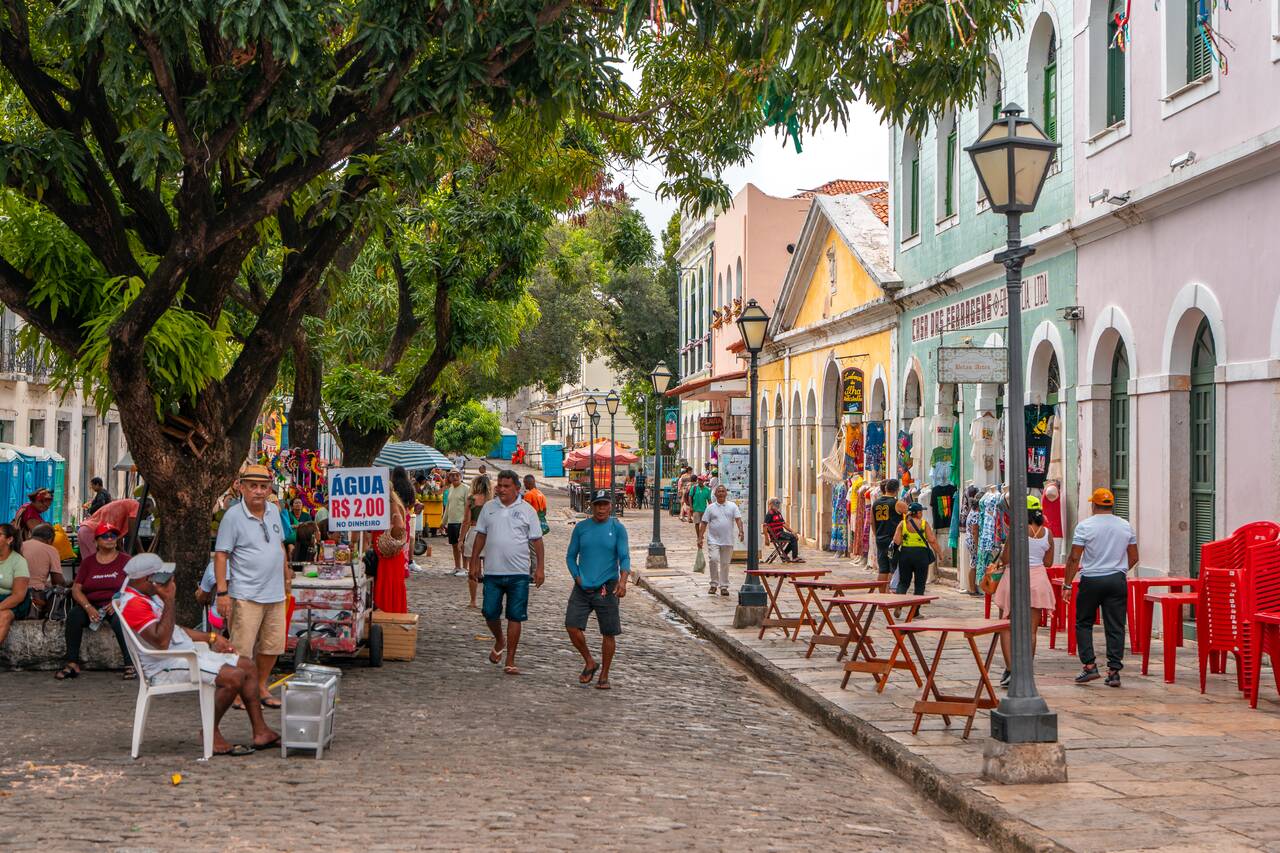
Like most large cities in Brazil, São Luís requires a certain level of caution, but I never felt particularly unsafe during my time there. I spent several days exploring the historic center on foot, both during the day and at night, and did not encounter any problems.
That said, it is always a good idea to stay aware of your surroundings, avoid displaying expensive items such as cameras, jewelry, or large amounts of cash, and stick to well-lit areas after dark. The historic center is generally busy and feels safe when people are around, but some streets can become quiet later in the evening.
For getting around outside the historic center, I recommend using Uber rather than walking long distances, especially at night. Uber is affordable, reliable, and widely available throughout the city.
As always in Brazil, common sense goes a long way. Keep your valuables secure, avoid wandering into unfamiliar neighborhoods, and pay attention to local advice. If you do that, chances are you will have a safe and enjoyable visit to São Luís.
Disclaimer: This post may contain affiliate links. See our disclosure policy.
First Published:
Last updated: