


%20-%20A%20Complete%20Buying%20Guide%20-%20Looking%20for%20the%20best%20Sony%20lenses%20for%20food%20photography%20to%20help%20elevate%20your%20food%20content%3F%20Look%20no%20further%20than%20our%205%20best%20food%20photography%20lenses%20to%20buy%20right%20now%20for%20your%20Sony%20cameras.%20%23travel%20%23resources%20%23photography%20%23filmmaking)

Not many people know this, but I have been dabbling in food photography for quite some time now. I've been co-running a food blog, Mints Meals, and have been directing the blog's photography since its inception.
It's been quite a journey, and I have learned a lot during that time. That's why I decided to write this post. Based on my experiences, I have narrowed down the 5 best lenses for food photography that will help you take your food photography game to the next level.
Since I am a Sony shooter, and I have been using Sony cameras for more than a decade, I will be focusing on Sony lenses. However, you should be able to find equivalent lenses from other camera brands like Canon or Nikon without any problems. Without further ado, here are the 5 best Sony lenses for food photography:

📸 Quick Summary: The best Sony lenses for food photography
| Product | |||
|---|---|---|---|
|
Best Full-Frame All-Around Lens
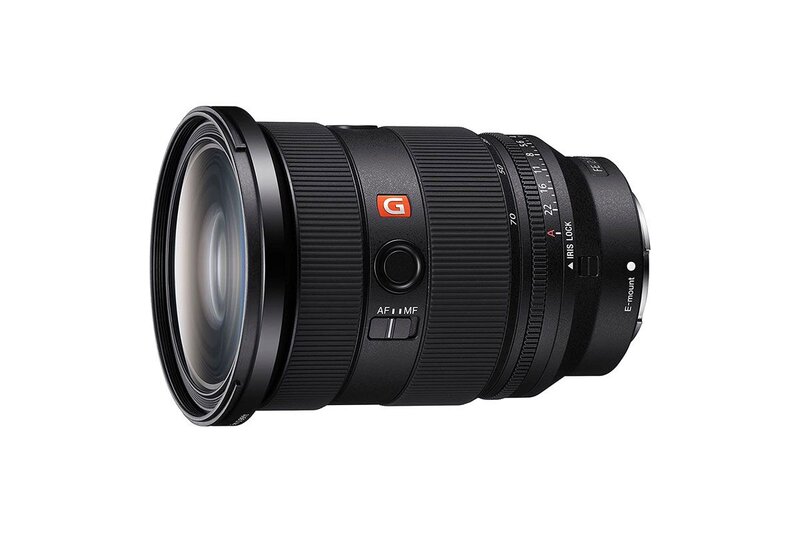
Sony FE 24-70mm f2.8 GM II Lens
|
Features
|
Check PriceRead Our Review |
|
Best APS-C All-Around Lens
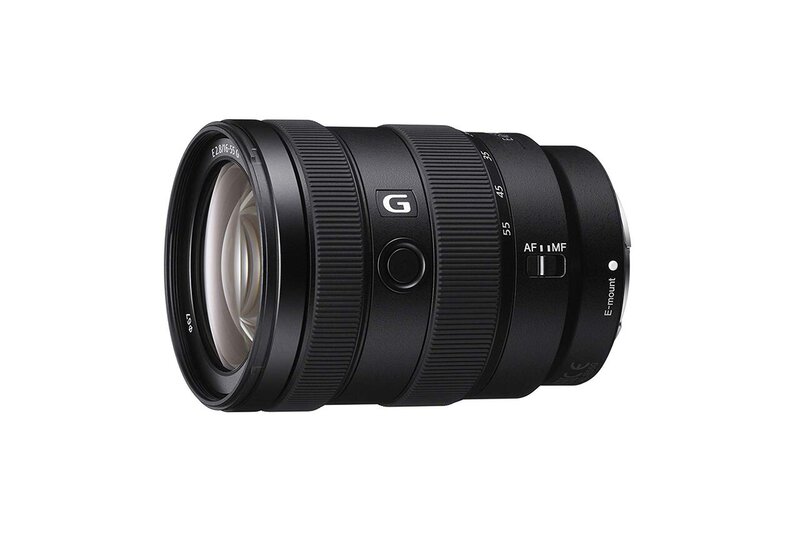
Sony 16-55mm f2.8 lens
|
Features
|
Check PriceRead Our Review |
|
Best Full-Frame Overhead Lens
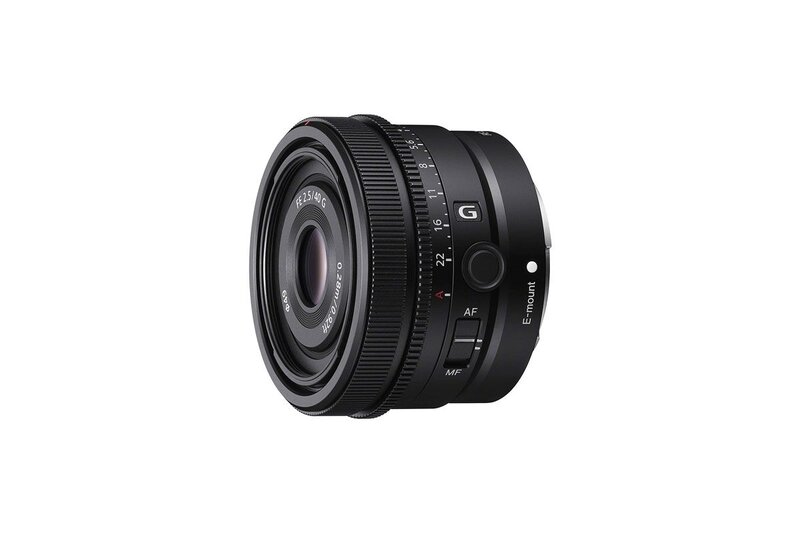
Sony FE 40mm F2.5 G Lens
|
Features
|
Check PriceLearn More |
|
Best APS-C Overhead Lens
Sony 35mm f1.8
|
Features
|
Check PriceLearn More |
|
Best Full-Frame Macro Lens
Tamron 90mm F/2.8 Di III VXD 1:1 Macro
|
Features
|
Check PriceLearn More |
|
Best APS-C Macro Lens
Sony FE 90mm f/2.8 Macro G OSS
|
Features
|
Check PriceLearn More |
👍 What to Consider When Buying Lenses for Food Photography?
First and foremost, we need to determine which camera system you are using so that I can recommend the right lens for the job. If you are using a Sony camera, there are primarily two systems: APS-C and full-frame. You can easily determine which one your camera has by checking its model name.
Generally, if your Sony camera's model name begins with a6XXX, whether it's a6000, a6500, or a6700 (as well as FX30 and ZV-E10), you are on the APS-C system. If it begins with a7, such as a7 IV, a7R V, or a7c (as well as a1 and all the other FX models), you are on the full-frame system.
Secondly, we need to find the right focal length for the type of application you want to shoot. For example, if you want a wide shot, you might look for a lens that has at least a 24mm focal length for a full-frame or 16mm for APS-C cameras, etc.
Lastly, you are going to need a lens with excellent optical performance that will enhance your food photography. Avoid lenses with issues like color casting, distortions, and poor sharpness, as they can negatively impact the way your food looks.
Now that we've covered those basics, let's start with the best all-around food lens, and then we'll explore more professional lenses for more specific applications. I will be recommending lenses for both the APS-C system and the full-frame system, so let's get started.
🍱 Best All-Around Food Lens
- Extremely Light & Compact
- Packed with Features
- Very sharp at almost every focal length
- Expensive
- Distortion
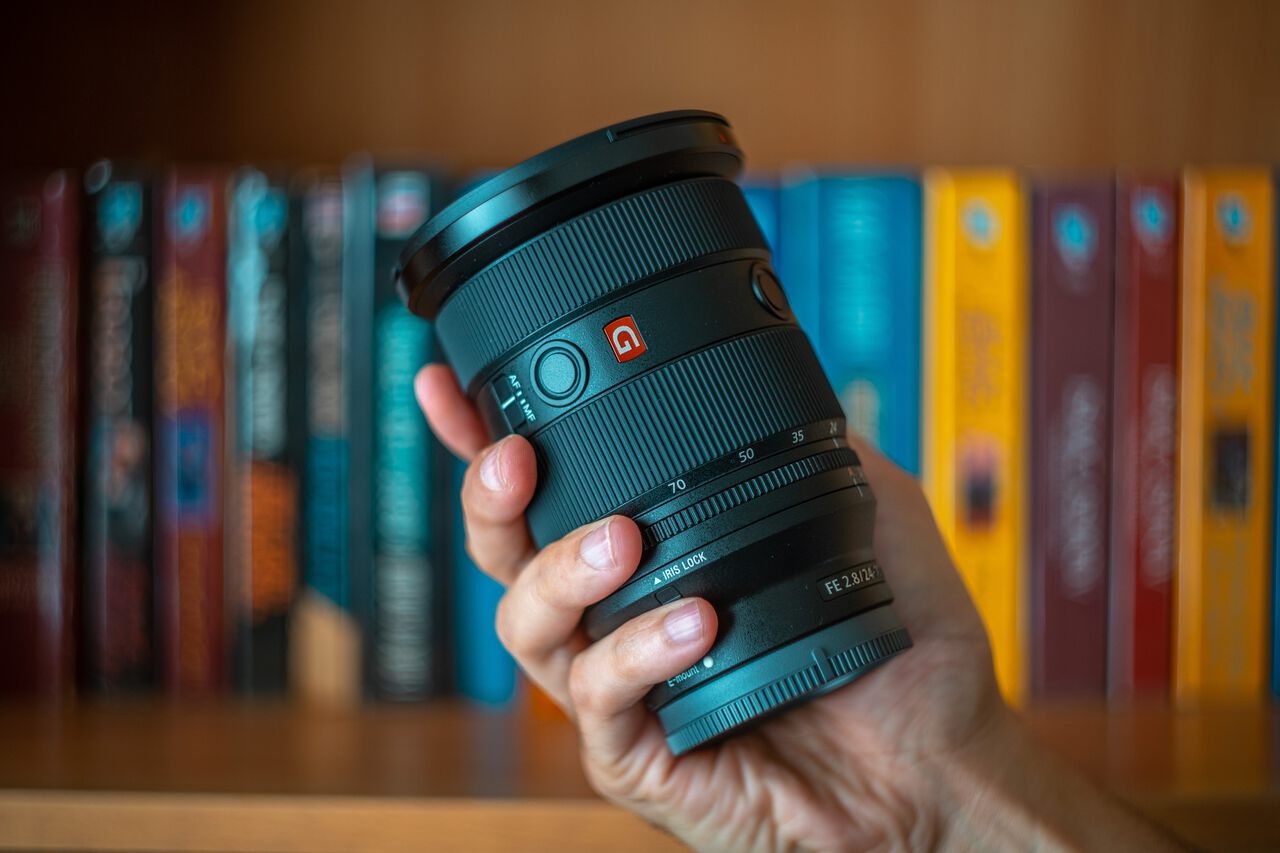
For Full-Frame Cameras: Sony FE 24-70mm f2.8 GM II lens is, hands down, the best all-around lens you can get for food photography. The lens covers the extremely useful focal range of 24mm to 70mm, allowing you to shoot wide overhead shots as well as tighter close-up shots of food.
The optical performance of the Sony FE 24-70mm f2.8 GM II lens is outstanding, featuring corner-to-corner sharpness, excellent build quality, and a fast aperture at F2.8. This lens allows for incredible subject separation, enabling captivating close-up shots of food with its ability to shoot in a shallow depth of field.
For those of you who are looking for one lens to do it all, this is the one to get. It is a little expensive, but considering its impressive versatility, I think you will definitely get your money's worth in no time.
To sum it up, this is the best lens to get if you are looking for one lens to rule them all.

- Light & Compact
- Excellent sharpness
- Fast autofocus
- Expensive
- No stablization
- Bad Barrel Distortion at 16mm
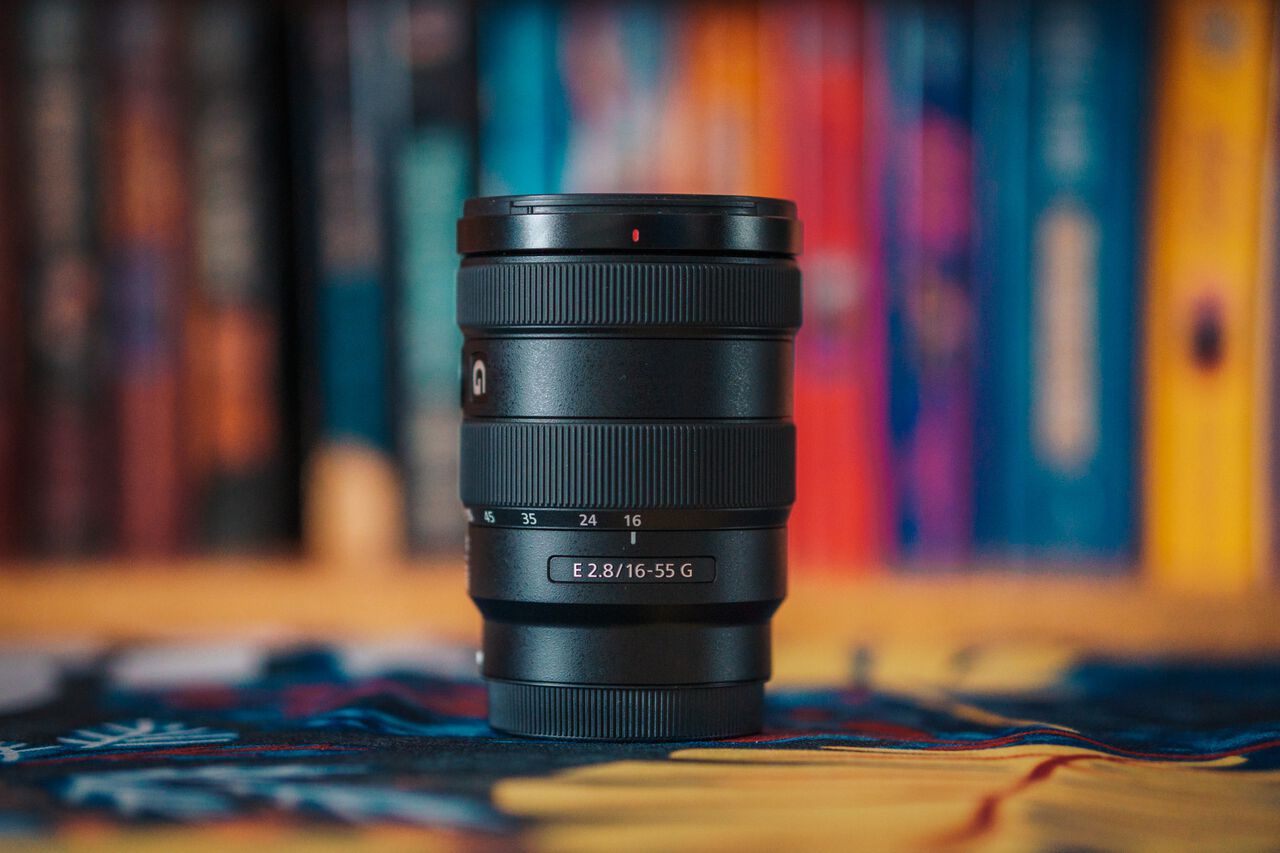
For APS-C Cameras: The Sony 16-55mm f2.8 lens is similar to the Sony 24-70mm F2.8 but is specifically designed for APS-C systems. It offers a comparable set of features to its full-frame counterpart, with a versatile focal range of 16-55mm, equivalent to 24-70mm on a full-frame camera.
It comes with a constant f2.8 aperture, is sharp edge-to-edge at all focal lengths, and produces excellent subject separation with its stunning bokeh effect. Basically, it incorporates all the impressive features of the Sony 24-70mm, but is built for the Sony a6XXX series of cameras. If you are looking for an all-purpose lens for your APS-C camera, click the link below for more details.
To sum it up, this is the best lens to get if you are looking for one APS-C lens to rule them all.

🥘 Best Lens for Overhead Shots
- Light & Compact
- Great built quality
- Fast autofocus
- Pricey for its class
- No stablization
- F 2.5 aperture might not be enough for some
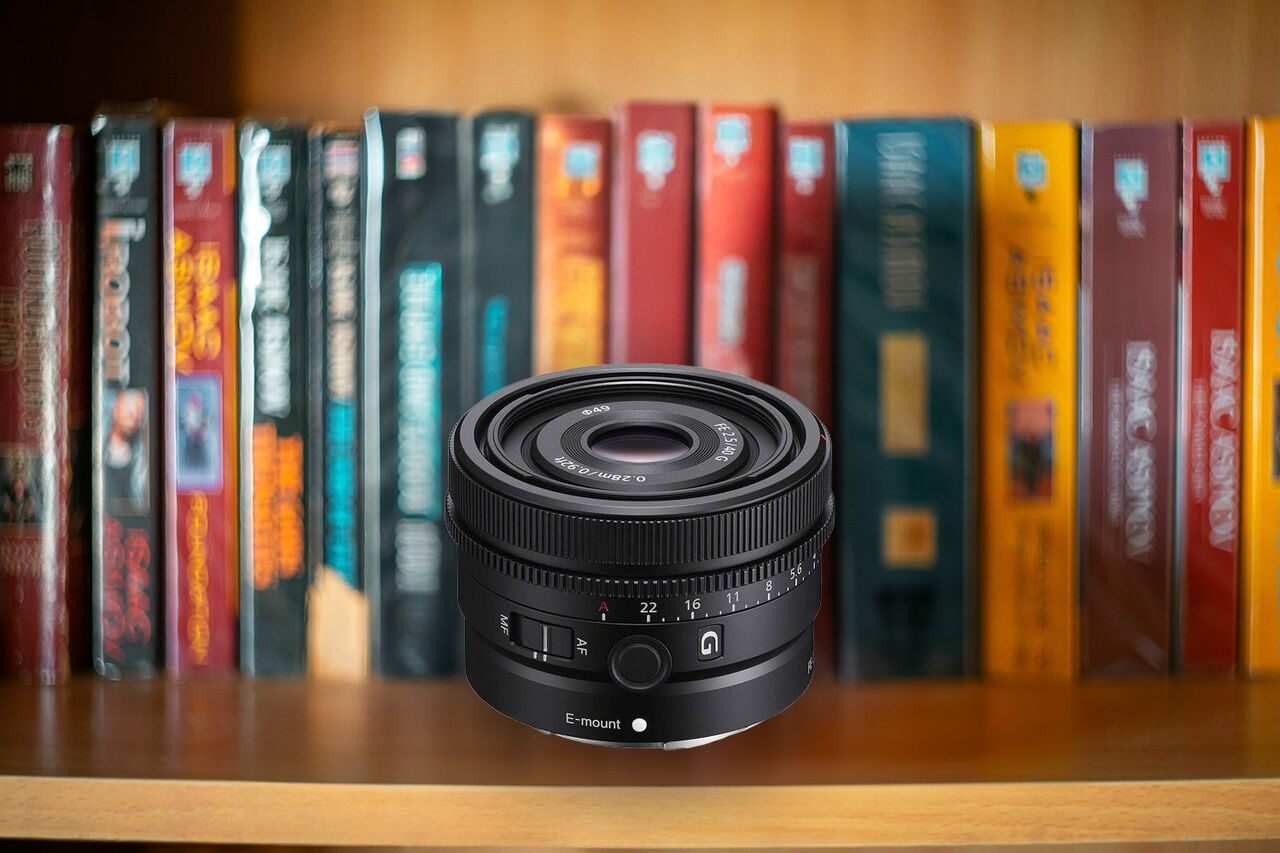
For Full-Frame Cameras: The Sony FE 40mm F2.5 G lens is one of my favorite lenses to use for overhead scene food photography. I often find myself using a lightweight lens with a focal length of around 35mm for such shots, and this Sony lens ticks all the boxes.
For one, this lens is extremely compact and lightweight, with the body measuring only about 43mm in length and weighing about 173 grams. This makes it easy to mount on your overhead rig. Although the 40mm focal length is not very wide, it is the most natural focal length that doesn't introduce unwanted distortion, which is often prevalent in lenses wider than 35mm.
It also has a focal length of F2.5, which is not as fast as other lenses like the Sony 35mm F.14 GM lens. However, for overhead shots, you do not need that fast of an aperture. You will probably be shooting at a higher aperture anyway to keep everything in focus, so you might as well save the money and invest it elsewhere.
If you are looking for an excellent food lens to shoot overhead shots that is light, compact, and relatively affordable, this is the lens for you.
To sum it up, this is the best lens to get if you are looking for a compact lens to shoot overhead shots.
- Light & Compact
- Fast aperture
- Affordable
- Not as sharp
- No stablization
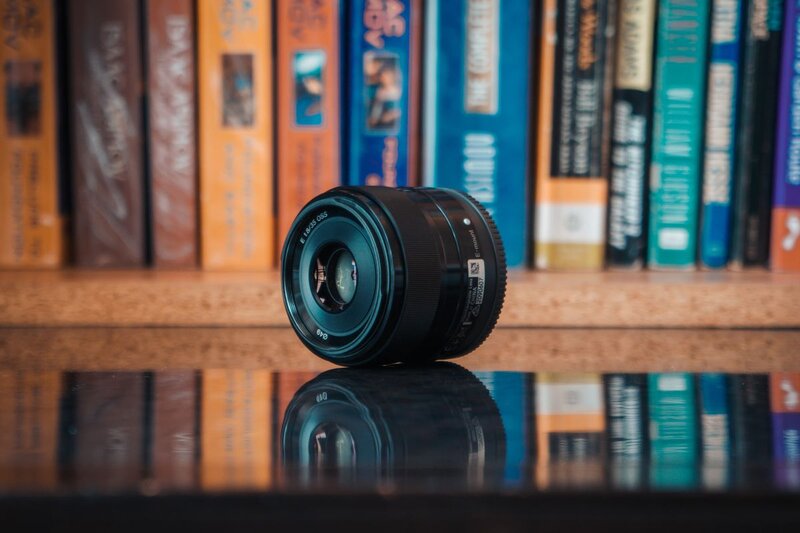
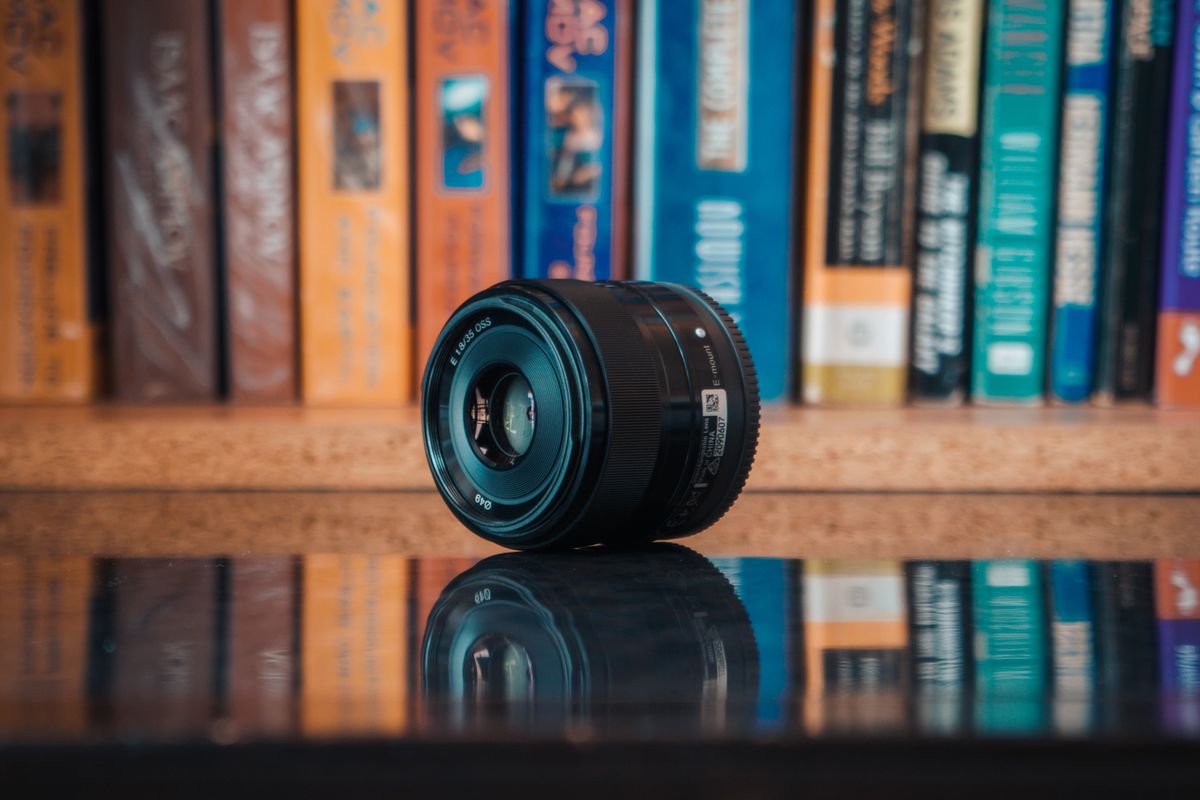
For APS-C Cameras: There are not many great APS-C lenses in the 24mm range (35mm equivalent on full-frame) that don't have distortion. However, if you don't mind going a little tighter to about 35mm (50mm equivalent on full-frame), the Sony 35mm f1.8 is definitely a great option for you.
The Sony 35mm f1.8 has a focal length of 35mm, equivalent to 52mm on a full-frame camera. While it may be a bit tight, it is still an excellent lens for overhead shots as it doesn't introduce any distortion. It is extremely compact and is optically superior to most lenses in this range. Click the link below for more details:
To sum it up, this is the best lens to get if you are looking for a compact APS-C lens to shoot overhead shots.
🔍 Best Lens for Close-Up Shots
- Affordable
- 1:1 True Macro Magnification
- Sharp
- Lack Image Stabilization
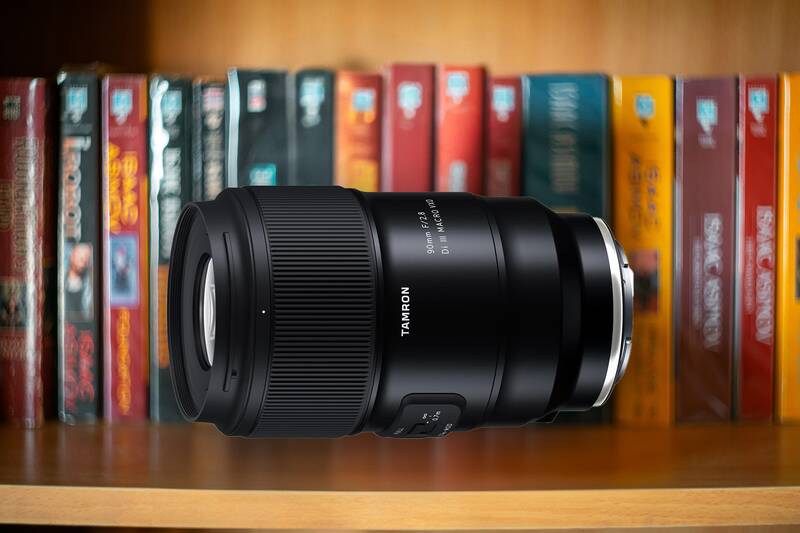
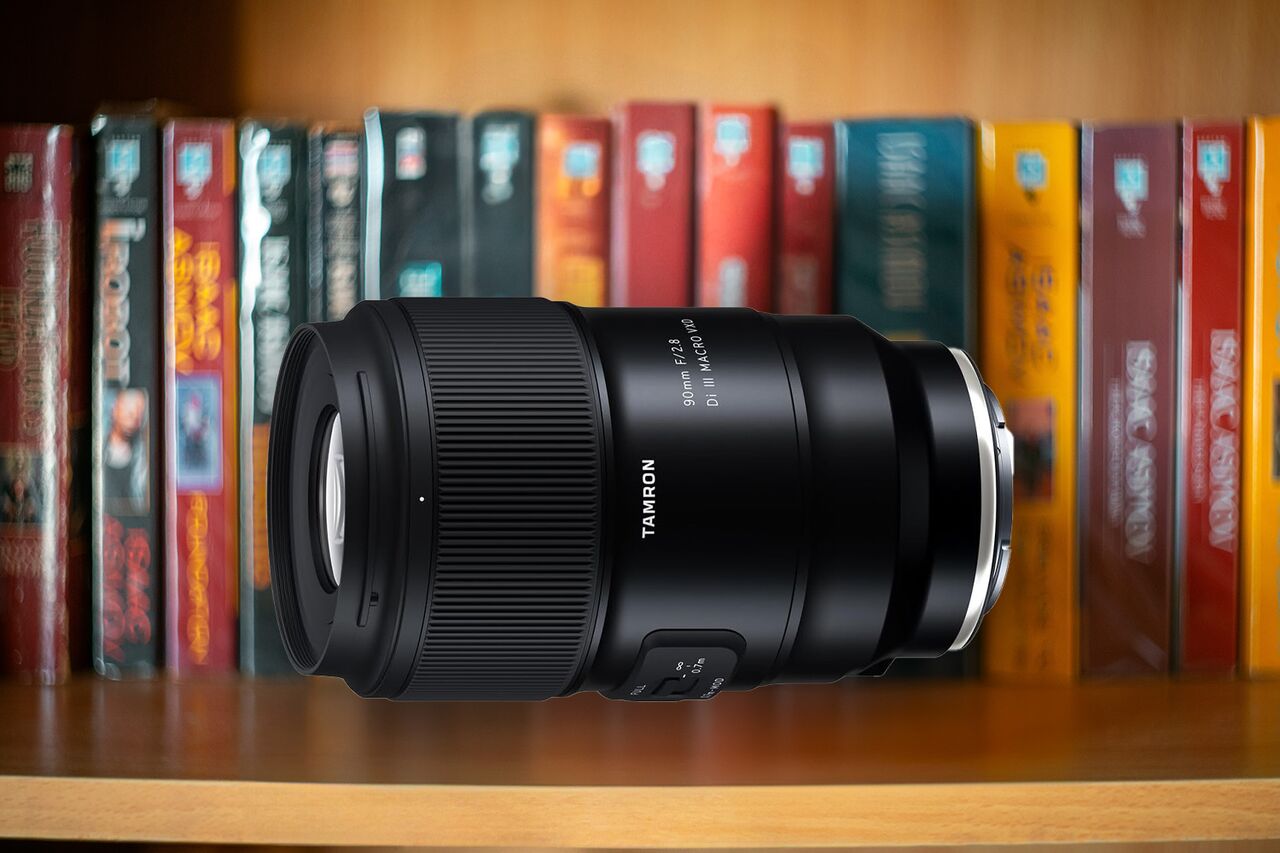
For full-frame cameras: If you are looking for a lens to shoot close-up shots of food, we now have the option to choose between the OG Sony FE 90mm F2.8 Macro G OSS lens or the more modern and affordable Tamron 90mm F/2.8 Di III VXD 1:1 Macro Lens and I think Tamron is a much better deal for food photography, especially if you have a full-frame camera.
This Tamron lens checks all the boxes for macro photography enthusiasts. It offers true 1:1 magnification, allowing you to capture life-sized images of your subject directly on the camera sensor, perfect for getting extremely close to food and revealing stunning detail without losing focus. It delivers excellent sharpness, comes in a lighter and more compact body, and includes modern features that the decade-old Sony 90mm macro lens lacks. Best of all, it’s available at a more affordable price point than the Sony.
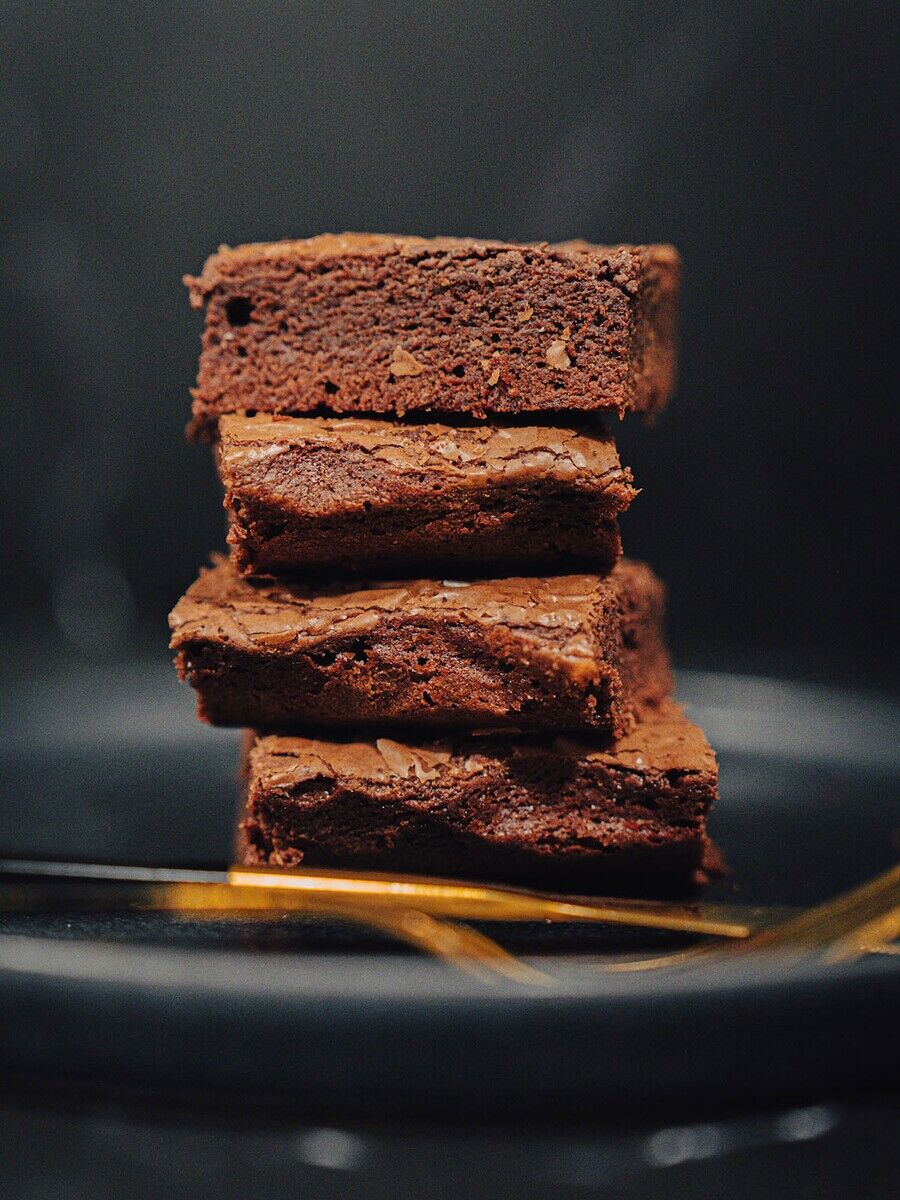
It has a close focusing distance of 23.1 cm (9.1 inches), which is shorter than the Sony’s, and features a fast f/2.8 aperture that delivers excellent sharpness, essential for close-up photography. It is an incredible lens with a very specific function that no other lens on this list can replicate.
One thing the Tamron lacks is built-in optical image stabilization. However, most modern Sony full-frame cameras now feature IBIS (in-body image stabilization), so this shouldn’t affect your macro shooting experience. If you’re just getting started with macro food photography, this lens is an excellent choice to begin with. For the latest price, be sure to check it out using the link below:
To sum it up, this is the best macro lens to get for close-up shots of food.
- Incredible macro performance
- Fast aperture
- Affordable
- Big and clunky
- Loud and old autofocus system
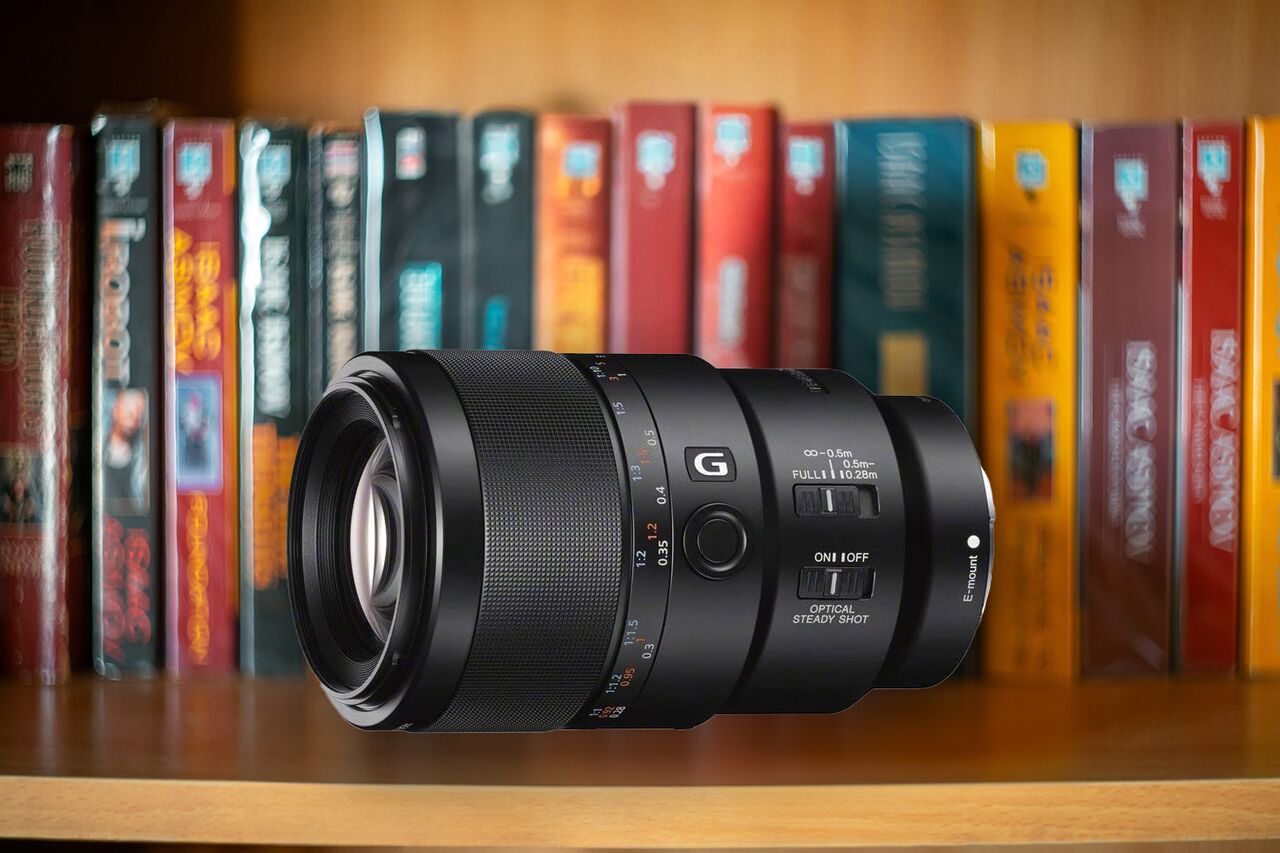
For APS-C cameras: This is a hard one. Although there are a handful of macro lenses designed specifically for APS-C cameras, they have not all been updated for years. Many of these lenses, like the Sony 35mm F3.5, are based on old technologies and cannot keep up with newer APS-C cameras like the Sony a6700.
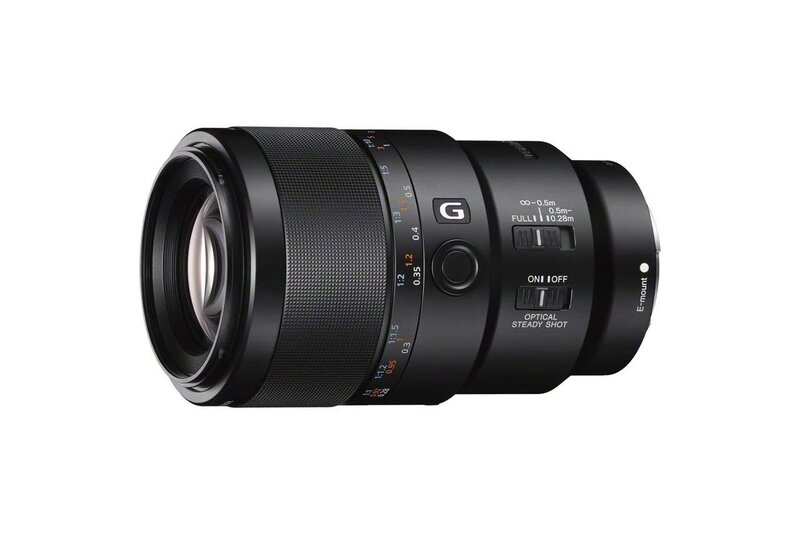
Third-party lenses are also not as great, with the Sigma 70mm F2.8 lens being released way back in 2018, and the technology it is based on is from an even older DSLR era. That is why I would still recommend you to get the Sony FE 90mm F2.8 Macro G OSS lens even if you are on the Sony APS-C system.
With the APS-C magnification factor of 1.5, a 90mm lens effectively becomes 135mm, making it noticeably tighter. However, since many Sony APS-C cameras lack IBIS, a lens with built-in optical stabilization is essential. The Sony 90mm Macro lens is the only one that’s truly reliable, offering image stabilization, and excellent sharpness. The trade-off is definitely worthwhile compared to the subpar performance of other macro lenses.
When it comes to food photography, you can always “zoom out” with your feet. So if you're looking for a macro APS-C lens to shoot food, the Sony FE 90mm F2.8 Macro G OSS lens remains the best option, especially if you're using a Sony APS-C camera without IBIS. However, if your camera does feature in-body image stabilization, you might want to consider the Tamron 90mm F/2.8 Di III VXD 1:1 Macro Lens instead.
To sum it up, this is the best lens to get if you're looking for a stabilized macro lens for APS-C cameras to capture high-quality close-up shots.
Disclaimer: This post may contain affiliate links. See our disclosure policy.
First Published:
Last updated: