



Out of all the cities I've visited in Mexico, Oaxaca is probably the one I wouldn't mind living in. There is something about this city that just feels right to me. The laid-back atmosphere, incredibly creative scene, friendly locals, and the sheer amount of art, handicrafts, and independent artisan shops make it exactly the kind of place I look for when traveling.
There's also the incredible food here. From tlayudas and complex mole to local mezcal and excellent coffee, Oaxaca really has it all. Combine that with the creative energy, relaxed pace, and genuinely friendly people, and it's no wonder why this has become my favorite city in Mexico.
In this Oaxaca travel guide, I'll cover the best things to do, where to stay, how to get around, when to visit, how many days to spend, where to eat, and the best day trips from Oaxaca, based on my own experience exploring the city and surrounding area.

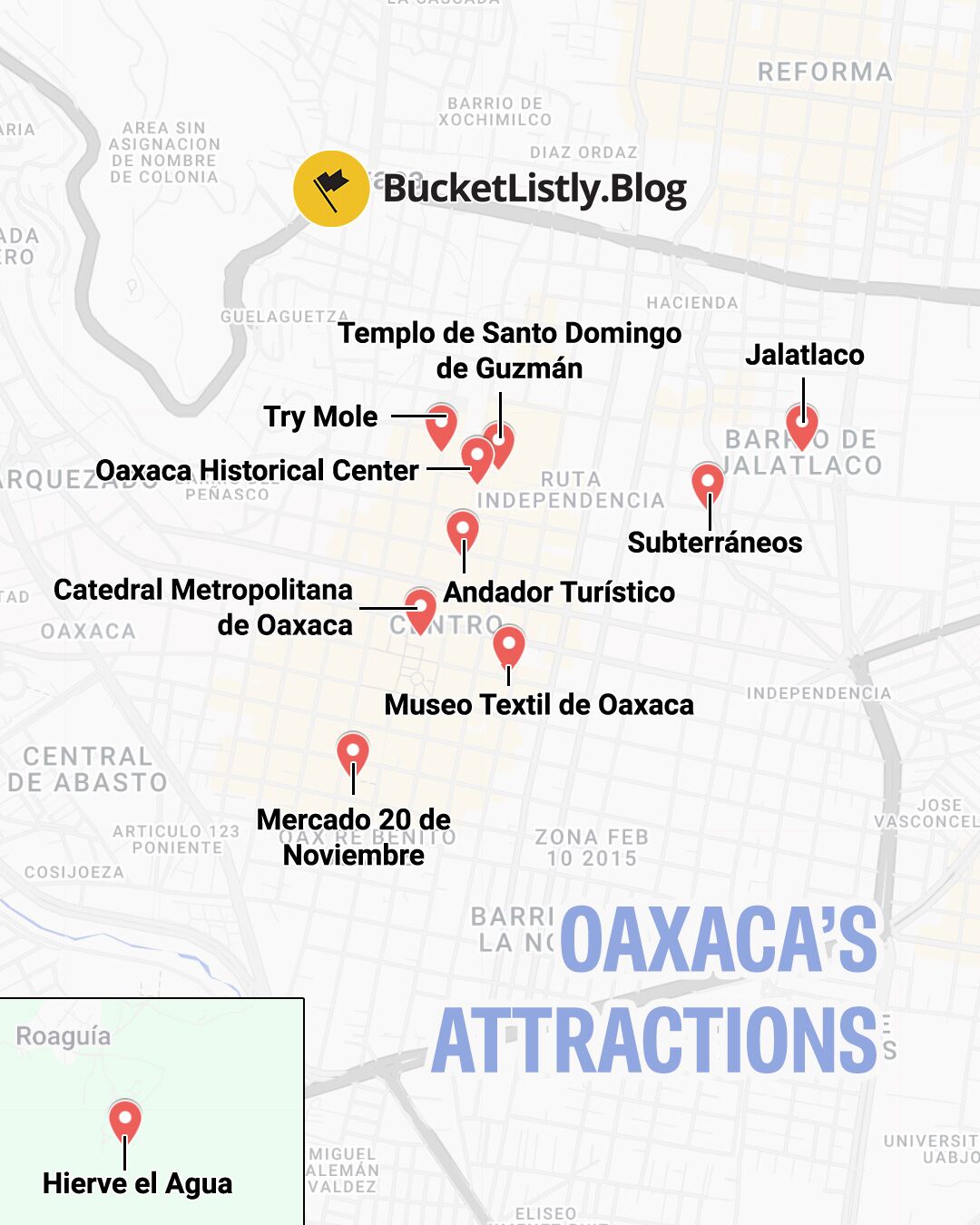
Map of Oaxaca's Attractions
Quick Summary
| 👍 Must Do: | Andador Turístico |
|---|---|
| 🥘 Place to Eat: | Mercado 20 de Noviembre |
| ☀️ Great Day Trip: | Hierve el Agua |
| 🛌 Place to Stay: | Hotel Casona Oaxaca |
10 Experiences I Think Are Worth It in Oaxaca
1. Stroll Along Andador Turístico in the Evening
- 📍 Location: Andador Turístico [Map Link]
- ⚡ Pete's Take: "Come back in the evening to enjoy the lively atmosphere and local celebrations."
One of the best ways to explore Oaxaca is simply to stroll along Andador Turístico, the pedestrianized stretch of Calle Macedonio Alcalá that runs through the heart of the historic center. It connects the Zócalo in the south with the magnificent Templo de Santo Domingo in the north, which makes it a great place to begin your exploration in Oaxaca.
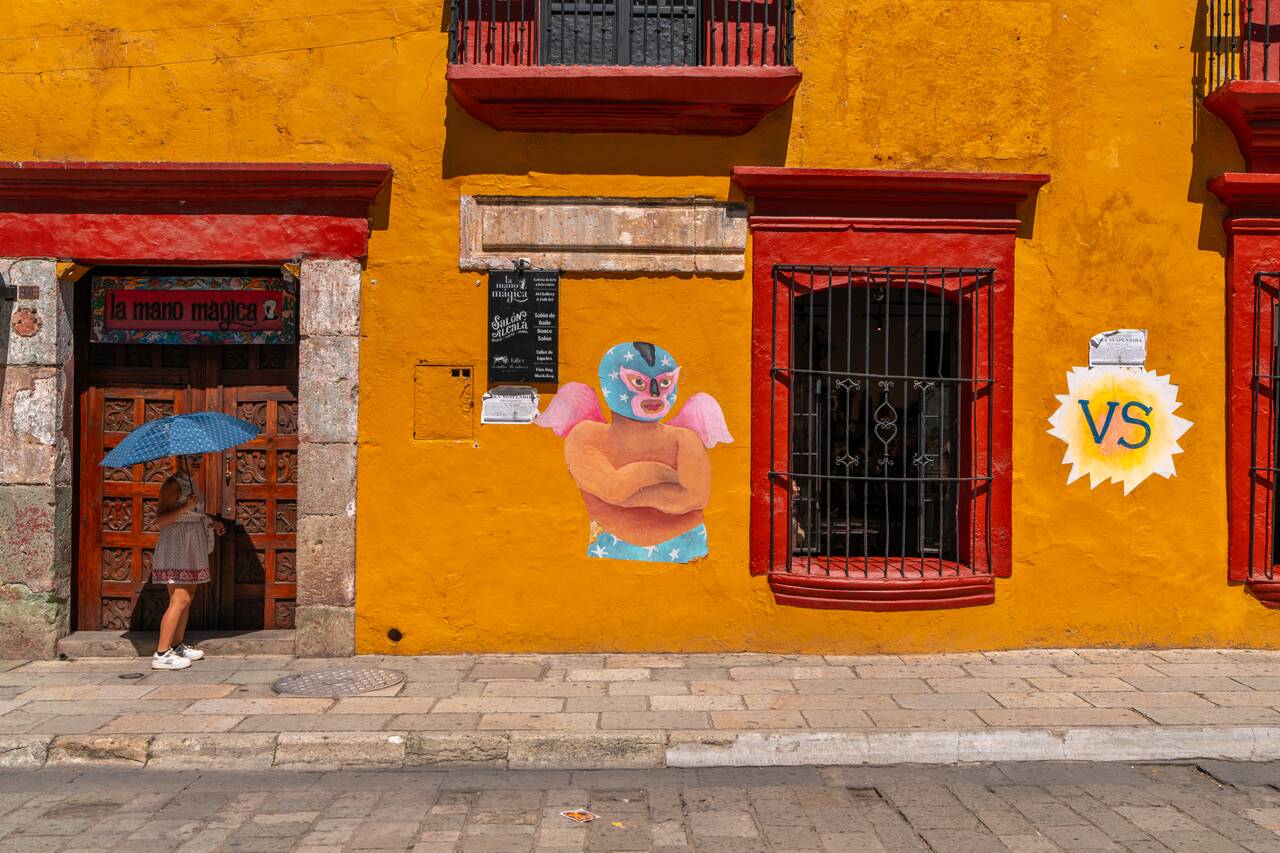
The street itself is lined with beautiful colonial buildings, galleries, artisan shops, textile stores, cafés, restaurants, and mezcal bars, so there is plenty to stop and browse along the way.
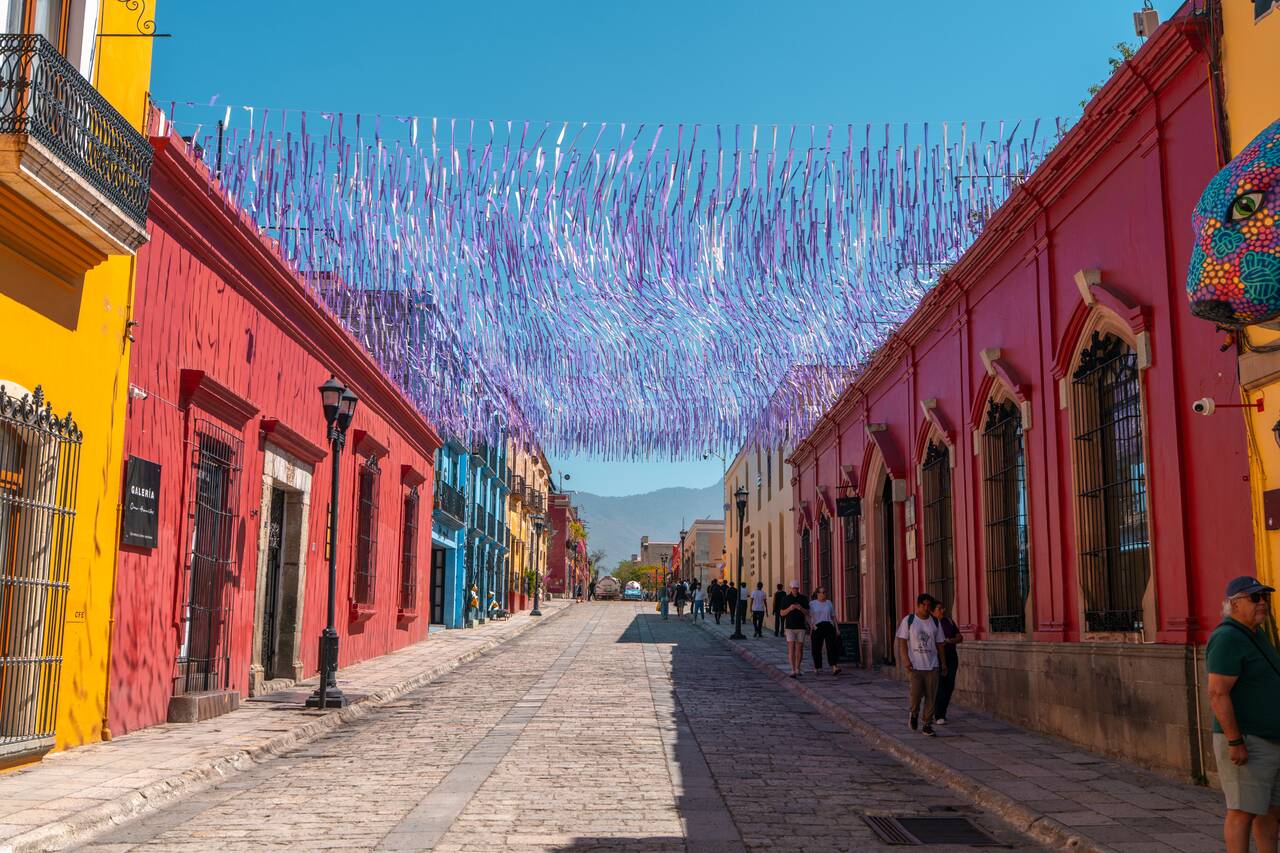
During the day, the Andador feels relatively relaxed. You'll see people shopping for local handicrafts, browsing art galleries, stopping for coffee, or sitting down for a meal. Keep an eye out for textiles and handmade crafts here, as there are plenty of shops selling locally made products along the street and the surrounding side streets.
- Viajero Oaxaca Hostel (Budget)
- Hotel Casona Oaxaca (Mid-Range) 👍 Top Pick
- Quinta Real Oaxaca (High-End)
- Gastronomic Safari in Oaxaca Market (3 hours)
- Half-Day to Hierve el Agua Tour with Admission Included (half-day) 🏅 Top Pick
- Tule tree, Mitla and Hierve el Agua tour (Full-day)
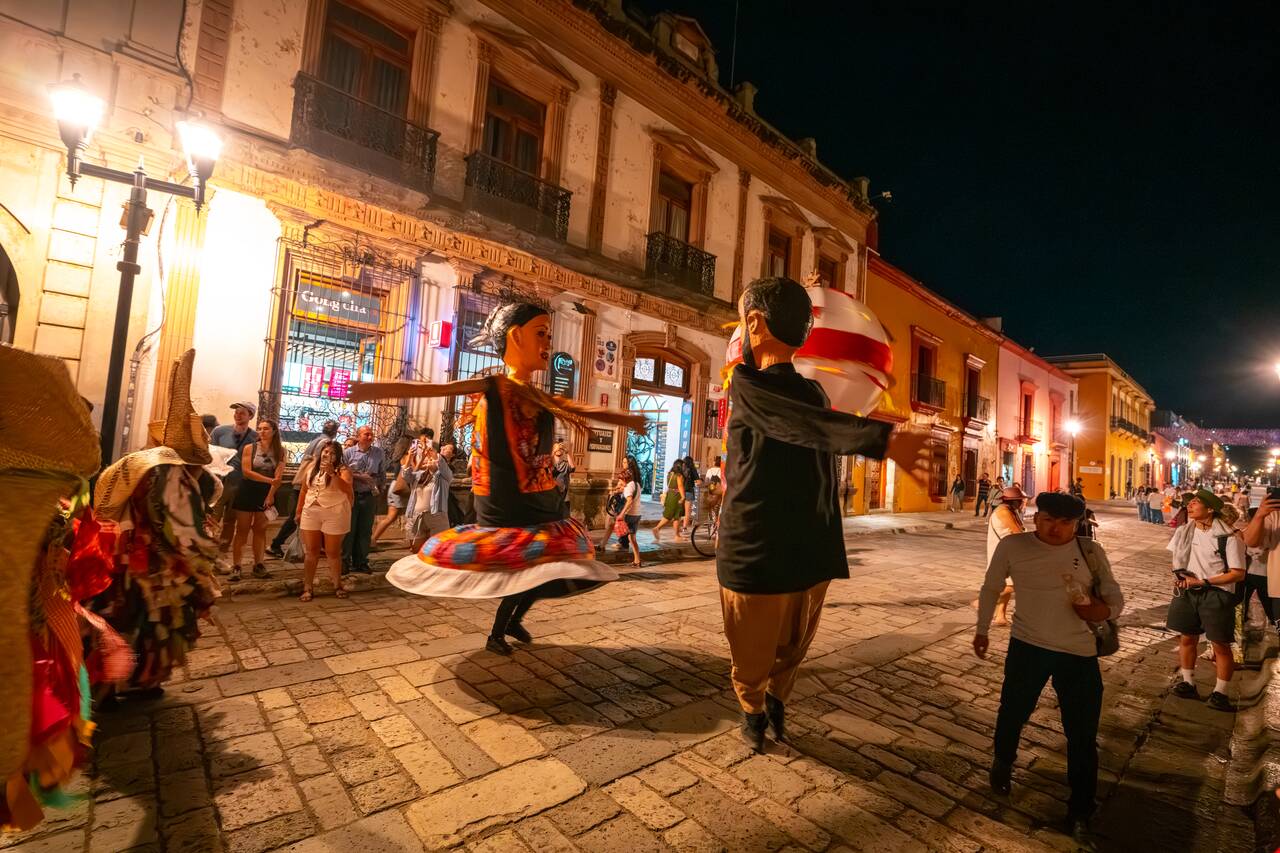
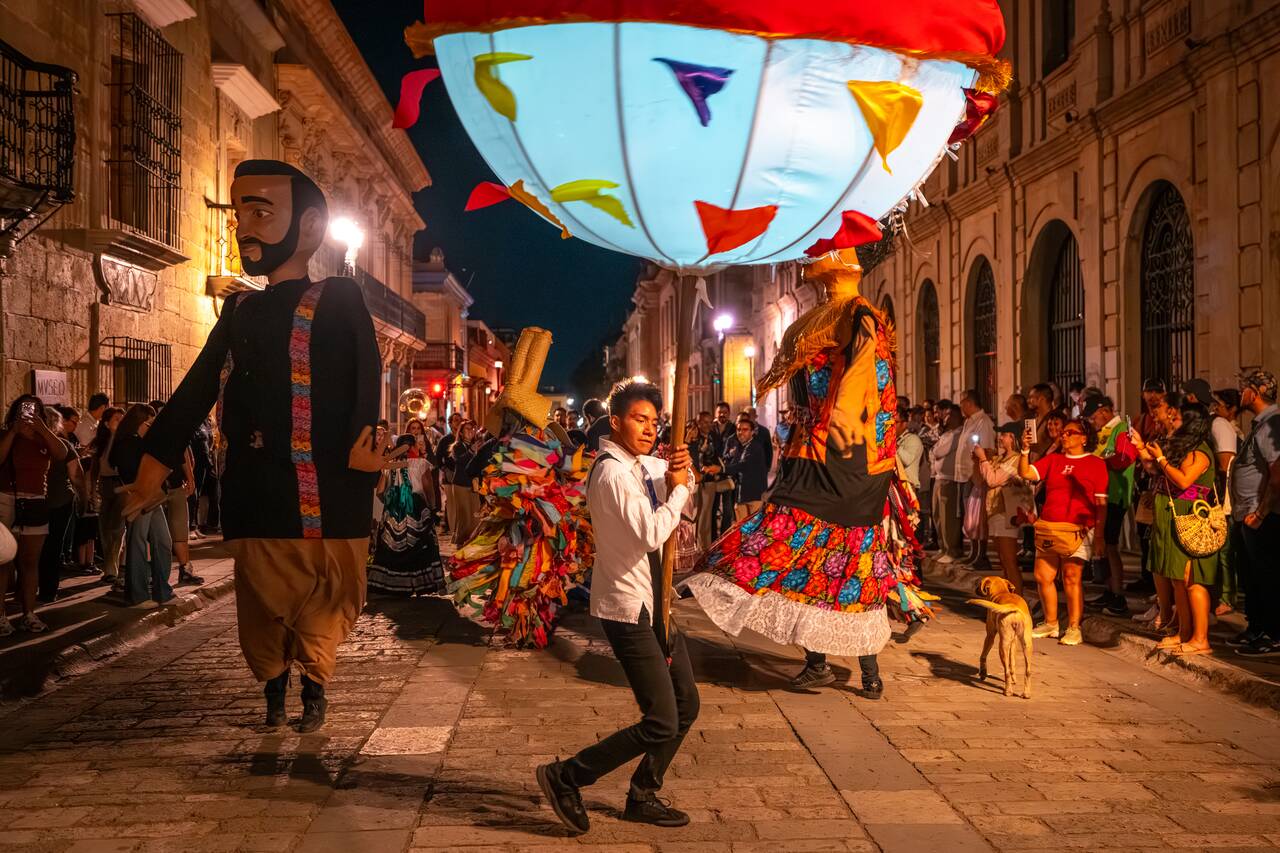
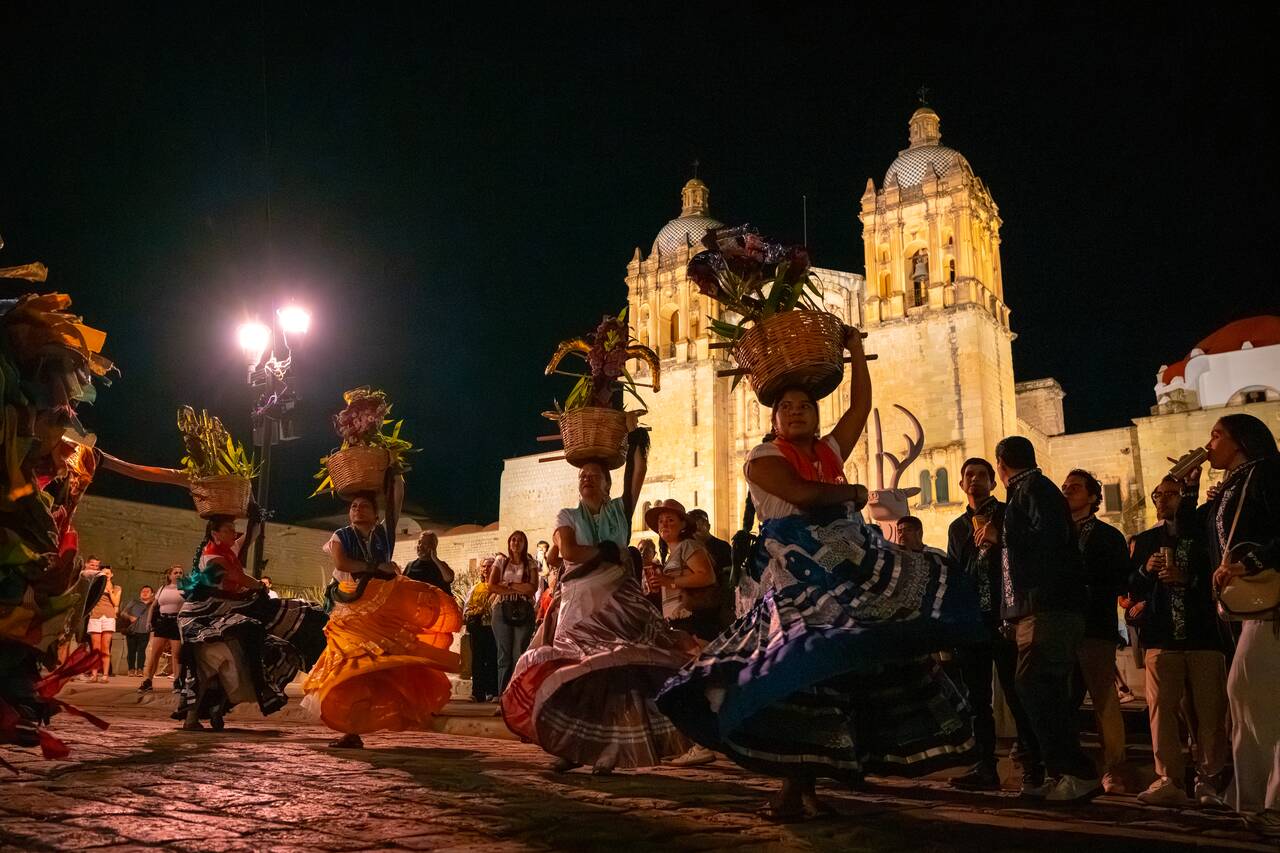
That said, I think the street really comes alive in the evening, when the cafés and restaurants fill up, street performers come out, and locals gather to enjoy the cooler evening air. You never quite know what you'll stumble upon here, and that was exactly what happened to me.
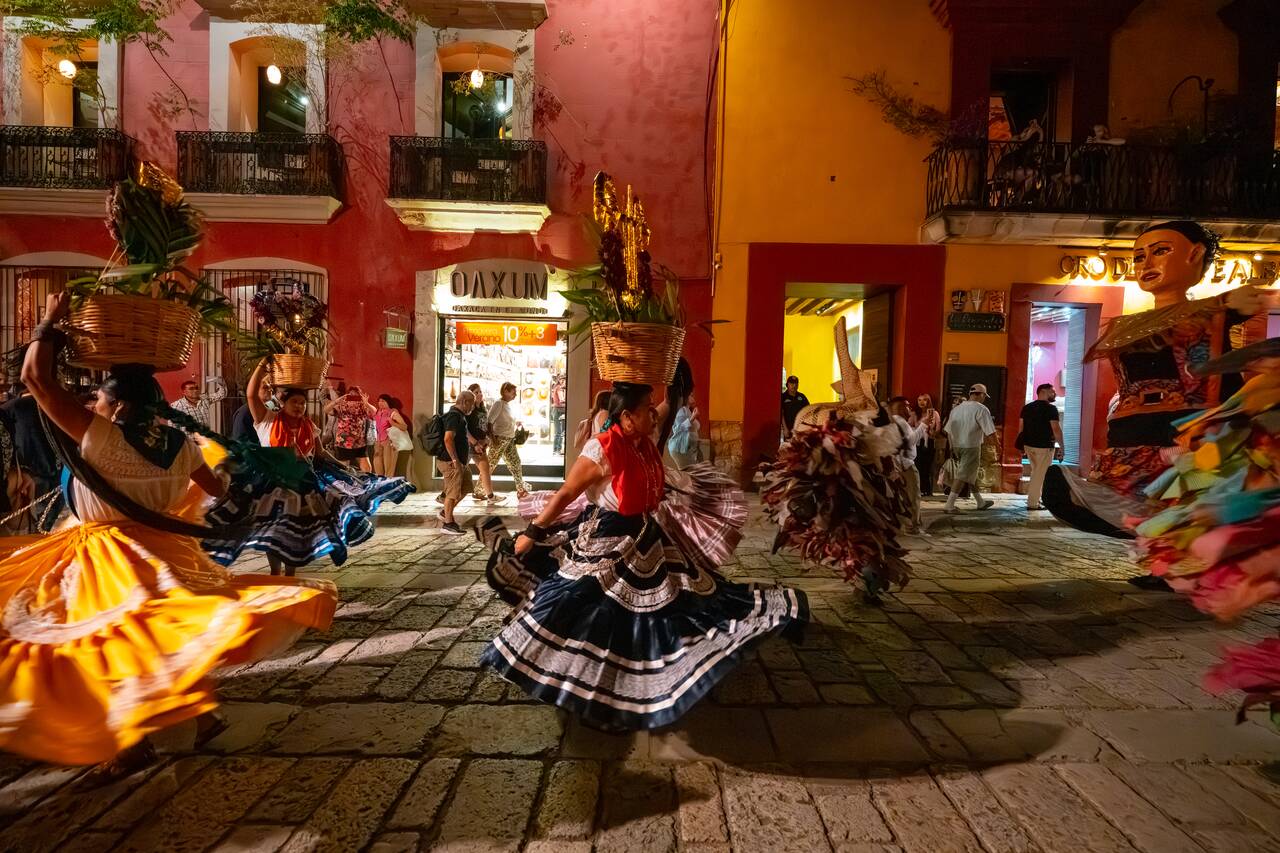
I randomly stumbled upon a local parade with massive colorful figures dancing and spinning through the street, accompanied by a group of local performers dressed in traditional clothing, and a bit of fireworks. They danced their way up and down Andador Turístico while people gathered around to watch, and before long, the whole street felt like one big celebration.
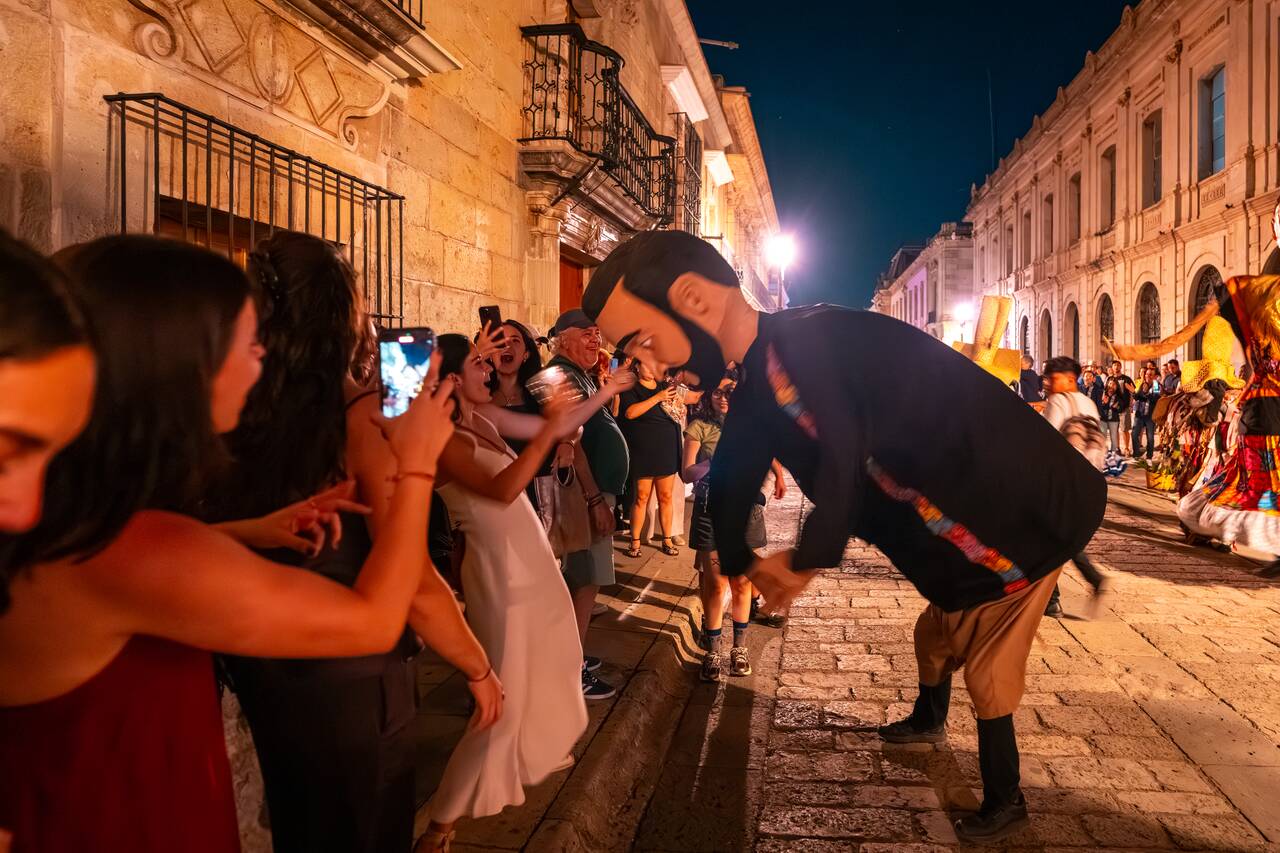
Honestly, it was probably the most fun I had in Mexico! 😆 It was such a great reminder of just how fun, welcoming, and friendly the locals in Oaxaca are. So don't just walk through the Andador to get from one attraction to another. Come back in the evening, take your time, grab a drink or some food, and see what happens. You never know what kind of celebration you might stumble upon!
Where to Stay in Oaxaca?


2. Eat Your Way Through Mercado 20 de Noviembre
- 📍 Location: Mercado 20 de Noviembre [Map Link]
- 🕐 Opening Hours: 7 AM - 7 PM
- 🏄 Tour: A guided foodie tour
- ⚡ Pete's Take: "Try tlayuda, or, if you're traveling in a group, go for grilled meat at the Smoke Hall."
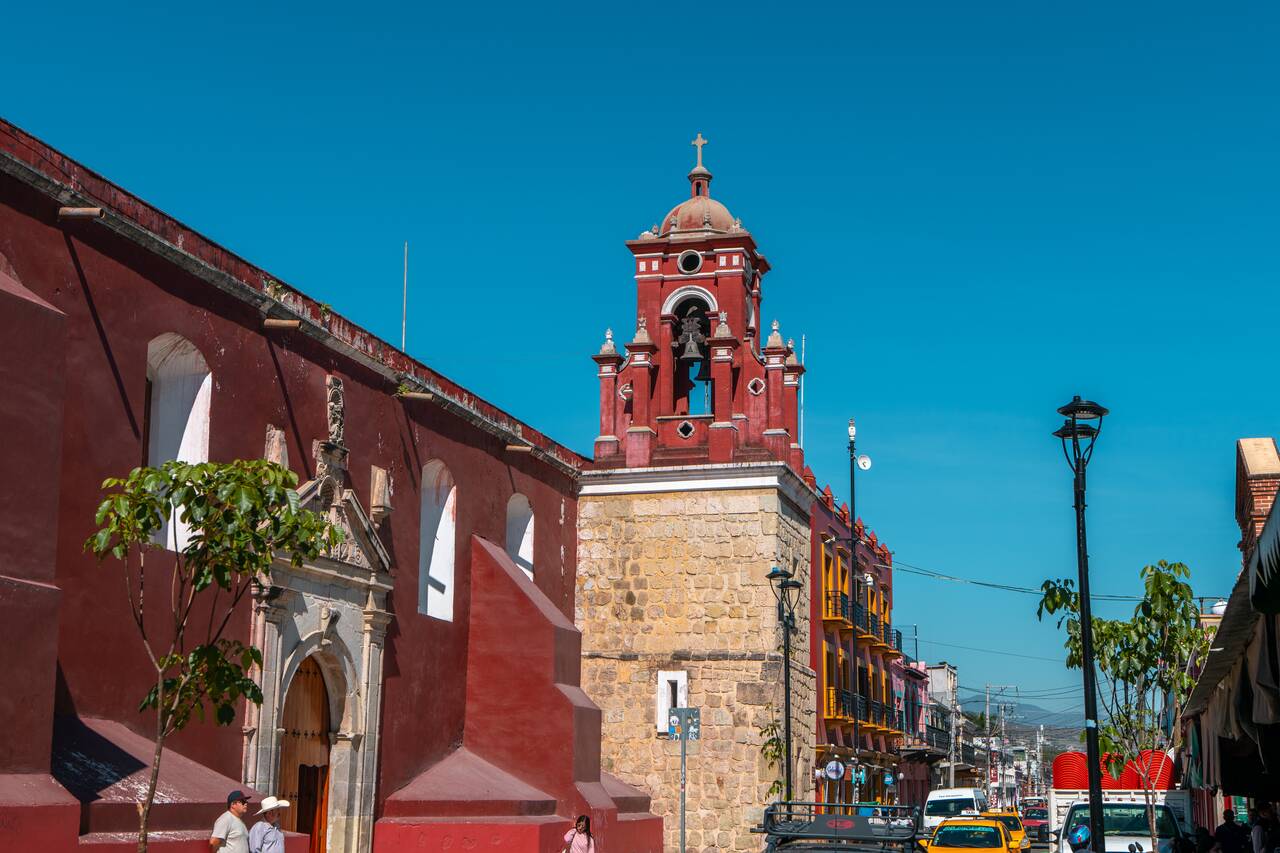
If you want to dive straight into Oaxaca's food scene, which is incredible by the way, head to Mercado 20 de Noviembre, one of the city's most famous traditional food markets. It's a great place to wander around and try all kinds of Oaxacan dishes, from mole and memelas to chocolate, pan de yema, and, of course, the legendary tlayuda.
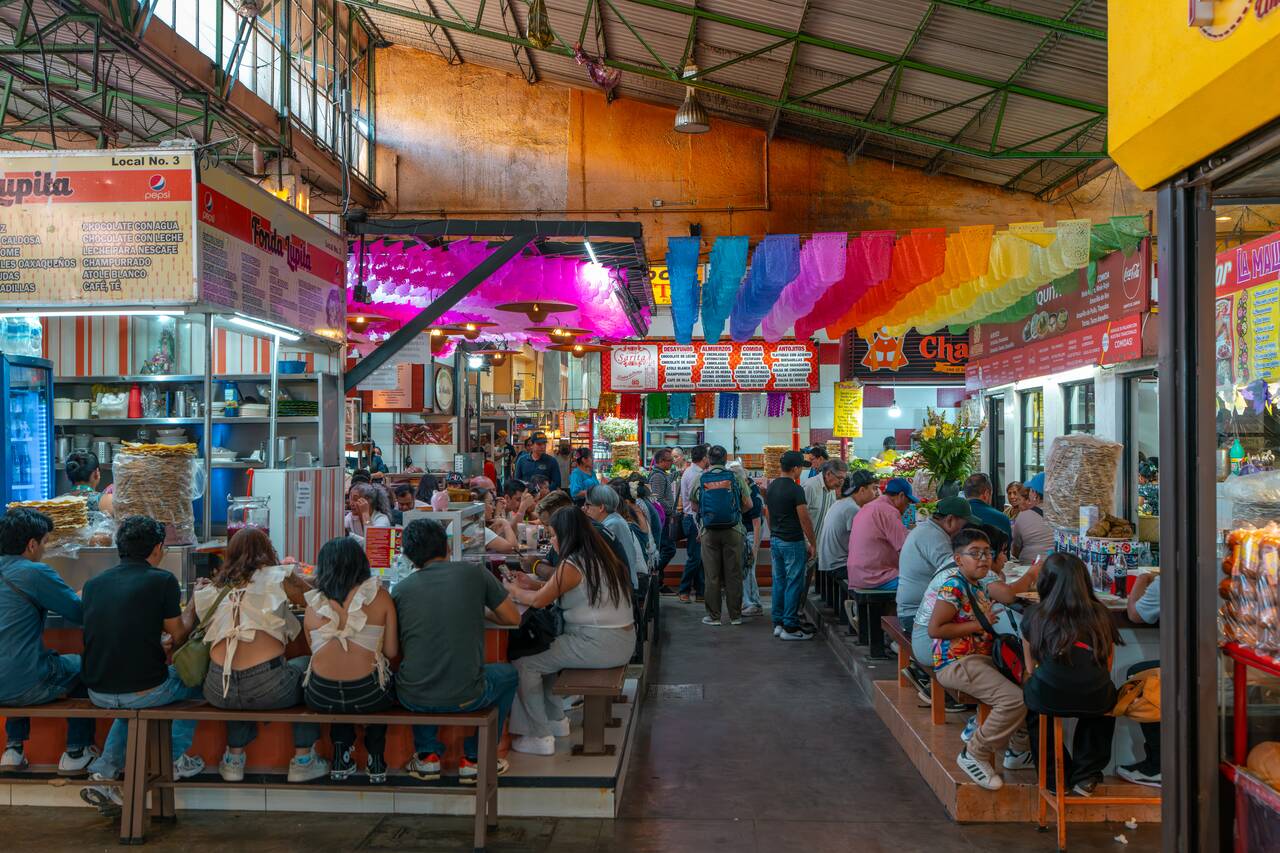
The market has been a part of Oaxaca's food culture for decades and is still a popular meeting place for locals and visitors alike. You can also join a guided foodie tour, where a local guide can explain the different dishes and ingredients while taking you around to sample some of the market's specialties.

I came here specifically to try a tlayuda, one of Oaxaca's most iconic dishes. It's essentially a large, crispy tortilla topped with ingredients such as beans, quesillo, meat, avocado, and salsa, and it's absolutely delicious. There are plenty of stalls around the market serving them, so just pick whichever one catches your eye and give it a try.
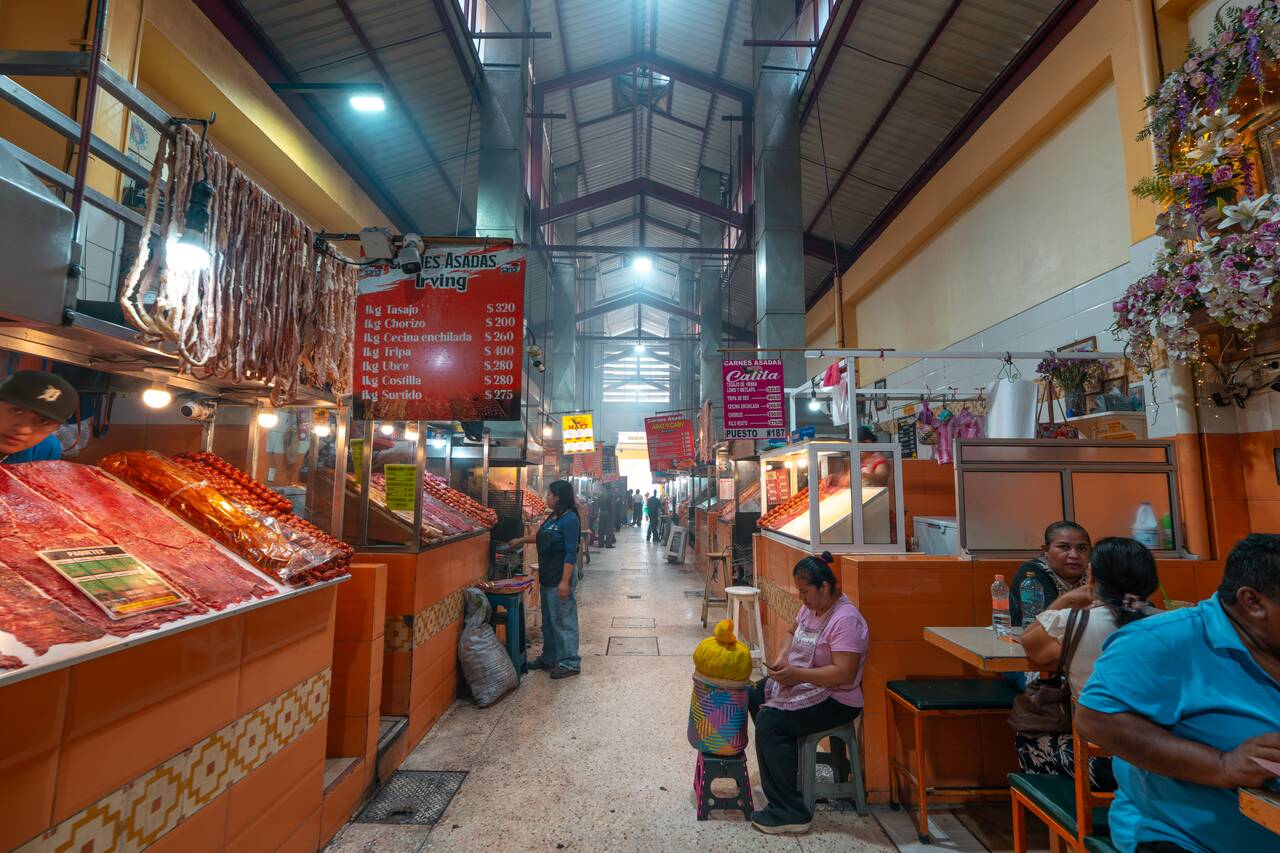
But the real spectacle here is the Pasillo de Humo, or "Smoke Hall," a narrow corridor packed with vendors grilling meat over charcoal. You'll see tasajo, cecina, chorizo, and other cuts of meat sizzling over open fires while smoke fills the corridor and the smell of charcoal follows you around the market.
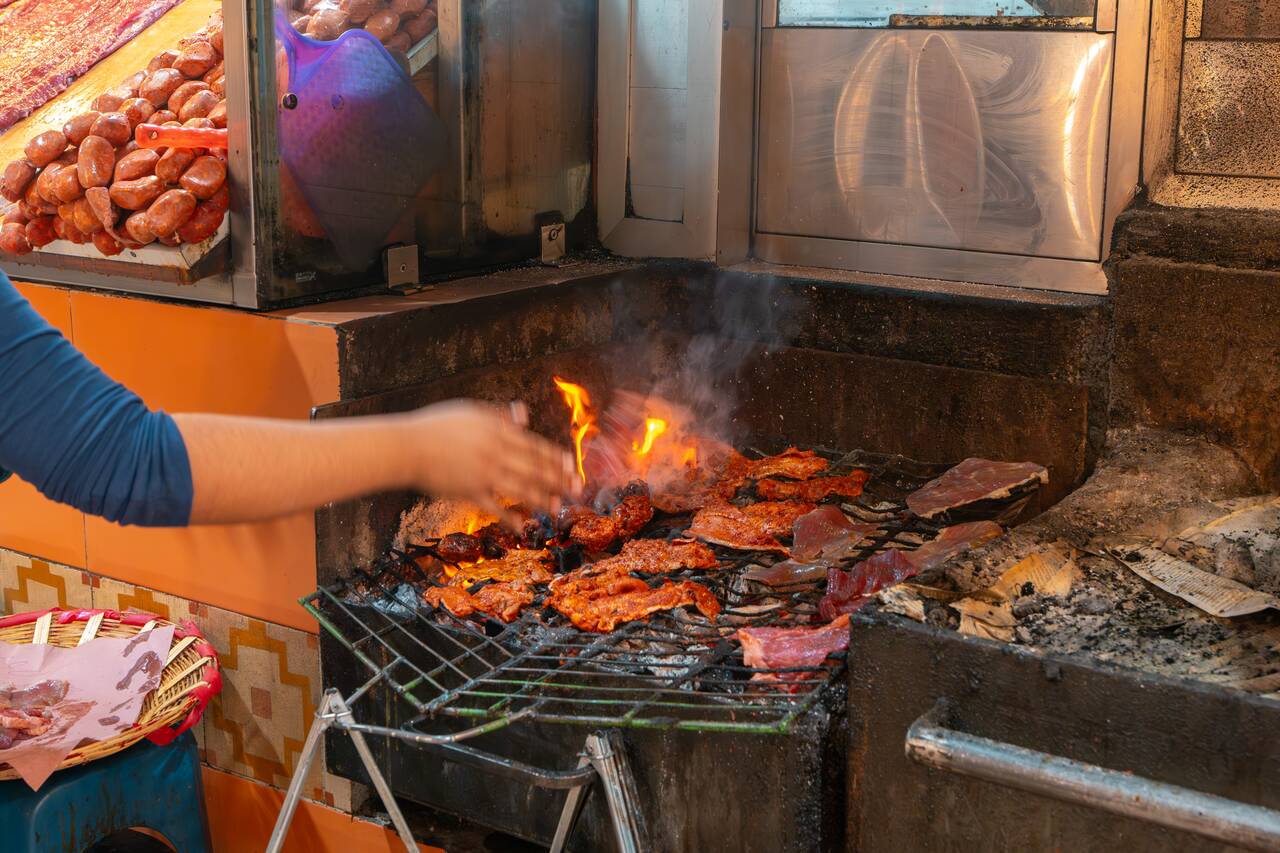
You can choose your meat and have it grilled right in front of you, then enjoy it with freshly made tortillas, grilled onions, salsa, and other accompaniments. This is a great option if you are a big group and can share the grill meat with one another. It was a bit too much for me as I was traveling solo, so I went with tlayuda instead.
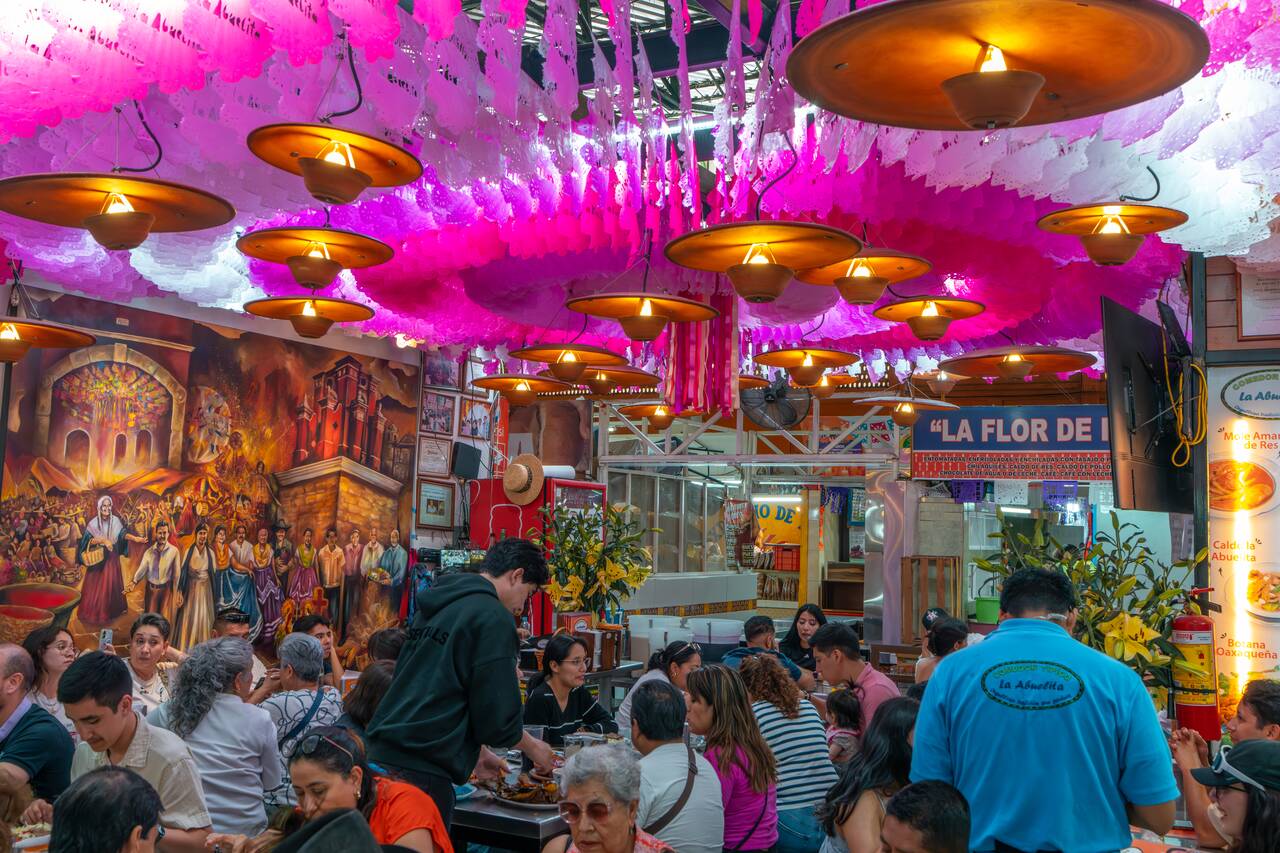
Even if you're not particularly hungry, I still recommend walking through the Pasillo de Humo just to experience it. It's smoky, noisy, chaotic, and incredibly atmospheric, in other words, exactly what I love about wandering through Mexican markets. Just be prepared to come out smelling a little bit like grilled meat! 😆 The market is open from 7 AM to 7 PM daily.
3. Try Mole
- 📍 Location: Oaxaca Te Amo [Map Link]
- ⚡ Pete's Take: "If you're new to mole, start with mole negro for a great introduction to Oaxacan cuisine."
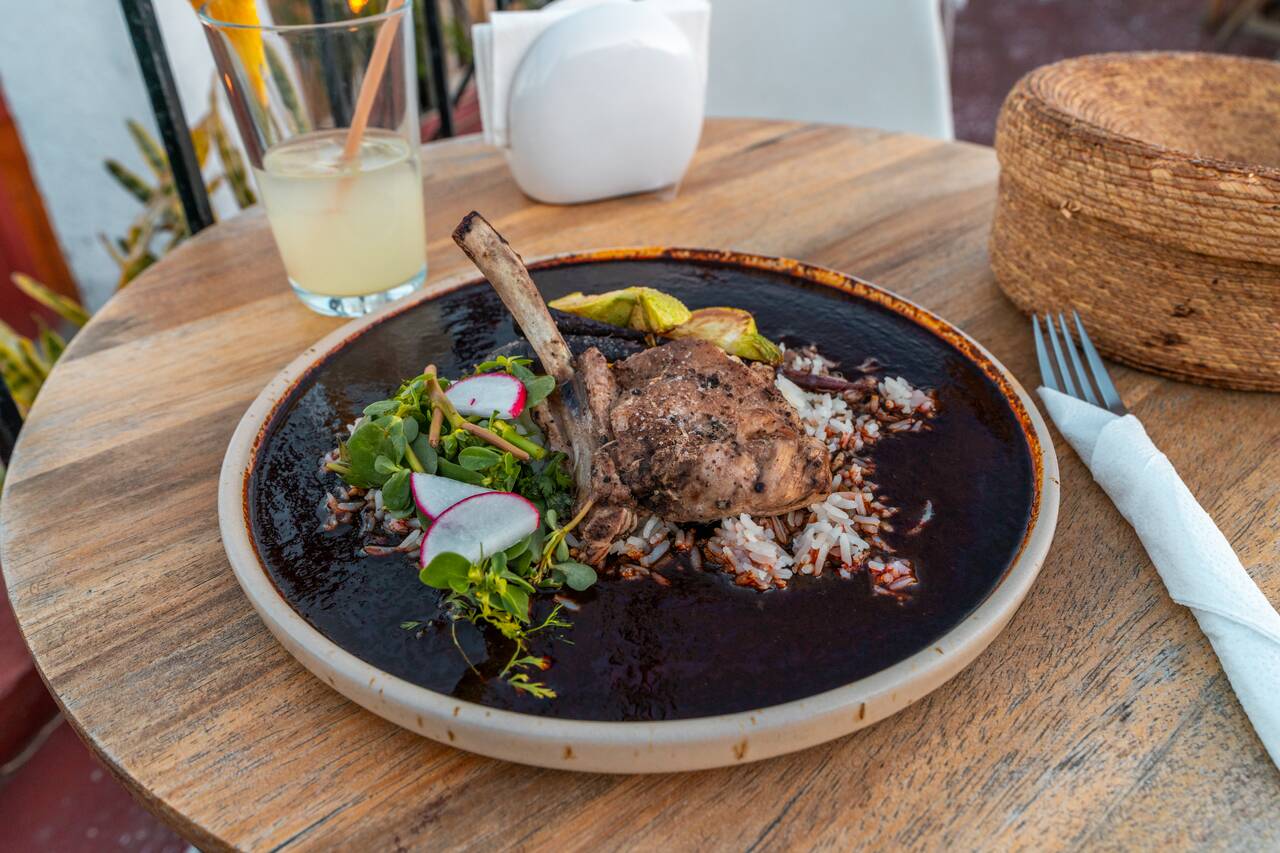
Talking about Oaxacan cuisine, you can't really leave without trying mole. Rather than being a single sauce, mole is a family of complex sauces made by combining ingredients such as dried chiles, spices, seeds, nuts, herbs, and sometimes chocolate, which are toasted, ground, and slowly cooked together.
The result is incredibly rich and thick, with flavors ranging from smoky and slightly bitter to sweet, earthy, spicy, and herbal. Oaxaca is famously known as the “Land of Seven Moles”, with the most recognized varieties being negro, rojo, coloradito, amarillo, verde, chichilo, and manchamanteles.
Each one tastes quite different. Mole negro is the dark, rich, smoky variety, often with a subtle sweetness from chocolate and dried fruit. Coloradito is milder and slightly sweet, while rojo is bolder and more chile-forward. My Mexican friend urged me to try mole here, as she said it can be an acquired taste. Coming from Thailand, where we're used to bold and complex flavors, I was intrigued!
I tried the mole negro at Oaxaca Te Amo, and I really liked it. The sauce was incredibly deep and flavorful, with that wonderful combination of smoky, slightly bitter, savory, and subtly sweet flavors that kept changing with every bite.
It reminded me so much of the variety of flavors you often get in a single Thai dish! If you're new to mole, I'd definitely recommend starting with mole negro—it gives you a good idea of why this dish is such a big part of Oaxaca's culinary identity.
4. Hang Out at Oaxaca Historical Center
- 📍 Location: Oaxaca's Historic Center [Map Link]
- ⚡ Pete's Take: "Come in the afternoon and evening. It's very lively after sundown. Perfect for people-watching!"
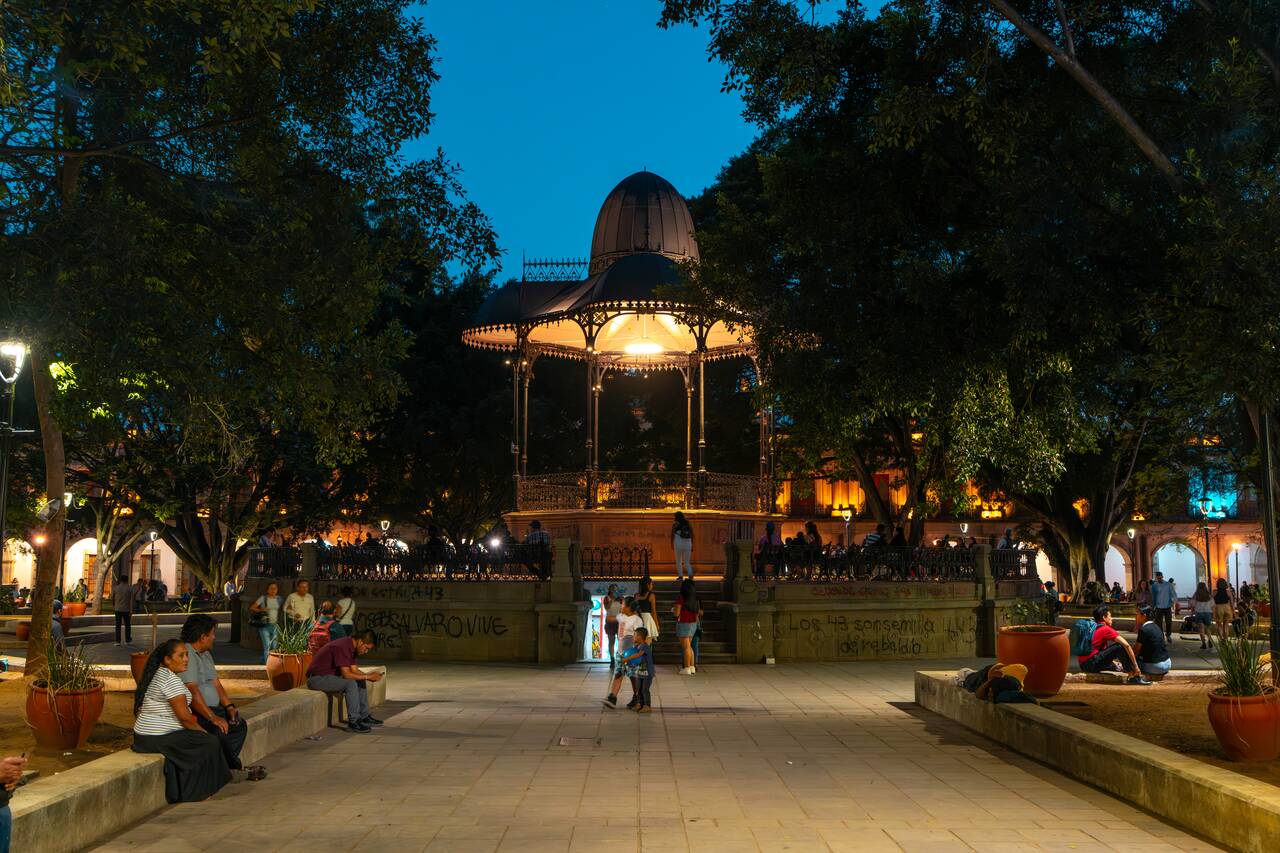
Oaxaca's Historic Center is where things happen in this city. It is the beating heart of Oaxaca, centered around the lively and well-shaded Zócalo, the city's main plaza, surrounded by beautiful colonial buildings and the massive Templo de Santo Domingo de Guzmán, which we'll get to in the next section.

The Zócalo, in particular, is my favorite area in the city. You'll find both locals and tourists gathering here throughout the day. You might see musicians playing, vendors selling snacks and crafts, or families simply hanging out under the trees.
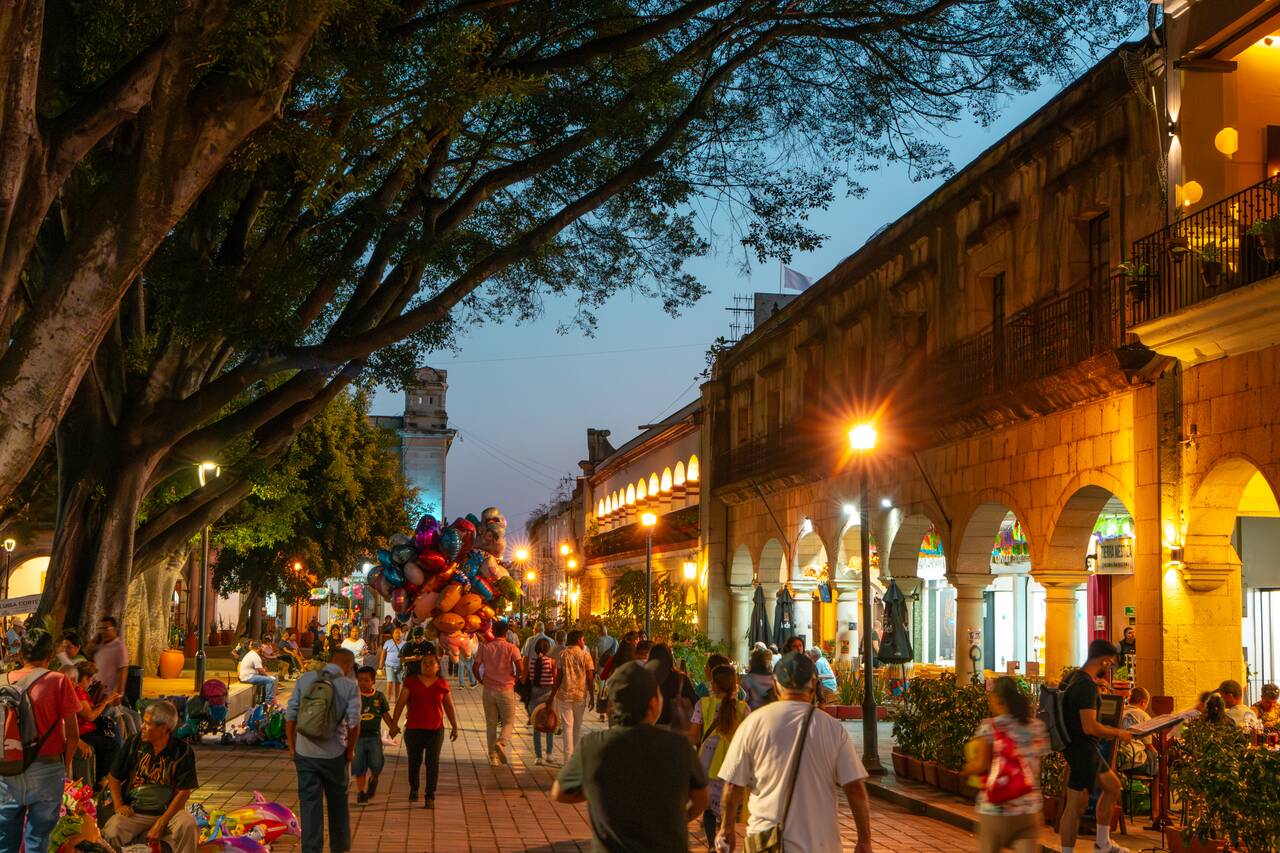
I especially enjoyed coming here in the late afternoon, when the heat started to ease, sitting on one of the many benches beneath the massive trees, and simply people-watching. The city comes alive as people finish work and head out to eat, shop, or meet friends, and the atmosphere becomes even livelier after sunset. Who knows, you might even stumble upon a free event or performance happening here. There's always something fun happening somewhere in Oaxaca at night!
5. Admire Catedral Metropolitana de Oaxaca
- 📍 Location: Catedral Metropolitana de Oaxaca [Map Link]
- 🕐 Opening Hours: 7 AM - 9 PM
- 💰 Entry Fees: Free
- ⚡ Pete's Take: "Very beautiful interior, so don't forget to go inside."
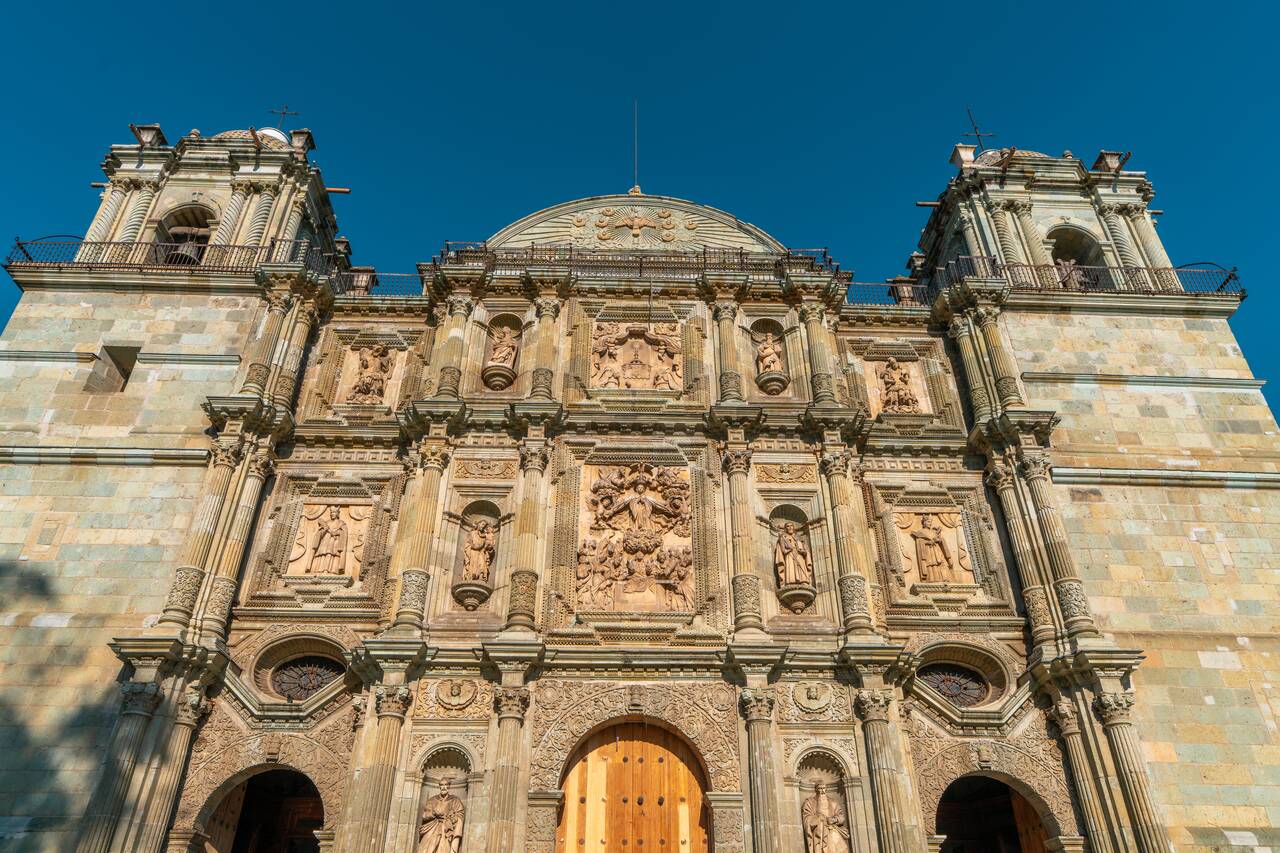
While you are visiting the historical center, be sure you go and check out Catedral Metropolitana de Oaxaca, an impressive landmark in Oaxaca's historic center, sitting right on the eastern side of the Zócalo.
The first thing you'll notice is its massive stone facade, decorated with columns, sculptures, and intricate details. Unlike the towering Gothic cathedrals you might see elsewhere in Mexico, Oaxaca's cathedral has a relatively low and broad profile, partly reflecting the need to withstand the region's frequent earthquakes.
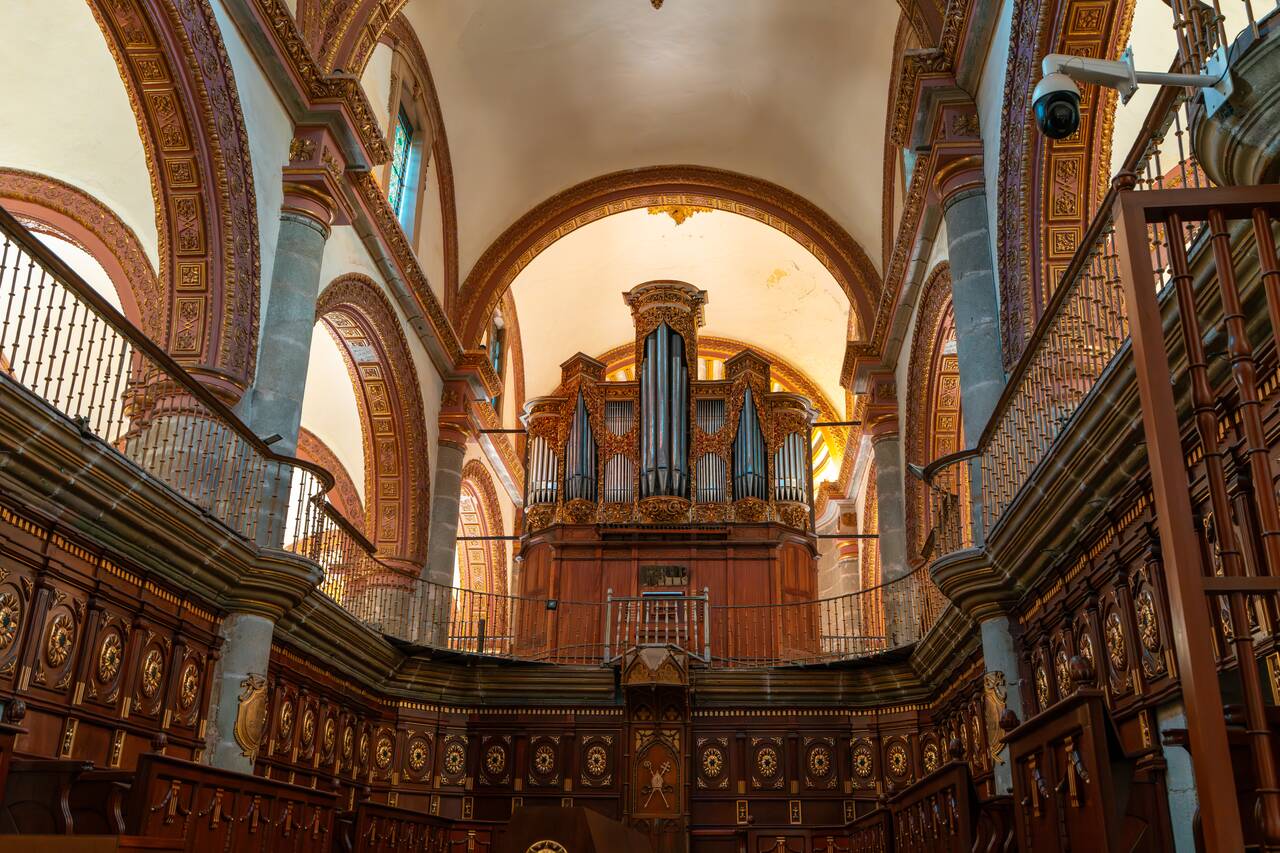
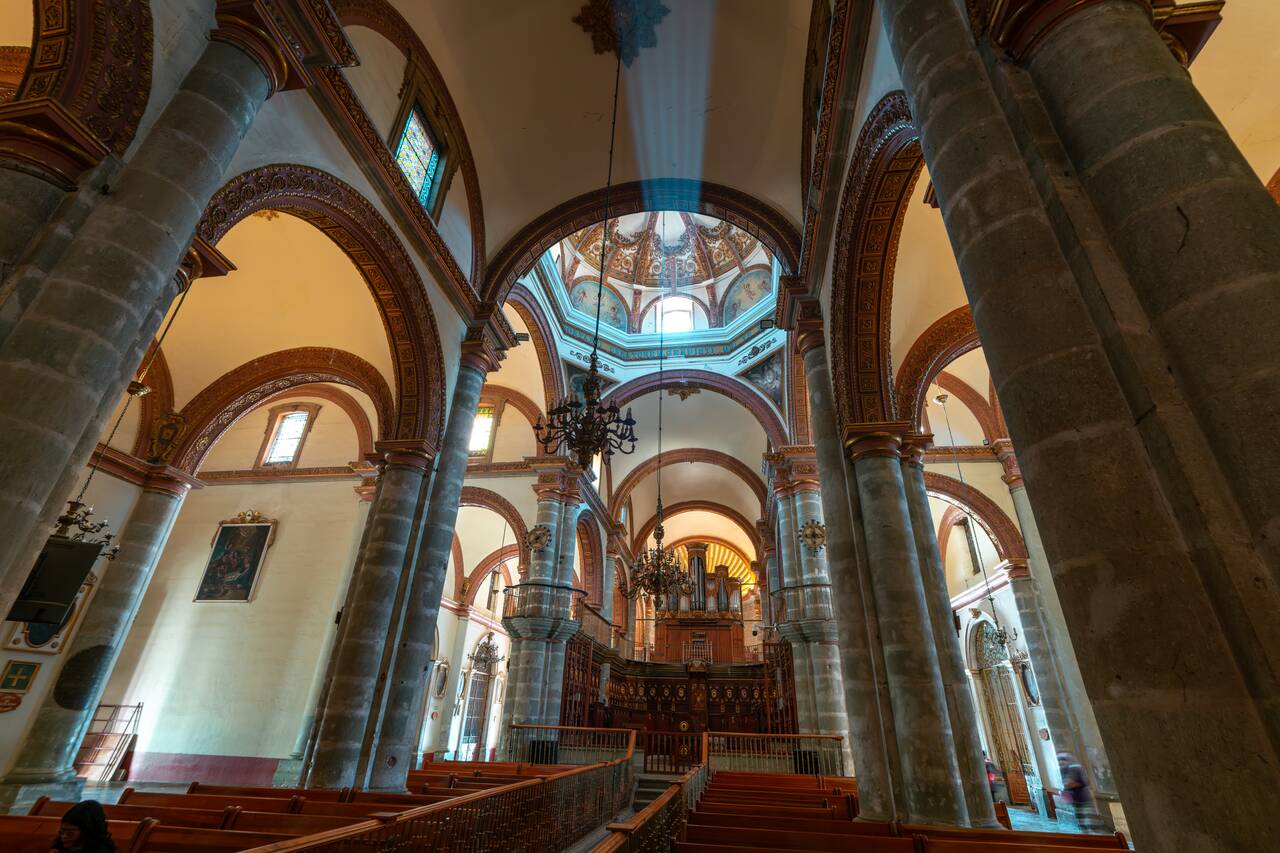
Inside, the cathedral is surprisingly spacious, with a grand central nave, ornate altars, religious artwork, and a beautiful ceiling. Take a moment to look around the interior before heading back outside, where you can immediately continue exploring the Zócalo and the surrounding historic center.
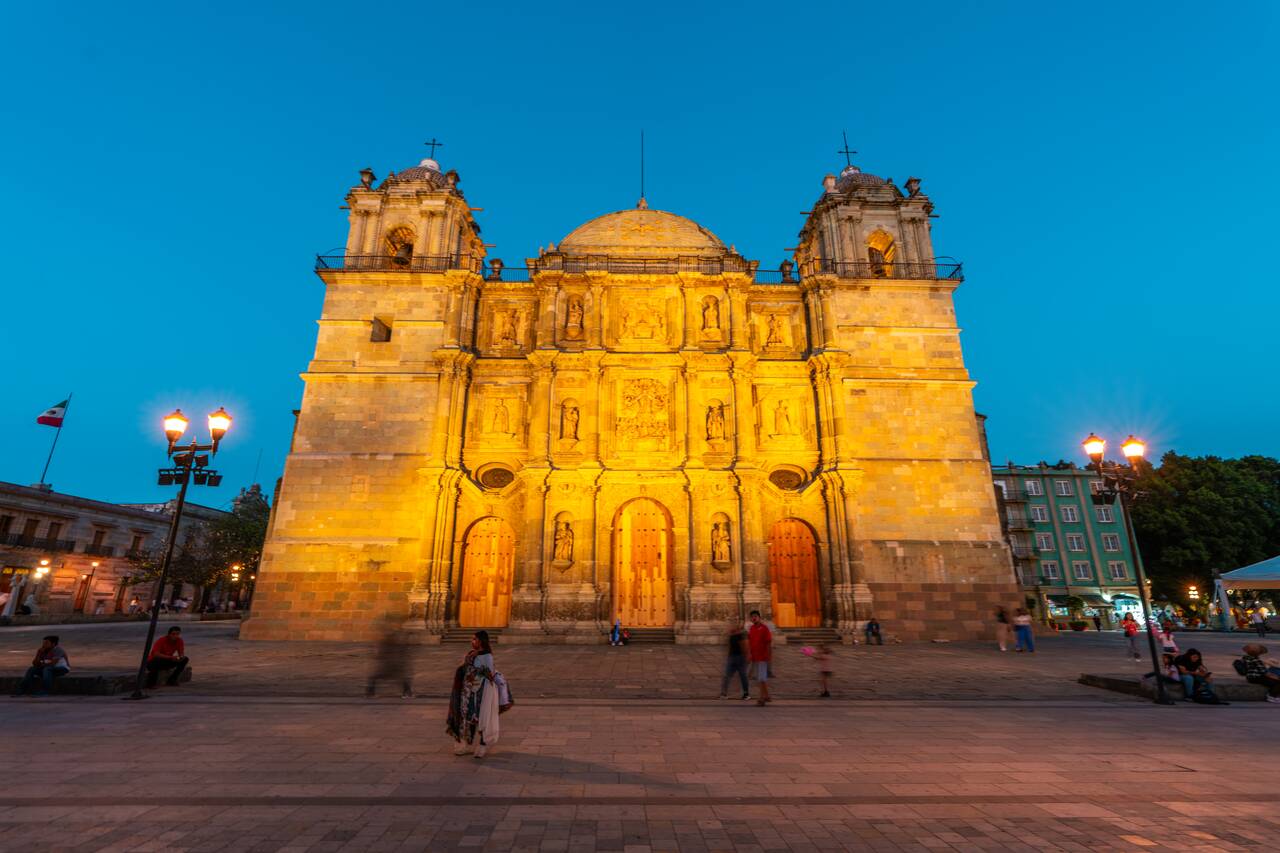
The cathedral is generally open daily from around 7 AM to 9 PM, although it may close for a few hours in the afternoon, typically between 2 PM and 4 PM, for private services. Entry is free, so you can easily stop by while exploring the Zócalo.
6. Admire the Beauty of Templo de Santo Domingo de Guzmán
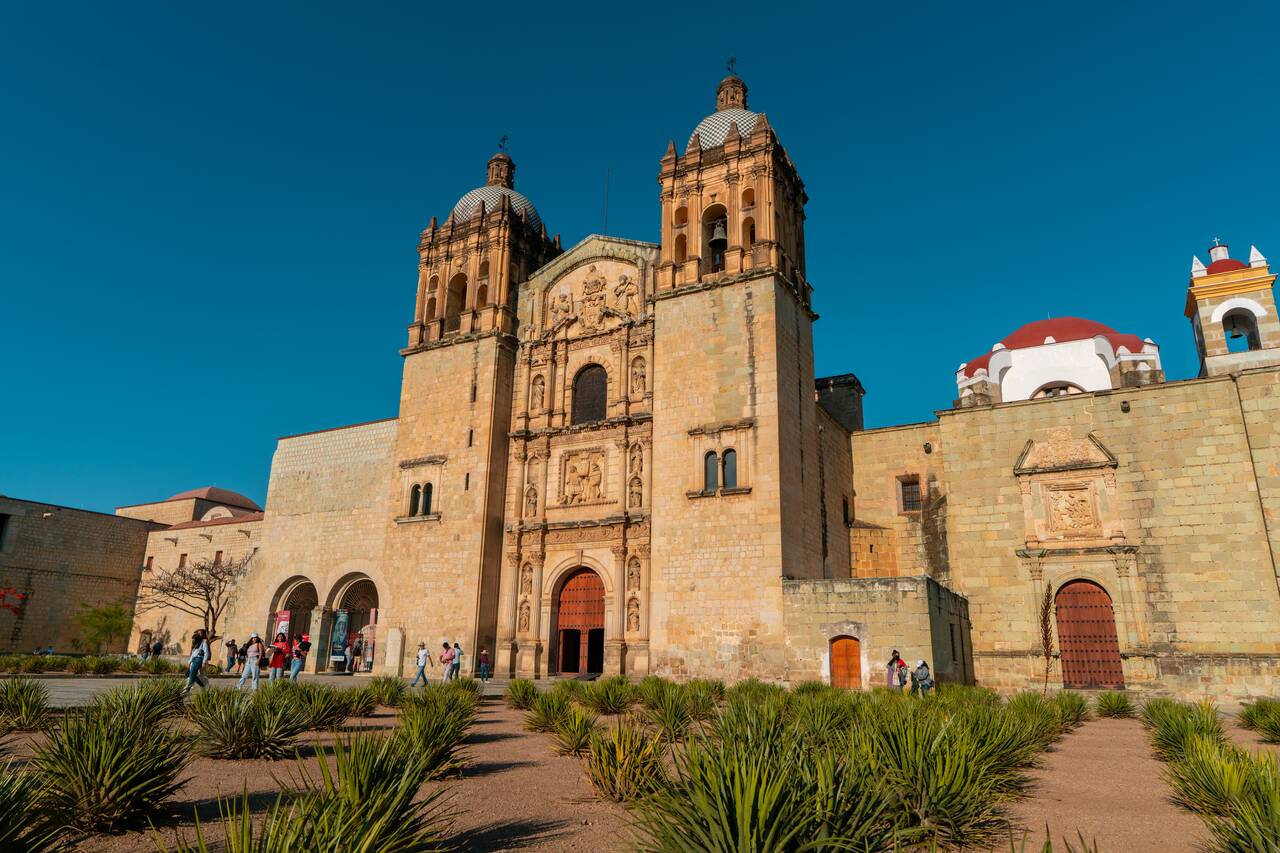
- 📍 Location: Templo de Santo Domingo de Guzmán [Map Link]
- 🕐 Opening Hours: 9:30 AM - 1 PM, 4:30 PM - 7 PM
- 💰 Entry Fees: Free
- ⚡ Pete's Take: "One of the most beautiful churches here, especially its interior, so don't skip it."
Towards the end of Andador Turístico, you will find Templo de Santo Domingo de Guzmán, easily one of the most beautiful churches in Oaxaca and one structure you will notice right away as you enter Zocalo.

The church dates back to the late 16th century and is one of the finest examples of Baroque architecture in Mexico, with an incredibly elaborate facade that gives you a hint of what awaits inside. The interior is also not too shabby either with its astonishing amount of gold decoration, intricate carvings, religious artwork, and ornate details in full display.

It feels almost overwhelming at first, but in the best possible way. Take your time to look up and around rather than simply walking through, because there are details everywhere. The church is open daily from 9:30 AM to 1 PM and again from 4:30 PM to 7 PM. Entry is free, so you can easily stop by while exploring the historic center and Andador Turístico.
7. Explore the colorful Jalatlaco District

- 📍 Location: Jalatlaco [Map Link]
- ⚡ Pete's Take: "If you can only visit one neighborhood, make it Jalatlaco and take your time wandering."
Jalatlaco is easily my favorite district in Oaxaca. This colorful little neighborhood feels completely different from the busier historic center, with cobblestone streets lined with colorful buildings, beautiful murals, quirky decorations, and an incredibly artsy and creative atmosphere which I like.

Everywhere you look, there's something fun to photograph, from painted walls and colorful doorways to little decorations spilling out onto the streets. As a photographer myself, I had quite a field day here, discovering beautiful hidden corners and photographing them. 😊
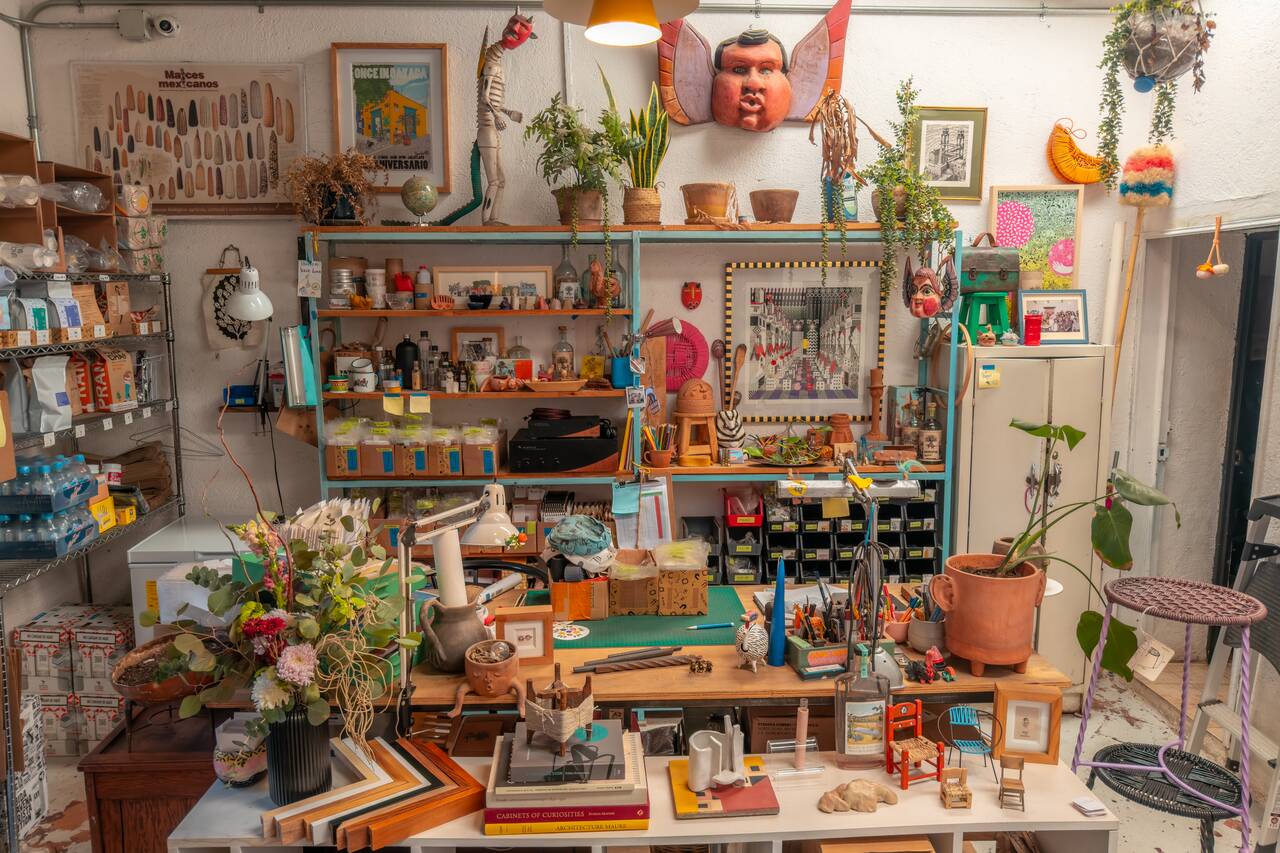
The neighborhood is also packed with cool cafés, handicraft shops, galleries, and small artisan stores, like Once In Oaxaca, a little lovely cafe with artisan shop and nice outdoor seating area, and tons of art gallery waiting for you to explore.
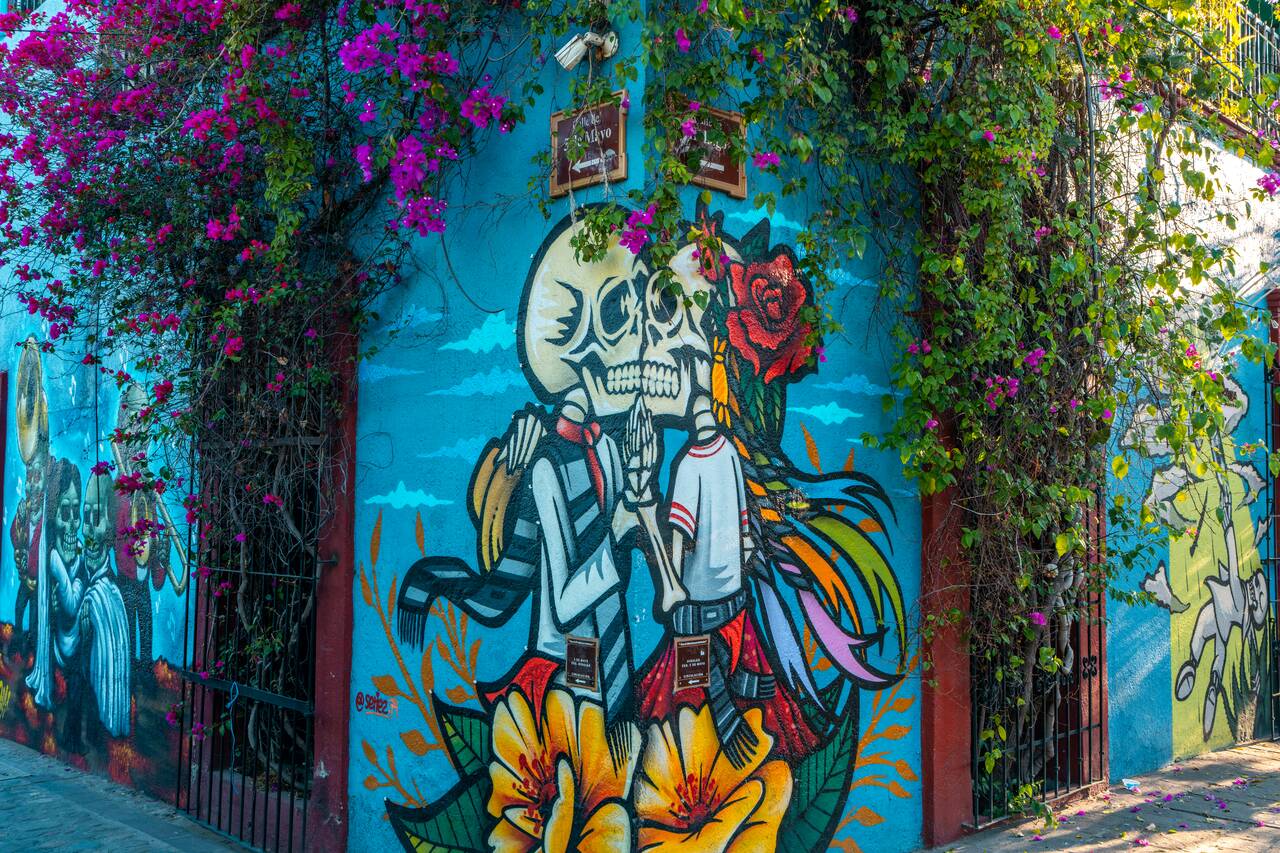
I loved Jalatlaco so much that I constantly found myself coming back here every day after exploring the rest of Oaxaca. I'd finish sightseeing, wander back into the neighborhood, grab a coffee, and just enjoy the atmosphere. The vibe here was just right for me, colorful, creative, relaxed, and full of character.
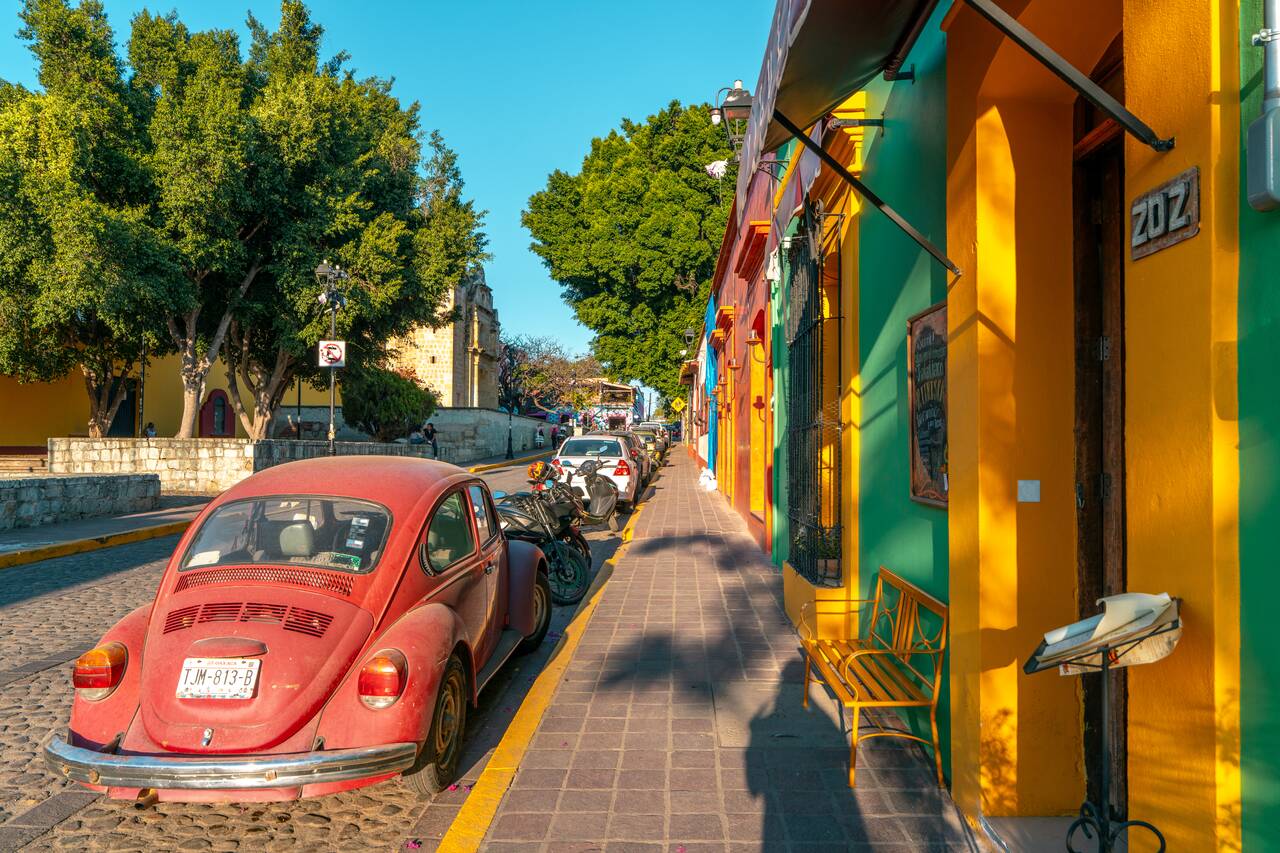
If you have time for only one neighborhood outside the main historic center, I'd make it Jalatlaco. Depending on how chill you want to be, you can spend anywhere from 1 hour to half a day here, simply strolling around, checking out the cafés and shops, and enjoying the colorful streets without any particular plan. Honestly, that's the best way to explore Jalatlaco.
8. Buy Souvenirs from Subterráneos
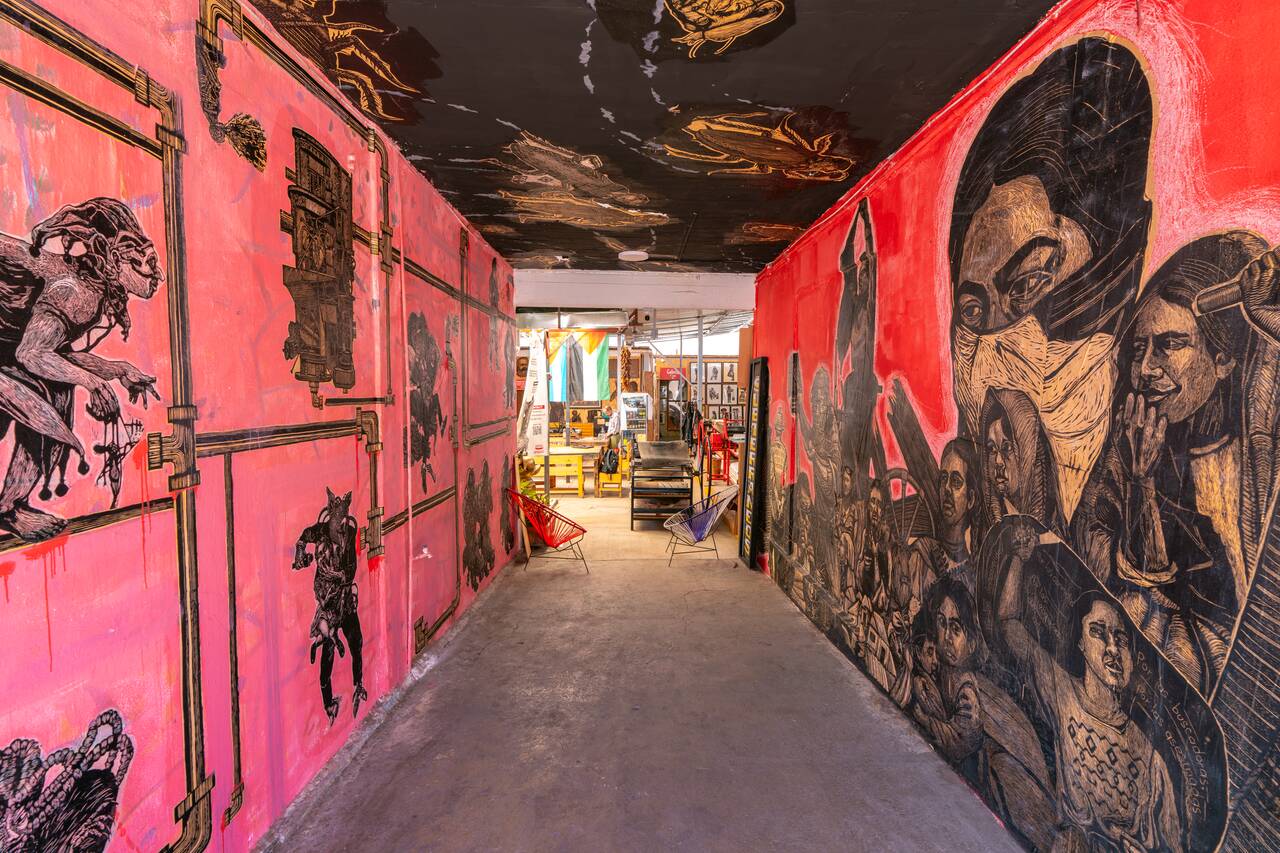
- 📍 Location: Subterráneos [Map Link]
- 🕐 Opening Hours: Mon-Sat 10:30 AM - 8 PM
- 💰 Price Range: Reasonable prices
- ⚡ Pete's Take: "I'd recommend stopping by for unique art you can buy as souvenirs. They do workshops too!"
Speaking of art gallery, if you're looking for something a little more unique than the usual tourist souvenirs, stop by Subterráneos, an art collective, workshop, and gallery in the heart of Oaxaca. The collective focuses heavily on grabado, or printmaking, and uses art as a way to tell stories about Oaxaca and wider social and political issues. The space itself is really cool, with a gallery where you can browse and buy original works made by local artists.
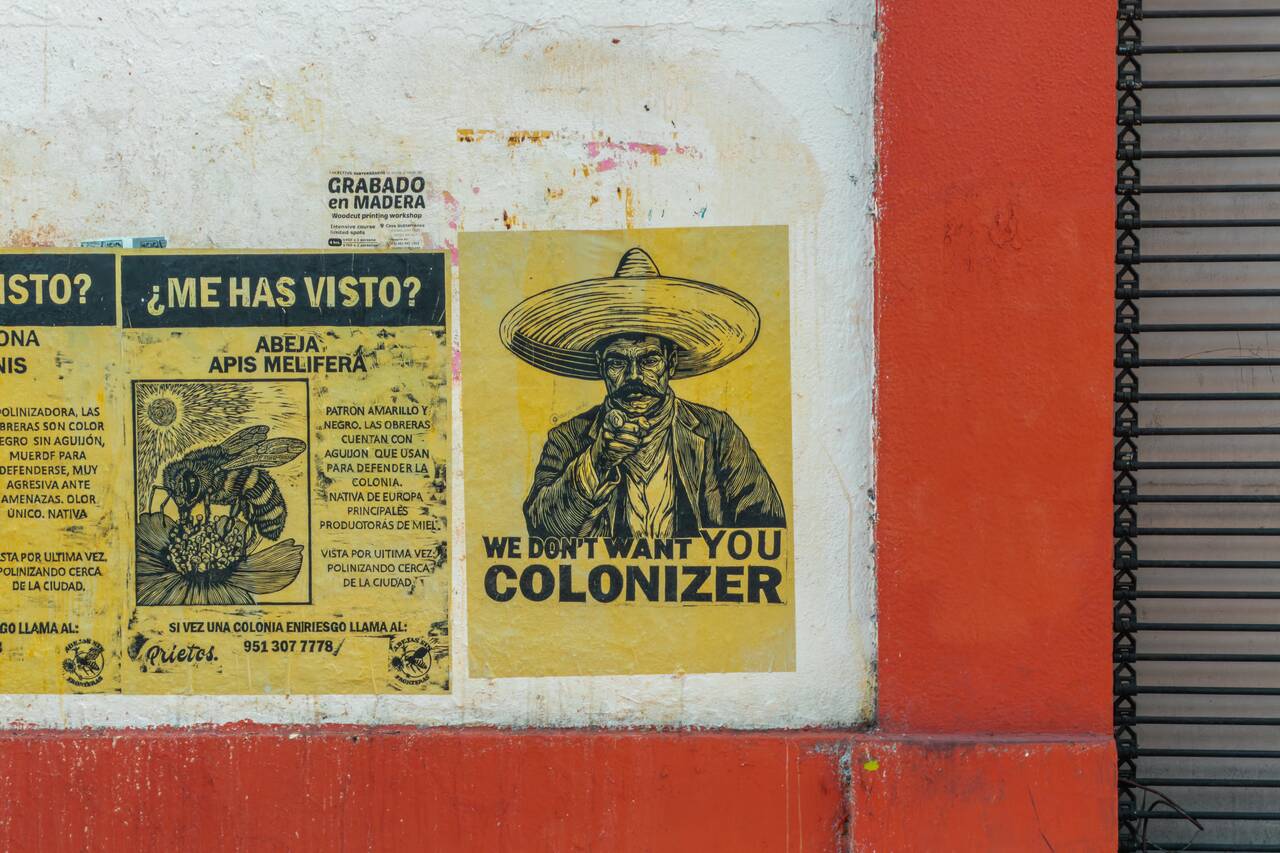
One of the traditional techniques you'll see here is woodcut printmaking. The artist first carves a design into a wooden block, leaving the parts that should appear on the final image raised. Ink is then rolled over the surface before the block is pressed onto paper, creating a bold, graphic print. This technique has a particularly strong presence in Oaxaca, and you'll see its influence all over the city's murals, posters, and street art.
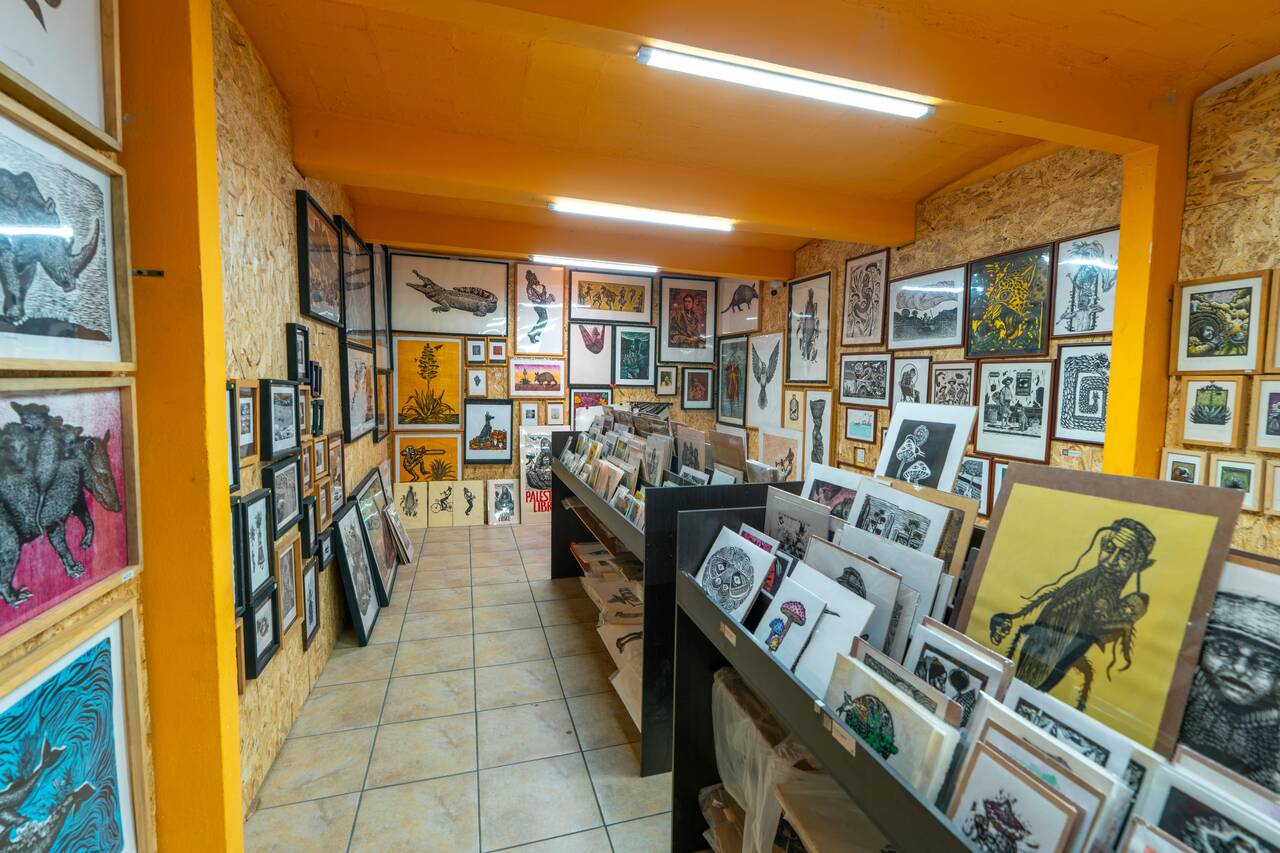
You can also take a piece of this local art home without spending a fortune. The gallery has plenty of locally made prints and artwork for sale at relatively reasonable prices, and because you're buying directly from a local collective, it feels much more meaningful than picking up a mass-produced souvenir from a tourist shop. They also occasionally run printmaking and woodcut workshops, where you can get your hands dirty and learn the technique yourself.
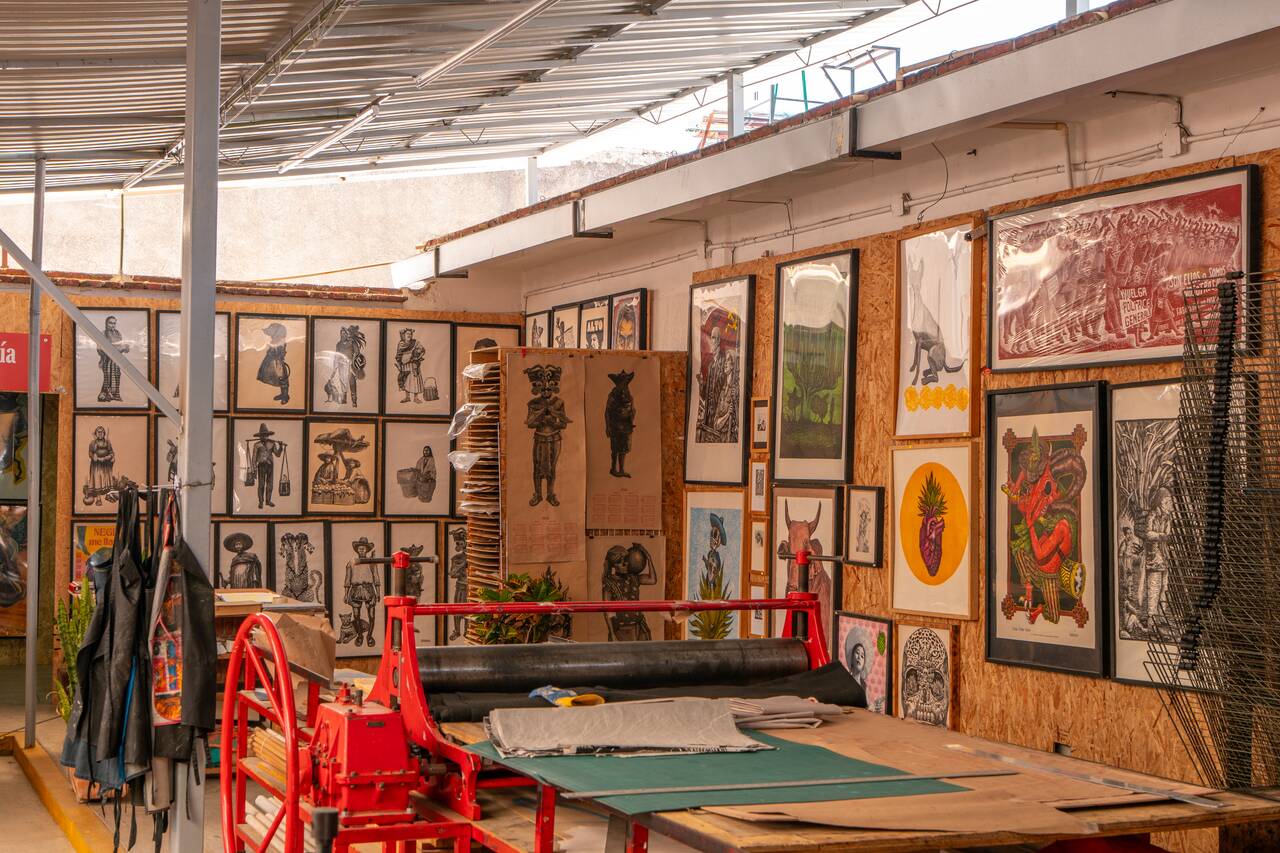
Even if you aren't planning to buy anything, I'd still recommend dropping in to have a look around, especially if you are already visiting Jalatlaco as it is nearby. It's a great little window into Oaxaca's incredibly creative art scene, and you might just find something you can't resist. The gallery is open Monday to Saturday from 10:30 AM to 8 PM and is closed on Sundays. If you're interested in joining a workshop, I'd check their schedule ahead of time, as these are offered periodically rather than every day.
9. Drop by Museo Textil de Oaxaca
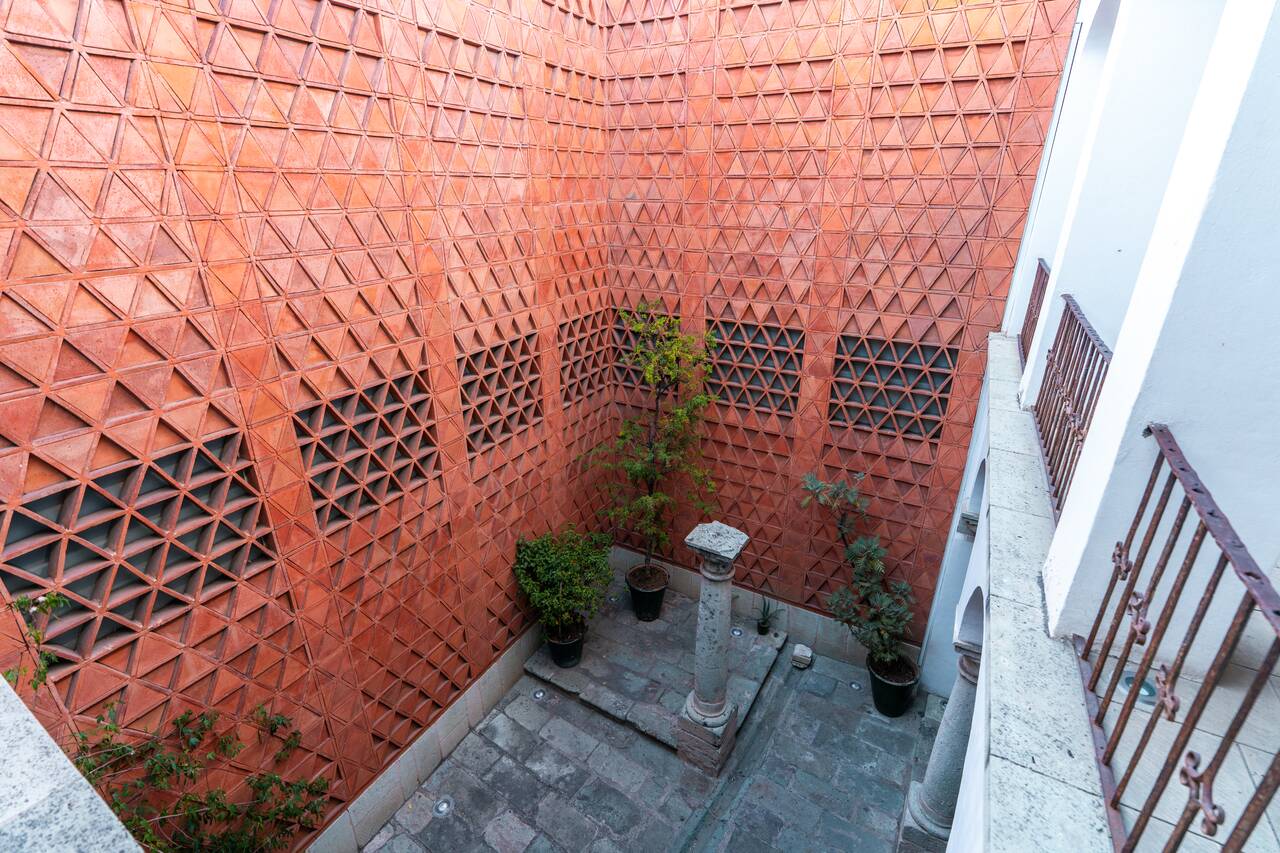
- 📍 Location: Museo Textil de Oaxaca [Map Link]
- ⚡ Pete's Take: "It's worth dropping by, but it's quite small, so don't expect big museums you can wander for hours."
If you're interested in textiles and traditional crafts, make a stop at the Museo Textil de Oaxaca. The museum showcases the incredible variety of textile traditions from Oaxaca and other parts of Mexico, with colorful garments, intricate embroidery, woven pieces, and traditional techniques on display. It's a relatively small museum, so you don't need a huge amount of time here, but it's a great place to understand the craftsmanship behind many of the textiles you'll see being sold around the city.
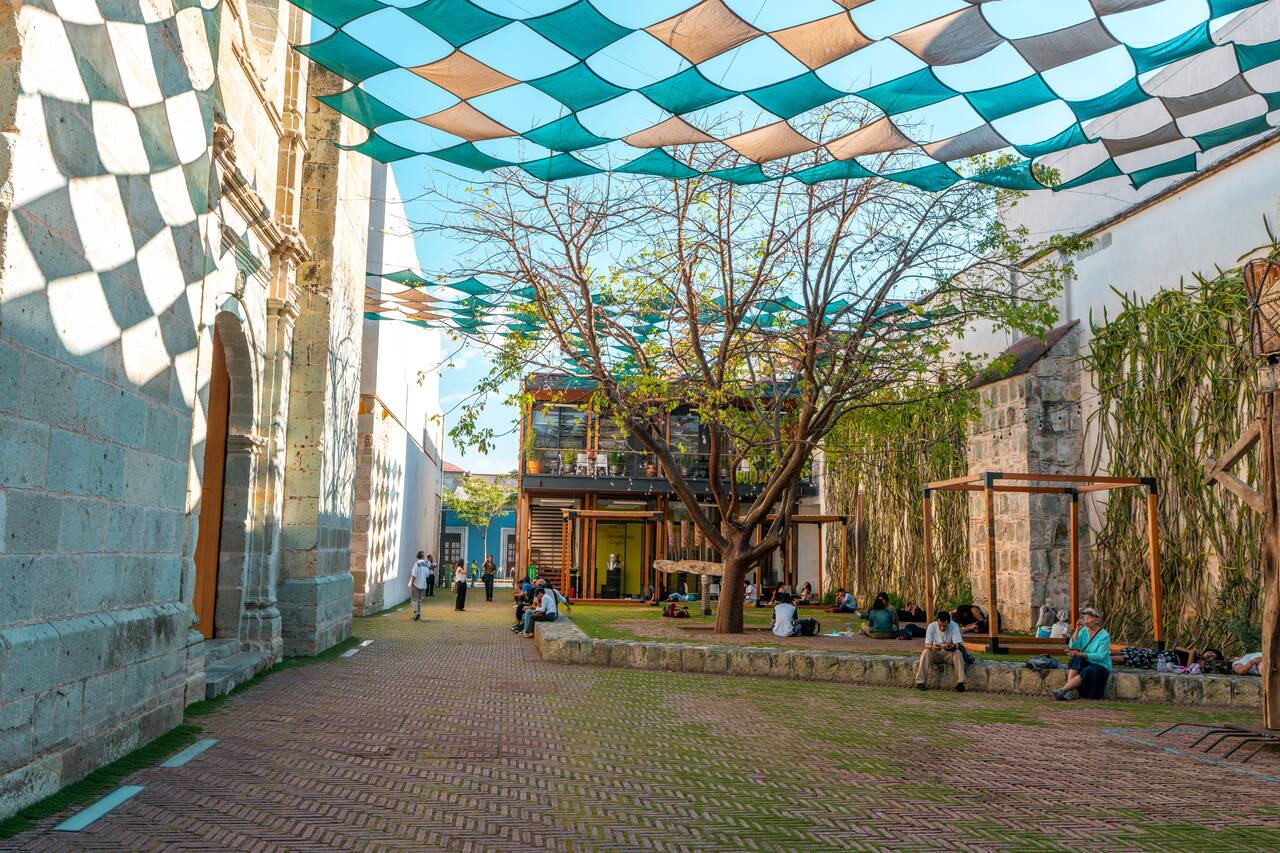
Right next door is the Centro Cultural San Pablo, housed in a beautifully restored former Dominican convent. The building itself is worth a look, but what I enjoyed most was its lovely open-air courtyard, with artworks and installations sparsely scattered throughout the space.
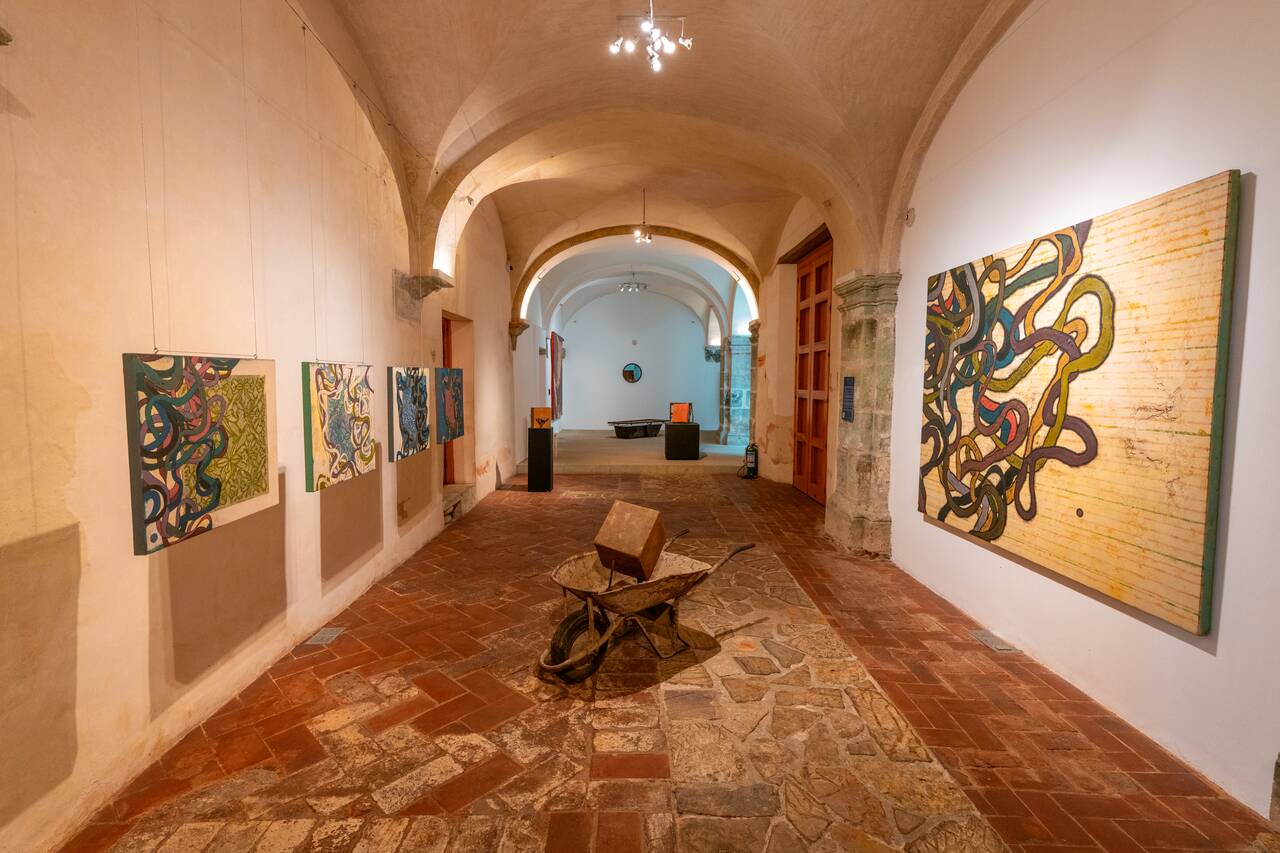
You'll often see locals, students, and young creatives hanging out here, reading books, working on their laptops, or simply chatting with friends. It has a really relaxed, creative atmosphere, which is exactly what I love in a city. It kind of made me want to live here! If you're exploring the historic center, be sure to drop by both of these places.
10. Visit Hierve el Agua as a Half-Day Trip
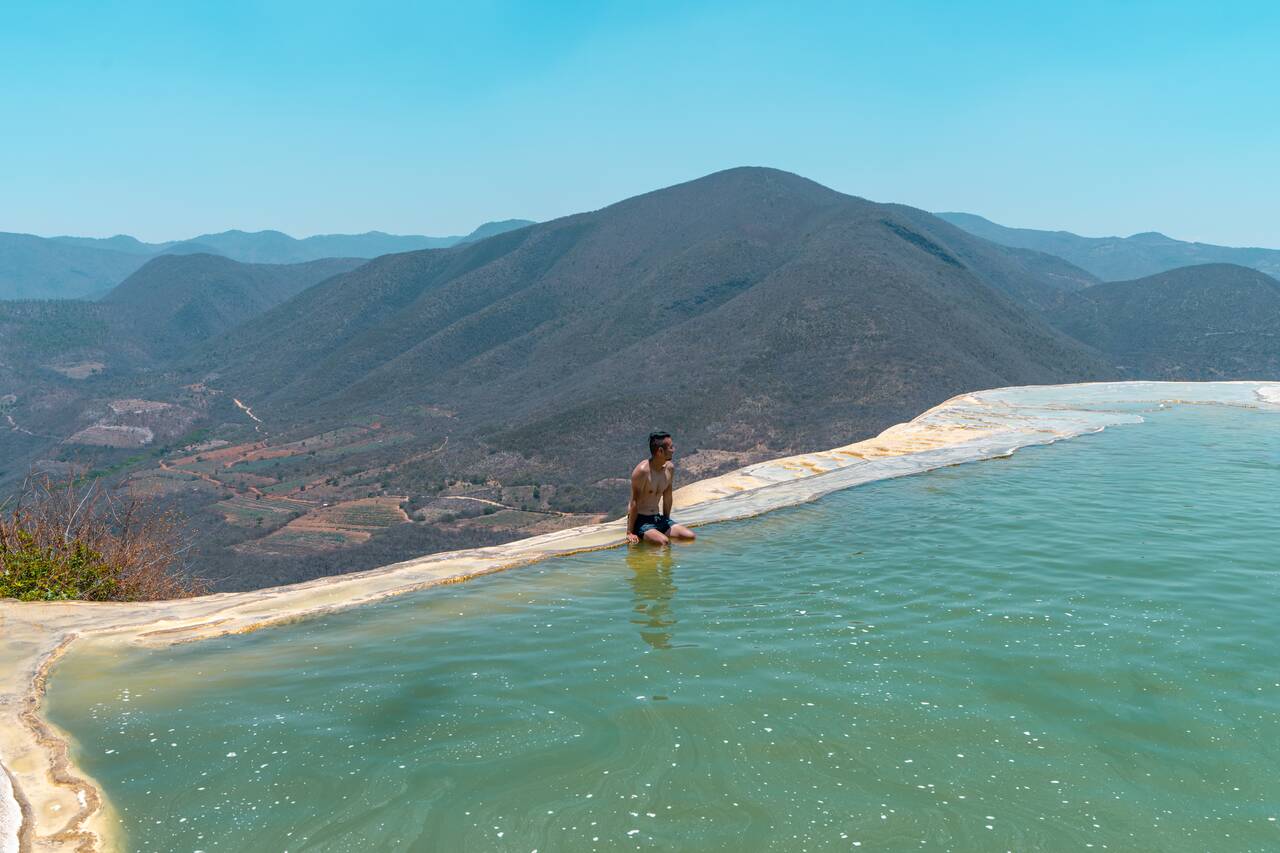
- 📍 Location: Hierve el Agua [Map Link]
- 💰 Entry Fees: 20 MXN (1.5 USD)
- 🏄 Tour: half-day guided tour to Hierve el Agua
- ⚡ Pete's Take: "You're better off with a guided tour to avoid the hassle of local transport and fees."
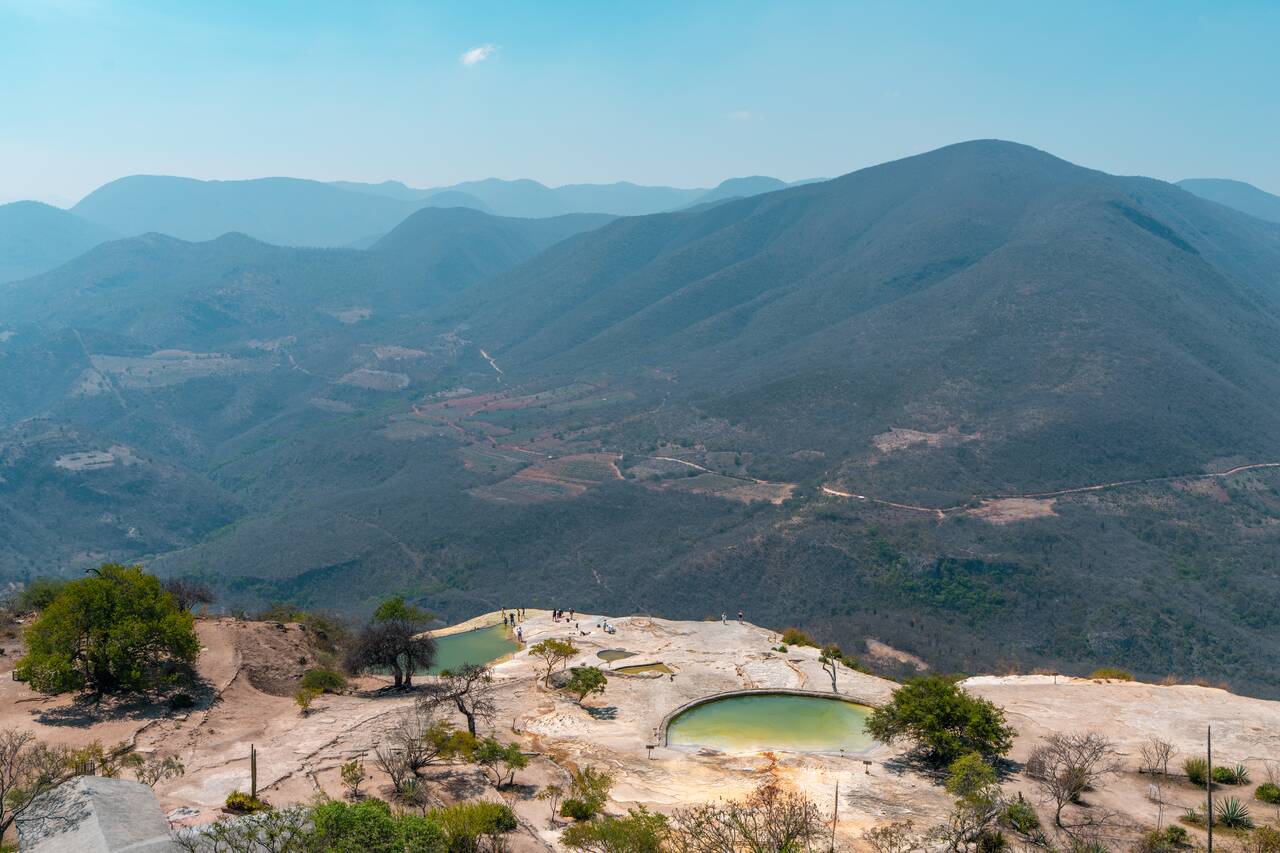
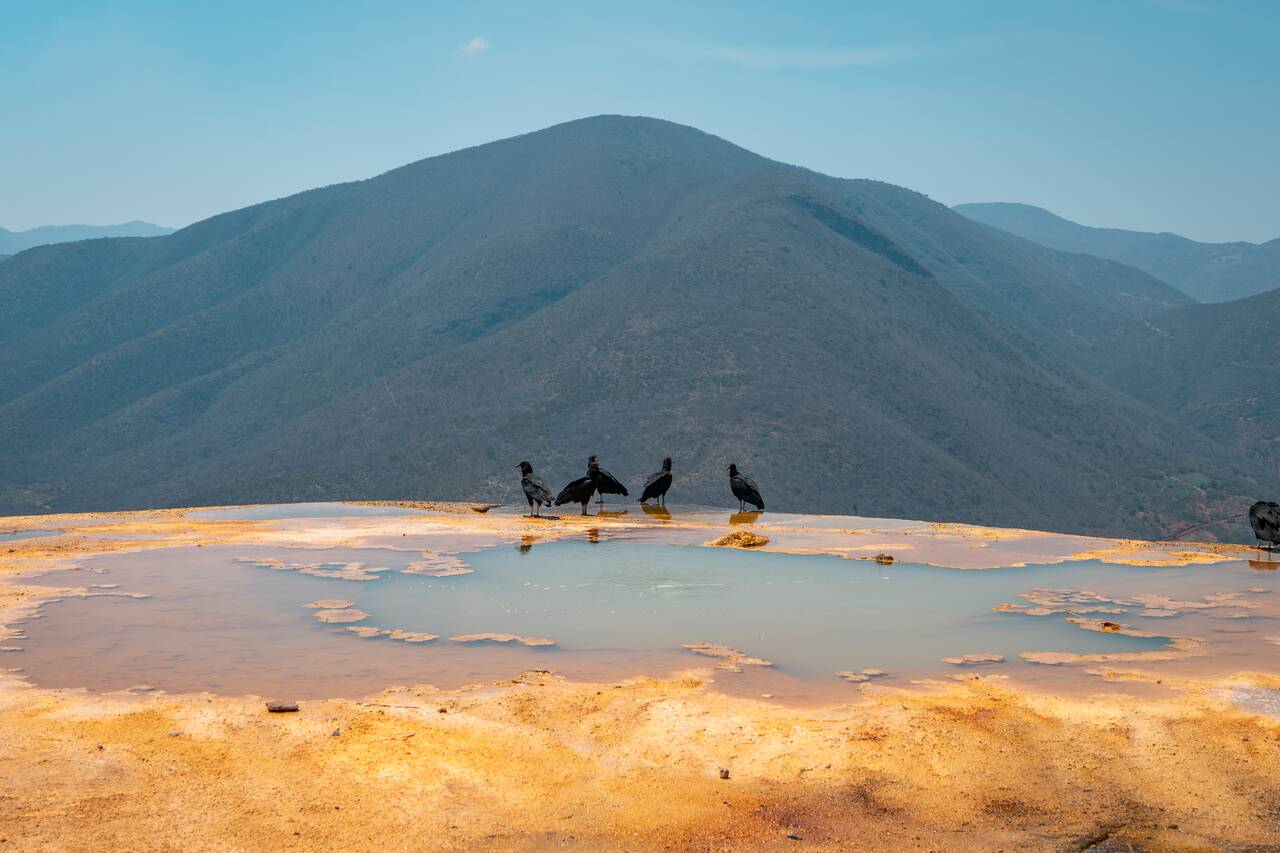
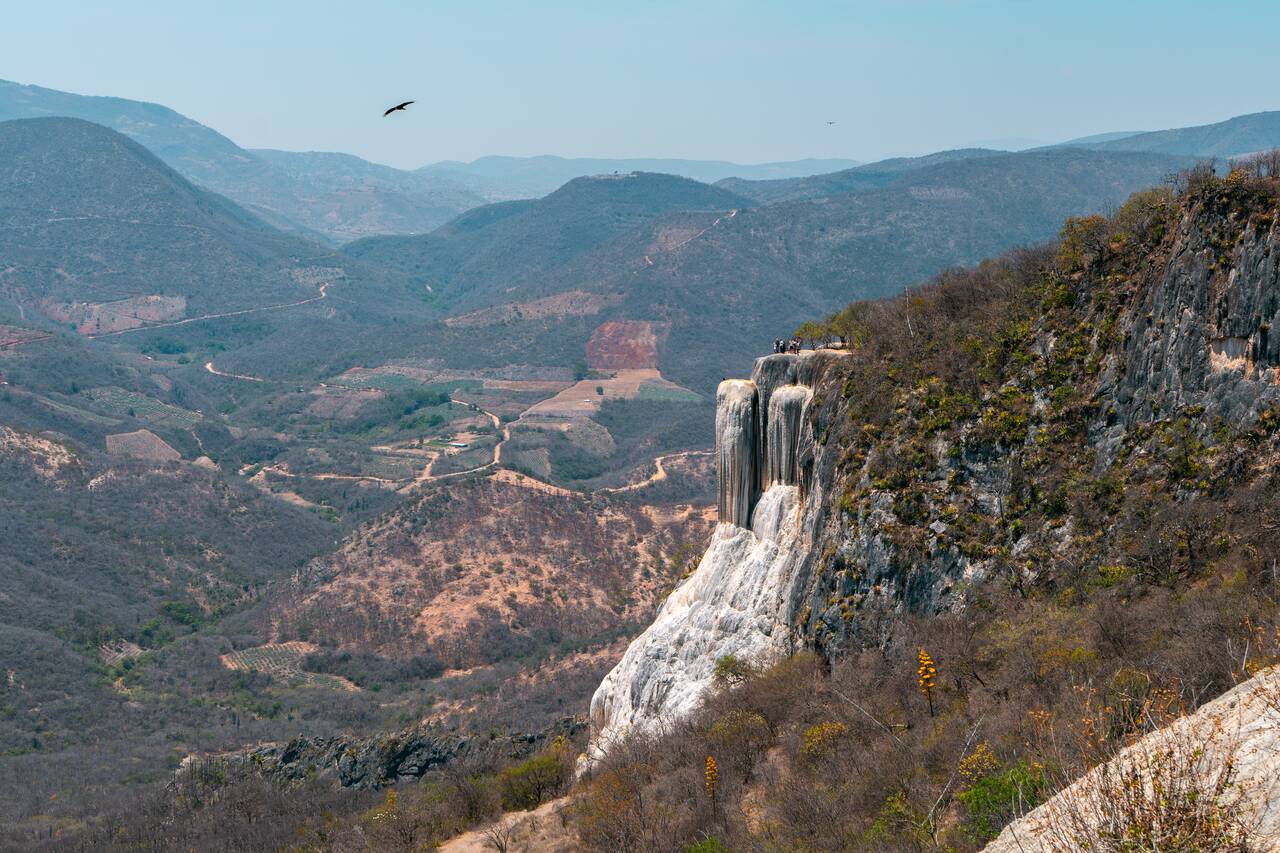
Hierve el Agua is one of Oaxaca's most spectacular natural attractions, famous for its enormous petrified waterfalls created over thousands of years by mineral-rich spring water. Located about 70 km east of Oaxaca City, at the site, you will find dramatic white limestone formations, natural mineral pools sitting on the edge of the mountains, and sweeping views across the surrounding valleys.
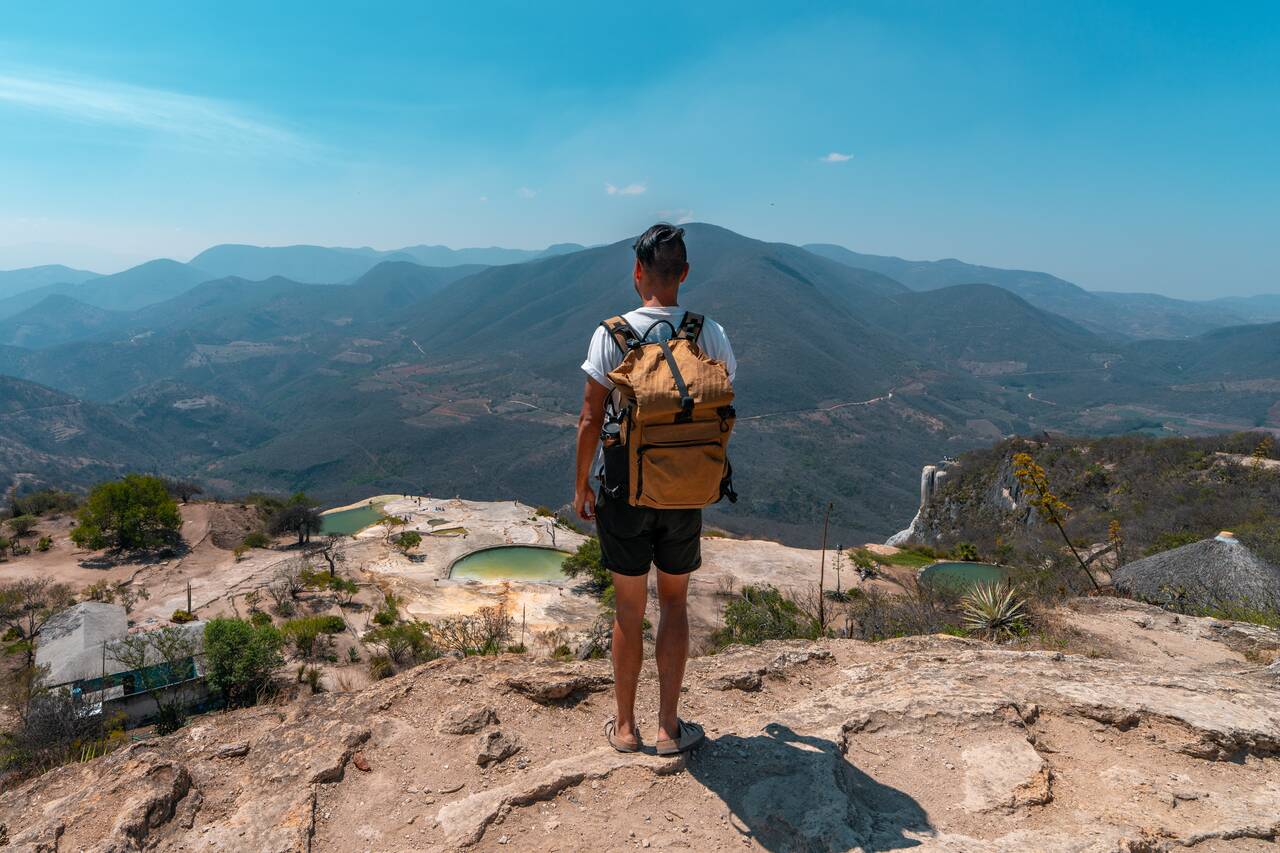
You can spend an hour hiking around the formations to see them from different angles and, of course, take a dip in the pools to cool off afterward. Just keep in mind that the water is more refreshing than warm. Even though it might look like it's boiling, that's simply caused by the bubbling mineral-rich water, not the temperature. The mineral-coated surfaces can also be slippery, so watch your step. Trust me, after the little hike, you'll find the cool water quite refreshing to swim in!
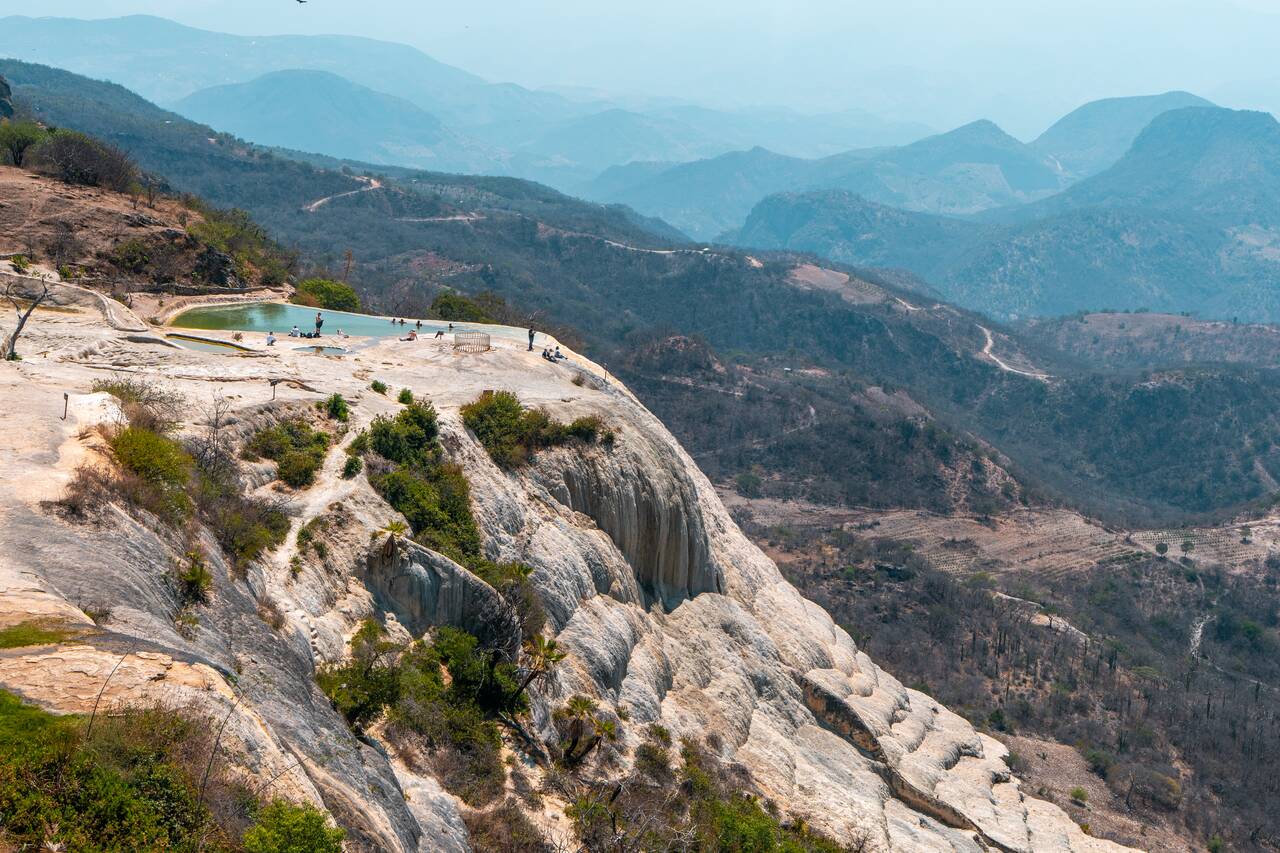
To get here you can use a public transportation, but it takes considerably more effort than it looks on the map. From Oaxaca, you first need to take a bus or colectivo from this terminal to Mitla, then find the local pickup trucks that run from Mitla toward Hierve el Agua. This leg should take about 1 hour.
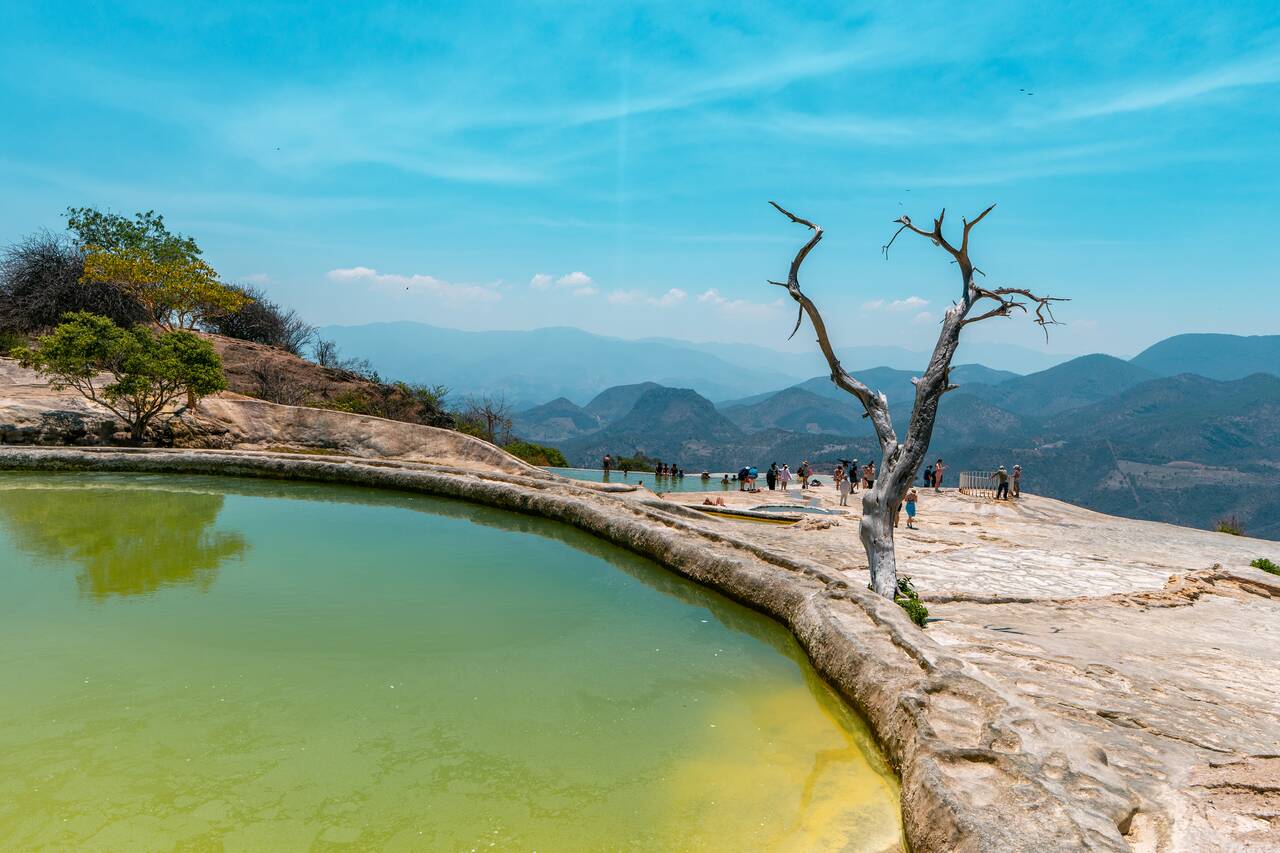
From Mitla to Hierve el Agua, it should take roughly 45 minutes along a winding mountain road. The tricky part is that these trucks generally wait until they are full before leaving, so if you want to leave immediately, you may be asked to pay for the empty seats.
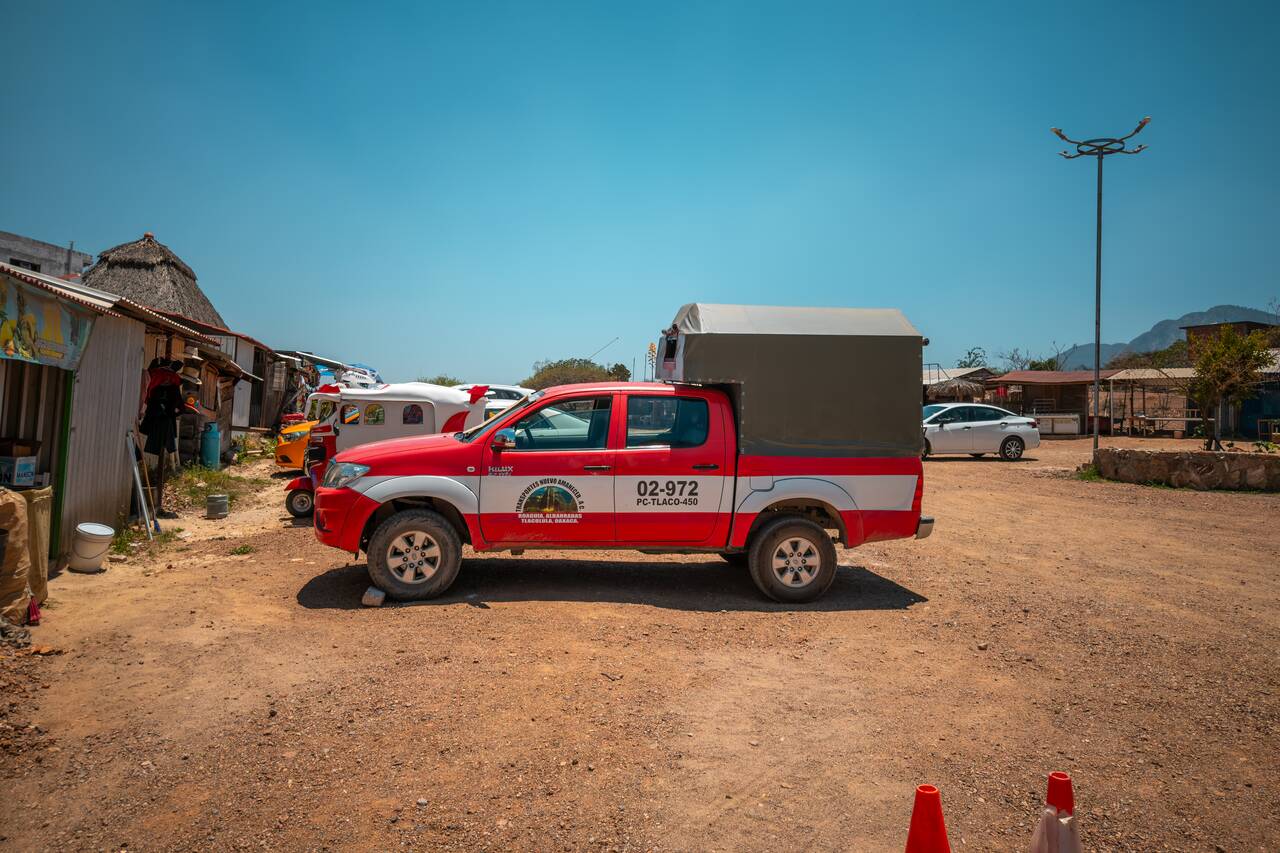
This can get particularly annoying on the return journey. You may have to wait for enough passengers to fill the truck, or pay for the missing seats if you don't want to wait. There is no guarantee of exactly when the next vehicle will leave, so what looks like a simple half-day trip can easily turn into a full-day adventure.
This was one of the main reasons I decided not to do it independently. I also found the whole arrangement with the pickup trucks a little scammy. The drivers may ask you to pay for empty seats if you want to leave immediately, but they don't always make it clear that you'll likely have to do the same thing on the way back, since there may not be enough passengers to fill the truck. So you could end up paying for empty seats both ways without realizing it beforehand.
For a much easier experience, I highly recommend joining this half-day guided tour to Hierve el Agua. This is actually the tour I took, and it was excellent. Despite visiting several places, the Hierve el Agua portion only takes about half a day, meaning you still have the other half of the day to relax and enjoy Oaxaca.
Our guide was incredibly friendly and took us hiking around the site with a local Indigenous guide, helping translate between Spanish and English along the way. We were also given more than two hours to swim and relax, which I found to be more than enough time. You can also go with a full-day tour which includes more visits along the way.
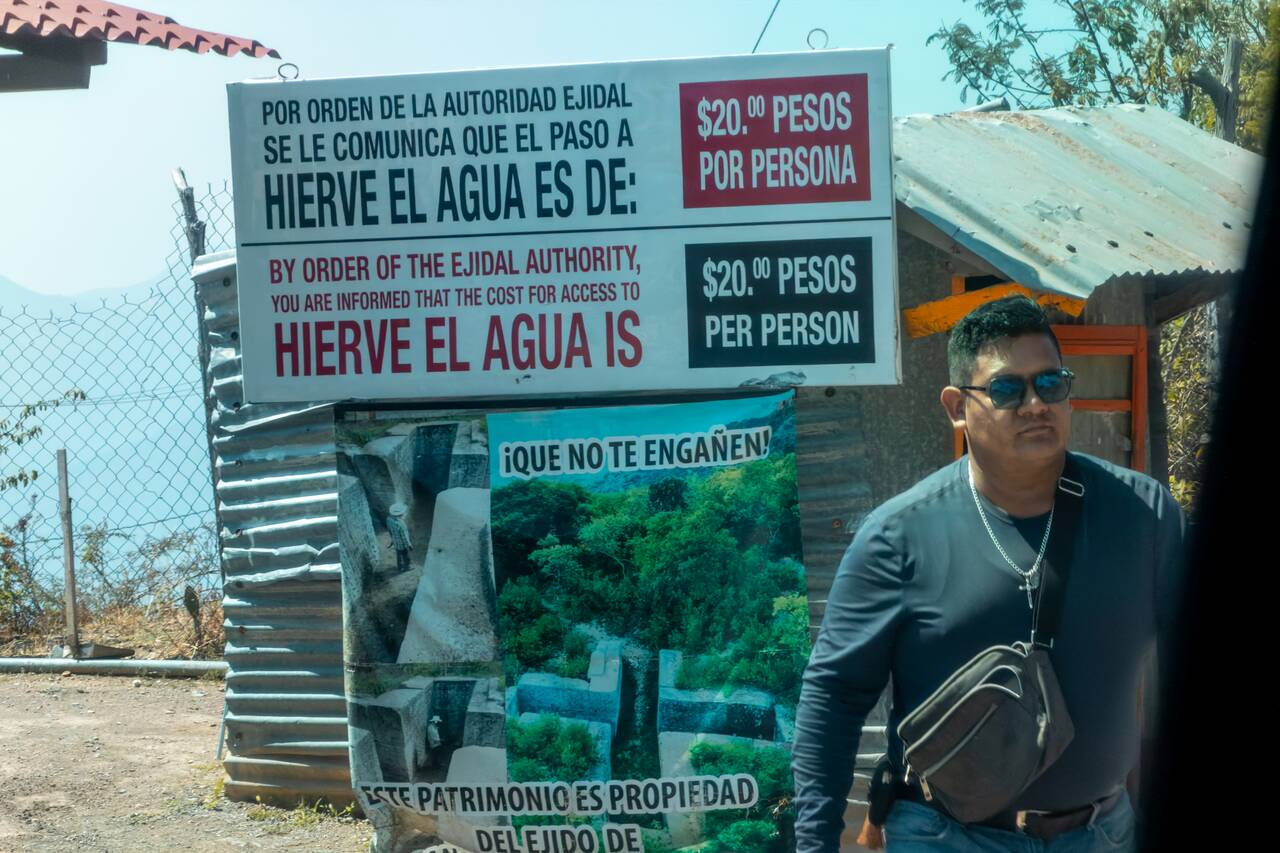
Another advantage of going with the tour is that they take care of the slightly confusing local arrangements for you. Hierve el Agua is on Indigenous communal land, and visitors may encounter separate community access fees as well as the entrance fee. A local guide may also be required or recommended for certain hiking routes, with fees varying depending on the current community arrangements.
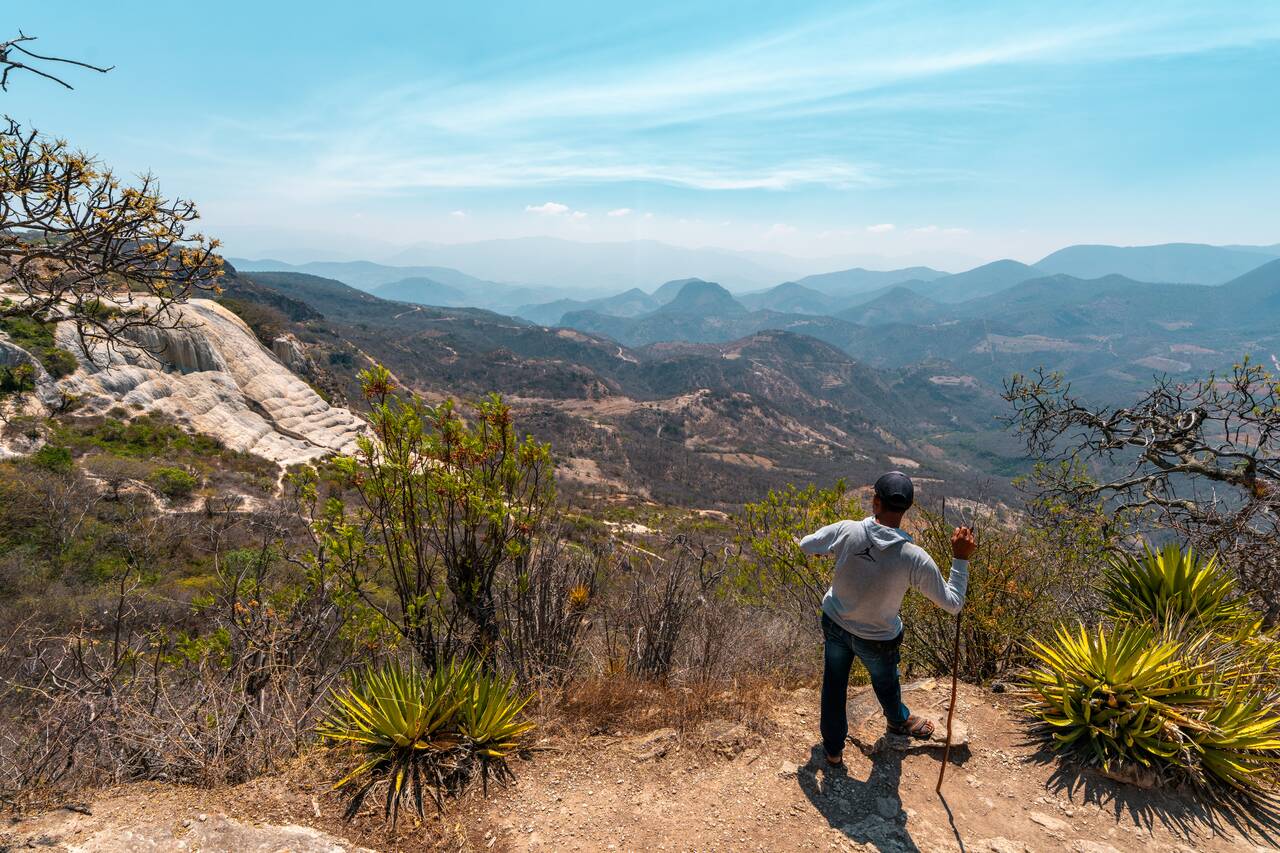
When I went with the tour, all of this was organized for us, so we could simply arrive, explore, swim, and enjoy the scenery without having to figure out who we needed to pay or where we needed to go. Honestly, this is one day trip where I think the guided tour is worth it.
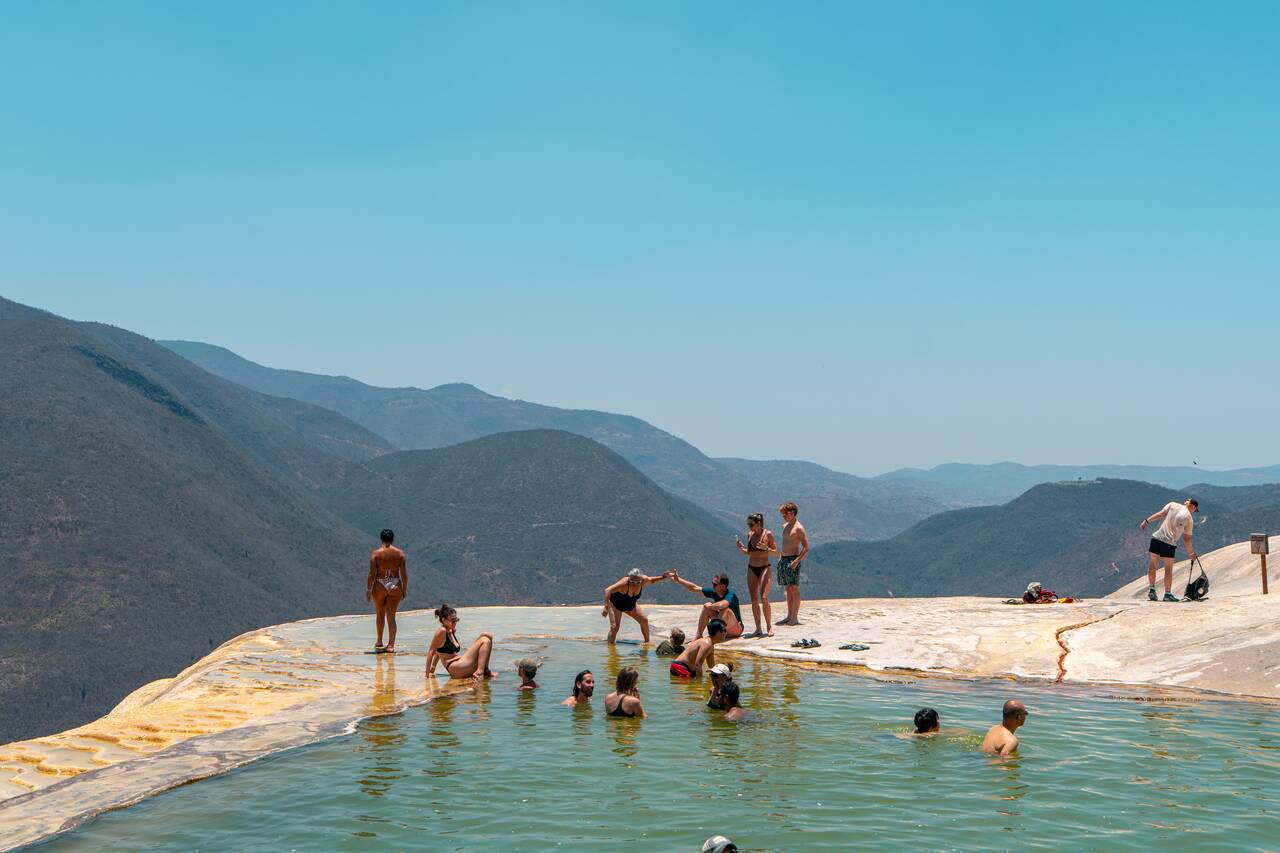
Going independently is certainly possible, but between the multiple transfers, waiting for vehicles to fill, unpredictable return journey, and community-managed fees, the extra hassle isn't really worth it to me. If you prefer a more relaxed trip, I would recommend the guided tour, which can be booked here: half-day tour or full-day tour.
What to Eat and Drink in Oaxaca?
1. Try Tlayudas at Mercado 20 de Noviembre
- 📍 Location: Mercado 20 de Noviembre [Map Link]
- 🕐 Opening Hours: 7 AM - 7 PM
One of the first Oaxacan dishes you should try is a tlayuda, and there's no better place to start than Mercado 20 de Noviembre. This enormous, crispy tortilla is typically spread with refried beans and topped with quesillo, meat, avocado, tomatoes, and salsa, then grilled until everything is hot and the tortilla gets wonderfully crisp.
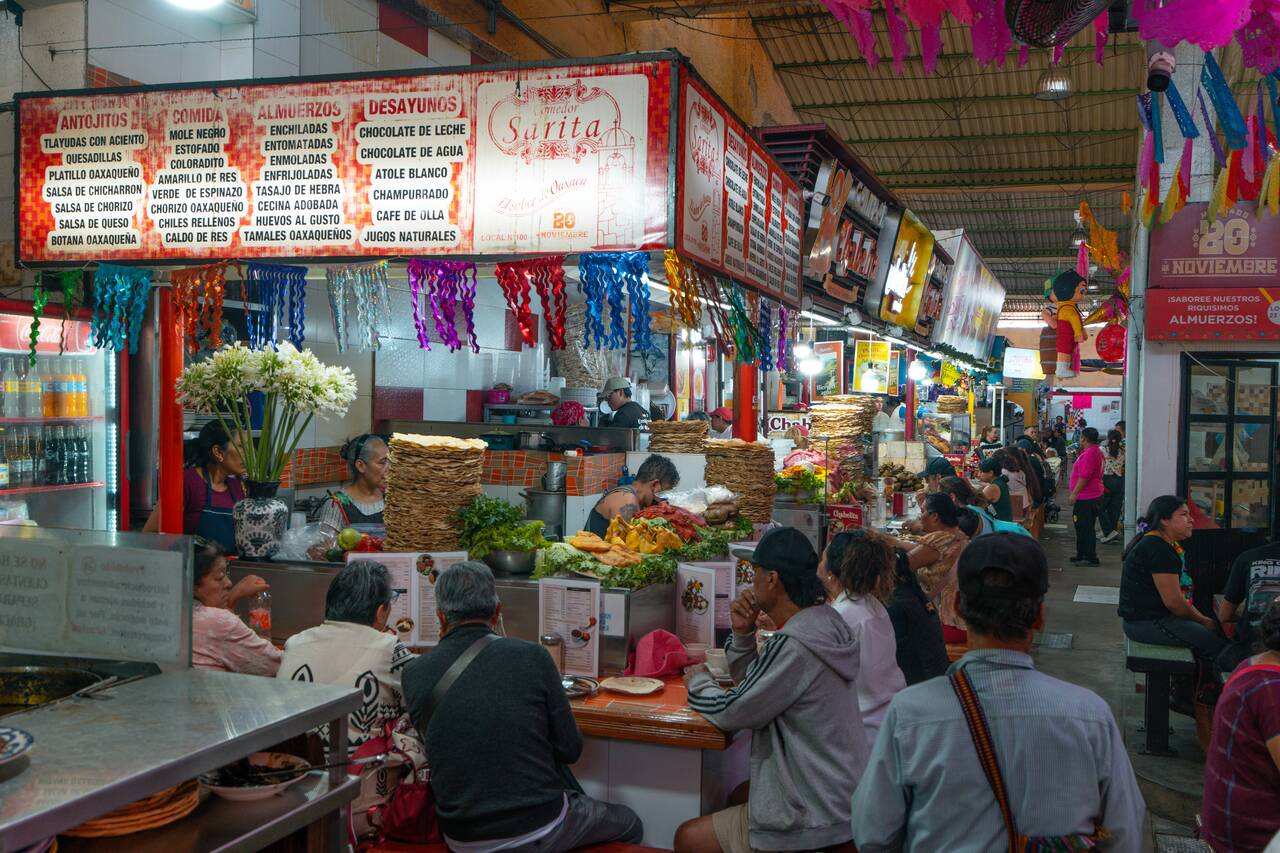
It's basically Oaxaca's answer to pizza, except much more interesting! The market is one of the city's most traditional places to try it, alongside other Oaxacan specialties like mole, memelas, and tamales. I had my first tlayuda here and absolutely loved it.
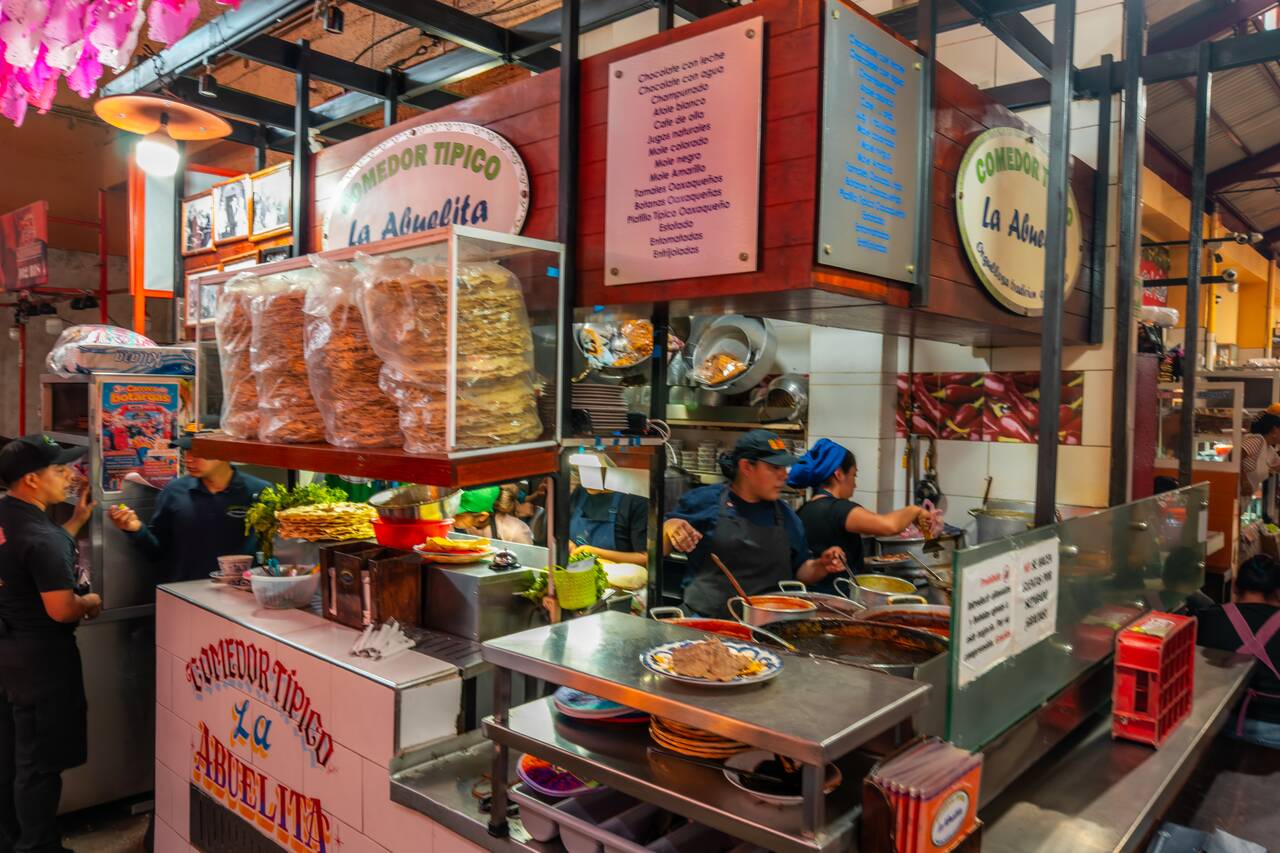
You can order one with different toppings depending on what you like, so don't be afraid to ask what's available and let the vendors guide you. There are plenty of stalls around the market serving them, so just pick whichever one catches your eye and give it a try. The market is open from 7 AM to 7 PM daily.
2. Enjoy a Cup of Coffee at Café Rústiko

- 📍 Location: Café Rústiko [Map Link]
- 🕐 Opening Hours: Mon-Sat, 8 AM-8 PM
If you're looking for a nice cafe to relax and enjoy a cup of coffee, I recommend Café Rústiko. Located just a few blocks south of the Zócalo, this cozy café has a lovely courtyard filled with plants, colorful artwork, and comfortable seating. They serve specialty coffee, including Oaxacan coffee, along with teas, frappes, and other drinks.
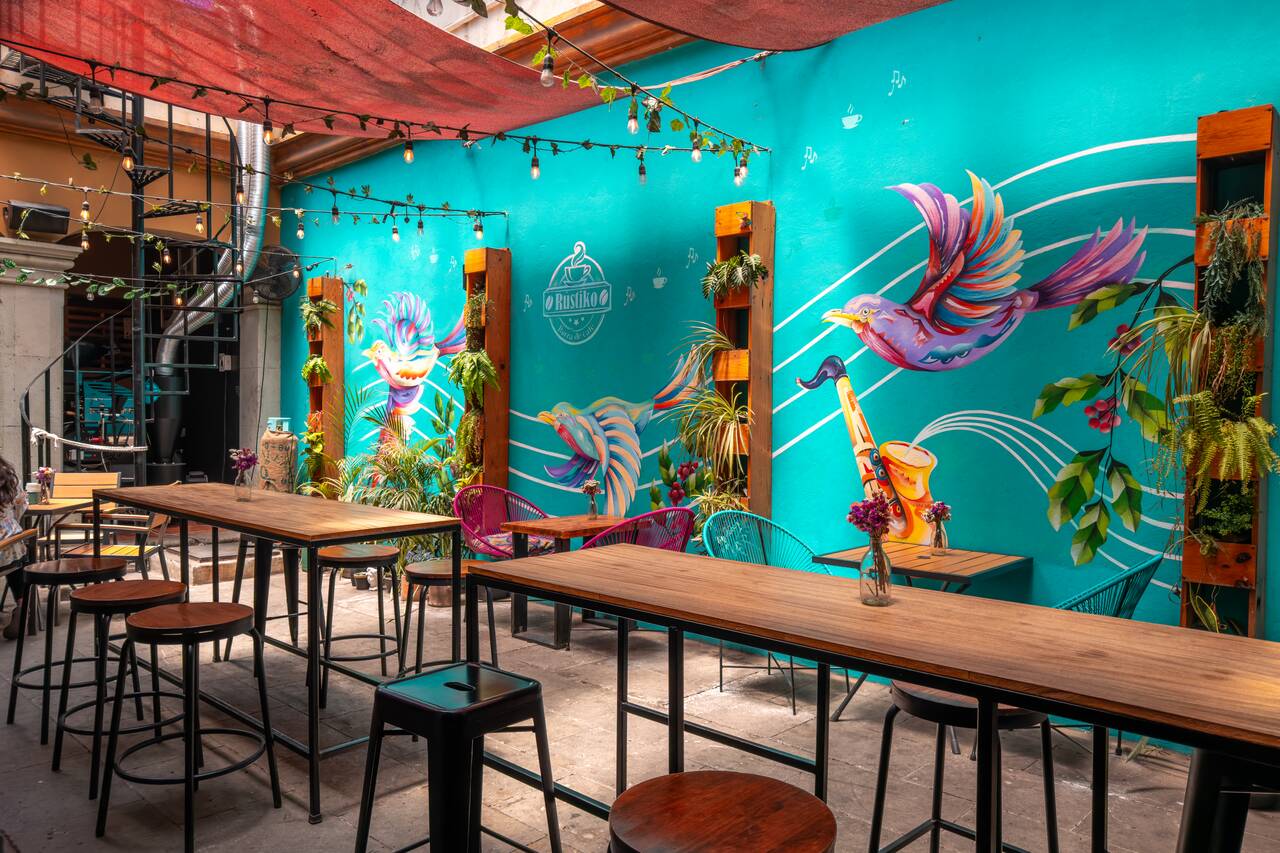
I especially liked the relaxed atmosphere here. The staff was very friendly and their coffee is absolutely delicious, but that's a given as Oaxaca is a major coffee-growing region in Mexico. The café also serves pastries, desserts, and sandwiches, if you happen to be hungry.
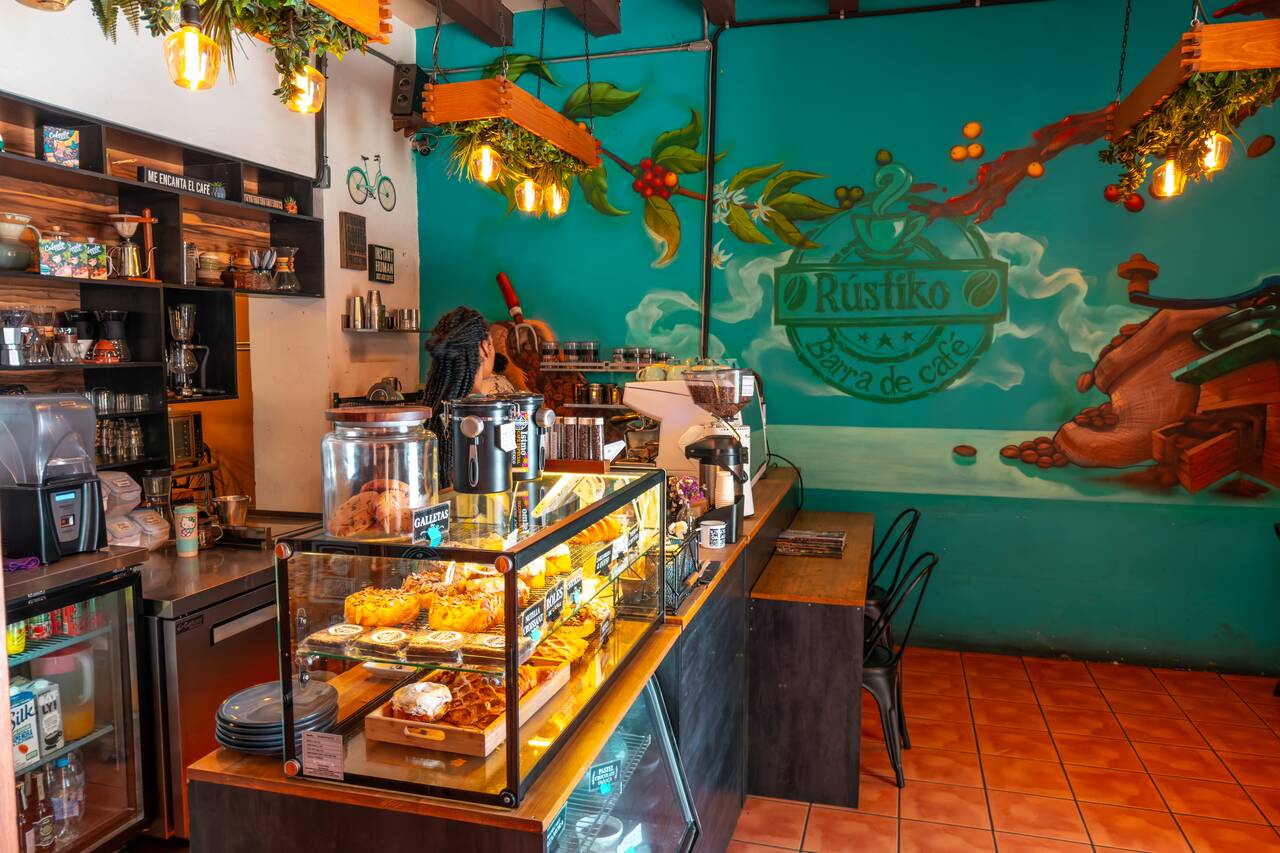
Café Rústiko is open Monday to Saturday, from 8 AM to 8 PM and it is located just outside the historical center, which is a great spot to stop by on your way to and out of the area.
3. Try Delicious Local Cuisine at Ocote cocina

- 📍 Location: Ocote Cocina [Map Link]
- 🕐 Opening Hours: 11:30 AM - 10:30 PM
- 💰 Price Range: Reasonable prices
If you're looking for a restaurant to try Oaxacan food, I really enjoyed Ocote Cocina. I absolutely loved their creative take on tacos, especially the tacos de rib eye, which were absolutely delicious and became one of my favorite meals in Oaxaca.
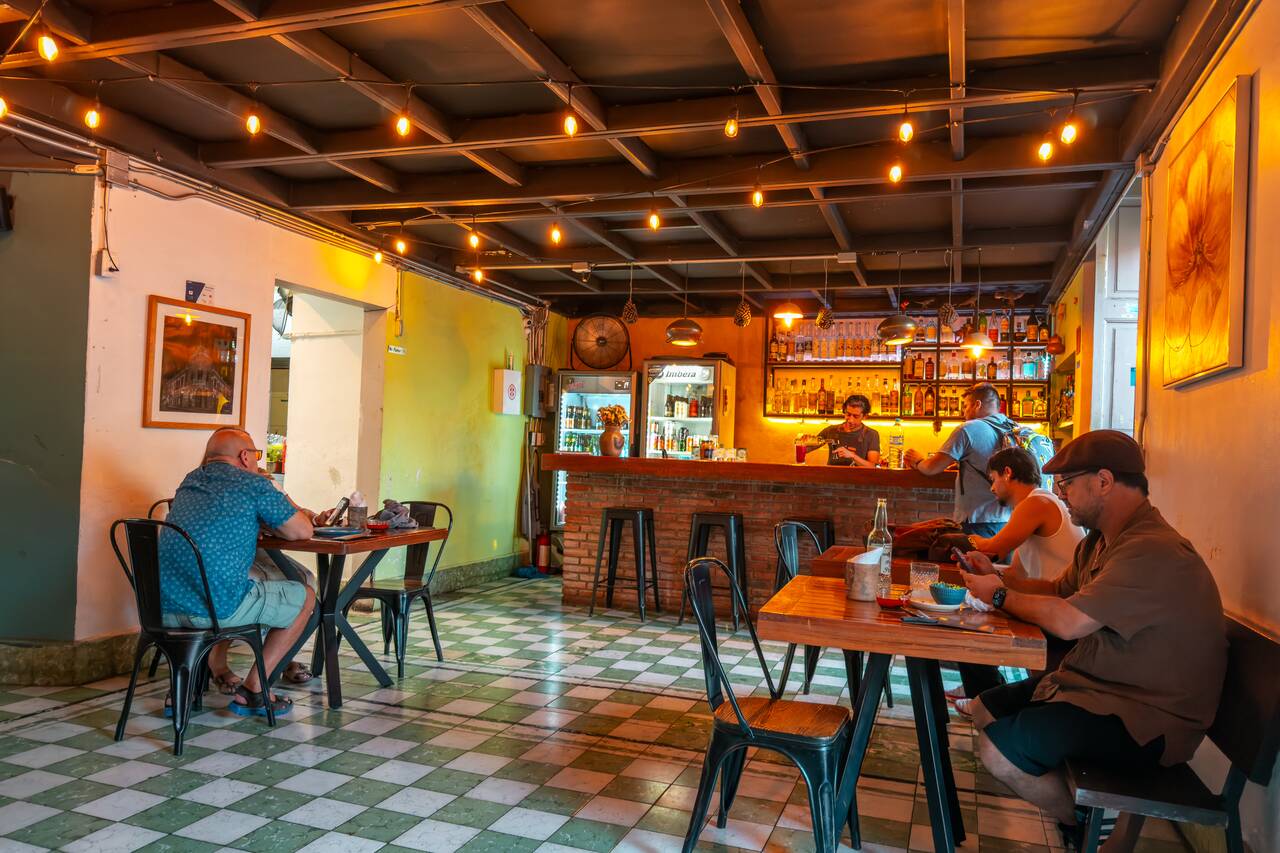
It's a casual dining spot with reasonable prices, but the food is presented with the kind of care and creativity you'd normally expect from a fine-dining restaurant, which I thought was really cool. When I visited, there were plenty of locals eating here, which is always a good sign in my book.
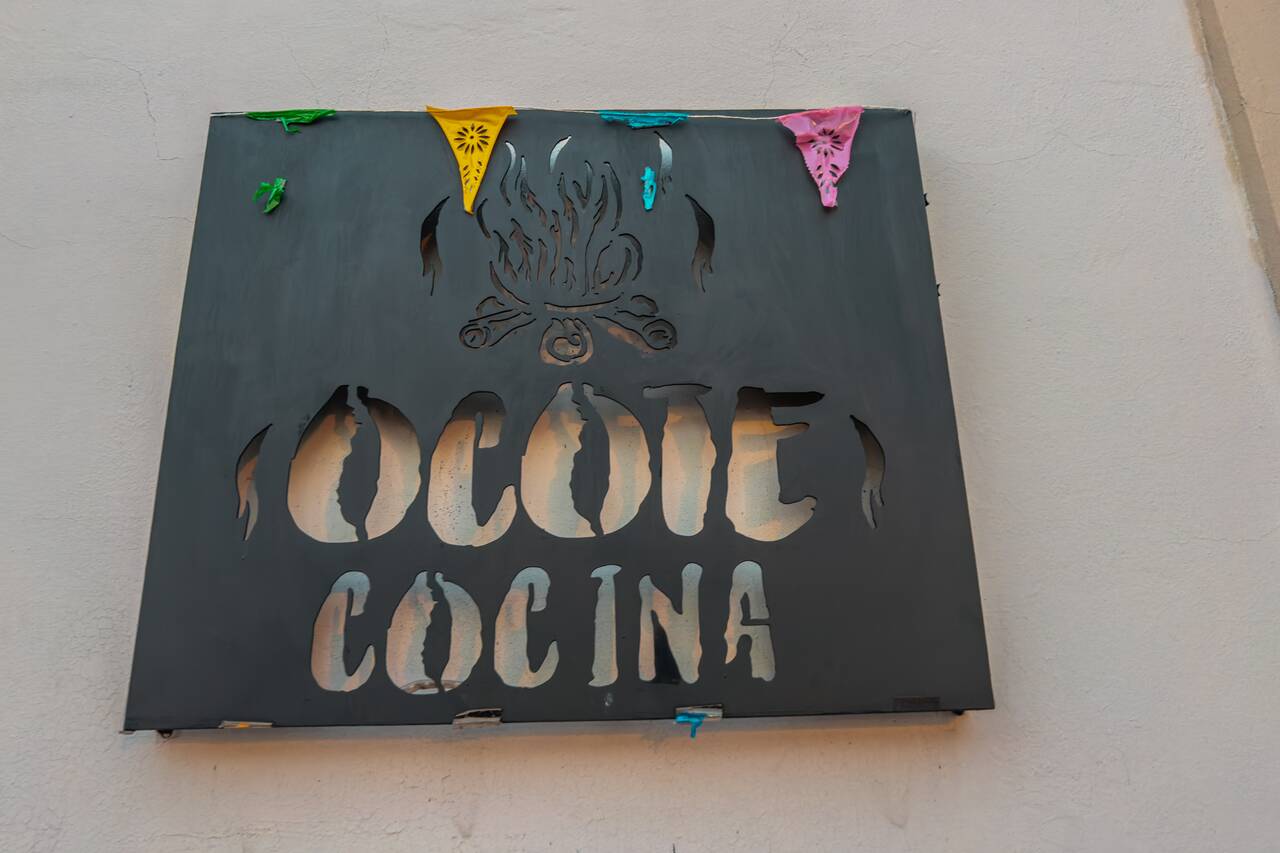
Ocote Cocina is open daily, from 11:30 AM to 10:30 PM Monday through Saturday, and from 5:30 PM to 10 PM on Sunday. I'd recommend coming around lunchtime or early evening if you want to avoid the busiest period.
4. Enjoy the Romantic Vibe at Oaxaca te amo
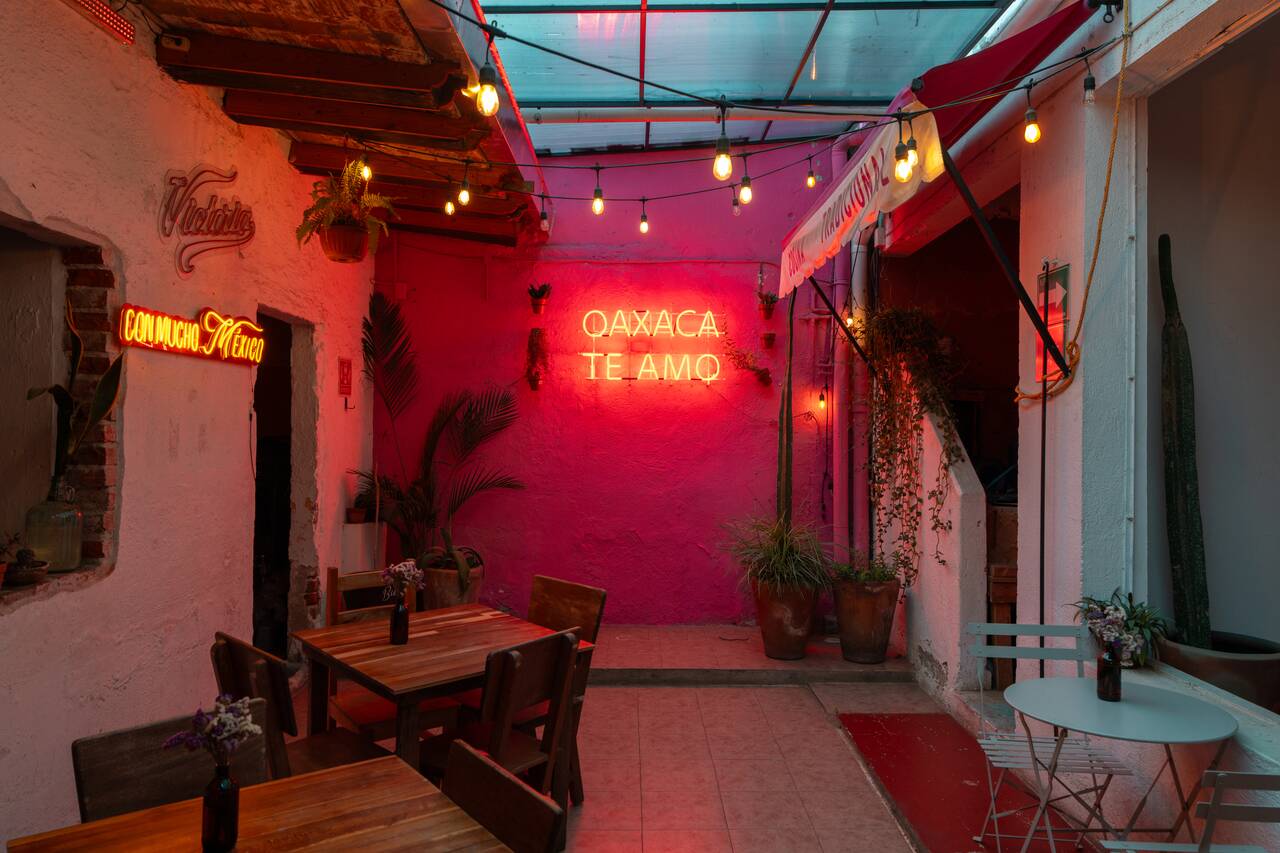
- 📍 Location: Oaxaca Te Amo [Map Link]
- 🕐 Opening Hours: 5 PM - Midnight
- 💰 Price Range: Pricey
If you're looking for a nice place to unwind in the evening, I highly recommend Oaxaca Te Amo, a lovely rooftop restaurant with a relaxed and romantic atmosphere. The rooftop has a great view of the Templo de Santo Domingo de Guzmán and the streets below, which are especially pretty during the blue hour when the lights begin to illuminate the streets and the church.
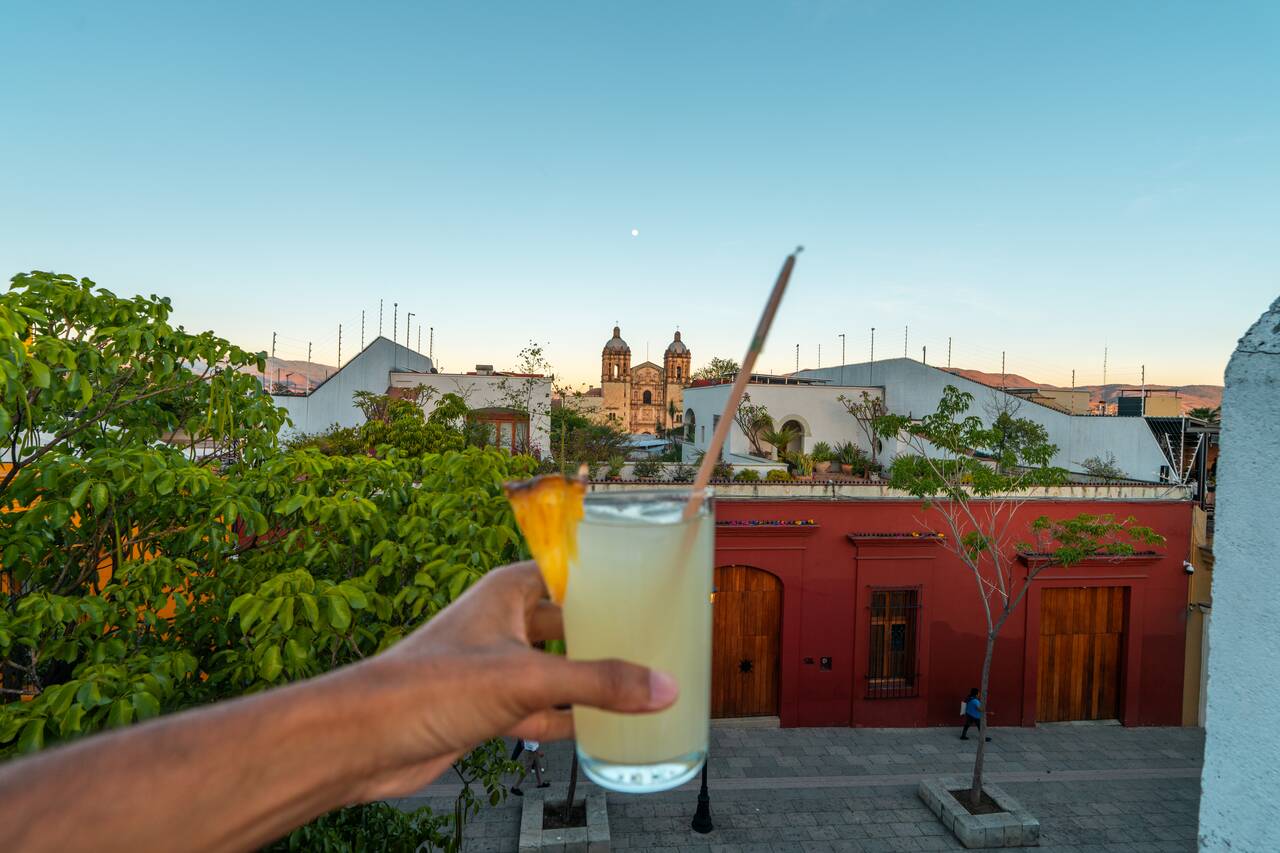
The restaurant also has live music on some evenings, which makes it a perfect place to come and enjoy the night in Oaxaca. When I visited around sunset, it was still relatively quiet, making it a great time to grab a table, enjoy the view, and slowly watch the city light up as evening set in. It does get considerably busier later at night, though, so I'd recommend coming early if you want to snag a good table with a view.
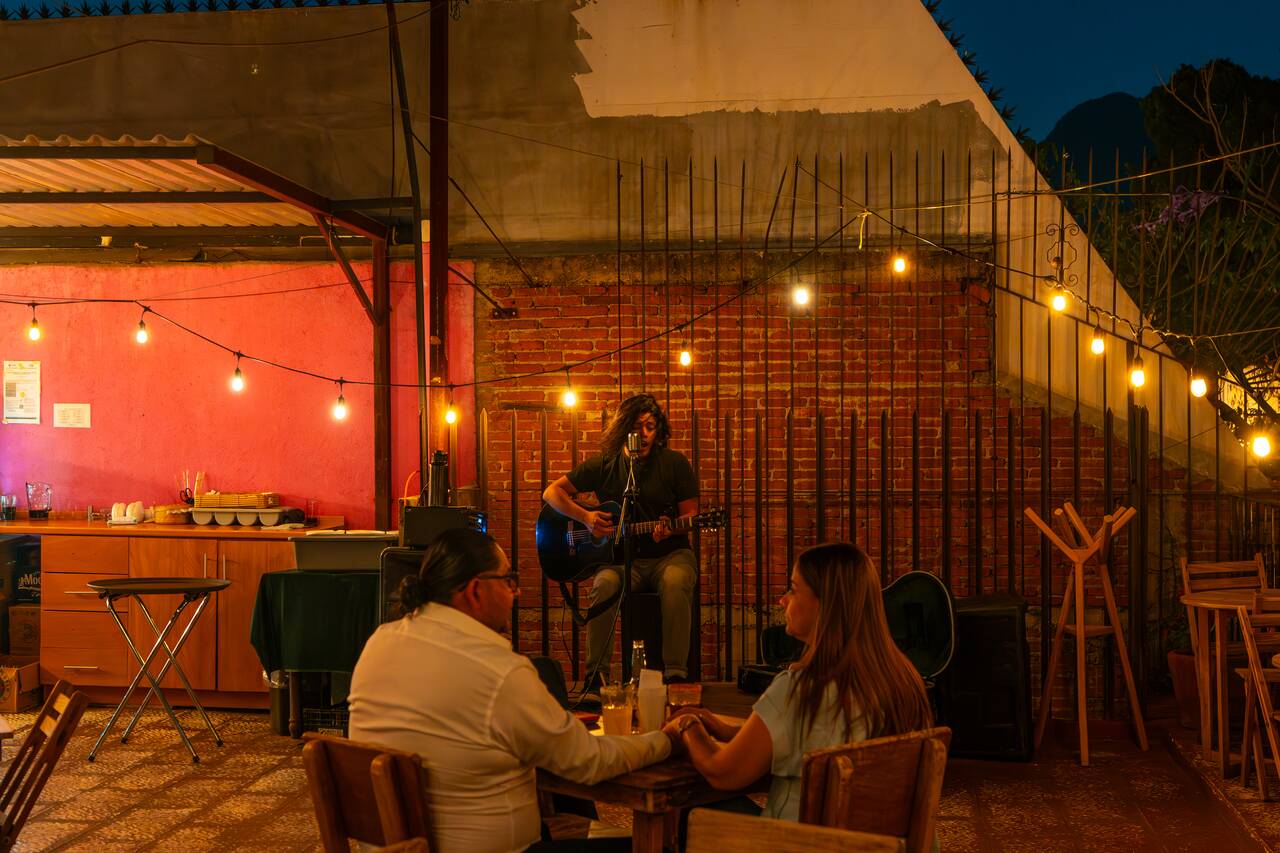
Oaxaca Te Amo is open daily from 5 PM to midnight. And a special shout-out to Emma, my Mexican friend who recommended this place to me! She definitely knew what she was talking about because this ended up being one of my favorite spots for a relaxed evening in Oaxaca. 😊

When to Visit Oaxaca?

The best time to visit Oaxaca is generally from October to May, when the weather is drier and more comfortable for exploring the city and taking day trips. The months around November to February are particularly pleasant, with cooler temperatures and very little rain.
I would personally avoid the peak of the rainy season from June to September if you want to spend a lot of time outdoors. Rain usually comes in short afternoon or evening bursts rather than lasting all day, though, so it's still possible to visit during these months.
If you can time your trip around a festival, Día de Muertos in late October and early November is an incredible time to experience Oaxaca. The city comes alive with decorations, altars, parades, music, and celebrations, although accommodation prices can increase significantly and you'll want to book well in advance.
Unfortunately, I was there in late April and missed the event. Nevertheless, I had beautiful, clear days throughout my stay, and the weather was pleasantly breezy, especially in the mornings and late evenings. It can get a bit warm during the day when the sun is high overhead, and there isn't much shade around the city, but it was nothing compared to the heat in Yucatán! 😬 You will have a great time if you stick to the recommended period.
How to Get to Oaxaca?

By Plane: Oaxaca International Airport (OAX) is located just outside the city and receives regular domestic flights from major Mexican cities such as Mexico City, Cancún, and Merida, along with some international routes. From the airport, you can take an airport taxi or shuttle into the city center.
There should be a shared shuttle waiting in front of the exit terminal just across the road. I went with them and they charged me 140 MXN (8 USD), which I think was reasonable. There were around 5 - 6 people in the shuttle with plenty of space for the luggage, and they dropped us off right at our accommodations, which is great.
By Bus: If you're already traveling through Mexico, the long-distance bus is often the easiest way to reach Oaxaca. ADO operates frequent services from cities such as Mexico City, Puebla, and Tehuacán. From Mexico City, the journey takes around 6–7 hours, and the buses are generally comfortable with reclining seats, air conditioning, and bathrooms onboard.
The bus will drop you off at ADO Terminal in Oaxaca a little bit out of town and you can either get a taxi or walk to your accommodation from there. If you don't have a lot of luggage, it's quite a nice walk so go for it. You can book the bus ticket here.
How to Get to around Oaxaca?
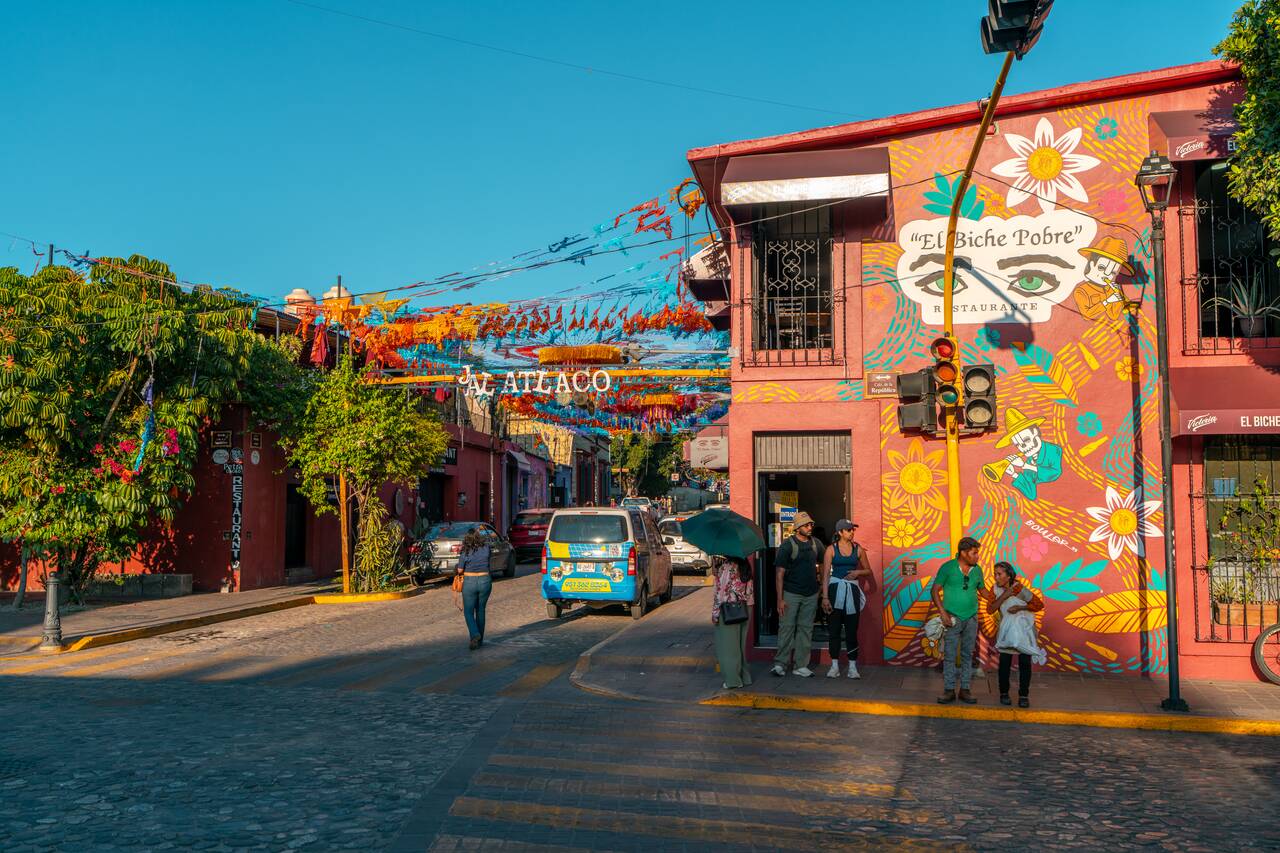
By Foot: Oaxaca is a very walkable city, especially if you're staying around the historic center. Most of the main sights, restaurants, markets, and plazas are within walking distance, and you might stumble upon beautiful murals and hidden corners as you explore, which is always a great surprise.
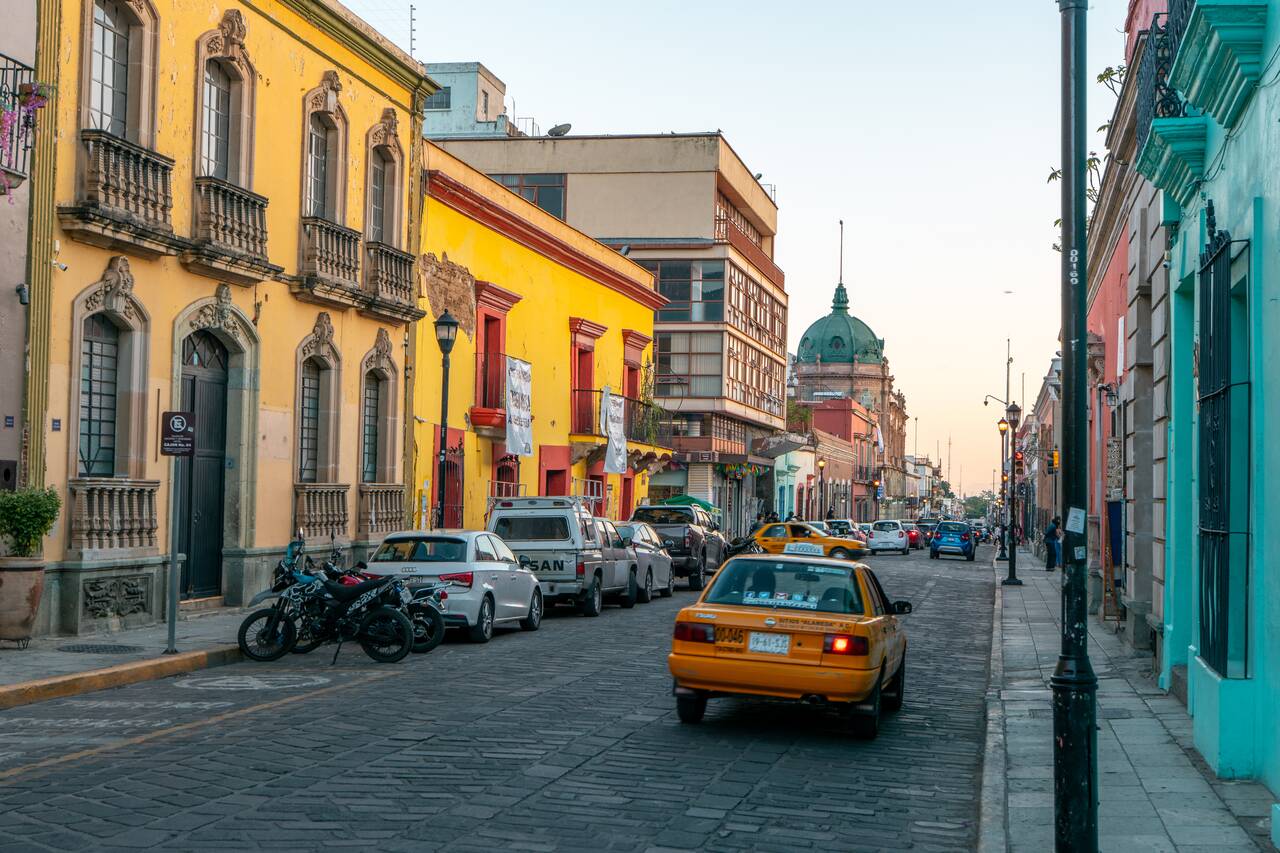
By Taxi/Didi: For places further away, taxis or Didi (Uber alternatives) are the easiest option. They're widely available around the city, but if you go with the taxis, fares aren't always metered, so I would recommend Didi over regular taxis.
By Bus: Oaxaca has an extensive local bus network that can take you to neighborhoods outside the historic center. They're cheap, although routes can be a little confusing if you're unfamiliar with the city.
By Colectivo: For getting to nearby towns and villages, colectivos are a cheap and convenient option, but keep in mind that they are not particularly comfortable and can get quite cramped at times. These shared vehicles run along fixed routes and are particularly useful for day trips around the Central Valleys.
If you want to visit Hierve el Agua independently, you can catch a colectivo from this terminal, but I opted for an organized tour instead. I explain why in the Hierve el Agua day trip section.
How Many Days to Spend in Oaxaca?
I recommend spending at least 3 days in Oaxaca. This gives you enough time to explore the historic center, slow down and enjoy the city's incredible food and café scene, and still squeeze in a half-day trip to Hierve el Agua without making the trip feel rushed.
- Day 1: Spend the day exploring Oaxaca's historic center, visiting the main churches, plazas, markets, and museums, then enjoy dinner and drinks in the evening.
- Day 2: Take it slow and enjoy Oaxaca's food scene. Visit the markets, try some local dishes, stop at cafés, browse the shops, and spend the evening enjoying the city's lively nightlife.
- Day 3: Take a half-day trip to Hierve el Agua in the morning, then return to Oaxaca in the afternoon to relax, grab some food, and enjoy your last evening in the city.
Is it Safe in Oaxaca?
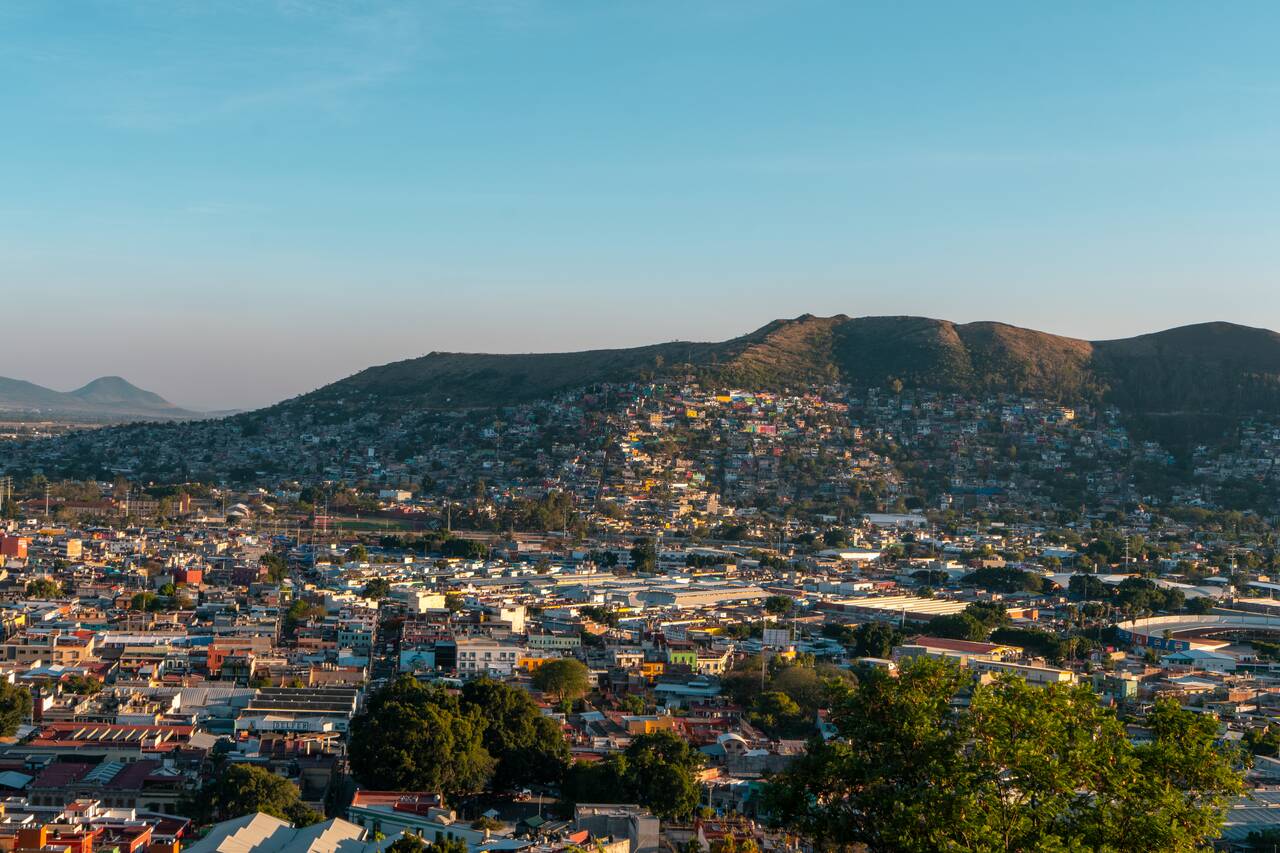
Yes, I found Oaxaca to be a comfortable place to travel, including as a solo traveler. The historic center feels lively throughout the day and night, especially around the main plazas and pedestrian streets, and I never felt particularly unsafe while exploring the city.
That said, Oaxaca is still a major Mexican city, so the usual precautions apply. Keep an eye on your belongings, avoid flashing valuables, and stick to busy, well-lit areas at night. With these basic precautions, you should have a great time in Oaxaca as I did.
Disclaimer: This post may contain affiliate links. See our disclosure policy.
First Published:


