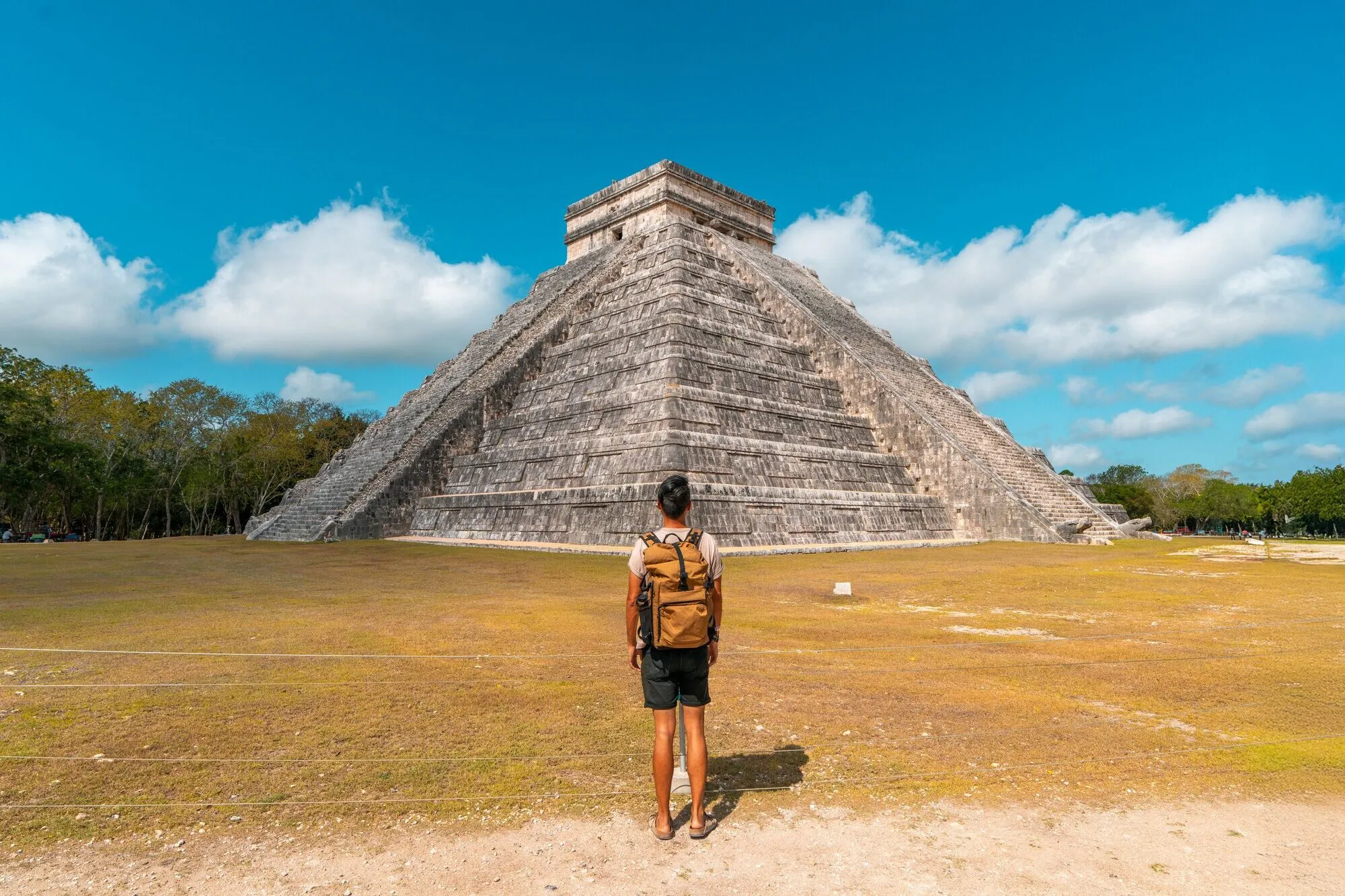



It has always been a dream of mine to visit Mexico. In a way, Thailand, where I'm from, shares certain similarities with Mexico, from being a popular travel destination with countless beaches and islands, a vibrant and unique culture, and an incredible array of delicious and often spicy street food and cuisine.
But despite these similarities, Mexico has always felt like a completely different world to me. Maybe it's the distance, as it took me over 21 hours to get here. Nevertheless, I finally got to experience this incredible country for a month, and I can confidently say that Mexico exceeded all my expectations and then some!
With so much to see, planning a trip to Mexico can be overwhelming, especially if you're visiting for the first time. So, I put together this one-month (27-ish-day) Mexico itinerary to help you experience as much of the country as possible without spending the entire trip rushing from one place to another.
I've also designed this itinerary with independent travelers in mind, using buses, colectivos, Ubers, and a couple of strategic flights to keep the route practical and relatively affordable. So, if you're looking for an epic Mexico itinerary that combines culture, history, food, beaches, nature, and plenty of adventure, this is the itinerary for you!

Map of this One-Month Mexico Itinerary
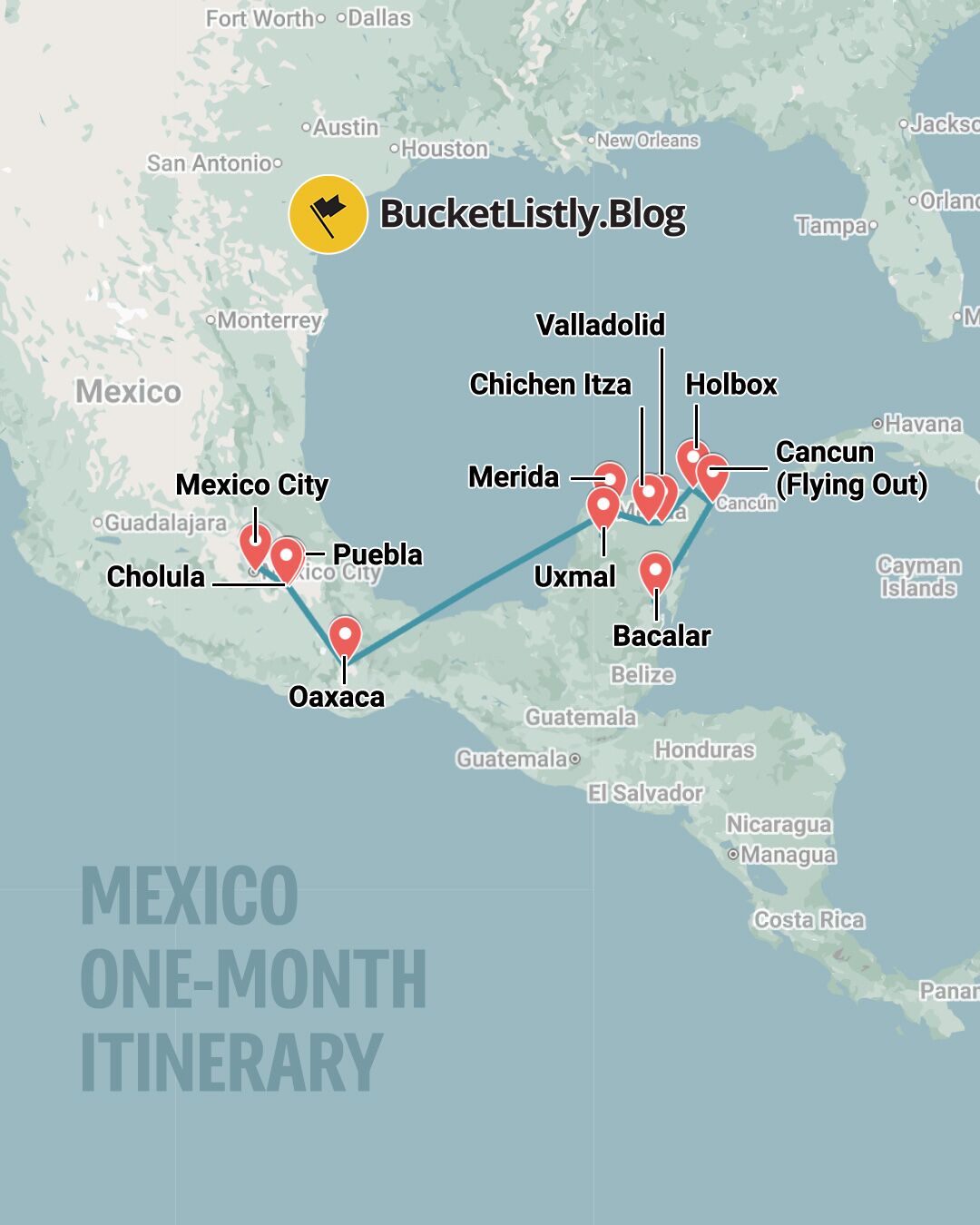
Quick Summary
| ☀️ Day 1-5: | Mexico City |
| ☀️ Day 6-8: | Puebla |
| ☀️ Day 9-13: | Oaxaca |
| ☀️ Day 14-16: | Mérida |
| ☀️ Day 17-19: | Valladolid |
| ☀️ Day 20-22: | Holbox |
| ☀️ Day 23-25: | Bacalar |
| ☀️ Day 26-27: | Cancún |
Mexico's One-Month Itinerary: A Complete Breakdown
Day 1 - 5: Mexico City (5 nights)
- 📍 Stay: Condesa Cibel
- 🕐 Time: 5 nights
- 📖 Full Guide: Explore Mexico City: Things to Do, Itinerary, Getting Around, & More
This itinerary begins in Mexico City, the world-class capital city and one of the my favorite cities in the world. This city is enormous, so I'd recommend spending your first five days exploring it at a comfortable pace rather than trying to cram everything into a couple of days.
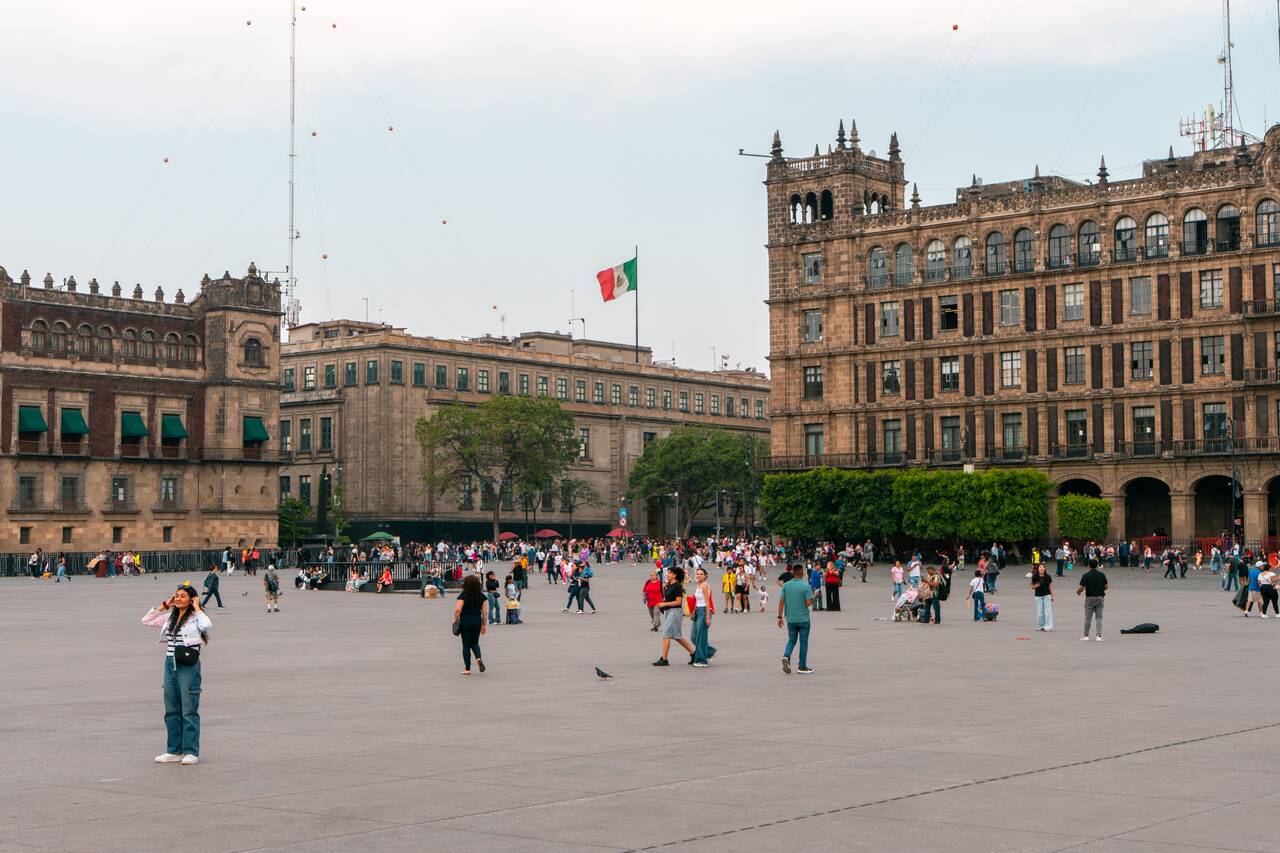
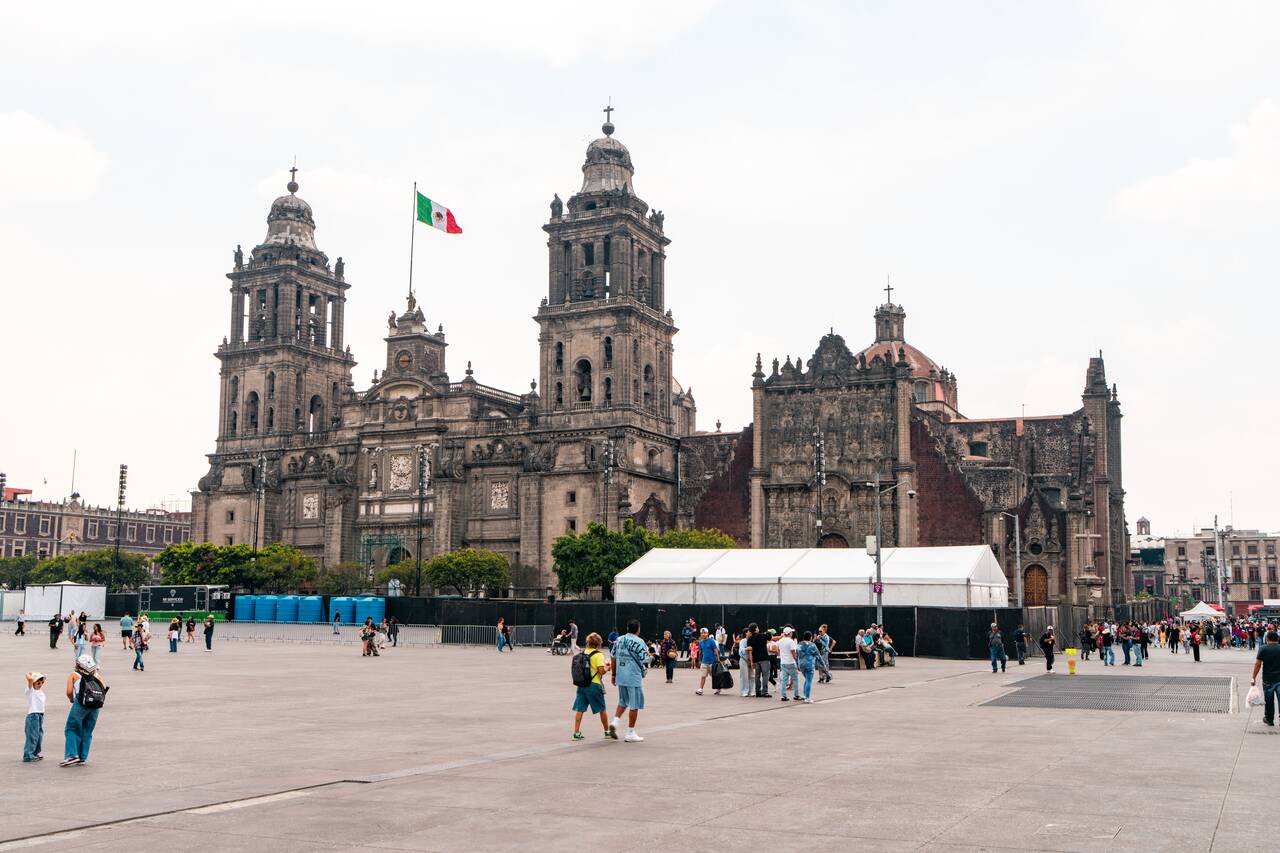
On your first day in Mexico City, I'd recommend starting your exploration at Plaza de la Constitución, better known as the Zócalo, located right at the heart of the historic center. This massive square was once the ceremonial center of Tenochtitla, the ancient capital of the Aztec Empire, before the Spanish conquest in 1521.
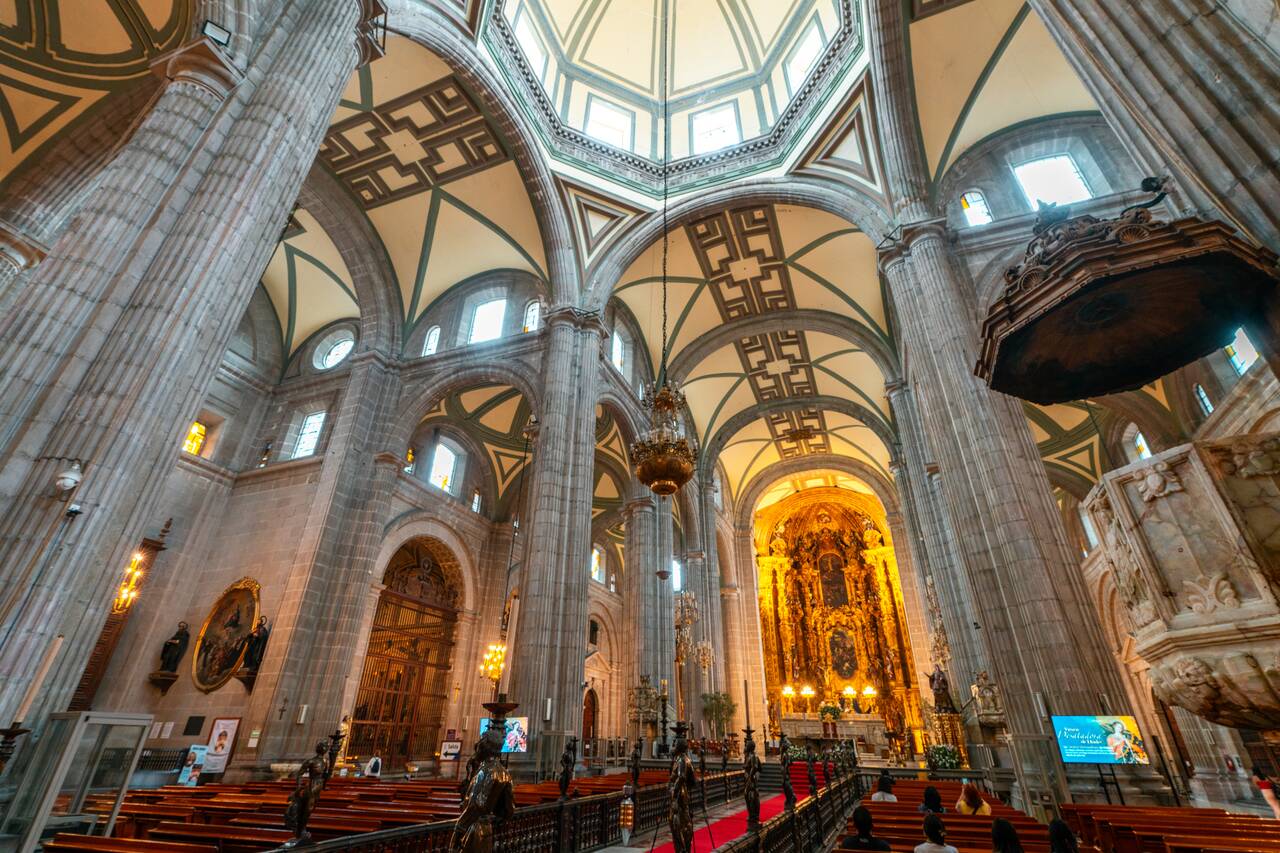
From the square, you'll immediately be surrounded by some of the most impressive buildings in Mexico City. The Mexico City Metropolitan Cathedral dominates the northern side of the Zócalo, and its enormous scale is just as impressive once you step inside.
- Viva Mexico: Ancient Ruins & the Mayan Riviera (14 days)
- Mexico Unplugged (15 Days)
- Aztecs & Mayas (10 Days)
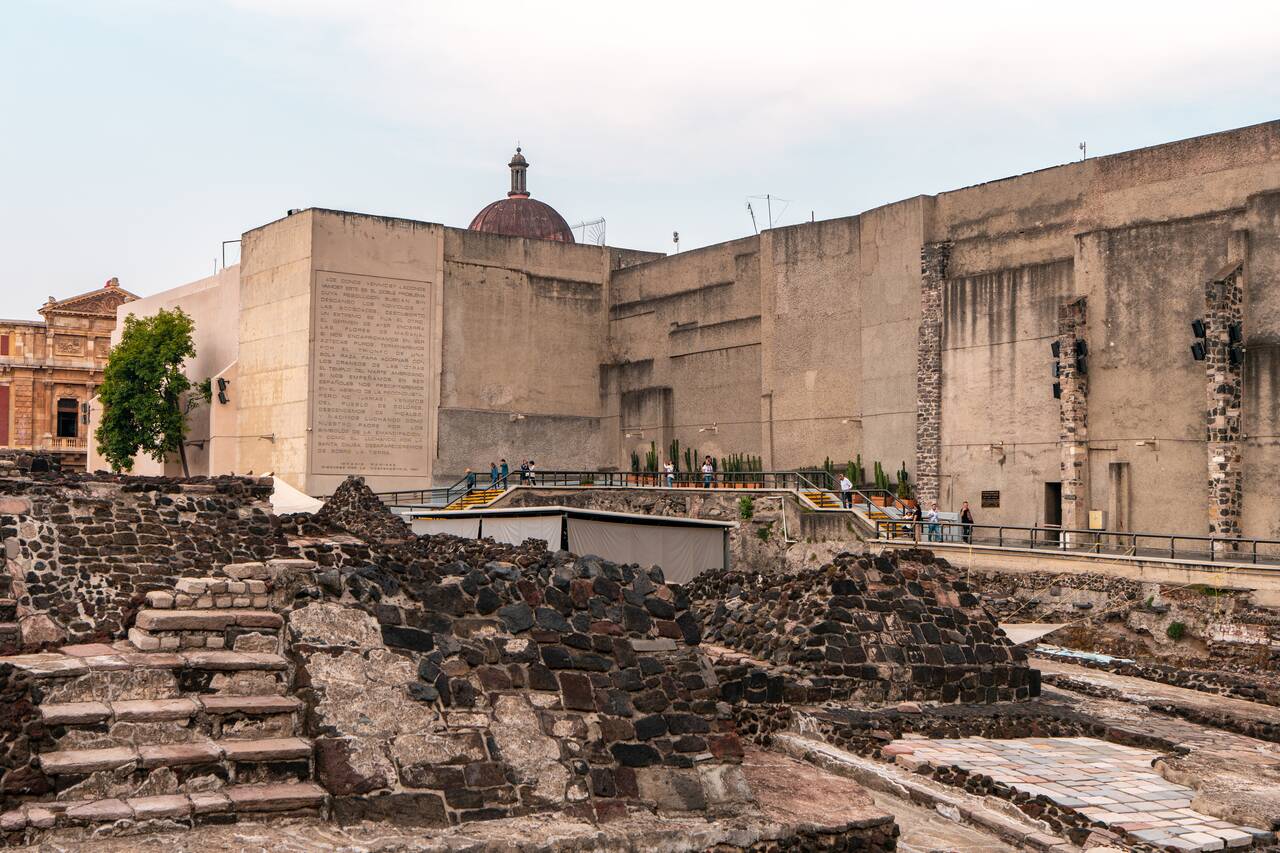
After visiting Metropolitan Cathedral, drop by and check out National Palace before exploring the archaeological remains of Templo Mayor. Set aside some time to wander the surrounding streets as there are plenty of impressive colonial buildings, museums, markets, and cafés to discover.
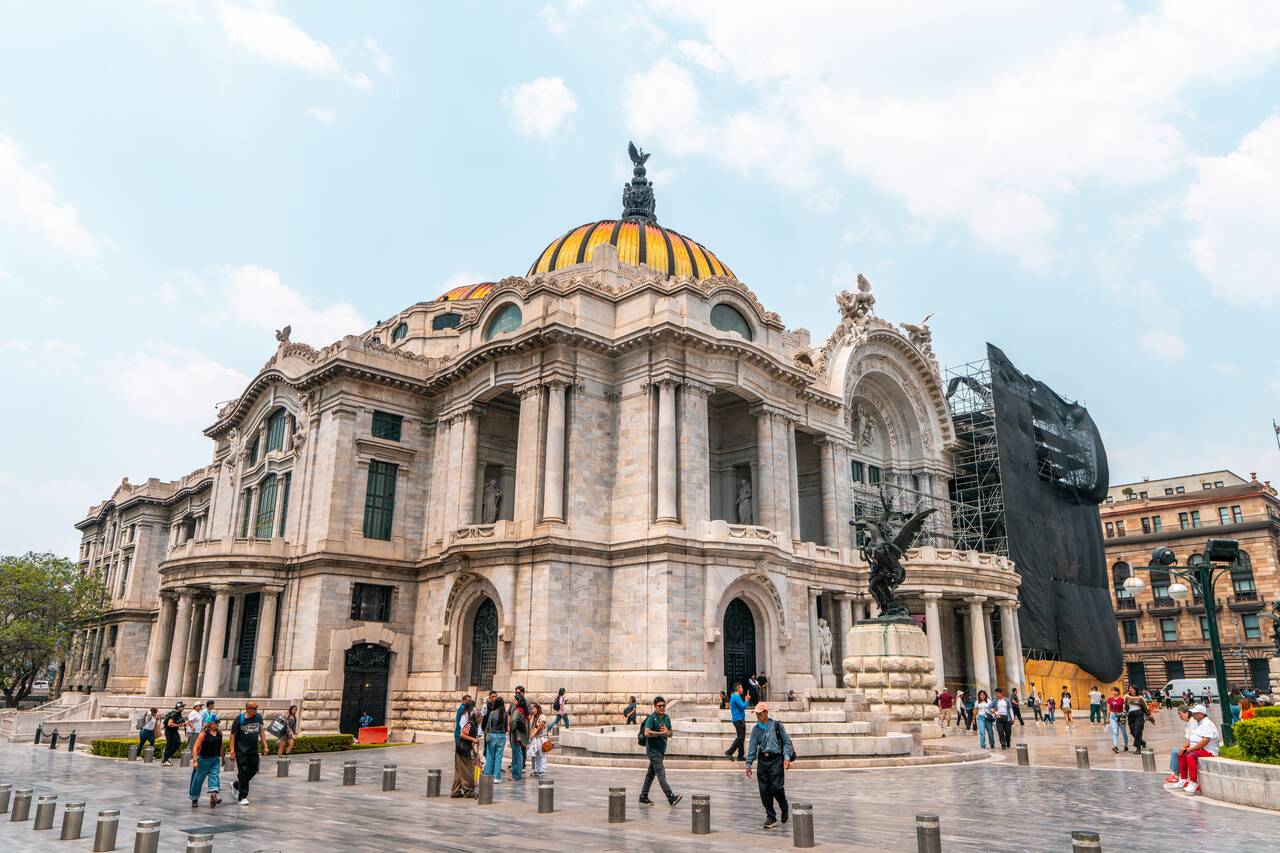
In the afternoon, you can spend some time and visit some of the museums nearby like Museo del Estanquillo, the National Museum of World Cultures, and the Museo de la Ciudad de Mexico, or go and stroll along Avenida Francisco I. Madero and visit the Palacio de Bellas Artes before heading back to your accommodation and retreat for the day.
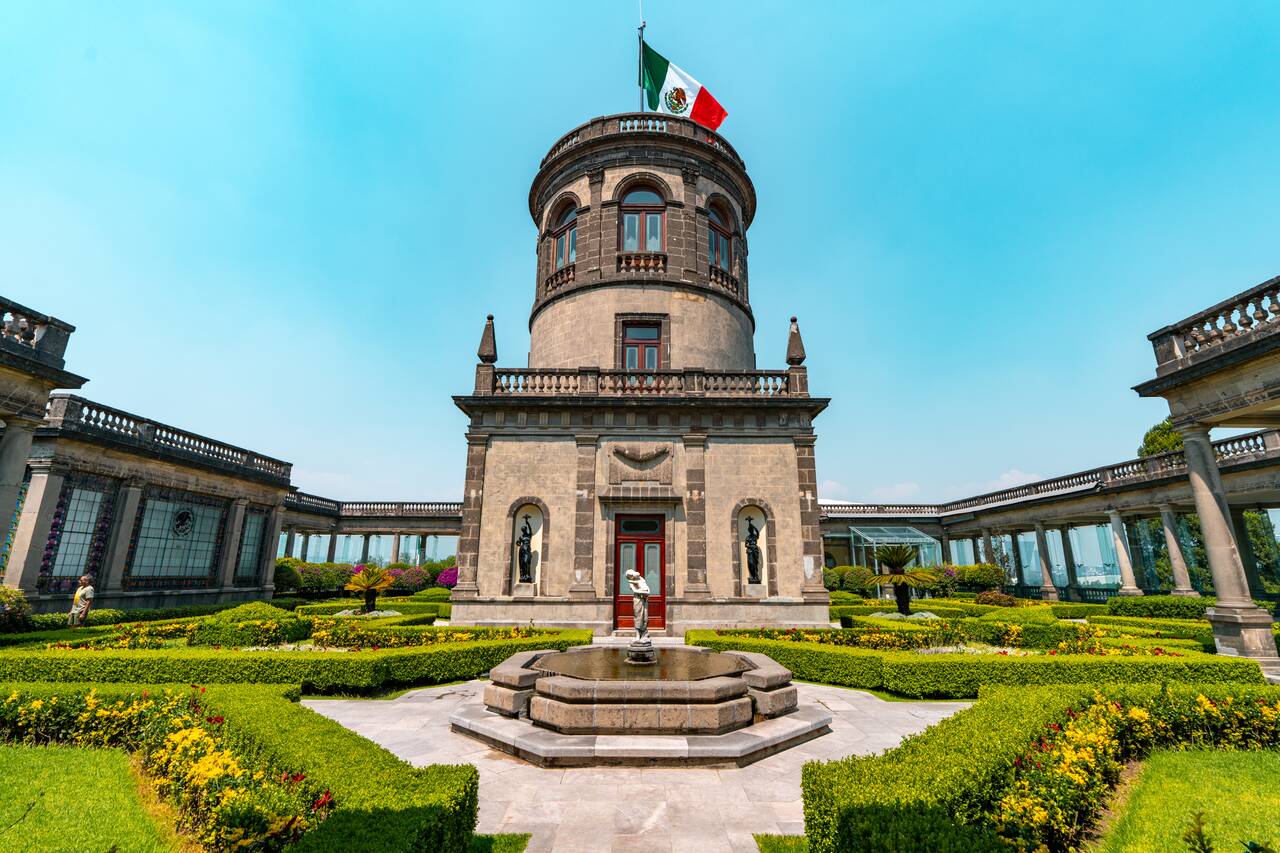
On the next day, spend the entire day exploring Chapultepec Park, one of the largest urban parks in the world. Start with a walk through the park before making your way up to Chapultepec Castle, where you can explore the historic rooms and enjoy fantastic views over the city.
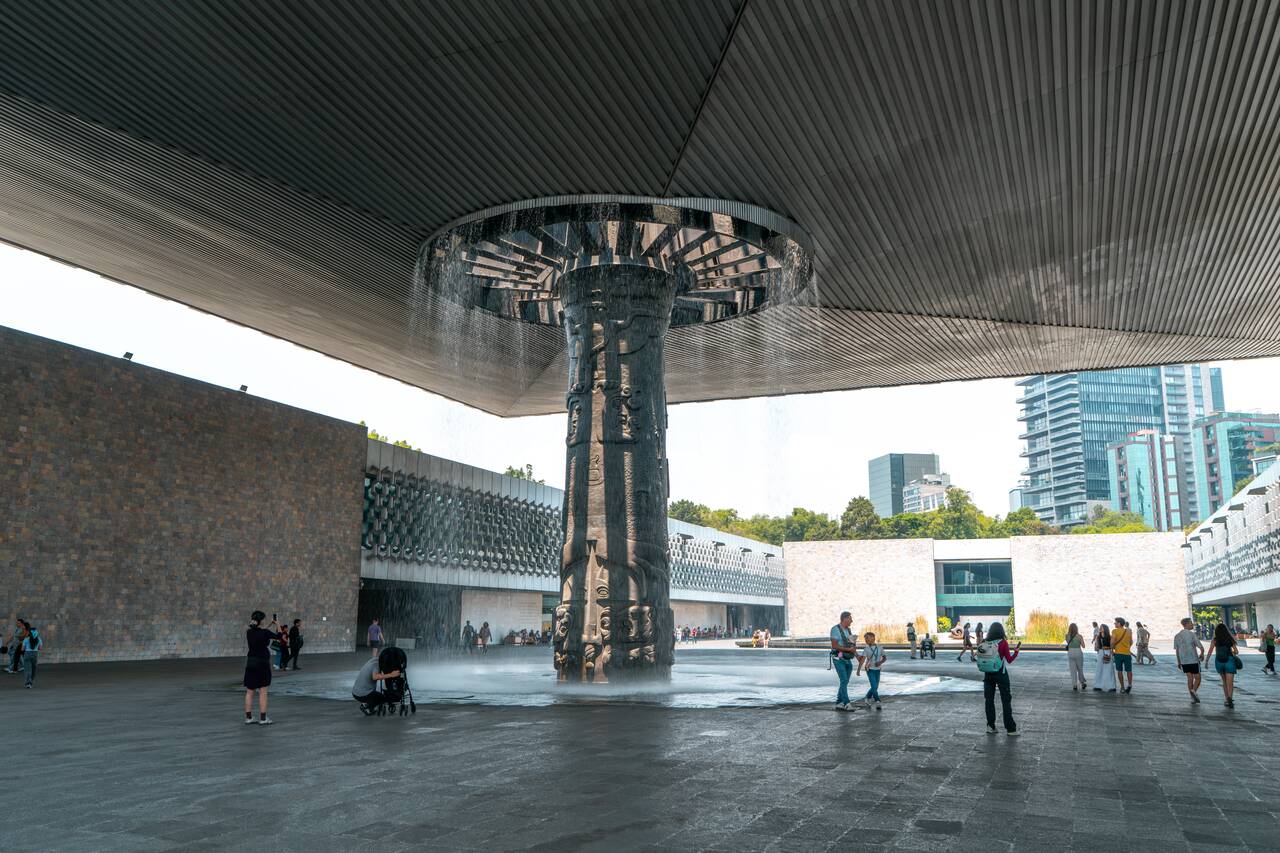
Afterward, go and explore the National Museum of Anthropology, one of the best museusm in the world. The museum is enormous, so don't try to see everything in a rush; instead, focus on highlights such as the Mexica, Maya, Olmec, and Teotihuacán collections. Expect to spend at least 3 hours here.
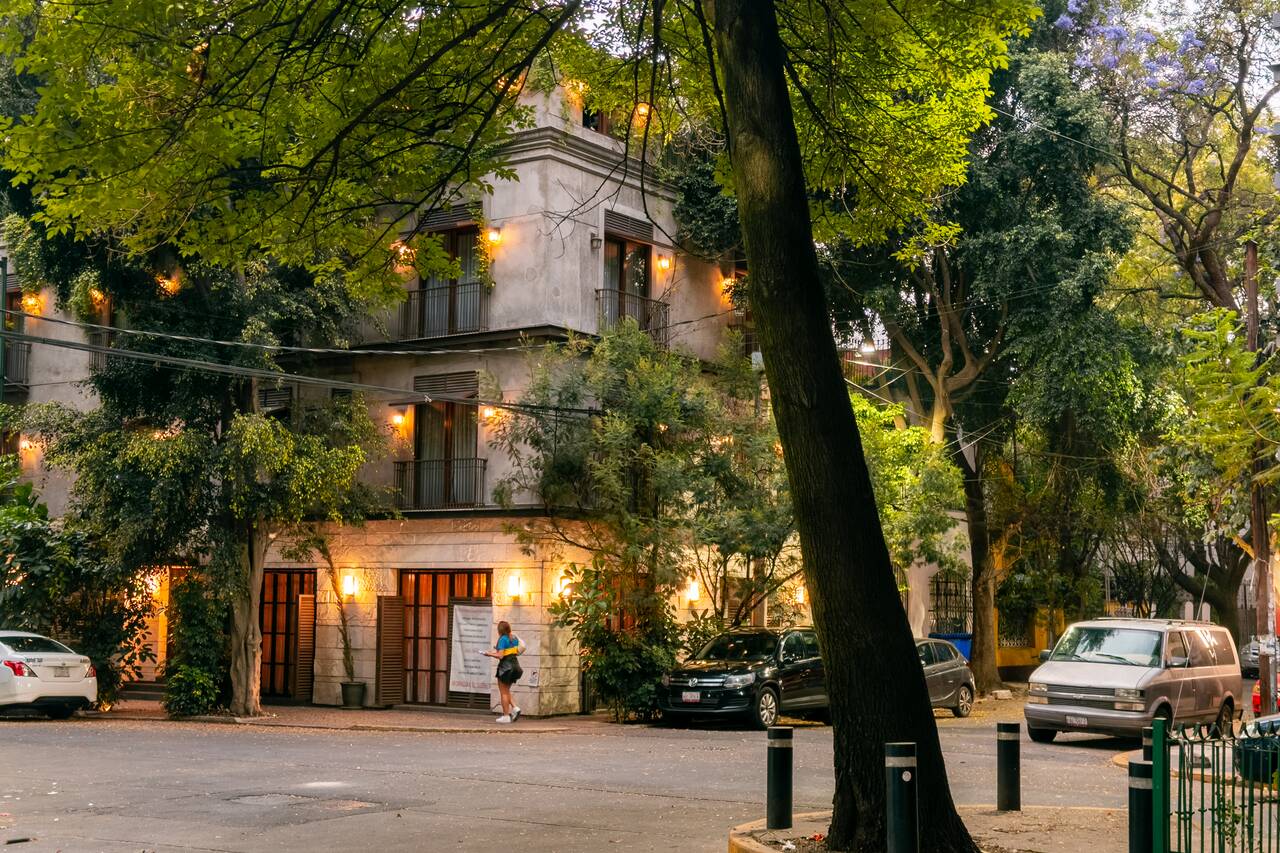
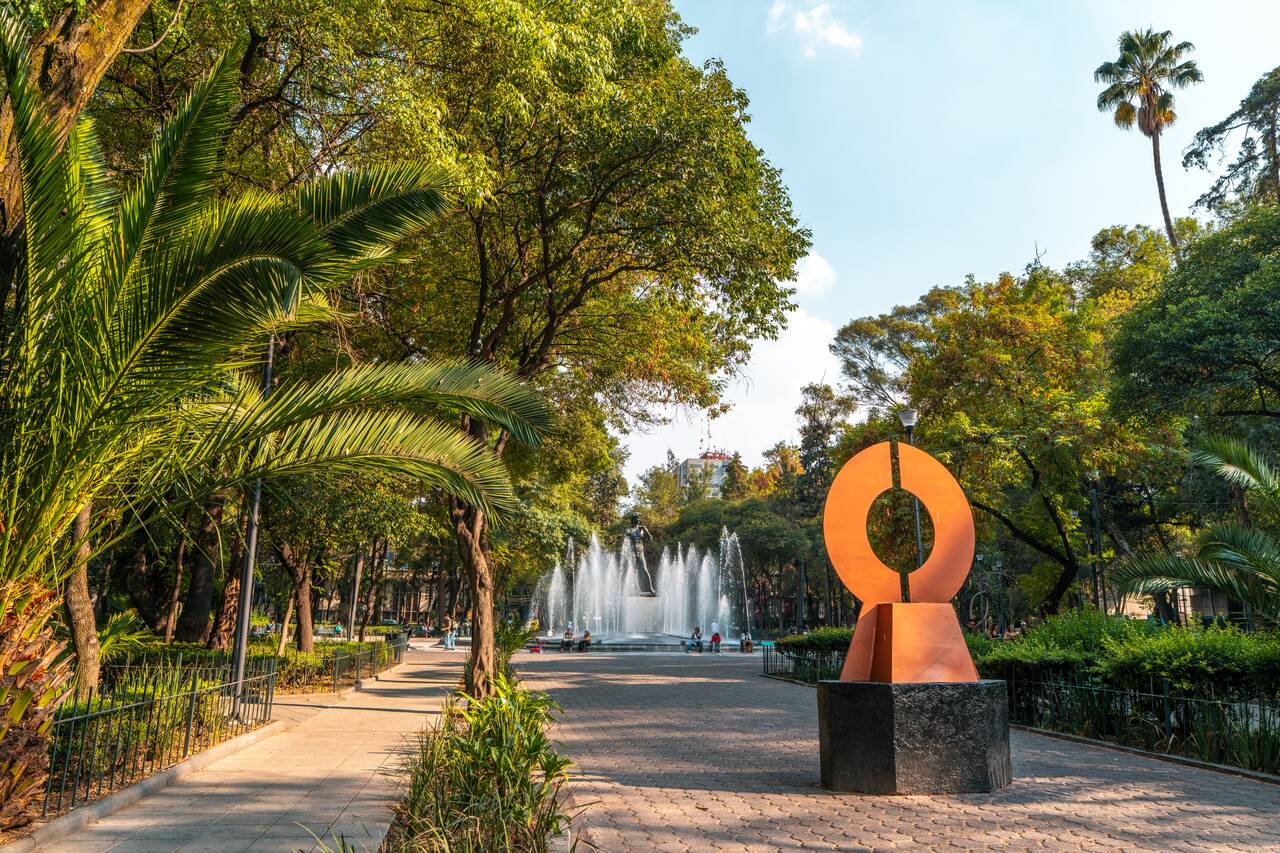
In the evening, head to La Condesa for dinner and a relaxed stroll around Parque México and the neighborhood's leafy streets. This is one of my favorite neighborhoods in the city, as it is green, quiet, and peaceful while still having plenty of restaurants and cafés to keep you occupied for the evening.
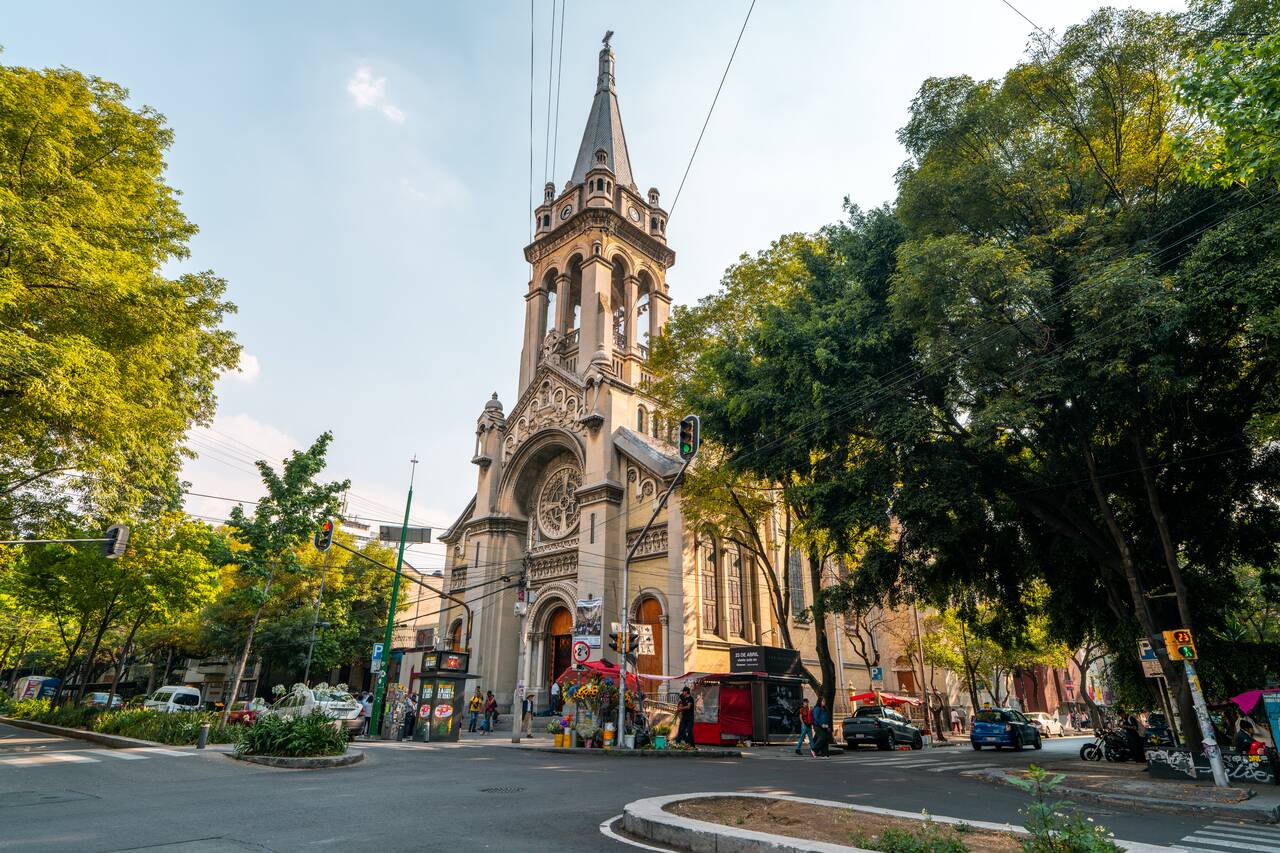
We are going to take it slow a little on our third day here with a little morning stroll around Roma Norte, another of my favorite neighbood here. Wander along streets such as Álvaro Obregón, Orizaba, and Colima, stopping at cafés, restaurants, galleries, boutiques, and beautiful plazas along the way.
Don't miss Plaza Río de Janeiro, one of the neighborhood's nicest spots for people-watching and grabbing a coffee. From Roma, continue toward Juárez, where you can take a break at Café Nin, one of my favorite cafés in the area.
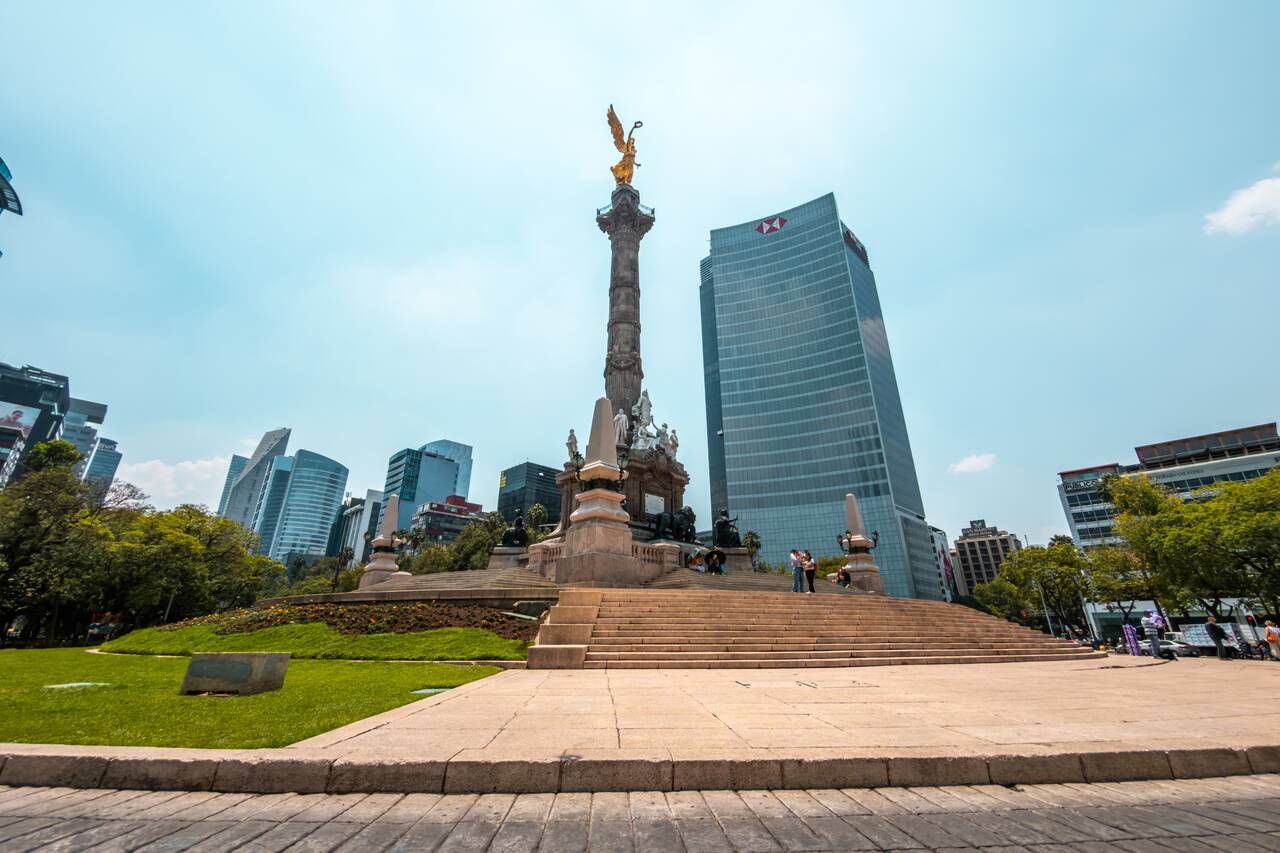
From there, continue toward Paseo de la Reforma, where you can walk along the grand boulevard and see landmarks such as the Angel of Independence. This should keep you occupied for most of the day. In the evening, you can return to La Condesa for a relaxed dinner or head back to your accommodation and rest for the night.
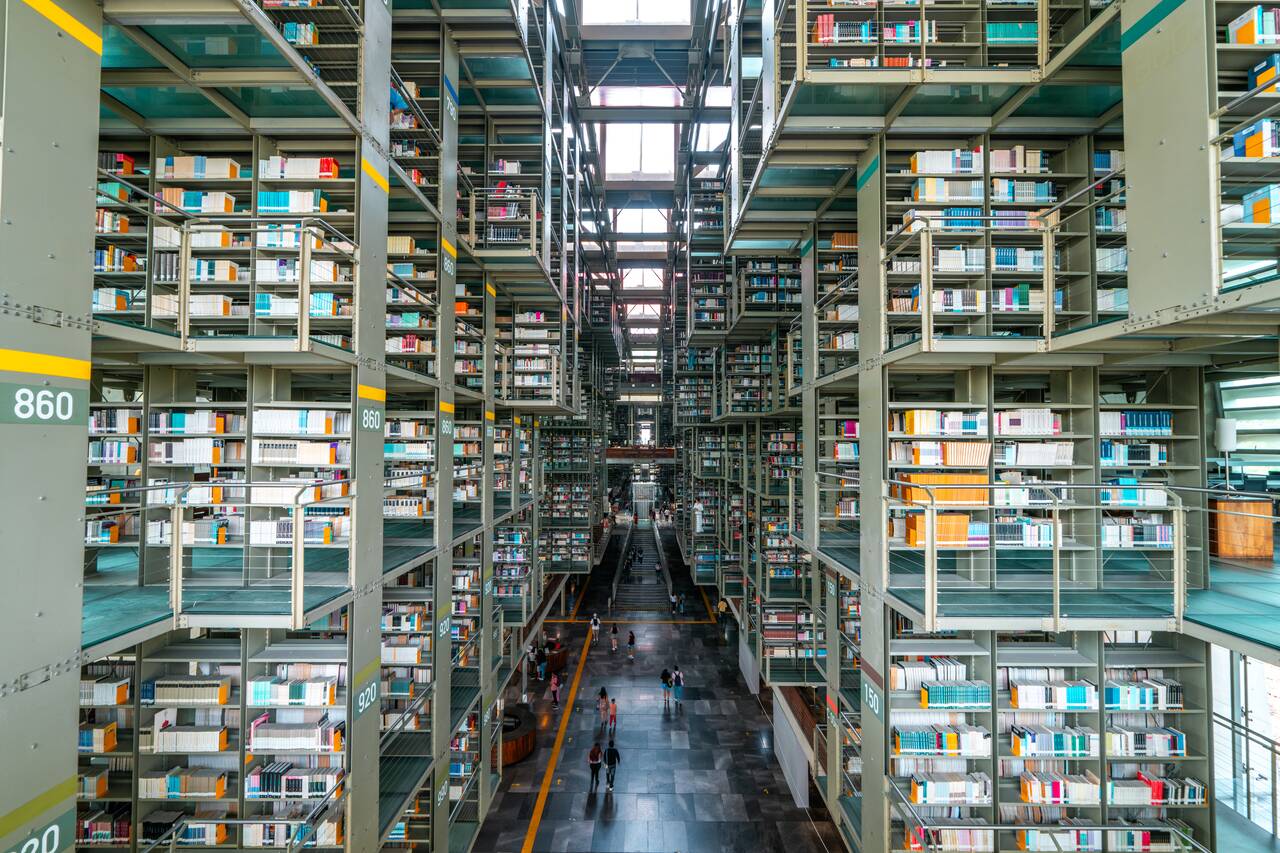
Use your fourth day to explore some of the attractions farther away from the main tourist areas. Start at Biblioteca Vasconcelos, one of the most visually striking libraries in the city, before stopping at Mercado de Artesanías La Ciudadela to browse traditional crafts and souvenirs from across Mexico.
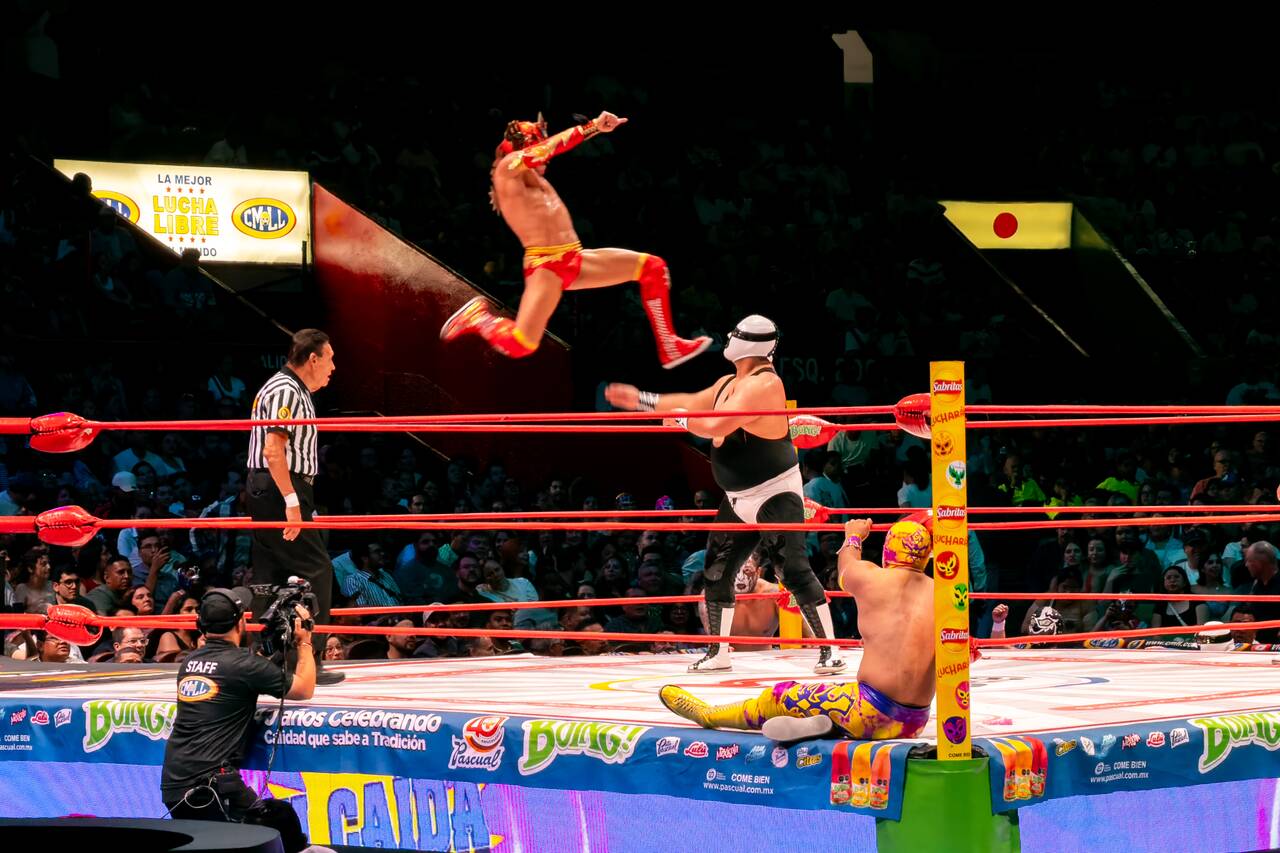
You can also spend this day in Coyoacán, wandering its colorful streets and visiting the Frida Kahlo Museum if you're lucky enough to get a ticket, as they often sell out weeks in advance. In the evening, finish the day with one of Mexico City's most entertaining experiences: watching a Lucha Libre match at Arena México.
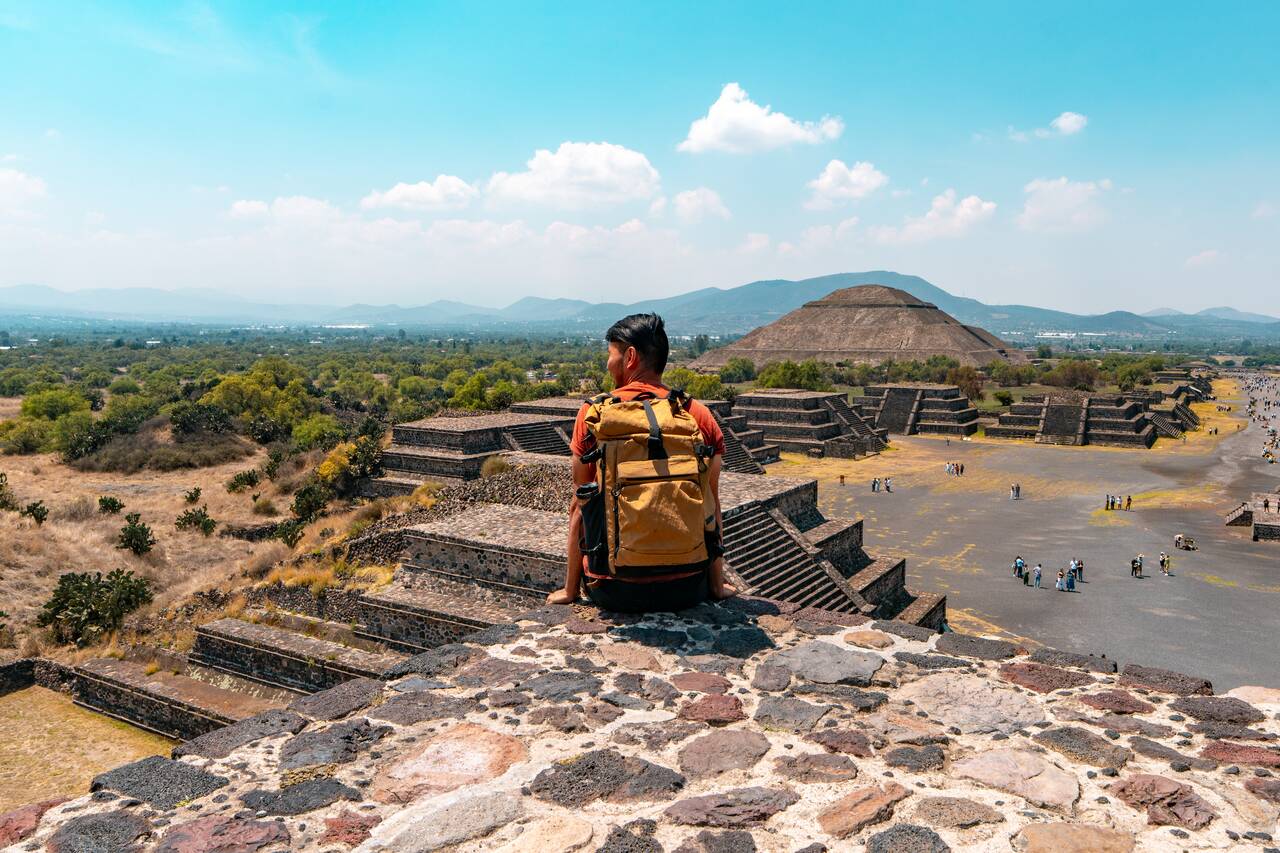
On your last day in Mexico City, go and take a full-day trip to Teotihuacán, one of the most impressive archaeological sites in Mexico. Spend the day exploring the enormous ancient city, including the Pyramid of the Sun, Pyramid of the Moon, and Quetzalpapálotl Palace.
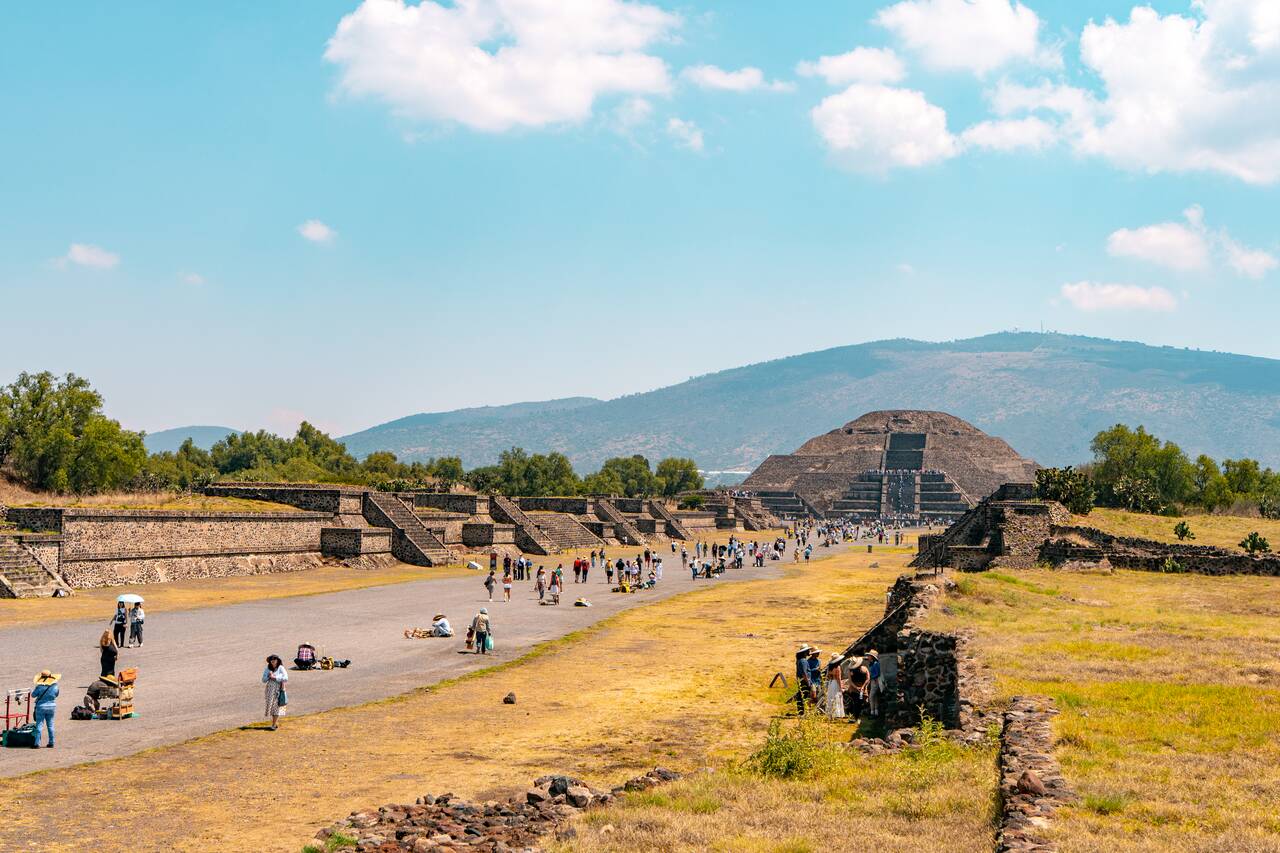
Expect to spend around 3–4 hours here, as the site is massive and there is plenty to see. There is also a lot of walking involved and very little shade, so bring plenty of water, wear comfortable shoes, and use sunscreen. If you're traveling independently, you can take a bus from Mexico City's North Bus Station (Terminal del Norte), with buses departing regularly and taking about an hour to reach the archaeological site.
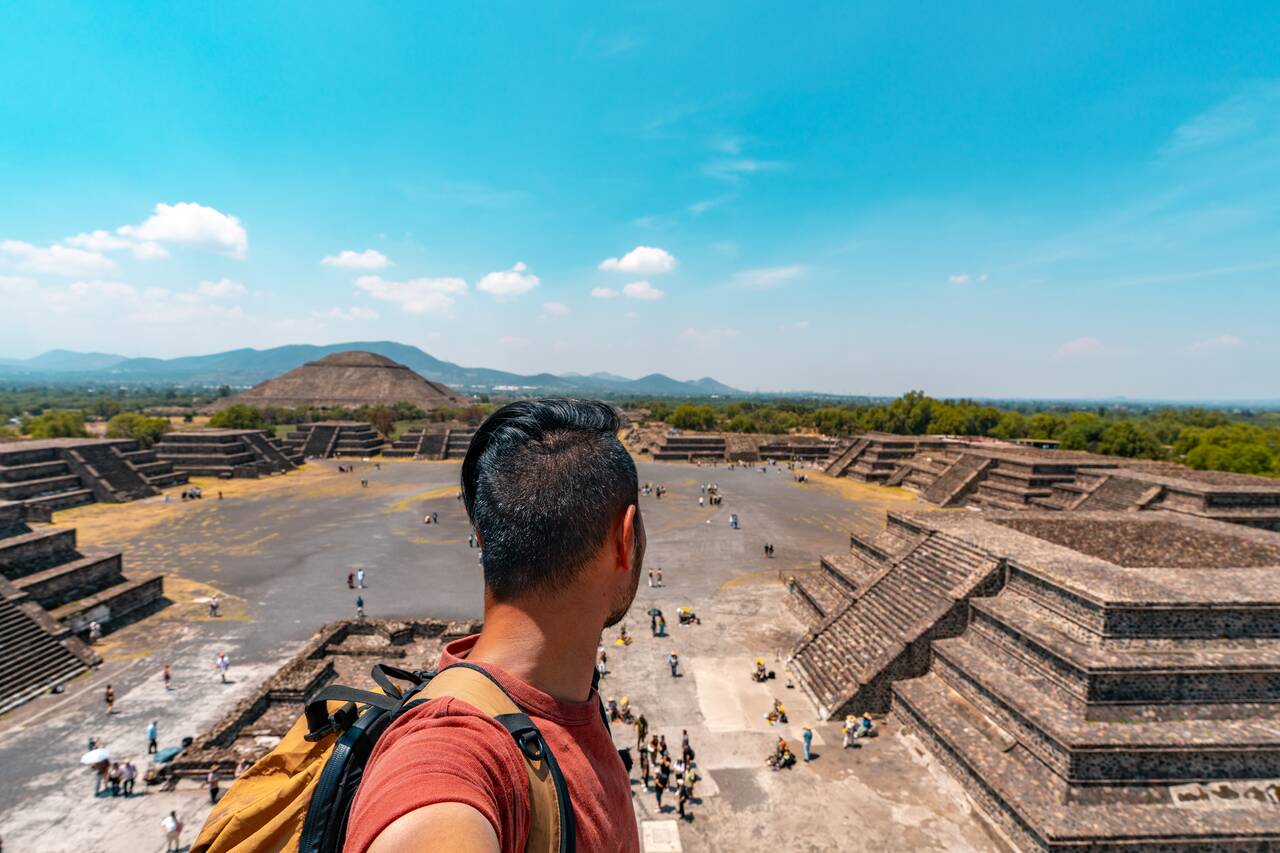
Once you're done exploring, you can take the same bus back to Mexico City and spend the rest of the day relaxing before calling it a night and preparing for your trip to Puebla the next day.

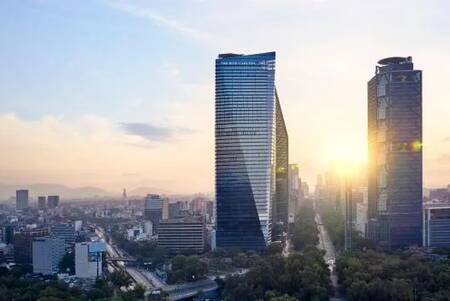
Getting from Mexico City to Puebla
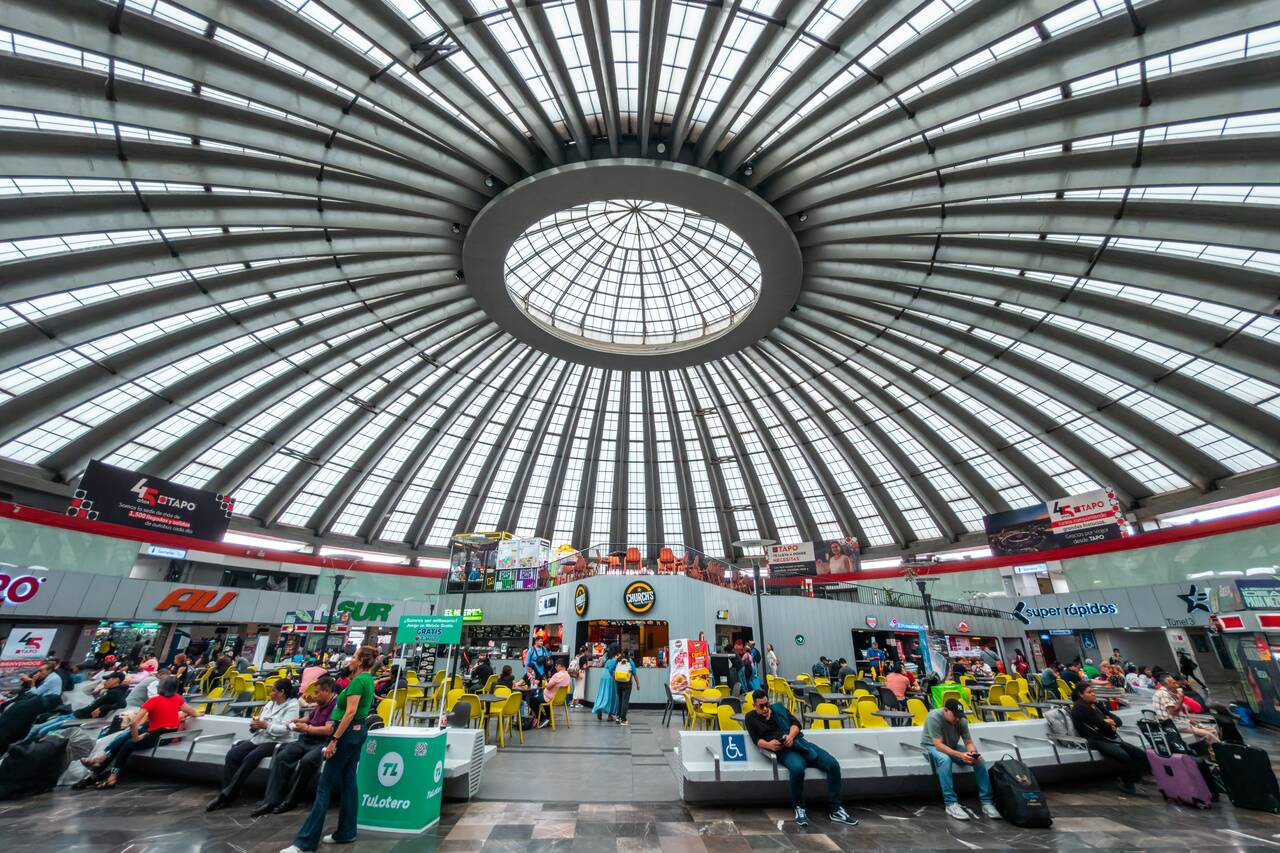
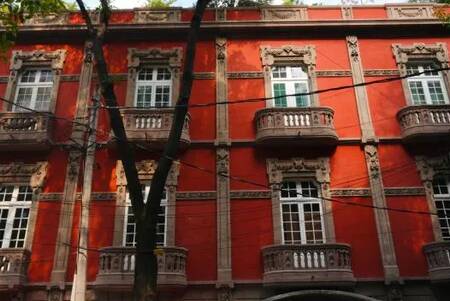
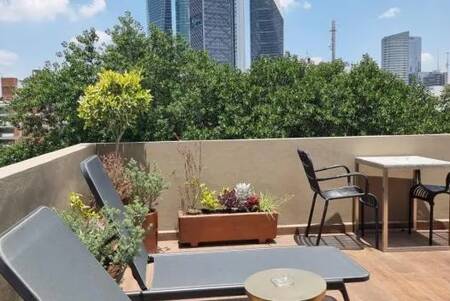
To get from Mexico City to Puebla, you can easily take a bus operated by ADO, which runs frequently from Mexico City's TAPO bus terminal to CAPU bus terminal in Puebla. The journey usually takes around 2–2.5 hours, depending on traffic and costs about 18 USD. You can book the bus here. From CAPU bus terminal, you can easily take an Uber to your accommodation in town, which takes about 20 minutes.
Day 6-8: Puebla (3 nights)
- 📍 Stay: Hotel Isabel
- 🕐 Time: 3 nights
- 📖 Full Guide: A Guide to Puebla: Best Things to Do, Itinerary, Getting Around, & More
Next up, we're going to spend two full days (three nights) in Puebla, home to some of the most beautiful colonial buildings in the country. We'll begin in Puebla's historic center, which is relatively compact, so you can see most of the main sights in a day without having to rush.

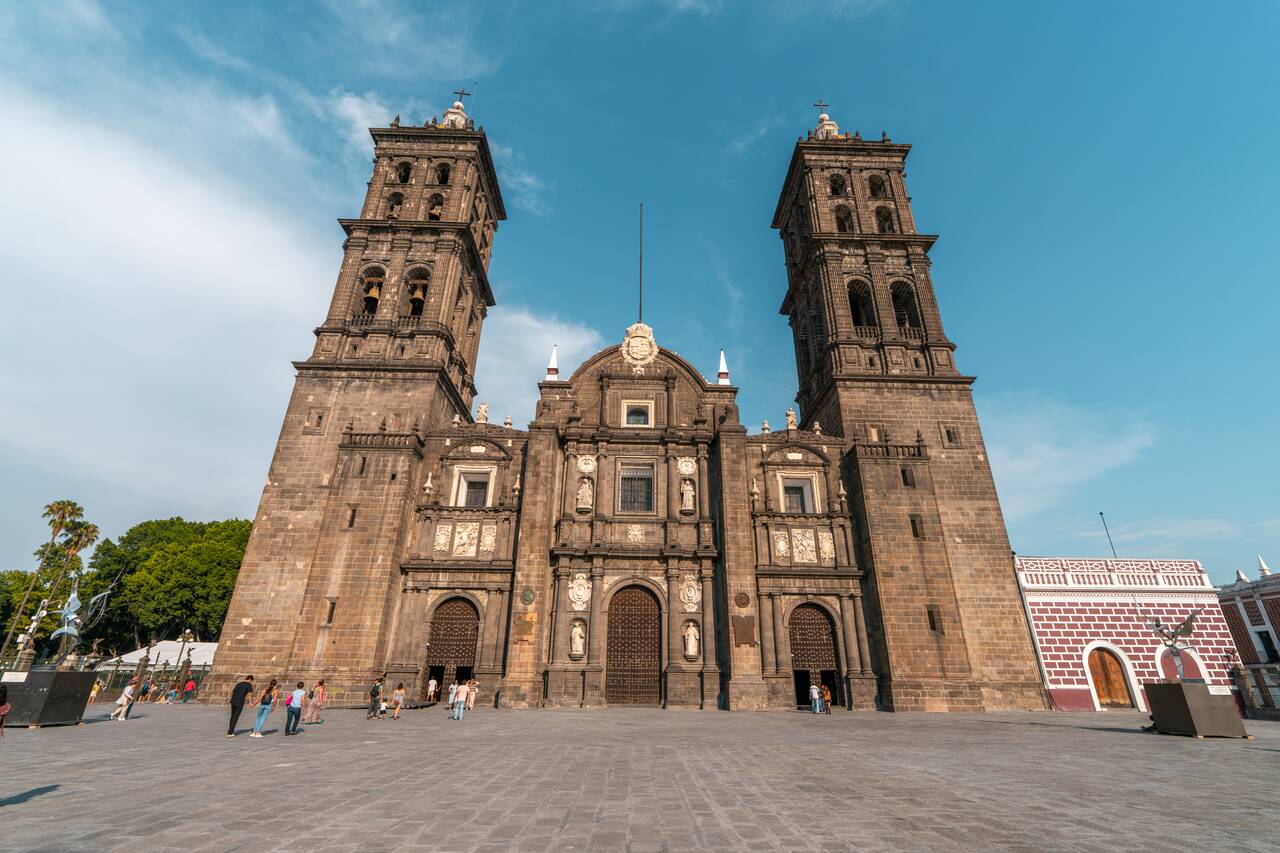
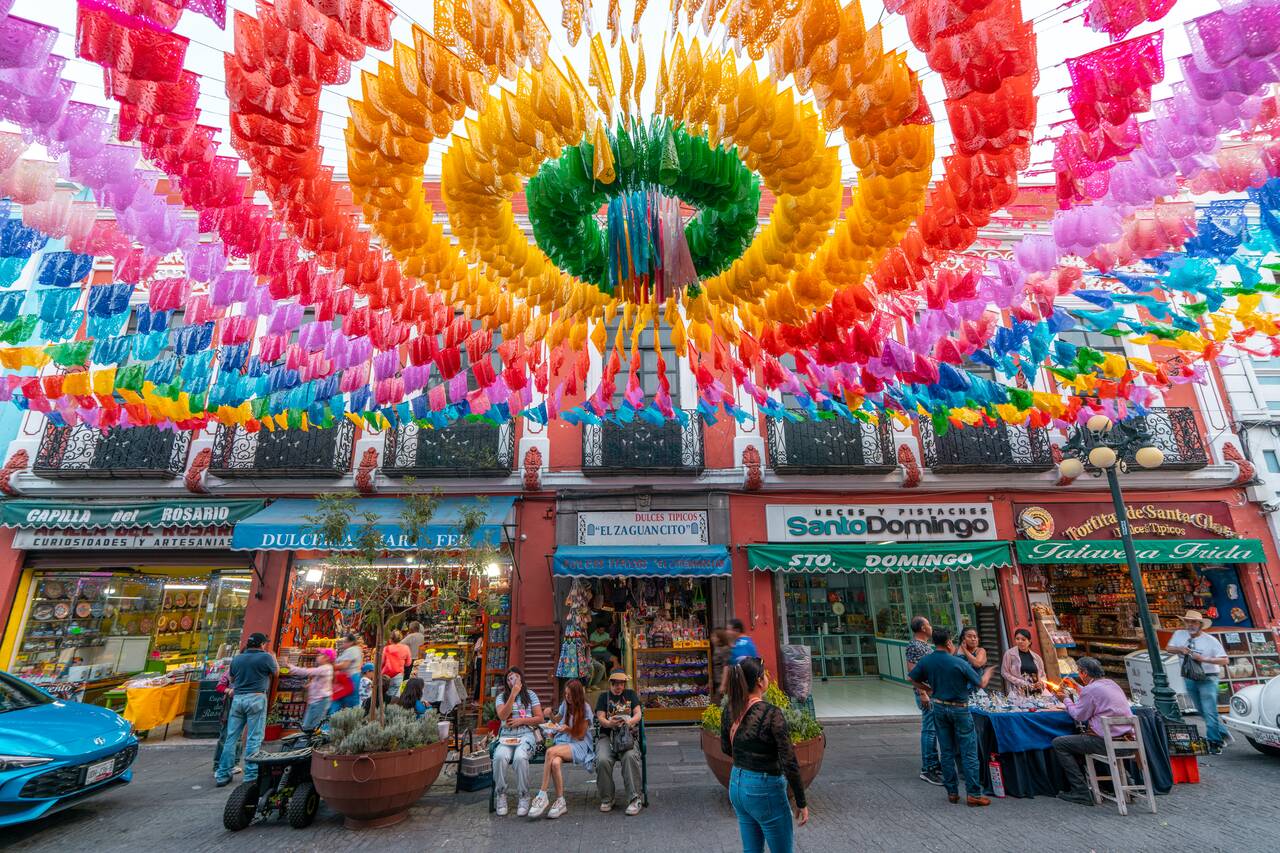
Start your first full day by exploring Puebla's historic center. Begin around the Zócalo and visit the Puebla Cathedral before wandering through the colorful streets of the old town. Don't miss the Biblioteca Palafoxiana, one of the oldest libraries in the Americas, and the spectacular Chapel of the Rosary at St. Dominic’s Temple, one of the most beautiful chapels you will see on this trip.
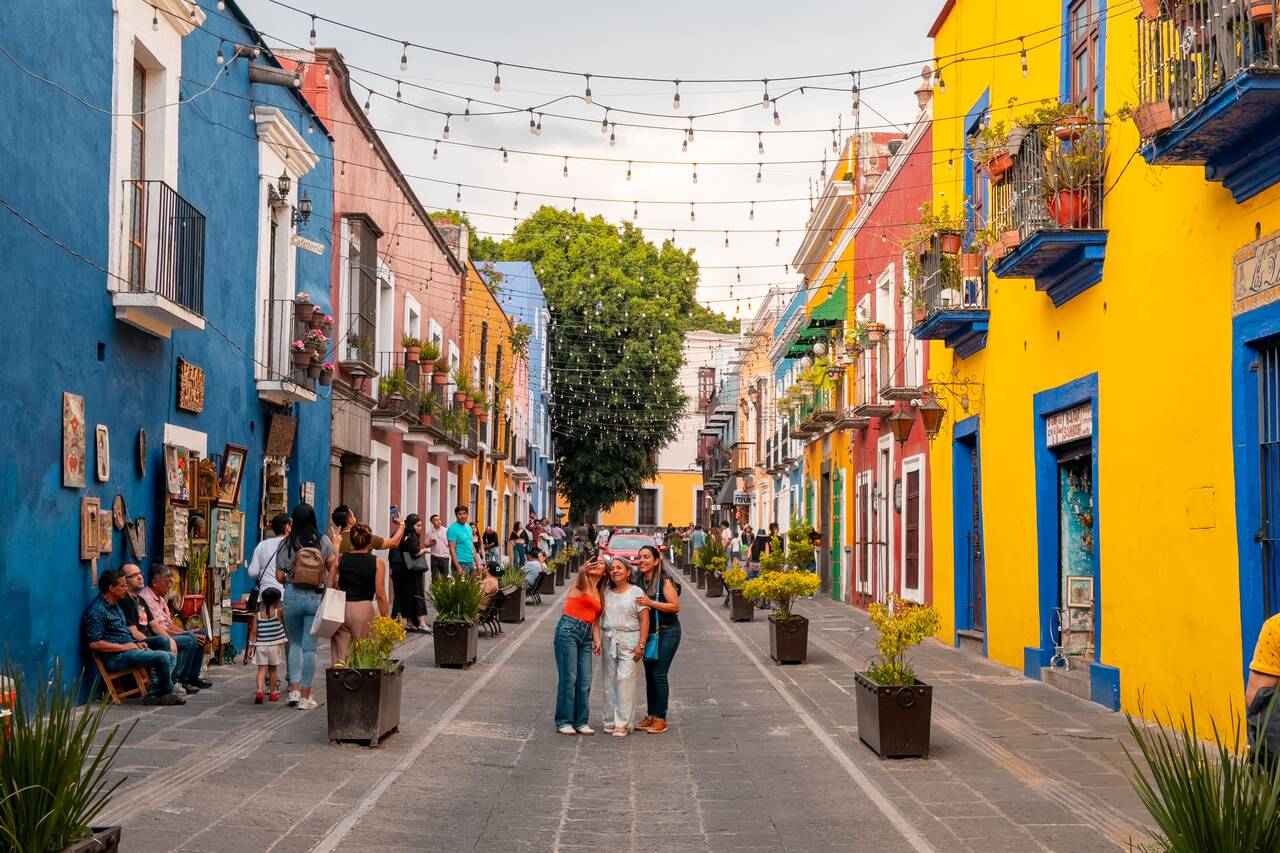
You can also explore Callejón de los Sapos, browse the local markets, and stop at some of Puebla's many cafés and restaurants throughout the day. Be sure to try some of the city's specialties, particularly mole poblano, chiles en nogada, cemitas, and tacos árabes.
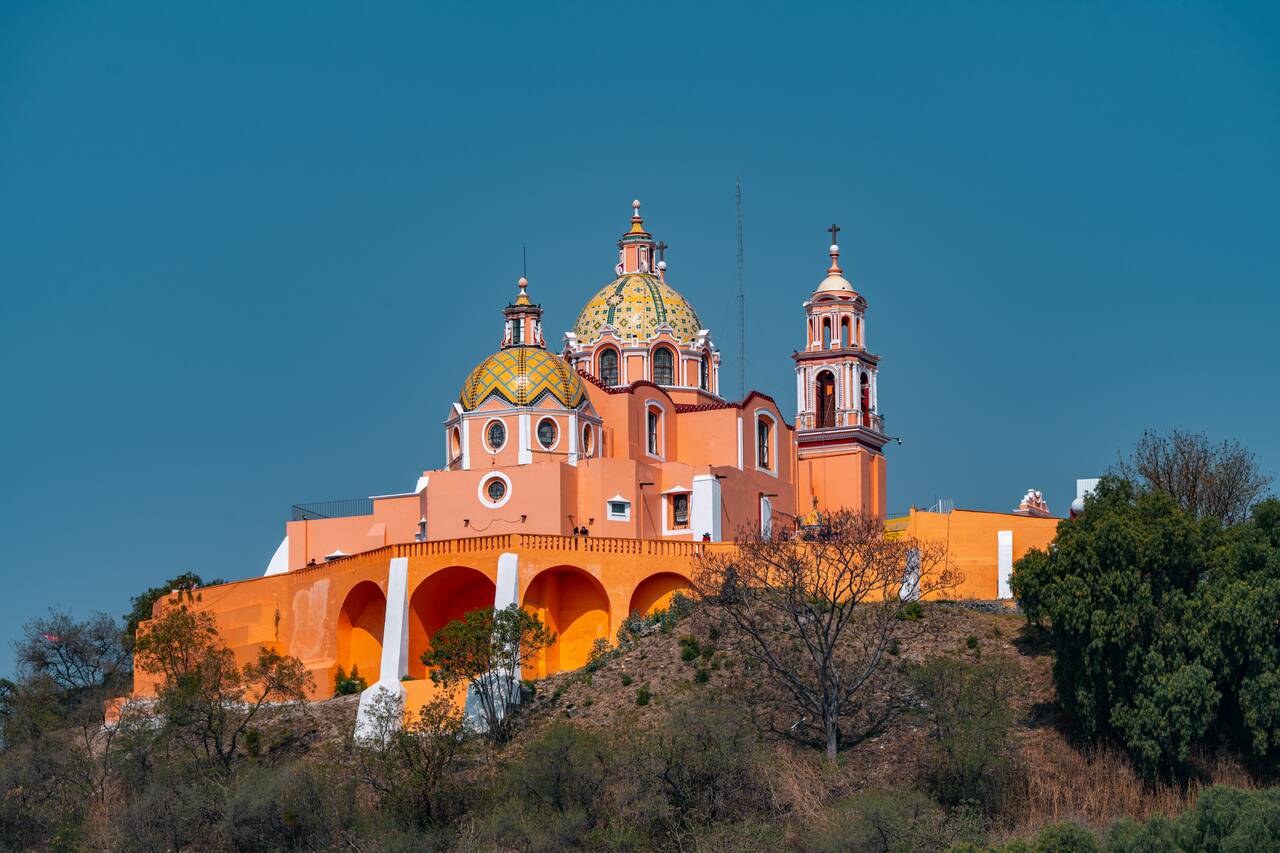
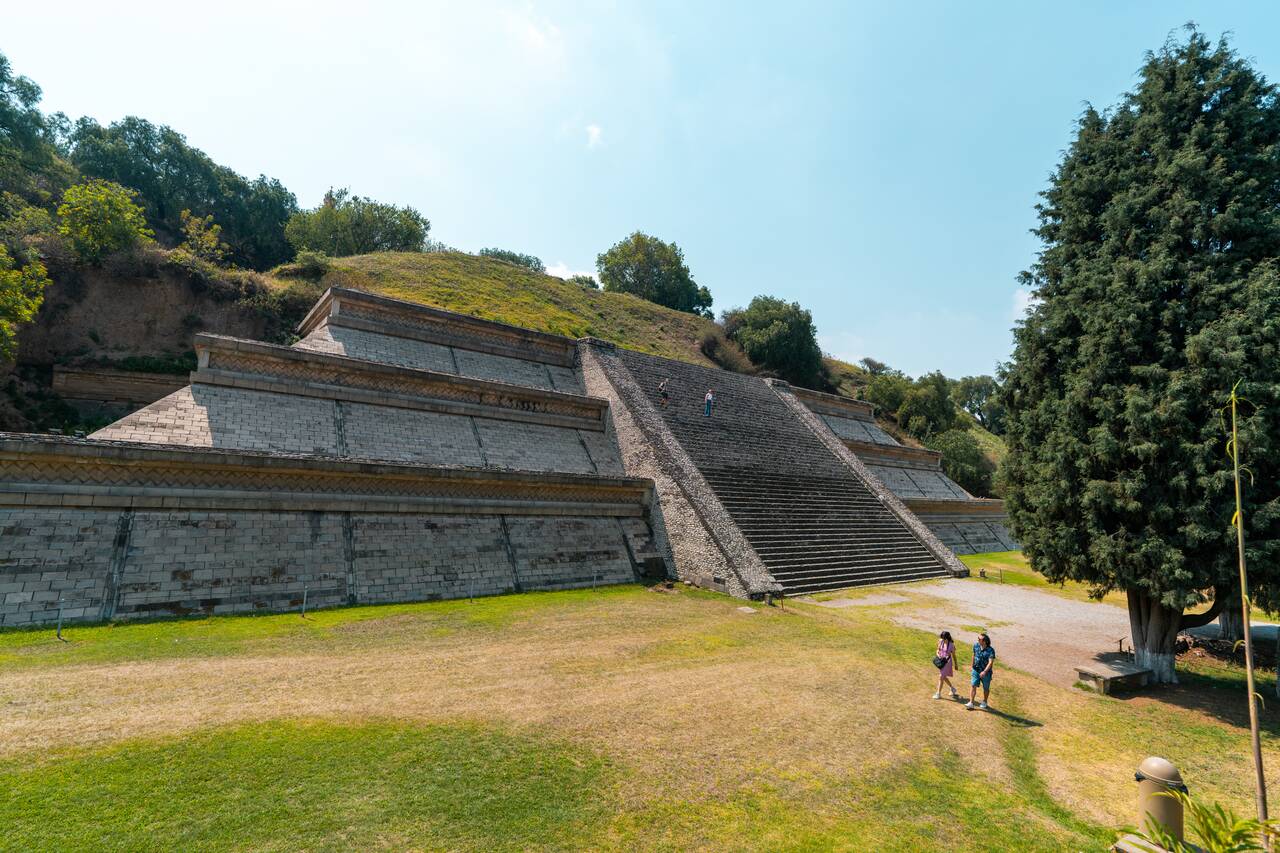
On your second day, take the local bus from Puebla to Cholula and spend the day exploring this colorful town. Start at the Great Pyramid of Cholula, the largest pyramid by volume in the world, and climb up to the Iglesia de Nuestra Señora de los Remedios sitting on top for one of the best views of the surrounding area and Popocatépetl volcano on a clear day.
Afterward, spend some time wandering Cholula's colorful streets, check out Plaza de la Concordia and its many churches, and stopping at local cafés and restaurants. Once you've had enough, take the bus back to Puebla in the evening and enjoy another night relaxing in Puebla.
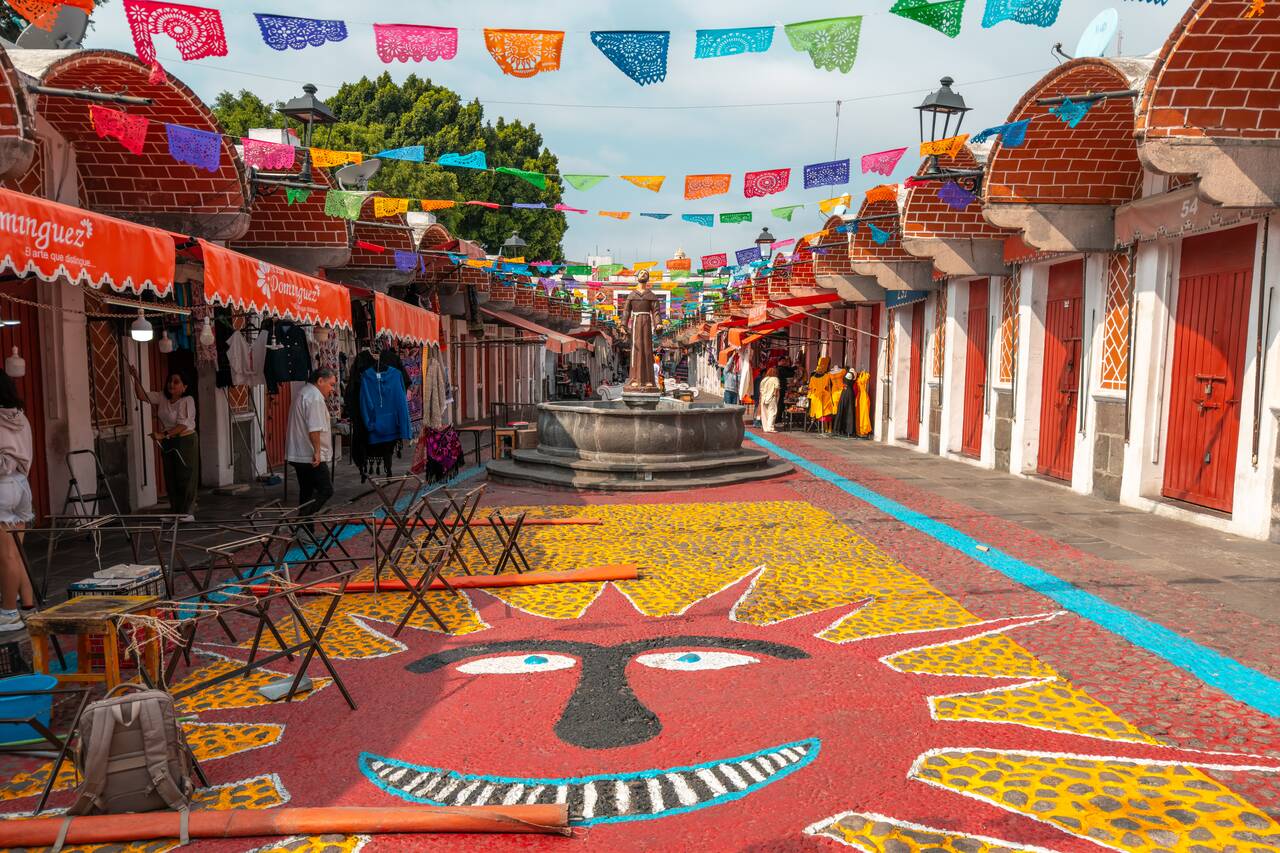
On your last day in Puebla, you can use it as a flexible day to explore anything you missed before. You can visit some of the city's museums, browse shops selling the famous Talavera pottery at Barrio del Artista, explore more of the historic center, or simply spend the day eating your way through Puebla.
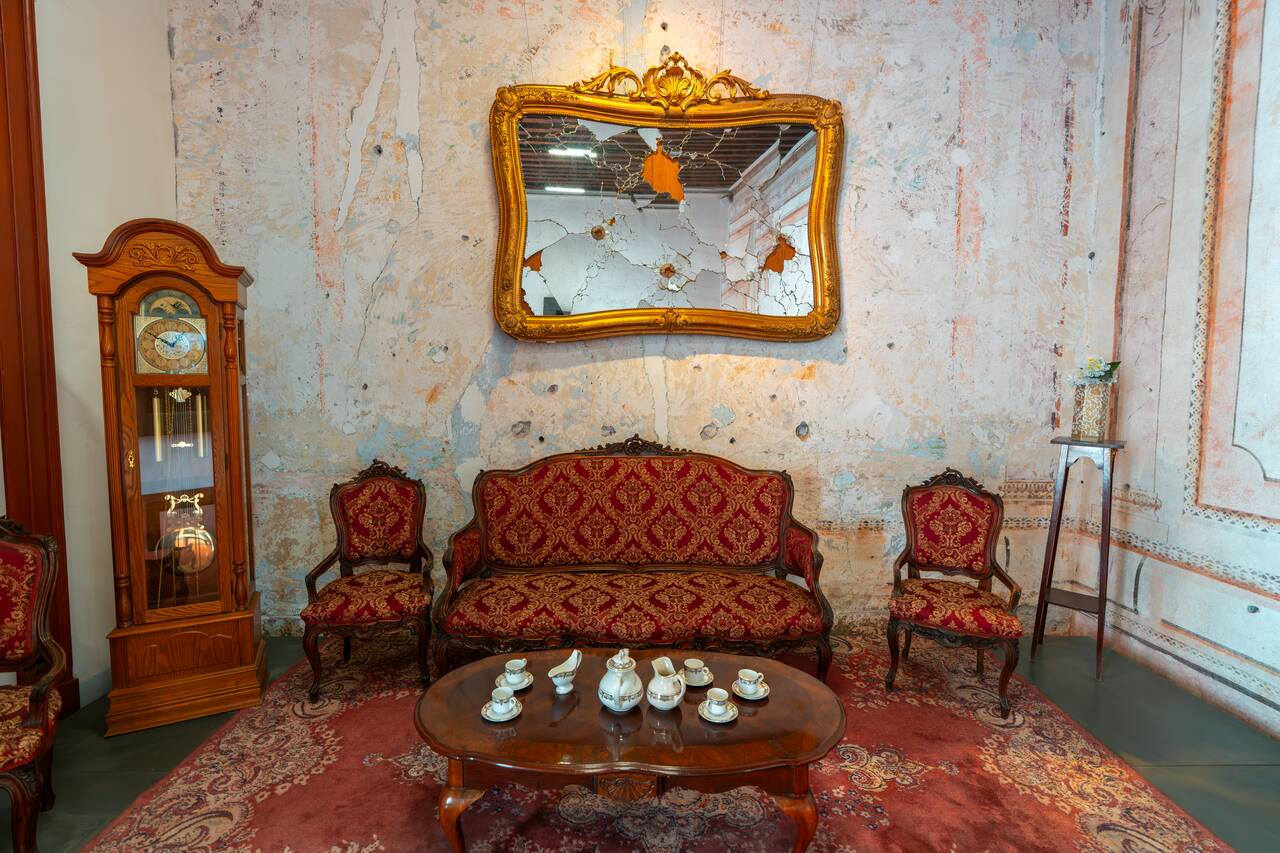
There are also plenty of museums worth visiting here like the Revolution Museum, a history museum housed in the former home of the Serdán family, whose members played an important role in the early stages of the Mexican Revolution. You can still see the bullet holes as you walk through the museum!
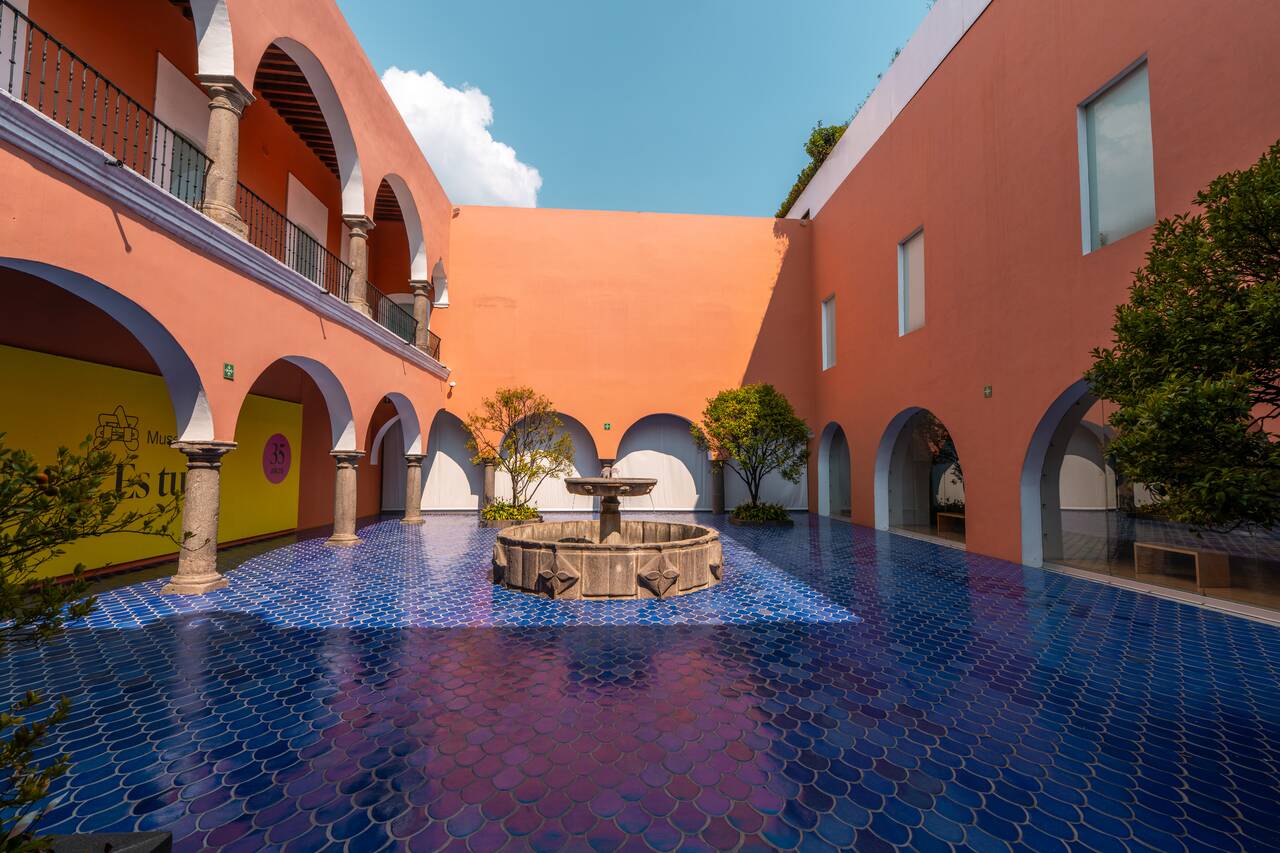
If you're into art and history, be sure to make time for Museo Amparo, one of Puebla's most impressive museums. The museum houses a massive collection spanning pre-Hispanic, Viceregal, 19th-century, modern, and contemporary Mexican art, so there is a lot to see here. The permanent collection alone covers everything from ancient sculptures and ceramics to religious artwork and contemporary pieces.
Once you're done, you can spend the rest of the day relaxing at your accommodation or strolling around the streets in the evening before calling it a night and preparing for your journey to Oaxaca the next day.


Getting from Puebla to Oaxaca
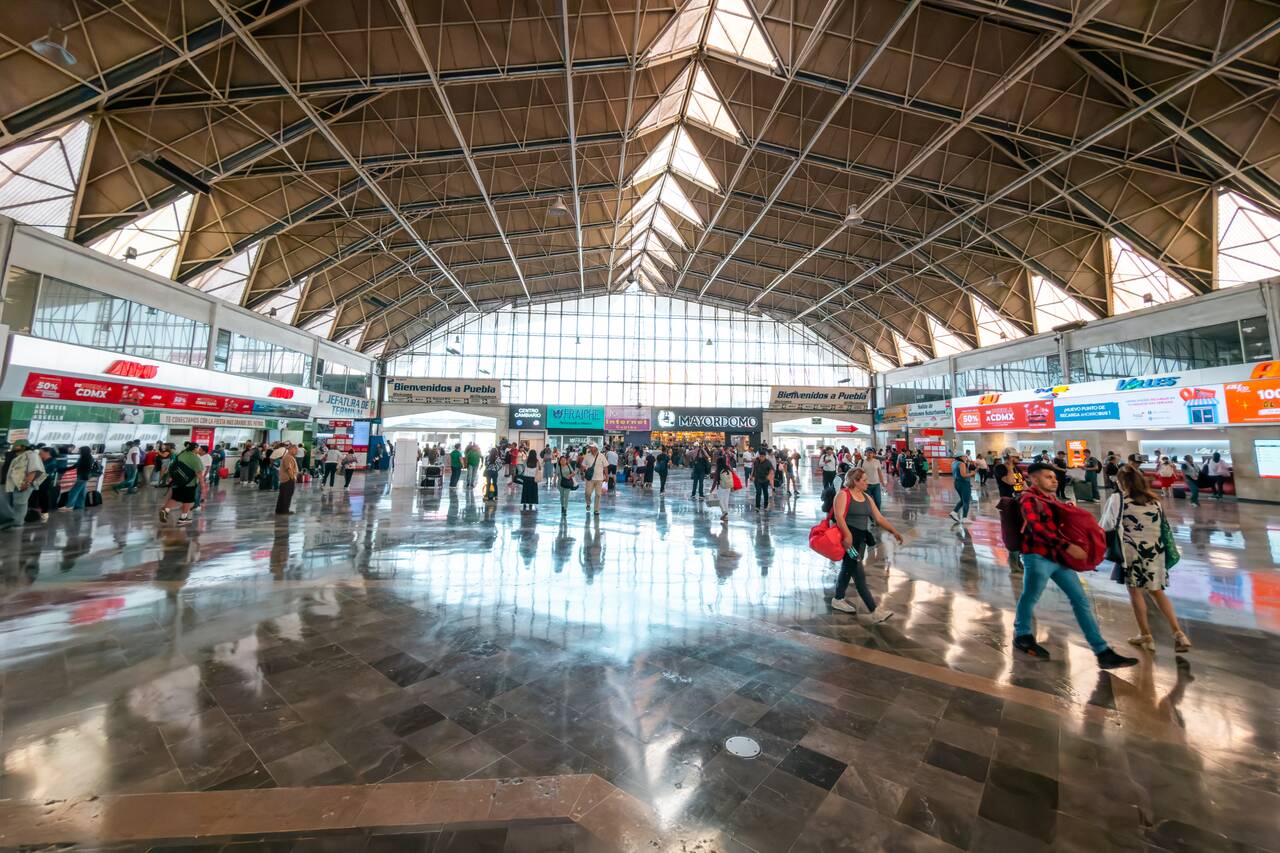
From Puebla, you can take an Uber to CAPU bus terminal, where you can catch one of the many ADO buses to Oaxaca. The journey takes around 5 hours and costs around $51 USD. You can book the bus ticket here.
The bus will drop you off at ADO Terminal in Oaxaca a little bit out of town and you can either get a taxi or walk to your accommodation from there. If you don't have a lot of luggage, it's actually a really nice walk, so go for it.
Day 9-13: Oaxaca (5 nights)
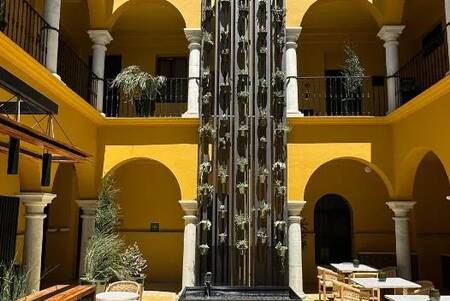
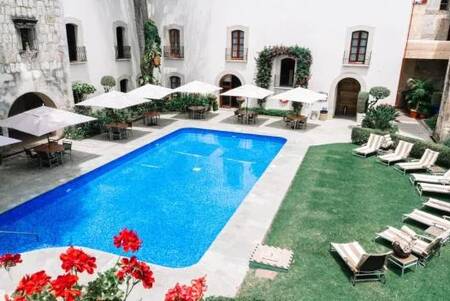
- 📍 Stay: Hotel Casona Oaxaca
- 🕐 Time: 5 nights
- 📖 Full Guide: Discover Oaxaca: Best Things to See, Itinerary & More
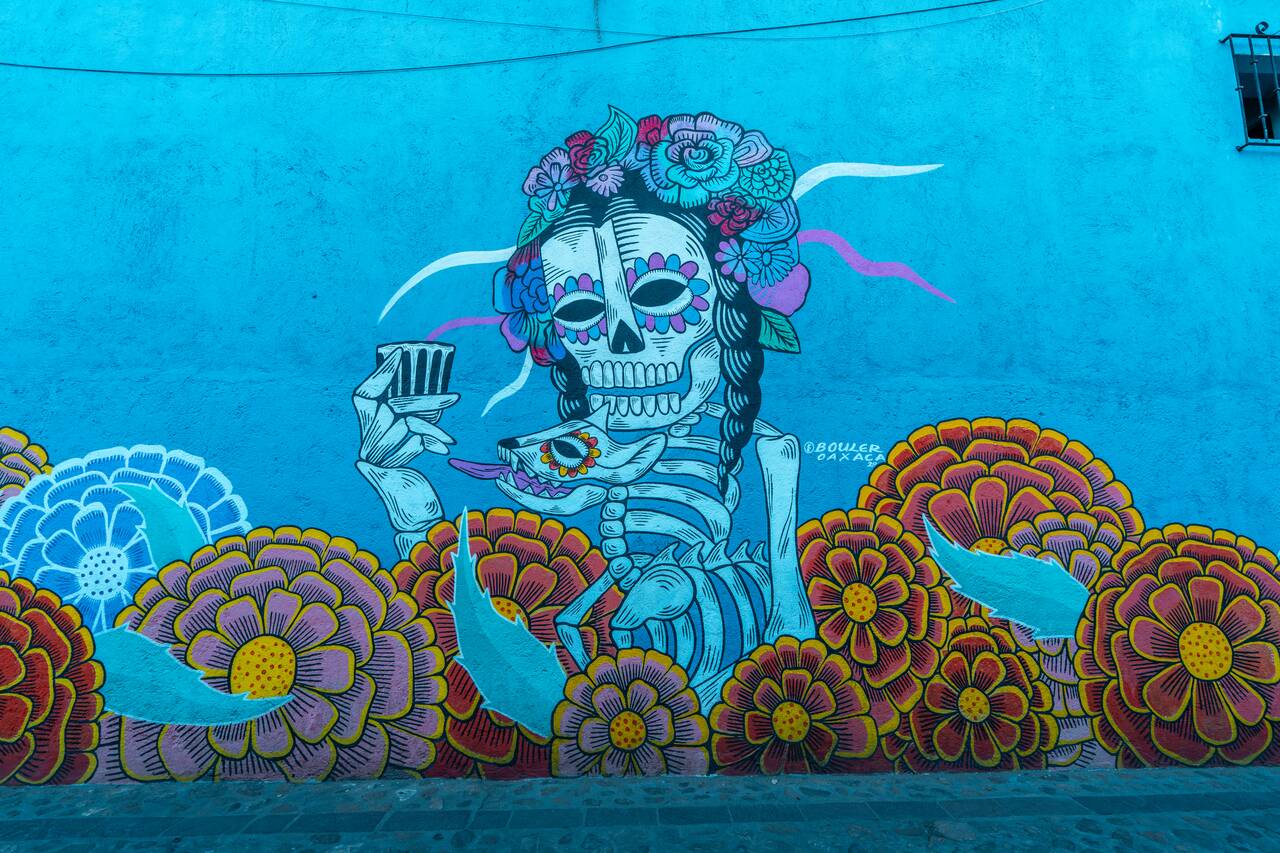
Next up, we're heading to Oaxaca, one of my favorite cities in Mexico and a place where you can easily spend several days without running out of things to do. With 4 full days here, you'll have enough time to explore the historic center, eat your way through the city's incredible food scene, and take a couple of day trips without having to rush.
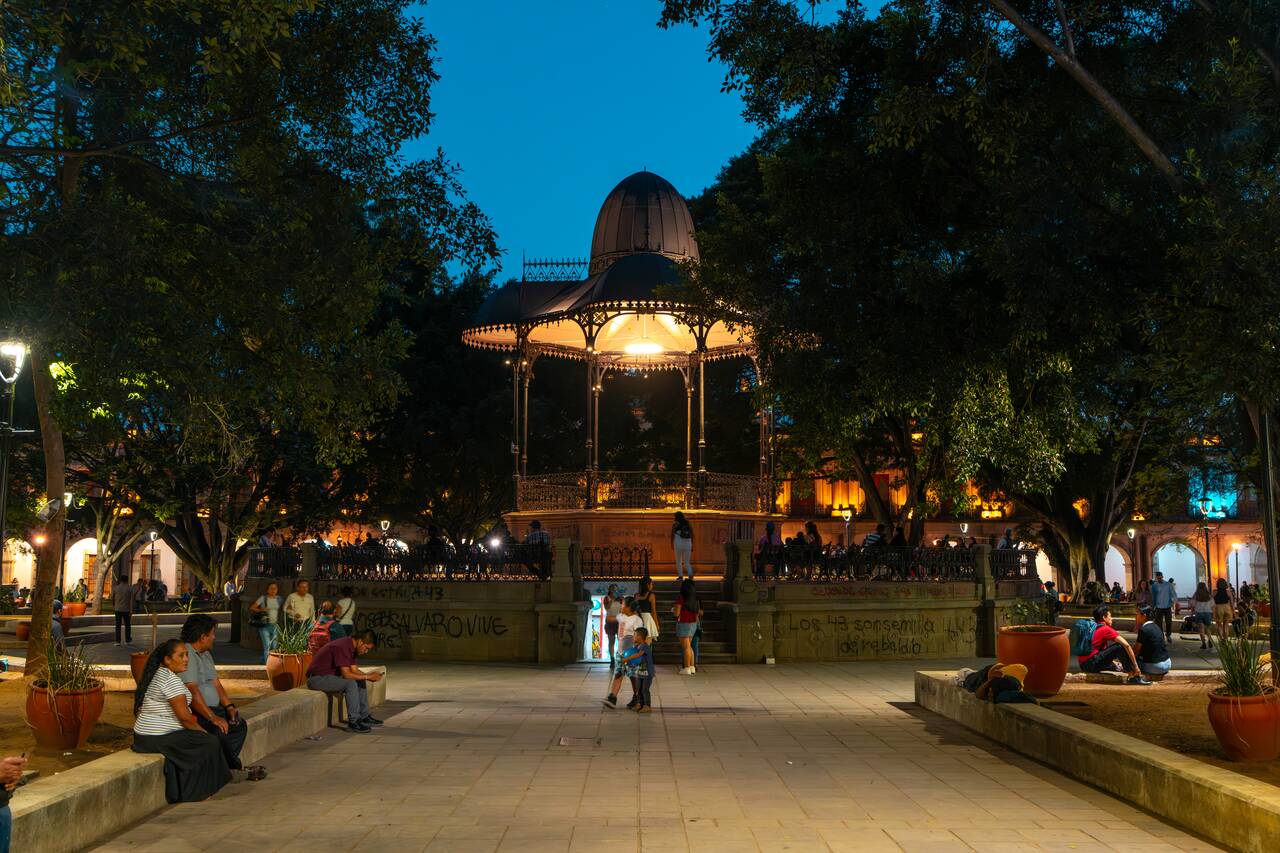
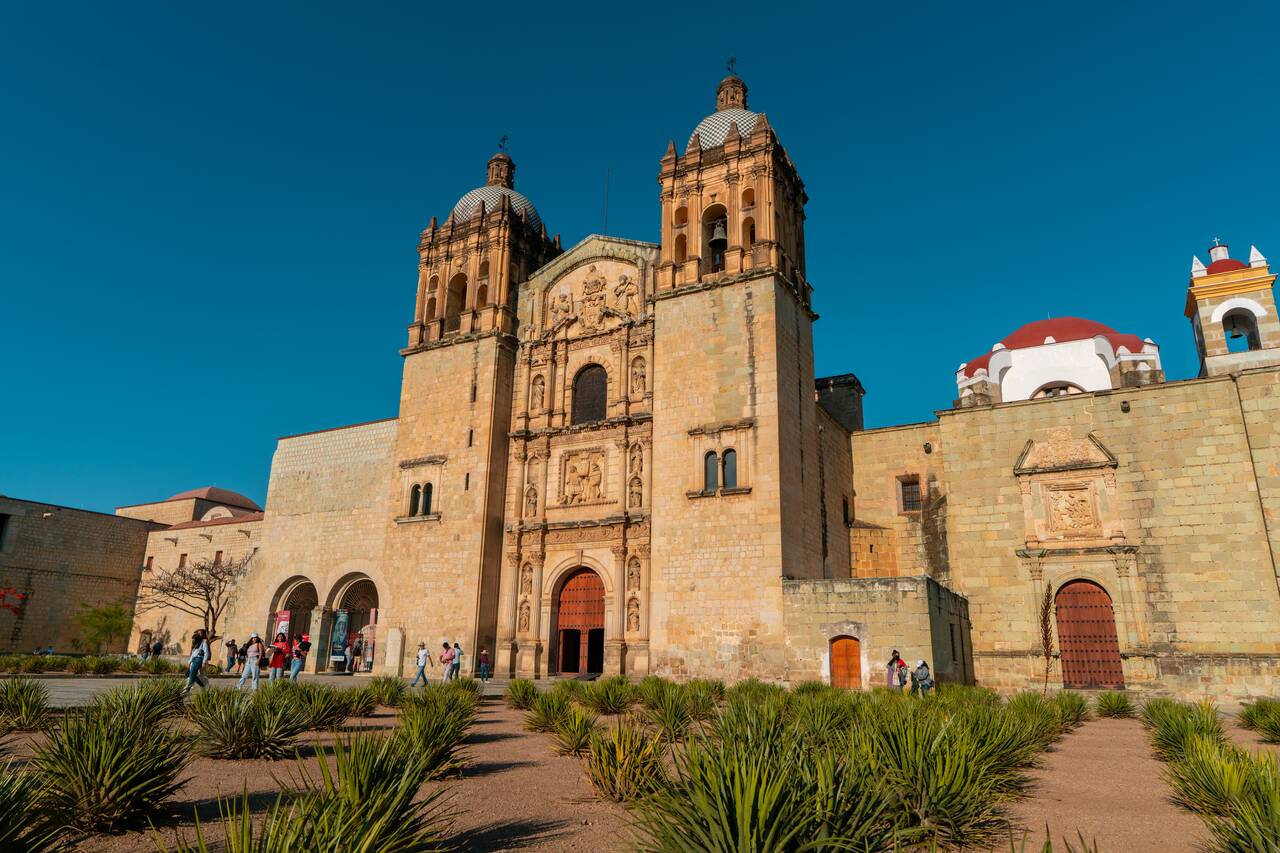
Start your first full day by exploring Oaxaca's historic center, beginning around the Zócalo and wandering through the surrounding streets and plazas. Visit some of the city's beautiful churches, like Catedral Metropolitana de Oaxaca and Templo de Santo Domingo de Guzmán, and spend some time exploring the local markets, museums, and colorful streets.
Oaxaca is very walkable, so don't be afraid to simply wander around and see what you come across. In the evening, settle into one of the city's many restaurants for dinner, such as Ocote Cocina, which is my absolute favorite restaurant in Oaxaca, before heading out for drinks and enjoying Oaxaca's lively nightlife.
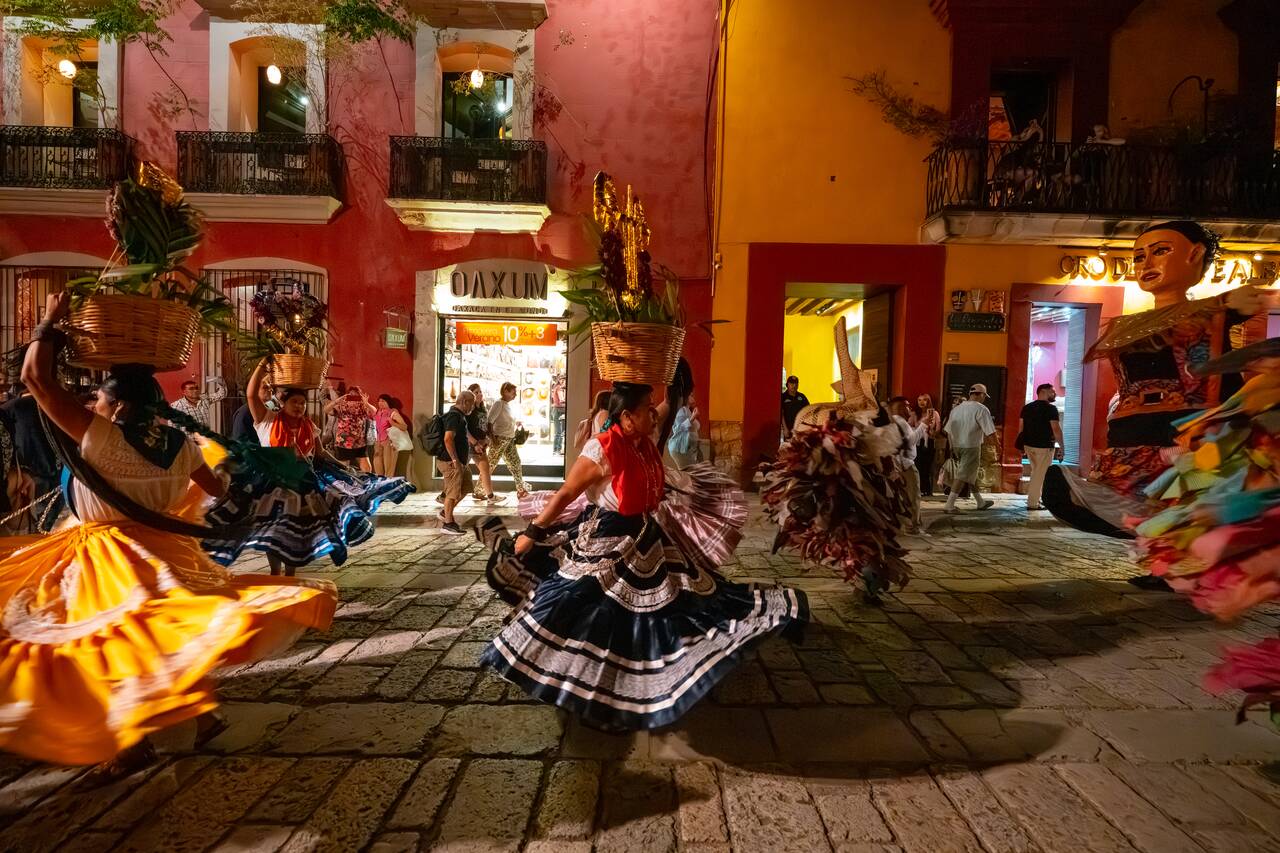
I had a great time strolling around Andador Turístico at night. I even stumbled upon a random parade when I was there, which is so typical of Oaxaca, you never know what kind of celebration you might stumble upon while you're here. Once you're done exploring, you can retreat for the night and get some rest.
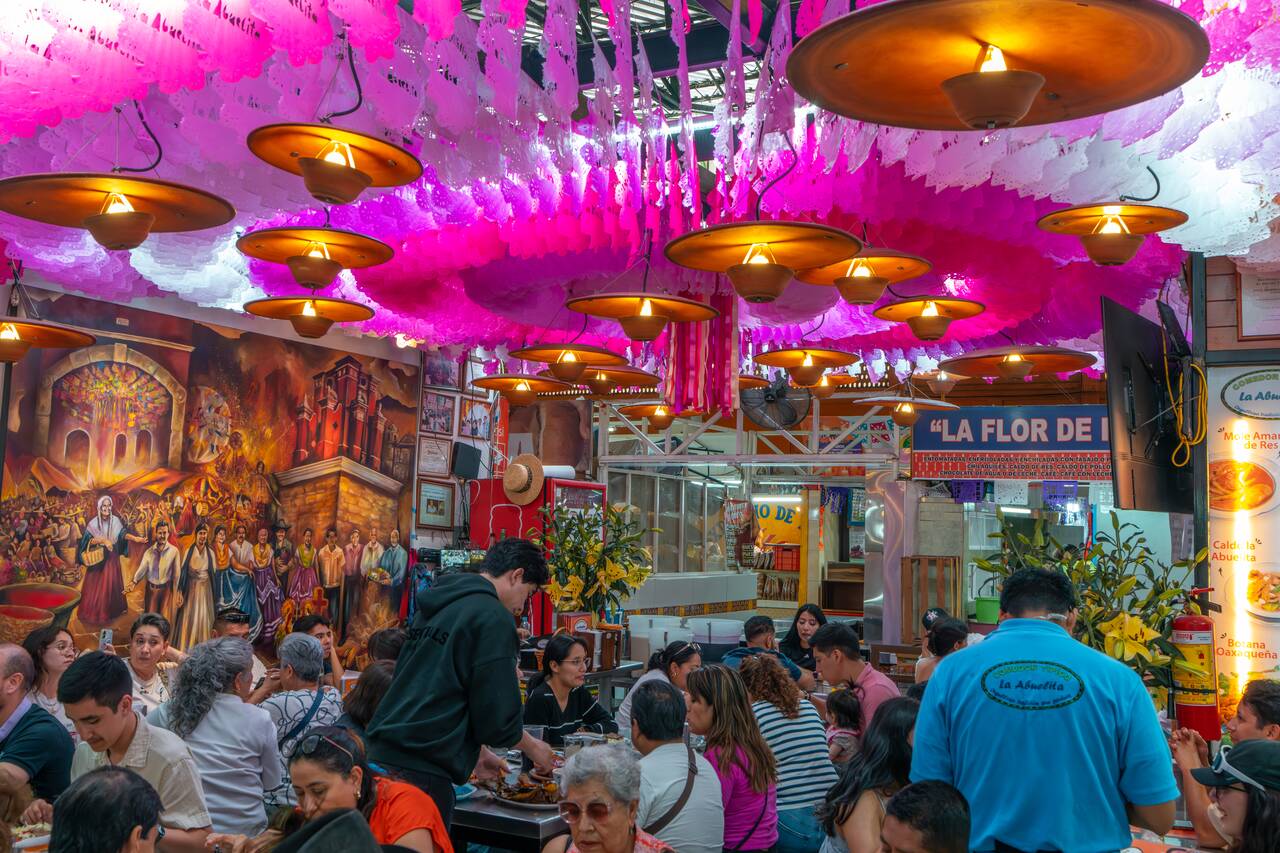
Use your second day to slow down and focus on what Oaxaca does best: food, coffee, and art. Spend some time exploring the markets like Mercado 20 de Noviembre and trying local specialties such as tlayudas, memelas, mole, and tejate.

Stop at a few cafés in town, such as Café Rústiko or Once in Oaxaca, and try Oaxacan coffee and chocolate, which the region is famous for. Then, head to the art district of Jalatlaco and spend the day exploring its colorful streets, browsing independent shops and artisan stores such as Subterráneos.
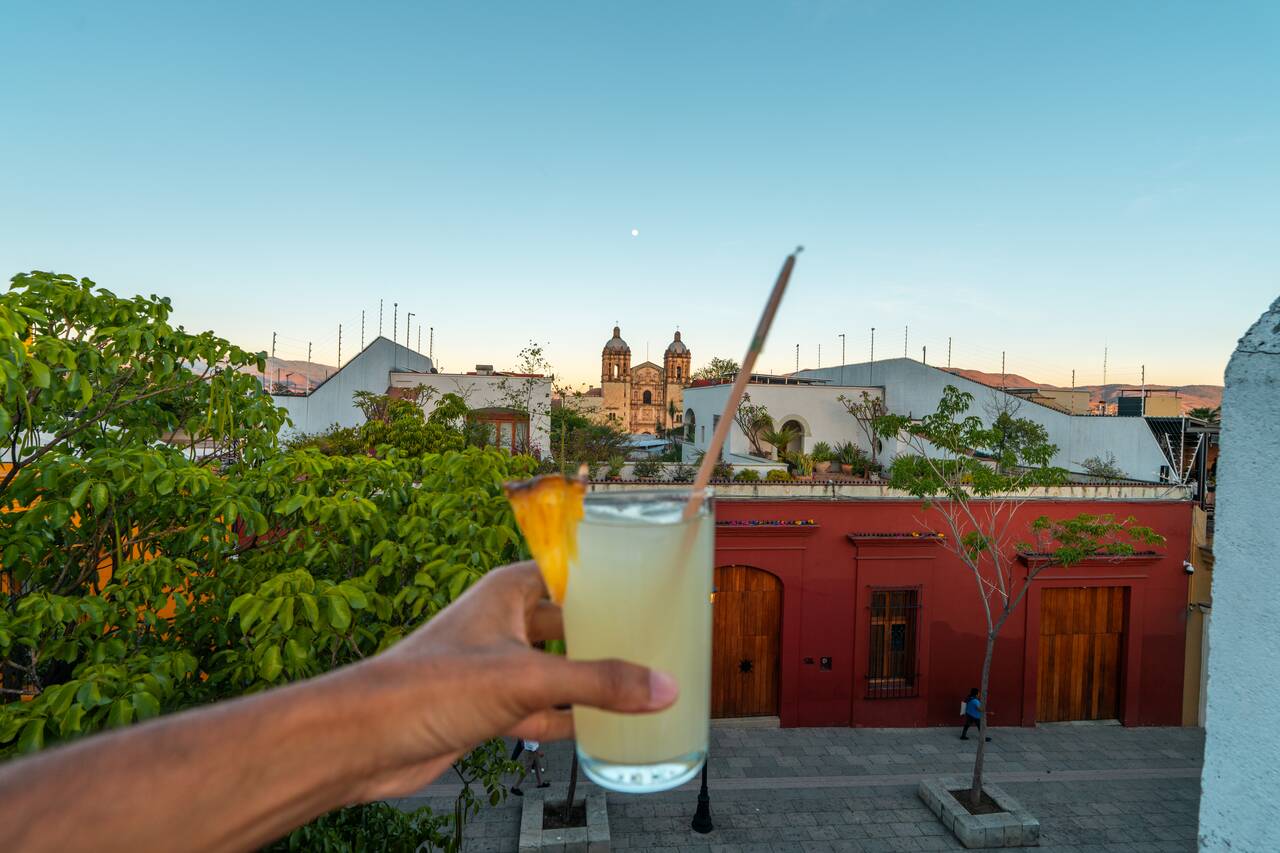
In the evening, head to my favorite rooftop bar, Oaxaca te Amo, for a drink. The rooftop has a great view over the city and often features live music, which makes it the perfect place to wind down after a full day of relaxing.

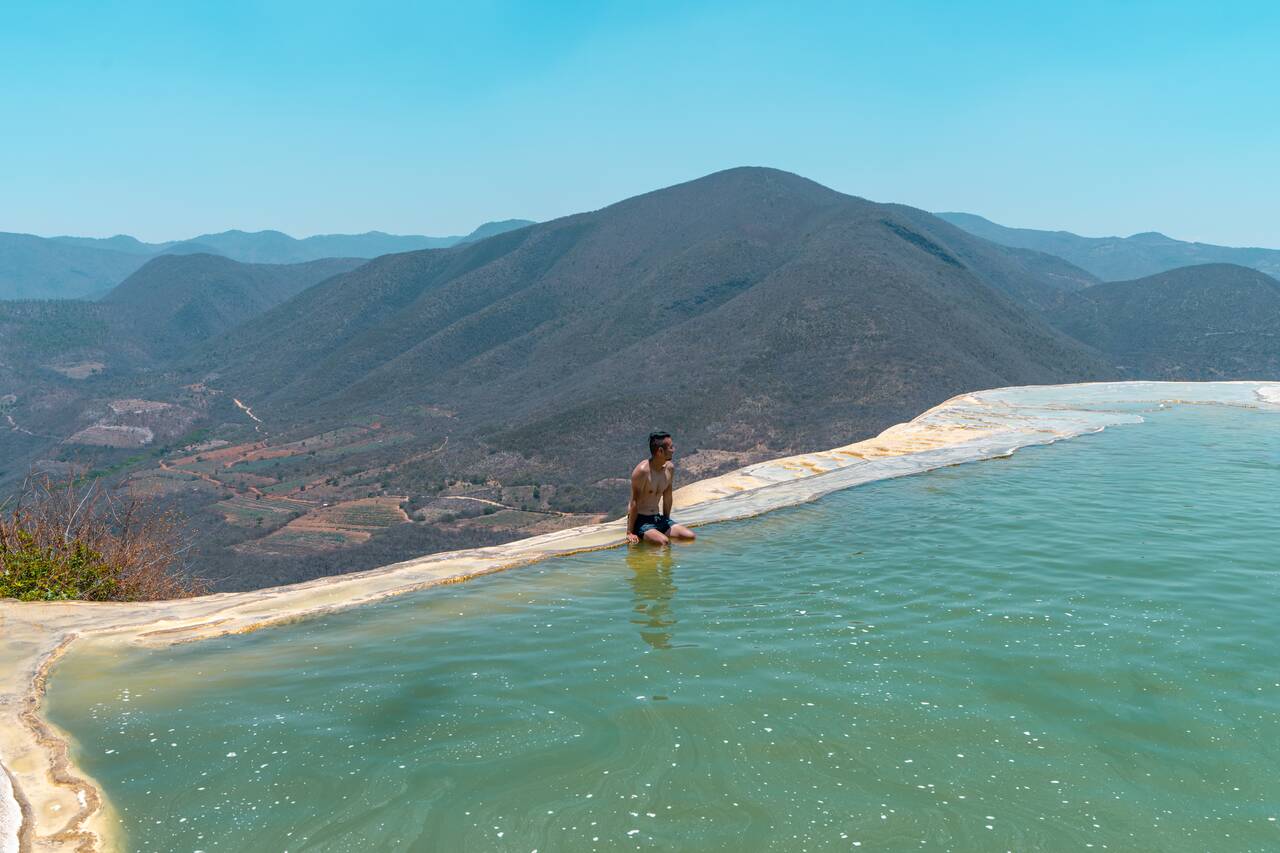
For your third day, take a half-day trip to Hierve el Agua one of Oaxaca's most spectacular natural attractions, famous for its enormous petrified waterfalls created over thousands of years by mineral-rich spring water. Located about 70 km east of Oaxaca City, at the site, you will find dramatic white limestone formations, natural mineral pools sitting on the edge of the mountains, and sweeping views across the surrounding valleys.
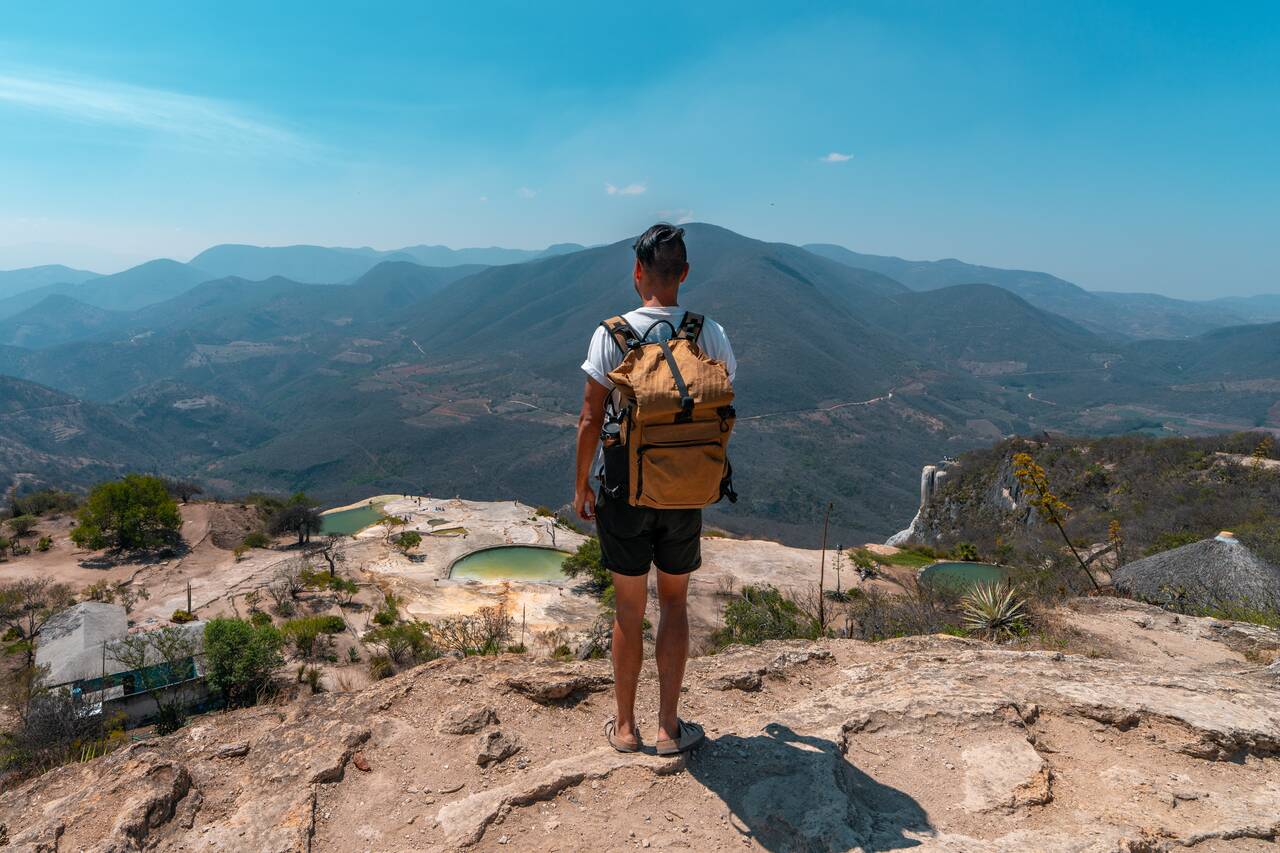
You can spend an hour hiking around the formations to see them from different angles and, of course, take a dip in the pools to cool off afterward. Just keep in mind that the water is more refreshing than warm. Even though it might look like it's boiling, that's simply caused by the bubbling mineral-rich water, not the temperature. The mineral-coated surfaces can also be slippery, so watch your step. Trust me, after the little hike, you'll find the cool water quite refreshing to swim in!
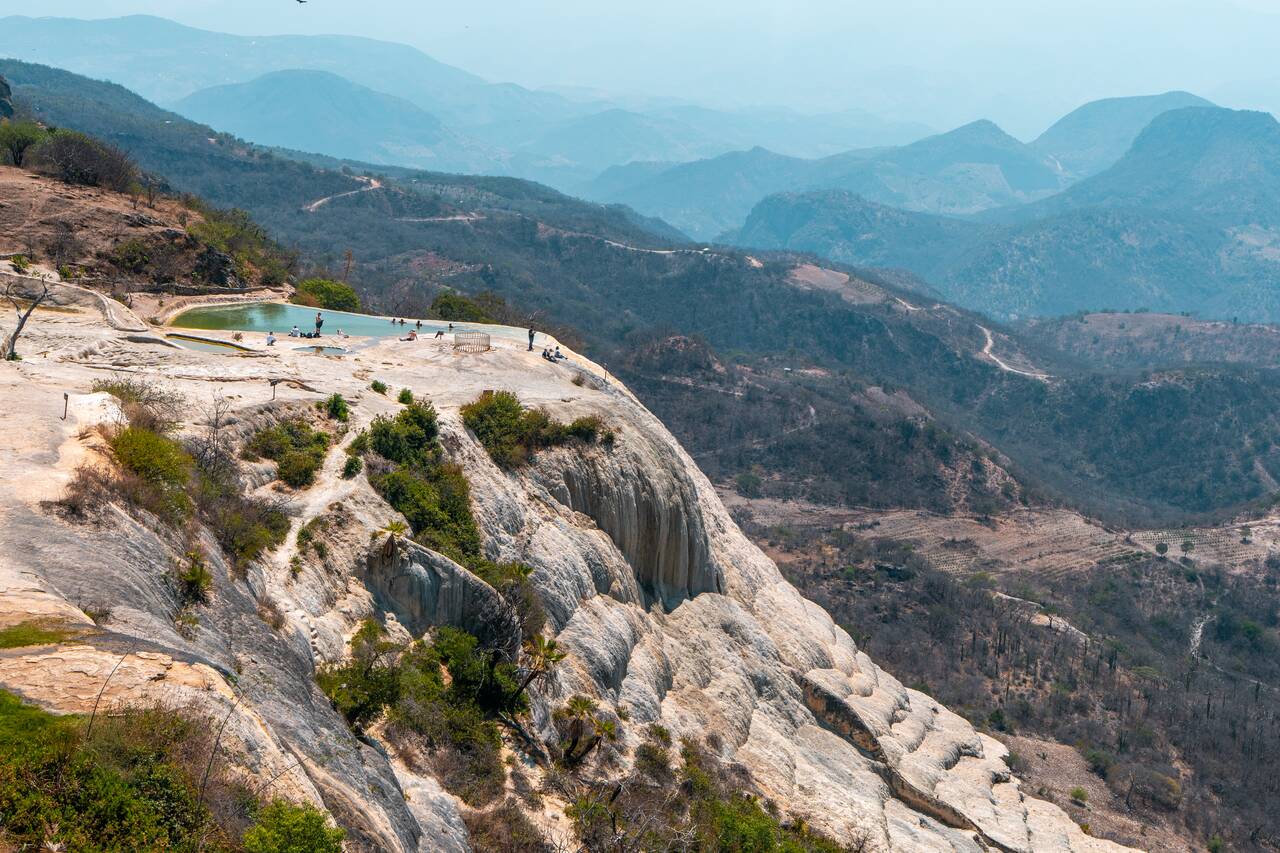
To get here, I highly recommend joining this half-day guided tour to Hierve el Agua as traveling there indedpendenly is a bit of a headache and you will waste an entire day. This tour only takes about half a day, meaning you still have the other half of the day to relax and enjoy Oaxaca.
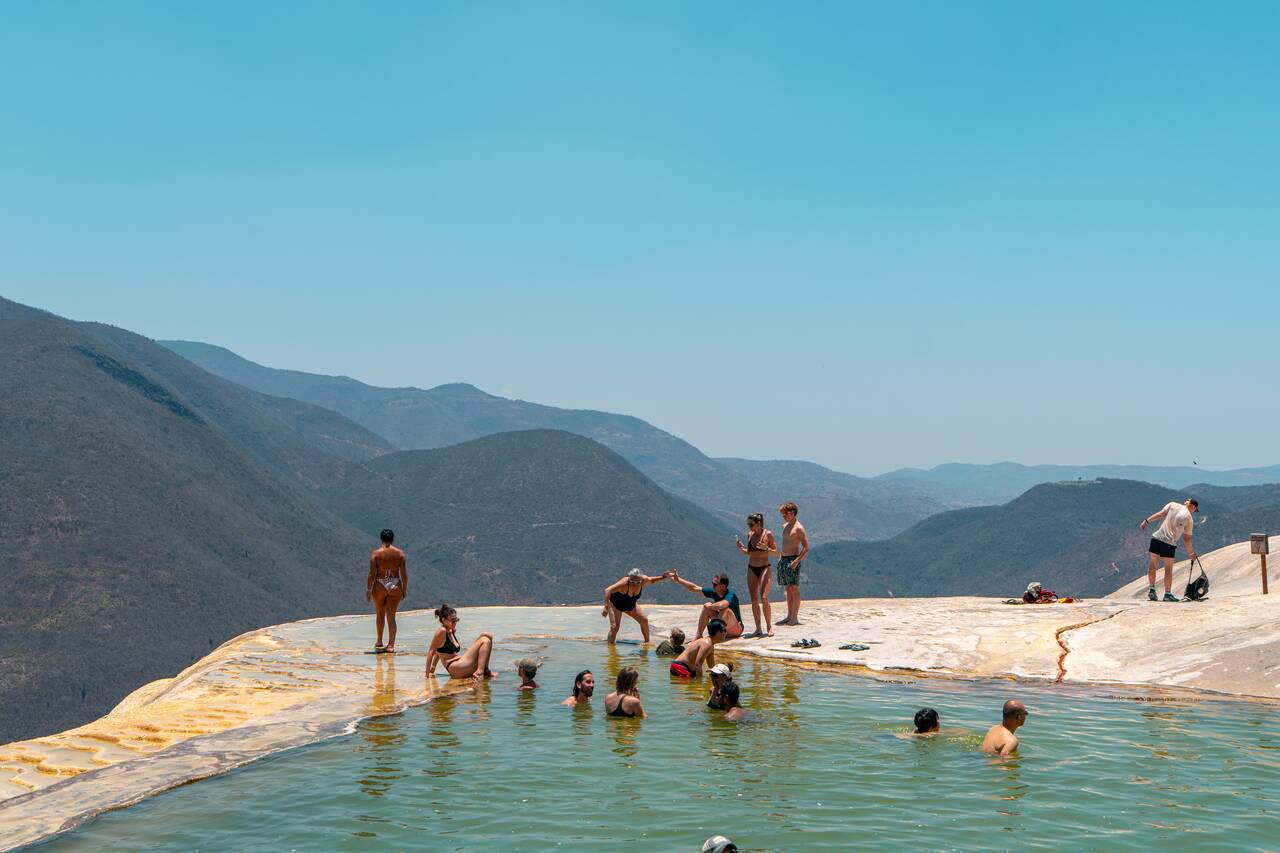
Our guide was incredibly friendly and took us hiking around the site with a local Indigenous guide, helping translate between Spanish and English along the way. We were also given more than two hours to swim and relax, which I found to be more than enough time. You can also go with a full-day tour which includes more visits along the way.
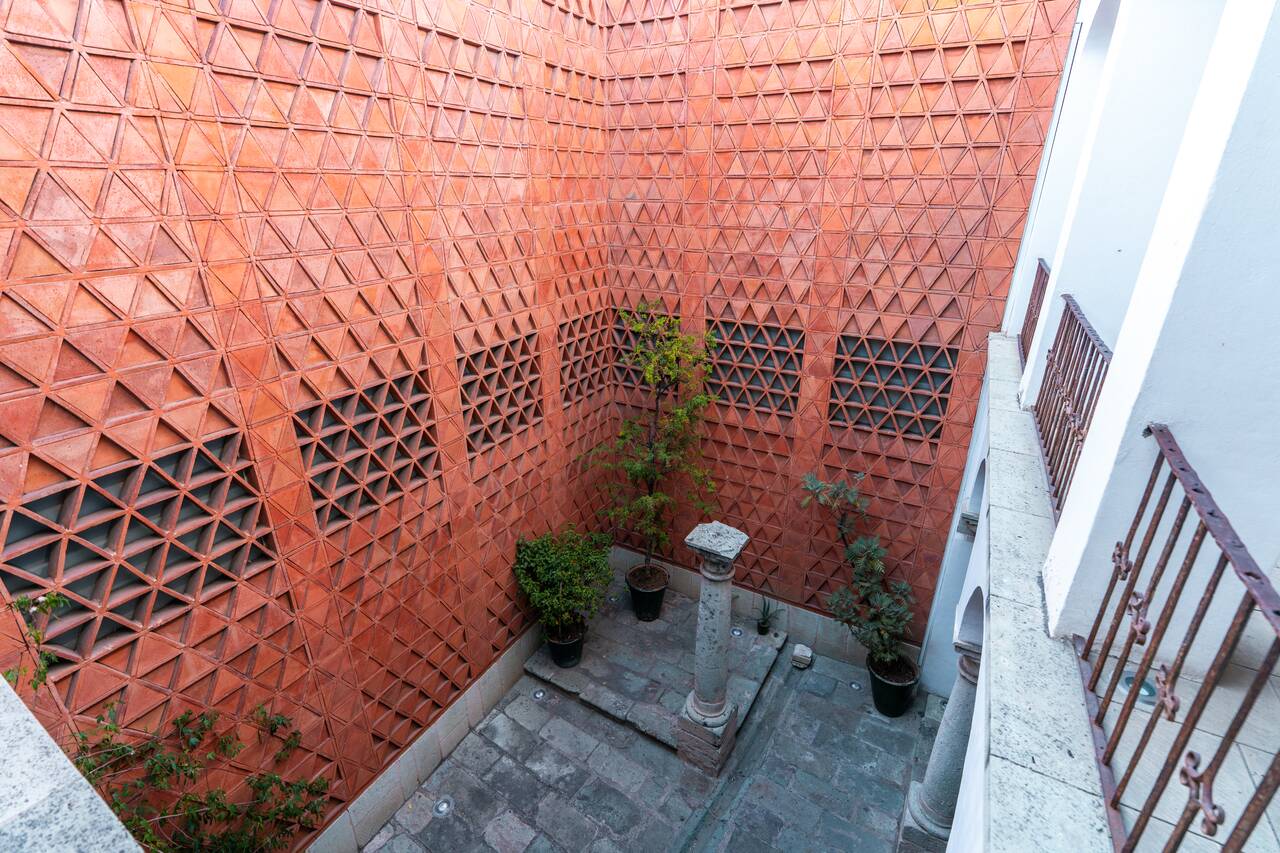
On your fourth day, you have the option to take another day trip to places like Monte Albán if you want to see some ancient ruins. Alternatively, you can use it as a rest day, visit museums like the Museo Textil de Oaxaca, hang out at the Centro Cultural San Pablo, and simply enjoy whatever events are taking place in the historic center in the evening before retreating for the night.


Getting from Oaxaca to Merida
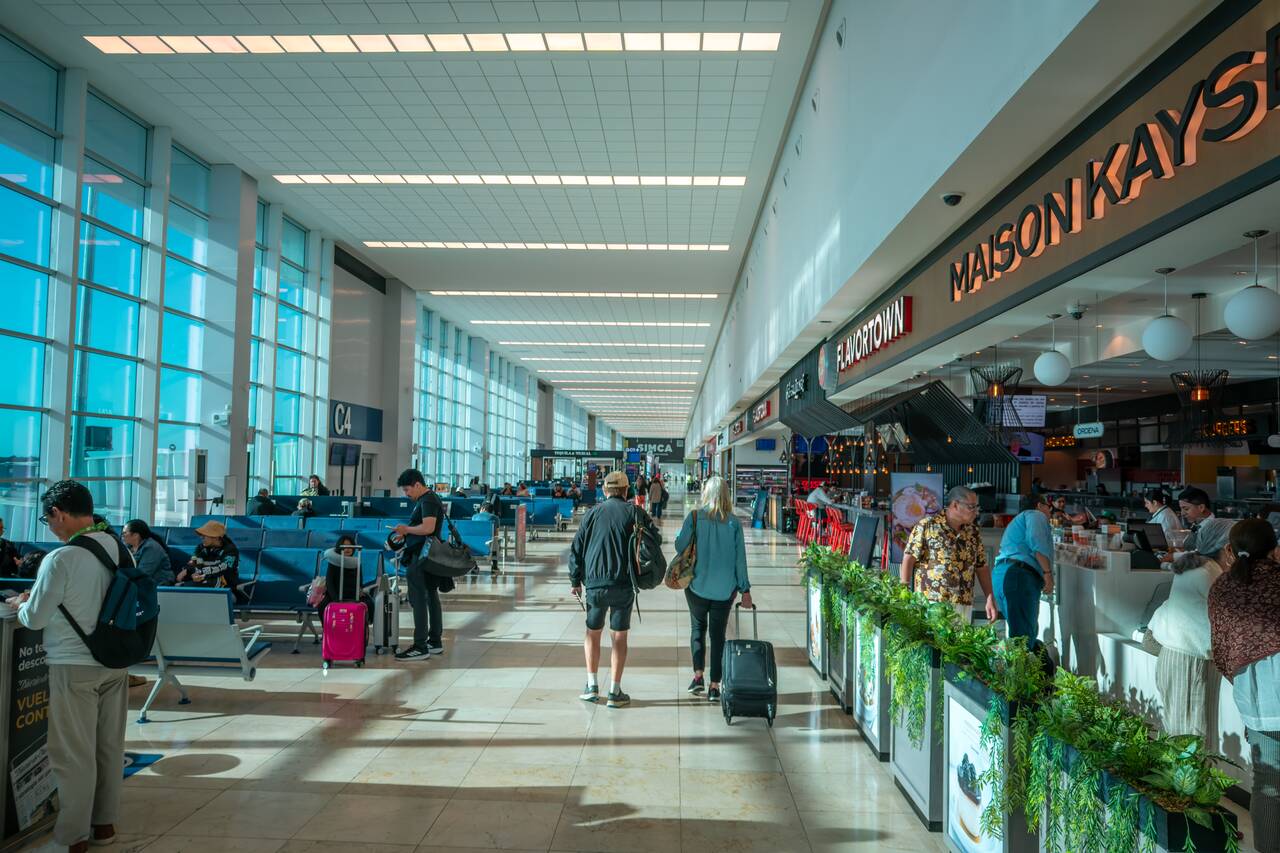
For this leg, we will have to fly from Oaxaca to Mérida, as traveling between the two cities by bus would take over 20 hours and cost as much as, if not more than, flying. There should be one direct flight operated by Volaris three days a week, Tuesday, Thursday, and Saturday, that you can take to get to Mérida. The flight costs around $140 USD and takes about 1.5 hours.
From Oaxaca City Center, you can easily take an Uber to Oaxaca International Airport. Once you arrive at Mérida International Airport, you can hail an Uber to get to your accommodation downtown.
Day 14-16: Merida (3 nights)
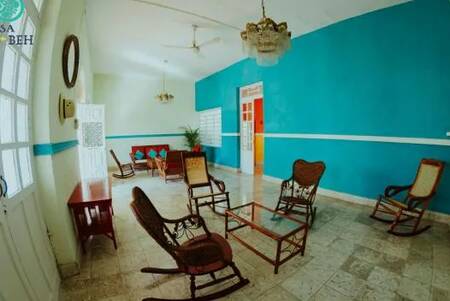
- 📍 Stay: Casa Lool Beh
- 🕐 Time: 3 nights
- 📖 Full Guide: Explore Merida: Best Things to Do, Itinerary, and More
After Oaxaca, we're heading to Mérida, the lively capital city of the Yucatán Peninsula. With three nights here, you'll have enough time to explore the city's beautiful historic center, experience Yucatecan food and culture, and take a day trip to the incredible ancient Maya city of Uxmal.
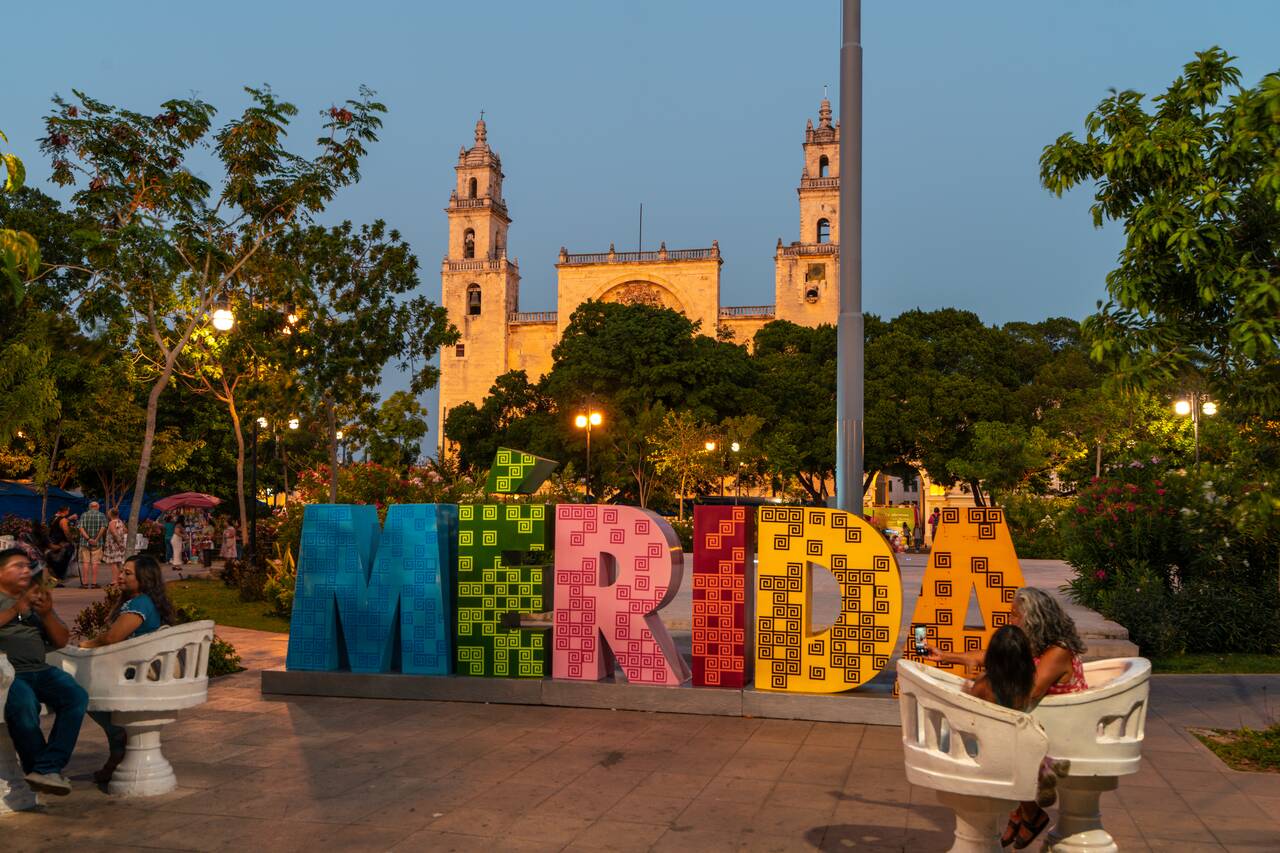
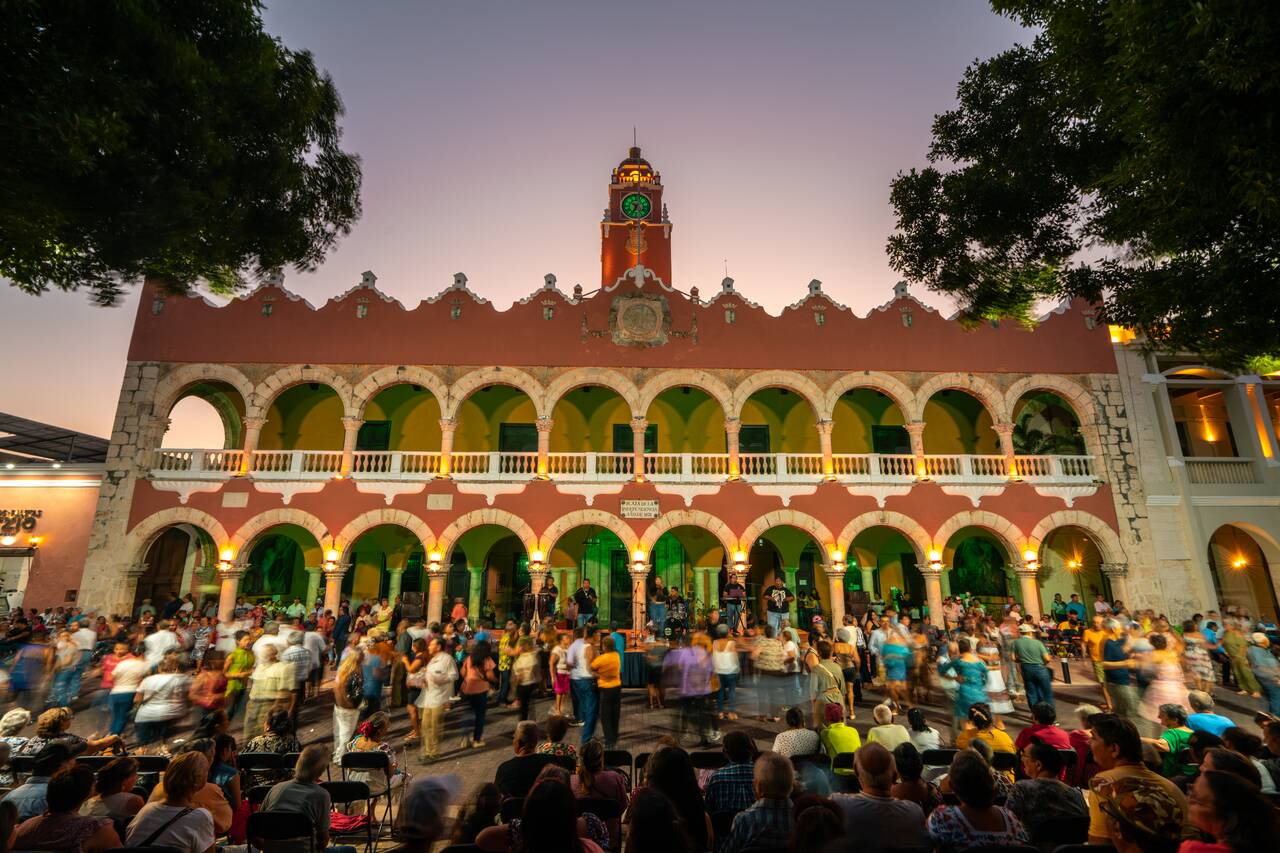
Start your first full day in Plaza Grande, the main square in the historic center and one of my favorite places to simply sit back and take in the lively atmosphere.The plaza is surrounded by beautiful colonial architecture, including the Mérida Cathedral and several other historic buildings, and there are plenty of benches where you can sit, people-watch, and take a break from exploring the city on foot.
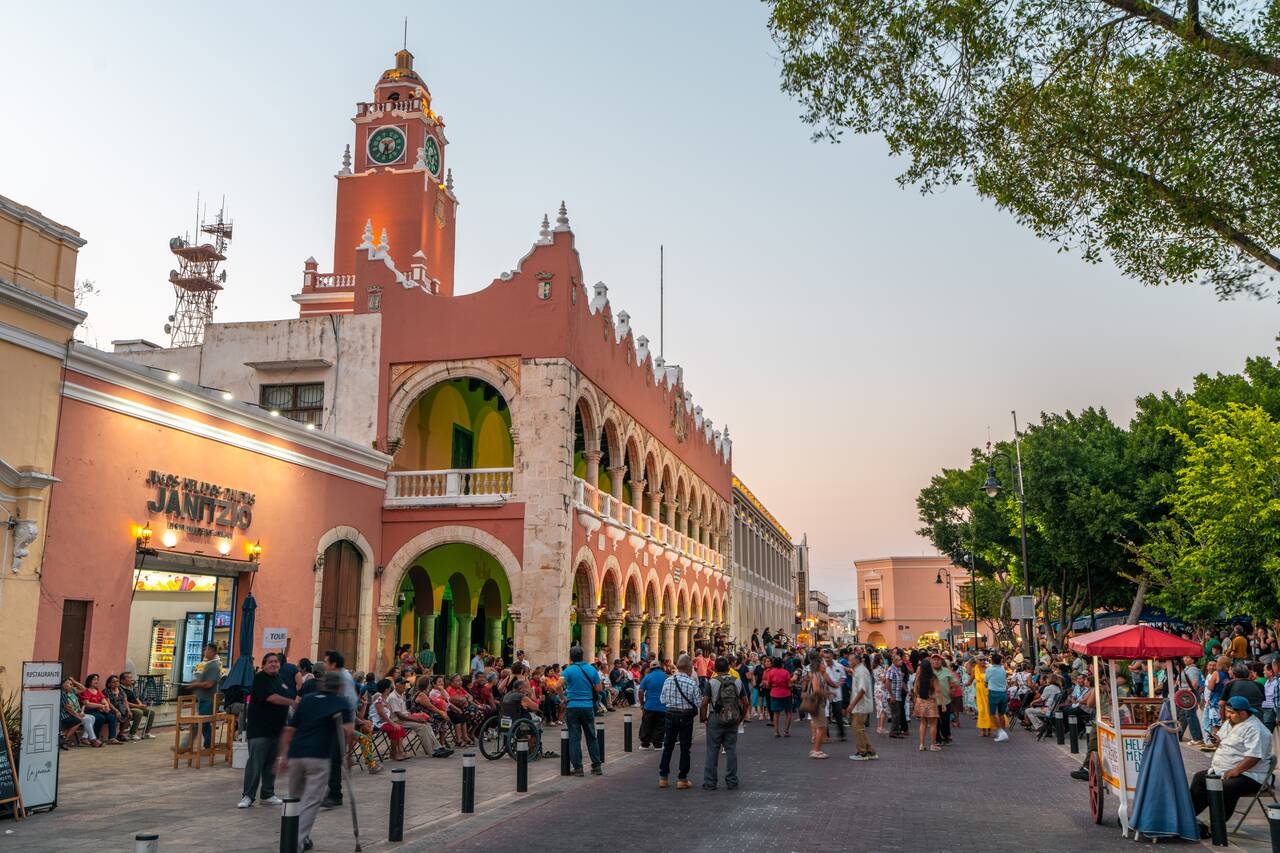
While Plaza Grande is worth visiting during the day, I highly recommend coming back in the evening, when the whole area really comes alive. When I was there, there was a concert taking place in the square, with local bands playing famous Latin songs throughout the night.
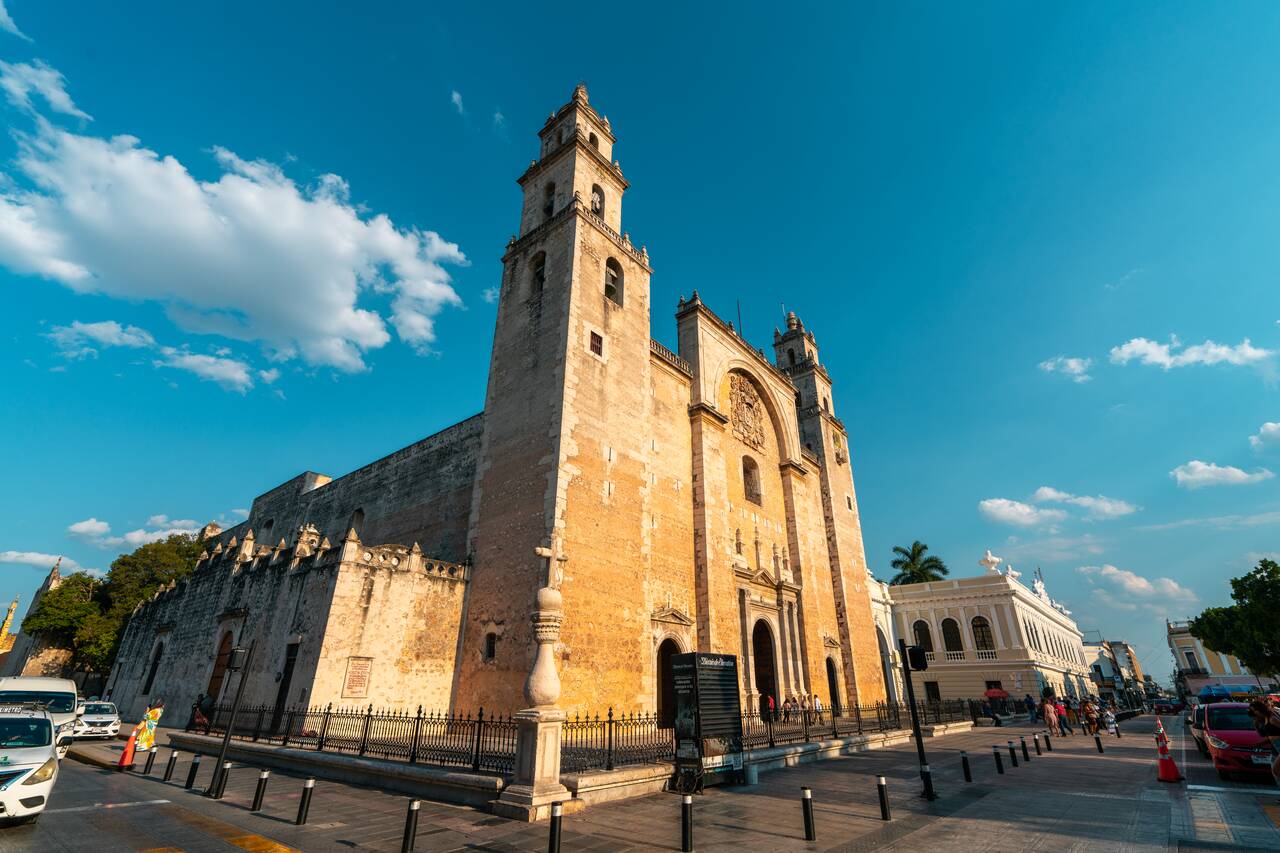
From here, visit the Catedral de San Ildefonso, one of the most important landmarks in Mérida and one of the oldest cathedrals in the Americas. Take some time to step inside and admire the high vaulted ceilings, enormous stone columns, and the impressive wooden crucifix hanging above the main altar.
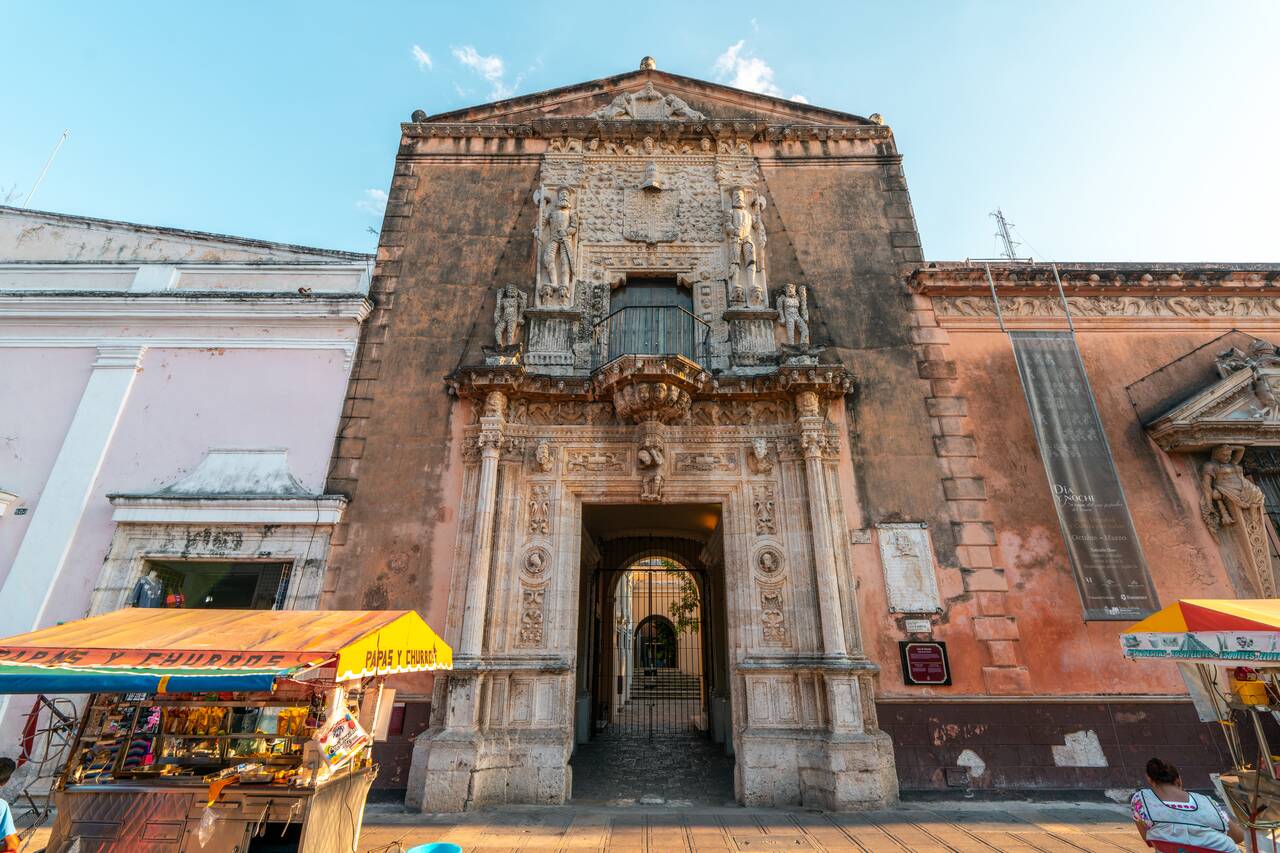
While you're exploring Plaza Grande, make sure to drop by Museo Casa Montejo, one of the most interesting colonial buildings in Mérida. Built in the 16th century by Francisco de Montejo, the Spanish conquistador who founded Mérida, this beautifully preserved mansion gives you a glimpse into what life was like for one of the city's wealthiest colonial families.

In the evening, settle down for some authentic Yucatecan food and try local specialties such as cochinita pibil, sopa de lima, and panuchos. I recommend Museo de la Gastronomía Yucateca if you're looking for a proper restaurant, while those looking for street food will find plenty of stalls popping up in the evening right next to Plaza Grande. Be sure to come back and check them out.

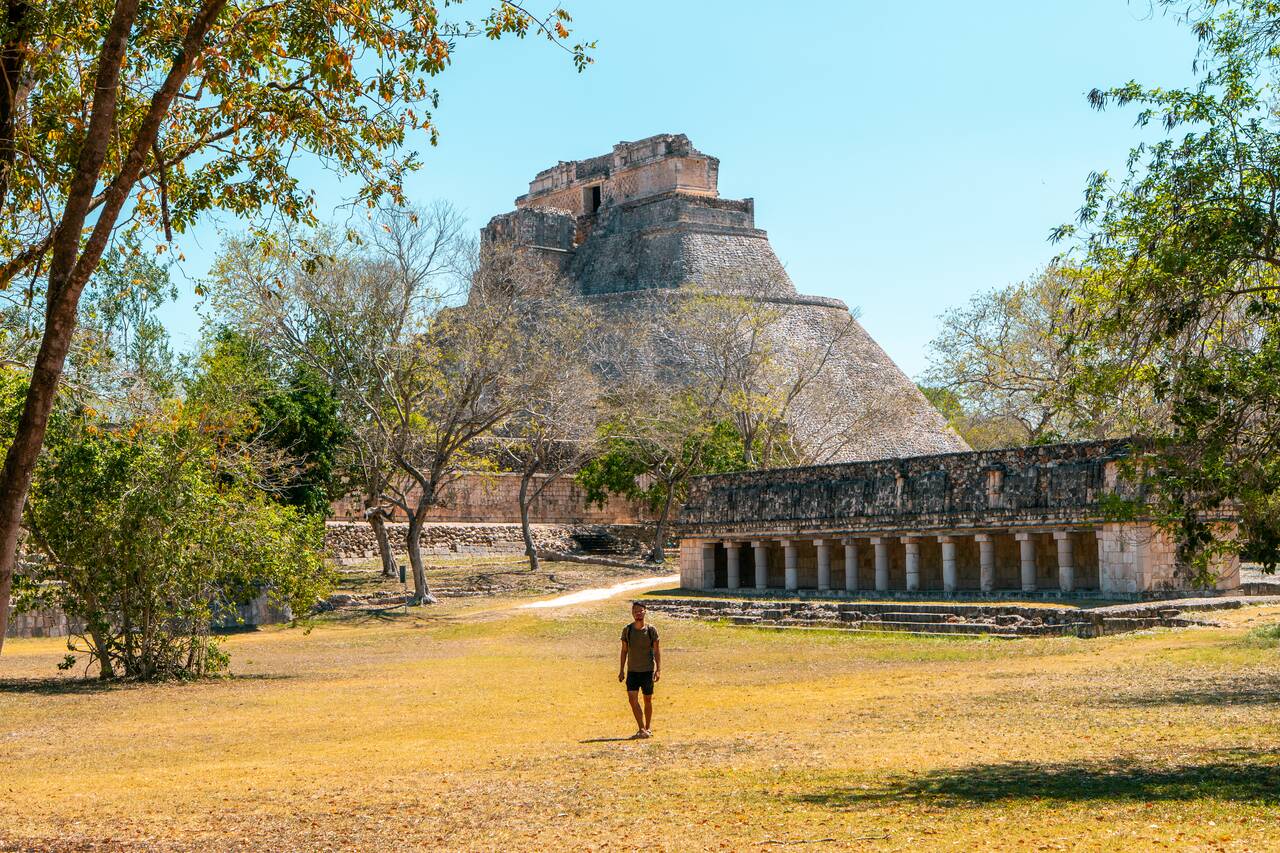
On your second day, take a day trip to Uxmal, a stunning ancient Maya city and one of the most impressive archaeological sites in Yucatán. In fact, I personally prefer Uxmal over Chichén Itzá. It gets considerably fewer visitors, the site is quite large with tons to see, and you can actually take your time exploring the ruins without constantly having to navigate around large tour groups.
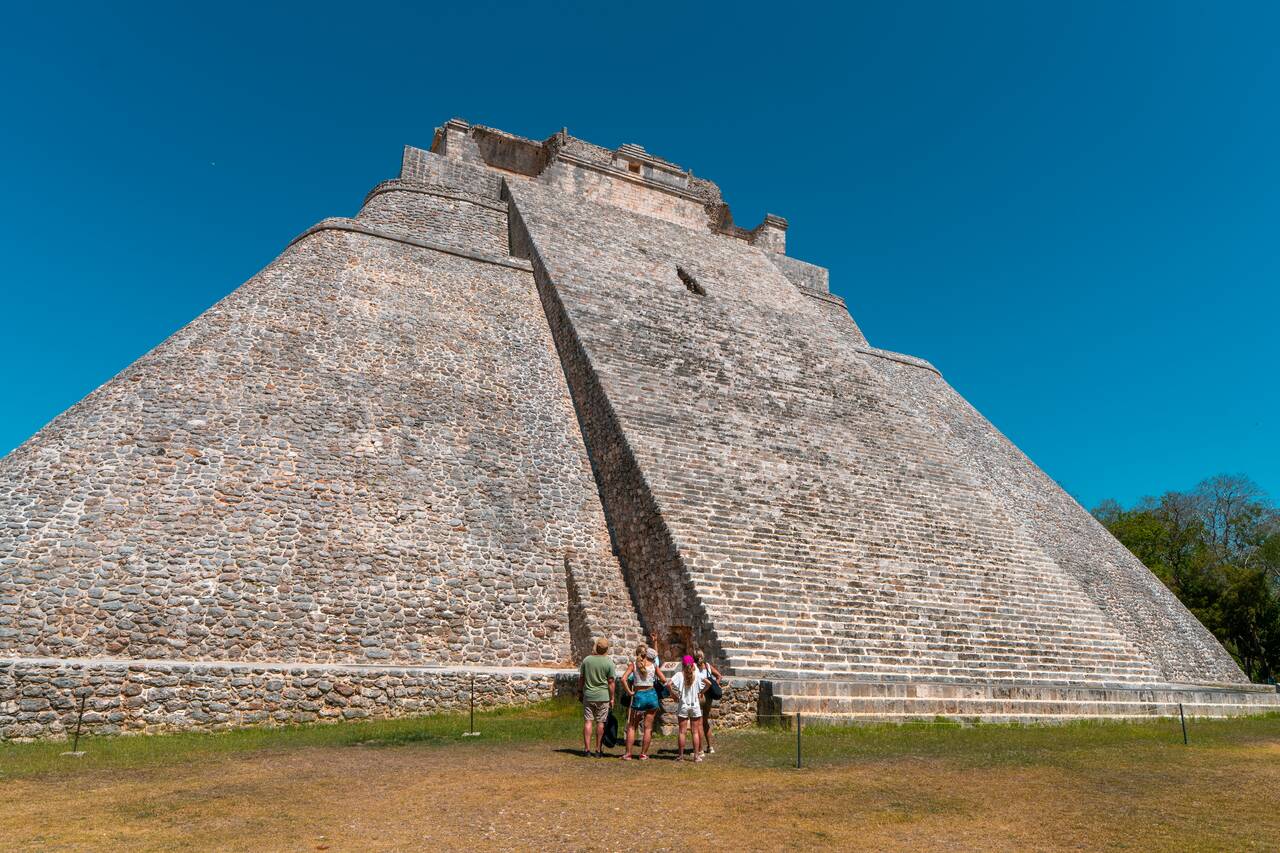
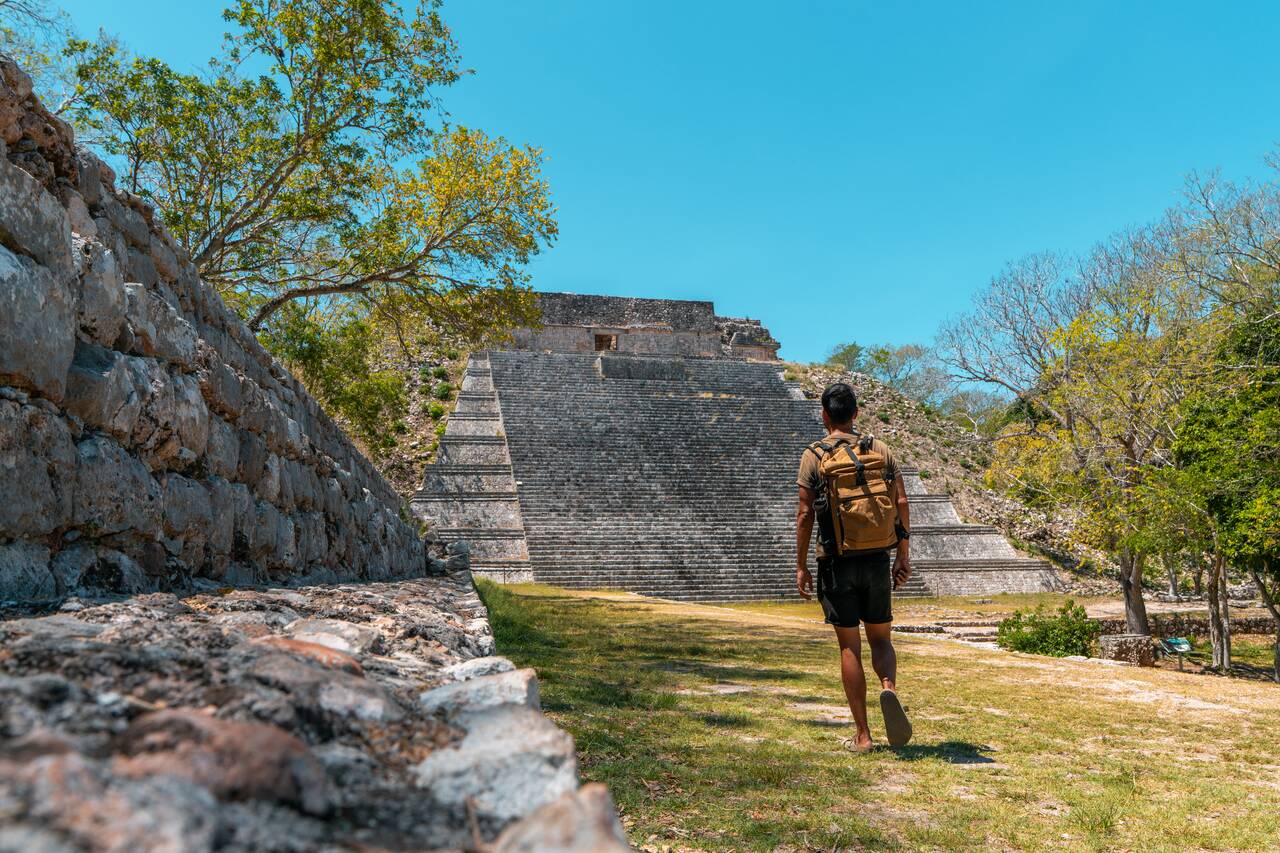
There are several highlights you shouldn't miss while exploring Uxmal. Start with the enormous Pyramid of the Magician, the distinctive rounded pyramid that dominates the entrance to the ancient city. This thing is massive, and it will be the first thing you see when you arrive at the archaeological site. Now, that's how you make a great first impression!
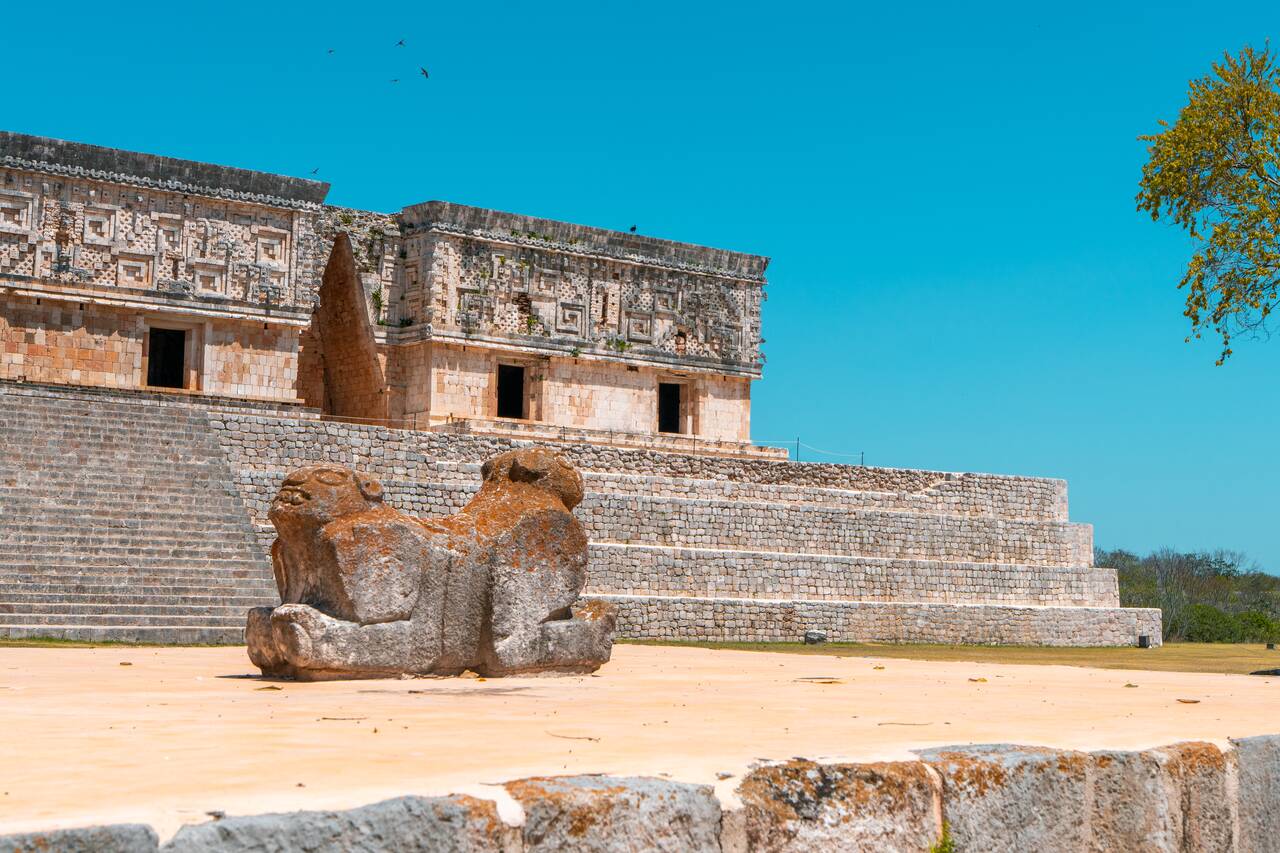
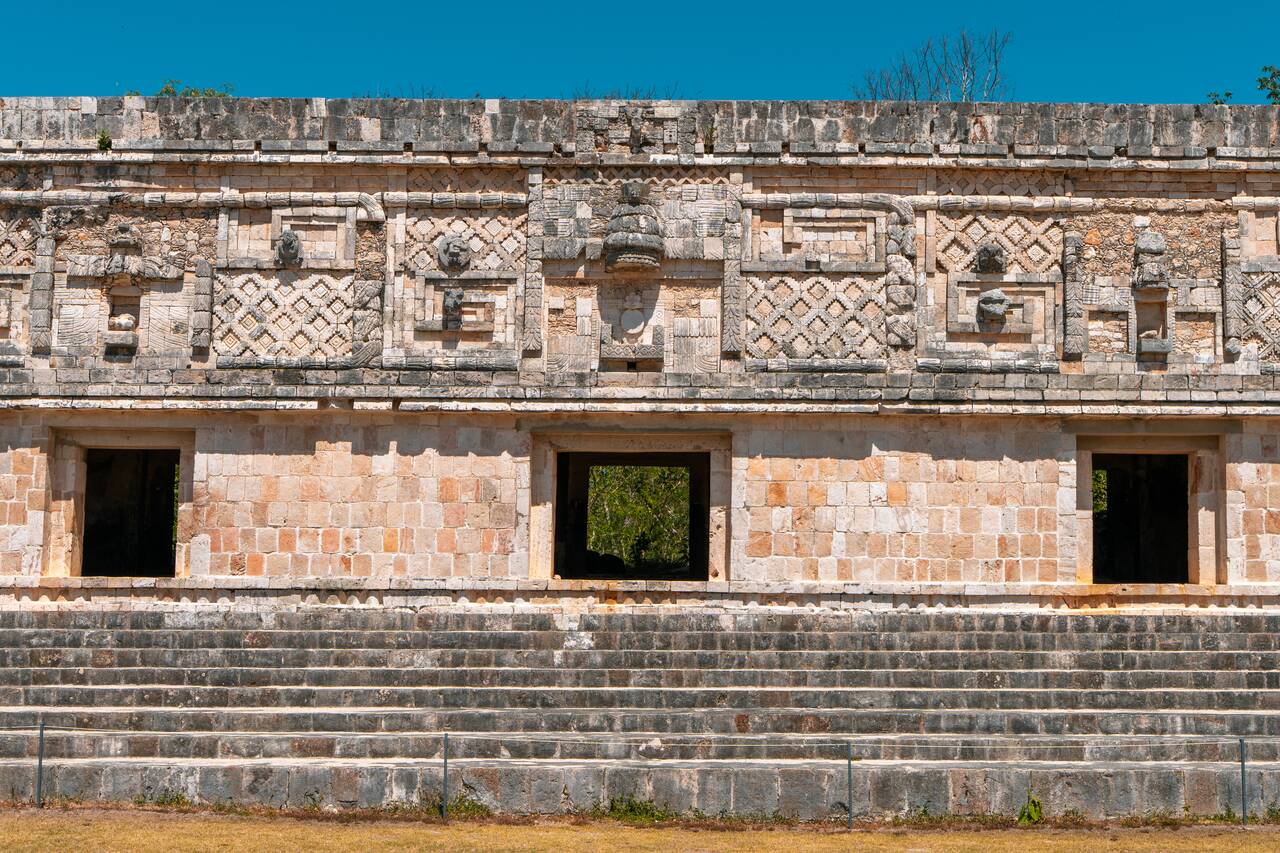
Then make your way to the Governor's Palace, one of the most impressive buildings in Uxmal, with an incredibly detailed facade covered in geometric patterns and carvings as well as a great place to catch the view of the surroundings.
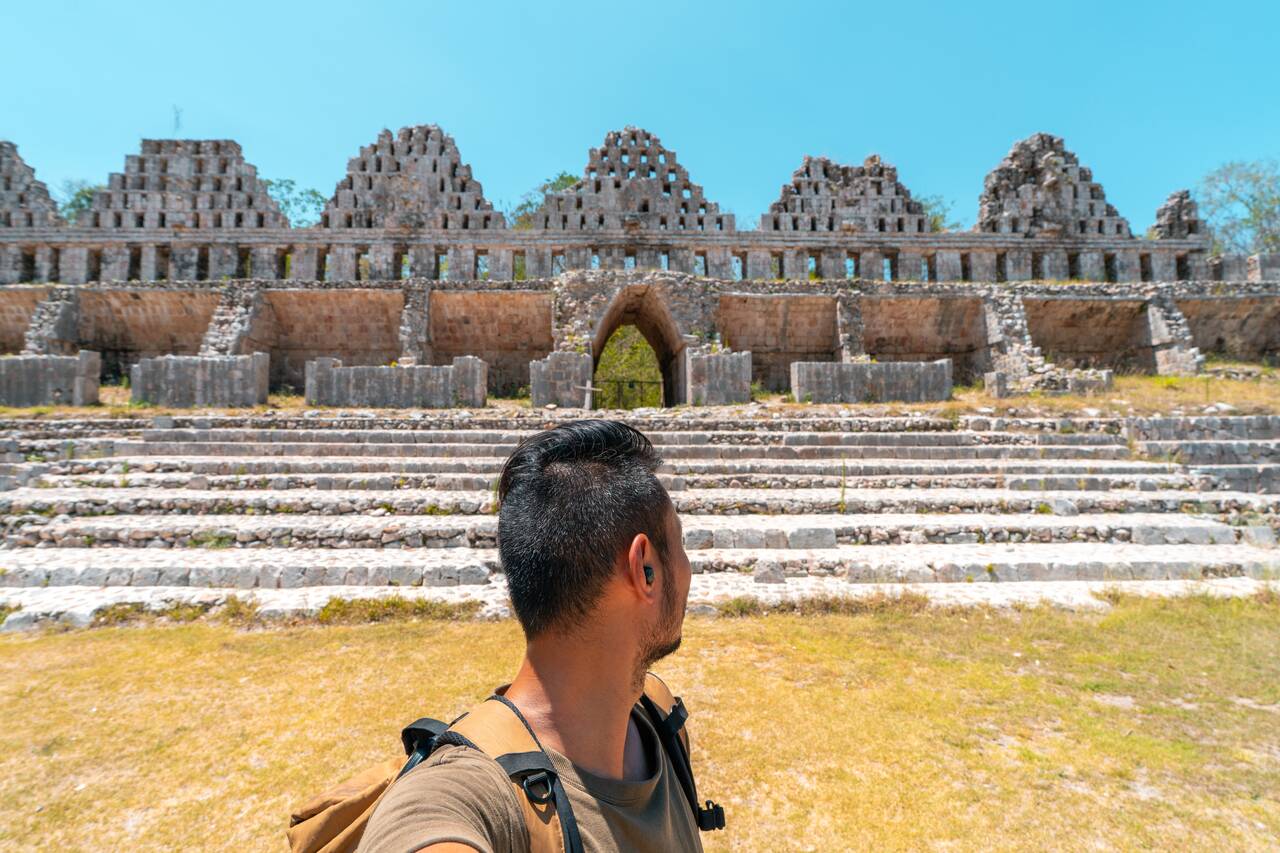
Don't miss the Nunnery Quadrangle, a large courtyard surrounded by four beautifully decorated buildings, and the House of the Doves, named after the distinctive cresting along the top of the building that resembles a row of dovecotes.
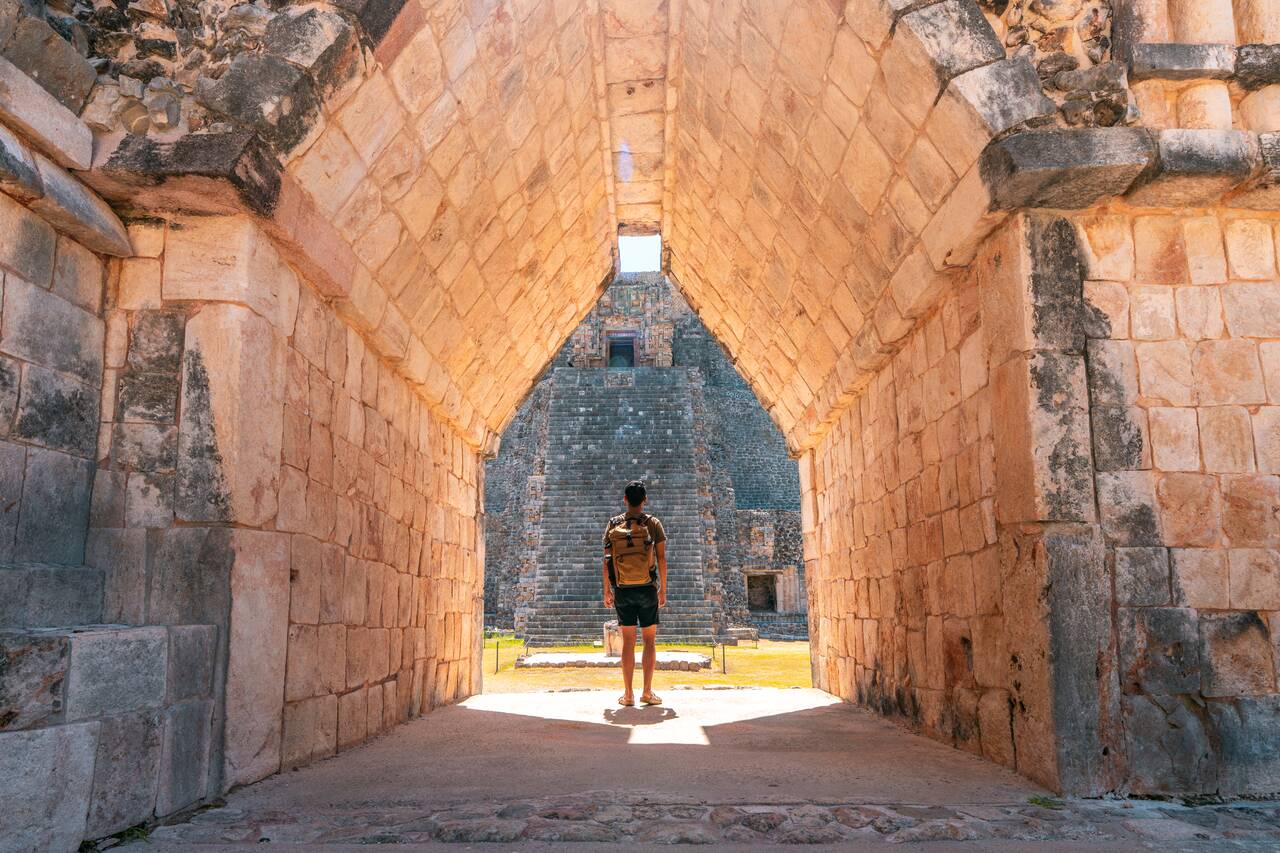
Getting to Uxmal independently is possible, although it requires a little more planning than visiting Chichén Itzá. The local SUR bus runs from Mérida to Uxmal, with departures at around 8 AM and 9 AM. The journey takes roughly 1.5 hours from the ADO terminal in Mérida.
For the return journey, the buses from Uxmal leave at around 3 PM and 5 PM. One thing I would keep in mind is that you don't necessarily want to buy a return bus ticket straight away if you're not sure you'll be taking the same bus back. We ended up finishing our visit around 1 PM and didn't want to wait around until 3 PM, so we decided to find another way back to Mérida instead.
Fortunately, one of the local ladies selling drinks near the site was incredibly kind and helped us call a taxi. We paid around 200 MXN for a taxi to Muna, shared by 4 of us, where we switched to a colectivo heading toward Mérida. The colectivo cost around 50 MXN and dropped us off at this terminal in Mérida. Both the taxi and colectivo were cash only, so make sure you have enough Mexican pesos with you.
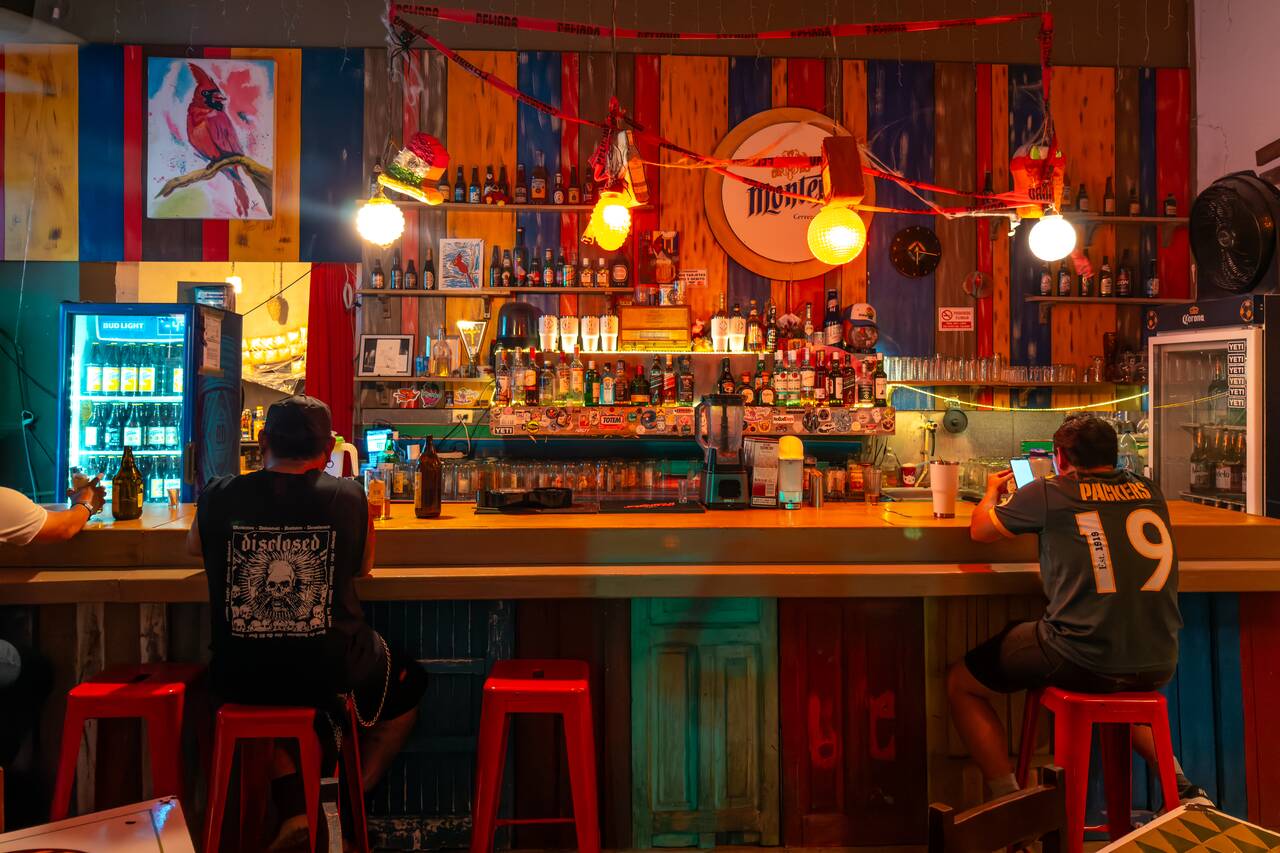
After you get back from Uxmal, escape the midday heat and relax at your accommodation until the evening before heading out to enjoy Mérida's lively nightlife. Go and experience a cantina, which is essentially a Mexican bar where people come to drink, eat small snacks, listen to music, and socialize.
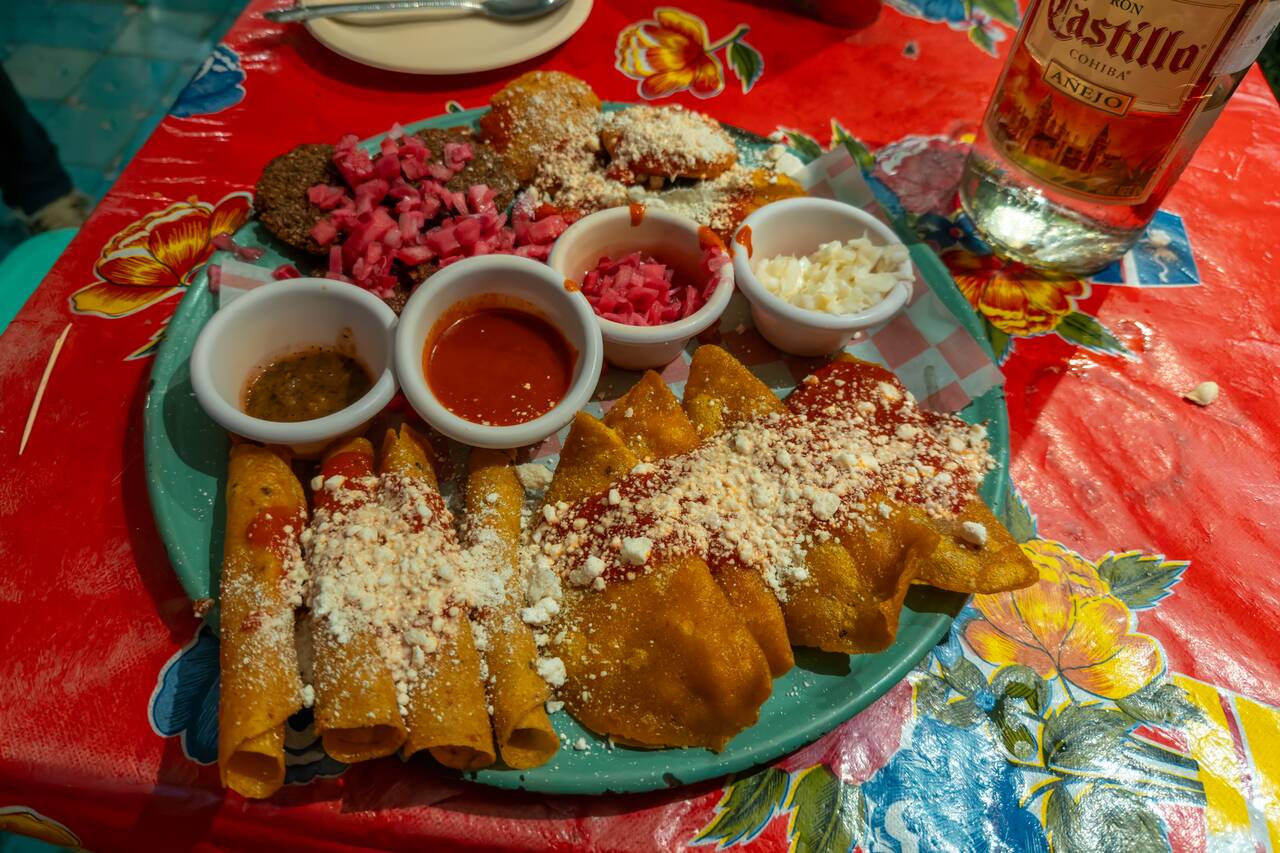
Cantinas are a big part of the local drinking culture and are a great way to experience a more traditional side of the city. I recommend El Cardenal Cantina, a lively traditional cantina located not far from the historic center. Enjoy the evening before calling it a night and getting some rest.

Getting from Merida to Valladolid
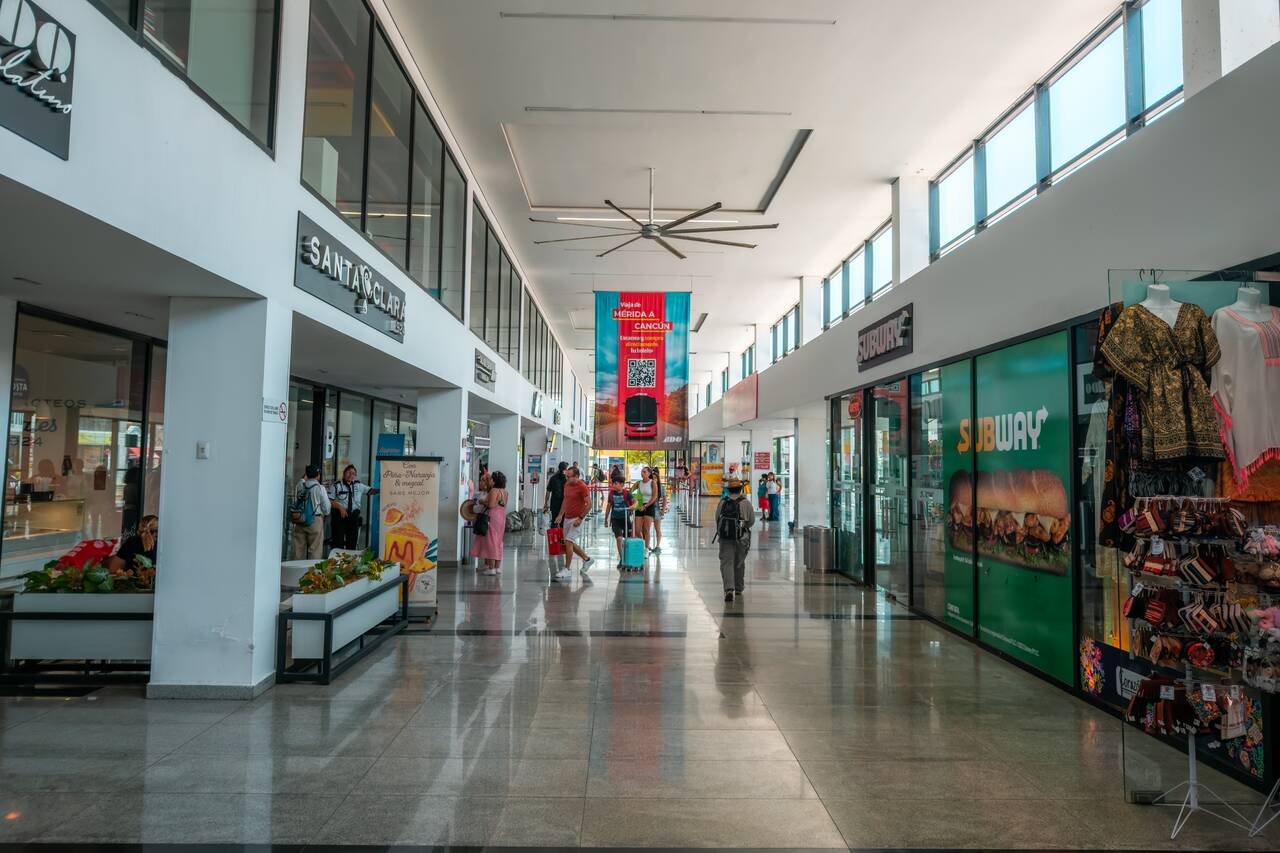
From Mérida, you can catch one of the many ADO buses departing from Mérida Bus Terminal, which is within walking distance of the city center. The bus journey takes around 2–3 hours and costs approximately 17 USD.
You can book the bus here. The bus will drop you off at ADO bus terminal in Valladolid, which is also right in the city center, so you should be able to walk to your accommodation easily from there.
Day 17-19: Valladolid (3 nights)
- 📍 Stay: Hotel Casa Rico
- 🕐 Time: 3 nights
- 📖 Full Guide: Valladolid, Mexico Travel Guide: Things to Do, Itinerary & More
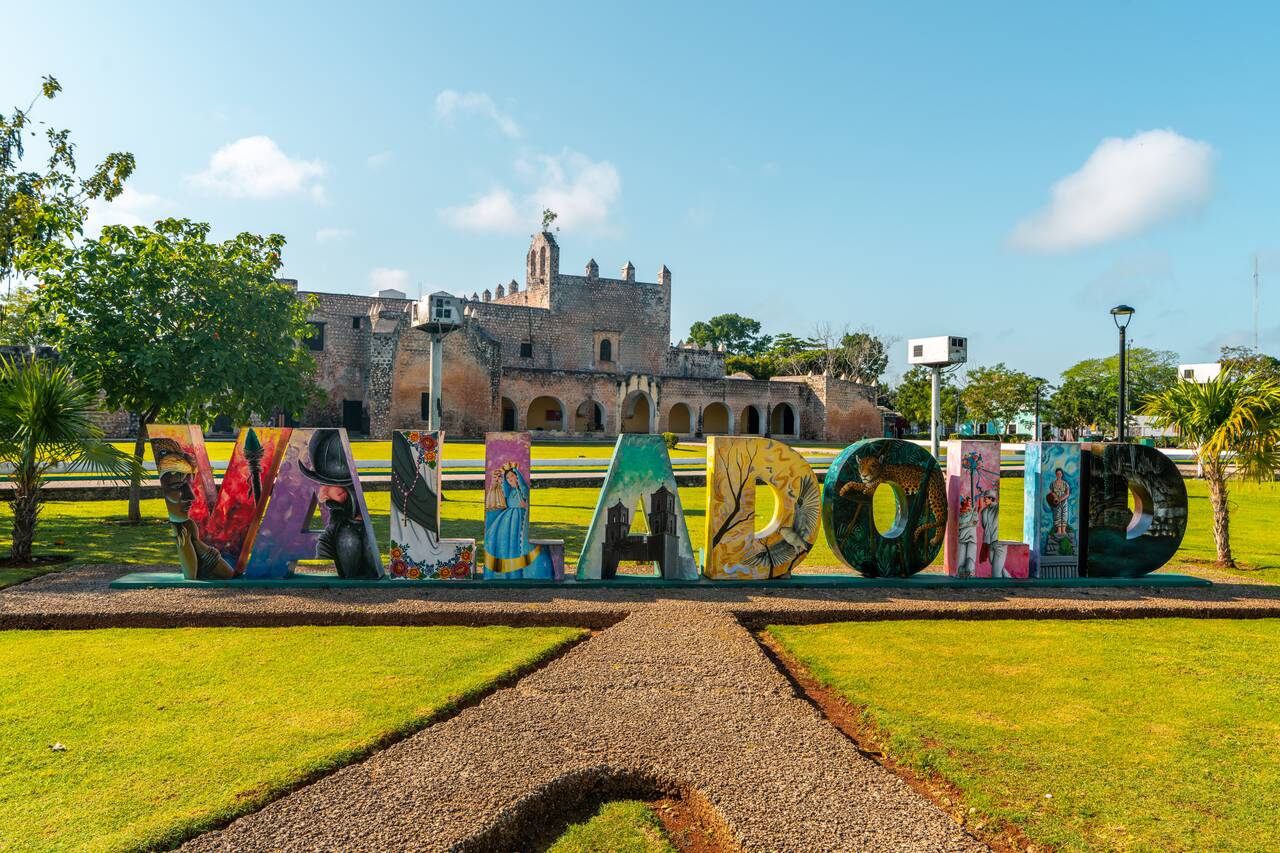
Next up, we're heading to Valladolid, a charming colonial town in the heart of the Yucatán Peninsula. It's a great base for exploring some of the region's most famous Maya ruins and cenotes while also giving you a chance to experience a quieter side of Yucatán away from the larger cities.
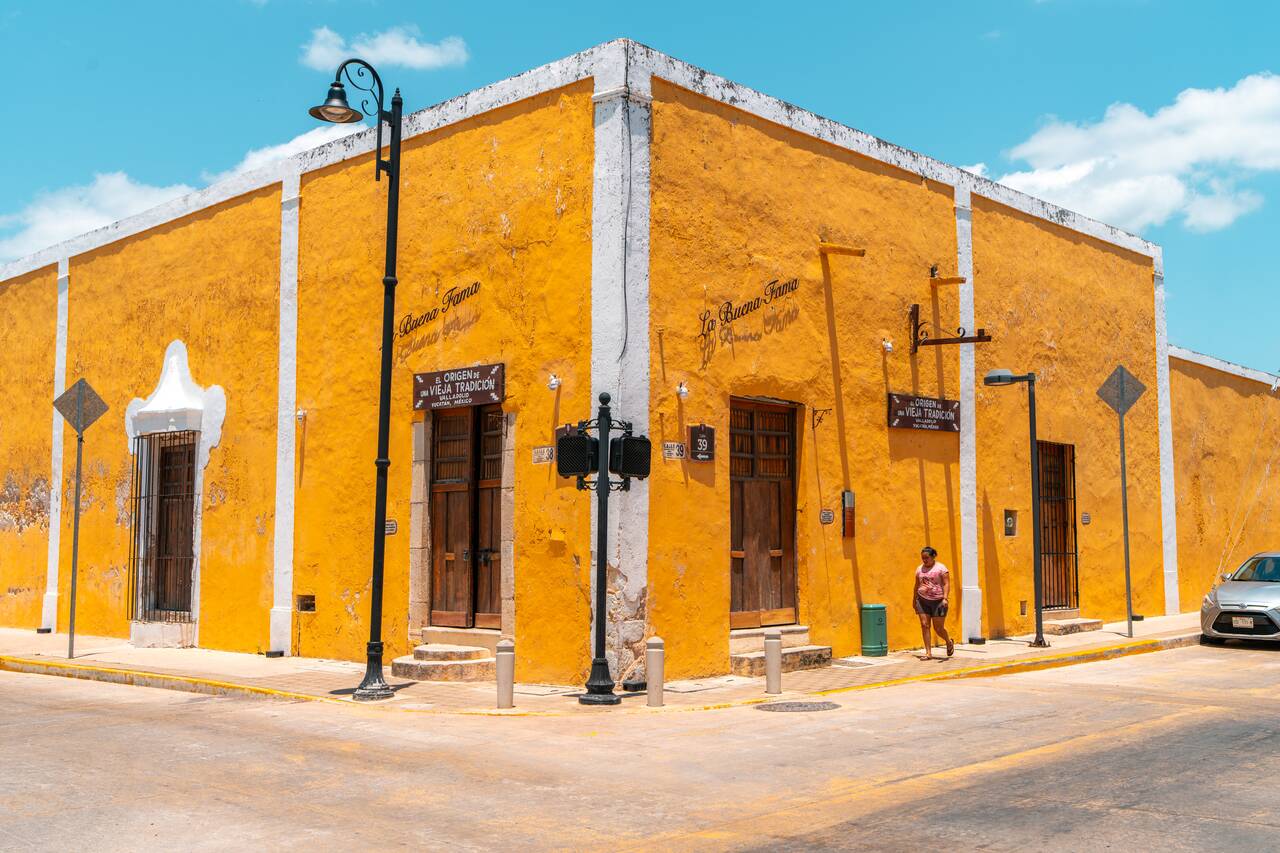
One of my favorite things to do in Valladolid is simply to wander around the historic center and enjoy its colorful colonial streets. The city is filled with brightly painted buildings, charming old churches, beautiful plazas, and little shops and cafés tucked into almost every corner.
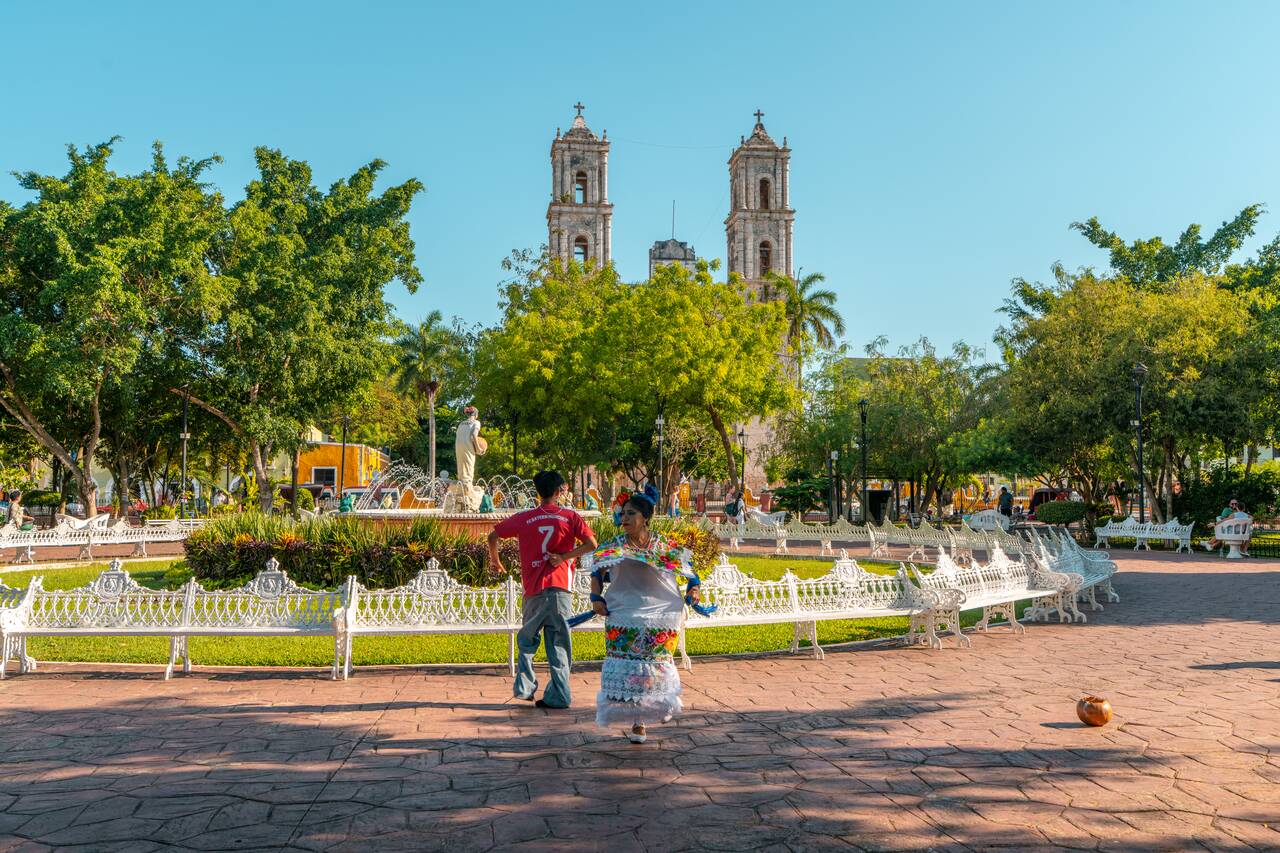
If you are not sure where to begin, you can start your exploration at Parque Principal Francisco Cantón Rosado, the main park of the city where all the beautiful colonial buildings will surrounds you. It's a lively park with lots of locals out and about, even performers to keep you entertain while you sit under the leafy shades of its many benches.
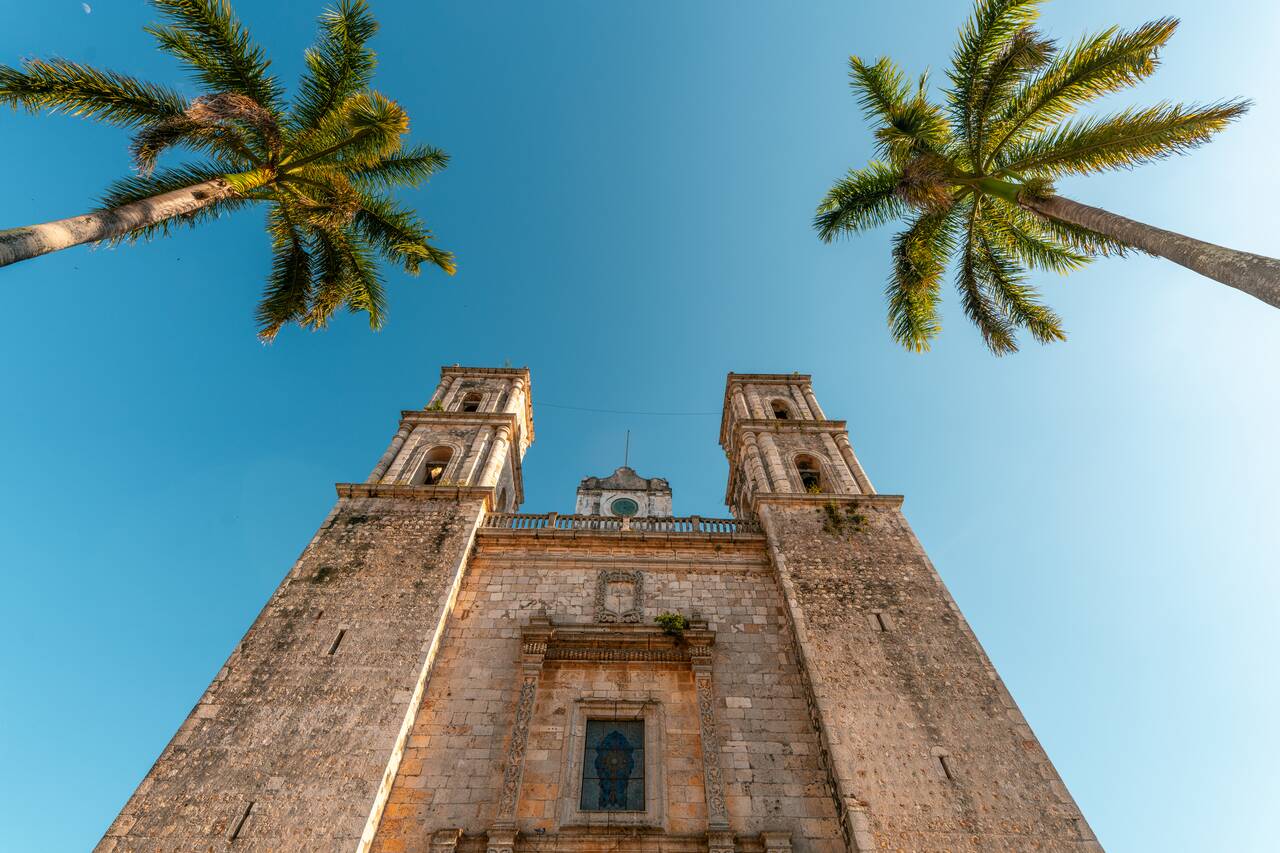
Right next to the park, you will find Catedral de San Servacio, one of the most recognizable landmarks in Valladolid. Standing prominently on the eastern side of Parque Principal Francisco Cantón Rosado, the cathedral's distinctive stone facade and twin towers make it hard to miss as you explore the city center. It reminded me so much of my time visiting Spain!
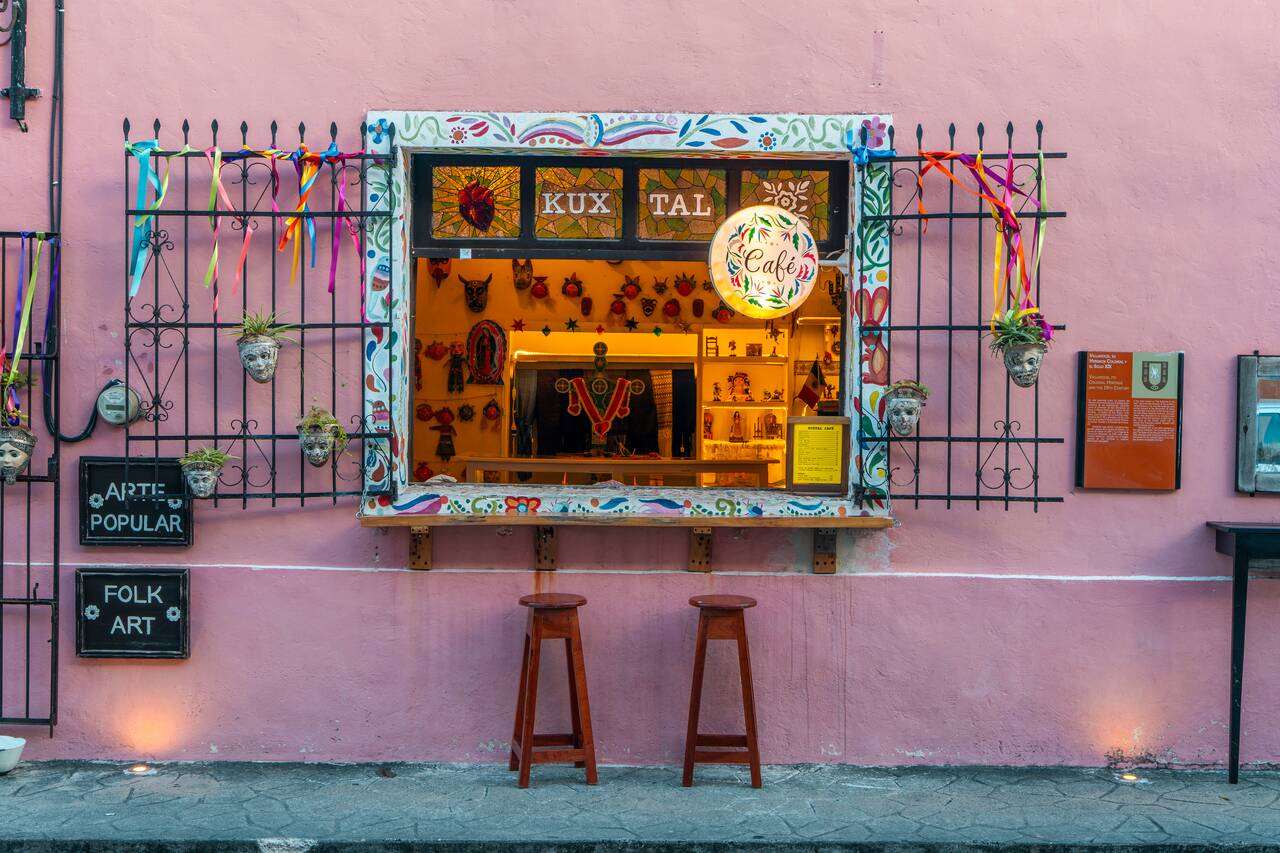
One of the prettiest streets in Valladolid and one of my favorite places to stroll around in the evening is Calzada de los Frailes, a colorful cobblestone road connecting the historic center with the Convent of San Bernardino de Siena. During the day, you will find the area quite peaceful, and you can take some time to admire the architecture before finding a nice shaded area with benches to sit and enjoy the views.
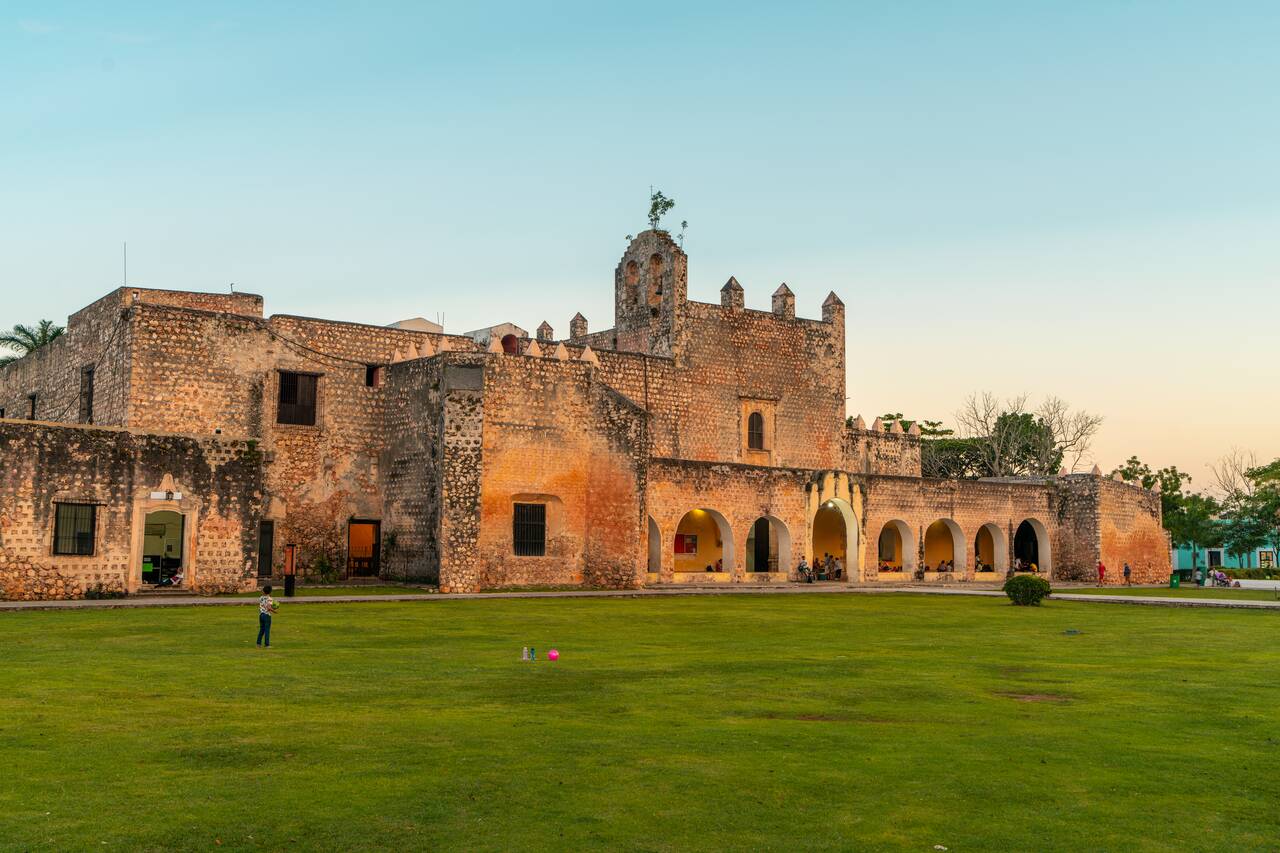
At the end of Calzada de los Frailes, you will find the impressive Convent of San Bernardino de Siena, one of Valladolid's most important historical landmarks. Built by the Franciscan order in the 16th century, the pink-colored convent is hard to miss and makes for a beautiful end point to your walk along the colorful street.
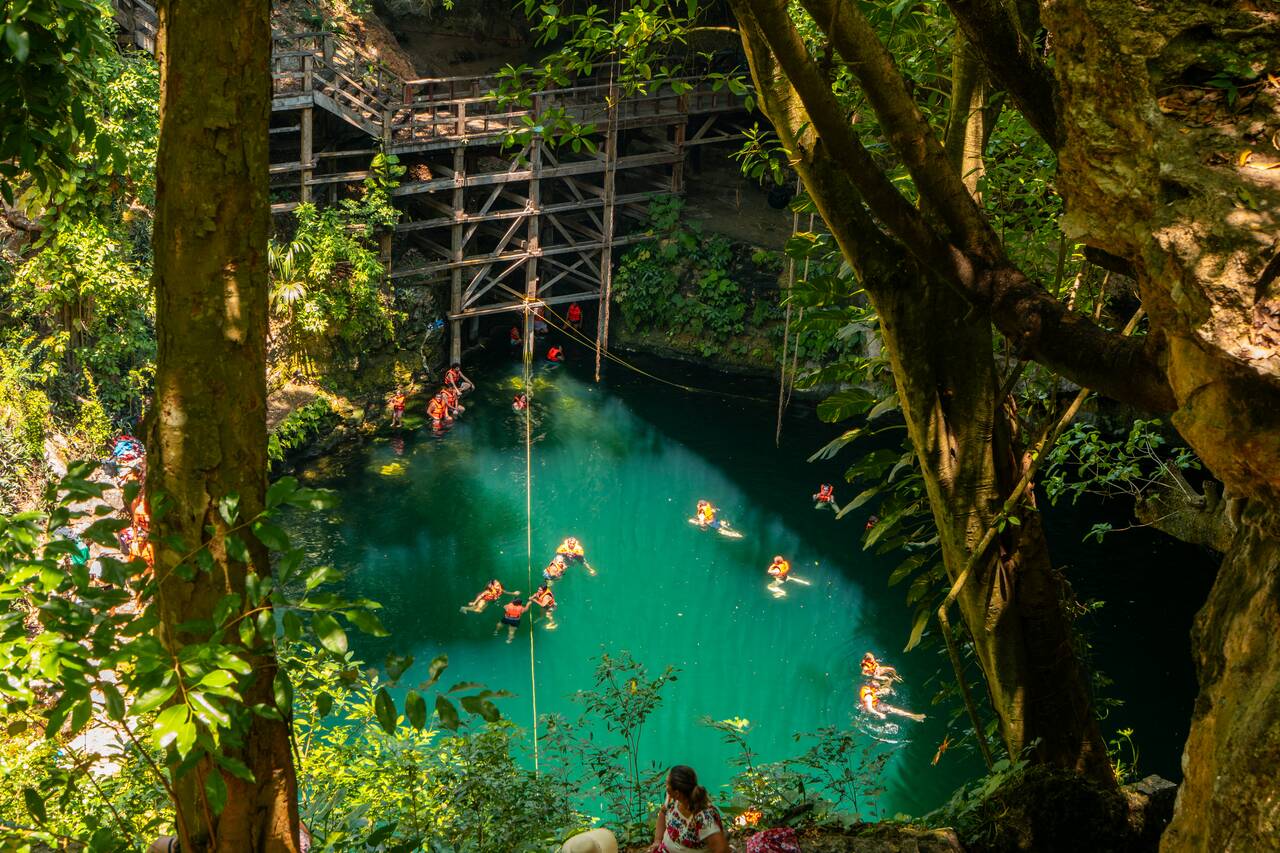
In the afternoon, you can go and swim at Cenote Zací, which is located right in the heart of the city, and it is one of the most accessible cenotes here, and you can simply walk from downtown to the cenote in about 15 minutes without needing to arrange transportation or join a tour.
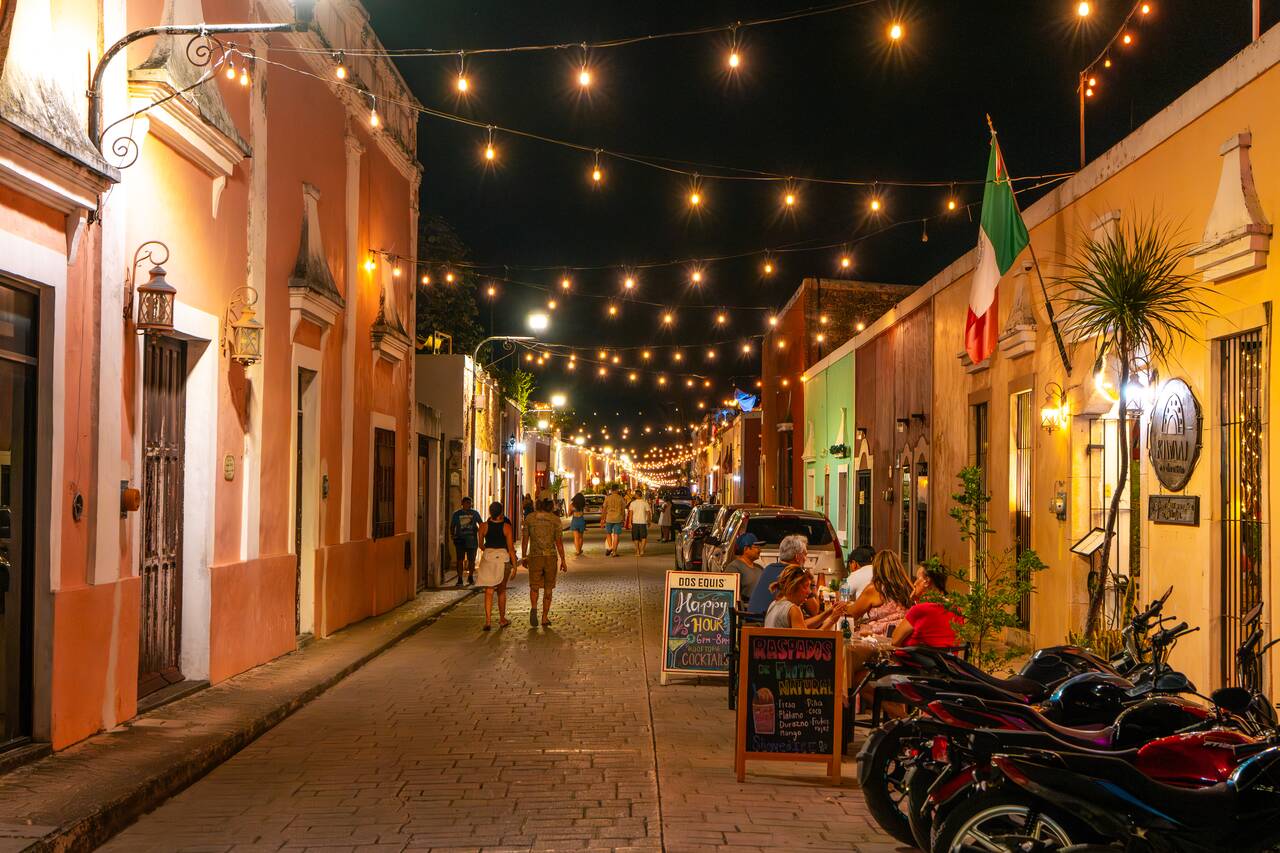
Once evening comes, be sure to go back and walk along Calzada de los Frailes. The area becomes especially lively around sunset, with plenty of restaurants and bars where you can hang out. There are also some great local restaurants and cafés, such as La Terraza de Doña Fini and Roja Casa, that you can drop by before retreating for the day.

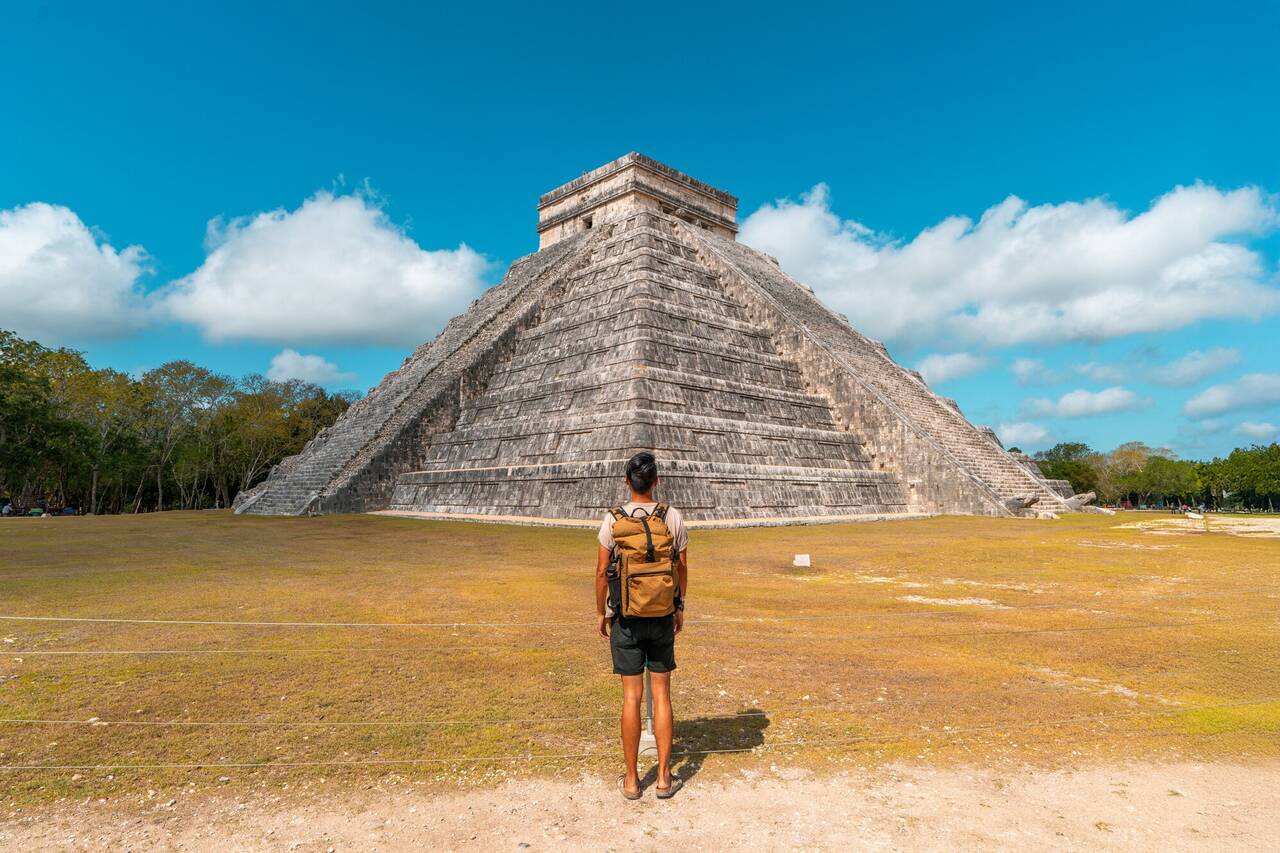
Of course, one of the main reasons why we are here is to visit Chichén Itzá, one of the most famous Maya archaeological sites in Mexico and one of the New Seven Wonders of the World, and that's what we are going to do the next day.
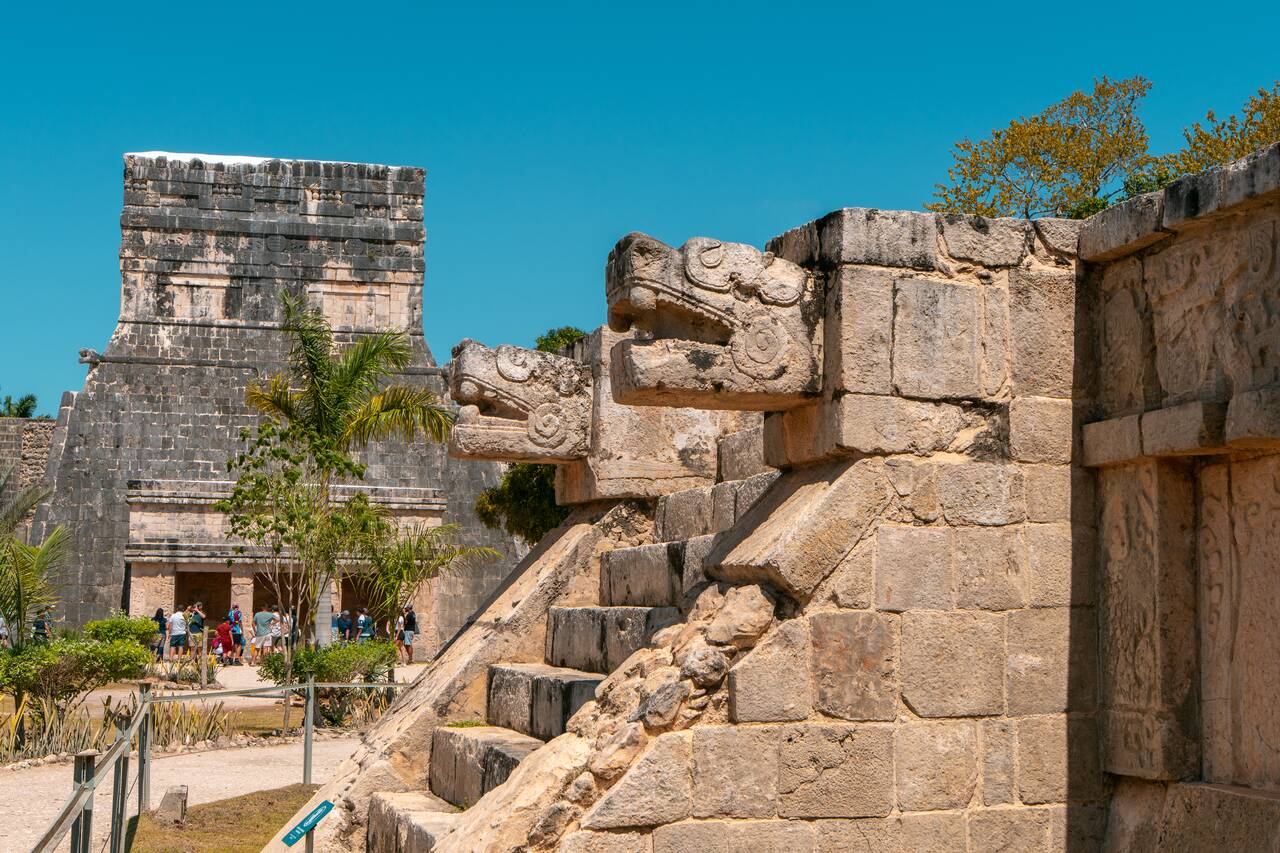
Walking around the ruins, you can get a real sense of just how advanced the Maya were in areas such as astronomy, mathematics, architecture, and engineering. The place is massive with tons to see, and so you can spect to spend between half a day to the entire day if you wish to take it really slow.
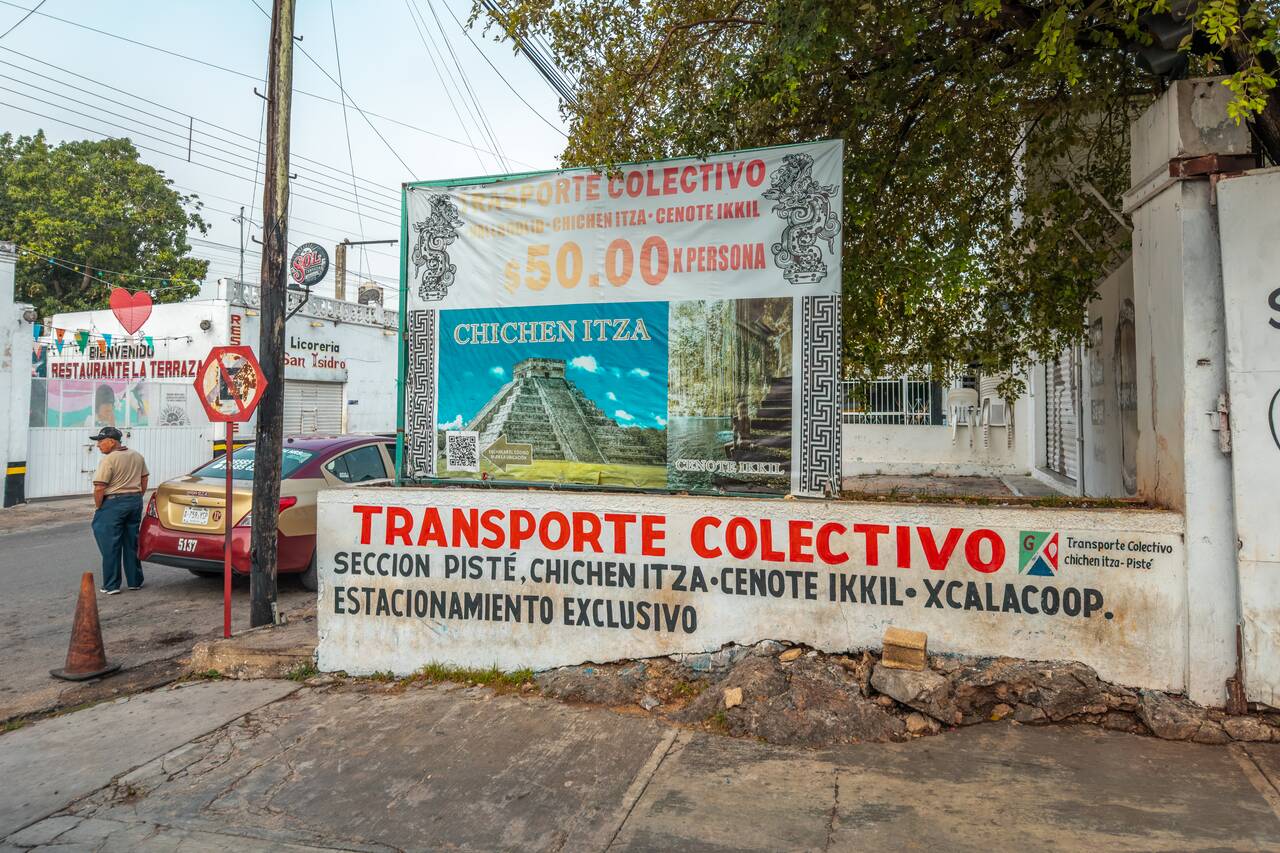
Getting to Chichén Itzá from Valladolid is surprisingly easy too. You can take a colectivo directly from this terminal, with departures starting around 6:30 AM. The journey takes roughly 45 minutes and the shuttle should cost around 50 MXN (3 USD) one way or 100 MXN (6 USD) for a round trip.
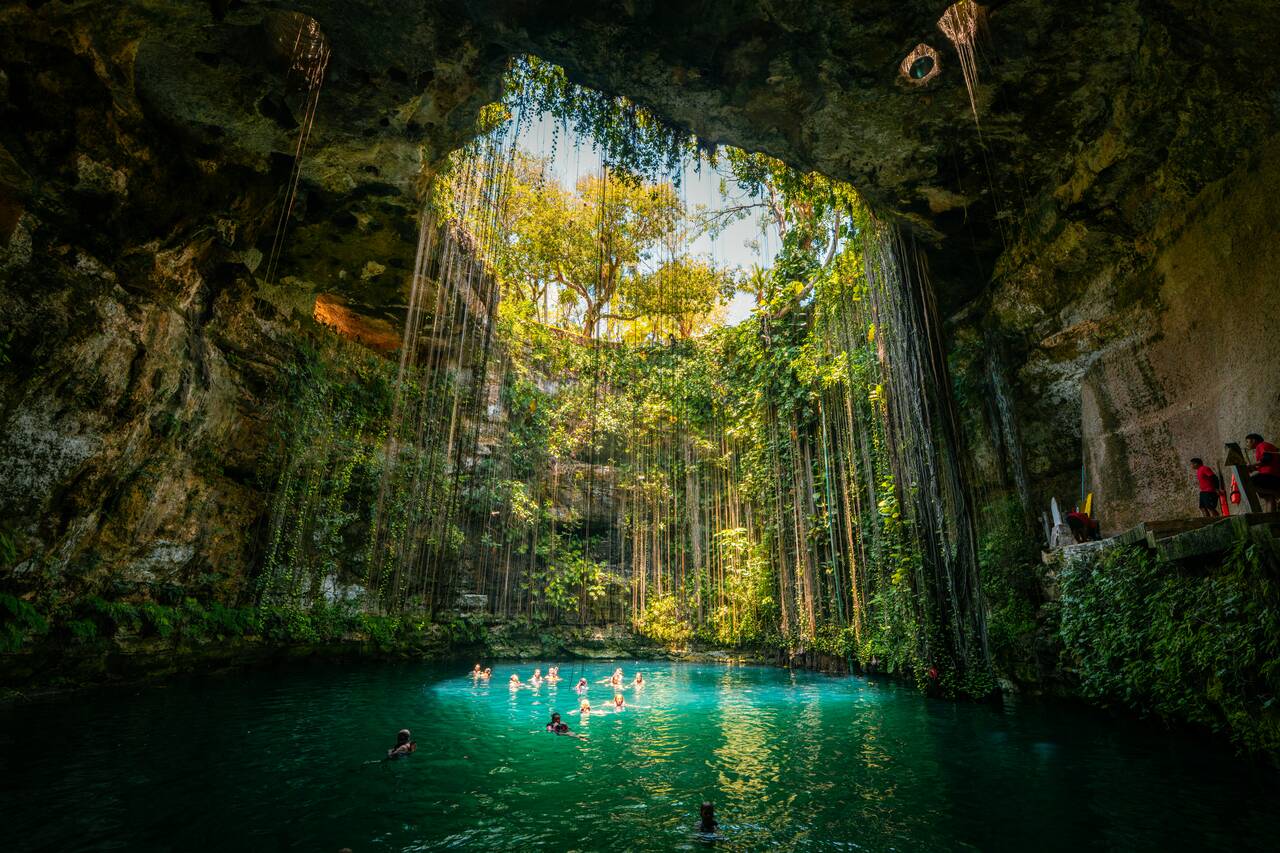
If you want to combine Chichén Itzá with a refreshing swim, you can also buy a bundle ticket that includes a stop at Ik Kil Cenote, which I recommend. This option costs around 370 MXN ($22 USD) and includes the entrance fee to Ik Kil, as well as transfers from Valladolid to Chichén Itzá, Chichén Itzá to Ik Kil, and Ik Kil back to Valladolid. Just let the driver know that you have the Ik Kil ticket, and they will drop you off at the entrance to the cenote.
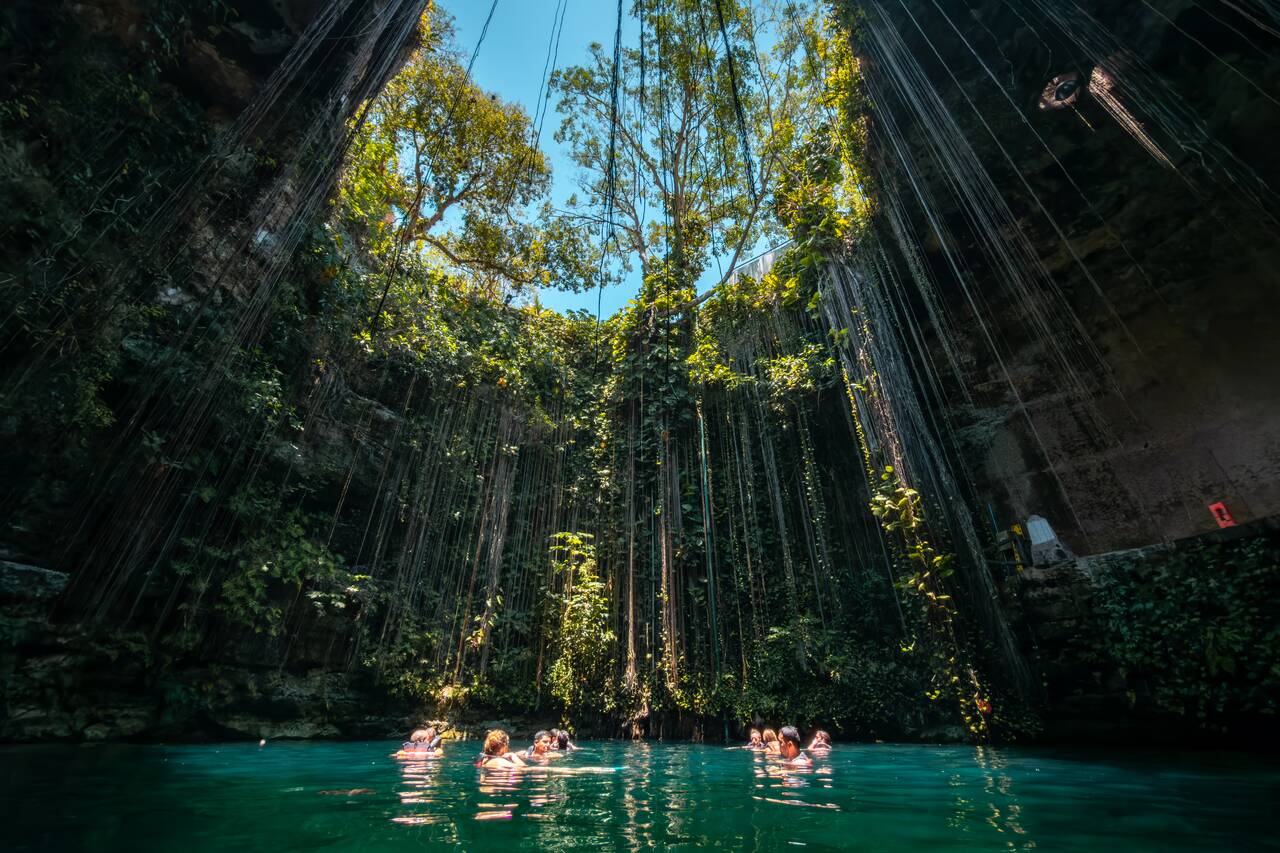
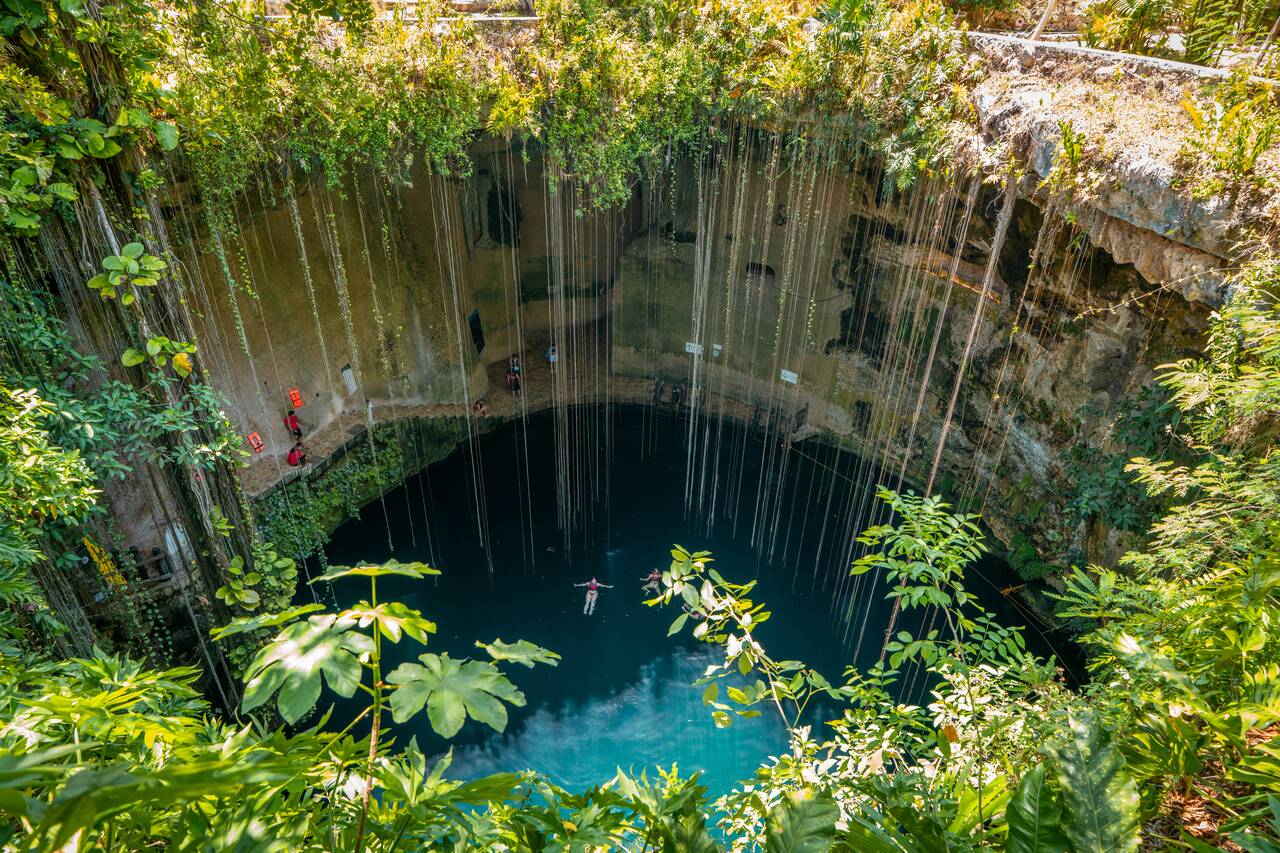
Ik Kil Cenote really feels like paradise in an underworld, in the best way possible, and it was the highlight of my visit to Valladolid. Standing here surrounded by the towering walls, lush vegetation, and crystal-clear water, it is easy to understand why these places held such a special place in their culture. No wonder why the Maya believed cenotes were sacred gateways to the underworld!
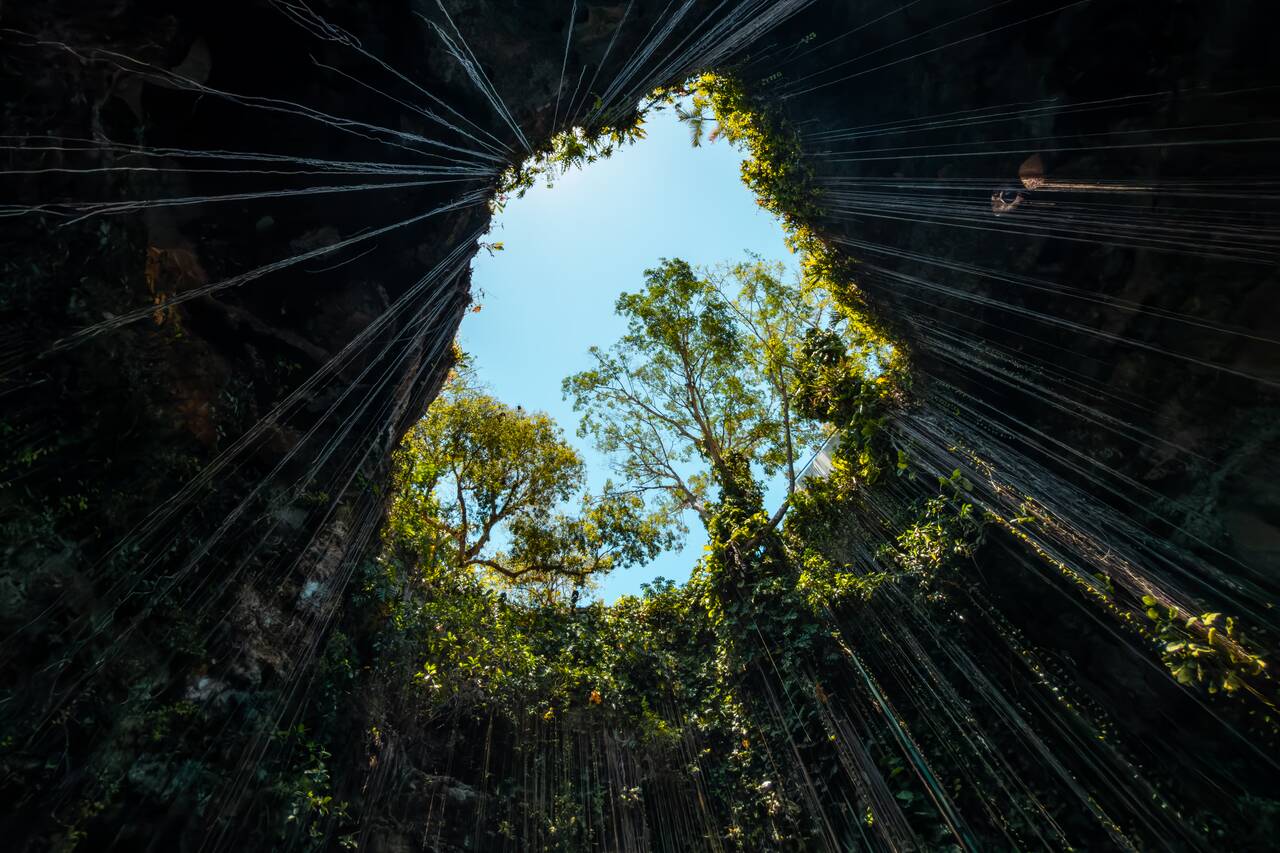
It should take less than 10 minutes to reach the cenote from Chichén Itzá, and you can expect to spend around 1–2 hours here. Once you're ready to leave, simply head back to the same entrance and wave down a colectivo heading back toward Valladolid.
After you're back in Valladolid, you can grab a quick dinner at Lonchería Canul, a small kiosk inside a food market next to Parque Principal Francisco Cantón Rosado. They serve delicious Yucatecan food, making it a great spot for a quick and affordable meal before calling it a night.

Getting from Valladolid to Holbox
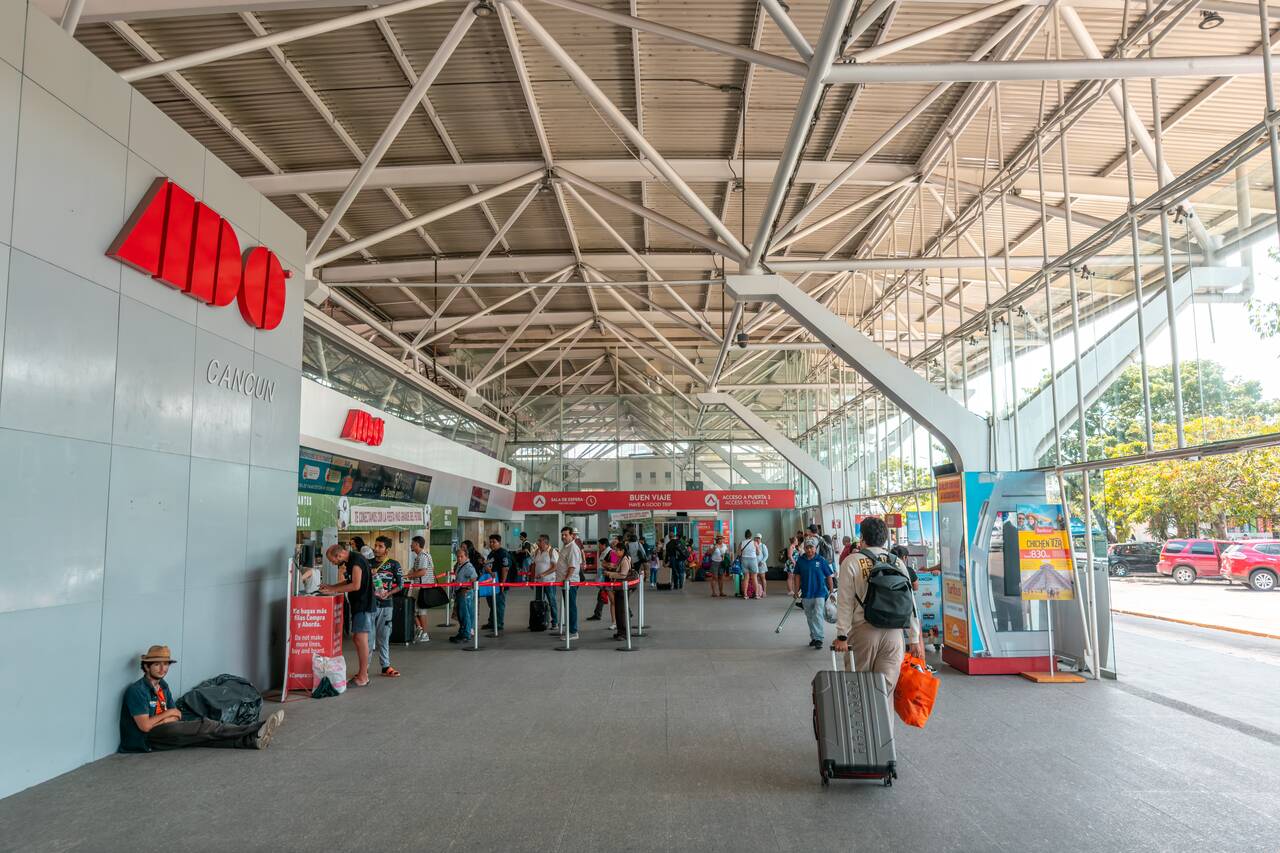
From Valladolid, you should be able to catch a direct ADO bus from Valladolid Bus Terminal to Chiquilá, the ferry port for Holbox. There are also shared shuttle services available, but I found ADO buses to be much more comfortable, reliable, and spacious for long-distance travel. The bus will take 4 hours and costs 14 USD. You can book the bus here.
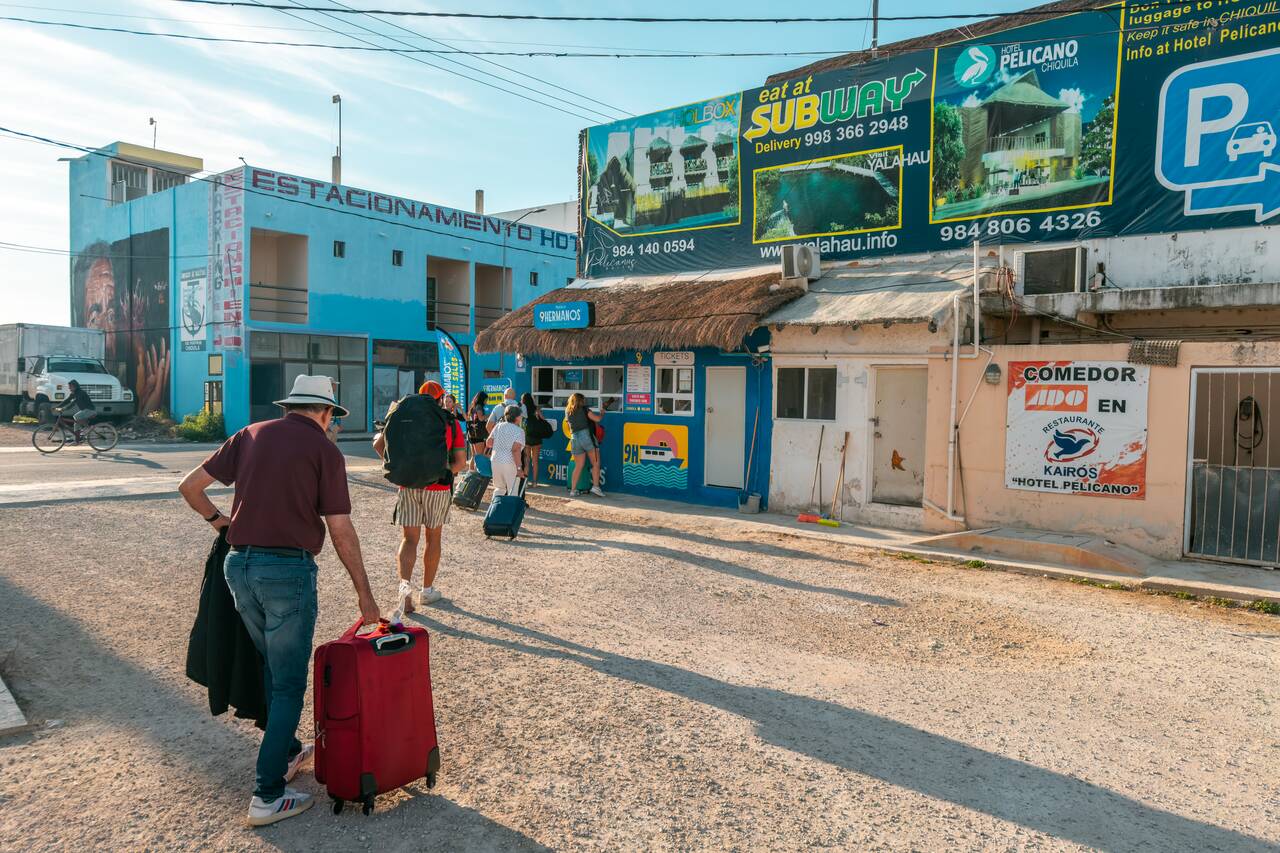
Once you arrive at the ADO bus terminal in Chiquilá, you will find ticket kiosks for the island's two ferry operators, 9 Hermanos (Blue) and Holbox Express (Red). The services are virtually identical, with one company operating the red ferries and the other the blue ferries. They alternate departures every 30 minutes from 6 AM to 9:30 PM daily, so you can simply buy a ticket for whichever ferry is leaving next. Tickets cost around 330 MXN per person each way. No need to book in advance.
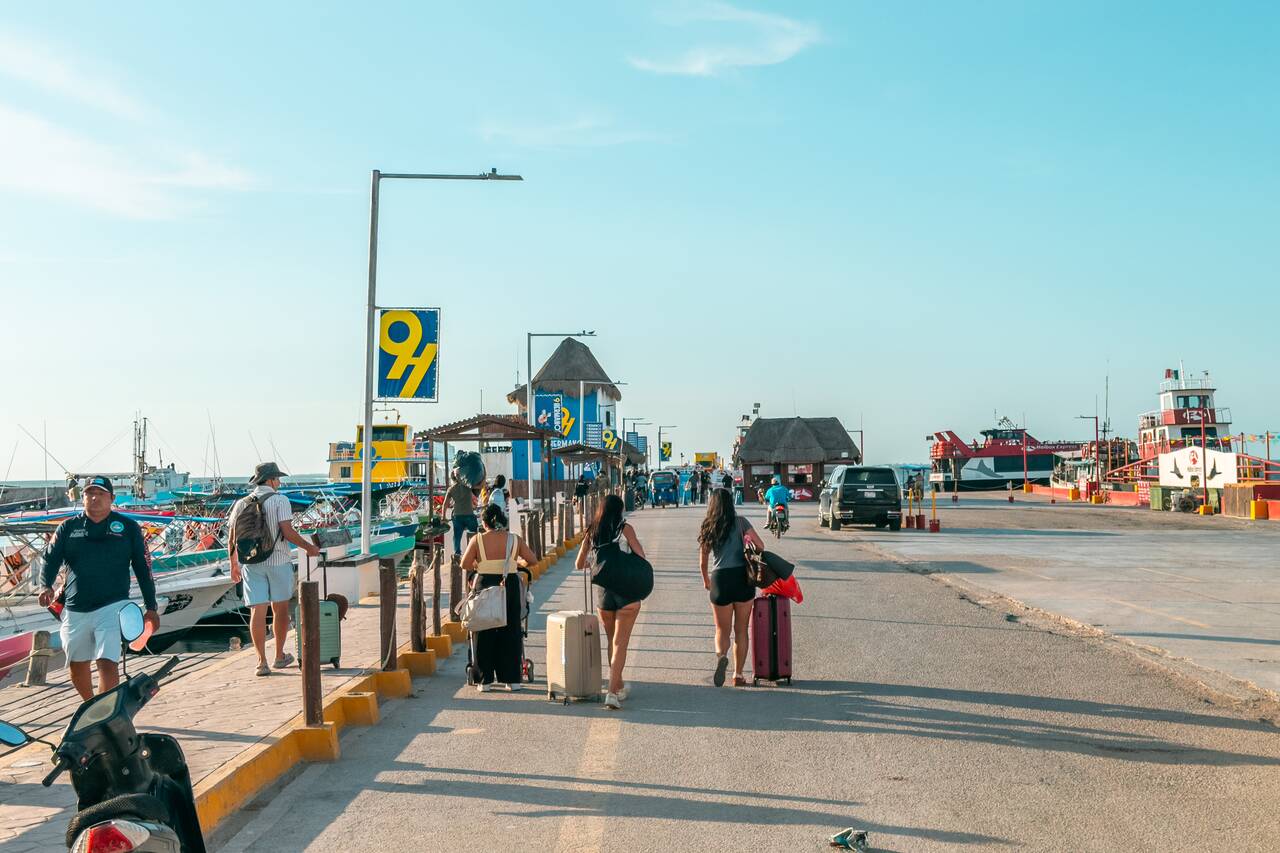
After purchasing your ticket, it is just a short walk from the bus terminal to the ferry pier. The crossing to Holbox takes around 30 minutes, and before you know it, you will be stepping onto one of Mexico's most laid-back islands.
Day 20-22: Holbox (3 nights)
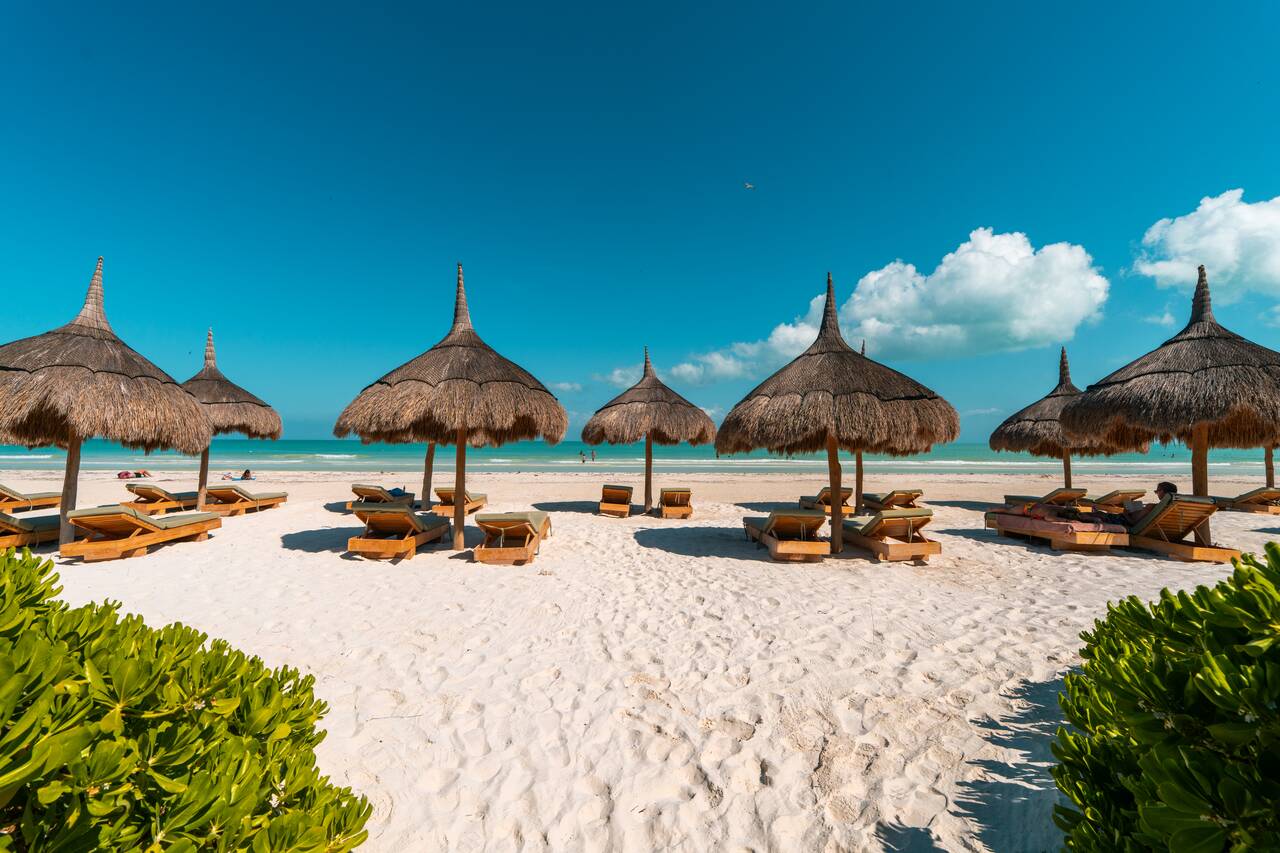
- 📍 Stay: La Casa de Ñaña
- 🕐 Time: 3 nights
- 📖 Full Guide: Visiting Holbox: Things to Do, Itinerary, Getting Around & More
While many people flock to the famous beaches of Cancún and Tulum, I decided to include Holbox instead, a small island in the northern Yucatán Peninsula. While Holbox is still touristy, it never felt as overwhelming as some of the other popular destinations in the Yucatán.
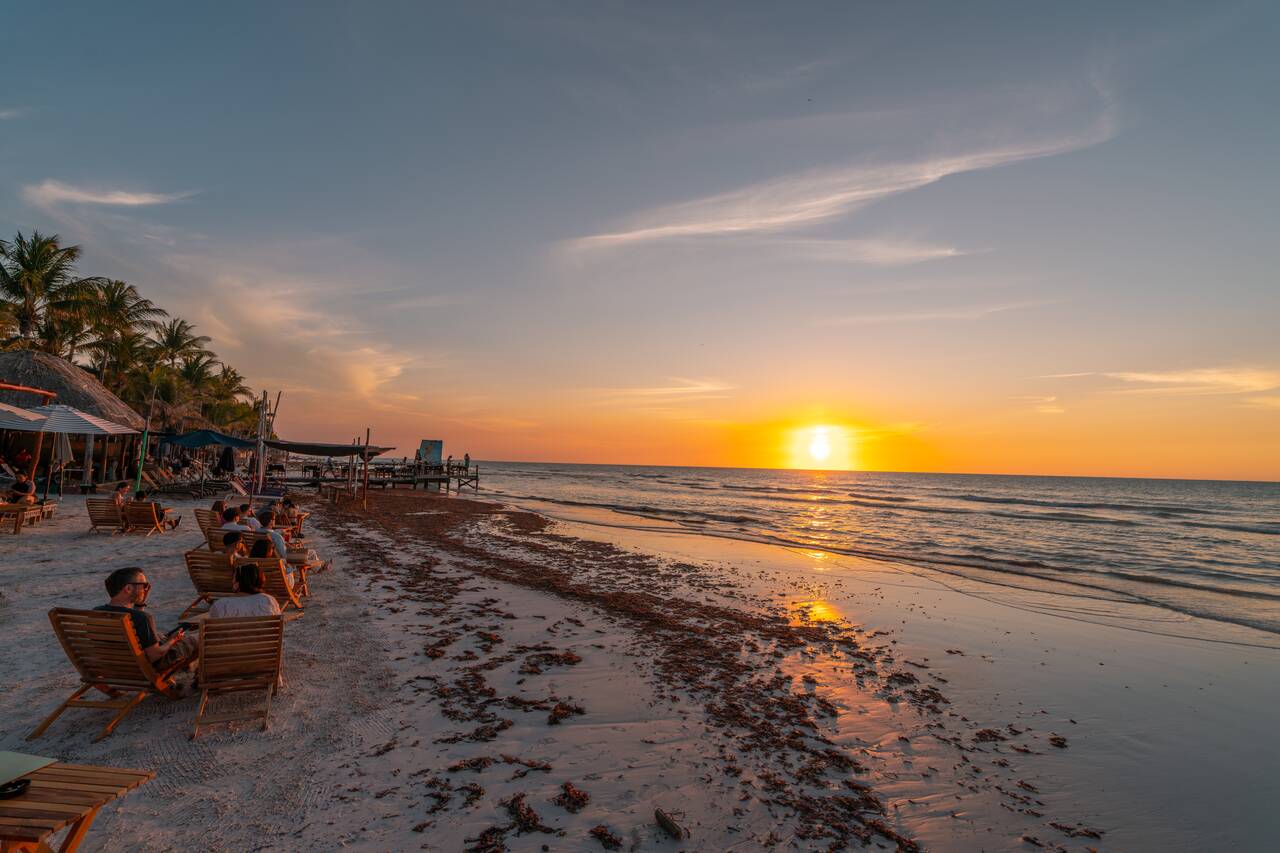
One of the first things you should do when you arrive in Holbox is check in to your hotel, drop off your bags, and head straight to Playa Holbox to catch your first sunset. I've seen countless sunsets in my lifetime, but watching one here still blew me away.
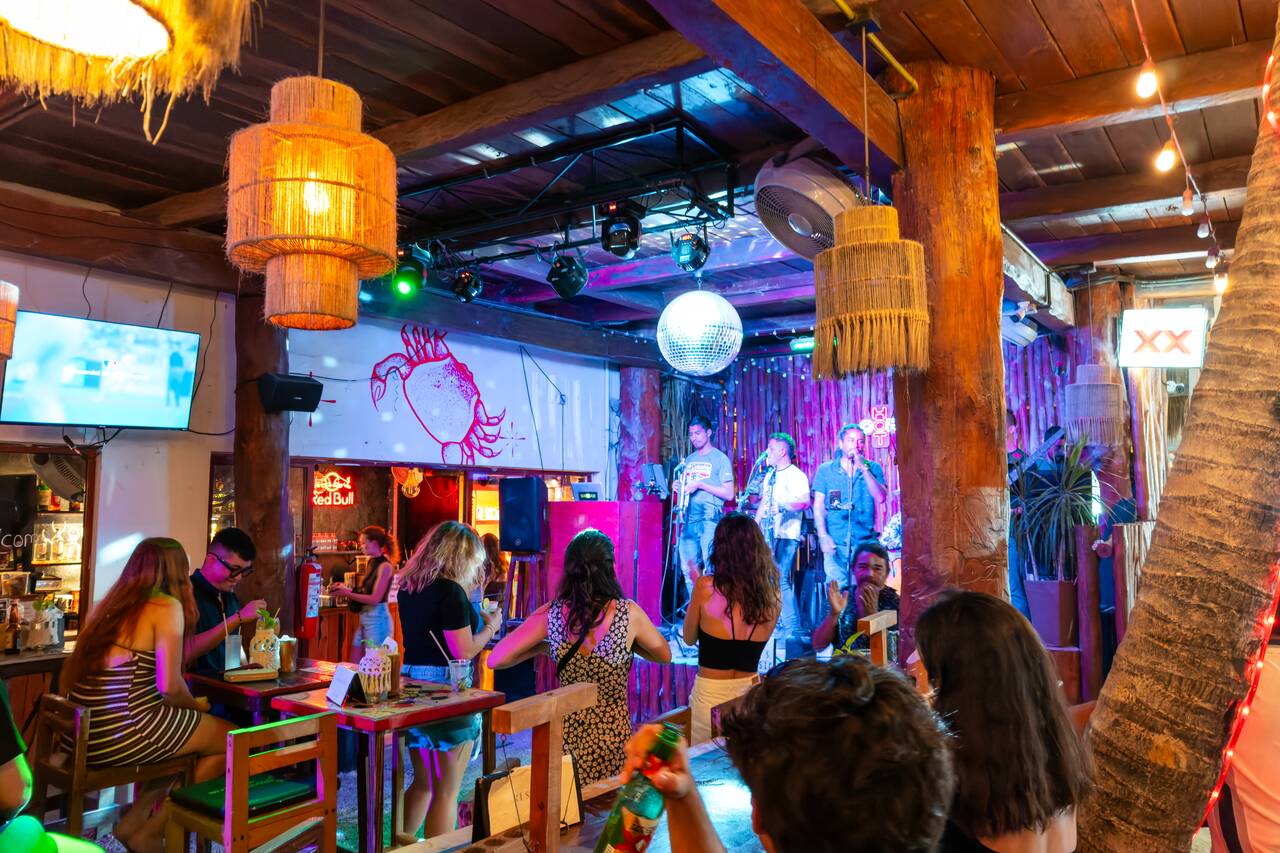
After sunset, you can hit the ground running and enjoy the wonderful nightlife in Holbox, or retreat for the night and save it for tomorrow instead. Despite being a small and laid-back island, Holbox has a surprisingly fun nightlife scene. It isn't the kind of place with massive clubs or wild parties like Cancún; instead, it has a much more relaxed and local atmosphere, where people gather, listen to music, have a few drinks, and simply enjoy the night together.

One of the best places to experience the nightlife is The Hot Corner, where live music brings the streets to life every night. From around midnight onward, you will find people gathering around the corner, dancing to local bands playing upbeat Mexican music, and enjoying the atmosphere together. The best part is that you don't even have to pay an entrance fee or buy an expensive drink to enjoy the music, you can simply stand outside, join the crowd, and dance the night away.
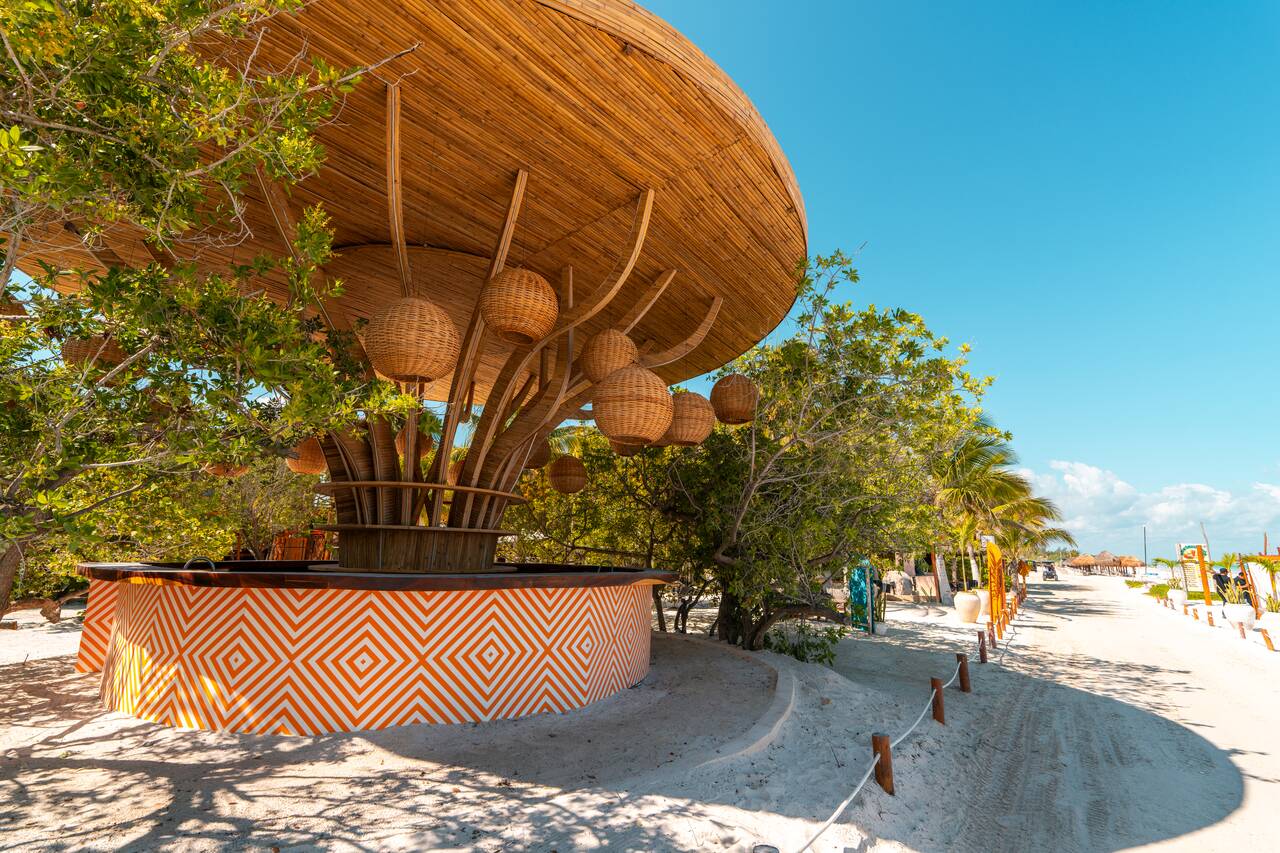
The next morning, I recommend going for a walk along Playa Holbox all the way to the end of the beach. It's one of my favorite things to do in Holbox and a great way to get acquainted with the island. The weather is usually more pleasant in the morning, and you'll also find fewer people on the beach, making it a much more peaceful experience.
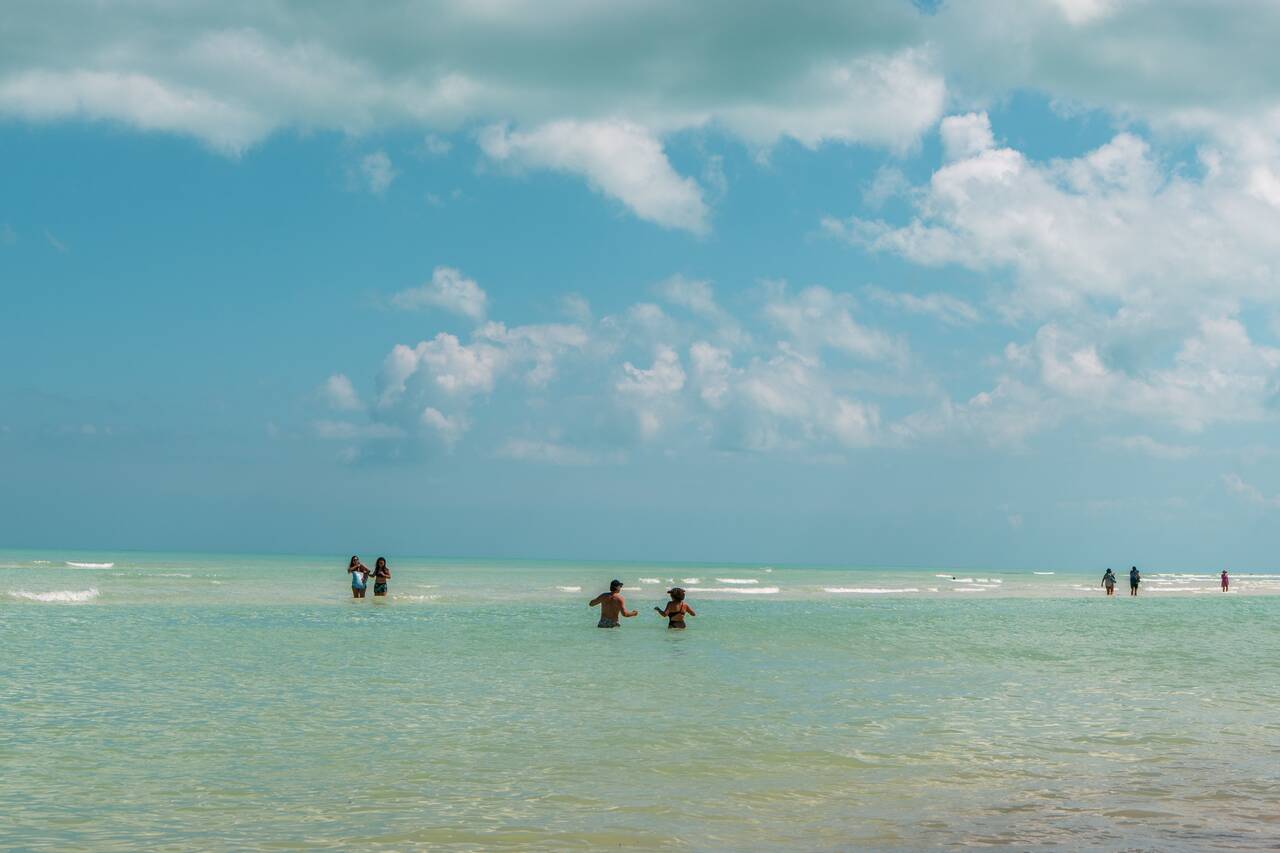
Once you reach the end of the trail, you can wade into the ocean and walk along the shallow, crystal-clear waters and sandbanks that stretch out into the sea all the way to Playa Mosquito. It's a wonderful walk, but you'll have to go through a waist-deep section before reaching the shallow sandbank, so make sure you don't bring anything you don't want to get wet.
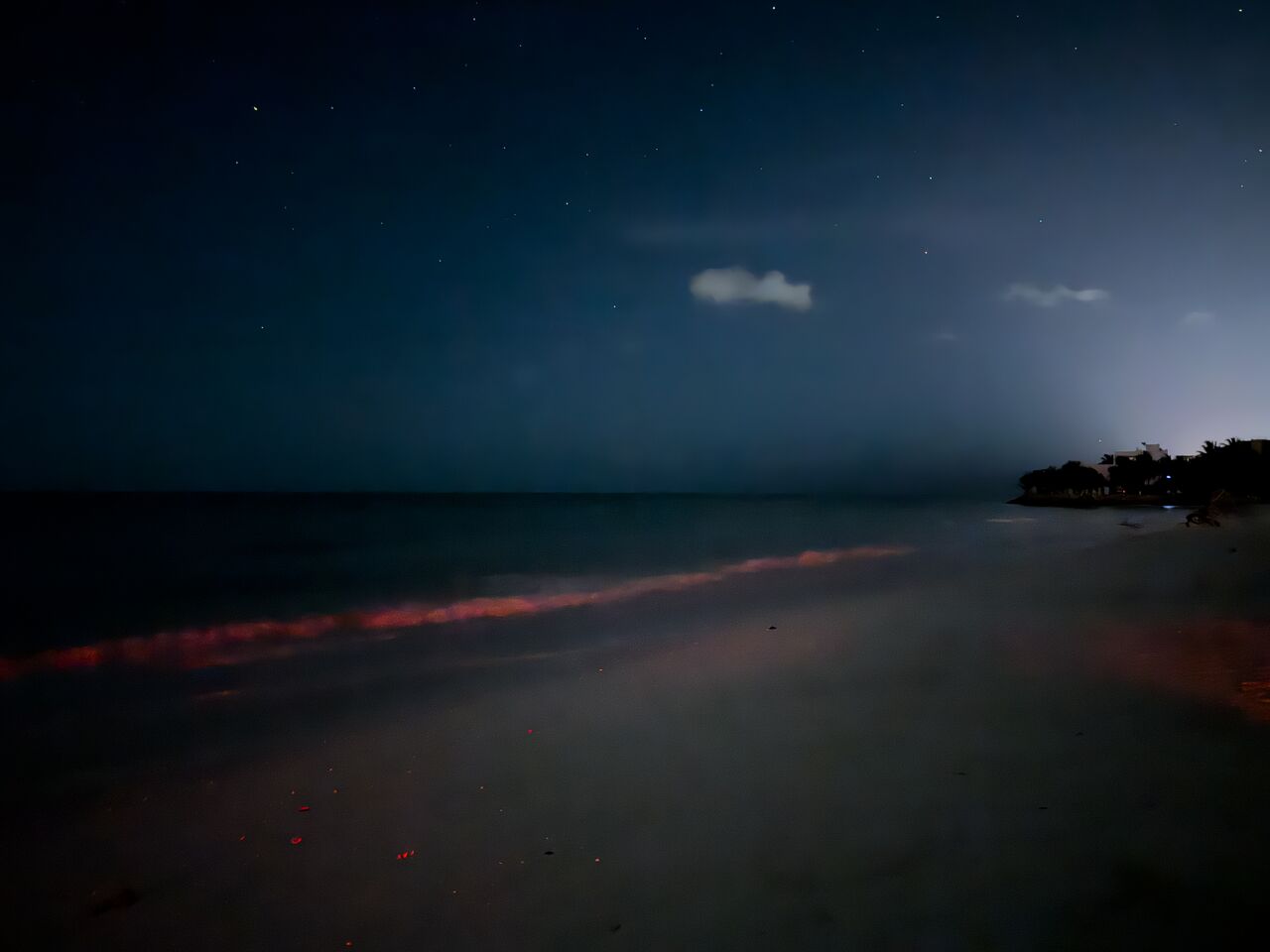
At night, you can head out to see the bioluminescence at Bioluminiscencia. It's about a 45-minute walk along an easy, flat trail, and you can visit after sunset. Keep in mind that bioluminescence is a natural phenomenon, and its visibility depends heavily on the season, weather conditions, water quality, and other environmental factors. I wasn't lucky with my visit, but maybe you might be!
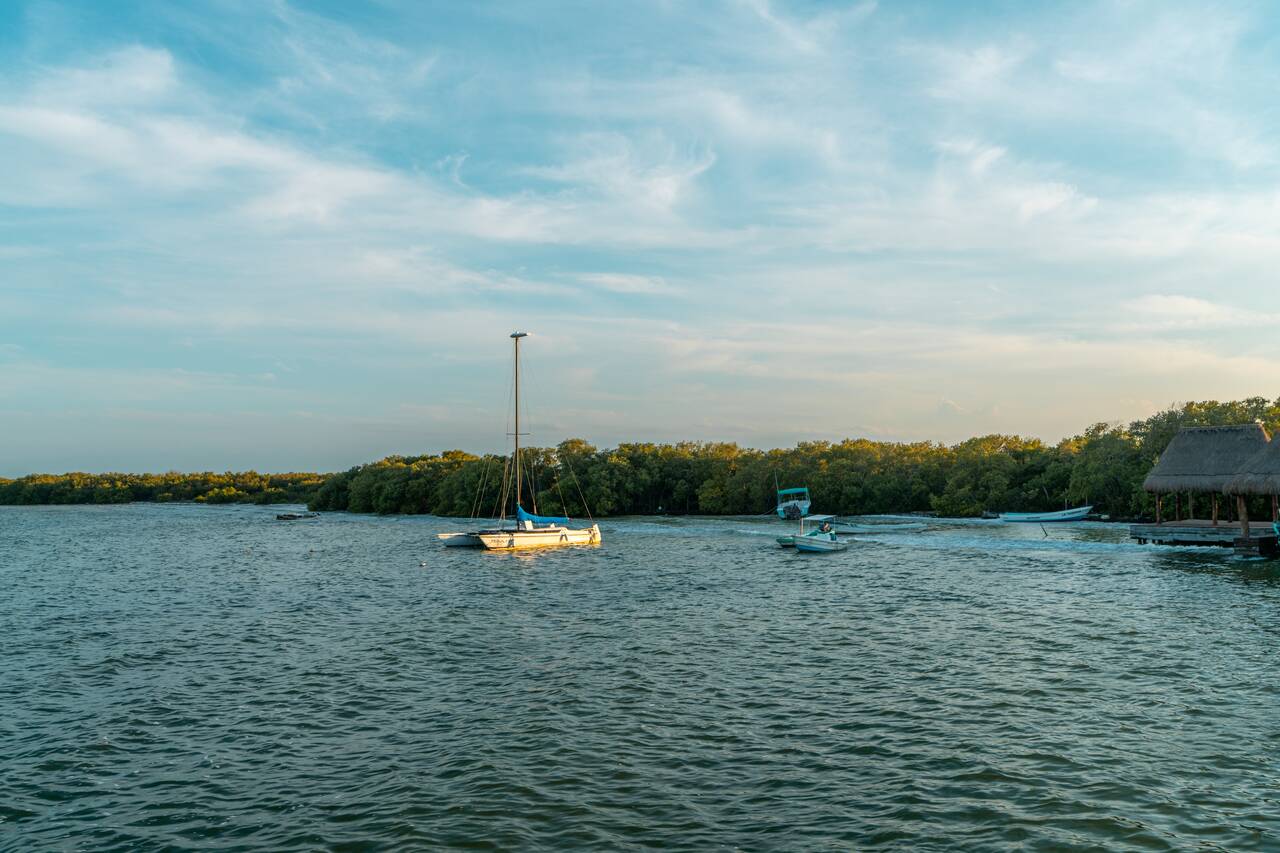
On your second day, you can go on a Three Islands boat tour, visiting Isla Pájaros, Isla Pasión, and Yalahau Cenote. The tour gives you a chance to see some of the area's wildlife and landscapes while also getting out on the water.
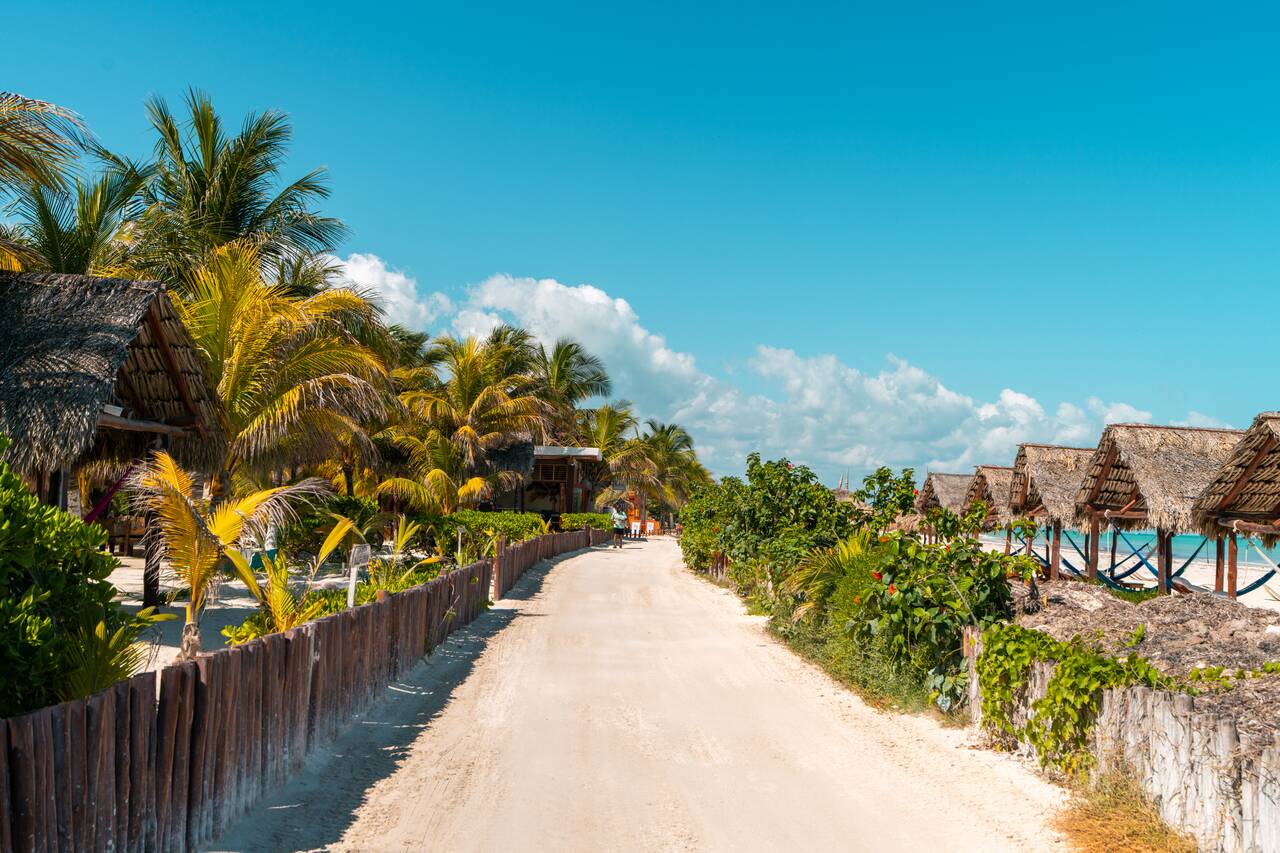
This should keep you occupied for most of the day, and once you're back in Holbox, you can spend the afternoon relaxing on the beach, exploring more of the island, or simply retreat to your accommodation for the evening. The next day is going to be a long travel day, so get some rest and be prepared!


Getting from Holbox to Bacalar
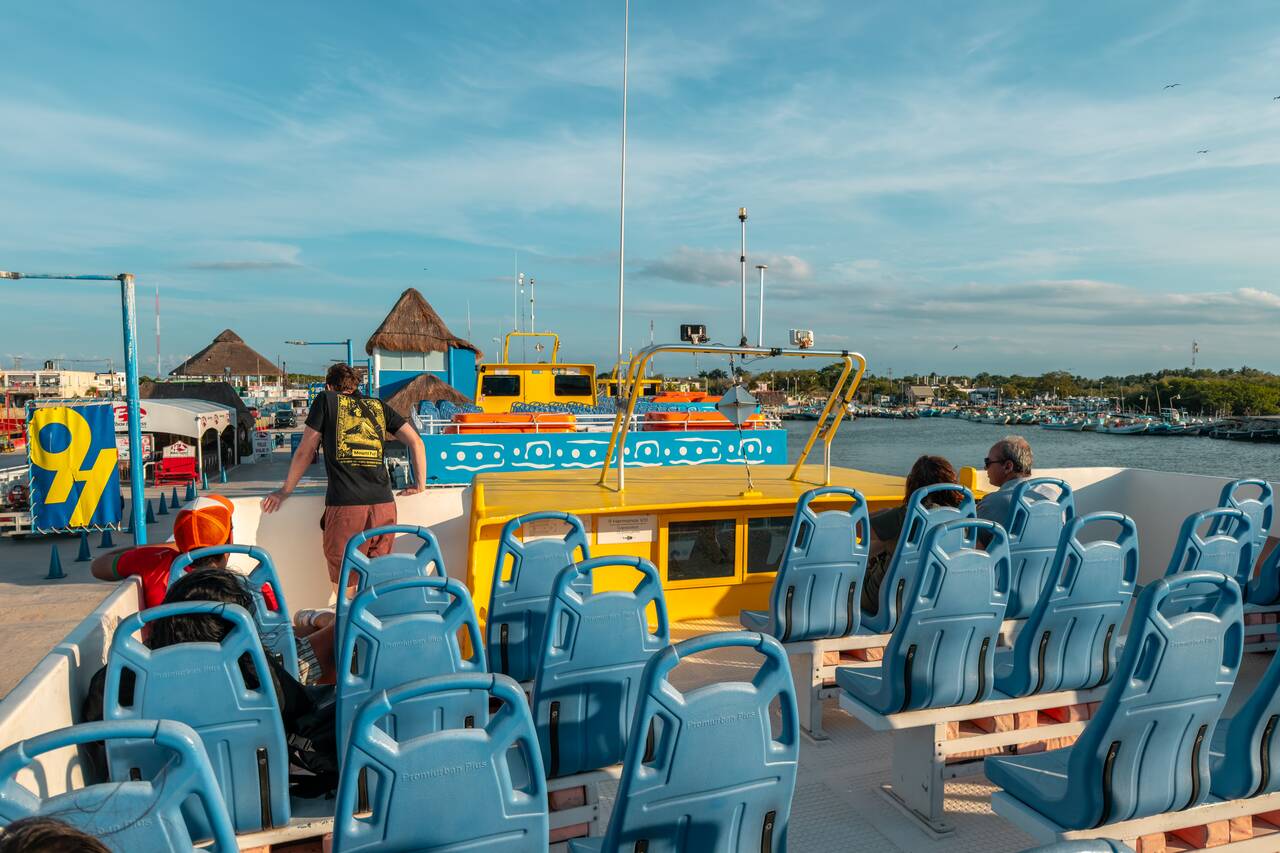
Getting from Holbox to Bacalar is a long travel day and requires a bit of planning, but it is fairly straightforward. First, take one of the morning ferries from Holbox back to Chiquilá.
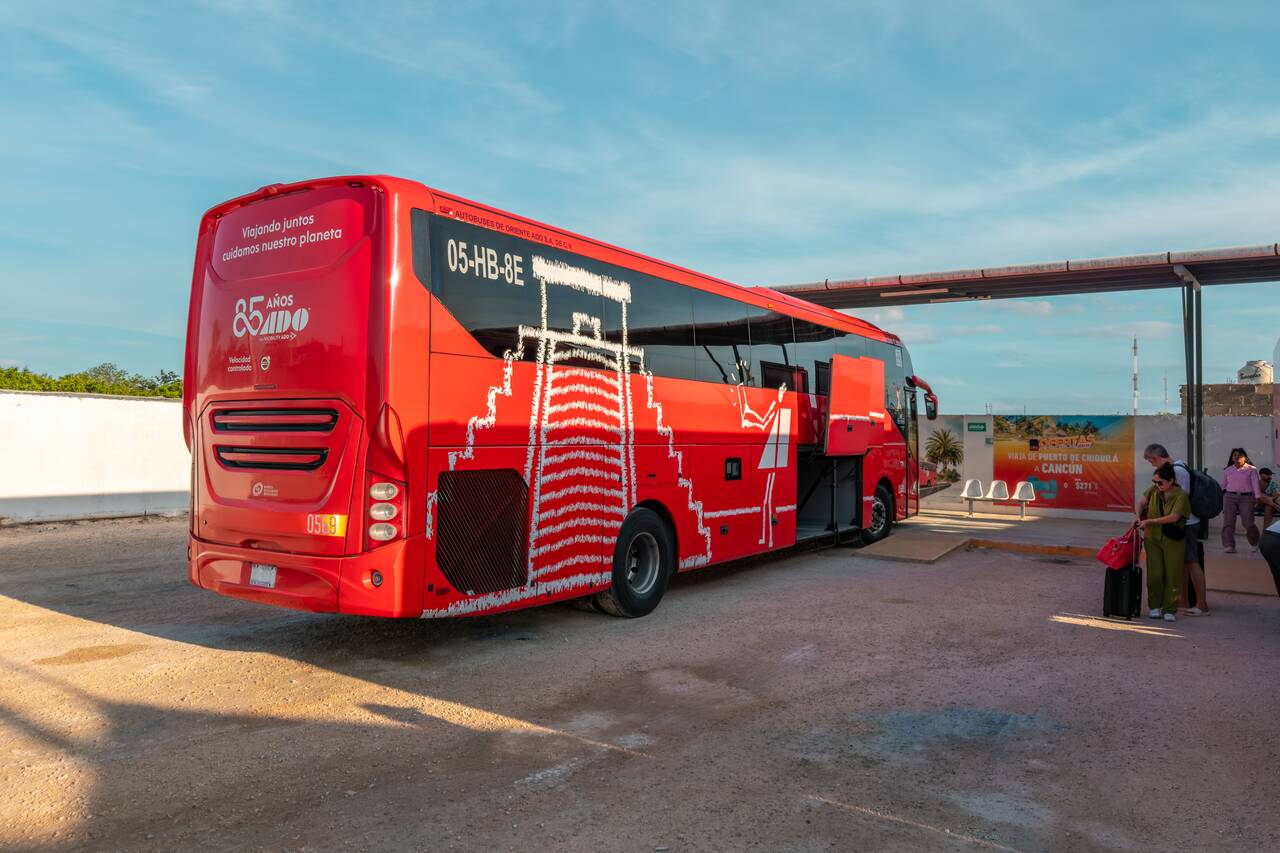
Once you arrive in Chiquilá, head to the Chiquilá ADO bus terminal and catch an ADO bus to Cancún. There should be one departing at 11:25 AM and arriving at Cancún ADO Central Bus Terminal at around 2:10 PM. The journey takes about 3 hours and costs around $27 USD. You can book your ticket here.
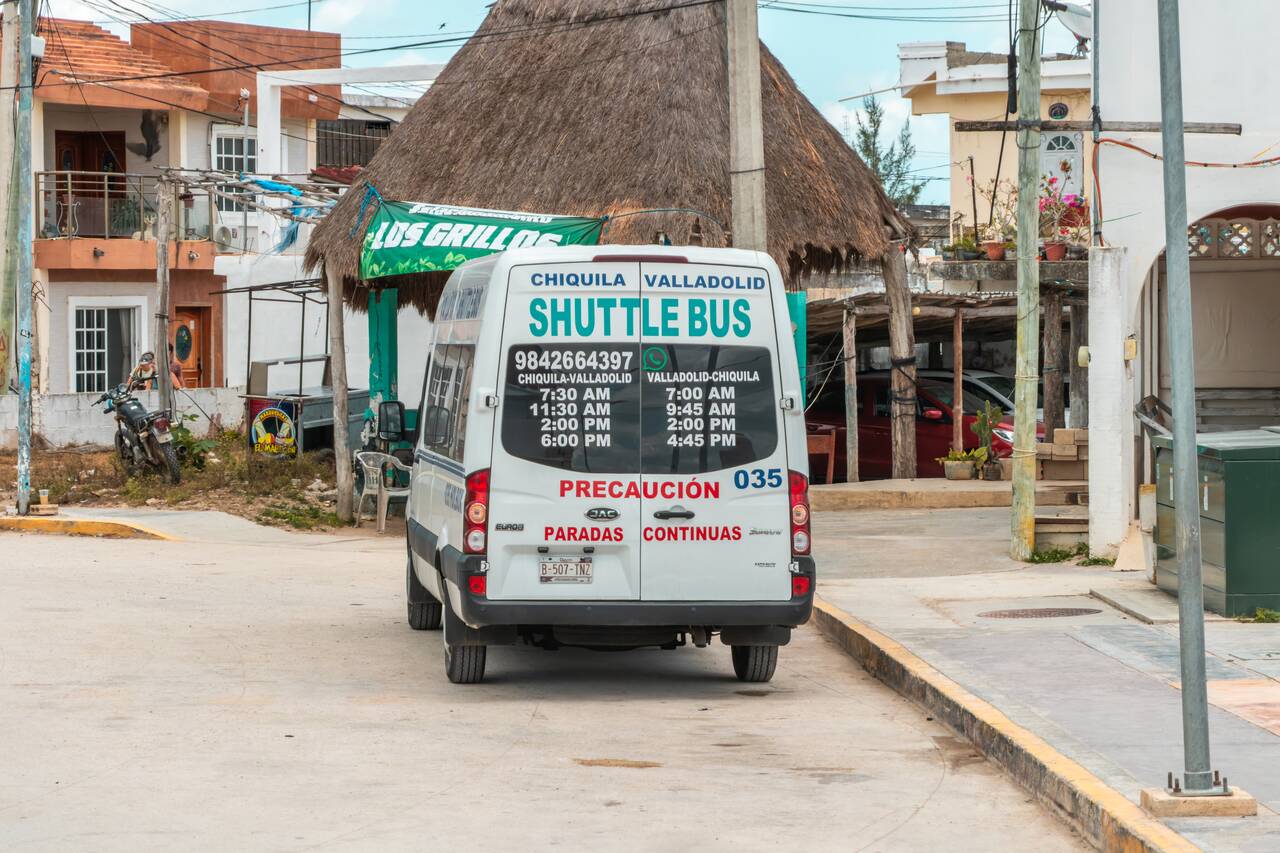
You can also take a colectivo for this leg if you prefer. They often wait near this intersection. Colectivos are cheaper, although I found them a bit less comfortable than the ADO buses and not a whole lot of luggage space. If you can time your arrival with ADO bus, I would go for it over the colectivo.
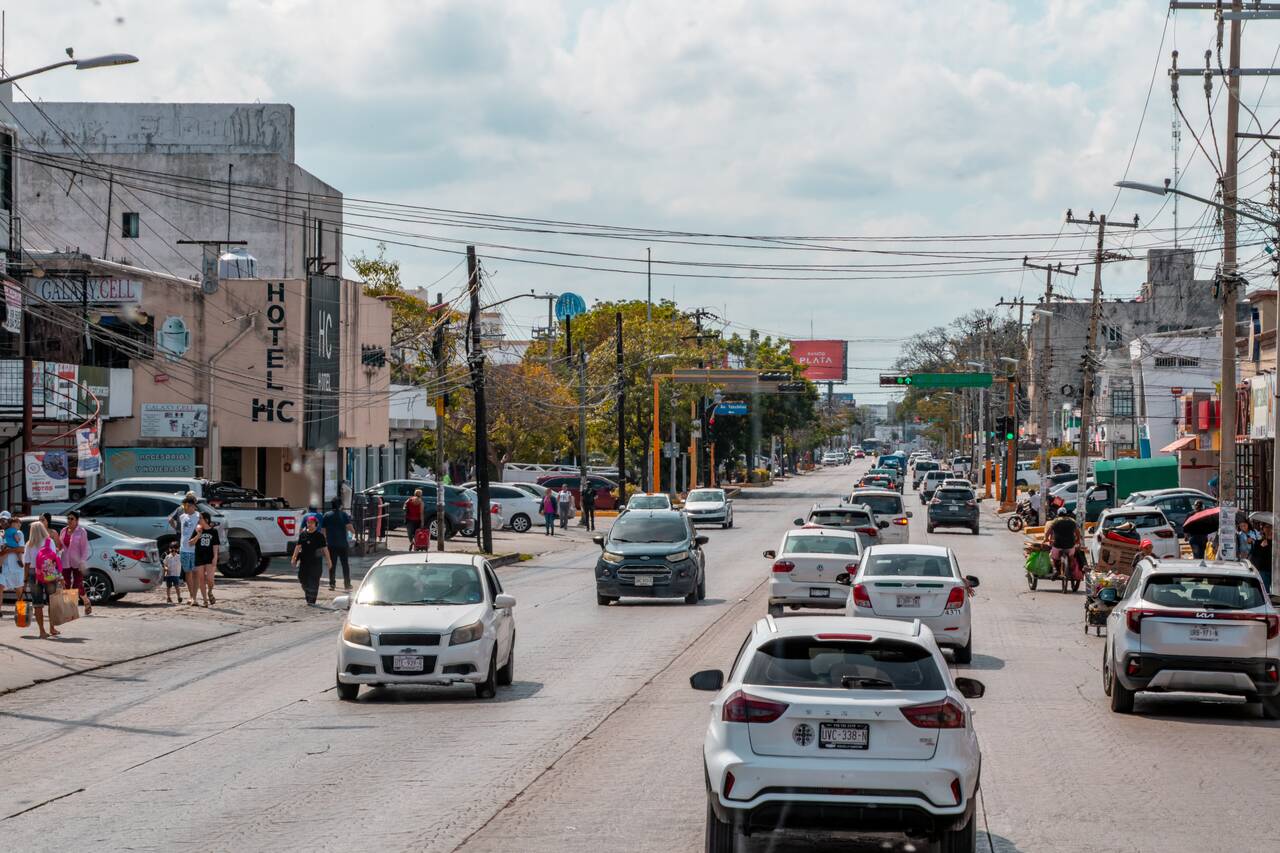
Once you arrive in Cancún, you can catch a direct bus to Bacalar. Buses run fairly frequently throughout the day, so you should be able to catch one at around 3:10 PM.
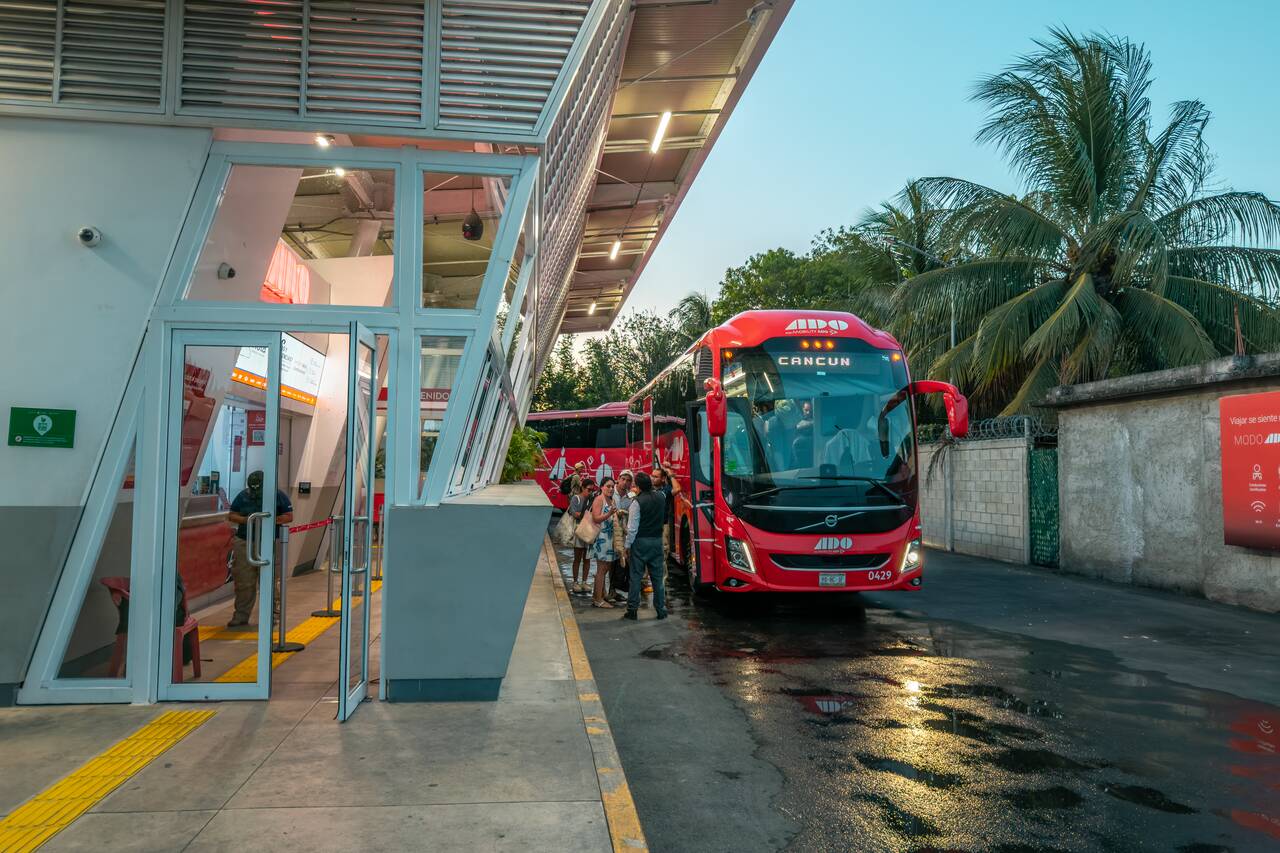
The journey takes around 6 hours and costs approximately $44 USD. The bus will drop you off at ADO Bacalar Terminal, which is within walking distance of most accommodations in town. You can book this bus here.
Day 23-25: Bacalar (3 nights)
- 📍 Stay: Hotel Miriam
- 🕐 Time: 3 nights
- 📖 Full Guide: Explore Bacalar: Things to Do, Itinerary, Getting Around & More
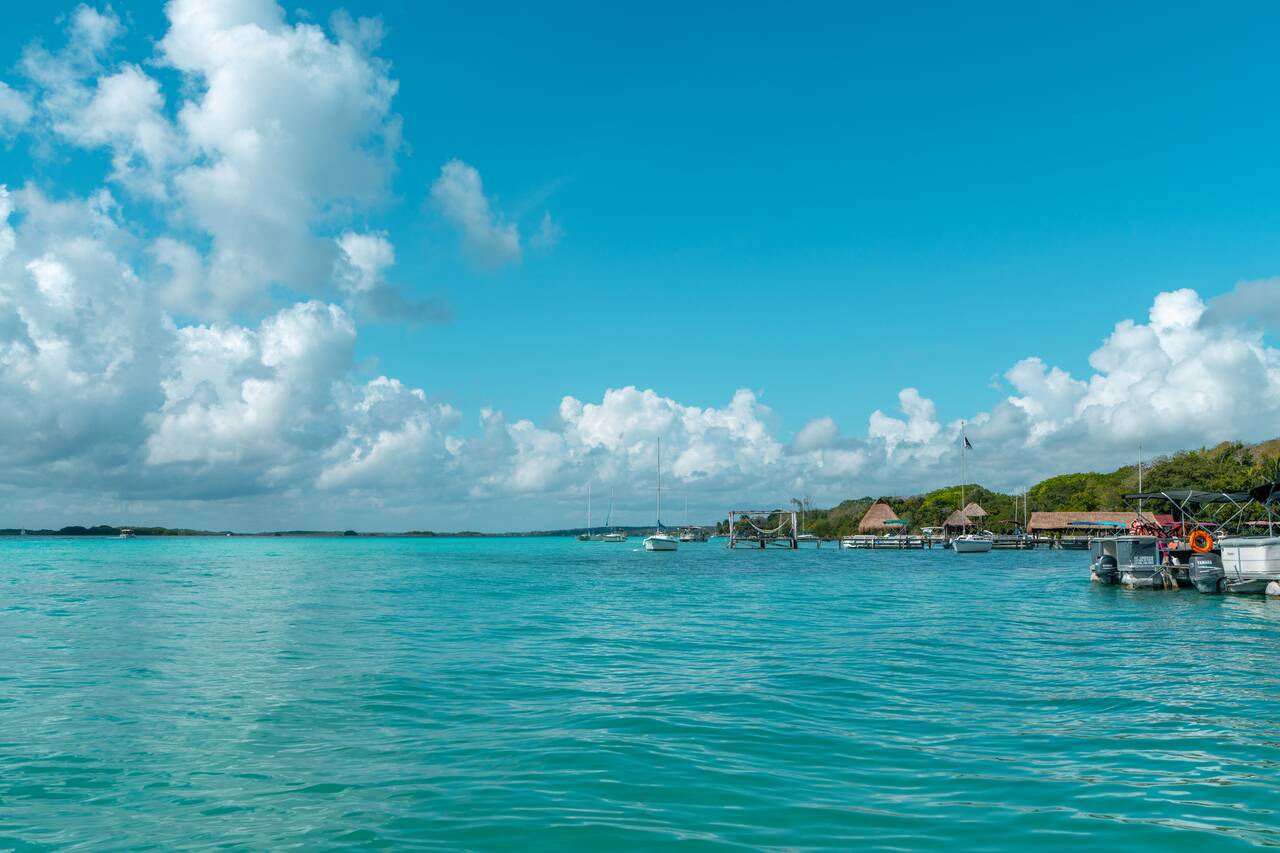
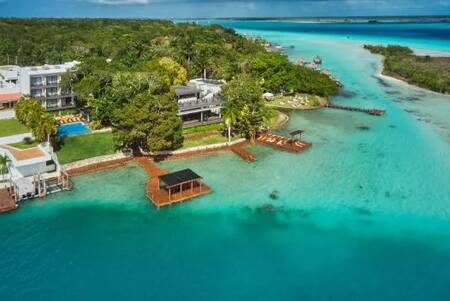
After Holbox, we're heading south to Bacalar, a small lakeside town famous for the stunning Lagoon of Seven Colors. The journey here is going to be a long one, but it's worth it once you arrive. With three nights in Bacalar, you'll have enough time to relax by the lagoon, explore the town, and get out on the water.
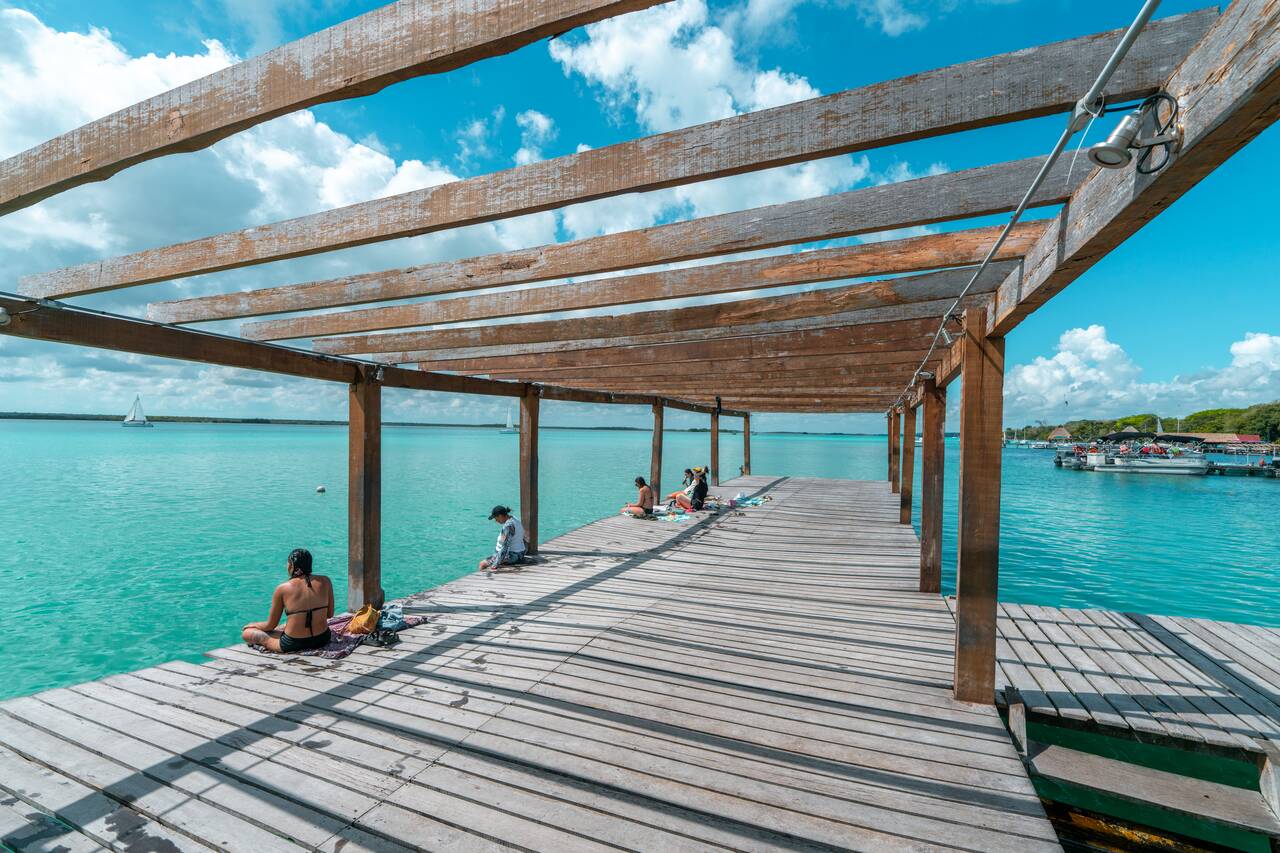
One of the best ways to experience the famous Lagoon of Seven Colors is simply to jump in and swim. Balneario Municipal El Aserradero is a popular public swimming spot where you can enjoy the crystal-clear freshwater lagoon for free without needing to book a tour or stay at a waterfront hotel.
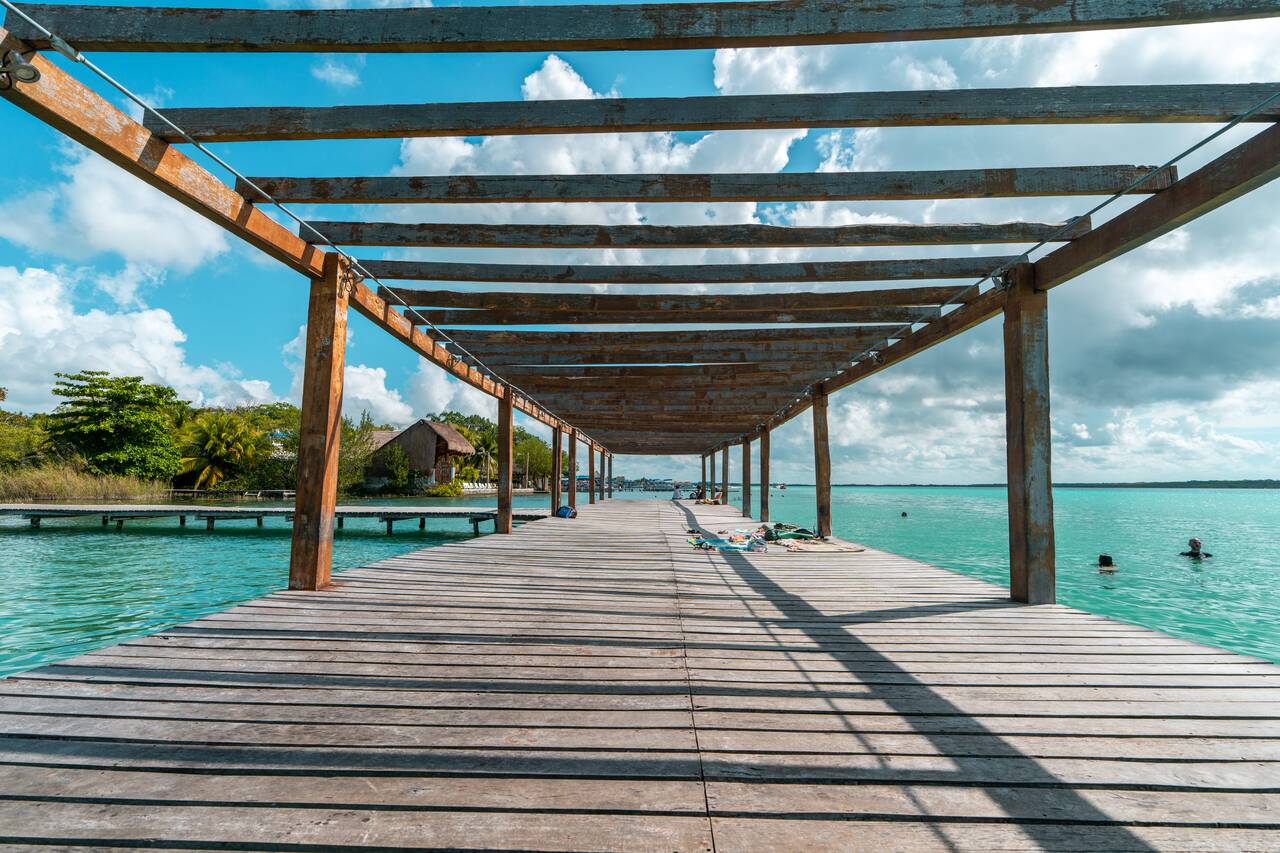
Since it is one of the few easily accessible swimming spots, it can get quite crowded during the day and around sunset. I recommend coming early in the morning so you can have the place almost to yourself and enjoy the peaceful atmosphere and calm waters of the lagoon. The sunrise is also beautiful from here, as the platform faces east, so if you are a morning riser like I am, be sure to stop by in the morning.
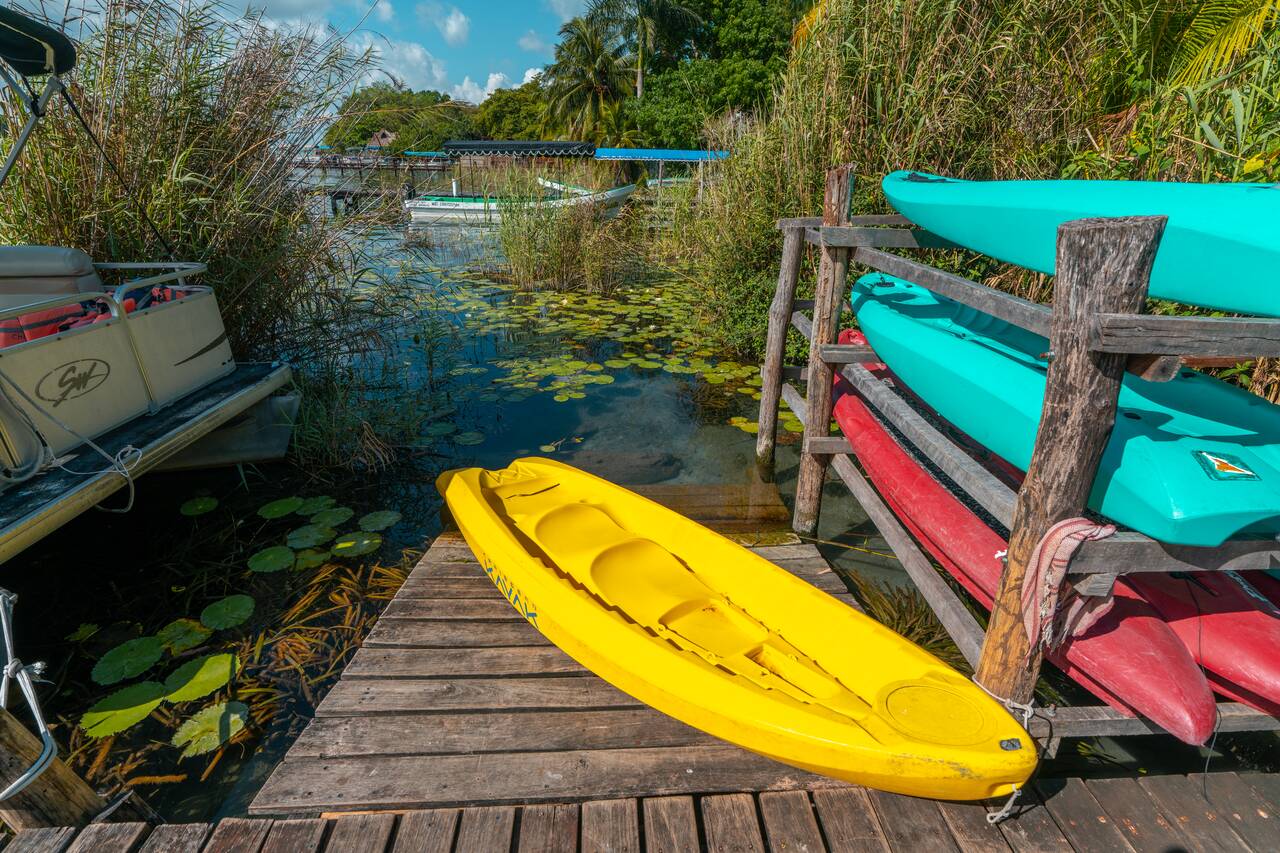
Afterward, you can either join a sailing or boat tour to explore some of the lagoon's most beautiful spots, including Canal de los Piratas, Bird Island, and several cenotes scattered throughout the lagoon, or rent a kayak and explore at your own pace. You can rent a kayak from this place for 250 MXN ($15 USD) per hour.
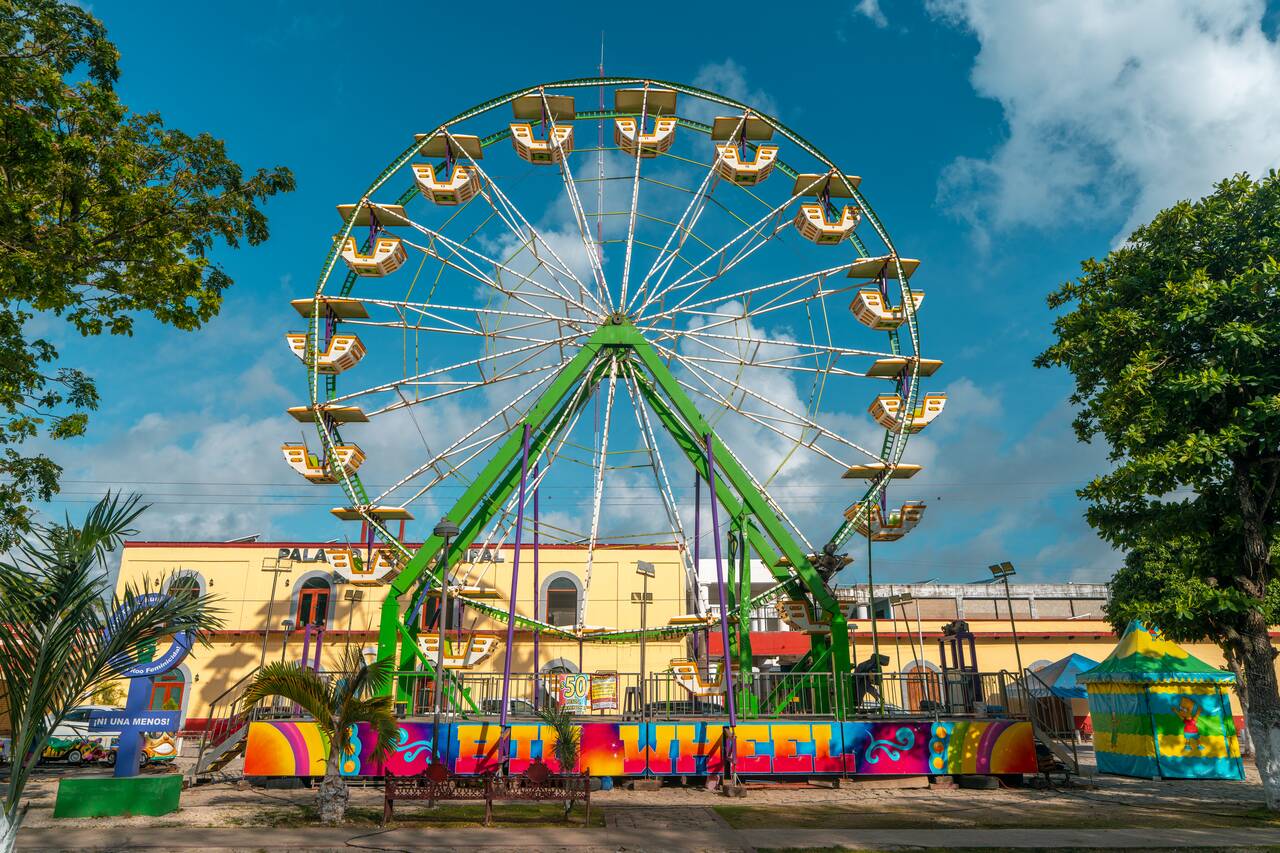
Once you're back on land, you can spend the rest of the day relaxing and enjoying the lagoon. When evening comes, go and check out Zócalo Park, which gets very lively after sundown as locals come out in droves to enjoy the street food and spend time together. It's a great way to end your first full day here.
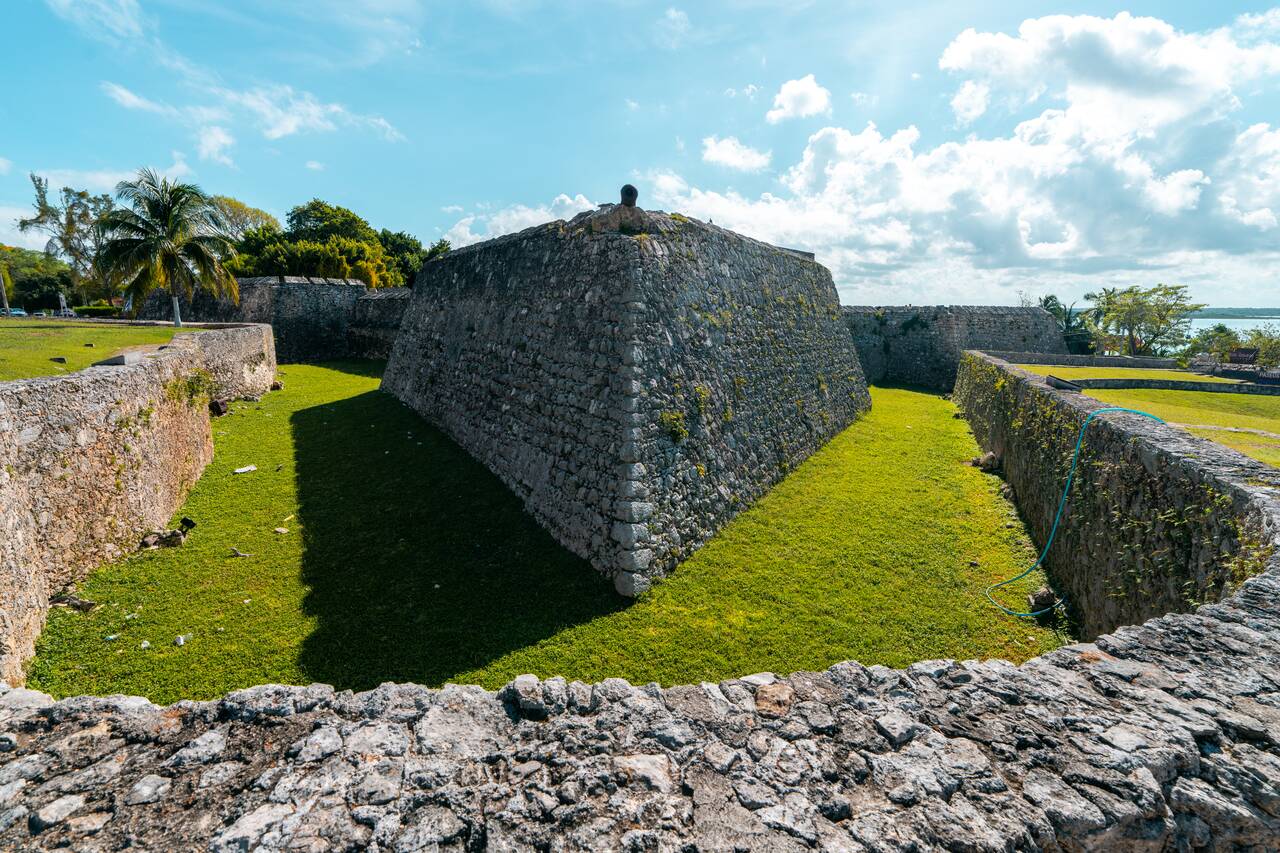
Finally, we've come to the last day of this itinerary. We can use this final day as a flexible day to revisit your favorite spots around the lagoon, explore more of Bacalar, or simply relax before leaving. Take it slow today and visit Fort San Felipe, explore the town, or spend a few more hours swimming at Los Rápidos de Bacalar before calling it a day.


Getting from Bacalar to Cancun
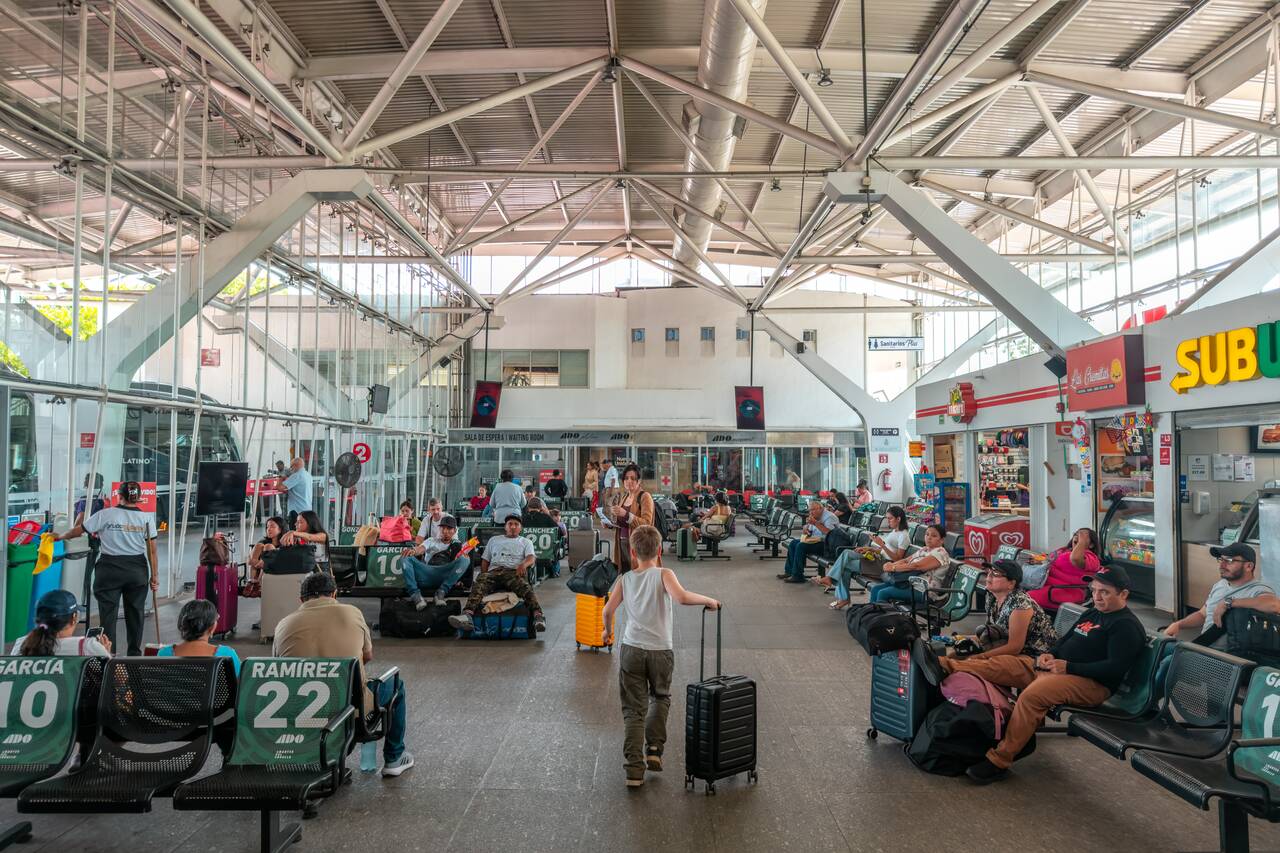
From Bacalar, you can take a direct ADO bus to Cancún from the ADO Bacalar Terminal. Buses run several times throughout the day, with the journey taking around 5–6 hours depending on the service. Tickets generally cost around $40–45 USD. You can book the bus here.
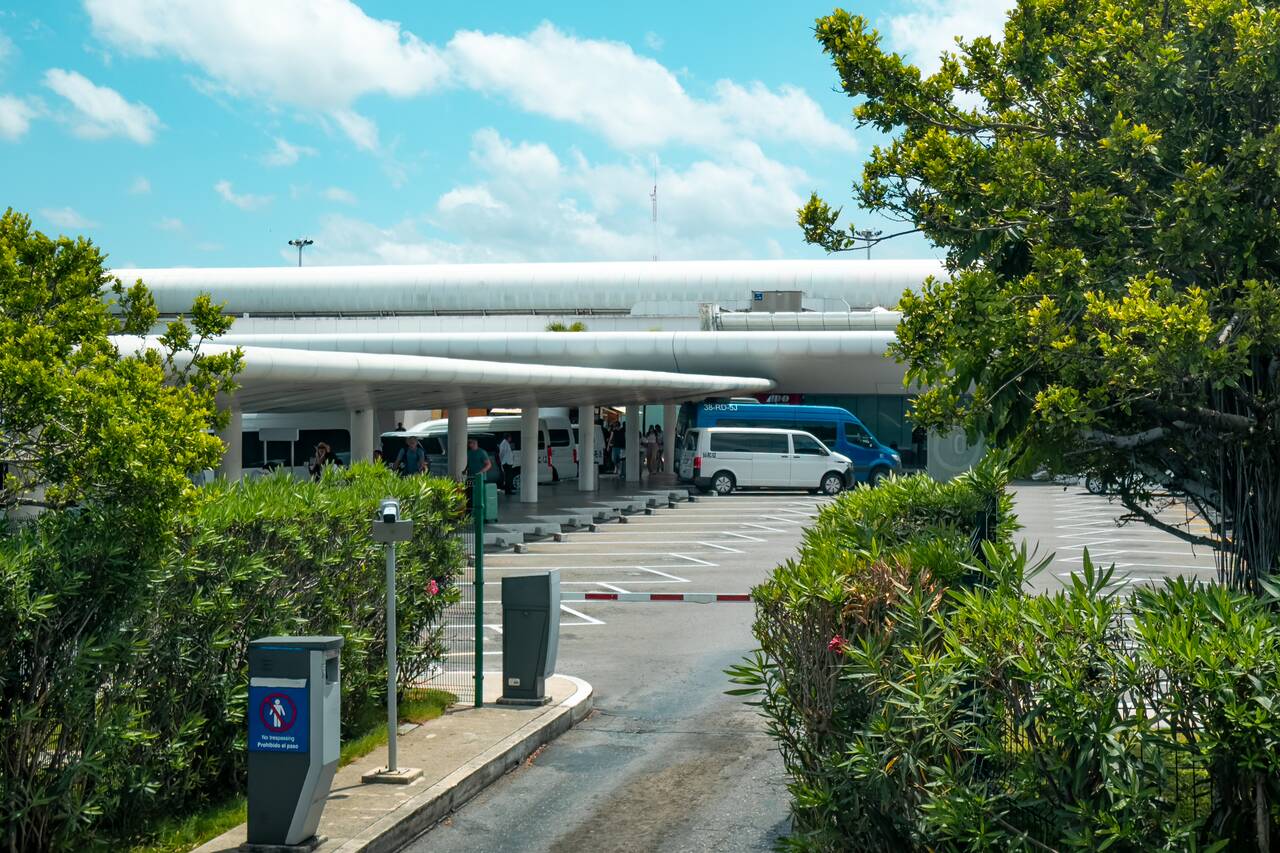
If you're heading directly to Cancún International Airport rather than staying in the city, make sure to check where the bus terminates before booking, as some services arrive at Cancún ADO Central Bus Terminal rather than the airport. From the central bus terminal, you can take an airport shuttle or taxi to the airport.
Day 26-27: Flying Out from Cancun (1 night)
- 📍 Stay: Bed and Breakfast Pecarí
- 🕐 Time: 1 night
Finally, it's time to make your way north to Cancún for your flight home. If you have a late-night or early-morning flight, I recommend spending one night in Cancún so you don't have to worry about making the long journey from Bacalar on the same day as your flight. This also gives you some extra time to relax after a month of traveling around Mexico.
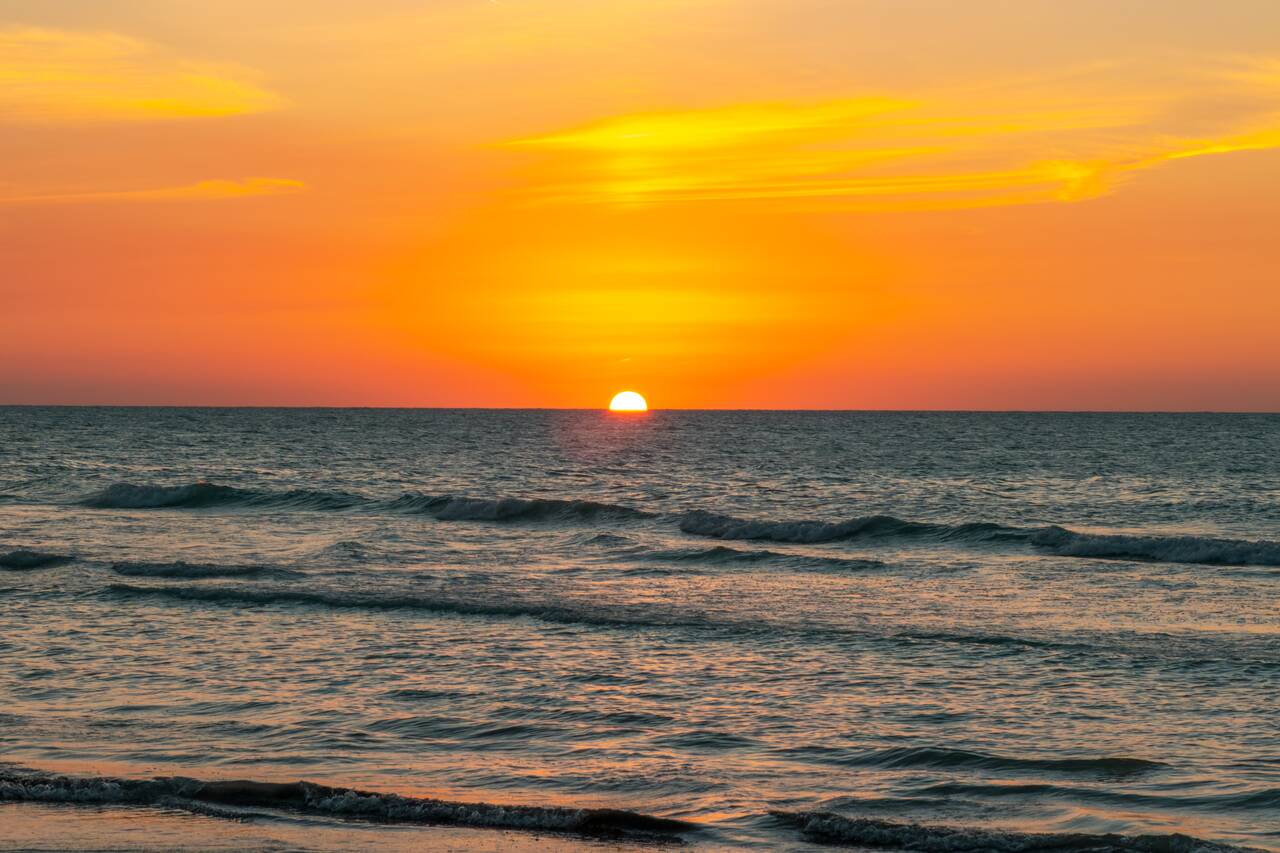
And that's a wrap! After nearly a month of exploring Mexico, from the wonderful streets of Mexico City and the colonial cities of Puebla and Oaxaca to the beaches of Holbox and the turquoise waters of Bacalar, it's time to head home. Congratulations!


When to Visit Mexico?

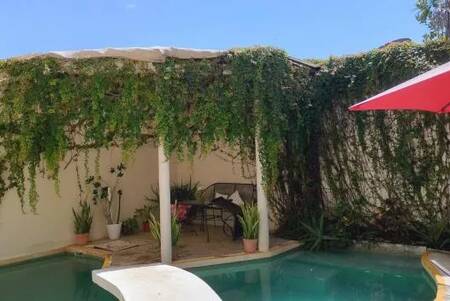
For this itinerary, the best time to visit Mexico is from November to April, when you can generally expect dry weather and comfortable temperatures across most of the destinations on this route. This is particularly important for Mexico City and Puebla, where the cooler, drier conditions make the city much more enjoyable to walk around.
December to March is the sweet spot for this itinerary. Mexico City and Puebla tend to have pleasant daytime temperatures and cool evenings, while Oaxaca is generally dry and sunny. By the time you reach Mérida, Valladolid, Holbox, and Bacalar, you'll get much warmer weather that's ideal for exploring cenotes, relaxing on the beach, and enjoying the lagoon.
If you want to experience Day of the Dead in Oaxaca, consider visiting in late October to early November. This is one of the most spectacular times to visit Oaxaca, although accommodation and flights can be considerably more expensive and you'll need to book well in advance.
How to Get to Mexico?
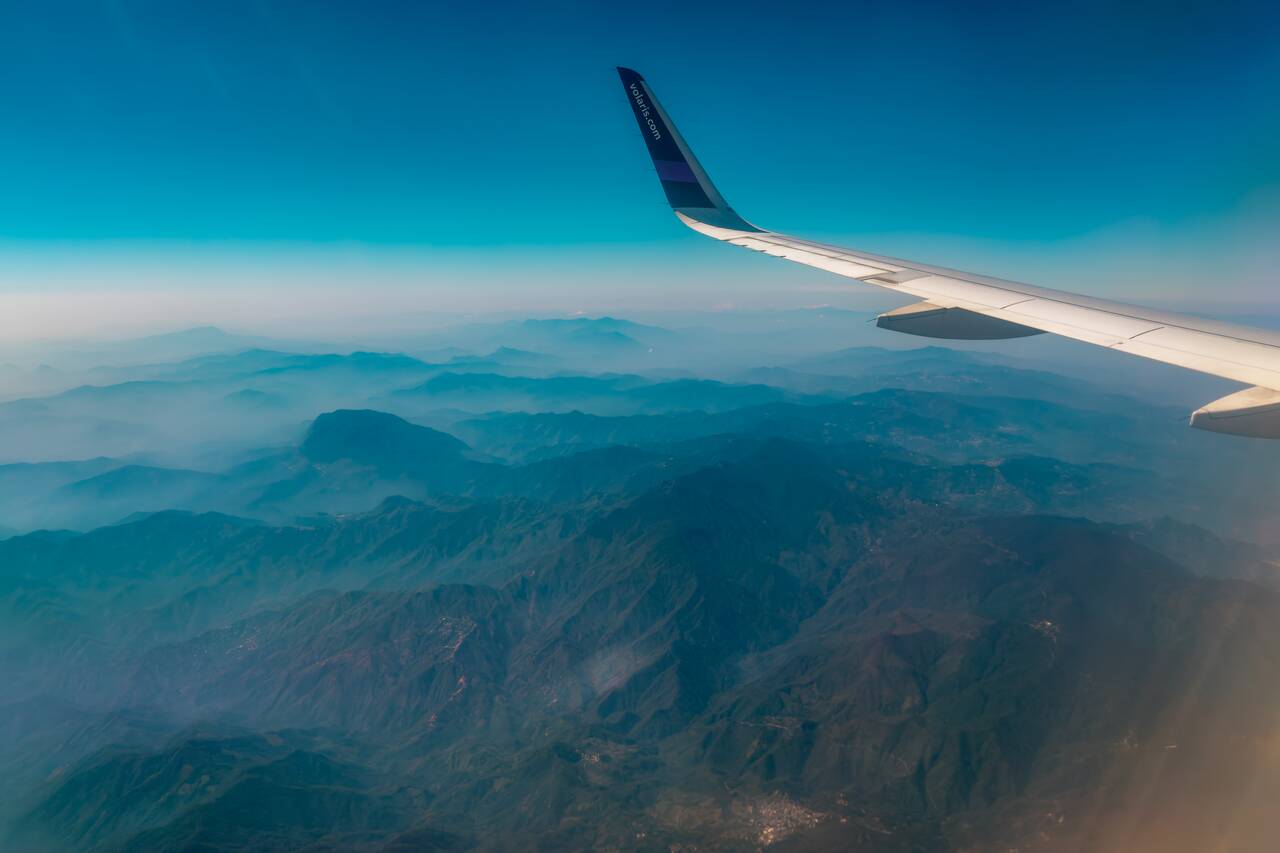
Mexico is well connected to the rest of the world, with international flights arriving at airports in major cities and tourist destinations across the country. For this itinerary, the easiest option is to fly directly into Mexico City, as it gives you a convenient starting point for exploring the country before continuing on to Puebla and Oaxaca.
Mexico City International Airport (AICM) is the country's main international gateway and has direct connections to numerous destinations in North America, Europe, and Latin America. Be sure to browse Skyscanner or Expedia to find the best flight deals.
If you are arriving from another country in Latin America, such as Belize, you can enter Mexico through the Chetumal border crossing and follow this itinerary in reverse, starting in Bacalar and ending in Mexico City. All the transportation details should remain the same, just in the opposite direction.
At the end of the itinerary, you should be able to fly home easily from Cancún International Airport, which is a major international hub in the region. You can find direct flights to destinations across Europe and North America, while if you are heading farther afield, you may need to make one or two connections, usually through the US or Europe before connecting to your final destination.
How to Get around Mexico?
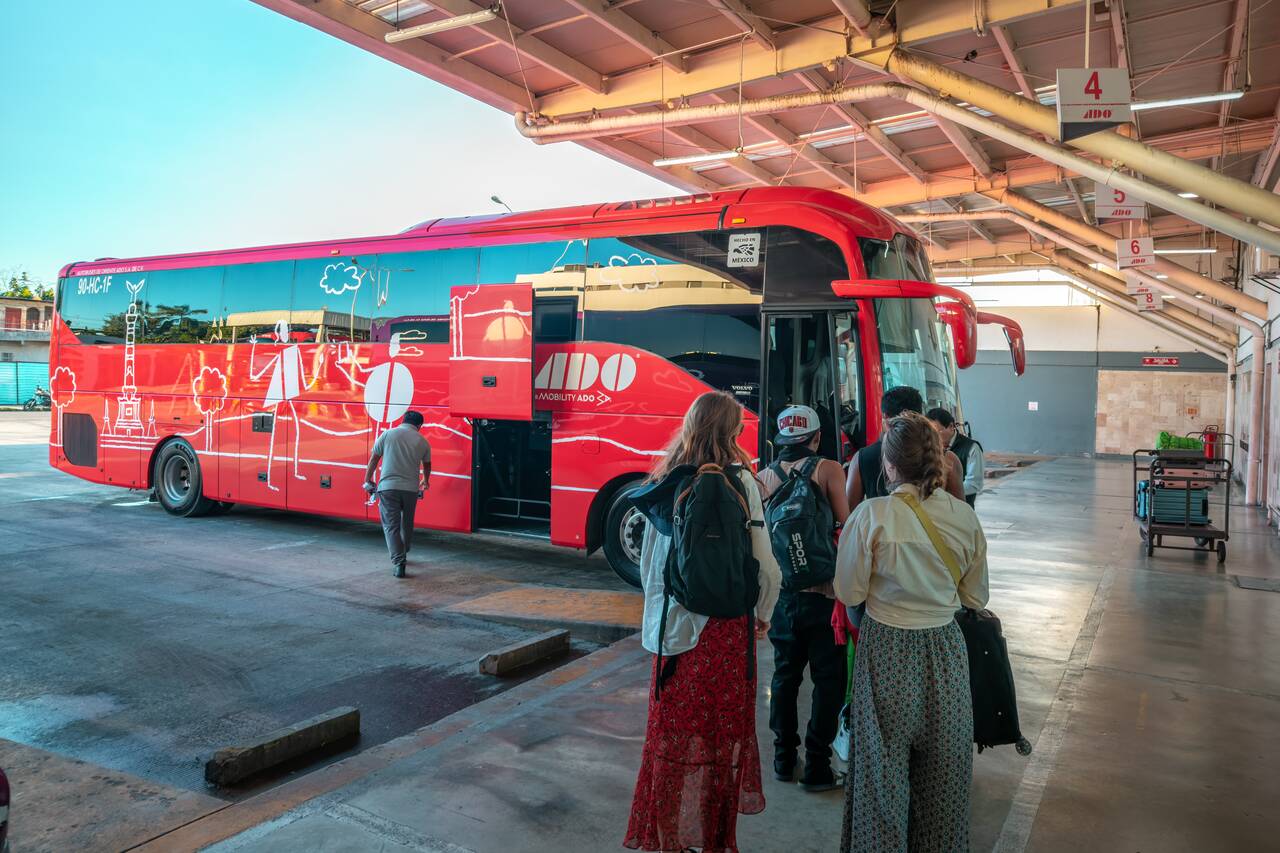
By Bus: Getting around Mexico is relatively easy, especially with this itinerary. The easiest way to travel between most destinations is by long-distance bus, with ADO being the main bus company you'll use throughout the trip. Their buses are generally comfortable, reliable, and connect most of the major destinations on this route. You can book tickets online here.
By Domestic Flight: For the longer journey from Oaxaca to Mérida, I recommend flying instead of taking the bus, as the journey by road can take more than 20 hours.
Once you reach the Yucatán Peninsula, you can continue using ADO buses to travel between Mérida, Valladolid, Chiquilá, Cancún, and Bacalar.
By Uber (getting around cities): Within cities, Uber is generally the easiest way to get between bus terminals, airports, and your accommodation, while most historic centers are easy to explore on foot. Mexico City also has an extensive public transportation network if you want to save some money.
How Much Money Do I Need For one month in Mexico?
From this one-month itinerary, we can calculate approximately how much money you will be spending here (average) as follows:
| 🛌 Lodging: | 486 USD (18 USD/Day) |
| 🥘 Food: | 486 USD (18 USD/Day) |
| 🚗 Transportation: | 345 USD (12.78 USD/Day) |
| 🧗 Activities: | 398 USD (14.74 USD/Day) |
| 💰 Total Budget: | 1,715 USD (63.52 USD/Day) |
Is it Safe in Mexico?
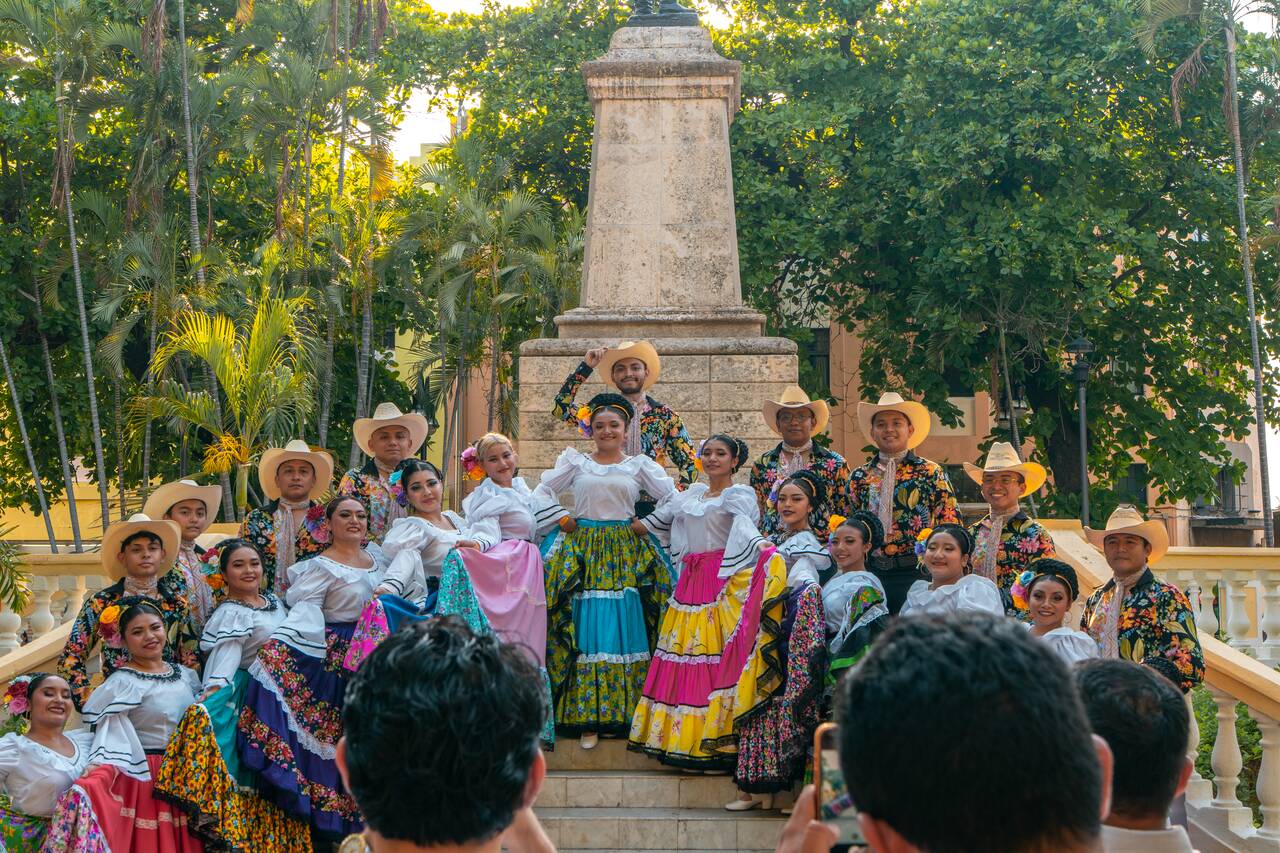
Mexico is generally safe to visit, but you should take sensible precautions, particularly in larger cities and when traveling independently. Mexico does have areas with significant levels of organized crime and violent crime, but the risks vary considerably by state and destination.
For this itinerary, you're mainly visiting established tourist destinations, so you should be fine as the risks are generally quite low. Bigger cities like Mexico City, Puebla, and Oaxaca are pretty safe for tourists, but petty theft, pickpocketing, and scams can still occur. In Mexico City in particular, take extra care at night and stick to busy, well-lit areas.
The Yucatán Peninsula is one of the easier parts of Mexico to travel around, as tourists have been visiting the area freely for decades and much of the local economy revolves around tourism. You can relax a bit once you reach this part of the country, although it's still important to take the usual precautions and stay aware of your surroundings.
Overall, you will have a great time here. This itinerary is designed with your safety in mind. After all, I did this exact itinerary myself, but in the opposite direction, and nothing bad or particularly sketchy happened to me throughout my time here. Enjoy the trip!
Which tourist SIM card is best for Mexico?
For this itinerary, I recommend getting an eSIM if your phone supports it, as it is the easiest option when traveling around Mexico. You can install it before your trip and have mobile data as soon as you land, without having to find a store or swap out your regular SIM card. You can find great deals from providers like Airalo or Trip.com.
If your phone doesn't support eSIM, don't worry. Physical SIM cards are widely available in Mexico, and you can easily buy one after arriving. Telcel is my recommended provider if you choose a physical SIM, as it has one of the largest networks in the country and offers good coverage outside major cities. You can find Telcel SIM cards at official stores, airports, supermarkets, and other authorized retailers.
For more information about Mexico's local SIM card: Mexico's Prepaid Data SIM Card.
Tips: To stay connected with people at home, be sure that you have a VPN, such as ProtonVPN, installed before traveling. It's FREE, and you can gain access to services that may be blocked in certain countries.
Disclaimer: This post may contain affiliate links. See our disclosure policy.
First Published:
