



If you are looking for a new camera to pick up for your next travel, then this article is just for you. I have spent the last 8 years traveling the world, and I must have taken over 100,000 photos and videos with all sorts of cameras to create all the content you see on this blog.
There are tons of options out there from brands like Sony, Fuji, and Canon that keep on releasing new camera models every year, and it can be extremely intimidating and overwhelming to go through all those impossible-to-remember camera model names, mount types, formats, and brands just to find the one camera that is perfect for you.
But don't worry. To help you find the right travel camera, I have decided to narrow down all the available travel cameras into a handful of the very best cameras for travel, all divided into different categories for you to easily choose from.
Without further ado, let's take a look at all the best cameras for travel that you should buy below:

Quick Summary: The best cameras to buy for travel
| Product | |||
|---|---|---|---|

|
Best Point & Shoot Camera
Sony RX100 M7
|
Features
|
Check PriceLearn More |
|
Best Action Camera
GoPro MISSION 1 PRO
|
Features
|
Check PriceLearn More |
|
Best 360 Camera
Insta360 X6
|
Features
|
Check PriceLearn More |
|
|
🏅 Editor's Choice
Best for Vlogging
DJI Osmo Pocket 4
|
Features
|
Check PriceRead Our Review |

|
💰 Great Value
Best Budget
Sony a6600
|
Features
|
Check PriceLearn More |

|
Most Compact
Sony a7C II
|
Features
|
Check PriceLearn More |

|
Best All-Around
Sony a7V
|
Features
|
Check PriceLearn More |

|
🏅 Editor's Choice
Best for Photos
Sony a7R VI
|
Features
|
Check PriceRead Our Review |

|
Best For Video
Sony a7S3
|
Features
|
Check PriceLearn More |
|
Best Phone Camera
Apple iPhone 18 Pro Max
|
Features
|
Check PriceLearn More |
|
Best Travel Drone
DJI Mini 5 Pro
|
Features
|
Check PriceLearn More |
What Makes a Camera Great For Travel?
Image Quality
One of the most important things you should look for in a travel camera is the quality of its sensor. When you are traveling, you will encounter all sorts of climates and environments with countless uncontrollable variables that can affect your photos, such as poor lighting conditions, messy backgrounds, and fast-moving subjects. Therefore, when planning to buy a new travel camera, make sure it can handle all of that well.
One specification we can use to determine the image quality is to look at the size of the sensor the camera has. Is it a full-frame sensor (very large), an APS-C sensor (large), a Micro 4/3 sensor (slightly large), or a one-inch sensor (medium)? Basically, the larger the sensor, the better the photos will be, as it will allow you to produce sharper images when shooting in low-light.

The next question to ask is how many megapixels does the camera produce? Usually, you should expect a good dedicated travel camera to produce at least 20+ megapixels or above and around 12 megapixels for phones and action cameras. As long as it is in this range, the camera should be a good candidate for our pick.
For video capabilities, one thing to look out for is the ability to shoot 4K videos, which is the standard resolution nowadays, and you should expect your travel camera to have at least this feature. I would not recommend anything lower than that for future proofing.
There are many other specifications to look out for when it comes to image quality, but these are the basic criteria we can use to help pick the best travel camera for you.
Size and Weight
Next up is the size and weight of both the camera and the lenses, which are one of the most important factors when it comes to picking a travel camera. Since you will be traveling around with the camera and carrying it over your shoulder most of the time, the size and weight of the camera has to be light and compact enough for you to haul them around all day.
One of the main factors that determine the size and weight of a camera is the sensor size, which will affect the size and weight of the camera. Basically, the bigger the sensor the camera has, the larger and heavier it will be.
Not to mention the lenses you will have to carry when you are traveling, which is probably the majority of the weight of your backpack. A high-quality lens for a full-frame camera can be extremely heavy to carry, which can be a turn-off for many, whereas lenses built for smaller sensors like the APS-C and Micro 4/3 cameras are more compact and easier to carry around.
Basically, it all comes down to striking a good balance between your needs, the sensor size, and the weight when it comes to picking the best travel cameras for you to buy, and that is what we will be discussing in this guide.
Versatility
Last but not least is the versatility of the camera you want to buy. Cameras nowadays can be exceptionally great at many different things at once. Long gone are the days when you have to carry a dedicated camera for photos and a camcorder for videos when you travel.
Now, you can find many cameras that can do both very well, allowing us to shoot amazing photos and capture stunning videos when we travel. This is perfect for this day and age, where photos and videos are two of the main mediums we use to share our travels with one another (Instagram, Tik-Tok, etc.).
The best camera for travel should have a set of features that give us versatility and allow us to capture both still images and videos well enough for us to utilize and share them with our loved ones.
With these three components, I have selected the very best travel cameras for you to choose from below, all divided into six categories as follows:

10 Best Travel Cameras To Buy Right Now
1. The Best Point & Shoot Camera for Travel

Good things do come in small packages. The Sony RX100 M7 is proof of that. This tiny camera is one of the best pocket-sized cameras you can get if you are a beginner and looking for a camera that works right out of the box without having to worry about which lens to buy.
The Sony RX100 M7 comes with a built-in 24-200mm zoom lens that covers a wide range of focal lengths that you will ever need for travel. Since the lens is built-in, you no longer have to worry about which lens to pick with the camera, making it one of the easiest and most accessible cameras you can buy.
The Sony RX100 M7 shoots excellent 20.1-megapixel images, has built-in optical stabilization, can shoot sharp 4K videos up to 960fps slow-motion with reduced resolution, and it has the top-of-the-class autofocus system, all in a package that fits right into your pants pocket.
Packed with so many features, the Sony RX100 M7 is hands down the best point-and-shoot camera you can get right now. It is not a cheap camera, with the retail price at 999 USD, but you are definitely getting your money's worth with it. If you are looking for your first travel camera to help you learn the ropes of travel photography, this is the camera for you.
2. The Best Action Camera for Travel
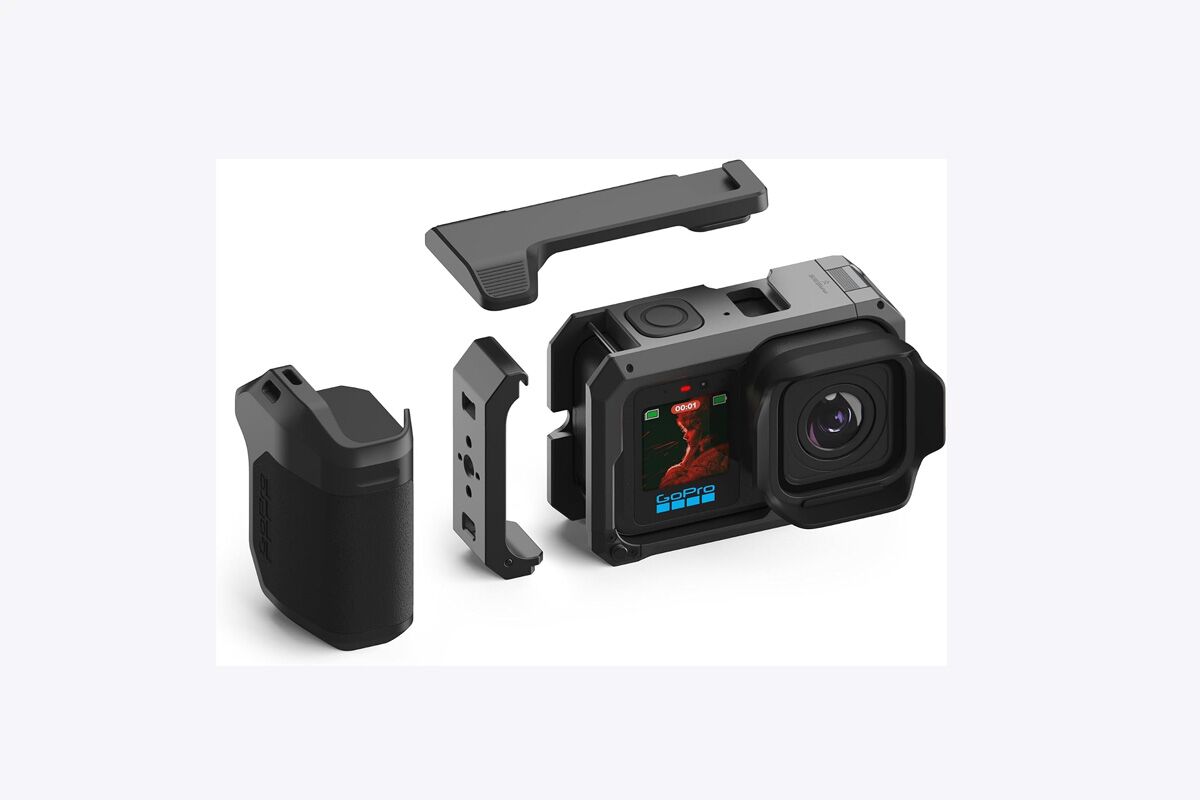
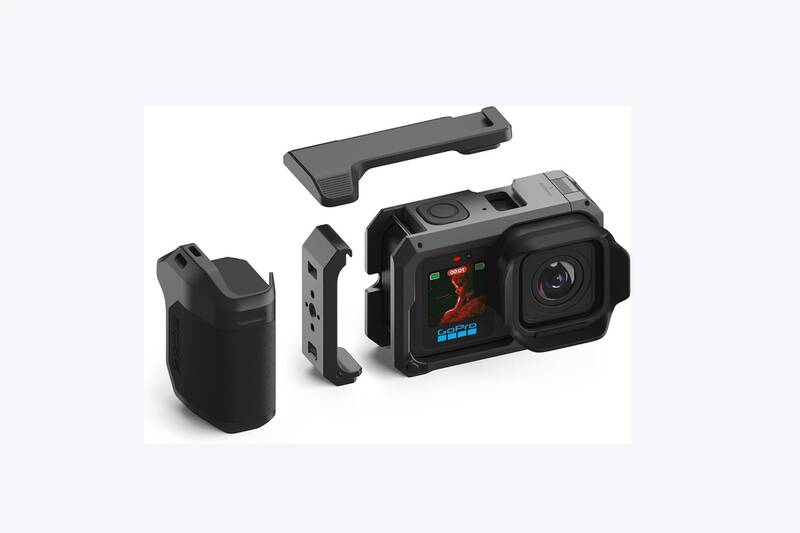
For action and adventure, the GoPro MISSION 1 PRO is the current flagship GoPro I would consider. It replaces the HERO12 Black in this guide and represents a much bigger generational jump than the usual yearly update, moving to a new 50-megapixel 1-inch sensor and GoPro's GP3 processor.
It can record 8K video at up to 60fps, 4K at up to 240fps, and 1080p at up to 960fps. It also supports 8K/30 and 4K/120 Open Gate recording, which gives you more room to crop the same footage for horizontal and vertical formats later.
You still get the rugged GoPro concept that makes this type of camera useful for travel, but with substantially more imaging headroom than the older HERO line. If you want a GoPro for hiking, skiing, diving, cycling, or other adventures and want the company's current flagship rather than an older discounted model, this is the one to look at.

3. Best 360 Camera for Travel
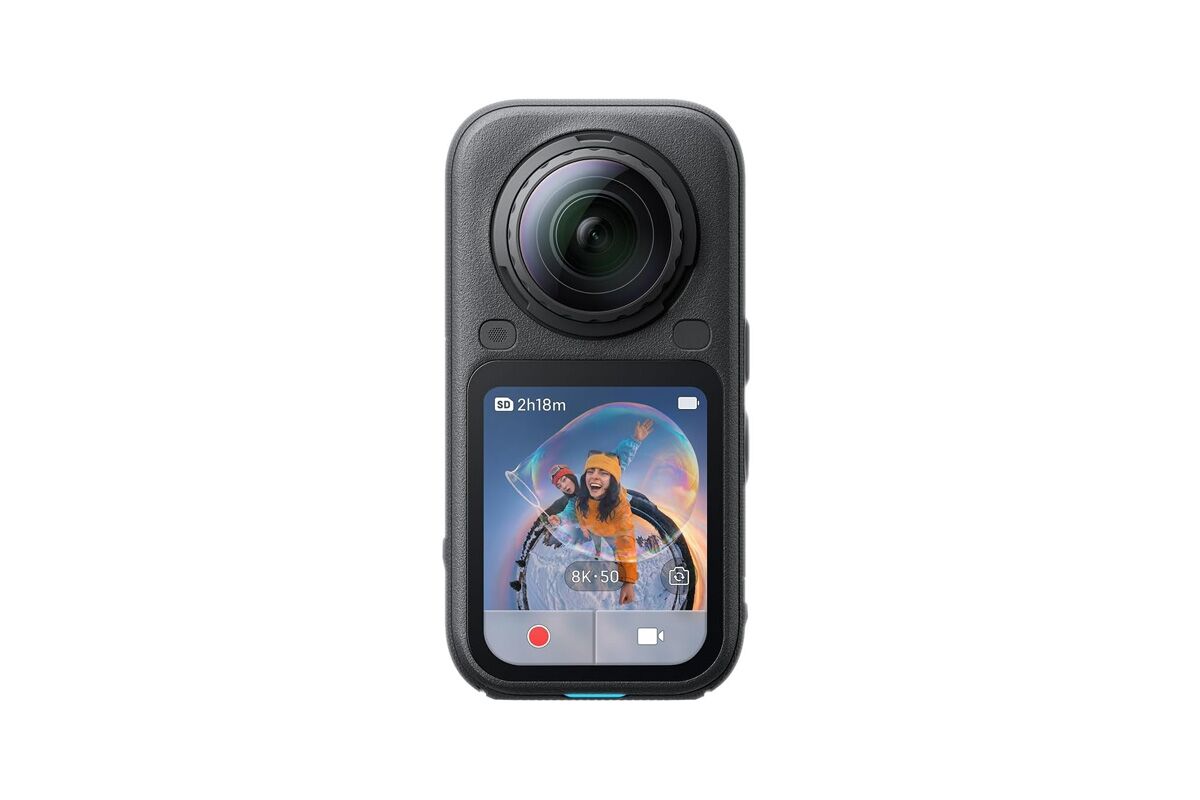
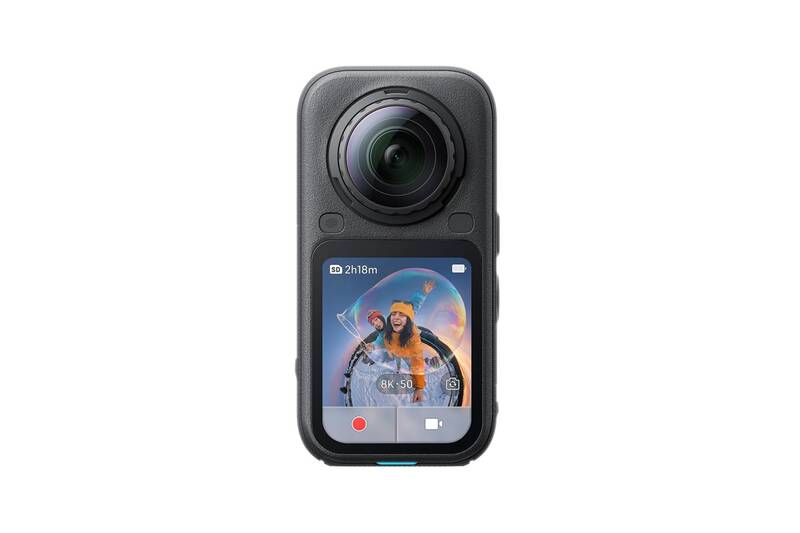
The Insta360 X6 is the current flagship 360 camera and it replaces the X4 I previously recommended in this guide. The 360 camera is particularly useful for solo travelers because you can capture everything around you first and decide how to frame the shot later.
The X6 uses dual 1/1.1-inch square sensors and can record 8K 360° video at up to 50fps, 6K at up to 60fps, and 4K at up to 100fps. It can also capture 120-megapixel 360° photos and shoot flat single-lens footage at up to 5K/60fps or 4K/120fps.
The invisible selfie-stick effect remains one of the biggest reasons to travel with an Insta360 X camera, especially when you are alone and want footage that looks as though another person is filming you. The X6 also has replaceable lenses, 47 GB of usable built-in storage, and waterproofing down to 20 meters, making it a much more complete travel camera than the X4 it replaces.
4. The Best Action Camera for Vlogging
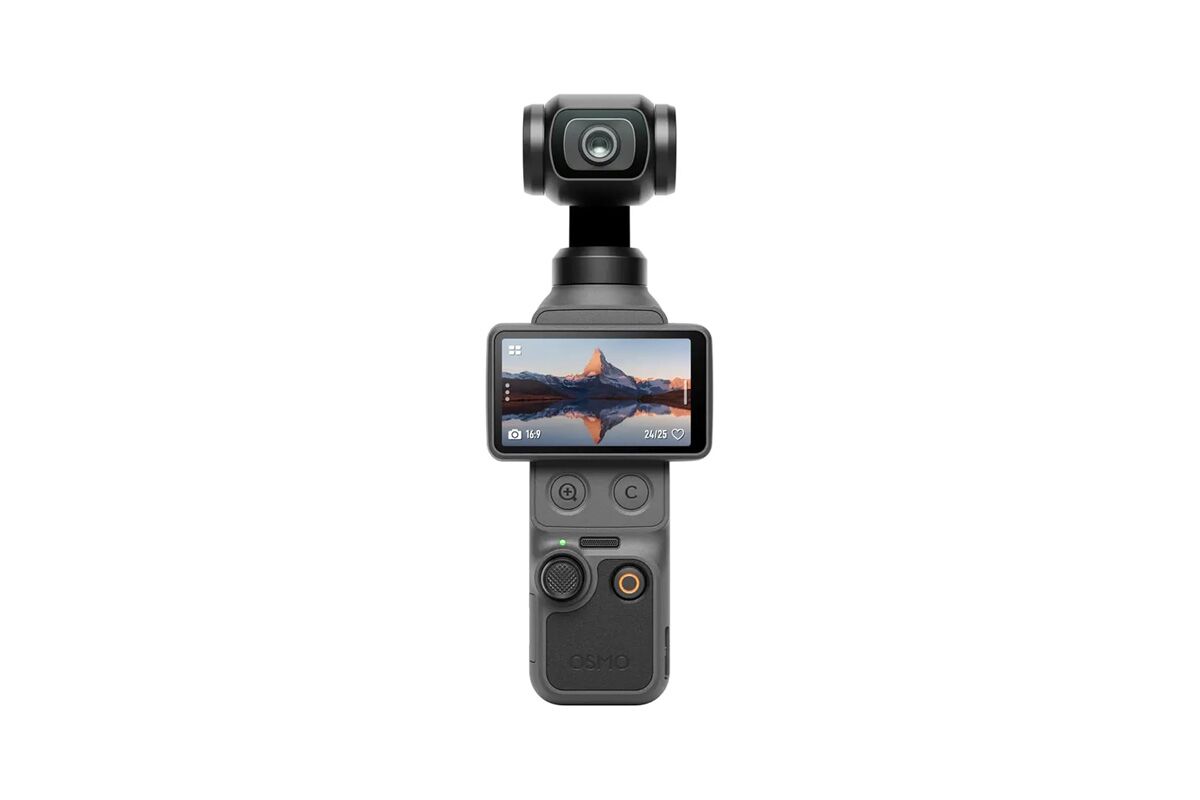
If you are looking for a tiny travel vlogging camera that is easy to carry and quick to start shooting with, the DJI Osmo Pocket 4 is the current model I would consider. It takes the same pocket-sized gimbal-camera concept that made the Pocket 3 so useful for travel and pushes the video capabilities considerably further.
The Osmo Pocket 4 uses a 1-inch CMOS sensor and can record up to 4K/240fps, while its 3-axis mechanical gimbal gives you smooth footage without having to carry a separate stabilizer. DJI rates it at up to 14 stops of dynamic range, and 10-bit D-Log gives you more flexibility when color grading your footage.
For solo creators, the combination of ActiveTrack 8.0 and the built-in gimbal makes it particularly useful because the camera can follow you while keeping the footage physically stabilized. If you want even more flexibility, DJI also offers the Pocket 4P with an additional 60mm-equivalent F1.8 camera, but the standard Pocket 4 is the more straightforward travel recommendation for most people.
If you want something you can pull out of your pocket and immediately start filming with while still getting much smoother footage than a phone or conventional action camera, the Osmo Pocket 4 is one of the most practical travel-vlogging cameras available.

5. The Best Budget Mirrorless Camera for Travel

If you are a photography enthusiast and are looking for a more advanced yet affordable mirrorless camera than the Sony RX100 M7 or GoPro Hero 10 Black, the Sony a6600 is the best option for you.
I used to recommend the Sony a6400 but ever since Sony released the new flagship camera, the Sony a6700, the a6600 has seen a significant price drop to almost the same price point as the Sony a6400 once was at around 999 USD, which make it a steal.
The Sony a6600 has the same set of features the Sony a6400 has and some more. Features like image stabilization, a flip-up screen, and bigger batteries will greatly improve your experience with the camera opening you up to more opportunities in both lens selections and the ability to shoot in varying conditions.
Since the Sony a6600 has an APS-C cropped sensor, the camera is much more compact than traditional DSLRs and full-frame cameras, making it less of a hassle to carry around while traveling. Heck, the Sony a6600 is even smaller than other APS-C cameras from different manufacturers, making it one of the best compact mirrorless cameras you can buy.
If you are looking for a camera that is highly capable, has the flexibility of the interchangeable lens system that the RX100 and GoPro Hero lack, and a camera that will allow you to grow as a photographer without breaking the bank, the Sony 6600 is the best value camera for you.

6. The Best Compact Mirrorless Camera for Travel

As I mentioned earlier, striking the balance between image quality and size and weight is the most important factor to consider when it comes to buying a travel camera. One of the best cameras that comes in a lightweight and compact body, almost the same size as the Sony a6600 previously mentioned but doesn't sacrifice its sensor size, is the Sony a7CII.
The Sony a7CII is one of the smallest full-frame cameras available on the market right now. It has almost the same size as the Sony a6600 but comes with all the features of an advanced full-frame camera like the Sony a7IV and more, with its 33 megapixels sensor, the ability to record extremely sharp 4K videos (downsized from 6K) in 60p, and has an AI-powered autofocus system that even the Sony a7IV doesn't have.
Basically, the Sony a7CII is a highly capable full-frame camera that comes in an APS-C-sized body. It ticks all the boxes of criteria we are looking for in a travel camera with exceptional image quality, a small size, and a lightweight body, and allows you to shoot excellent photos and videos, making it one of the most versatile travel cameras you can buy.
If you are looking for one of the most compact but advanced travel cameras to take with you on your next trip, the Sony a7C II is the one to get. The retail price is around $2,199 USD, but Amazon often has discounts on the model, so be sure to check it out with the link below.

7. The Best All-Around Mirrorless Camera for Travel

If you enjoy taking photos as much as shooting video while traveling, the Sony a7 V is the current all-around full-frame model I would consider. It replaces the a7 IV in this guide and continues Sony's hybrid a7 line with a 33-megapixel full-frame sensor, faster processing, and more advanced subject-recognition autofocus.
The a7 V is designed to handle both serious photography and video without forcing you too far toward either specialty. It can record 4K/60p without the heavy crop that limited the a7 IV and adds 4K/120p for slow-motion work, while retaining the resolution and full-frame image quality that make the a7 series so useful for travel photography.
For travelers who want one interchangeable-lens body for landscapes, street photography, portraits, wildlife, and high-quality travel video, the a7 V is the natural current-generation replacement for the a7 IV.
8. The Most Advanced Mirrorless Cameras for Travel

If photography is your priority and you want Sony's current high-resolution flagship, the Sony a7R VI is the model to consider. It replaces the a7R V in this guide with a 66.8-megapixel full-frame Exmor RS stacked CMOS sensor that combines very high resolution with much faster readout.
The a7R VI can shoot at up to 30fps with its electronic shutter, uses up to 759 phase-detection autofocus points, and has 5-axis stabilization rated up to 8.5 stops at the center under Sony's test conditions. For video, it can record 8K up to 30p and 4K up to 120p.
This is far more camera than most travelers need, but for landscape, architecture, wildlife, and other trips where maximum detail and cropping flexibility matter, the a7R VI is now the relevant high-resolution Sony body to compare.


If you are more into videography and do not really need the photo-centric capability and all those megapixels from the Sony a7R IV, the Sony a7S III is one of the best video-centric mirrorless cameras you can get right now.
Priced at 3,498 USD, the Sony a7S III is one of the best filmmaking powerhouses out there. The "S" stands for sensitivity, and the camera really delivers on that front with an ISO range from 80 to a whopping 102,400! Yup, a handheld camera that can shoot in the dark, making it the most versatile consumer filmmaking camera out there.
With its 12.1-megapixel full-frame sensor, the Sony a7S III may not be as great of a photography camera as the Sony a7R IV. However, with a smaller sensor, it offers better quality video and more packed features than anyone could ever need.
You can shoot 4K 60 FPS uncropped videos with 10-bit 4:2:2 internal capture, and you can even go up to 4K 120 FPS for those crispy slow-motion videos. Additionally, there is no recording limit with this camera, unlike other video-centric cameras from competing brands.
It is highly reliable, comes with a more user-friendly menu system, and has just a ton of video-centric features that will help you capture your travel in a way that no other camera can do. If you are looking for a great video camera, the Sony a7S III is the one to get.

9. The Best Phone Camera for Travel
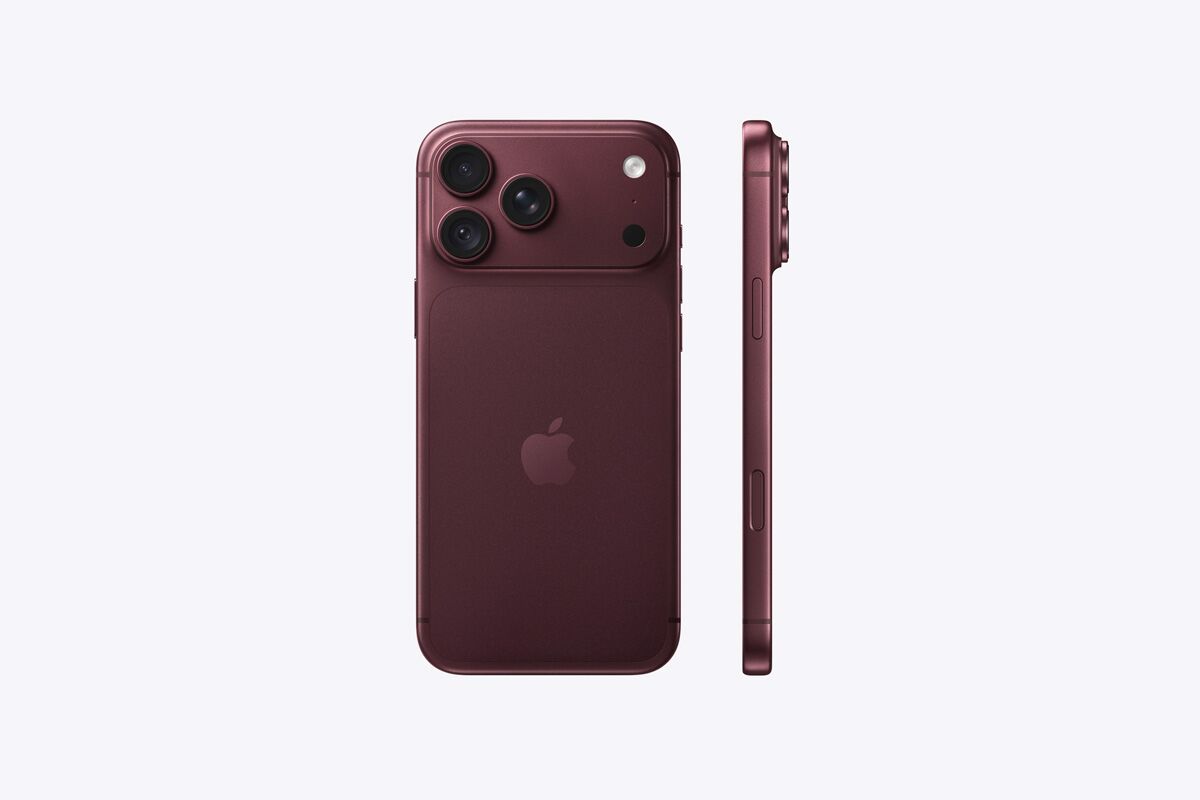
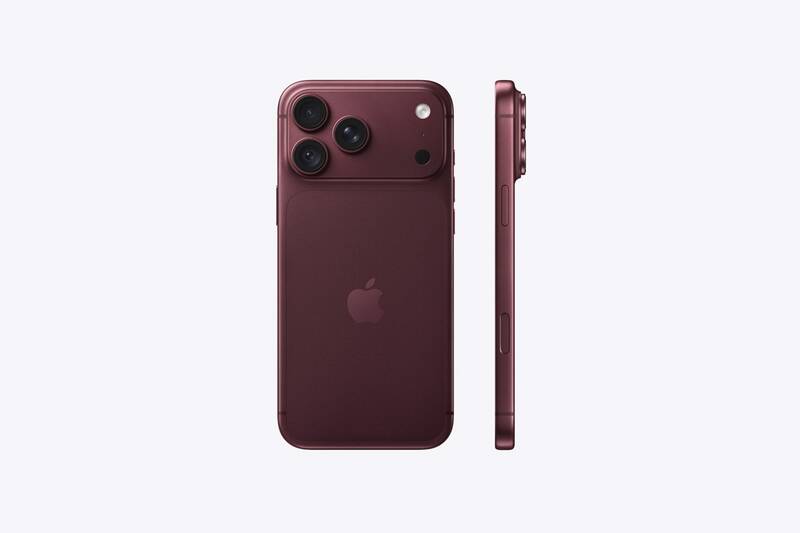
If you do not want to carry another camera while traveling, the iPhone 18 Pro Max is one of the most capable options you can get. With its versatile camera system, excellent computational photography, and new manual controls, it can handle everything from landscapes and street photography to portraits and travel videos without requiring you to carry a dedicated camera.
The iPhone 18 Pro Max features three 48-megapixel cameras covering ultra-wide, main, and telephoto focal lengths. The biggest upgrade is the new variable aperture on the main camera, which can switch between F1.48, F1.8, F2.8, and F4, giving you more control over depth of field and allowing the camera to adapt better to different lighting conditions.
You also get a 48-megapixel telephoto camera with a 100mm equivalent 4x focal length, as well as an 8x optical-quality 200mm equivalent option, giving you considerably more reach for photographing architecture, landscapes, and distant subjects while traveling. Apple has also added Pro controls directly to the Camera app, allowing you to manually adjust settings like shutter speed, white balance, focus, and aperture.
The biggest advantage is still convenience. You already have it with you for navigation, communication, tickets, and everything else, and Apple's computational photography can produce excellent photos and videos with very little setup. For travelers who value portability and simplicity more than interchangeable lenses or a large sensor, the iPhone 18 Pro Max can easily handle most of the photos and videos you will want to capture on a trip.
10. The Best Drone for Travel
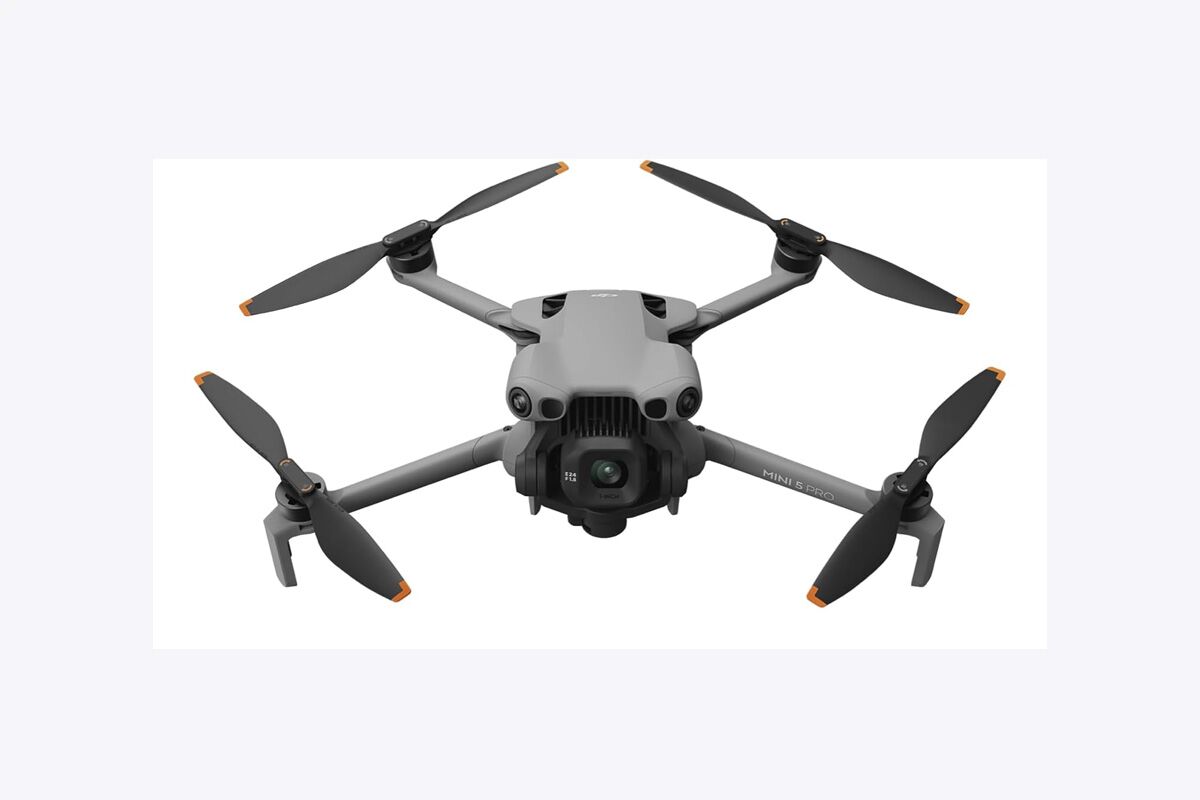
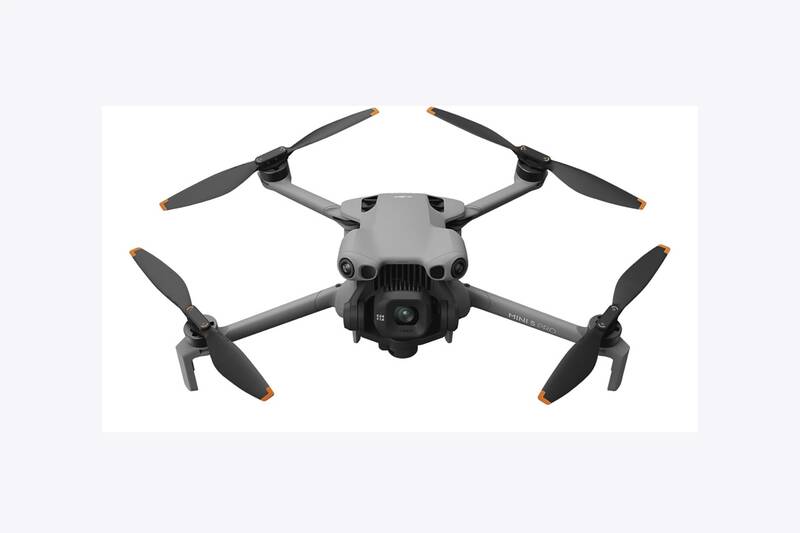
If you are looking for a travel camera for aerial photography, the DJI Mini 5 Pro is the current model I would consider. It replaces the Mini 4 Pro in this guide and makes a major imaging upgrade while keeping the small foldable form factor that makes DJI's Mini series so useful for travel.
The Mini 5 Pro uses a 50-megapixel 1-inch CMOS sensor with an F1.8 aperture and can record 4K/60fps HDR video or 4K/120fps slow motion. It also adds nightscape omnidirectional obstacle sensing, upgraded ActiveTrack 360°, 42 GB of internal storage, and a gimbal capable of 225° of roll rotation as well as true vertical shooting.
With the standard battery, DJI lists the Mini 5 Pro at 249 grams. The optional Battery Plus can extend flight time to as much as 52 minutes under DJI's test conditions, but it pushes the aircraft above 249 grams, so always check the drone rules that apply where you are traveling rather than assuming a sub-250-gram drone is exempt from registration or operating restrictions.
Disclaimer: This post may contain affiliate links. See our disclosure policy.
First Published:
Last updated:


