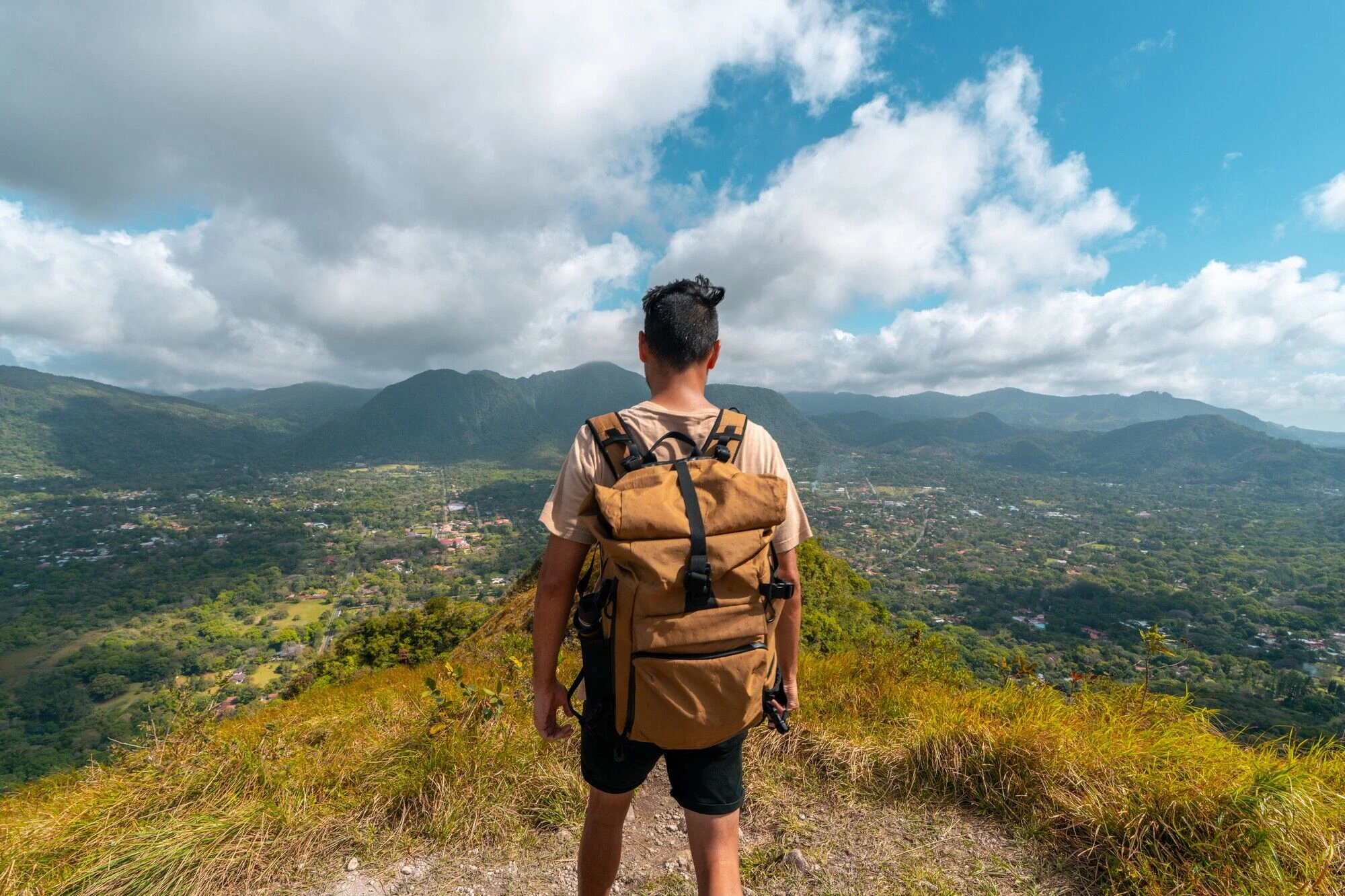



Out of all the countries I visited in Central America, Panama is the one that surprised me the most. This country is one of the most underrated and often overlooked by travelers. While many people only associate it with the famous Panama Canal, this small country has more to offer than most people think.
From the pristine Caribbean islands and turquoise waters of Bocas del Toro and San Blas to the lush cloud forests and incredible hiking trails of Boquete and El Valle de Antón, Panama is a country you should not overlook while exploring this part of the world.
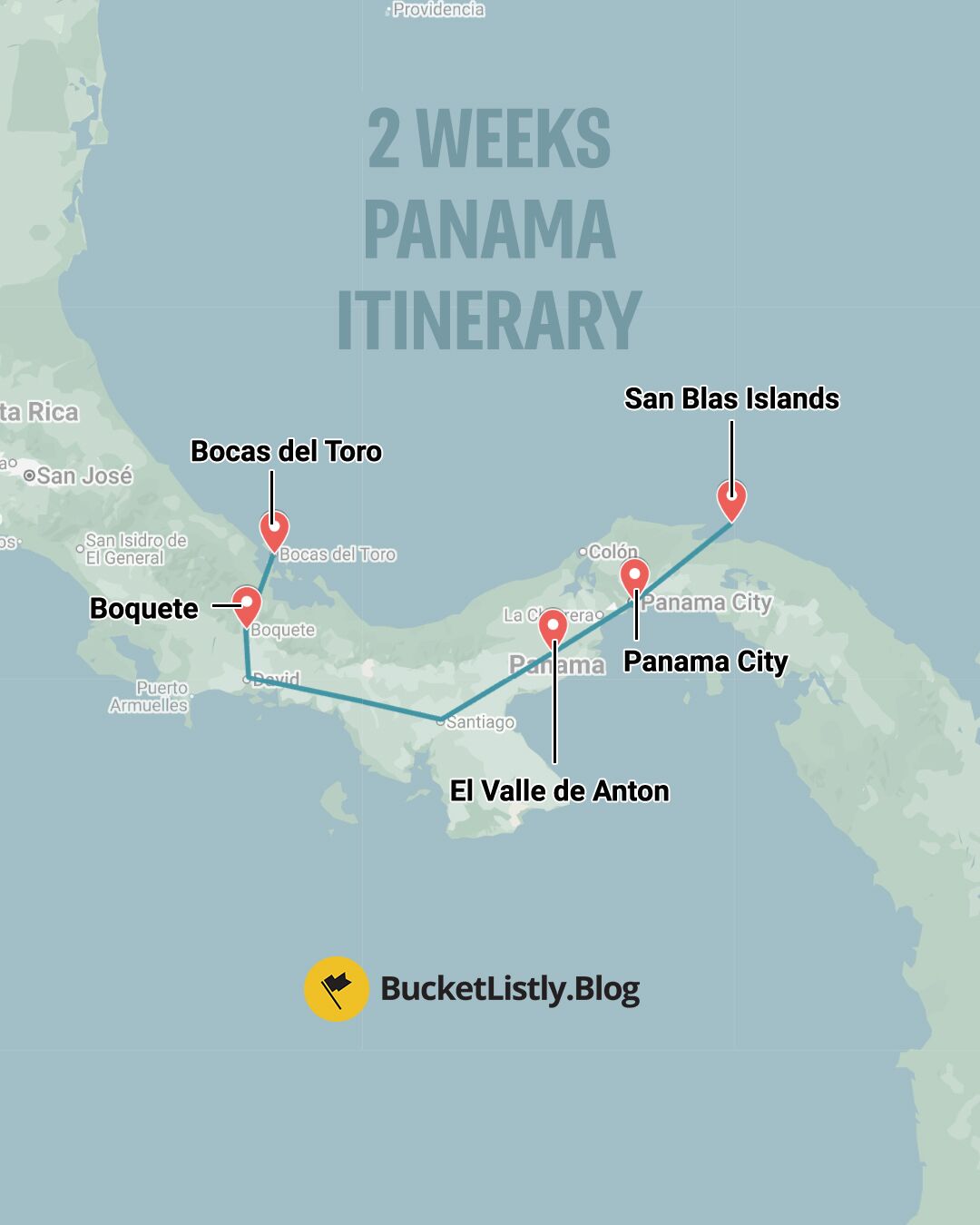
With this 2-week Panama itinerary, I have laid out the exact route I took while exploring the country, complete with my favorite activities, tips on getting around, and even small details like where to catch the colectivo and how to navigate each transfer. This way, you can easily follow along and experience the best of Panama without the stress of planning everything yourself.

Map of this Panama's 2-Week Itinerary
Quick Summary
| ☀️ Day 1-3: | Panama City |
| ☀️ Day 4-5: | San Blas Islands |
| ☀️ Day 6-8: | El Valle de Antón |
| ☀️ Day 9-11: | Boquete |
| ☀️ Day 12-15: | Bocas del Toro |
2 Weeks Itinerary for Panama: Day-to-day Breakdown
Day 1 - 3: Panama City (3 nights)
- 📍 Stay: Magnolia Inn
- 🕐 Time: 3 nights
- 📖 Full Guide: Discover Panama City: My favorite experiences, itinerary, and more
This itinerary begins in Panama City, the perfect introduction to the country and one of the most fascinating cities in Central America. Unlike many travelers who only see it as a stopover, I highly recommend spending a few days here to experience the unique mix of modern skyscrapers, historic neighborhoods, lush nature, and incredible food scene.
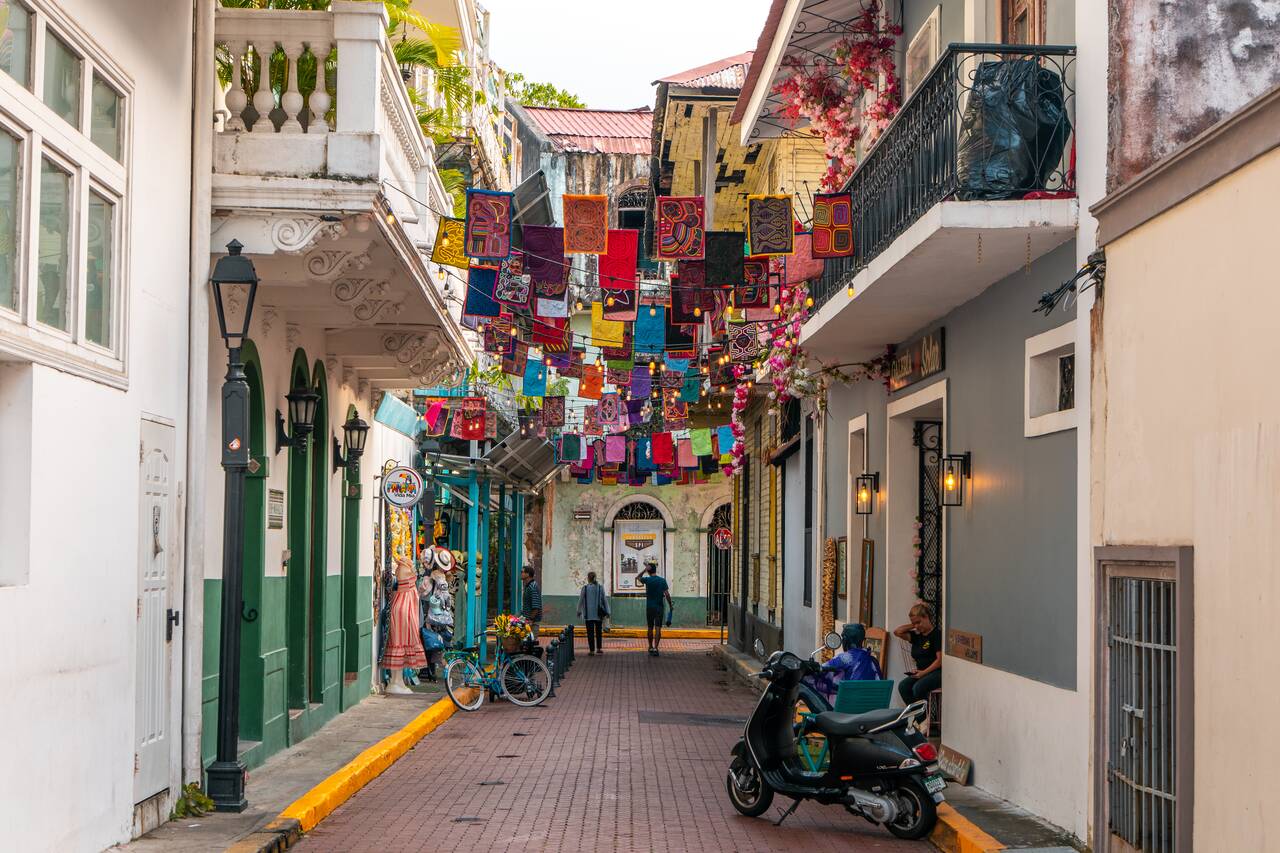
Spend your first day exploring Casco Viejo, Panama City's historic old town, where you will find colorful colonial buildings, charming cafes, rooftop bars, and beautiful plazas lining the cobblestone streets. This is also one of the best places to stay, especially for first-time visitors, as you will be close to many of the city's highlights.
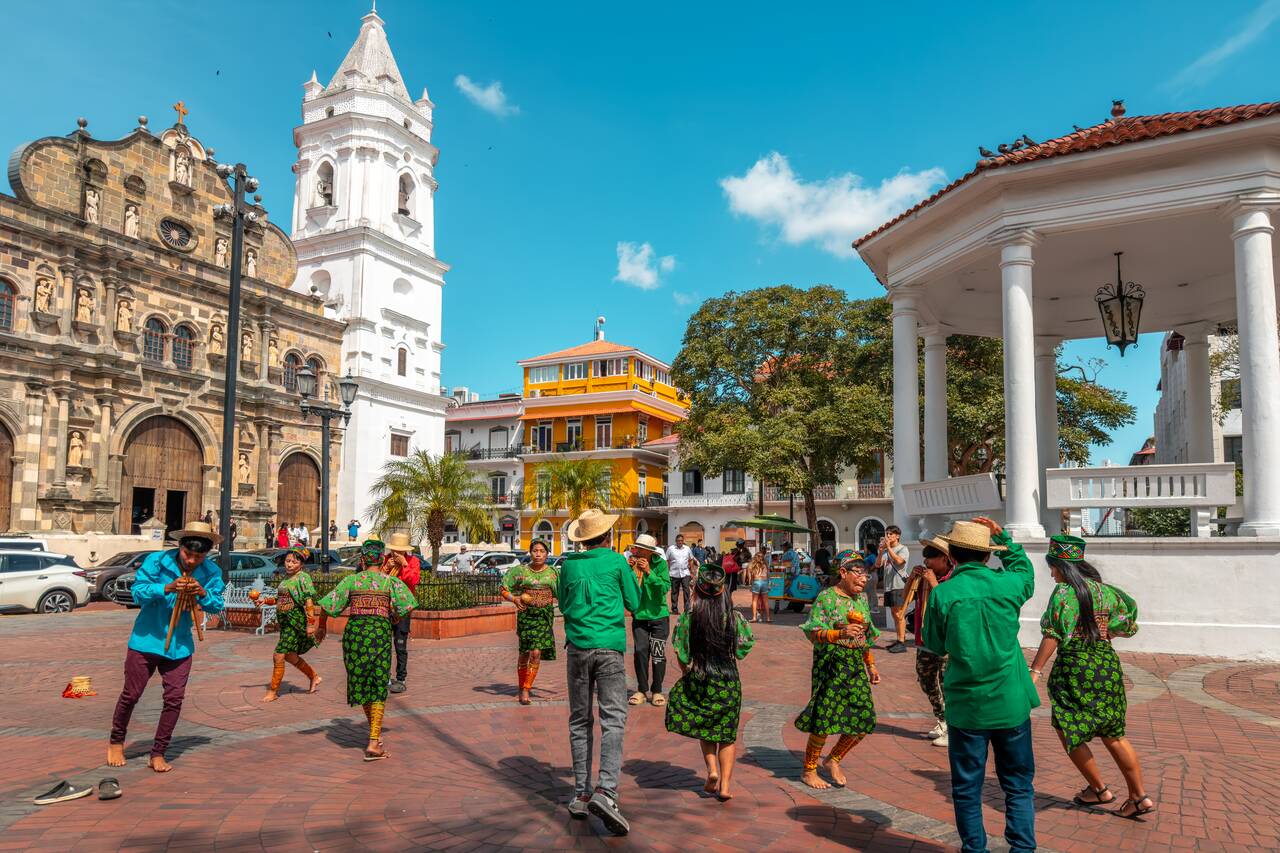
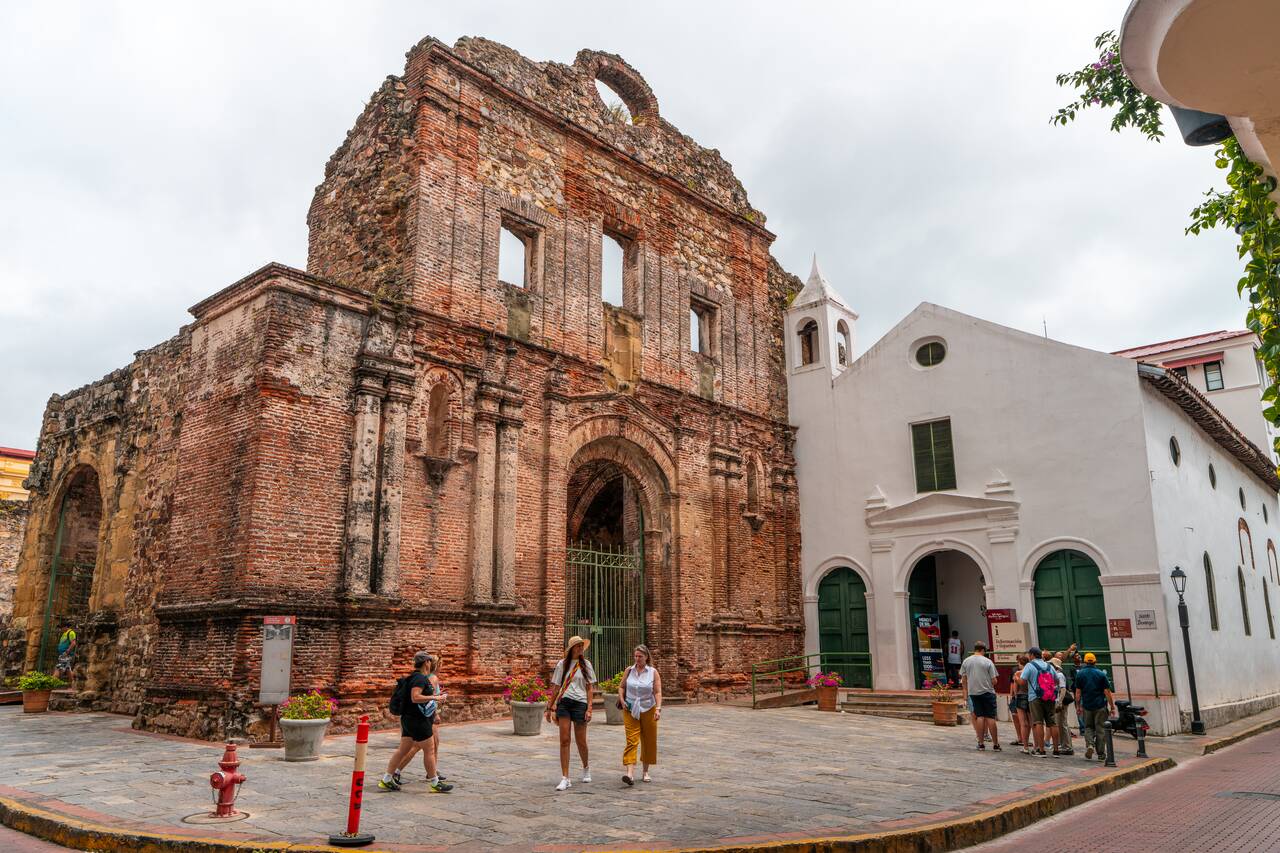
Places you will not want to miss in the old town include Independence Square, San Francisco de Asis Church, the Mola Museum, and Plaza de Francia, all of which we will discuss later in this guide. Be sure to also check out the centuries-old ruins of churches such as Arco Chato and the Church of the Society of Jesus, two of my favorite sites in Casco Viejo.
- 9 Days Across Panama: Culture, Mountains & Caribbean Paradise (9 days)
- Panama: Craters, Coasts & Highland Mountains (18 days)
- Total Central America: Two Months of Wild (2 months)
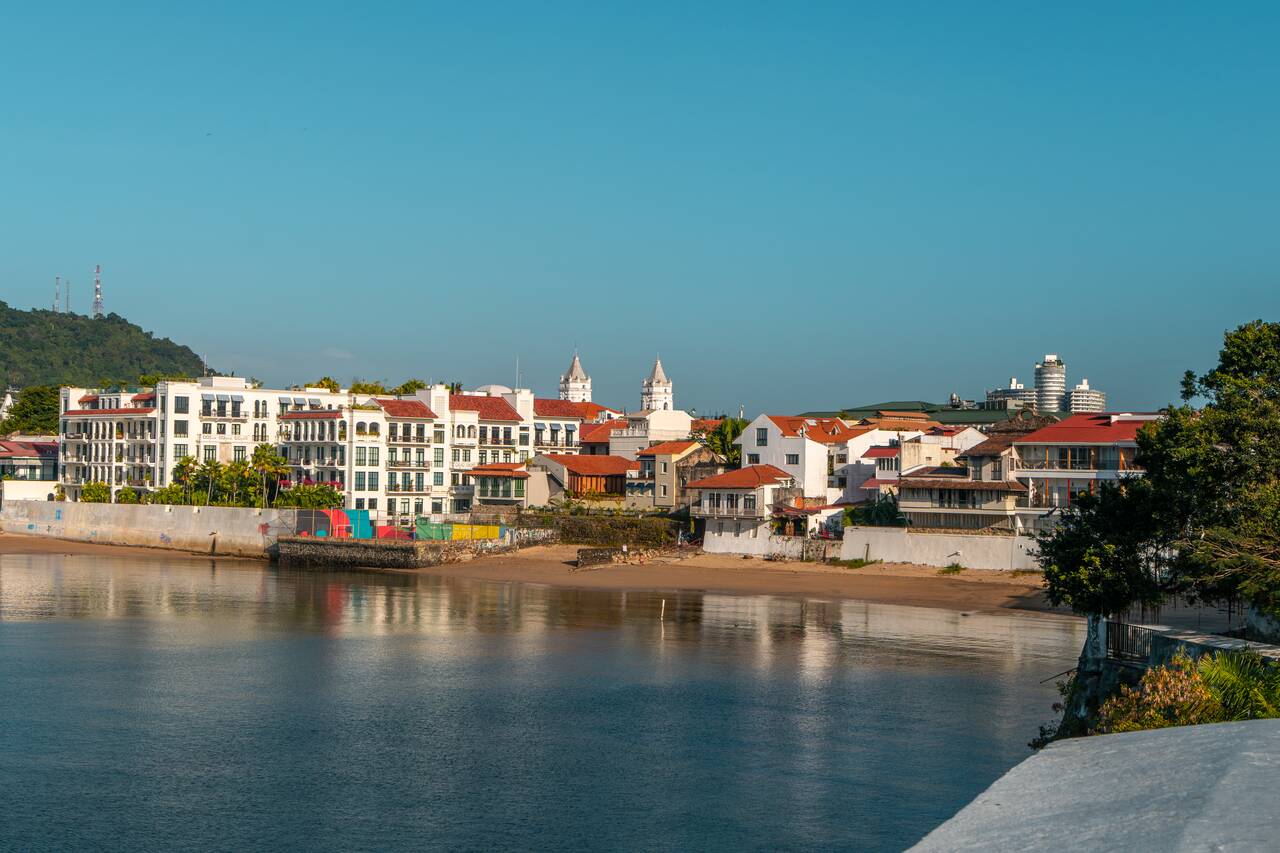
For the evening, be sure to go for a walk around Plaza de Francia, a beautiful square located at the southern tip of Casco Viejo, with a lively atmosphere and a nice view of the city's stunning coastline. From here, you can also enjoy fantastic views over the Pacific Ocean, the Amador Causeway, and Panama City's modern skyline rising in the distance.
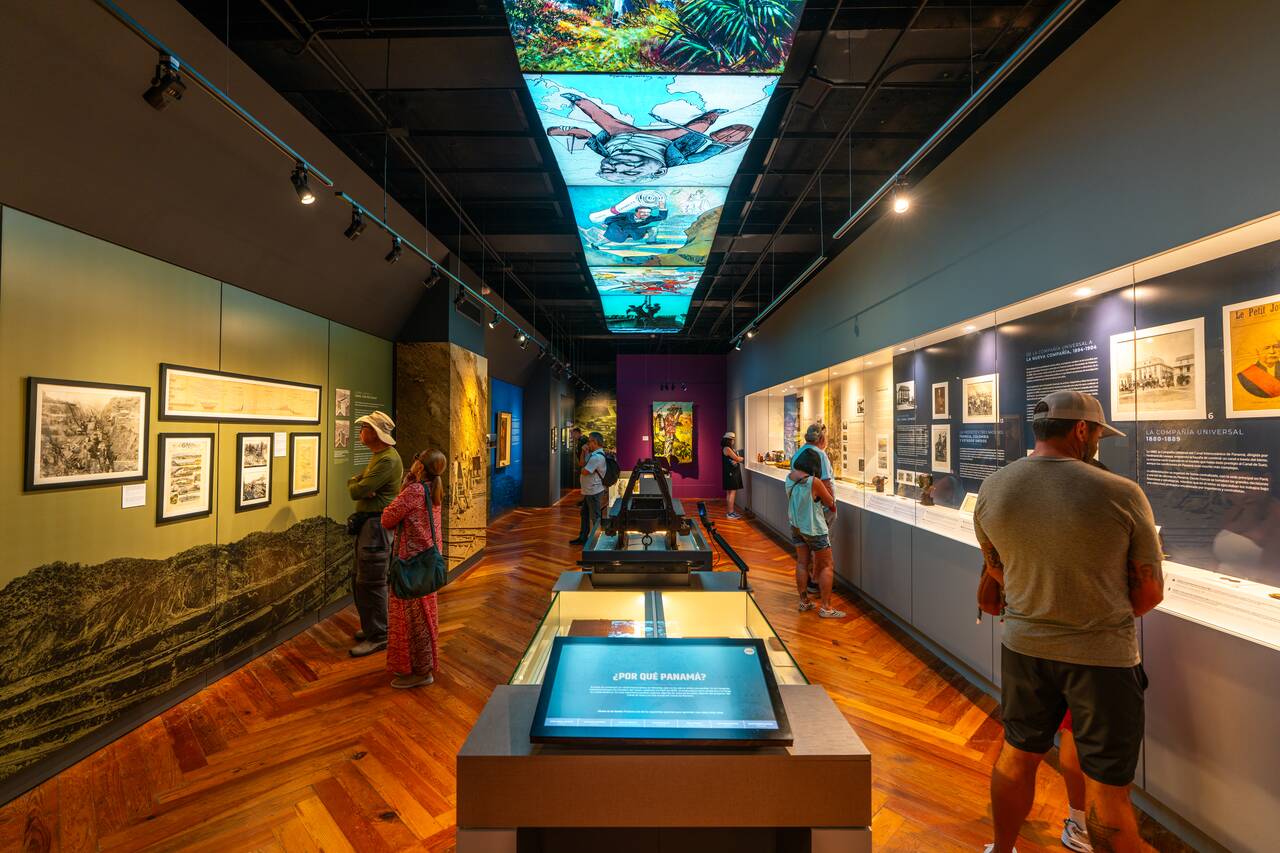
On your second day, you can spend the morning exploring some of the best museums Panama City has to offer, like the Panama Canal Museum, a fascinating museum dedicated to the history of the Panama Canal. It is well worth visiting to learn more about the canal's construction, history, and importance before your actual visit the next day.
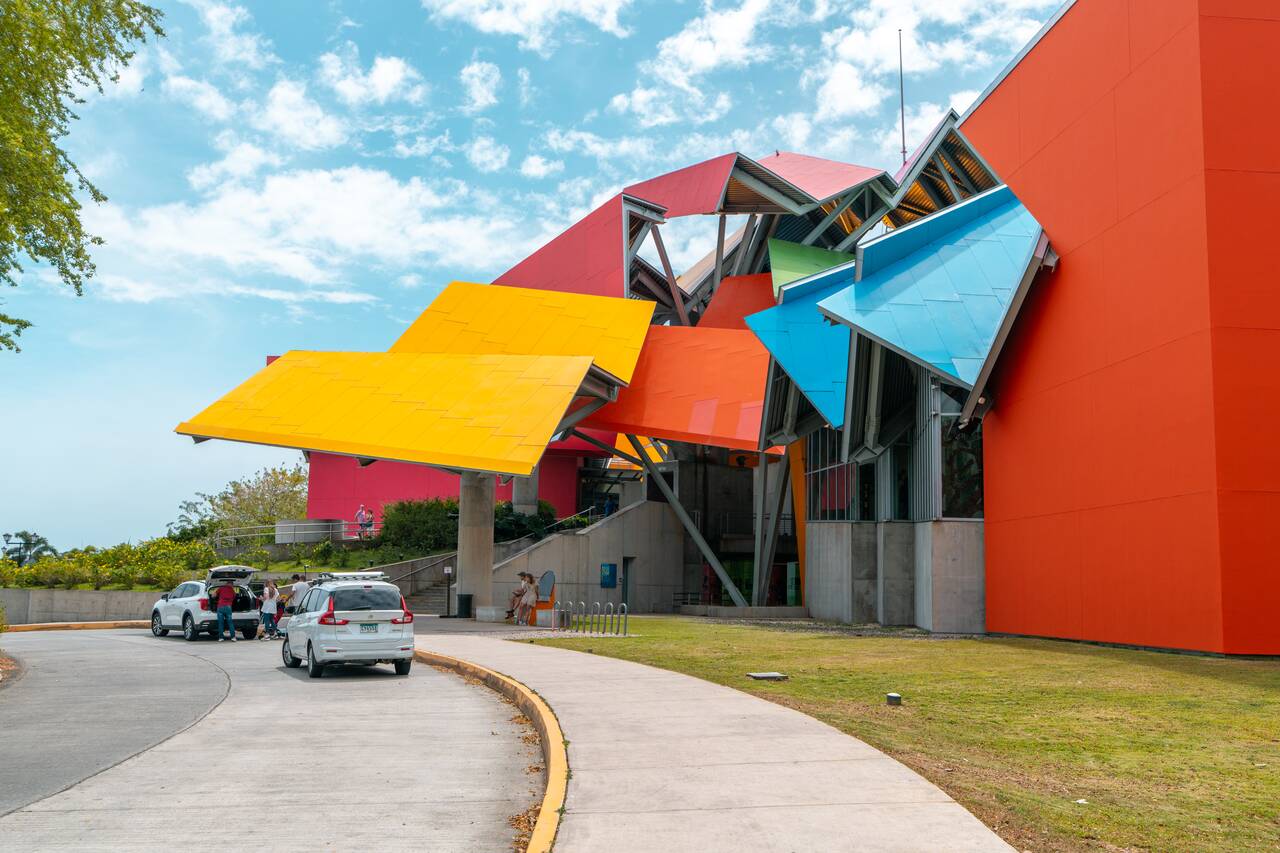
Just a short Uber drive from Casco Viejo, you will find the Biomuseo, one of Panama City's best museums, housed inside one of the most unique structures you will see here. You might even see its odd-looking exterior from Plaza de Francia! Trust me, there's no mistaking it as you won't find a structure like this anywhere else in the city.

This is probably the most engaging museum you will visit in Panama City, and I enjoyed every moment of it. Even if you are not usually into museums, I still think it is worth a visit, not just for the exhibitions, but also for the views of the Pacific Ocean and the Panama City skyline, as well as the lovely walking paths and parks along the Amador Causeway.
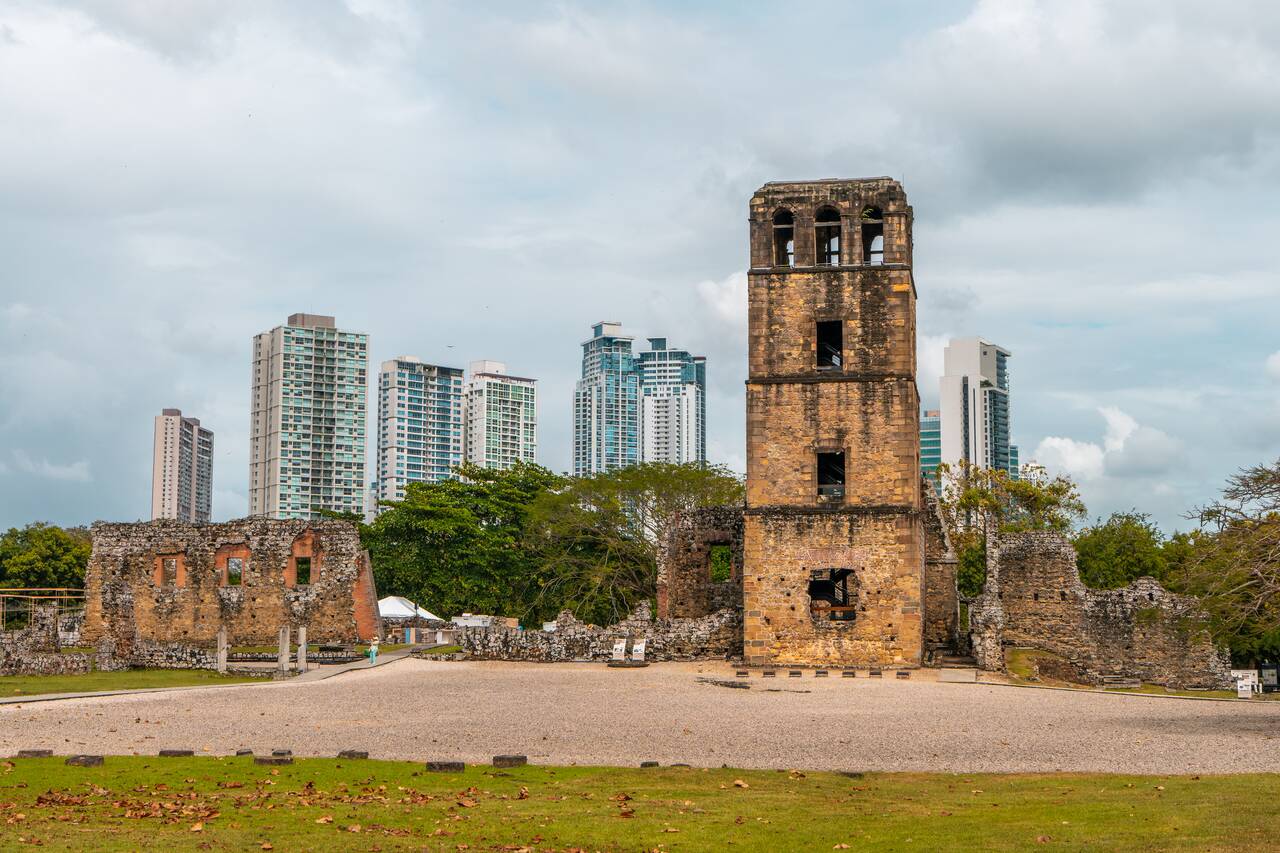
After visiting the museums, you can either spend the rest of the day relaxing or take an Uber and stroll around Panamá Viejo, the first European settlement in Panama and the original old town before it was destroyed by pirates and eventually relocated to what is now Casco Viejo, the historic district you see today.
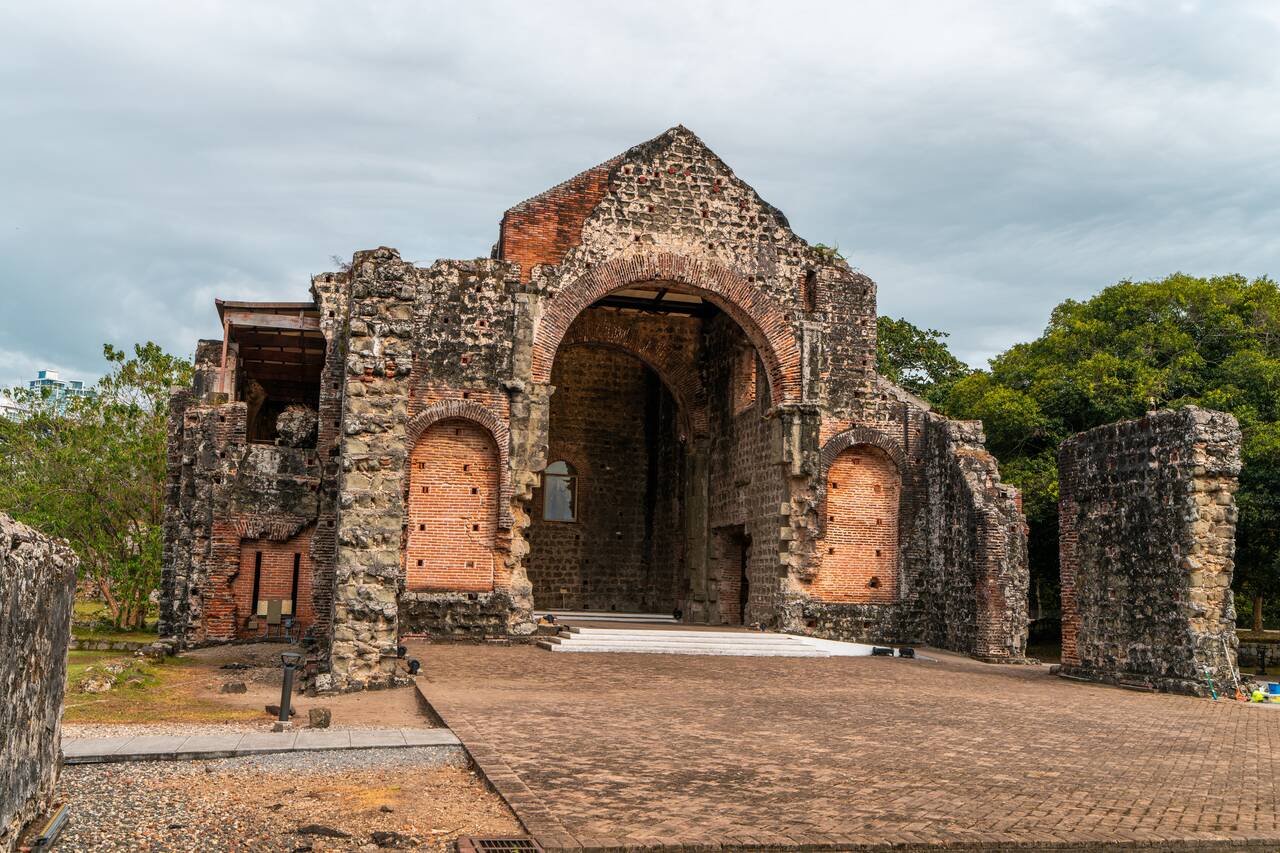
Panamá Viejo is nothing like Casco Viejo. Instead of restored colonial streets and colorful buildings, you will find crumbling stone walls, remnants of churches, convents, and old colonial structures slowly being reclaimed by nature. It should take you around 2 hours to explore the site, and once you are done, you can head back to Casco Viejo and relax for the rest of the day.
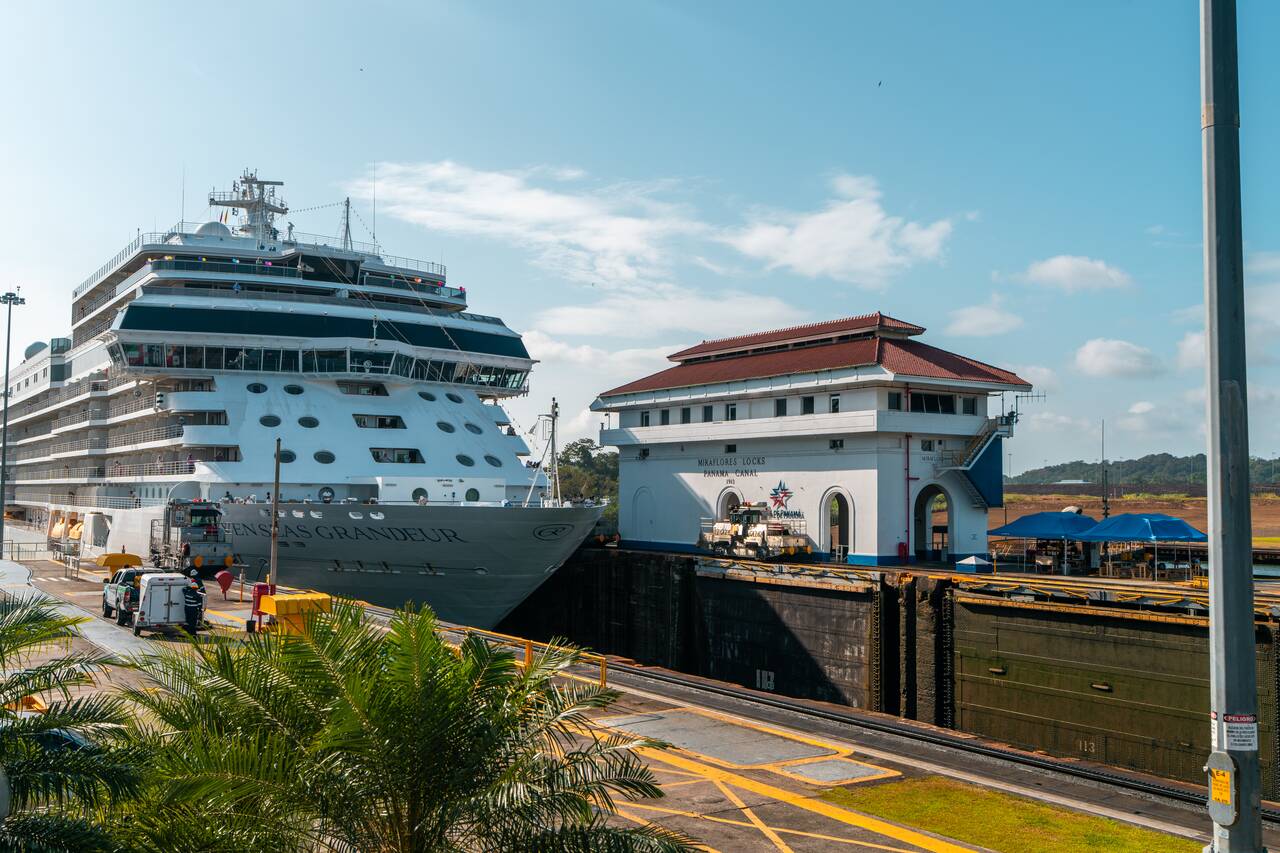
No trip to Panama City is complete without seeing the Panama Canal, one of the most impressive engineering feats in the world and the landmark Panama is best known for. On your third day, make your way to the Miraflores Locks, the closest section of the canal to the city, which can be reached in just a 30-minute Uber ride from the city center.
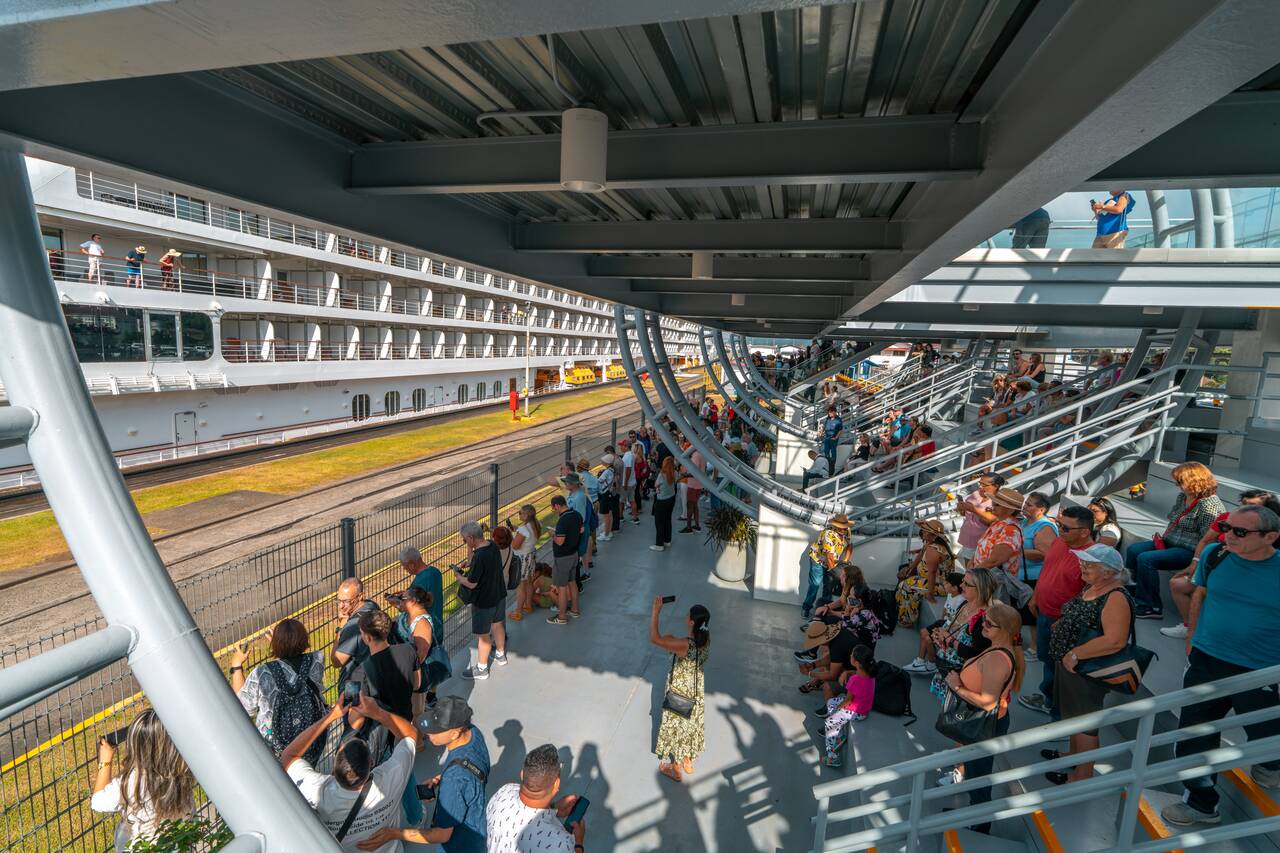
I recommend visiting in the morning, as there are usually a number of ships passing through during that time. There is no fixed schedule you can plan around, so you will need to rely a bit on luck, at least based on my experience. I went around 9 AM and saw two massive cruise ships passing through. The process of moving a single ship can take quite a while, so you might see several if you stay long enough.
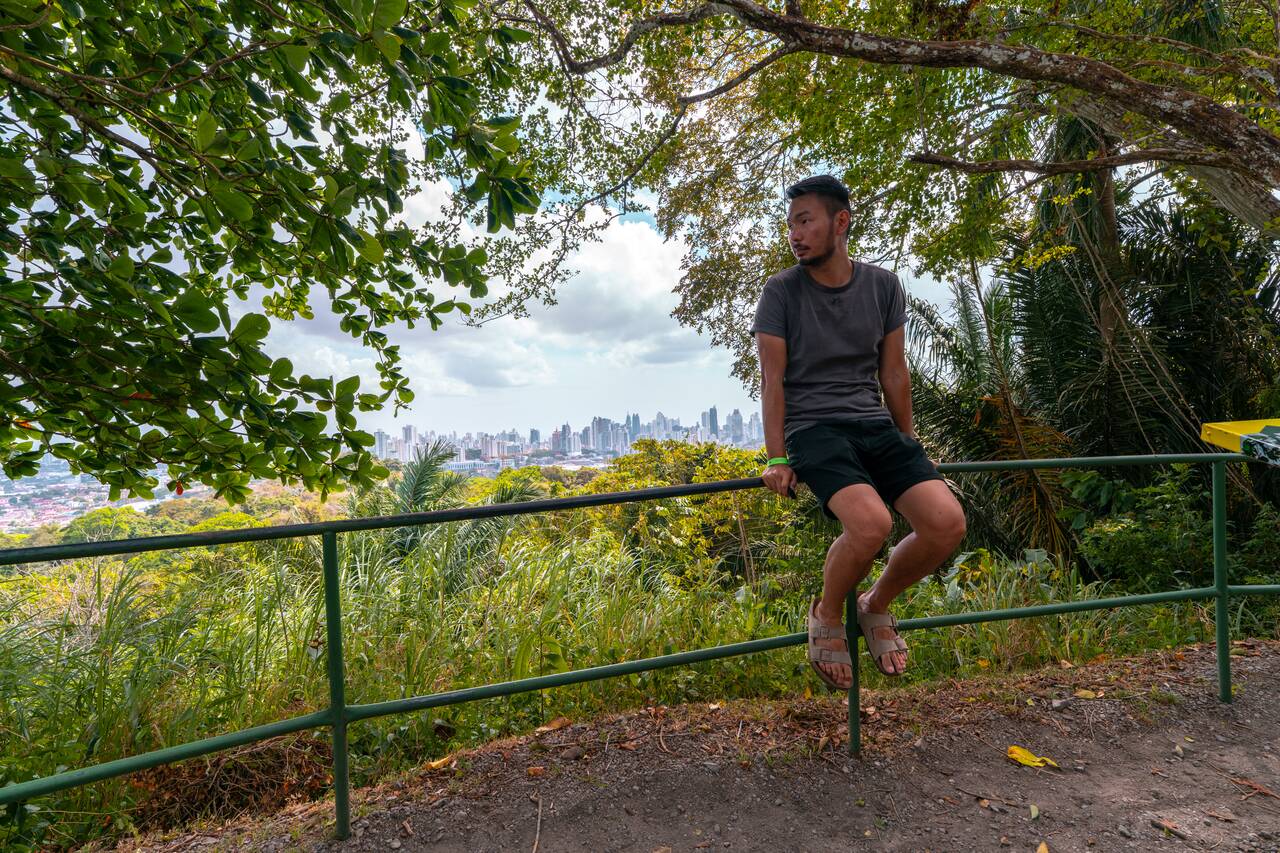
Once you are done, you can head over to Metropolitan Natural Park, the city's main urban nature reserve and go for a hike up to Mirador Cerro Cedro, a viewpoint where you can enjoy some really cool panoramic views of the city.
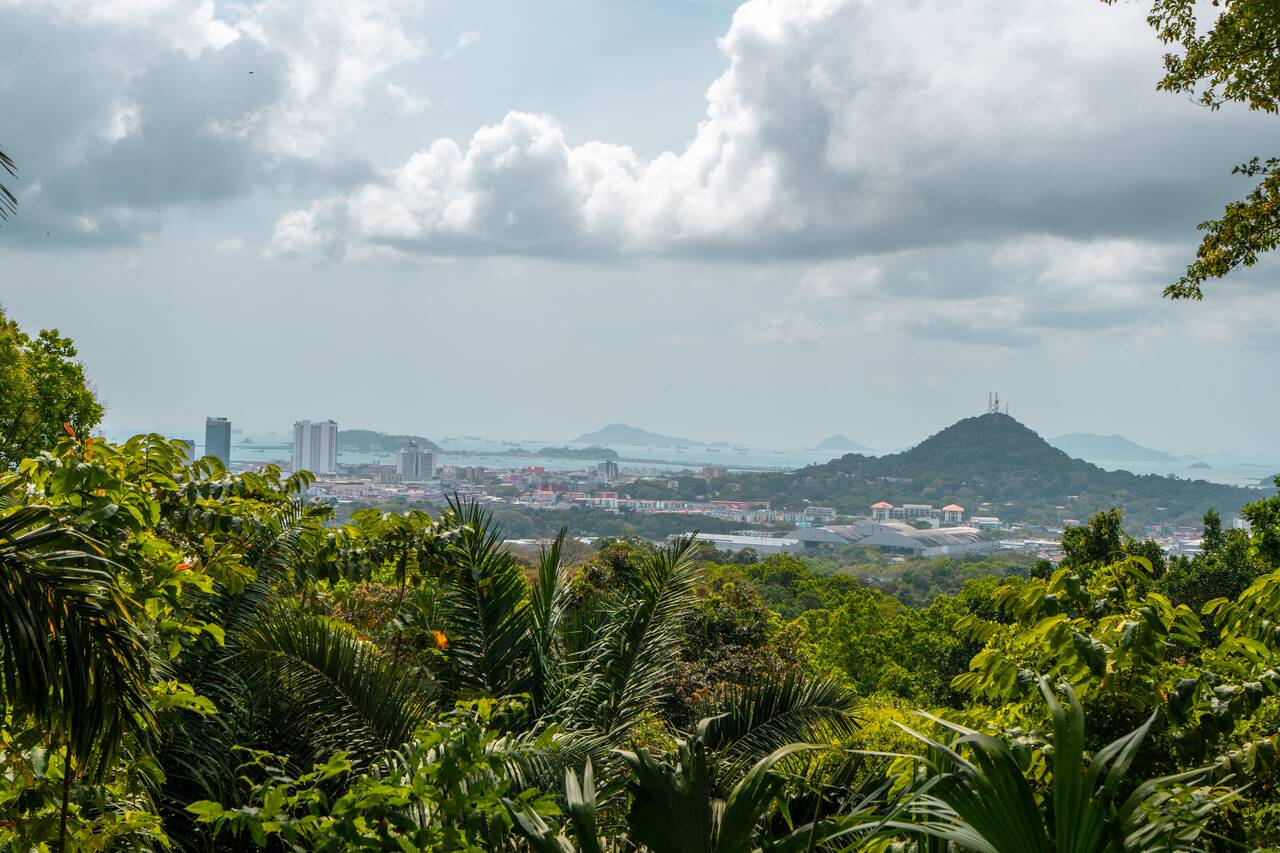
The hike takes about 1 hour and 15 minutes one way to reach the viewpoint. The trail is relatively short but steep in some sections, taking you through dense tropical forest filled with birds, butterflies, and the occasional monkey if you are lucky. You can easily reach the park by Uber, and make sure to get dropped off at the Metropolitan Natural Park Visitor Center.



Getting from Panama City to San Blas
The easiest way to get from Panama City to San Blas is by booking an organized tour. Getting there involves a roughly 2-hour drive from the city into Guna territory, where you will need to pay an entrance fee of about 23 USD before continuing by speedboat to the island where you plan to stay.
The transfer cost is separate from the tour price, so regardless of which tour or duration you choose, you will likely have to pay around 50 USD for a round-trip transfer between San Blas and Panama City. This fee is usually paid directly to the driver in cash, so be sure to bring enough with you. Credit cards are generally not accepted.
Day 4 - 5: San Blas Islands (2 nights)
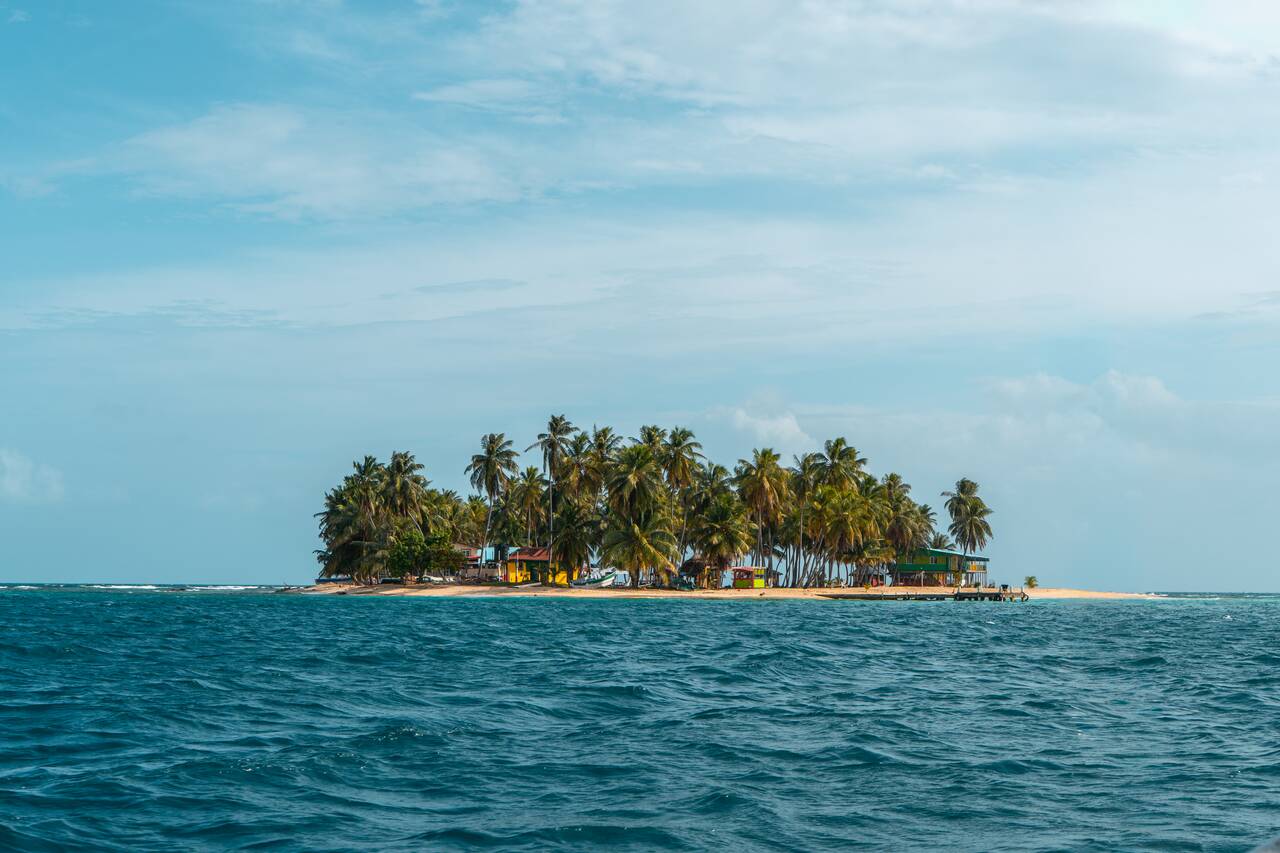
- 🏄 Tour: San Blas Dreams
- 🕐 Time: 2 nights
- 📖 Full Guide: San Blas Islands Travel Guide: Everything You Need to Know
Next up, we are going to visit San Blas Islands, a stunning archipelago made up of more than 300 islands off Panama’s Caribbean coast. This is one of the most unique places in the country, where you can experience simple island life while being surrounded by turquoise waters and white sand beaches.
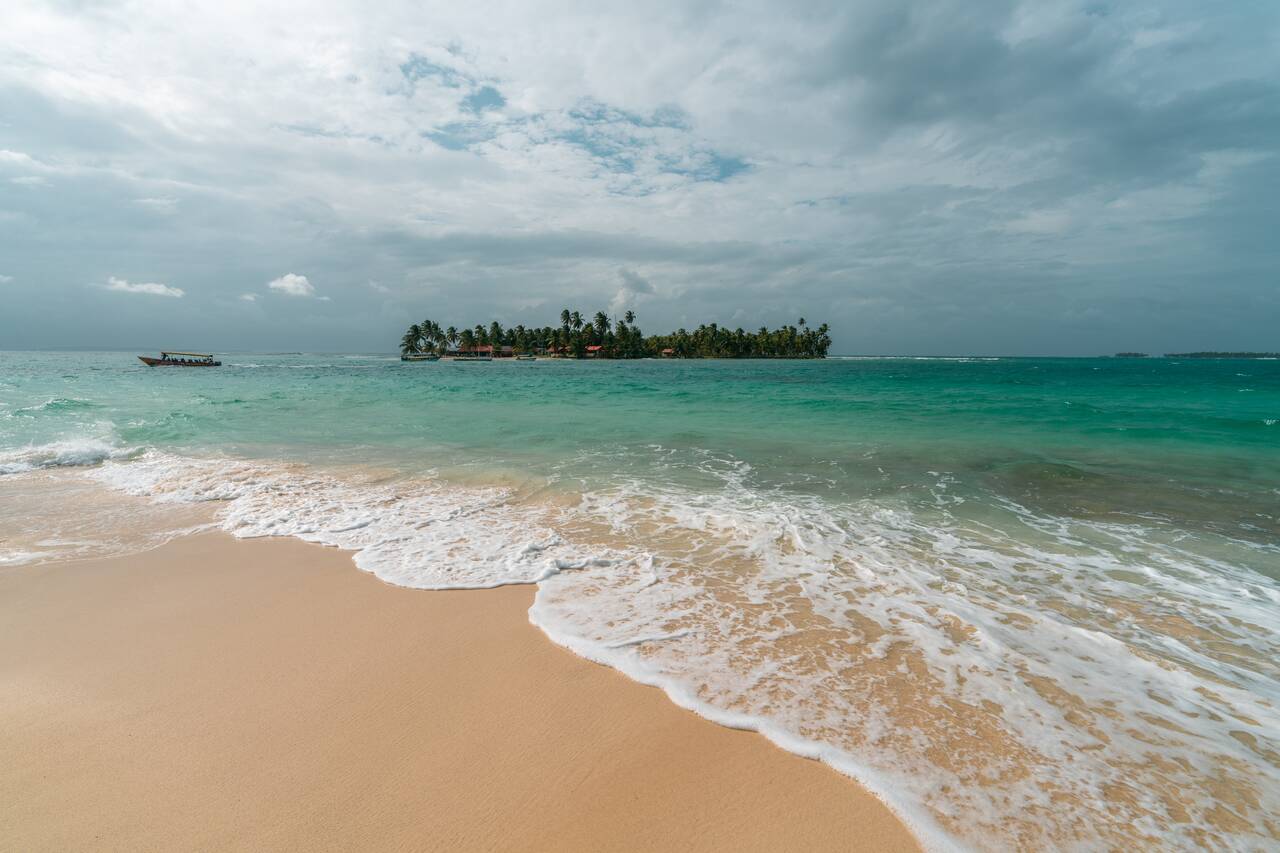
The islands are home to the Guna people, who manage and protect the region, and visiting here gives you a rare opportunity to experience their culture and way of life. Accommodation is very basic, usually in small beachfront huts, but that is part of the charm. There is no luxury here, just nature at its most beautiful.
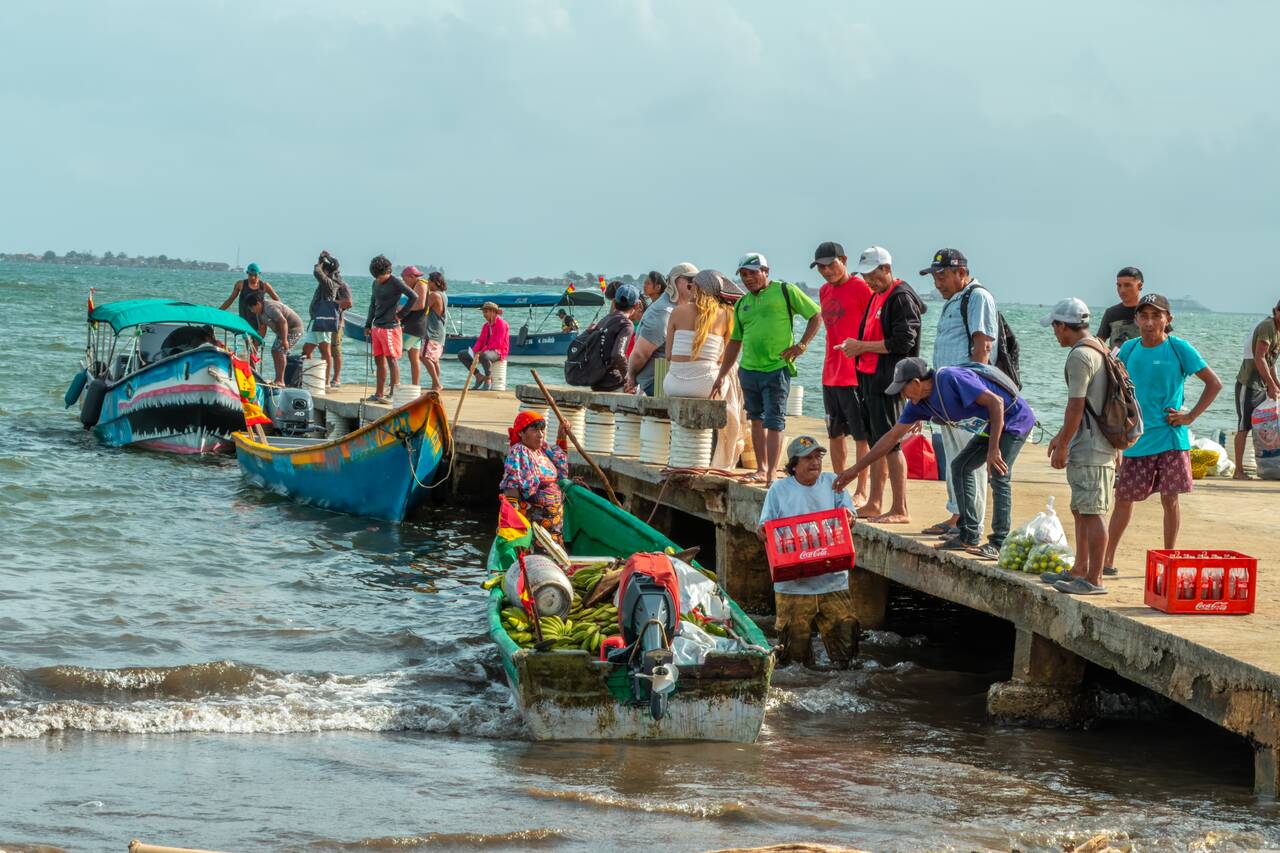
To get there, you will need to book an organized tour prior to your arrival, and one of the most well-known companies offering these trips is San Blas Dreams, which I also used. They offer a variety of trips and itineraries you can choose from. I highly recommend spending 2 to 3 days on Chichime Island, a larger and more remote island in San Blas with fewer people and stunning beaches.
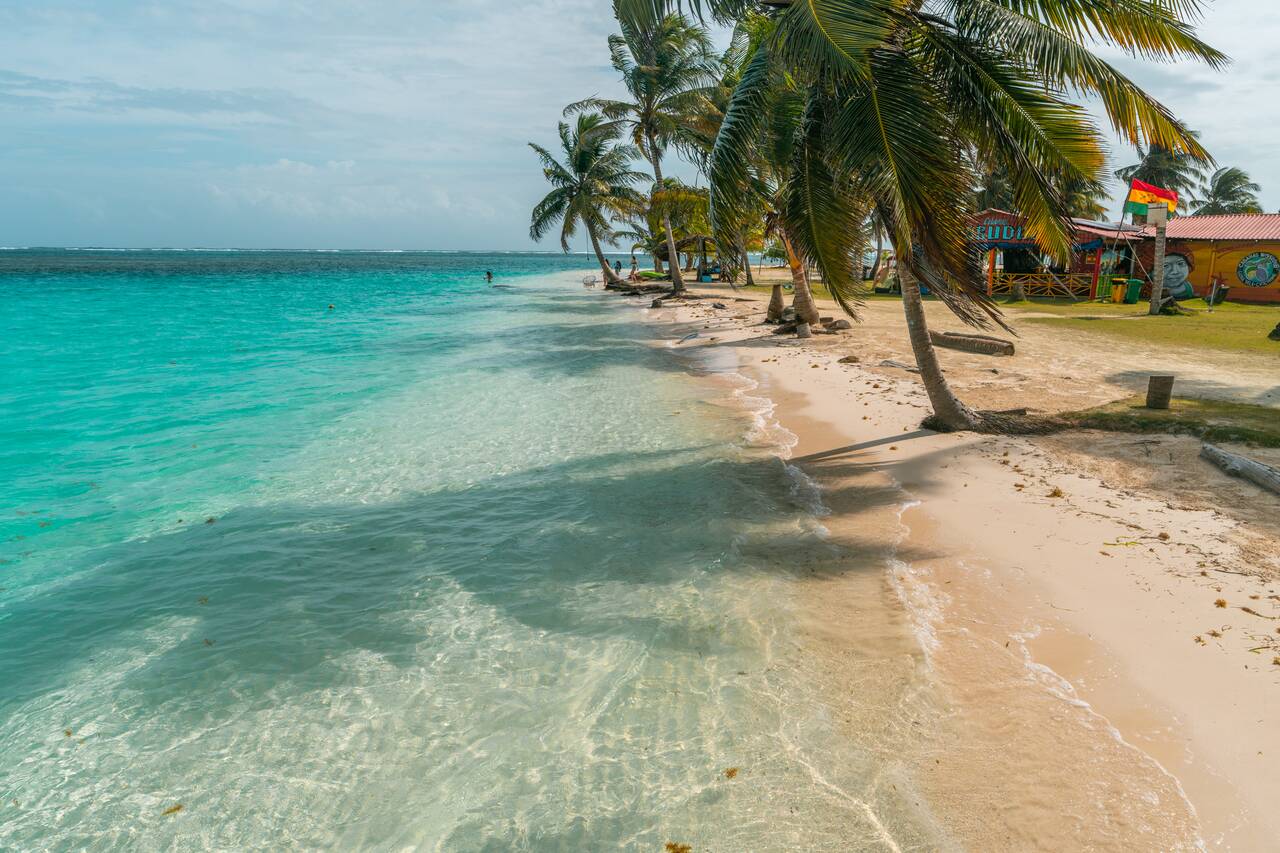
Other popular islands you can choose to spend the night on include Isla Diablo, Isla Perro, and Isla Iguana, which are smaller and closer to the coast and may cost a little less to visit. However, from what I saw, these islands can feel quite crowded, whereas Chichime is larger and more spread out, so it feels more like a private island experience compared to the others.
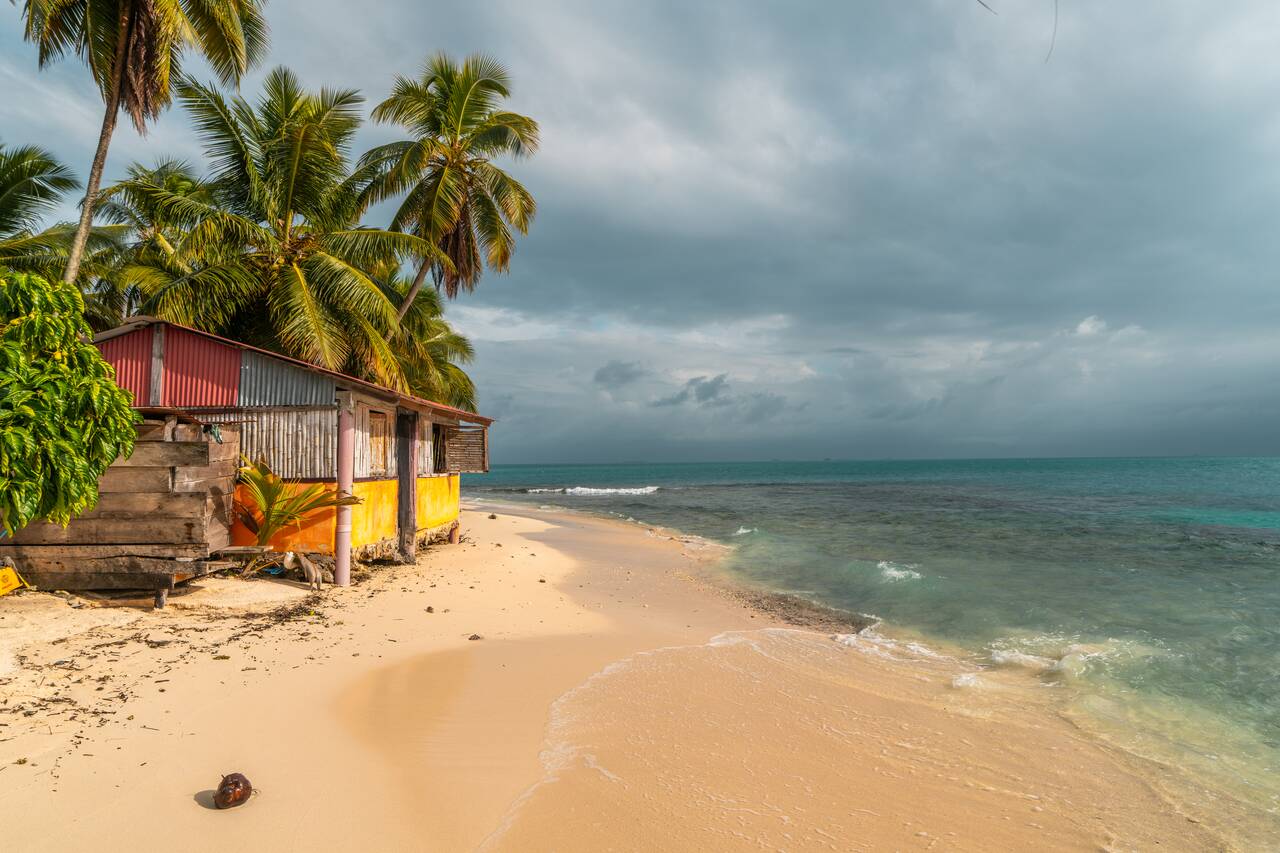
Most trips include car transfer from Panama City (at an additional cost) to the pier, as well as boat transfers from the pier to the island of your choice. The tour usually includes all meals on the island, while drinks are typically extra, including drinking water. If you don’t want to pay extra, make sure to bring a few bottles of water with you just in case. There is no running water on these islands.
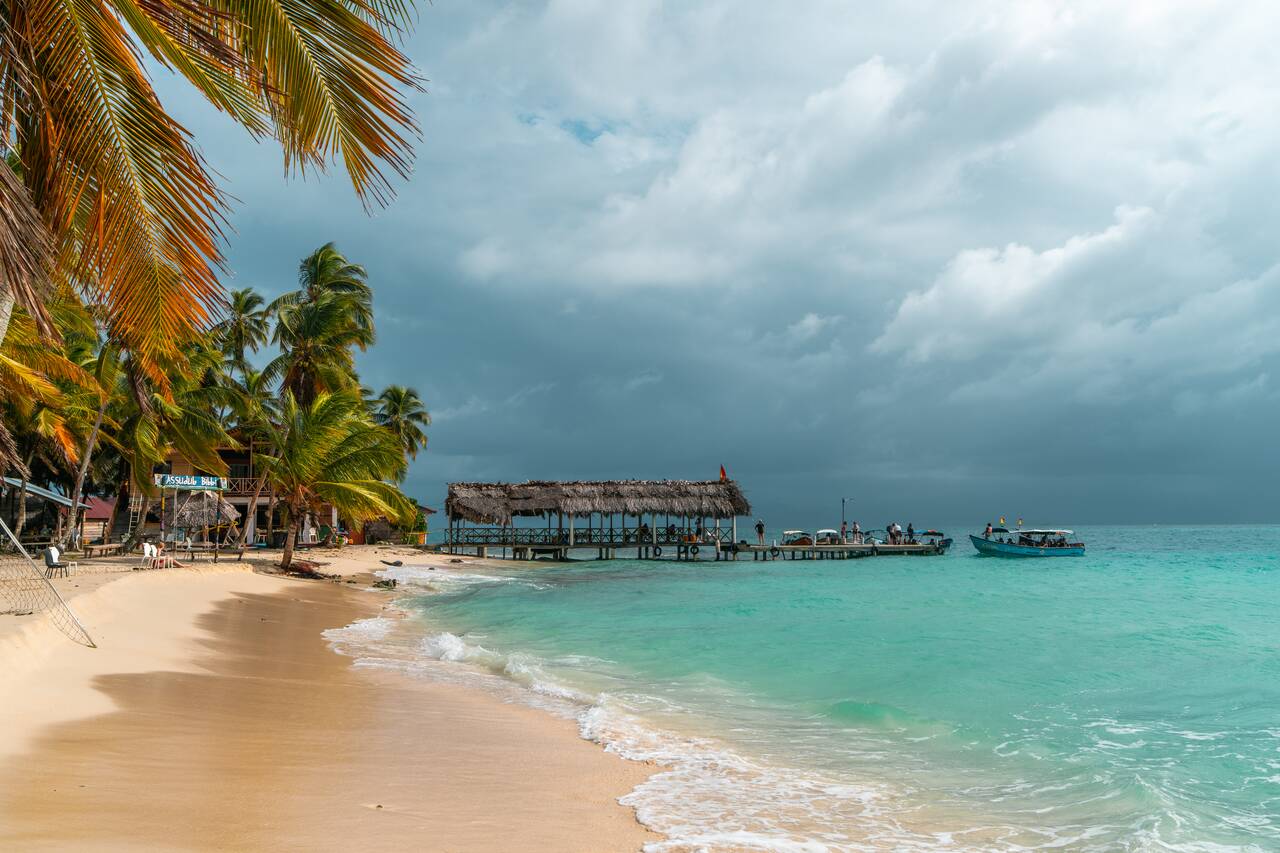
Keep in mind that the trip will depend entirely on the weather, and if conditions are deemed unsafe, tours may be canceled. In fact, when I arrived in Panama City, the taxi driver told me that San Blas had been canceled for the entire week prior due to bad weather.
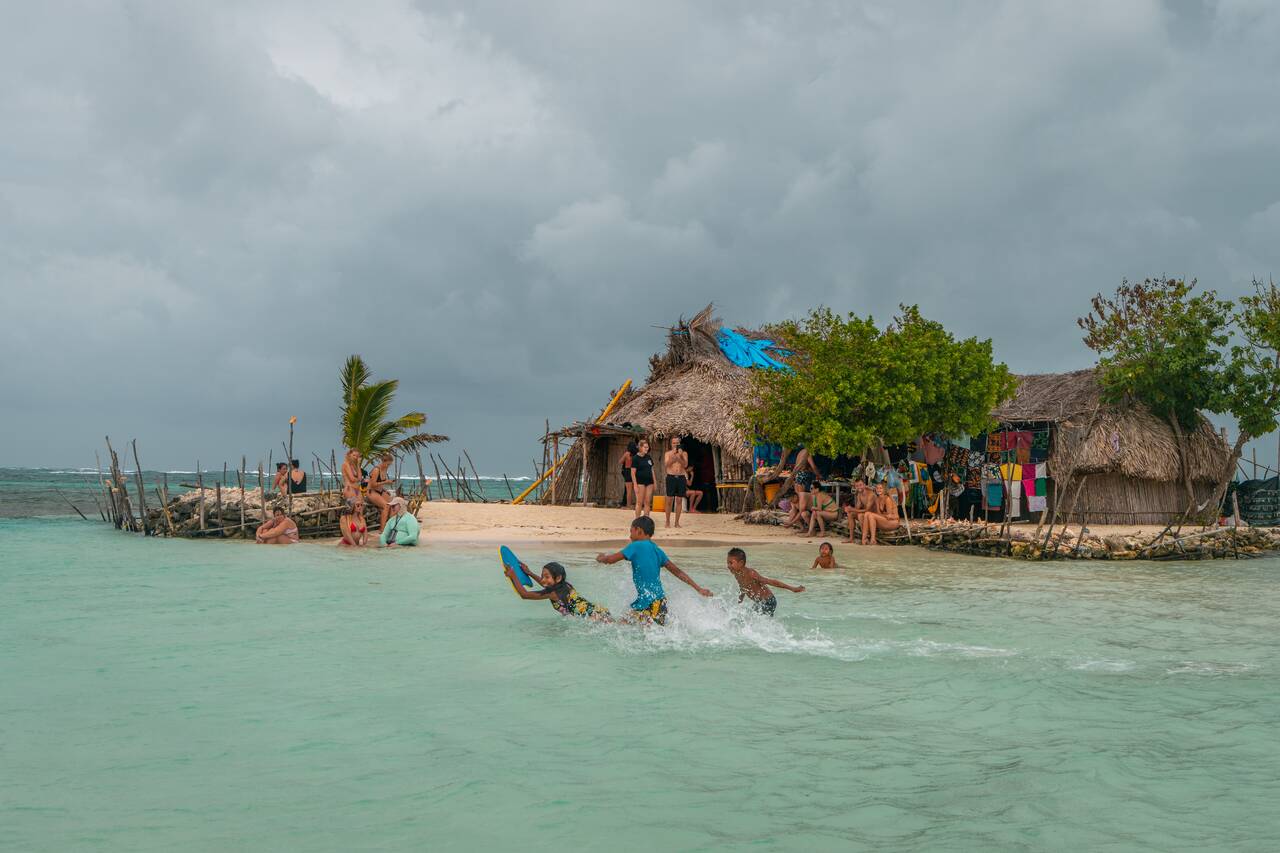
During the day, you will go on boat trips and visit smaller islands in the area like Isla Diablo, Isla Perro, and Isla Mynor, a natural pool where the water is so shallow that you can walk to the island in the middle of the ocean. It was awesome.
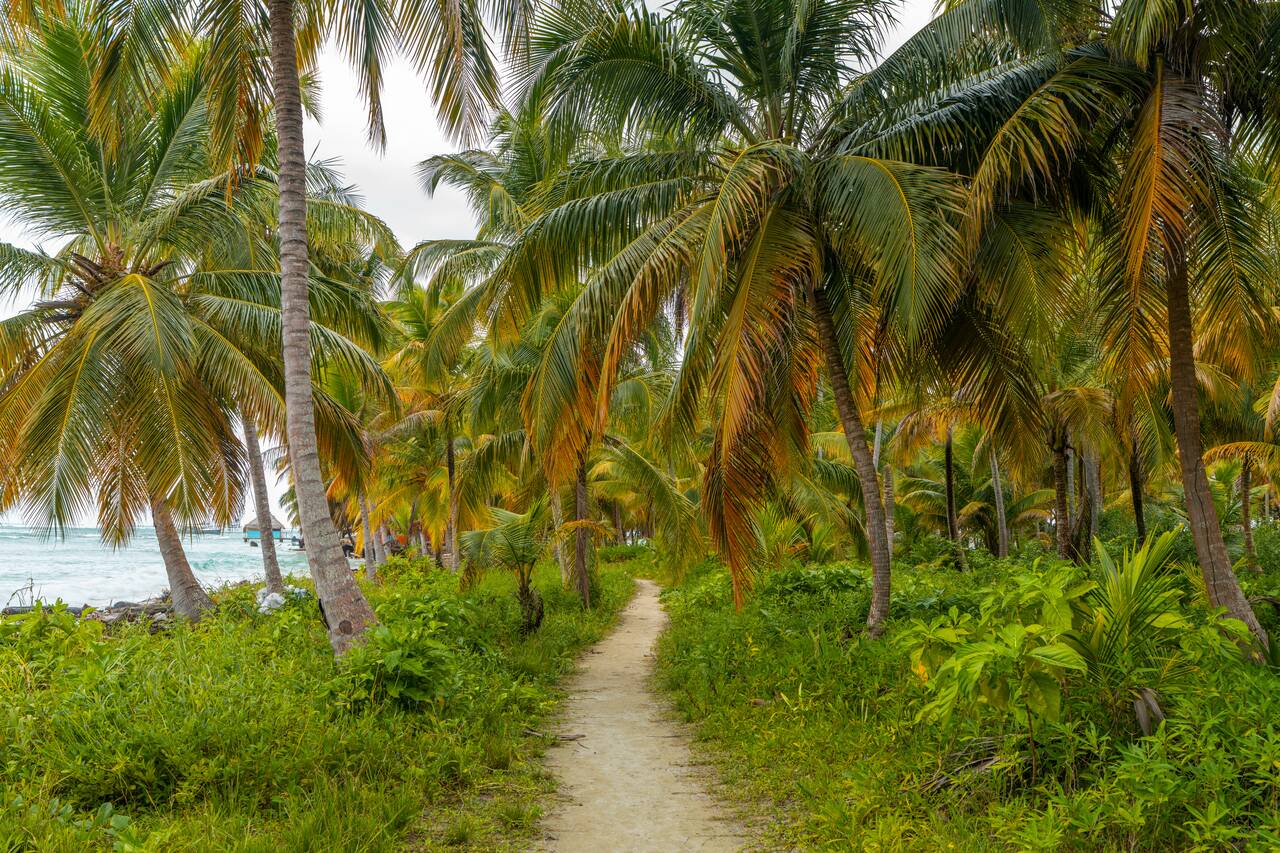
After spending 2 nights in San Blas, you will be picked up by the speedboat from your island around 8 AM and take the same route back to Panama City, arriving around midday or early afternoon. From there, you can continue this itinerary to your next destination, El Valle de Antón. The instructions on how to get there are in the next section below.

Where to Stay in San Blas Islands?
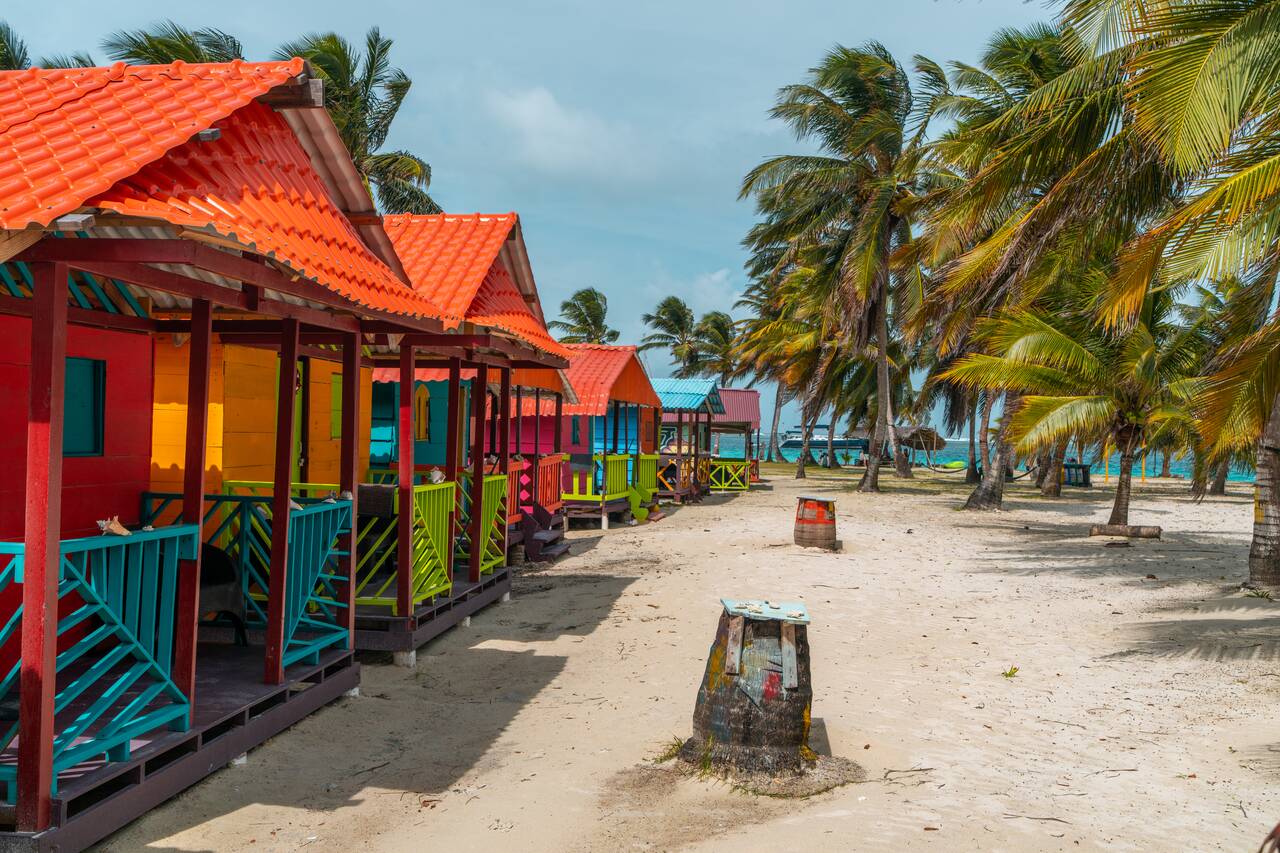
Accommodation in San Blas is spread across many different islands, each offering a slightly different experience. Most places are simple beachfront cabins or huts managed by the local Guna people, with meals often included as part of your stay. Do not expect luxury resorts here. The appeal of San Blas is its pristine nature, crystal-clear water, and laid-back island lifestyle.
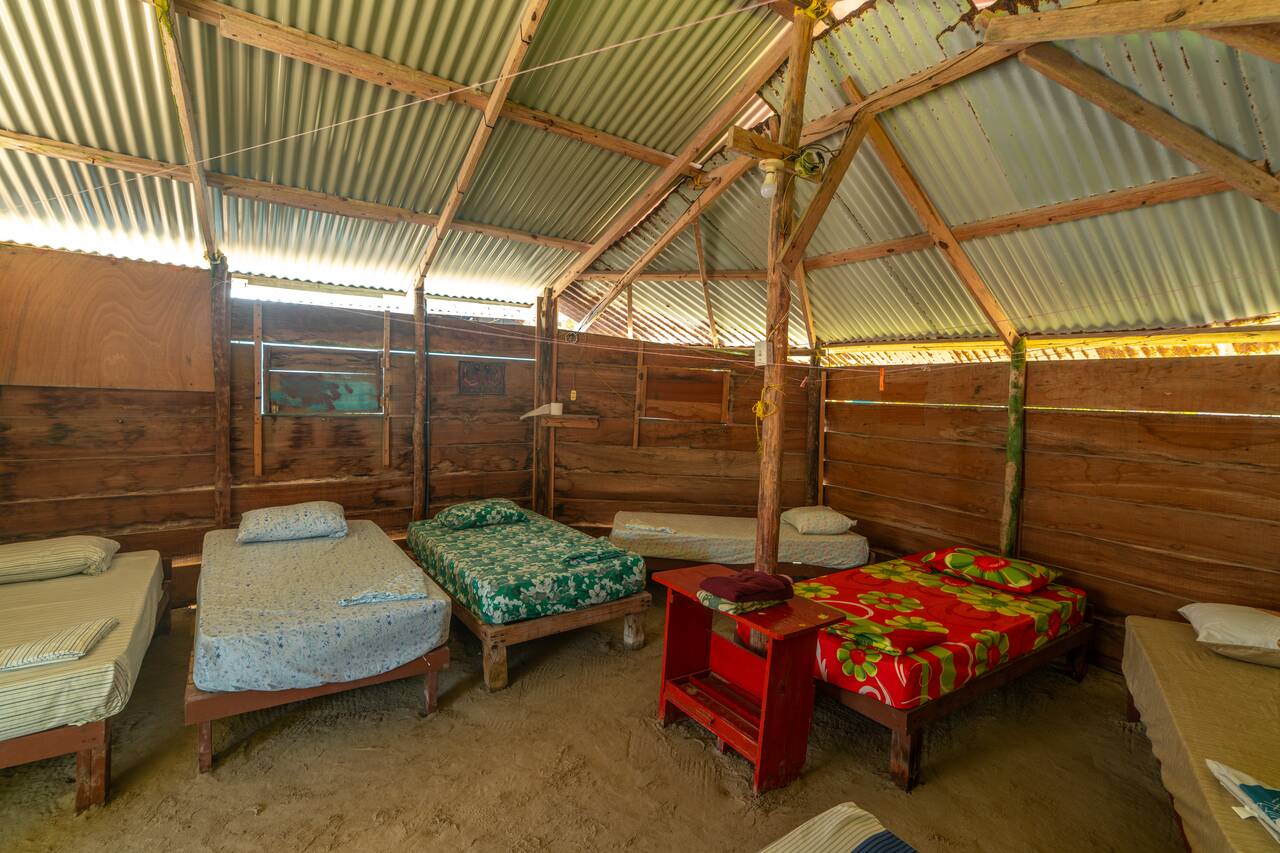
In my opinion, it is best to book your accommodation through an organized tour, as they can also arrange all the transportation logistics for you. Getting to the islands independently can be quite complicated, so booking accommodation separately through sites like Booking.com is not something I would recommend for most travelers. I went with San Blas Dreams, and the entire process was smooth from start to finish.
Getting from San Blas to El Valle de Anton

With the San Blas tour, you will likely be getting back to Panama City around midday or early afternoon, where you can then proceed to Albrook Bus Terminal and catch the bus to El Valle de Anton from there.
Buses run frequently throughout the day, usually every 30 minutes from early morning until late evening, and typically depart from platform #53. You will need to purchase your ticket at the B-21B kiosk before entering the platform and boarding the bus. At the time of my visit, the fare was $4.25 USD one way.
The trip takes around 2 hours, and tickets can only be purchased at the terminal using cash. Once on board, the driver will usually ask where you are staying and may be able to drop you off near your accommodation in El Valle. Unfortunately, this leg of the journey cannot be booked online.
Day 6 - 8: El Valle de Anton (3 nights)
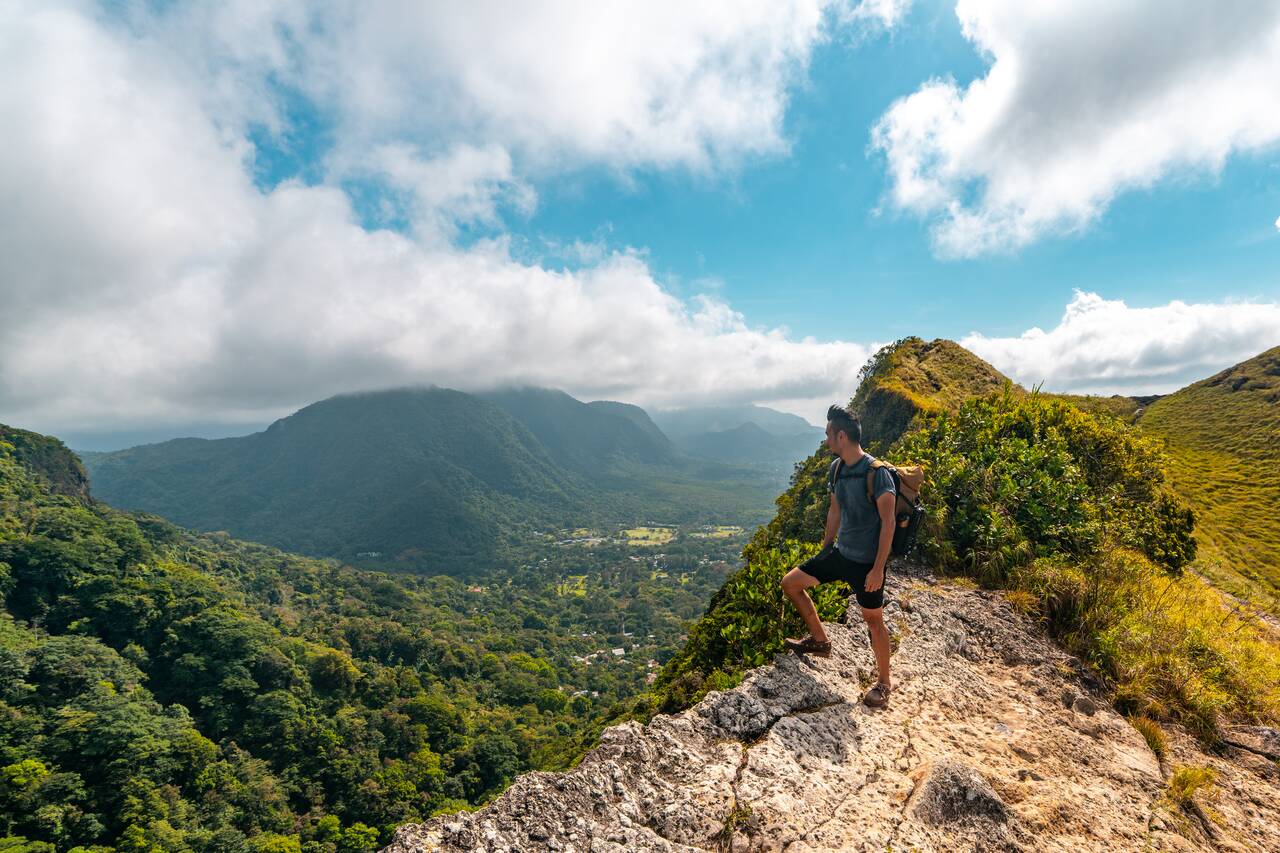
- 📍 Stay: Cabañas DondeJosé
- 🕐 Time: 3 nights
- 📖 Full Guide: A Guide to El Valle de Antón: Best Hikes, Itinerary & Travel Tips
El Valle de Antón is one of my favorite places in Panama, and if you love hiking, you are going to love it too! With its easily accessible hiking trails, rewarding viewpoints, cooler mountain weather, and the laid-back atmosphere that seems to define the entire town, El Valle is the perfect halfway point between Panama City and the western region of the country. It is also a great place to escape the humid tropical climate and enjoy a few relaxing days surrounded by nature.
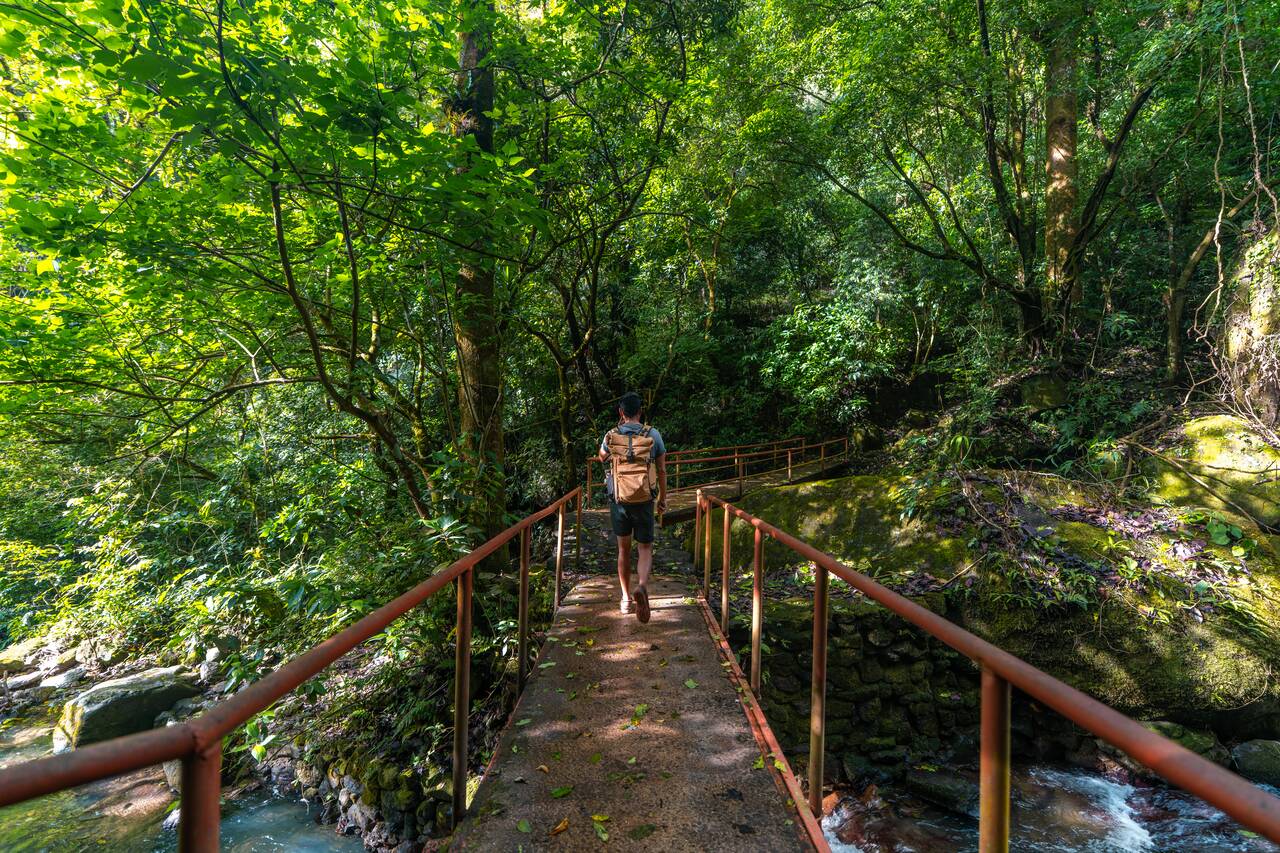
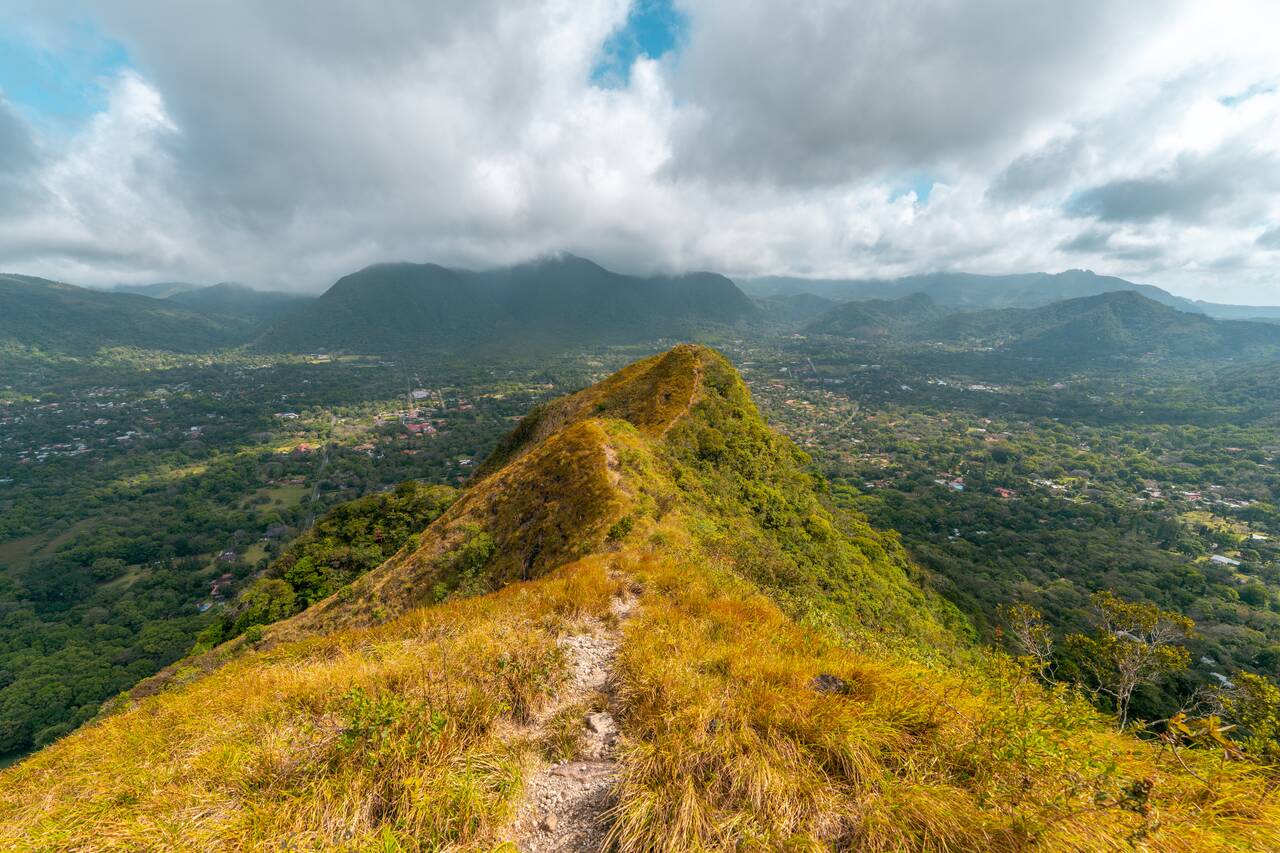
First order of business on your first day in El Valle de Antón, we are going to hike La India Dormida Trail. Named after a mountain ridge that resembles a sleeping indigenous woman, this is the most famous hike in the area and has some of the best views of the valley and the surrounding mountains.
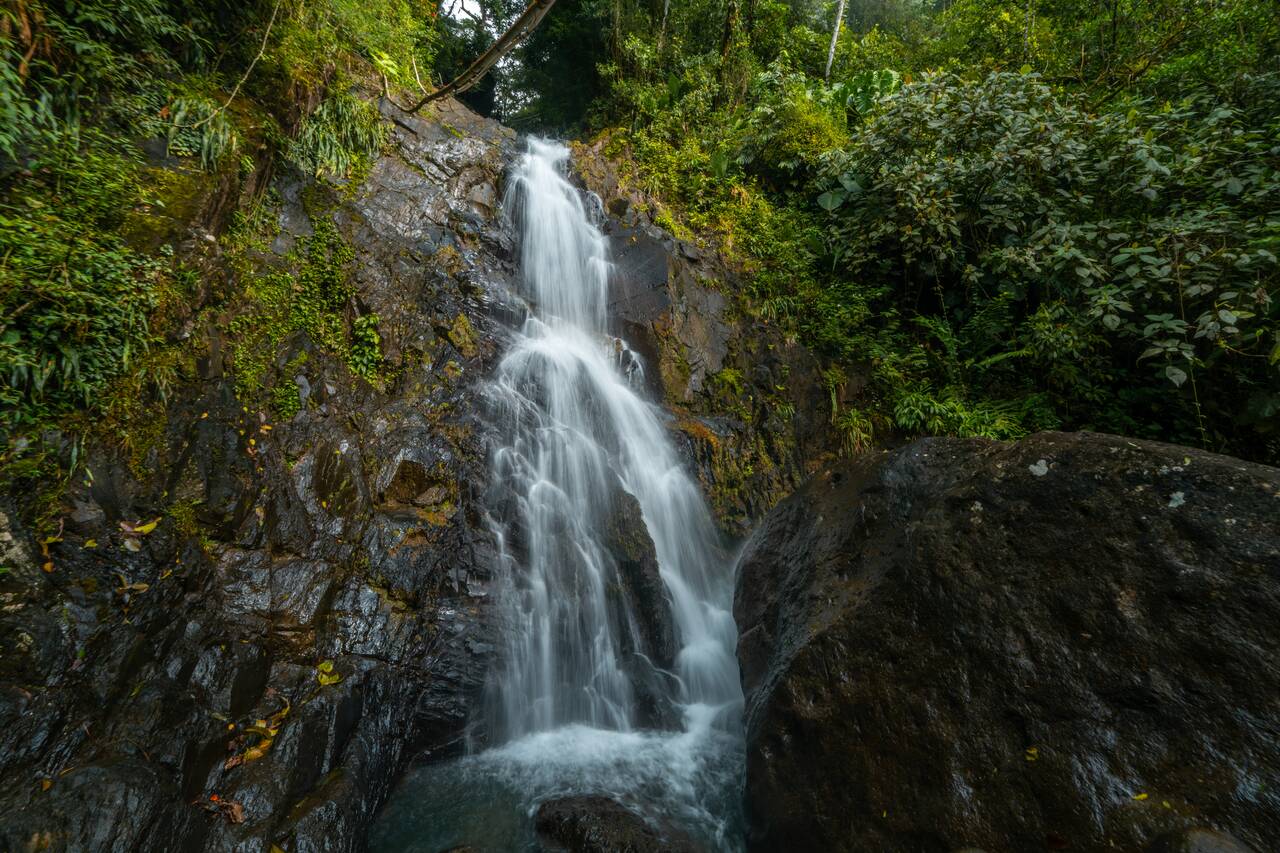
Along the way, you will also come across Chorro Los Enamorados and Chorro Salto del Sapo, two beautiful waterfalls located right along the hiking trail, so be sure to keep an eye out for them.
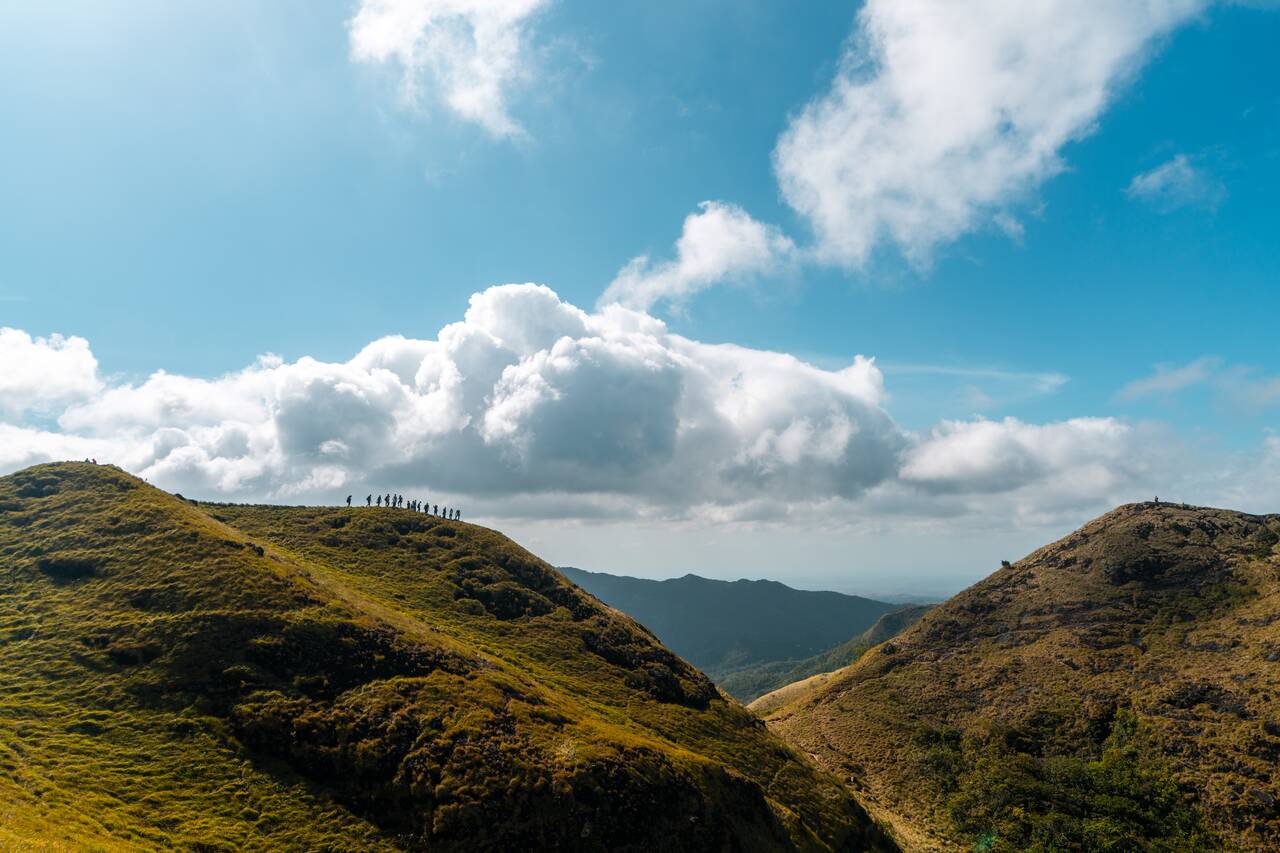
The hike typically takes around 3 hours round trip, depending on your pace, which way you want to hike down, and how much time you spend at the viewpoints. If you want to hike down the same way, it should take about 3 hours, while if you want to take the scenic way down from Vista del Cerro. For this itinerary, we are going to take the scenic way down.
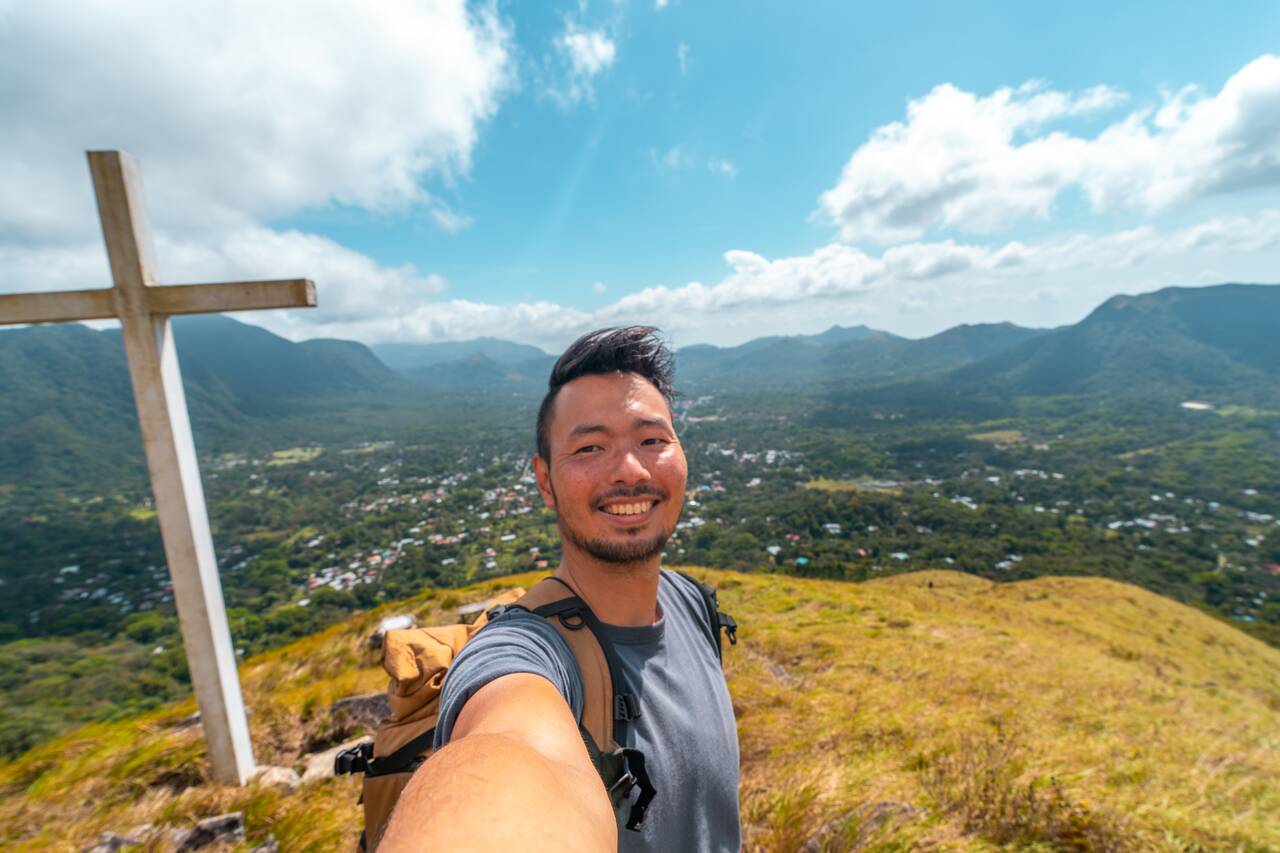
Once you reach the summit of La India Dormida, you have two options for the descent. You can either return the same way you came, which is a good option if the weather turns, or continue along the ridge and descend via the Cross Viewpoint, which is the route I recommend if the weather is good. I would not attempt this route during rainy weather, as it is very steep and requires scrambling over wet rocks, which can be dangerous. If it starts raining, it is best to return the way you came.
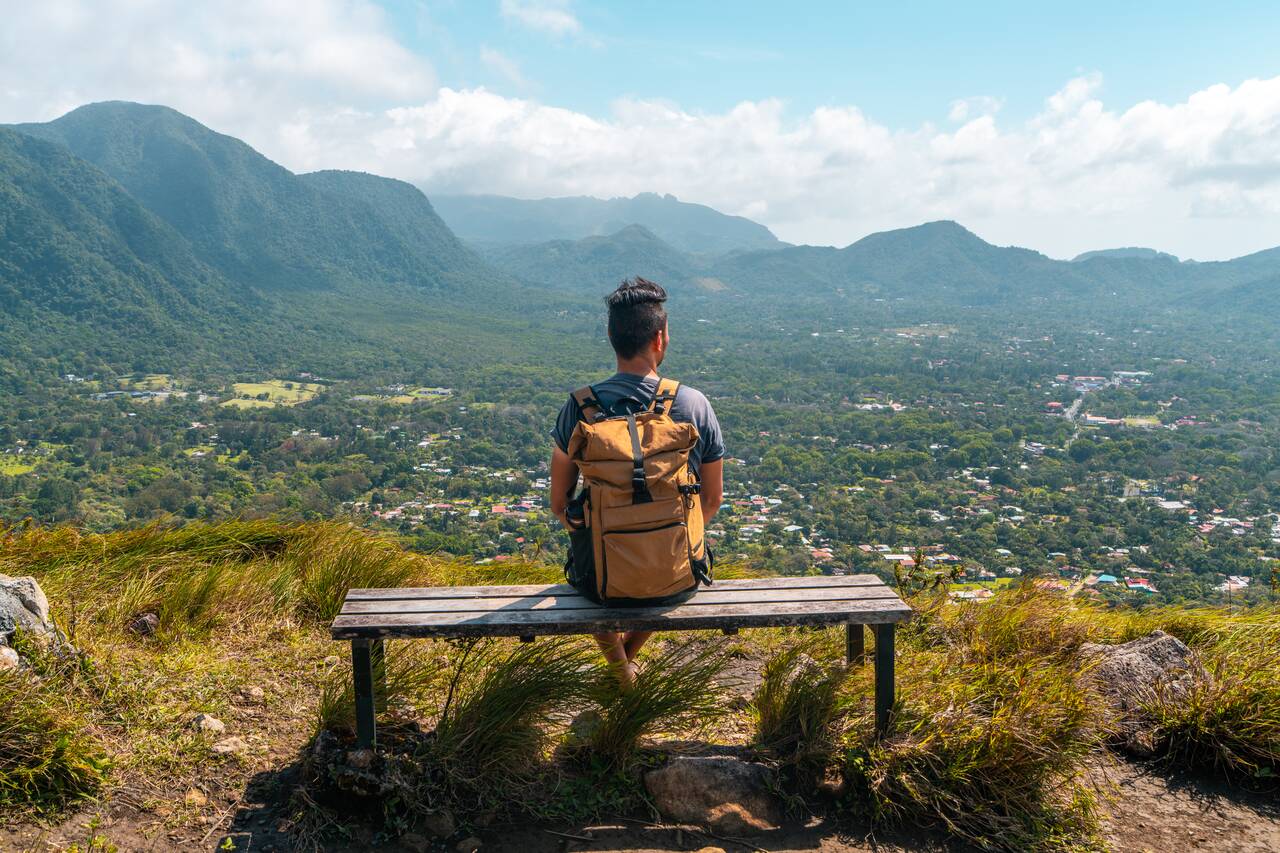
It should take around 1.5 hours in total to get from the summit of La India Dormida to this spot in El Valle via Vista del Cerro. From there, it is about a 20-minute walk back to the town center, completing the La India Dormida hike. You can rest for the day, or go and visit a few attractions in El Valle town or leave them for tomorrow.
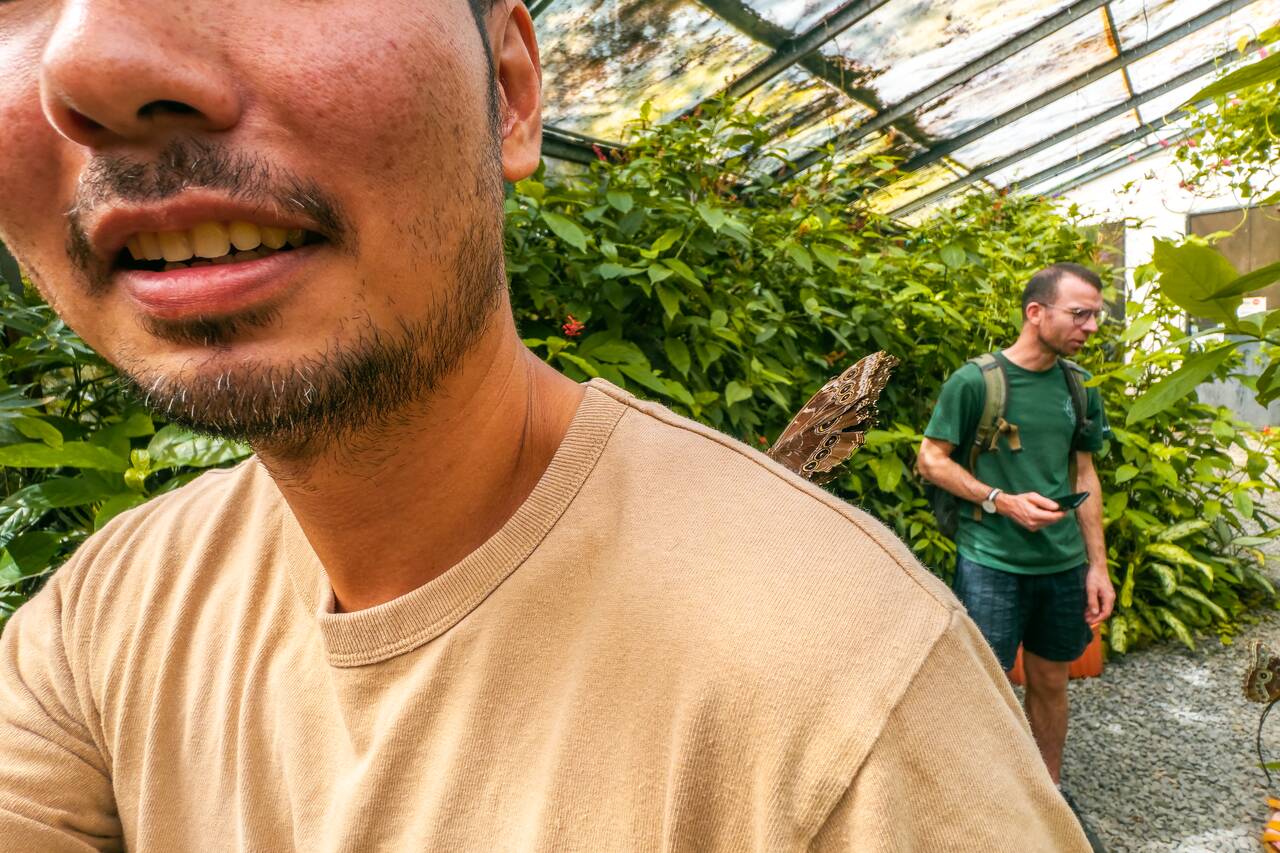
Some of the attractions worth visiting in town include El Valle Market, the town's colorful local market located in the heart of El Valle, where you can wander around and browse local handicrafts and produce. You can also visit Butterfly Haven, a small butterfly sanctuary where you can observe dozens of colorful butterfly species flying freely in a tropical garden setting, and more.
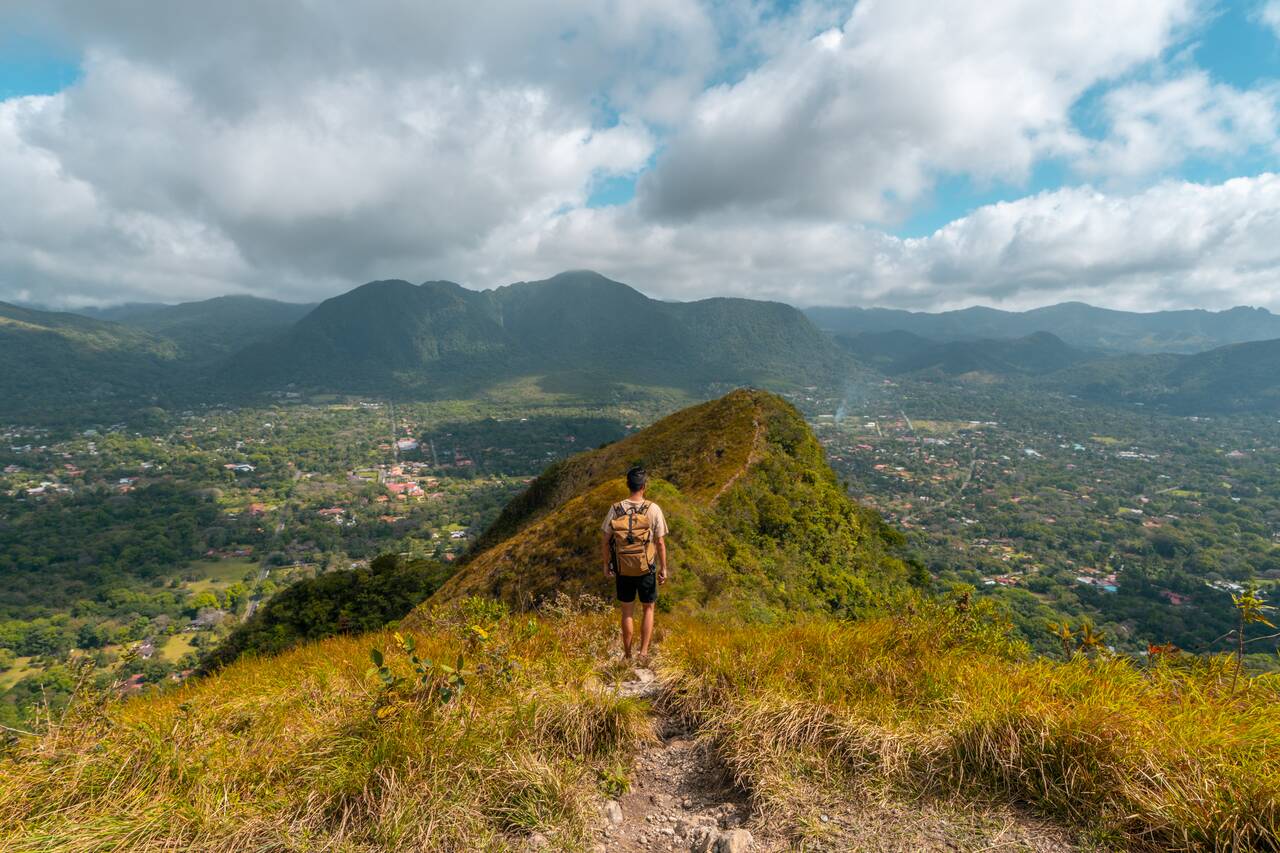
The next day, you can either tackle another hike or visit some of the attractions I mentioned above. If you are up for another adventure, spend the day hiking Cerro Cara Iguana, the iconic peak towering over El Valle that can be seen from almost anywhere in town.
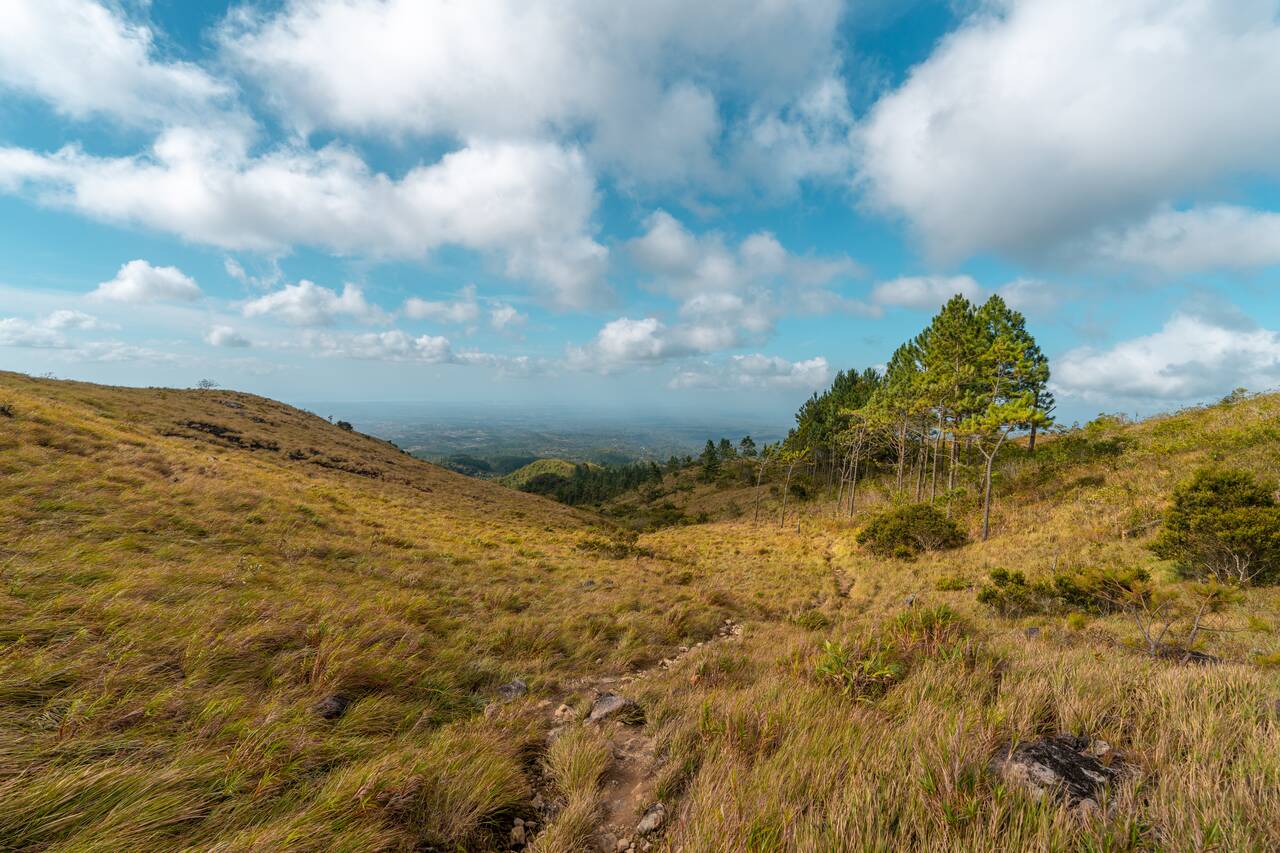
The hike begins just outside of town here. You can either take a taxi directly to the trailhead or walk there from the town center, which takes about 1 hour. From the trailhead, it should take around 20–30 minutes to reach the summit. It is a short and straightforward hike.
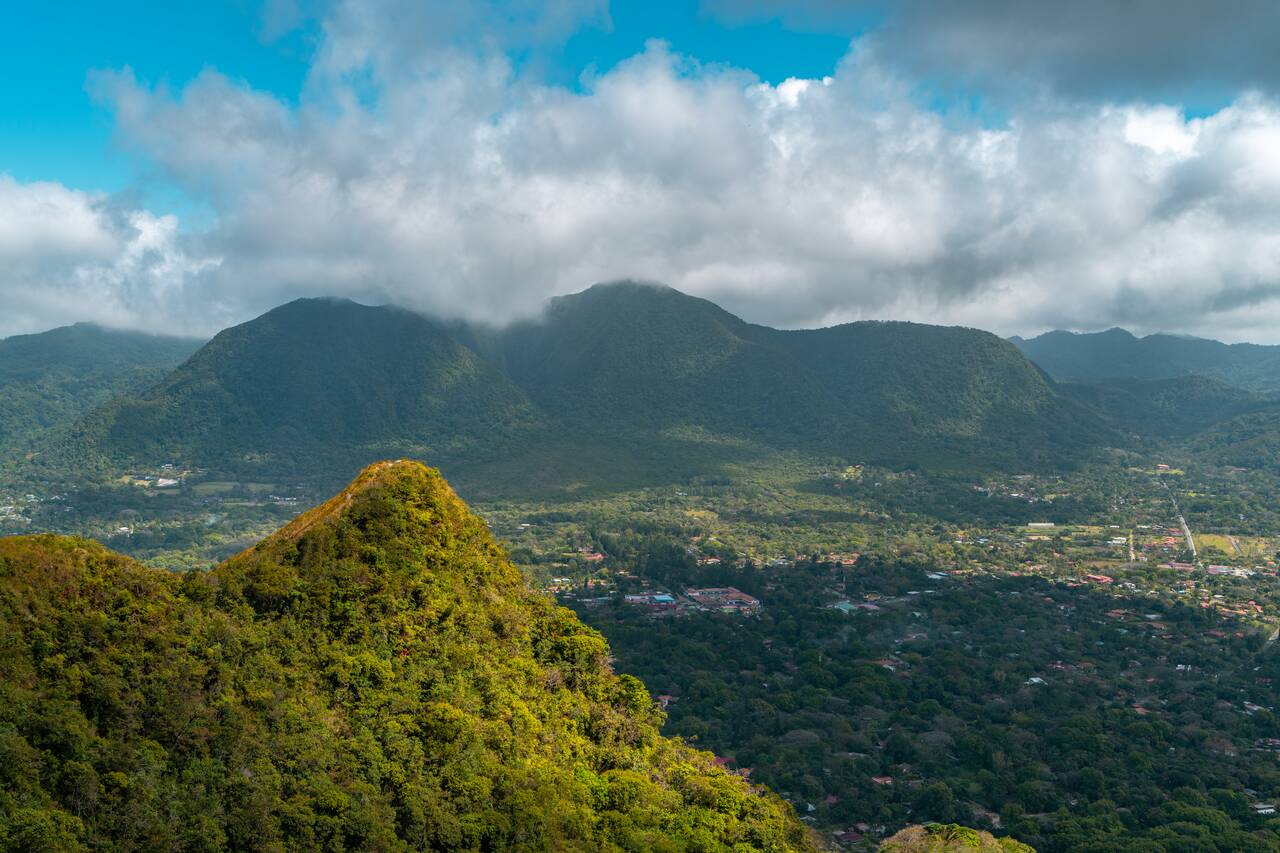
Once you are done at the summit, you can continue hiking along the ridge and descend via this trailhead. Personally, I found the extra section to be less rewarding. The views remain largely the same throughout the ridge walk, the trail is not particularly well-marked in some areas, and I ended up getting lost a couple of times.
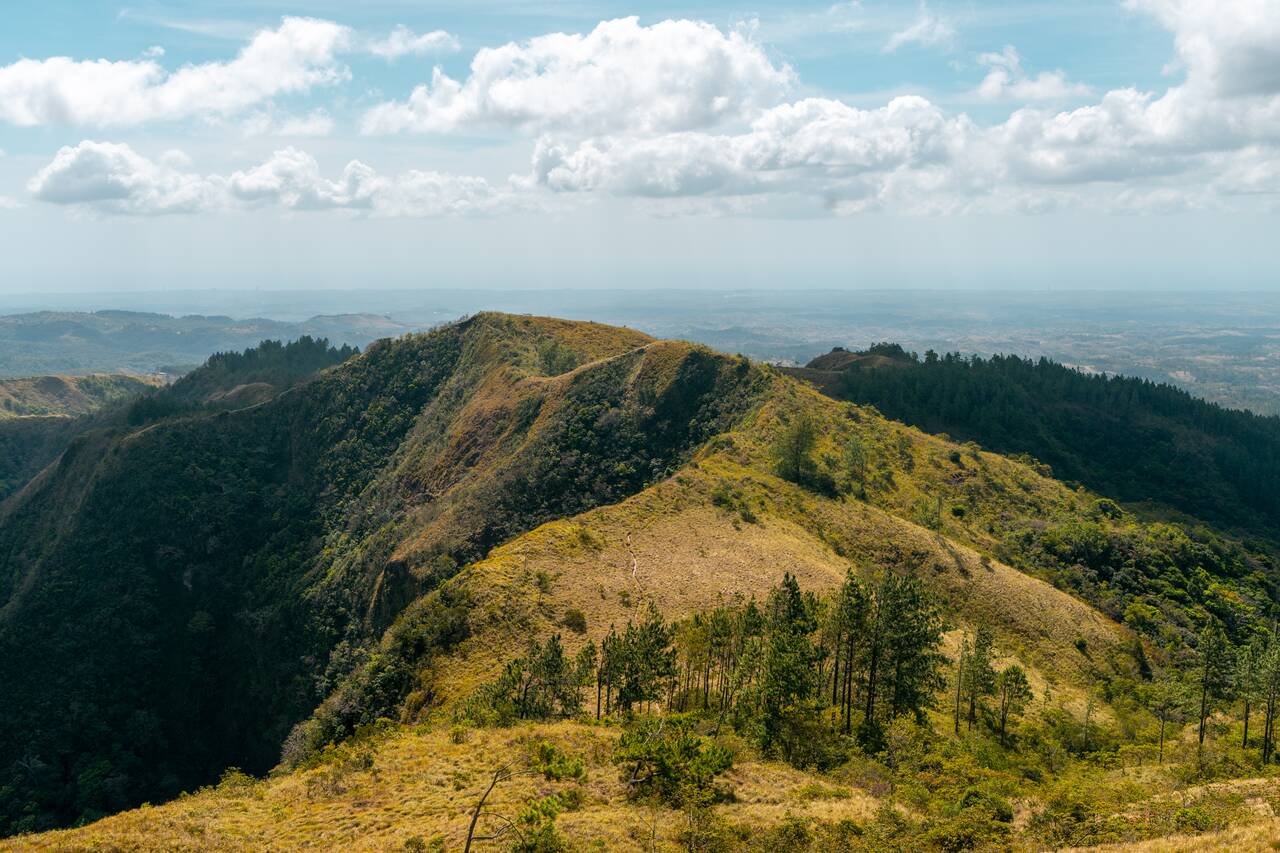
It also adds another 1 to 2 hours to the hike, which, in my opinion, is not worth the additional effort and risk. You might be better off returning the same way you came and rewarding yourself later with a refreshing dip at Pozos Termales, a natural hot spring located not far from the trailhead.
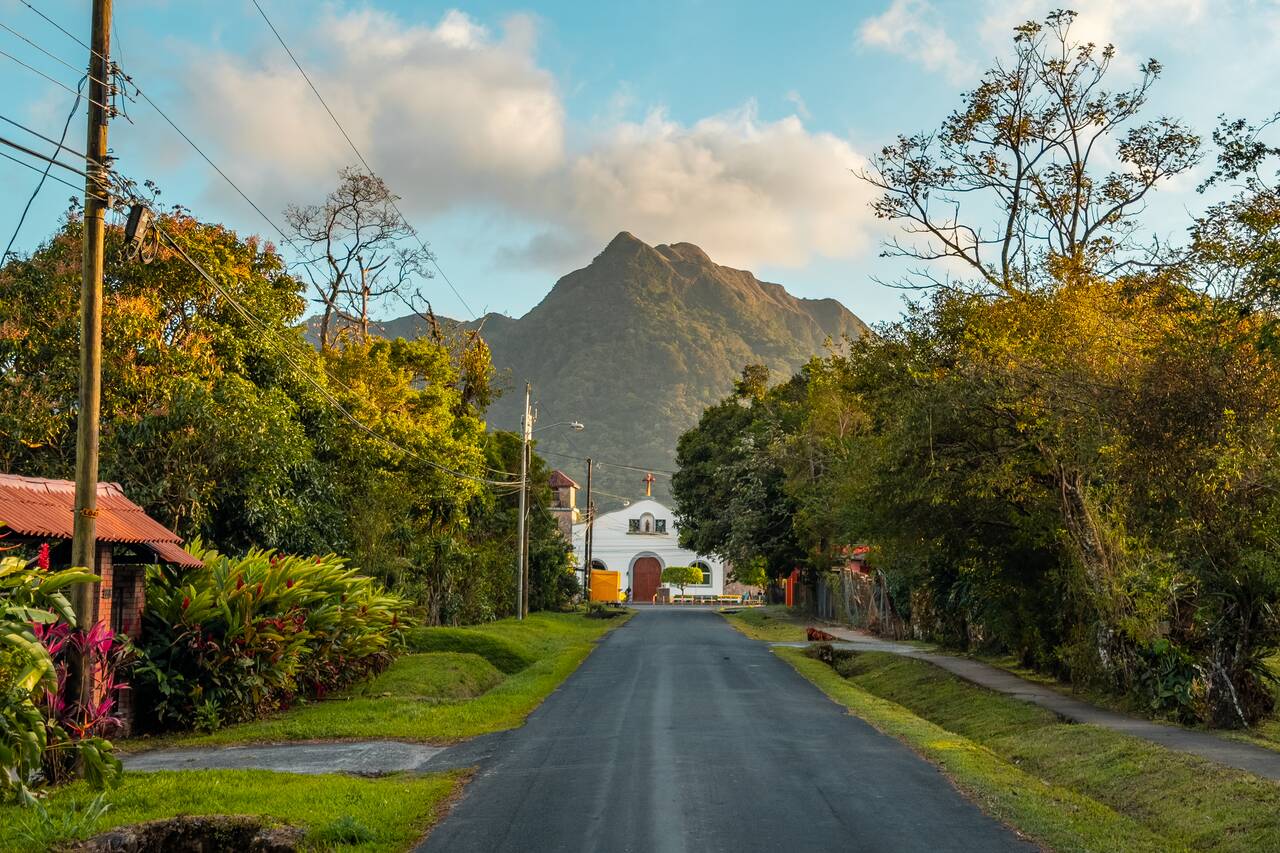
Whichever route you choose, you should be back in El Valle by the afternoon, giving you plenty of time to relax and enjoy the town before we spend the entire next day making our way to Boquete. The journey requires several transfers, so make sure to get a good night's sleep and start early around 8 AM if you want to arrive in Boquete by around 6 PM. It's going to be a long day!



Getting from El Valle de Anton to Boquete
Getting from El Valle de Antón to Boquete requires traveling through Santiago and David before catching a final bus to Boquete. It is essentially a full-day journey, so be sure to start early and prepare for a long day of travel.
First, you will need to catch a colectivo from the bus stop near El Valle Market heading east. You can take any colectivo labeled San Carlos or Las Uvas, as you will be getting off in Las Uvas, just before the road merges with the Pan-American Highway. This leg of the journey should cost around 2.50 USD and take 30 minutes. I suggest you start as early as 8 AM.
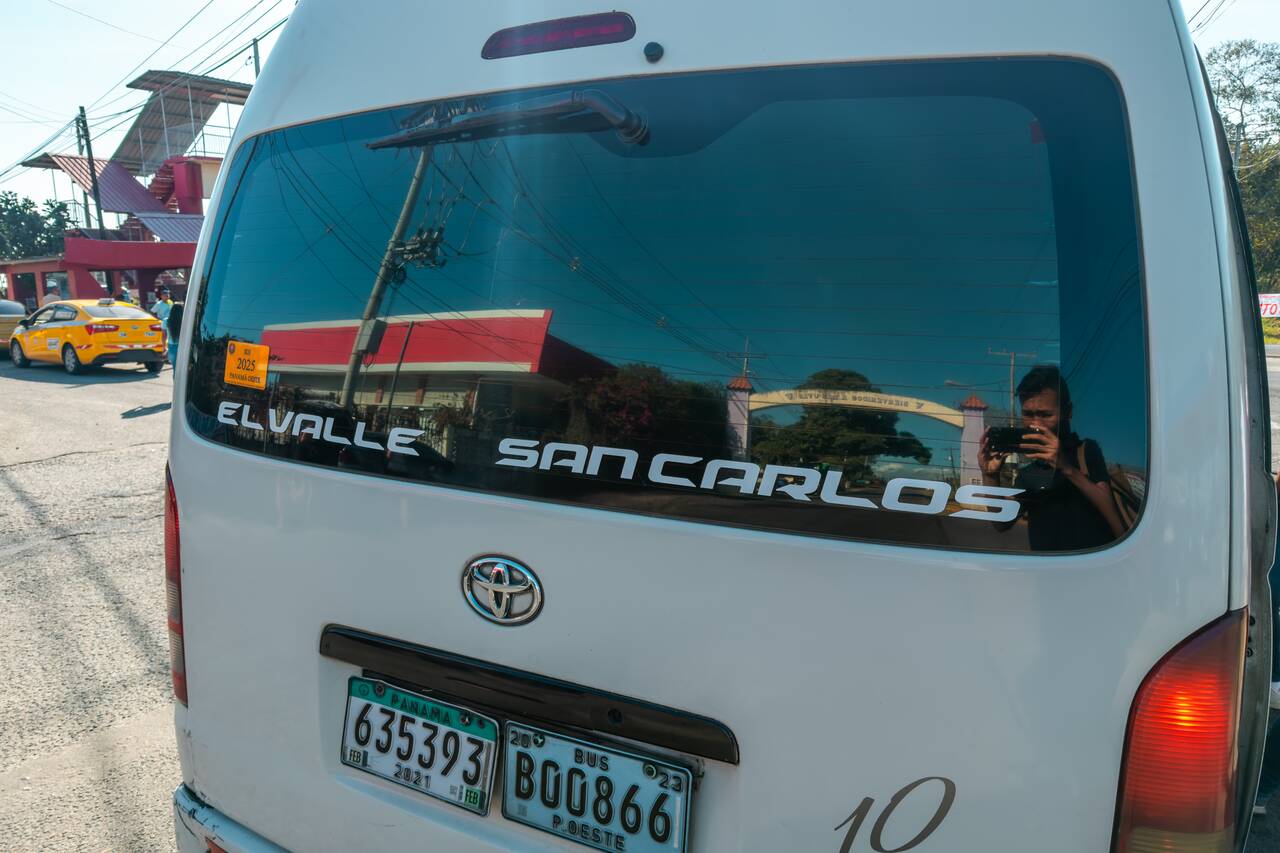
After getting off at Las Uvas around 8:45 AM, you can walk to this intersection and wait for a bus to Santiago. It should take about 20 minutes before one arrives. I heard there was a direct bus to David, but I didn't see any, so I took the Santiago bus instead. The journey should take around 2 hours and cost approximately 6.50 USD.
Once you arrive at the Santiago Bus Terminal, you can walk to the platforms at the back of the terminal by following the signs for David. Buses to David run roughly every hour from 4 AM to 7 PM daily, take around 4 hours, and cost 9 USD per person.
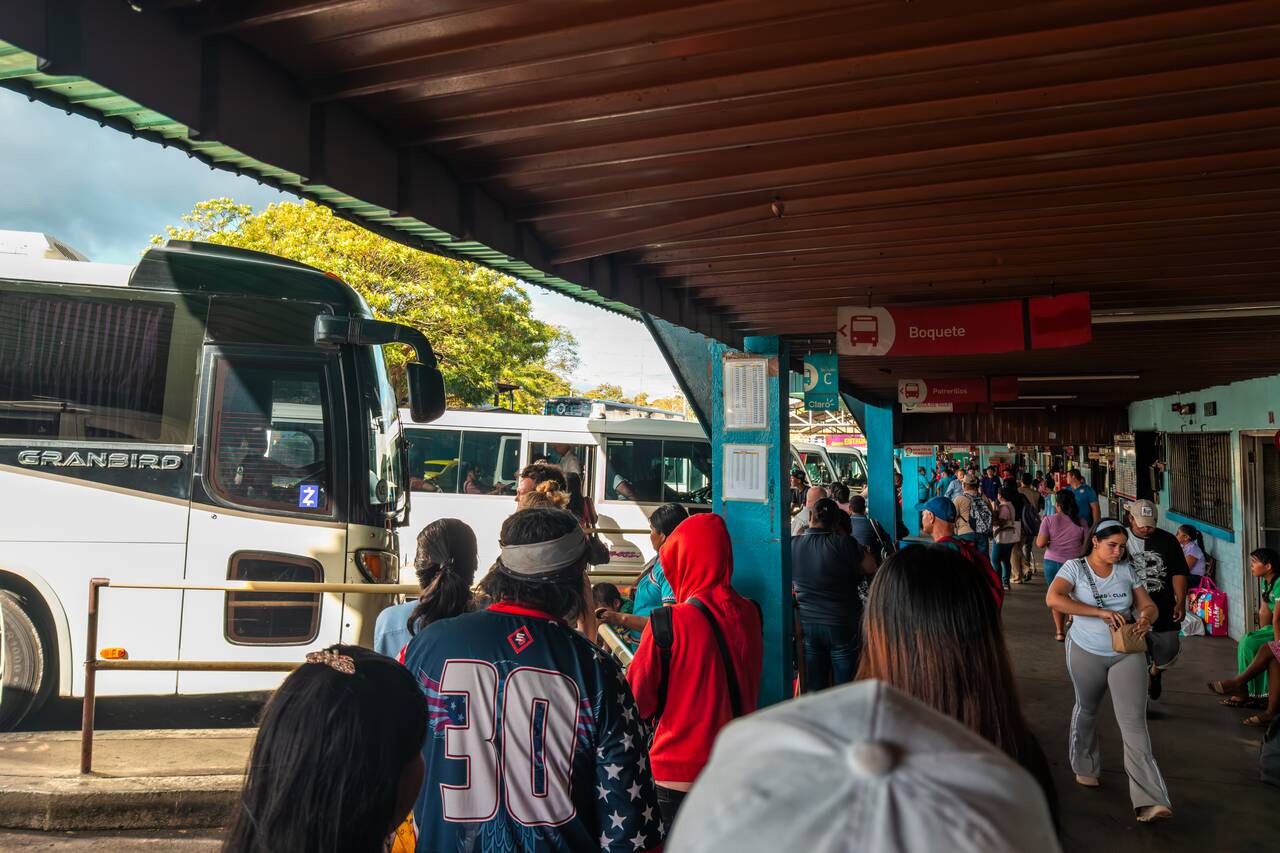
Once you arrive at the David Bus Terminal, head to the local bus section inside the terminal and catch a bus to Boquete. Buses usually run every 30 minutes, cost around 2 USD, and take about an hour to reach Boquete.
I left El Valle at around 8 AM and did not arrive in Boquete until almost 6 PM. I told you it was a long journey! 😅
Day 9 - 11: Boquete (3 nights)
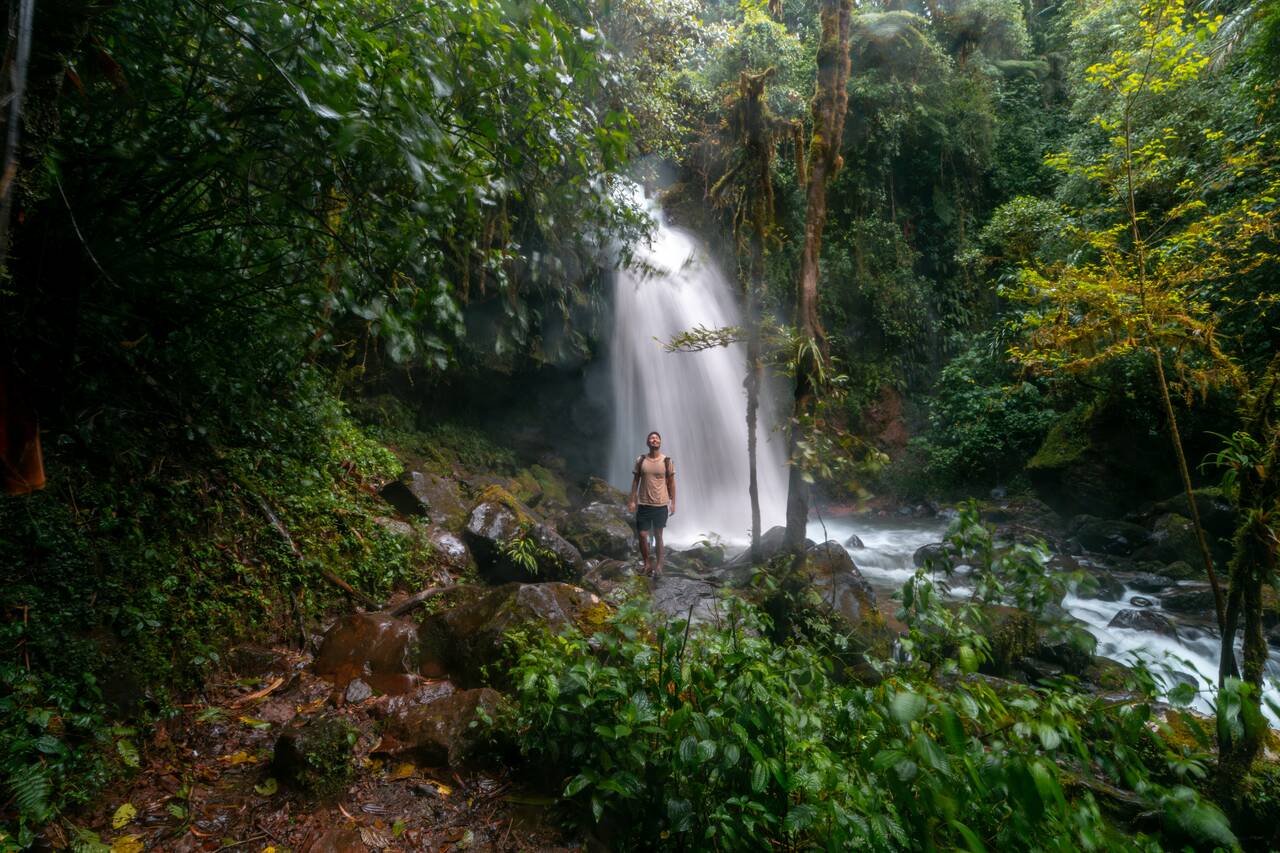
- 📍 Stay: ONDA Boquete
- 🕐 Time: 3 nights
- 📖 Full Guide: Explore Boquete: Best Hikes, Coffee Farms, Itinerary & Travel Tips
Next up, we are going to visit Boquete, another incredible hiking destination in Panama that you should not miss. While El Valle offers some of the most accessible hiking trails in the country, Boquete more than makes up for it with its incredible variety of landscapes, from cloud forests and waterfalls to volcanic peaks and coffee-covered hills.
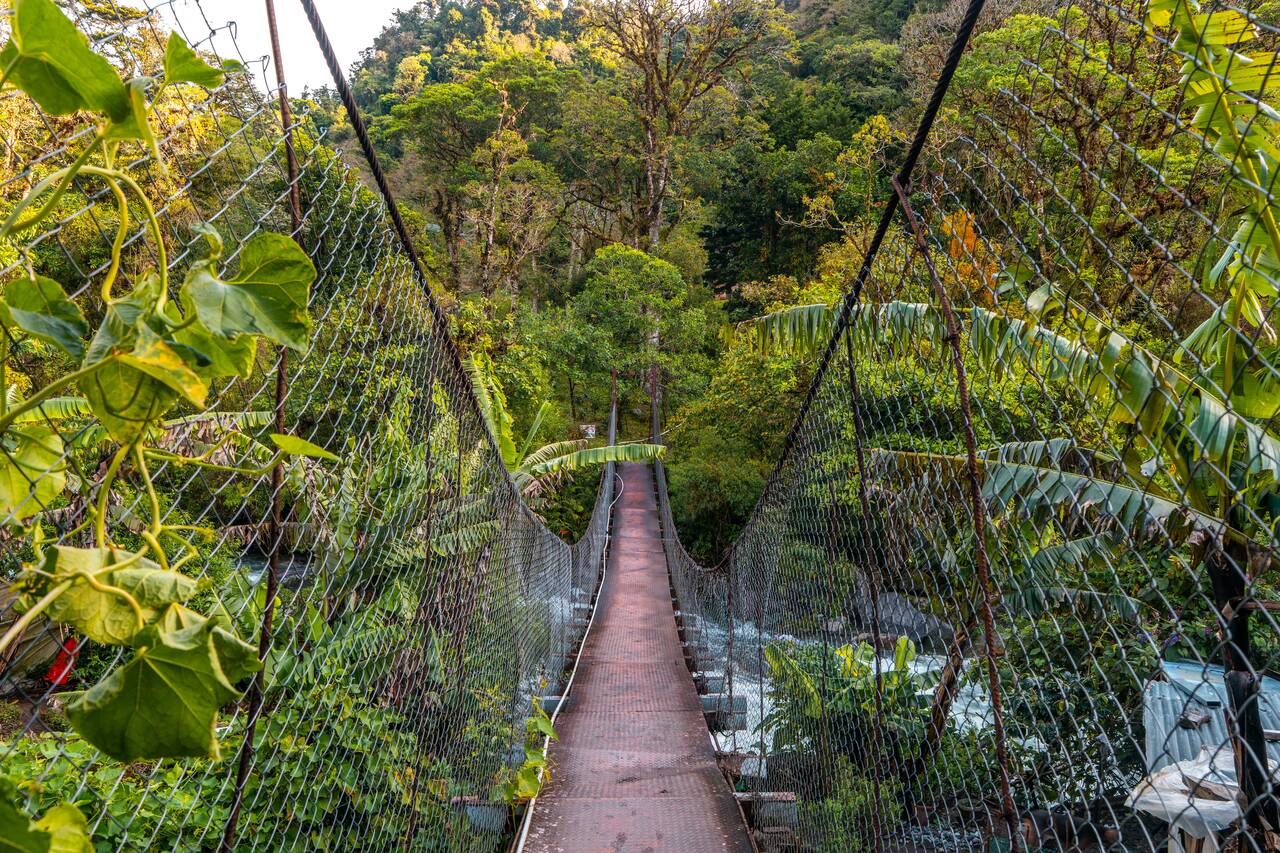
On your first day, we are going to hit the ground running and go hike 3 Waterfalls Trail, also known as the Lost Waterfalls Trail, one of the most popular hikes in Boquete and easily one of my favorites. The trail takes you deep into the cloud forest, crossing streams, climbing steep staircases, and passing three beautiful waterfalls hidden among the dense vegetation.
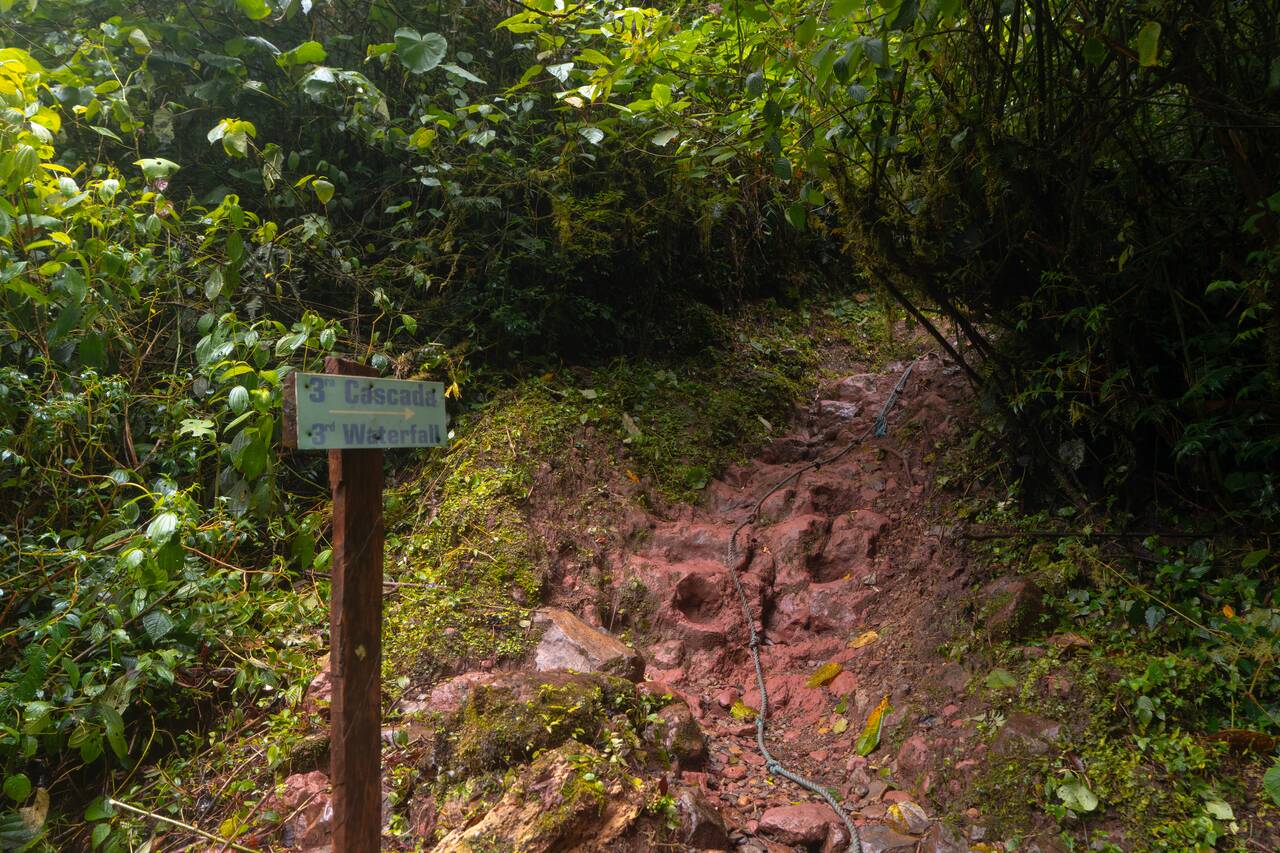
The hike is not particularly long, but it is not an easy walk either. You will be climbing steep trails, often in slippery and muddy conditions. Due to how dense the forest is, parts of the trail can remain damp throughout the day, especially in the morning, so be sure to watch your step.
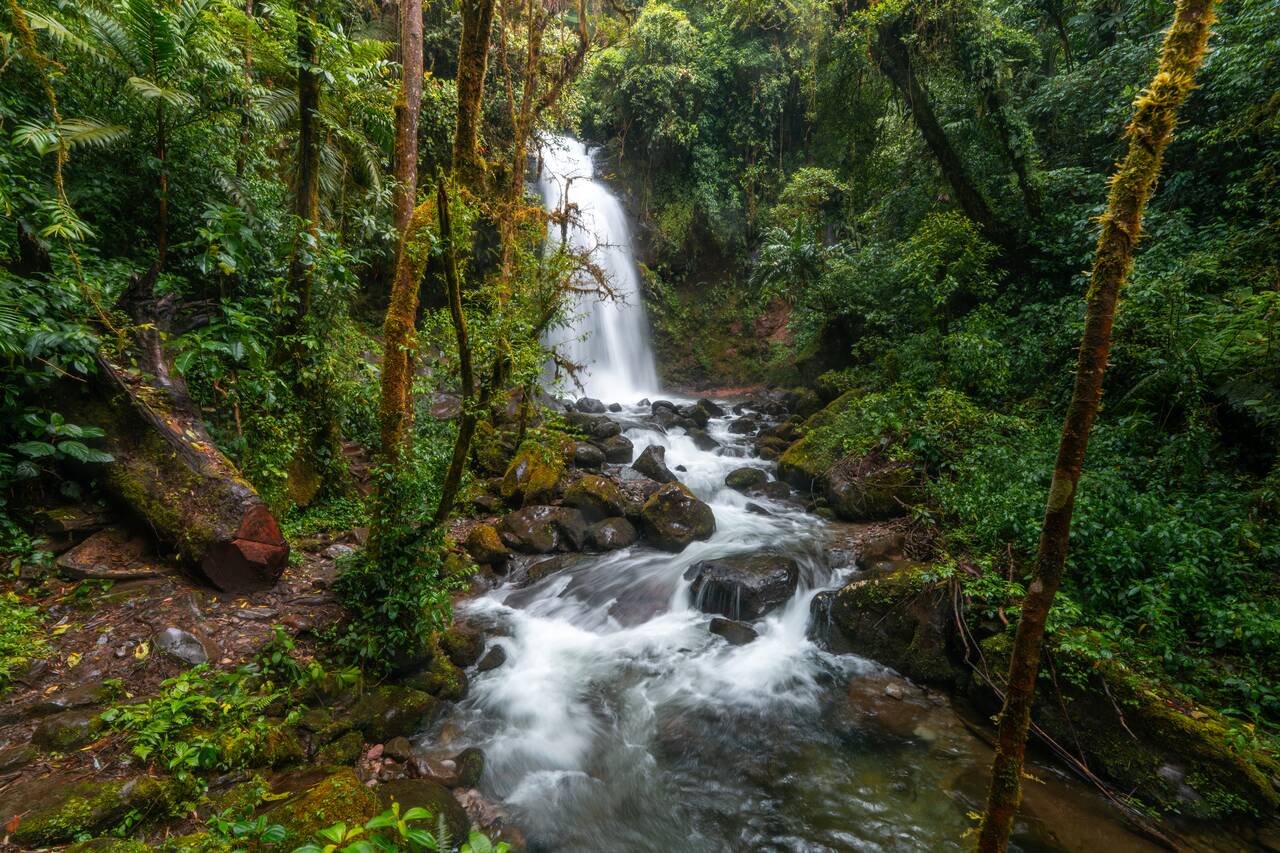
Of the three waterfalls, the third one was by far my favorite. I highly recommend heading straight to the last waterfall first and then visiting the other two on your way back. That way, you can beat the crowds and even enjoy a refreshing swim before everyone else arrives.
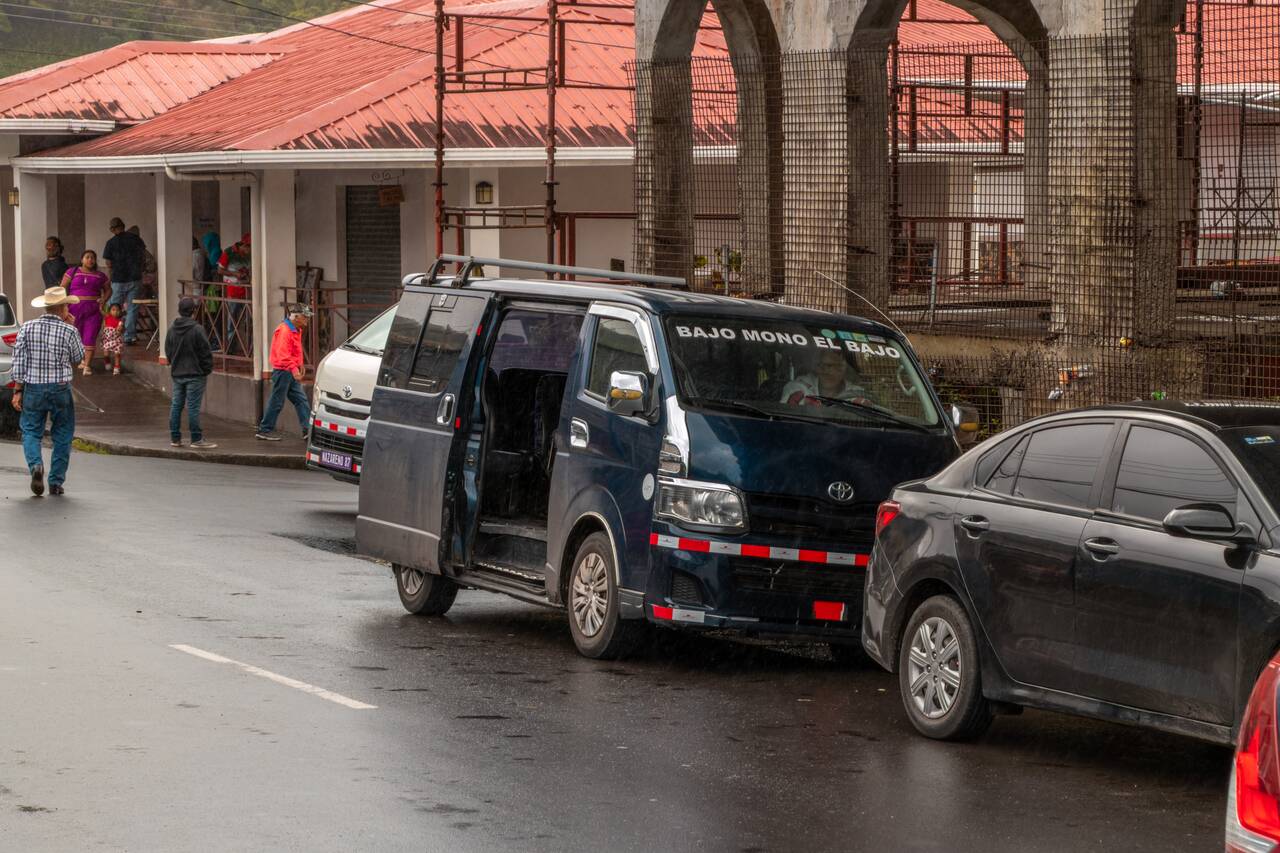
To get here, you can catch one of the colectivos labeled "Bajo Mono", which usually wait for passengers at this intersection. The driver will typically wait until there are enough passengers before departing, and the journey takes around 30 minutes and costs 2.5 USD. Be sure to tell the driver that you want to get off at "Las Tres Cascadas", and they will drop you off right here, next to the entrance of the trail.
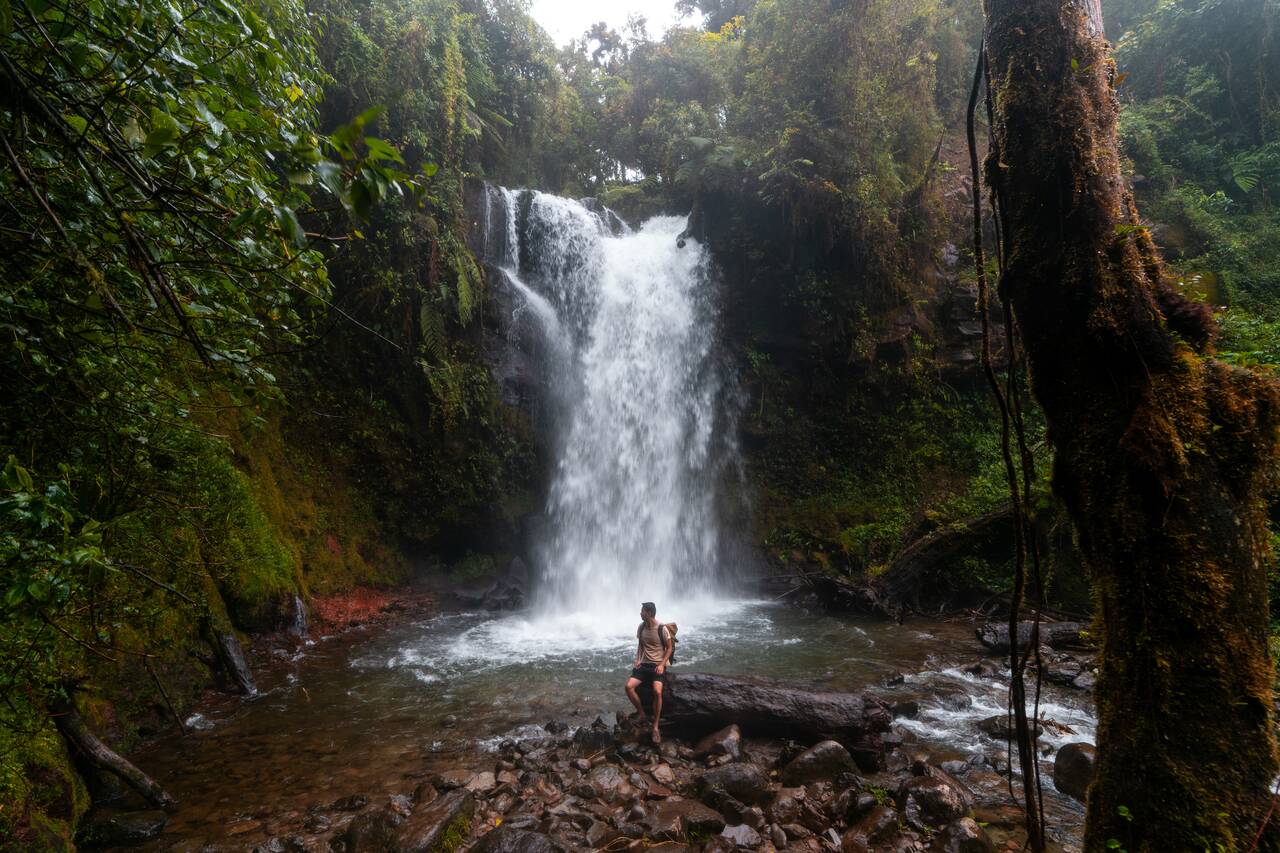
The entire hike should take around 3 hours to complete, and you will have to pay a $10 USD entrance fee to access the trail. Not ideal, to be honest, but this seems to be the case for many of the popular hiking trails in Boquete, so there is not much we can do about it.
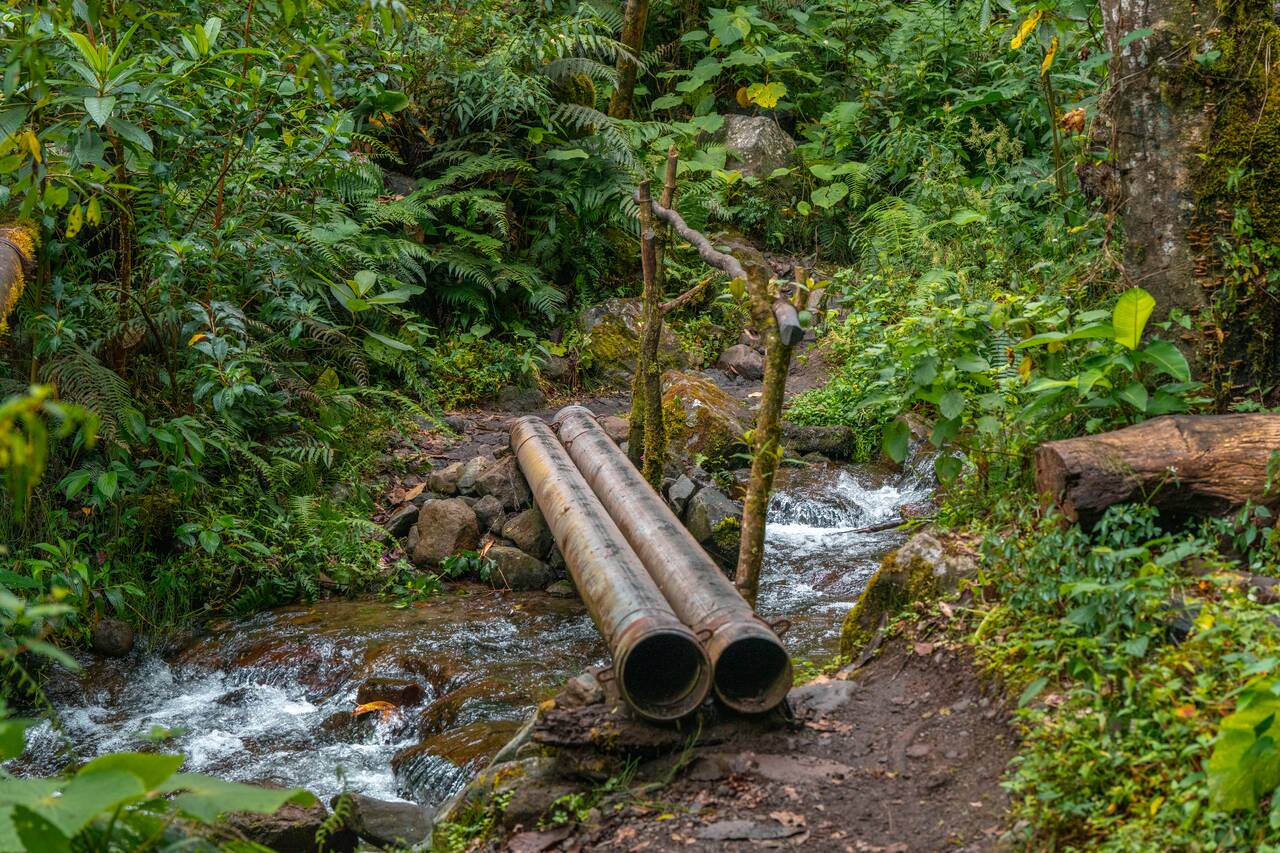
After completing the 3 Waterfalls Trail, you can walk about 1.2 km downhill and hike the Pipeline Trail, one of the easiest and most accessible hikes in Boquete. Unlike the Lost Waterfalls Trail, the path is relatively flat and follows an old water pipeline through a lush cloud forest filled with birds, wildlife, and towering trees.
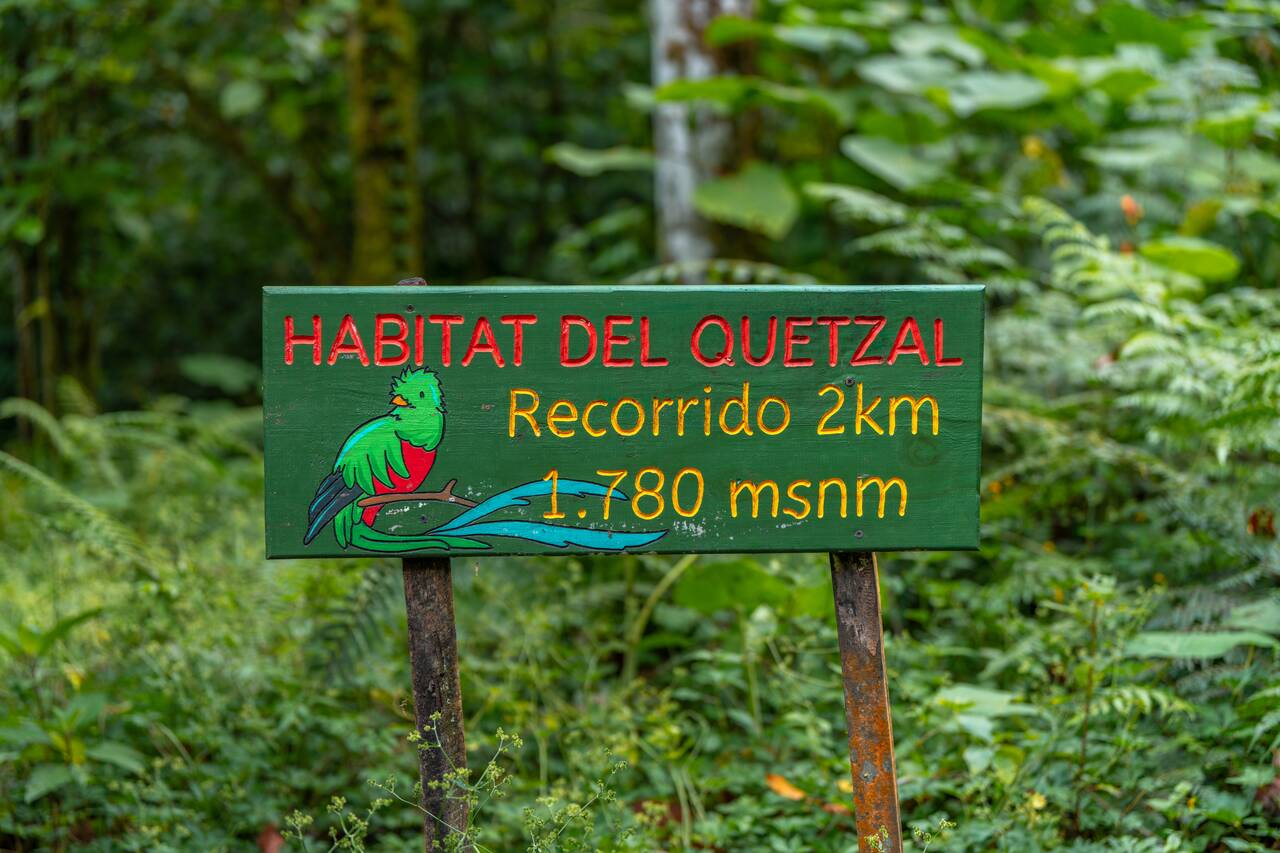
This trail is especially popular among birdwatchers, as it is one of the best places in Boquete to spot the famous Resplendent Quetzal. I wasn't lucky enough to see one during my visit and, trust me, I tried really, REALLY hard. Nada. That said, the peaceful atmosphere and beautiful cloud forest scenery more than made up for it.
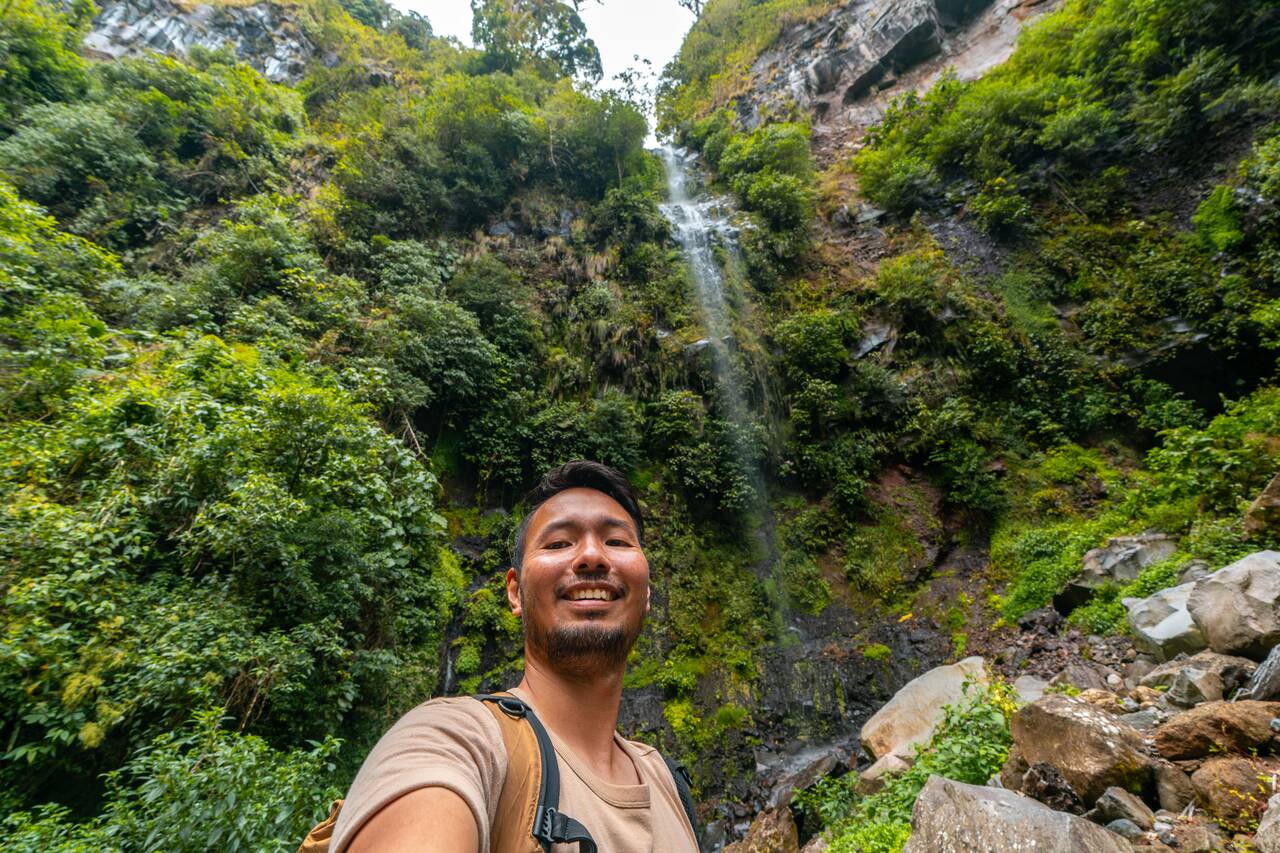
At the end of the trail, you will find a waterfall tucked away in the forest, which is also a great spot for birdwatching since you are out in the open and roughly at the same height as the surrounding treetops. The hike took me about 3 hours in total, so you should be finished by the afternoon. Keep in mind that, since we are combining two hikes in one day, it will be a long and fairly strenuous day due to the amount of walking involved. If you prefer a more relaxed pace, you can save this trail for the next day.
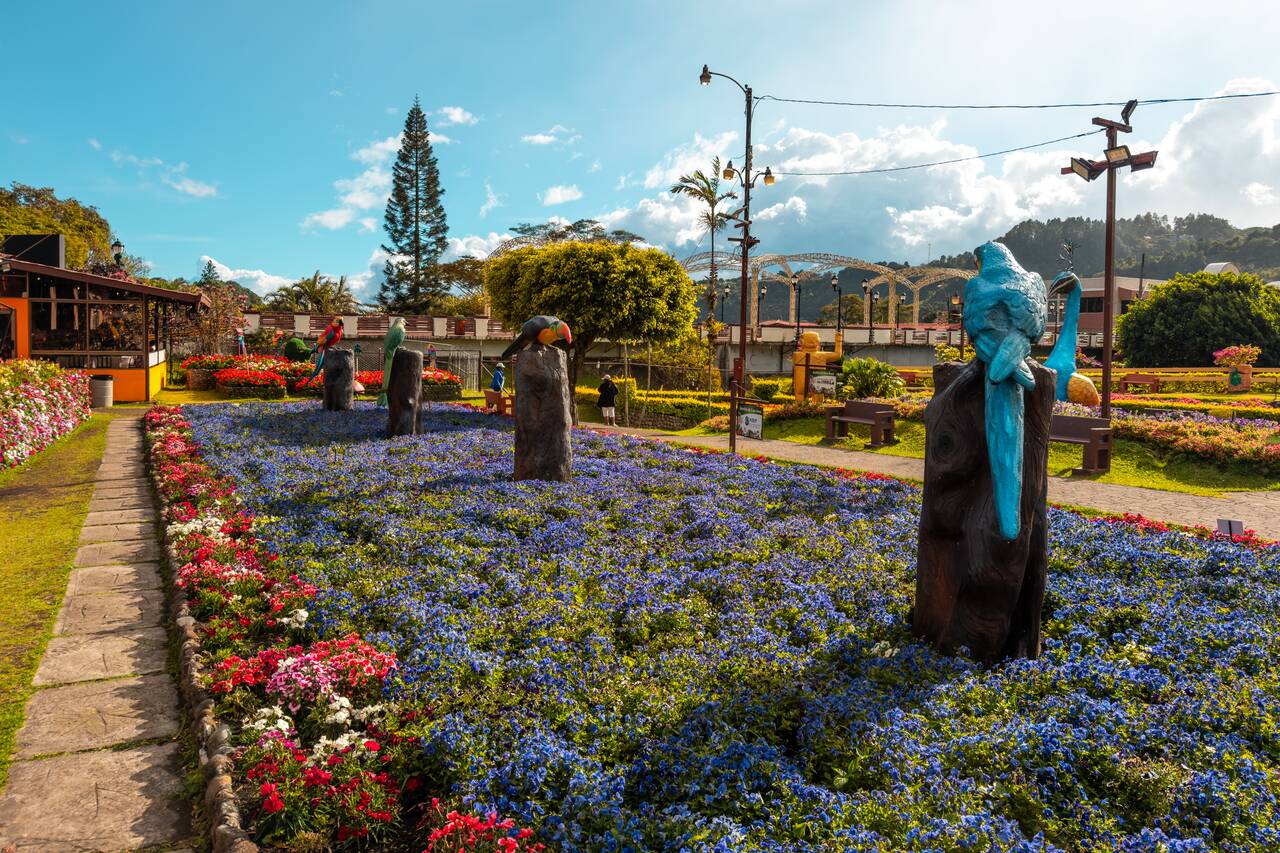
Once you get back to town, you can go for a little stroll across the river and visit Boquete Flower & Coffee Fair, a beautiful park filled with colorful flowers and offering lovely views over the river. It is a great way to end your first day in Boquete.
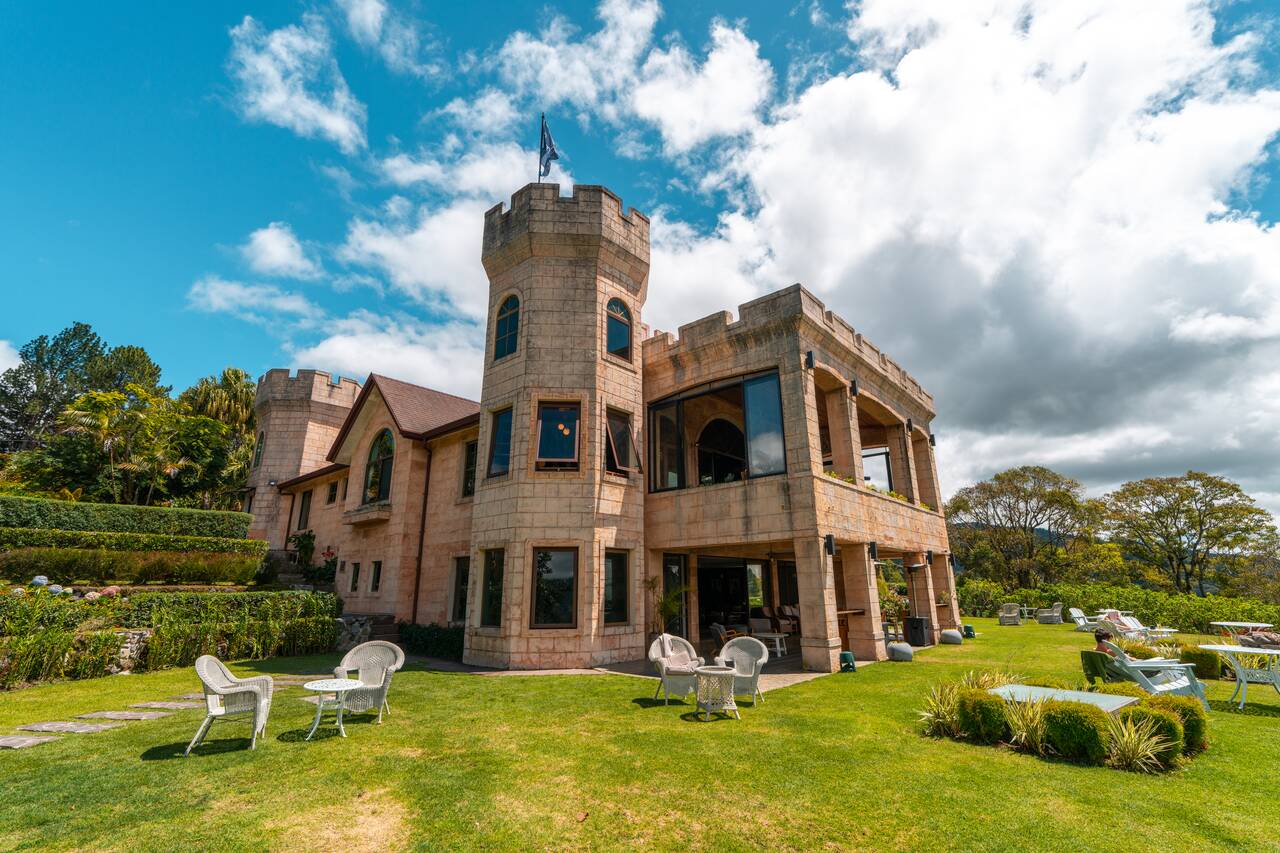
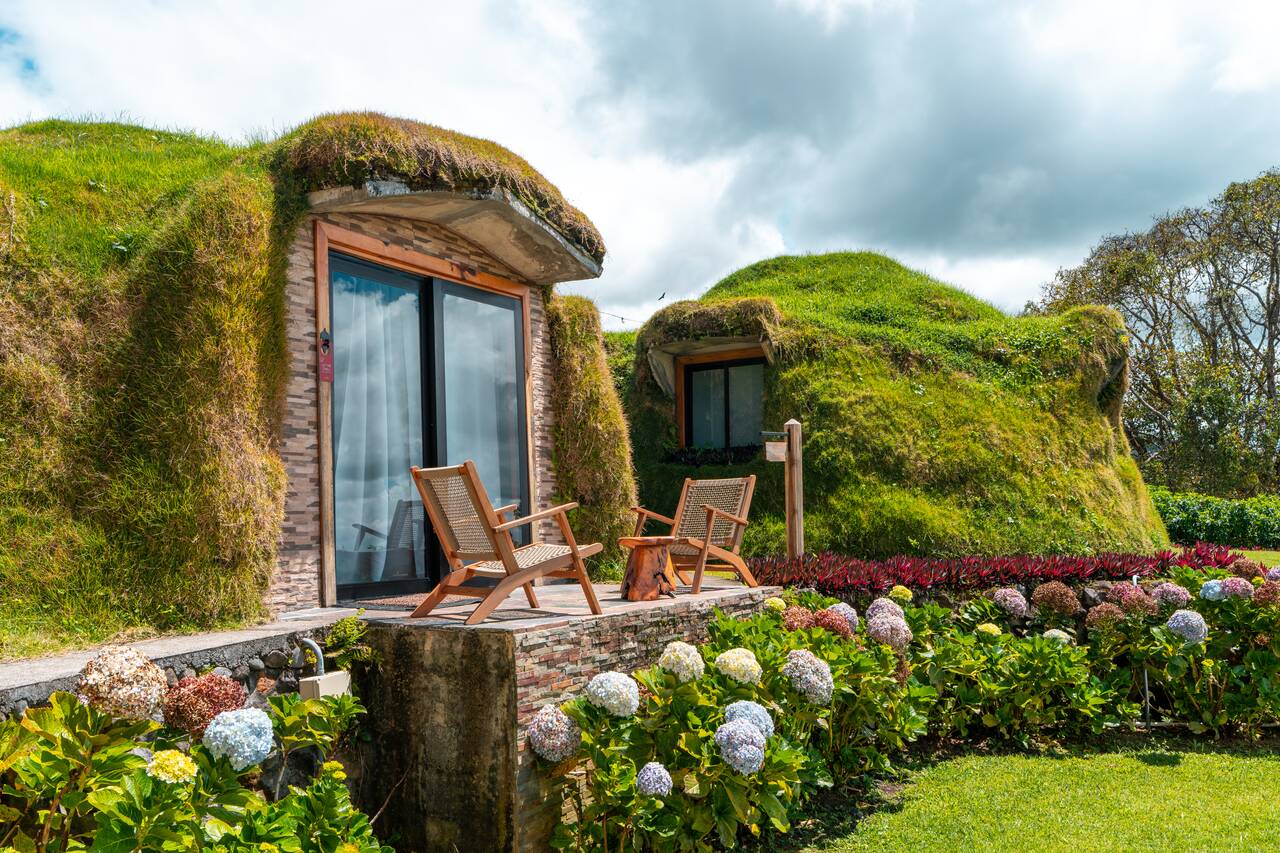
One of the coolest accommodations in Boquete is Bambuda Castle, where you can spend the night in an actual castle and enjoy the unique amenities it has to offer, including free castle climbing and rum tasting activities that are often organized throughout the day. I highly recommend staying here for your last night and using your second day in Boquete to explore the surrounding areas.
The castle is located a little outside of town and takes around 40 minutes to walk from the center of Boquete. I recommend taking a taxi from town to the castle in the morning, which should cost around 5 USD. Settle in, explore the surrounding area for the rest of the day, and then return to enjoy a unique night staying at the castle.
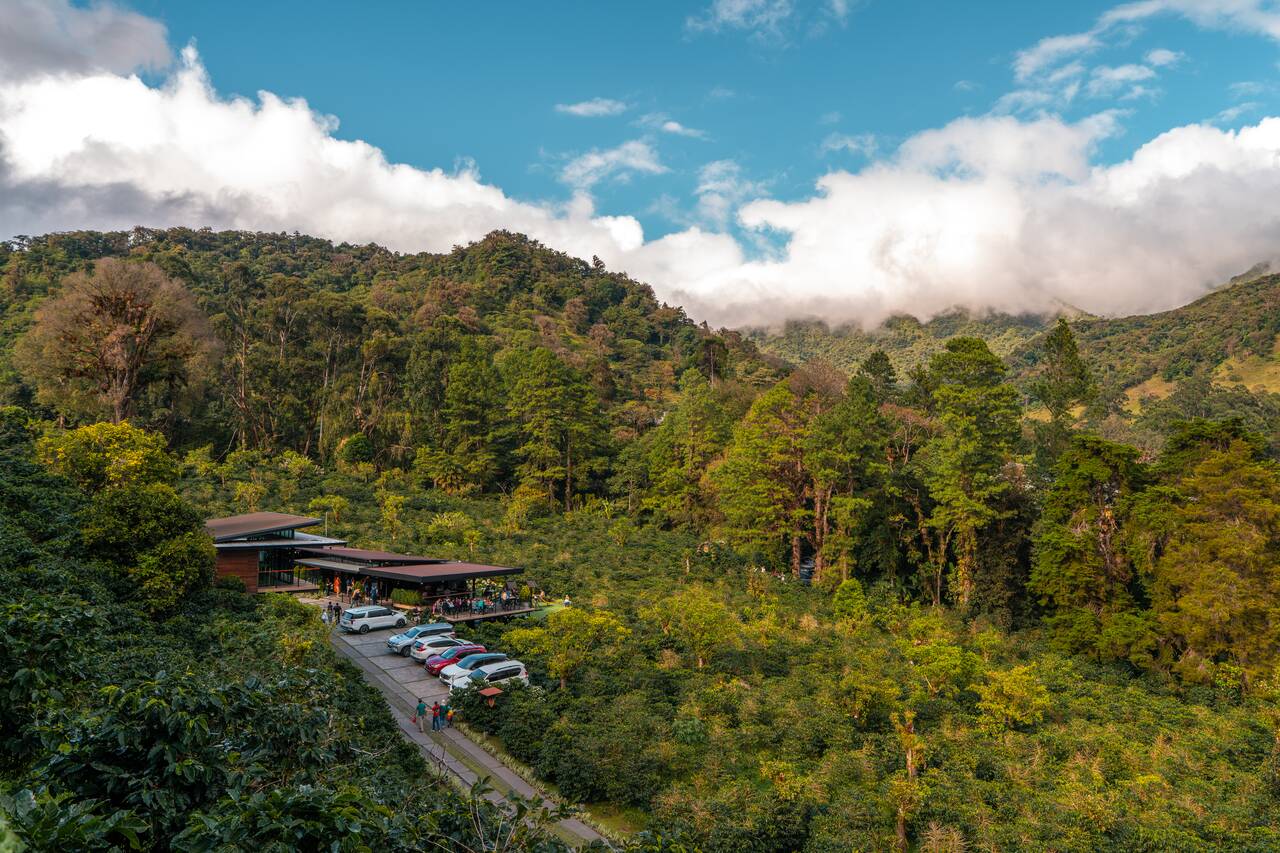
Located not too far from Bambuda Castle and right next to the Pianista hiking trail, you will find Altieri Specialty Coffee, a lovely cafe located in its own coffee farm where you can go and try some of Panama's finest coffee like the famous Geisha coffee, tour around its grounds for free, and just enjoy the beautiful surrounding nature.

It takes about 40 minutes to walk from Bambuda Castle to here along a flat, winding road with very little traffic, making it quite an enjoyable walk. You can also take a taxi if you prefer, but make sure to arrange it with the staff at Bambuda Castle, and they can call one for you.
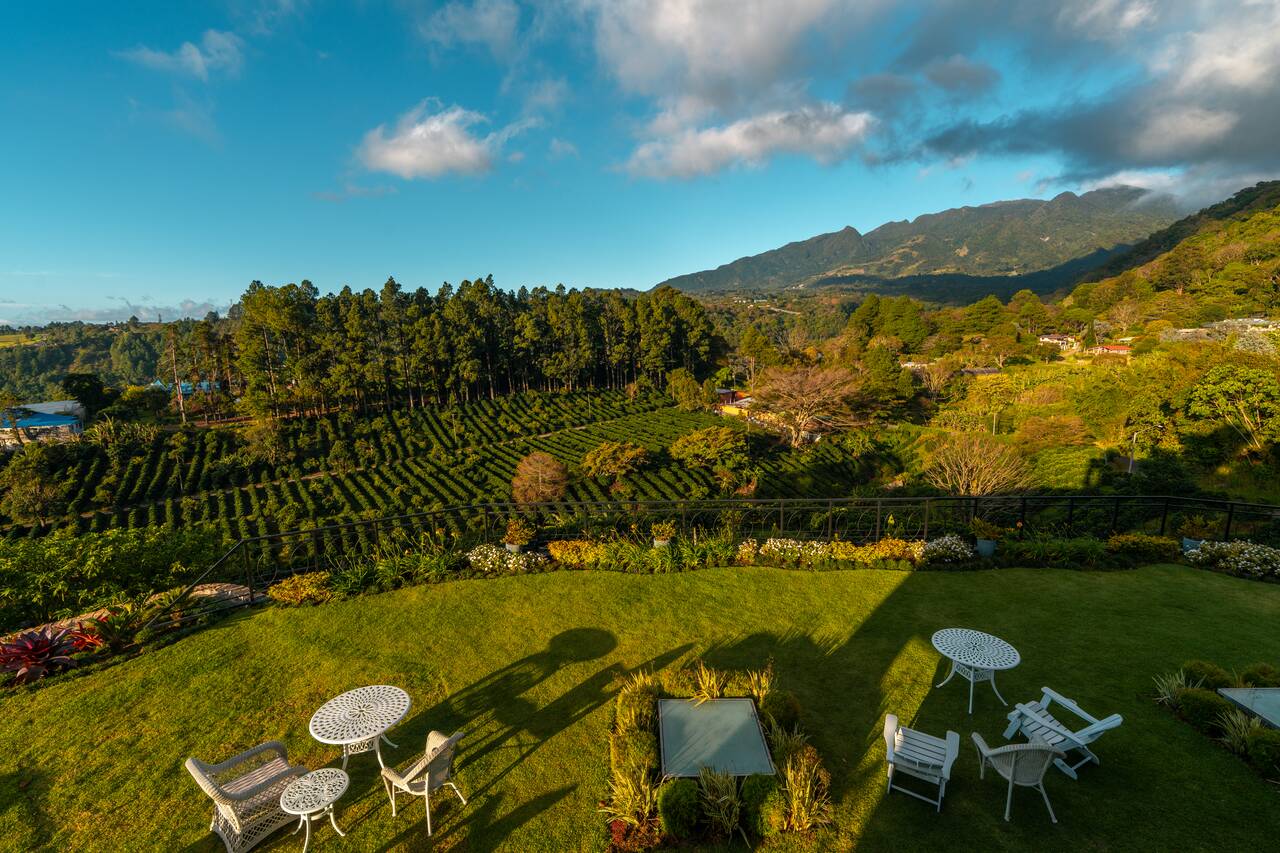
Once you are done, you can return to Bambuda Castle and enjoy the awesome activities they have planned for you that day. Spend the rest of the evening relaxing at the castle and retreat for the night as you will need to wake up early the next day to catch a transfer service to Bocas del Toro.


Getting from Boquete to Bocas del Toro

From Boquete, several shared shuttle services operate directly to Bocas del Toro. The journey usually takes around 4 to 5 hours, including the boat transfer from Almirante to Bocas Town, and costs approximately 50 USD per person with all transportation included.
This is the option I recommend for most travelers, as it saves you the hassle of returning to David and coordinating multiple buses and transfers on your own. You can find more information and check availability for the Boquete to Bocas del Toro transfer here.
Day 12 - 15: Bocas Del Toro (4 nights)
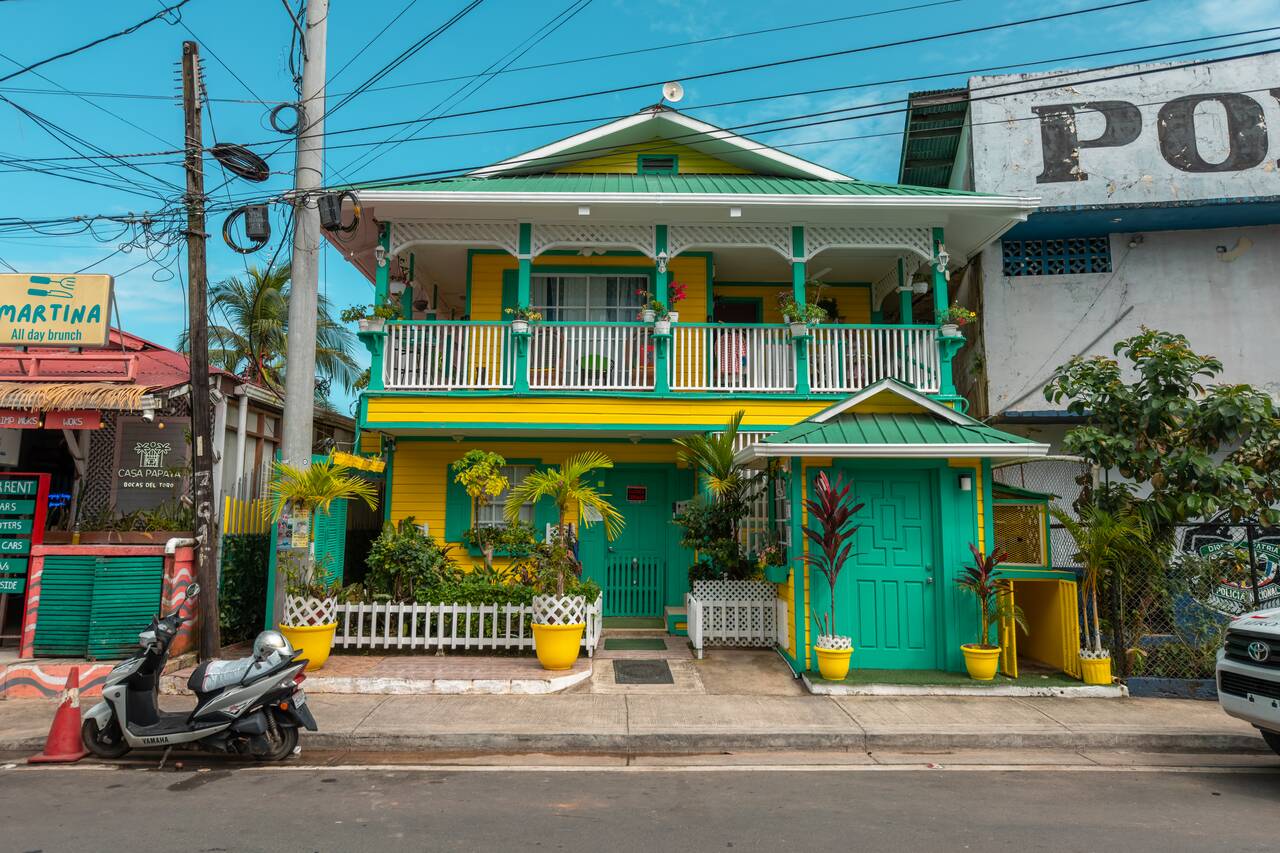
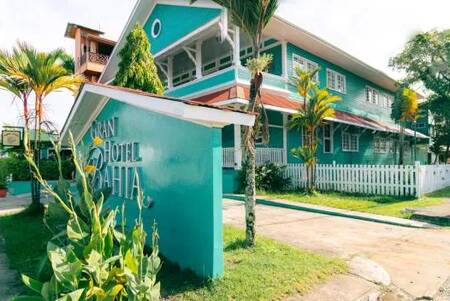
- 📍 Stay: Gran Hotel Bahia
- 🕐 Time: 4 nights
- 📖 Full Guide: Explore Bocas del Toro: Best Things to Do, Itinerary & Travel Guide: A Practical Guide for Independent Travelers
Bocas Del Toro is, without a doubt, one of the most beautiful destinations I have visited in Panama. The place has such a laid-back Caribbean atmosphere, with a huge variety of activities to enjoy, from surfing and biking around the island to island hopping through the stunning archipelago. Best of all, it is home to Zapatilla Island, one of my favorite islands in Panama.
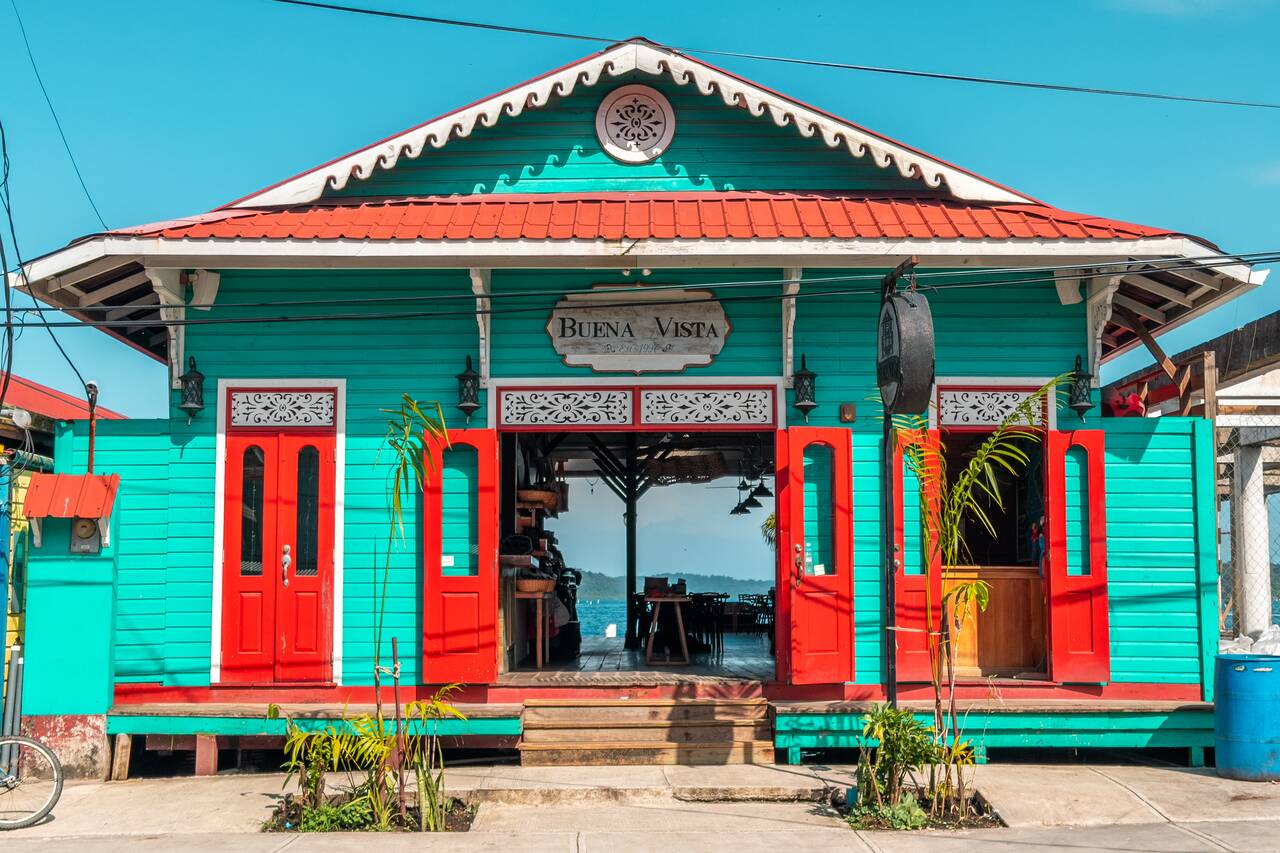
Bocas Town is the perfect place to begin your journey through Bocas del Toro. This is the main town of the archipelago, and I recommend staying here, especially if it is your first time visiting.
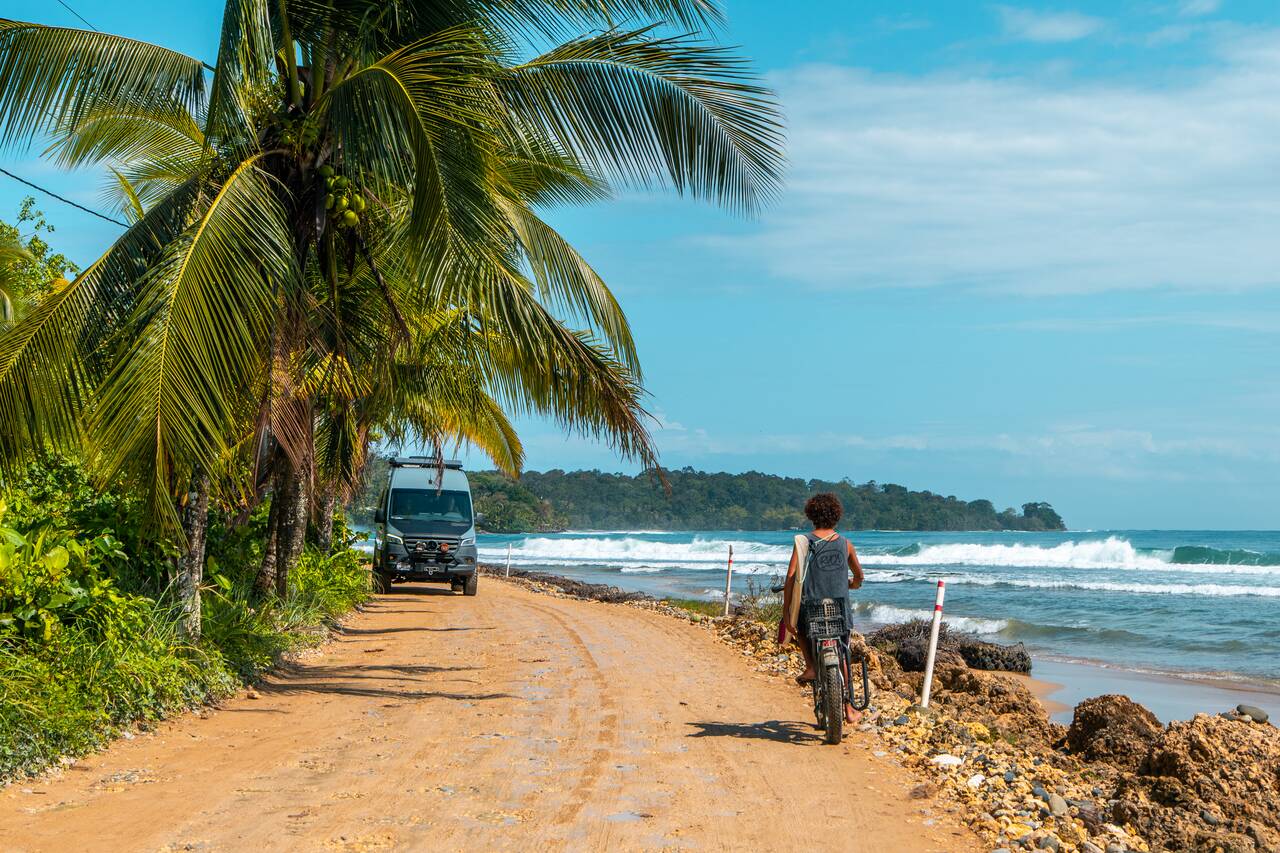
During the day, you can also rent an eBike from Bocas EBikes for the day and go explore Isla Colón. Most people rarely ever go beyond Bocas Town, but the island has a surprising number of beaches, viewpoints, and hidden corners that are best discovered at your own pace.
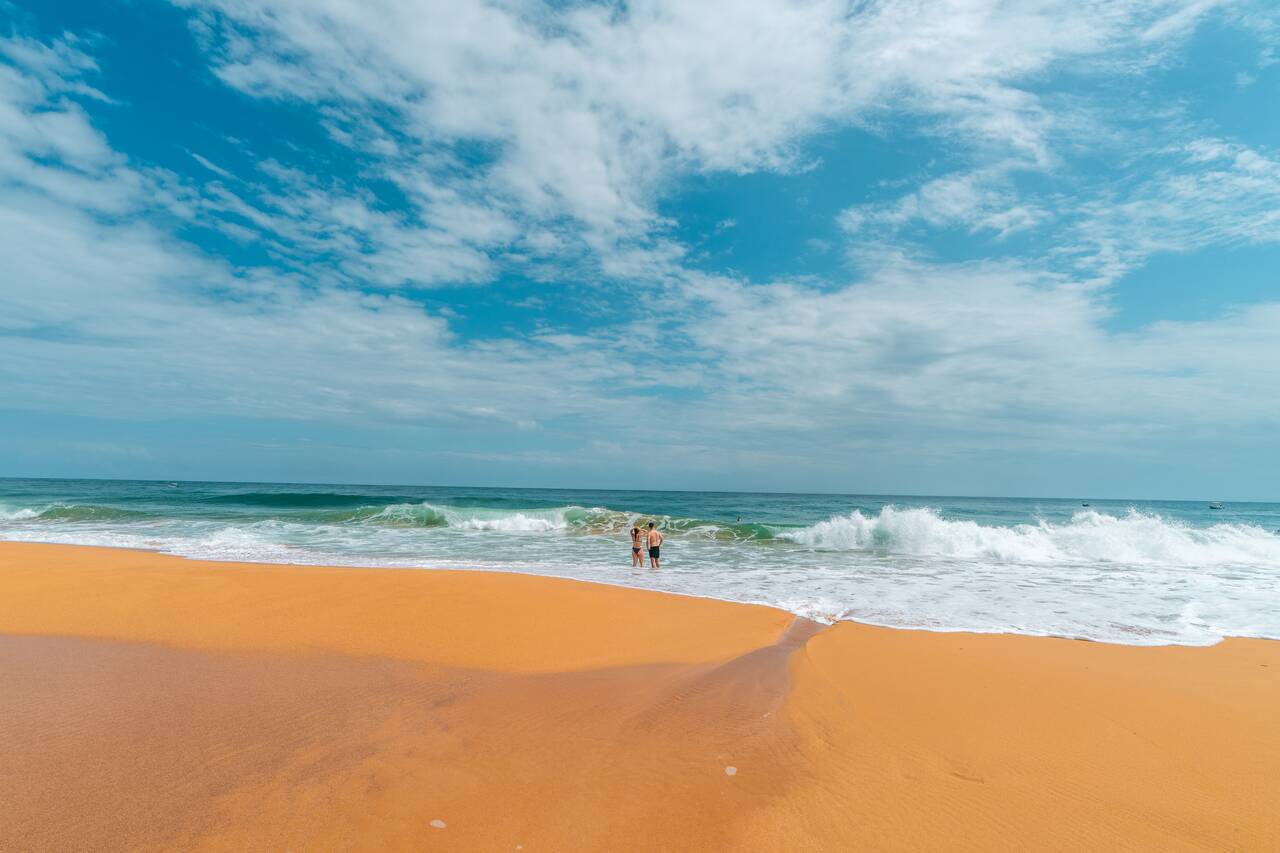
Start early in the morning and ride along the eastern coast of the island, stopping at places like Bluff Beach and several quiet stretches of coastline that you would have completely missed if you had only stayed in Bocas Town.
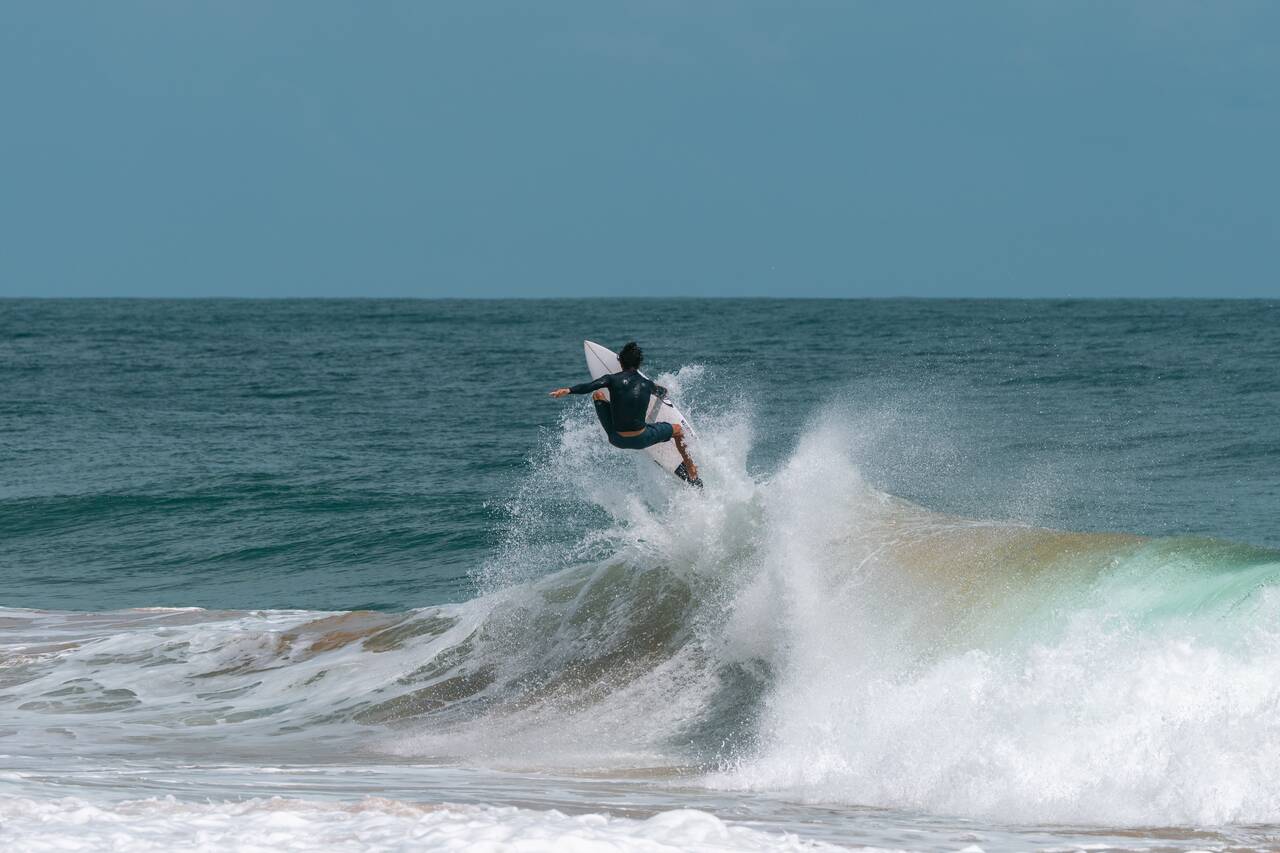
Although Bluff Beach is more for surfing and not the best place for swimming, as the waves here are notoriously powerful, it is still a beautiful spot to walk around and relax. The beach stretches for several kilometers, giving you plenty of space to surf, unwind, or simply enjoy the incredible scenery.
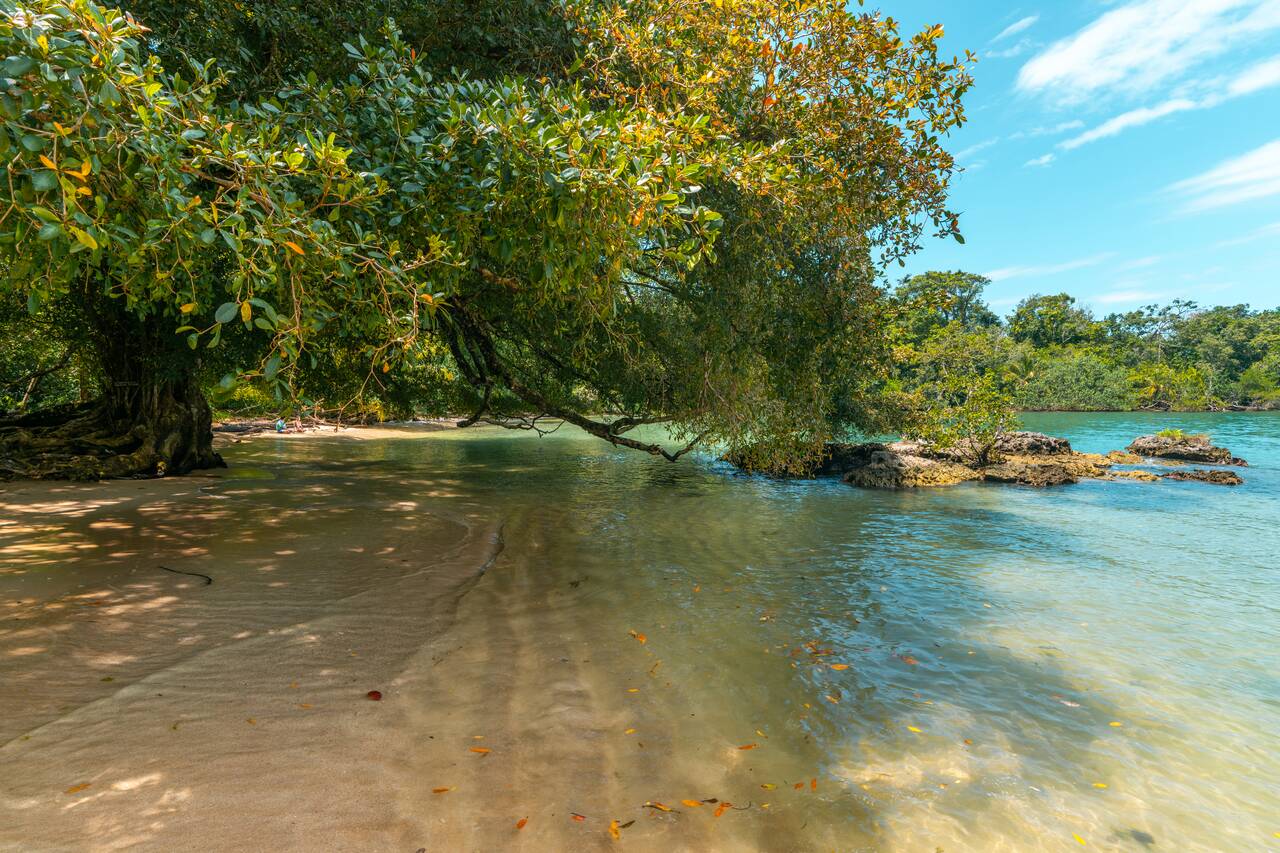
If you are feeling adventurous, continue all the way to Playa La Piscina, a remote beach on the far side of the island. The ride is long and there is even a small river crossing near the end, but the journey is part of the fun. The beach itself is small and beautiful, and there were barely anyone around compared to the ones in Bocas.
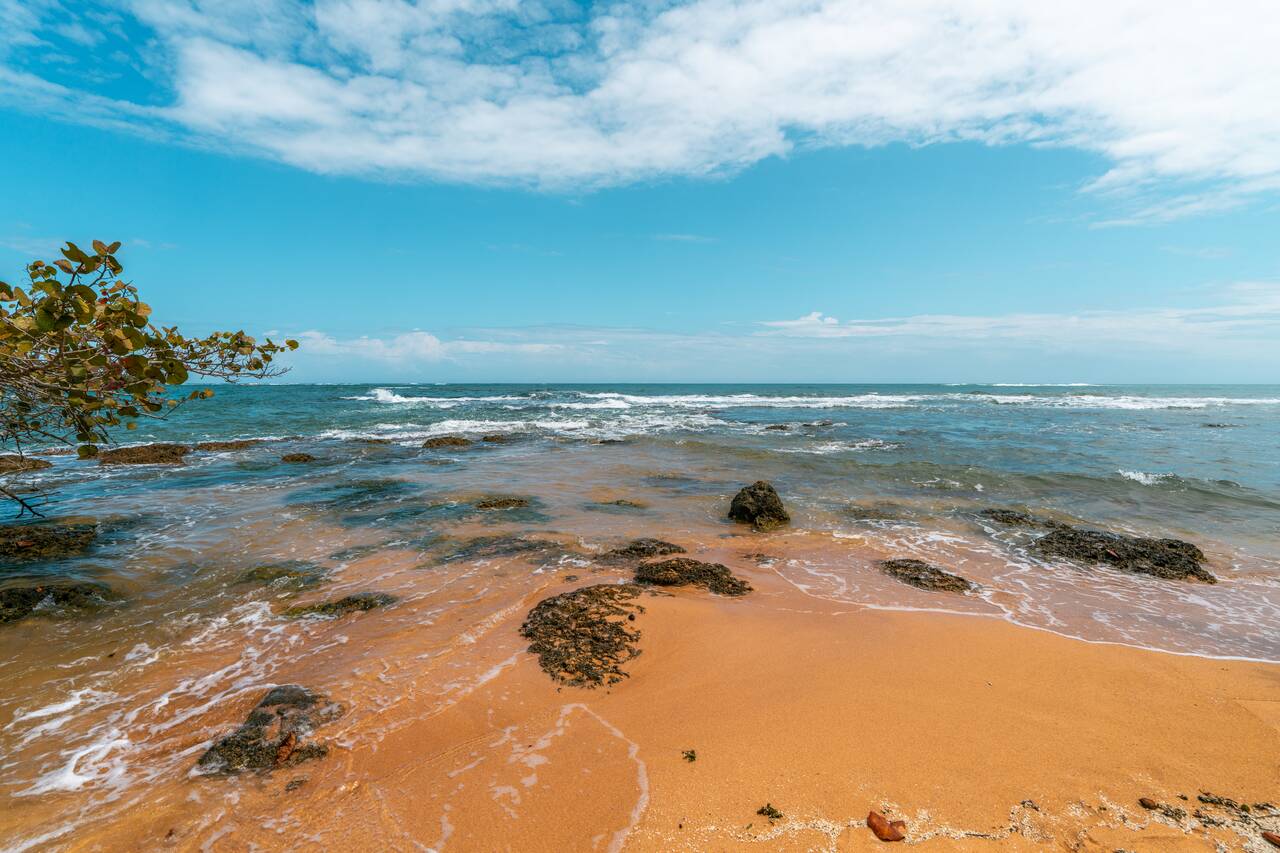
Another route you can take is to bike to Playa Boca del Drago, another beautiful beach located on the opposite side of the island. Unlike the ride to Playa La Piscina, this route follows paved roads the entire way, making it a much easier and more comfortable ride.
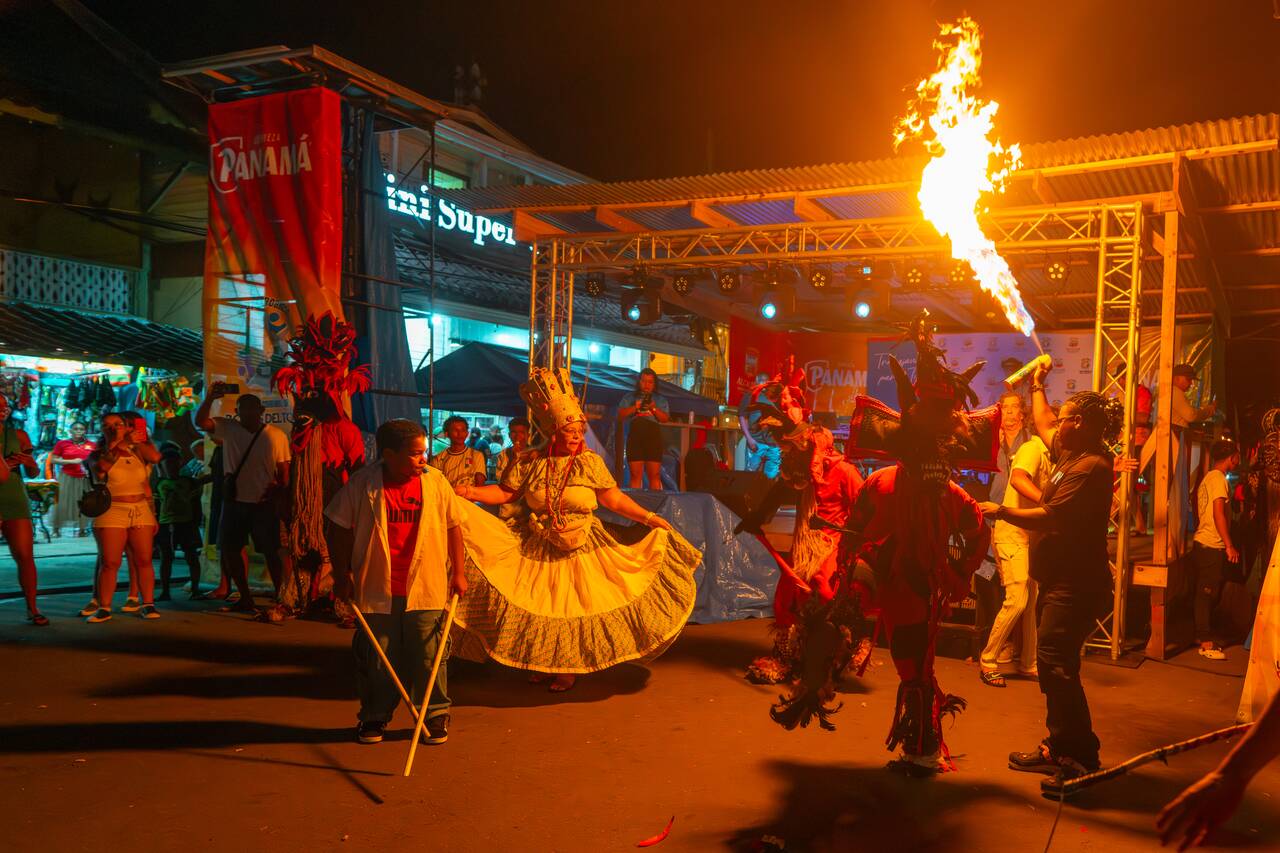
After you are done exploring the island, you can head back to Bocas Town and check out its surprisingly lively nightlife. The area around the main town square often hosts events and concerts, and even when there is nothing happening, there are plenty of bars and restaurants to enjoy in the evening. I was there during Carnival, and it was absolute pandemonium, in the best way possible! I loved every second of it.
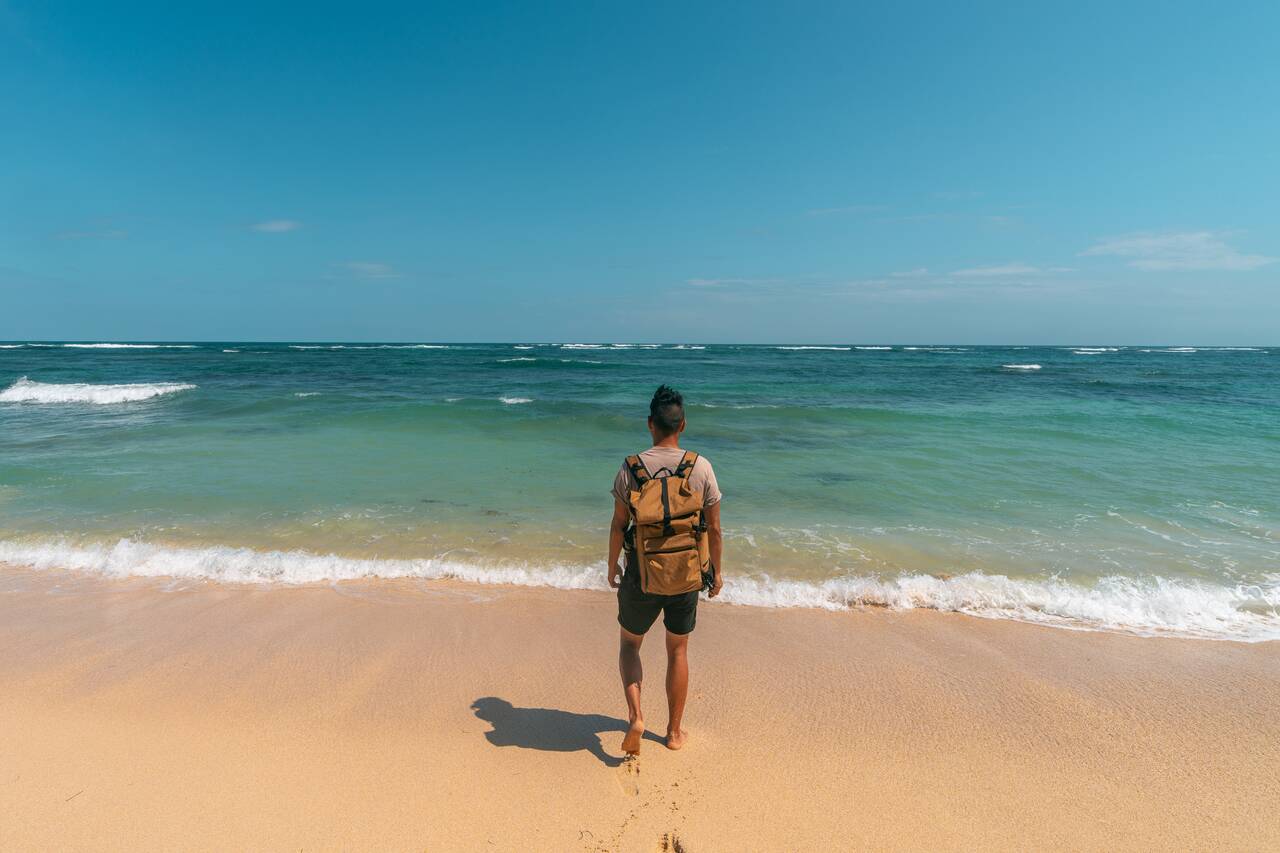
The next day, you can go on an island-hopping boat trip and visit Zapatilla Island, a tiny group of islands famous for its powdery white sand beaches, crystal-clear turquoise water, swaying palm trees, and lack of crowds, thanks to its location within Bastimentos National Marine Park. This is, hands down, my favorite island in Panama.
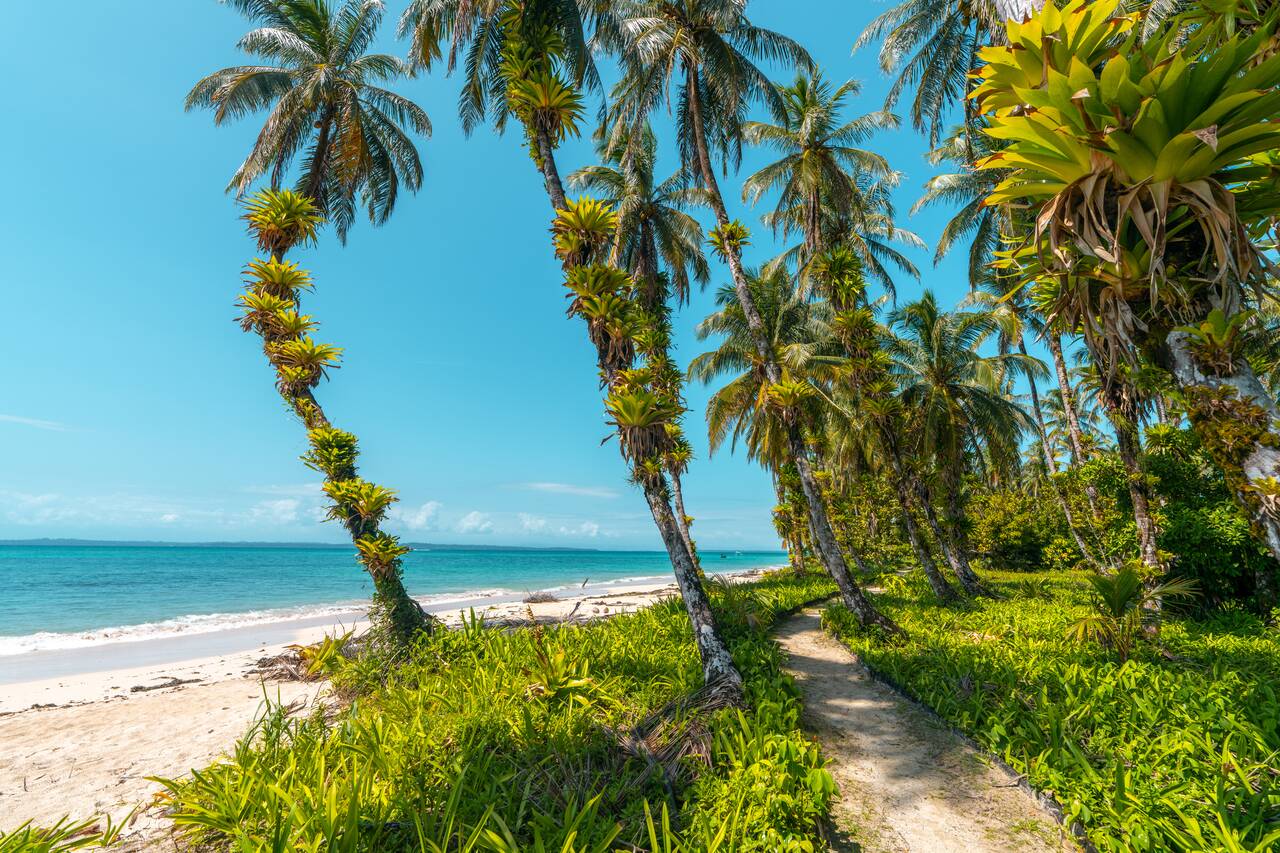
The island is not very big, but it is large enough to keep you occupied for a few hours. You can walk along its network of trails in search of sloths, check out the mangrove forests, and explore the more remote side of the island. While that side is not suitable for swimming due to the stronger currents, it is still well worth visiting for its wild scenery and untouched beaches.
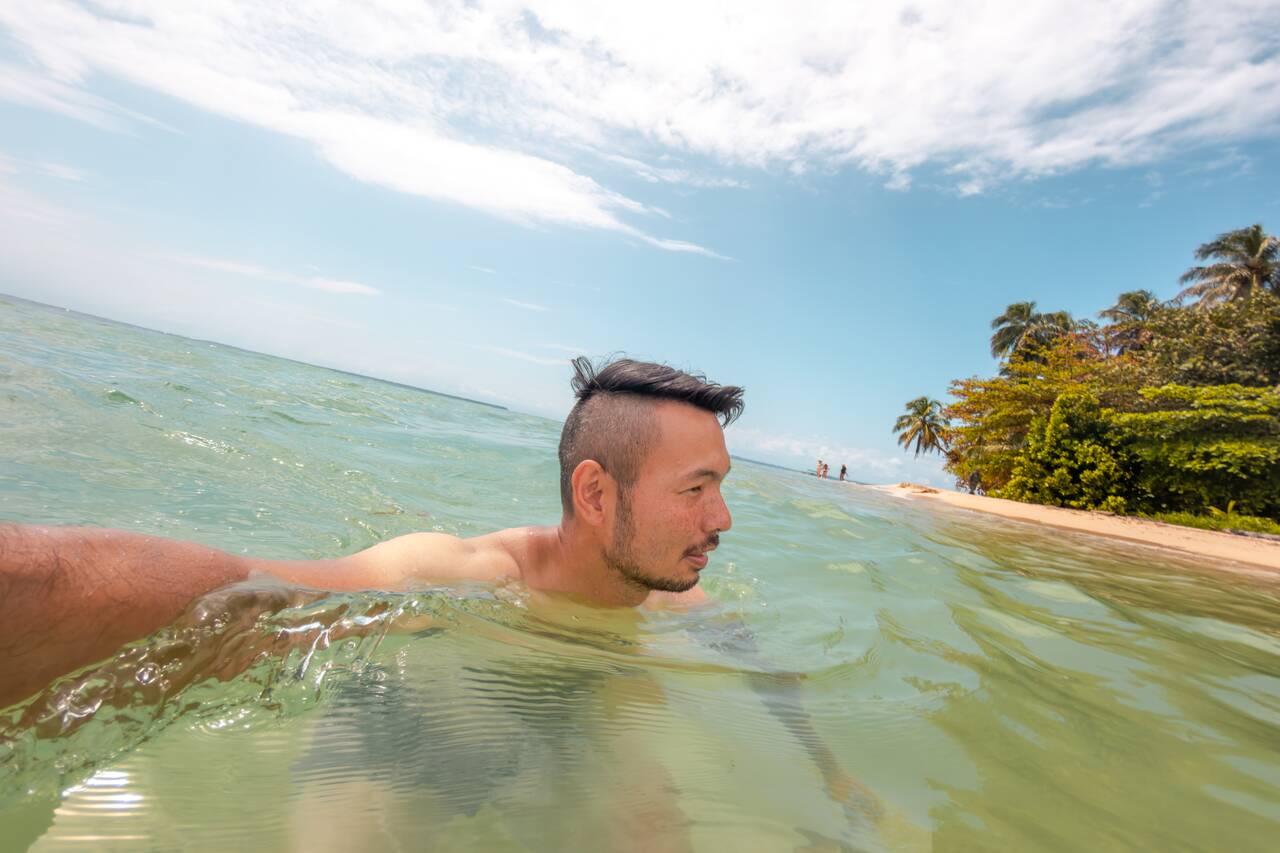
Most tours allow around 1 to 2 hours on the island, which is usually enough time to relax, swim, and explore a little. If I am being honest, I could have easily spent an entire day here doing absolutely nothing, as there are no restaurants, bars, or hotels here, which helps preserve its pristine natural beauty. It is awesome.
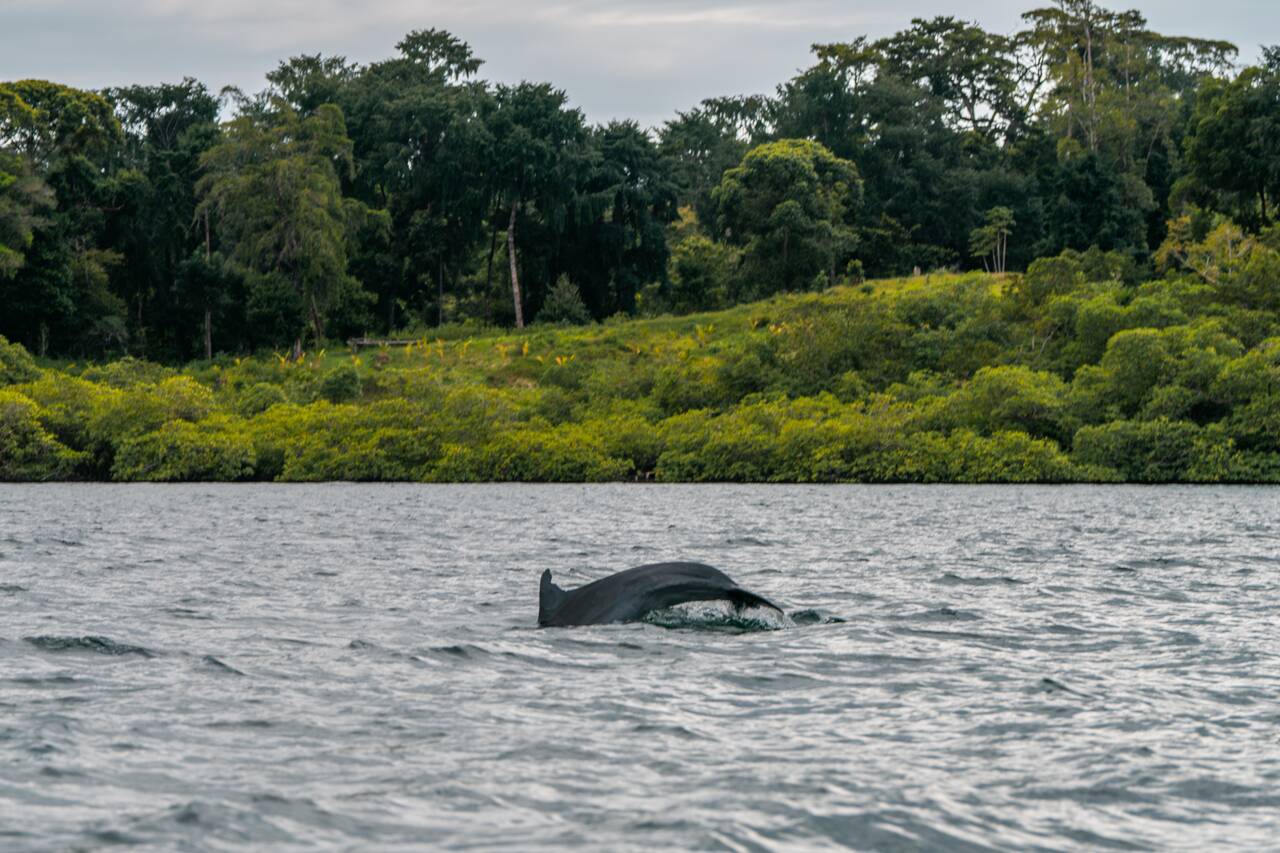
Most island-hopping tours often include a stop here, and for good reason. The calm waters between the islands are home to a resident population of bottlenose dolphins that can often be seen swimming, playing, and occasionally jumping alongside the boats. I was lucky enough to spot several during my boat ride across the Gap, which is a small waterway between Isla Solarte and Bastimentos Island.
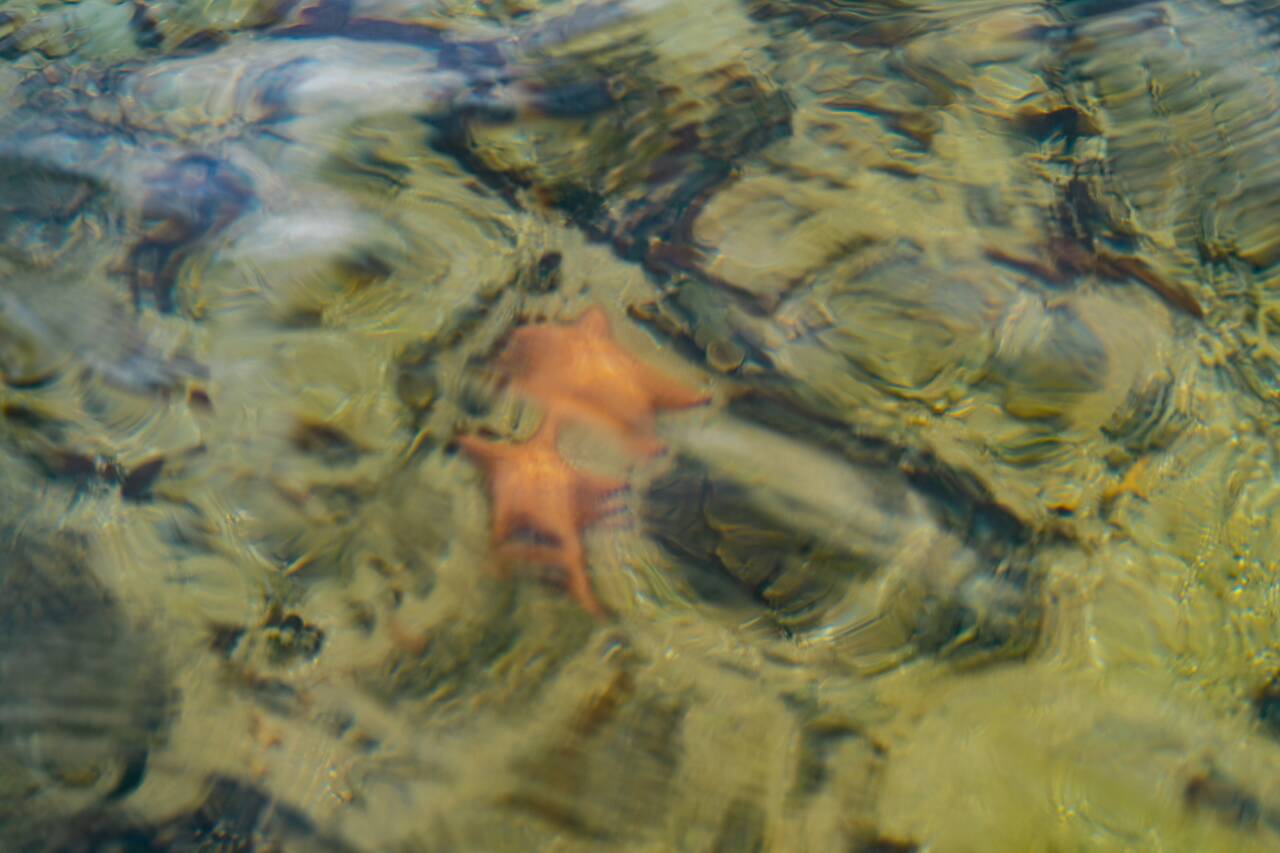
The tour should also visit a small submerged island called Hollywood Island. This tiny island is surrounded by shallow, crystal-clear water and is famous for its abundance of starfish, which is how the island got its name. Starfish, stars, Hollywood... get it? 😉
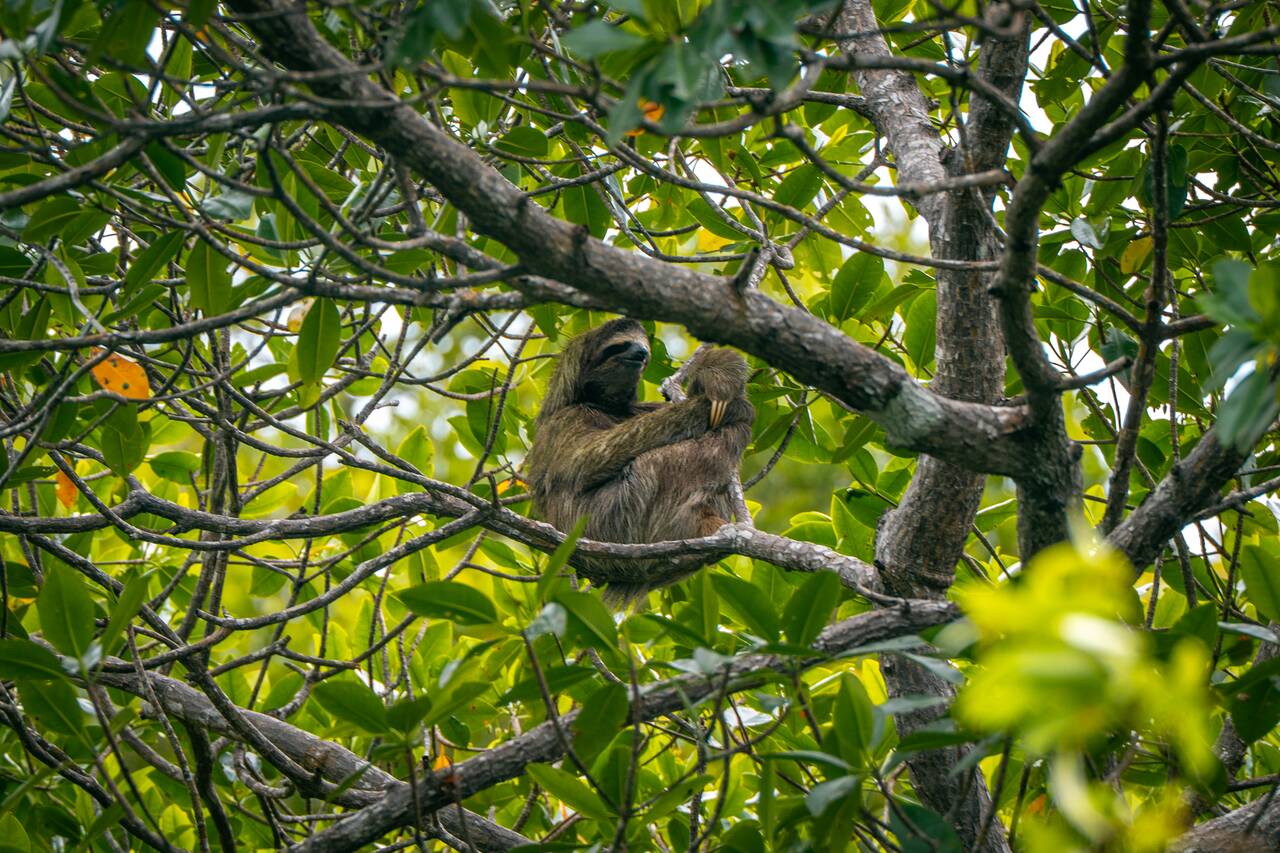
Unfortunately, swimming is generally not allowed here, as the seabed is extremely shallow, and it is important not to disturb the starfish or their habitat. Other than that, the tour should also take you to explore the nearby mangrove forests, where you have a chance to spot sloths and other wildlife.
The boat tour should take up your entire second day. For your third day, you can slow things down and spend the day relaxing at Red Frog Beach. This beautiful golden-sand beach is located within the Red Frog Beach resort area on Isla Bastimentos and can be easily reached by water taxi from Isla Colón.
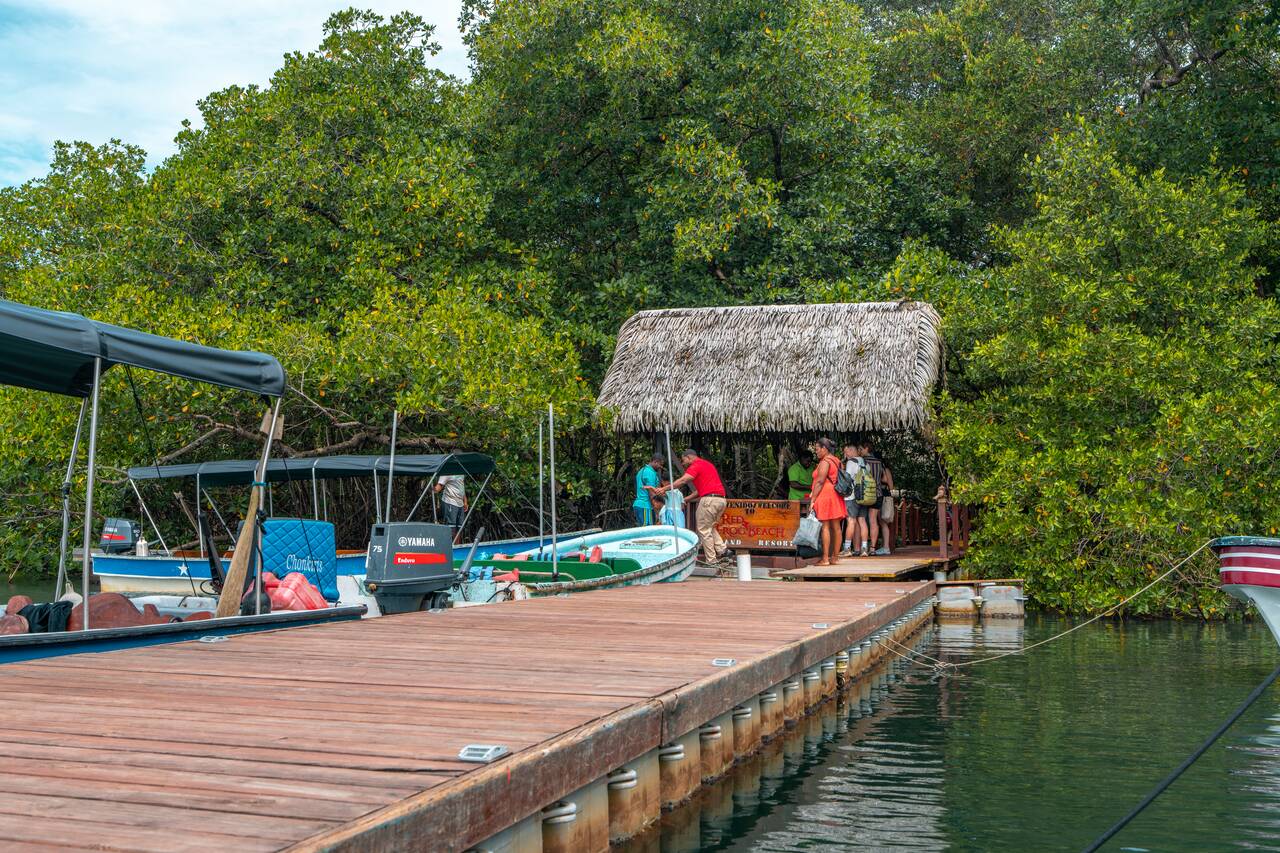
To get here, you will need to catch a water taxi from this dock, or any of the docks along the Bocas Town waterfront. The ride takes around 10 minutes and costs about 6 USD one-way or 10 USD round-trip. The day pass/entry fee to the beach is 5 USD, and you can pay when you arrive at the resort.
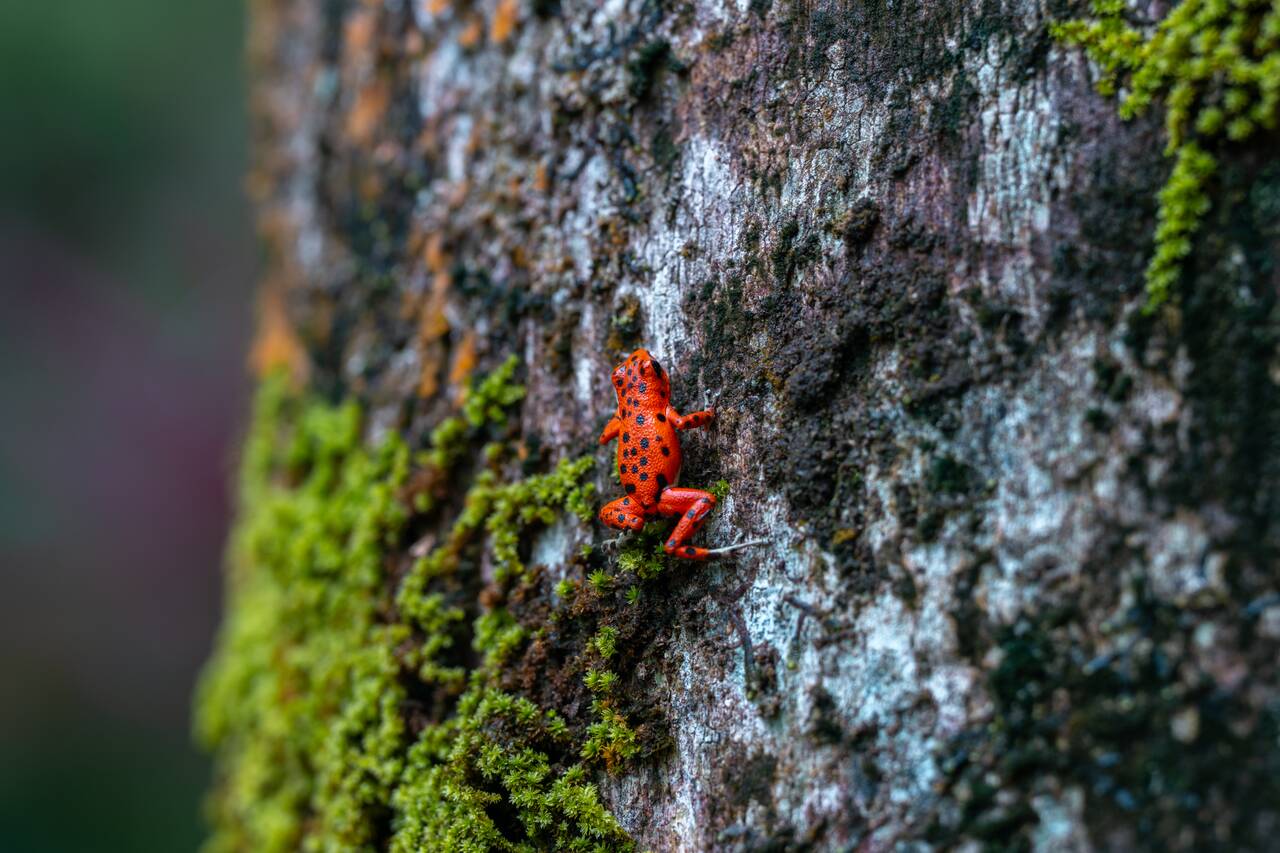
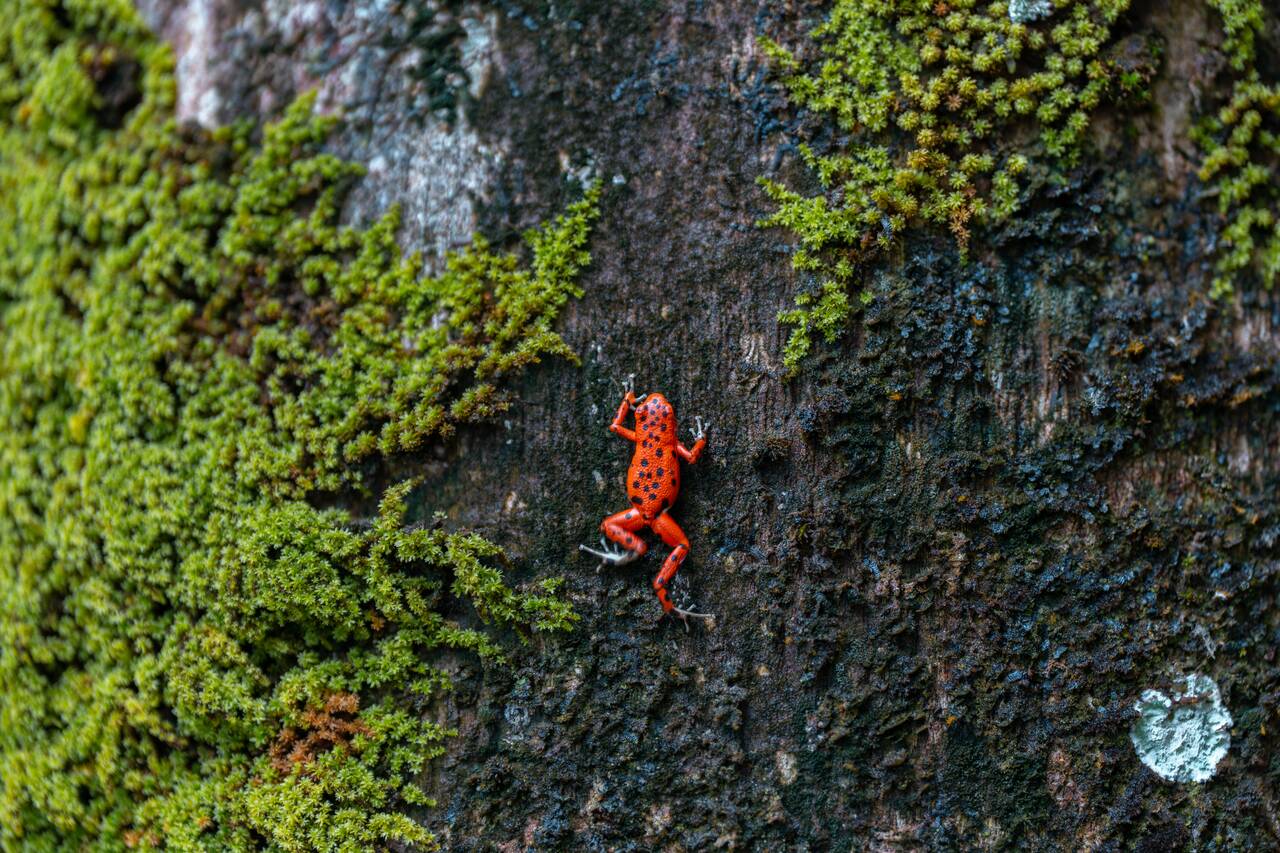
Of course, there is a reason why the beach is called Red Frog Beach. As you walk between the pier and the beach, be sure to keep an eye out for tiny red dots on the moss-covered trees. Those are Strawberry Poison Dart Frogs, one of the island's most famous residents. The ones I saw were incredibly small, but their bright red color made them surprisingly easy to spot against the green surroundings.
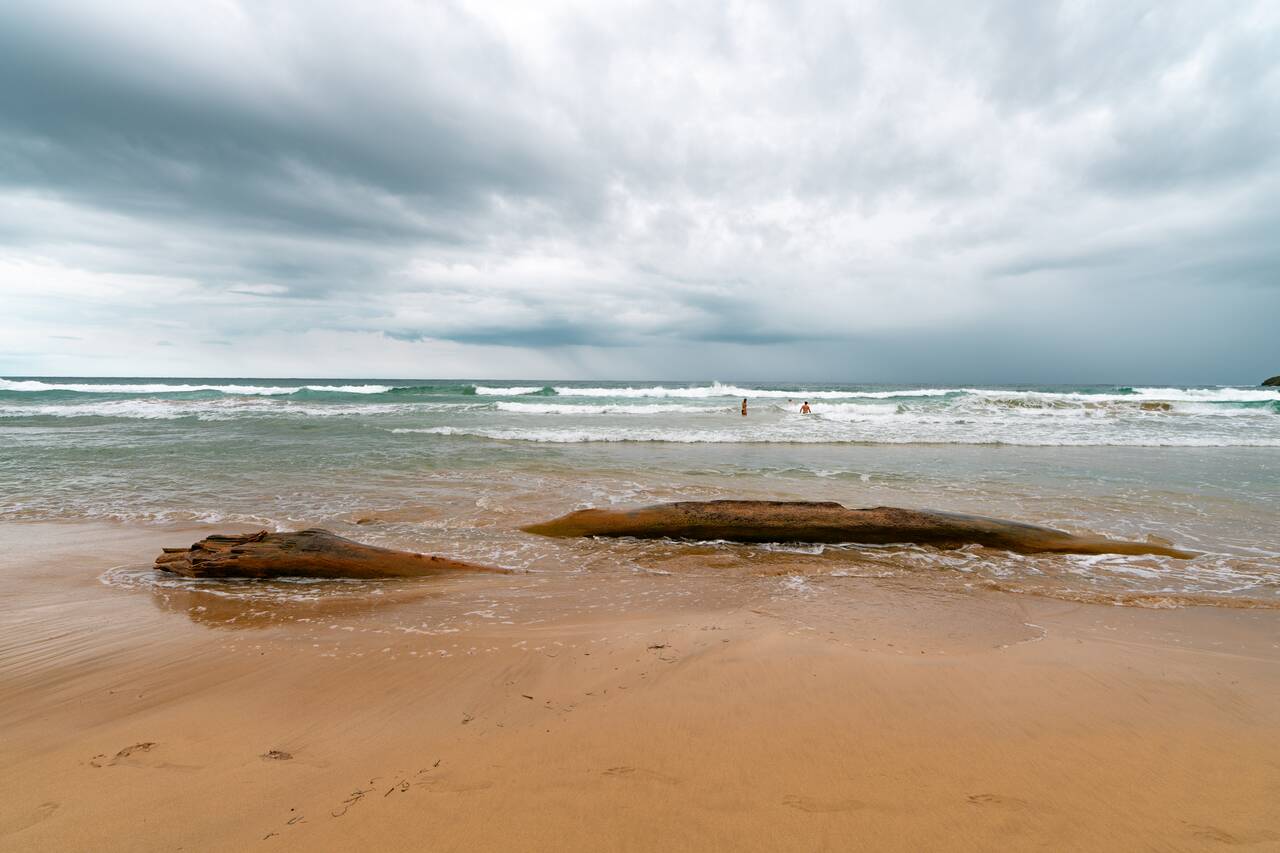
The beach itself is absolutely gorgeous. The sand is soft, the water is warm, and the surrounding jungle creates a beautiful backdrop that makes it feel far more remote than it actually is. It is the perfect place to spend a day out of Isla Colon and enjoy the wonderful nature Bocas del Toro has to offer.
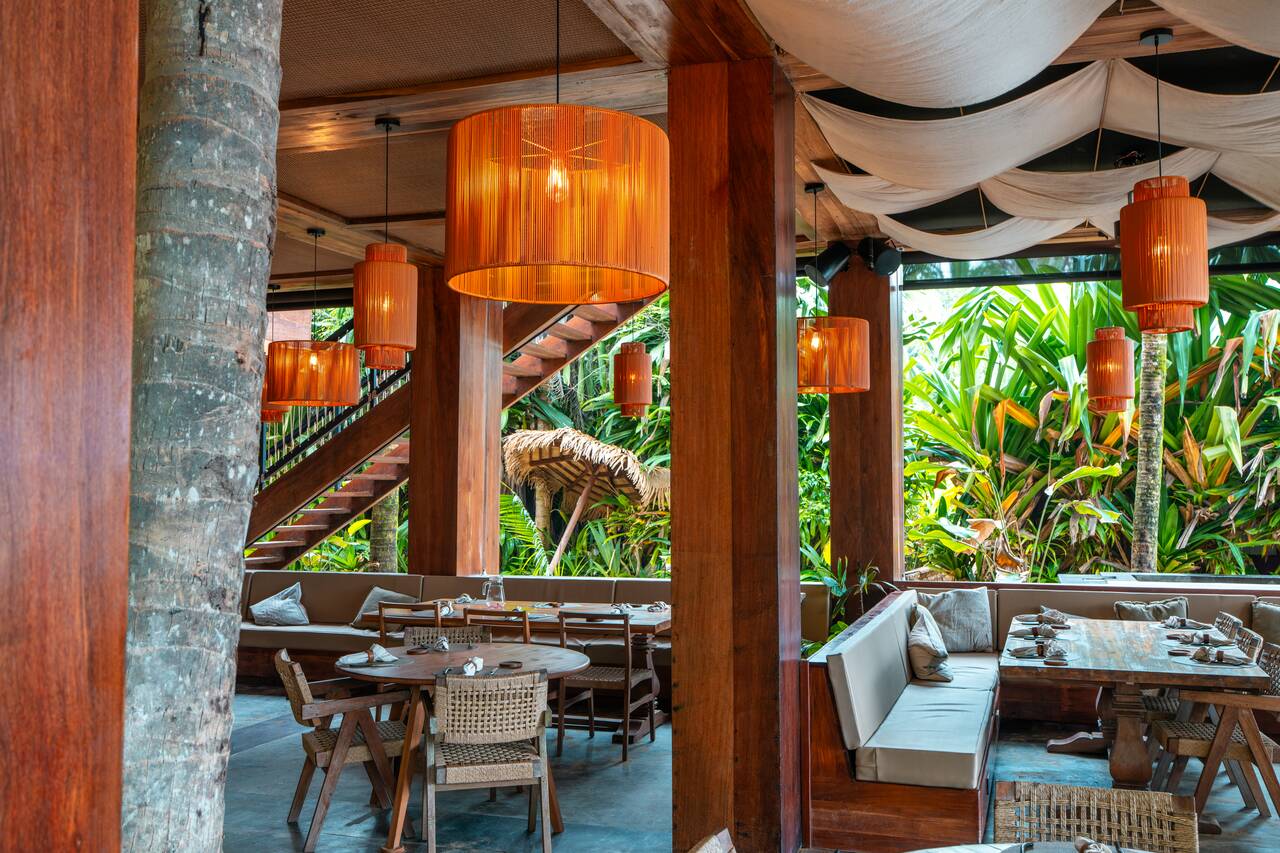
There are also a few beach bars and restaurants nearby where you can grab a drink or lunch without having to leave the area. Spend the rest of the day relaxing on the beach before heading back to Bocas Town around 4:30 PM. From there, you can relax and celebrate completing this entire itinerary. Congratulations!


Getting out of Bocas Del Toro
If you are planning to continue onward to Costa Rica, you can take a shared transfer service from Bocas Town to Almirante and then onward to the border. Most services will assist you with the border crossing process before continuing to destinations such as Puerto Viejo or San José.
The border crossing itself was surprisingly easy and straightforward. It took me only about 20 minutes to complete the process, and I was traveling on a pretty problematic passport (Thai passport with a valid US visa, which I used to enter Costa Rica), so if you have a passport from a western country, it should be even faster for you.
You can check availability and book the transfer here. Prices start at around 30 USD, and the journey takes approximately 4–5 hours to Puerto Viejo, or around 10.5 hours to San José.
When to Visit Panama?
The best time to visit Panama is during the dry season, which runs from December to April. During these months, you can expect sunny days, lower humidity, calmer seas on both the Caribbean and Pacific coasts, and ideal conditions for hiking, and island hopping, which we will do plenty of in this itinerary.
That said, Panama is a year-round destination. The rainy season, which typically lasts from May to November, often brings short afternoon showers rather than all-day rain, especially on the Pacific side. The landscape is at its greenest during this period, and popular destinations tend to be less crowded and more affordable.
One thing to keep in mind is that weather patterns can vary depending on where you are in the country. Places like Bocas del Toro and other Caribbean destinations often experience rain throughout the year, while areas such as Panama City, El Valle de Antón, and Boquete generally follow the more predictable dry and rainy seasons.
I visited Panama in February, which falls within the dry season, and the weather was still a mix of sunny and rainy days. I experienced at least one rainy day in every destination I visited, although the vast majority of the trip was blessed with sunshine.
That said, I did encounter some pretty rough weather on my way back from San Blas. It was so windy and rainy that I found myself clinging on for dear life as our speedboat launched over massive waves on the way back to the mainland. I was genuinely scared for my life during that ride! 😅
Other than that, the weather was generally quite good throughout my trip, with occasional rain showers here and there but nothing nearly as intense as what I experienced in San Blas. All in all, as long as you are prepared for the occasional tropical shower, Panama is an incredible destination no matter when you visit.
How to Get to Panama?

Panama is one of the easiest countries to reach in Central America thanks to its position as a major transportation hub for the region. Most international travelers arrive via Tocumen International Airport (PTY) in Panama City, the country's largest airport and the main hub for Copa Airlines, which connects Panama with destinations across North America, South America, Europe, and the Caribbean.
To find the best flight deals to Panama, I recommend using Skyscanner or Expedia. Flights are generally most affordable during the rainy season, between May and November, while prices tend to be higher during the dry season from December to April.
If you are already traveling in Central America, Panama is also well connected to Costa Rica by land. Several shuttle services operate between destinations such as Puerto Viejo and San José, making it easy to combine Panama with a broader Central America itinerary. You can find and book international transfers here.
How to Get Around Panama?
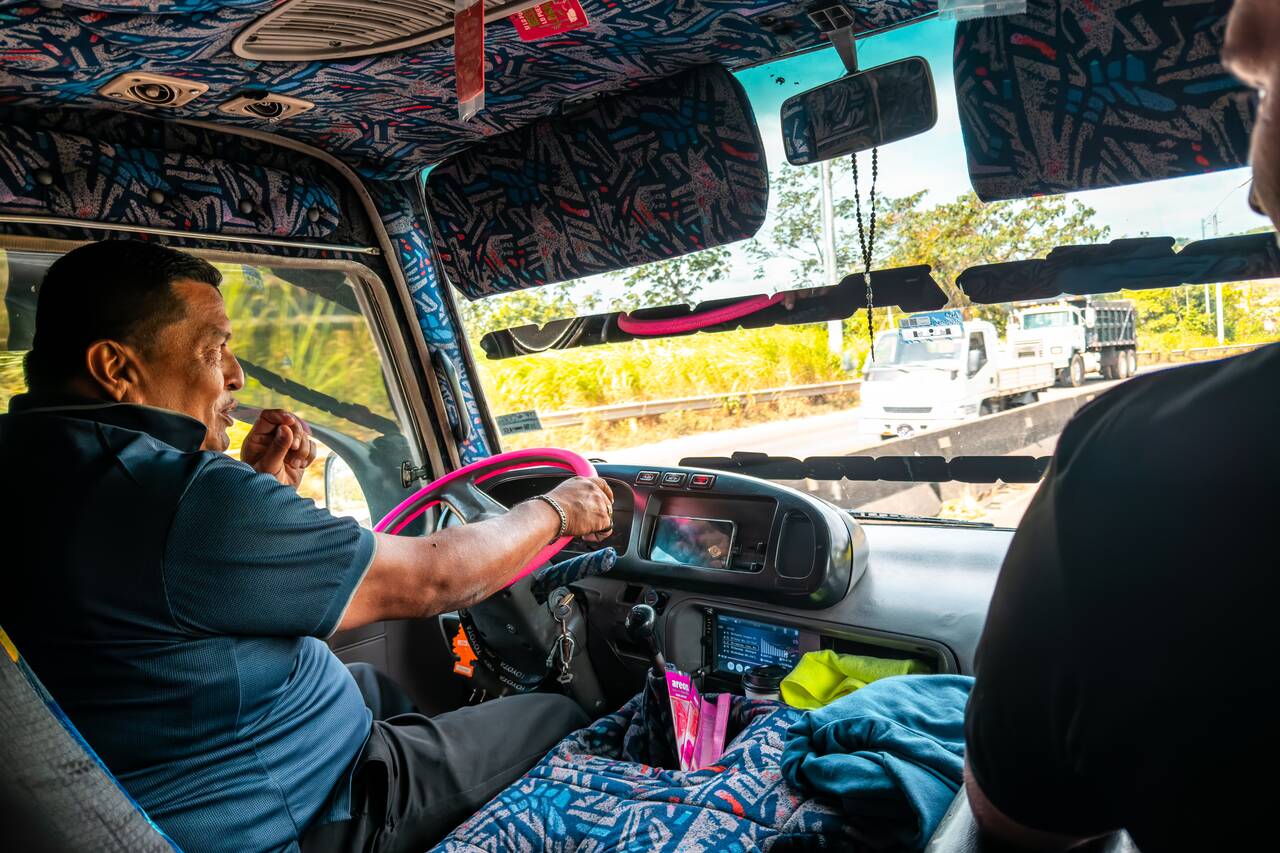
By Bus: Buses are the most affordable way to travel around Panama and connect most major destinations, including Panama City, El Valle de Antón, Boquete, David, and Almirante. Long-distance buses are generally comfortable, reliable, and inexpensive. We will be using local buses to travel to most places in this itinerary.
By Shared Shuttle: Shared shuttles are often the most convenient way to travel between popular tourist destinations. While they do not operate on every route, they can save you a significant amount of time and hassle. In this itinerary, we will use a shared shuttle on the Boquete-to-Bocas del Toro route, as it allows us to avoid backtracking through David and dealing with multiple transfers. You can compare routes and book transfers through Bookaway.
By Domestic Flight: If you are short on time, domestic flights can significantly reduce travel times, although you will miss some of the highlights along the way. Routes such as Panama City to Bocas del Toro are operated regularly and can save you an entire day of overland travel. This is a good option if you are short on time and do not mind skipping destinations such as El Valle de Antón or Boquete. You can look for cheap flights here.
By Rental Car: Renting a car is a great option if you plan to explore multiple destinations at your own pace. Roads between major cities are generally in good condition, although some remote areas, such as the road through the Guna territory to the San Blas boat docks, may require a 4WD vehicle, especially during the rainy season. You can rent a car here.
By Taxi and Uber: Taxis are widely available throughout the country, while Uber operates in Panama City and is often cheaper and more convenient than traditional taxis. In smaller towns such as Boquete and El Valle de Antón, taxis are inexpensive and easy to find. Just be sure to agree on the fare before getting in when using regular taxis, as most do not use meters.
For most people, I recommend combining buses or shared shuttles for long-distance travel and then using taxis, bicycles, or walking to explore individual destinations.
How Much Money Do I Need For 2 weeks in Panama?
From this 2-week itinerary, we can calculate approximately how much money you will be spending here (on average) as follows:
| 🛌 Lodging: | 255 USD (15 USD/Day) |
| 🥘 Food: | 360 USD (24 USD/Day) |
| 🚗 Transportation: | 141.50 USD (9.43 USD/Day) |
| 🧗 Activities: | 400 USD (26.67 USD/Day) |
| 💰 Total Budget: | 1,156.50 USD (77.1 USD/Day) |
Is it safe in Panama?
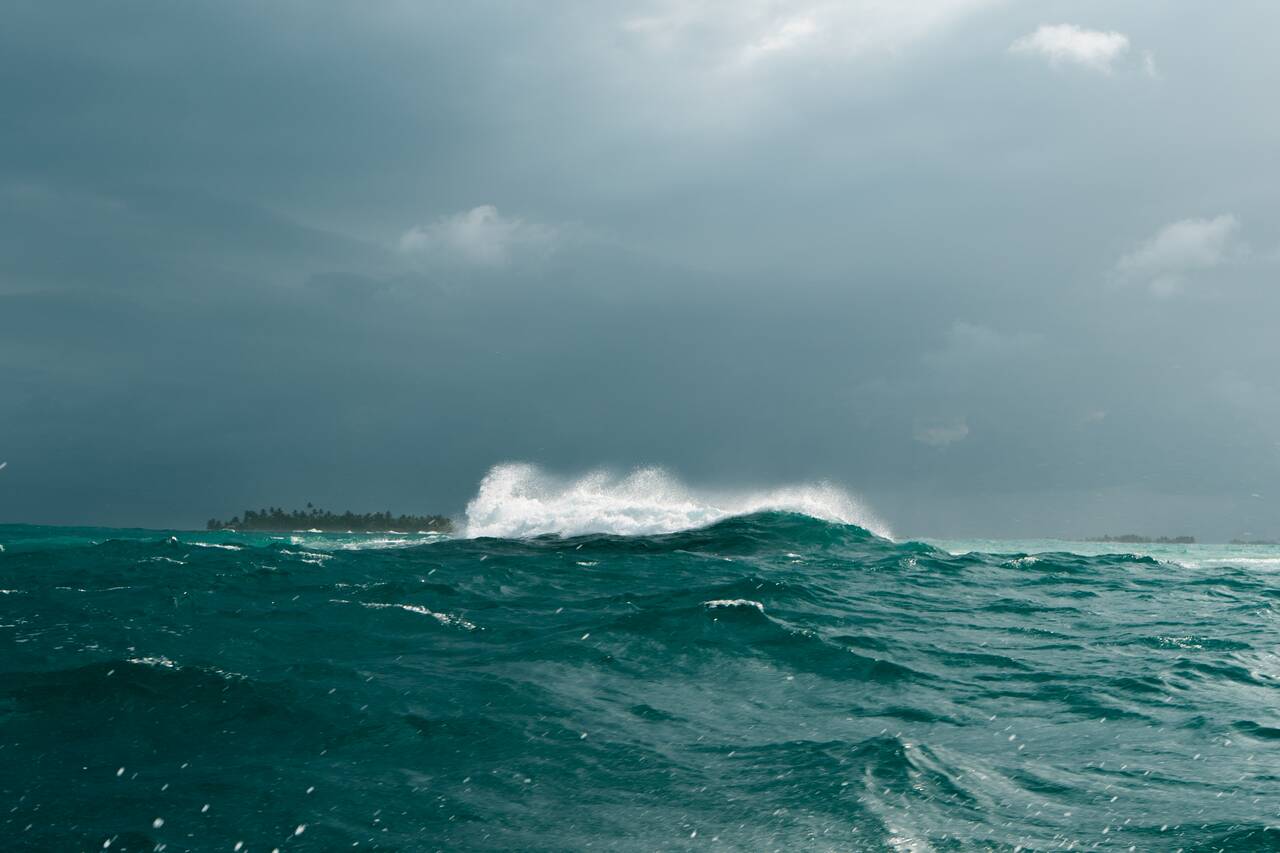
Yes, Panama is generally considered one of the safest countries to visit in Central America, and I never felt unsafe during my travels there, except maybe one time when I was on a speedboat returning from San Blas during a stormy day. That ride definitely tested my nerves! 😅 In general, though, the country has a well-developed tourism infrastructure, friendly locals, and a relatively stable political and economic environment compared to many of its neighbors.
That said, like anywhere else in the world, it is important to exercise common sense. Petty theft and pickpocketing can occur in busy tourist areas, bus terminals, and crowded parts of Panama City, so keep an eye on your belongings and avoid leaving valuables unattended.
In destinations such as Boquete, El Valle de Antón, Bocas del Toro, and San Blas, I found the atmosphere to be relaxed and welcoming. I walked around both day and night without any issues, although I always took the usual precautions, such as avoiding poorly lit areas late at night and not carrying unnecessary valuables.
In Panama City, the main tourist areas are generally very safe, and you can walk around comfortably throughout the day. However, it is easy to accidentally wander into less touristy neighborhoods where the streets can feel more crowded and a bit intimidating, especially if you are unfamiliar with the area. Most accommodations will let you know which areas are safe to explore and which ones to avoid, so be sure to ask when you arrive.
Overall, as long as you follow basic travel safety practices and stay aware of your surroundings, Panama is a relatively safe country to explore.
Which tourist SIM card is best for Panama?
For most travelers visiting Panama, I recommend getting an eSIM before you arrive, as it is by far the easiest way to stay connected without having to deal with local SIM card operators. You can set it up before your trip, so you will have a connection immediately after landing and can easily book an Uber to your accommodation in Panama City.
If your phone supports eSIMs, providers such as Airalo or Trip.com offer data plans that work throughout Panama and can be activated within minutes. I personally find eSIMs to be the most convenient option, especially if you are visiting multiple countries during the same trip.
If you prefer getting a local SIM card, I recommend getting a +Móvil or Tigo SIM card. They generally have the widest coverage, especially if you are traveling beyond Panama City to places like El Valle de Antón, Boquete, and Bocas del Toro. Digicel can work fine in cities, but coverage can be less reliable in more remote areas.
You can buy a SIM card at the airport, official stores, or many convenience shops. Just make sure your phone is unlocked before arriving. You will need your passport to register the SIM card, and most plans are prepaid with a set amount of data.
For more information about Panama's local SIM card: Panama's Prepaid Data SIM Card.
Tips: To stay connected with people at home, make sure that you have a VPN, such as ProtonVPN, installed before traveling. It's FREE, and you can gain access to services that may be blocked in certain countries.
Disclaimer: This post may contain affiliate links. See our disclosure policy.
First Published:
Last updated: