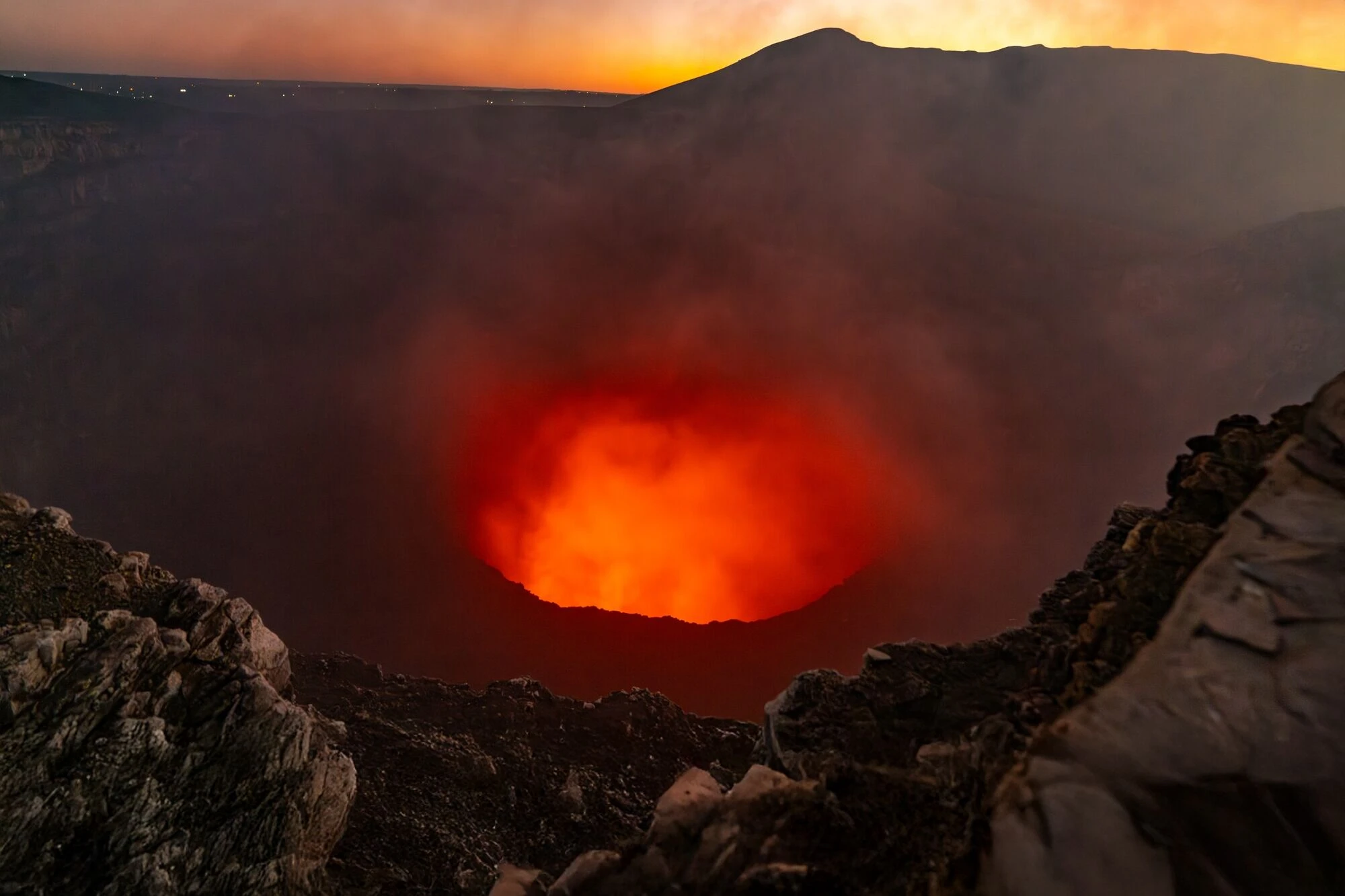


Nicaragua is one of my favorite countries in Central America, thanks to its incredible mix of volcanoes, colonial cities, unbeatable affordability, and incredibly friendly locals. Despite its reputation as the poorest country in the region, my experience here was anything but that. Nicaragua is rich in experiences, culture, and natural beauty, and you simply can't beat how affordable it is, especially if you're coming from neighboring countries like Costa Rica or El Salvador.
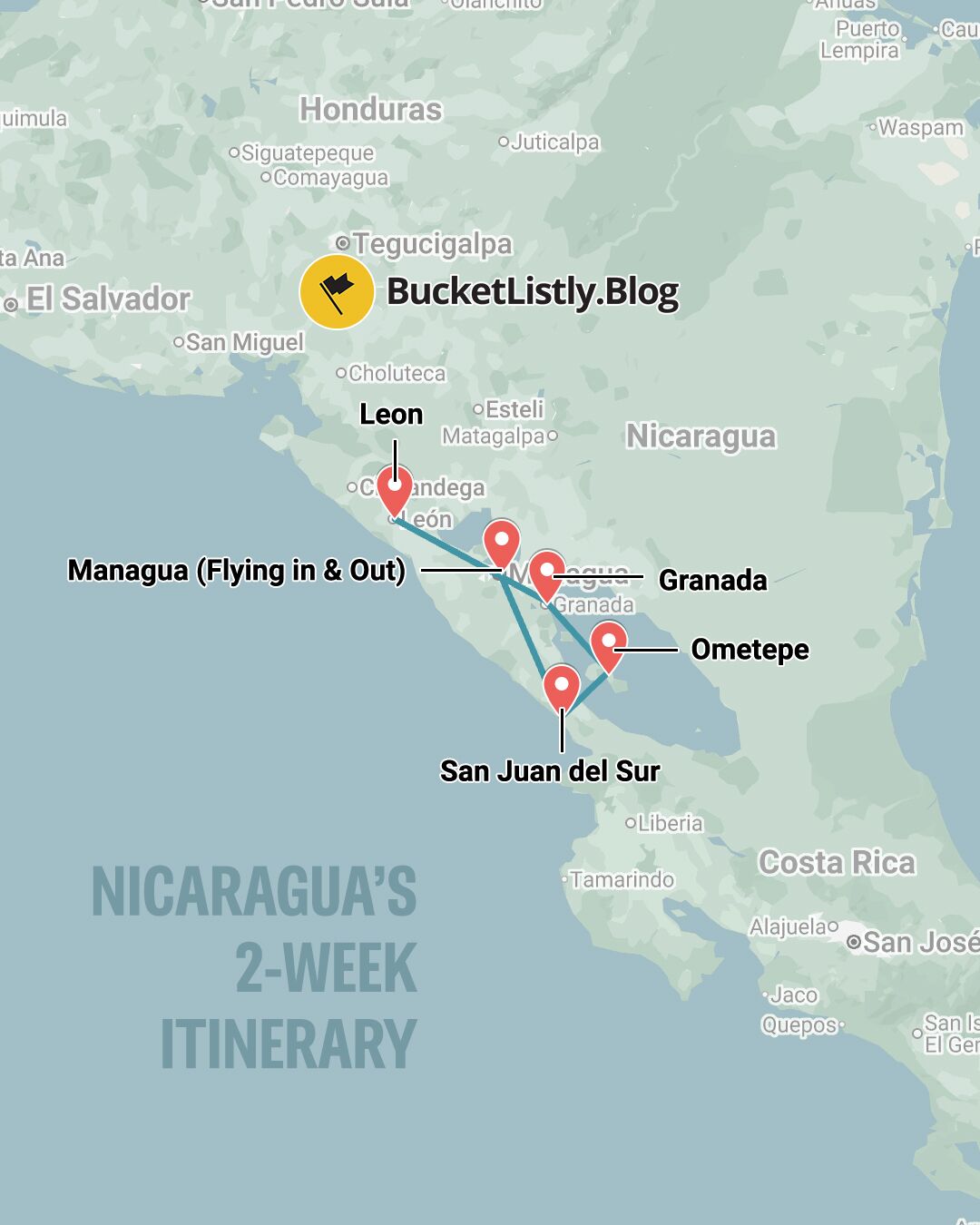
This 2-week Nicaragua itinerary is designed to help you experience the very best of the country without rushing. We will start by relaxing along the Pacific coast in San Juan del Sur, explore the unique volcanic landscapes of Ometepe Island, wander through the beautiful colonial streets of Granada, and finish in León, the revolutionary city famous for its history and the unforgettable experience of volcano boarding down Cerro Negro.
Throughout this itinerary, I'll share everything you need to plan your own trip, including how to get between destinations, how many days to spend in each place, the best things to do, where to eat, and all the practical tips I learned while traveling through Nicaragua. Let's get planning, shall we?

Map of this Nicaragua 2-week Itinerary
Quick Summary
| ☀️ Day 1: | Managua |
| ☀️ Day 2-4: | San Juan del Sur |
| ☀️ Day 5-8: | Ometepe |
| ☀️ Day 9-12: | Granada |
| ☀️ Day 13-15: | Leon |
2 Weeks Nicaragua Itinerary
Day 1: Managua (1 night)
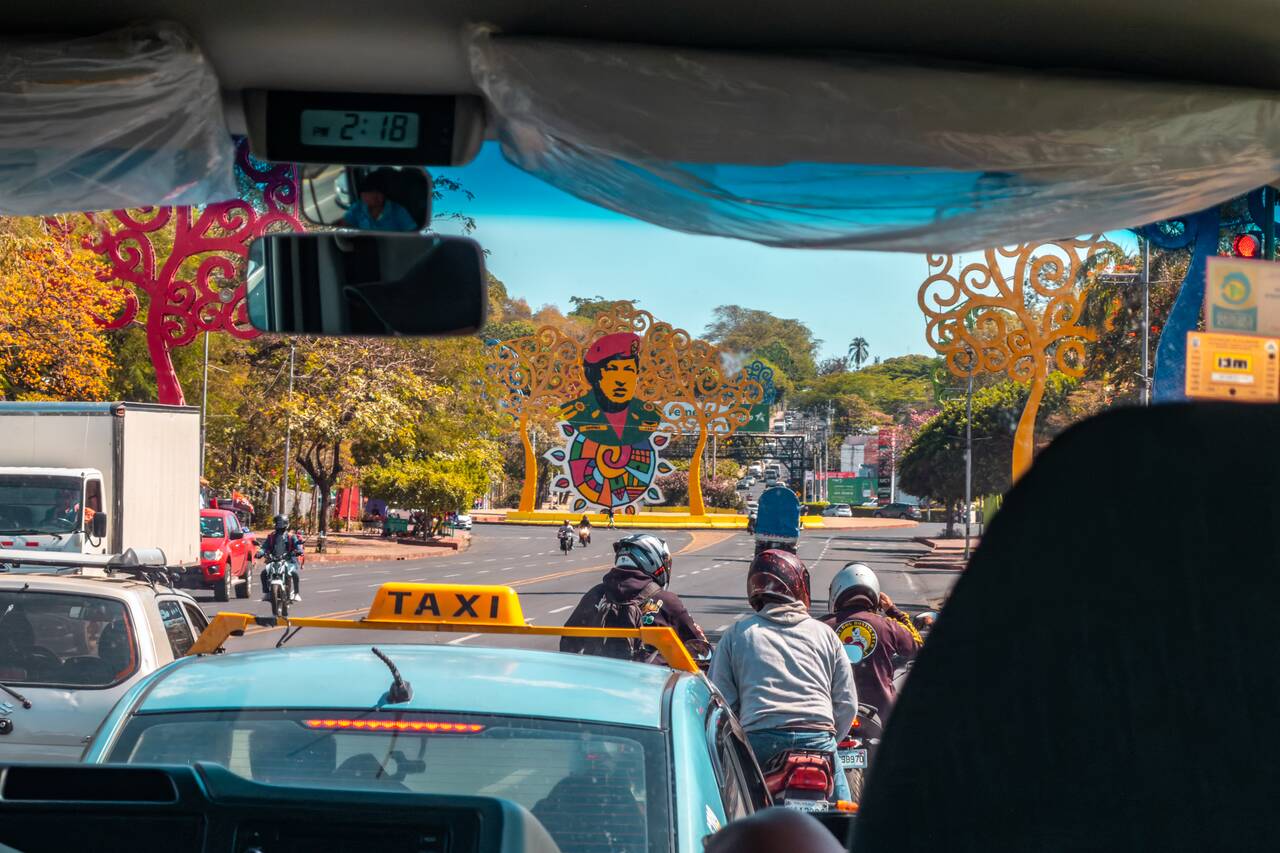
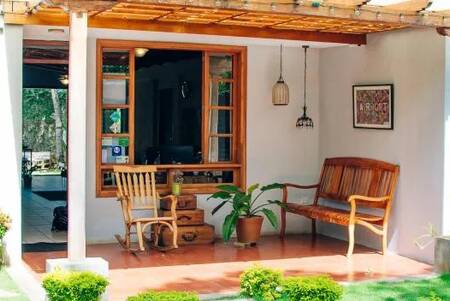
- 📍 Stay: La Posada del Arcangel
- 🕐 Time: 1 night
If you're coming from abroad, you'll most likely fly into Augusto C. Sandino International Airport (MGA) in Managua, the country's main international gateway. Depending on what time you arrive, you may need to spend a night in Managua first, or you may be able to skip the capital altogether and head straight to San Juan del Sur, the first actual destination in this itinerary.


Getting from Managua to San Juan del Sur
To get from Managua to San Juan del Sur, you can take one of the many shared shuttle services connecting the two destinations. Many operators offer airport or hotel pick-up and hotel drop-off, so depending on what time your flight arrives, you may be able to skip Managua altogether and head straight to San Juan del Sur.
At the time of writing, there is a shuttle departing at 1 PM, arriving in San Juan del Sur at around 4:30 PM. The shuttle will pick you up at the arrivals exit of the airport terminal. You can browse more shared shuttle options here.
- Nicaragua - Land of Lakes and Volcanoes (13 Days)
- Nicaragua - The Best of Nicaragua (6 days)
- Epic Central America: Seven Countries & the Softest Sand Ever (45 Days)
Day 2-4: San Juan del Sur (3 nights)
- 📍 Stay: Tapihouse San Juan Del Sur
- 🕐 Time: 3 nights
- 📖 Full Guide: Explore San Juan del Sur: Surf, Sunsets & Beach Life
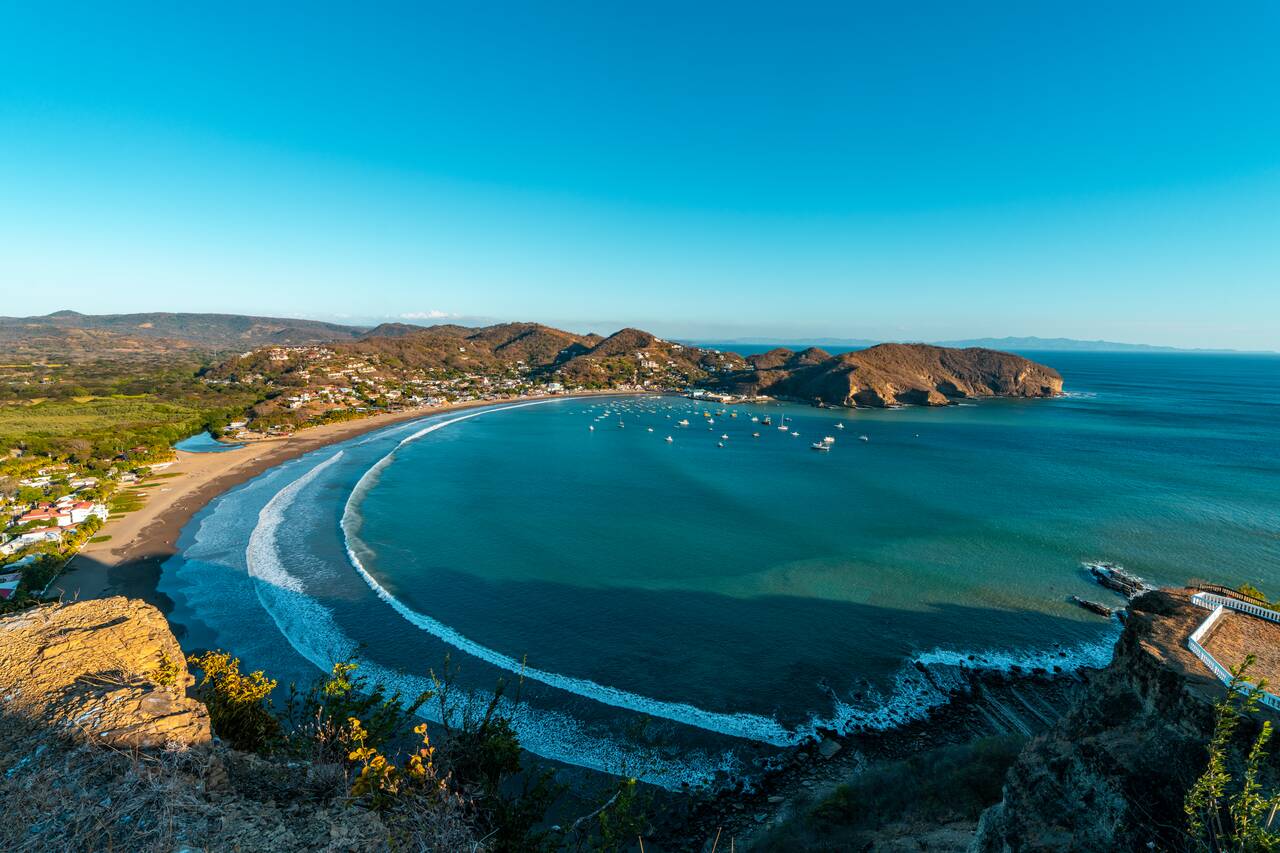
San Juan del Sur is one of my favorite beach towns in Nicaragua, thanks to its laid-back vibe, crescent-shaped bay, and easy access to some of the best beaches along the Pacific coast. There is no better place to begin your journey through Nicaragua than in this relaxing beach town.
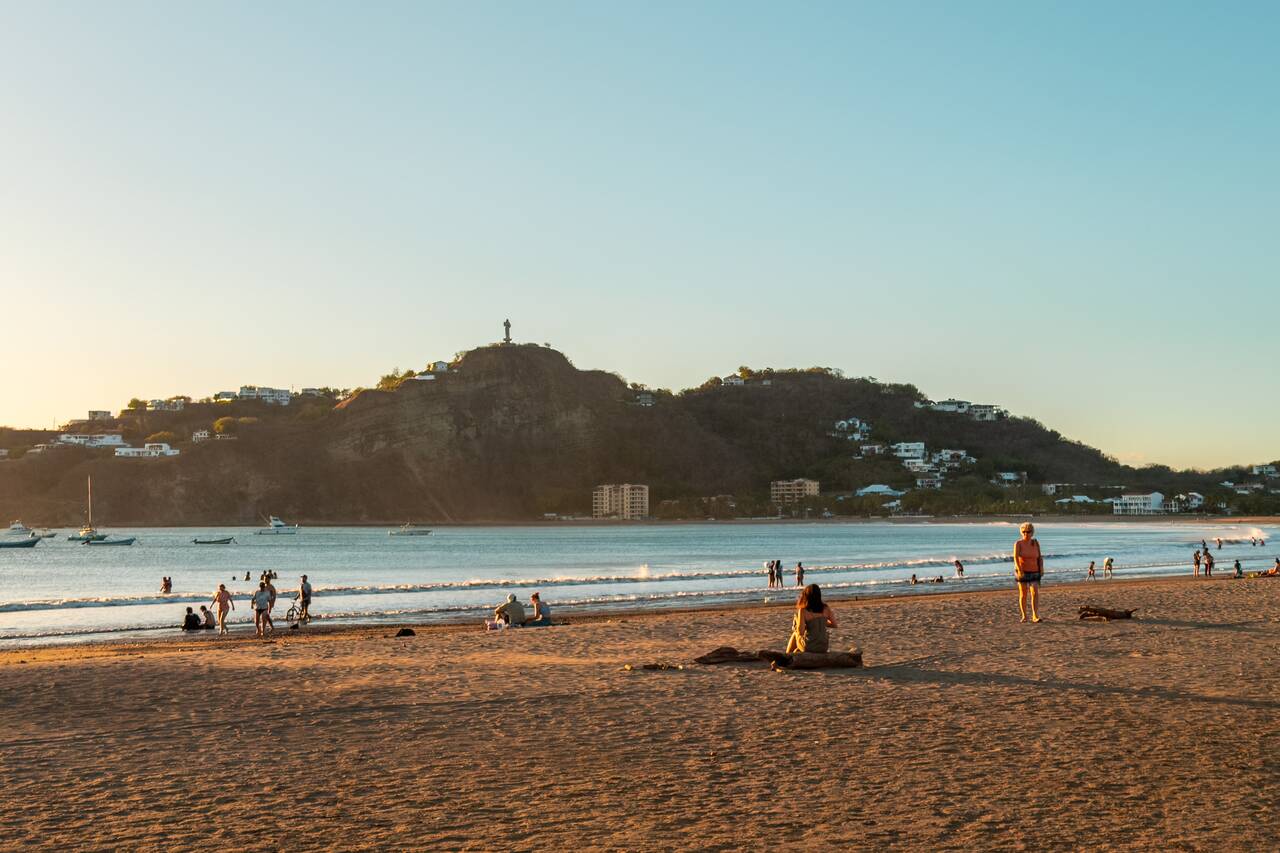
The best way to kick off your trip to San Juan del Sur is by taking a stroll along its beautiful crescent-shaped beach. Once you've settled into your accommodation, head over to Playa San Juan del Sur and take in the laid-back atmosphere that has made this little surf town one of my favorite beach towns in Nicaragua.
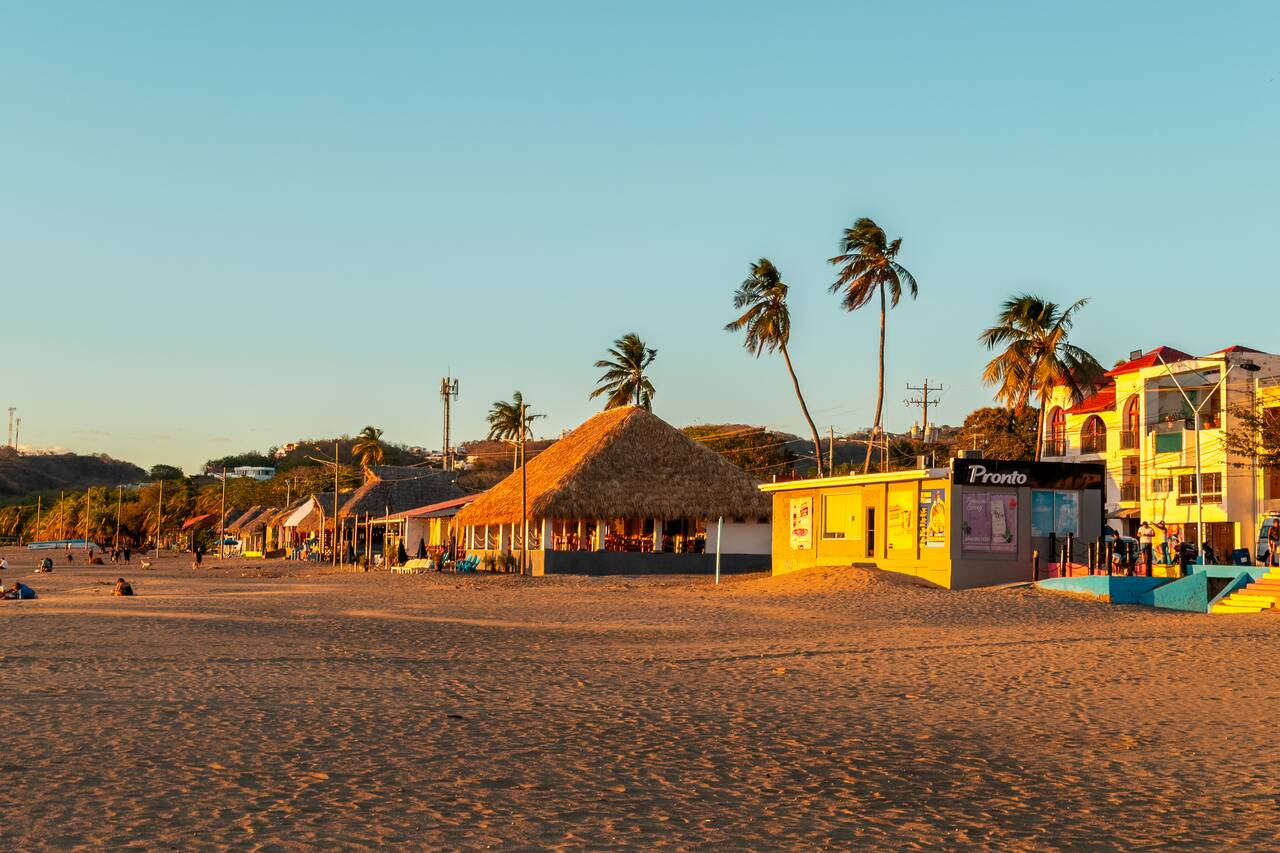
The beachfront is lined with restaurants, cafés, bars, surf shops, and colorful fishing boats bobbing in the bay. It's a lively place throughout the day, but I especially enjoyed walking here in the evening when the temperature cooled down and people gathered along the beach to watch the sunset.
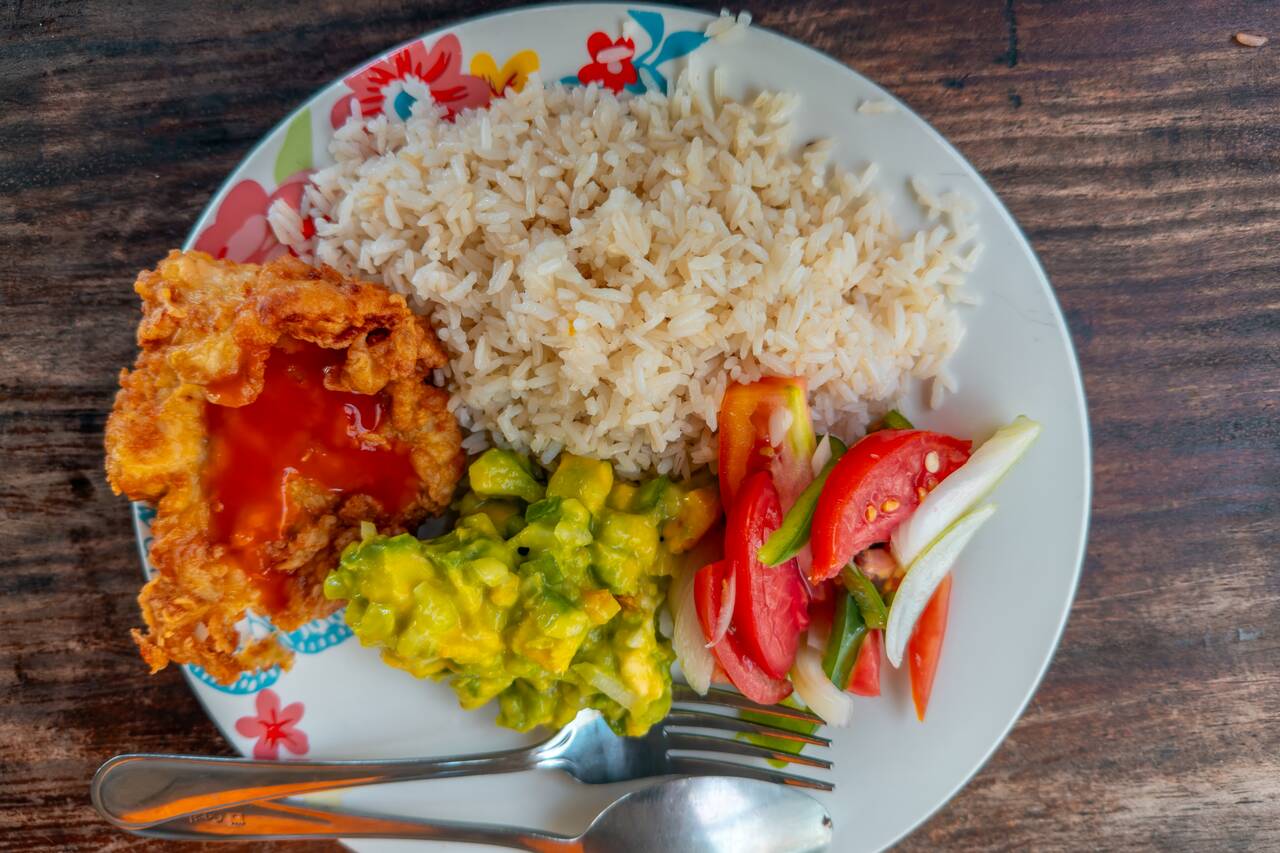
For your first dinner here, I recommend you go and eat some local food from my favorite restaurant in town, La Reina del Sur, a local spot right on the coastal road next to the beach. It’s a homemade buffet-style gallo pinto restaurant where you can choose one or two protein options, vegetables, and other sides for a very affordable price starting at around 120 NIO (3 USD).
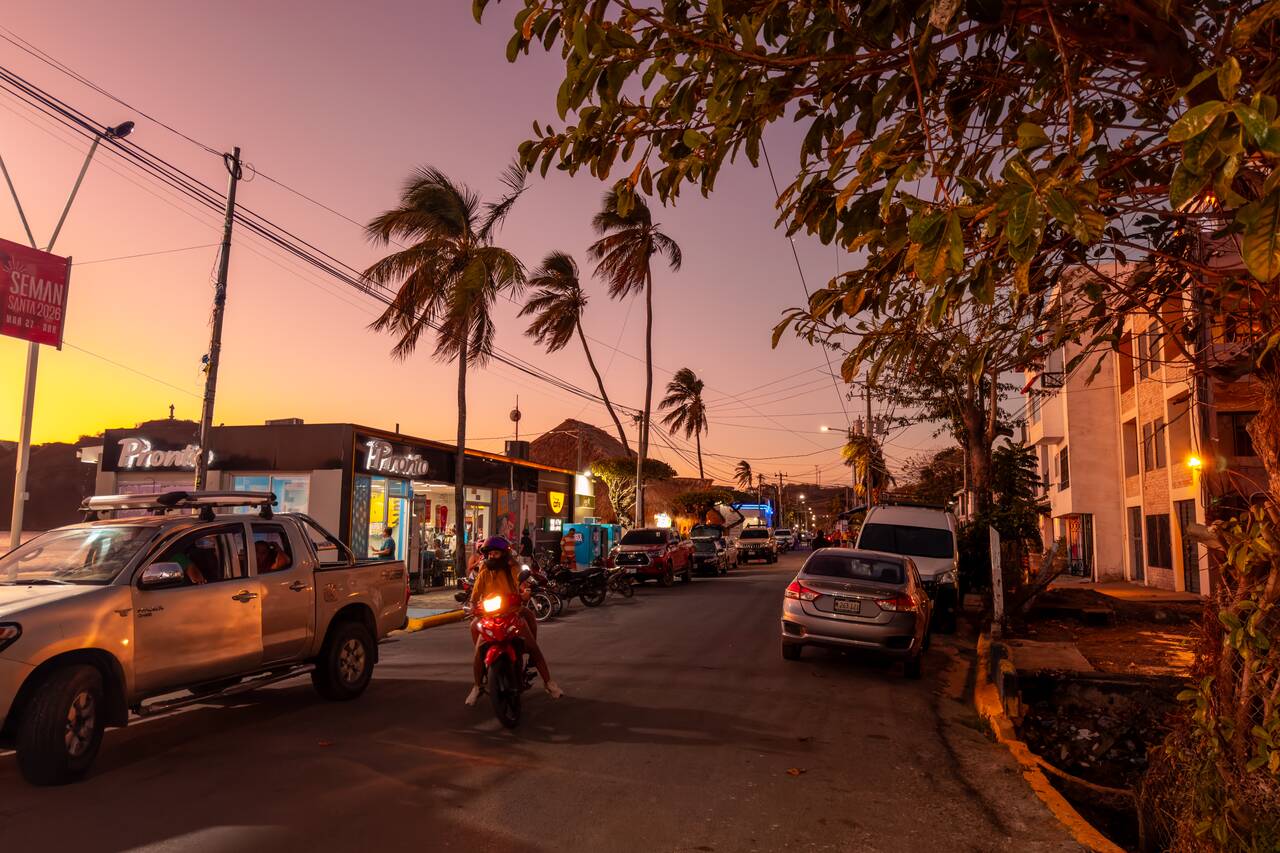
If you happen to be in San Juan del Sur on a Sunday, you can also spend the first night and join the most popular backpacker event, Sunday Funday. It's essentially a weekly pool party that takes you to multiple hostels and beachside venues around town, with music, drinks, and a very social atmosphere throughout the day. If not, you can retreat for the day and prepare for a relaxing day the next day.
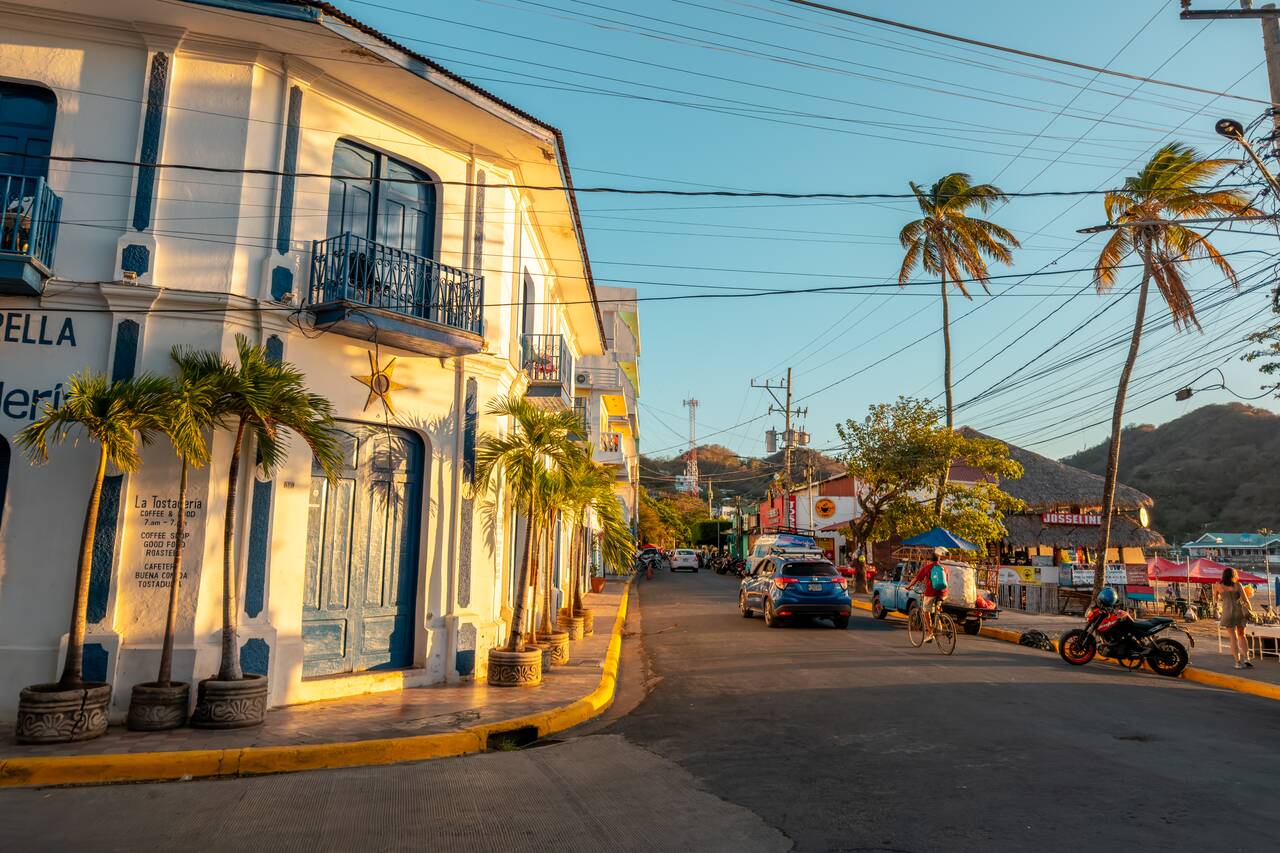
On your first full day here, you can spend the day exploring San Juan del Sur Town itself. Wander around its vibrant streets and admire some really pretty colonial-style architecture that is scattered throughout the town.
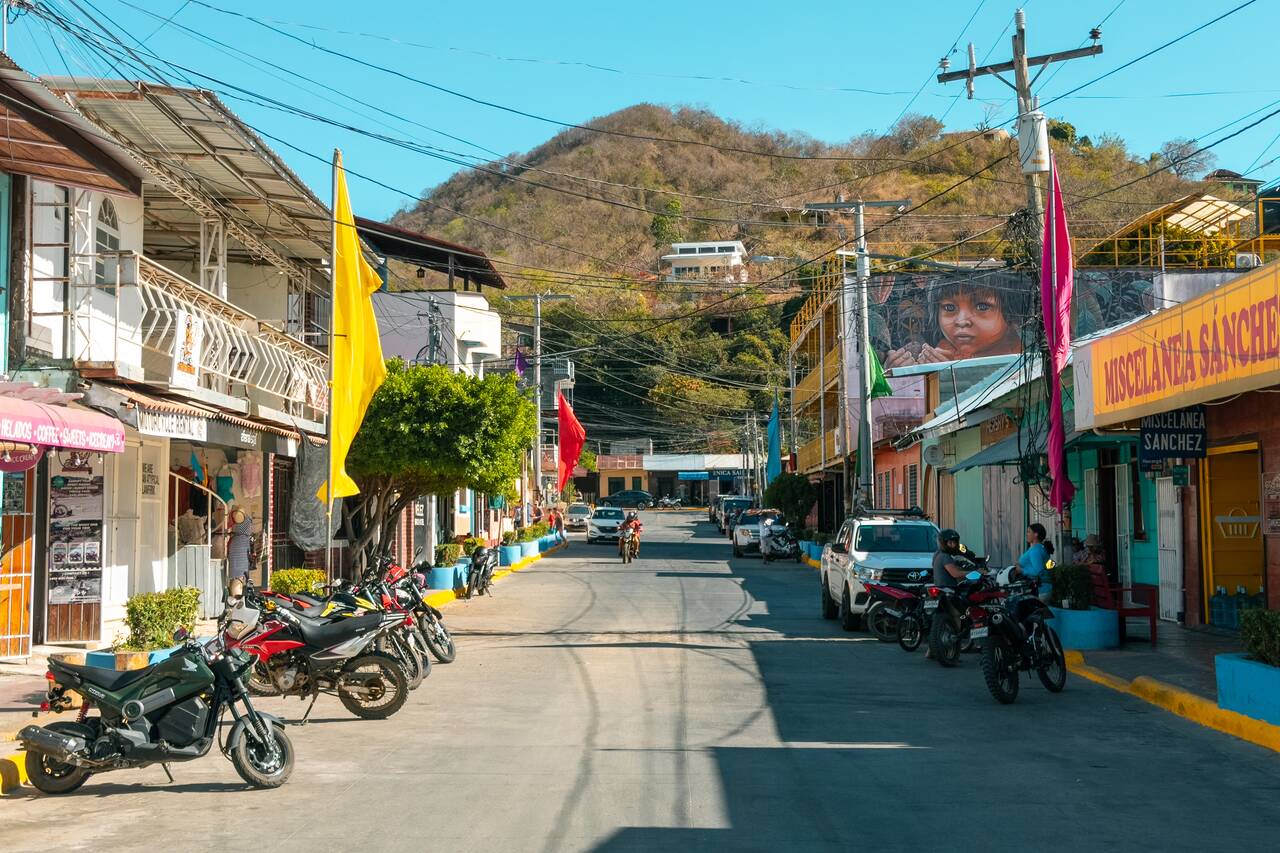
Along the waterfront, you'll find a mix of casual restaurants, beach bars, surf shops, and cafés, all facing the crescent-shaped bay. It’s a lively area throughout the day, especially in the late afternoon when people start gathering for sunset and evening drinks.
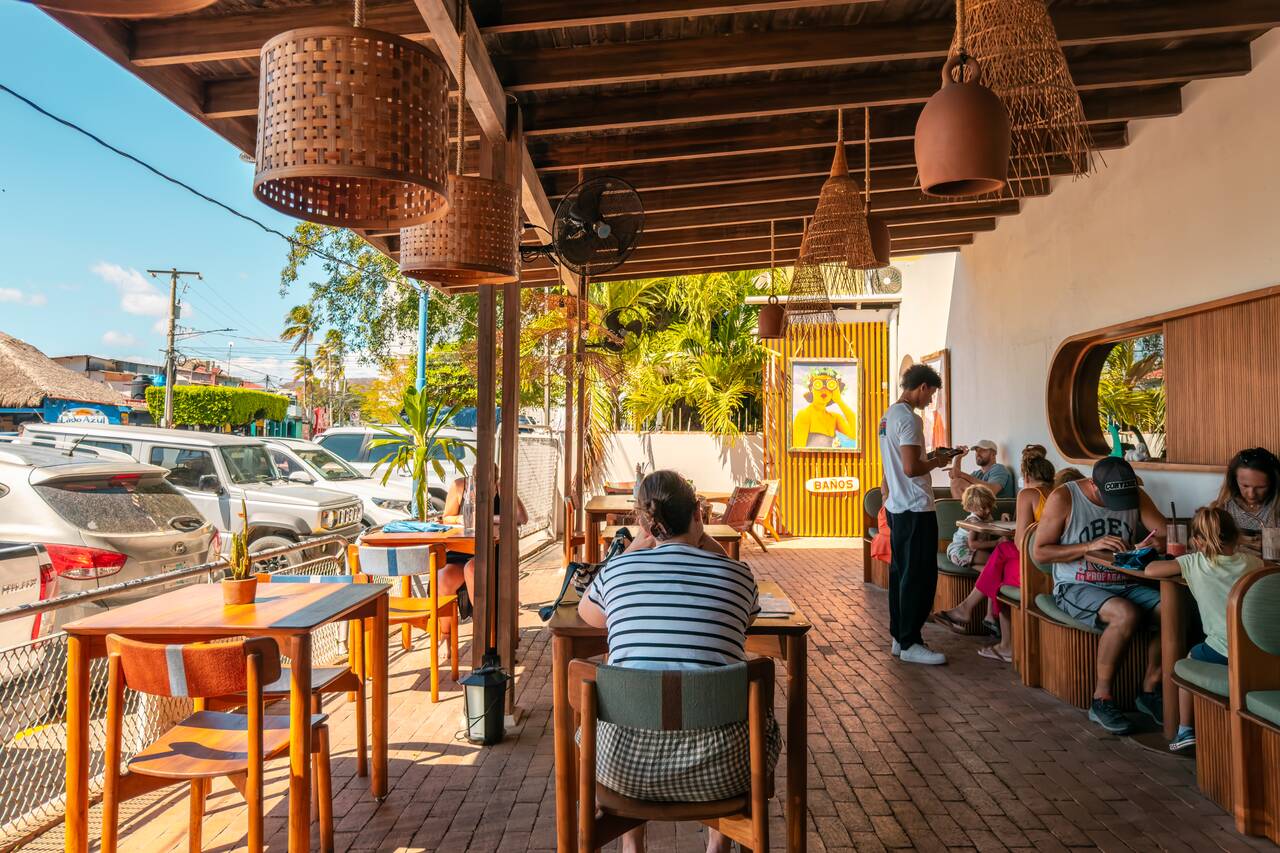
For a nice and cozy café with a great view of the waterfront street, Ding Repair Cafe is my go-to spot. It’s a bit on the more expensive side, with prices ranging between 300–500 NIO (8–13 USD) for a meal, but the quality is great and you definitely get your money’s worth here. Be sure to go here for lunch.
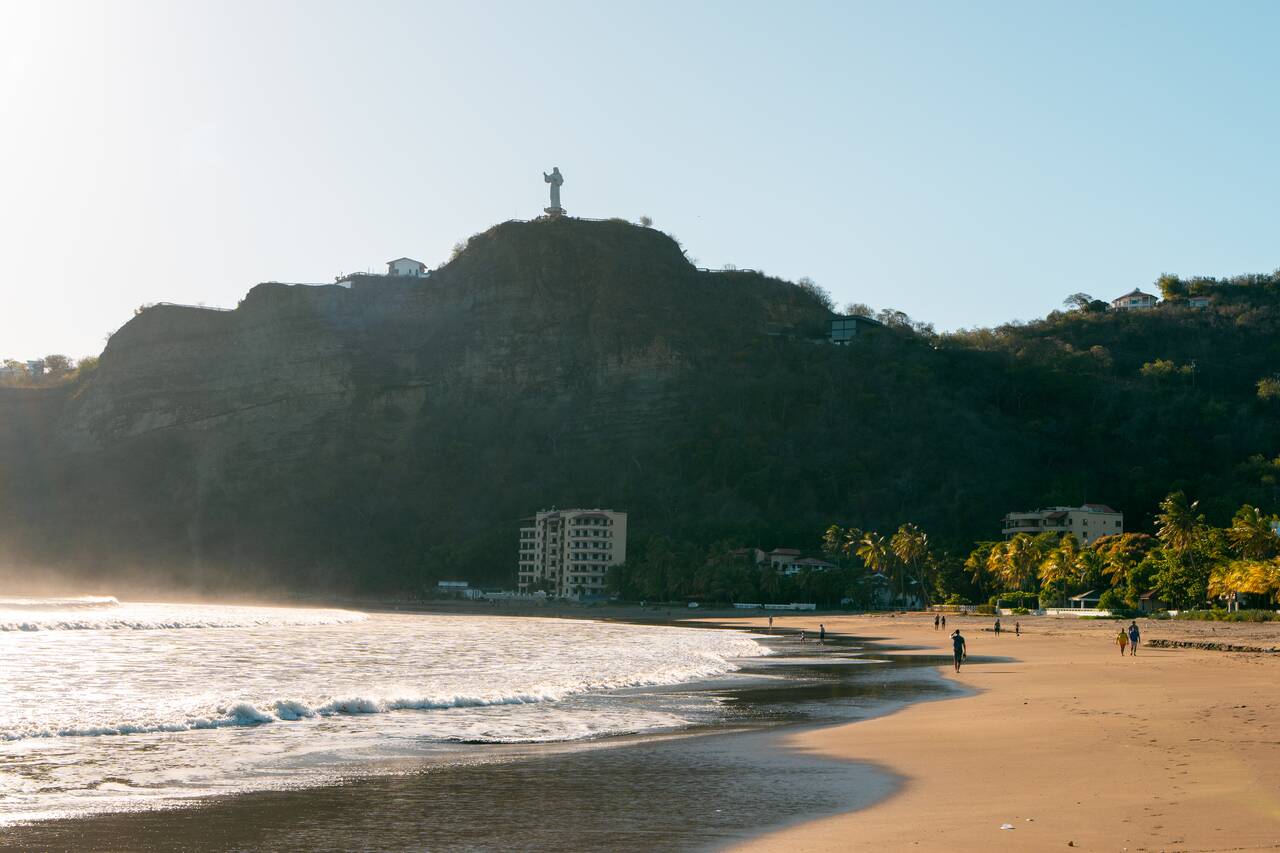
Once evening comes, go and hike up to Christ of the Mercy and watch the sunset from there. The statue stands high above the bay, overlooking the entire beach town, and from up here you'll get to see the beautiful crescent-shaped beach in all its glory.
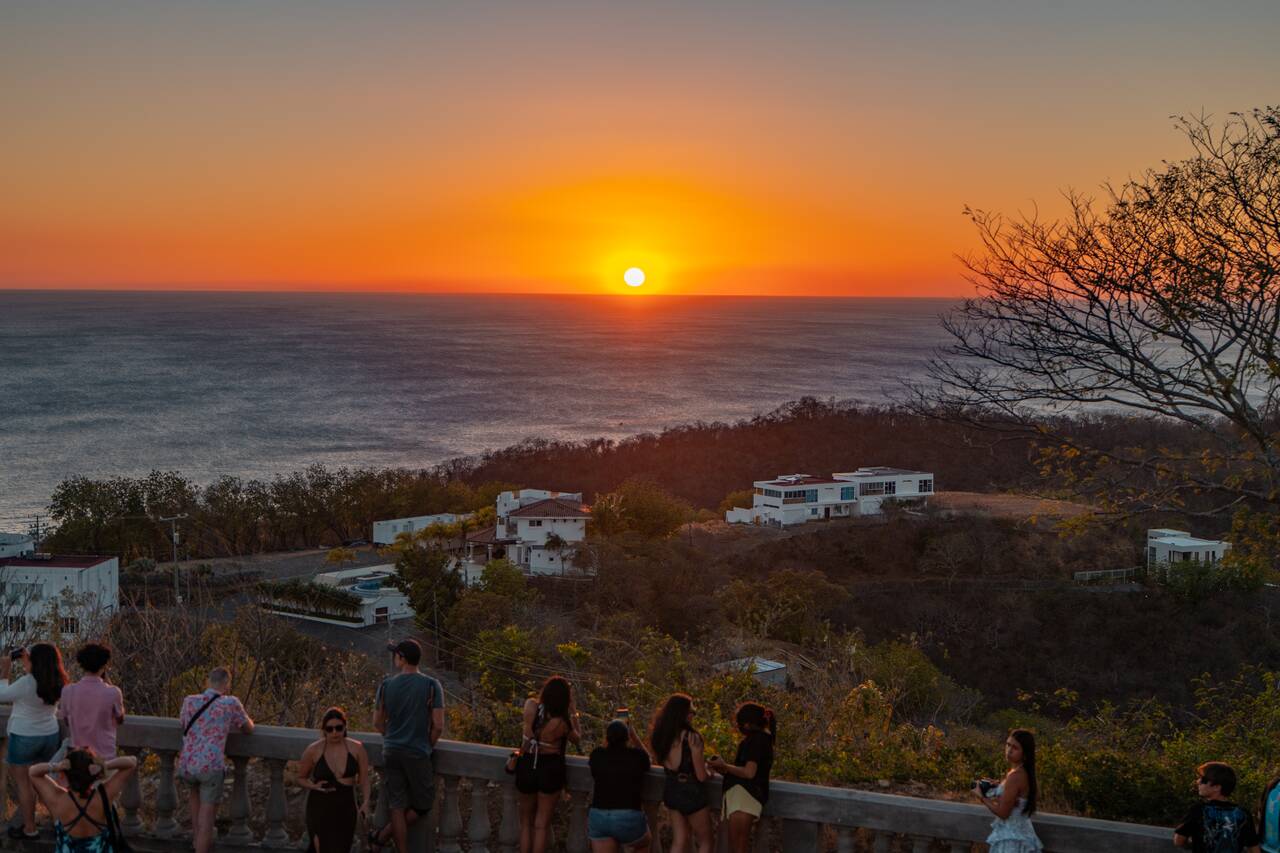
The hike itself takes around 20–30 minutes, depending on your pace. While it’s a bit steep in parts, it’s manageable for most people. You can also take a tuk-tuk or taxi up if you prefer to save your energy for the views at the top. For me, the walk was part of the fun.
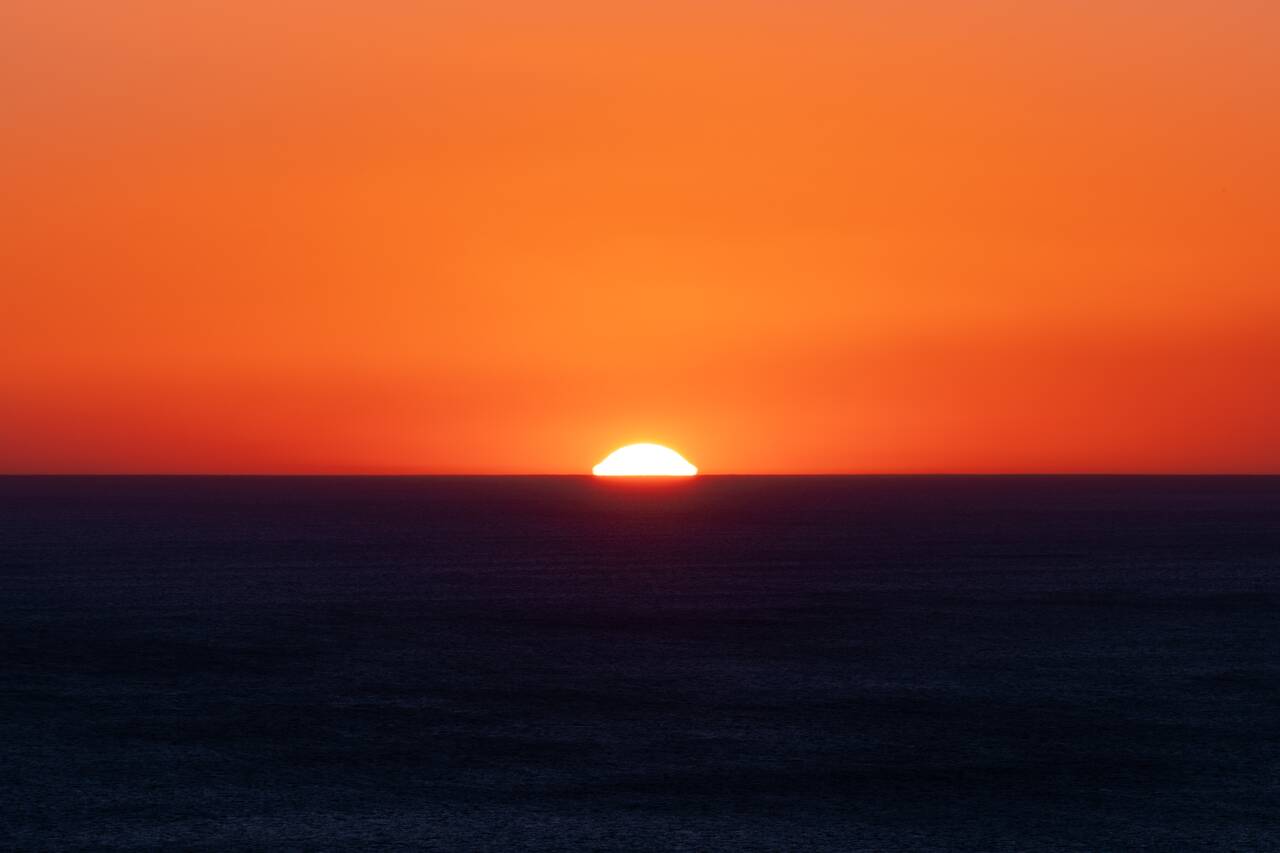
Try to arrive about 30–45 minutes before sunset so you have time to find a good viewing spot and enjoy the changing colors of the sky as the sun dips behind the ocean. Once done, you can head back to town and retreat for the night.
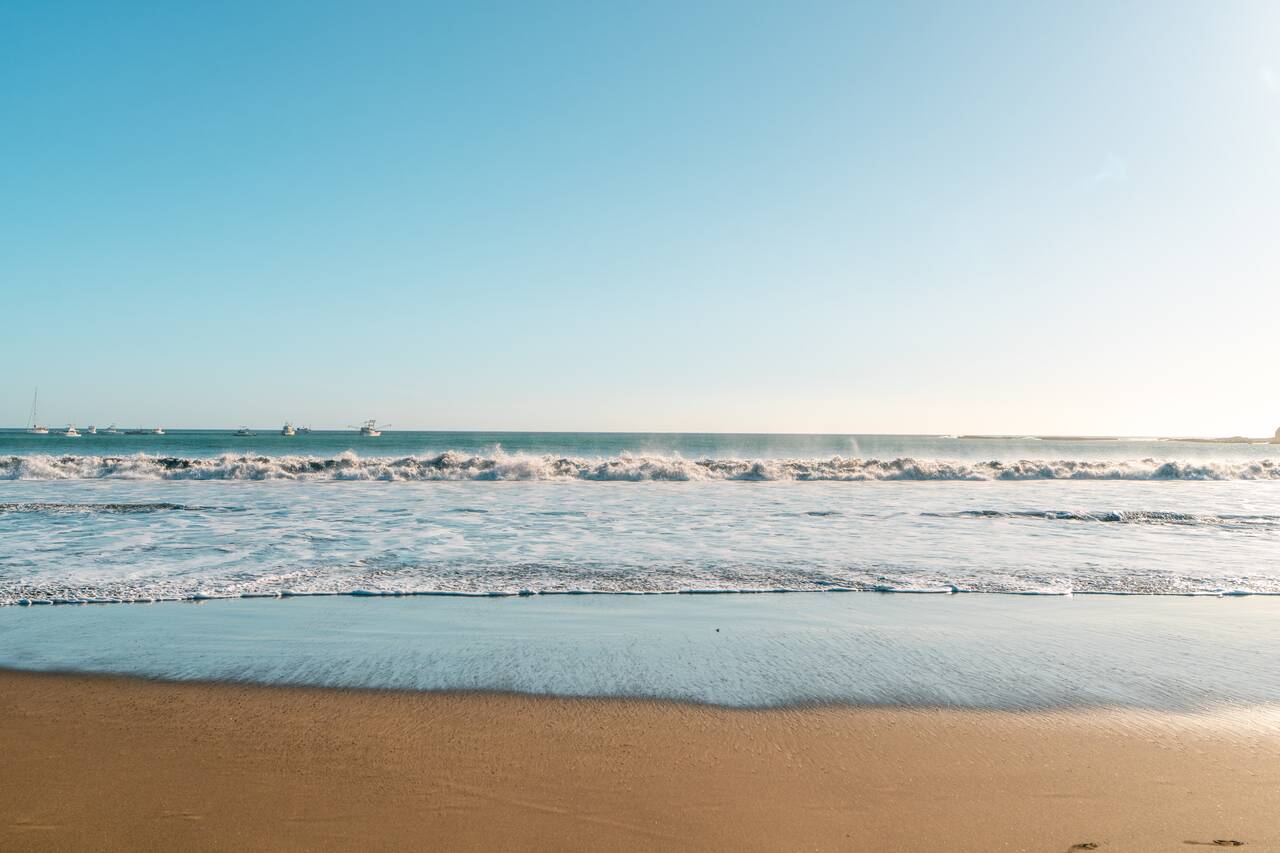
For the next day in San Juan del Sur, you can either spend the day relaxing or go and rent a motorbike to explore some of the beautiful beaches along the coast. You can rent a motorbike from Nica Moto Rental Shop for around 20 USD per day and check out nearby beaches like Playa Hermosa, Playa Marsella, and more. Each beach has its own vibe, from surf-friendly breaks to quiet, secluded stretches of sand, and it’s easy to mix and match a few in a single day depending on how much time you have.
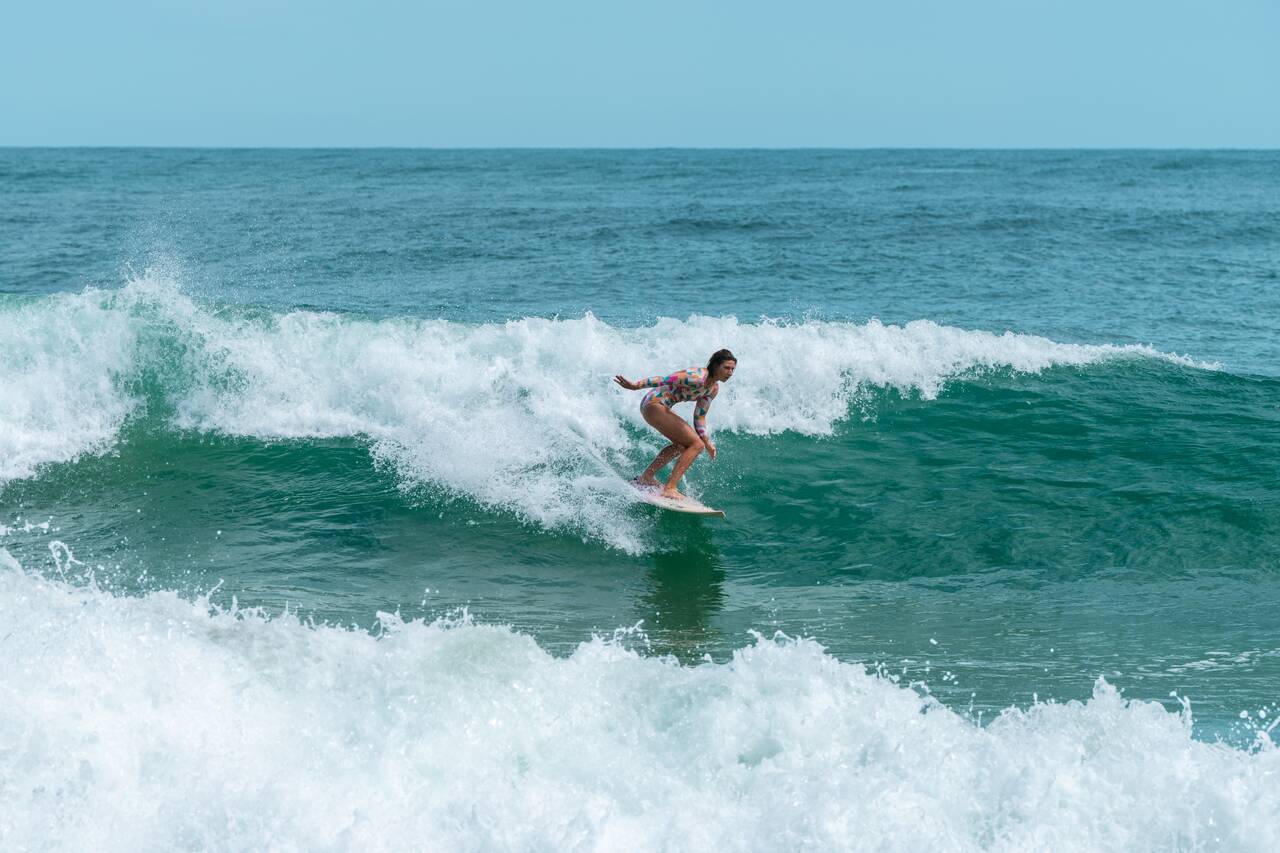
Playa Maderas is the most popular surfing beach, with consistent waves, laid-back beach bars, and surf schools for beginners. Playa Remanso is a great alternative if you're just starting out, offering smaller and more manageable waves. If you're looking for something quieter, Playa Marsella offers a more relaxed atmosphere with calm waters that are better for swimming than surfing. Playa Hermosa is the most well-known long beach in the area, often used for surf camps and beach clubs, while Playa Yankee feels more remote and untouched.
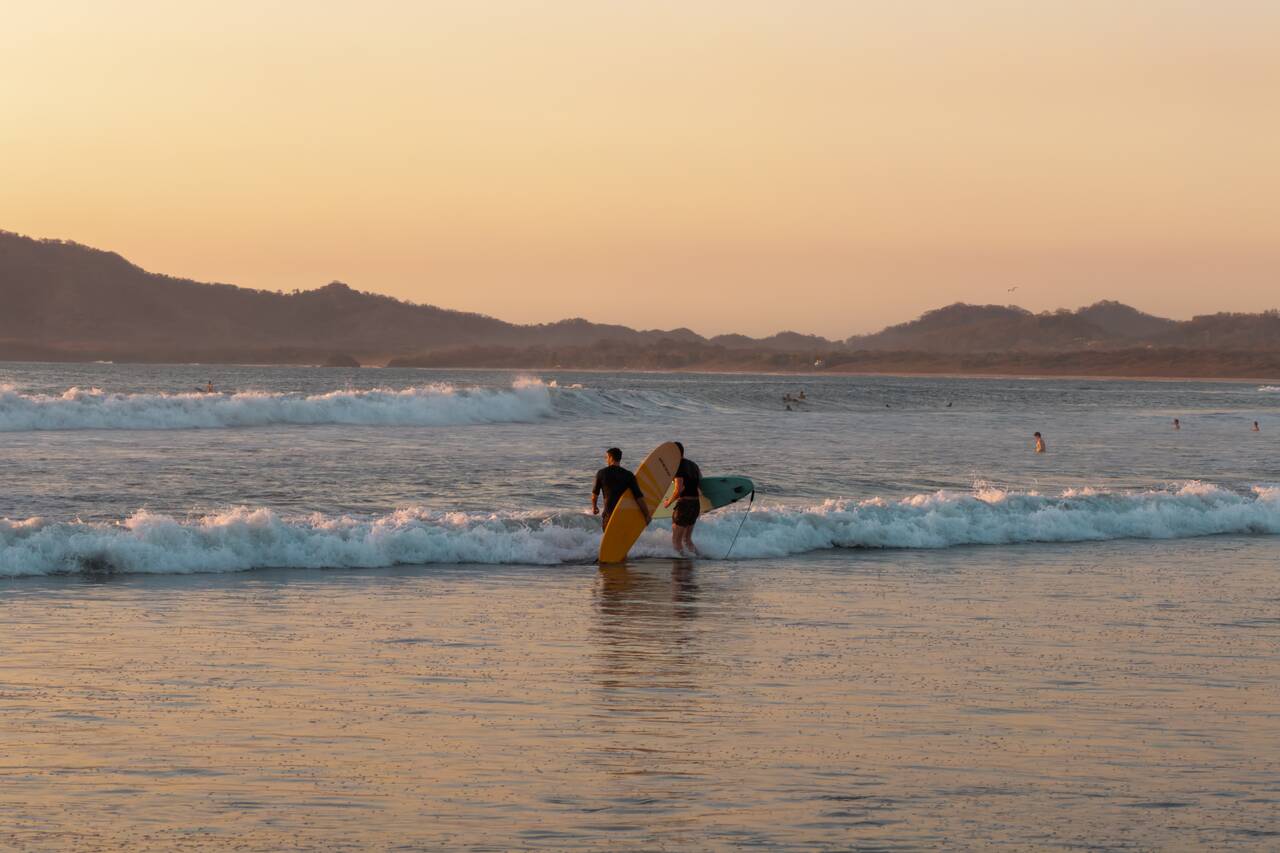
After a day out on a motorbike, head back to San Juan del Sur and enjoy a leisurely stroll around town before grabbing dinner and calling it a day. Tomorrow, we'll be heading to Ometepe, a volcanic island in the middle of Lake Nicaragua, where we'll spend the next few days exploring its incredible landscapes and attractions.

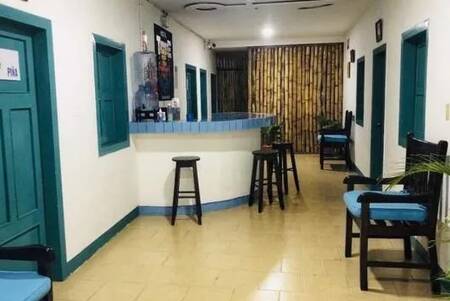

Getting from San Juan del Sur to Ometepe
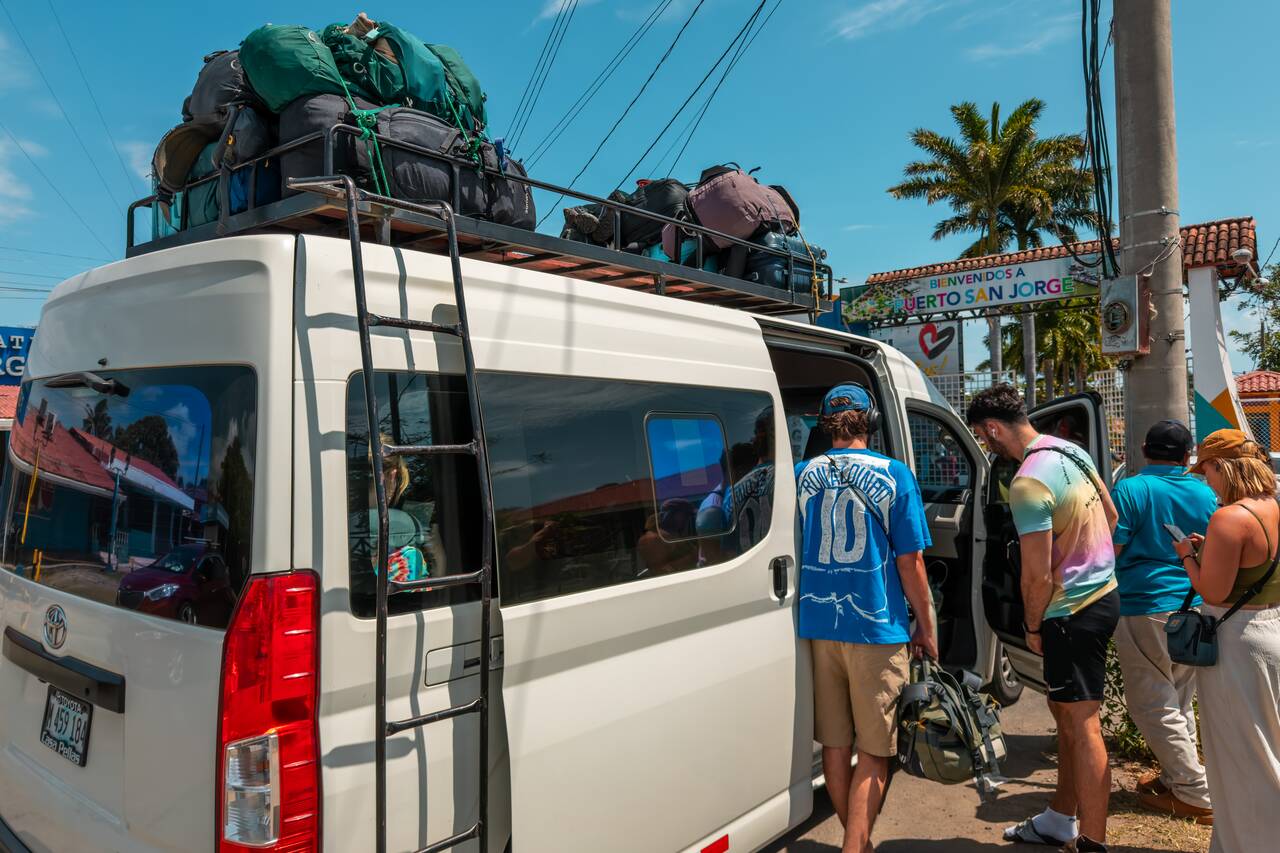
From San Juan del Sur, you can take a shared shuttle to the San Jorge Ferry Terminal. Shuttles usually depart between 9 AM and 10 AM and take around 45 minutes.
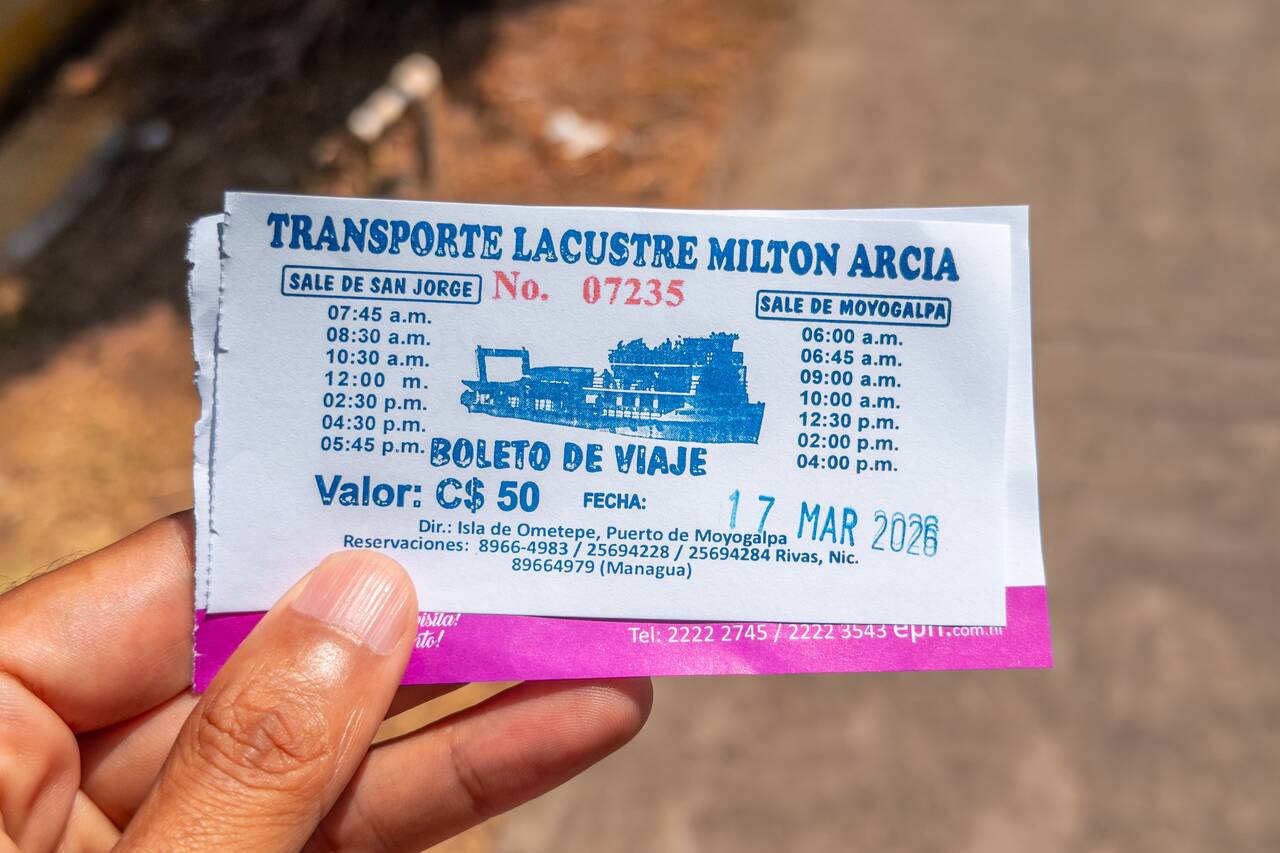
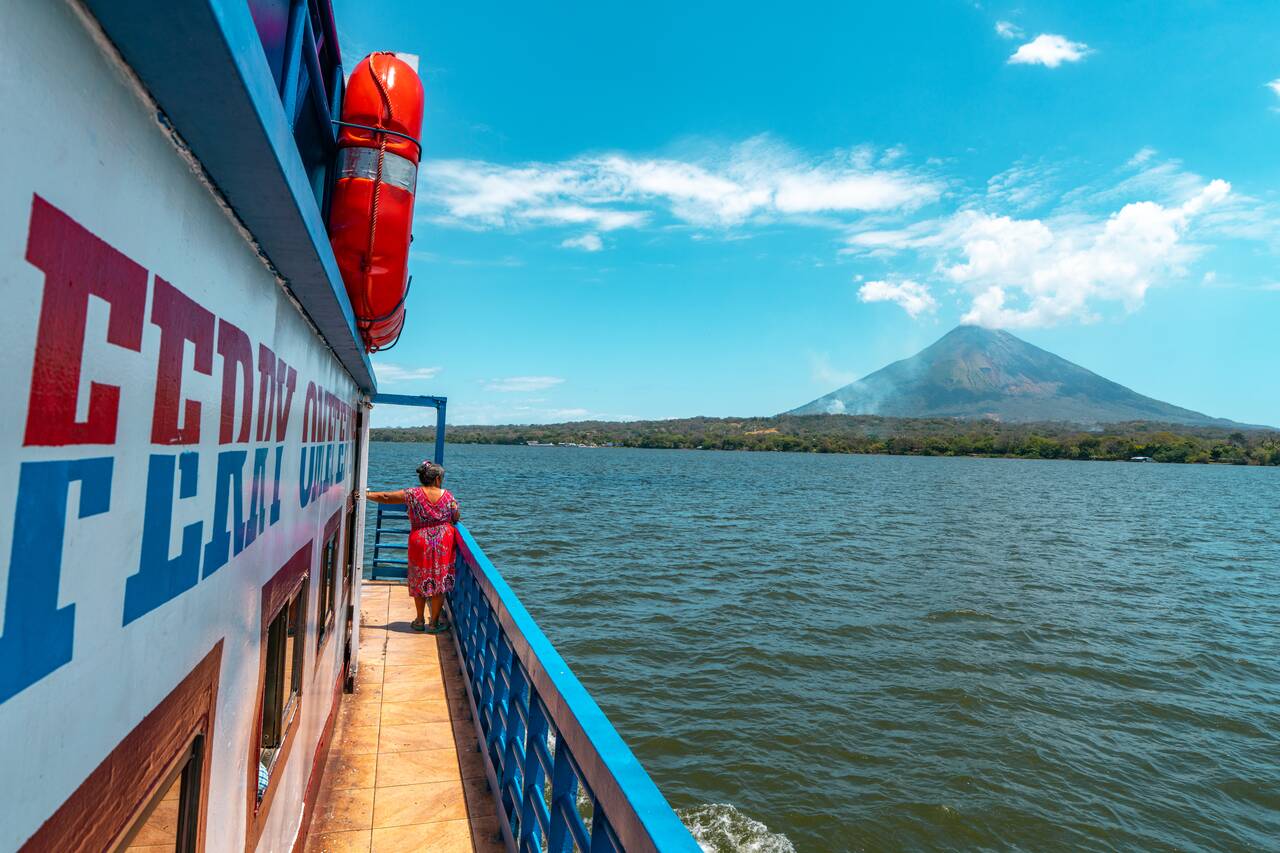
Once you arrive, purchase your ferry ticket and pay the pier entrance fee, which comes to a total of 88 NIO (approximately 2.36 USD) per person. From there, simply board the next ferry to Moyogalpa. The entire journey typically takes around 2–3 hours, depending on the ferry schedule.
Day 5-8: Ometepe (4 nights)
- 📍 Stay: Hospedaje Soma
- 🕐 Time: 4 nights
- 📖 Full Guide: A Guide to Ometepe: Things to Do, Travel Tips, & Itinerary
Formed by two towering volcanoes rising out of Lake Nicaragua, Ometepe is an island where you'll find a wonderful mix of raw nature, slow-paced village life, and some of the most rewarding outdoor adventures in the country. It's one of my favorite places to explore, especially by motorbike, as you will get to enjoy the freedom of moving at your own pace and discovering hidden beaches where there's barely anyone around.
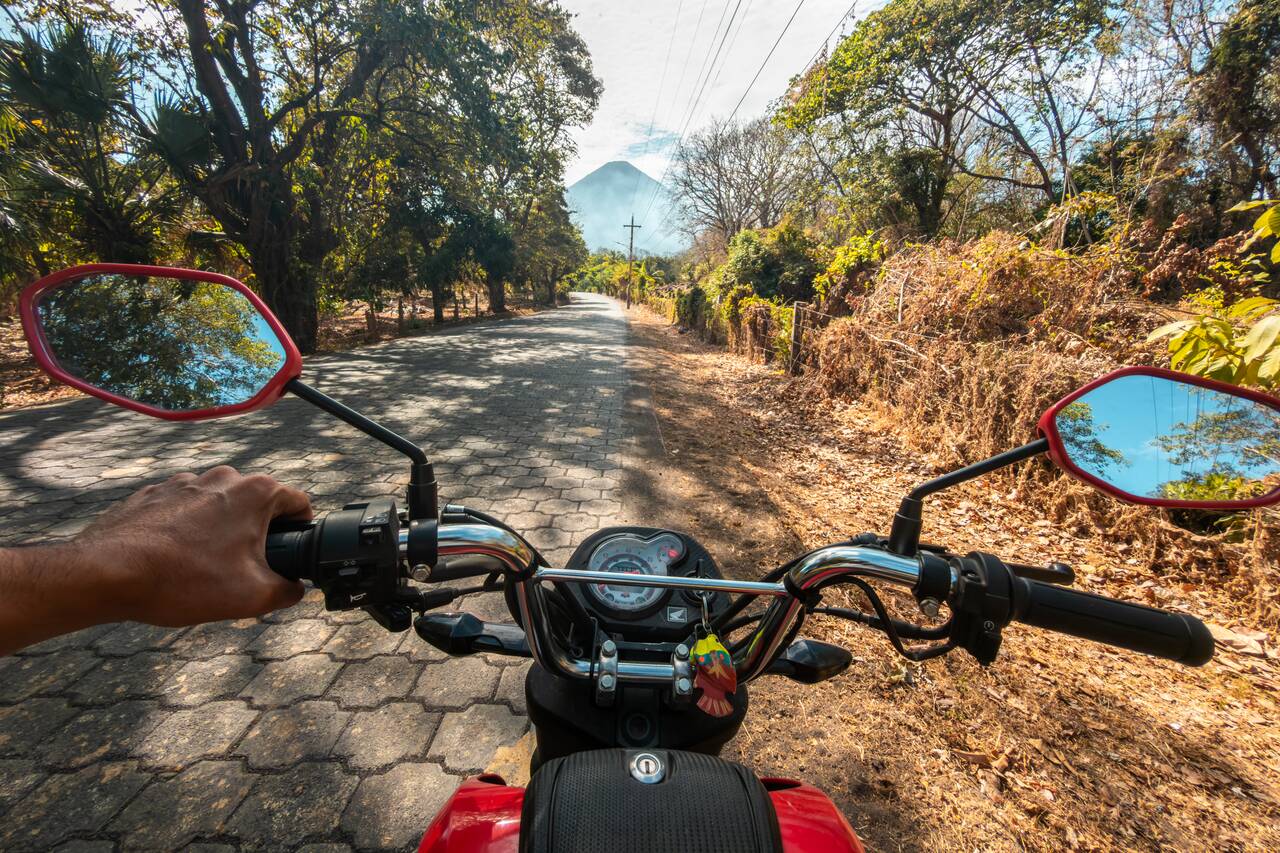
You can rent a motorbike or scooter from this shop in Moyogalpa, with prices generally starting at around 20 USD per day. I actually managed to rent one for just 14 USD through my accommodation, so it's always worth asking your hotel before renting elsewhere. The road that circles the island is fully paved and easy to ride, although some of the roads leading to attractions can be rough and rocky, so be sure to drive carefully.
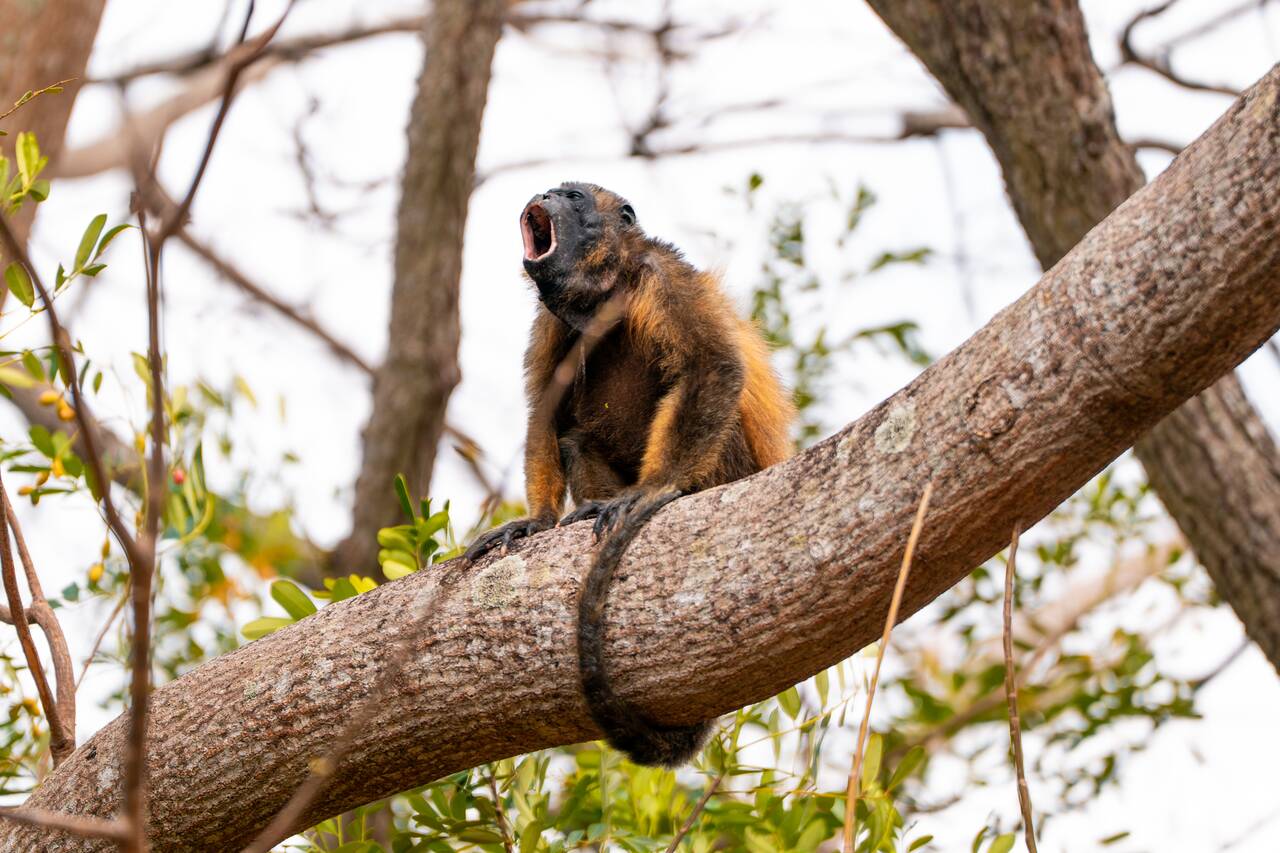
You can spend your first day riding around the island, spotting wildlife along the way. Ometepe is home to countless monkeys, birds, and other animals, and you don't have to venture far to see them. I remember being only about 20 minutes into my first ride when I stumbled upon a troop of howler monkeys right beside the main road. They were so loud that they were impossible to miss! 😆
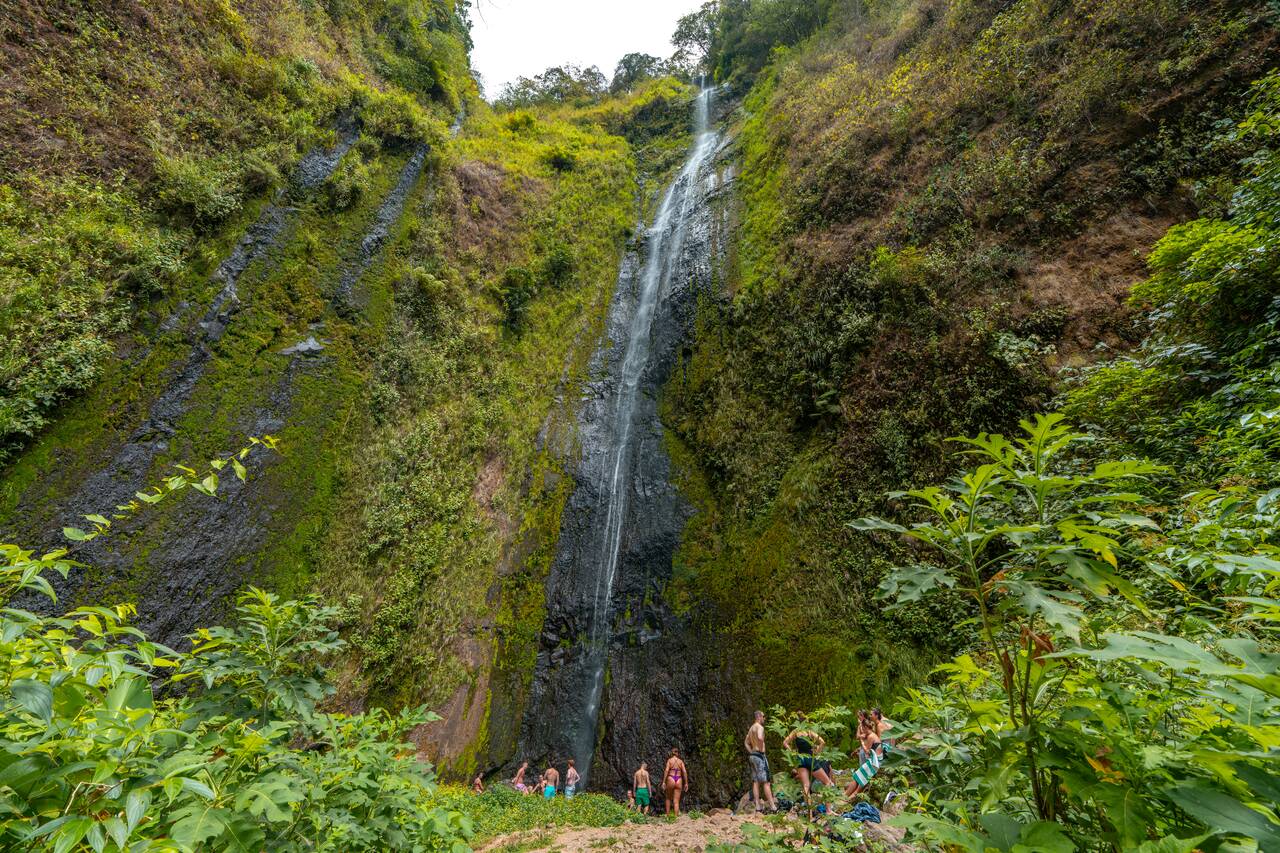
If you're looking for a nice and active thing to do on Ometepe, I recommend hiking the trail to San Ramón Waterfall, one of the best short hikes you can do on the island. The waterfall is located on the southern slopes of Volcán Maderas, surrounded by lush tropical forest and rich wildlife, which makes the journey just as enjoyable as the destination itself.
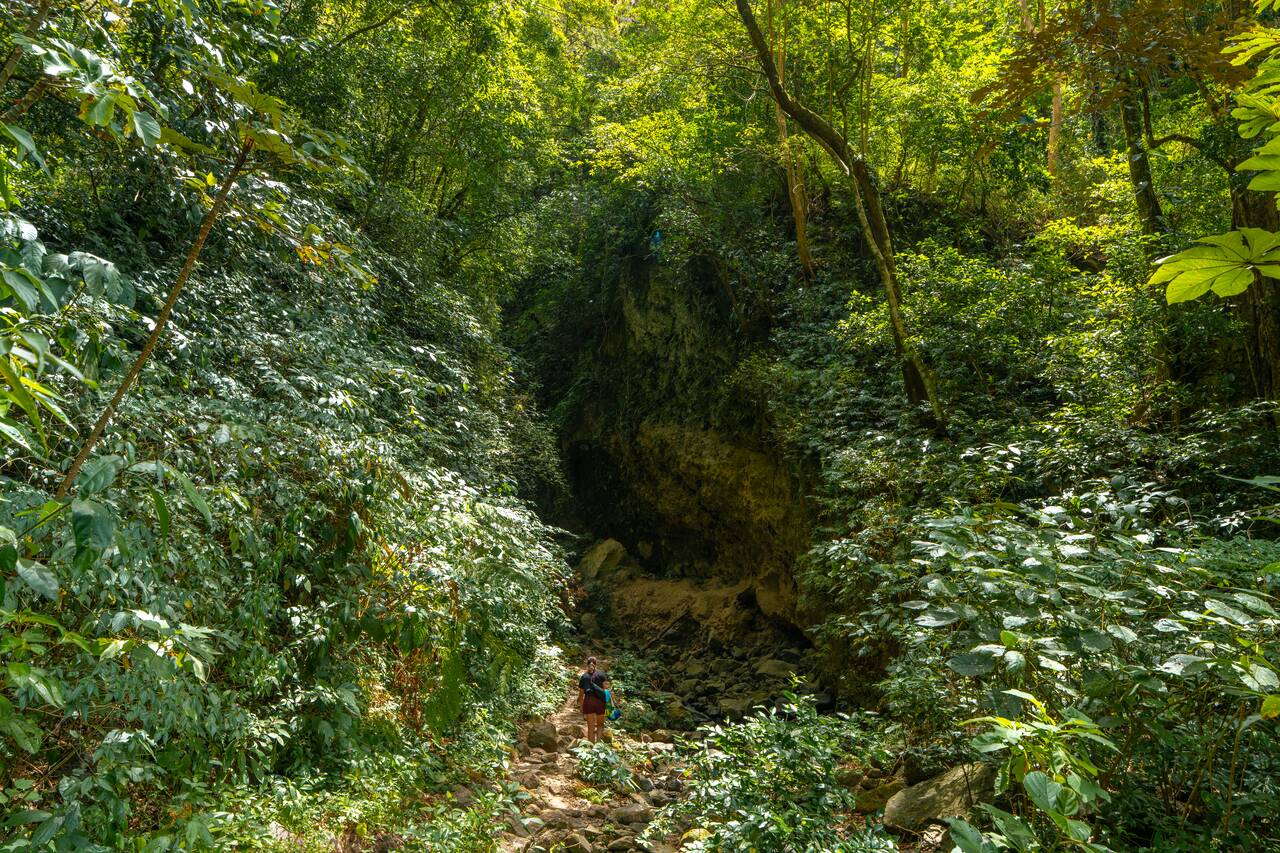
The trail is moderately challenging, with some steep and uneven sections towards the end, but it is manageable for most reasonably fit travelers. Along the way, you’ll walk through dense jungle where you may spot birds, butterflies, and other wildlife.
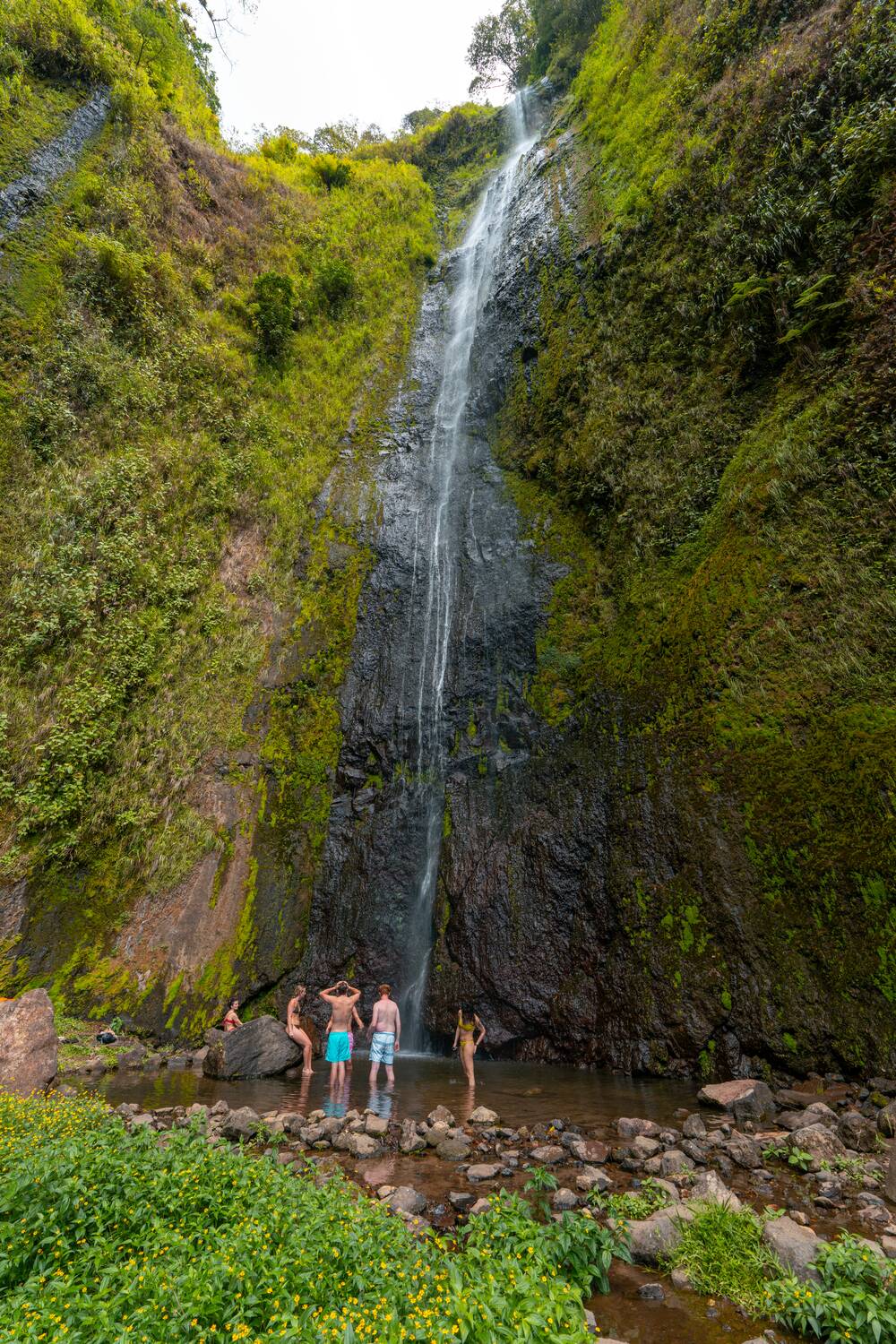
At the end of the trail, you will be rewarded with a tall waterfall cascading down into a refreshing pool. It is a great place to cool off after the hike, especially on a hot day, and a perfect spot to relax before heading back down. The full hike takes around 4 hours if you walk the entire way, or about 2 hours if you ride up to the parking area.
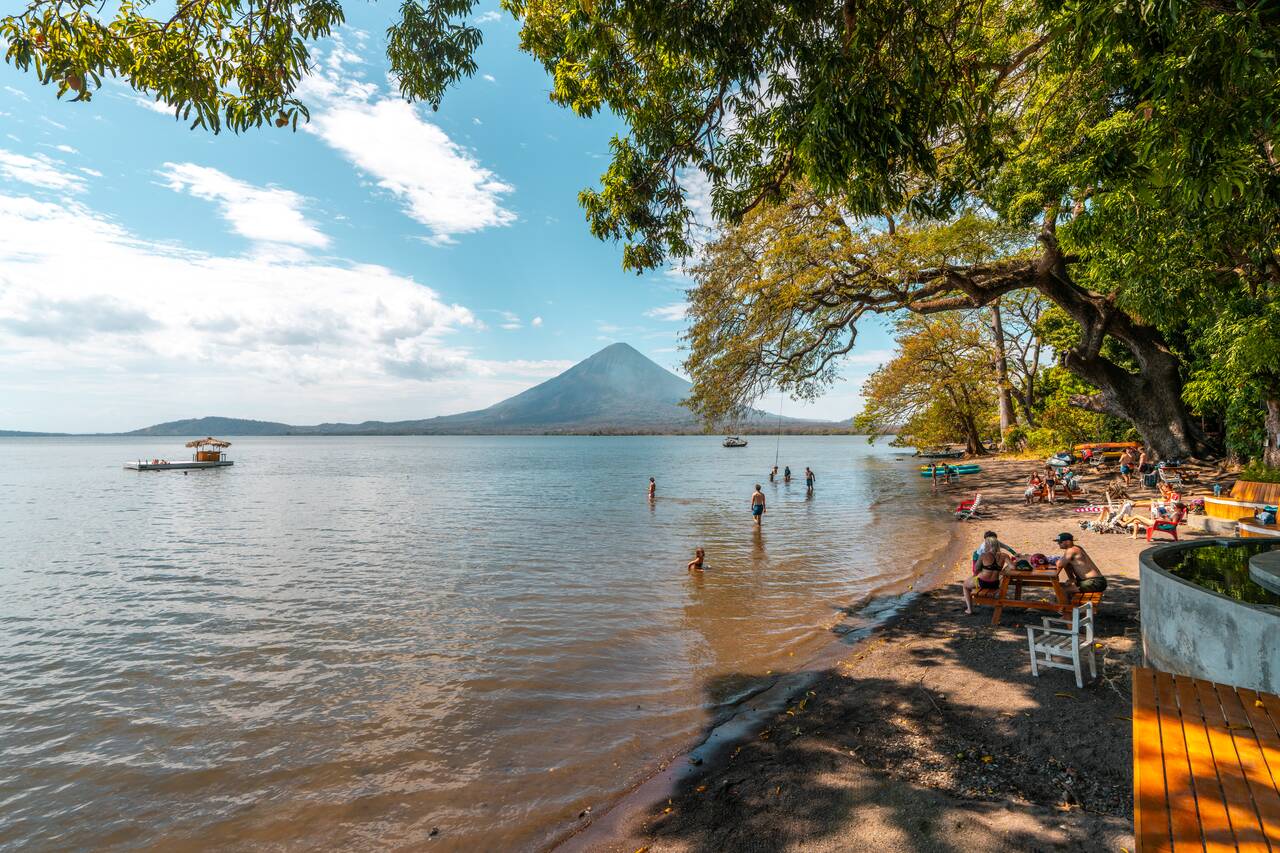
Once you've finished the hike, head over to Playa Mangos for lunch. This lakeside beach club offers facilities like jumping platforms, kayaks, a bar, and a restaurant, making it the perfect place to relax and cool off after your hike to San Ramón Waterfall.
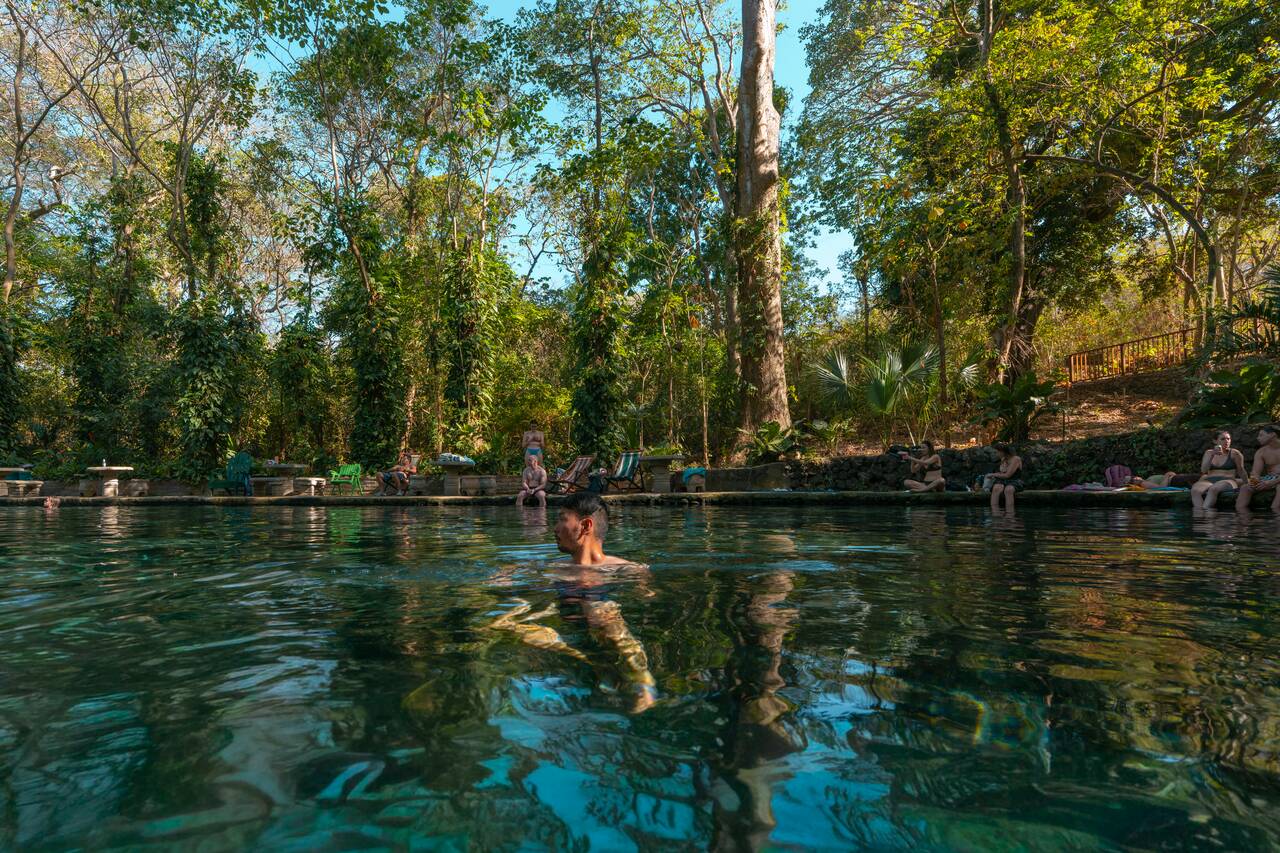
Another great place to cool off after the hike is Ojo de Agua, one of my favorite places on the island. It’s a popular natural swimming spot on Ometepe, with crystal-clear spring pools surrounded by lush jungle where you can freshen up after exploring the island in the afternoon heat.
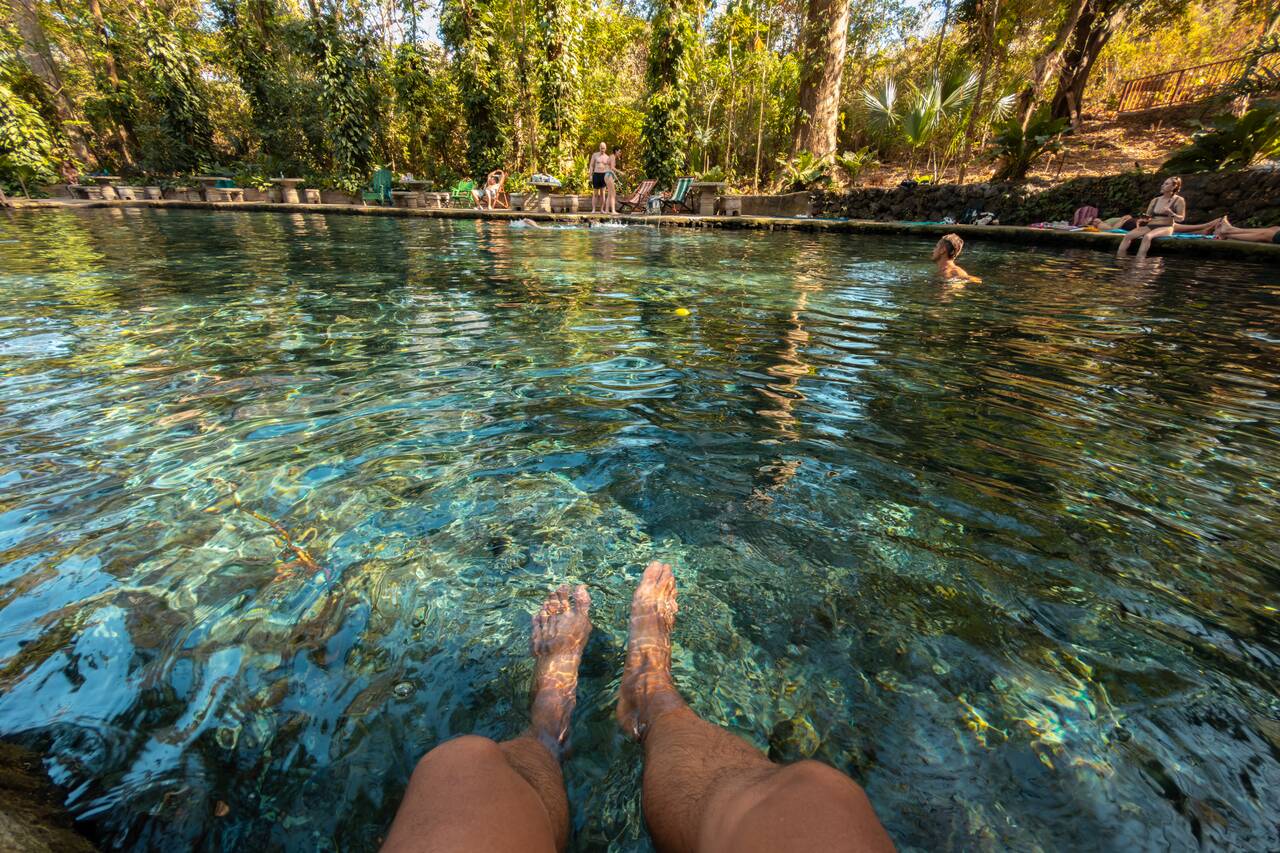
The water here is absolutely incredible and so refreshing to swim in. The pools are fed by underground springs that keep them clean year-round. There are shallow areas for relaxing and deeper sections if you actually want to swim, plus plenty of shaded spots to escape the midday sun.
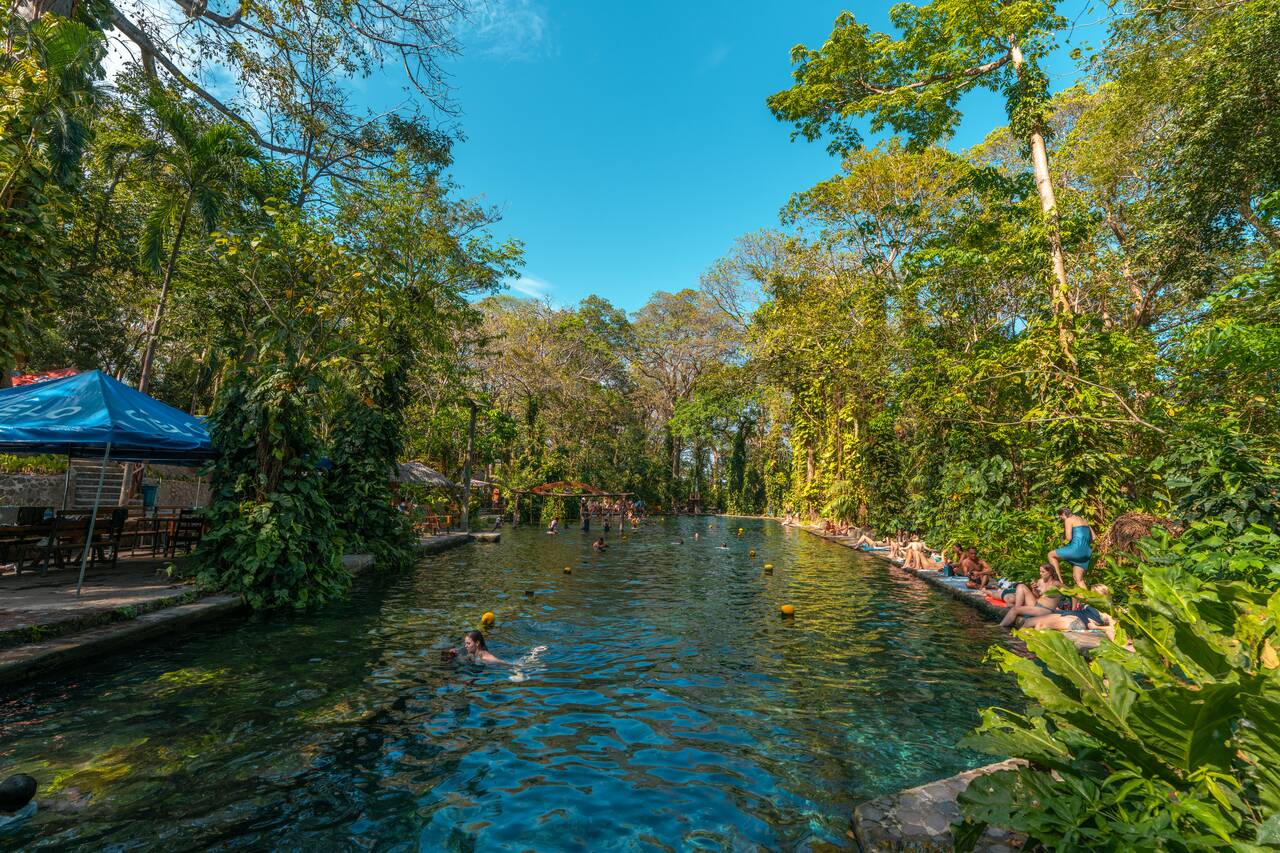
It does get quite busy during peak hours, especially in the dry season, so I recommend coming earlier in the morning if you want a more peaceful experience. I came in the afternoon after the San Ramon hike, and although it was crowded, it didn't take me long to find a nice quiet spot where I could swim without bumping into other people.
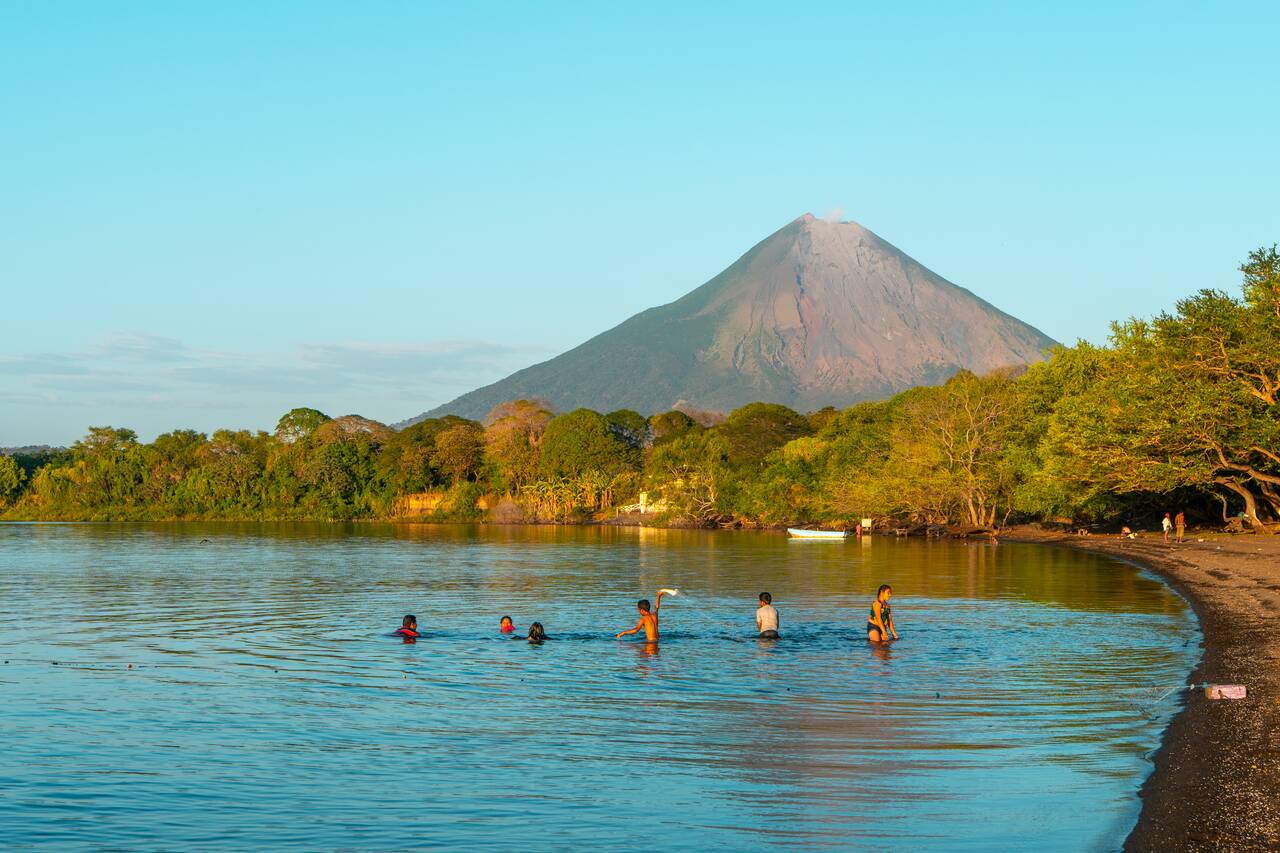
For a great sunset spot, I highly recommend you drive to Punta Jesús María. It’s a long, narrow sandbar that stretches out into Lake Nicaragua, creating the illusion that you're walking straight into the water with volcano views on both sides.
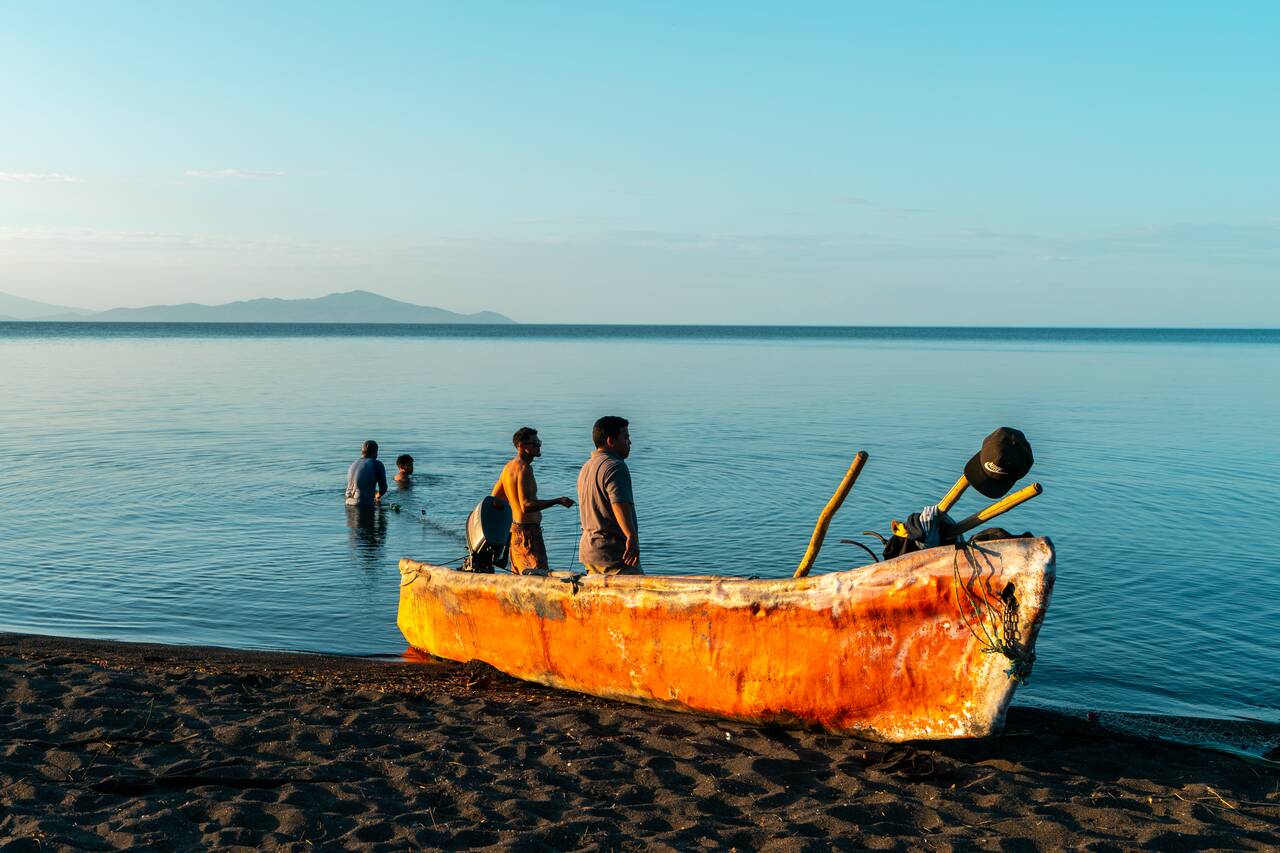
I got there about an hour before sunset, and the crowd was still minimal. There were local fishermen fishing by the lakeshore, both locals and tourists coming to swim along the beach, and small restaurants and bars right next to the beach where you can wait for the sunset.
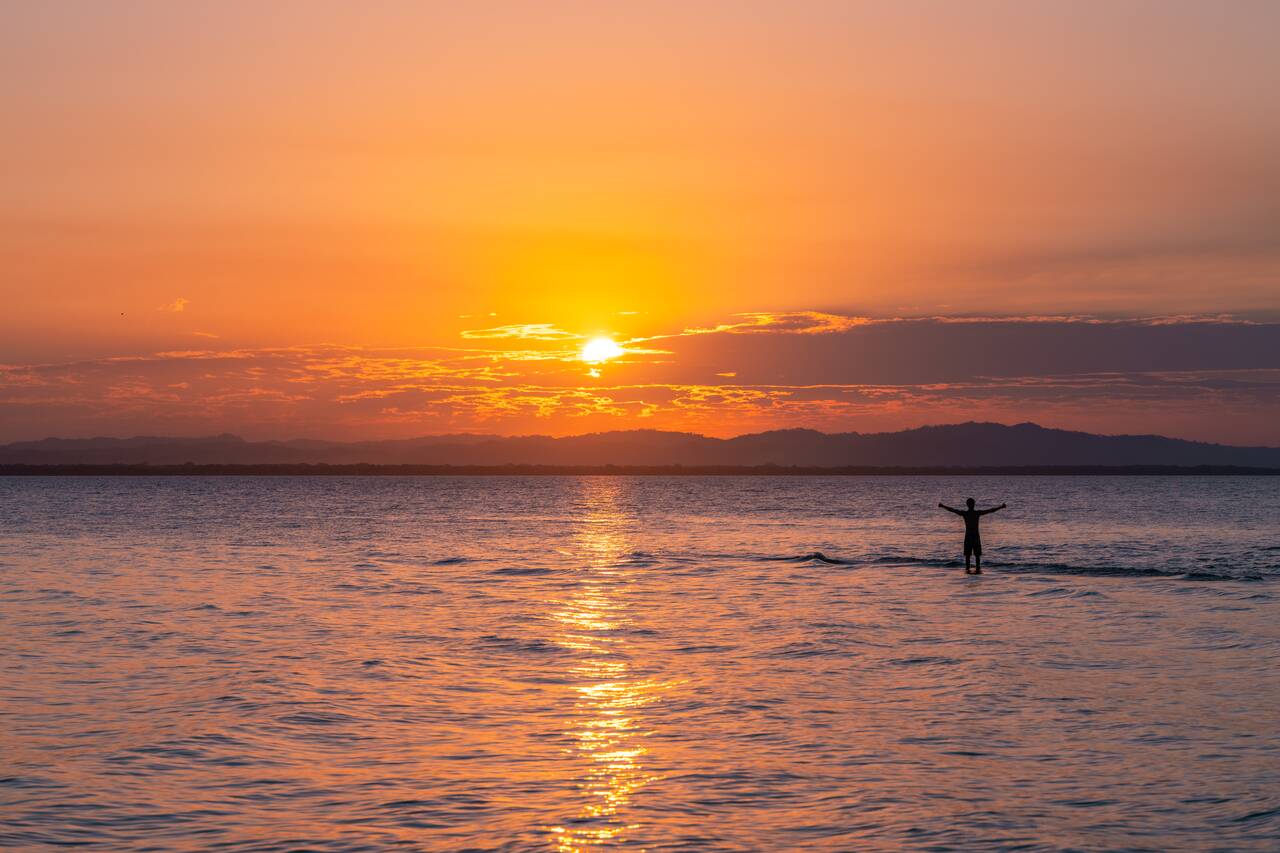
The crowds tend to pick up quite a bit as sunset approaches, so if you want a good spot, head out to the shallow sandbank at the edge of the beach and take your photos before everyone arrives. Once you are done with the sunset, you can head back to your accommodation, and retreat for the night.
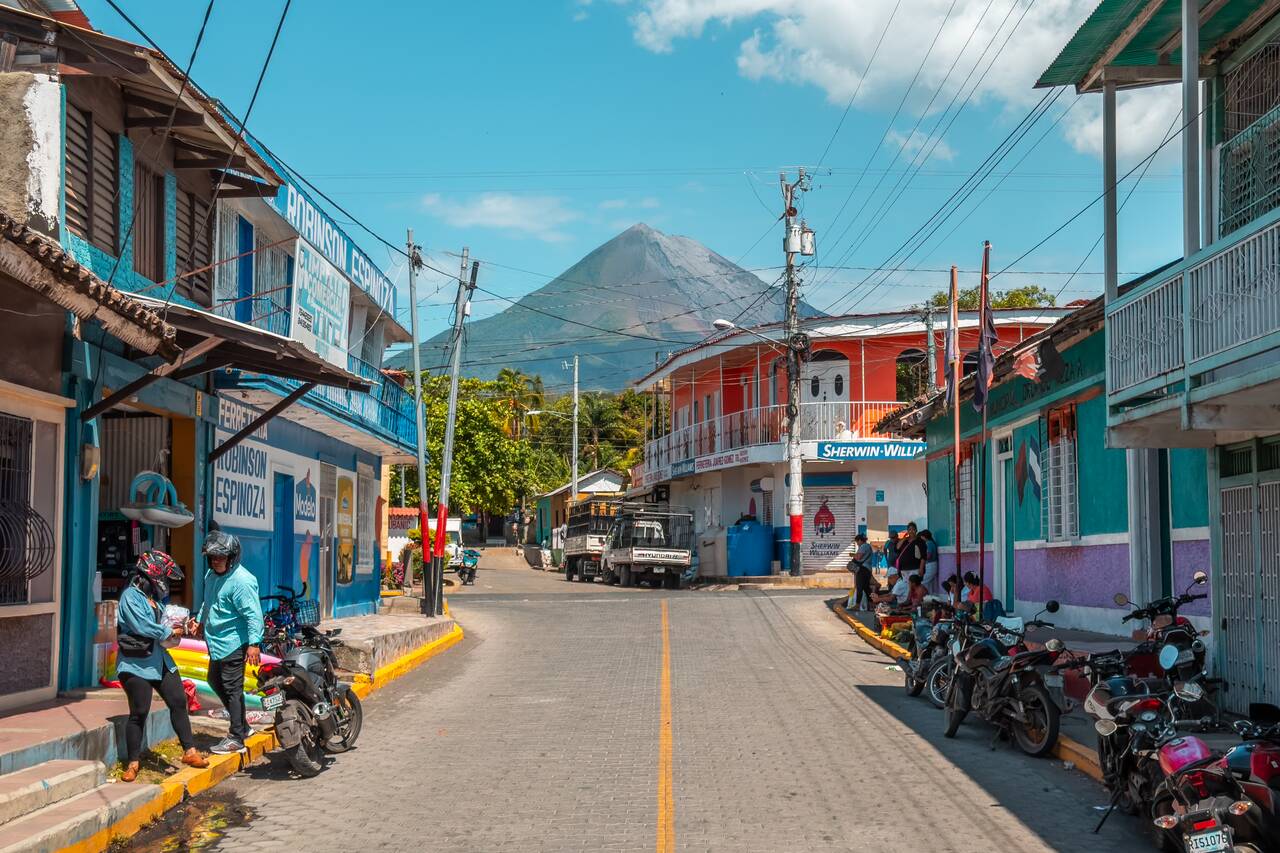
On your second day, use your motorbike to explore the island's two main towns, Moyogalpa and Altagracia. These towns are Ometepe's main hubs and offer a great glimpse into the everyday life of the people who call the island home.
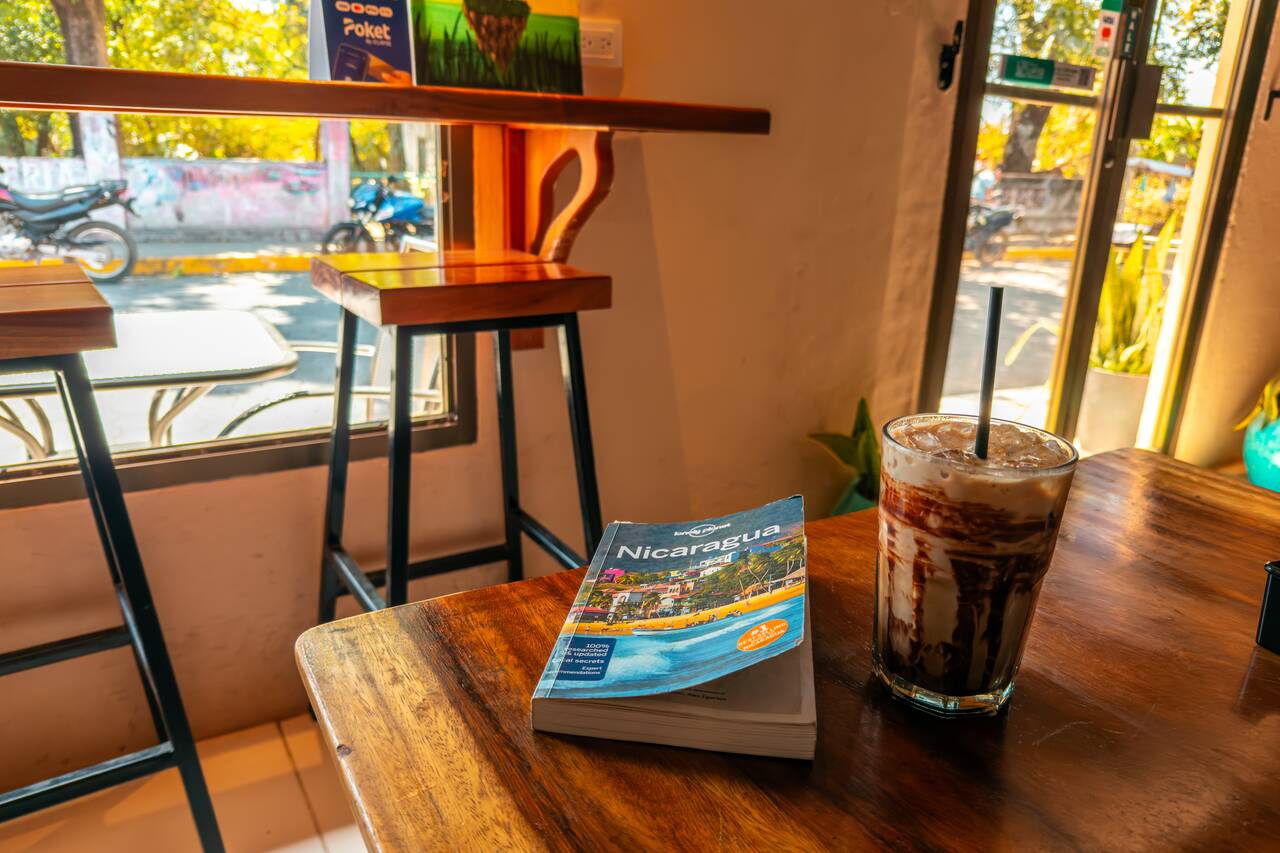
Both towns are small enough to explore on foot, and they make for a nice break from motorbike adventures around the island. Grab a coffee at Nanny Coffee & More in Moyogalpa, or visit Museo Altagracia in Altagracia. To travel between them, you can either rely on a local chicken bus or rent a scooter, which is what I did, and drive around yourself.
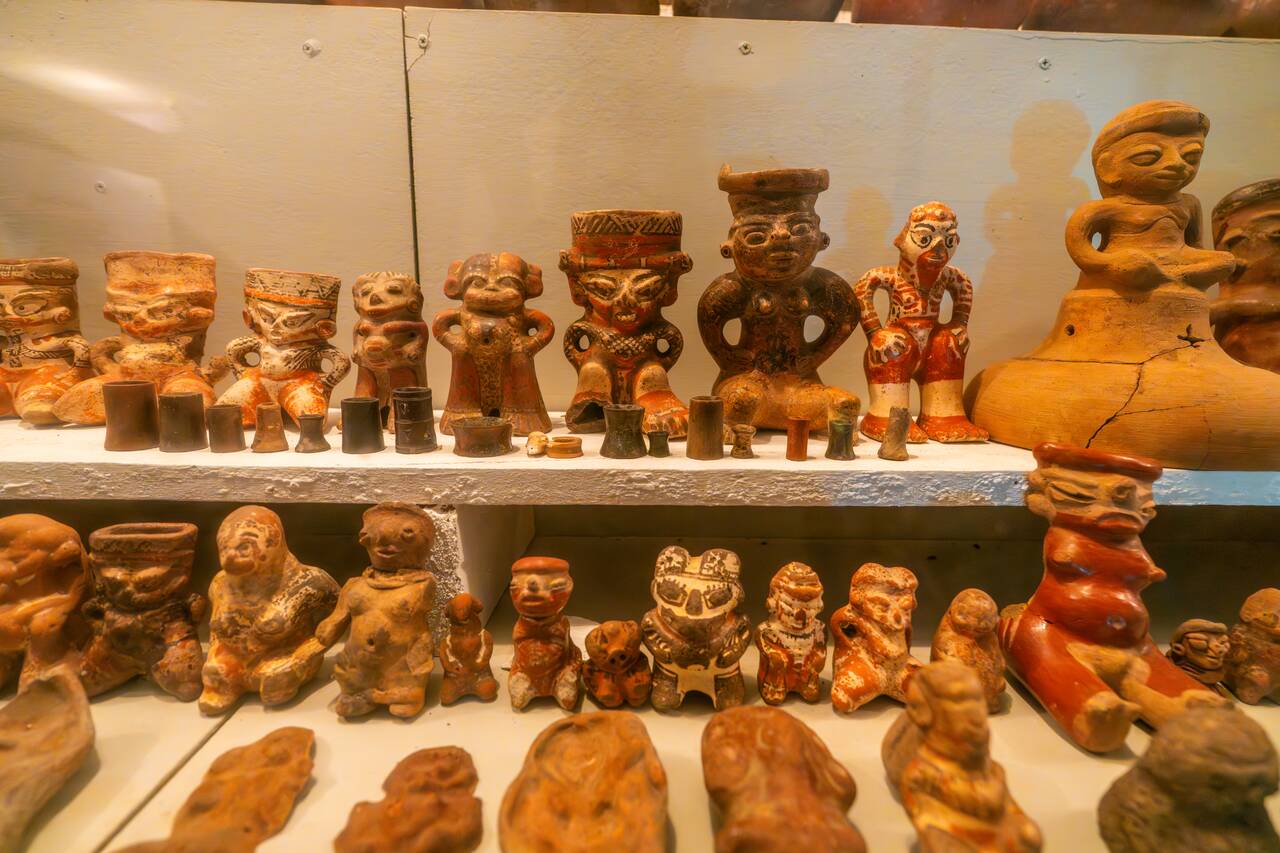
If you are interested in learning a bit about the history of Ometepe and seeing some really cool pre-Columbian artifacts, El Ceibo Museums is also worth visiting. It’s a small museum located inside a hotel run by a small family that covers the island’s archaeological heritage, which is not easy to find elsewhere.
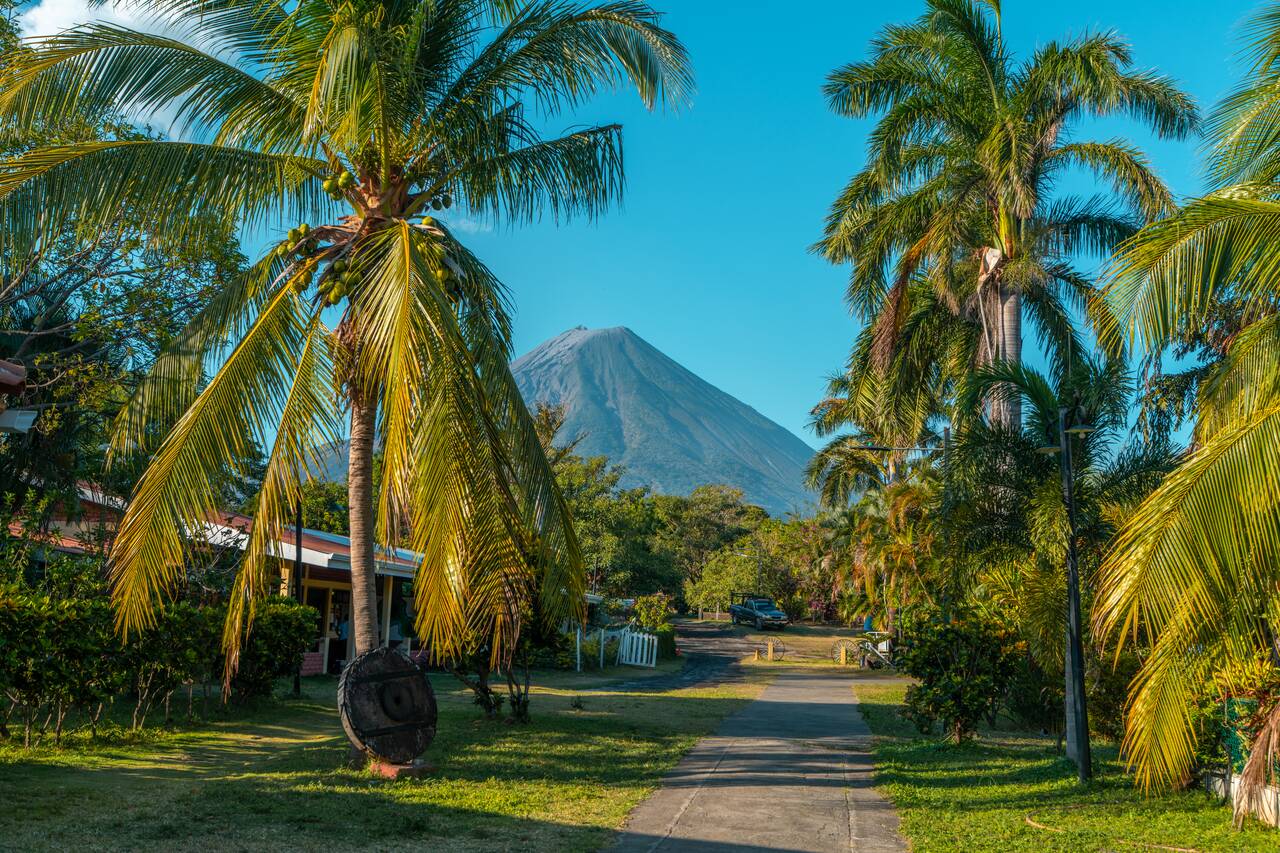
If you have time, be sure to go and visit Charco Verde Park & Butterfly Aviary as well. The park sits on the western side of the island and offers a mix of forest trails, lake views, and a small lagoon you can explore. You can check out its butterfly aviary or go walk its easy trail through the reserve where you can spot birds, monkeys, and other wildlife if you're lucky.
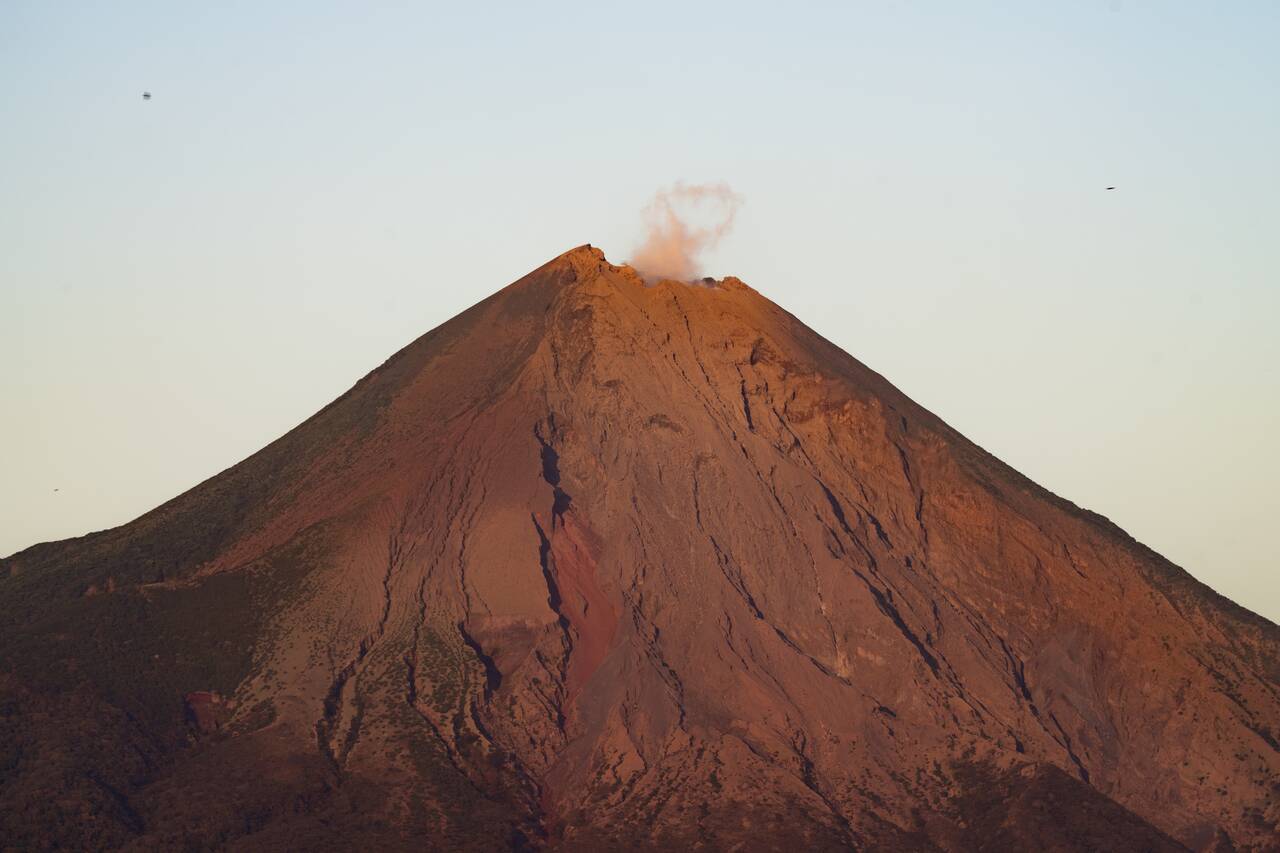
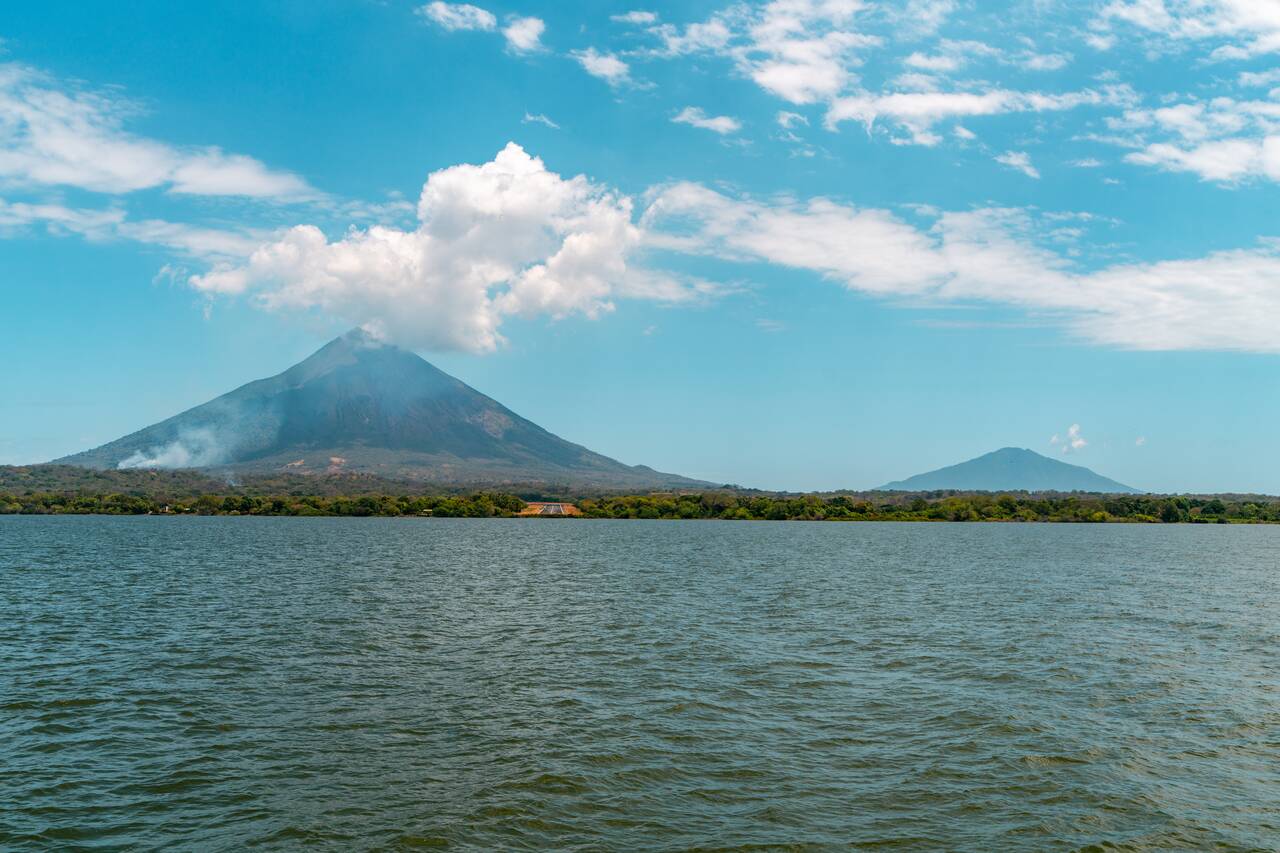
For the third day here, you can either spend the day relaxing or you can go on an ultimate adventure and hike one of its two volcanoes: Concepción Volcano or Maderas Volcano. Both offer very different experiences, so your choice will depend on your fitness level and what kind of scenery you're looking for.
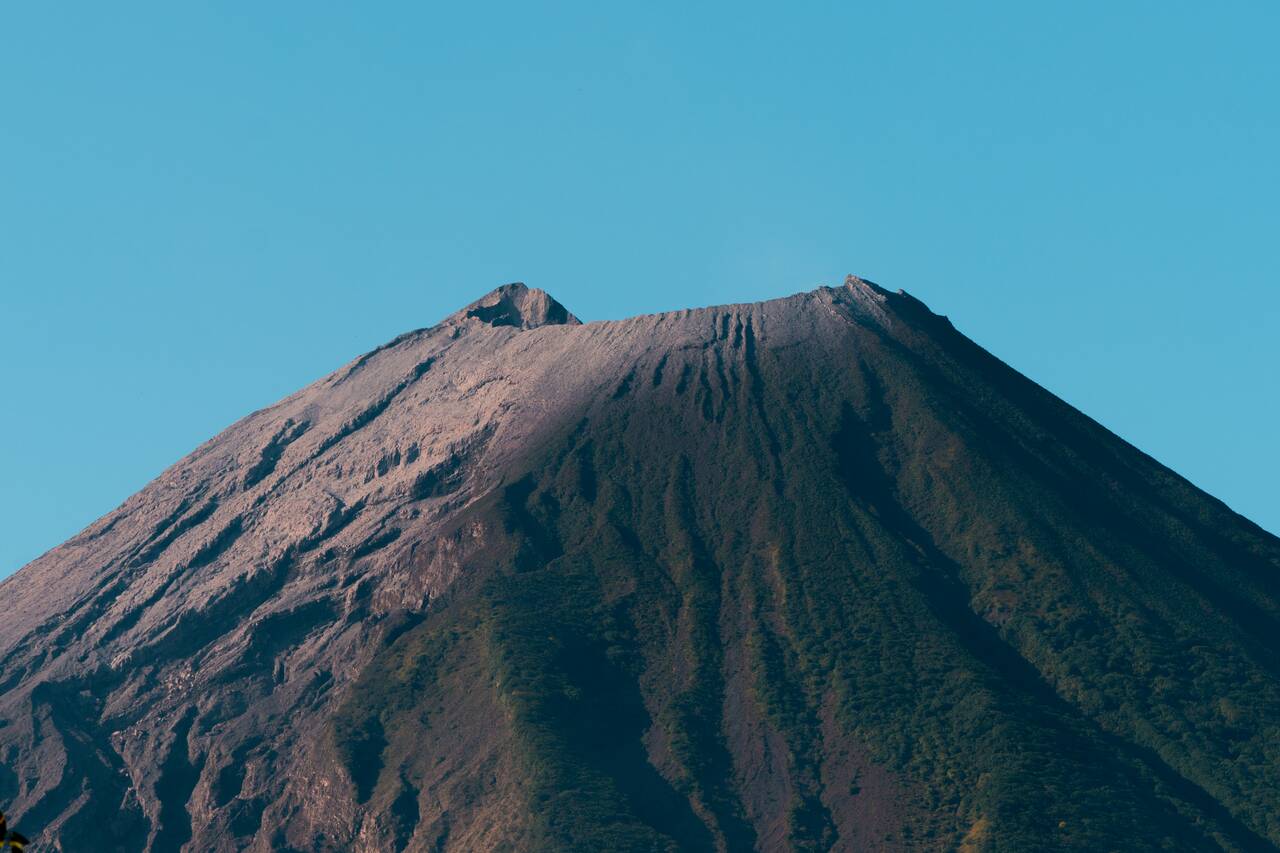
Concepción Volcano is the more challenging of the two. It’s a steep, exposed climb with little shade, but the views from the top are incredible if you manage to reach the summit. On a clear day, you’ll get sweeping panoramas over the entire island and Lake Nicaragua. The whole hike should take about 8 hours including transportation from town. You can book the tour here.
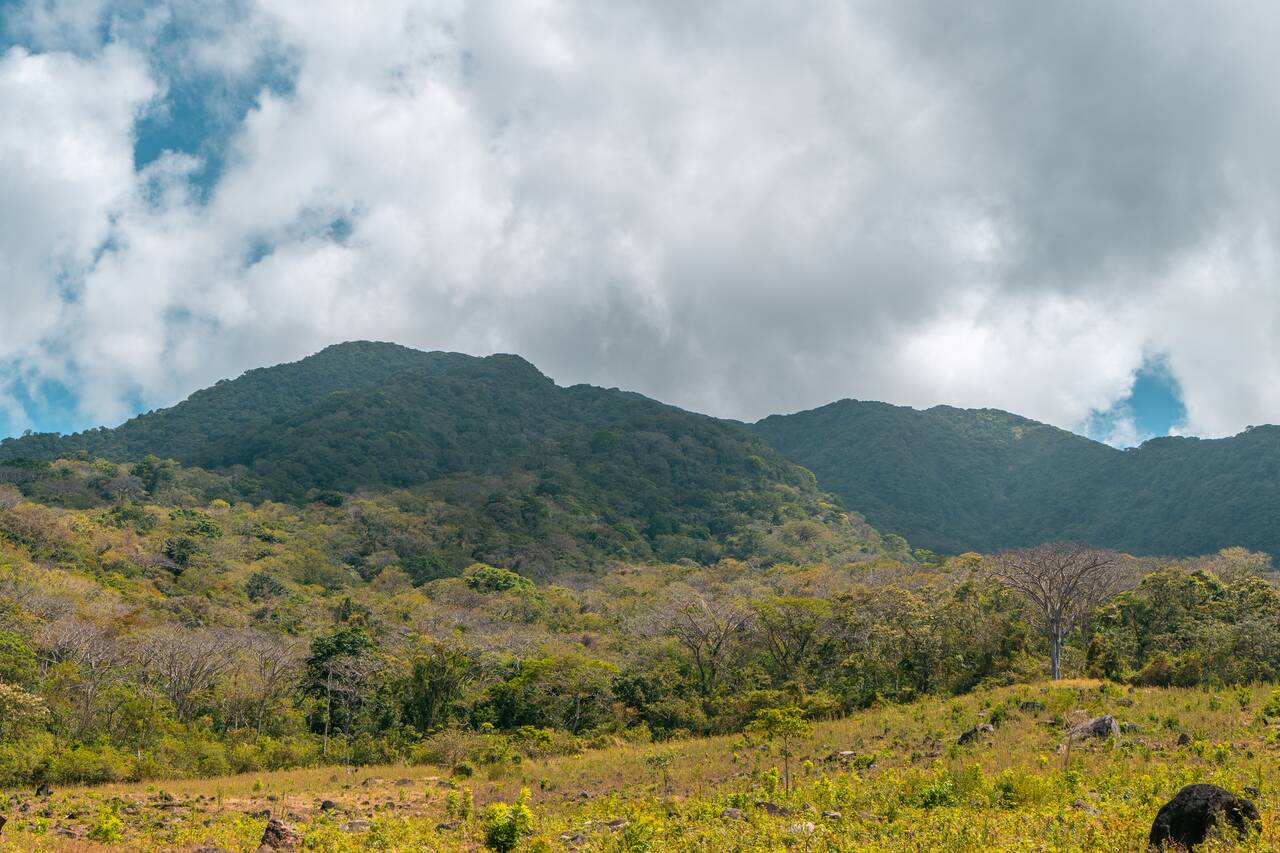
Maderas Volcano is the more relaxed option, but still a full-day, intense hike. The trail takes you through lush cloud forest instead of open terrain, and at the top you’ll find a crater lagoon, which is a great place to cool off after the hike. The route is muddy and slippery in parts, especially after rain, so proper hiking shoes are essential. This hike typically takes around 9 hours in total, and you can book the tour here.
Both hikes are demanding, so make sure you're fit enough before attempting them. It is also best to start early in the morning and bring plenty of water, as the heat can make the climbs even more challenging. These activities should take up most of your day, and once you return to your accommodation, you can arrange your shuttle to Granada for the following day. Just make sure you check the ferry schedule and plan which ferry to take so you arrive at San Jorge Port in time for your shuttle pick-up before calling it a night.

Getting from Ometepe to Granada
From Ometepe, take the morning ferry from Moyogalpa to San Jorge, then continue by shared shuttle to Granada. The shuttle will pick you up from the San Jorge parking lot, so make sure you check the ferry schedule carefully and leave enough time to get off the boat and reach the pick-up point. The entire journey usually takes around 3 hours and costs approximately 22 USD.
Day 9-12: Granada (4 nights)
- 📍 Stay: Hotel La Posada del Sol
- 🕐 Time: 4 nights
- 📖 Full Guide: Discover Granada, Nicaragua: Things to Do, Travel Tips, & Itinerary
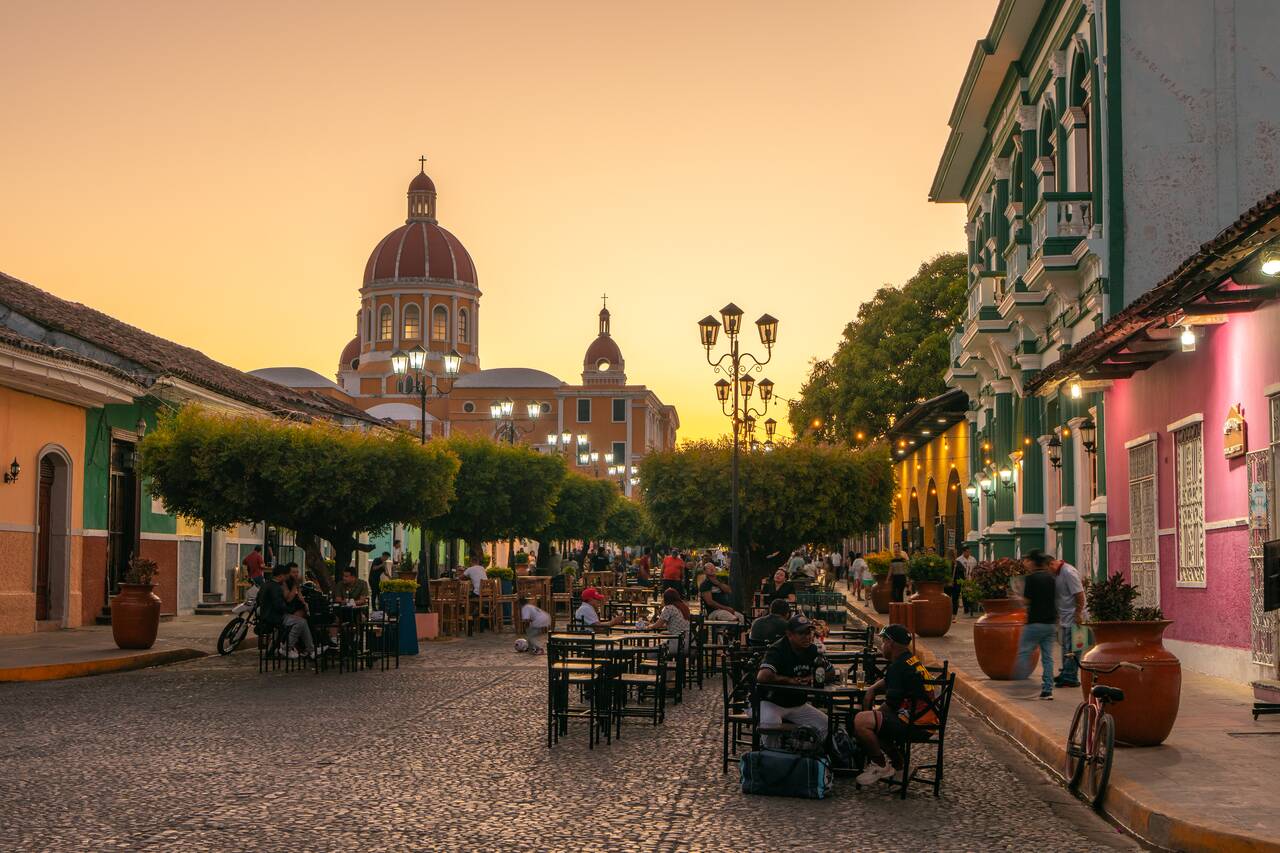
After arriving in Granada, the oldest colonial city in Nicaragua, spend your first evening exploring Calle La Calzada, one of the liveliest streets in the city and the perfect place to begin your time in Granada.
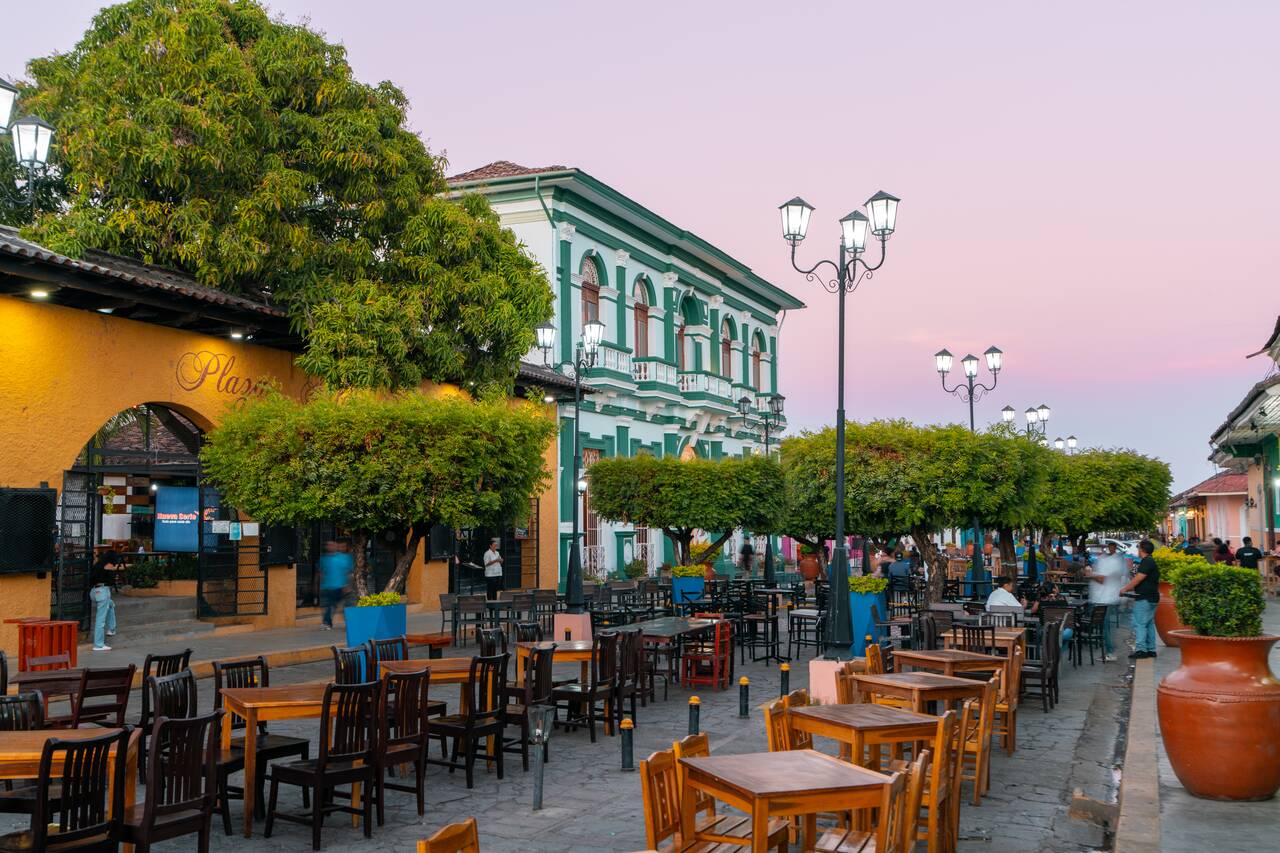
This pedestrian-friendly boulevard is lined not only with colorful colonial buildings but also with open-air restaurants, bars, cafes, and street performers, which make for a great place to visit if you are looking for a place to have dinner, a night out, or simply a romantic stroll before heading back to your accommodation and retreating for the night.
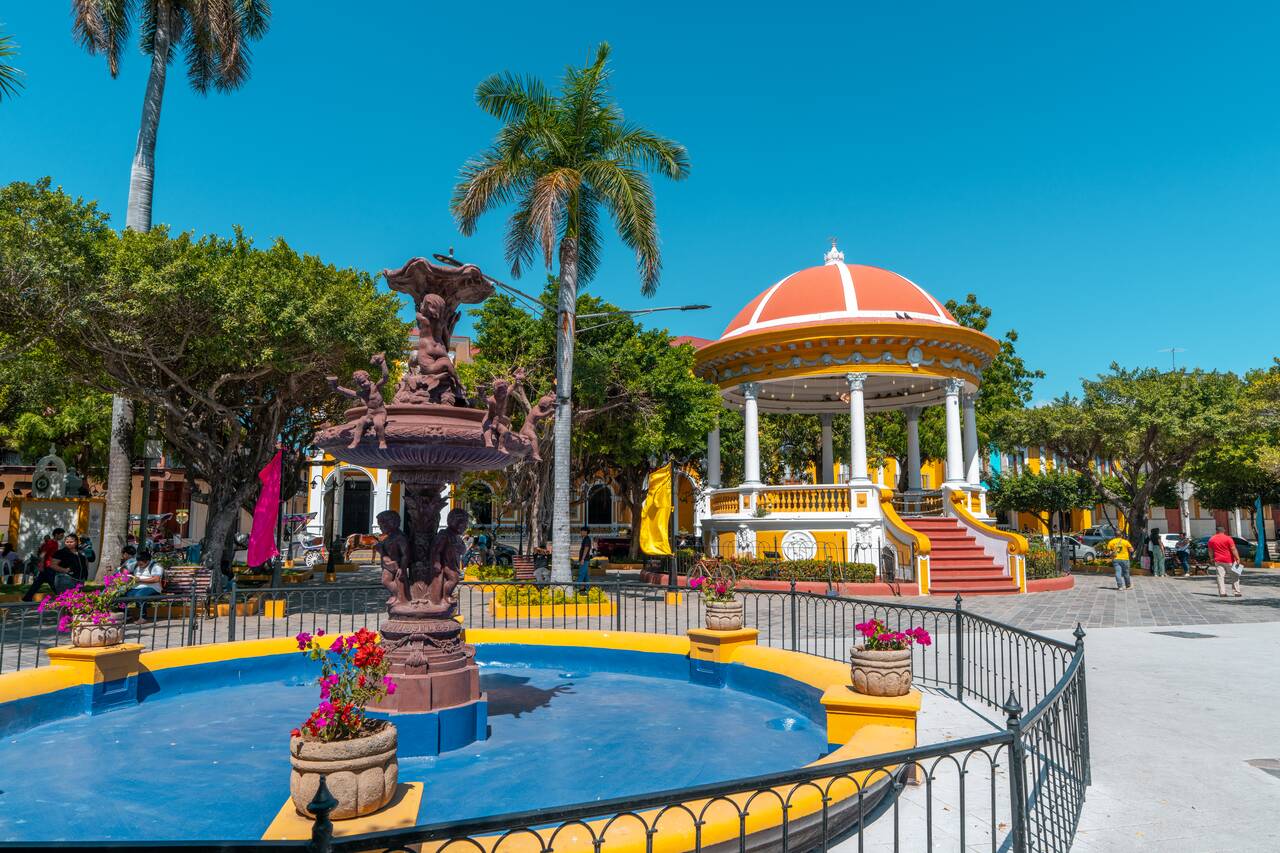
The next morning, you can go and stroll around Parque Central de Granada, a beautiful park located right at the historic center surrounded by some of the city's most beautiful colonial architecture. It is basically the beating heart of Granada, and you can reach most attractions in town from here.
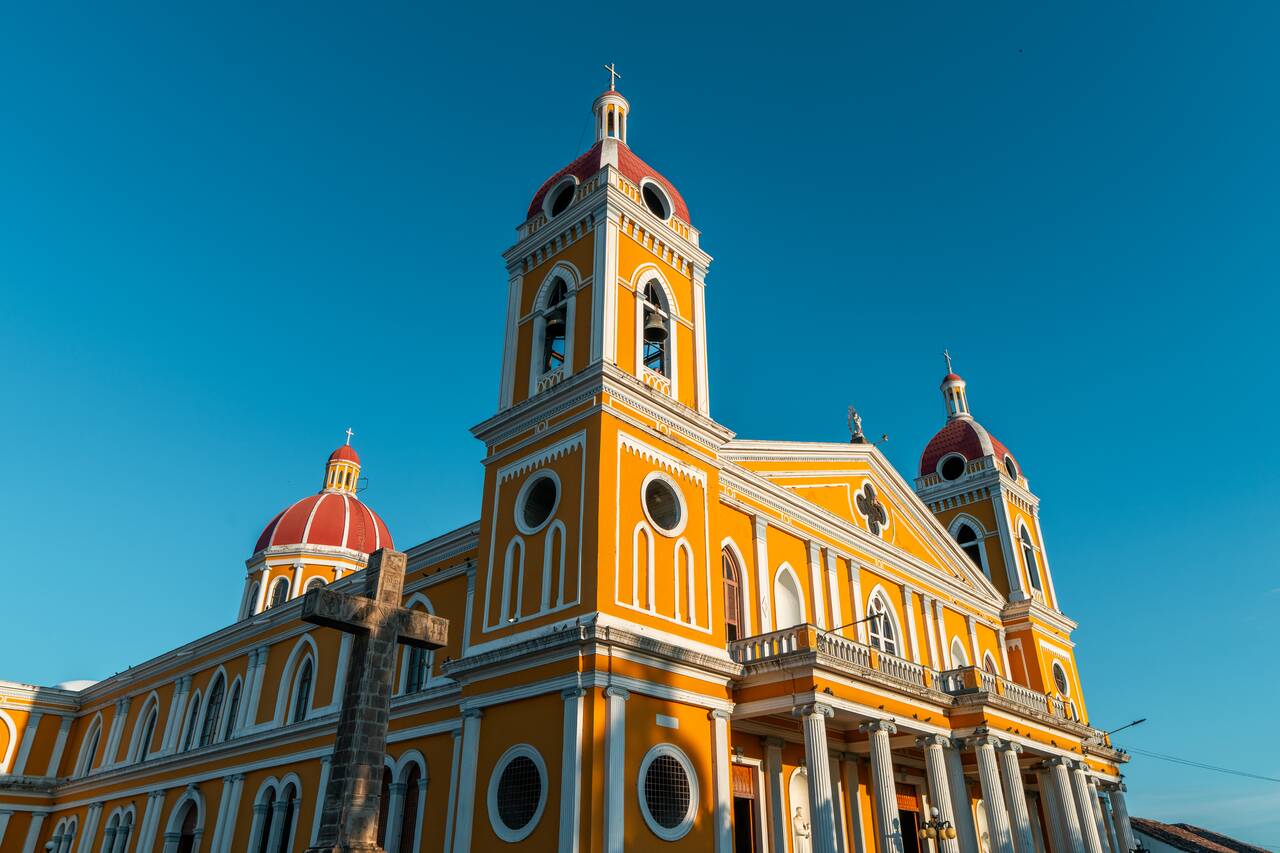
While here, you can go and check out Immaculate Conception of Mary Cathedral Church, one of the most beautiful churches here, visit ChocoMuseo Granada and try some of Nicaragua's finest cocoa beans, and make a quick stop at Fortaleza de la Pólvora, one of the city's oldest remaining military structures.
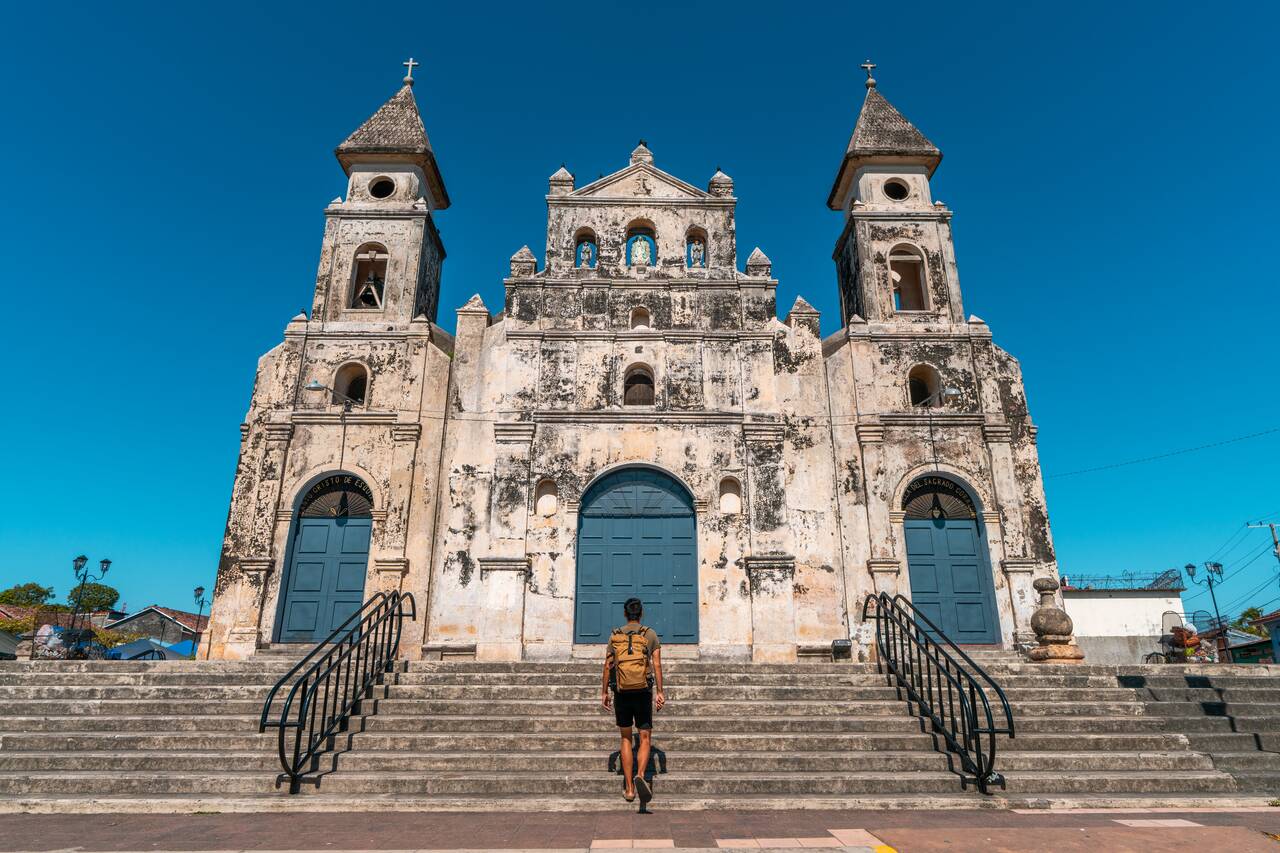
Also, don't forget to make your way east and check out the waterfront as well as Guadalupe Church, one of the city's most recognizable historic landmarks. While the church is currently closed to visitors, the beautiful exterior is still worth checking out, especially if you're already walking along the waterfront or exploring the nearby streets.
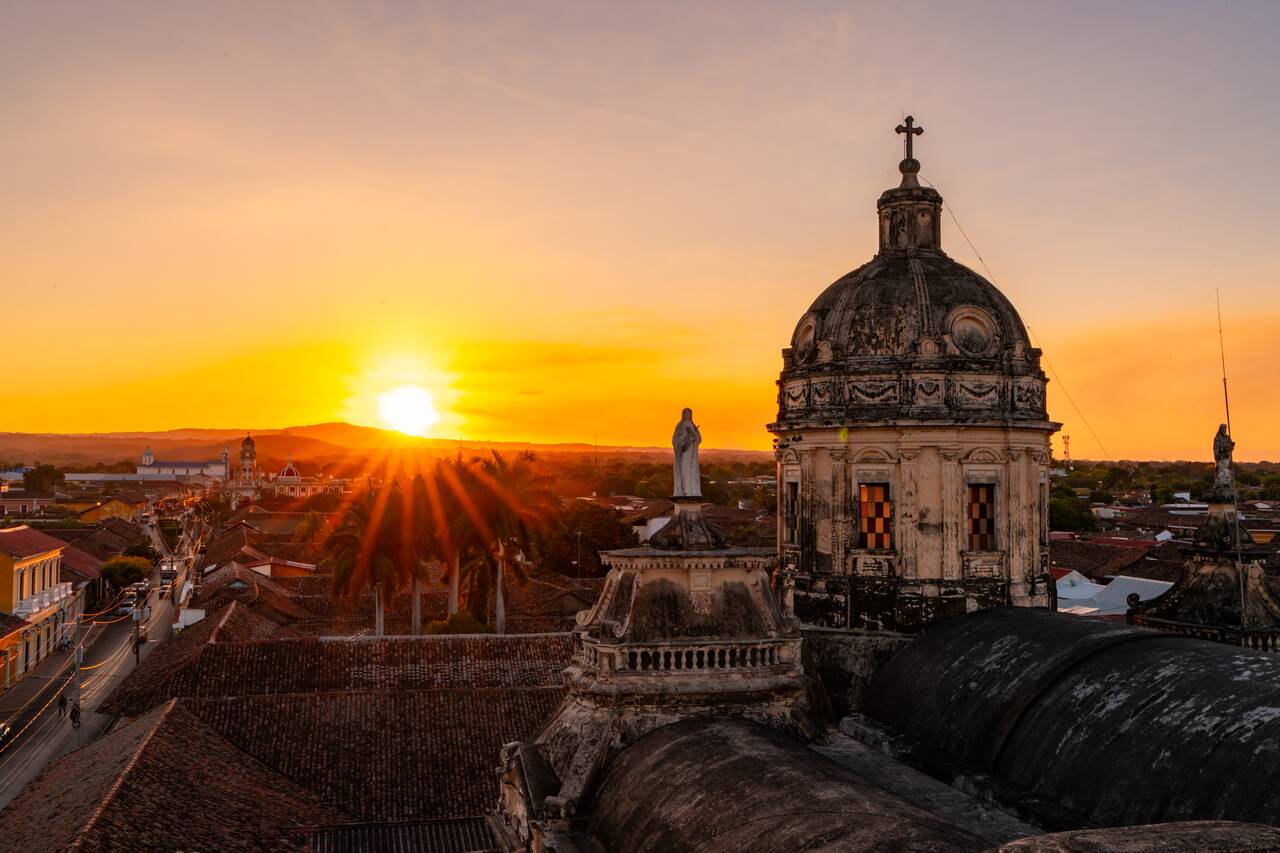
That should keep you busy for the entire day. For sunset, go and visit Iglesia La Merced and head up one of its bell towers. This historic church is one of the city's most recognizable landmarks, and its bell tower offers a stunning 360-degree view over Granada's colorful colonial rooftops, church domes, Lake Nicaragua, and the distant Mombacho Volcano.
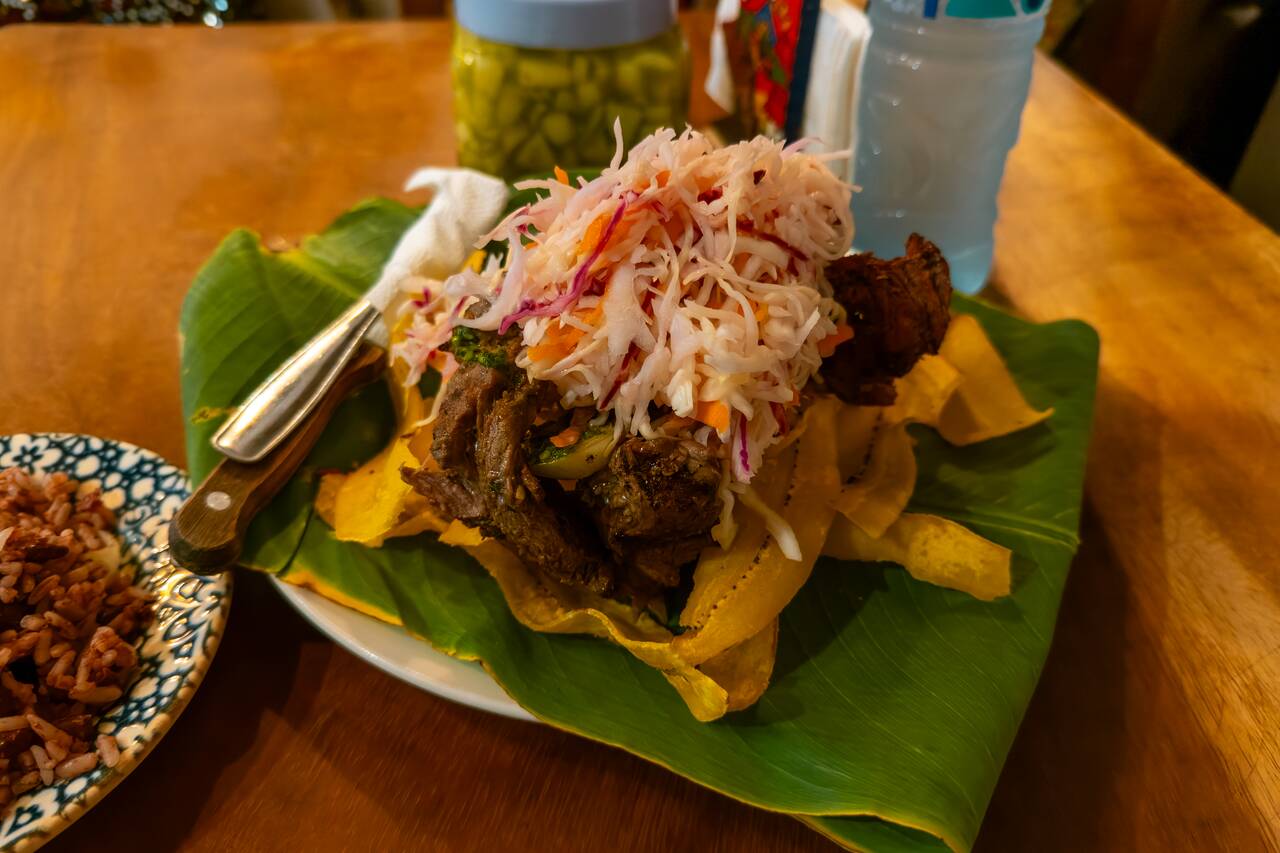
For dinner, head over to Asados Caña de Castilla, one of my favorite places to eat in Granada, and try some delicious Nicaraguan BBQ. This local restaurant specializes in asados, a popular Nicaraguan style of grilled meat served with rice, beans, salad, and other traditional sides.
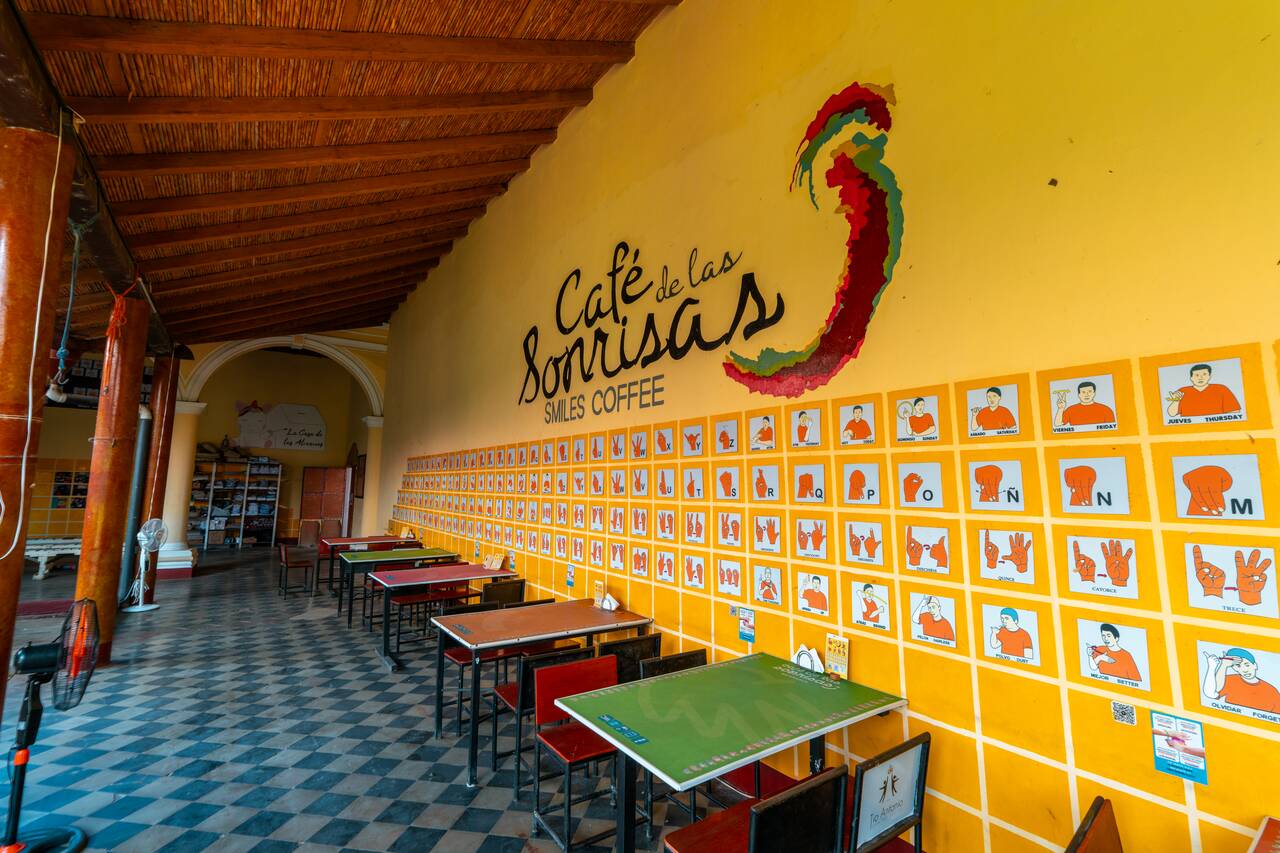
The next day, you can start your day with a breakfast at Café de las Sonrisas. This charming café is more than just a place to grab a meal; it is a social enterprise that provides employment opportunities for people with hearing disabilities.
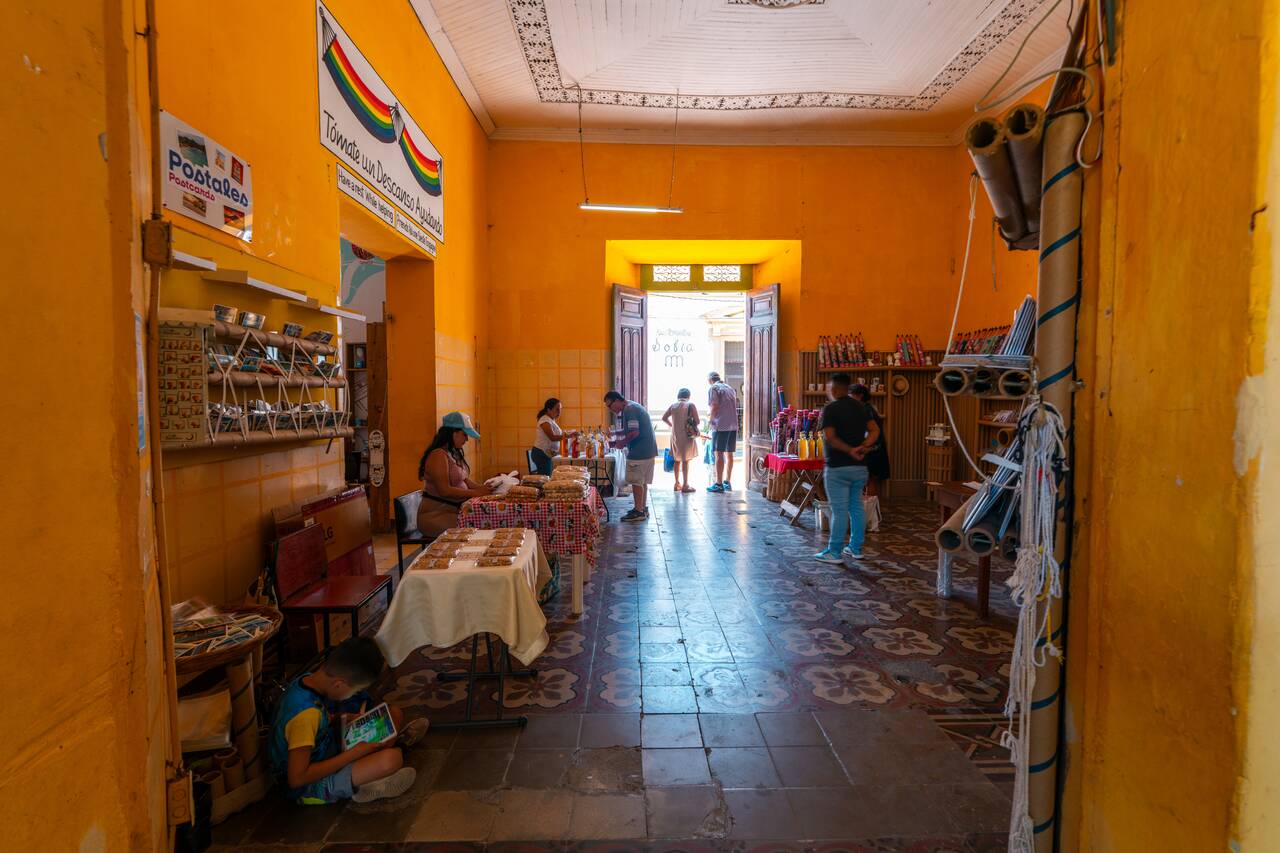
The café is run by a team of deaf and hearing-impaired staff, and the experience is a little different from your typical café. You can order using simple sign language, gestures, or by writing your order down. The price of food is very affordable, and they often hold social events inside its courtyard.
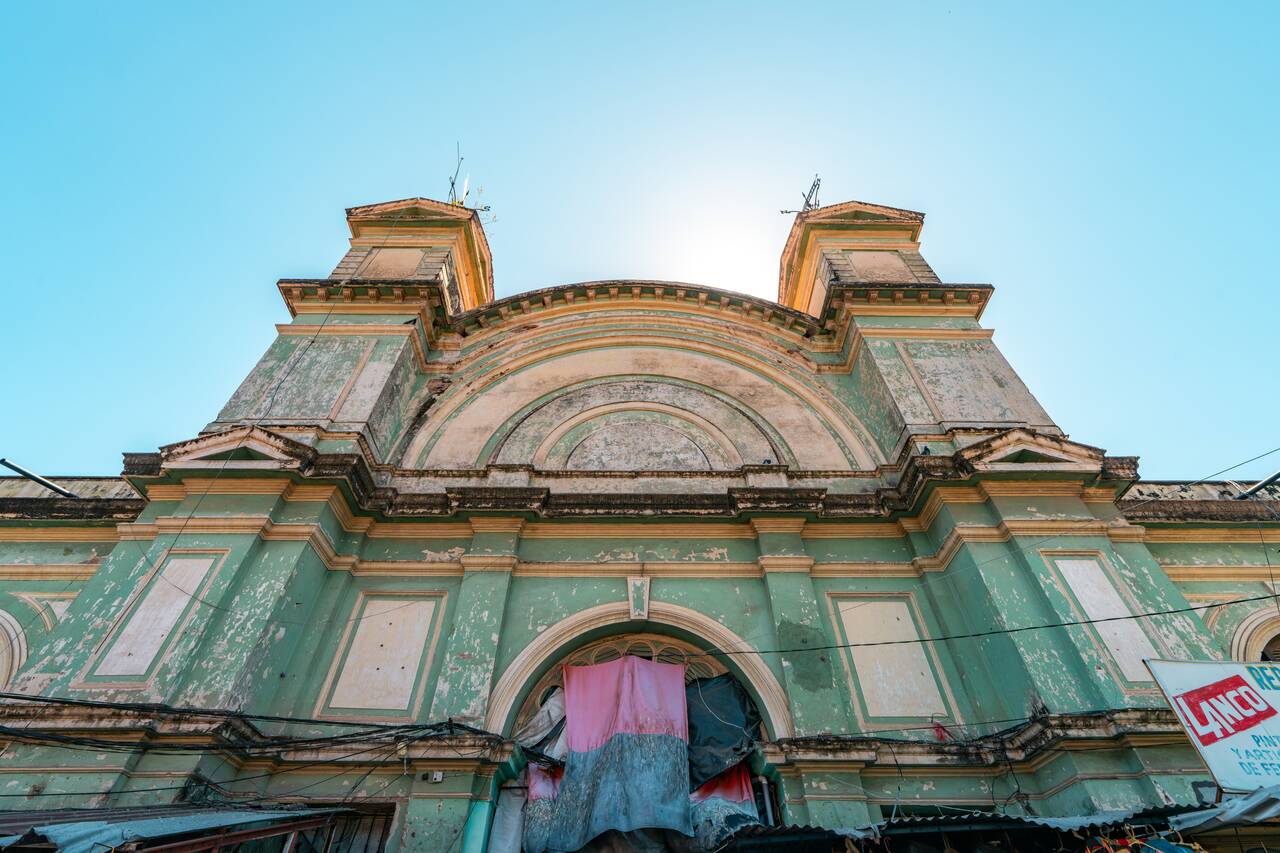
For a more authentic glimpse into daily life in Granada, head to Mercado Municipal de Granada, the city's main local market. Unlike the polished colonial streets around Parque Central, this is where you'll see how everyday life unfolds, with locals shopping for fresh produce, meat, spices, clothing, and household goods.
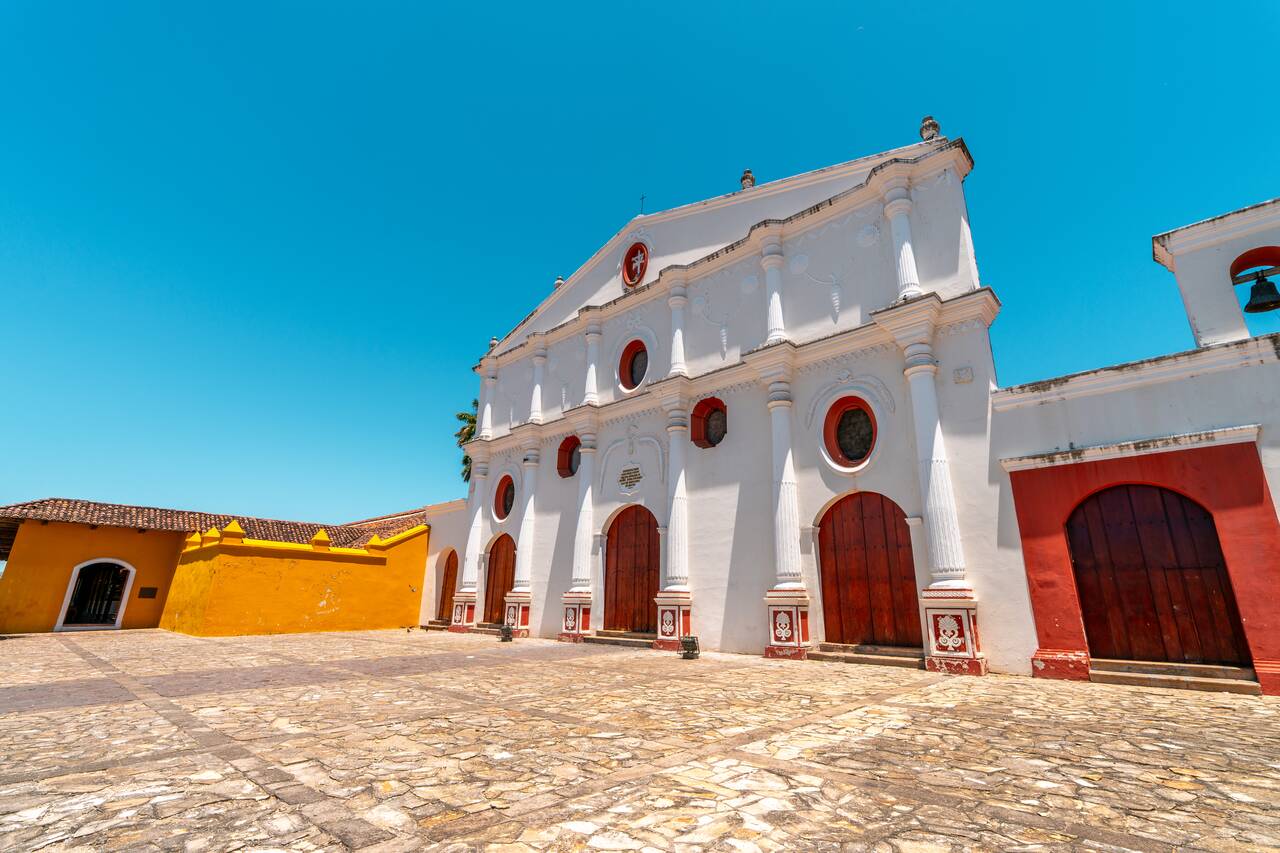
After the market, you can drop by and check out San Francisco Convent Museum. Housed inside one of Granada's oldest colonial buildings, this former convent has been transformed into an open-air museum showcasing Nicaragua's archaeological, religious, and cultural heritage.
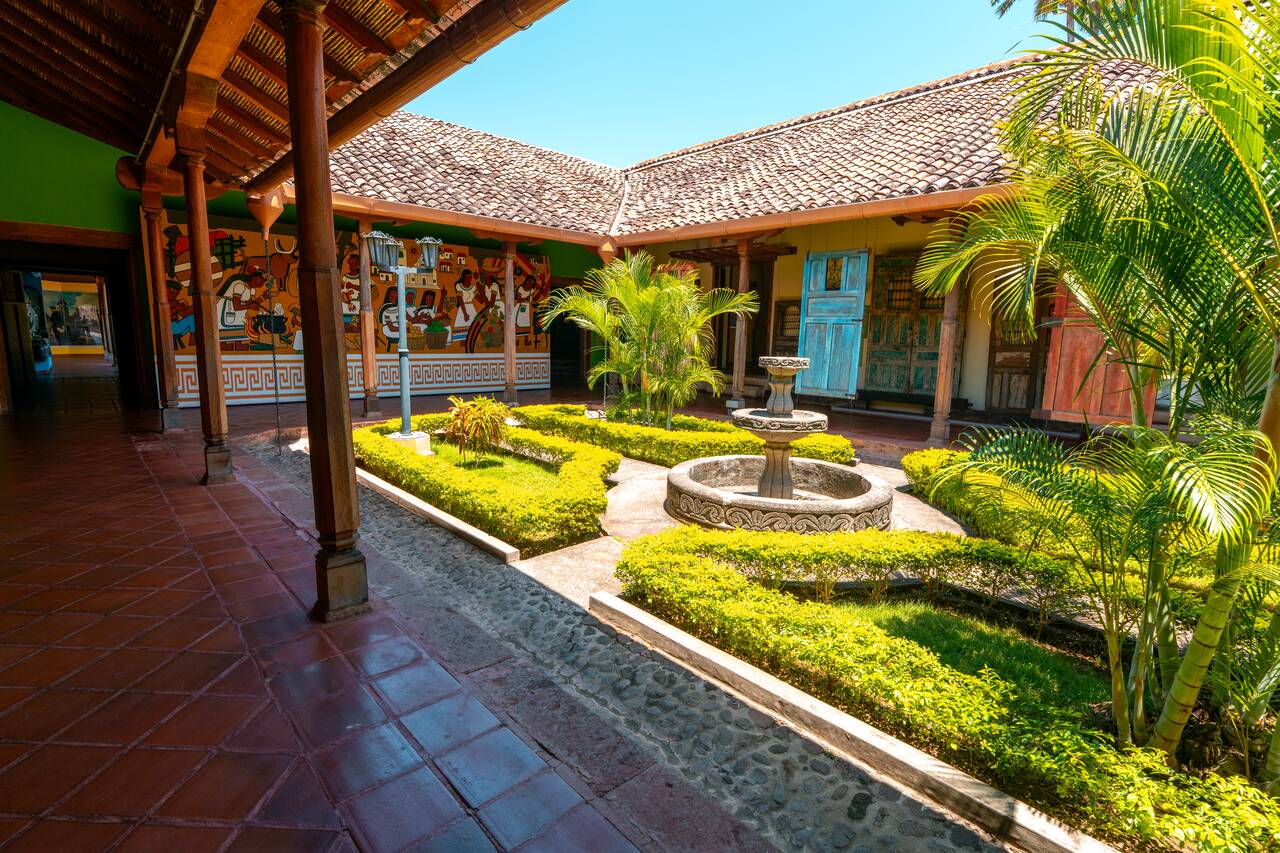
The museum is not very large, and you can comfortably explore it in about 30 minutes. It also has beautiful colonial courtyards where you can take a break from the heat and enjoy the peaceful and quiet atmosphere.
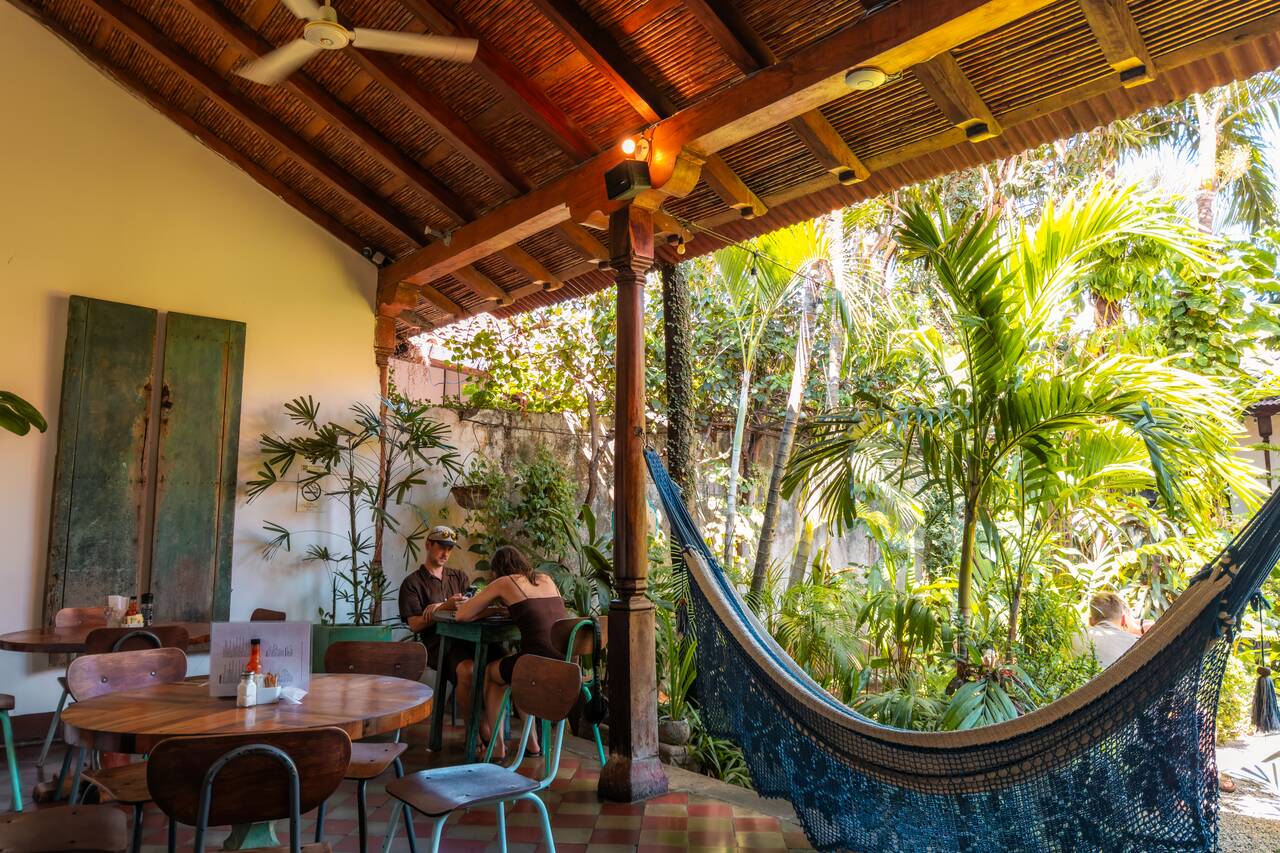
You can spend the rest of the afternoon relaxing at one of my favorite cafés in Granada, The Garden Cafe, a beautiful café tucked away inside a charming colonial building. It has a lovely green courtyard and an open-air seating area where you can enjoy great coffee, delicious food, and a slower pace of life.
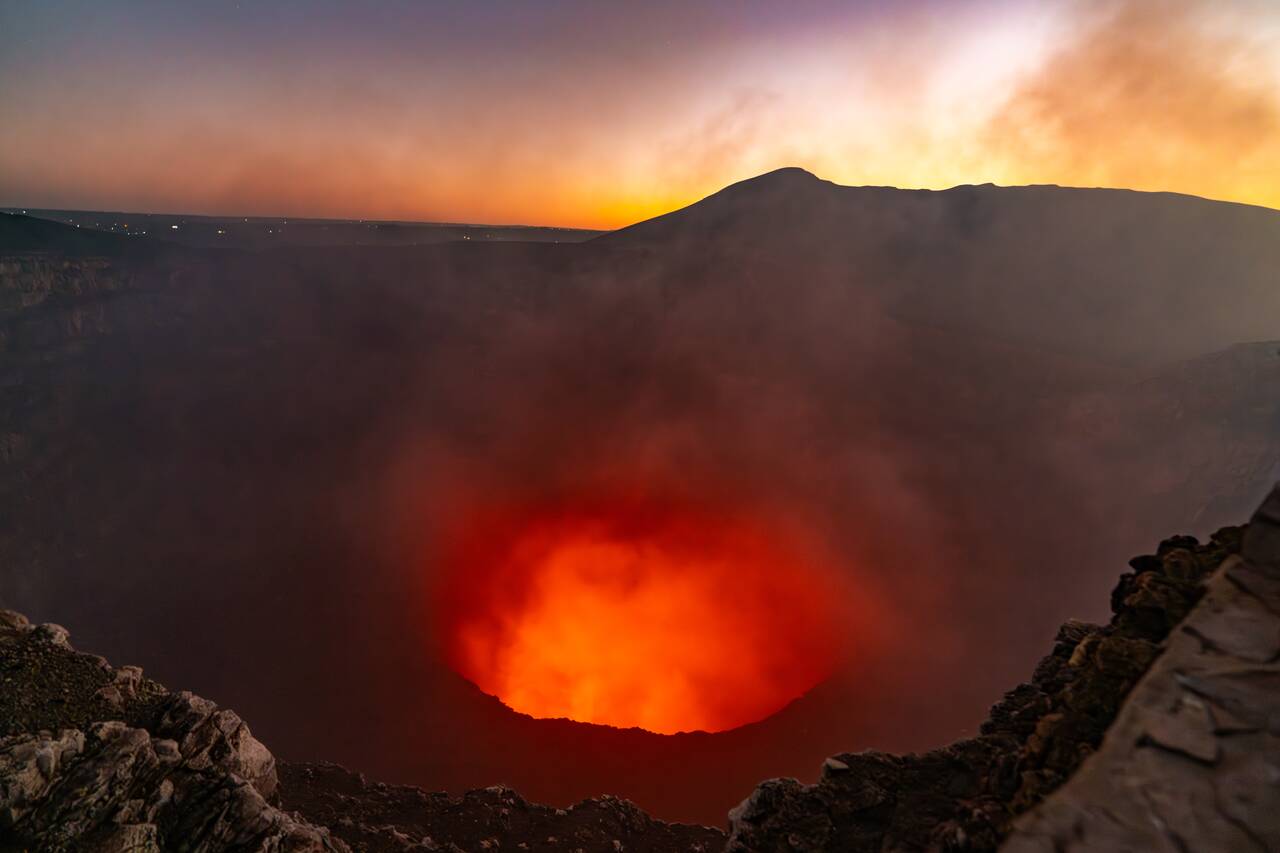
Once evening rolls in, join an organized tour to Masaya Volcano, one of the most accessible volcanoes to visit in Nicaragua. You'll spend the evening exploring the national park, watching the sunset, and, after dark, heading up to the crater to witness the volcanic glow lighting up the night.
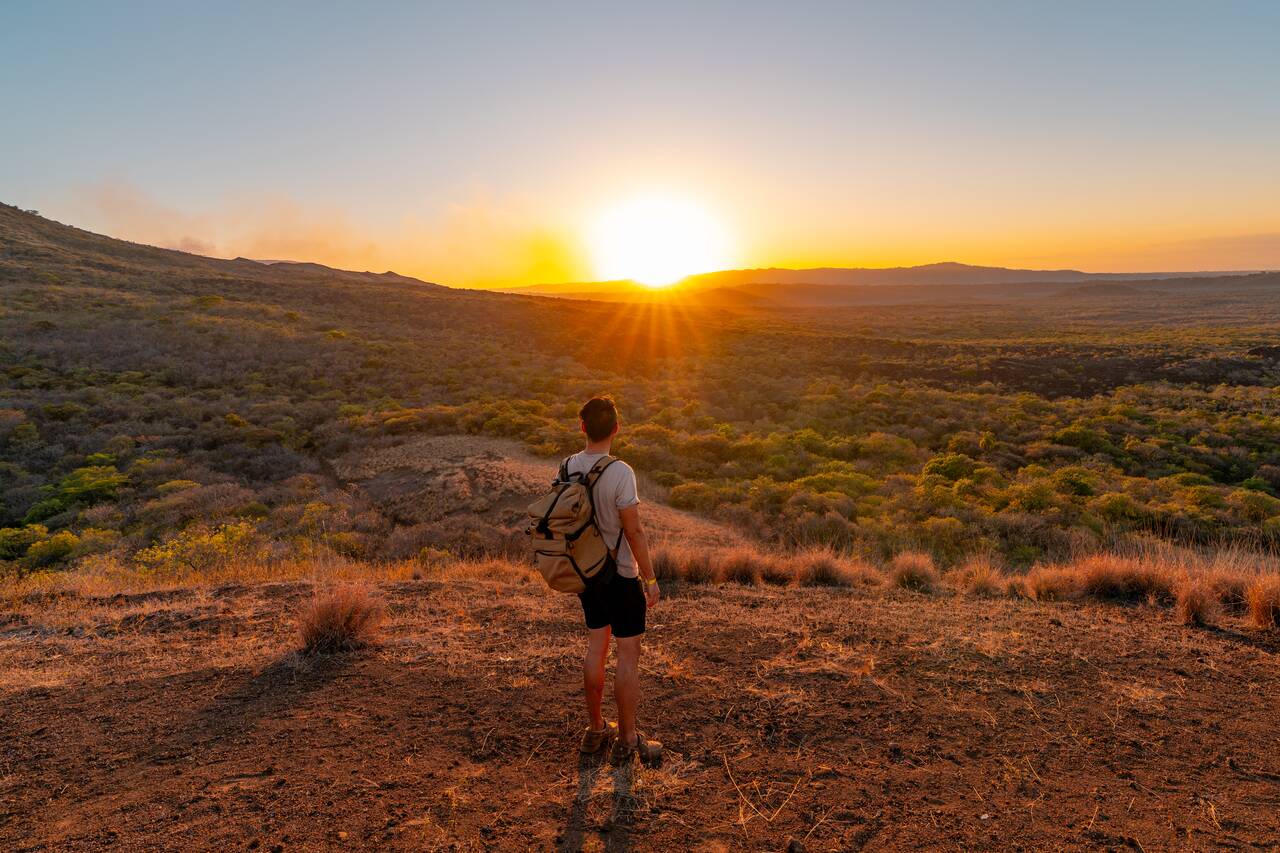
Most tours will also include a visit to the museum inside the national park and a short hike around the surrounding trails, where you can observe the volcanic activity around the area, and go up to this viewpoint to watch the sunset.
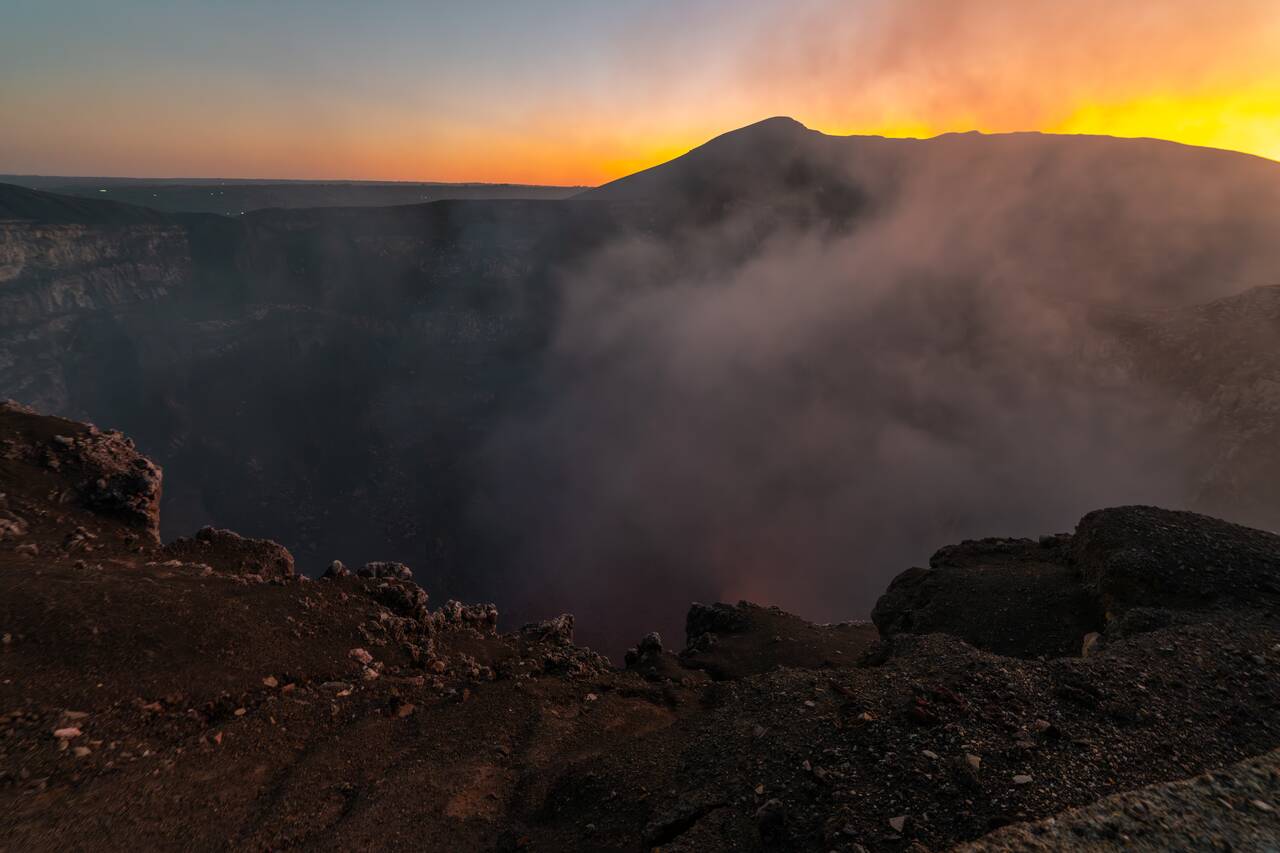
Don't bother visiting the volcano during the day, as you won't be able to see the glowing lava that makes Masaya Volcano famous. After the volcano tour, you should be dropped off back in town around 8 PM, giving you plenty of time to grab dinner and call it a night.

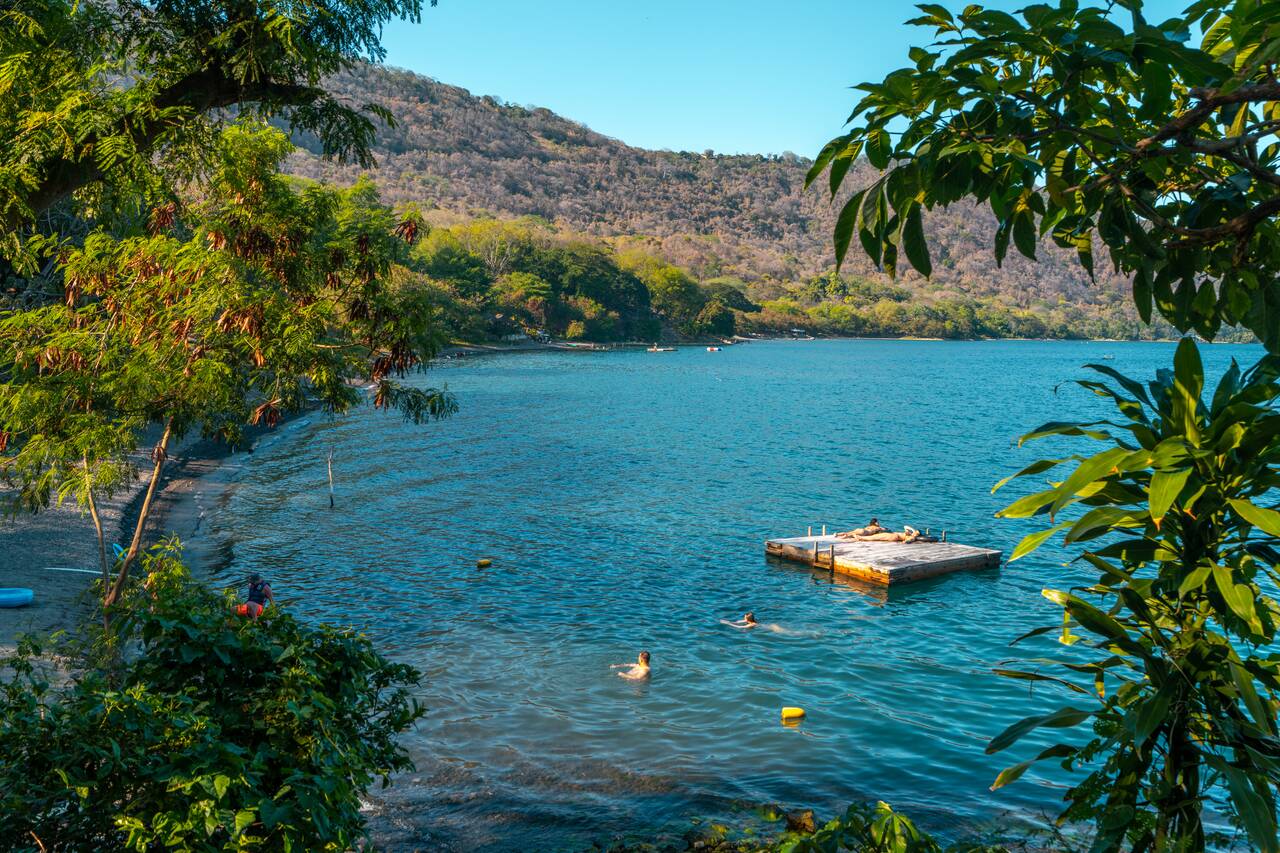
Located inside a volcanic crater just outside Granada, Laguna de Apoyo is where we'll spend our third day, relaxing and escaping the hustle and bustle of Granada. The lake is surrounded by lush forest and is the perfect place to spend the day swimming, kayaking, or simply relaxing by the water while enjoying the peaceful surroundings.
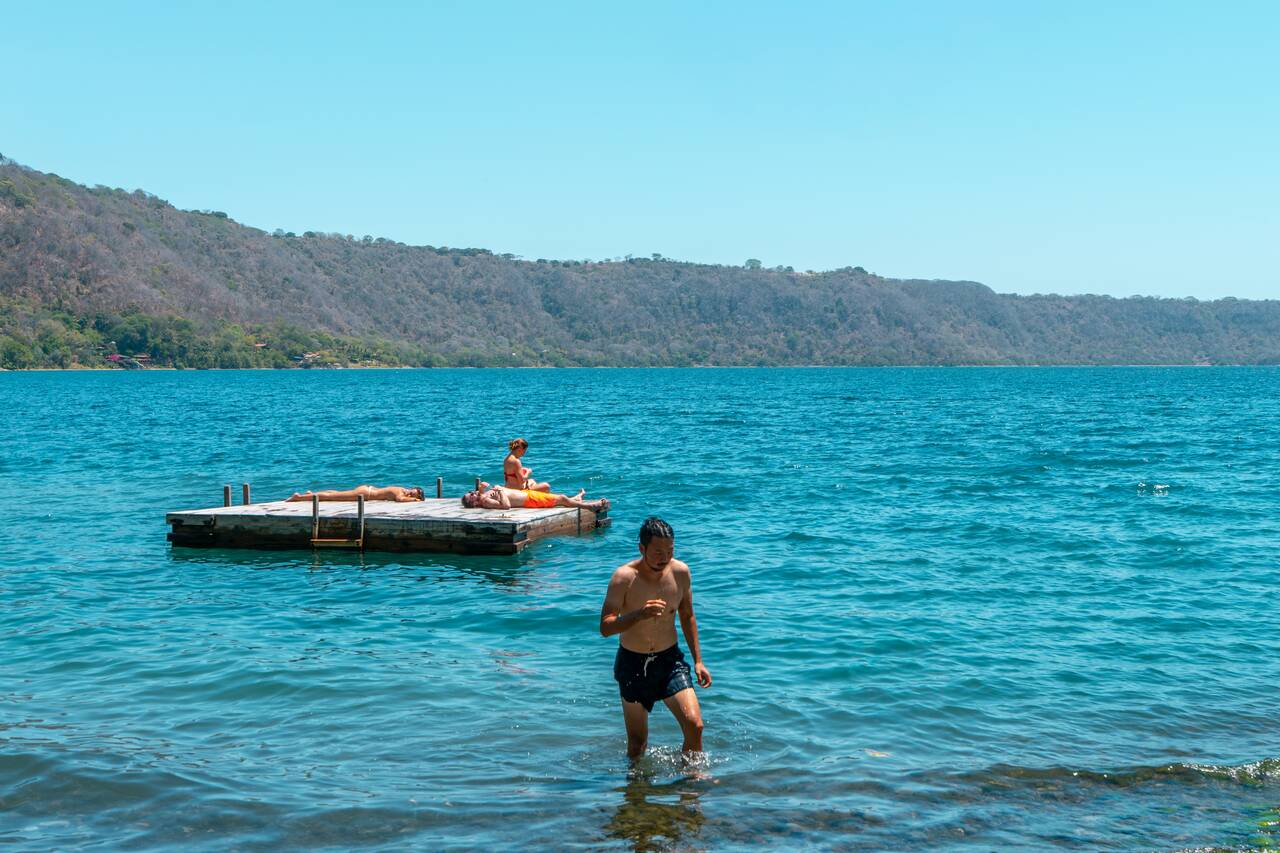
The water here is incredibly clear and refreshingly cool. You will find a handful of restaurants and private beach clubs around the lake where you can rent a kayak, grab a drink, or enjoy a meal. However, if you want to spend the entire day using their facilities, you will most likely need to purchase a day pass.
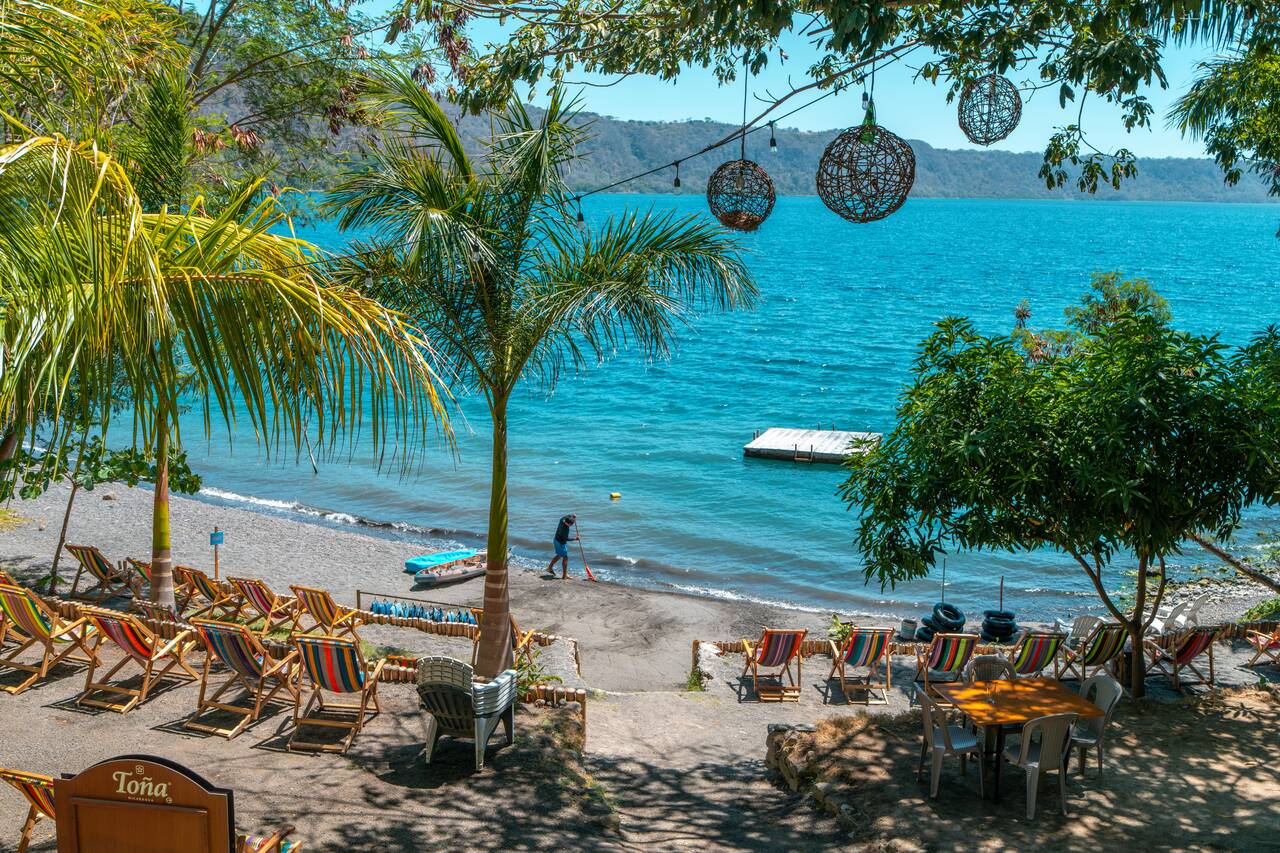
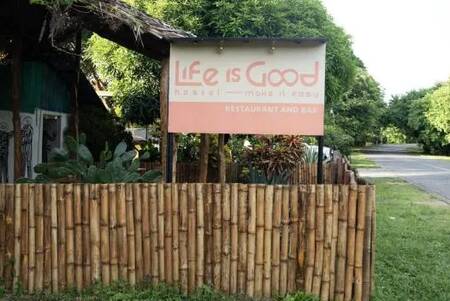
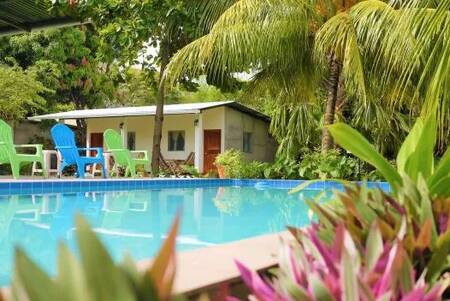
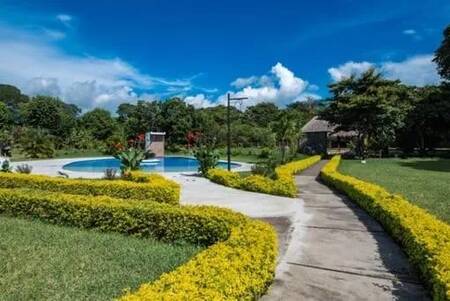
I highly recommend Coco Bay Hostel, a stunning hostel located right on the shore of the lake. You can purchase a day pass for around 7 USD per person, which gives you access to all the hostel's facilities, including kayaks, free coffee and tea, as well as sunbeds, hammocks, and other relaxing spaces.
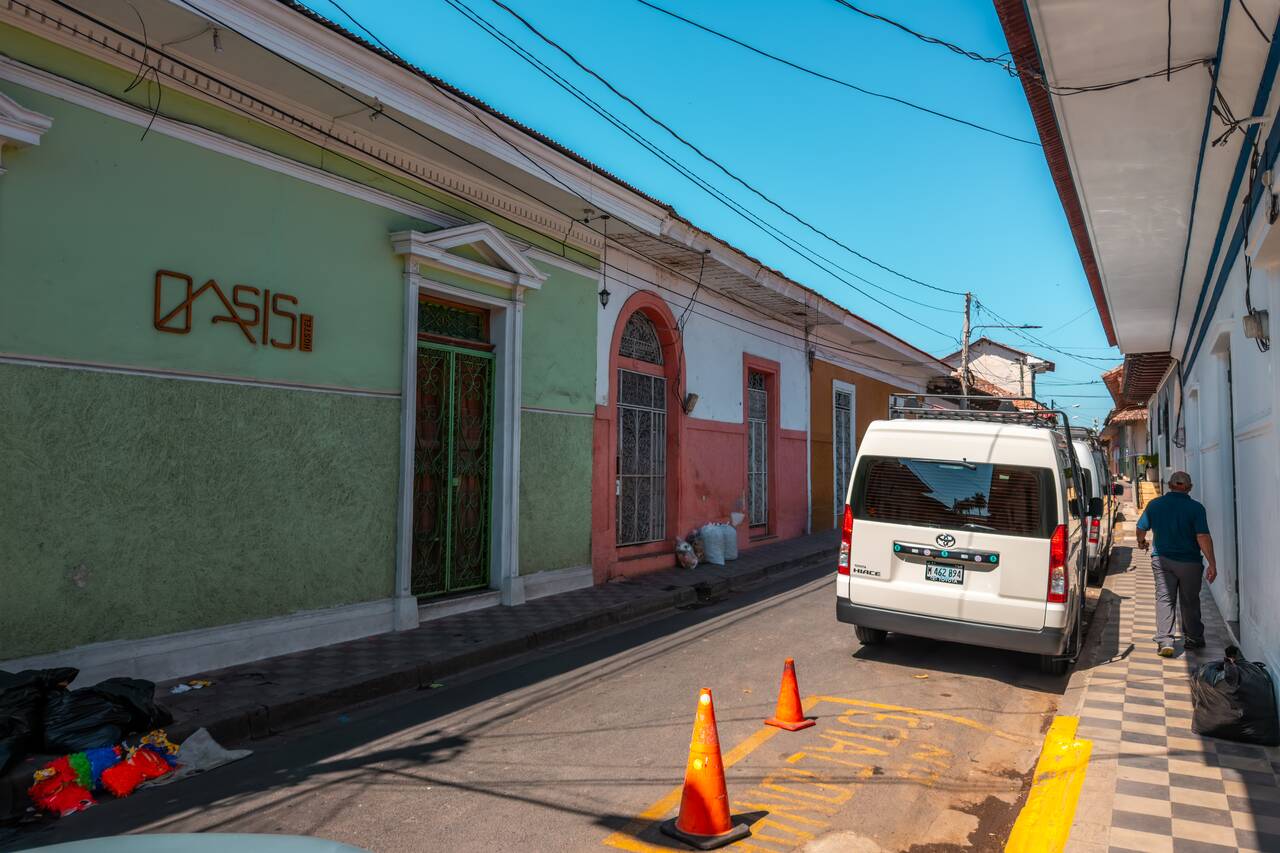
Getting from Granada to Coco Bay Hostel is also very easy, as the hostel is associated with Oasis Hostel in Granada and they run a daily shuttle service that will let you travel between the two places easily. The shuttle departs from Oasis Hostel at 10 AM every day and returns at 4:30 PM. The round-trip fare is 14 USD, and you can reserve a spot via their WhatsApp.
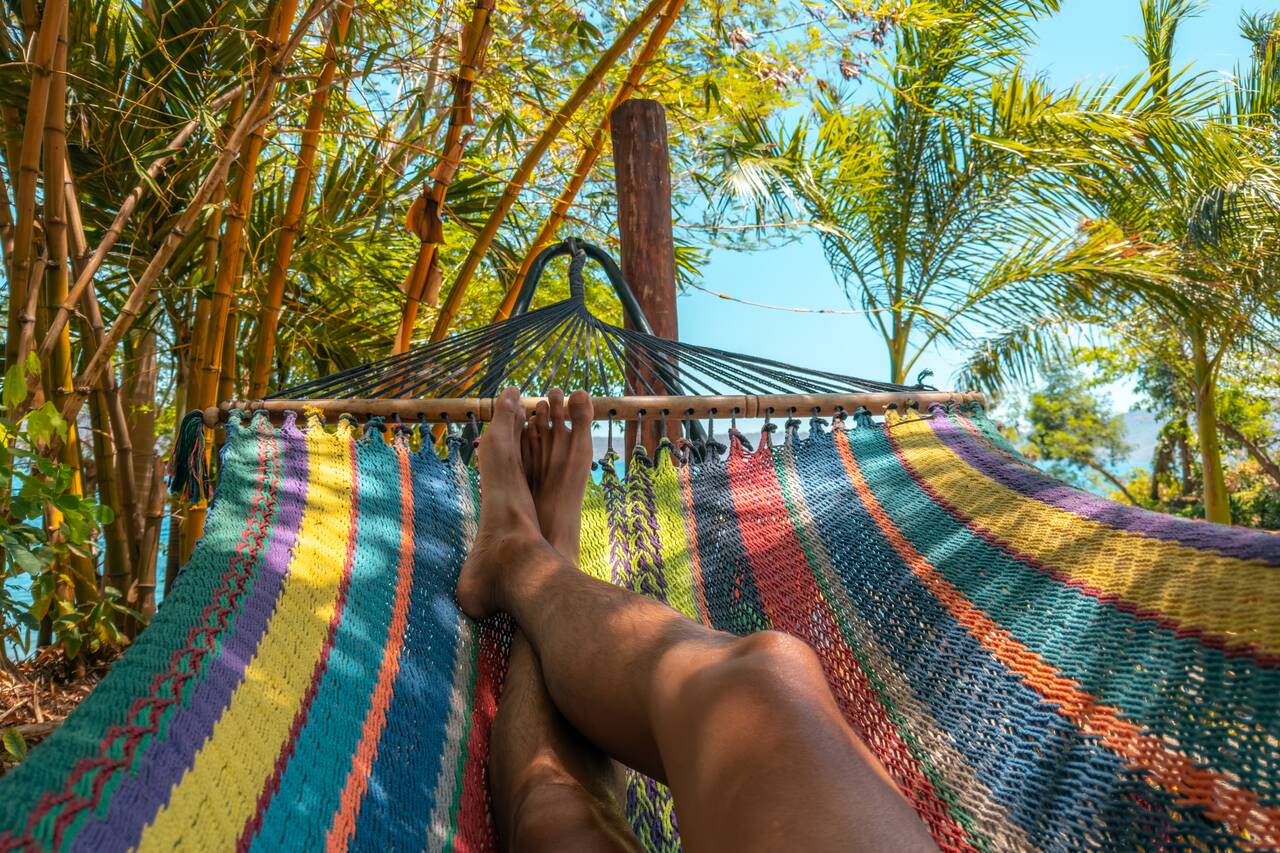
After spending the entire day at Laguna de Apoyo, you should be back in Granada around 5:30 PM. Spend the evening strolling around town, grabbing dinner, and relaxing before calling it a night. Tomorrow, we'll head to León, another one of my favorite cities in Nicaragua and the final destination in this itinerary.


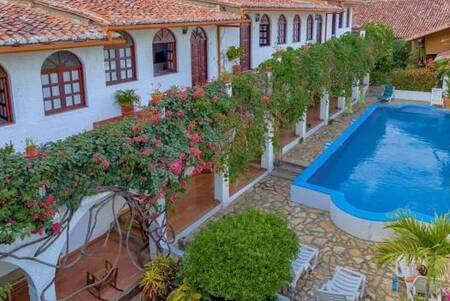

Getting from Granada to Leon
To get from Granada to León, you can take a shared shuttle, which takes around 5 hours and costs approximately 25 USD. I went with Gekko Trail Explorer and had a great experience. They picked me up from my hotel on time and dropped me off directly at my hostel in León without any issues. I highly recommend them!
Day 13-15: Leon (3 nights)
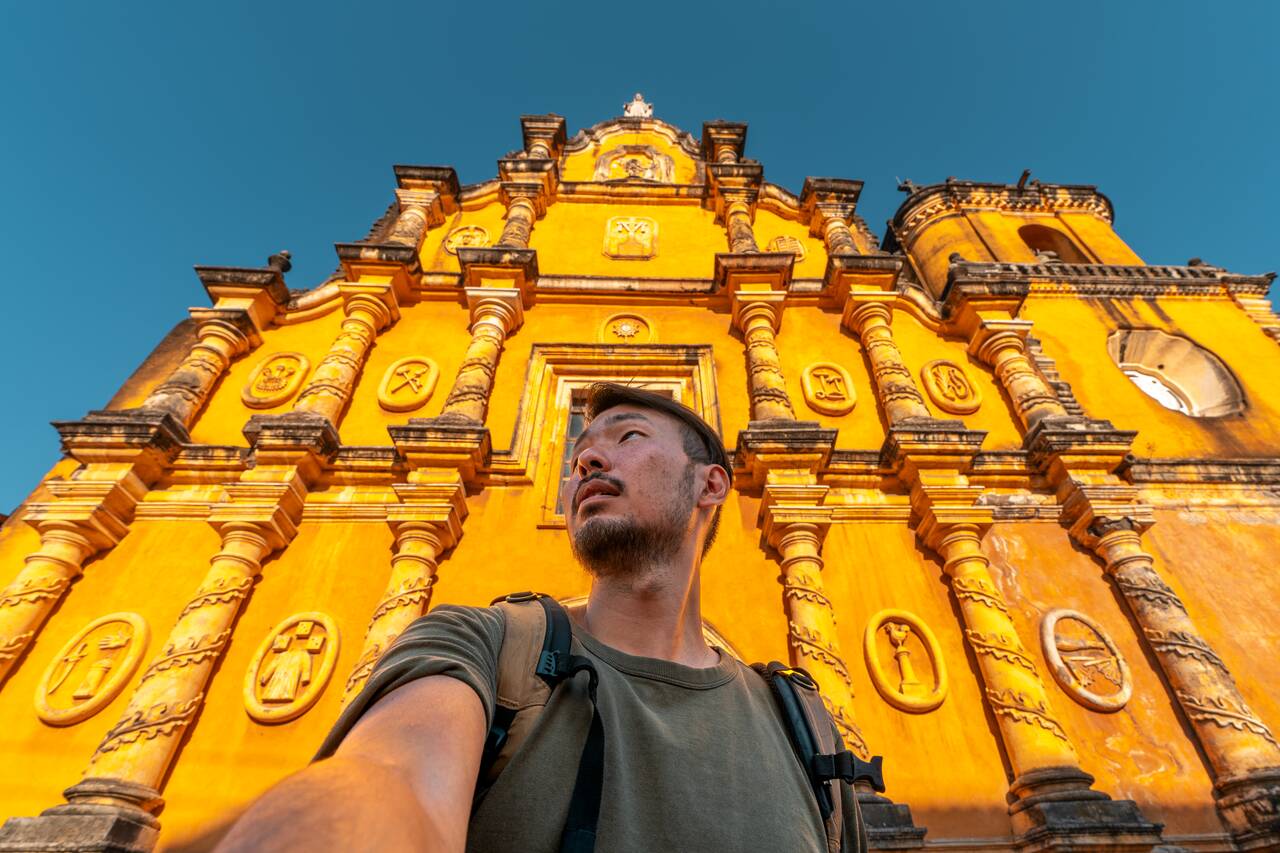
- 📍 Stay: Hotel La Posada del Doctor
- 🕐 Time: 3 nights
- 📖 Full Guide: A Guide to Leon, Nicaragua: Things to Do, Travel Tips, & Itinerary
León, the revolutionary city of Nicaragua, is famous for its beautiful colonial buildings, deep connection to the country's political struggles, and its role in many revolutions and protests throughout history. We'll spend the first day exploring the city's many attractions, and save the coolest activity you can do here, volcano boarding down Cerro Negro, for the second day 😉.
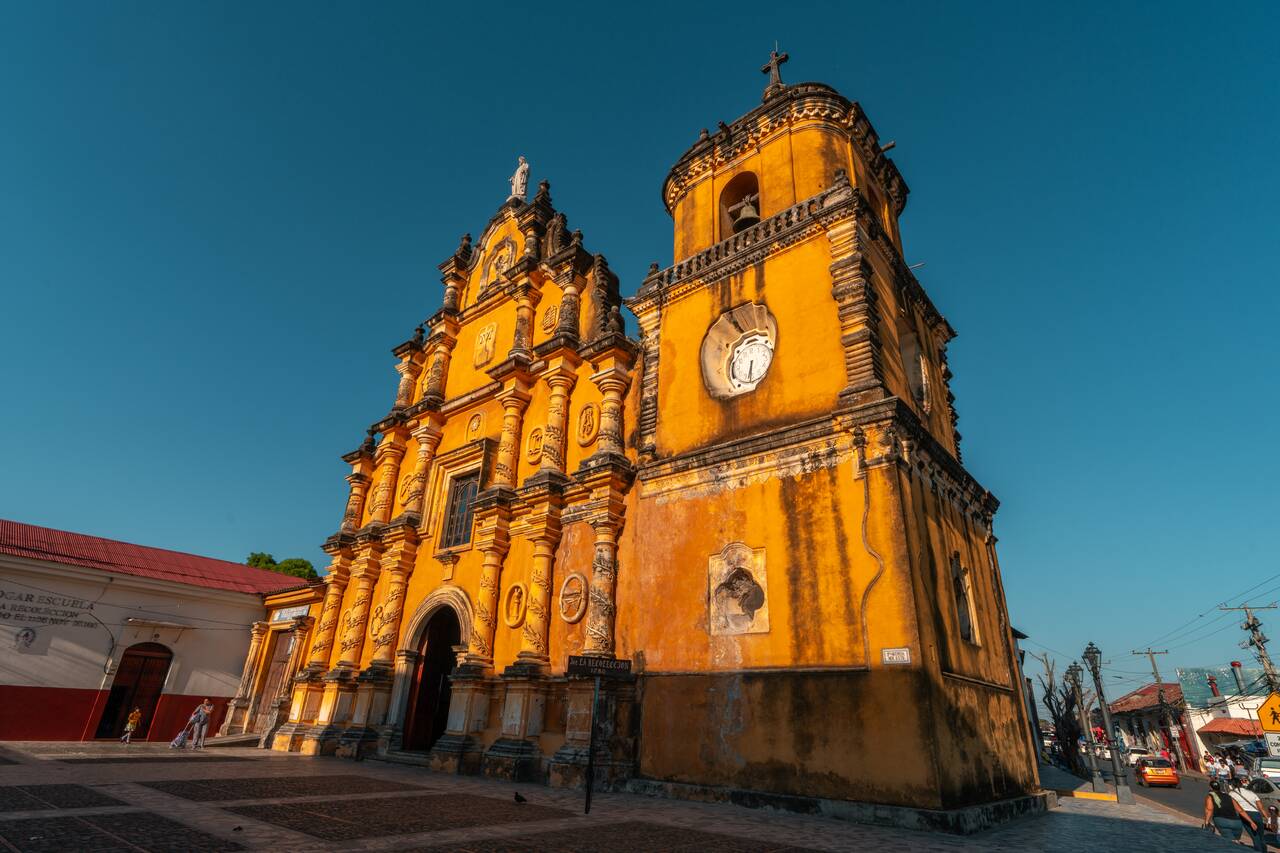
On your first evening, I highly recommend you go and walk by Church of the Recollection (Iglesia La Recolección), one of my favorite churches in Leon. What's cool about this church is that its intricate façade and detailed carvings are painted in a beautiful faded yellow color, and because the church faces perfectly west, the afternoon sunlight shines directly onto the façade, making it glow. That's why I recommend you come and see this right away if you arrive in town in the evening.
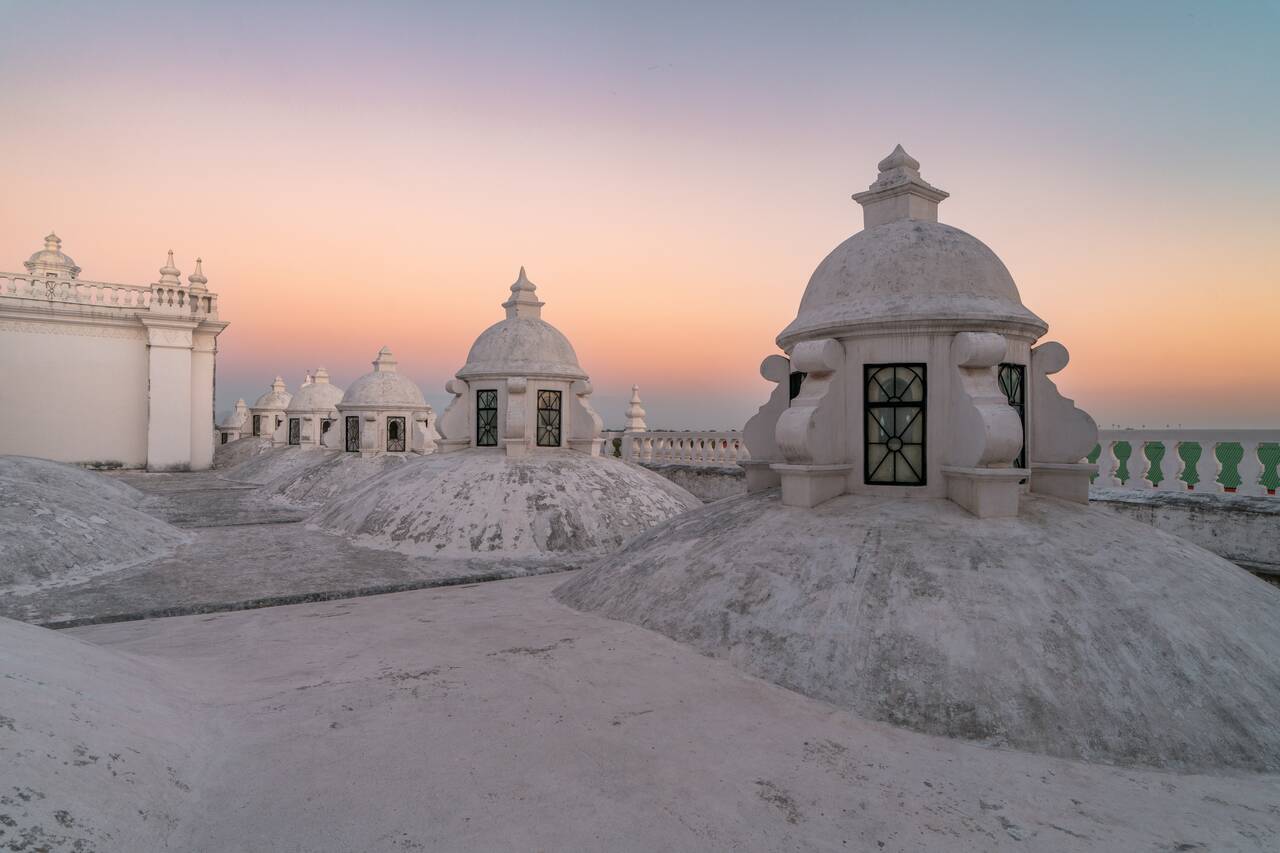
After that, head up to the rooftop of Basilica of the Assumption of the Blessed Virgin Mary and watch the sunset from above. As the largest cathedral in Central America and a UNESCO World Heritage Site, it is already an impressive landmark worth visiting on its own. However, if you want to make your visit truly memorable, be sure to come here during golden hour.
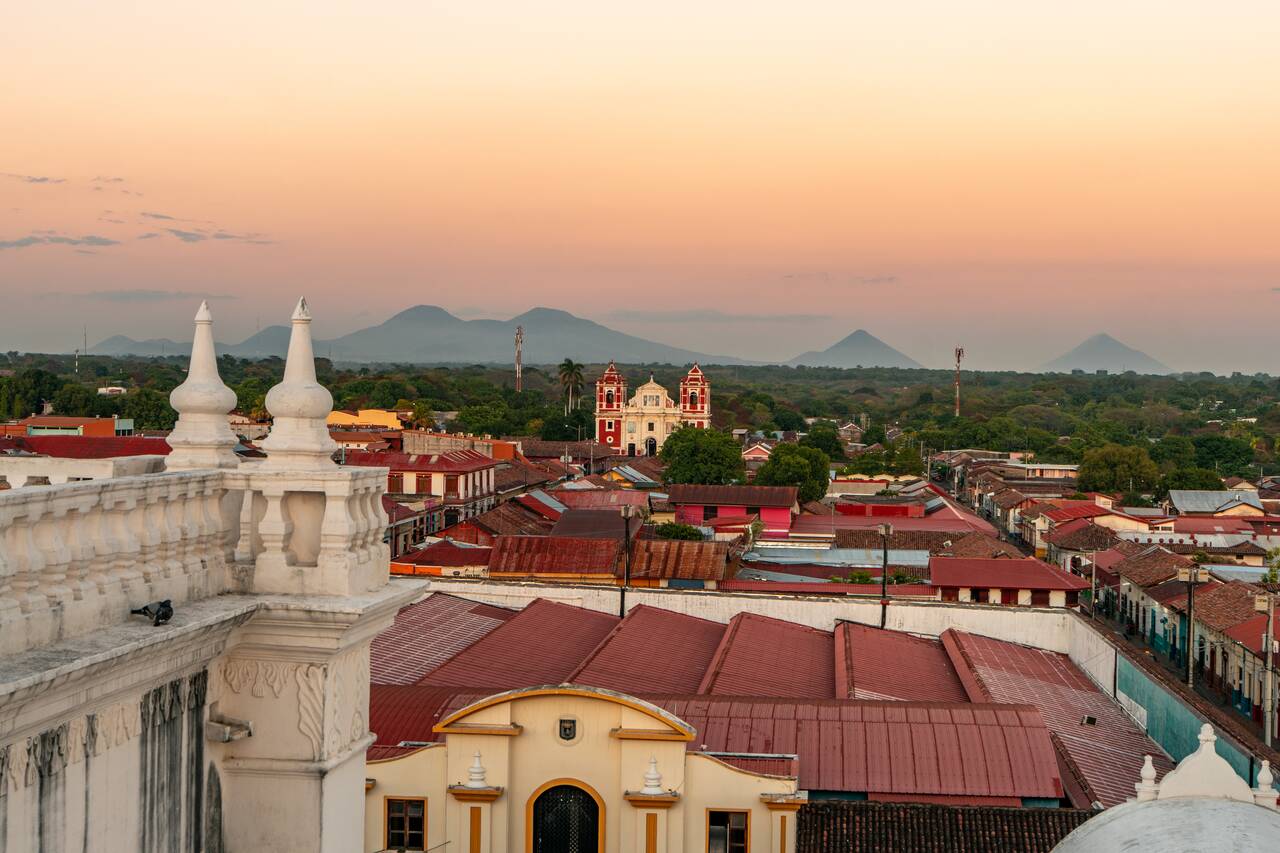
The rooftop is incredibly beautiful and very unique. Instead of a traditional viewing platform, you'll walk across a series of smooth white domes connected by narrow pathways, with panoramic views of León's colorful streets and the chain of volcanoes surrounding the city. It almost feels like walking on the rooftops of a Mediterranean town.
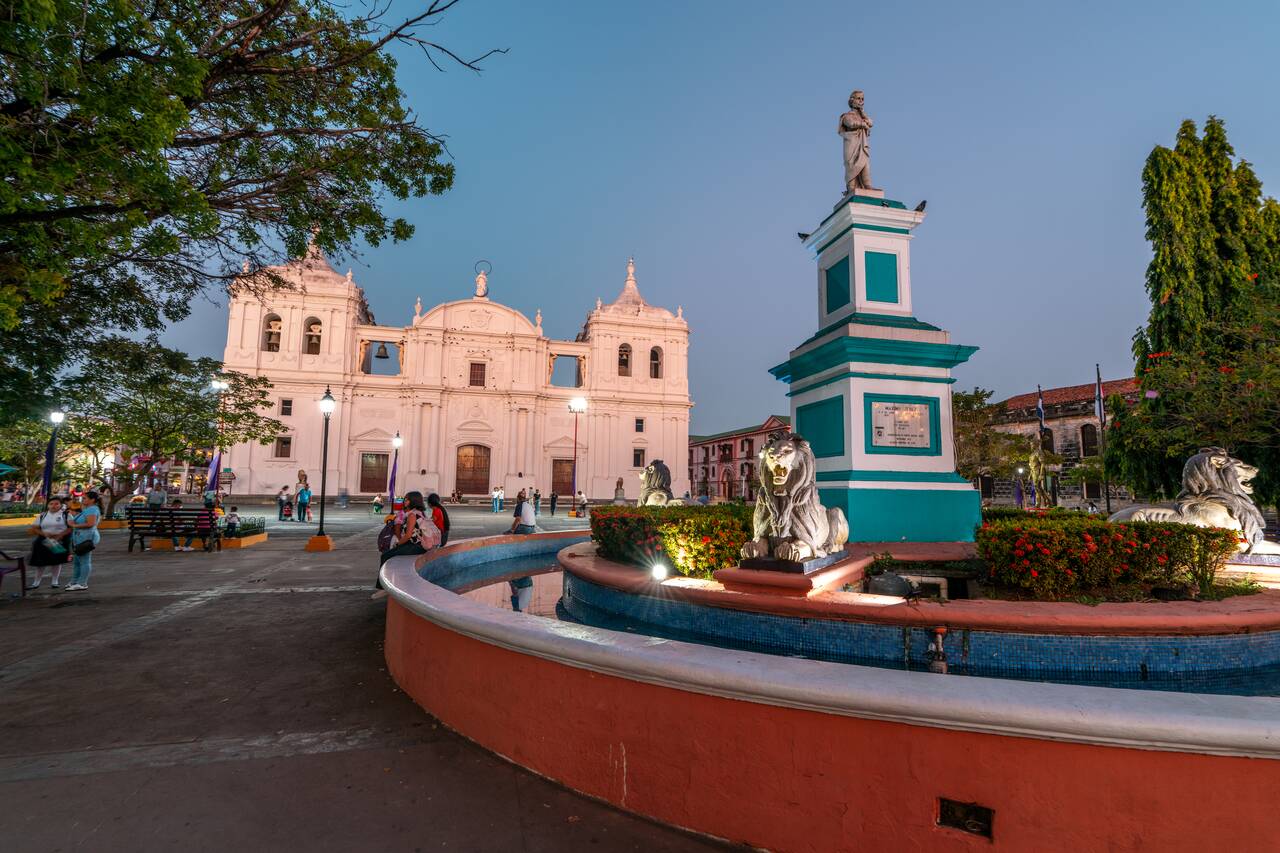
After watching the sunset from the rooftop of León Cathedral, head down to Parque Central, the beating heart of León, surrounded by some of the city's most important landmarks. Sit on the steps in front of the cathedral and watch as the park comes alive with families relaxing on benches, street vendors setting up food stalls, and locals catching up with friends after work. It's the perfect way to spend your first evening in León before calling it a night.
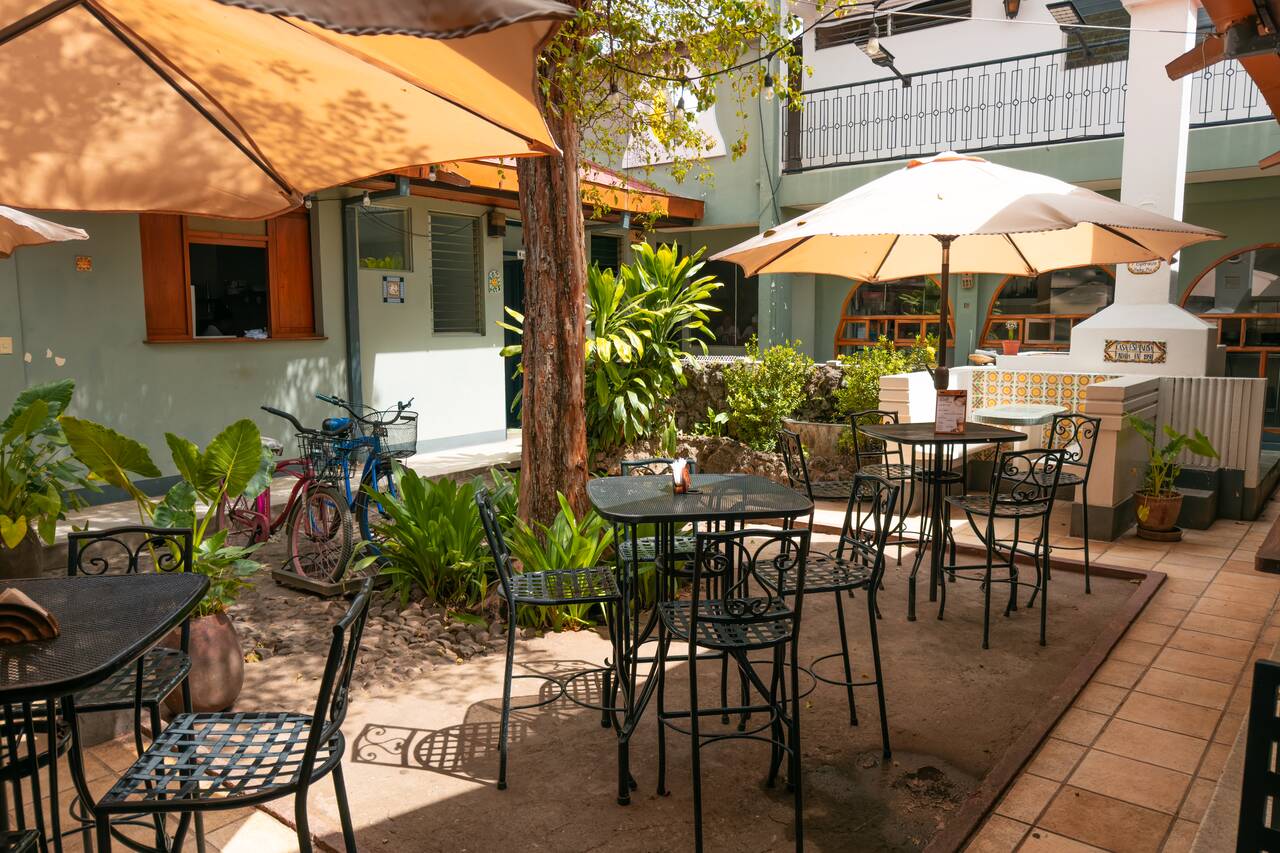
The next day, you can begin with a lovely breakfast at Pan y Paz, a European-style bakery in Leon that I often visited for breakfast and coffee breaks. It is located inside an old colonial building with an open-air courtyard where you can sit and enjoy a croissant and a cup of delicious coffee before you begin exploring the city.
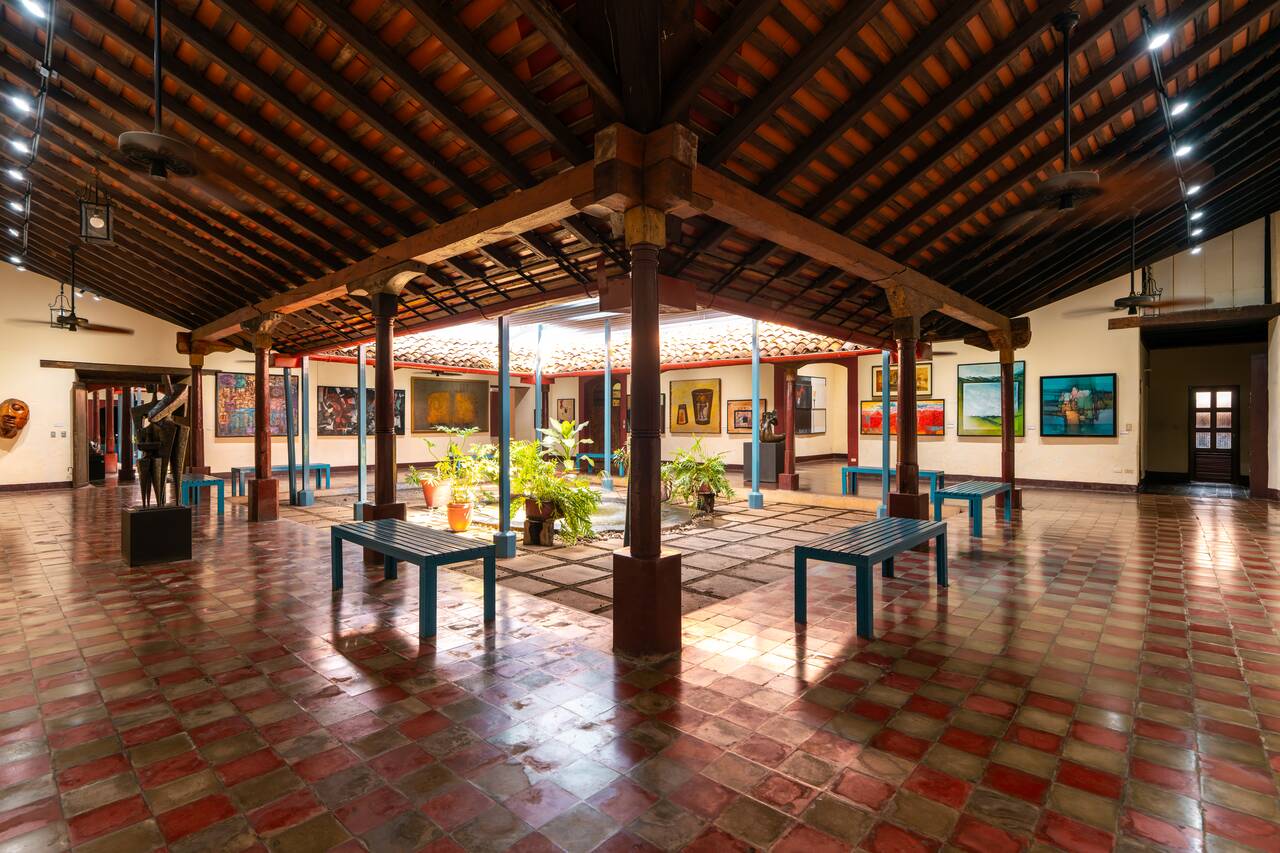
After breakfast, you can spend the day exploring some of the best museums the city has to offer. Ortíz Gurdián Foundation Art Center is by far one of my favorite art museums, or dare I say, the best art museum I have ever visited in Central America! Located inside a collection of beautifully restored colonial buildings, the museum itself is just as fascinating as the artworks displayed inside.
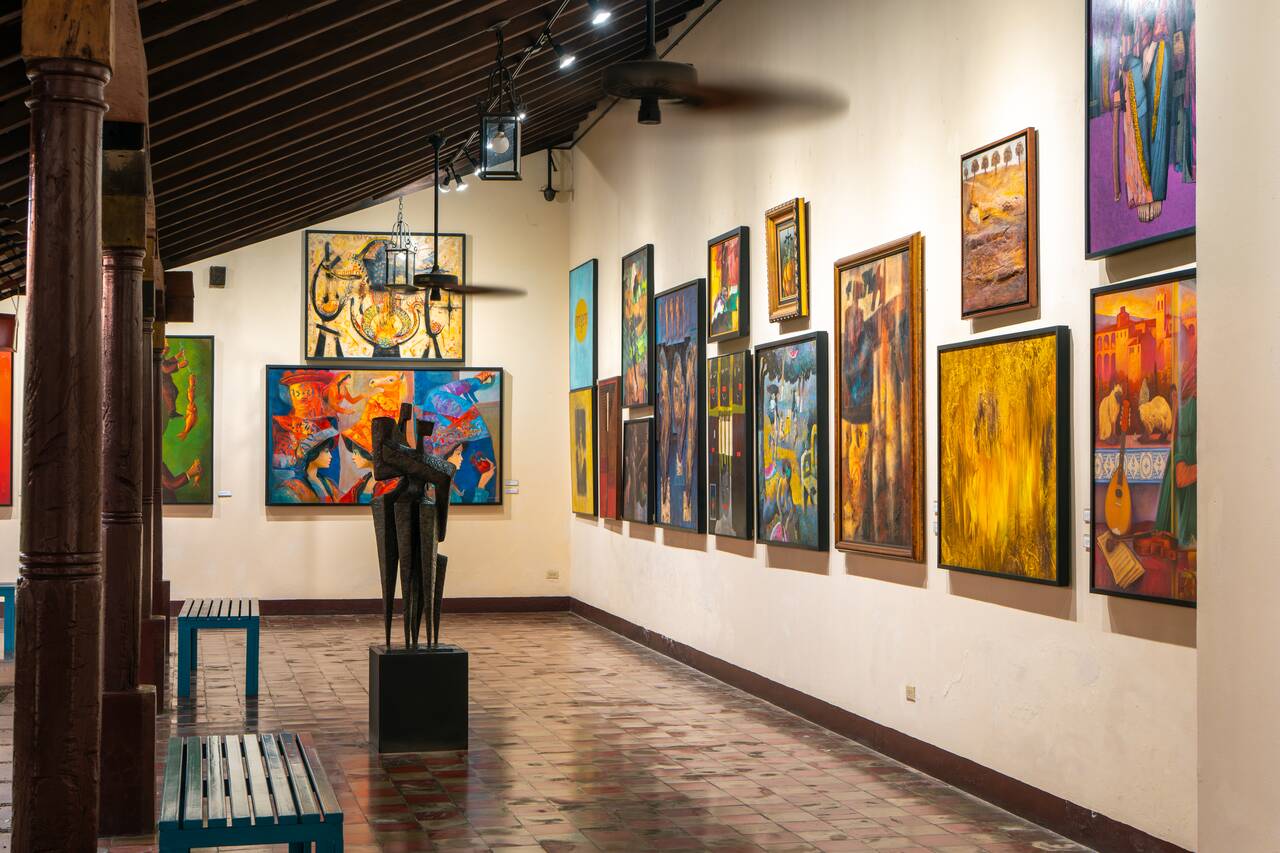
The museum houses an impressive collection of both Nicaraguan and international art, ranging from pre-Columbian pieces and colonial religious art to modern works by famous artists from around the world. The collection is spread across several interconnected colonial houses, each featuring charming courtyards, colorful walls, and peaceful gardens, which were definitely the highlight for me.
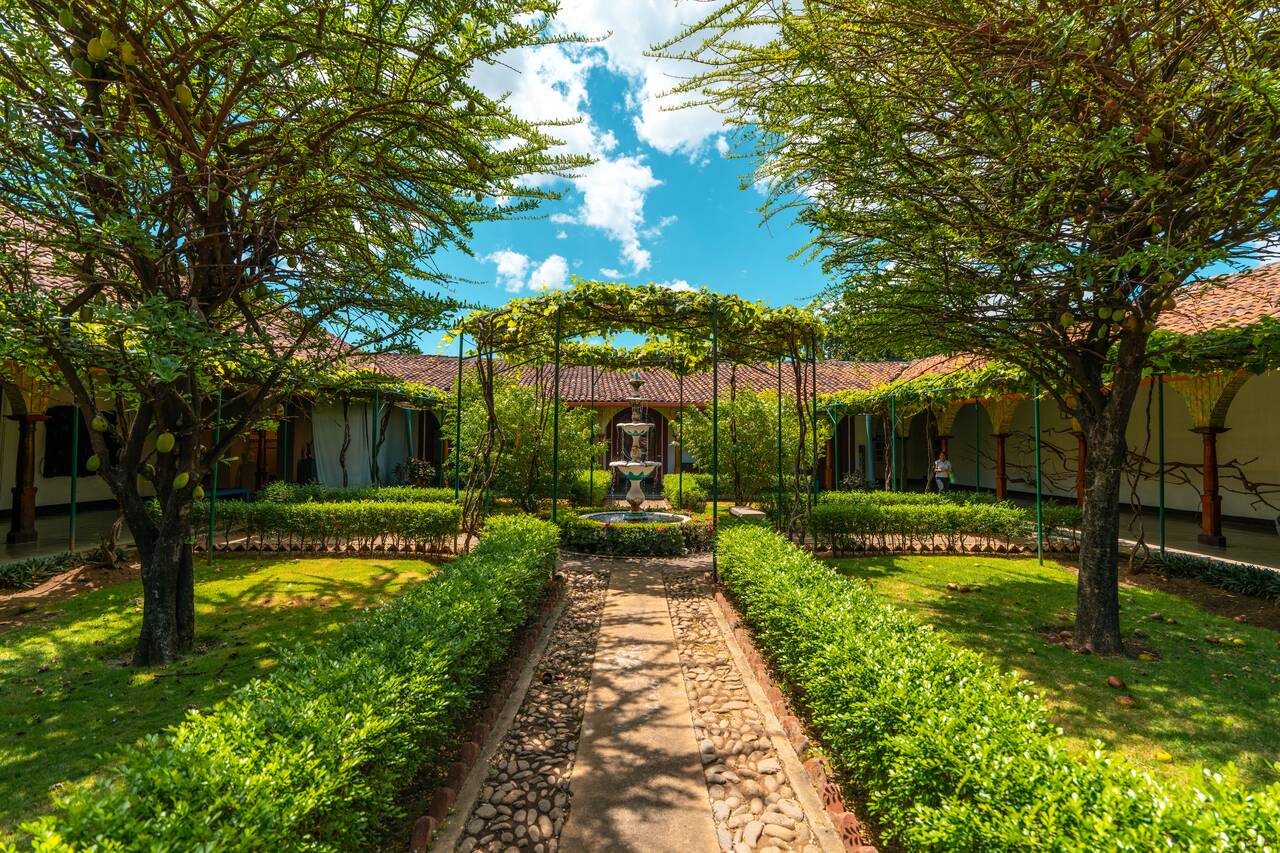
I especially loved that the museum doesn't feel like a traditional gallery. Instead, you move between rooms, courtyards, and old colonial spaces, discovering artworks around every corner. It almost feels like you are being welcomed into someone's home, wandering through their rooms and admiring an incredible personal collection of artworks.
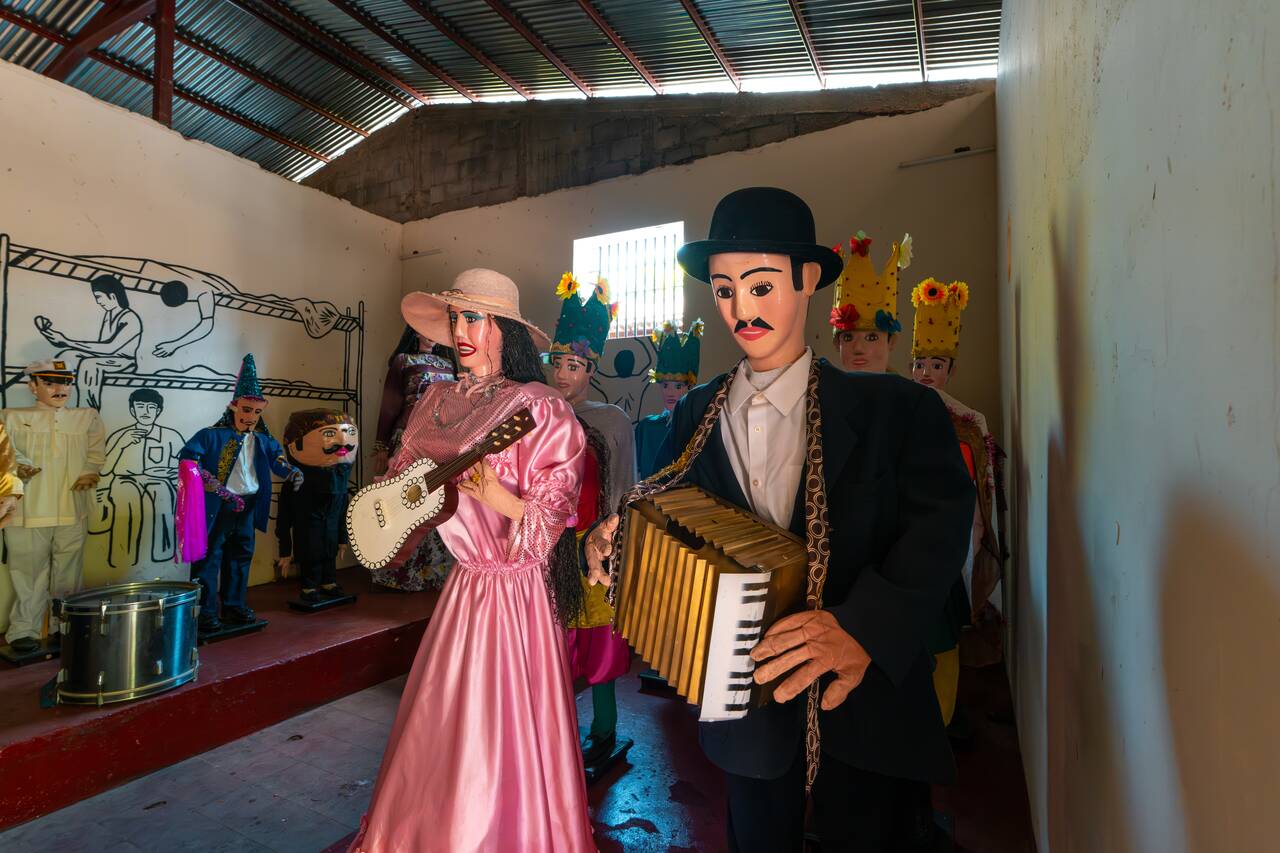
For a more unusual experience in León, make your way to the Museum of Traditions and Legends (Museo de Leyendas y Tradiciones), a small but fascinating museum dedicated to Nicaragua's folklore, myths, and cultural stories.

The museum is housed inside a former prison, and inside, you'll find colorful murals, handmade figures, and displays showcasing famous Nicaraguan legends, many of which have been passed down through generations. The exhibits tell stories of mythical creatures, ghosts, and traditional characters that are deeply rooted in local culture.
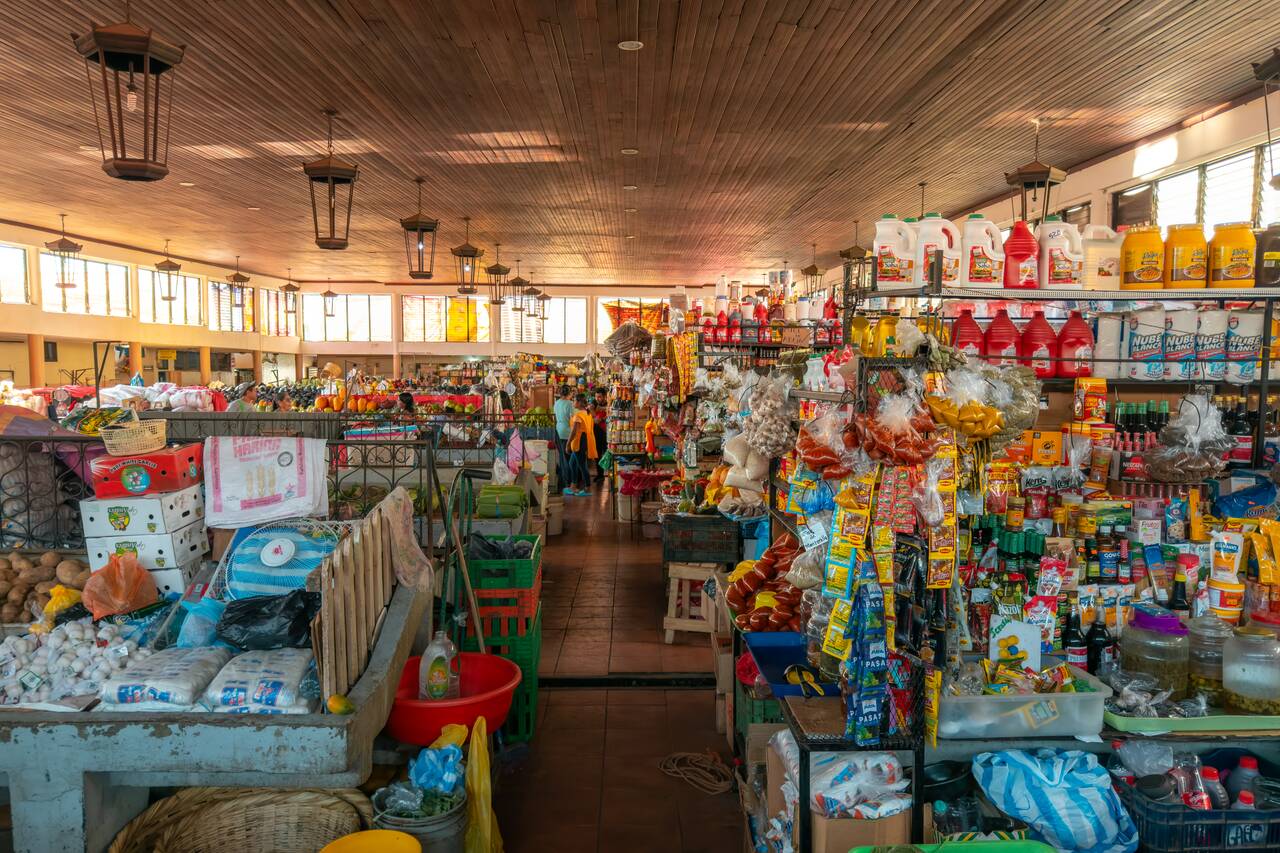
For a more authentic glimpse into daily life in León, head to Mercado Central de León, the city's main local market where you can experience a completely different side of León beyond its beautiful colonial streets and historic landmarks.
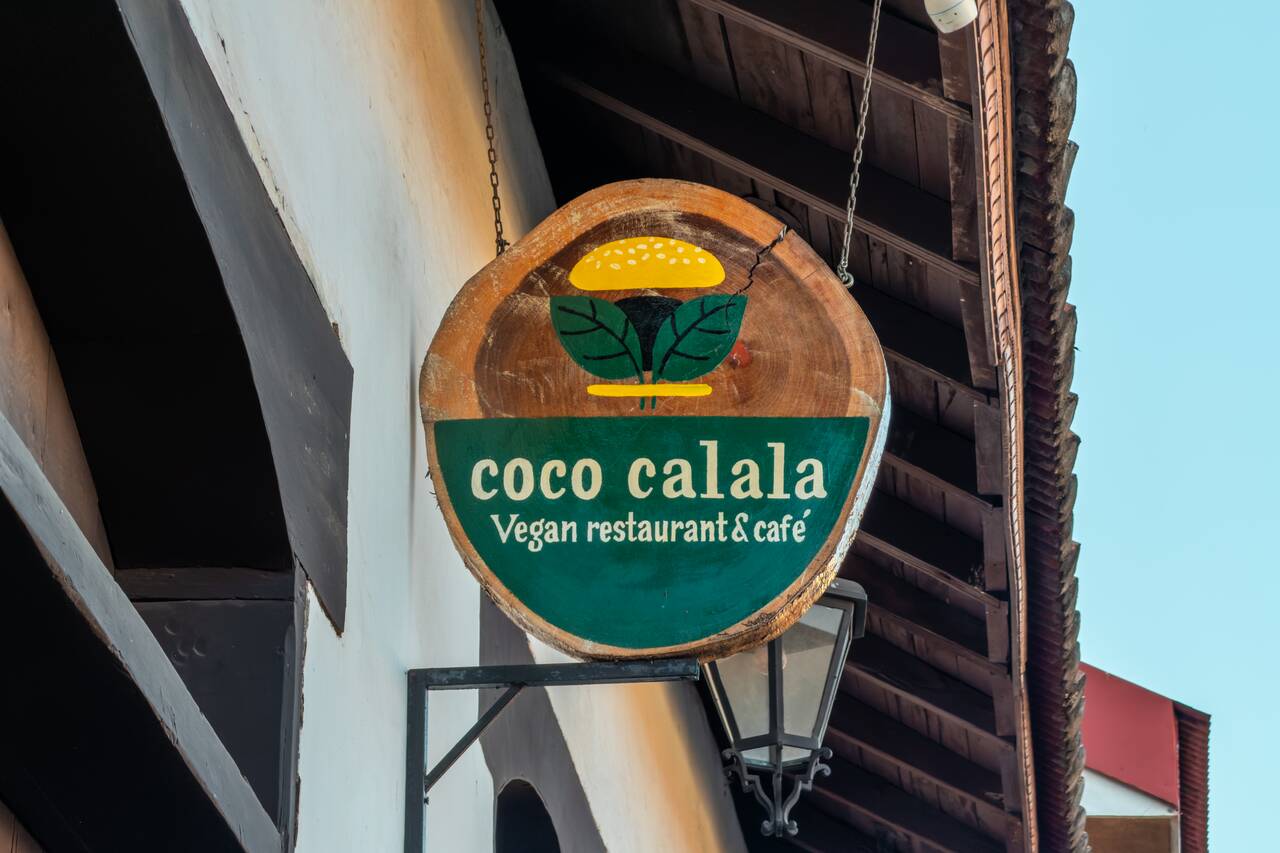
If you are looking for a nice restaurant to dine in Leon, I highly recommend Coco Calala, a vegan restaurant located inside this beautiful colonial building with a pool-equipped garden courtyard tucked away inside.
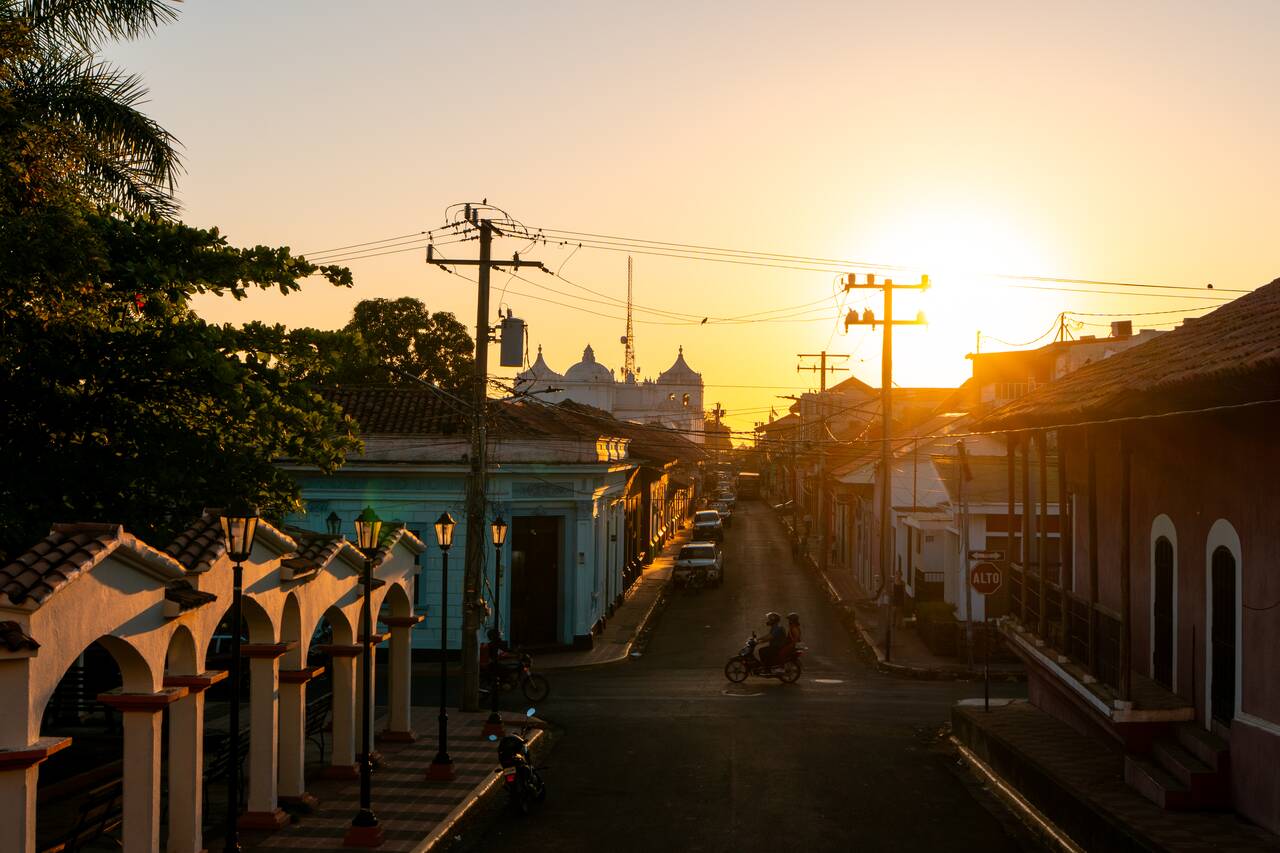
After exploring the city, rest up and call it a night, as tomorrow we will be heading to Cerro Negro for an unforgettable volcano-boarding adventure. Be sure to book your tour a day in advance, as this is one of León's most popular activities and spots can fill up quickly. You can book your tour here.
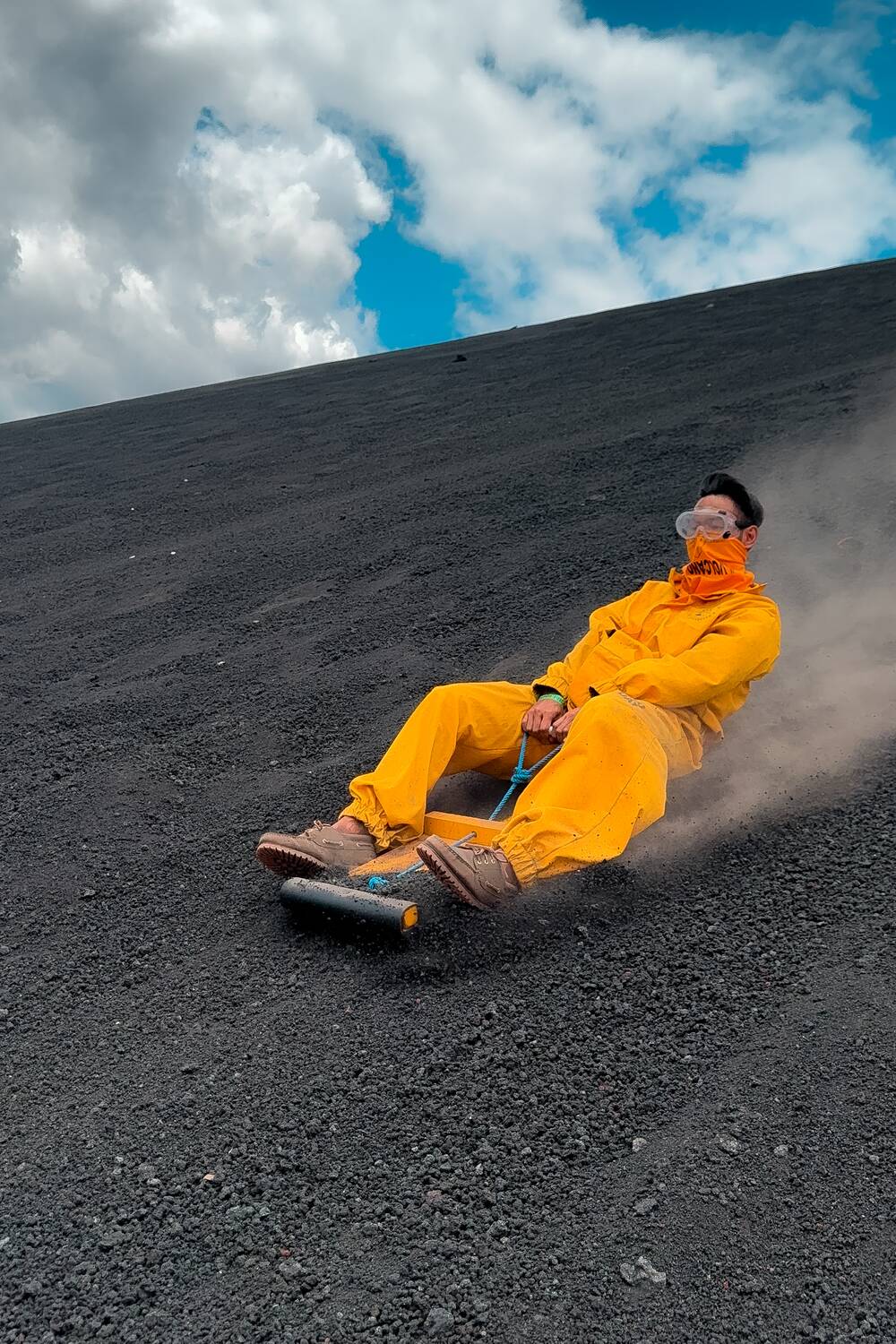
One of the most unique things you can do here that you can't do anywhere else is to go volcano boarding down Cerro Negro, one of the youngest and most active volcanoes in Central America. It's one of the few places in the world where you can hike to the summit of a volcano and then race down its black volcanic slopes on a wooden board.
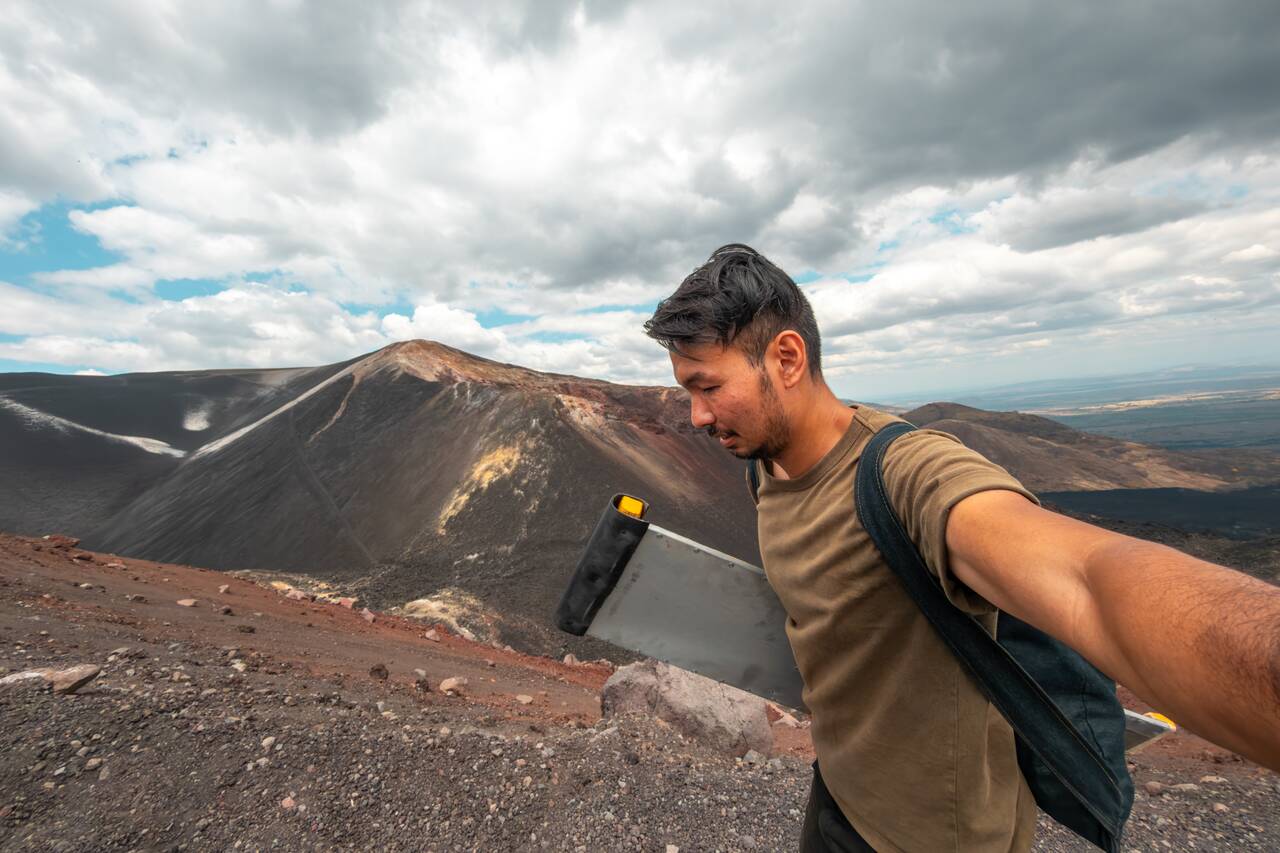
You have three options for volcano-boarding tours: a sunrise tour, a morning tour, or a sunset tour. The sunrise tour starts as early as 4 AM, while the morning tour is a more relaxed option, departing from León around 8:30 AM and returning by 2 PM. The sunset tour leaves around 4 PM and usually finishes around 8–9 PM.
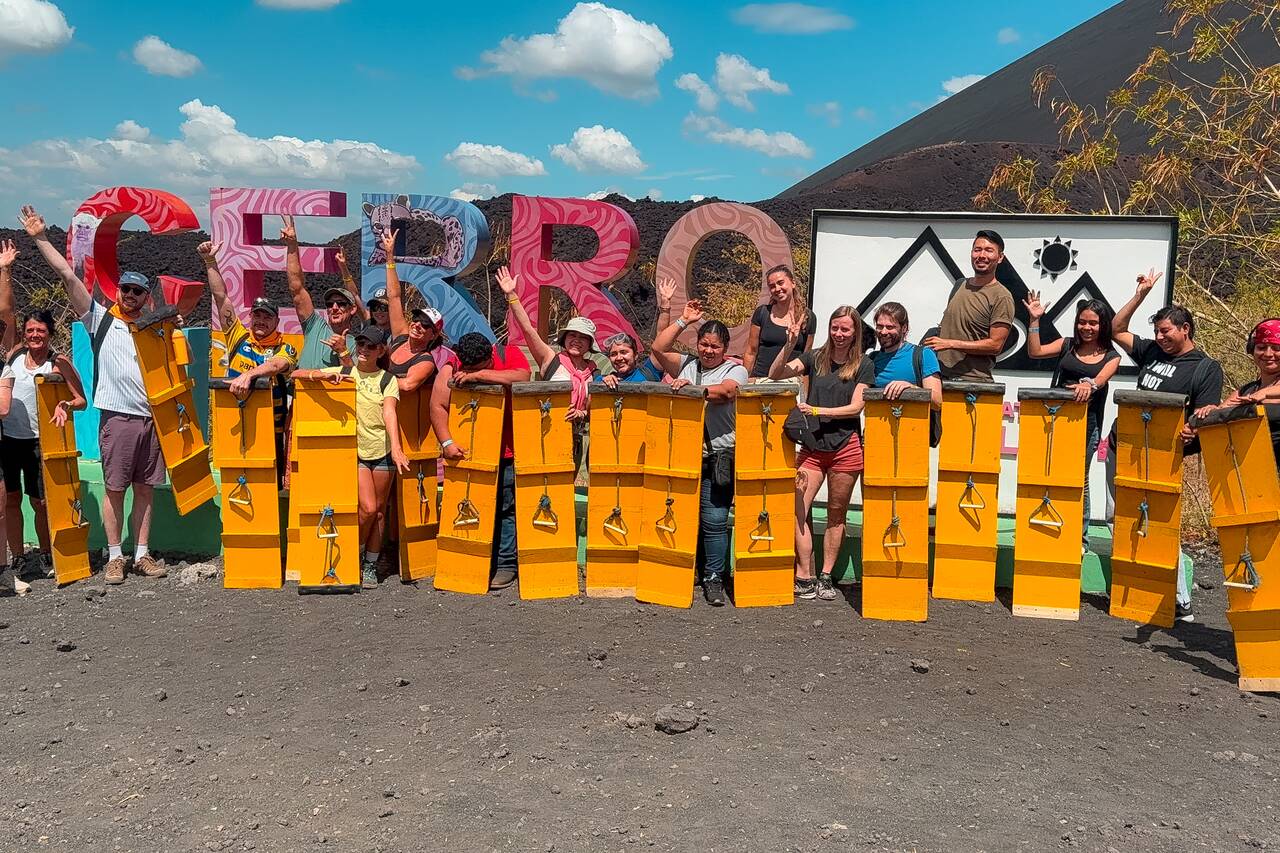
The morning tour is generally more relaxed, while the sunset tour has more of a social atmosphere, often ending with dinner and drinks with the group. The tour costs around 25 USD, excluding the 370 NIO (10 USD) entrance fee to the volcano. I went with Volcano Day's morning tour, which I really enjoyed. Feel free to pick whichever tour you think is best for your last day in Nicaragua!
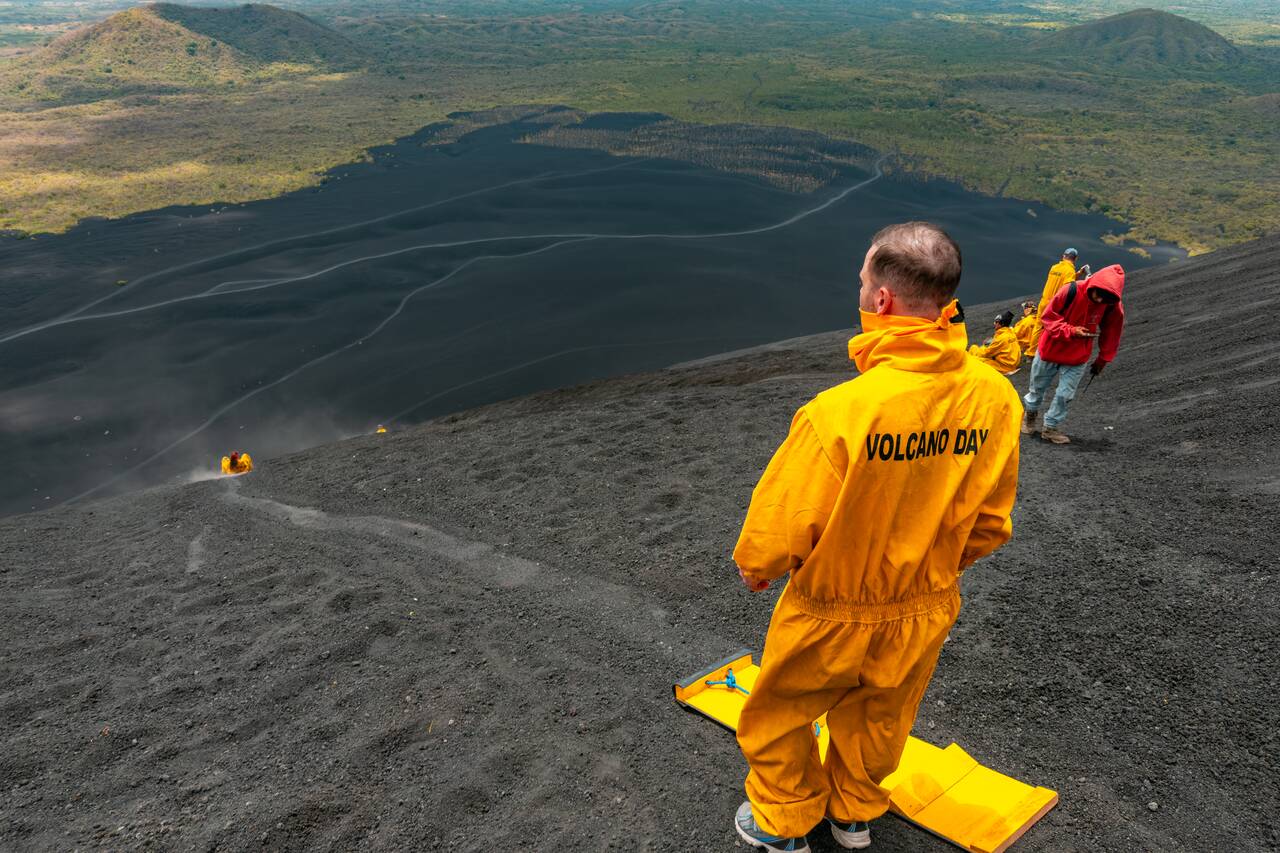
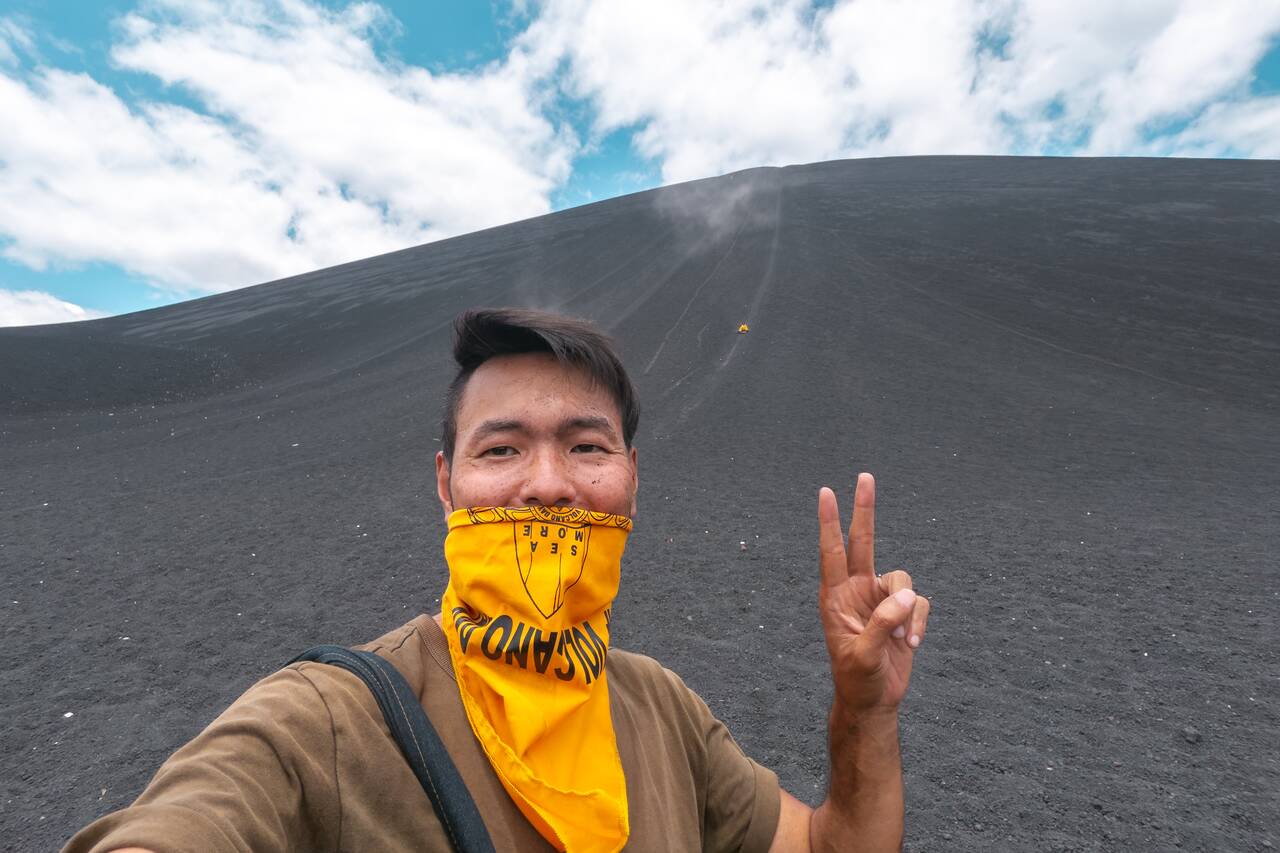
If volcano boarding has always been on your bucket list, this is your chance! You can book the tour in advance here or arrange it through your accommodation once you arrive in León. The entire experience takes around 5–6 hours. Be sure to wear closed-toe shoes, clothes you don't mind getting dusty, a bandana to protect your face, and bring plenty of water, sunscreen, and an action camera if you want to capture your ride down the volcano.
And that's it for my 2-week Nicaragua itinerary. Congratulations on making it to the end! You can head back from Leon to Managua and fly home, or you can continue your overland journey to El Salvador and beyond! If you have any questions about this itinerary, feel free to ask me in the comments below. I’d be happy to help you plan your trip!

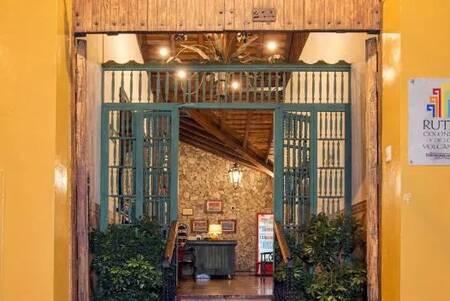

When to Visit Nicaragua?
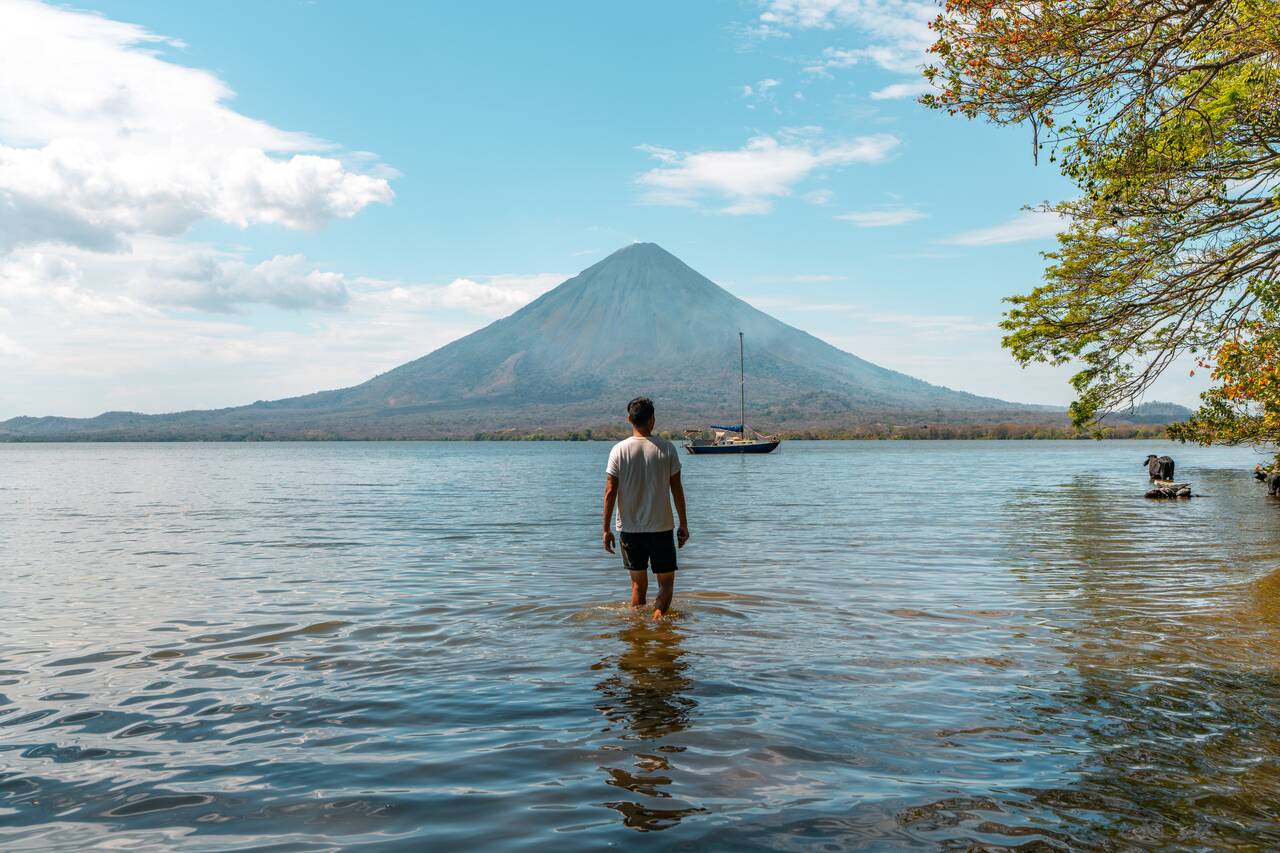
The best time to visit Nicaragua is during the dry season, from November to April, when you can expect sunny days, lower humidity, and ideal conditions for everything, from exploring colonial cities to hiking volcanoes, and relaxing on the country's Pacific beaches. This is also the most popular time to visit, so expect slightly higher prices and more travelers, although even then, I found the crowds to be way better here than in Costa Rica.
I visited Nicaragua in March, right in the middle of the dry season, and had fantastic weather throughout my trip. The skies were almost always clear, which was perfect for activities like volcano boarding at Cerro Negro, relaxing on the beaches of San Juan del Sur, and spending a day at Laguna de Apoyo.
The downside is that March is also one of the hottest months of the year, with daytime temperatures often climbing above 35°C (95°F), especially in cities like León. I often found myself staying indoors during the hottest part of the day (mid-day to late afternoon) and planning most of my activities for the morning and evening instead. And I'm from Thailand, so that should tell you just how incredibly hot and dry it can get here.
The rainy season, from May to October, is generally a little cooler and more pleasant, although don't expect a dramatic drop in temperature. Afternoon showers are common, but they rarely last all day, and mornings are often sunny enough for sightseeing and outdoor activities. If you don't mind planning around the occasional rain, this can be a great time to visit, with fewer crowds and lush green landscapes.
How to Get to Nicaragua?
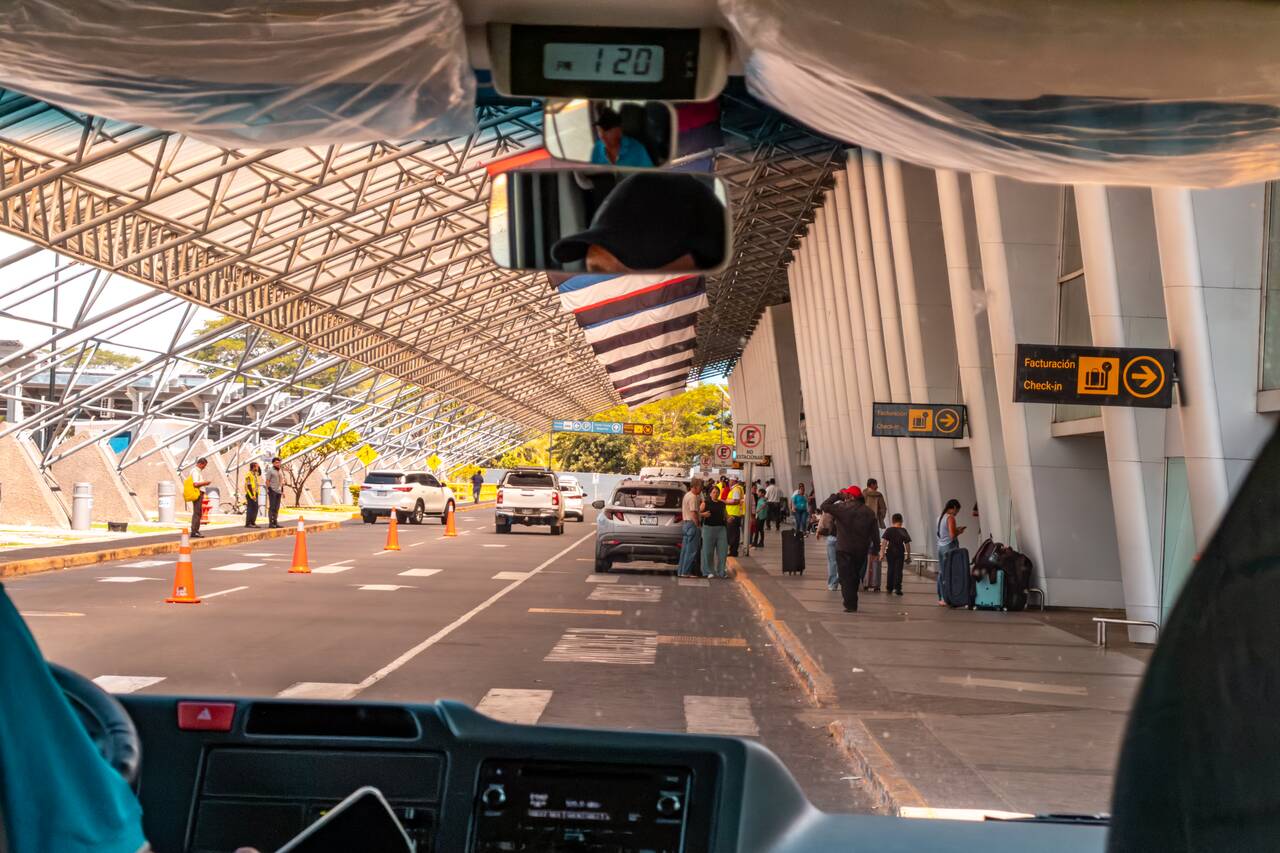
Most international travelers arrive in Nicaragua via Augusto C. Sandino International Airport (MGA) in Managua, the country's main international gateway. The airport is well connected to major cities in the Americas, with direct flights from destinations such as Miami, Houston, Atlanta, San Salvador, Panama City, San José, and Mexico City. Be sure to browse Skyscanner or Expedia for the best flight deals.
If you're already traveling through Central America like I was, getting to Nicaragua overland is often just as easy. The country shares land borders with El Salvador (via speedboat) and Honduras (by land) to the north and Costa Rica to the south, with frequent shuttle services connecting popular destinations such as León, Granada, San Juan del Sur, and Ometepe with neighboring countries.
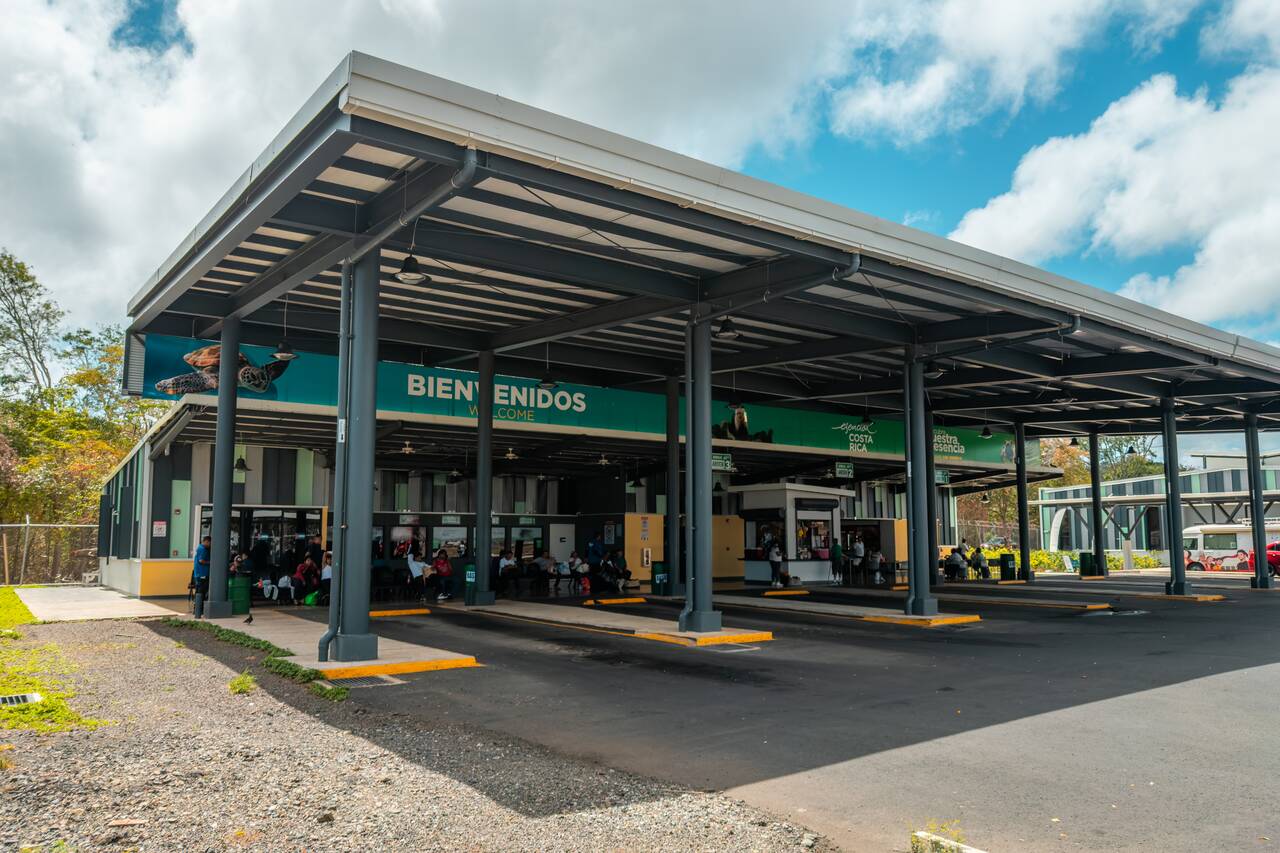
From Costa Rica: If you're coming from Costa Rica, San Juan del Sur is the perfect place to begin this itinerary. The town is only about 45 minutes from the Peñas Blancas Border Crossing, and several shared shuttles operate daily from popular destinations like Liberia, Tamarindo, La Fortuna, and Monteverde. You can book a shared shuttle here, or cross the border independently and continue to San Juan del Sur by bus or taxi from Rivas.
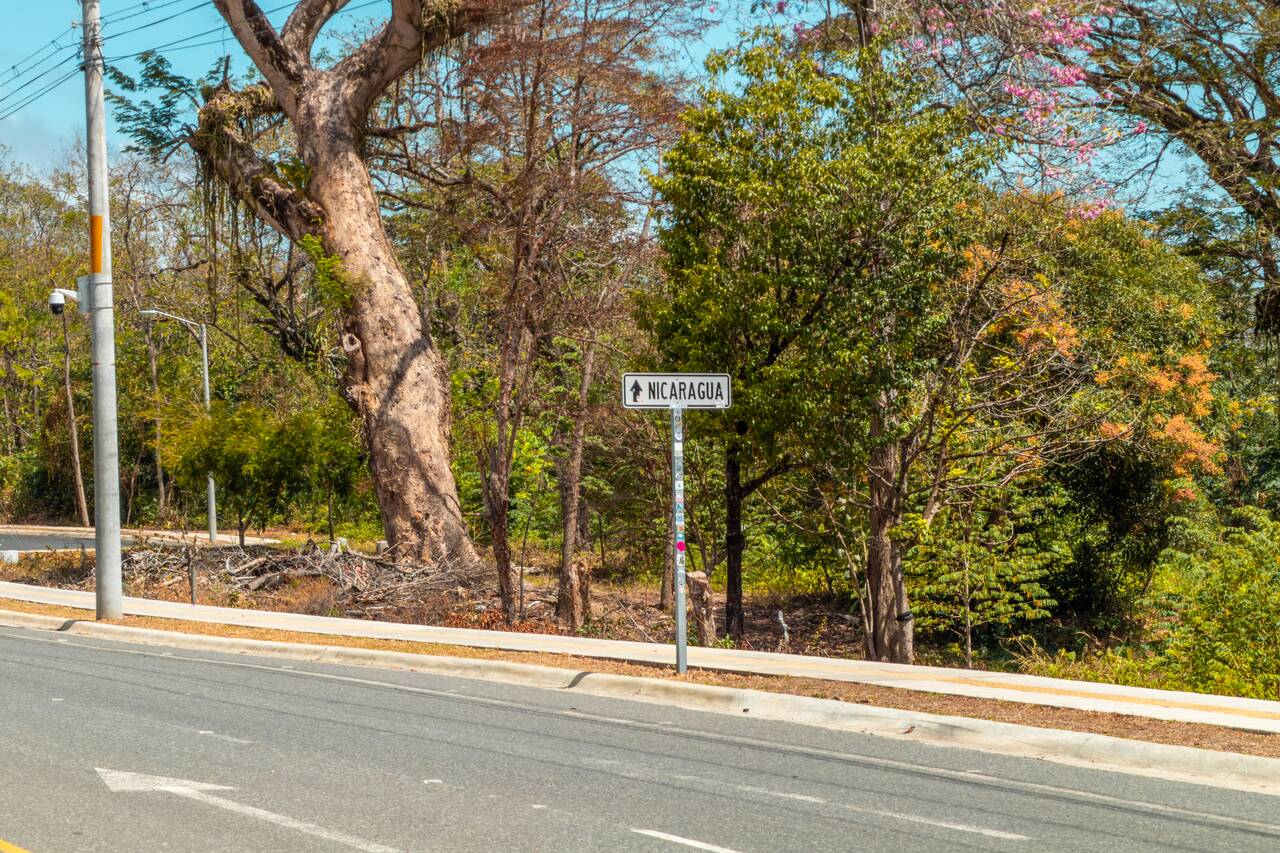
I entered Nicaragua from Costa Rica via the Peñas Blancas Border Crossing using a shared shuttle, which I highly recommend. The process was smooth overall, with the driver coordinating with an associate on the Nicaraguan side who guided us through immigration and made the border crossing completely hassle-free.
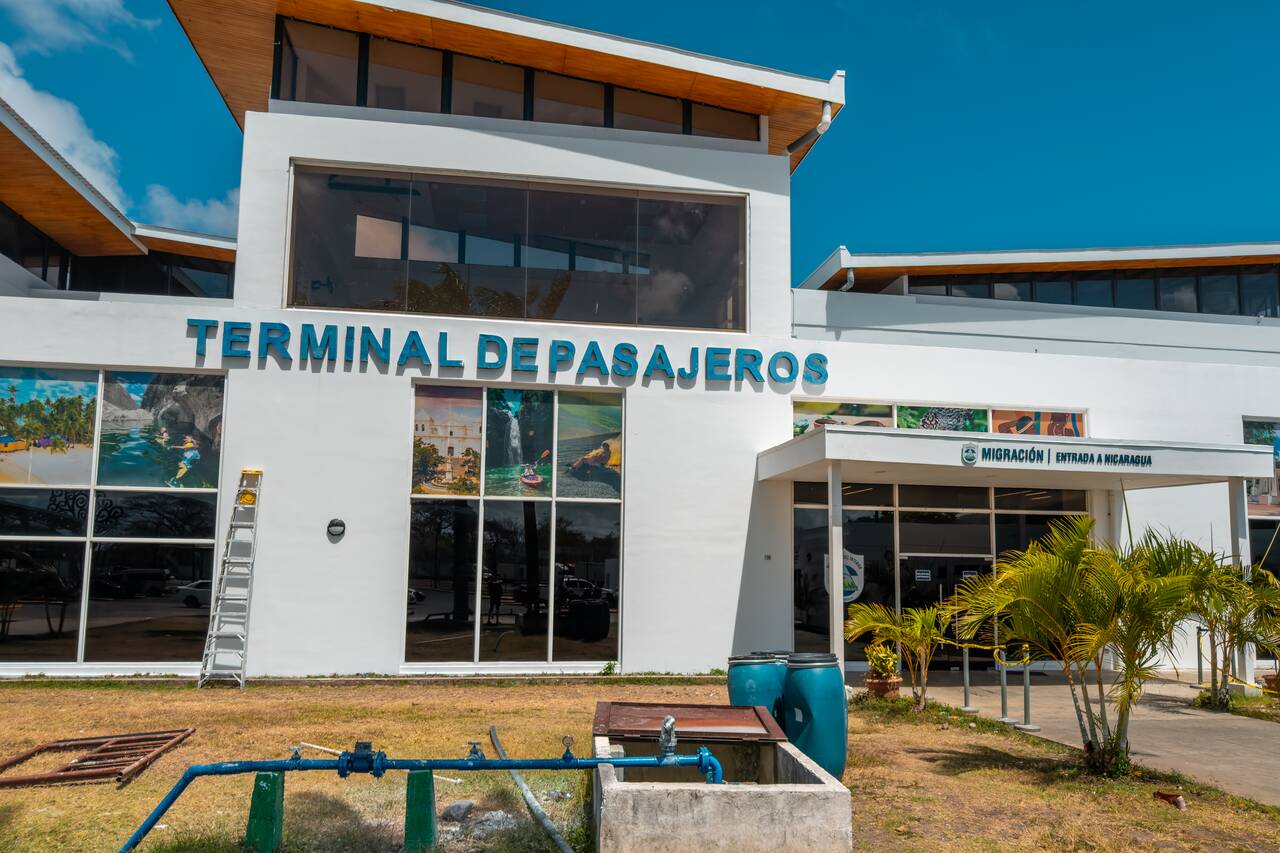
The only hiccup I encountered was with my visa. Due to the February 2026 changes to Nicaragua's visa policy, citizens of many countries now need prior approval from a Nicaraguan consulate before they can obtain a visa on arrival. Thankfully, I received my approval just in time, but since the new process was still being implemented, it took immigration more than 90 minutes to issue my visa-on-arrival stamp. 😬 Fortunately, the shuttle driver waited for me, so I didn't have to arrange alternative transportation.
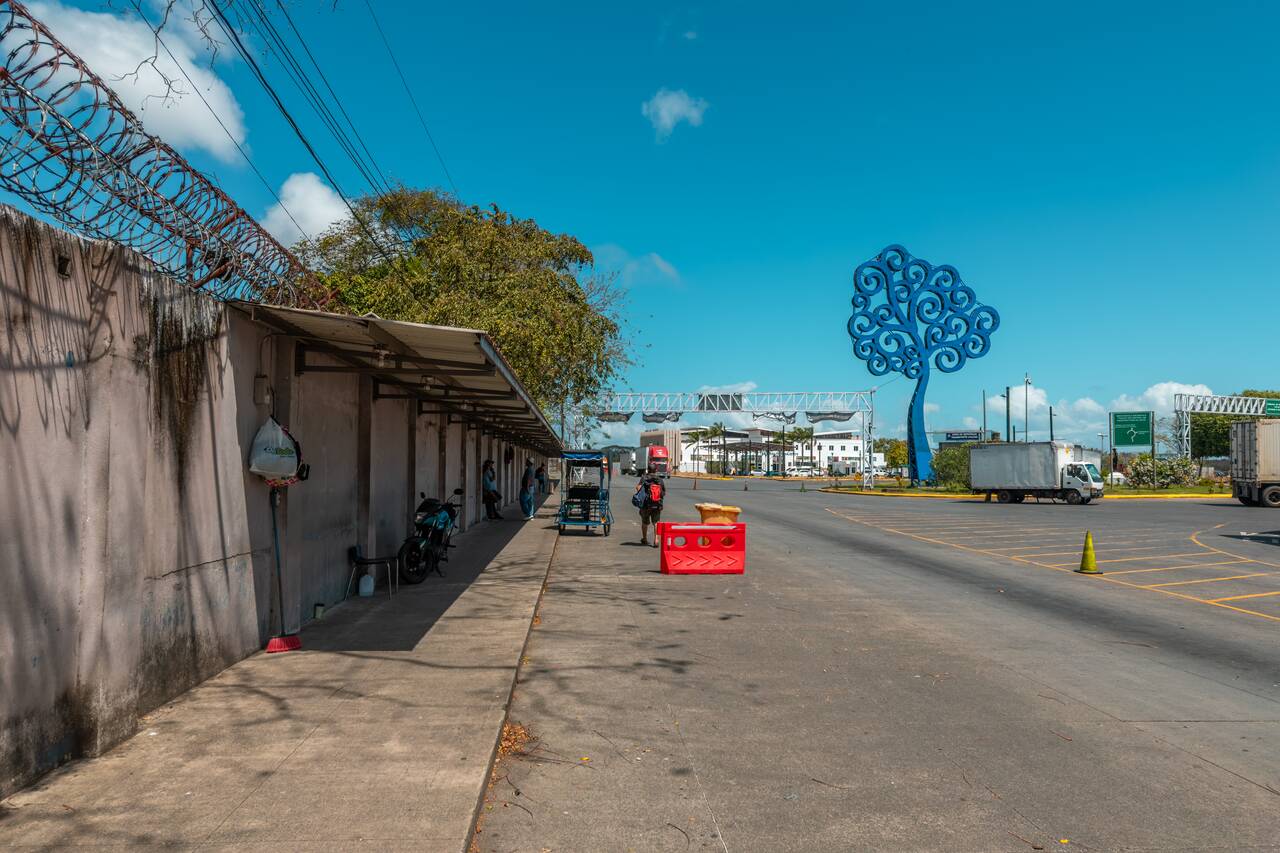
If you're planning to cross the border, be prepared for possible delays. I've heard the busiest time is early in the morning when the border first opens, with some travelers waiting 2 to 3 hours in the heat. We arrived at around 10 AM, and while I had to wait for my visa, the immigration lines themselves were relatively short.
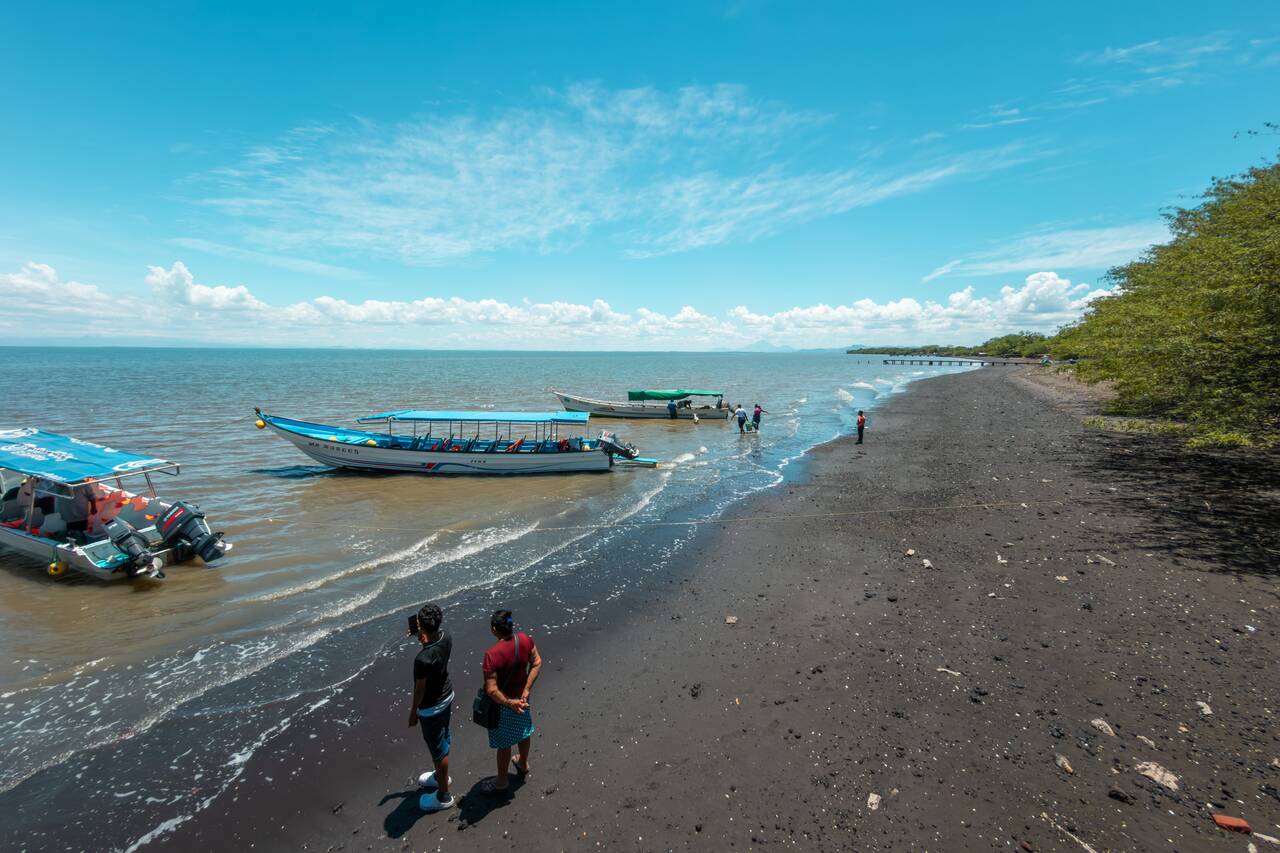
From El Salvador: You can travel with Gekko Trail Explorer, which operates a combined shuttle and boat service from El Tunco to León. It is a long journey, taking around 10 hours, but it is one of the easiest and most scenic ways to enter Nicaragua.
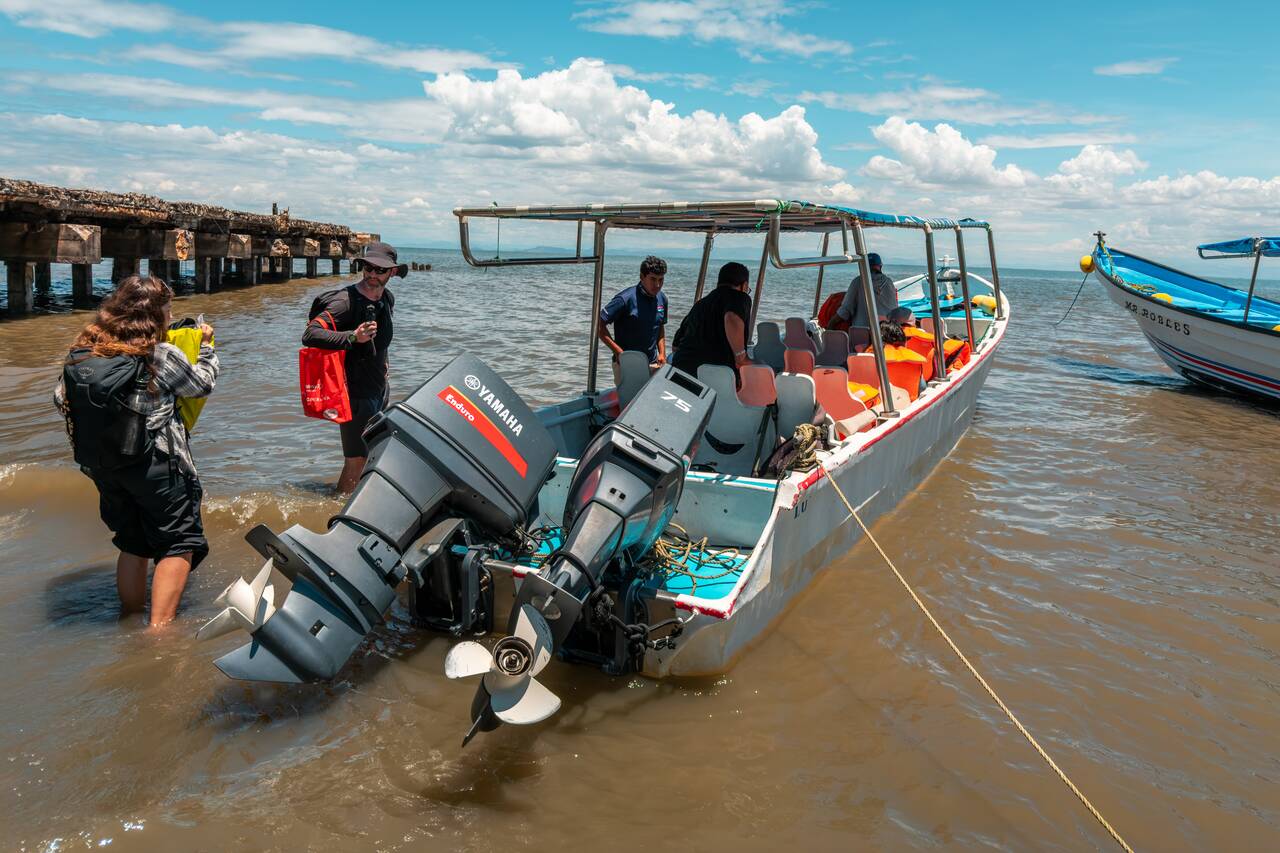
Instead of crossing through Honduras by land, you'll travel from La Unión across the Gulf of Fonseca to Potosí on the Nicaraguan side, completely bypassing Honduras. The coastal scenery along the way is spectacular, and I found it to be one of the most memorable border crossings of my travels in Central America.
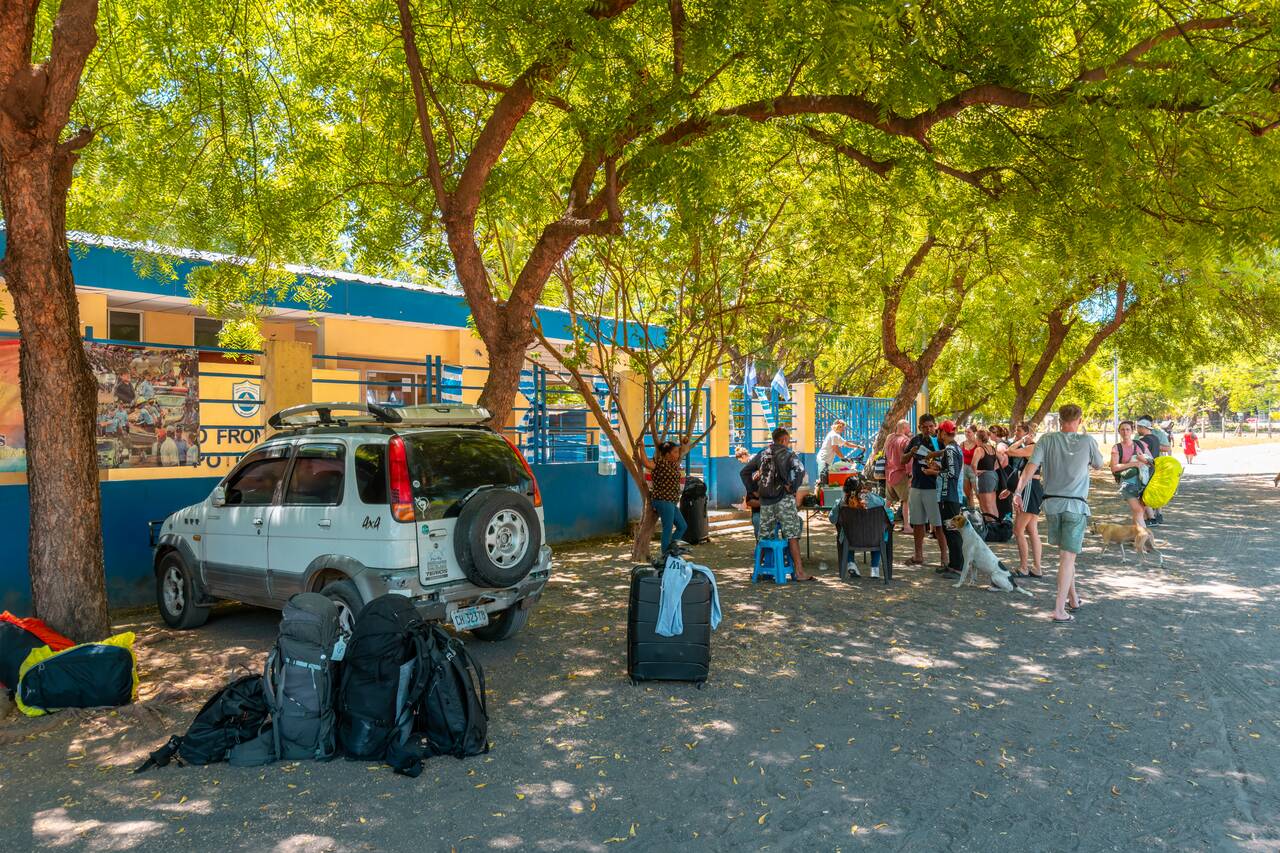
The border crossing from El Salvador was smooth, while the Nicaraguan immigration process was a little slower, although still much quicker than my experience at the Peñas Blancas Border Crossing with Costa Rica. You will likely need a few photocopies of your passport for this crossing, but don't worry, your shuttle operator should let you know exactly what documents you need before your trip.
How to Get Around Nicaragua?
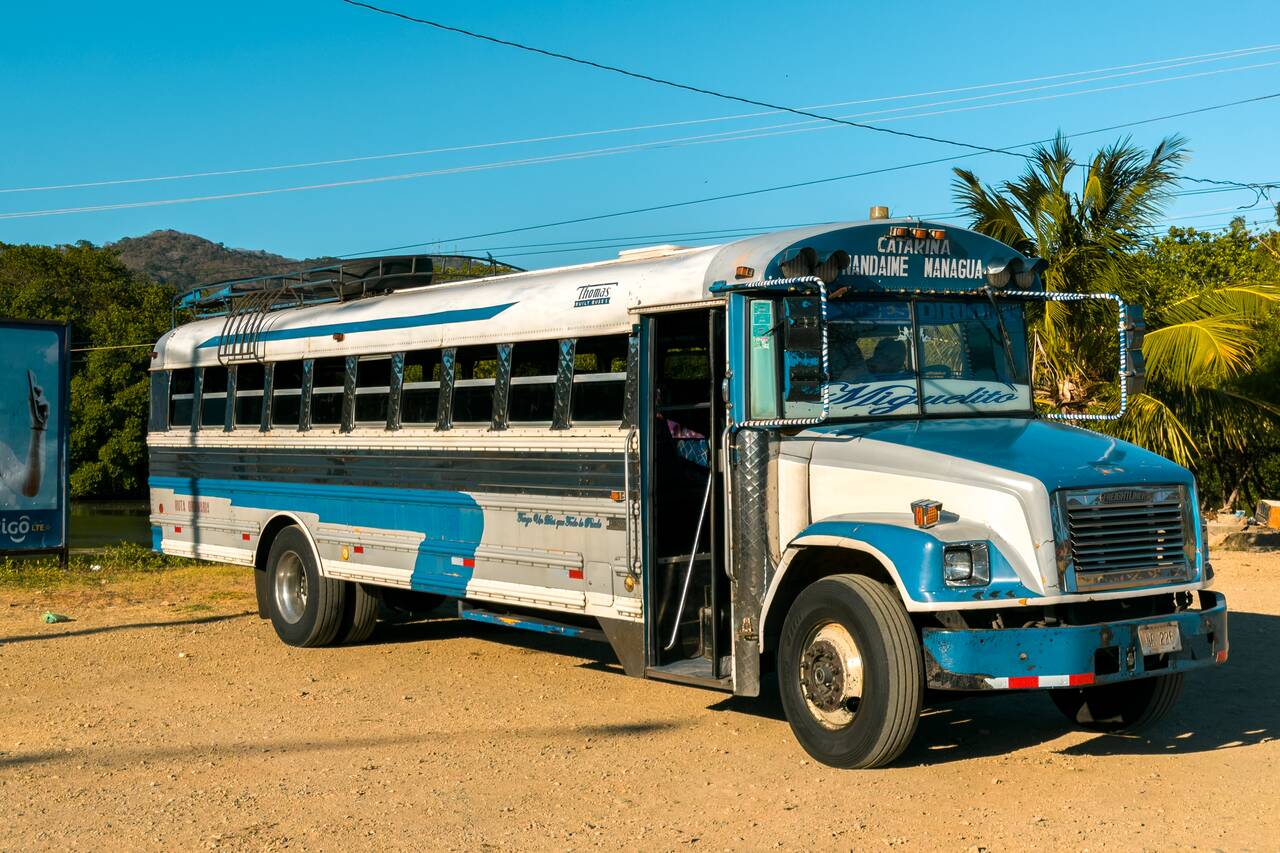
Getting around Nicaragua is surprisingly easy and affordable. Most popular destinations are well connected by shared shuttles, local buses, and ferries, so there's no need to rent a car unless you plan to explore remote areas.
For most itineraries, I highly recommend using shared shuttles over public buses (Chicken Buses). They are more comfortable, easier to navigate, and usually have plenty of space for luggage, whereas public buses can be quite chaotic and often have very limited room for large backpacks or suitcases.
Shared tourist shuttles connect all the major destinations, including León, Granada, Ometepe, San Juan del Sur, and Managua, and often provide hotel pick-up and drop-off. They cost more than public buses but save a lot of time and hassle, especially if you're carrying luggage. I booked all my shuttles through Bookaway and had a great experience throughout the trip.
To reach Ometepe Island, you'll need to take a ferry from San Jorge Port. Ferries run several times a day to both Moyogalpa and San José del Sur, with the crossing taking around one hour depending on the destination and weather conditions.
Within cities like León and Granada, I found it easiest to explore on foot. Most attractions are located within the historic centers, and walking is by far the best way to discover hidden cafés, colonial architecture, churches, and local restaurants. For destinations farther afield, shared shuttles and organized tours are widely available and are usually the most convenient way to get around.
How Much Money Do I Need For 2 weeks in Nicaragua?
From this 2-week itinerary, we can calculate approximately how much money you will be spending here (on average) as follows:
| 🛌 Lodging: | 304 USD (19 USD/Day) |
| 🥘 Food: | 270 USD (18 USD/Day) |
| 🚗 Transportation: | 154 USD (10.26 USD/Day) |
| 🧗 Activities: | 118 USD (7.86 USD/Day) |
| 💰 Total Budget: | 846 USD (56.4 USD/Day) |
Is it Safe in Nicaragua?
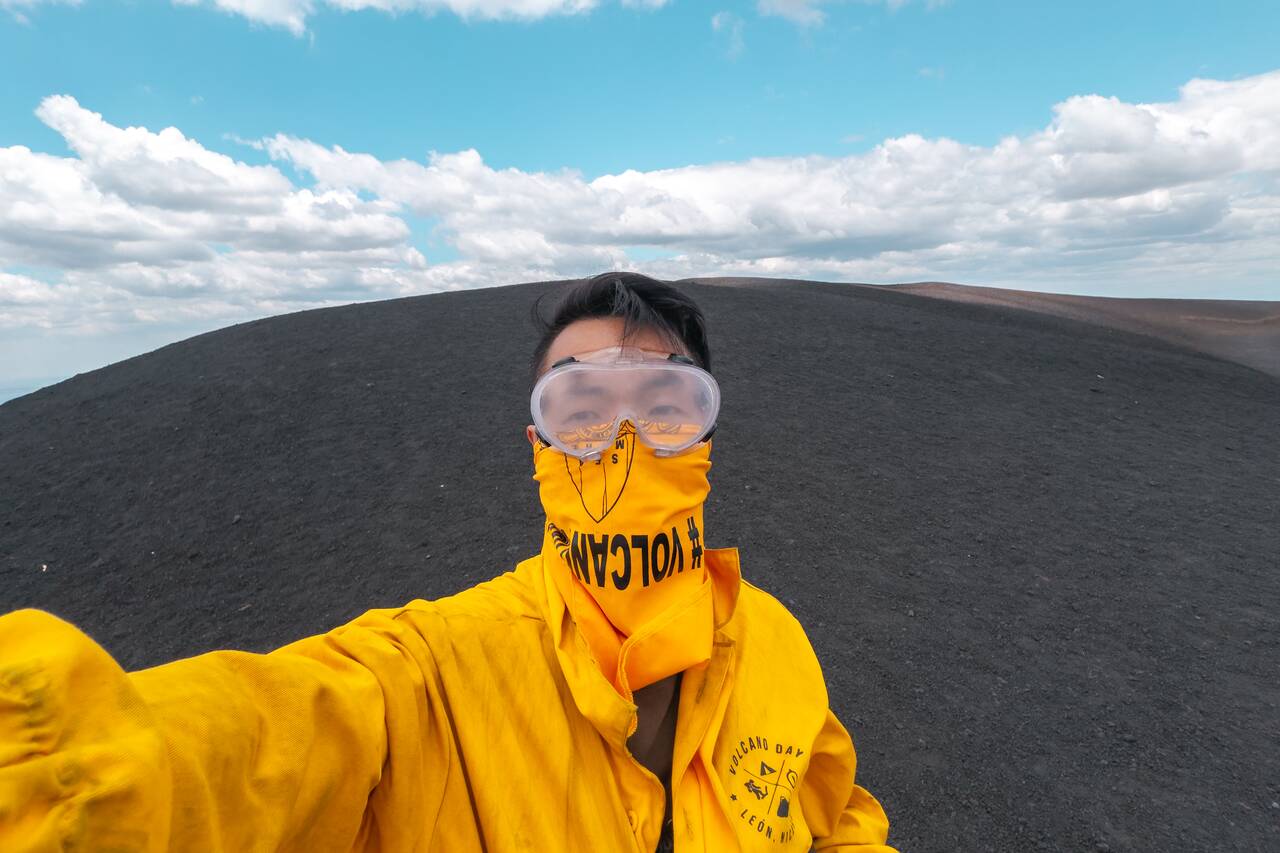
Despite its reputation as one of the poorest countries in the region, I found Nicaragua to be one of the safest countries I visited in Central America. Throughout my trip, I explored cities like León, Granada, San Juan del Sur, and Ometepe on foot, often from early morning until late in the evening, and never once felt unsafe.
That said, like anywhere else, it's important to use common sense. Avoid walking alone in poorly lit areas late at night, keep an eye on your belongings in busy places like markets and bus terminals, and avoid displaying expensive cameras, jewelry, or large amounts of cash unnecessarily.
If you're traveling between cities, I recommend using shared shuttle services whenever possible, especially if you're carrying luggage. While public buses are perfectly usable, they can be crowded, and keeping track of your belongings is a little more challenging.
Overall, as long as you take the same precautions you would in any other destination, Nicaragua is one of the most beautiful and welcoming countries to explore, with friendly locals, incredible landscapes, and some of the most memorable experiences you can have in Central America.
Which tourist SIM card is best for Nicaragua?
For most travelers visiting Nicaragua, I recommend getting an eSIM before you arrive, as it is by far the easiest way to stay connected without having to deal with local SIM card operators. You can set it up before your trip so you will have a connection immediately after landing and can easily book an Uber to your accommodation in Managua.
If your phone supports eSIMs, providers such as Airalo or Trip.com offer data plans that work throughout Nicaragua and can be activated within minutes. I personally find eSIMs to be the most convenient option, especially if you are visiting multiple countries during the same trip.
If you prefer getting a local SIM card, I recommend getting a local SIM card from Claro or Tigo, the country's two largest mobile providers. Both offer good coverage in major cities, as well as along most major highways. You can buy a prepaid SIM card at the airport or official mobile stores across the country.
For more information about Nicaragua's local SIM card: Nicaragua's Prepaid Data SIM Card.
Tips: To stay connected with people at home, make sure that you have a VPN, such as ProtonVPN, installed before traveling. It's FREE, and you can gain access to services that may be blocked in certain countries.
Disclaimer: This post may contain affiliate links. See our disclosure policy.
First Published:
Last updated: