

León, the revolutionary city of Nicaragua, is famous for its beautiful colonial buildings, deep connection to the country's political struggles, and its role in many revolutions and protests throughout history. It is also one of my favorite cities in Nicaragua and a place you should definitely not miss.
While it feels a little more crowded and hectic compared to Granada, León has a raw, lived-in charm that makes it uniquely León. Beyond its colorful streets and historic churches, the city offers some truly unforgettable experiences, from exploring powerful revolutionary murals to visiting one of the few volcanoes in the world where you can hike to the crater and slide back down its slopes on a wooden board.
I truly believe that every Nicaragua itinerary should include a visit to León. In this guide, I'll share everything you need to know to plan your own trip, including the best things to do, where to eat, how to get around, and all the practical tips I learned along the way.

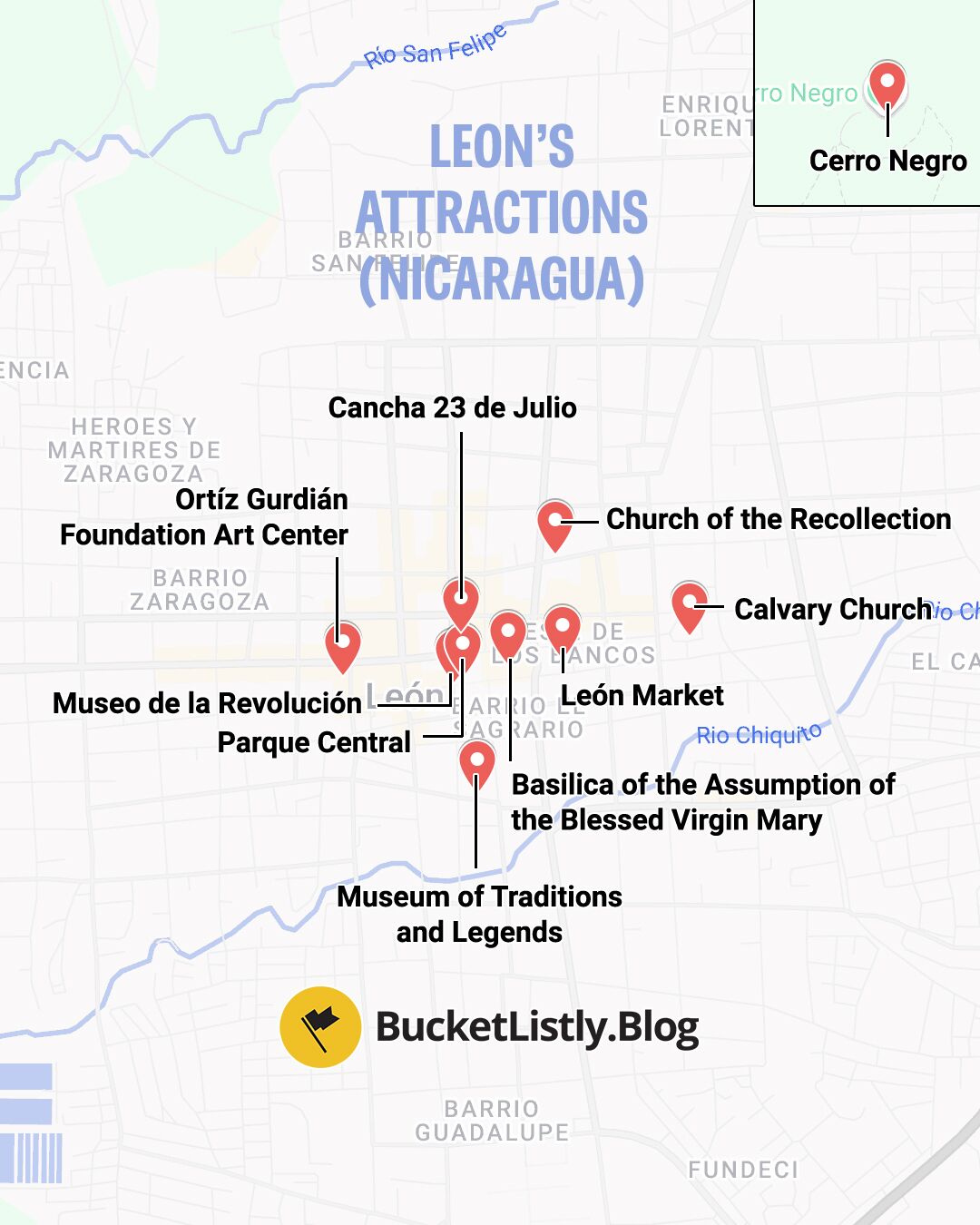
Map of Leon's Attractions
Quick Summary
| ♥️ Must See: | Basilica of the Assumption of the Blessed Virgin Mary |
|---|---|
| 👍 Must Do: | Go Volcano Boarding on Cerro Negro |
| 🏛️ Best Museum: | Ortíz Gurdián Foundation Art Center |
| 💎 Hidden Gem: | Museum of Traditions and Legends |
10 Experiences I Think Are Worth It in Leon
1. Go Volcano Boarding on Cerro Negro
- 📍 Location: Cerro Negro [Map Link]
- 💰 Entry Fees: 370 NIO (~10 USD)
- 🏄 Tour: Volcano Boarding Sunset Tour
- ⚡ Pete's Take: "Go for morning tour for a more chill experience. Go for sunset tour if you want party and social vibes afterward."
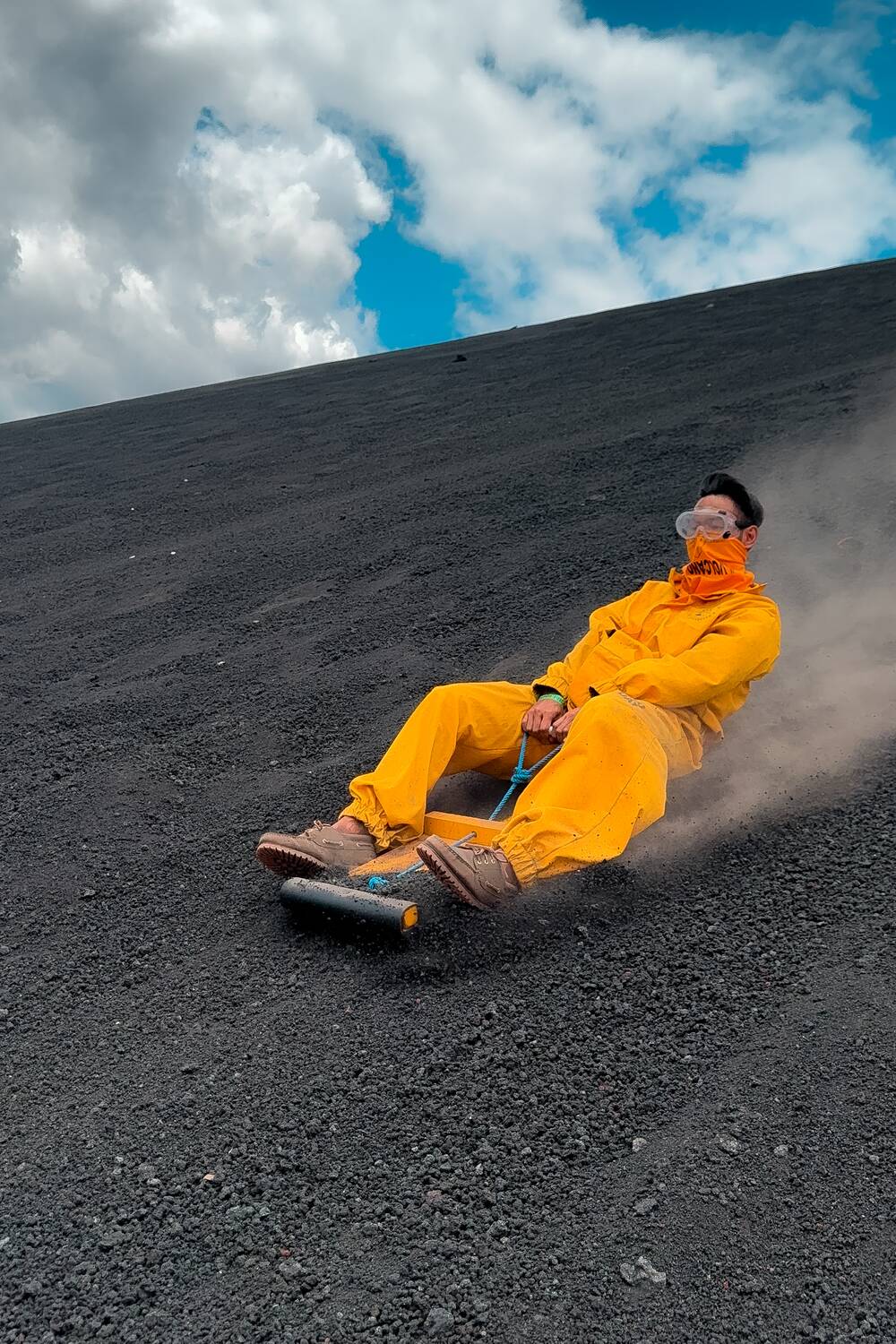
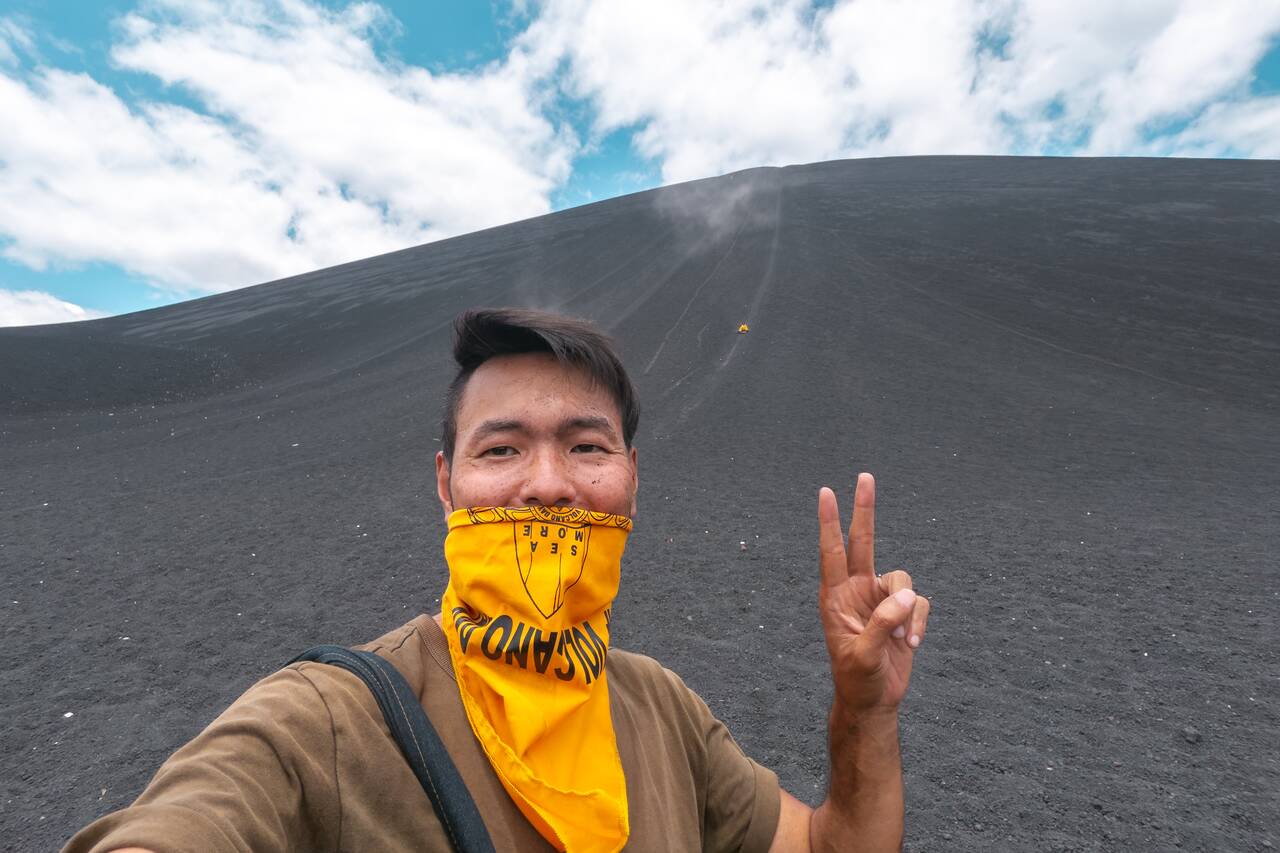
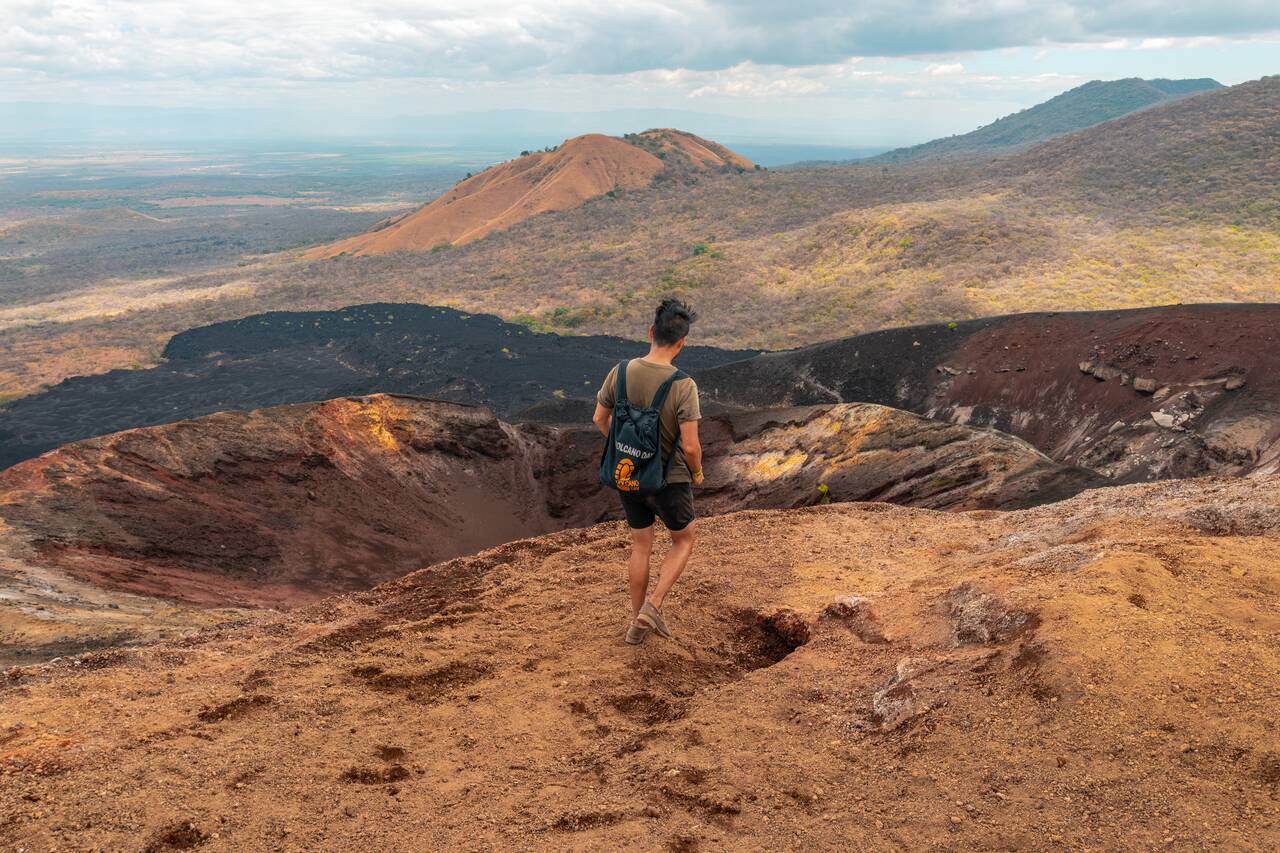
One of the most unique things you can do here that you can't do anywhere else is to go volcano boarding down Cerro Negro, one of the youngest and most active volcanoes in Central America. It's one of the few places in the world where you can hike to the summit of a volcano and then race down its black volcanic slopes on a wooden board.
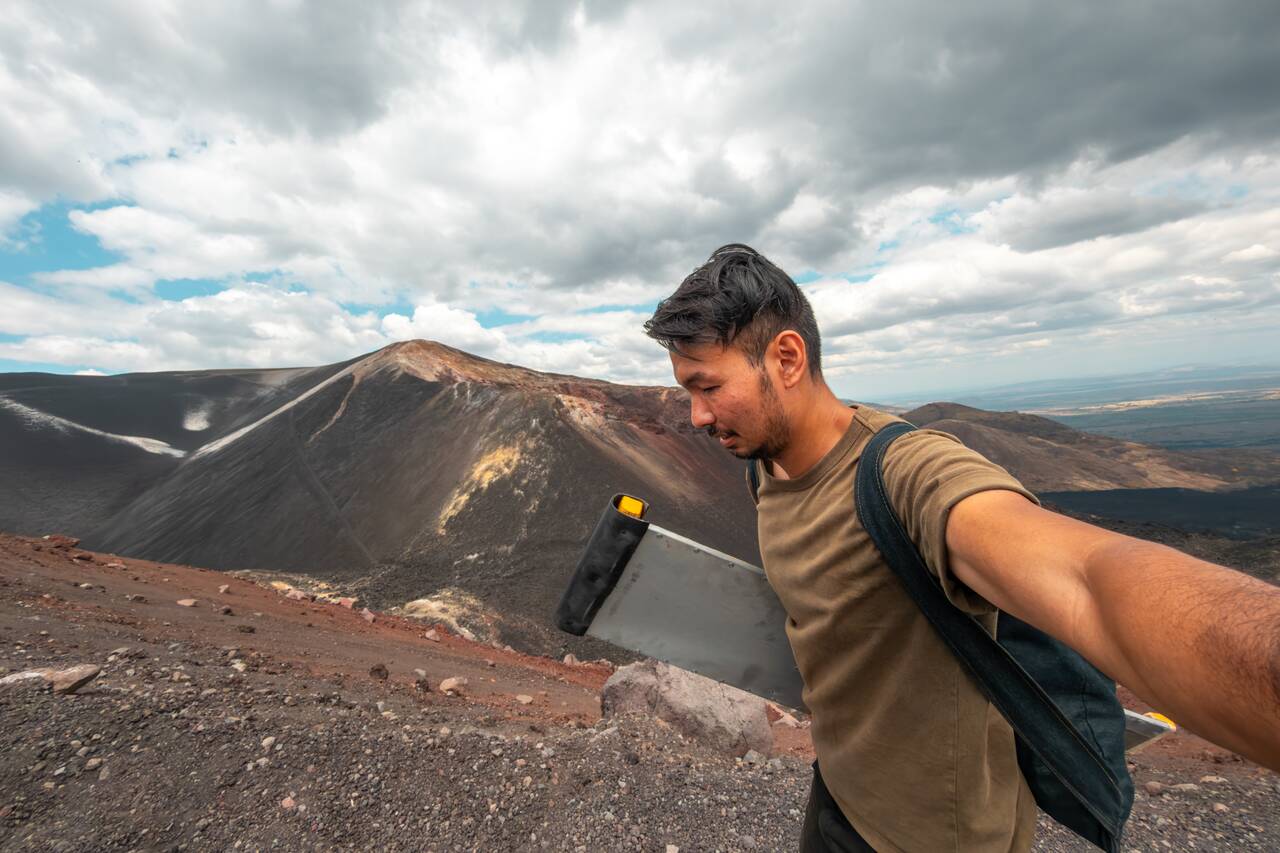
To go volcano boarding, you'll first need to get to Cerro Negro, which is easiest by joining a guided tour from León. Most tour operators offer two departures each day: a morning tour that usually leaves around 8:30 AM and returns by 2 PM, and a sunset tour that finishes around 8–9 PM.
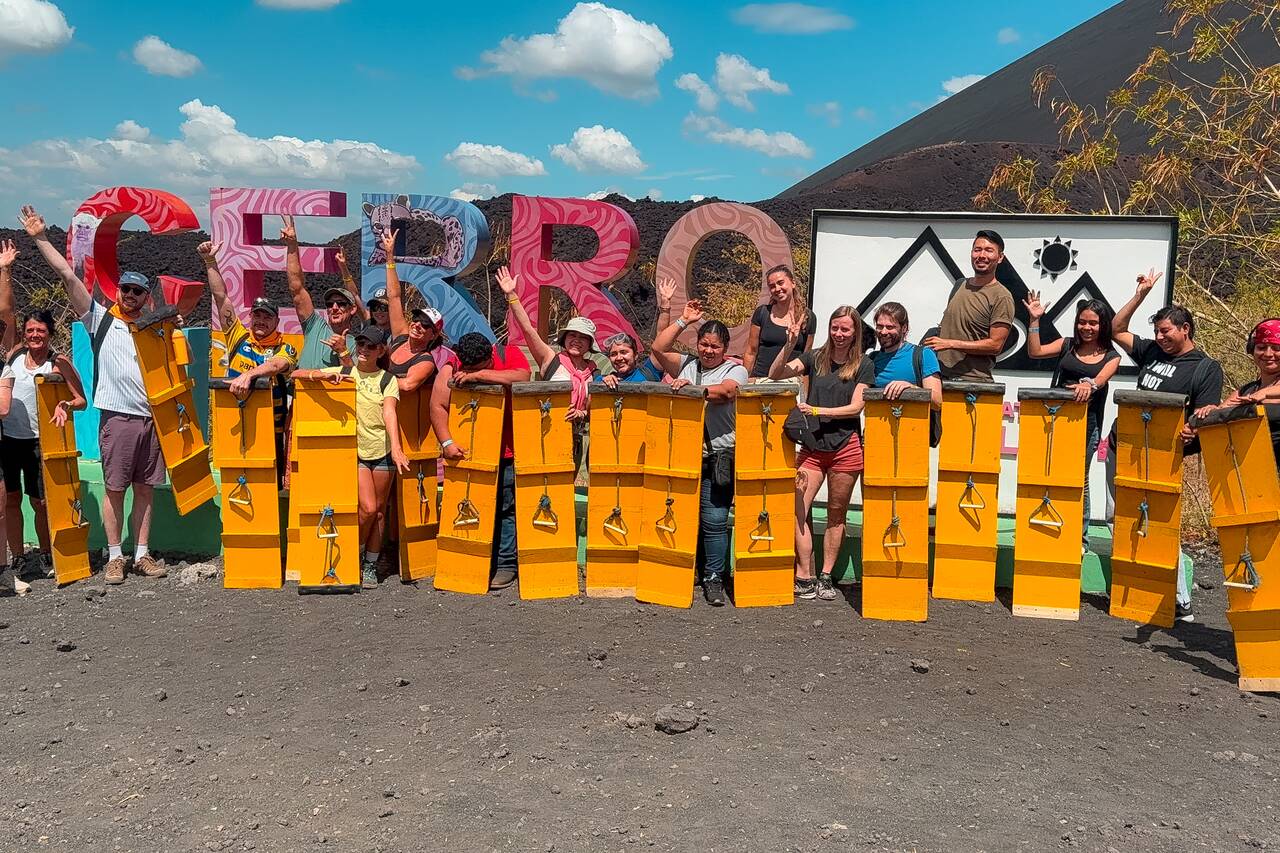
The morning tour is generally more relaxed, while the sunset tour has more of a social atmosphere, often ending with dinner and drinks with the group. The tour costs around 25 USD, excluding the 370 NIO (10 USD) entrance fee to the volcano. I went with Volcano Day's morning tour because I preferred to keep my last evening in León free to relax.
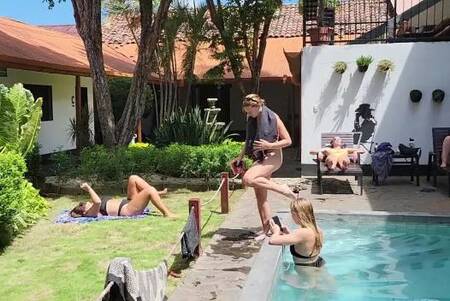
- Poco a Poco Hostel (Budget)
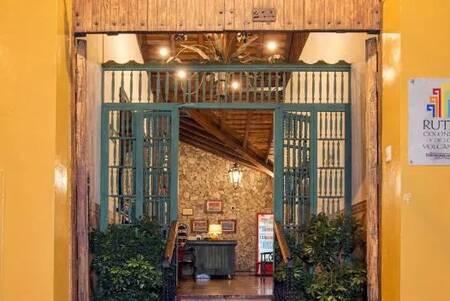
- Hotel La Posada del Doctor (Mid-Range) 👍 Top Pick
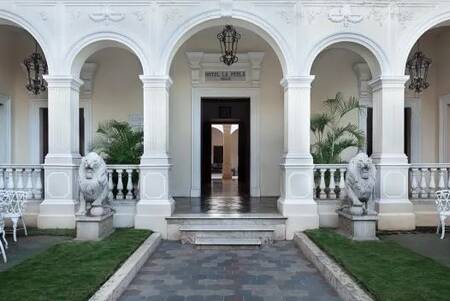
- Hotel la Perla Leon (High-End)
- Leon Volcano Boarding Sunset Tour with Dinner and Drinks (6 hours)
- Tlakualli Food Tour (1.5 hours)
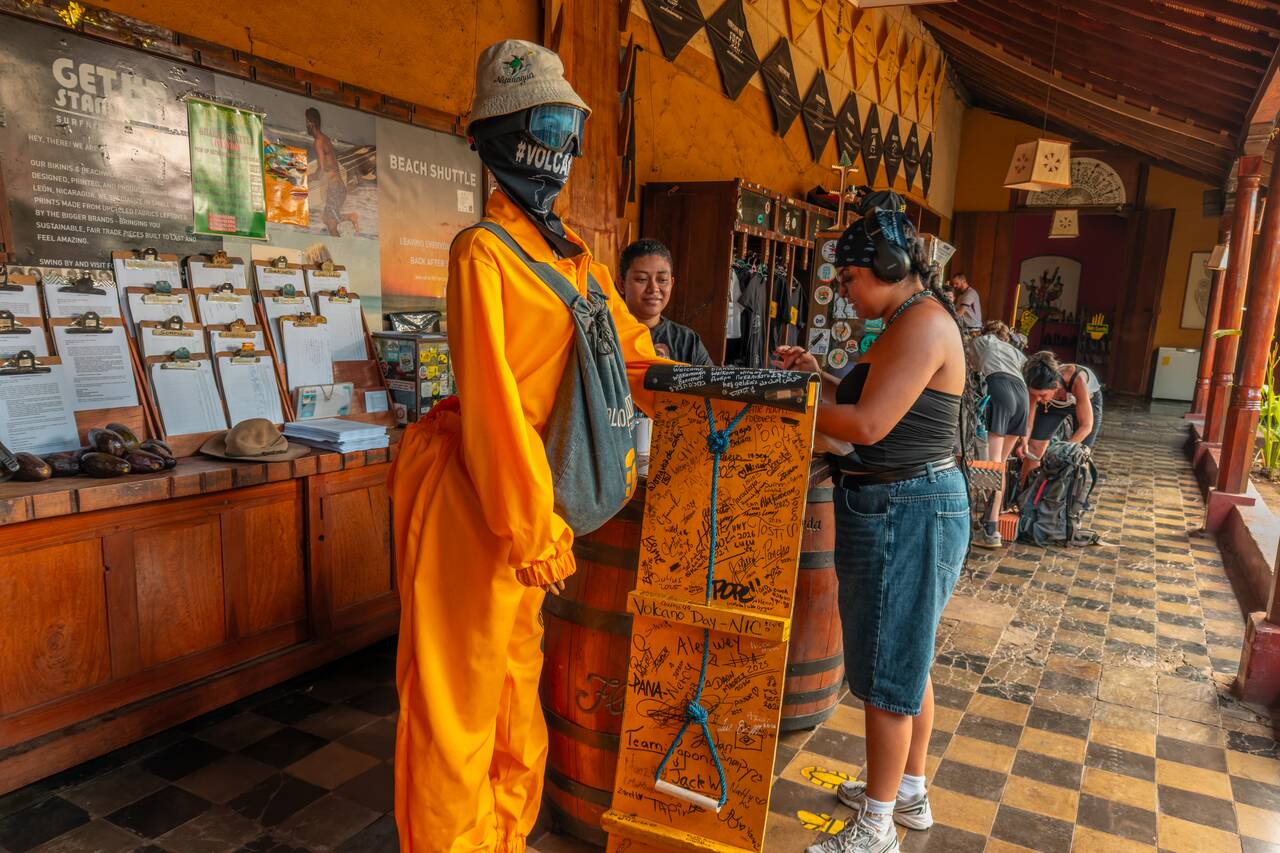
If you book with the same company I did, Volcano Day, the tour begins at the Via Via Hostel, where you'll receive a free T-shirt while the staff makes sure you're properly prepared for the hike. You'll need a bandana, which you can purchase at the hostel for 100 NIO (2.72 USD), as well as 2 liters of water, sunscreen, a hat, and sturdy hiking shoes. Once everyone is ready, you'll board a shuttle for the roughly one-hour, bumpy drive to Cerro Negro.
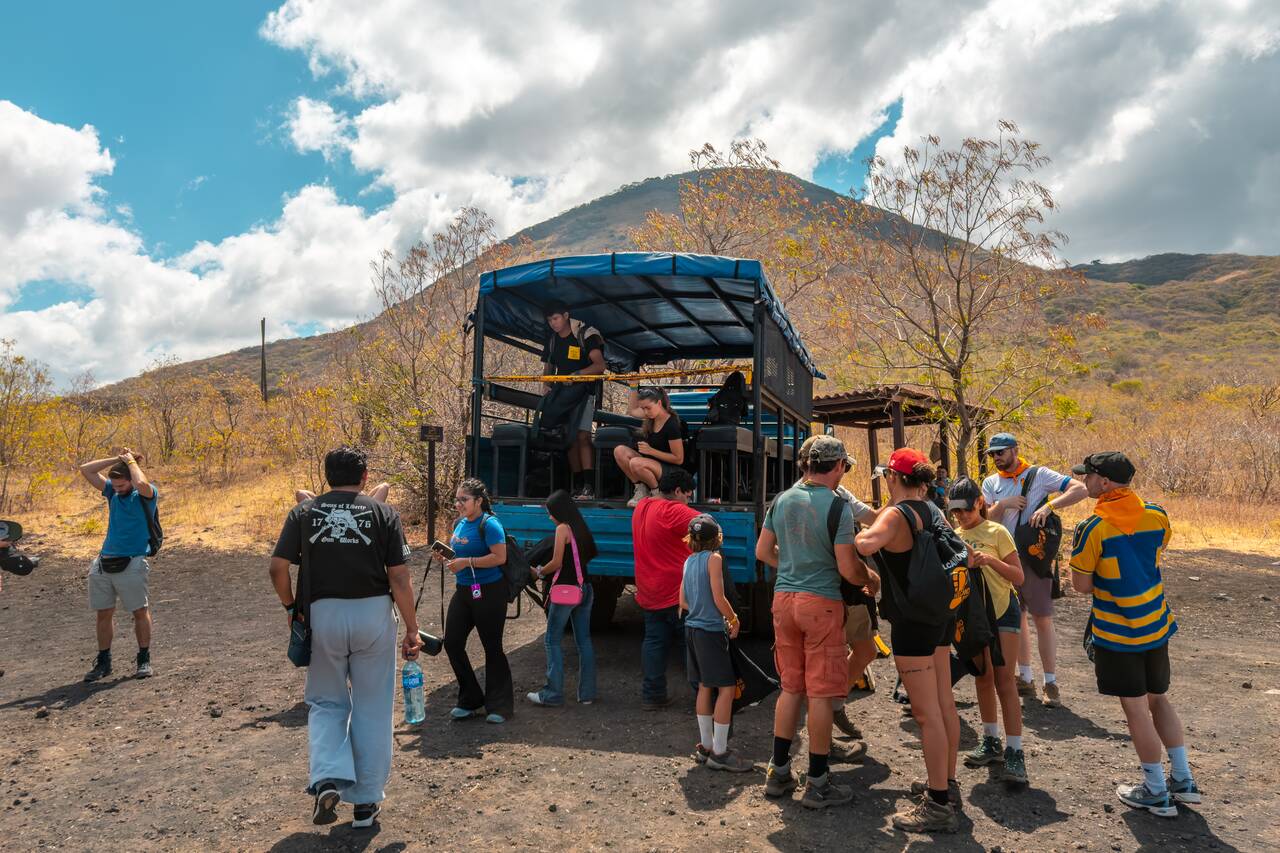
After arriving at the national park, you'll pay the entrance fee before your guide gives a safety briefing and explains what to expect. You'll then be assigned your trusty wooden board, which you'll need to carry to the summit yourself. If you'd rather save your energy for the hike, you can hire a porter to carry it for around 500 NIO (14 USD).
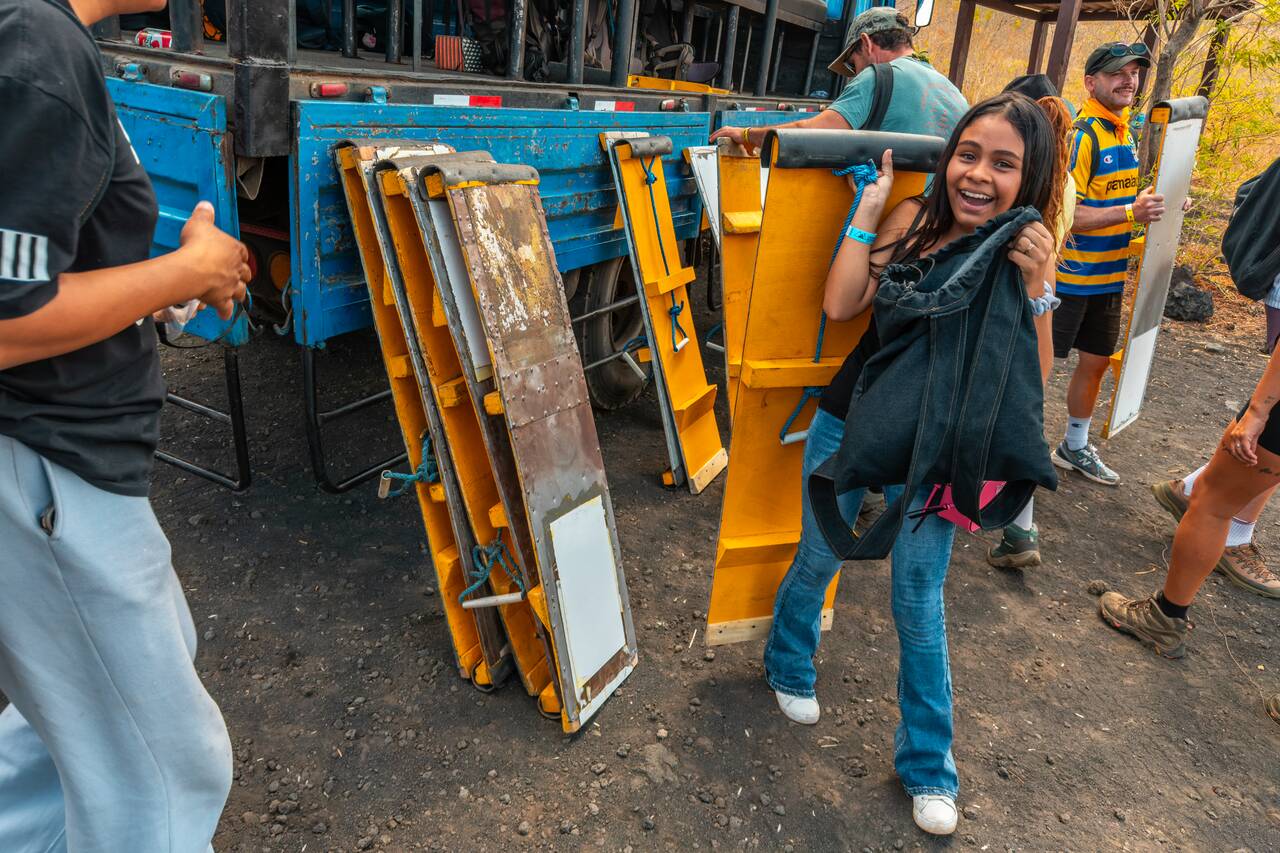
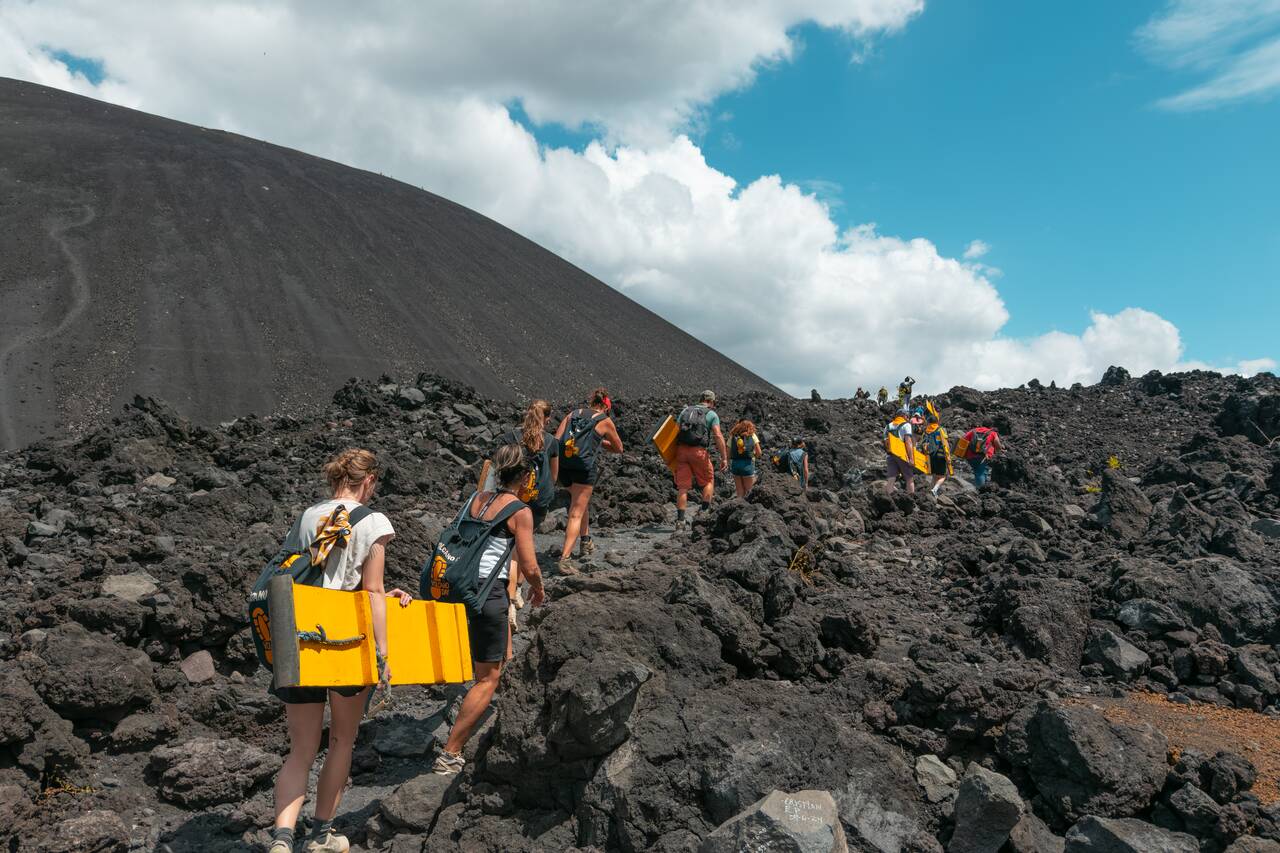
From there, it's a short drive to the trailhead, where the hike begins. The climb takes around 45 minutes to 1 hour and is moderately challenging. The trail itself isn't particularly difficult, but carrying the heavy wooden board under the hot sun while battling strong winds made it far more exhausting than I expected. I was completely out of breath by the time I reached the summit.
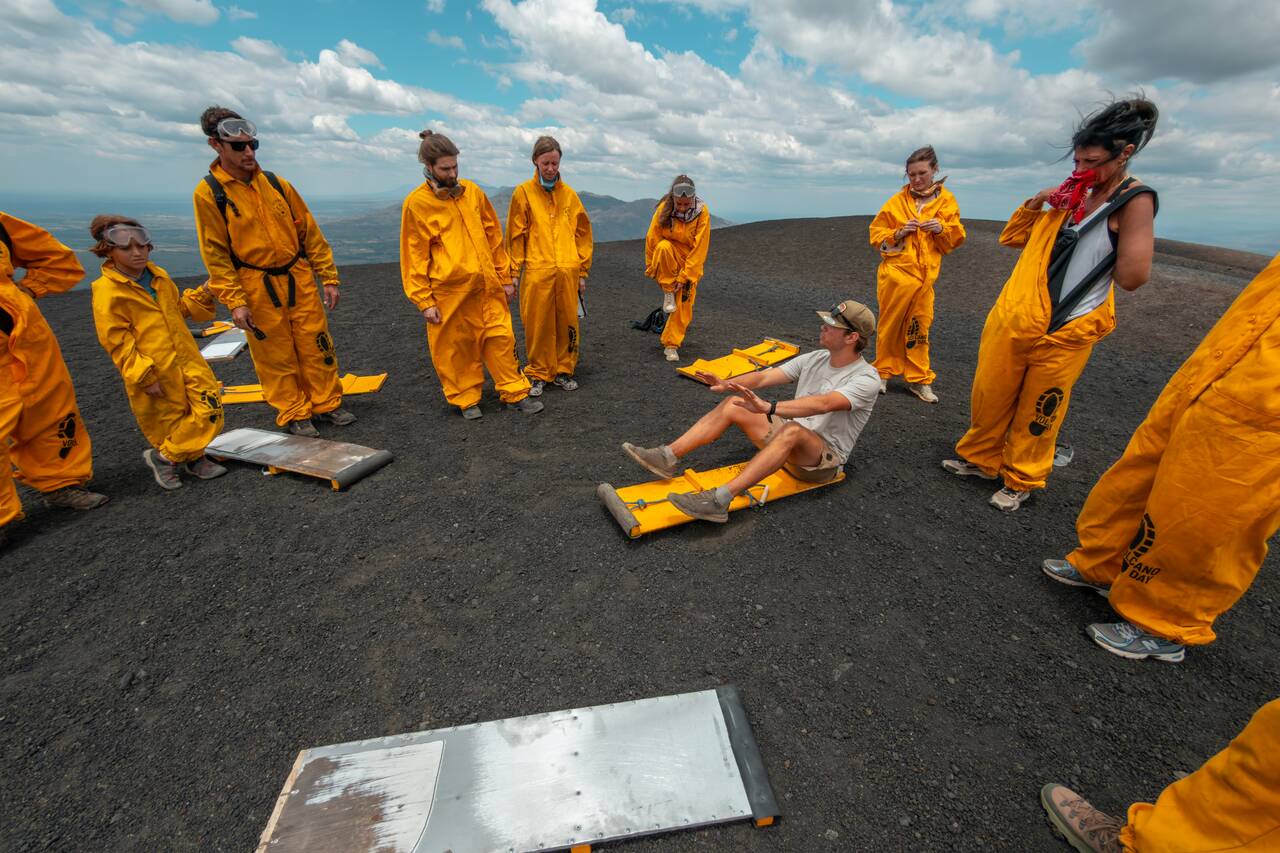
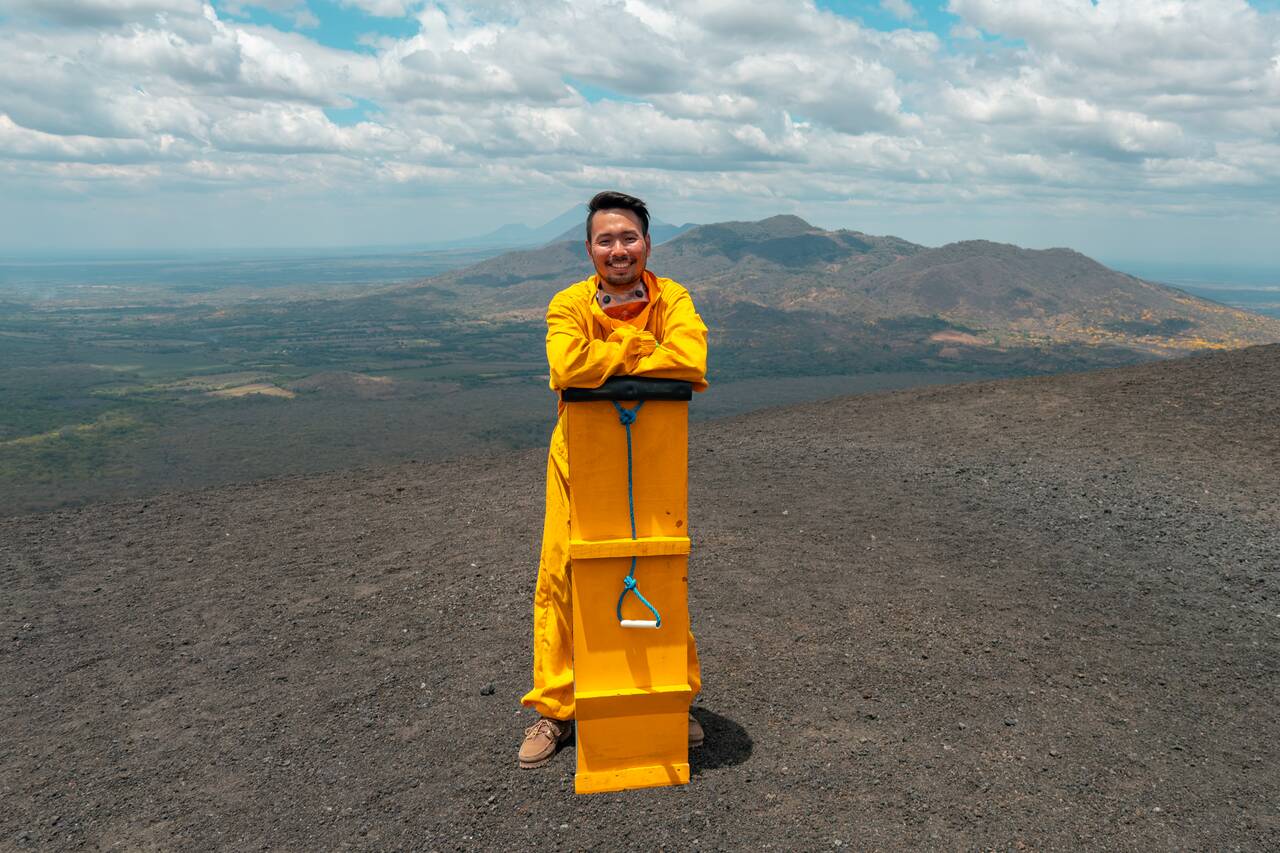
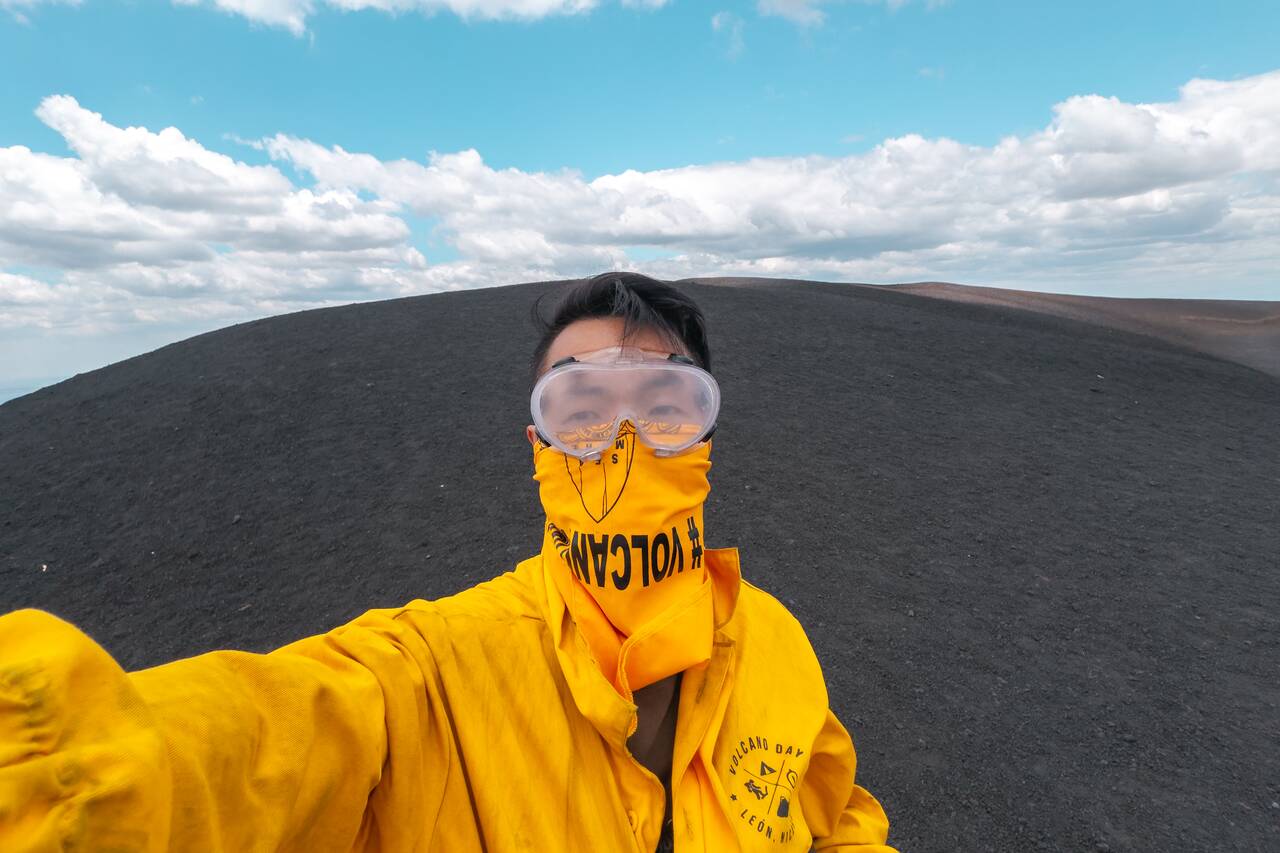
Once you're at the top, it's finally time for the fun part. After putting on a protective jumpsuit, gloves, bandana, and goggles, your guide will teach you how to ride the board safely. The key is to keep one foot on the ground at all times, using it as a brake to control your speed as you descend.
For safety, riders go down one at a time on one of three separate tracks, so there's no chance of colliding with anyone else. Then it's your turn to sit on the board and slide down the steep black volcanic ash, reaching speeds of up to 80 km/h (50 mph) if you're brave enough.
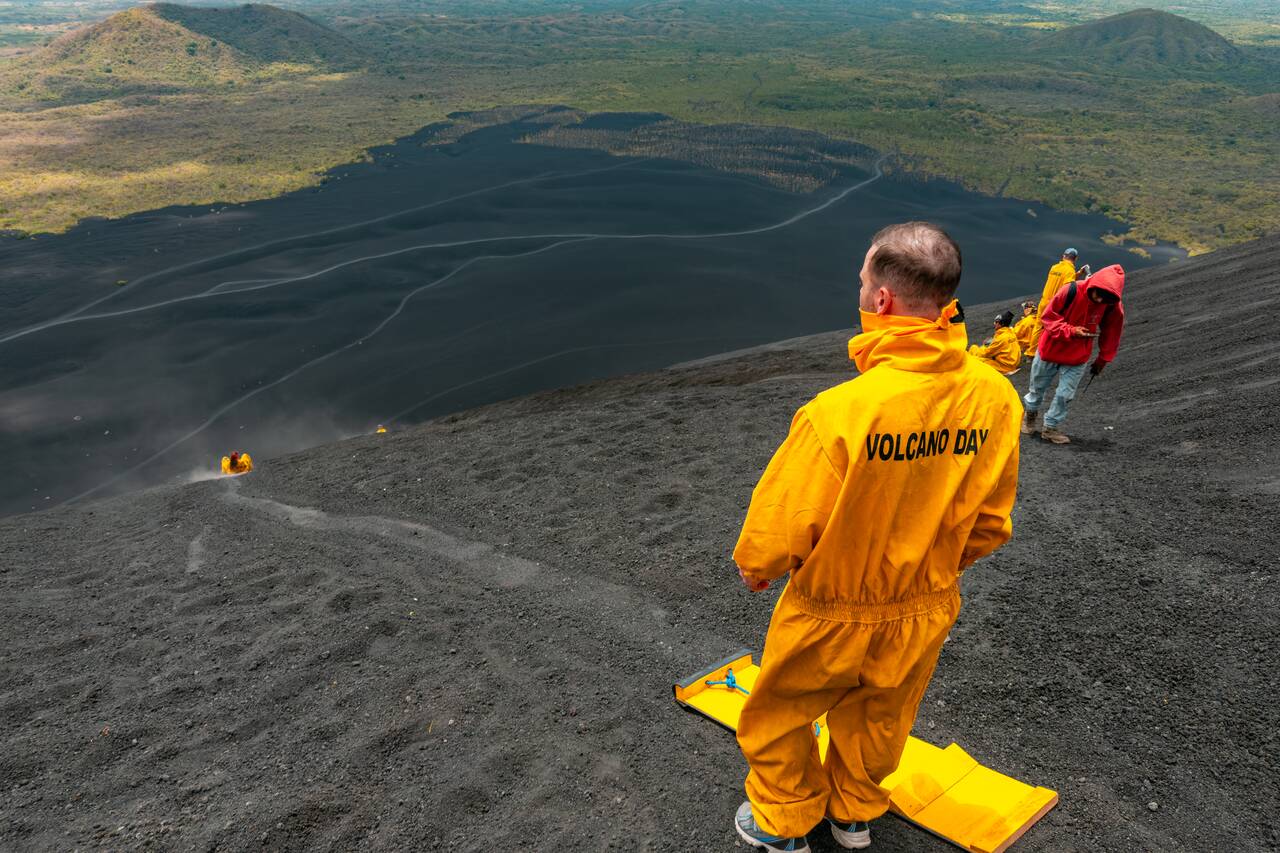
Even taking it slow, I found it equally terrifying and exhilarating. As you race down the slope, volcanic gravel flies everywhere, so be sure to wear the provided goggles and use a bandana to protect your mouth and nose from the dust. It was unlike anything I'd ever experienced while traveling and easily one of the highlights of my time in Nicaragua.
If volcano boarding has always been on your bucket list, this is your chance! You can book the tour in advance here or arrange it through your accommodation once you arrive in León. The entire experience takes around 5–6 hours. Be sure to wear closed-toe shoes, clothes you don't mind getting dusty, and bring plenty of water, sunscreen, and an action camera if you want to capture your ride down the volcano.
Where to Stay in Leon?
2. Watch the Sunset from the Rooftop of Basilica of the Assumption of the Blessed Virgin Mary
- 📍 Location: Basilica of the Assumption of the Blessed Virgin Mary [Map Link]
- 🕐 Opening Hours: 8:30 AM - 12 PM, 2 PM - 5 PM
- 💰 Entry Fees: 150 NIO (~4 USD)
- ⚡ Pete's Take: "Arrive around 5 PM to catch the golden hour, but expect some crowds at sunset."
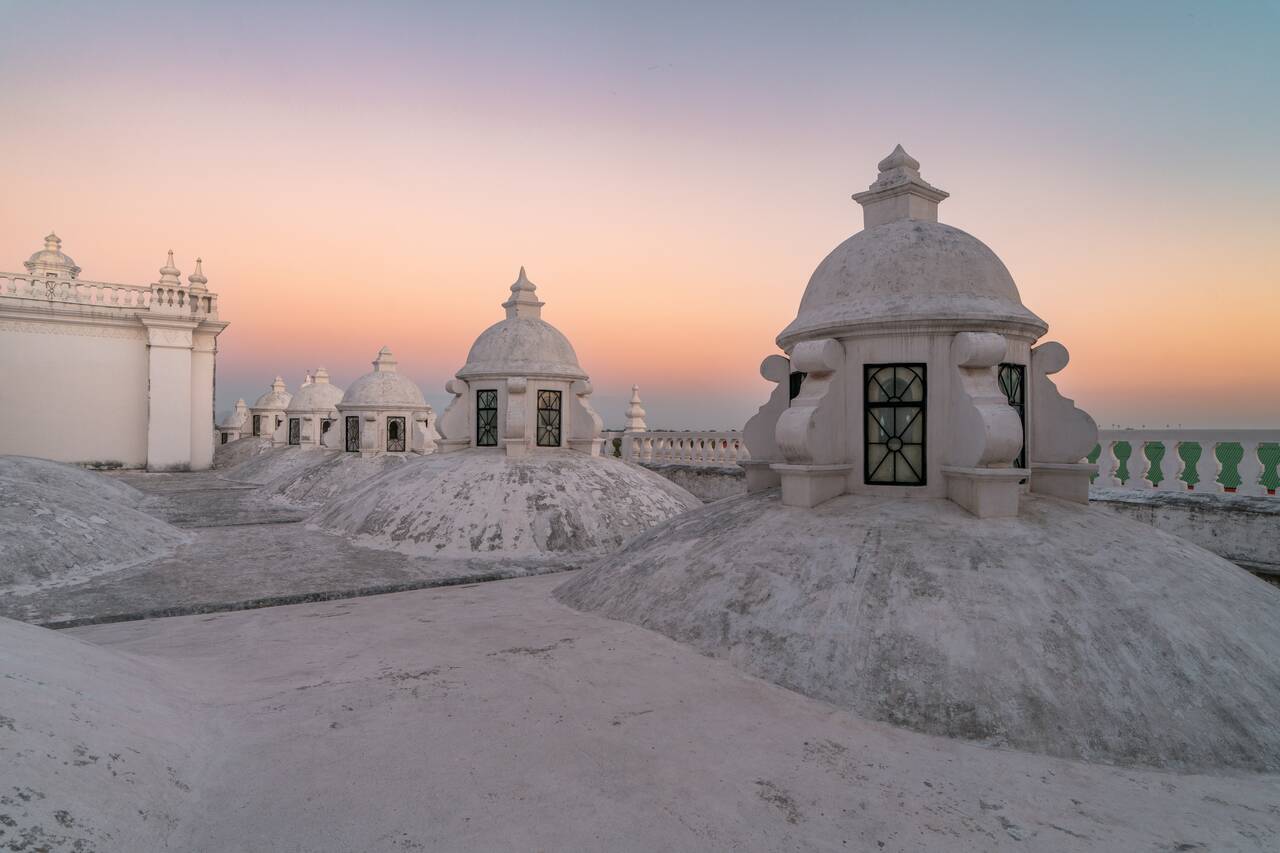
One of the absolute best spots to watch the sunset in Leon is at the rooftop of Basilica of the Assumption of the Blessed Virgin Mary, commonly known as León Cathedral. As the largest cathedral in Central America and a UNESCO World Heritage Site, it's an impressive landmark that is worth a visit in itself, but if you want your visit to be memorable, you gotta come here at sunset.
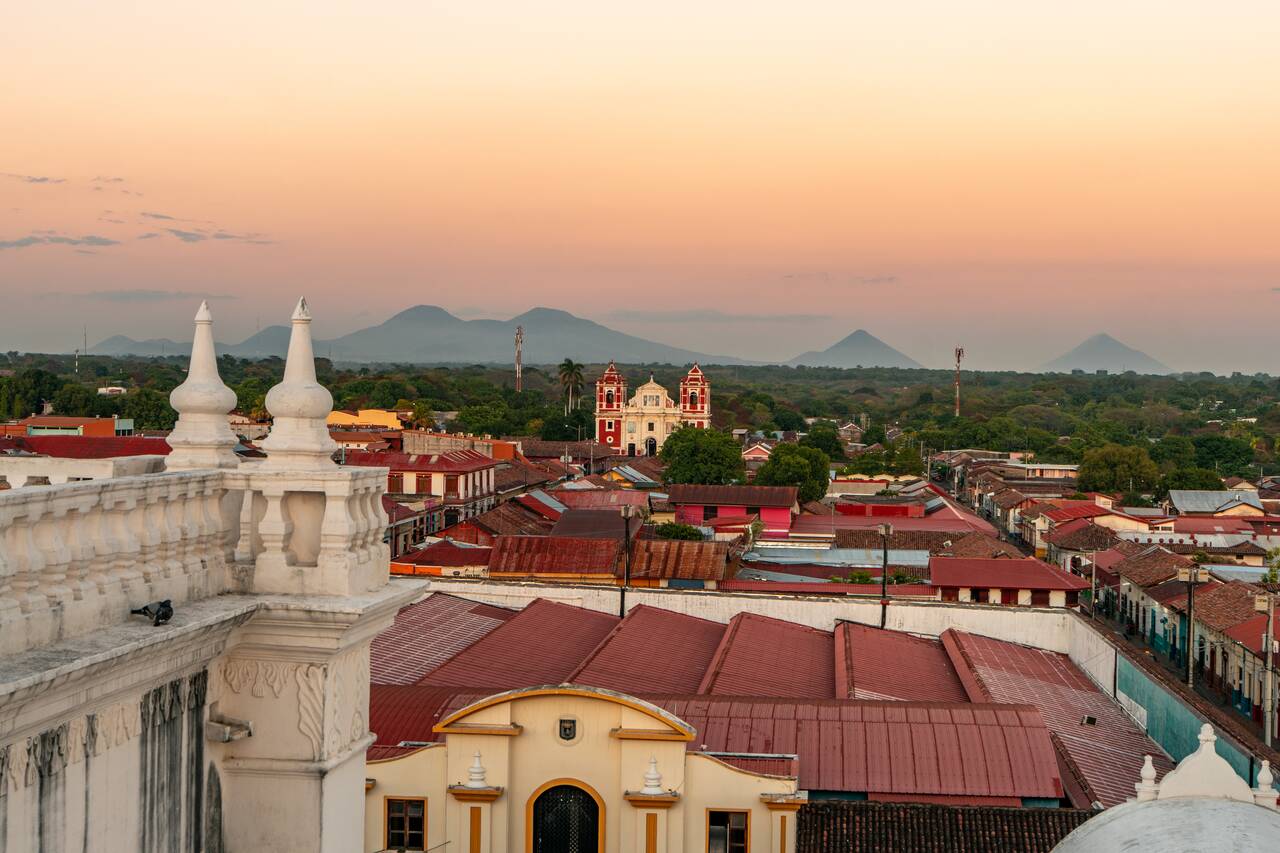
The rooftop is incredibly beautiful and very unique. Instead of a traditional viewing platform, you'll walk across a series of smooth white domes connected by narrow pathways, with panoramic views of León's colorful streets and the chain of volcanoes surrounding the city. It almost feels like walking on the rooftops of a Mediterranean town.
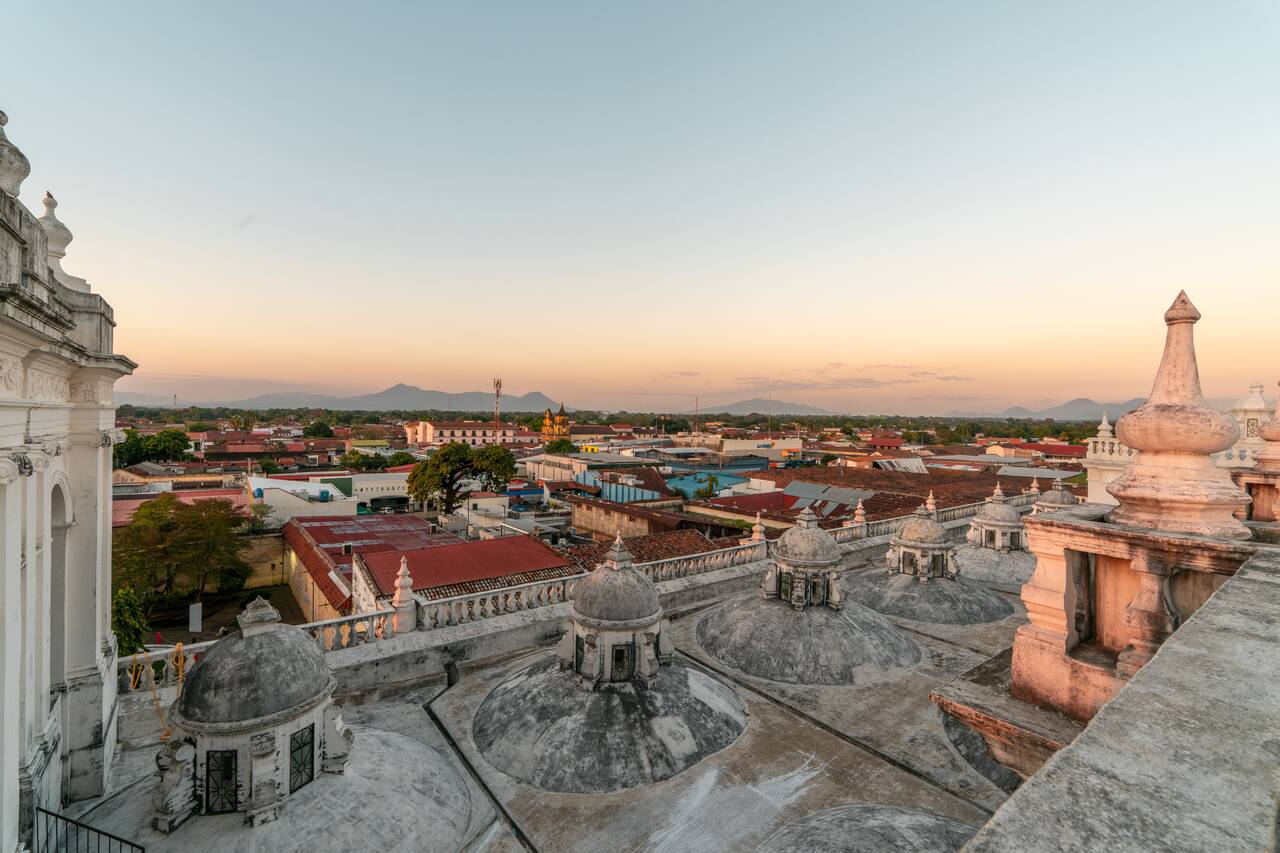
While you can visit the basilica and its rooftop throughout the day, I highly recommend timing your visit for the late afternoon. As the sun begins to set, the white domes glow in warm golden light, and the surrounding volcanoes become even more dramatic. It does get a bit crowded around sunset, but I can assure you the views during the golden hour are absolutely worth it!
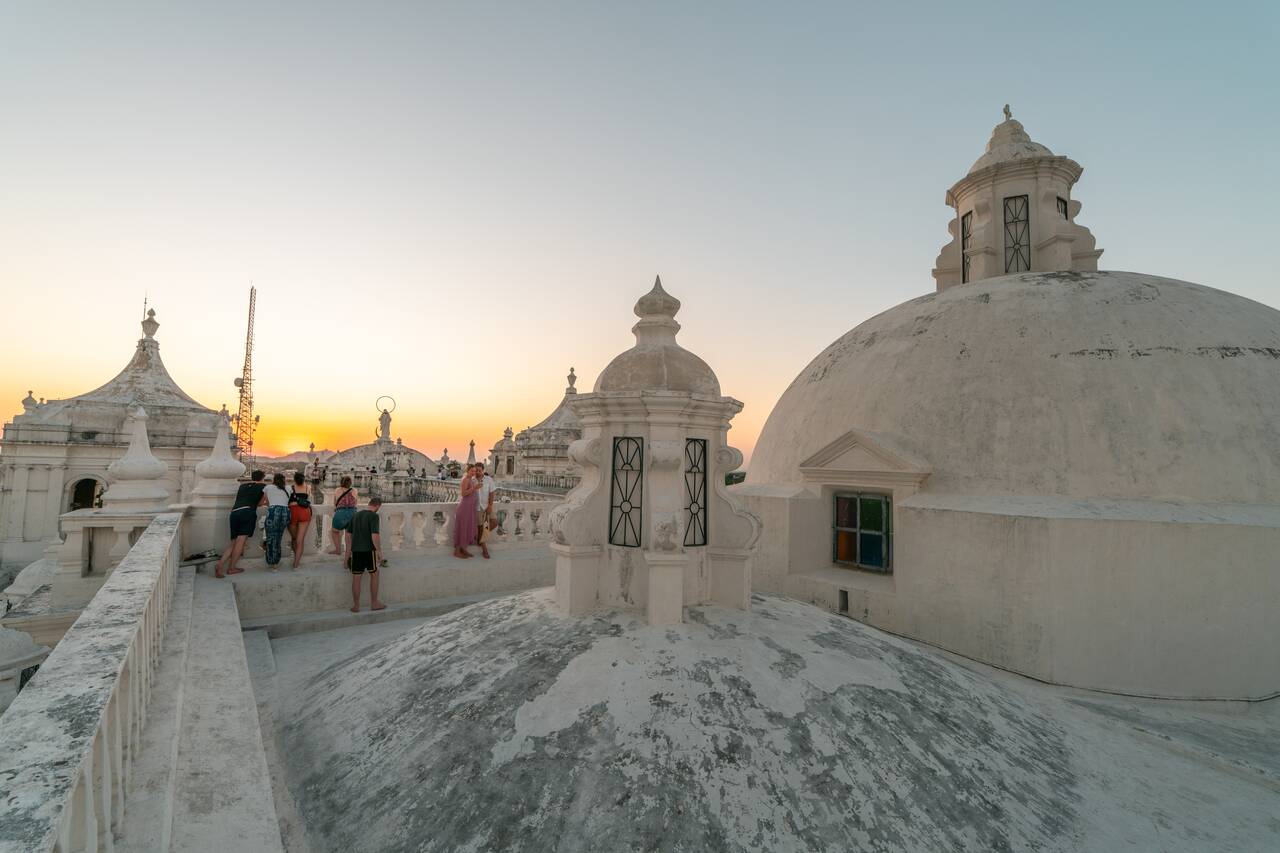
The basilica is officially open from 8:30 AM to 12 PM and again from 2 PM to 5 PM. However, I was able to buy my ticket and access the rooftop at around 5:20 PM, staying until about 6 PM, well after sunset, without any issues. Of course, this isn't guaranteed, but I'd recommend arriving around 5 PM to maximize your chances of catching the golden hour. The rooftop entrance fee is 150 NIO (4 USD), and payment is accepted in cash only.
3. Hang Out at Parque Central in the Evening
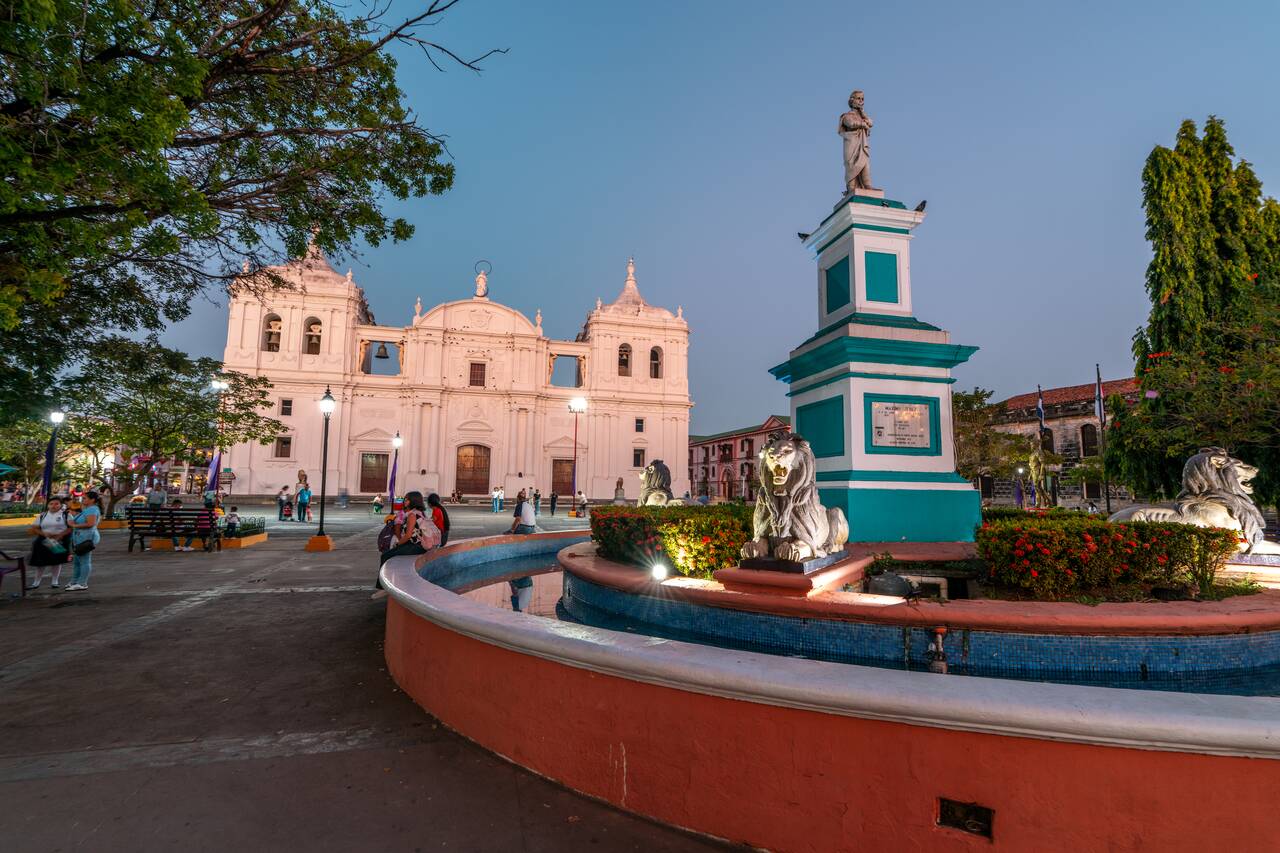
- 📍 Location: Parque Central [Map Link]
- ⚡ Pete's Take: "It's very lively at night. I always come here every evening to watch people."
After watching the sunset from the rooftop of León Cathedral, head down to Parque Central, the beating heart of León and one of the best places to begin your exploration of the city. Throughout the day, the square is busy with people passing through, but it's in the evening that it truly comes alive.
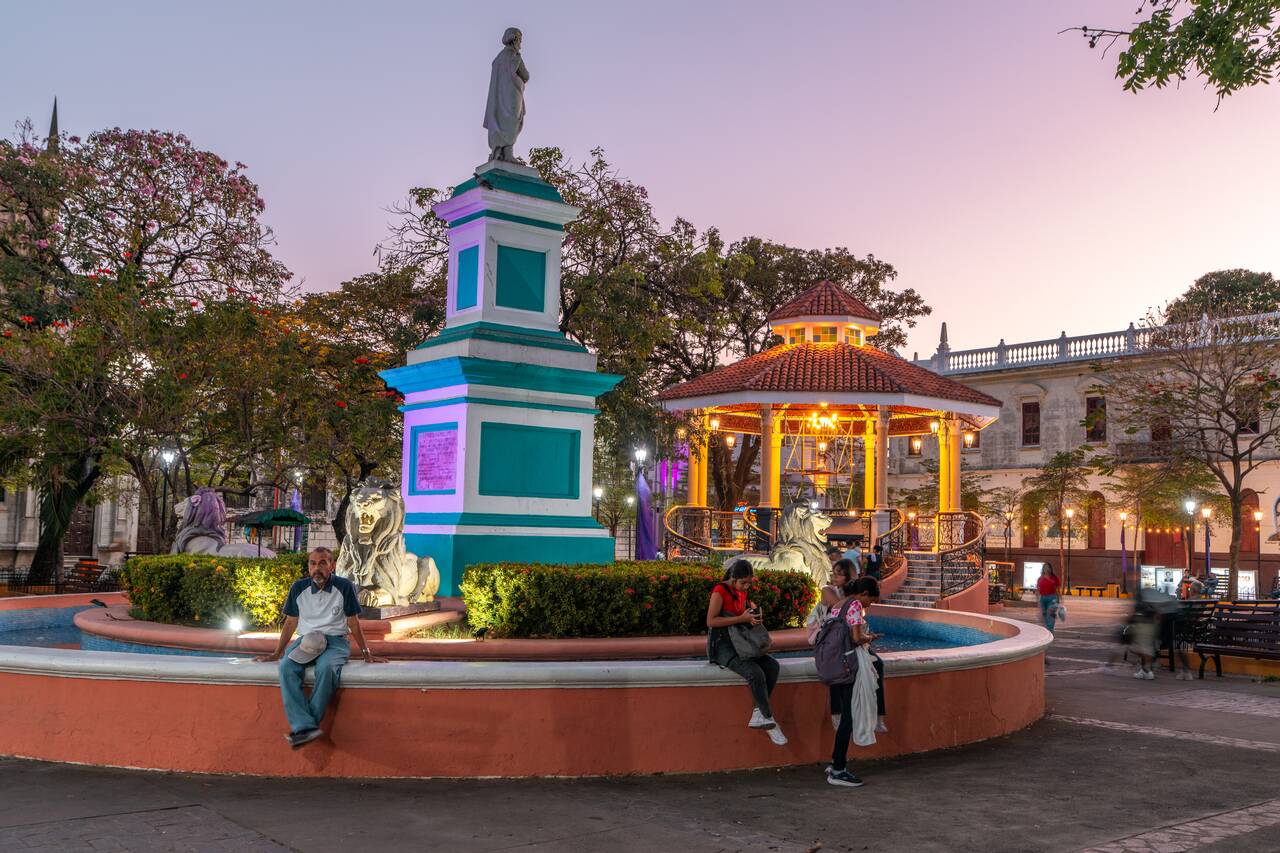
Surrounded by some of León's most important landmarks, including the magnificent León Cathedral, colorful colonial buildings, cafés, and restaurants, the park is a lively gathering place for locals. You'll often see families relaxing on the benches, street vendors setting up food stalls, and friends catching up after work. It's a wonderful place to slow down, grab a snack or an ice cream, and enjoy some of the best people-watching in the city.
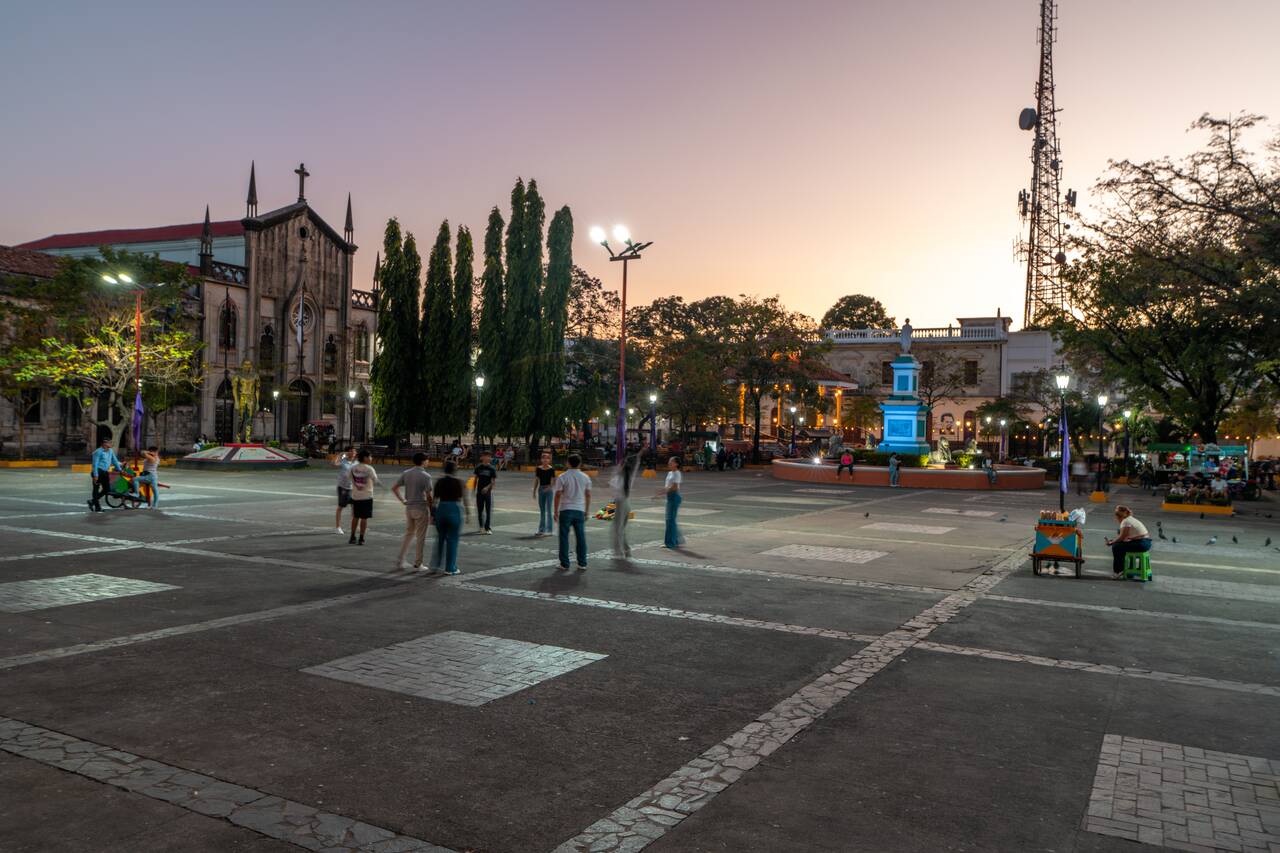
I found myself sitting on the steps in front of the cathedral most evenings, watching the world go by as night approached. I often saw people playing volleyball, musicians entertaining passersby, and locals enjoying a leisurely walk along the illuminated pedestrian streets surrounding the park. Not a bad way to end the day, in my book!
4. Explore Ortíz Gurdián Foundation Art Center
- 📍 Location: Ortíz Gurdián Foundation Art Center [Map Link]
- 🕐 Opening Hours: 10 AM - 5:30 PM
- 💰 Entry Fees: 130 NIO (~4 USD)
- ⚡ Pete's Take: "One of my favorite art museums in Central America. Definitely worth visiting!"
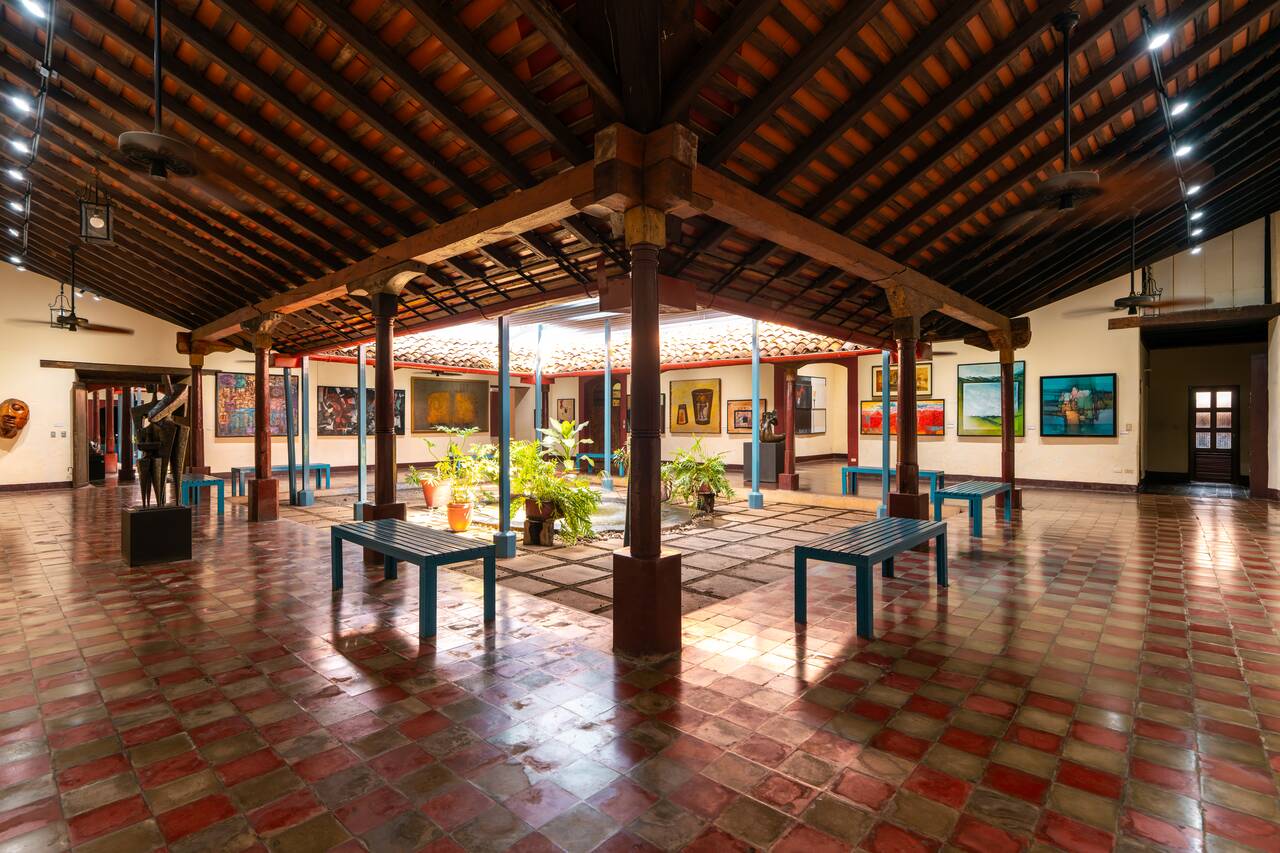
Ortíz Gurdián Foundation Art Center is by far one of my favorite art museums, or dare I say, the best art museum I have ever visited in Central America! Located inside a collection of beautifully restored colonial buildings, the museum itself is just as fascinating as the artworks displayed inside.
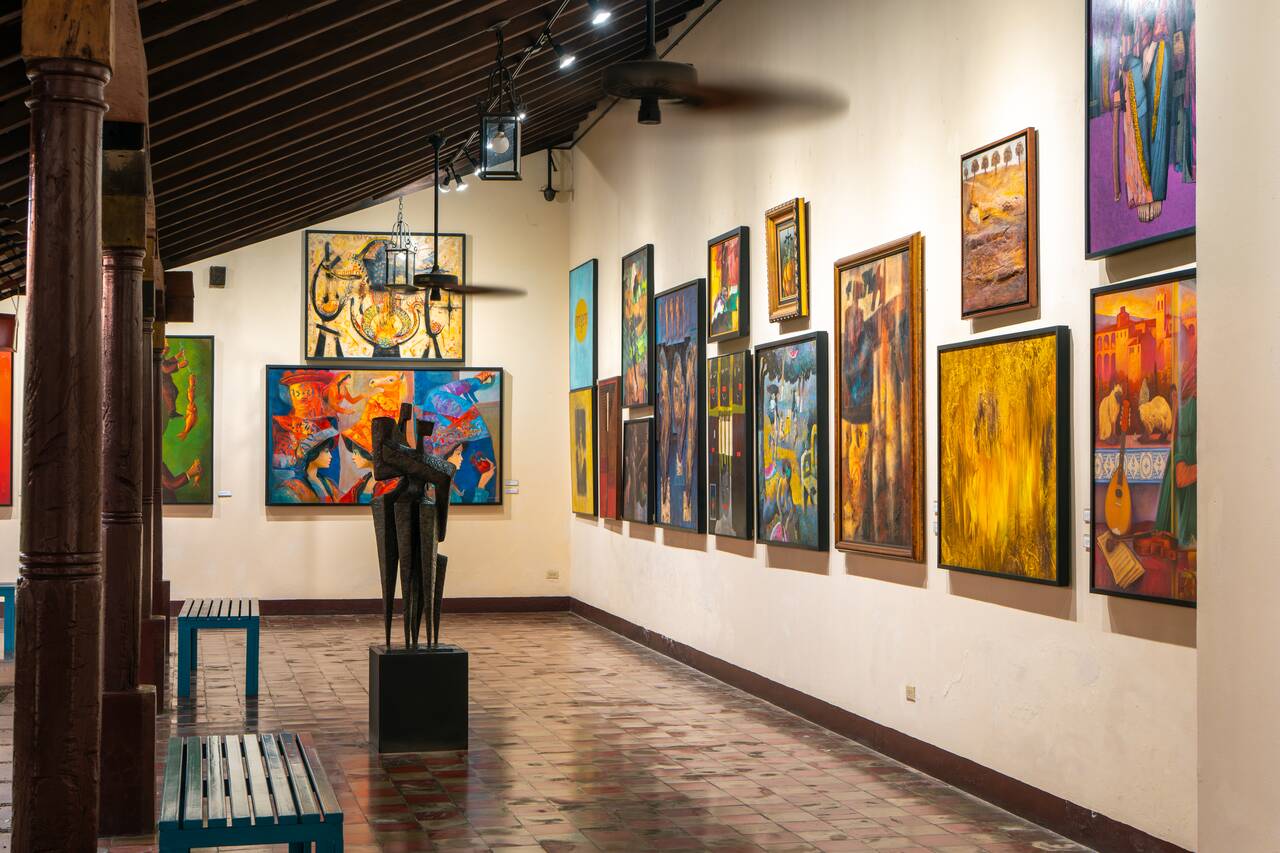
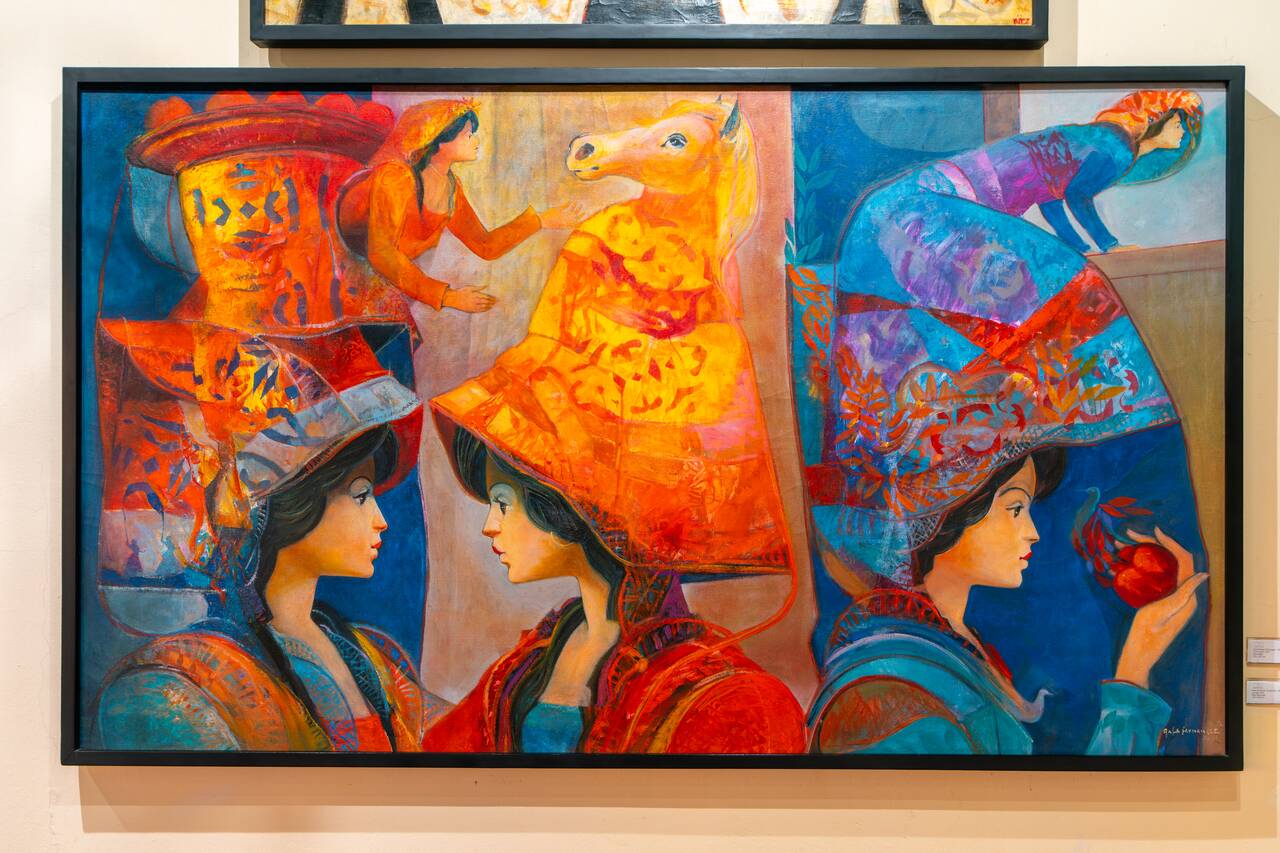
The museum houses an impressive collection of both Nicaraguan and international art, ranging from pre-Columbian pieces and colonial religious art to modern works by famous artists from around the world. The collection is spread across several interconnected colonial houses, each featuring charming courtyards, colorful walls, and peaceful gardens, which were definitely the highlight for me.
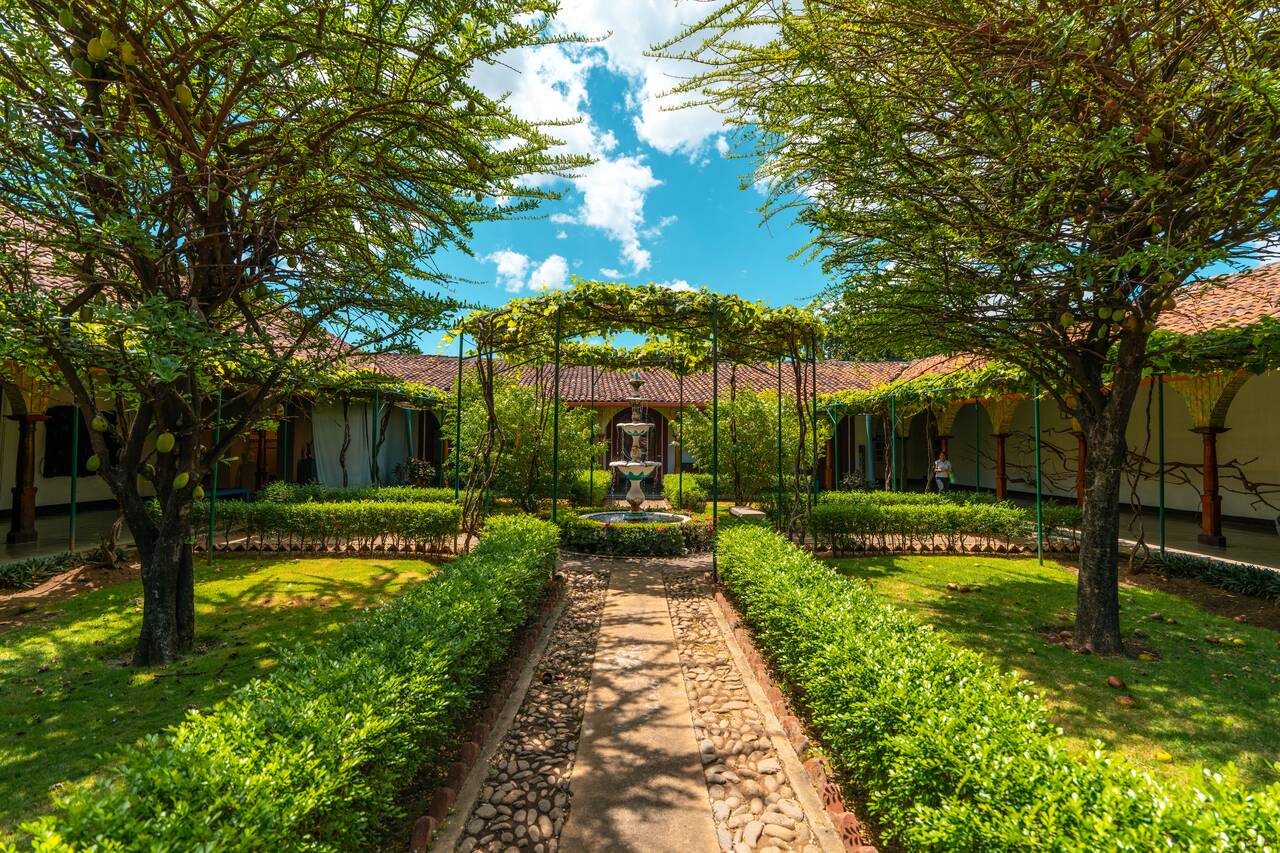
I especially loved that the museum doesn't feel like a traditional gallery. Instead, you move between rooms, courtyards, and old colonial spaces, discovering artworks around every corner. It almost feels like you are being welcomed into someone's home, wandering through their rooms and admiring an incredible personal collection of artworks.
The museum is very big, and it can take you an hour or two to see all the rooms and exhibitions. I don't recommend rushing through the museum. There are many benches in the museum where you can just sit and enjoy the beautiful courtyard inside the colonial building. Spare a few hours of your time in Leon and take your time here.
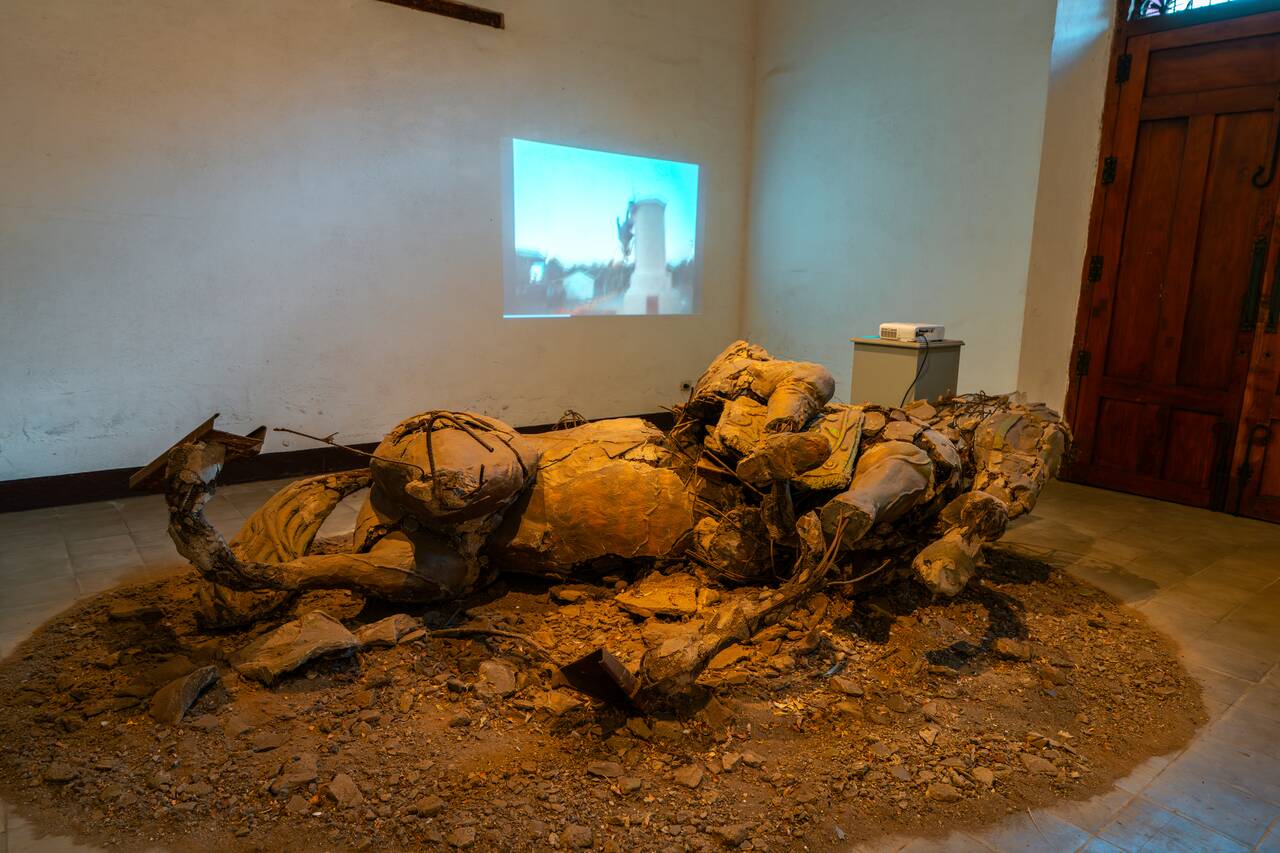
The entrance fee is 130 NIO (around 3.5 USD), and the museum is open from 10 AM to 5:30 PM from Tuesday to Sunday. It is closed on Mondays. This is easily one of the best art museums you will find in Central America, so be sure not to miss it!
5. Admire the Beauty of the Church of the Recollection
- 📍 Location: Church of the Recollection [Map Link]
- 🕐 Opening Hours: Daylight hours
- 💰 Entry Fees: Free
- ⚡ Pete's Take: "Very pretty facade and even more stunning in the evening when the light shines directly at it."
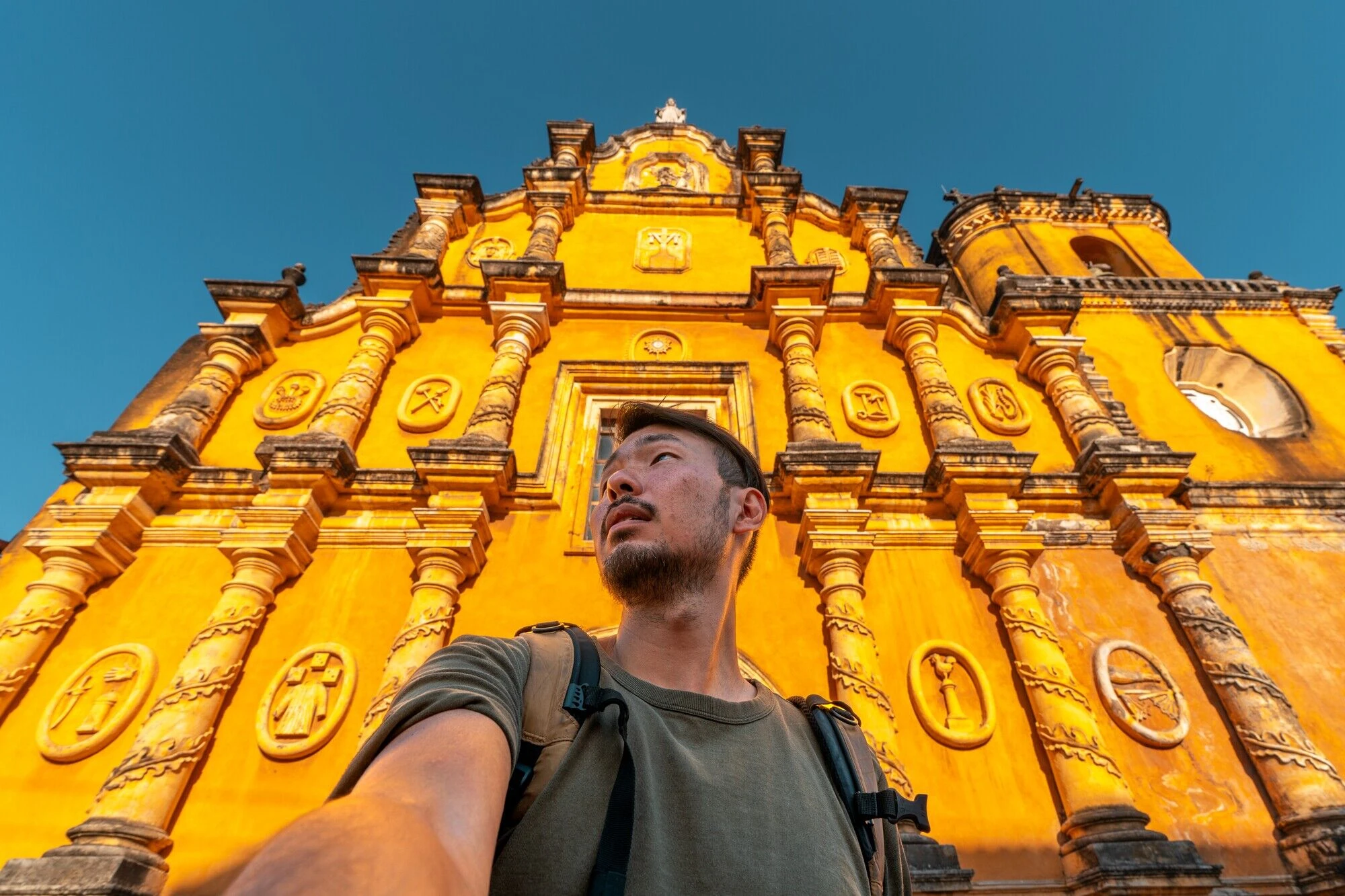
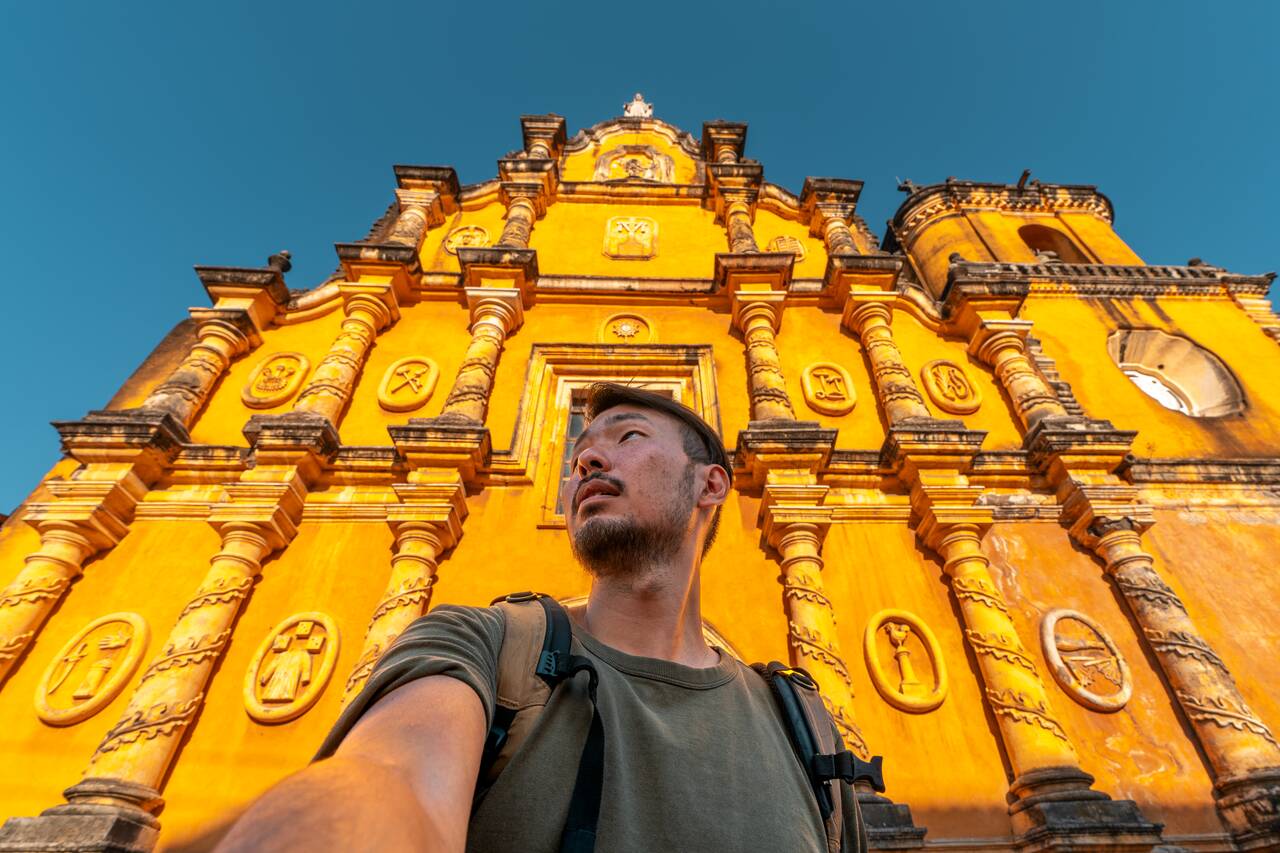
While León is filled with beautiful churches, the Church of the Recollection (Iglesia La Recolección) is one of my favorites of all. Located along one of the city's main streets, this bright yellow Baroque-style church is the first landmark that caught my eye as I arrived in the city in the evening.
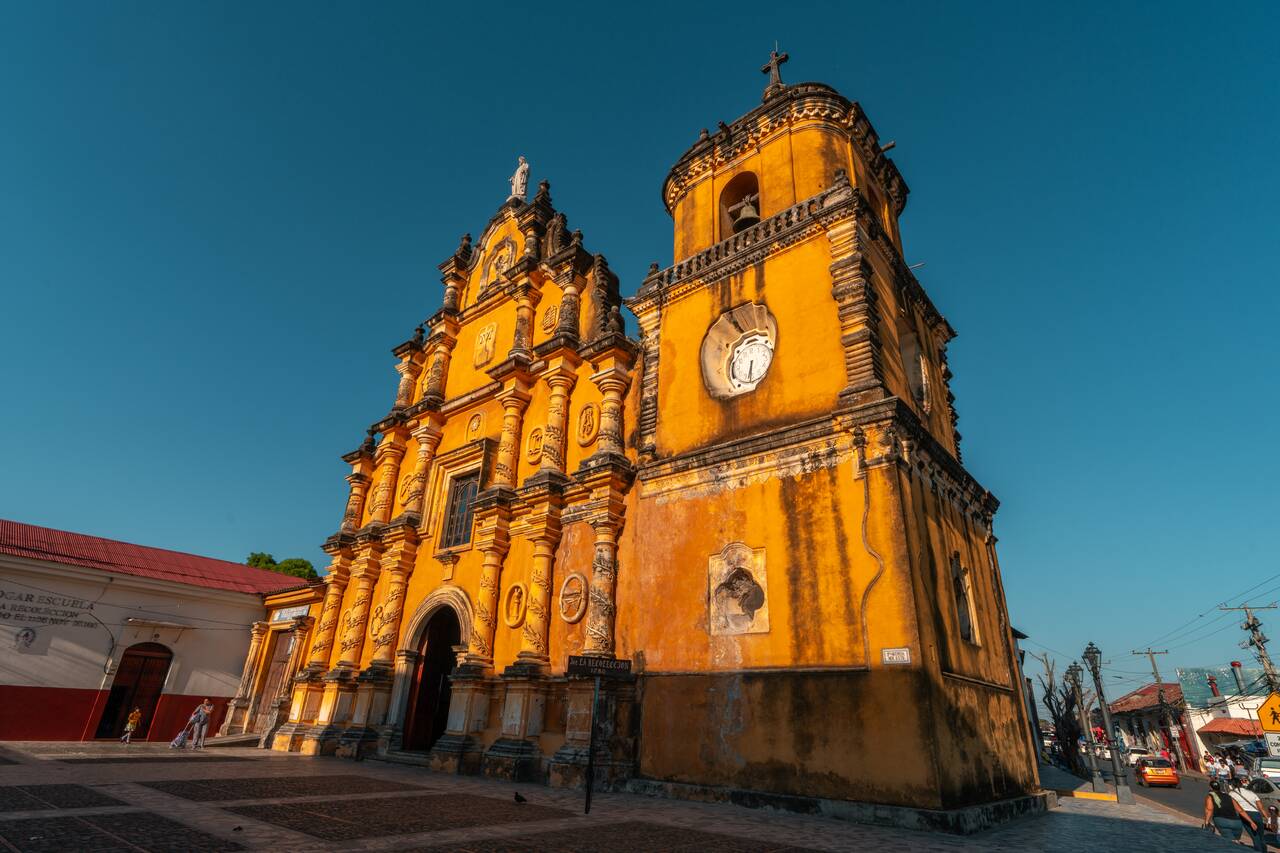
Built in the late 18th century, the church is considered one of the finest examples of Baroque architecture in Nicaragua. The exterior is covered with beautiful decorative details, including carved columns, religious motifs, and elaborate patterns that make it one of the most unique-looking buildings in León.
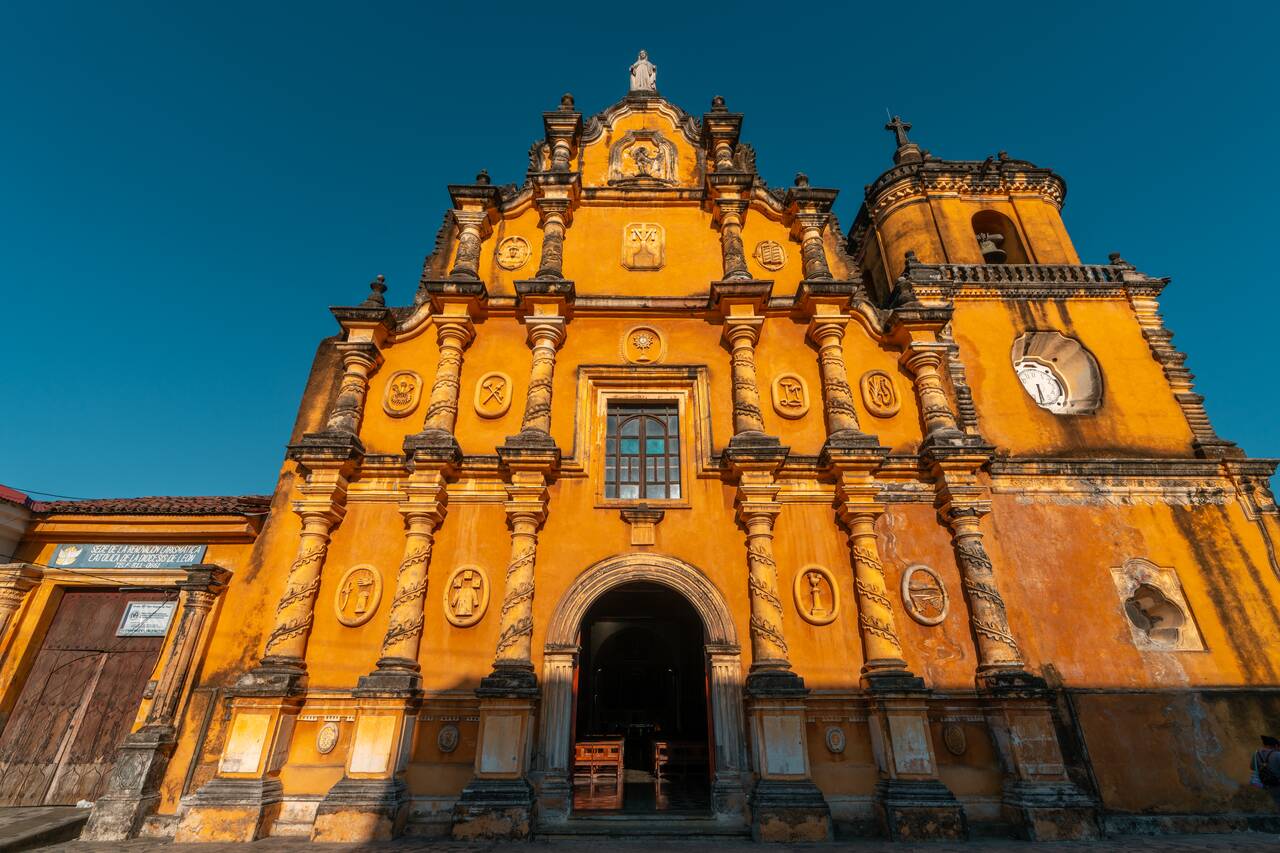
Its intricate façade and detailed carvings are painted in a beautiful faded yellow color, and because the church faces perfectly west, the afternoon sunlight shines directly onto the façade, making it glow. In fact, that is exactly what caught my attention in the first place.
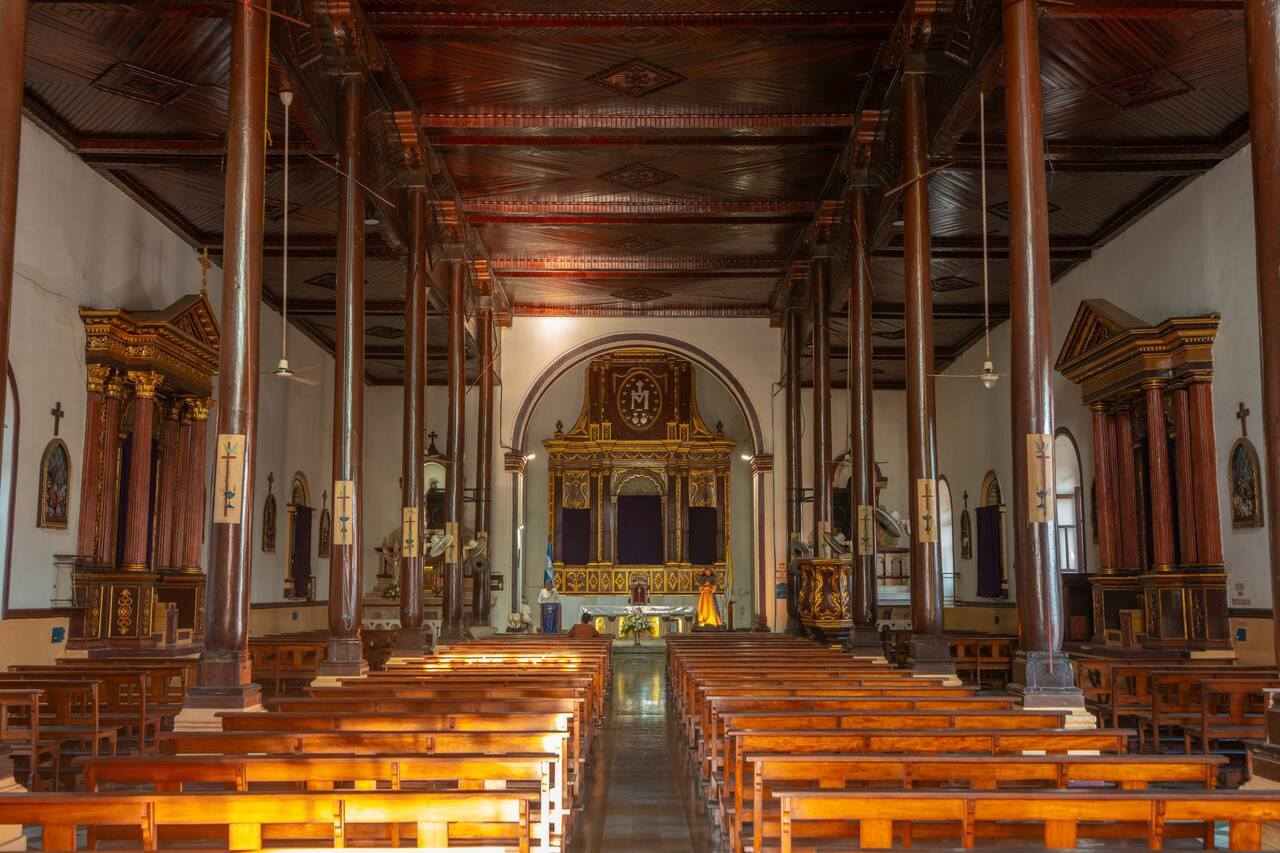
I arrived in León a few hours before sunset, and the shuttle I was on happened to pass by the Church of the Recollection. As we turned the corner, the golden light was shining perfectly onto the church's façade. It was such a beautiful sight that I knew I had to come back and see it again after settling into my accommodation. Be sure to come and check out the church in the evening! The church is open during daylight hours, and entry is free.
6. Check Out Calvary Church
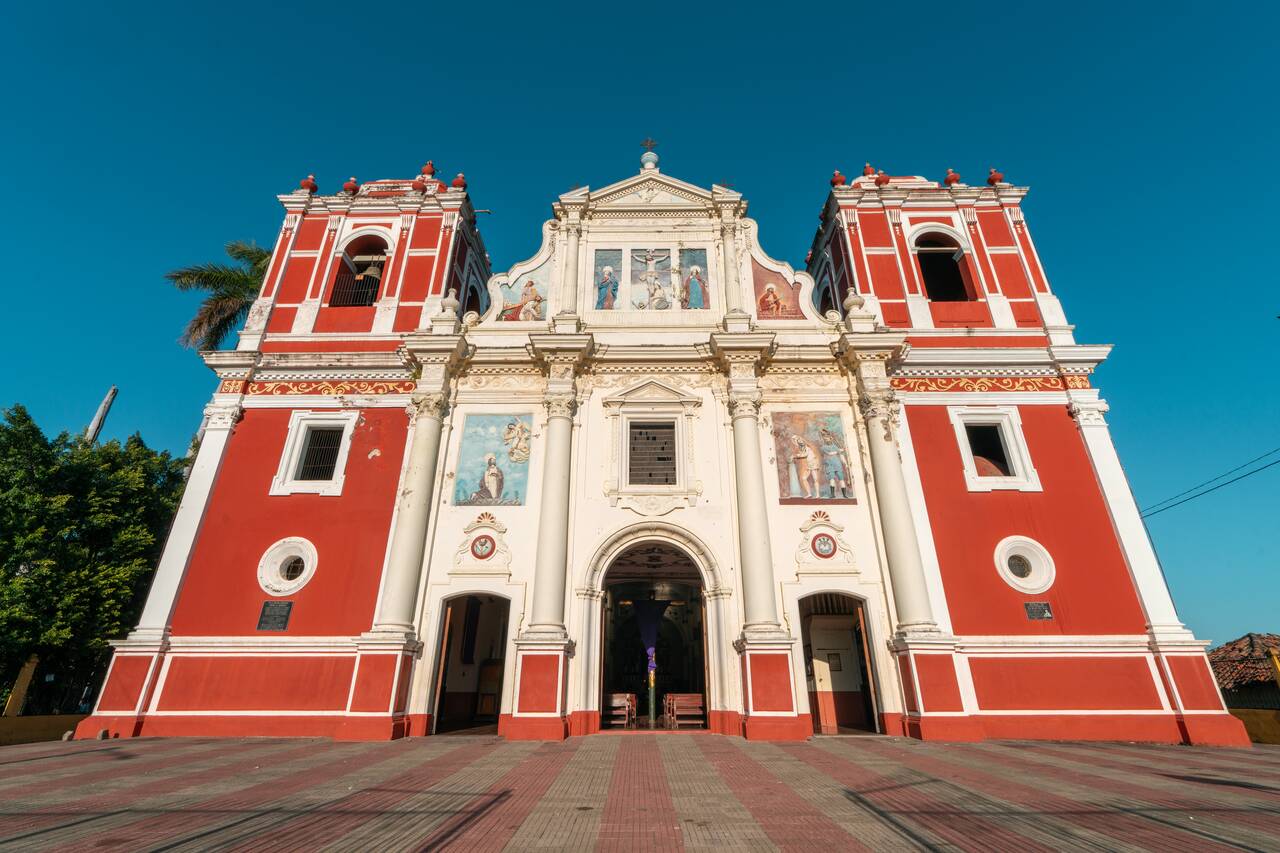
- 📍 Location: Calvary Church (Iglesia El Calvario) [Map Link]
- 🕐 Opening Hours: 9 AM - 12 PM, 2:30 PM - 6 PM
- 💰 Entry Fees: 3 USD
Another awesome church you should visit is Calvary Church (Iglesia El Calvario), a colorful church located just a short walk from the historic center. While it may not be as famous as León Cathedral or the Church of the Recollection, its unique façade and quieter atmosphere make it a great place to stop by while you explore the city.
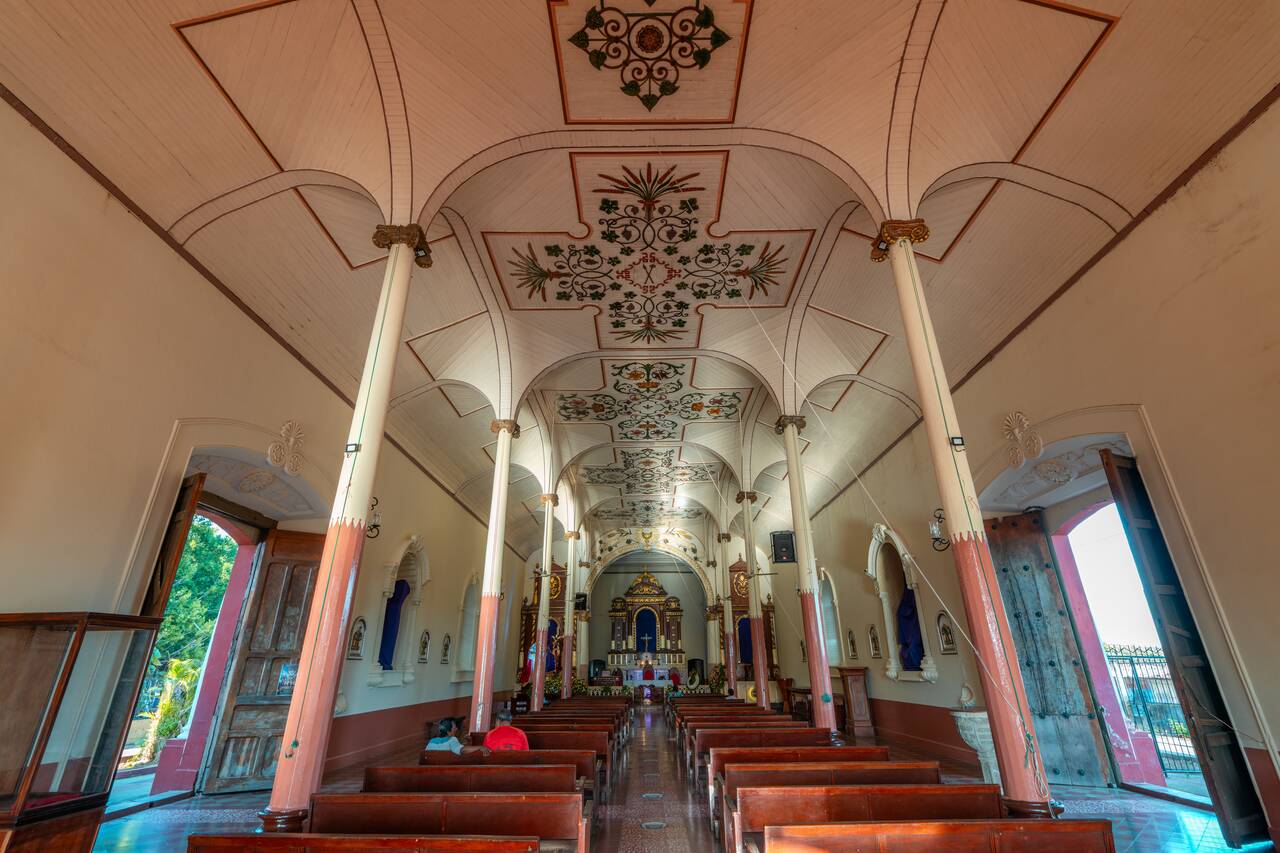
The church is known for its bright white and red exterior, with beautiful decorative details that reflect León's colonial roots. Its symmetrical design and vibrant colors make it a great photo stop, especially when the afternoon light hits the façade.
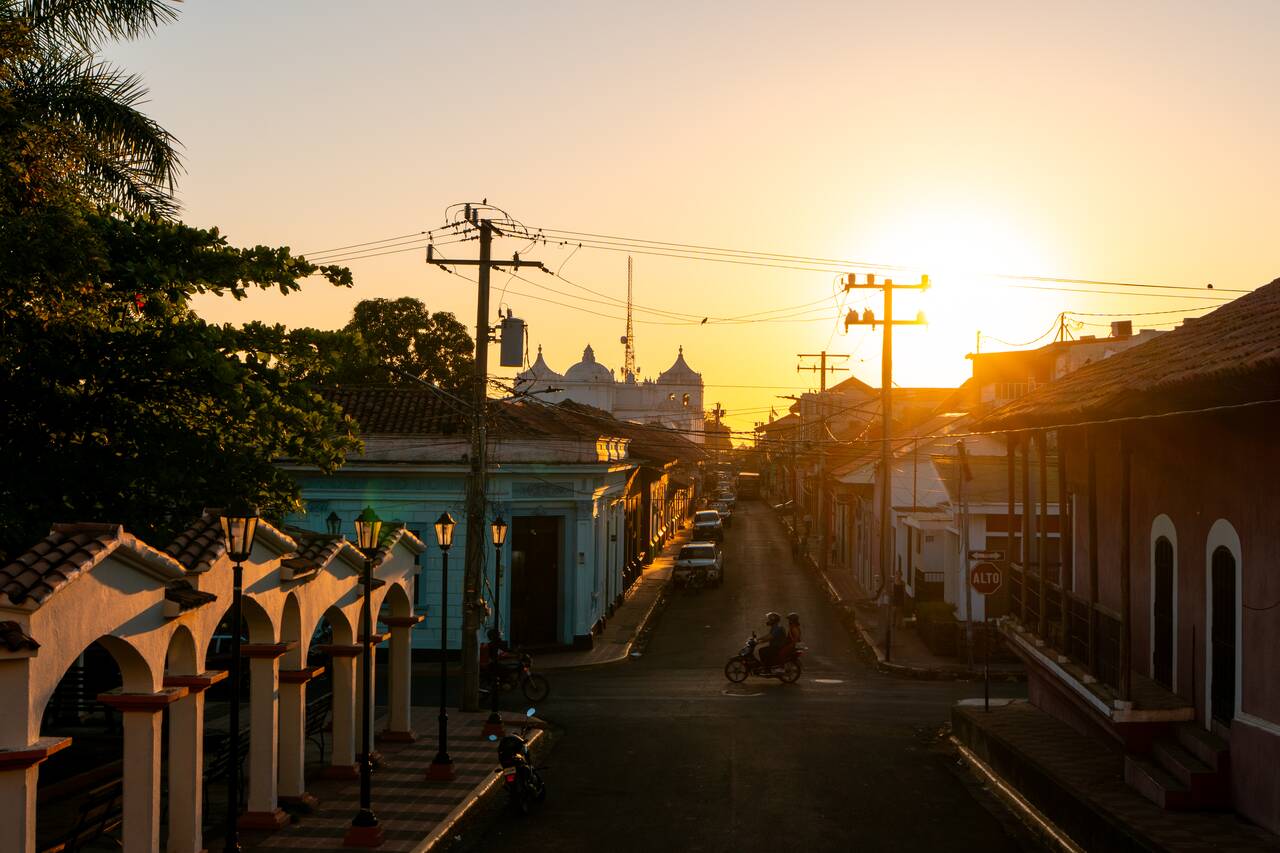
Due to the church's location on top of a small hill, you can get a surprisingly nice view from up here, especially if you climb one of the bell towers. If you're looking for a quieter spot with a nice view over León, be sure to come and check out Calvary Church. The church is open from 9 AM to 12 PM and again from 2:30 PM to 6 PM daily, and entry is free. If you wish to climb the bell tower, the fee is around 3 USD per person.
7. Drop by the Museum of Traditions and Legends
- 📍 Location: Museum of Traditions and Legends [Map Link]
- 🕐 Opening Hours: 9 AM - 4 PM
- 💰 Entry Fees: 50 NIO (~1 USD)
- ⚡ Pete's Take: "Very fun and interesting museum with lots of local folktales about ghosts and spirits."
For a more unusual experience in León, make your way to the Museum of Traditions and Legends (Museo de Leyendas y Tradiciones), a small but fascinating museum dedicated to Nicaragua's folklore, myths, and cultural stories.
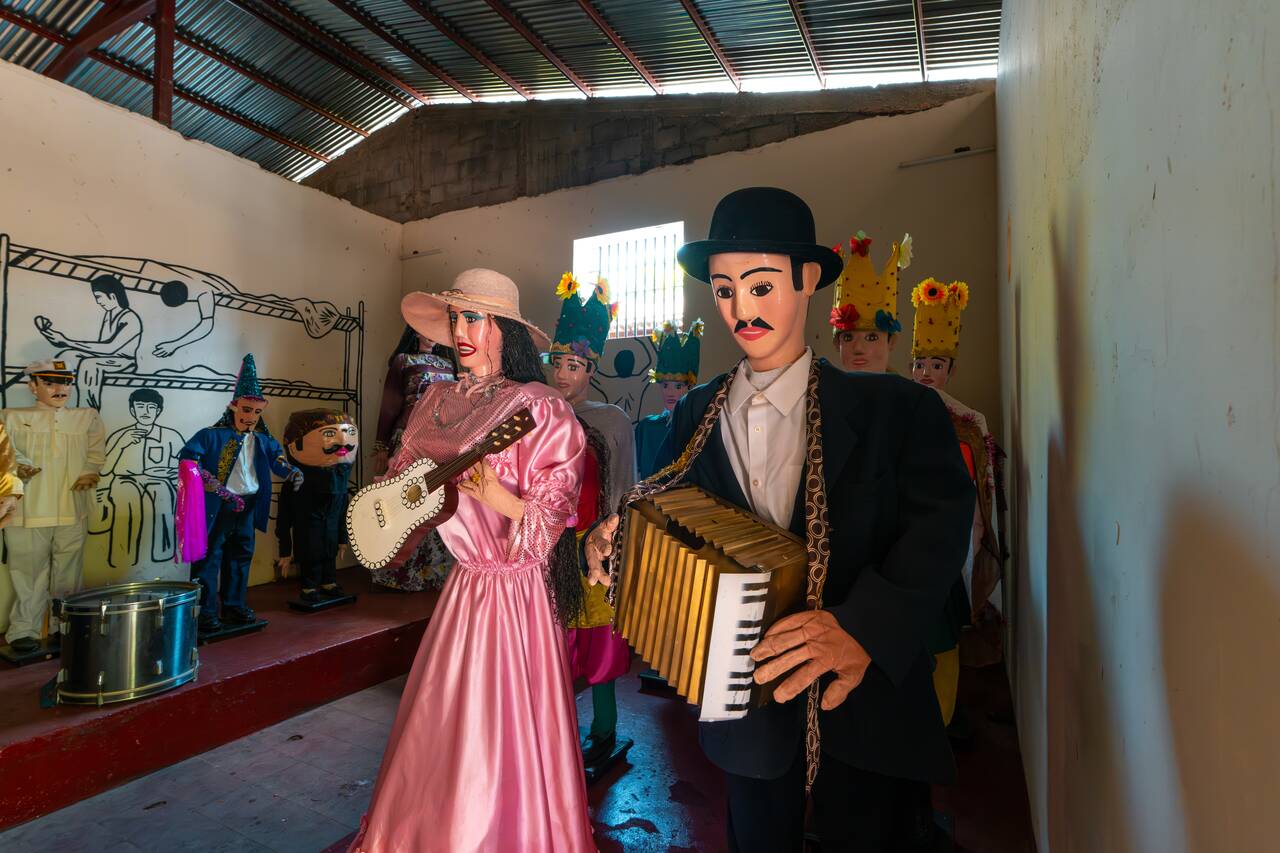
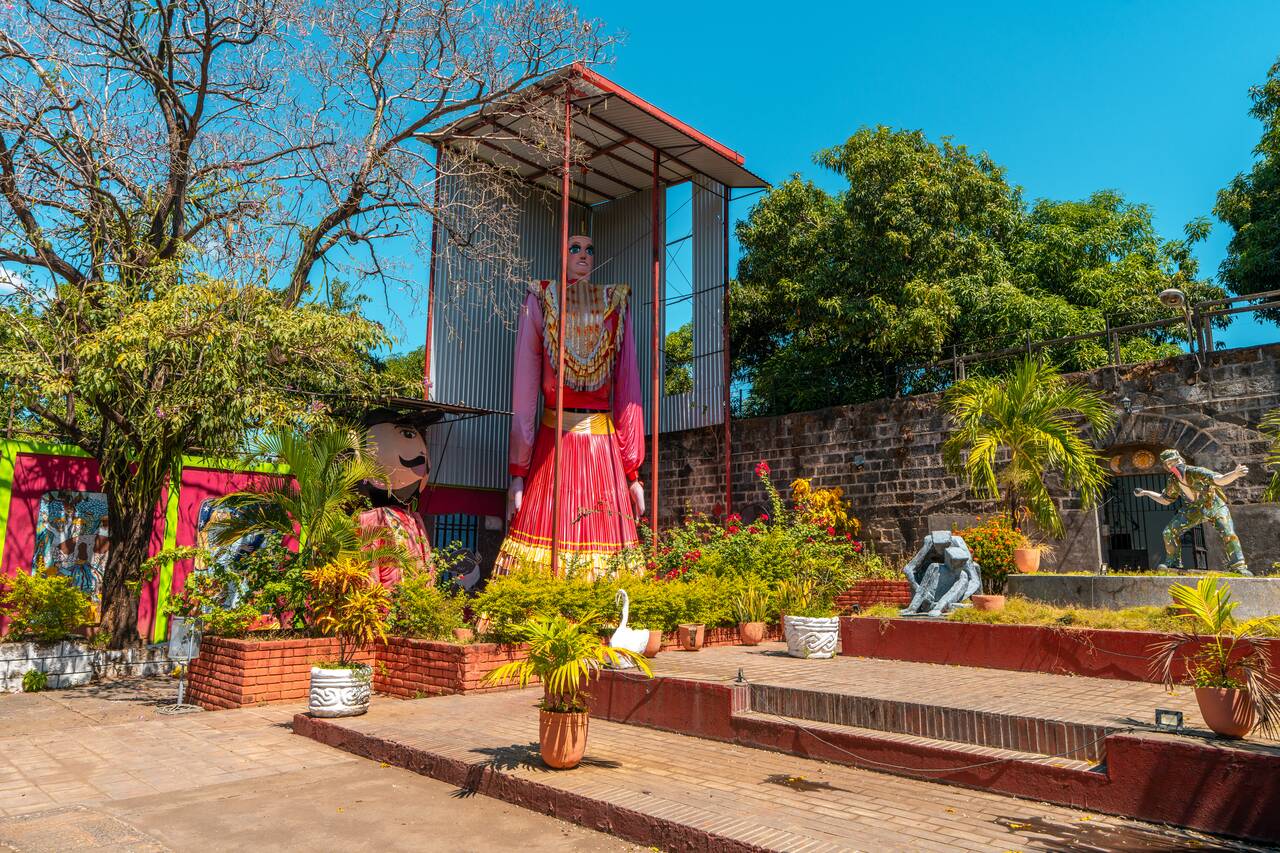
The museum is housed inside a former prison, and inside, you'll find colorful murals, handmade figures, and displays showcasing famous Nicaraguan legends, many of which have been passed down through generations. The exhibits tell stories of mythical creatures, ghosts, and traditional characters that are deeply rooted in local culture.
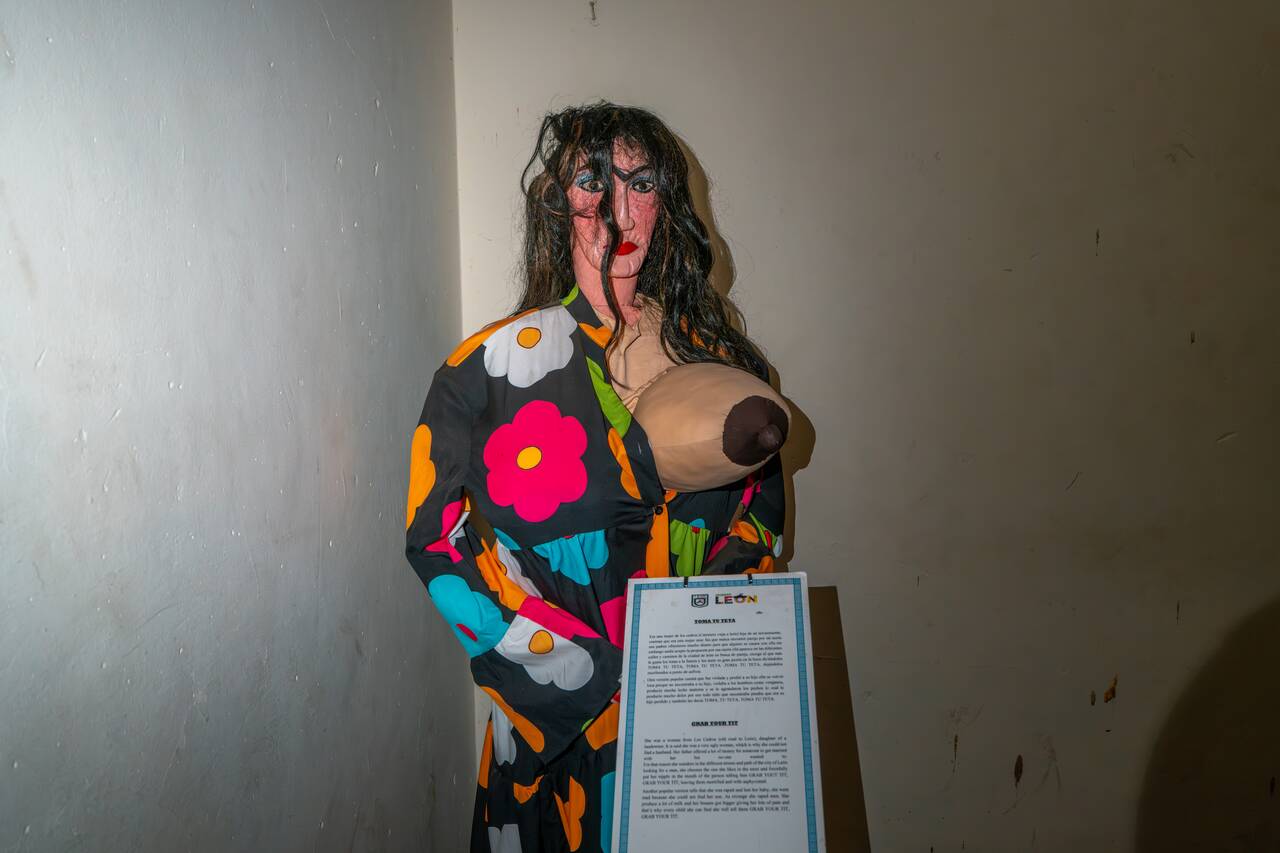
Imagine walking through dark prison cells while surrounded by these eerie statues and mysterious figures. Each display is accompanied by stories written in both Spanish and English, and some of them are quite graphic and definitely intended for adults, as you can see in the photos above 😅.
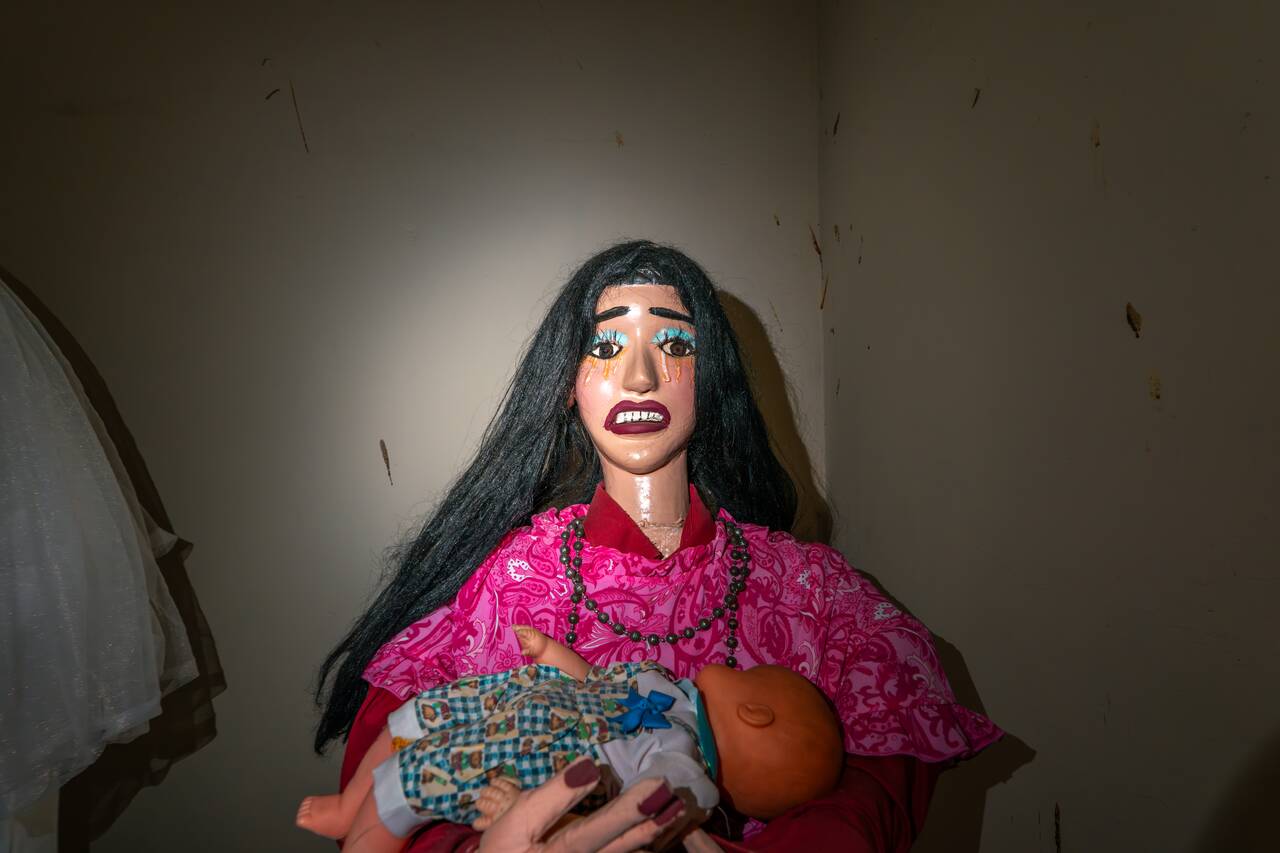
Even though I didn't know much about Nicaraguan folklore beforehand, I found the stories fascinating to read, and I had a great time exploring this museum. Seeing some legends that reminded me of Thai folklore was also a really cool way to connect the two completely different cultures together.
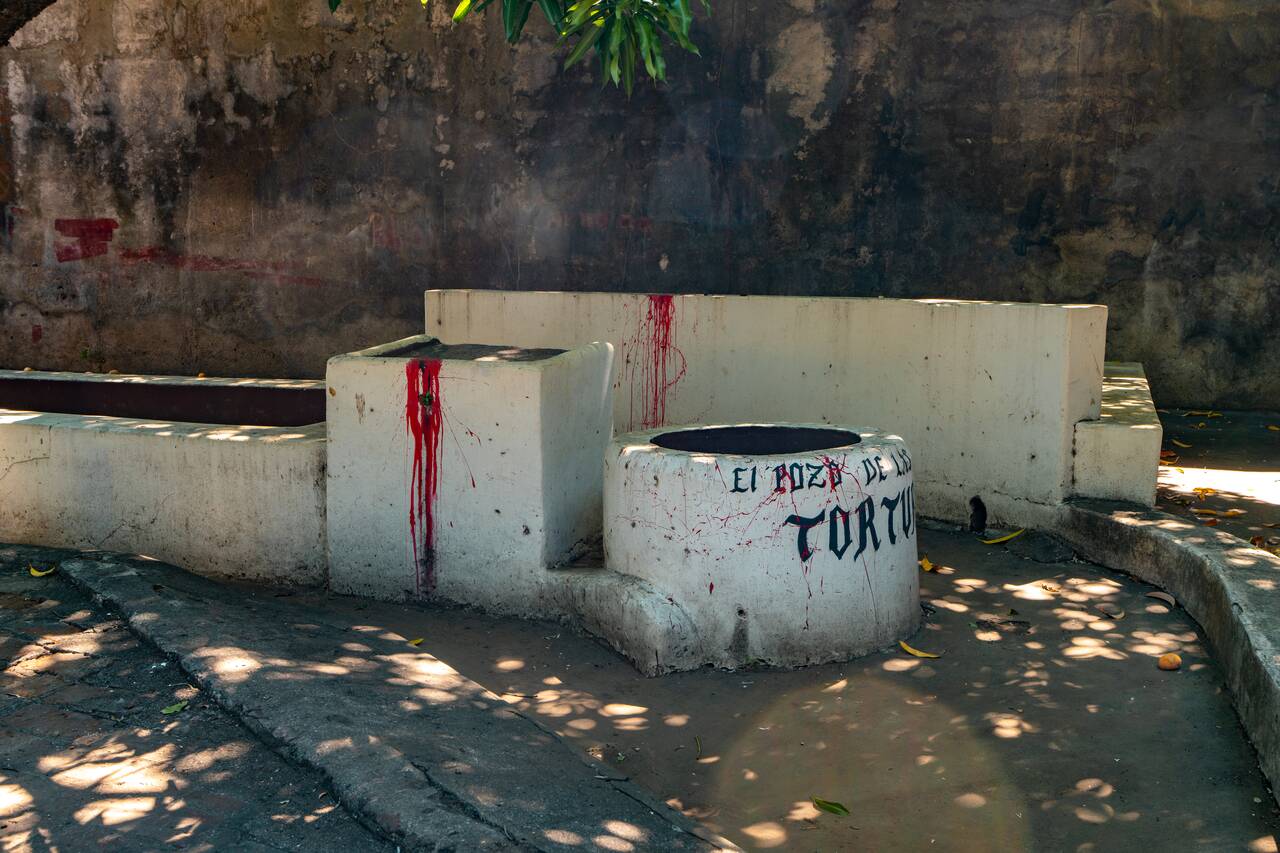
The museum is quite small and only takes around 30–45 minutes to explore. It is not the most polished museum in León, but it is definitely unique. It offers a fascinating glimpse into the traditions and beliefs that have shaped Nicaraguan culture.
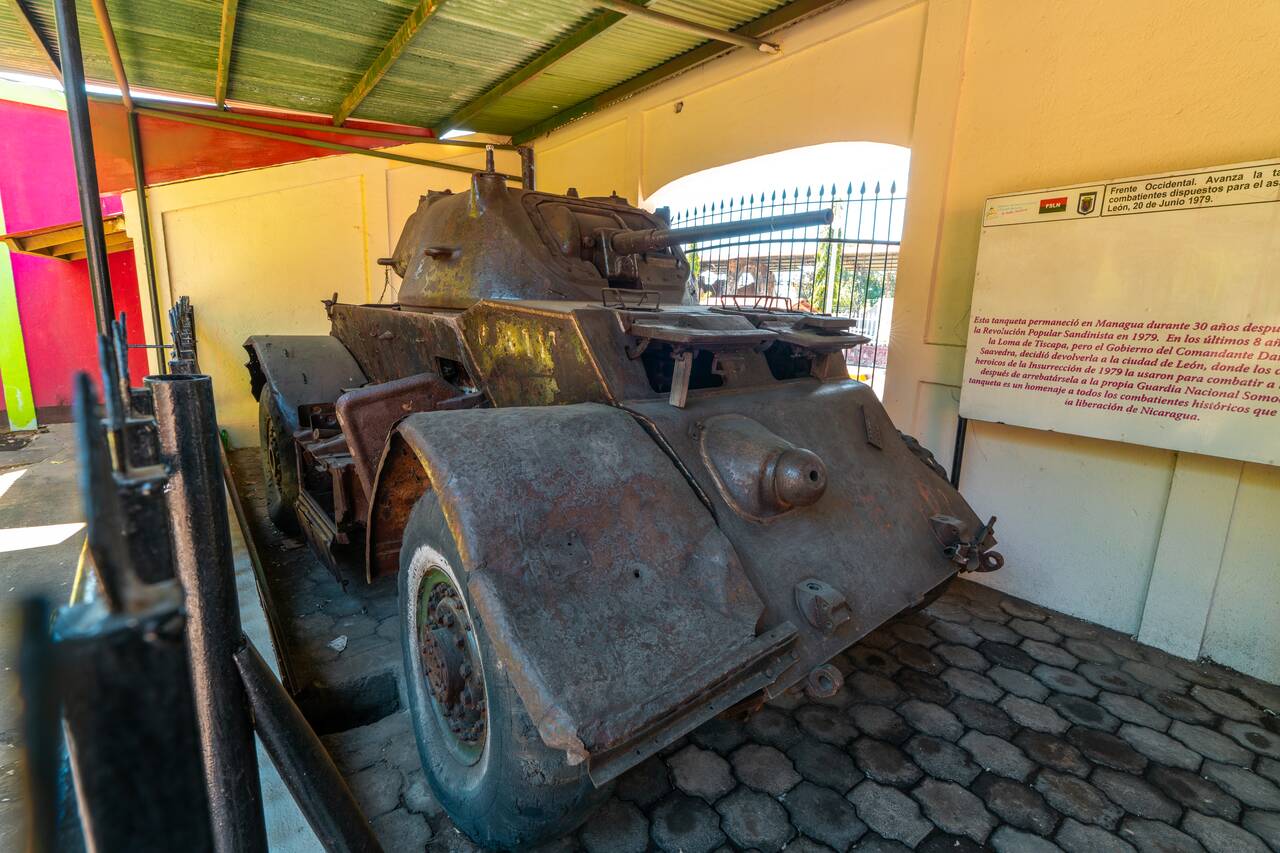
If you're looking for something different beyond the churches and colonial architecture, this is a worthwhile stop. The museum is open from 9 AM to 4 PM from Tuesday to Saturday and is closed on Sundays and Mondays. The entrance fee is 50 NIO (1.36 USD) per person.
8. Check Out the Murals at Cancha 23 de Julio
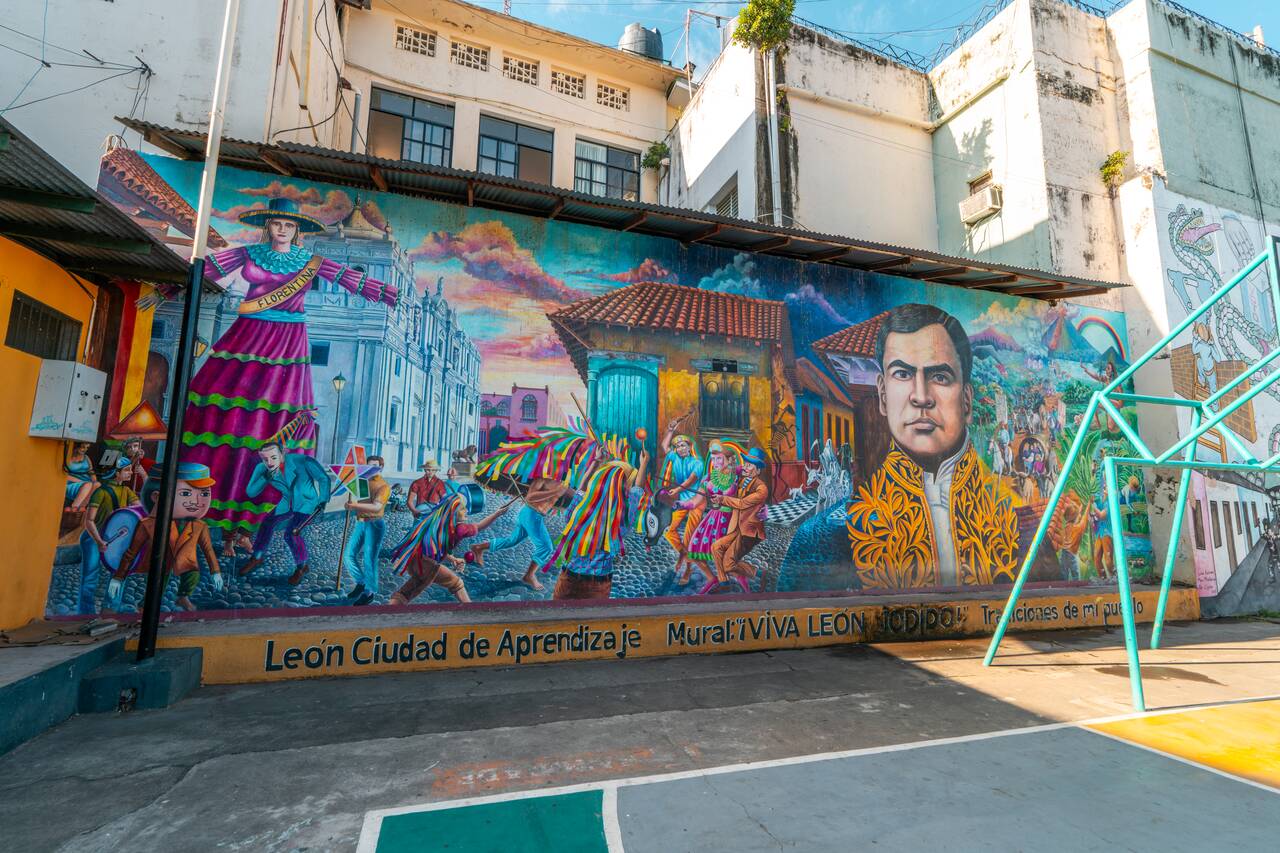
- 📍 Location: Cancha 23 de Julio [Map Link]
While exploring Parque Central, be sure to drop by and check out the political murals at Cancha 23 de Julio. Located right around the corner from the park, this small sports court is surrounded by powerful murals that tell stories of Nicaragua's history, culture, and revolutionary past.
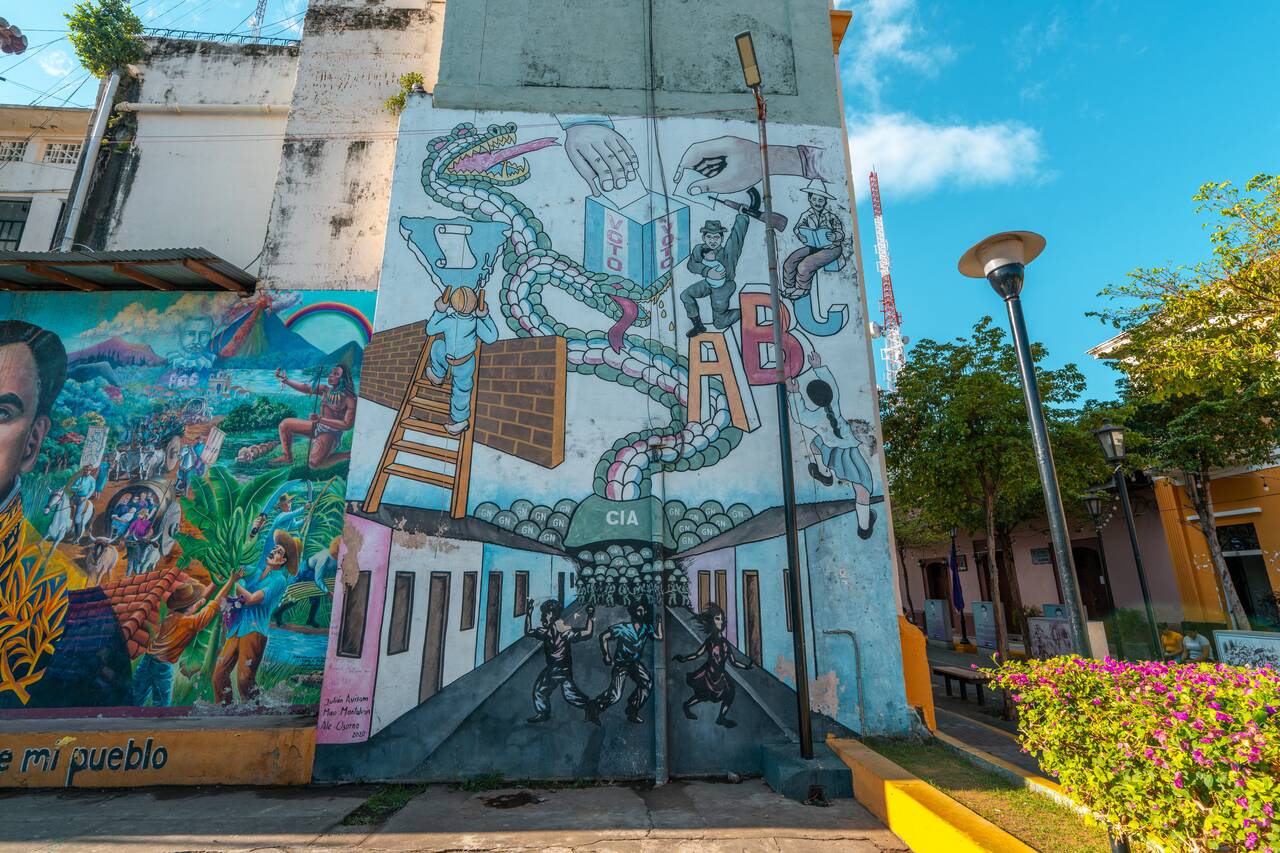
If you didn't know, León is famous for its involvement in revolutions and protests because of its deep connection to the country's political struggles, especially the Sandinista Revolution of the late 20th century. The city was one of the main centers of resistance against the dictatorship of Anastasio Somoza Debayle and played a major role in the events that eventually led to the fall of the Somoza regime in 1979.
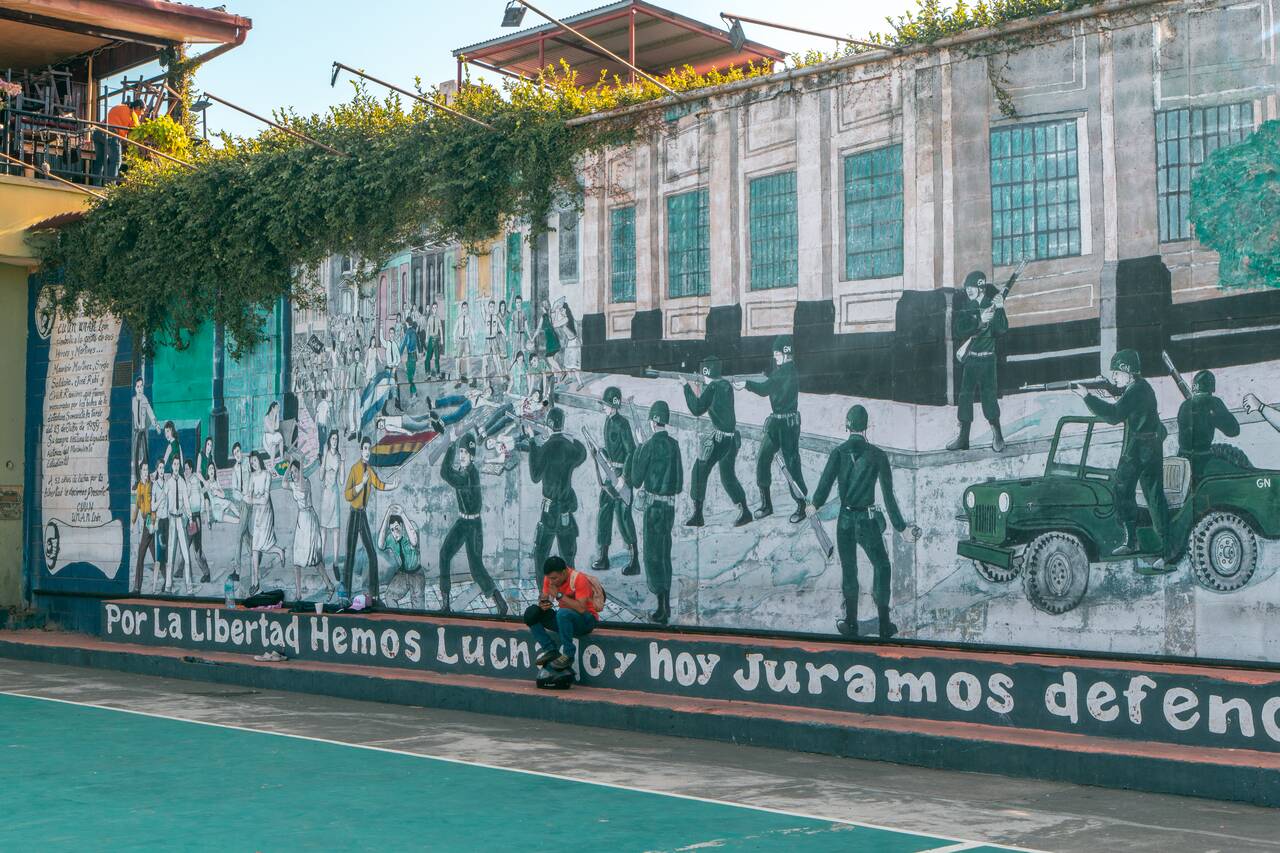
The murals here are not just beautiful pieces of street art; they are also a window into Nicaragua's complicated history. Many of the murals here were created during and after the Sandinista Revolution, portraying themes of resistance, identity, and the struggles of the Nicaraguan people. At Cancha 23 de Julio, the artwork commemorates important moments from the country's past, so if you're interested in learning more about León's revolutionary history, be sure to add this stop to your itinerary.
9. Drop by Museo de la Revolución
- 📍 Location: Museo de la Revolución [Map Link]
- 🕐 Opening Hours: 9 AM - 5 PM
- 💰 Entry Fees: 100 NIO (~3 USD)
- ⚡ Pete's Take: "You can skip if you are short on time. Not very well maintained."
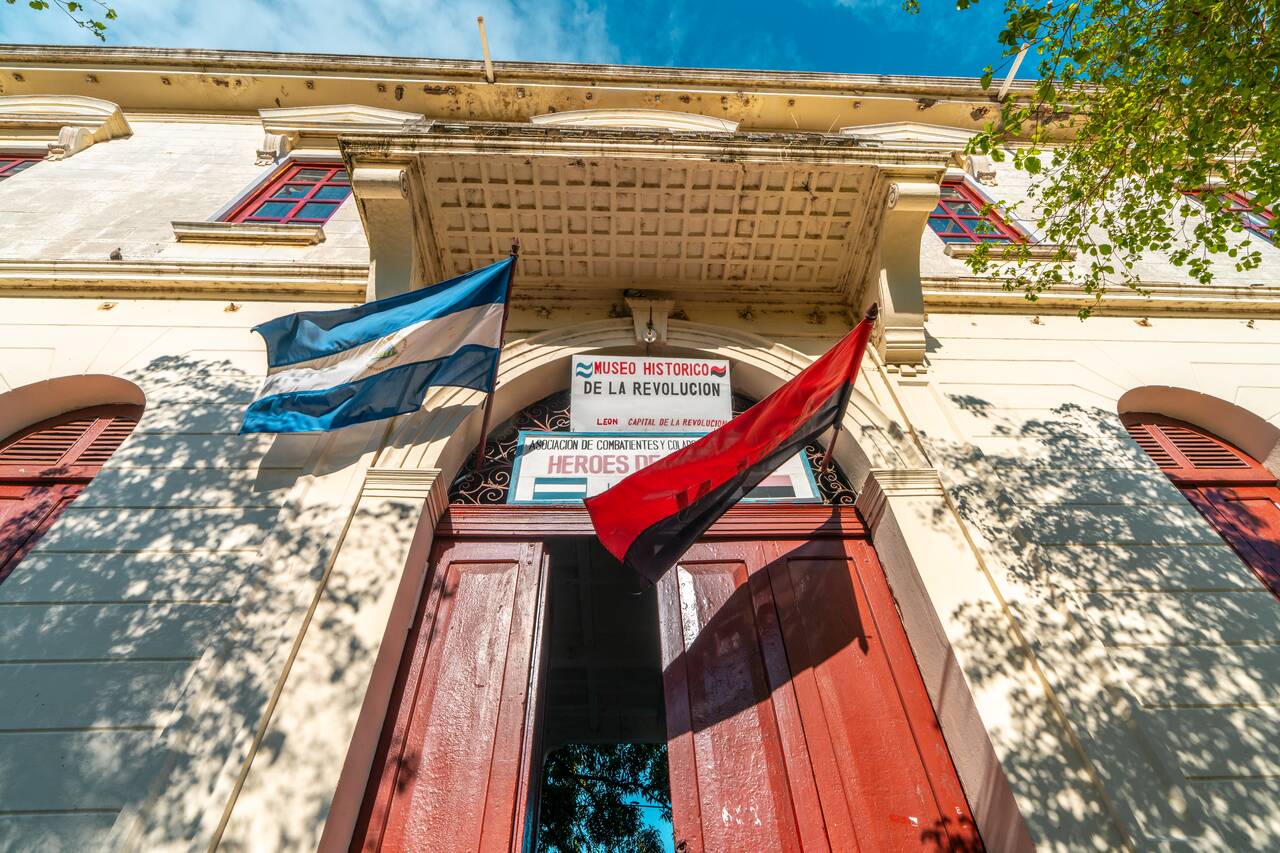
To dive deeper into León's revolutionary past, you may want to drop by and check out Museo de la Revolución, a historical museum dedicated to preserving the history of struggle and revolution the city has endured. This small museum is run by former Sandinista revolutionaries who personally experienced many of the events you will learn about inside.
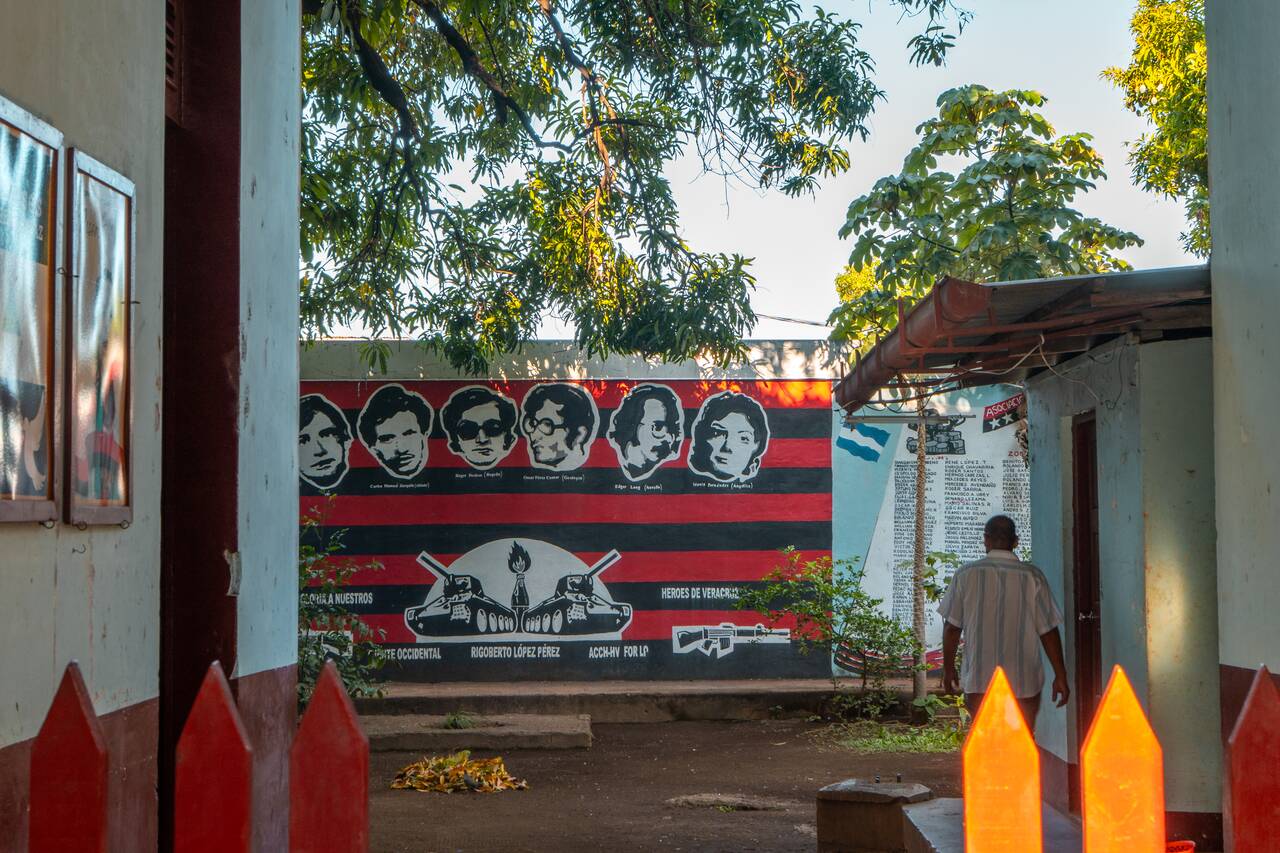
The museum itself is a little rundown and simple, with old photographs, newspaper clippings, personal belongings, and historical documents displayed throughout the building. Don't expect a polished, modern museum here. To be honest, the place could use some sprucing up.
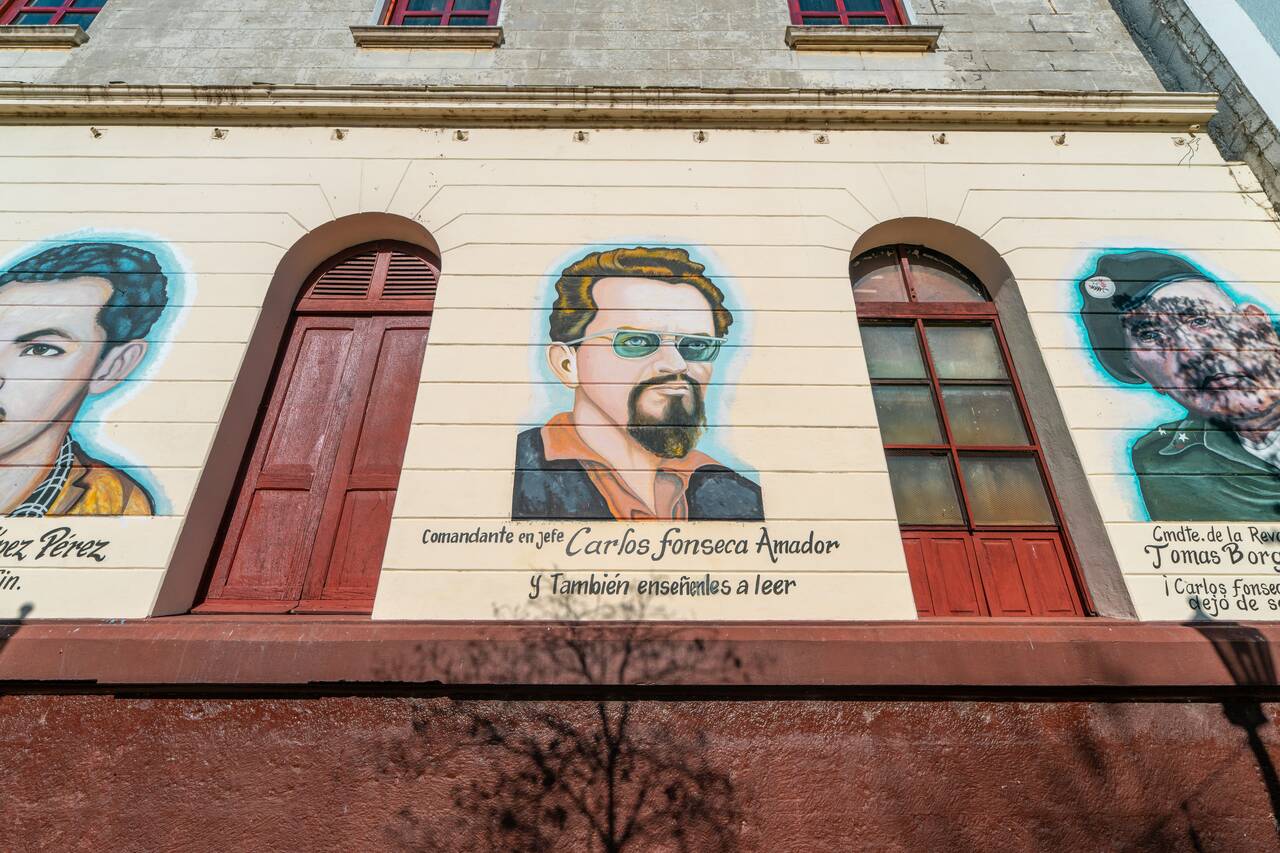
To enter, you will need to join a guided tour, which is offered in both Spanish and English. The tour costs 100 NIO (3.5 USD) and lasts around one hour. Your guide will walk you through Nicaragua's political struggles, from the Somoza dictatorship to the Sandinista Revolution and the eventual fall of the regime in 1979. The museum is open from 9 AM to 5 PM every day except Sundays.
10. Explore Mercado Central de León
- 📍 Location: Mercado Central de León [Map Link]
- 🕐 Opening Hours: 6 AM - 6 PM
- 🏄 Tour: Tlakualli Food Tour
- ⚡ Pete's Take: "Go with a guided tour if you want to try some exotic fruits and street foods here. It's way easier than to find out what to orderder yourself."
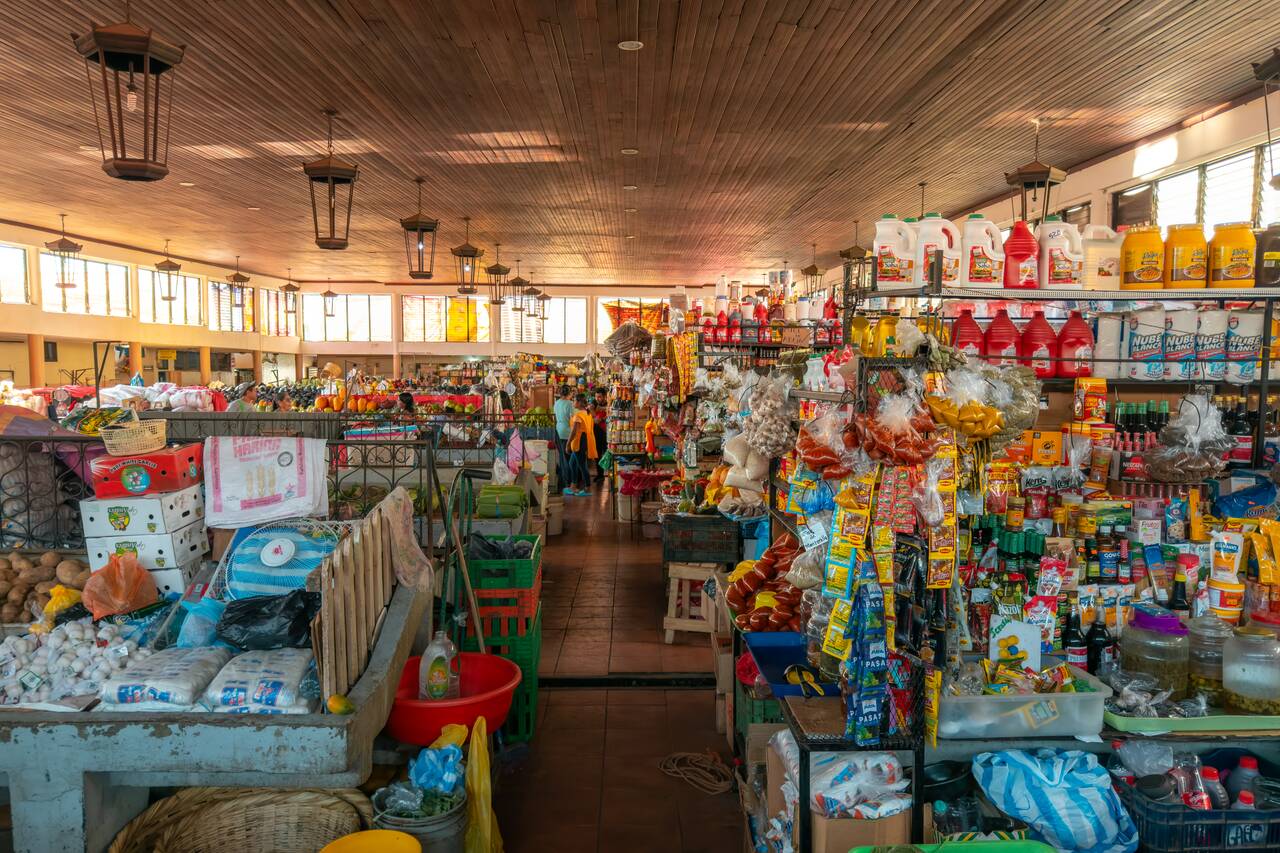
For a more authentic glimpse into daily life in León, head to Mercado Central de León, the city's main local market where you can experience a completely different side of León beyond its beautiful colonial streets and historic landmarks.
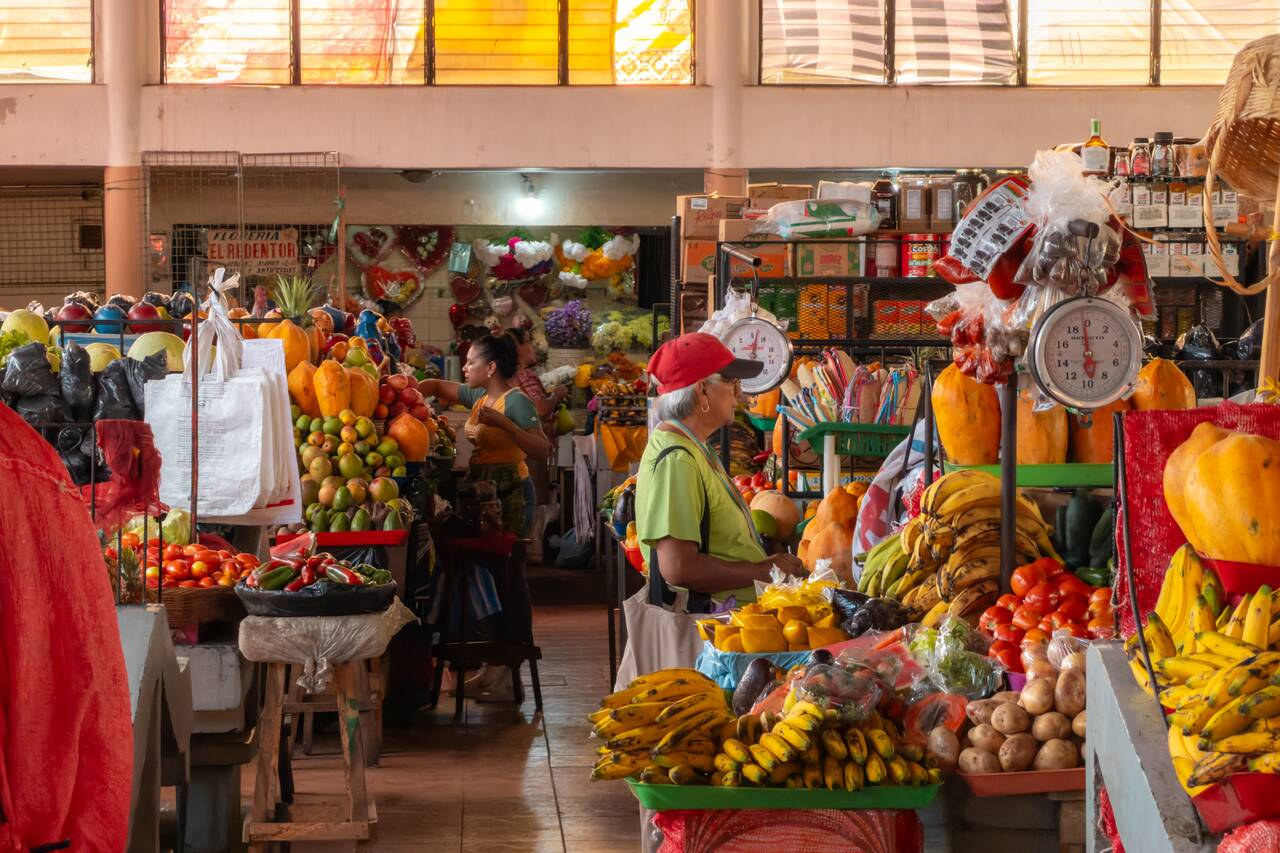
The market is a lively maze of narrow aisles filled with vendors selling everything from fresh fruits, vegetables, meat, spices, and household goods to clothing and local snacks. It can feel chaotic at first, with vendors calling out to customers, people weaving through the crowded walkways, and the constant movement of locals going about their daily routines, but that's exactly what makes it interesting.
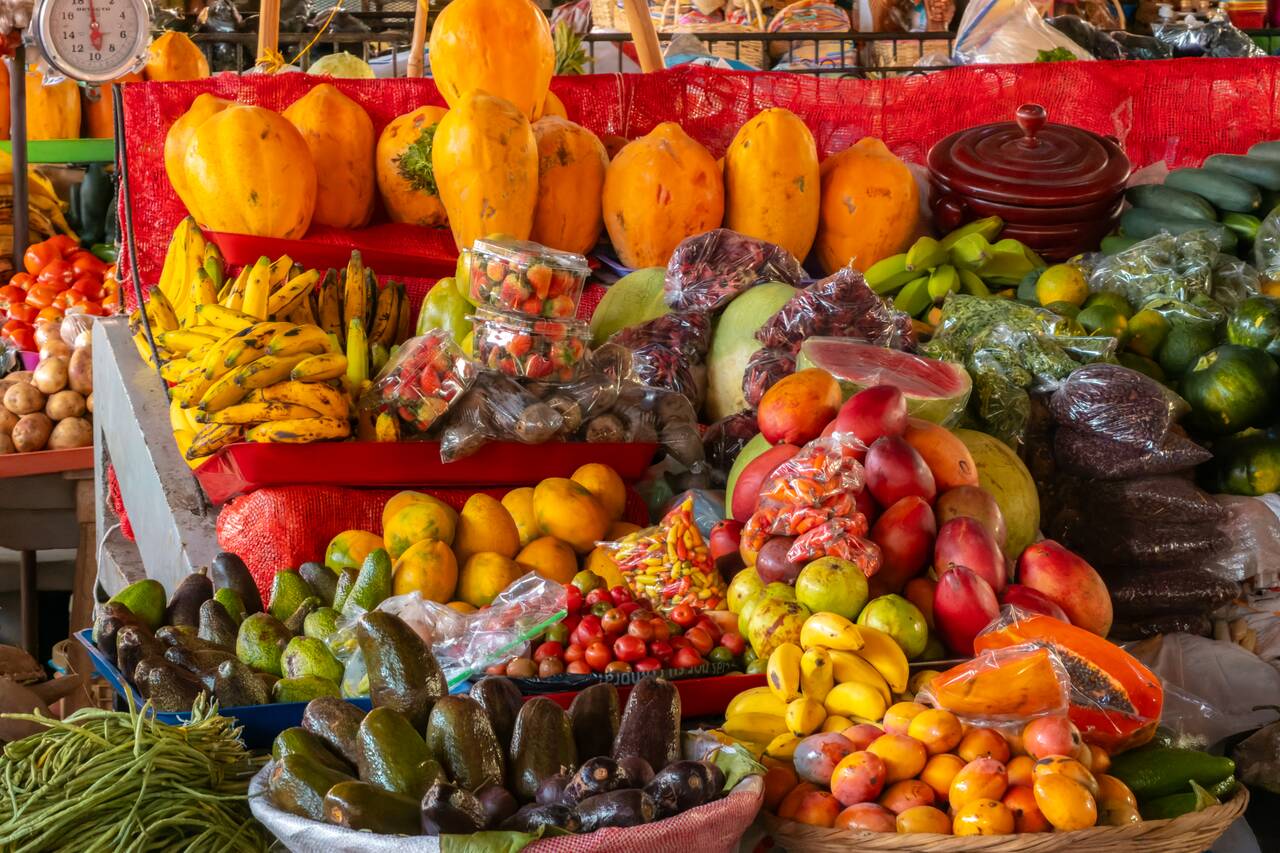
You can also join this food tour, which includes a visit to the market where you'll get to sample some of León's exotic fruits and local foods. Having a guide will also help you better understand the rhythm of daily life here, learn about the ingredients, and discover the stories behind the food that locals enjoy.
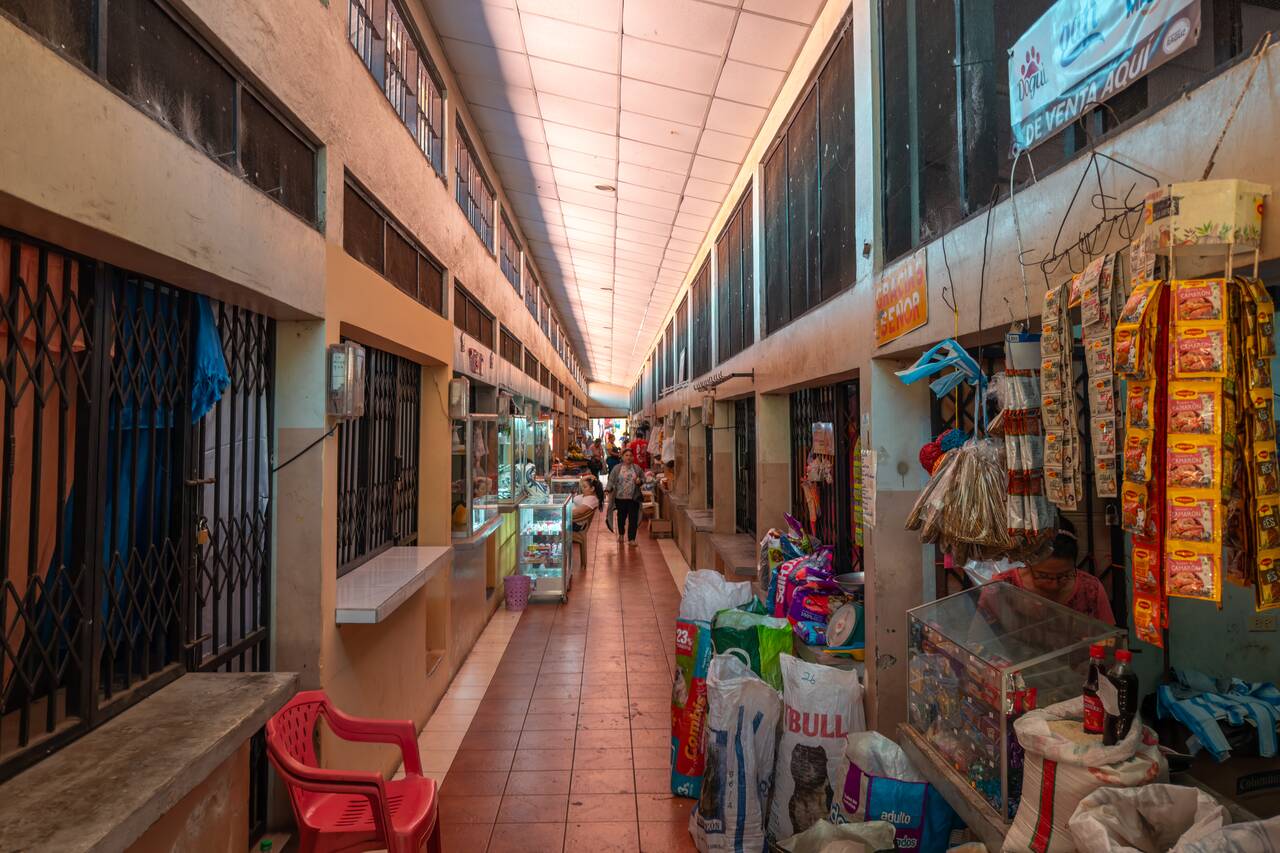
The market is open from 6 AM to 6 PM daily, with the liveliest atmosphere usually found in the morning when locals come to shop for fresh produce and ingredients. While I felt safe exploring the market, it is still a crowded place, so keep an eye on your belongings and avoid carrying valuables unnecessarily.
What to Eat & Drink in Leon?
1. Eat at Coco Calala
- 📍 Location: Coco Calala [Map Link]
- 🕐 Opening Hours: 8 AM - 9 PM
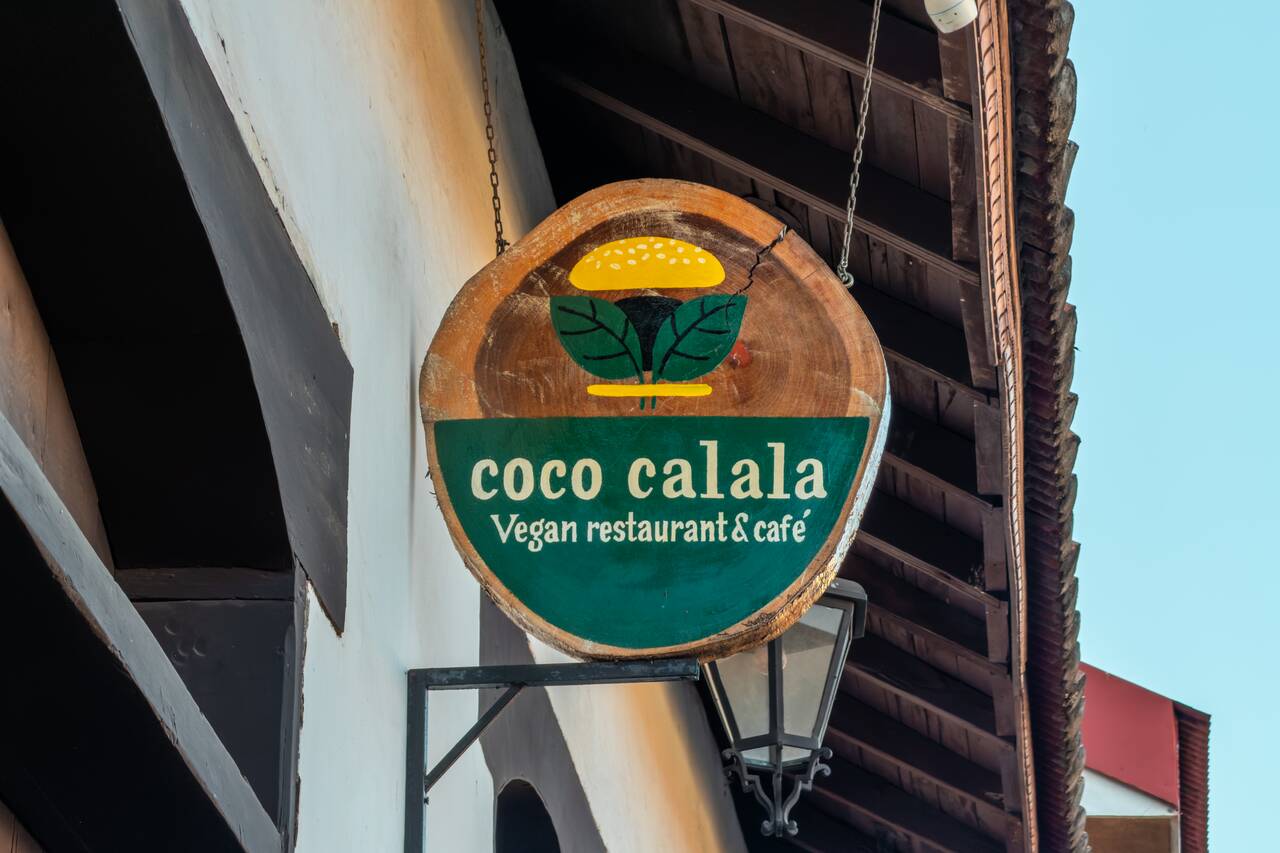
If you are looking for a nice restaurant to eat in Leon, I highly recommend Coco Calala, a vegan restaurant located inside this beautiful colonial building with a pool-equipped garden courtyard tucked away inside.
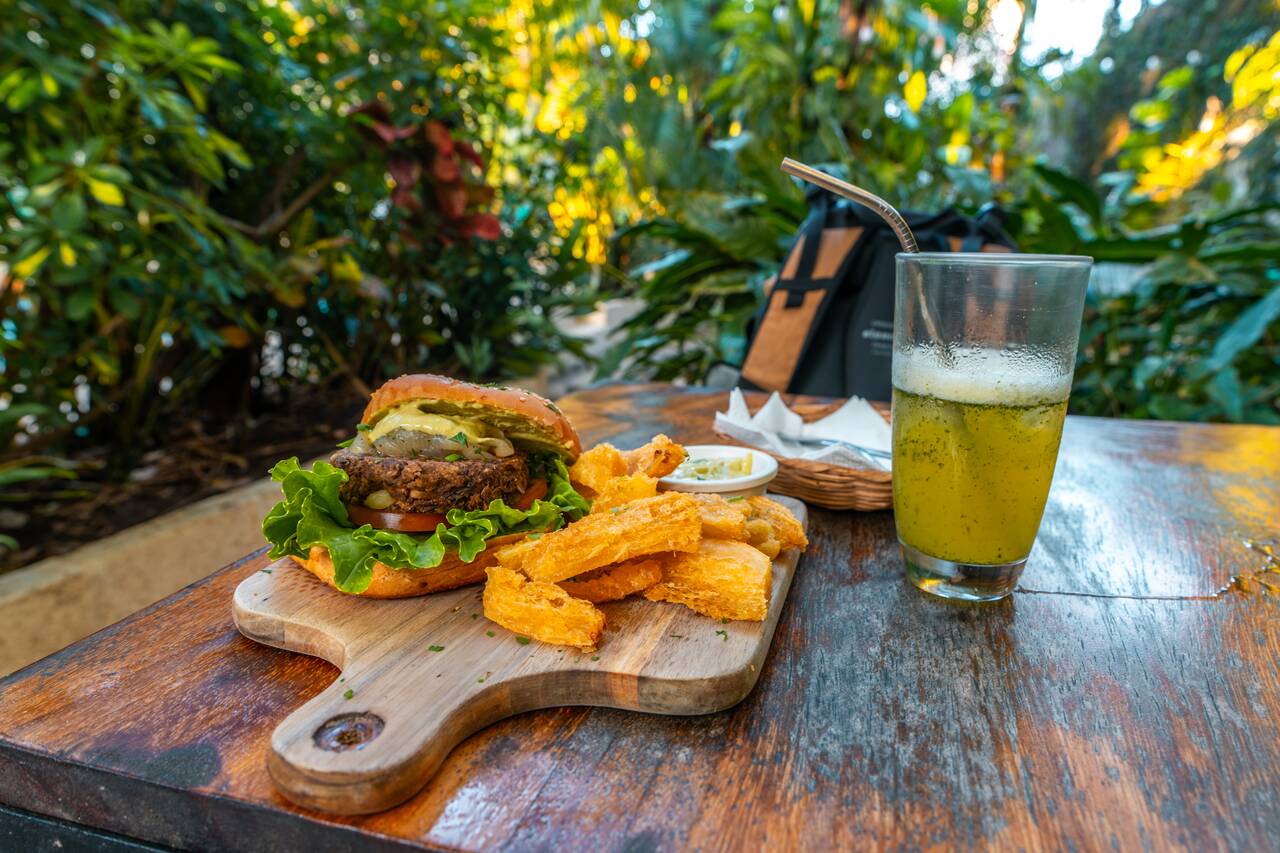
The restaurant's menu focuses on fresh, healthy, and creative vegetarian dishes, with plenty of vegan options available. Everything is made fresh with local ingredients. Even if you're not a vegetarian like me, the food here is still incredibly satisfying and a nice change from the typical Nicaraguan meals you will find elsewhere.
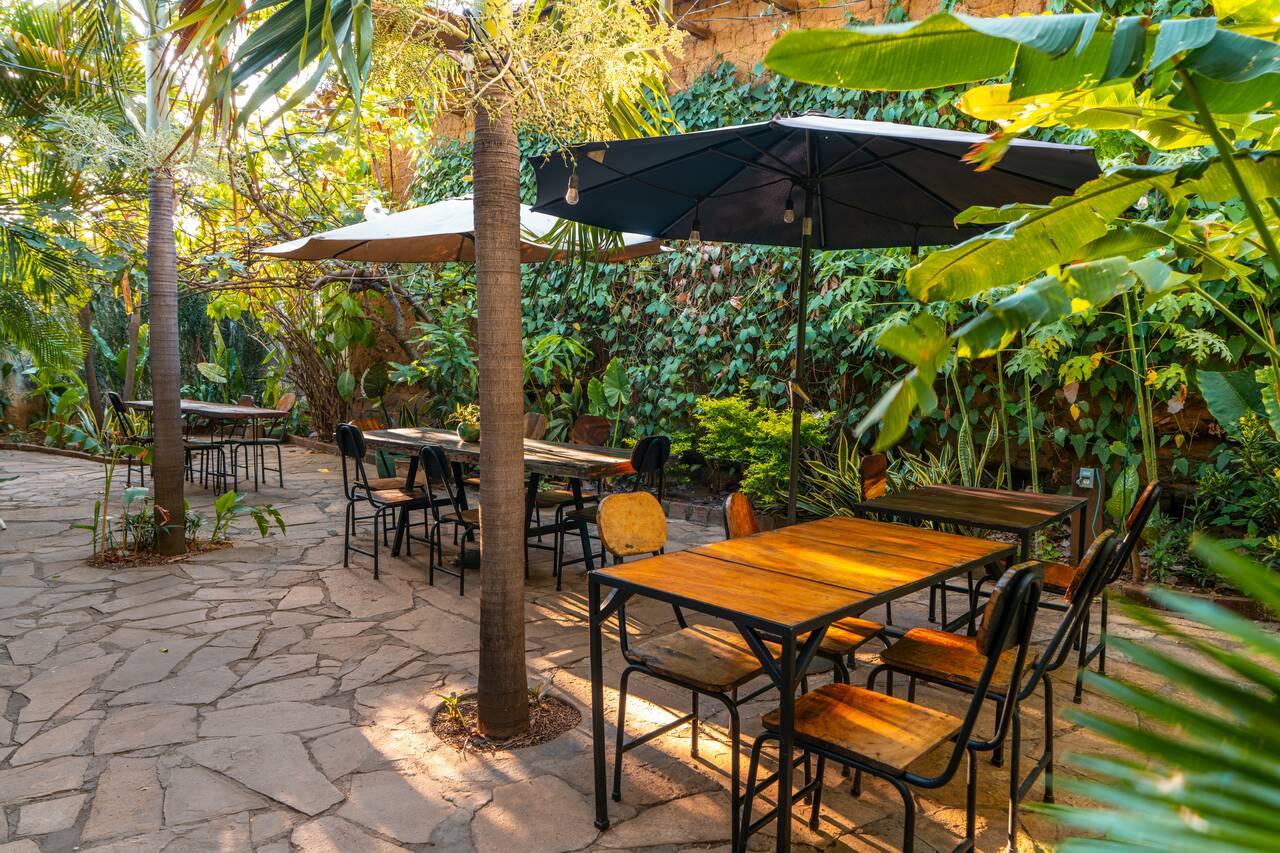
Sitting in the garden courtyard surrounded by plants, colorful walls, and other locals, it feels more like dining at a friend's home than eating at a restaurant. If you're not sure where to eat in León, be sure to come and check out Coco Calala. The restaurant is open from 8 AM to 9 PM from Monday to Saturday and from 8 AM to 4:30 PM on Sundays.
2. Enjoy Coffee at Pan y Paz
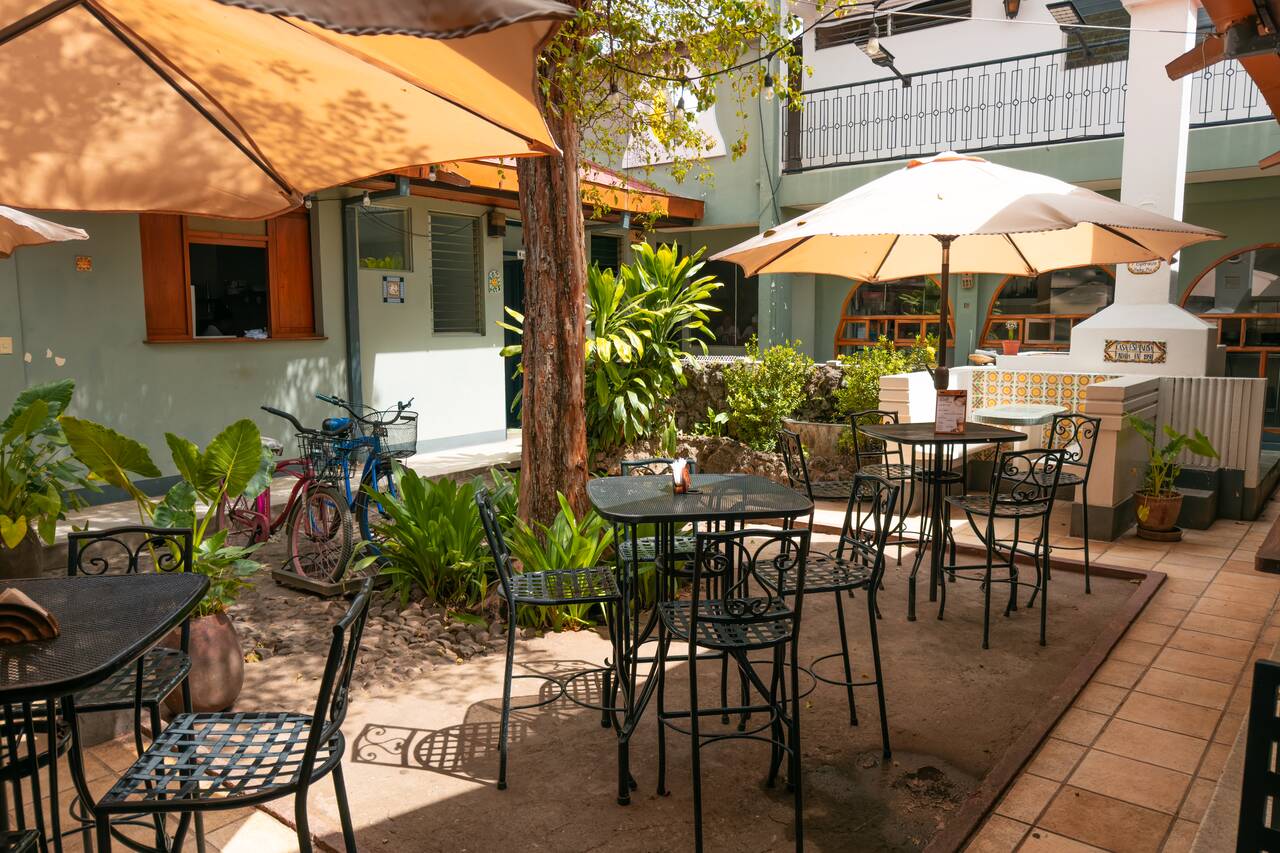
- 📍 Location: Pan y Paz [Map Link]
- 🕐 Opening Hours: 7 AM - 8 PM
- 💰 Price Range: Expensive
Pan y Paz is a slice of European-style bakery in Leon that I often frequented for breakfast and coffee breaks. It is located inside an old colonial building with an open-air courtyard where you can sit and enjoy a croissant and a cup of delicious coffee while taking a break from exploring the city.
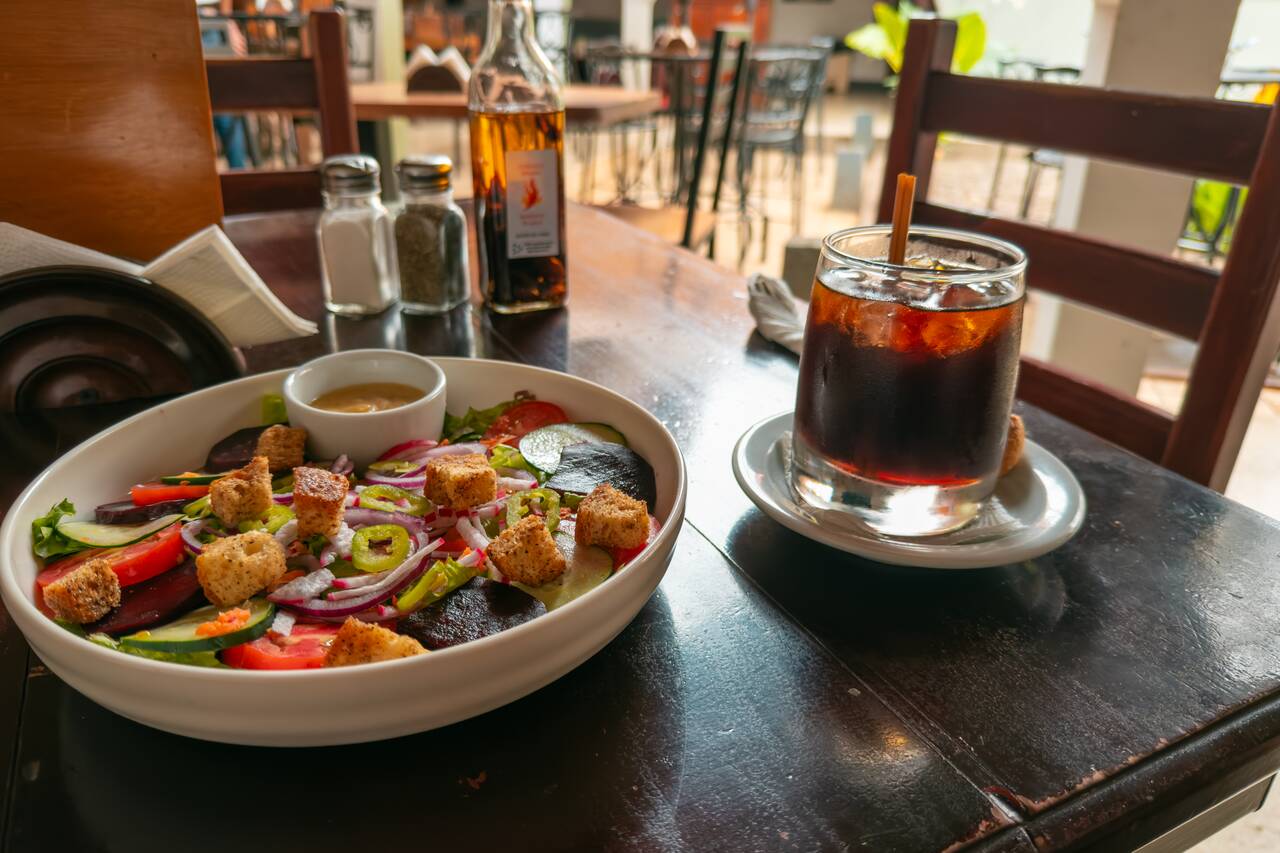
The café is best known for its freshly baked French-style bread and pastries, which are a refreshing change from the typical Nicaraguan breakfast options. Their menu also includes sandwiches, breakfast plates, and great coffee, so if you're craving some European-style baked goods, be sure to come and check out Pan y Paz. The café is open from 7 AM to 8 PM every day except Sundays, and the price range leans more on the expensive side.
When to Visit Leon?
The best time to visit León is during the dry season, from November to April, when you can expect plenty of sunshine, lower humidity, and great conditions for walking around the city or tackling outdoor adventures like volcano boarding at Cerro Negro.
I visited León in March, and the weather was hot and dry throughout my stay. The afternoons could get pretty intense, with temperatures often climbing above 35°C (95°F), so I found it best to explore the city in the morning and evening, saving the hottest part of the day for cafés, museums, or a siesta.
The rainy season, from May to October, brings greener landscapes and fewer tourists, but heavy afternoon showers can occasionally disrupt your time outdoors. That said, the rain rarely lasts all day, and mornings are often sunny, so don't worry if your trip falls during the rainy season.
How to Get to Leon?
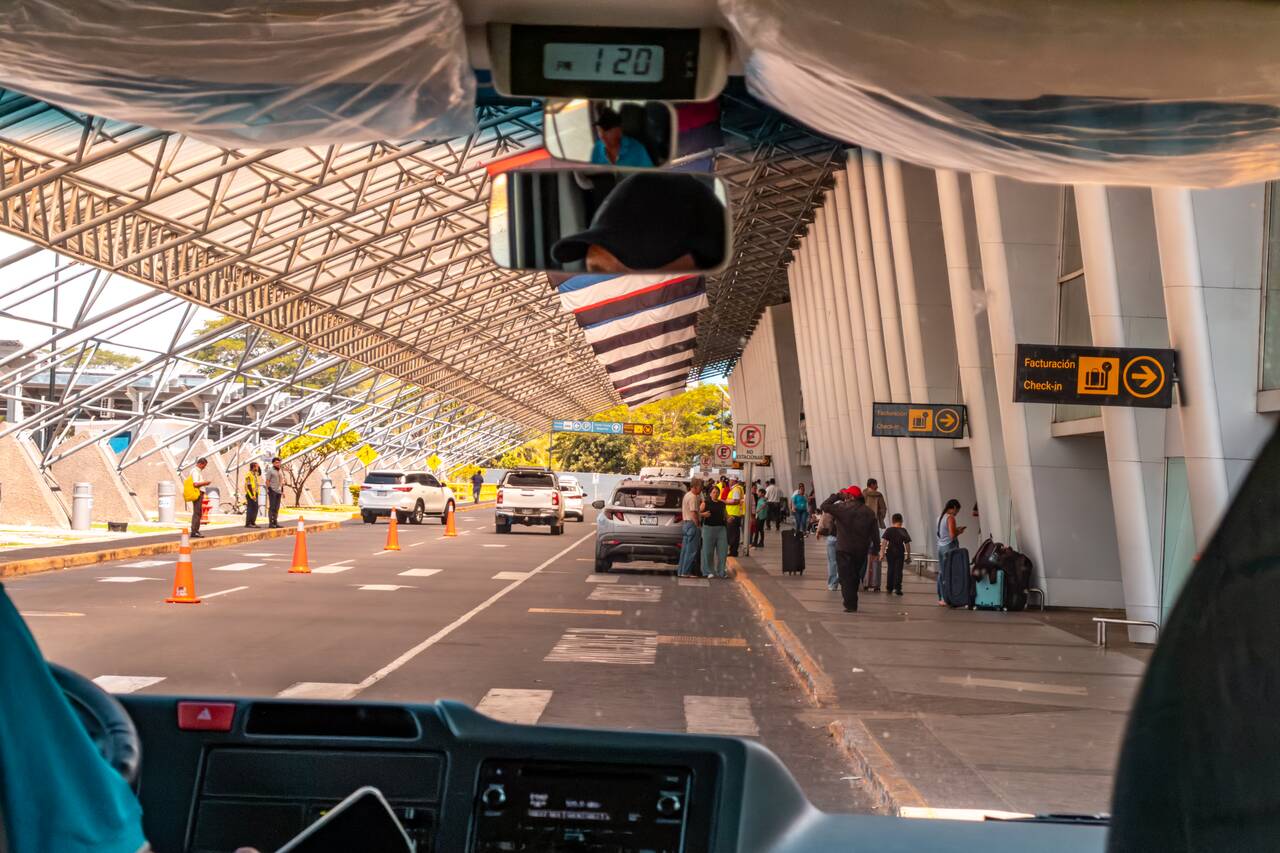
From Managua: The easiest option is to take a shared shuttle, which takes around 2 hours and costs approximately 20 USD. If you're on a tight budget, you might consider taking public buses, which cost around 3 USD, depart from the UCA Terminal in Managua and take around 2 hours. That said, I wouldn't recommend the latter as they usually do not have space for luggage.
From Granada: You can travel by shared shuttle, which takes around 5 hours and costs about 25 USD. I went with Gekko Trail Explorer shuttle service and they were great. I recommend them!
From San Jorge (Ometepe Ferry Terminal): If you're coming from Ometepe, take the ferry back to San Jorge Port before continuing to León. The easiest option is to book a shared shuttle, which takes around 5.5–6 hours and costs about 35 USD, excluding the ferry fare.
From El Tunco, El Salvador: Several companies operate direct tourist shuttles between El Tunco and León. The journey takes around 8–10 hours, including border crossings, so it's going to be a full day for you. I took this one in reverse via Gekko Trail Explorer Shuttle Service and it includes crossing the border via speed boat. Very scenic but the immigration on the Nicaraguan side can take some time. The transfer should cost 50 USD.
How to Get Around Leon?
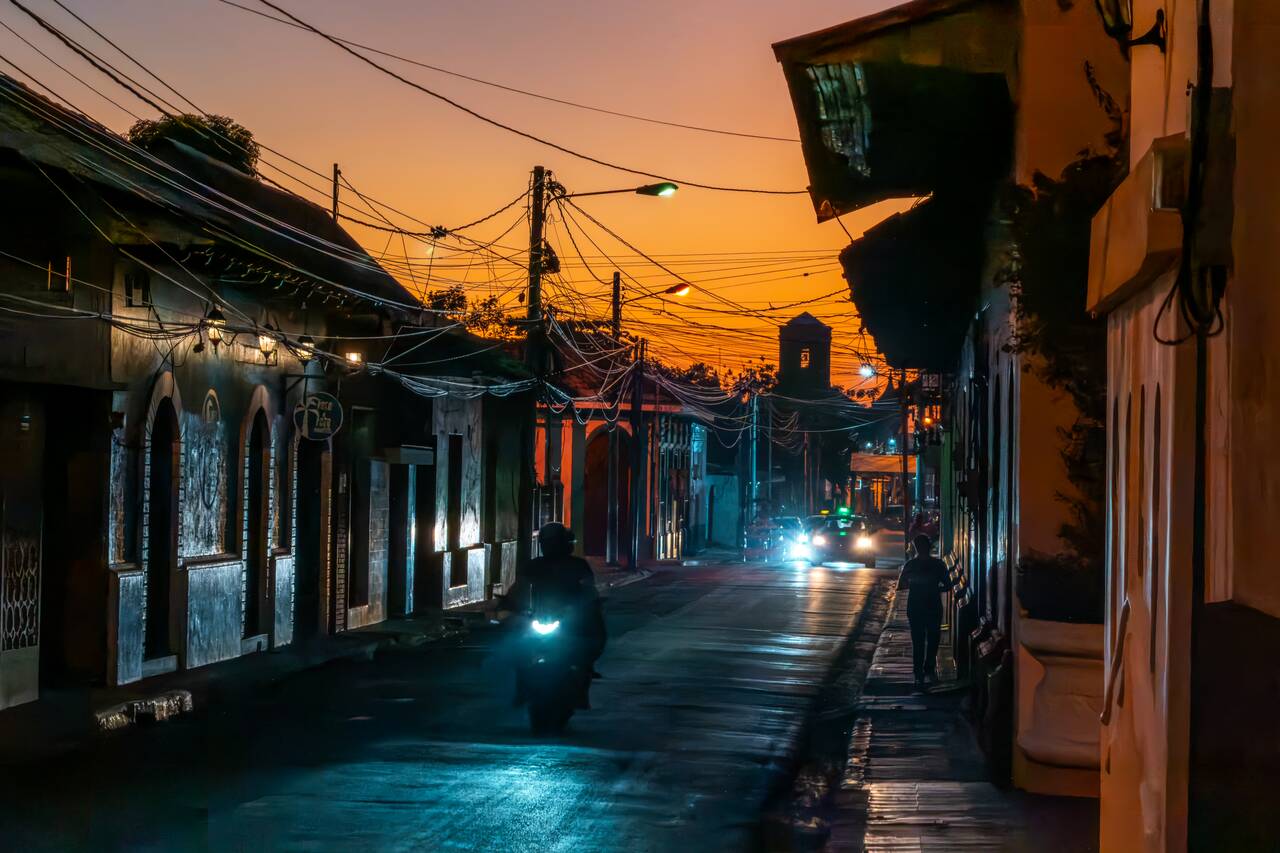
On Foot: If you're staying in or near the historic center, walking is by far the best way to explore León. The streets are flat, easy to navigate, and lined with colorful colonial buildings, cafés, museums, and churches, waiting for you to explore.
For Day Trips: If you're planning to visit places like Cerro Negro, joining a guided tour or arranging a shuttle is the easiest option. You can browse for available day trips here.
How Many Days to Spend in Leon?
I recommend spending at least 3 days in León to fully experience both the city and its incredible surroundings. This gives you enough time to explore the historic center, visit its museums and churches, enjoy the local café scene, and still have time for a couple of unforgettable day trips.
Spend your first day wandering around León's colorful colonial streets, visiting landmarks like León Cathedral, Parque Central, and the city's fascinating museums. On your second day, head out for an adventure such as volcano boarding at Cerro Negro or hiking Telica Volcano. On your final day, slow things down with a trip to Las Peñitas Beach or the San Jacinto Mud Pools before continuing your journey.
If you're short on time, you can see the highlights of León in 2 days, but you'll have to choose between the city's cultural attractions and its outdoor adventures. If you have more time, staying for 4–5 days allows you to experience everything at a much more relaxed pace.
- Day 1: Explore León's historic center by visiting Parque Central, check out its awesome churches, exploring the colonial streets, and ending the day with dinner at a local restaurant.
- Day 2: Go volcano boarding at Cerro Negro in the morning, then spend the afternoon relaxing at a café or visiting one of León's museums.
Is it Safe in Leon?
Although Leon felt a little more crowded and hectic than other places I visited in Nicaragua, I found León to be a safe city to explore nonetheless. I spent several days walking around the historic center, both during the day and in the evening, and never felt unsafe. Like anywhere else, it's important to stay aware of your surroundings, but most won't encounter any issues if they use common sense.
Petty theft, such as pickpocketing or bag snatching, can happen in crowded areas, markets, and bus terminals, so keep your valuables secure and avoid displaying expensive electronics or jewelry unnecessarily.
If you're planning to go volcano boarding at Cerro Negro, always go with a reputable tour operator. Not only is it safer, but local guides also handle transportation, equipment, and park access, making the experience much smoother. I went with Volcano Day and they were great.
Disclaimer: This post may contain affiliate links. See our disclosure policy.
First Published:
Last updated:


