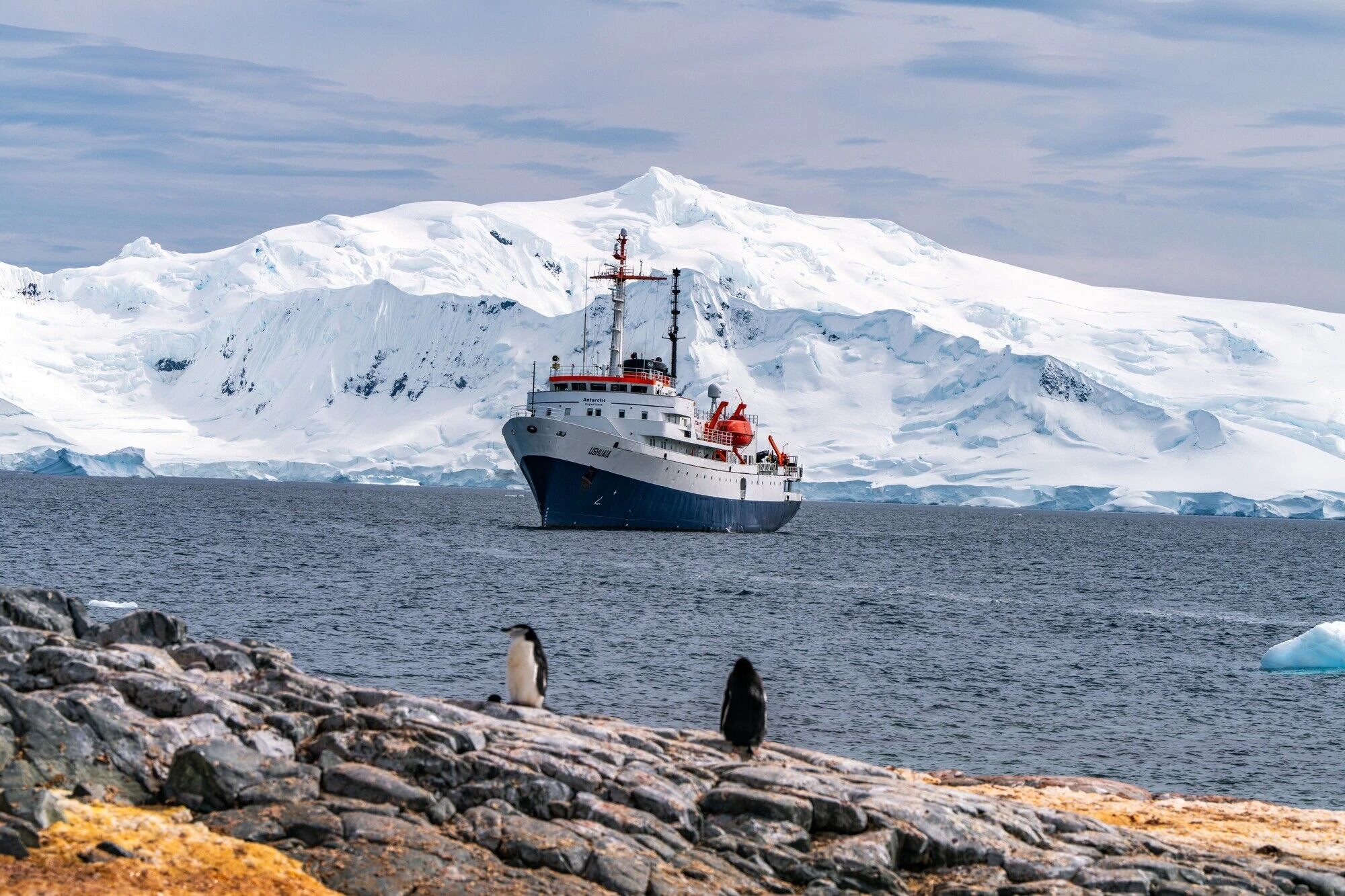



Ok, let's get this out of the way: visiting Antarctica is expensive. There is no way around it, as it involves spending 2 days on a cruise just to get there and another 2 days to get back. The cost of visiting Antarctica can easily exceed 5,400 USD per person, so don't expect this guide to help you bring the price down to match other trips you've taken.
What this guide will help you with, though, is finding the best and most affordable company to travel with without spending anywhere near what most influencers on TikTok and Instagram want you to spend (you know, those beautiful reels featuring kayaking around icebergs, camping on the continent, rooms with balconies, etc., all of which can cost over 15,000 USD per person!).
It has always been a dream of mine to visit Antarctica, and after more than a decade of traveling and thorough planning, I finally managed to do it in late 2025. This guide is a compiled collection of information I gathered for my trip, along with what I actually experienced in Antarctica and more, so you can get an idea of what to expect when it's finally your turn to visit. Let's get going, shall we?
Antarctica 10-Day Itinerary: What It Was Like Visiting Antarctica
Preparation & Picking an Itinerary
It had always been a dream of mine to visit Antarctica, although the price was far beyond my budget when I first visited Ushuaia back in 2016. After a decade of saving and planning, I finally decided to pursue that dream once again, and it all began with finding an expedition that fit both my needs and my budget.
The most important factor in deciding which expedition to go with was cost. After months of research, I eventually chose Antarpply Expeditions, which was one of the most affordable options I could find, with prices starting at around 5,600 USD for the 10-day Classic Antarctica itinerary.
The itinerary looked fantastic, with continental landings and Zodiac cruises included, but best of all, the expedition used an 80-passenger ship called Ushuaia. This meant the ship could legally land all passengers at once, ultimately giving me more time to actually explore Antarctica instead of waiting around in rotation groups.
- Antarpply's Classic Antarctica (10 days) 🏅 Top Pick
- Quark Expedition's Antarctica Explorer (11 days)
- GAdventure's Antarctica Classic (11 days)
I emailed them about five months before my planned departure, and although it sometimes took a while for them to reply, their emails were very informative, and the entire booking process was quite smooth.
I paid in installments, with the first payment being a 30% deposit via wire transfer. The booking was confirmed once the deposit was paid, and I then had around three months to complete all the required pre-voyage documents, such as insurance details, my flight information, and other information.
After that, I started planning my logistics, which required quite a bit of coordination since I am based in Bangkok, Thailand. To reach the port in Ushuaia, Argentina, I had to take multiple flights: from Thailand to the Middle East, then from the Middle East to Buenos Aires, and finally from Buenos Aires to Ushuaia.
There were a lot of moving parts, so I made sure to book everything in advance, including a few days in Ushuaia before the embarkation date to recover from jet lag and allow some buffer for delays or unexpected issues. You really do not want to miss the embarkation date, as the ship will not wait for you!
Right around 2 months before the trip, you will have to pay the rest of the installments, and that can be done via Wire Transfer as well. After the payment is completed, they sent me the travel voucher and all the embarkment information for the expedition including location, time, etc.
Day 0 - 1: Flying to Ushuaia & Boarding the Cruise in Ushuaia
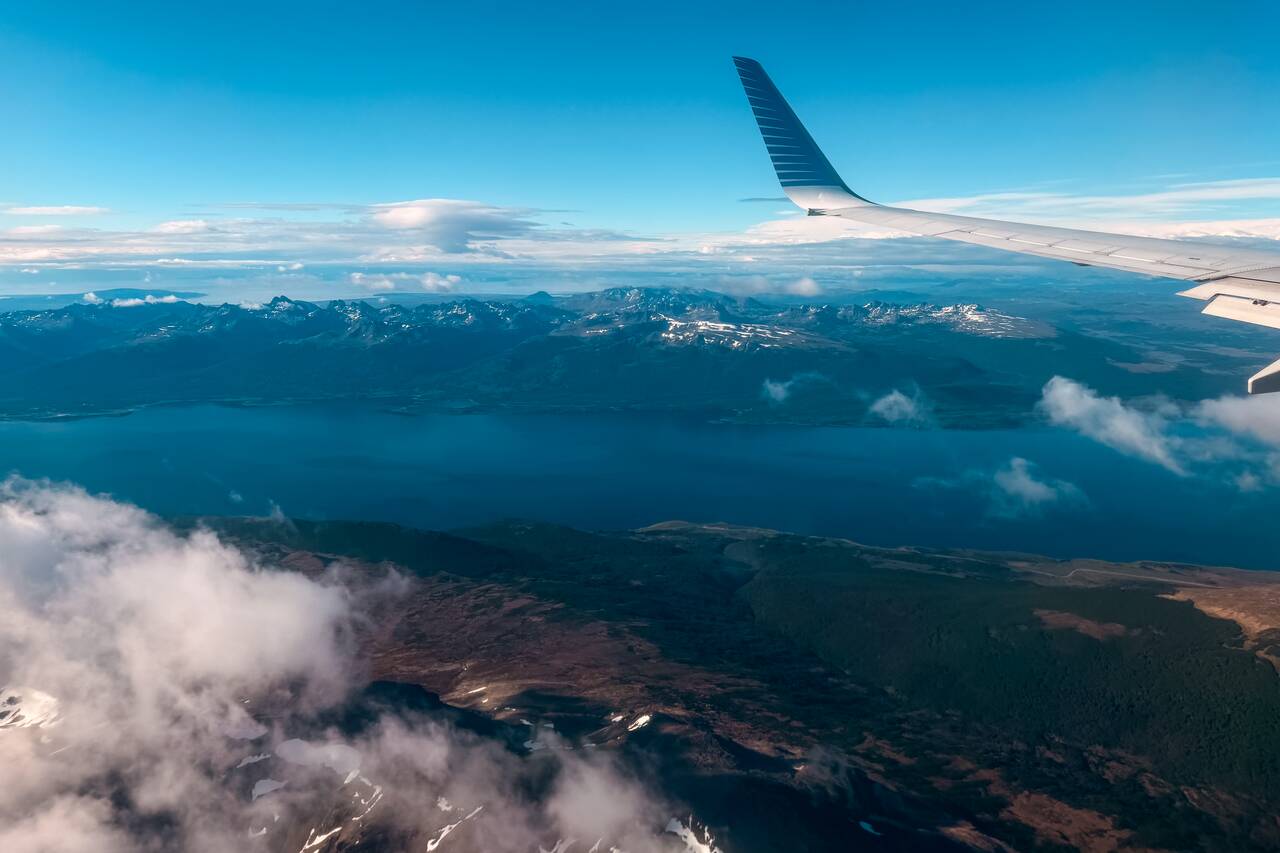
It took me almost 48 hours to get from Bangkok to Ushuaia. First, I flew about 10 hours from Bangkok to Istanbul. After a layover of around 4 hours in Istanbul, I then flew another 14 hours to São Paulo, Brazil, had a short transit, and continued on to Buenos Aires for about 4 more hours. Once in Buenos Aires, I had to wait around 7 hours until the morning before taking another 4-hour flight to Ushuaia.
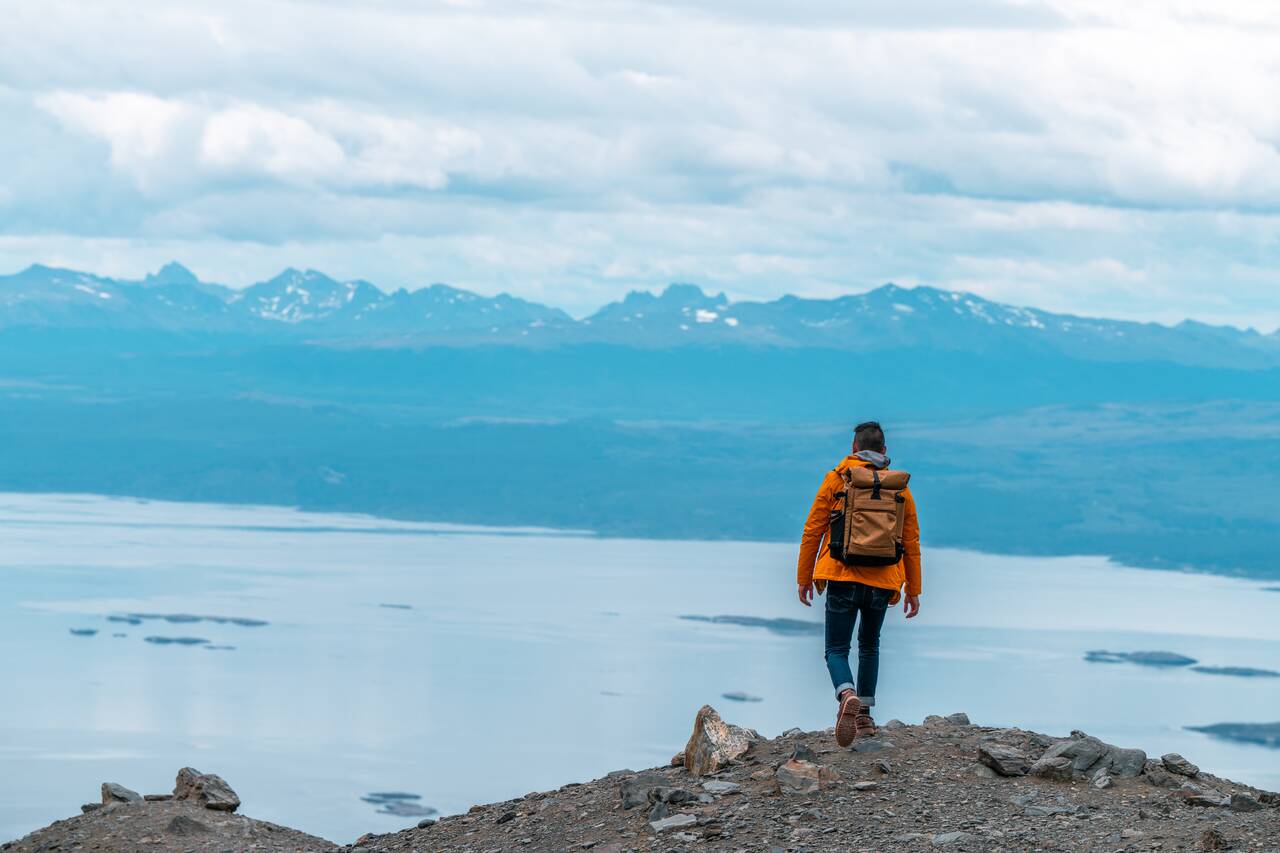
After that whole ordeal, I arrived in Ushuaia two days before my Antarctica trip and spent the first day sleeping and recovering from jet lag. The next day, I explored Ushuaia, went for a hike, and tried to get my energy levels back up before the expedition.
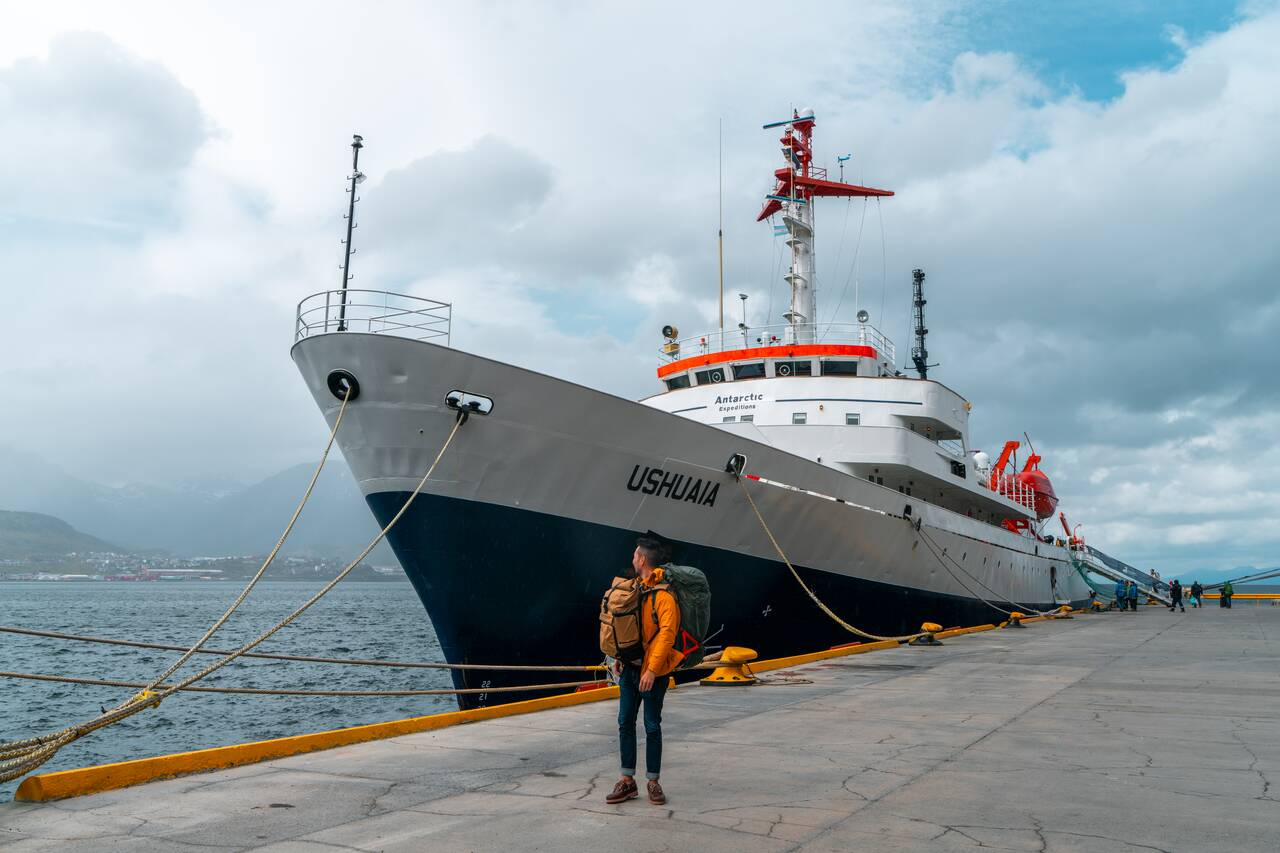
On the third day, we were instructed by Antarpply to be at this commercial pier, where all Antarctica ships depart from, at around 3:30 PM. We had to show our travel voucher with our passport before we were able to get into the pier. Embarkation was scheduled to begin around 4 PM, although in reality it started closer to 5 PM. We boarded the ship by around 5:30 PM, received the safety briefing, were assigned our rooms, and set sail at 6 PM.

Day 2 - 3: Crossing the Drake Passage
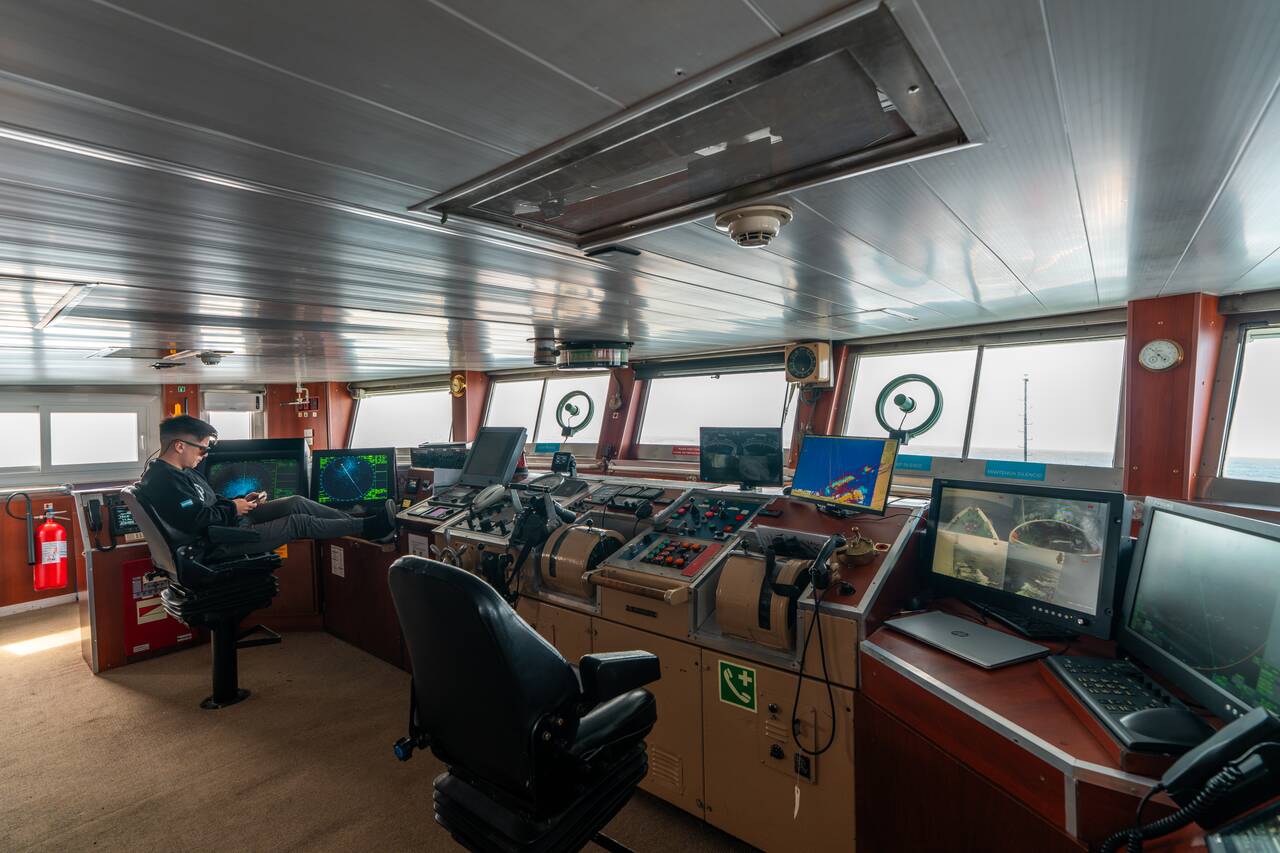
I've been on rocky boats many times, but never quite like traversing the notorious Drake Passage for two days straight. The sway from the gigantic swells the passage is famous for was constantly present. You feel it when you wake up, when you eat, when you walk, and when you sleep, for two days straight.
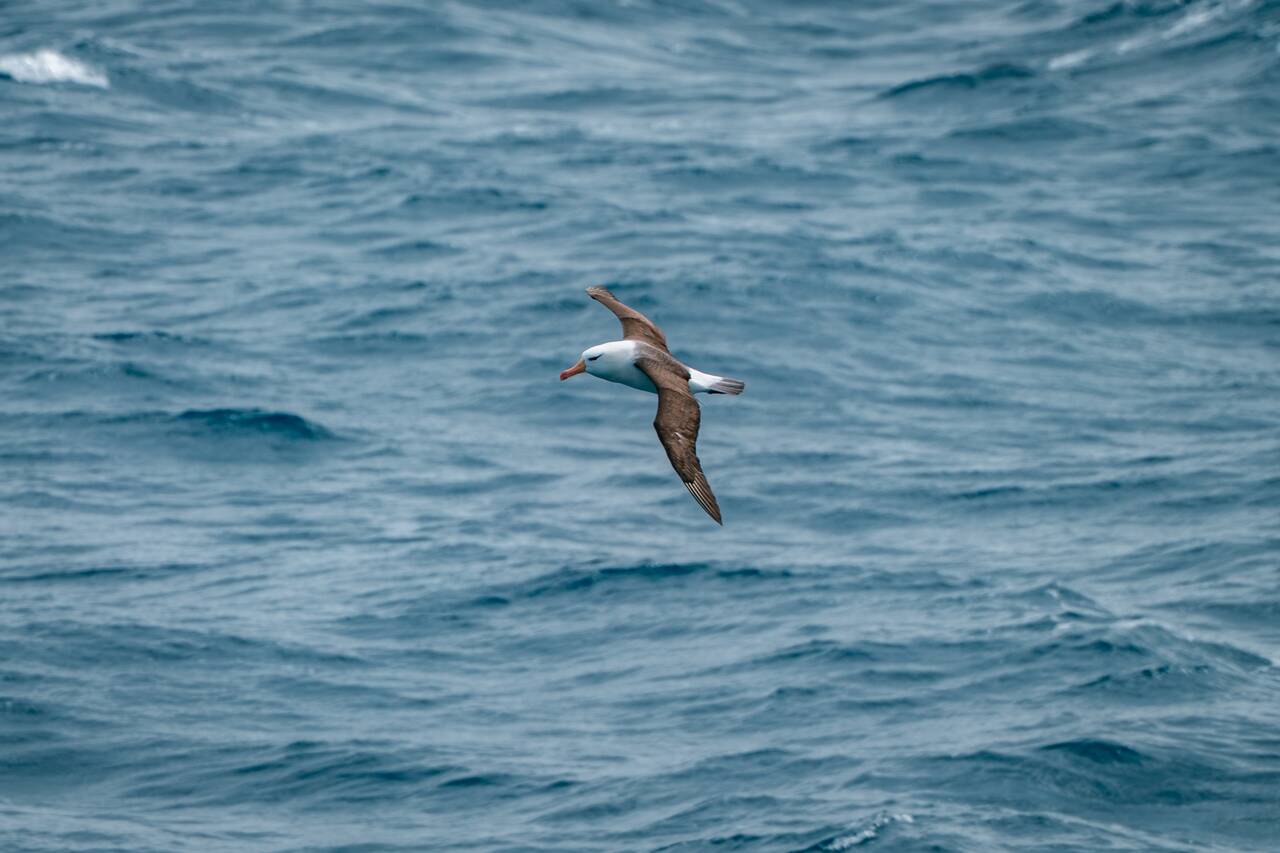
During the two-day crossing, we kept ourselves busy with educational lectures introducing the wildlife we could expect to see in Antarctica, as well as the landscape itself, and a bird-watching session during the day. After sundown, there were movie nights, Happy Feet was especially fun to watch while actually visiting Antarctica.
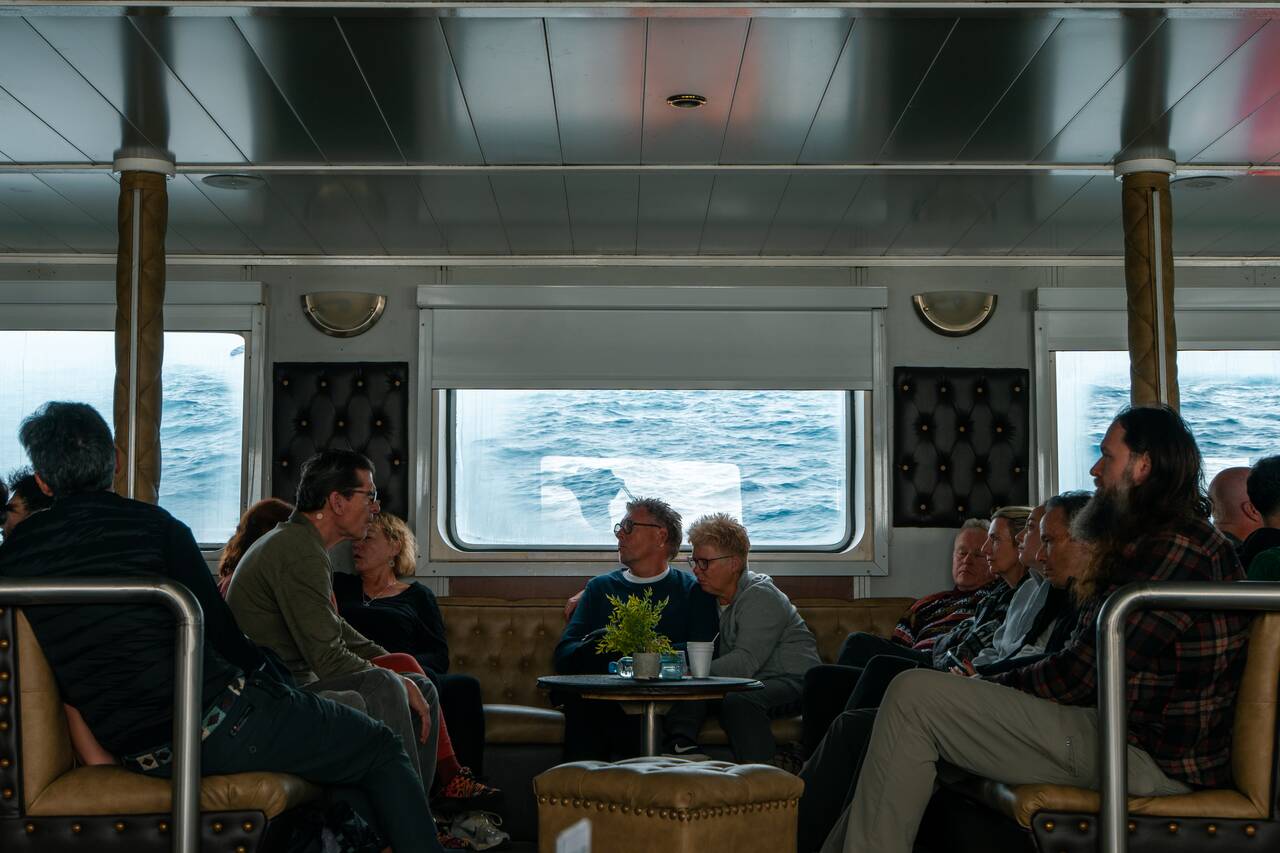
No words can truly prepare you for this experience, so it is best to just hope for the best. By the second day, some people were vomiting, many were unable to sleep due to the constant motion, and a few were so sick they had to visit the onboard clinic and receive medication or even steroid injections just to function.
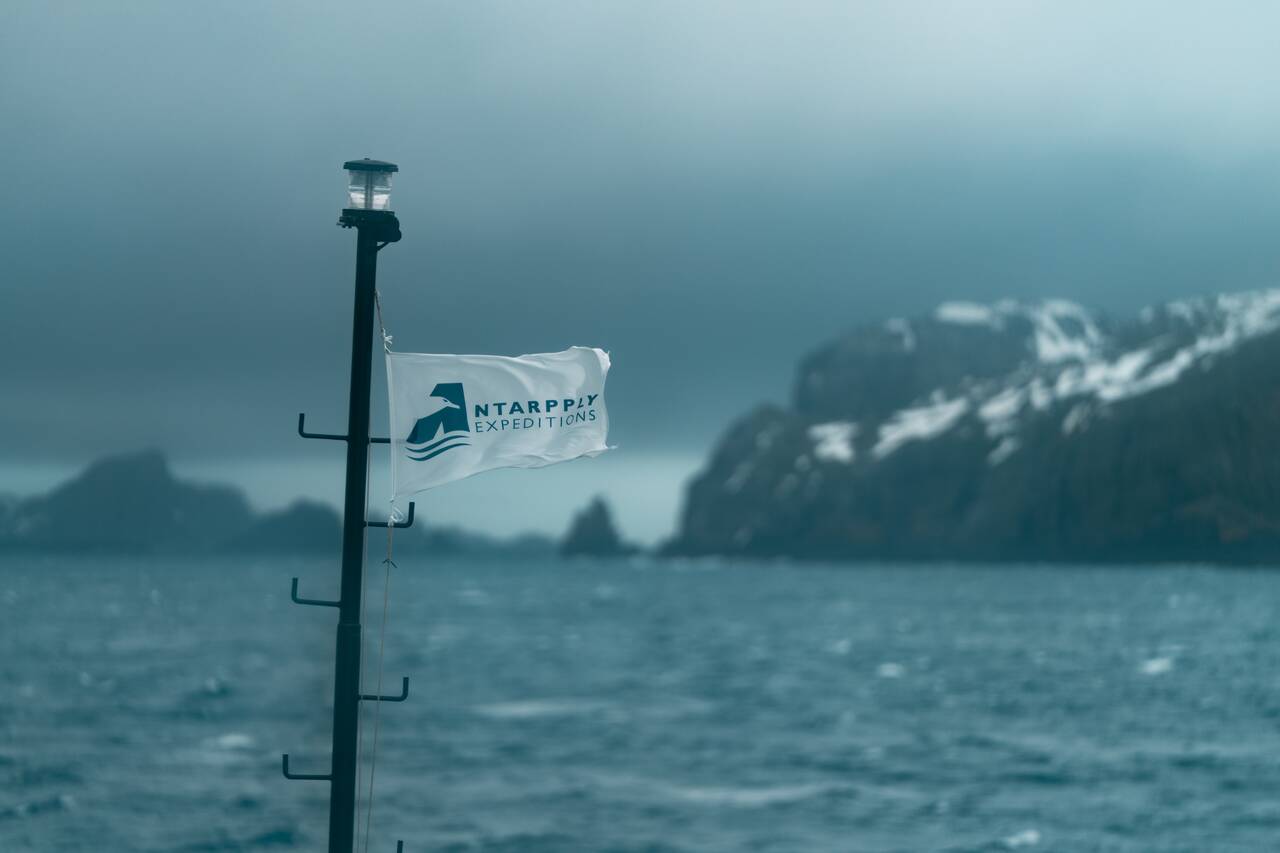
It is not my first time on a rocking boat for several days, so I was able to get through the entire Drake Passage without taking any medication, but by the end of the second day, I was also reaching my limit. Thankfully, as we approached Antarctica, the swells finally calmed, and everything became smooth again.
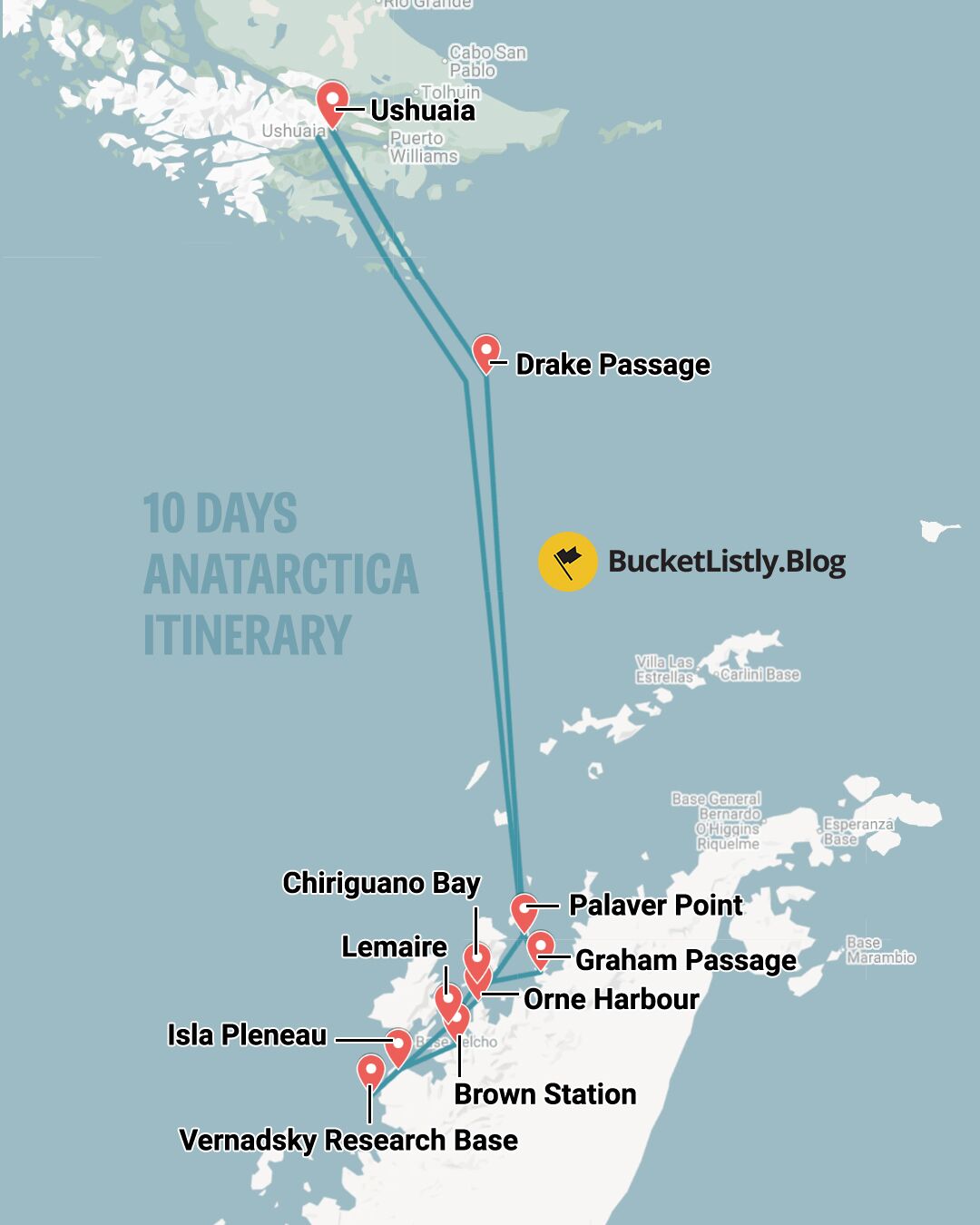
Day 4: Palaver Point & Graham Passage
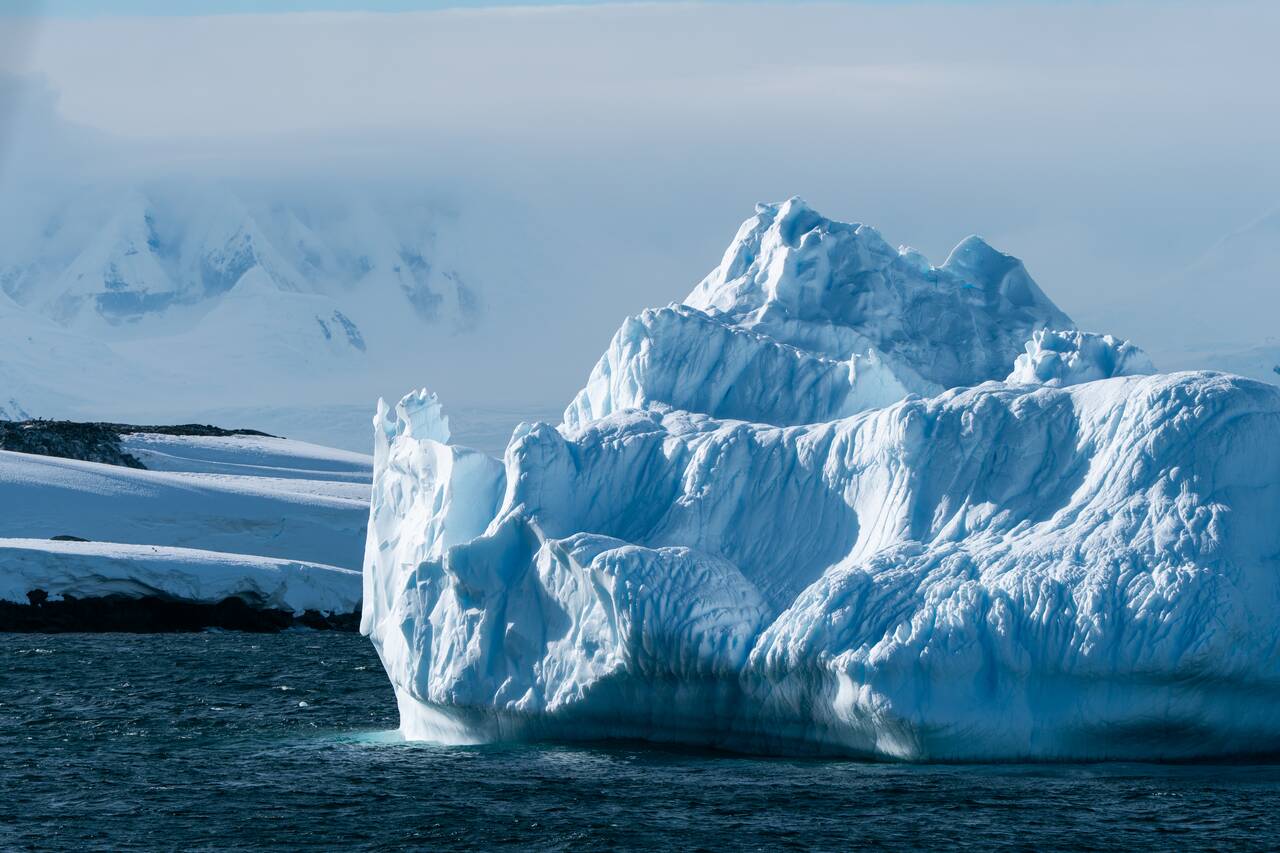
"Good morning, expeditioners" is what we heard onboard the Ushuaia every morning as our expedition leader announced breakfast time and the weather conditions. It was beautifully clear and sunny outside, and after breakfast, which consisted of scrambled eggs, sausages, ham, cereal, and coffee, and was served in a similar way every morning, we were briefed on the activities planned for the day.
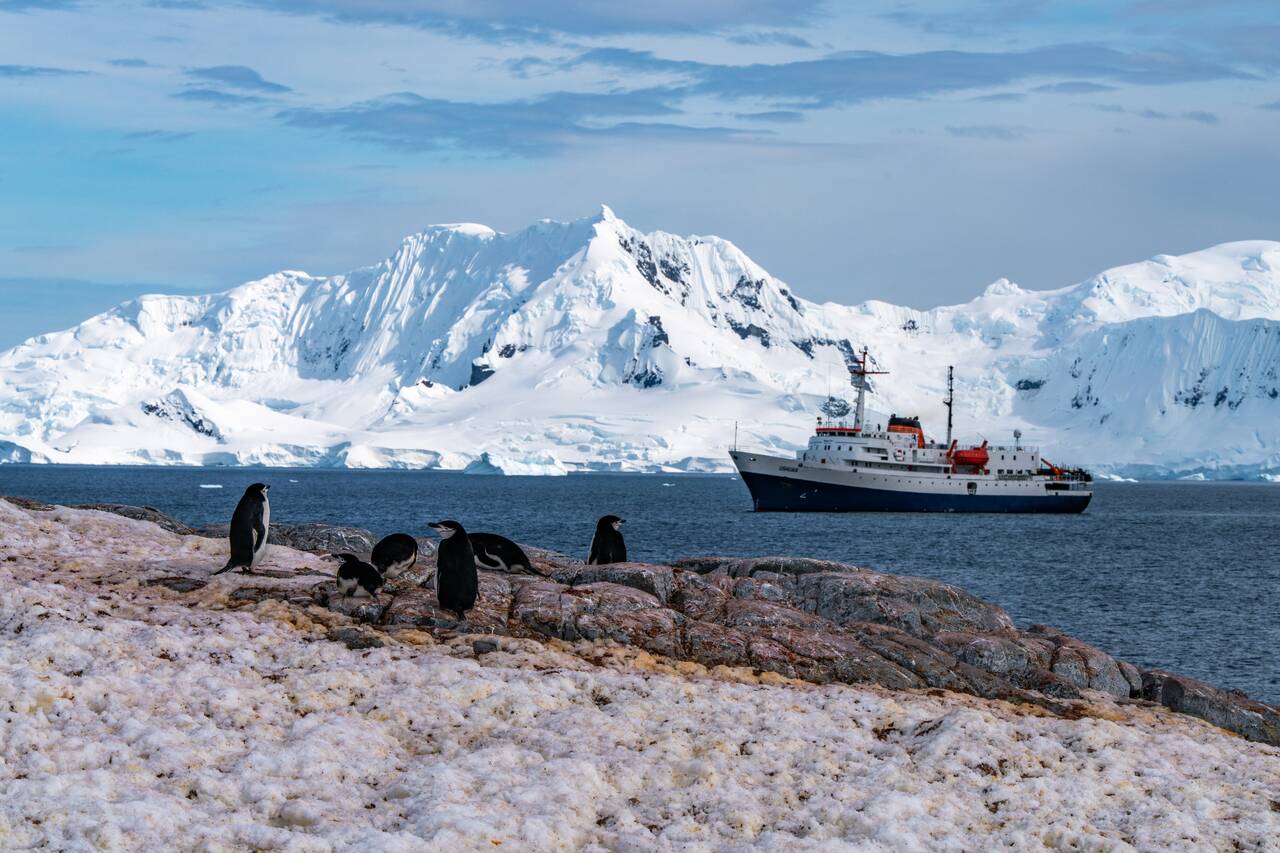
This was the first proper day in Antarctica, and the weather was perfect. In the morning, we had our first landing at Palaver Point, located on Two Hummock Island off the coast of Antarctica. We hiked around the area with a mountaineering guide through a penguin colony, where we were able to observe them quite closely.
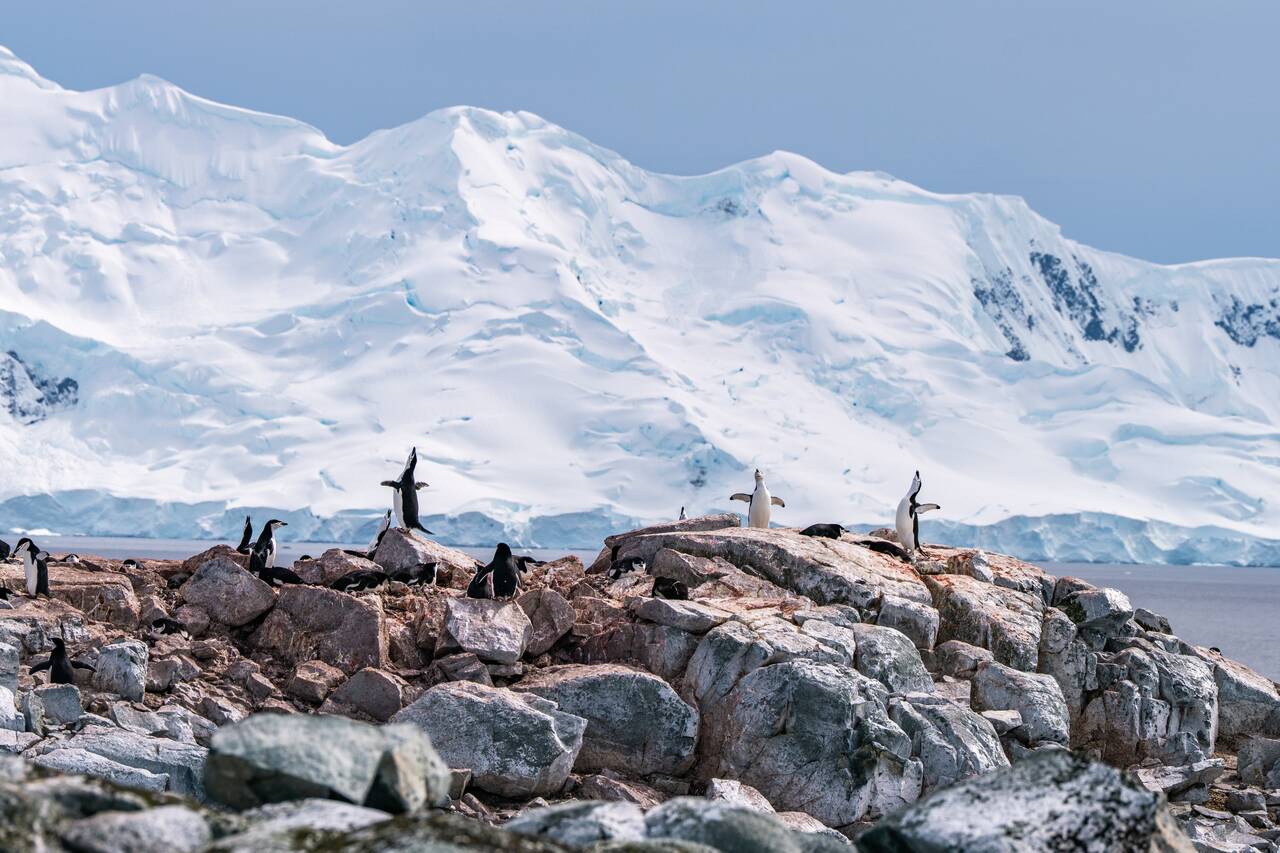
This was also our first experience getting used to the strict avian flu biosecurity procedures while walking through a penguin colony and stepping over their droppings. We were instructed not to let anything touch the ground except our boots, which were always hosed down every time we returned to the ship.
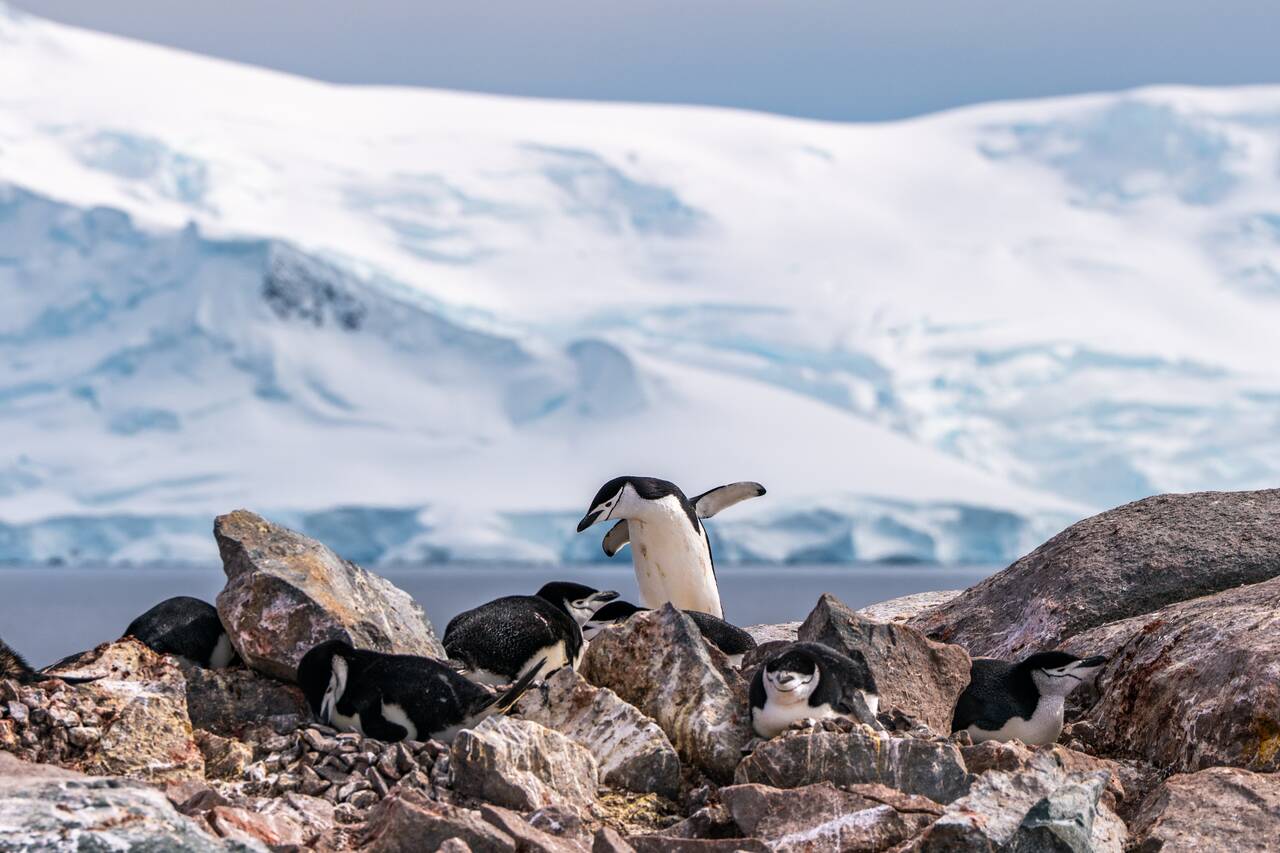
We spent about 2 hours hiking around the area before returning to the ship for lunch. After lunch, we were briefed again on our next stop, Graham Passage, where we would go on our first Zodiac cruise.
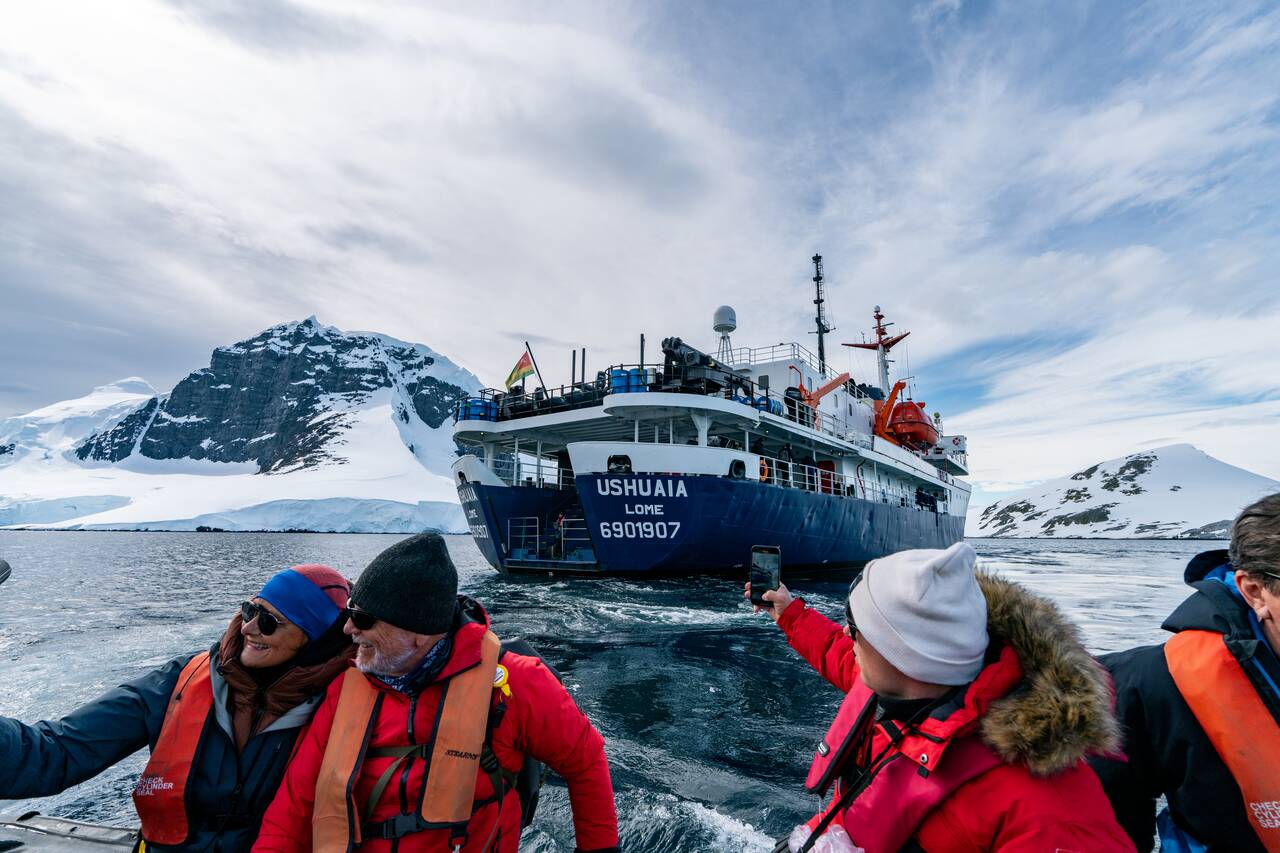
Zodiac cruises are a bit more relaxed, as all you have to do is sit back and enjoy the scenery. Each cruise includes one of the expedition experts, who helps explain what you are seeing throughout the journey. You can get quite close to icebergs and wildlife along the coastline during these Zodiac excursions.
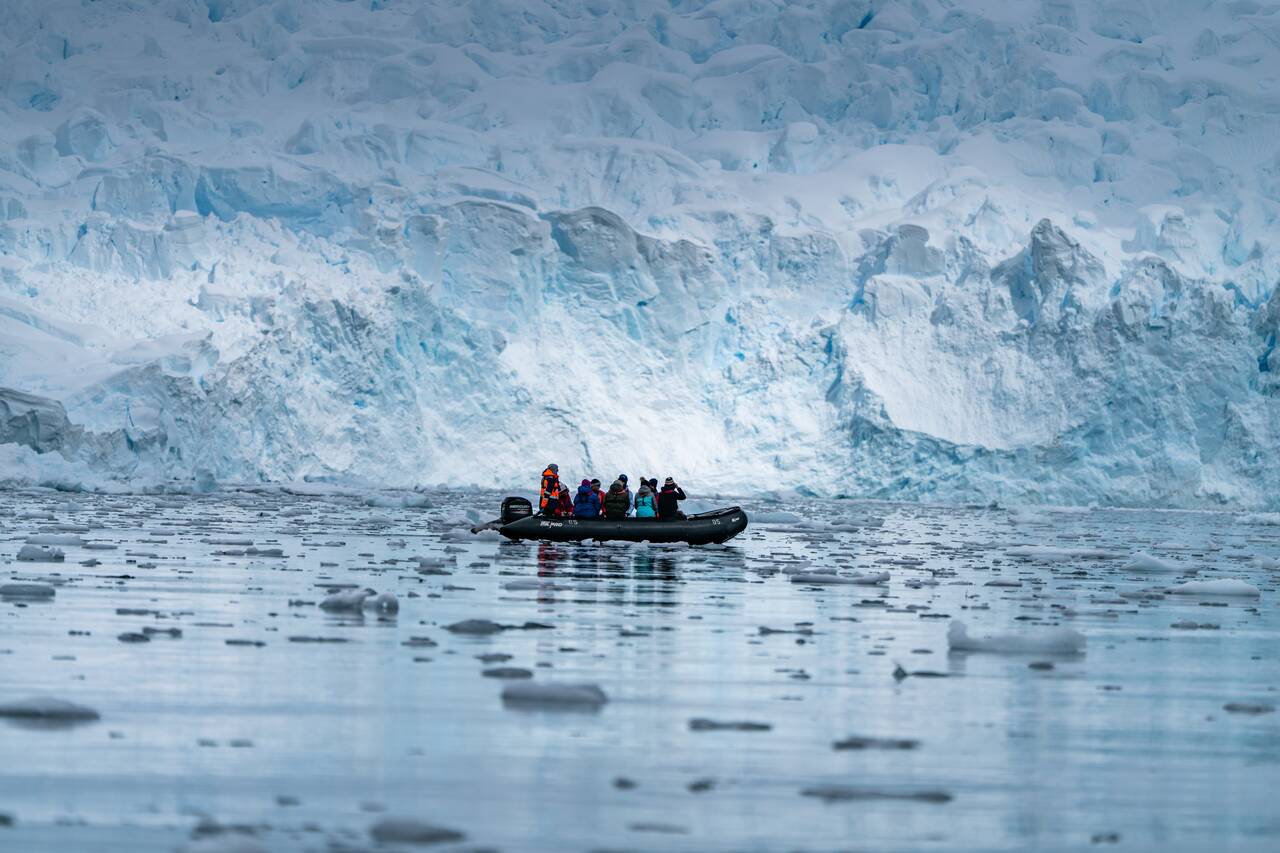
Zodiac cruises usually last around 1–2 hours before you head back to the ship, just in time for dinner. This is what each day in Antarctica often looks like, with two main activities scheduled between meals. After dinner, our expedition often organizes fun activities, from movie nights and talent shows to simply hanging out with fellow travelers before heading off to bed for the night.
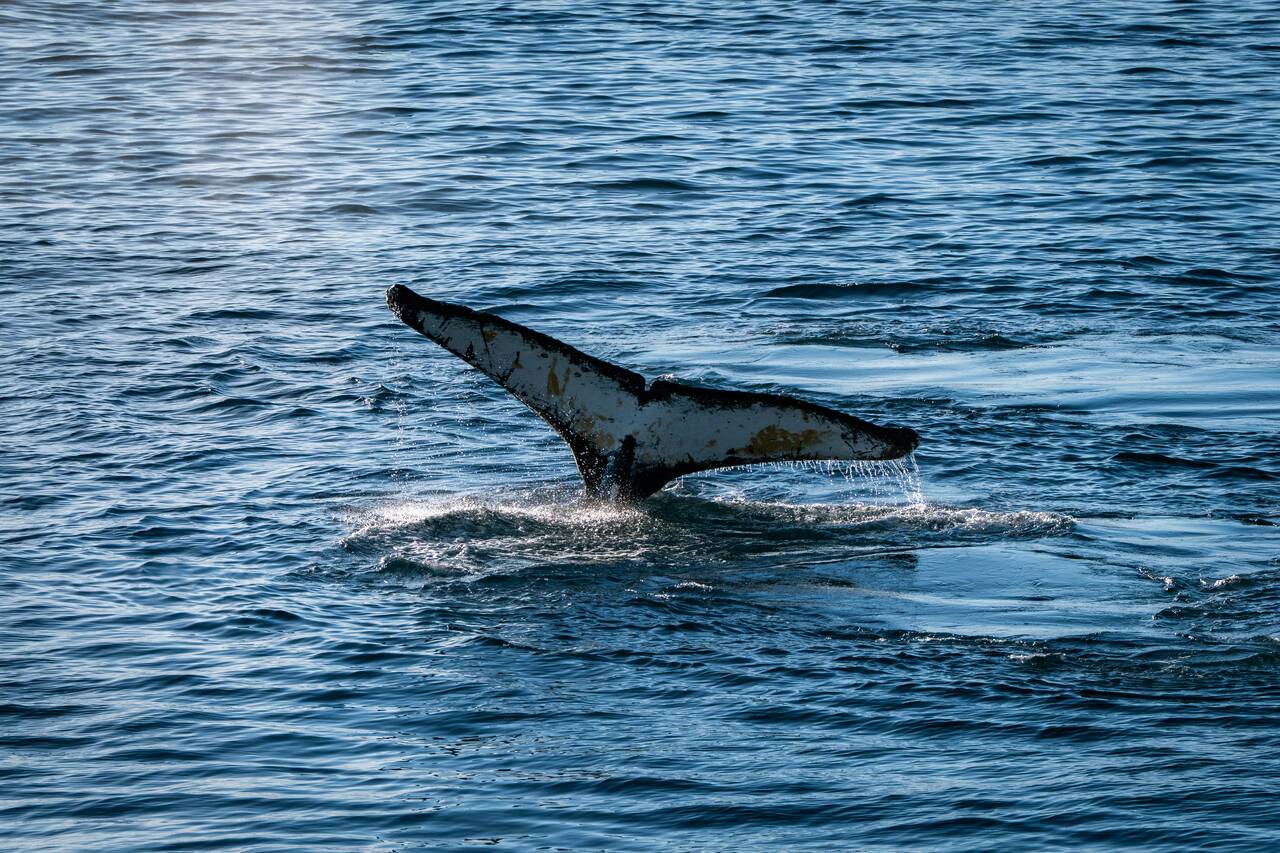
For this evening, we all ended up on deck most of the night as the captain announced over the intercom that they had spotted whale activities. In a few minutes, we were surrounded by many humpback whales swimming and feeding right next to our ship. The weather was clear, the sun was shining throughout the night. It was a magical moment!
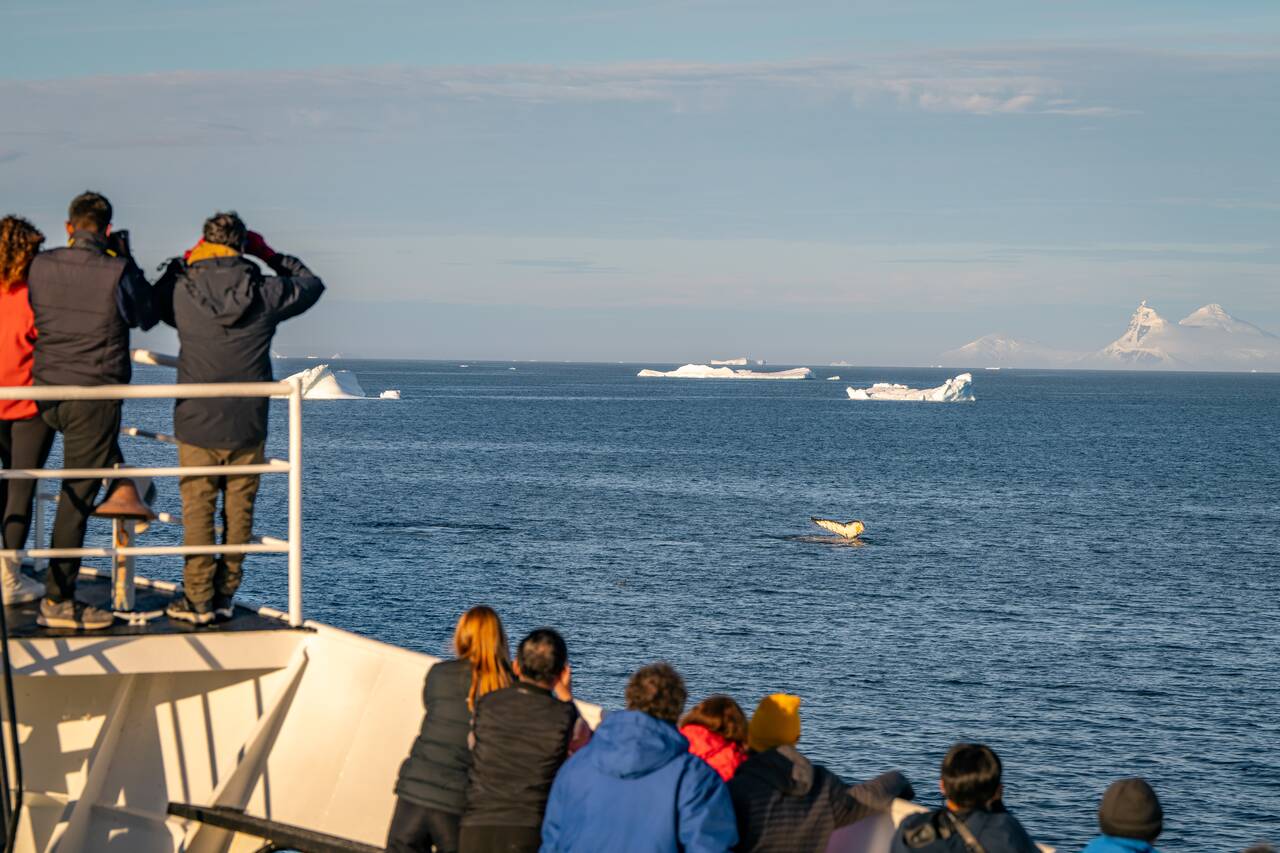
We stayed up to watch the midnight sun before everyone retreated to their cabins and went to sleep. This was the best weather we had on the entire trip, so you really should never take a clear, beautiful day for granted here. Make the most of it whenever you find yourself on a rare sunny day in Antarctica!
Day 5: Zodiac Cruise at Chiriguano Bay & First Continental Landing at Brown Station
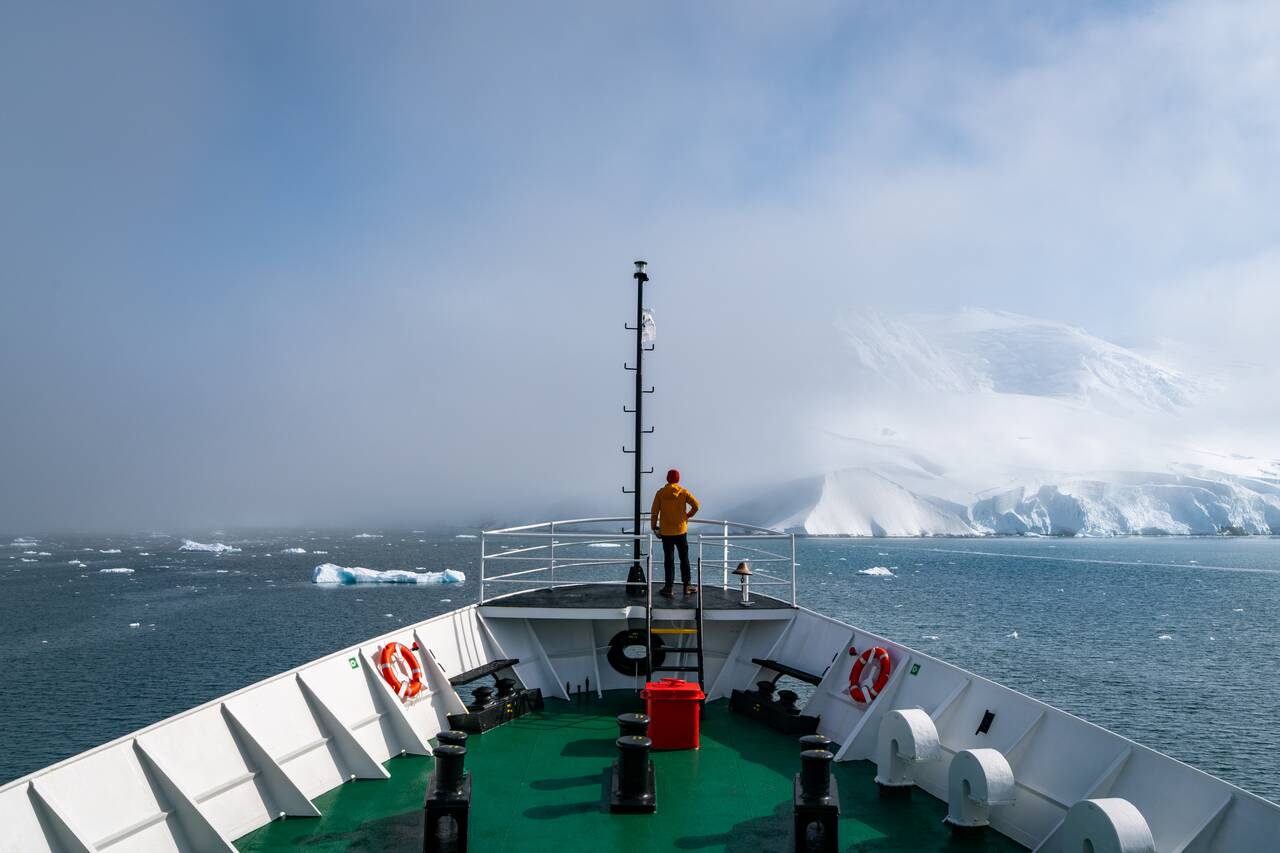
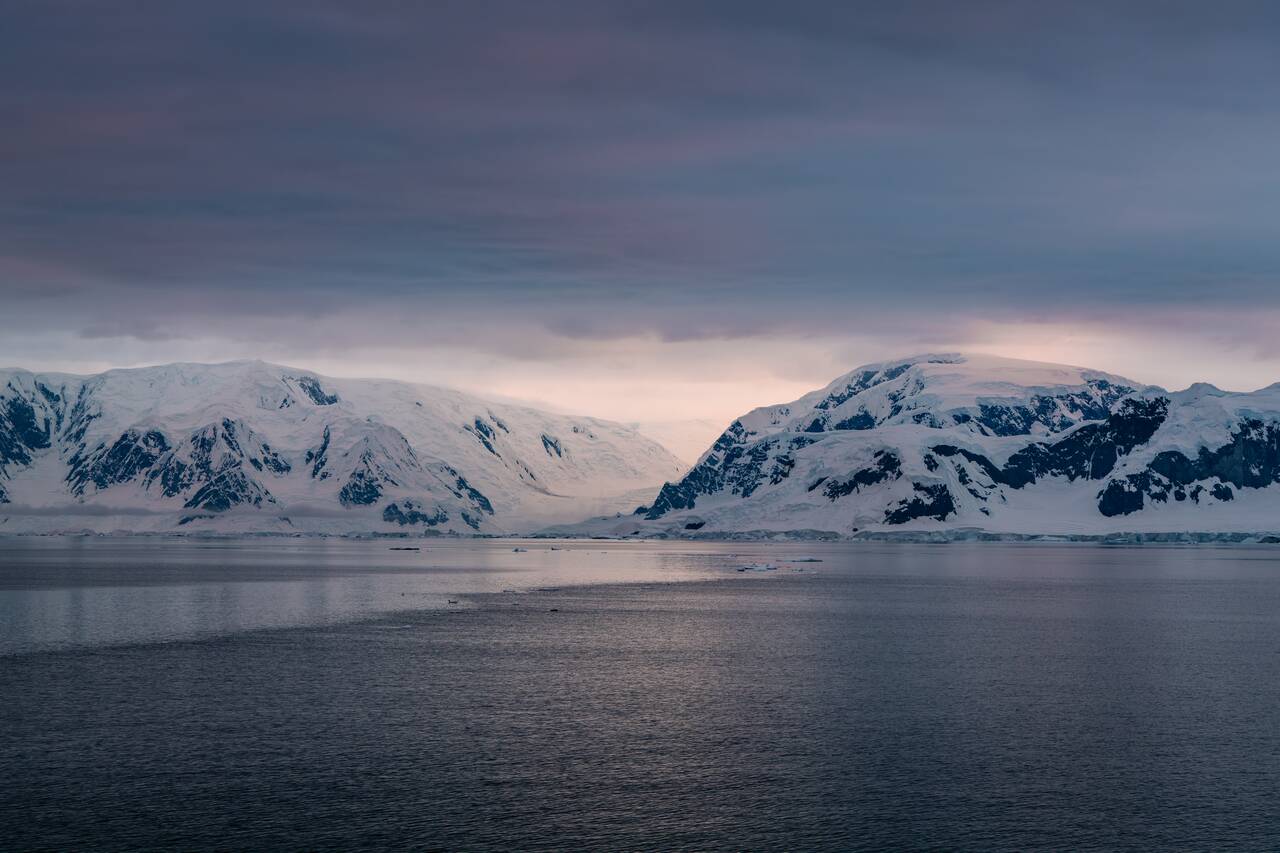
On Day 5, we have a morning Zodiac cruise planned, as well as our first continental landing on the actual Antarctica landmass scheduled for the afternoon. The weather looks promising in the morning, so I went out on deck to capture some truly stunning landscapes as we approach the continent.
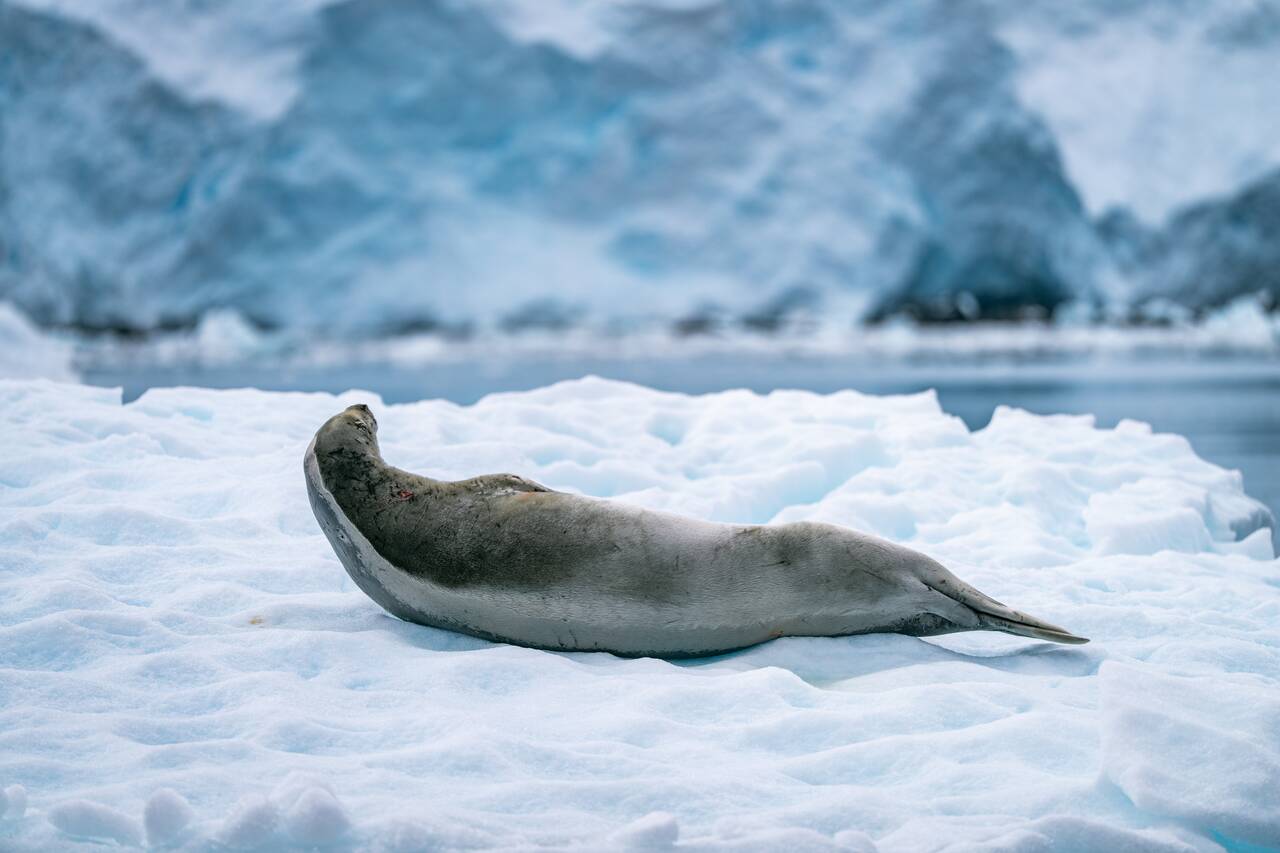
After that, we went on a Zodiac cruise around Chiriguano Bay and spotted some seals and birds. It started snowing suddenly after about an hour on the water, so we rushed back to the ship to stay warm and have lunch.
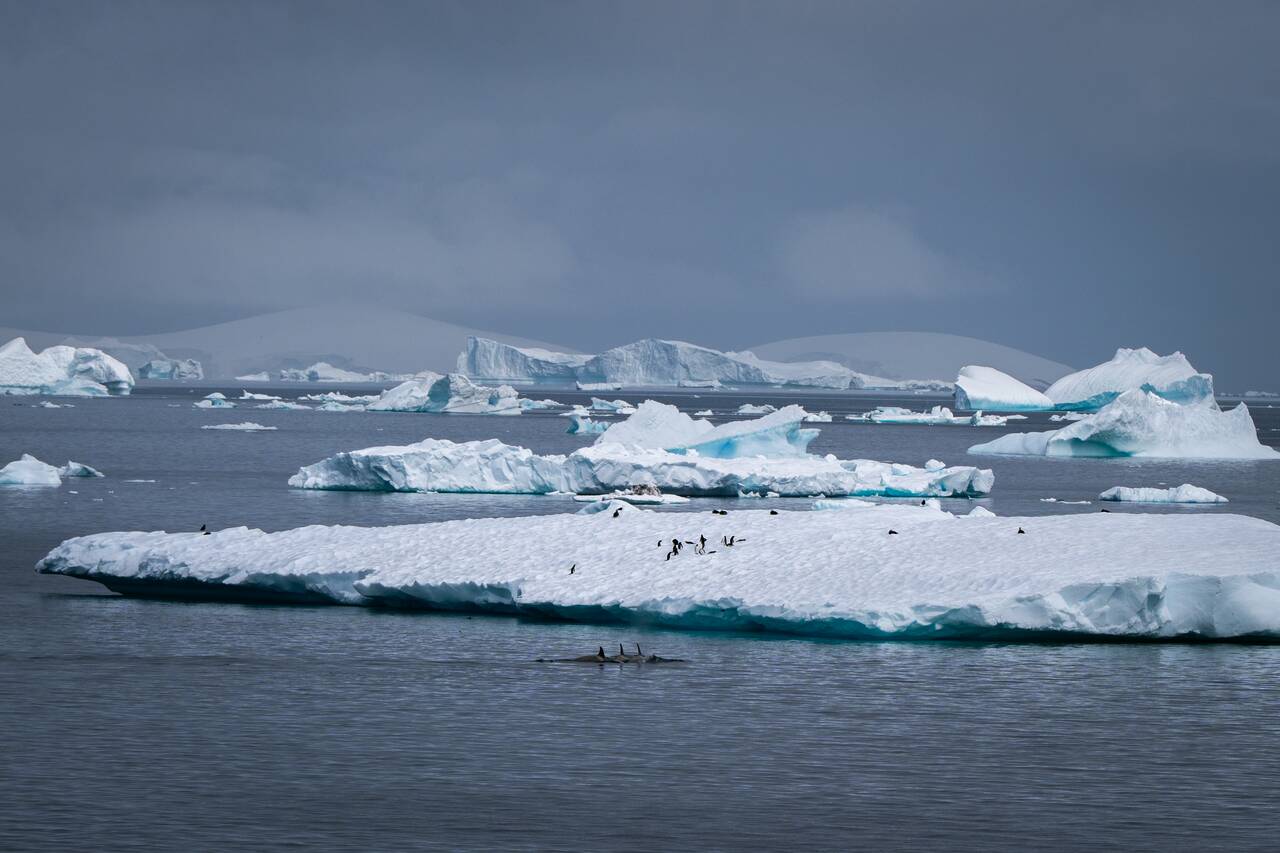
During lunch, our captain spotted a group of orcas hunting penguins, and we abandoned our meals and rushed up to the deck to see several orcas surrounding an iceberg, waiting for the penguins to come down. This was my first sighting of orcas, and they were both magnificent and a little terrifying.
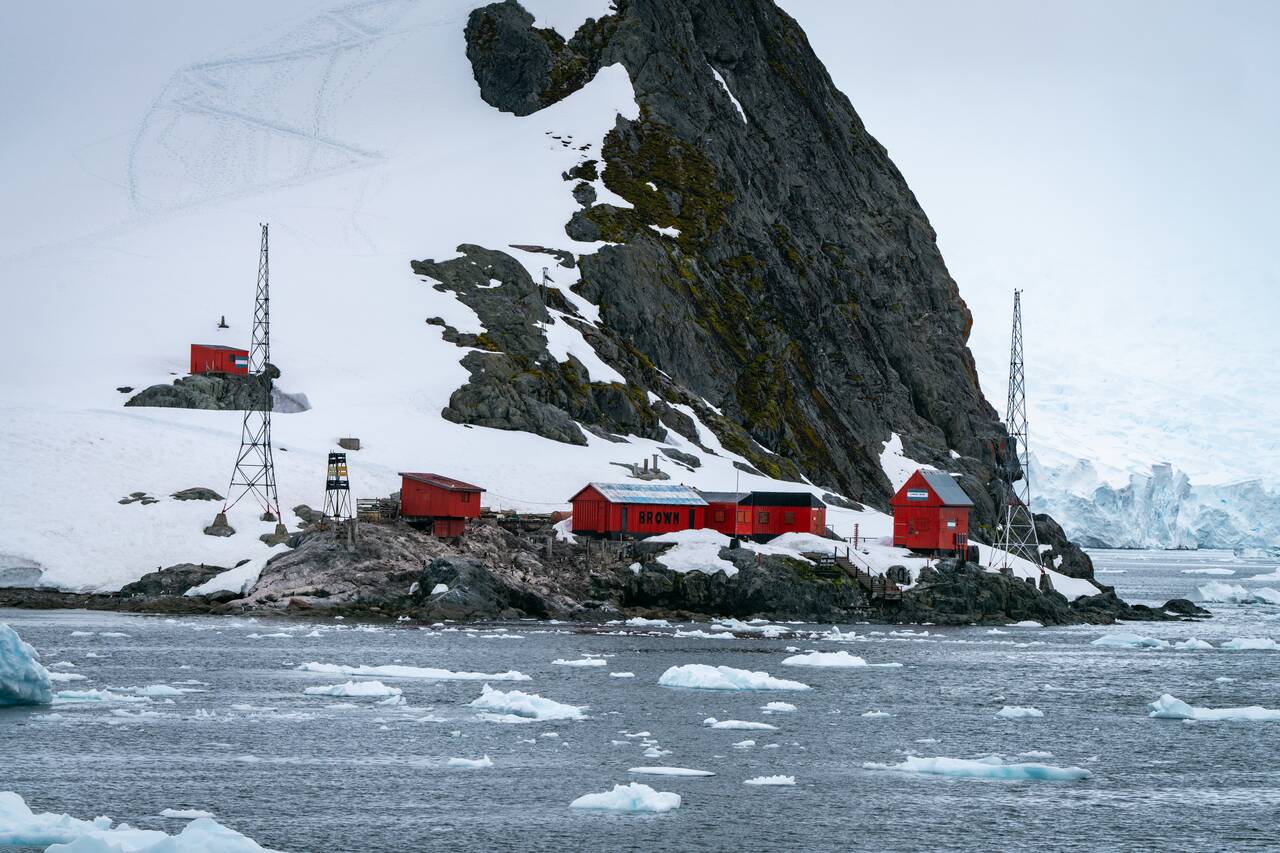
After the orca sighting, we arrived at Brown Station, the first man-made settlement we saw on this trip. Unfortunately, we were unable to land directly at Brown Station, as our guide spotted dead birds nearby and preferred not to take any risks, so we disembarked a little further up the coast instead.
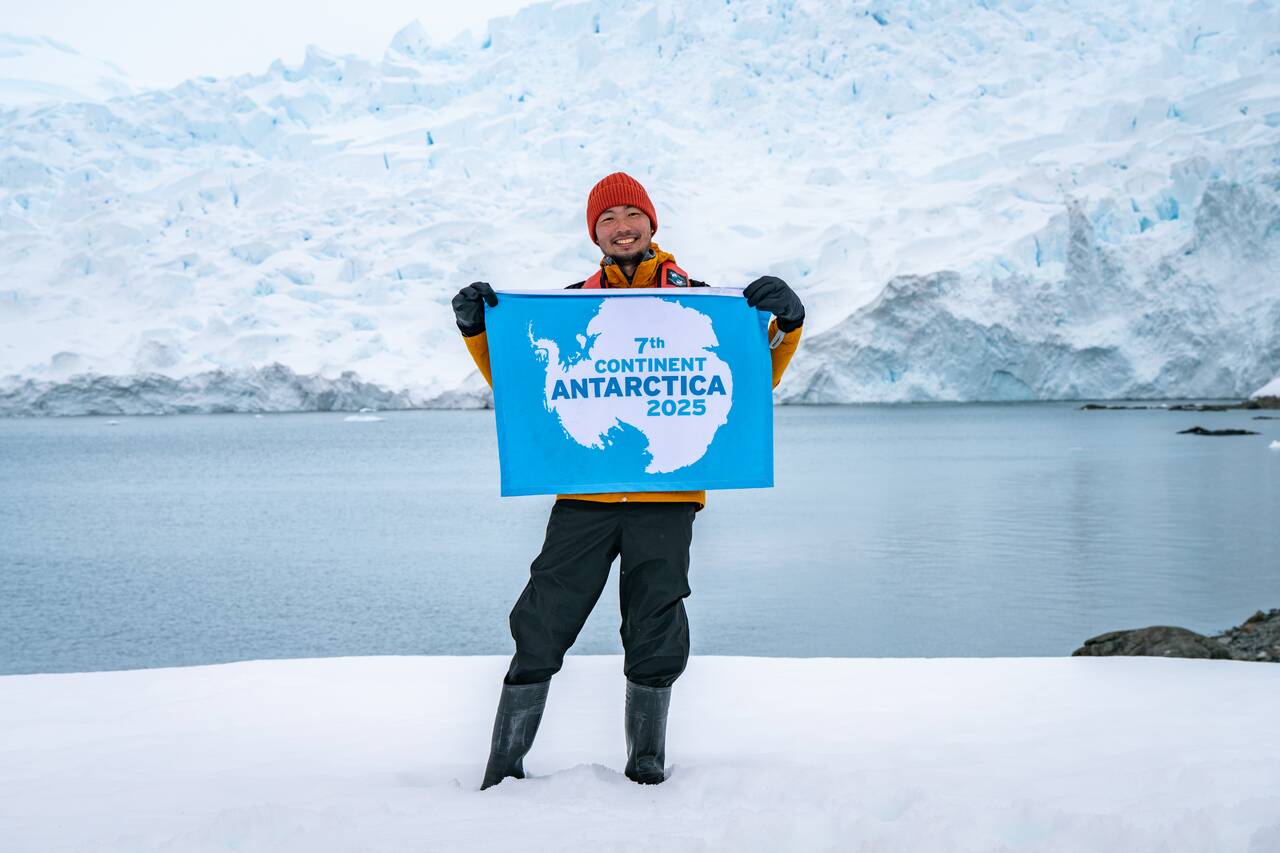
This was the first time we set foot on the actual continent of Antarctica, so we were all pretty ecstatic about it. Our guide also brought a flag for us to take photos with as proof that we had indeed stepped foot on the seventh continent. It was an incredible moment.
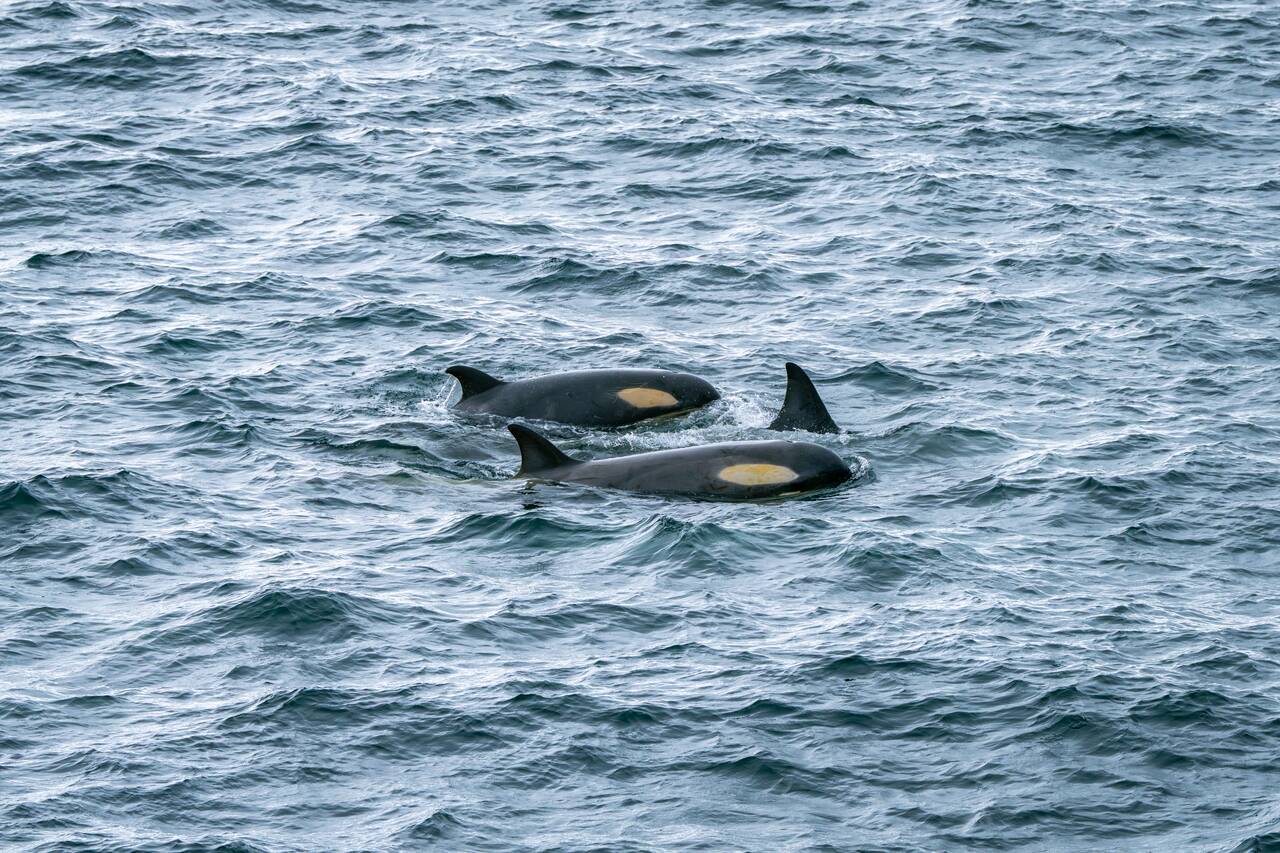
Along the way, we also spotted tons of seals and penguins as we spent about 2 hours on the continent. After everyone got the photos they wanted, we headed back to the ship for a nice and quiet dinner, until we were interrupted again by another orca sighting! 🤣 I don’t think we ever had a calm meal after that.
Day 6: Cruising Along Lemaire Channel & Visiting Vernadsky Ukrainian Base Station
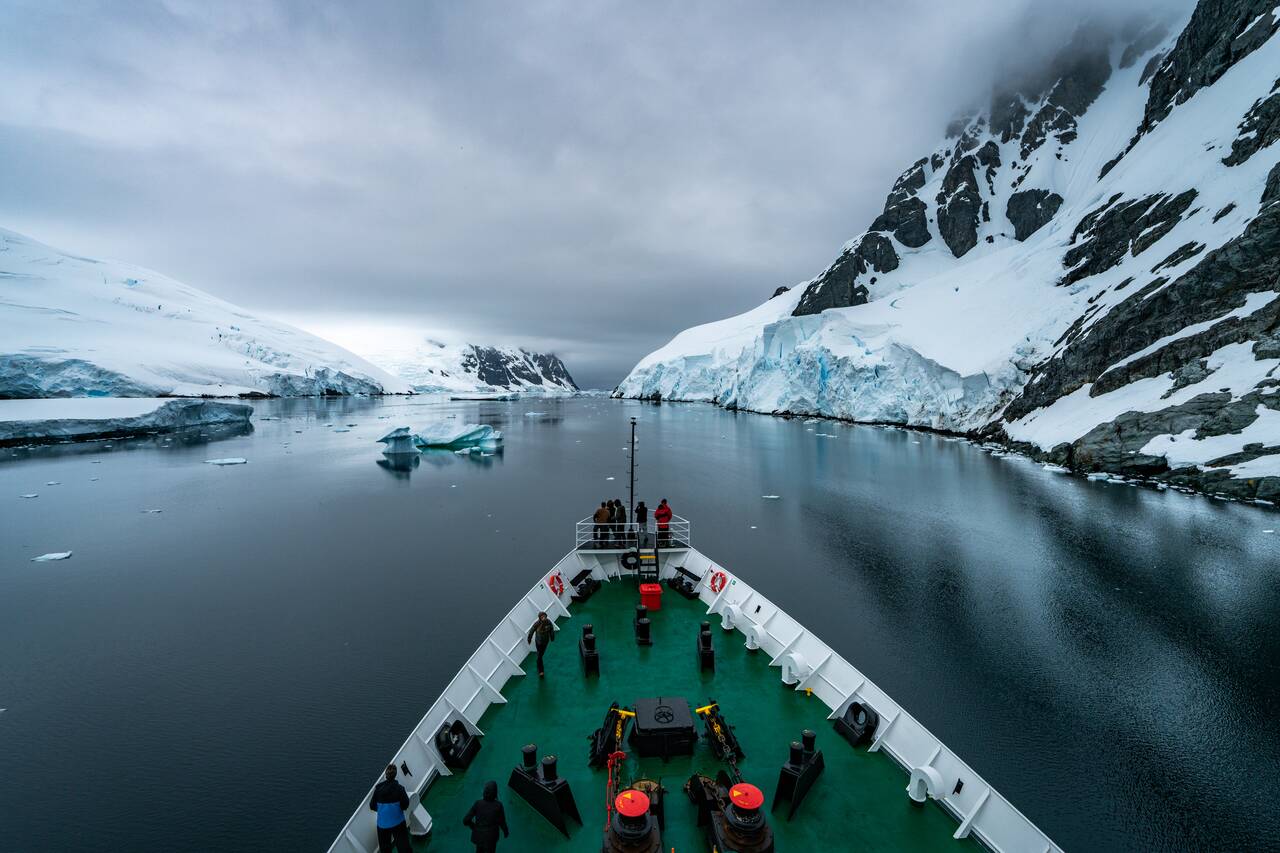
The next morning, we were greeted by the incredible Lemaire Channel, one of the most famous and photogenic waterways in Antarctica. We cruised along its narrow strait for hours, passing towering mountains and dramatic cliffside scenery. It was surreal to see these cliffs and icebergs so near to the ship.
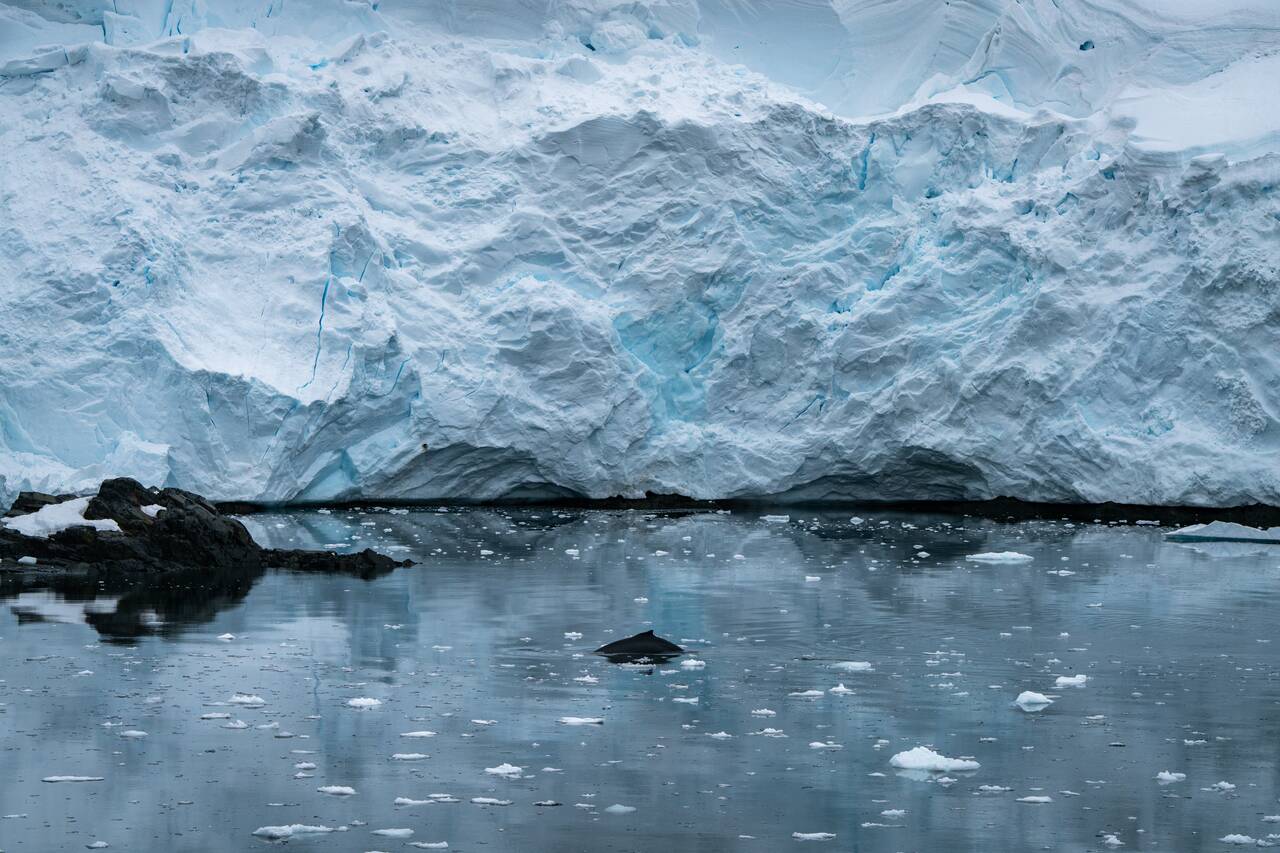
At its narrowest point, it is only about 1.6 km wide, so when ships pass through, the cliffs feel almost vertical on both sides, rising dramatically over iceberg-filled waters. I stayed on deck all morning, taking countless photos as we slowly made our way through the channel.
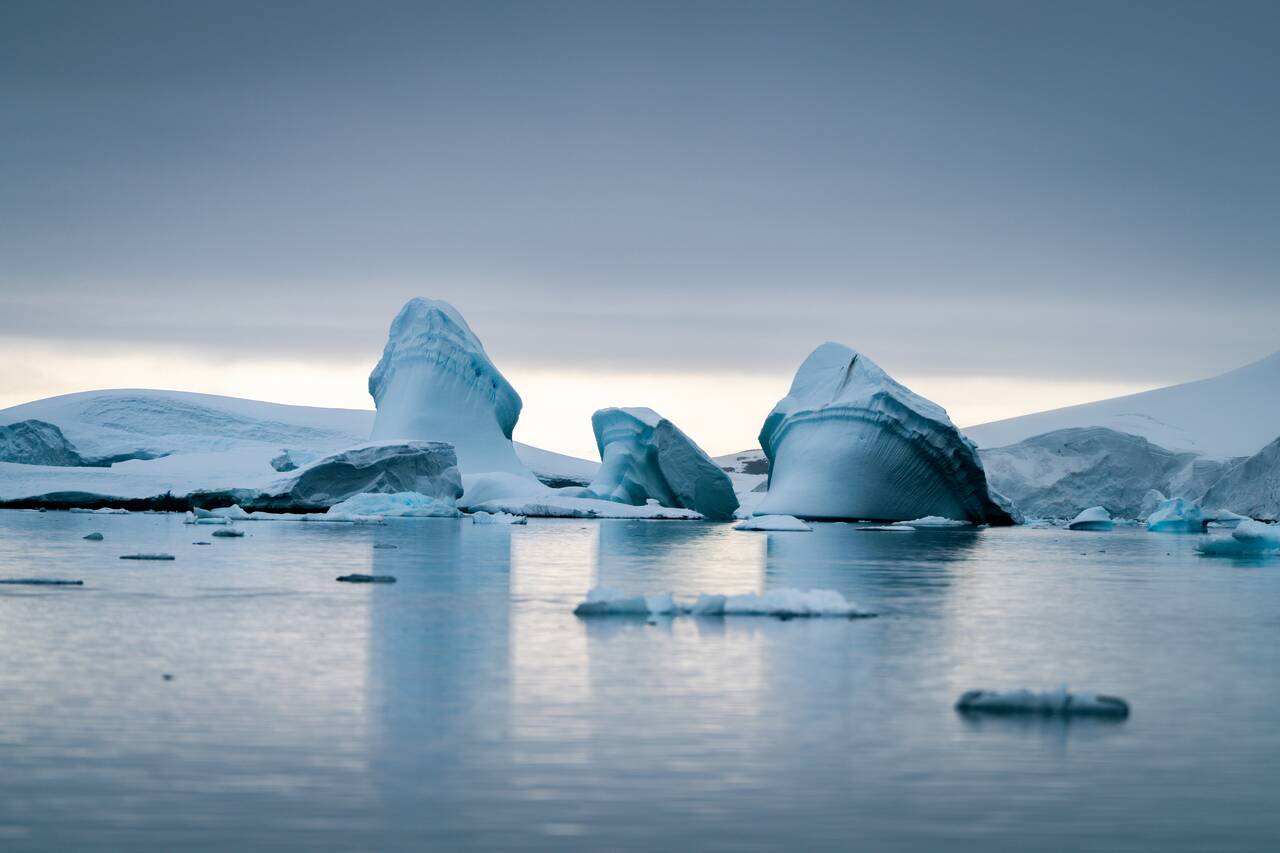
Once we arrived at the lagoon, we took the Zodiacs down from the boat and cruised around the area known as "Iceberg Graveyard", where large numbers of icebergs get trapped, grounded, or slowly melt in place, creating an almost surreal frozen “parking lot” of ice.
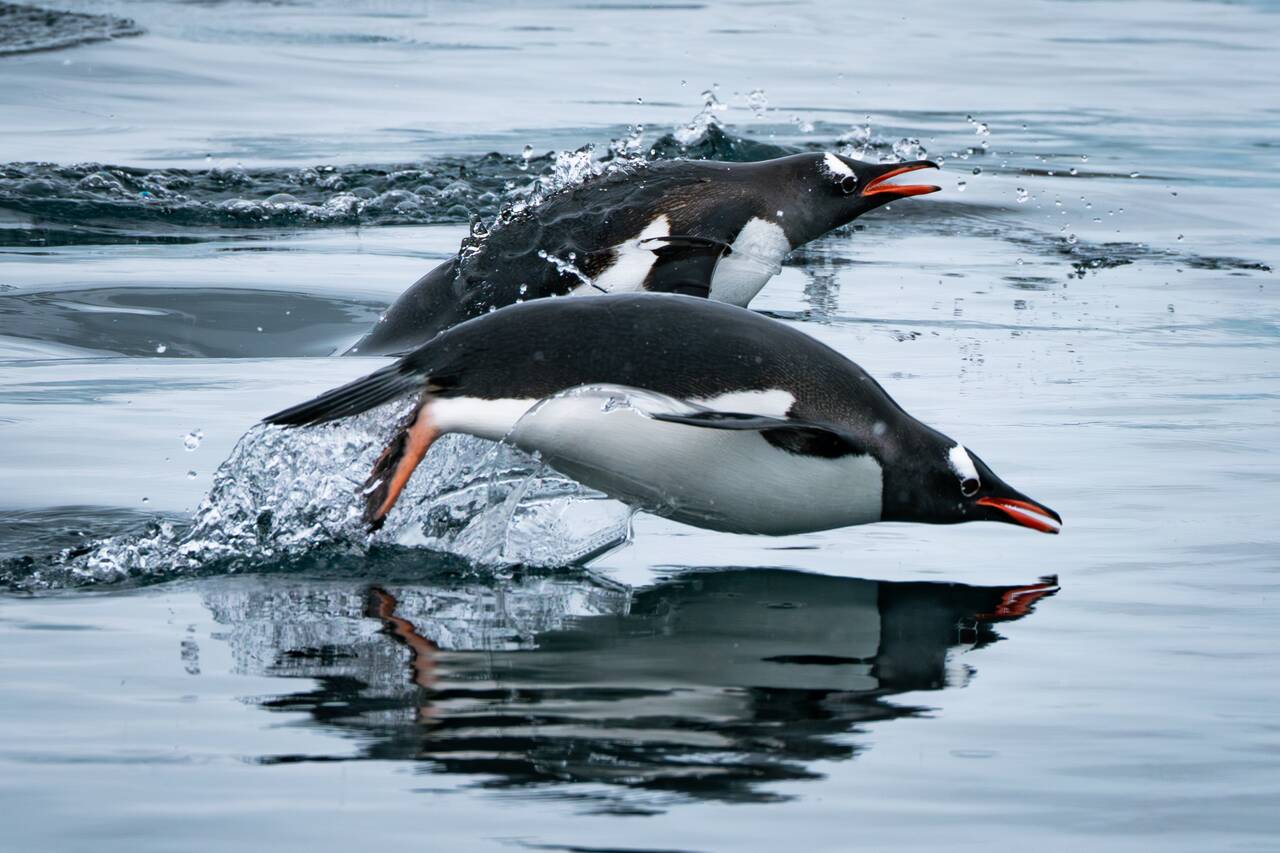
We spotted not just penguins swimming around but also whales, although they were a little shy when we were on the Zodiacs. We did get to see them quite close from the ship though. After a 2-hour Zodiac cruise, we were back on board for lunch before we were briefed about our special visit that was not part of the itinerary.
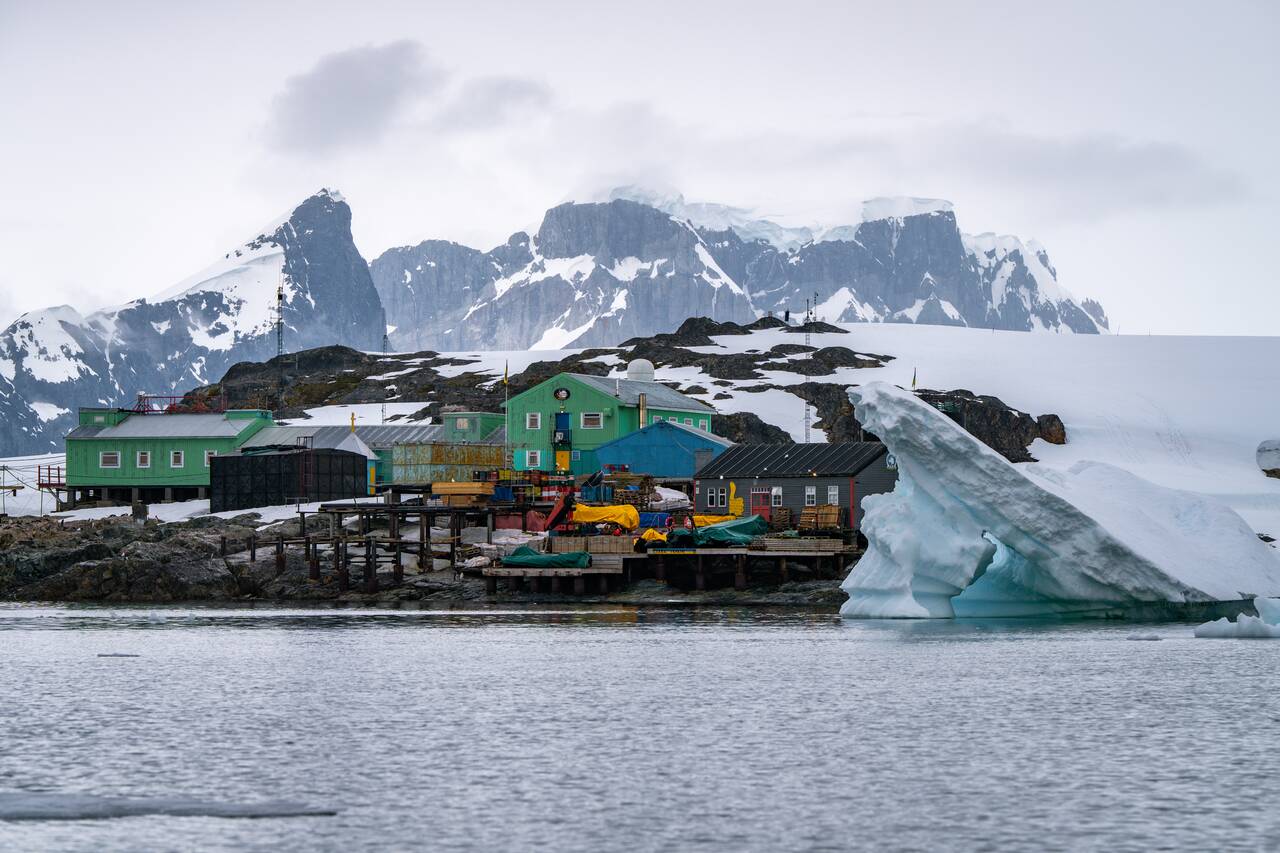
As we pass through Lemaire Channel again to get back to the ocean, we were contacted by a Ukrainian Research Base at Vernadsky Station and they invited us to visit them, which was unexpected. Even the expedition leader asked us if we are game for it, and of course we all agreed and spent the entire evening with them!
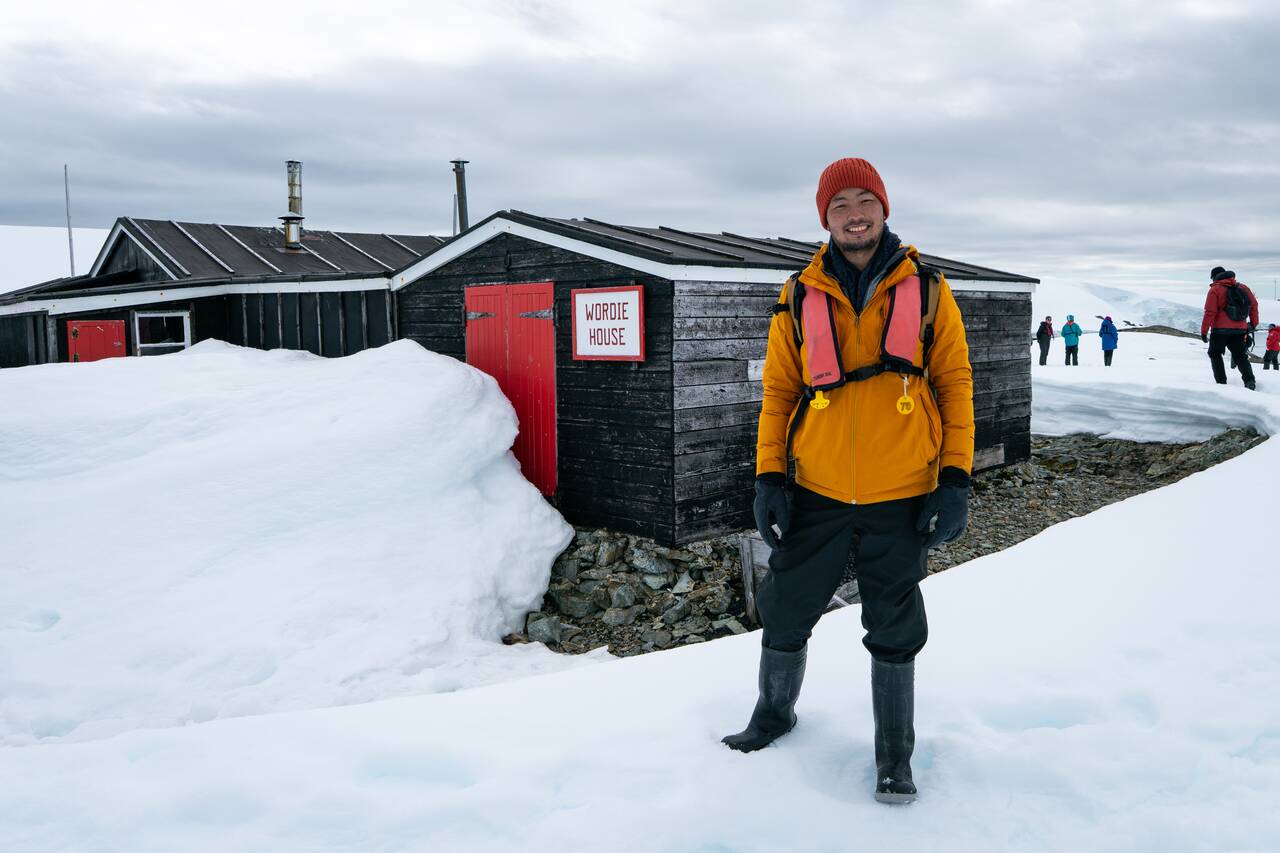
After lunch, we went on a Zodiac cruise and first visited Wordie House, an old British station turned museum. Most of the items inside from when the station was active in the 1940s have been preserved, almost like a time capsule, and it was incredible to see what living conditions were like back then.
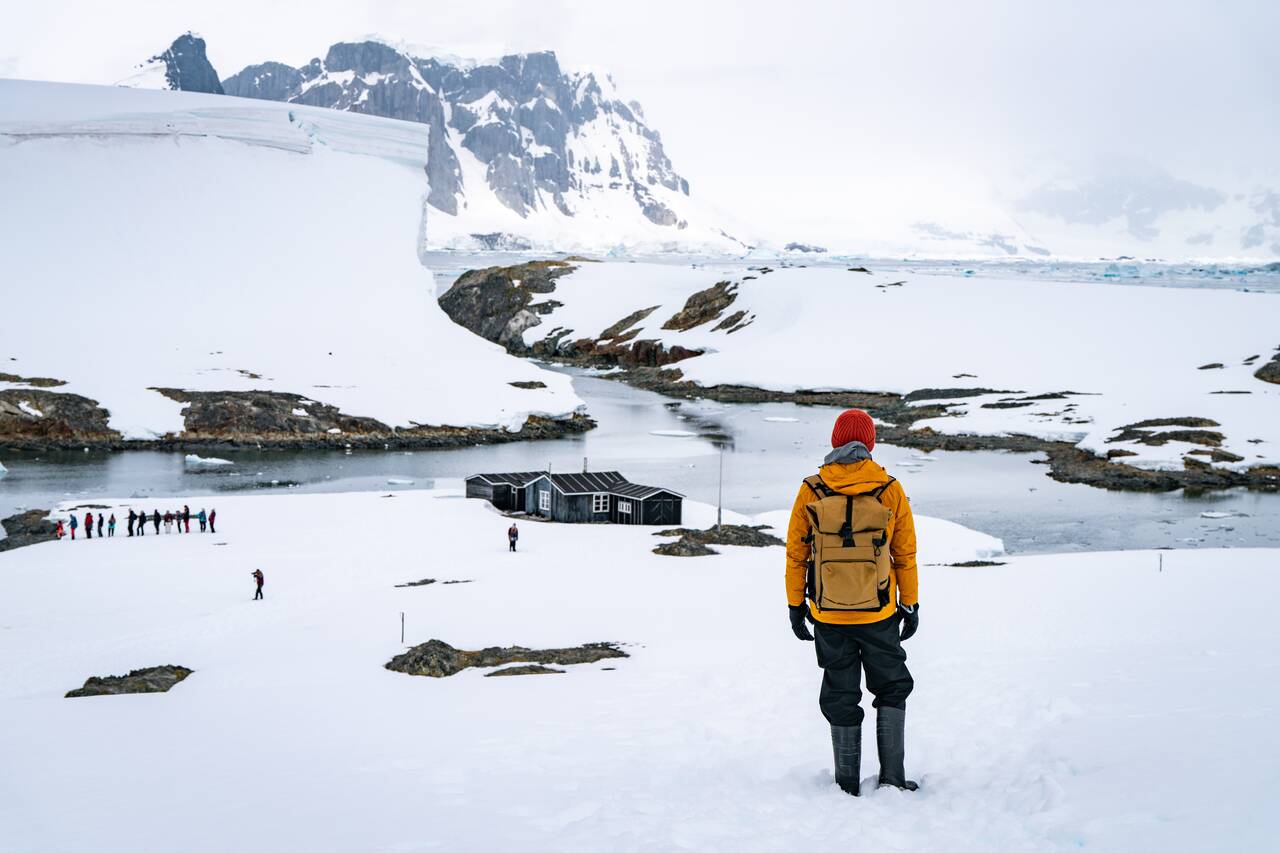
We hiked around the area for a bit, spotted some seals, and made our way up to the highest point to see the Ukrainian Vernadsky Station from afar before heading over to meet the researchers at the station.
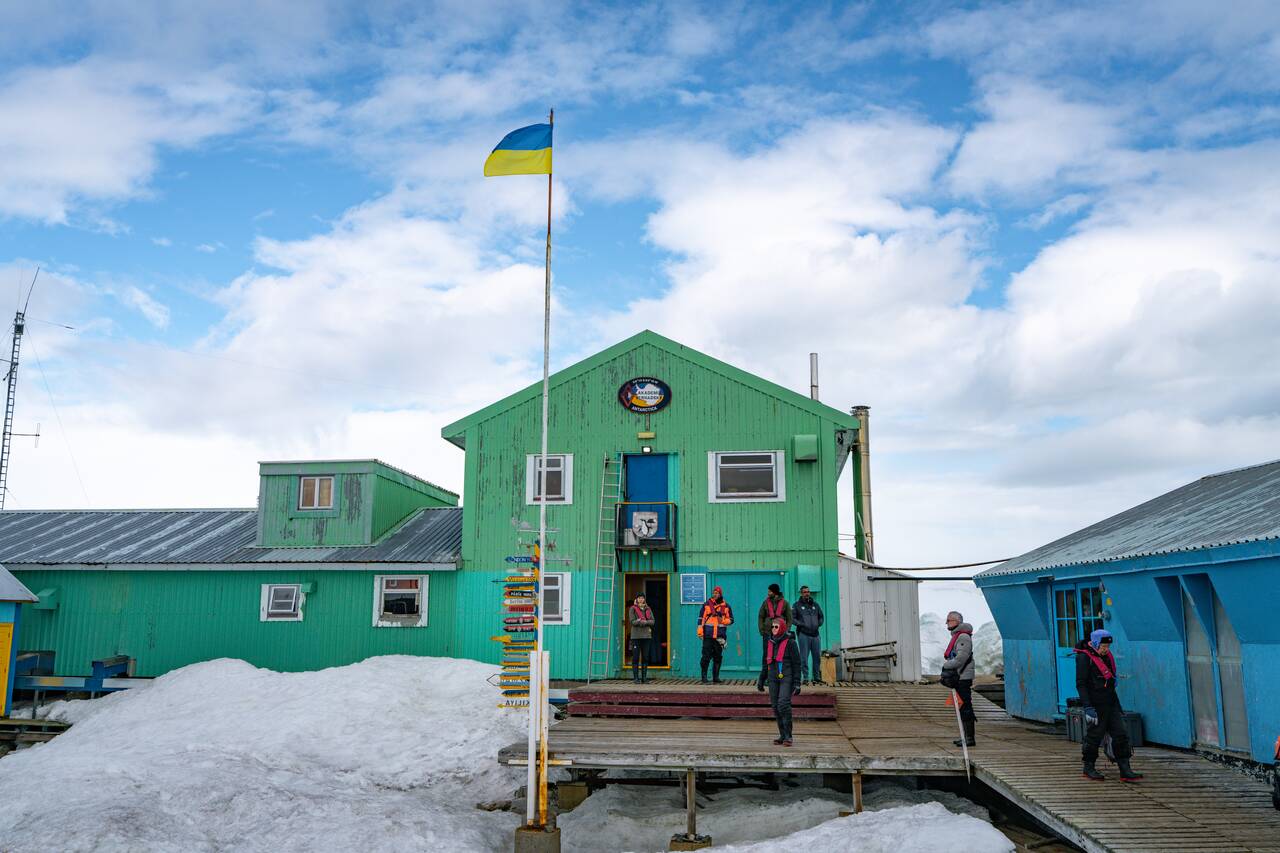
The people at Vernadsky Station, which is primarily Ukrainian but also hosts researchers of other nationalities sharing the facilities, were very welcoming and took us on a tour around the station, showing us where they work, the type of research they do, where they sleep, and more.
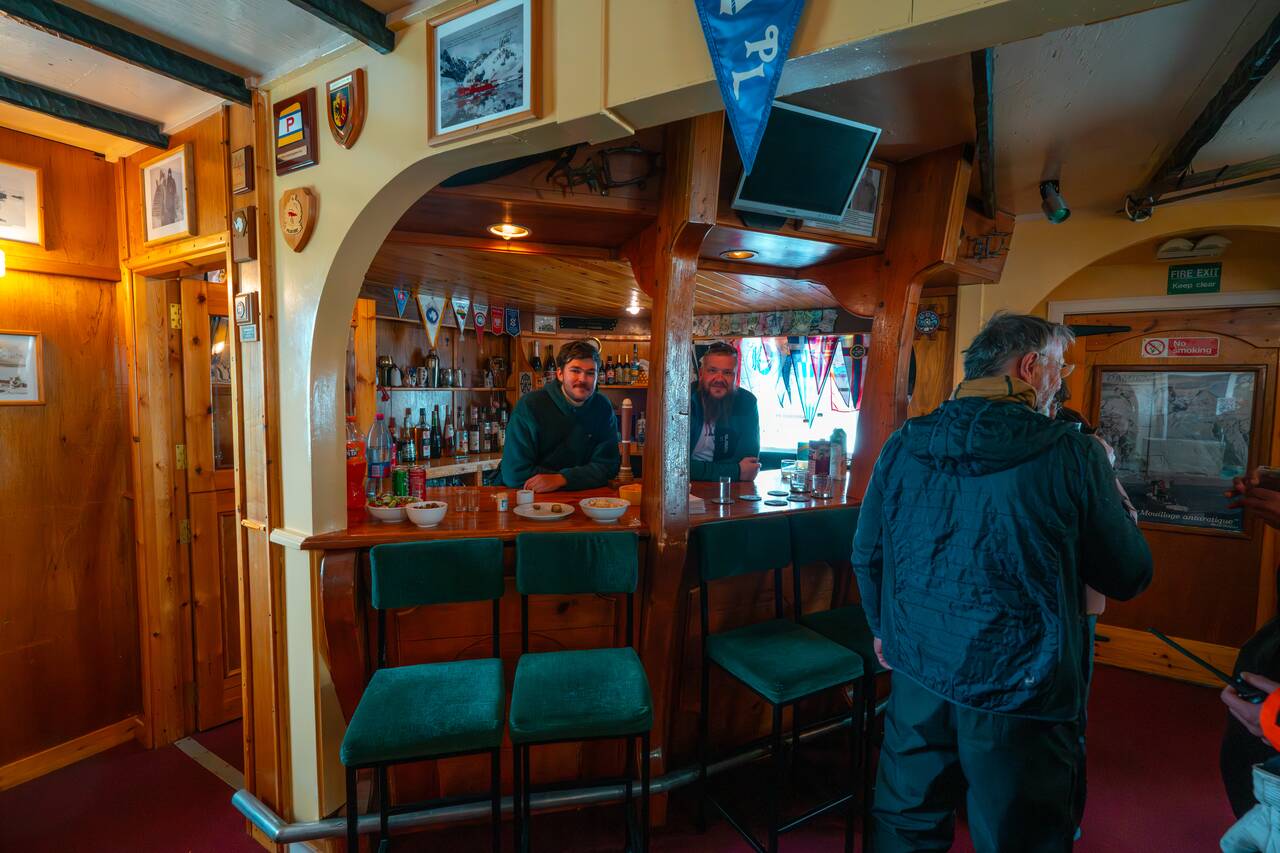
At the end of the tour, we were also given access to one of their proudest facilities: a cozy bar at the edge of the world where we could enjoy a drink with them for free. After seeing how life used to be at Wordie House, it was clear how far things have come in making life in Antarctica more comfortable. There were wooden tables, leather sofas, a chessboard, and even a pool table.
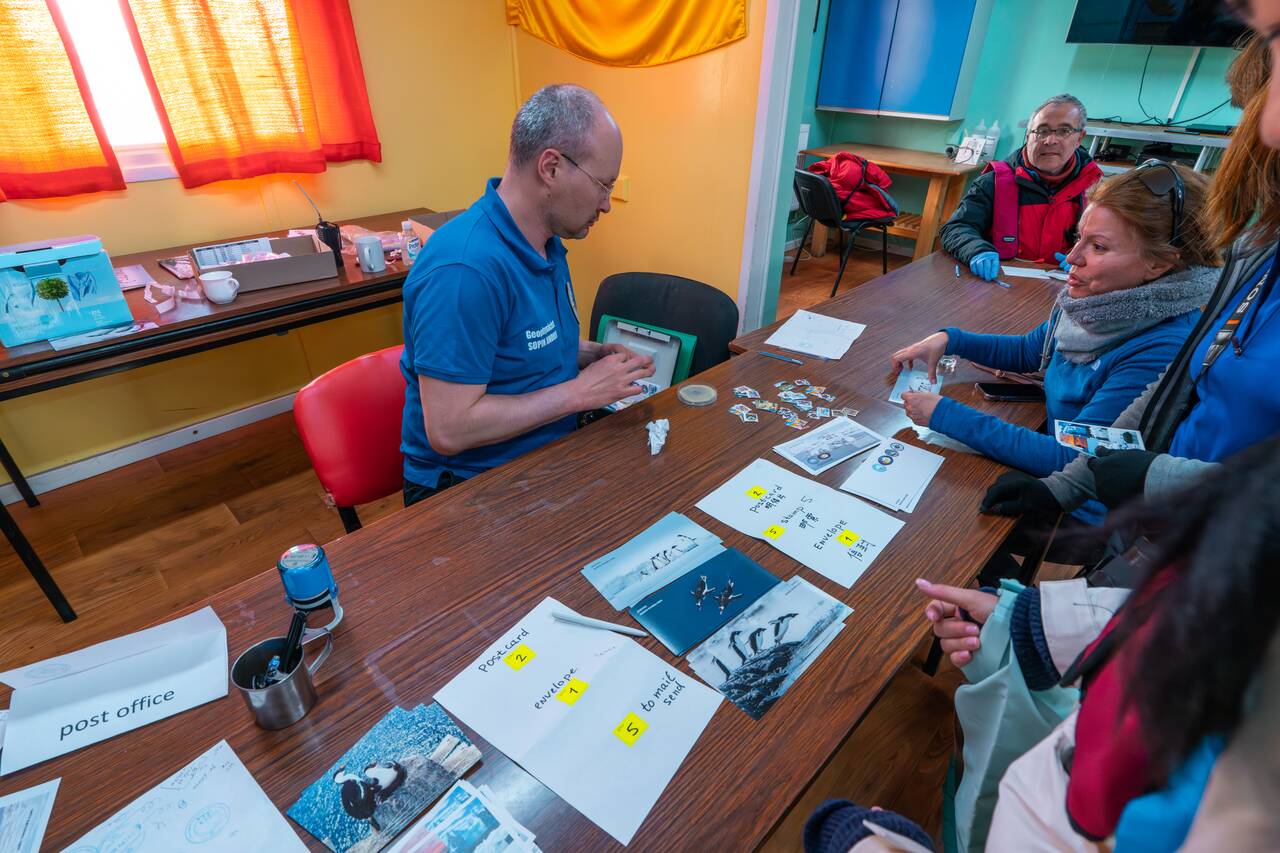
They also run a small gift shop and a postal service where you can buy souvenirs or send a postcard from Antarctica for a fee. They also have free WIFI so you can let people at home know that you are safe and sound, drinking vodka with a bunch of Ukrainian researchers at the edge of the world 🤣.
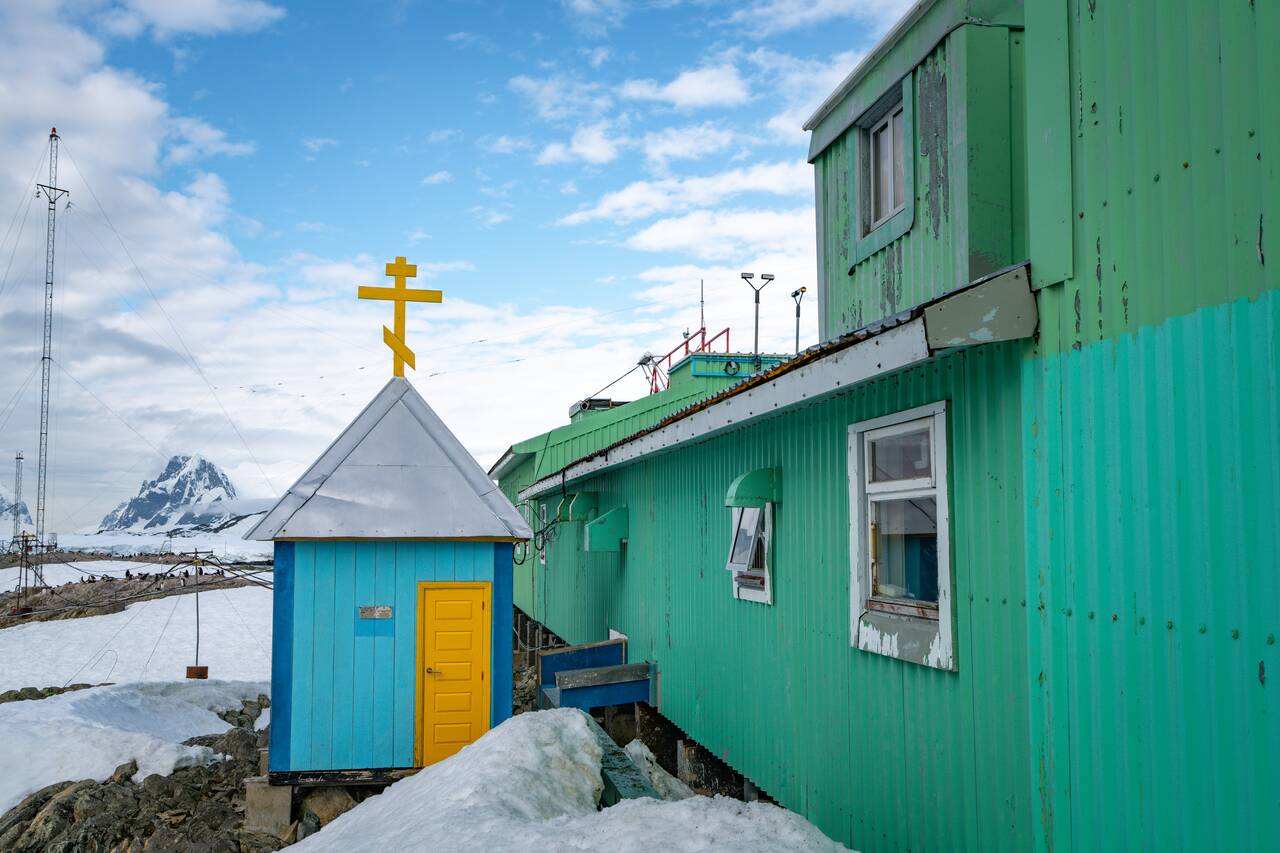
We ended up staying so long that dinner had to be pushed back just so we could return on time. It was a welcome change of pace from all the nature we had experienced up to that point. We got back to the ship, had dinner, and retreated for the day.
Day 7: Landing at Orne Harbor, Polar Plunging, & Cruise Around Melchior Islands
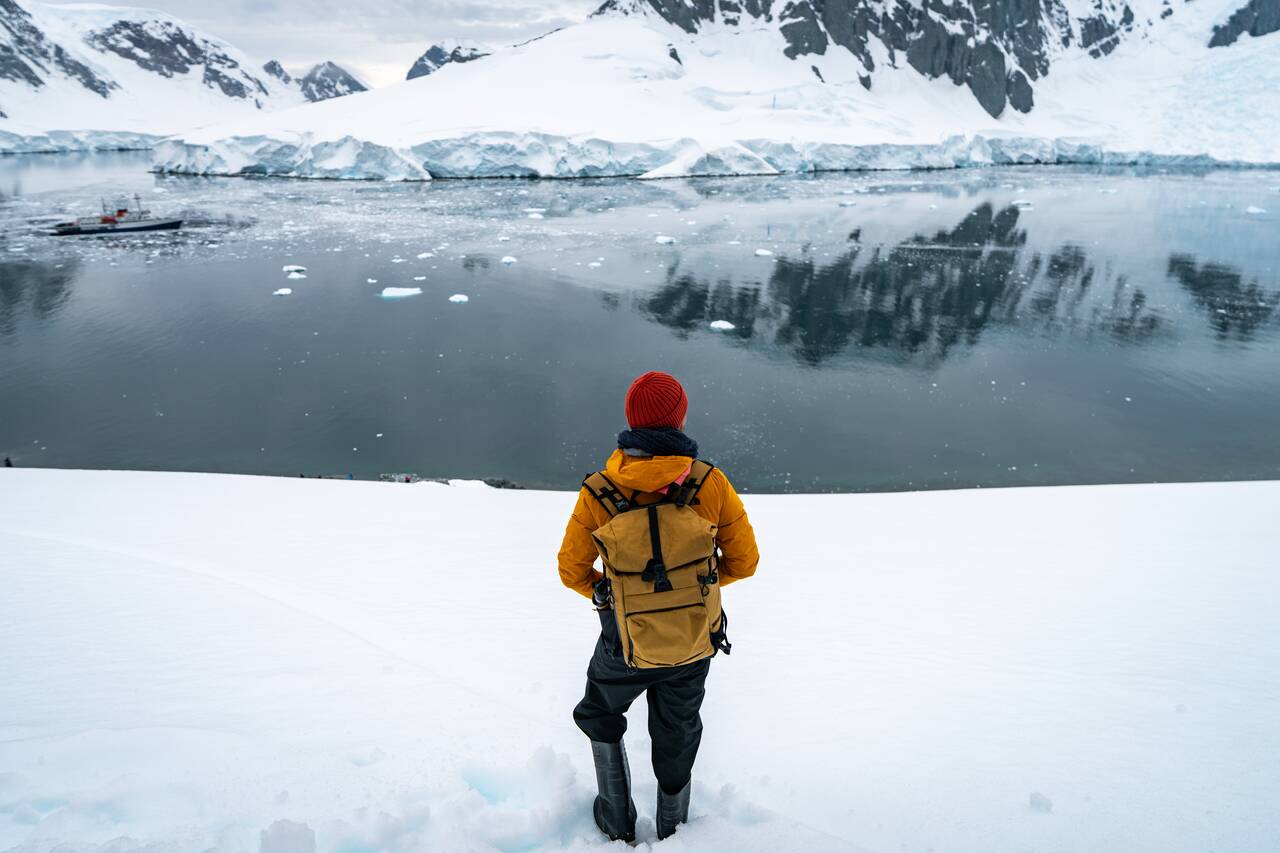
Despite being the last full day in Antarctica proper, we were still able to fill up the day with activities, with the highlight being another continental landing and a chance to do a polar plunge at Orne Harbor.
The night before, we were asked if anyone wanted to do the polar plunge, and about 80% of the passengers raised their hands, including me 🙌. We had to sign a waiver of liability due to the nature of the activity before we embarked on the continental landing at Orne Harbor, where the polar plunge would take place.
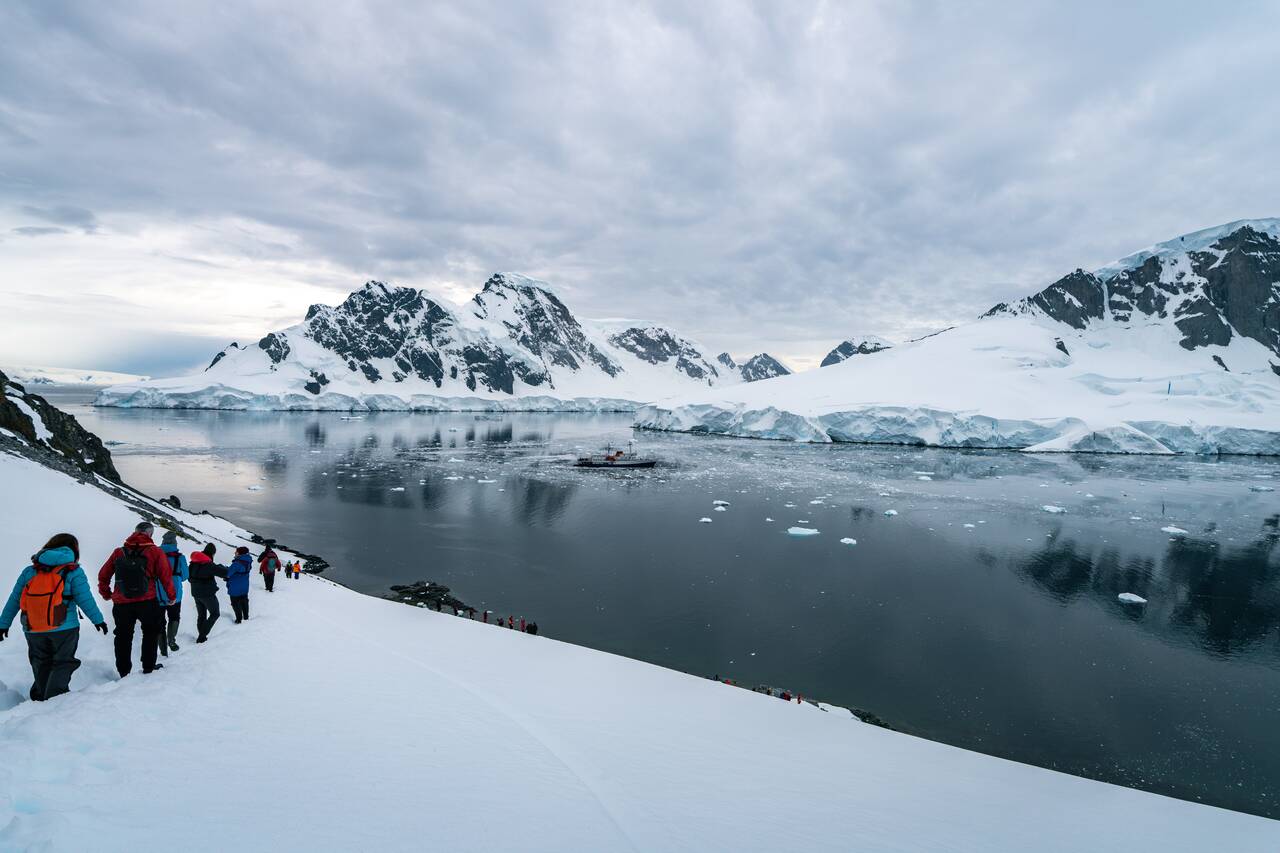
Once we landed on the continent, we went on a hike up the mountain to check out the incredible view of Orne Harbor from above. This was great as it kept us warm and sweaty before the polar plunge. After about 2 hours of hiking, we proceeded down to the coastline and everyone who signed the waiver stripped into their bathing suits, and started jumping in the water one by one.
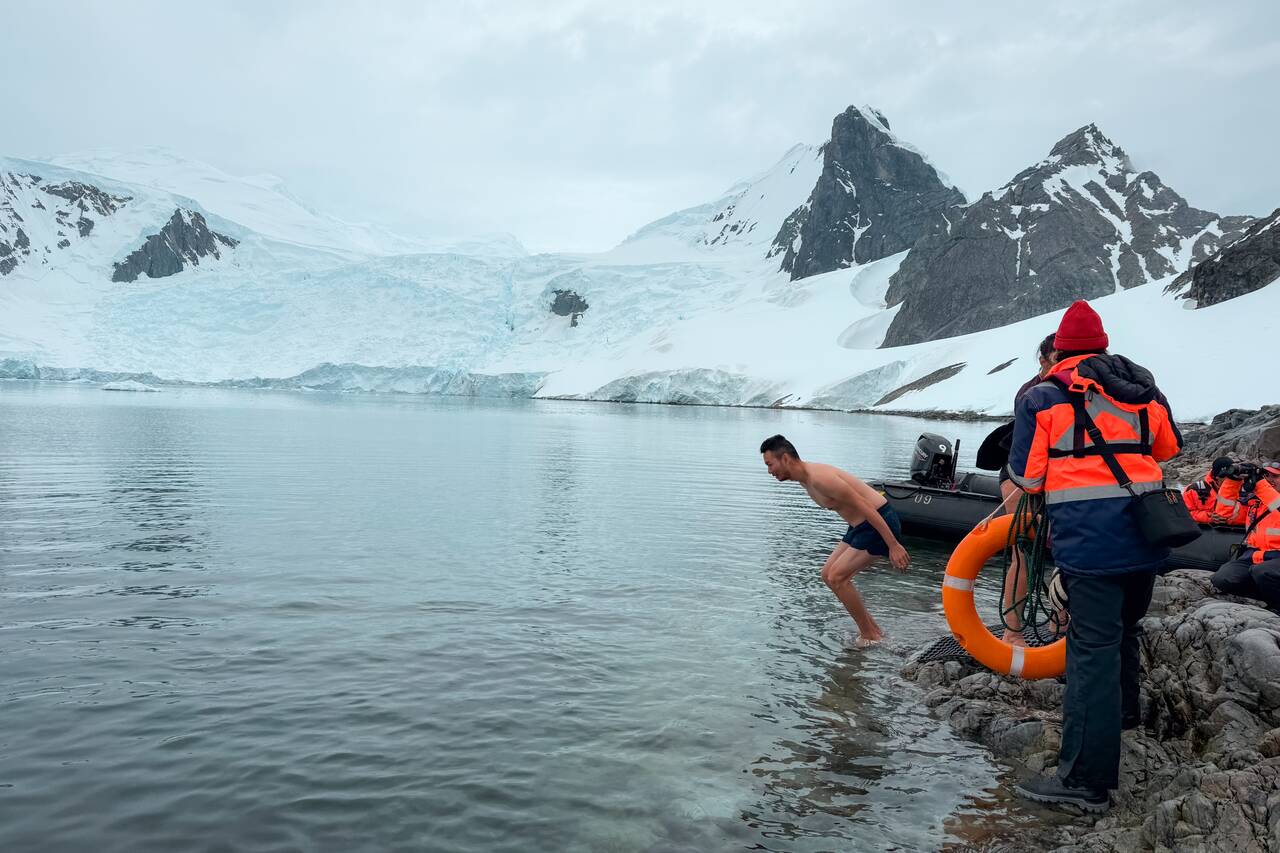
Let me tell you, the anticipation alone was already killing me, but nothing could have prepared me for the sensation I experienced the moment my body was engulfed by the ice-cold water of Antarctica. It felt like a thousand needles were piercing my skin. My muscles immediately started cramping, and my chest tightened so much that I had trouble breathing.
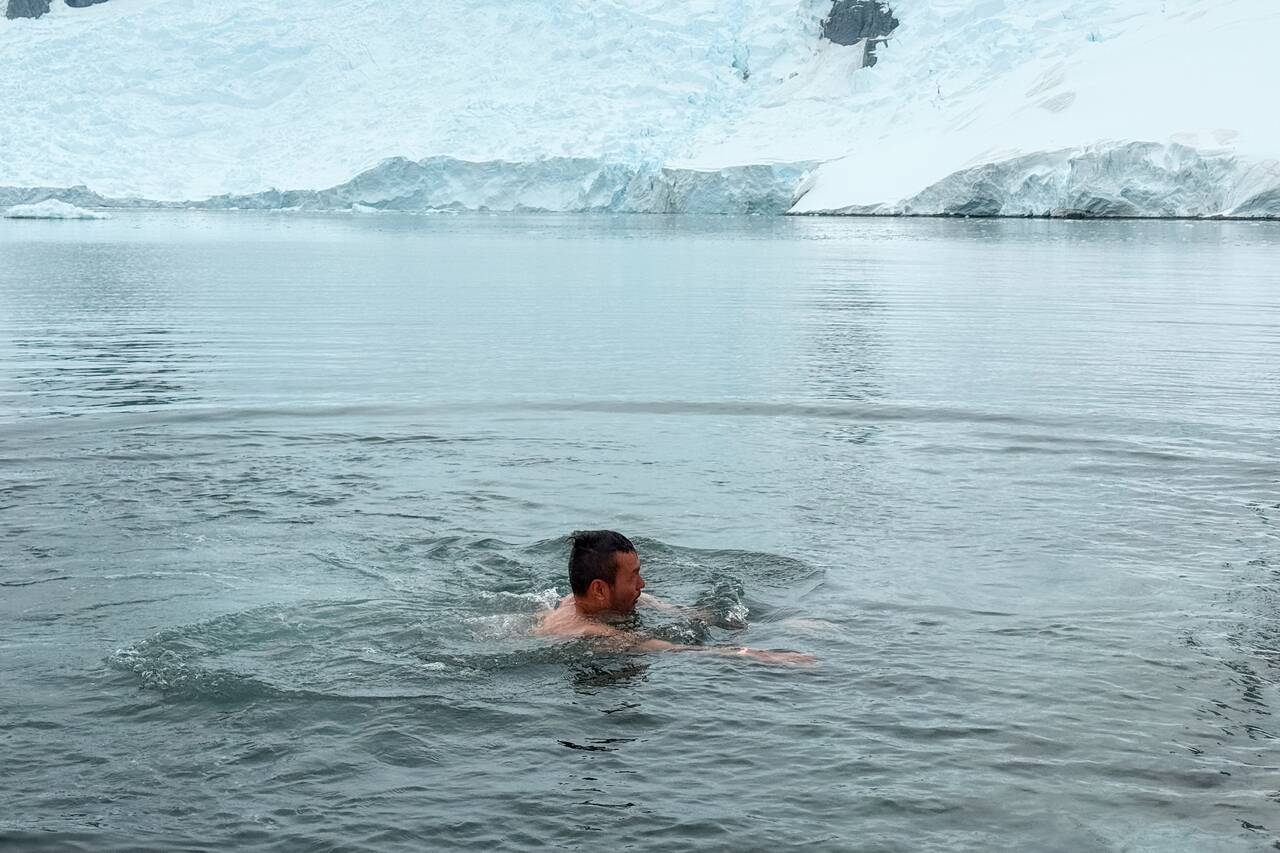
It was both exhilarating and liberating, as well as painful, as I could not feel my feet for hours afterward. In fact, the pain became even more apparent as my feet started regaining feeling while I was showering with warm water back on the ship. Would I do it again? No. Would I recommend anyone do it if they’re game? Hell yeah.
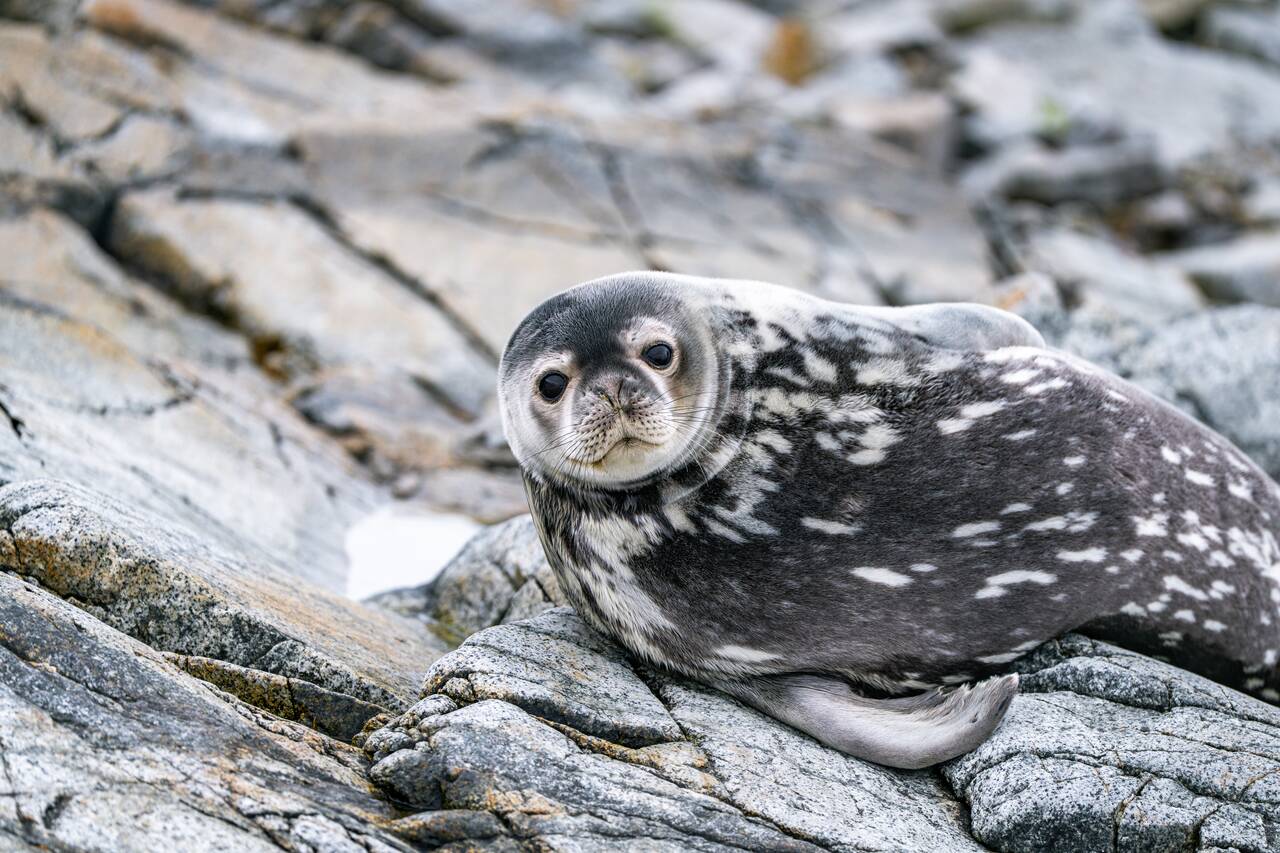
After the polar plunge, we had lunch on the ship and headed out again for our last Zodiac cruise around the Melchior Islands. We spotted more seals, penguins, and birds, which was exciting, but there was also a sense of sadness in the air as the trip essentially came to an end. We were also all dreading the two-day crossing of the Drake Passage again. 😅
Day 8 - 9: Crossing Drake Passage Again & Talent Shows on the Cruise
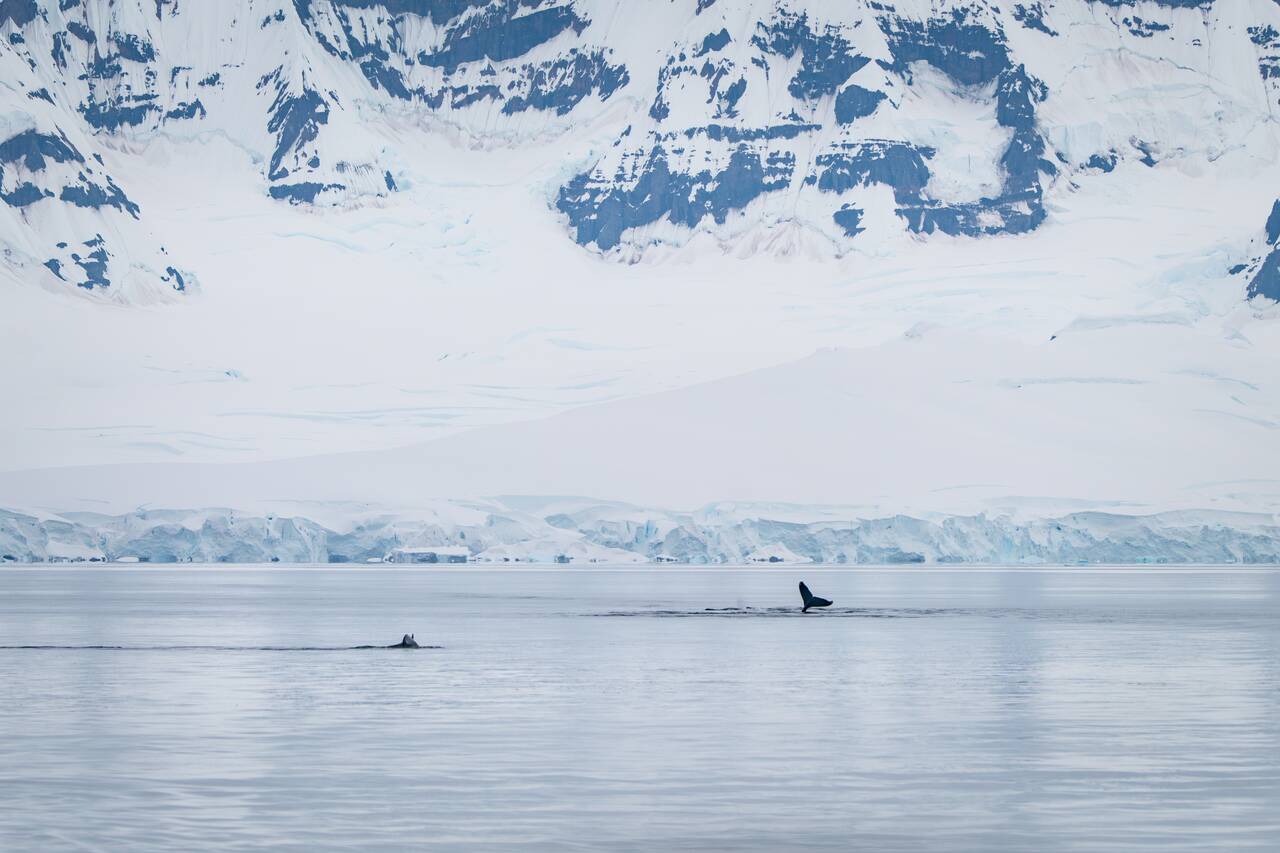
For the next two days, we braved the Drake Passage again, this time more prepared than the last, so it was much easier for almost everyone on board as we now knew what to expect. During the day, we mixed our activities with bird-watching and lectures about the history of Arctic exploration and the many failed attempts to reach the South Pole during the Age of Exploration.
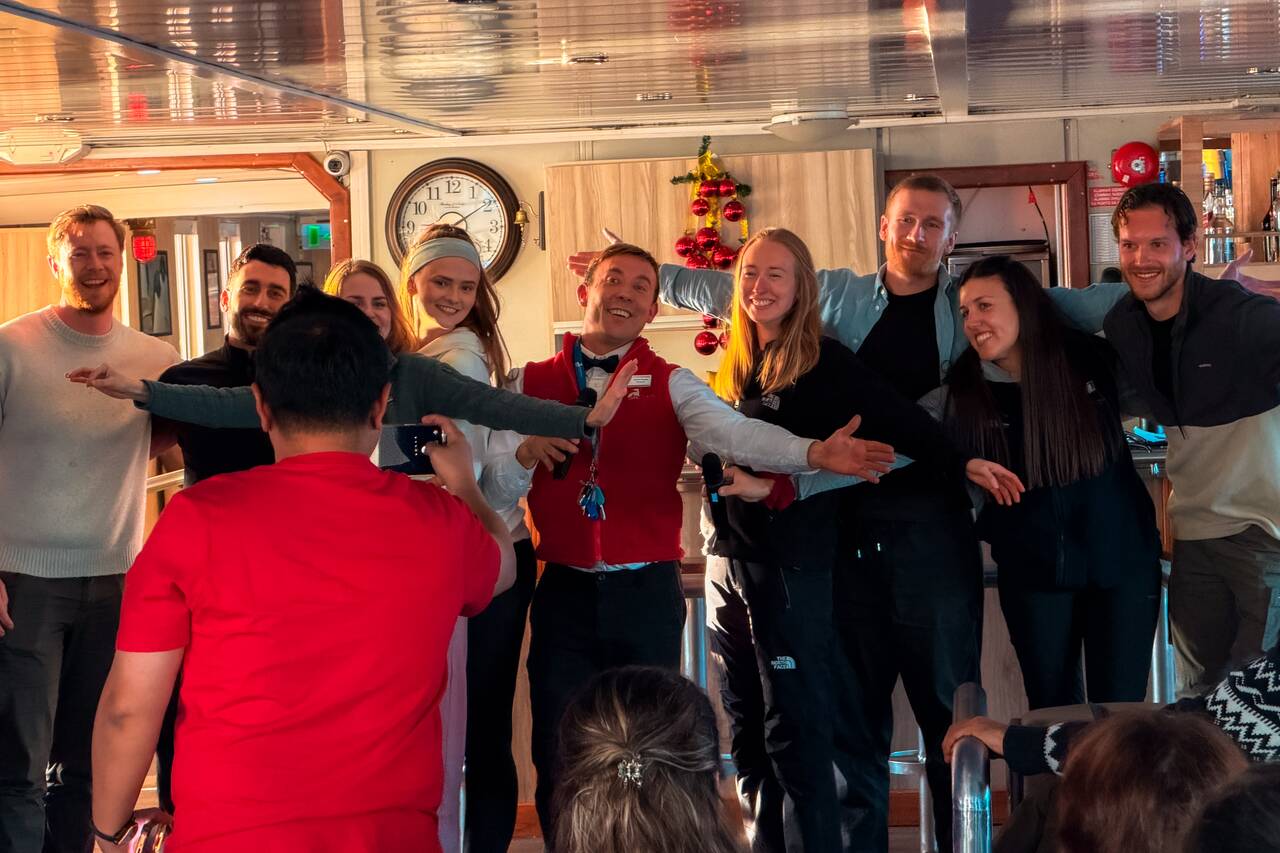
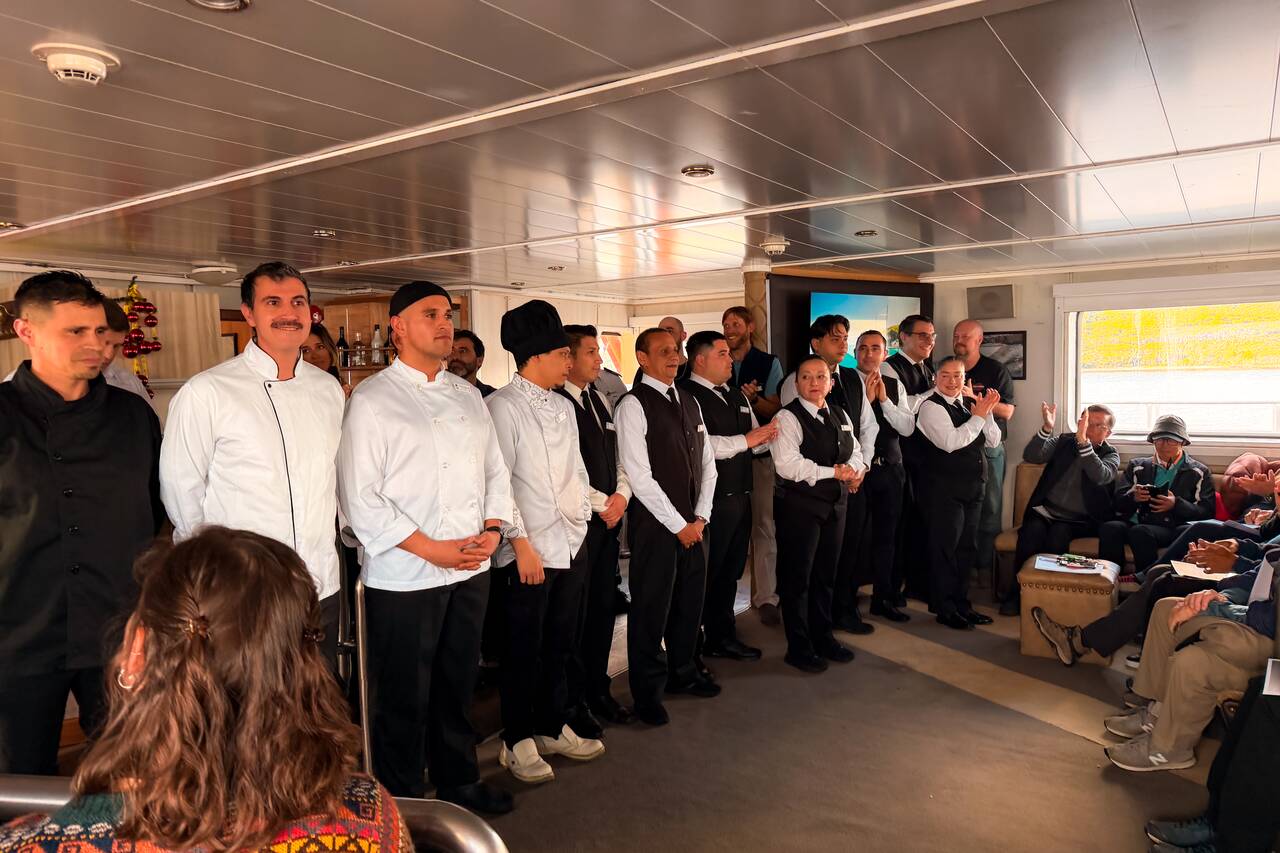
In the evening, we had talent shows to bring people together and enjoy each other’s company. Our bartender, Fabian, was the best. He led the entire talent show and was always keen on having a great time with his fun personality and awesome dance moves 🤣. A long trip like this can really be made or broken by how social it is, and Fabian really made this trip memorable for us all, so shoutout to him!
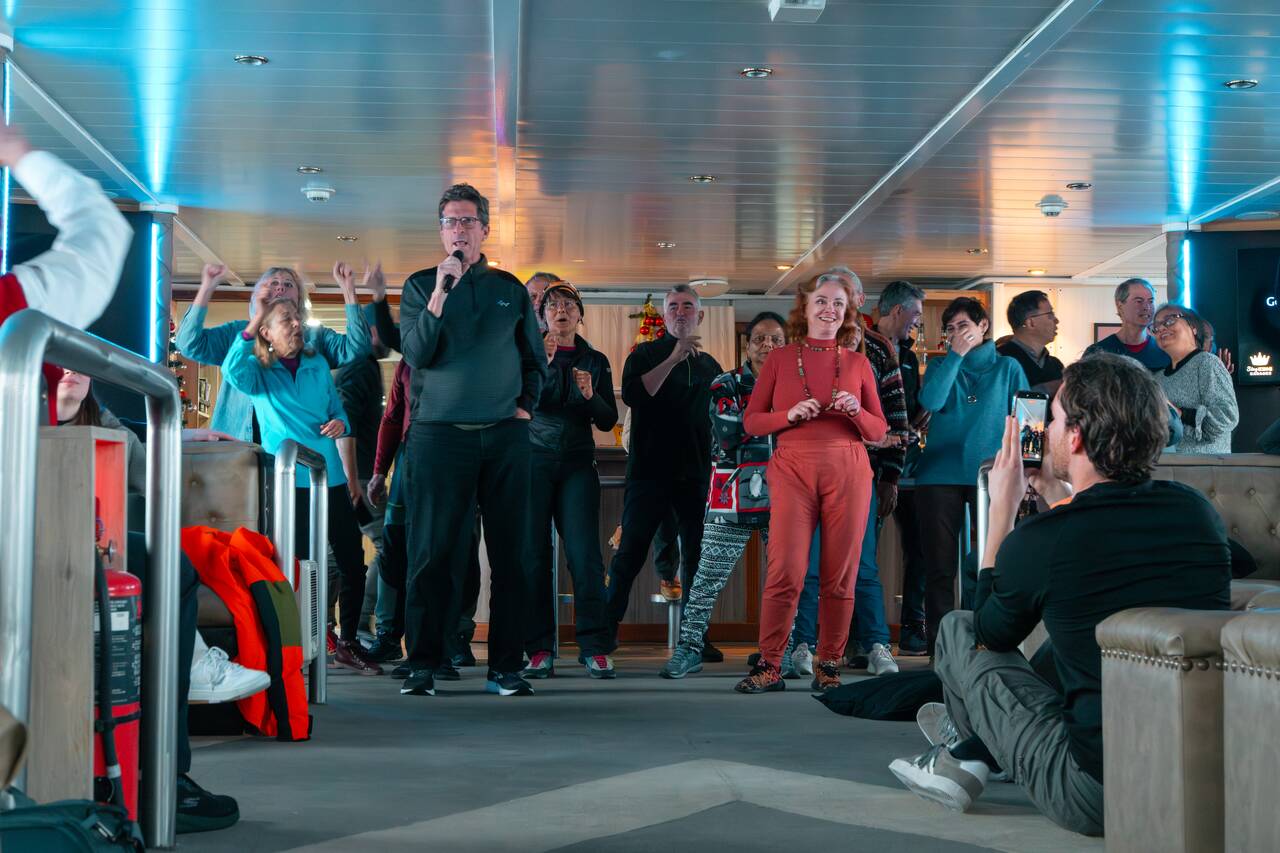
At night, they would put on movies like Happy Feet and Into the Wild to keep us entertained while we survived the Drake Passage and before we knew it, we were back in the calm waters of Ushuaia!
Day 10: Back in Ushuaia
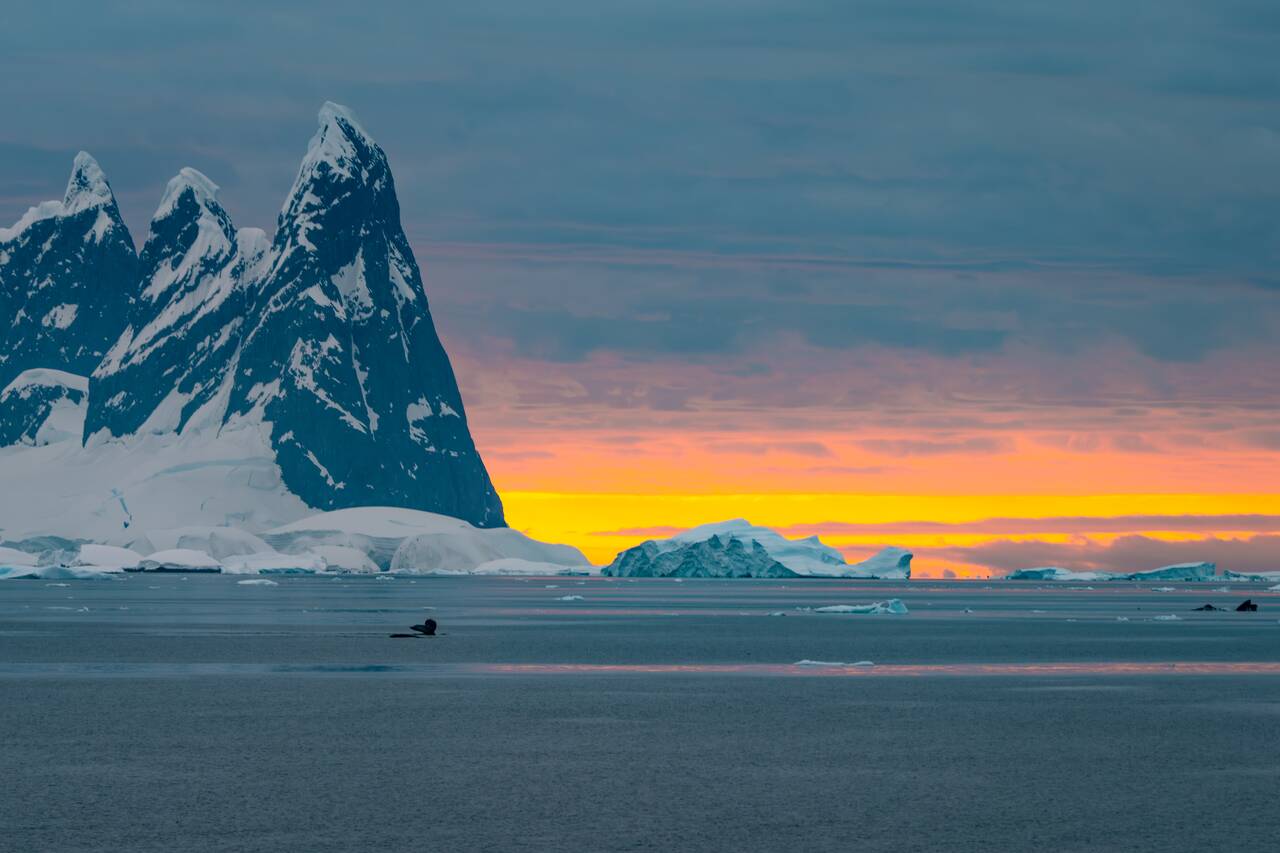
We arrived in the calm waters at the southern tip of South America the night before and continued to cruise slowly back to Ushuaia throughout the night. The next morning, we disembarked around 8 AM, got everything sorted, and left the pier by 9 AM.
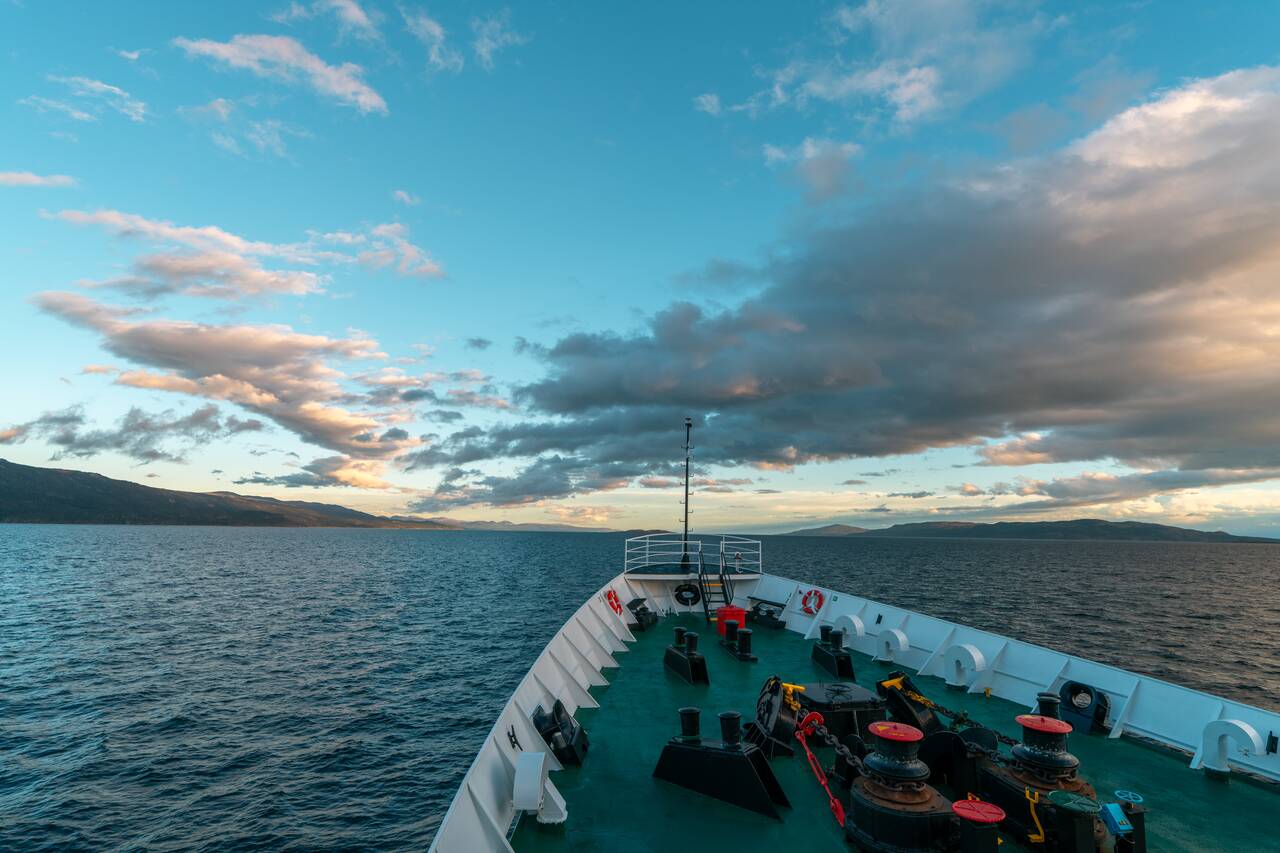
I had a flight back to Buenos Aires with Bondi Air at 6 PM, which was delayed until 7 PM, but it was not cancelled like some flights after the day I left. My friends told me they were stuck in Ushuaia for another day due to weather-related cancellations, so make sure to plan a buffer day or two after your expedition in case of flight disruptions.
And that is it for the 10-day Antarctica itinerary and everything I experienced throughout the entire trip. I hope this gives you an idea of what to expect from a trip to Antarctica. If you are convinced, continue below to find all the information you need to make this trip happen!
Must-Do in Antarctica
Set Foot on the Actual Continent
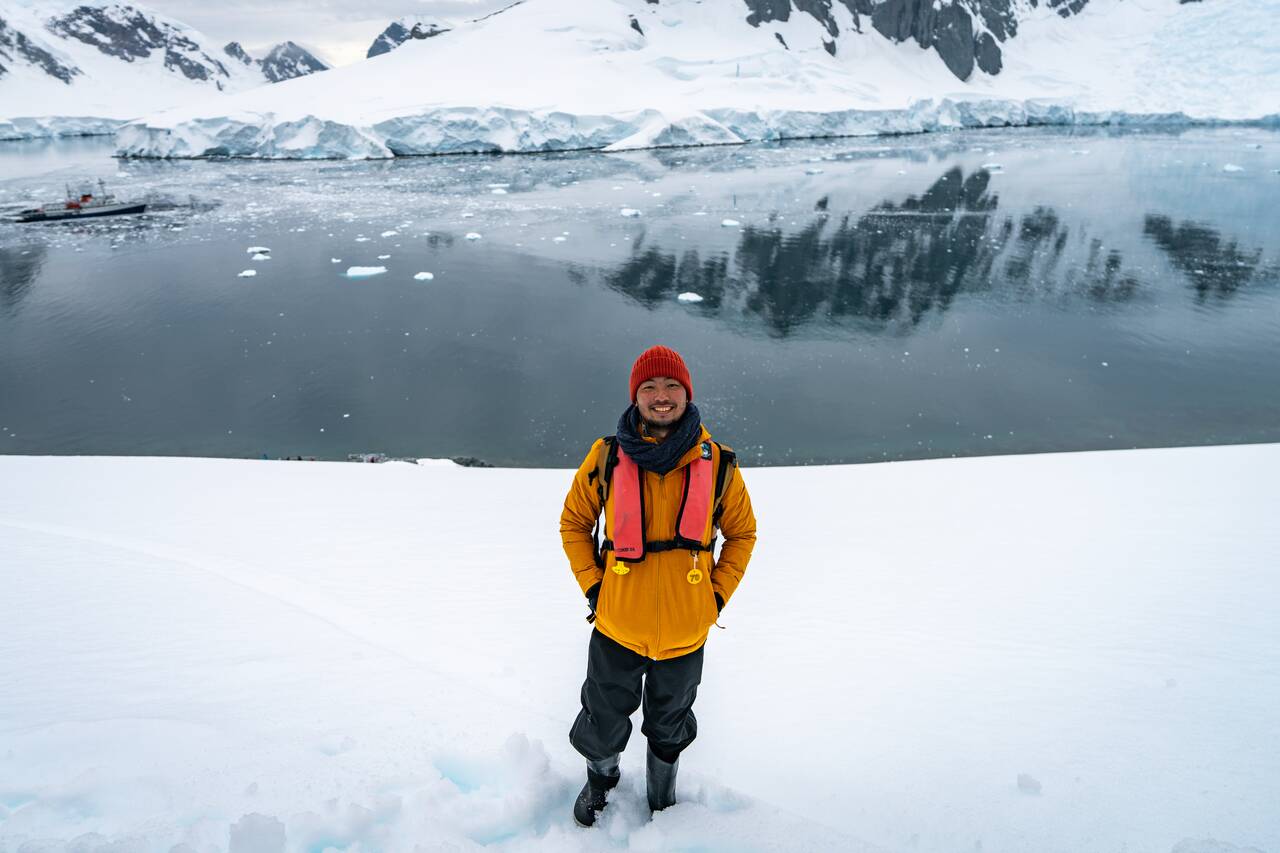
This might be a hot take, but if your Antarctica cruise does not include an actual landing on the Antarctic continent, did you really visit Antarctica? It is kind of like taking a ferry across the Pacific and claiming you visited every Pacific country along the way!
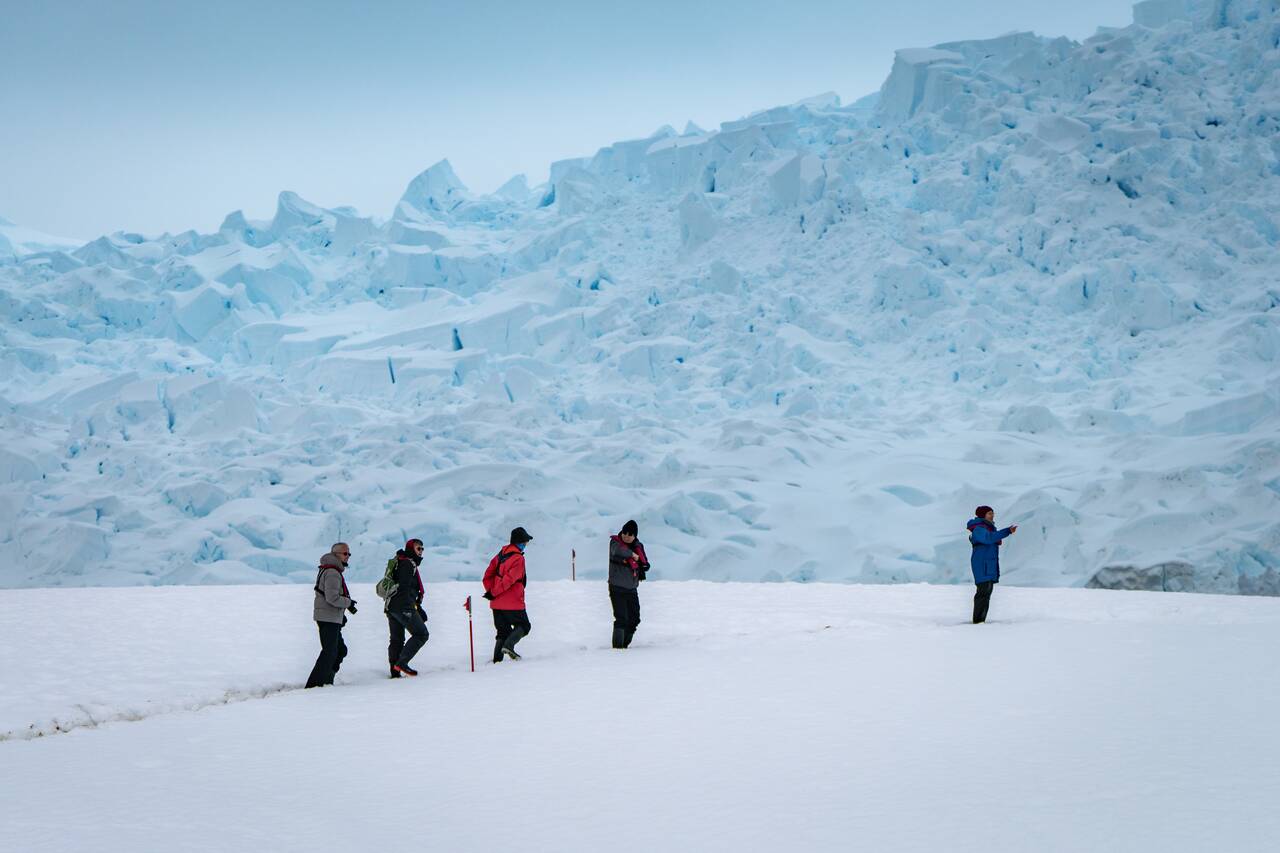
For me, an Antarctica expedition should include at least one landing on the continent itself, not just the islands around the Antarctic Peninsula. According to IAATO regulations, the governing body of Antarctic tourism, ships carrying more than 500 passengers are not allowed to make landings on the continent, which is why I highly recommend choosing a small-to-medium-sized expedition ship.
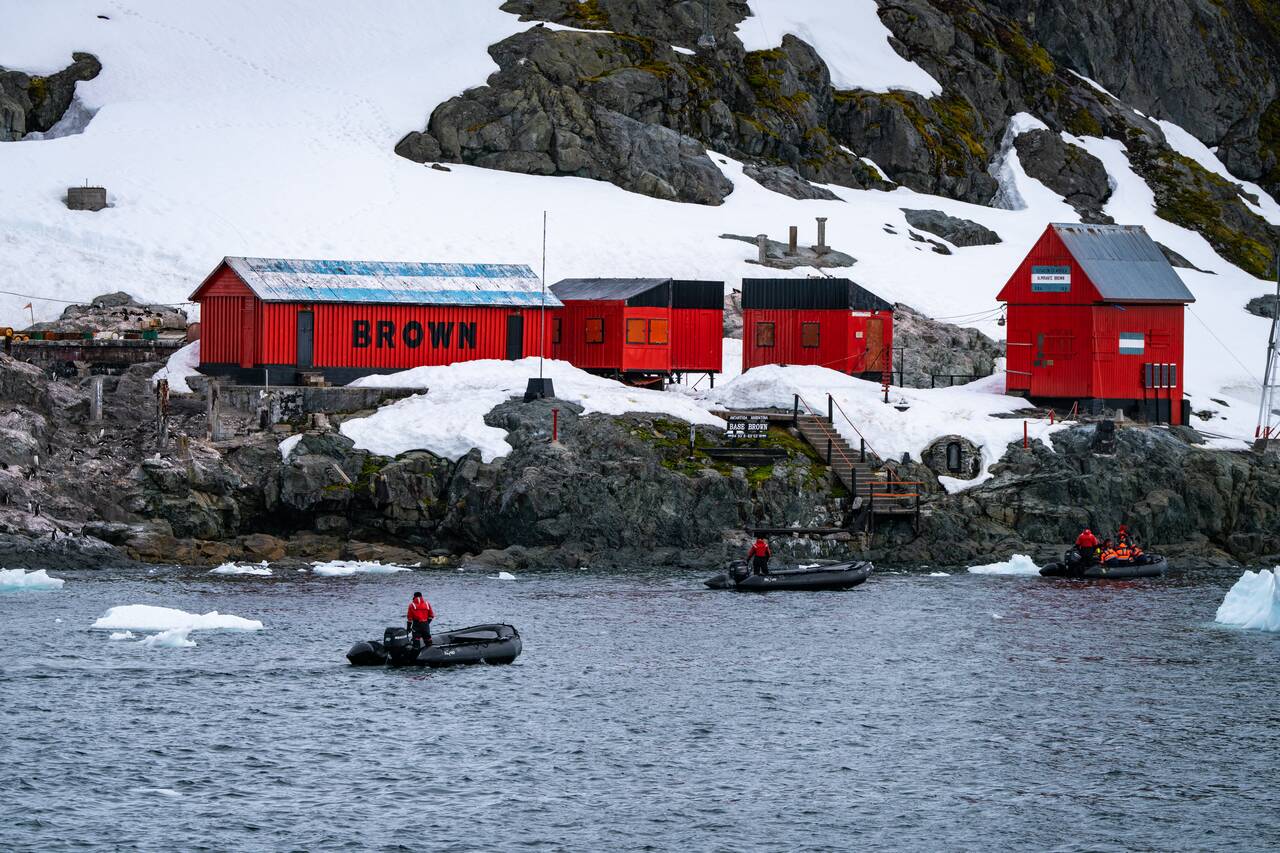
With Antarpply, we actually did two continental landings at Brown Station and Orne Harbor, where we spent a few hours hiking around and taking in the views from higher up in the mountains. I thought it was absolutely incredible.
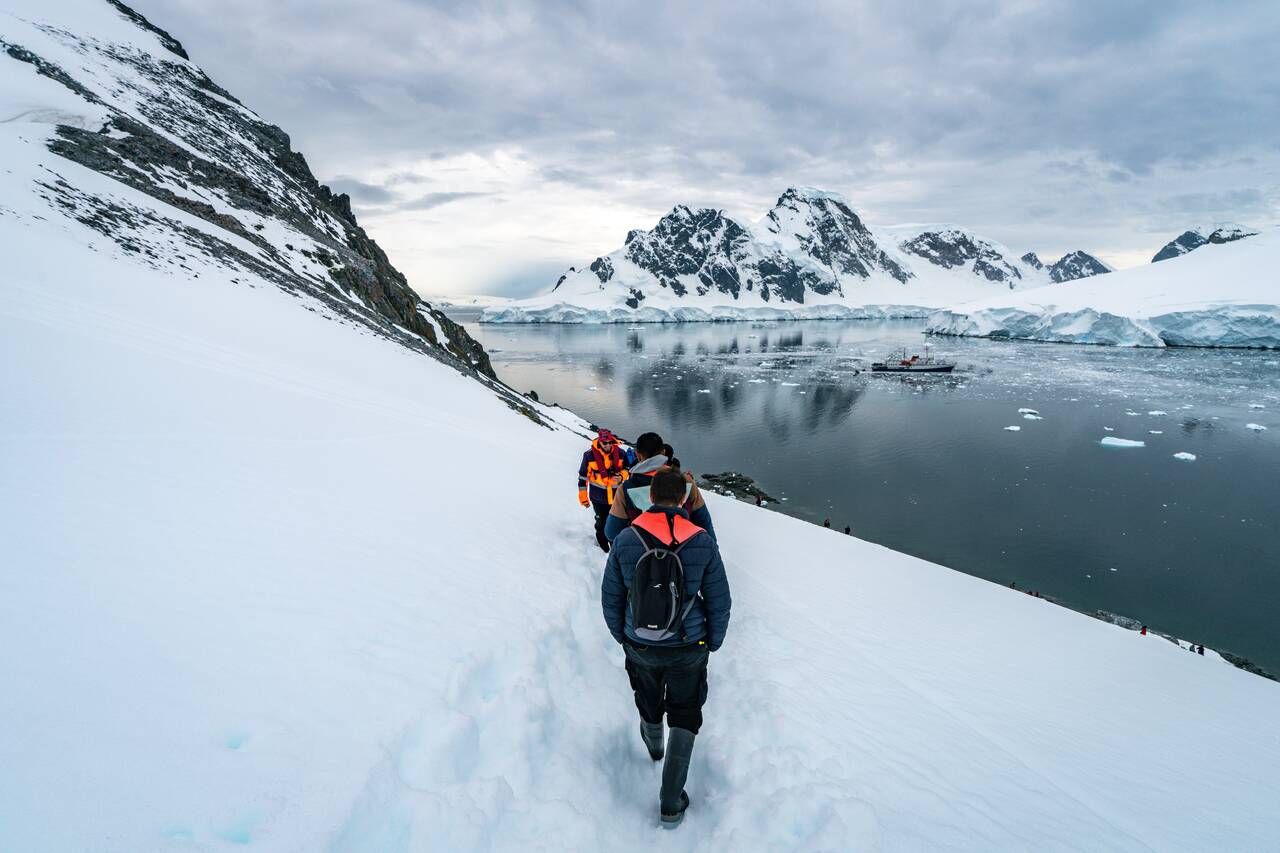
The realization that on one side you have the ocean, while on the other stretches an enormous frozen landmass of ice and snow as far as the eye can see, is both terrifying and fascinating at the same time. If you are currently planning a trip to Antarctica, make sure your expedition includes actual continental landings.
Polar Plunge
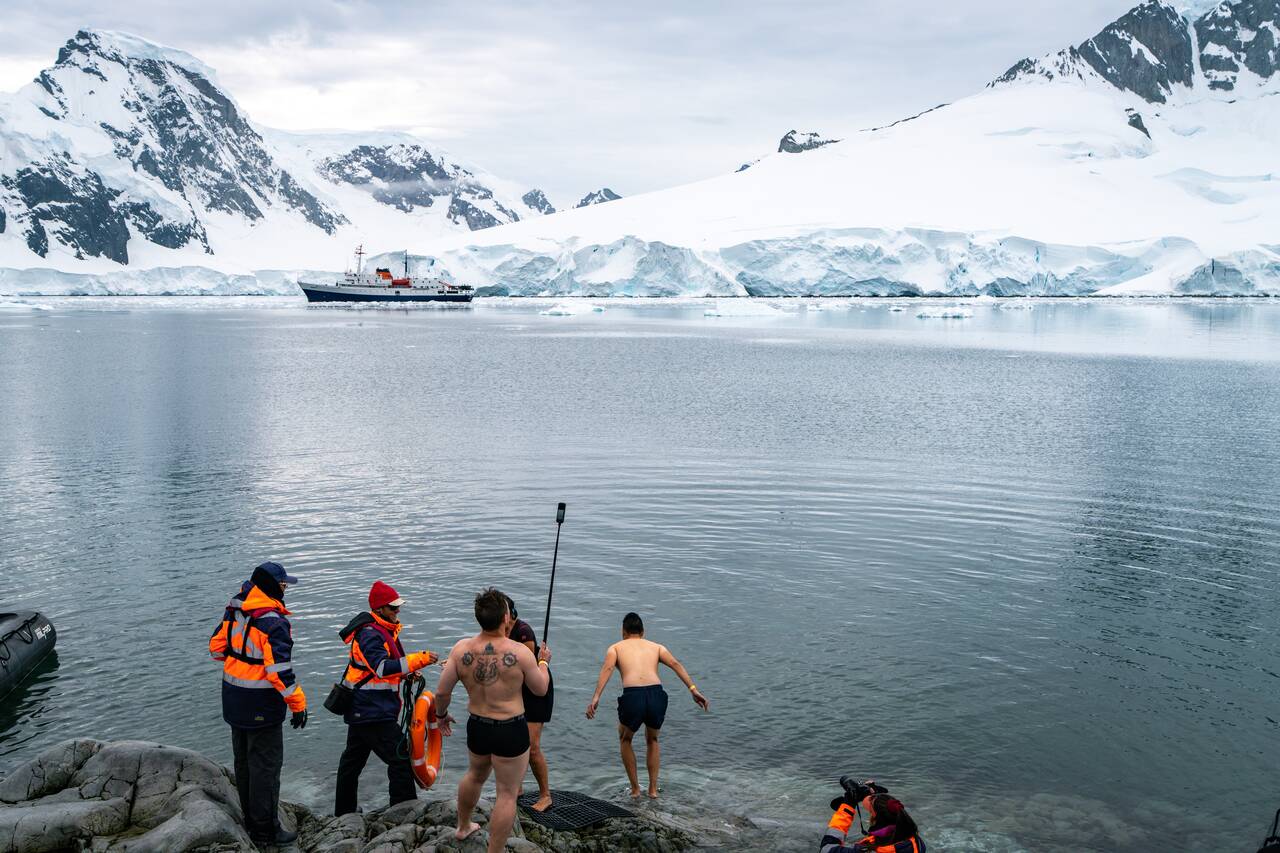
Polar plunging is definitely not on everyone's bucket list, and to be honest, it was not originally on mine either, at least not until I was actually in Antarctica and about 80% of the people onboard convinced me to do it. It did not take much convincing though, because the idea of jumping into the freezing Antarctic water is pretty badass in and of itself.
With Antarpply, the polar plunge was not originally part of the itinerary, but due to high demand from passengers, they decided to add the activity after a hike at Orne Harbor. With staff members standing by holding lifebuoys, we were allowed to jump into the freezing water one by one, and it was somehow both incredibly liberating and incredibly painful at the same time 🤣.
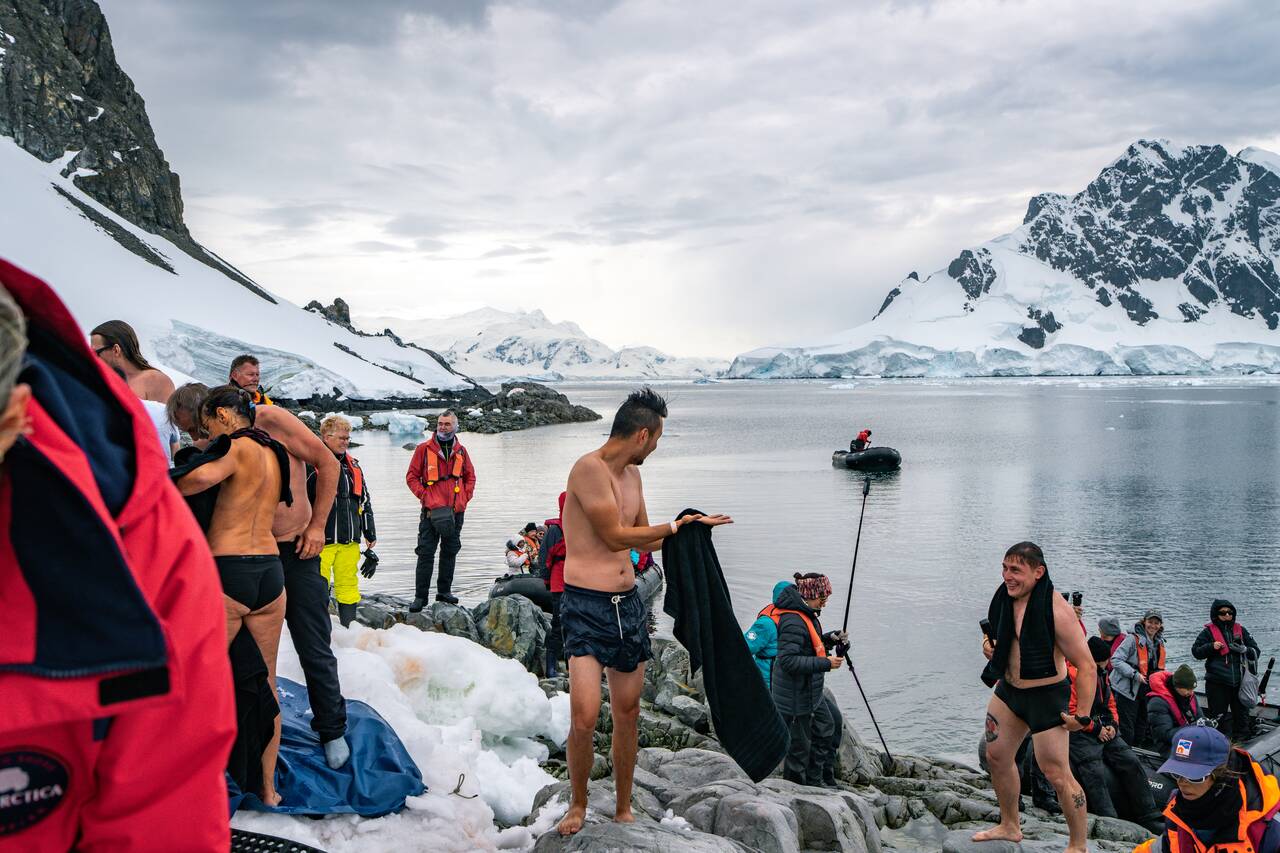
During the Austral summer, Antarctic coastal water temperatures usually range between -2°C and 2°C (28°F–35°F), and let me tell you, the moment I jumped in, it felt like a thousand needles piercing my skin. My muscles immediately started cramping, and my chest tightened so much that I had trouble breathing.
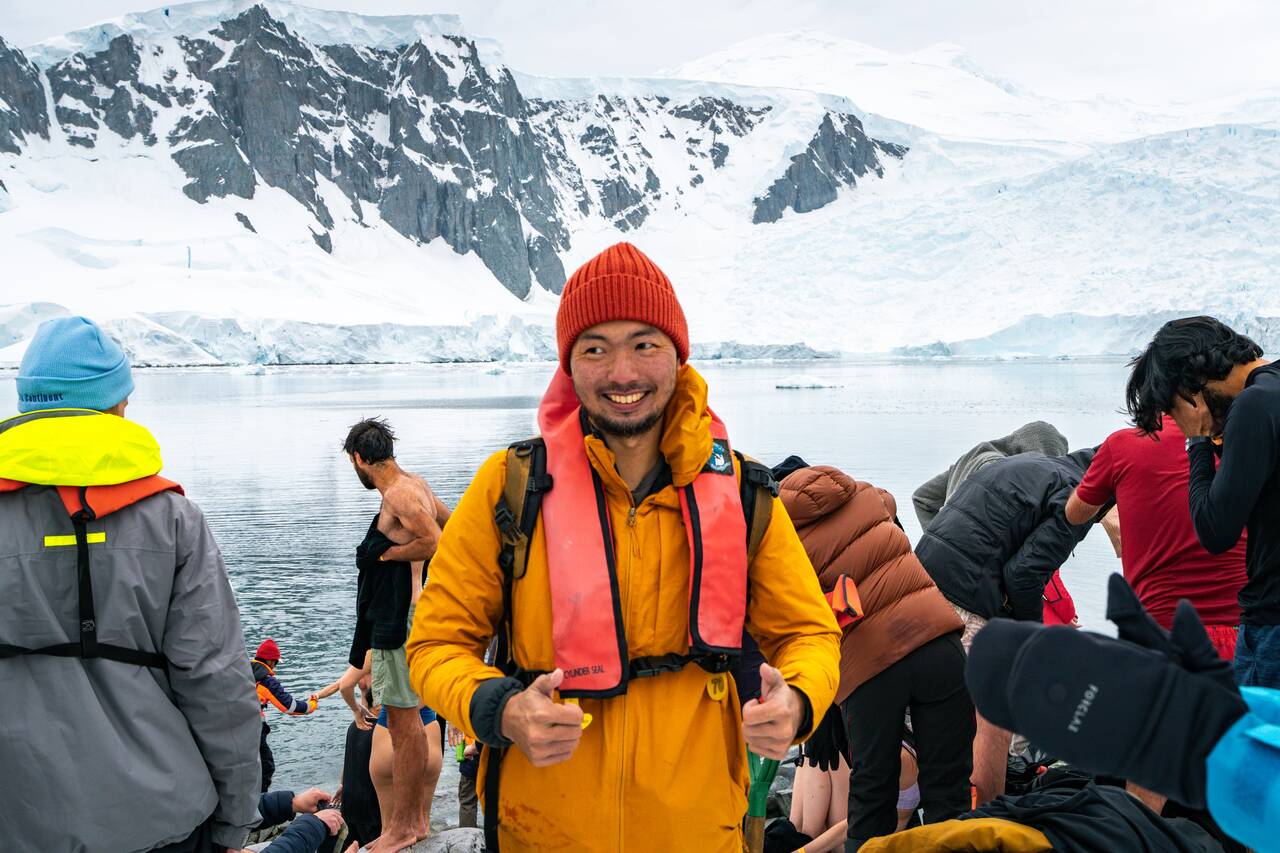
Let's just say I was not in the water for more than 5 seconds before scrambling my way back onto land. Meanwhile, there were older German and American gentlemen casually doing freestyle laps, so your mileage may vary. I am from Thailand, so this is definitely NOT something I am used to 🤣
Track Down Different Types of Penguins
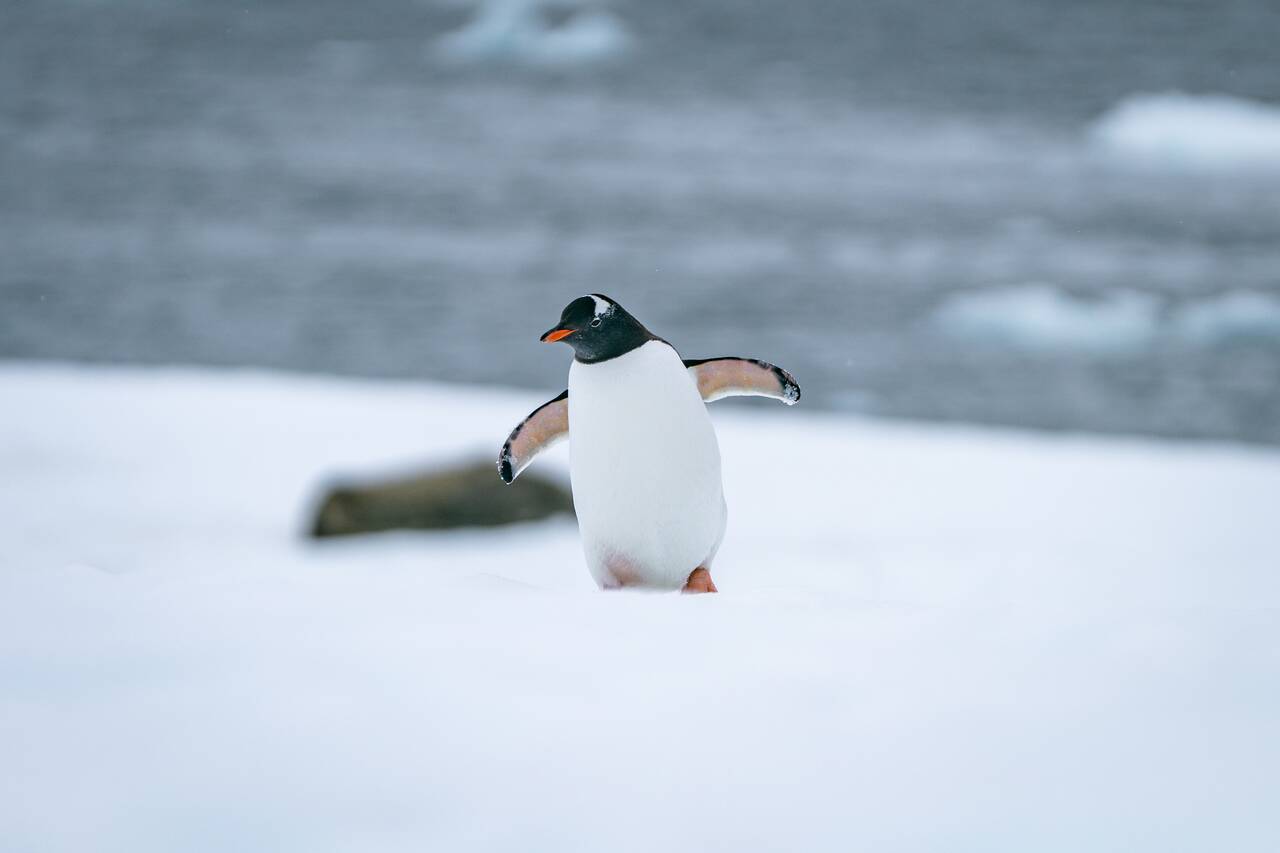
One of the animals you will constantly encounter throughout your trip is penguins, and you will often get to see them up close during landings. They tend to gather in large groups along the coast, and sometimes they even become curious when they see humans - basically giant penguins to them - wandering around their territory.
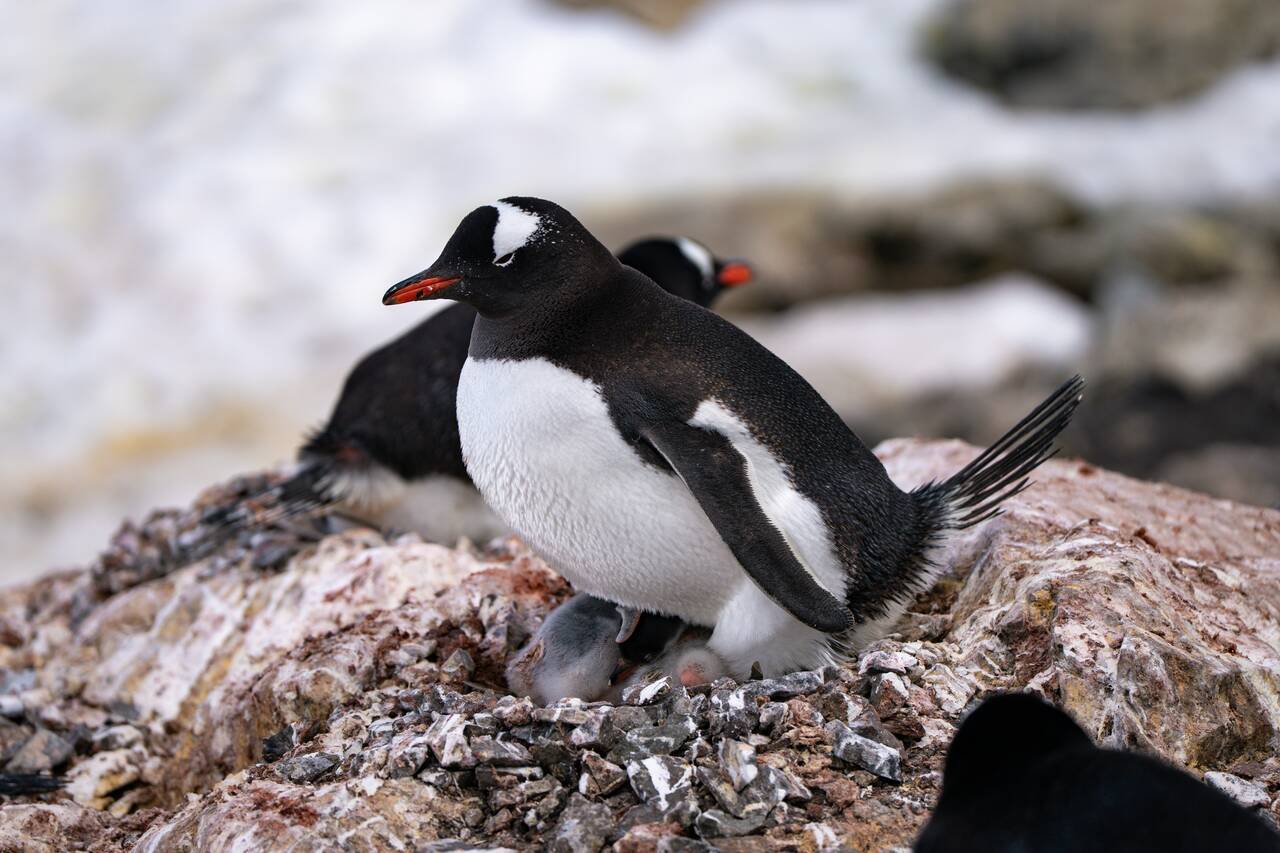
During your trip, you will see tons of Gentoo penguins, quite a few Chinstrap penguins, and if you are lucky, you may even spot Adélie penguins too, you know, the funny Mexican-accented penguins from the animated movie Happy Feet 🤣.
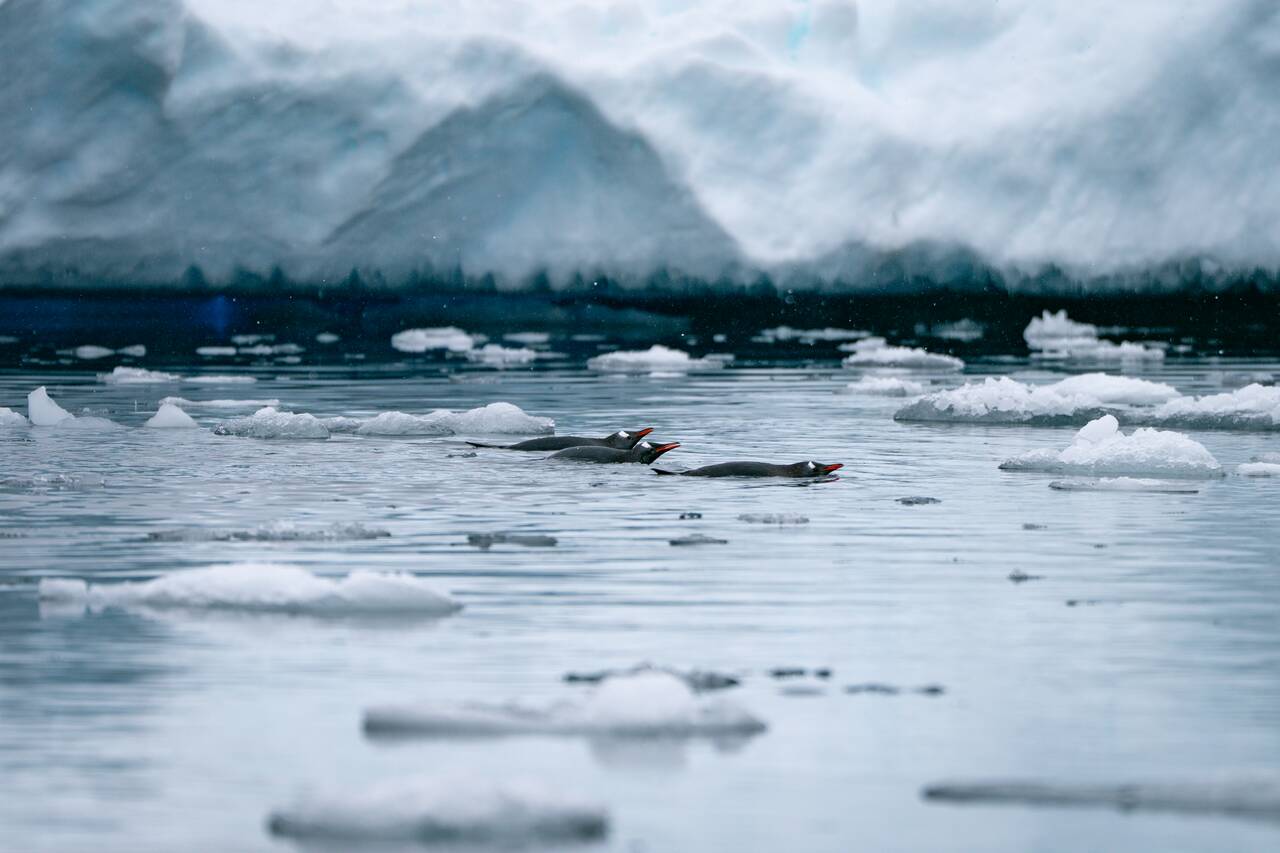
If you go with the Classic Antarctica Itinerary that visits the Antarctic Peninsula like I did, unfortunately, you will not see the large, almost human-sized Emperor penguins. They mostly reside farther north around South Georgia and the South Sandwich Islands, so you would need to choose an expedition that includes those destinations instead.
Orca & Whale-Watching
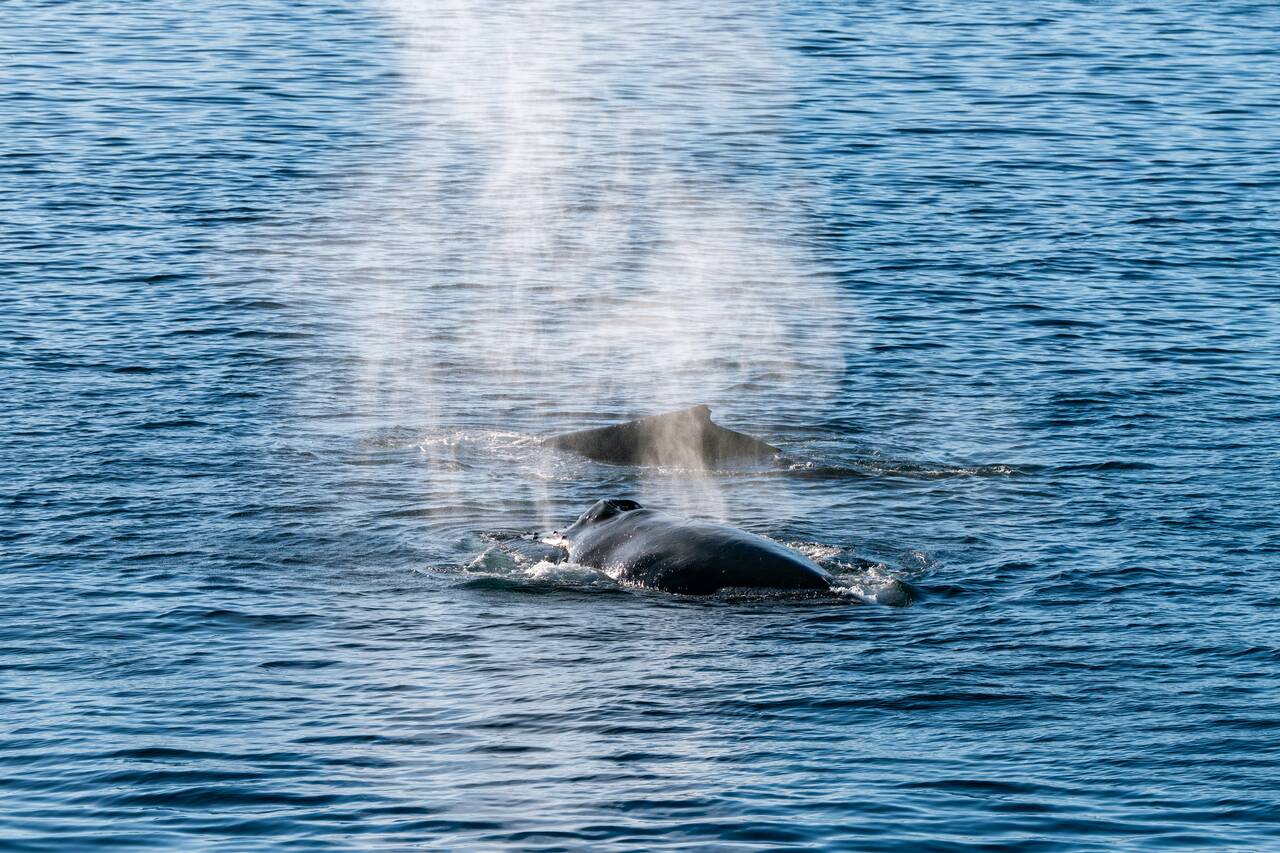
If you are visiting during the summer months (December to January), you will likely see plenty of humpback whales and orcas around Antarctica as they migrate here to feed during the warmer months.
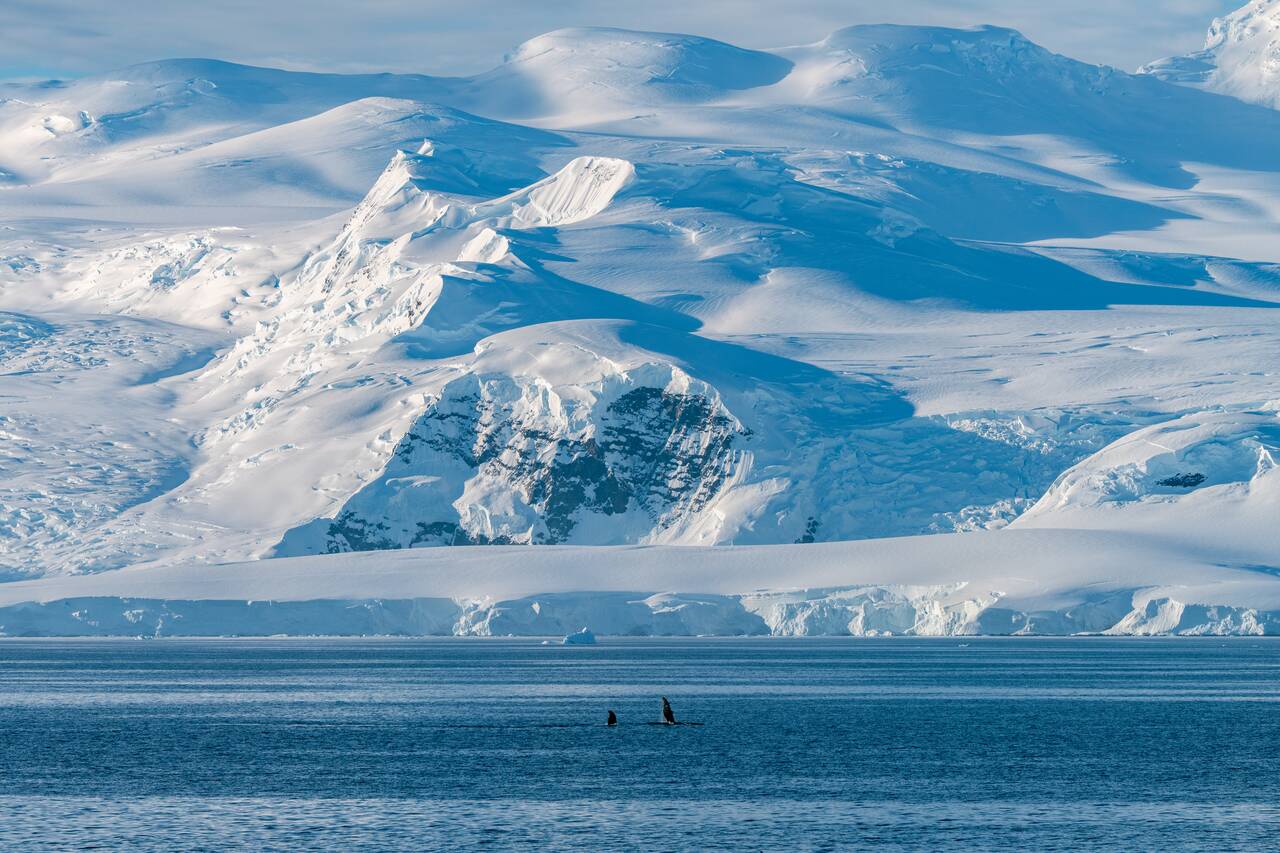
Whenever the captain spotted signs of marine life activity, they would announce it over the intercom, giving everyone time to rush out onto the deck and watch these magnificent creatures swimming, feeding, and sometimes teasing us with brief appearances before disappearing back beneath the icy water.
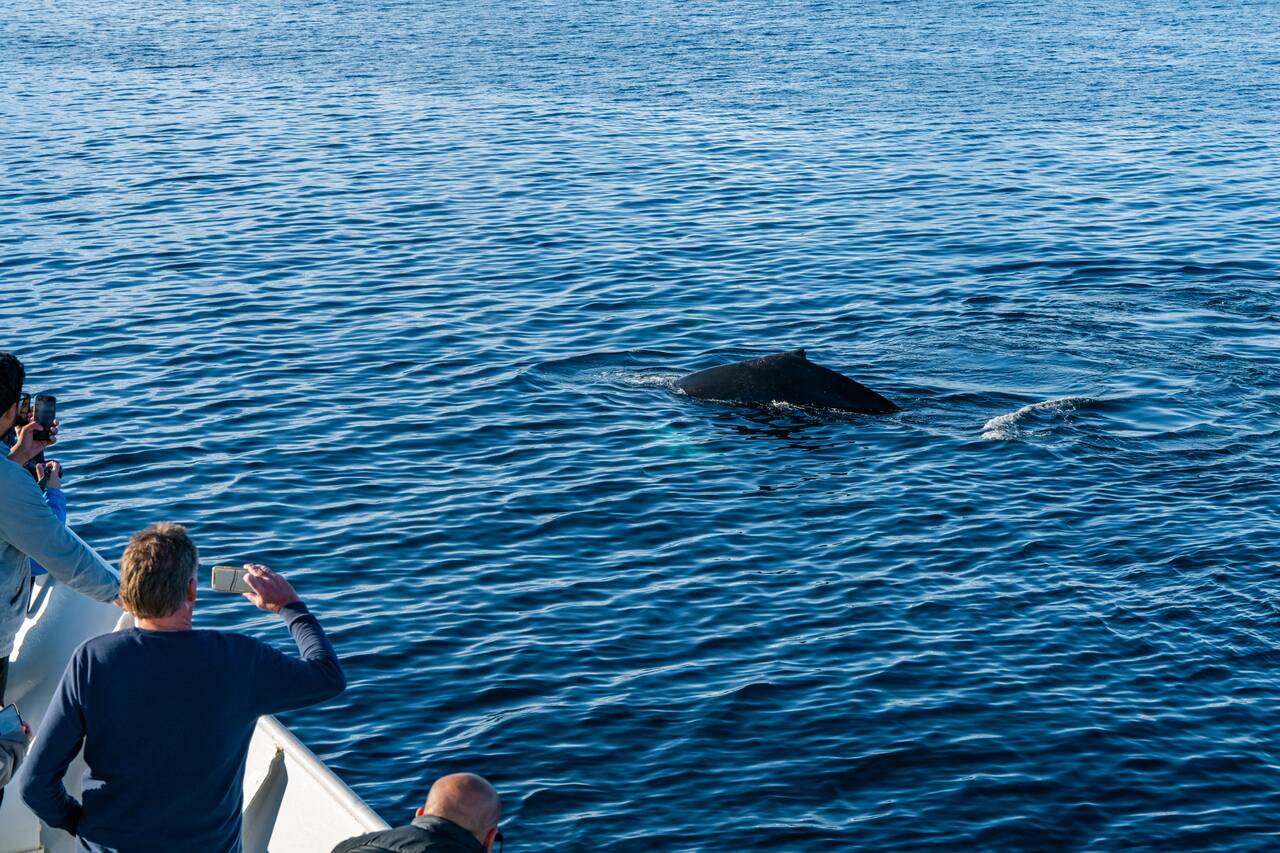
During my trip, one evening, we found ourselves surrounded by so many humpback whales that we completely lost count. They were incredibly close to the ship, and honestly, I had never seen so many whales in my life before. We also witnessed orcas surrounding an iceberg while hunting penguins 😱, along with many other unforgettable wildlife encounters throughout the journey, so make sure you always have your camera ready.
Bird-Watching
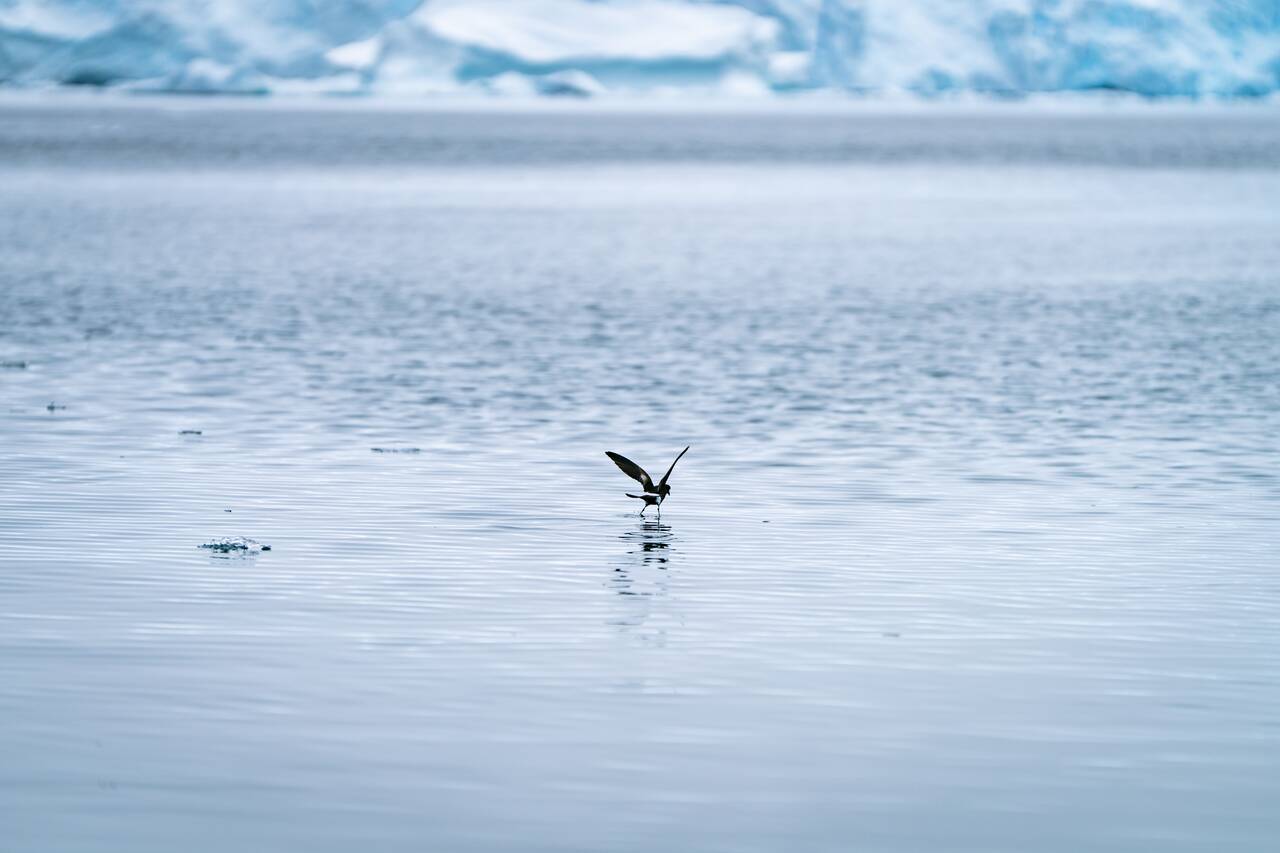
Since you will be spending around 4 days crossing the Drake Passage there and back, most expeditions usually organize activities to help pass the time. One of my favorite activities was joining the resident bird and biology experts, along with other volunteers onboard, for bird-watching sessions on the deck.
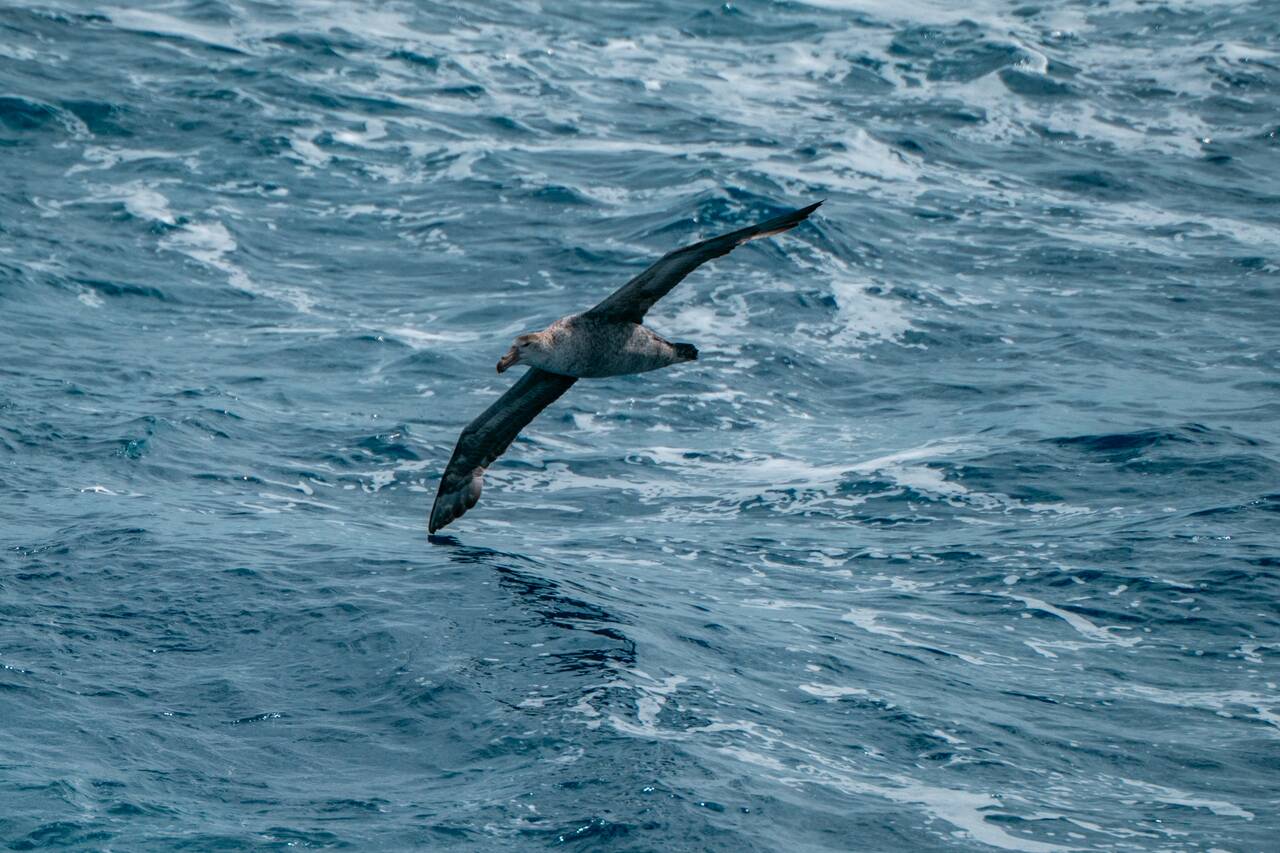
Birds love to follow cruise ships and you will be able to spot birds like Petrels, Skuas, and the most impressive of all, Albatrosses - the largest bird in the world with a wingspan of up to 11 feet. We saw Wandering Albatrosses, Black-Browed Albatrosses, Southern Giant Petrels, and more during just one session.
Going on Zodiac Cruises
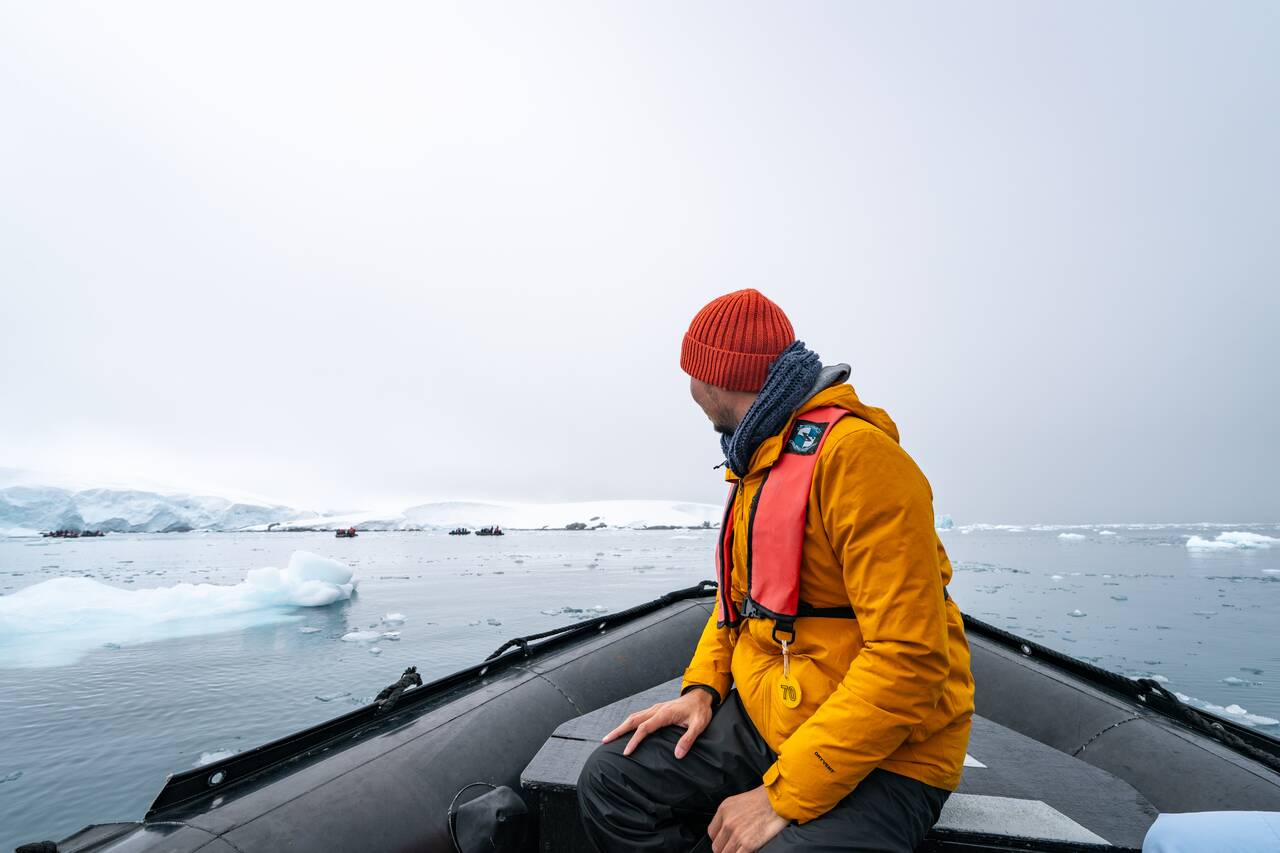
Except for the larger expedition ships carrying more than 500 passengers, most small-to-medium-sized expeditions will typically fill your days with two main types of activities: landings and Zodiac cruises. Landings tend to be more active, while Zodiac cruises allow you to sit back and enjoy the scenery and wildlife along the coastline.
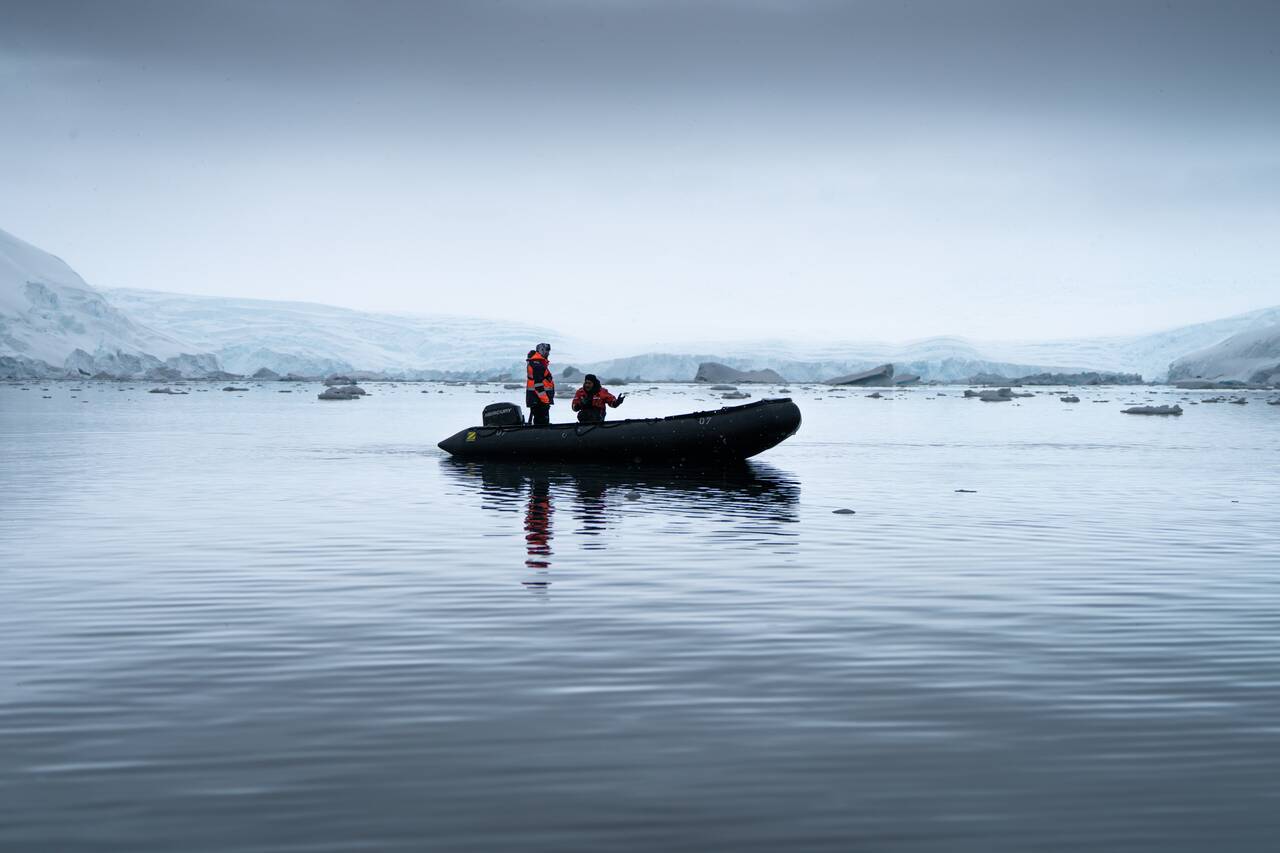
During Zodiac cruises, you can get surprisingly close to icebergs and the Antarctic coastline, making it easier to spot animals like seals that often rest in quieter areas.
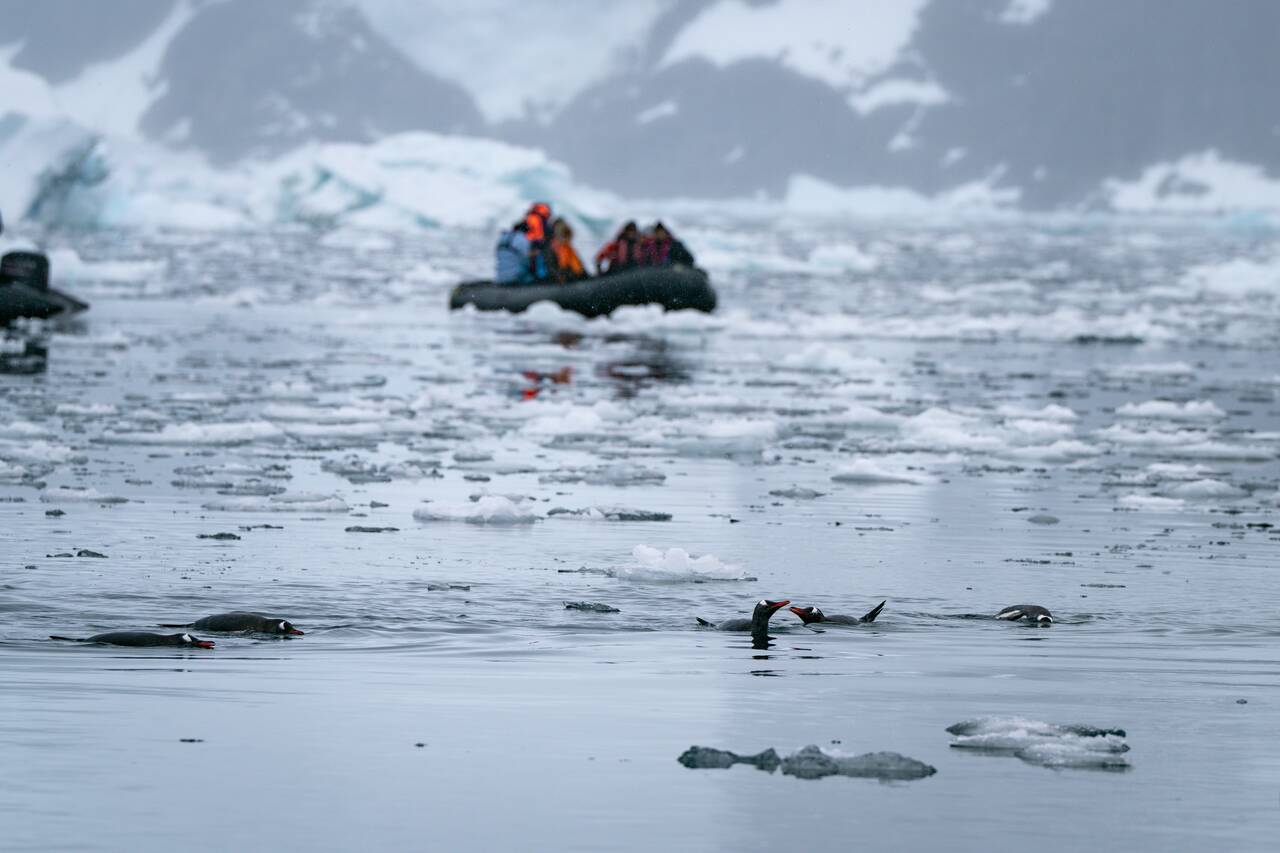
You may also see penguins swimming through the water, or if you are lucky, even witness a humpback whale surfacing nearby while you are on the Zodiac. Whenever there is an opportunity to join a Zodiac cruise, absolutely go for it!
Watch the Midnight Sun
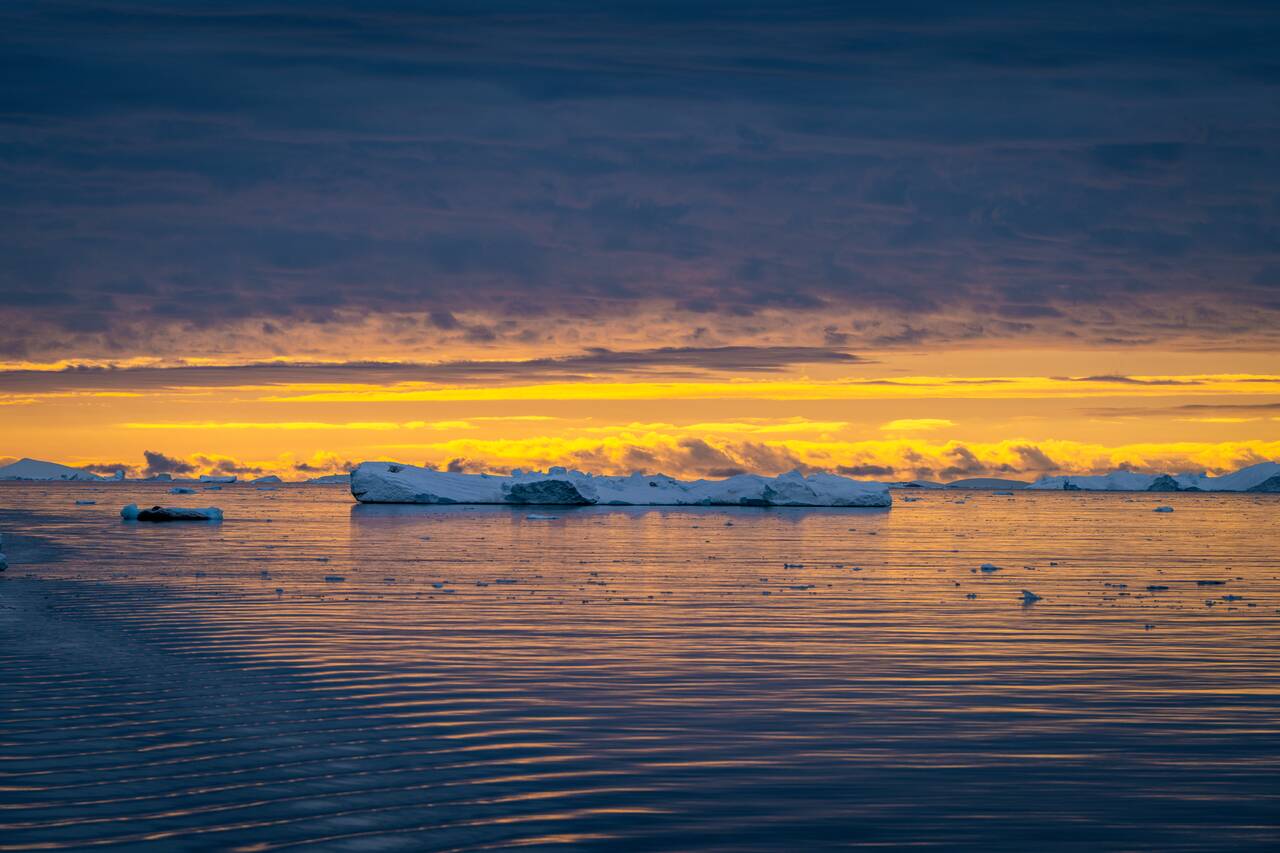
If you decide to visit Antarctica between December and January, make sure you stay up on a clear night to witness the midnight sun, the phenomenon where the sun never fully sets during the austral summer. Because Antarctica sits around the South Pole, parts of the continent can experience 24 hours of daylight for weeks or even months at a time.
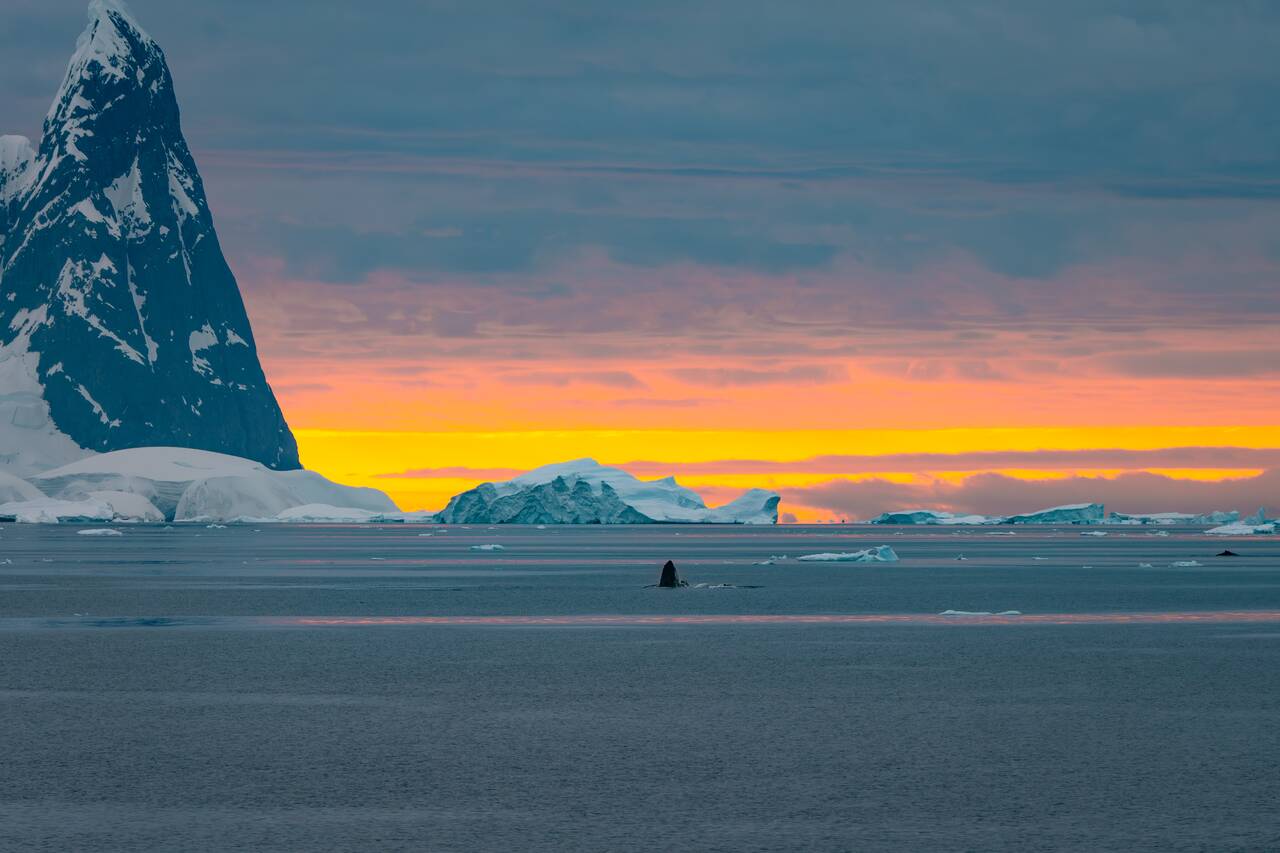
As a photographer myself, the midnight sun creates absolutely perfect conditions for photography, with endless golden-hour lighting, soft shadows across the snow and ice, and calmer water later at night. The key is to experience it on a clear night, during which you should stay awake until midnight to fully appreciate it.
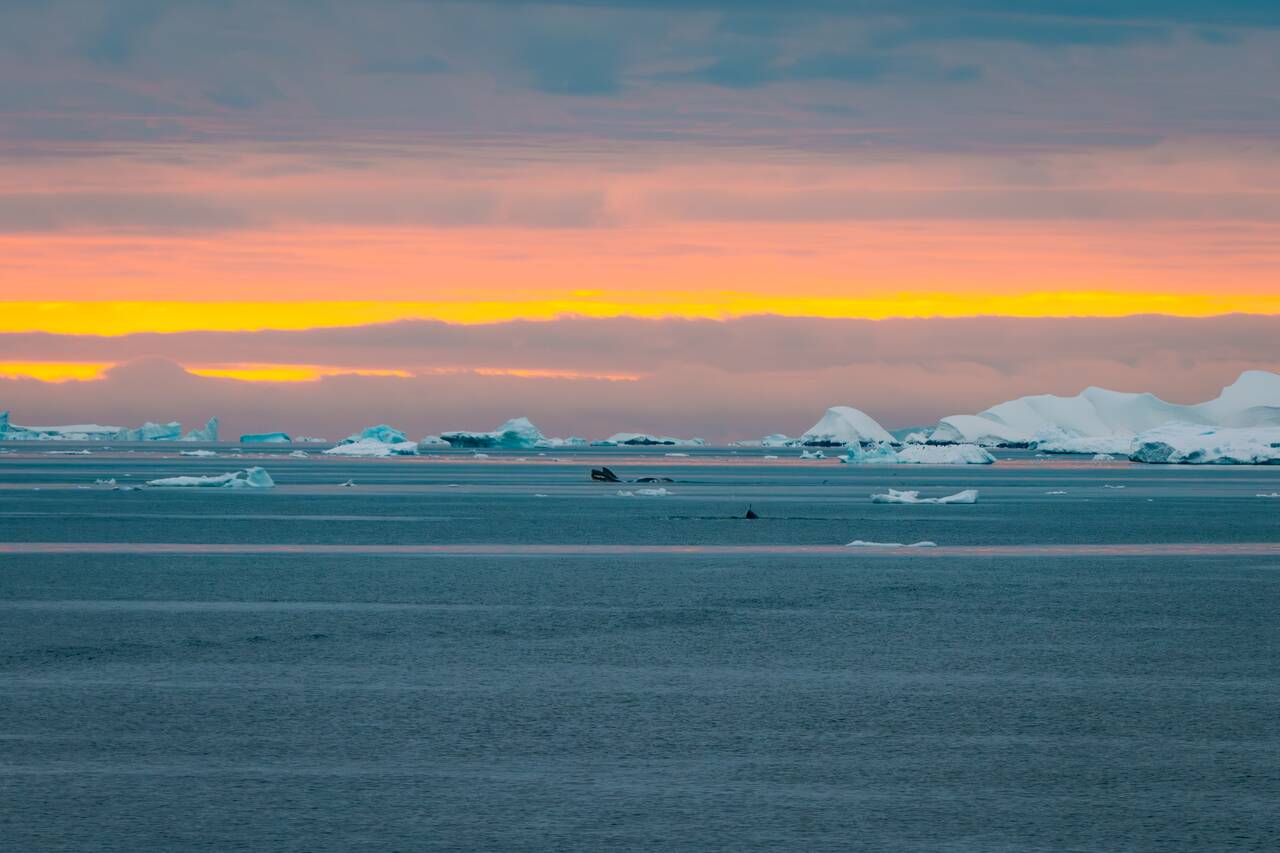
The effect is not nearly as impactful when it is cloudy, so I would occasionally peek out the window at night and only head outside if the skies were clear. Truly, it was an incredible sight to behold and absolutely worth the effort!
Visit a Research Base in Antarctica
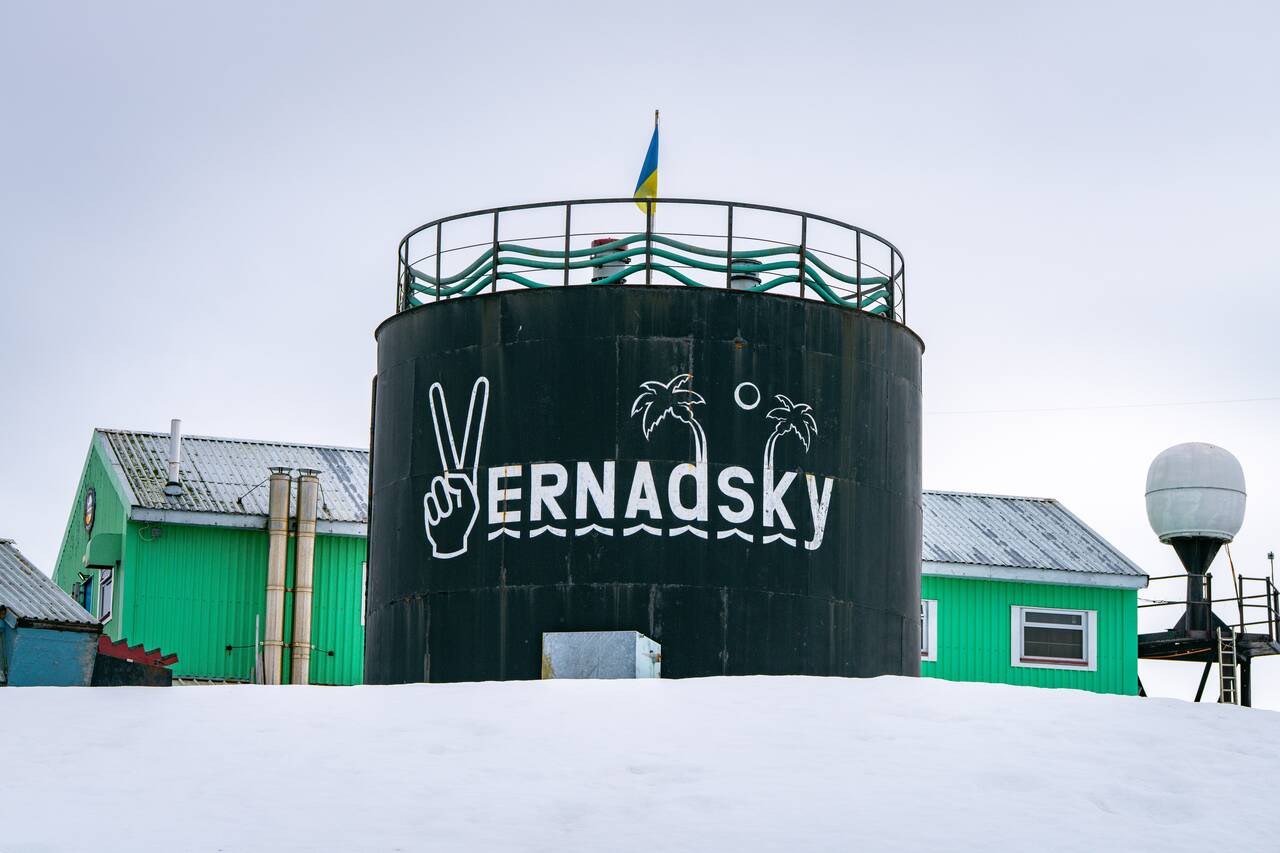
One of the coolest things we did during our expedition was visiting an actual research base in Antarctica and speaking with the people stationed there, including researchers, chefs, and staff members.
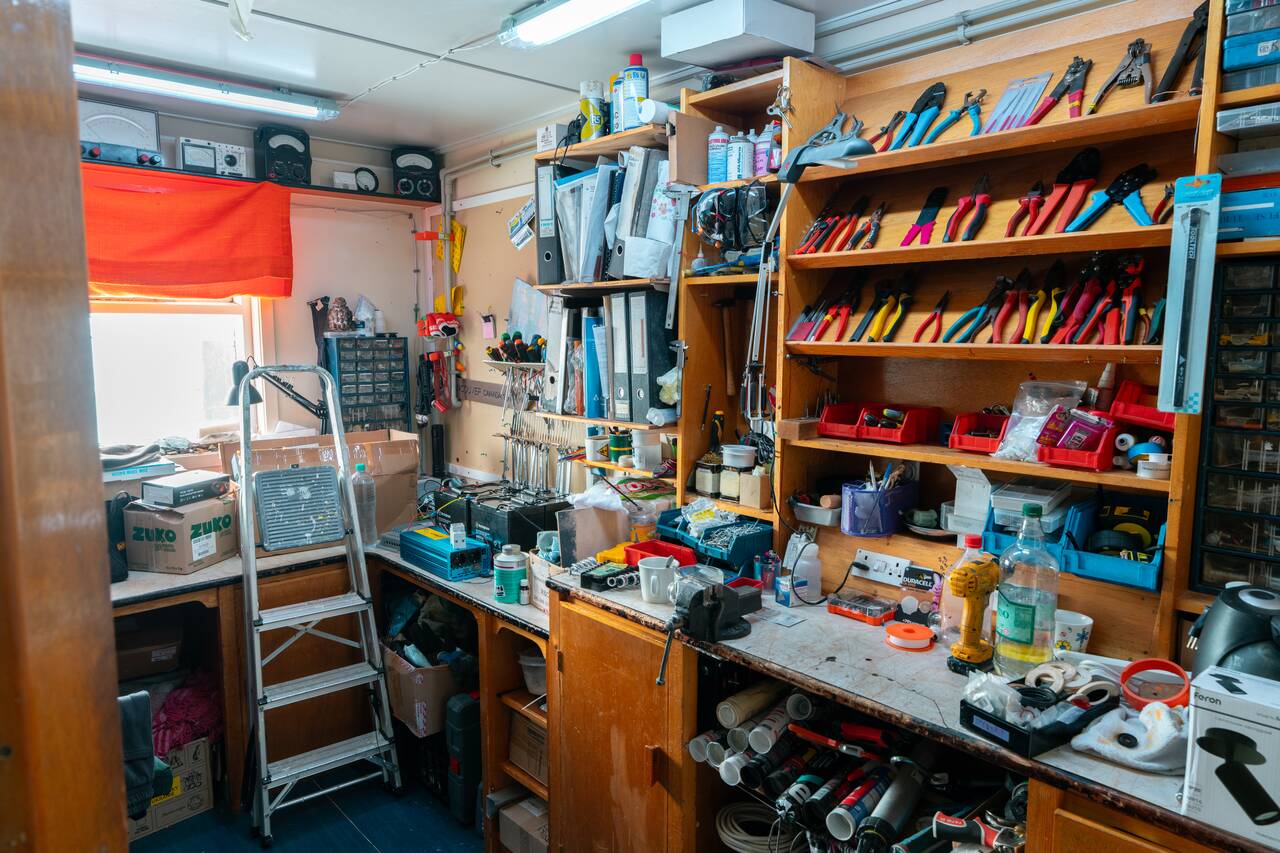
We were invited to the Ukrainian research base at Vernadsky Station, farther south along the peninsula, and it was such a fascinating experience to see what daily life is like in one of the most remote places on Earth.
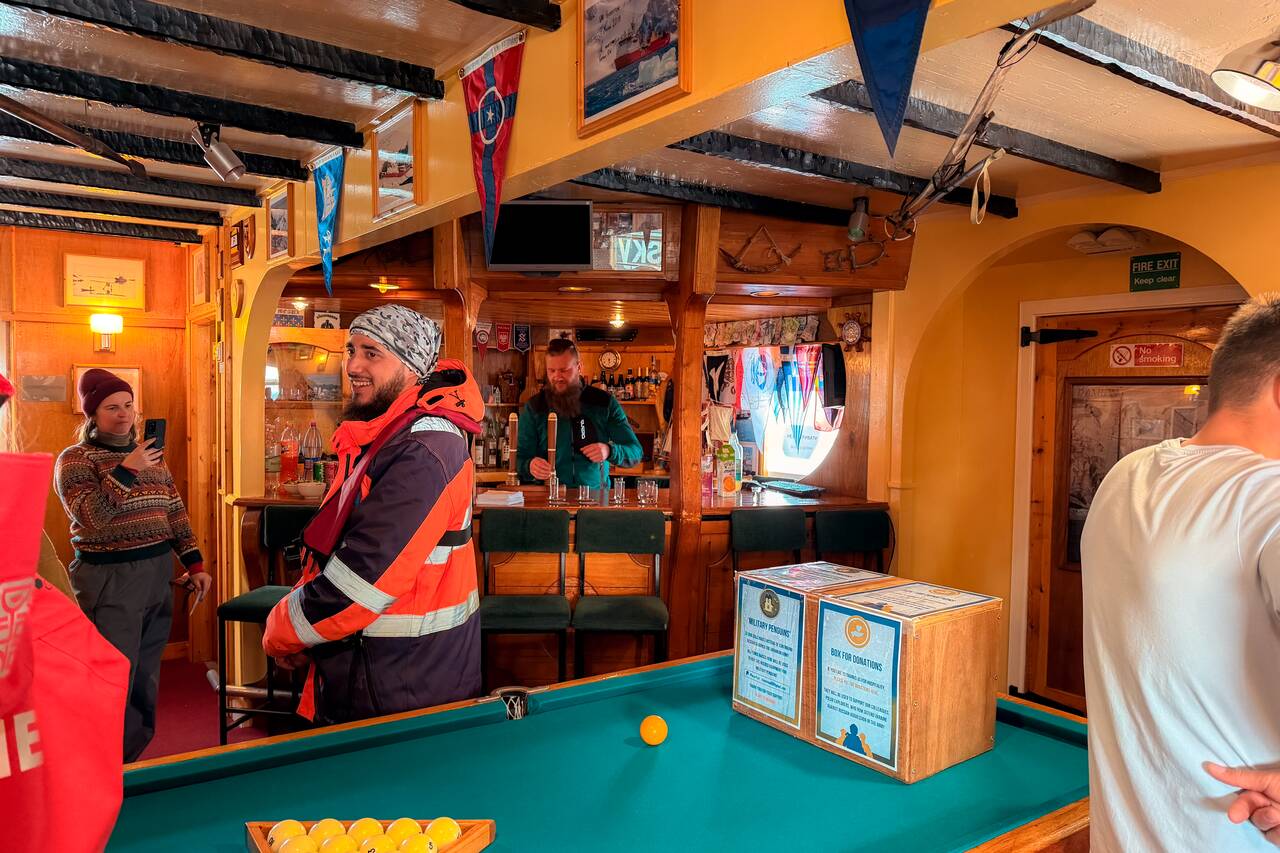
The researchers gave us a tour around the station, showing us all kinds of interesting aspects of living in Antarctica, from where they sleep to where they relax during their downtime. They even have a bar at the research station, and I am not going to lie, it was incredibly cozy, honestly even cozier than my home 😅.
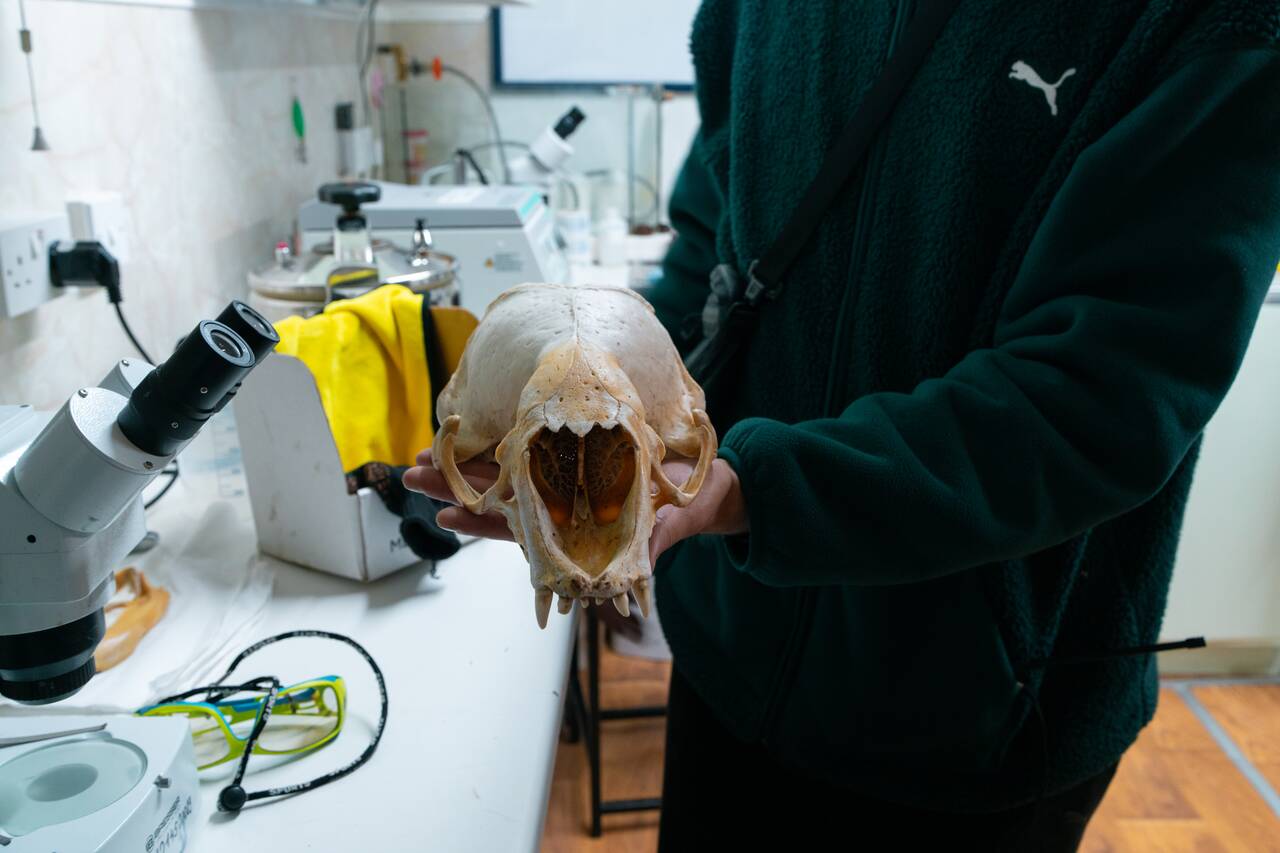
If your expedition gives you the opportunity to visit any research bases in Antarctica, definitely take it. You may also get to see penguins up close there, as they often like to hang around areas where humans are present.
Send a Postcard from the Edge of the World
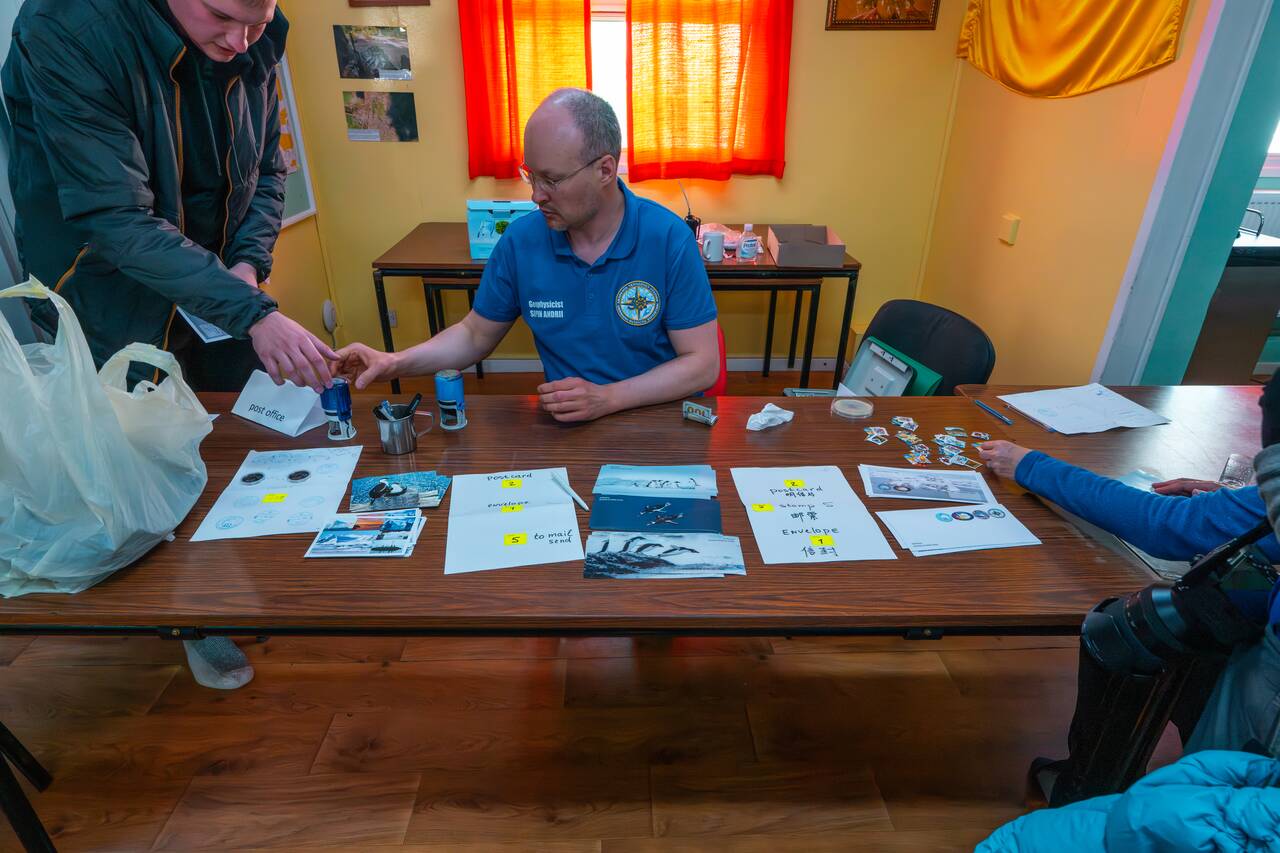
While visiting a research base in Antarctica, some stations may also offer postal services that allow you to send postcards to your loved ones from the edge of the world. Vernadsky Station, for example, has an entire setup dedicated to this.
For around 10 USD, you can buy a postcard, get it stamped, and send it almost anywhere in the world. I am not sure how long delivery takes, but honestly, the fact that you can even do it is pretty awesome in itself. Most stations also have small gift shops where you can buy souvenirs from Antarctica to bring back home, which is equally cool. After all, how often can you say you received a postcard or gift from Antarctica?
When to Visit Antarctica?
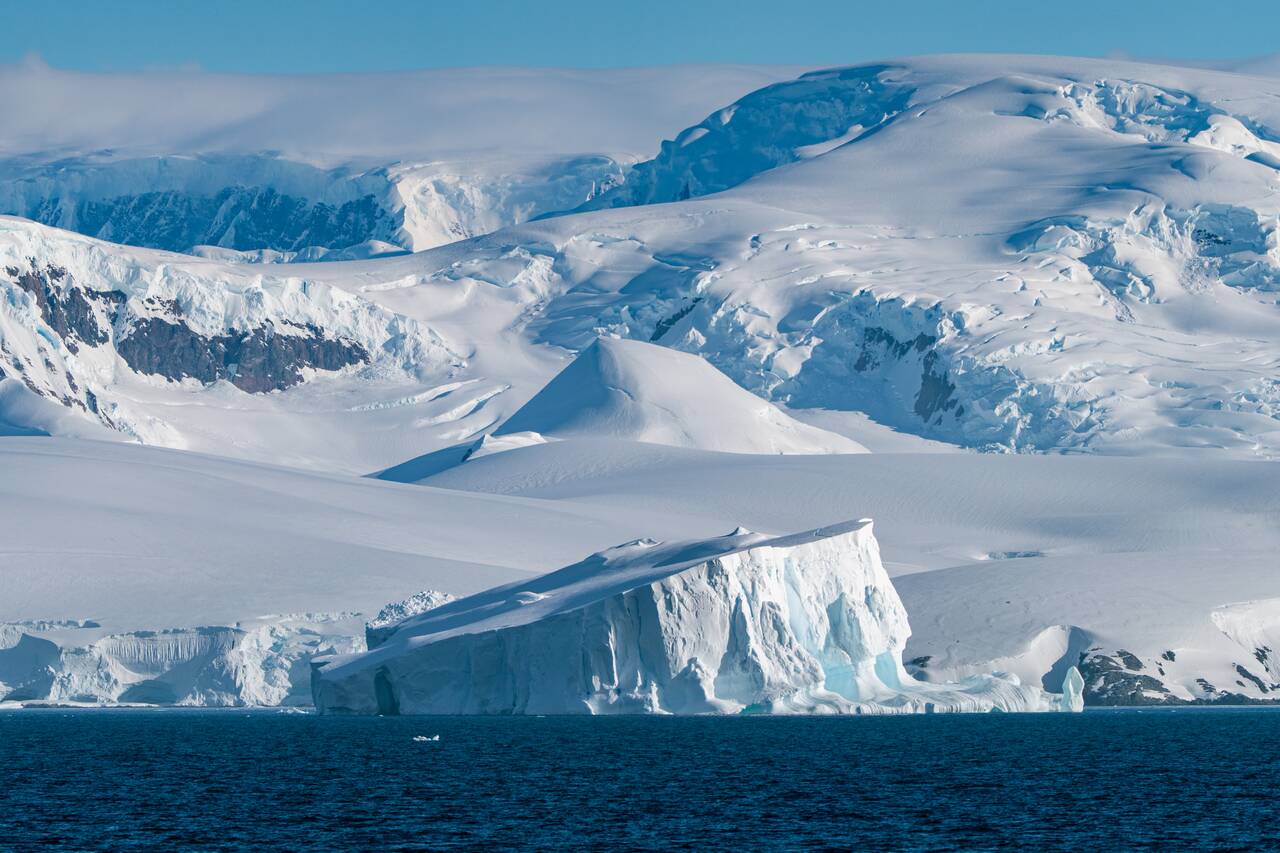
Most Antarctica cruises run from late October to March during the Southern Hemisphere summer. Outside of these months, the continent becomes extremely inaccessible due to sea ice, harsh weather, and limited daylight, with most expedition cruises ceasing operations entirely, so you will have to plan this trip around this period.
That said, each month of the season offers a slightly different experience depending on what you want to see and how much you're willing to spend:
- October to November: This is considered early season, and you can expect pristine snow, large icebergs and nesting activities among penguin colonies. Downsides are fewer animals out and about, and a bit cooler temperature overall.
- December to January (the one I went with): This is peak season and it is the most popular period to visit, with nearly 24 hours of daylight in some areas. Wildlife activity is at its peak and the weather is generally calmer and much more manageable. Expect prices of cruises to be higher though.
- February to March: Late season is often considered one of the best times for wildlife lovers, especially for whale watching. Humpback whales, minke whales, and orcas become much more active, while penguin chicks are larger and more energetic. The landscapes may not look quite as snowy as earlier in the season but the price will be cheaper, and this period tends to offer some of the best last-minute deals before the season ends.
How to Get to Antarctica?
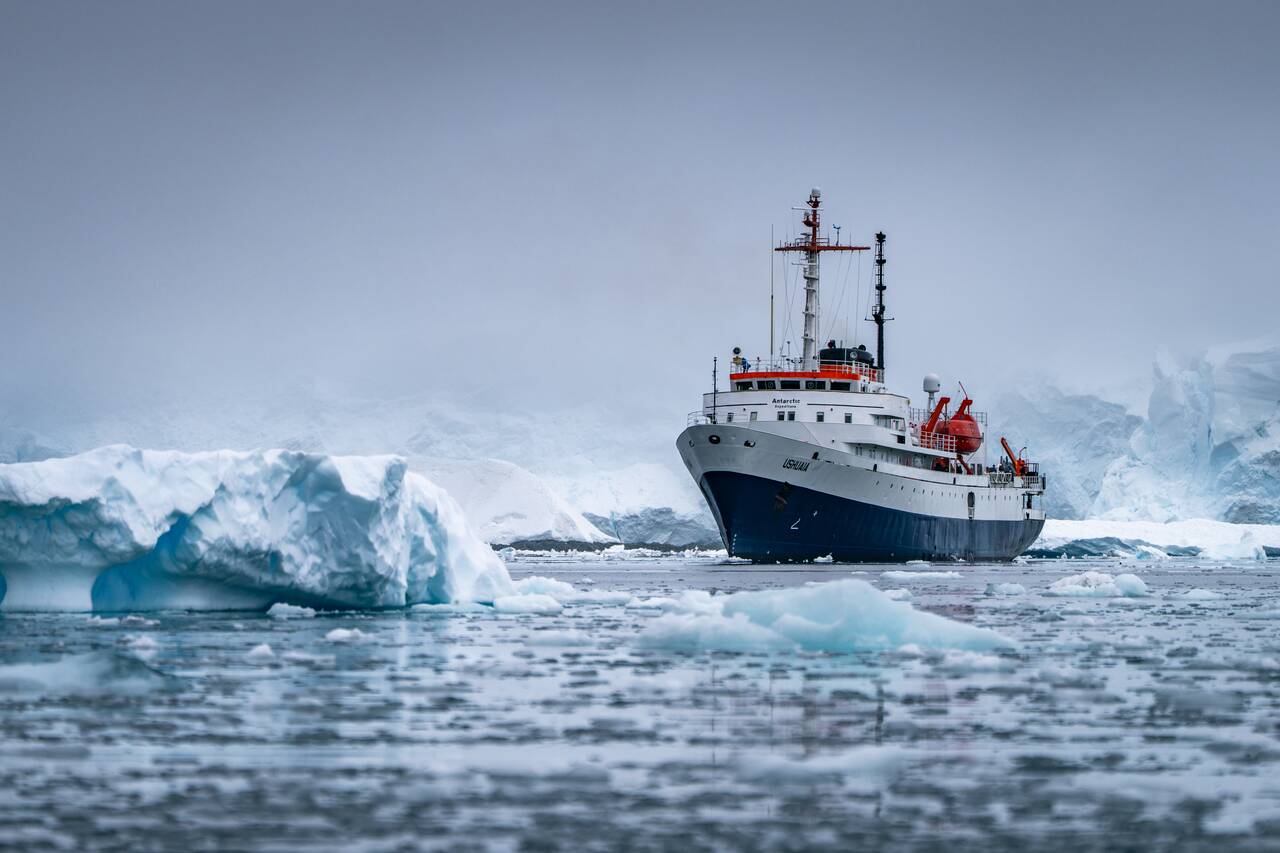
There are three ways to get to Antarctica:
- By Cruise (Recommended): The most common and affordable way to visit Antarctica is by expedition cruise. These ships can carry anywhere from 50 to 500+ passengers depending on their size. Most cruises depart from Ushuaia at the southern tip of Argentina, and trips usually last between 9 and 15 days depending on the itinerary.
- By Sailboat: You can also visit Antarctica by sailboat, which offers a far more adventurous and raw experience. Sailboats typically carry only around 10–12 guests, creating a much more intimate atmosphere onboard. The downside is comfort. Cabins are tiny, seas can get rough, and the infamous Drake Passage can become extremely challenging on a small yacht. Surprisingly, these trips are often more expensive as you are paying for a highly specialized small-group expedition.
- By Plane: You may have seen influencers claiming they visited Antarctica by plane, which is indeed possible, but it comes at a steep price. Scenic flights that fly over Antarctica without landing, often departing from New Zealand or Australia, can cost upward of 10,000 USD. If you actually want to land on the continent, expect to pay well over 30,000 USD for luxury fly-in expeditions from South Africa that include short stays at private camps in Antarctica.
Which Antarctica Cruise to Go With?
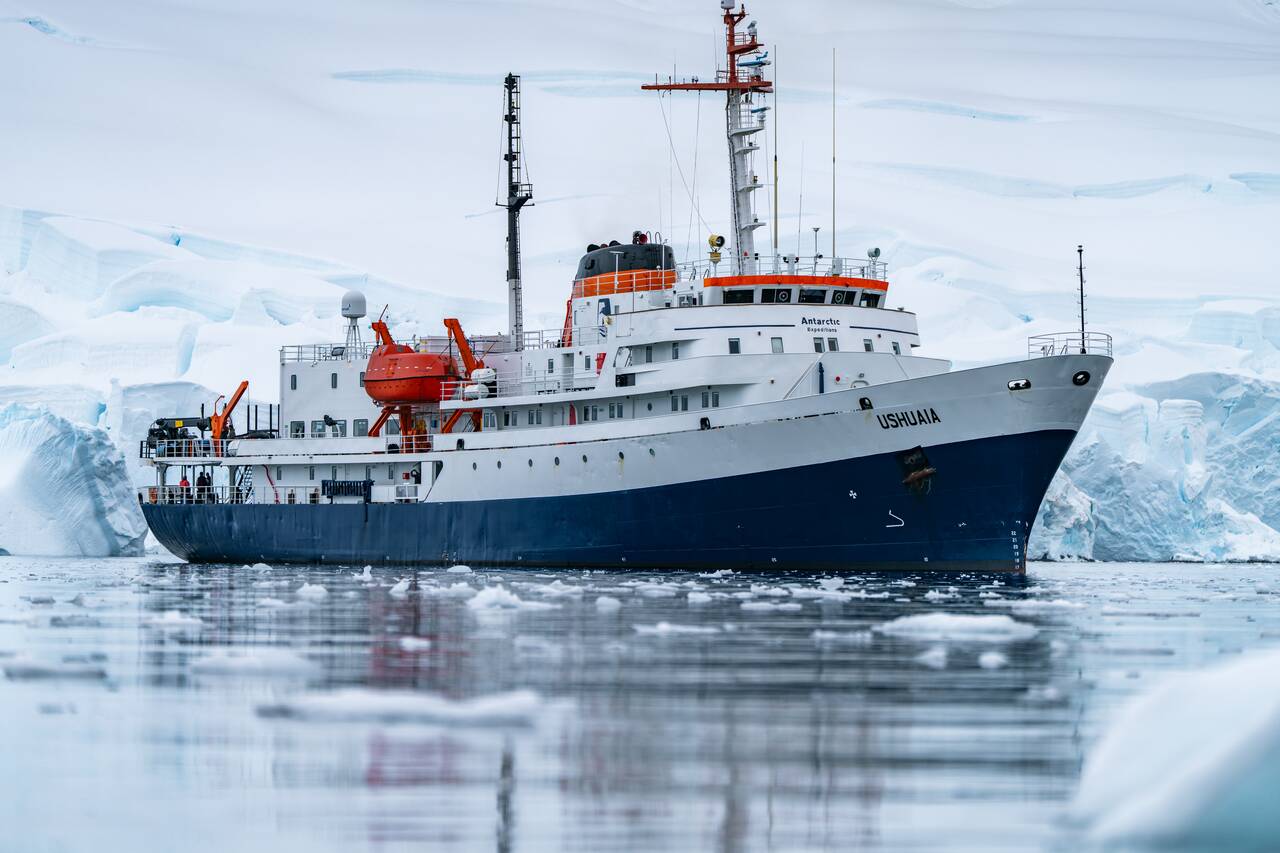
Antarctica expedition cruises come in all kinds of varieties, with different price points, levels of comfort, expedition styles, itineraries, and more. Out of all these factors, the most important things you need to consider are ship size, landing opportunities, itinerary, and, of course, price.
One thing you should know is that a more expensive cruise does not always mean a better experience. I'd recommend you focus more on these factors rather than luxury amenities like spas or fancy restaurants. Some cruises may offer activities like kayaking and camping on the continent, but more often than not, you will have to pay extra to do so, so make sure you check the fine prints for these activities.
My Recommendation: Based on my experience, I highly recommend you go with a ship carrying fewer than 100 passengers.
Why? Because under IAATO regulations, the governing body of Antarctic tourism, only 100 passengers are allowed to land on shore at the same time. Larger ships, therefore, have to rotate passengers in groups, meaning you often end up spending less time actually exploring Antarctica.
Even worse, DO NOT go with large expeditions that carry more than 500 passengers, as they are not allowed to make landings at all throughout the trip. What's the point of traveling to Antarctica without setting foot on the continent??
The Antarctic Cruise I Chose: After months of research, wading through tons of itineraries, companies, and price points, I decided to go with Antarpply Expedition, which ticked all the boxes I was looking for and more.
- 90-Passenger Ship: First, we were cruising with a ship called MV Ushuaia, a former NOAA research vessel that was later converted into an expedition cruise ship. It carries around 90 passengers, which is a major advantage because everyone can land at the same time under IAATO rules.
- Affordable: Out of all the cruise companies I checked, Antarpply came out the cheapest with the starting price of around 5,400 USD while the other companies started at 10,000 - 15,000 USD per person.
- Authentic “expedition” atmosphere: The staff onboard are often experts and volunteers with various scientific backgrounds and specialized skill sets that come in handy during the expedition. During downtime, they regularly host lectures on wildlife, marine life, birds, geology, and even Antarctic history, while also sharing useful and fascinating facts during shore landings and Zodiac excursions.
- Great dynamic itinerary: I went with the Classic Antarctica Itinerary, which lasted about 10 days, and we were doing landings and Zodiac cruises on most days (excluding the 4 days spent crossing the Drake Passage). The expedition team constantly adjusted the itinerary based on weather conditions and was willing to make changes to accommodate the interests of the group, such as allowing us to do a polar plunge, accepting an invitation to visit a Ukrainian research base, and more.
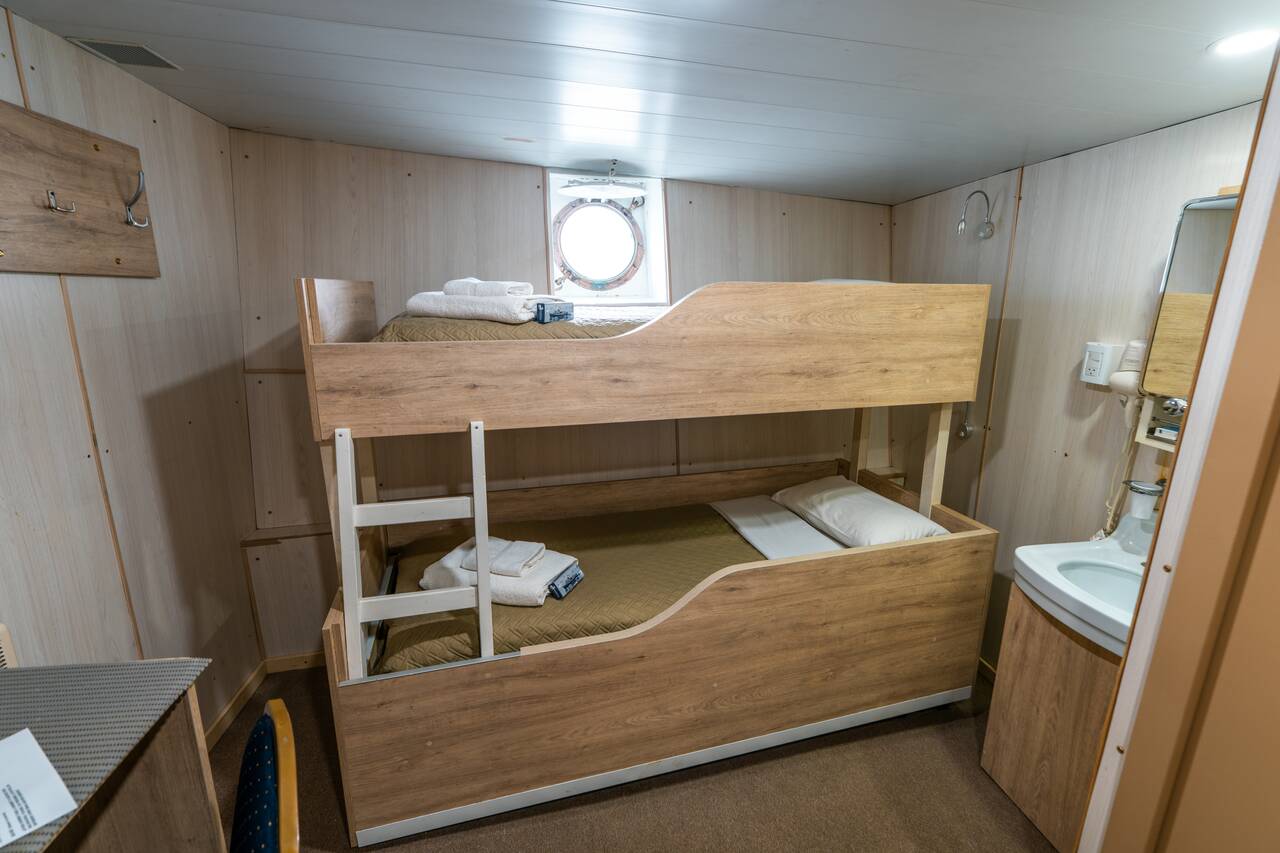
The tradeoff for going with Antarpply is comfort and food. The MV Ushuaia is an older ship and does not offer the same level of amenities as modern luxury vessels. The bunk beds (although you can pay extra for separate beds) felt a little cramped and dark. The food also left me wanting more, except for that one BBQ day, which was awesome, and I honestly wish they had done it more often.
All in all, I had a great time with Antarpply Expeditions. The itinerary was great, the staff was friendly, and the people I met, a mix of both younger and older travelers, were wonderful too. I would definitely recommend this company, especially if you are traveling solo.
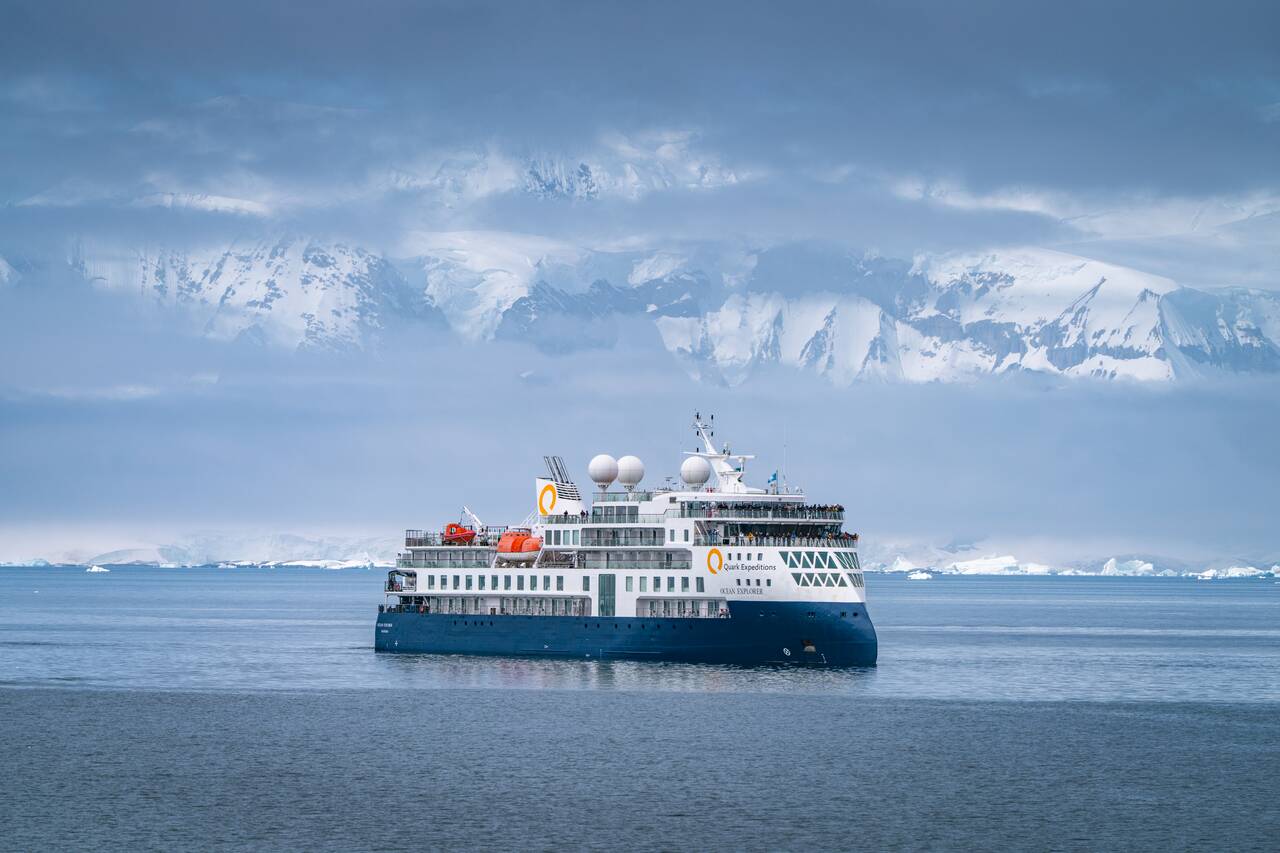
If you prefer comfort over cost savings, these companies come highly recommended:
- Antarpply Expeditions: The most affordable and the one I went with.
- Quark Expeditions: A famous Antartica expedition companies with a massive array of itineraries to choose from. Their ships look incredibly luxurious!
- Intrepid Travel: A renowned tour company with expedition ships between 80 - 200 passengers you can choose from.
- GAdventure: Another notable organizer that are popular among solo and couple travelers.
Can You Book Last-Minute Cruises?
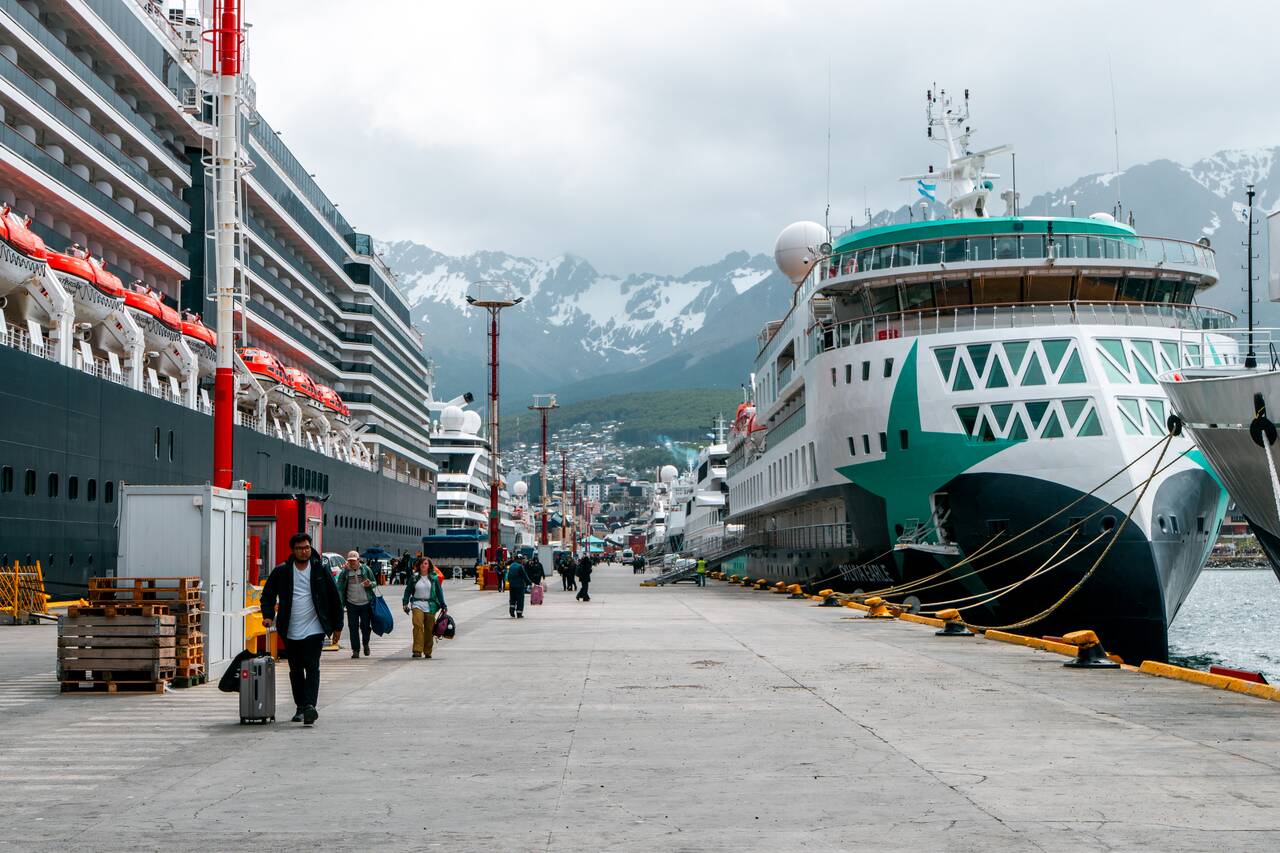
Unlike what many older travel guides say, the days of showing up in Ushuaia and easily scoring an extremely cheap last-minute spot on an Antarctica cruise are mostly gone. These days, you can still find last-minute deals, but the discounts are usually much smaller.
I met a few people on my cruise who waited around a week in Ushuaia before booking through a random local tour agency, and in the end, they only paid about 100 USD less than what I had booked online in advance. Once you factor in the cost of accommodation and other expenses in Ushuaia while waiting, you really do not end up saving that much at all.
That said, you may still be able to get a more significant discount if you are there toward the end of the season around March, so you might want to give that a try if you are visiting Ushuaia as part of a longer South America trip.
All in all, I think the earlier you book, the better, as it allows you to plan more efficiently and save money in other ways. Plus, with fuel prices continuing to rise, Antarctica cruise prices often become more expensive over time.
Antarctica Budget Breakdown
How much you spend on an Antarctica trip will depend on where you are traveling from, which itinerary you choose, and the type of room you book. For the sake of simplicity, I will base this budget breakdown on the Classic Antarctica itinerary, which is one of the cheaper options, during the early season (November), with the cheapest room available, and with you spending 2 nights in Ushuaia before the cruise to recover from jet lag.
| ✈️ International Flight: | 345 USD (from Miami, USA) |
|---|---|
| 🛫 Domestic Flight: | 133 USD (BA to Ushuaia) |
| 🛌 Ushuaia Lodging: | 68 USD (34 USD/Night) |
| 🛳️ Antarctica Cruise: | 5,400 USD |
| 💰 Total Budget: | 5,946 USD |
What to Pack for Antarctica?
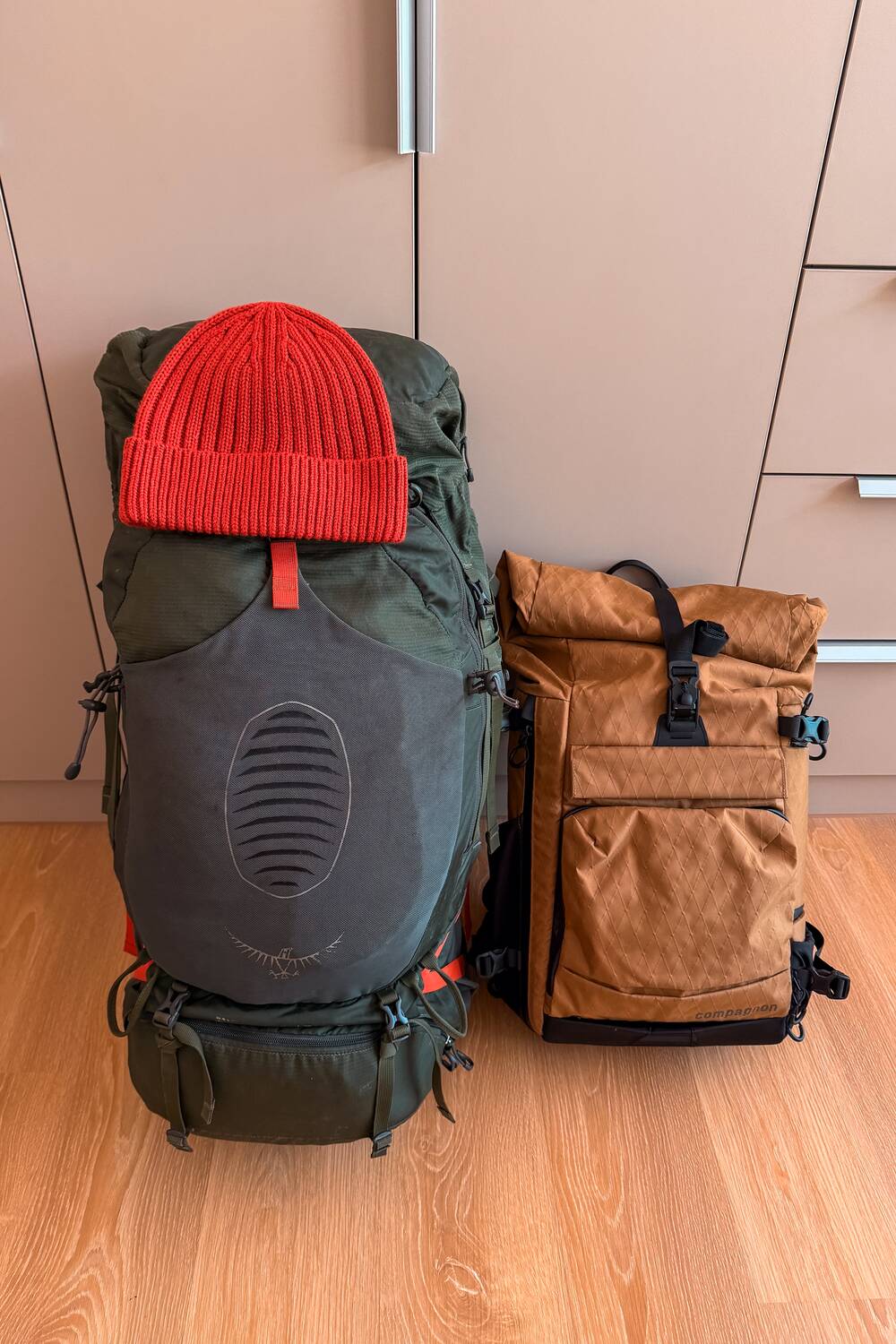
Even during the summer, Antarctica remains extremely cold, so you will need to come prepared with plenty of warm layers. Some cruise companies may provide a waterproof outer shell jacket and waterproof boots, but that is usually about it.
If you do not want to carry bulky winter gear around in your backpack for the rest of your trip, many companies also offer gear rentals at an additional cost.
For Antarpply, you will only be provided with a free pair of waterproof boots for landings and Zodiac expeditions. Everything else can be rented through a local gear rental company they partner with. I met a few people who rented gear through them, and the equipment was in great condition. Usually, you will need to reserve rental gear at least 2 weeks before your trip so the company can prepare the correct sizes for you.
Here is all the gear I packed with me during the trip:
- 5–8 shirts and underwear: You will be spending around 10 days on the ship and likely will not have access to laundry facilities, so be sure to pack enough shirts and underwear for the entire trip unless you do not mind rewearing some items.
- Top Layers: Depending on how sensitive you are to the cold, you will likely need at least 4 layers: a t-shirt, a fleece jacket, a down jacket, and a weatherproof outer shell (ideally waterproof as well, since you may get wet during Zodiac cruises).
- Bottom Layers: The same goes for your bottom layers. You will want a base layer such as long johns or leggings (ideally insulated for extra warmth), a lightweight pair of pants, and a waterproof outer layer that you can wear over your regular pants. Avoid bulky ski pants if possible, as they can make it harder to move around comfortably during landings and Zodiac excursions.
- Waterproof Gloves: A good pair of waterproof gloves is essential, especially since you may get splashed during Zodiac excursions and landings.
- Warm Woolen Socks: You will often spend 1–2 hours outside during each excursion, especially during landings, so keeping your feet warm is extremely important. Be sure to pack at least 4–8 pairs of warm socks, and consider double-layering them if the temperatures get especially cold.
- Beanie & Scarf: It can get extremely windy at times, so it is best to have a warm beanie and scarf handy whenever you are out on excursions.
- Closed-Toe Shoes: Bring a comfortable pair of closed-toe shoes to wear around the ship. Avoid flip-flops, especially during rough crossings like the Drake Passage, as you never know what might slide or fall onto your feet when the ship is rocking.
- Camera Gear: Of course, you are going to want to bring some camera gear for a once-in-a-lifetime trip like this. I will go into more detail on which lenses to bring in the next section below.
- Day Pack: Bring a small day pack to carry your essentials during excursions. Ideally, the backpack should be no larger than 25L.
- Other Gear: Sunscreen, lip protection, sun glasses, binoculars, etc.
What Camera Gear to Bring to Antarctica?
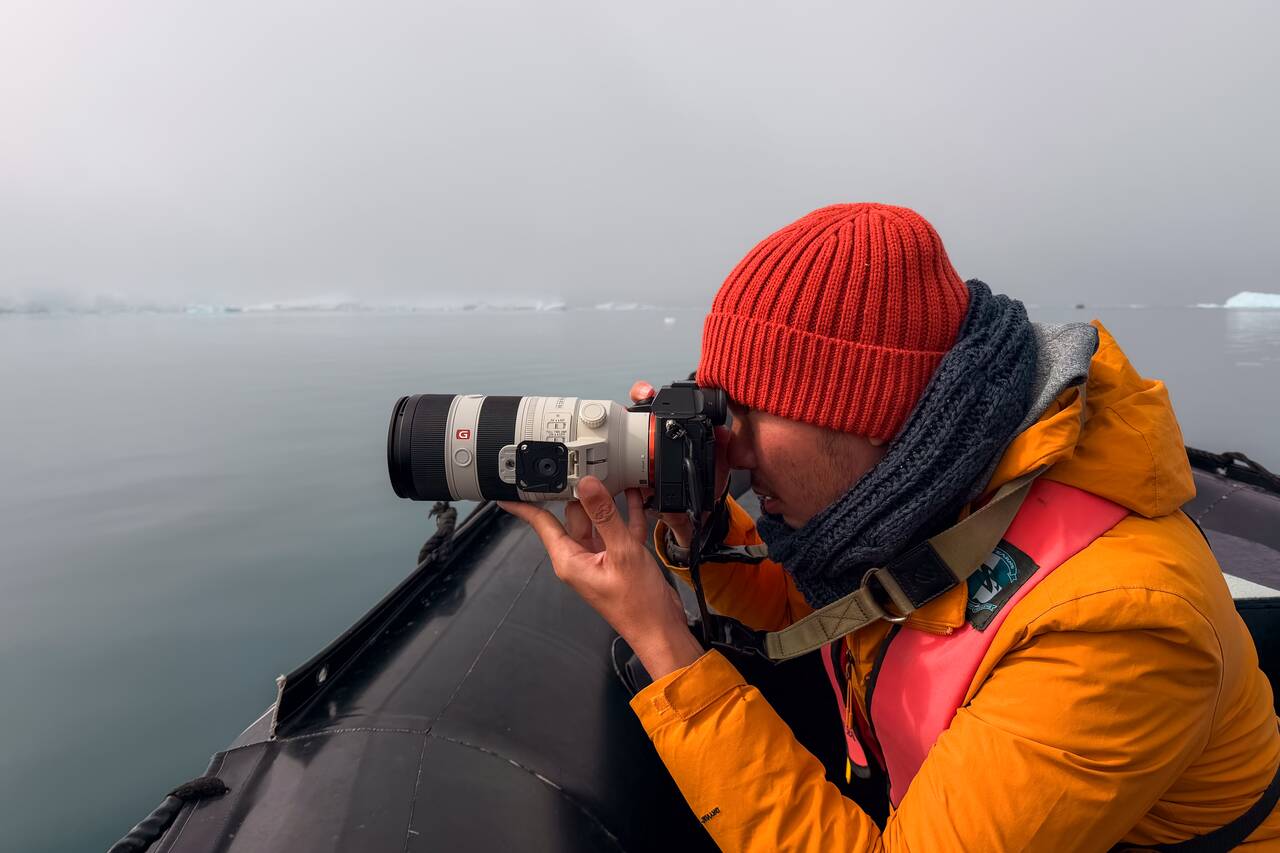
For all the photographers out there, here is the camera gear I would recommend bringing to capture the wonders of Antarctica without missing a beat:
- A High-Resolution Camera (Sony a7R V): Bring a high-resolution camera so you can crop in more aggressively when needed, especially since you may not always be able to get close to wildlife.
- Telephoto Lens (Sony 70-200mm F2.8): A medium-range telephoto lens such as a 70–200mm is ideal for excursions, allowing you to get closer shots of wildlife without carrying something too heavy. A lens with a faster aperture is even better, as Antarctica can often be cloudy and surprisingly dark.
- Super-Telephoto Lens (Optional) (Sony 100-400mm F4.5-5.6): For photographing whales and orcas where you cannot physically get close, a super-telephoto lens in the 100-400mm range can be incredibly useful. You will mostly use this from the ship, so you will not need to carry it around often. Combined with a teleconverter and a high-resolution camera, you can capture impressive close-up shots of wildlife from far away.
- A Wide-Angle Lens (Sony 16-35mm F2.8): A wide-angle lens like 16-35mm is perfect for capturing the scale and atmosphere of Antarctica, from towering icebergs to dramatic landscapes. It is also great for documenting everyday life on the ship. Locations like the Lemaire Channel especially benefit from a wide-angle lens, allowing you to fully capture the sheer vastness of the scenery as your ship passes through.
- Spare Batteries & Memory Cards: Be sure to pack several spare batteries, as the cold can drain lithium batteries surprisingly fast. The same goes for memory cards, since you are almost certainly going to take thousands of photos on this trip.
- Water Protection: You may get splashed during Zodiac excursions, so it is a good idea to bring some form of water protection for your camera gear, such as a dry bag or even a simple plastic bag to cover your camera in rough conditions.

How to Stay Connected in Antarctica?
Most expedition ships nowadays, including Antarpply, come equipped with Starlink receivers, which means internet access is now available even in Antarctica at a relatively affordable price. Depending on how much data you need, here are Antarpply's Starlink internet packages (prices may vary depending on the company you go with for the cruise):
- 2 GB + 1 GB FREE: 25 USD
- 4 GB + 4 GB FREE: 35 USD
- 8 GB + 4 GB FREE: 45 USD
- 12 GB + 6 GB FREE: 60 USD
I think it is a pretty good deal, especially when you compare it to their legacy internet pricing, where 20 USD only got you 500 MB of data. With Starlink, you can easily stay in touch with your loved ones as you embark on this journey to the edge of the world without too many issues.
Is it Safe to Visit Antarctica?
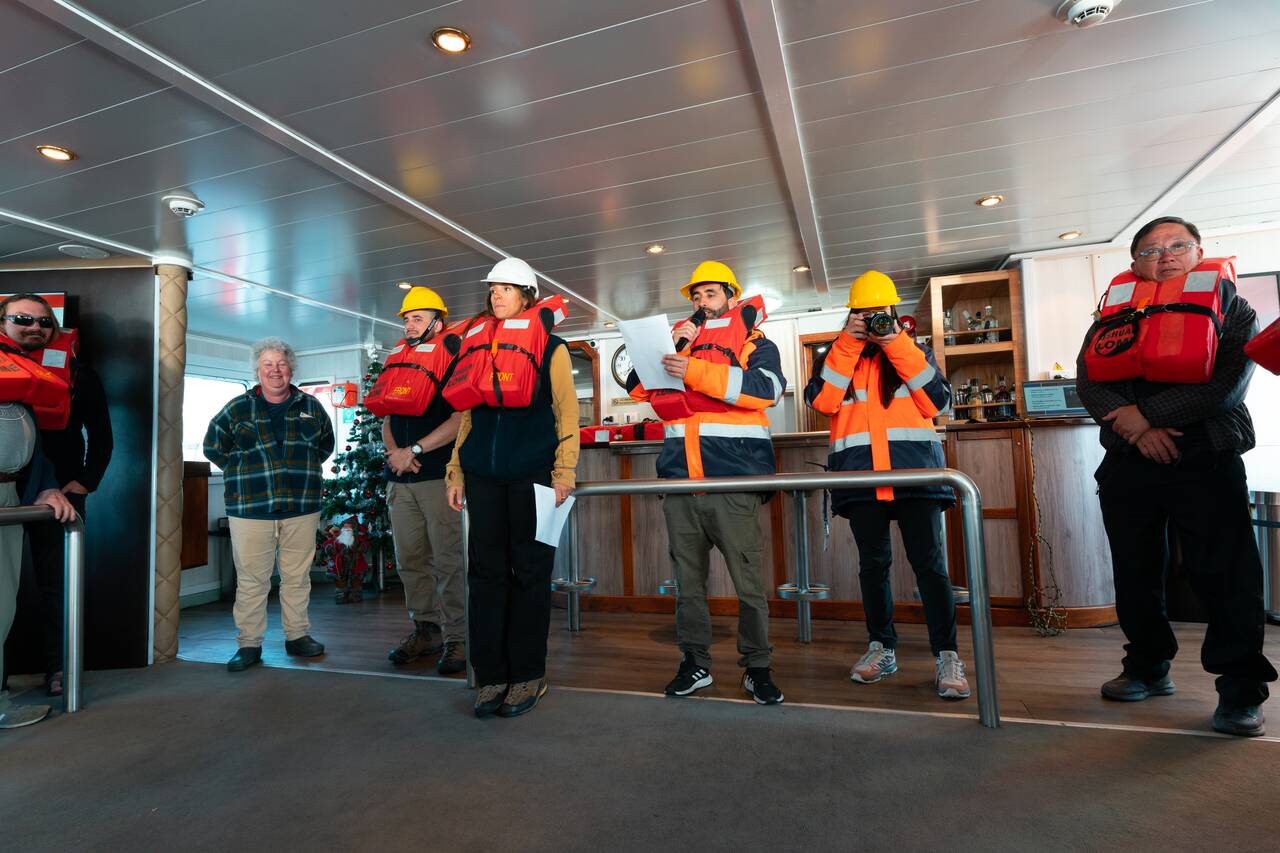
Since you will be aboard a ship for around 10 days, it is completely normal to have some safety concerns. That said, I felt safe throughout the entire trip with Antarpply. The staff took safety extremely seriously, with detailed emergency briefings conducted before we even left the port.
That said, there are 2 things worth mentioning. First is the Drake Passage, a stretch of ocean between the southern tip of South America and Antarctica that is notorious for its rough seas. You will spend around 2 days crossing it each way (yes, you have to cross it again on the way back).
After surviving the Drake Passage without taking any seasickness pills, let me tell you, I have never experienced seas that rough before. The waves were constant and massive, and at times, you had to hold onto the rails with both hands just to walk around the ship while also trying not to throw up.
A lot of people got sick after the first night, and honestly, it was pretty brutal. That said, most expedition ships come equipped with a clinic and a certified doctor who can provide strong seasickness medication as well as steroid injections in more severe cases, so be sure to consult them once you are onboard. Do not worry though, the crew will brief everyone about seasickness procedures shortly after boarding the ship.
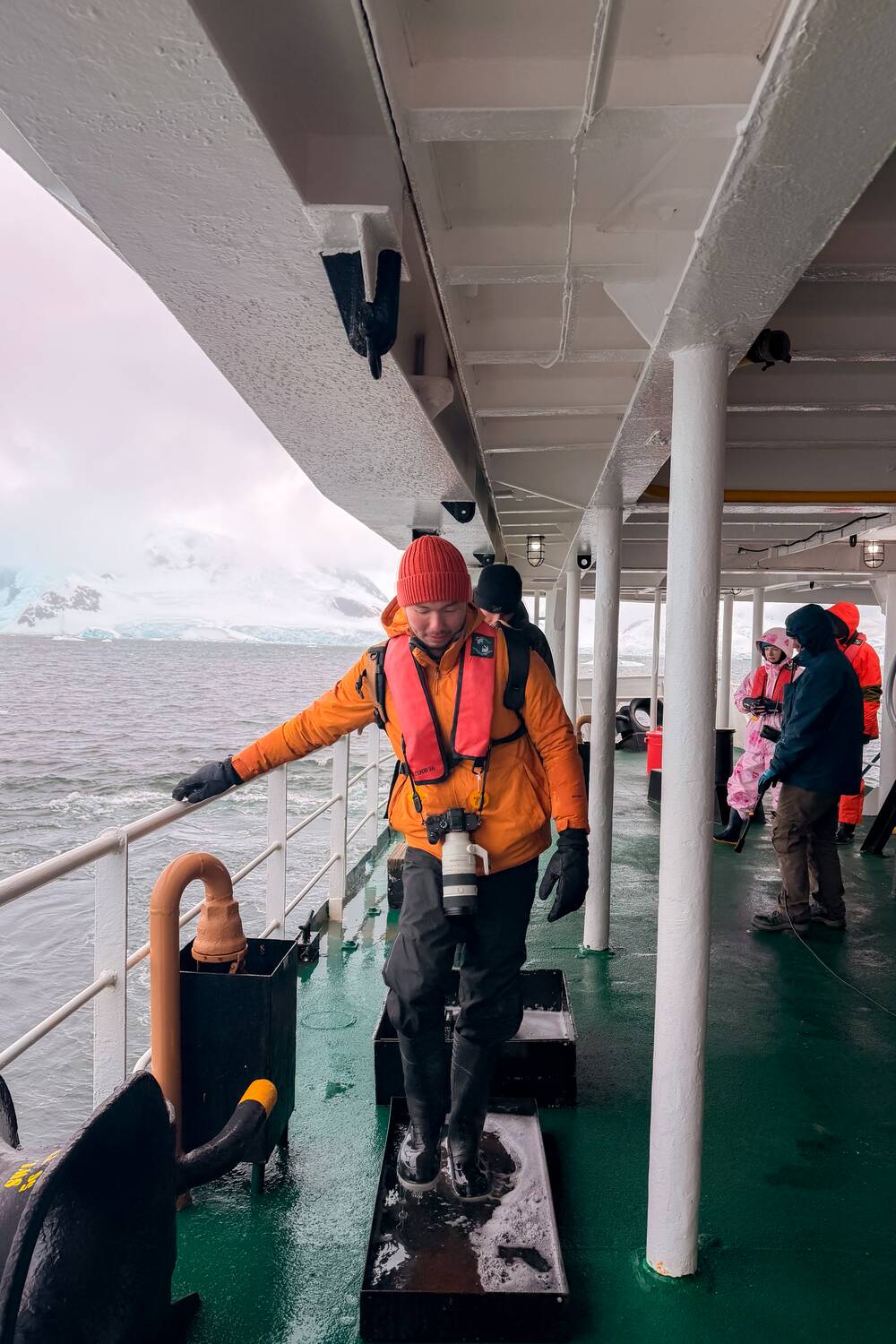
The second thing to consider is avian flu, especially since you will often be walking through areas covered in penguin droppings during landings. The last thing you want is to bring contaminants back onto the ship where everyone will be living together for 10 days.
Thankfully, at least with Antarpply, the avian flu safety protocols were very strict, and everyone was required to thoroughly disinfect and hose down their boots every time they returned to the ship.
Is Antarctica Worth the Cost?
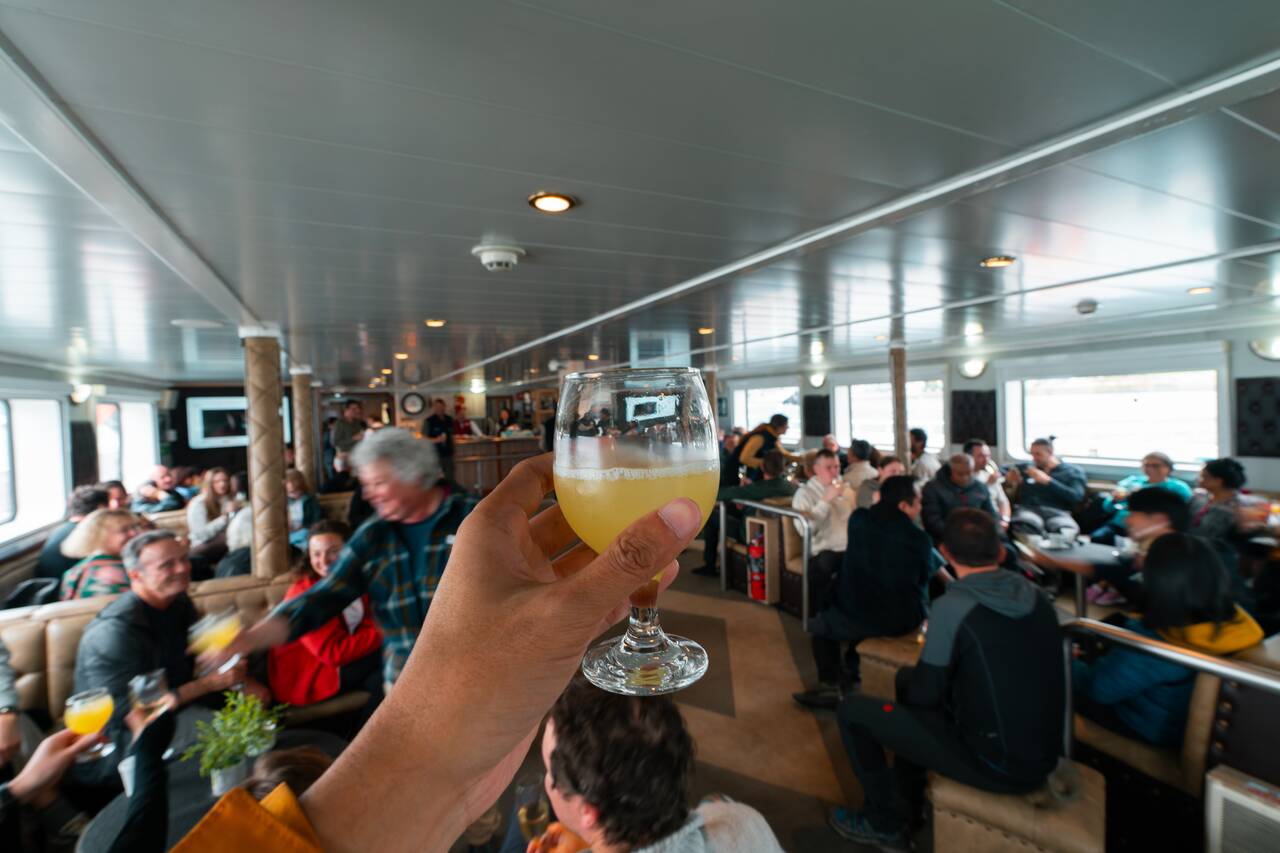
Absolutely! It is truly a once-in-a-lifetime experience, and there is really nothing else quite like it. From surviving the Drake Passage twice to finally setting foot on the Antarctic continent and being surrounded by all kinds of wildlife, it was one of the most rewarding experiences I have ever had. I have never seen so many whales in my life!
Of course, visiting Antarctica is expensive, but if you have the means to do it and dream of stepping foot on all seven continents, then this is honestly a no-brainer. If you value raw nature, incredible wildlife, and truly remote travel experiences, Antarctica will absolutely be worth it for you. It is one of those rare trips that stays with you for the rest of your life.
And if you cannot afford it right now, do not worry. I was in Ushuaia 10 years before this trip and could not afford it back then either, but I kept the dream alive and continued saving. After a decade, I finally made it happen, and it was everything I had hoped for and more.
Further Reading for Antarctica
I hope you found this Antarctica travel guide useful. If you are looking for more information about traveling in Antarctica, be sure to check out the articles below:
- If you are looking to visit Antarctica while traveling around Argentina, this guide has everything you need to help make it happen: How to Visit Antarctica: A Complete 10-Day Cruise Guide.
- If you are a photographer planning a trip to Antarctica, here is what camera gear to bring and what not to: What Camera Gear Should You Bring to Antarctica?
- Looking for a complete backpacking guide to the entire South America continent? Here is the ultimate 6-Month Backpacking Itinerary for South America.
- To see all articles about Antarctica, visit Antarctica Travel Guide page.
- Looking for a place to go after Antarctica? How about Chile or Argentina? We've got plenty of travel guides for these countries.
- Looking for more travel guides for South America? You can find more on my South America Travel Guide page.
- For more of my travel guides, visit my Destinations page.
Disclaimer: This post may contain affiliate links. See our disclosure policy.
First Published:
Last updated: