



Important: You now need both a Rapa Nui National Park ticket and an accredited Ma’u Henua guide to enter the controlled archaeological sites inside the national park. You can still explore Hanga Roa independently, visit Tahai on your own, and enjoy the beach area at Anakena without a guide, but the archaeological zone at Anakena and sites such as Ahu Tongariki, Rano Raraku, Ahu Akivi, and Orongo require a guide. Renting your own vehicle can still be useful for getting around the island, but it does not replace the guide requirement at park sites. You can browse for available tours here.
Easter Island is one of the most remote islands in the world, and while it looks like an excellent place for a grand adventure, getting to the island without breaking the bank can be quite tricky. One thing is for sure: Easter Island is not your typical destination where you can get by with US$50/day. But I can assure you that traveling around Easter Island is one of the most rewarding things you can do in your life.
Within this guide, you will find all the information you need, such as how to get to Easter Island, cool things to do, and how many days you would need to explore Easter Island thoroughly. Without further ado, let's begin, shall we?

Easter Island Things to Do Itinerary Map

Quick Summary
Show More5 Days Easter Island Itinerary
Day 1: Prepare for Day Trips

Before visiting the archaeological sites, buy your Rapa Nui National Park ticket and arrange an accredited Ma’u Henua guide. As of 2026, the park ticket costs 100 USD for a foreign adult and is valid for 10 consecutive days. Rano Raraku and Orongo are limited to one entry each per ticket. The park ticket and guide are separate, so check whether a tour price includes only the guide/transport or anything else. You can browse for available tours here.

Upon arriving on the island, your first task is to find a tour that will take you to all the tourist attractions you wish to visit. Spend the first evening strolling along Hanga Roa's main street to find a tour agency and select the one you like. You can also check out the local tour agencies like Mahinatur, Easter Island Travel, and many more, all located in Hanga Roa.

If you're not sure about which tour to choose, you can use the itinerary I've provided below as a guide and select tours that visit these recommended places. I was there when we were able to travel independently, which is why my photos are all over the place and time 😂.
- Hostal Vieroto (Budget)
- HARÉ MANU Rapa Nui (Mid-Range) 👍 Top Pick
- Inaki Uhi Hotel (High-End)
- 6-Days trip to Easter Island (6 days)
- Easter Island: Archeology & Sunset with Moais (4 days)
- Rapa Nui Experience (4Days/3Nights) (4 days)
Day 2: Ahu Tongariki at Sunrise, Rano Raraku, Anakena, and Enjoy Tapati Festival

On your second day, I recommend waking up as early as possible to visit Ahu Tongariki for an incredible sunrise. Ahu Tongariki, the largest ahu on Easter Island, features statues located on the east coast, making it one of the best places to experience the sunrise.

It should take you no more than 25 minutes to reach Ahu Tongariki. Depending on the tour and the time of the year you visit Easter Island, you may need to wake up as early as 4 AM. If you're fortunate, you might catch a glimpse of the Milky Way, as I did when I drove out here at 4 AM. It was probably the clearest view of the Milky Way I've ever had, thanks to the remote location of the island, far from any light pollution.
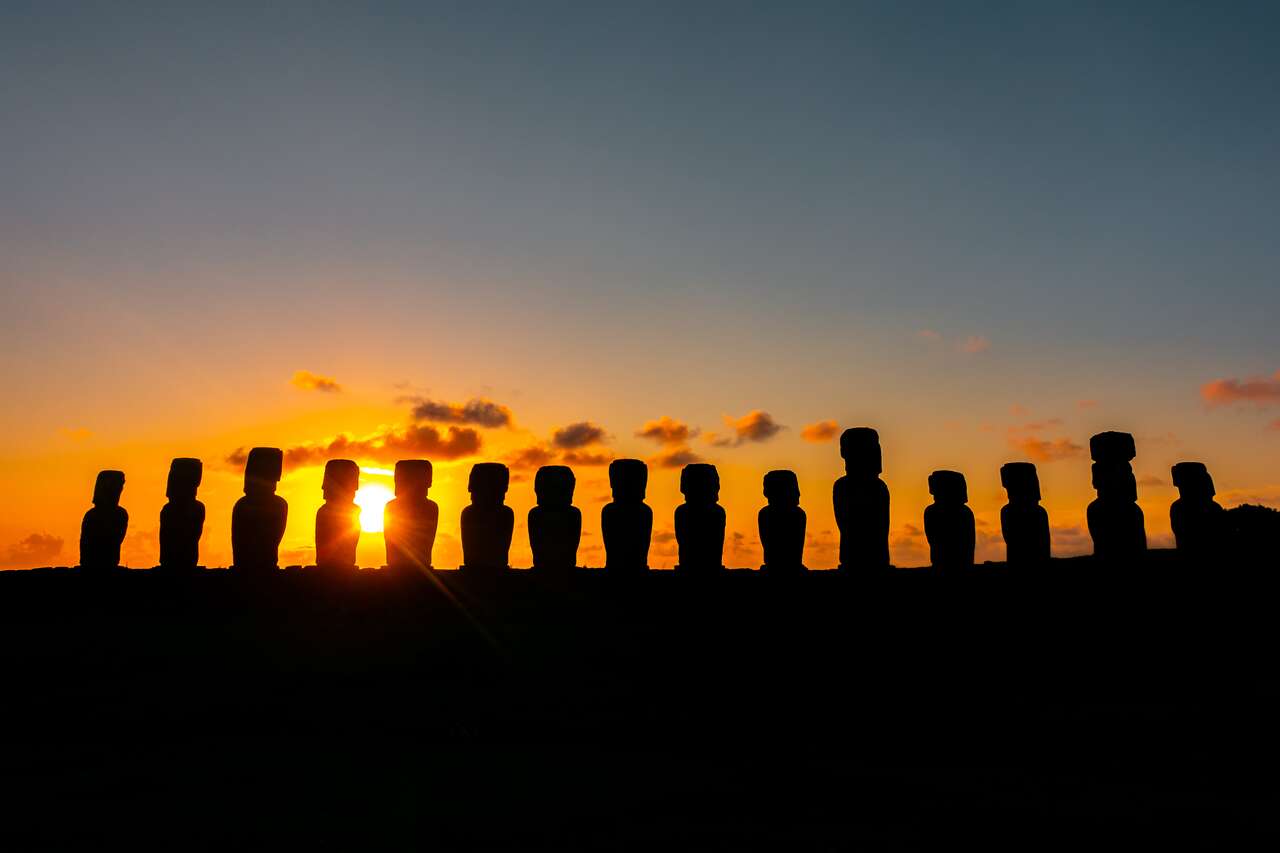
When I visited independently, I drove out before dawn and photographed the Milky Way near Ahu Tongariki before the main visit. Today, Ahu Tongariki is a controlled national park site and you need an accredited guide to enter, including for a sunrise visit, so arrange a sunrise tour rather than trying to access the site independently.

Sunrise time changes throughout the year, but in February it is around 7 AM. Ahu Tongariki opens early for sunrise visits, so coordinate the exact pickup and entry time with your accredited guide. Even if you're not typically a morning person, I highly recommend waking up for this experience. It's truly wonderful to observe the shadows of the moai statues shifting around you.

To the northeast of Ahu Tongariki lies Rano Raraku, a volcanic crater that served as the source of all the rocks for the Moai statues. In the quarry, you can witness numerous Moai statues scattered about, with some still in various stages of completion.

You can still observe many statues in different stages of carving at Rano Raraku. Some unfinished moai appear to have been abandoned after carvers encountered harder inclusions in the volcanic tuff, but that is not considered the single explanation for why carving across the quarry stopped. Rano Raraku can get busy during the day, and remember that your park ticket currently allows only one entry to this site, so plan your visit carefully.

After the hike up Rano Raraku, imagine the perfect way to unwind, by relaxing on a beach. Anakena, a white coral sand beach in the north of the island, is easily accessible from Rano Raraku. You can drive up, enjoy a delightful lunch, or simply relax under palm trees while listening to the soothing sound of waves crashing onto the beach. There's nothing more peaceful than that.

Don't forget to check out Ahu Nau Nau, home to some of the best-preserved statues on the island, located beside Anakena. The beach area itself does not require a guide, but the archaeological zone around Ahu Nau Nau does. When I visited, I rented my own vehicle and exploring the remote landscapes by road was one of the highlights of my trip. You can still rent a vehicle today for independent sightseeing and transport, but you cannot use it to enter controlled archaeological sites without an accredited guide.

If you happen to be there during the incredible Tapati Festival, seize the opportunity to experience the cultural and sporting events taking place around the island. The dates change each year rather than simply falling at the end of February; for example, the 2026 festival ran from February 3 to 14. During the festival, locals showcase Rapa Nui traditions through dance, music, competitions, crafts, and other cultural events.

Make sure to align your visit with either the opening or closing ceremony to fully experience the best of the festival during your time on the island. I was there during that time and I had a blast. You are going to love it!
Day 3: Visit Ahu Akivi, Ana Kakenga, and Rano Kau Crater

The following morning, you can begin your day by visiting Ahu Akivi with your accredited guide. The site features seven restored moai facing west, aligned toward the setting sun around the Southern Hemisphere spring equinox. Its inland location and astronomical orientation make it one of the island's most distinctive ahu.

After you are done, you can head over to Ana Kakenga, a volcanic tube formed a thousand years ago through the island's volcanic activities. What sets this cave apart is its unique location overlooking the ocean. To reach the entrance, you'll need to hike, and there's no sign indicating its presence, just a small hole marking the entrance.

Locating the entrance can be challenging, but with a guide, they'll lead you to it. The view is said to be worth the effort, although, personally, I couldn't find the entrance myself!

Next up, we visit Rano Kau, which is one of the most impressive places to visit on the island. This extinct volcano crater features a central wetland and lake. The unique formation of the crater walls provides shelter to the lake from the island's prevailing winds, creating a microclimate within the crater.

When I visited independently, having a rented vehicle made it easy to reach the Rano Kau area. Today, plan to visit the controlled archaeological areas with an accredited guide, especially Orongo, the ceremonial village associated with the tangata manu, or Birdman, tradition. Orongo is also one of the two sites, together with Rano Raraku, that currently allows only one entry per park ticket. You can visit it as part of an organized tour from Hanga Roa.
Day 4: Explore Hanga Roa, Check out Ahu Tahai, and more Tapati Festival

On your fourth day, spend your time and explore Hanga Roa. Be sure to head north and check out Ahu Tahai, a ceremonial complex comprising three Ahu platforms, one of which has had its eyes restored. Did you know that some moai statues have eyes? I did not!

One of the advantages of visiting during the Tapati festival is that there is no shortage of events you can attend so you can spend the latter of the day witnessing one of the many sports competitions they hold during the day and enjoy the dance performance in the evening.
Day 5: Fly Back to Santiago

On your last day, take a moment to stroll around a bit more and shop for a souvenir before heading to the airport. The miniature moai statue, in particular, was my favorite, and I couldn't resist buying it for friends and family back home, so be sure to walk around the souvenir shops in town before leaving.
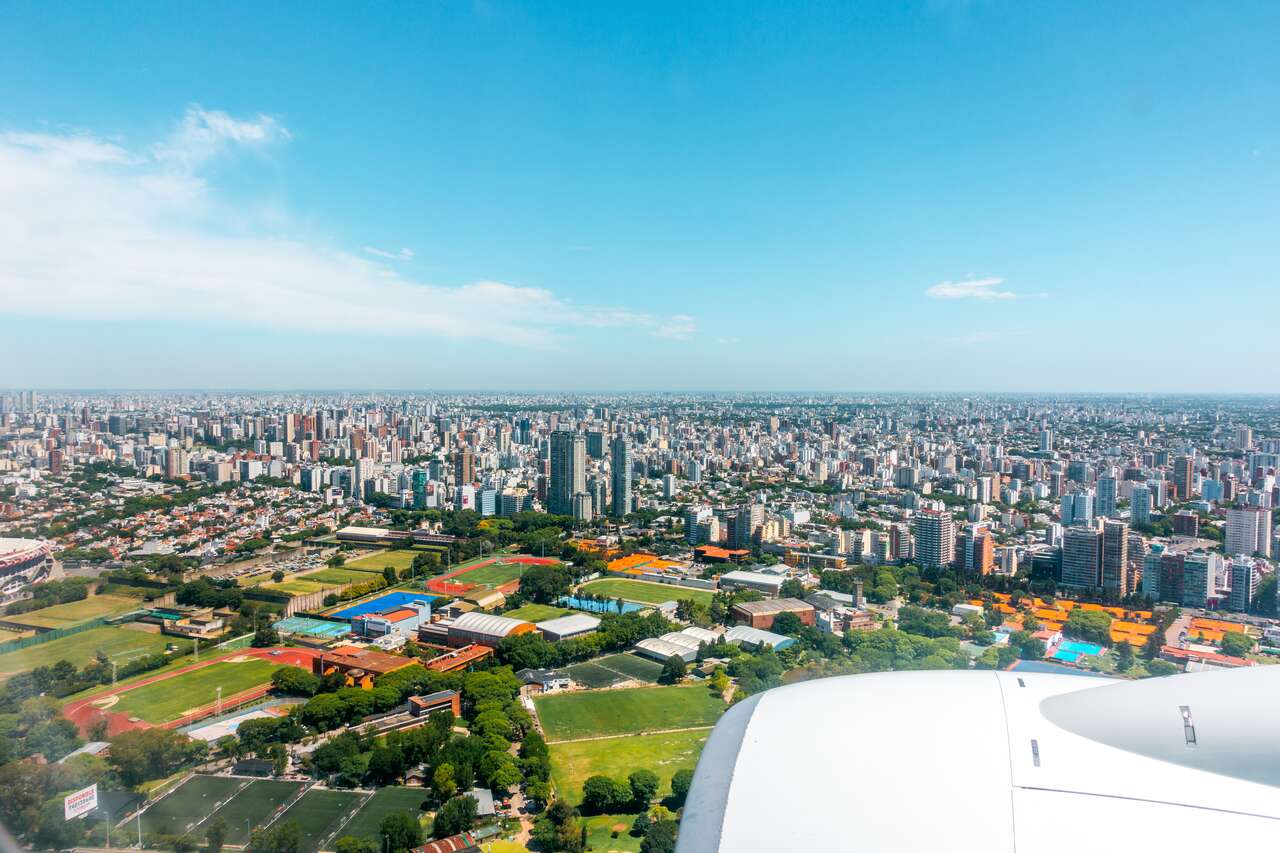
Despite spending close to US$2,000 on this trip, I have absolutely no regrets. Immersing myself in the beautiful Easter Island nature and the colorful culture of the Rapa Nui was a much-needed change for me, especially after spending almost 6 months prior, hopping from one city to another across South America. While Easter Island may not be the go-to destination for budget travelers, if you are as determined as I am, visiting Easter Island will be one of the most rewarding experiences of your life. Trust me!

Chile Travel Video
Where to Stay on Easter Island?


Why Visit the Easter Island?

For one, Easter Island is one of the most remote inhabited islands in the world. Yet, it was home to one of the most amazing cultures: the Rapa Nui. The island is also renowned for its numerous monumental statues, called moai, created by the early Rapa Nui people.
There is no other place like it in the world, and if you are interested in the history of the mystery surrounding the moai, you should definitely visit Easter Island.
If you aren't into historical artifacts but still love being in nature, Easter Island has you covered. With its volcanic landscape, pristine nature, and the island's remoteness, you can fully immerse yourself in the natural environment.
Moreover, away from the light pollution of urban areas, driving out of town at night treats you to a breathtaking 180-degree view of the Milky Way. If this doesn't convince you, I don't know what will.
When to Visit Easter Island?

If experiencing the Tapati Rapa Nui Festival is a priority, February is a fantastic time to visit, but check the exact dates before booking because they change each year. The festival is not month-long; in 2026, it ran for 12 days from February 3 to 14, with traditional dance, music, sporting competitions, crafts, and other cultural events. February is also a popular time to visit, so book flights and accommodation well ahead if you plan to come for Tapati.
How to Get to Easter Island?

The most expensive part of this trip can still be the airfare. LATAM Airlines is currently the only airline operating regular commercial flights between Santiago and Rapa Nui, with service operating year-round. The direct flight takes roughly 5.5 hours, and Santiago remains the normal gateway to the island.
Airfares vary considerably by date and point of sale, so the old claim that finding a round trip below 1,000 USD is almost impossible is no longer accurate. In September 2026, LATAM was advertising selected Santiago-to-Rapa Nui one-way fares from around 207,034 CLP on its Chilean site, although many dates cost more. When I traveled, I paid 1,300 USD round trip after booking only a month in advance, so I would still recommend booking early and comparing dates.
To get a cheap flight to Easter Island, be sure to keep an eye out for cheap tickets on Skyscanner or Expedia.
Current entry requirements: Complete the Single Entry Form (FUI) within 48 hours before your flight. Visitors must also have a return ticket for a stay of no more than 30 days and either a reservation at accommodation registered with SERNATUR or an approved invitation letter from an island resident. Have the required documents ready before departure because they are checked for travel to Rapa Nui.
How to Get Around Easter Island?

You can still get around Rapa Nui independently by rental car, scooter, ATV, bicycle, taxi, or on foot around Hanga Roa, but transport and archaeological-site access are now two separate issues. To enter the controlled sites inside Rapa Nui National Park, you need a valid park ticket and an accredited Ma’u Henua guide. Hanga Roa and Tahai can be explored independently, and the beach area at Anakena does not require a guide, although its archaeological zone does. For most first-time visitors, organized tours are therefore the easiest way to see the major archaeological sites. You can browse for available tours here.
There are still many ways to get around the island independently, including bicycles, scooters, ATVs, and cars. Rental prices change frequently, so treat the prices below as a record of what these options cost around the time I researched/traveled rather than current quotes. If your main goal is visiting the archaeological sites, compare the total cost with an organized tour because you will need an accredited guide at those sites anyway.
However, bear in mind that the island's terrain is hilly, and biking across to the other side may take one to two hours. To explore everything on the island, it's advisable to rent the bike for at least three days.
Another option is a scooter or a motorbike, priced at around US$60 to US$70 per day. It's important to note that a valid motorbike driving license is required for rental; you cannot use your car driving license for this purpose.

When I visited, I chose an ATV because I did not have a motorcycle driving license and wanted the flexibility to explore independently, including driving out before sunrise. That freedom was one of the highlights of my trip. Under today's park rules, however, renting an ATV does not allow you to enter Ahu Tongariki or other controlled archaeological sites independently; arrange an accredited guide for those visits.
Cars, jeeps, and other vehicles are also available for rent. Current rates vary by vehicle, season, and rental company, so compare local quotes rather than relying on my old daily prices.
There are plenty of rental shops along the main street. Shops like Insular or Oceanic are good places to start looking for the best transportation during your time here.
For the archaeological sites, booking an organized tour is usually the simplest option because it combines an accredited guide with transportation. You can also arrange a private accredited guide and use separate transport. Local agencies in Hanga Roa can help organize the required guided visits, but remember that the 100 USD foreign-adult national park ticket is generally separate unless your tour explicitly says otherwise.
Daily Budget


Traveling here can be quite expensive and isn't necessarily budget-friendly, though there are still options to manage costs. You can expect to spend around $50 - $70 USD per day per person, including food, accommodation, and transportation.
Please keep in mind that these are suggested daily budgets based on my own style of travel, which leans more towards the budget side of things. If you aim to stick to this budget, anticipate sleeping in dormitories, dining out only occasionally, and being comfortable with the cheapest and most convenient modes of transportation, which often involve a considerable amount of walking.
Disclaimer: This post may contain affiliate links. See our disclosure policy.
First Published:
Last updated:


7 Comments
Very nice Eater Island guide! I am planning a trip there next year so this was good timing.
Thanks for sharing!
Andy Traveler
Thank you, Andy! It's definitely the highlight for my trip in Chile, even more so than the Patagonia as it turned out :D
Hi Pete,
Really nice post on Easter Island. We managed to squeeze a visit in just before lock down and thoroughly enjoyed our stay. We actually choose to cycle round the Island which was tiring yet completely rewarding. Rental was just $10USD/day which was excellent for the tighter budget. Your experience of the Tapati Festival looks amazing, I'm sad we just missed that now! What an amazing place eh :)
Hey Beck, Dan
Thank you for the comments! Yes, the island is quite vast for a 2-wheeler but not impossible. :) I opt in for a quadbike just because I didn't feel like biking in the middle of the night to go see the Milky Way haha. I got lucky with the Tapati Festival as a friend in Chile tipped me about it before I booked my flight so I decided to wait for the festival before flying there. :) Well worth the wait!
Thanks for the suggestions. I am interested on the solo morning trip to Ahu Tongariki. I understand tourist must have a local guide to enter the sacred archeological sites, was that the case when you visited? Also, I'm planning to have the vehicle for only a day, what sites are accessible without a guide?
Hi Paolo,
Um... it looks like ever since the pandemic, new requirements for tourists have been popping up all over the island, and 90% of the places now require guides, which you should be able to organize from the travel agencies once you are on the island.
Until they lift these requirements, I don't think exploring the island with your own vehicle now is a good idea unless you want to go to the beach at your leisure. You can still enjoy Ahu Tongarik from the outside at sunrise, and you can stop wherever you want on the island, but to get into protected areas, you will need a guide.
What a shame, to be honest. Easter Island's beauty for me was that you can roam free and enjoy the beauty in solitude. :( I hope this helps, at least. I'll update the article accordingly.
Hello Pete , we was on the same flight 19 October SCL-IPC with LATAM , your point of view and tips are exelent ,we spend 4 day / 3 nights ,was a Birthday present for me ,so I can not speak about the Coast & Money :-)) but any way ,it was just magic ,greetings from Barcelona Manfred