

Kyrgyz-Tajik Border Update: Kyrgyzstan and Tajikistan formally reopened border checkpoints in March 2025 after signing a border agreement, and the Pamir Highway crossing via Kyzyl-Art is again being used by international travelers. Entry requirements depend on your nationality: many nationalities can currently enter Tajikistan visa-free for up to 30 days, while others may need an e-visa. A separate GBAO permit is still required for the Pamir region. Border procedures and access can change at short notice, so confirm the Kyzyl-Art crossing and your documents with your driver/tour operator shortly before departure.
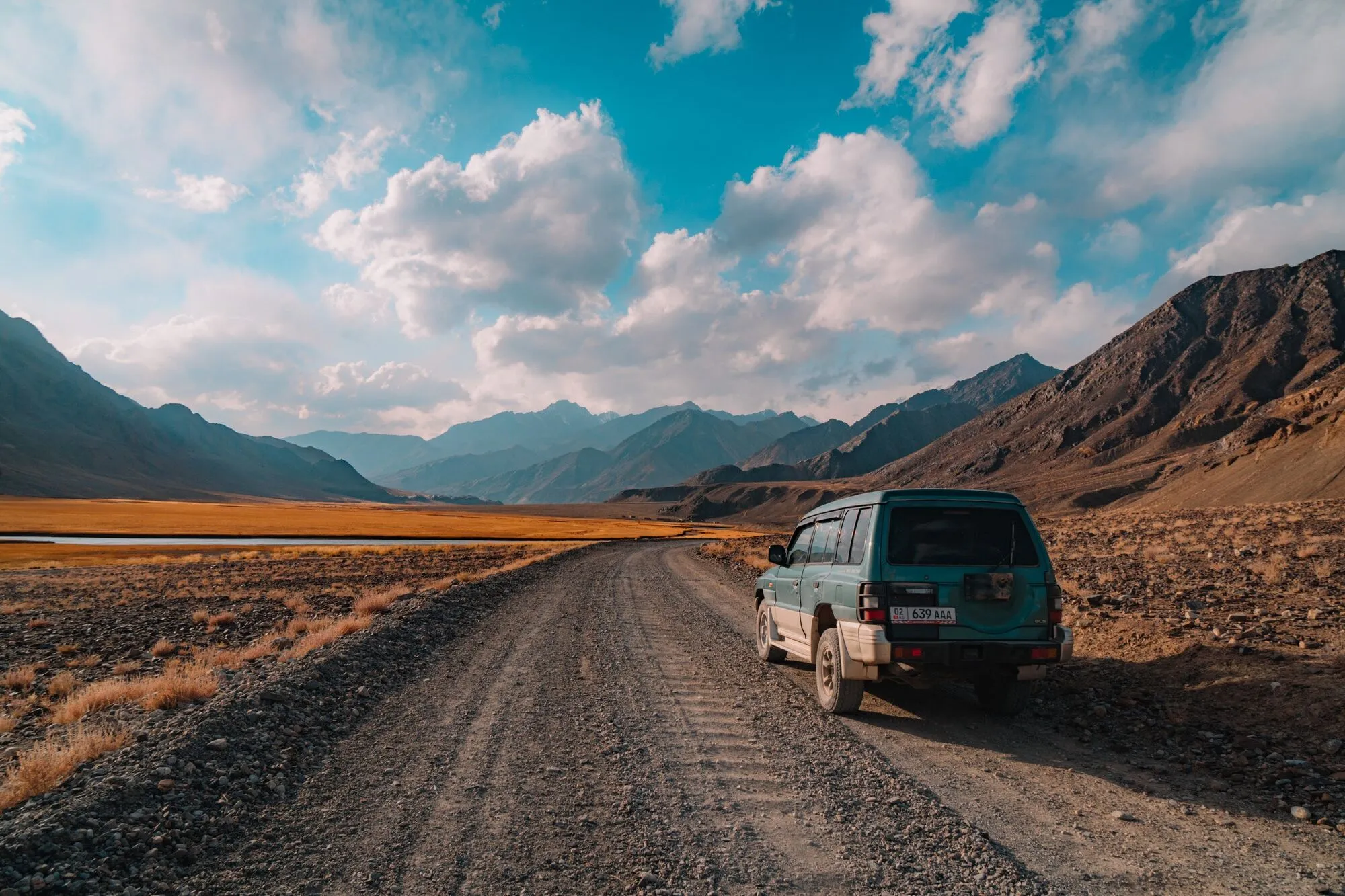
The Pamir Highway is one of the highlights of traveling in Central Asia and one of the world's great high-altitude road journeys. The route crosses several passes above 4,000 meters, including Ak-Baital Pass at about 4,655 meters, the highest point on this itinerary.
The highway stretches over much of Tajikistan and Kyrgyzstan through the Pamir mountains, starting from Osh and ending in Dushanbe. In order to traverse this remote highway, extensive planning is required. Within this guide, I will explain how I, as a solo traveler, was able to find people to go with, pick which route to take, and decide how long the trip would be.

Which Route to Pick for the Pamir Highway?
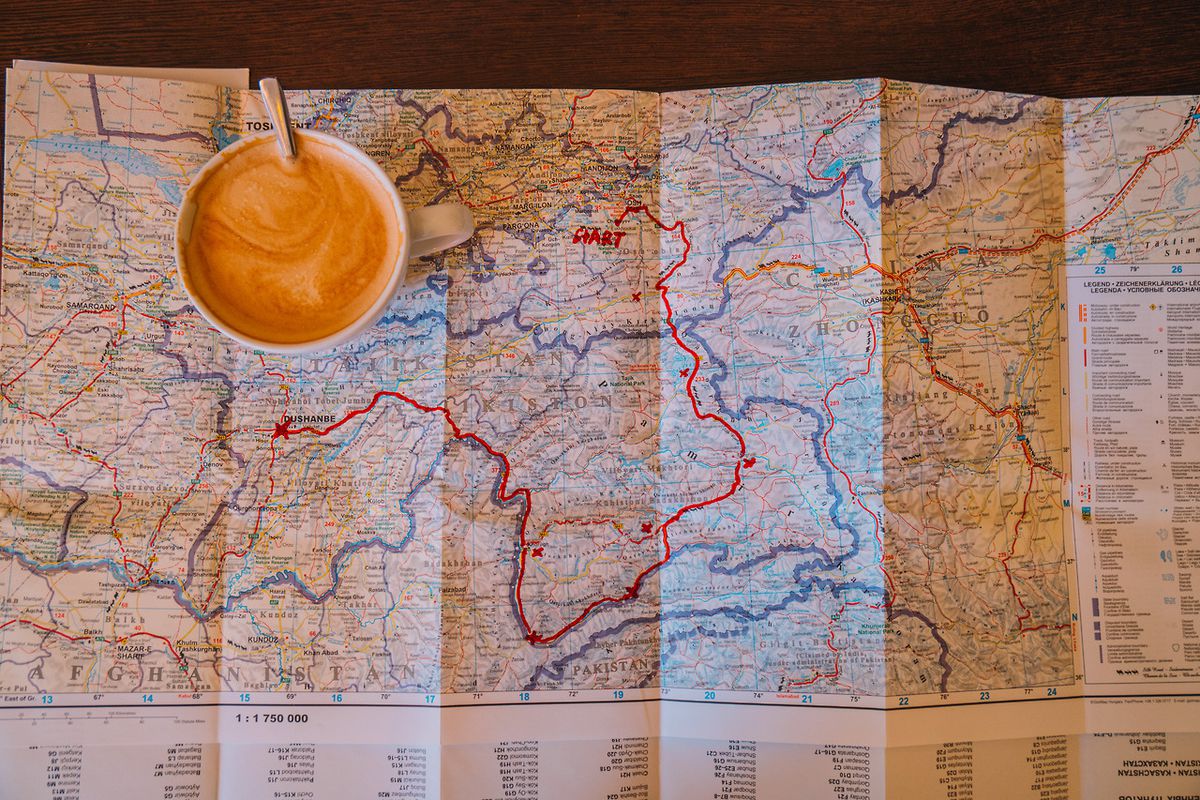
There are many routes to choose from, but after careful consideration, I decided to go with the classic Pamir route from Osh to Khorog through the Wakhan Valley, diverting from the main M41 toward Langar. This is the route I personally traveled and the itinerary below reflects that trip. Be sure to check current GBAO access, road conditions, the Kyrgyz-Tajik border crossing, and security conditions along the Tajik-Afghan border before embarking on this journey.
This route took us 7 days on a private jeep and an additional day on a public jeep from Khorog to Dushanbe. Here is my itinerary:
Quick Summary
| ☀️ Day 1: | Osh - Lenin Peak - Sary Mogul |
|---|---|
| ☀️ Day 2: | Sary Mogul - Crossed into Tajikistan - Karakul Lake |
| ☀️ Day 3: | Karakul Lake - Murghab |
| ☀️ Day 4: | Murghab - Bulunkul (Hiking possibility) |
| ☀️ Day 5: | Bulunkul - Wakhan Valley - Langar |
| ☀️ Day 6: | Langar - Hot spring - Ishkashim |
| ☀️ Day 7: | Ishkashim - Khorog |
| ☀️ Day 8: | Khorog - Dushanbe (public jeep) |
The Pamir Highway Itinerary, Highlights and Attractions
Day 1: Osh - Sary Mogul
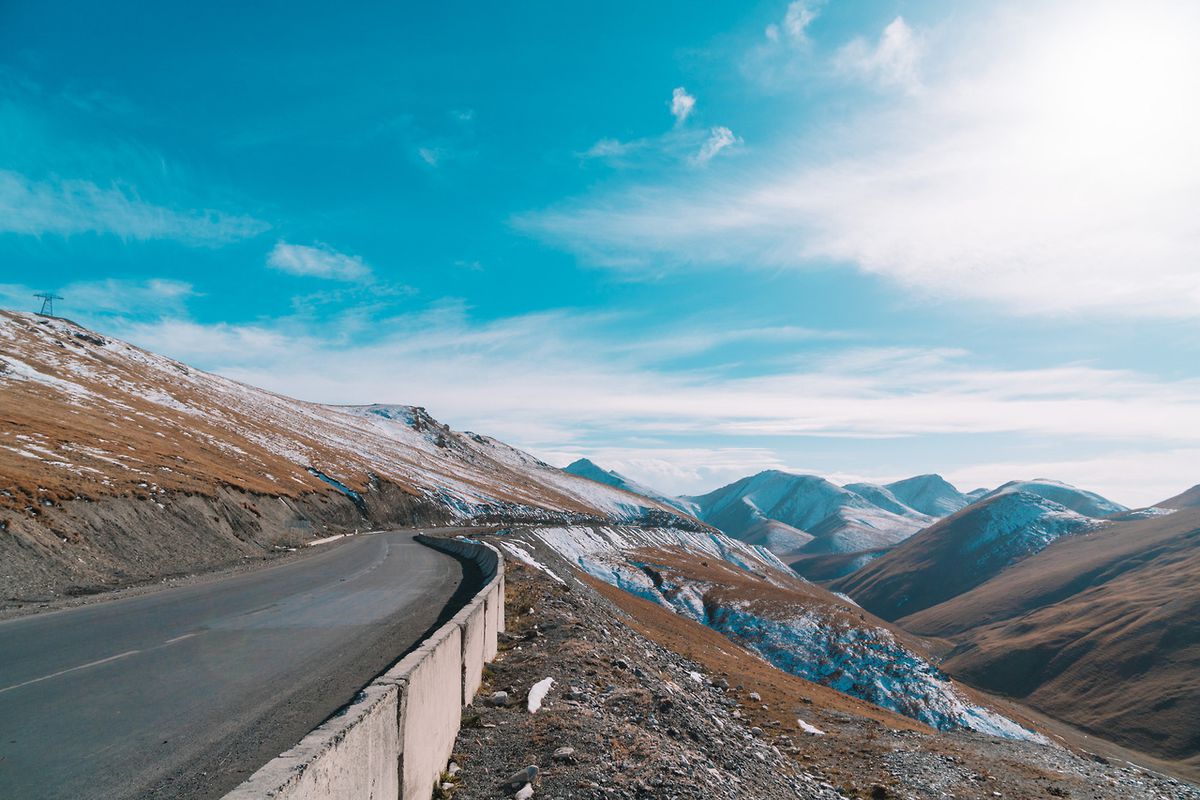
On the first day of the trip, we set off from Osh to visit the Lenin Peak base camp and spent the night in Sary Mogul. The day started off slowly as we stopped for some supplies along the way. The scenery became more open and epic as the day went on, as you’ll see from the photos I took.
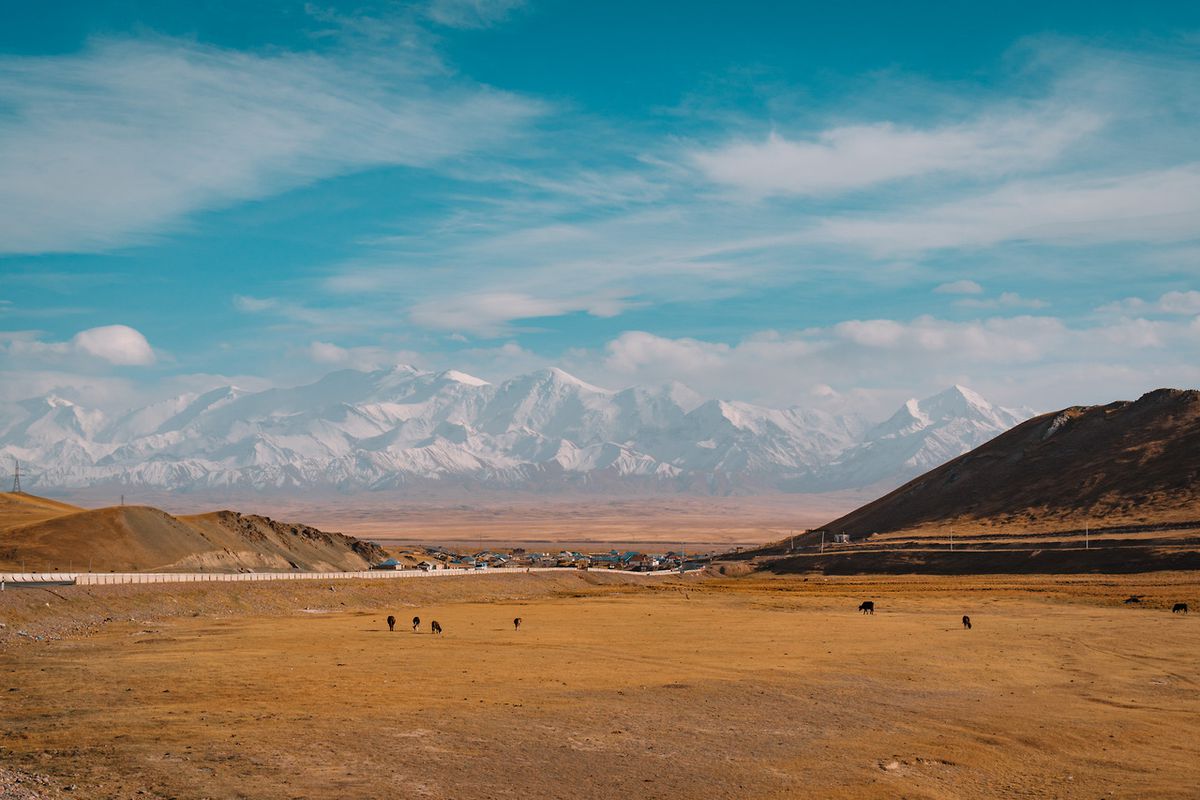
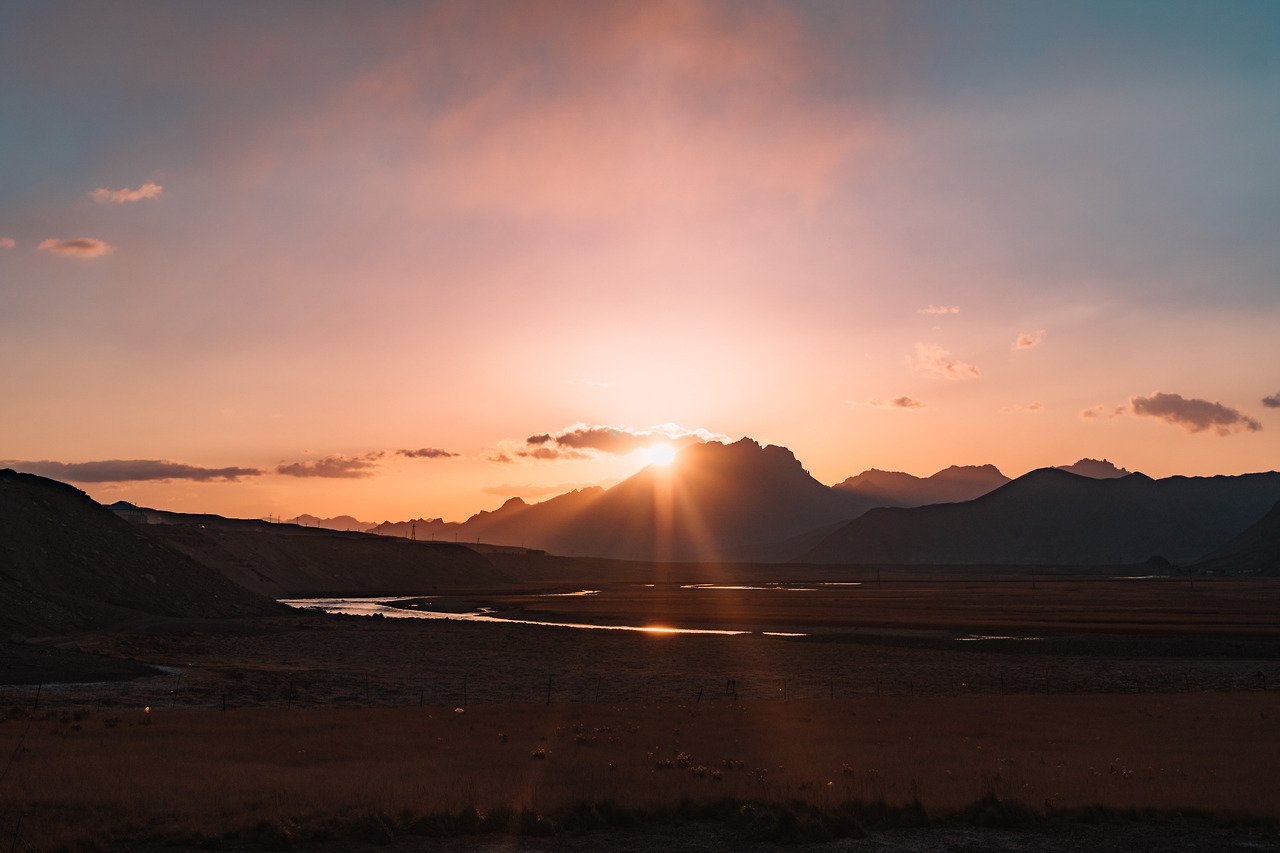
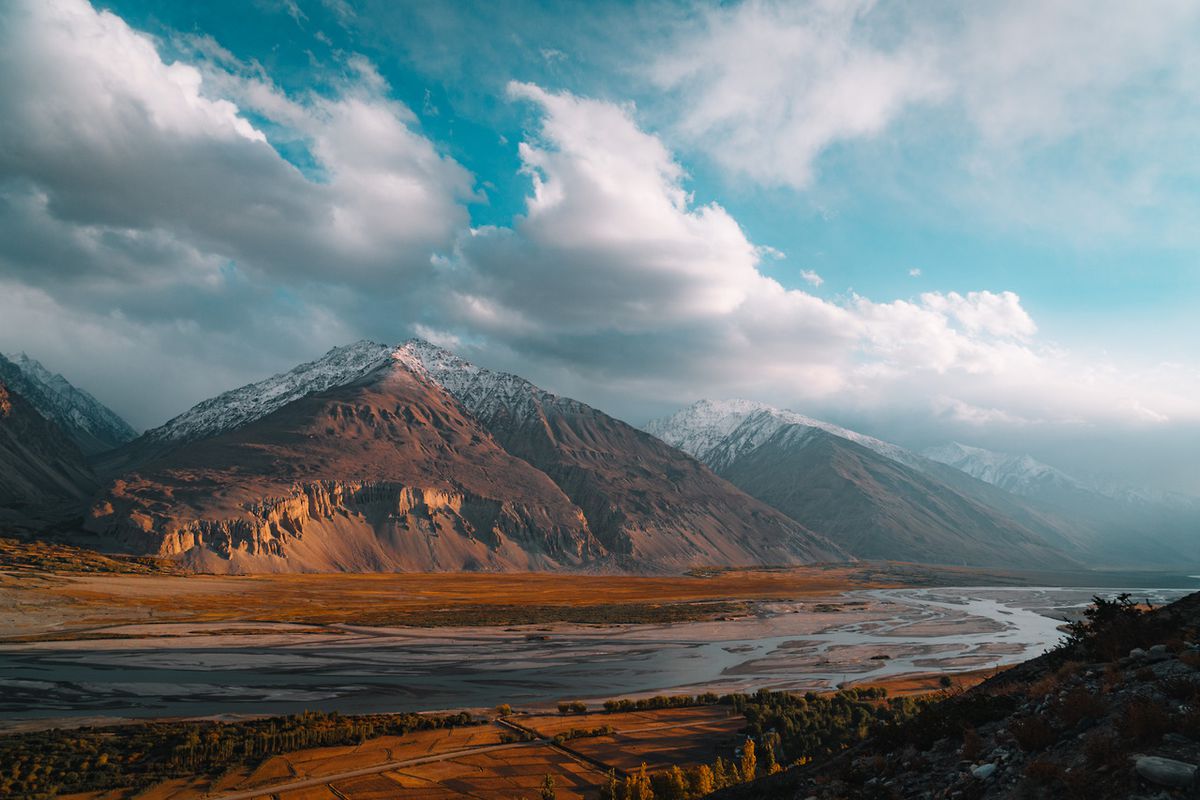
This day alone made me excited for what was to come, as the scenery shifted from city to mountains, to a large orange plain, and to a stunning view of snowy mountain range.
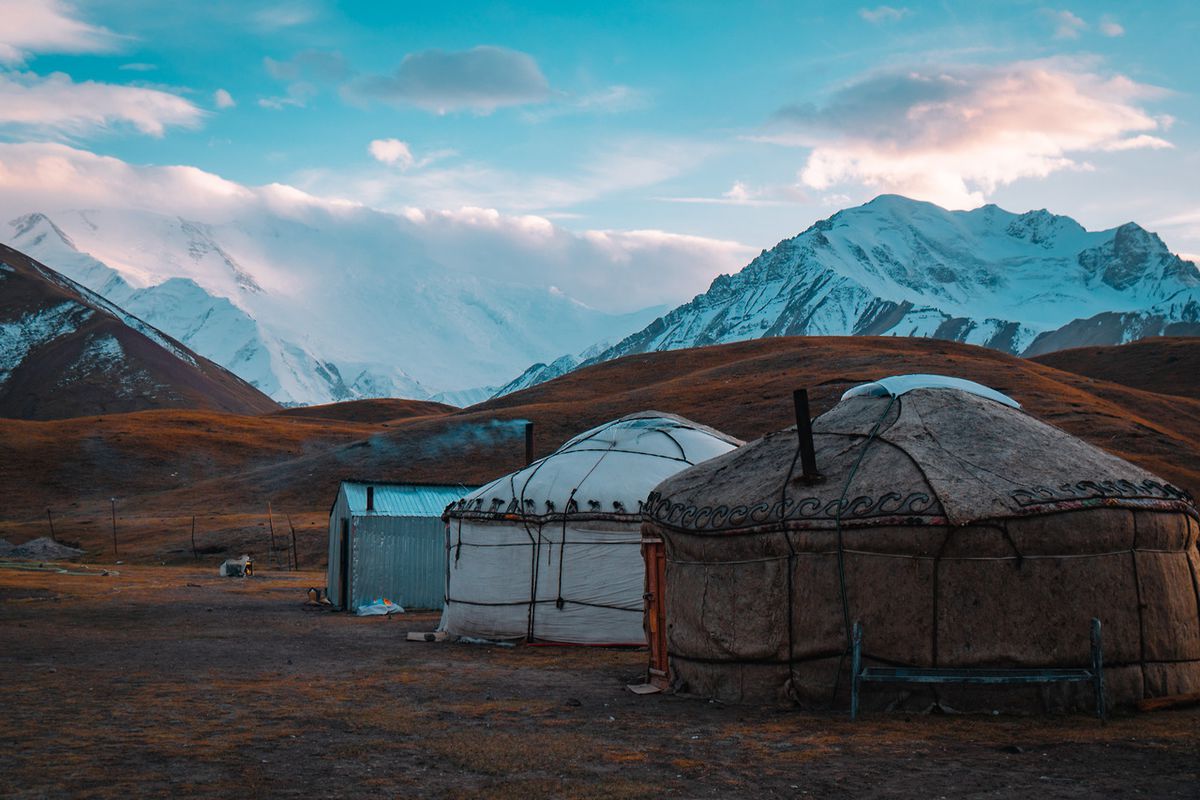
At the end of the day, you can choose to sleep at the yurt camp with a view of Lenin Peak for an additional cost, or stay in Sary Mongul. It was extremely cloudy and very, very cold when I was there, so we opted to stay in Sary Mongul instead. We couldn’t see Lenin Peak as it was shrouded in clouds, but it was still great to visit the camp and catch a glimpse of the surrounding mountains before calling it a night!
Where to Stay in Osh?
Day 2: Karakul Lake
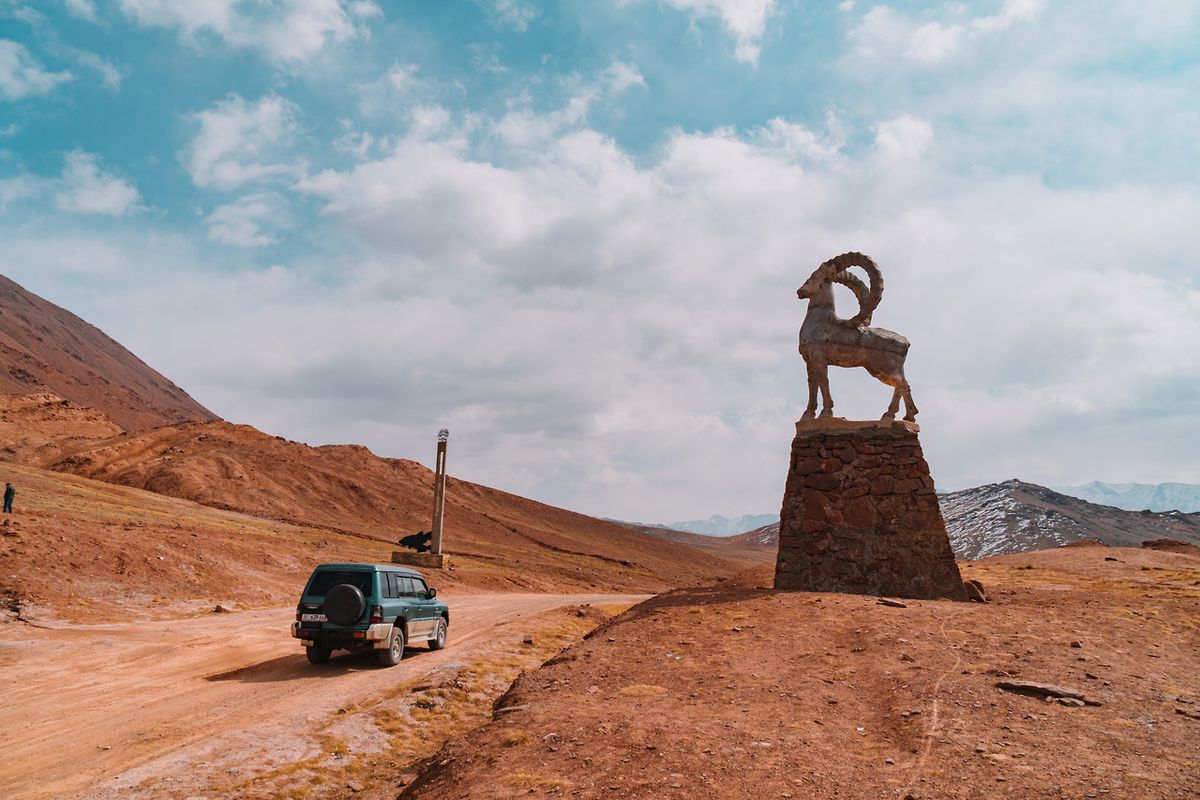
The next day, we crossed the border from Kyrgyzstan to Tajikistan and continued our way up through No Man's land, past this famous ram statue, and stopped for a night at Karakul Lake.

Throughout the day, you’ll be driving along a vast and spacious paved road with grand views of the Pamir-Alay mountain ranges. You’ll also witness people herding their livestock, giving you a glimpse of what life is like up here. It's not something you get to see everyday!

Karakul Lake is definitely best experienced at sunset. I only caught a glimpse of it as the clouds rolled in, but it was still incredible to get some sunshine before the cold, dark night set in.
Day 3: Murghab

On the third day, we drove up the 4,655-meter-high Ak-Baital Pass, the highest point on this trip, and stopped in Murghab for the night. You’ll definitely feel the altitude, especially if you’ve never been this high before. Breathing becomes noticeably harder in the thin air, so take it slow. Don’t push yourself too much today, as your body needs time to adjust to the elevation.
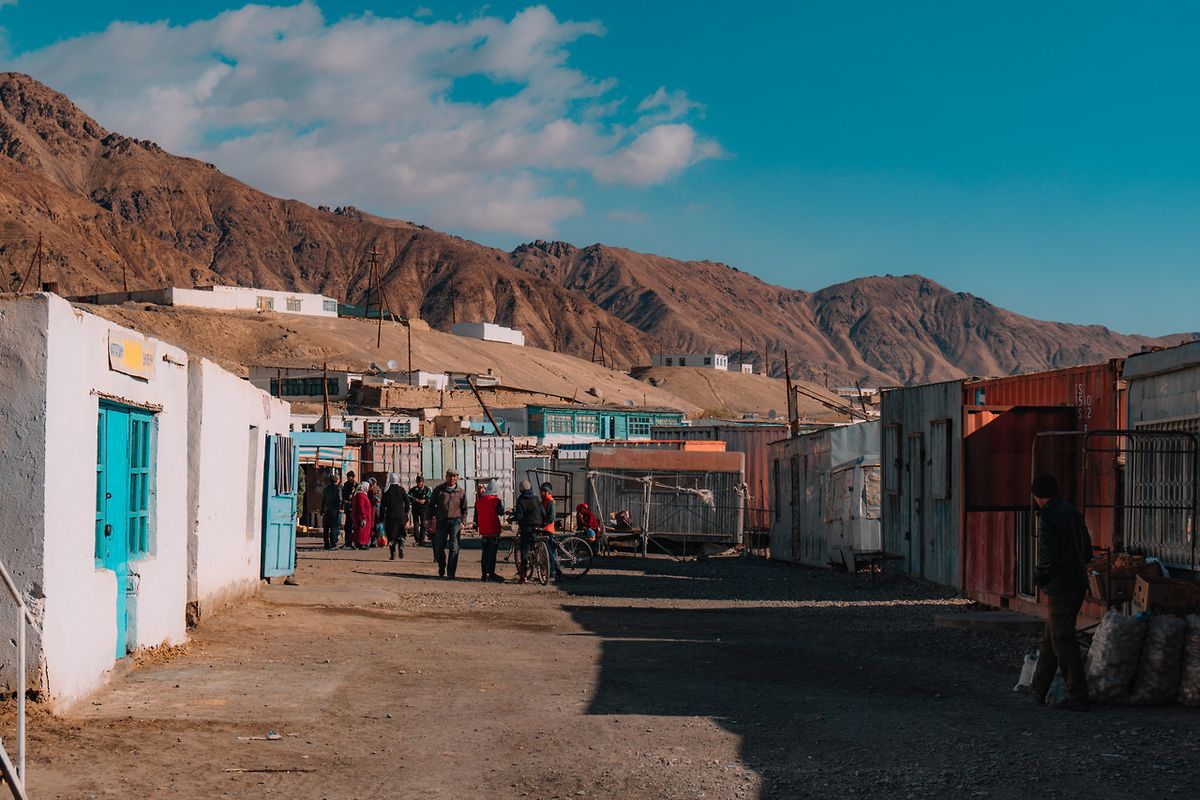
Murghab is one of the most populated towns in the area, but if you’re expecting a proper town with all the facilities you might need, you’ll likely be disappointed. To me, Murghab feels more like a large settlement than a town. Still, it was incredibly interesting to walk around and explore its streets. You can’t help but wonder, how do people make a living in such a barren landscape?
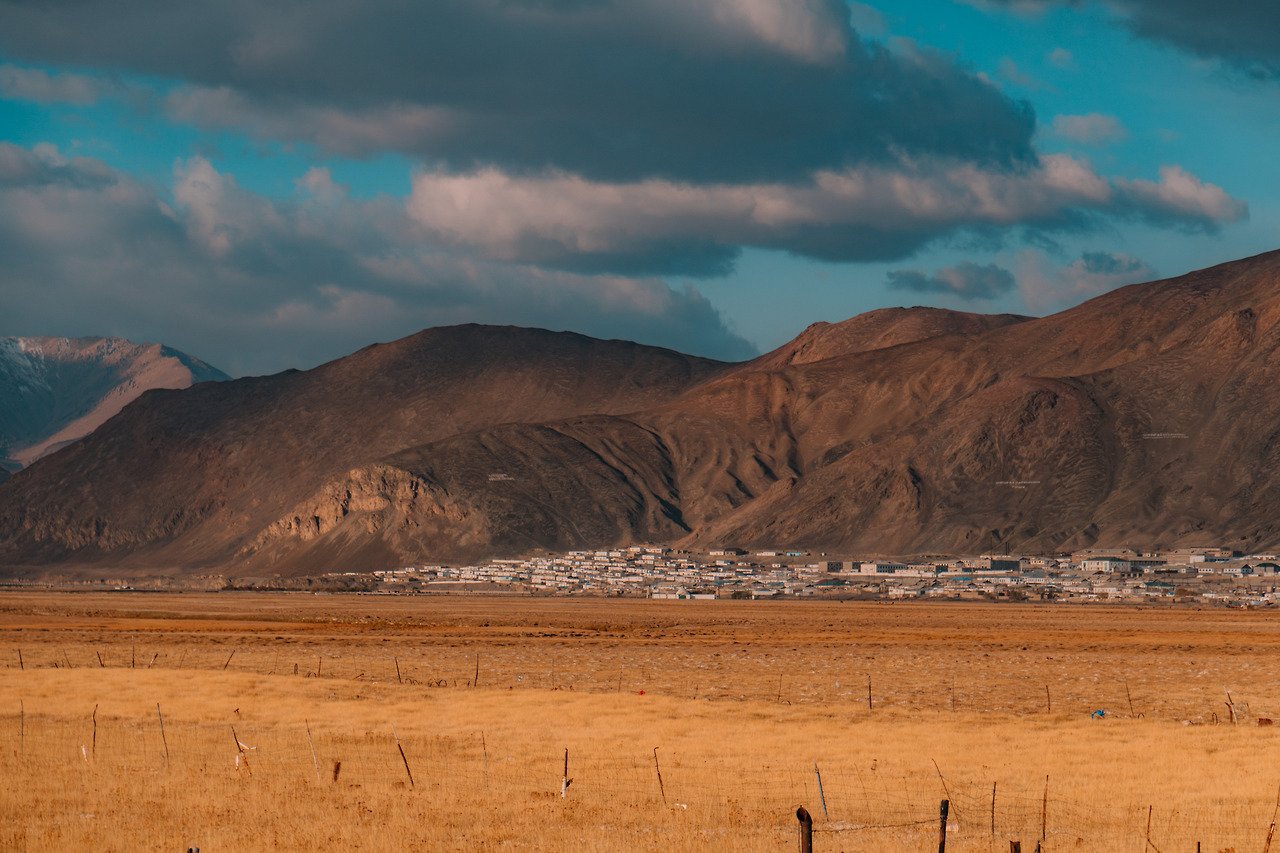
Murghab sits at around 3,618 meters above sea level, and you’ll be spending the night here. If you haven’t acclimatized properly, you’ll definitely feel it, especially while trying to sleep. Trust me, I’m speaking from experience. I couldn’t sleep and found myself catching my breath throughout the night.
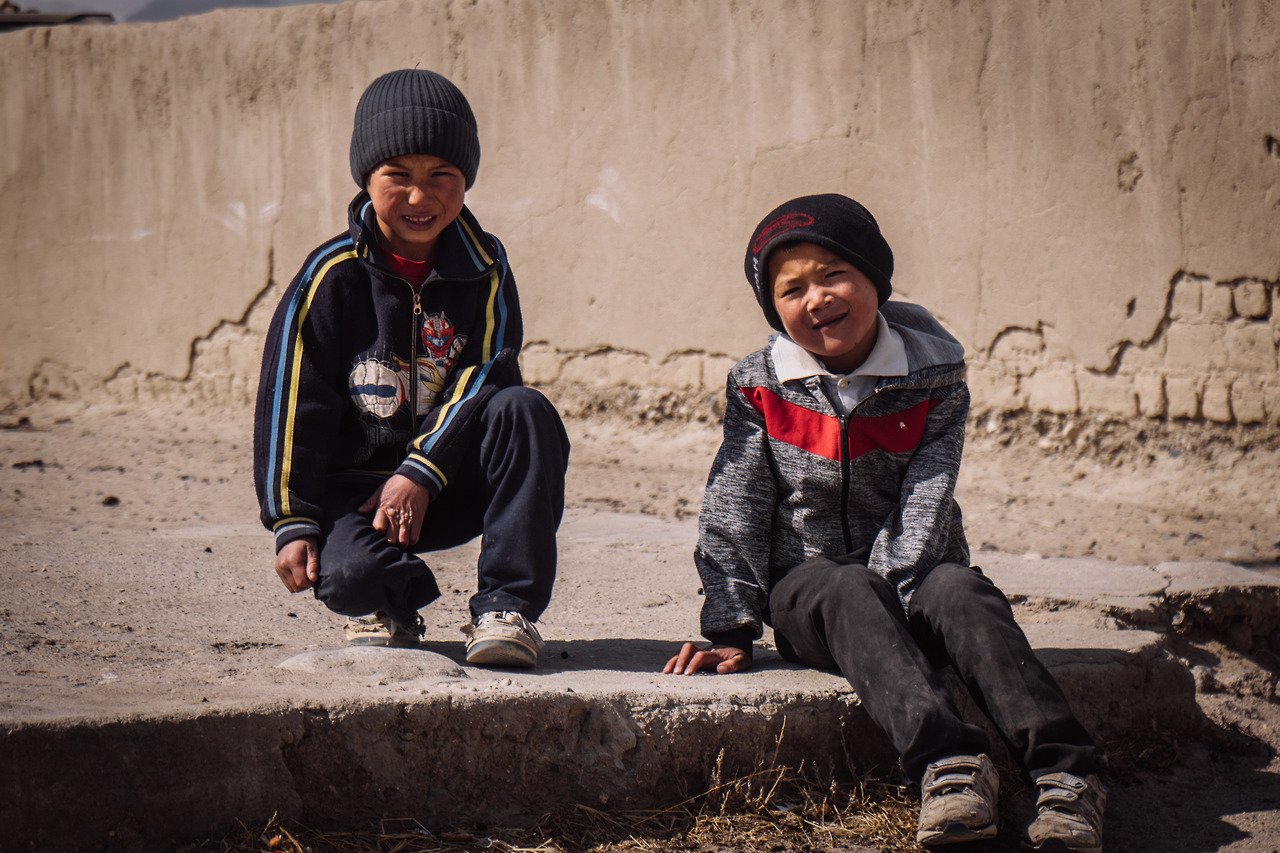
Not many people in our group slept well either, since most of us had come from Osh, which is only 963 meters above sea level. Jumping from 900 to 2,800 to over 4,000 meters didn’t give us enough time to acclimatize. So, expect a rough night. Thankfully, you’ll be descending after this, and you should start to feel better.
Do not try to simply power through worsening altitude symptoms. Headache, nausea, dizziness, unusual fatigue, or trouble sleeping can be signs of acute mountain sickness. Tell your driver or guide immediately if symptoms are getting worse, and if severe symptoms develop, descending to a lower altitude is the priority. Medical help is very limited along much of the Pamir Highway, so build acclimatization into your trip and take altitude seriously.
Day 4: Bulunkul

On the fourth day, we set off early for Bulunkul to do some hiking around Bulunkul Lake. The drive will take a whole day as usual but the view started to become more surreal the closer you get to the lake.
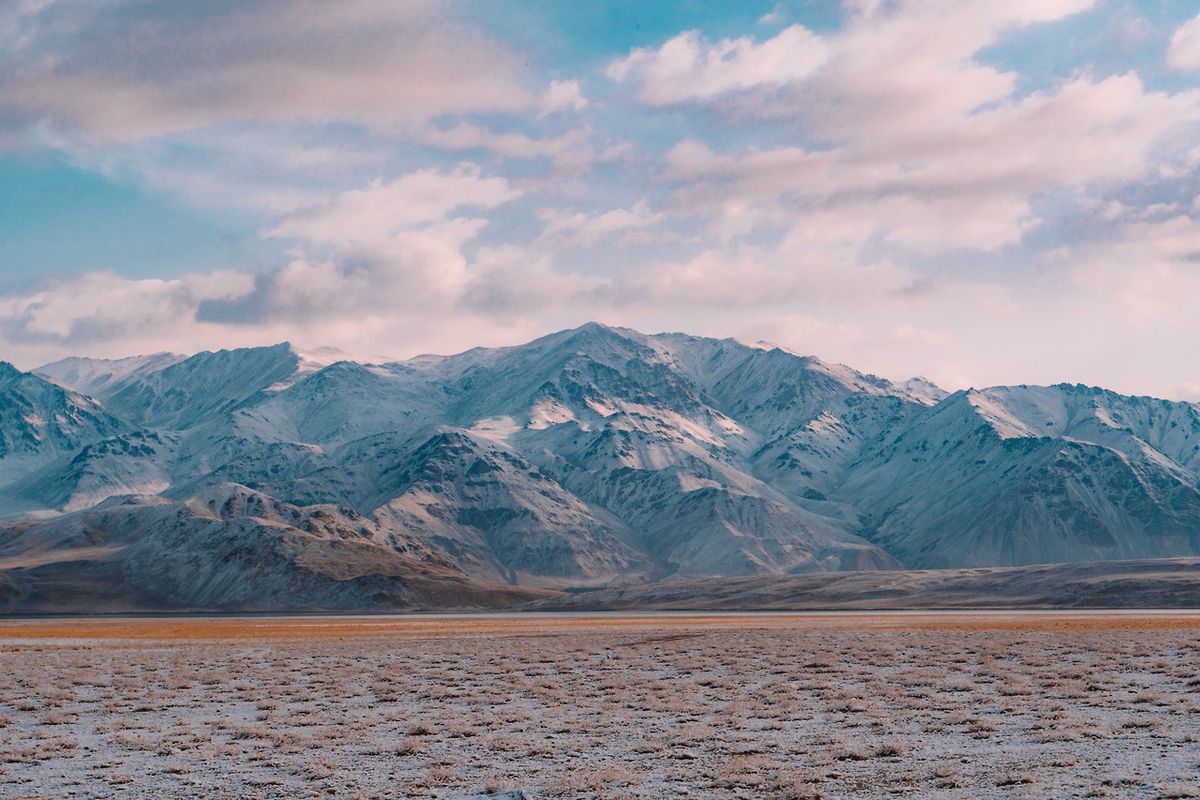
Once you arrive, you can settle in at the guest house and spend the evening exploring the settlement and the lake. I did a nice hike here that took about three hours round trip. It was relatively easy in terms of terrain, but the high altitude definitely took a toll on my body.
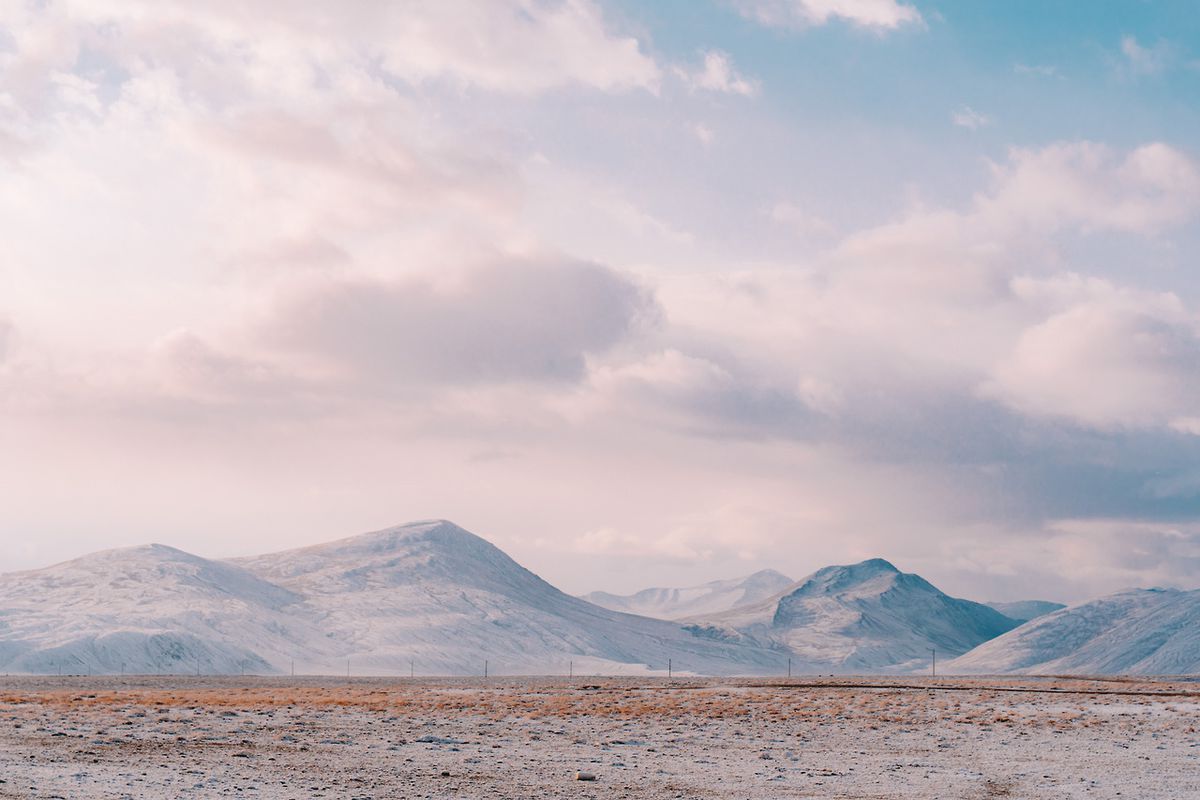
That night at Bulunkul Lake was the coldest we experienced during the entire trip, as it was lightly snowing in the evening. This tends to happen in high-altitude places like this, so be sure to layer up before calling it a day. Guesthouses don’t have great insulation, and locals rely on layering to stay warm, so you should too. Thankfully, they do provide plenty of blankets, which definitely helps.
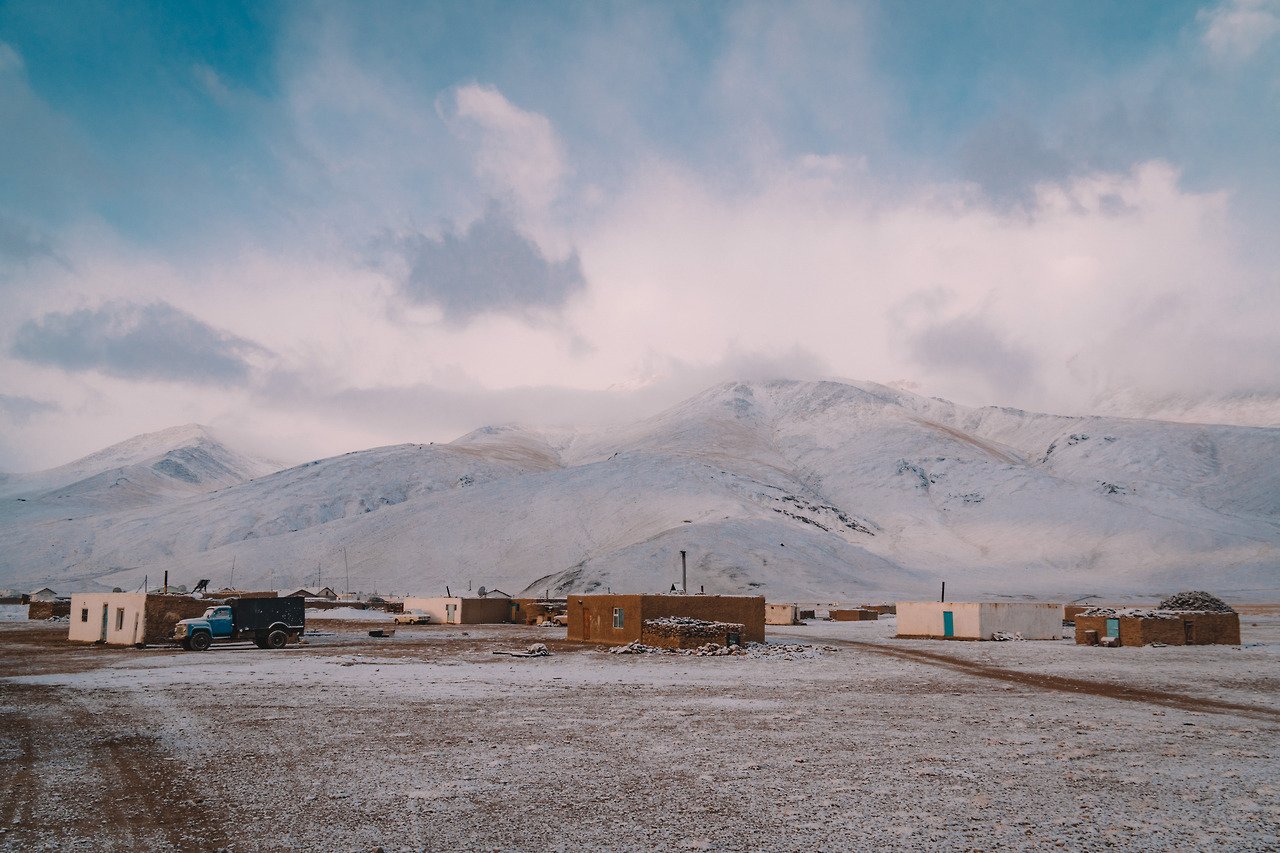
As the snow stopped in the morning, the entire landscape of Bulunkul transformed overnight. What had been orange hills and mountains was now an all-white, bright expanse, it was truly a sight to behold.
Current Safety Note: This stretch runs very close to Afghanistan. As of September 2026, several foreign-government travel advisories warn of an unpredictable security environment along the Tajik-Afghan border and in GBAO, including the risk of cross-border violence. Conditions can change quickly, so check current official travel advice and local guidance before committing to the Wakhan route, stay on established roads, and follow instructions from local authorities.
Day 5: Langar and the Wakhan Valley
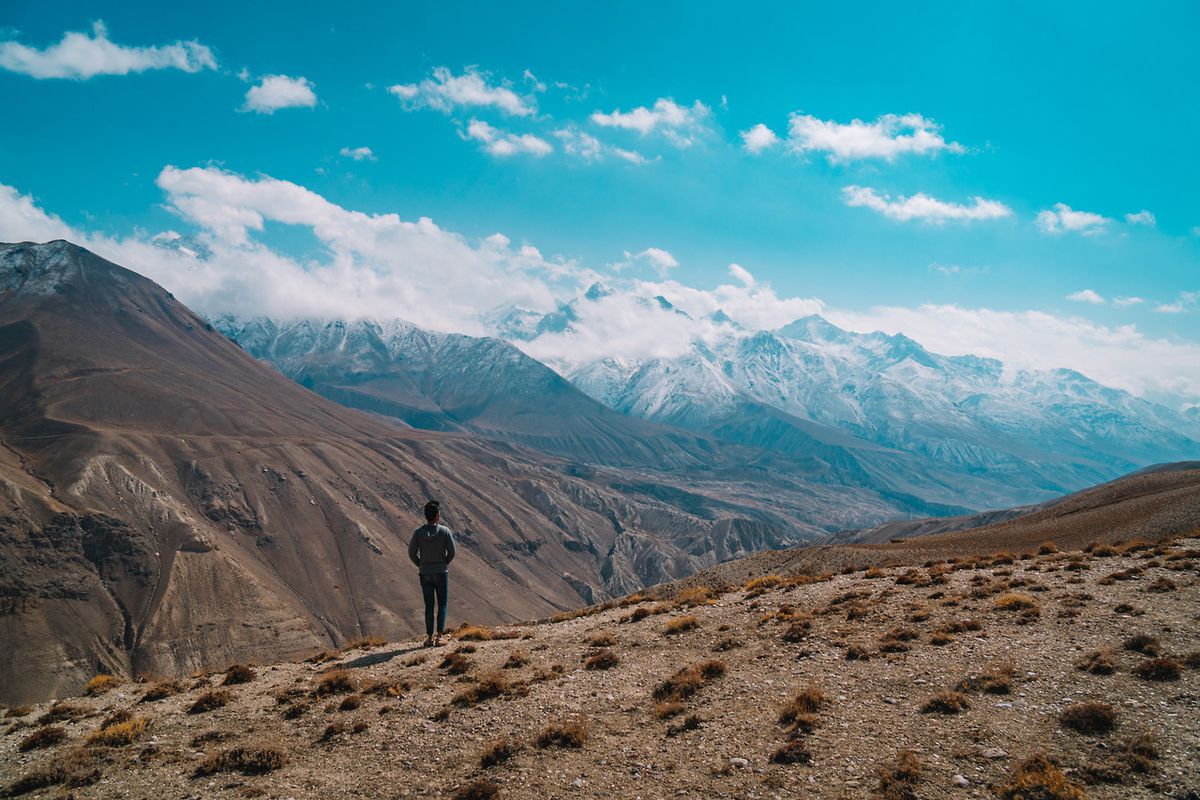
The fifth day was quite exciting as we diverted from the Pamir Highway and drove through the beginning of the Wakhan Corridor, one of the most stunning regions on this trip and, hands down, my favorite. Here, you get a rare glimpse of what Afghanistan looks like from across the river, a surprisingly dreamlike landscape that you wouldn’t expect in a country like Afghanistan.
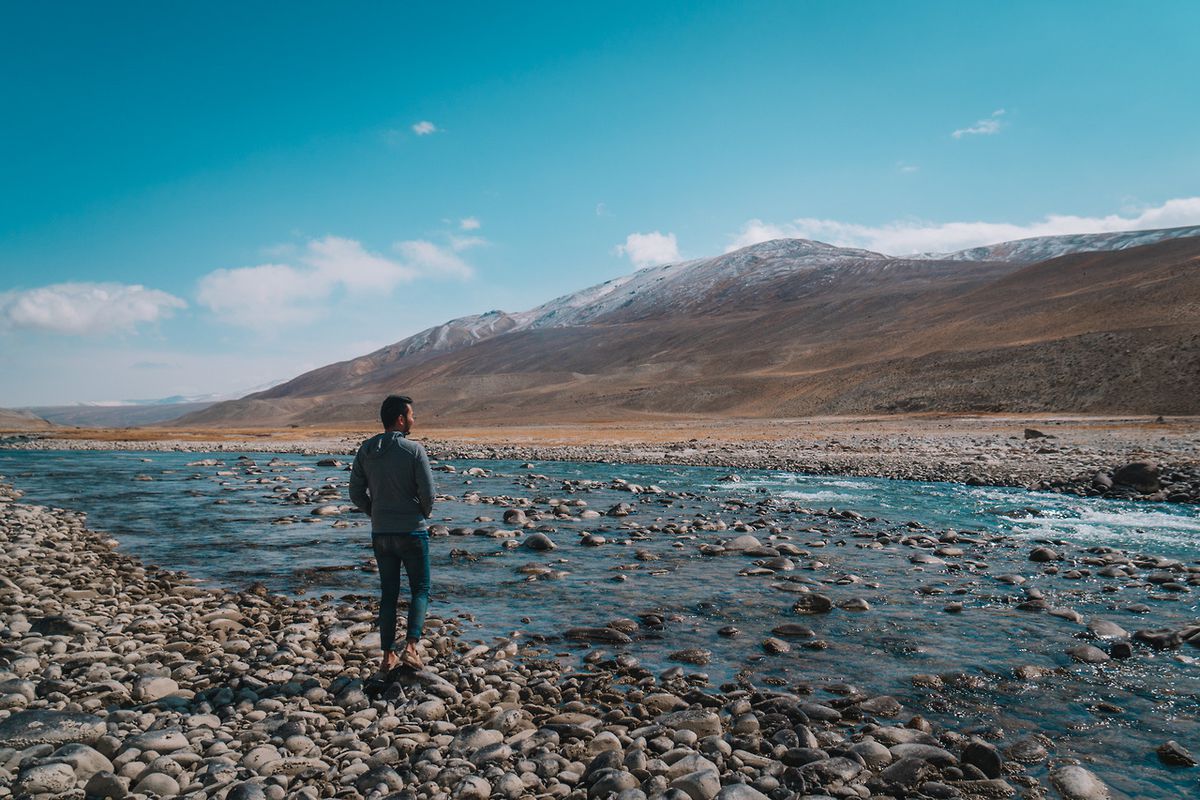
Visiting Afghanistan has always been a dream of mine, though ongoing conflicts have made it difficult to make that dream come true, at least for now. So this was probably as close as I’ll get to visiting Afghanistan for the time being! I hope that one day we’ll be able to cross this river and travel through Afghanistan properly.

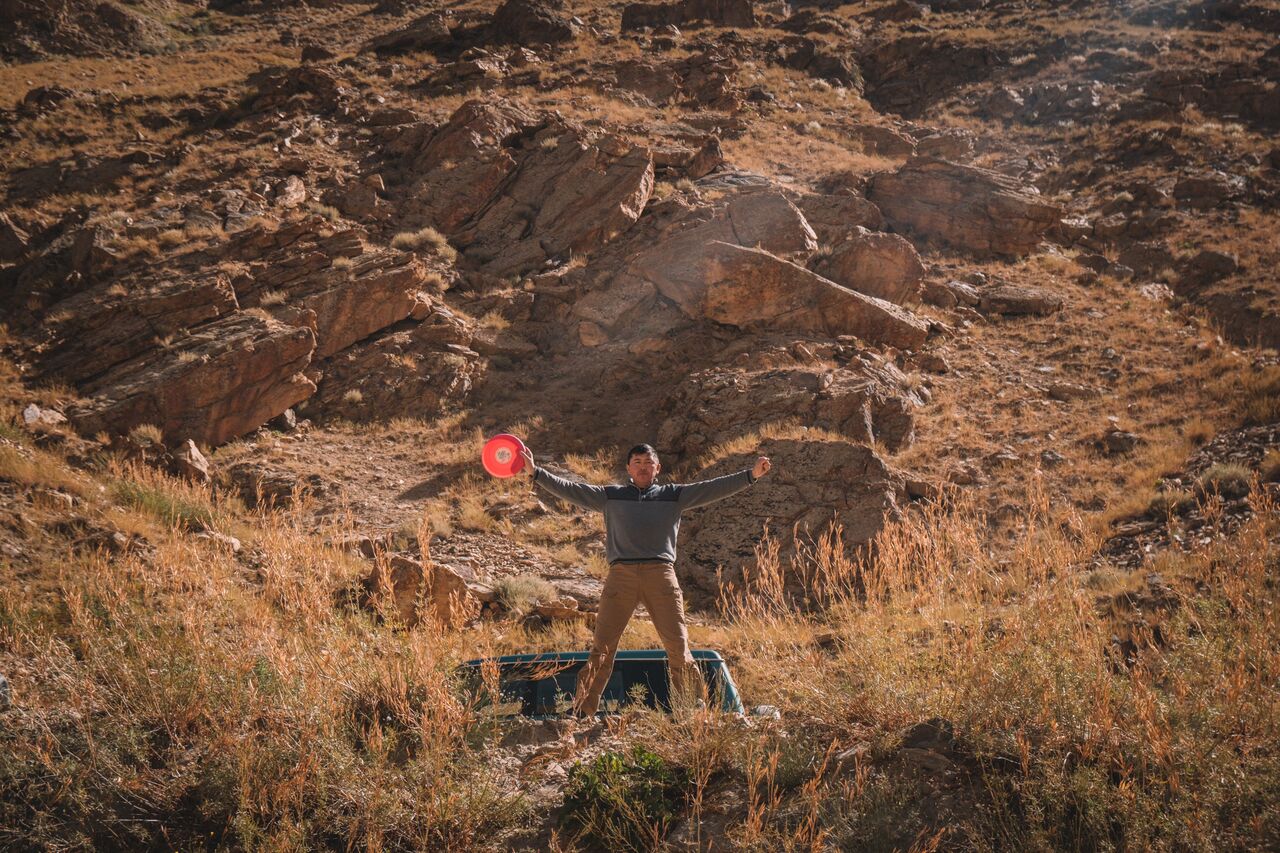
The Wakhan Corridor was definitely one of the most beautiful stretches of the Pamir Highway. One of my friends brought a frisbee, and we stopped several times along the corridor, spending hours tossing it around while surrounded by the snowy mountains of Tajikistan and Afghanistan. It was such a surreal experience, one that still stays vivid in my mind to this day.

We spent the fifth night in Langar, a nice, cozy town tucked away within the Wakhan Valley. In the evening, we decided to walk around the town but ended up playing frisbee with the kids in a park. It was one of the best evenings we had, as we were able to experience firsthand how much they appreciated us being there, visiting their hometown.
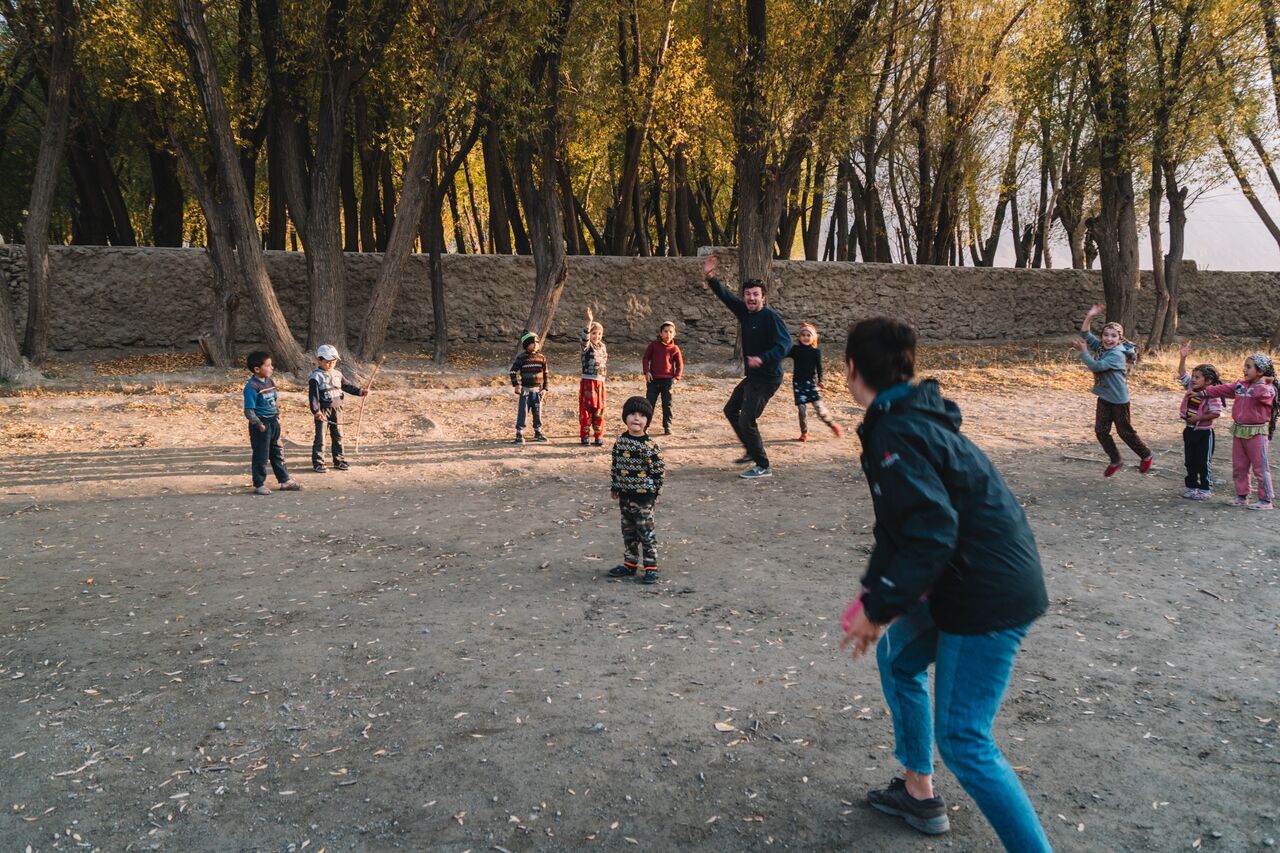
The frisbee turned out to be a big hit with the kids. As we threw it around, more and more children from the neighborhood joined in, curious and eager to have some fun. It was such an unexpected and awesome experience with them. We were there for hours, so much so that the mothers eventually had to call their kids back home for dinner, haha 😂. Oops!
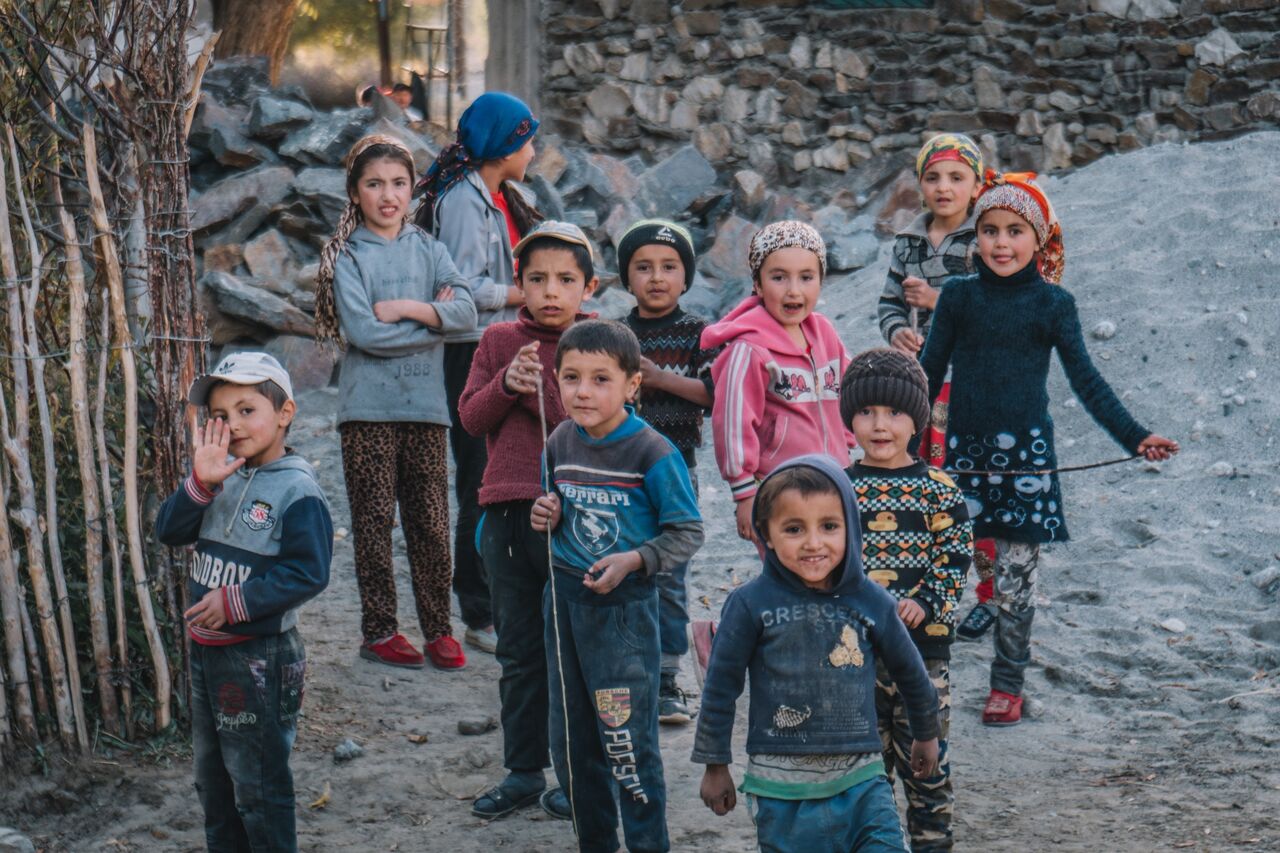
It was a little sad to say goodbye to them, but my goodness, it was such a memorable experience! I know I’ve said this a lot and it might sound like a cliché, but these are the kinds of memories that will stay with me for the rest of my life. If you want to make a difference to the children you meet along the Pamir Highway, don’t just bring snacks, bring toys instead. Snacks are nice, but toys will definitely make the children here incredibly happy, since they don’t have access to many.
Day 6: Ishkashim
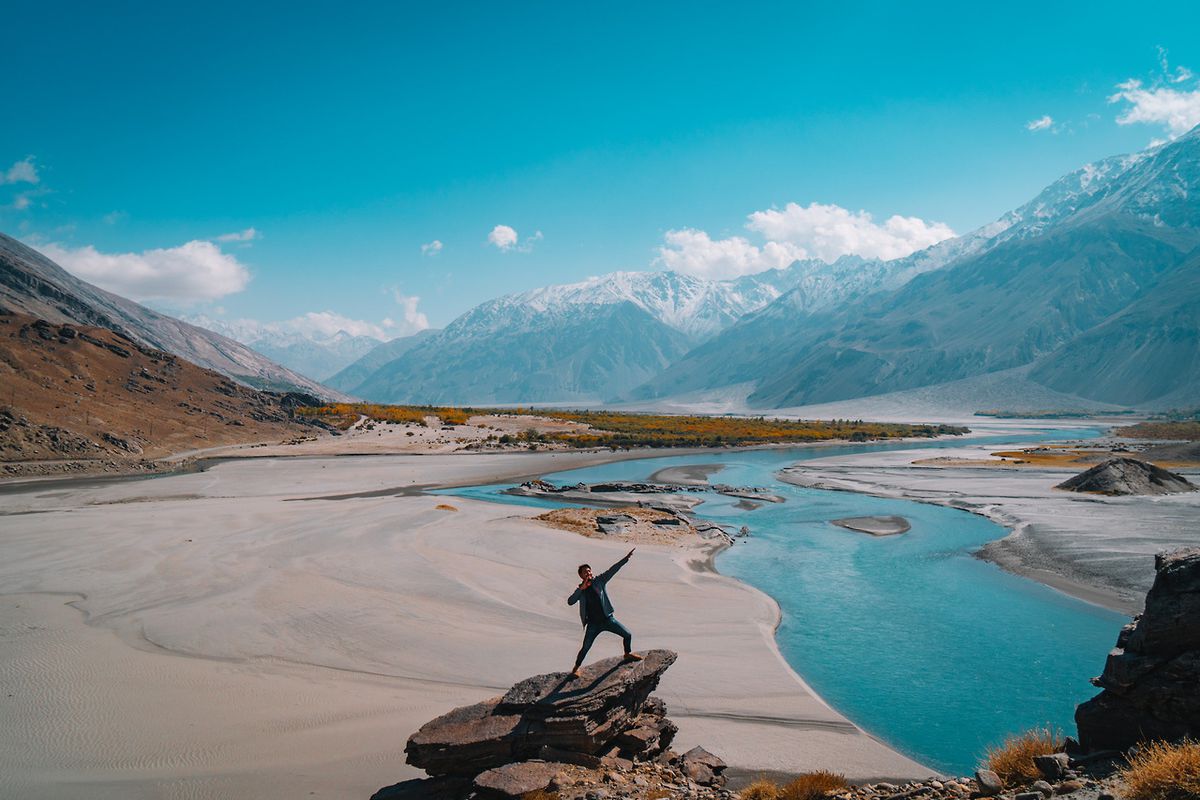
On our sixth day, we continued along the Wakhan Corridor with several photo stops along the way. It was a relaxing day with plenty of time to chill, snap photos, and soak in the scenery as we traveled the ancient highway. You’ll see a stunning stretch of endless snowy mountain peaks on the Afghan side as the driver heads west to Ishkashim, where you’ll be spending the night.
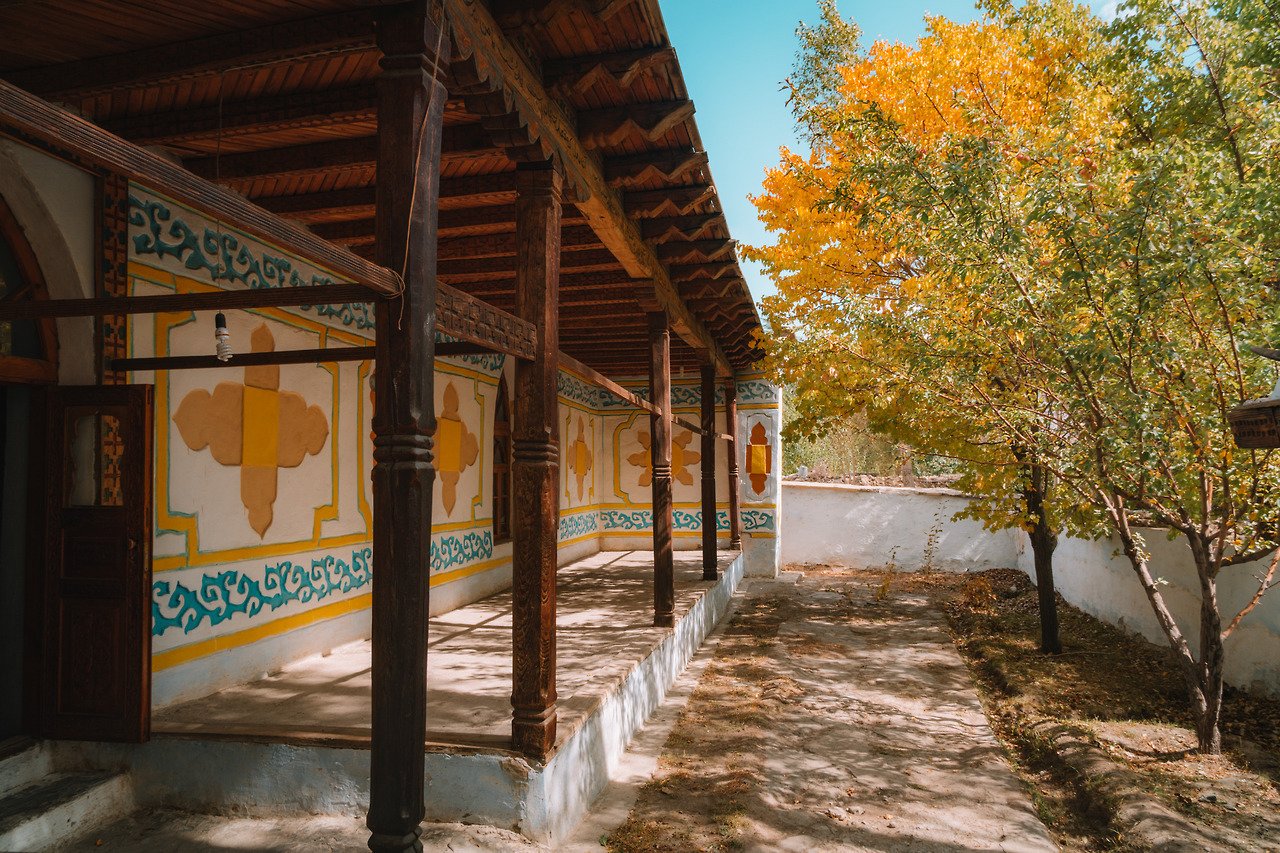
Along the way, you’ll also stop at the Pamiri House Museum, a museum dedicated to preserving the history and culture of the people who have lived in the Pamir Mountains for centuries. Here, you can learn about all aspects of the Pamiri people, their culture and unique ways of life that allow them to thrive in such a barren terrain. It was definitely a much needed change from all the nature and mountains we just saw.
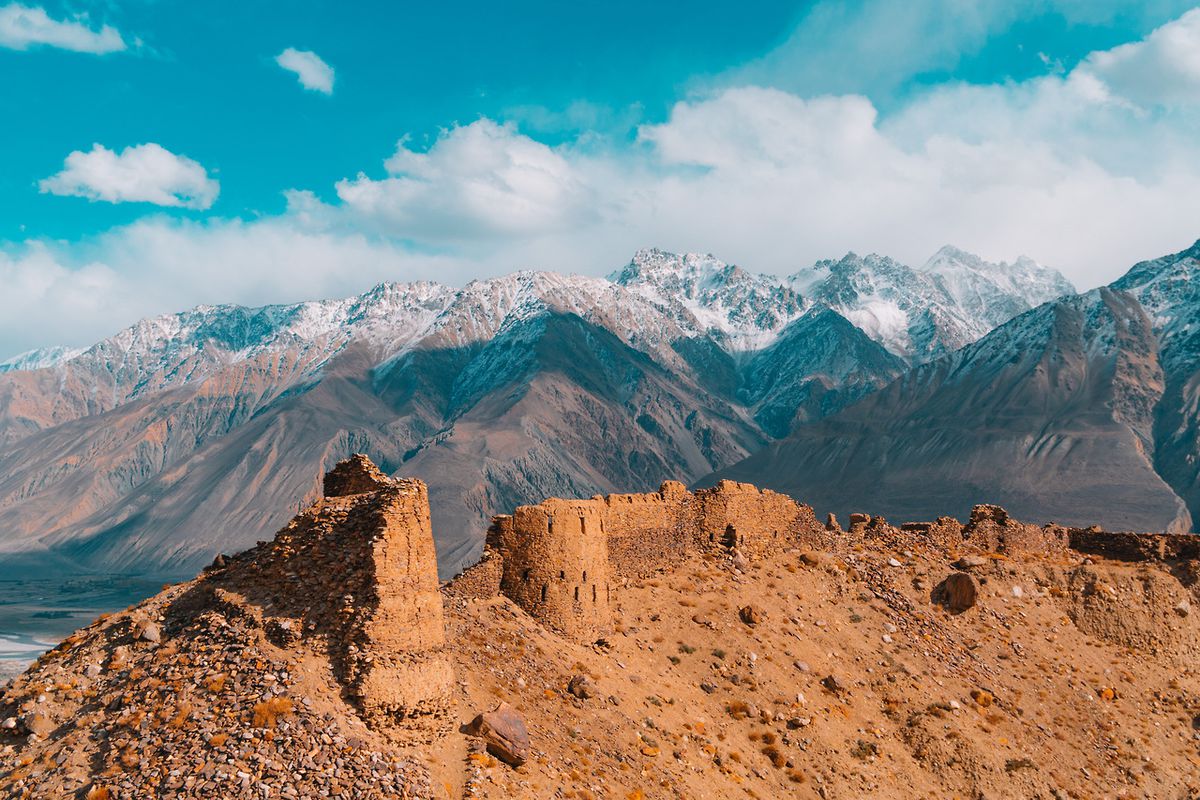
After the museum, we visited several ancient forts scattered around the area, living proof that this region was once part of the ancient Silk Road, connecting people here to the wider world. One of my favorite forts is the Yamchun Fortress, built in the 3rd century BC. My guide told me that excavations here revealed clues pointing to Zoroastrianism as a widely practiced belief system in the Pamirs back then.
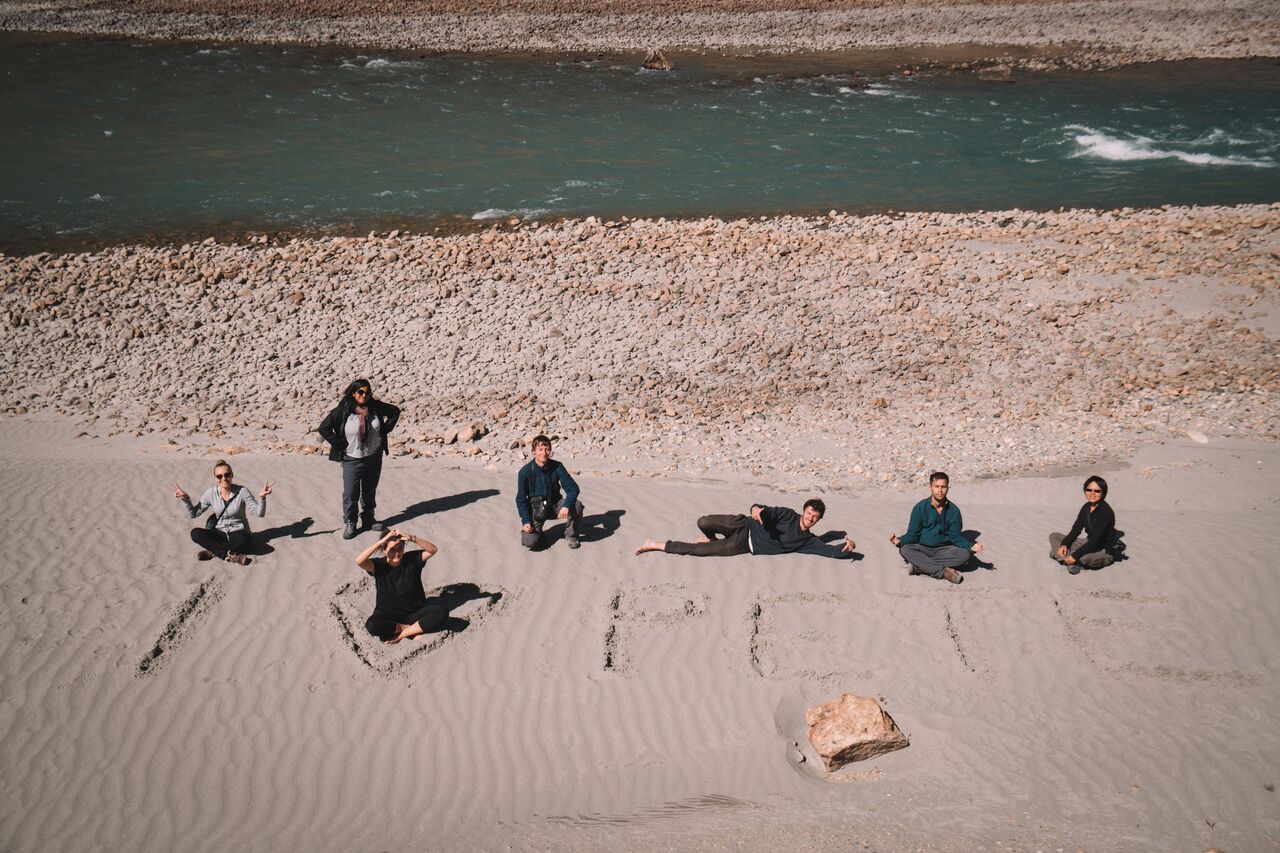
After visiting the fortress, our guide took us to a sacred hot spring called the Bibi Fatima Hot Spring. It’s a small hot spring hidden inside a cave where you’re not allowed to wear anything in the water, to keep the sacred spring pure. Our group of eight, once strangers, now travel buddies, bathing naked together in the middle of nowhere in Tajikistan was definitely an unforgettable bonding experience 😂. Don’t worry, men and women are separated into different areas, so it was just us guys 😅.
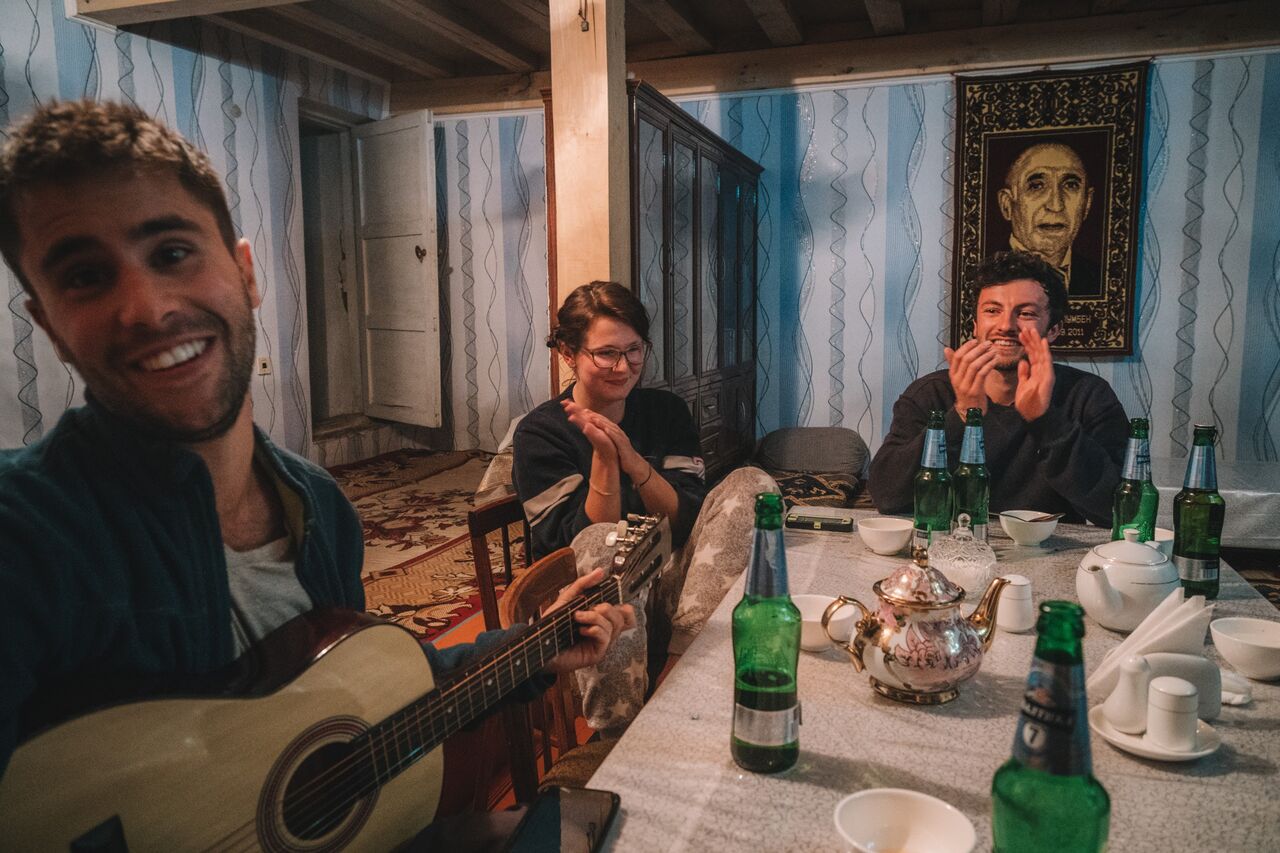
After the hot spring, you'll head to Ishkashim, where you'll spend the night. The town is quite small, but you’ll start to feel like you’re inching closer to civilization. The guesthouse we stayed at was a noticeable upgrade from the previous nights, it had insulated walls and a warm shower. Definitely a much-needed change after several days of roughing it 😁.
Day 7: Khorog
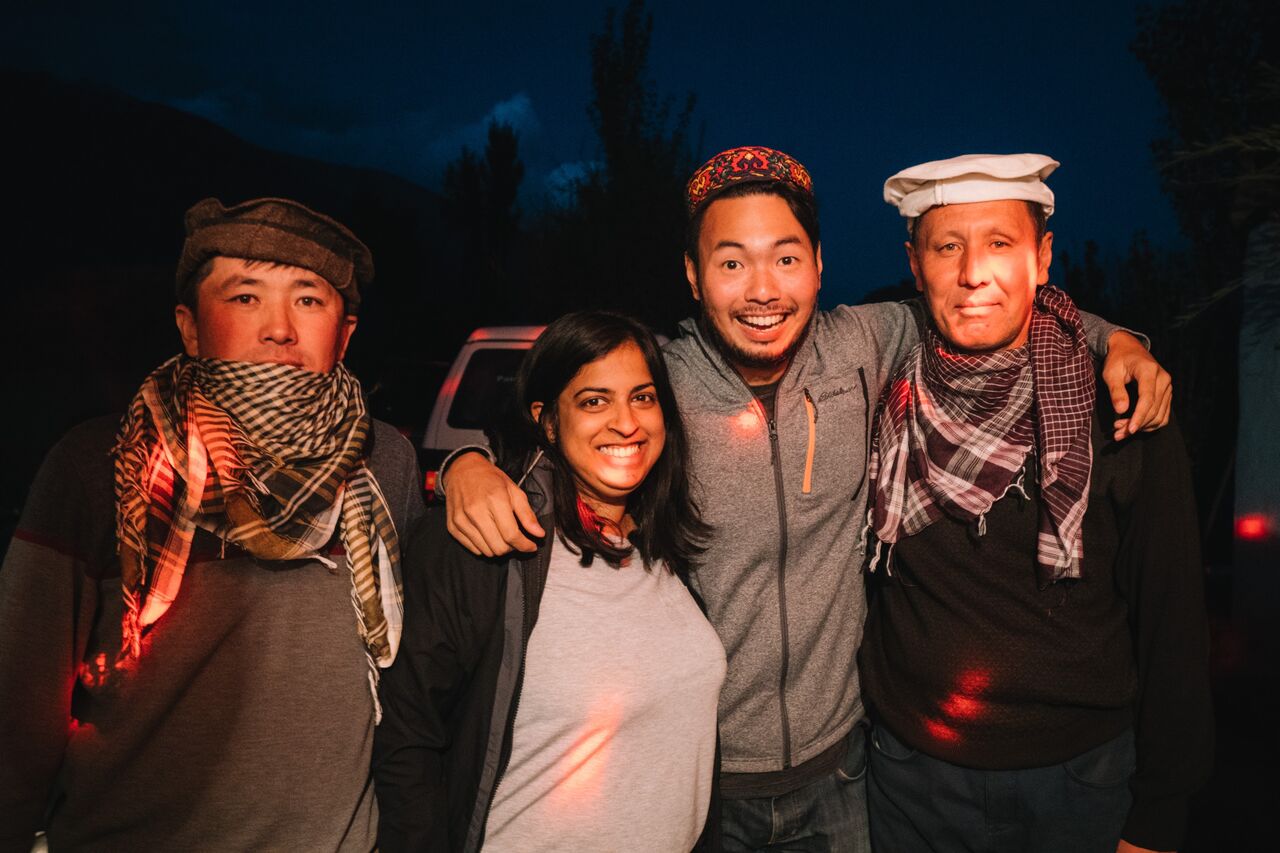
The seventh day was a relatively short one, we headed straight to Khorog in the morning and spent the rest of the day exploring the town and preparing for a big farewell party, as everyone would be going their separate ways the following day.
From Khorog, overland shared transport remains the more dependable way to reach Dushanbe. Flights have historically operated from Khorog, but service is irregular and highly weather-dependent, so I would treat a flight as a possible bonus rather than something to build a fixed itinerary around. Use the rest of the day to confirm the next day's transport locally with your guide and accommodation.
It was quite a bittersweet moment, as I had grown very close to the people in our group. Fortunately, we planned to meet up again in Dushanbe, many of them opted to fly, while I decided to take the long bus ride... and yes, it was very, very long!
Day 8: Dushanbe
On my trip, I took a shared taxi early in the morning, at around 7 AM, from the Khorog bus station to Dushanbe. Shared vehicles on this route generally leave when full rather than following a rigid timetable, so ask your guesthouse, driver, or local transport stand about the current departure point and arrange it the day before. Road conditions and journey times can vary substantially because of construction, landslides, rockfall, weather, and traffic.
For me, the journey took more than 16 hours, with falling rocks blocking the road for hours and a couple of flat tires along the way. You might not be as lucky as I was though as improvements and roadworks continue along parts of the route, but still, landslides and weather can cause major delays. Despite the long day, I found the overland journey incredibly immersive and scenic, and interacting with locals made it worthwhile for me.
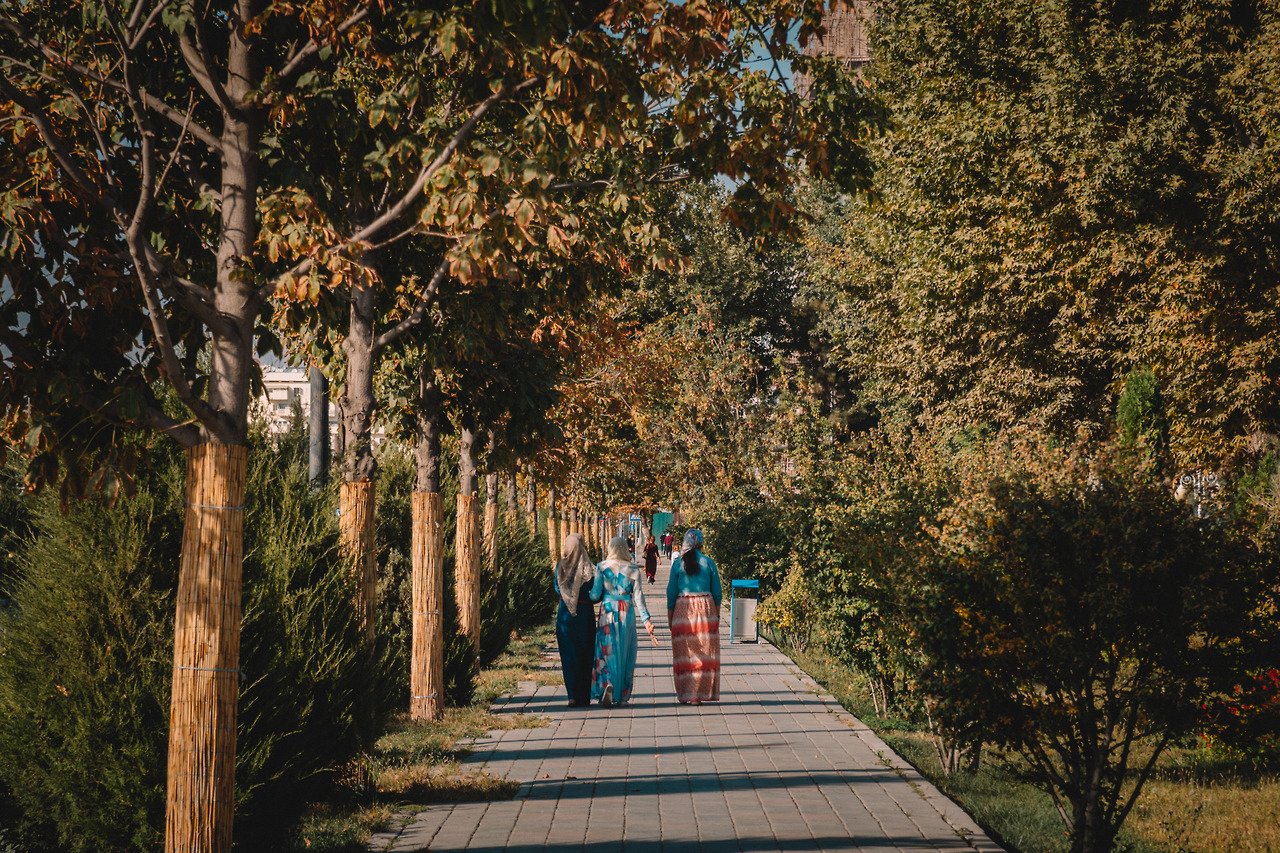
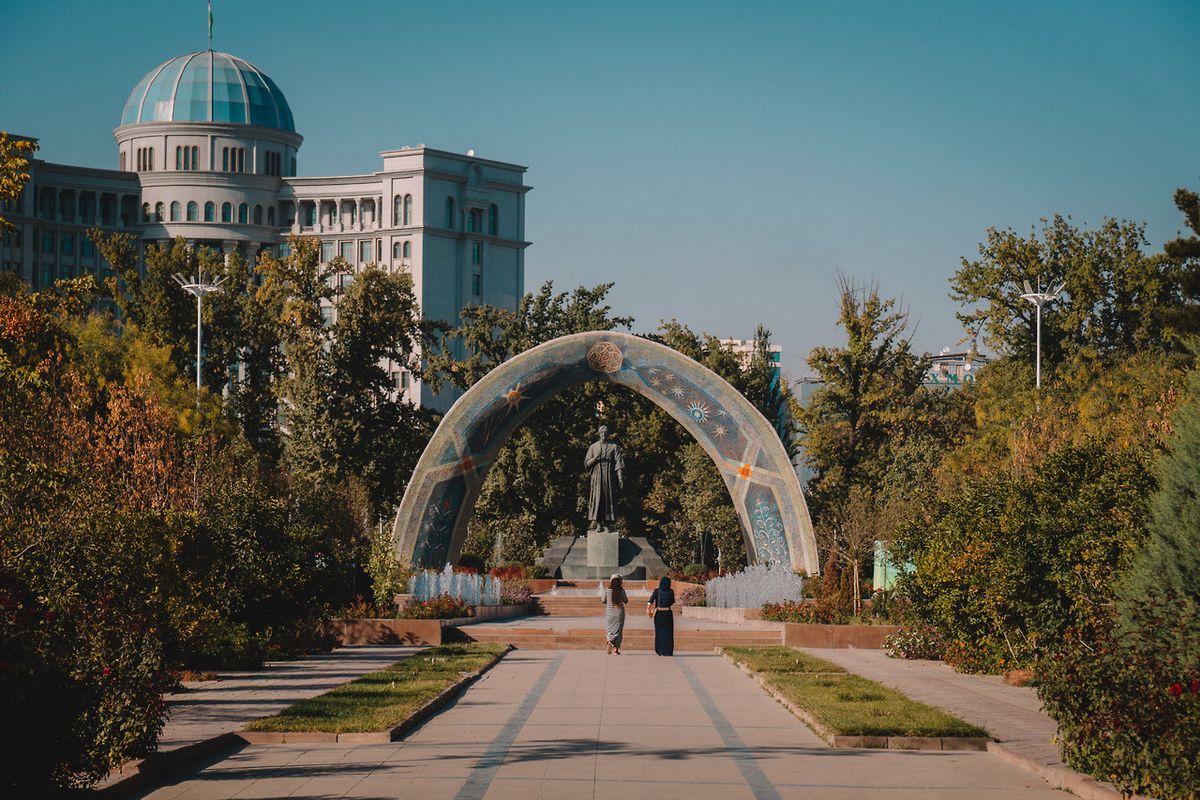
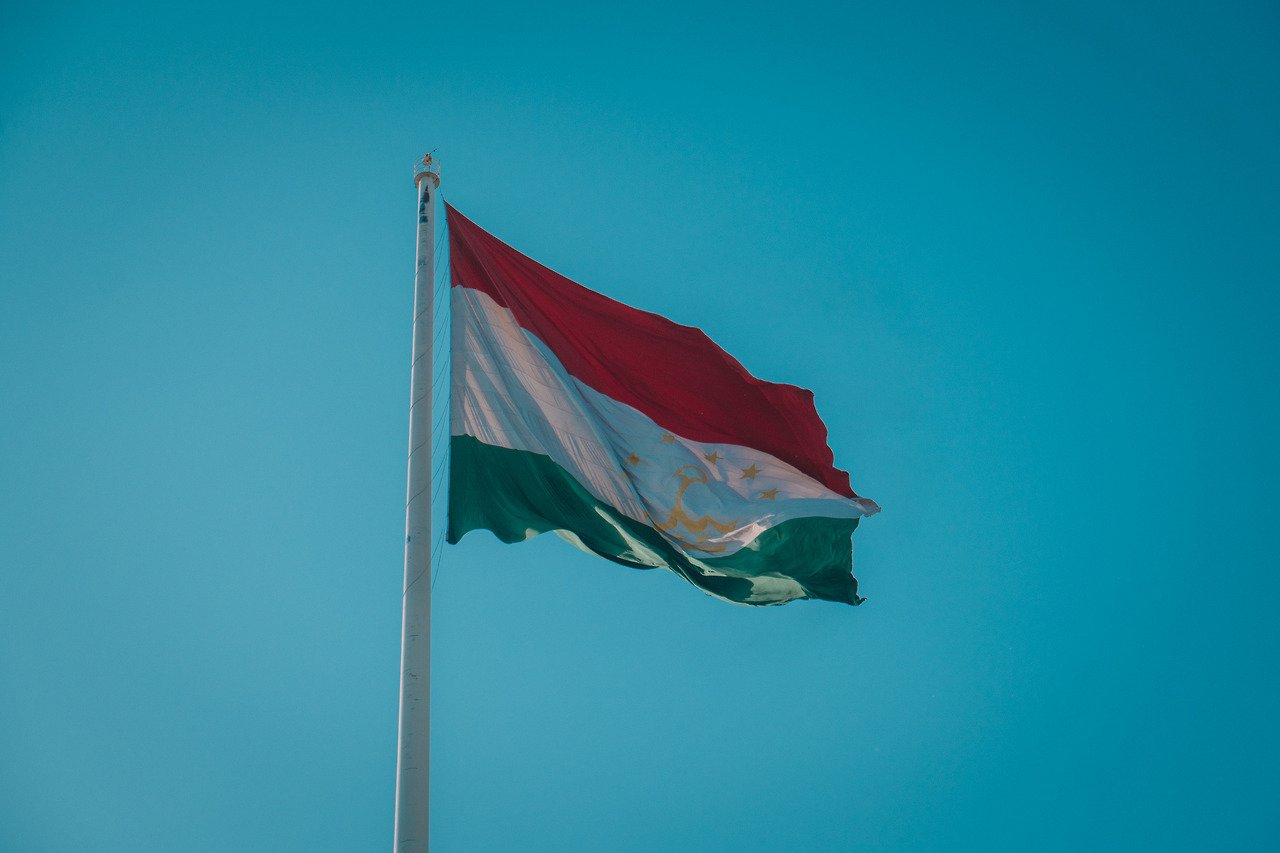
We arrived in Dushanbe close to midnight and went straight to our hostels to crash. Over the next two days, we spent our time exploring the city, strolling through Rudaki Park, checking out one of the largest flags in the world, and enjoying food and drinks at Public Pub with the group before we finally went our separate ways.
And that’s it for the Pamir Highway itinerary, congratulations on making it to the end of one of the most epic road trips in the world!
Where to Stay in Dushanbe?
The Pamir Highway Travel Video
Tajikistan Visa and GBAO Permit
Tajikistan now allows citizens of many countries to enter visa-free for short tourist stays. Travelers who are not visa-exempt should check the official Tajik visa rules and e-visa system for their nationality.
Regardless of whether you need a visa, foreign travelers entering the Gorno-Badakhshan Autonomous Oblast need special permission for GBAO. Arrange the GBAO permit before starting the Pamir Highway and keep your passport and permit accessible for checkpoints. Because permits and regional access can be suspended at short notice, verify the latest requirements before departure.
When to Visit the Pamir Highway?
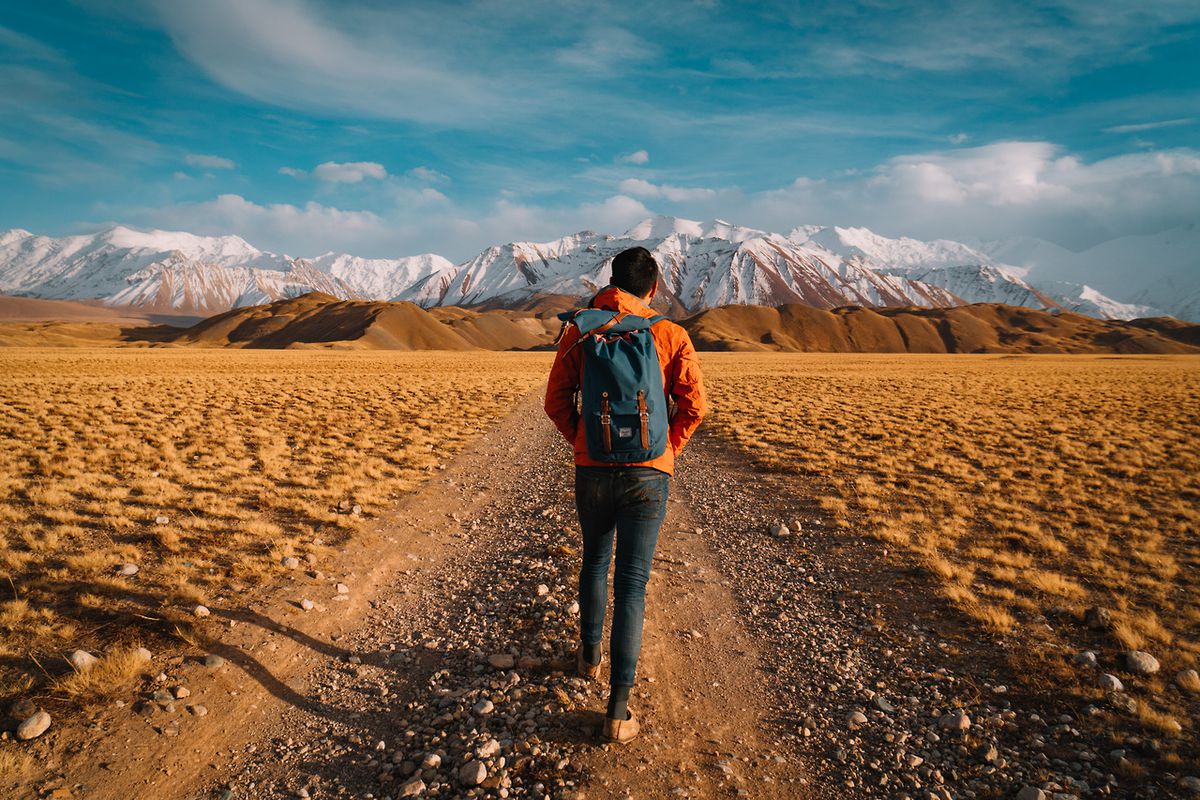
July and August are generally the most reliable months for a full Pamir Highway road trip because the high passes are most likely to be accessible. I personally prefer September: the weather was cooler, there were fewer travelers, and the autumn colors are in full swing.
The trade-off is that September is colder at altitude and early snow can affect the highest sections, so check the forecast and road conditions before setting out. Outside the main summer-to-early-autumn window, snow and severe mountain weather can make parts of the route much more difficult or inaccessible.
How to Get to the Pamir Highway?
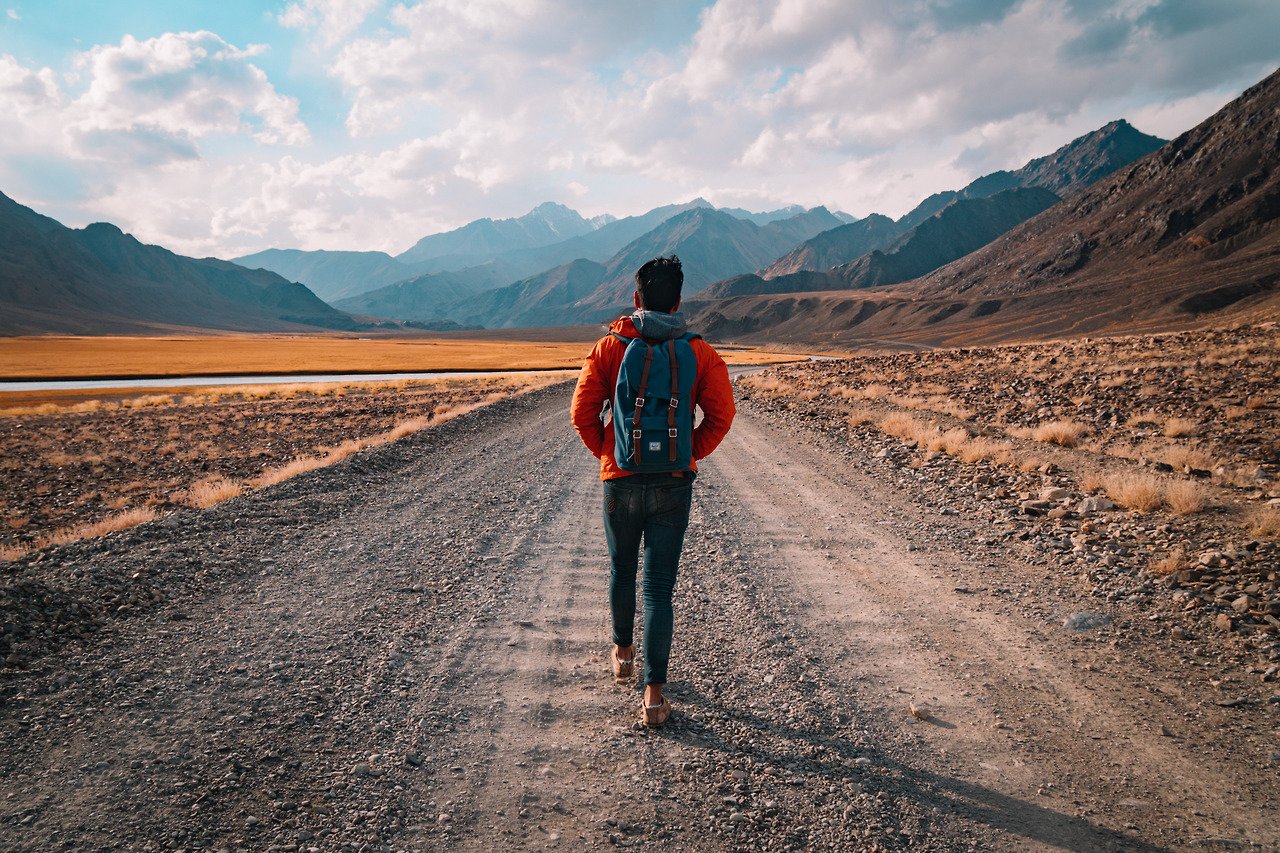
You can fly into either Bishkek and then book a flight to Osh to start your journey from Osh, or you can fly into Dushanbe and start your road trip from the opposite side. Either way, I would recommend that you browse through Skyscanner or Expedia before comparing prices so that you can get the cheapest flight possible.
How to Get Around the Pamir Highway?
Hired Jeep and Driver
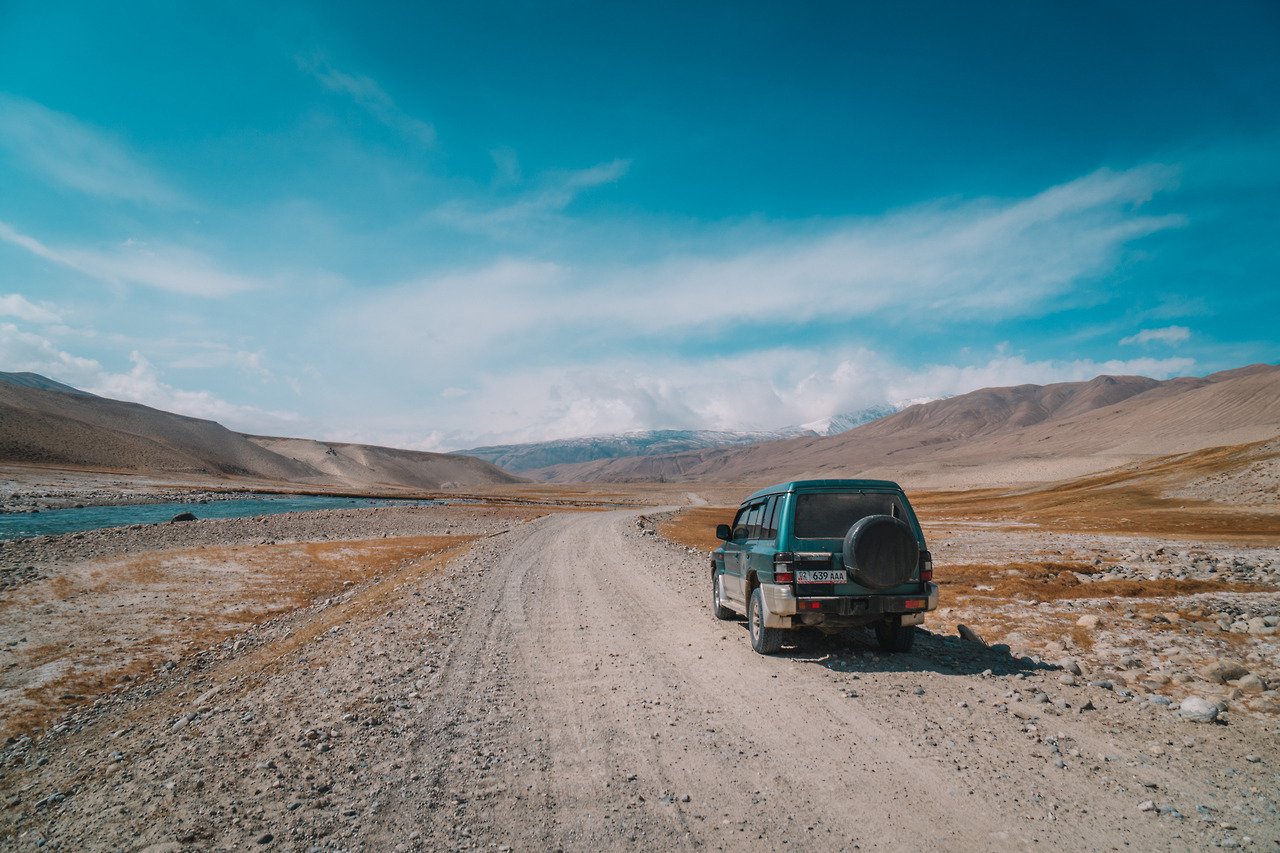
This is the best option for backpackers who are not keen on biking themselves and have limited time. You will be able to see everything in 8 days without breaking the bank. I went with Osh Guesthouse, who organizes these trips regularly at a reasonable price.
When I traveled the route, our jeep and driver were priced by distance, and the rate we received was US$0.70 per kilometer plus a US$15 daily allowance for the driver. Due to the inflation, the price has since increase substantially, so make sure you request a fresh quote based on your route, group size, vehicle, fuel, accommodation, meals, permits, and what is included.
For context, my eight-day off-season trip cost US$704 for the jeep and driver in total. Split between four travelers, that worked out to US$176 each, excluding food and accommodation. At the time, I budgeted roughly US$15 per day for food and accommodation. These are historical prices from my trip, not a realistic 2026 budget, so use them only to understand how sharing a vehicle reduced the cost.
I carried a mix of cash for the trip because card payments and ATMs become much less dependable once you leave the larger towns. Bring enough Tajik somoni for guesthouses, meals, small purchases, and unexpected delays, plus an emergency reserve. Do not rely on being able to withdraw US dollars once you are in Kyrgyzstan as availability and withdrawal rules can change. I recommend bringing USD in from your home country and exchange them when you are in Kyrgyzstan.
How to find more people to share the jeep with for the Pamir Highway?
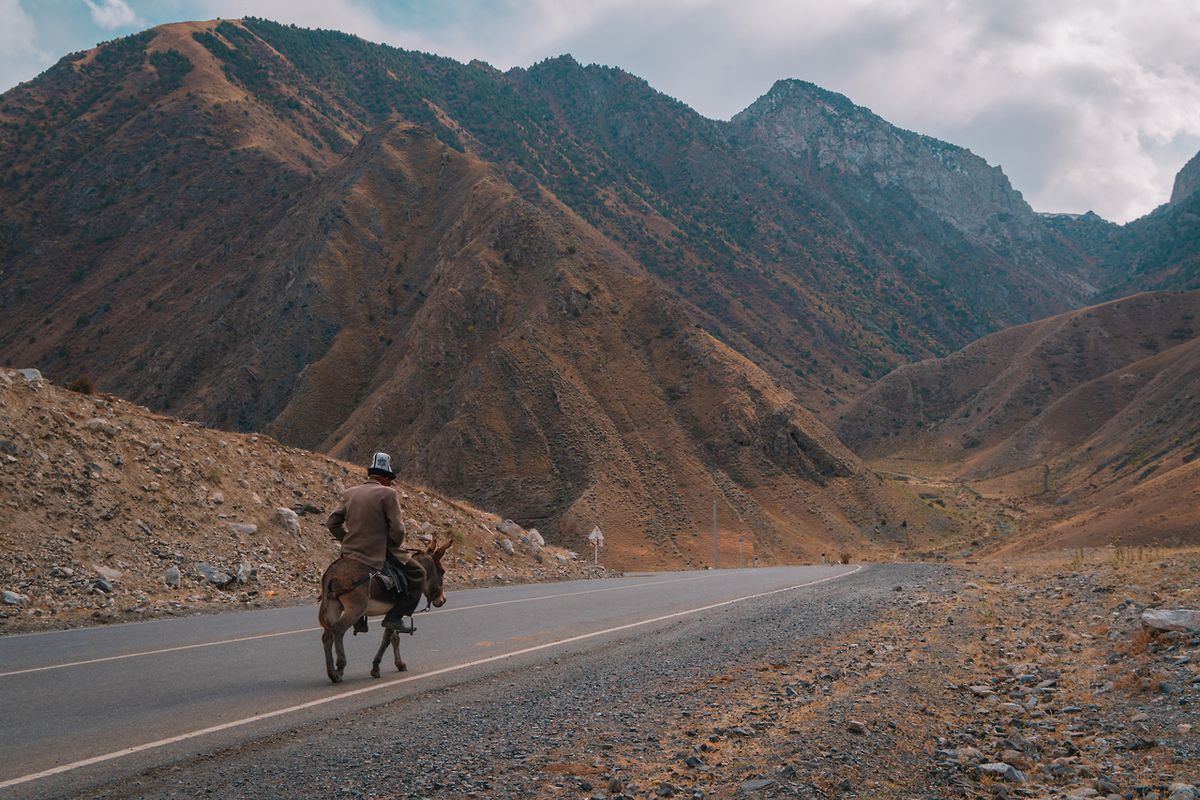
As a solo traveler, I used the Caravanistan Forum to look for other travelers who wanted to share a jeep, and I received four replies within a few days. That worked extremely well for my trip. Today, you can still try traveler forums and Central Asia travel communities, but also ask Pamir tour operators and guesthouses whether they can place you with an existing group.
The key is to be flexible in your schedule as much as you can by posting it on Caravanistan Forum in advance, with as much information as you can.
What to Pack and Things to Prepare for the Pamir Highway?
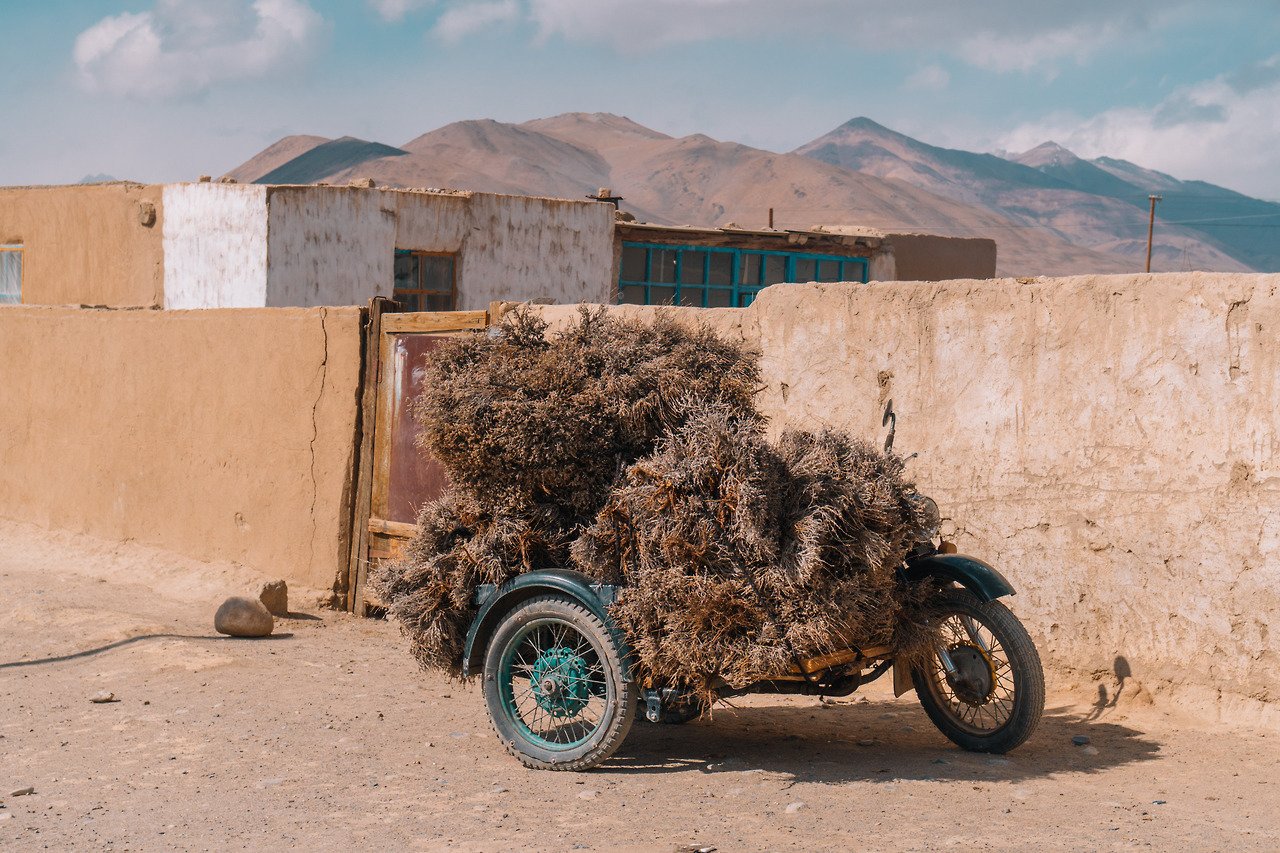
- Be prepared for the cold: During autumn, especially at high elevation, the temperature may go down to 0 or even below zero, so bring layers. Here are the jackets I recommend you get for the trip: fleece jacket and the beautiful orange Columbia outer-shell jacket.
- Be prepared for the Altitude: You will be sleeping above 3000m elevation half of the trip, and it can get quite uncomfortable at times, so prepare some painkillers or altitude sickness pills. Also, keep yourself hydrated at all times!
- Sleeping bag not needed: All the guest houses should provide you with warm blankets and heaters.
- Snacks: Some days, you will be in a car for 8 hours, so a little snack will make the trip a little more enjoyable.
- Prepare Kyrgyz Som and Tajik Somonis: In Osh, be sure to exchange your money into Tajik Somonis and leave a few Kyrgyz Som before leaving, as you will need to pay for accommodation and food along the way. The closest town where you can exchange money after Osh is Murghab, but the exchange rate there is questionable.
- Prepare card games: You will be spending 8 days off the grid in guest houses with strangers, so prepare a deck of cards or games to keep your group entertained. A good party app to use is "Heads Up!" (Android | iPhone).
- Visa and GBAO Permit: Be sure to get an e-visa with GBAO permit for Tajikistan beforehand. There will be plenty of checkpoints that will ask you to show it.
- Expect Unreliable Internet throughout the trip: Inform people that you will be away for 8 days, as you will not have access to any reliable internet until Dushanbe. You can obtain a Megaphone SIM card at Murghab, but the internet on the Pamir Highway rarely functions reliably.
- A Backpack: And you will need a backpack to carry everything you need for 8 days. I highly recommend the 65L Osprey Atmos AG Backpack with its mesh grid back support that makes your backpack lighter, a good capacity to carry everything you need for your trip, and you can't beat the Osprey lifetime guarantee.
Daily Budget


This location is less expensive than most countries, but it's not exceedingly cheap. Expect to spend around $30 - $50 USD per day per person, which includes both accommodation and meals.
Please keep in mind that these are suggested daily budgets based on my own style of travel, which leans more towards the budget side of things. If you aim to stick to this budget, anticipate sleeping in dormitories, dining out only occasionally, and being comfortable with the cheapest and most convenient modes of transportation, which often involve a considerable amount of walking.
Disclaimer: This post may contain affiliate links. See our disclosure policy.
First Published:
Last updated:


14 Comments
This is unreal, especially the video (I'm a sucker for crash zooms). Central Asia has been on our list forever, but this has pushed me to really try make it happen. I'm hoping to create a community of adventurers through dashlucky.com, I'd love to add some links to your site if it's okay with you? Cheers!
Dash.
Thank you for the comments and compliments Dasun! :)
Gorgeous scenery and filming. What year did you do this trip?
Thank you Jay! I did it in early October, 2017 :)
Amazing!!! how did you apply visa? individual country visa or multiple visa at the same time?
Kyrgyzstan, I got from the visa on arrival at the airport and Tajikistan I got e-visa from the internet. For other countries like Uzbekistan and Turkmenistan, I got it from Bishkek, Kyrgyzstan :)
I hope this helps!
Hi, Pete!
Awesome post!
Would you help me with an information?
Do you need a multiple entrance Tajikistan visa to go to the Wakhan Corridor? And how much does the visa for Afghanistan?
Thank you :)
Hi Tatiana,
Sorry for the late reply. I was offline for the past 2 weeks in Nepal. :) Of course, you can get the Tajikistan visa and the GBAO permit (needed to go to the Wakhan valley on Tajik side) all from their website which will issue you an printable e-visa you have to have on hand when you arrive at the Kyrgyzstan-Tajikistan border crossing. We didn't enter Afghanistan, we were just by the border of it so we didn't need the visa. You don't need Afghanistan visa to travel the Wakhan Valley as the valley is shared by 2 countries, and you will only be traveling along the border, not entering Afghanistan.
I hope these help!
Don't worry about it, I saw the amazing pictures on your Instagram :)
Thank you so much for you reply, Pete, it helped a lot! Your blog is really good and I am taking all the tips to travel to Central Asia, I am going on September and I am so excited about it!
Thank you for the kind words, Tatiana. I'm glad it helped you with your planning! Good luck with your trip in September (great time as well, full of autumn colors)! It will be awesome, I'm sure! :)