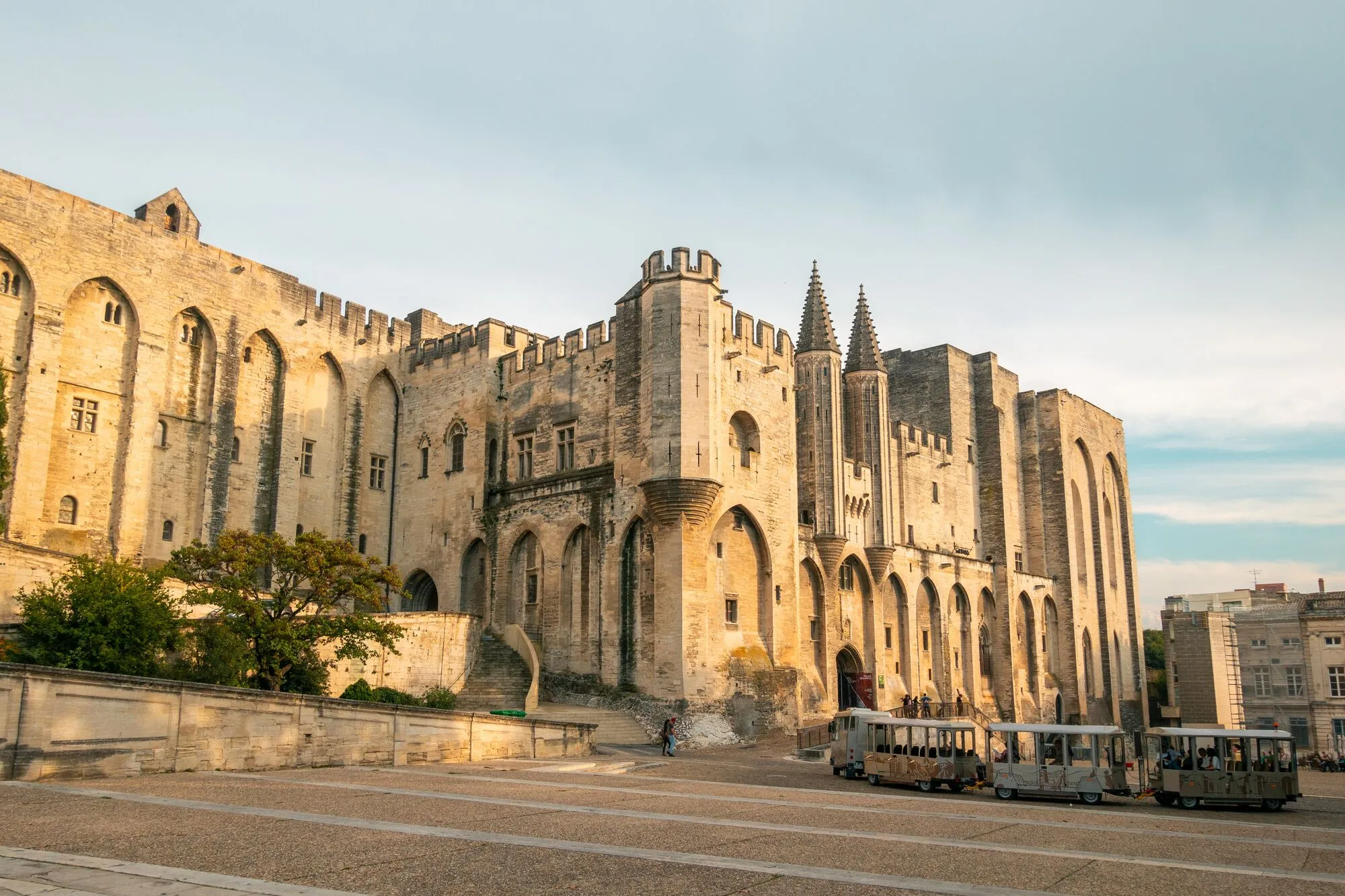



Avignon is a city of antiquity with a long and rich history. It has a well-preserved old town and some of the most impressive medieval castles you will see in France. However, the true beauty of this city lies in its surroundings.
Located in the southeastern part of France on the left bank of the Rhône River in the area called the Vaucluse, the city not only offers historical value but also provides a perfect base for you to explore some of the most beautiful medieval towns in the region, such as Arles, Villeneuve lès Avignon, and more.
Within this travel guide, you will find all the information you need to plan a perfect trip to Avignon and beyond. Without further ado, here are the eight best things to do in Avignon for solo travelers:

Avignon Itinerary Map
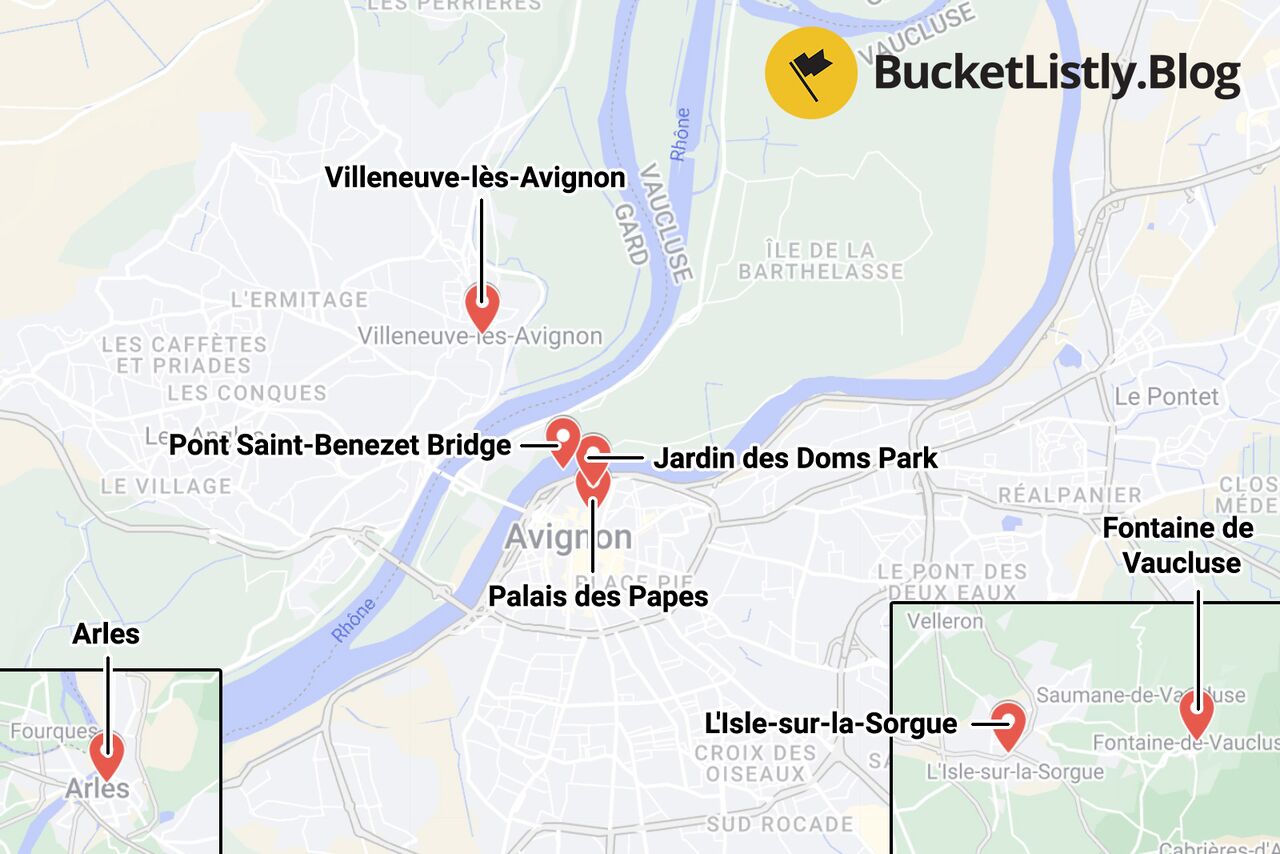
Quick Summary
| ♥️ Must Visit: | Palais des Papes |
|---|---|
| ♥️ Must Visit: | Palais des Papes' courtyard |
| ☀️ Great Day Trip: | Arles |
| 🛌 Place to Stay: | ibis budget Avignon Centre |
8 Best Things to Do in Avignon
1. Visit Palais des Papes and Avignon Cathedral
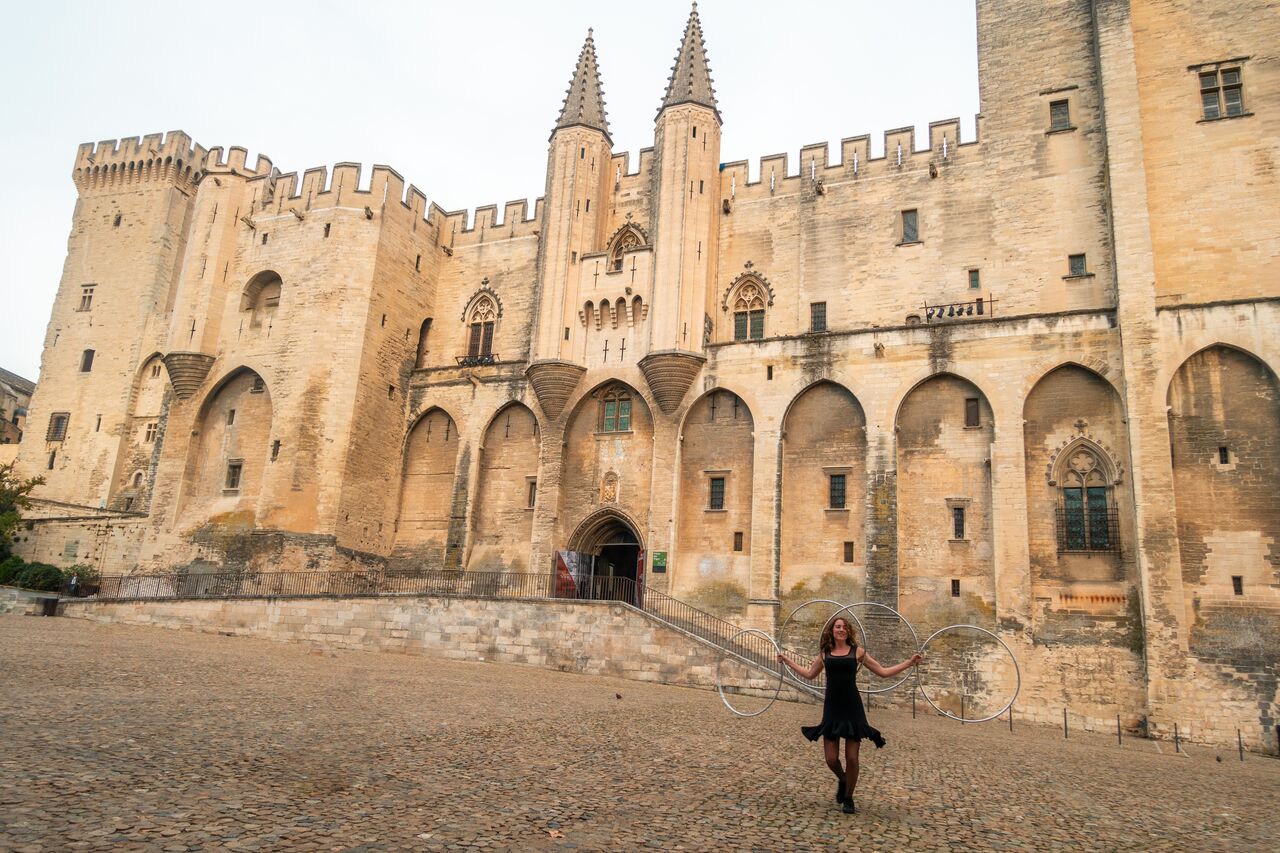
- 📍 Location: Palais des Papes [Map Link]
- 🕐 Opening Hours: 9 AM - 7 PM
- 💰 Entry Fees: 16 EUR (Palais) / 19.50 EUR (Palais + Pont d’Avignon)
- ⚡ Pete's Take: "One of the most impressive castles you will see here is like it came straight out of a fairy tale!"
One of the most famous landmarks in Avignon and one that you should visit first is Palais des Papes, also known as the "Palace of the Popes". It is one of the most significant Gothic-style palaces in Europe, serving as the residence for several popes during the 14th century when the papal court was moved to Avignon from Rome in 1309.
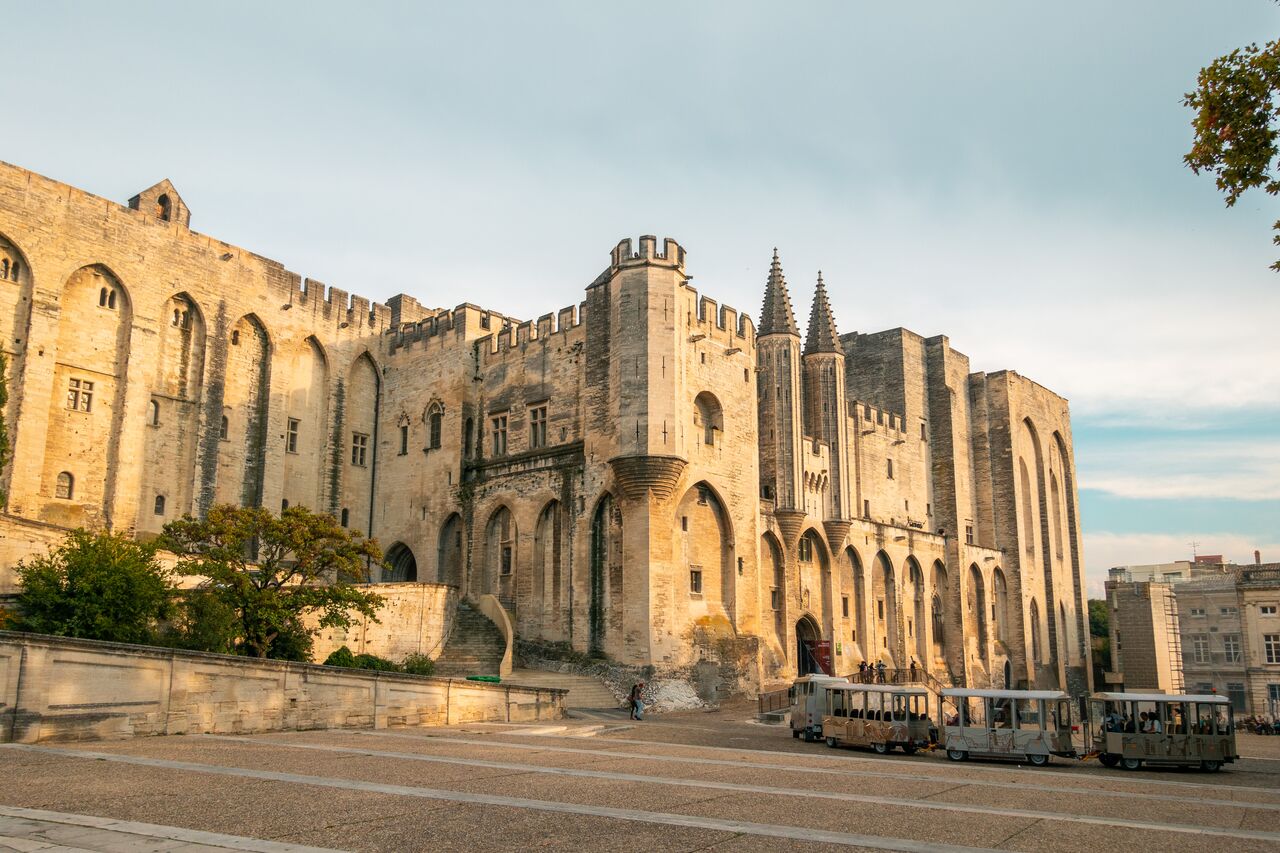
The palace features a remarkable medieval Gothic architectural style with massive stone walls, grand halls, chapels, and two distinct cone-shaped towers at the entrance that feel more like a fortress than a palace.
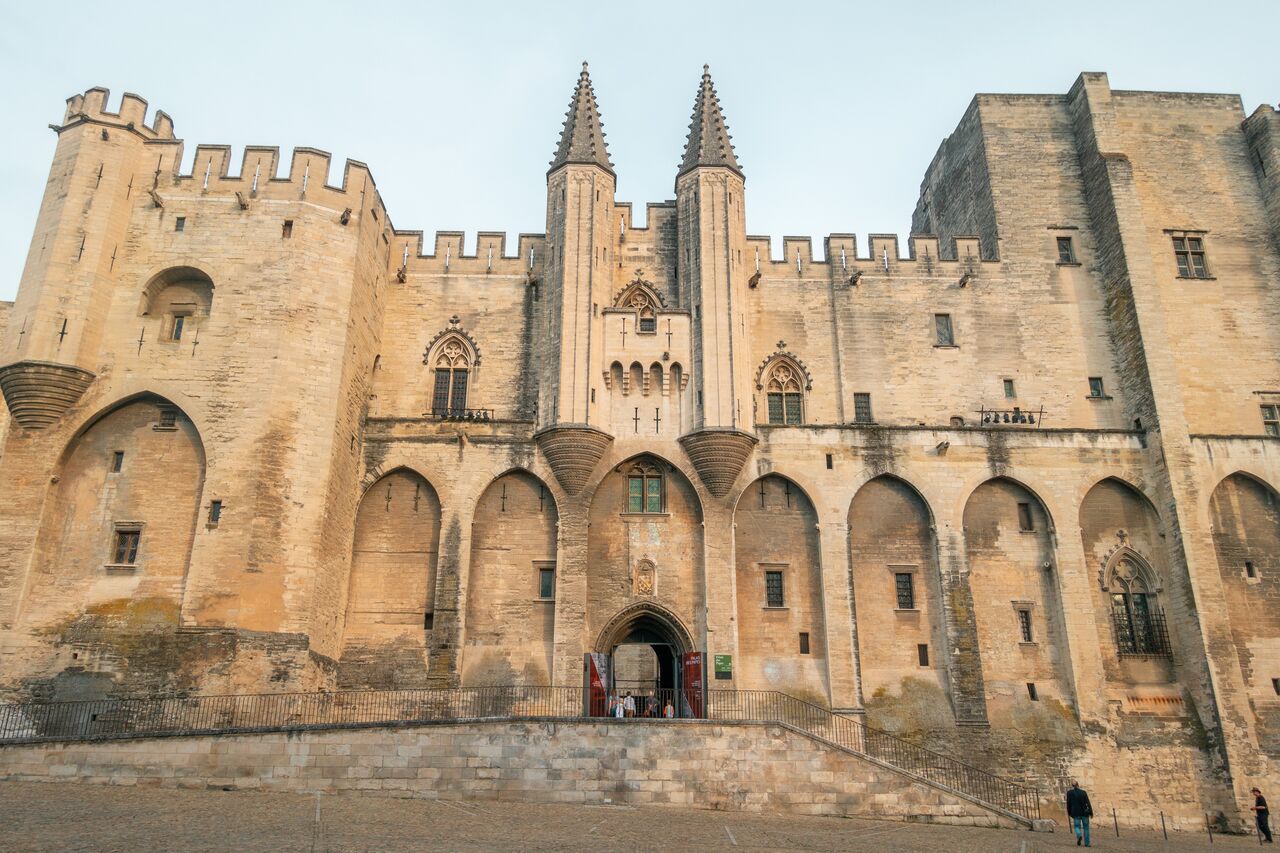
Inside, you can explore its grand halls, courtyards, and pontifical gardens while learning about the history of the papacy in Avignon. The palace is open every day year-round, with seasonal hours; from March 1 to November 1, 2026, it is open from 9 AM to 7 PM. As of August 2026, admission is 16 EUR for the Palais des Papes and gardens, or 19.50 EUR for a combined ticket that also includes Pont d’Avignon. You can buy the ticket online here.
- HO36 Avignon (Budget)
- ibis budget Avignon Centre (Mid-Range) 👍 Top Pick
- Hôtel Le Bristol (High-End)
- Chateauneuf du Pape wine tour (7 hours)
- Provence Highlights Full-Day Tour from Avignon (9 hours 30 minutes) 🏅 Top Pick
- Châteauneuf du Pape Wine Day Tasting Tour including Lunch from Avignon (9 hours)
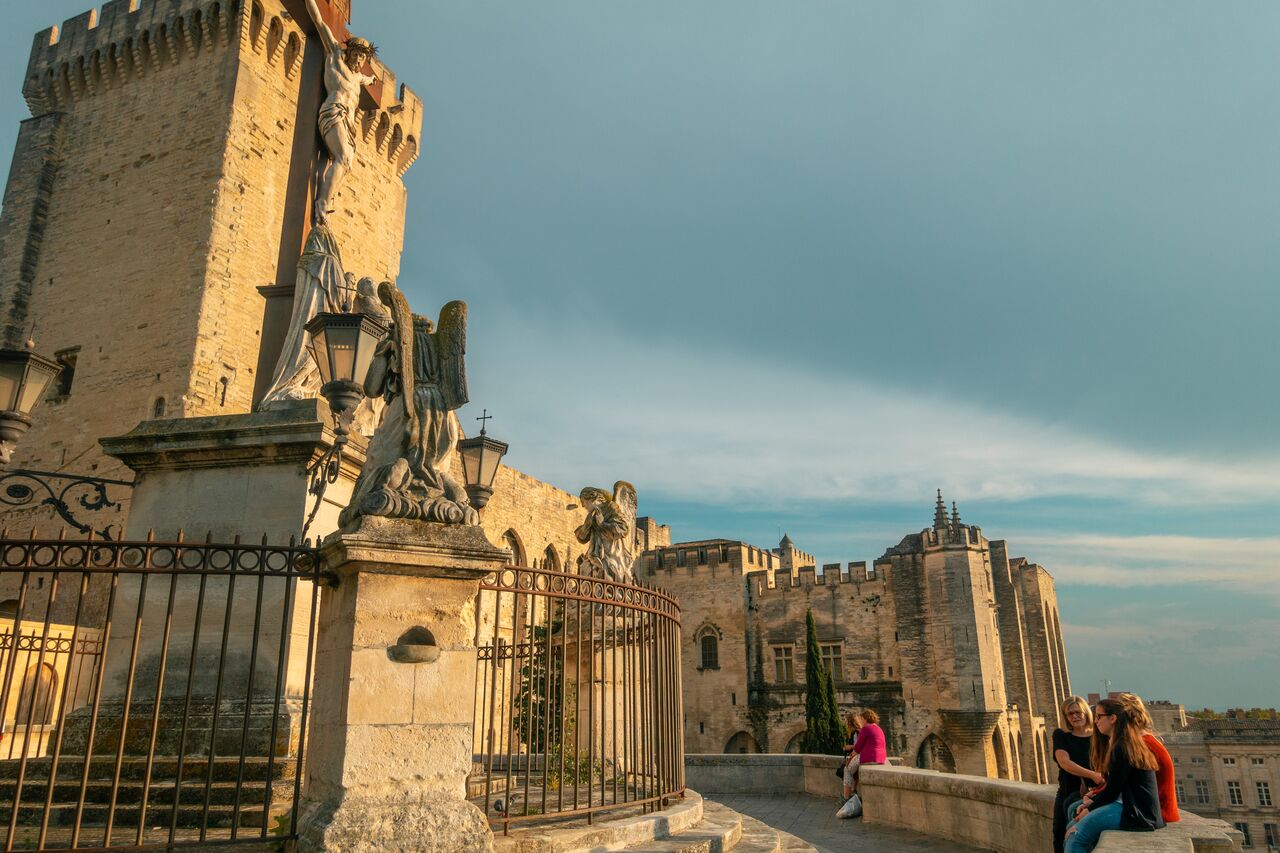
Also, don't forget to check out Avignon Cathedral, or Notre-Dame des Doms, located right next to the Palais des Papes. The Romanesque cathedral dates mainly to the 12th century and was later altered in the 15th and 17th centuries. Its bell tower is topped by the striking gilded statue of the Virgin Mary that you can see from around the city.
Where to Stay in Avignon?


2. Learn the history by attending the Palais des Papes Light Show
- 📍 Location: Palais des Papes' courtyard [Map Link]
- 🕐 Schedule: Les Luminessences was the show I attended; check the current Avignon events calendar for today’s evening program
- ⚡ Pete's Take: "If you want to learn about the history here, be sure to check out the Palais des Papes Light Show at night; it is highly recommended."
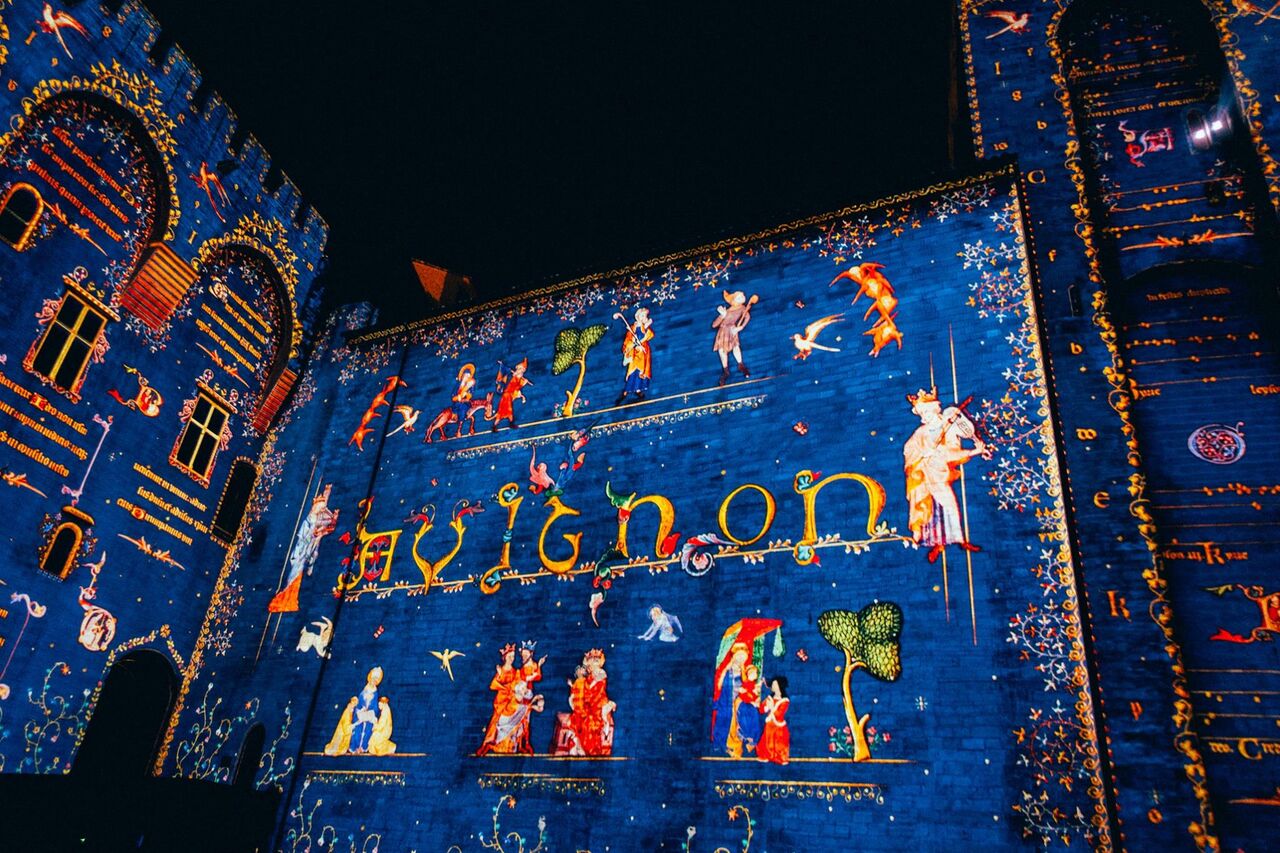
When I visited Avignon, one of my favorite evening experiences was Les Luminessences, an immersive light show held after sunset in the Palais des Papes' courtyard. The production I saw is no longer a regular August-to-October fixture, so treat the photos and description below as a record of my trip and check Avignon's current events calendar to see what nighttime shows are running during your visit.
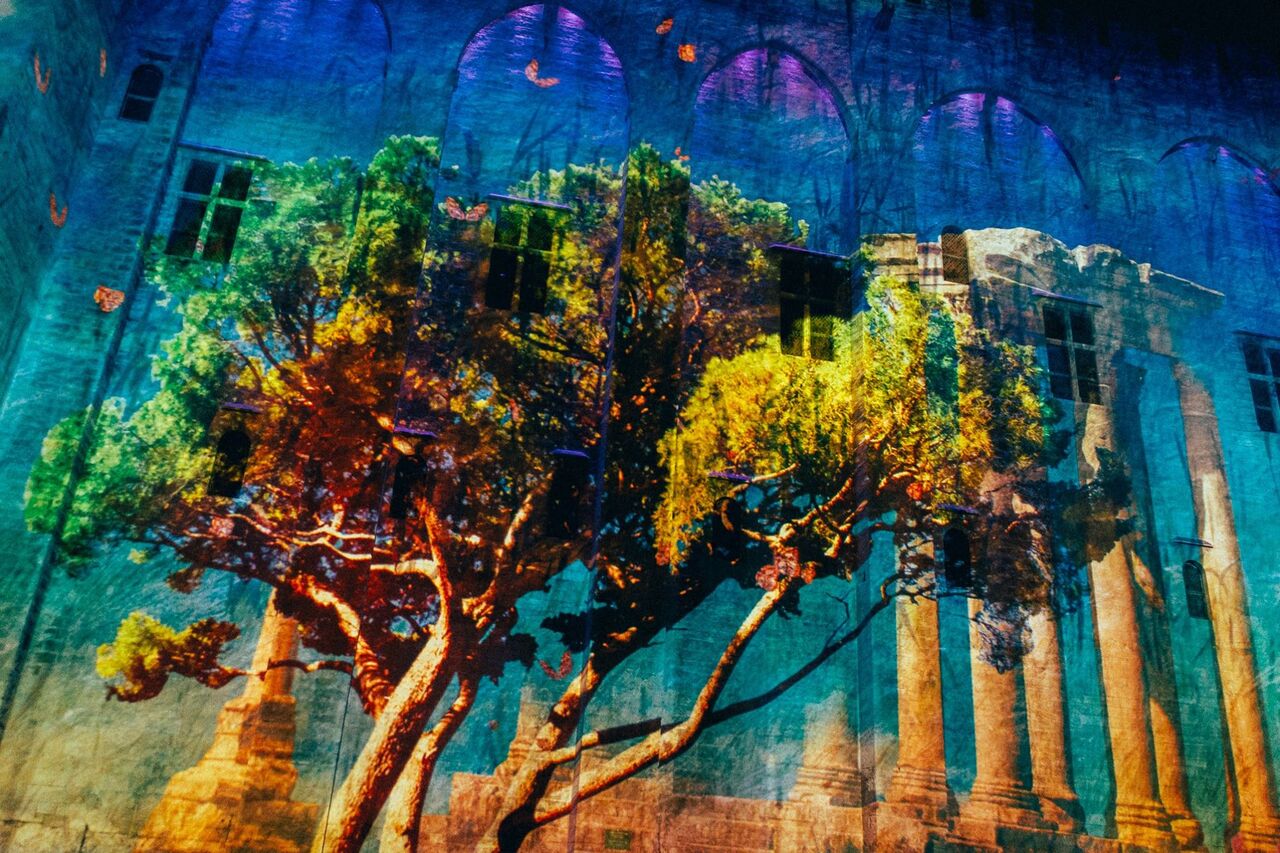
You can relive the past memories of Avignon through the immersive 360° screening that illuminates the medieval walls surrounding the courtyard. The show will transport you back to the early 14th Century when the papal court was relocated here from Rome, and highlight the city's enduring impact on Christianity.
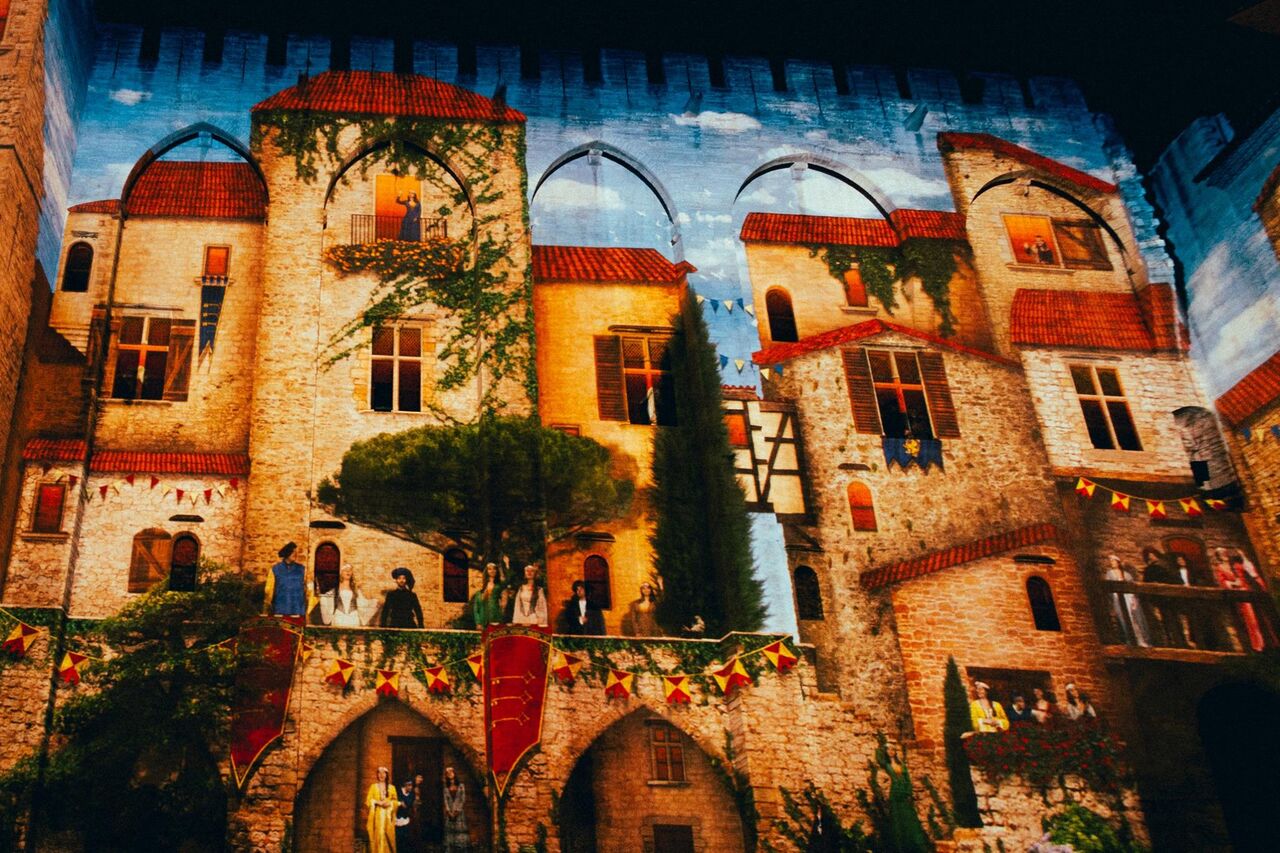
The light show I saw was extremely well done and coordinated, and it brought the medieval courtyard to life in a memorable way. Since Les Luminessences is no longer a regular annual production, I would check Avignon's current events program before your trip rather than planning your evening around this specific show.
3. Check Out the view from Jardin des Doms
- 📍 Location: Jardin des Doms Park [Map Link]
- 🕐 Opening Hours: Seasonal: generally 7:30 AM - 6 PM, 8 PM, or 10 PM depending on the month
- 💰 Entry Fees: Free
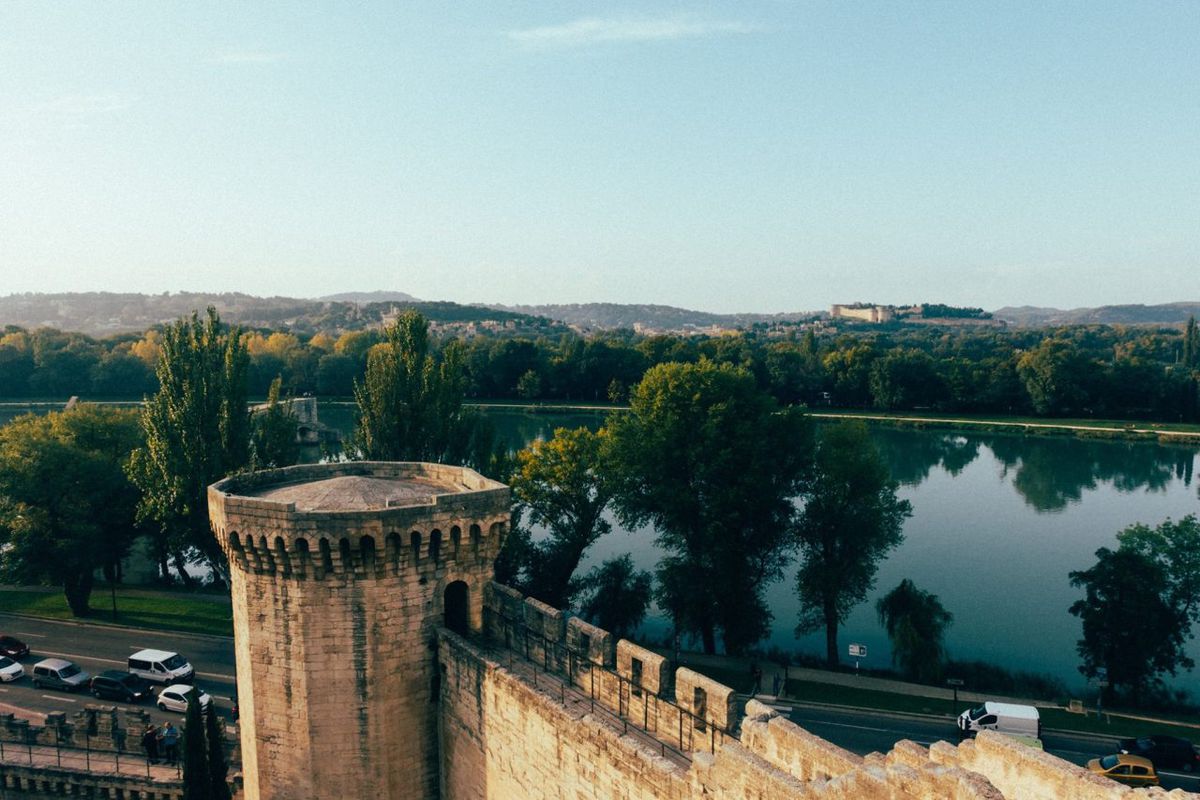
- ⚡ Pete's Take: "For a great viewpoint, you will love the view over the river from Jardin des Doms."
After you have explored the Palais des Papes, you can make your way to Jardin des Doms Park, a leafy public garden atop a hill, providing a great vantage point over the Rhone River and Villeneuve lès Avignon, just across the river.
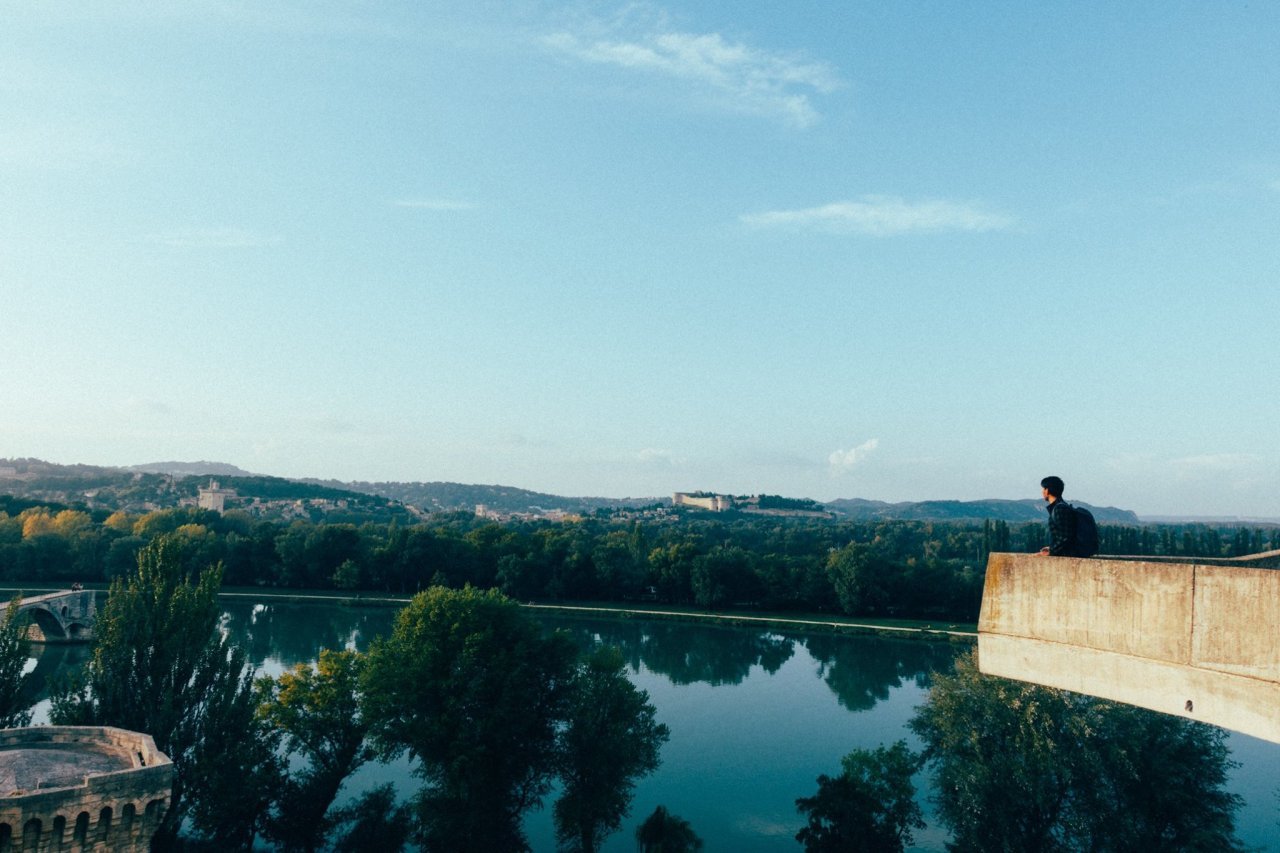
The garden is filled with tall trees, fountains, and sculptures, perfect for taking a stroll while enjoying the incredible views across the river. Access is free, but opening hours vary by season, generally closing at 6 PM in the cooler months, 8 PM in spring and autumn, and 10 PM in summer. Parts of the garden are also undergoing restoration, with access being reopened progressively through June 2027, although the belvedere remains accessible for the panoramic view.
4. Visit the Famous Pont Saint-Benezet Bridge
- 📍 Location: Pont Saint-Benezet [Map Link]
- 🕐 Opening Hours: 9 AM - 7 PM
- 💰 Entry Fees: 6 EUR (bridge only) / 19.50 EUR (Palais + Pont d’Avignon)
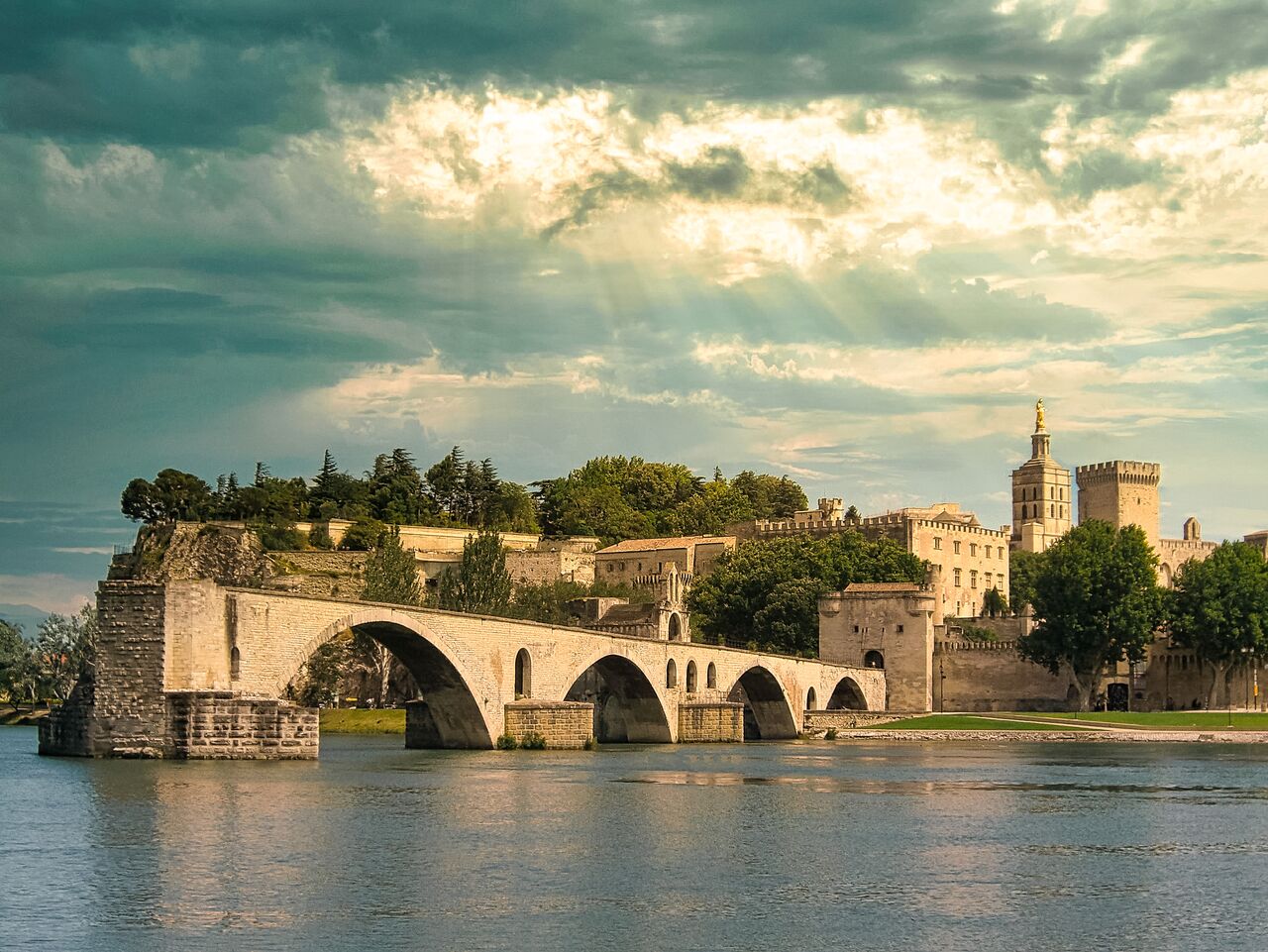
- ⚡ Pete's Take: "This is probably the main thing people come to see here. Only four arches are left, but they are still very impressive to see."
You can visit the Pont Saint-Bénézet, better known as the Pont d’Avignon, on its own for 6 EUR, or combine it with the Palais des Papes for 19.50 EUR as of August 2026. It is one of the most famous landmarks in the city and is easy to visit after the palace.
The Pont Saint-Benezet Bridge is a medieval bridge built in the 12th century to connect both sides of the river. However, due to numerous challenges over the centuries, including floods and wars, several of its arches were destroyed. As a result, only four arches are still standing to this day.
You can admire the bridge from outside, or you can check out the museum inside, which provides historical context and information about the bridge's construction and history. It's a great way to learn more about Avignon and its rich history. The bridge is open from 9 AM to 7 PM every day.
5. Explore Villeneuve lès Avignon
- 📍 Location: Villeneuve-lès-Avignon [Map Link]
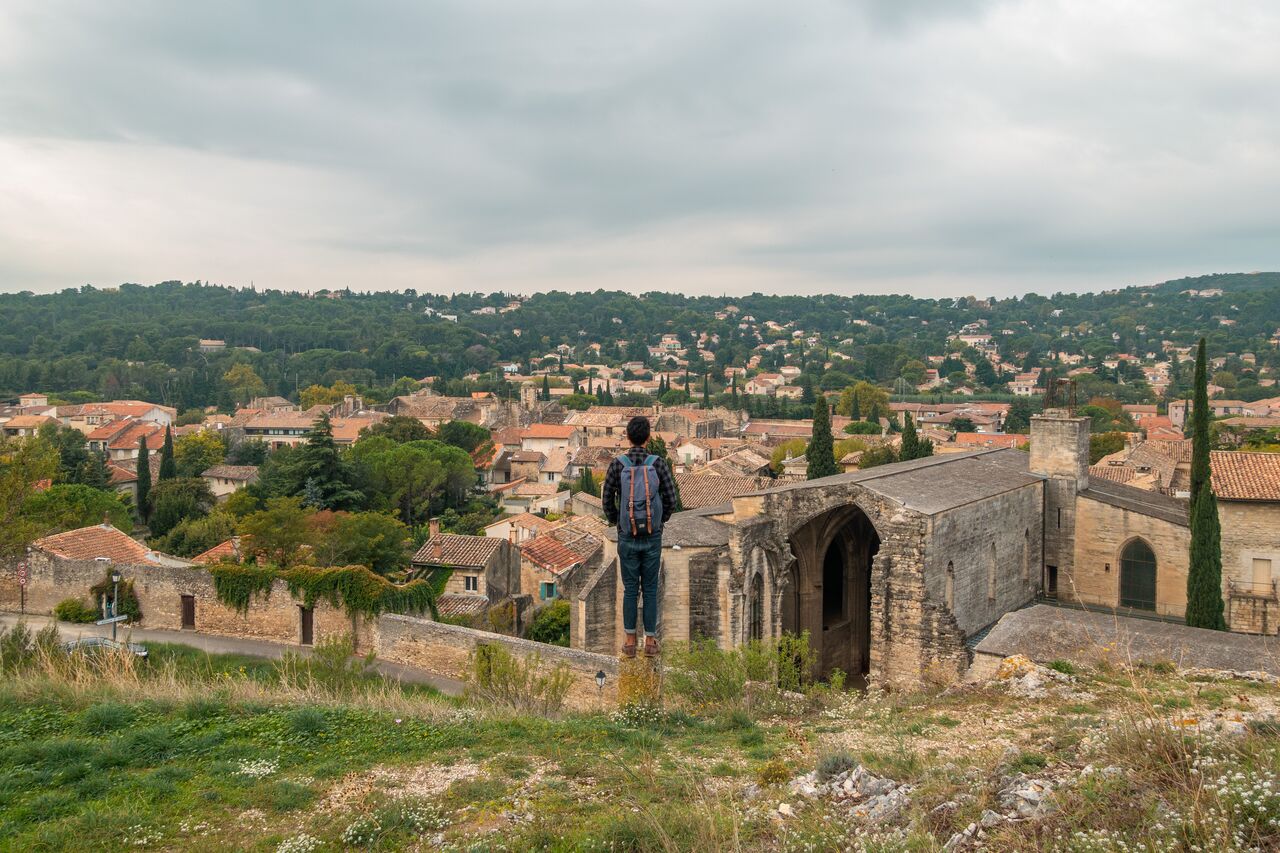
- ⚡ Pete's Take: "This little town just across the river is a great place to spend half a day at. It's like this village was trapped in a time capsule, and I love it."
At the outskirts of Avignon, just across the Rhone river to the north, lies a medieval town called Villeneuve-lès-Avignon, one of the hidden gems of Avignon that few people know about.
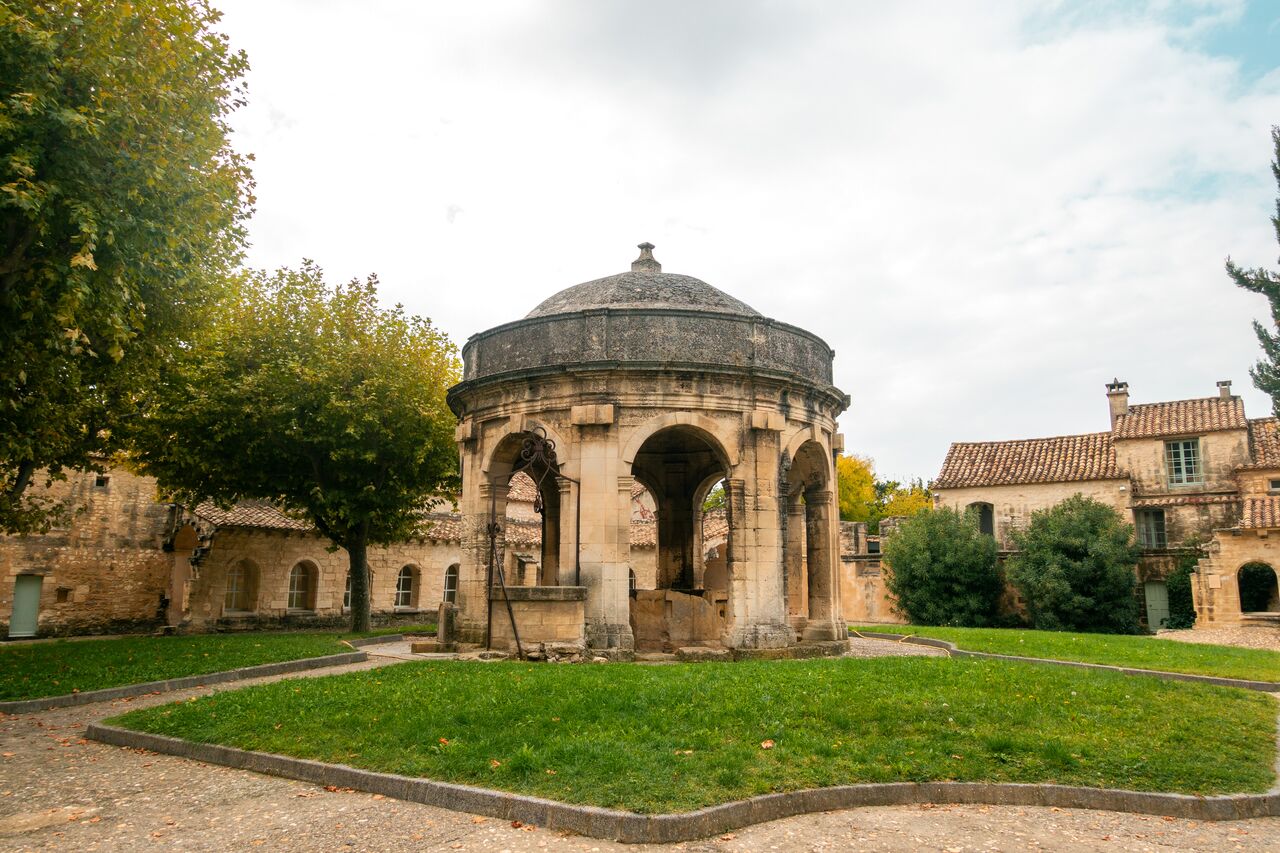
There are several tourist attractions you should check out in Villeneuve-lès-Avignon like Chartreuse Notre Dame du Val de Bénédiction, a historic Carthusian monastery dating back to the Middle Ages, Fort Saint-André, a 14th-century fortress, Abbey St. Andrew, a small palace with a beautiful garden, and more.
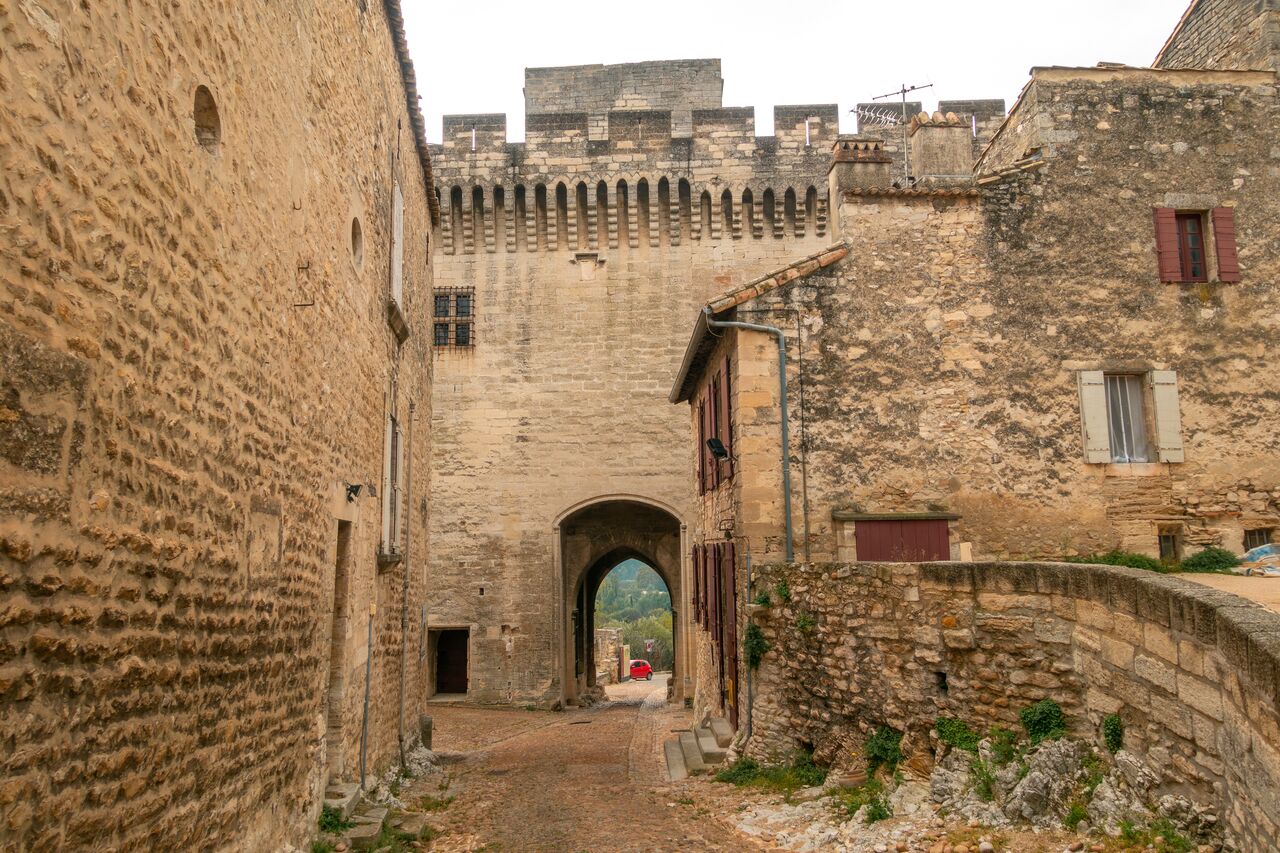
You can expect to spend around half a day here visiting all the tourist attractions and getting lost in the winding streets of its medieval town. Definitely worth a visit if you love history and want to see more of Avignon.
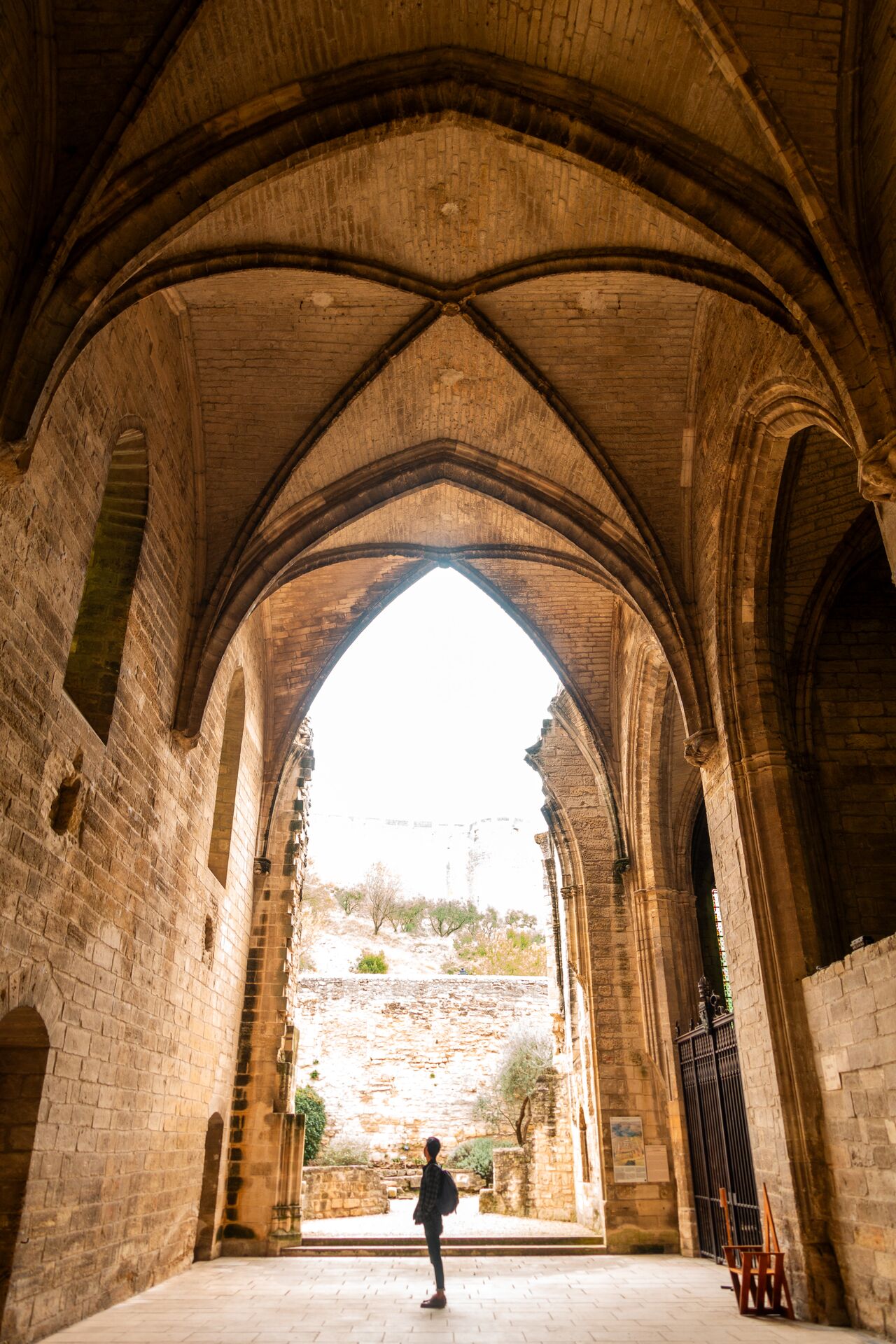
The town is approximately 3 km away, and you can catch local bus #5 from the bus stop in front of the Post Office, which is just opposite the train station. Get off at the tourist office there. It should take less than 15 minutes.
6. Visit L'Isle sur la Sorgue Market
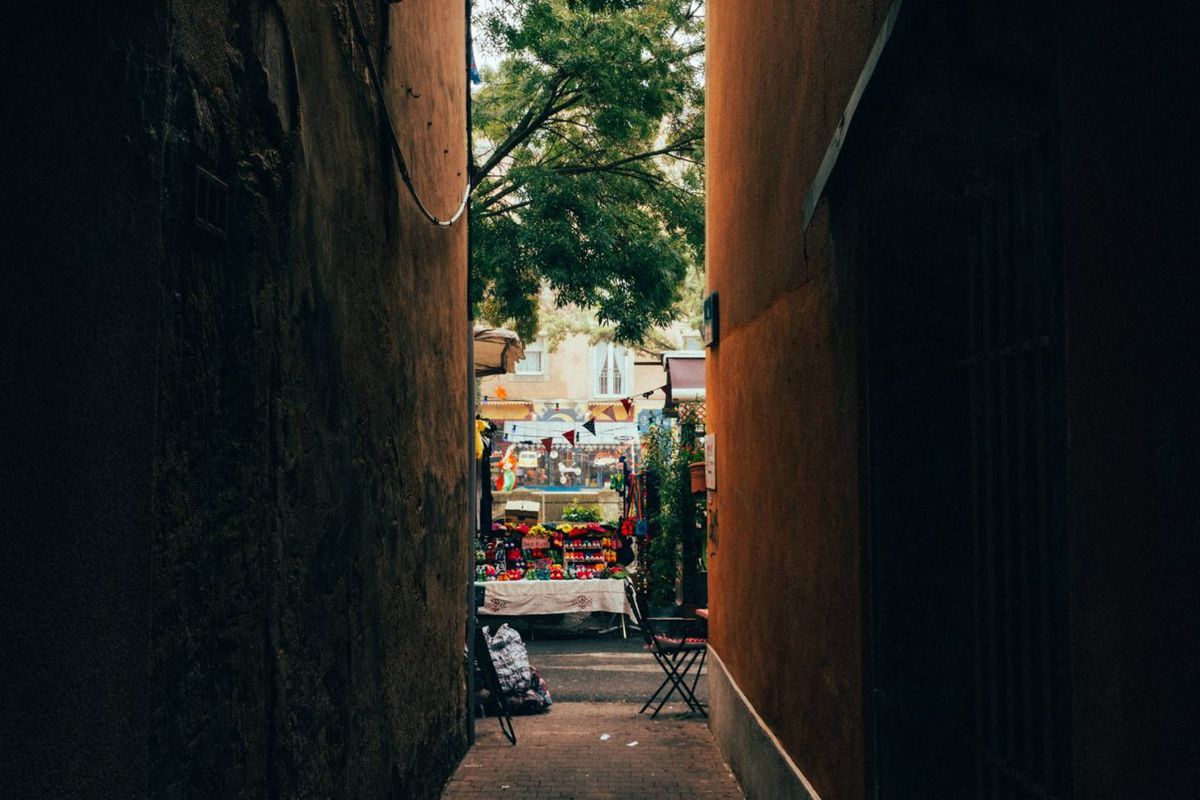
- 📍 Location: L'Isle-sur-la-Sorgue [Map Link]
- 🕐 Opening Hours: 7 AM - 1:30 PM
- ⚡ Pete's Take: "If you’re in Avignon on a Sunday or Thursday, head over to L'Isle-sur-la-Sorgue and check out its lively market!"
L'Isle-sur-la-Sorgue is a small town located east of Avignon, around a 30-minute bus ride away. If you happen to be visiting Avignon on a Sunday or Thursday, I highly recommend you go to the town and check out its incredible Sunday market.
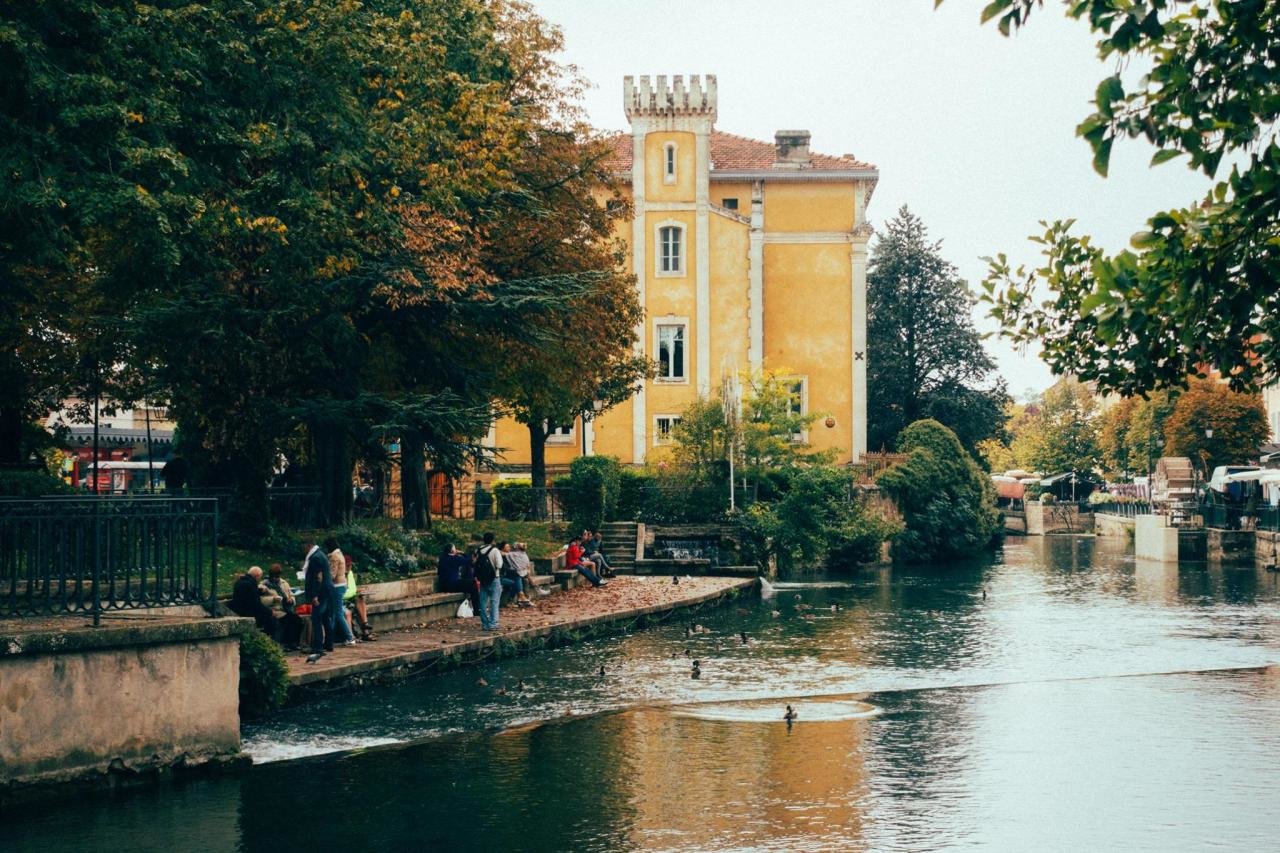
Every Sunday and Thursday morning, the canalside streets of Sorgue are transformed into one of the biggest flea markets in France. On both sides of the streets, you will see rows and rows of shops and stalls selling all kinds of goods, from fresh food to a wide selection of cool handcrafted items.
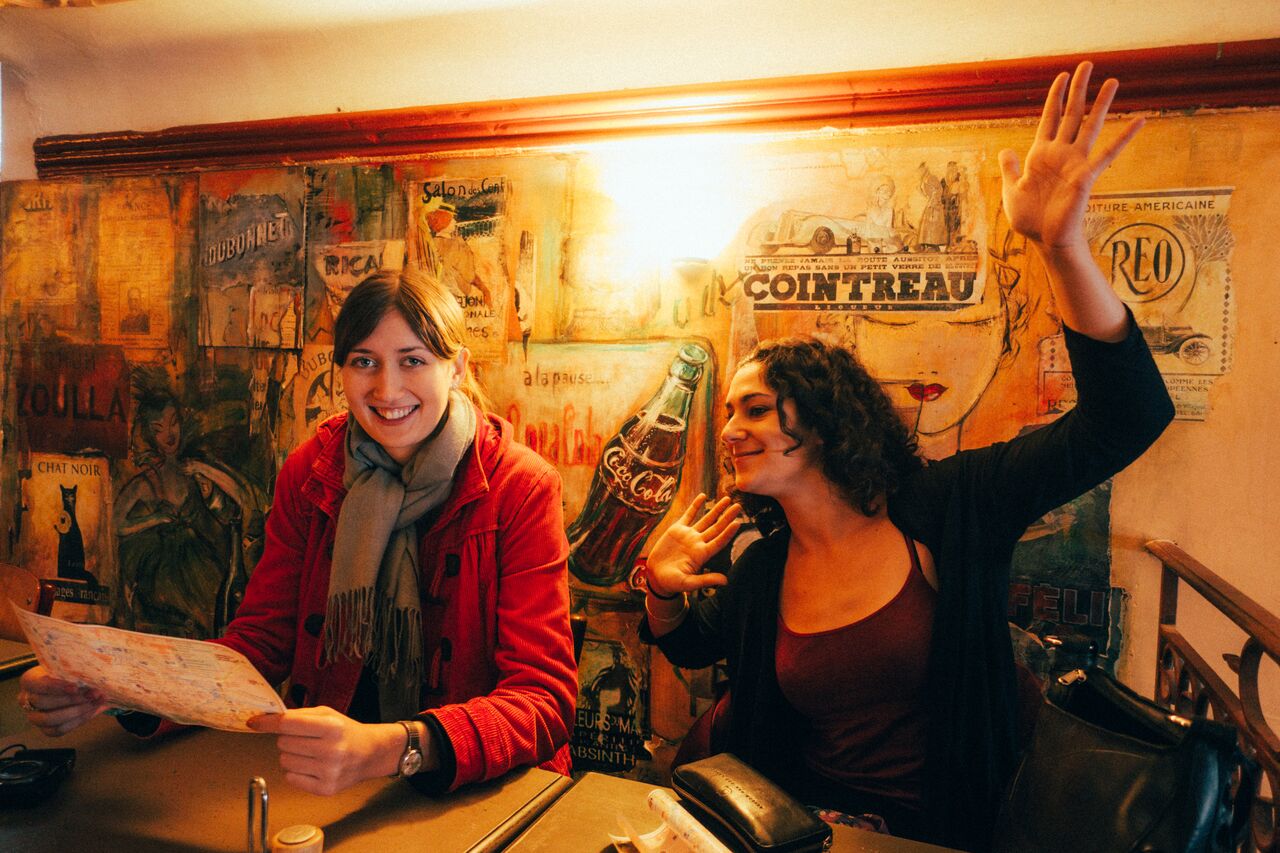
It is one of the liveliest markets I've seen in France and definitely one of the best things to do while you are in Avignon. The market starts at 7 AM and continues until 1:30 PM to 2 PM before it dies down, so be sure to plan your visit carefully.
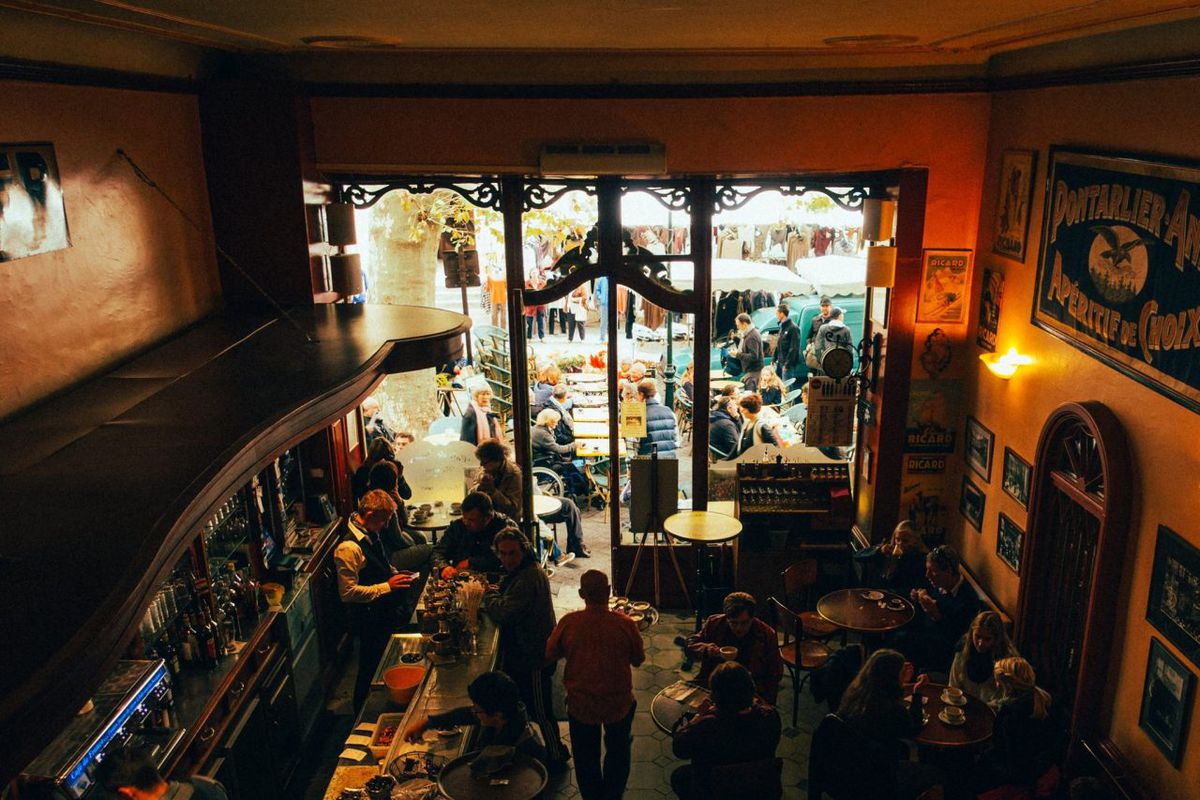
To get from Avignon to L'Isle-sur-la-Sorgue, you can either take the bus or the train from Avignon Central Station and you should be there in about 50 minutes by bus or 30 minutes by train. They both run frequently every day and you can book the bus/train ticket here.
7. Hike around Fontaine de Vaucluse
- 📍 Location: Fontaine de Vaucluse [Map Link]
- 💰 Entry Fees: Free
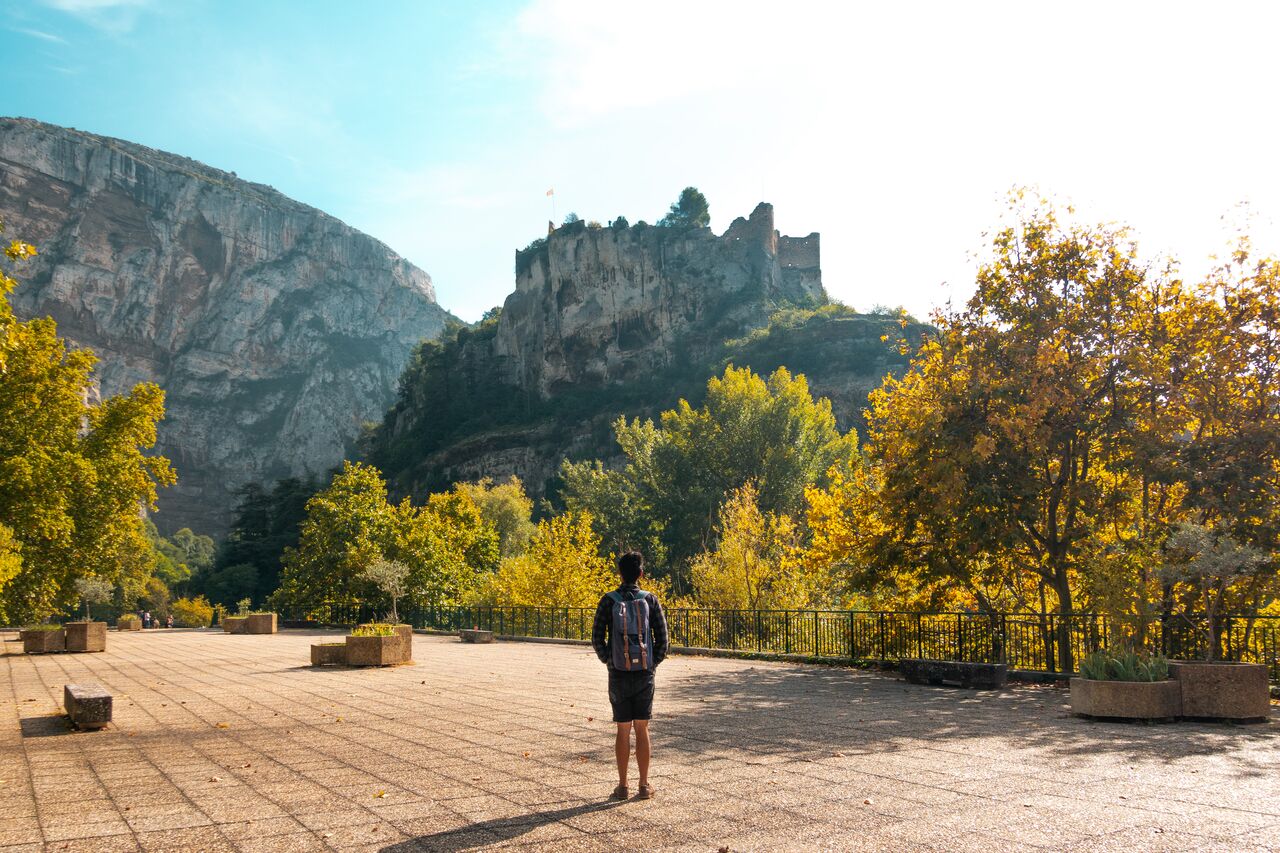
- ⚡ Pete's Take: "Fontaine de Vaucluse is such a scenic place! Steep cliffs, clear water, and greenery everywhere with tons of hiking opportunities to enjoy. Highly recommended!"
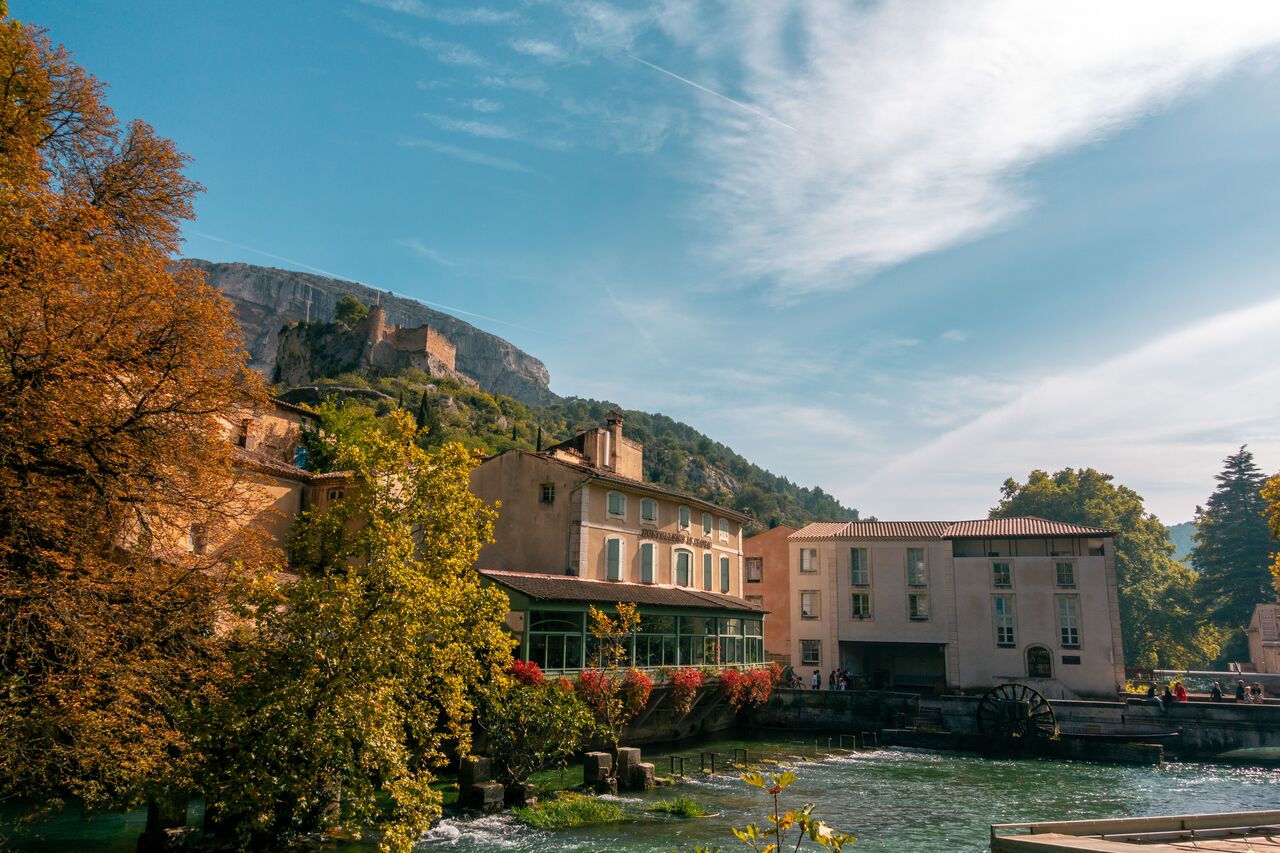
After the morning market in L'Isle sur la Sorgue, you can catch a bus and visit Fontaine de Vaucluse, a small town nestled between the mountains of Vaucluse. It's a perfect place to do some exploration and hiking.
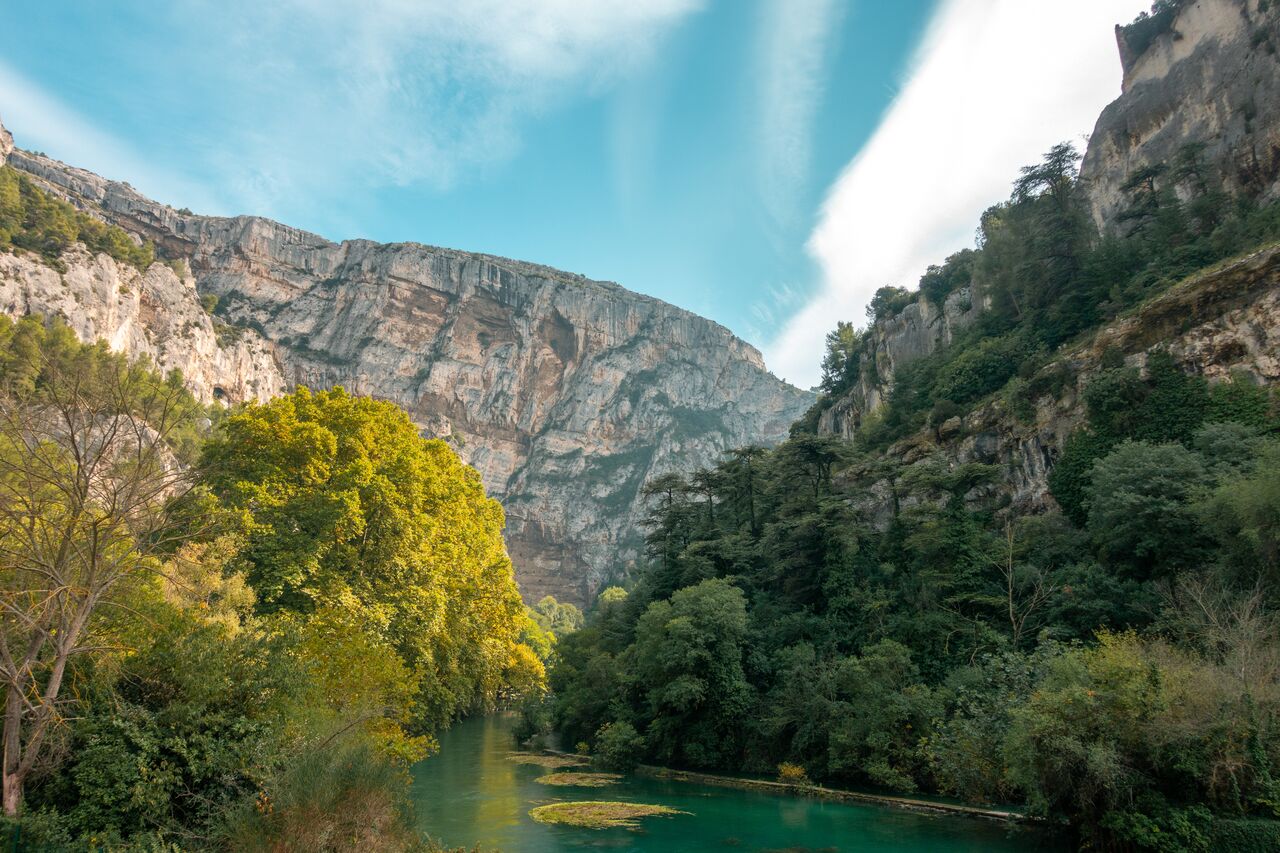
The village is famous for the immense natural spring where the Sorgue River emerges at the foot of a towering limestone cliff. Surrounded by clear water and lush greenery, Fontaine-de-Vaucluse is one hell of a picturesque place to visit. Access to the source is free, although the final section closest to the gouffre is currently restricted because of rockfall risk, with a designated viewpoint set farther back.
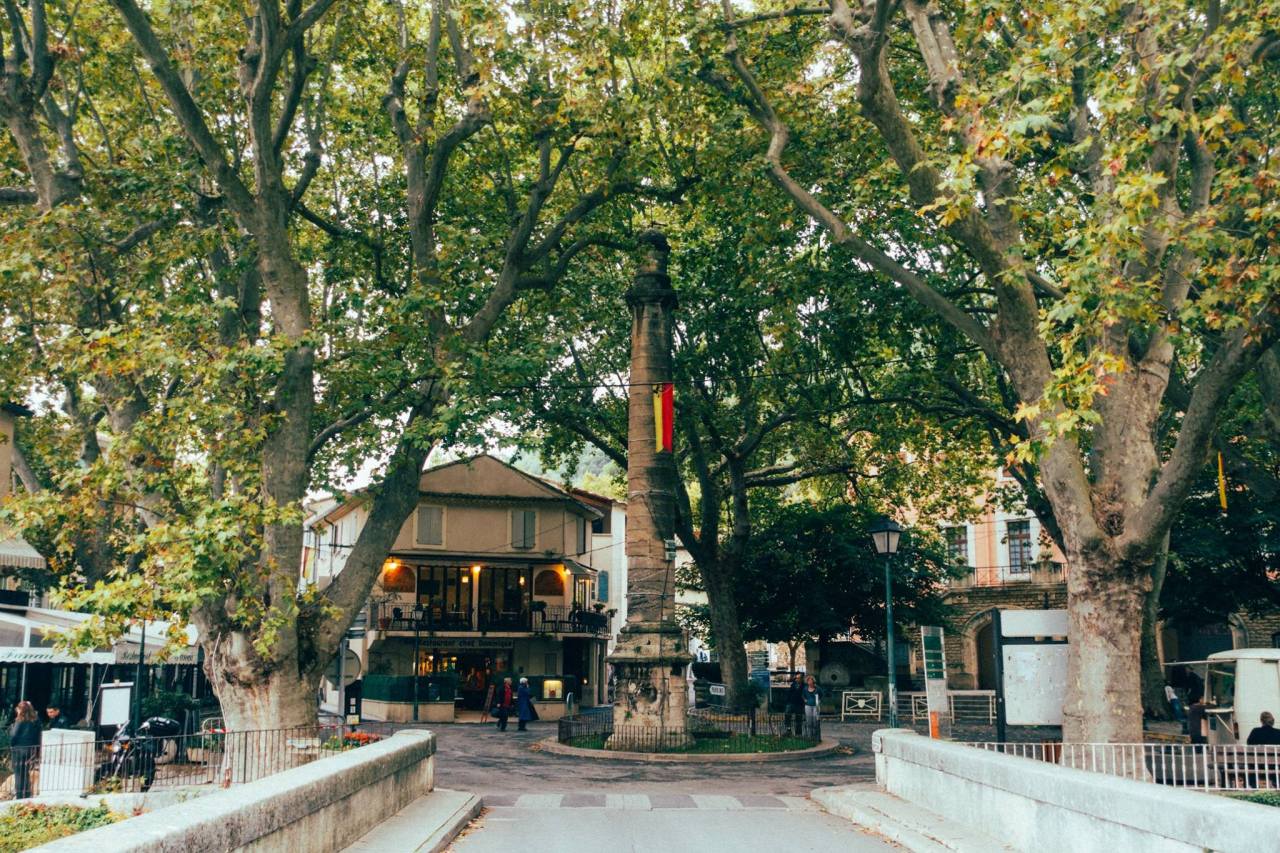
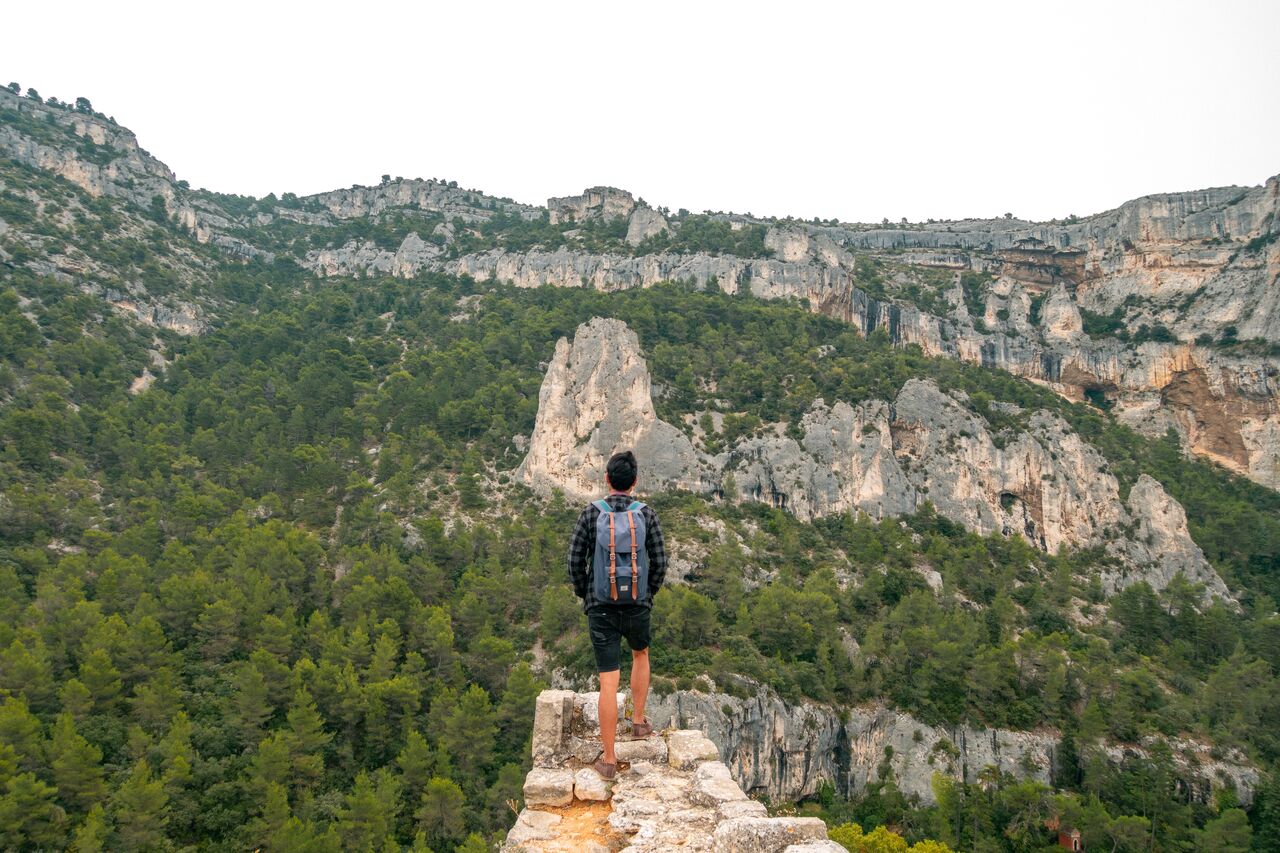
Typical tourists will usually stick to the main road and the fountain area, which is nice. However, if you are willing to do some hiking, you can reach some really nice viewpoints and get away from the crowd.
Château de Philippe de Cabassolle, also known as the Château des Évêques de Cavaillon, was one of the viewpoints I hiked to during my trip. The route is steep and the local tourist office now warns that the climb can be dangerous, so I would only attempt it if conditions are good and the path is open rather than treating it as a standard sightseeing trail.
There are other things you can do in Fontaine de Vaucluse, like visiting the Moulin à Papier water mill, the Museum Bibliothèque François Pétrarque, and plenty more that should occupy you for the rest of the day.
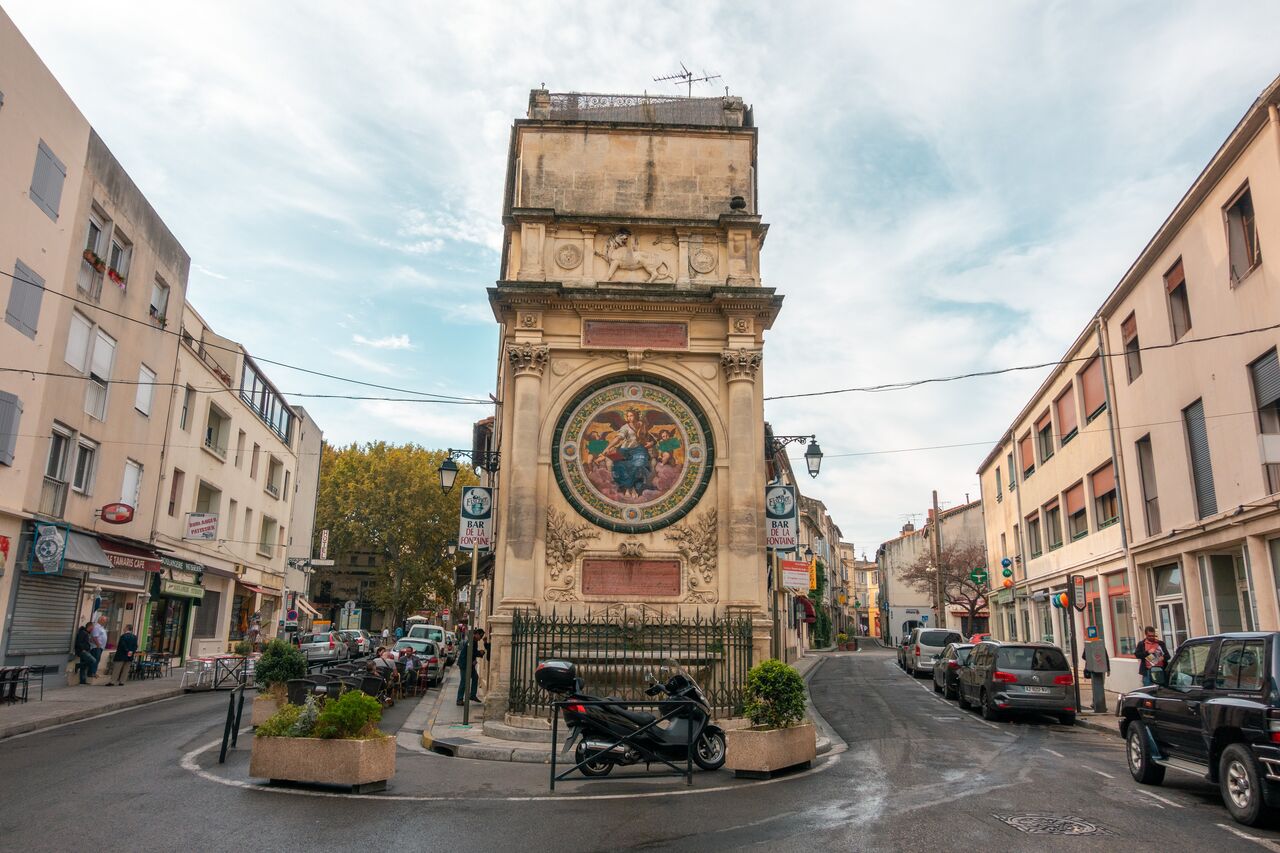
To get from L'Isle-sur-la-Sorgue to Fontaine-de-Vaucluse, use the regional bus from Robert Vasse bus stop and get off at Fontaine Centre bus stop. The current ZOU! network lists this connection as line 914. When I traveled here, the trip took around 15 minutes and cost about 2 EUR; check the current timetable before setting out, especially outside summer when services are less convenient for day trips.
8. Visit Arles and its impressive Amphitheatre
- 📍 Location: Arles [Map Link]
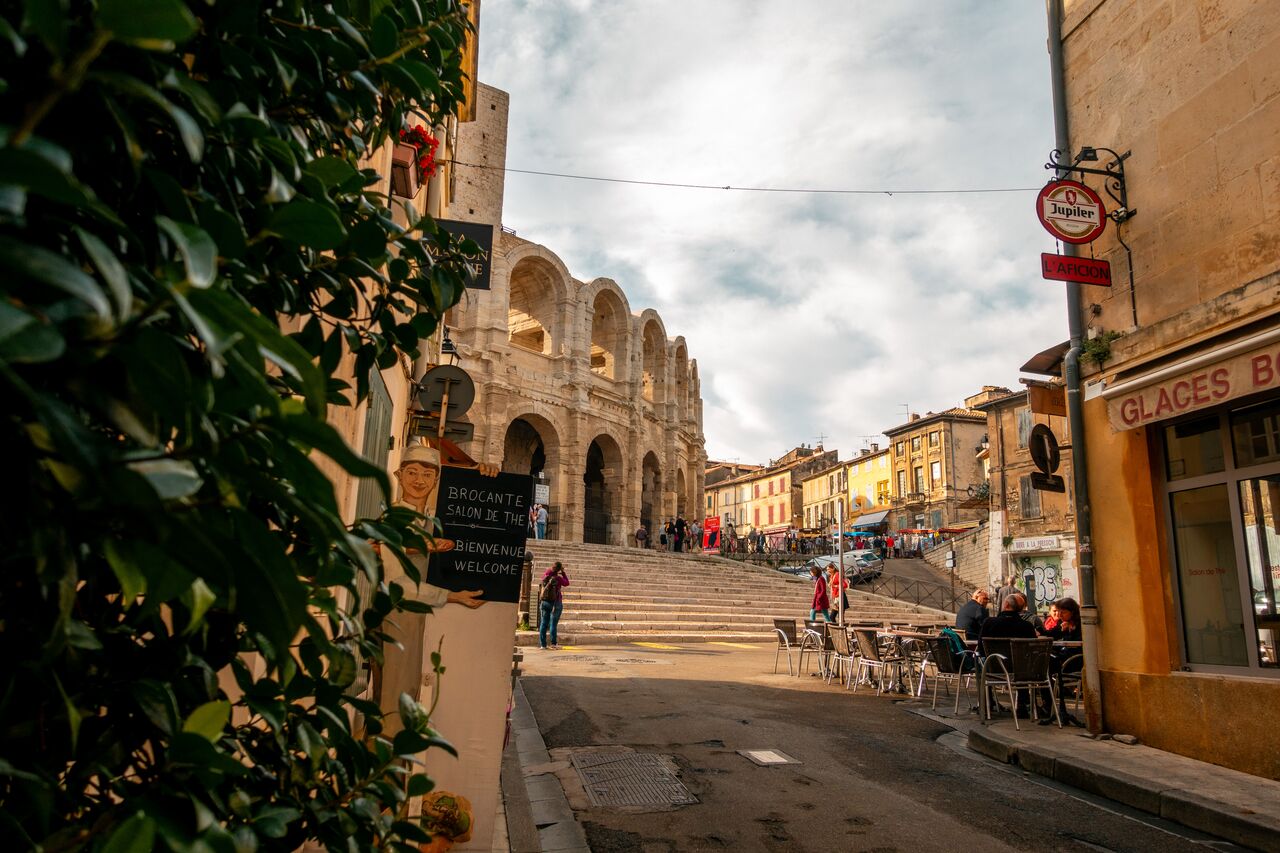
- ⚡ Pete's Take: "Arles is another great day trip to make from Avignon. The square and the streets here are old and rustic, and you can even see a Roman arena that is pretty much still intact here. That was the highlight for me."
Last but not least, if you have a day to spare in Avignon, you have to visit Arles, a historic city known for its rich history that dates all the way back to Roman times.
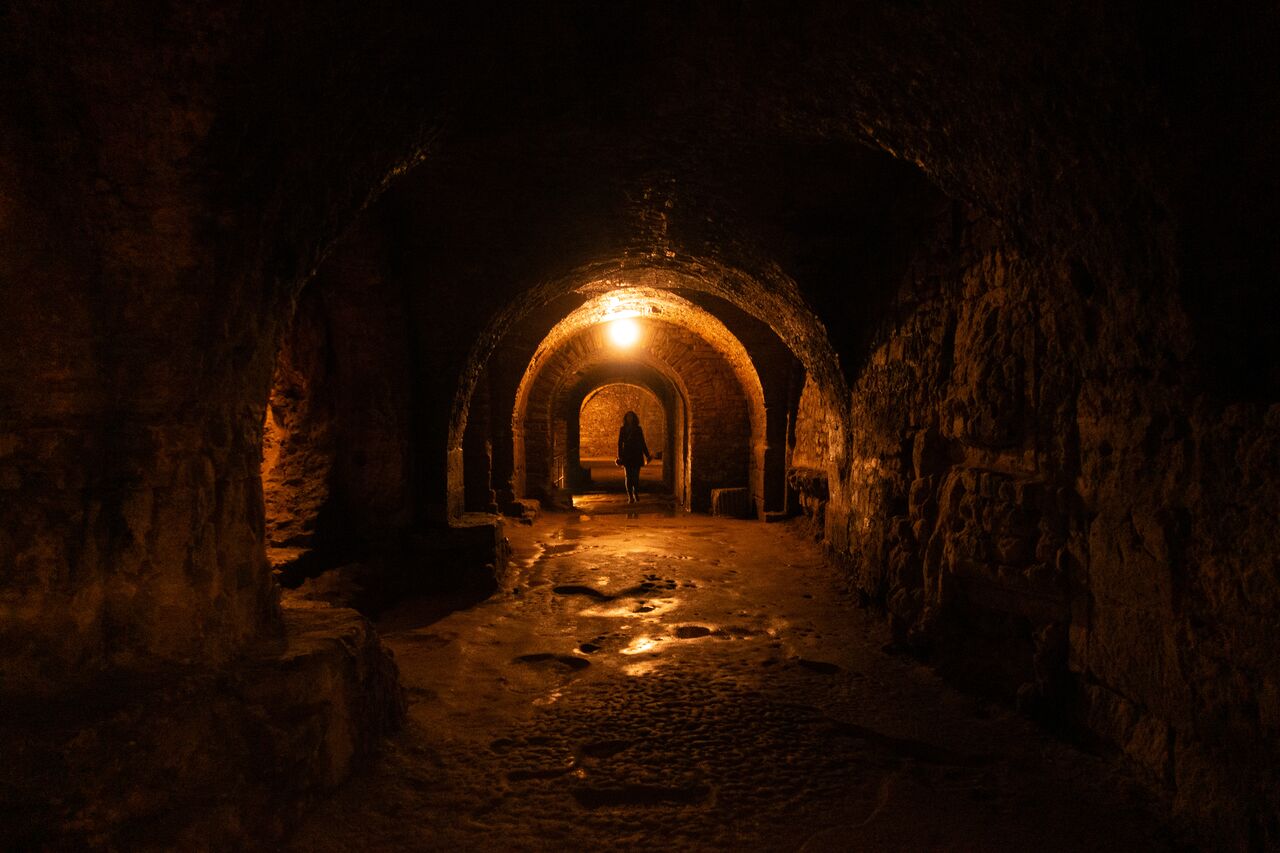
Arles was once an important Roman provincial capital known as Arelate, and one of the most important landmarks that you have to check out first is the Roman Arena (Arènes d'Arles), a large amphitheater that could seat over 20,000 spectators. It was built in 90 AD and is still used for events even today.
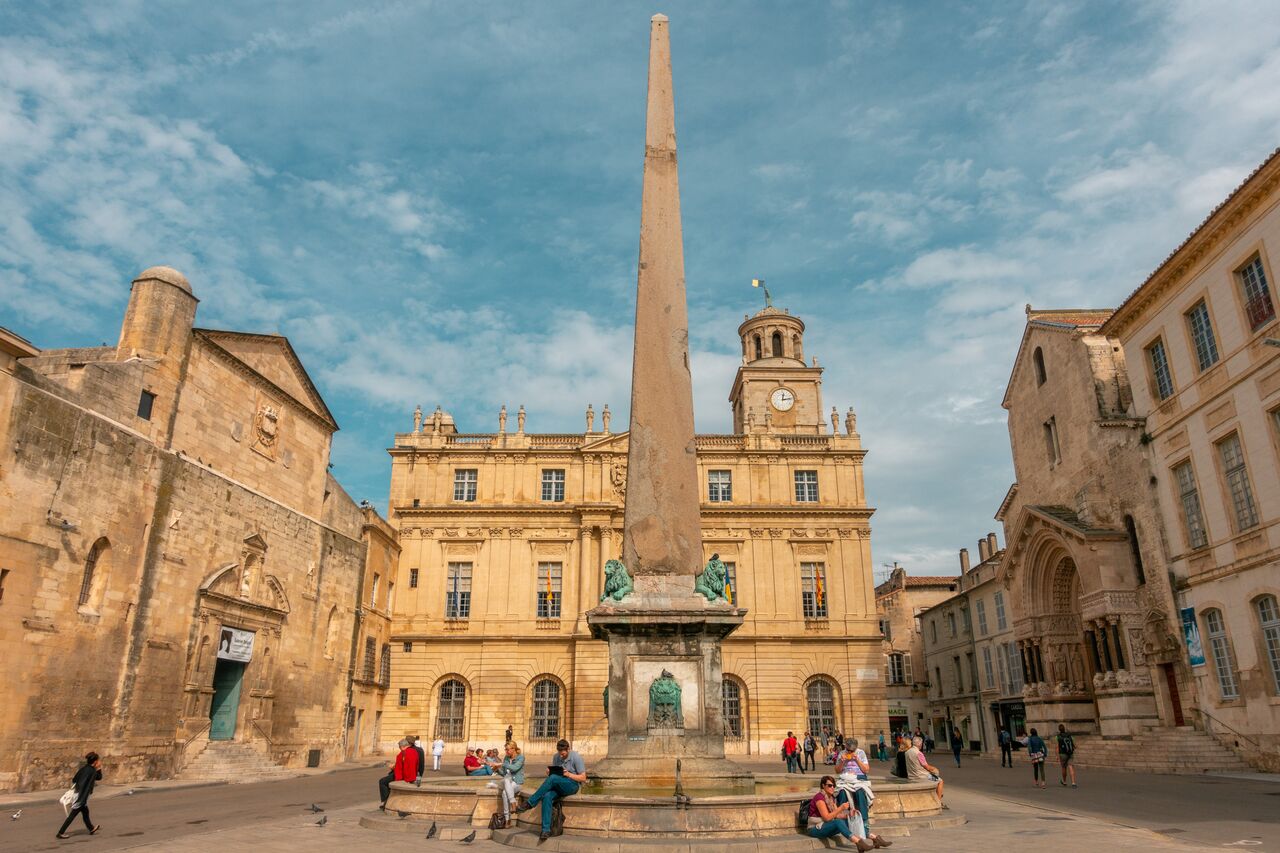
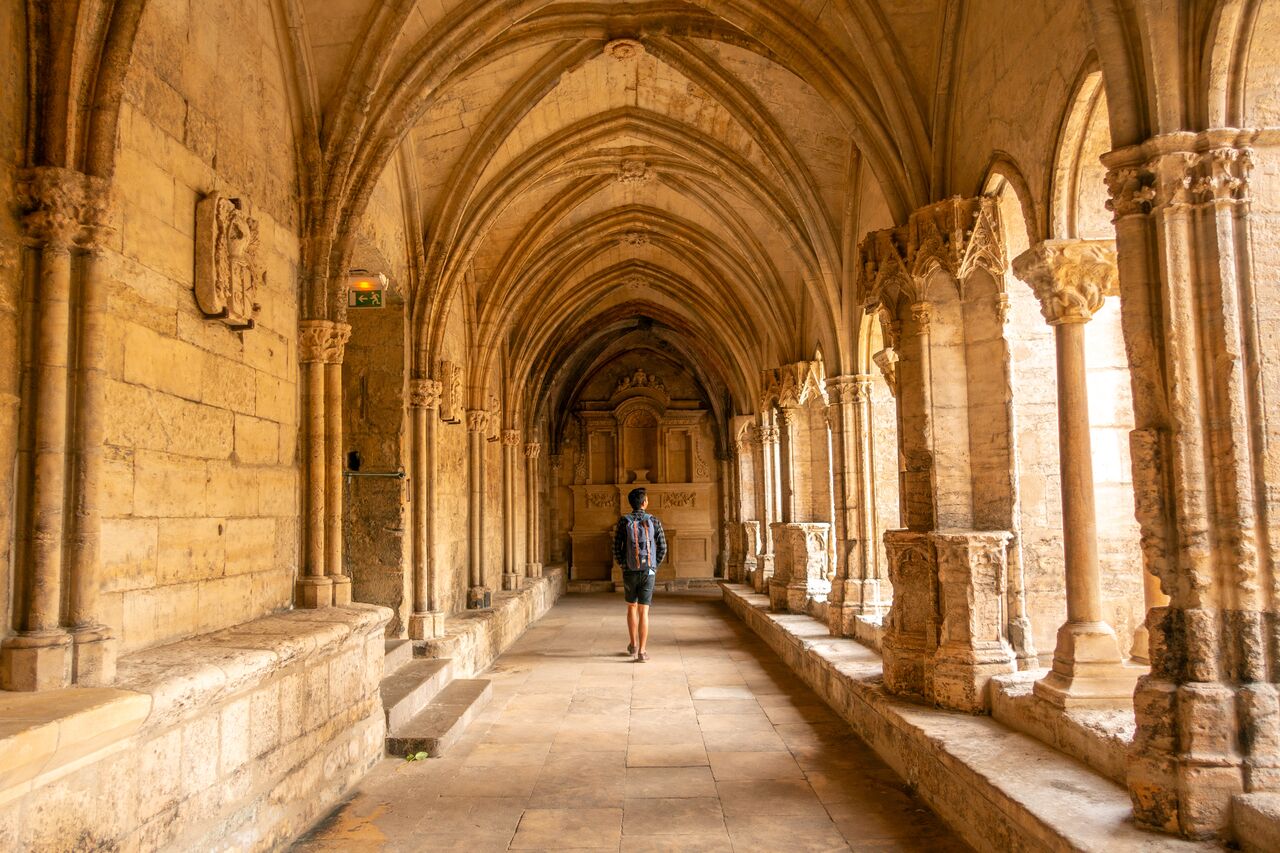
There are several other Roman heritage sites you can check out in Arles, like the Arles Obelisk, an ancient obelisk dating back to the 1st AD, the Church of St. Trophime, a masterpiece of Romanesque architecture, and the Alyscamps, a Roman necropolis.
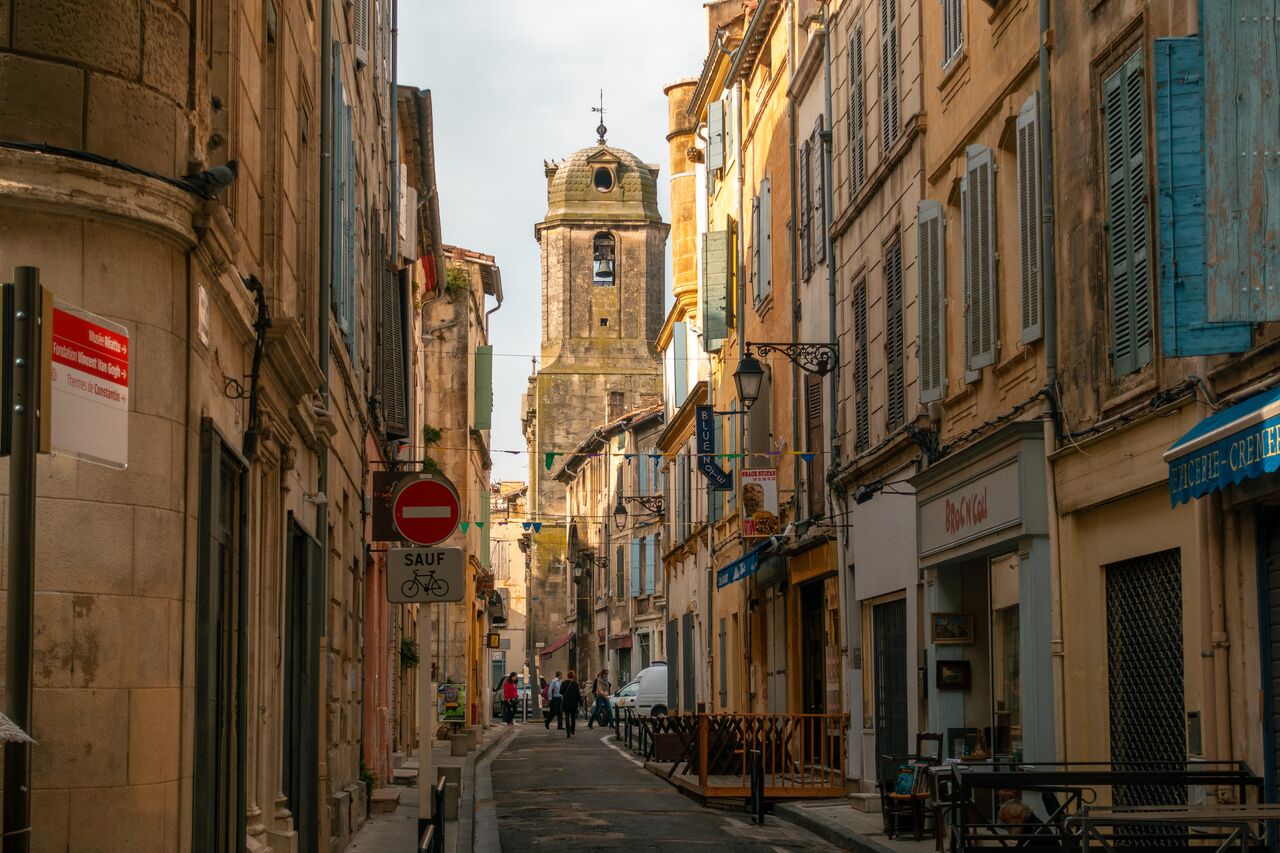
Not to mention, every street in Arles is so picturesque; I just can't get enough of it. The moody, rustic, winding cobblestone streets that crisscross around are exactly how I imagine a historic town in France would be. So be sure to spend some time and get lost in the streets of Arles while you are here.
To get from Avignon to Arles, catch a direct train from Avignon Central Station. The journey is much quicker than an hour: current direct services typically take around 16-20 minutes, with frequent trains throughout the day. You can book the train ticket online here.
How to Get to Avignon?
The best way to get here is to fly into hub cities like Paris or Lyon and take a train or a bus from there. I would recommend you browse through Skyscanner or Expedia to find all the cheap flights from where you live to France and compare them so that you can find the one that best fits your itinerary.
The train is the easiest way to get to Avignon, since both the normal train and the TGV high-speed train run through the city. If you get on a train that drops you off at the Avignon central station, you should be right at the city center.
If your high-speed train arrives at Avignon TGV station, note that it is outside the historic center. Frequent local trains connect Avignon TGV with Avignon Centre in only a few minutes, and local buses are another option. You can book the train here.
How to Get Around Avignon?
Everything is within walking distance in Avignon if you decide to stay in the city center. If you want to visit one of the many nearby towns like Arles and Isle-sur-la-Sorgue, you can catch a bus or a train from Avignon Central Station to pretty much anywhere in the region, which is very convenient. You can book the train here.
Daily Budget


Traveling here will typically cost you more than visiting most other countries. You can expect to spend around $45 - $65 USD per day per person, including food, accommodation, and transportation.
Please keep in mind that these are suggested daily budgets based on my own style of travel, which leans more towards the budget side of things. If you aim to stick to this budget, anticipate sleeping in dormitories, dining out only occasionally, and being comfortable with the cheapest and most convenient modes of transportation, which often involve a considerable amount of walking.

Disclaimer: This post may contain affiliate links. See our disclosure policy.
First Published:
Last updated:


