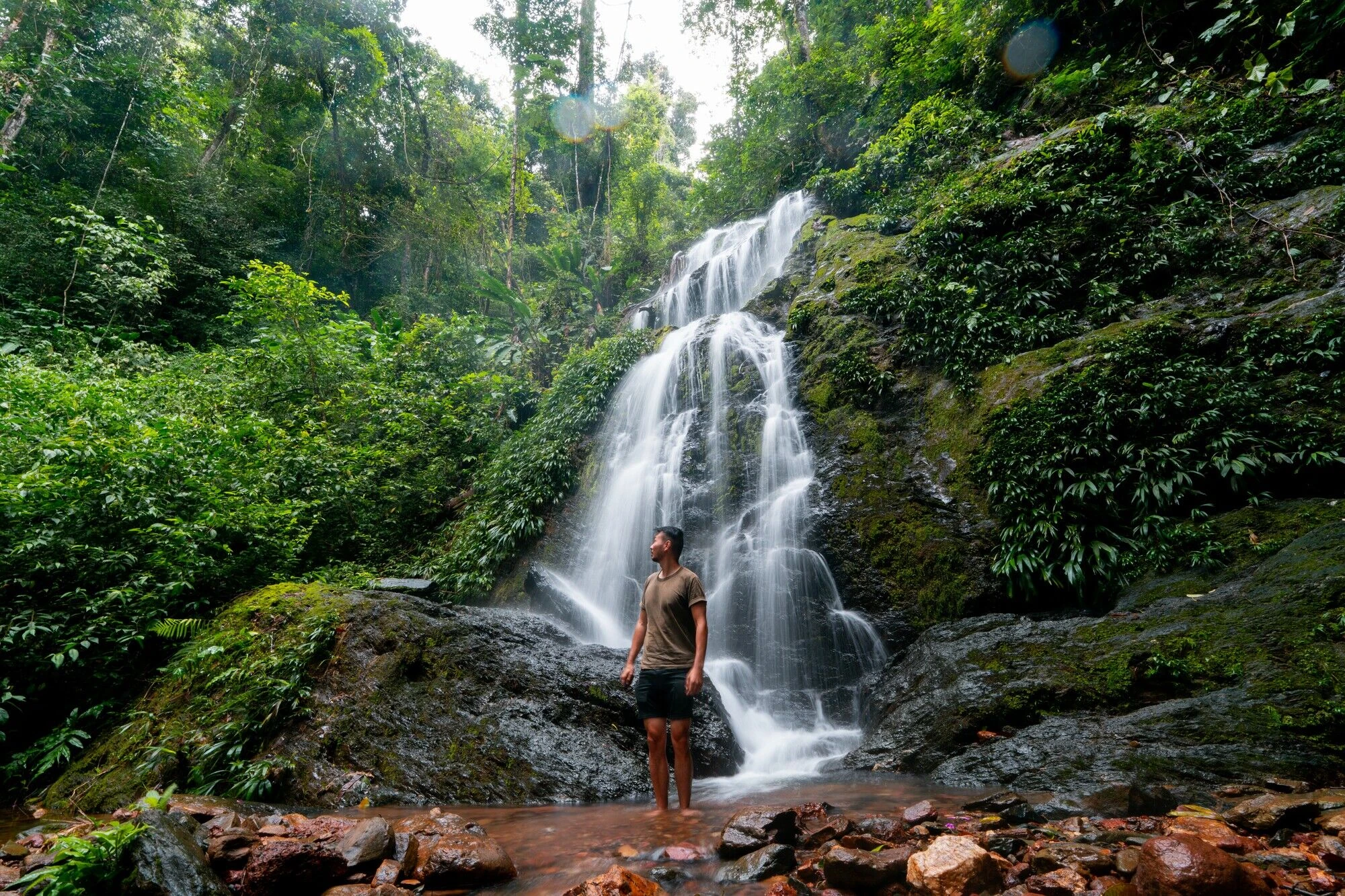


Other than some of my Dutch friends, I barely know anyone who has visited Suriname, which is one of the reasons I decided to stop by during my trip around South America. I first heard about the country back in 2015 when I met a Dutch couple on a beach in Bali. They could not stop talking about Suriname and how wonderfully off the beaten path it was.
Ever since then, I have been intrigued by the country, and more than a decade later, I finally made it there. And wow, what a surprise it turned out to be! Unlike many destinations in South America, tourism here is still relatively undeveloped, which means fewer crowds, more authentic cultural encounters, and plenty of opportunities to venture far beyond the usual tourist trail.
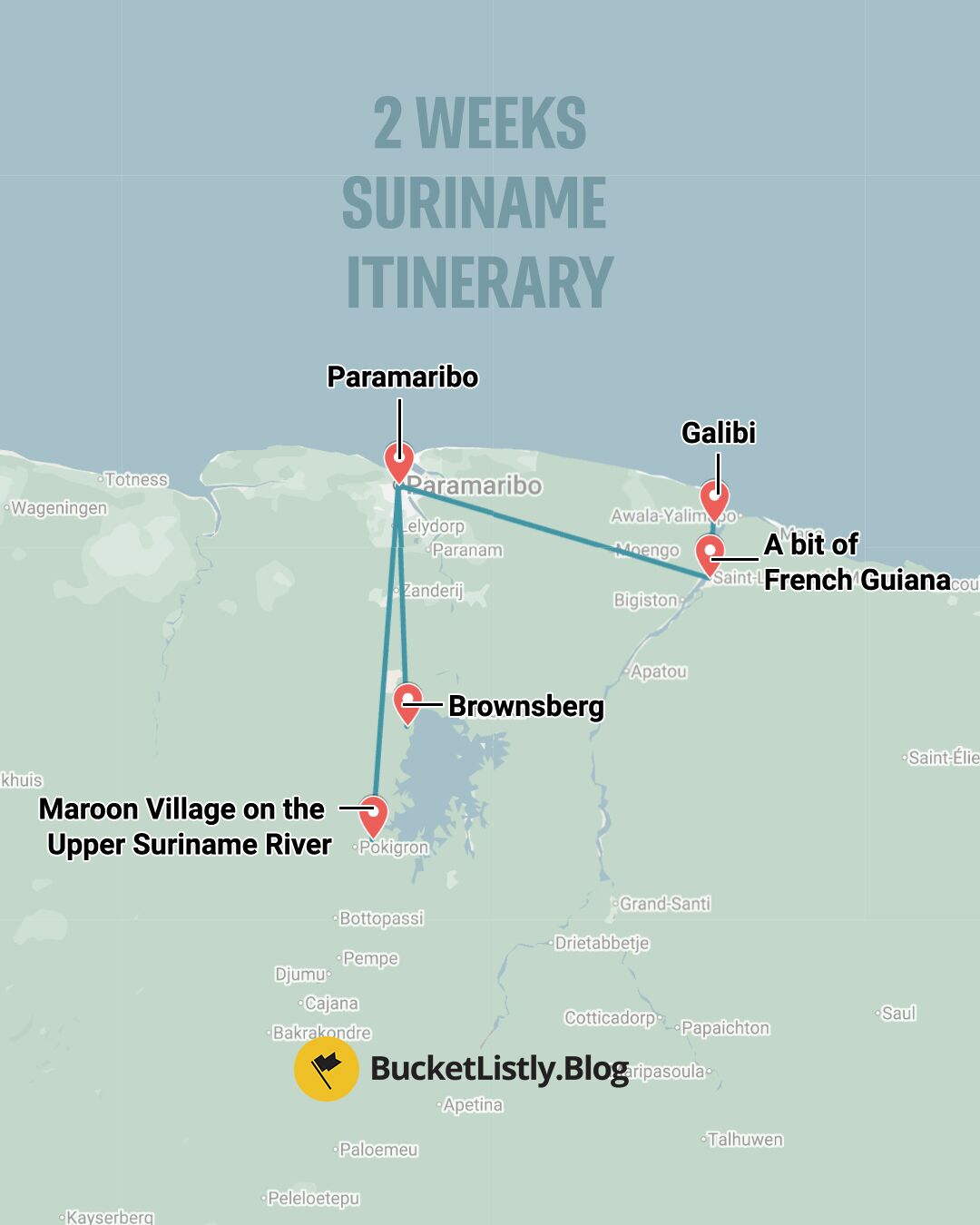
If you are looking for a destination filled with nature, wildlife, and fascinating cultural diversity, Suriname should be high on your list. In this guide, I will show you exactly how to spend 2 weeks in Suriname, covering everything from Paramaribo and Commewijne to Brownsberg, Galibi, a bit of French Guiana, and the remote communities along the Upper Suriname River.
Map of this 2-Week Itinerary
Quick Summary
| ☀️ Day 1-2: | Paramaribo |
| ☀️ Day 3: | Nieuw Amsterdam & Commewijne District |
| ☀️ Day 4: | Buffer Day in Paramaribo |
| ☀️ Day 5-6: | Brownsberg & Ston Island |
| ☀️ Day 7: | Buffer Day in Paramaribo |
| ☀️ Day 8-10: | Galibi (Sea Turtles) & French Guiana |
| ☀️ Day 11: | Buffer Day in Paramaribo |
| ☀️ Day 12-14: | Spend 3 Days in the Maroon Village Up the River |
2 Weeks Suriname Itinerary
Day 1-2: Paramaribo
- 📍 Stay: Holland Lodge Paramaribo
- 📖 Full Guide: Paramaribo Guide: Best Things to Do, Tips & Itinerary
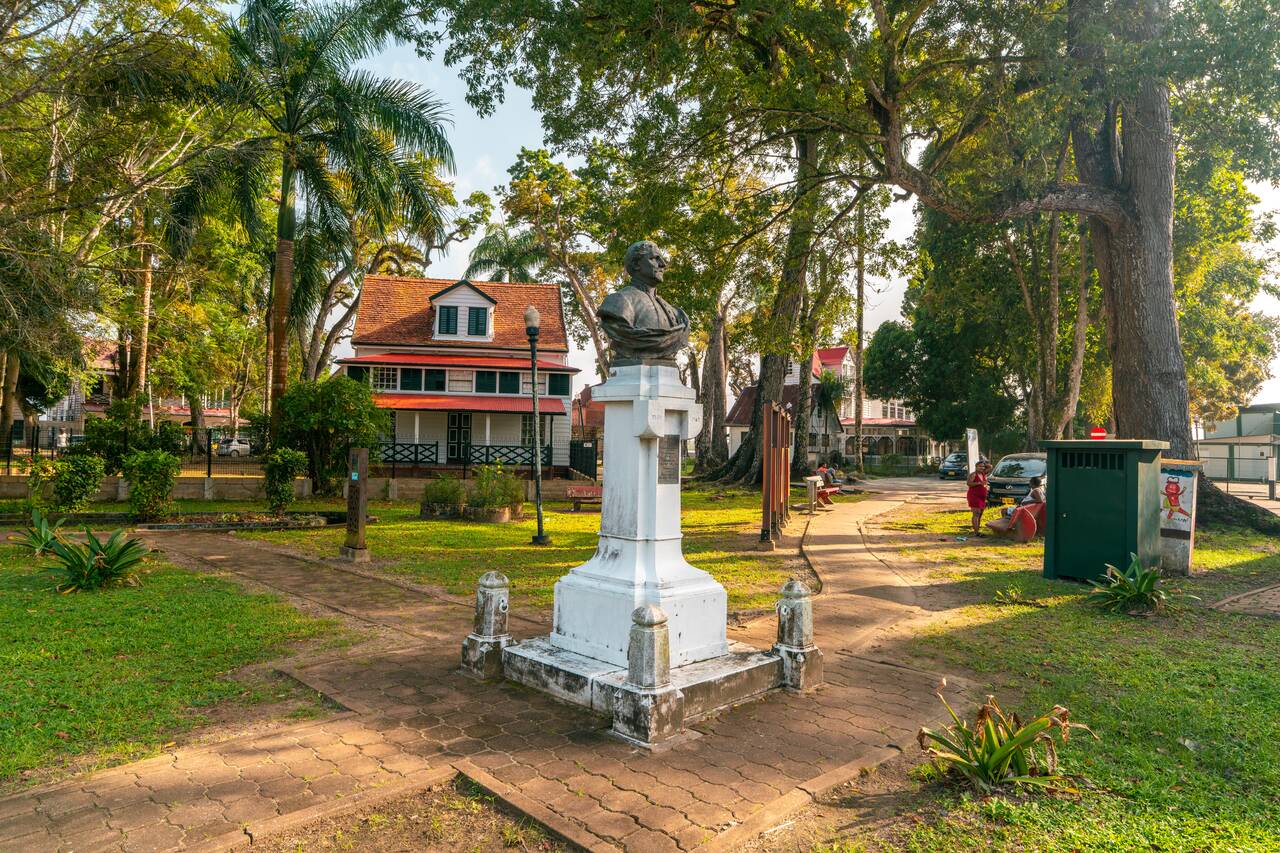
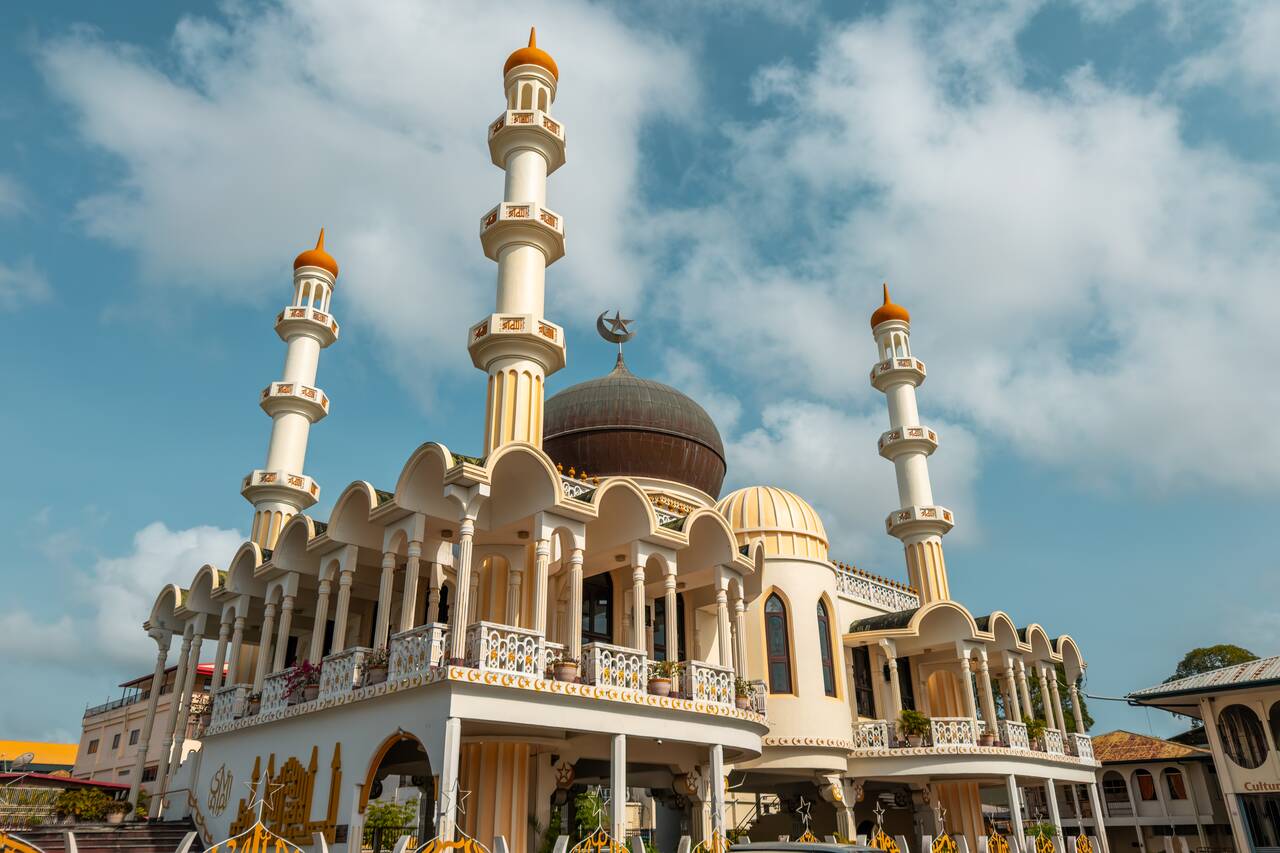
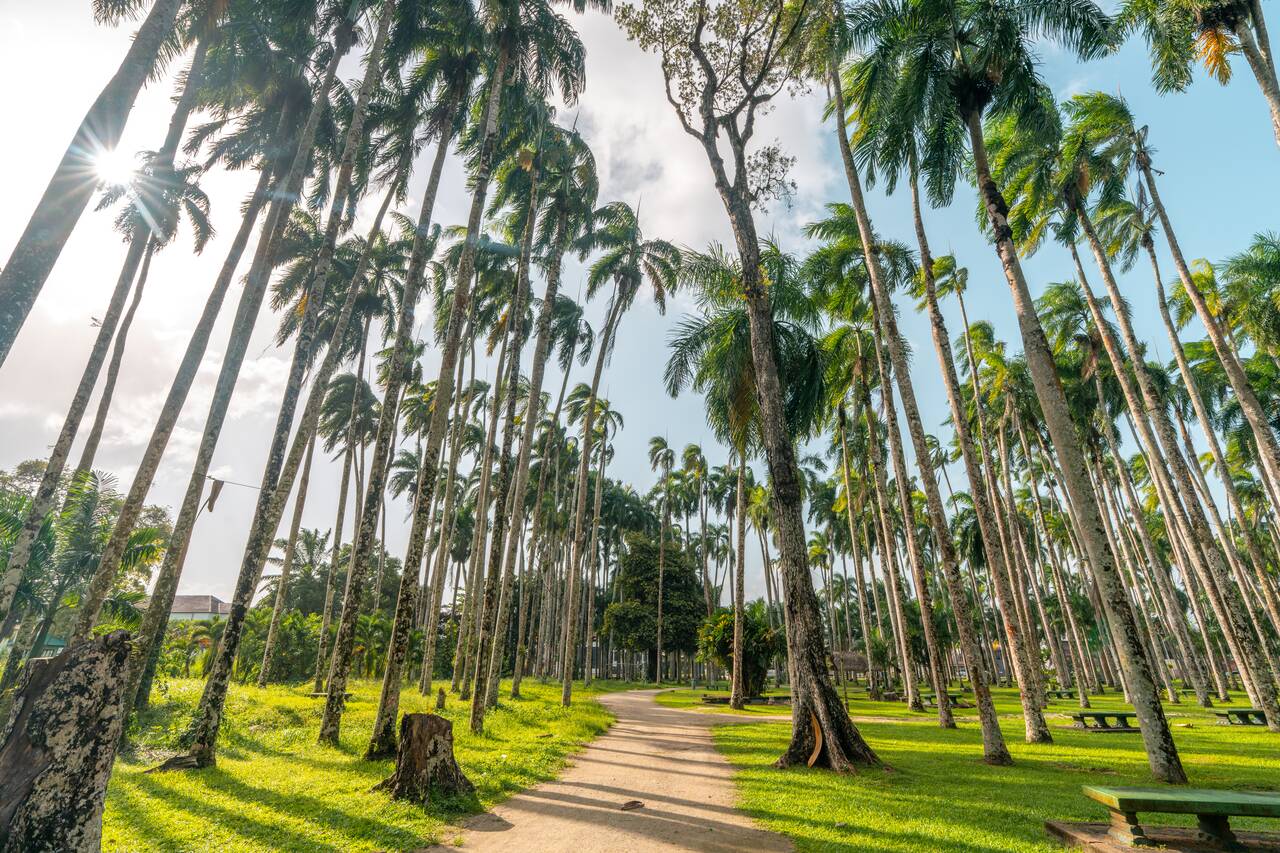
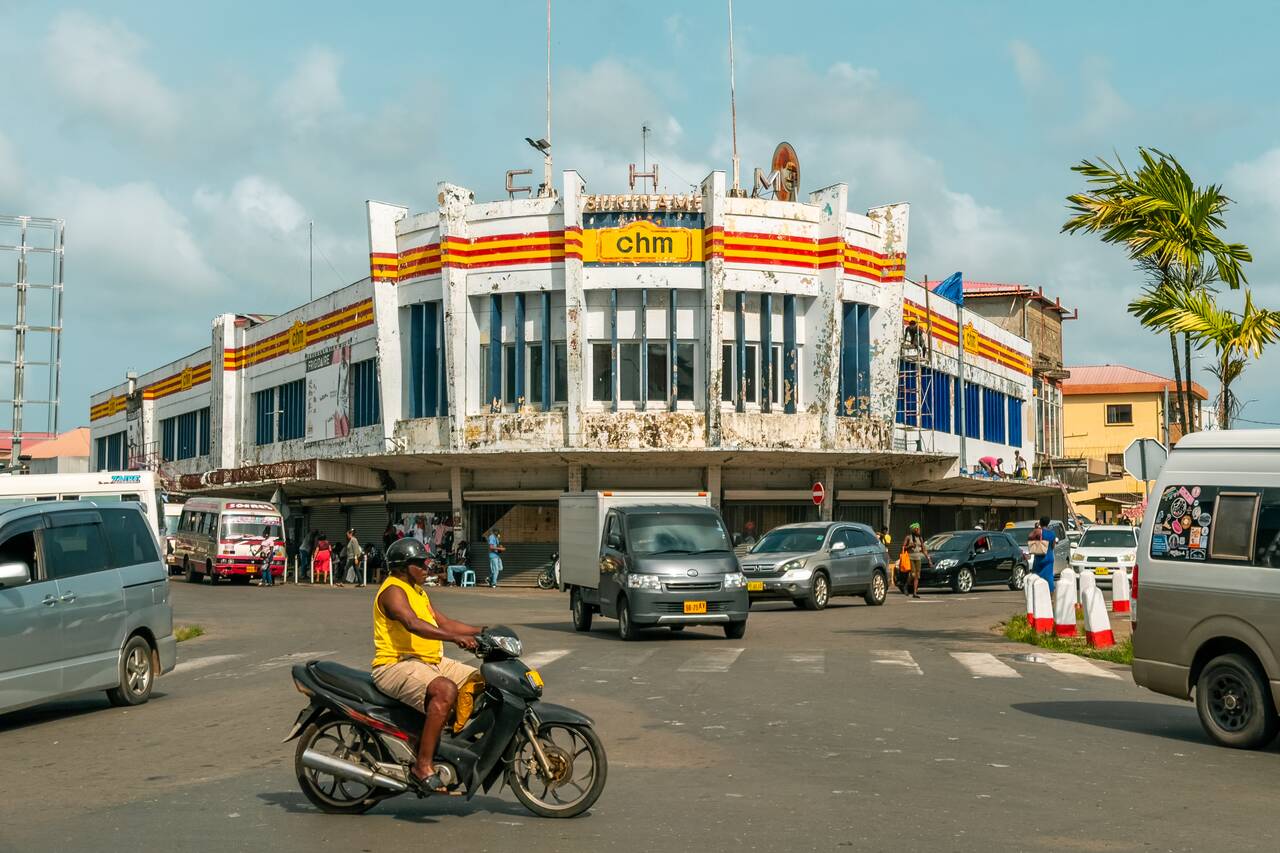
There is no better place to begin your Suriname adventure than Paramaribo, the country's vibrant capital and one of the most culturally diverse cities in South America, thanks to its long and complex colonial history. With its UNESCO-listed historic center, beautiful Dutch colonial architecture, lively markets, and incredible mix of cultures and cuisines, Paramaribo is unlike any other city I have visited in South America, and you are going to love it.
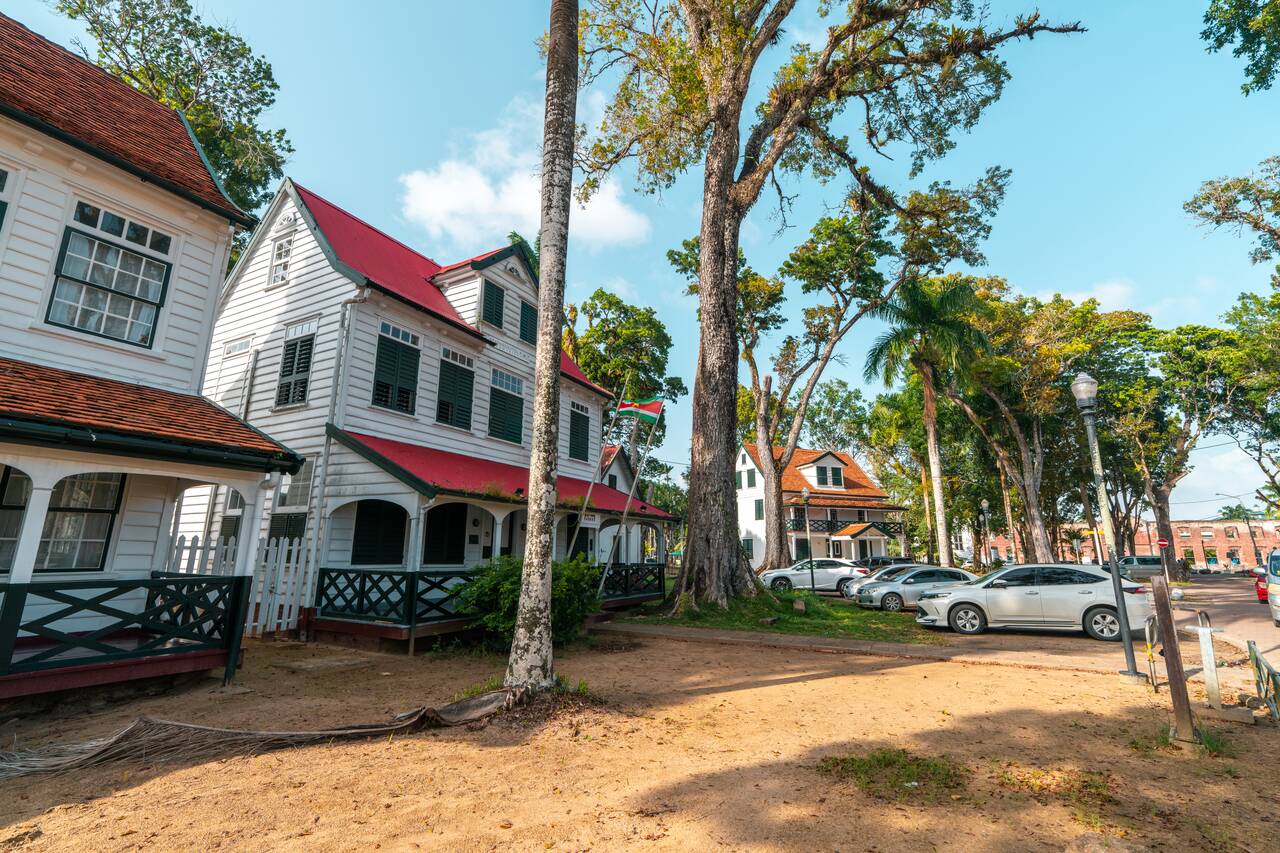
Spend your first day exploring the historic inner city, where you'll find many of the city's most beautiful colonial buildings and landmarks. The city is very compact, with most tourist attractions concentrated around the historic center, so you should be able to explore it comfortably on foot.
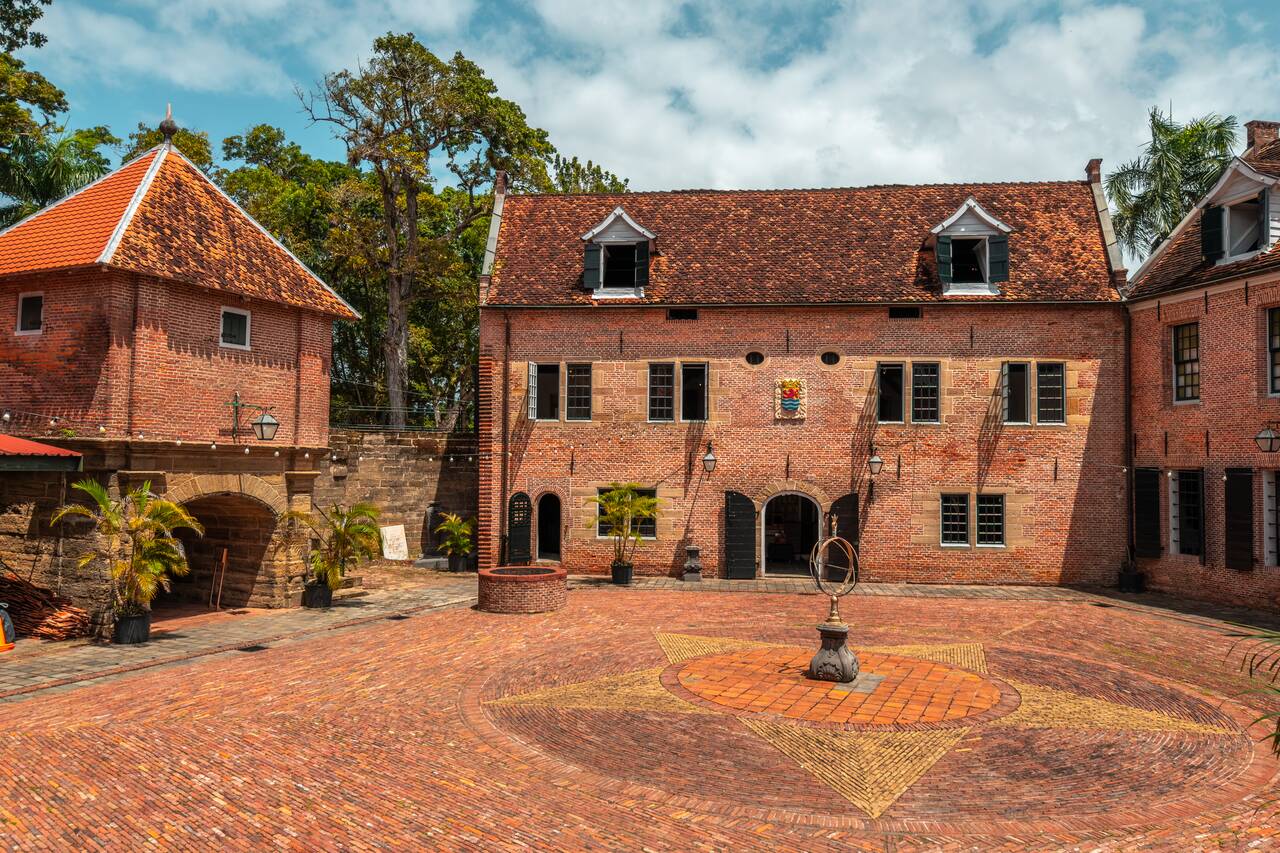
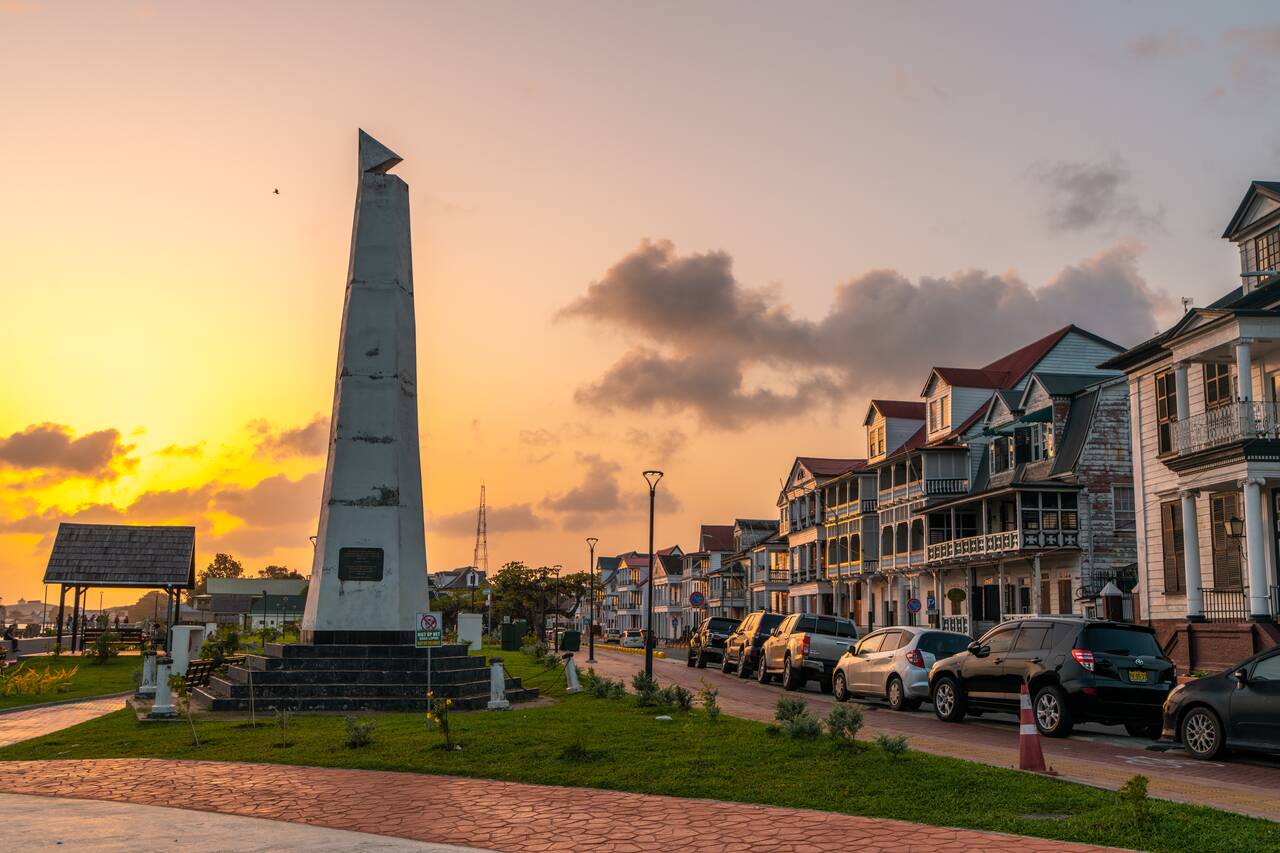
Spend the day wandering around Independence Square, learning about Suriname's often-overlooked history at Fort Zeelandia, admiring the towering Saint Peter and Paul Cathedral, one of the largest wooden churches in South America, and strolling along Waterkant, the beautiful Suriname waterfront, at sunset.
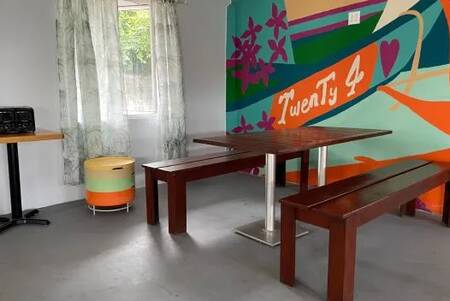
- Twenty4 Hostel (Budget)
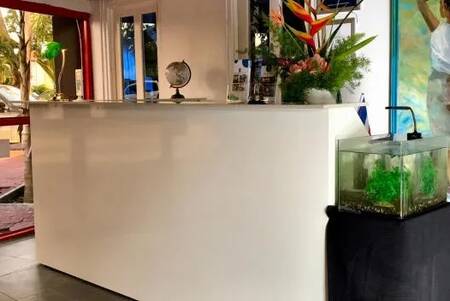
- Holland Lodge Paramaribo (Mid-Range) 👍 Top Pick
- Yogh Hospitality (High-End)
- Brownsberg and Reservoir (Ston Island) (2 days)
- Galibi (sea turtles) and French Guiana 2 or 3 days (2 days)
- Jaw-Jaw / Isadou (3 days)
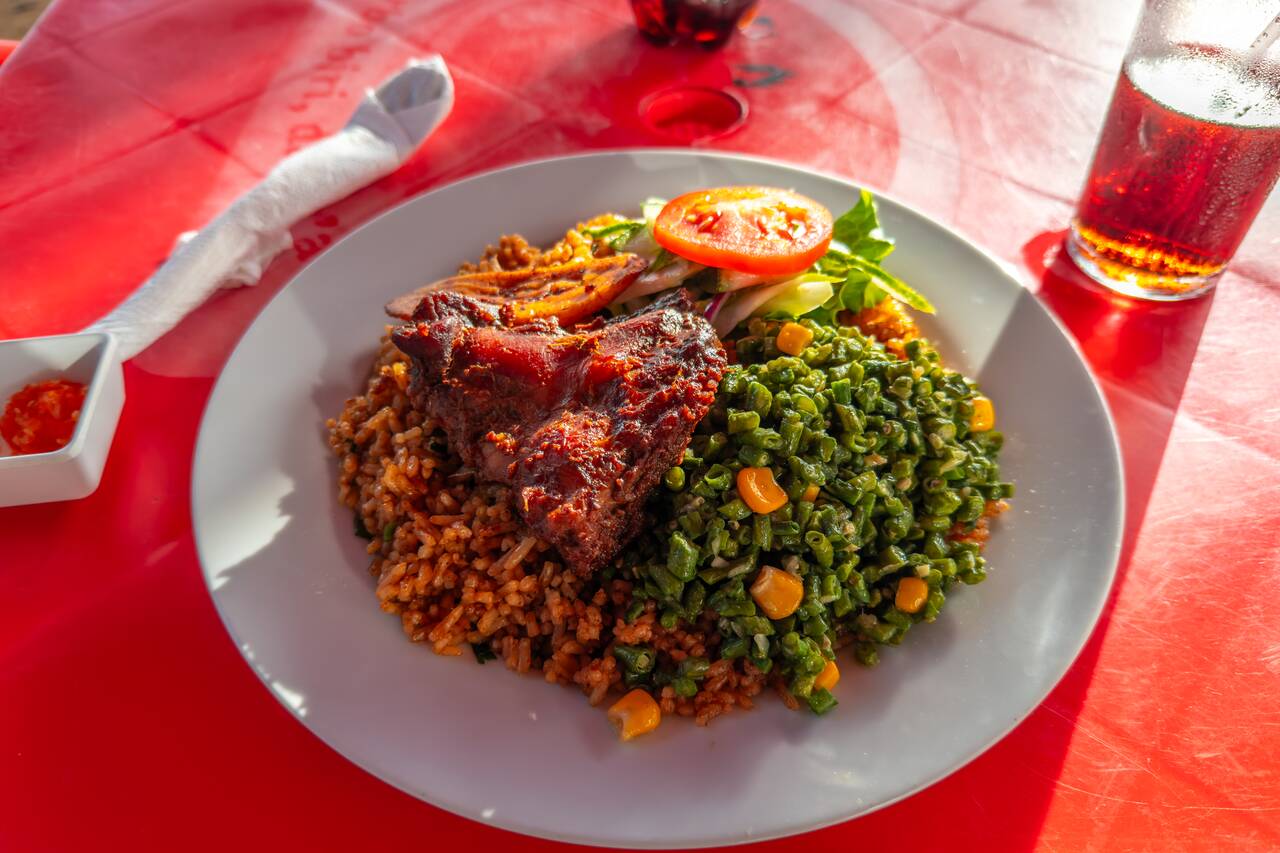
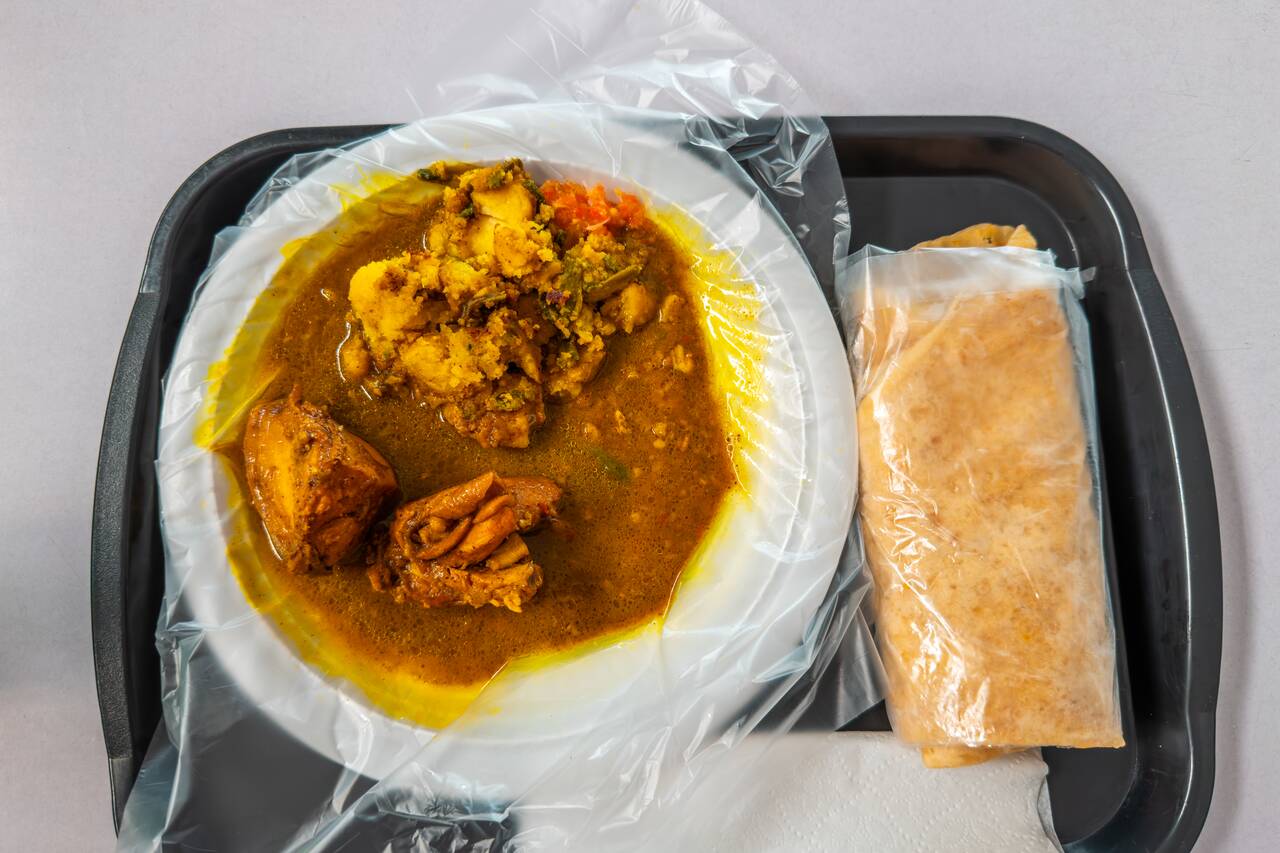
The attractions are great and all, but one of the highlights of visiting Paramaribo for me was the food. Thanks to Suriname's diverse population and colonial history, the country has developed one of the most unique culinary scenes in South America, blending influences from India, Indonesia, China, Africa, the Netherlands, and Indigenous cultures. Be sure to spend the evening sampling local dishes at one of the city's many restaurants and food stalls.
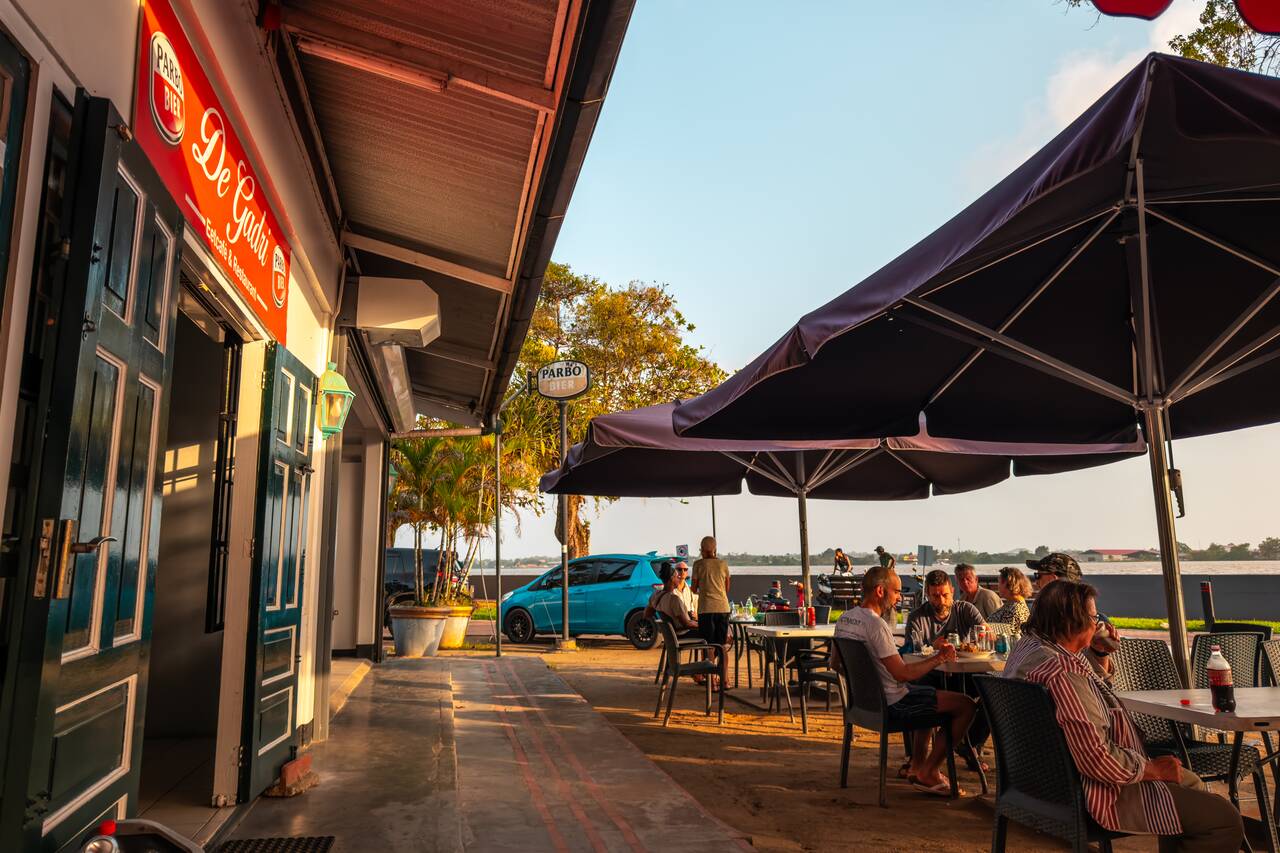
I highly recommend checking out De Gadri, located right by the waterfront near Fort Zeelandia. They serve a delicious nasi dish, an Indonesian classic with a unique Surinamese twist. It pairs perfectly with sambal, the tasty spicy condiment that also originated in Indonesia. Spicy food can be surprisingly hard to find in much of South America, so this was definitely a welcome change for me 😋.
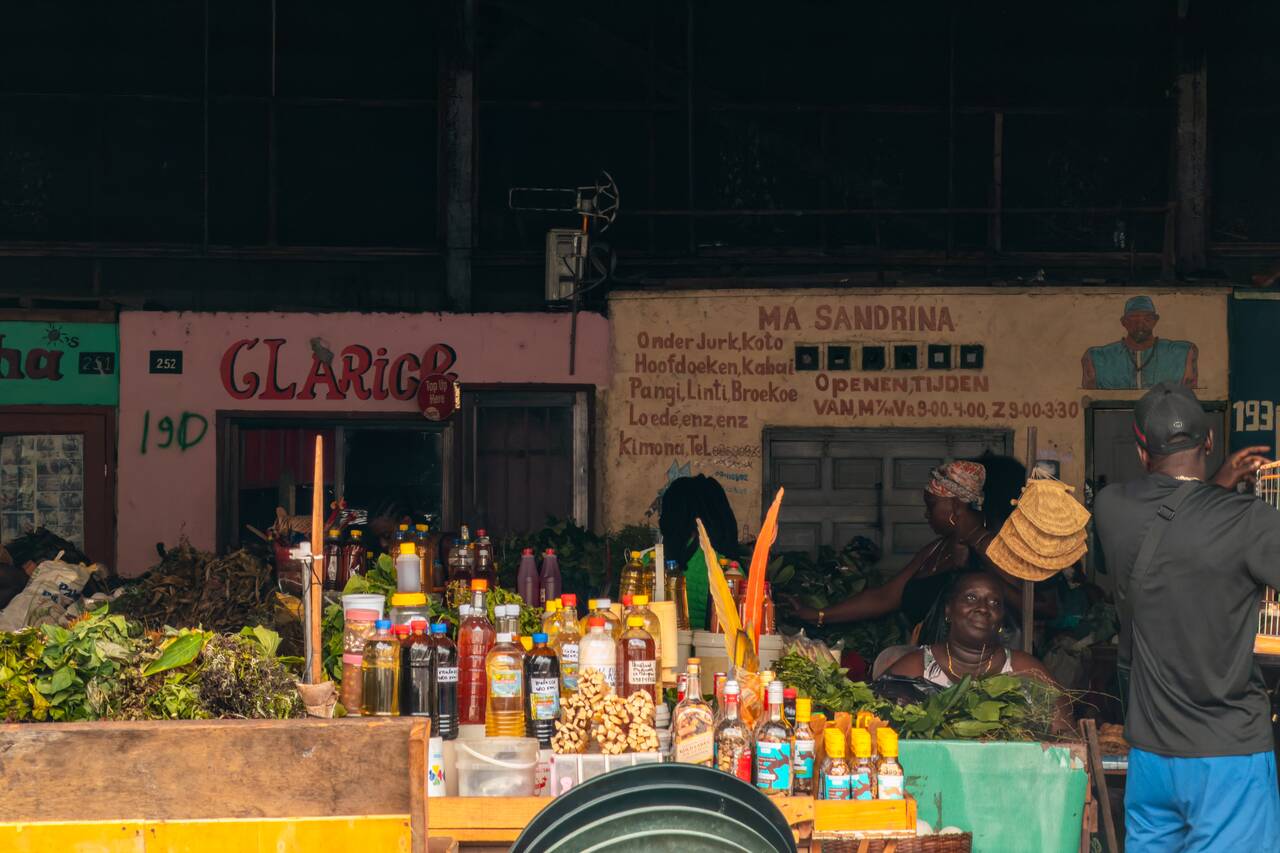
On your second day, continue exploring the city and take things a little slower. Visit local markets like Central Market and Maroon Market, where you can observe the real daily lives of the people here.
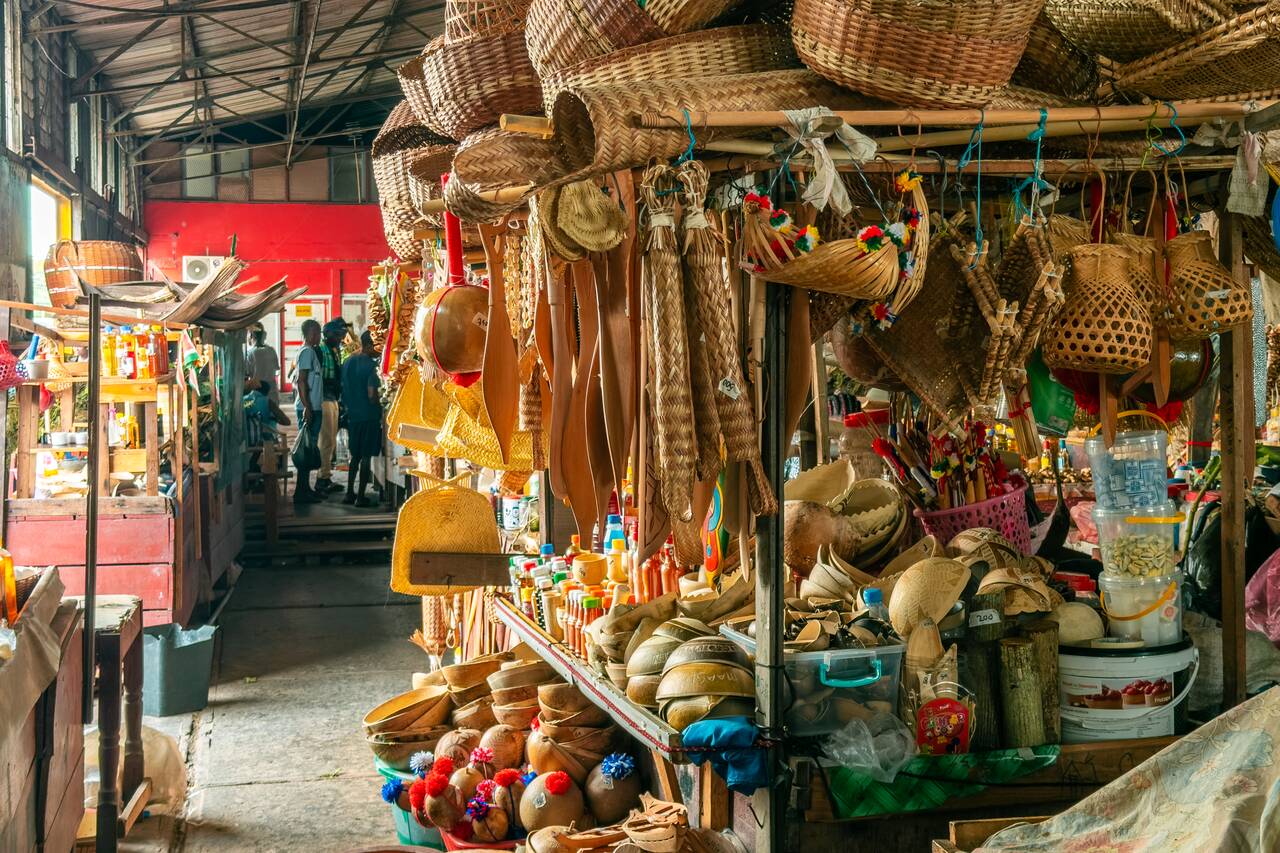
The Maroon Market, in particular, is very interesting to visit as it is where Suriname’s Maroon communities come together to sell locally produced goods such as handmade crafts, traditional foods, and a wide variety of Amazonian herbs and natural remedies. It is sometimes even referred to as the "Witch Market" due to the abundance of herbal medicines, spiritual items, and the occasional libido-enhancing tincture you can find here 😄.
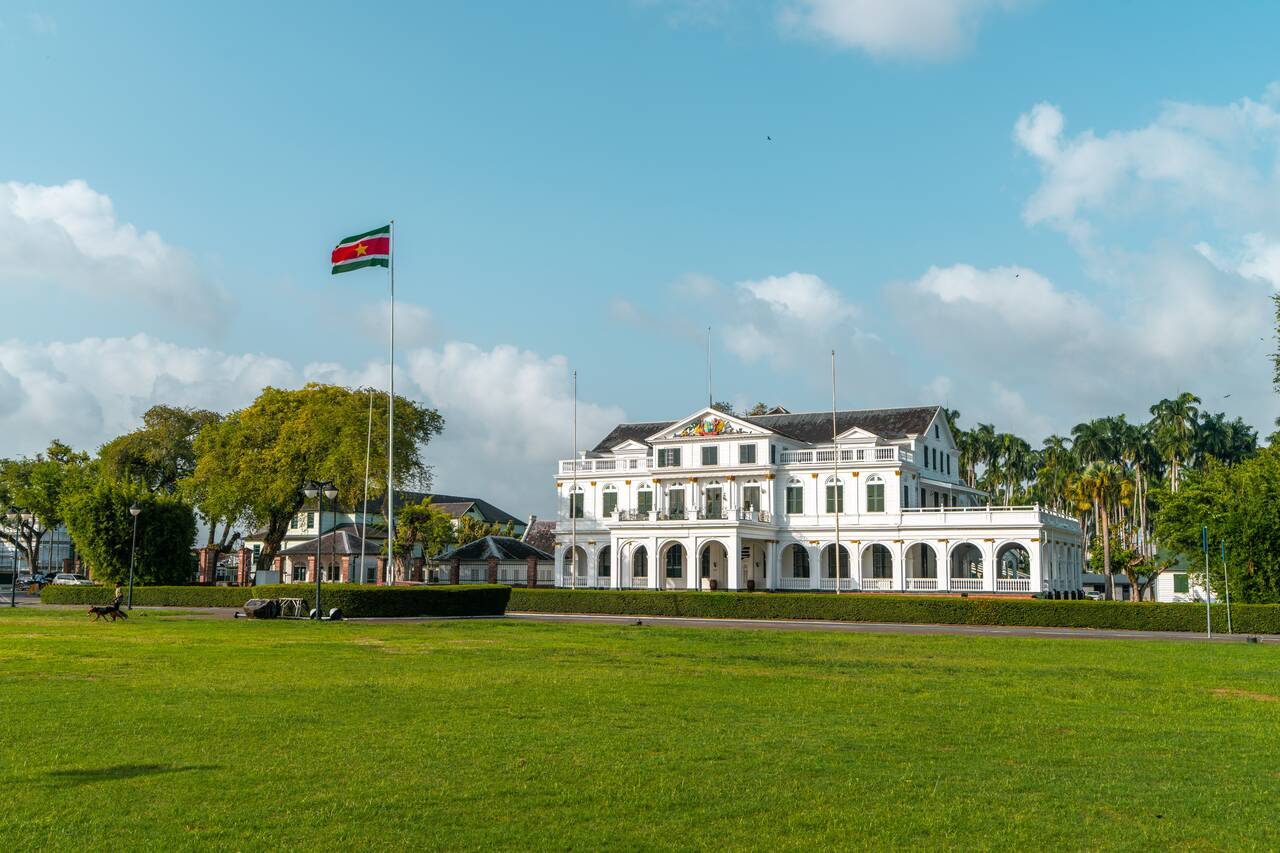
After that, you can spend the rest of the day relaxing and preparing for all the trips we will be taking over the next two weeks. You will need some time to do this, as many destinations in Suriname require transportation and accommodation arrangements in advance.
I highly recommend organizing your tours with Jenny Tours. I joined several of their tours during my trip and found them to be reliable, professional, and well-organized throughout. You can even book tours directly via WhatsApp, which makes the process incredibly convenient.
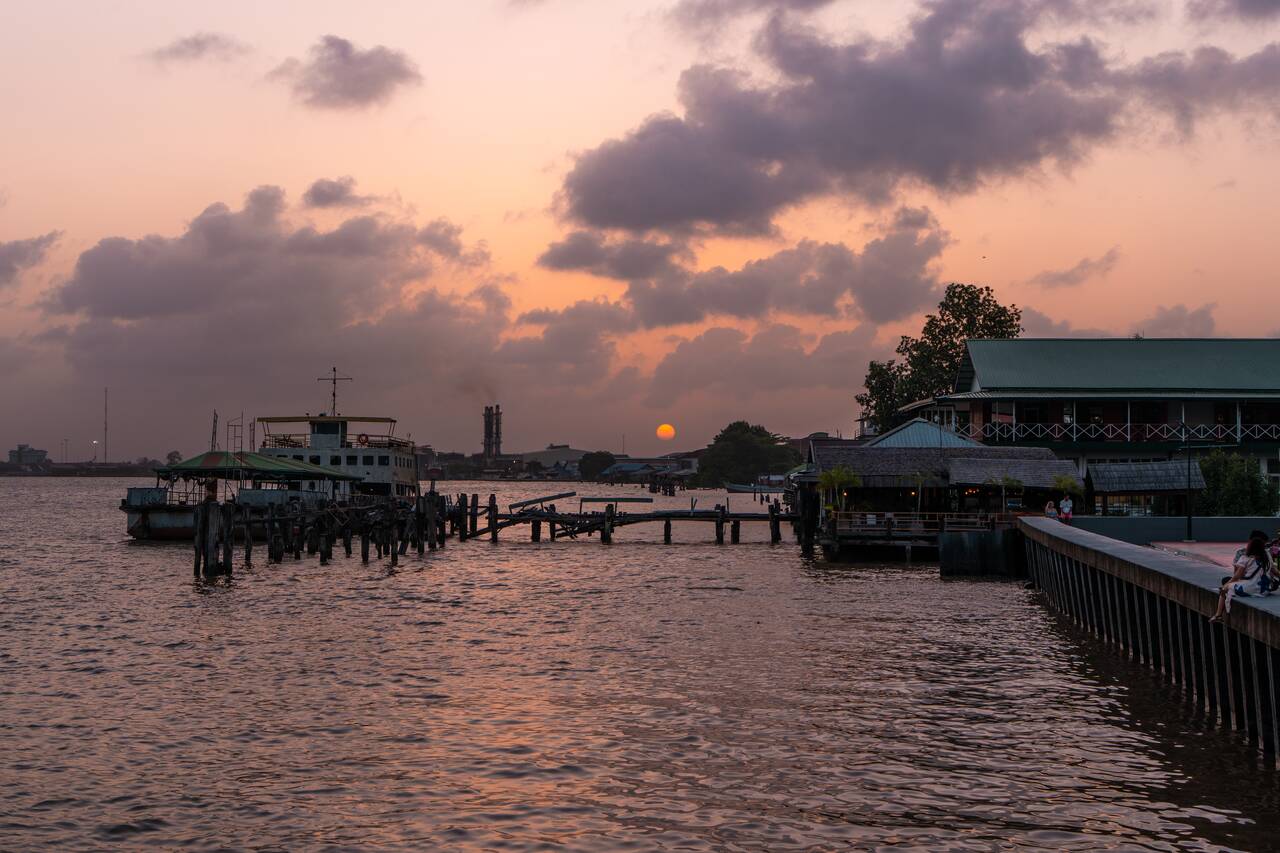
One thing to keep in mind when joining shared tours in Suriname is that some departures do not operate every day, so you will need to plan your itinerary around their schedules. That is one of the main reasons I have included several buffer days throughout this itinerary. You can check Jenny Tours' schedule here and adjust the order of destinations accordingly if needed.

Day 3: Nieuw Amsterdam & Commewijne District
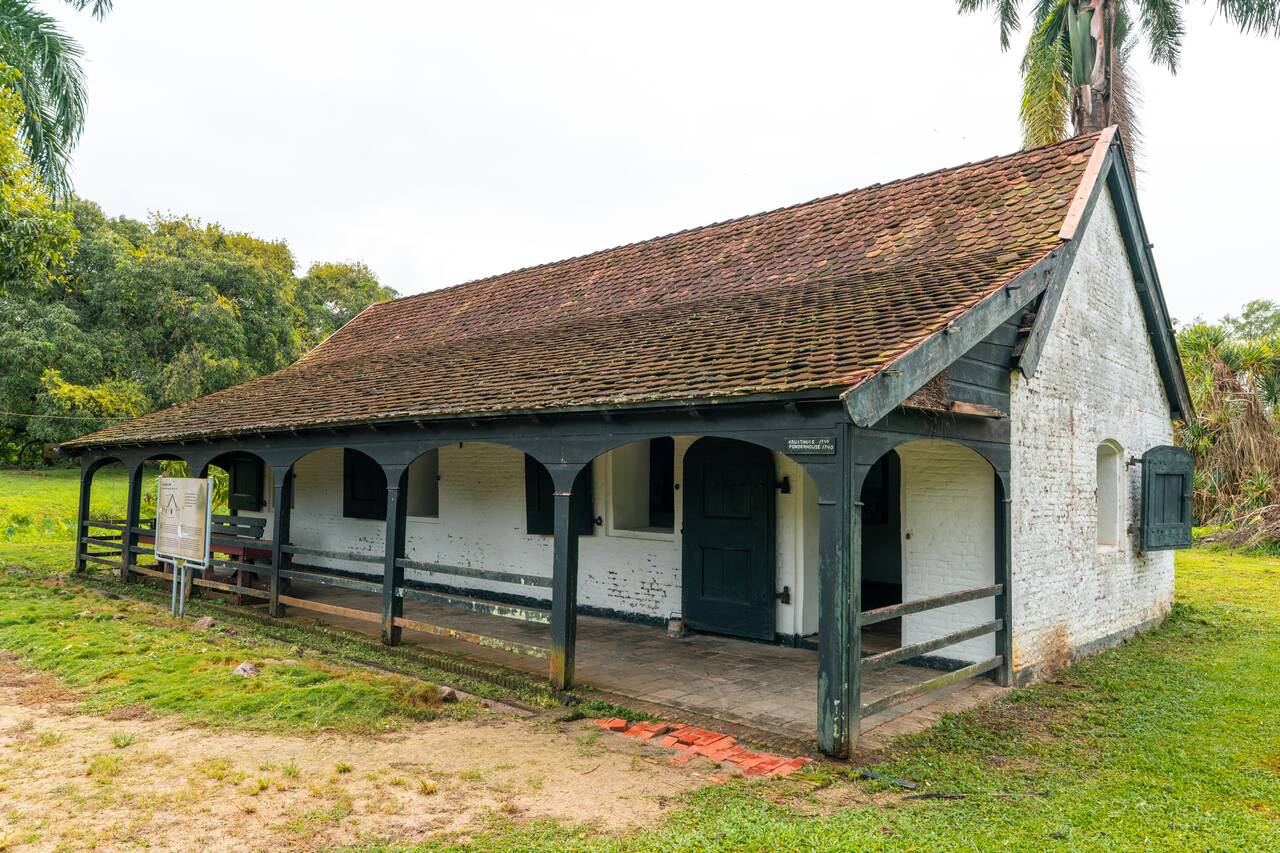
Today, we are going to take a day trip across the Suriname River and explore the beautiful Commewijne District, one of the most historically significant regions in the country. The area is known for its old plantations, riverside villages, and fascinating colonial history.
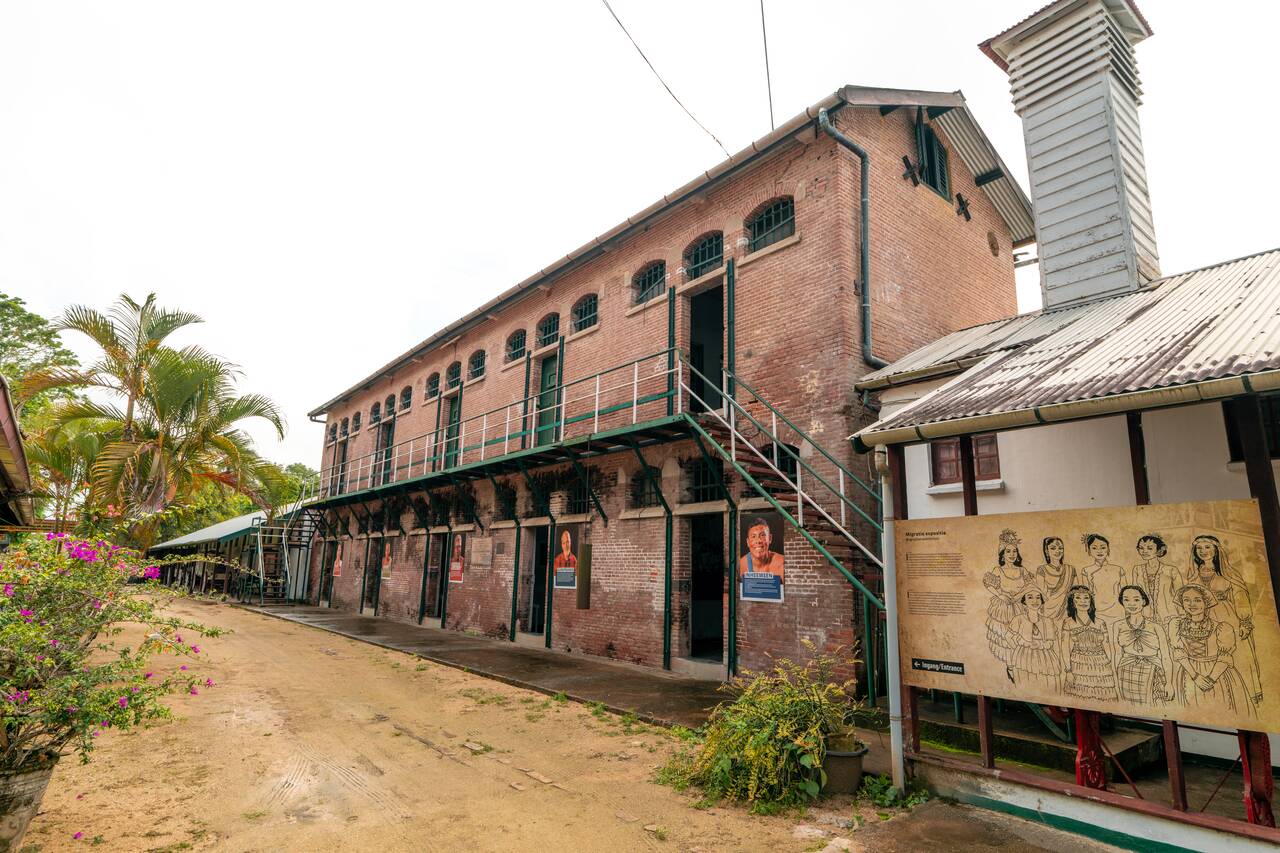
The tour will often start from Leonsberg Pier, located around 8 km north of the city, at approximately 8:30 AM. You will usually have to make your own way there, as transfers are often not included in the tour price. You can arrange a taxi through your accommodation, and on the way back, your guide should be able to help you find transportation back to Paramaribo.
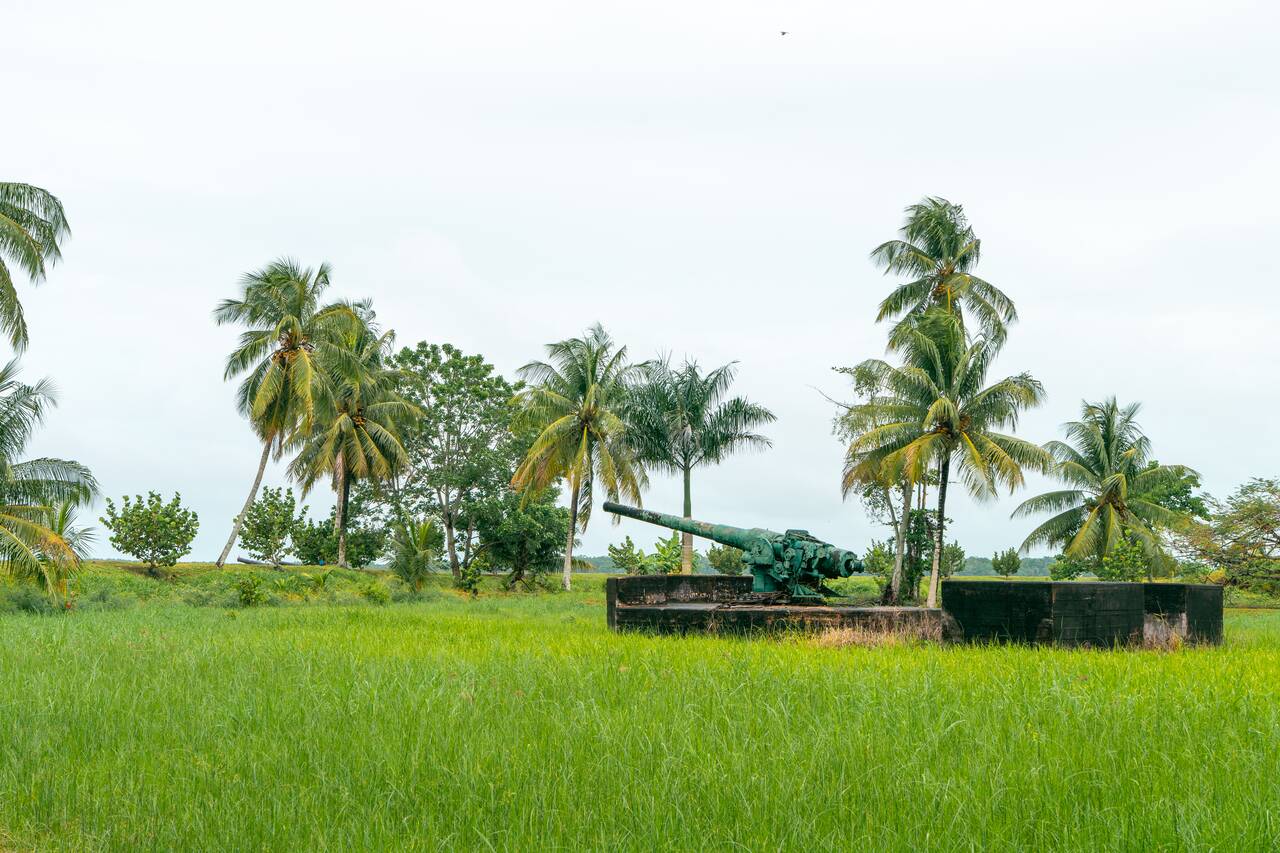
Once your guide arrives, you will board a boat and cross the river to visit Fort Nieuw Amsterdam, one of Suriname's best-preserved historical sites. The fort now serves as an open-air museum where you can learn about the country's colonial past while exploring its grounds and historic buildings.
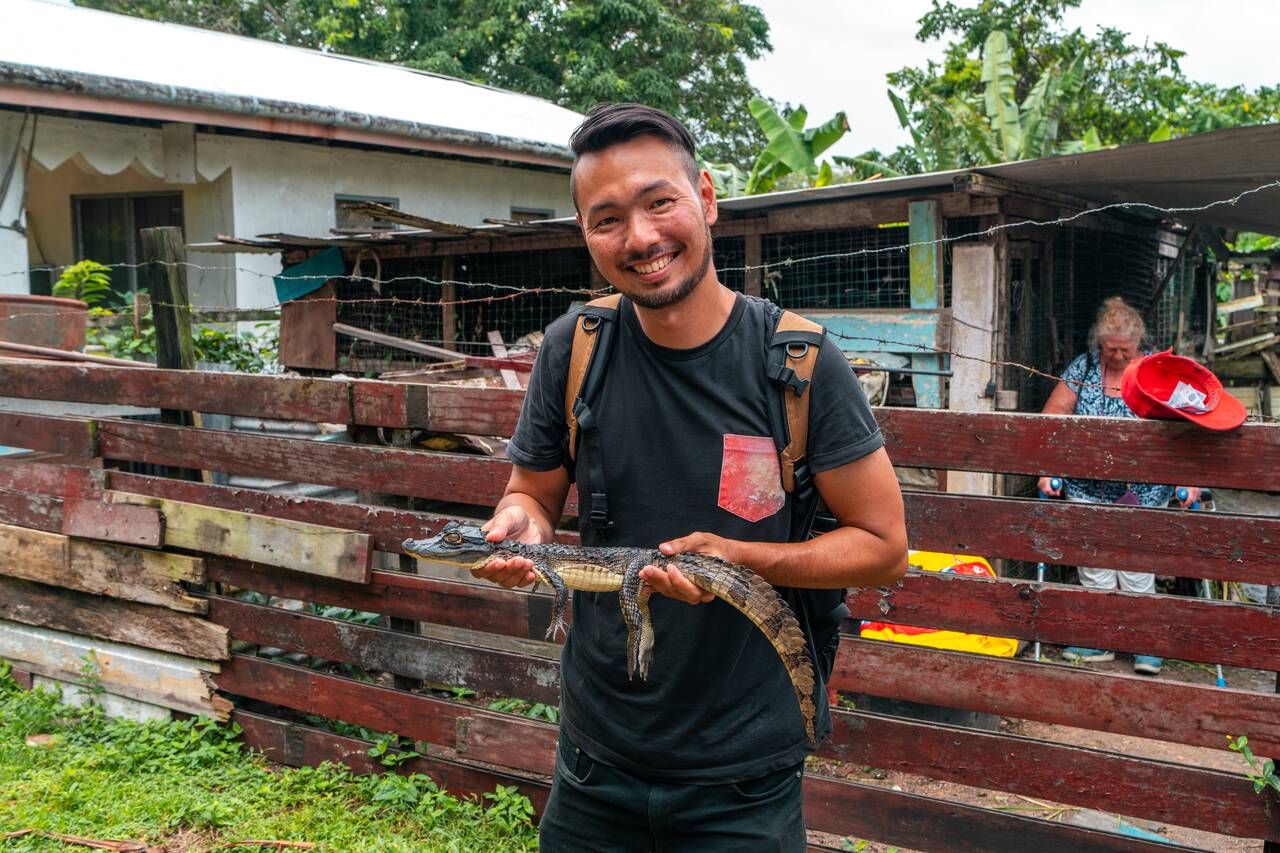
Afterward, you will spend the rest of the day exploring Commewijne's scenic countryside. Many former plantations have been transformed into museums, guesthouses, restaurants, and cultural attractions. One of the highlights is visiting Plantation Rust en Werk, where you can get a glimpse of what life on a plantation is like today while enjoying lunch at a local's home.
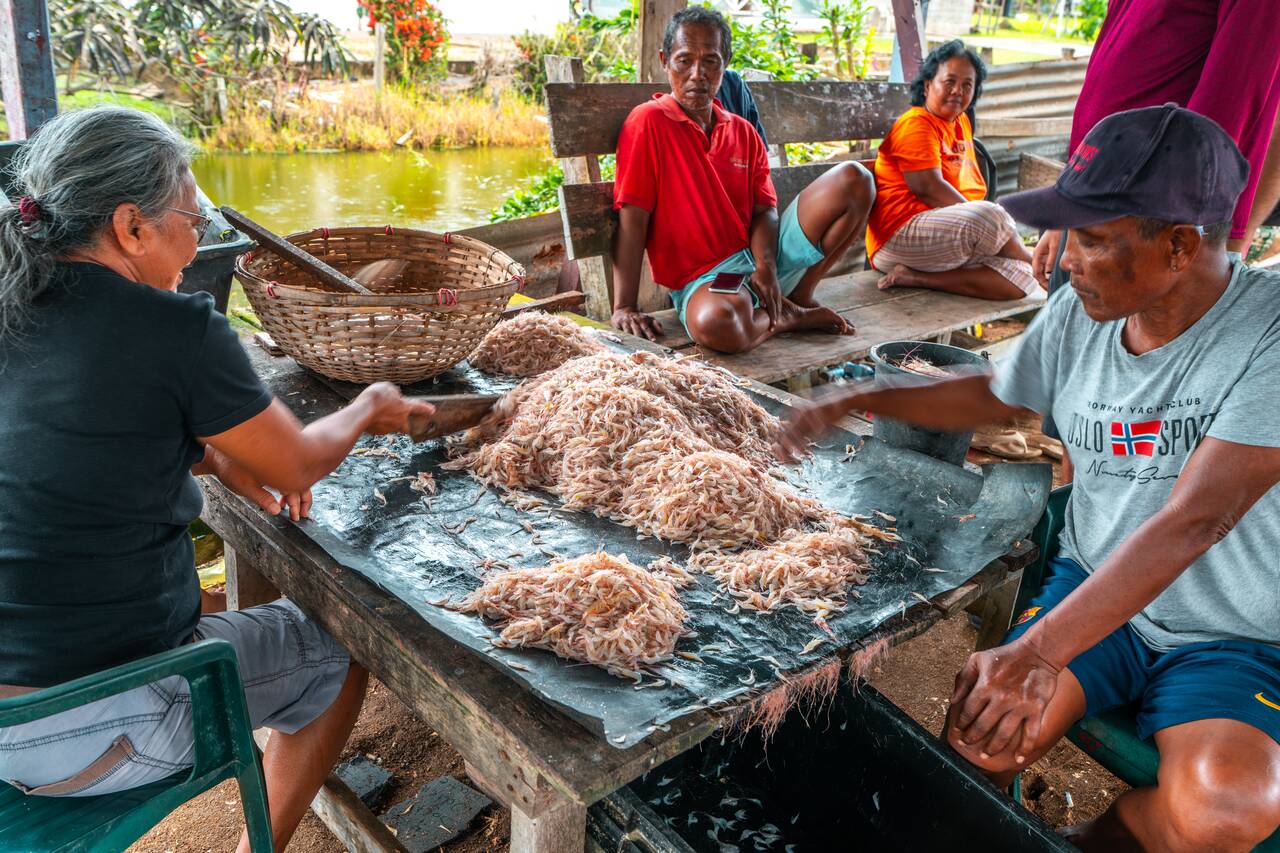
While here, you will notice that many of the residents are of Indonesian descent, whose ancestors were brought to Suriname by the Dutch as contract laborers generations ago. As a result, you can expect delicious Indonesian-inspired food, often rich with spices like sambal and more. I think I had some of the best food here!
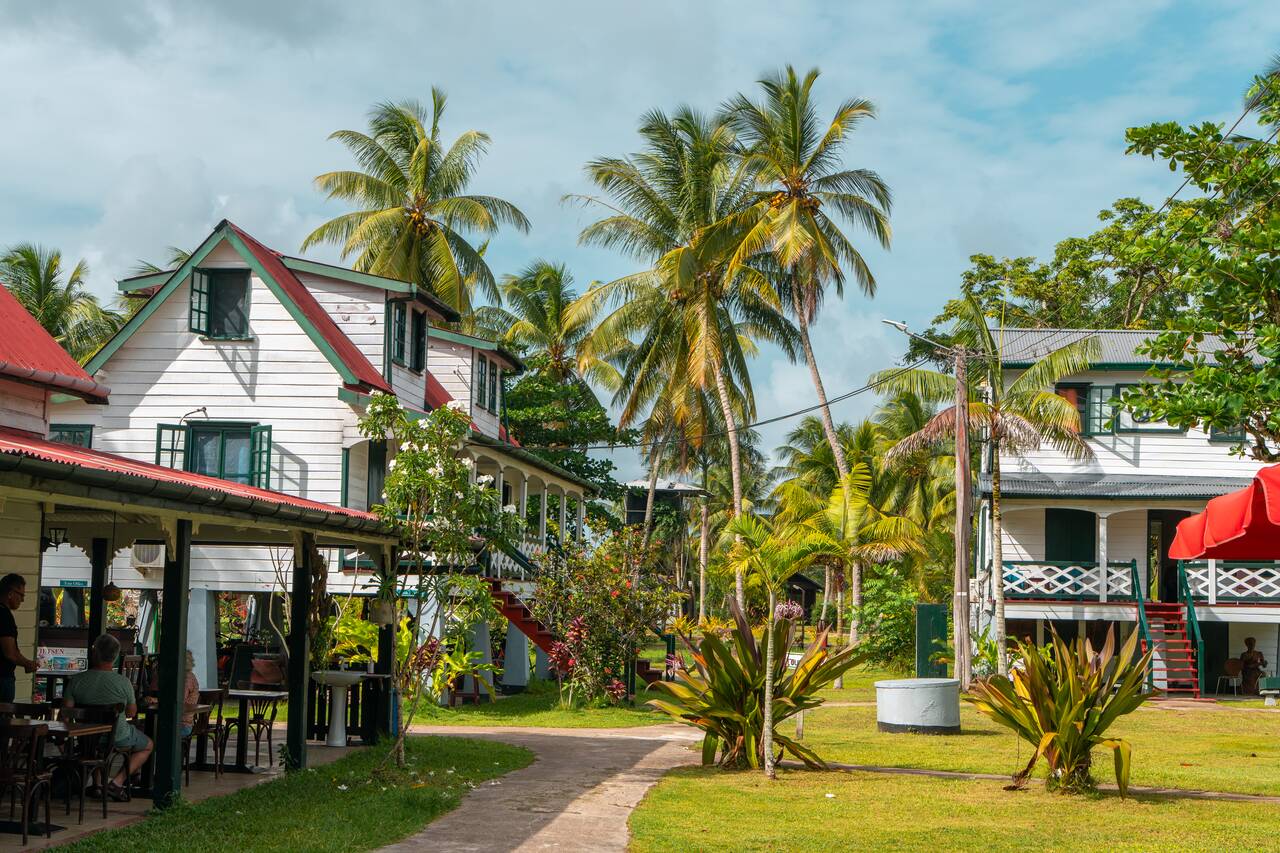
In the afternoon, after enjoying lunch, you will get on the boat again and traverse up the river to visit Plantage Frederiksdorp, a beautifully restored former plantation that has been transformed into a charming riverside boutique lodge and heritage site complete with a swimming pool, a museum, and a lovely restaurant.
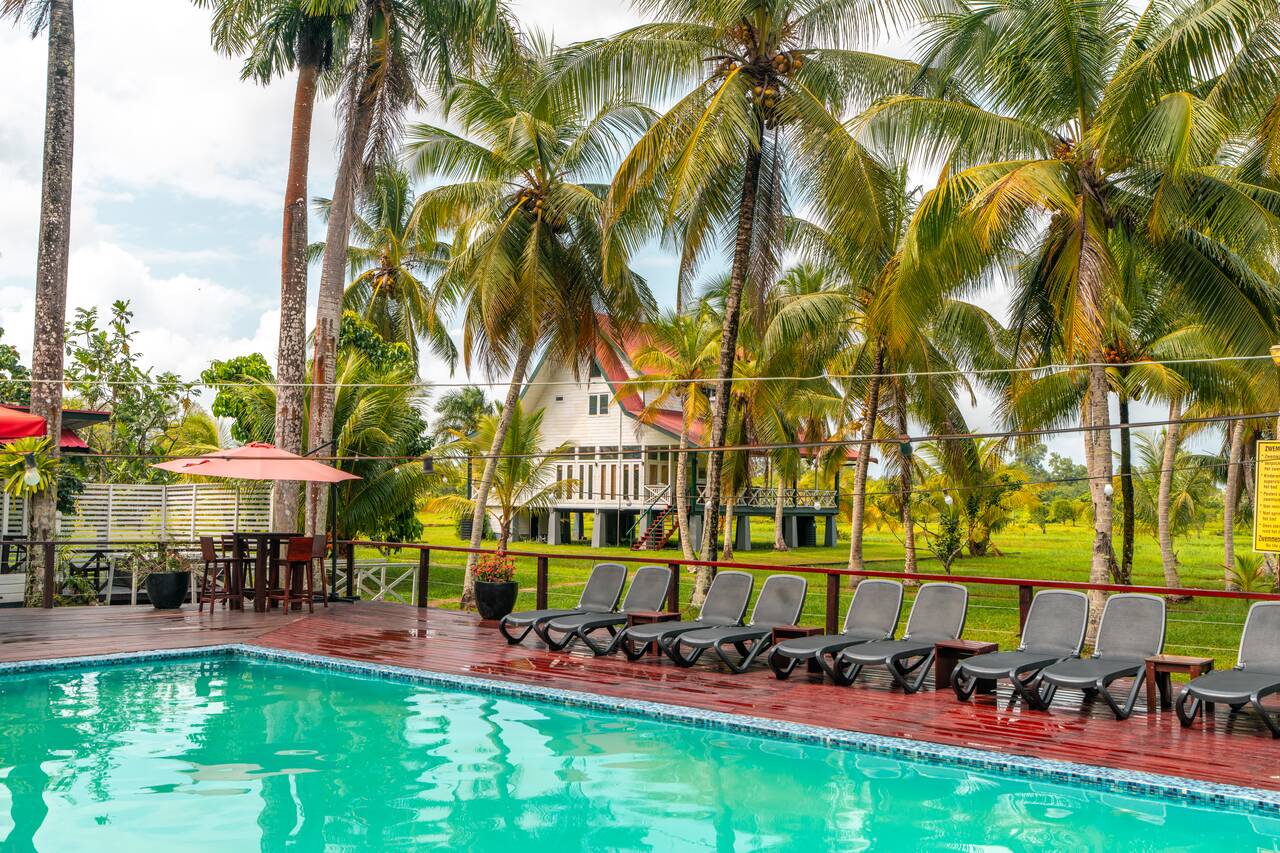
You can wander through restored colonial buildings, learn about the plantation’s past, and enjoy the quiet atmosphere surrounded by nature. The view from the lodge is stunning, with wide river views, mangroves, and lush green surroundings, making it especially perfect after a few days in the city center.
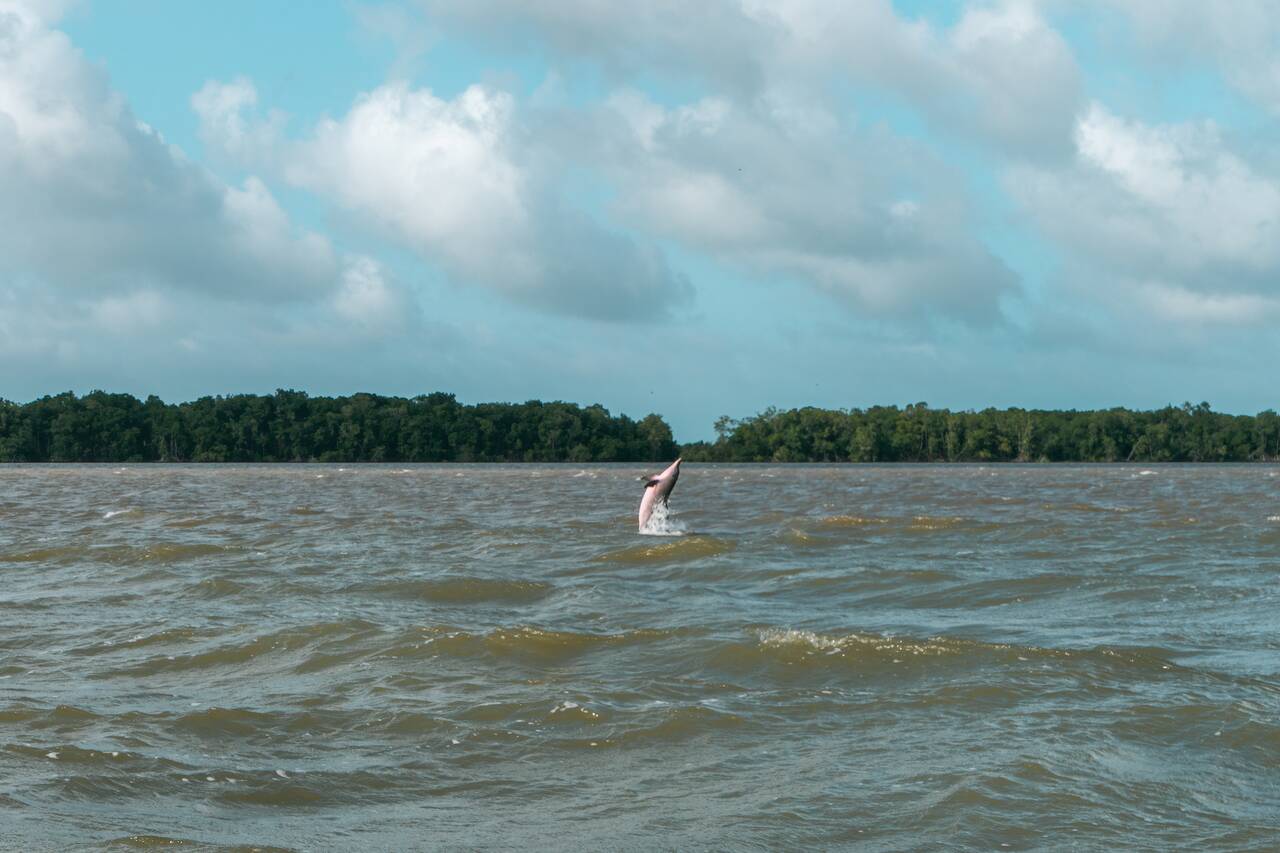
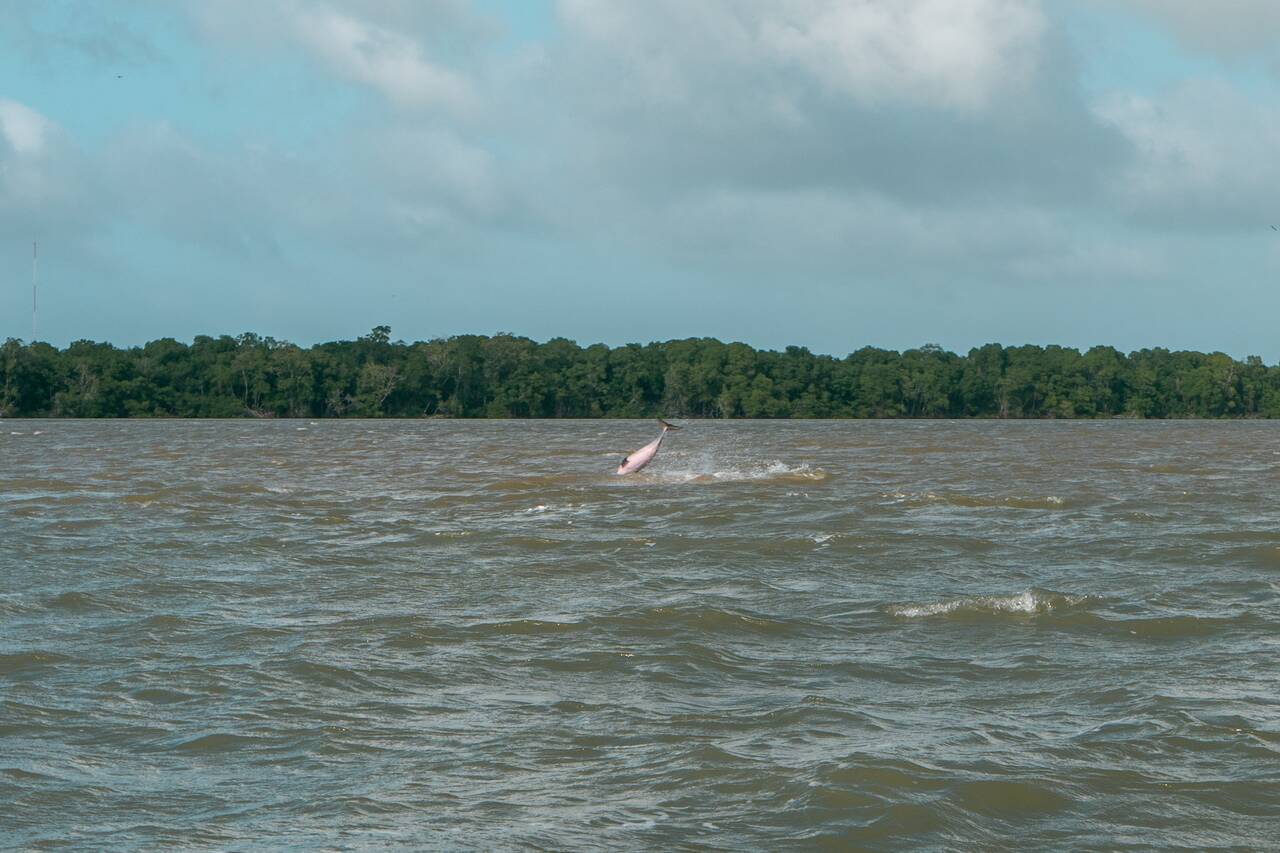
After visiting Plantage Frederiksdorp, it should be about an hour before sunset, which is the perfect time to spot dolphins on your way back to Paramaribo. They often come out to play in the evening, and we were lucky enough to see several of them on our return journey, jumping out of the water and teasing us with brief appearances before disappearing beneath the surface again. What a way to end a fantastic day trip!
You should arrive back in Paramaribo just before sunset, leaving the rest of the evening free to relax. Tomorrow's plans will largely depend on whether you are able to find tours that fit your schedule. If not, you can use the day as a buffer to rest and enjoy the city a little more before heading into Suriname's wild interior.
Day 4: Buffer Day in Paramaribo
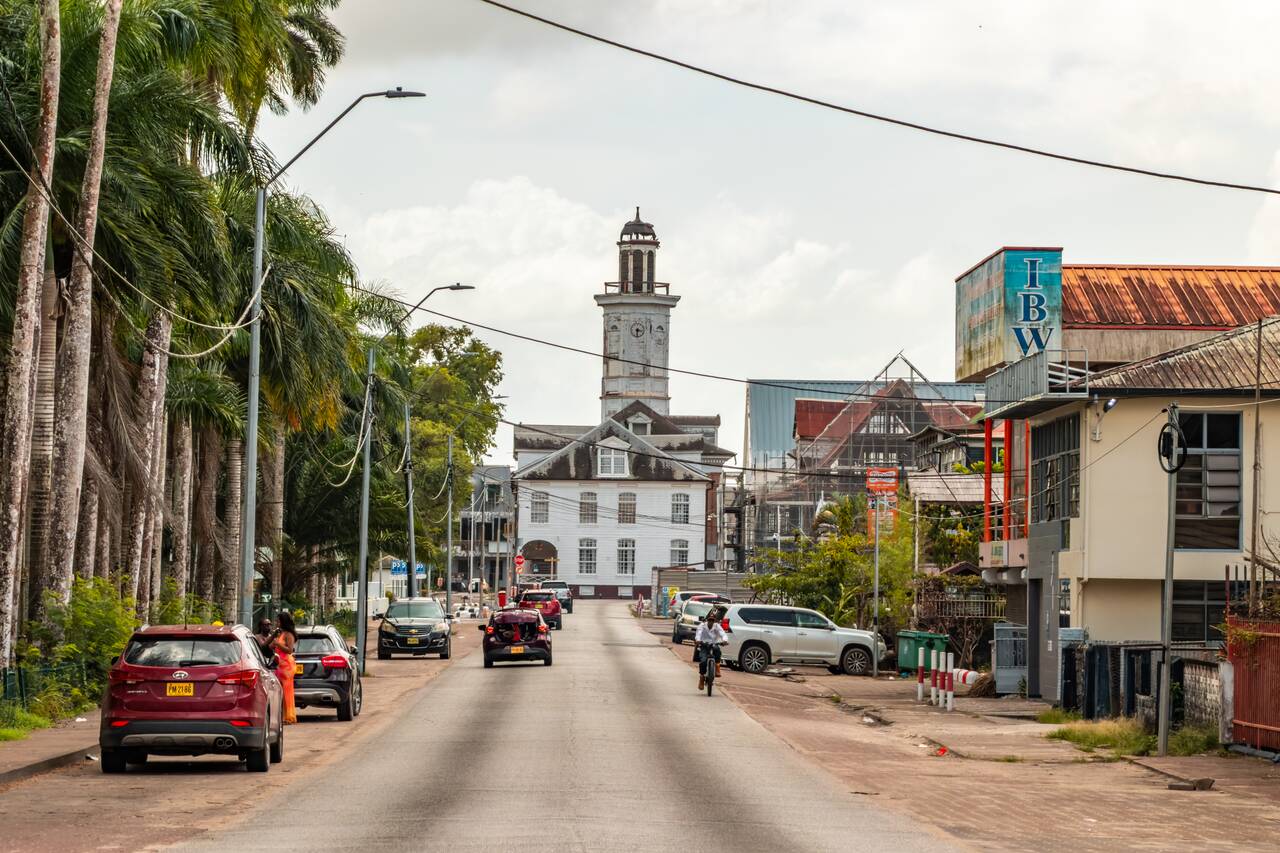
One thing I quickly learned while traveling around Suriname is that flexibility is incredibly important. Weather conditions, river levels, transportation schedules, and tour departures can all change at short notice, especially when traveling beyond Paramaribo.
That is why I highly recommend building buffer days into your itinerary. Use today as a rest day in Paramaribo, catch up on laundry, explore anything you may have missed in the city, or simply relax before your upcoming trip into the rainforest.
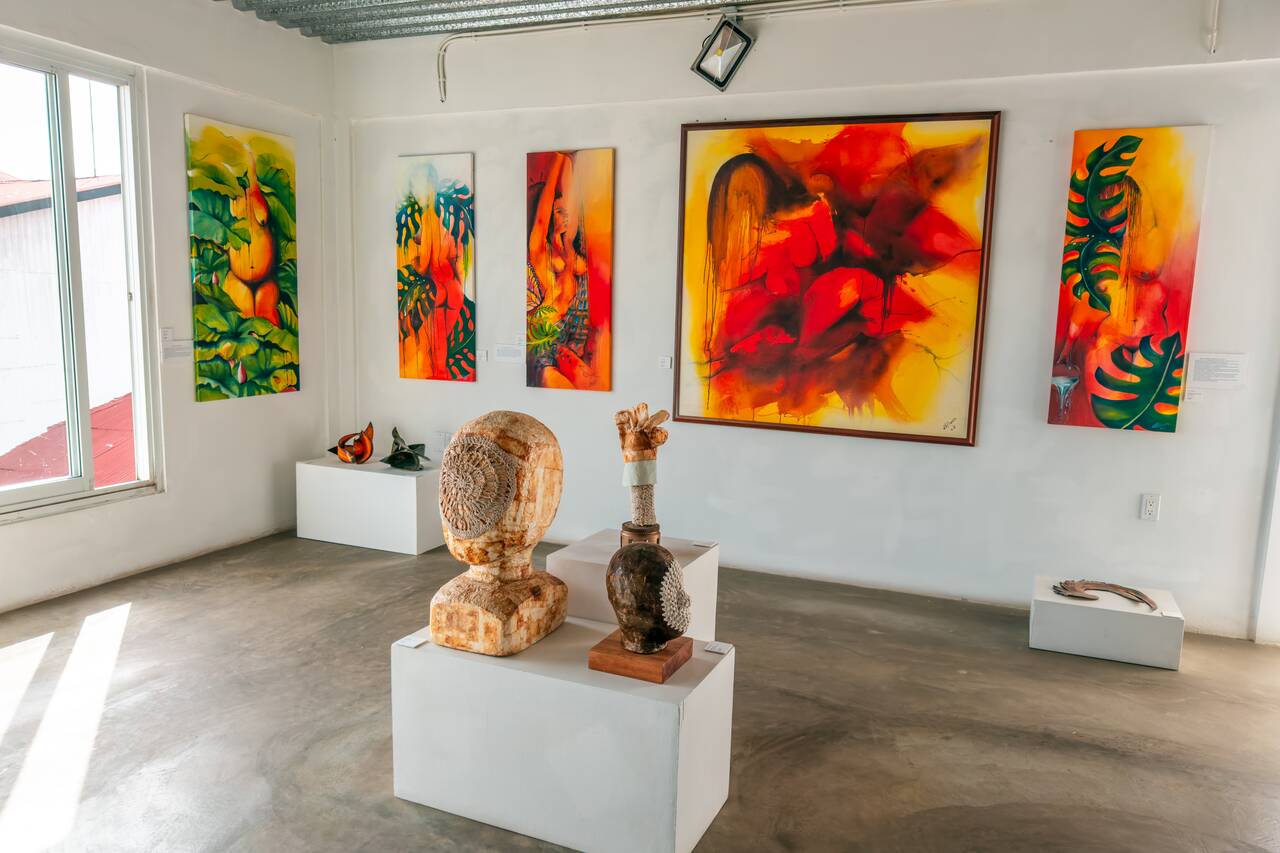
If everything has gone according to plan so far, you can spend the day visiting museums and galleries, such as Readytex Art Gallery, a local gallery showcasing a wide range of works by Surinamese artists, from paintings and sculptures to contemporary mixed-media pieces. You can also use the day to sample more of the country's diverse cuisine, such as Indian and Chinese dishes with a distinctly Surinamese twist.
Day 5-6: Brownsberg and Ston Island
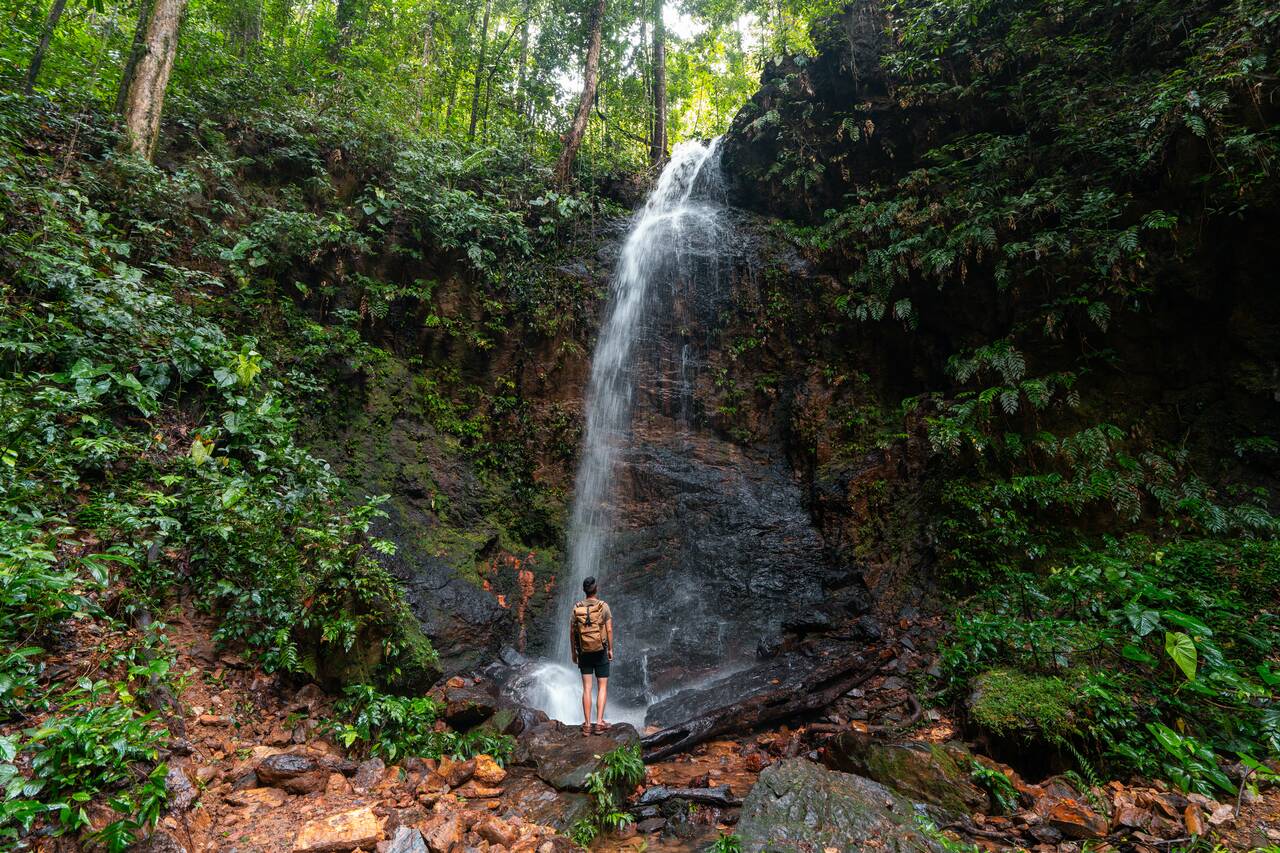
Today, we are heading into Suriname's interior and visiting one of the country's most accessible rainforest destinations: Brownsberg Nature Park. Located around 3 hours drive south of Paramaribo, Brownsberg is a mountain with a great view over the Brokopondo Reservoir and many beautiful waterfalls and wildlife.
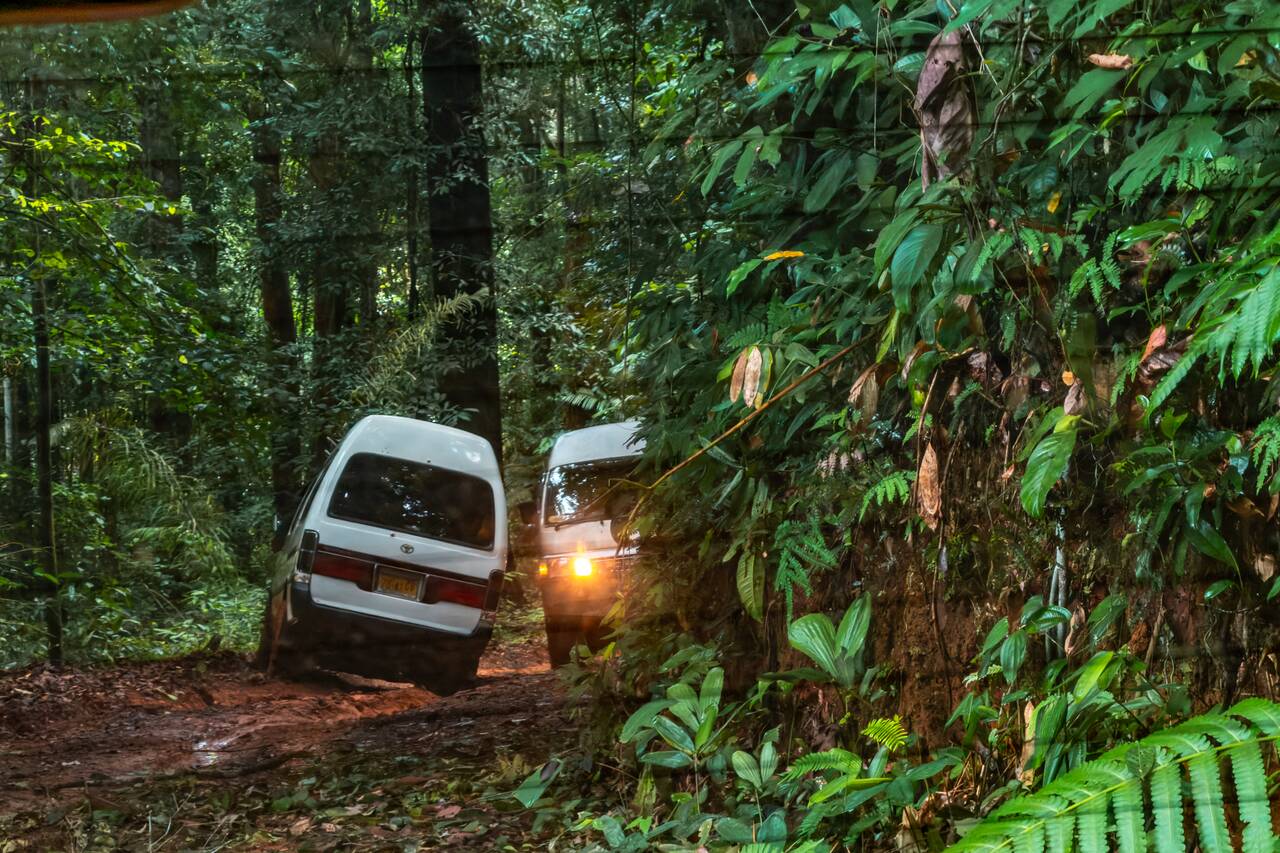
The journey up to Brownsberg involves muddy, mountainous roads that you could hardly call proper roads, and it is a long, bumpy ride that you would not wish on your worst enemy. For this reason, I strongly recommend visiting only with an organized tour, which usually includes an experienced driver and a 4x4 vehicle.
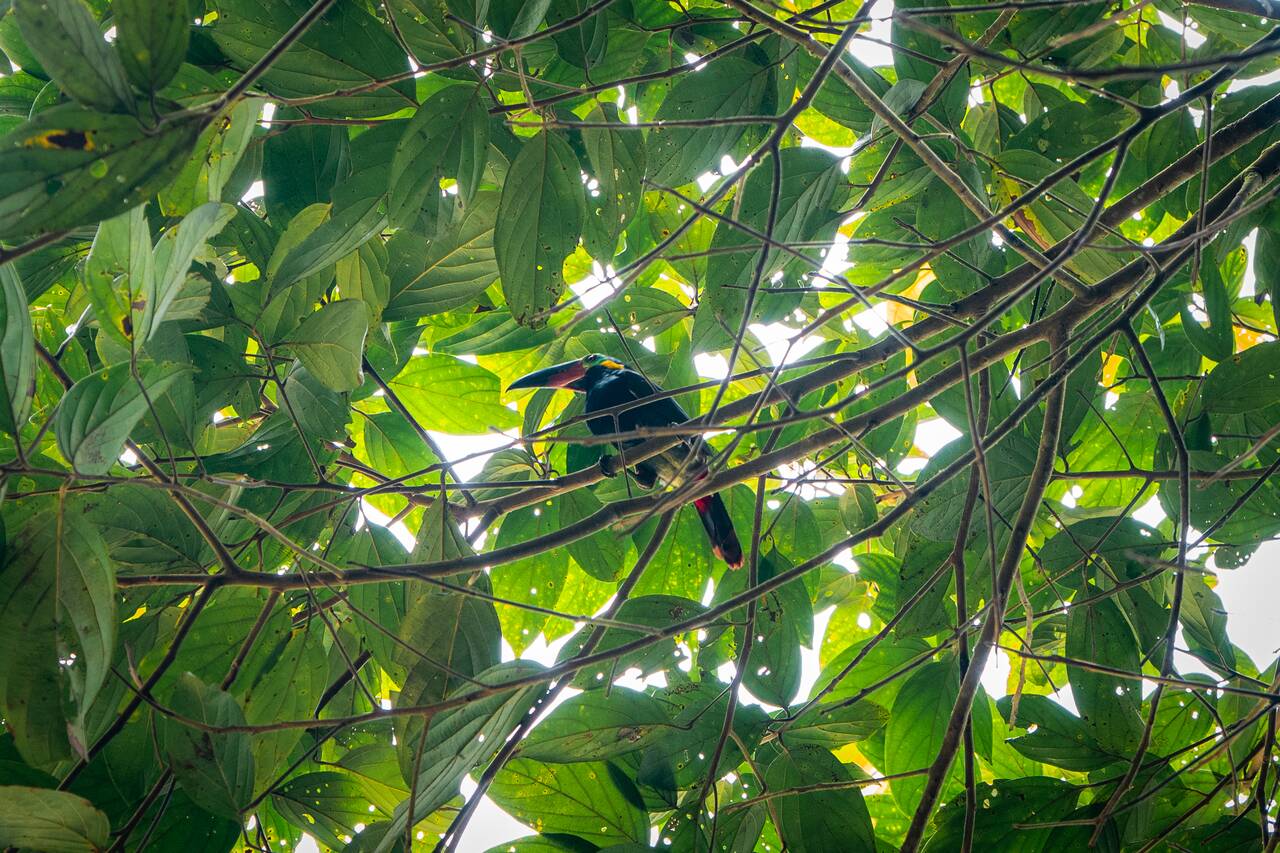
From the winding dirt tracks, you will head deeper into the jungle all the way up to the summit of Brownsberg. Once you arrive, you will be surrounded by dense rainforest filled with wildlife, birds, and the sounds of nature. It is one of the best places near Paramaribo to experience the Amazon ecosystem without going too far inland.
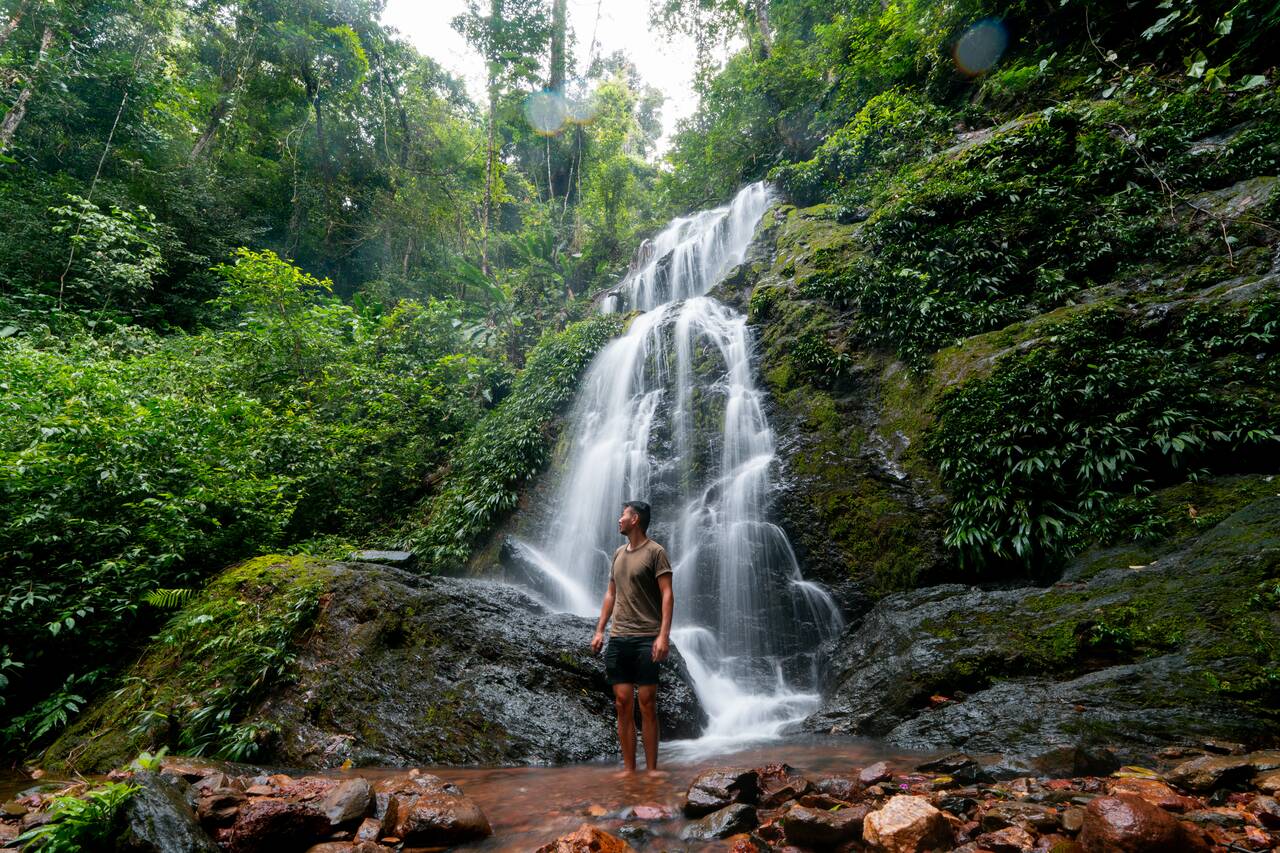
From the summit, you can spend around 2-3 hours hiking to a number of waterfalls up there, which was not too difficult as the 4x4 did most of the climbing. It does get quite slippery at certain sections, though, due to muddy trails, so be sure to wear good shoes.
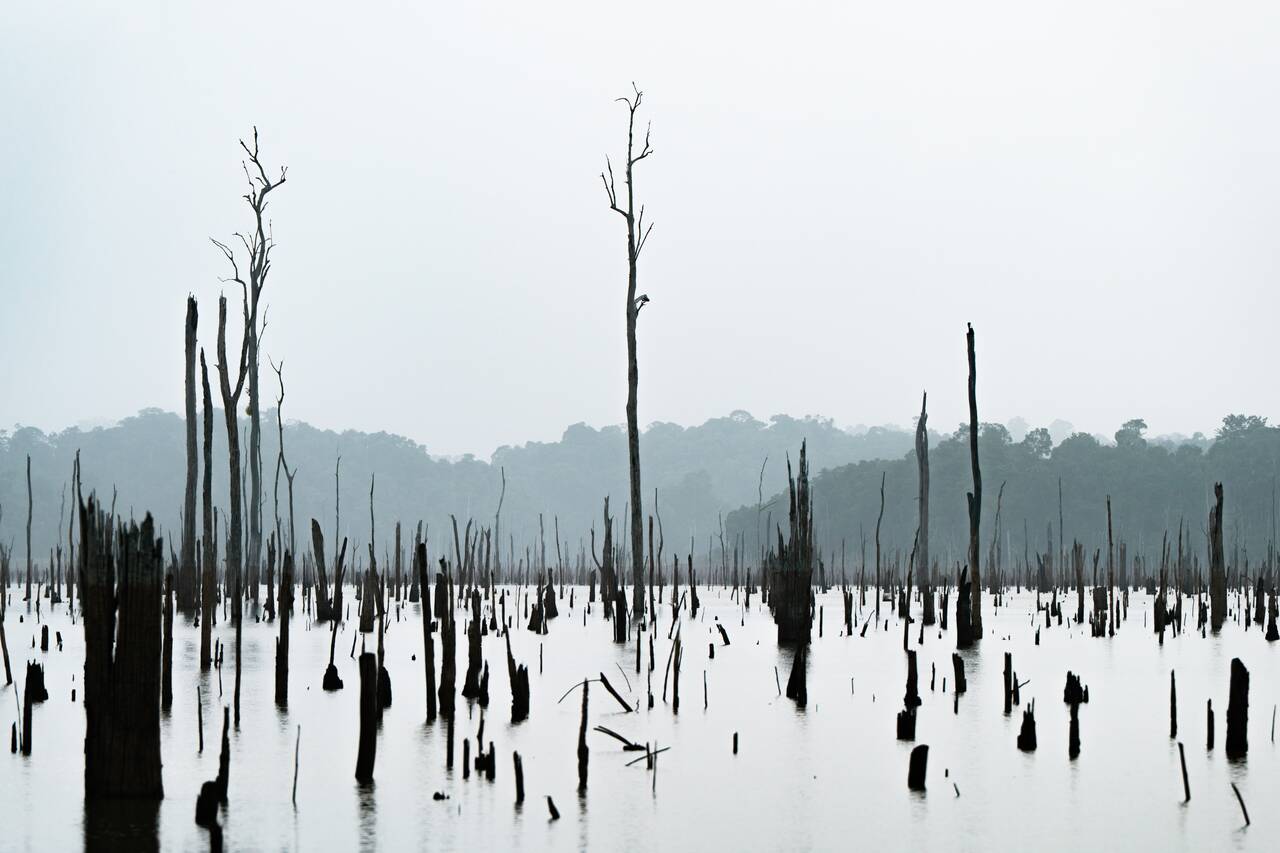
After descending from Brownsberg, you will continue towards Ston Island Lodge, a peaceful retreat located on the shores of the Brokopondo Reservoir. This is where you will spend the night before returning to Paramaribo the following day.
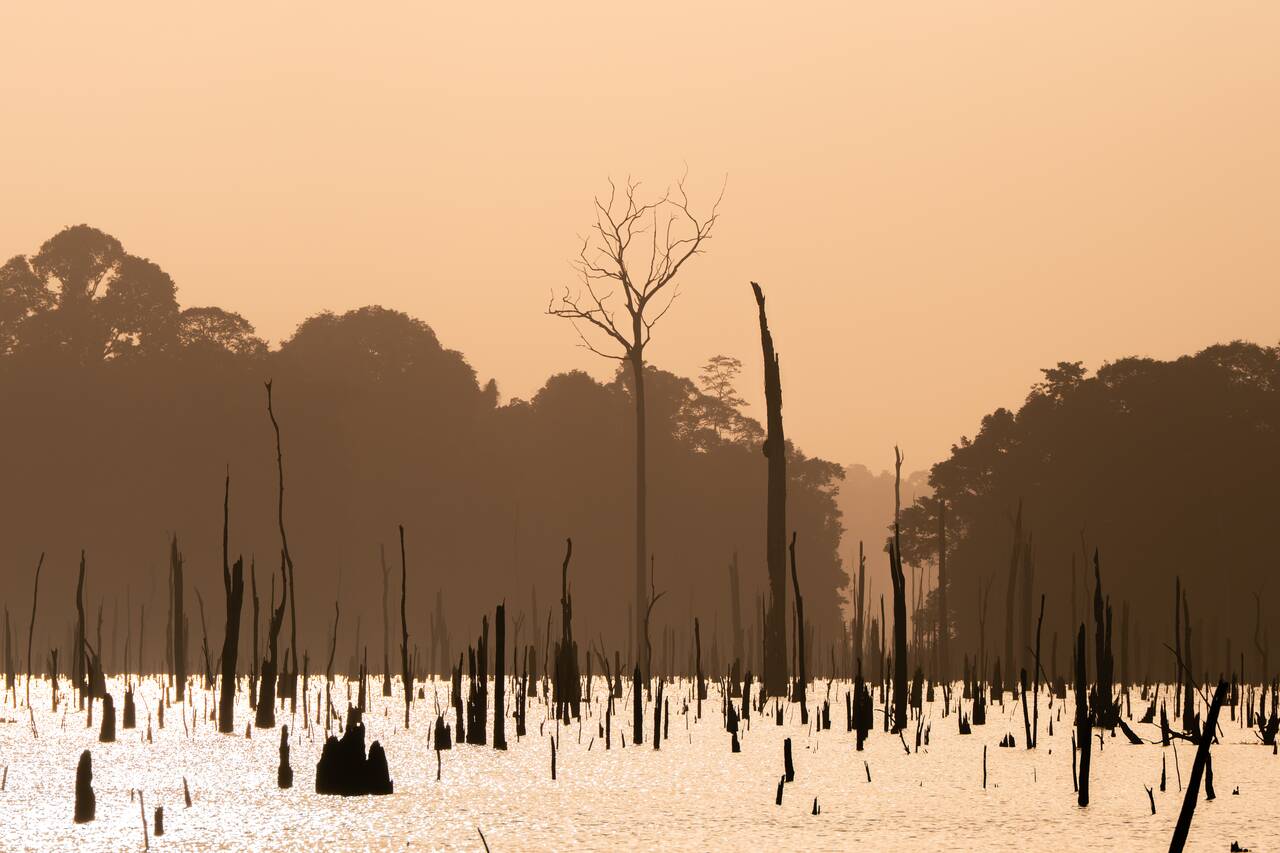
I highly recommend heading out to the reservoir for both sunset and sunrise. Each offers a completely different atmosphere, with the evening feeling moodier and more dramatic, while the morning is calm and peaceful as the reservoir transforms into a giant mirror reflecting the surrounding forest and distant hills. It is quite a contrast to the dense rainforest you spent the day exploring and was definitely a welcome change of scenery.
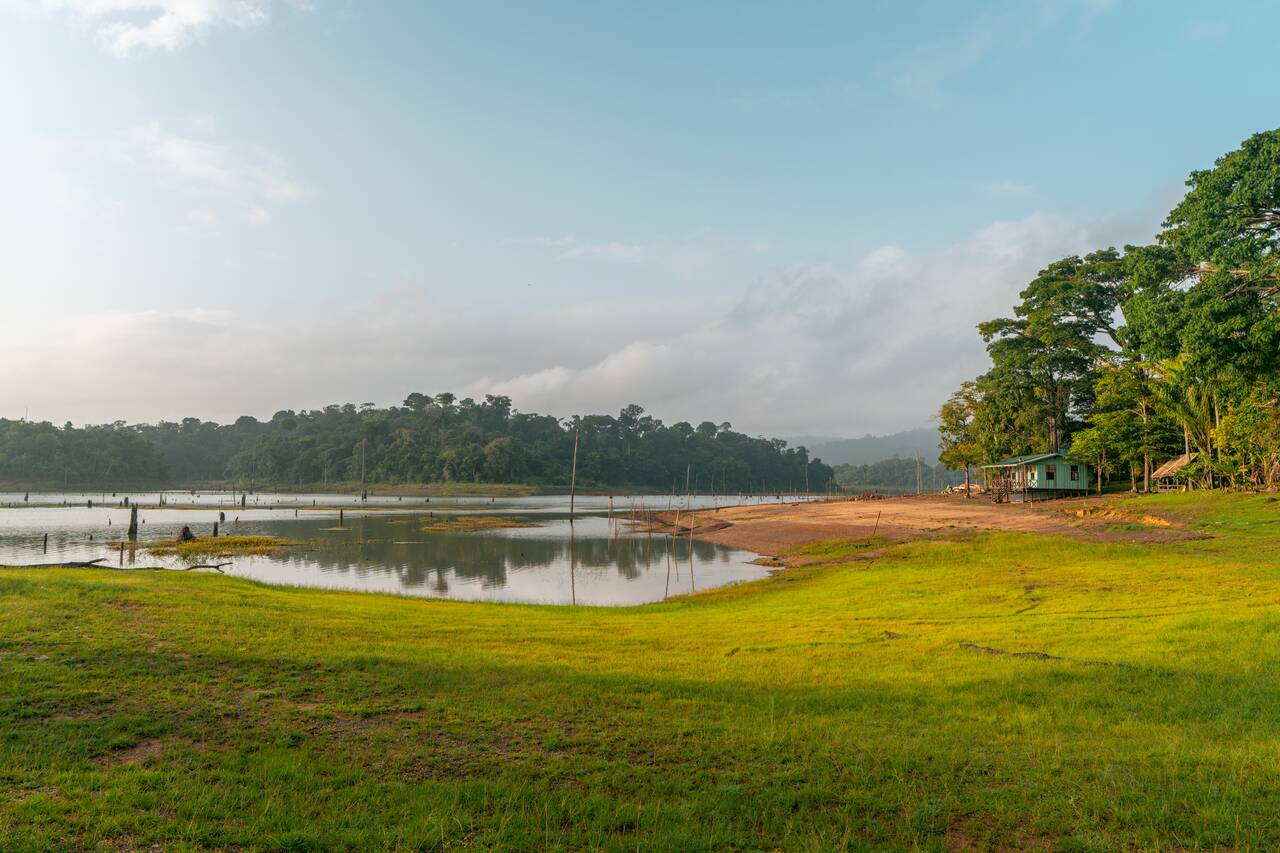
The next day, wake up early and take a stroll along the reservoir, listening to the birds chirping as the first rays of sunlight bring the forest to life. Afterward, enjoy breakfast at the lodge and relax until late morning before beginning the journey back to Paramaribo. You should arrive in the late afternoon, completing your first overnight adventure in Suriname.

Day 7: Buffer Day in Paramaribo

After returning from Brownsberg and Ston Island, keep another buffer day available in Paramaribo. Interior trips occasionally run late due to weather or transportation conditions, so having this extra day built into the itinerary helps ensure the rest of your trip remains stress-free.
If you return on schedule, use the day to relax, enjoy some good food, and prepare for the next adventure. The upcoming journey to Galibi and French Guiana is one of the most unique parts of this itinerary.
Day 8-10: Galibi (Sea Turtles) & French Guiana
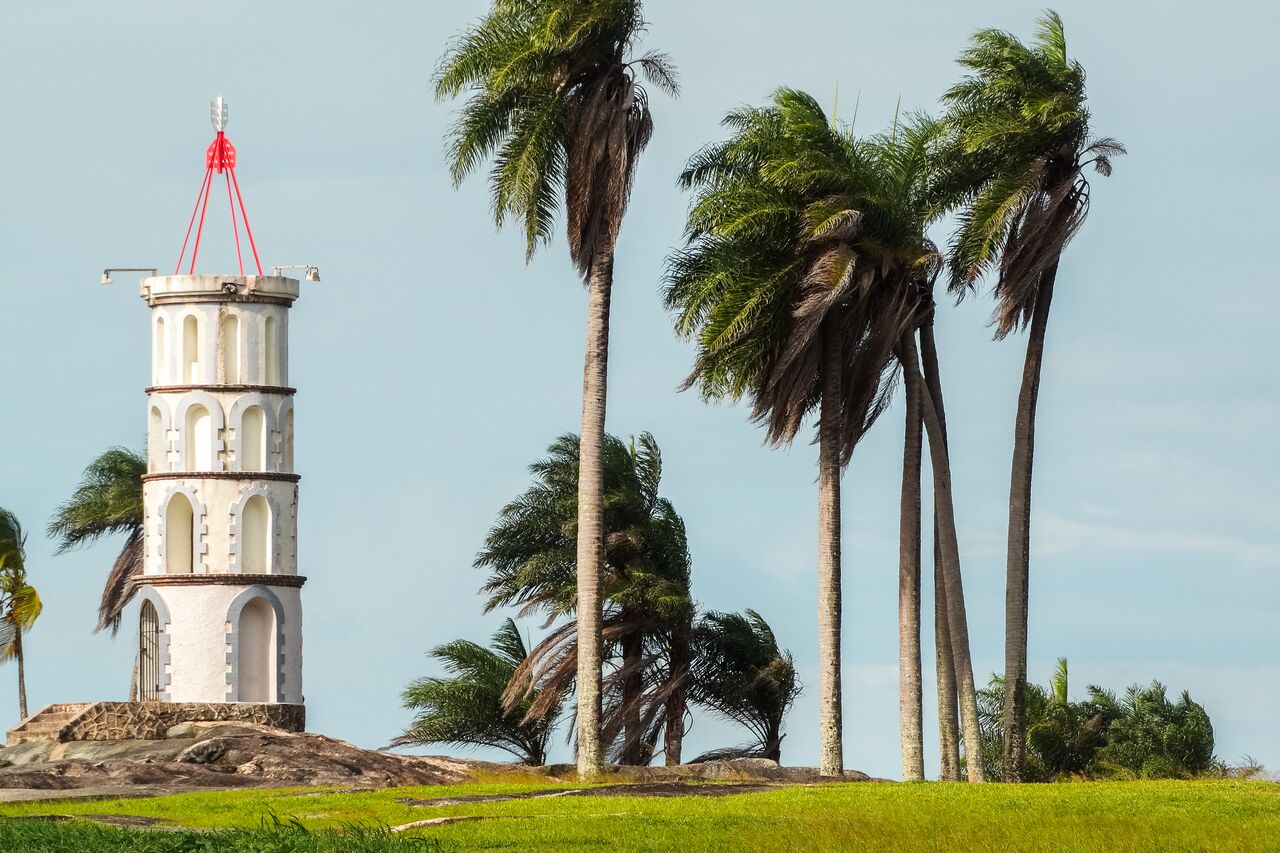
Next up is one of the most unique experiences you can have in Suriname: visiting Galibi Nature Reserve to witness giant sea turtles nesting on the country's remote northeastern coast. The nesting season generally runs from February to July and attracts several species, including the enormous leatherback turtle, which can grow up to 2 meters long.
The journey begins with a drive east from Paramaribo to the border town of Albina. Before continuing to Galibi, the tour usually includes a visit to Saint-Laurent-du-Maroni in French Guiana, where you can explore the town and visit the historic prison made famous by the book and film Papillon. Be sure to bring your passport!
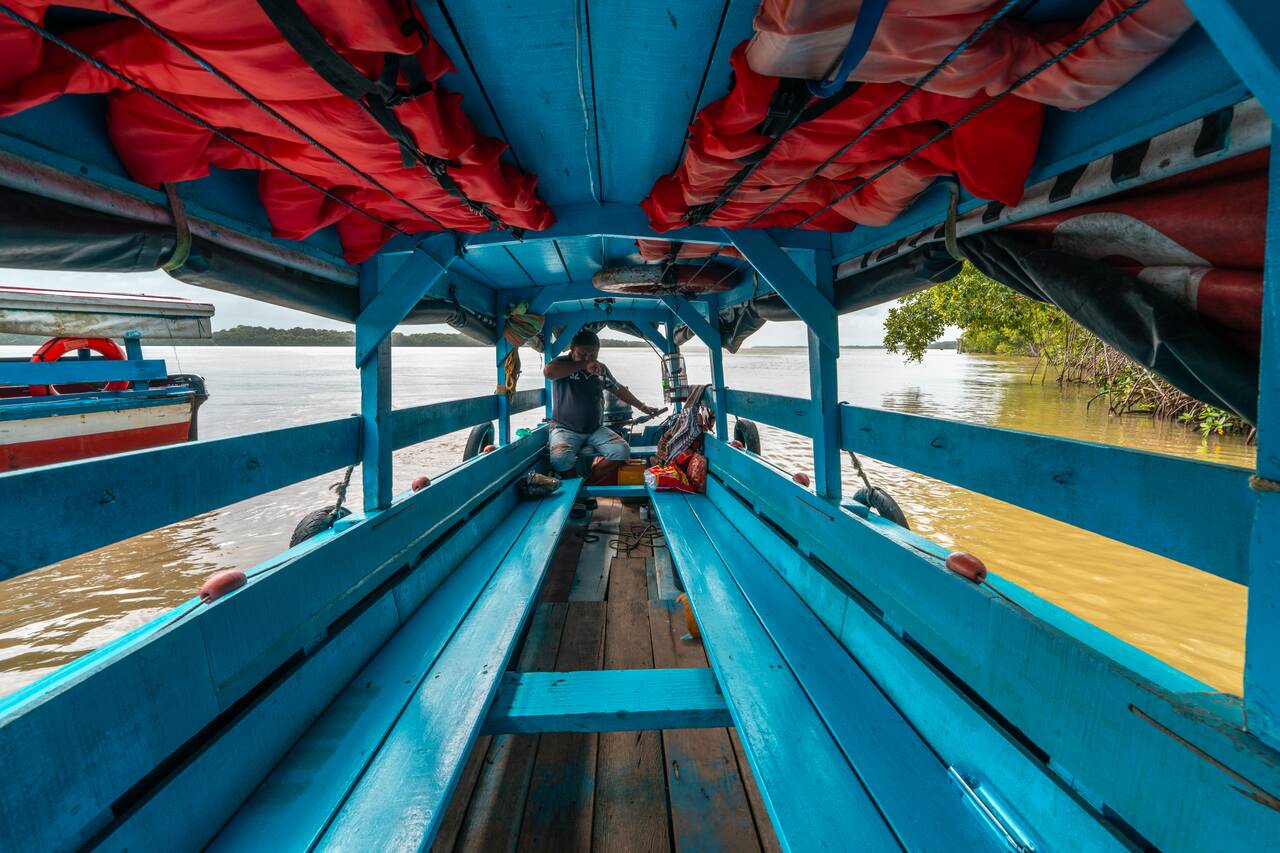
After lunch, continue to Galibi by boat and settle into your lodge in the Indigenous village. Keep in mind that these boats are not covered, so be sure to bring sun protection and a rain jacket.
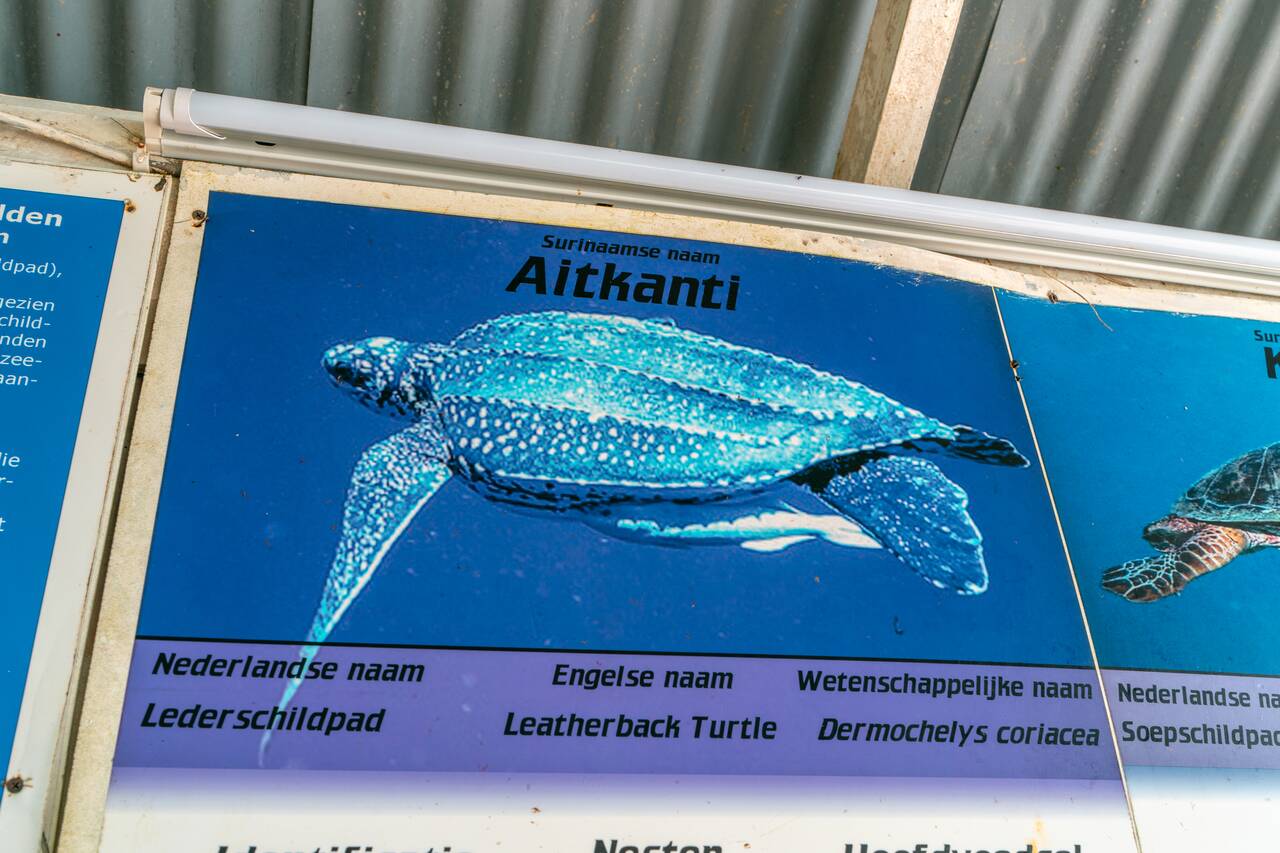
The highlight of the trip comes after dinner when you head out to the nesting beaches with a guide to watch giant sea turtles emerge from the ocean, dig nests, and lay their eggs under the cover of darkness. Unfortunately, I visited outside the nesting season, so I did not get to experience it myself.
You can choose between a 2-day or 3-day tour depending on how much time you want to spend in Galibi. The 3-day option includes an extra day to explore the village, learn about the local Indigenous community, relax by the river, and enjoy the peaceful atmosphere of this remote corner of the country. With the 2-day tour, you will return to Paramaribo on the second day, whereas the 3-day tour includes an additional overnight stay before returning the following day.
Day 11: Buffer Day in Paramaribo
This is your final buffer day before heading even deeper into Suriname's interior. Once again, I strongly recommend keeping this day flexible, as travel schedules in this part of the world can be unpredictable.
If everything is running smoothly, spend the day enjoying Paramaribo one last time. Visit any attractions you missed earlier in the trip, stock up on supplies, and get ready for a completely different experience over the next few days.
Day 12-14: Spend 3 Days in the Maroon Village Up the River
- 🏄 Tour: Jaw-Jaw / Isadou
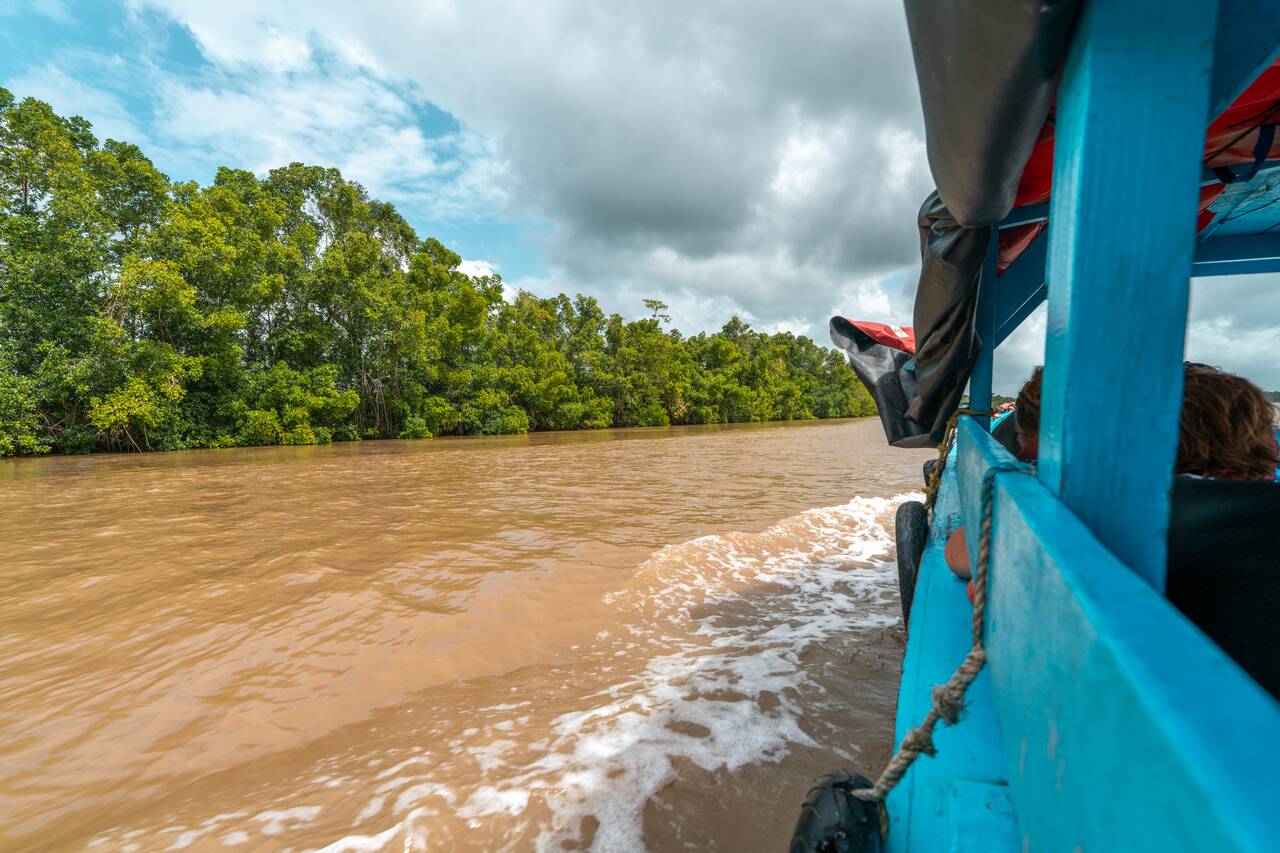
For the grand finale of your Suriname adventure, venture deep into the rainforest and spend several days visiting one of the Maroon villages located along the Upper Suriname River. The Maroons are descendants of enslaved Africans who escaped the plantations during colonial times and established independent communities deep within the rainforest. To this day, many villages continue to preserve unique traditions, languages, music, and cultural practices that have been passed down through generations.
There are several villages you can choose from, and they vary in price, comfort level, and activities. One of the most affordable options is Jaw Jaw, a Saramaccan village located along the Upper Suriname River near the Jaw Jaw rapids. The accommodation here is fairly basic, so if you are looking for a little more comfort, you may want to consider Apiapaati or Knini Paati instead.
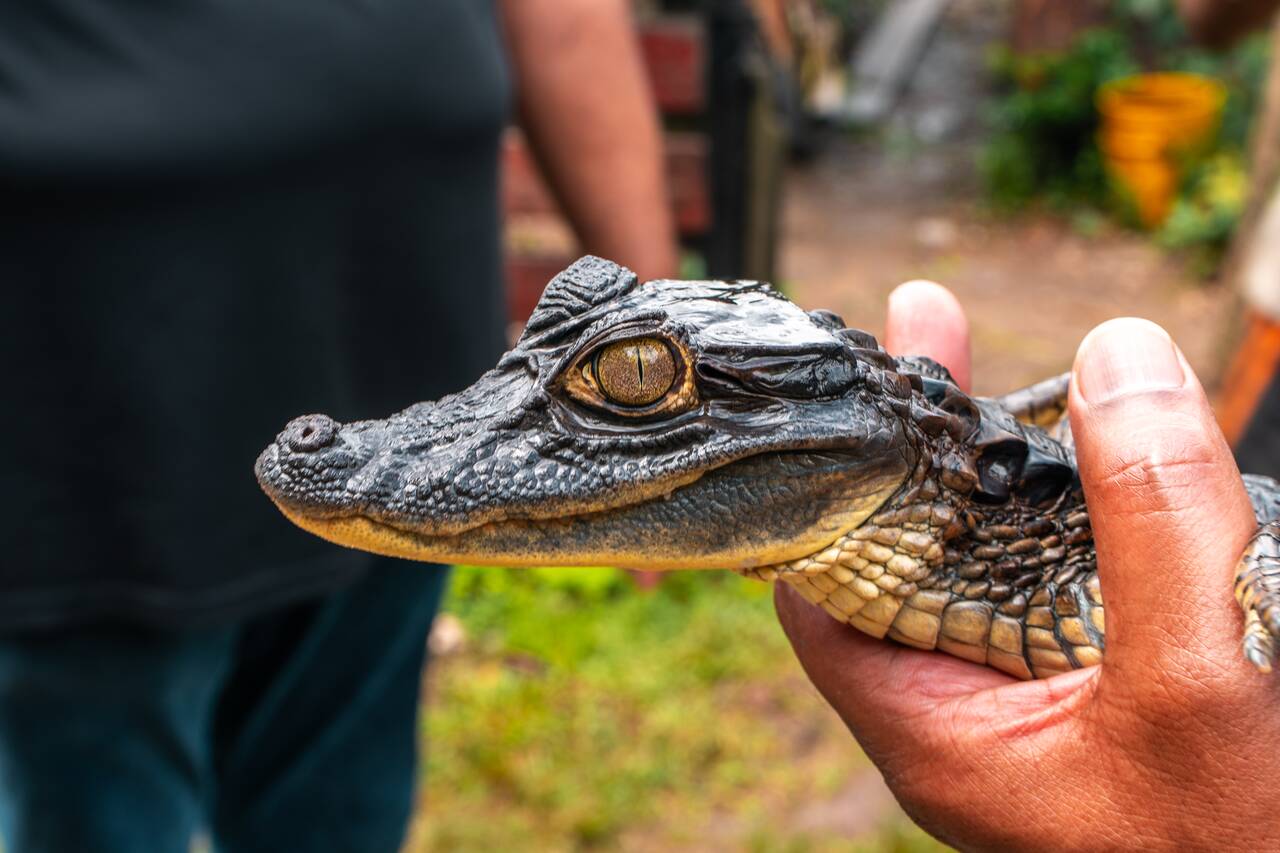
While each tour differs slightly, the itineraries are generally quite similar. Expect to spend your days exploring the village and surrounding rainforest, learning about local traditions, spotting caimans in the wild, joining night walks, swimming in the rapids, sampling traditional food, and much more. Reaching the villages usually involves a long drive followed by a boat journey upriver through dense rainforest, which is an adventure in itself.
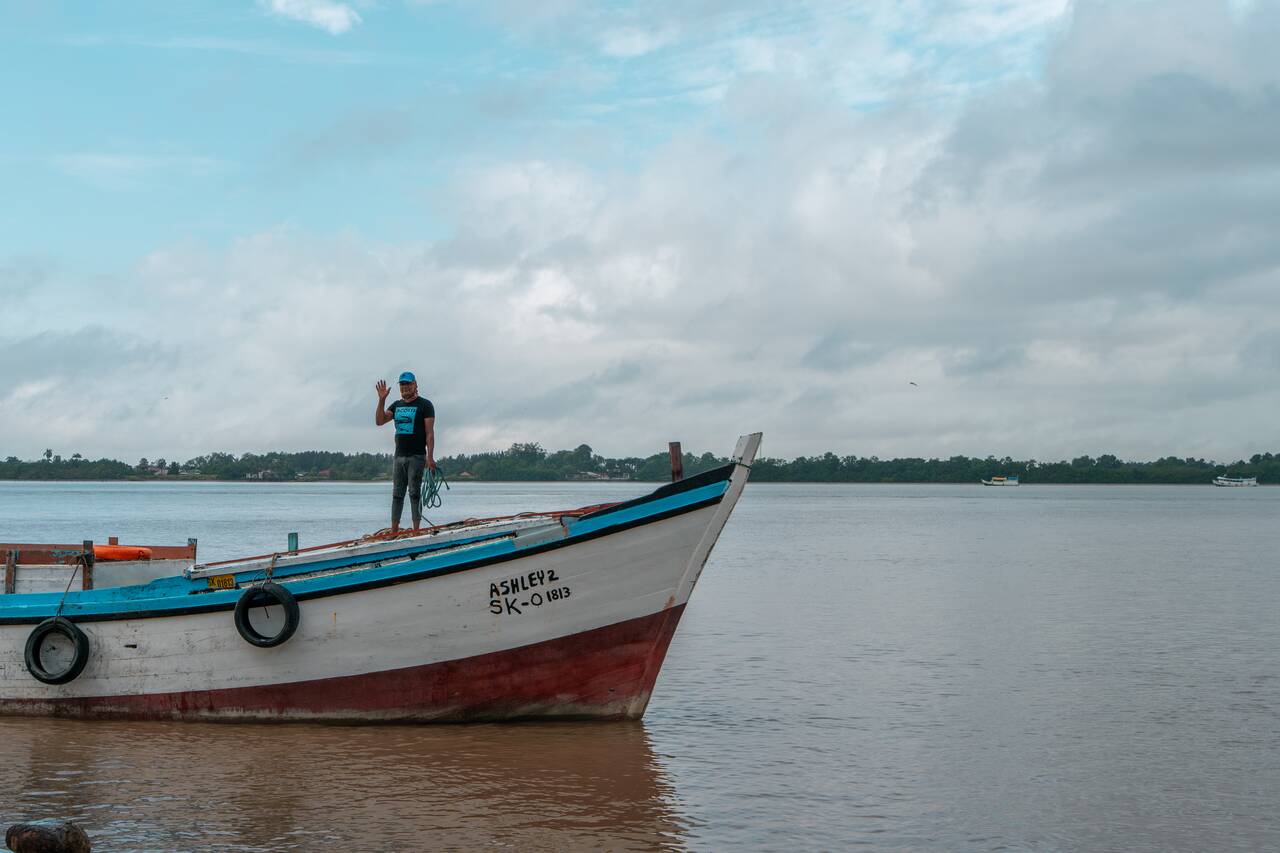
On your final day, you will return to Paramaribo with a much deeper understanding of Suriname's incredible cultural diversity, natural beauty, and unique history. Despite being one of the least-visited countries in South America, Suriname is absolutely worth visiting if you are looking to get off the beaten path and truly immerse yourself in nature. Hopefully, this itinerary has highlighted some of the very best experiences the country has to offer and shown you where its true beauty lies.
Where to Stay in Paramaribo?
Since we will be relying on organized tours to get around the country, I suggest basing yourself in Paramaribo, where most tours depart from. Below are some of my recommended accommodations in Paramaribo:

When to Visit Suriname?
Suriname can be visited year-round thanks to its tropical climate, but the best time to visit is during the two drier seasons, from February to April and from August to November. During these months, you are more likely to enjoy sunny days and lower rainfall, perfect for visiting the capital city, exploring the country's interiors, and taking river cruises.
The wettest periods are generally from May to July and December to January. While rain showers can be intense, they are often short-lived and are usually followed by sunshine. The rainforest is also at its greenest during these months, so visiting in the rainy season is not necessarily a bad thing if you do not mind occasional downpours.
I visited in January, and even though it was technically part of the rainy season, it really wasn't that bad. When it did rain, it usually only lasted 2–3 hours before clearing up again. Most days alternated between sunshine and short bursts of rain, which are pretty typical for tropical destinations like Suriname.
I was still able to do everything I wanted to do, including all the activities mentioned in this travel guide, without any major disruptions. So if you happen to be visiting Suriname in January, I wouldn't worry too much about the weather.
How to Get to Suriname?
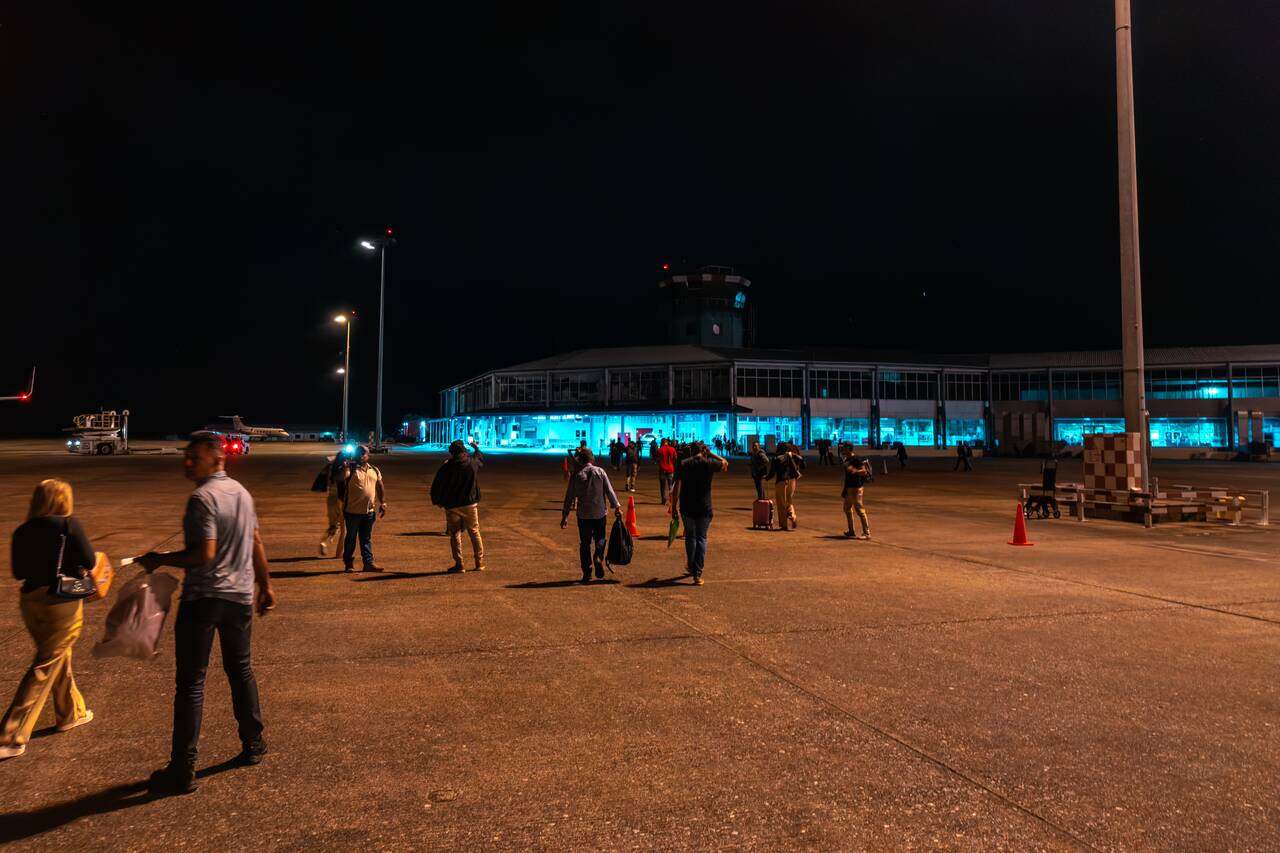
To get to Suriname, you will most likely have to fly into Paramaribo, the country's capital. Getting there is relatively straightforward, although Suriname is not as well connected as some of its South American neighbors. Most people will arrive via Johan Adolf Pengel International Airport, the country's main international gateway, located about 45 km south of Paramaribo.
If you are traveling from Europe, the easiest route is often via Amsterdam, with several direct flights per week operated by KLM and Surinam Airways, although I would personally avoid the latter as it does not have the best reputation. If you are coming from North and South America, you can usually connect through cities such as Georgetown, Belém, Panama City, or Miami, depending on where you are coming from.
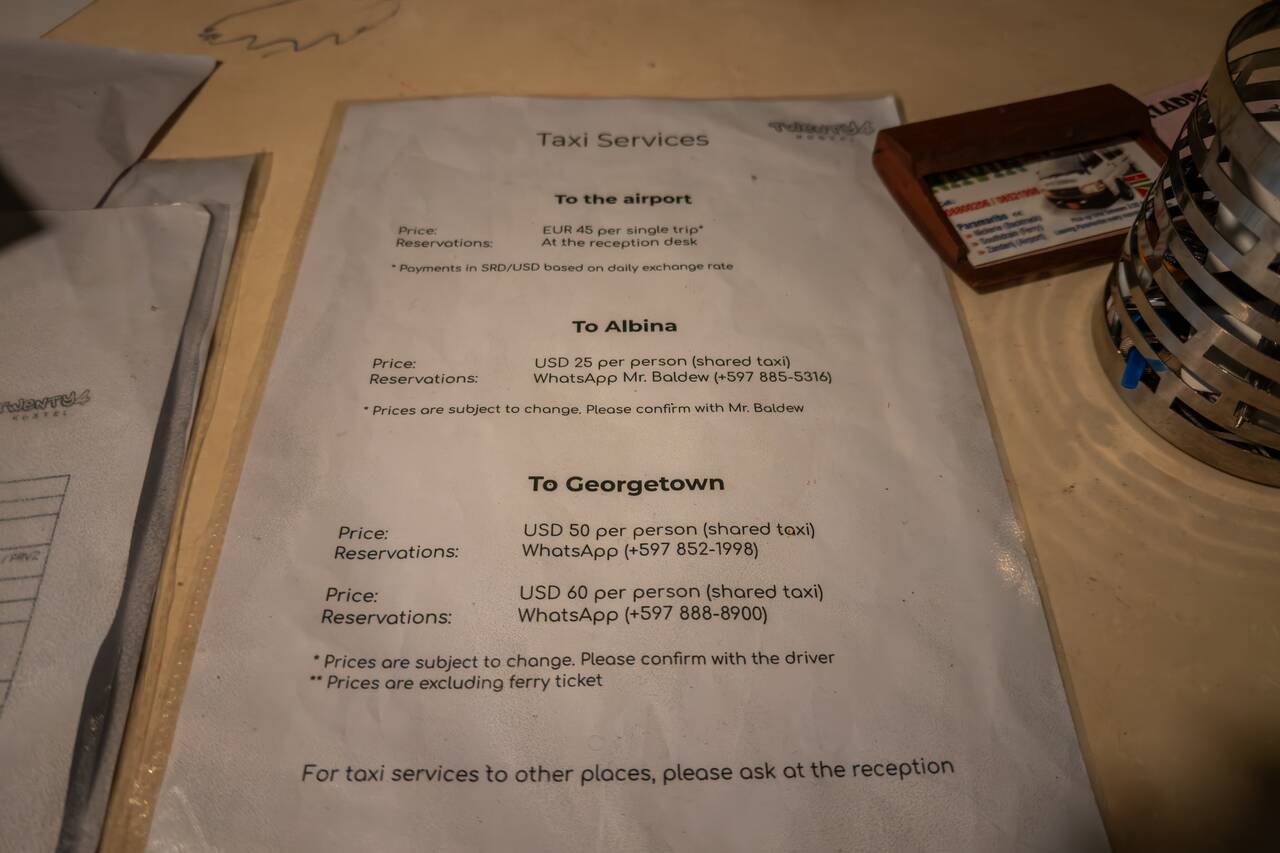
Once you arrive at the airport, you can take a taxi or arrange an airport transfer to Paramaribo. The journey to the city center takes around 45 minutes to 1 hour, depending on traffic. I paid around 50 USD for a taxi, and from what I gathered, that is the standard rate for airport pick-ups and drop-offs. Since ride-hailing apps are not always reliable at the airport, I recommend arranging transportation with your accommodation in advance or using one of the official taxis waiting outside the terminal.
Keep in mind that the immigration queue can be surprisingly long, even if you arrive in the dead of night as I did at 2 AM. I ended up waiting around 1 to 1.5 hours just to clear immigration and did not get to my accommodation until nearly 2 hours after landing.
For finding flights, I would recommend browsing through Skyscanner or Expedia to find the best flight deals from where you live to Paramaribo.
How to Get Around Suriname?
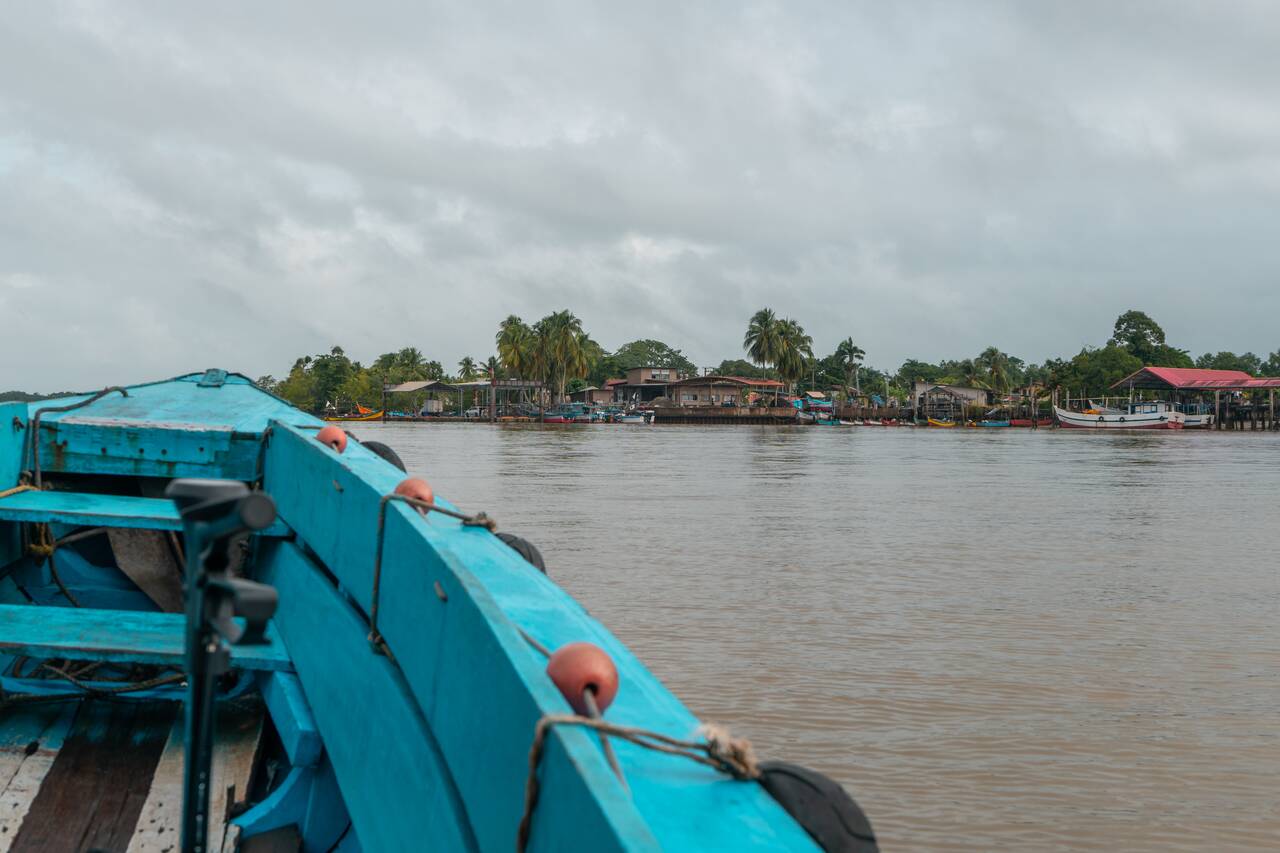
Getting around Suriname is relatively easy, although transportation options can be limited once you leave Paramaribo.
In Paramaribo: Within the capital, taxis are the most convenient way to get around. Most rides within the city center are inexpensive, and many accommodations can help arrange a taxi if needed. There are also local minibuses operating throughout the city, but routes can be confusing for first-time visitors and schedules are often unreliable.
Outside Paramaribo: For destinations outside Paramaribo, such as Brownsberg, Galibi, and the Maroon villages along the Upper Suriname River, the easiest option is to join an organized tour. Many of these places are difficult to reach independently and often require a combination of long drives, boat transfers, and local guides. Tour operators typically handle all transportation, accommodation, meals, and activities, making travel much more straightforward.
If you prefer to travel independently, rental cars are available in Paramaribo and are useful for exploring places such as the Commewijne District and Brownsberg Nature Park. Roads connecting major towns are generally in decent condition, although some routes can become rough and muddy during the rainy season. Keep in mind that many attractions in the interior are inaccessible by regular vehicle and will still require boat transportation.
One thing to remember when planning your trip is that transportation schedules in Suriname can be flexible. Tours do not always depart daily, public transportation can be unpredictable, and weather conditions occasionally affect travel plans. That is why I highly recommend building a few buffer days into your itinerary, especially if you plan on visiting multiple destinations in the country's interior.
How Much Money Do I Need For 2 weeks in Suriname?
From this 2-week itinerary, we can calculate approximately how much money you will be spending here (on average) as follows:
| 🛌 Lodging: | 315 USD (21 USD/Day) |
| 🥘 Food: | 420 USD (30 USD/Day) |
| 🚗 Transportation: | 125 USD (8.9 USD/Day) |
| 🧗 Activities: | 768 USD (47.5 USD/Day) |
| 💰 Total Budget: | 1,628 USD (116.2 USD/Day) |
Is it Safe in Suriname?
Yes, I found Suriname to be a relatively safe country to travel in, especially compared to some of its South American neighbors. Throughout my time there, I explored Paramaribo, traveled deep into the interior, and never encountered any serious safety issues.
That said, like anywhere else in the world, it is important to exercise common sense. Avoid displaying expensive jewelry, cameras, or large amounts of cash, especially after dark. As long as you follow this rule, you will be fine in Suriname, or anywhere else in South America, really.
If you plan to visit the interior, most safety concerns are related to nature rather than crime. The rainforest environment can be challenging, with intense heat, heavy rain, insects, slippery trails, and long distances from medical facilities. Make sure to pack appropriate clothing, stay hydrated, follow your guide's instructions, and bring insect repellent.
One thing I really appreciated about Suriname was how friendly and welcoming the people were. Locals were often curious about where I was from and were generally happy to help whenever I had questions or needed directions.
Overall, as long as you take the same precautions you would in any unfamiliar destination, Suriname is a safe and rewarding country to visit. In fact, one of the things I enjoyed most about traveling here was how relaxed and uncrowded it felt compared to many other destinations in South America. It was definitely a welcome change of pace during my five-month journey across Latin America!
Which tourist SIM card is best for Suriname?
If your phone supports eSIMs, providers such as Airalo or Trip.com offer data plans that work well in and around Paramaribo and can be activated within minutes. I personally find eSIMs to be the most convenient option, especially if you are visiting multiple countries during the same trip.
While local SIM cards are generally cheaper and may offer slightly better coverage, you will need your passport to register one before it can be activated, which is not always the most convenient option for short-term visitors. I used an eSIM for my entire trip and had no issues staying connected in Paramaribo and other populated areas.
That said, mobile coverage becomes much more limited once you leave the city and venture into Suriname's interior. I rarely had any signal while visiting places like Brownsberg and the Upper Suriname River, although that is largely due to the remoteness of these destinations rather than the eSIM itself.
Personally, I think an eSIM is perfectly adequate for most travelers visiting Suriname. Just be aware that once you head deep into the rainforest, you should not expect to be connected all the time regardless of which provider you use.
For more information about Suriname's local SIM card: Suriname's Prepaid Data SIM Card.
Tips: To stay connected with people at home, make sure that you have a VPN, such as ProtonVPN, installed before traveling. It's FREE, and you can gain access to services that may be blocked in certain countries.
Disclaimer: This post may contain affiliate links. See our disclosure policy.
First Published: