


Originally, I didn't plan to visit Suriname at all during my second 5-month trip around South and Central America. However, since I was already traveling through northern Brazil, I thought it would be fun to stop by the country's capital, Paramaribo, and see what it had to offer. Little did I know that it would end up being one of the most unique and surprising cities I visited on the entire trip.
Paramaribo felt unlike anywhere else I had been in South America, and I've seen quite a bit of the continent already! In fact, Suriname doesn't feel particularly South American at all.
While most countries in the region were colonized by Spain or Portugal, Suriname was a Dutch colony, and that influence is still very much present today. People speak Dutch, English is widely spoken, and the culture is an incredible blend of Dutch, African, Indian, Javanese, Chinese, and Indigenous influences. Paramaribo is truly one of the greatest cultural melting pots in South America and unlike any capital city I have visited before.
In this guide, I will show you all the best things to do in Paramaribo, where to stay, what to eat, how to get around, and everything else you need to know to plan the perfect trip to one of South America's most underrated capitals.

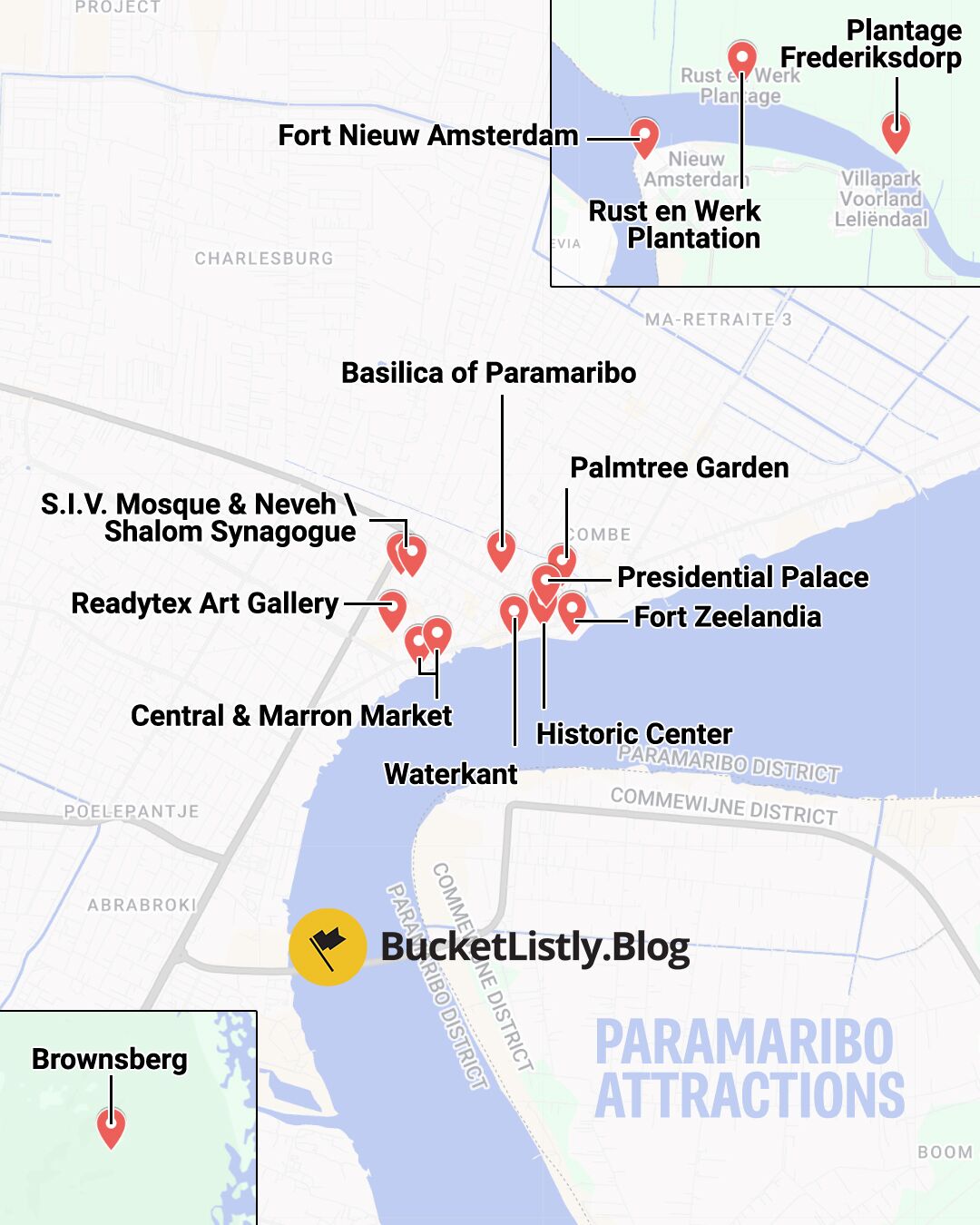
Map of Paramaribo Attractions
Quick Summary
| ♥️ Must See: | Admire the Beauty of Saint Peter and Paul Basilica of Paramaribo |
|---|---|
| 🏛️ Best Museum: | Visit Fort Zeelandia |
| ☀️ Great Side Trip: | Visit Brownsberg on an overnight trip |
| 🛌 Place to Stay: | Holland Lodge Paramaribo |
14 Experiences I Think Are Worth It in Paramaribo
1. Wander Around the Historic Inner City
The best way to begin your time in Paramaribo is by wandering around its historic inner city, a UNESCO World Heritage Site known for its beautifully preserved wooden colonial architecture. Unlike many colonial cities in South America that were built from stone, Paramaribo's historic center is filled with elegant wooden buildings that give the city a unique character unlike anywhere else on the continent.
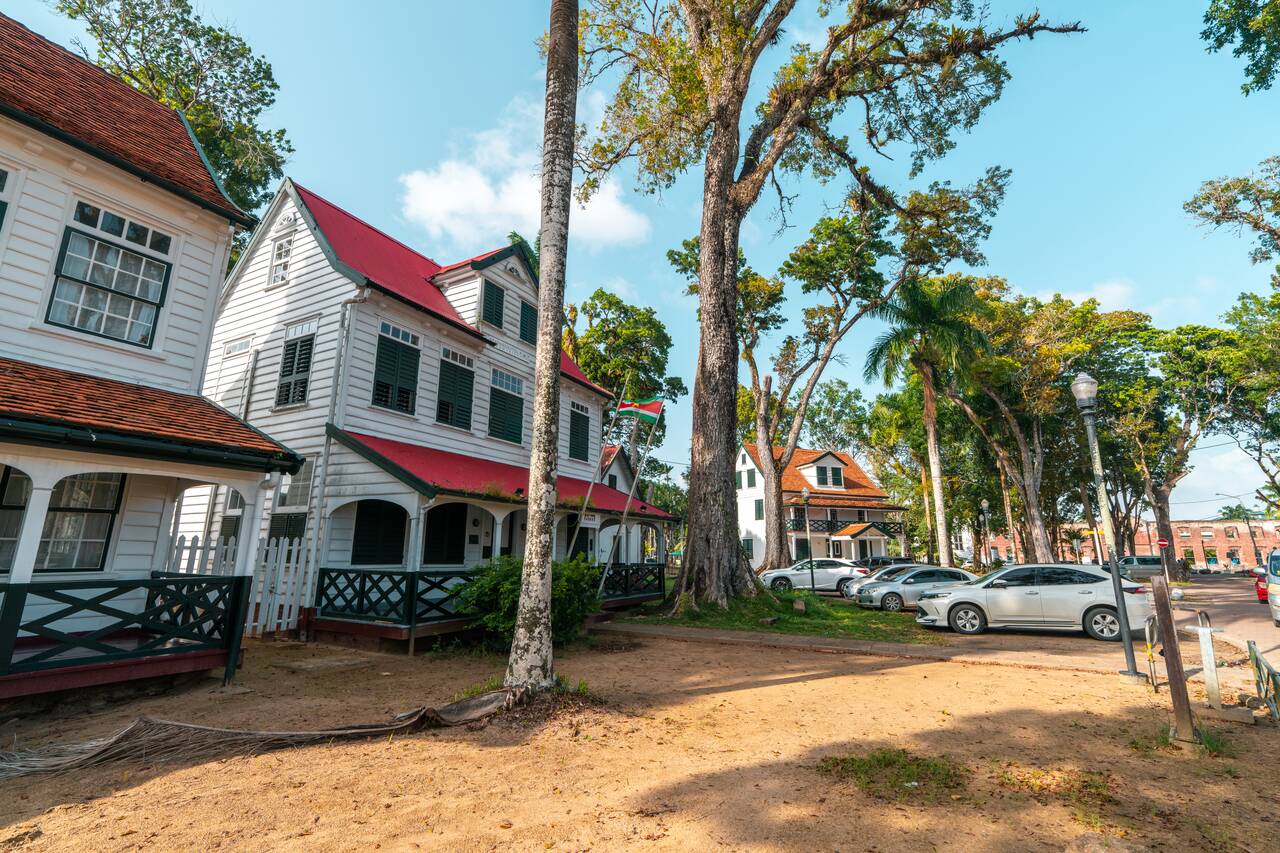
As you stroll through the streets, you will come across a fascinating mix of Dutch colonial buildings, colorful wooden houses, historic government offices, churches, mosques, and synagogues, all standing side by side. The area is compact and easy to explore on foot, making it a great place to spend a few hours soaking in the city's atmosphere.
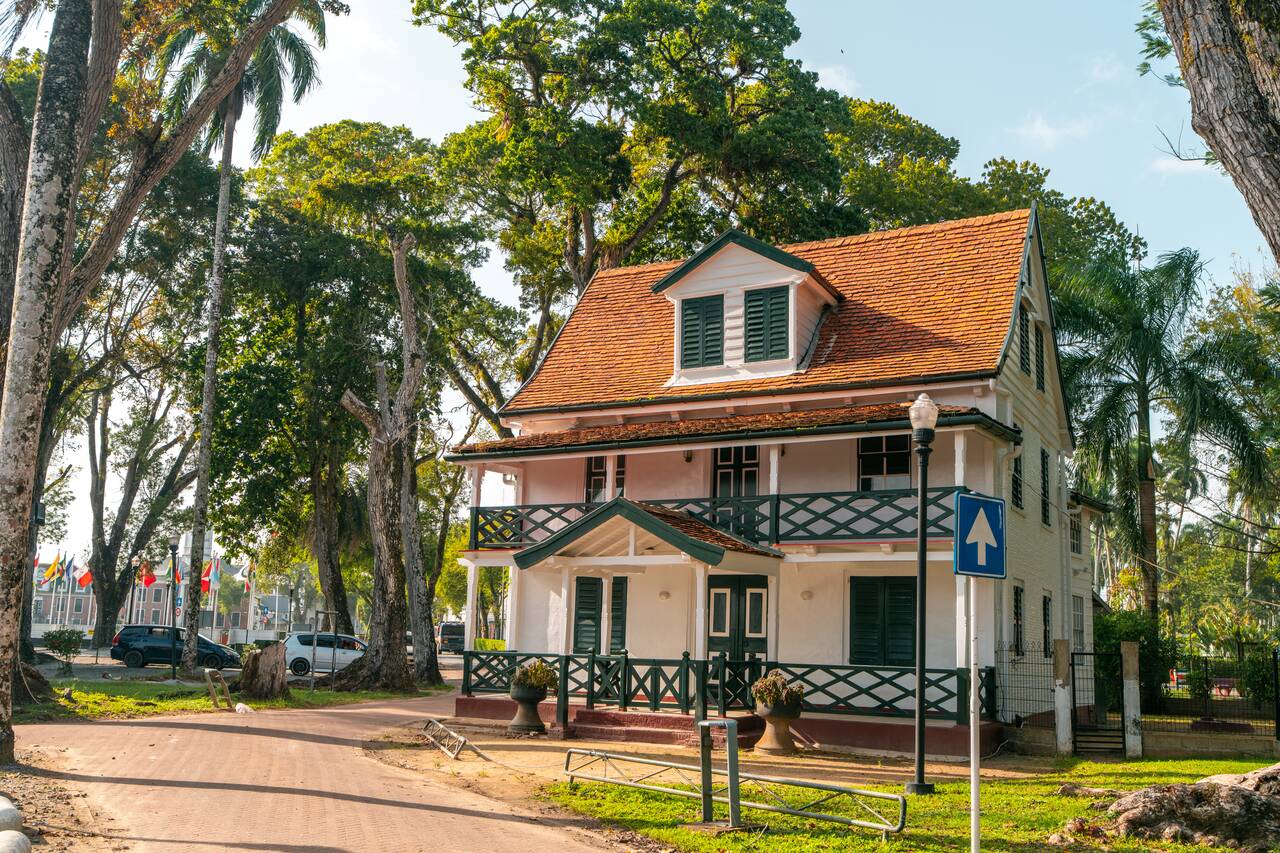
Most of the beautiful colonial buildings are concentrated along Henck Arron Street and stretch all the way to Waterkant, so I would recommend starting your walk inland and making your way toward the waterfront while keeping an eye out for these historic structures along the way.
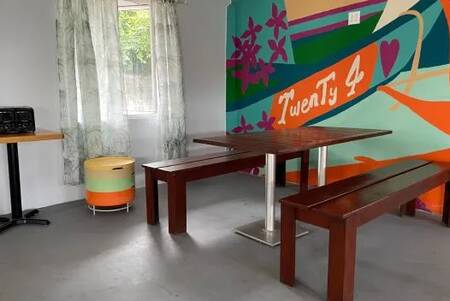
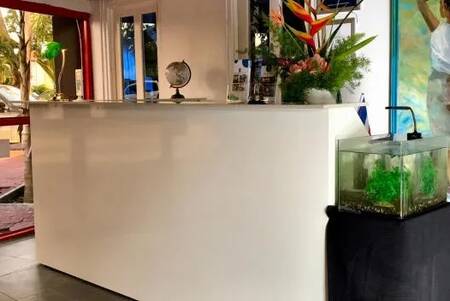
- Twenty4 Hostel (Budget)
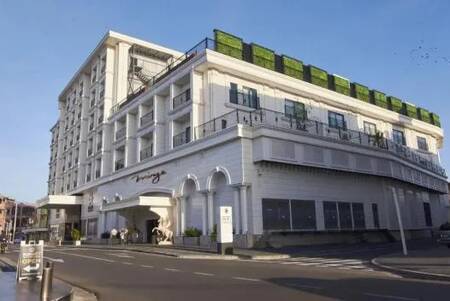
- Holland Lodge Paramaribo (Mid-Range) 👍 Top Pick
- Yogh Hospitality (High-End)
- Commewijne plantation with dolphins day trip by Jenny Tour (9 hours) 🏅 Top Pick
- Sunset Dolphin Spotting Boat Trip (3 hours)
- 2-Day Brownsberg & Reservoir Trip (4 hours)🏅 Top Pick
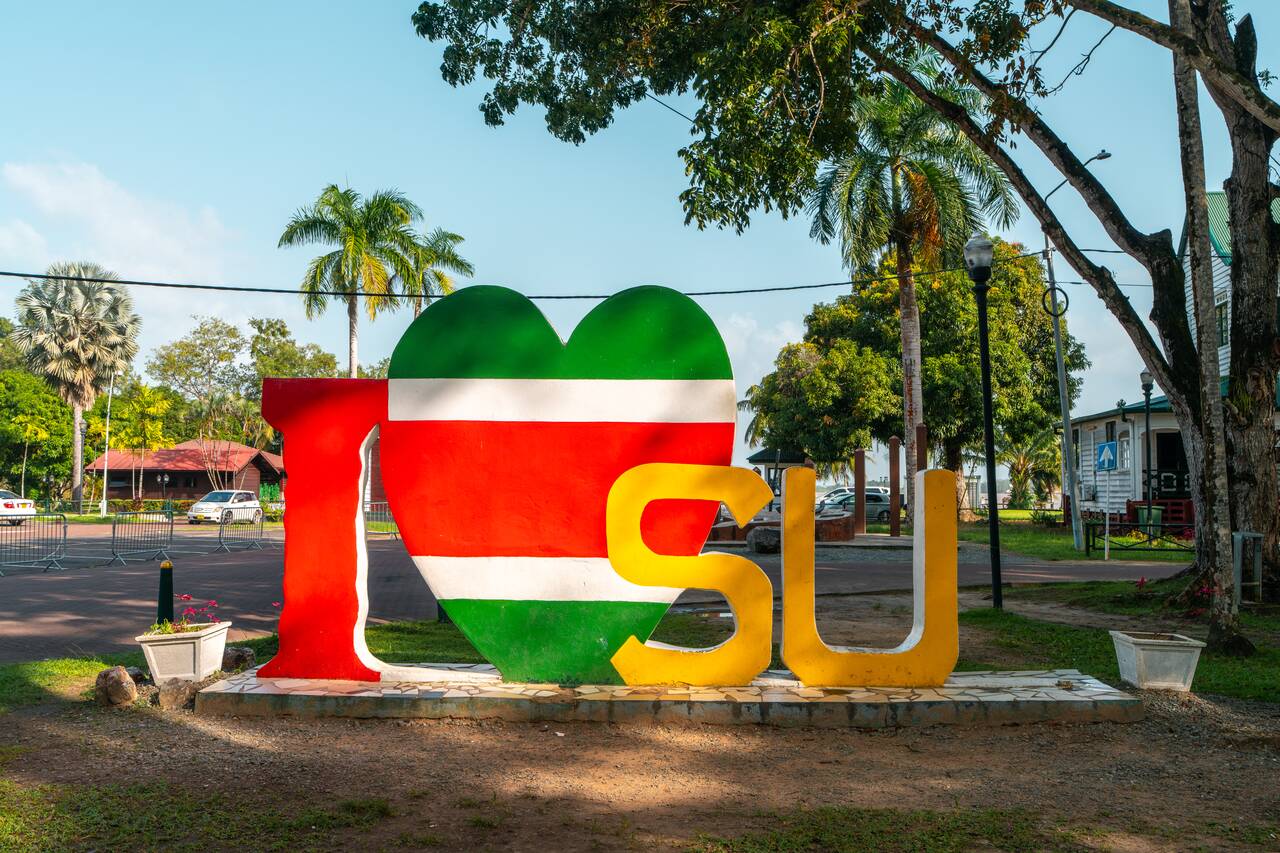
I would also recommend exploring the area both during the day and again around sunset when the temperatures are cooler and the golden light makes the colonial architecture look even more beautiful. Once the street lights come on, the historic center takes on a completely different atmosphere and feels a bit like an old European town straight out of a period film.
Where to Stay in Paramaribo?
2. Admire the Beauty of Saint Peter and Paul Basilica of Paramaribo
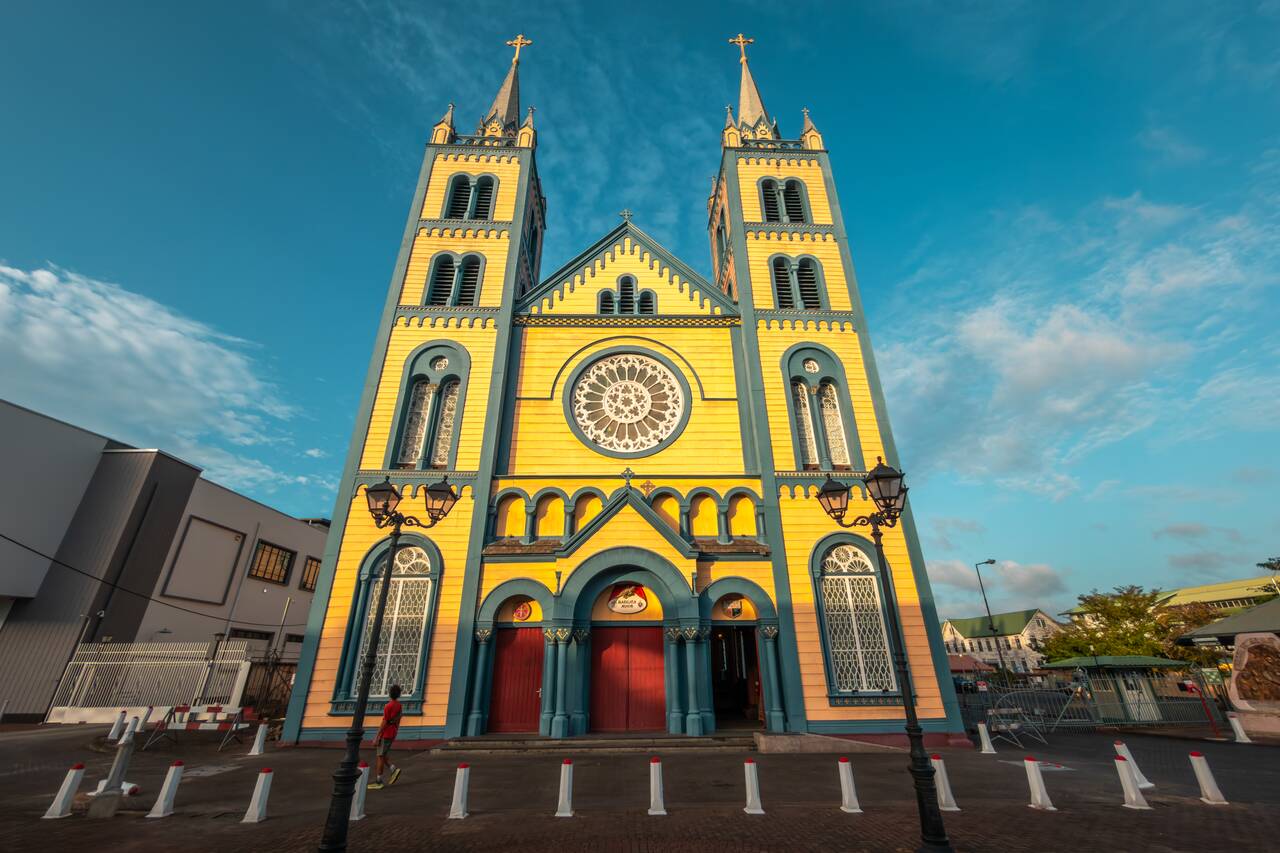
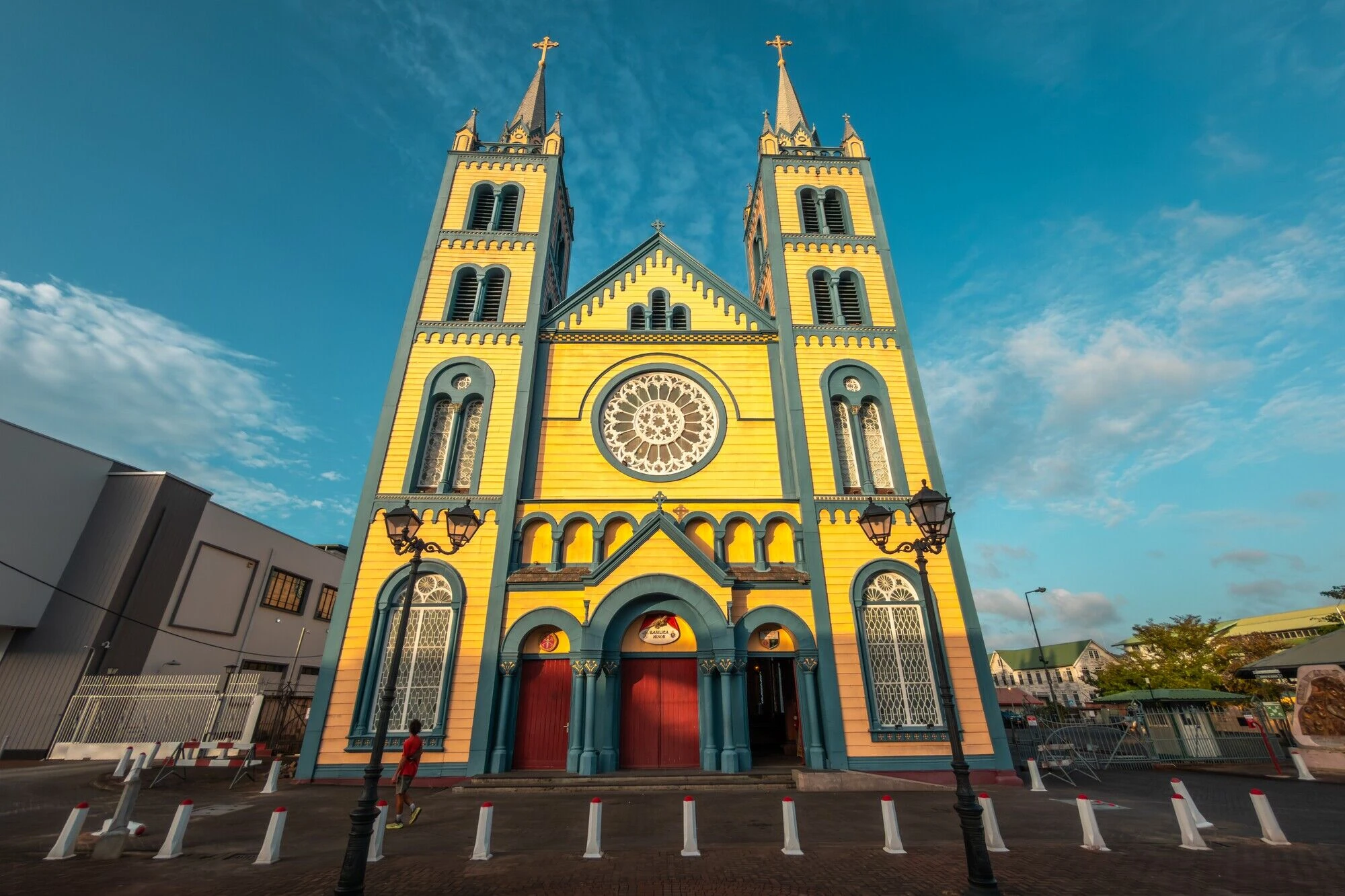
As you walk along Henck Arron Street, one of the first major landmarks you will come across is the Saint Peter and Paul Basilica of Paramaribo, a striking Roman Catholic church built entirely out of wood in the late 19th century. It is considered to be the largest wooden church in South America and one of the city's most iconic landmarks.
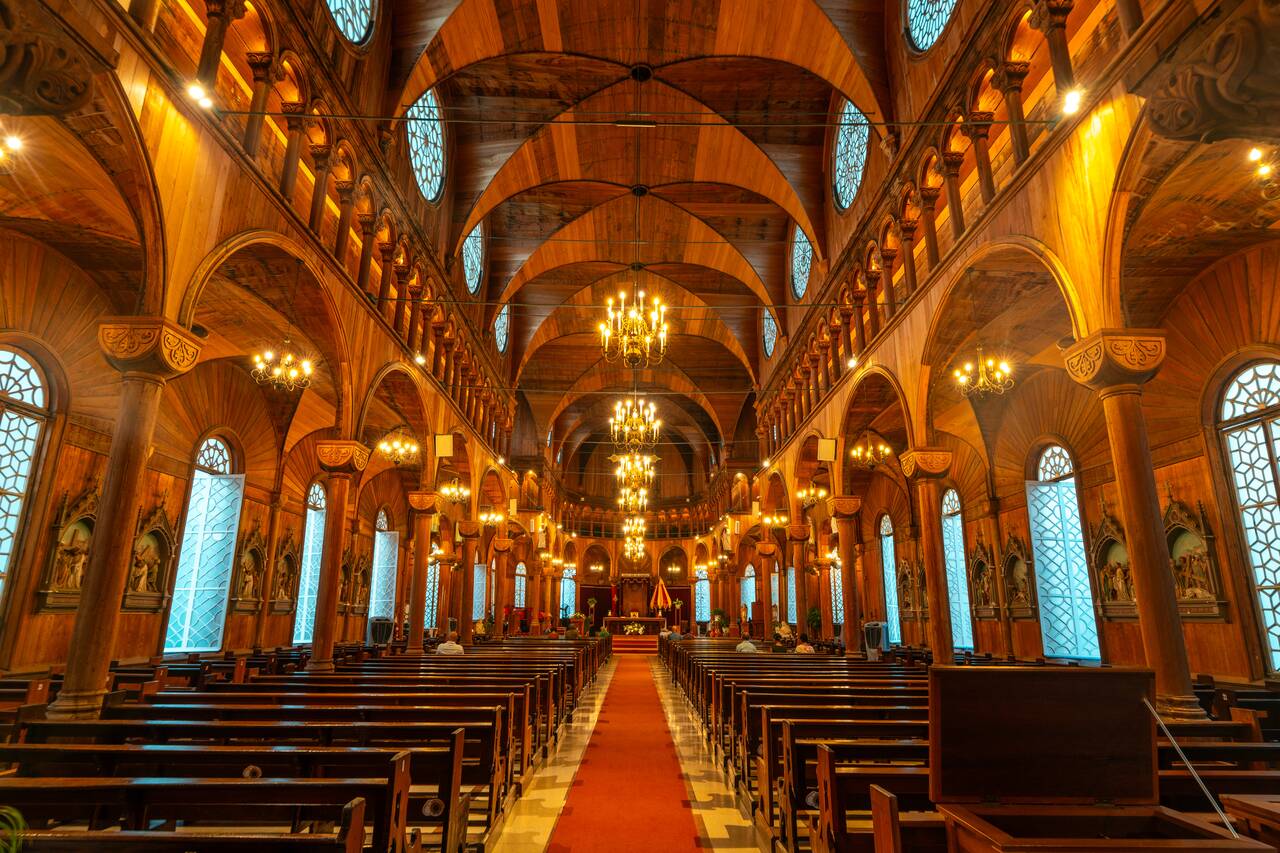
From the outside, the basilica is already impressive, with its bright yellow and gray facade, twin towers, and elegant neo-Gothic architecture. As beautiful as the exterior is, the real highlight lies inside. The vast interior is supported by massive wooden columns and adorned with beautifully crafted wooden ceilings and intricate decorative details. I was completely floored when I first stepped inside. It is absolutely magnificent.
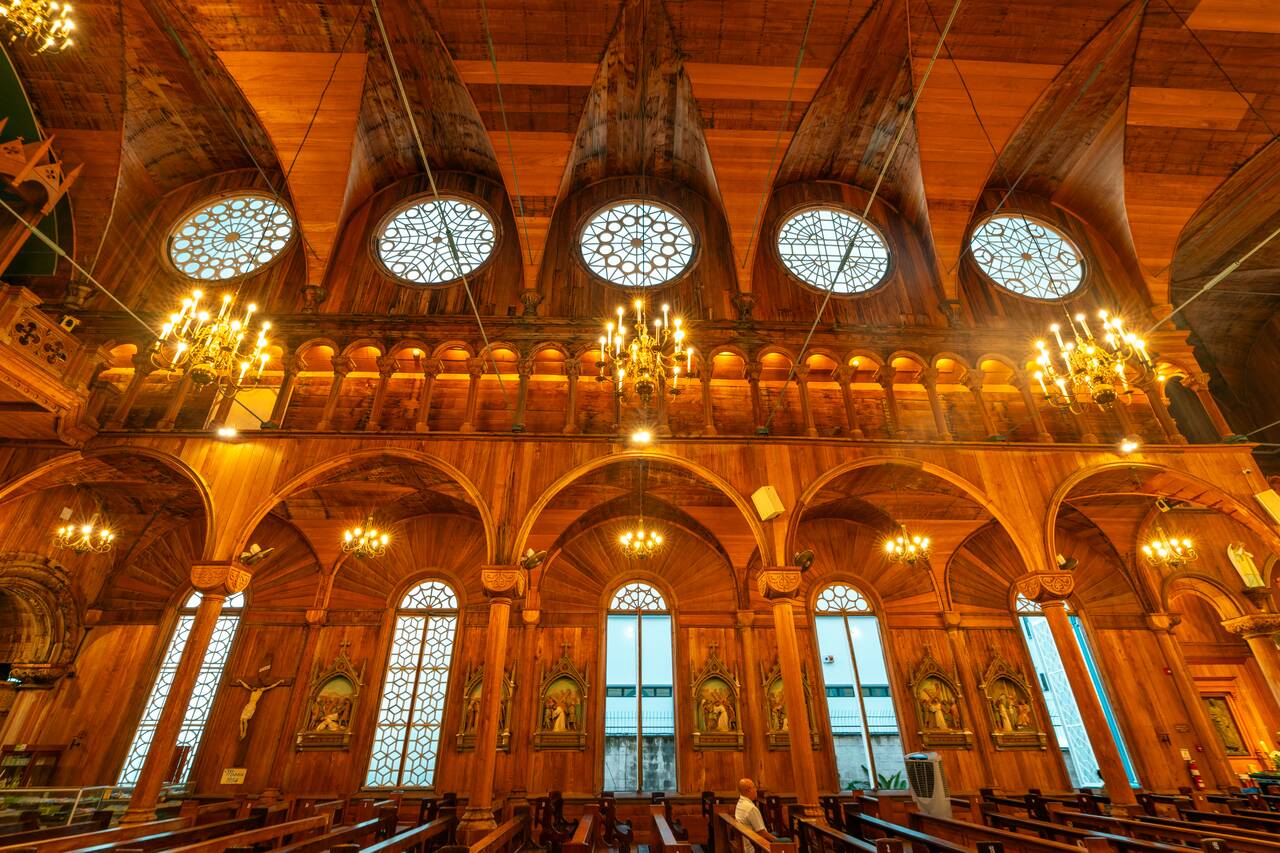
Even if you are not particularly interested in religious sites, I highly recommend stepping inside. The sheer size of the structure and the fact that it is built almost entirely from wood make it unlike any church you are likely to encounter elsewhere in South America.
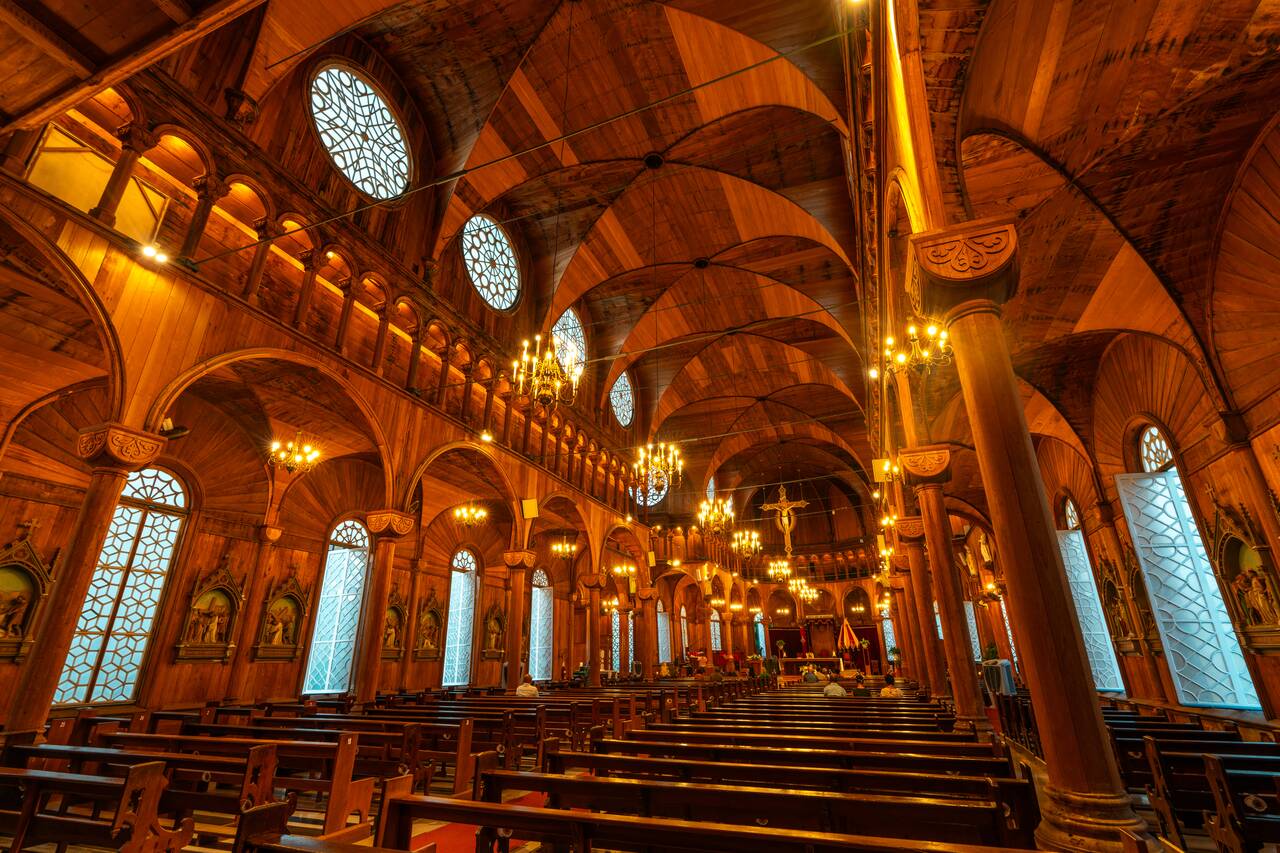
The basilica is located right in the historic center and can easily be visited while exploring the surrounding colonial streets. I recommend visiting around sunset when the lights inside are turned on. There is something magical about a wooden church illuminated by warm golden light that makes it even more beautiful.
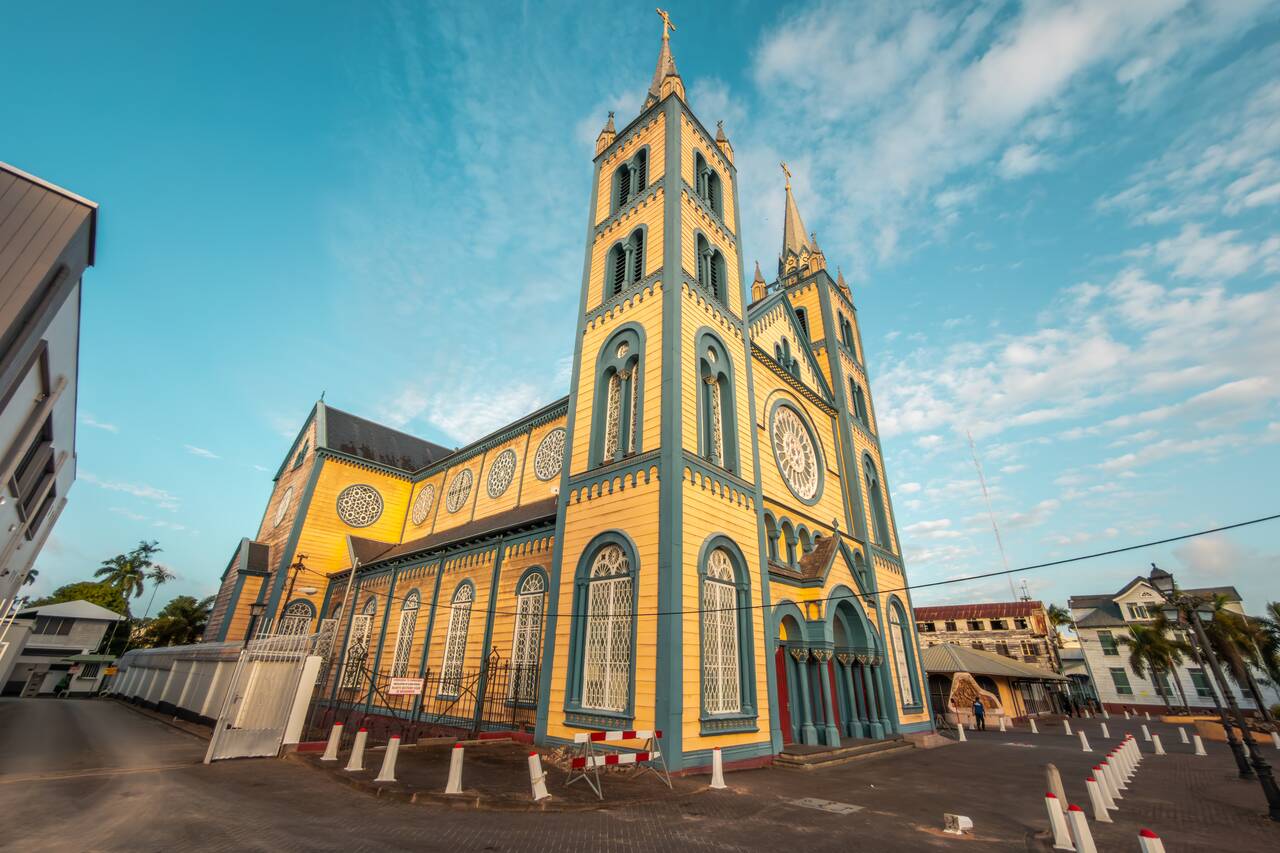
Officially, the church is open from 6 AM to 1:30 PM, but when I visited, it remained open until around 7 PM and I was able to walk in without any issues. If you are in the area in the evening, be sure to stop by. Entry is free.
3. Visit Fort Zeelandia
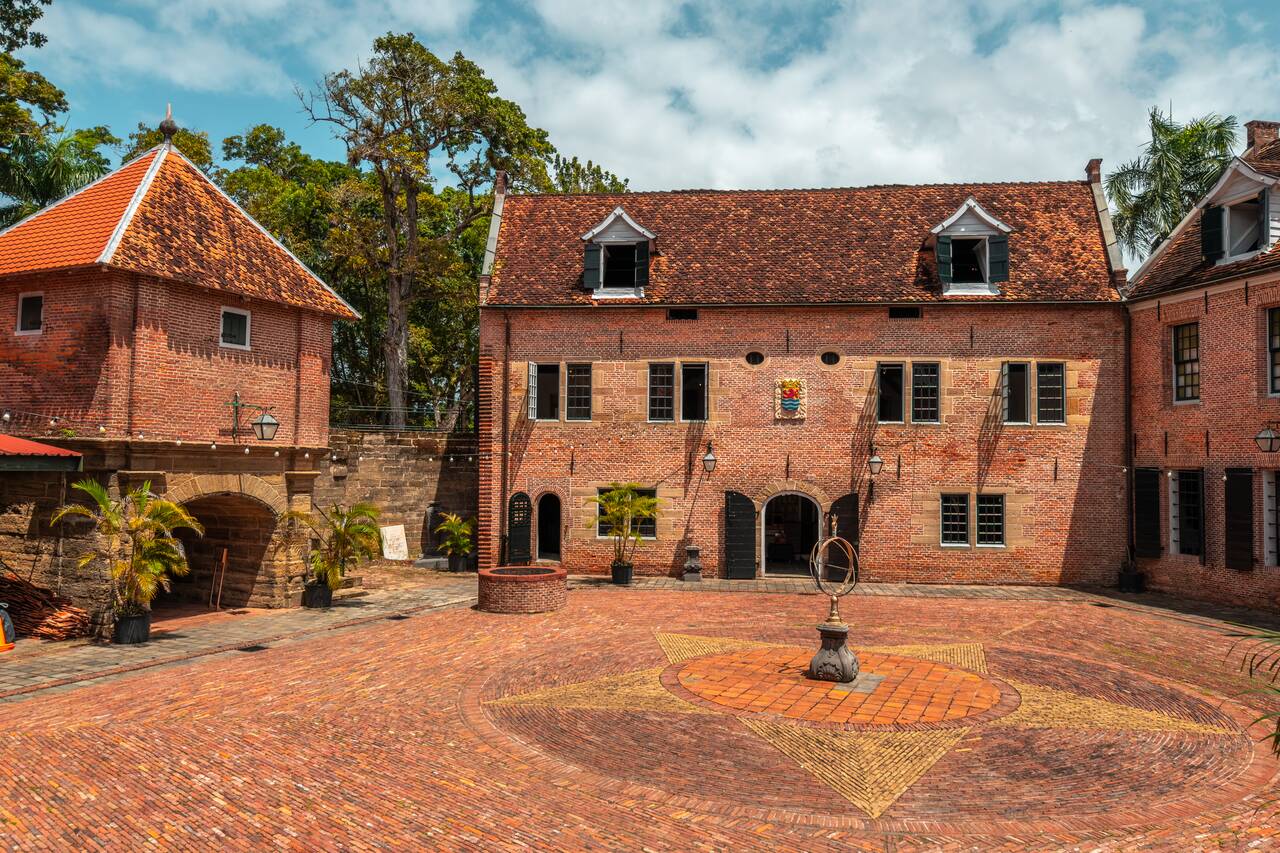
One of the best museums you can visit in Paramaribo is the Suriname Museum, which is housed inside Fort Zeelandia, one of the oldest and most historically significant fortresses in the country. Built by the Dutch in the 17th century to protect the colony and control trade along the Suriname River, the fort has since been transformed into a museum dedicated to preserving Suriname's history.
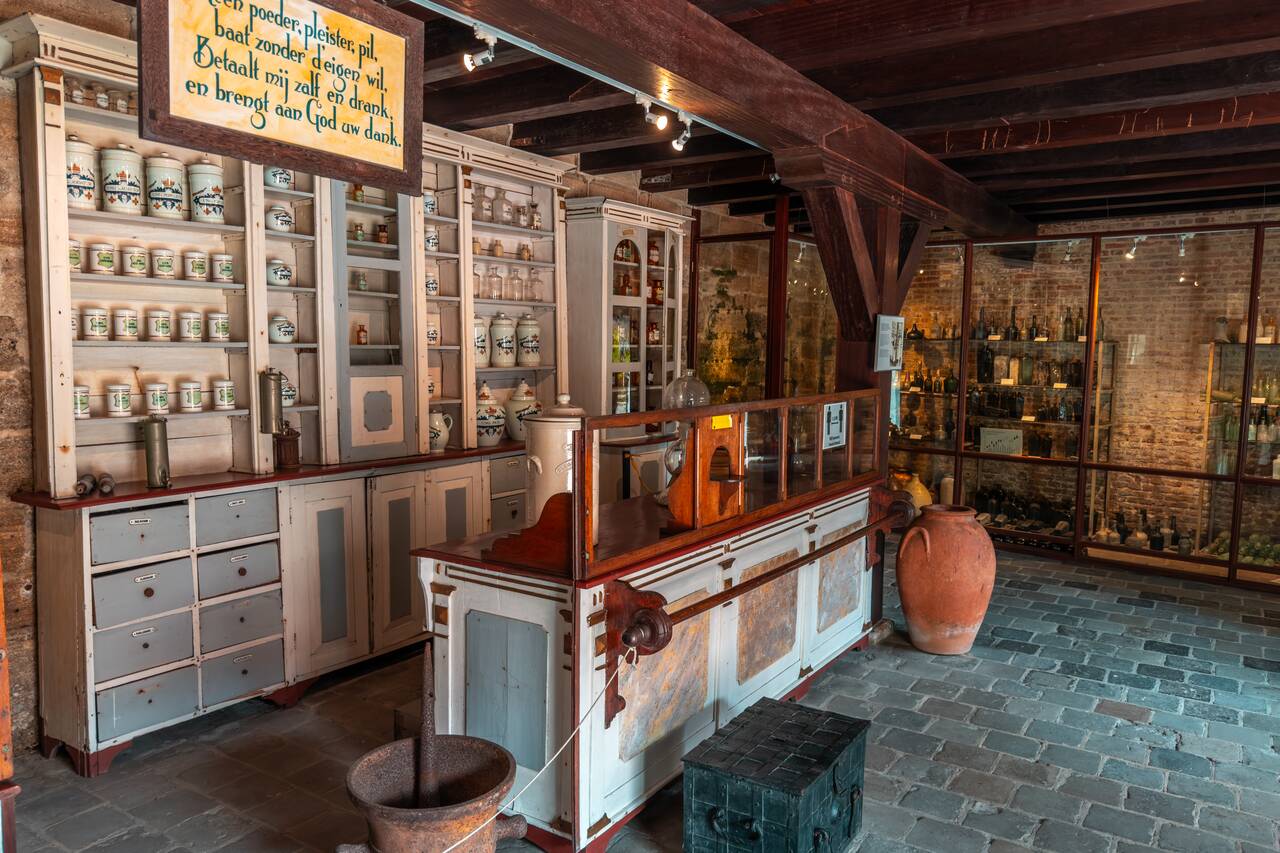
As you explore the fort, you will come across exhibits covering everything from the country's Indigenous roots and colonial past to independence and modern-day Suriname. The museum is surprisingly informative and provides valuable insight into a country that is often overlooked in history books despite its fascinating past and unique cultural heritage.
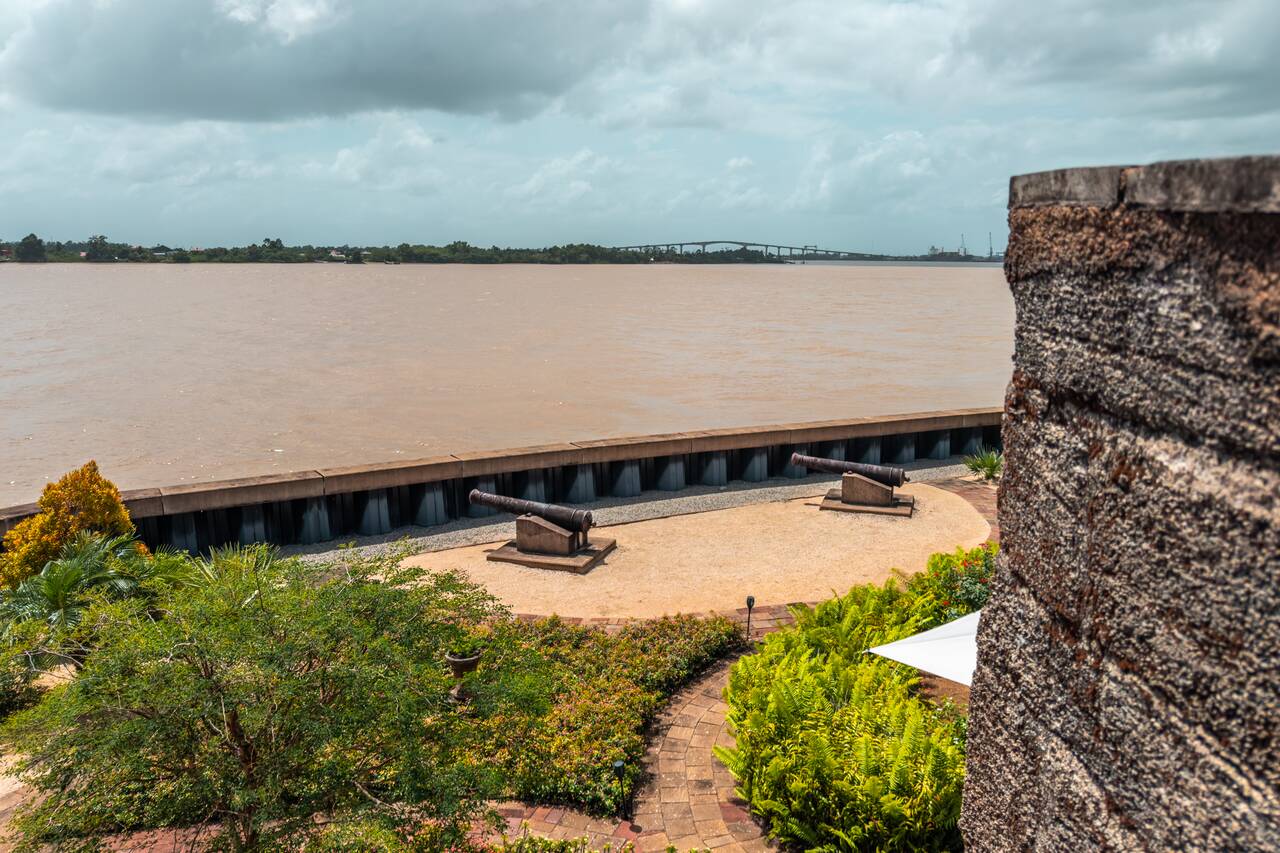
Even if you are not a big museum person, the fort itself is worth visiting. The historic brick walls, cannons facing the river, and well-preserved colonial buildings make it a fascinating place to explore. I particularly enjoyed walking along its walls, overlooking the river.
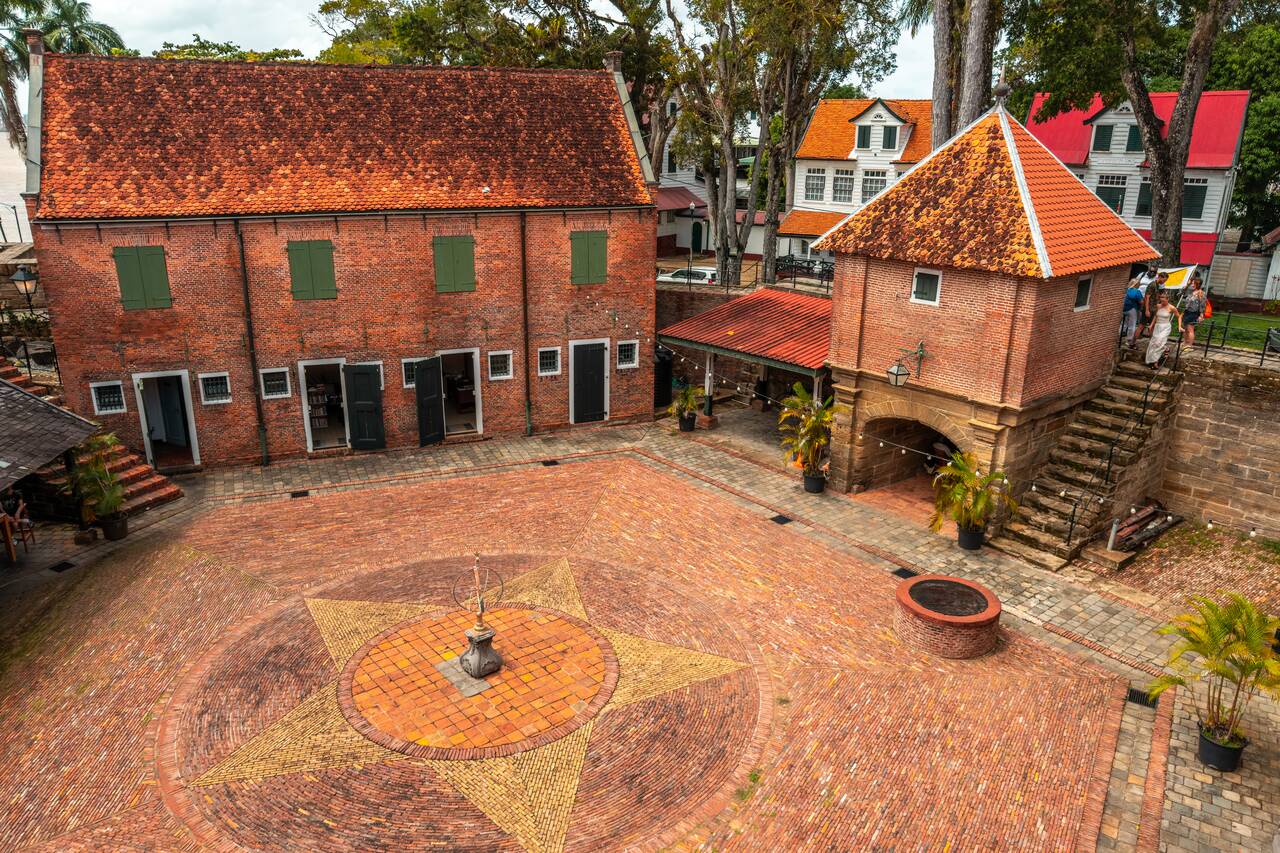
I really enjoyed visiting Fort Zeelandia. The museum contains a number of well-curated exhibitions, so expect to spend at least an hour here if you want to explore everything properly. It is one of the best places in Paramaribo to learn about Suriname's often-overlooked history, which I found far more interesting than I expected, especially its complicated relationship with the Dutch over the centuries.
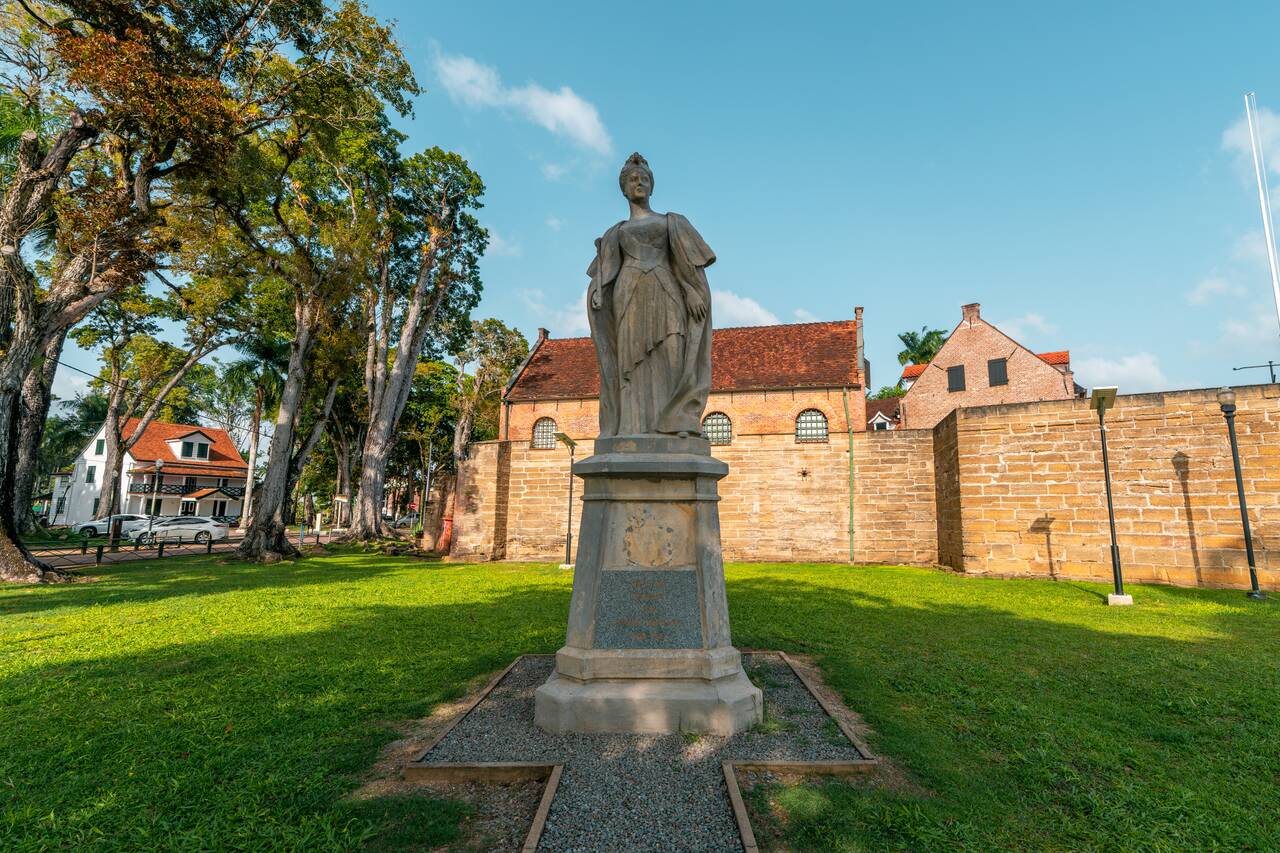
The fort is open from 9 AM to 2 PM, Tuesday through Friday. On Sundays, it is open from 10 AM to 2 PM, with a guided tour available at 10:30 AM. The museum is closed on Mondays and national holidays, so be sure to plan your visit accordingly. Admission costs 500 SRD (~13 USD) per person.
4. Watch the Sunset at Waterkant
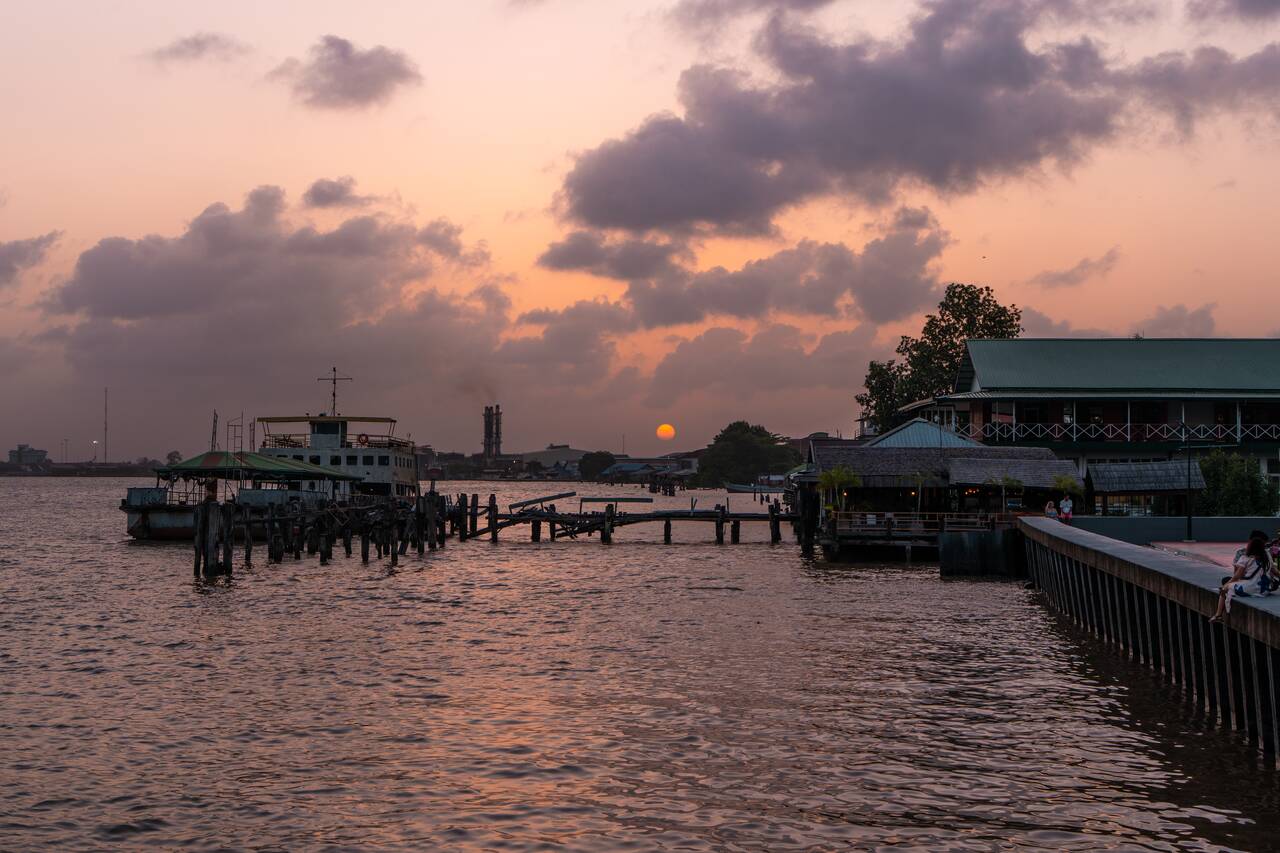
One of the best ways to end your day in Paramaribo is by watching the sunset at Waterkant, the city’s lively riverside promenade along the Suriname River. This is where locals and tourists alike gather in the late afternoon to relax, socialize, and enjoy the cooler evening air as the sun begins to dip below the horizon.
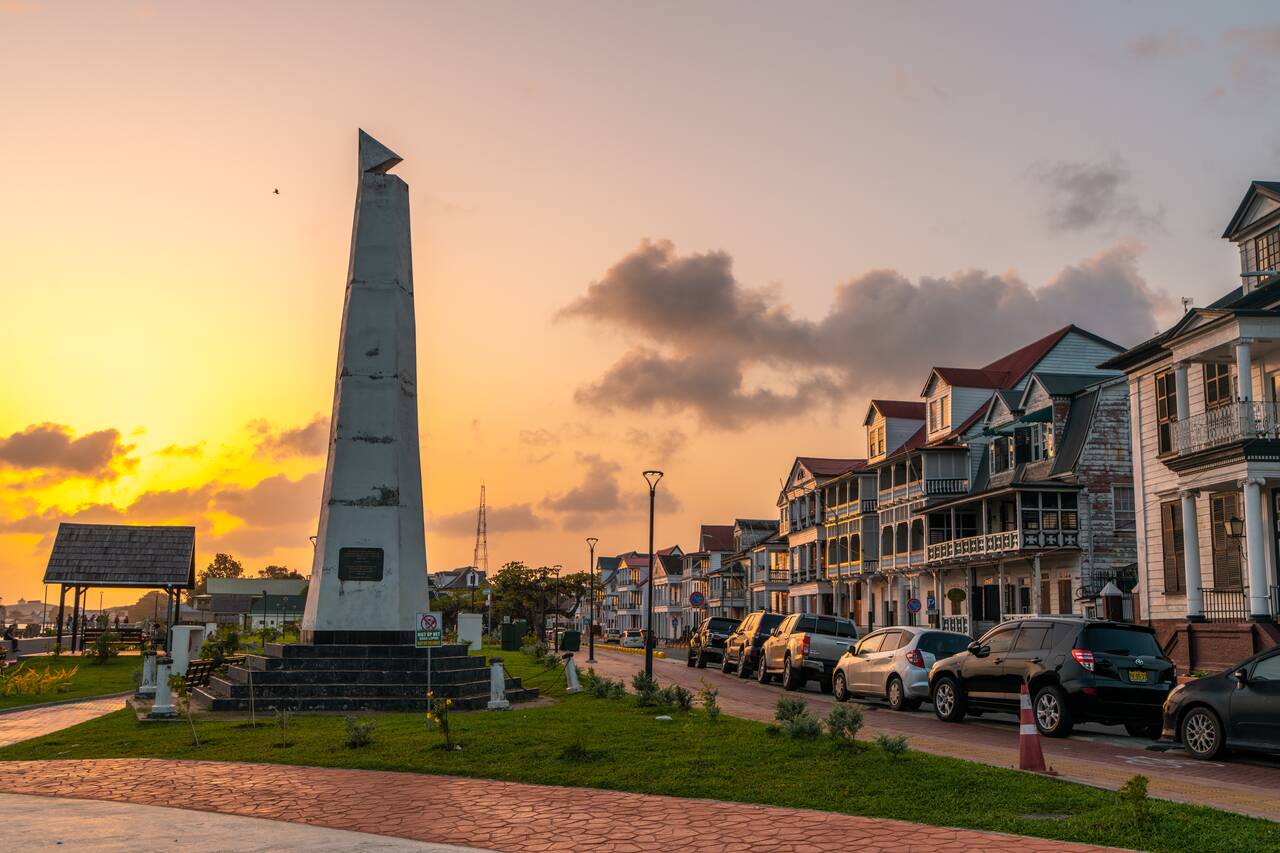
As the sky turns golden, the entire waterfront comes to life. You will see people sitting along the benches lining Waterkant, street vendors selling snacks and drinks, and locals fishing or simply enjoying the view. I often found myself coming here every evening, just sitting and relaxing while listening to music. It almost became an everyday ritual for me.
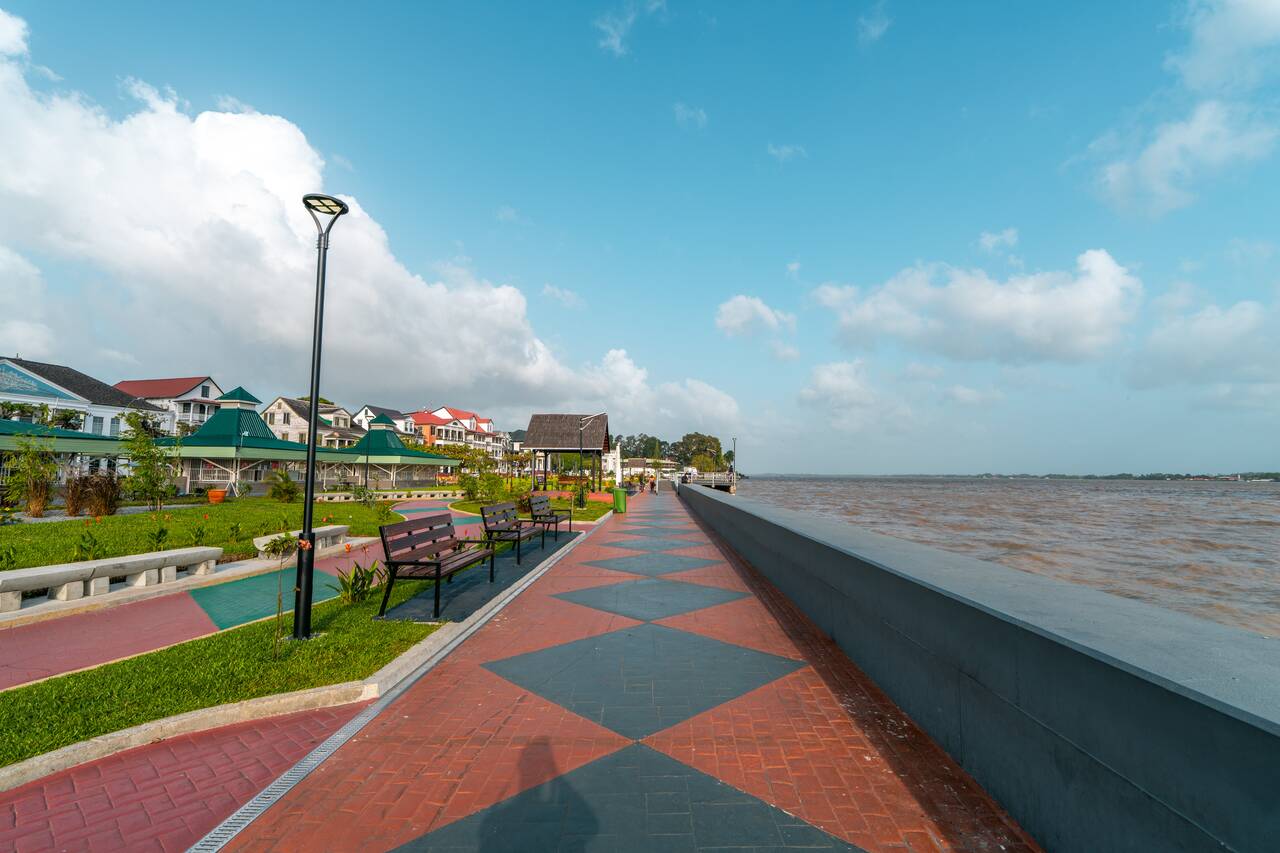
Even during the day, you can come and check out Waterkant, as the area is surrounded by some of the city's most beautiful colonial buildings that run along the riverside road. If you have time, I highly recommend staying a little longer after sunset. The area remains lively into the evening, and you can grab a drink or dinner at one of the nearby restaurants. I recommend De Gadri, which serves delicious nasi and offers a nice view of the river.
5. Visit Independence Square
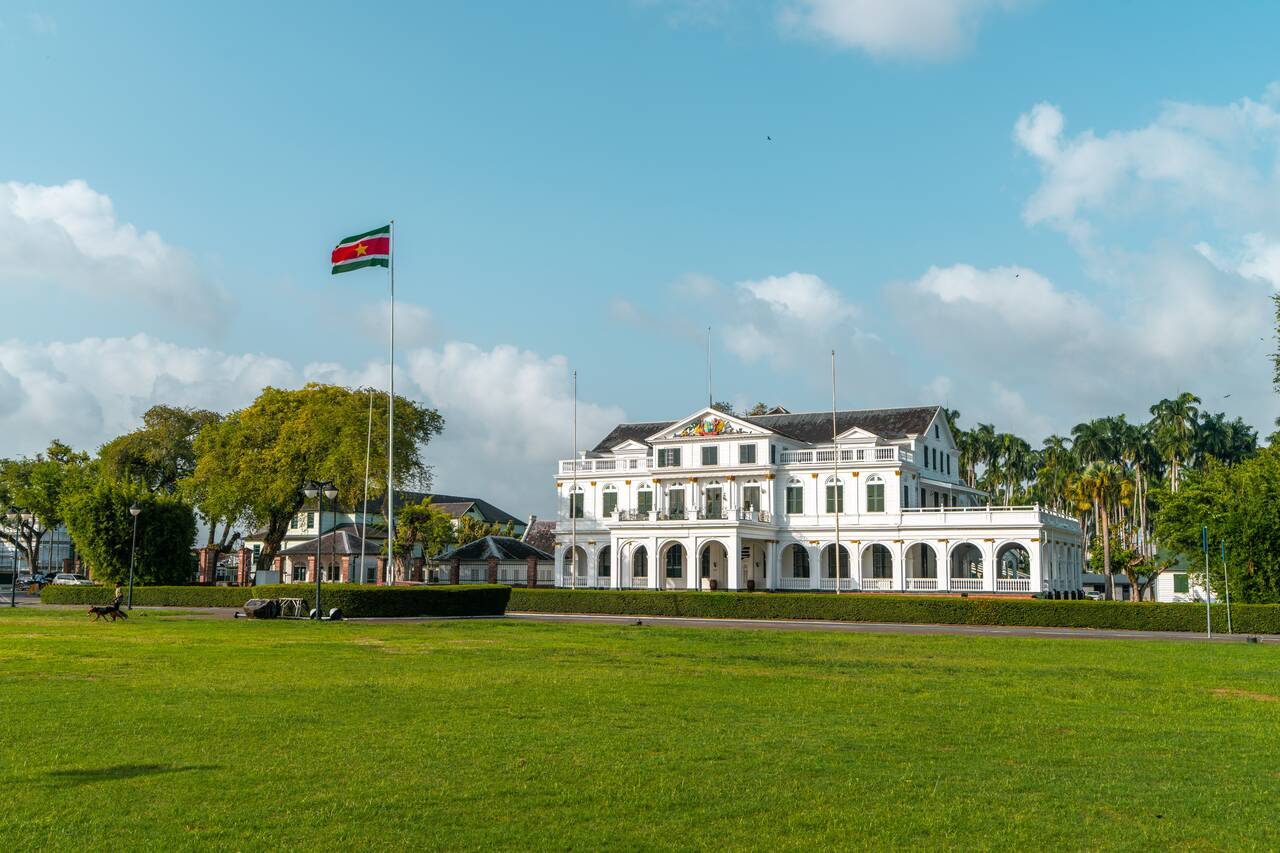
While you are at Waterkant, be sure to walk over to Independence Square, a large open plaza located in the heart of the city, and check out the beautiful Presidential Palace as well as other colonial government buildings nearby.
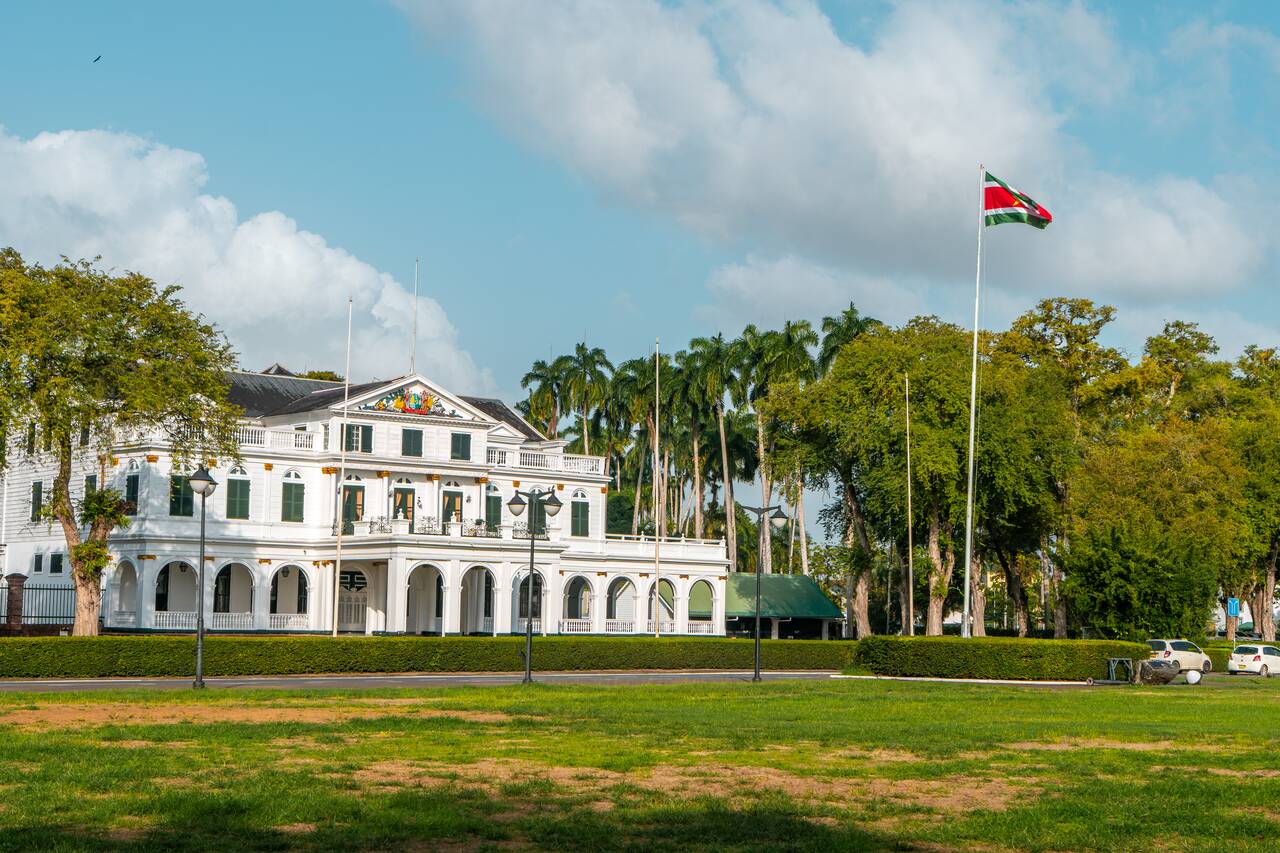
The Presidential Palace is located just across the square, with its elegant white facade and well-kept gardens. It is a great example of the blend between Dutch colonial and Surinamese architectural styles, which in some ways reminded me of the historic houses you might see in the Midwestern United States.
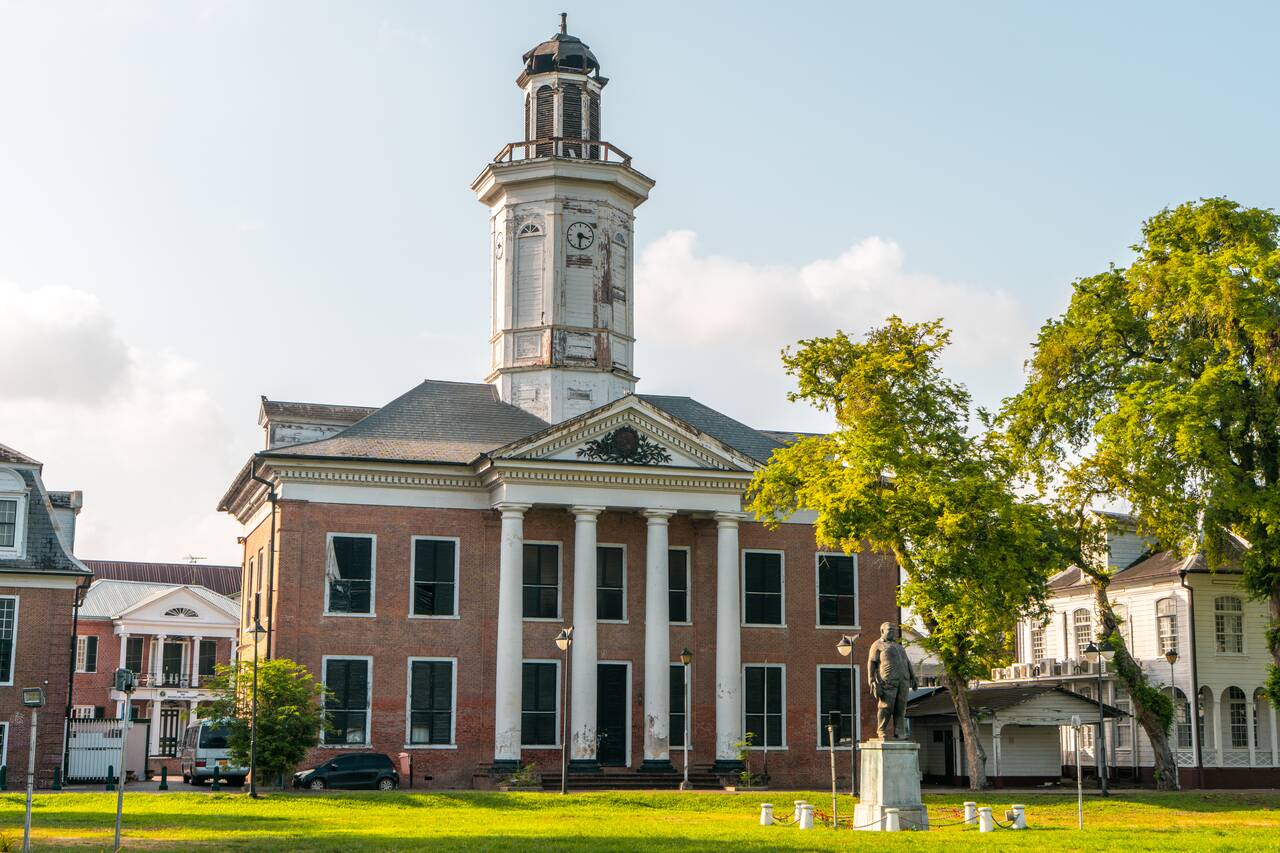
Some of the buildings around the area, such as the Ministry of Finance with its beautiful clock tower and the Congress Hall, are also worth seeing. The former showcases classic colonial wooden architecture, while the latter has a more modern, almost futuristic design. The contrast between them is quite striking.
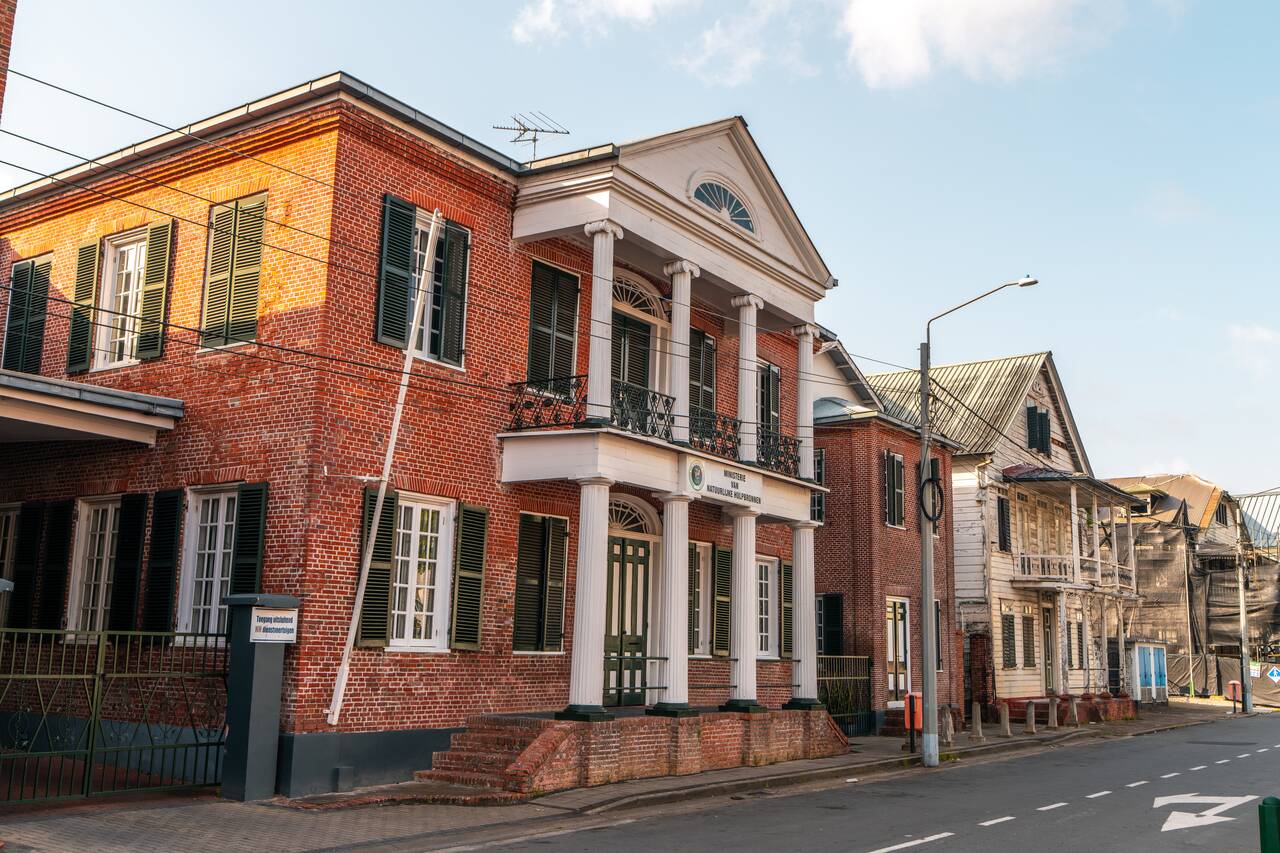
If you are already exploring the historic center, Independence Square is an easy stop to include along your walking route between landmarks like the Waterkant, Fort Zeelandia, and Saint Peter and Paul Basilica. Unfortunately, at the time of writing, access to the square is restricted, and you cannot go inside.
6. Stroll Around Palmtree Garden
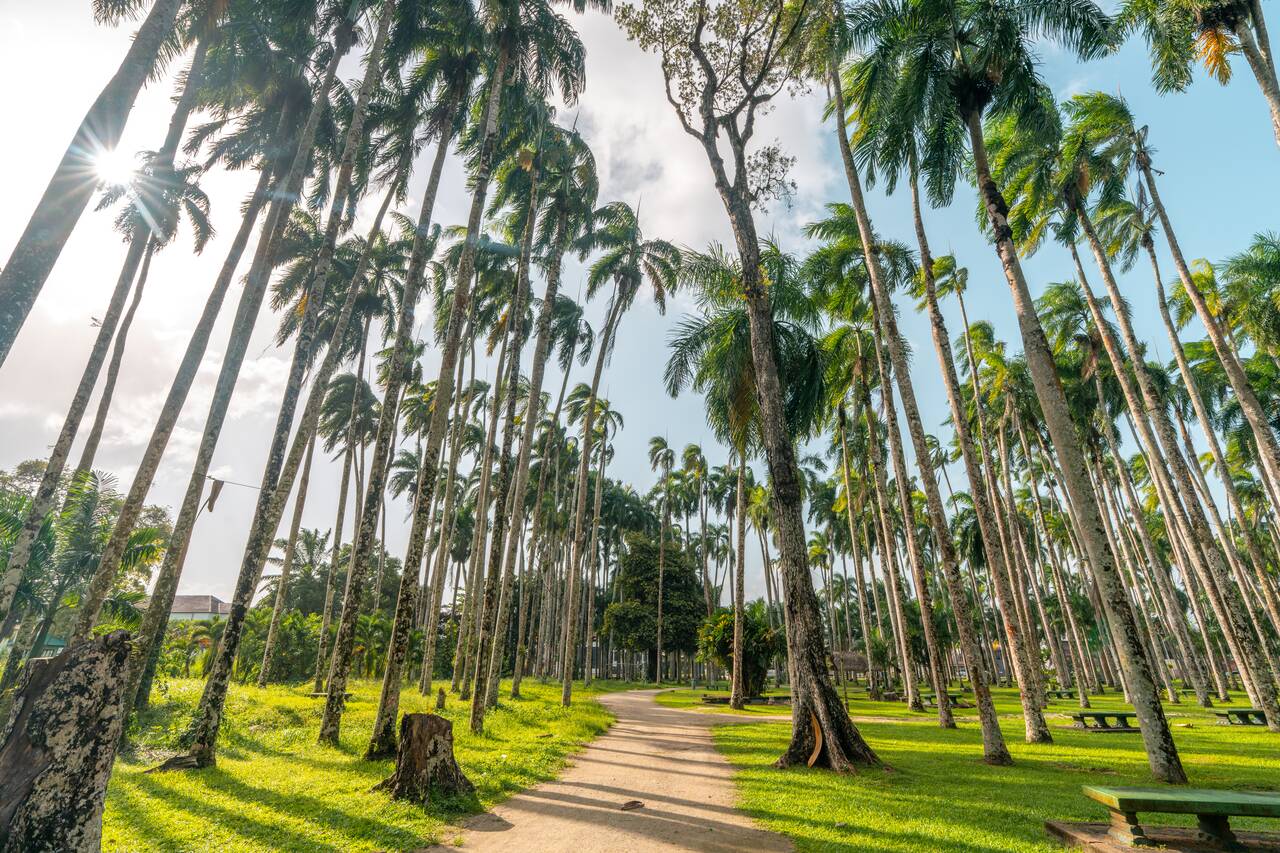
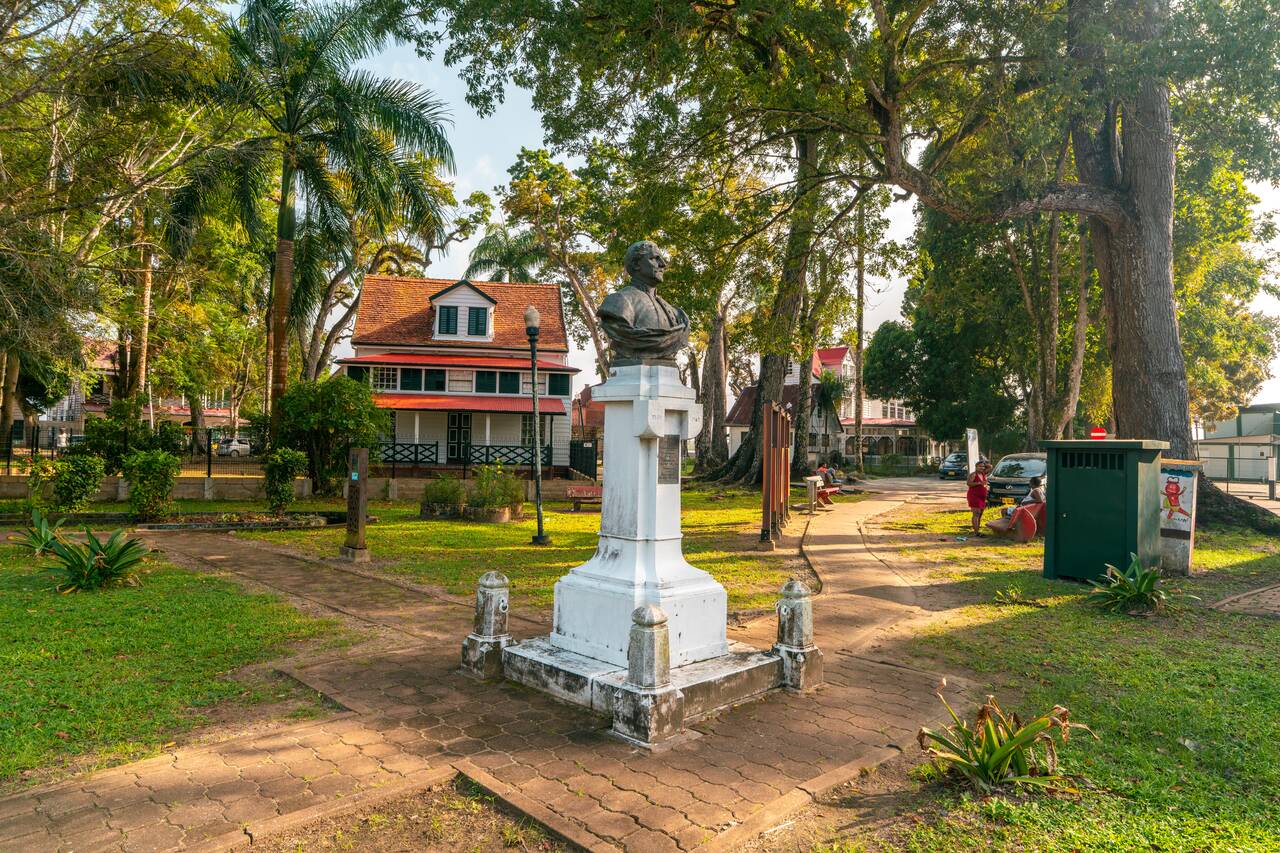
If you are looking to escape the city a bit, you can come and stroll around Palmtree Garden, a quiet green park located right in the historic center. Once a colonial estate, the garden has since been transformed into a public space where both locals and tourists come to relax under the shade of tall palm trees.
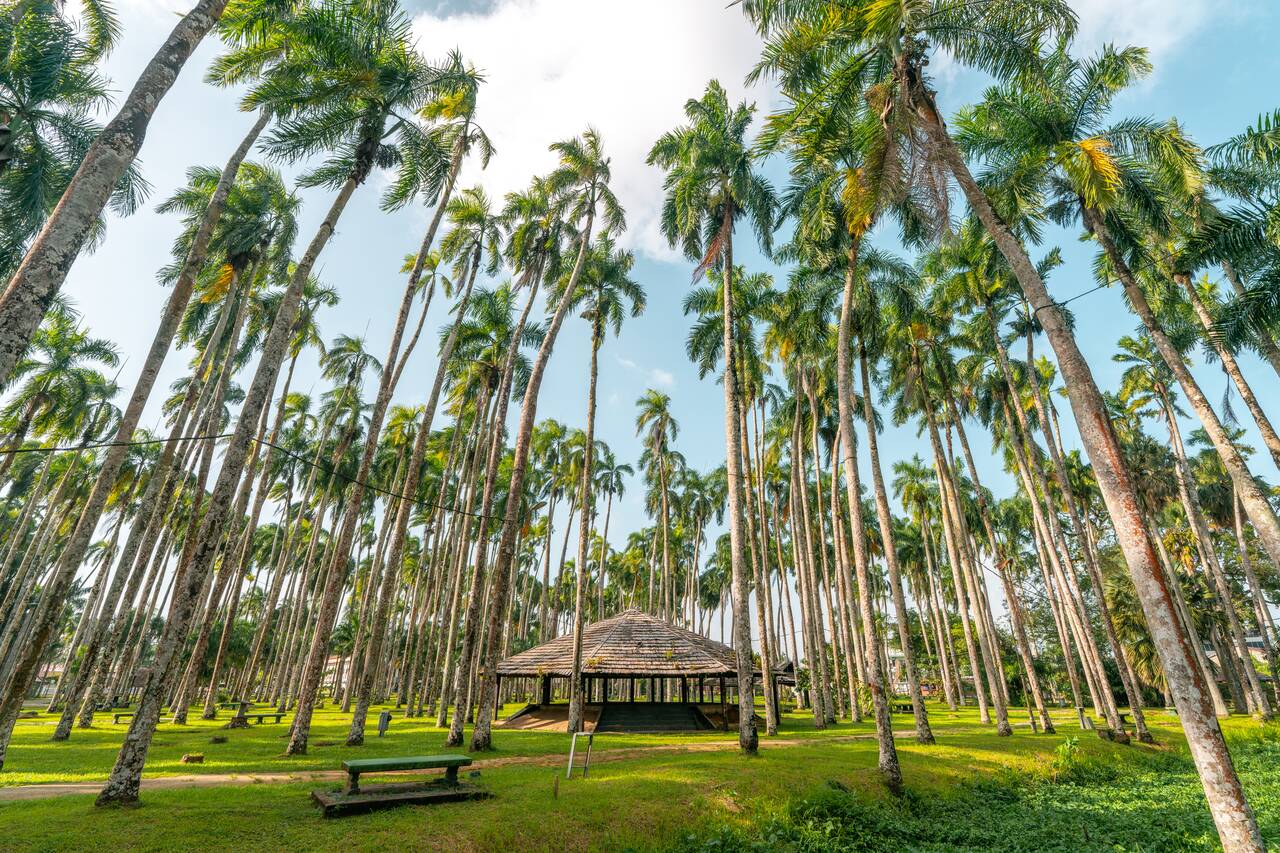
The park is not very big and has a few walking paths and a central pavilion to explore. The lined palm trees are especially pleasant to walk through in the late afternoon when the sun is lower in the sky. It also gets a bit more lively in the evening, with locals sitting on benches, chatting with friends, or simply enjoying the calm green surroundings.
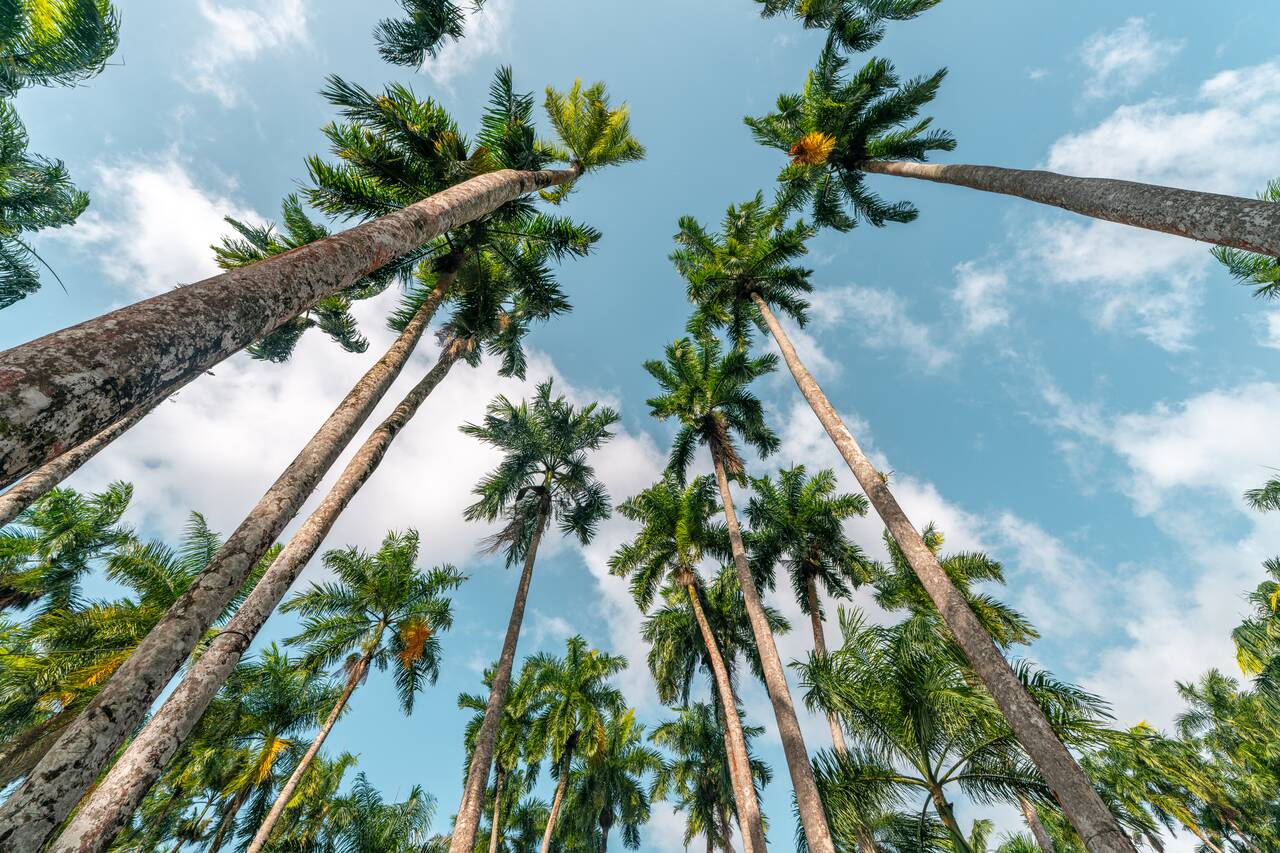
The local birds also like to gather around this area, so you might see or hear them as you stroll around, especially in the early morning and late afternoon. Wildlife thrives here thanks to the city's low footprint on the environment, so you might see a lot more than birds here. The park is open daily from 6 AM to 6 PM, and entry is free.
7. Visit Central & Marron Market
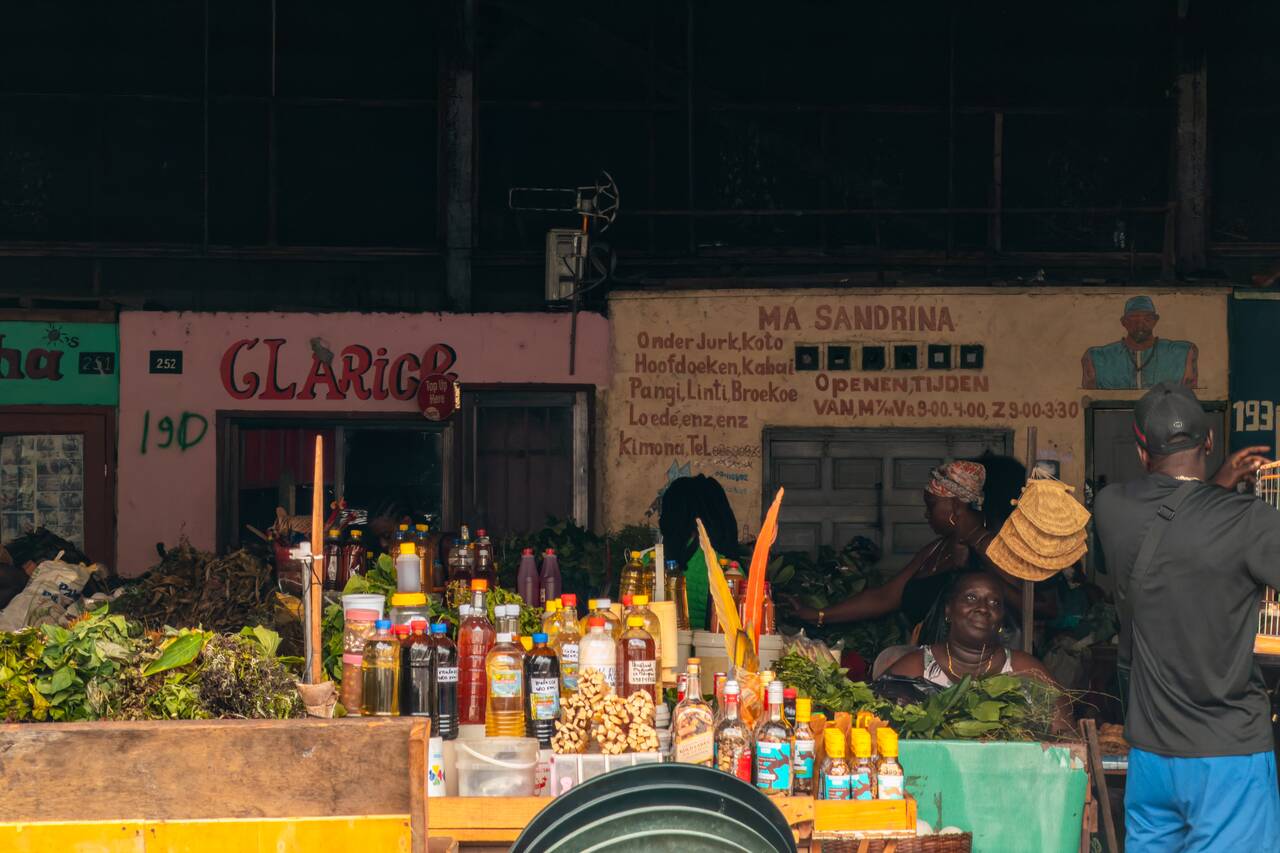
To get a real feel for everyday life in Paramaribo, head to the Central Market and the nearby Marron Market. These busy local markets are where the city truly comes alive, and you will find everything from fresh produce and spices to clothing, household goods, and traditional Surinamese street food here.
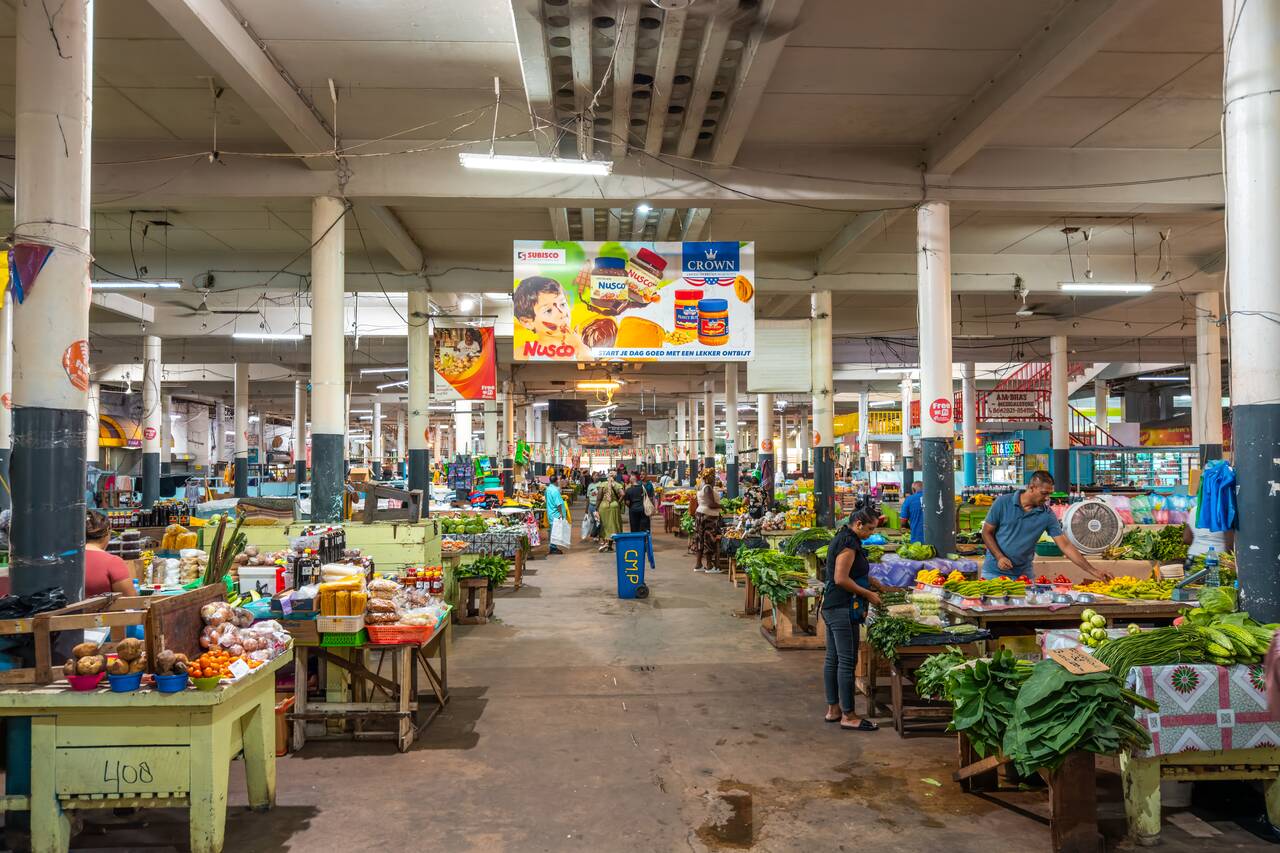
The Central Market is the larger of the two and is especially lively in the mornings when locals come to shop for fresh ingredients. Walking through the stalls will engage all your senses, with an incredible mix of aromas, colors, and sounds unlike anywhere else in South America, thanks to Suriname's diverse cultural heritage.
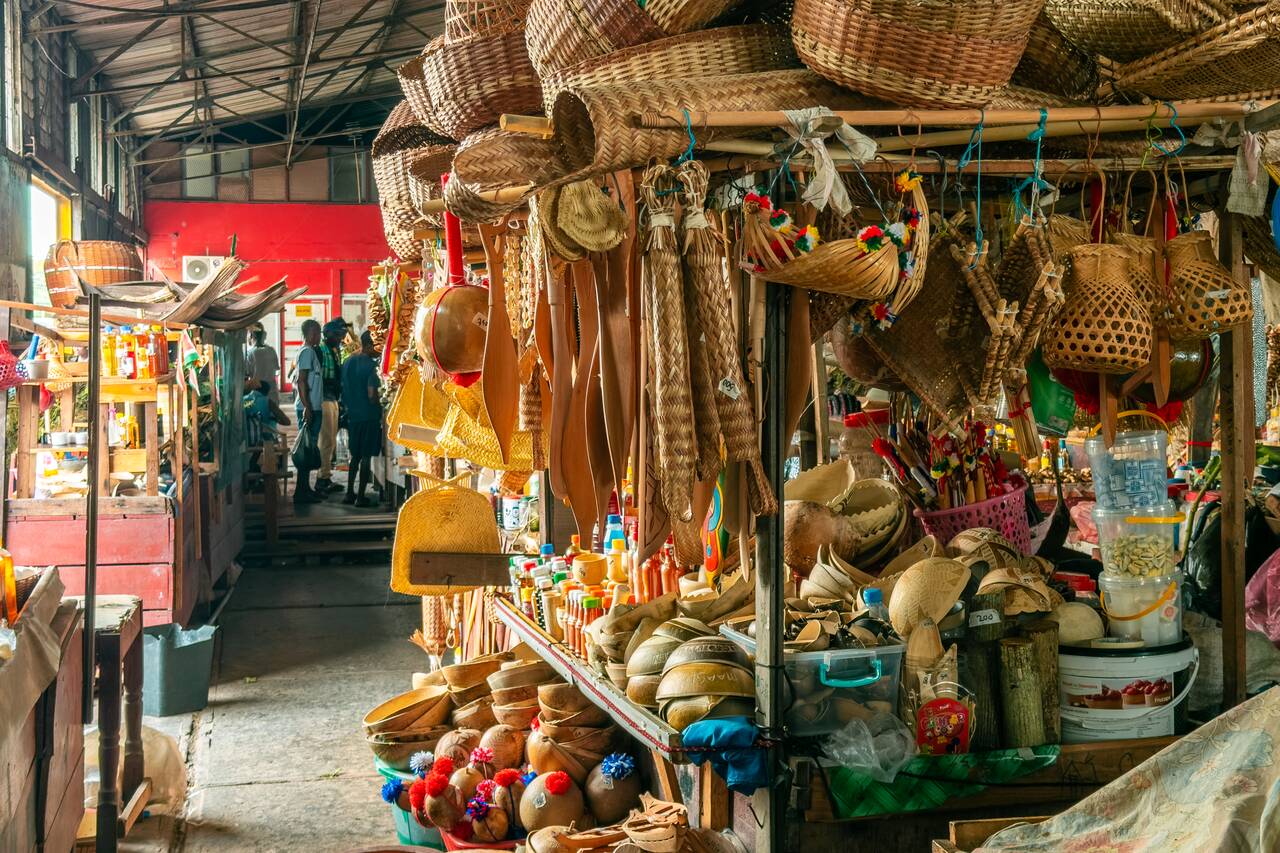
Also, be sure to check out Marron Market, a unique market where Suriname’s Maroon communities come together to sell locally produced goods such as handmade crafts, traditional foods, and a wide variety of Amazonian herbs and natural remedies. It is sometimes even referred to as the “Witch Market” due to the abundance of herbal medicines, spiritual items, and occasional libido-enhancing tinctures you can find here 😄.
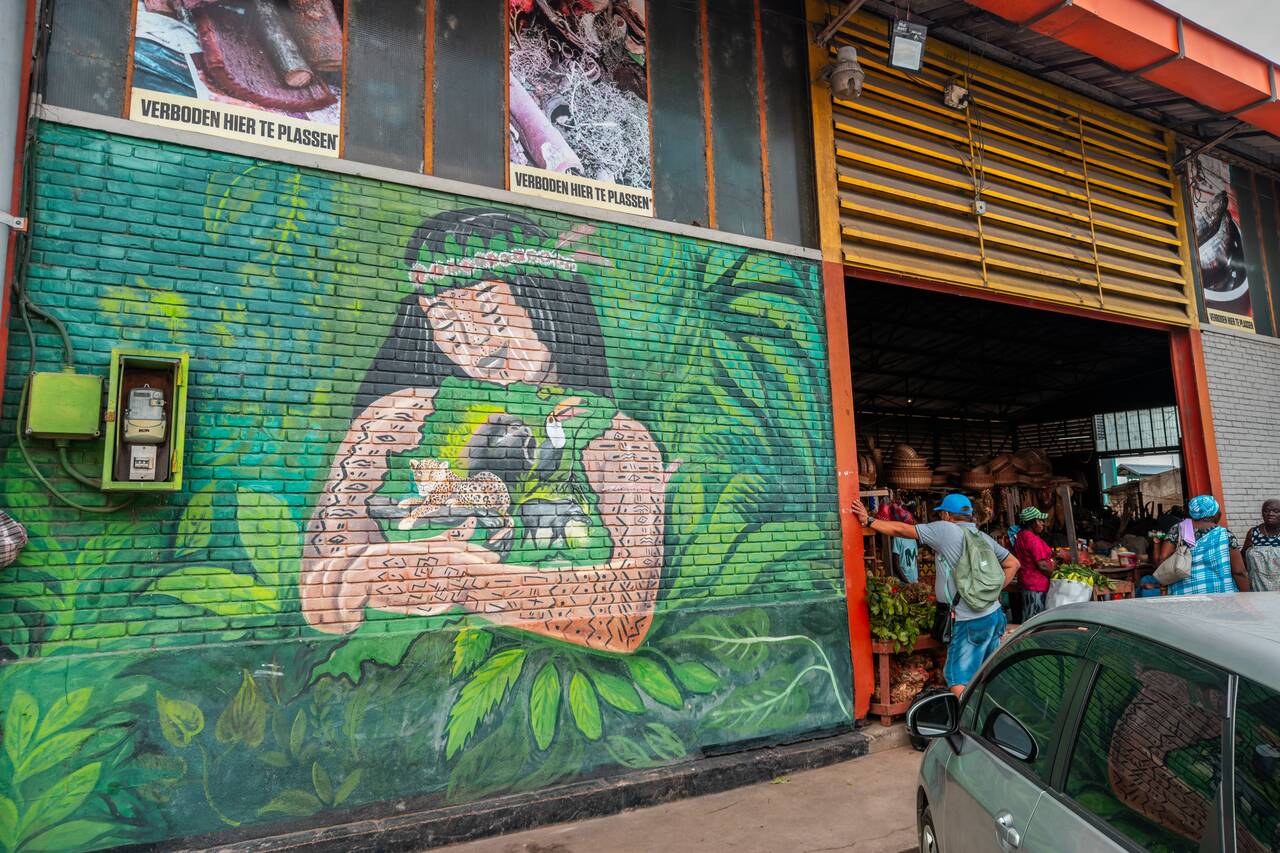
I recommend visiting in the morning when the markets are at their busiest and most vibrant. It is also a great place to try local snacks, interact with friendly vendors, and observe daily life in Paramaribo beyond the main tourist areas. The markets are open from 6 AM to 4 PM, and photography is strictly prohibited here, as I was kindly reminded by the Maroon ladies during my visit 😅.
8. Check Out S.I.V. Mosque & Neveh Shalom Synagogue
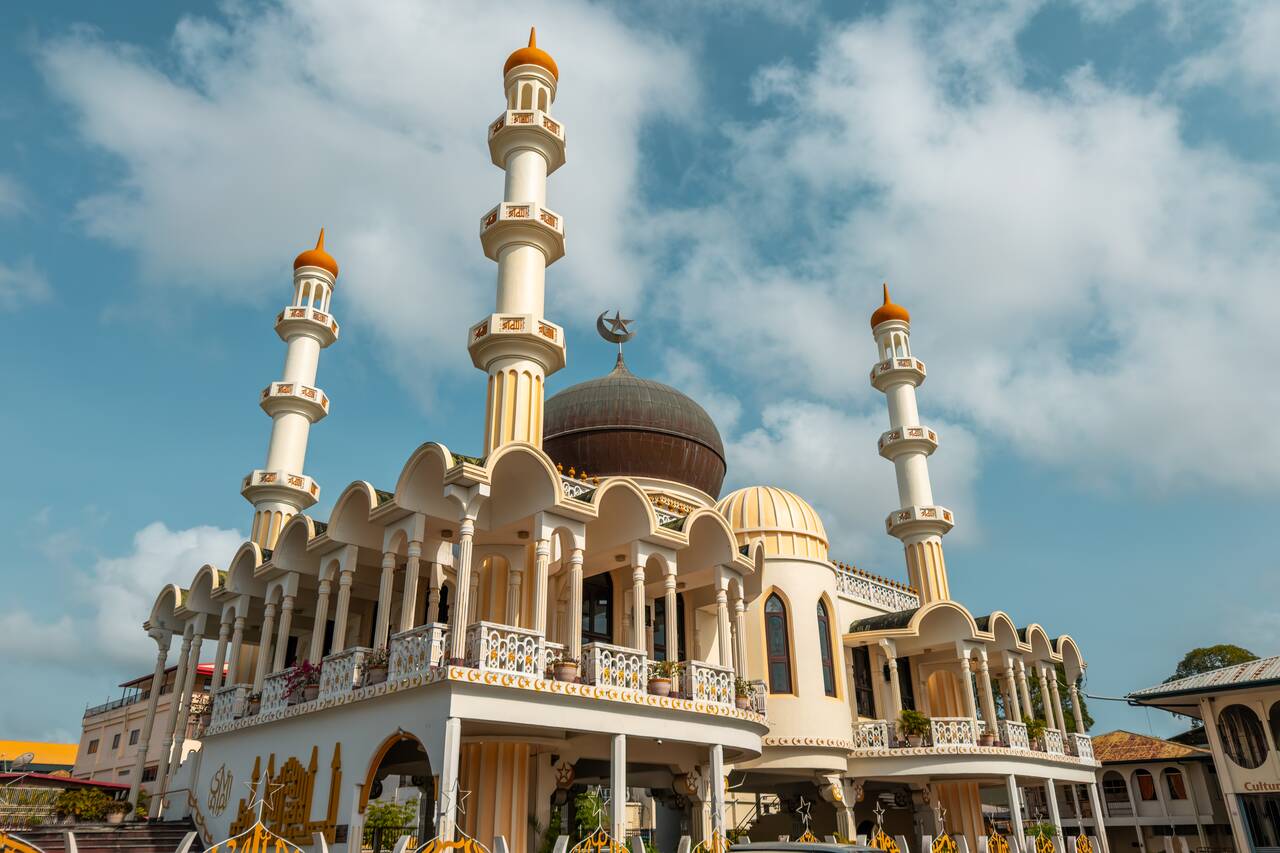
How often do you get to see a mosque and a Synagogue right next to each other? Not often I would imagine, but you can see one here at S.I.V. Mosque and Neveh Shalom Synagogue, where both sites are located right next to each other, even sharing the same parking lot.
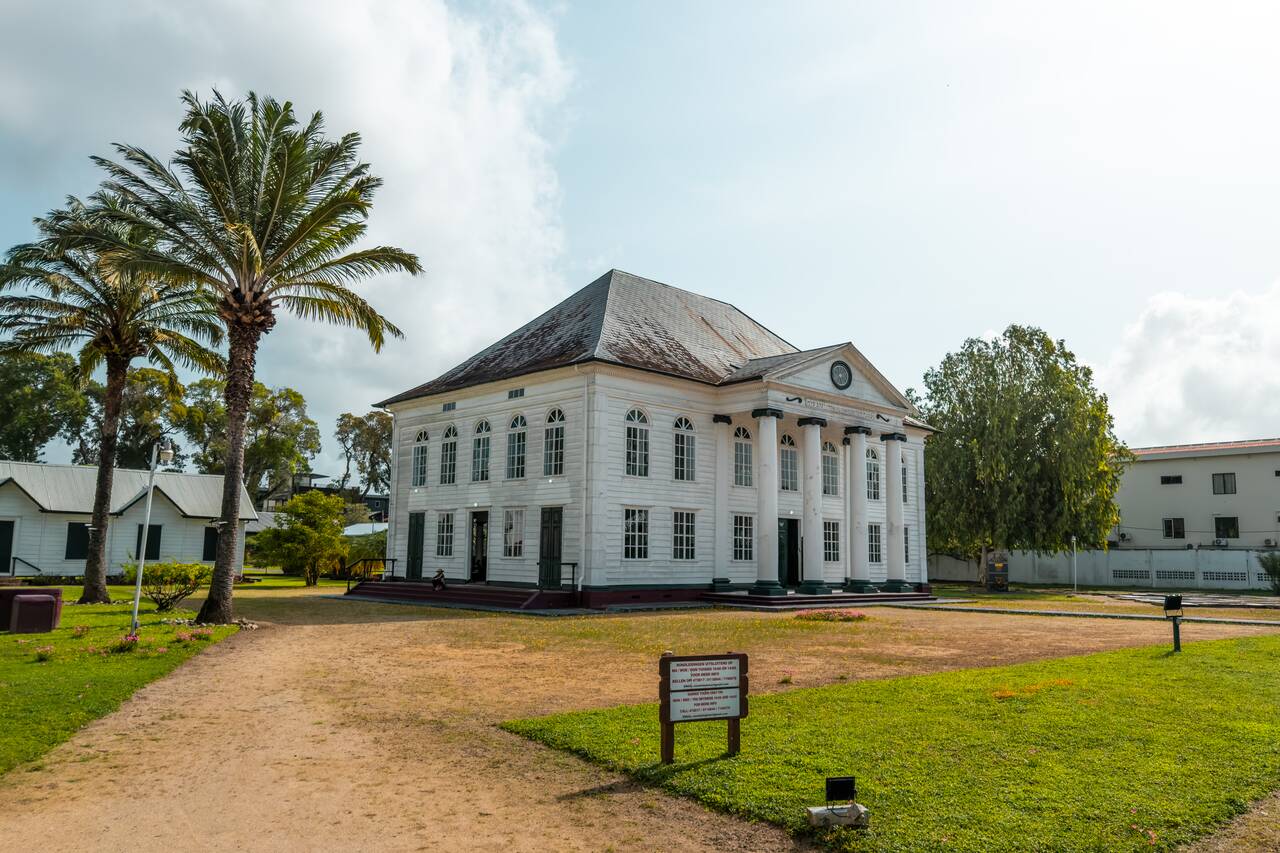
It is a fascinating symbol of Paramaribo’s cultural diversity and a reflection of Suriname’s long history of religious tolerance and multicultural coexistence. Despite global conflicts and tensions elsewhere in the world, Suriname has remained a place where people of different faiths and backgrounds continue to live together, much as they have for decades.
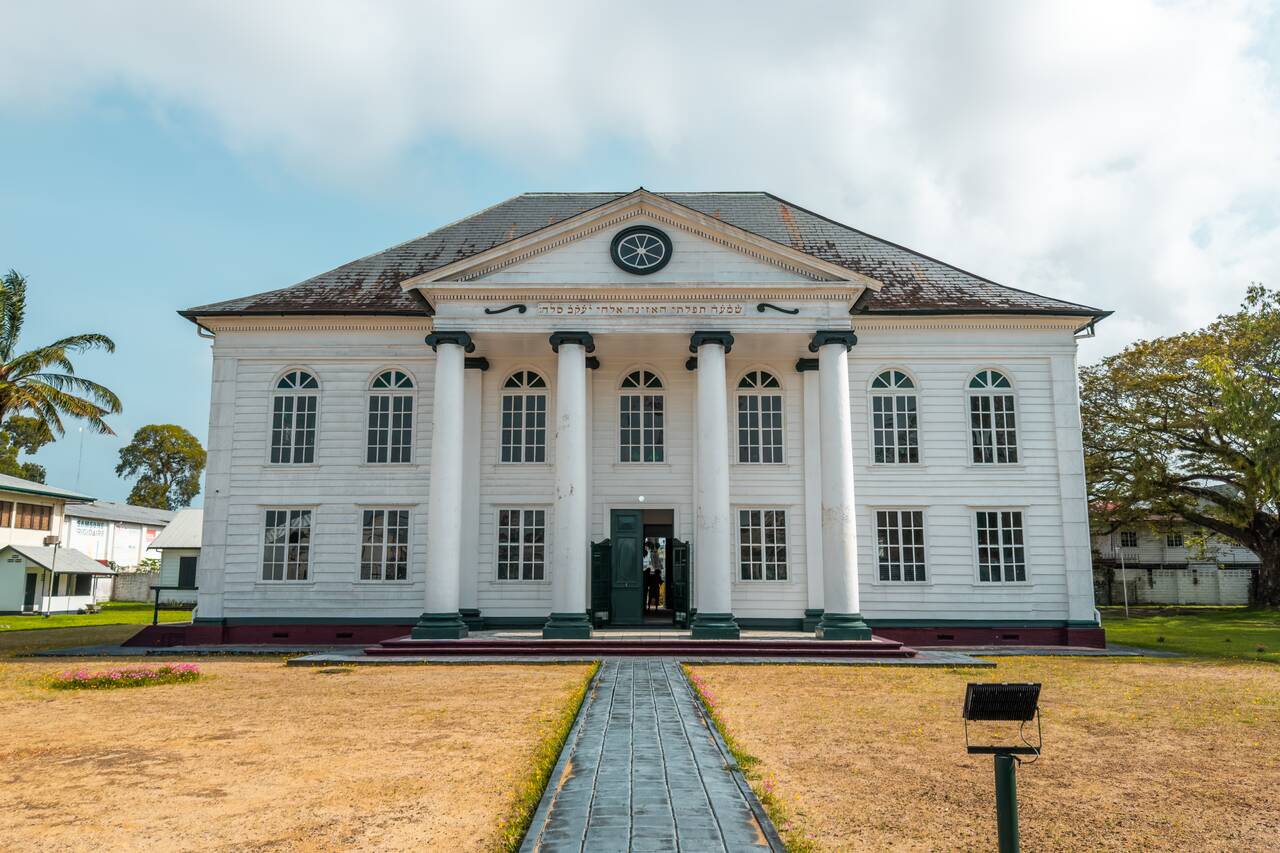
It is a rare and powerful reminder of how different cultures and religions can live side by side in harmony. If you are exploring the historic center, I highly recommend making a quick stop here. If you are dressed appropriately, you can usually enter the mosque, but you will need to have your shoulders and knees covered, and shorts are generally not allowed. For the synagogue, access is typically only possible via a guided tour, which you can arrange on site at the synagogue.
9. Drop by Readytex Art Gallery
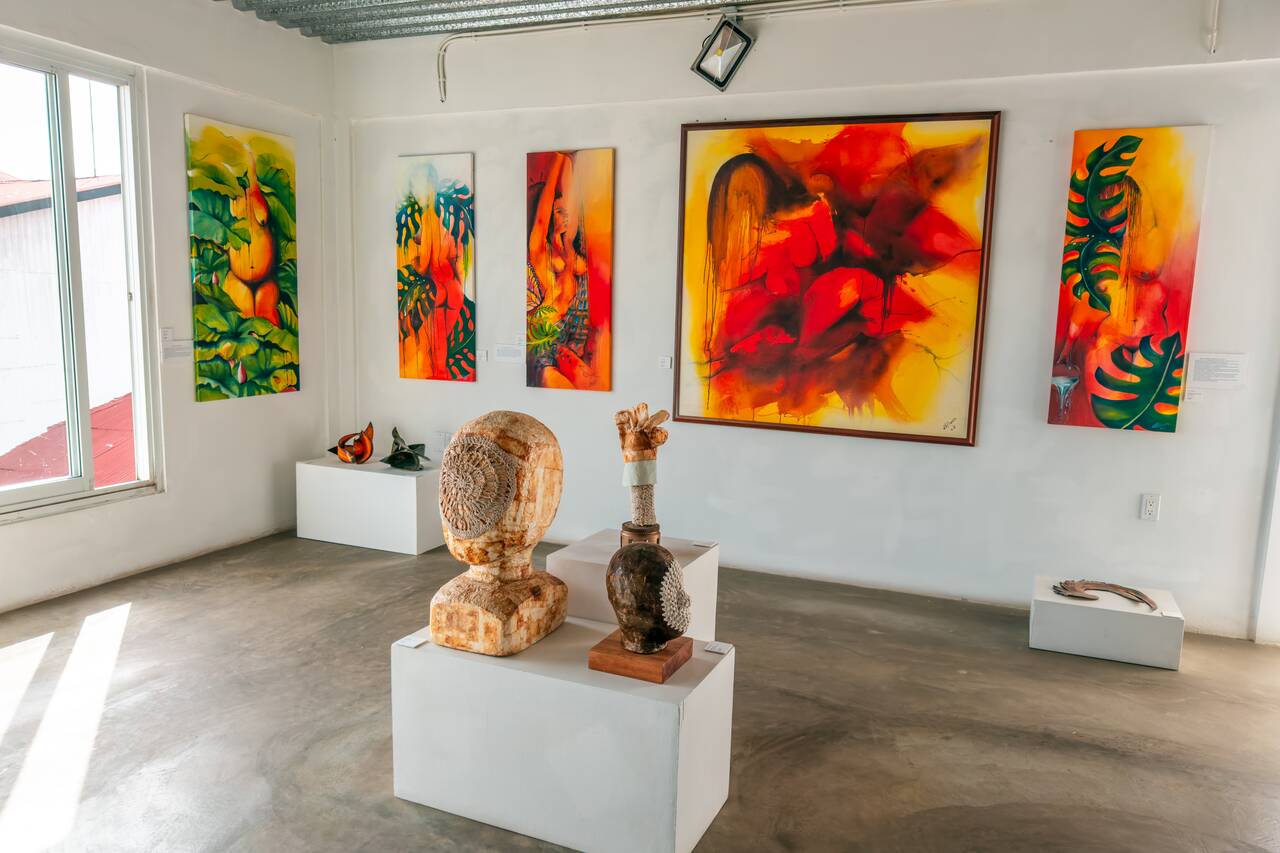
If you like art and would like to buy some unique artworks to bring home while supporting the local community, I highly recommend checking out Readytex Art Gallery, a local art gallery featuring all kinds of works from local artists, ranging from paintings to sculptures, and more.
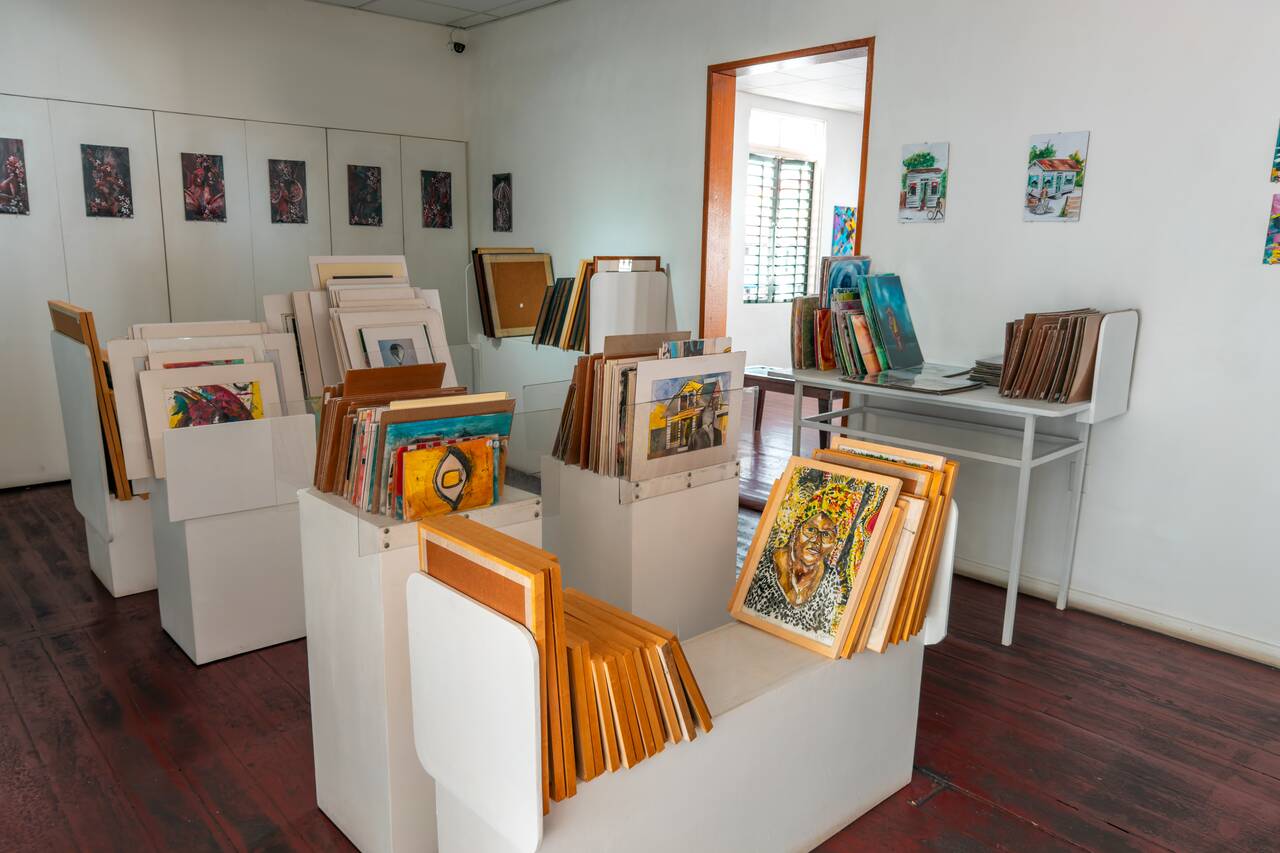
Inside, you will find a rotating selection of paintings, sculptures, and mixed-media works spread across its two floors, which often reflect themes of identity, heritage, nature, and everyday life in Suriname. The space is well curated and feels more like a boutique art experience than a traditional museum.
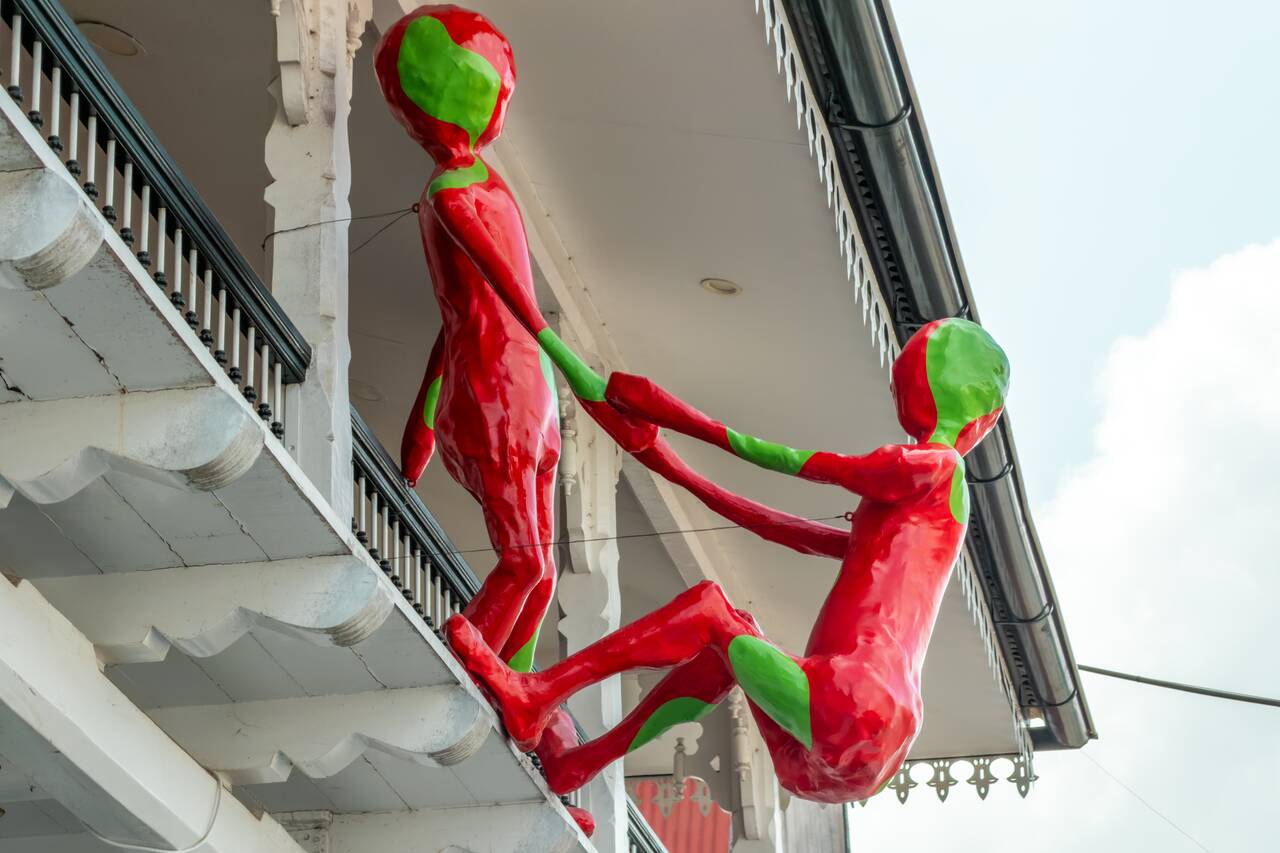
It is a great place to support local artists and pick up unique pieces if you are looking for something meaningful to bring home from your trip. Even if you are not planning to buy anything, it is still worth a short visit while exploring the historic center. Entry is free. It is open from 8 AM to 4:30 PM on weekdays, and on Saturdays from 8:30 AM to 1:30 PM. It is closed on Sundays.
10. Learn the History at Nieuw Amsterdam Fort
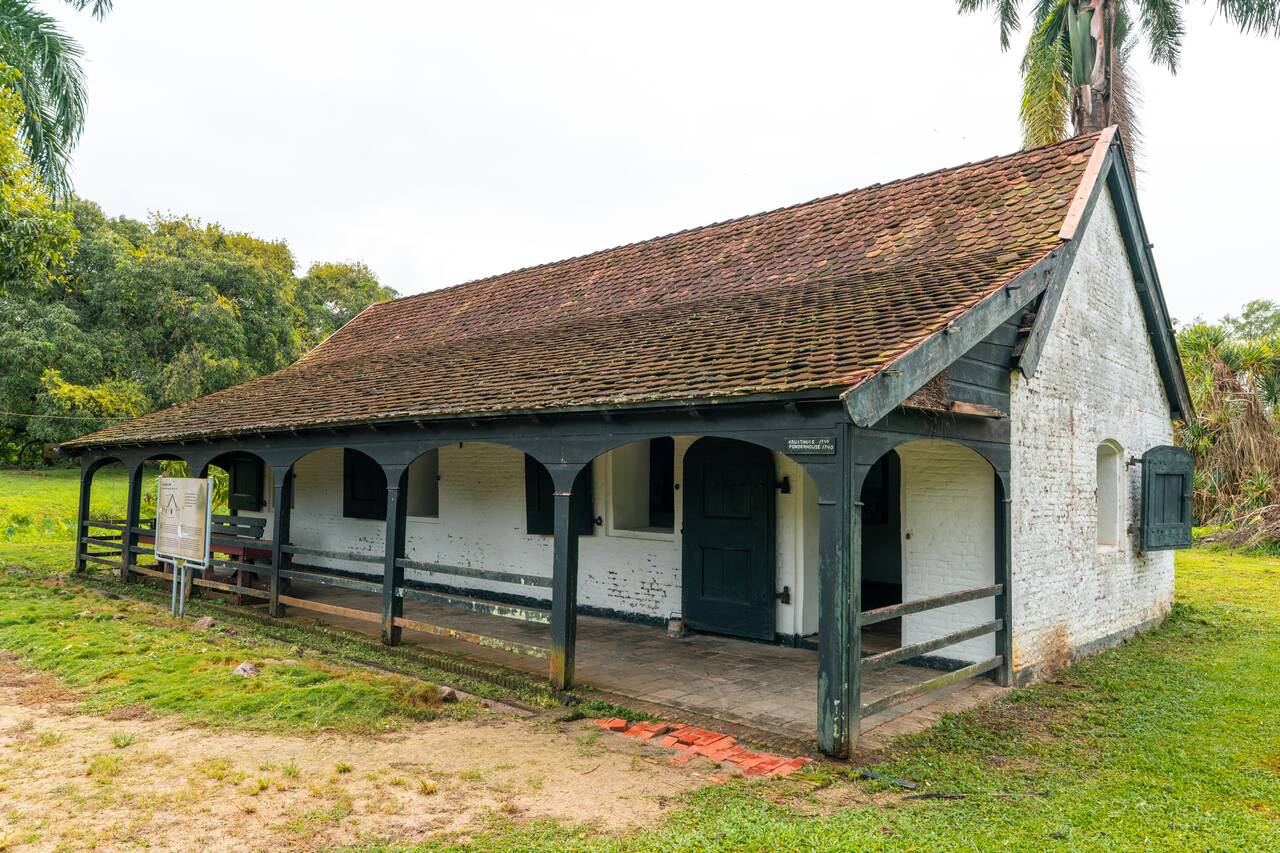
A great day trip you can make from Paramaribo is to visit Fort Nieuw Amsterdam, an open-air museum located at the confluence of the Suriname and Commewijne rivers, just outside the city. Built in the 18th century by the Dutch, the fort was originally constructed to defend the colony from naval attacks and played an important role in the region’s military history.
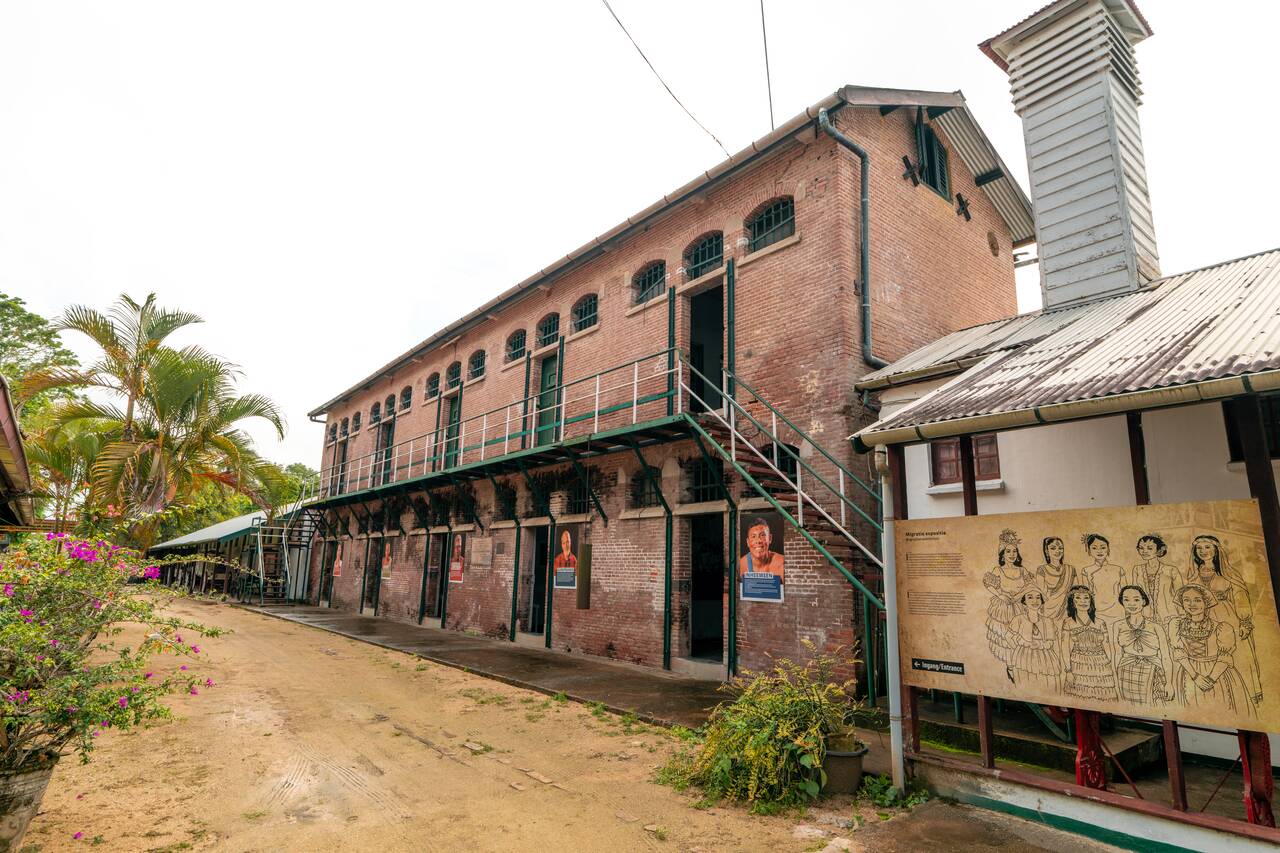
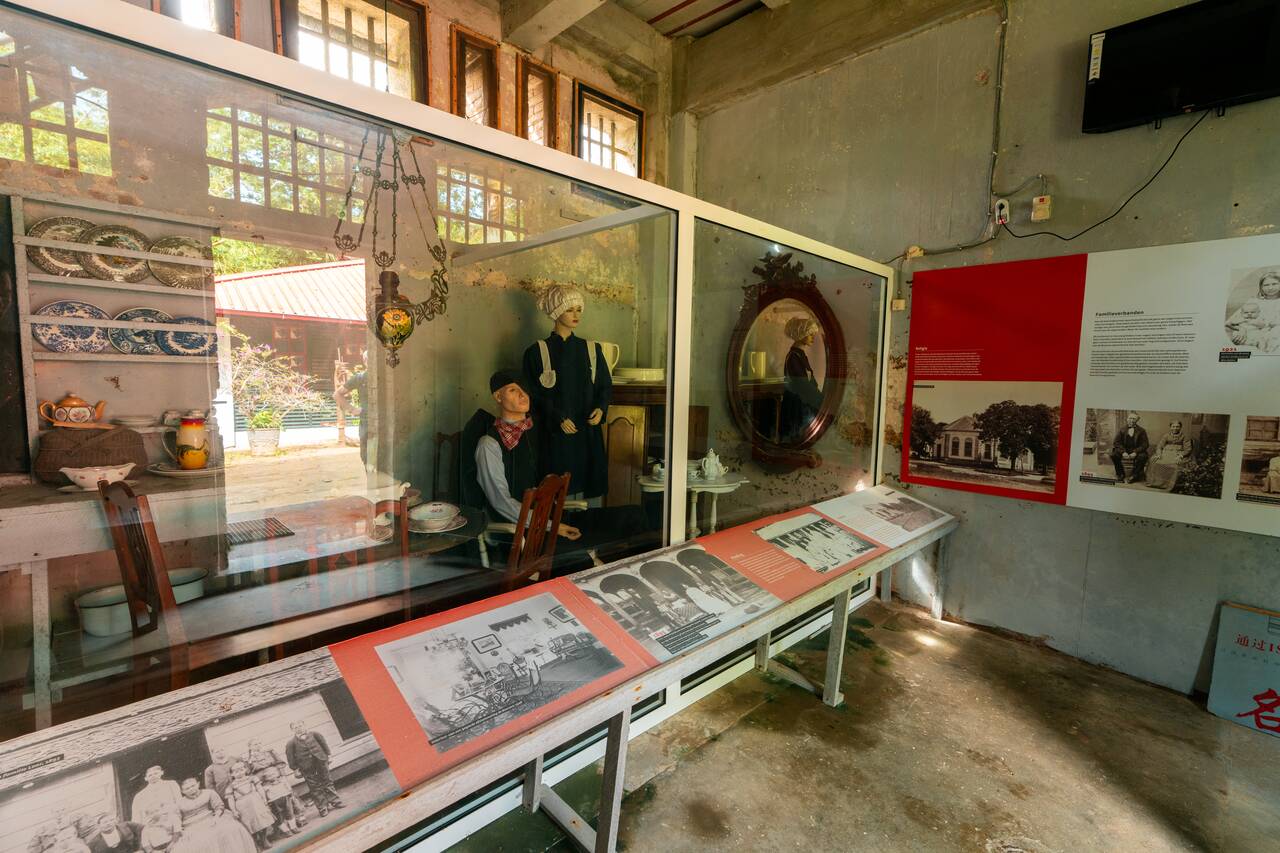
Today, Fort Nieuw Amsterdam has been transformed into a historical and cultural site where you can explore preserved fortifications, old cannons, and exhibits that tell the story of Suriname’s past. The museum goes deeper and provides valuable insight into the country’s plantation economy, colonial conflicts, and the development of its diverse society.
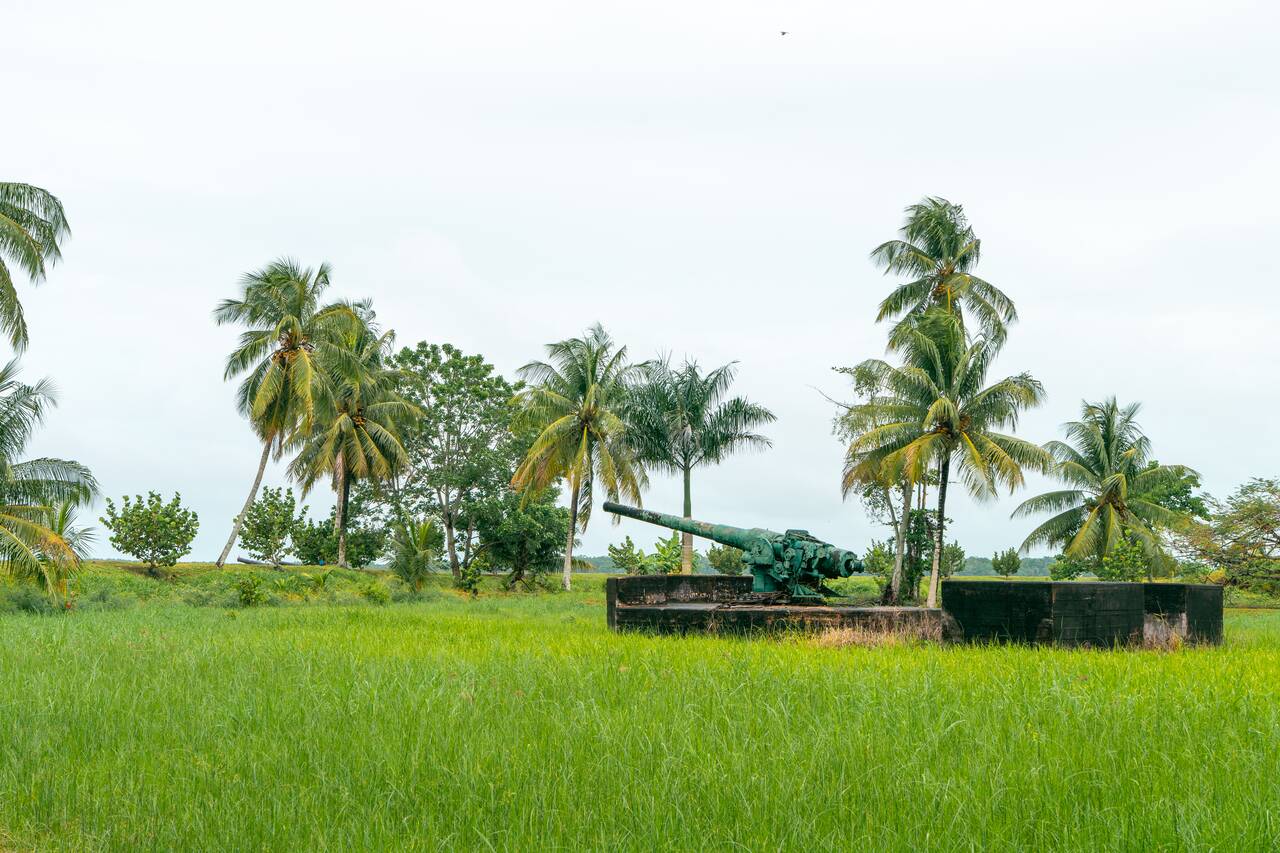
One of the highlights of visiting the fort is its setting. Surrounded by water and lush greenery, it is a peaceful place to walk around and take in the scenery while learning about history. You can also enjoy views of the river junction, which has long been a strategic and symbolic location in Suriname.
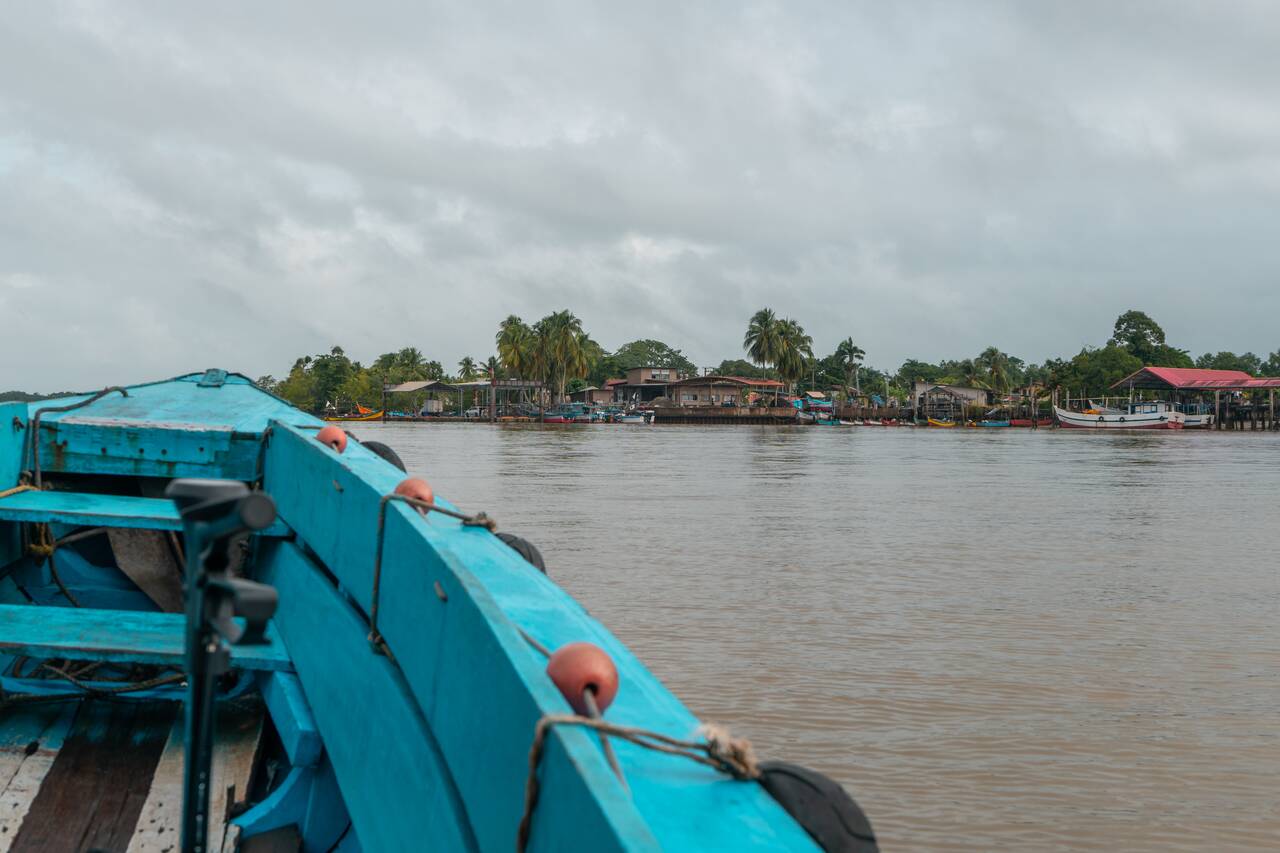
Since the fort is located across the river, unless you are renting a car and driving yourself, it is best to go with an organized tour, which will often include Nieuw Amsterdam Fort as well as other plantations like Rust en Werk, which we will discuss later in the guide. You will also be guided by a knowledgeable local guide who will help you better understand the nuances of the relationship between the Dutch and the local Surinamese people.
I highly recommend this Commewijne plantation with dolphins day trip by Jenny Tour. I went with them, and the guide was friendly, spoke good English, and really helped guide me through each place with very interesting local insights. I loved it!
11. See Dolphins in the River at Sunset
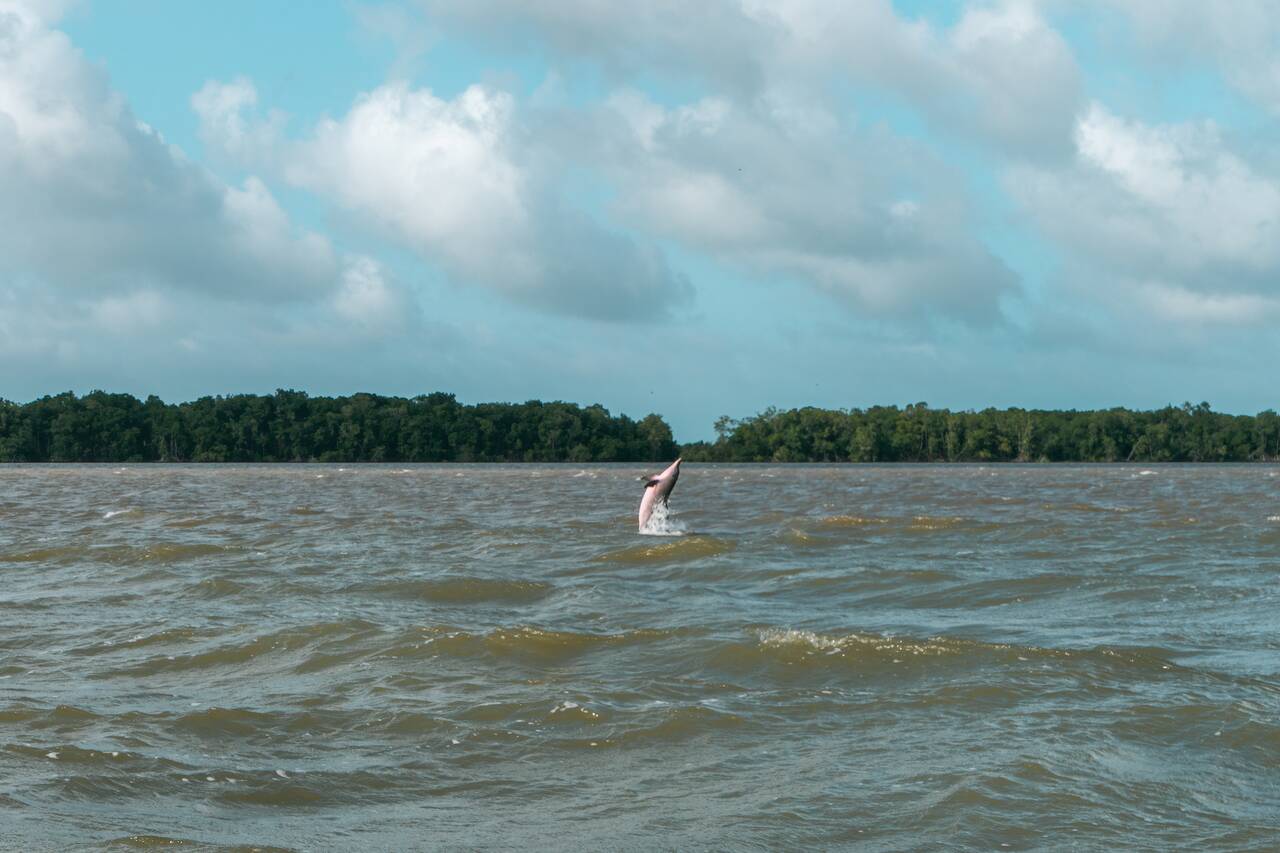
One of the coolest things you can experience in Paramaribo is seeing the river’s local residents: the Amazon river dolphins, which often come out to greet you at sunset. To see them, you will need to take a boat out into the river in the late afternoon, where you have a good chance of spotting Amazon river dolphins swimming and playing in the water as the sun begins to set.
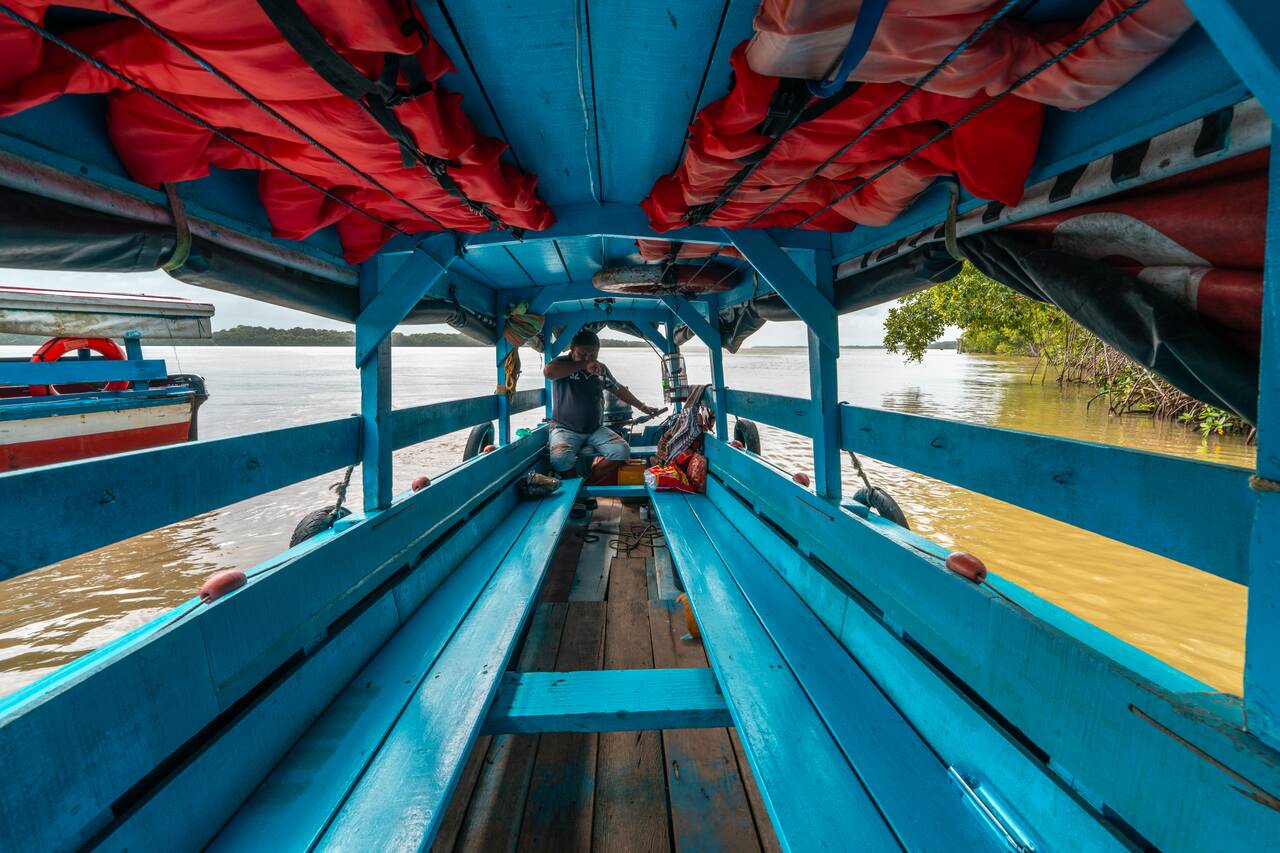
If you plan to go with Commewijne Plantation with Dolphins day trip by Jenny Tour, they will also stop by and look out for dolphins on the way back from Nieuw Amsterdam and plantation visits, so you do not need to book the tour separately. If you just want to see the dolphins, you can go with this sunset dolphin tour instead.
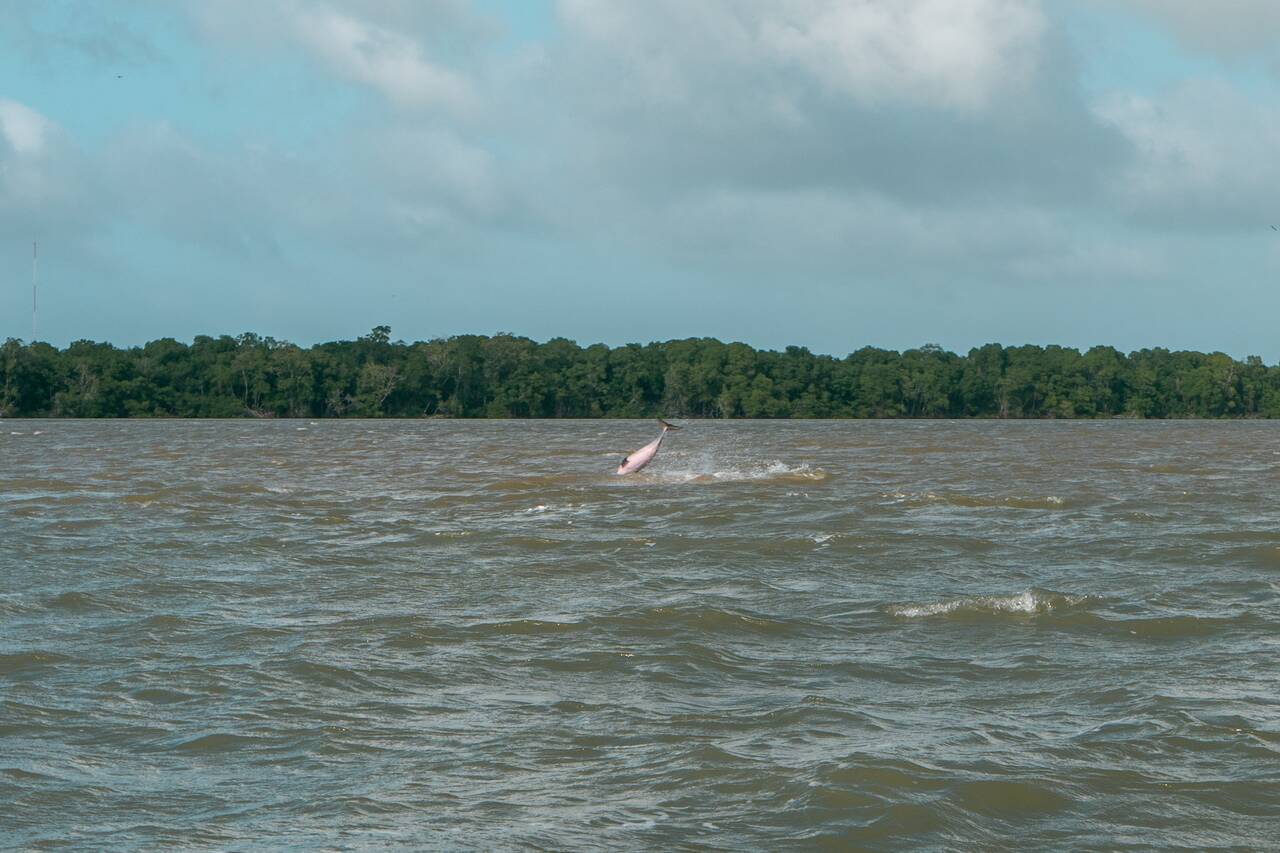
We saw a couple of them while we were out on the river, coming back from visiting Plantage Frederiksdorp, and it was right around sunset, which was perfect. If you are looking for a cool thing to do in the evening, be sure to go on one of these sunset dolphin tours. It should cost no more than 25 EUR per person for a shared boat tour.
12. Visit a Plantation in Commewijne District
Of course, with all the talk about plantations in the museums here, you will want to see one for yourself. A good place that is not too far from Paramaribo is Rust en Werk Plantation in the Commewijne District. It is a historic plantation where you can get a glimpse into Suriname’s colonial past and the country’s long and complex plantation history.
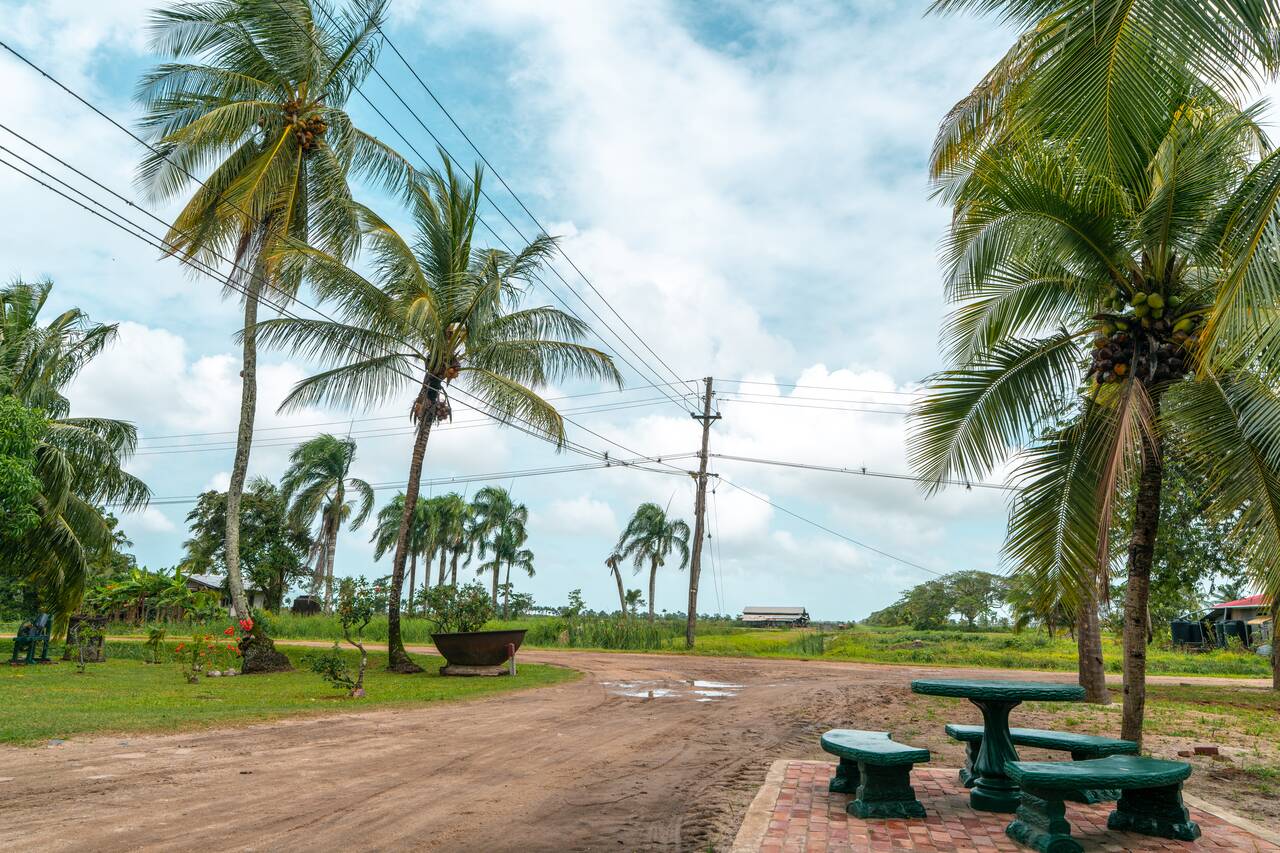
Originally established during the Dutch colonial era, Rust en Werk was once part of Suriname’s extensive sugar plantation system, which relied heavily on enslaved labor. Today, the site has been partially preserved and transformed into a place where you can learn more about this difficult chapter in the country’s history while also exploring the surrounding rural landscape.
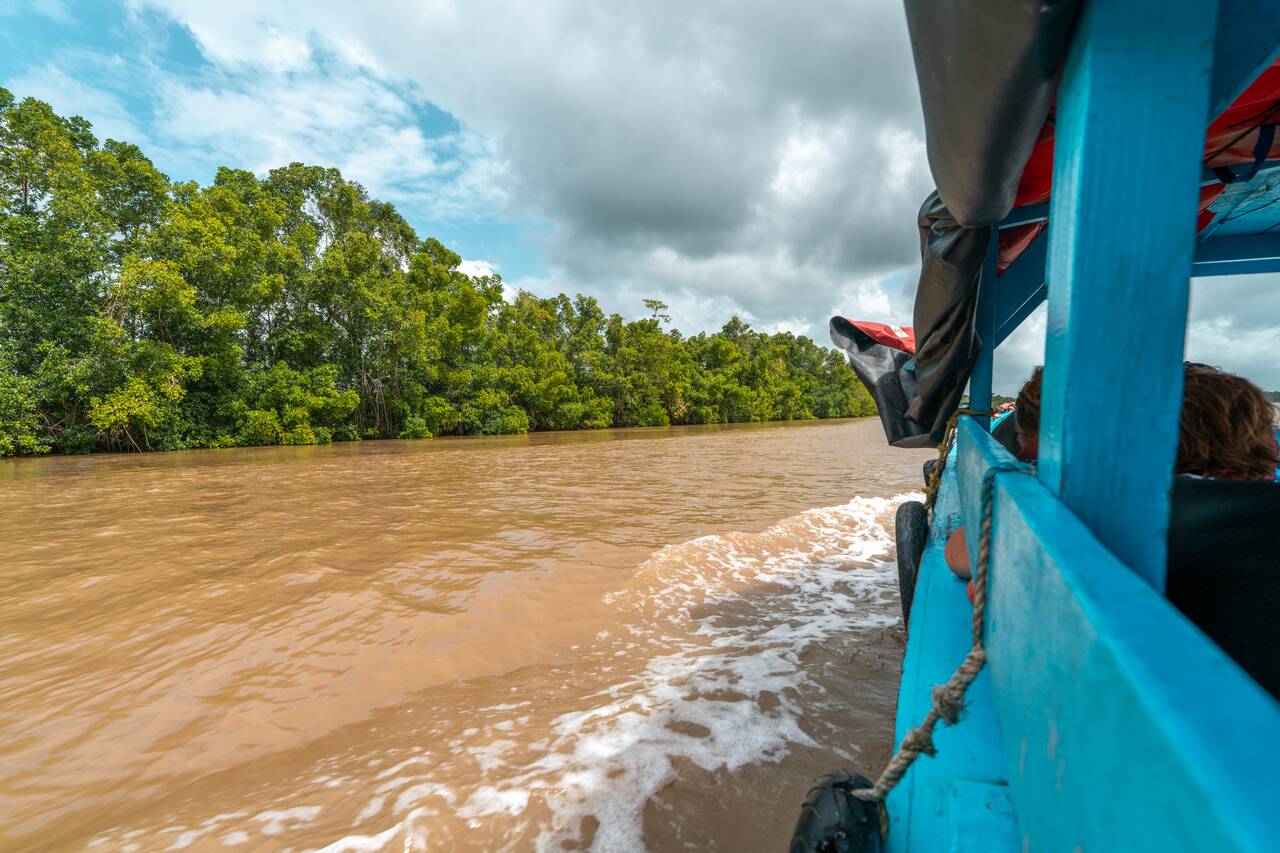
Getting here usually involves a boat crossing from Paramaribo followed by a short walk to the plantation. You can visit this place with the Commewijne plantation with dolphins day trip by Jenny Tour.
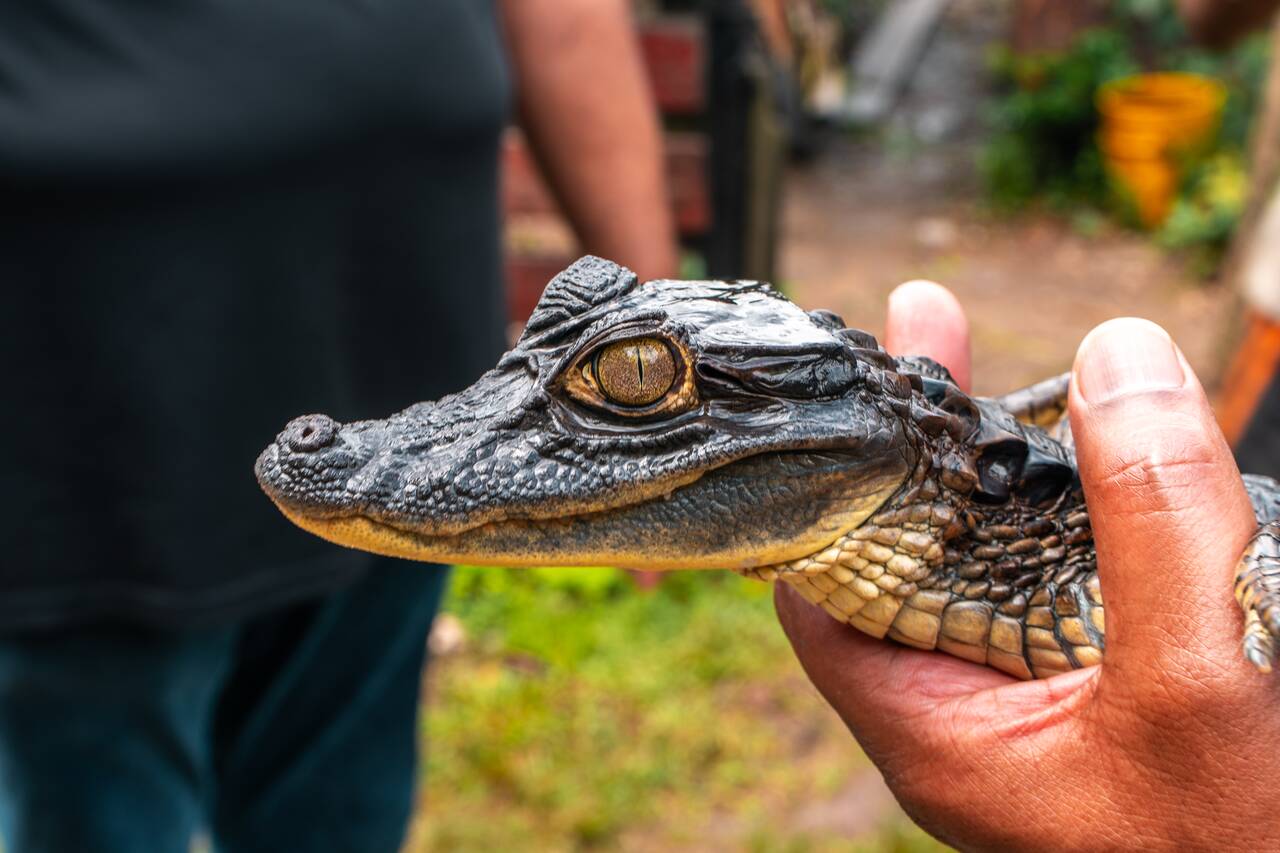
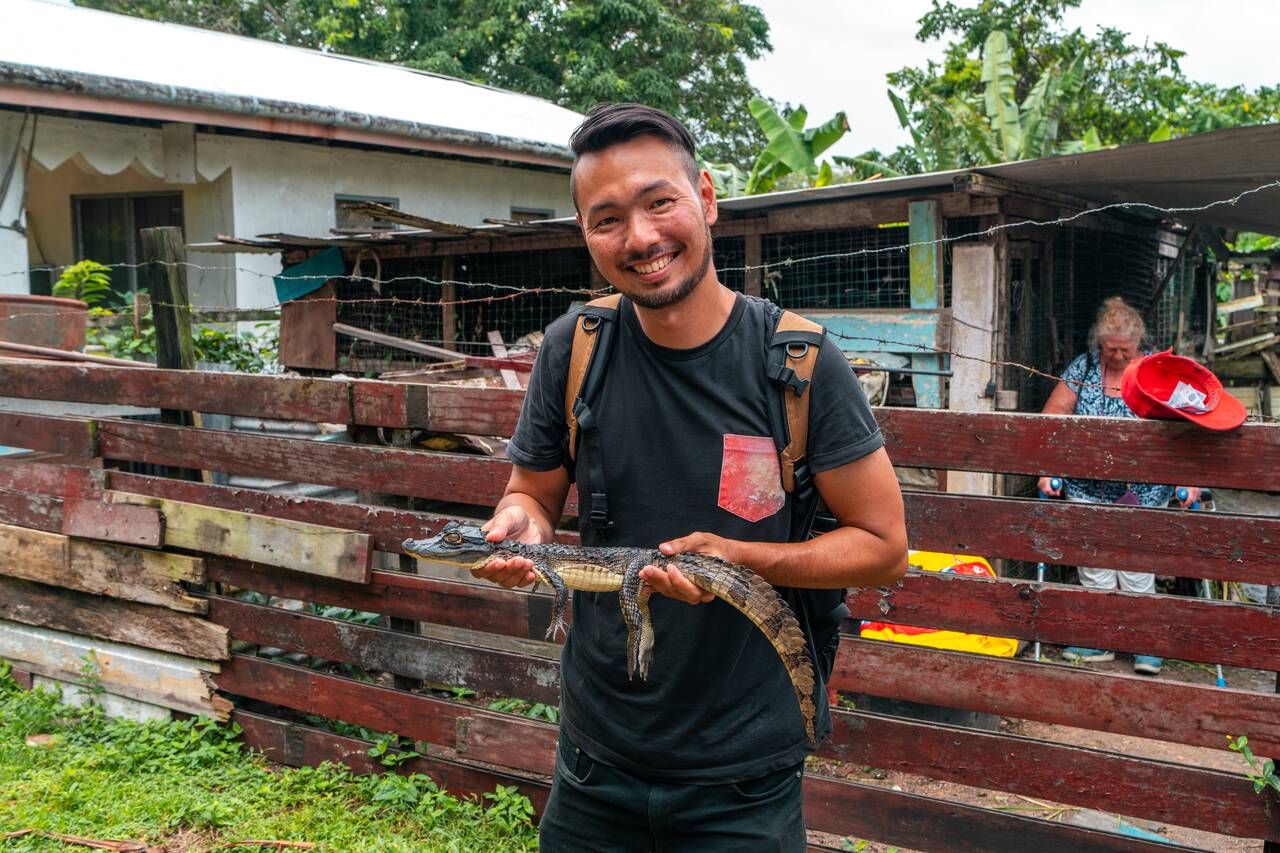
Once you arrive, you will be greeted by a local resident who may let you take photos with a caiman, a protected species in Suriname that often live in the untouched rainforests and river systems found throughout the country. It's pretty cool to see one in real life!
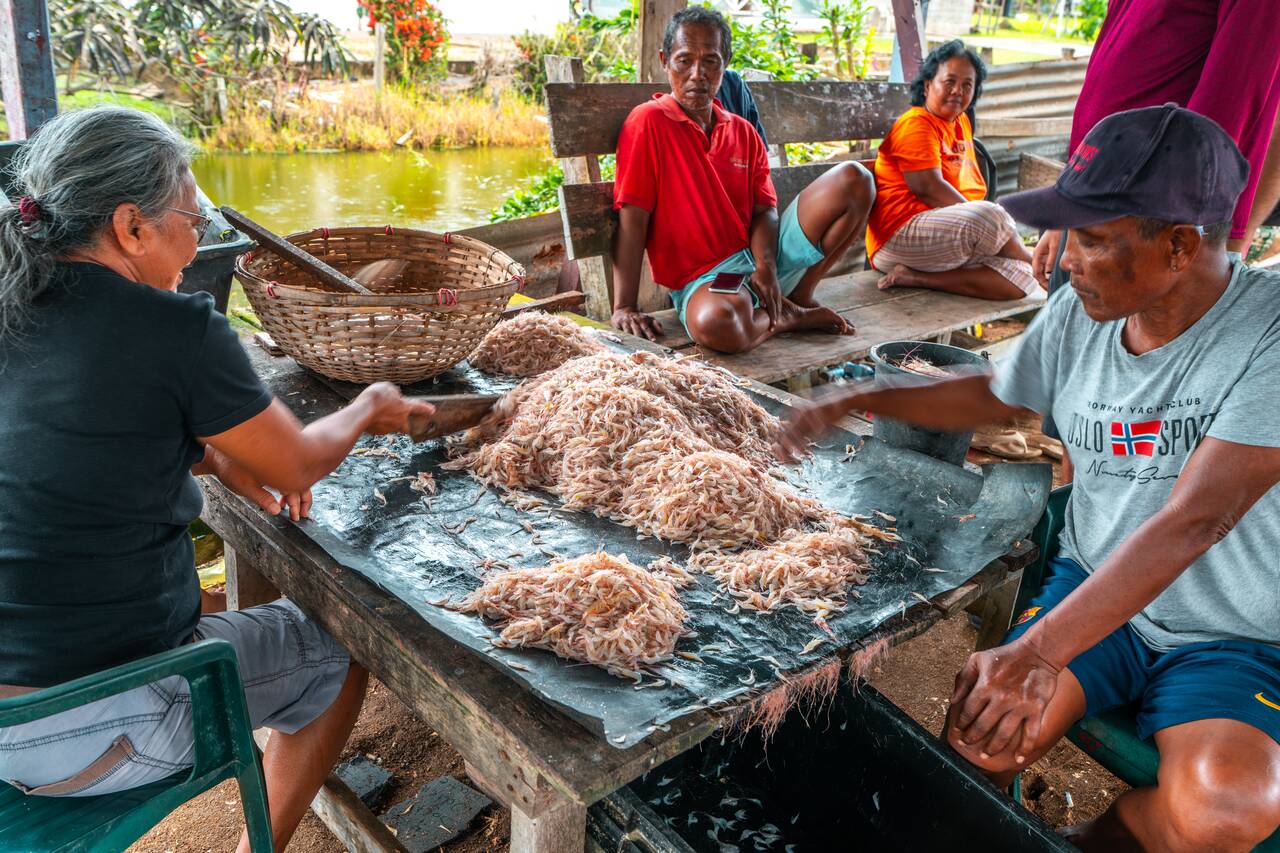
After that, you will be guided through the old plantation, see how people live, and have lunch at a local home. While here, you will notice that many of the residents are of Indonesian descent, whose ancestors were brought to Suriname by the Dutch as contract laborers generations ago. As a result, you can expect delicious Indonesian-inspired food, often rich with spices like sambal and more. I think I had some of the best food here!
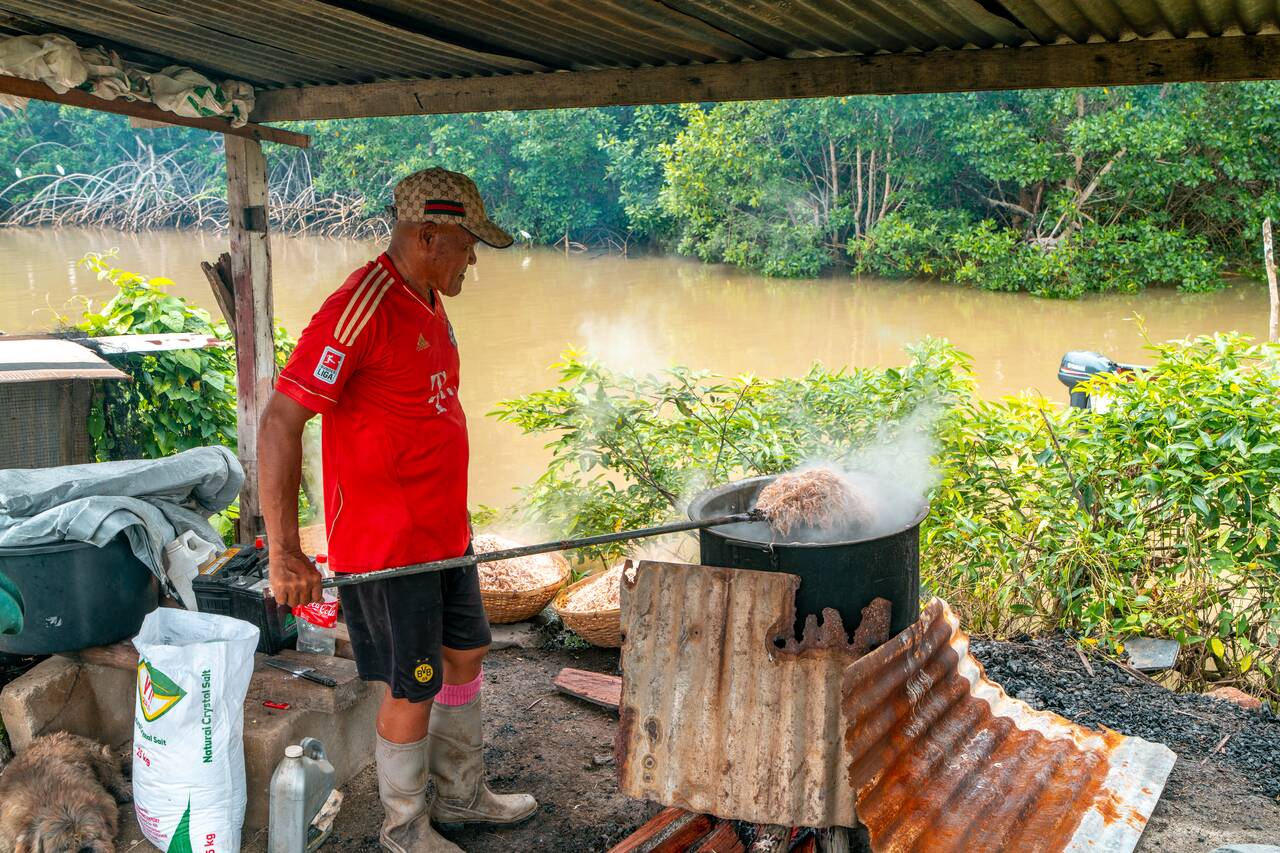
Visiting Rust en Werk is often combined with other nearby attractions in the Commewijne District, and I can recommend going with this Commewijne plantation with dolphins day trip by Jenny Tour. I went with them and had a great time! If you have a day to spare in Paramaribo, be sure to include a plantation visit in your itinerary.
13. Hang out at Plantage Frederiksdorp
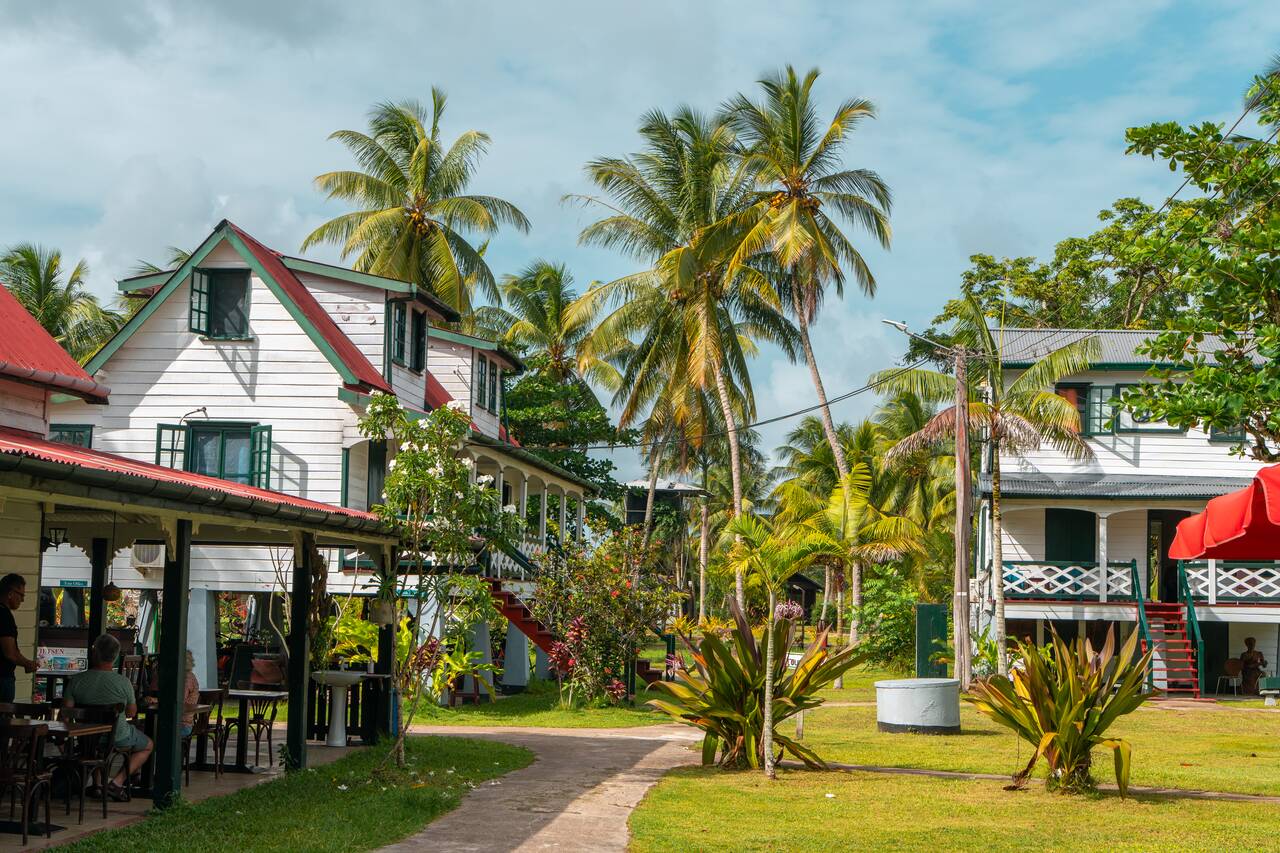
Another great stop in the Commewijne District is Plantage Frederiksdorp, a beautifully restored former plantation that has been transformed into a charming riverside boutique lodge and heritage site complete with a swimming pool, a museum, and a lovely restaurant.
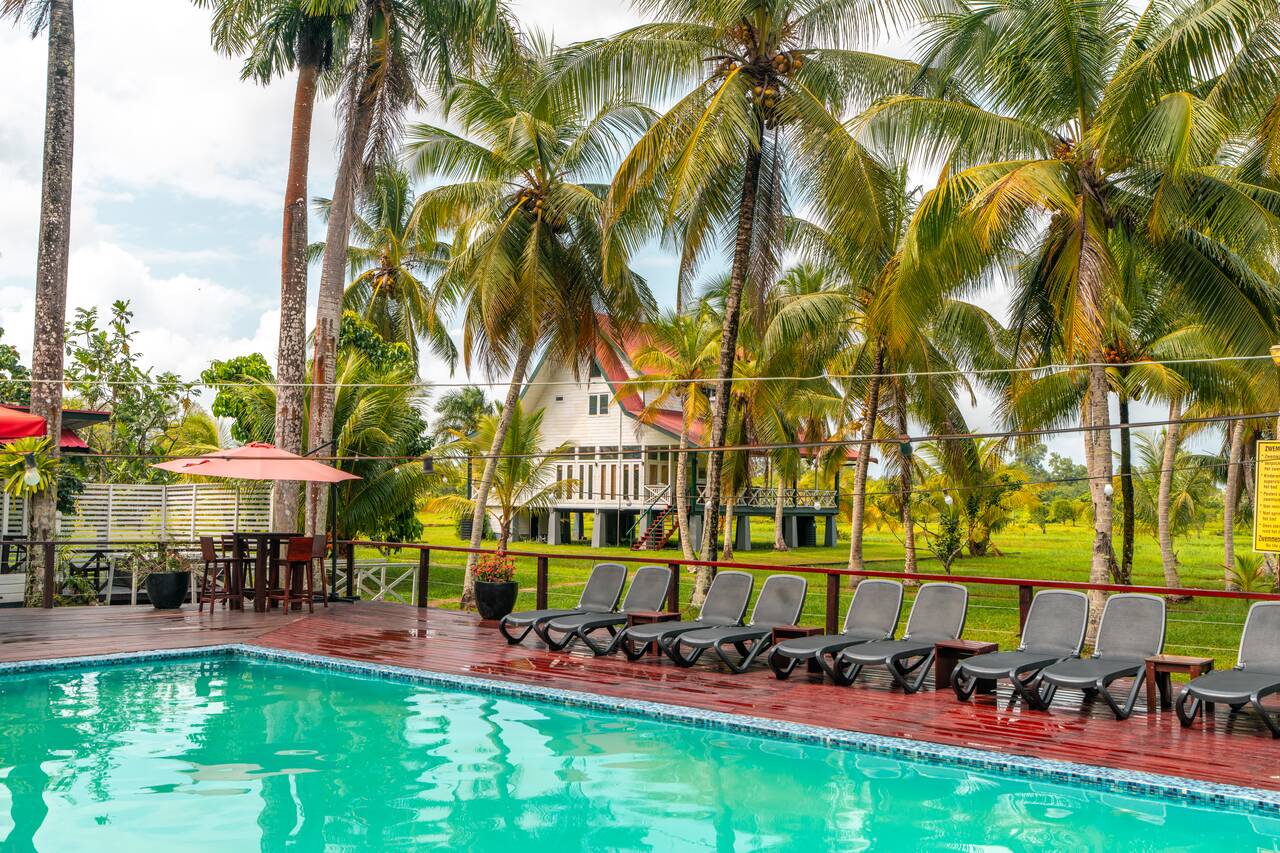
You can wander through restored colonial buildings, learn about the plantation’s past, and enjoy the quiet atmosphere surrounded by nature. The view from the lodge is stunning, with wide river views, mangroves, and lush green surroundings, making it especially perfect after a few days in the city center.
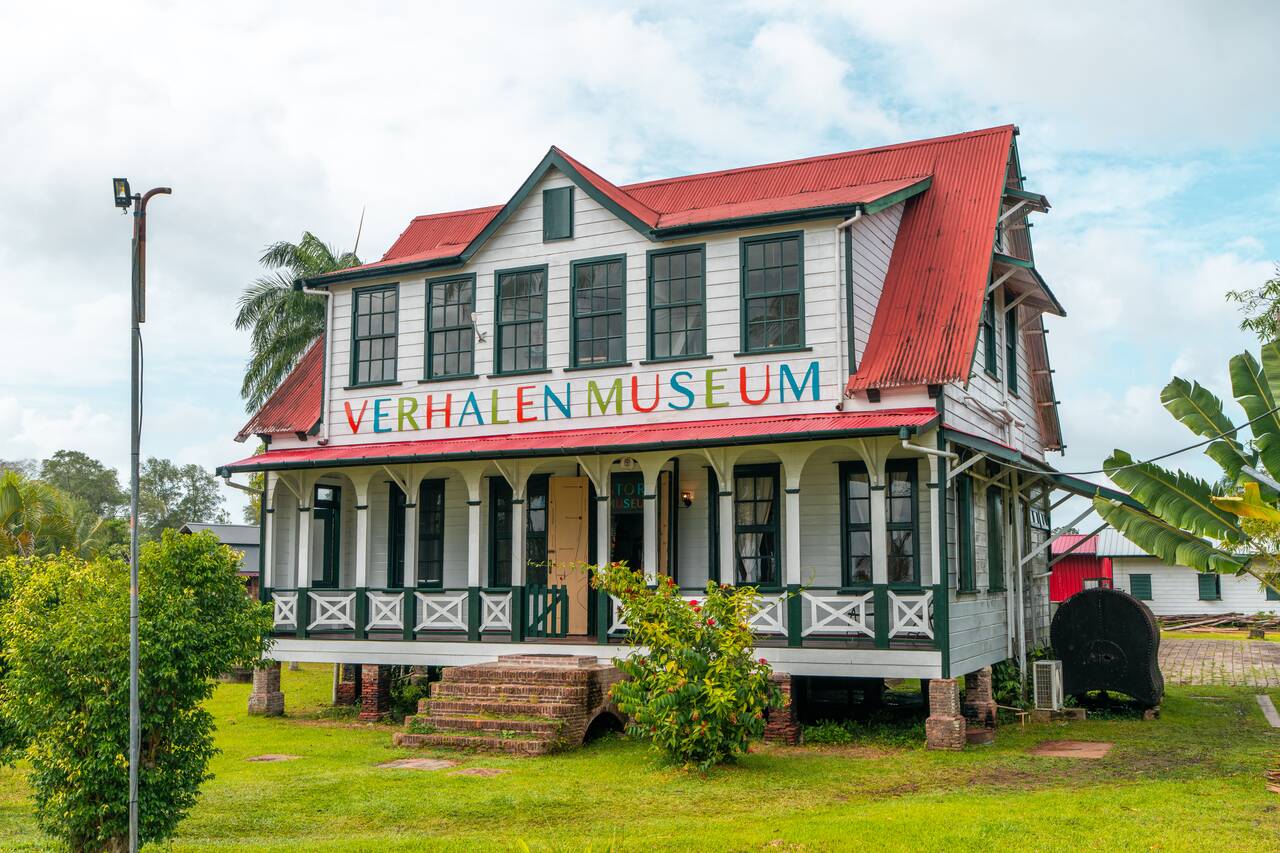
Frederiksdorp is often included as part of a guided Commewijne day trip, sometimes combined with dolphin spotting and other plantation visits. After visiting Fort Nieuw Amsterdam and Rust en Werk Plantation, you will likely continue on to Frederiksdorp, where you can spend a few hours relaxing by the pool, wandering around the lodge, and exploring the small museum before heading back to Paramaribo.
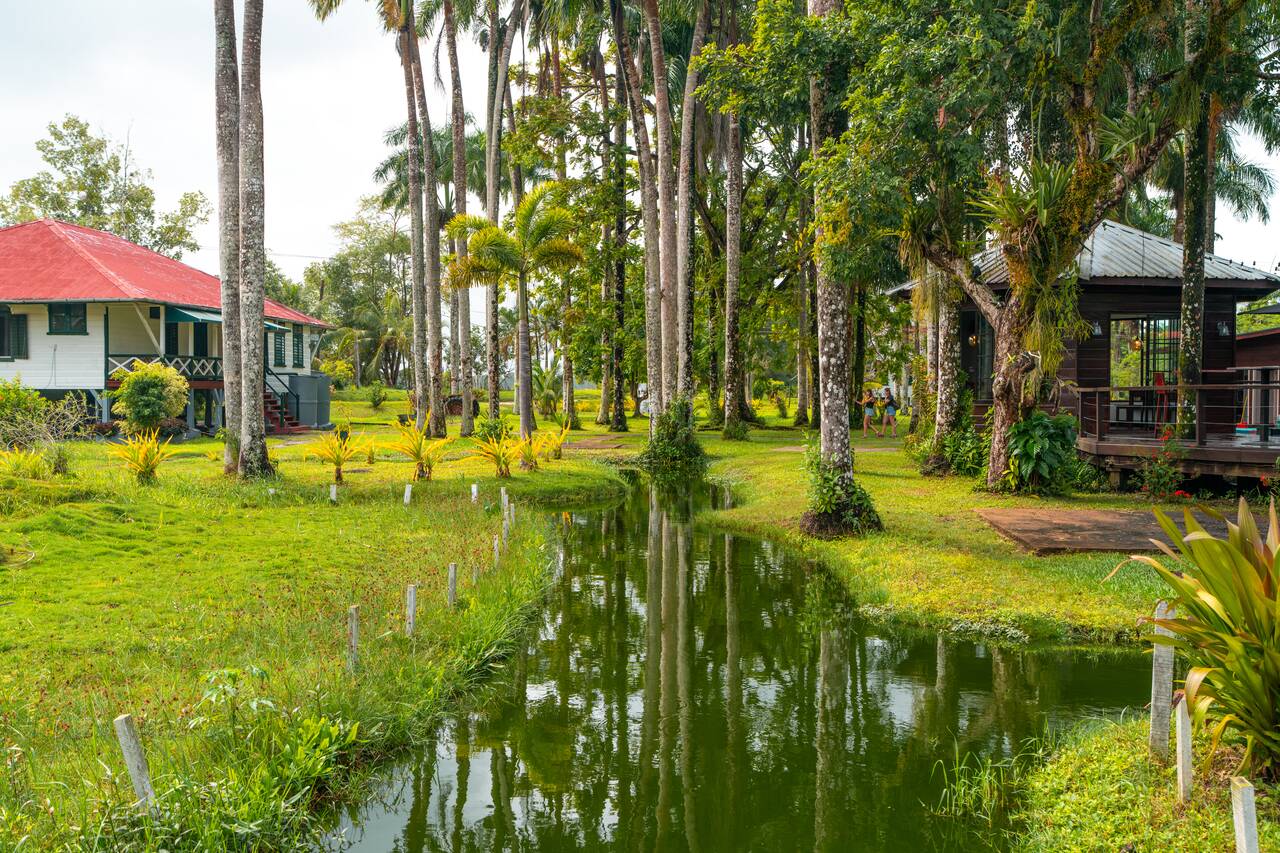
Again, I went with Commewijne plantation with dolphins day trip by Jenny Tour and had a great experience, so I can highly recommend them if you want to visit all these places outside the city center without dealing with the logistics yourself. The tour typically costs around 70 EUR per person including lunch and runs from about 8:30 AM until 6:30 PM.
14. Visit Brownsberg on an overnight trip
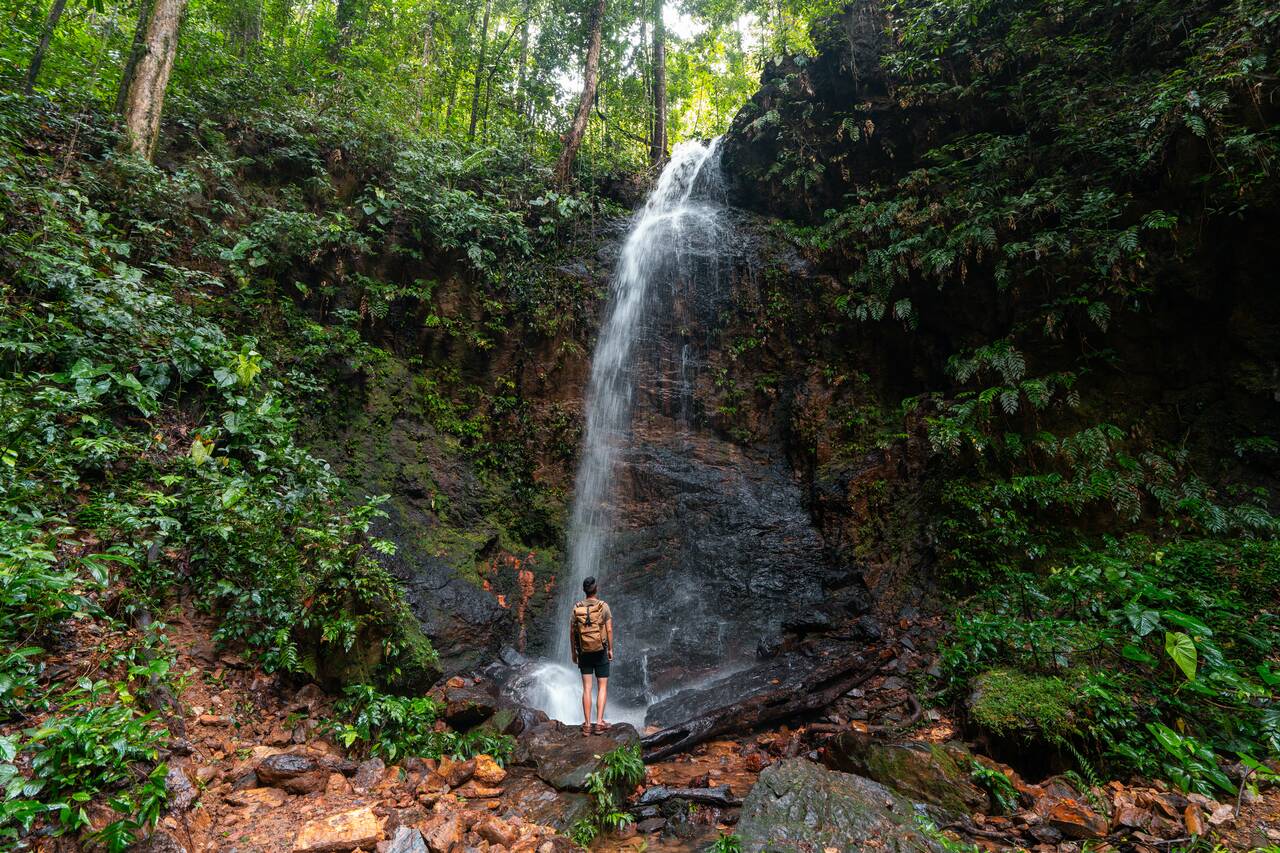
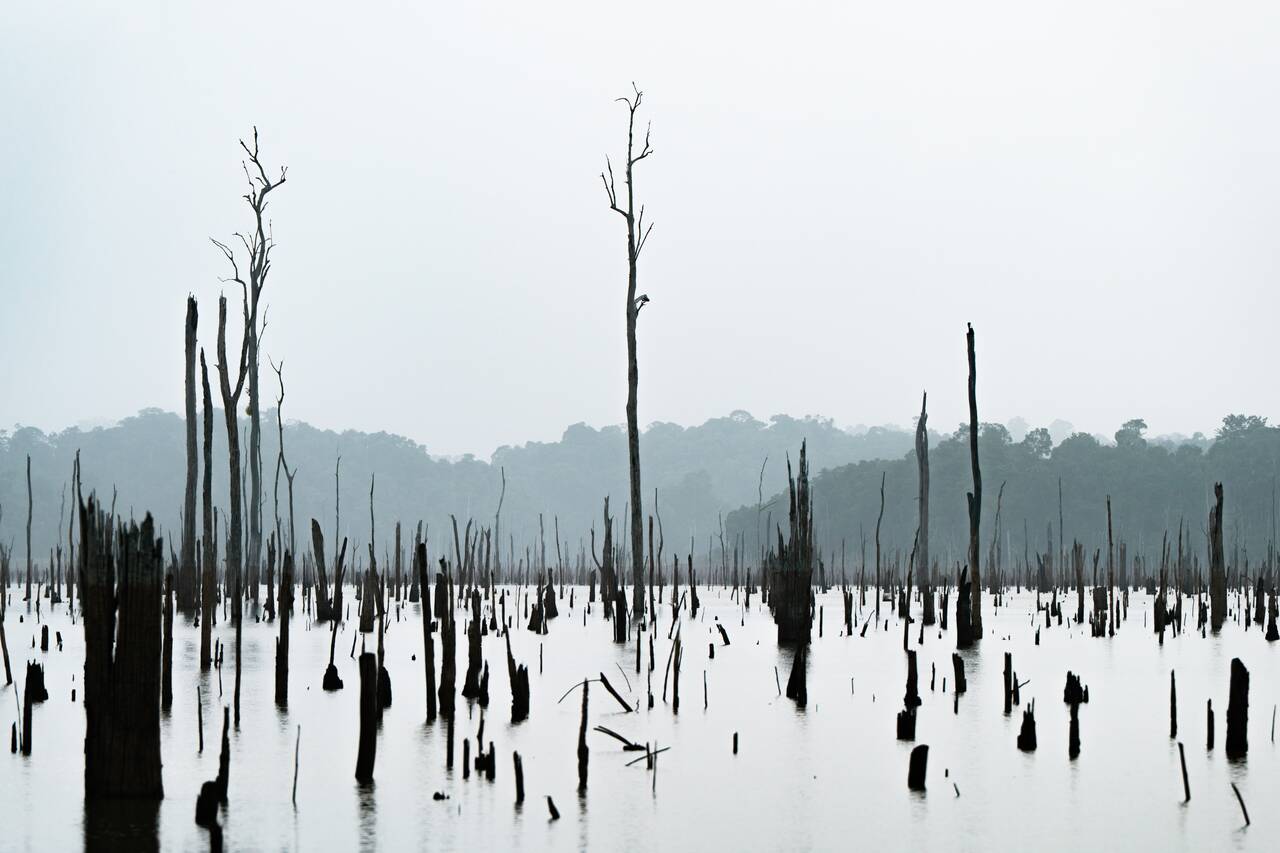
If you want to experience Suriname’s rainforest more deeply, consider an overnight trip to Brownsberg Nature Park, one of the most accessible and popular jungle destinations near Paramaribo. Located about 2–3 hours from the city, the park sits on a high plateau overlooking the vast Brokopondo Reservoir and surrounding rainforest, making it a great place to experience a bit of Suriname’s wild interior.
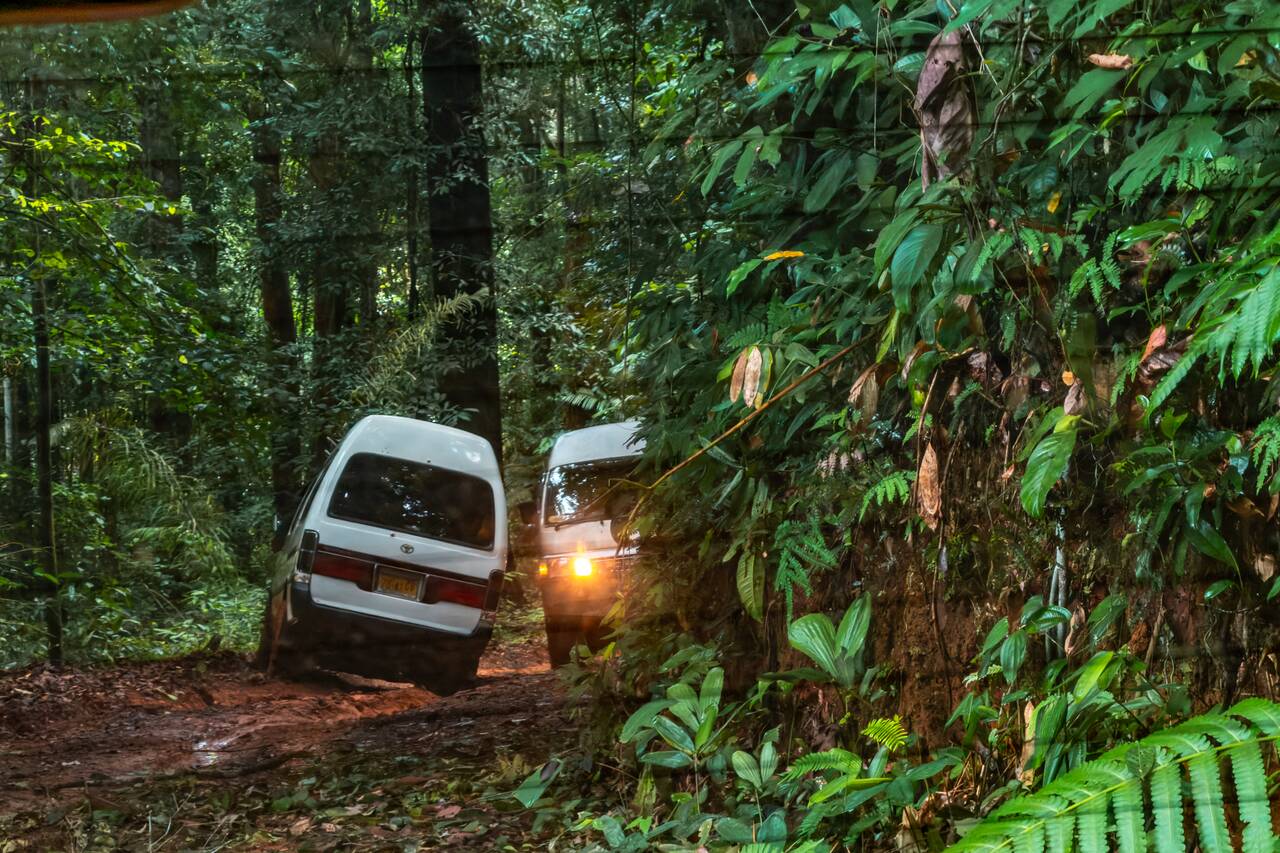
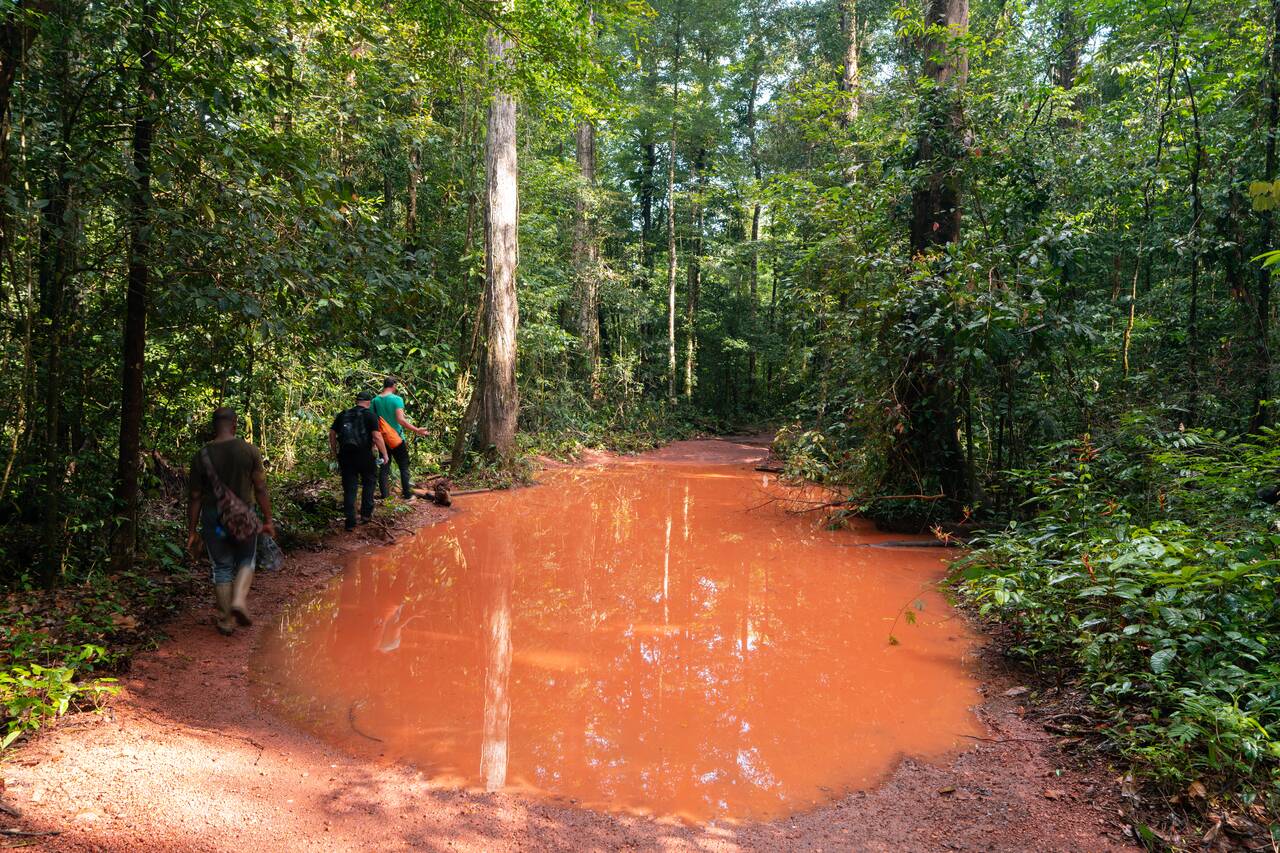
The journey up to Brownsberg involves muddy, mountainous roads that you could hardly call proper roads, and it is a long, bumpy ride that you would not wish on your worst enemy. For this reason, I strongly recommend visiting only with an organized tour, which usually includes an experienced driver and a 4x4 vehicle.
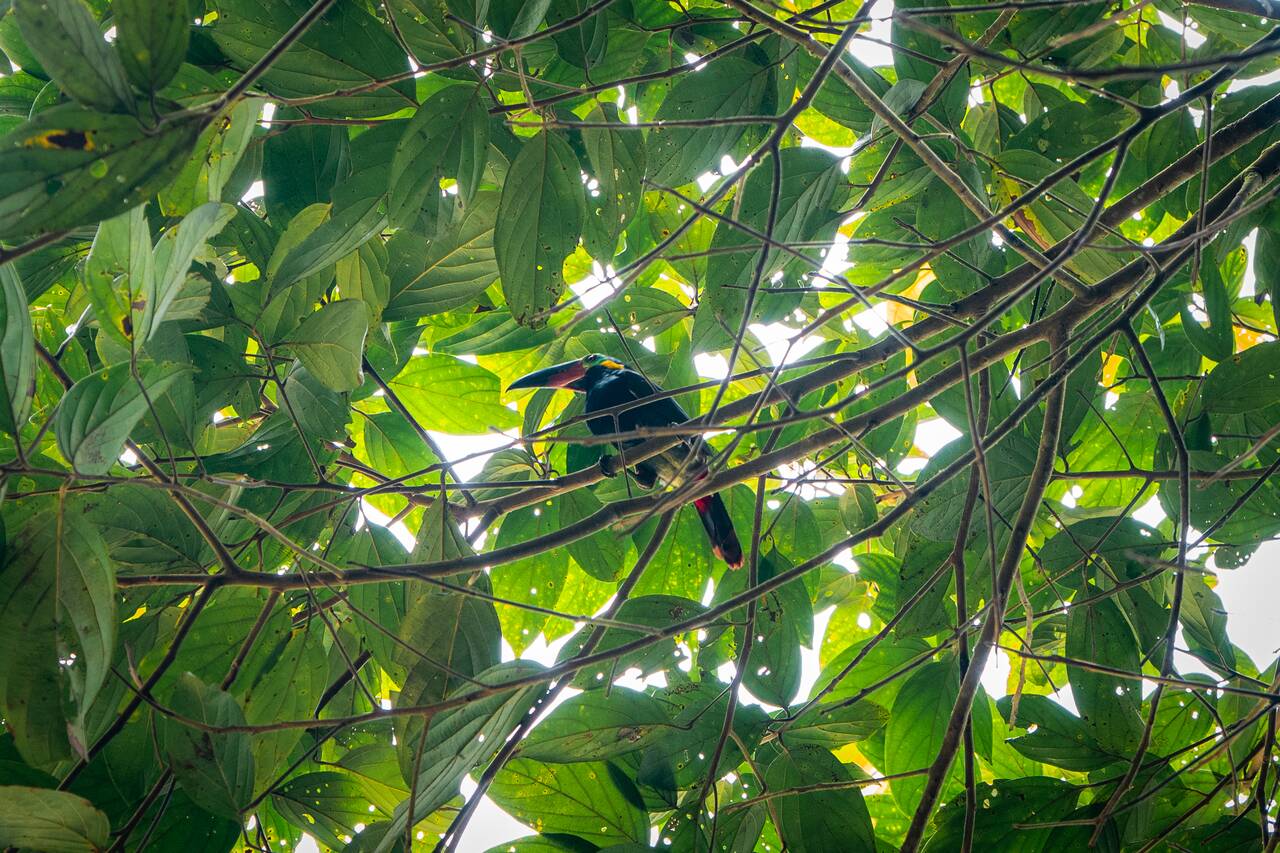
From the winding dirt tracks, you will head deeper into the jungle all the way up to the summit of Brownsberg. Once you arrive, you will be surrounded by dense rainforest filled with wildlife, birds, and the sounds of nature. It is one of the best places near Paramaribo to experience the Amazon ecosystem without going too far inland.
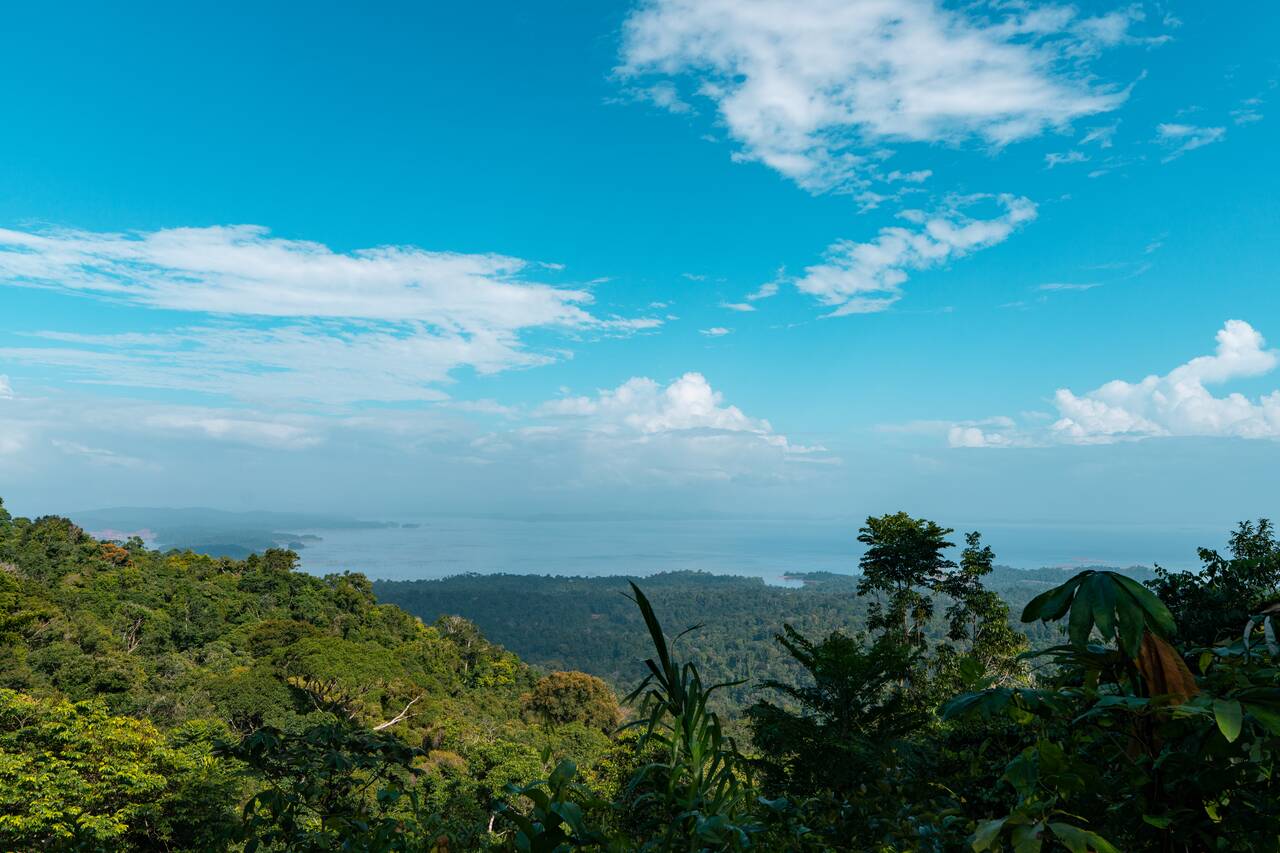
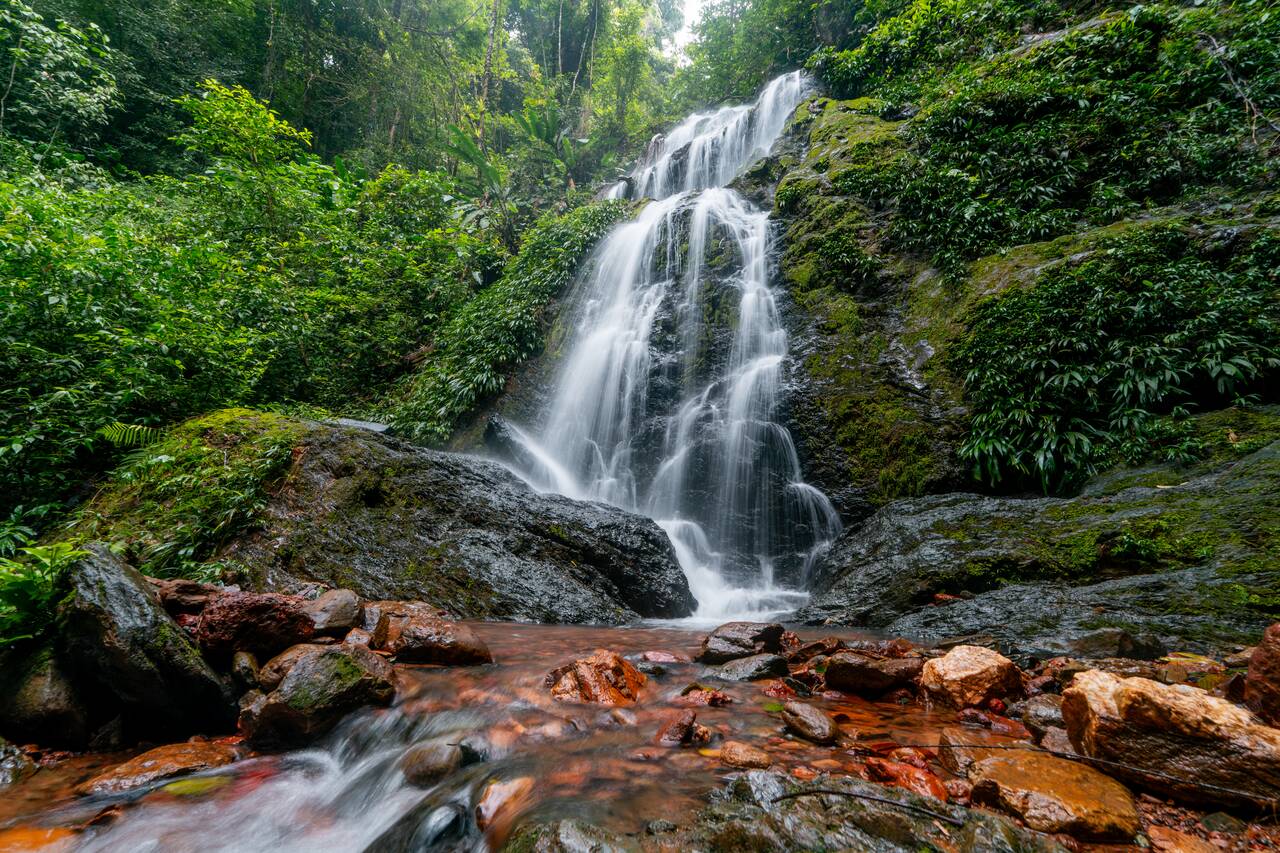
From the summit, you can spend around 2-3 hours hiking to a number of waterfalls up there, which was not too difficult as the 4x4 did most of the climbing. It does get quite slippery at certain sections though due to muddy trails, so be sure to wear good shoes.
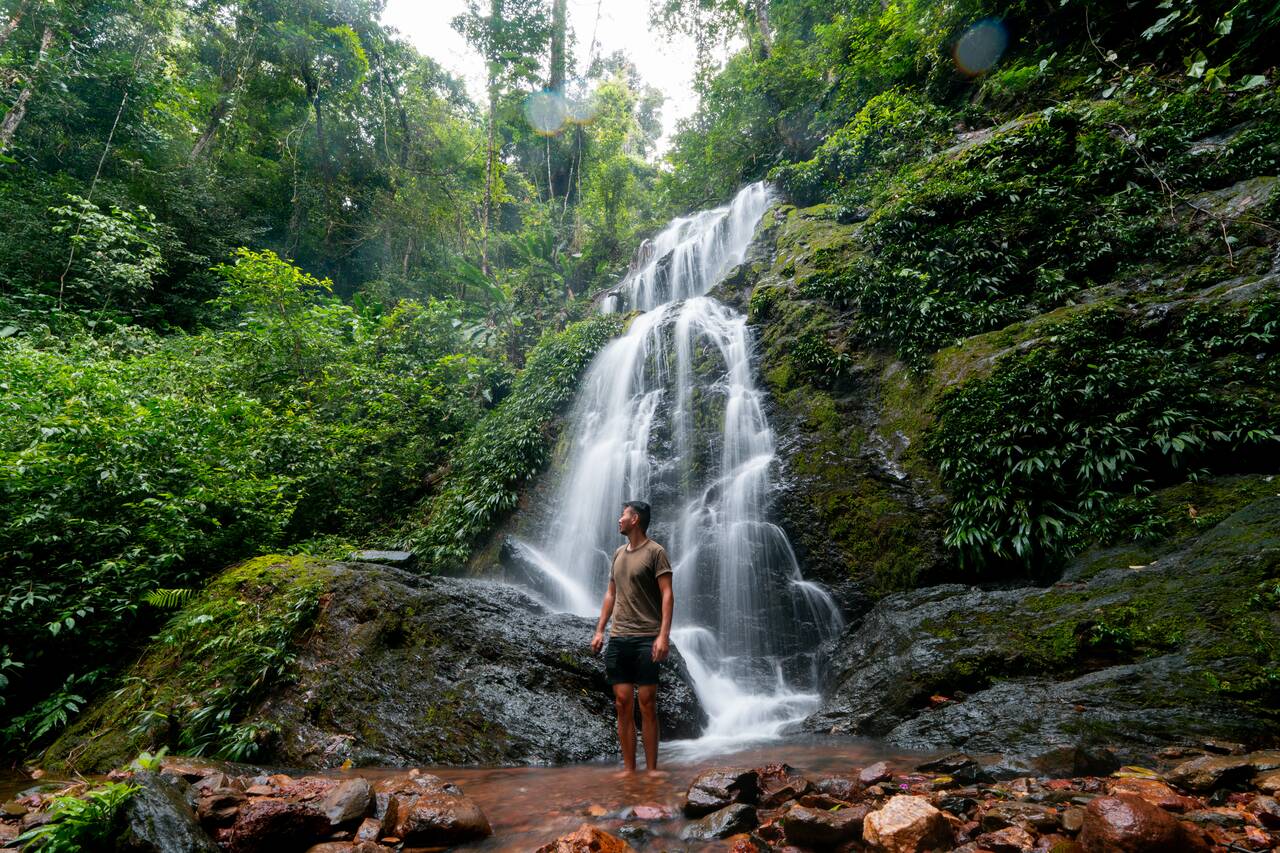
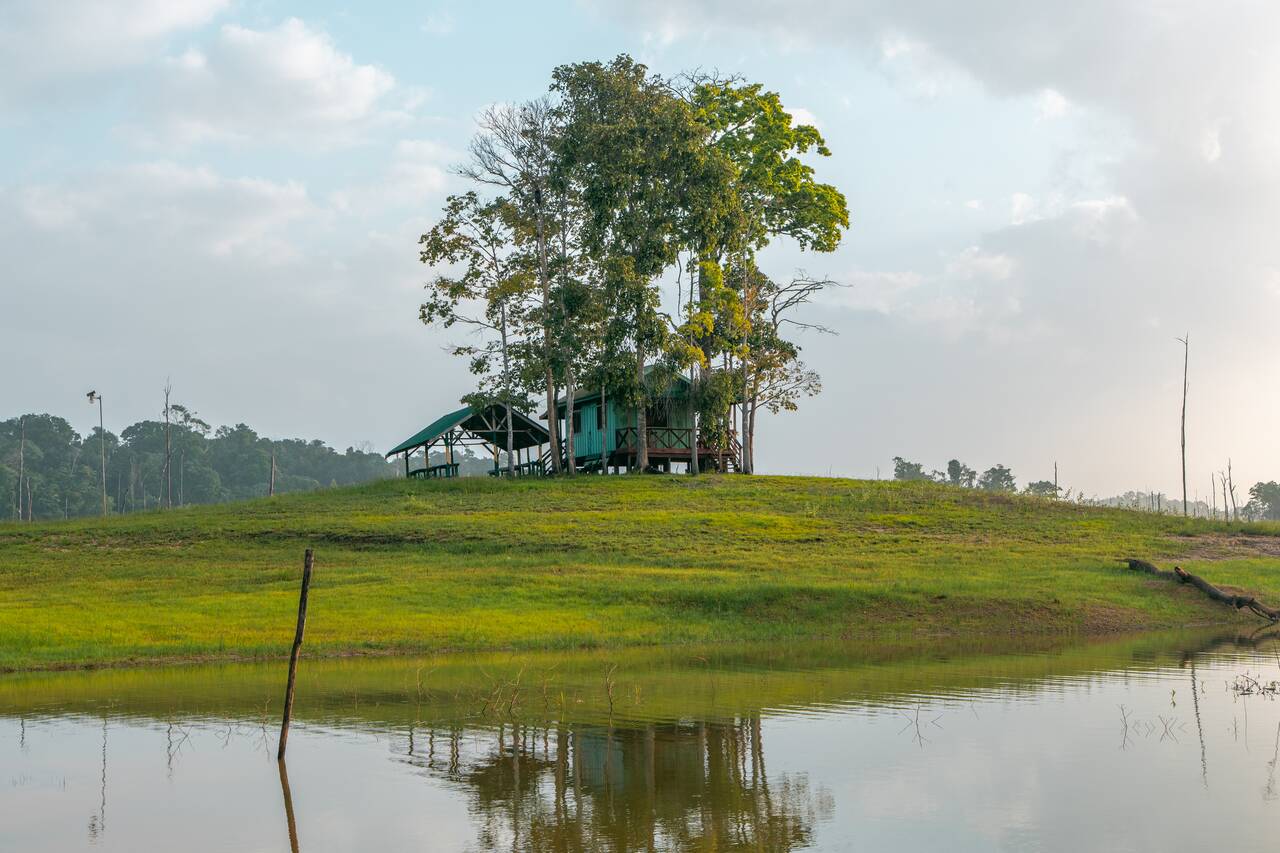
You can visit Brownsberg as a day trip, but I think it can feel a bit rushed as you will likely only have time to visit one waterfall, followed by a long drive back down the mountain and return to Paramaribo. For a more relaxed pace, I highly recommend this 2-day Brownsberg tour by Jenny, which will take you up into the park, include hikes to multiple waterfalls, and then continue down to spend the night at Ston Island, located on the banks of the Brokopondo Reservoir, before heading back to the city the next day.
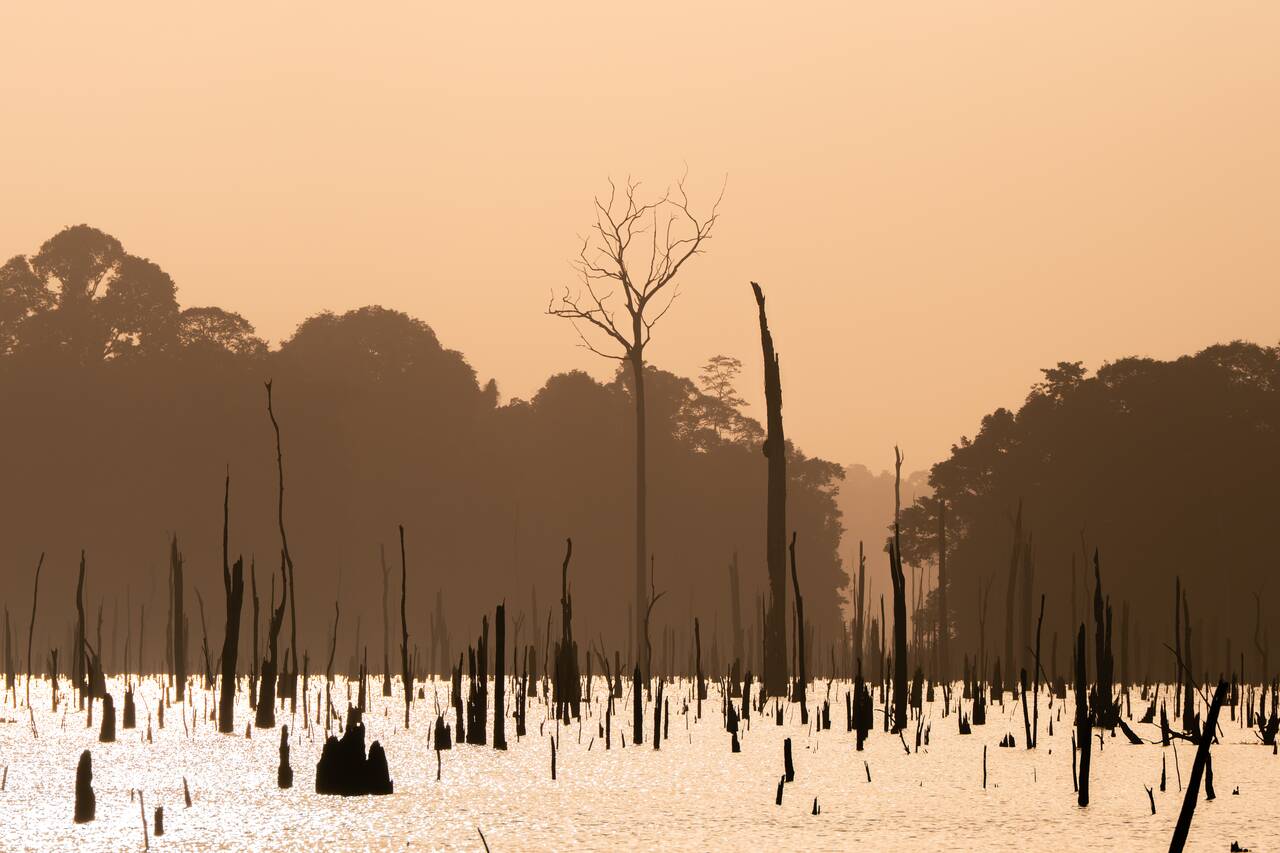
I went with Jenny Tour again for this trip and they did not disappoint. The tour was well-organized, and Brownsberg, with its beautiful waterfall hikes, was exactly what I was looking for: an active trip that gave me a glimpse of Suriname’s interior with a good mix of activities and a well-paced itinerary.
I was weighing up between Brownsberg and Fredberg, which is a longer three-day hike up another mountain. I met someone who had done both, and he said Fredberg felt a bit too slow-paced and that he got bored midway, whereas Brownsberg kept things interesting with a wider variety of activities throughout. I’m glad I chose Brownsberg over Fredberg!

What to Eat & Drink in Paramaribo
1. Try Nasi at De Gadri
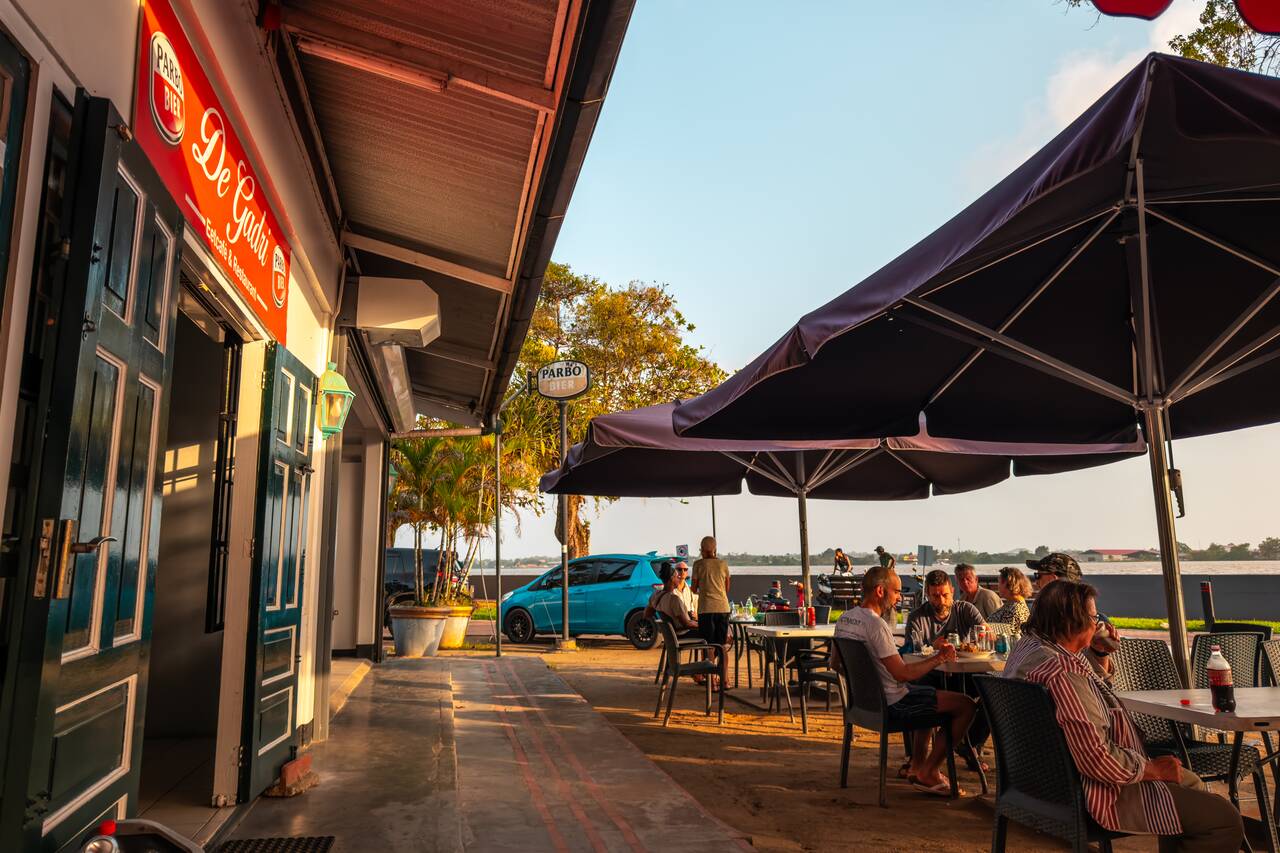
If you are looking for a nice local restaurant for lunch or dinner near the historic center, I highly recommend De Gadri, a small restaurant located next to Waterkant with a nice view of the river.
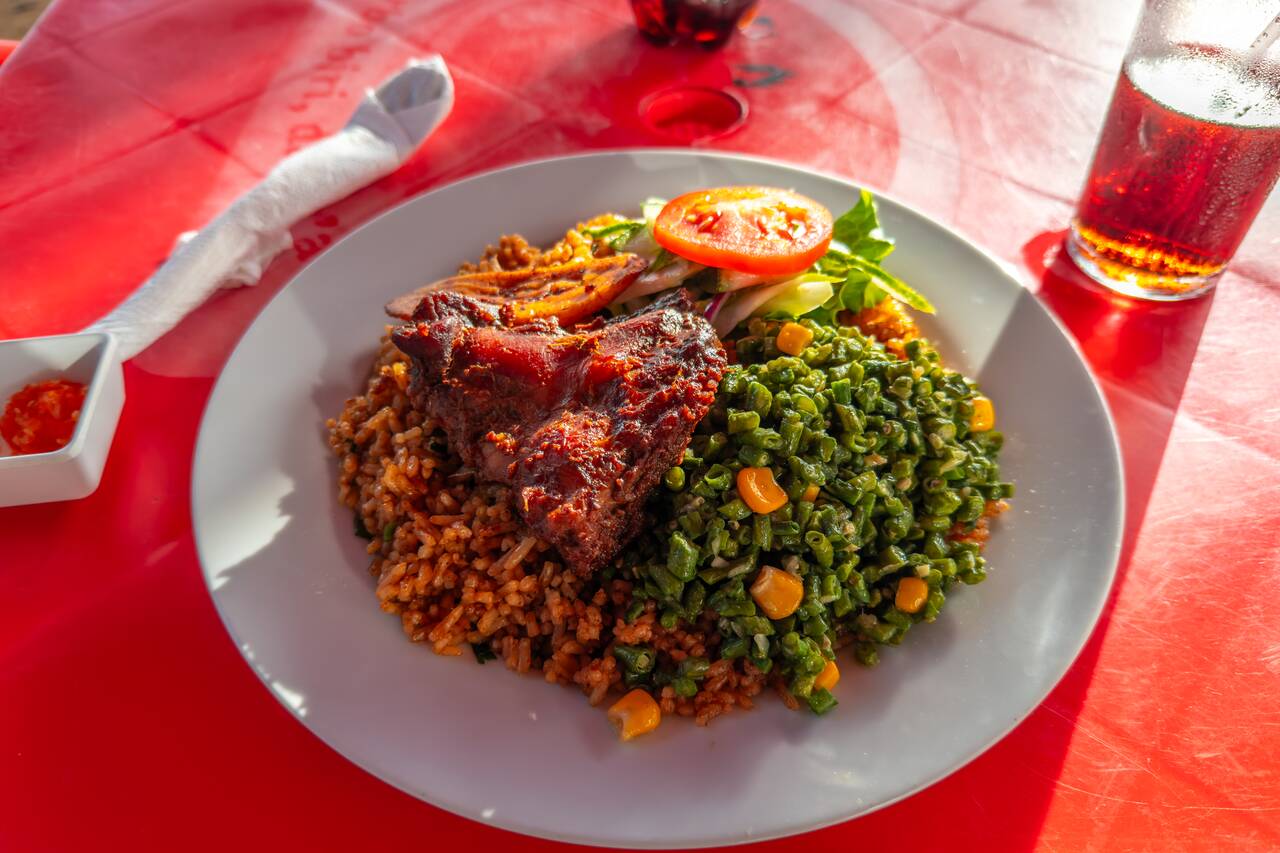
They serve typical Surinamese dishes like nasi and mie, with chicken, beef, or fish, whichever you prefer, and they are all delicious. I came here twice and ordered different dishes each time, and they were all great. I mean, anything tastes better with a touch of spicy sambal 😉.
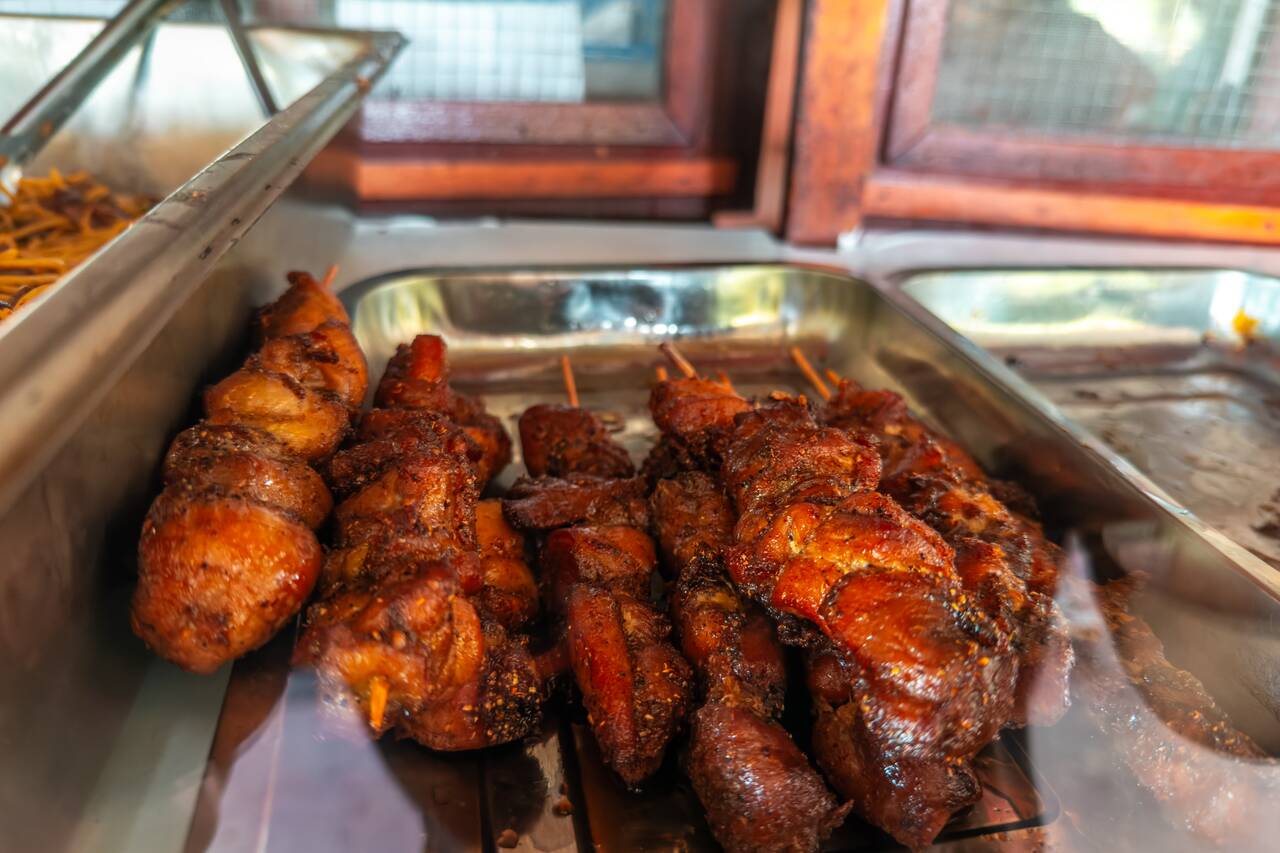
The food price range is between 220 and 400 SRD (6–10 USD), which isn’t exactly cheap, but nothing is really that cheap in Suriname if you want quality, and you definitely get what you pay for here. The restaurant is open from 8 AM to 7 PM Monday to Friday, and from 12 PM to 7 PM on Saturday. It is closed on Sundays.
When to Visit Paramaribo?
Paramaribo can be visited year-round thanks to its tropical climate, but the best time to visit is during the two drier seasons, from February to April and from August to November. During these months, you are more likely to enjoy sunny days and lower rainfall, perfect for exploring the city's historic center, taking river cruises, and visiting nearby nature reserves.
The wettest periods are generally from May to July and December to January. While rain showers can be intense, they are often short-lived and are usually followed by sunshine. The rainforest is also at its greenest during these months, so visiting in the rainy season is not necessarily a bad thing if you do not mind occasional downpours.
I visited in January, and even though it was technically part of the rainy season, it really wasn't that bad. When it did rain, it usually only lasted 2–3 hours before clearing up again. Most days alternated between sunshine and short bursts of rain, which is pretty typical for tropical destinations like Suriname.
I was still able to do everything I wanted to do, including all the activities mentioned in this travel guide, without any major disruptions. So if you happen to be visiting Paramaribo in January, I wouldn't worry too much about the weather.
How to Get to Paramaribo?
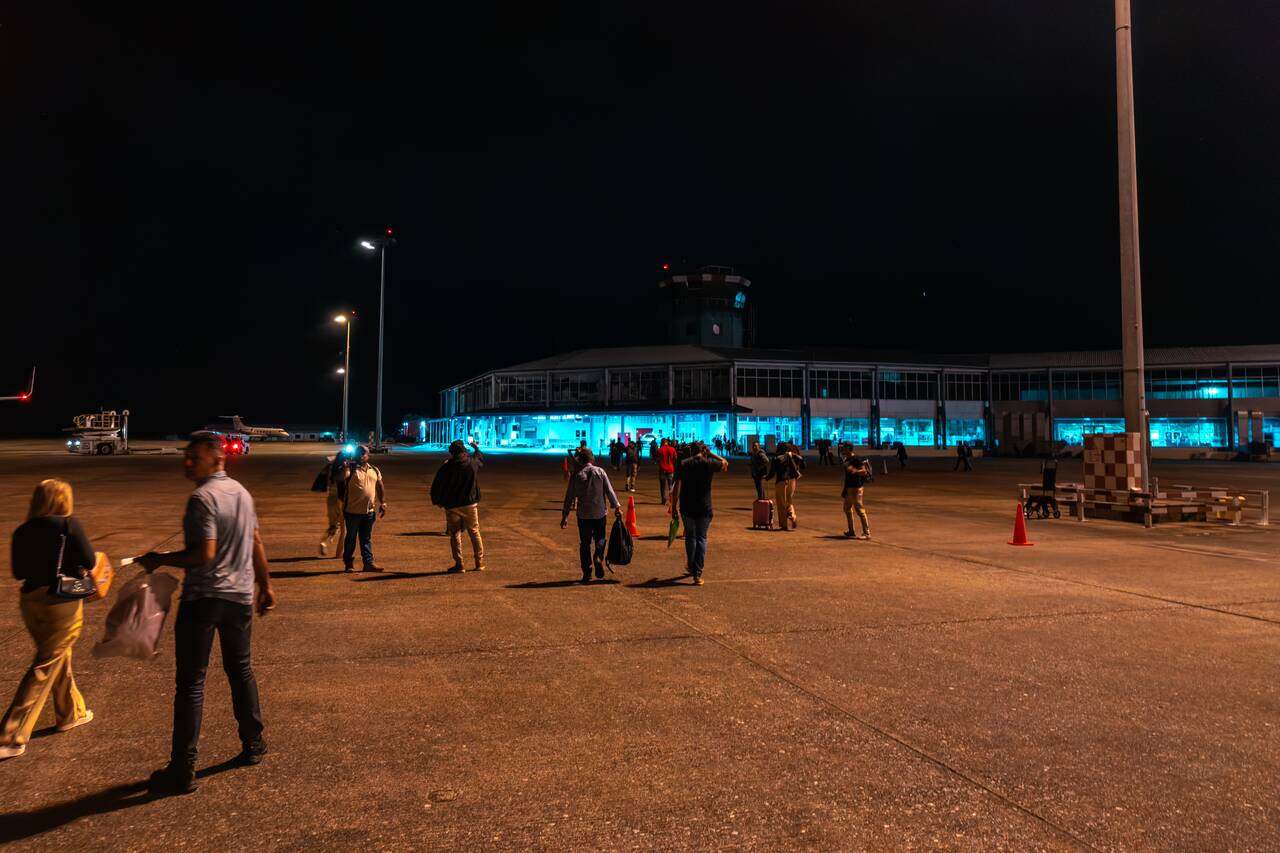
Getting to Paramaribo is relatively straightforward, although Suriname is not as well connected as some of its South American neighbors. If you are flying, you will most likely arrive via Johan Adolf Pengel International Airport, the country's main international gateway, located about 45 km south of Paramaribo.
If you are traveling from Europe, the easiest route is often via Amsterdam, with several direct flights per week operated by KLM and Surinam Airways, although I would personally avoid the latter as it does not have the best reputation. If you are coming from North and South America, you can usually connect through cities such as Georgetown, Belém, Panama City, or Miami, depending on where you are coming from.
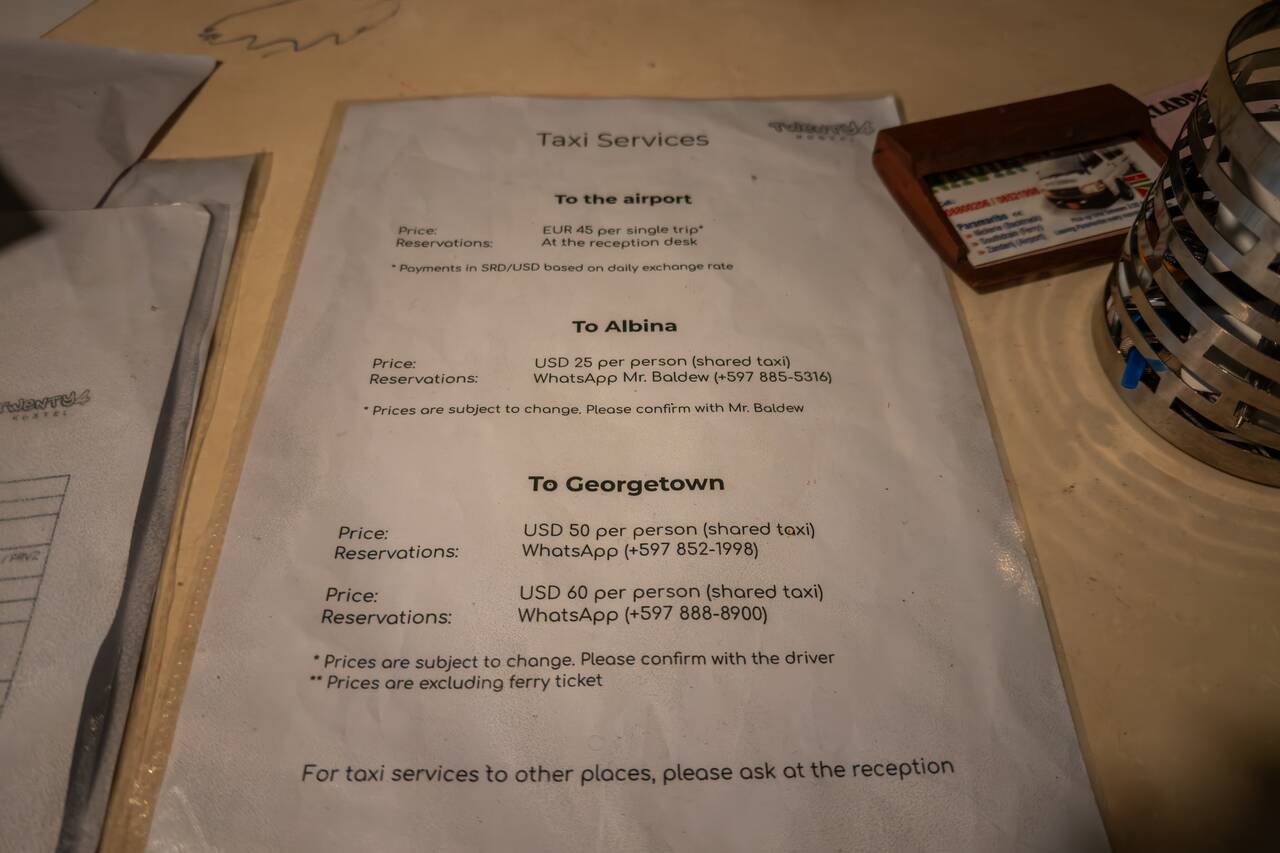
Once you arrive at the airport, you can take a taxi or arrange an airport transfer to Paramaribo. The journey to the city center takes around 45 minutes to 1 hour, depending on traffic. I paid around 50 USD for a taxi, and from what I gathered, that is the standard rate for airport pick-ups and drop-offs. Since ride-hailing apps are not always reliable at the airport, I recommend arranging transportation with your accommodation in advance or using one of the official taxis waiting outside the terminal.
Keep in mind that the immigration queue can be surprisingly long, even if you arrive in the dead of night as I did at 2 AM. I ended up waiting around 1 to 1.5 hours just to clear immigration and did not get to my accommodation until nearly 2 hours after landing.
For finding flights, I would recommend browsing through Skyscanner or Expedia to find the best flight deals from where you live to Paramaribo.
How to get Around Paramaribo?
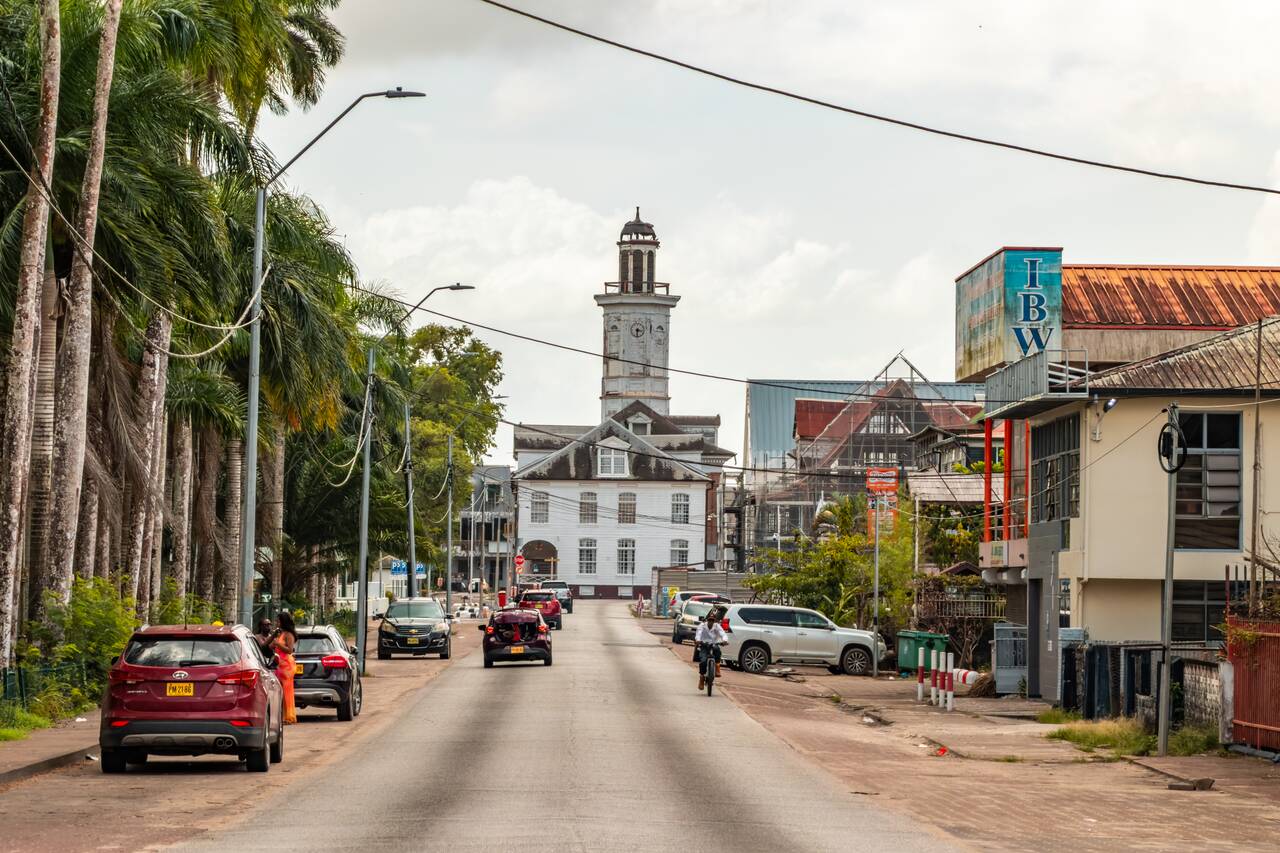
Paramaribo is a relatively compact city, and most of the main attractions in the historic center are within walking distance of one another. If you are staying near the city center, you can easily explore places like Independence Square, Fort Zeelandia, the Waterkant, Palm Garden, and Saint Peter and Paul Basilica on foot.
Taxis: Taxis are the most convenient way to get around longer distances in Paramaribo. Unlike many other countries, taxis generally do not use meters, so be sure to agree on a price before starting your journey. Most rides within the city are reasonably priced, and your accommodation can usually help arrange one if needed.

Ride-Hailing Apps: There is no Uber in Suriname, but local ride-hailing apps can be a convenient way to get around if you have mobile data. I used Ulstrel Taxi 1680 several times during my stay, and it works similarly to Uber. That said, you may have trouble finding a driver outside the city center, as the service is not as widely used and there are fewer drivers operating beyond the main tourist areas.
Day Trips: If you plan to visit places like Commewijne, Brownsberg Nature Park, or Peperpot Nature Park, I would recommend joining an organized tour or arranging transportation through your accommodation, as public transportation to these destinations can be limited. I went with Jenny Tour a couple of times and they were great. You can reach out to them and book anything via Whatsapp.
How many days to spend in Paramaribo?
For exploring the city itself, I would recommend spending at least 3 days in Paramaribo. This will give you enough time to explore the historic center, sample the incredible mix of Surinamese, Javanese, Indian, Chinese, and Creole cuisine, and take a few day trips to nearby places such as Commewijne and its historic plantations.
That said, if you are planning to explore more of Suriname, you will likely need to base yourself in Paramaribo, as most organized tours depart from the city. For multi-day trips deep into the interior, tours often do not operate every day. If you are hoping to join shared group tours, you will need to work around their schedules, which may mean staying in Paramaribo longer than you originally planned.
If you want to do one multi-day trip into the interior, I would recommend staying at least a week. If you are planning to do two or three multi-day trips, I would recommend spending 1.5–2 weeks in Paramaribo so you have enough flexibility to work around the available tour schedules.
Personally, I spent around 9 days in Paramaribo, exploring the city for 2 days and joining several day trips and multi-day excursions around Suriname. Even then, I felt it was not quite enough, as there was another trip I wanted to do but the schedule did not work out. If I were to do it again, I would probably stay for 2 weeks, giving myself enough time to do everything I wanted while also enjoying a few relaxing days in between adventures.
Is it safe in Paramaribo?
I found Paramaribo to be a relatively safe city to visit and one of the more relaxed capitals in South America. During my time there, I walked around the historic center, visited local markets, explored the Waterkant at night, and never felt particularly unsafe.
That said, as with any city, you should still take normal precautions. Avoid carrying large amounts of cash, keep an eye on your belongings in crowded places, and avoid displaying expensive cameras, jewelry, or electronics unnecessarily. Petty theft and opportunistic crimes can occur, especially in less busy areas.
If you are planning to visit nature reserves, plantations, or destinations deeper in the interior, it is usually best to go with an organized tour or a reputable local guide. Not only is it safer, but it also makes logistics much easier in a country where transportation infrastructure can be limited outside Paramaribo.
Disclaimer: This post may contain affiliate links. See our disclosure policy.
First Published:
Last updated: