

Located in western El Salvador, Santa Ana is one of the country's most beautiful destinations and hands down one of my favorite places to base myself while exploring some of El Salvador's most incredible natural attractions. I also met some great people here, as it is not hard to connect with fellow travelers in El Salvador. We explored the area together, shared unforgettable moments, and made my time here even more memorable!
From climbing the iconic Santa Ana Volcano and swimming in the turquoise waters of Lake Coatepeque to wandering through colorful streets, historic buildings, and hidden waterfalls around Ruta de las Flores, Santa Ana has so much to offer, and you do not want to miss it.
Having spent time exploring Santa Ana thoroughly, I put together this guide to help you discover the best things to do, how to get around, where to stay, and all the practical tips you need to make the most of your visit. Whether you are visiting for a quick stop or using Santa Ana as your base to explore western El Salvador, this guide has everything you need to plan your trip.

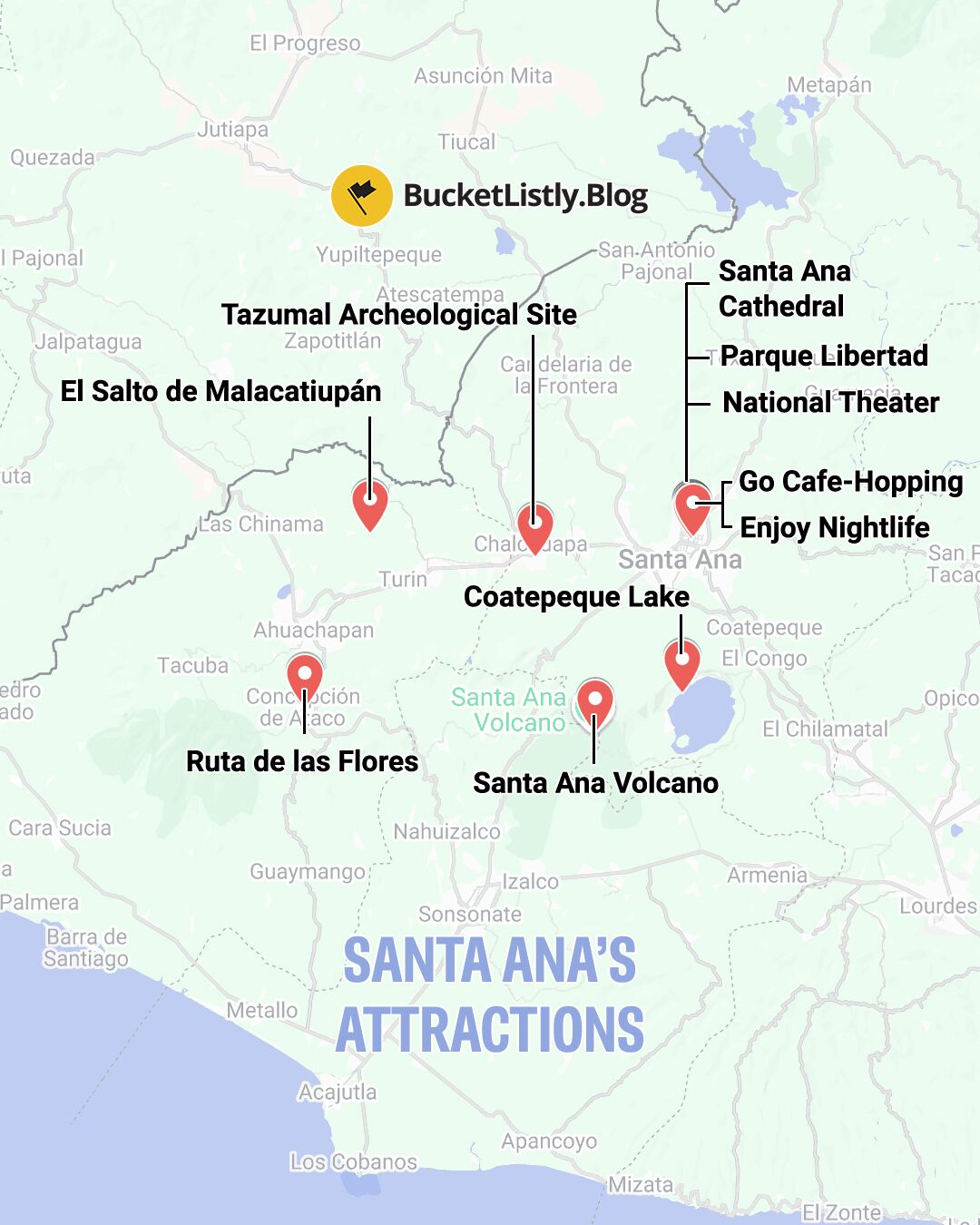
Map of Santa Ana's Attractions
Quick Summary
| ♥️ Must See: | Santa Ana Cathedral |
|---|---|
| 👍 Must Do: | Climb Santa Ana Volcano |
| 💎 Hidden Gem: | El Salto de Malacatiupán |
| ☀️ Great Day Trip: | Ruta de las Flores |
10 Best Things to Do in Santa Ana
1. Climb Santa Ana Volcano
- 📍 Location: Santa Ana Volcano [Map Link]
- 🕐 Opening Hours: 8 AM - 8 PM
- 💰 Entry Fees: 9.40 USD
- 🏄 Tour: Private Santa Ana Volcano Tour
- ⚡ Pete's Take: "Start your hike early and don't miss the 7:40 AM bus to make the most of your day."
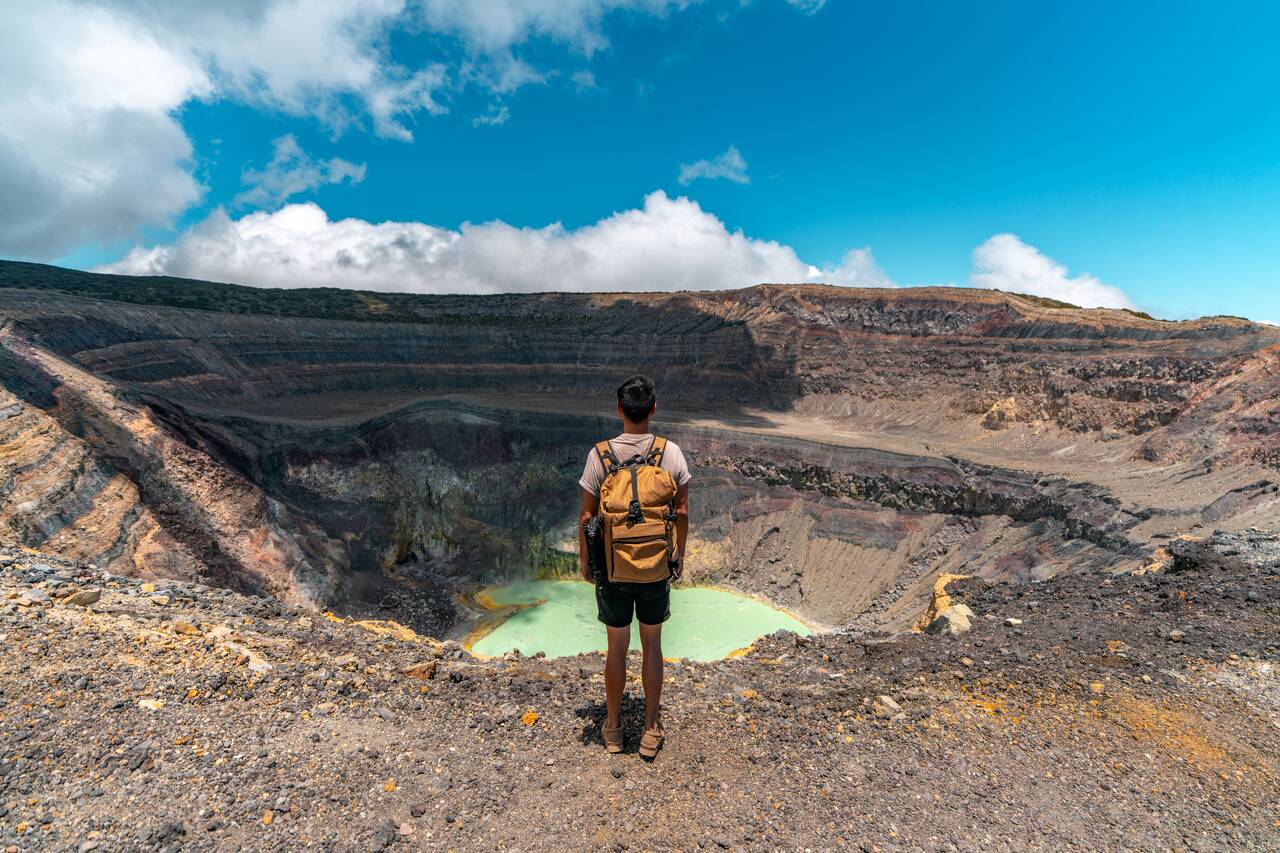
One of the most epic things you can do in Santa Ana is to go on a half-day trip and hike up Santa Ana Volcano. Standing at 2,381 meters above sea level, it is the highest volcano in El Salvador and offers one of the most breathtaking views in the country.
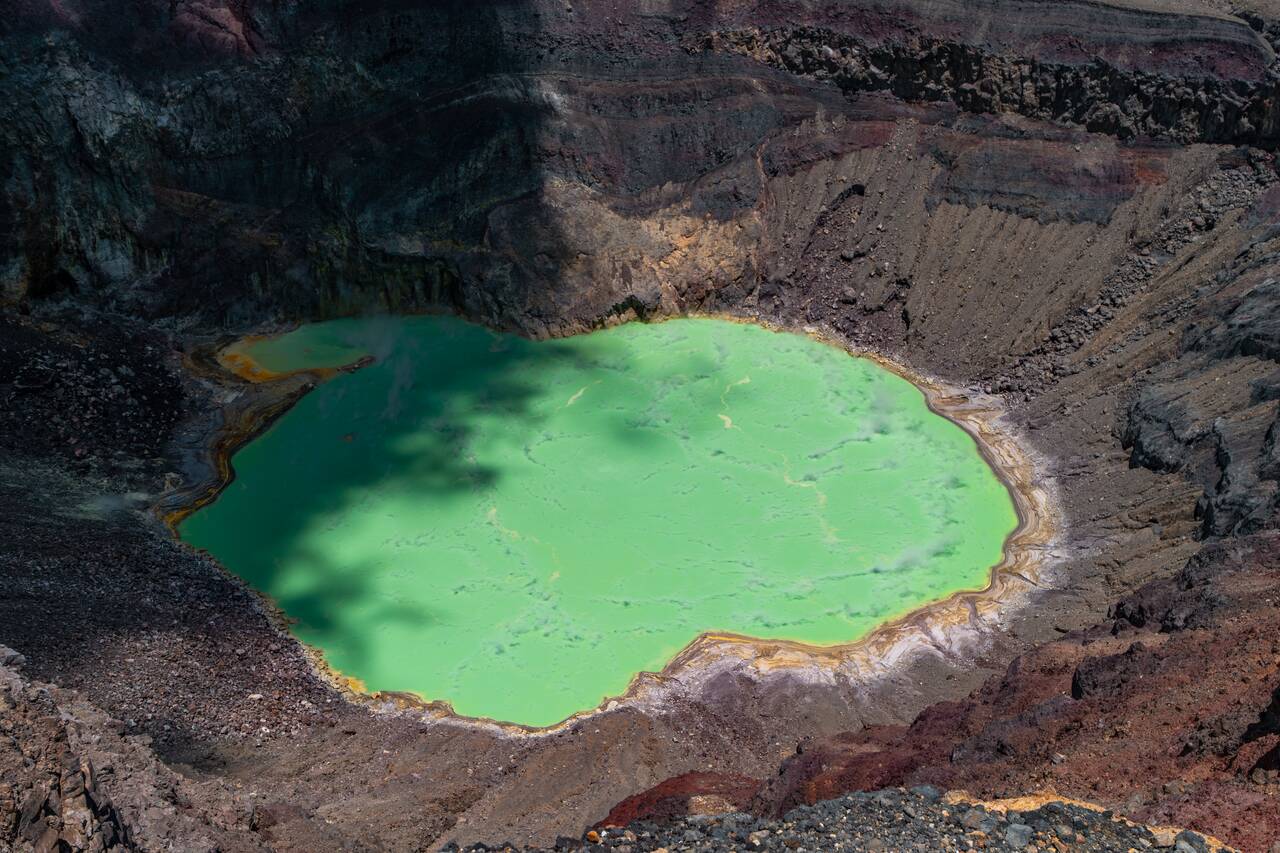
The highlight of the hike is reaching the summit, where you can look directly into the volcano's turquoise-green crater lake while enjoying panoramic views of Lake Coatepeque, Izalco Volcano, and the surrounding landscape from afar.
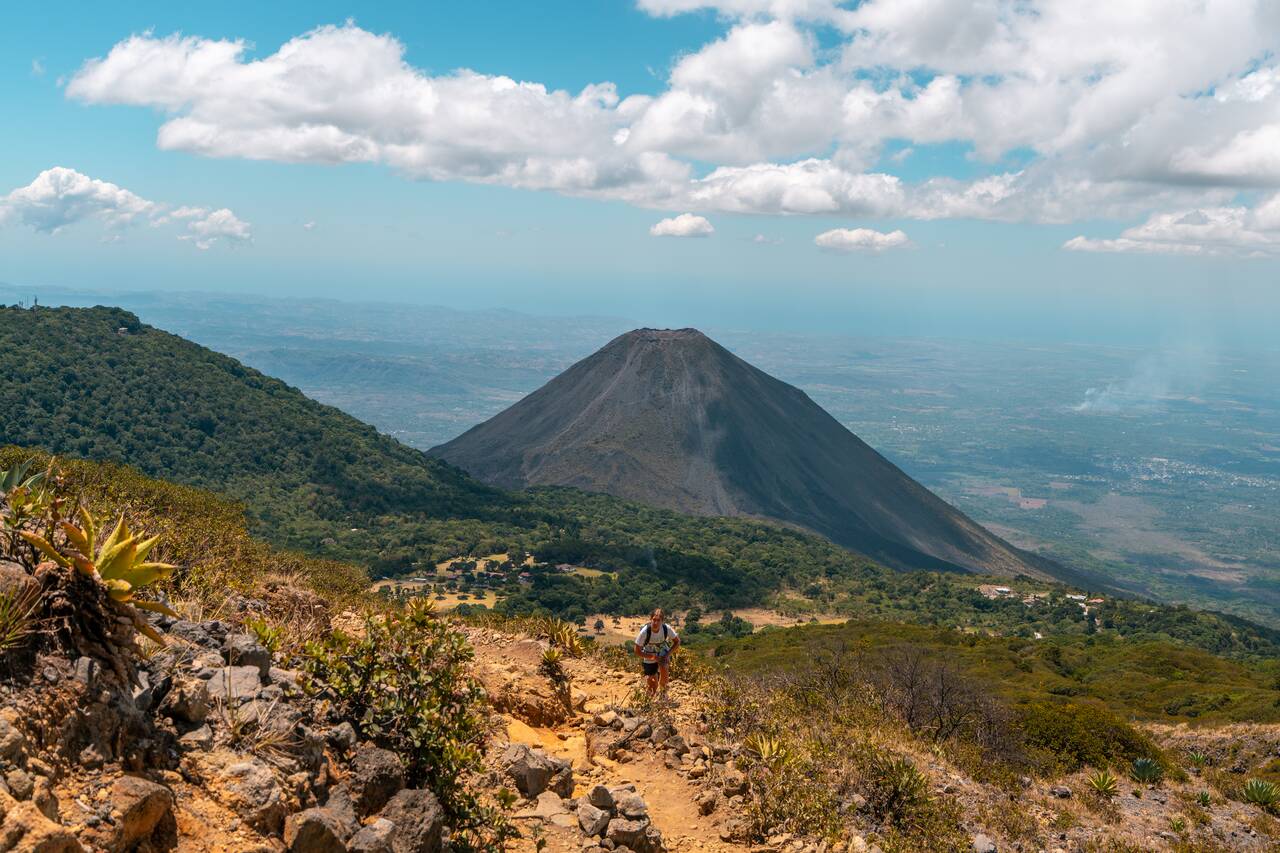
The hike itself is not overly difficult, but some might find it a bit challenging due to the altitude, sun exposure, and some steep sections near the top. The trail is about 8 km and takes around 2 - 3 hours to complete, depending on your pace, and you will need to hike with a local guide or join a group tour as access to the trail is regulated.
- Hostal Casa Verde (Budget)
- Casa Central de Santa Ana (Mid-Range) 👍 Top Pick
- Kali Hotel (High-End)
- Santa Ana Volcano Hiking and Coatepeque Lake (Full-day)
- Ruta de las Flores Tour: Hot Springs & Fall Ataco- Apaneca (Full-day)
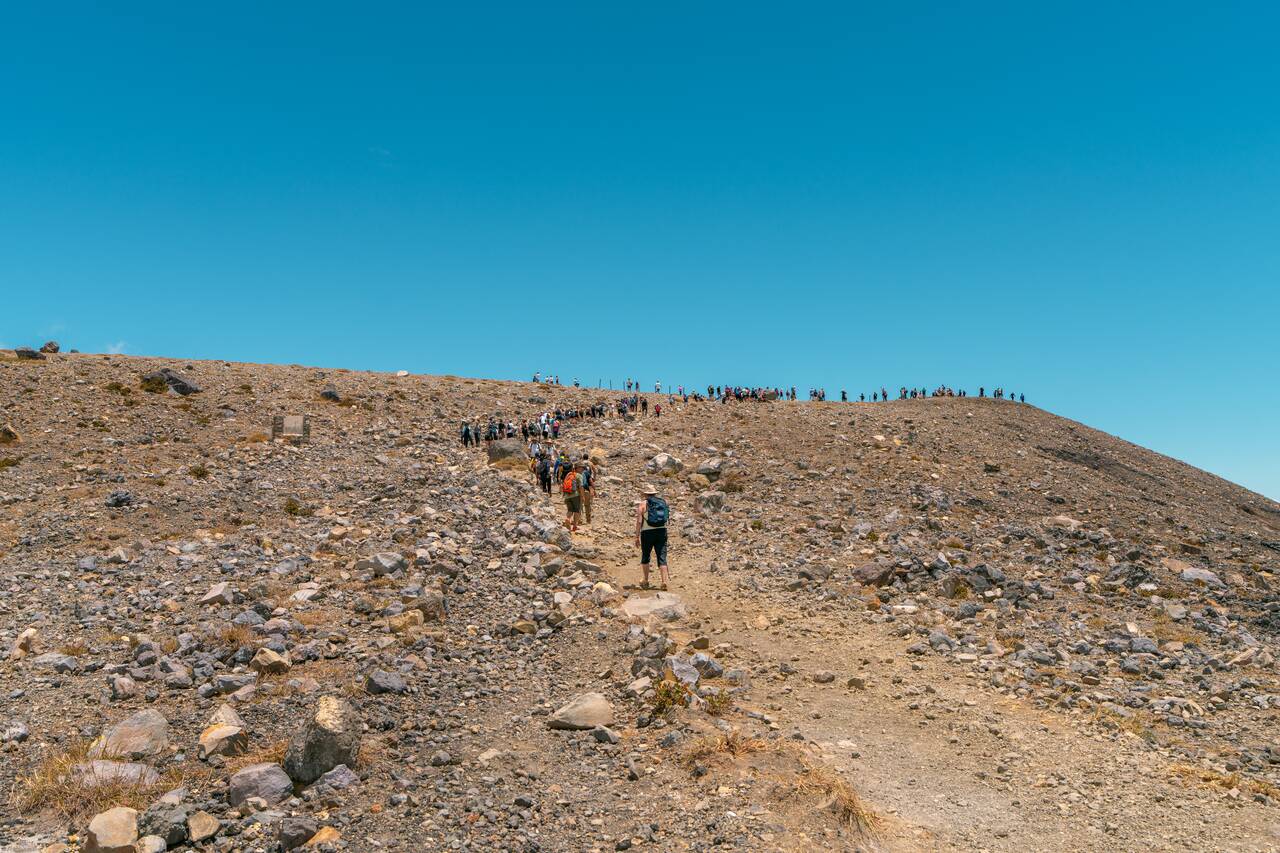
To get to the volcano, you can either join a shared organized tour, which is often arranged through hostels and costs around 25 USD per person, or opt for a private tour. These tours often include a visit to Lake Coatepeque as well as transportation, entrance fees, and all the logistics involved.
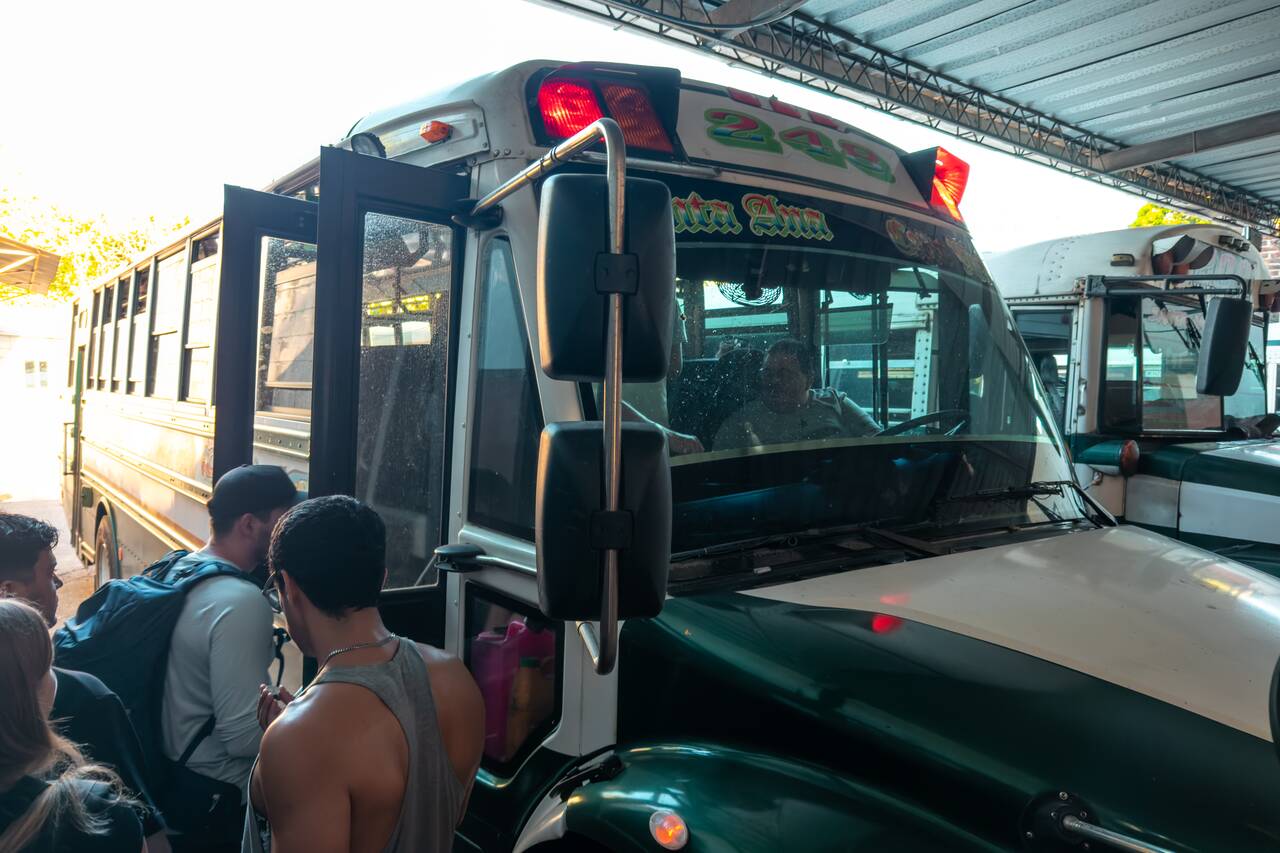
Or you can do as I did and visit Santa Ana Volcano by public transportation, which is very easy and extremely affordable. First, you will need to get to this bus terminal before 7:30 AM so you can catch the 248 bus departing at 7:40 AM. There's only one morning bus per day so don't miss it! The journey takes around 2 hours and costs only 0.70 USD.
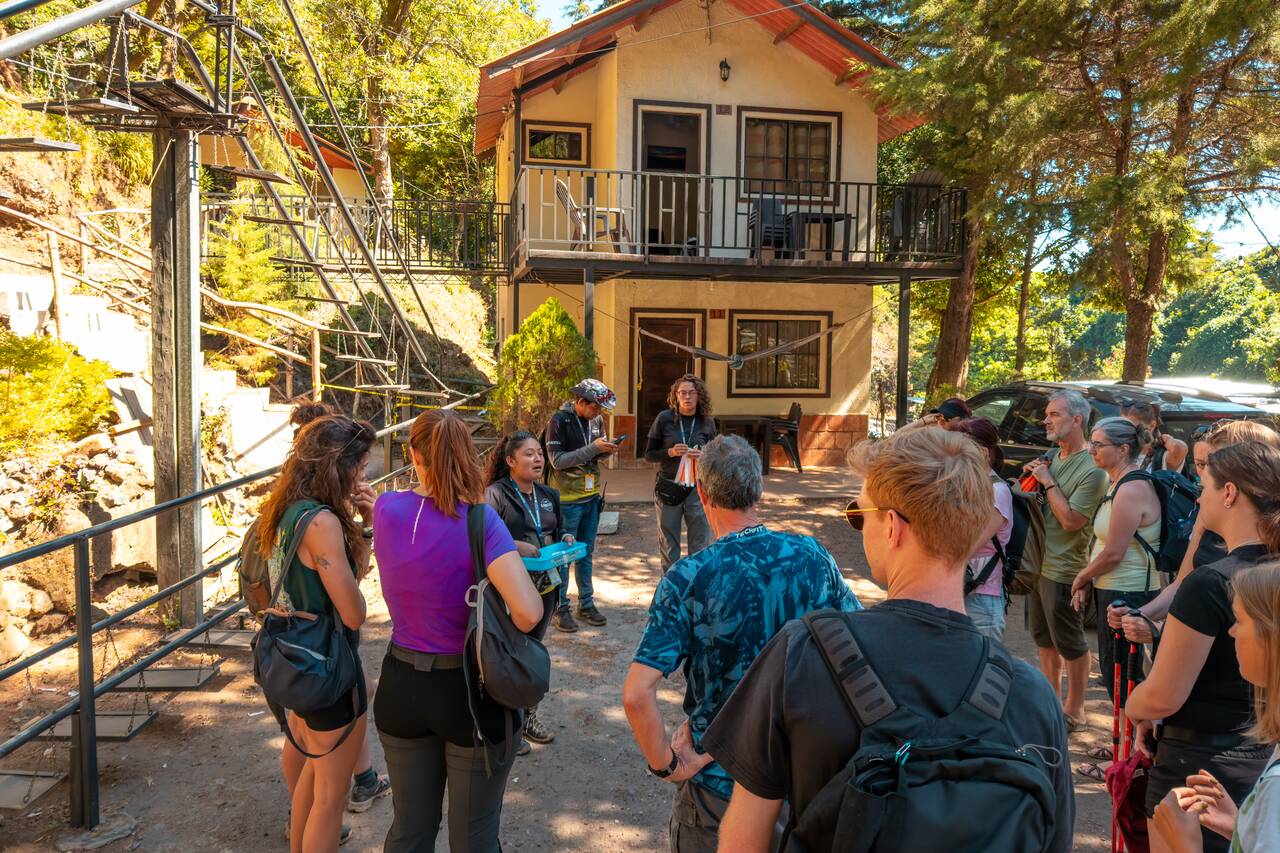
The bus will drop you off at the entrance to the volcano hike, where you will then have to wait for the staff to form you in groups and assign guides to each one, as it is mandatory and the guide will tell you when to come back so you can catch the bus back to Santa Ana in time.
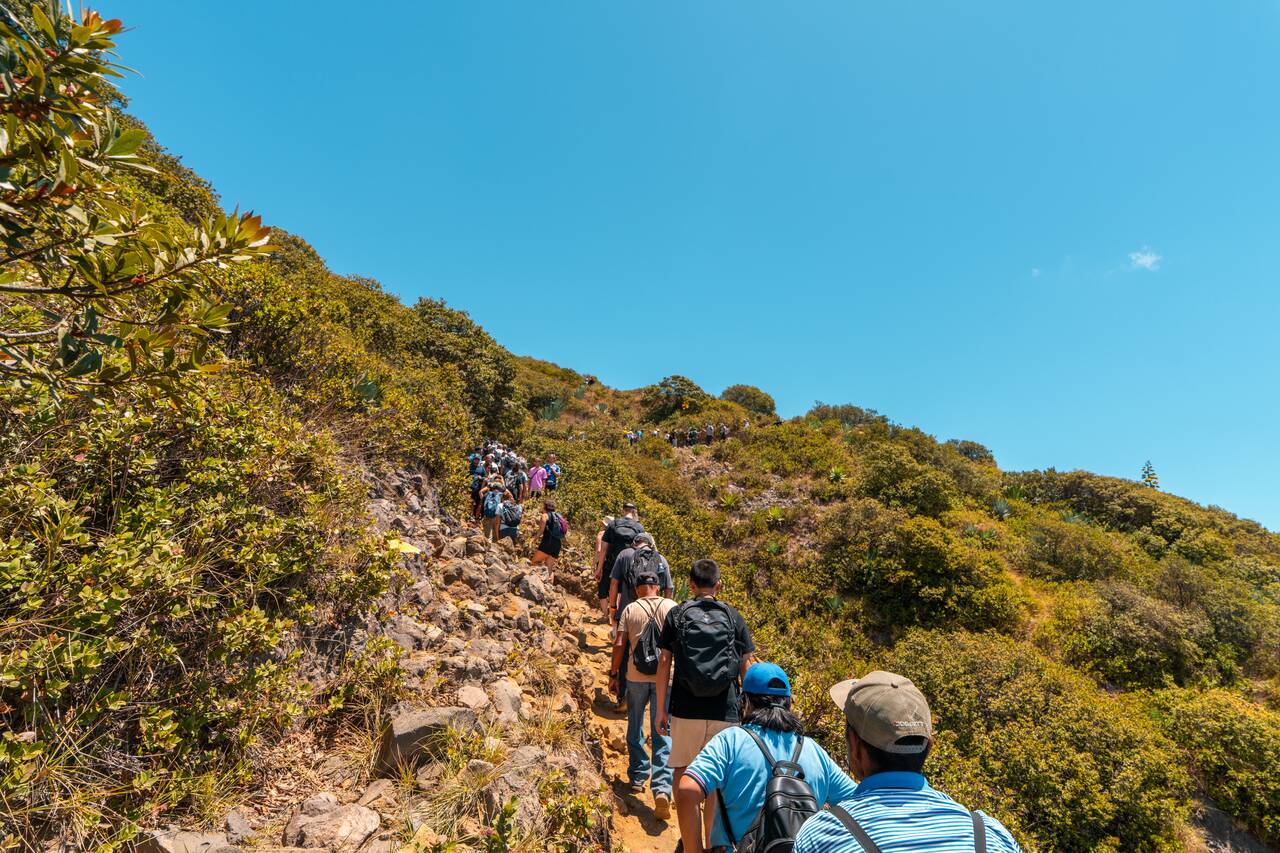
The cost of the guide is 4 USD per person, while the entrance fee to the national park is 3 USD. Since the hiking trail passes through private property, you will also need to pay an additional 1 USD along the way. In total, including the bus fares, the entire hike should cost around 9.40 USD. Everything must be paid in cash, as credit cards are not accepted.
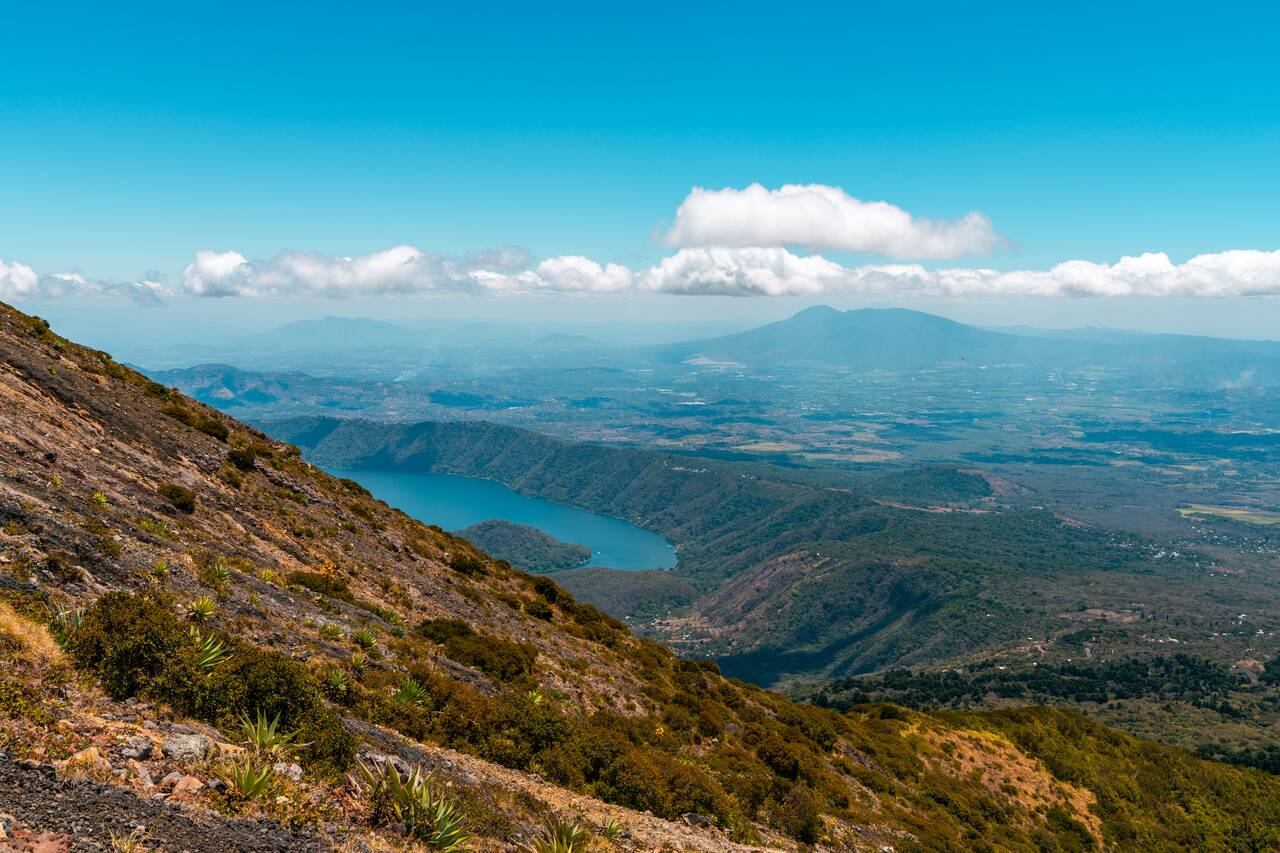
Bring plenty of water, sunscreen, a hat, and comfortable hiking shoes. The weather can change quickly at the summit, so bringing a light jacket or rain shell is also a good idea. The trail can be dusty during the dry season and muddy after rain, so proper footwear will make the hike much more enjoyable.
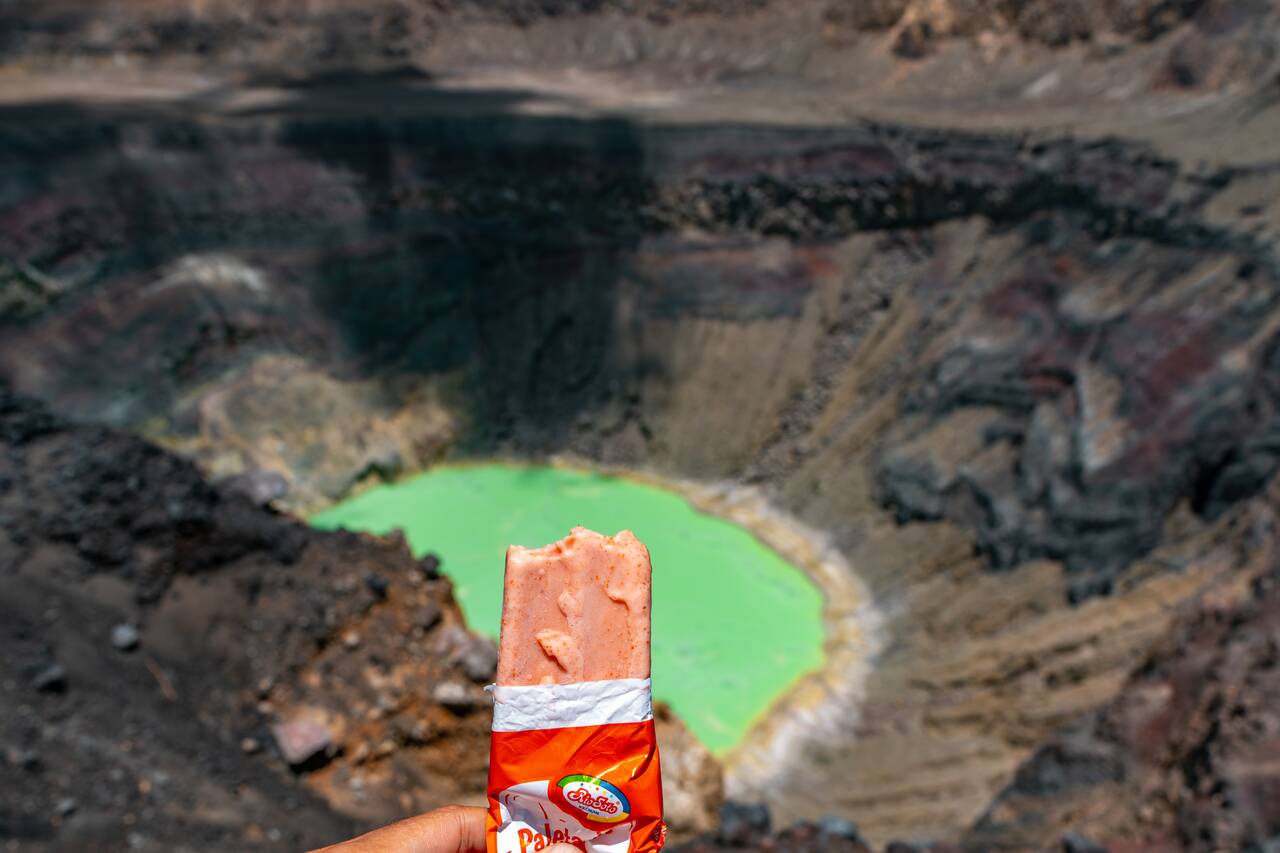
Once you arrive, if the weather permits, you will be completely blown away by the view. I think this is the best viewpoint in all of El Salvador! Up there, you can even grab an ice cream from a very smart local businessman who knew exactly what hikers like us need after reaching the summit 🤣.
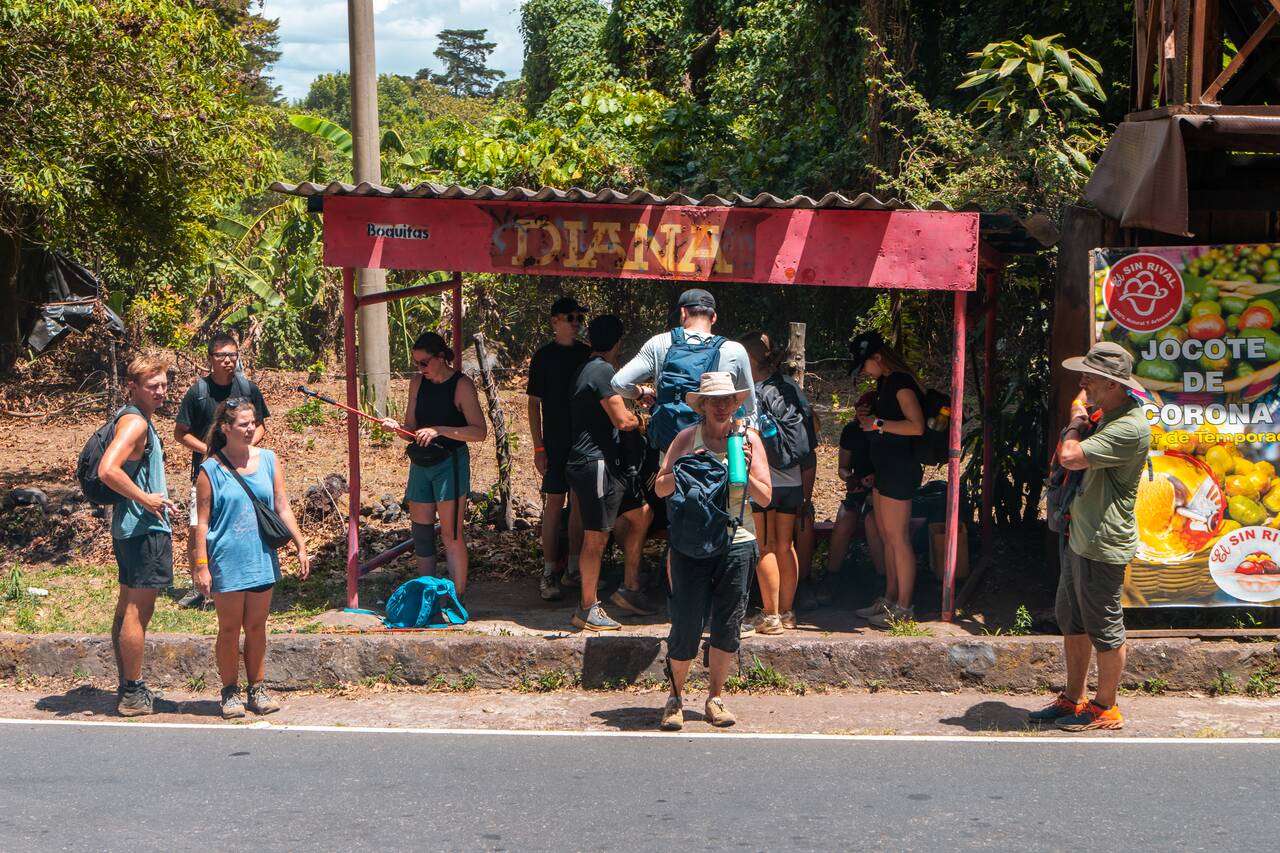
By around 12:30 PM, if you want to catch the 1:30 PM bus back to Santa Ana, you will need to start making your way down. The guide you hired will also let you know when it is time to descend, so keep an eye out for them. Once you reach the bottom, head over to this red bus stop and wait for the bus back to Santa Ana. See? It is very easy and saves you a ton of money!
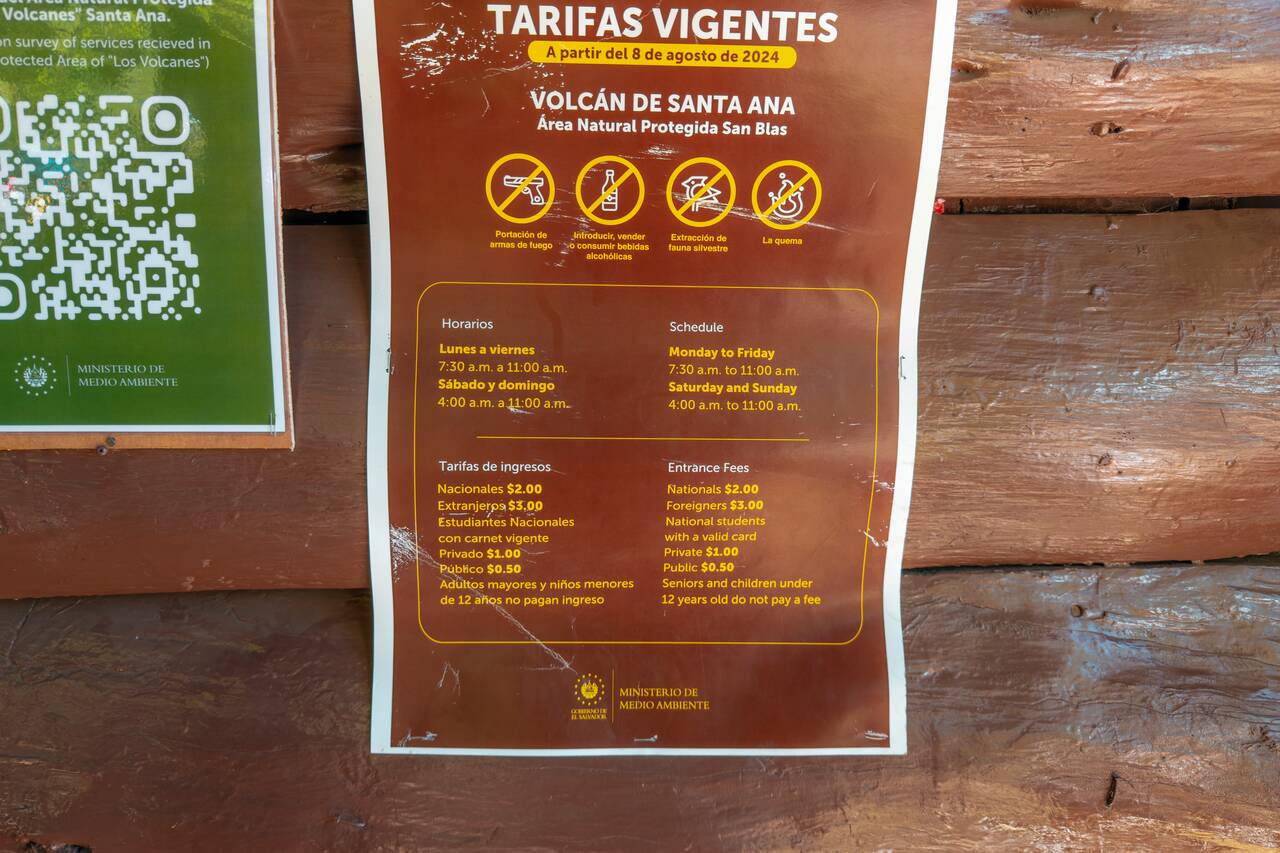
The national park is open daily from 8:00 AM to 8:00 PM. If you plan to visit Lake Coatepeque afterward using public transportation, read on as I will explain how to get there in the next section.

Where to Stay in Santa Ana?
2. Relax at Lake Coatepeque
- 📍 Location: Lake Coatepeque [Map Link]
- 💰 Entry Fees: 5 USD
- 🏄 Tour: Santa Ana Volcano Hiking and Coatepeque Lake Tour
- ⚡ Pete's Take: "Grab a day pass at Captain Morgan Hostel for 5 USD and stay until sunset for the best experience."
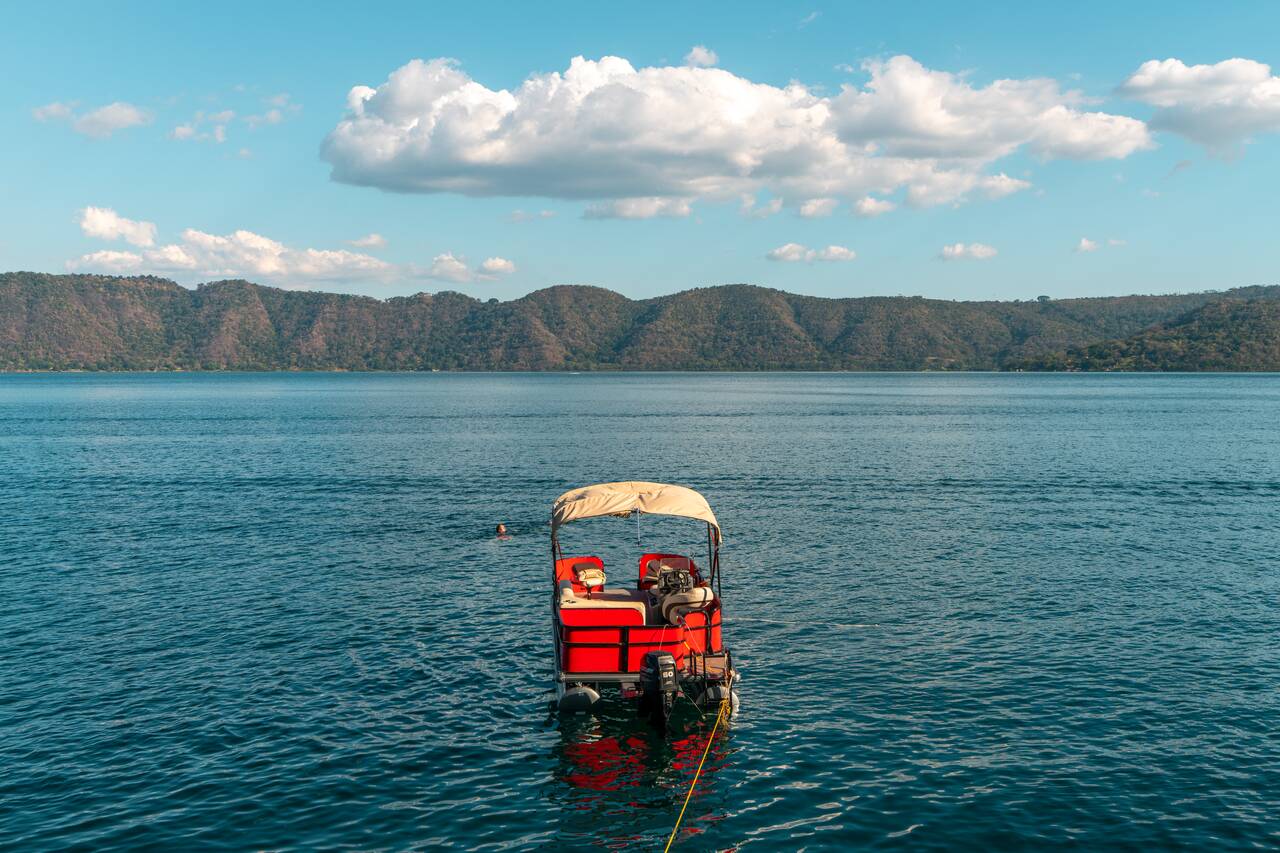
After hiking Santa Ana Volcano, there is no better way to cool down and relax than by spending some time at Lake Coatepeque. This stunning crater lake is often considered one of the most beautiful lakes in El Salvador, with its crystal-clear blue water surrounded by lush green hills and volcanic landscapes.
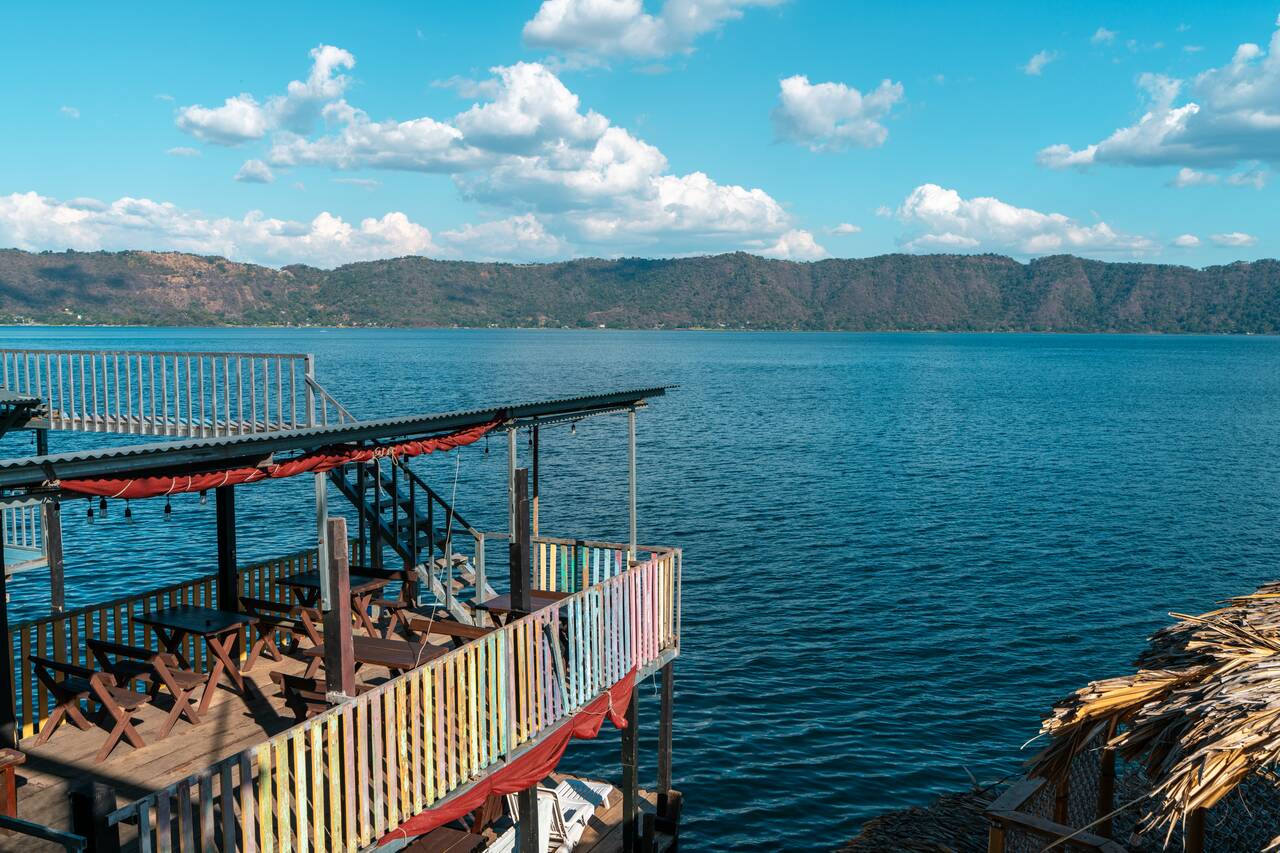
The most popular area to visit is around the western shore of the lake, where you will find plenty of hostels and beach clubs offering day passes that give you access to the lakefront and their facilities. I highly recommend Captain Morgan Hostel, a lakeside hostel with a restaurant and bar attached.
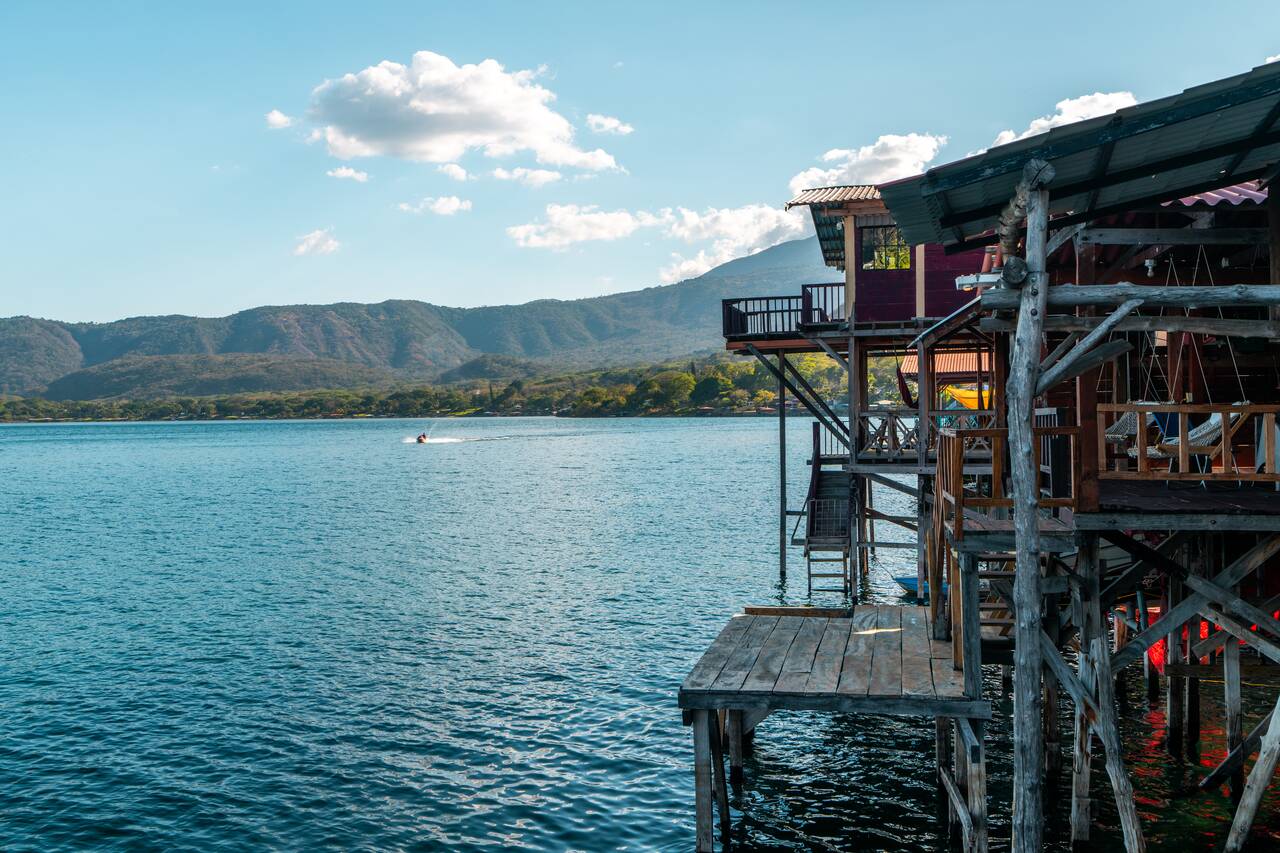
Captain Morgan Hostel offers a day pass for 5 USD, which can be redeemed for one drink at the bar. There, you will find a restaurant where you can order food, plenty of places to sit, and several spots where you can jump straight into the water.
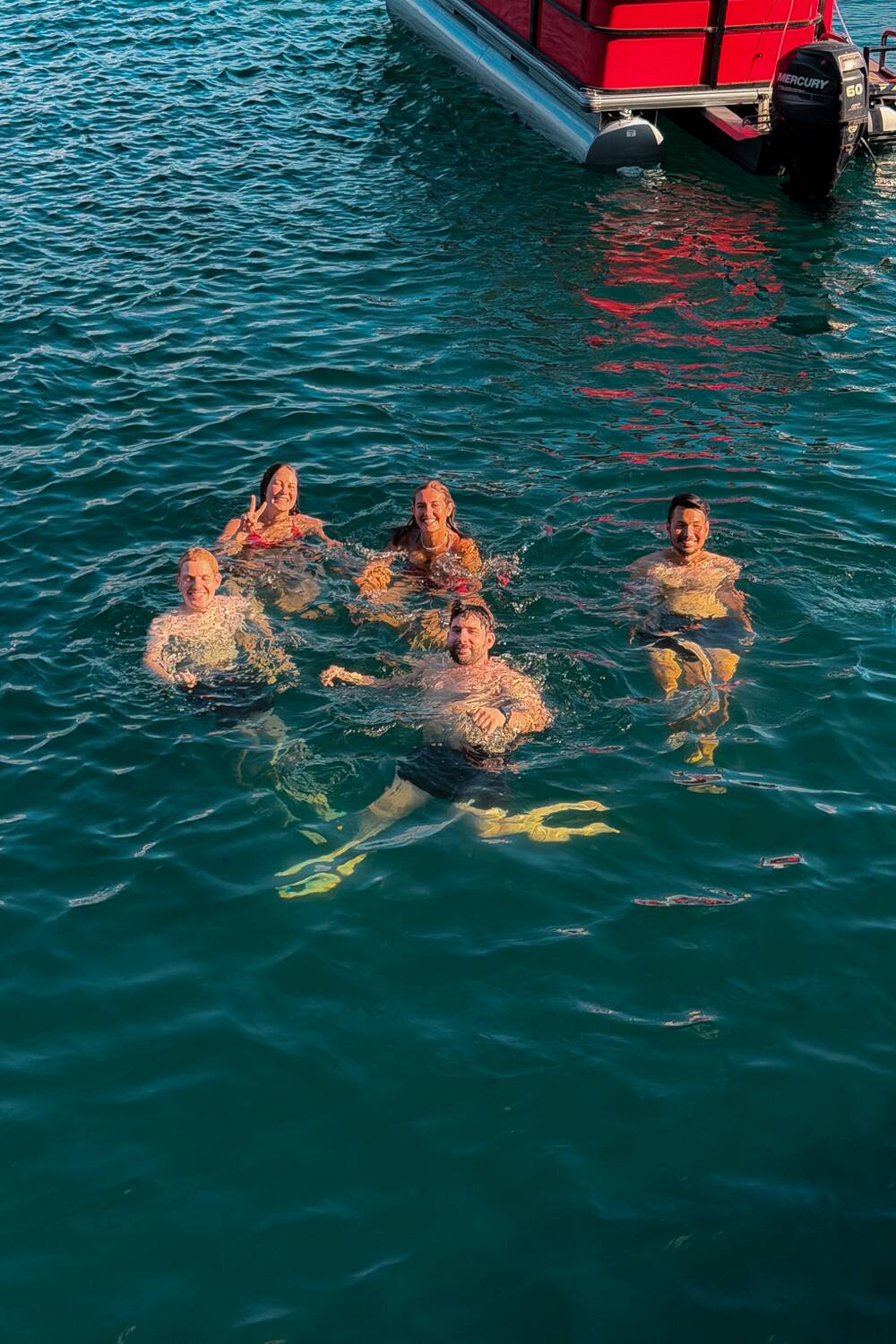
This is such a fun way to freshen up and relax after the Santa Ana hike. I met some great people during the hike, and we decided to come to the lake together. We had so much fun jumping into the water and enjoying ourselves until sunset. I couldn't think of a better way to end the day.
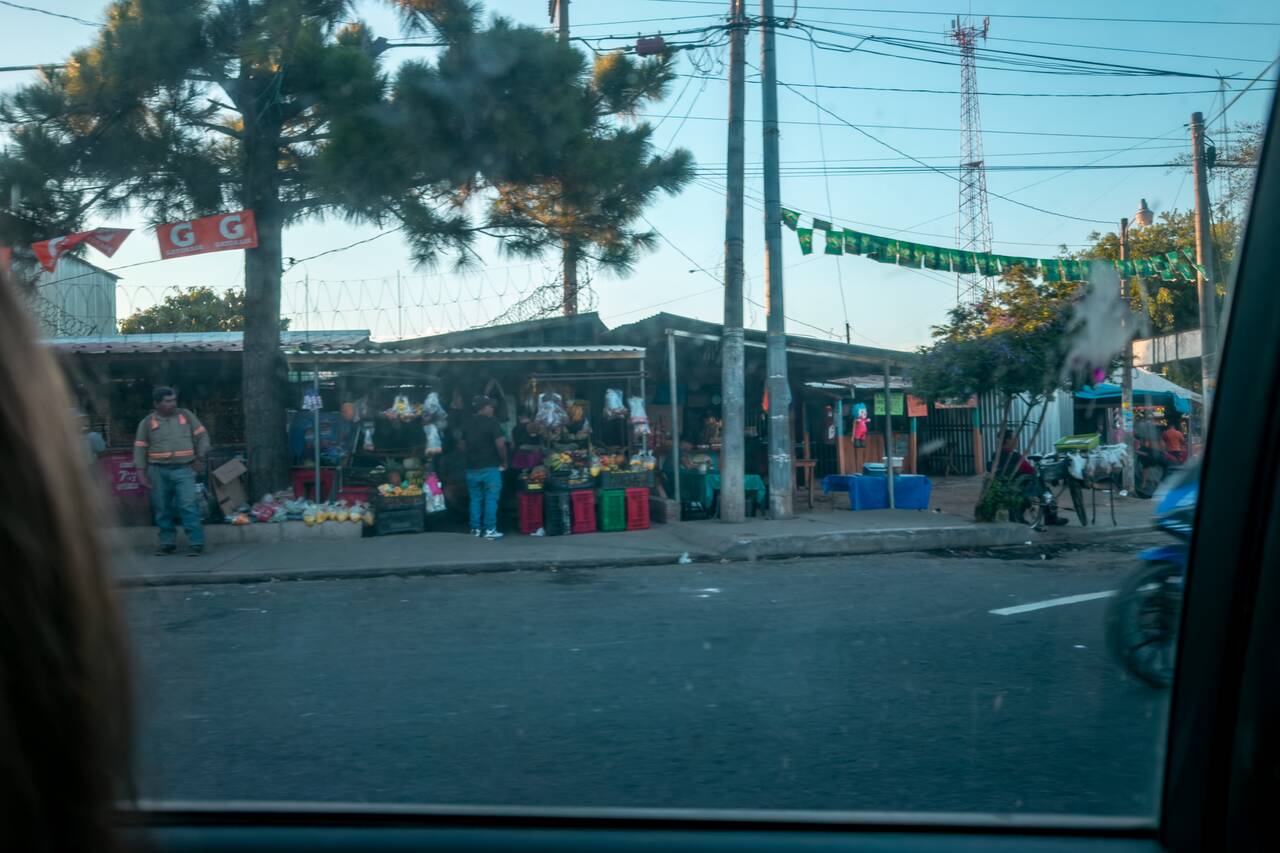
To get here, I recommend combining your visit with Santa Ana Volcano. Start by hiking Santa Ana Volcano using the logistics details from the previous section. If you join an organized tour, this stop should already be included. If you are relying on public transportation like I did, catch the 1:30 PM bus back to Santa Ana after finishing the hike. Make sure to get off at this intersection in El Congo, where you should find a few buses waiting.
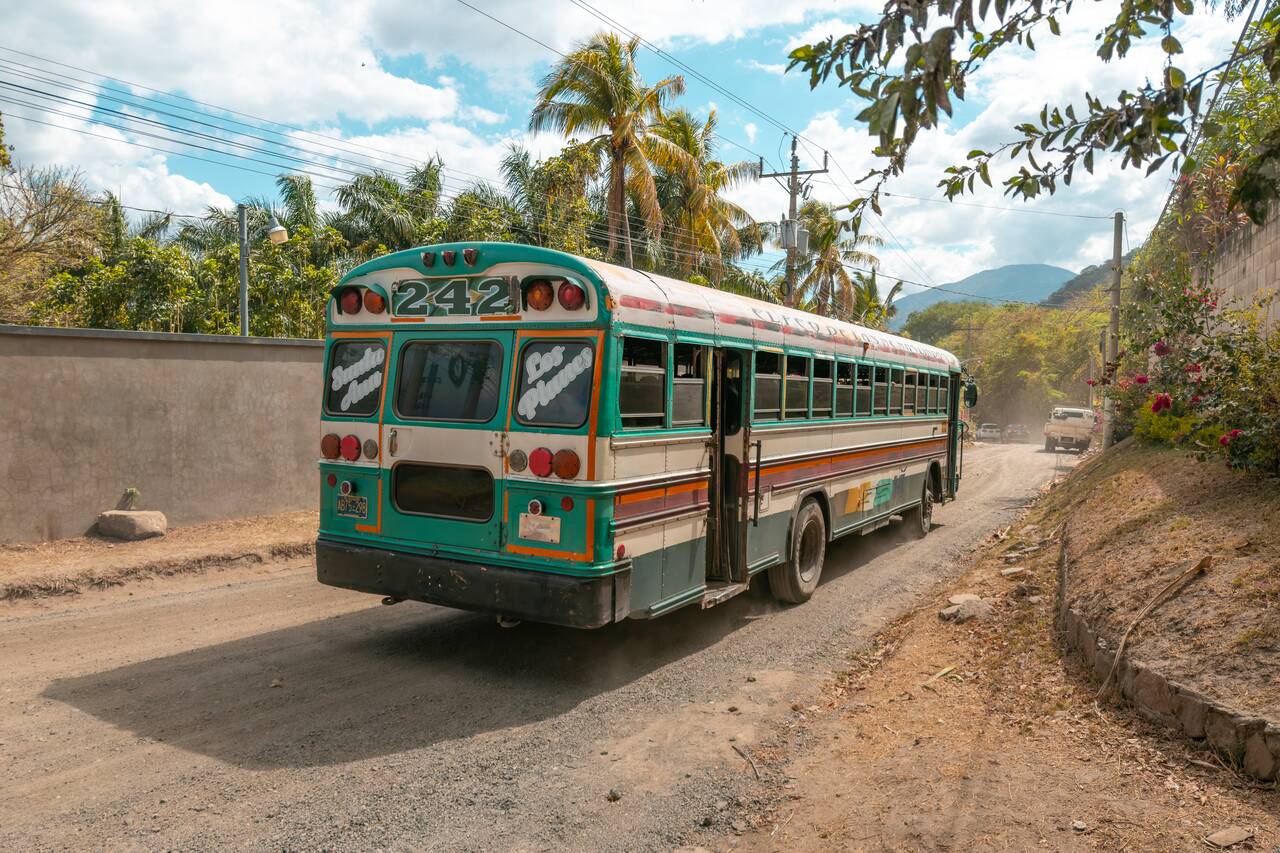
From that intersection, take the #242 bus (the bus should be facing west), which runs frequently throughout the day and will take you around the lake for only 0.43 USD. I didn't have to wait long at the intersection before finding one. The journey takes around 20 minutes, and make sure to get off right in front of Captain Morgan Hostel. If you don't want to wait or prefer a more convenient option, you can also take an Uber to the lake. Easy peasy.
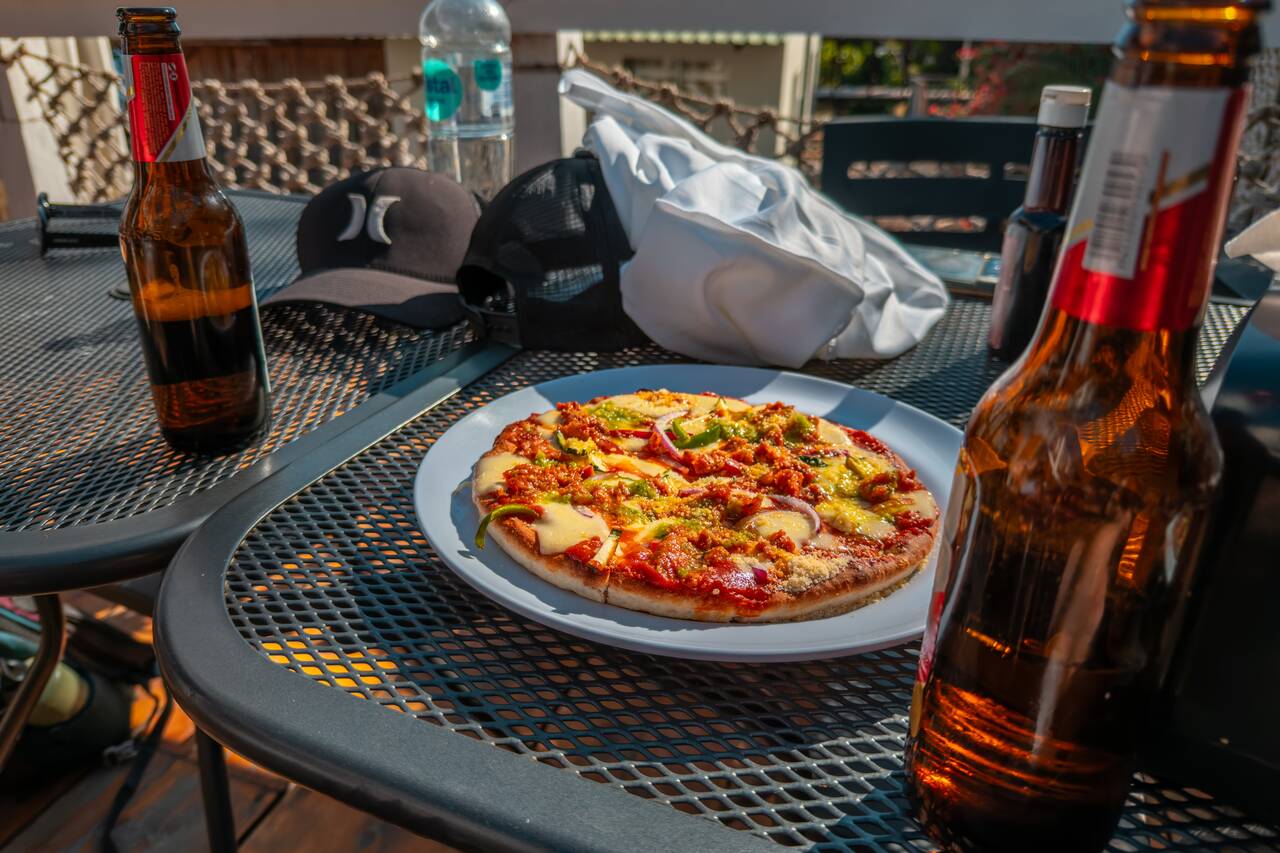
If you are heading back before sunset, you should be able to find a bus to El Congo and take any bus from there heading back to Santa Ana. However, if you decide to stay until sunset, I think it is best to grab an Uber and head back to Santa Ana directly, as buses may no longer be running by then.
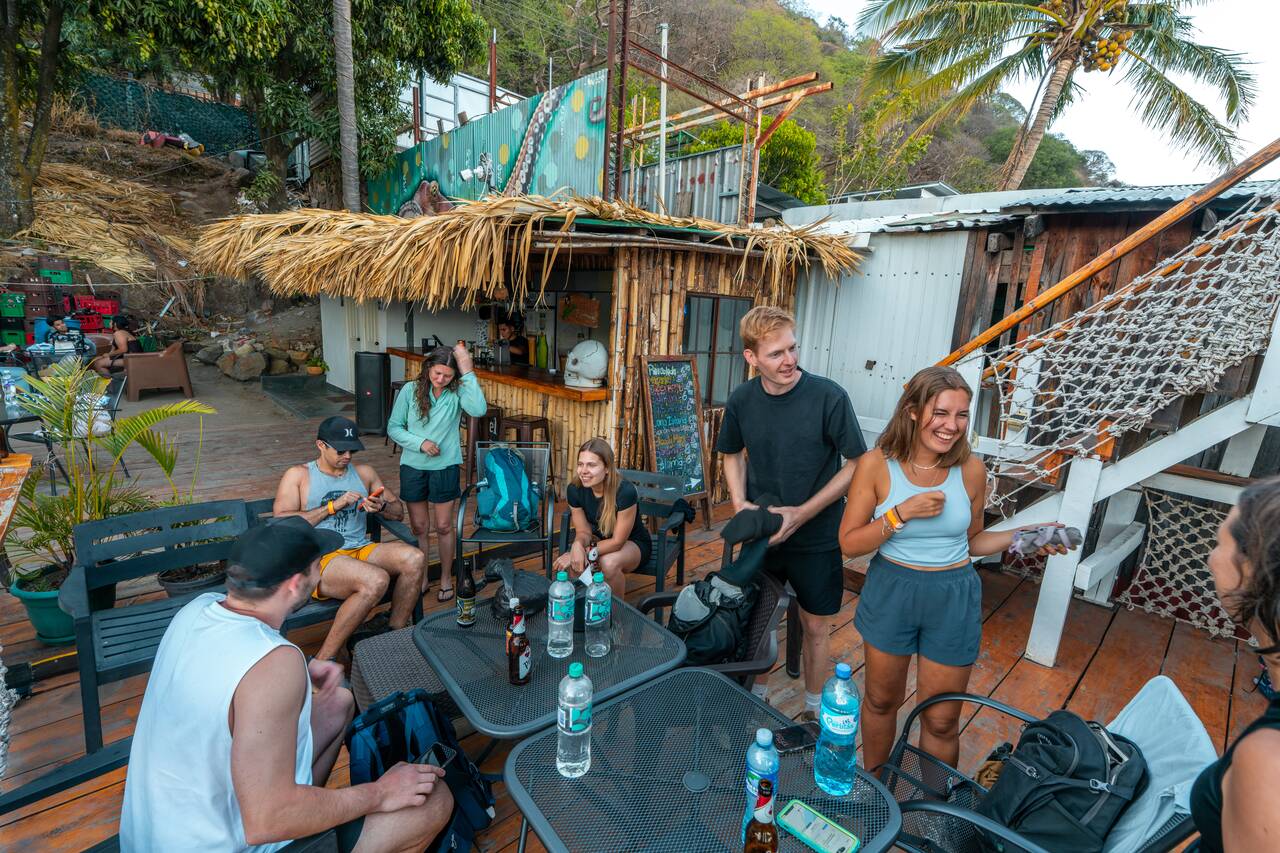
Bring a swimsuit, sunscreen, and some extra cash if you plan to spend time at one of the lakeside hostels. Also, keep in mind that the water level can vary depending on the season, but the incredible scenery remains the same year-round.
3. Check Out Tazumal Archaeological Site
- 📍 Location: Tazumal Archaeological Site [Map Link]
- 🕐 Opening Hours: Tue-Sun 9 AM-4 PM
- 💰 Entry Fees: 5 USD
- ⚡ Pete's Take: "If you have a half day free, it's a nice quick trip from Santa Ana."
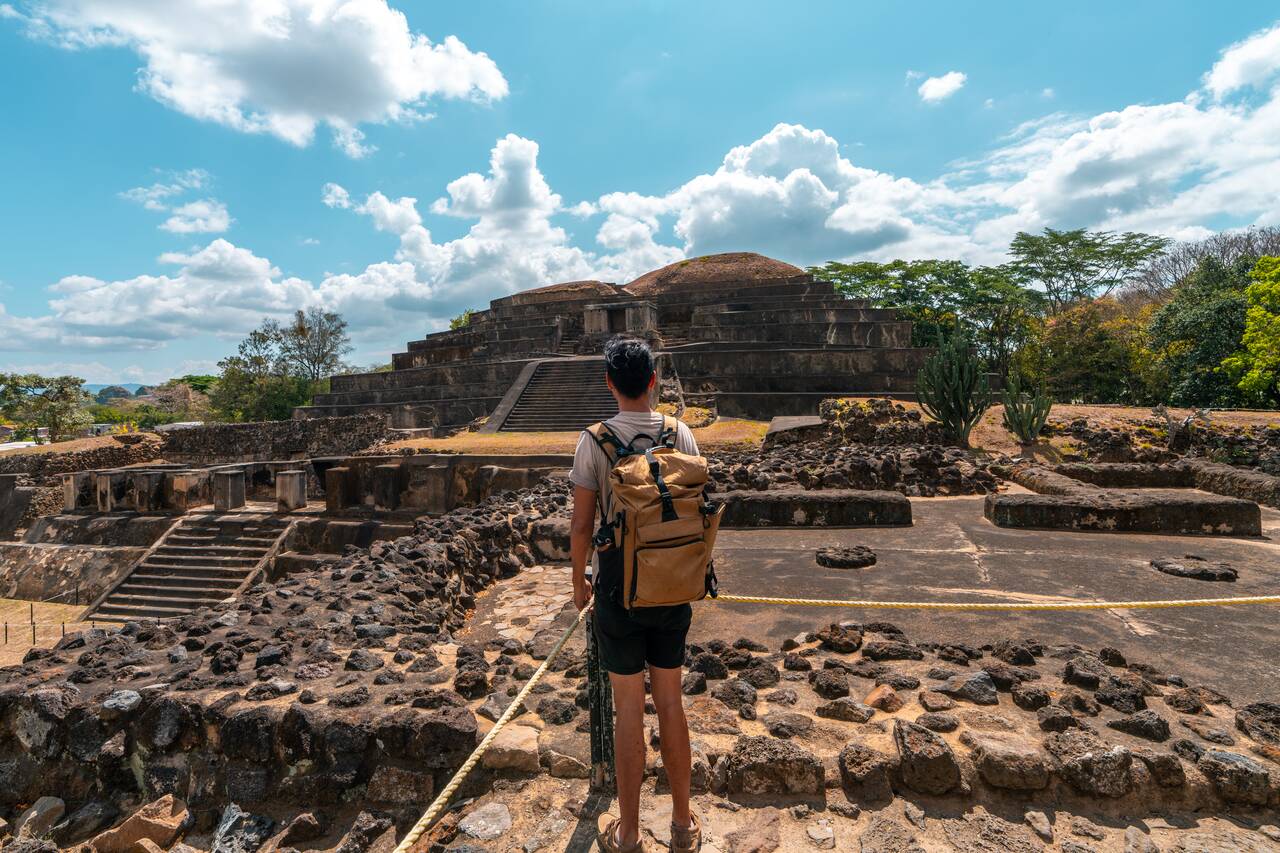
If you are interested in history and ancient civilizations, you should not miss Tazumal Archaeological Site, one of the most important archaeological sites in El Salvador. Located in the nearby city of Chalchuapa, just a short trip from Santa Ana, you can get a glimpse of the region's rich Mayan roots.
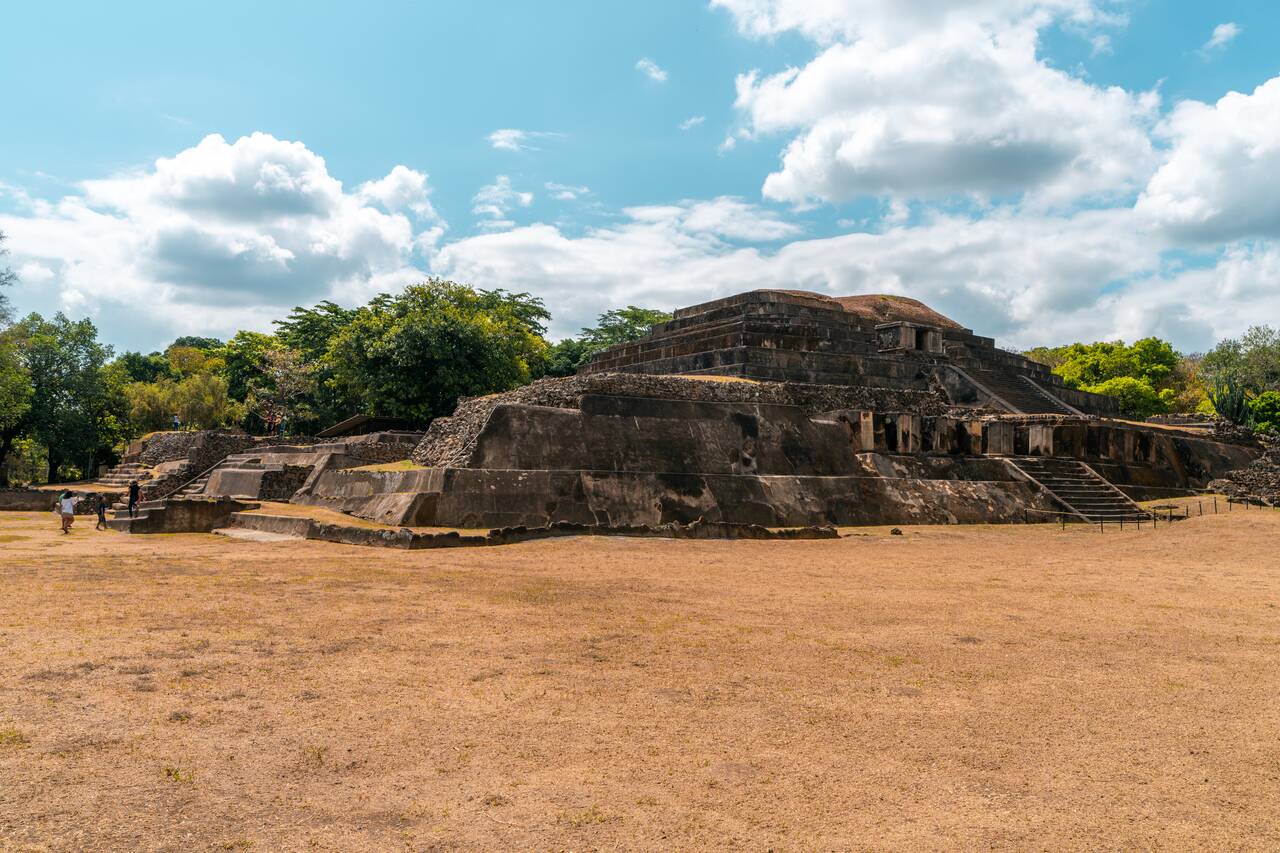
The highlight of the site is the massive Tazumal pyramid, which was built and expanded over several centuries by the Maya. Unlike the larger and more famous ruins in places like Guatemala and Mexico, Tazumal is much smaller, but also feels much quieter and less crowded to visit. This was my first experience at a Mayan ruin and I found it to be quite impressive.
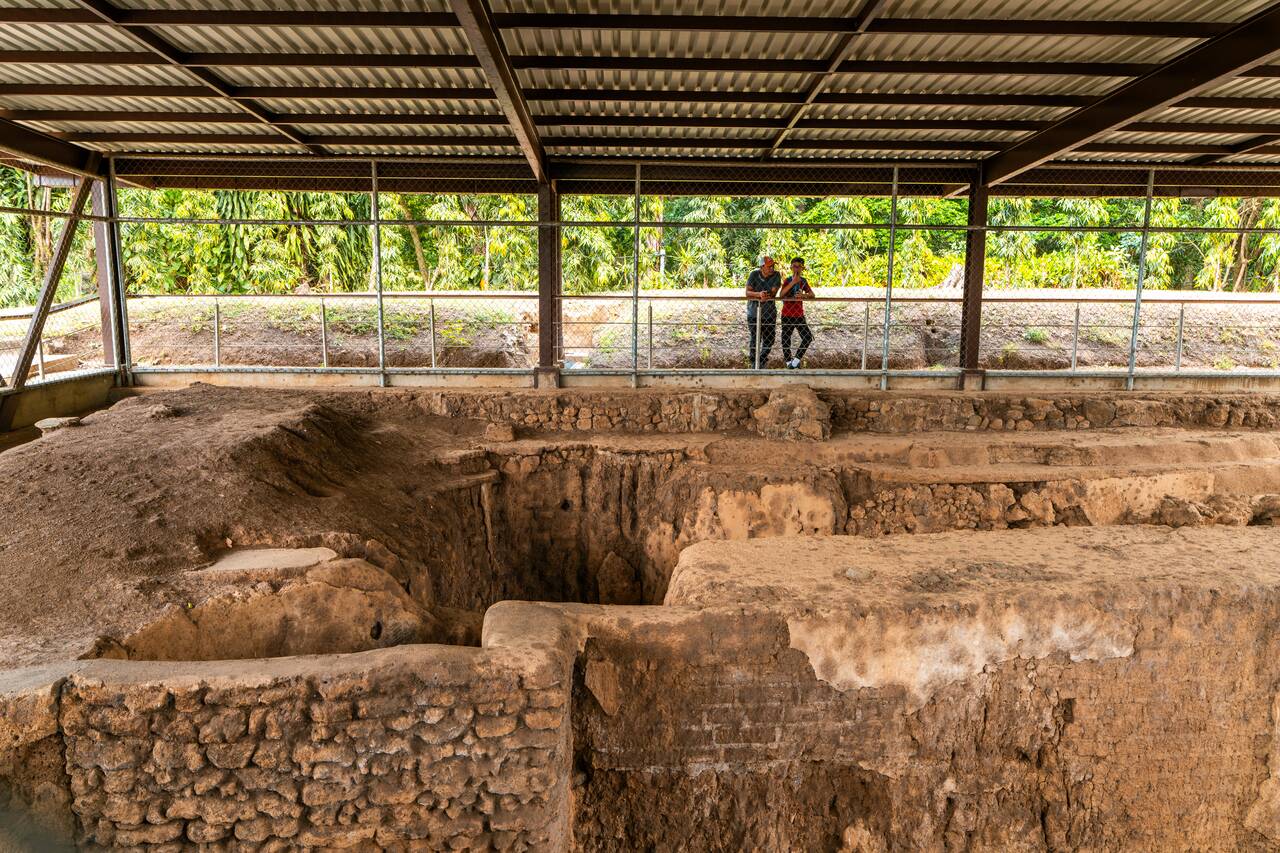
The archaeological park is relatively small, so you can explore everything in less than an hour. Inside, you will find the main pyramid, smaller structures, ancient drainage systems, and a museum displaying artifacts discovered during excavations. You can't go inside the pyramid, I'm afraid.
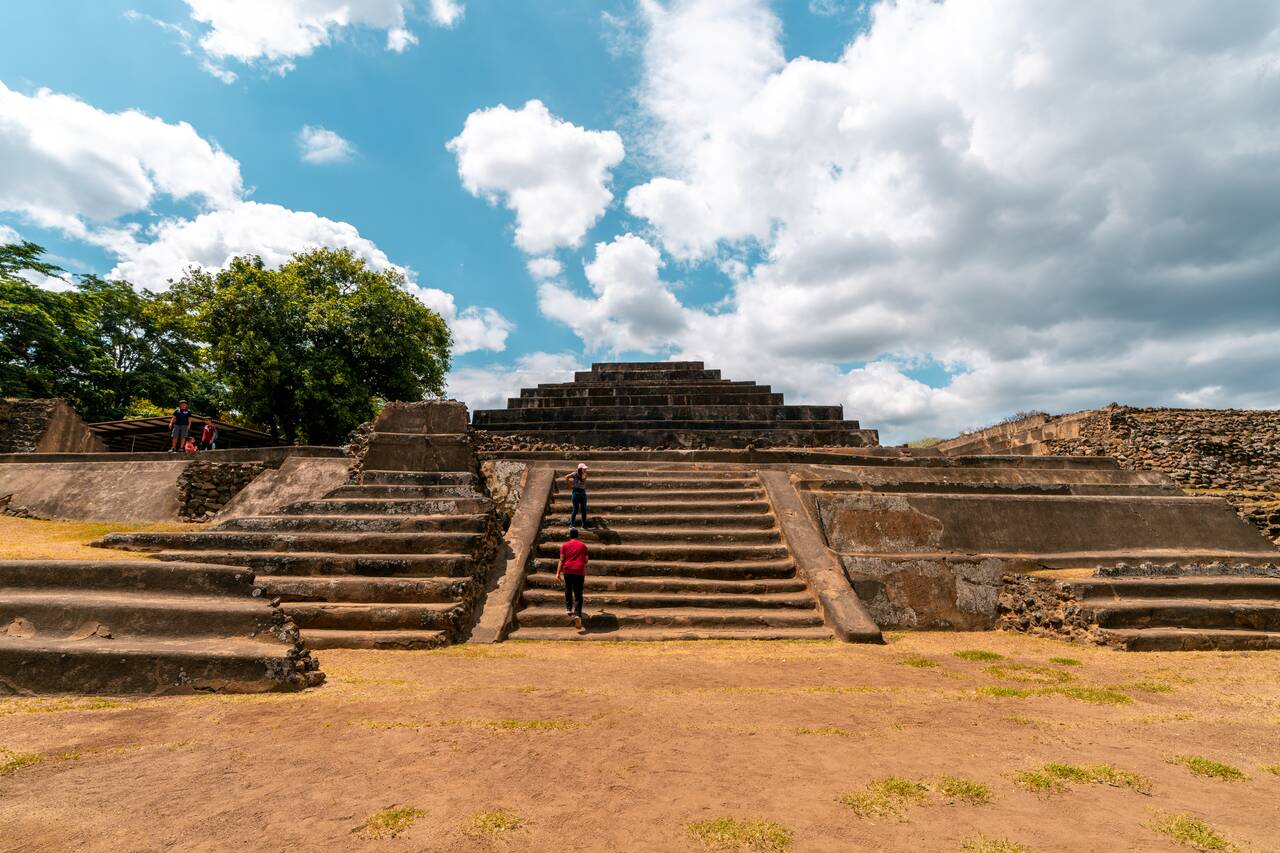
Getting to Tazumal from Santa Ana is also very easy. You can either take a local bus #218 from the city center to Chalchuapa, which takes around 30 minutes and costs 0.32 USD or you can just grab an Uber if you prefer a faster and more convenient option.
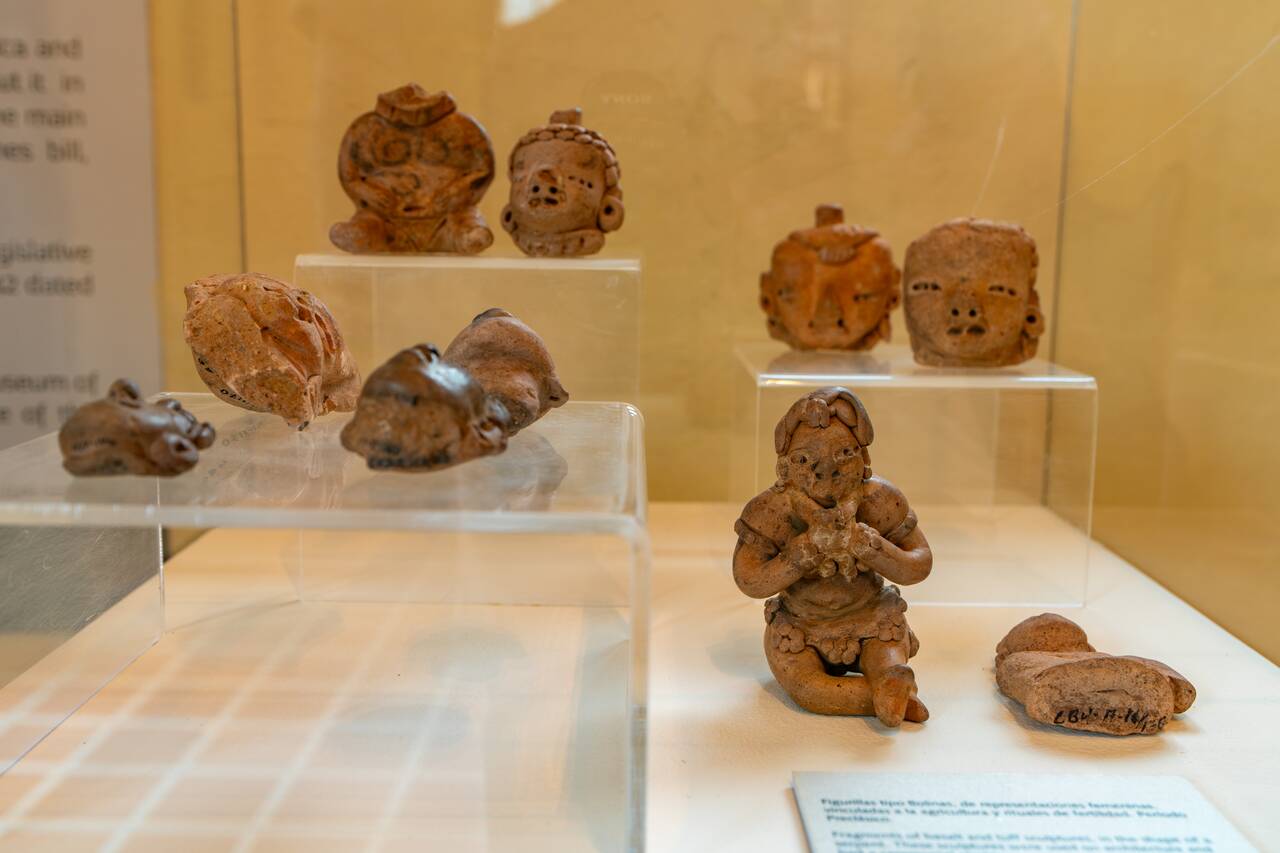
The site is open daily from Tuesday to Sunday between 9 AM and 4 PM while the site is closed on Mondays. The entry is 5 USD per person. If you have an extra half day in Santa Ana or you are renting a motorbike to explore Ruta de las Flores, this is a great side trip to add to your itinerary.
4. Swim in El Salto de Malacatiupán
- 📍 Location: El Salto de Malacatiupán [Map Link]
- 💰 Entry Fees: 1.50 USD
- ⚡ Pete's Take: "Visit in the afternoon for a more refreshing swim; the water feels tiring in the blazing midday sun."
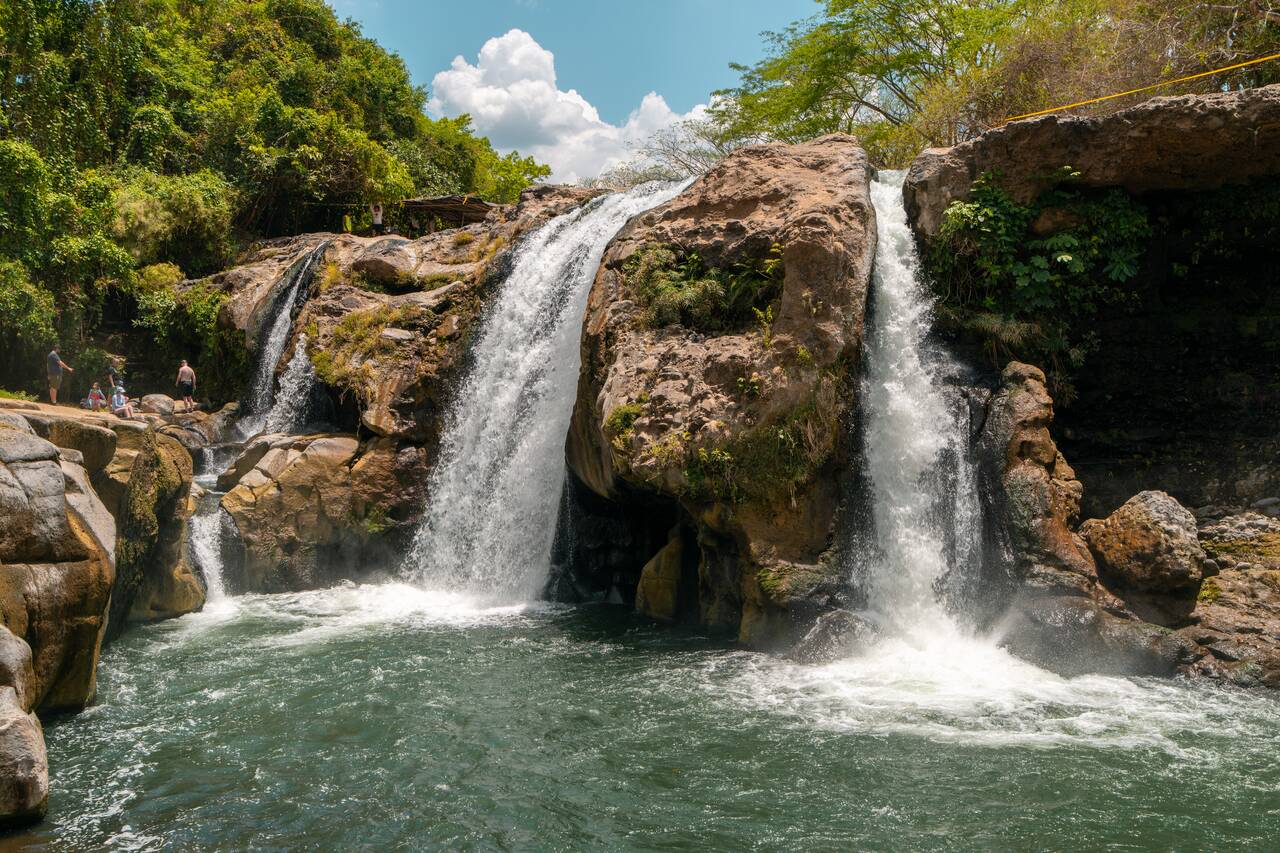
If you are looking for a more off-the-beaten-path adventure near Santa Ana, you should check out El Salto de Malacatiupán. This hidden waterfall is located in the small town of Atiquizaya and is famous for its turquoise pools, which are warm, almost hot, to the touch. It is a unique combination that you don't get to experience every day.
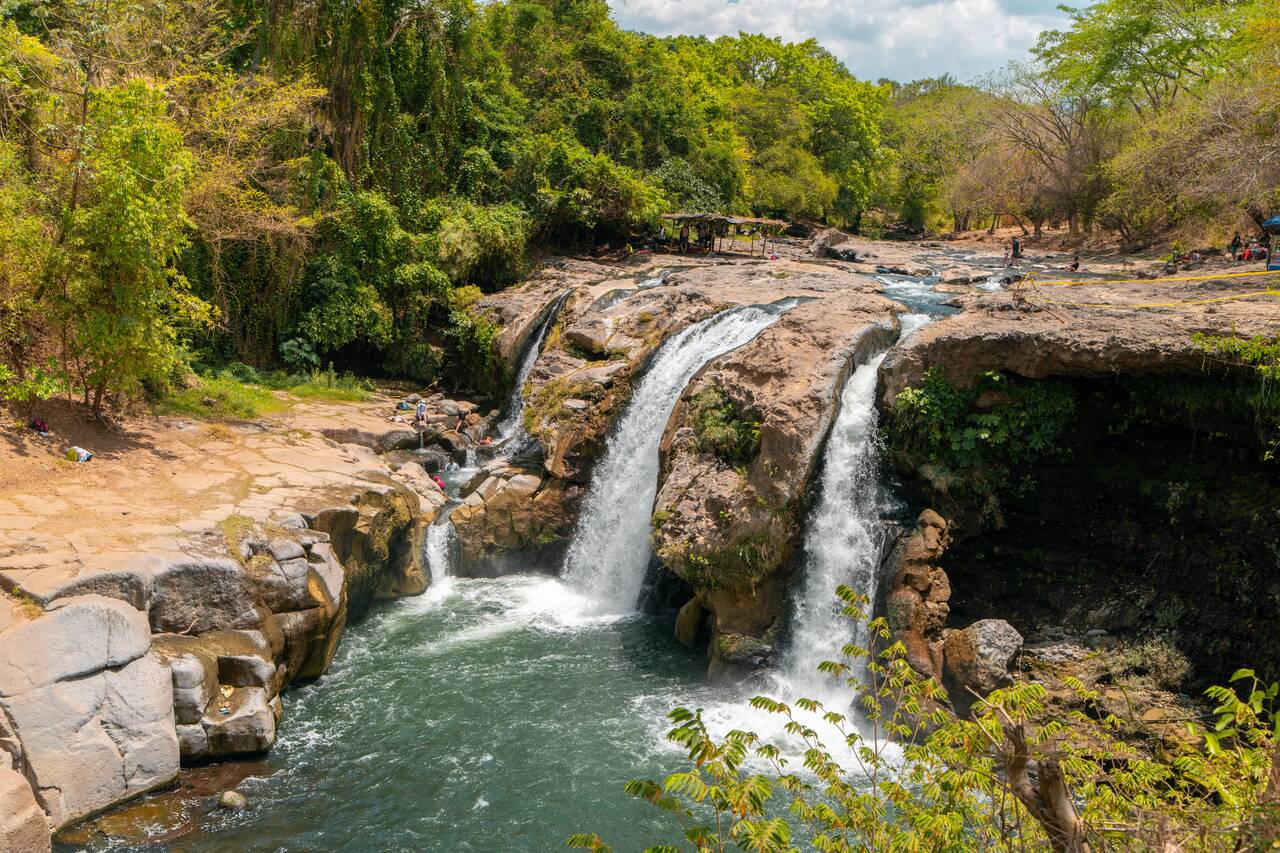
Unlike many waterfalls where the water can be freezing cold, El Salto de Malacatiupán is fed by natural hot springs, so the water temperature is very warm. The waterfall drops into several pools surrounded by rocky cliffs, which makes for a beautiful natural swimming spot where you can spend a few hours enjoying the scenery and swimming around.
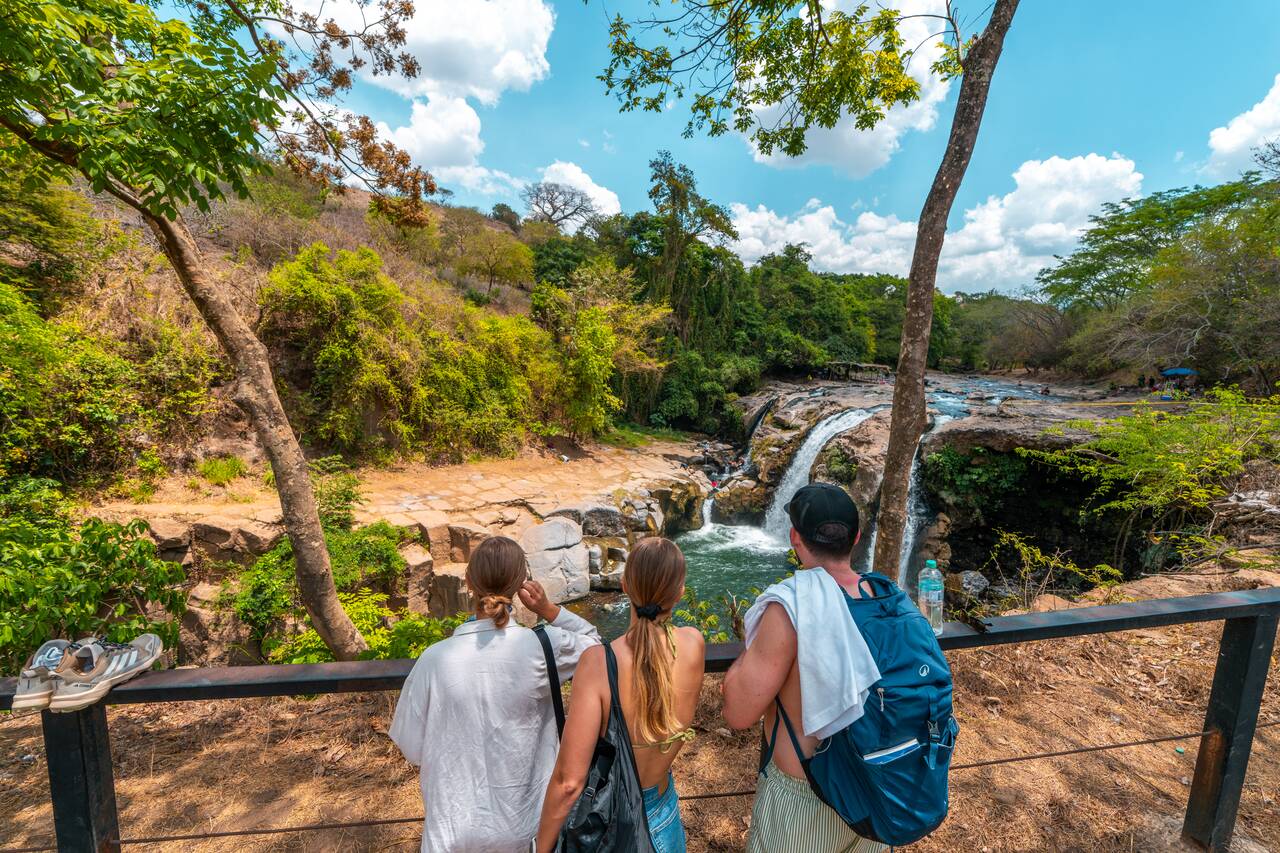
Before you jump in, be sure to dip your feet in first and check the temperature, as the water here is surprisingly warm. Your body can get a little confused because when we see a waterfall, we automatically expect the water to be refreshing and cold, but this one is completely different.
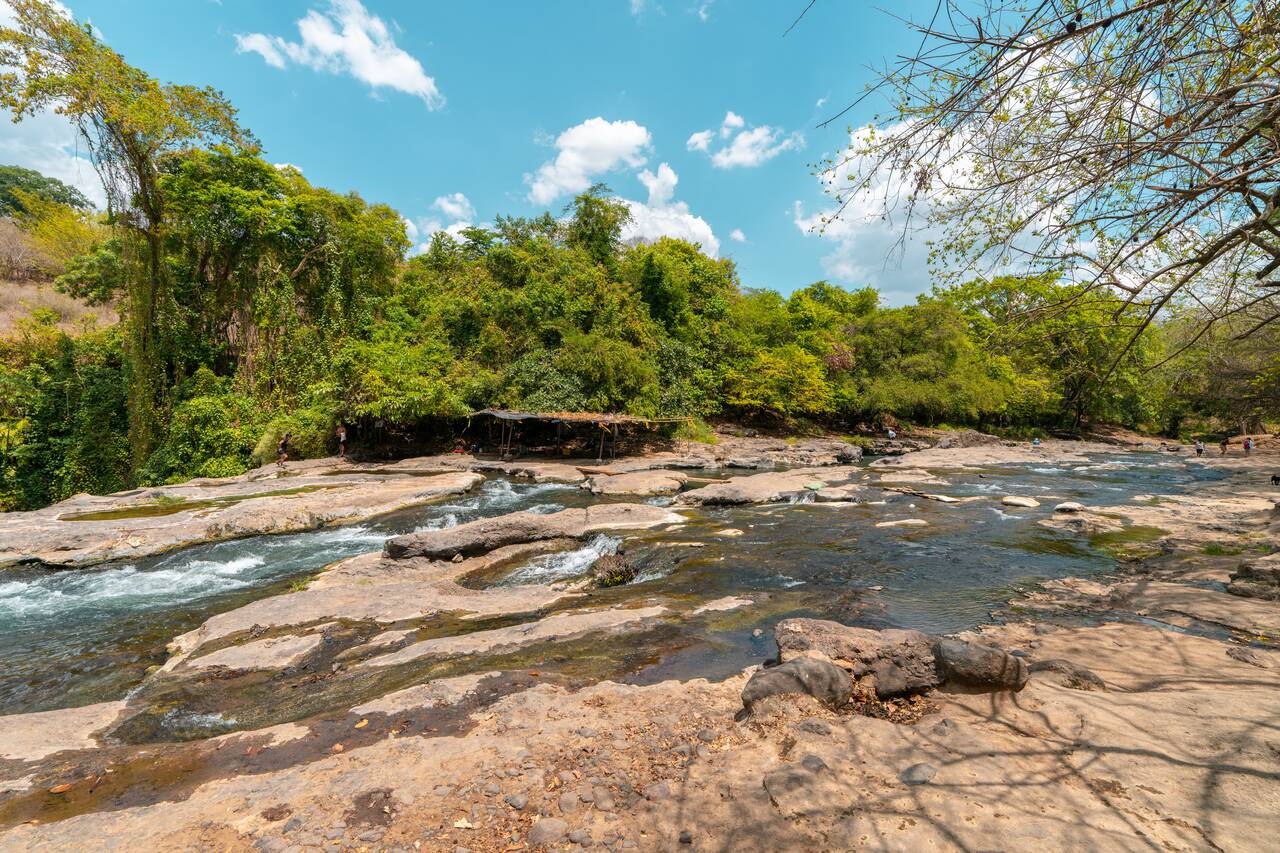
I was there in the middle of the day with the sun blazing, and the water was so warm that we ended up feeling even more tired after the swim 🤣. Trust me, your body will need some time to adjust. My friends visited in the afternoon and stayed until sunset, and they said it was much better at that time. So, make sure you pick the right time to visit if you want to enjoy the waterfall to the fullest.
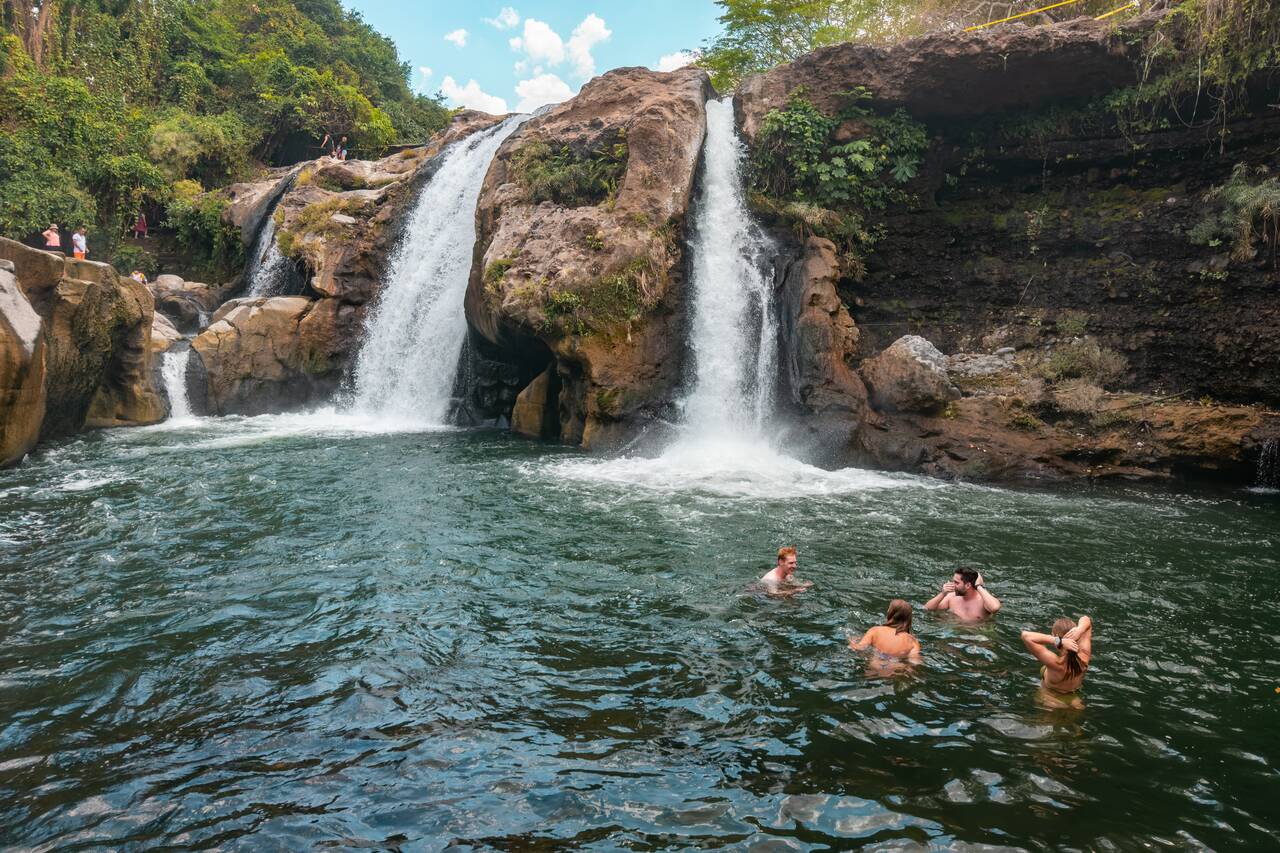
The waterfall is still relatively unknown among travelers, which makes it worth the journey, especially since getting here can be a bit tricky. You can either visit the waterfall as a day trip using public transportation, or if you decide to rent a motorbike, you can include it as a stop on your way to the Ruta de las Flores. The ride from Santa Ana takes around 1 hour.
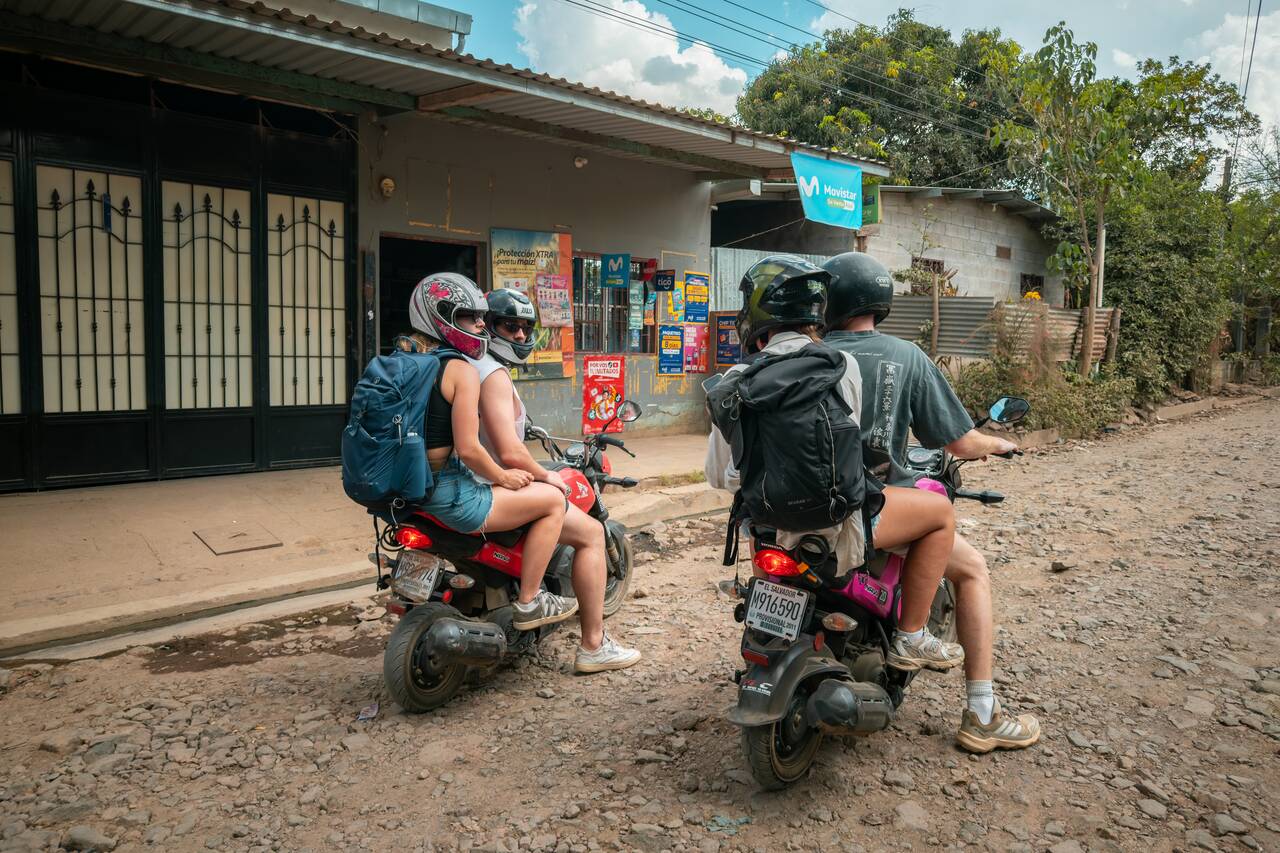
For public transportation, you can catch bus 210 or 214 from Santa Ana's bus terminal toward Ahuachapán. The journey takes around 40 minutes and costs less than 1 USD. Get off at Parque San Juan in Atiquizaya, then take a tuk-tuk to the waterfall. The ride takes around 15 minutes and should cost no more than 6 USD.
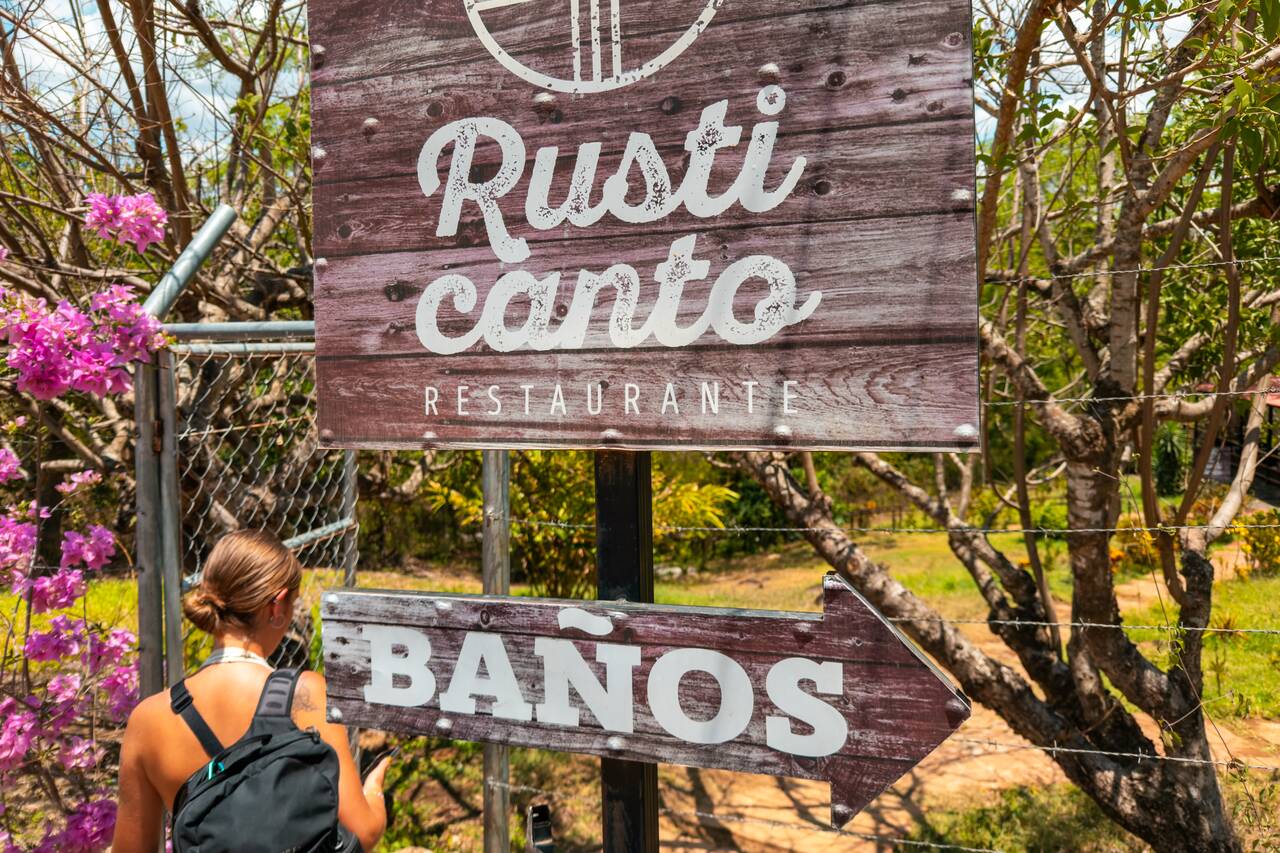
Make sure to ask your tuk-tuk driver for their WhatsApp number so you can contact them for a ride back from the waterfall. The waterfall is located in a fairly remote area with unpaved roads, and you won't find tuk-tuks passing by regularly. Once you are back in Atiquizaya, you can catch the same bus back to Santa Ana.
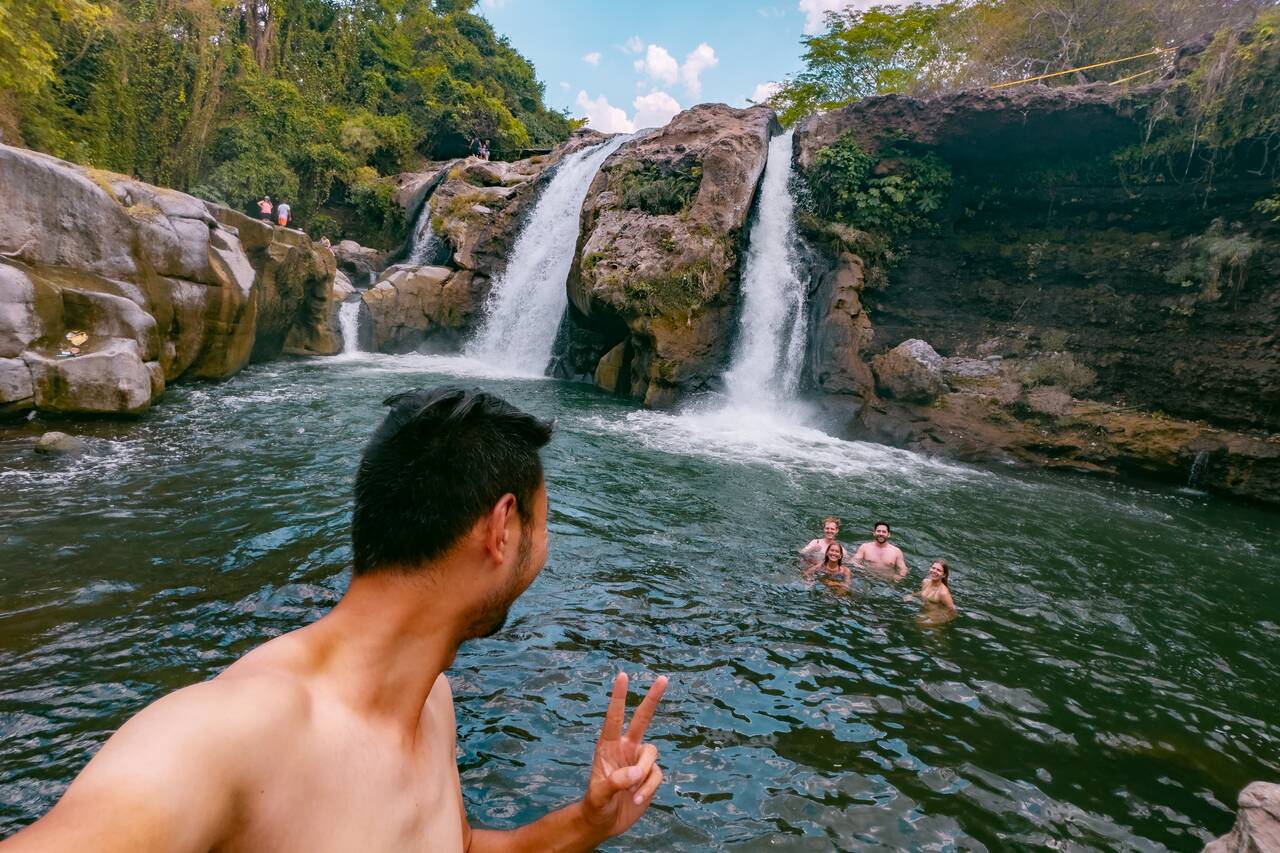
Bring a swimsuit, towel, sunscreen, and some cash for the entrance fee, which is 1.50 USD per person, plus an additional 1 USD for parking if you arrive by motorbike. There is a restaurant and changing rooms available, so you can grab some food here or bring your own for the trip. This is a great place to visit if you want to take a break from hiking and spend a relaxing afternoon surrounded by nature.
5. Visit Santa Ana Cathedral
- 📍 Location: Santa Ana Cathedral [Map Link]
- 🕐 Opening Hours: 6 AM - 11:45 AM, 3 PM - 6 PM
- 💰 Entry Fees: Free
- ⚡ Pete's Take: "Be sure to come check out both during the day for the details and at night for the lights."
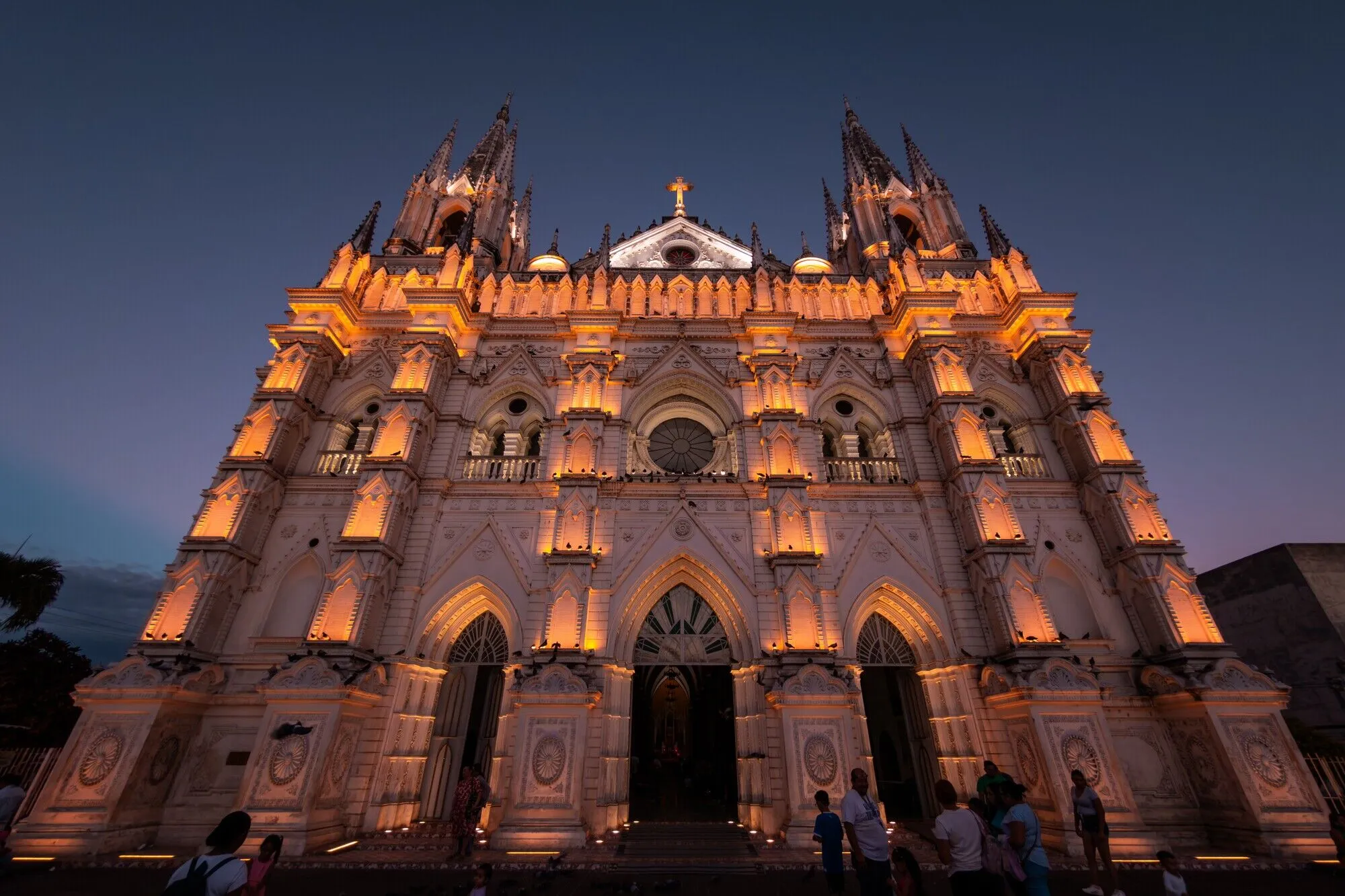
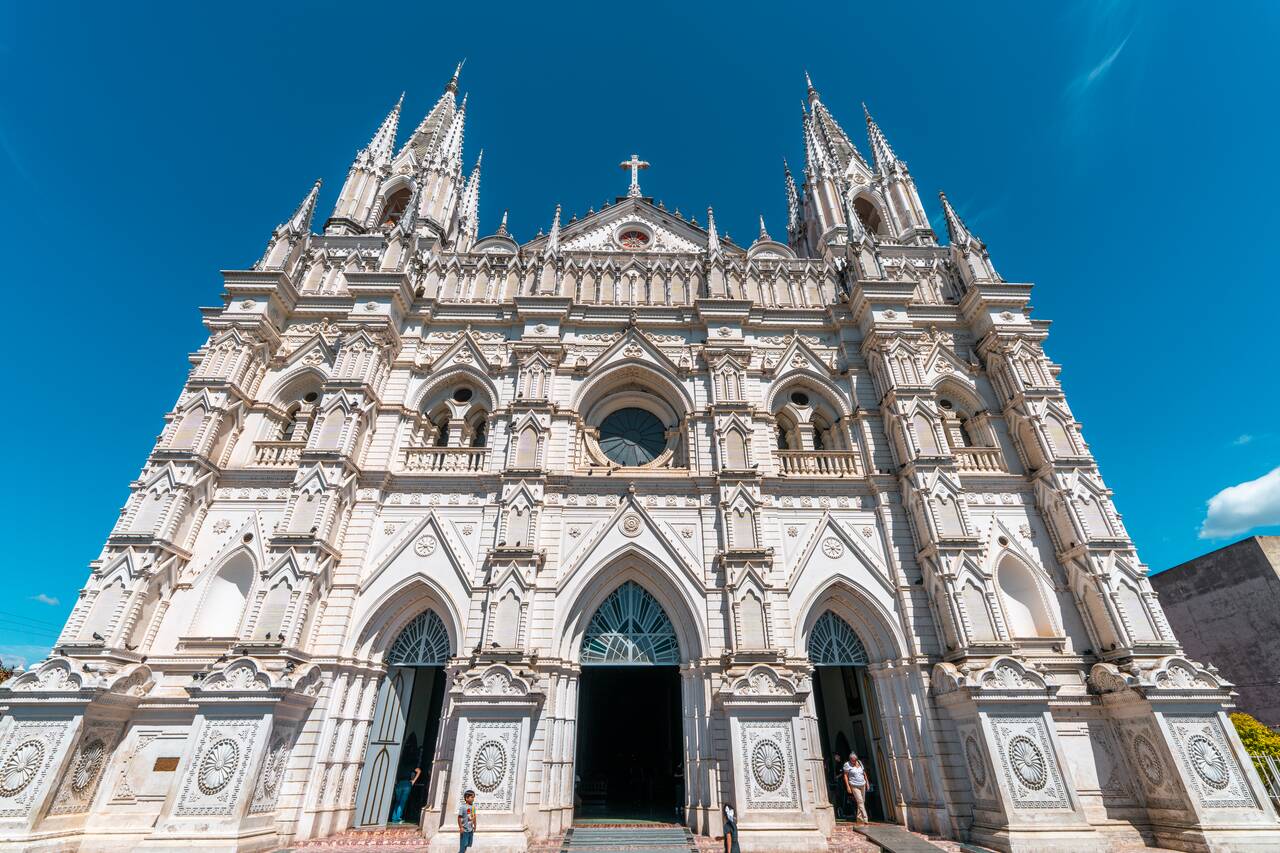
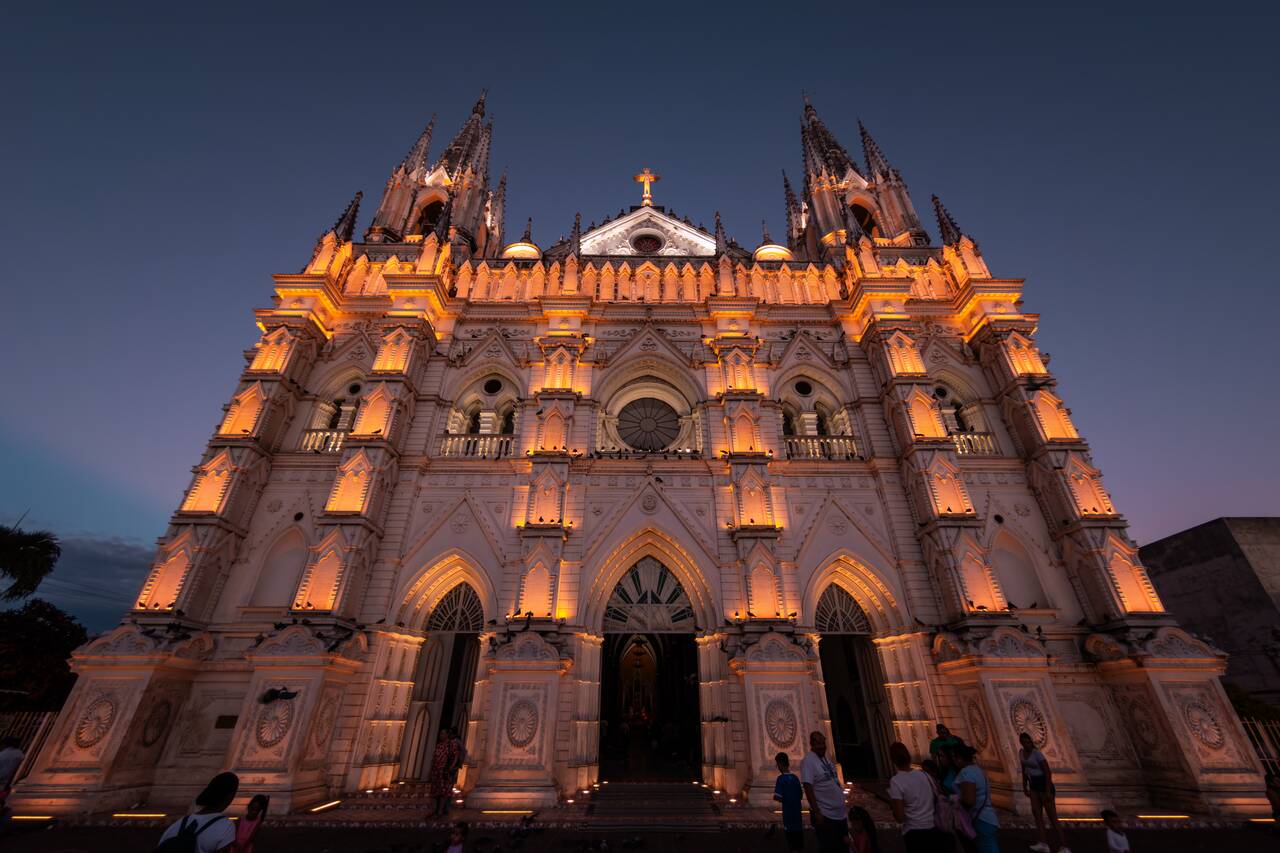
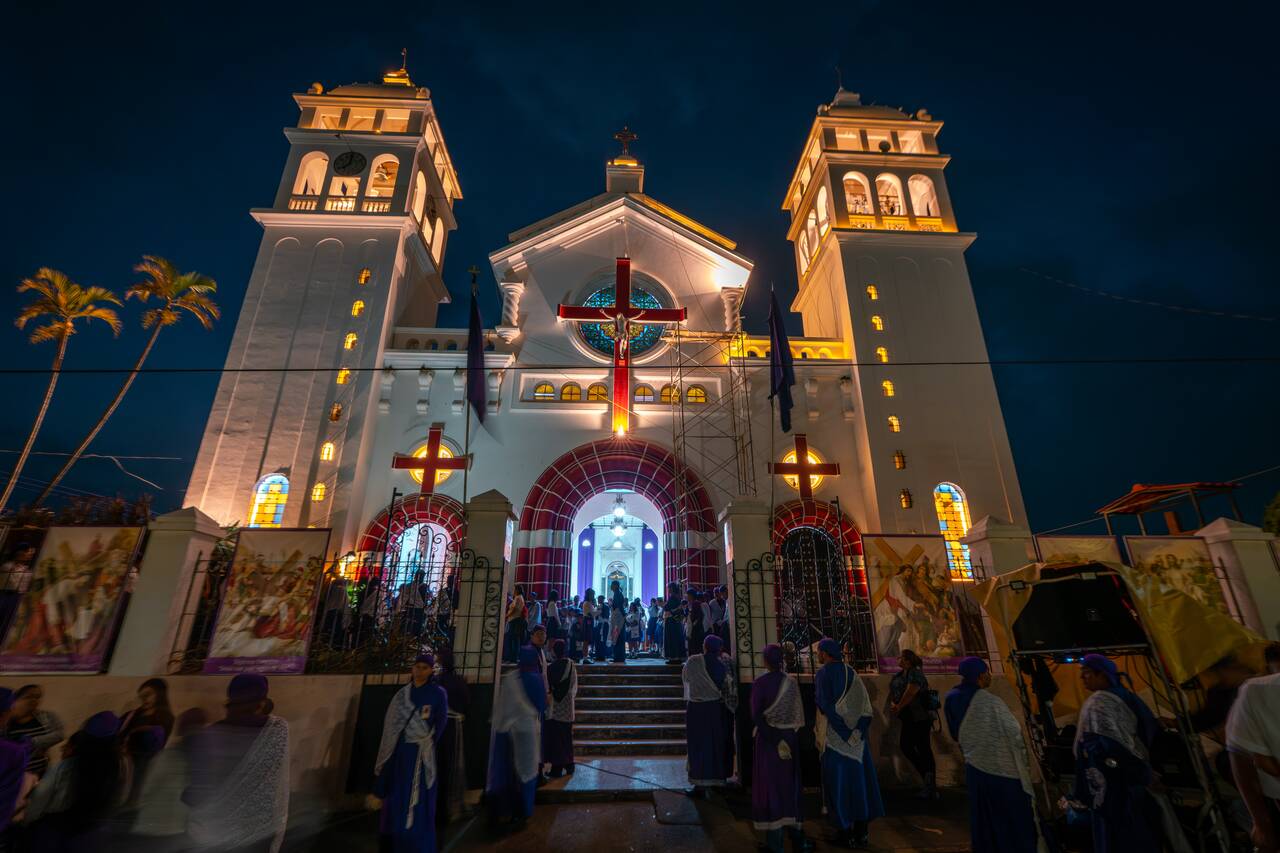
Santa Ana Cathedral is one of the most impressive landmarks in the city and it is a must-see when you are in Santa Ana. Standing right at the heart of the historic center, this stunning neo-Gothic cathedral is famous for its intricate white facade, towering spires, and unique architectural style that feels completely different from the colonial churches found elsewhere in Central America.
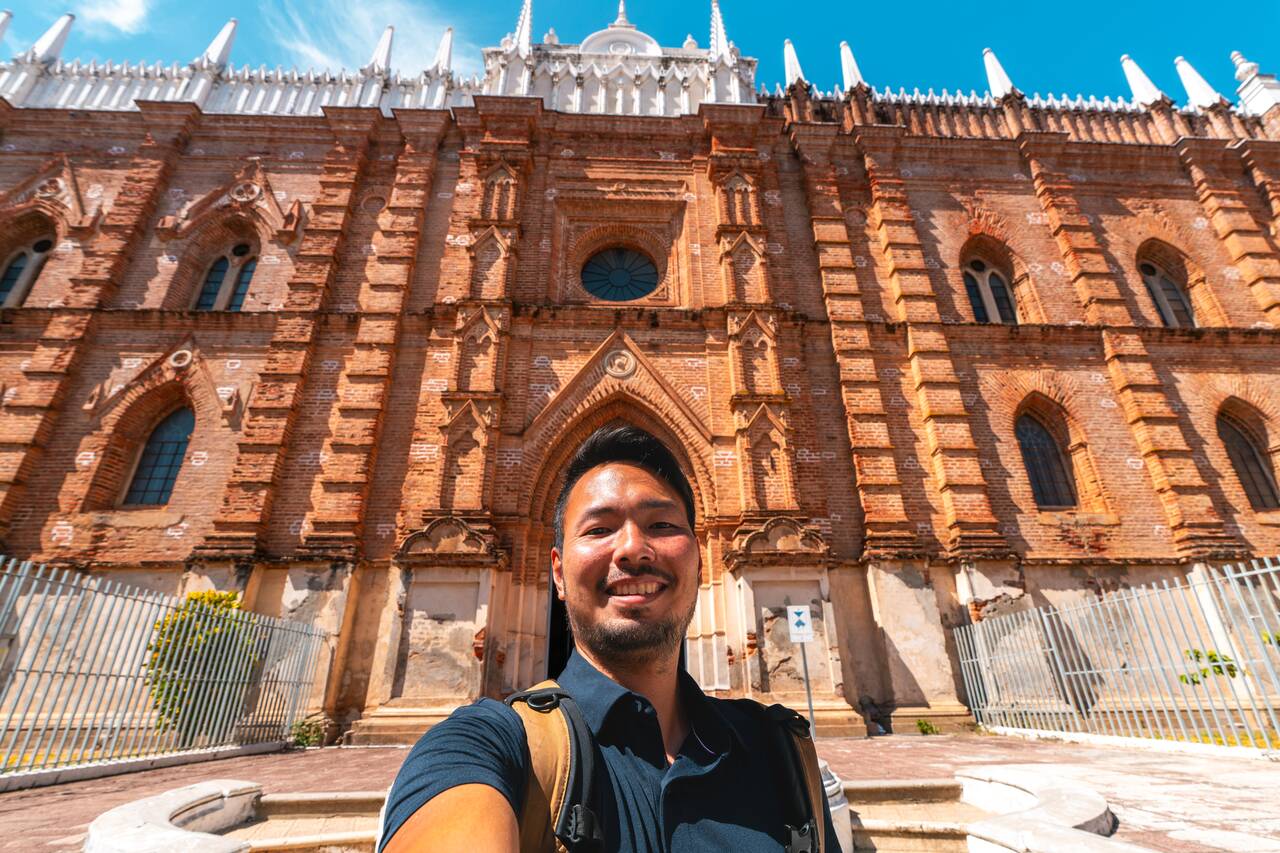
Construction of the cathedral began in the late 19th century and took several decades to complete. The design was inspired by French Gothic architecture, which explains its tall pointed arches, detailed carvings, and dramatic twin towers. Even if you are not particularly interested in architecture, it is hard not to appreciate the incredible craftsmanship that went into building this place.
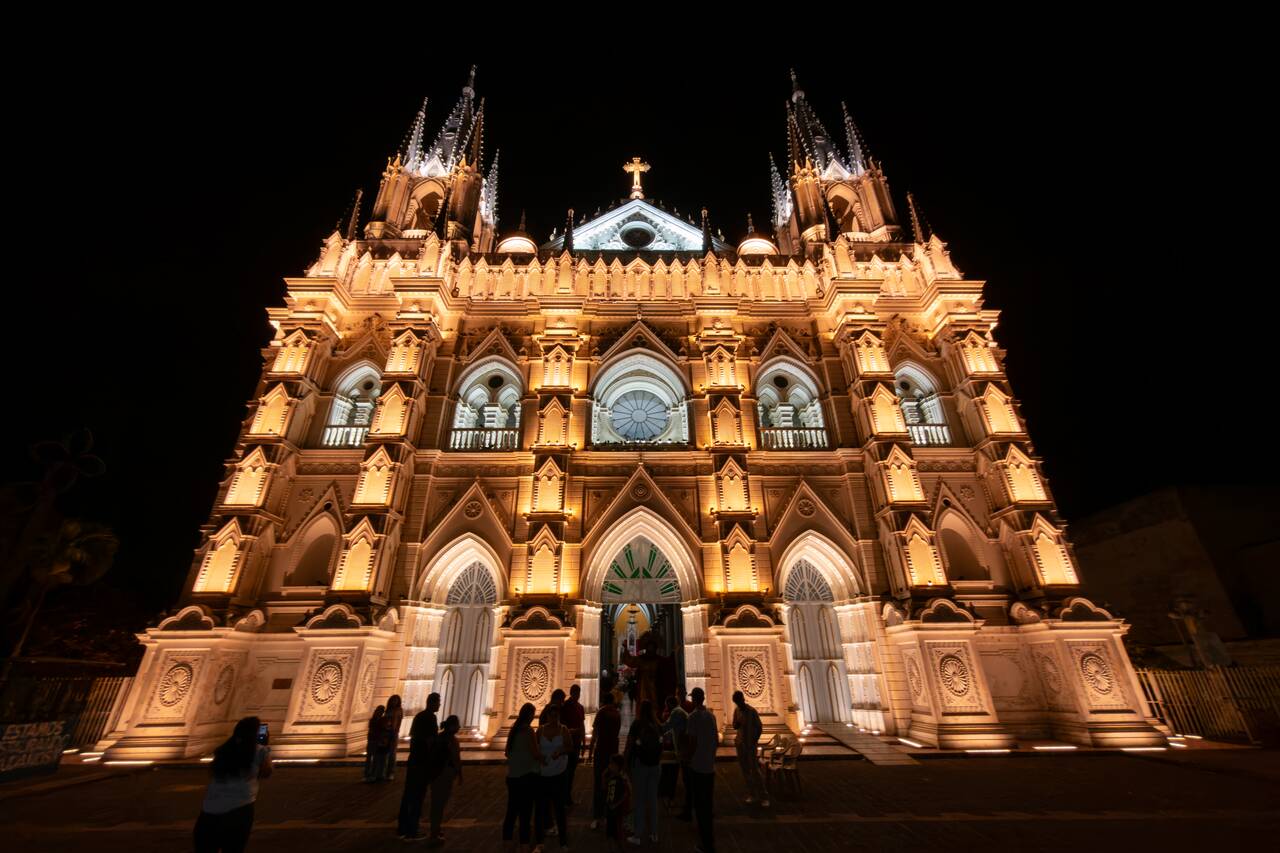
I recommend visiting both during the day to admire the details of the facade and again in the evening when they turn on the lights. The surrounding area comes alive with locals and tourists hanging out at the park in front of the church, creating a wonderful atmosphere. The lights are usually turned on around sunset, so be sure to come and check it out. The church is open daily from 6 AM to 11:45 AM and again from 3 PM to 6 PM, and entry is free.
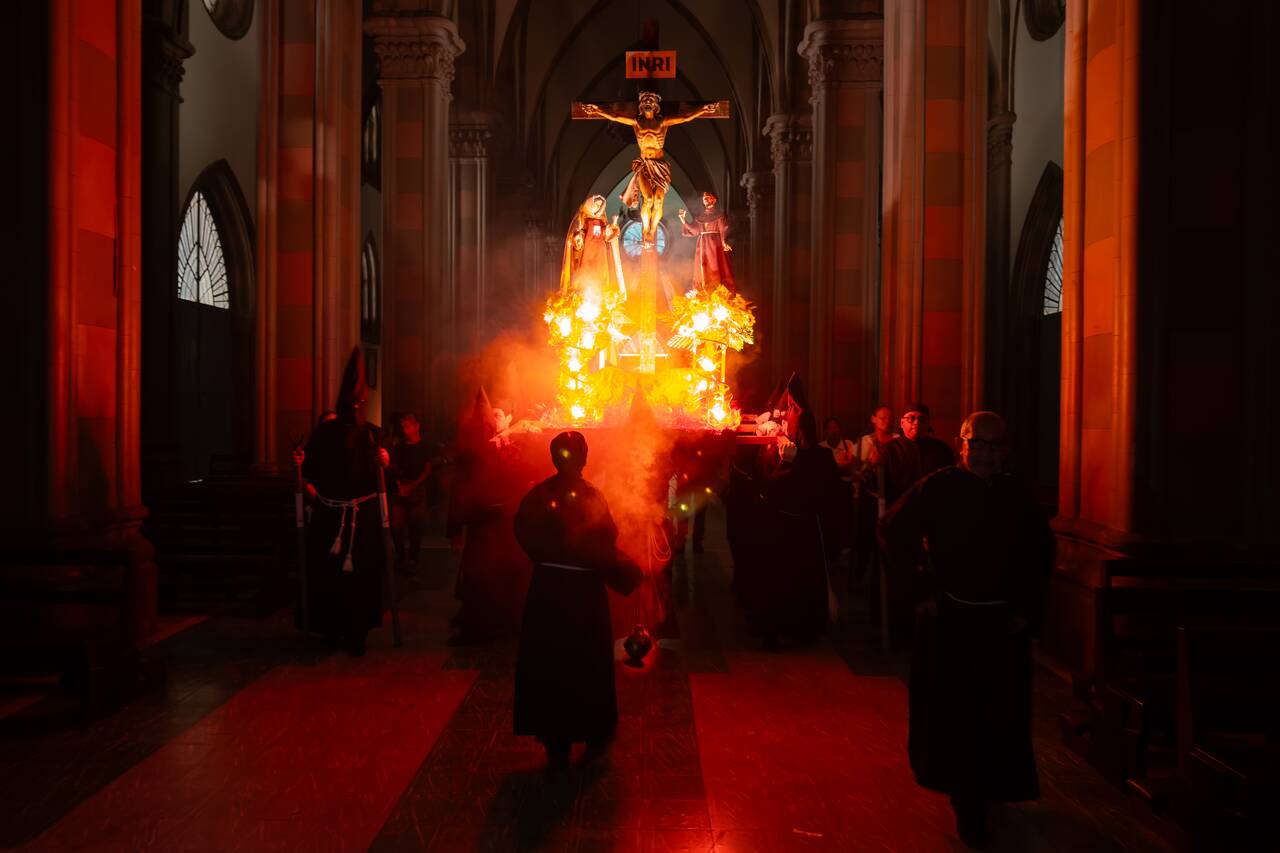
I visited during Semana Santa in early April, and there was a procession taking place here that was incredibly atmospheric. It is difficult to put the experience into words—you can check out the photos I took above. If you happen to be in Santa Ana during Holy Week, I highly recommend coming here around sunset to experience the procession for yourself.
6. Check Out Teatro de Santa Ana
- 📍 Location: Teatro de Santa Ana [Map Link]
- 🕐 Opening Hours: 8 AM - 4 PM
- 💰 Entry Fees: 5 USD (guided tour)
- ⚡ Pete's Take: "You'll enjoy the guided tour for $5, but only if you're into architecture and history."
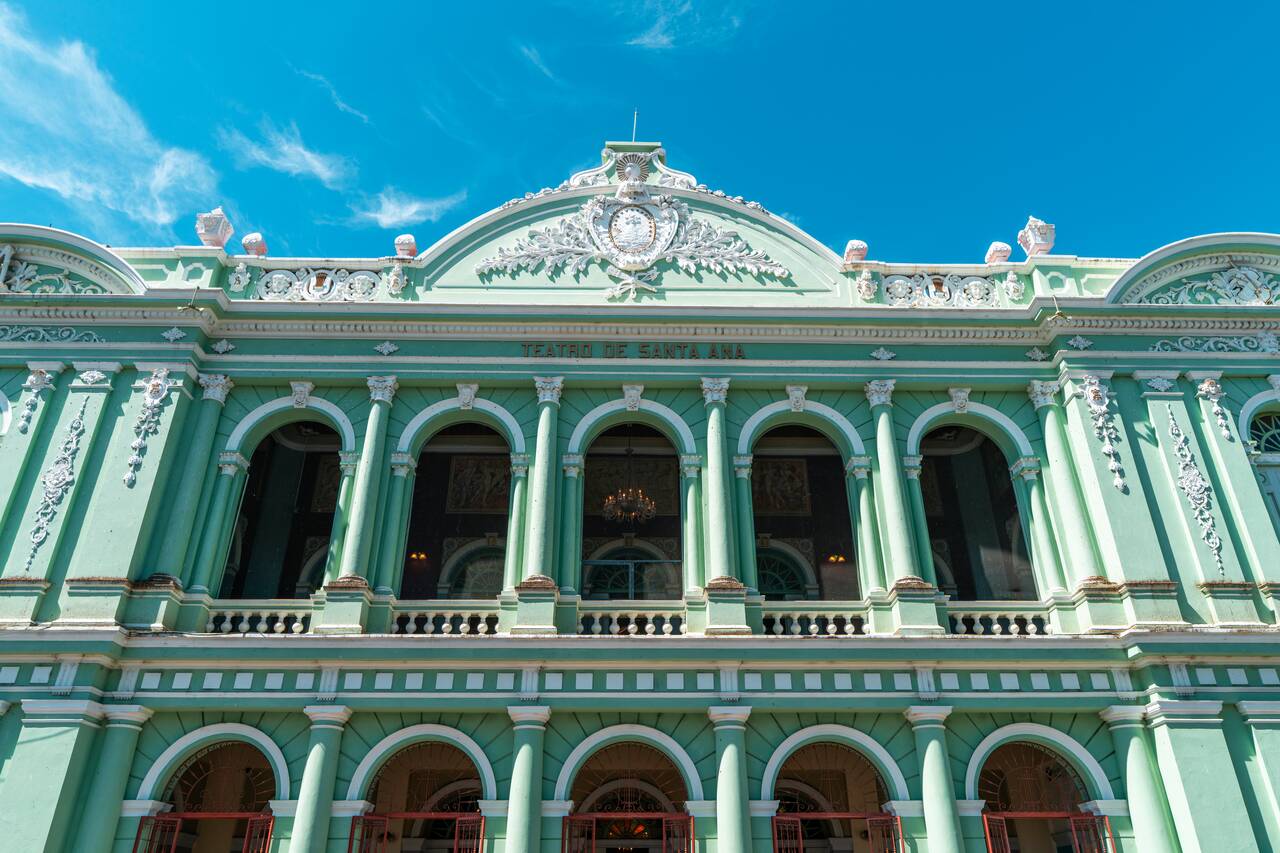
Located right next to Santa Ana Cathedral, Teatro de Santa Ana is another stunning building that you should see in the city, especially if you are interested in architecture and history.
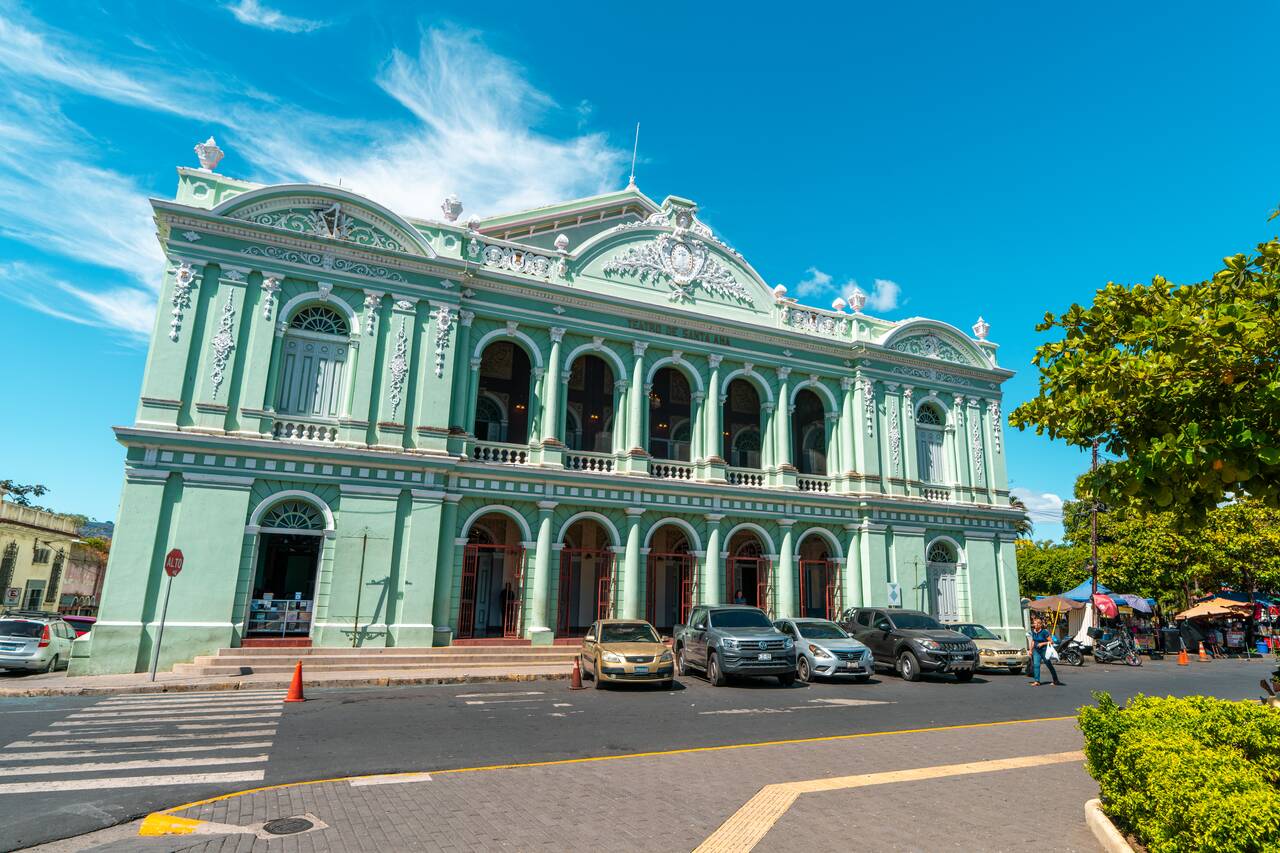
This beautiful theater was built in the early 20th century and was originally designed as a venue for opera performances. Today, it has been declared a National Monument and remains in use for events and local performances to this day.
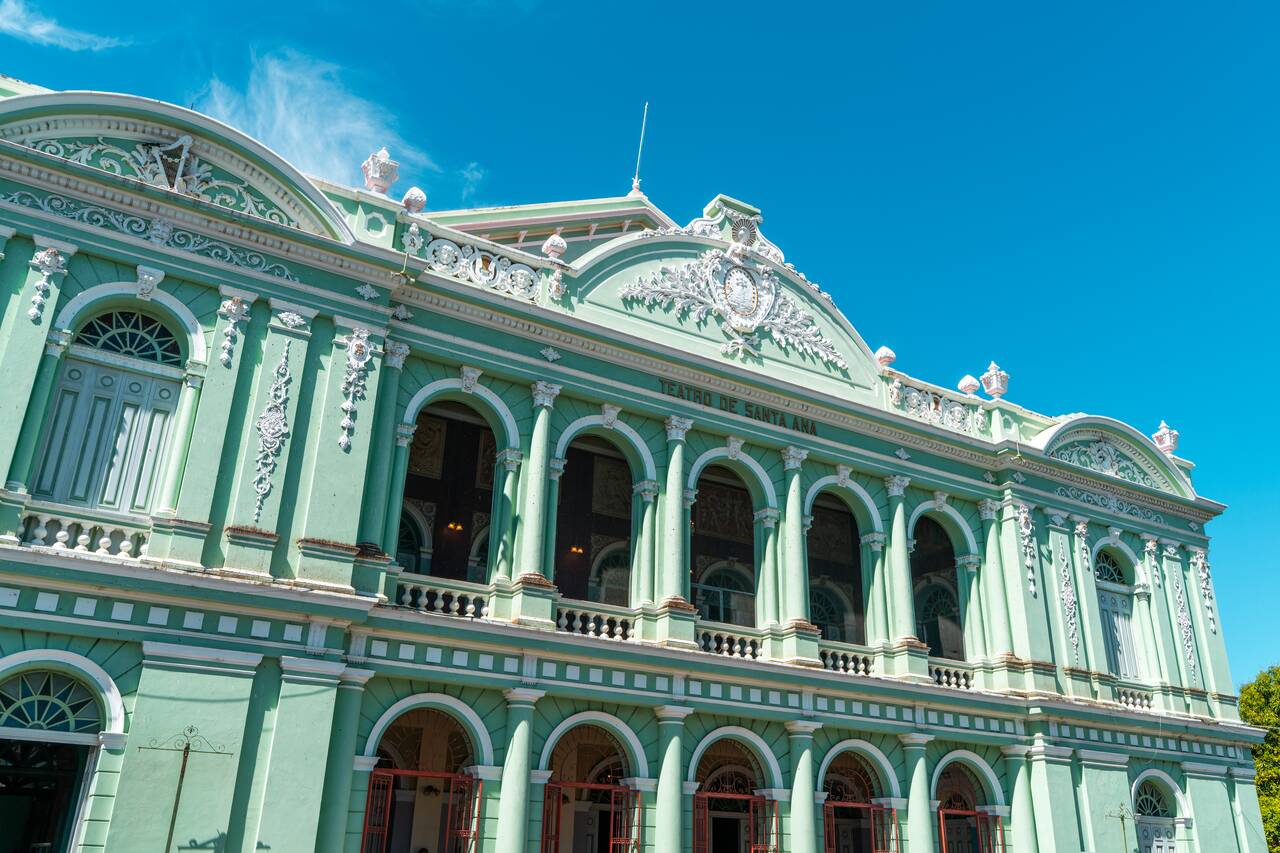
The pastel-green exterior alone is impressive, featuring an elegant mix of architectural styles with influences from the Renaissance, Greek, and Roman periods. If you step inside, which you can do with a 5 USD guided tour, you will find a beautifully decorated interior, including the grand hall, ornate details, and incredible ceiling artwork. The theater is open from 8 AM to 4 PM, Wednesday to Sunday, and is closed on Mondays and Tuesdays.
7. Wander Around Parque Libertad
- 📍 Location: Parque Libertad [Map Link]
- ⚡ Pete's Take: "Come after sunset for the best atmosphere and to enjoy the lively local scene."
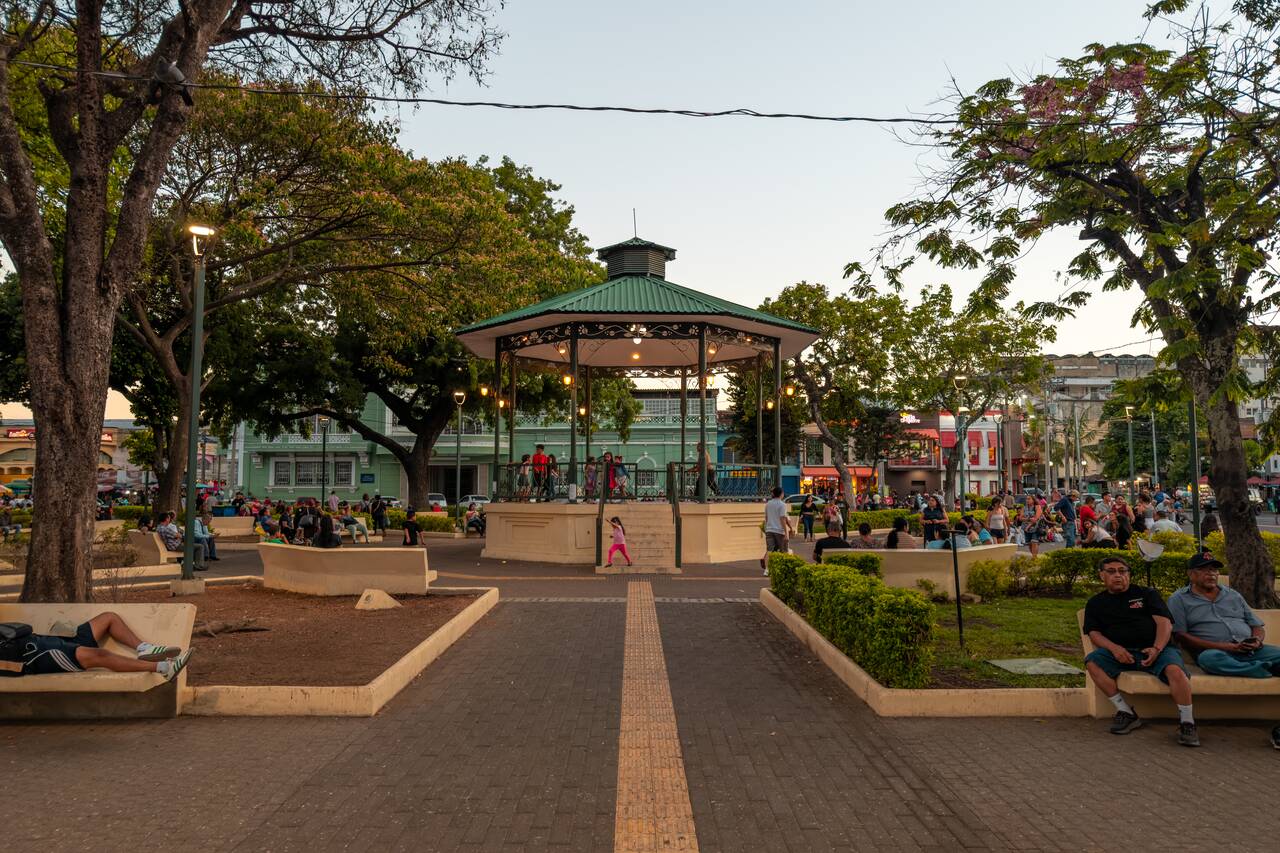
After sundown, make sure you come out and wander around Parque Libertad, the main gathering place in the heart of Santa Ana's historic center that gets livelier and livelier as the night progresses as you will find both locals and tourists hanging out here enjoying the beautiful lights illuminating all the beautiful architecture around the park.
The park is surrounded by some of Santa Ana's most important landmarks, including Santa Ana Cathedral, Teatro de Santa Ana, which we've already discusses, and other historic buildings which often light up after sunset. In the middle of the park, you will find the iconic monument of the Independence Hero, and a gazebo where you can relax and hang out.
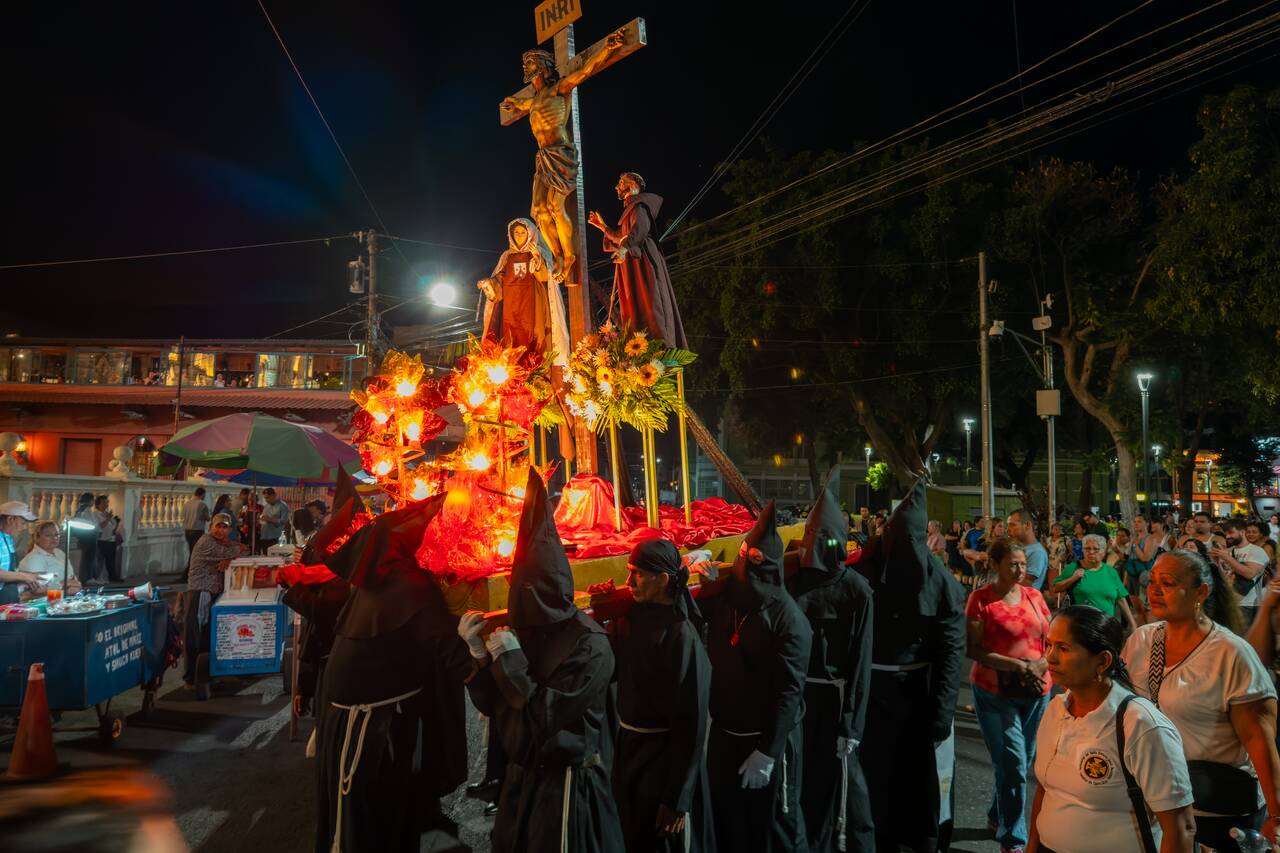
I visited the city during the Semana Santa holy week, and I stumbled upon a procession happening right here at the park, which was incredible to see. There are often many things happening around the park, so your mileage may vary, but one thing is certain, you will never get bored here. This place is as lively as Santa Ana gets!
8. Enjoy Santa Ana at Night
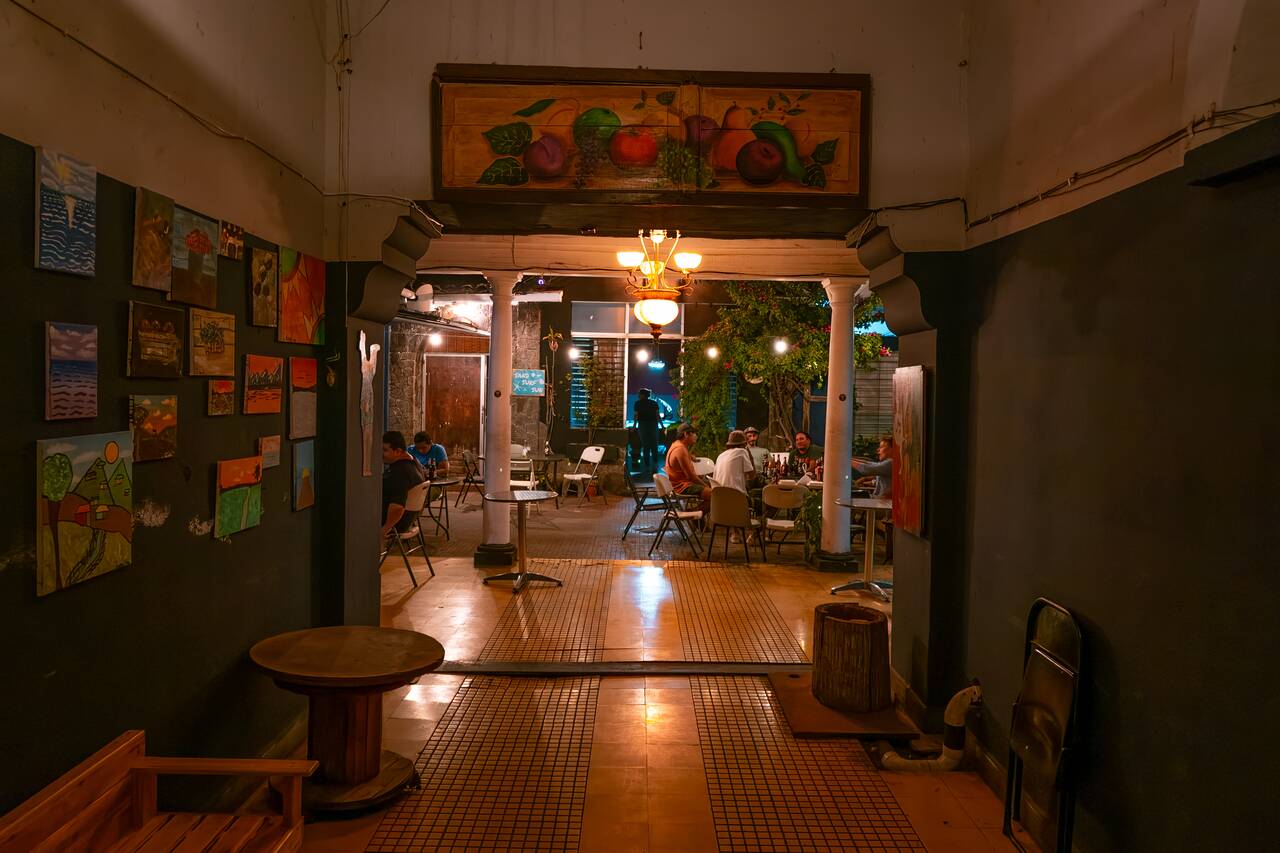
- 📍 Location: Downtown Santa Ana [Map Link]
- ⚡ Pete's Take: "Santa Ana has many speakeasy bars, so be sure to keep an eye out for them at night. You can often hear the music beforee you see the place."
After exploring Santa Ana during the day, don't miss the chance to experience the city after dark. While Santa Ana may feel quiet at night, the fun is actually hidden behind closed doors, with plenty of speakeasy-style bars waiting to be discovered.
Tucked away behind unassuming entrances, these speakeasy bars are where the fun really is. Inside, you will find an open air courtyard, with pool tables, seats and table, while there is often a bar on site where you can order whatever your heart's content. They are a great place to relax after a long day of exploring nearby attractions like Santa Ana Volcano and Lake Coatepeque.
A friend of mine took us to Downtown Santa Ana, which is a very unassuming bar that we would not have known about if he hadn't accidentally stumbled upon it the night before. The vibe was fun and relaxed, and it was not too crowded. There are also other places like La Berna and Chicken Bus, so be sure to go out and explore the wonderful nightlife scene of Santa Ana!
9. Relax at a Local Café
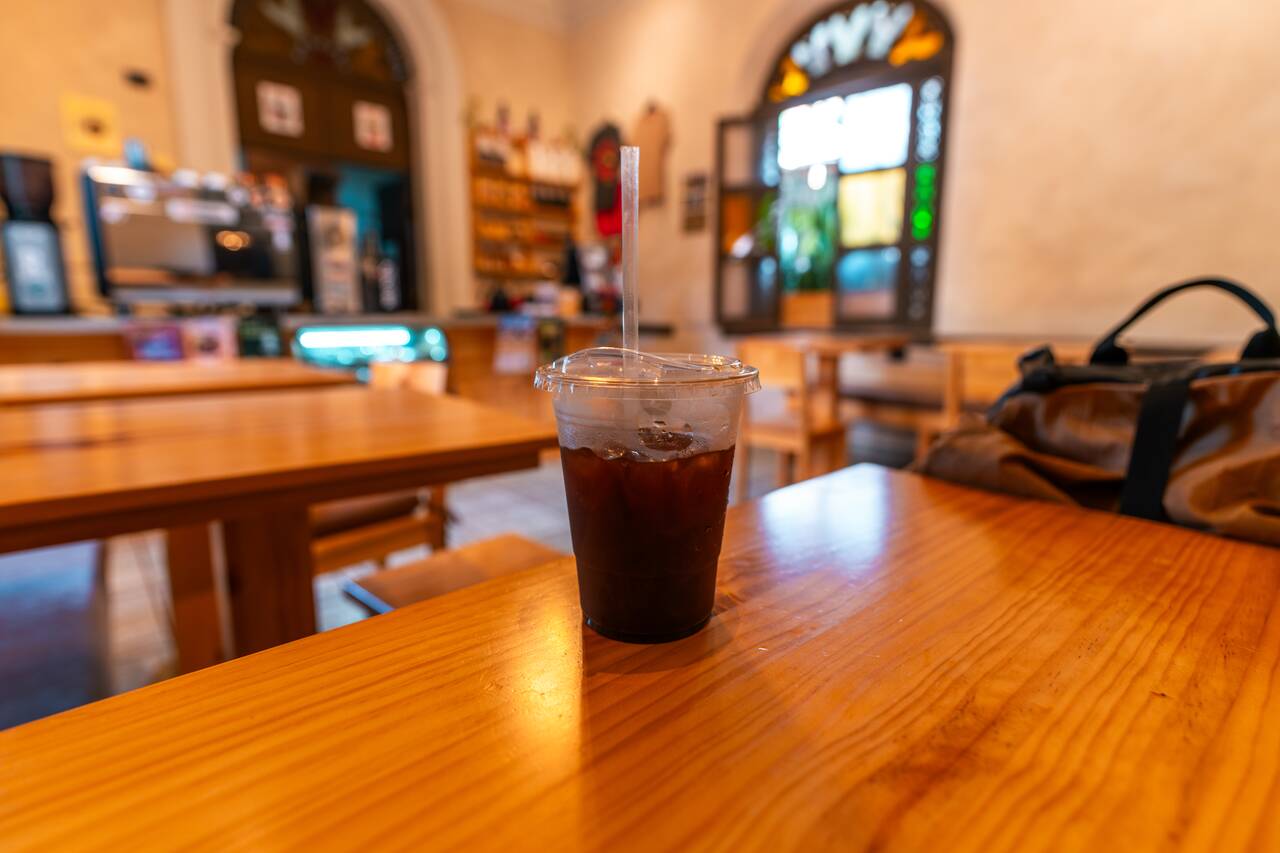
- 📍 Location: Beats Coffee Centro Historico [Map Link]
- ⚡ Pete's Take: "Find a quiet café to relax, and don’t miss out on tasting El Salvador's specialty coffee."
After exploring Santa Ana's historic center, take some time to slow down and relax at one of the city's many local cafés. Santa Ana has a growing café scene, with cozy spots hidden around the historic streets where you can grab a coffee, enjoy a pastry, and watch the city go by.
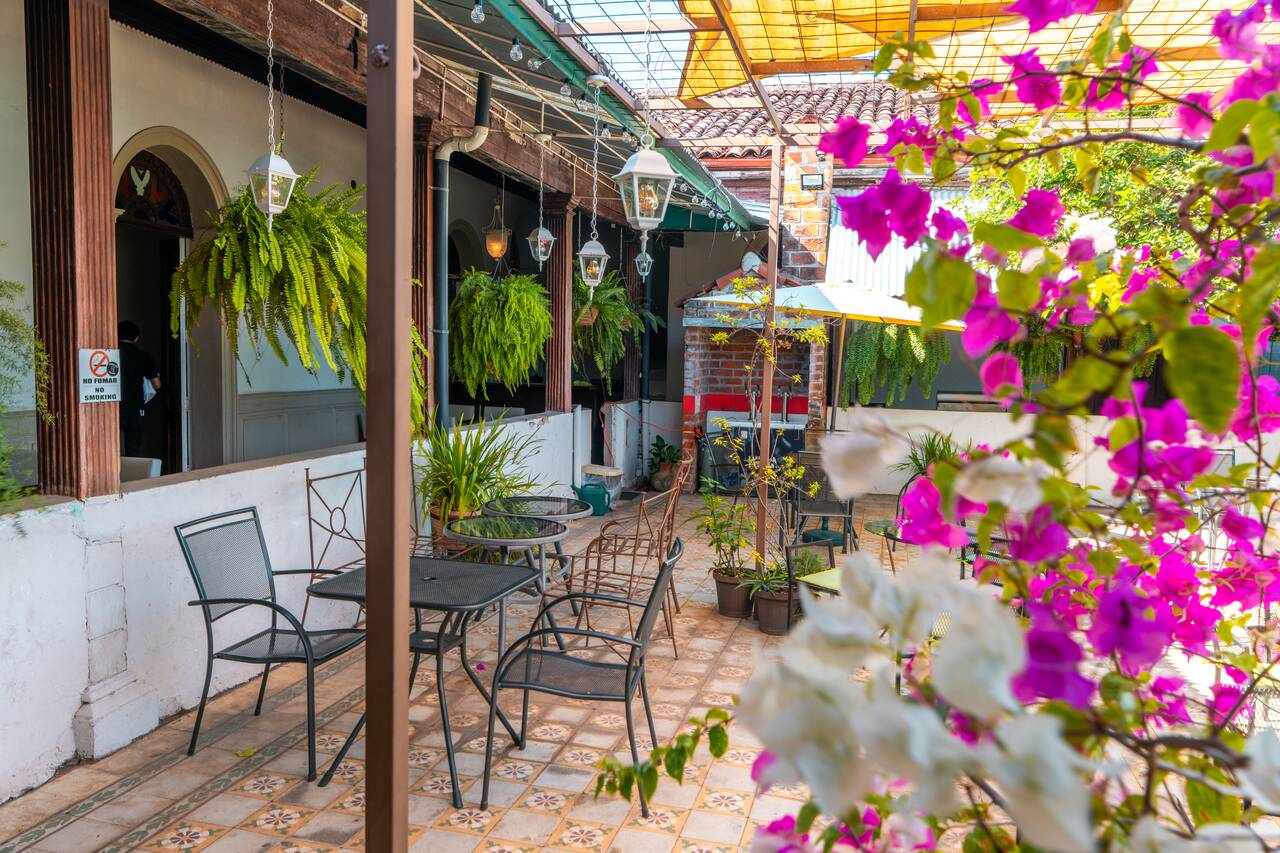
I love finding a quiet café while traveling, and Santa Ana is a great place to do just that. Places I recommended are Beats Coffee Centro Historico, which is a lovely cozy cafe located inside a historical building, Pirómano Coffee Centro, a nice cafe with great food and snack selections, and Artisant, a local's favorite that also serve food and beers.

Much like other Central American countries, El Salvador is also known for its coffee beans, so it would be a crime to come all the way here and not taste some of its specialty coffee. These cafés also offer a great place to relax and escape the midday heat, which can be quite intense during the dry season. If you have some time to spare in Santa Ana, be sure to explore the café scene here.
10. Explore Ruta de las Flores
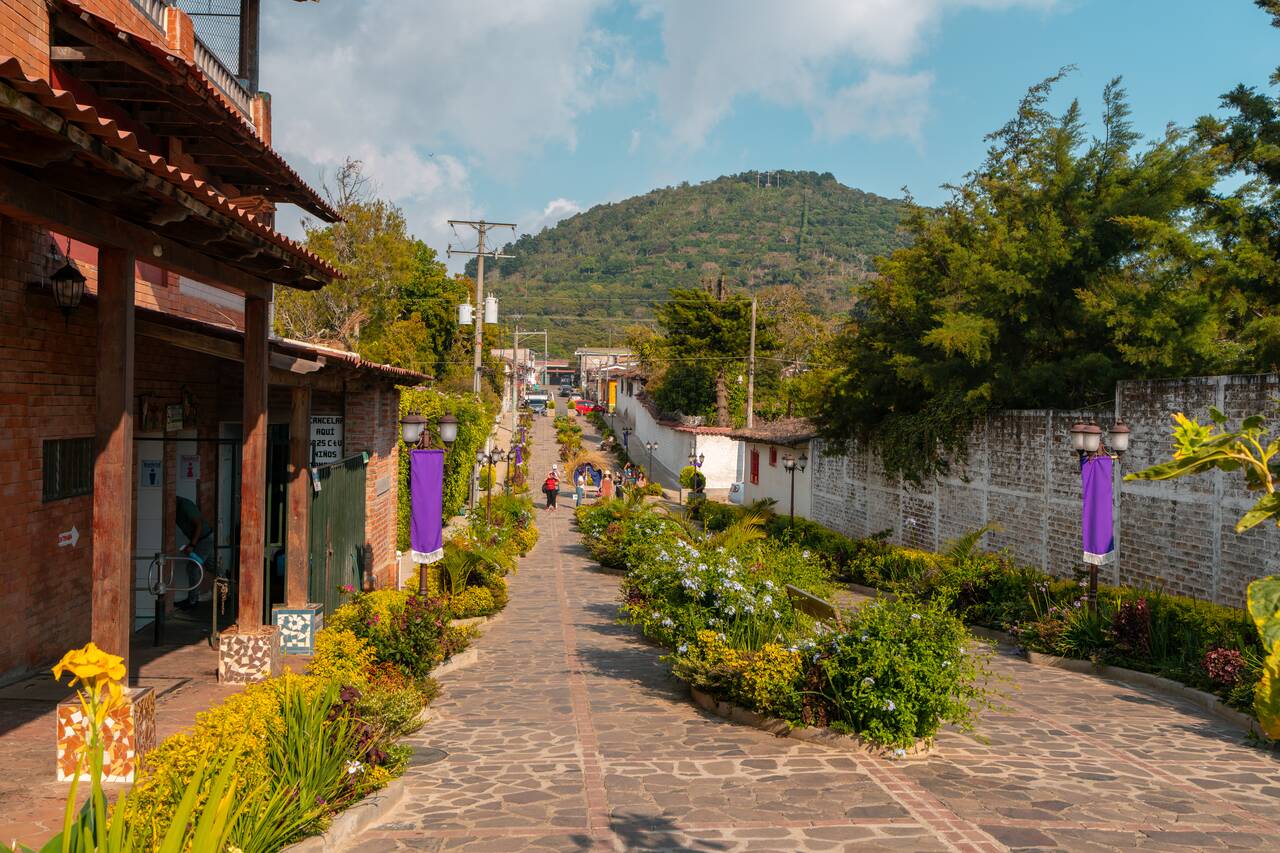
- 📍 Location: Ruta de las Flores [Map Link]
- 💰 Motorbike Rental Fee: 15 USD/day
- 🏄 Tour: private tour here
- 📖 Full Guide: Ruta de las Flores Road Trip Itinerary from Santa Ana
- ⚡ Pete's Take: "Rent a motorbike for freedom and explore at your own pace; it's worth the extra effort."
If you have some extra time in Santa Ana, one of the best day/2-day trips you can take is to explore Ruta de las Flores, one of the most beautiful regions in El Salvador. This scenic route connects a series of charming mountain towns known for their colorful streets, coffee plantations, waterfalls, local markets, and incredible food scene.
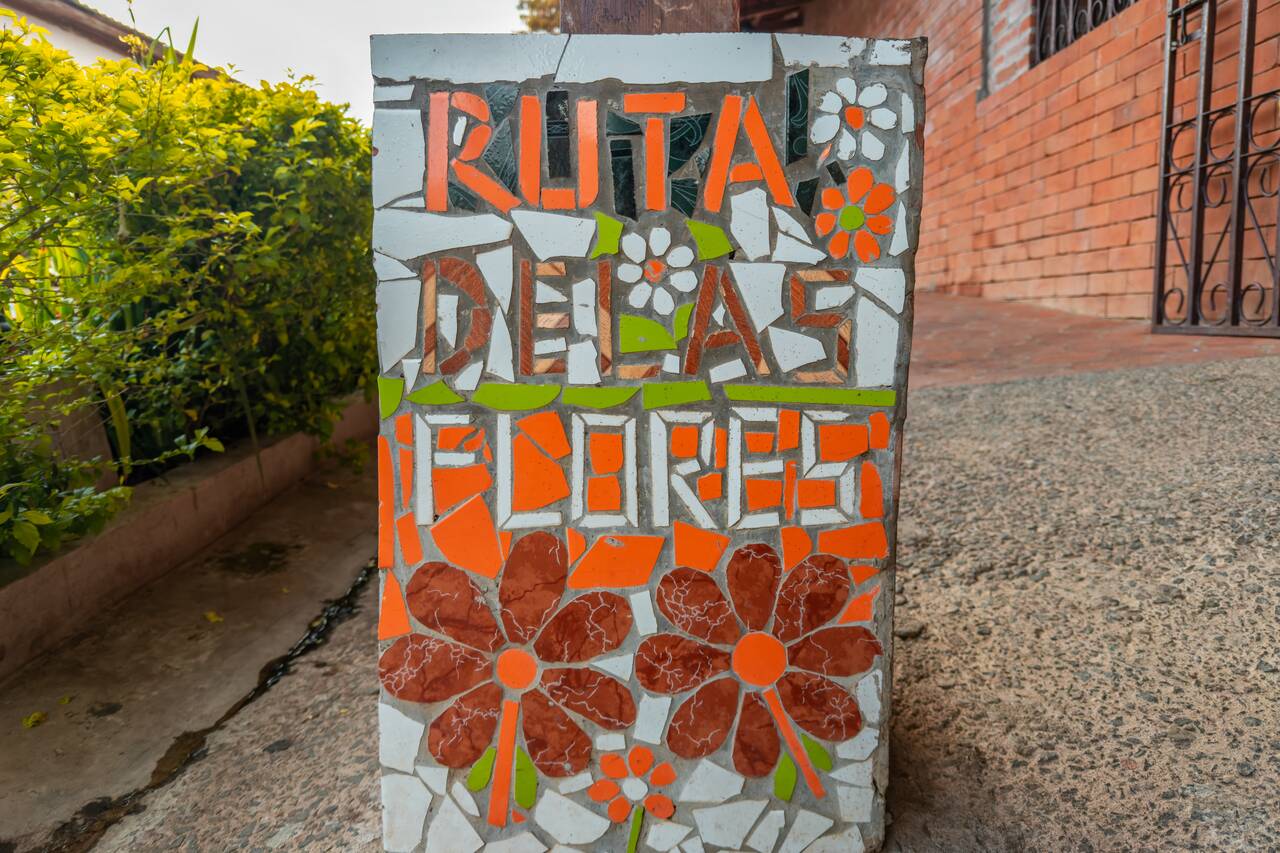
The route gets its name from the vibrant flowers that bloom along the roads during certain times of the year, but there is much more to discover here beyond the scenery. Each town has its own unique character, from the colorful murals and cobblestone streets of Concepción de Ataco to the famous food market and waterfalls of Juayúa.
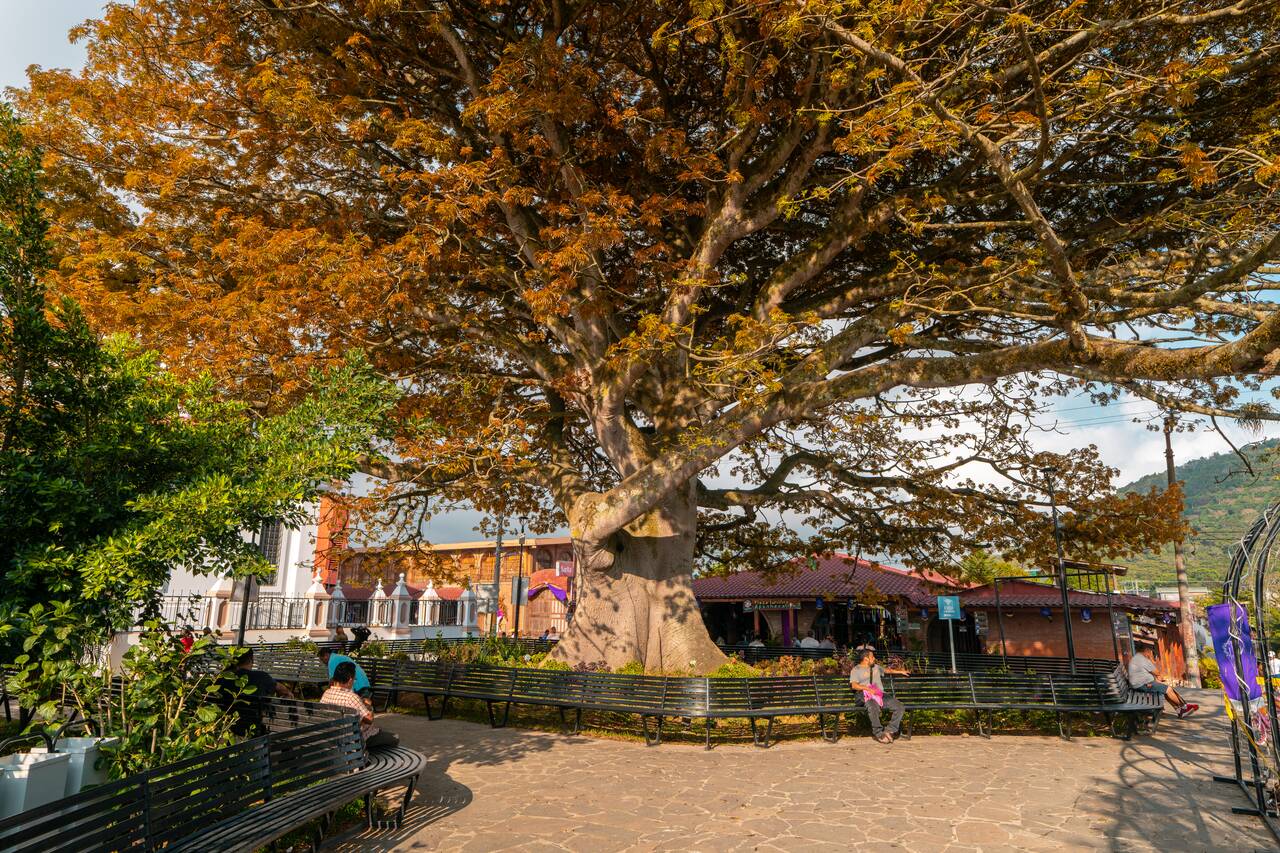
I recommend spending at least a full day exploring the area, although staying overnight will allow you to experience the towns at a much slower pace and do some waterfall hikes like the Seven Waterfalls which the place is famous for.
Some of my favorite stops include Salcoatitan, Juayúa, and Apaneca, with their unique small town vibes, mountainous scenery and the friendly local people that are often curious to see tourists all the way out here.
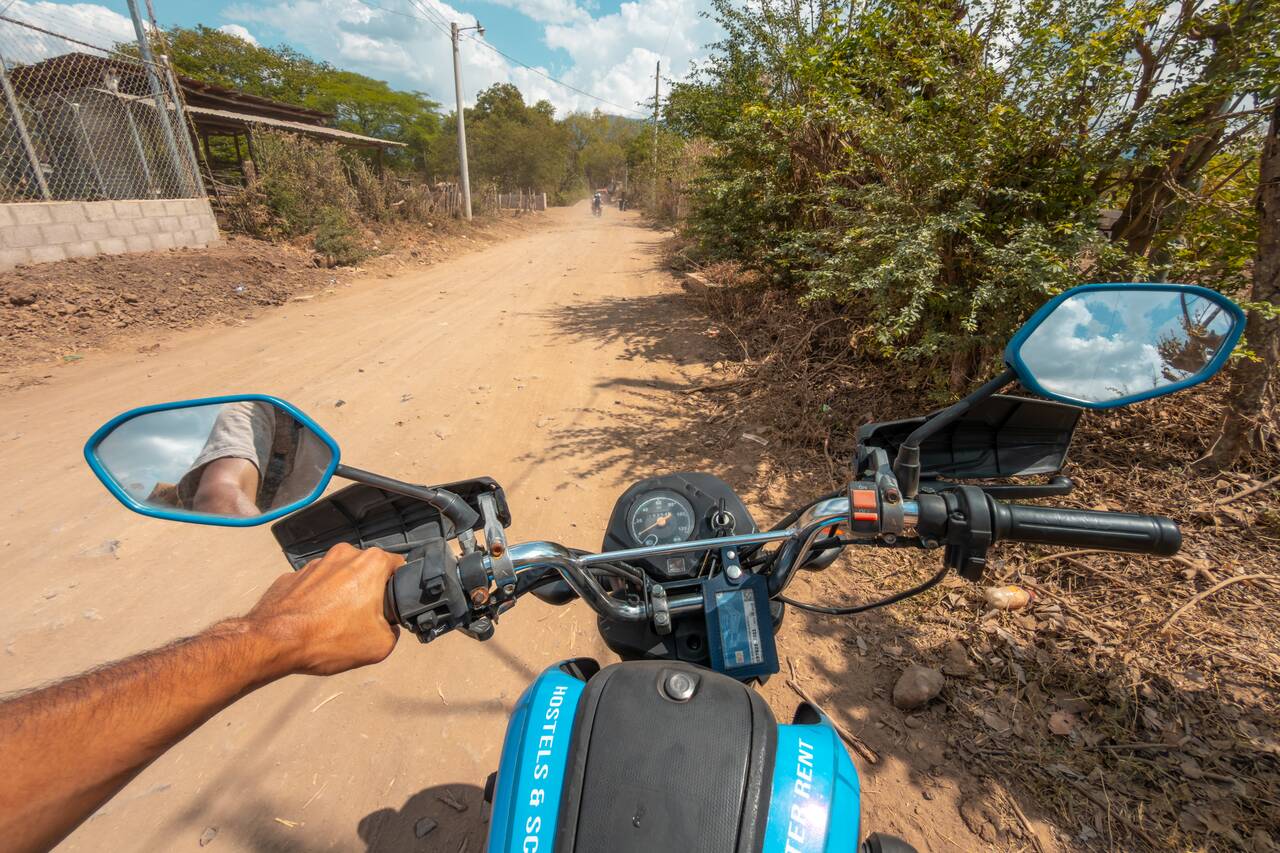
The easiest way to explore Ruta de las Flores is by renting a motorbike or car, as it gives you the freedom to stop whenever you want. You can rent a motorbike at Ricks Rental. I rented with them and had a great experience! It cost only 15 USD per day, and the motorbikes were in excellent condition. Ricks Rental even have a drop-off location at Ricks Hostel in Juayúa if you want to drive one way only, which is extremely convenient.
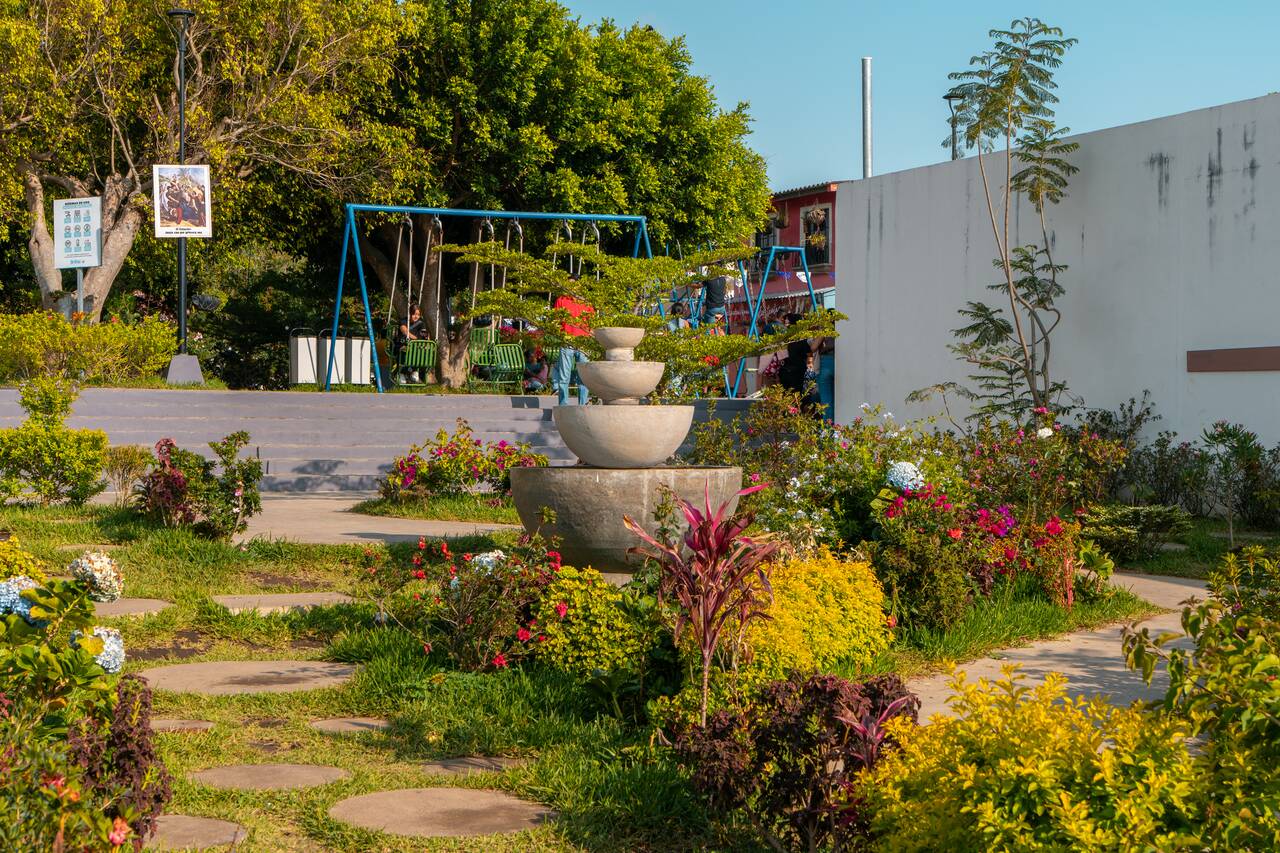
You can also go by local bus, which often connects the towns along the route. However, buses are slower, and you won't have the freedom to stop along the way, which is part of the fun of exploring Ruta de las Flores. I personally rented a motorbike and loved the freedom of being able to explore the route at my own pace. Highly recommended! If you do not want to drive yourself, you can also join a private tour here.
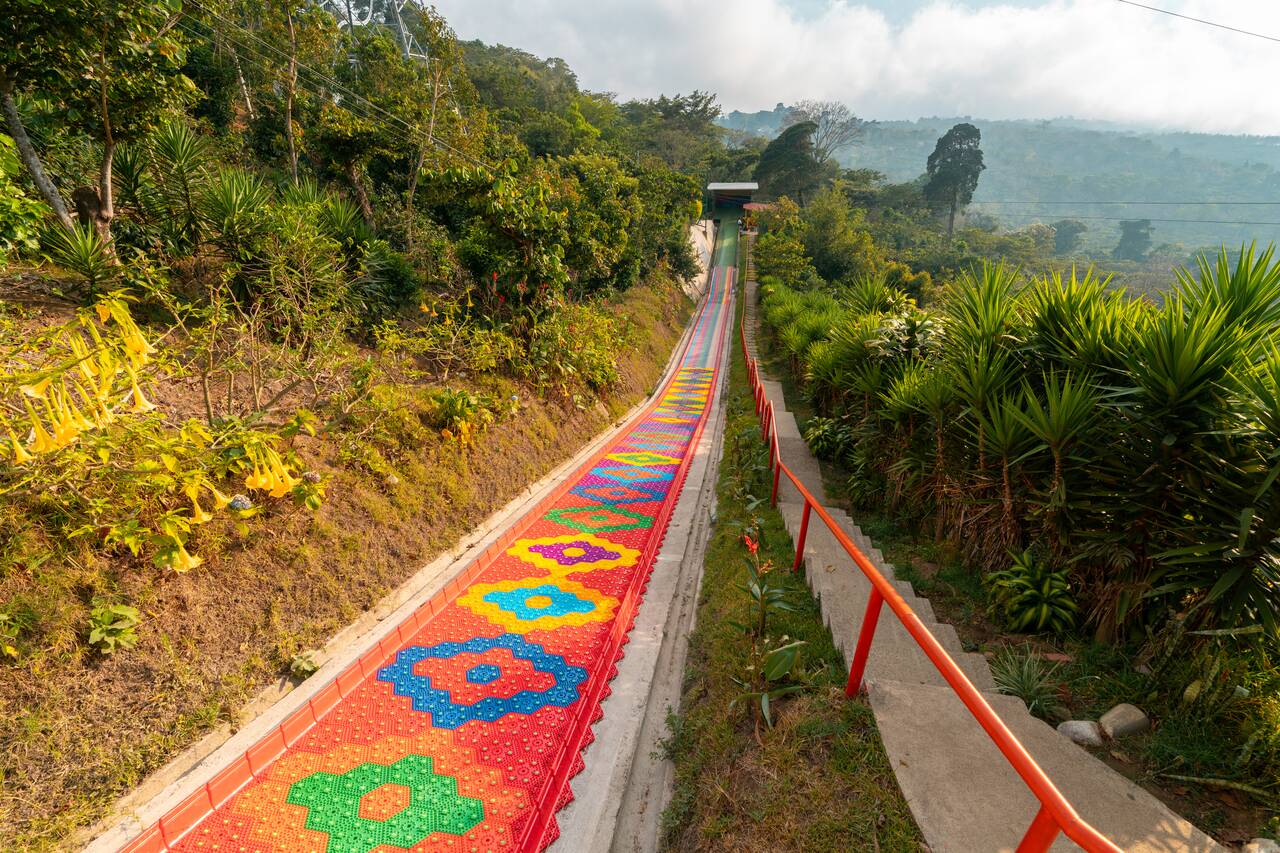
From Santa Ana, the drive to the start of Ruta de las Flores takes around 1 hour. You can easily combine this trip with a visit to the Tazumal Archaeological Site and El Salto de Malacatiupán, although doing all of them in one day will make for a very packed itinerary. I recommend staying overnight in Juayúa, or even spending 2 nights to complete the Seven Waterfalls hike, before heading back to Santa Ana.

When to Visit Santa Ana?
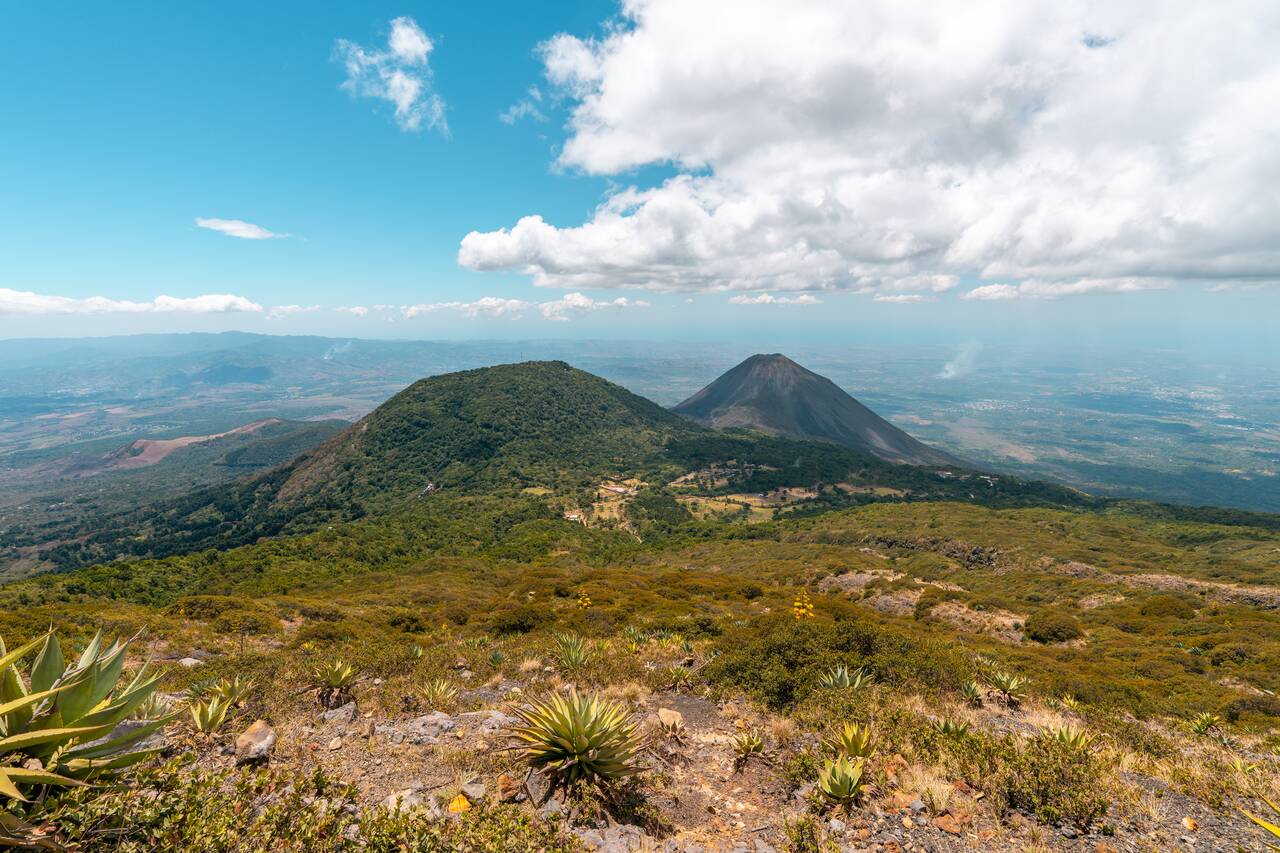
The best time to visit Santa Ana is during the dry season, from November to April, when you can expect plenty of sunshine, clear skies, and the best conditions for hiking Santa Ana Volcano and enjoying the views over Lake Coatepeque. This is also the busiest time of the year, but since Santa Ana is less touristy than El Tunco, it rarely feels overcrowded.
If hiking the volcano is one of your main reasons for visiting, I highly recommend planning your trip during the dry season. The summit is often covered in clouds during the rainy season, and heavy rain can make the trail muddy and slippery, reducing your chances of seeing the volcano's stunning turquoise crater lake.
I visited Santa Ana in late March, and the weather was excellent throughout my stay, with sunny days, comfortable temperatures, and crystal-clear views from the volcano summit.
If you time your visit for the end of March or the beginning of April, you may also get to experience Semana Santa (Holy Week), when cities across El Salvador, including Santa Ana, hold religious processions every evening around the city's churches. I accidentally stumbled upon one during my visit, and it was quite a sight to behold!
How to Get to Santa Ana?
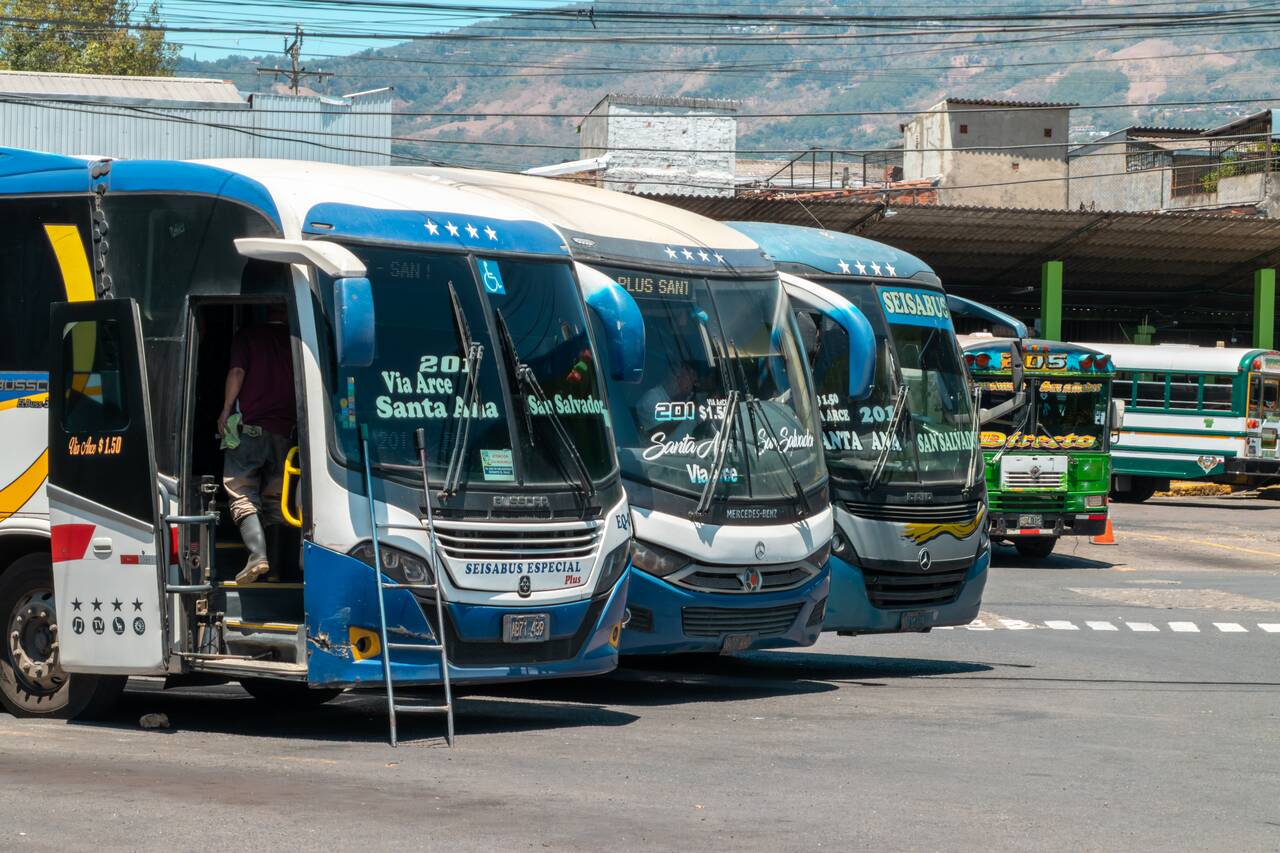
From San Salvador: Getting to Santa Ana from San Salvador by public transportation is easy, affordable, and the option I recommend for most travelers. Frequent buses depart throughout the day from Terminal de Occidente and take around 2 hours, depending on traffic. The fare is usually 1.5 USD.
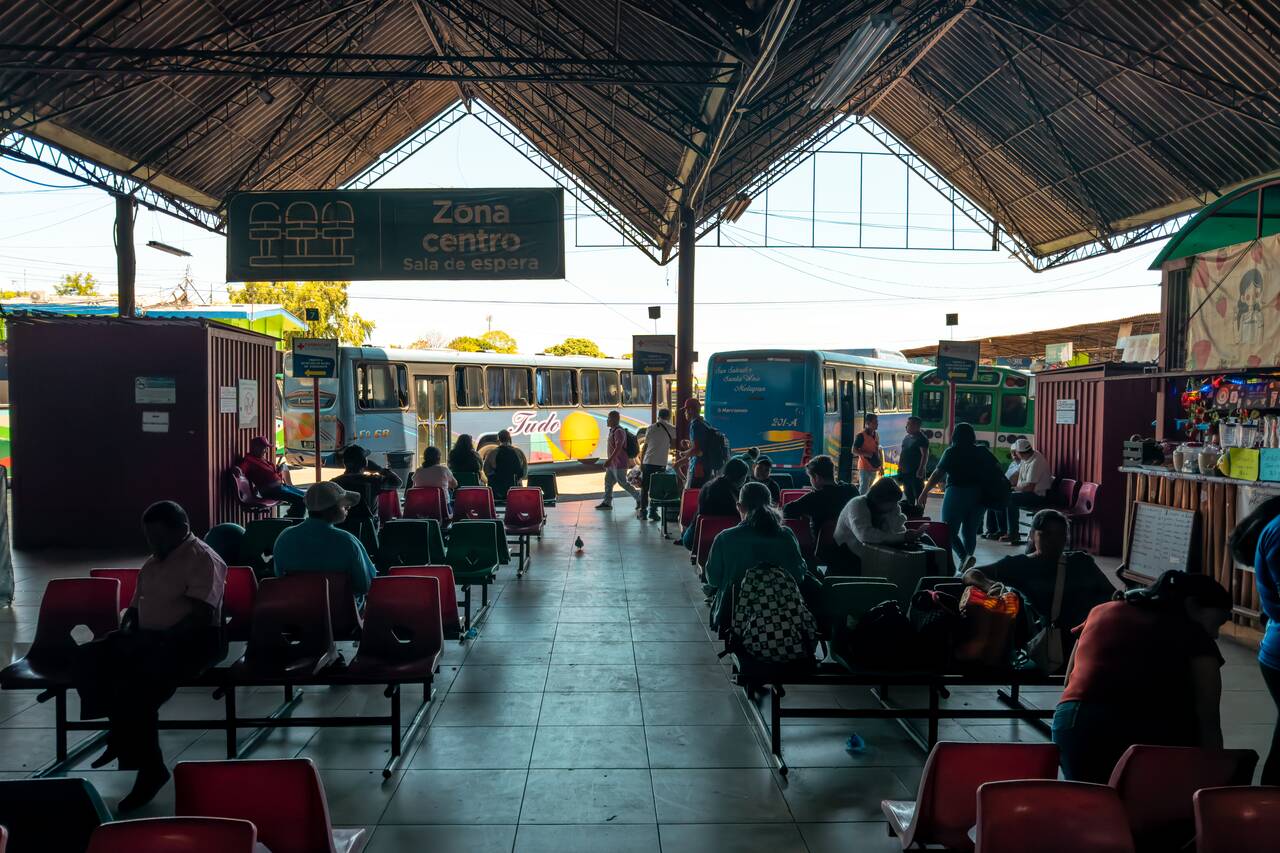
Keep in mind that there are two types of buses: regular buses without air conditioning that cost 1.25 USD, and more comfortable buses with AC for 1.5 USD. I highly recommend paying the extra 25 cents for the air-conditioned bus. At the terminal, simply look for a bus with a Santa Ana sign on the front and closed windows, those are usually the AC buses.
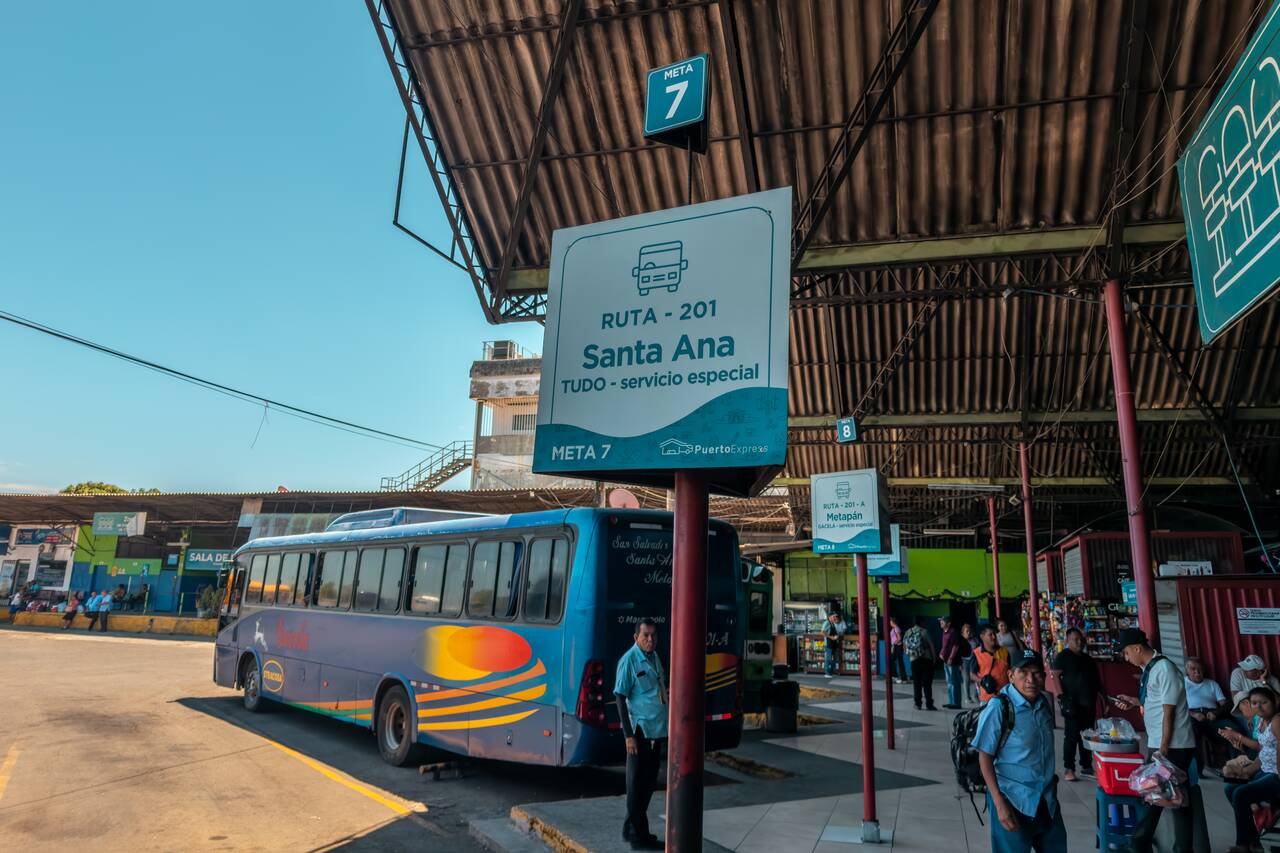
There can be quite a bit of road construction and traffic between San Salvador and Santa Ana, so travel times are not always predictable. Trust me, you'll be glad you spent the extra 25 cents once you're sitting comfortably in an air-conditioned bus instead of sweating through the journey.
Once you arrive in Santa Ana, the bus will pass through the southern edge of the downtown area but won't enter the city center. If your accommodation is along the route, let the driver know where you'd like to get off so you won't have to walk as far. Otherwise, you'll be dropped off at the Santa Ana bus terminal, from where you can walk or take a short taxi ride to your accommodation.
You can also rent a car, which gives you the most flexibility, especially if you plan to visit Lake Coatepeque or the Ruta de las Flores before or after Santa Ana. The drive takes around 1.5 hours via the well-maintained Pan-American Highway. You can rent a car here.
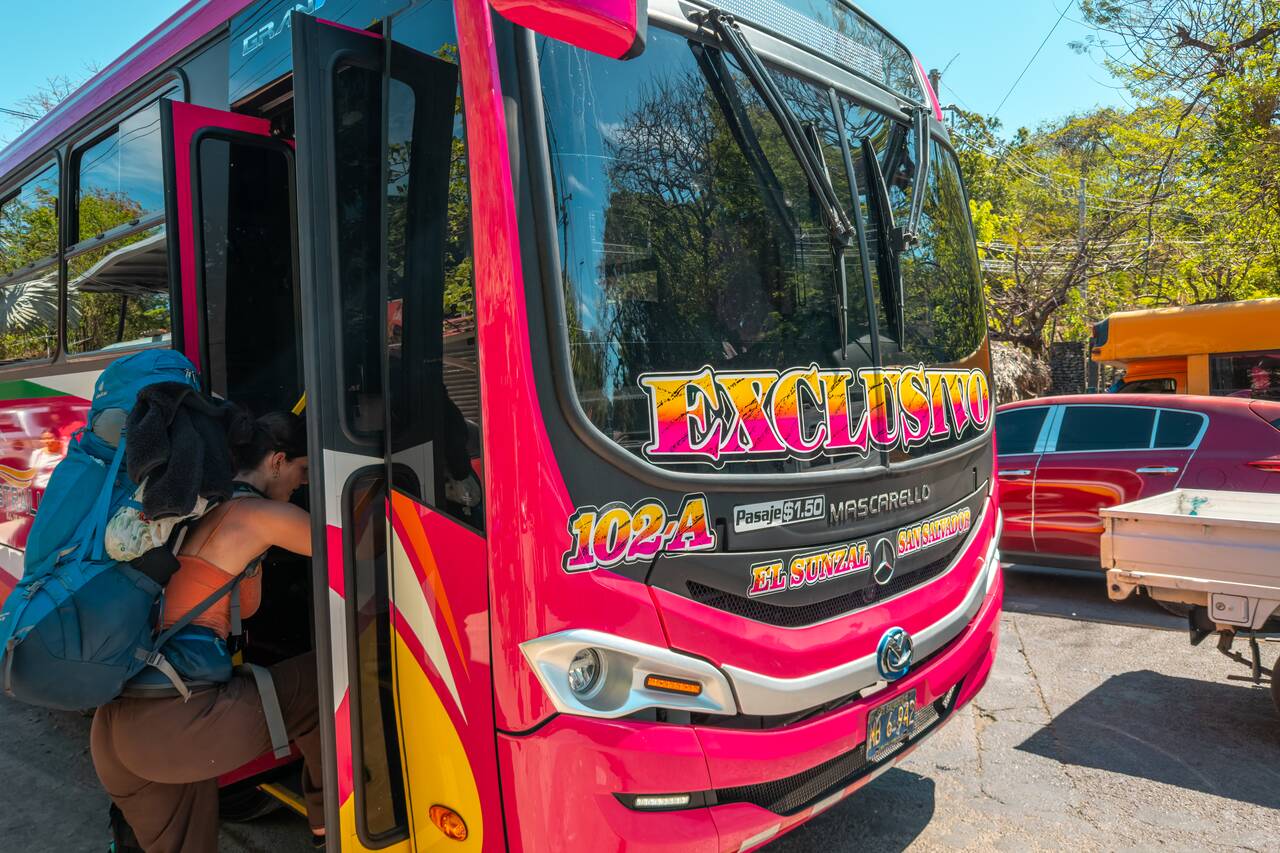
From El Tunco: There is no direct public bus between El Tunco and Santa Ana, so you'll first need to take the #102A bus from the main highway here to San Salvador. Stay on the left hand side of the road as the bus will go through La Libertad first.
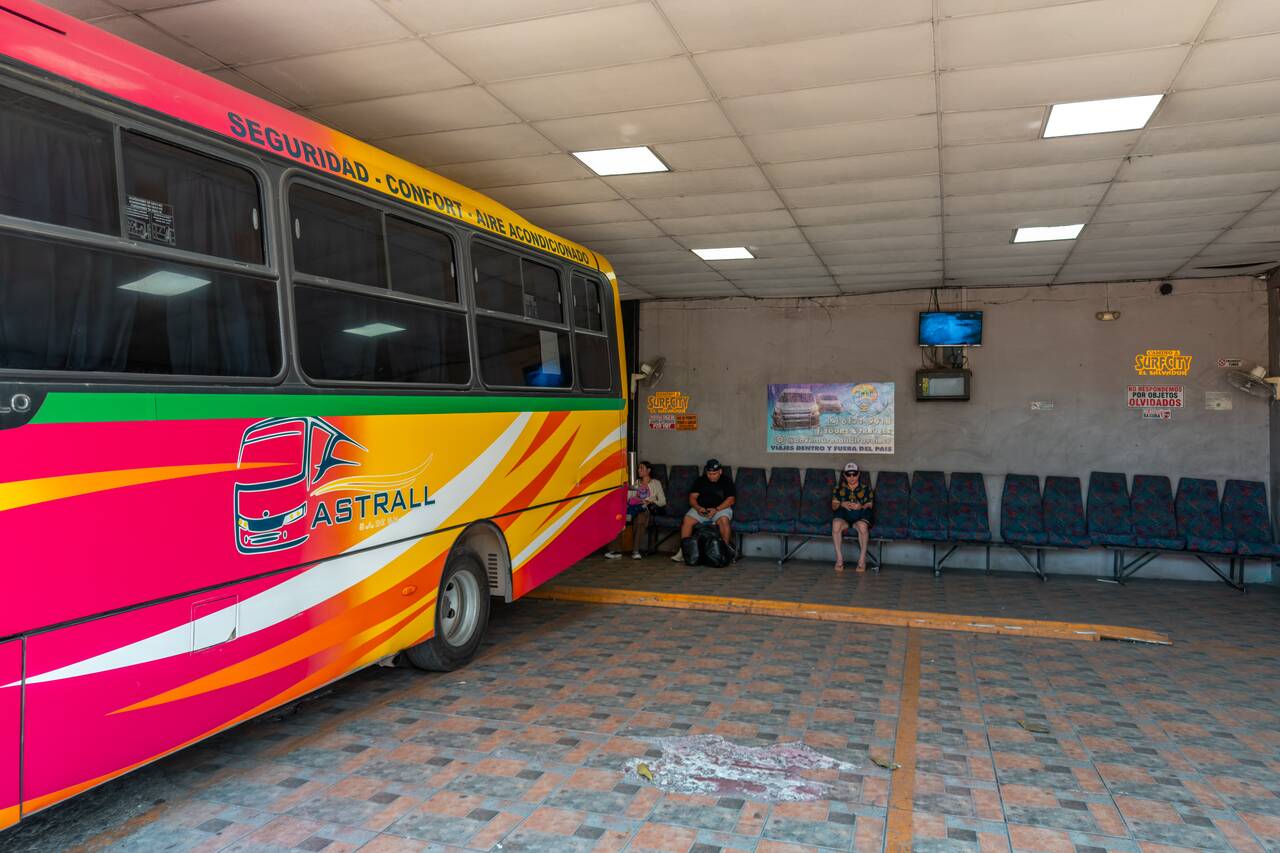
Once you arrive, the bus will drop you off at this terminal, where you can take an Uber to Terminal de Occidente. From there, you'll find plenty of buses bound for Santa Ana. The journey takes around 3 - 4 hours in total and should cost 3 - 5 USD for the entire trip.
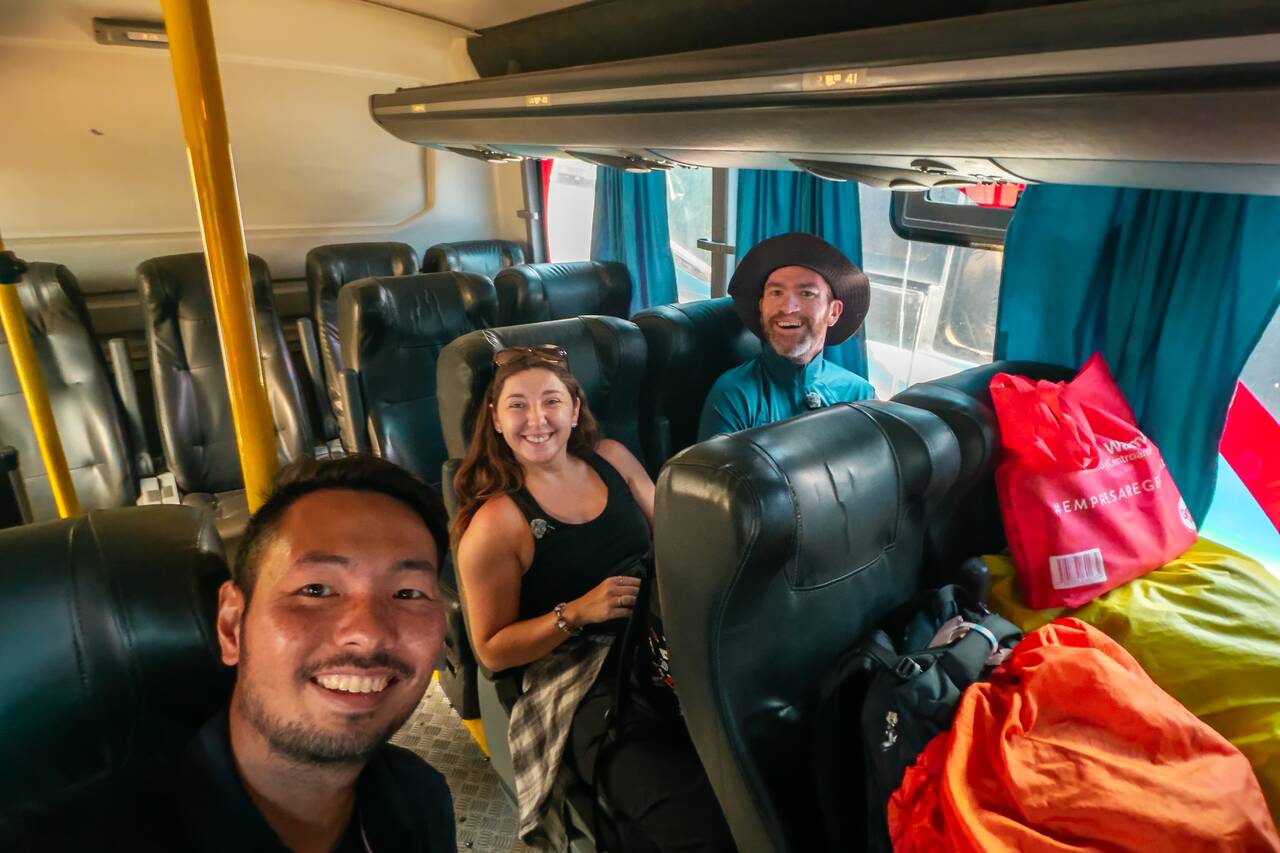
Keep in mind that there are two types of buses: regular buses without air conditioning that cost 1.25 USD, and more comfortable buses with AC for 1.5 USD. I highly recommend paying the extra 25 cents for the air-conditioned bus. At the terminal, simply look for a bus with a Santa Ana sign on the front and closed windows, those are usually the AC buses.
Once you arrive in Santa Ana, the bus will pass through the southern edge of the downtown area but won't enter the city center. If your accommodation is along the route, let the driver know where you'd like to get off so you won't have to walk as far. Otherwise, you'll be dropped off at the Santa Ana bus terminal, from where you can walk or take a short taxi ride to your accommodation.
Again, you can also rent a car and drive this route. Driving from El Tunco takes around 2 hours. The roads are generally in good condition, and you should be able to rent one from the airport or through here.
From Guatemala: You can also travel to Santa Ana using the shared shuttle service operated by Gekko Trail Explorer. There is one daily departure from Antigua at 9 AM, which takes around 6 hours and costs approximately 35 USD. Gekko is reliable—I used their shuttle services throughout my Central America trip without any issues. Highly recommended!
From Honduras: If you're in Copán Ruinas, you can also travel to Santa Ana via a shared shuttle operated by Gekko Trail Explorer. The shuttle departs at 11 AM three times a week (Monday, Wednesday, and Friday), takes around 5 hours, and costs 45 USD per person. The route crosses into Guatemala via the El Florido Border Crossing before entering El Salvador through the Frontera Anguiatu Border Crossing.
How to get Around Santa Ana?
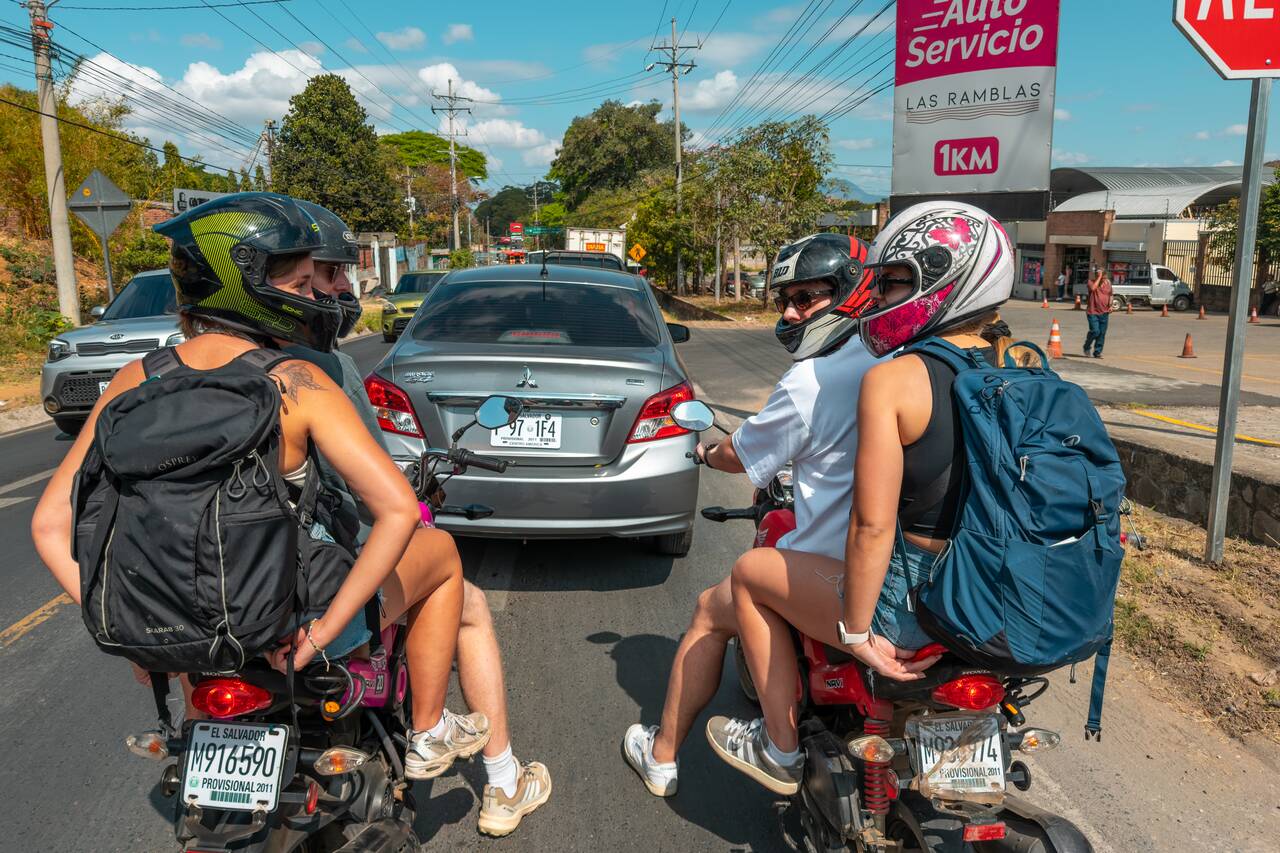
By Walking: Santa Ana's historic center is compact and very walkable, so you should be able to reach most of the city's main attractions on foot.
By Bus: For destinations farther away, such as Santa Ana Volcano and Lake Coatepeque, you can rely on local buses, although routes can be a bit confusing if it's your first time visiting. I will go into more detail on how to reach these places using public transportation in their respective sections above.
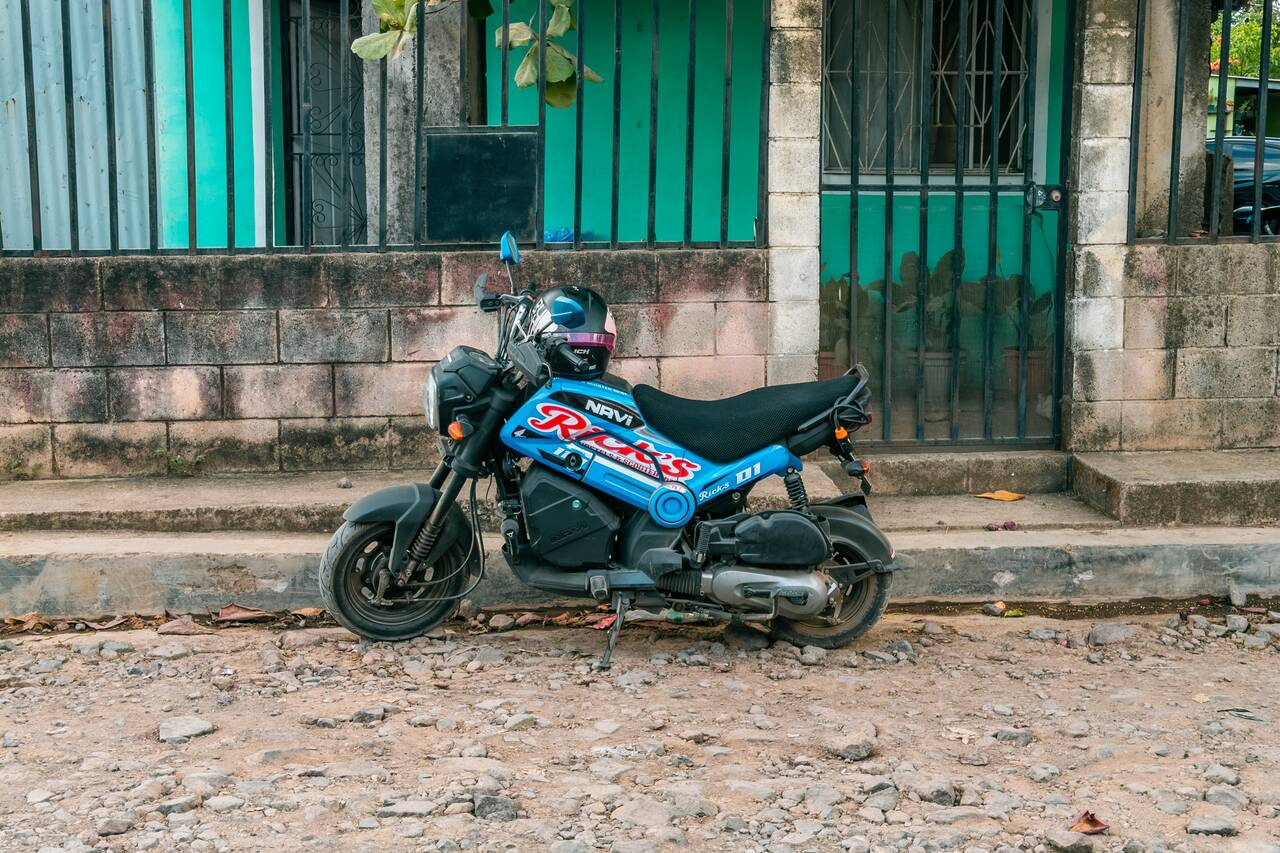
By Motorbike/Car: If you plan to explore even further, such as Ruta de las Flores and El Salto de Malacatiupán, I recommend you either rent a motorbike or a car to get around. Roads in western El Salvador are generally in good condition, and having your own vehicle should allow you to explore these attractions at your own pace.
For motorbike rentals, I highly recommend Ricks Rental. I rented with them and had a great experience! It cost only 15 USD per day, and the motorbikes were in excellent condition. They even have a drop-off location at Ricks Hostel in Ruta de las Flores if you want to drive one way only, which is extremely convenient. The roads are generally easy to navigate, although the main roads can get hectic at times, so drive slowly and always wear a helmet!
For cars, you can rent one from here or here. You should be able to contact them via WhatsApp and arrange a pick-up and drop-off location in Santa Ana.
How many days to spend in Santa Ana?
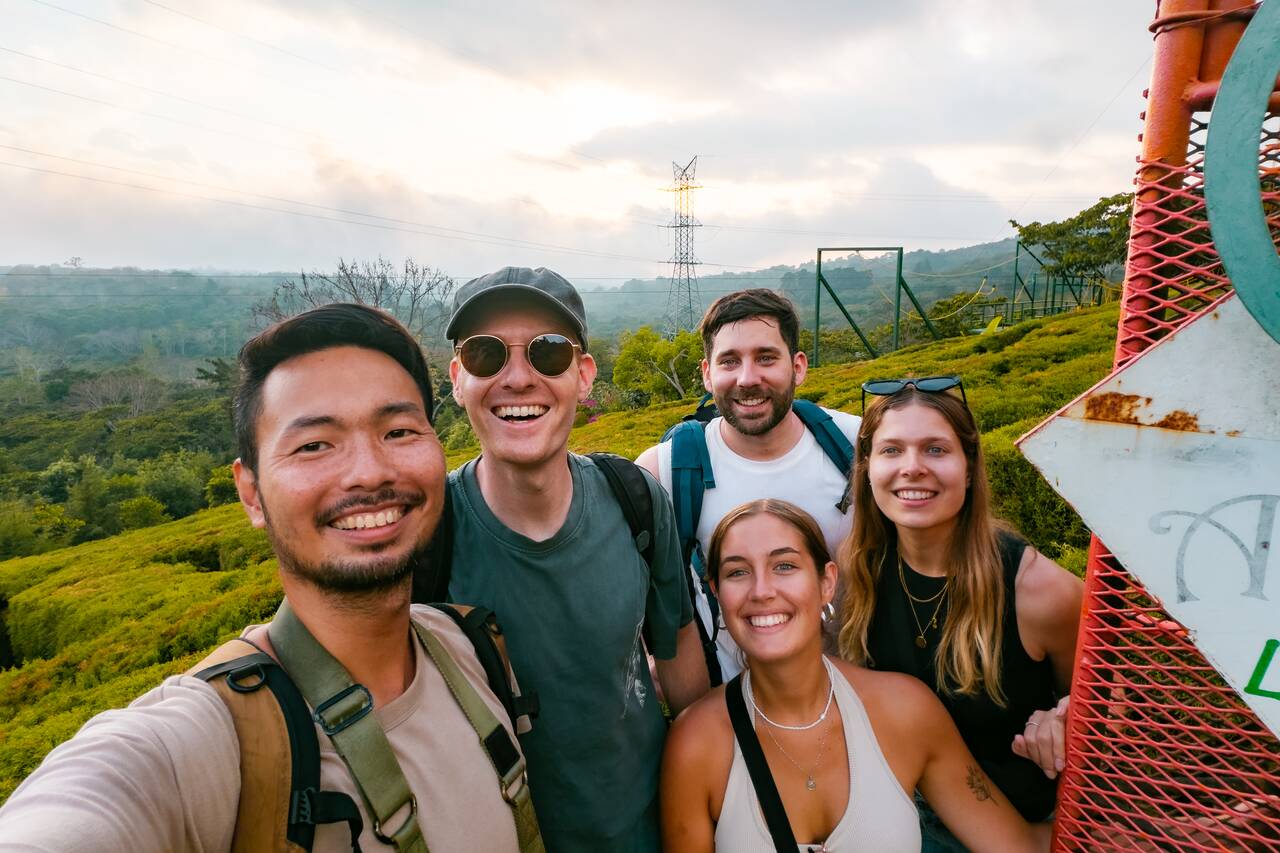
I recommend spending at least 3 days in Santa Ana to experience the city's highlights and explore some of the incredible natural attractions nearby. The city itself can be explored in a day, but having extra time allows you to visit the Santa Ana Volcano, Lake Coatepeque, and nearby destinations without rushing.
- Day 1: Explore Santa Ana's historic center, visit the Santa Ana Cathedral, Teatro de Santa Ana, and enjoy the city's food scene.
- Day 2: Hike Santa Ana Volcano in the morning and relax by Lake Coatepeque afterward.
- Day 3 - 4 (Optional): Explore the Ruta de las Flores, visit nearby towns like Juayúa and Ataco, or take a day trip to more surrounding attractions like Tazumal archeological site and El Salto de Malacatiupán.
Is it safe in Santa Ana?
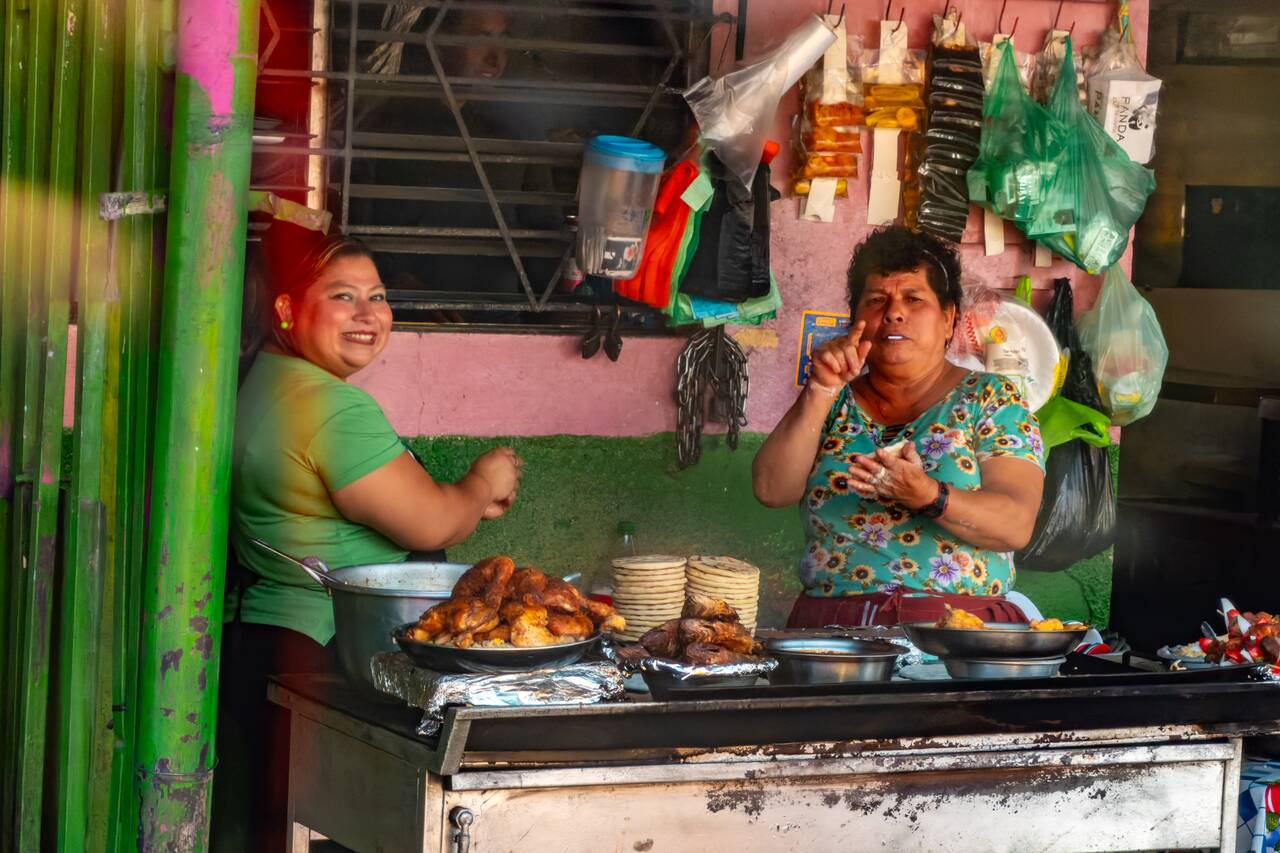
Yes, Santa Ana is generally safe for travelers, especially compared to its reputation from the past. The city has become much safer in recent years, and I felt comfortable walking around the historic center during the day and night.
However, like anywhere else, it is still important to stay aware of your surroundings and take normal precautions. Stick to well-populated areas, avoid walking alone at night in unfamiliar neighborhoods, and keep your valuables out of sight.
Most of the danger will likely come from driving on the roads if you decide to rent a motorbike and explore the area. The roads are generally in good condition, but traffic can be hectic at times, so make sure you are comfortable and experienced with riding before setting out.
Disclaimer: This post may contain affiliate links. See our disclosure policy.
First Published:
Last updated:
