

El Salvador may be the smallest country in Central America, but don't let that fool you into thinking there isn't much to do here. It is packed with some of the most memorable experiences you can have in the region. From surfing world-class waves along the Pacific coast to hiking up volcanoes, this country is one of the most underrated countries in the world.
This 7-day El Salvador itinerary is designed to take you through the country's best highlights at a comfortable pace. Starting from the laid-back surf town of El Tunco, you will make your way inland to explore the beautiful city of Santa Ana, climb the iconic Santa Ana Volcano, relax at the stunning Lake Coatepeque, and finish with an epic road trip through the colorful mountain towns of Ruta de las Flores.
If you are planning to visit El Salvador, this guide is for you. I will share my complete 7-day route, including where to go, how to get around, where to stay, and all the practical tips you need to plan an unforgettable trip to one of the most underrated countries in the world.

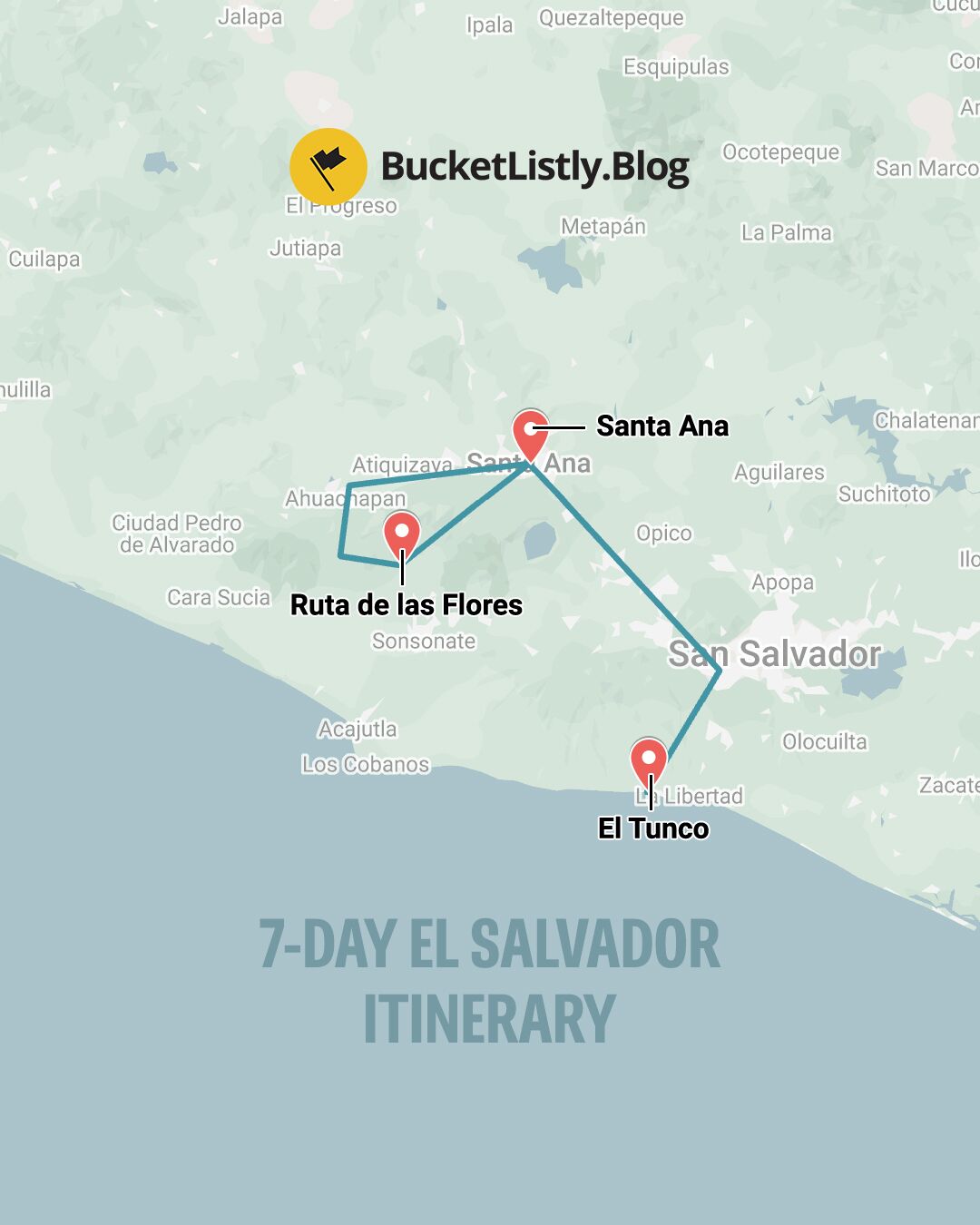
Map of this El Salvador's Itinerary
7 Days Itinerary for El Salvador
Day 1-2: El Tunco (2 nights)
- 📍 Stay: Hotel & Bar La Guitarra
- 🕐 Time: 2 nights
- 📖 Full Guide: A Guide to El Tunco: Things to Do, Travel Tips & More
Dubbed "Surf City", El Tunco is one of Central America's up-and-coming surf towns, thanks to its location on the beautiful El Salvador's Pacific coast, world-class waves, stunning sunsets, and relaxed, laid-back atmosphere. This is the perfect place to begin your El Salvador itinerary. It was my first stop in the country as well, and I couldn't have asked for a better introduction to El Salvador and its unique culture.
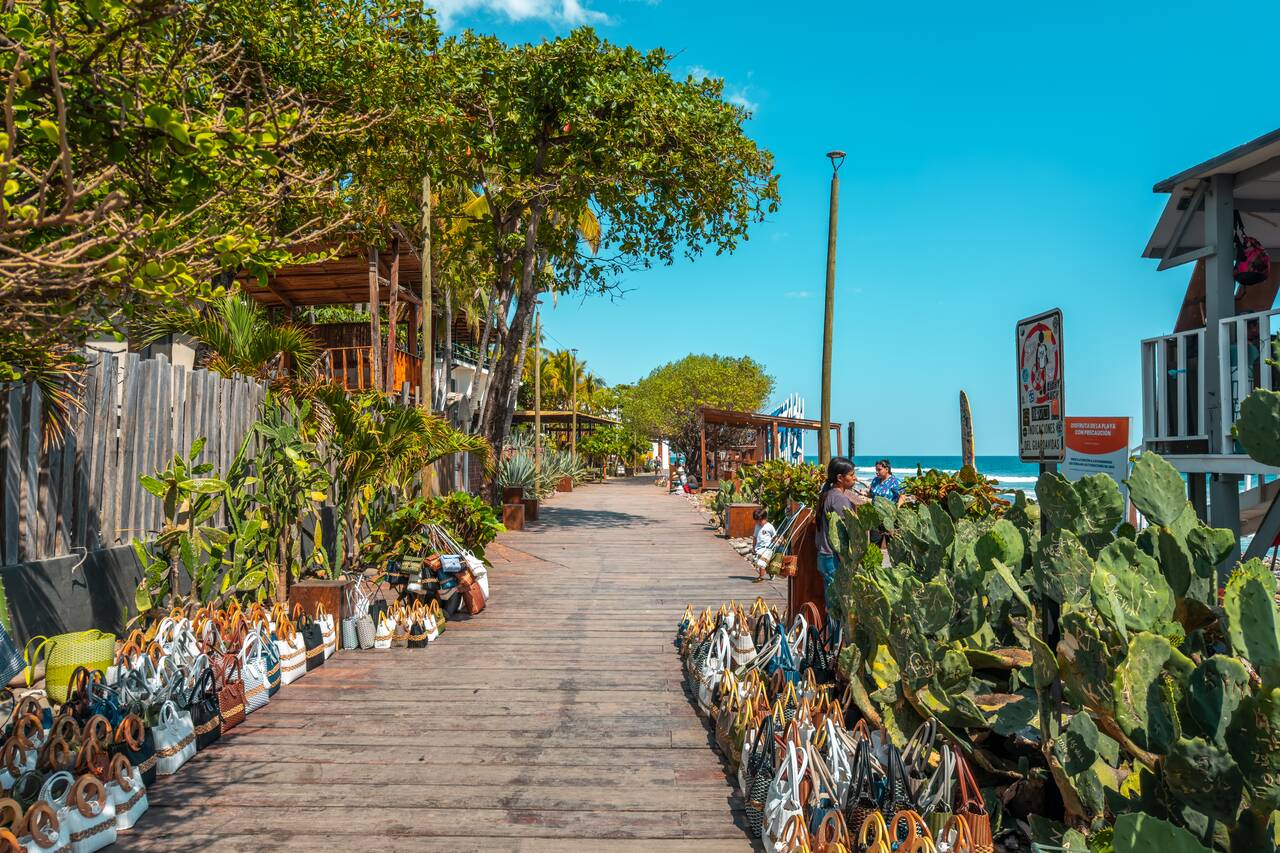
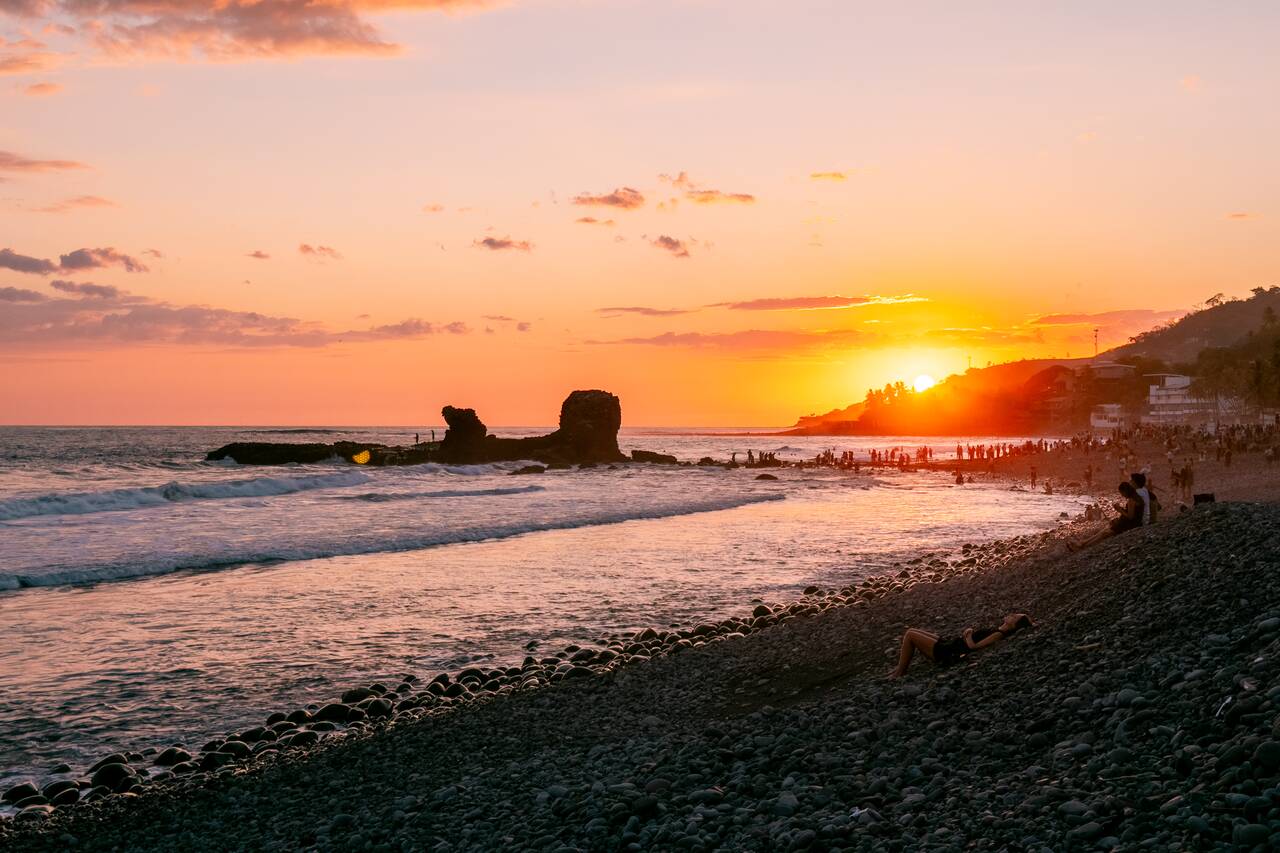
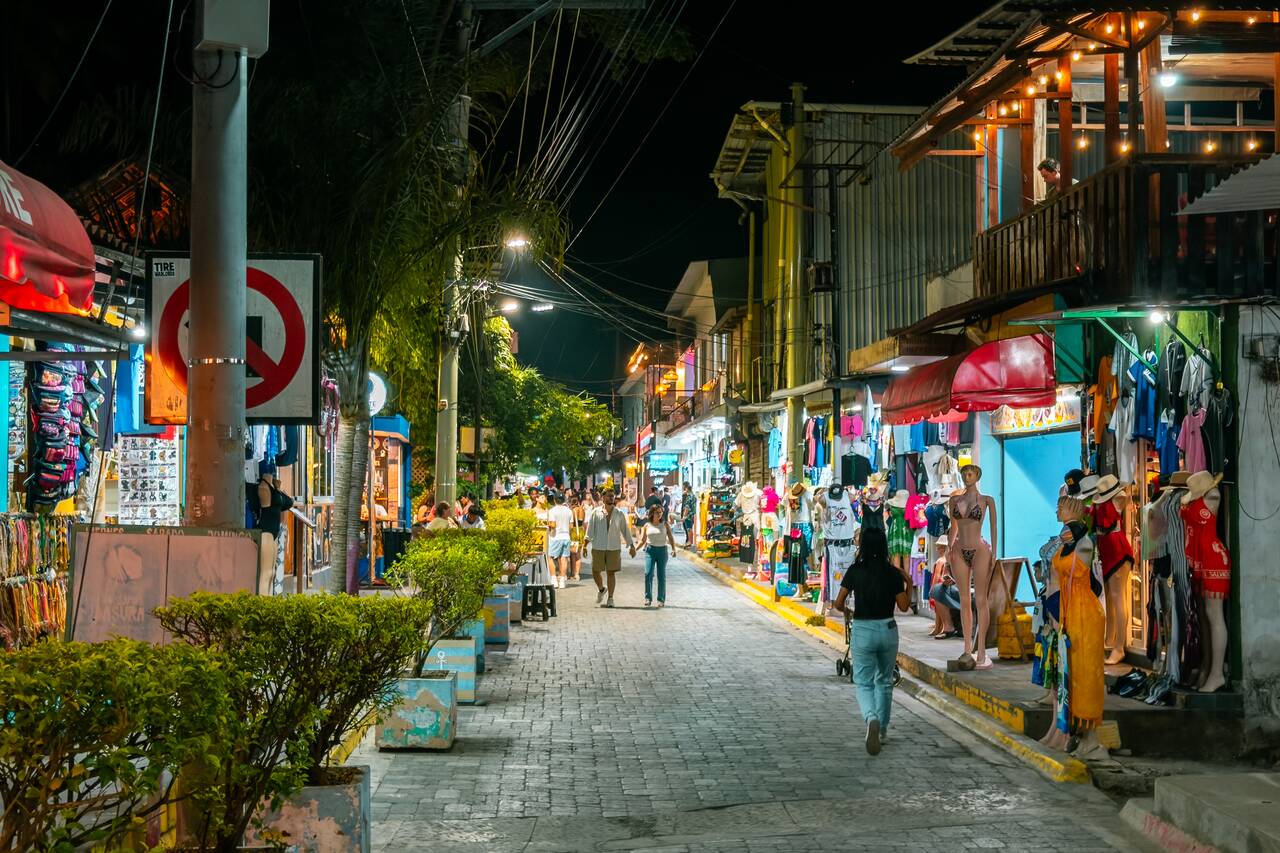
On your first evening in El Tunco, take a stroll along El Tunco's Beachfront Promenade, a newly built wooden boardwalk that hugs the town's coastline, offering unbeatable ocean views and plenty of scenic spots to stop and enjoy the sunset. It's the perfect place to get acquainted with the lively atmosphere of El Tunco.
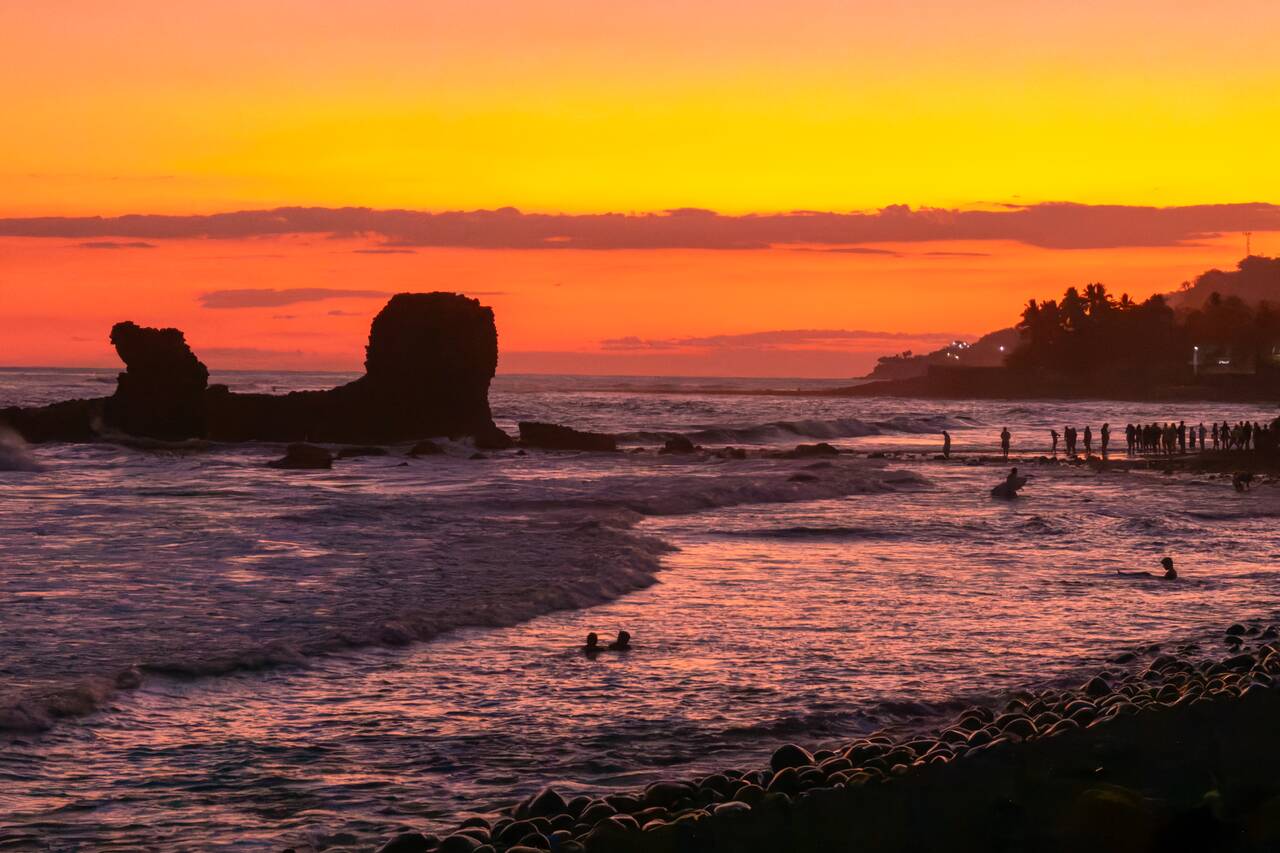
Right next to the promenade, you will find El Tunco beach, a pebble beach where you can grab a few beers from the restaurant nearby, go find a quiet place to sit and watch the incredible sunset over the Pacific Ocean.
- El Salvador 4 Day package (4 days)
- Volcano Trail: Waves & Local Ways (Guatemala to Costa Rica) (17 days)
- Total Central America: Two Months of Wild (Mexico to Panama) (2 months)
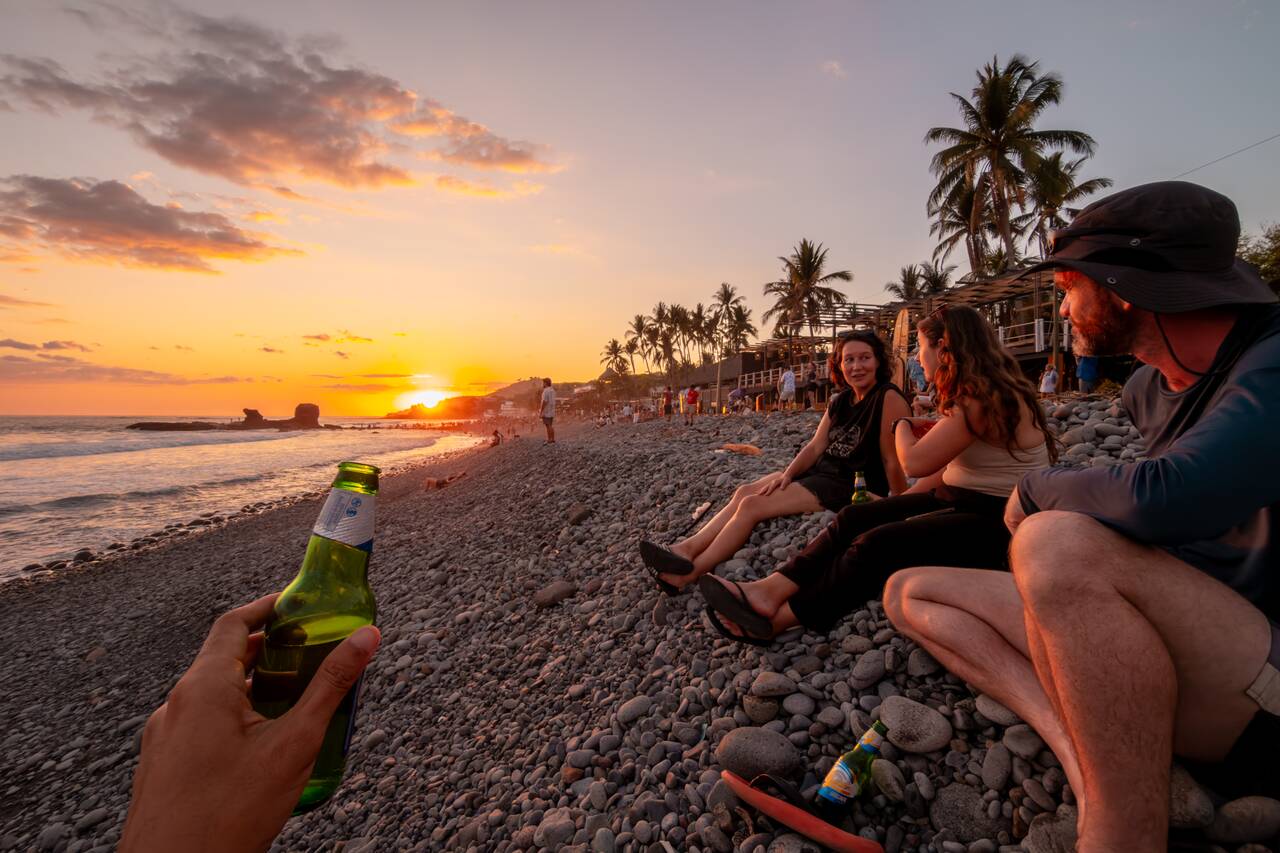
As the sun begins to dip below the horizon, you will find people gathering along the pebbled beach, looking for quiet spots to watch the sky transform into shades of orange, pink, and purple. Me and a couple of friends I met along the way grabbed a few beers, found our spot, and sat there watching the sunset for hours until it was dark. What an incredible experience that was!
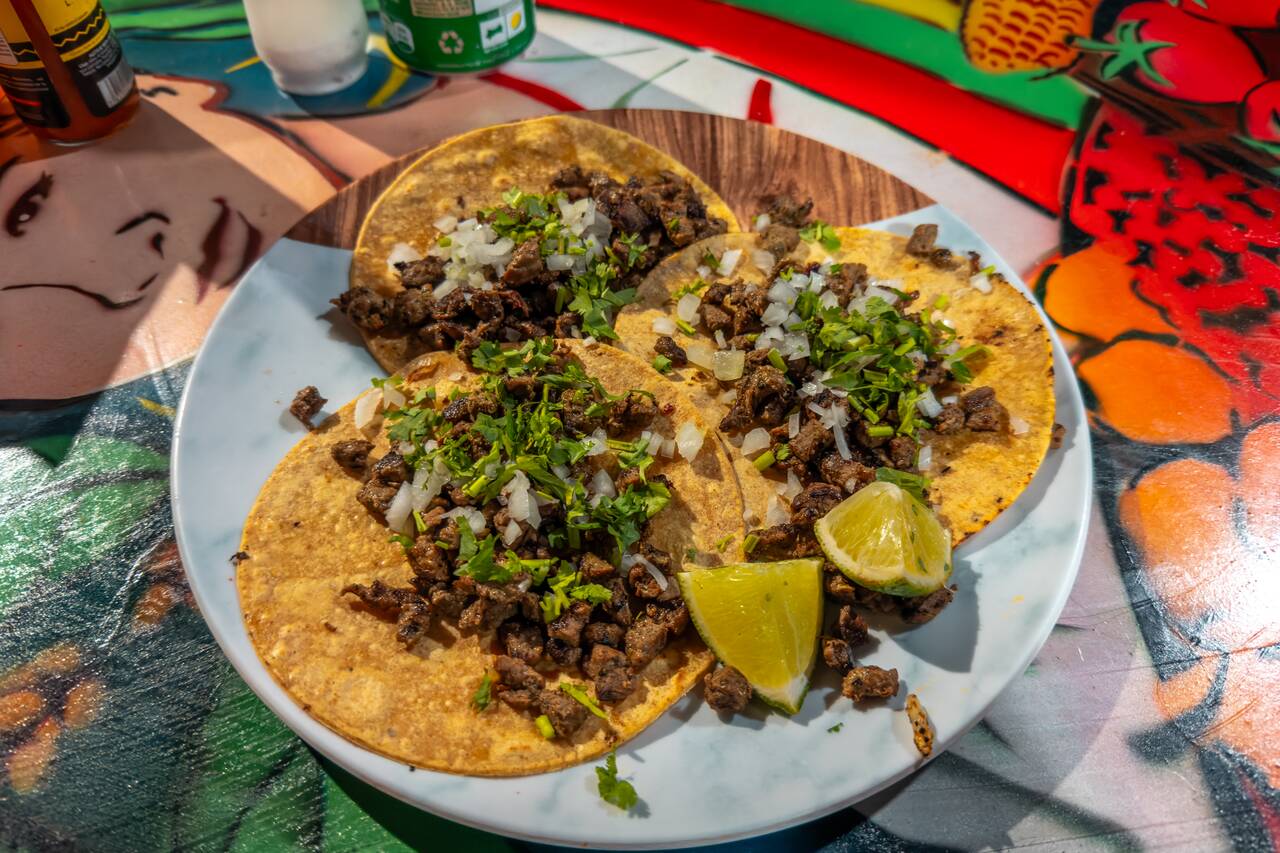
After you are done, you can go and check out El Compa Tacos for some delicious street-style tacos for dinner. I love tacos with all my heart, so when I saw this place packed with both locals and tourists in the evening, I decided to give it a try, and boy, was it the right decision!
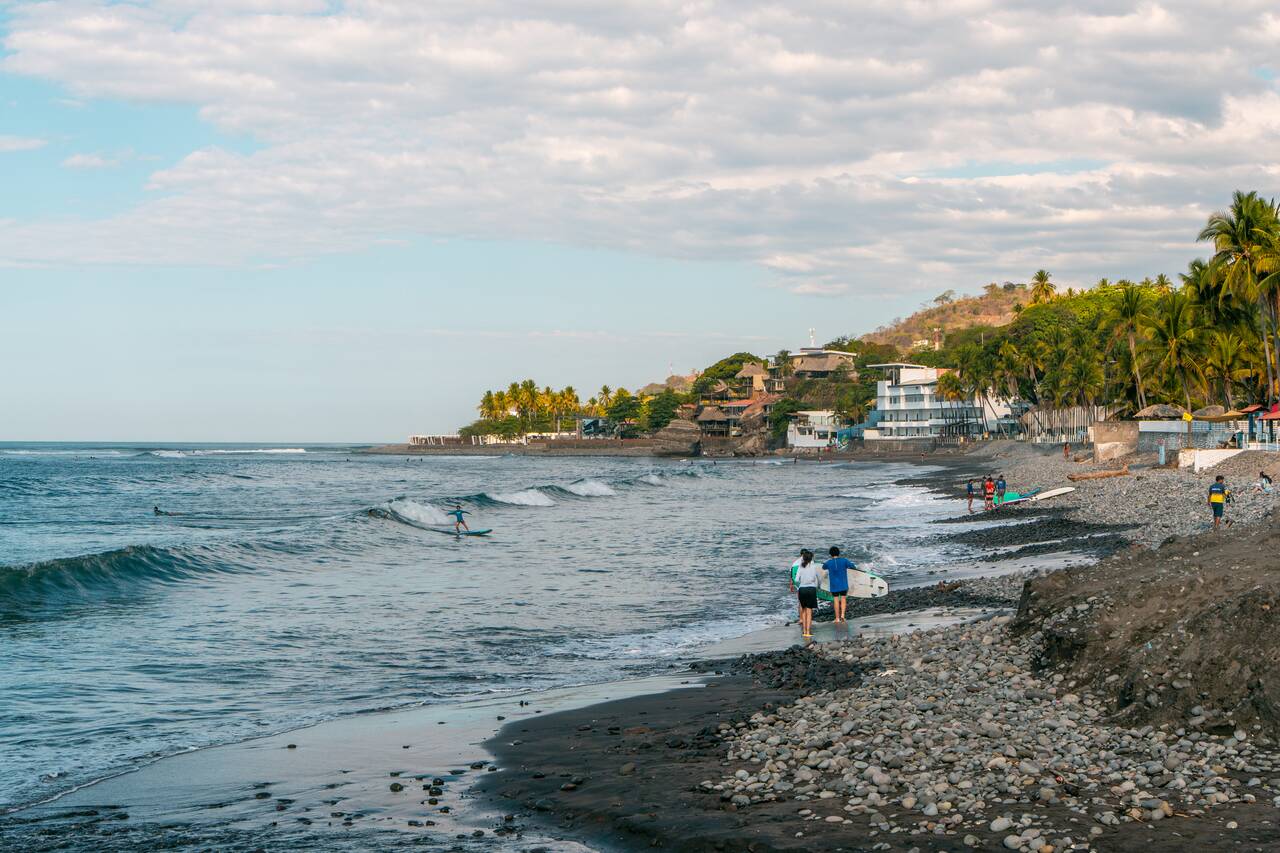
Once done, you can retreat for the night and begin exploring El Tunco proper the next day. On our first day proper, you can spend the day exploring El Tunco town, trying pupusas, the country's most famous and beloved dish, at a local Pupusería, walk around the main street, and go learn how to surf.
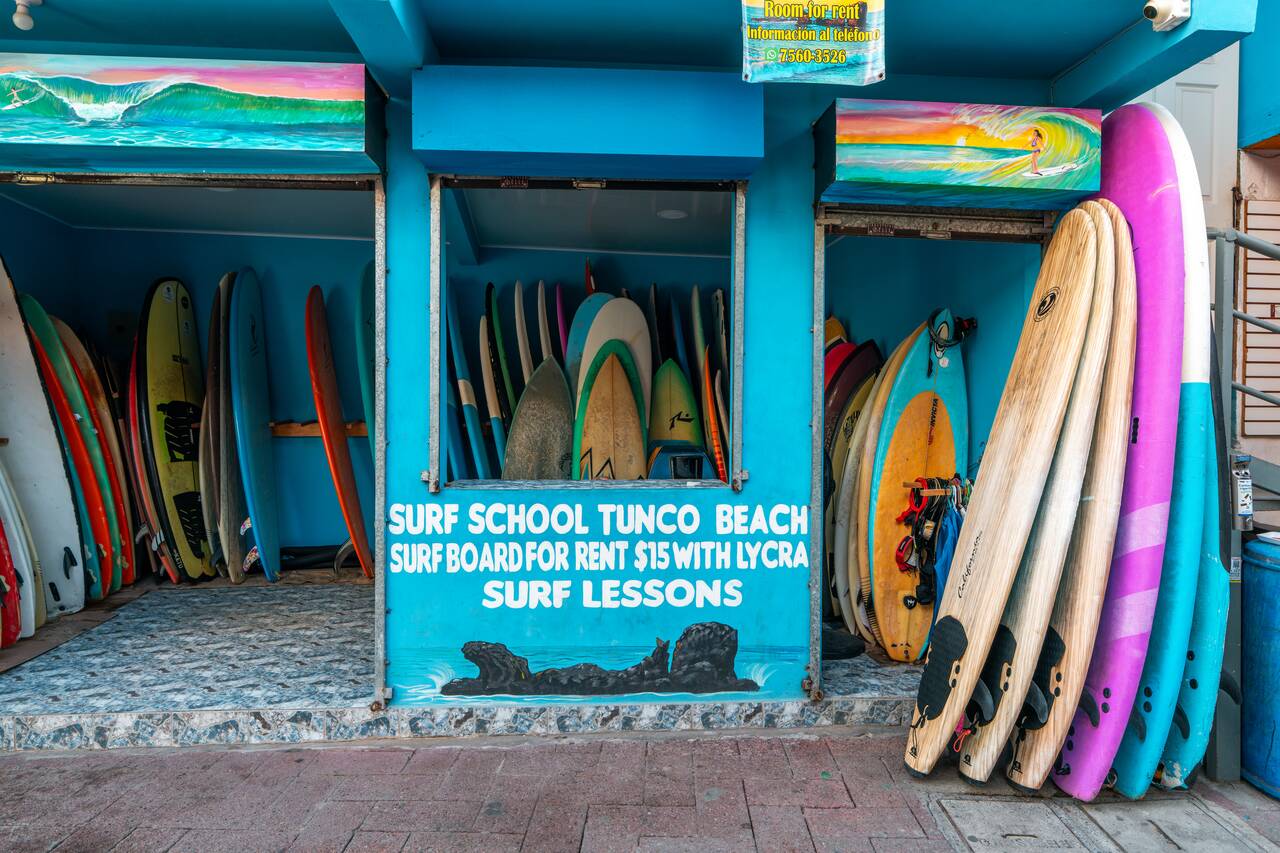
With consistent Pacific swells, warm water year-round, and a laid-back surf culture, this is one of the best places in Central America to get your first taste of surfing or improve your skills. Even if you've never stood on a surfboard before, don't worry. There are plenty of surf schools and instructors around town who can teach you the basics for about 35 USD per hour. Wayo Surf School comes highly recommended, so be sure to check them out.
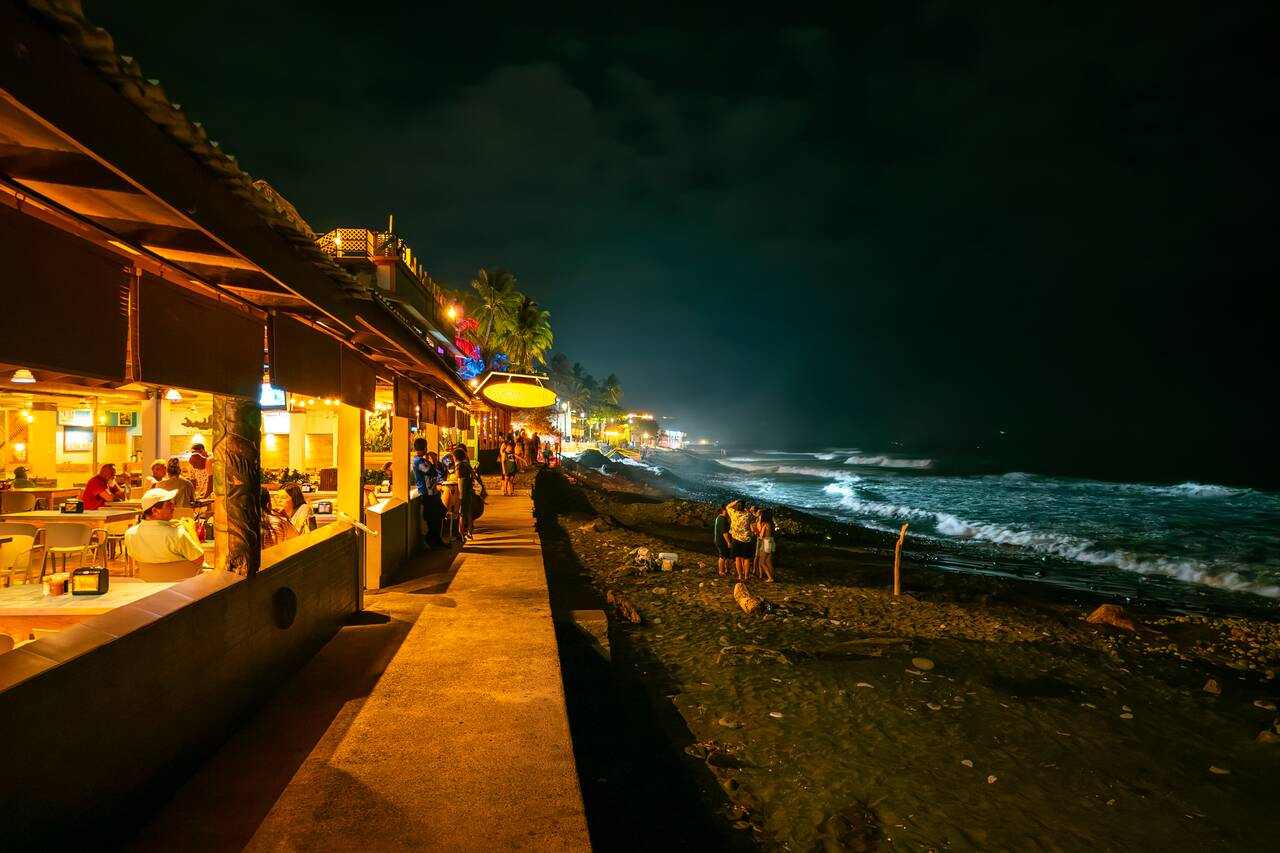
Once night comes, you can go and enjoy the nightlife of El Tunco, which is surprisingly lively despite it being a small surf town. Most of the action happens around the main street, where you'll find plenty of bars, restaurants, and beachfront spots serving cocktails, beers, and live music. Enjoy your time and retreat for the night and prepare for the next day
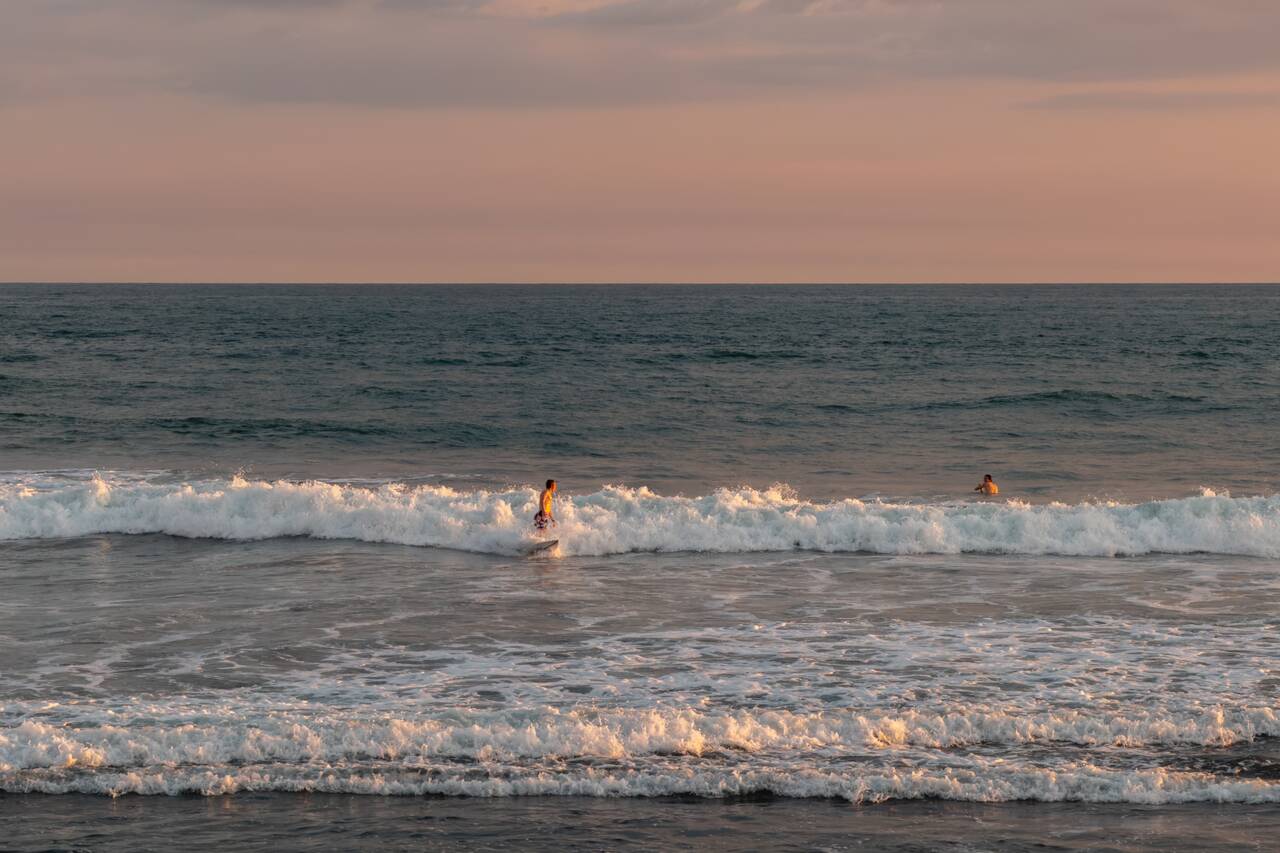
On your last day in El Tunco, you can take the local bus (#102A), an Uber or a taxi, to El Zonte Beach, which I think is a much nicer place to relax than El Tunco. Unlike El Tunco, with its lively backpacker scene, restaurants, and nightlife, El Zonte has a quieter, more laid-back atmosphere. Spend a few hours swimming, watching surfers ride the waves, relaxing at a beachfront café, or simply sitting on the sand and soaking up the scenery.
You can spend the rest of the day relaxing there, or if you rented a motorbike, continue exploring the other beaches scattered along the coastline. That should be more than enough to keep you busy for the day. Once you're done, head back to El Tunco for one last night and get some rest, as we'll be leaving the coast behind and traveling inland to the beautiful colonial city of Santa Ana the next day.

Getting from El Tunco to Santa Ana
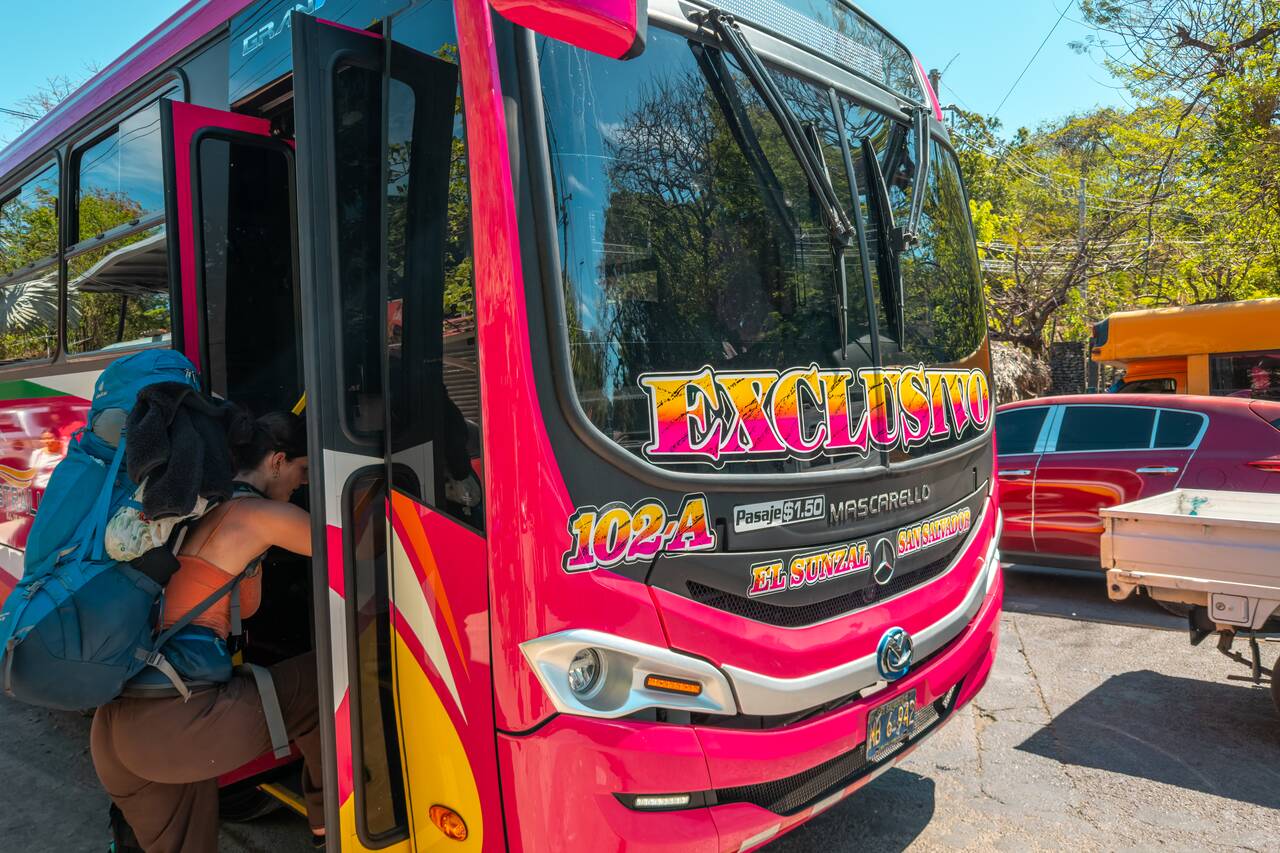
There is no direct public bus between El Tunco and Santa Ana, so you'll first need to take the #102A bus from the main highway here to San Salvador. Stay on the left hand side of the road as the bus will go through La Libertad first.
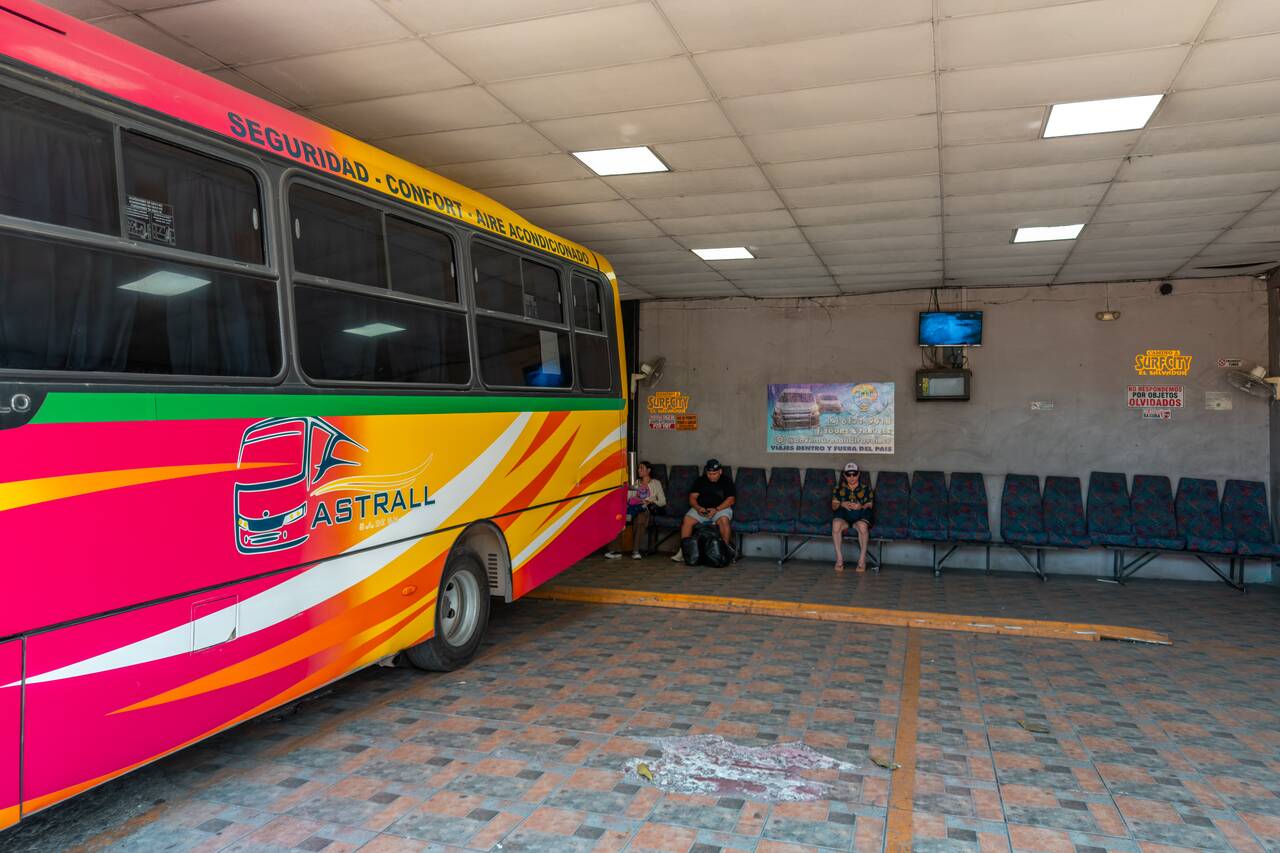
Once you arrive, the bus will drop you off at this terminal, where you can take an Uber to Terminal de Occidente. From there, you'll find plenty of buses bound for Santa Ana. The journey takes around 3 - 4 hours in total and should cost 3 - 5 USD for the entire trip.
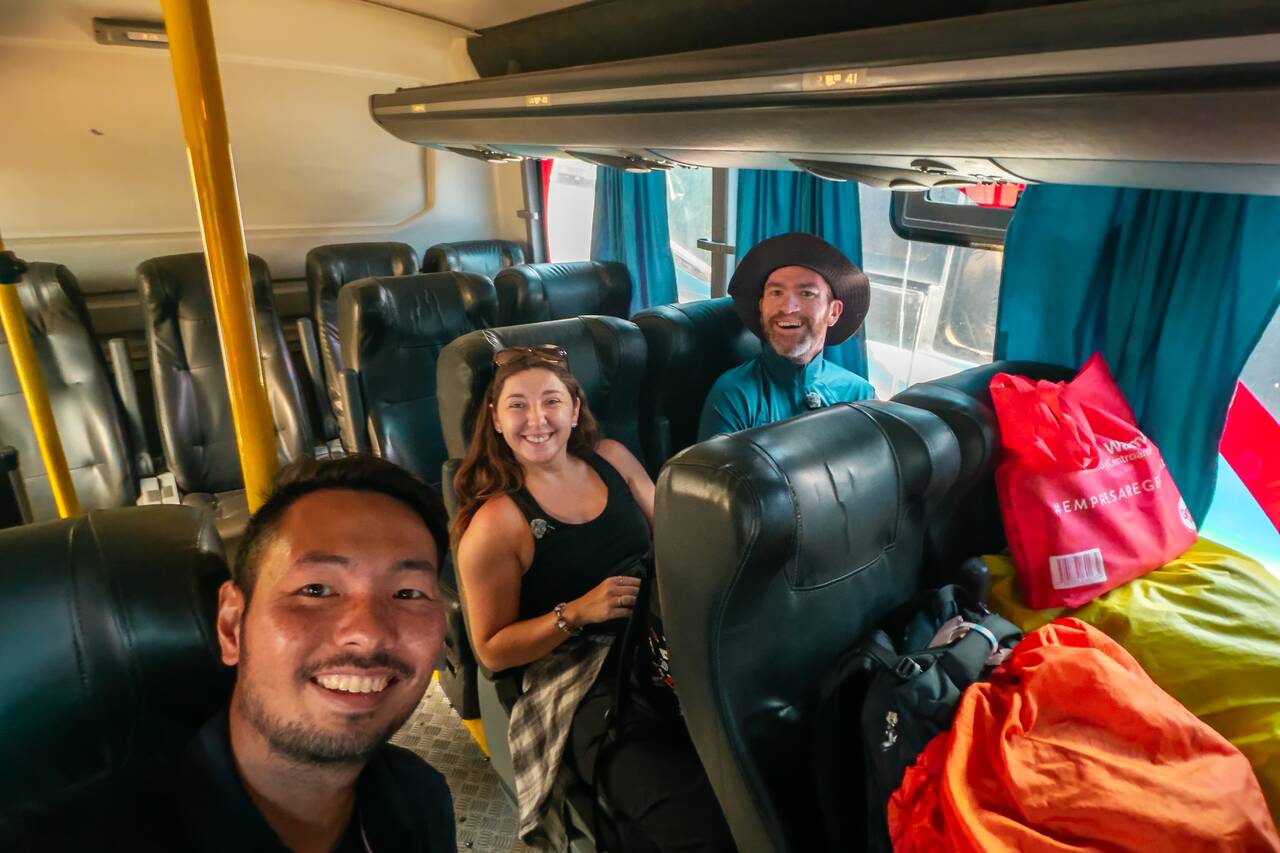
Keep in mind that there are two types of buses: regular buses without air conditioning that cost 1.25 USD, and more comfortable buses with AC for 1.5 USD. I highly recommend paying the extra 25 cents for the air-conditioned bus. At the terminal, simply look for a bus with a Santa Ana sign on the front and closed windows, those are usually the AC buses.
Once you arrive in Santa Ana, the bus will pass through the southern edge of the downtown area but won't enter the city center. If your accommodation is along the route, let the driver know where you'd like to get off so you won't have to walk as far. Otherwise, you'll be dropped off at the Santa Ana bus terminal, from where you can walk or take a short taxi ride to your accommodation.
Again, you can also rent a car and drive this route. Driving from El Tunco takes around 2 hours. The roads are generally in good condition, and you should be able to rent one from the airport or through here.
Day 3-5: Santa Ana (3 nights)
- 📍 Stay: Casa Central de Santa Ana
- 🕐 Time: 3 nights
- 📖 Full Guide: Explore Santa Ana: My Favorite Things to Do, Travel Tips & More
Located in western El Salvador, Santa Ana is one of the country's most beautiful destinations and hands down one of my favorite places to base myself while exploring some of El Salvador's most incredible natural attractions. On your first day in Santa, you can hit the ground running and go hike Santa Ana Volcano.
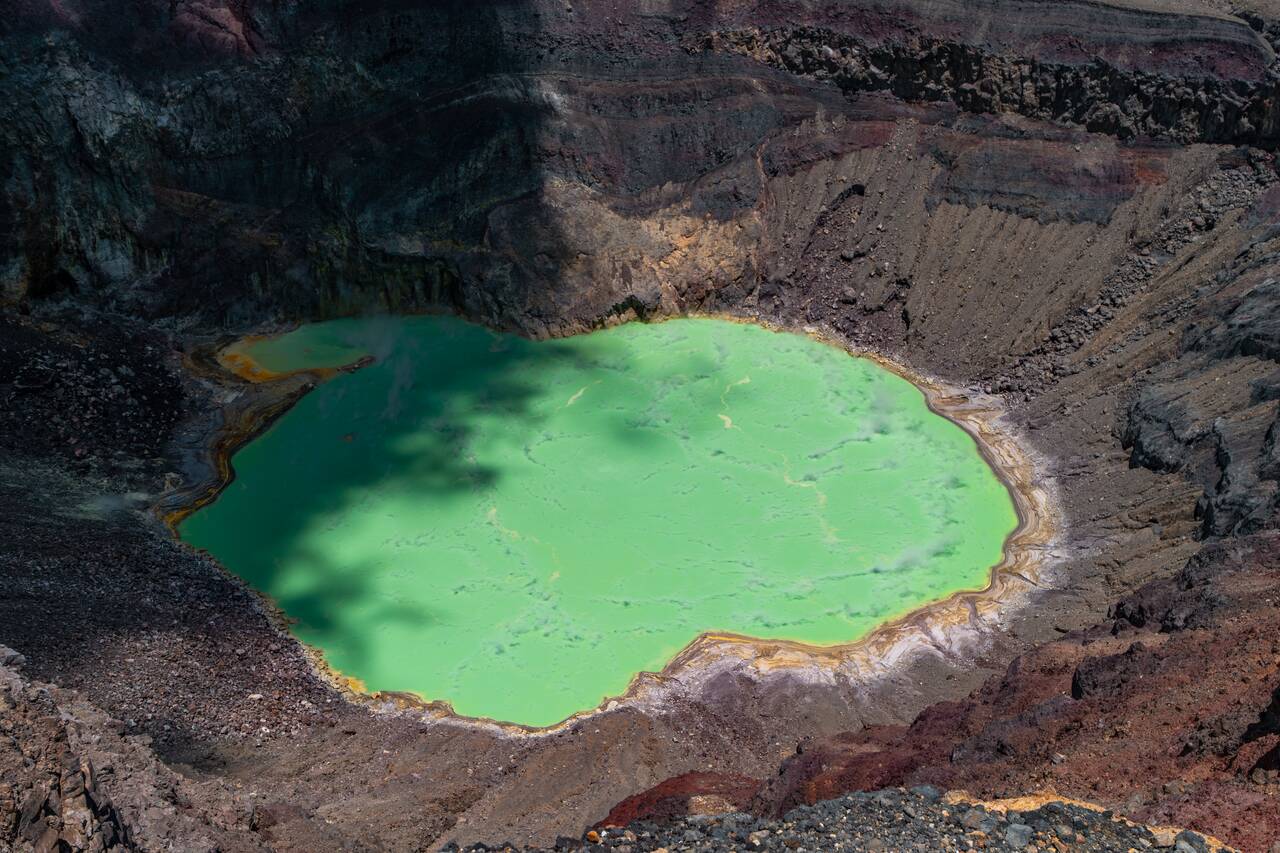
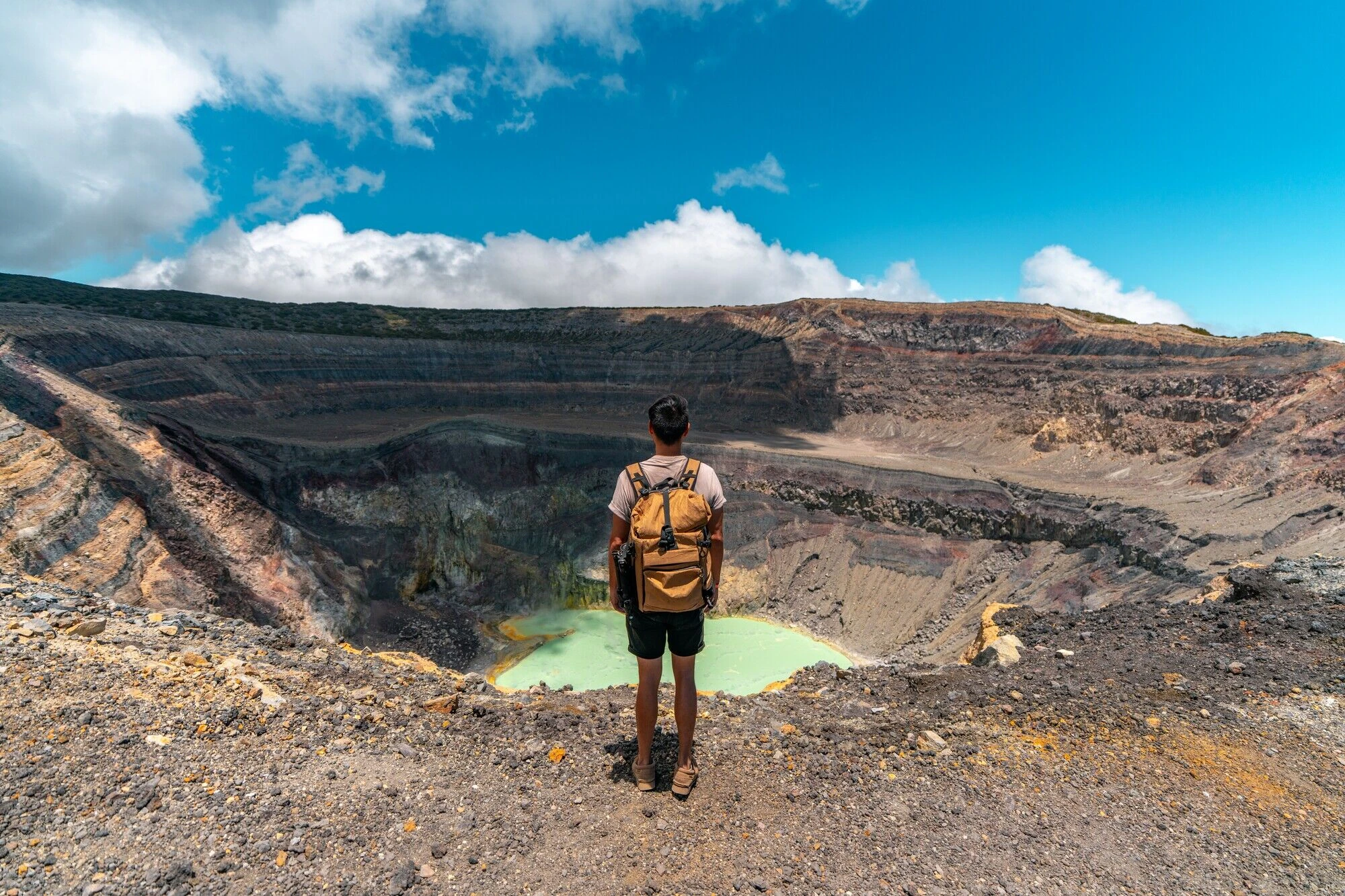
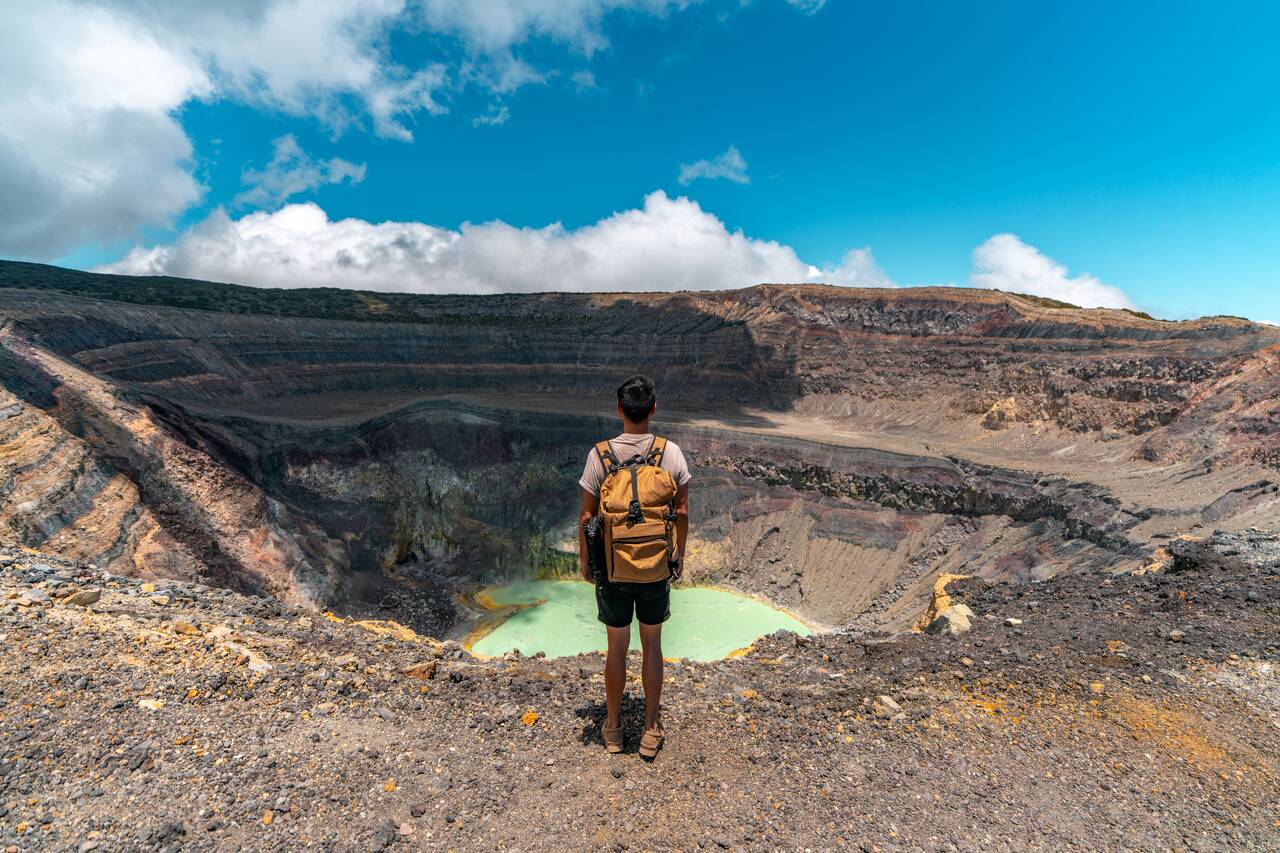
Standing at 2,381 meters above sea level, Santa Ana Volcano is the highest volcano in El Salvador and offers one of the most breathtaking views in the country. The highlight of the hike is reaching the summit, where you can look directly into the volcano's turquoise-green crater lake while enjoying panoramic views of Lake Coatepeque, Izalco Volcano, and the surrounding landscape from afar.
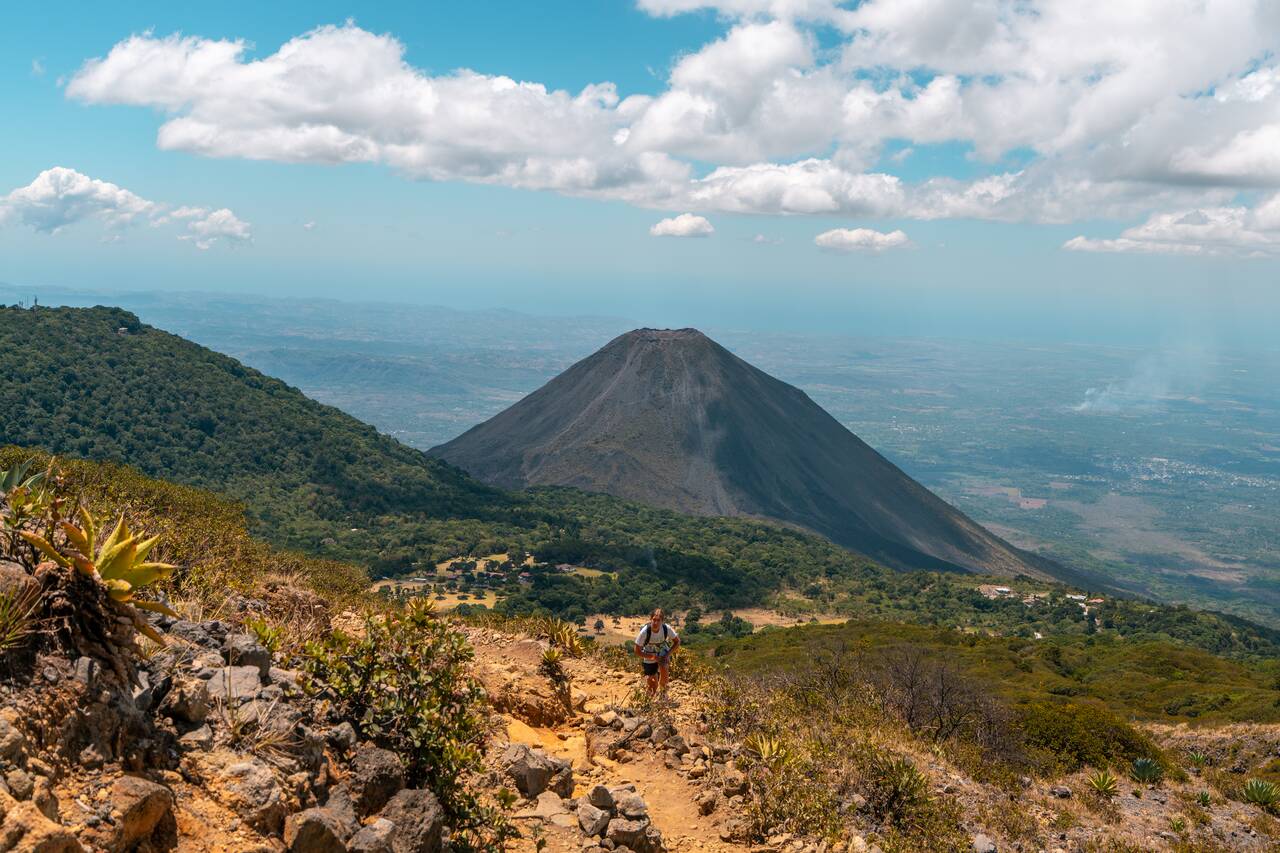
The hike itself is not overly difficult, but some might find it a bit challenging due to the altitude, sun exposure, and some steep sections near the top. The trail is about 8 km and takes around 2 - 3 hours to complete, depending on your pace, and you will need to hike with a local guide or join a group tour as access to the trail is regulated.
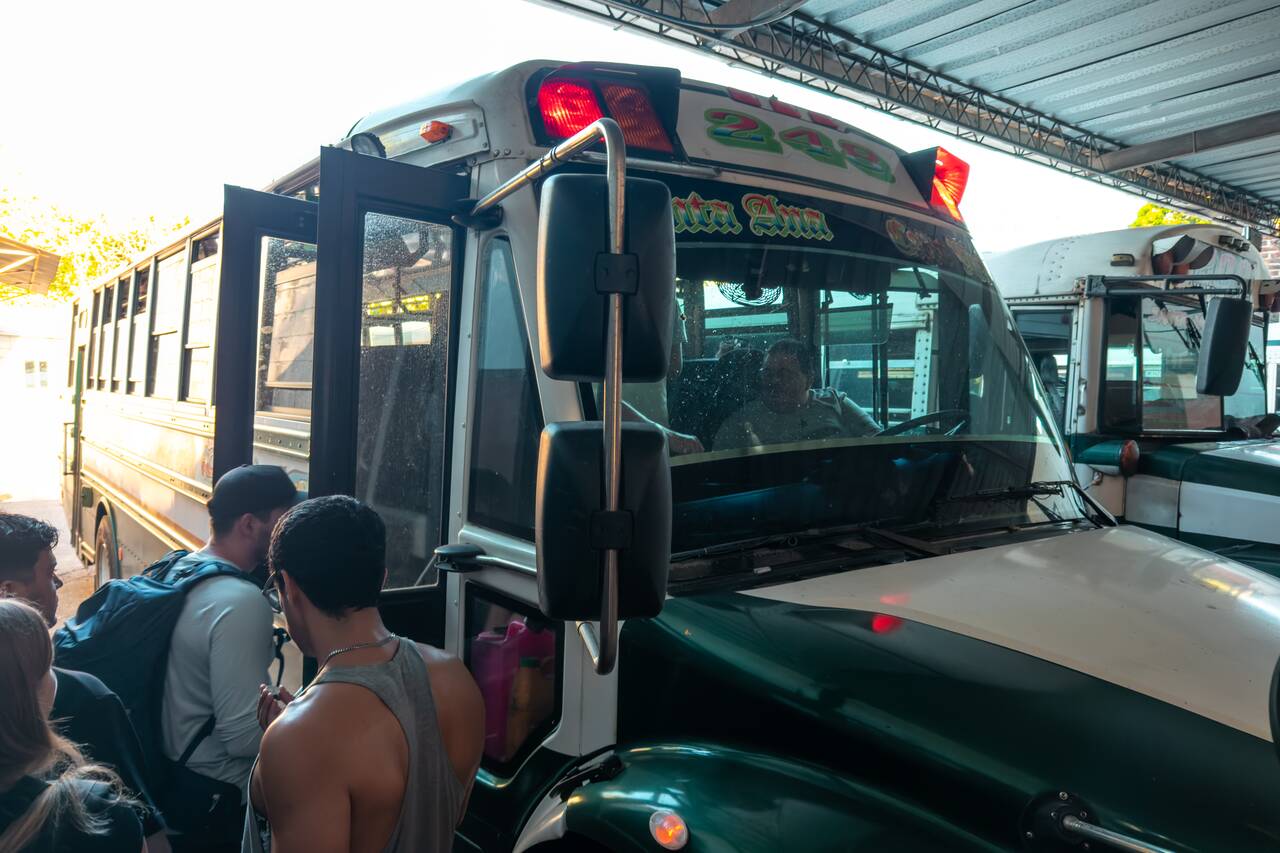
To get to the volcano, you can go by public transportation, which is very easy and extremely affordable. First, you will need to get to this bus terminal before 7:30 AM so you can catch the 248 bus departing at 7:40 AM. There's only one morning bus per day so don't miss it! The journey takes around 2 hours and costs only 0.70 USD.
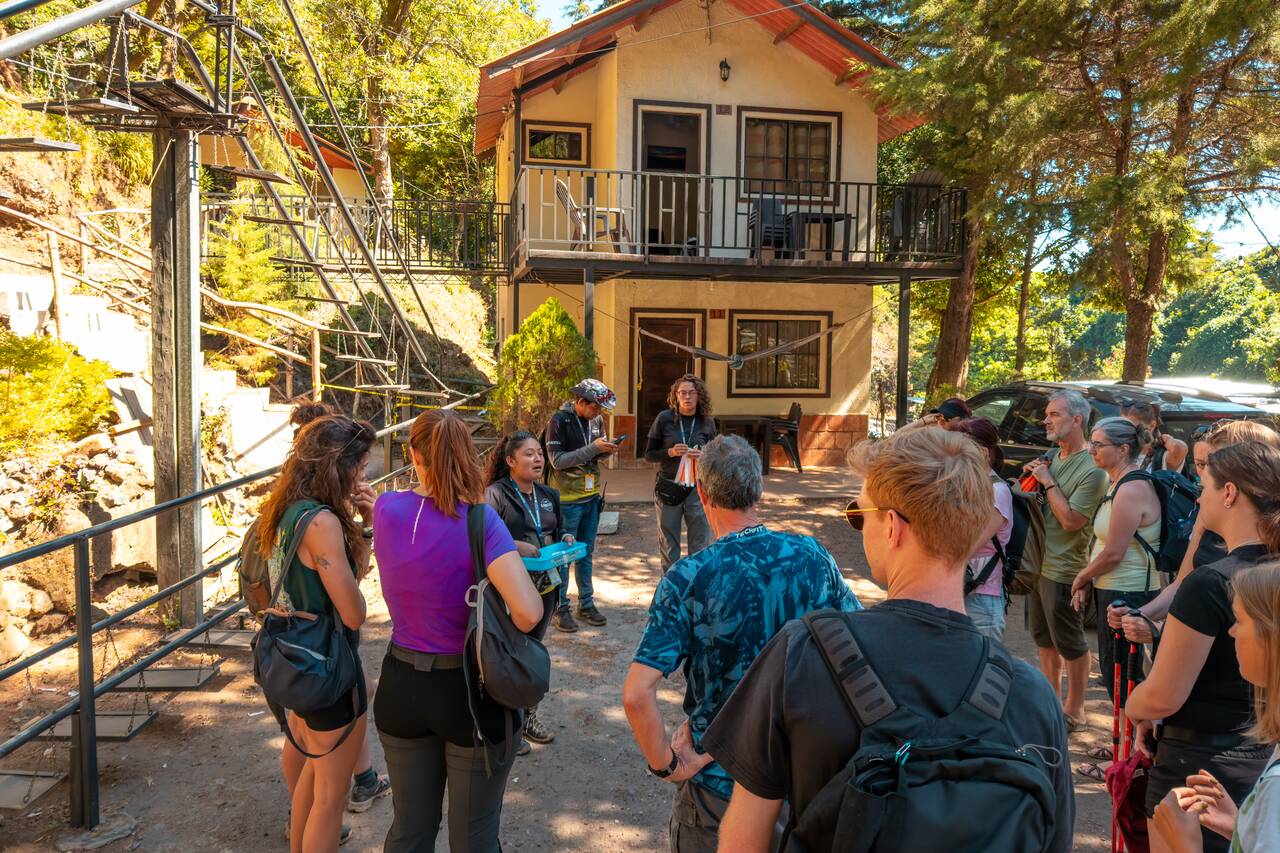
The bus will drop you off at the entrance to the volcano hike, where you will then have to wait for the staff to form you in groups and assign guides to each one, as it is mandatory and the guide will tell you when to come back so you can catch the bus back to Santa Ana in time.
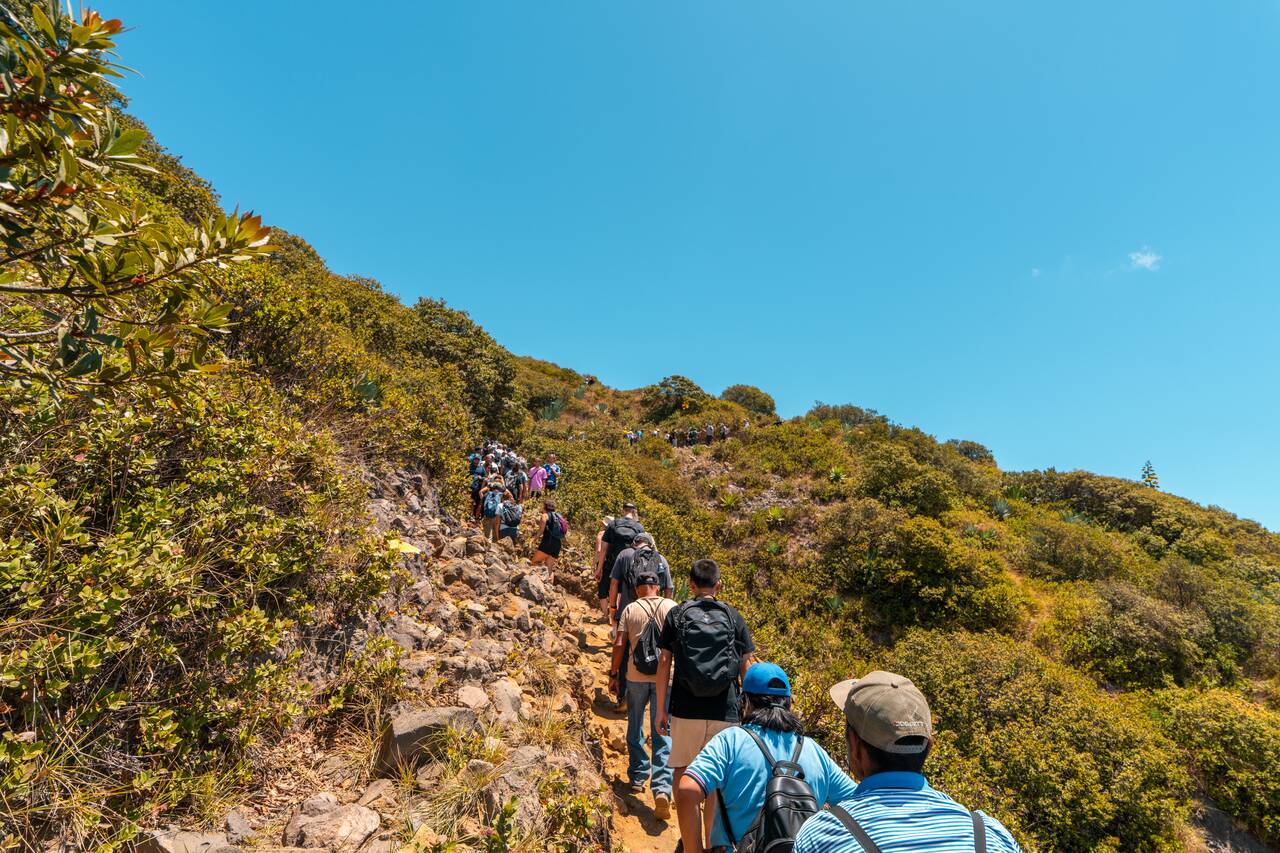
The cost of the guide is 4 USD per person, while the entrance fee to the national park is 3 USD. Since the hiking trail passes through private property, you will also need to pay an additional 1 USD along the way. In total, including the bus fares, the entire hike should cost around 9.40 USD. Everything must be paid in cash, as credit cards are not accepted.
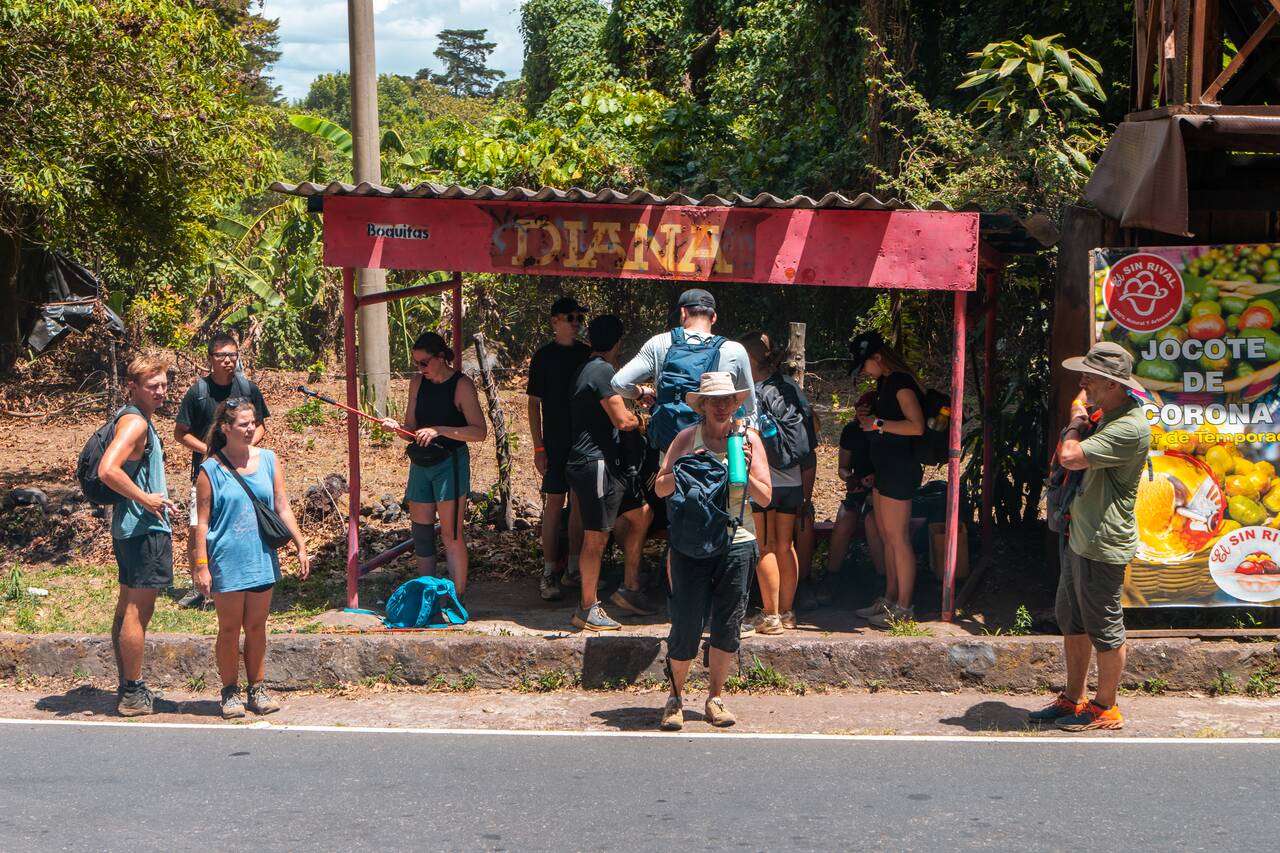
By around 12:30 PM, if you want to catch the 1:30 PM bus back to Santa Ana, you will need to start making your way down. The guide will also let you know when it is time to descend, so keep an eye out for them. Once you reach the bottom, head over to this red bus stop and wait for the bus back to Santa Ana.

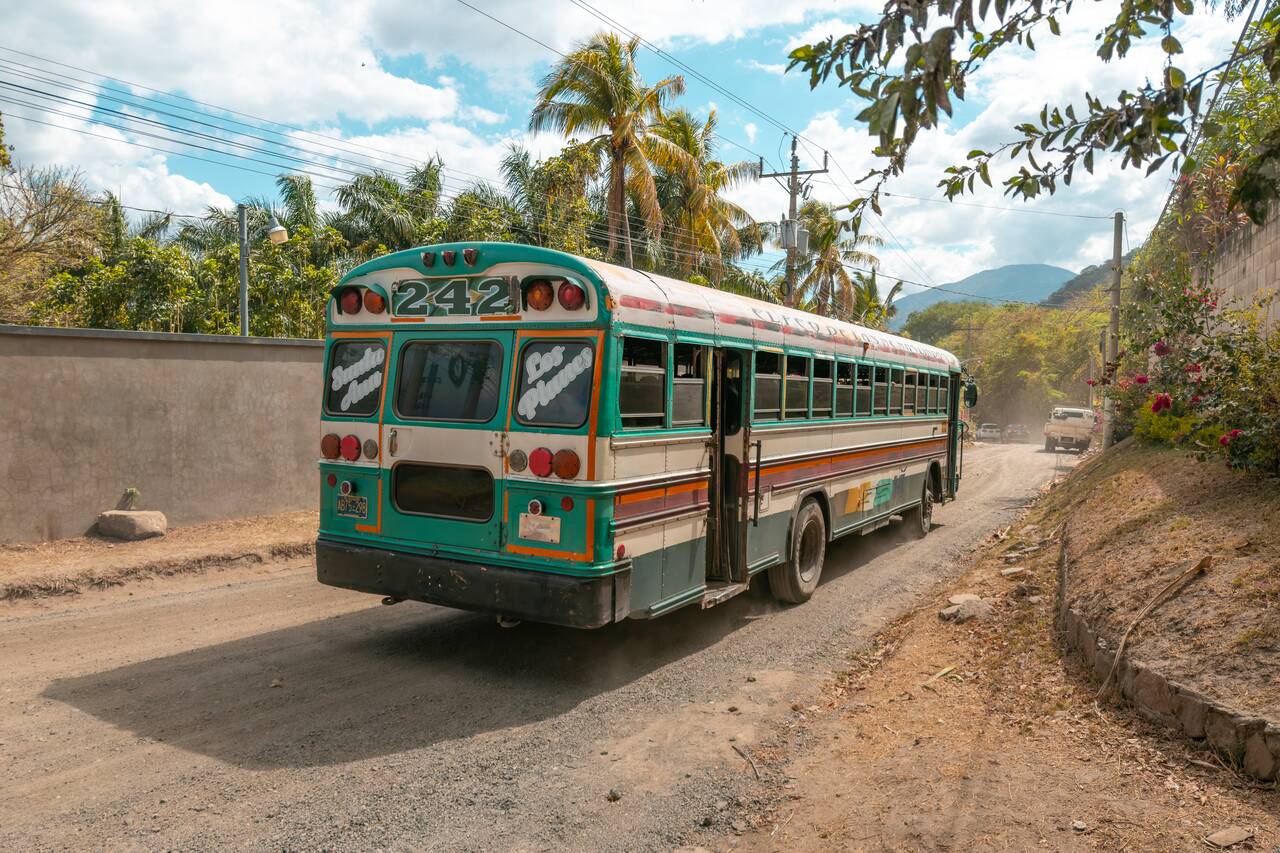
Once you get on the bus, do not take it all the way to Santa Ana, as we will be visiting Lake Coatepeque first! Make sure to get off at this intersection in El Congo, where you can switch to another bus (#242) to Lake Coatepeque.
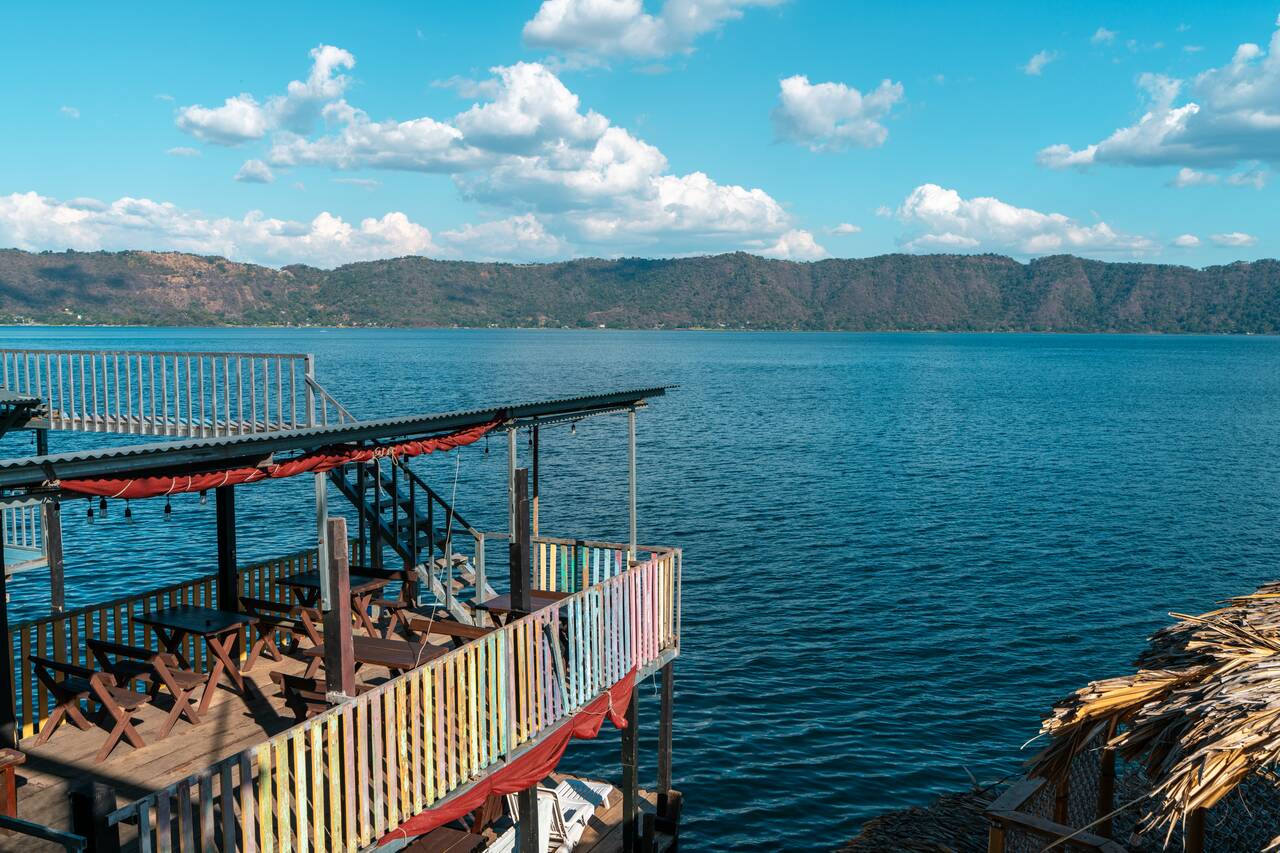
The most popular area to visit at Lake Coatepeque is around the western shore of the lake, where you will find plenty of hostels and beach clubs offering day passes that give you access to the lakefront and their facilities. I highly recommend Captain Morgan Hostel, a lakeside hostel with a restaurant and bar attached.
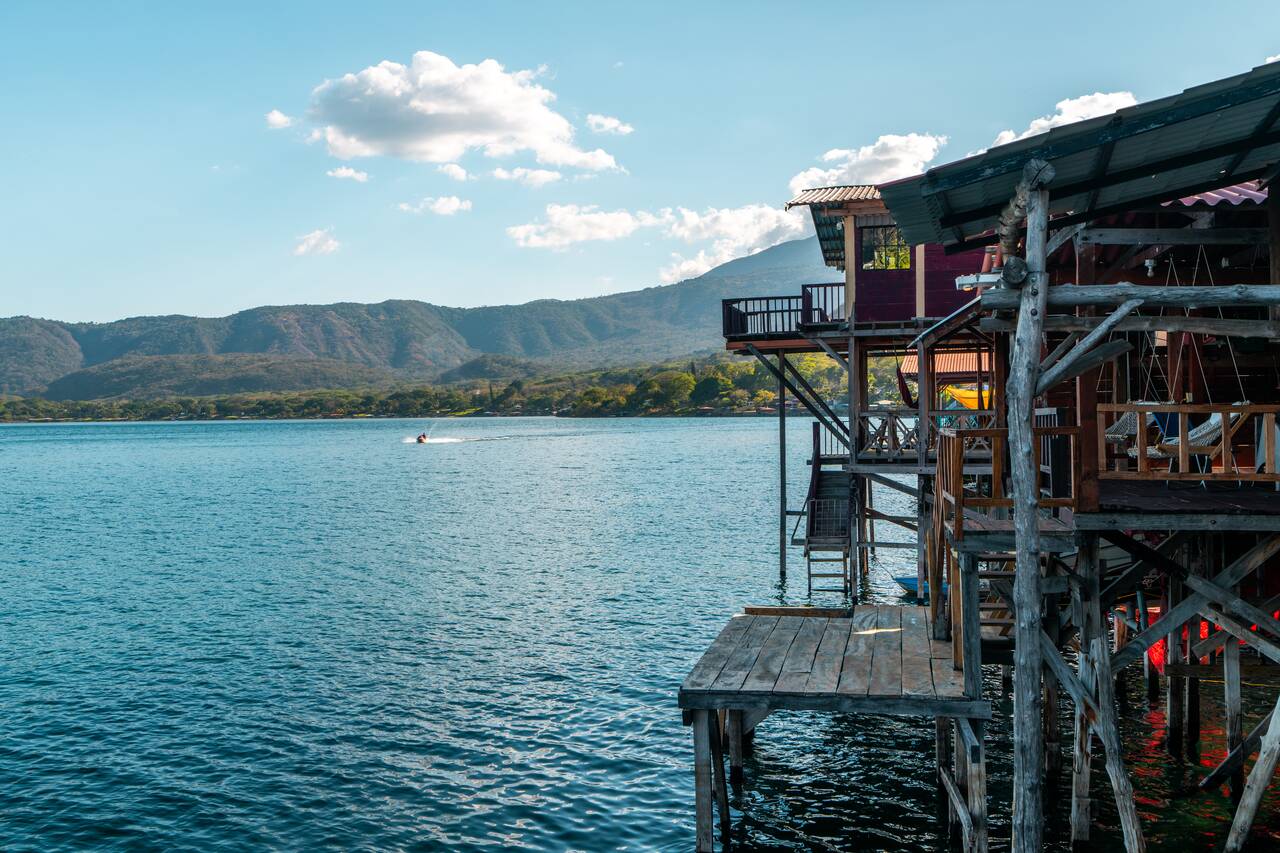
Captain Morgan Hostel offers a day pass for 5 USD, which can be redeemed for one drink at the bar. There, you will find a restaurant where you can order food, plenty of places to sit, and several spots where you can jump straight into the water.
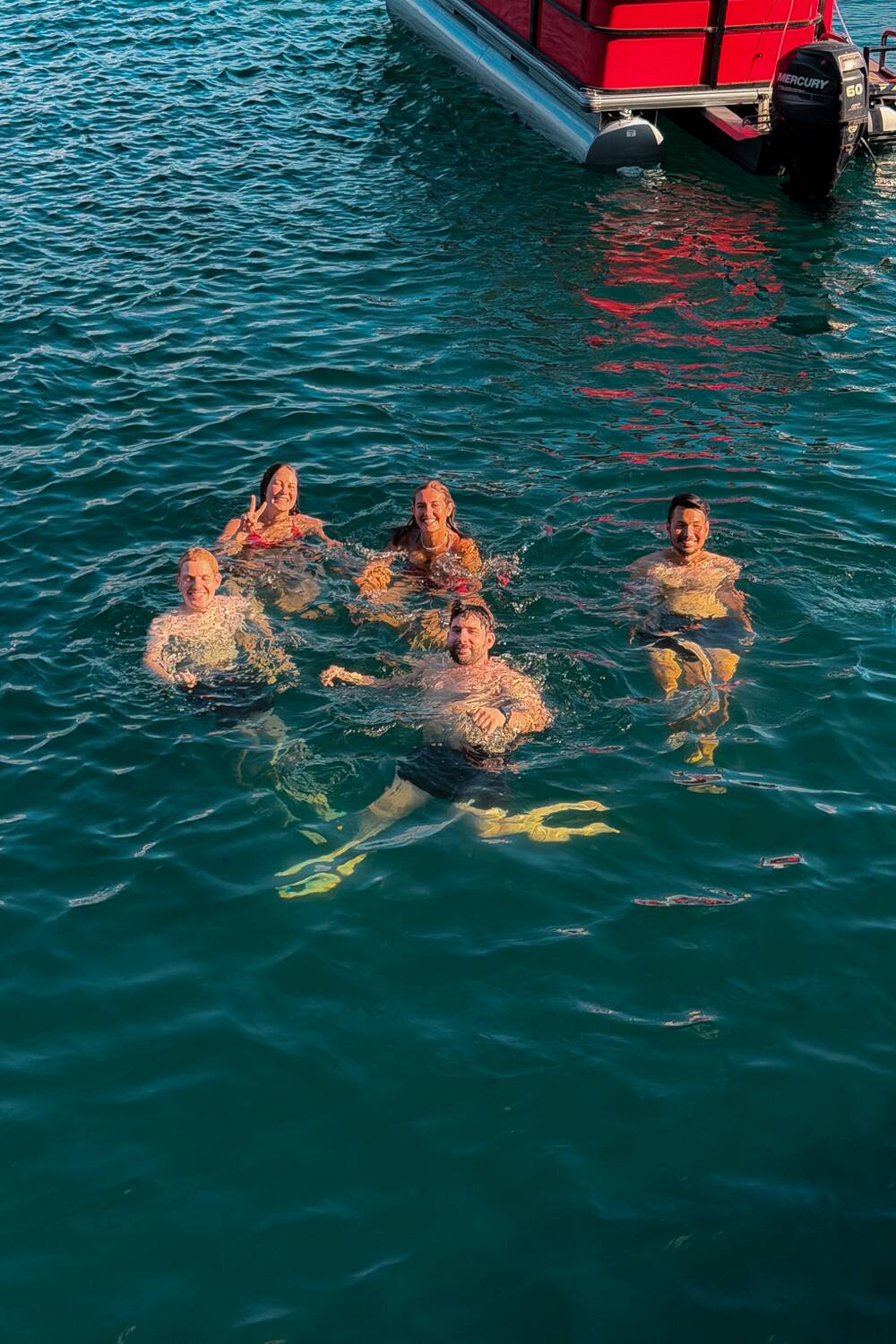
This is such a fun way to freshen up and relax after the Santa Ana hike. I met some great people during the hike, and we decided to come to the lake together. We had so much fun jumping into the water and enjoying ourselves until sunset. I couldn't think of a better way to end the day.
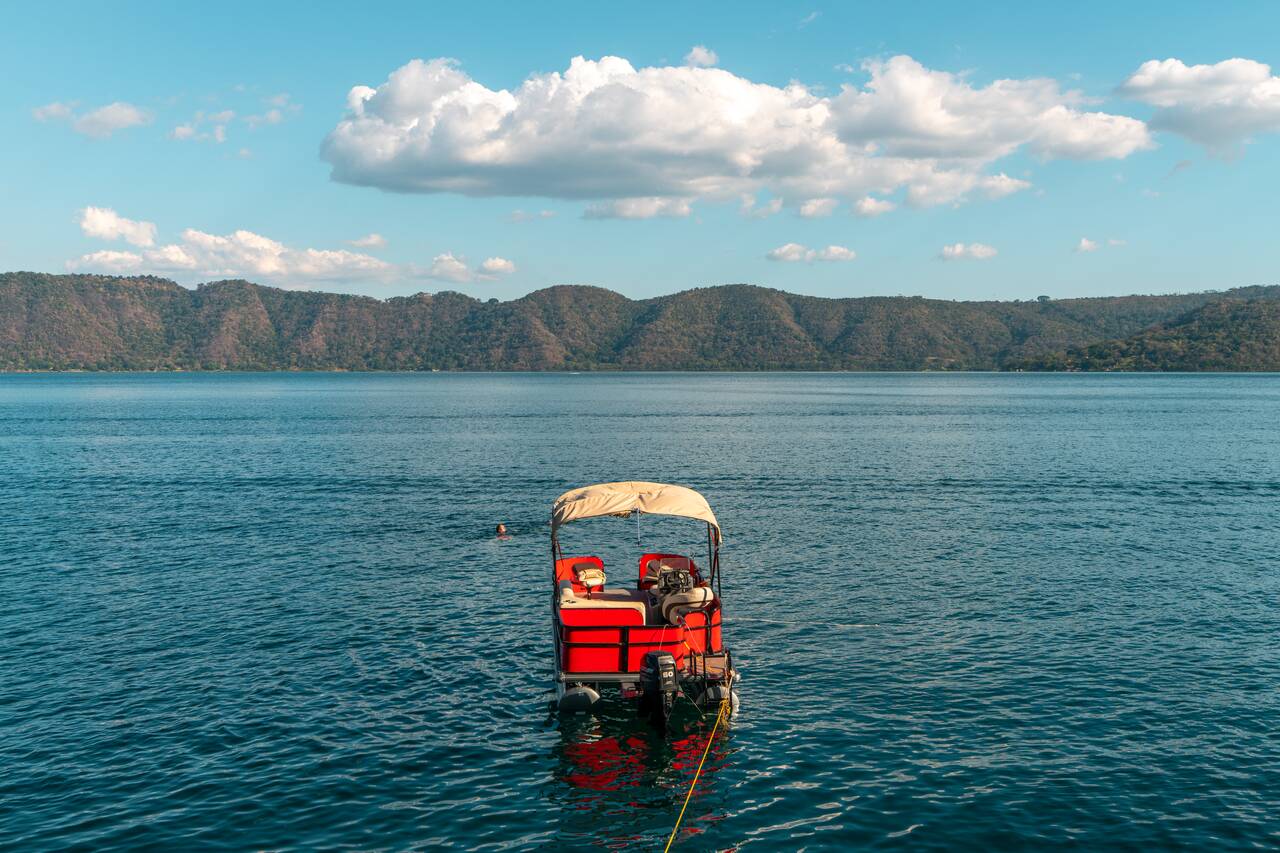
After you're done at the lake, if it's still before sunset, you can take the local bus back to El Congo and catch the next bus to Santa Ana. If it's getting late, I recommend calling an Uber instead, which will take you directly back to Santa Ana. Once you're back, call it a day and get some rest before tomorrow's more laid-back activities.
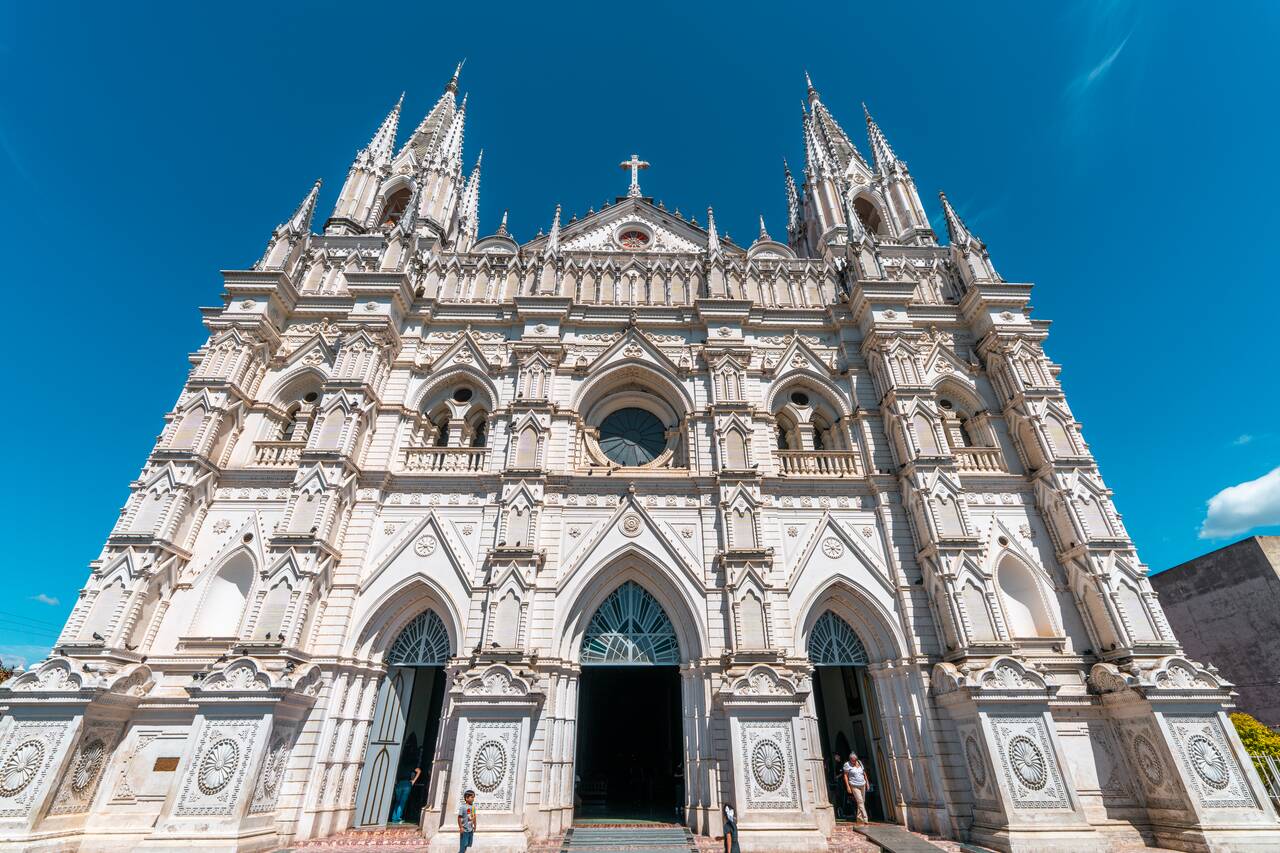
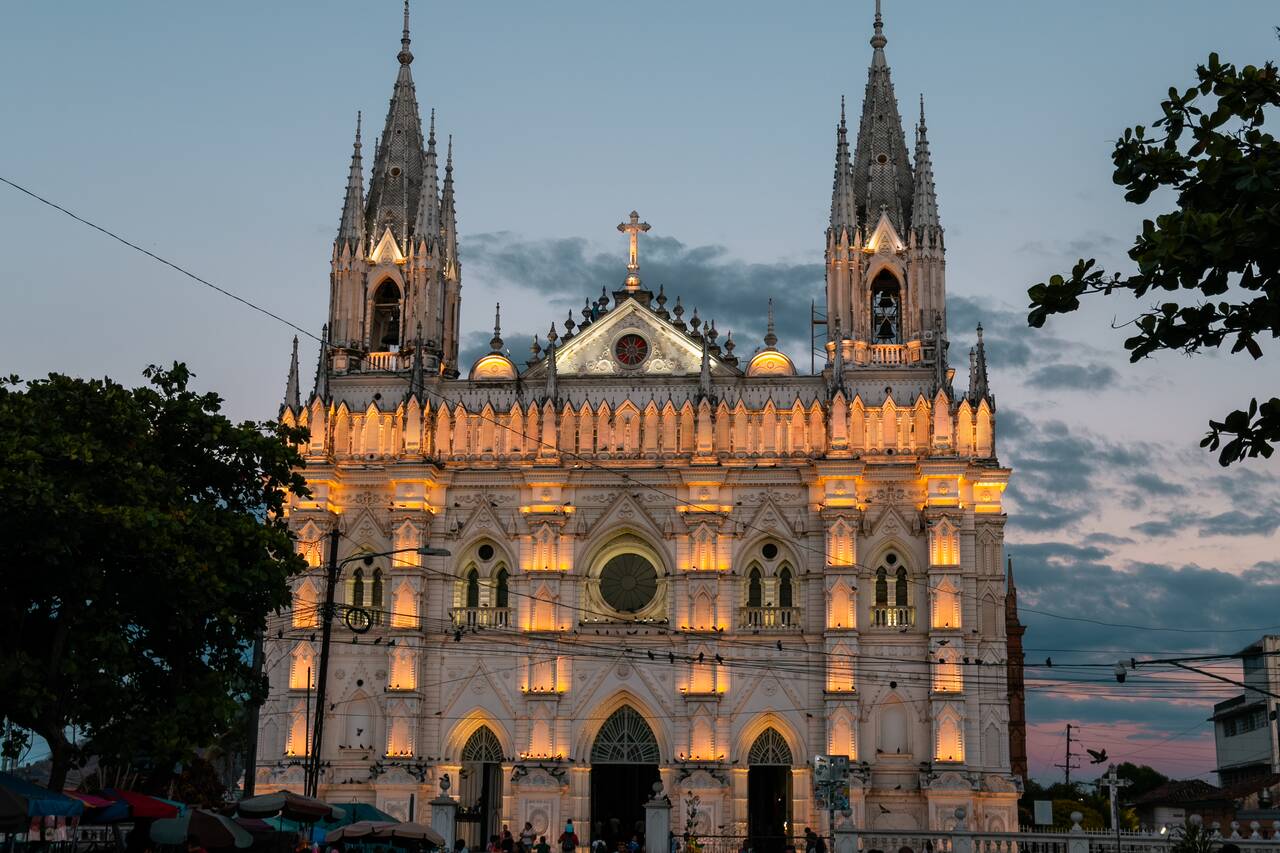
The next day, you can take it slow and go explore some of the coolest attractions in Santa Ana. Start with Santa Ana Cathedral, which is one of the most impressive landmarks in the city. This stunning neo-Gothic cathedral is famous for its intricate white facade, towering spires, and unique architectural style that feels completely different from the colonial churches found elsewhere in Central America.
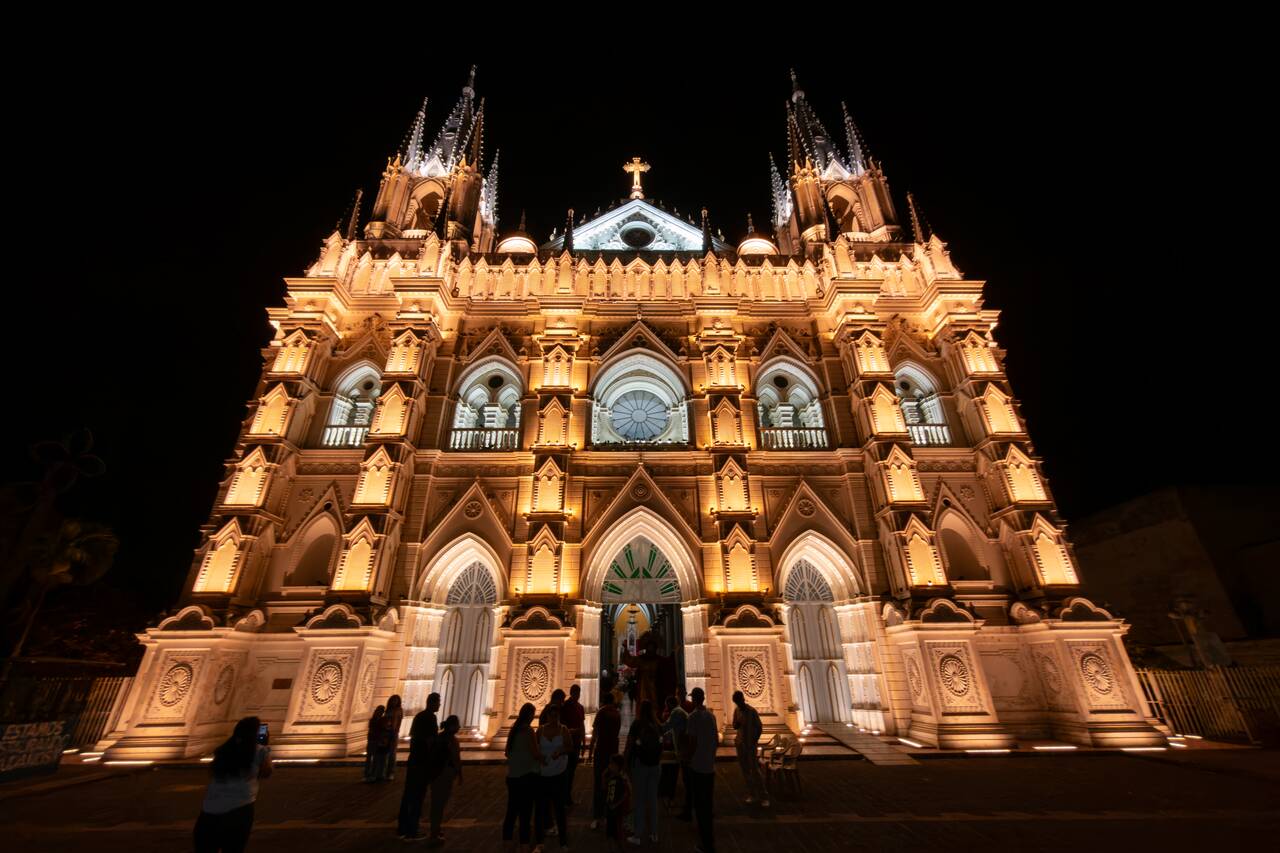
I recommend visiting both during the day to admire the details of the facade and again in the evening when they turn on the lights. The surrounding area comes alive with locals and tourists hanging out at the park in front of the church, creating a wonderful atmosphere. The lights are usually turned on around sunset, so be sure to come and check it out.
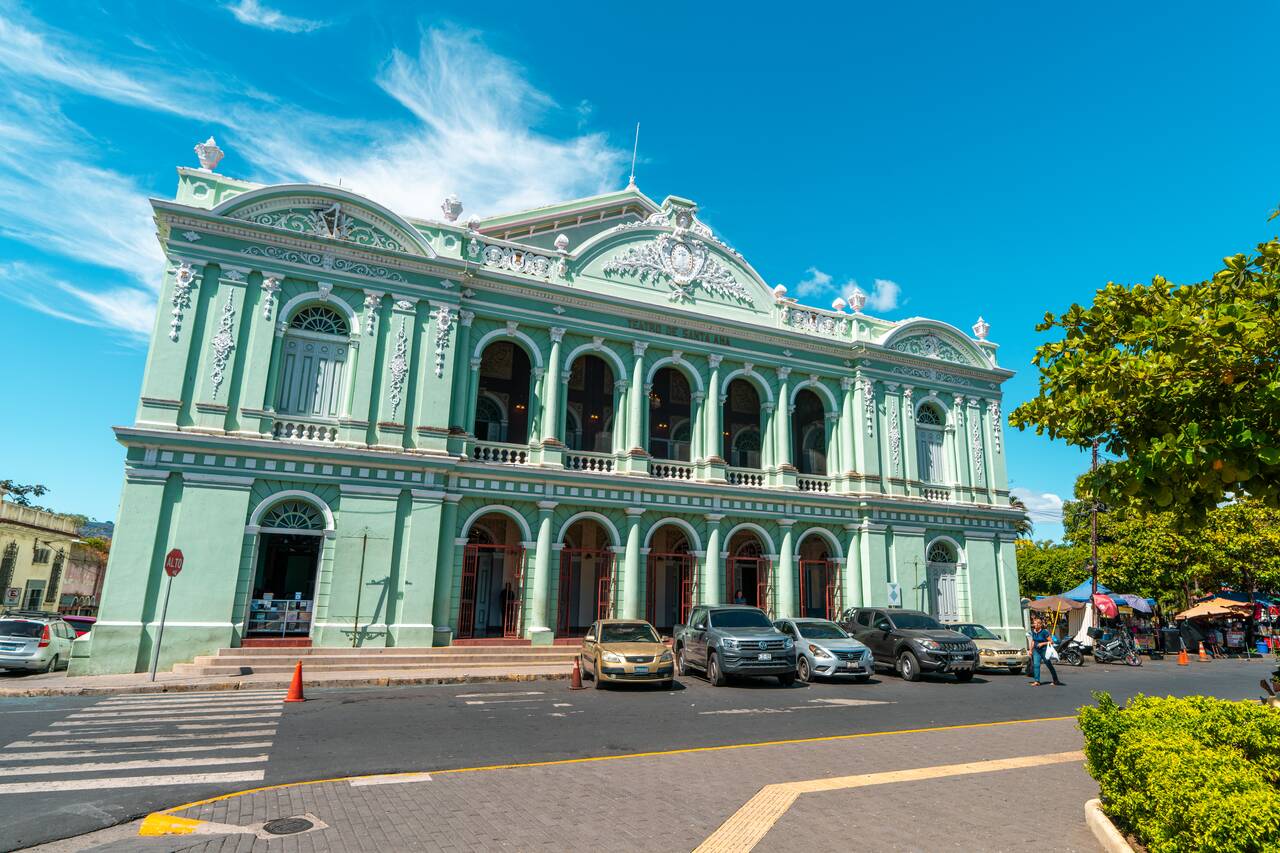
The cathedral is located at Parque Libertad which is surrounded by some of the city's most beautiful architecture like Teatro de Santa Ana, so be sure to spend some time and explore the area.
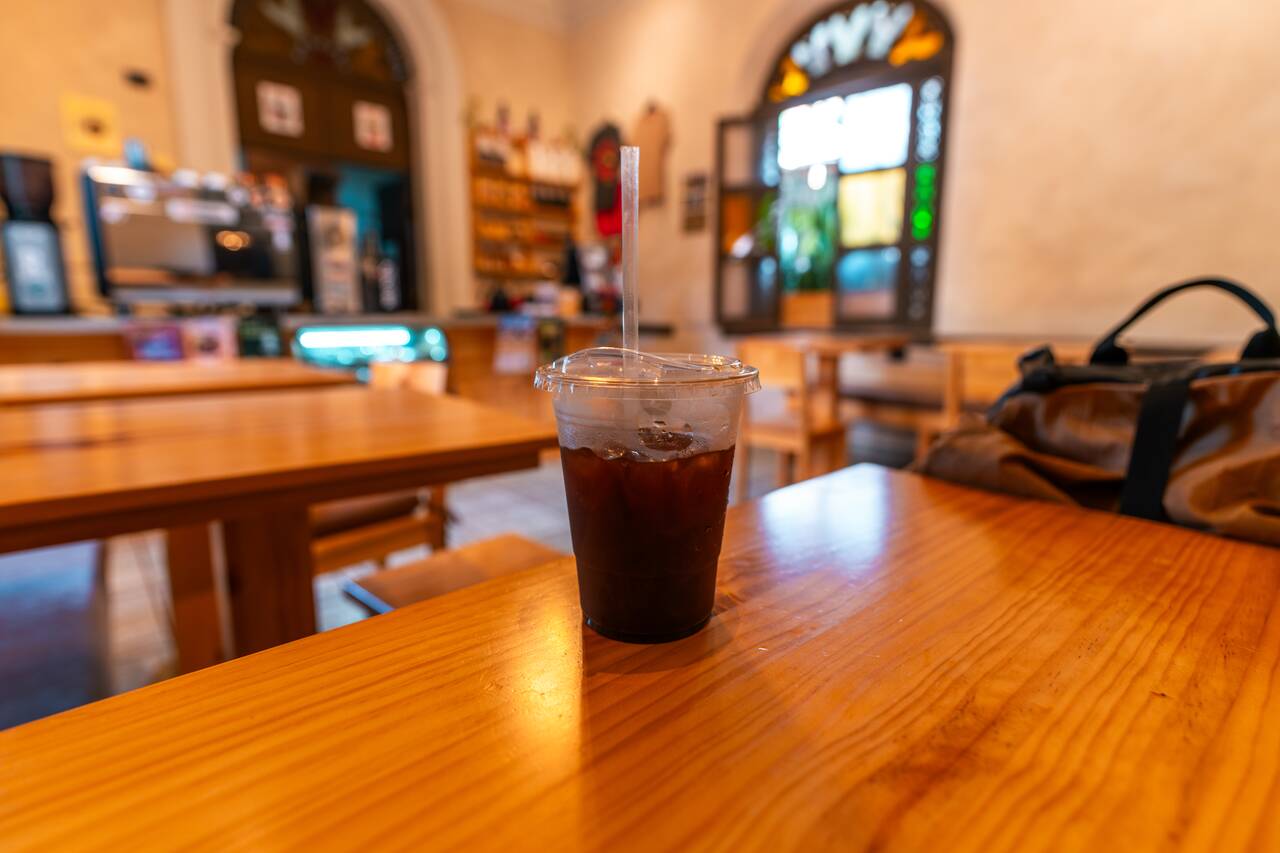
After exploring Santa Ana's historic center, take some time to slow down and relax at one of the city's many local cafés. Santa Ana has a growing café scene, with cozy spots hidden around the historic streets where you can grab a coffee, enjoy a pastry, and watch the city go by.
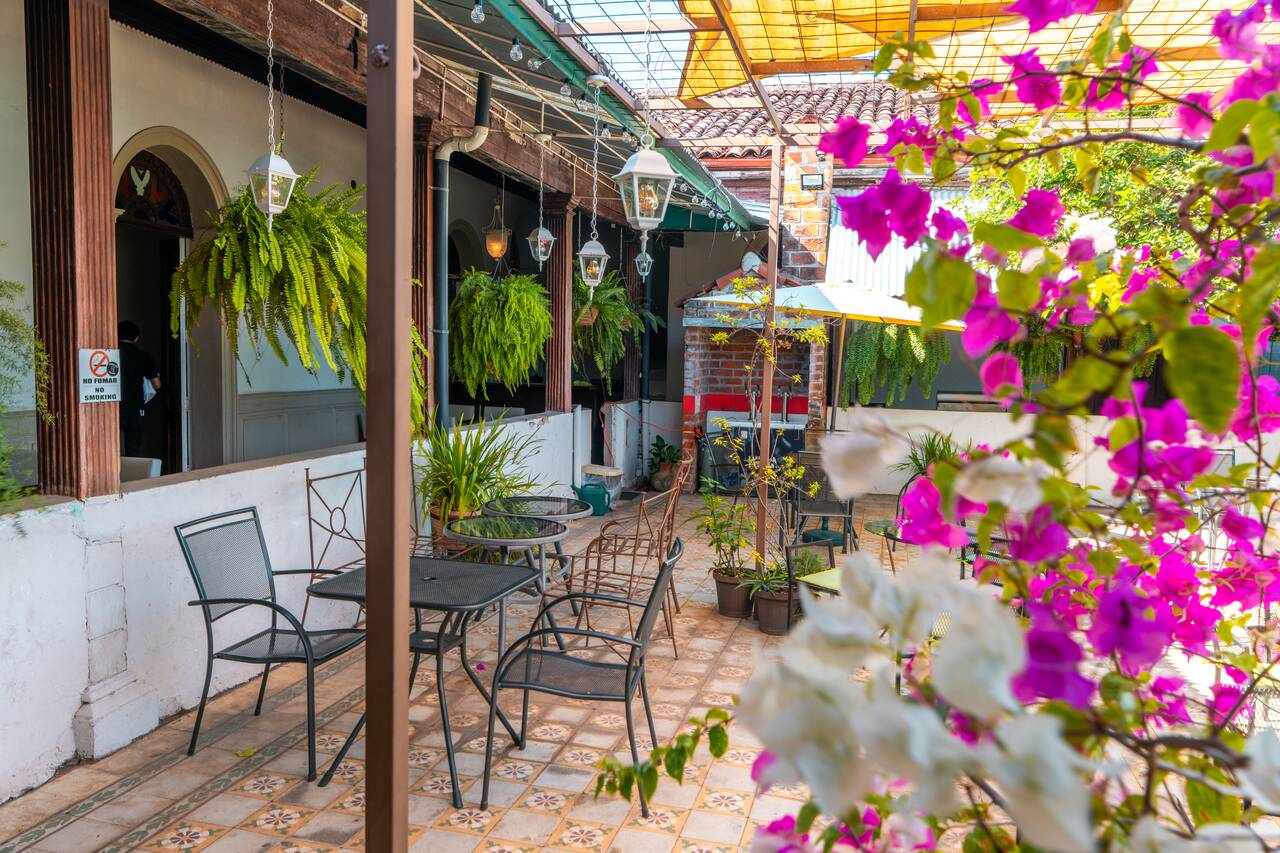
I love finding a quiet café while traveling, and Santa Ana is a great place to do just that. Places I recommended are Beats Coffee Centro Historico, which is a lovely cozy cafe located inside a historical building, Pirómano Coffee Centro, a nice cafe with great food and snack selections, and Artisant, a local's favorite that also serve food and beers.
After exploring Santa Ana during the day, don't miss the chance to experience the city after dark. While Santa Ana may feel quiet at night, the fun is actually hidden behind closed doors, with plenty of speakeasy-style bars waiting to be discovered.
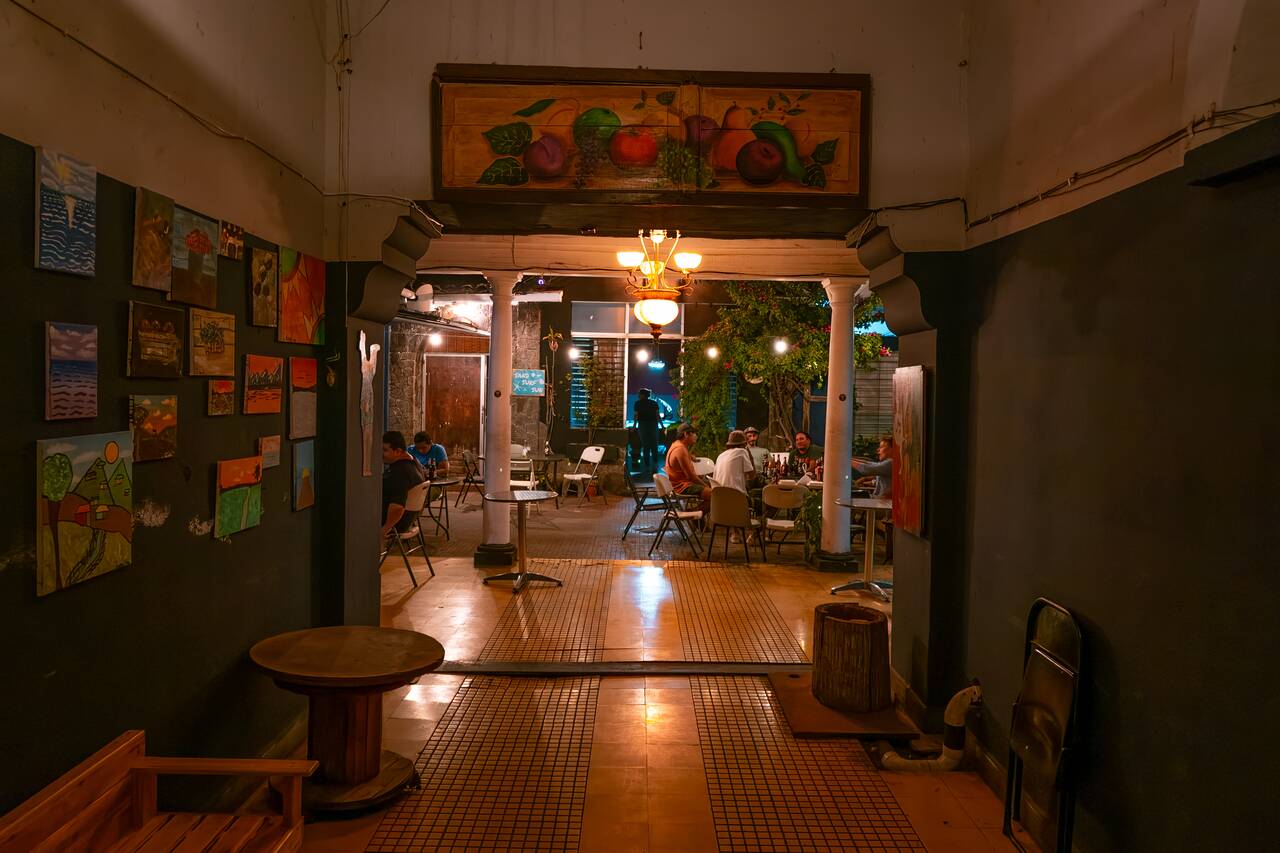
A friend of mine took us to Downtown Santa Ana, which is a very unassuming bar that we would not have known about if he hadn't accidentally stumbled upon it the night before. The vibe was fun and relaxed, and it was not too crowded. There are also other places like La Berna and Chicken Bus, so be sure to go out and explore the wonderful nightlife scene of Santa Ana before retreating for the day!

Getting from Santa Ana to Ruta de las Flores
The easiest way to get from Santa Ana to Ruta de las Flores is to rent a motorbike or car and drive yourself. Since we will be spending the next 2 days exploring this mountainous region of western El Salvador, make sure you organize your rental the day before.
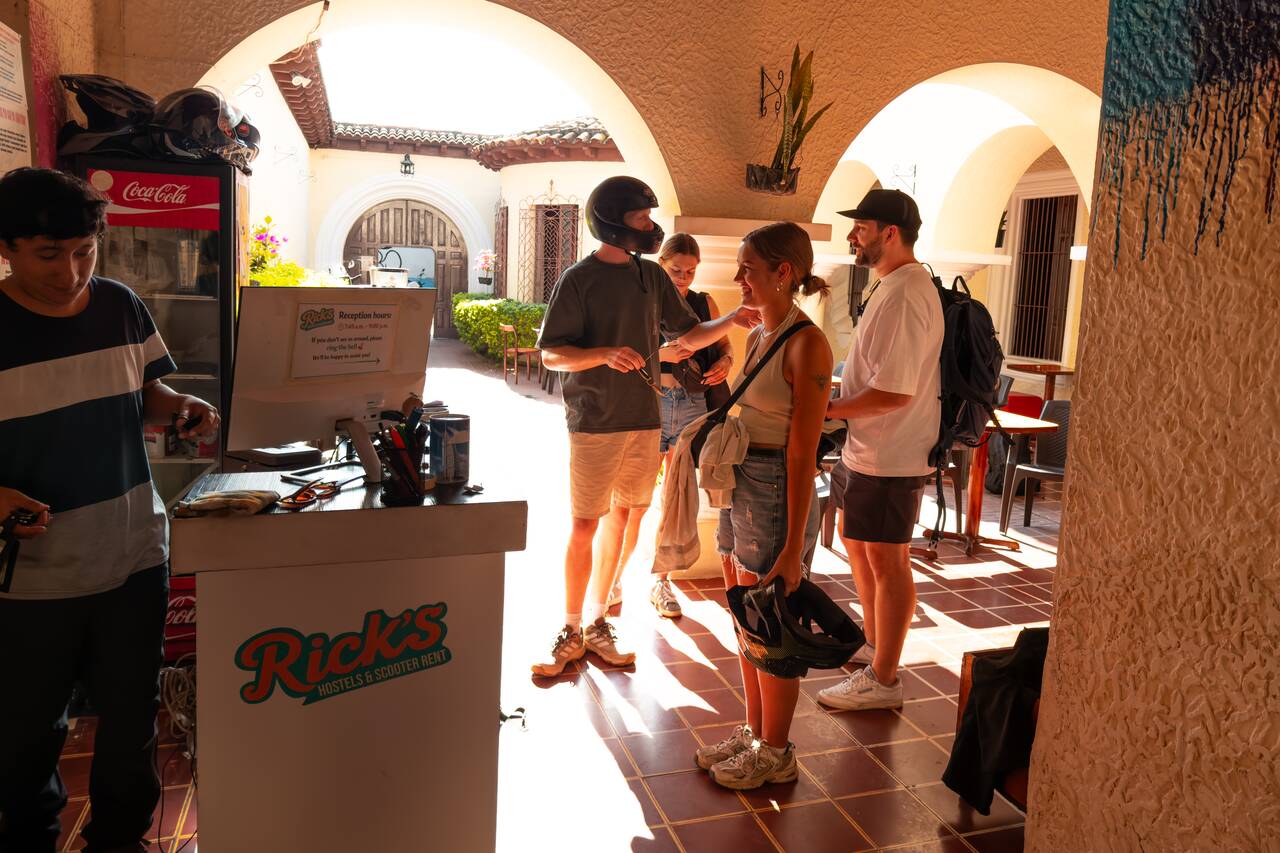
You can rent a motorbike at Ricks Rental. I rented with them and had a great experience! It cost only 15 USD per day, and the motorbikes were in excellent condition. Ricks Rental even have a drop-off location at Ricks Hostel in Juayúa if you want to drive one way only, which is extremely convenient.
If you prefer renting a car instead, you can do so from this or this rental shops in Santa Ana, and you can text them via Whatsapp and organize the pick up and drop off location.
If you are not the strongest driver, you can also take a bus from Santa Ana to Juayúa and rent a motorbike from Rick's Hostel in Juayúa. This way, you won't have to ride as far and can jump straight into exploring the best parts of Ruta de las Flores. You can catch the #238 bus from Santa Ana Bus Terminal. Buses depart every 2 hours from 9:50 AM to 6:30 PM daily. The journey takes around 1.5 hours and costs no more than 1 USD.
Day 6-7: Ruta de las Flores (2 nights)
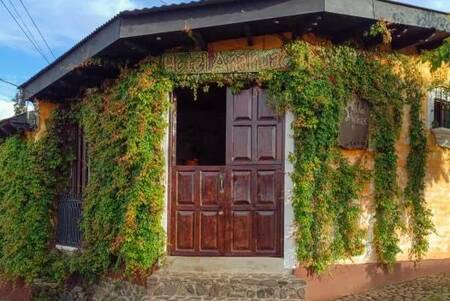
- 📍 Stay: Hotel Anáhuac
- 🕐 Time: 2 nights
- 📖 Full Guide: Ruta de las Flores Road Trip Itinerary from Santa Ana
For the last 2 days in El Salvador, we are going to go explore Ruta de las Flores, one of the most beautiful regions in El Salvador. This scenic route connects a series of charming mountain towns known for their colorful streets, coffee plantations, waterfalls, local markets, and incredible food scene.
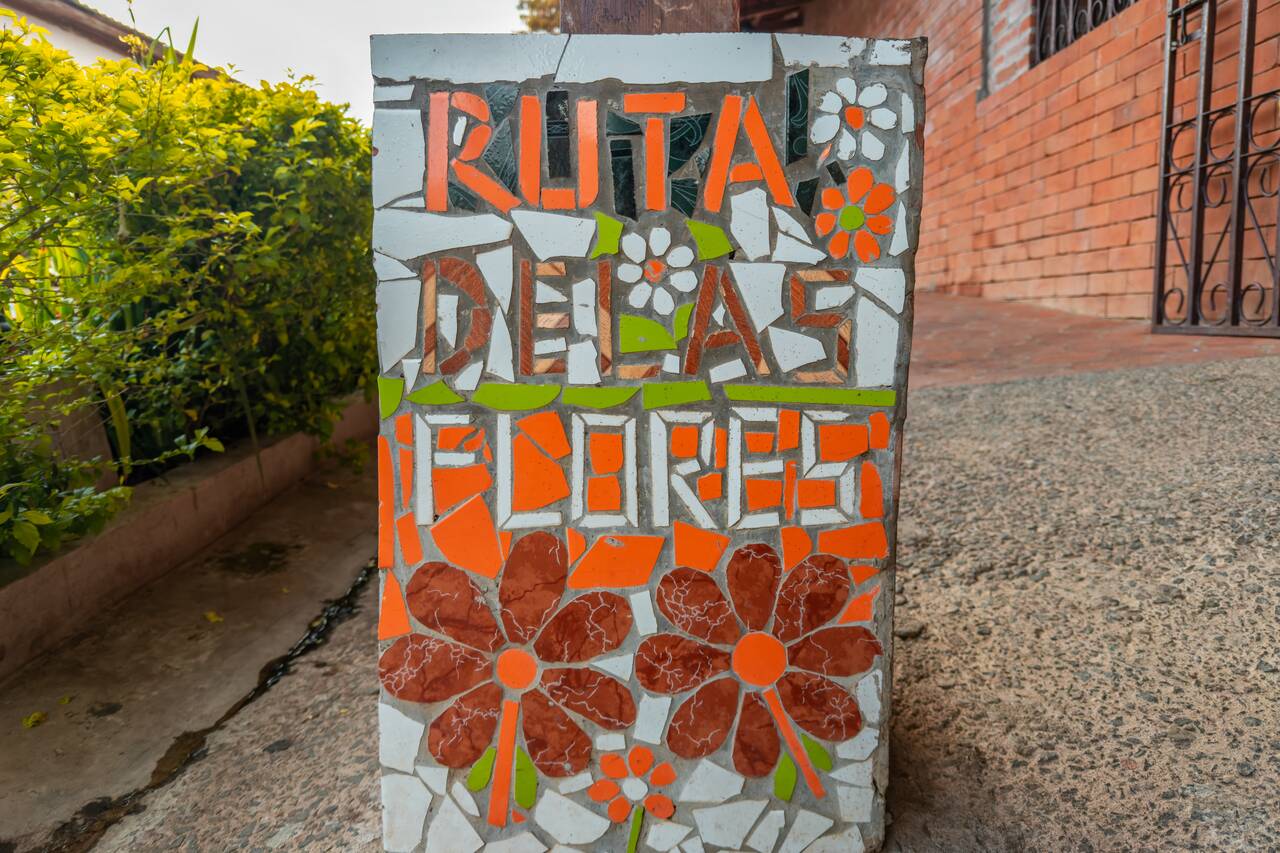
The route gets its name from the vibrant flowers that bloom along the roads during certain times of the year, but there is much more to discover here beyond the scenery. Each town has its own unique character, from the colorful murals and cobblestone streets of Concepción de Ataco to the famous food market and waterfalls of Juayúa.
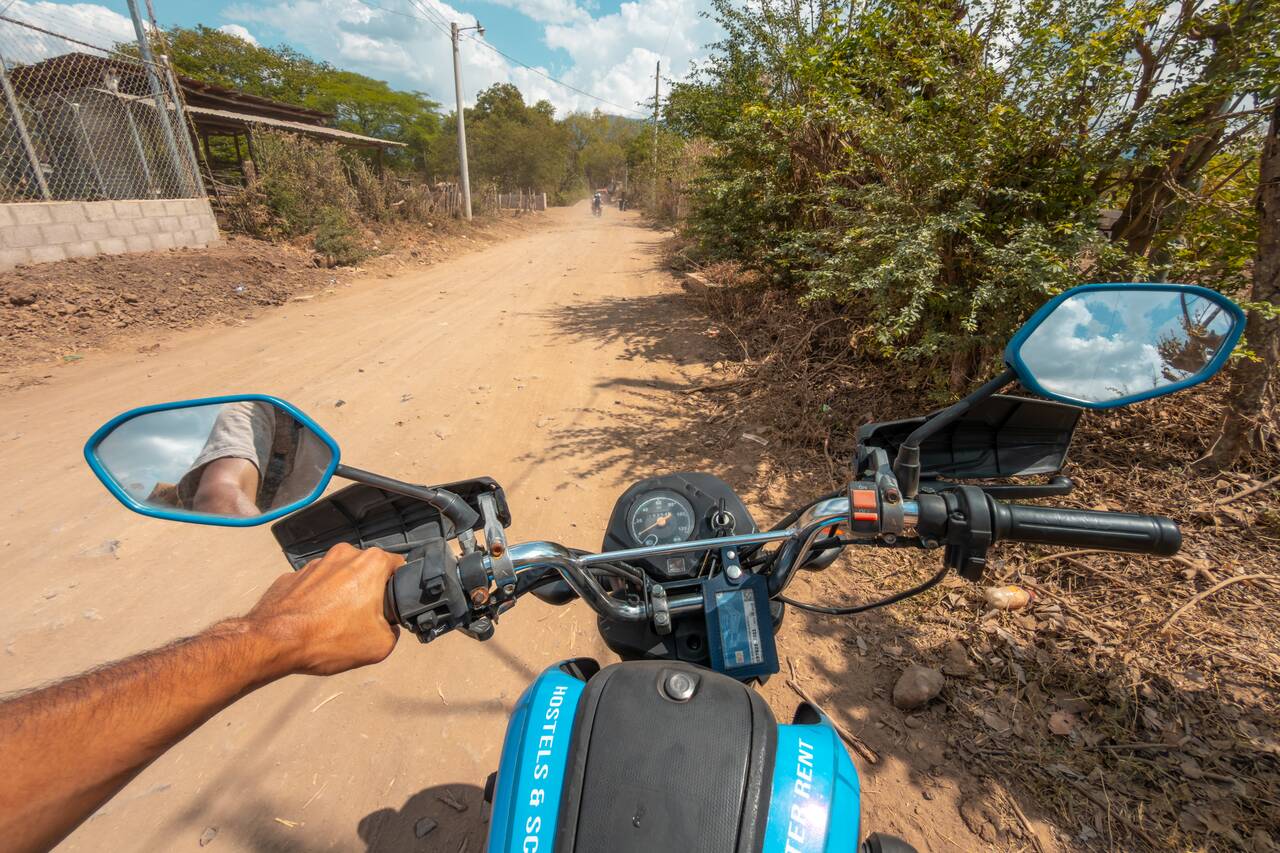
The easiest way to explore Ruta de las Flores is by renting a motorbike or car, as it gives you the freedom to stop whenever you want. You can rent a motorbike at Ricks Rental. I rented with them and had a great experience! It cost only 15 USD per day, and the motorbikes were in excellent condition. Ricks Rental even have a drop-off location at Ricks Hostel in Juayúa if you want to drive one way only, which is extremely convenient.
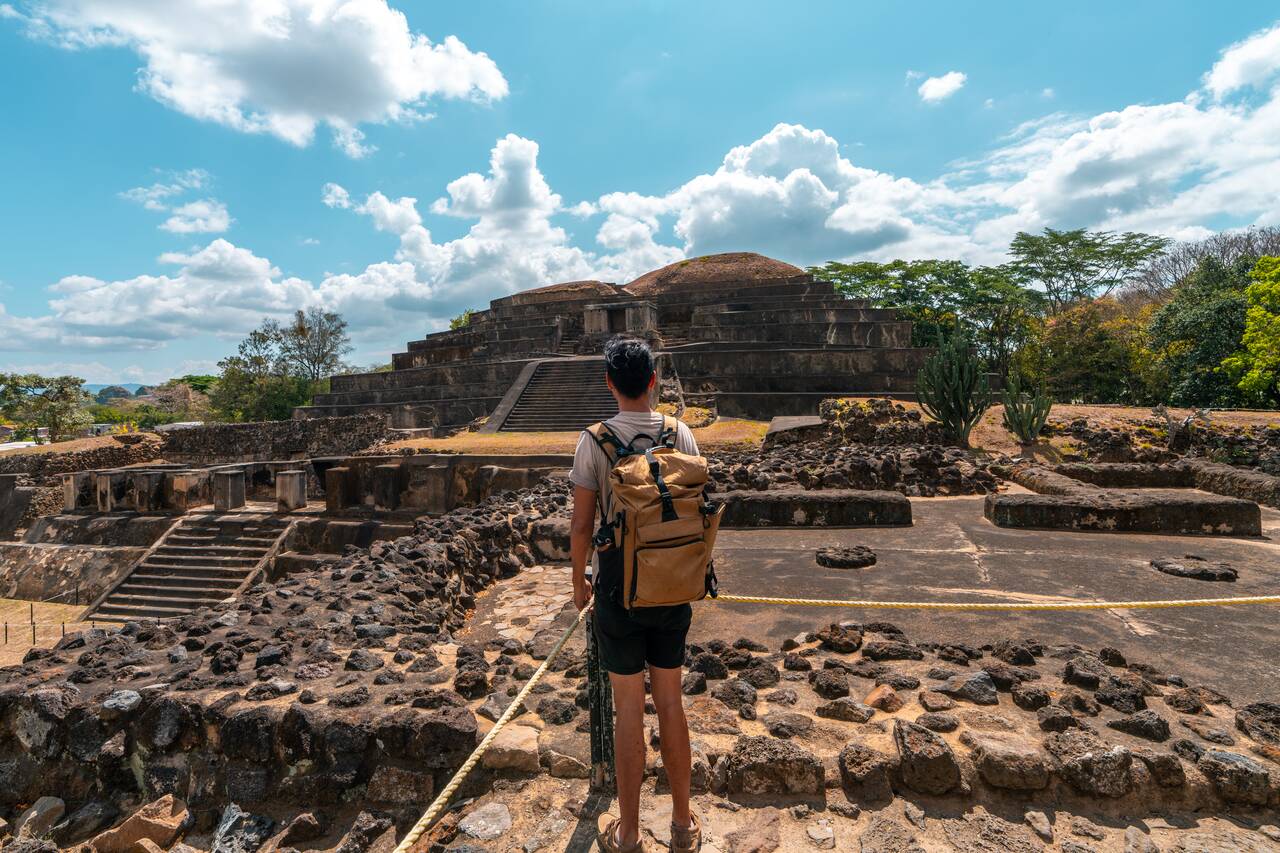
If you are driving from Santa Ana to Ruta de las Flores, I highly recommend making a quick detour to Tazumal Archaeological Site. Located in the town of Chalchuapa, just a few minutes off the main route, it is one of the most important Maya archaeological sites in El Salvador and makes for an easy stop before continuing into the mountains.
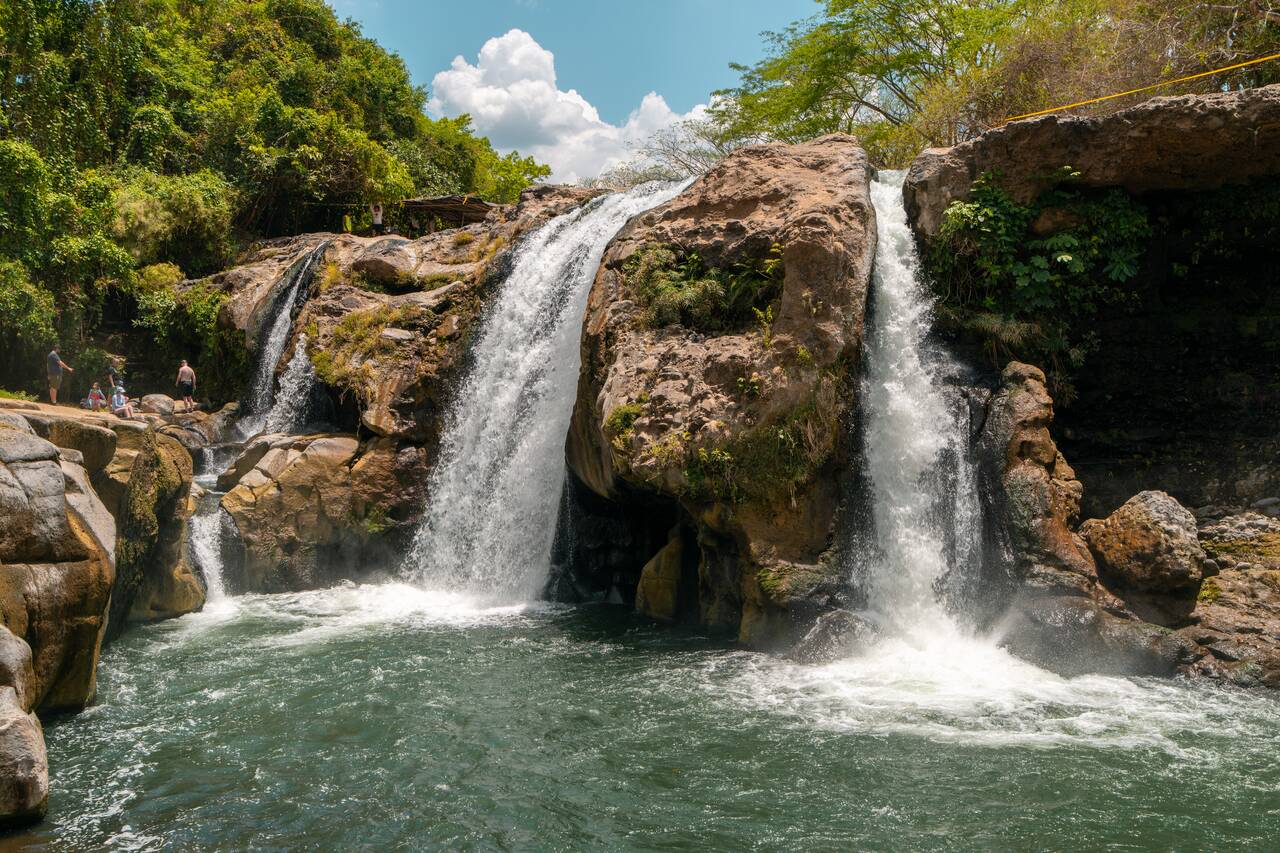
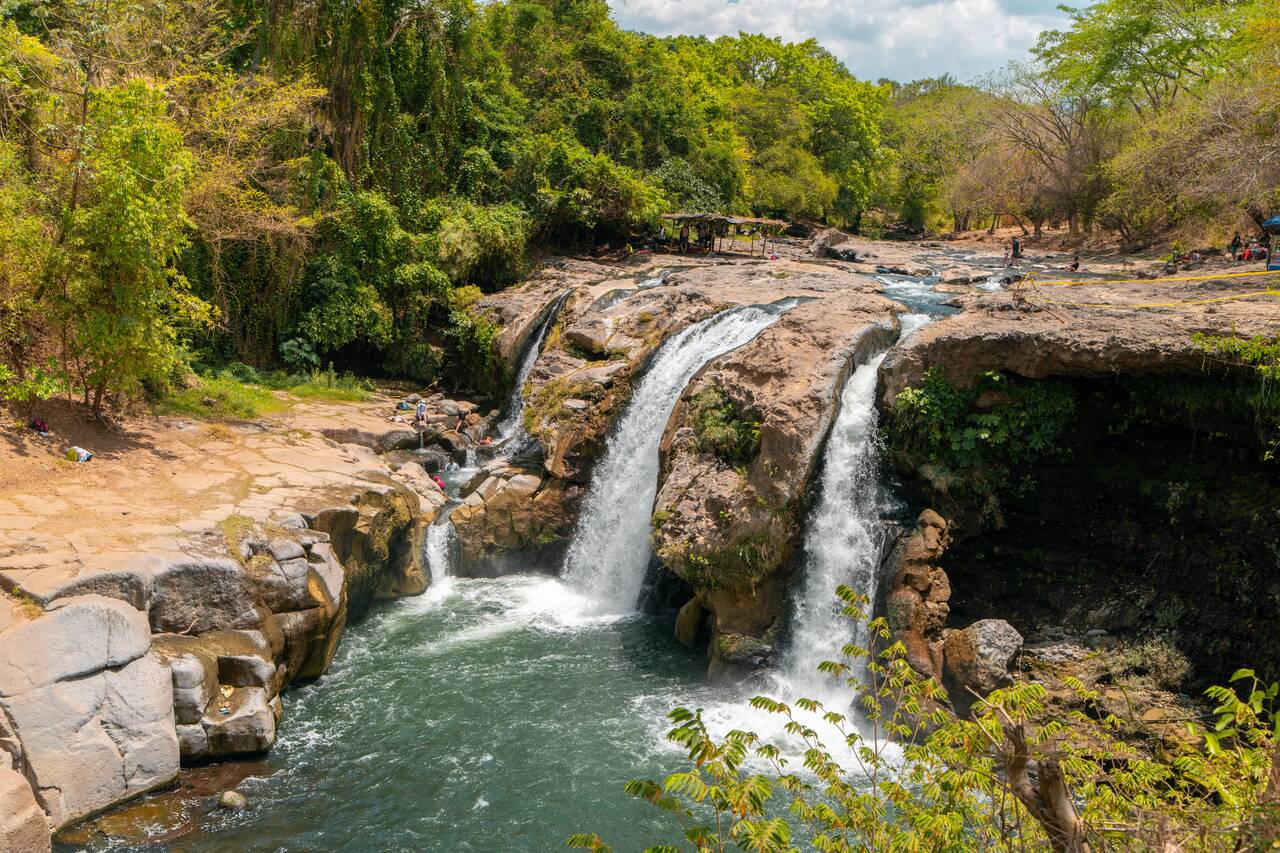
After you are done with Tazumal, I recommend you go on another detour and check out El Salto de Malacatiupán, one of the most unique waterfalls in El Salvador. This hidden waterfall is located in the small town of Atiquizaya and is famous for its turquoise pools, which are warm, almost hot, to the touch.
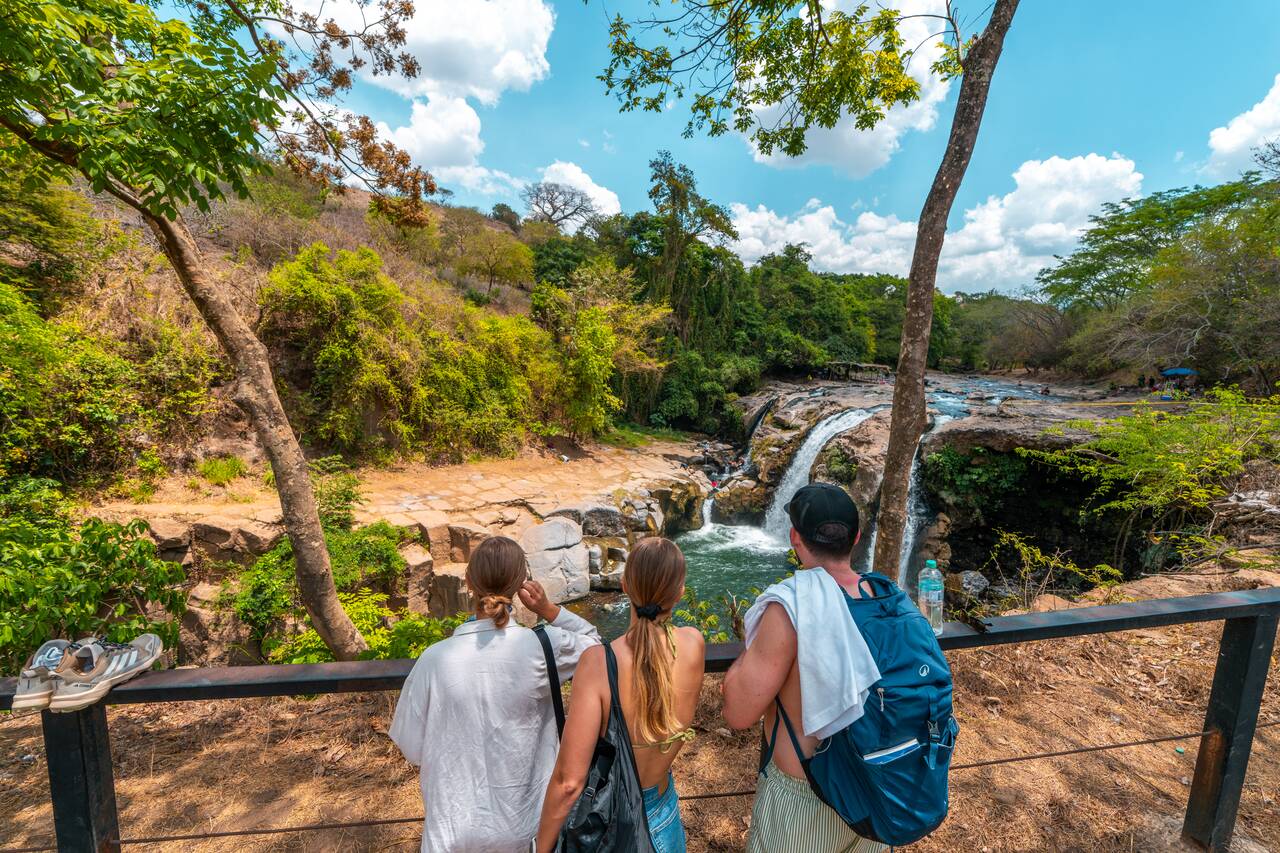
Before you jump in, be sure to dip your feet in first and check the temperature, as the water here is surprisingly warm. Your body can get a little confused because when we see a waterfall, we automatically expect the water to be refreshing and cold, but this one is completely different.
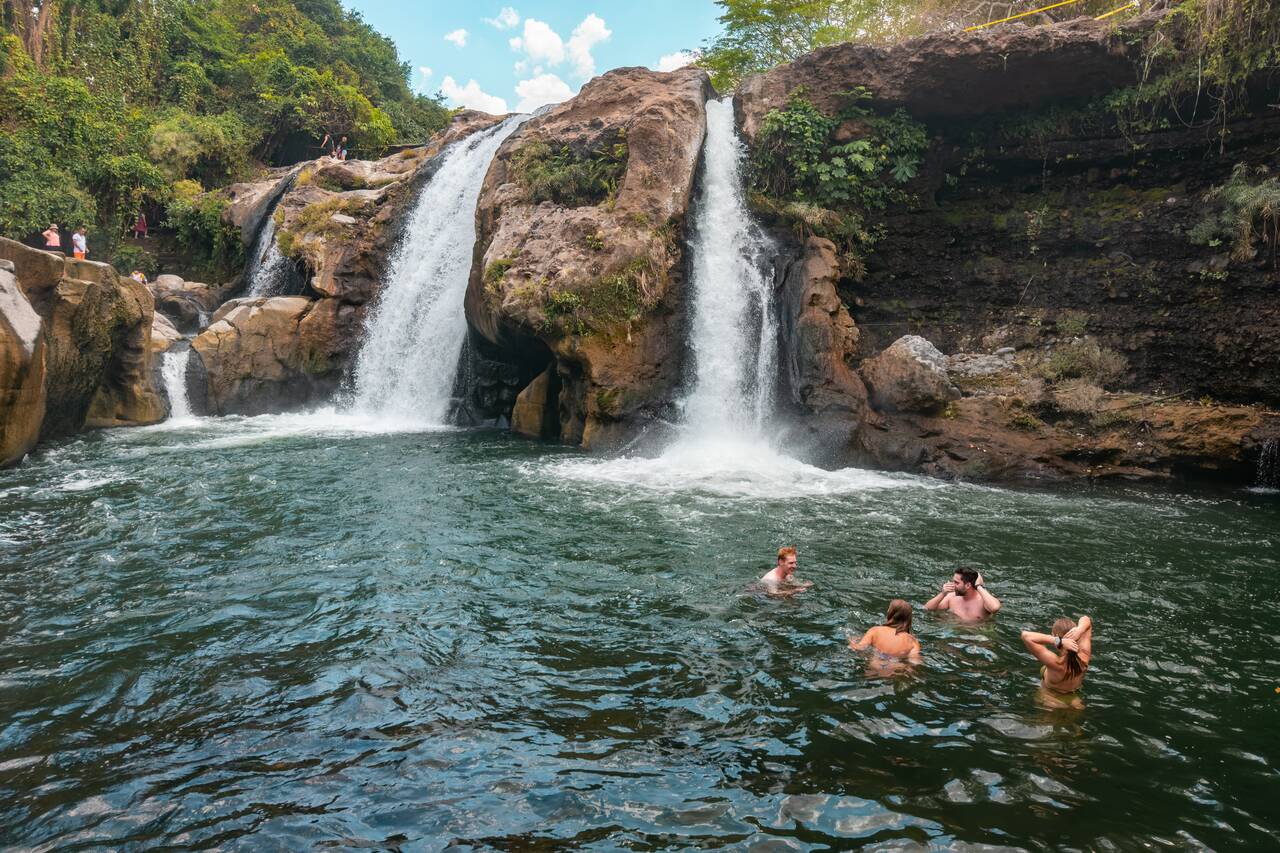
The ride from Santa Ana takes around 1 hour. You only need around 2 - 3 hours here, so you should be able to continue on to Ruta de las Flores before noon. Just be sure to bring a swimsuit, towel, and some cash for the entrance fee, which is 1.50 USD per person, plus 1 USD per motorbike for parking.
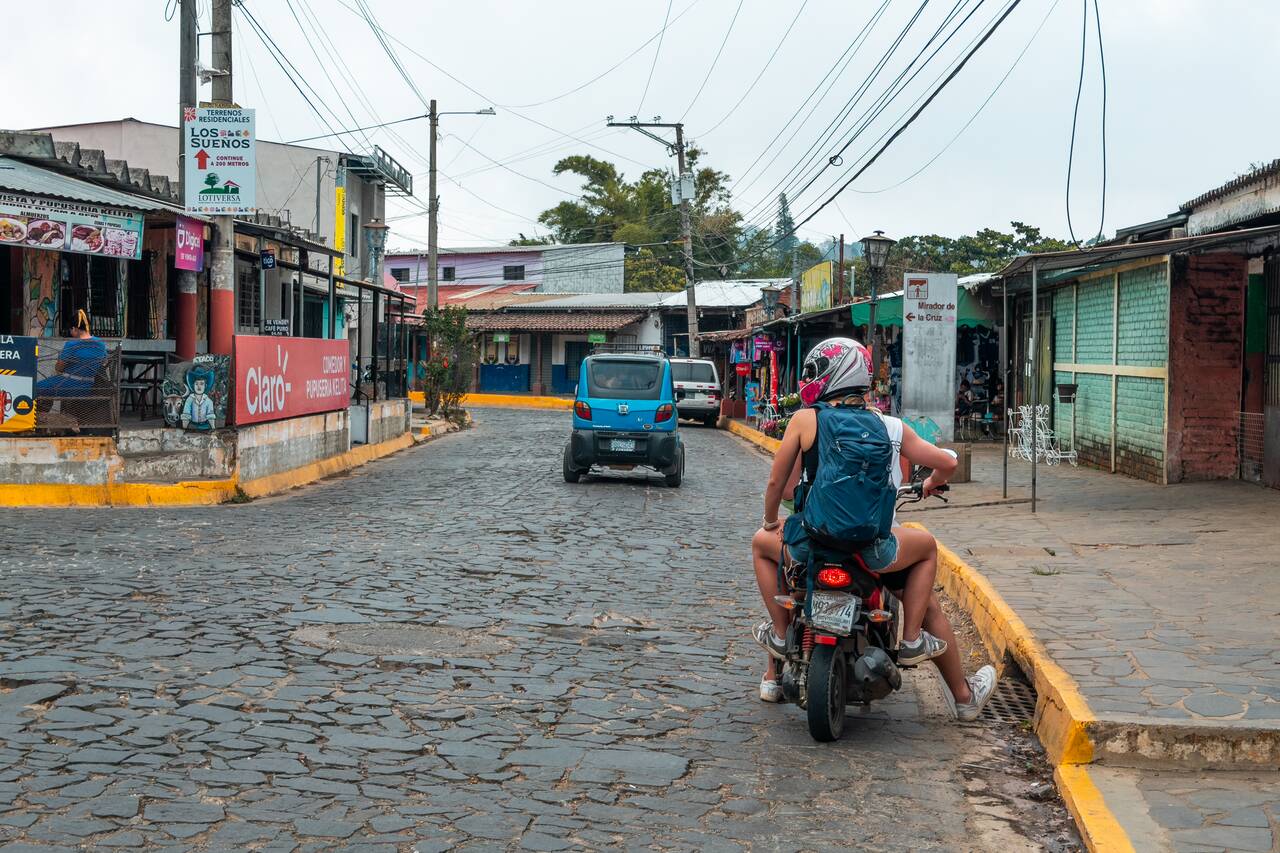
After a morning of exploring Tazumal and El Salto de Malacatiupán, continue your journey into the mountains and make your first stop at Ahuachapán, the largest city in the region, or you can continue on to Concepción de Ataco, which has a more small mountain vibe than Ahuachapán. Either way, these places are perfect for taking a break after a long ride from Santa Ana.
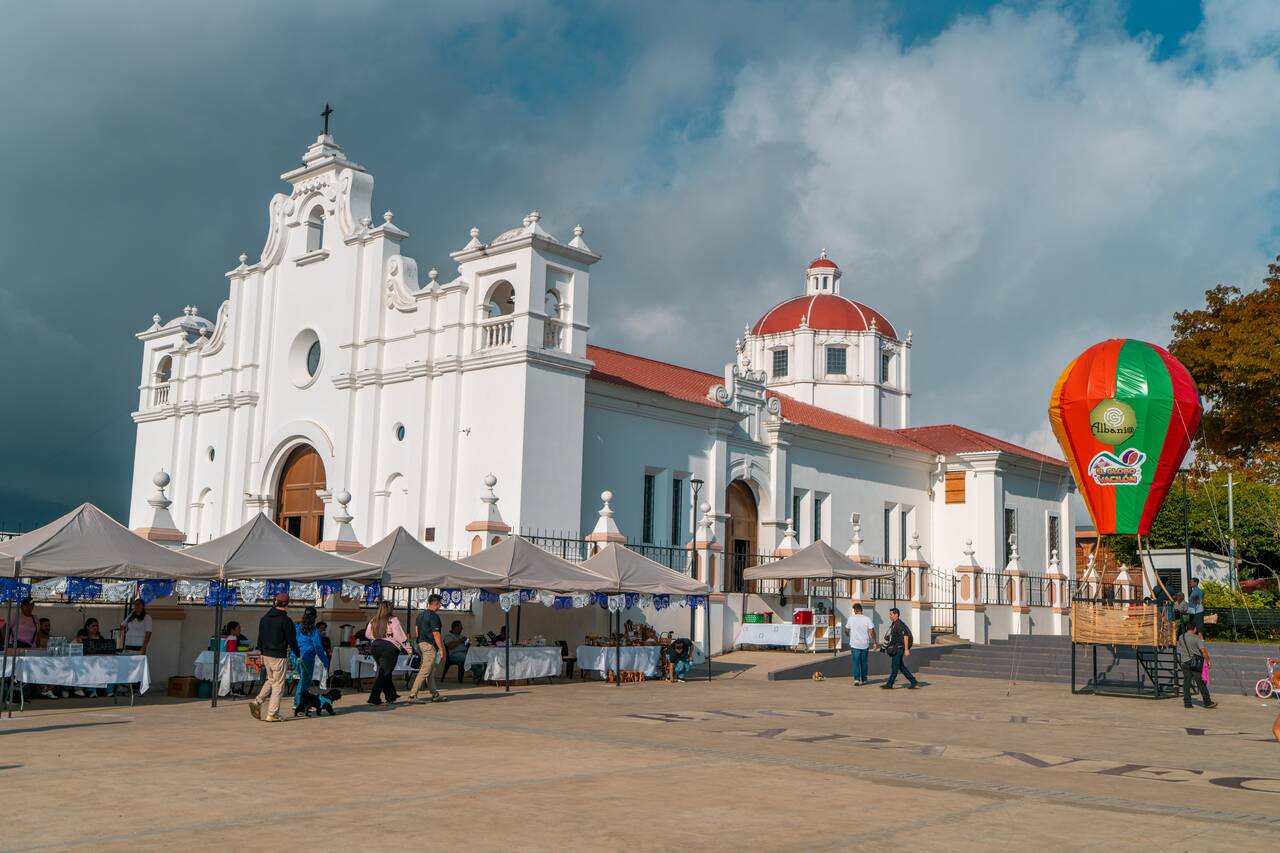
After exploring Concepción de Ataco, continue a little farther north to Apaneca, another charming mountain town with incredible views of the surrounding mountains. Sitting at one of the highest elevations in El Salvador, Apaneca enjoys a much cooler climate than the surrounding lowlands.
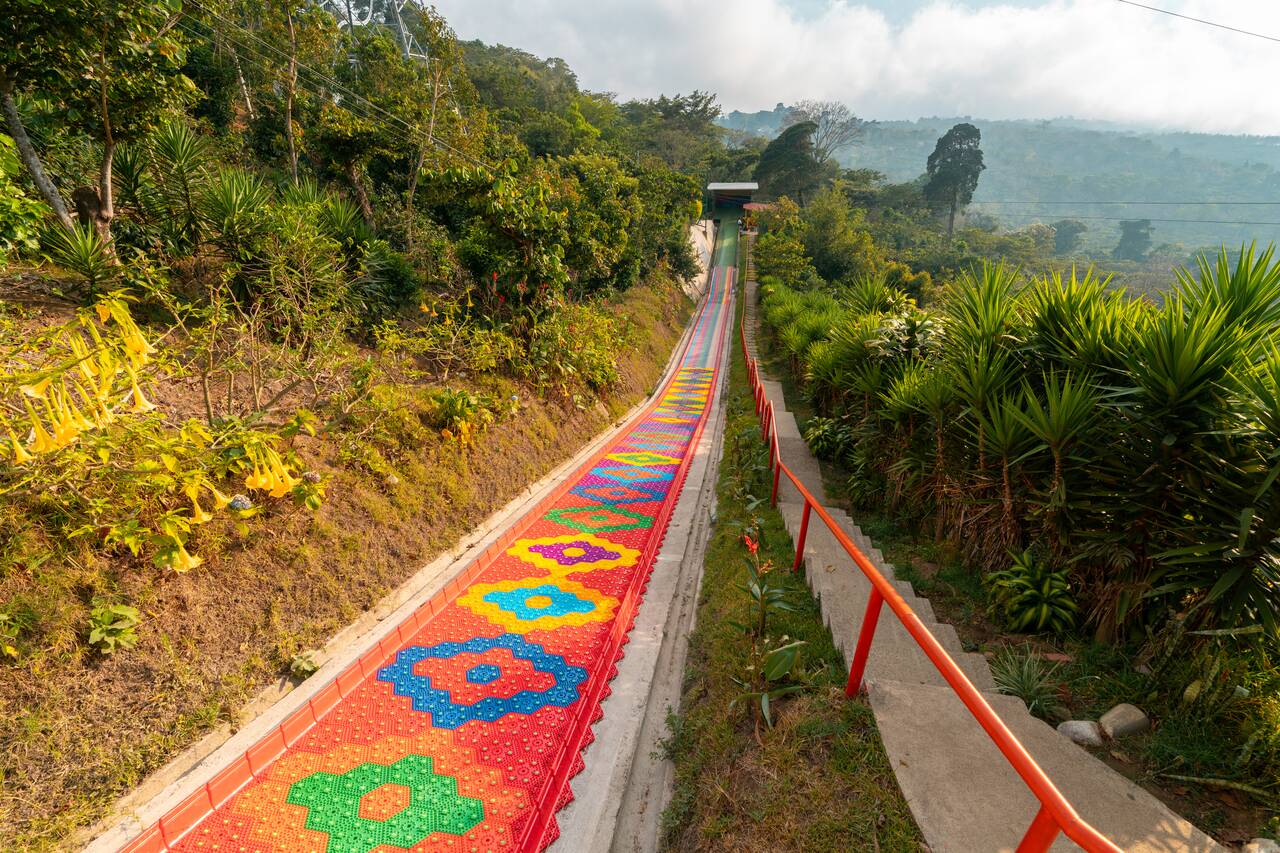
Just a few minutes outside Apaneca, you'll find Café Albania, one of the most popular attractions along Ruta de las Flores. What started as a café with spectacular mountain views has grown into a fun adventure park packed with activities, all set against some of the most beautiful scenery in the region.
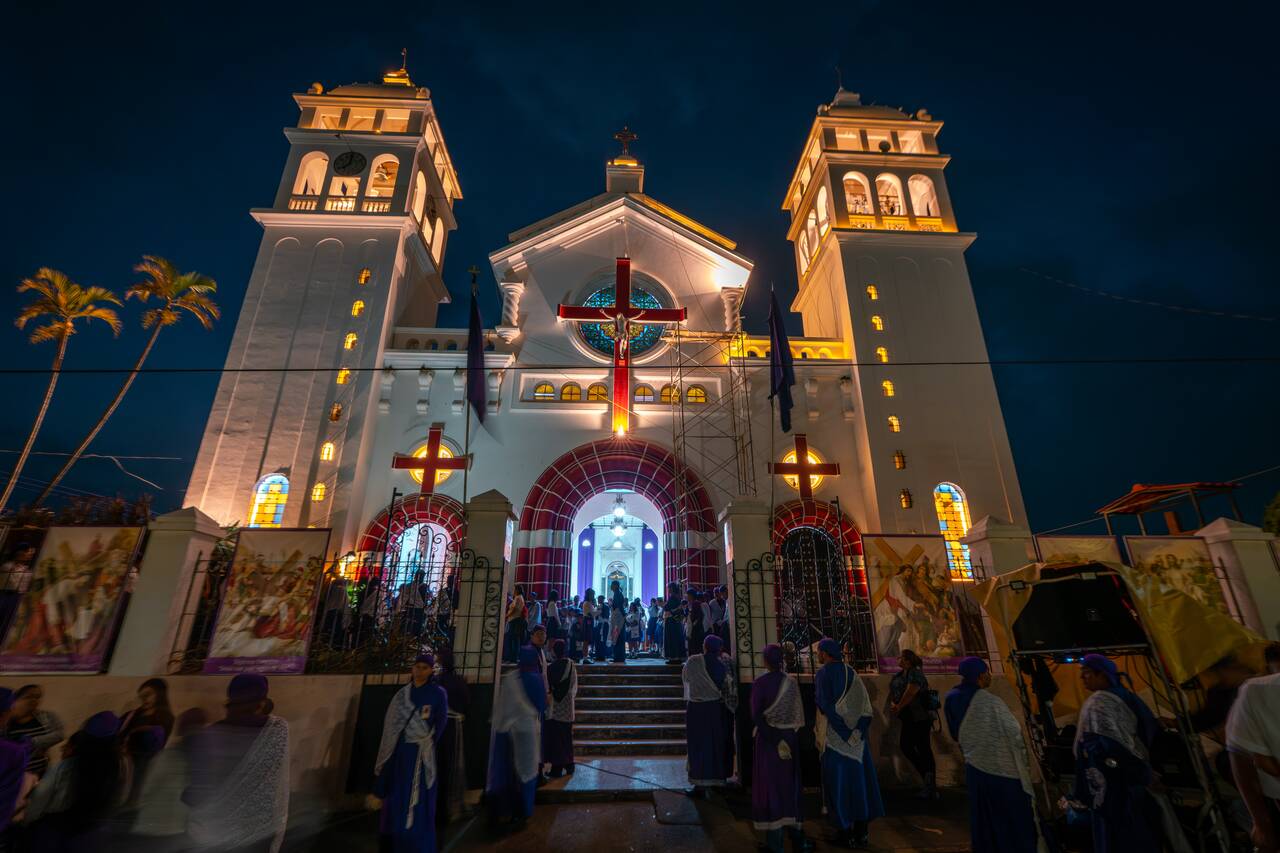
After exploring the colorful mountain towns along Ruta de las Flores, make your way to Juayúa, the perfect place to spend the night and use as your base for exploring the stunning nature in the area. Juayúa is the most tourist-friendly town along the route, thanks to its well-developed tourism infrastructure and the wide range of accommodation options available.
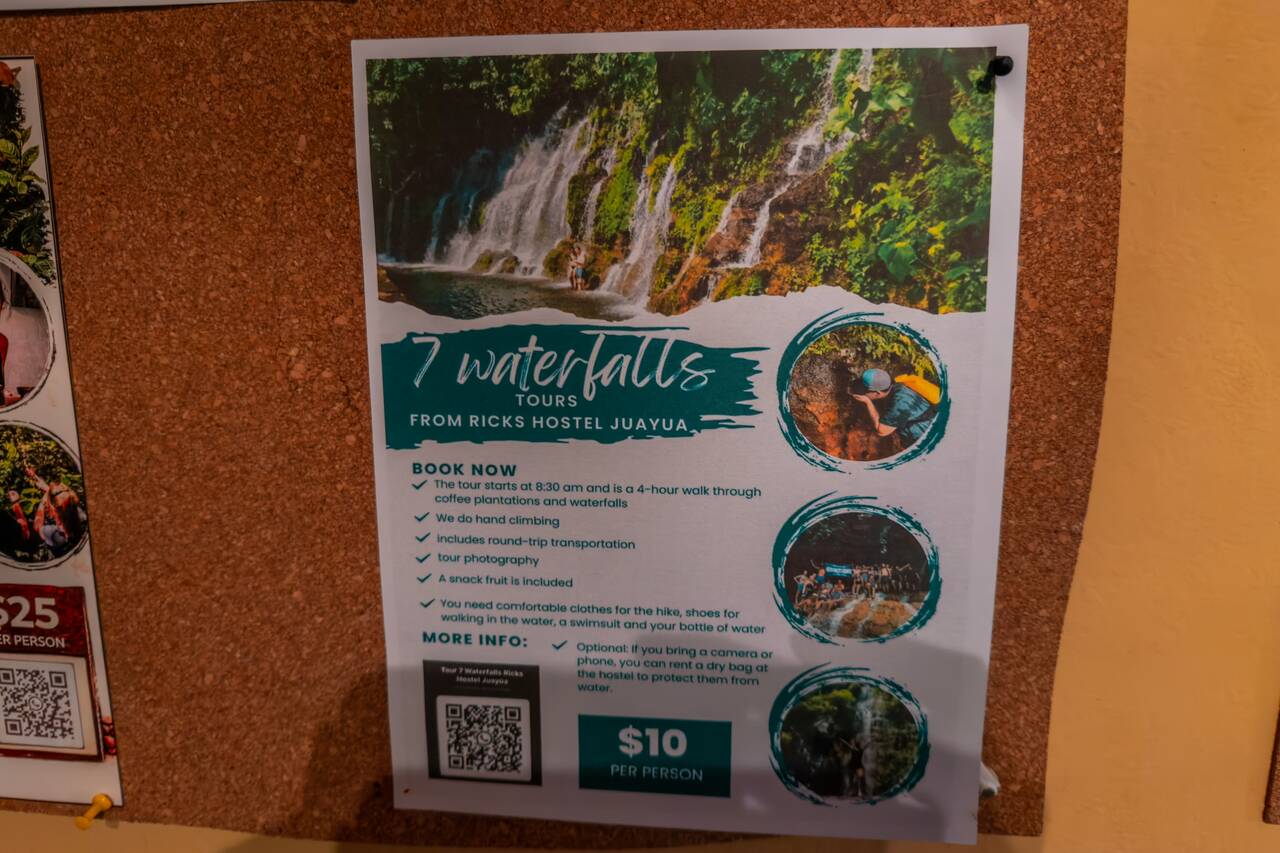
After spending the night in Juayúa, the next morning, go and hike the Seven Waterfalls, one of the best hikes you can do in Ruta de las Flores. You should be able to join a shared tour via your accommodation, and it should cost around 10 USD per person for a half-day trip.
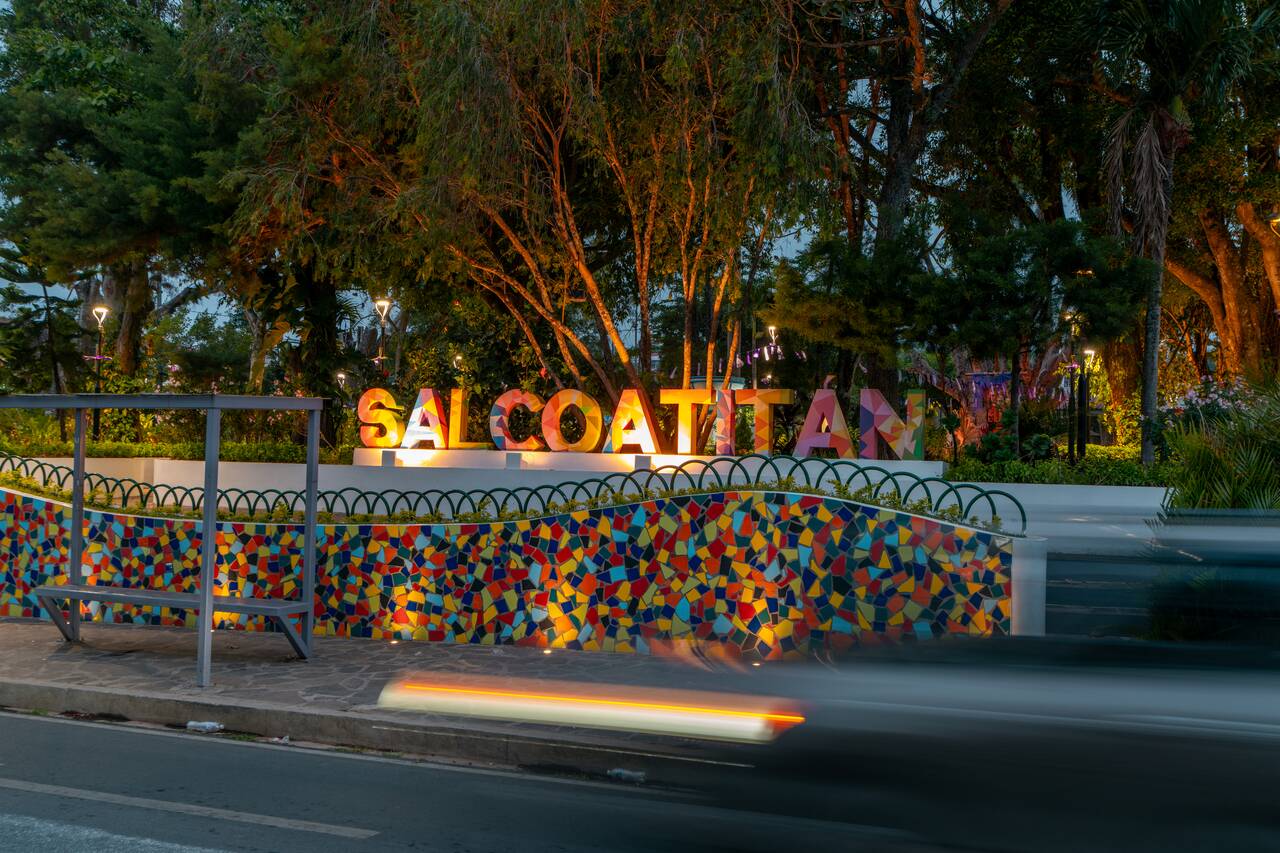
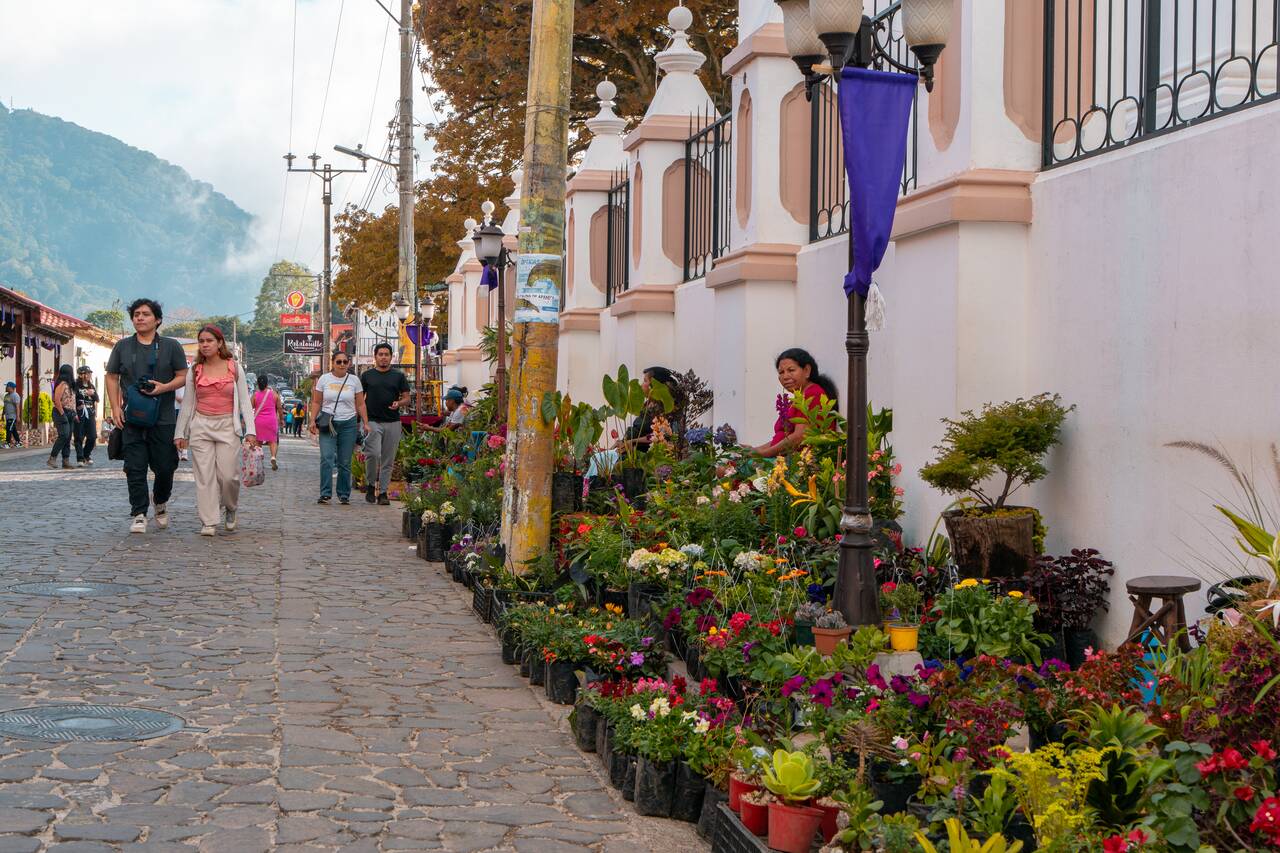
After the hike, if you still have your car or motorbike rental, you can spend the rest of the day exploring any towns along Ruta de las Flores that you may have missed the day before, such as Nahuizalco and Salcoatitán. If not, you can take it easy in Juayúa, relax at one of its cafés or restaurants, and enjoy a well-earned rest after the hike before calling it a day.
The next day, make your way back to Santa Ana and return your rental car or motorbike. Depending on where you're heading next, you can either spend another night in Santa Ana or continue on to Monseñor Óscar Arnulfo Romero International Airport (SAL) for your flight home or onward destination. Congratulations, you've completed this 7-day El Salvador itinerary!

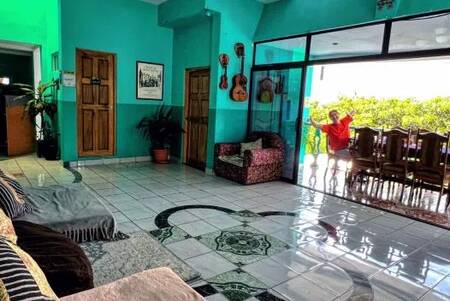
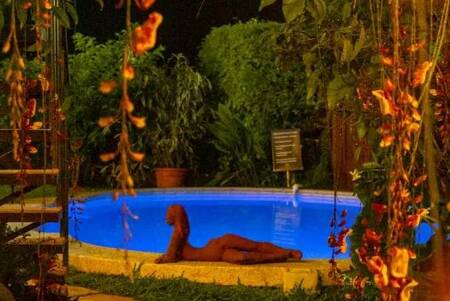
Where to Stay in Ruta de las Flores (Juayúa)?
Getting Out of Ruta de las Flores
From Ruta de las Flores, you can drive or take the bus back to Santa Ana and from there, you can move to either San Salvador to fly out, continue your journey to Antigua, Guatemala via this shared transfer or continue to Copan Ruins in Honduras, also with this shared transfer.
When to Visit El Salvador?
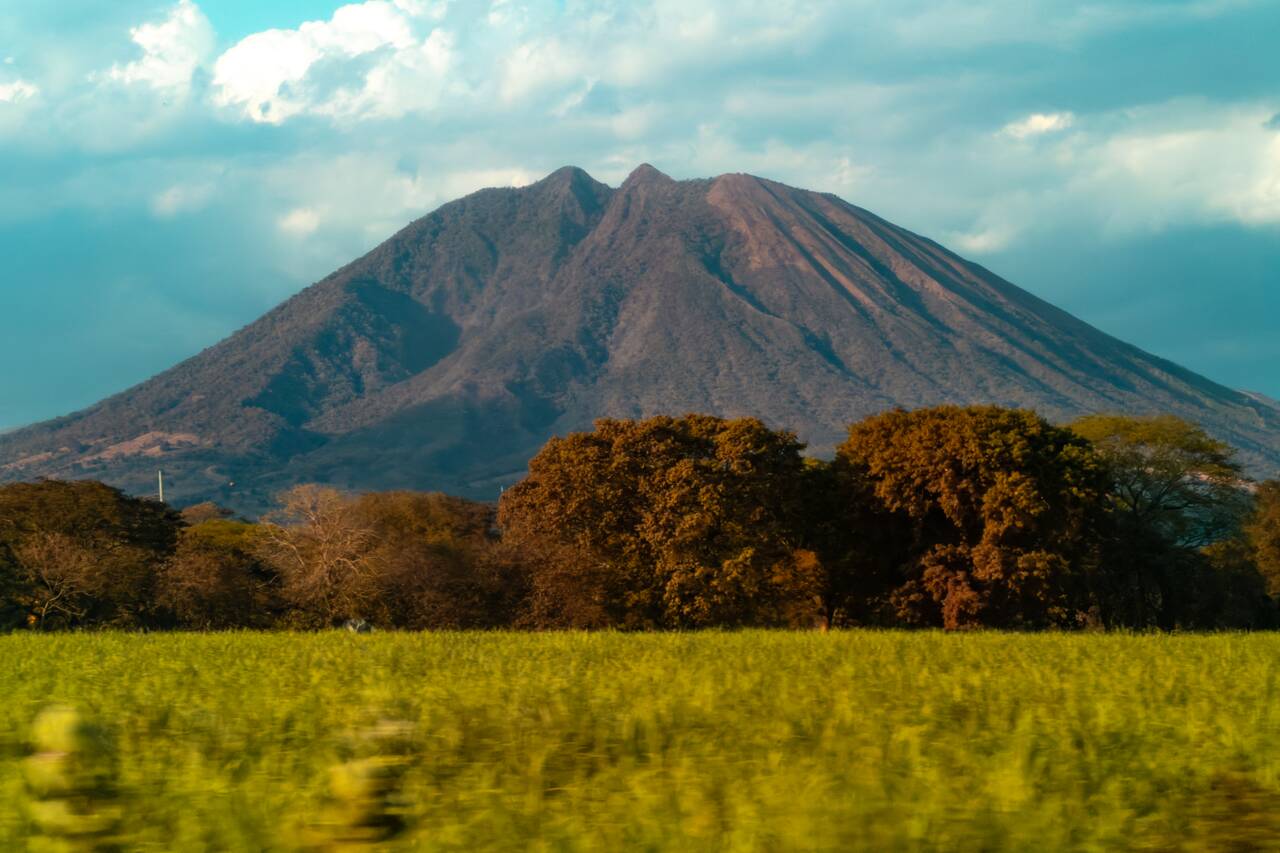
The best time to visit El Salvador is during the dry season, from November to April, when you can expect plenty of sunshine, lower humidity, and great conditions for hiking volcanoes, and surfing along the Pacific. This is also the busiest time of year, especially around Christmas, New Year, and Semana Santa (Holy Week), so be sure to book your accommodation in advance if you're traveling during these periods.
I visited at the beginning of April during Semana Santa, and while popular destinations were busier than usual, I really enjoyed the festive atmosphere. I got to witness colorful religious processions in places like Santa Ana and Juayúa, which made my trip even more memorable.
The best part was that El Salvador never felt overly crowded (except perhaps El Tunco), even during Holy Week. I crossed the border into Guatemala during the same period, and the difference in crowds was night and day. That said, El Salvador is becoming more and more popular, so now is a great time to visit before the masses catch on!
How to Get to El Salvador?
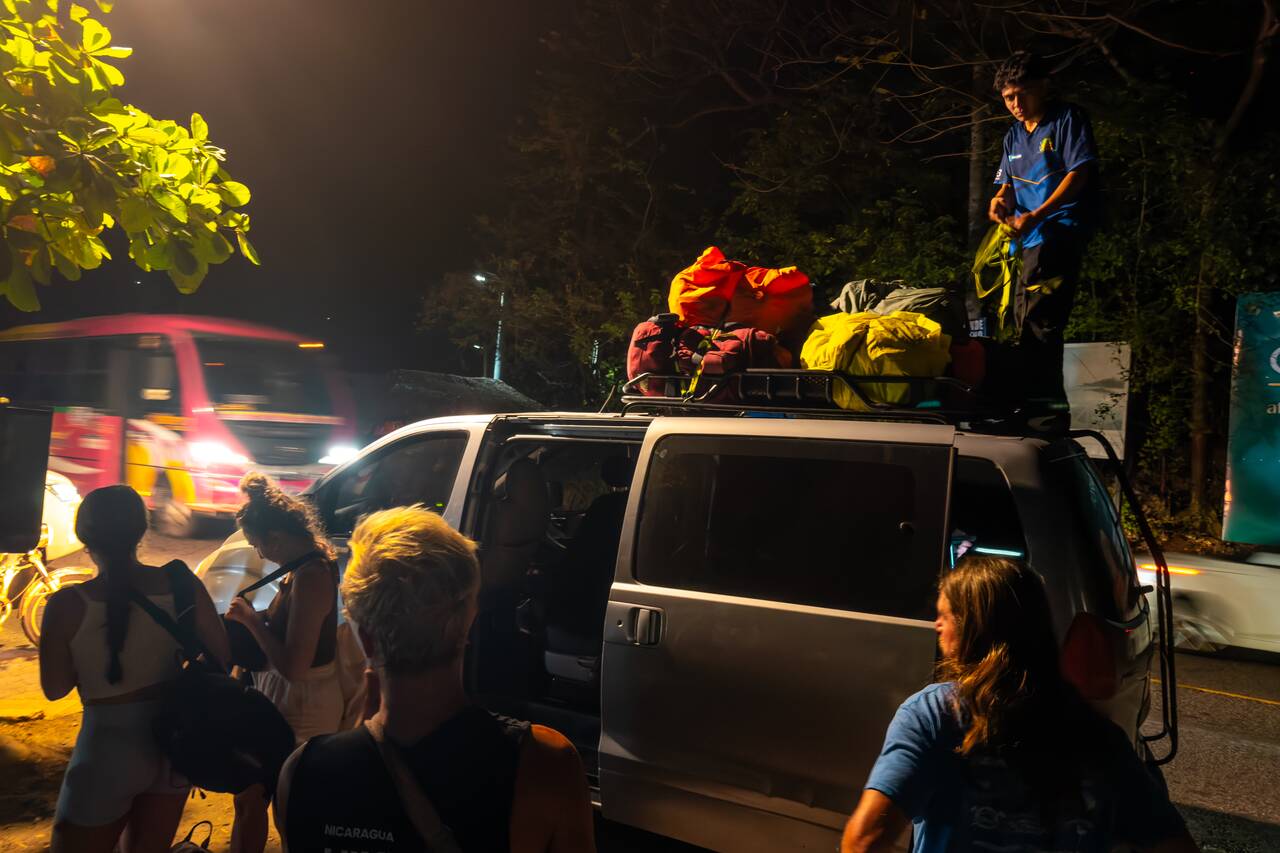
The easiest way to get to El Salvador is by flying into Monseñor Óscar Arnulfo Romero International Airport (SAL), the country's main international airport located about 60 minutes est of El Tunco, where this itinerary begins. The airport is well connected with direct flights from major cities across North America, Central America, and a few destinations in South America.
Once you arrive at the airport, you can take a local taxi, use Uber, or book a private transfer here to get to El Tunco. A private transfer typically costs around 50 USD and takes about 45 minutes.
You can also travel by public bus, although it is less convenient if you are carrying a lot of luggage. You will need to change buses in San Luis Talpa and again in La Libertad before reaching El Tunco. For more public transportation info, check out CentroCoasting.
If you are traveling around Central America like I was, you can also enter El Salvador overland from neighboring countries. Border crossings from Guatemala and Honduras are straightforward, with regular shuttle services via operators like Gekko Trail Explorer, which I used to get around Central America.
How to get Around El Salvador?
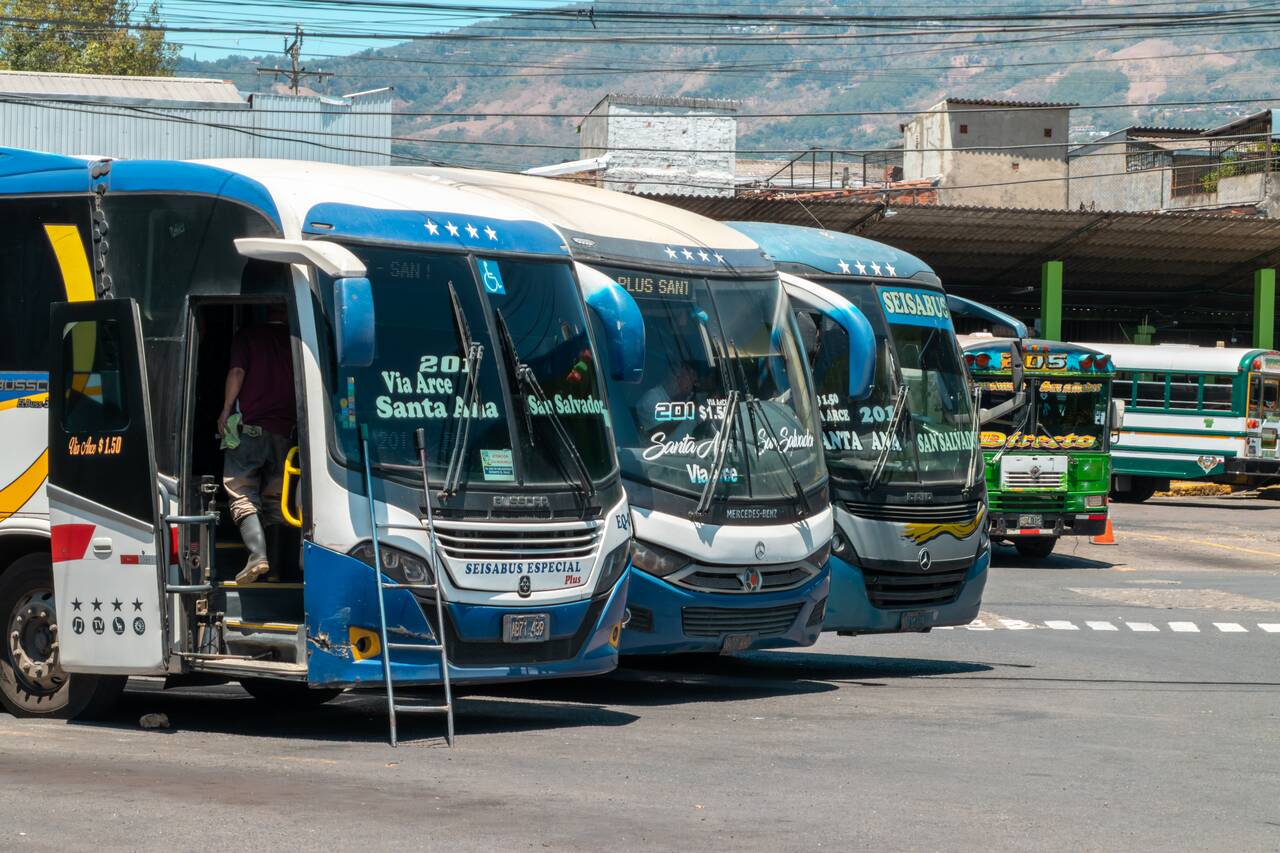
By Bus: El Salvador has an extensive and incredibly affordable public bus network that connects almost every town and city in the country. While the buses can be crowded and schedules are not always easy to find online, they are reliable and often cost less than 1 USD for most journeys. I relied on buses throughout my trip, including getting to Santa Ana Volcano, and found them to be a great budget-friendly option.
By Rental Car: If you plan to visit several destinations across the country, renting a car is the most convenient option. Roads between major tourist destinations are generally in good condition, and having your own vehicle gives you the freedom to explore places like Santa Ana, Lake Coatepeque, Ruta de las Flores, and El Tunco at your own pace. You can rent the car straight from the airport and drive to El Tunco to start this itinerary.
By Motorbike (Best for Ruta de las Flores): If you're planning to explore Ruta de las Flores, I highly recommend renting a motorbike in Santa Ana and turning it into a road trip. The scenic mountain roads are a joy to ride, and having your own bike lets you stop at colorful towns, coffee farms, viewpoints, and hidden waterfalls whenever you like. I explored the entire route this way and absolutely loved the freedom it gave me. If you're not comfortable riding a motorbike, renting a car is the next best option.
How much money do i need for one week in El Salvador?
From this one-week itinerary, we can calculate approximately how much money you will be spending here (average) as follows:
| 🛌 Lodging: | 77 USD (11 USD/Day) |
| 🥘 Food: | 105 USD (15 USD/Day) |
| 🚗 Transportation: | 35 USD (5 USD/Day) |
| 🧗 Activities: | 50 USD (7.14 USD/Day) |
| 💰 Total Budget: | 267 USD (38.14 USD/Day) |
Is it safe in El Salvador?
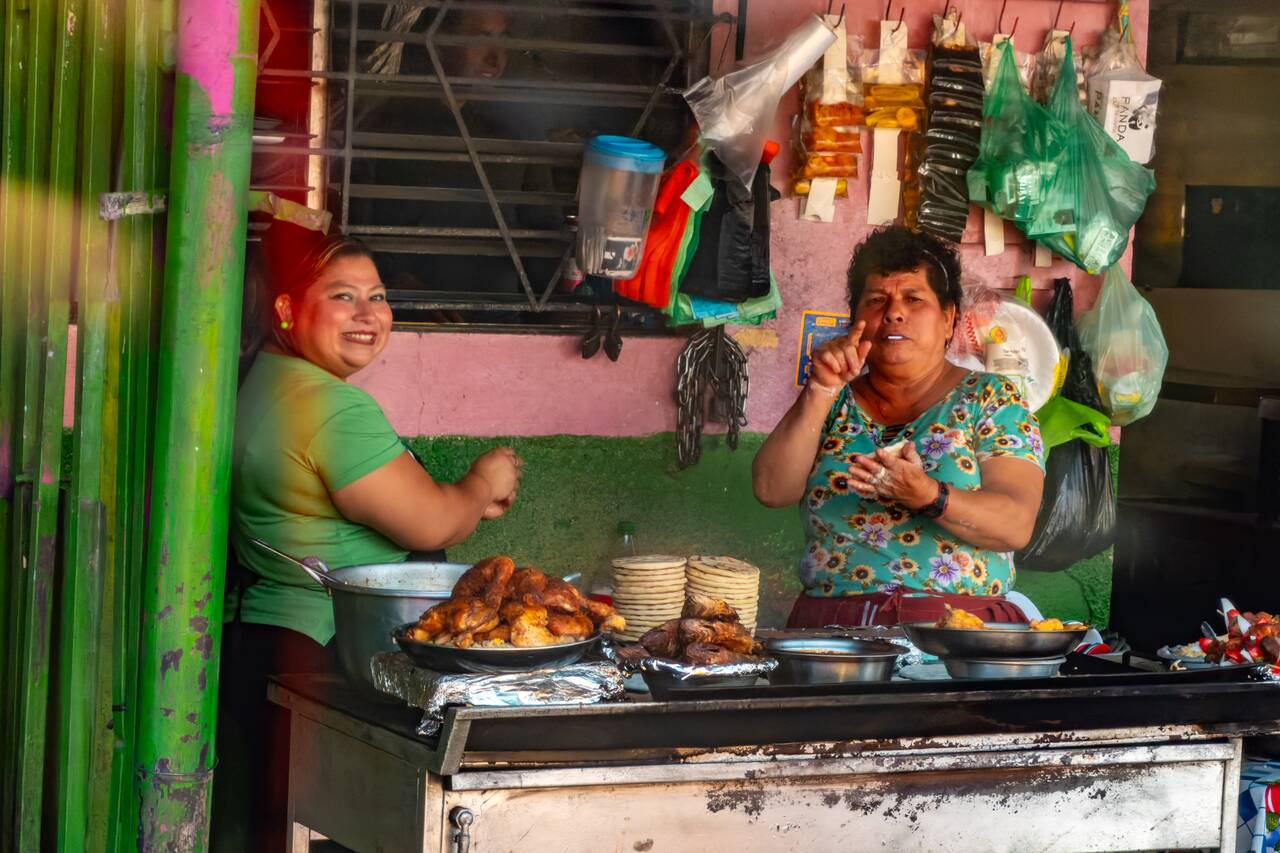
Yes, I found El Salvador to be much safer than I expected. During my trip, I explored places like Santa Ana, Ruta de las Flores, El Tunco, and several other destinations without encountering any safety issues. Locals were friendly, welcoming, and always happy to help.
El Salvador's reputation has changed dramatically in recent years, and many areas that were once considered unsafe are now popular with both locals and international travelers. Tourism has been growing quickly, especially in destinations like El Tunco, Santa Ana, and Ruta de las Flores.
That said, you should still exercise common sense, just as you would anywhere else. Keep an eye on your belongings, avoid flashing valuables, and avoid walking alone in unfamiliar areas late at night.
If you plan to rent a car or motorbike, the biggest risk is likely to be the roads rather than crime. Traffic can be hectic around larger cities, and local drivers can be unpredictable at times, so drive defensively and avoid riding after dark whenever possible.
Disclaimer: This post may contain affiliate links. See our disclosure policy.
First Published:
Last updated: