


What do you think of when someone tells you that they are traveling in Ecuador? You probably think of a lot of wildlife and the Galapagos Islands, right? Well, Ecuador is so much more than that, as I learned firsthand when I arrived in Quito.
Located along the rolling foothills of the Andes, Quito is a city full of well-preserved historical treasures, with dozens of churches for us to explore. Due to the fact that it is surrounded by volcanoes, there are plenty of interesting hikes we can do as well.
Within this backpacking guide, I will recommend 7 things you must not miss when you are in Quito. Follow along, and let's explore this surprisingly beautiful capital city of Ecuador together.

Quito Things to Do Map

Quick Summary
| ♥️ Must Visit: | Basílica del Voto Nacional |
|---|---|
| 👍 Must Do: | Hike the Pichincha Volcano |
| 🏛️ Best Museum: | Visit La Capilla del Hombre museum |
| ☀️ Great Day Trip: | Cotopaxi |
7 Best Things to Do in Quito
1. Explore all the Churches around the Old Town (Plaza Grande)
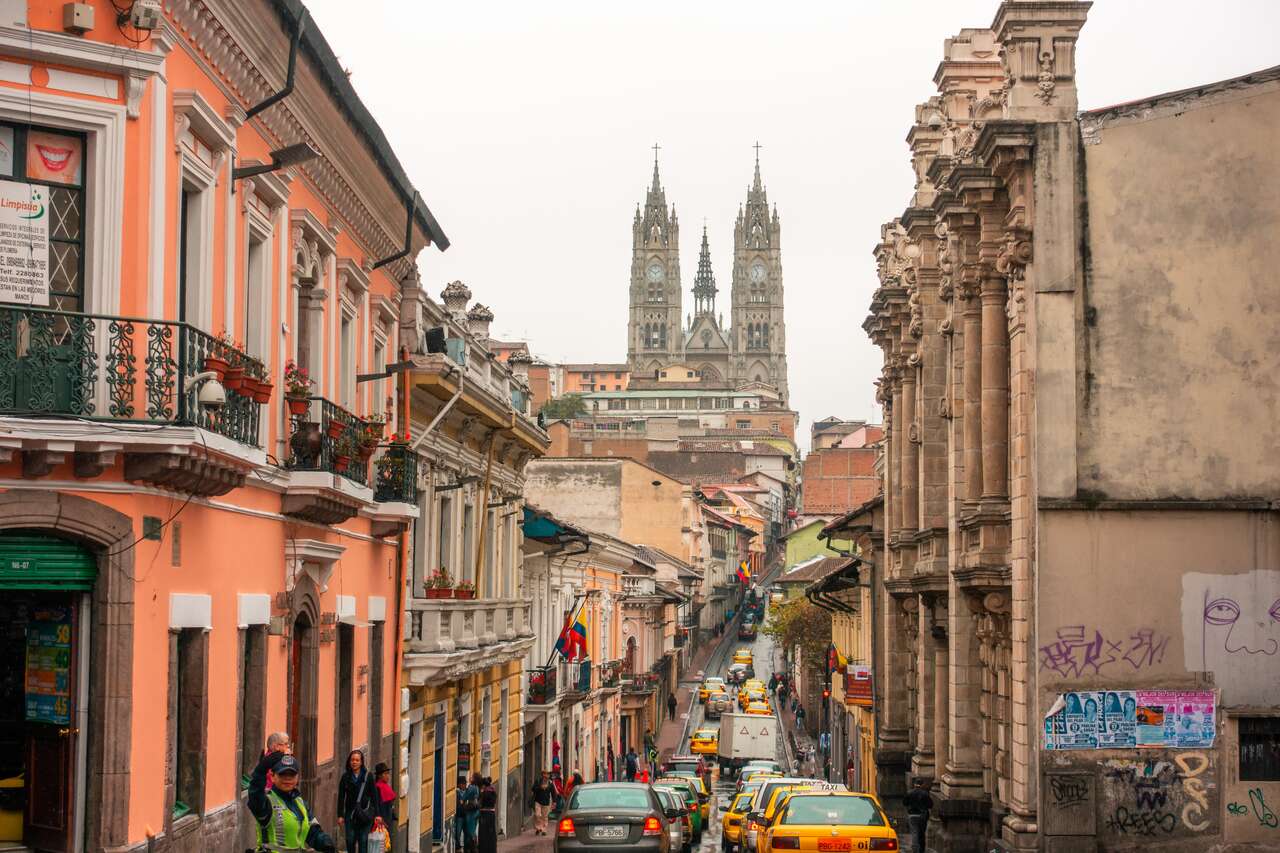
- 📍 Location: Carondelet Palace [Map Link]
- ⚡ Pete's Take: "Church of Saint Francis and the Church of the Jesuit were two of my favorites."
It's amazing how many beautiful European-indigenous churches there are in Quito, and they are mostly concentrated in one area, the Plaza Grande. You can spend hours and hours going from one to another.

A few of my favorites are Carondelet Palace, Church of Saint Francis, Church of the Jesuit, and Catedral Metropolitana de Quito. I know it's a lot, but I assure you, if you like taking photos of stunning interiors and architecture, you will not be disappointed by any of these churches.

If you are staying in the accommodation I recommended here, you should be able to walk to Plaza Grande without any problem.
- Hostel Revolution (Budget)
- Masaya Quito (Mid-Range) 👍 Top Pick
- Hotel Vieja Cuba (High-End)
- Mindo Cloud Forest Private Day Tour (7 to 8 hours)
- Private and Personalized City Tour of Quito Teleferico and Middle of the World (8 hours)
- Full Day Private Cotopaxi Volcano Hike With Horse Riding Tour (10 hours)
Where to Stay in Quito?


2. Climb up the Towers of Basílica del Voto Nacional
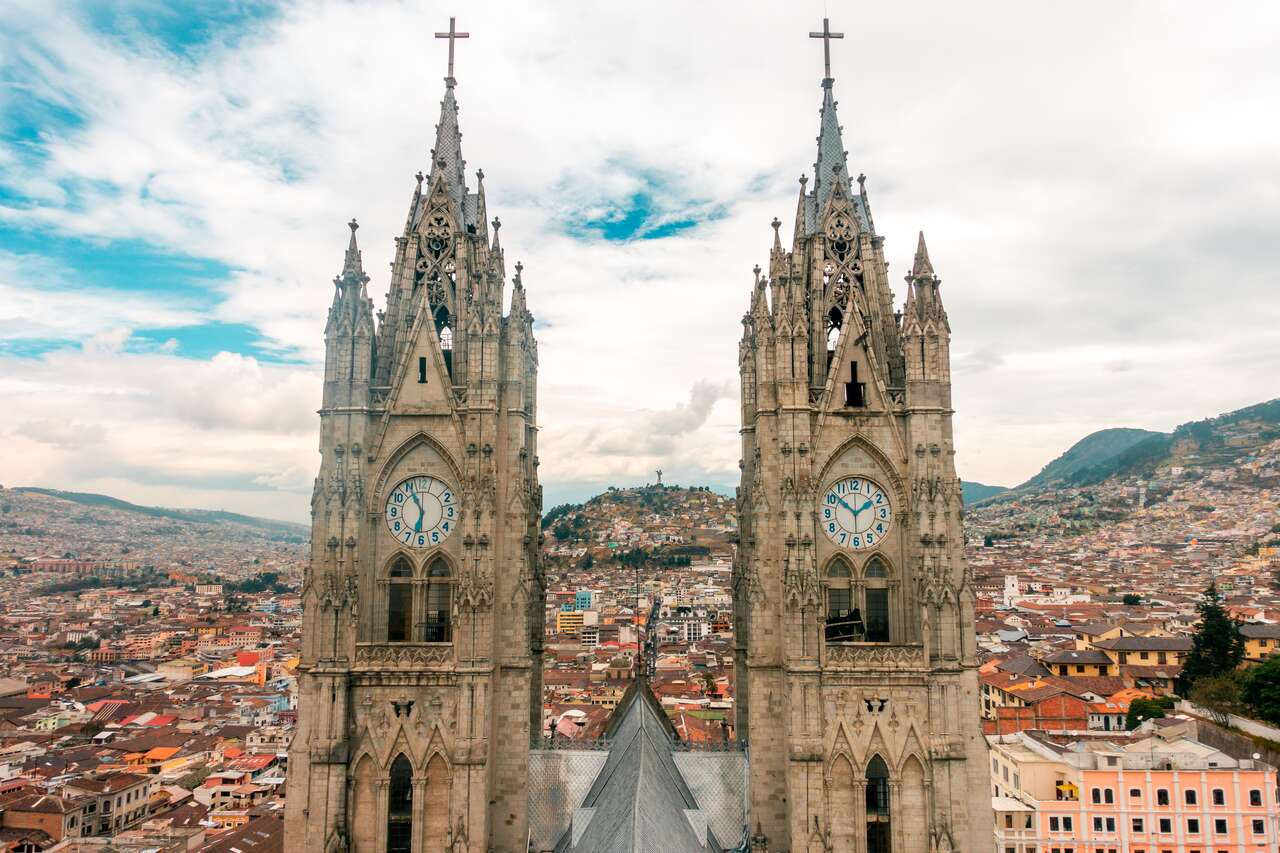
- 📍 Location: Basílica del Voto Nacional [Map Link]
- 💰 Entry Fees: 2 USD
- ⚡ Pete's Take: "It’s probably one of the most photogenic places I visited in Quito."
One of my favorite photo spots in Quito is from the Towers of Basílica del Voto Nacional. You will have to climb up the stairs to the balcony, through the roof of the Basilica, and climb up to the 2 towers, and you will be rewarded with a postcard-worthy view of Quito.

The entry fee is 2 USD, but I assure you, this is one of the most photogenic places in the city. There's nothing quite like it. You will have to go up some steep stairs, so be sure to wear sturdy shoes and pace yourself slowly.

3. Climb up the El Panecillo Hill

- 📍 Location: El Panecillo Hill [Map Link]
- ⚡ Pete's Take: "It might not be safe to walk there, so I would recommend taking a taxi or an Uber up and down. Avoid visiting after dark."
While you are at the top of the Basílica del Voto Nacional, you might notice a big hill with the Virgin Mary statue on the summit. That's El Panecillo, and if you are looking for a panoramic and expansive view of the city, this is the place to be.

You can either climb up the hill or take a taxi from the Basilica up to the summit. I wouldn't recommend climbing the hill after sunset as it can get a bit sketchy up there.
4. Hike the Pichincha Volcano
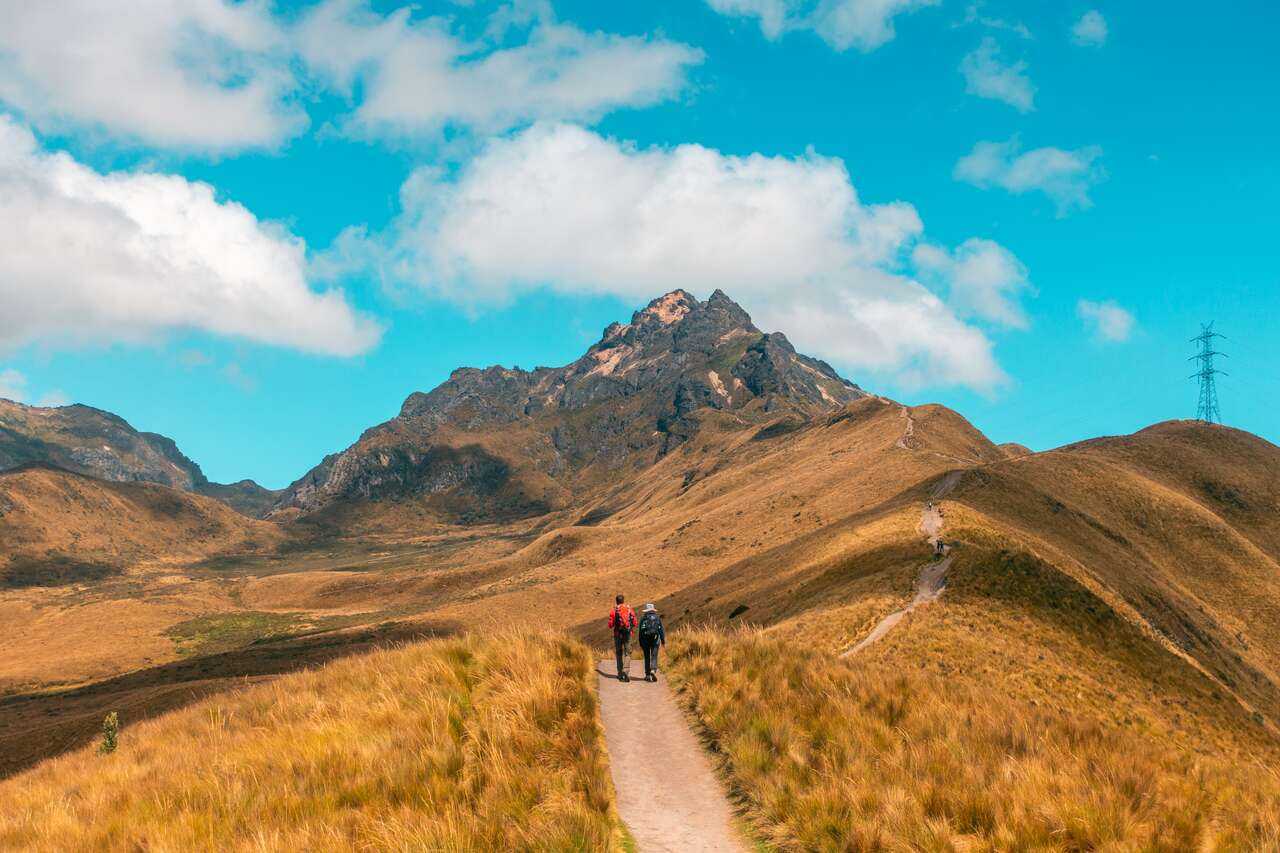
- 📍 Location: Quito Teleferico (TelefériQo) [Map Link]
- 💰 Entry Fees: 9 USD for foreign adults
- ⚡ Pete's Take: "This is a fun, challenging hike to do if you have a day to spare. The last part requires a bit of scrambling, but I had a great time overall! Be sure to prepare for the wind!"
One of the best one-day hikes you can do near Quito is to go up the TelefériQo city viewpoint but don't stop there. Hike another 4 hours up to the summit of Pichincha Volcano for a stunning view of the landscape around the capital city.

To get there, you can take a taxi or public transportation to the Quito Teleferico (TelefériQo). As of 2026, the roundtrip cable-car ticket costs 9 USD for a foreign adult. The ride takes you up to Cruz Loma at around 4,100 meters, where the trail to Rucu Pichincha begins. Rucu Pichincha is part of the active Pichincha volcanic complex, not an inactive volcano as I previously described it.

The trail is straightforward at first but gets trickier as you approach the summit of Rucu Pichincha, with loose volcanic sand, gravel, and some scrambling near the top. The summit sits at 4,696 meters, so the altitude makes the hike considerably harder than the distance alone suggests. Once you are up there, though, you will be able to see both sides of the surrounding landscape when the weather is clear.
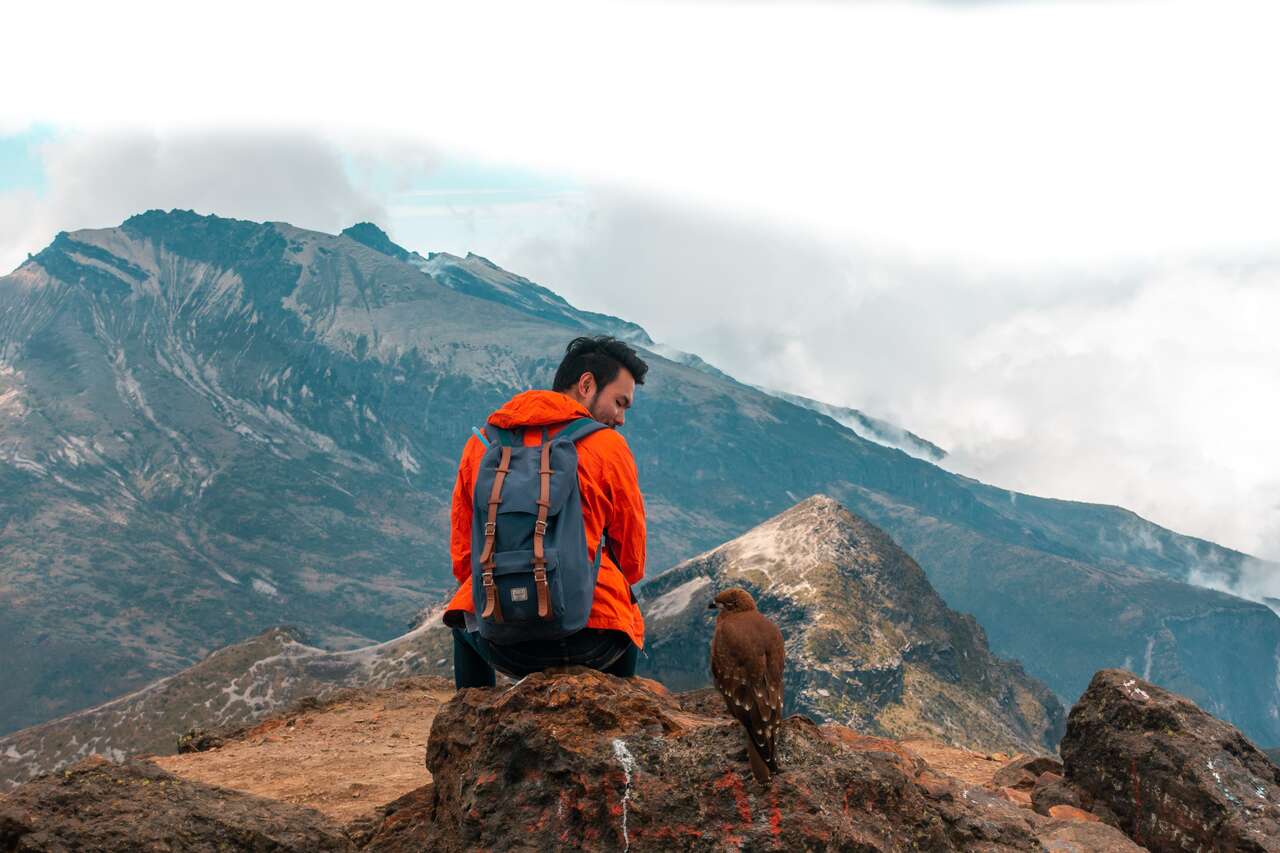
You might also find this friendly little guy up there as well. When I did the hike, getting down was pretty simple since it was mostly gravel, and I was back down in about an hour or two. The summit of Rucu Pichincha is 4,696 meters above sea level, so be sure you have already spent a few days acclimatizing in Quito before tackling the hike.
5. Visit the Center of the World (Ciudad Mitad del Mundo)
- 📍 Location: Center of the World [Map Link]
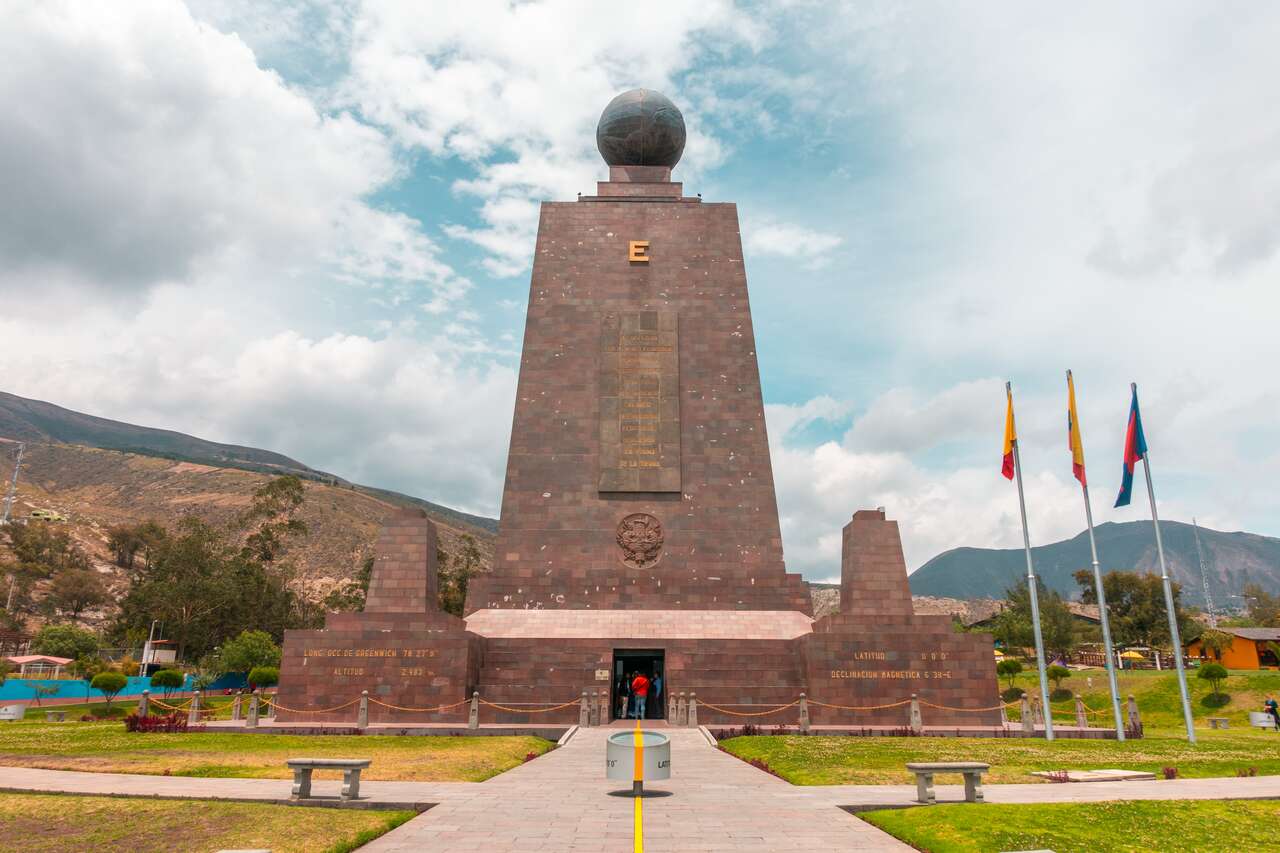
- ⚡ Pete's Take: "Although it's not exactly on the equator as they figured the real location after they built the monument, it's a nice day trip to visit the area from Quito."
Another cool thing to do near Quito is to take a day trip north to the Center of the World monument. The famous painted line is not exactly on the modern WGS84 equator, which lies about 240 meters farther north. This is a discrepancy between the historical geodetic measurements commemorated here and modern GPS coordinates, rather than a mistake made in the 1980s. The complex is still well worth visiting for the monument, museums, and views, and the current adult entrance fee is 5 USD.

Nonetheless, the symmetrical architectural style of the monument is very pretty and photogenic. The entire park is also best appreciated up at the top of the monument, so be sure to climb up there before you leave.
6. Visit La Capilla del Hombre museum
- 📍 Location: La Capilla del Hombre Museum [Map Link]
- ⚡ Pete's Take: "This is a good place to be if you find yourself in Quito on rainy days."

Photos by Bernard Gagnon
For me, a rainy day is a museum day, so if you happen to find yourself stuck in Quito with heavy rain, you should spend that day in La Capilla del Hombre Museum, a museum dedicated to Oswaldo Guayasamín, a renowned Ecuadorian master painter and sculptor. His work is famous for his depiction of the suffering of the indigenous people, such as political oppression, racism, and poverty, in a unique style that matches no one. A good place to spend a rainy day in.
7. Go on a Day Trip and Hike Cotopaxi
- 📍 Location: Cotopaxi [Map Link]
- 💰 Entry Fees: Free park admission; transport/tours cost extra
- ⚡ Pete's Take: "Cotopaxi was seriously impressive, especially seeing that huge cone from Quito and then getting right up close to it."
Another day trip you can do from Quito is to go hike Cotopaxi, one of the most prominent, cone-shaped active stratovolcanoes in Ecuador. Standing tall at 5,897 m above sea level, you can literally see it all the way from Quito.
When I did this independently, I went to Quito's southern bus terminal and took a bus toward Cotopaxi, asking the driver to drop me near the park entrance. From there, I found local drivers with pickup trucks offering rides farther into the park. I paid around 25 USD for the entire truck when I was there, and you could split the cost if other travelers joined. That was the price from my trip rather than a current fixed fare. Entrance to Cotopaxi National Park itself is currently free, but transport, guides, and climbing services are separate.

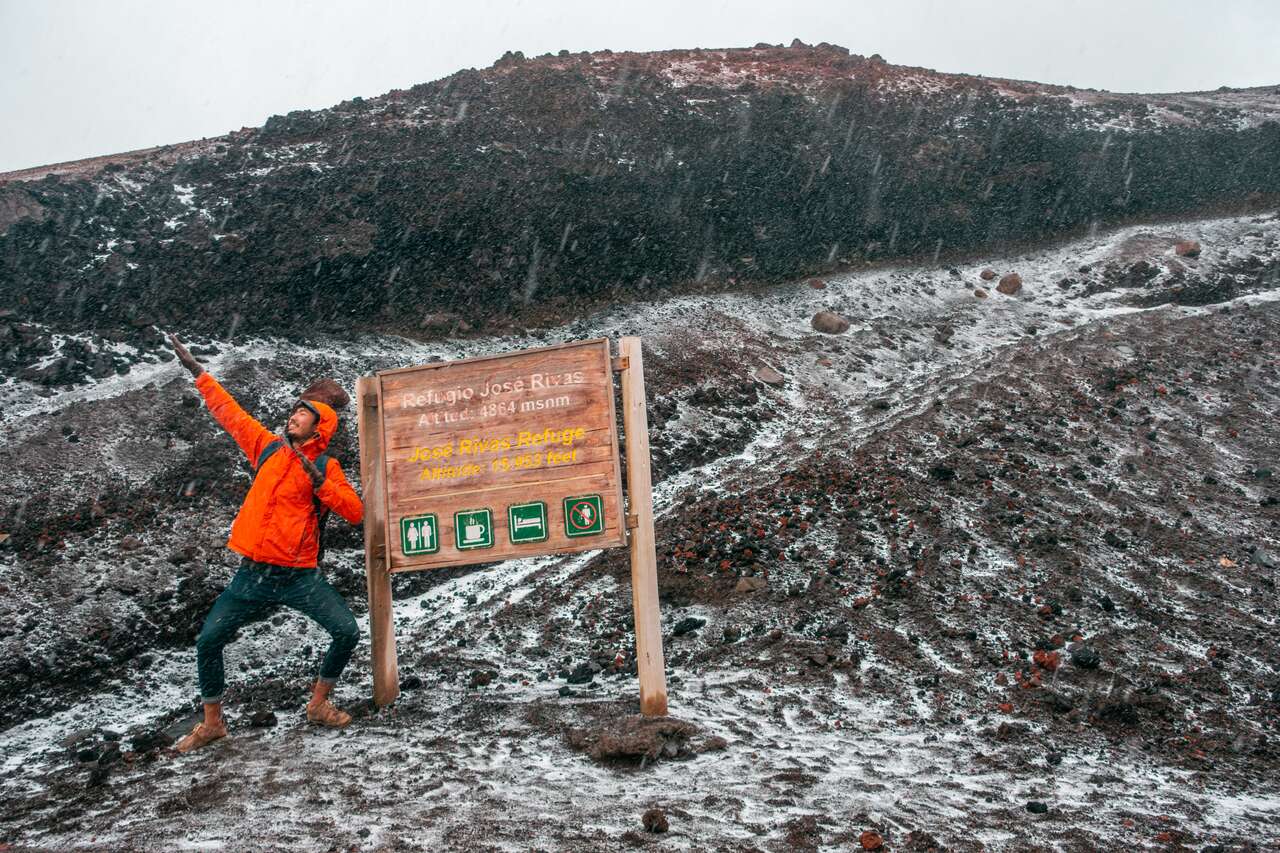
The summit was closed when I was there, so my trip only involved hiking up toward the José Rivas Refuge at around 4,800 meters and did not require mountaineering equipment. That is no longer the current situation: guided summit ascents have progressively reopened and are possible again under the park's authorization requirements. A summit attempt is a technical high-altitude climb requiring proper mountaineering equipment and an authorized guide; the day hike to the refuge described here is a completely different activity.

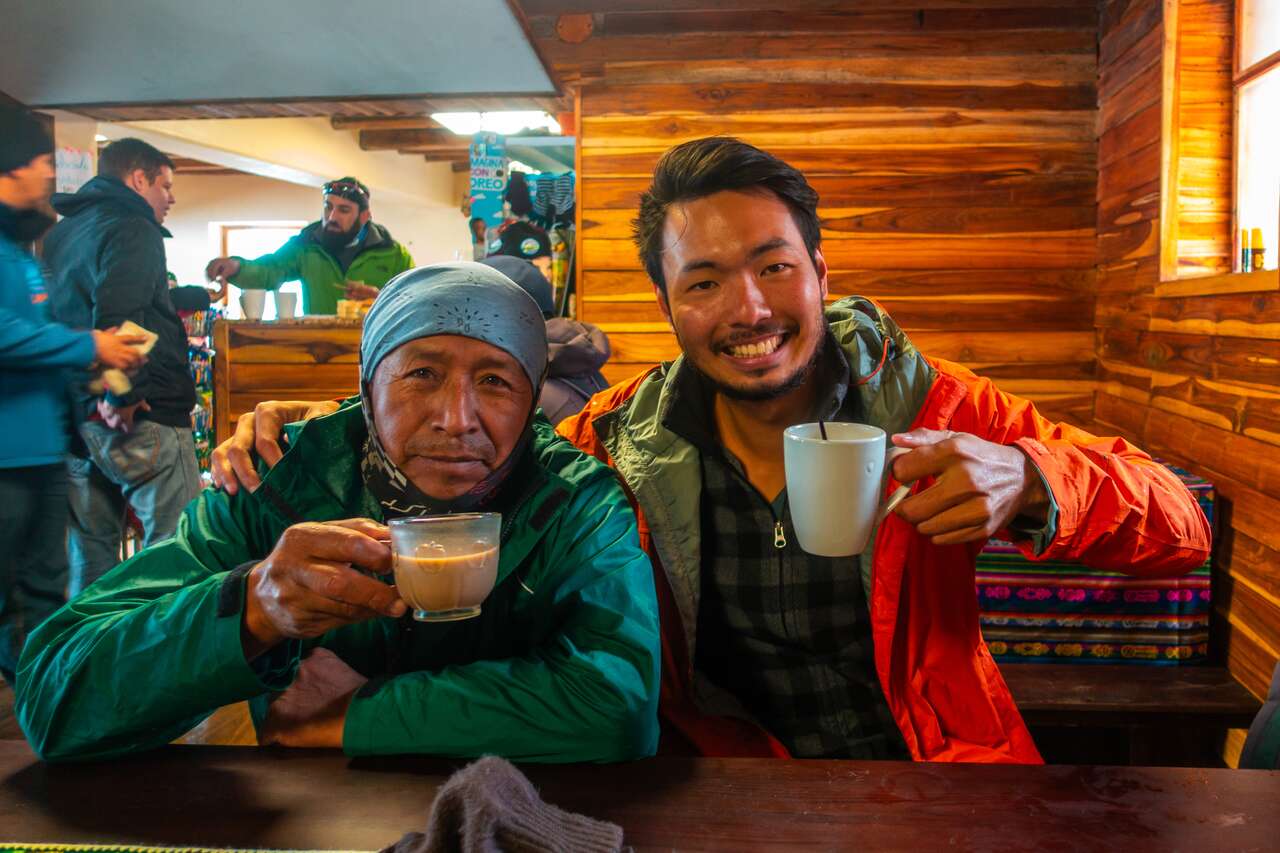
The ride from the entrance will take around an hour before you arrive at the trailhead, where you can hike the steep trail for about an hour to the hut. At the hut, you will be able to buy a $2 cocoa or some snacks if you want one.
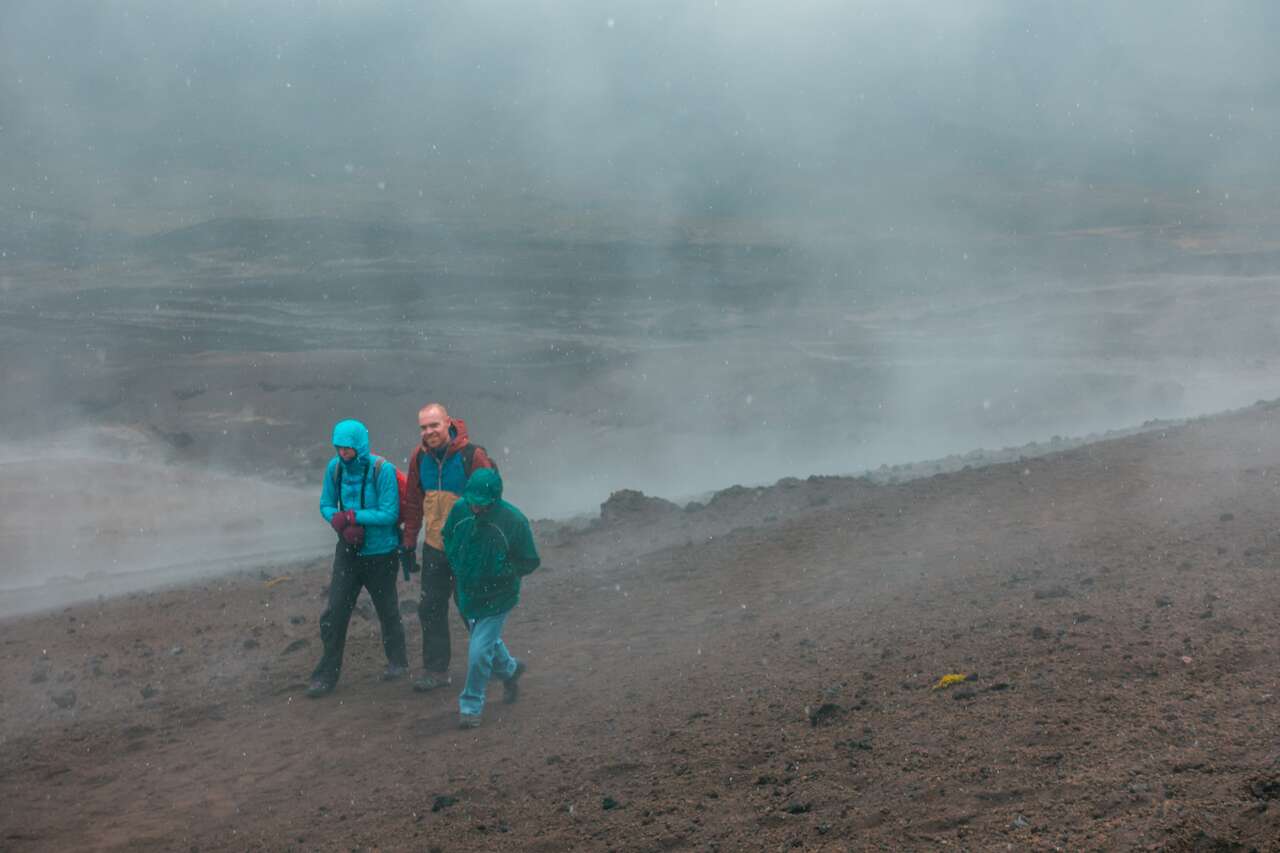
You can go a bit further to the glacier if the weather permits. Unfortunately, there was a hailstorm when I was there, so we didn't go onward. Getting down to the parking lot takes only 15 minutes. Once you are down, the driver should take you back to the main road where you can flag any bus heading towards Quito to go back.
If you prefer doing it with a tour instead, read: Climbing Cotopaxi with CarpeDM Adventures.
1. Extra. Organize your trip to the Ecuadorian Amazon or a flight to Galapagos
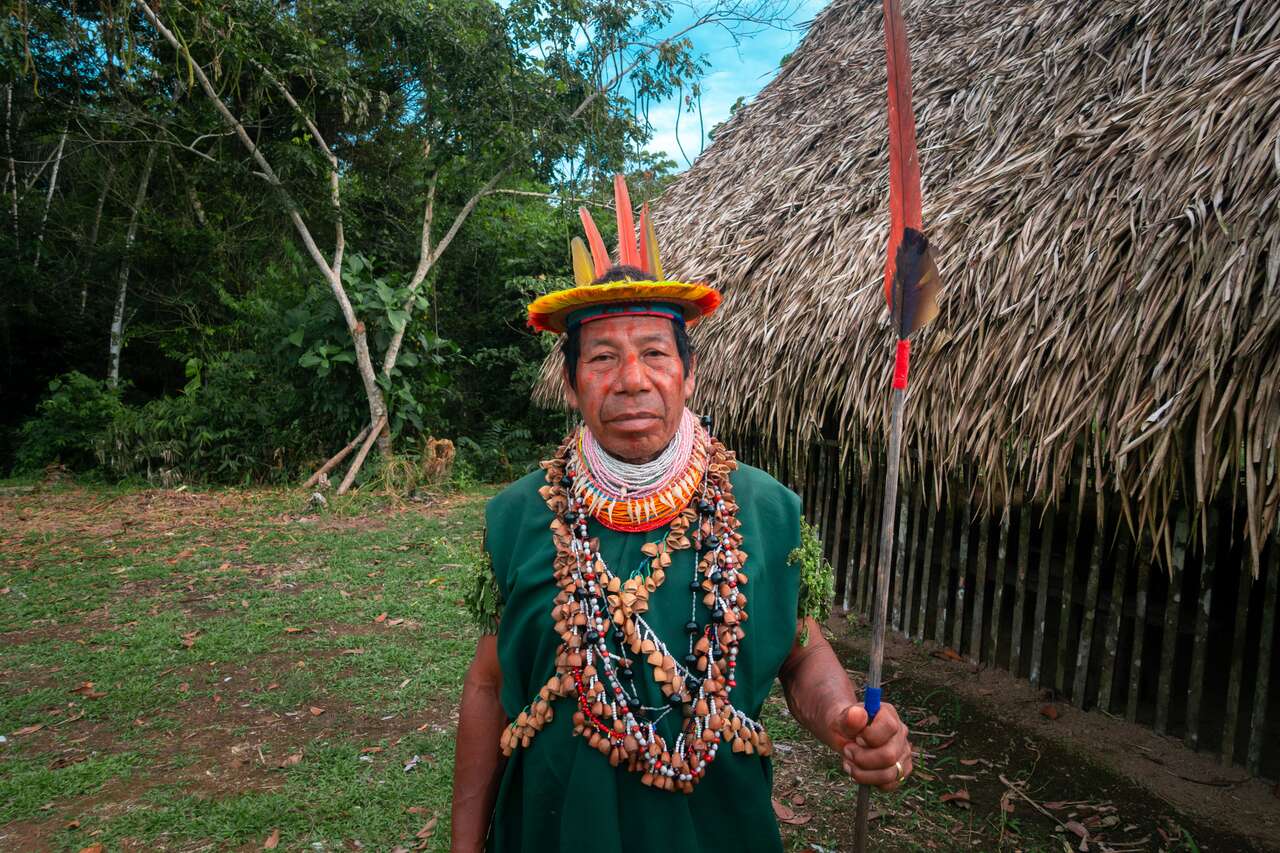
- 📍 Location: The Amazon Forest [Map Link]
- 💰 Entry Fees: 270 USD
- ⚡ Pete's Take: "I had a great experience with CarpeDM Adventures in the Amazon."
I always enjoy adding a little bit of an extra tip at the end of these kinds of articles 😄. For this one, Quito is the perfect place for you to organize other tours you want to do in the country.
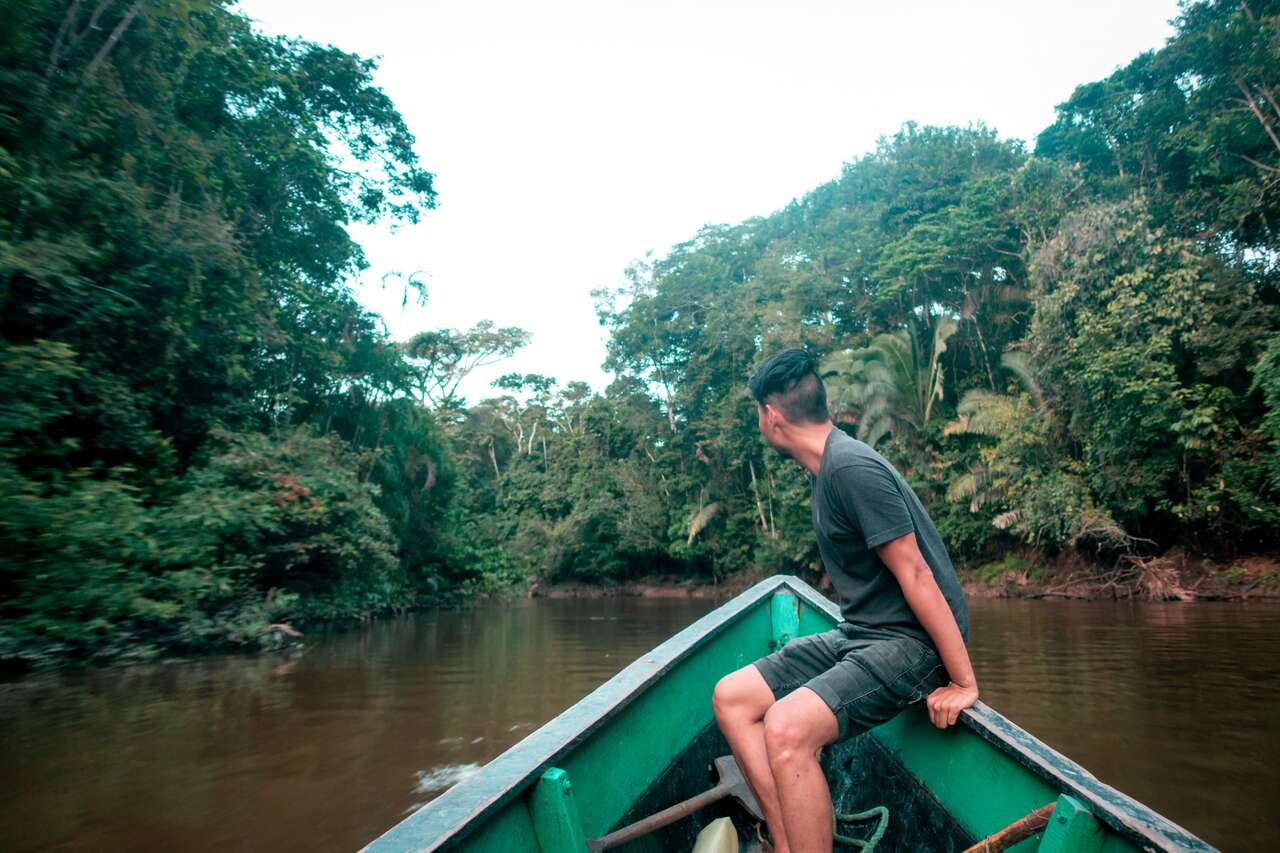
If you want to experience the Ecuadorian Amazon, I would recommend you buy the 4-day budget Amazon tour from CarpeDM Adventures. I had a great time with them, and it only cost 270 USD for everything (food, accommodation, and transportation). However, you will have to take an overnight bus to Nueva Loja by yourself (you do not need to pay for the ticket) before they transfer you to the Cuyabeno Natural Reserve.
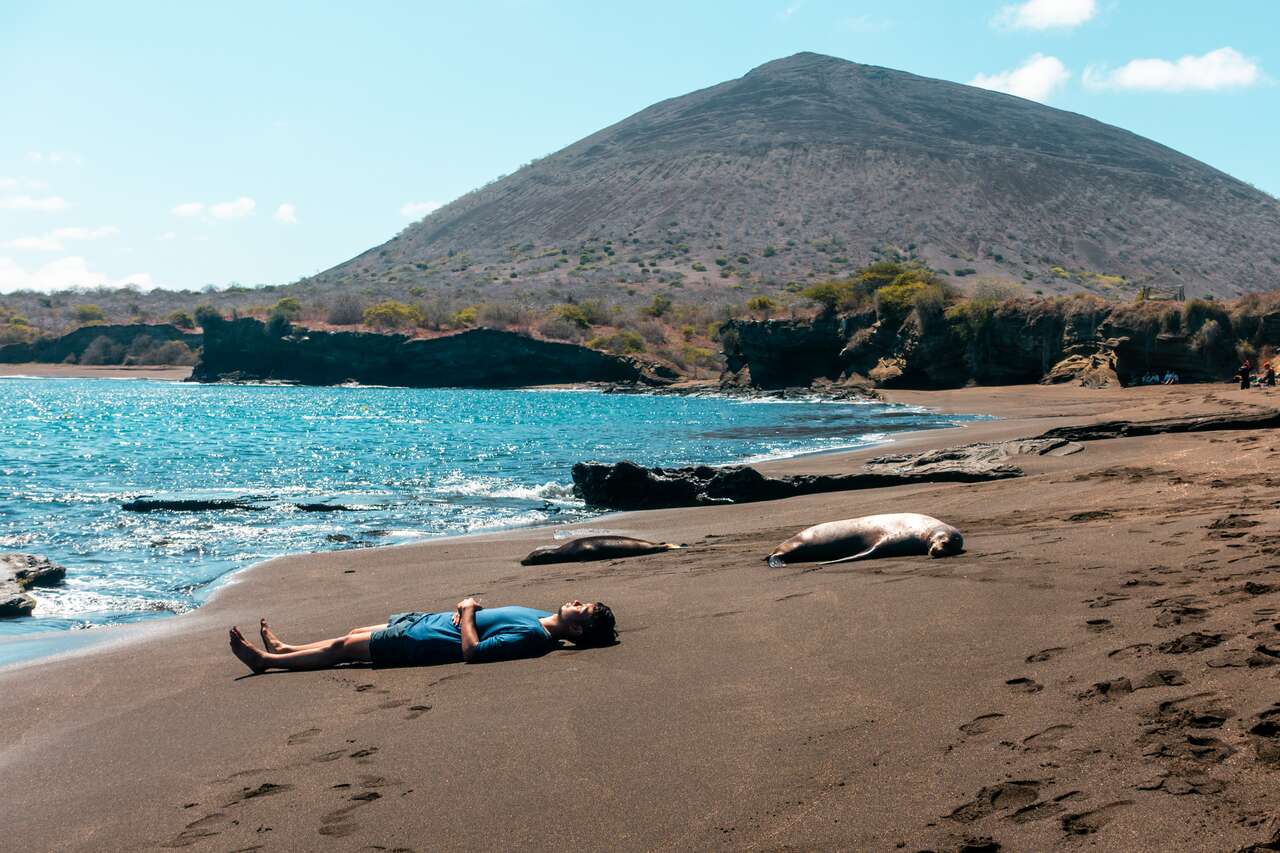
For Galapagos, you may be able to find a good deal on flights but DO NOT book the cruise from here. It's cheaper to do it on the island.

Ecuador Travel Video
When to Visit Quito?

The best time to visit Quito is generally June to September, when conditions are typically drier and clearer, especially if you plan to hike. Quito sits at around 2,850 meters above sea level, so temperatures remain mild to cool year-round and can change quickly during the day. Bring layers, particularly if you are planning to hike Cotopaxi or Rucu Pichincha. October to May is generally wetter, although Quito can still be visited year-round.
How to Get to Quito?

Quito's Mariscal Sucre International Airport (UIO) is well connected internationally. Current operators include airlines such as American Airlines, United, Delta, Avianca, LATAM, Copa, Aeroméxico, Iberia, Air Europa, and KLM, although routes and frequencies change throughout the year. If you are coming from Asia, you will normally connect through Europe or another hub in the Americas rather than fly nonstop. To look for the cheapest flights available, browse through both Skyscanner and Expedia to find the best deal possible.
How to Get Around Quito?

Quito's Historic Center is easily explored on foot. For longer distances, the city now has the Quito Metro in addition to the Trolebús and Ecovía bus corridors. As of 2026, a standard Metro journey costs 0.45 USD, while the standard Trolebús and Ecovía fare is 0.35 USD. The Metro runs through 15 stations between Quitumbe in the south and El Labrador in the north and is often the quickest way to cover longer north-south journeys through the city.
If you want to take a taxi, always go with Uber. It's easier and less troublesome than getting a local taxi, which may or may not rip you off.
For the Center of the World (Ciudad Mitad del Mundo), public buses remain the budget option from northern Quito, with connections available from the La Ofelia area toward Mitad del Mundo. When I traveled this route it was extremely cheap, but the old 0.15 USD fare in this guide is no longer current. Allow roughly an hour or more depending on where you start and traffic, and check the current local fare when you travel.
For Cotopaxi, I traveled independently from Quitumbe by taking a southbound bus and asking to be dropped near the park entrance, then arranging a pickup-truck ride farther into the park. I paid around 25 USD for the truck when I was there, but that is a record of what I paid rather than a current fixed fare. Cotopaxi National Park itself currently has free admission. If you use this independent route today, confirm the return transport and current park access before setting out; otherwise, a day tour from Quito is the simpler option.
Which tourist SIM card is best for Ecuador?
When I traveled around Ecuador, I used Claro and it served me well for mobile data, including around Quito. Coverage was slower for me in places like the Galápagos and Mindo. Prepaid plans and prices change frequently, so check Claro's current packages when you arrive.
Alternatively, if your phone supports eSIMs, you can set one up before arriving and have mobile data as soon as you land. You can browse through available eSIMs here.
Tips: To stay connected with people at home, be sure that you have a VPN, such as ProtonVPN, installed before traveling. It's FREE, and you can gain access to services that may be blocked in certain countries.
Daily Budget


This location is less expensive than most countries, but it's not exceedingly cheap. Expect to spend around $30 - $50 USD per day per person, which includes both accommodation and meals.
Please keep in mind that these are suggested daily budgets based on my own style of travel, which leans more towards the budget side of things. If you aim to stick to this budget, anticipate sleeping in dormitories, dining out only occasionally, and being comfortable with the cheapest and most convenient modes of transportation, which often involve a considerable amount of walking.
Is Quito Safe?
Like most big cities, petty theft is quite common in crowded areas, so always be aware of your belongings when you are taking public transport. If you are taking a long overnight bus somewhere, keep your belongings with you at all times. Do not put them under your seat! I have had 2 friends who got their bags stolen that way.
A good rule of thumb when traveling in South America is to avoid walking alone at night. If you don't see any locals around, that's probably because they know it's dangerous. If the locals don't do it, you don't do it.
One last thing: Quito sits at around 2,850 meters above sea level, high enough for some travelers arriving from lower elevations to feel the effects of altitude. Take it easy during your first day or two, stay hydrated, and give yourself time to acclimatize before heading up to places like Rucu Pichincha or Cotopaxi. Mild breathlessness with exertion can happen at this altitude, but worsening headache, nausea, dizziness, confusion, or severe shortness of breath should not simply be ignored.
Disclaimer: This post may contain affiliate links. See our disclosure policy.
First Published:
Last updated:

2 Comments
Very inspiring mate.. and we have booked our flights to Quito.. and 6 months trip to South America..
very excited to be following your itinerary.. :)
Thank you! That's awesome to hear! I hope you will enjoy the trip as much as I did! Definitely a once in a lifetime trip for me :)