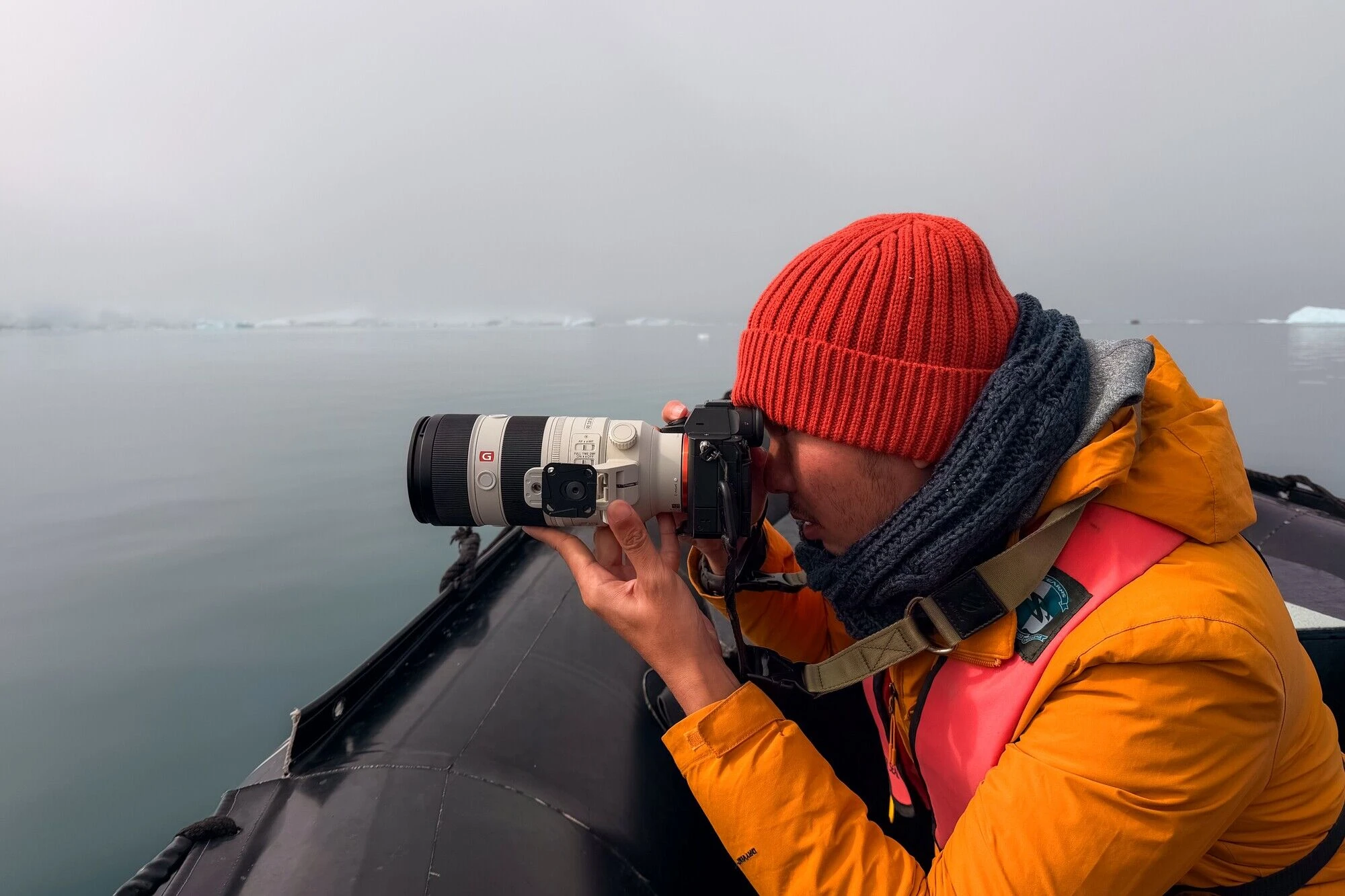



I finally did it! After more than a decade of planning and saving money, I finally made it to Antarctica, the 7th and final continent, and it was everything I expected and more! I spent around 10 days in Antarctica taking all kinds of photos, from landscapes to wildlife and more.
If you are also planning to visit this wonderful continent and are wondering what type of camera and camera gear you should pack, this guide is for you. Here, I decided to compile a list of the camera gear I packed with me, as well as things I wish I had packed or had not packed for Antarctica, so let's get going, shall we?

What Camera Gear to Bring to Antarctica
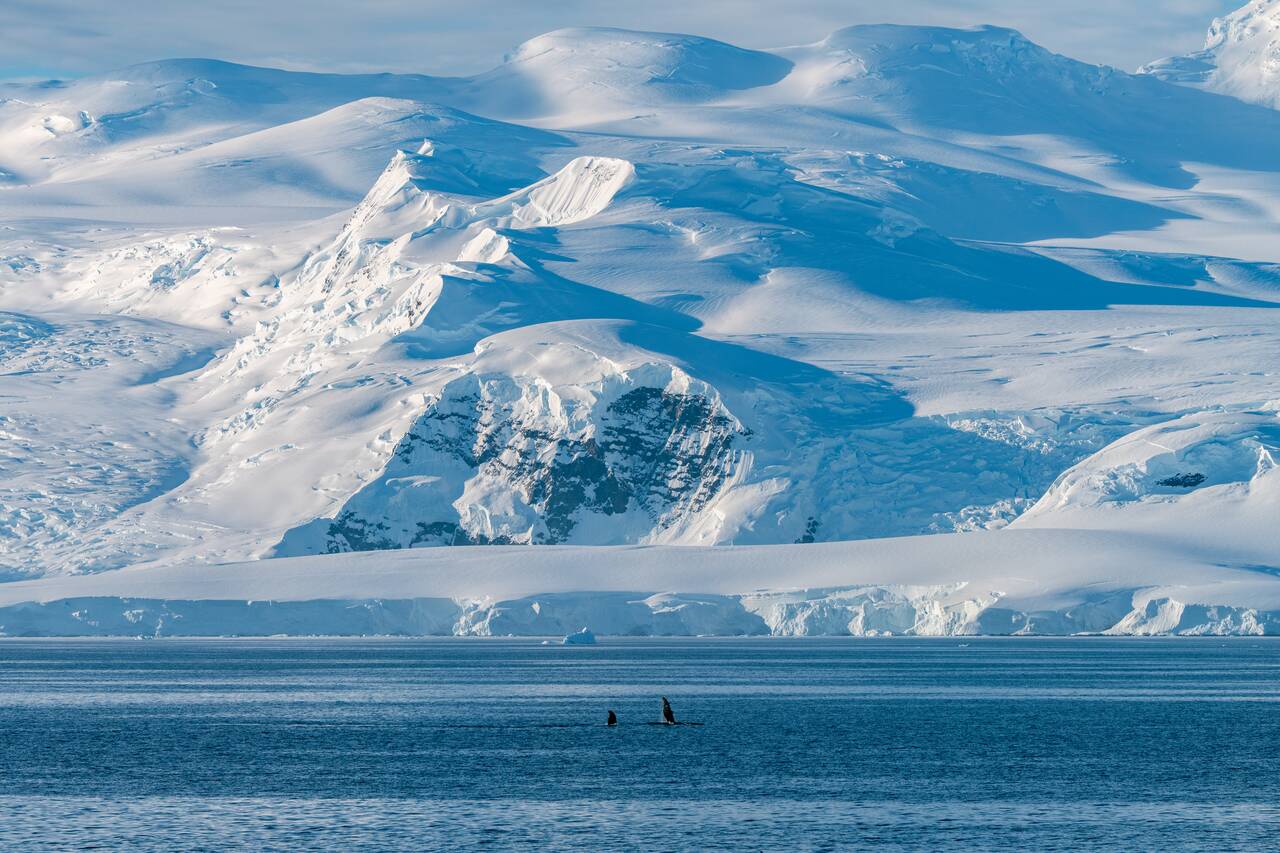
For all the photographers out there, here are the camera gear I would recommend bringing to capture the wonders of Antarctica without missing a beat:
- A High-Resolution Camera (Sony a7R V): Bring a high-resolution camera so you can crop in more aggressively when needed, especially since you may not always be able to get close to wildlife.
- A Spare Camera (Sony a7C II, optional): If you hate changing lenses, which can be quite difficult during landings since you are not allowed to place your backpack on the ground, you might want to consider bringing a lightweight spare camera like the Sony a7C series with another lens attached to it. It can also serve as a backup camera in case your main camera breaks during the trip.
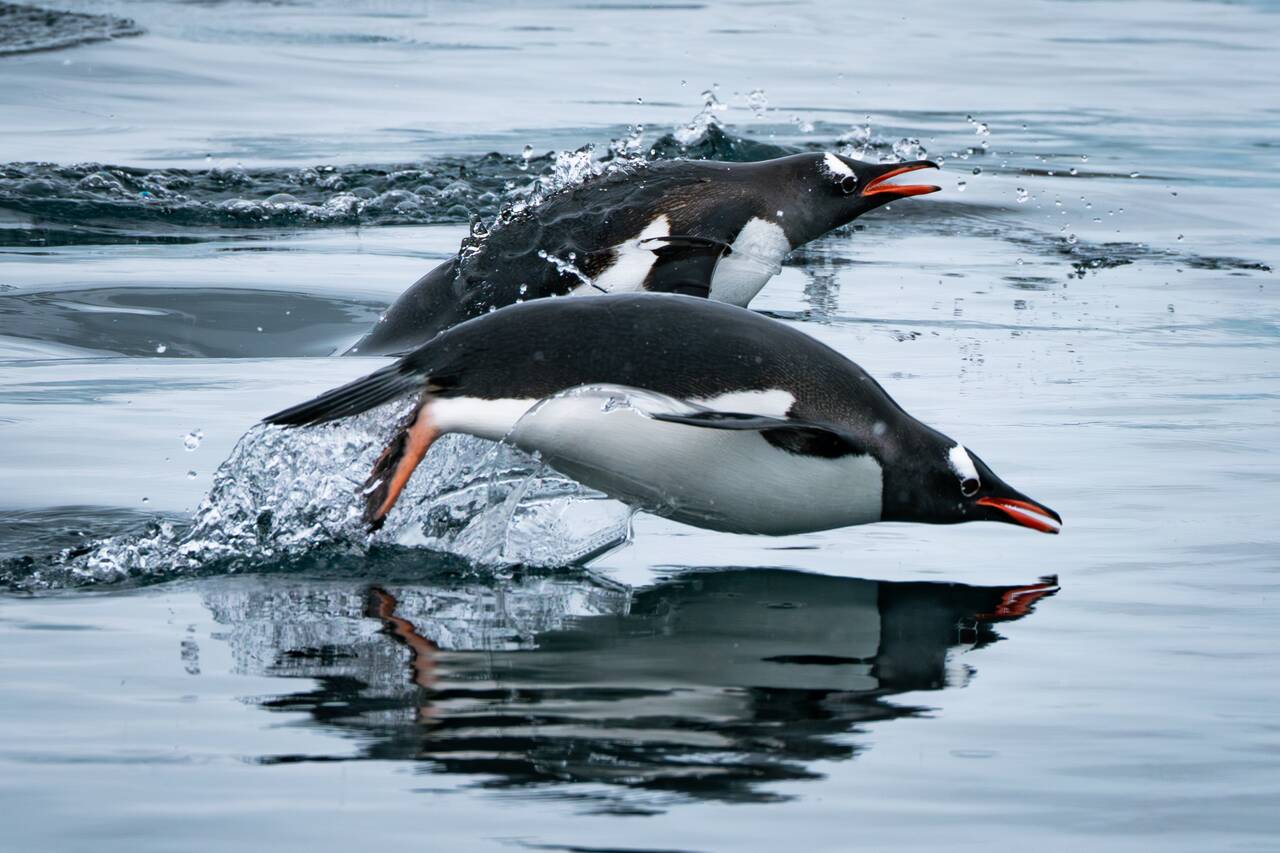
- An Action Camera (GoPro): During Zodiac cruises, you might find yourself wanting to see what’s happening underwater. This is where an action camera like a GoPro comes in handy. A friend of mine brought one along and captured a penguin swimming underwater—it was amazing!
- Telephoto Lens (Sony 70-200mm F2.8): A medium-range telephoto lens such as a 70–200mm is ideal for excursions, allowing you to get closer shots of wildlife without carrying something too heavy. A lens with a faster aperture is even better, as Antarctica can often be cloudy and surprisingly dark.
- Super-Telephoto Lens (Optional) (Sony 100-400mm F4.5-5.6): For photographing whales and orcas where you cannot physically get close, a super-telephoto lens in the 100-400mm range can be incredibly useful. You will mostly use this from the ship, so you will not need to carry it around often. Combined with a teleconverter and a high-resolution camera, you can capture impressive close-up shots of wildlife from far away.
- A Wide-Angle Lens (Sony 16-35mm F2.8): A wide-angle lens like 16-35mm is perfect for capturing the scale and atmosphere of Antarctica, from towering icebergs to dramatic landscapes. It is also great for documenting everyday life on the ship. Locations like the Lemaire Channel especially benefit from a wide-angle lens, allowing you to fully capture the sheer vastness of the scenery as your ship passes through.
- Spare Batteries: Be sure to pack several spare batteries, as the cold can drain lithium batteries surprisingly fast. I brought around 2 spare batteries on this trip and often found myself using replacing once during a long day.
- Spare Memory Cards: The same goes for memory cards, since you are almost certainly going to take thousands of photos on this trip.
- Water Protection (optional): You may get splashed during Zodiac excursions, so it is a good idea to bring some form of water protection for your camera gear, such as a dry bag or even a simple plastic bag to cover your camera in rough conditions. Personally, I brought a dry bag but never actually used it since my camera is weather-sealed. Although there was some snow, it was never heavy enough for me to feel the need to use a dry bag at any point during the trip.
- Water-Resistant Backpack: You will need a good water-resistant or waterproof backpack to carry all your camera gear during landings. I used a Compagnon Backpack, and it was great—offering excellent capacity with a roll-top design, a camera compartment for easy access, and a very durable, weather-resistant build. It also comes with a rain cover just in case.
What Not to Bring to Antarctica
- Tripod: I brought a tripod with me, but I didn’t use it once. We were discouraged from placing anything on the ground during landings due to the risk of avian flu, as we were often walking around penguin droppings. On the ship, I also didn’t use it, as there were always people around to take photos for me. You can bring one just in case, but if you are looking to shed some weight, this can safely be left at home.
- 400+ mm Super Telephoto Lens: Unless you are a professional wildlife photographer, you won’t need anything over 400mm when it comes to telephoto lenses. During landings, you will be quite close to the wildlife, sometimes they even come right up to you, while whales/orcas can also come quite close to the ship. If they don’t, you can always photograph them together with the surrounding landscape instead.
- Drones: Drones are completely banned under IAATO regulations (the governing body of Antarctic tourism), so just leave them at home. Even if they weren’t, you definitely wouldn’t want to take off or land one from a moving ship. Trust me, bro and sis, I’m speaking from experience 😅
Disclaimer: This post may contain affiliate links. See our disclosure policy.
First Published:
Last updated: