



Poland is one of those countries that has a little bit of everything: beautiful historic cities, colorful old towns, impressive castles, fascinating history, and some surprisingly spectacular mountain scenery in the south.
With 2 weeks in Poland, you can experience a great mix of what the country has to offer, from exploring the colorful streets of Toruń and the historic cities of Warsaw and Kraków to hiking among the dramatic peaks of the Tatra Mountains in Zakopane.
In this guide, you'll find a complete 2-week Poland itinerary, including a recommended route, how to get around, where to stay, and all the information you need to plan your trip independently. Let's begin!

Poland 2 Weeks Itinerary Map

Poland Two Weeks Itinerary
Day 1 - 2: Warsaw (3 nights)

- 📍 Stay: Moxy Warsaw Praga
- 🕐 Time: 3 nights
- 📖 Full Guide: 10 Best Things to Do in Warsaw
If you are traveling by air, you are most likely to arrive in Warsaw, the capital city of Poland, and one of the country's most vibrant cities. You can easily spend 2 full days here, starting with the Old Square.

The Old Square is the landmark of the city, with a spacious walking area, towers, colorful traditional architecture, and churches all connected through roads leading to the Old Town Marketplace. While at the square, be sure to check out Sigismund's Column, the Royal Castle, and St. John's Archcathedral.

If you want to see the square from above, you can go up the Taras Widokowy tower for a fee, and you will have a 360-degree view of the city. The best time to go up is right before the sun sets.
- Portrait of Poland (9 days)
- Hiking in the Polish Carpathians (8 days)
- Highlights of Poland (8 days)

As with most European cities, one of the best views you can get of a city is usually from a bridge across a river. Warsaw is no different, and you can get one of the best views of the city both during the day and at night from the Gdański Bridge. The Gdański Bridge is located within walking distance of the old square just north of it.

With a nice stroll through the old town down the hill and across the roads, you will be met with the green double-deck bridge where the upper part serves road transport, and the lower part serves trams. Both levels are equipped with sidewalks, so you can walk along the bridge safely.

For the second day, we will take it a little slower and take a bus heading towards Wilanow from the old square (right in front of our hostel) and get off at the end of the line where the Wilanow royal palace is located.
This Baroque royal palace is a wonderful piece of Polish history that survived both World Wars and has become one of the most important landmarks in Poland. The palace is surrounded by beautiful gardens with statues, making it the best place to take a stroll and enjoy the leisurely part of traveling.

After spending a few hours at the Palace, you can take a bus back. But right before entering the city, make sure to drop by Łazienki Park and check out the Palace on the Isle. The park is a great place to stroll in the morning and enjoy a sunny day in Warsaw away from the city. If you are lucky, you might see a few peacocks there too.

Last but not least, be sure to check out the Uprising museum and learn about the heroic uprising of the Polish people against the Nazis during the occupation of Warsaw. This part of history was not known to me until now, so I am glad I visited the museum and learned about the struggle of the people living in Warsaw during the Nazi regime.


Day 3 - 4: Torun (2 nights)

- 📍 Stay: Hotel Kopernik
- 🕐 Time: 2 nights
- 📖 Full Guide: 9 Best Things to Do in Torun
Next up, let's take a break from the big city and visit this small but beautiful fairy-tale town of Torun, one of my favorite cities in Poland. With its medieval architecture, baroque-style church, and its history involving knighthood, walking around Torun was like walking through one of The Witcher novels written by the Polish author, Andrzej Sapkowski.

Torun is also the birthplace of the great mathematician and astronomer, Nicolaus Copernicus, who formulated a model of the universe that placed the sun at the center instead of Earth. Within the city, you will see his statue, museums, and all his legacy living on eternally in Torun.

While in Torun, be sure to visit the Cathedral Basilica of St. John, the Leaning Tower, and the ruins of the Teutonic Castle if you want to dig deeper into the city's medieval history. The castle ruins are a separate attraction from the District Museum and currently cost 20 PLN for a regular ticket.

For the classic panoramic view over Torun, head up the tower of the Old Town Hall, which is part of the District Museum in the middle of the Old Town. In 2026, a regular tower ticket costs 29 PLN, while a combined Old Town Hall exhibitions + tower ticket costs 52 PLN. I highly recommend going up for the view over the red rooftops and Gothic skyline.

Another place that is a must-visit is an observation deck across the river, near the train station, where you will be able to see Torun and its well-preserved wall in its entirety. Visiting the observation deck is highly recommended during sunset or in the early morning when the light is not too strong.


Day 5 - 6: Gdansk (2 nights)

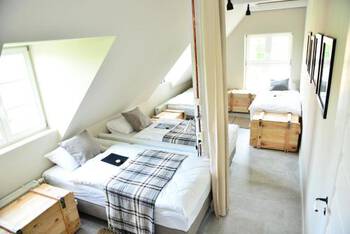
- 📍 Stay: So Stay Hotel
- 🕐 Time: 2 nights
- 📖 Full Guide: 10 Best Things to Do in Gdansk
Gdansk is one of Poland's most important port cities and one of the key places associated with the outbreak of World War II. On 1 September 1939, the German battleship Schleswig-Holstein opened fire on the Polish Military Transit Depot at Westerplatte, beginning the Battle of Westerplatte as Germany invaded Poland. Gdansk is also famous for the colorful architecture around its Long Market, now home to the kind of photogenic facades that feel straight out of an Accidental Wes Anderson feed.
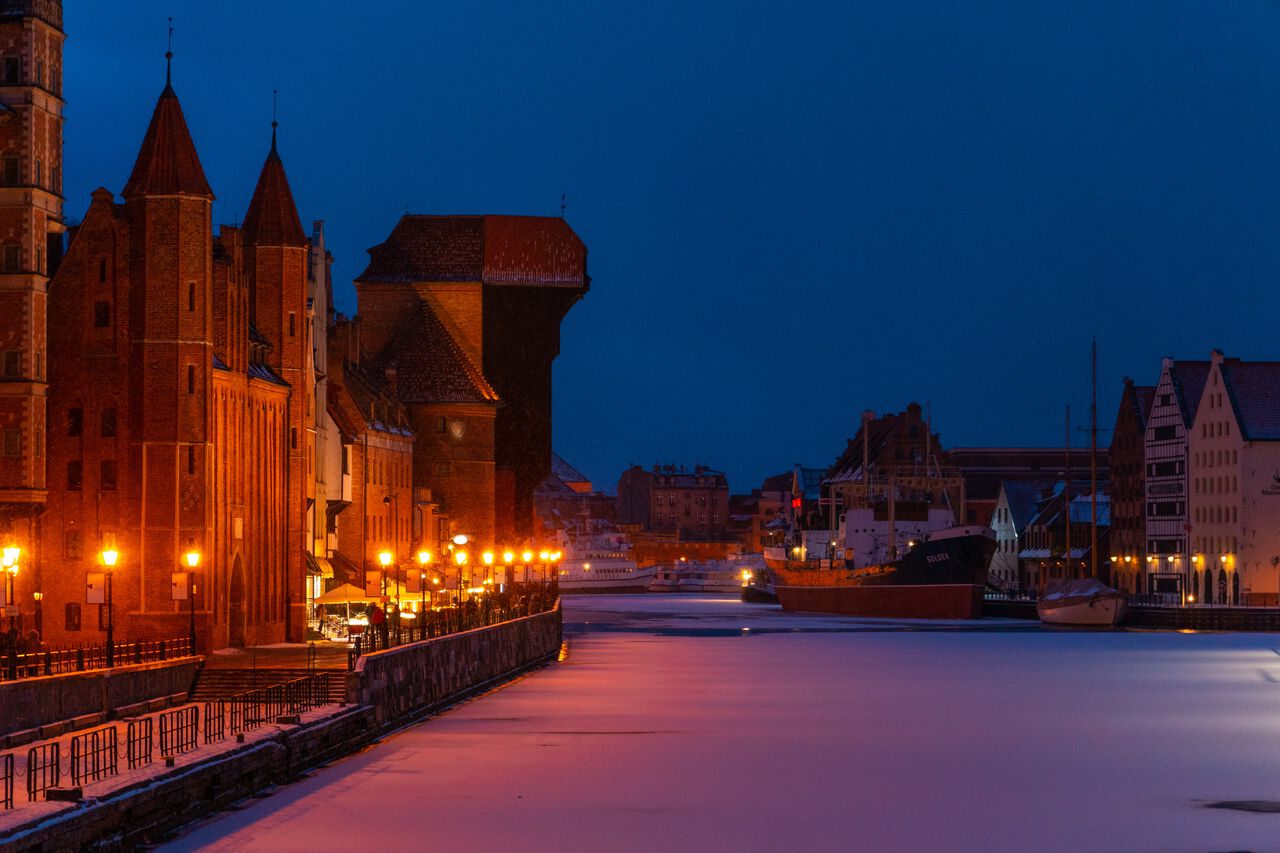
You can spend half days walking through the Long Market and to the port. While at the port, be sure to check out the Catholic Cathedral, the Brama Mariacka (best viewed from the other side of the port), the green gate, and the Golden House along the way.

If you want to learn about the Polish experience during World War II, visit the Museum of the Second World War, located near the Motlawa River in central Gdansk. When I visited, I made the mistake of arriving too late, so do not repeat that. In 2026, the main exhibition is closed on Mondays, open 10 AM to 4 PM on Tuesdays, and 10 AM to 6 PM from Wednesday to Sunday. Tuesdays are free, although visitor numbers are limited.

You can also go a little further and take public transport to Westerplatte, the site of the first battle of World War II. The area is currently being developed into the new Westerplatte Museum, and construction that began in 2026 has changed access around parts of the peninsula, so follow the on-site signs and current visitor information when you arrive.


Day 7: Malbork (half day)

From Gdansk, you can take a train directly to Malbork in the early morning and continue to Poznan afterward. Trust me, Malbork is definitely worth the detour. This enormous 13th-century Teutonic fortress is the largest Gothic castle complex in the world, covering about 21 hectares, and there is no place quite like it. For the 2026 spring-summer season, the full Historical Castle Route costs 80 PLN for a regular ticket and includes a guide in Polish or an audioguide. From Tuesday to Sunday it opens at 9 AM, with the last entry to the full Historical Route at 4:30 PM, so leave yourself several hours rather than treating it as a quick photo stop.

Walking inside the fortress makes you feel like you are in the Witcher novel. The fortress truly captures the medieval, almost fantastical vibe of the typical European folk tales you often heard when you were young.

Within the castle, there are several buildings you can enter and discover on your own. Places like the old church of St. Mary, the tower, and the Great Refectory should not be missed.

Also, be sure to walk across the river and see the castle from the other side. It is best seen during the evening when the sun is about to set, and the water in the river is calm and still.
Day 7 - 8: Poznan (2 nights)

- 📍 Stay: Hotel Altus Poznań Old Town
- 🕐 Time: 2 nights
- 📖 Full Guide: 8 Best Things to Do in Poznan
After Torun and Malbork, you will feel quite strange to be back in a big city, but don't let that intimidate you. Poznan has quite a few things to offer, from the most colorful old square to the reddish-pink-colored Catholic church, the Fara Poznanska.

Walking around the square, you will be towered over by the Poznan Town Hall and its colorful construction houses of Poznan (Domki Budnicze). Right by the corner of the square is the Royal Castle, which I think is cool, but it looks too new for my taste. Therefore, I would recommend spending your one day in the square instead.


Day 9 - 10: Wroclaw (2 nights)

- 📍 Stay: Moon Hostel
- 🕐 Time: 2 nights
- 📖 Full Guide: 10 Best Things to Do in Wroclaw
Wroclaw is another fun city to travel to, with plenty of things to do, ranging from hunting down the gnomes in the market square to learning about the Battle of Raclawice through a panoramic painting.

Within the market square, you will find all these little gnomes scattered all over the area near Wroclaw town hall. It is fun to look out for these gnomes while exploring the Market Square.

Once you are done with the square, head northeast towards the river to reach the observation deck where you can capture a nice photo of Ostrów Tumski, the oldest part of the city.

Ostrów Tumski is by far my favorite area of Wrocław, and I highly recommend spending as much time there as you can. With the beautiful Cathedral of St. John the Baptist and the peaceful vibe of the area, it is a great break from the craziness of the central market square.


Day 11 - 13: Krakow (3 nights)

- 📍 Stay: Hotel Wyspiański
- 🕐 Time: 3 nights
- 📖 Full Guide: Top 9 Things to Do in Krakow, Poland
Krakow is where I based myself when I was living in Poland for 3 months, and it is by far the best place to travel to as a traveler. It offers a perfect balance between the medieval vibe of the city center, the chilled vibe of Kazimierz (the Jewish quarter), and the many day trips you can take, such as visiting the Salt Mine or Auschwitz.

Although I can easily suggest things to do for a week in Krakow, I'll limit the suggestions to only the best of the best since not everyone will have enough time in Krakow.

First, I recommend you spend your first day visiting the Auschwitz-Birkenau Memorial to learn about the history of the German Nazi concentration and extermination camp. I believe it is important to learn what happened, no matter how difficult the subject is. As of March 2026, all entry passes for individual visitors, including free unguided entry passes and paid guided visits, must be reserved online through the Memorial's official booking system. Entry is limited, so book well in advance rather than simply turning up from Krakow.

After spending a day in Auschwitz, it is time to head back to the city and spend a nice evening treating yourself to excellent food. Kazimierz is a great place to spend your evening, with delicious street food, especially Zapiekanka (a must-try), and enjoying a nice glass of wine outside while listening to live Jewish music.

The next day, spend some time in the city center and check out the stunning interior of St. Mary's Basilica and all the attractions surrounding the square, such as the Town Hall Tower and Krakow Barbican. Also, be sure to buy a ticket to go up the tower to get a nice view of Krakow from above.

Walking south towards Kazimierz, you will see the Wawel Castle, located on top of a hill overlooking the city. The Wawel Castle is one of the most important landmarks in Krakow and a must-visit when you are in the city. The architecture of the Wawel Castle is a mixture of Romanesque, Gothic, Renaissance, and Early Baroque due to its occupation and capture by different rulers throughout its existence. I recommend spending at least a few hours there to learn more about its importance among the Polish people.

At night, make sure to go further south from the Wawel Castle, cross the bridge, and take a nice stroll around the Vistula River for a grand view with lights illuminating the castle and its surroundings.

If you have time to spare, be sure to visit the Kościuszko Mound and hike up to the top for a nice view of the city in its entirety. You can also take a day trip to the Wieliczka Salt Mine, just outside Krakow. The Tourist Route is visited with a guide and the mine uses separate high and low-season pricing in 2026, so I recommend booking directly through the mine's official ticket system before you go, especially in summer.


Day 14 - 15: Zakopane (2 nights)

- 📍 Stay: Angel City by Turnau
- 🕐 Time: 2 nights
Last but not least, Zakopane is a city located under the shadow of the Tatra mountain range between Poland and Slovakia. The place is popular for hikers in the summer and skiers in winter, so you will often find this city occupied by local and foreign travelers alike most of the time. Everything is booked fast, so be sure to prepare prior to arriving.

If you like hiking and have a day in Zakopane, I would recommend going to Morskie Oko. The walk from Palenica Białczańska to the lake follows an approximately 8 km paved mountain road each way, so allow around 5 - 6 hours for the round trip plus time at the lake.
Start early, ideally before 8 AM, because this is one of the busiest routes in the Tatras. Buses run from Zakopane to Palenica Białczańska, and Tatra National Park now also sells e-bus tickets for this route. You also need a Tatra National Park entrance ticket. In colder months, check the current TPN and TOPR trail and avalanche reports before setting out, as the road can temporarily close during dangerous winter conditions.

If you don't like hiking or if it is too cold outside, then I would recommend that you book a ticket and go up the cable car to the Kasprowy Wierch. From there, you will be able to see the mountain range from the top. Be sure to check the weather and book the ticket from their website before arriving to avoid disappointment and long lines.
If you don't like hiking, another option is to take the cable car from Kuźnice up to Kasprowy Wierch for panoramic views across the Tatras. Book online in advance because tickets are timed and popular departures can sell out. During the 2026 high season, a regular return ticket bought at the ticket office costs 165 PLN, while advance online prices vary from 99 to 165 PLN depending on the date and availability. Always check the weather before paying, as conditions on the ridge can be completely different from Zakopane below.

After spending the first half of your day up there, you can relax at the city center with some delicious smoked cheese with jam (oscypek) and cozy up with a glass of mulled wine, which you can get from almost anywhere in the city center.

In the evening, go out and have a nice traditional dinner at Karcma Zapiecek, listen to live traditional folk music, and drink away your last night in Poland. The location of the restaurant is shown below.
From Zakopane, you can take an early morning bus back to Krakow. From there, you can either continue your journey down to Košice, Slovakia or head back to Warsaw and end your trip there.


Poland Travel Video
Why Visit Poland?
After spending more than 3 months in Poland, what stood out to me was how easy the country was to travel around independently. The cities on this route have excellent public transport, intercity trains are extensive, and I found everyday travel costs noticeably lower than in many Western European destinations. That combination is a big part of why Poland works so well for a backpacking trip.
It has become a country in its own league with its unique traditions, language, and tragic history to draw from. All these points make Poland a great country to visit for all kinds of travelers, from history buffs to off-the-beaten-path adventurers alike.
When to Visit Poland?
May to September is generally the easiest time for this itinerary, especially if hiking around Zakopane is a priority. June to August brings the warmest weather but also the biggest crowds in Krakow, Gdansk, and the Tatras. For a better balance, I would aim for May, early June, or September. April can still be wintry in the high Tatras, so I would not treat it the same as late spring if Morskie Oko or other mountain hikes are a major part of your trip.
Poland in winter is its own beast, with snow contrasting beautifully against the colorful architecture and far fewer people around. The weather can get seriously cold though, and I experienced -16°C once. Some attractions operate shorter winter hours, while mountain conditions around Zakopane can involve snow, ice, and avalanche risk. If you travel in winter, check individual attraction hours and the current Tatra National Park and TOPR conditions rather than assuming the same itinerary will work exactly as it does in summer.
How to Get to Poland?
You can fly into Warsaw or Krakow, depending on where you want to begin your trip. You will likely find more flights going into Warsaw, though. However, for the best possible deal, I would recommend browsing through Skyscanner or Expedia to compare prices and find the cheapest one for your trip.
Poland is part of the Schengen Area, so visa requirements depend on your passport and your total time in Schengen. For non-EU short-stay travelers, the EU Entry/Exit System (EES) has been fully operational since 10 April 2026 and records border crossings digitally instead of relying on passport stamps. ETIAS is separate and is not yet operating as of September 2026; the EU currently says it will begin in the last quarter of 2026. Travelers who normally require a Schengen visa still need the appropriate visa, so check the rules for your nationality before departure.
If you are already in Europe and are on a budget, long-distance buses such as FlixBus can also be a good way to reach Poland from neighboring countries. Fares vary significantly by route and how early you book, so compare the bus against the train rather than assuming it will always cost only a few euros.
How to Get Around Poland?
Buses and trams in Poland are easy to navigate with Jakdojade, which remains one of the most useful apps for checking urban public transport routes and departures. It covers the major cities on this itinerary, including Warsaw, Gdansk, Poznan, Wroclaw, and Krakow, and in many cities you can also buy local public transport tickets directly through the app.
For traveling from city to city, you can either use Flixbus or the train. They are both really accessible and quite cheap, especially buses, and you can book all of them online. When it comes to buses, I'd recommend booking directly with Flixbus or through Busbud.com. As for trains, you can book a train ticket online on the Intercity website.
Daily Budget


This location is less expensive than most countries, but it's not exceedingly cheap. Expect to spend around $30 - $50 USD per day per person, which includes both accommodation and meals.
Please keep in mind that these are suggested daily budgets based on my own style of travel, which leans more towards the budget side of things. If you aim to stick to this budget, anticipate sleeping in dormitories, dining out only occasionally, and being comfortable with the cheapest and most convenient modes of transportation, which often involve a considerable amount of walking.

Disclaimer: This post may contain affiliate links. See our disclosure policy.
First Published:
Last updated:
10 Comments
Hi Pete, that's a great guide describing best places in Poland in a nutshell. Good job!
I'd also add to this list one more option for nature lovers and hiking aficionados - Babia Góra National Park.
It's mountainous area with the highest peak reaching 1725m. Very beautiful and not so crowded like Tatra mountains.
Hey Joanna,
Thank you for the comments! :) Glad you like the guide. I really enjoyed my time in Poland as I was basing myself out of Krakow for my 3 months trip in Europe early this year. I will be writing a more in-depth Krakow guide soon too so stay tuned!
Also, thank you for the suggestions! Tatra was very crowded indeed and I wasn't even in the hiking season. If I go back there, I'll definitely align my time to European spring or autumn and surely go hiking in Babia Góra National Park! Thanks again for the suggestion!
Thanks Pete, I like your great itinerary for a two week trip to Poland. I"m taking my 18 year old granddaughter to Poland in July 2019, these are the places I want to show her, ( also visit my relatives in Warsaw and Wroclaw.) It's a perfect itinerary, I am too old to backpack, but I still enjoy short hikes. I'm happy you liked Poland, it's my birthplace.
Thank you for the kind words Longina. :) Poland is amazing and I had a great host there so I was able to experience a bit more than most. I was basing out off from Krakow for 3 months while there. :) Your granddaughter will surely enjoy the stunning colors the Warsaw and Wroclaw. Zakopane will also be a great getaway into the mountains but be sure to book everything way beforehand as it is always full there, ski season or hiking season.
Good luck with your trip! :)
Can we set our base at one place and visit all the above places?
14 days stay in krakow or Warsaw and daily visits to above places is possible? Please advise
Hi Sean,
Daily visits would be too rush and very limiting in my opinion, even if you have your own car. If you don't, it is almost impossible to do day trips and have a worthwhile experience in these destinations. For one, the buses and trains run on specific schedule that makes it impossible to do it in one day and have enough time to explore the city.
Even if you have your own car, it will still be very difficult to accomplish this. Traffic and distance are big factors that can affect how long your journey to these cities will be. Poland is huge and I fear you would be ending up spending most of your time in the car instead of exploring the cities.
I would recommend you visit each location in a loop while staying overnight in each city and travel in circle back to Krakow or Warsaw, where you begin. That way, you should be able to see everything on this itinerary within 14 days and still get to explore them at your leisure.
I hope this helps!
"First I recommend you spend your first day in Auschwitz learning the dark past of Poland so that you can understand the country a bit more." It's not Polish dark past but Germany's (called Nazi) one. Bear that in mind please. There wouldn't had been any Auschwitz without Germany.
Thank you for the clarification, Alek. This will be great for other readers in case they are wondering. I wrote it that way to keep the introduction brief and pique interest but I totally understand what you mean here.
Would like to do a 2-3 week backpacking trip in Poland for next year.
Hey Mario, Highly recommended! :)