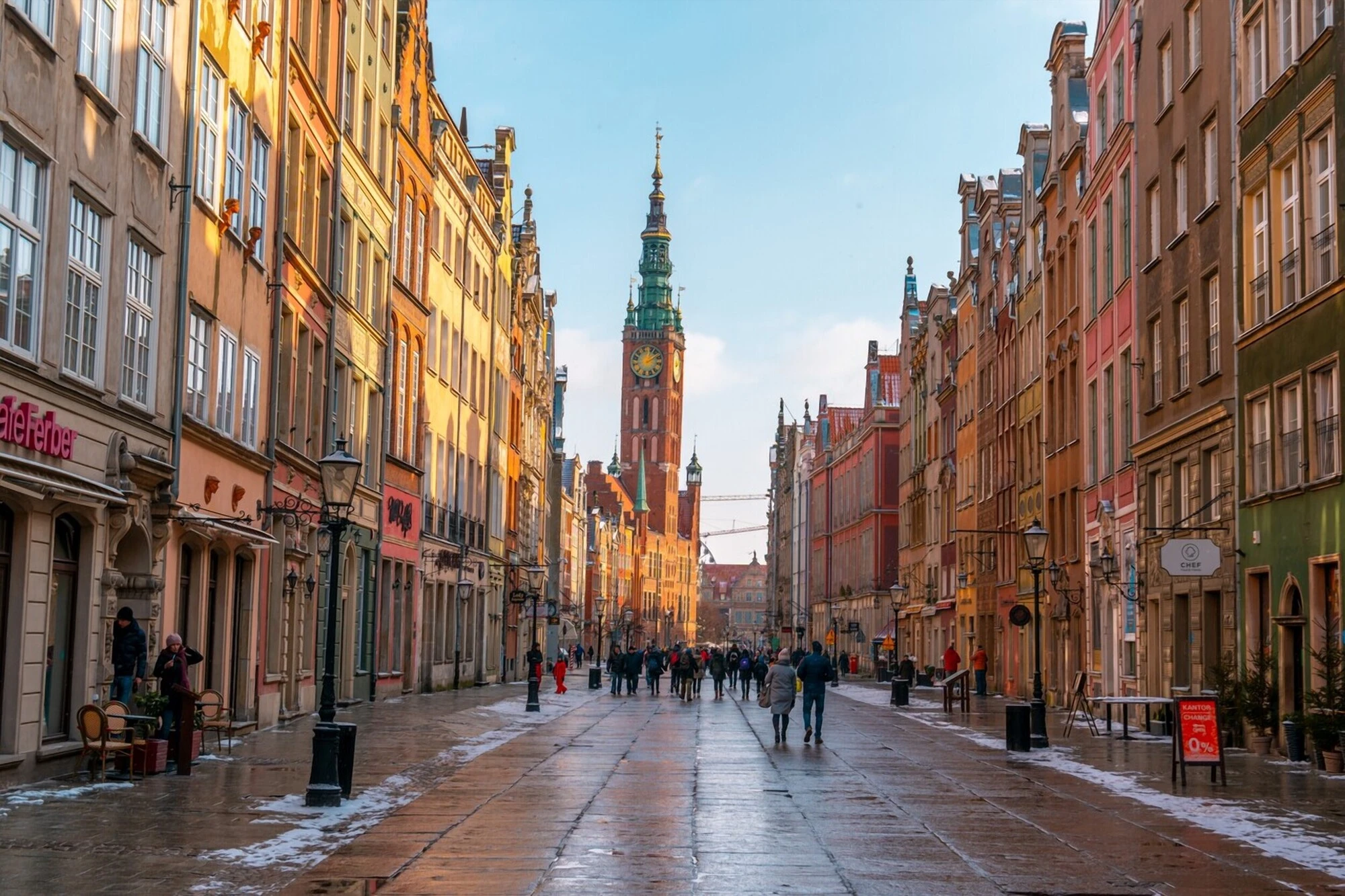



Gdansk is one of the most important port cities in Poland. Over the years, the city has become famous for its colorful architecture and the medieval-style port, attracting tourists from all over the world. However, the city also has a dark history.
It is here in Gdansk that most historians regard it as the very first place where World War 2 actually began. The first clash between Nazi Germany and the Polish force happened here during the invasion of Poland, which signified the beginning of the brutal conflict.
Within this article, we will be highlighting both the beautiful medieval tourist attractions as well as history museums that will allow you to understand the big picture of how the WWII event went down, among other cool things to do here.
Without further ado, here are the 10 best things to do in Gdansk for solo travelers, and all the information you need to have a great time there.

Gdansk Things To Do Itinerary Map
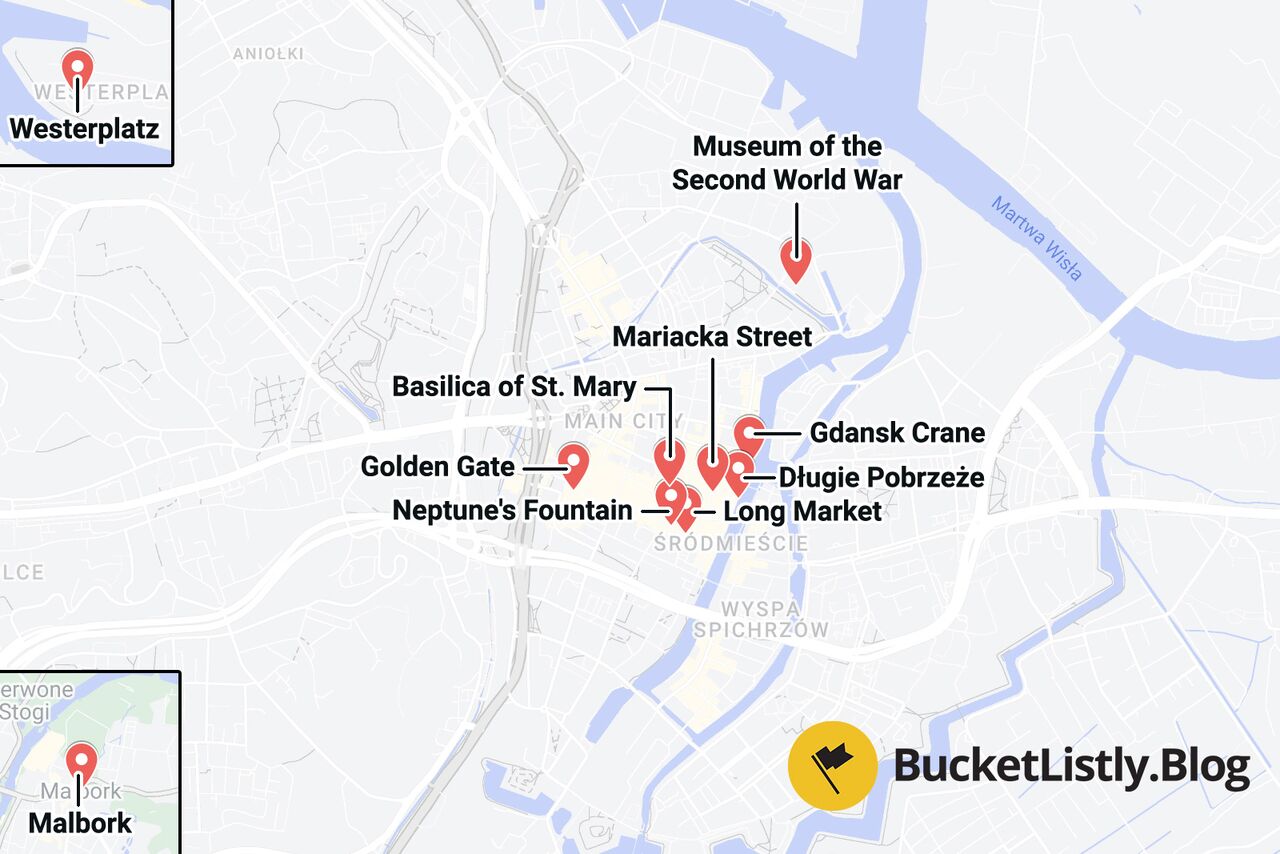
Quick Summary
| ♥️ Must Visit: | Long Market |
|---|---|
| 🏛️ Best Museum: | Museum of the Second World War |
| ☀️ Great Day Trip: | Malbork |
| 🛌 Place to Stay: | So Stay Hotel |
10 Best Things to Do in Gdansk
1. Walk the Length of the Long Market
- 📍 Location: Long Market [Map Link]
- 💰 Entry Fees: 6 EUR (~7 USD)
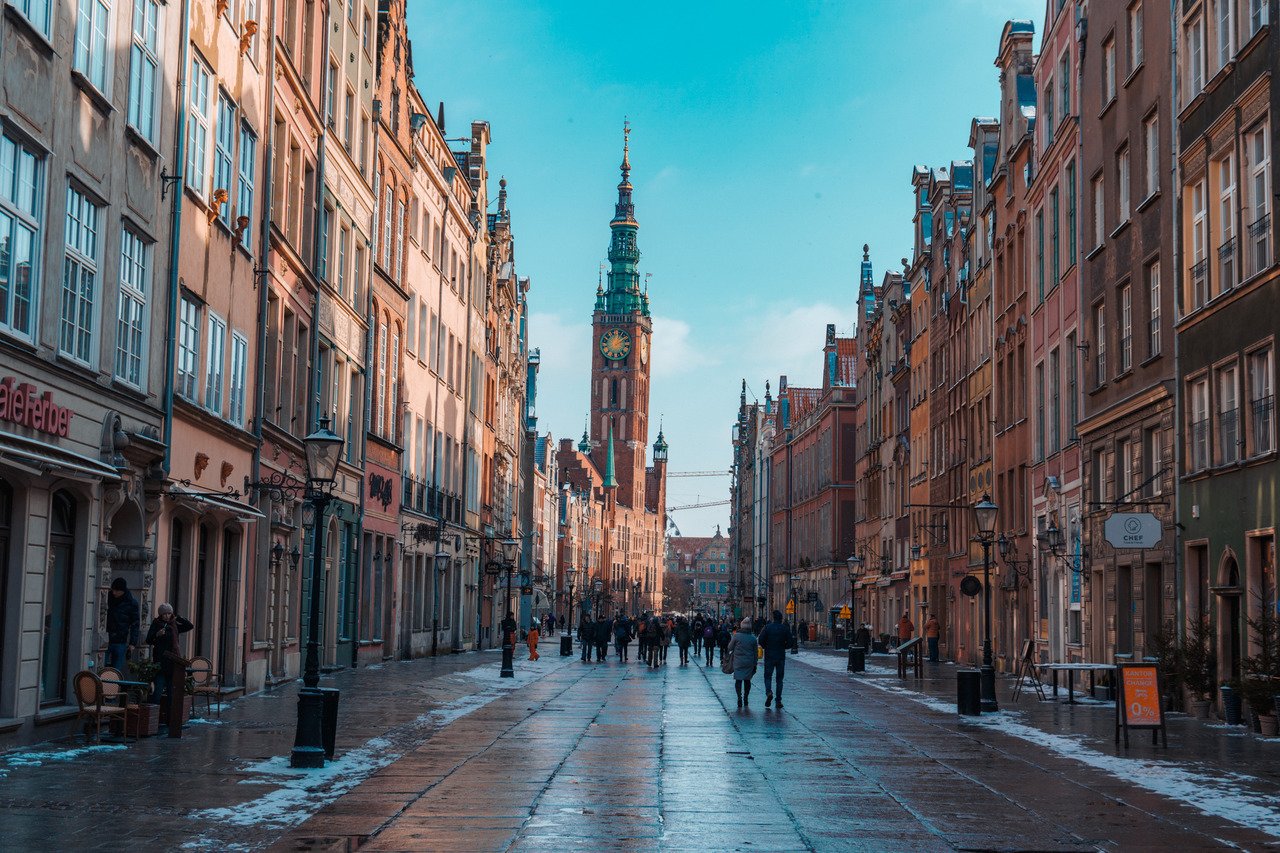
- ⚡ Pete's Take: "This street is so long! Maybe that's why they call it the Long Market? 🤣"
One of the most notable tourist attractions in Gdansk, and one you shouldn't miss, is the Long Market. It got its name from the length of the strip that draws a 500-meter straight line across Gdansk Old Town, stretching from the Green Gate to the Golden Gate.
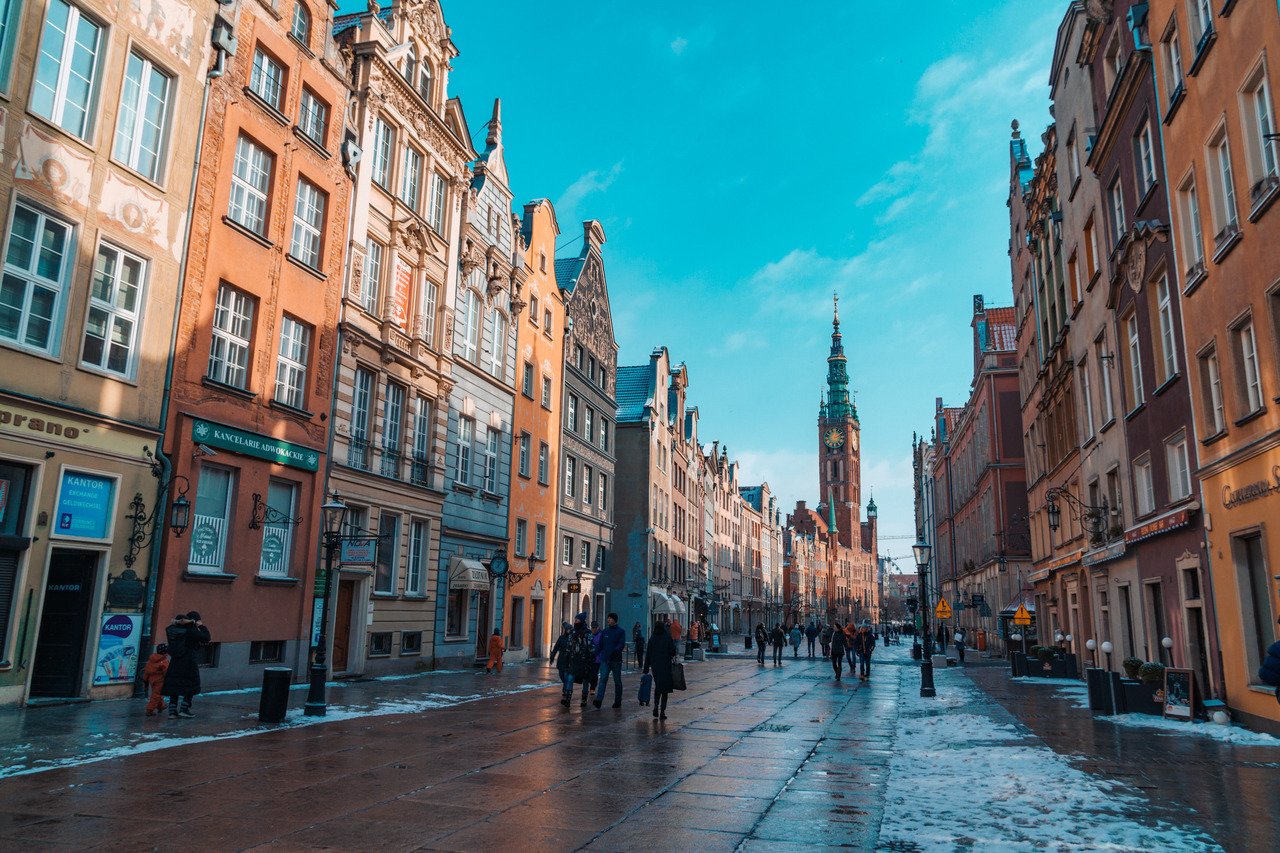
The Long Market was established in the 13th Century as a merchant road for people to come and congregate, but nowadays, the strip is more known for its colorful traditional houses and other unique features waiting for you to explore.
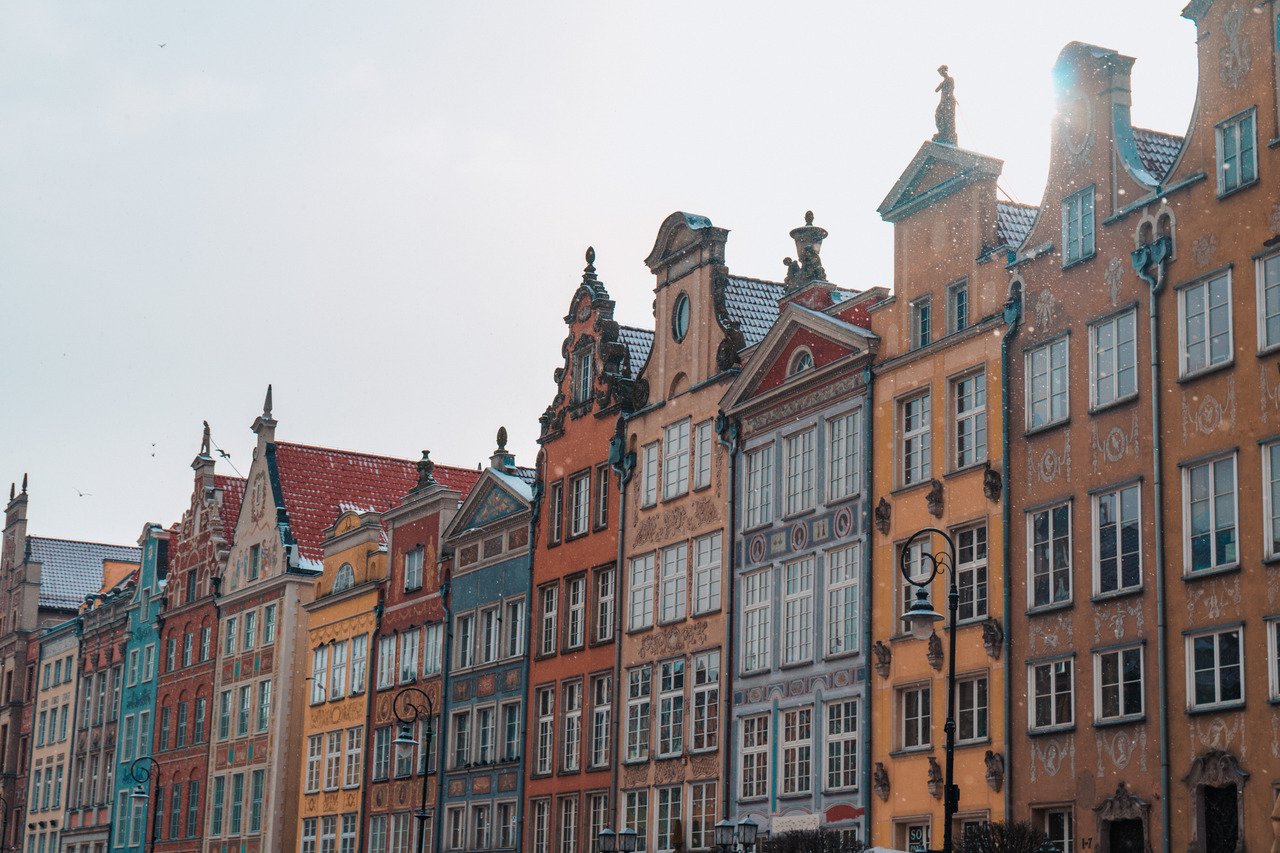
The market strip also connects most of the tourist attractions in the city together, so if you are not sure where to begin exploring Gdansk, start from the Long Market.
- Five Point Hostel & Apartments (Budget)
- So Stay Hotel (Mid-Range) 👍 Top Pick
- Celestin Residence (High-End)
- Shooting Range Experience in Gdansk Poland (45 minutes)
- Stutthof Concentration Camp English Tour with Gdansk Hotel pickup (4 to 5 hours)
- 1-Day Private Tour Stutthof Concentration Camp and Malbork Castle (8 hours)
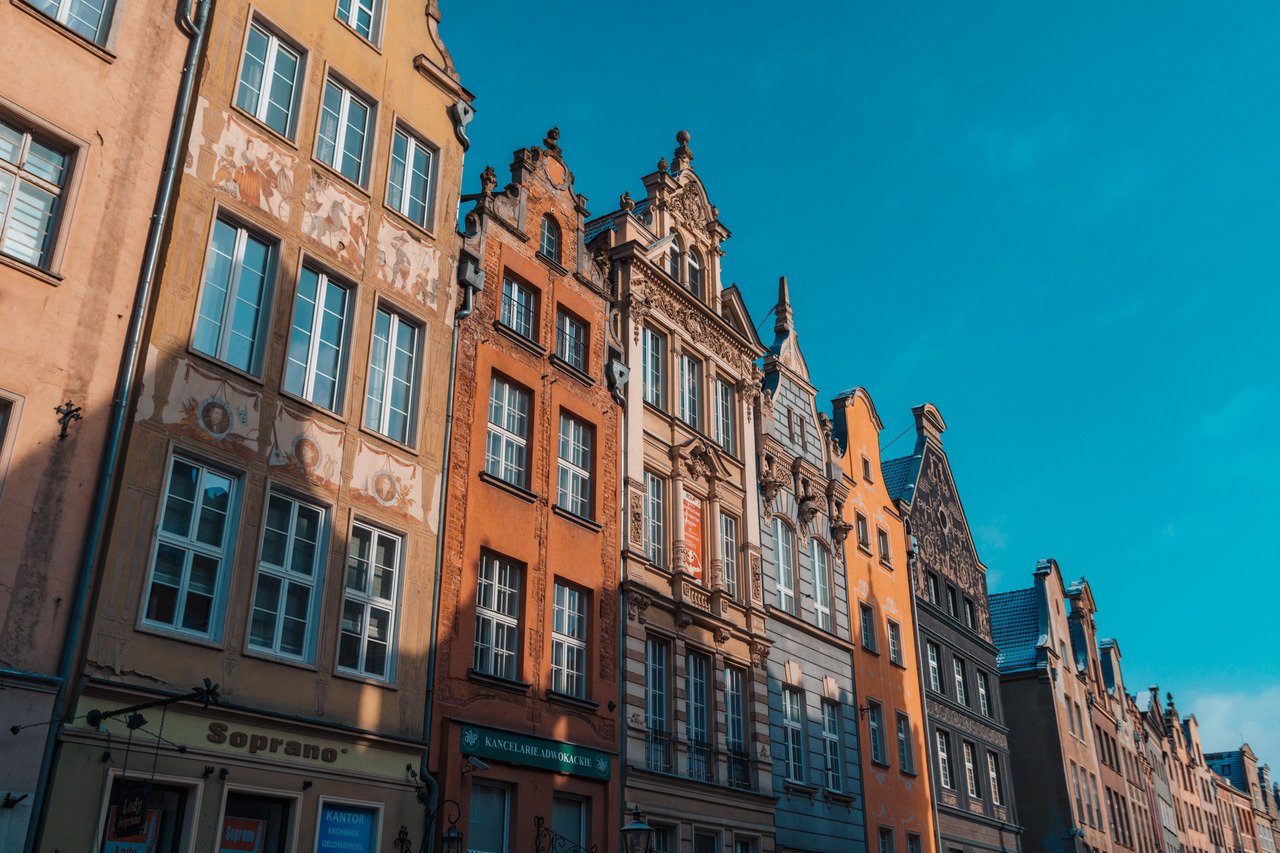
If you want to get a better, deeper dive into the history of the Long Market and all its tourist attractions, I highly recommend you go on a walking tour which should cost you no more than 6 EUR.
Where to Stay in Gdansk?


2. Drop By the Golden Gate
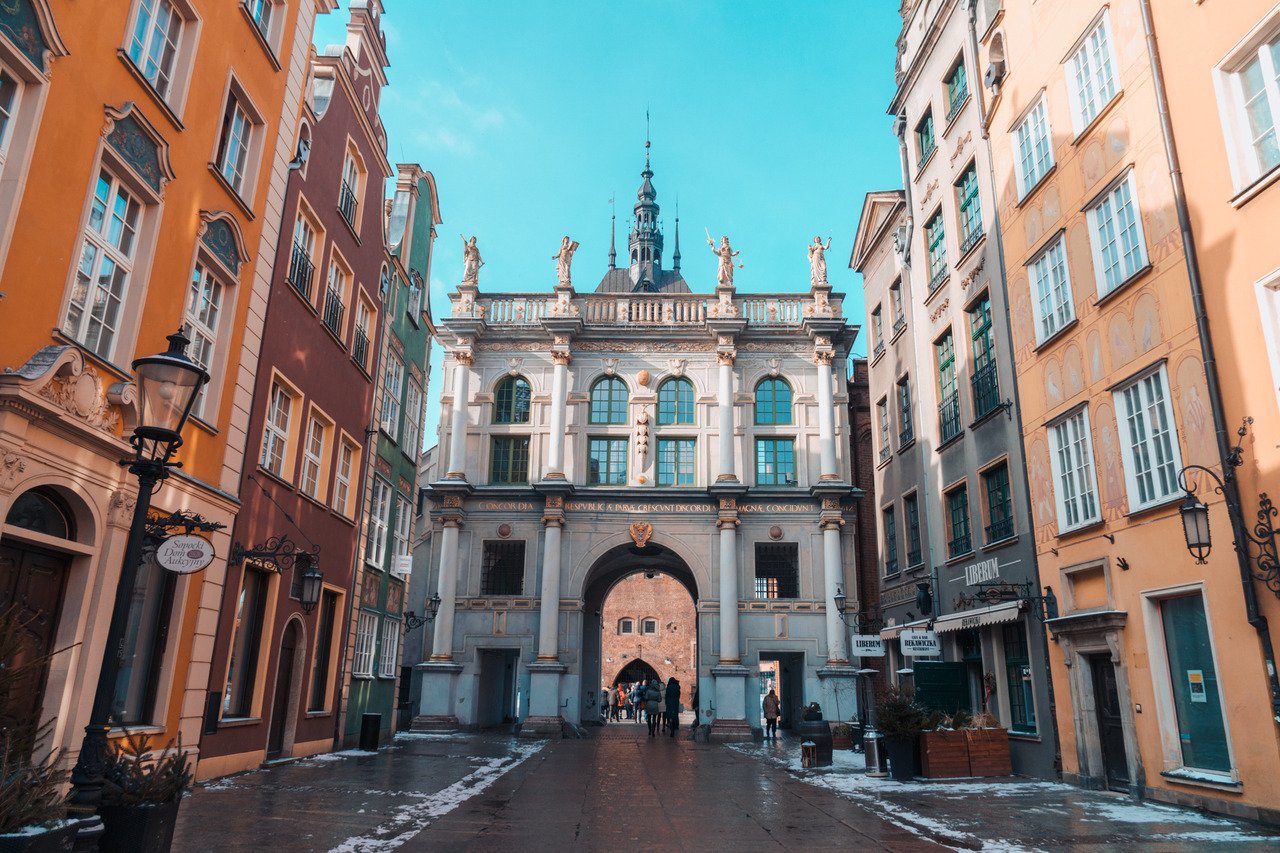
- 📍 Location: Golden Gate [Map Link]
- ⚡ Pete's Take: "Such a beautiful piece of architecture that can easily be missed. Don't forget to look up at these gates around the Long Market."
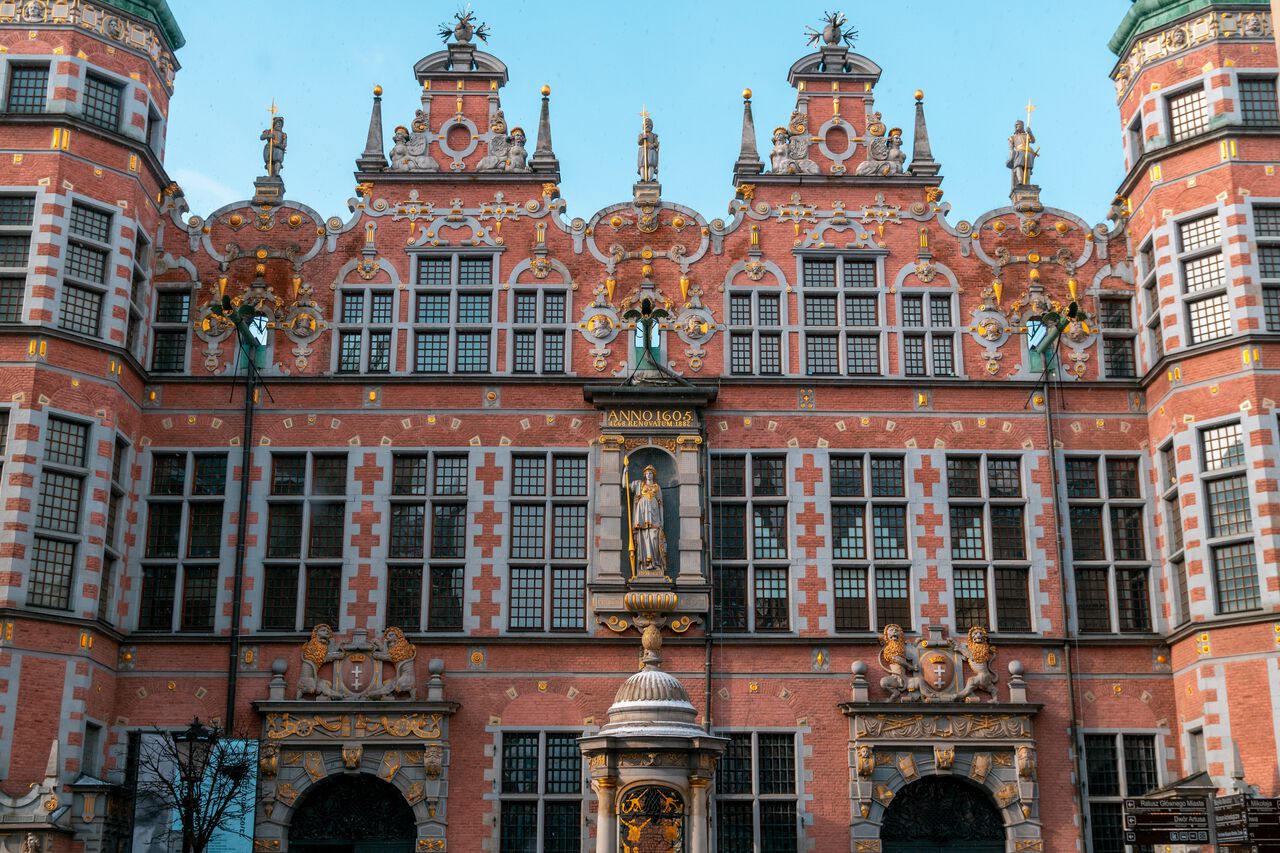
On the western end of the Long Market, you will find the Golden Gate, one of the most prominent gates in the city that marks the beginning of the Long Market.
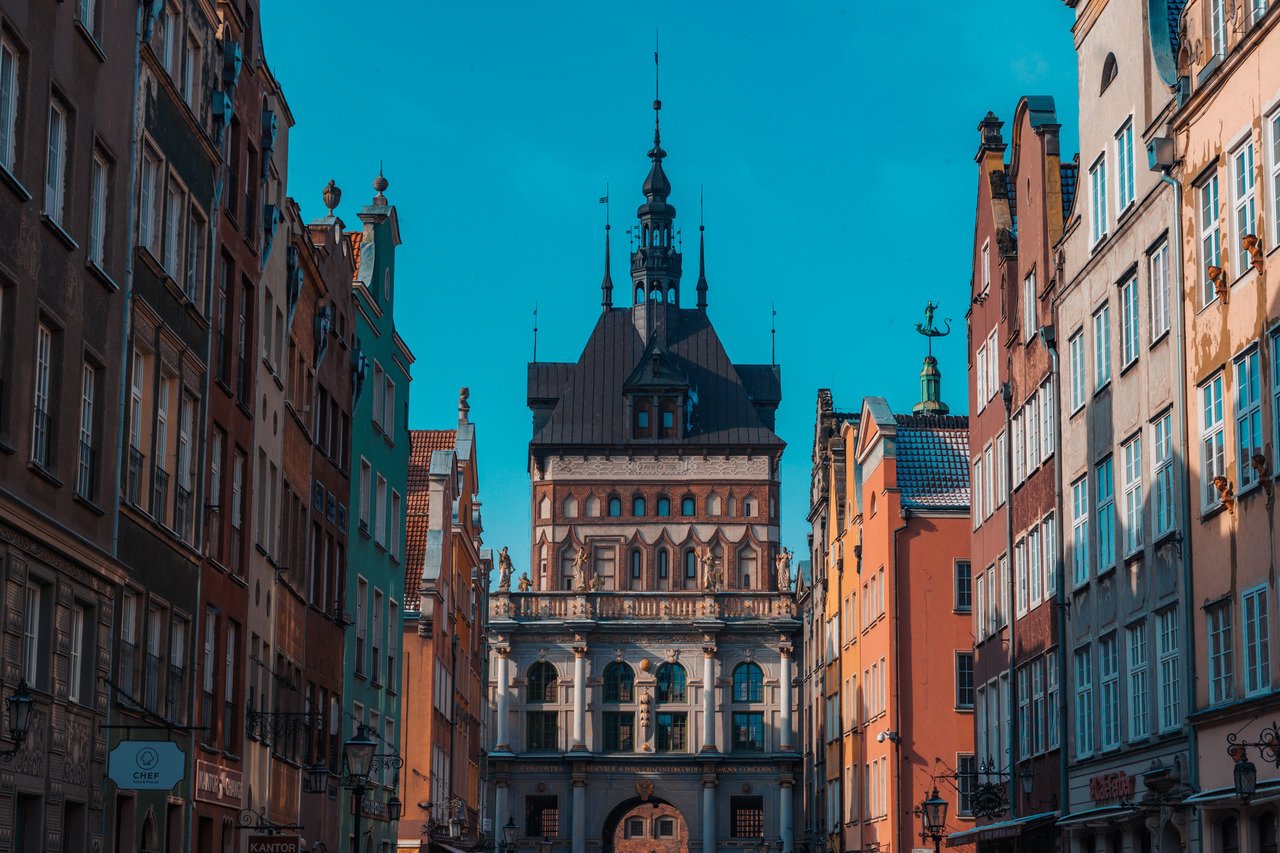
The gate was constructed in the 17th century as part of the old city's fortification, and it was designed by a Dutch architect in the Dutch Mannerism architectural style.
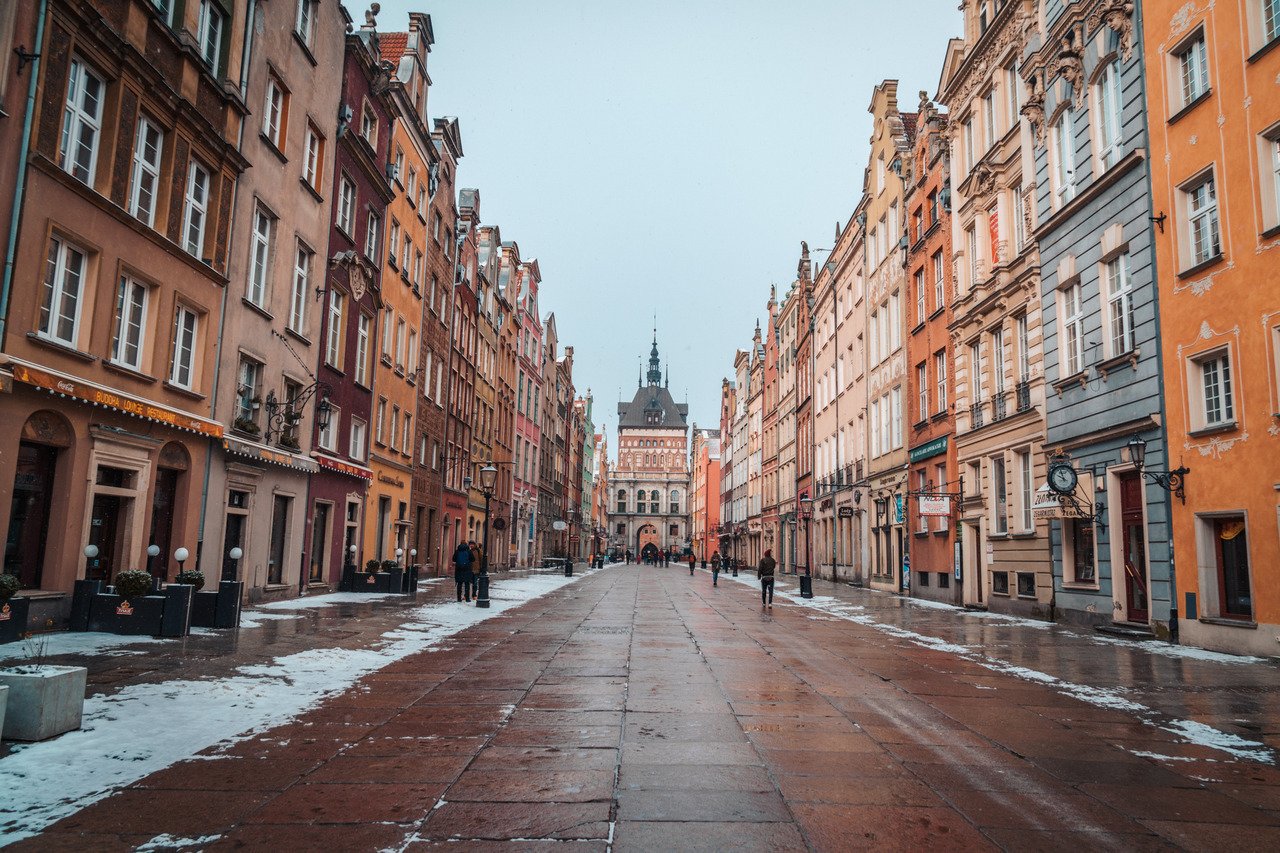
The gate is adorned with antiques and figures symbolizing the qualities of the ideal citizen, with a Latin inscription on the gate that reads: "In agreement, small republics grow; because of disagreement, great republics fall", which I think is pretty interesting.
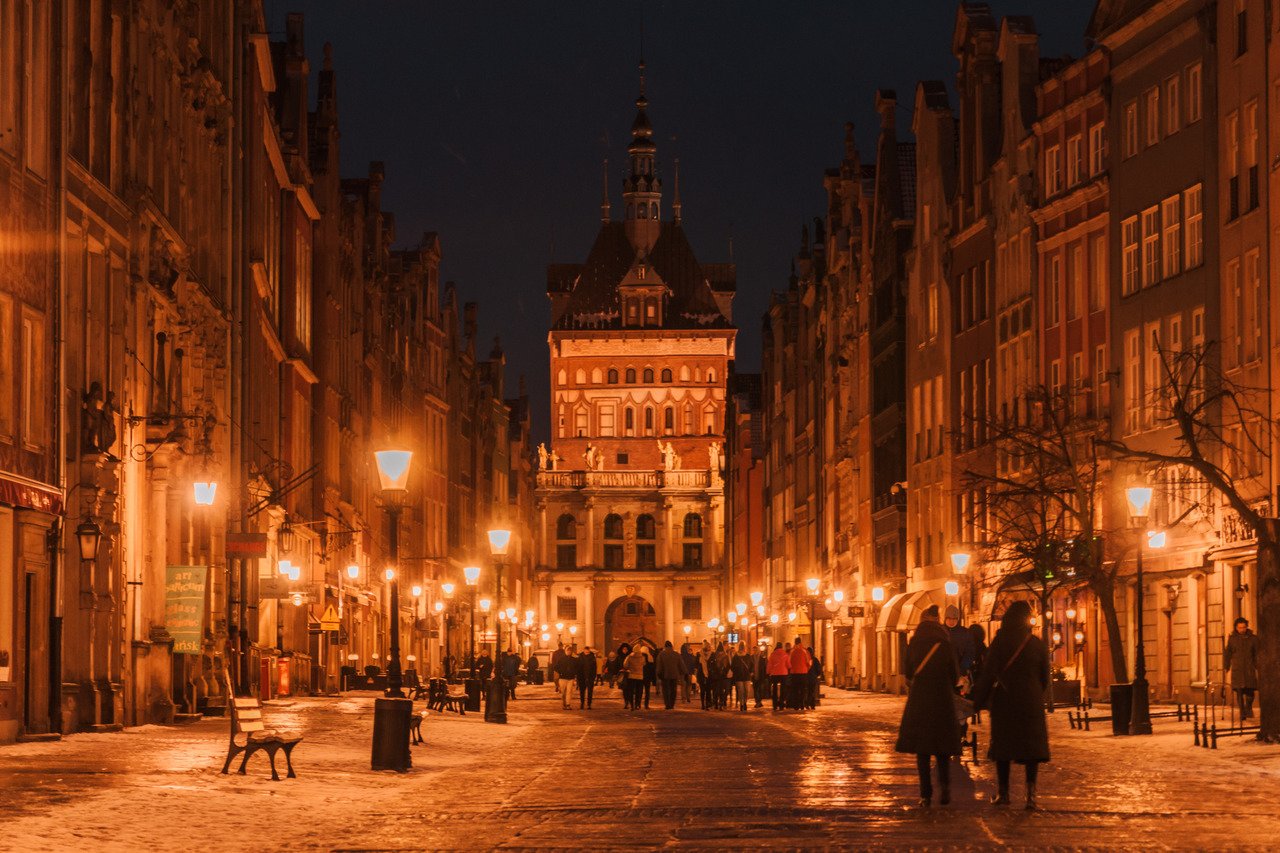
If you are visiting the Long Market, you won't miss the Golden Gate. It is one of the most impressive features of the Long Market, and I highly recommend you drop by there and check out its beautiful decor.
3. Take Photos with the Famous Neptune's Fountain
- 📍 Location: Neptune's Fountain [Map Link]
- ⚡ Pete's Take: "Much like the mermaid statue in Copenhagen, this statue of Neptune is the symbol of the city. It's worth snapping a few photos!"
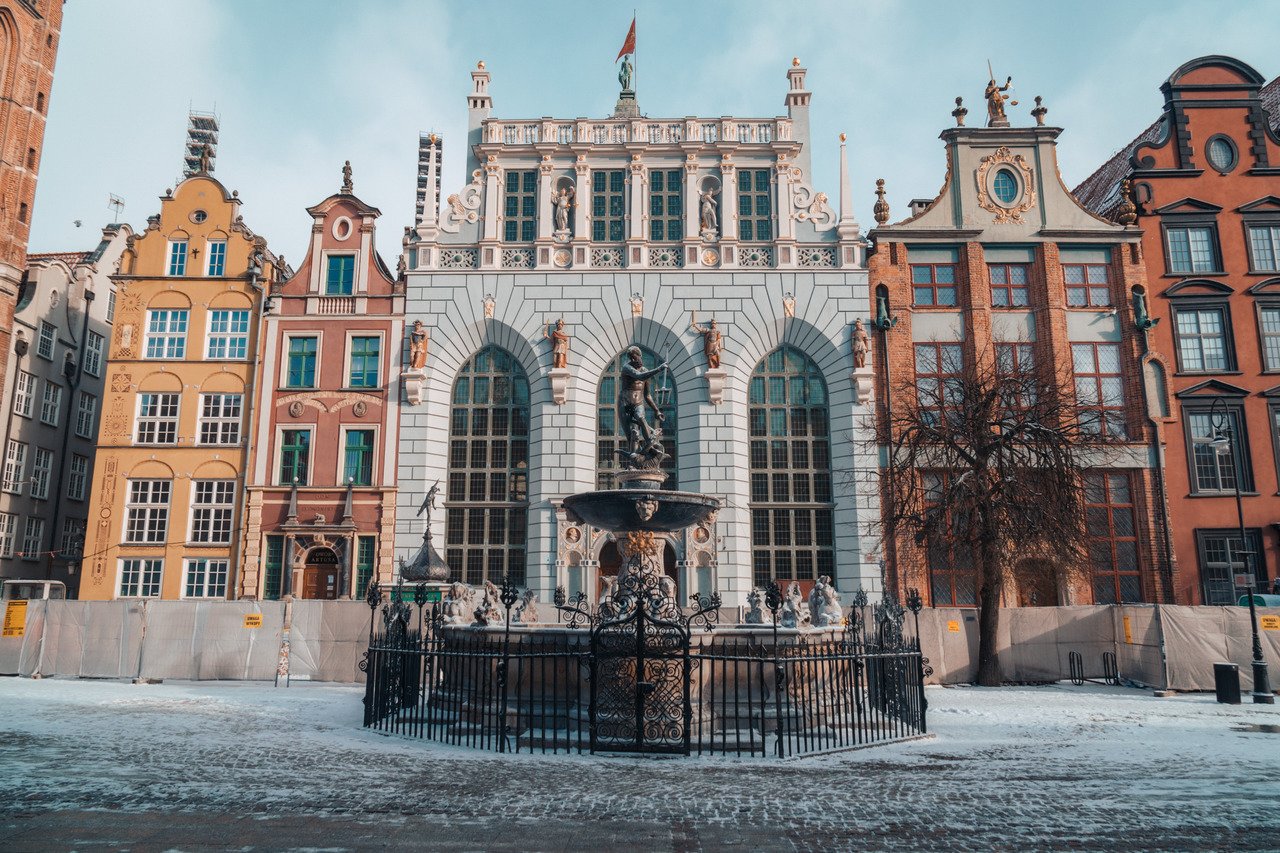
Another famous landmark in the Long Market is Neptune's Fountain, one of the most distinctive landmarks of the city. If the mermaid statue is the symbol of Copenhagen, then Neptune's fountain is the symbol of Gdansk.
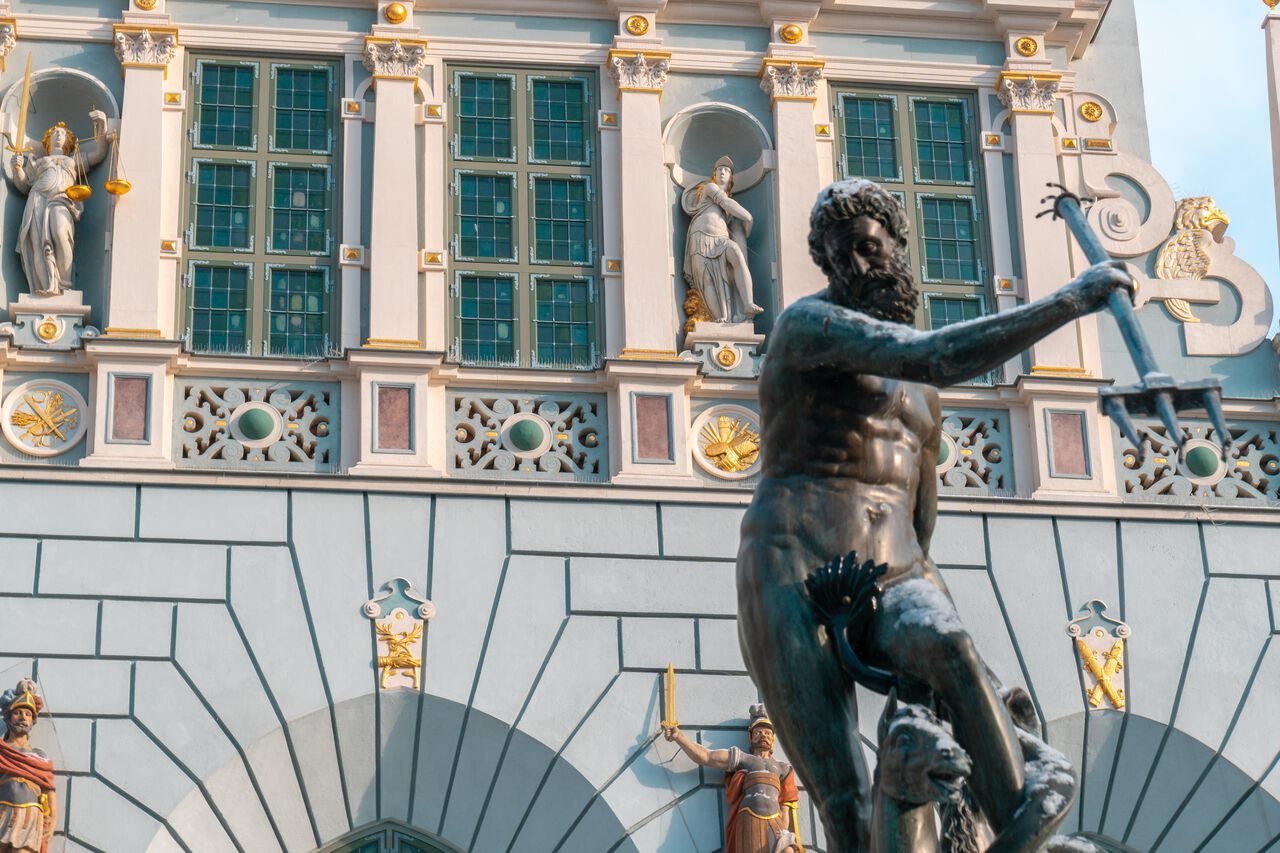
The fountain was constructed in the 17th Century because the mayor and the city councilors at the time wanted to erect a more notable monument for the city. They came up with this beautiful mannerist-rococo-style statue, one of the most beautiful of its kind.
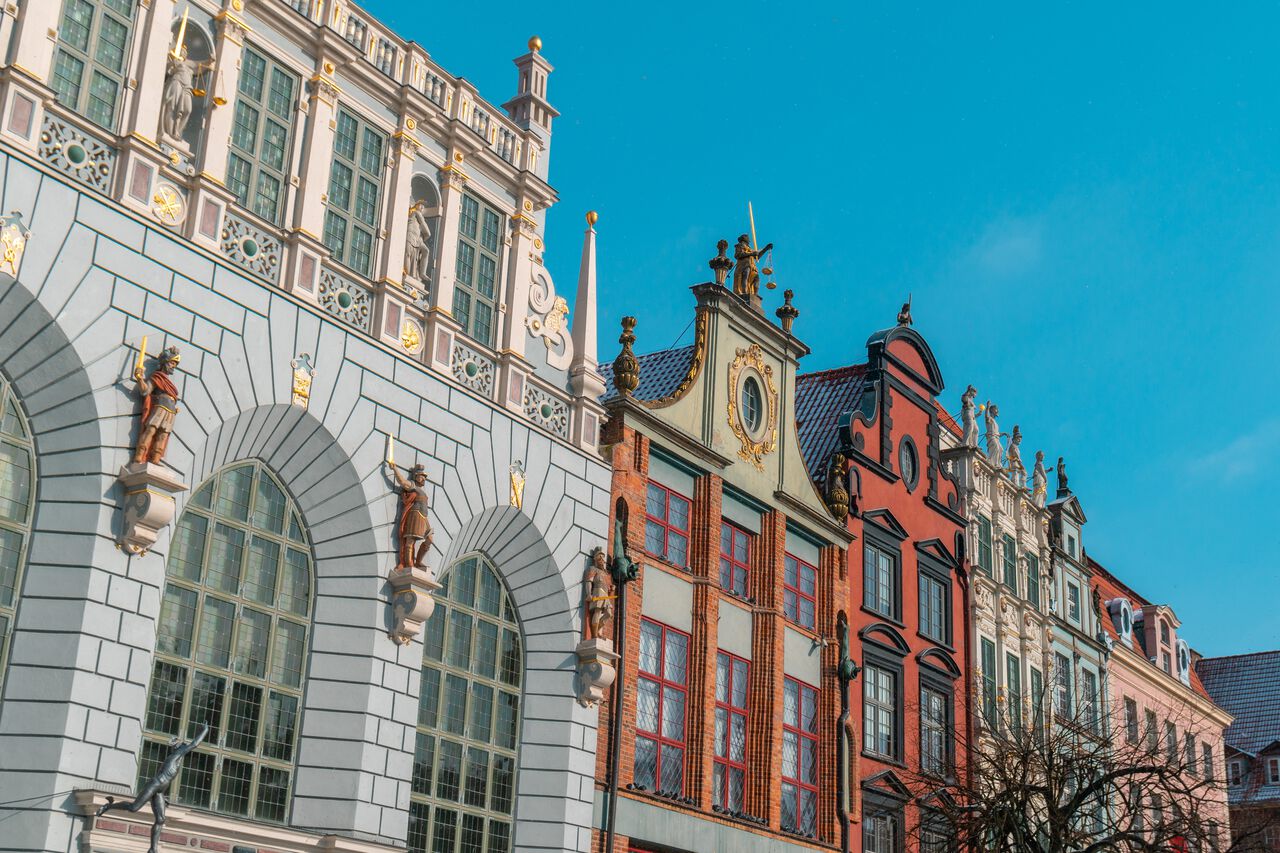
Neptune's Fountain is a popular spot to take photos with, and it would be a shame if you didn't get a photo with it. After all, not having photos of the statue while you visit Gdansk is like visiting Paris without taking a photo of the Eiffel Tower.
4. Admire the Beauty of the iconic Gdansk Crane
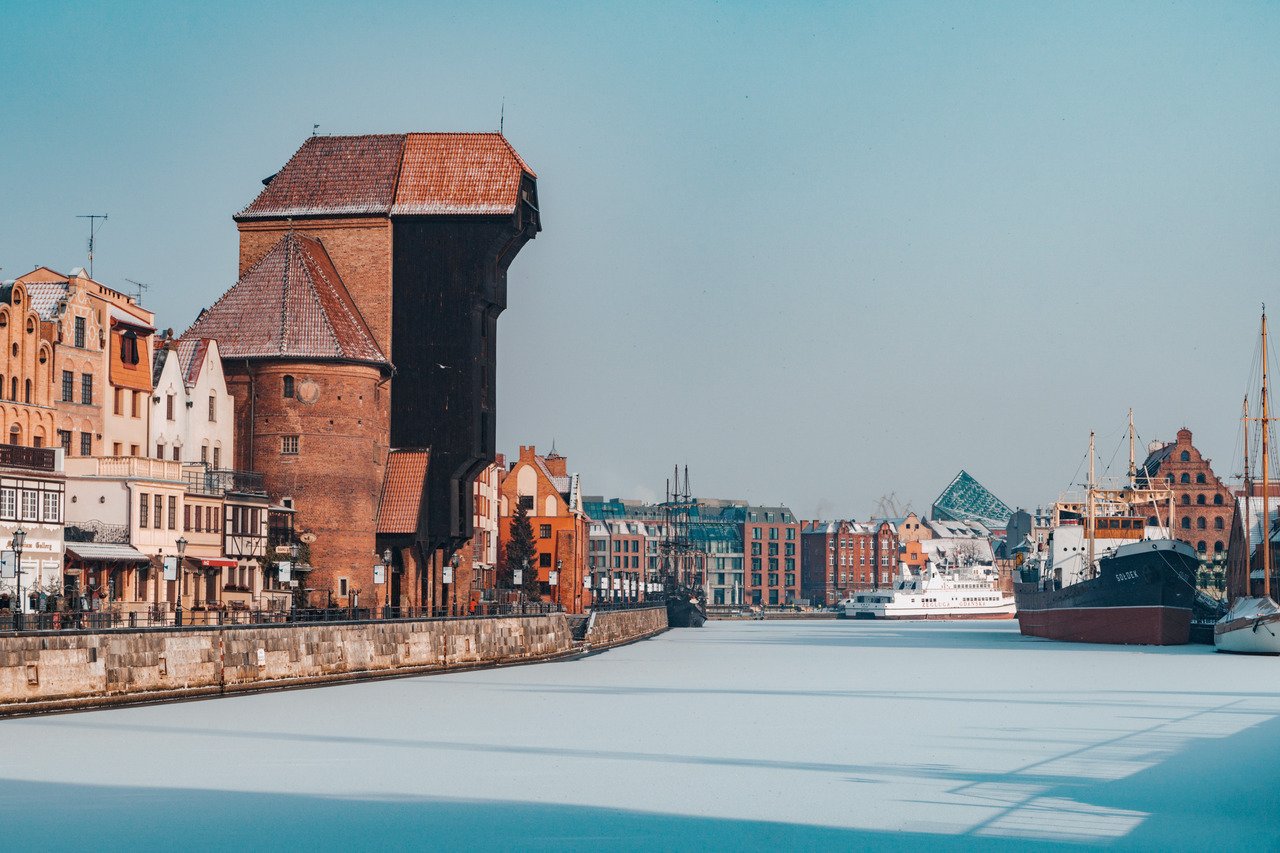
- 📍 Location: Gdansk Crane [Map Link]
- ⚡ Pete's Take: "What an absolute beast of a tower this one is. It is such a simple-looking tower, but it dominates the entire cityscape with its dark, almost black, wooden exterior. It also has a cool function that ties to the history of the city. You cannot miss it."
One of the most unique pieces of Medieval architecture that you can still see today in Gdansk is the iconic Gdansk Crane, an example of a medieval port crane and a great reminder of the prosperity the port city had back in the day.
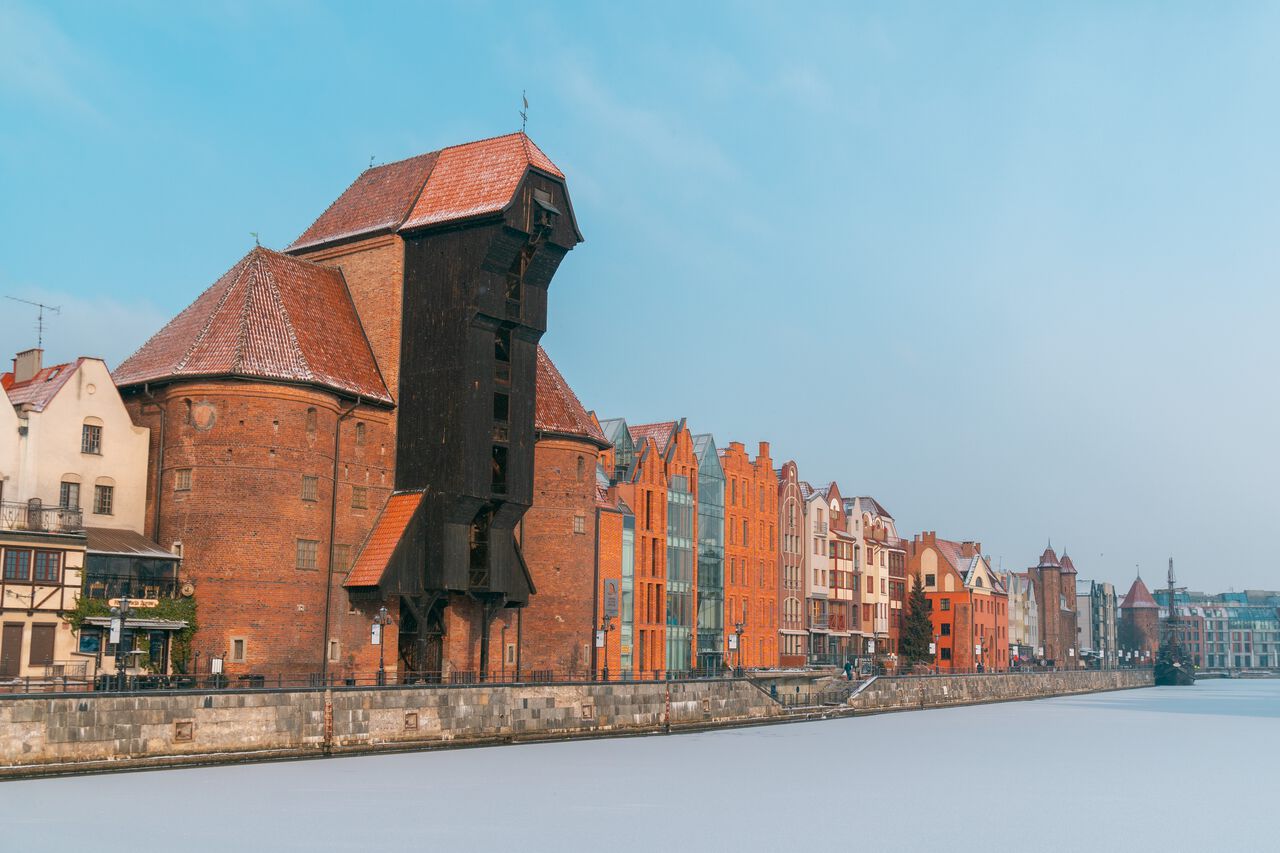
It is said that the crane was constructed as early as the 14th century, and it contains a medieval lift mechanism that can lift 4-ton loads to a height of 11 meters. This goes to show just how creative the people were back then.
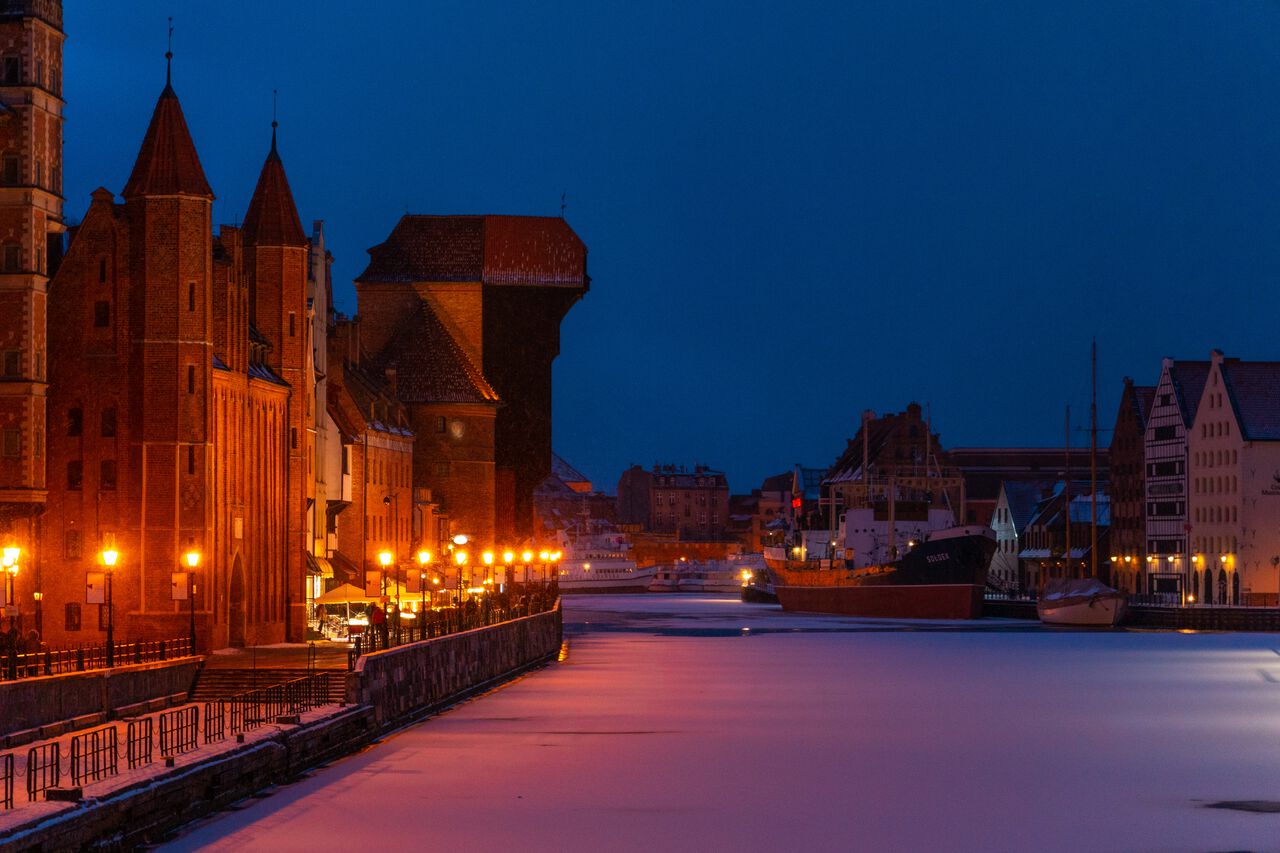
The crane is located right by the beautiful waterfront along the Motlawa River, and it has since been turned into a maritime museum where you can dive deeper into the history of Gdansk as a major port and trading city.
5. Stroll Along Dlugie Pobrzeze Waterfront
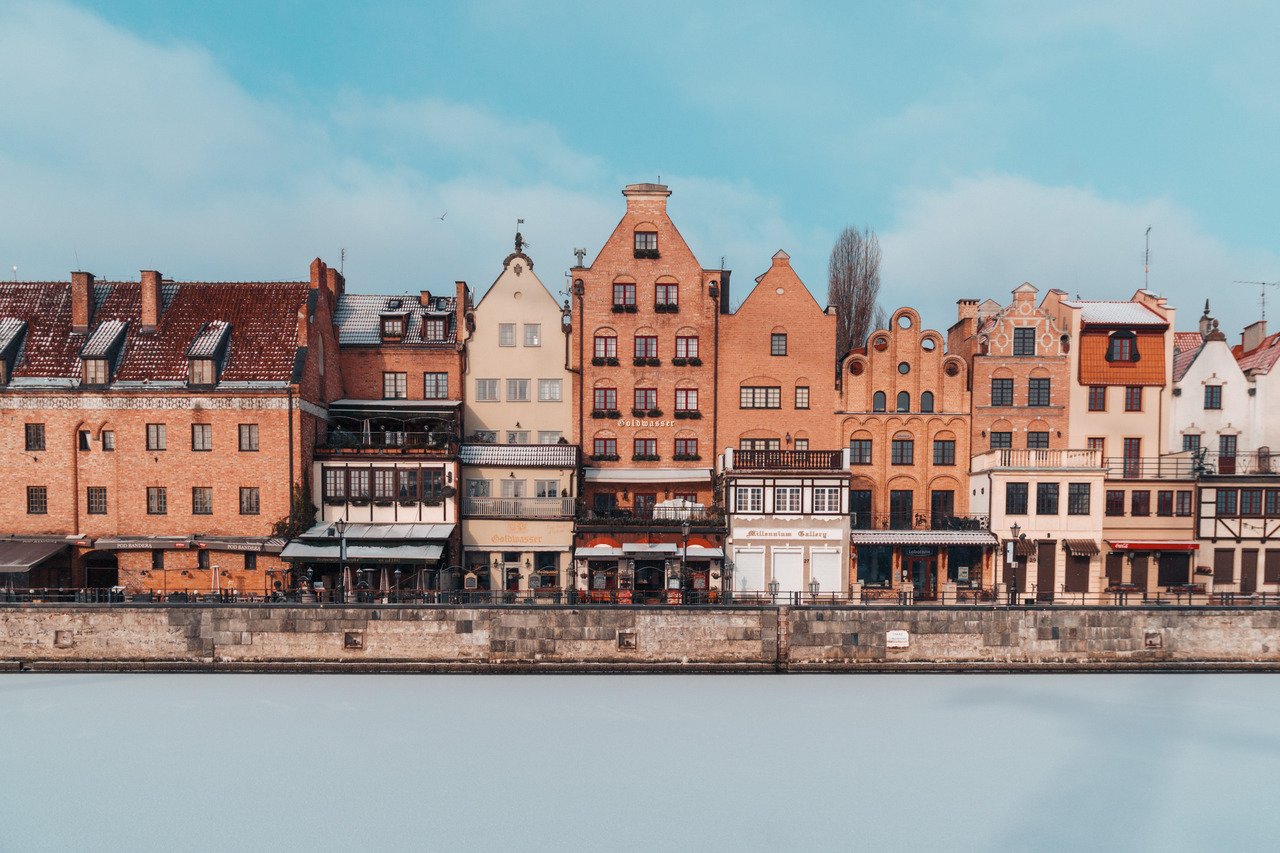
- 📍 Location: Dlugie Pobrzeze Waterfront [Map Link]
- ⚡ Pete's Take: "There are shops and restaurants you can check out along this waterfront. It should be livelier than my photos suggested, as I was there in winter. 😅"
If you are looking for a place to stroll around and relax in, Dlugie Pobrzeze Waterfront is a popular hangout spot in Gdansk for both locals and tourists alike.
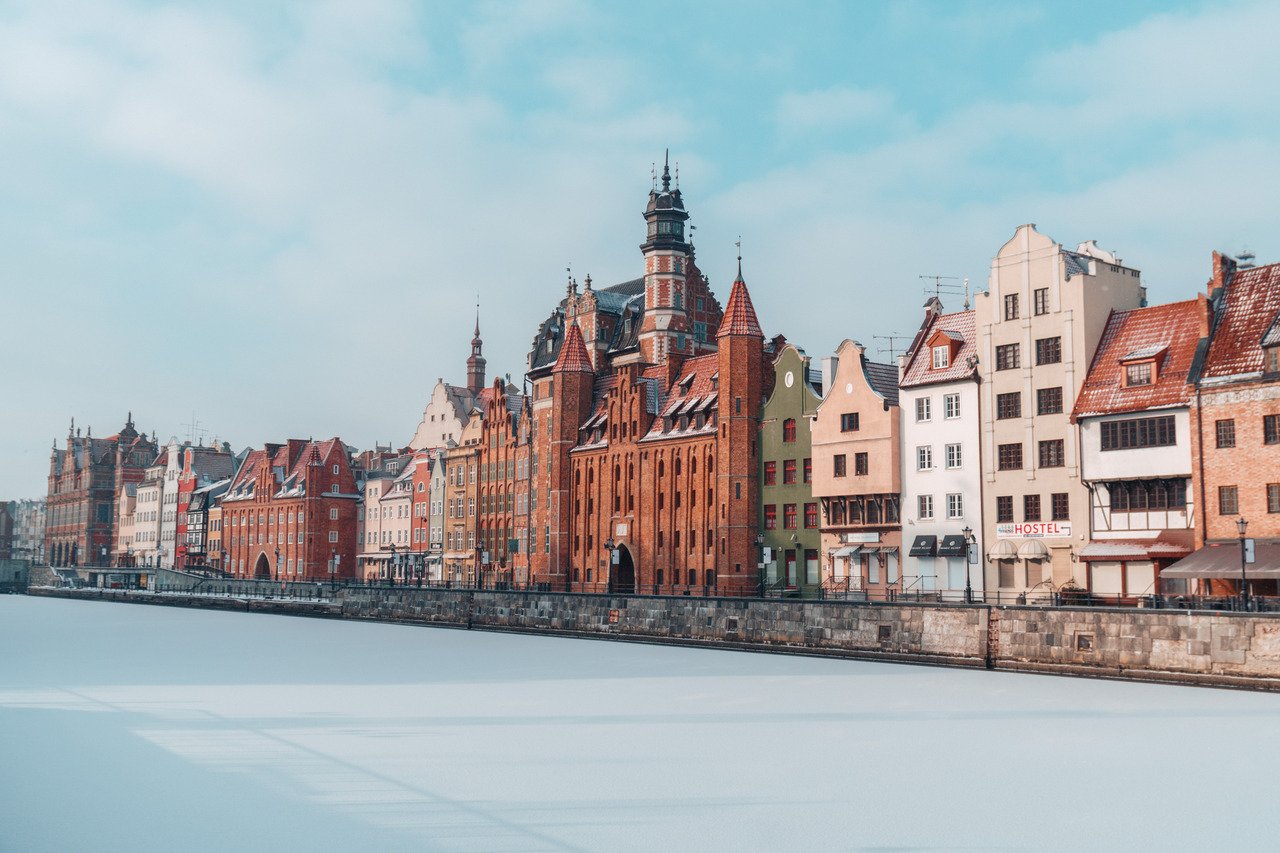
Located along the Motlawa River, the Dlugie Pobrzeze Waterfront area is full of awesome restaurants and cafes where you can indulge yourself.
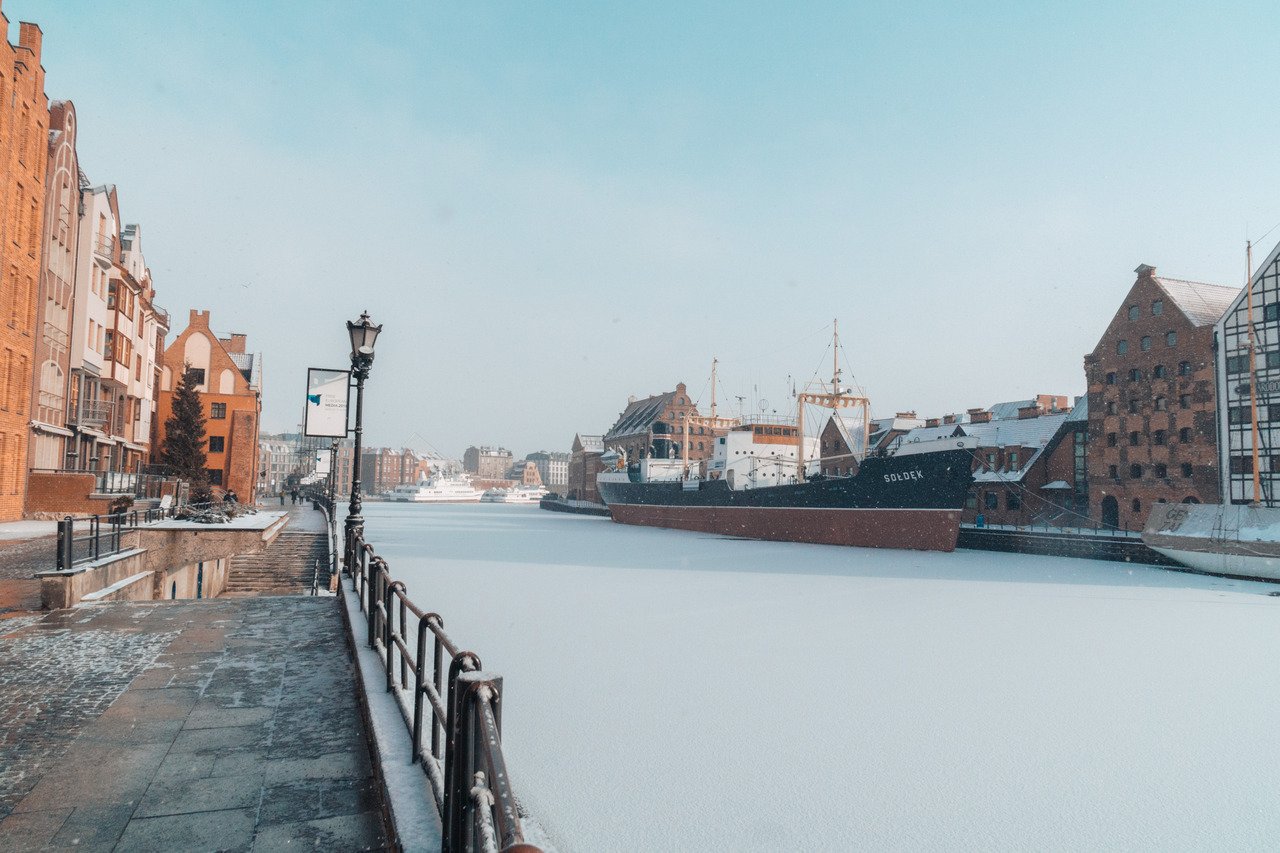
You can stop here for lunch and enjoy a nice local meal at Gdański Bowke, a traditional Polish restaurant that serves regional specialties as well as craft beer. It is a perfect spot to enjoy the city's vibe while you are here.
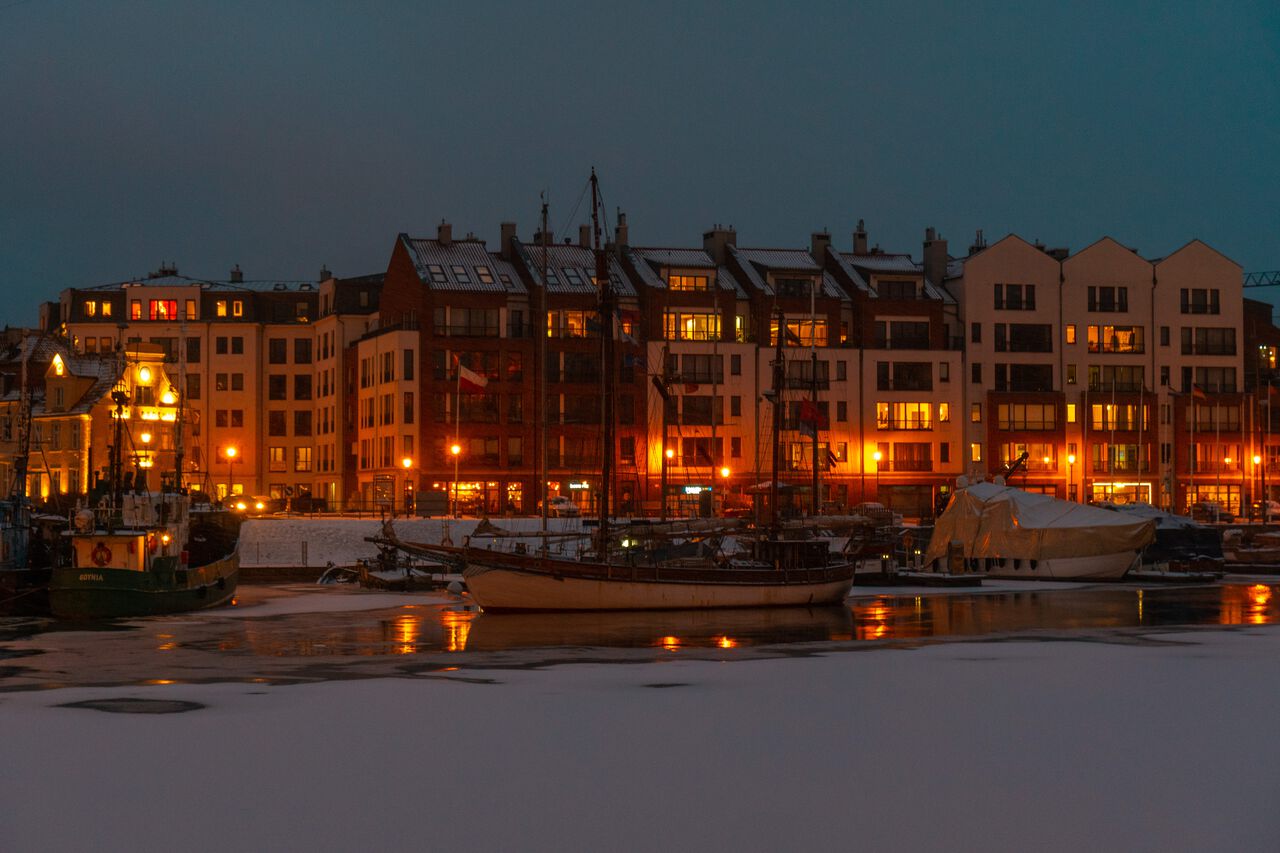
You can also go on a cruise along the Motlawa River and see the waterfront and Gdansk Old Town from a different perspective.
6. Check Out the View from the Top of St. Mary's Church
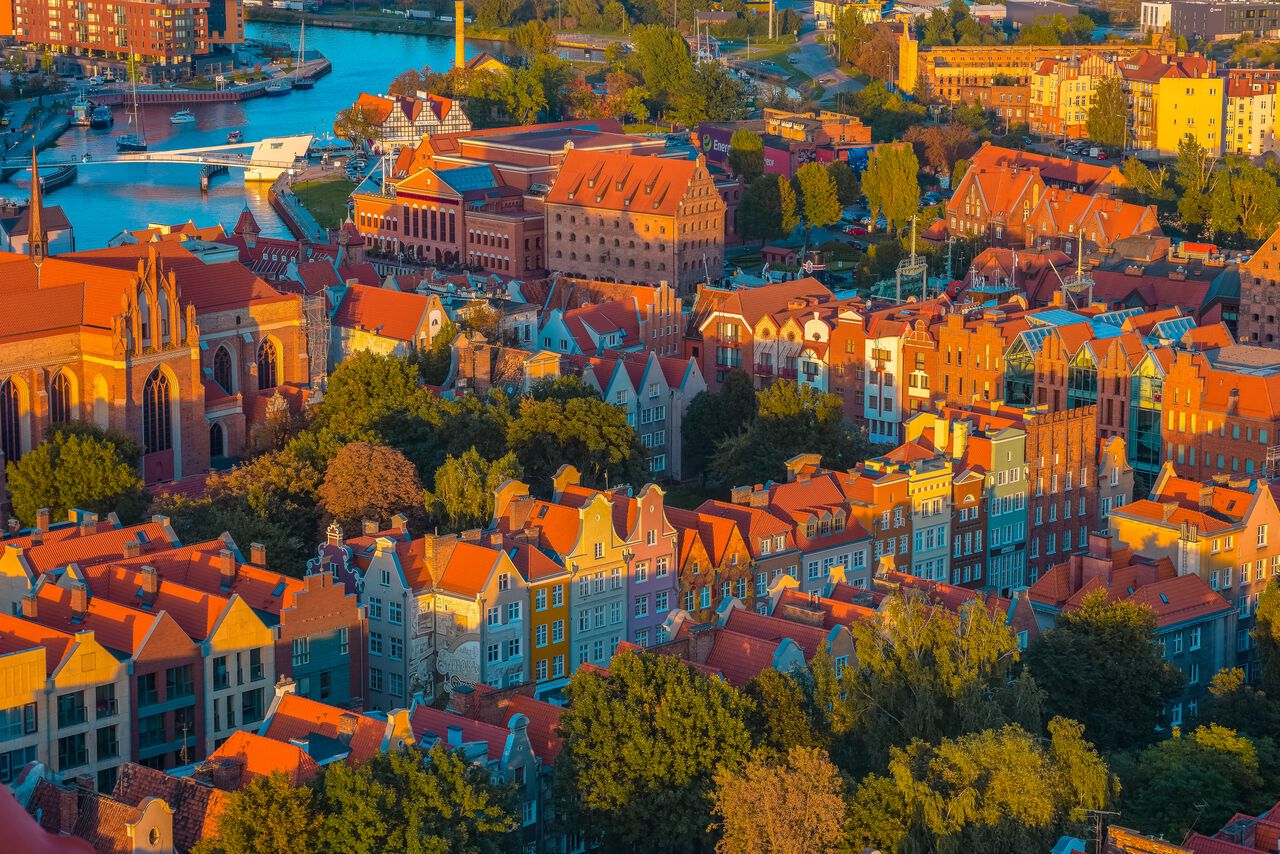
- 📍 Location: St. Mary's Church [Map Link]
- ⚡ Pete's Take: "For a great viewpoint to see the city from above, this place is hard to beat."
If you are looking for the best viewpoint in Gdansk, you can also go up the St. Mary's Church, which will allow you to have a stunning panoramic view of Gdansk from above.
St. Mary's Church is a Catholic church constructed in the early 16th Century using all bricks, and it is one of the tallest structures dominating Gdansk Old Town's skyline.
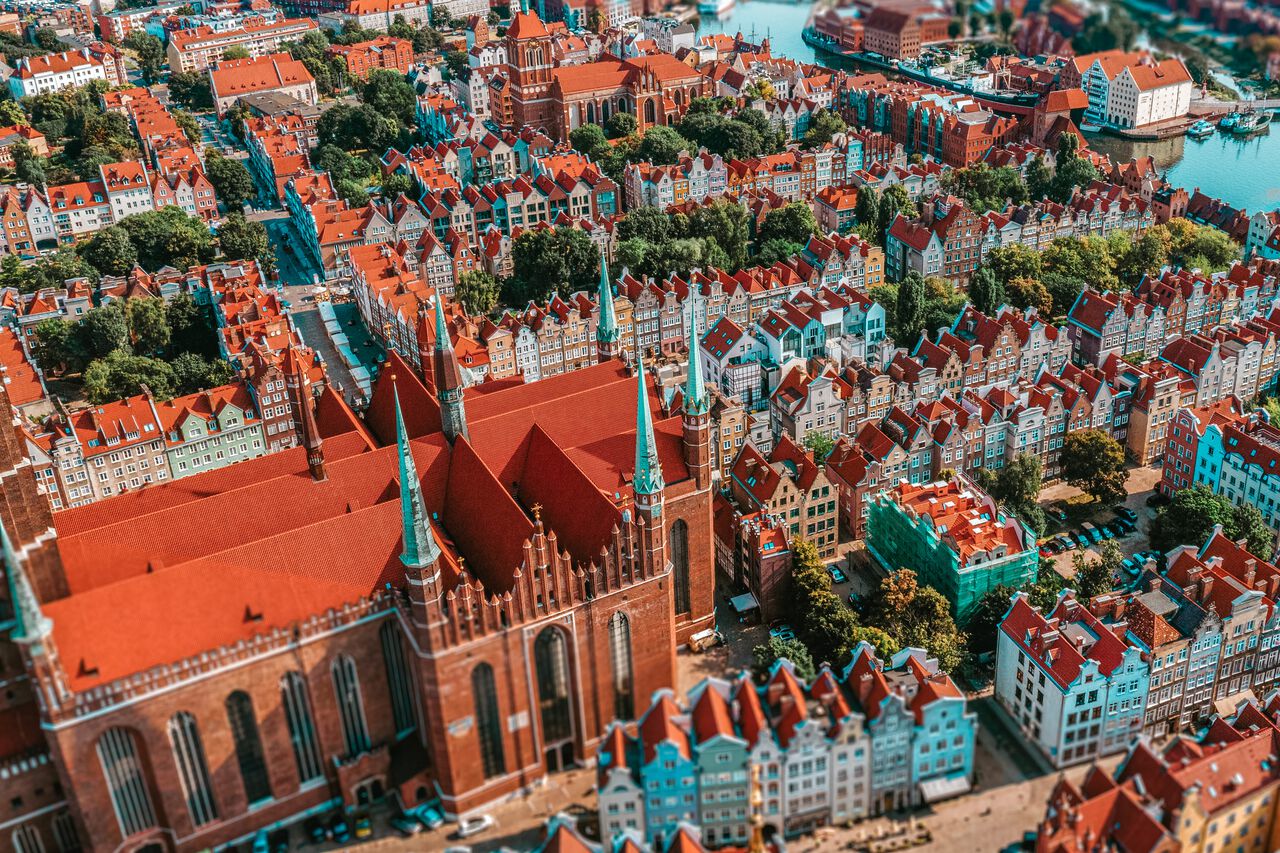
The interior of the church may not be the fanciest out there, but the view from the top of the clock tower sure makes up for it.
To get up there, you have to climb a whopping 408 steps to reach the top of the bell tower. It is a giant feat to accomplish, for sure, but the view from up there is definitely worth the sweat.
7. Stroll Along the Mariacka Street
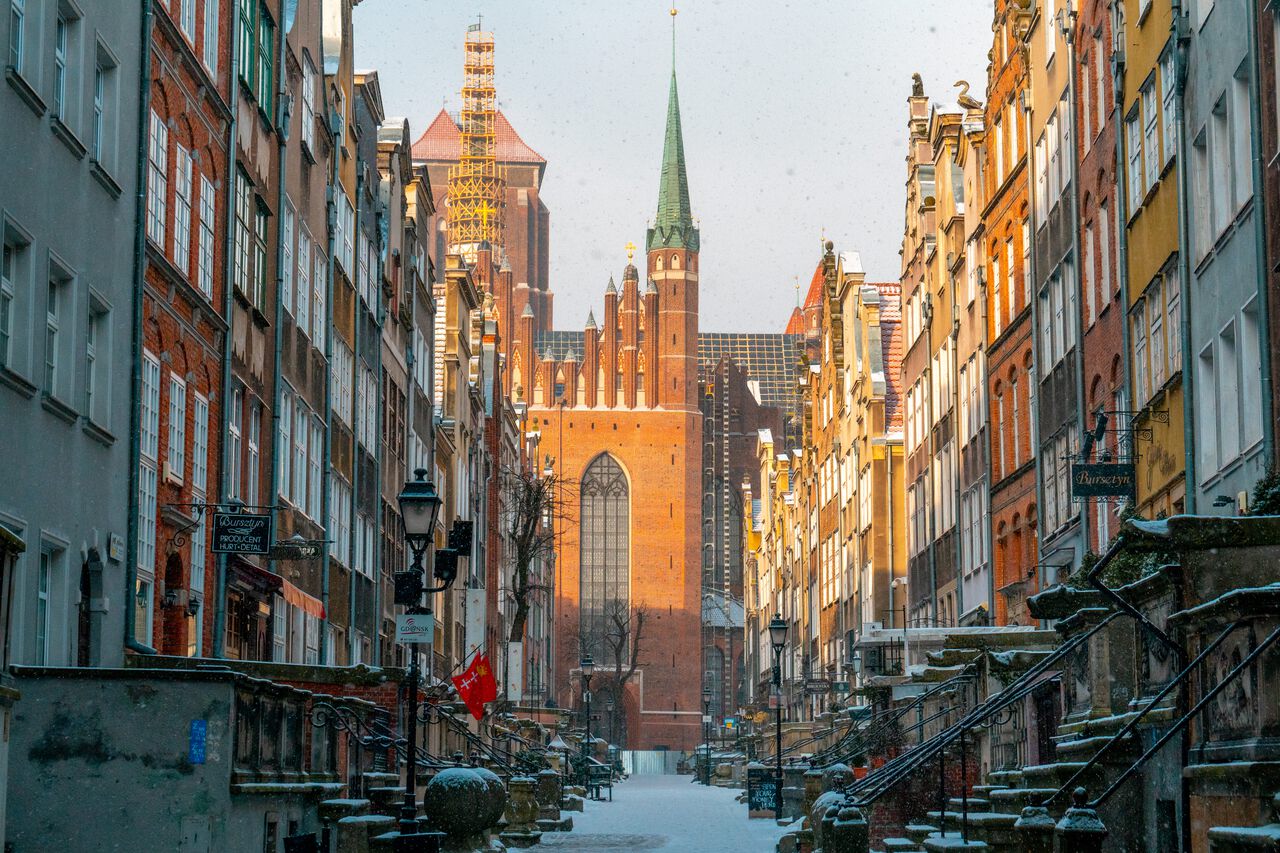
- 📍 Location: Mariacka Street [Map Link]
- ⚡ Pete's Take: "A beautiful street with lots of hidden details in its architecture. Be sure to keep an eye out for these details."
Mariacka Street is probably one of the most photogenic streets in Poland, and there are a lot of them in this country. The place was completely destroyed in WW2, but it was rebuilt brick-by-brick and restored to its former glory, waiting for you to explore.
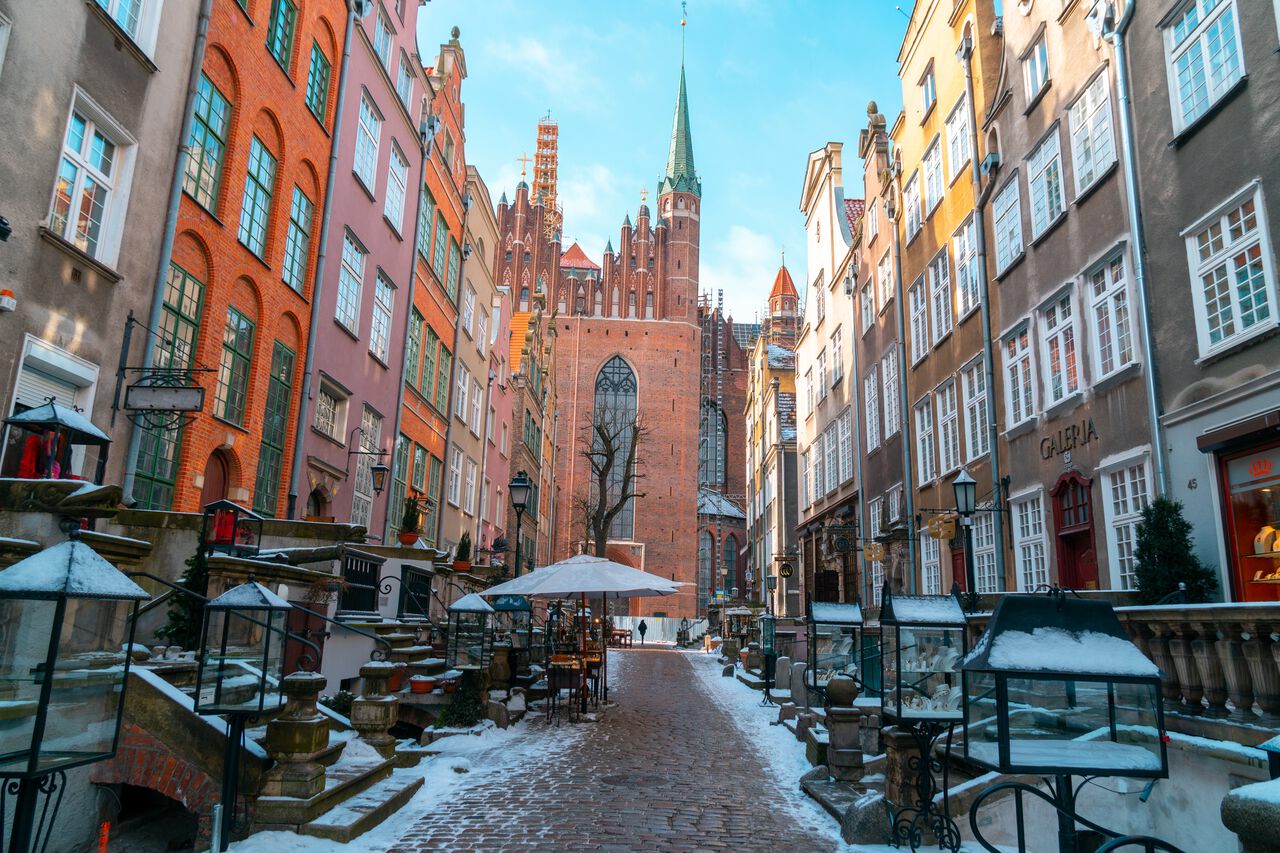
This cobbled street has taken on a life of its own after the restoration and has become known for its artistry, amber galleries, and love cafes for you to enjoy.
If you have completed the feat of going up St. Mary's Basilica's Clock Tower and are looking for a place to rest for a bit, Mariacka Street is the best place for you.
8. Learn the history of Gdansk during WW2 at the Museum of the Second World War
- 📍 Location: Museum of the Second World War [Map Link]
- 🕐 Opening Hours: Tue-Sun 10 AM-8 PM
- 💰 Entry Fees: 25 PLN (~7 USD)
- ⚡ Pete's Take: "Gdańsk played an important role during WW2, and there's no better place to learn about it than here."
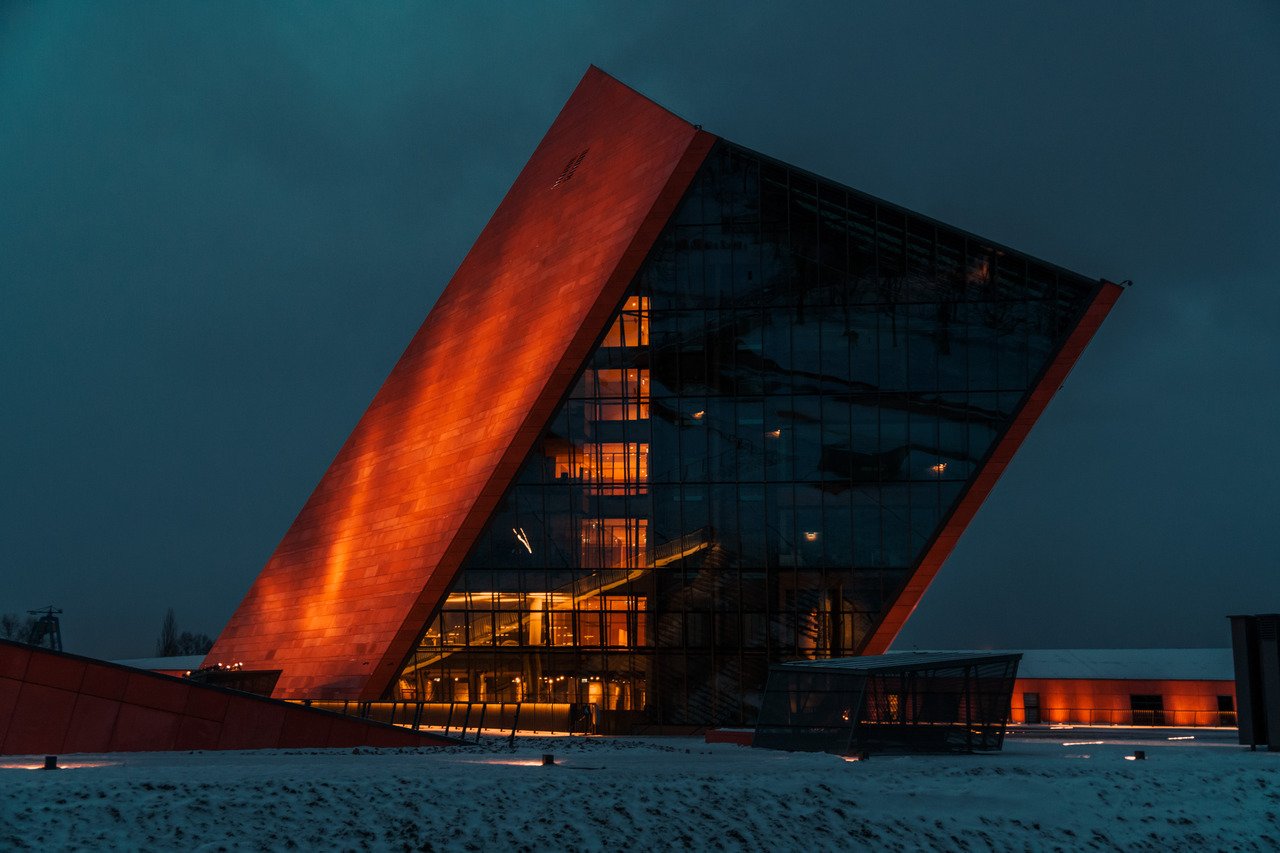
As I mentioned earlier, Gdansk is an important turning point in world history and a location where World War 2 western front officially began. If you want to learn more about this period, I highly recommend you check out the Museum of the Second World War.
This interactive, modern museum is regarded as one of the best in the country, and it will take you on a journey during the events that led up to World War II and how they impacted the rest of Poland until its liberation.
The museum opens from Tuesday to Sunday between 10 AM and 8 PM in the summer and 10 AM and 6 PM in winter, and the ticket price is around 25 PLN per person.
9. Visit Westerplatte
- 📍 Location: Westerplatte [Map Link]
- ⚡ Pete's Take: "This spot right here is considered where the Second World War actually began, when Nazi Germany first clashed with Poland."
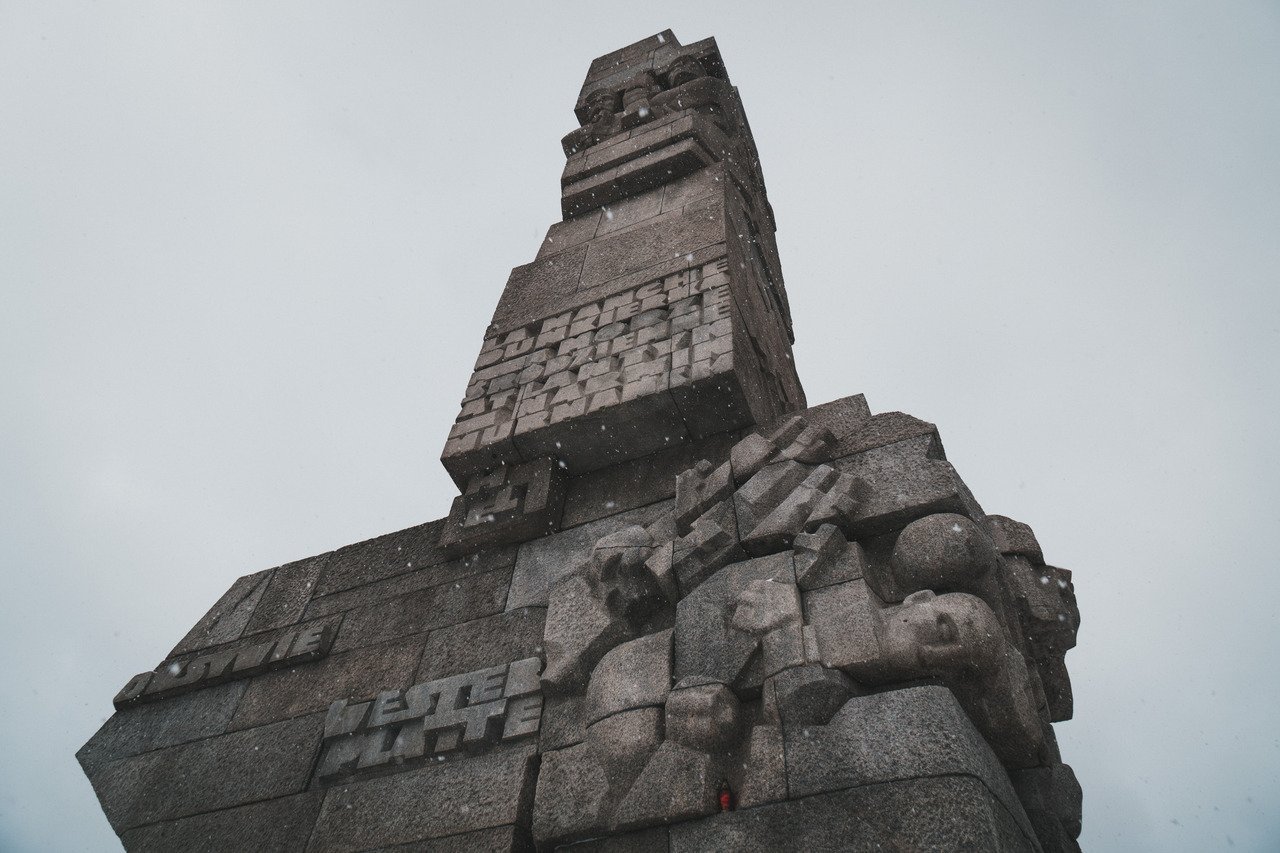
In Gdansk, you can also visit WW2's ground zero at the Westerplatte peninsula located right by the Baltic Sea. It is regarded as the actual site where Nazi Germany and Poland first clashed, beginning the Second World War.
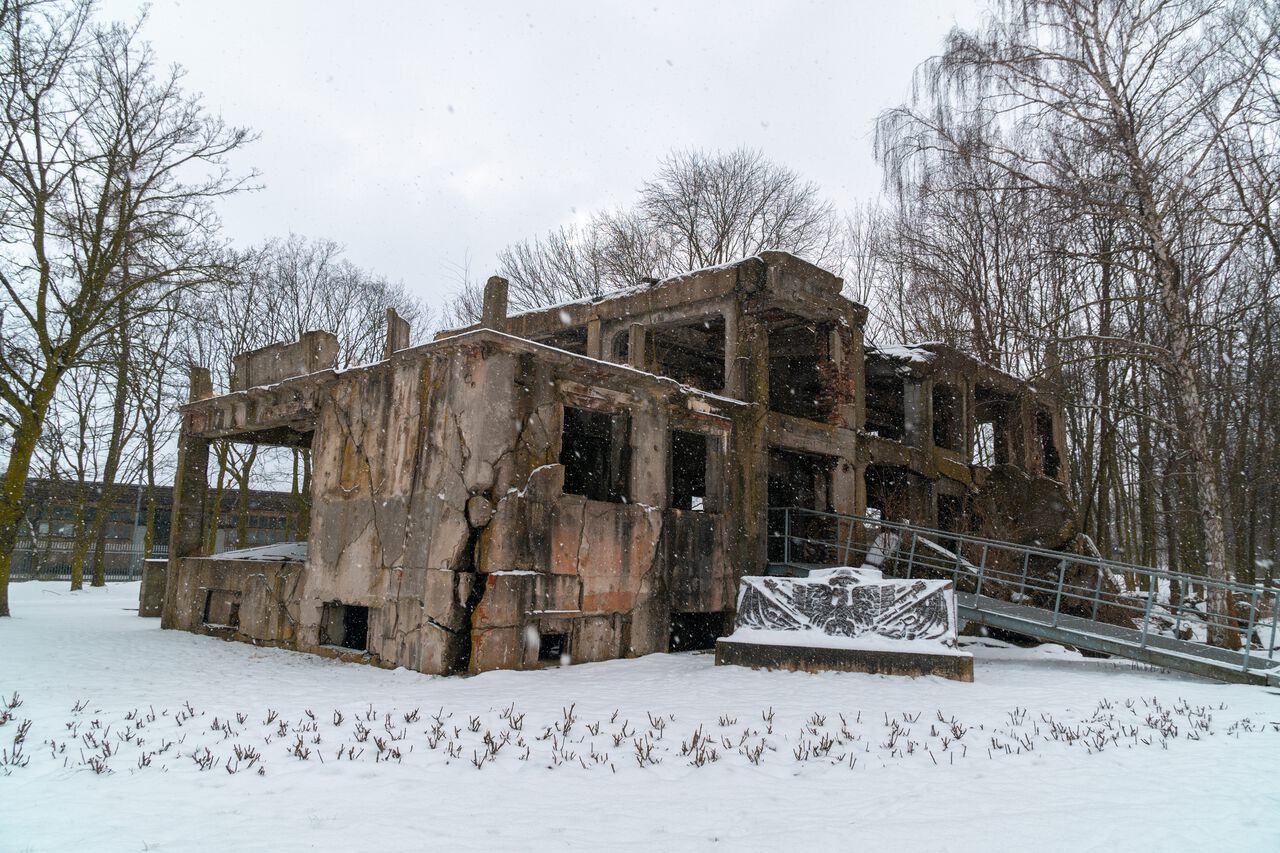
The famous Battle of Westerplatte took place here, and you can still see old barracks ruins and guardhouses still left standing.
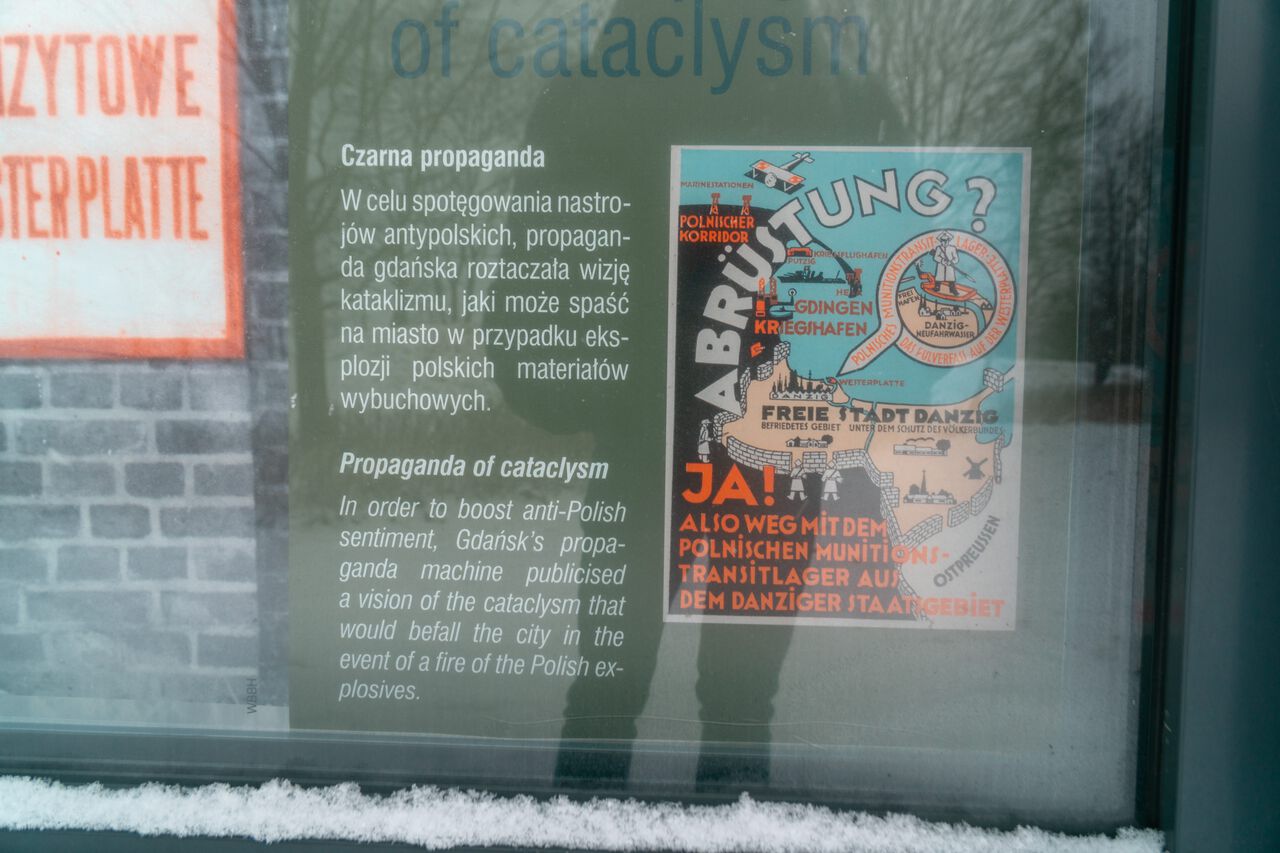
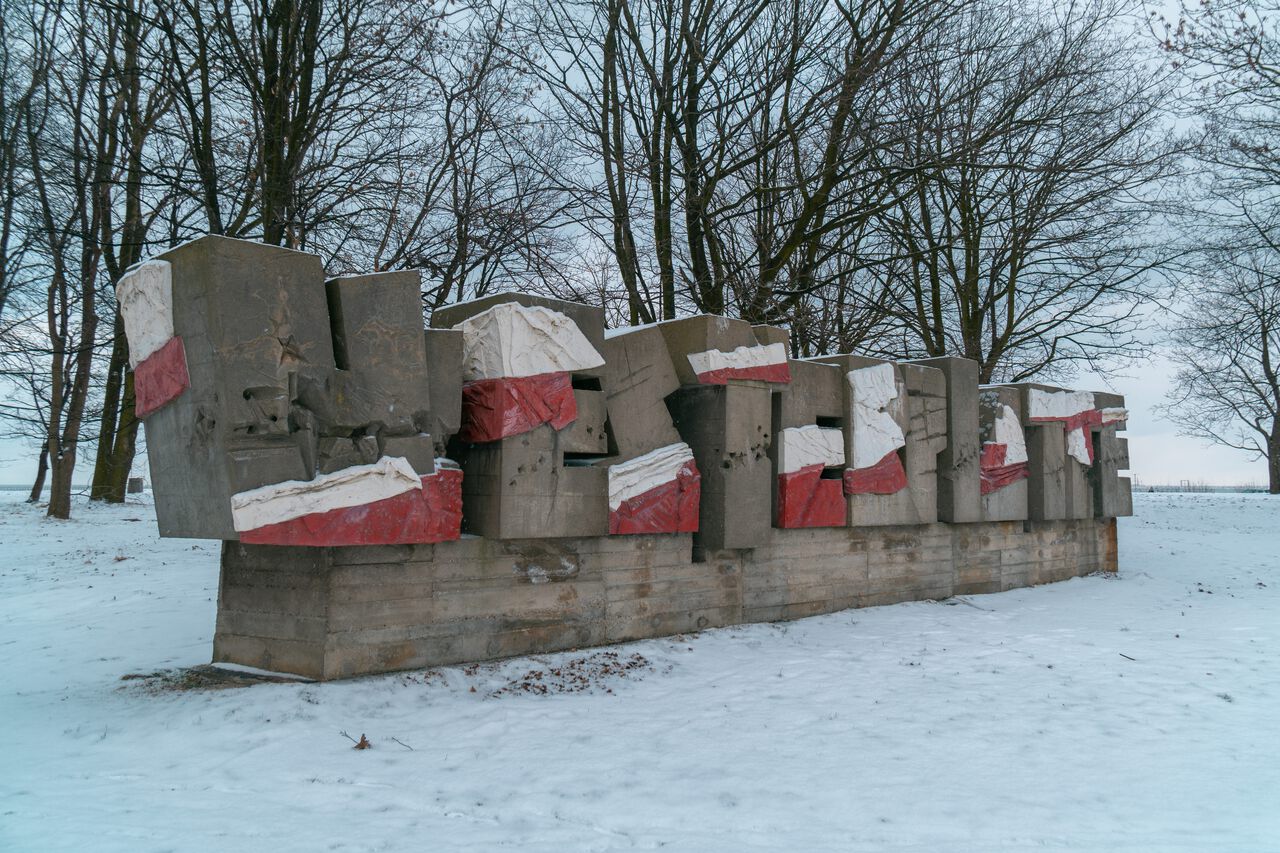
The city has turned the area into an open-air museum where you can stroll around, check out the Westerplatte Monument commemorating the Polish defenders, and learn about the Battle of Westerplatte in greater detail.
If you are a history buff or are looking for a great thing to do outside the city center for a few hours, Westerplatte is a great place to be.
10. Visit Malbork as a Day Trip

- 📍 Location: Malbork [Map Link]
- ⚡ Pete's Take: "This castle is straight out of a fairy tale; it is one of my favorite castles in Poland, and I highly recommend it!"
Malbork has got to be one of my favorite tourist attractions in Poland. It is a fairy-tale-like Gothic fortress, the largest of its kind in the world, and there is just no place quite like it.
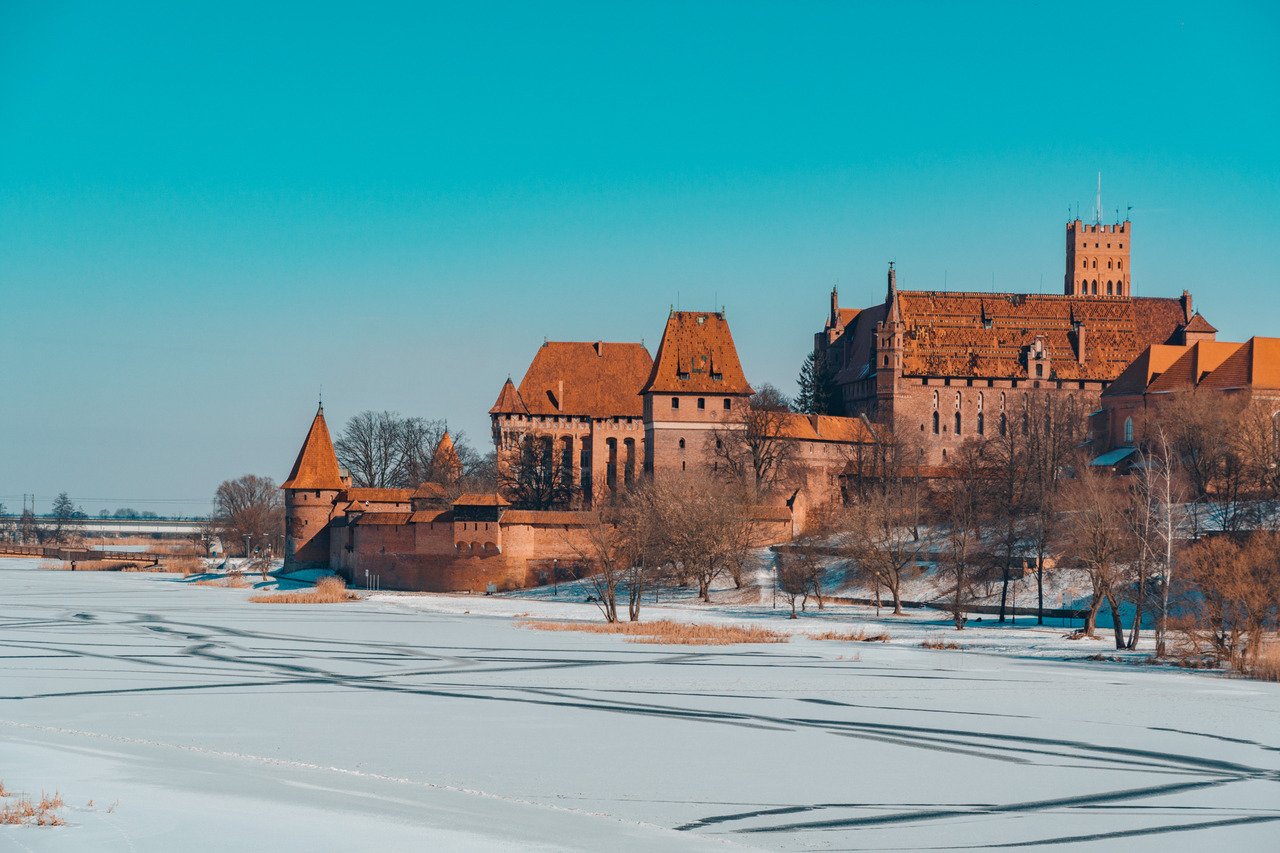
This beautiful fortress, made out of red bricks and located by the Nogat River, is a wonderful piece of history built during the Teutonic knight time in the 13th century and one of the few that still remains today.

Walking inside the fortress makes you feel like you are in a Witcher novel. The fortress truly captures the medieval, almost fantastical vibe of the typical European folk tales you often heard when you were young.
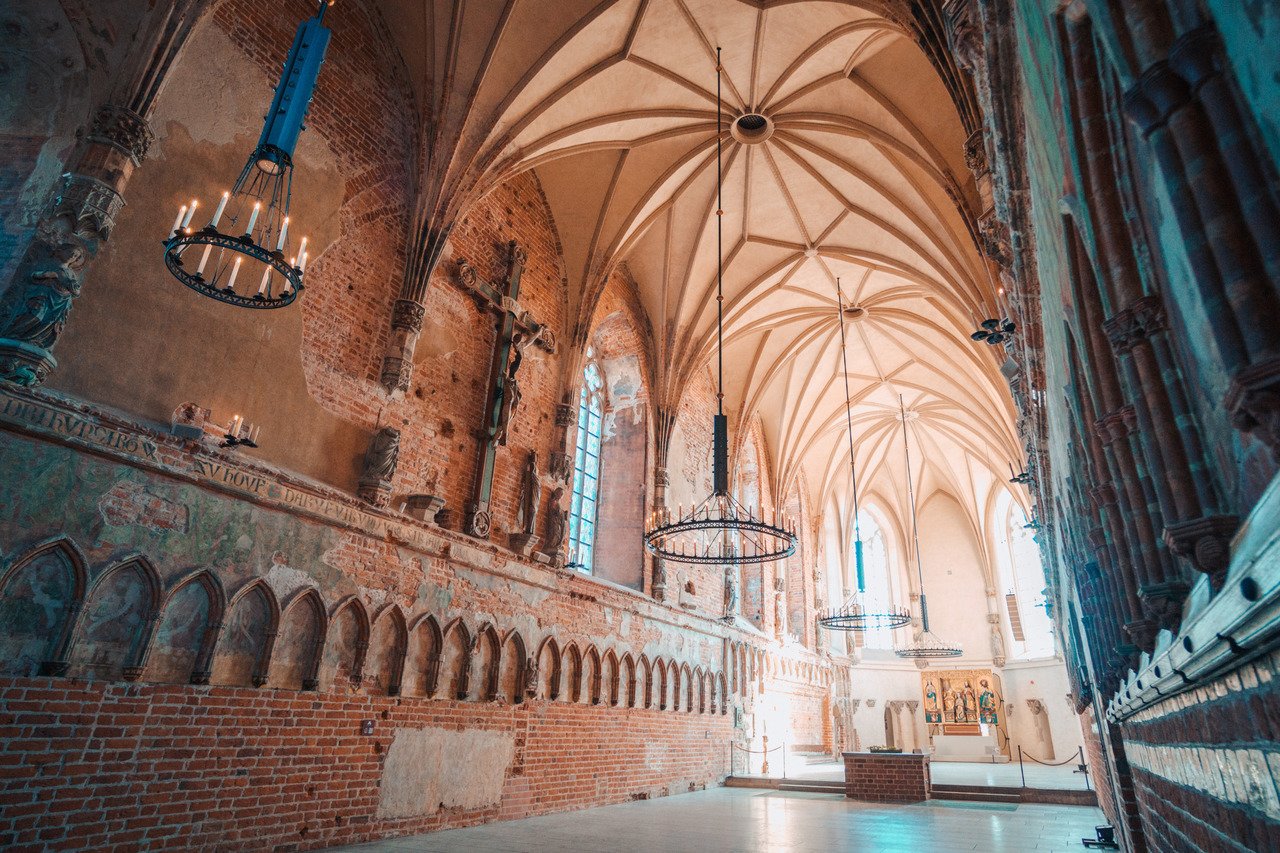
Within the castle, there are several buildings that your guide will take you through. Other than the castle itself, you will also get to see the Old Town area, full of medieval buildings, with the tour before they drop you off in Gdansk. Highly recommended!
Poland Travel Video
When to Visit Gdansk?
The best time to visit Gdansk is during the shoulder seasons from late April to June or late August to September when the weather is relatively comfortable, the places aren't too crowded, and the prices of accommodation aren't too expensive compared to the peak season of June-August.
How To Get To Gdansk?
If you are arriving in Warsaw from abroad and would like to get to Gdansk, you can board one of the many buses from Warsaw Western Bus Terminal bound for Gdansk. You can easily book the bus online here, and it should cost no more than 11 USD and take about 5 - 6 hours.
How to Get Around Gdansk?
Most tourist attractions in Gdansk are concentrated around the Old Town Area, and many of the places I mentioned here can easily be reached on foot, except Westerplatte and Malbork, where you will have to rely on buses and tours, respectively.
For Westerplatte, you should be able to easily find which bus or tram you should take to get there from the Jakdojade website or download their apps here (Android | iOS).
For Malbork, I highly recommend that you go on an organized tour if you are short on time. You will be able to explore the beautiful castle while your local guide explains the history of the place in detail.
Daily Budget


This location is less expensive than most countries, but it's not exceedingly cheap. Expect to spend around $30 - $50 USD per day per person, which includes both accommodation and meals.
Please keep in mind that these are suggested daily budgets based on my own style of travel, which leans more towards the budget side of things. If you aim to stick to this budget, anticipate sleeping in dormitories, dining out only occasionally, and being comfortable with the cheapest and most convenient modes of transportation, which often involve a considerable amount of walking.

Disclaimer: This post may contain affiliate links. See our disclosure policy.
First Published:
Last updated:


