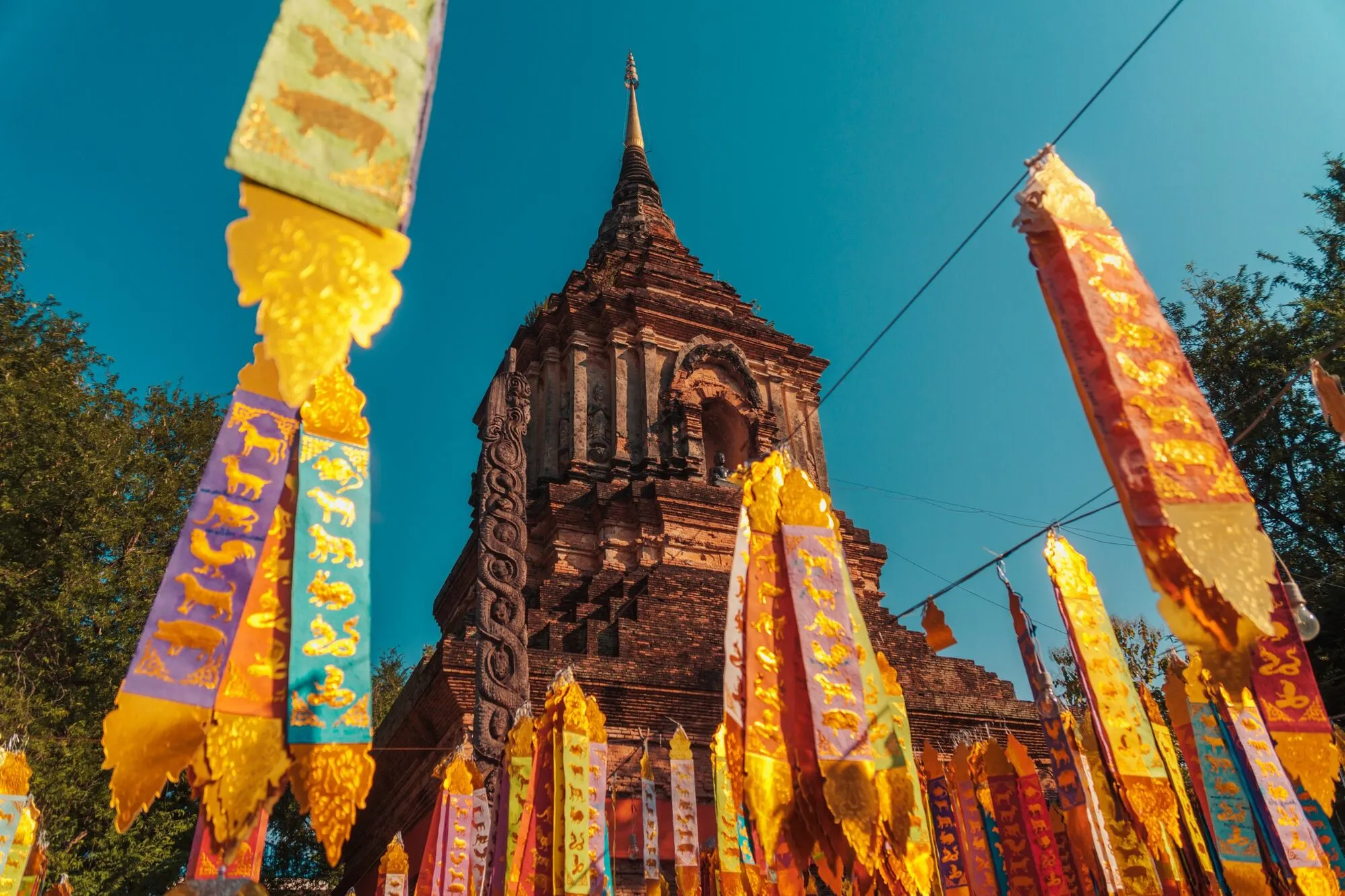



As a Thai, whenever travelers ask me where to visit in Thailand, Chiang Mai is without a doubt among the top must-visit places in Thailand that I would recommend.
Unlike Bangkok, where hyper-modernization has taken over for the past 10 years, Chiang Mai still maintains that laid-back and traditional vibe that makes Thailand so attractive to travelers.
The city's endorsement of tradition and nature is what makes Chiang Mai shine brighter than any other destination in Thailand, and with this backpacking itinerary, I will show you just how beautiful the tradition and nature are in Chiang Mai.
Without further ado, here is a complete 3-day backpacking guide to Chiang Mai for solo travelers, with all the information you need to plan a great adventure here. Let's begin with a look at our itinerary on the map.

- Chiang Mai 3-Days Itinerary Map
- 3 Days Backpacking Itinerary for Chiang Mai
- Chiang Mai Travel Video
- Where to Stay in Chiang Mai?
- When to Visit Chiang Mai?
- How to Get to Chiang Mai?
- How to Get from Chiang Mai Bus Terminal to Your Accommodation?
- How to Get Around Chiang Mai?
- How Much Money Do I Need For 3 Days in Chiang Mai?
- Is it Safe in Chiang Mai?
- Which tourist SIM card is best for Chiang Mai?
- Further Reading for Northern Thailand

No time to read?
Save this page on Pinterest for later Save to Pinterest
Chiang Mai 3-Days Itinerary Map
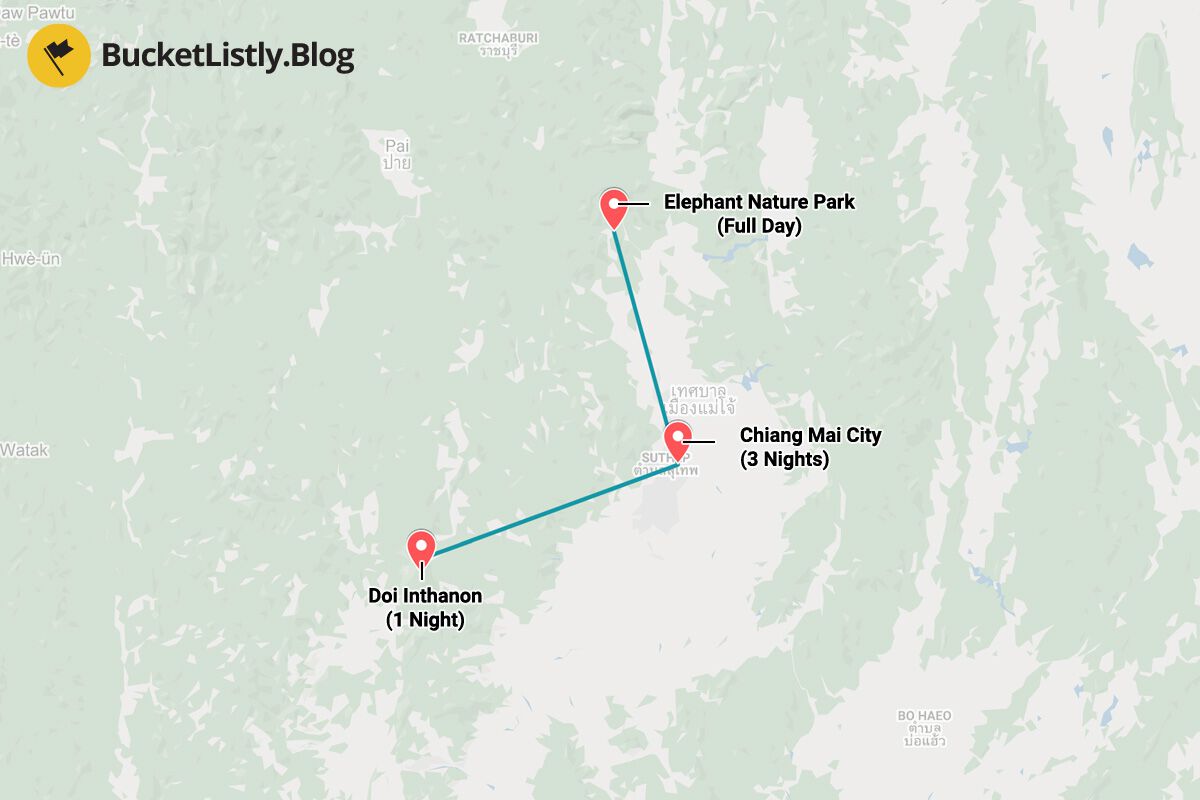
Quick Summary
| ☀️ Day 1: | Chiang Mai Old Town |
|---|---|
| ☀️ Day 2: | Doi Inthanon |
| ☀️ Day 3: | Elephant Forest Park |
3 Days Backpacking Itinerary for Chiang Mai
Day 1: Chiang Mai Old Town (2 Nights)
- 🕐 Time: 2 Nights
- 📖 Full Guide: Discover Chiang Mai: 21 Awesome Things to Do & More
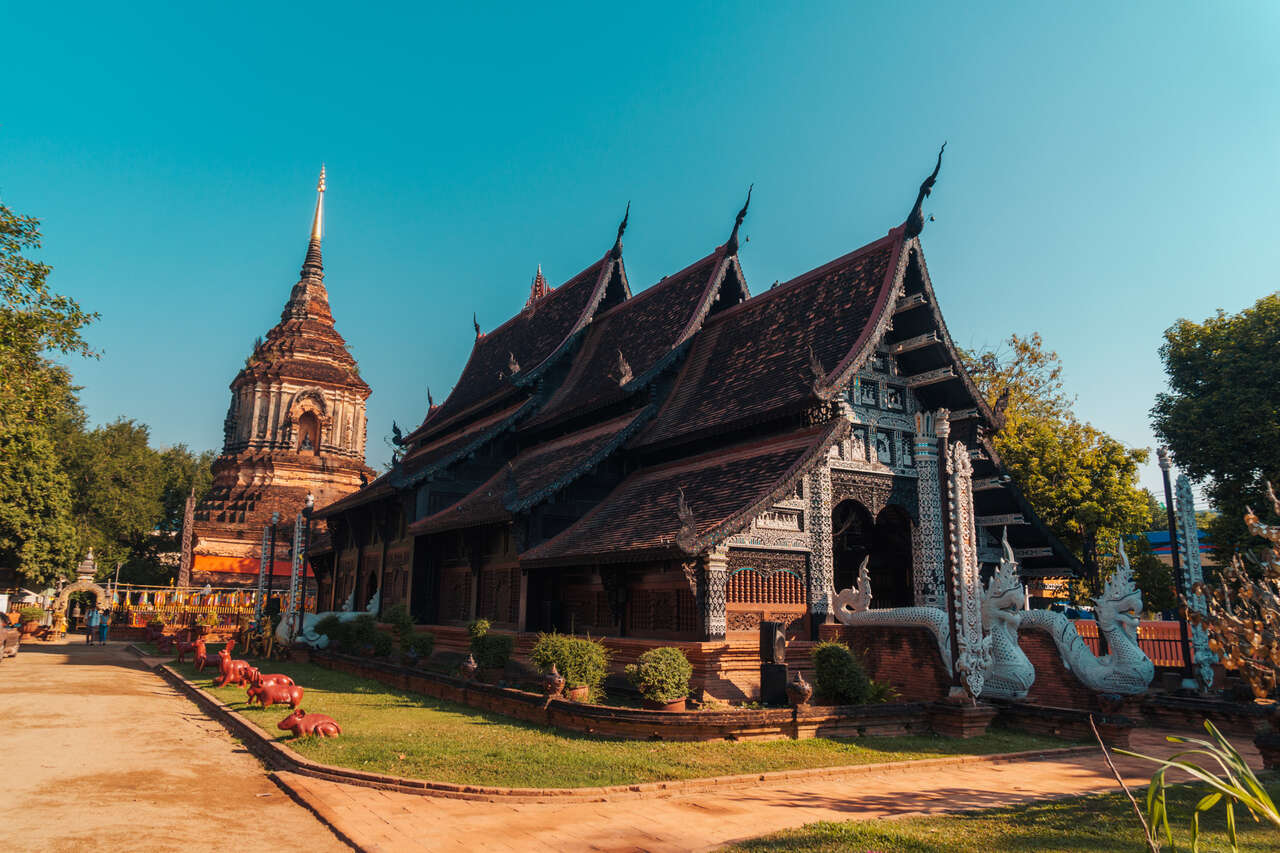
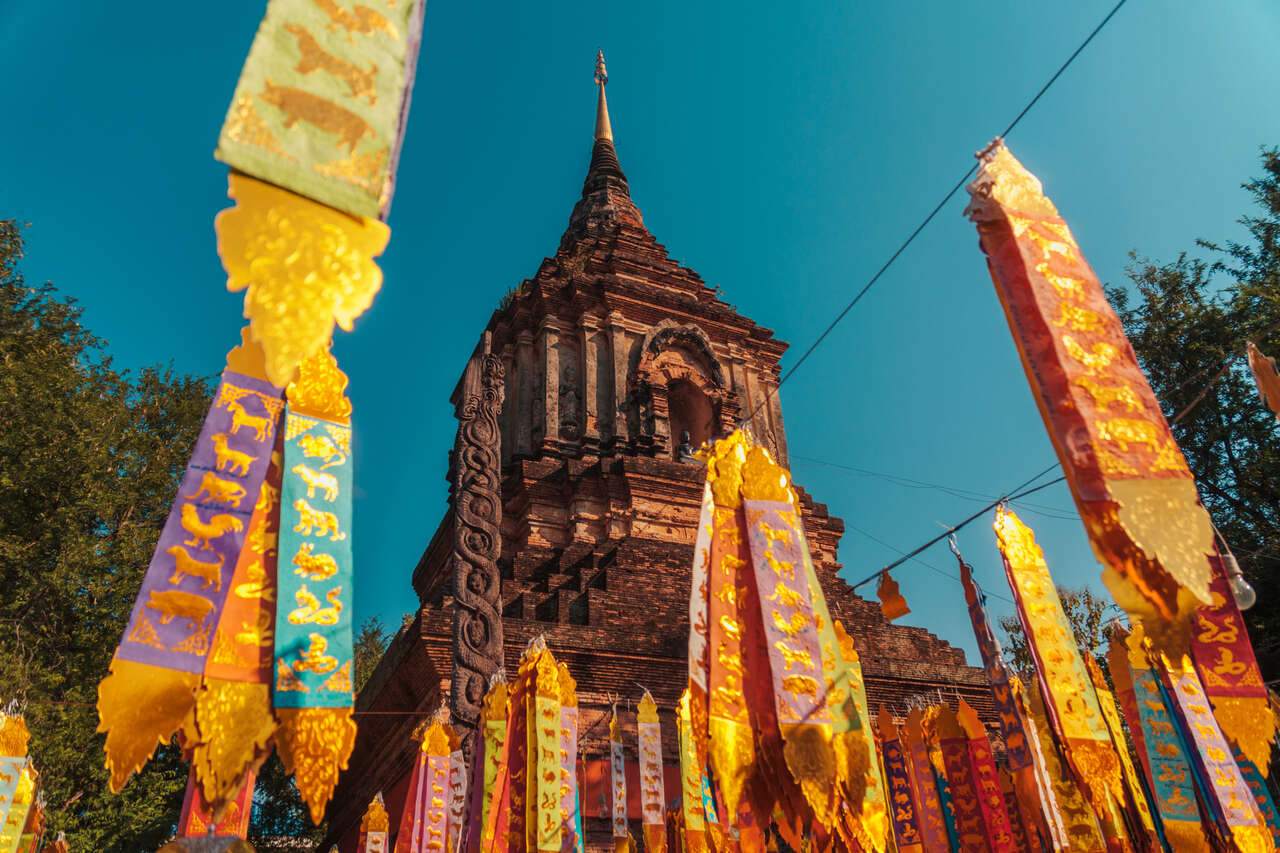
There are so many things to do in Chiang Mai City, and in order to make the best out of it, I highly recommend you start as early as you can with a visit to Wat Lok Moli, one of the oldest standing temples in the city built in the 14th Century. The temple is located just outside of the city's wall to the north.
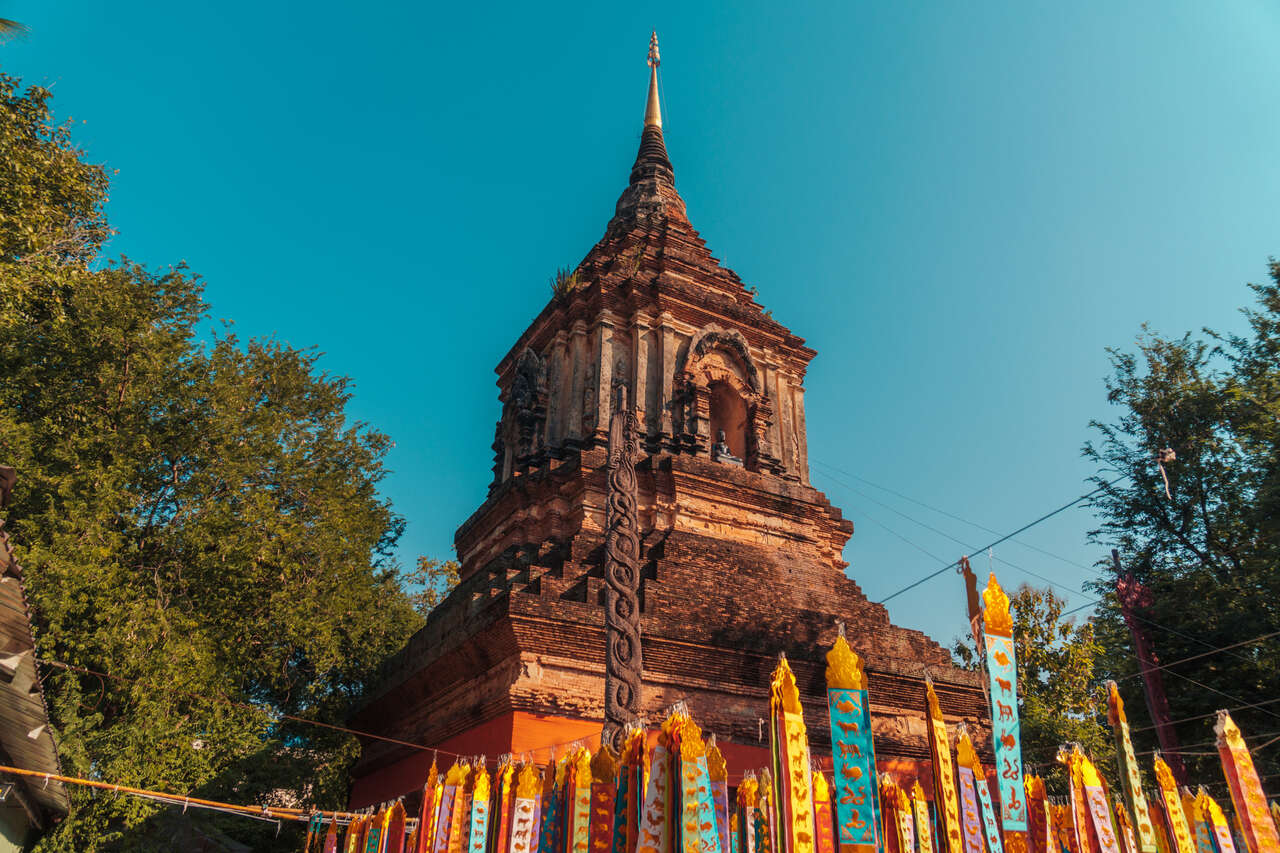
The temple is known for its massive chedi that dominates the area. It was built in the 16th century and is still in considerably great condition compared to what you would expect from a structure this old.

Located not too far from Wat Lok Moli, within the city's walls of Chiang Mai, you will find another impressive temple called Wat Chiang Man, the oldest temple in Chiang Mai that dates all the way back to 1296, the time of the founding of the city.
- Your Space Hotel Prasingh (Budget)
- The Wing Boutique (Mid-Range) 👍 Top Pick
- Aksara Heritage (High-End)
- 3 Experiences: Doi Inthanon Tour, Elephant Sanctuary, Trekking Trail (10 to 12 hours) 🏅 Top Pick
- Best Seller! Doi Inthanon National Park, Waterfall & Royal Project - Chiang Mai (8 to 9 hours)
- Half Day Thai Cooking Course at Farm (Chiang Mai) (6 hours)
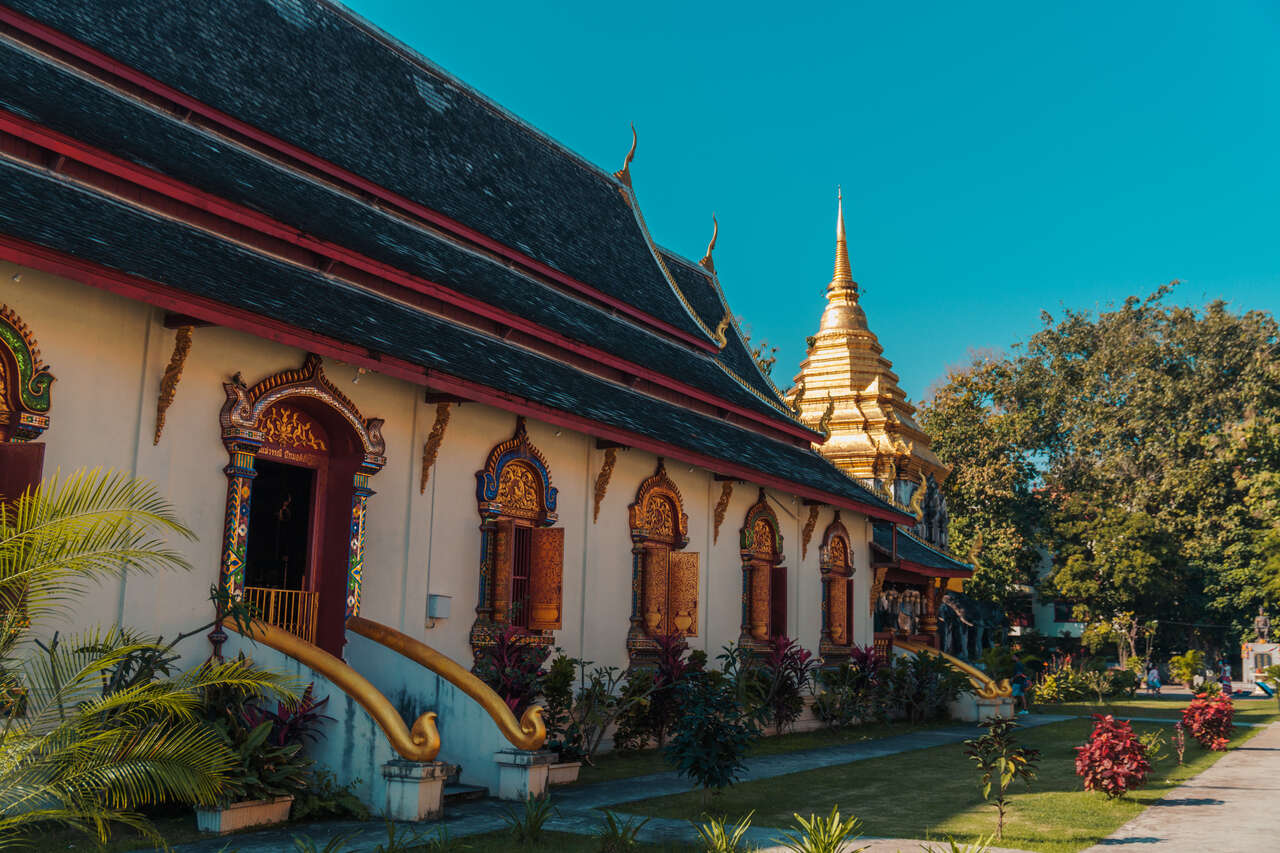
Within the temple, you will find "Chang Lom Chedi" or "elephants surrounding the Chedi", which is built in a beautiful mixture of Lanna-style and the Singhalese style originated from Sri Lanka, which can be seen in the design of the bottom part of the chedi.
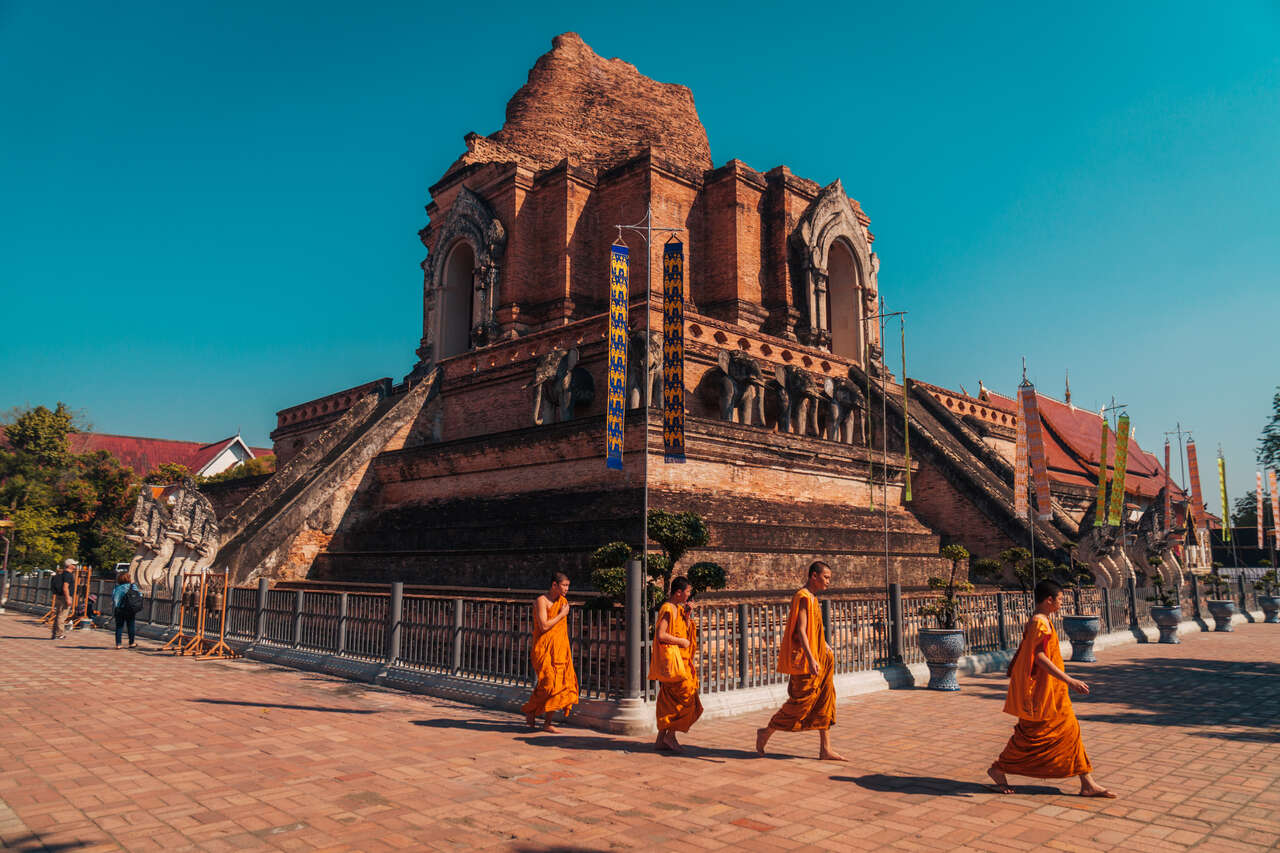
Just a little north from Wat Chiang Man, you will find one of the most iconic landmarks of Chiang Mai: the massive remaining chedi of Wat Chedi Luang, also known as the "temple of the great stupa".
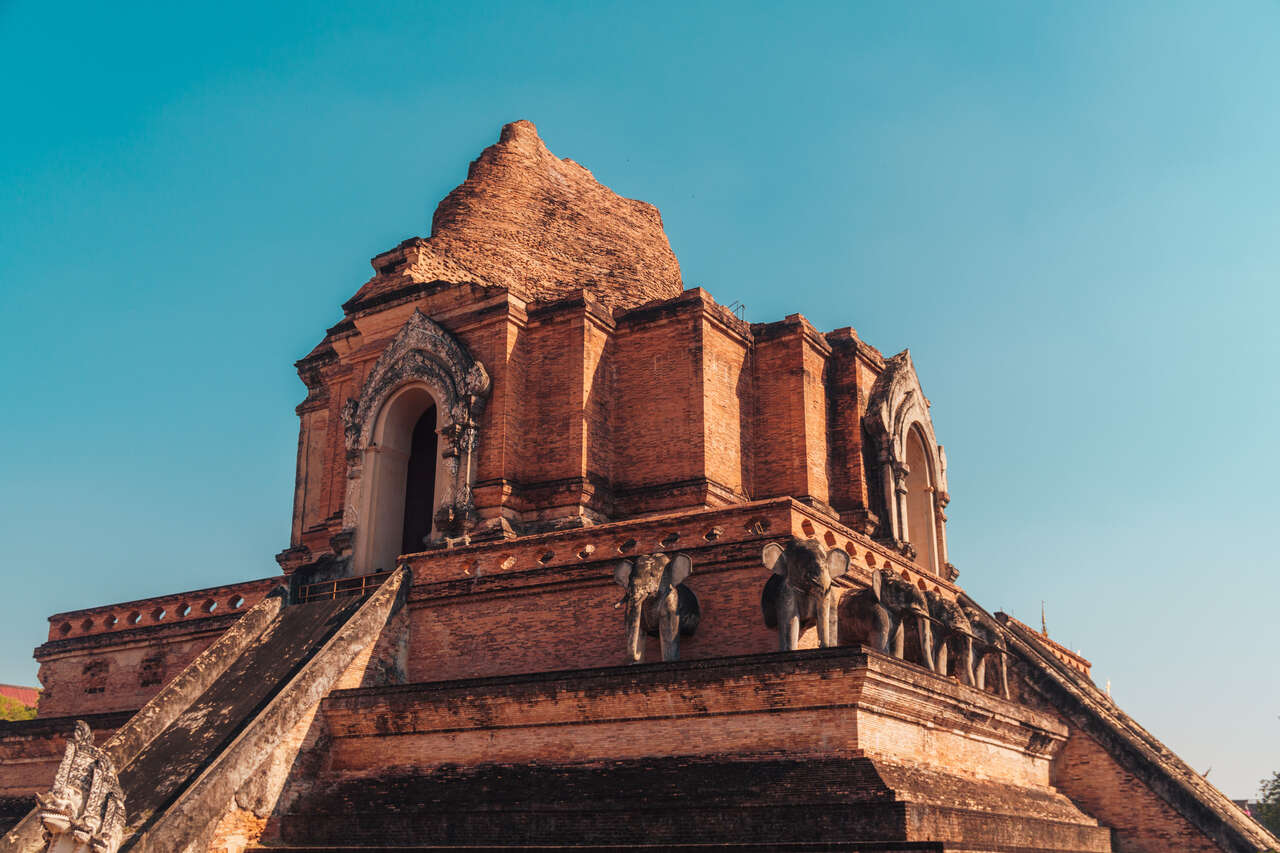
It took almost a decade to complete this chedi. The construction started in 1391 and was completed in 1475, taking almost 85 years to finish. When it was intact, it is said that the chedi reached a height of up to 85 meters and a width of 44 meters, making it the largest ancient structure in the entire city.
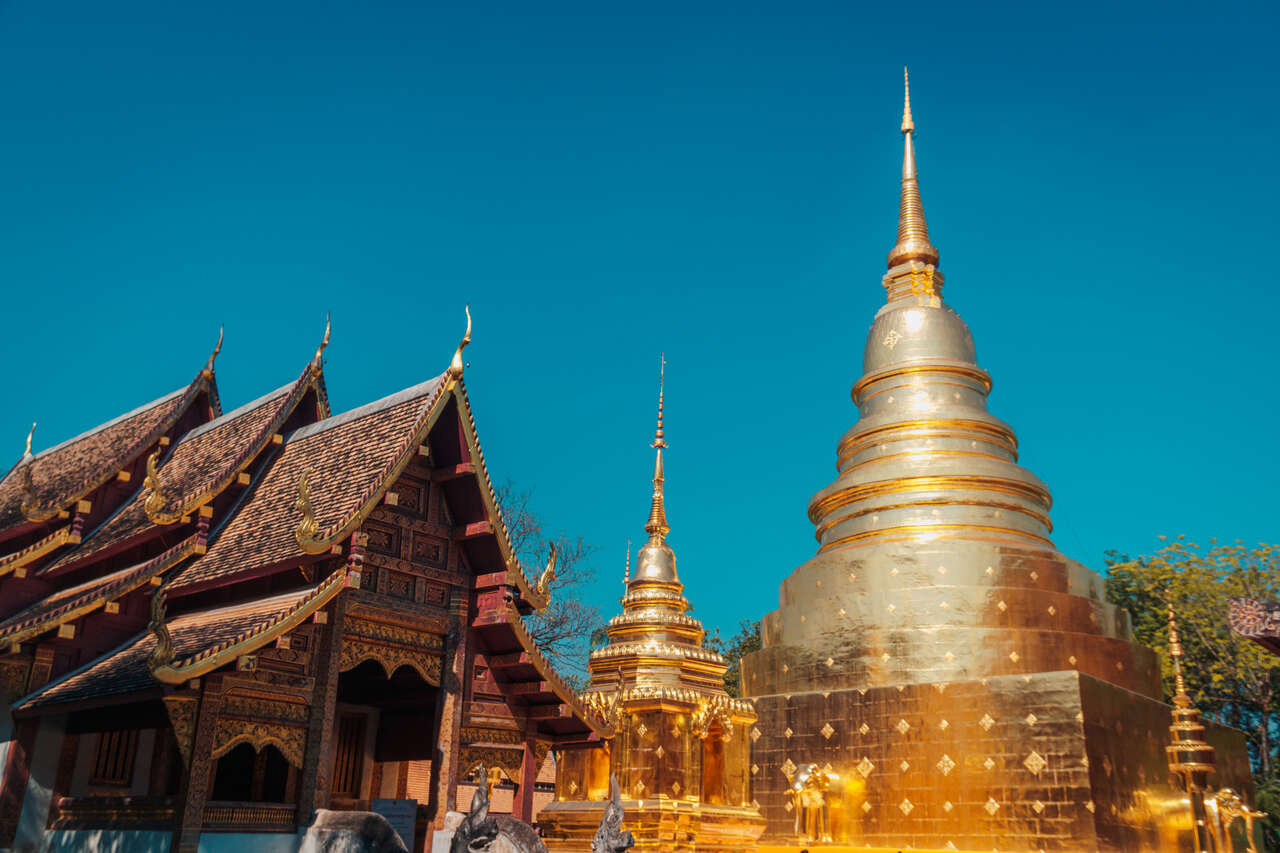
The last temple you will visit within the vicinity of the old ancient wall of Chiang Mai is Wat Phra Singh, a temple built in the 14th Century that proudly displays the stunning classic Lanna architectural style with its blindingly gold chedi and several teak wood temples, all within the temple's courtyard.
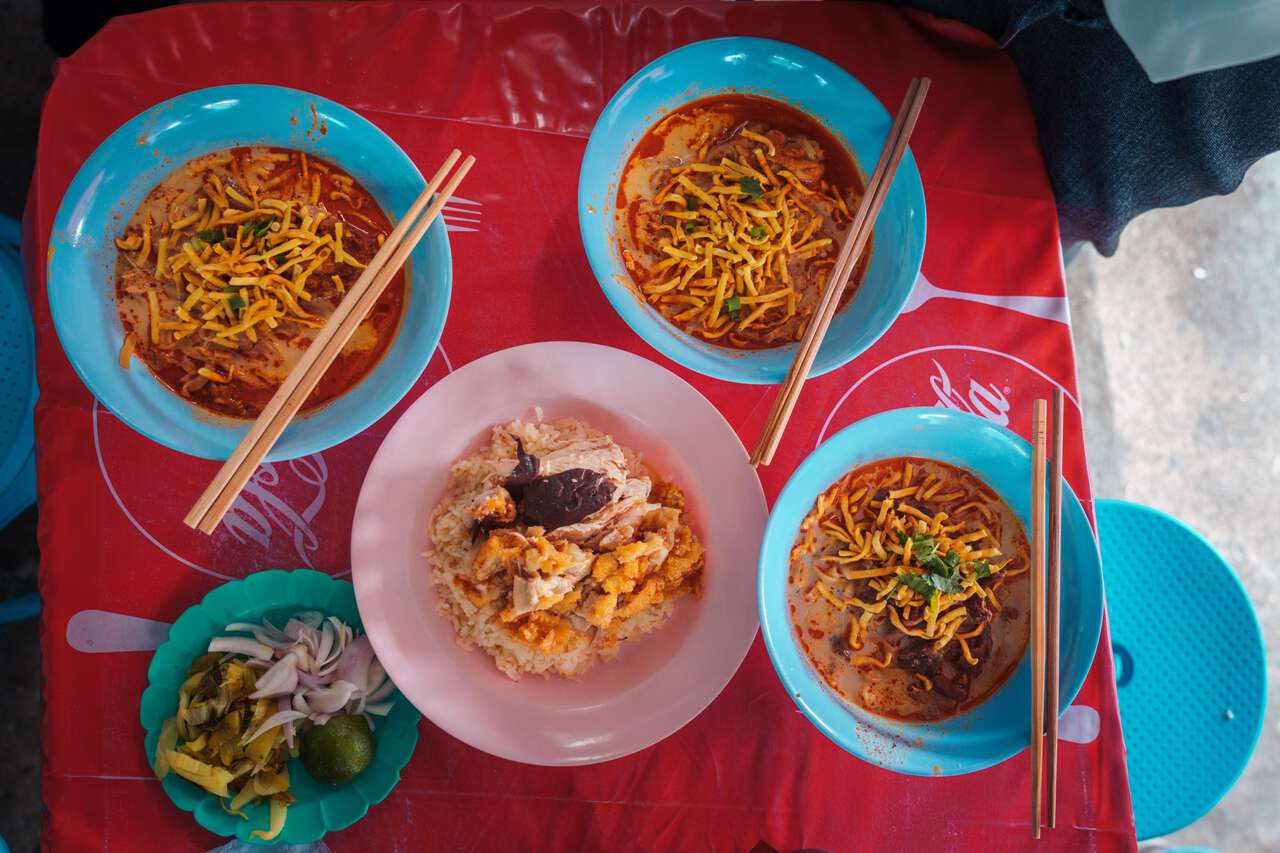
By this point, it should be around lunchtime, and if you want to taste the very best Khao Soi in Chiang Mai (recommended to me by a local), you should definitely check out Khao Soi Lung Prakit and try their delicious beef khao soi. It makes me drool every time I think about it.
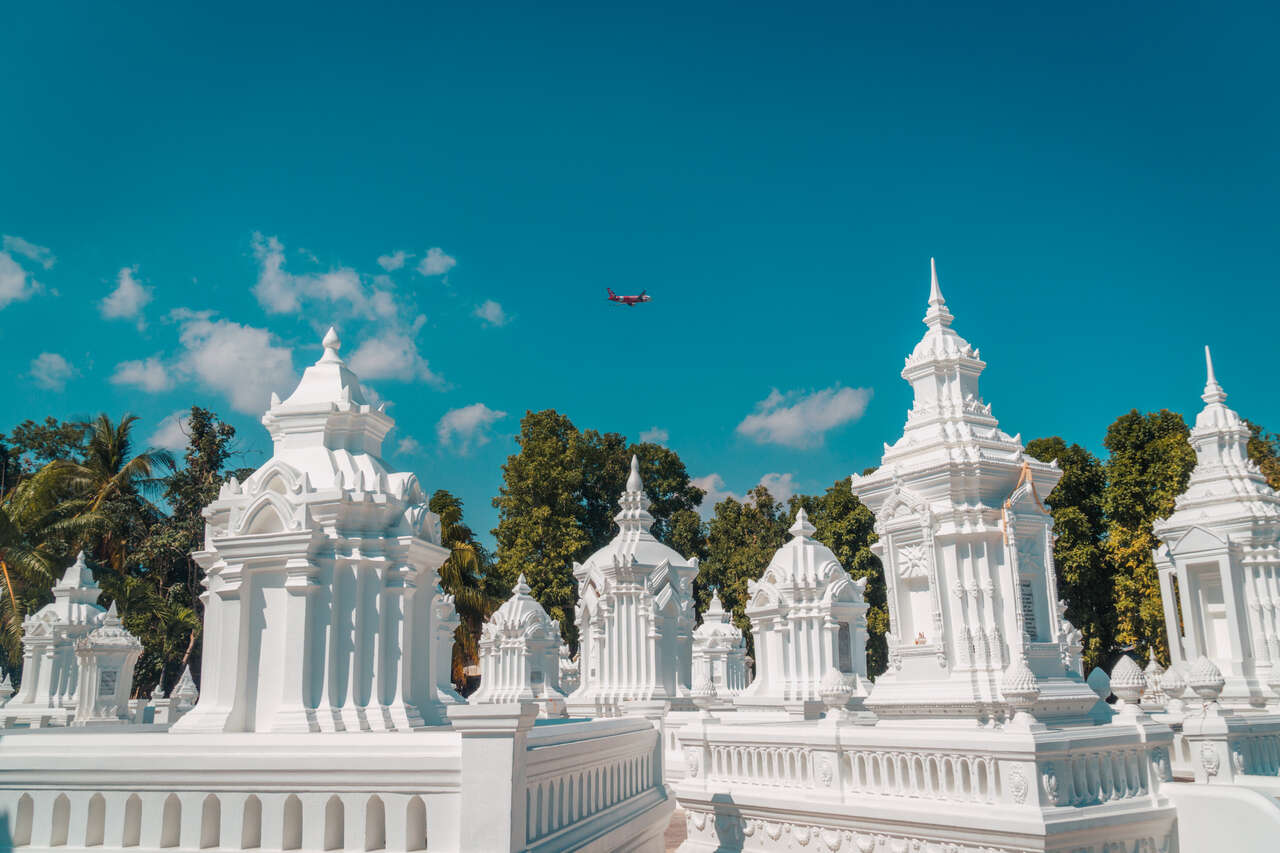
After spending the first half of the day exploring the temples inside the old city wall, it's time to take your scooter and explore the outside with a visit to Wat Suan Dok, a 14th-century temple known for its numerous beautiful white pagodas scattered throughout the temple grounds.
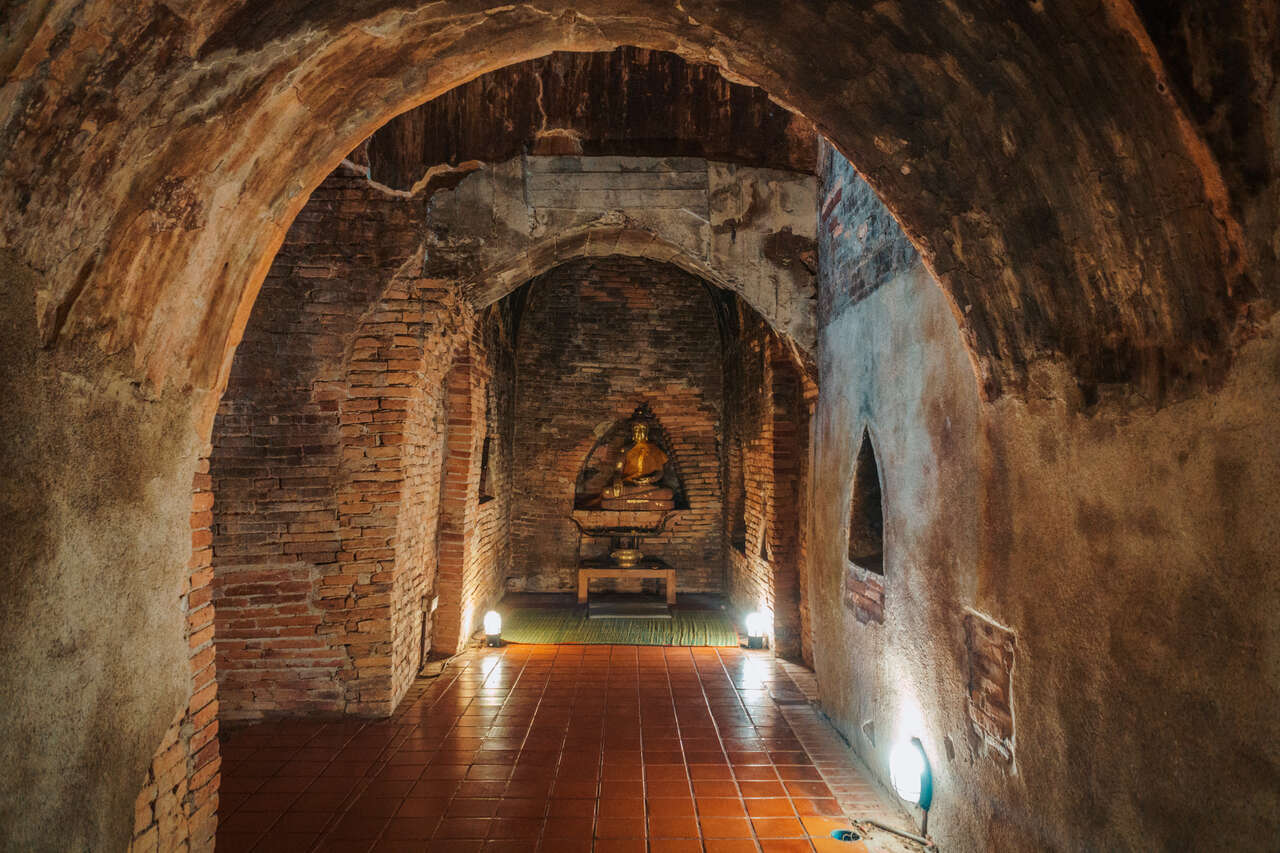
After Wat Suan Dok, continue west along the road and visit Wat Umong, or the Tunnel temple, which is, you guessed it, a temple built inside a system of tunnels deep inside a forest on the foothill of Doi Suthep, the looming mountain you can see towering over Chiang Mai.
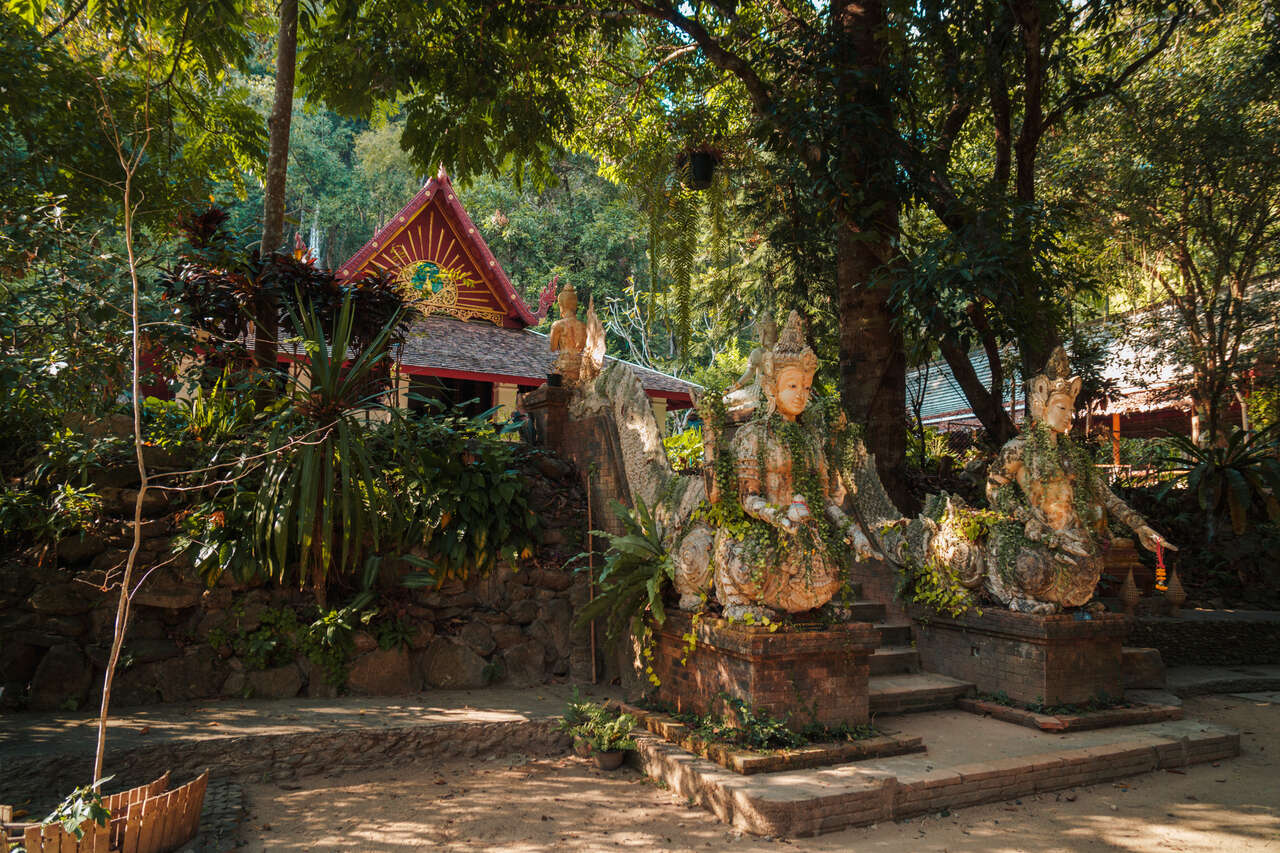
After visiting Wat Umong, it is time to head up Doi Suthep for a nice sunset. But before that, there is one forest temple that you should visit: Wat Pha Rat. It is a lesser-known temple located along the way from the base of Doi Suthep and Wat Pra That Doi Suthep temple.
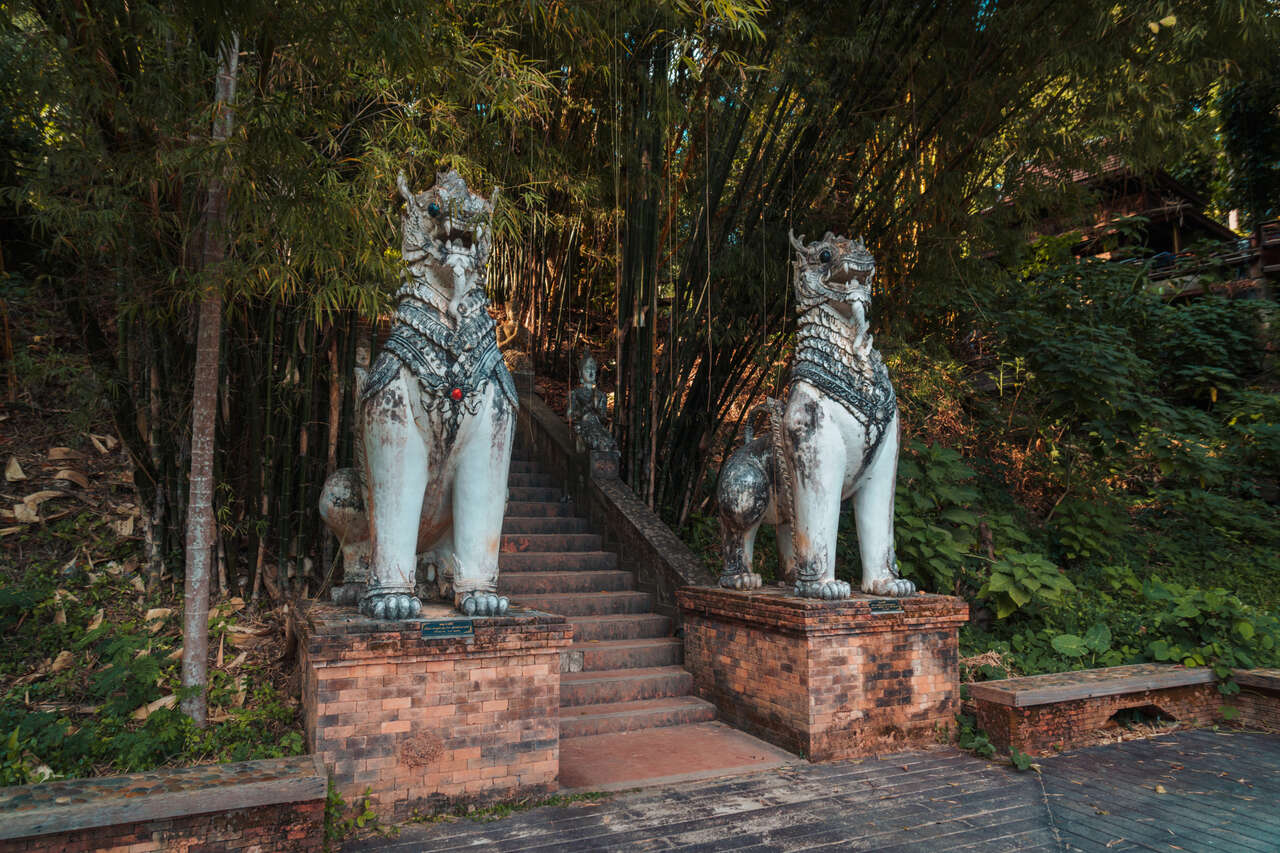
Nestled in a lush green forest, the temple serves as a great place for monks and people to meditate in solitude, away from the crowdedness of most community temples in the city.
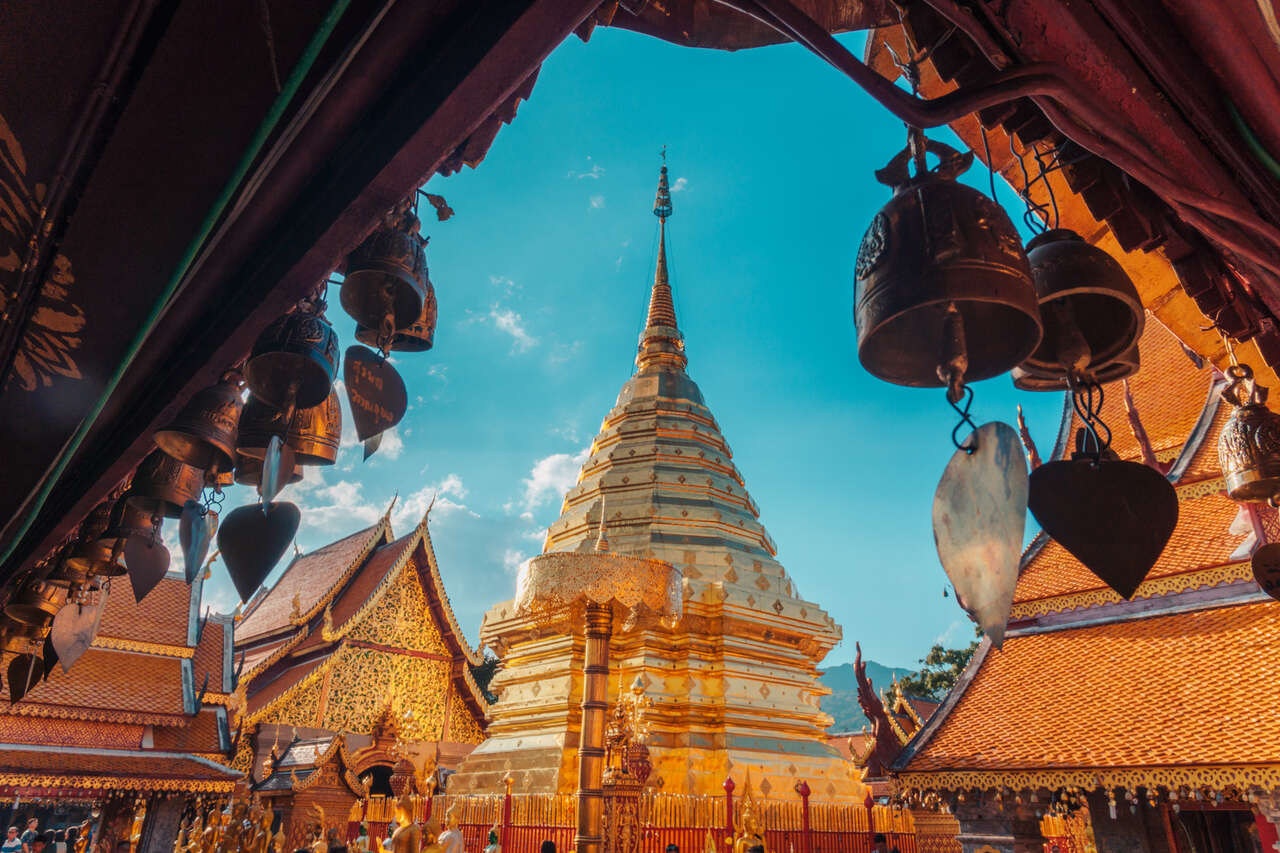
After spending your time at Pha Lat Temple, continue along the winding road up to the top of Doi Suthep mountain, and you will find Wat Phra That Doi Suthep, one of the most important temples in Northern Thailand, waiting for you.
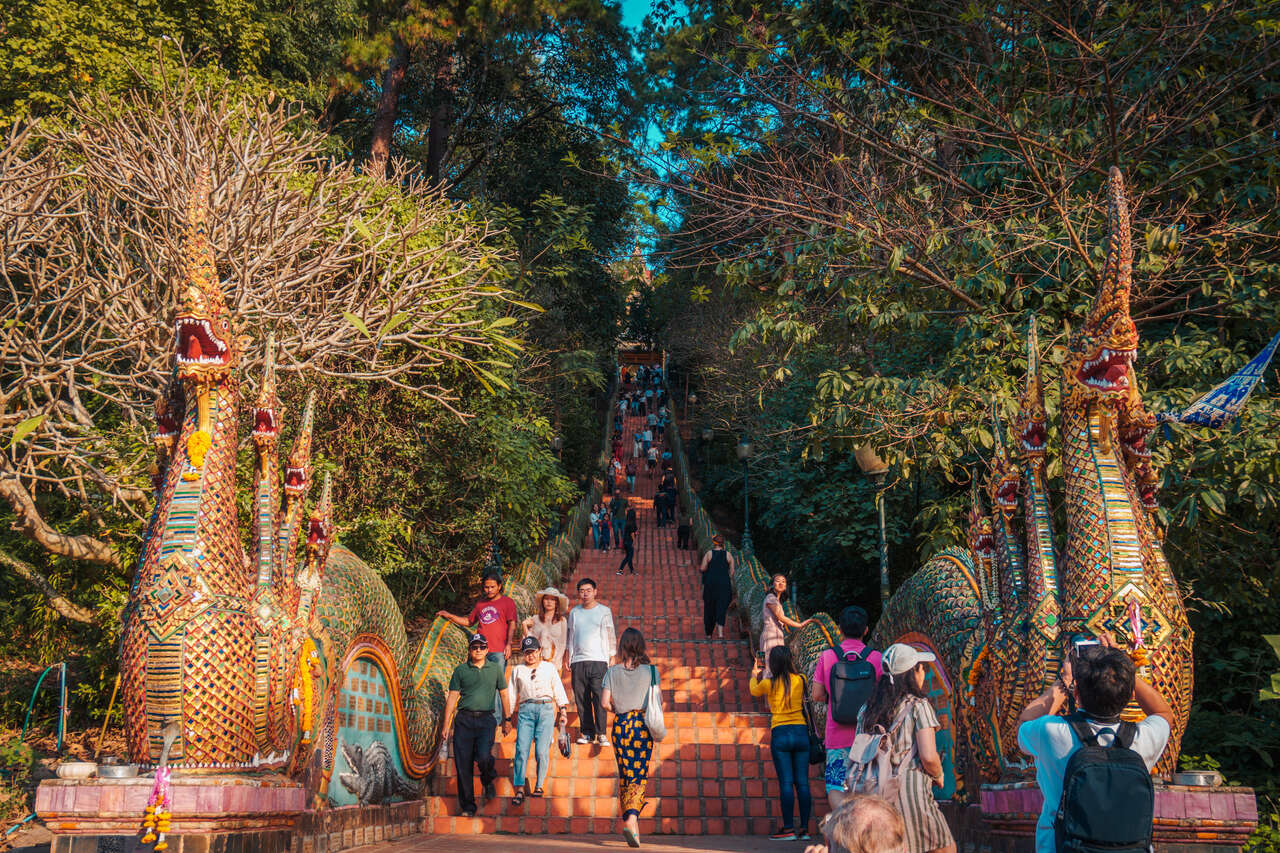
Before you get to the temple, you will first have to ascend the 300+ steep steps that go up to the temple. Once you arrive at the top, you will find a stunning golden chedi surrounded by 3 halls housing several Buddha images. Enjoy a nice, peaceful evening there before you drive down to the city for dinner.
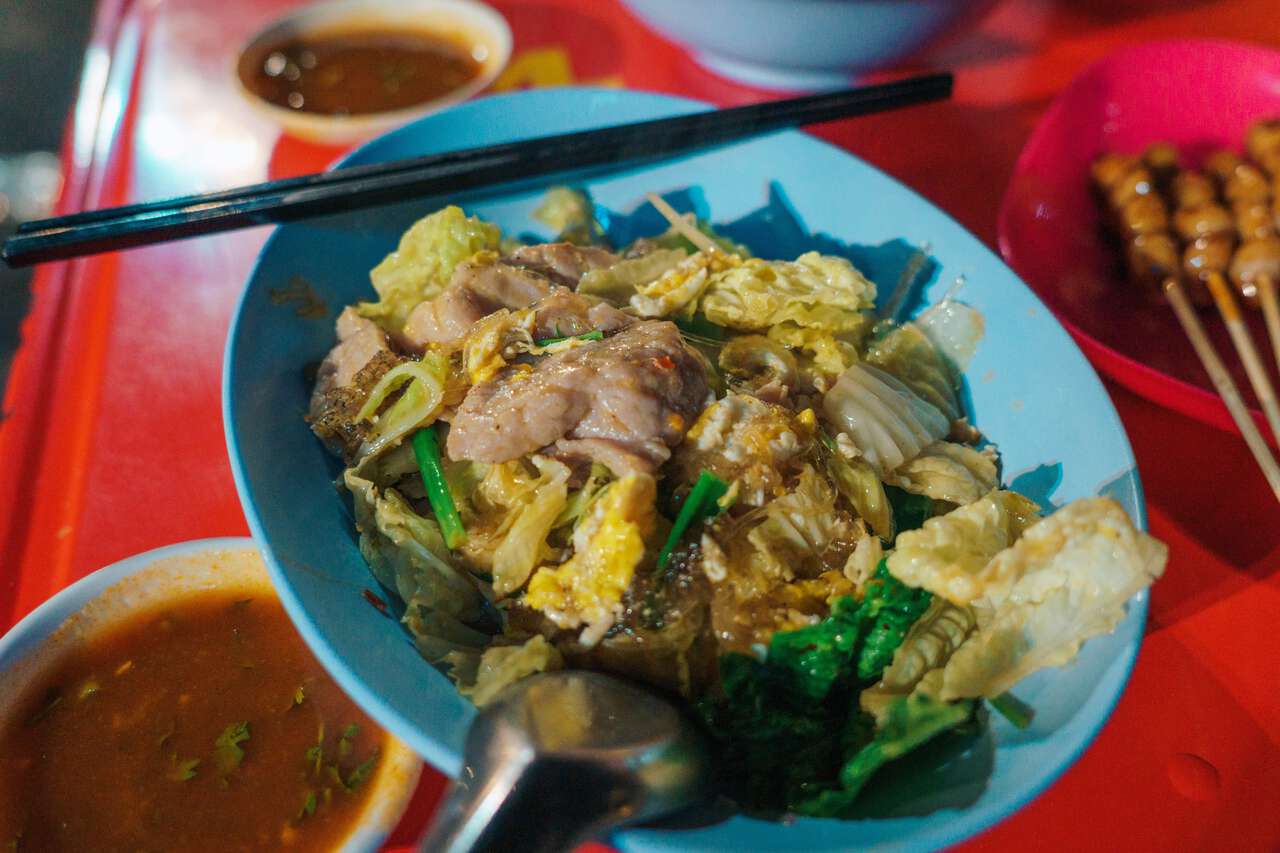
For dinner, if you are looking for great street food to try, I can recommend Chang Phueak Suki, located near the road that goes up to Doi Suthep.
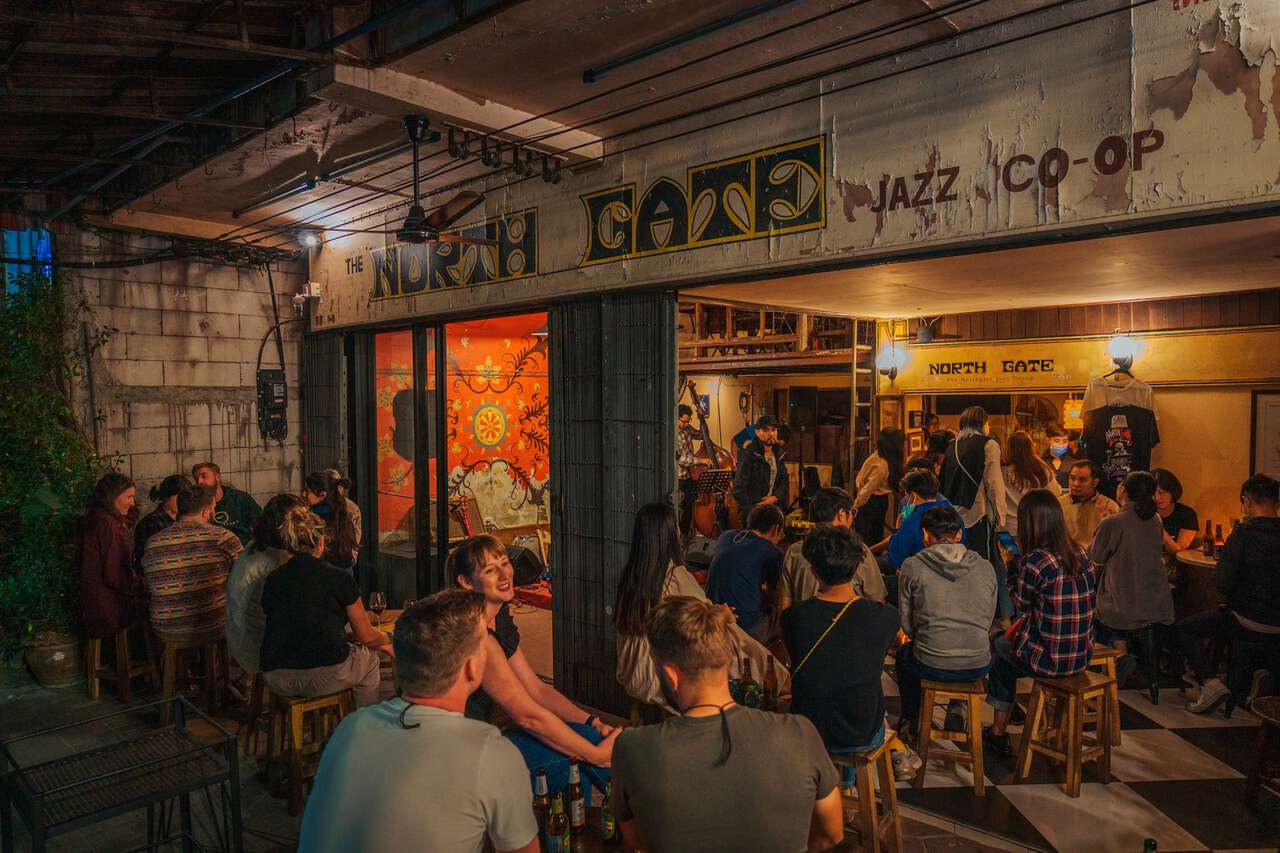
For a nice night out, if you enjoy jazz, I highly recommend visiting The North Gate Jazz Co-Op to enjoy some local jazz bands. If you are looking for a place to sit and talk, Ae Te South Gate is also a great option. For dancing your night away, Warm-Up and Zoe are the best places to be.

Day 2: Doi Inthanon (1 Night)

- 🕐 Time: 1 Night
- 📖 Full Guide: A Complete Backpacking Guide To Doi Inthanon
After spending the day exploring Chiang Mai, it is time to go off into the mountains and visit the highest mountain in Thailand, Doi Inthanon, which is 2,565 meters (8,415 ft) above sea level.
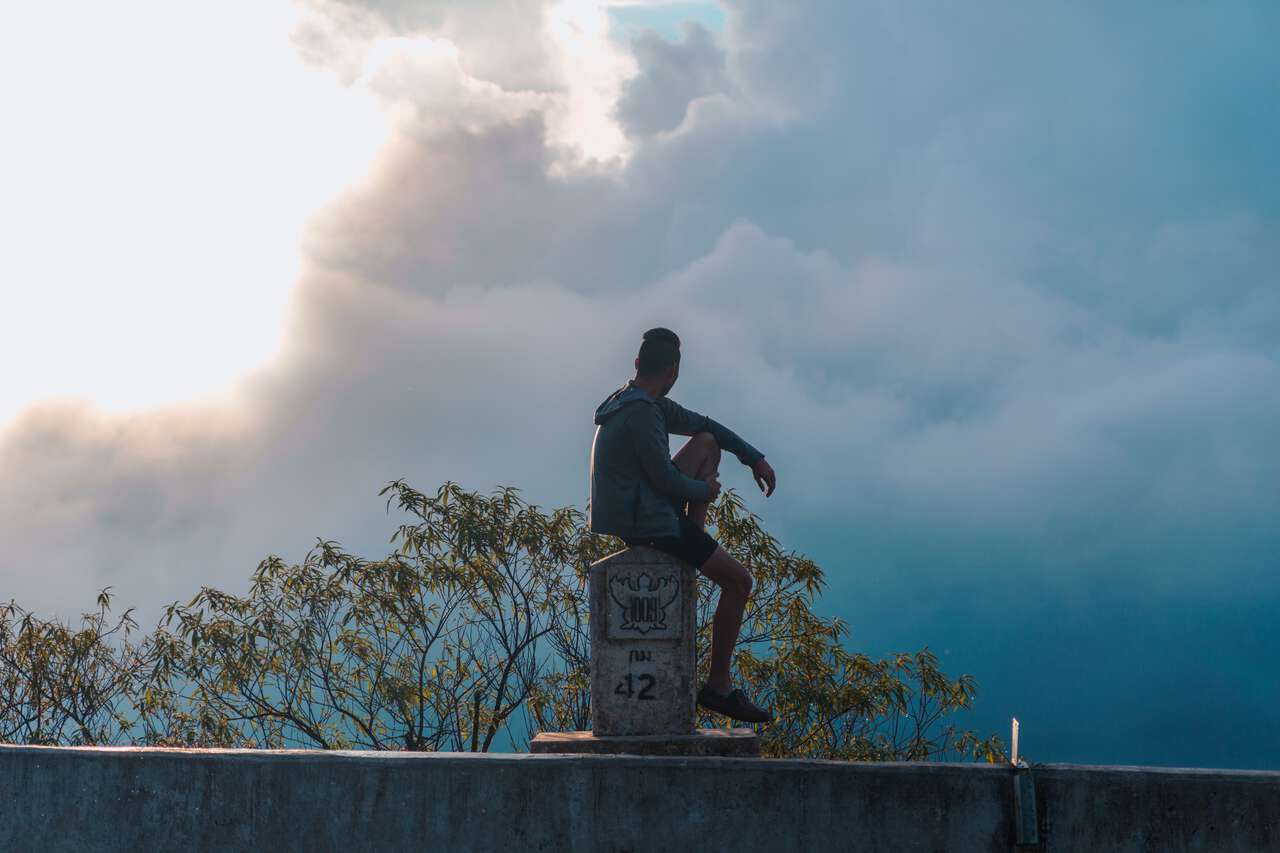
Since you will be driving up the mountain with a motorbike, it will take you around 3 hours to reach the top where you can camp at the national park's campsite. But first, you should visit some of the beautiful attractions around Doi Inthanon National Park.
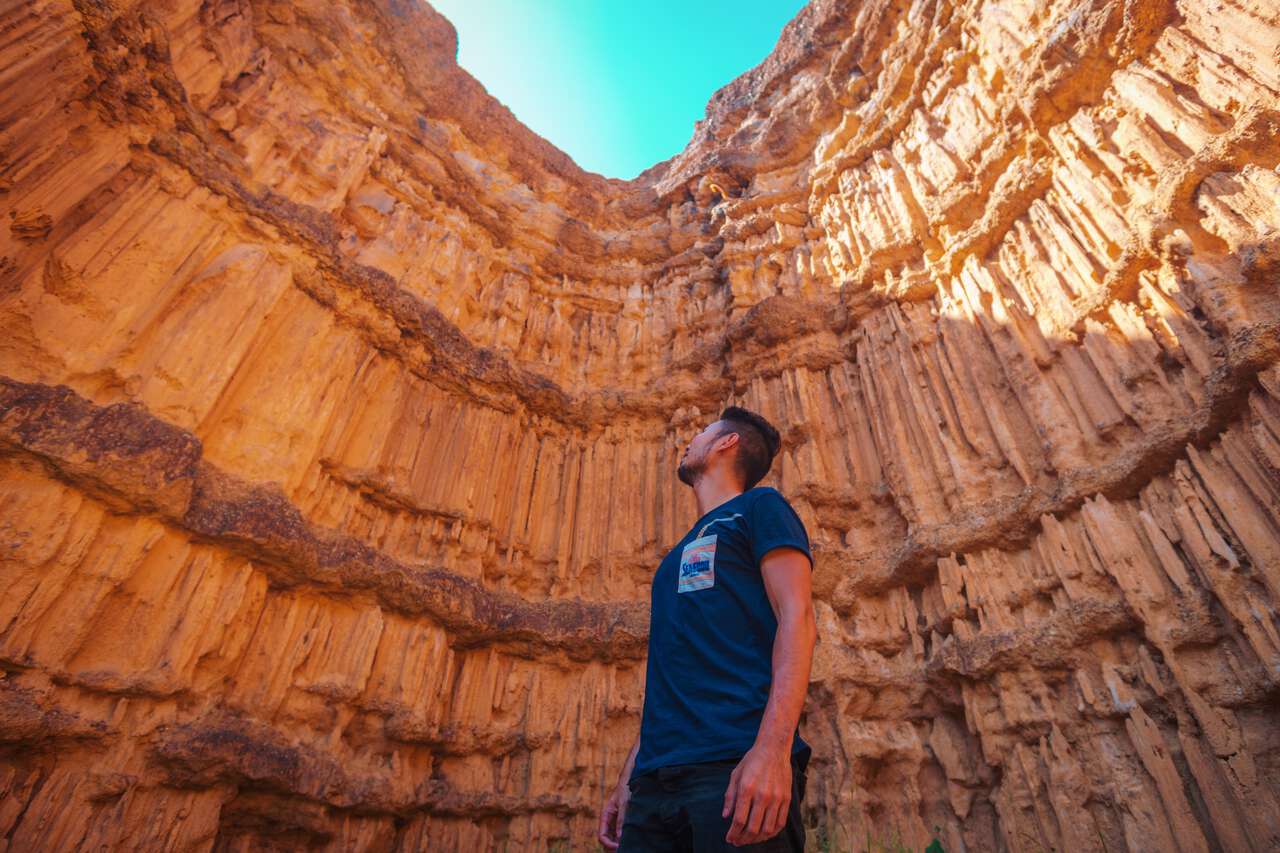
One of the first places to visit is Pha Chor, a stunning orange rock formation deep in the forest of Southern Chiang Mai where you can hike for about 1 hour.
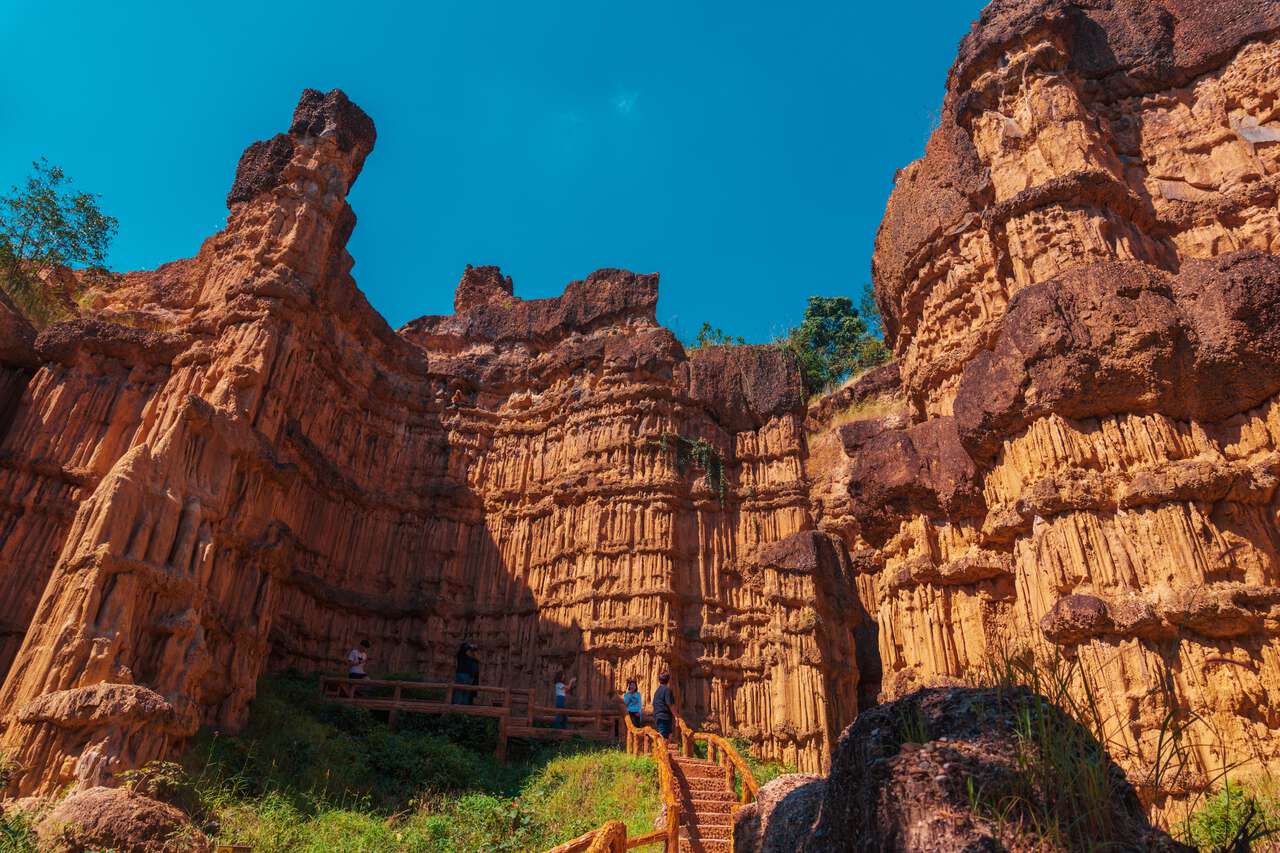
The Pha Chor Canyon formed a long time ago when the Ping River, the main river in Chiang Mai, changed its course, leaving behind the corroded canyon we see today. Pha Chor is part of the Mae Wa National Park, and it takes approximately 20 minutes of hiking to reach the Pha Chor Canyon.
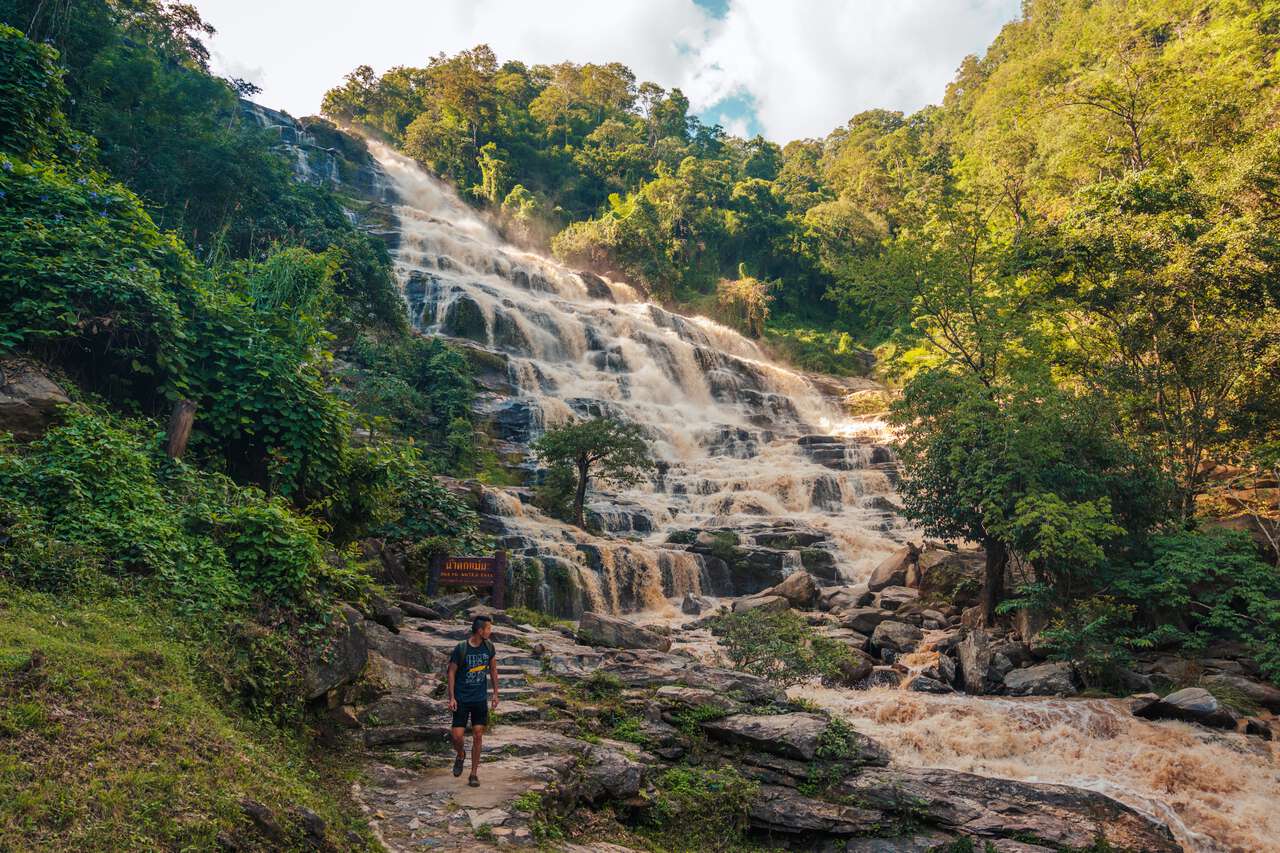
After Pha Chor, continue on past the road up to Doi Inthanon and visit Mae Ya Waterfall, an enormous waterfall located just outside of Doi Inthanon National Park. With its 260-meter height, cone shape, and the levels of drops where the waterfall flows, it is quite a sight to behold.
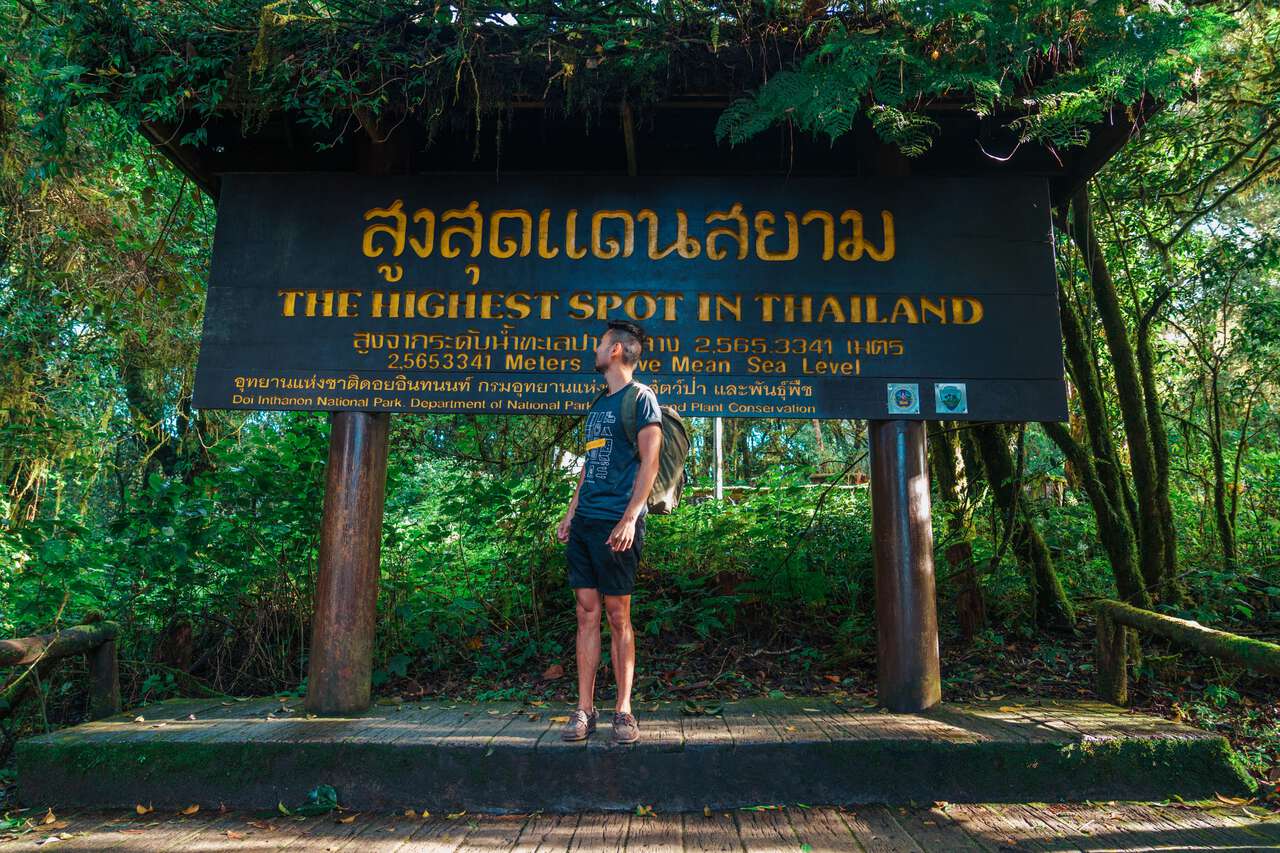
Once you are done exploring Mae Ya Waterfall, it is time to go up to the top of Doi Inthanon. It is a long, steep, winding road, so be extra careful and patient. Once you arrive, go and hike the easy Ang Ka Nature Trail through the beautiful mossy forest and take a photo with the "Top of Thailand" sign.
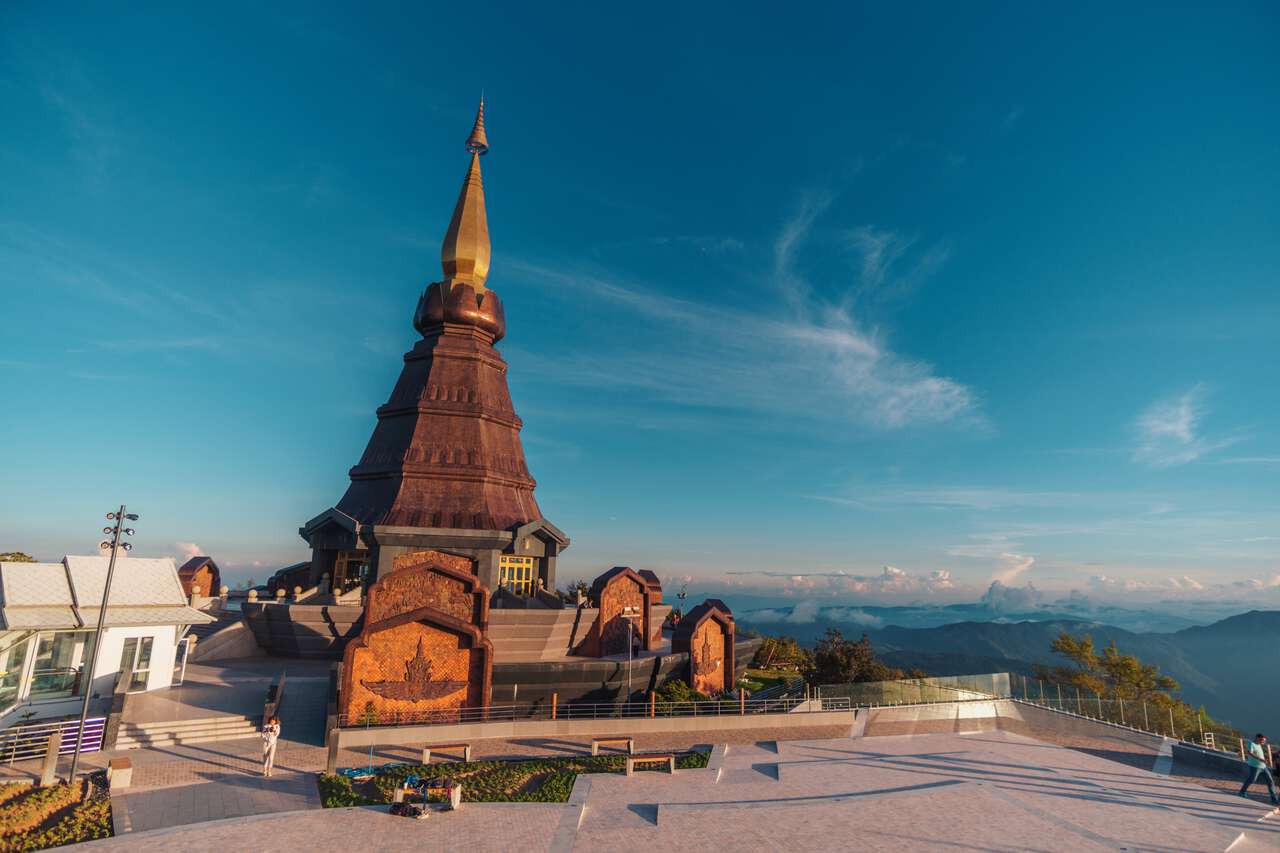
After the little hike, you can drive down the summit and visit the Grand Pagodas of Doi Inthanon for a beautiful sunset and camp at Dong Son Campground, the campground provided by the national park for the night.
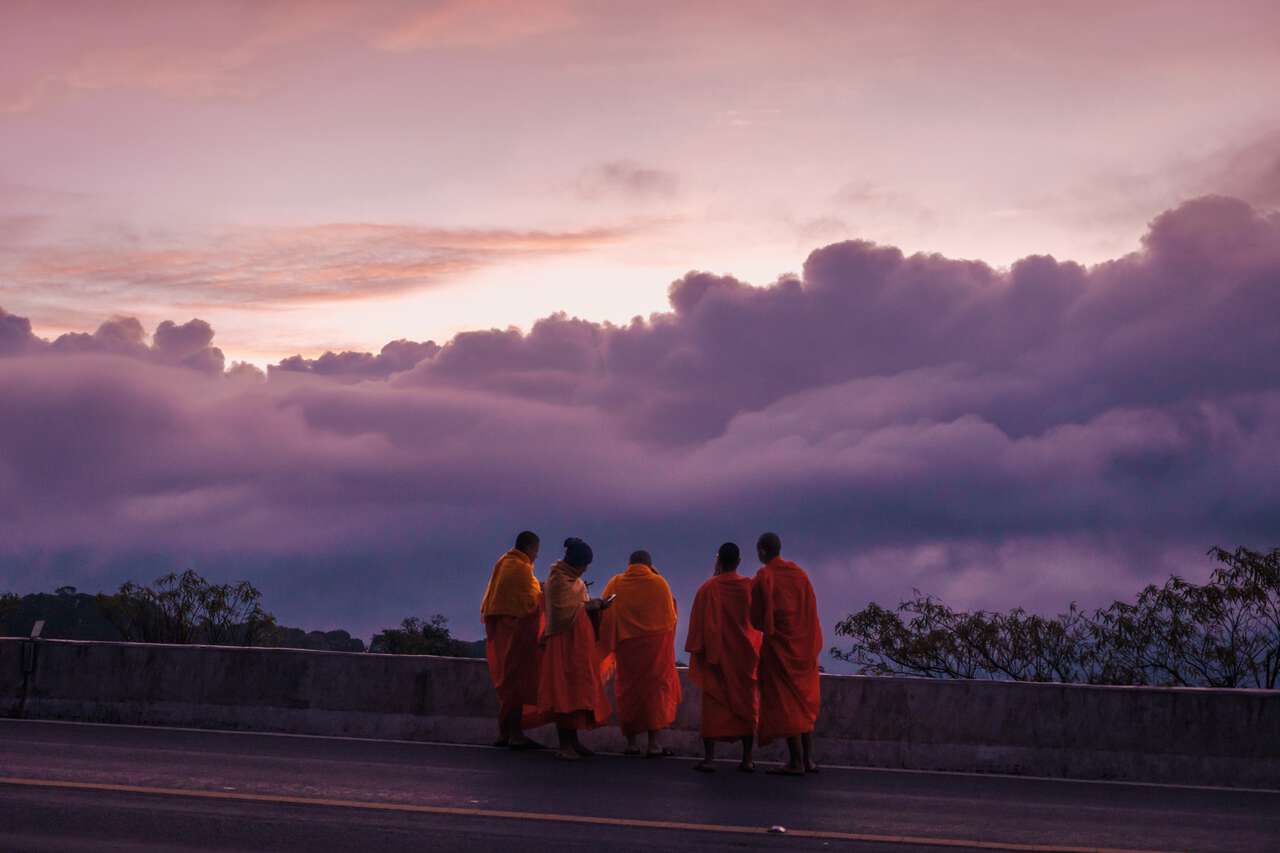
The next morning, wake up at 5 AM and travel up to the Kew Mae Pan trailhead and watch the sunrise at the Kew Mae Pan's parking lot before starting the trail.
Keep in mind that during the high season (late November to early January), a lot of local tourists will be doing the hike as well, and there is often a long queue at the trailhead. So the earlier you are there, the less you will have to wait.
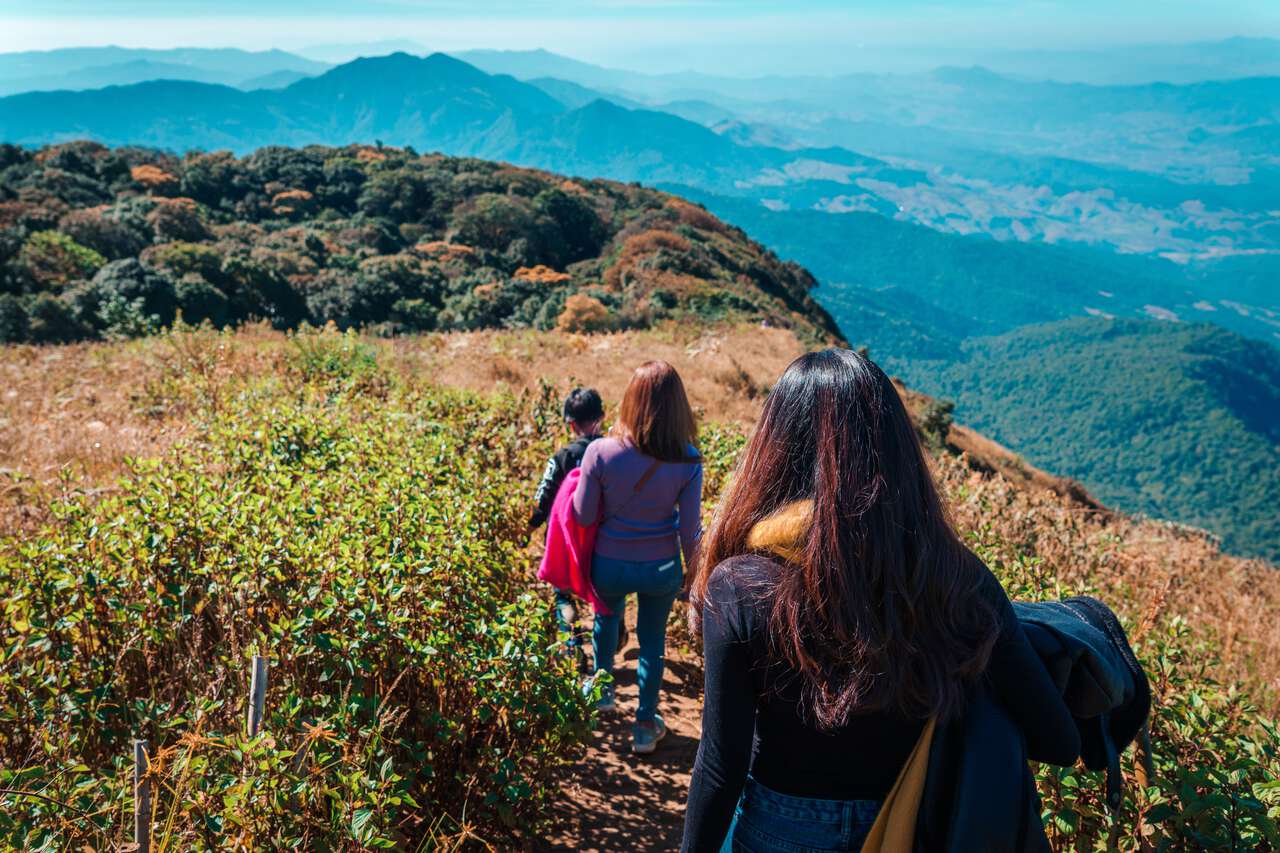
The Kew Mae Pan Trail is a 2-hour long beautiful "balcony" hiking trail along the Doi Inthanon's mountain ridge overlooking the Mae Pan River and the mountains surrounding it. It is one of the best places to watch the morning sea of fog in Thailand.
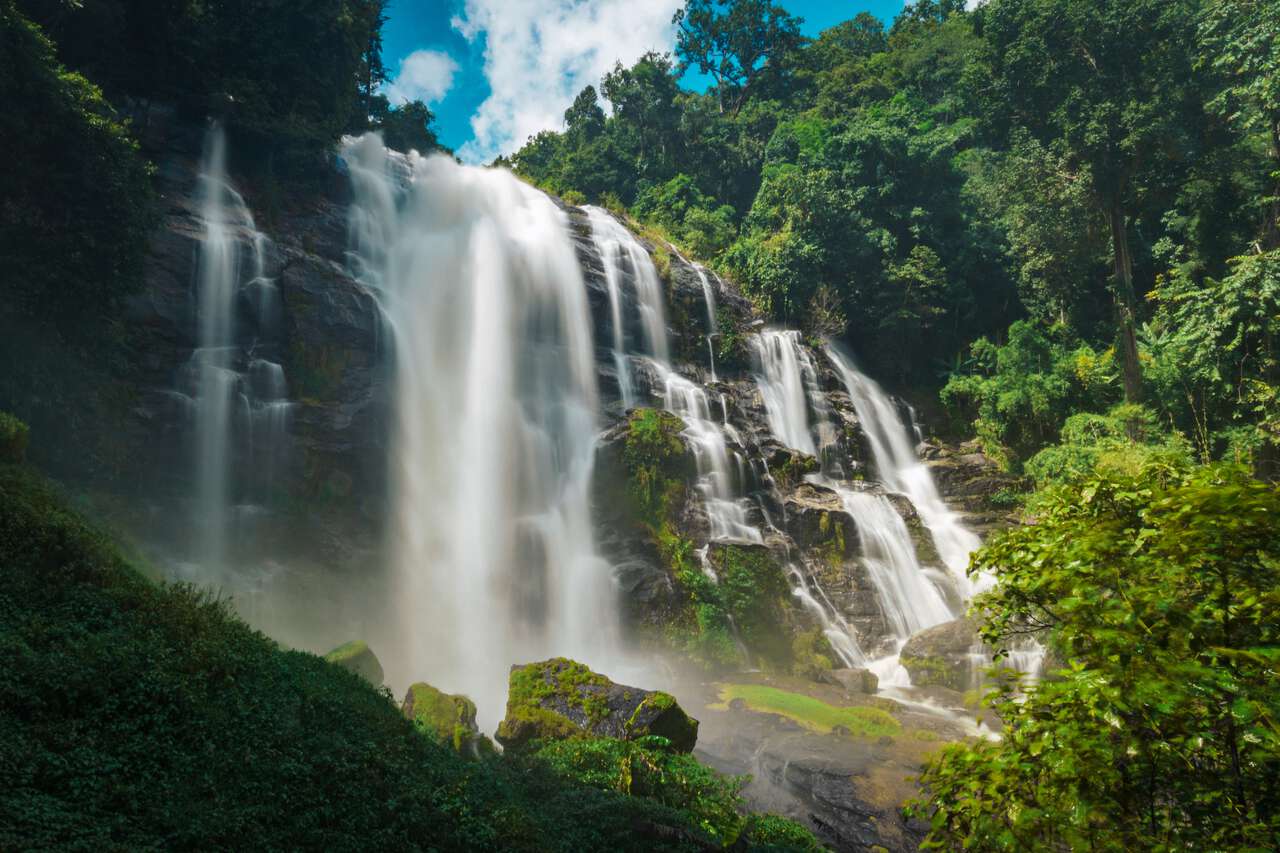
After spending the morning hiking the Kew Mae Pan Trail, you can enjoy breakfast at the Kew Mae Pan trailhead. Then, make your way down the mountain and visit one last waterfall, the Wachirathan Waterfall.
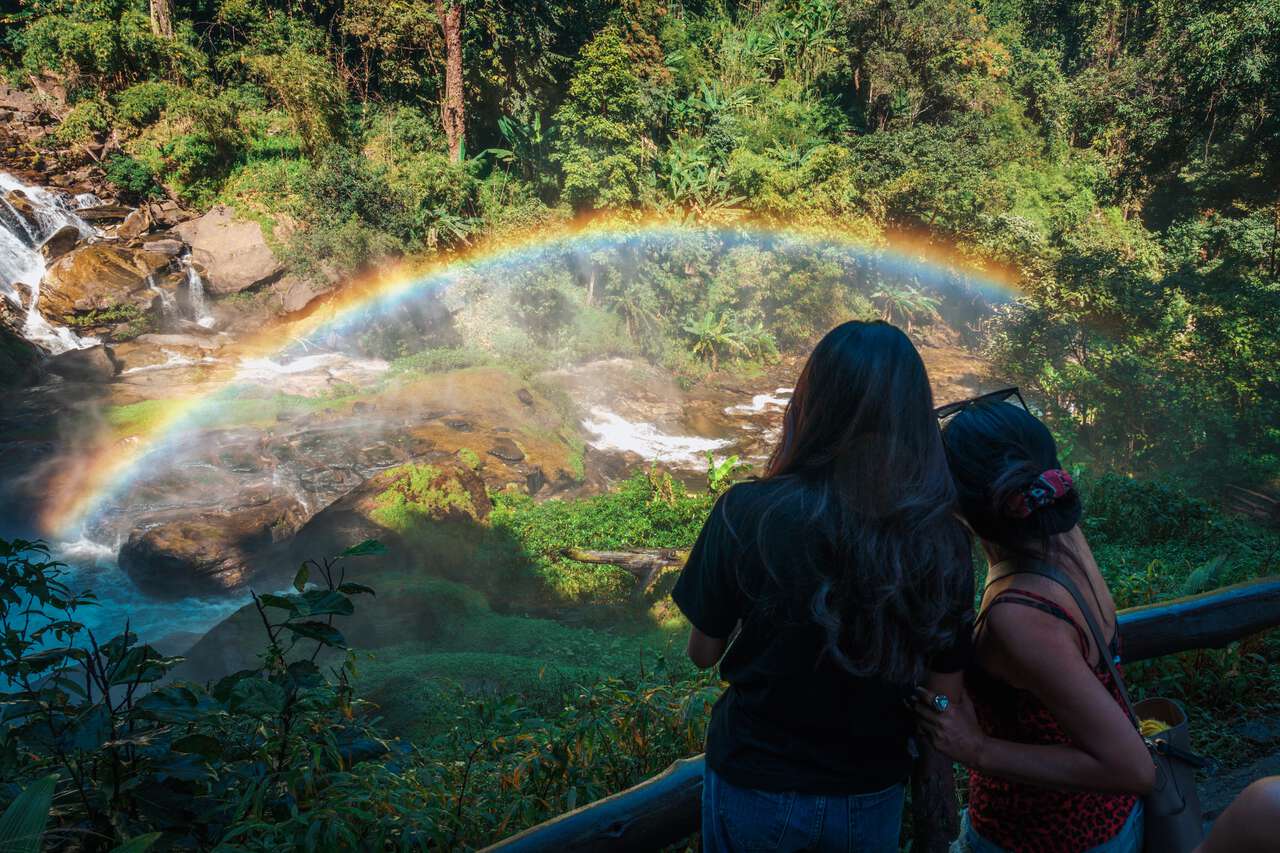
Wachirathan Waterfall, is a powerful waterfall where you can witness the rare double rainbow phenomenon. You cannot get near Wachirathan Waterfall without getting wet. Once you are done, drive back and spend the rest of the day relaxing.

Day 3: Elephant Forest Park (1 Night in Chiang Mai)
- 🕐 Time: 1 Night in Chiang Mai
- 📖 Full Guide: Discover Chiang Mai: 21 Awesome Things to Do & More
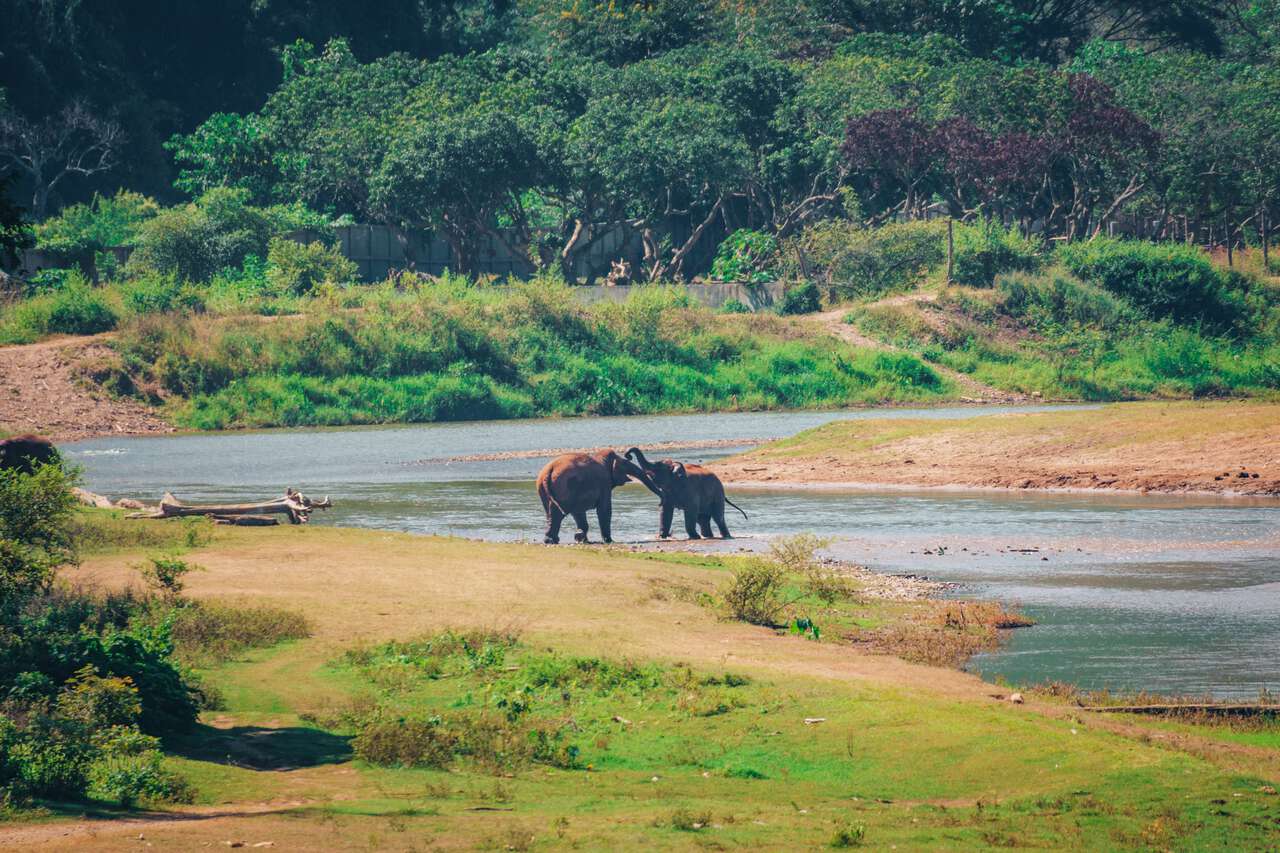
On our last day in Chiang Mai, we will be visiting an Elephant Park where you will be able to have a close encounter with these intelligent animals in an ethical manner.
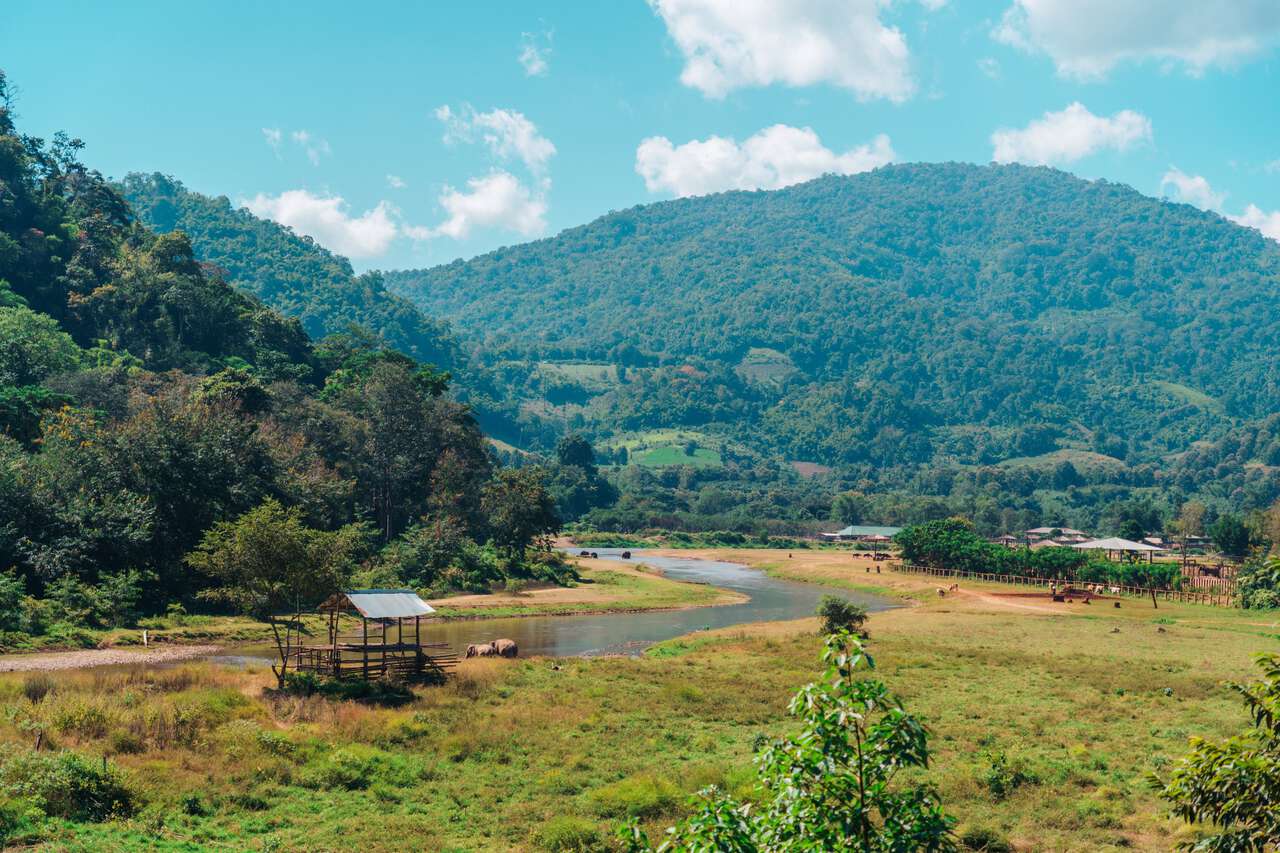
I am often skeptical about recommending places like elephant sanctuaries, as they are often not as advertised and the animals are mistreated behind the scenes. However, after days of research, I have found the place: The Elephant Nature Park, deep in the mountains in Mae Tang, gets my vote as one of the most ethical elephant sanctuaries out there.
For one, the Elephant Nature Park is located on a huge swathe of land with a river running through, creating an almost unguarded habitat for these intelligent animals.
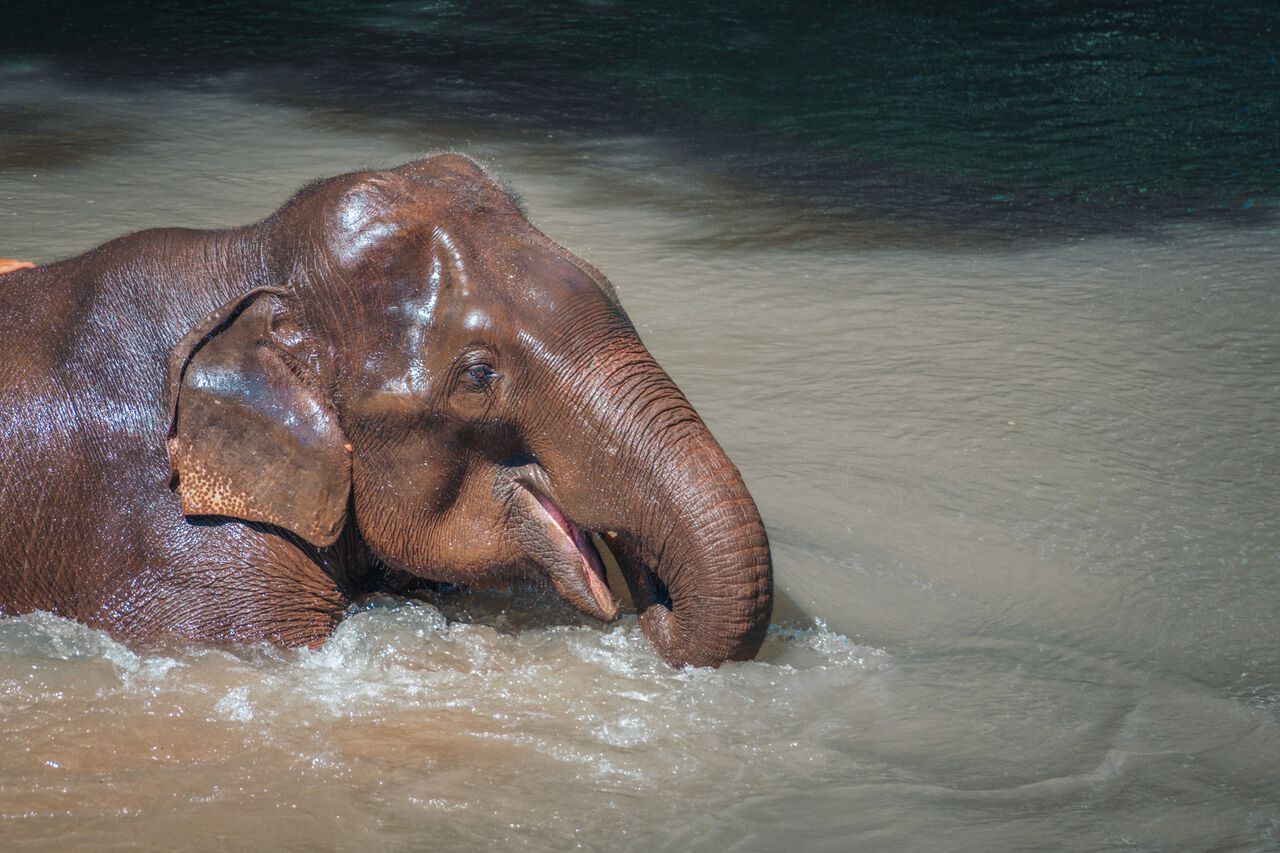
They are not tied up and put inside a cage after they are done entertaining tourists, unlike other places. They are allowed to roam the large area and do whatever they want.
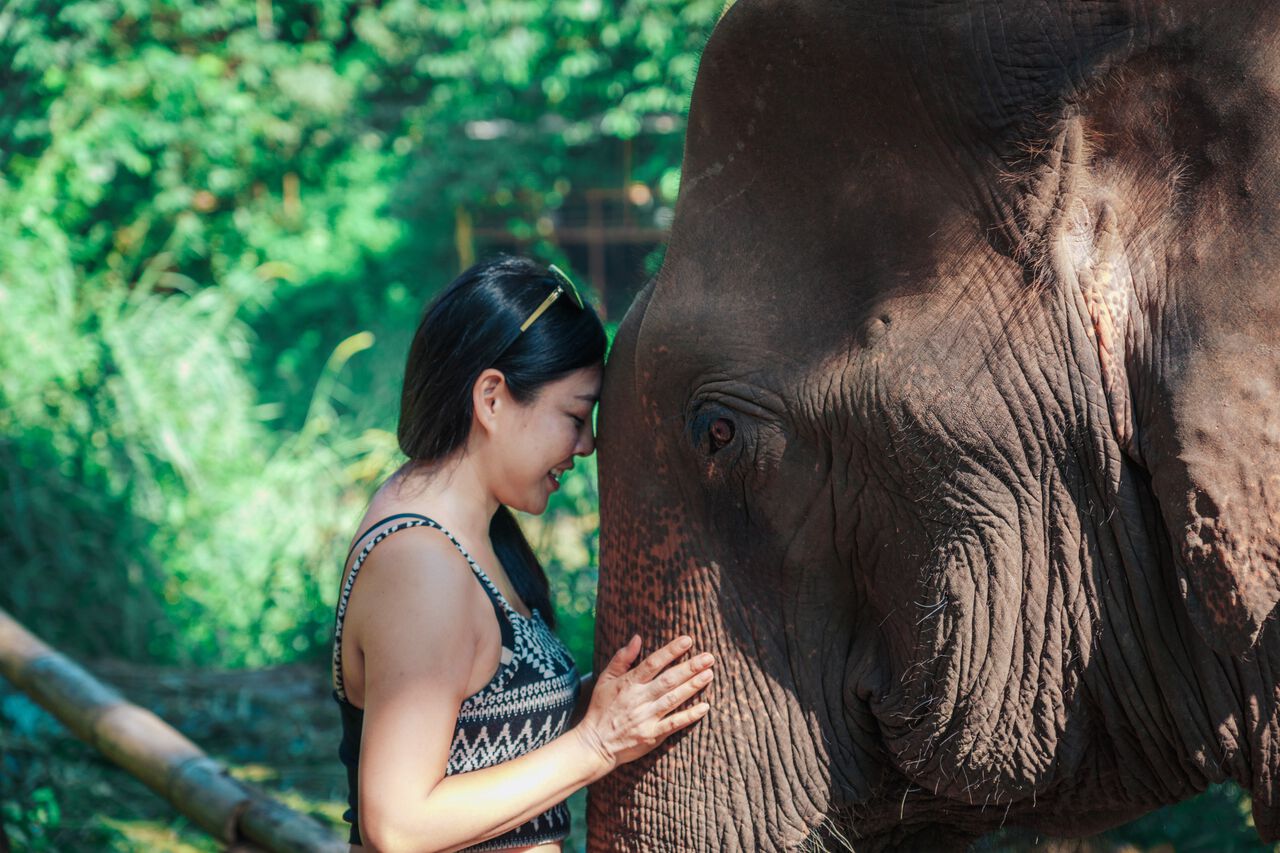
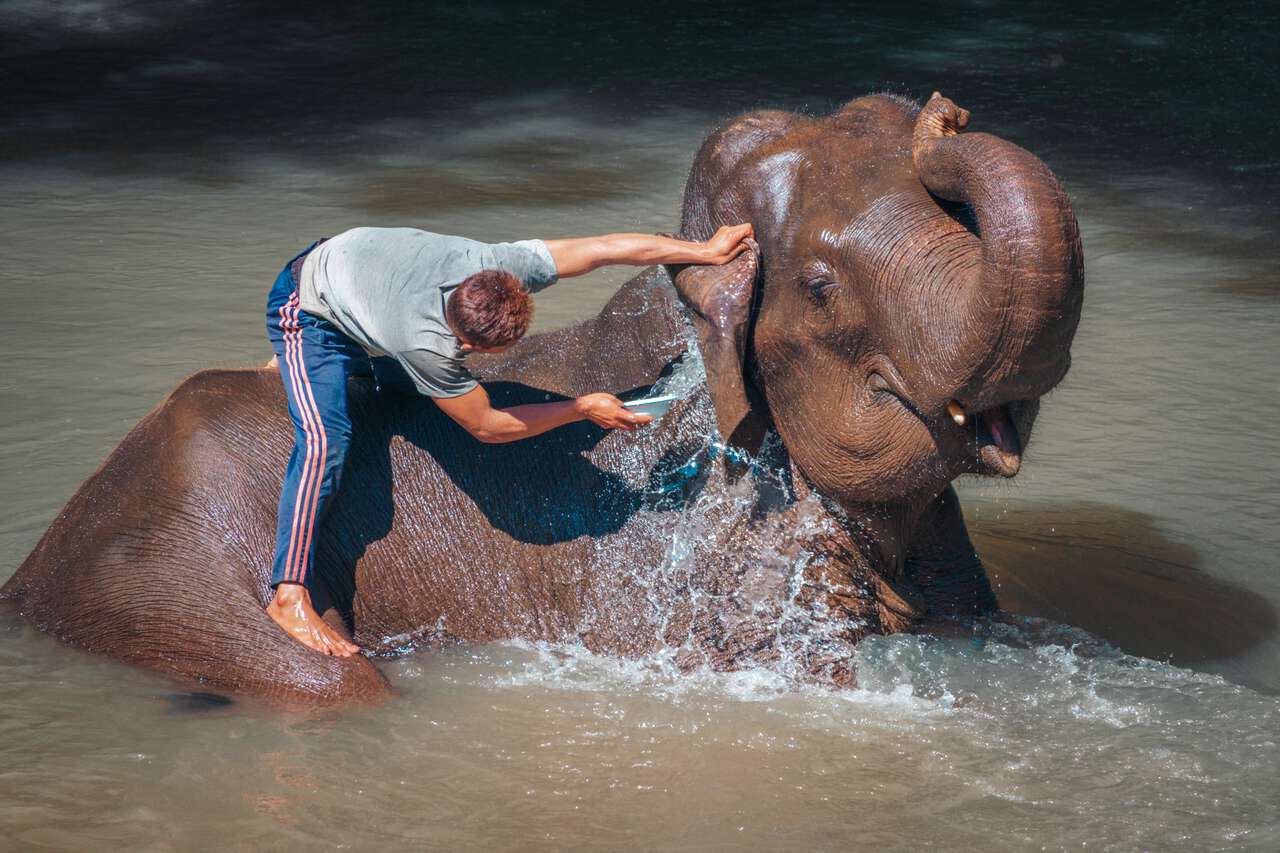
You are not allowed to ride them or force them to bathe here. You are only allowed to observe and feed the elephants with a fruit basket provided. It is truly the best place to learn about the elephants and interact with them in a humane way.
It costs around 2500 THB for a one-day package that includes lunch and a pick-up/drop-off service from your hotel. They also help stray dogs and cats, so you aren't just seeing elephants here; you get the whole package.
The Elephant Nature Park's opening hours are from 7 AM to 5 PM. You won't be able to visit if you haven't booked it beforehand, so I highly recommend you do so prior to visiting with the link below:
Book the Elephant Nature Park Tour
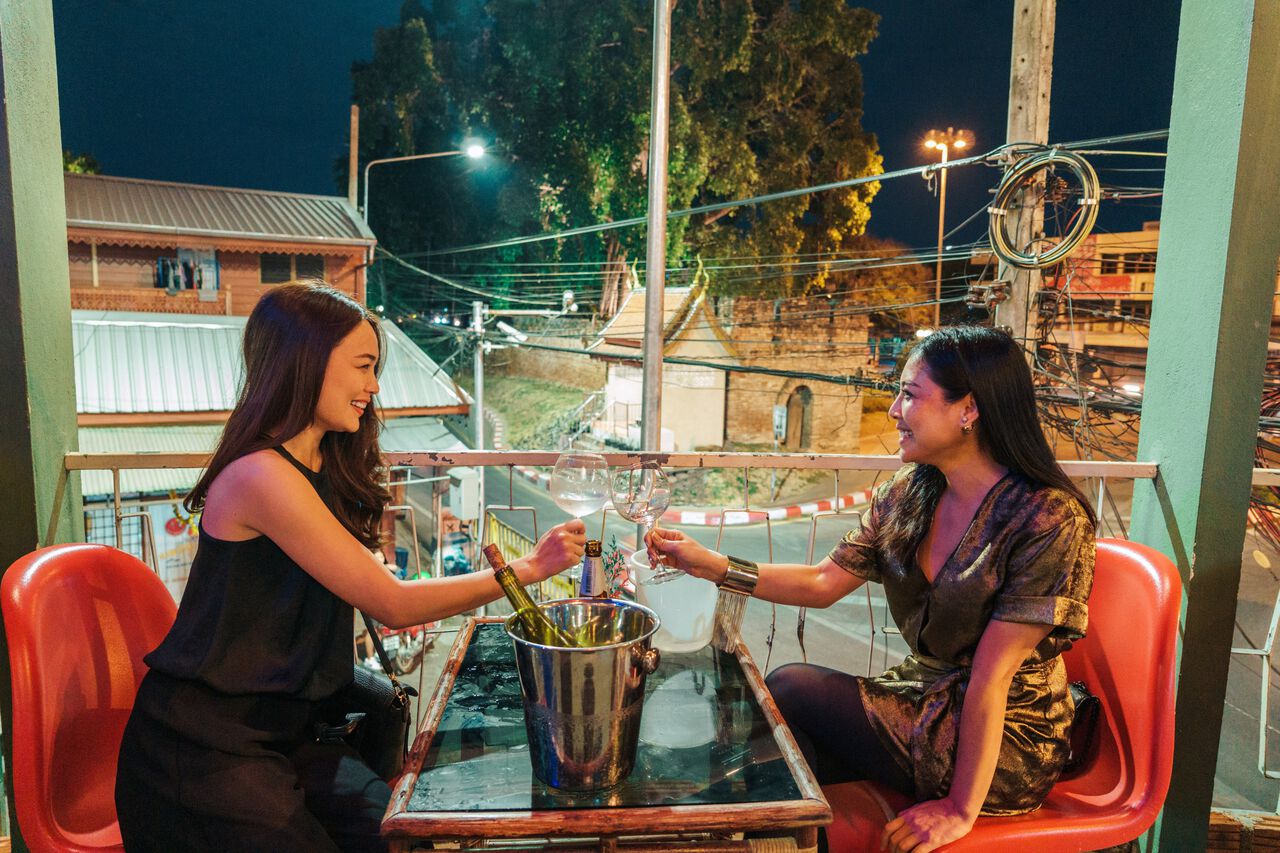
For the single-day visit package, which costs 2500 THB, you will be picked up at 7:40 AM and return at 5:30 PM, making it a whole day experience. Once you are done with the tour, you can spend the rest of your evening enjoying a plethora of Chiang Mai's best restaurants and cafes.
Where to Stay in Chiang Mai?

When to Visit Chiang Mai?
The best time to visit Chiang Mai is from November to January, when the weather is cooler and less humid due to Thailand's northern climate. This makes it much more enjoyable to ride a motorbike around Chiang Mai.
That said, Thailand has suffered a lot from air pollution in recent years due to the burning season, and it is extremely prevalent during Thailand's winter period (December - January). So, even though the weather is cooler, your visibility might not be the best. Be sure to buy a face mask if you decide to visit Thailand during this time.
March - April are the hottest and most humid periods of the year, so if you can't handle heat very well, avoid visiting during this time. The air quality may be a bit better during this period, but it's not guaranteed.
All the other months are considered to be the rainy season, which, even though the weather is a little more manageable than the summer months, you will also see a lot more rain, which might prevent you from enjoying the outdoors. Air quality during this time should be better due to the rain.
As you can see, the best time to visit Thailand used to be during its wintertime, BUT now that the air quality is getting worse and worse, you will have to decide which is more important to you as a traveler: good weather but bad air quality or vice versa.

How to Get to Chiang Mai?
Getting to Bangkok
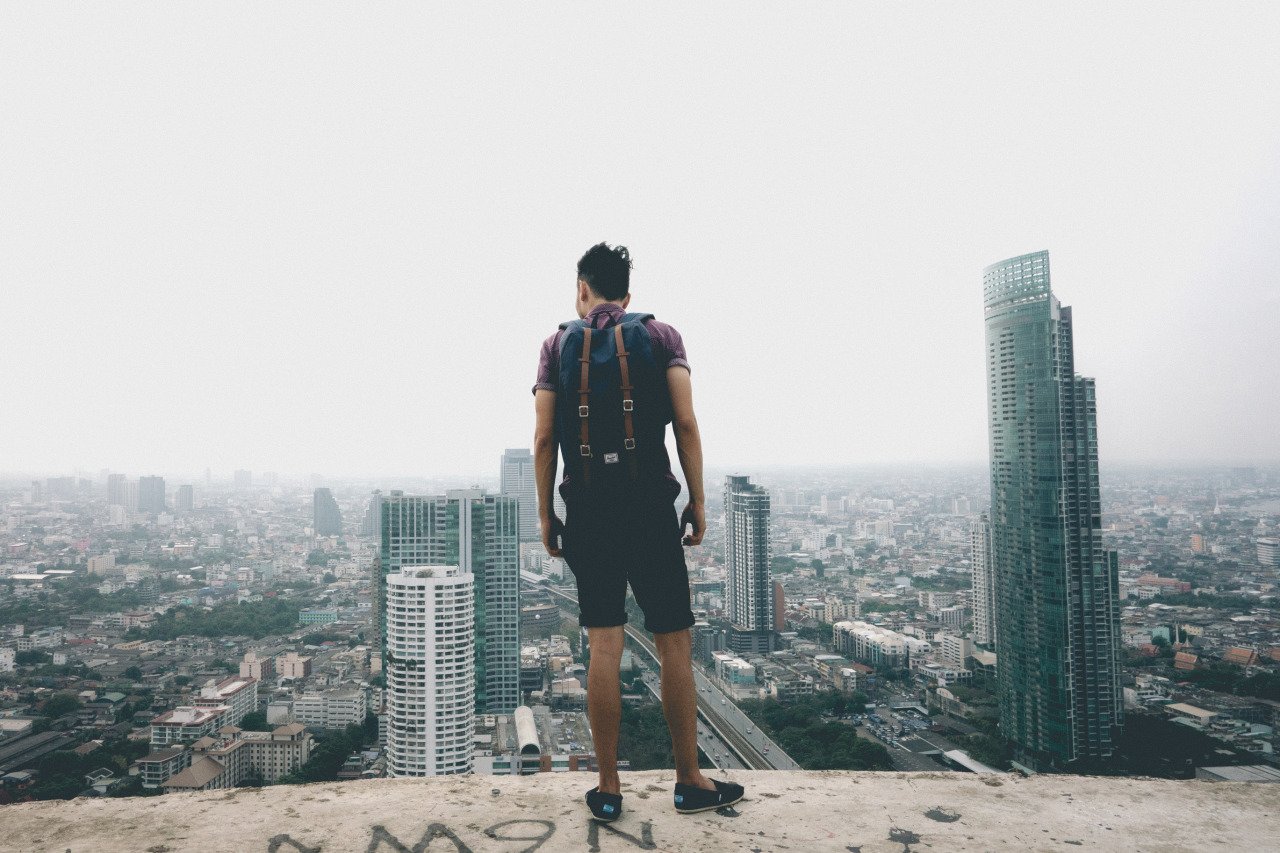
In order to get to Chiang Mai, first, you will have to get to Bangkok, the capital city of Thailand. Thankfully, Bangkok is a large hub in the region, so you should have no trouble finding a flight from your home country to Suvarnabhumi International Airport or Don Muang International Airport (budget airlines only) in Thailand.
From the US, unfortunately, there are no direct flights to Chiang Mai or Bangkok. So, you will have to rely on transit flights by Emirates, Qatar, or Turkish Airlines from the East Coast or ANA Airlines or Korean Air from the West Coast.
From Europe, you can fly from the most popular European hubs like London, Paris, or Frankfurt via Thai Airways or local carriers like British Airways, Air France, or Lufthansa to Bangkok. Then, you can fly domestically to Chiang Mai. You can also choose to go with Etihad, Qatar, or Emirates if you don't mind transiting.
From within Asia, there are several low-cost airlines offering various routes from many hub cities like Singapore, Kuala Lumpur, Tokyo, and Jakarta to Chiang Mai that transit through Bangkok. AirAsia and Thai Lion Air are excellent low-cost options, and they also provide direct routes from places like China to Chiang Mai.
To find a cheap flight to Bangkok, I would recommend that you use Skyscanner or Expedia to look for the cheapest route and schedule so you can compare and pick the best one.

Getting from Bangkok to Chiang Mai
By Air: The fastest way to get from Bangkok to Chiang Mai is to fly from Don Muang Airport to Chiang Mai International Airport using one of the many low-cost airlines in Thailand.
For AirAsia, there are over 13 flights per day and they can cost as low as 492 THB, which is even cheaper than taking a bus or a train. Thai Lion Air and Nok Air also offer this route, so be sure to check them out too. You can book the flight from Bangkok to Chiang Mai here.
By Bus: If you are not in a rush, you can also take a bus from Morchit Bus Terminal in Bangkok, and it will take approximately 10 hours to reach Chiang Mai Bus Terminal Arcade 2. The bus departs from Morchit Bus Terminal every hour from 5:30 to 22:00, and the cost is expected to be around 400 - 800 THB per person.
If you are looking to reserve a seat for your bus to Chiang Mai, you can book here: Book a bus ticket from Bangkok to Chiang Mai.
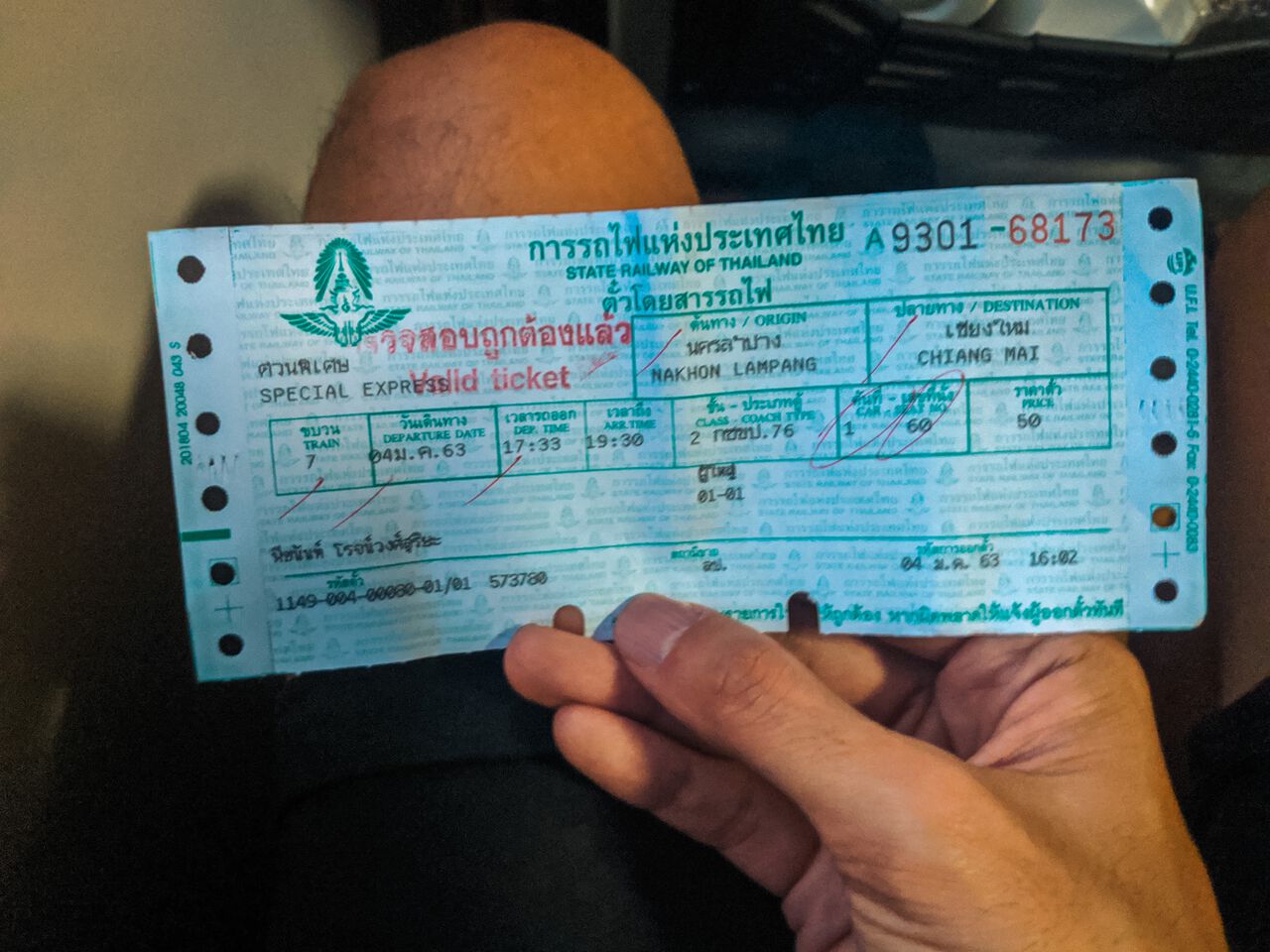
By Train: You can also take a train from Bang Sue Grand Station in Bangkok to Chiang Mai Train Station, which can take anywhere from 11-15 hours. It is a long ride, and you are not even saving that much as the price for a ticket is about 400-500 THB. There are 7 trains running between the two stations from 08:30-22:00 every day.
To book a train ticket from Bangkok to Chiang Mai, you can book through here: Book a train from Bangkok to Chiang Mai, Thailand.
How to Get from Chiang Mai Bus Terminal to Your Accommodation?
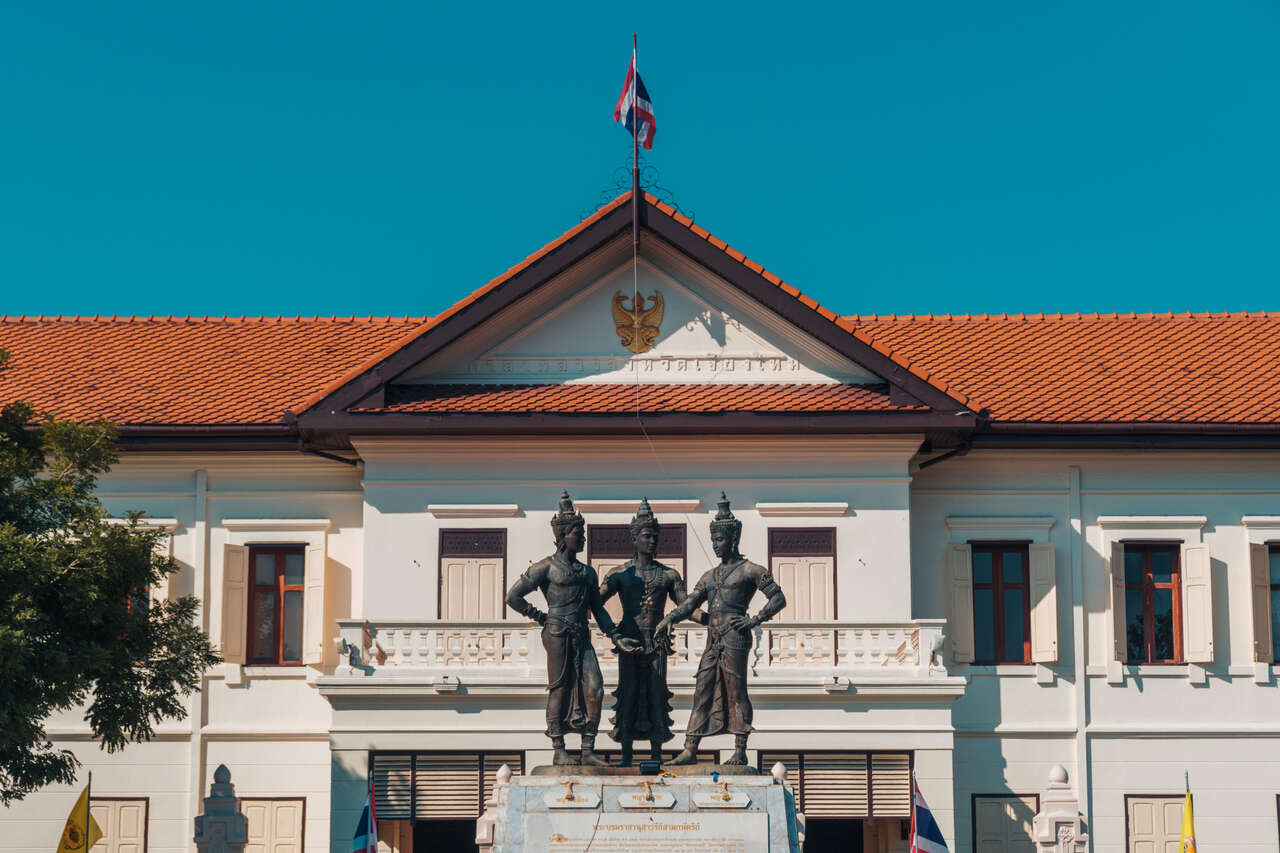
Chiang Mai is massive and extremely crowded, so the easiest way to get from Chiang Mai Bus Terminal Arcade 2 to your accommodation is to hail a taxi with the Grab application available on Android and iOS.
It should cost around 100-120 THB to get from the bus terminal to the city center, and depending on the traffic, it could take from 15 minutes to an hour to arrive.
How to Get Around Chiang Mai?
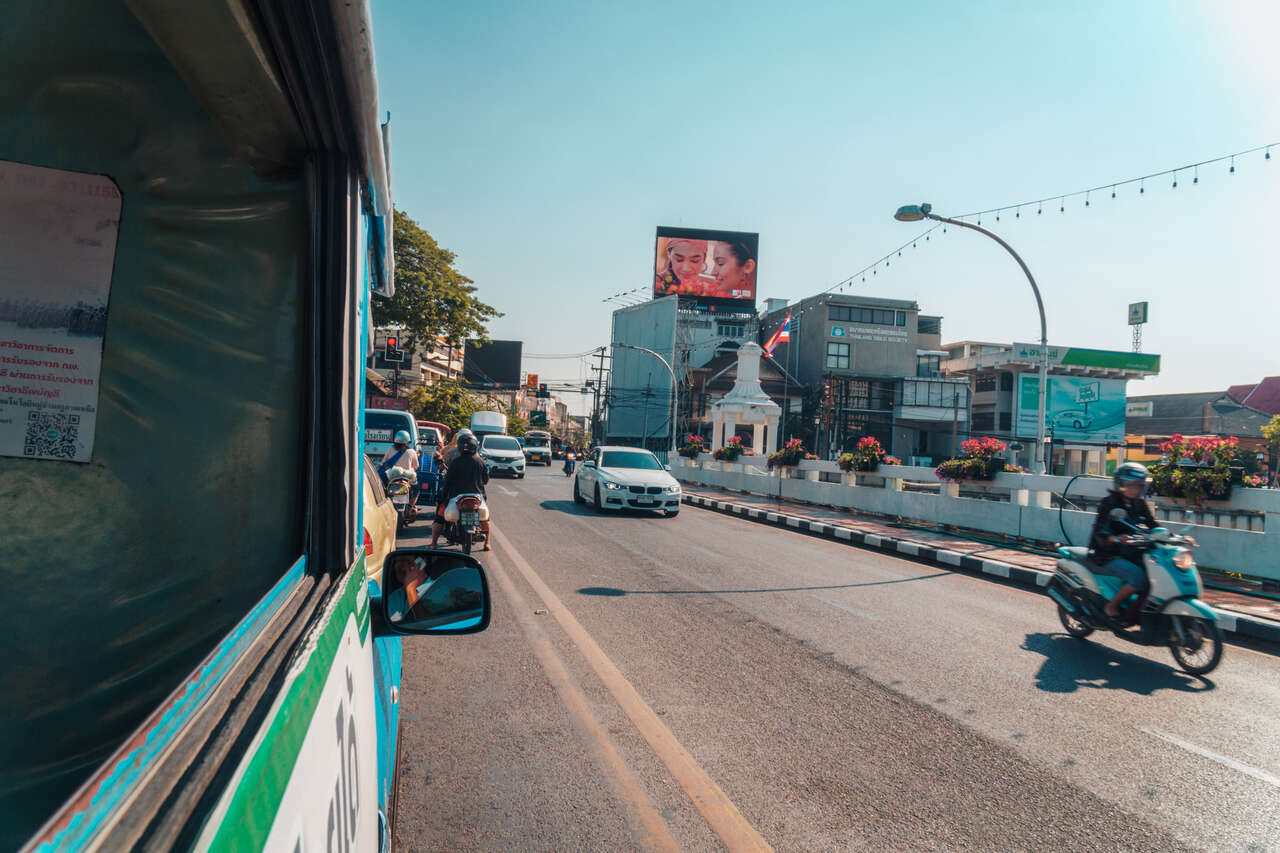
By Motorbike: With this itinerary, you will have to rent a motorbike, which I think is the best way to get around Chiang Mai as you will be covering quite a distance and going up mountains like Doi Inthanon.
To rent a motorbike in Chiang Mai, I recommend you rent it from Mr. Mechanic, a motorbike rental shop that offers a wide range of motorbike options for you to choose from.
For a 150 cc motorbike, the rent should be around 500 THB per day. You can also get a 200-250 cc motorbike for 700 THB or more from Mr. Mechanic. I highly recommend getting a motorbike with a 150 cc engine or higher to tackle the mountain roads in Chiang Mai.
By Red Song Taew: You can also get around by the red Song Taew that roams around the city center. You can expect to pay around 30 THB per person for going anywhere within the city wall and around 50 - 60 THB per person for outside. You can also use them as a taxi by asking the driver directly and negotiate the price, and you can sit up front just like a taxi driver.
By Car: This is the fastest and most comfortable way to get around Chiang Mai Province. Places like Doi Inthanon are in the mountains, so renting a car is recommended, especially if you are with more than one person.
There are several car rental companies operating right from the Chiang Mai airport, with a price range of around 700 - 1500 THB, depending on the size of the car.
To rent a car in Chiang Mai, you can book through here: Rent a car in Chiang Mai.
How Much Money Do I Need For 3 Days in Chiang Mai?
From this 3-day rough itinerary, we can calculate approximately how much money you will be spending for a 3-day itinerary in Chiang Mai as follows:
Accommodation: With a total of 4 nights in Chiang Mai, you will be paying around 36 USD (1,081.71 THB).
Food: Food costs about 50 THB minimum in Chiang Mai, so you can expect to pay around 450 THB for 3 days.
Transportation: Since you will be renting a motorbike for 3 days, you can expect to pay 1500 THB for transportation, plus gas.
Activities: The admission fee for Doi Inthanon is 300 THB and 2500 THB for a one-day visit to the Elephant Nature Park, and that is it. In total, you will pay around 2800 THB for activities.
Total budget for 3 days in Chiang Mai: 5,831.71 THB (194.07 USD)
Is it Safe in Chiang Mai?
Chiang Mai is a big city, and even though Thailand is safe in general, always second guess people who approach you and try to offer you something that is too good to be true. Because, to be honest, if it is too good to be true, it probably is. That is a sure way to avoid any scam attempts from song-taew drivers or other scammers who might approach you.
And as always, please exercise precautions like you would when traveling in any foreign country. Do not leave your belongings unattended and watch out for your belongings at all times.
Which tourist SIM card is best for Chiang Mai?
Update: If your phone supports eSIM, I highly recommend checking out Airalo, a global eSIM marketplace. It allows you to stay connected affordably while traveling in Chiang Mai, Thailand without having to switch out your physical SIM card.
Gone are the days when you needed to scramble to find a local SIM card at an airport upon arrival. You can purchase an eSIM before your arrival, and you'll be good to go. If your phone doesn't support eSIM, here is how you can get a local SIM card in Chiang Mai, Thailand:
There are 3 major carriers in Thailand: AIS, DTAC, and True. All of them offer a pretty similar range of traveler's packages and coverages. Personally, I use AIS as I have been with them since my first phone. They have a lot of Support Centers around Thailand, and their coverage hasn't failed me yet. So, if you are looking for a reliable carrier, I can recommend AIS.
There are 3 packages for tourists: 5 GB for 5 days at 160 THB, 15 GB for 8 days at 299 THB, and 30 GB for 15 days. Depending on how long your trip to Thailand will be, you can pick one of these 3 packages that fits your itinerary the most.
With these three packages, you can top up more in case you need more data or calls for your trip. More often than not, 5 GB is more than enough for me to travel around Thailand for a month.
For more information about Thailand's local SIM card: Thailand's Prepaid Data SIM Card.
Tips: To stay connected with people at home, be sure that you have a VPN, such as ProtonVPN, installed before traveling. It's FREE, and you can gain access to services that may be blocked in certain countries.

Disclosure: This post may contain affiliate links.