


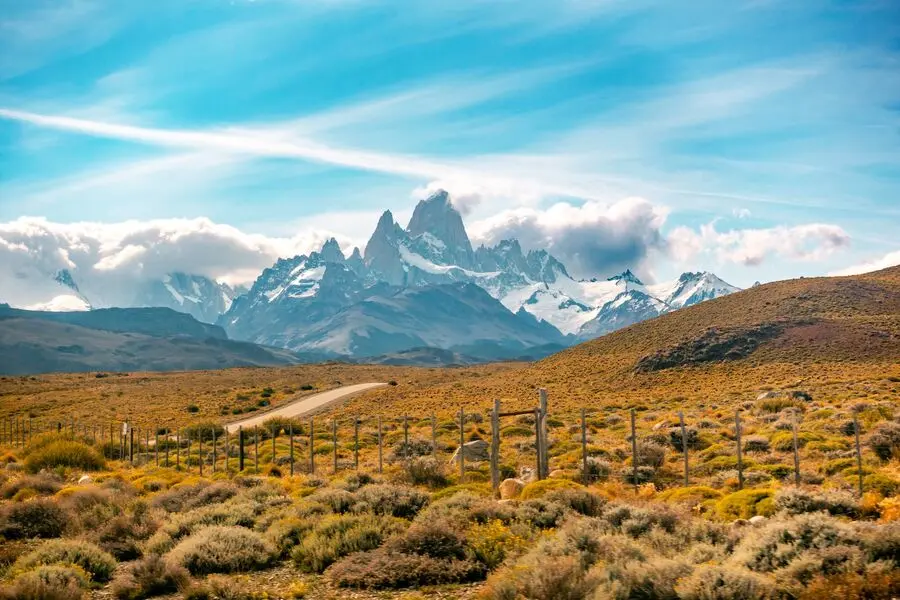
Out of all the countries I visited in South America, Peru is hands down, my favorite of them all. The country has everything. It has a rich Incan history with the incredible Machu Picchu in the south, it has the Andes mountains one can hike in the North, and it has a coastline full of secrets like the Nazca Line.
Within this itinerary, I'll be taking you all the way from north to south with an epic backpacking route that will let you see everything the country has to offer in one month. Without further ado, here is a complete backpacking itinerary for Peru:
Peru One Month Itinerary Map

One Month Backpacking Peru Itinerary
Day 1: Huanchaco (2 nights)
- 📍 Stay: Los Esteros Hostal
- 🕐 Time: 2 nights
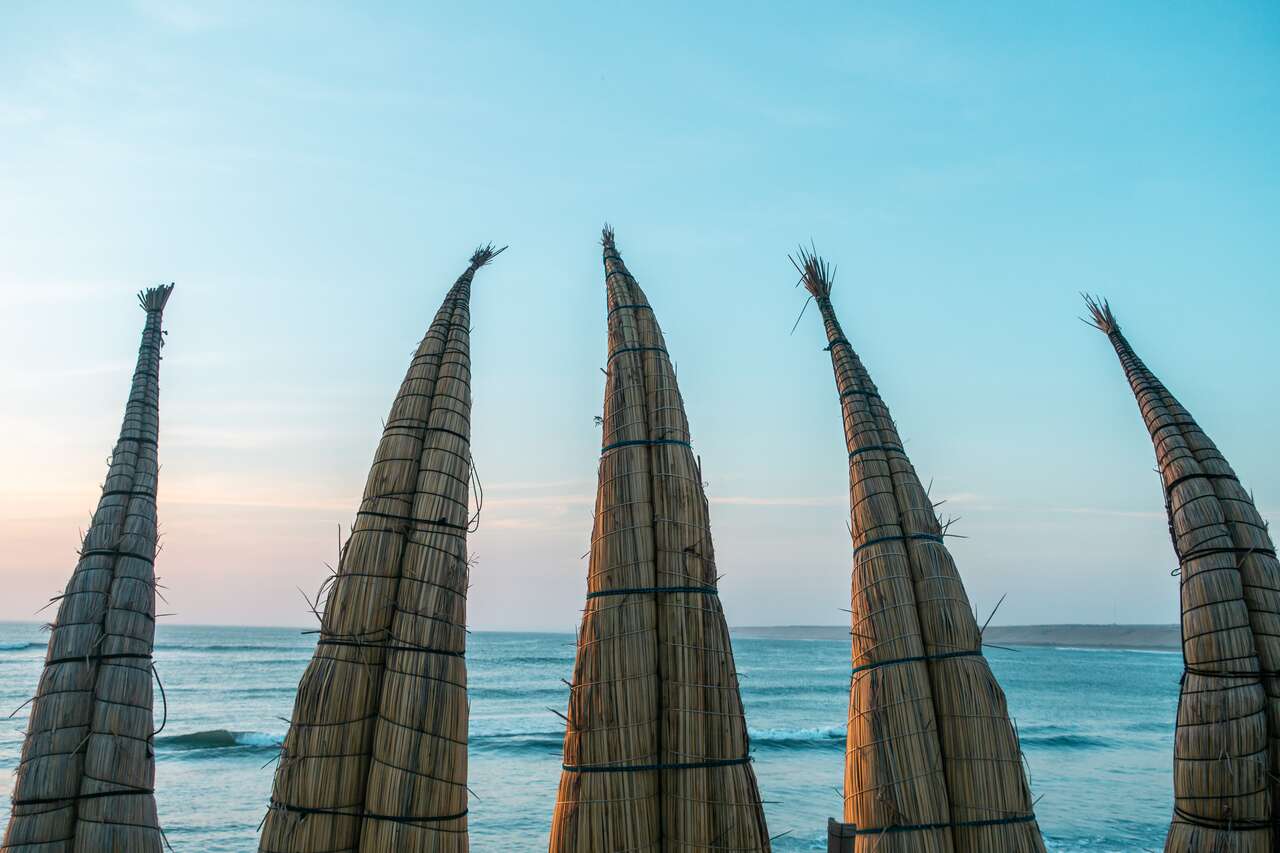
Huanchaco is a great place to start our journey in Peru, especially if you just crossed the border from Ecuador. From Vilcabamba, Ecuador, you can take a bus to Loja, and from there, you can either get a bus directly to Piura, Peru or, in my case, if the 1PM direct bus was canceled, you can do it manually by getting a bus to the border town of Macara, Ecuador.
There, you can cross the border and get a collectivo that is waiting for people at the border to Sullana. Then, go to the bus terminal and get a bus to Piura (which runs very often). From Piura, you can get an overnight bus by Linea to Trujillo. Once you arrive in Trujillo, you can get on a local bus with the sign "Huanchaco" to go there. I recommend starting this journey early and confirming each onward connection as you go, since cross-border and regional schedules are not always coordinated.
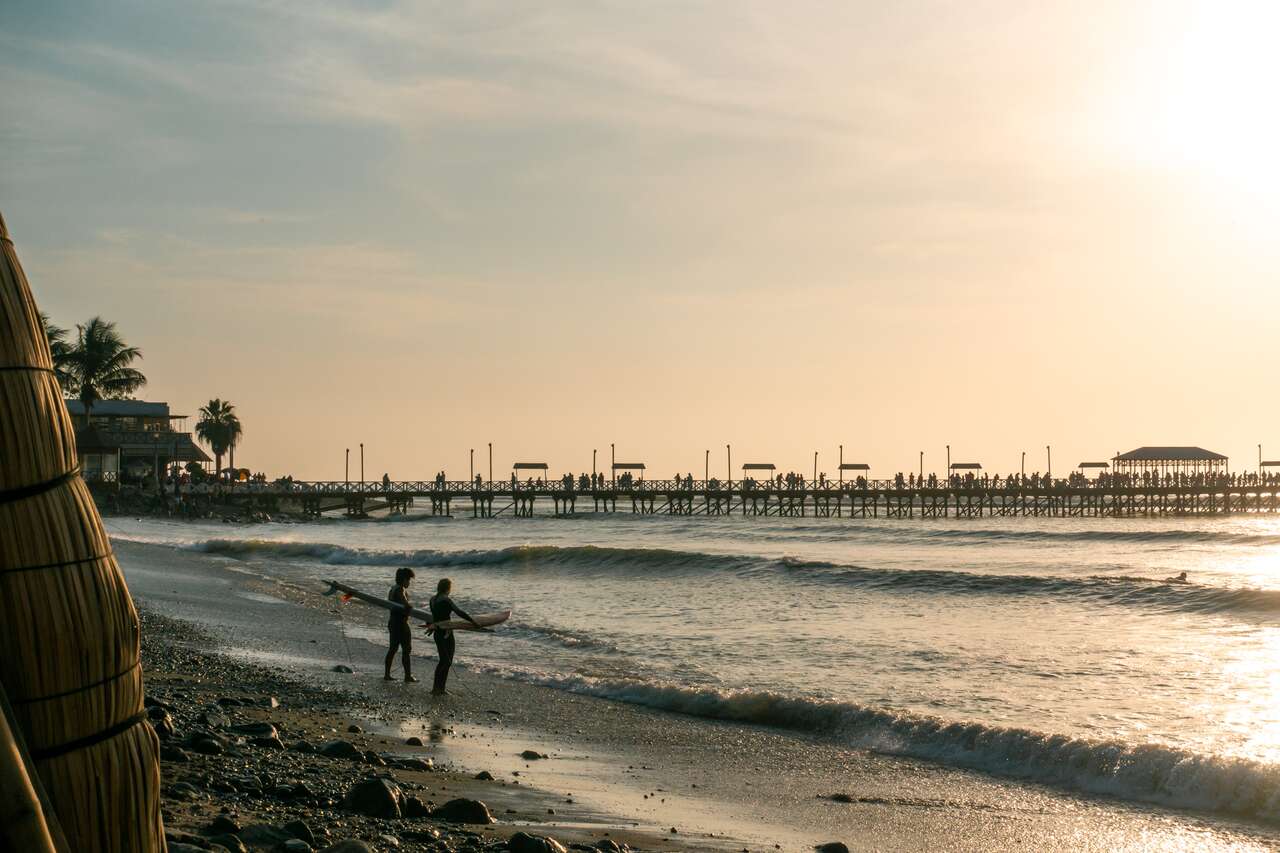
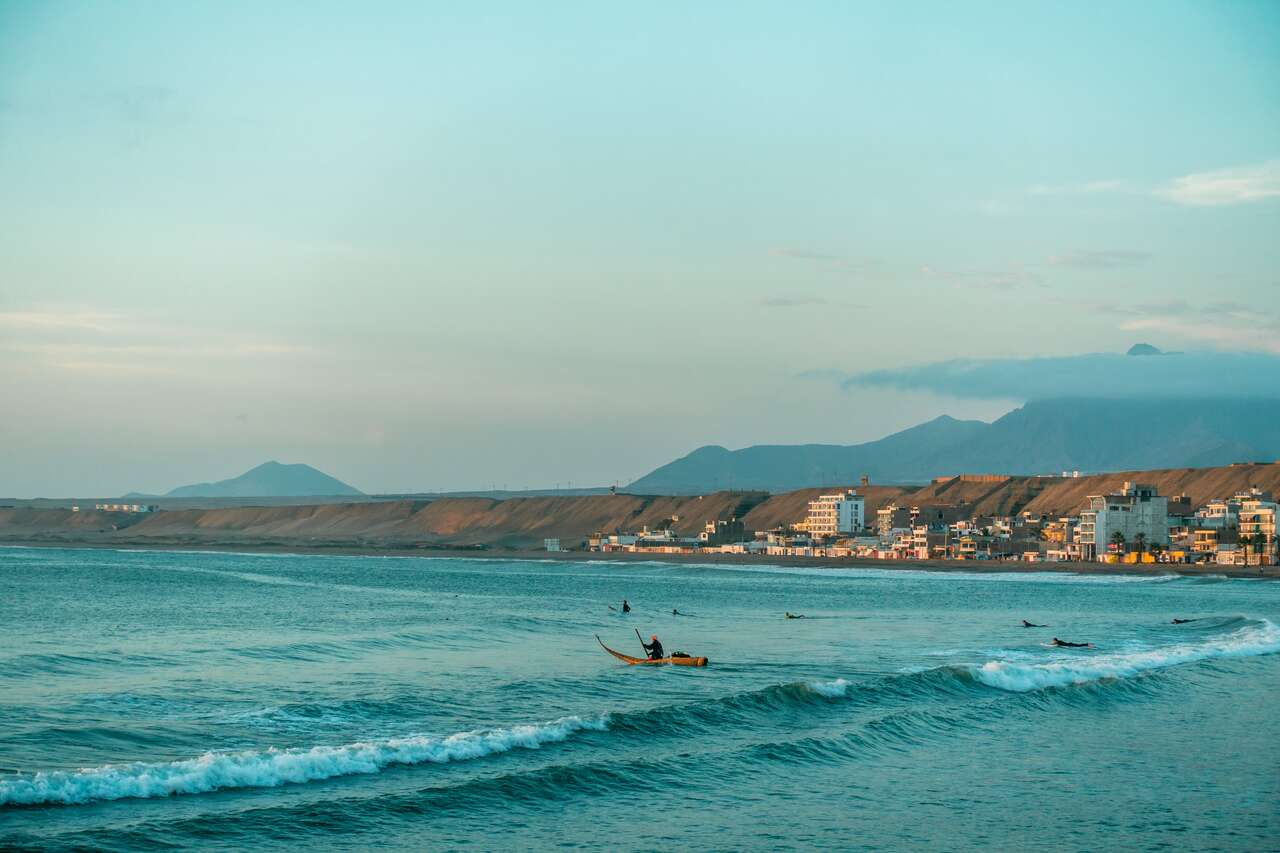
Huanchaco is a lovely beachside town, popular among those who are looking to surf as well as to relax and enjoy the the beach. The town is blessed with not just a wonderful sandy coastline, but also a desert-like interior full of mysteries and secrets, waiting for you to explore.
- The Inca Trail (7 days)
- Amazon to the Andes (12 days)
- Absolute Peru (21 days)

On your arrival day, take it easy and walk around the beach of Huanchaco. Take in the culture or go surf into the sunset. In the evening, go find a nice restaurant with a view over the ocean and order Ceviche, a popular seafood dish in Peru, and enjoy the sunset the Peruvian way.
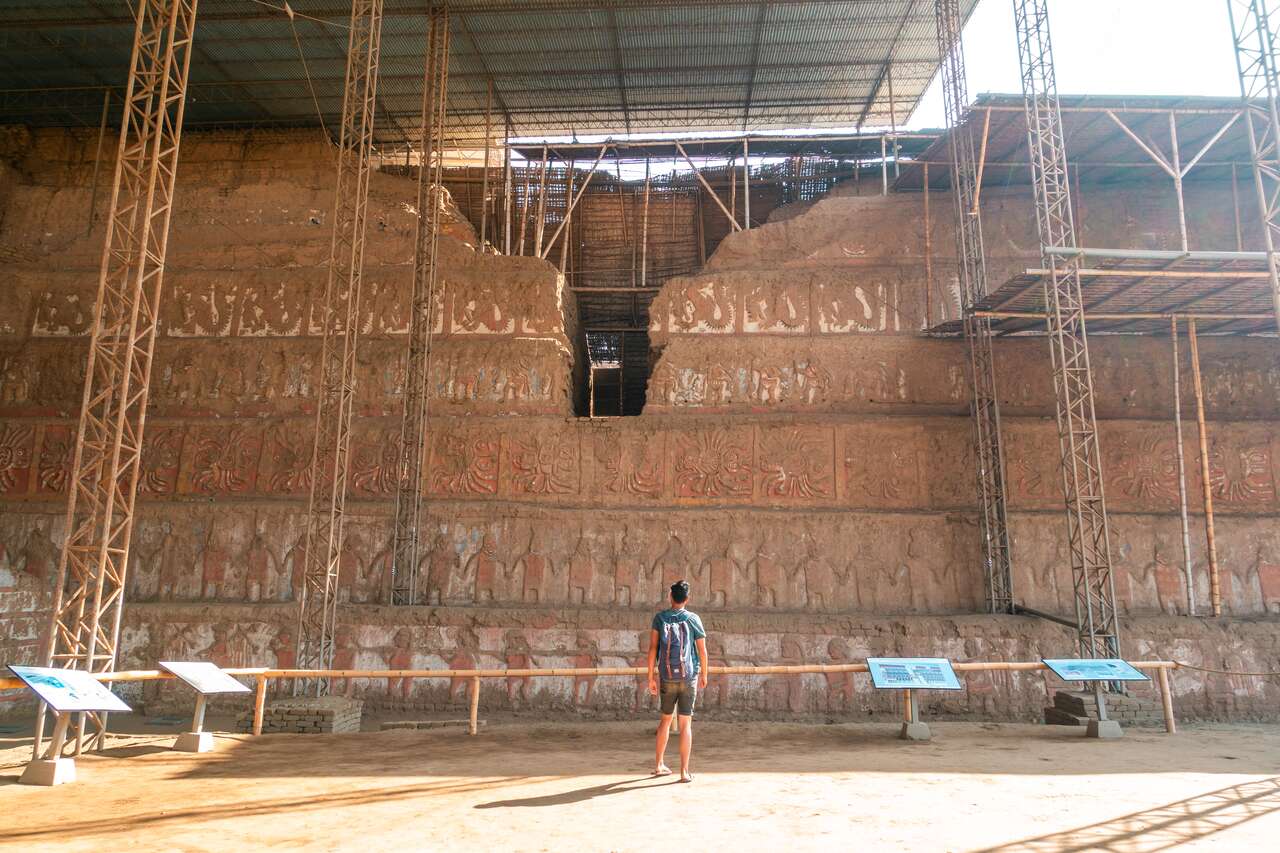
On your second day, head into Trujillo and make your way to the Huaca de la Luna. This archaeological complex is one of the best places around Trujillo to learn about the Moche civilization, with remarkably preserved murals and ceremonial structures. Be sure to also visit the nearby museum, which provides much more context about the Moche and the artifacts discovered in the area.
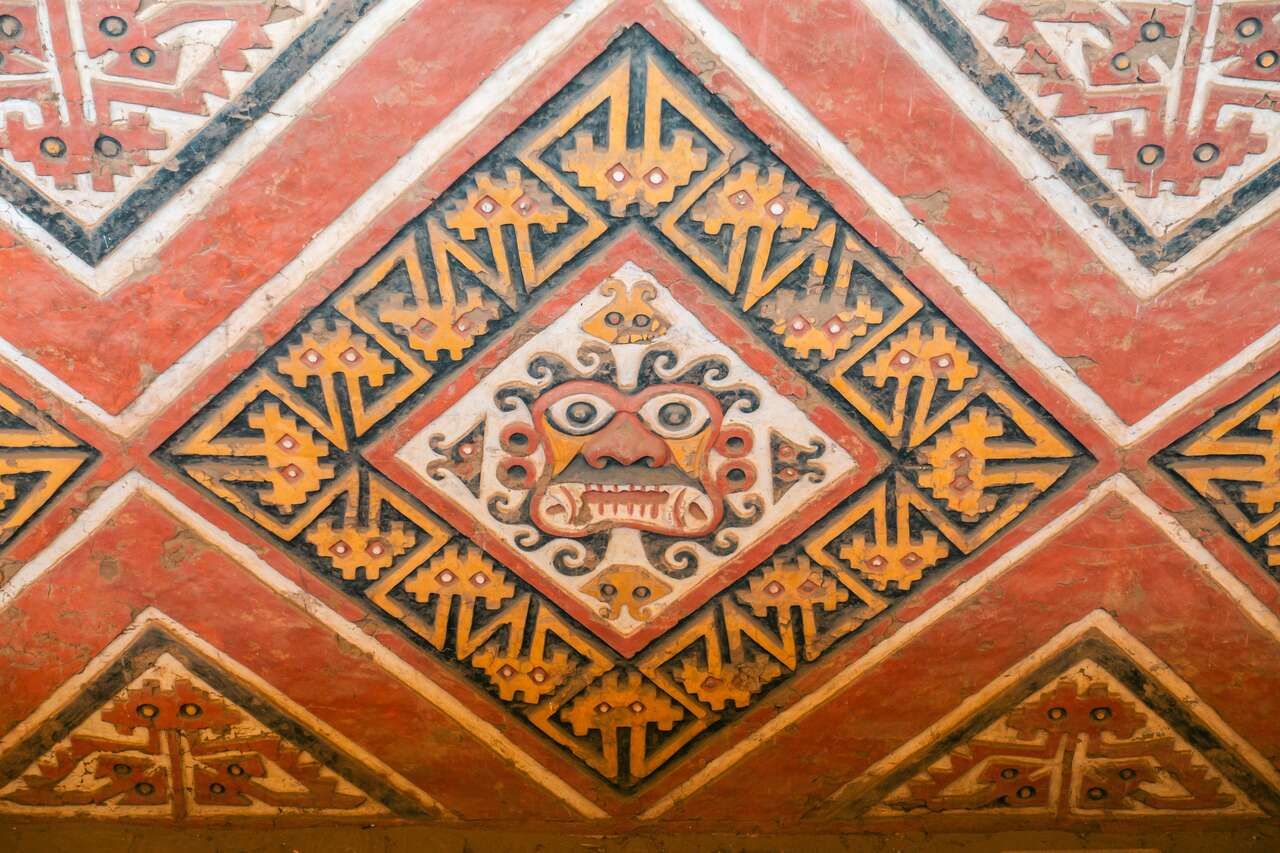
After Huaca de la Luna, continue to Chan Chan, the enormous adobe capital of the Chimú civilization and a UNESCO World Heritage Site. The archaeological zone is spread across a large area, so use a taxi, organized tour, or another confirmed local connection rather than assuming a passing Huanchaco bus will drop you at the correct visitor entrance.

After you are done at Chan Chan, head back to Huanchaco, enjoy the sunset at the beach, find a nice restaurant for dinner, and retreat for the night. The next day, we will be heading to Huaraz, the mountaineering heaven of Peru.


Getting From Huanchaco to Huaraz
After Huanchaco, we will go to Huaraz, the hiking capital of Peru. To get from Huanchaco to Huaraz, you will have to prebook your overnight bus via Linea (which I recommend) or Movil Bus Companies. Once you have the ticket, you will then have to go to one of these specific bus terminals in Trujillo.
To get to Trujillo, you just have to take the same bus you took to get to Huanchaco when you arrive at drop off at Linea Bus Terminal again. There is one Linea bus leaving at 9:30 PM, and you should arrive in Huaraz by 6 AM. The bus ticket should cost about 50 SOL. You can browse through the bus options and book online here.
Day 2 - 13: Huaraz (9 - 12 nights)
- 📍 Stay: Lhotse Hostel B&B
- 🕐 Time: 9 - 12 nights
- 📖 Full Guide: How To Hike The Santa Cruz Trail, Huaraz Independently
Huaraz has got to be one of my favorite towns in Peru and to think that I was going to skip it to go straight to Machu Picchu! One of the best things about Huaraz is its location, being nestled between the rolling mountains of the Andes, which makes for a great base to explore some of the most beautiful snow-capped mountains in the region.
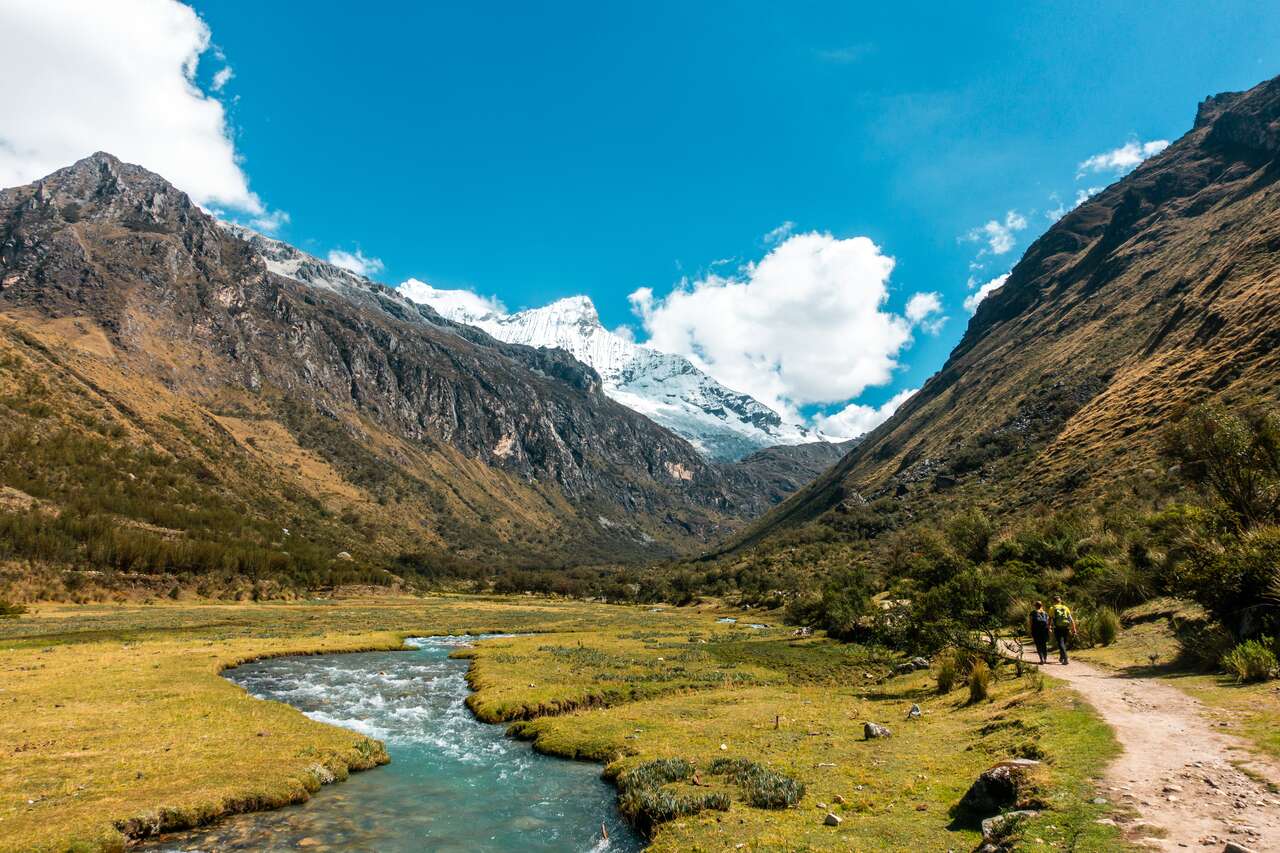
On your first day in Huaraz, check out the Town Square and take it easy while your body adjusts to the altitude. Huaraz sits at around 3,050 meters above sea level, and you will definitely feel it when walking uphill or climbing stairs. I recommend keeping this first day light, staying hydrated, and giving yourself time to acclimatize before starting the higher hikes.
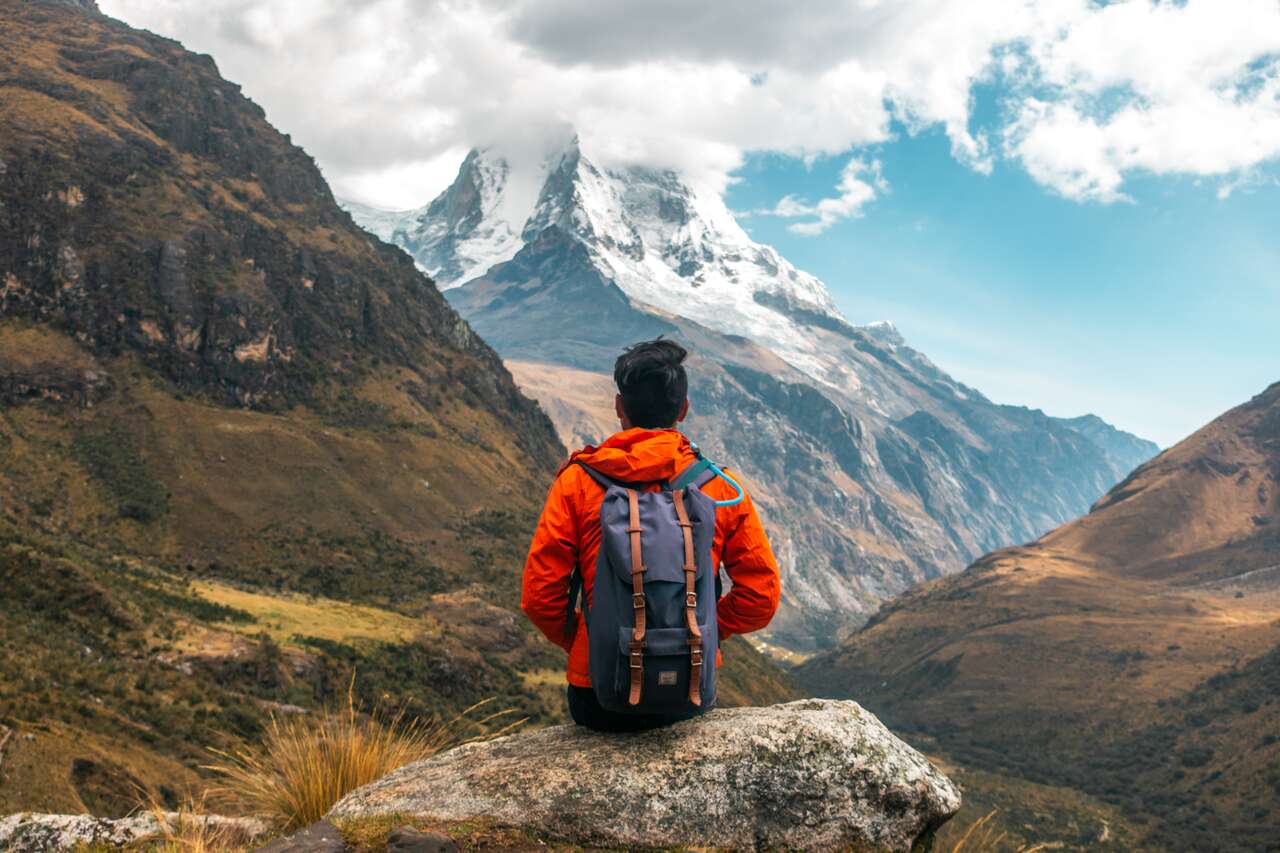
On your second day, do some research on the hikes you want to do here by asking your accommodation what day trips they have on offer or you can go to California Cafe, a mountaineer favorite cafe spot in town. When I was there, there was a bulletin board where hikers and climbers can join up for trips. Not sure if it is still there now, but this is such an awesome idea, especially of a solo traveler like me!
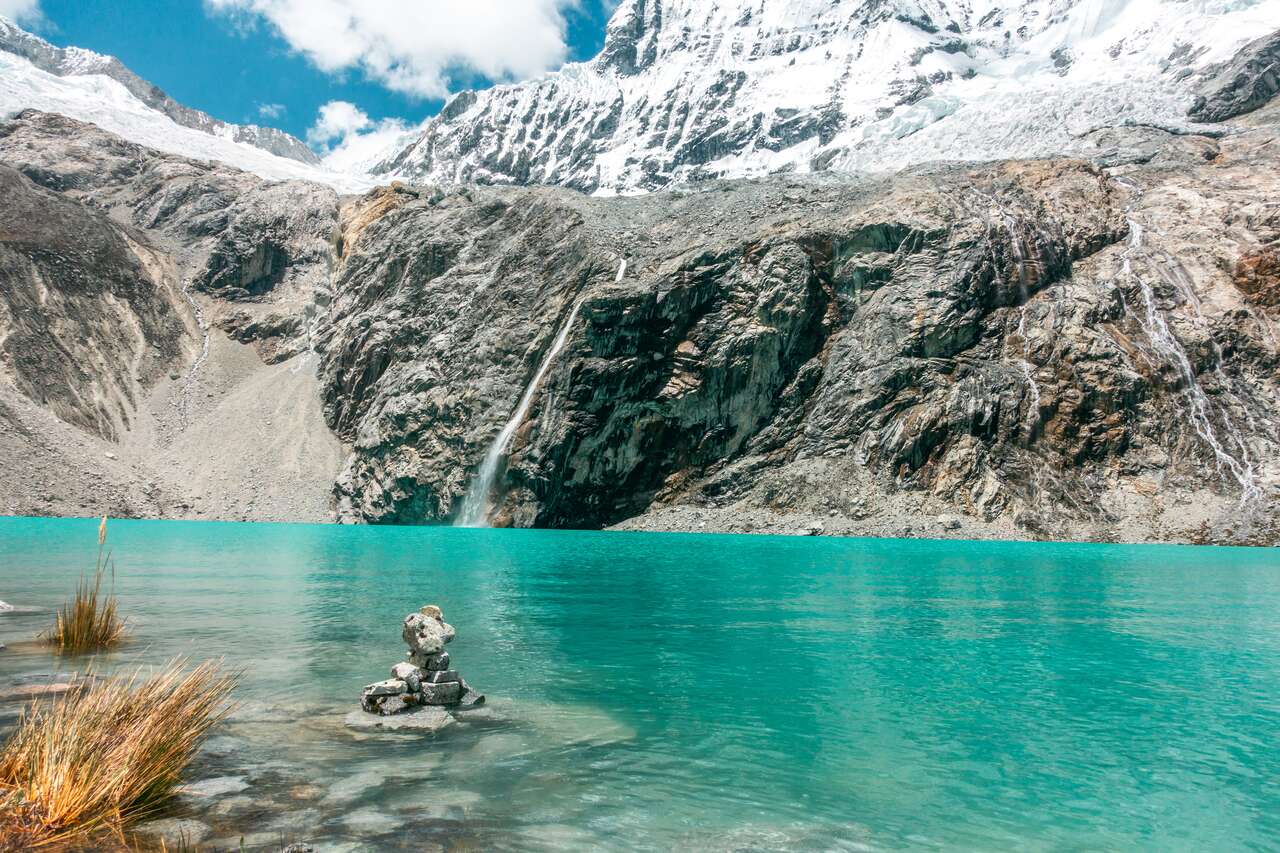
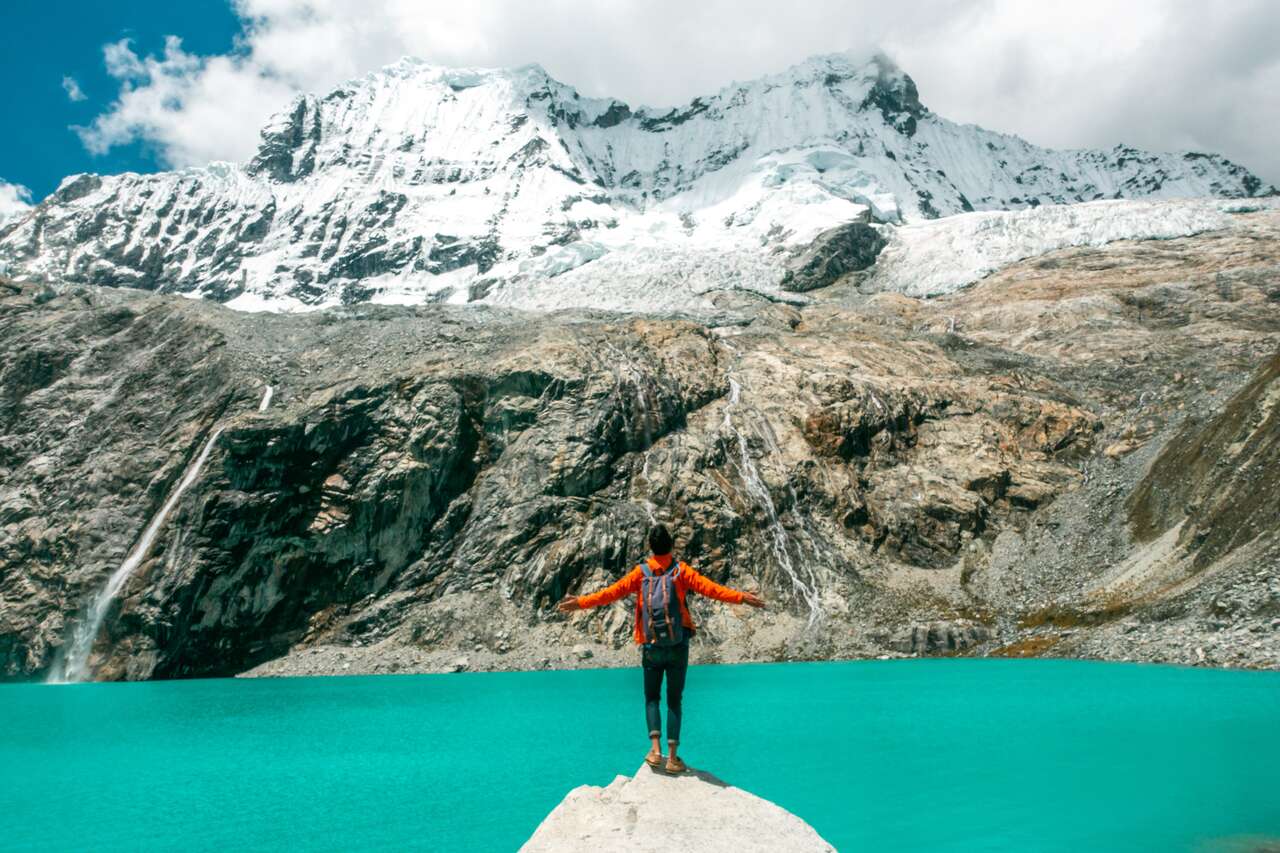
On this day, you can start booking your day trip for the next 2 - 3 days as we will start to explore all the wonderful mountains in Huaraz. First, I highly recommend you book a transfer to Laguna 69, one of the most popular and impressive day hikes you can do in Huaraz. You should be able to book a transfer at your accommodation or from here.

The next day, you will be spending the entire day hiking Laguna 69 and putting your body to the test with high altitude to prepare yourself for more upcoming hikes. The transfer service you booked the day before should pick you up early in the morning and take you to the trailhead.

The hike takes about 6-8 hours round trip, and the trail consists of a flat path in the first section it gets steeper as you approach the first lake. After that, it becomes flat again for about an hour or so before the trail shoots straight up all the way to Laguna 69.
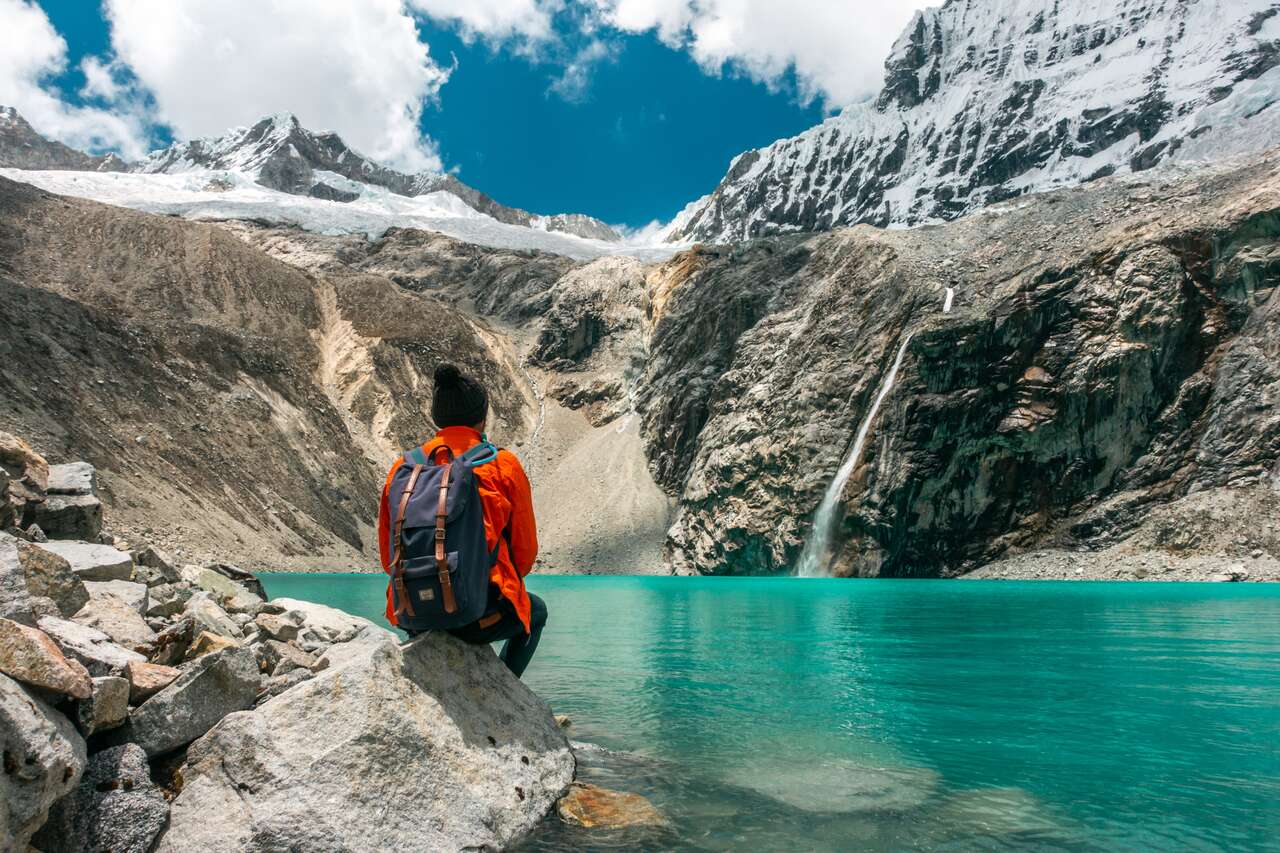
Laguna 69 sits at roughly 4,600 meters above sea level, so altitude is the main challenge even if you are already comfortable hiking long distances. Take your time, drink regularly, and pay attention to symptoms such as a worsening headache, nausea, dizziness, or unusual fatigue. If you start feeling significantly worse as you climb, the safest response is to stop ascending and head lower rather than trying to push through it.

That said, Laguna 69 is definitely worth the effort as the scenery up there is out of this world. The vivid blue-colored lake with snowy mountain peaks looming behind was quite a sight to behold.
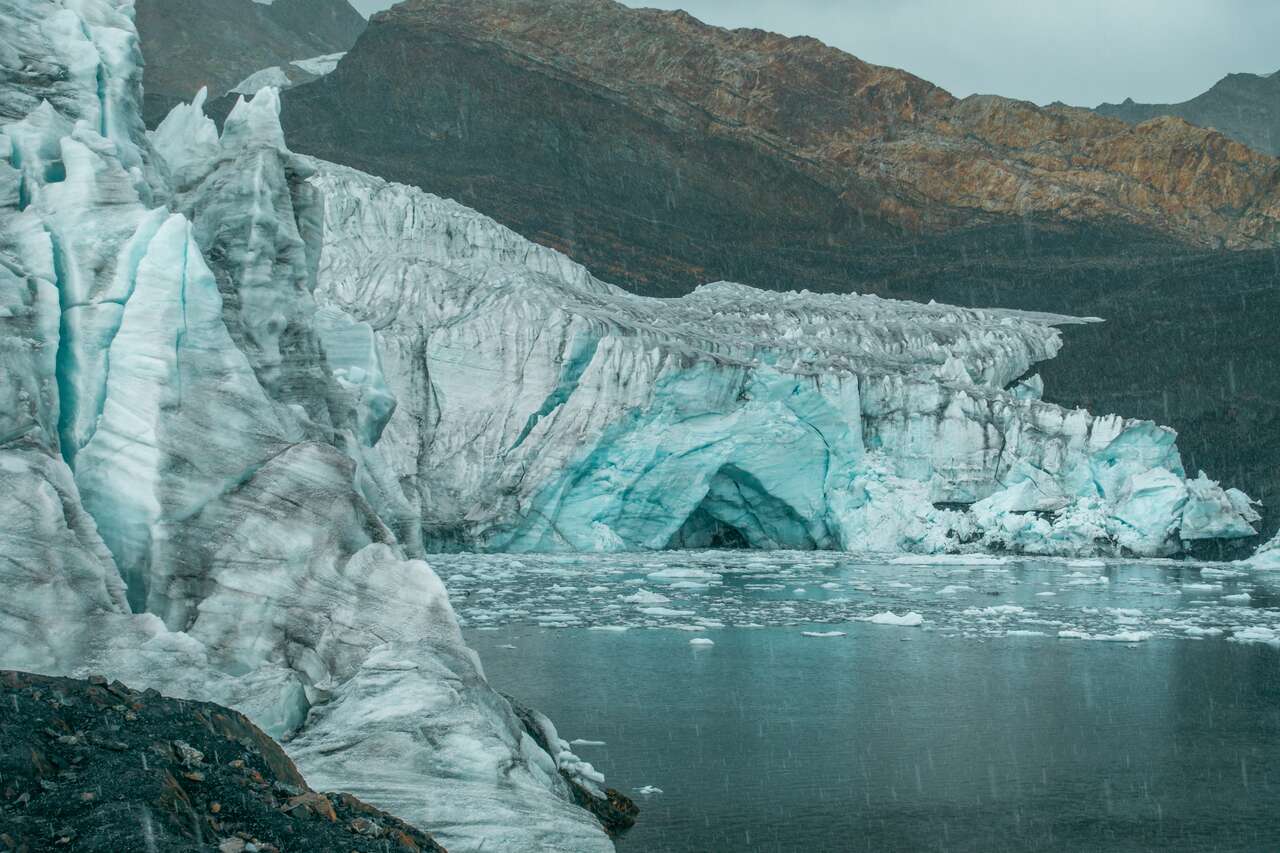
On your fourth day in Huaraz, you can either rest or join a day trip to Pastoruri Glacier. The walk itself is relatively short, but the route climbs to around 5,000 meters above sea level, making the altitude far more demanding than the distance suggests. Give yourself time to acclimatize in Huaraz first, walk slowly, and do not underestimate how quickly high altitude can affect you.

A Pastoruri day trip usually takes most of the day once you include the long drive from Huaraz, stops along the route, and the walk to the glacier. Pastoruri is also one of the most visible examples of tropical glacier retreat in the Cordillera Blanca, which makes the trip as interesting for its changing landscape as it is for the mountain scenery.
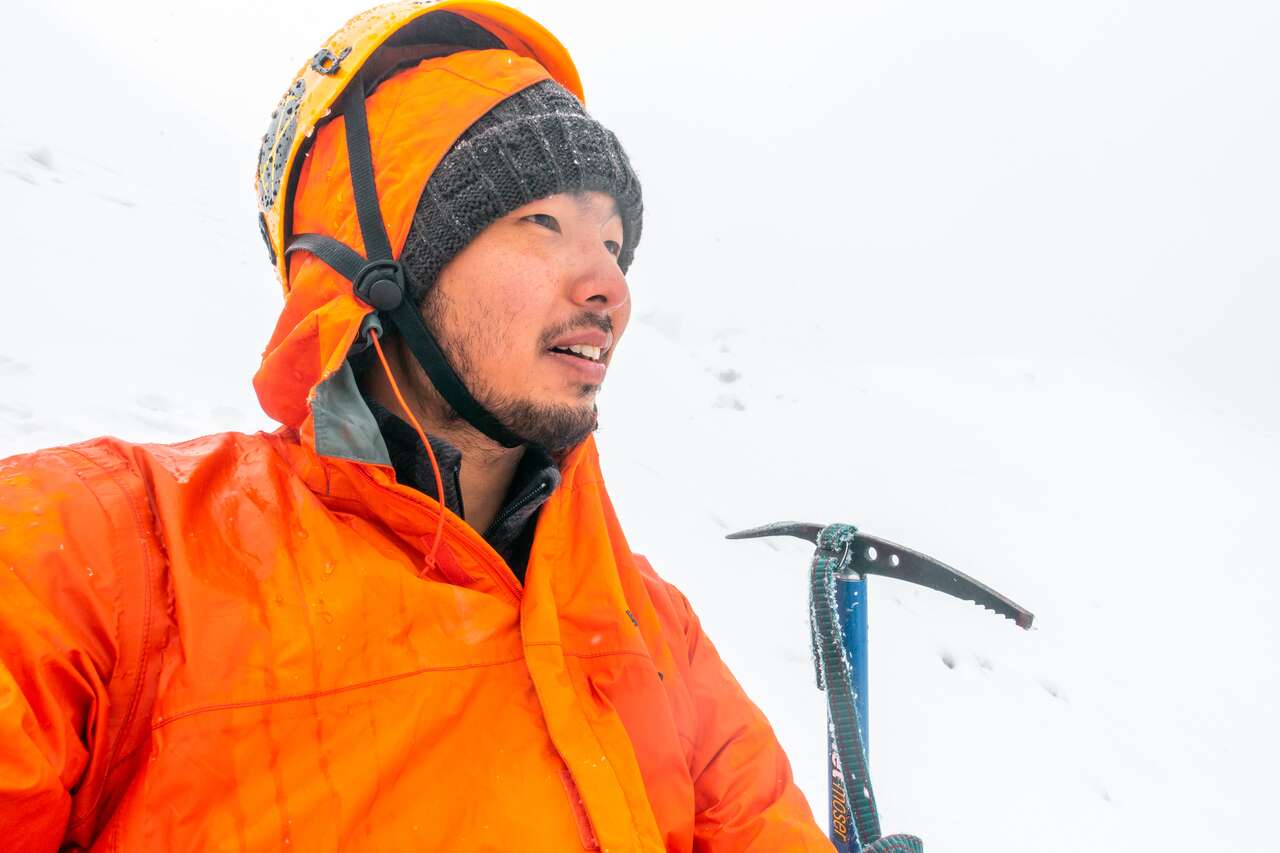
If you don't have experience in alpine mountaineering and are looking to learn at some point, Huaraz is the best place to do that. It is relatively cheap to go on a small ice climbing trip, and with the altitude only second to the Himalayas, Huaraz offers the best experience with stunning views, all for an affordable price. This is your chance!
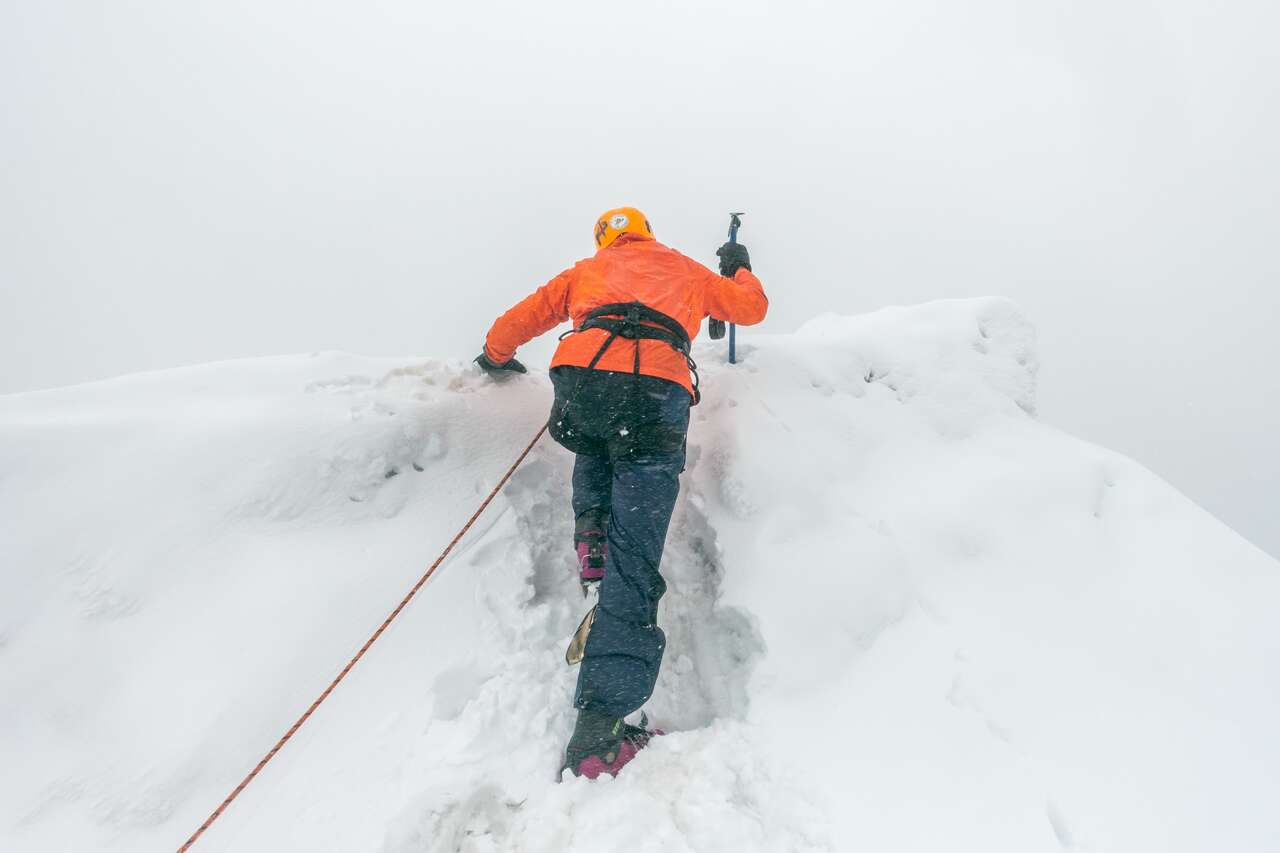
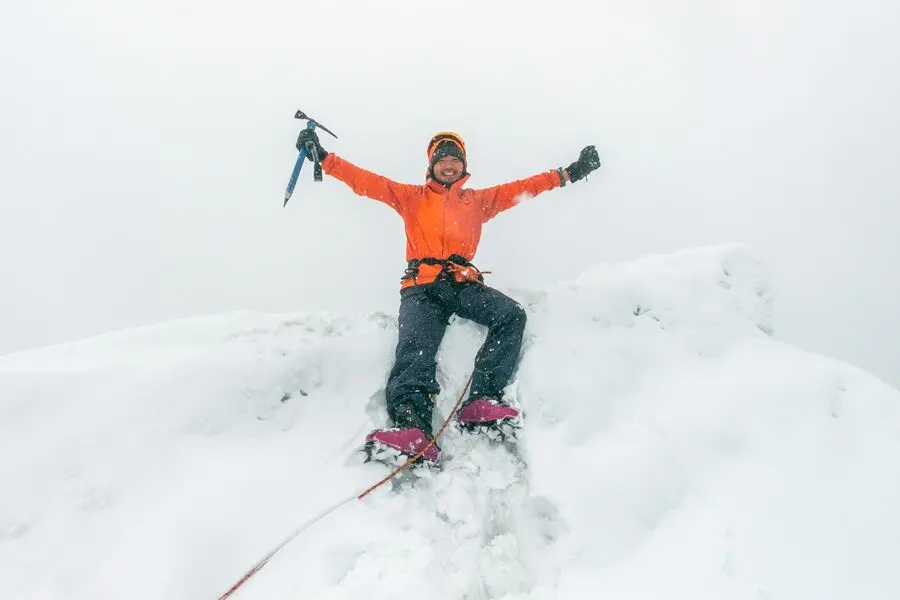
On your fifth day, you can go on another tour and go ice-trekking up Nevado Mateo, an impressive snow-capped mountain peak standing at over 5,150 meters above sea level. The trek requires you to ascend a steep face with ropes and anchors to reach the top which is why you will have to go with a guide.

It doesn't really matter if you have any technical mountaineering skills for this hike as your guide will help facilitate you throughout the climb, which is great for those who are looking to learn more about mountaineering. For me, it was snowing pretty heavily that day, and we didn't get to see anything, but it was still one of the best experiences I had in Peru, learning the basics and pushing my body to the limit, so if you want to do the same, I highly recommend you go hike Nevado Mateo.
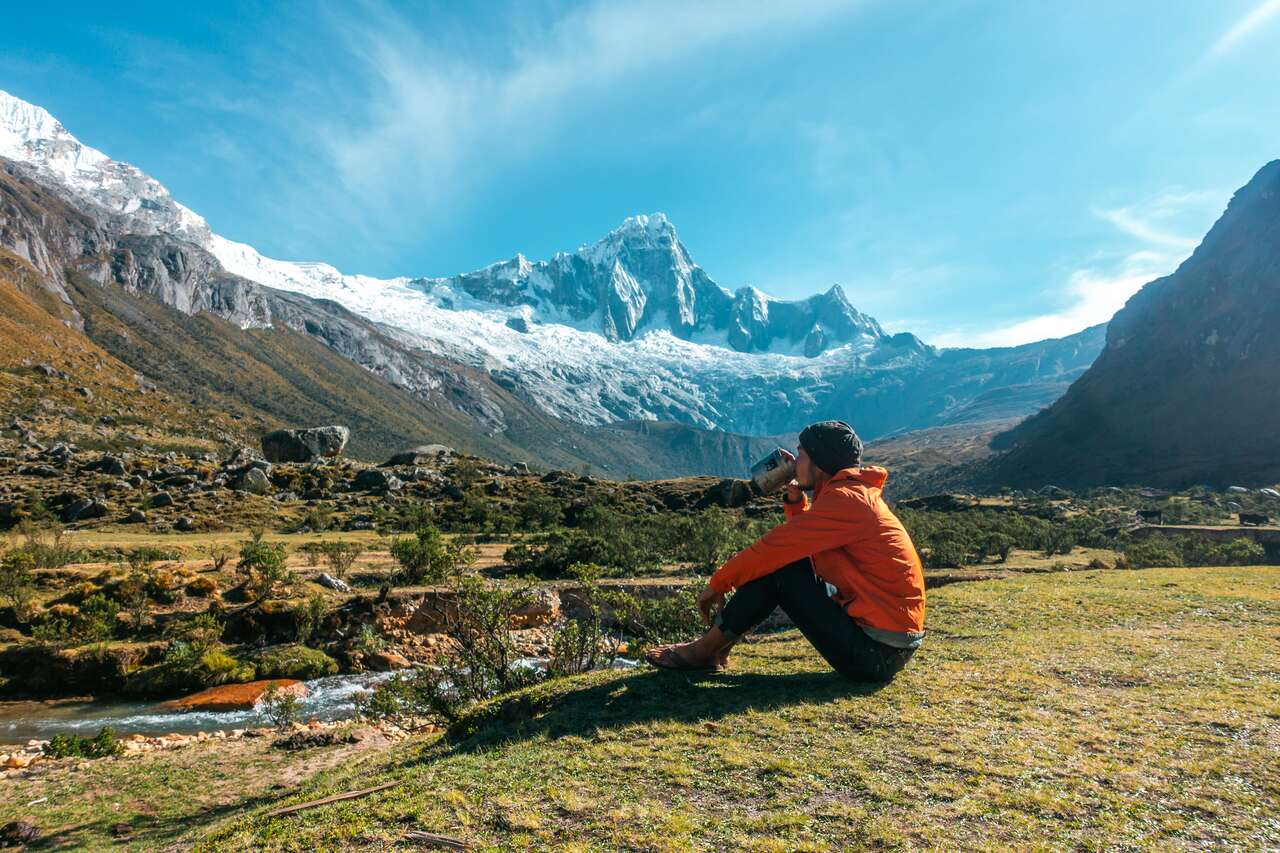
The next day, you can rest for the entire day and start planning another epic trek for tomorrow. This time, we are going on a multi-day trek along the Santa Cruz trail, where we will be camping and hiking in the Andes Mountains by ourselves with our own tent and food.
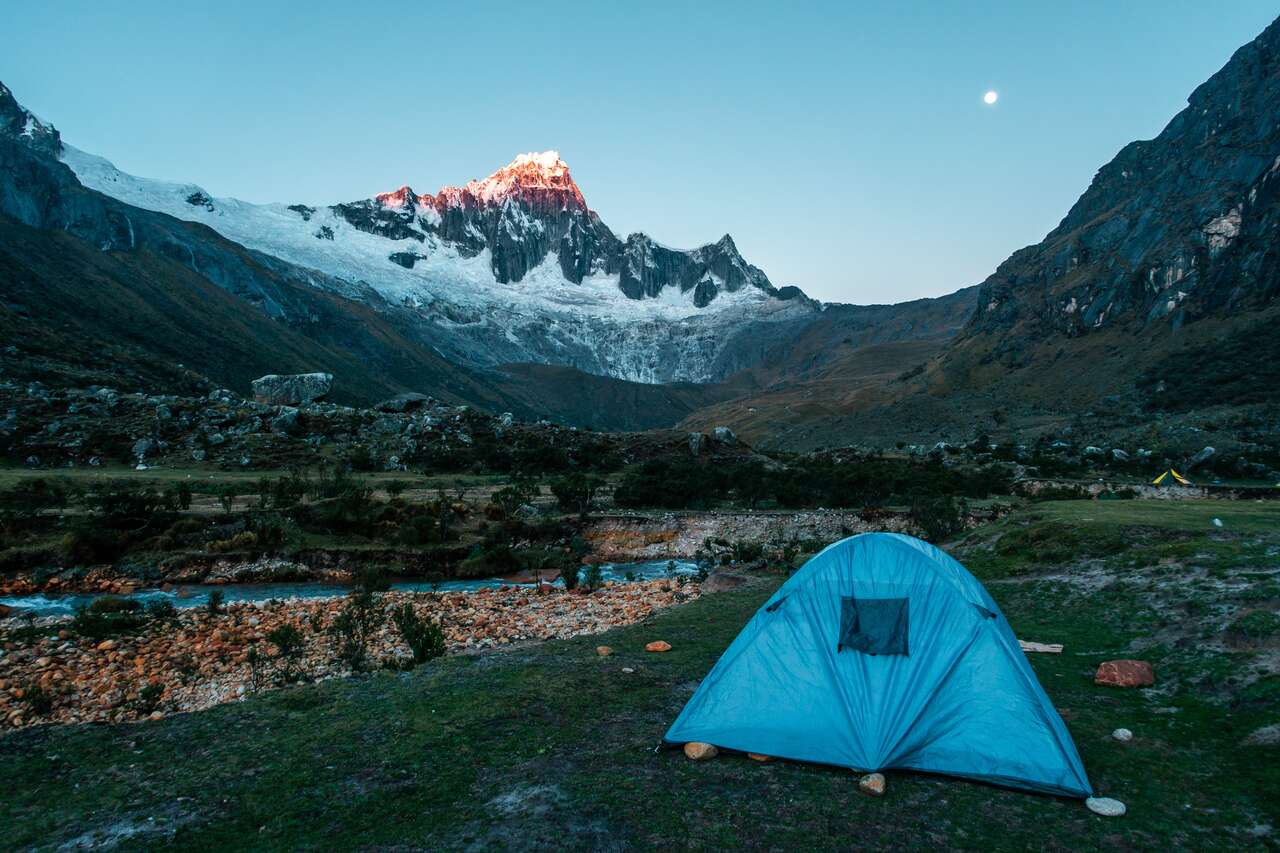
Use today to prepare for the Santa Cruz Trek. The classic route is usually completed in 3 to 4 days and crosses Punta Unión at about 4,750 meters, so make sure you are properly acclimatized before setting out. The trek runs through Huascarán National Park, where access is regulated; confirm the latest park rules and arrange any required authorized operator or guide before your trek. If you are camping, this is also the day to sort out your tent, sleeping bag, sleeping mat, food, stove, fuel, and other trekking gear in Huaraz.

If you want to do it dependently, you will be looking at carrying around 15 kg worth of stuff on your back every day while hiking in high altitude, so be sure you are prepared for that. If not, you can also go on an organized tour and they should provide you with a porter to help take the load off. You also do not have to prepare anything as they will carry tents and food for you.
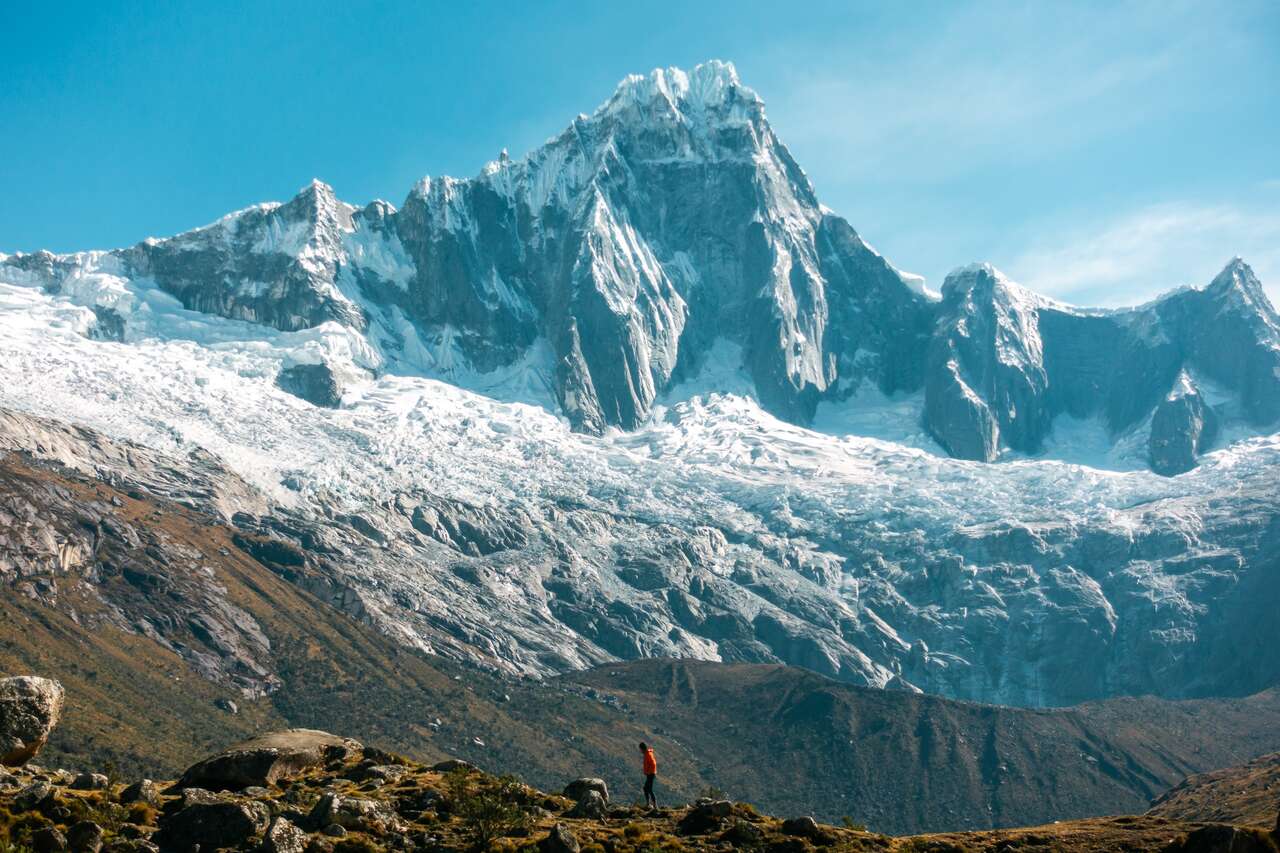
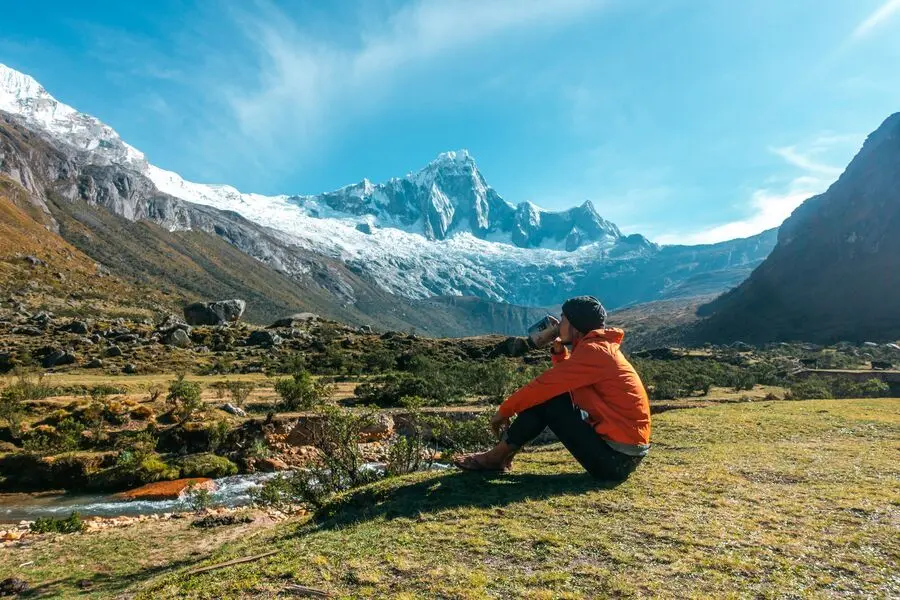
The Santa Cruz trail is stunning through and through, and by keeping this trek at the end, it makes for an awesome grand finale for your trip in Huaraz. For a highly detailed guide to Santa Cruz, you can check out: How To Hike The Santa Cruz Trail, Huaraz Independently.


Getting From Huaraz to Lima
From Huaraz, you can take a bus from the Huaraz Cruz del Sur terminal to Lima via Cruz del Sur. There are 6 buses per day from Huaraz to Lima, operating from 11 AM to 11 PM. The journey will take about 7 hours and cost around 30 SOL per person. You can check the schedule and book the bus here.
Day 14 - 15: Lima (2 nights)
- 📍 Stay: El Huerto Hostel
- 🕐 Time: 2 nights
- 📖 Full Guide: Lima (external site)
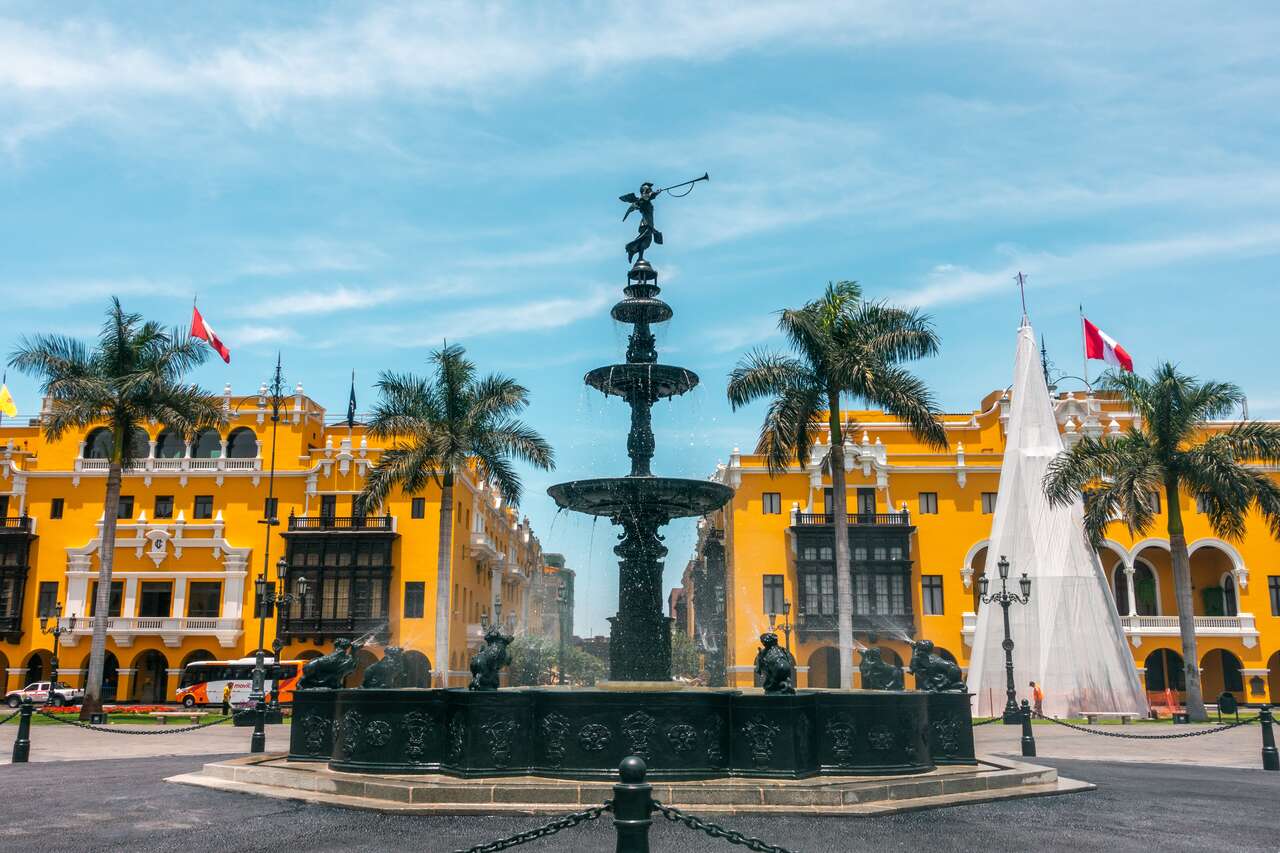
After an epic 10 days in Huaraz, it's time for you to take it slow and enjoy a little bit of comfort in a city and there is no better place to do that than Miraflores in Lima, a lovely sea-side neighborhood that is within walking distances to many attractions in the city like the Main Square, Cathedral de Lima and the Basílica y Convento de San Francisco de Lima, and more.
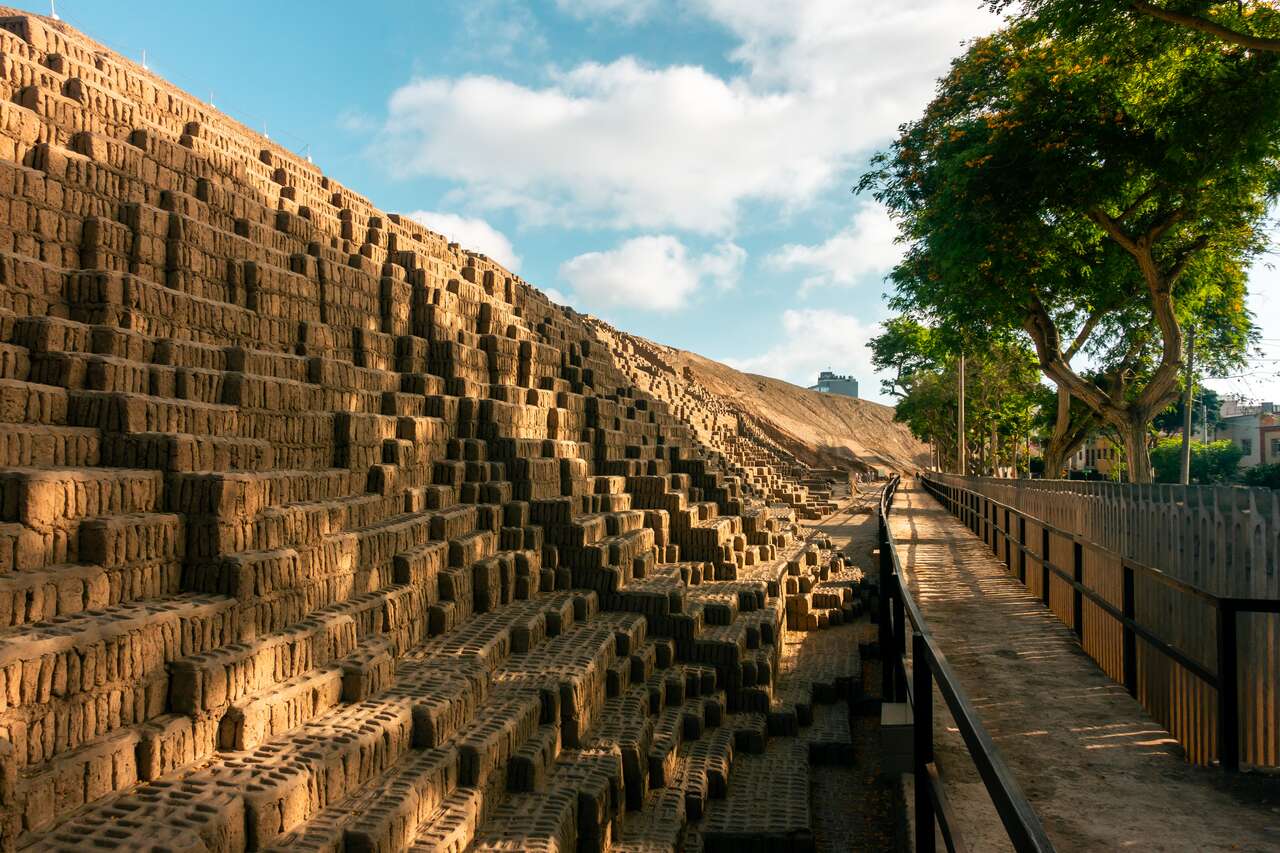
Did you know that there is a pyramid in Lima? Me neither! The place is called Huaca Pucllana, a small stepped pyramid made out of clay and adobe way back between 200 - 700 AD, located right in the heart of Lima. You can take a guided tour to take you around the site, but I found the tour to be a little lacking. The pyramid alone is already interesting enough for me 😃.
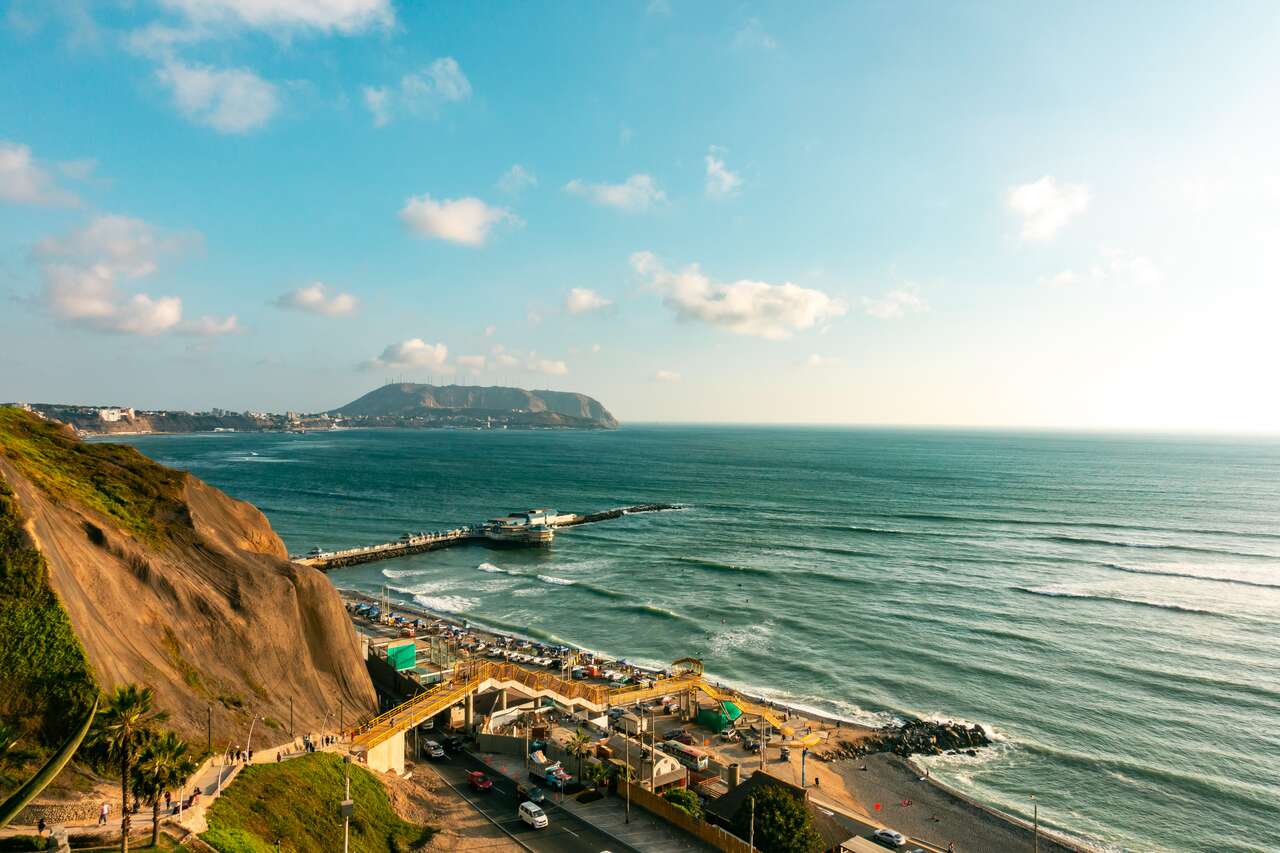
After you are done at the pyramid, you can chill a bit in the city and go and watch the sunset at Parque del Amor, located near the west coast of Miraflores, before retreating for the day.


Getting From Lima to Ica
From Lima, you can take one of the many daily buses operated by Cruz del Sur or Oltursa at their designated bus terminal. I went with Cruz del Sur, and the bus left from the Cruz del Sur terminal and dropped me off at the Cruz del Sur terminal in Ica. The journey should take about 5 hours and cost around 15 USD per person. You can book the ticket online here.
Day 16 - 17: Ica (2 nights)
- 📍 Stay: Hotel El Carmelo Miraflores
- 🕐 Time: 2 nights
- 📖 Full Guide: Sand dunes in Huacachina, Ica, Peru (via heatherjasper.com)
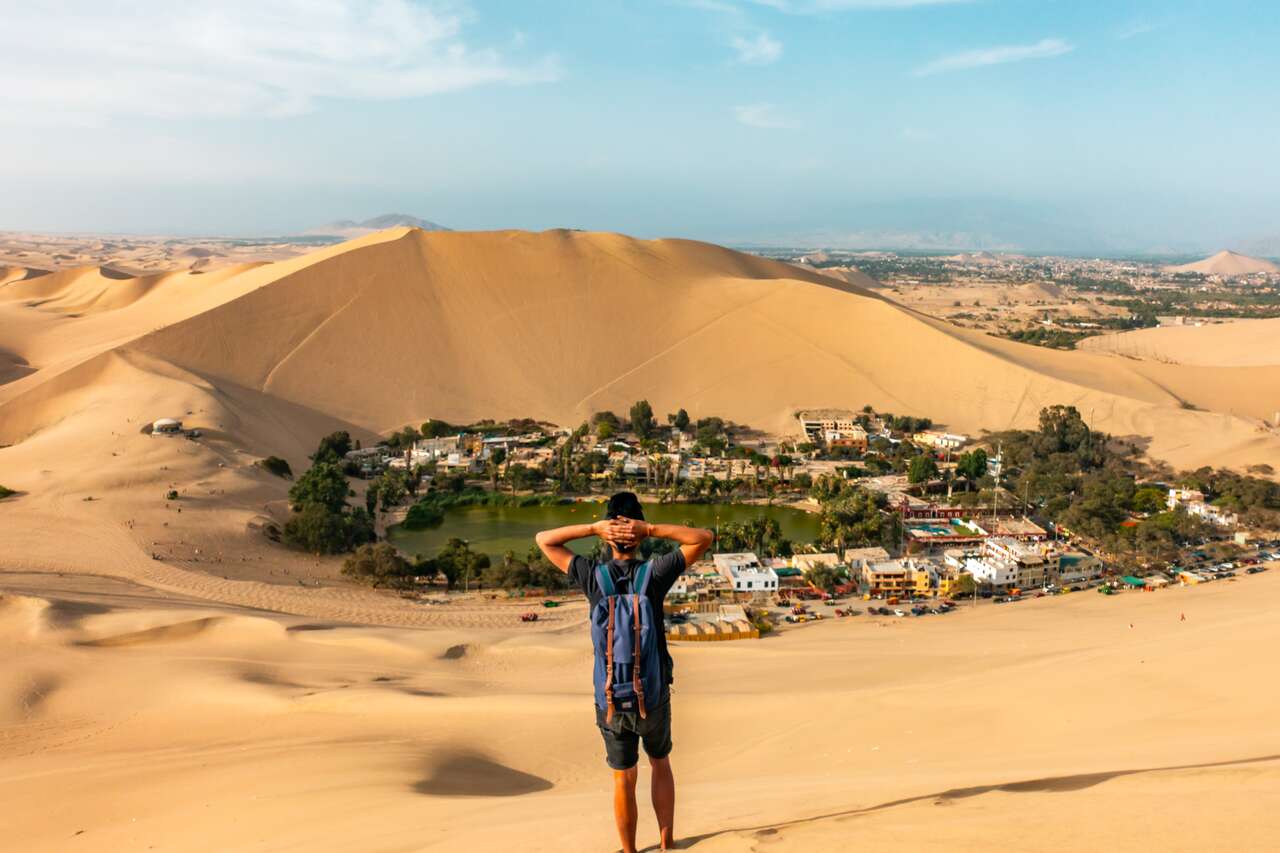
Next up, we are going to visit Ica, home to the oasis town of Huacachina, which is probably the main reason why we are spending a night here.
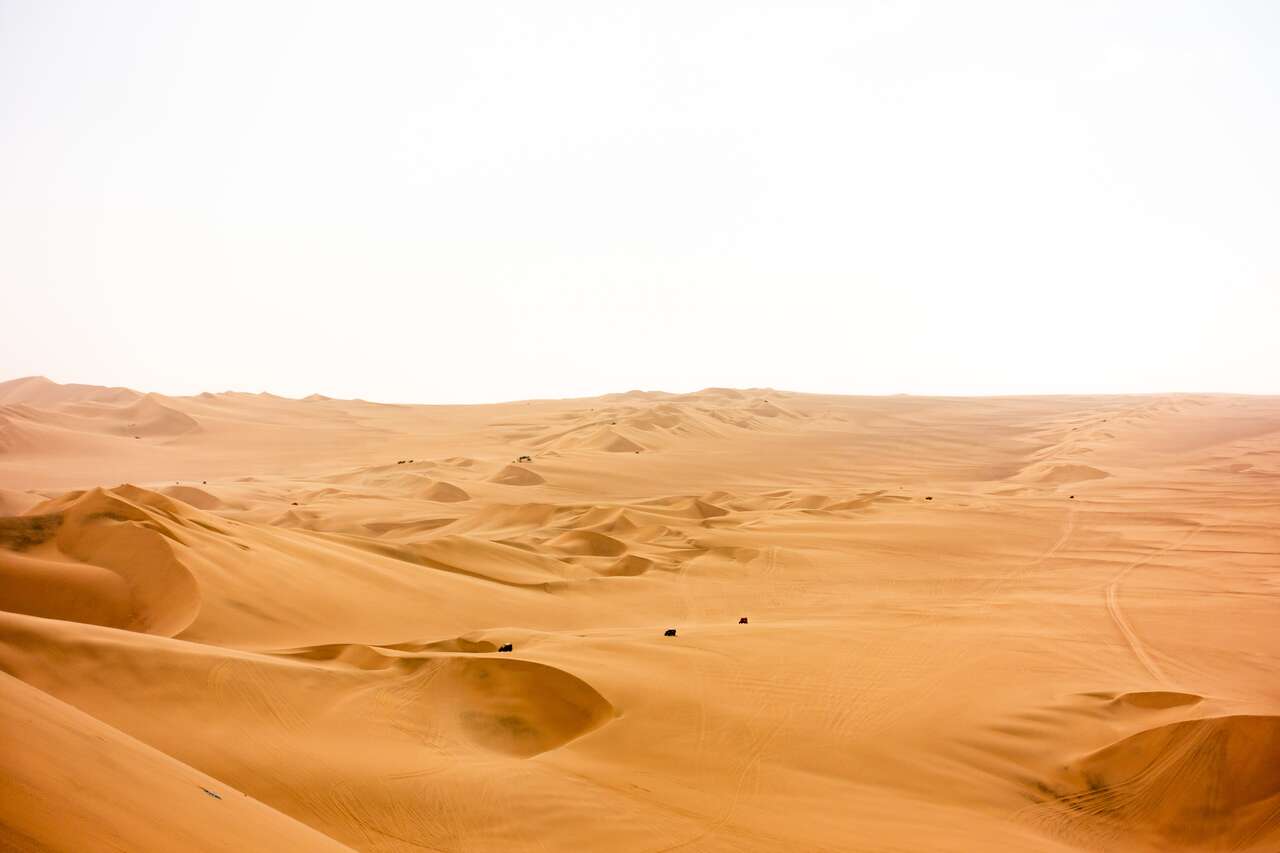
Ica itself is nothing special, so after you arrive, you can spend the rest of the day relaxing at your accommodation and the next day, go and explore the city and visit Huacachina in the afternoon.

You can go and paddle the boat in the oasis lake in Huacachina, hike up the sand dunes and enjoy the view of the surroundings, or sit back and relax at one of the many cafes and restaurants in the area. The place is extremely photogenic at sunset, so I would recommend you hike up the sand dunes and watch the sunset from up there.


Getting From Ica to Nazca
From Ica, you can make your way early in the morning to catch a bus to Nazca. From there, take a taxi to the Nazca Airport to take a tour and check out the Nazca Lines from the air.
Several bus companies connect Ica with Nazca throughout the day, making this an easy leg to fit into the itinerary. The journey usually takes around 2.5 to 3 hours. Since you are continuing to Cusco the same day, choose an early departure from Ica and leave a generous buffer before your Nazca Lines flight in case of traffic or delays. You can book the bus ticket here.
Day 18: Nazca (0 night)
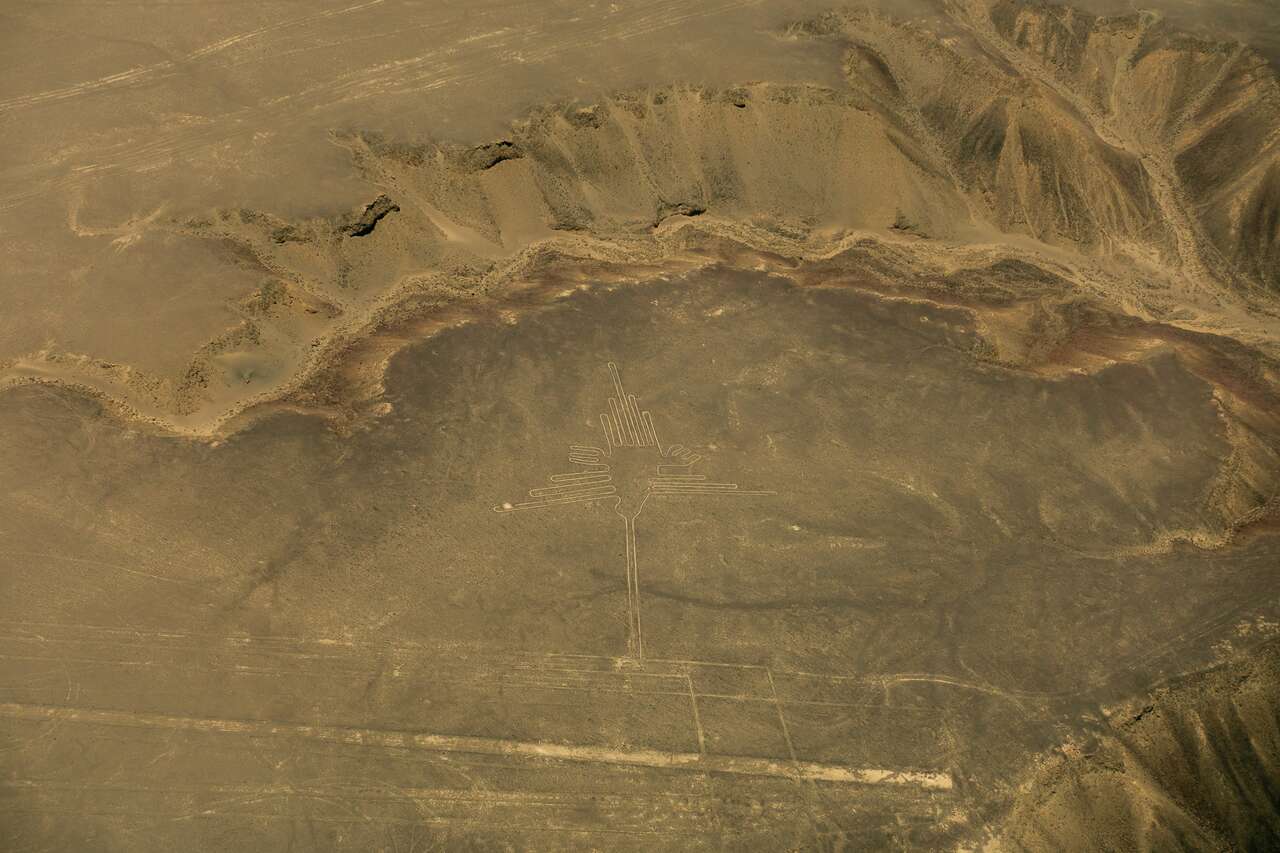
After Ica, we will visit Nazca to see the famous Nazca Lines from the air. You do not necessarily need to spend the night here if you arrive early, take a morning or midday flight, and continue to Cusco on an overnight bus. Keep the day flexible, though, because sightseeing flights can be delayed by weather, visibility, and air-traffic conditions.

To make this work in one day, leave Ica early and head to the Nazca aerodrome after you arrive. I recommend reserving your flight in advance rather than relying entirely on walk-up availability, especially during busier travel periods. Bring your passport and allow extra time for check-in, weighing, airport formalities, and possible flight delays.
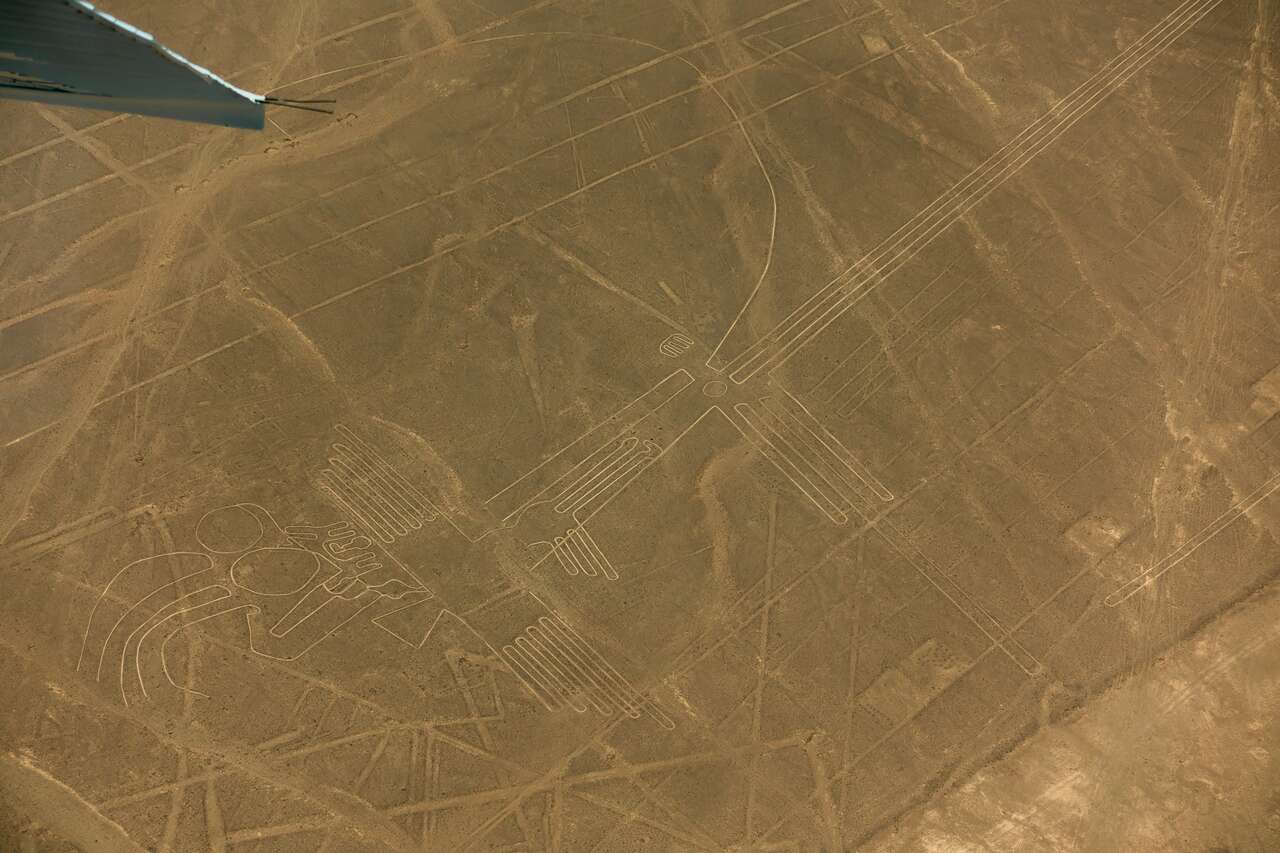
The standard Nazca Lines sightseeing flight is short, usually around 30 minutes depending on the operator and route, but it gives you the aerial perspective needed to properly see many of the geoglyphs. Prices vary by operator and can include separate airport or tourist fees, so compare the total cost before booking. Not gonna lie, the flight itself was not the highlight of Peru for me, but seeing the lines from above was still the best way to appreciate their scale and shapes.
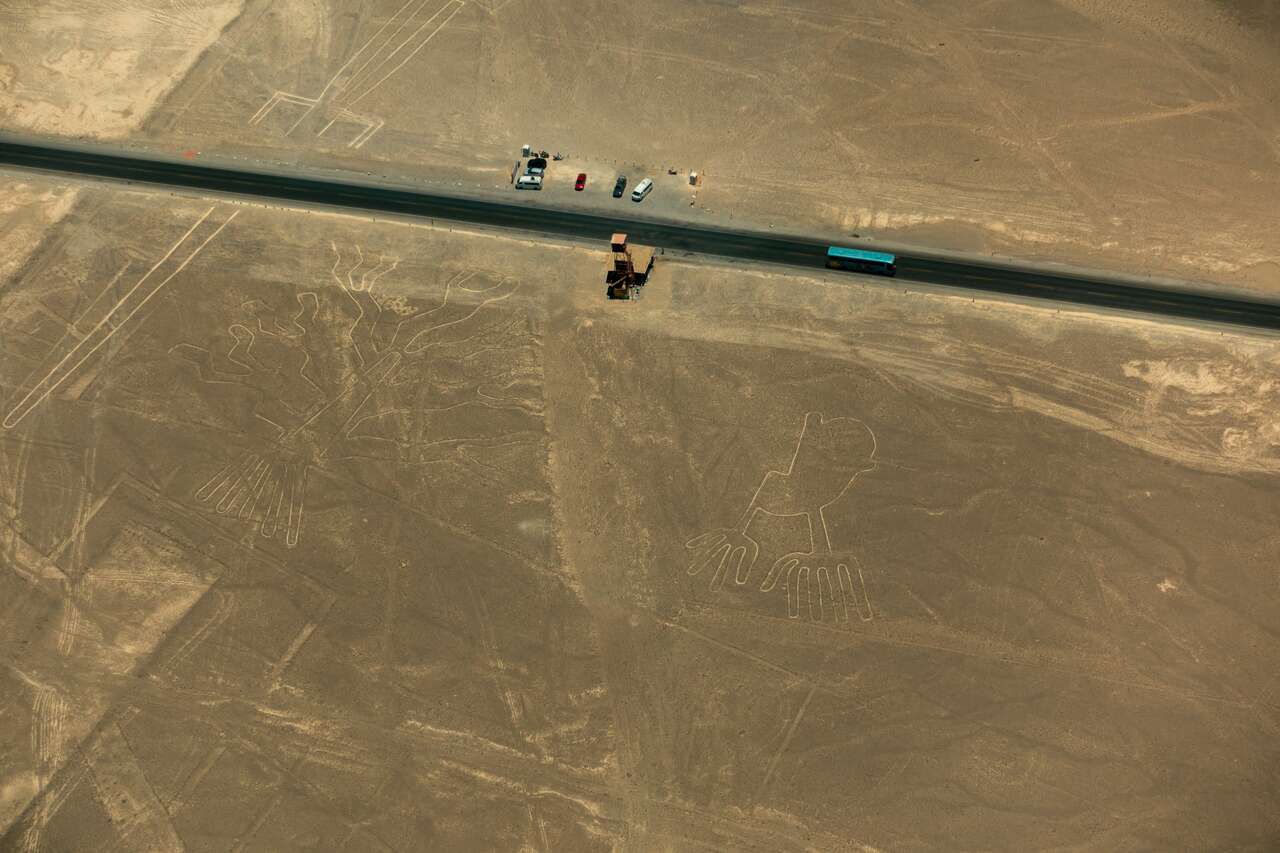
Once you are done, you can get back to the Cruz del Sur bus terminal in Nazca and catch the 15-hour bus to Cusco. This will probably be the longest bus ride you will take here, so make sure you are prepared for the trip.
Getting From Nazca to Cusco
To get from Nazca to Cusco, take an overnight long-distance bus via Cruz del Sur. They have approximately three overnight buses departing between 7:20 PM and 11:50 PM from the Cruz del Sur bus terminal in Nazca, so you will have a bit of downtime in Nazca before your bus.
This is one of the longest overland legs in the itinerary and commonly takes around 14 to 16 hours, so choose a reputable operator and a comfortable seat if your budget allows. Departure times and fares change, so check the latest options and book ahead..
Be prepared, as the journey will take over 15 hours, one of the longest bus rides you will take in South America. Thankfully, the Cruz del Sur buses are quite comfortable, so it should not be too bad. The bus ticket costs about 150 SOL per person, and they will drop you off at Cruz del Sur terminal in Cusco. Be sure to book the ticket in advance here.
Day 19 - 23: Cusco (4 nights)
- 📍 Stay: Hotel San Pedro Plaza
- 🕐 Time: 4 nights
- 📖 Full Guide: This Is How To Avoid The Crowds In Machu Picchu
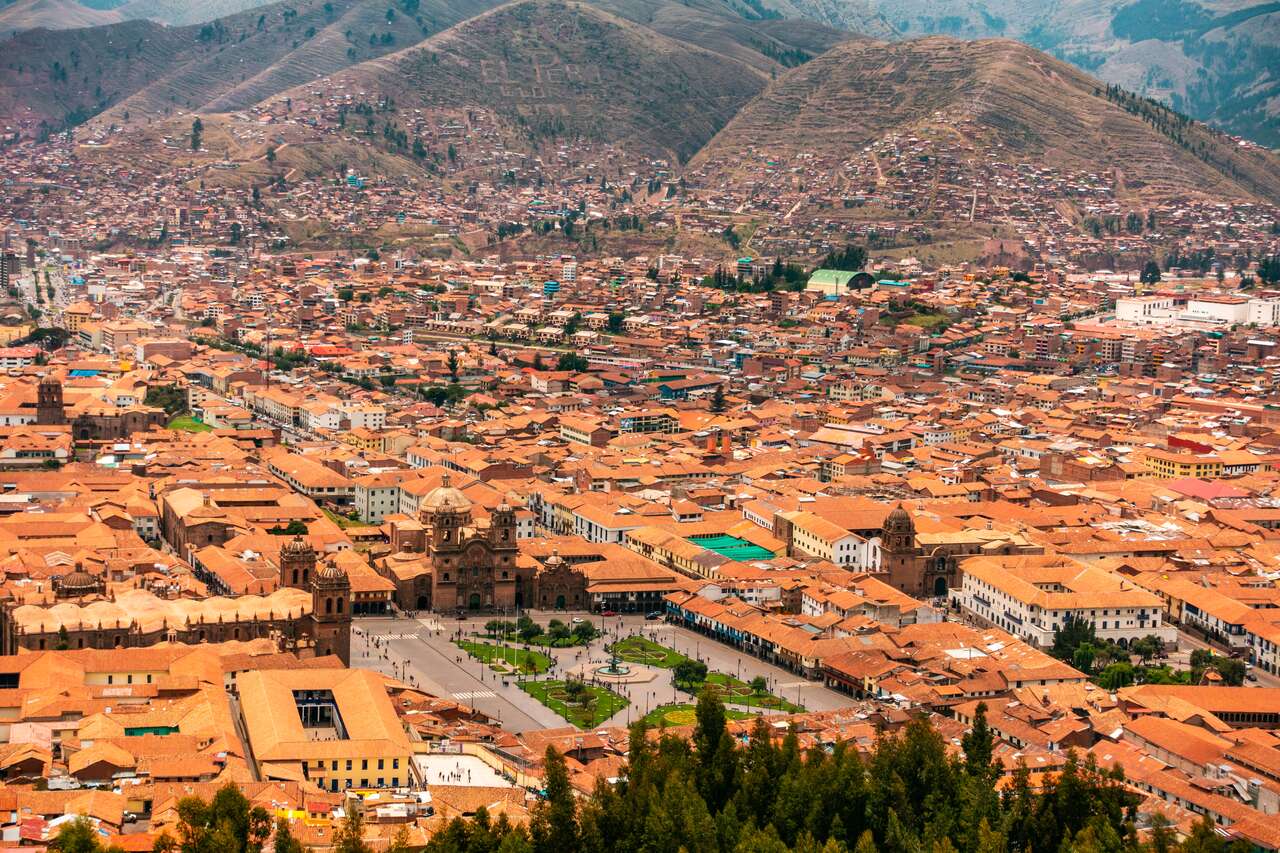
Cusco is probably one of the most photogenic cities you will see in Peru and it is one hell of a ride to get to, thanks to its remote location right in the middle of the Andes Mountain Range.

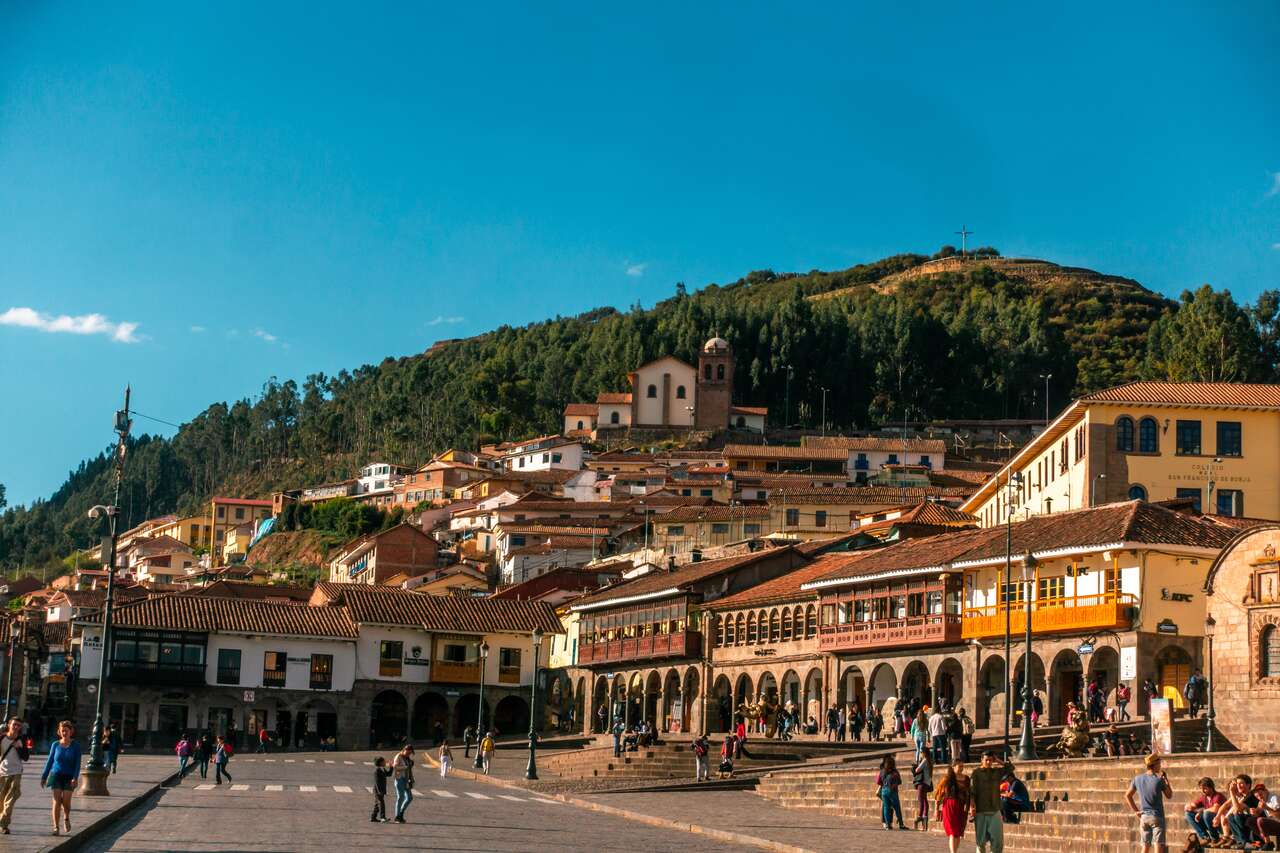
It will take you over 15 hours to get from Nazca to Cusco, so after you arrive on the first day, take it slow and explore Plaza De Armas. Stroll around the crisscrossing streets of Cusco and go up the hill and check out the view from San Cristobal Church.
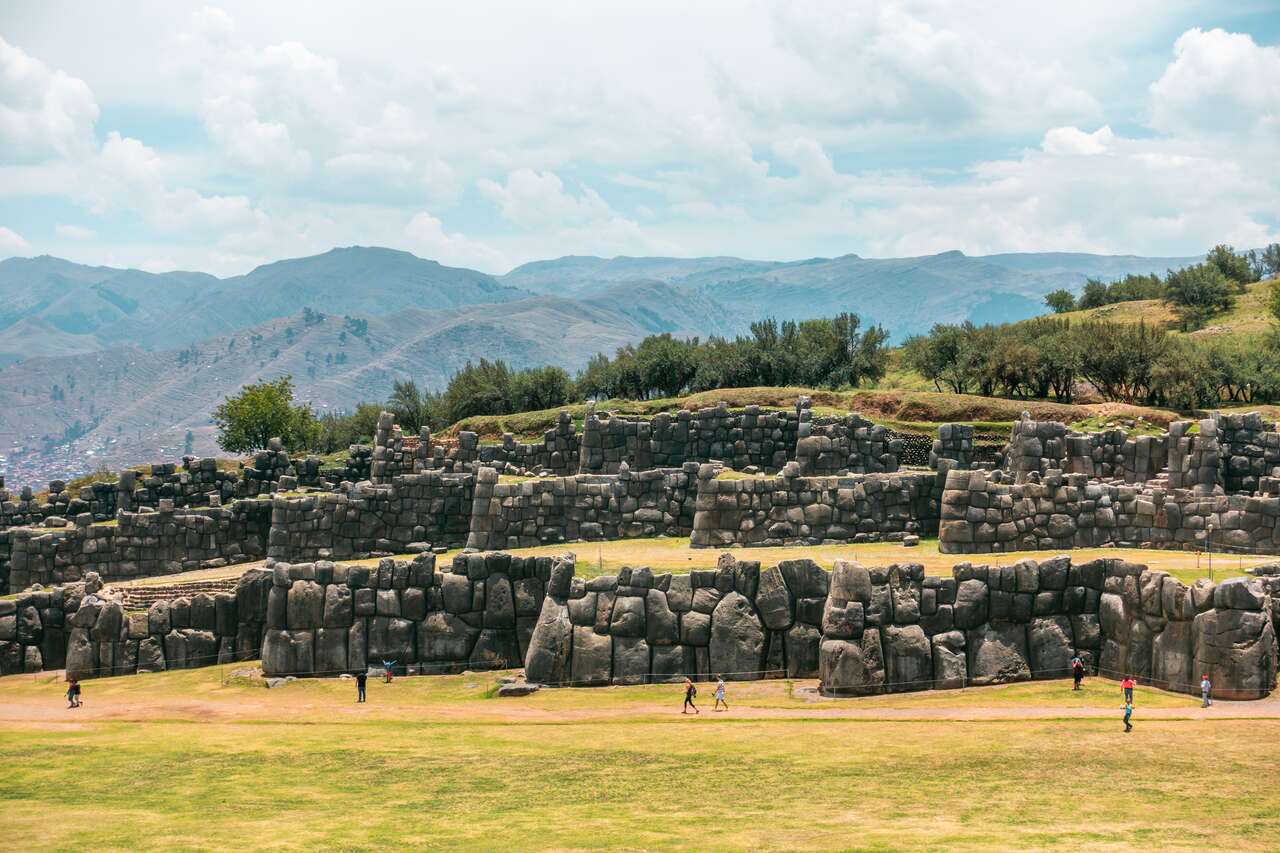
If you have enough energy, you can also go a little further and visit Saqsaywaman Ruin to see the impressive stacked rocks that formed the walls of this ancient city. Once you are done, you can make your way down to Cusco and start planning your trip to Machu Picchu for the next day.
You can either go around town and find a travel agency to book one for you, but be sure you do it at least 2 days in advance as the train is often booked out the day before. You can also go with an organized tour via train or if you have more time, you can go on a multi-day hike to Machu Picchu instead.
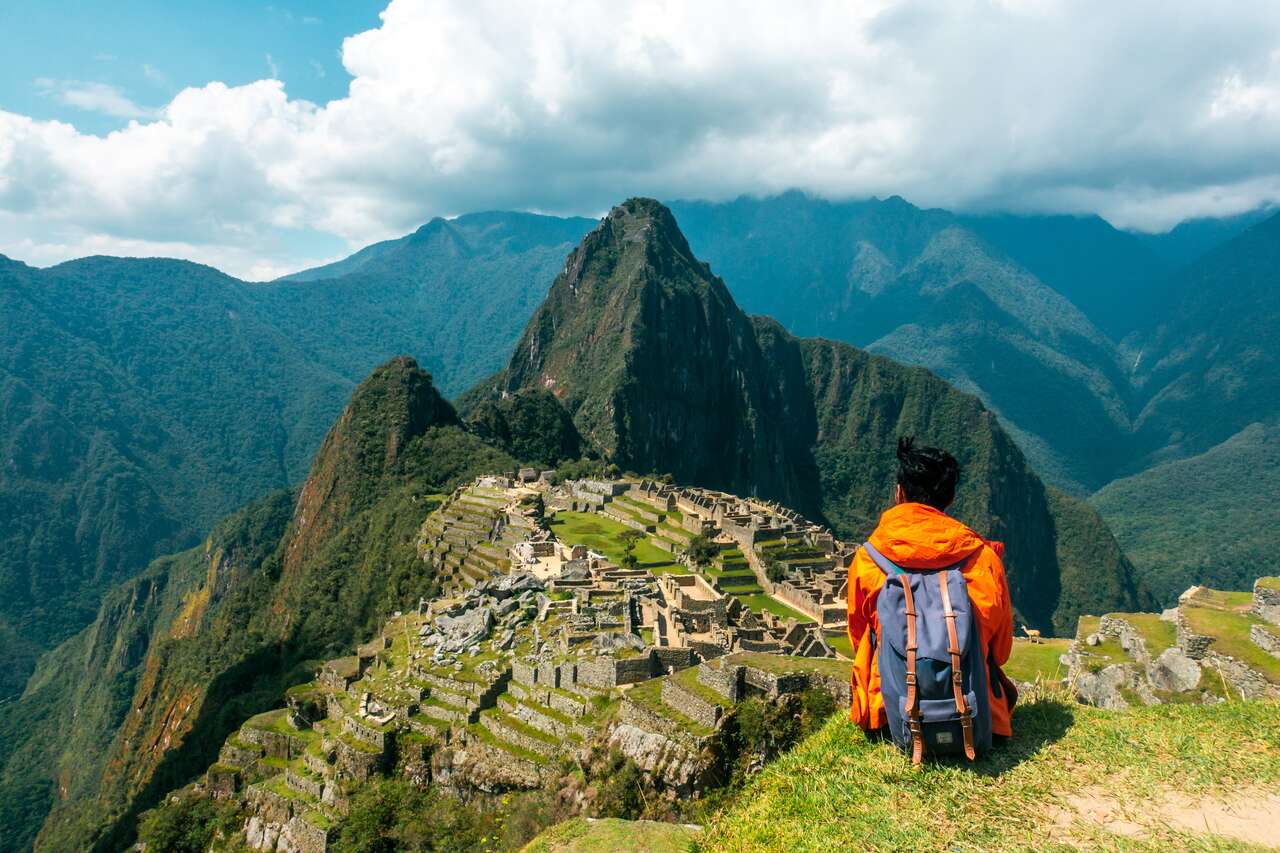
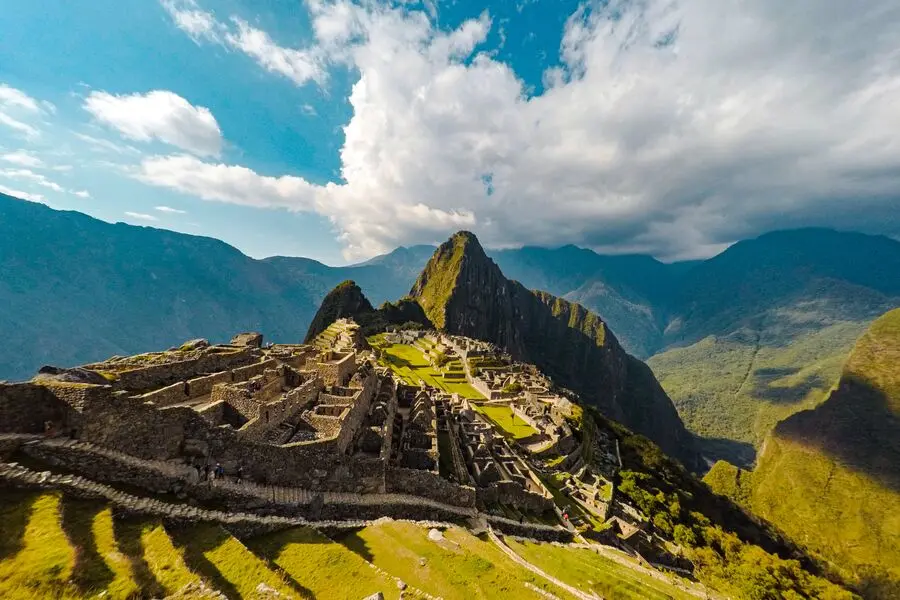
Machu Picchu can be accessed via trains, minivans, short treks, or the Inca trail. Taking the train is by far the easiest and surprisingly reasonably priced at 210 USD with every transportation included. On the other hand, you can also hike in the jungle for 2 - 3 days along the Salkantay trail to get to Machu Picchu for around 230 - 250 USD, while the most expensive of all is to hike the Inca Trail to Machu Picchu. This is also one of the most popular ways to do it and it can get fully booked pretty quickly so be sure to book it in advance.

As for me, I went by train because it gave me the flexibility I wanted and let me focus my energy on exploring Machu Picchu itself. The experience is more structured now because your entrance ticket is tied to a specific circuit, route, and entry time, but the train is still the simplest option if you are not planning a multi-day trek.
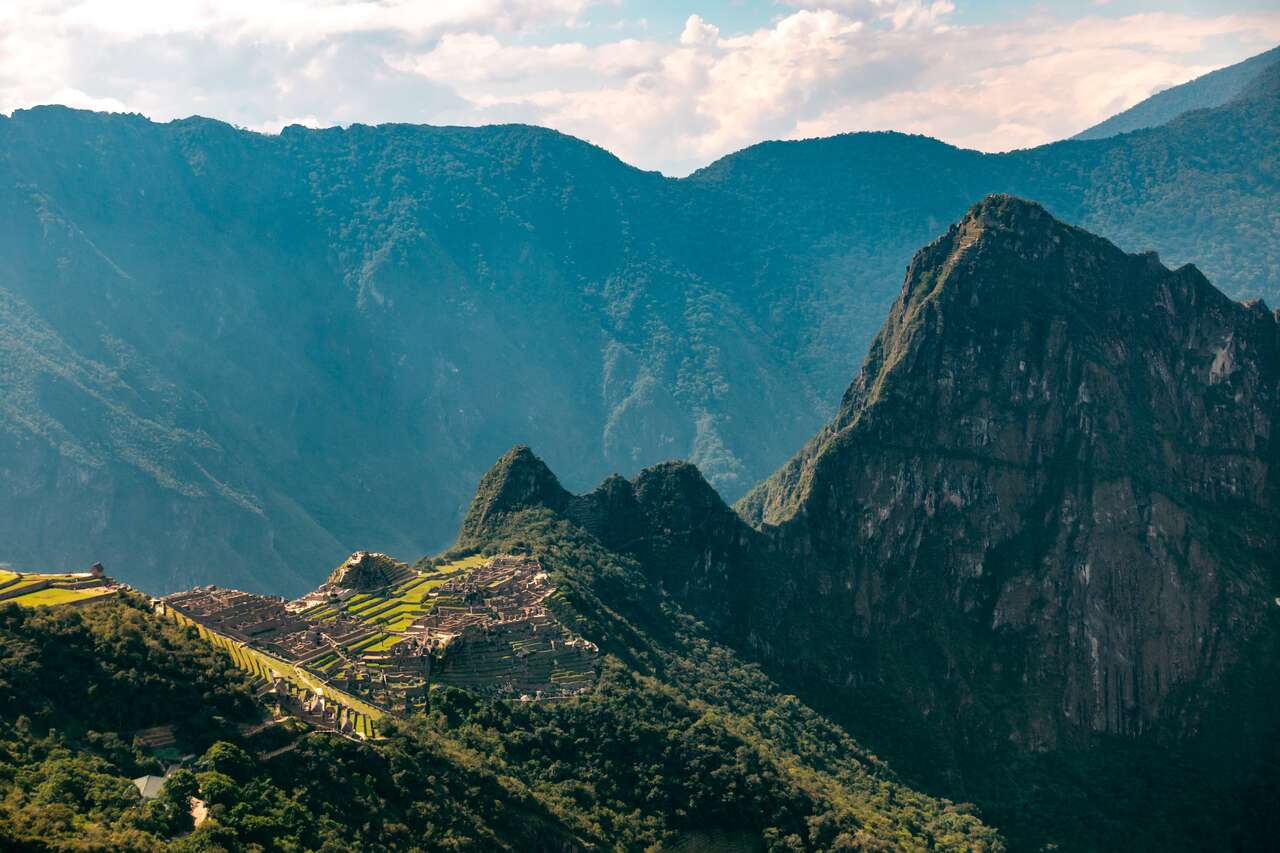
Tip: Do not plan around staying inside until closing time to wait for the crowds to disappear. Machu Picchu now operates with timed entry and designated circuits, so your route through the site is much more controlled than it was when I visited. If avoiding the busiest periods matters to you, choose your circuit and entry time carefully when booking and follow the time limits attached to your ticket. For the story of how I managed my own visit, check out: This Is How I Avoided The Crowds In Machu Picchu.
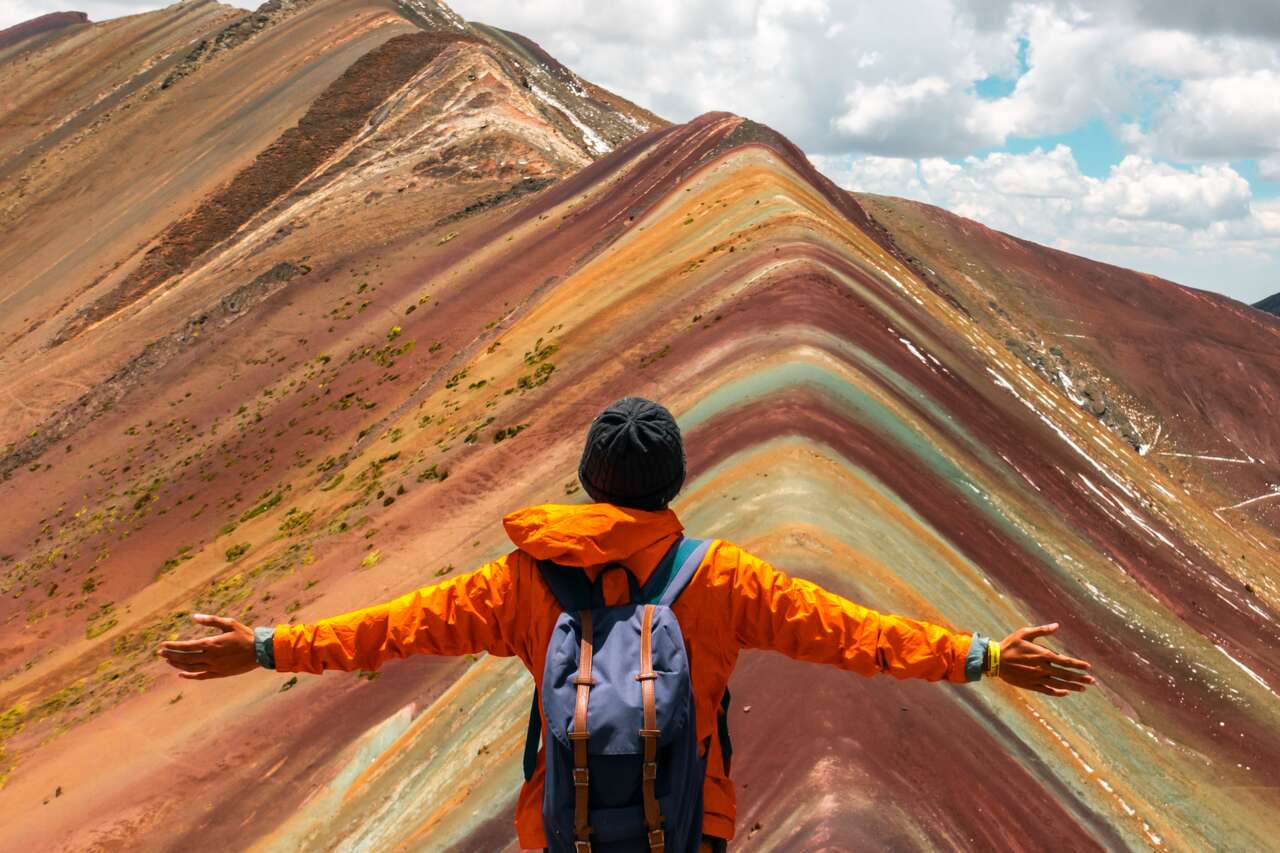
On your last day in Cusco, book a trip to the Rainbow Mountain and go on another epic high-altitude hike to see just how incredibly diverse the landscape is in this part of the Andes.

The whole trip will take you up to the top of the Rainbow Mountain that stands over 5,000 meters above sea level and you will be able to get a pretty epic view of the surrounding landscapes as well as the famous rainbow stripes mountains. Keep in mind that most photos of the Rainbow Mountains you see are pretty over-processed, and reality might not look the same, so please keep your expectations in check.

The hike itself is not too difficult, steep-wise and it takes around 5-6 hours to complete. That said, the altitude is what is going to kick your butt, so be sure you are prepared and stay hydrated throughout the hike to avoid altitude sickness. Being in Cusco for a few days should acclimatize you for the hike, but still, it is better to be prepared than not.

After you are done with the hike, you will then be taken back to Cusco where you can spend the rest of the day and relax at your accommodation and prepare for our next destination, Arequipa.


Getting From Cusco to Arequipa
From Cusco, you can get to Arequipa via an overnight bus operated by Cruz del Sur from their bus terminal. They had buses running at 20:00 and 20:30 daily when I was there, but this may have changed so make sure you check the bus schedule first. The journey took about 10 hours and costed around 40 SOL when I was there, but it is likely more expensive now. To book a ticket online, make sure to check the price here.
Day 24 - 26: Arequipa (2 - 4 nights)
- 📍 Stay: Hotel Plaza San Antonio
- 🕐 Time: 2 - 4 nights
- 📖 Full Guide: 13 Wonderful Things to Do in Arequipa (via alongdustyroads.com)
After several high-altitude stops, Arequipa is a welcome change of pace. The city sits at roughly 2,300 meters above sea level and has a much drier climate than the Cusco region, with a beautiful historic center, excellent food, and a more relaxed feel. Spend some time exploring the city before deciding whether you have enough energy for another major hike in Colca Canyon.

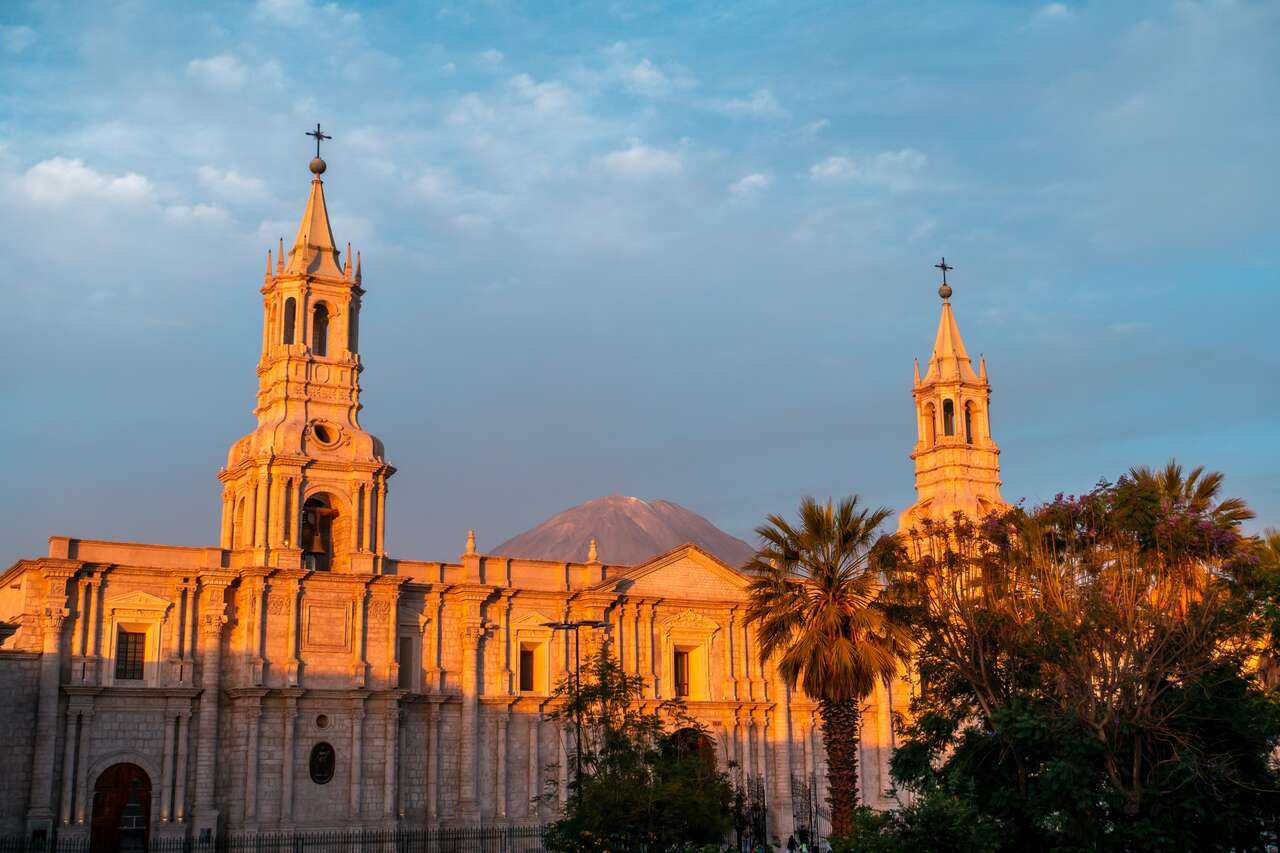
Spend the first day here and explore Arequipa's stunning Town Square where all the incredible colonial buildings are located. The centerpiece of the square is Basilica Cathedral of Arequipa with its striking clock towers and the epic Volcano Misti looming behind.
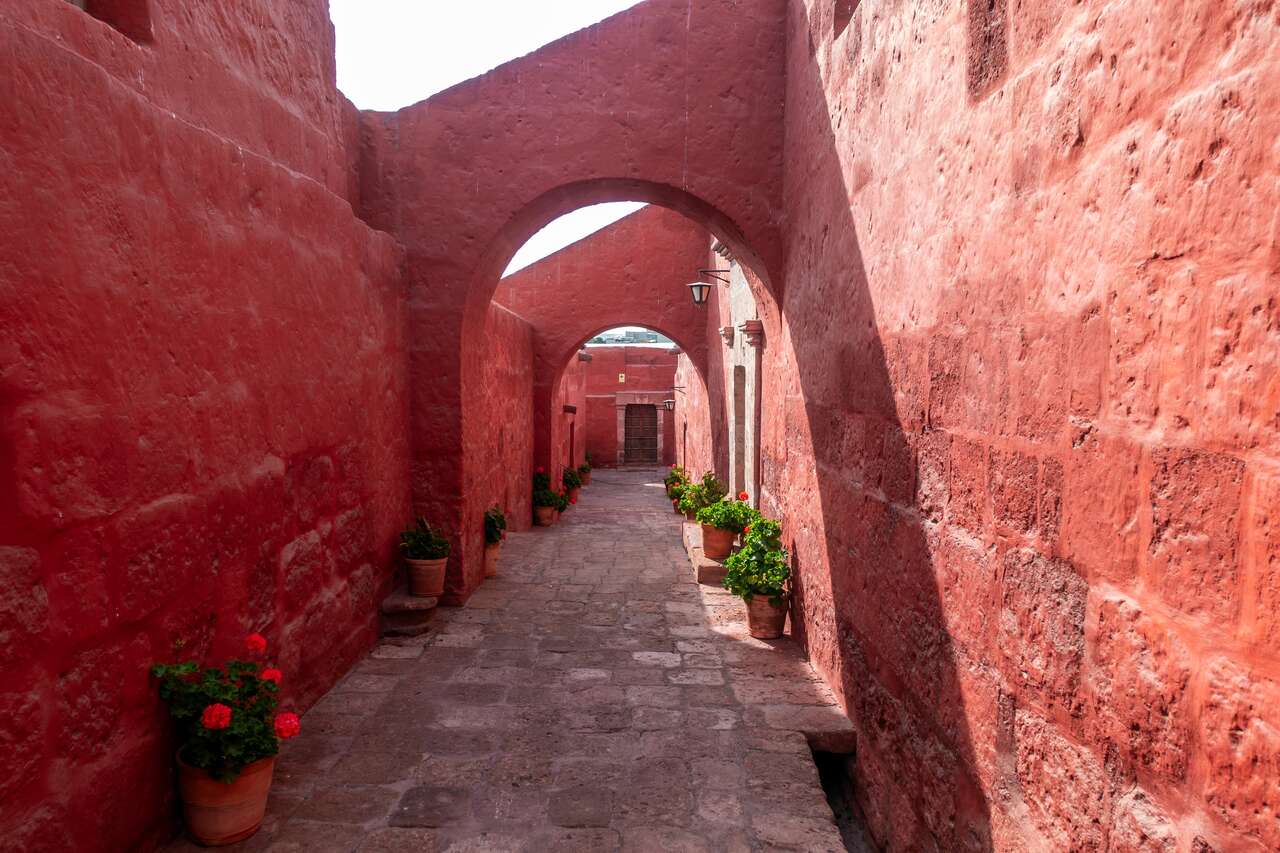
Another awesome place to visit is Monasterio de Santa Catalina, a massive 16-th century monastery of Dominican best known for its colorful corridors and courtyard you can explore.

If you still have enough energy left, you can spend the rest of your time in Arequipa and go on a multi-day hike in the Colca Valley or you can relax in the city and enjoy a little down time before you move to Puno, our next destination.


Getting From Arequipa to Puno
From Arequipa, you can take one of the three daily buses from the Cruz del Sur Bus Terminal in Arequipa to get to Puno, a border town between Bolivia and Lake Titicaca. These buses often leave between 08:30 and 22:30 and will take about 6 hours, costing around 30 SOL per person, but these details may have changed so be sure to check the bus schedule here.
Day 27 - 28: Puno (2 nights)
- 📍 Stay: Hotel Qalasaya by Prima Collection
- 🕐 Time: 2 nights
- 📖 Full Guide: 20 Best Places to Visit in South America
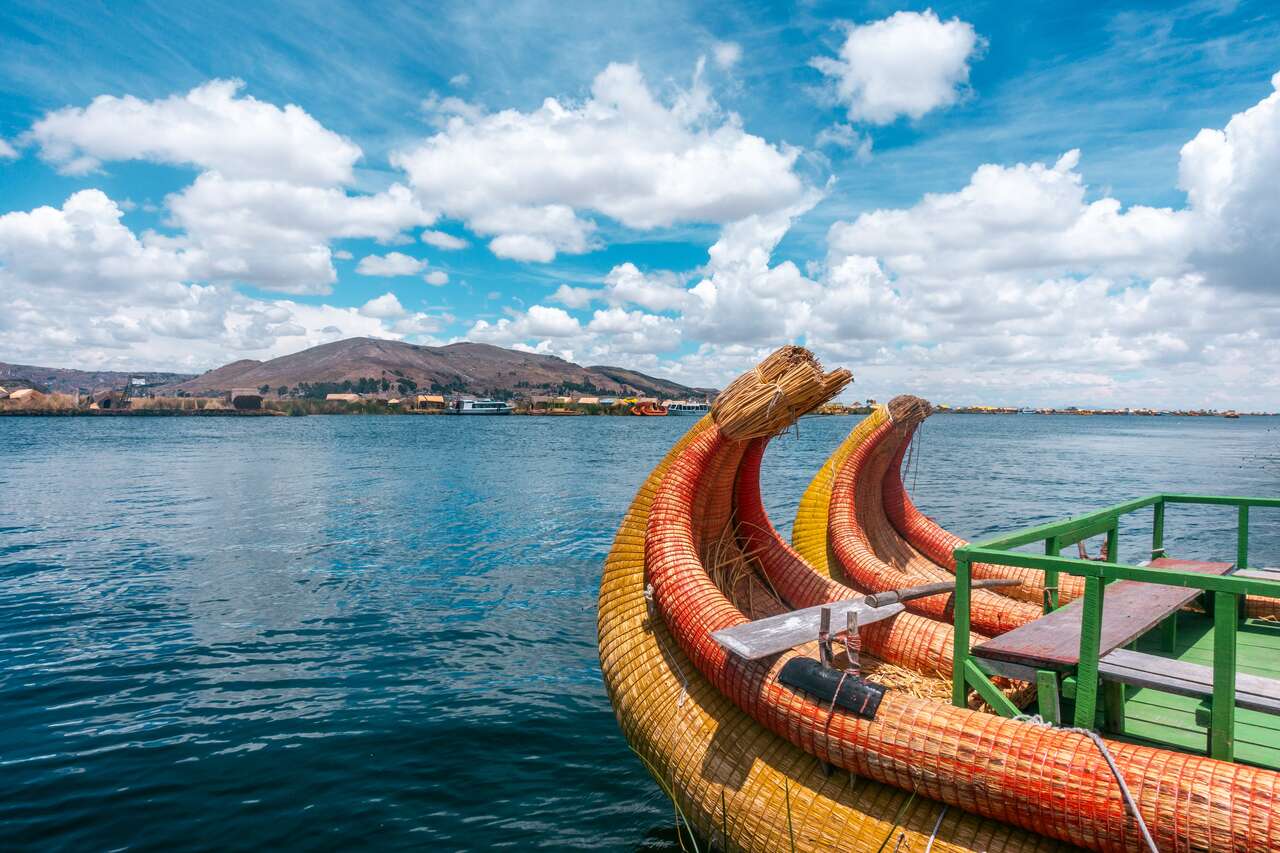
Puno sits beside Lake Titicaca, sharing its shores with its neighboring country, Bolivia. If you are making your way to Bolivia, Puno is a great place to break your trip while also giving you time to explore the highest navigatable lake in the world.

You can go on a day trip and visit the Uros Floating Islands and learn how they built the islands, anchored them in place, and live off the land.

To be honest, it was one of the touristy things I'd done in Peru, but it was interesting to learn about the Indigenous people and how the everyday life is like for the people here.

From Puno, if you are planning to go to Bolivia after, you can take an early bus to La Paz or Copacabana in Bolivia. You should be able to book them through your accommodation or you can do it online here.
As of 2026, Peru's Kasani checkpoint on the Copacabana route operates during the day, while Desaguadero also handles international travelers. Check the entry requirements for your nationality before leaving Puno.


Peru Travel Video
Why visit Peru?

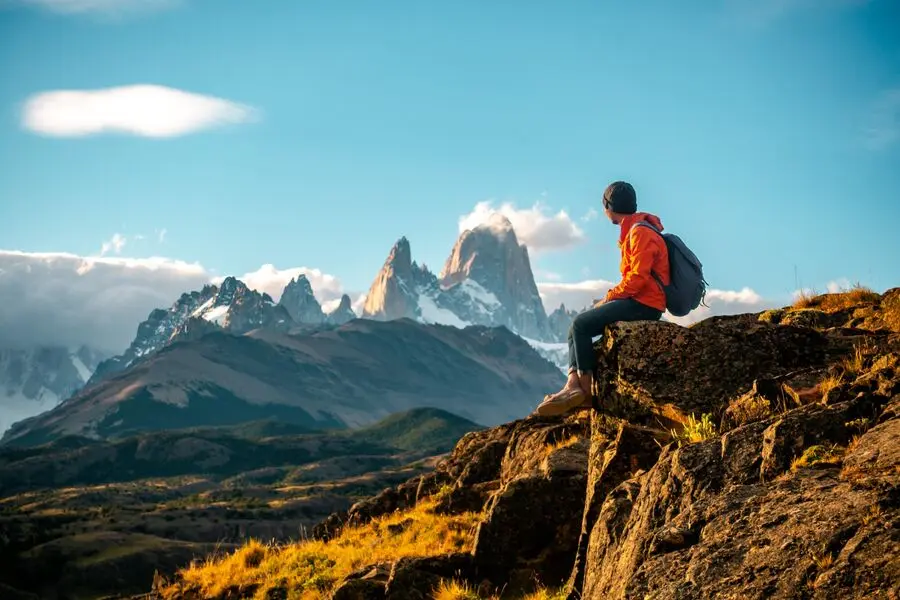
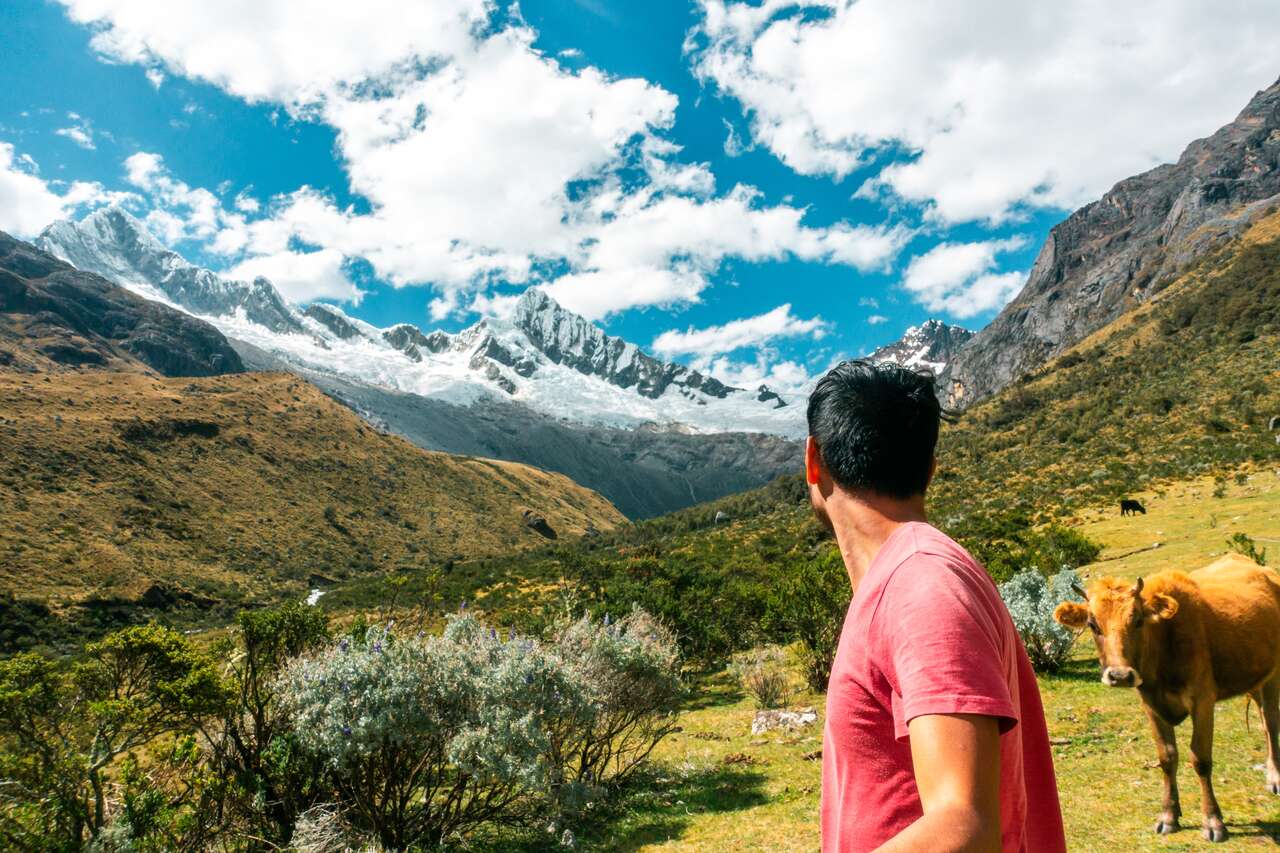
Peru has it all. If you are into hiking, Huaraz has one of the best and highest alpine regions in the world, second only to the Himalayas. It's like a little Kathmandu up there.
If you are interested in Inca history, a visit to Machu Picchu, Cusco, and a number of museums in Lima will greatly improve your knowledge about their culture and how they were able to flourish and become the biggest empire in Pre-Colombian times. Not to mention, the best gastronomy in South America.
Truth be told, food in South America is not the best, but Peruvian food is exceptional, and eating your way through the country is one of the highlights of visiting here.
When to Visit Peru?

Because this itinerary crosses Peru's coast and high Andes, there is no single weather pattern for the entire route. For hiking around Huaraz, Cusco, and the highlands, the drier season from roughly May to September usually offers the most reliable trail conditions and clearer mountain views, although nights can be cold and this is also the busiest period around major attractions. April and October can be good shoulder-season alternatives if you are willing to accept a little more rain.
For the best time to visit the coasts, December to March is hot and sunny, which is perfect for swimming and surfing.
For this particular route, I would prioritize the highland hiking conditions because Huaraz, Machu Picchu, Rainbow Mountain, Colca, and Lake Titicaca make up such a large part of the trip. May to September is the safest bet for drier weather, while the wet season becomes more noticeable from around November through March. Peru is still visitable year-round, but if trekking is your main reason for coming, the dry season makes this itinerary much easier to plan.
How to Get to Peru?
If you are flying into Peru from abroad, Lima is the country's main international gateway and the easiest place to start a standalone Peru trip. I would recommend you browse through Skyscanner or Expedia to find a cheap flight from where you live to Lima that best fits your itinerary.
For this north-to-south itinerary, though, entering overland from Ecuador can work well because it lets you begin around Trujillo and Huanchaco before continuing toward Huaraz. If you take that route, use an official border crossing, check the latest Ecuadorian and Peruvian entry requirements for your nationality, and confirm the onward transport before you leave Loja.
How To Get Around Peru?

Within Peruvian cities, transport varies a lot by destination. Local buses and combis are inexpensive but can be confusing if you do not know the route, while official taxis and app-based ride services are usually easier for travelers carrying luggage or arriving at night. In Lima, the Metropolitano and Metro can also be useful depending on where you are staying. Always confirm that you are using the correct terminal or pickup point before a long-distance journey.
For this itinerary, long-distance buses are still the backbone of the trip. Peru has an extensive intercity network with everything from basic daytime coaches to more comfortable overnight services with reclining seats. The quality and onboard amenities vary by company and route, so for the long overnight legs I recommend choosing a reputable operator and paying a little more for a comfortable seat.
Recommended approach: Cruz del Sur remains one of the better-known long-distance operators on many southern routes, while Linea is useful in northern Peru. Operators and schedules vary by city, though, so compare the available companies for each leg instead of relying on one brand for the entire country.
Note: Buses in Peru operate differently from those in other countries due to bus companies having bus terminals in separate locations, so make sure you go to the right one.
Which tourist SIM card is best for Peru?
Update: If your phone supports eSIM, I highly recommend checking out Airalo, a global eSIM marketplace. It allows you to stay connected affordably while traveling in Peru without having to switch out your physical SIM card.
Gone are the days when you needed to scramble to find a local SIM card at an airport upon arrival. You can purchase an eSIM before your arrival, and you'll be good to go. If your phone doesn't support eSIM, here is how you can get a local SIM card in Peru:
Claro is widely available, and I found it to be more tourist-friendly than Movistar, as they have a 2GB data SIM card available for 30S. Refilling the SIM card is as easy as going to any shop with a Claro sign and asking them to refill the money for you. You can also reactivate any package you like. For more information, the data speed is 4G in most cities, and I never had coverage problems, except in the mountains in Huaraz, but that was expected. Read more here.
Tips: To stay connected with people at home, be sure that you have a VPN, such as ProtonVPN, installed before traveling. It's FREE, and you can gain access to services that may be blocked in certain countries.
Daily Budget


This place is quite affordable compared to all the other countries in the world. If you are planning a trip here, you can expect to spend around $25 - $45 USD per day per person, which should include accommodation and three meals.
Please keep in mind that these are suggested daily budgets based on my own style of travel, which leans more towards the budget side of things. If you aim to stick to this budget, anticipate sleeping in dormitories, dining out only occasionally, and being comfortable with the cheapest and most convenient modes of transportation, which often involve a considerable amount of walking.
Disclaimer: This post may contain affiliate links. See our disclosure policy.
First Published:
Last updated:
14 Comments
Great itinerary :) I really enjoyed Arequipa more than I thought I would. As for Rainbow Mountain. It's really worth it to do the 2-DAY hike to Rainbow Mountain. I realllllllly recommend it over the one-day (though your pic look amazing!) We saw no people on the trail and it didn't involve waking up at 3 a.m. to get there. Also, we got to see mountains that were a lot brighter than Rainbow Mountain... still a very beautiful mountain in itself :) Thanks for all the advice. Will be sure to check out some of these places while I'm still in Peru!
Tam @http://freshcoffeestains.com/rainbow-mountain/
Thank you!
Im so in love with your blog <3 Beautiful photos and a lot of info.
Thank you Bianca!
I booked a ticket to Peru for 1.5 months because it was cheaper for those dates, but now I am wondering if this is too much. I am going in December (rainy season, I know, but this is the only time I am free). Do you think there is enough to do in Peru for that long? I usually like to stay for a long time in one place and get to know it and the people well. Could you also give me an idea of how much it will cost to stay and travel in Peru for 1.5 months? My budget is about USD 2000 overall not including flights into and out of Peru, but including all local transport (even flights) within Peru. Also, which is a great party place in Peru for spending New Year's? Lots of people, other travelers, music, good weather etc.
Of course. If you like to get to know the country better, that's the way to do it. I'd recommend staying in Huaraz as long as you can as it is one of the most beautiful area in Peru. Hiking there is phenomenal.
Budget wise, I can't really remember now but i believe it was cheaper than Ecuador and Colombia except in places like Cusco. Do check NomadicMatt website for more updated info https://www.nomadicmatt.com/travel-guides/peru-travel-tips/
NY? Umm.. maybe by the beach of Mancora or for a safer bet, Lima.
Fantastic blog Pete. I followed your Ecuador one too, and found your tips very useful. Just one comment about the Nazca lines. I haven't been, but the UK government website strongly advises against it because of dubious safety standards:
'There are risks involved in flying over the Nazca Lines. There have been a number of fatal accidents and emergencies involving planes operating from the Maria Reiche airport. Subsequent investigations showed that aircraft safety and maintenance standards were not being implemented. Though some improvements to operating practices have been made, problems continue to be reported.'
Just thought I'd mention it for those thinking of doing it.
Hey George, thank you for the heads up! That's a vital information for those who are on the fence about flying above Nazca lines. It's also not the best for people who get sick easily from the vibration. Thanks a lot!
THANKS A LOT!
VERY HELPFUL AND NICE TO READ.
Thank you! :)