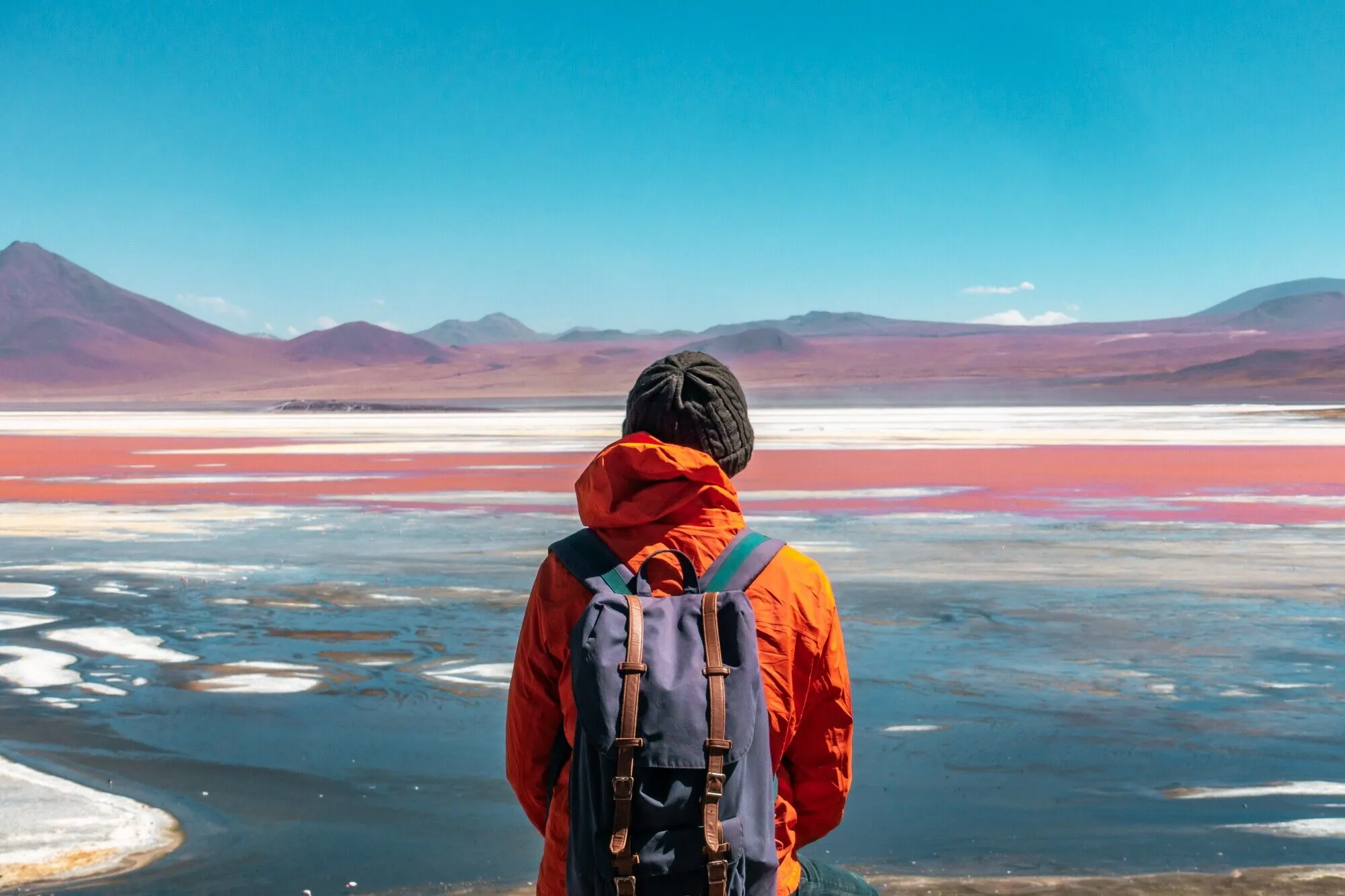



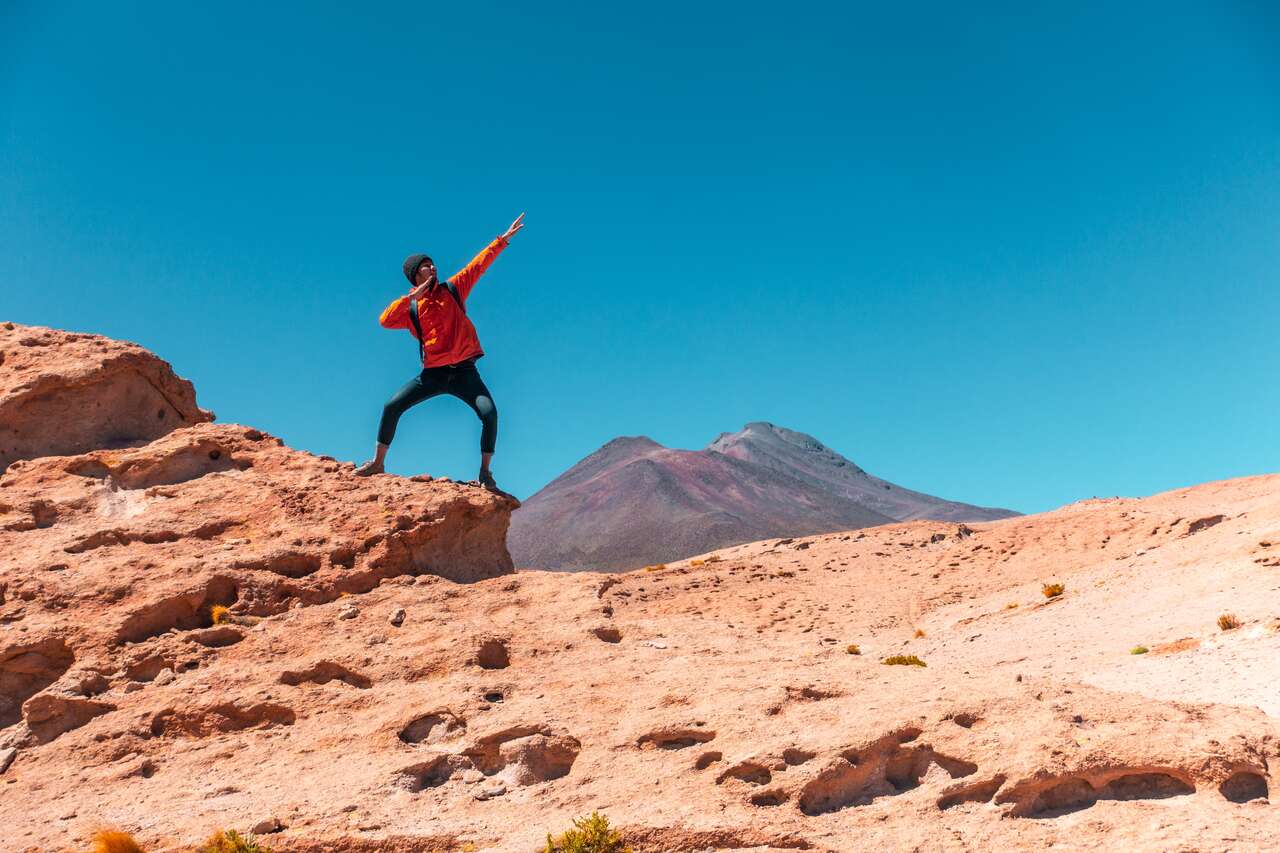
When people talk about Bolivia, they often mention Salar de Uyuni, the largest salt flat in the world, and for good reason. Salar de Uyuni was definitely one of the highlights of my 6-month long South America trip. I was completely blown away as I stood on a rock overlooking the Red Lagoon, with hundreds of flamingos just beyond me.
My Bolivia trip was a blast, but it was not just the salt flat that blew me away. It's a culmination of many of its charms that people often miss from the friendly locals in La Paz, the highest capital city in the world, to the rich and often dark history of the Silver Mine that had enriched the Spanish Empire all the way back in 1545.
All in all, Bolivia was a complete surprise and within this itinerary, I will take you to all of these places and more and help you plan a perfect trip to this underrated country. Without further ado, here is a complete one-week itinerary to Bolivia:
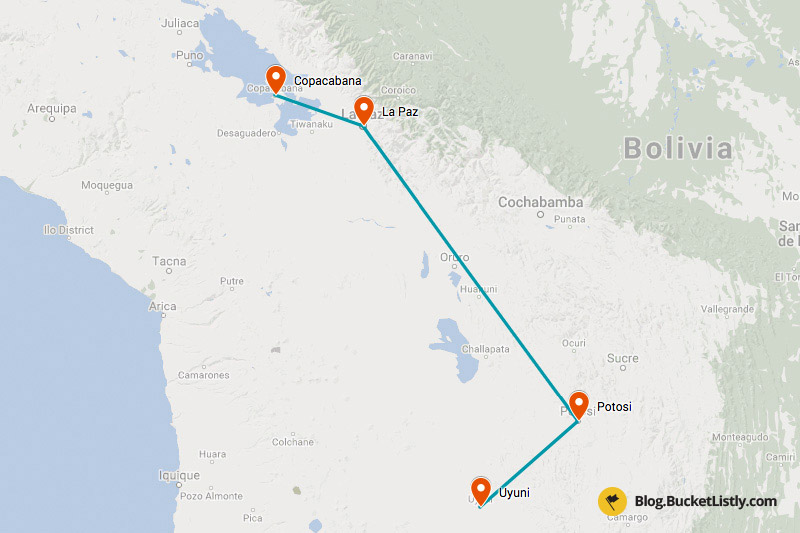
Bolivia One-Week Backpacking Itinerary Map
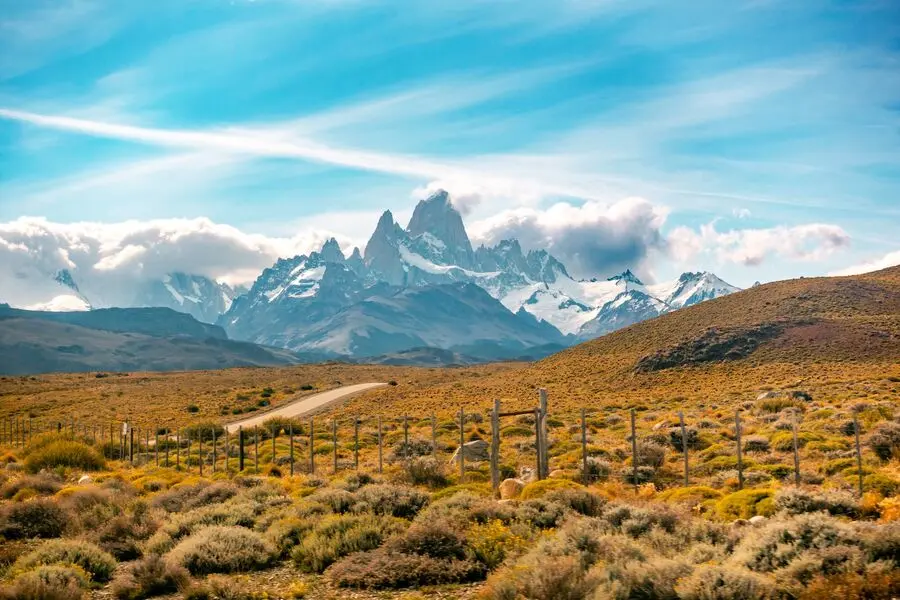
Quick Summary
| ☀️ Day 1: | Copacabana |
|---|---|
| ☀️ Day 2-3: | La Paz |
| ☀️ Day 4-5: | Potosi |
| ☀️ Day 6-8: | Salar de Uyuni |
One Week Bolivia Itinerary
Day 1: Copacabana (2 nights)

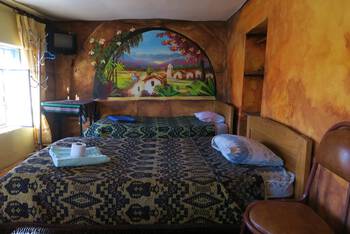
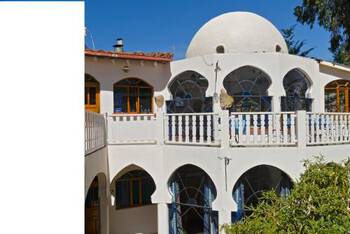
- 📍 Stay: Hotel La Cupula
- 🕐 Time: 2 nights
- 📖 Full Guide: 8 Best Things to Do in Copacabana, Bolivia (via alongsandybeaches.com)
If you are crossing the border from Peru to Bolivia, Copacabana is where you will likely begin this journey. The town is located on the bank of Lake Titicaca, the highest navigable lake in the world, which makes for a great stop before heading into La Paz, Bolivia's capital city.
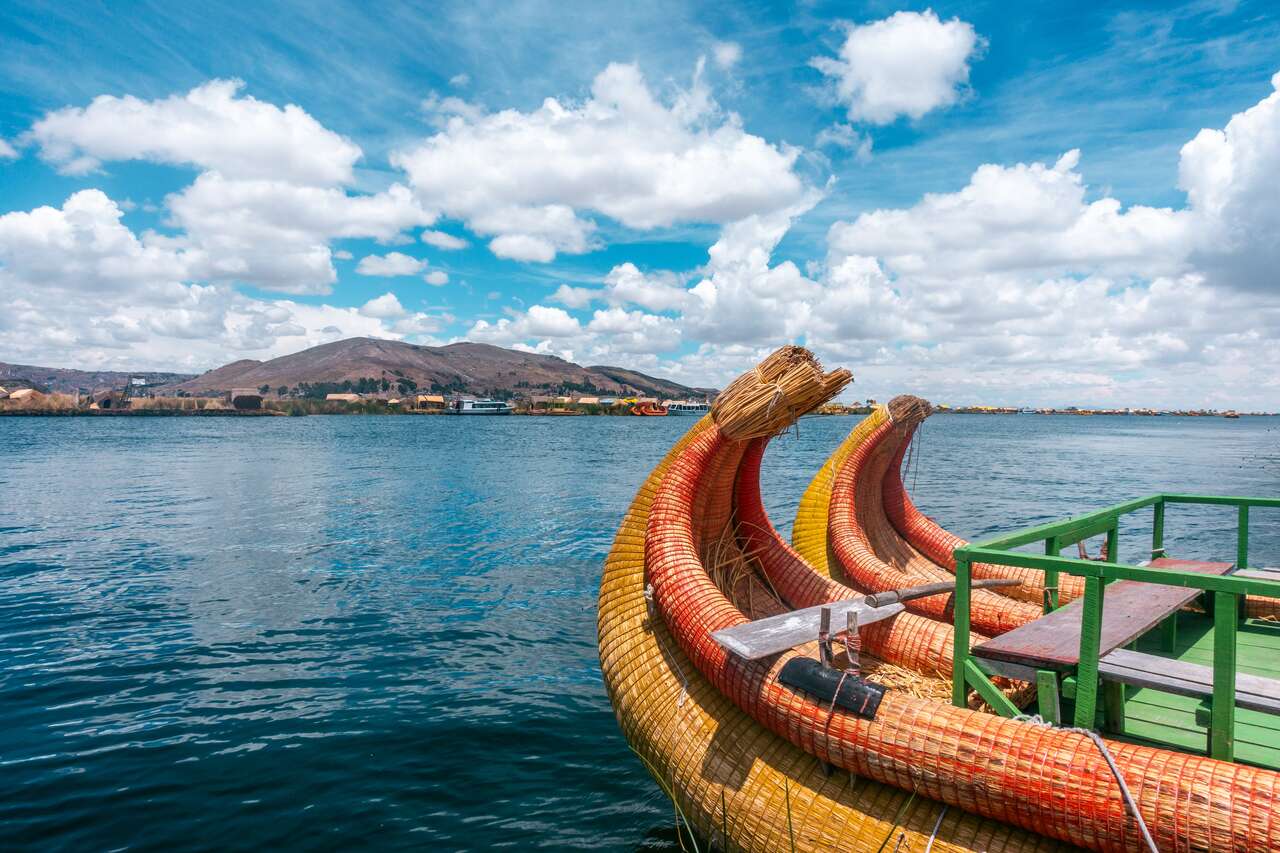
Lake Titicaca is located over 3,800 meters above sea level and it is shared by 2 countries, Bolivia and Peru. While in Peru, you have Puno, which felt a little bit like a tourist trap, Copacabana is a totally different story with its incredible sceneries, many hiking trails, and plenty of things to do to occupy you for a few days.
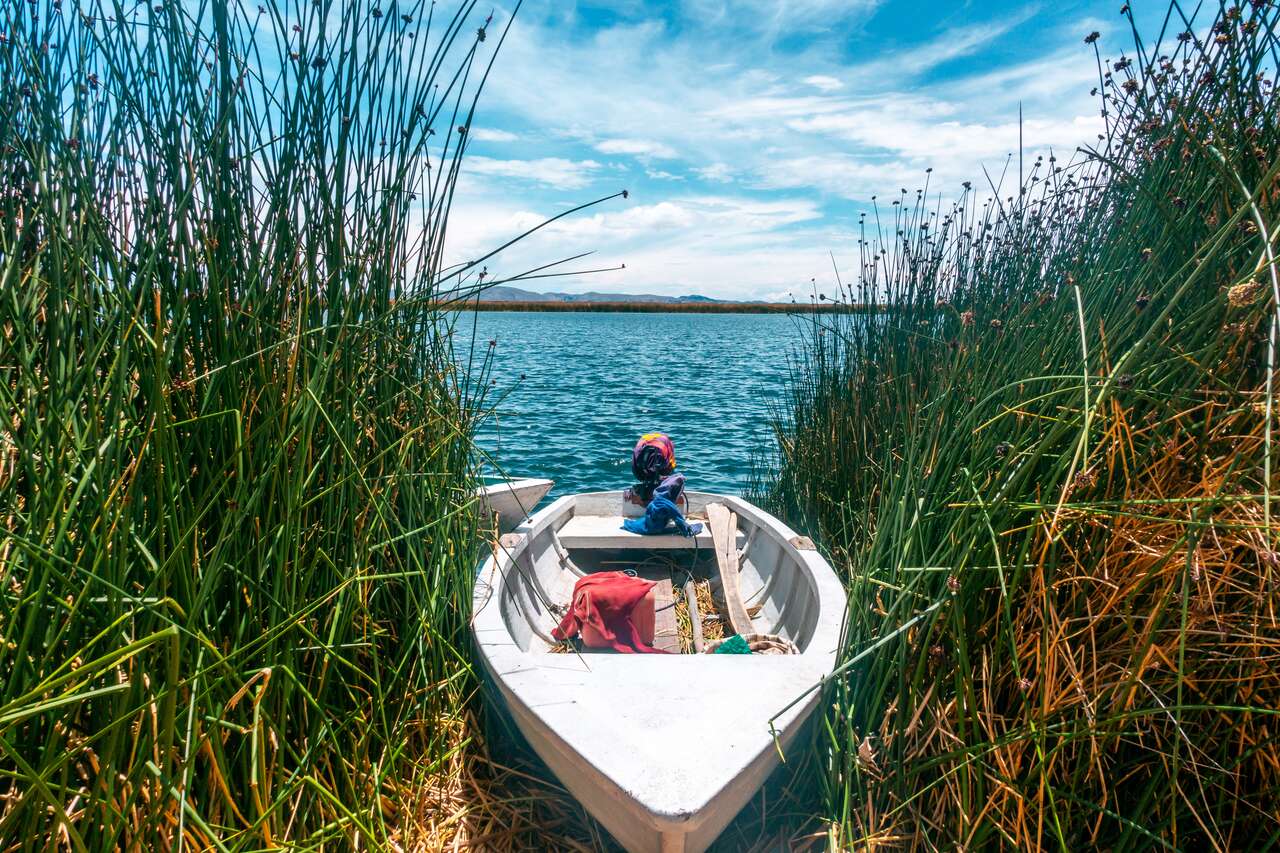
Isla del Sol and Isla de la Luna are a must-do when you are here, as you will be able to enjoy the white beach, the fresh air of the lake, and experience the authentic lives of people around the lake. You can either stay on the island overnight or do a one-day trip from Copacabana via a tour agency or through your accommodation.
- 3-Days Tour to the Uyuni Salt Flat and Colored Lagoons +Sunset+Mirror Effect (3 days) 🏅 Top Pick
- Bolivia Discovery (11 days)
- Bolivia Highlights (11 days)
If you are not crossing the border from Peru and are arriving in La Paz, you can also visit Copacabana as a day trip via a guided tour. The tour will take you to Copacabana and Isla del Sol before bringing you back to La Paz in one day which is very convenient. You can book the tour in advance here.

Getting From Copacabana to La Paz
To get from Copacabana to La Paz, you can take one of the many buses that leave for La Paz daily at the Copacabana Bus Terminal. Be sure to get the ticket directly at the bus company's ticket office and not through travel agencies, or you can simply get your bus ticket online here.
The journey will take about 4 hours, and you will have to get off the bus while they ferry the bus across a small portion of Lake Titicaca onto the main road heading towards La Paz. The price of the bus should be around $4 USD.
Day 2 - 3 La Paz (3 nights)

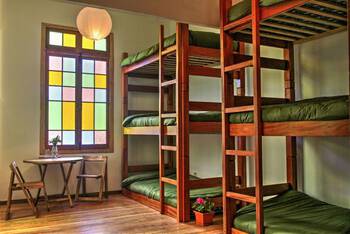
- 📍 Stay: Hostal La Posada De La Abuela
- 🕐 Time: 3 nights
- 📖 Full Guide: 13 Wonderful Things to Do in La Paz, Bolivia (via alongdustyroads.com)
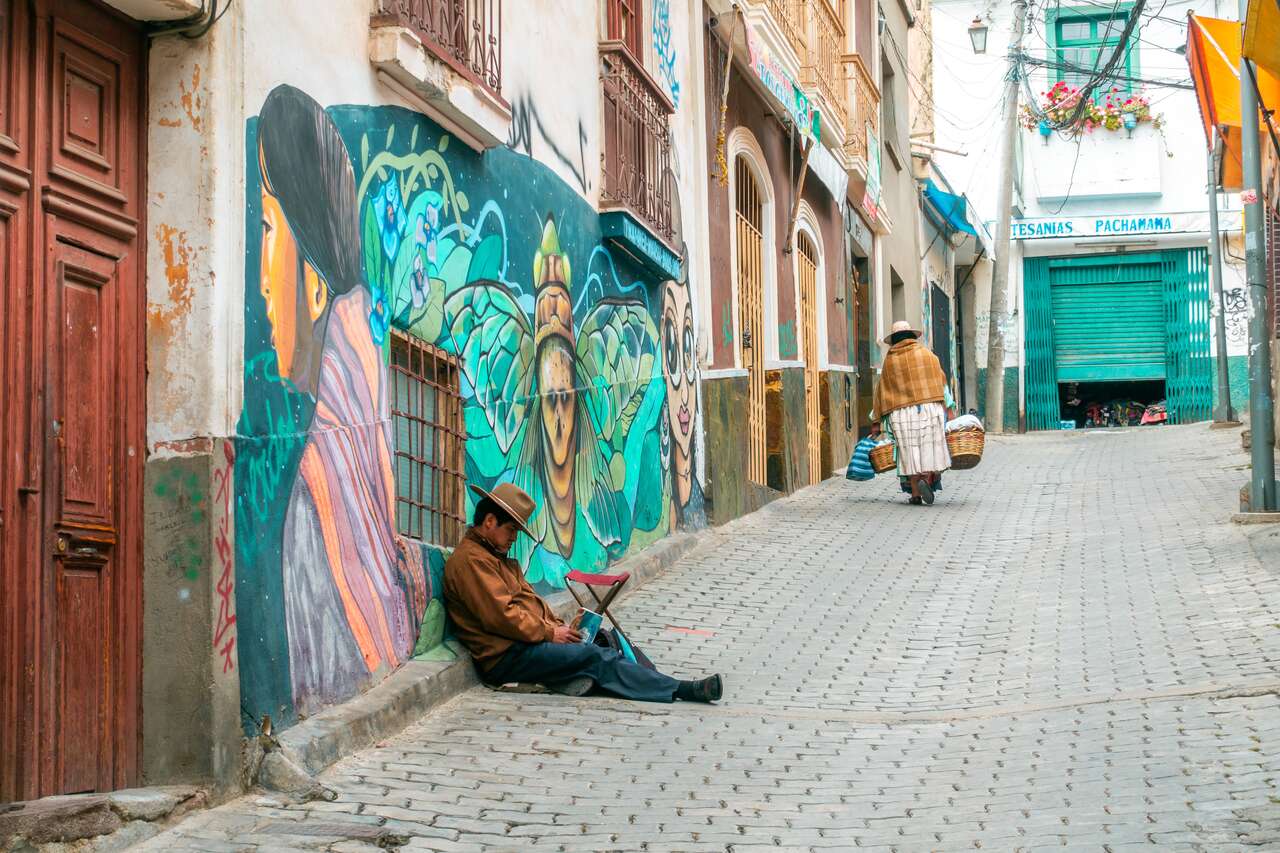
At first glance, La Paz might not seem as attractive as other South American capitals like Lima or Quito. However, the longer you spend in the city, the more you'll fall in love with its unique charms. These hidden gems, like the exceptionally friendly locals, become apparent when you take the time to explore and experience the city.

Keep in mind that La Paz is considered the world's highest capital city with an altitude of 3,650 meters above sea level, so I recommend you spend the first day, taking it slow and acclimatizing to the altitude. Trust me, you are going to feel it the moment you arrive in the city.

You can spend your first day walking around La Paz's Town Square and visiting the Witch's Market to see some truly unusual items for sale. Even if you're not interested in witchcraft, you might find some South American souvenirs here at a cheaper price than in other countries.
In the evening, you can get a taxi and drop by the Moon Valley (Valle de la Luna) to enjoy a walk amidst the spectacular maze of rock formations that are as out of this world as any other landscape in Bolivia.
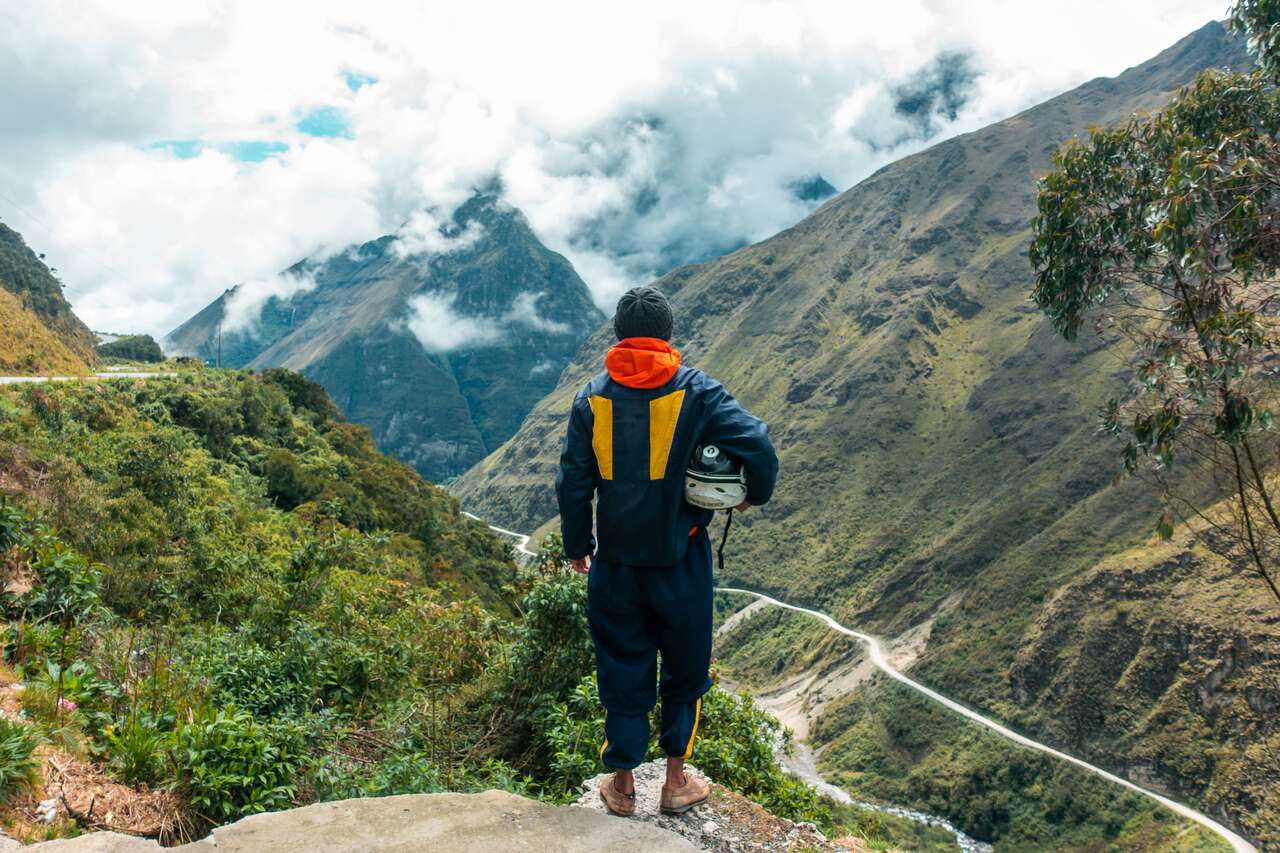
The next day, go on a mountain bike tour to tackle the infamous Death Road bike trail down the side of a mountain. It can be a little touristy at times, but I still think the experience is well worth the hassle. It is also not as deathly as it sounds as the roads are wider than it looks in photos.

The first part of the biking trip is the most photogenic as you descend down a cloudy mountain and the valley reveals itself to you. You will be riding along the gravel road along tall cliffsides with waterfalls hovering over you, it was amazing!

For this tour, you do not have to be the best cyclist in the world to ride the road nor do you have to be physically fit as you will be going downhill most of the time, but you do have to be quite comfortable on a bike as you will have to still keep your bike stead as you descend down a gravel road.

Although a little crowded at times, it is a fun experience and definitely a must-do when you are in La Paz in my opinion. You can book the tour online here. The tour should take the whole day and you can come back to La Paz and prepare for the long journey to Potosi the next morning.


Getting From La Paz to Potosi
From La Paz to Potosi, you will have to take an overnight bus from La Paz bus terminal. The bus runs once per day at around 9 PM or 10 PM, and the journey will take you about 8 hours to reach your destination. The bus ticket should cost around 100 BOB.
I recommend that you go for either the El Dorado or Trans Copacabana buses, as they are considered to be a little more comfortable than the others. You can also book your ticket online here.
Day 4 - 5: Potosi (2 nights)
- 📍 Stay: Hotel Cima Argentum
- 🕐 Time: 2 nights
- 📖 Full Guide: Day 4 - 5: Potosi (external site)
From La Paz, you can take an overnight bus from the main bus terminal that leaves at either 9 PM or 10 PM, and you should arrive in the morning at 6 AM. Potosi is a mining town that may not be of interest to some, but for me, it has one of the most interesting and dark histories of all the places here.

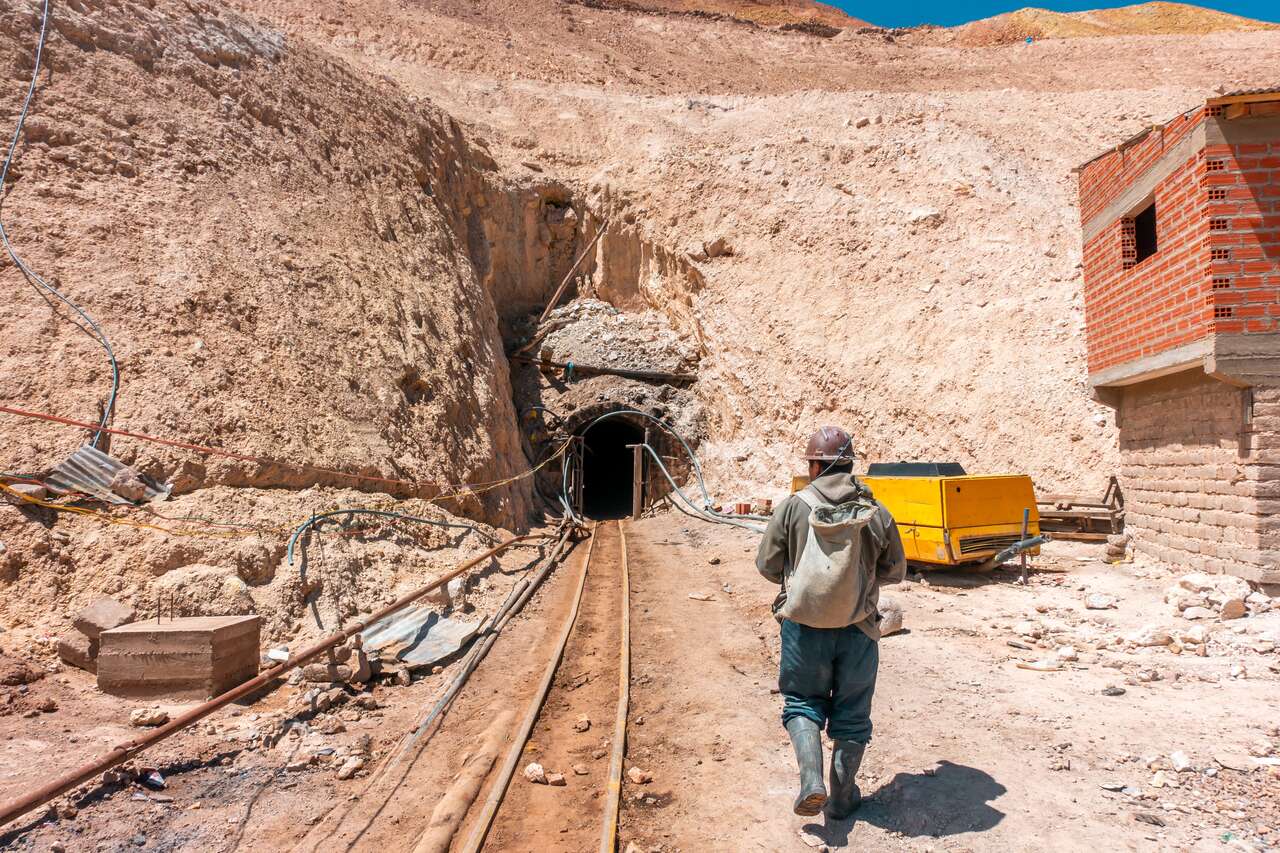
You see, Potosi is home to the Potosí Mine, a historical mine established in 1545 by the Spanish Empire shortly after Columbus set foot on the American continent. The mine enriches the Spanish Empire, so much so that it became one of the richest empires in the world, thanks to this mine.
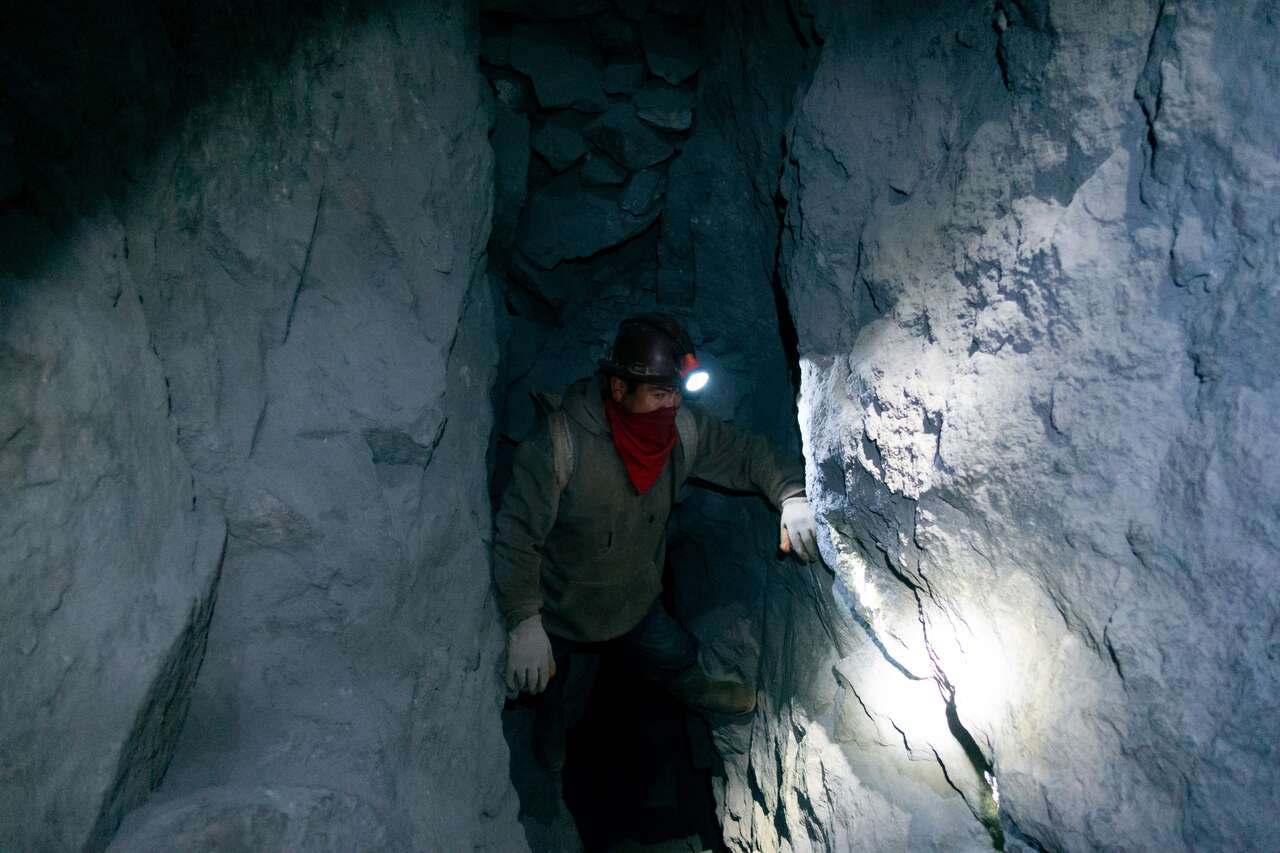
Fun fact, the mountain is also infamously known as "the mountain that eats men" due to the fact that during the Spanish Empire expansion into South America, they brought many slaves, mostly from sub-Saharan climate to work in the mine, and many of them perished due to the terrible working condition and the high altitude. It is said that the mountain has devoured more than 8 million lives ever since the Spanish began extracting it almost 500 years ago.
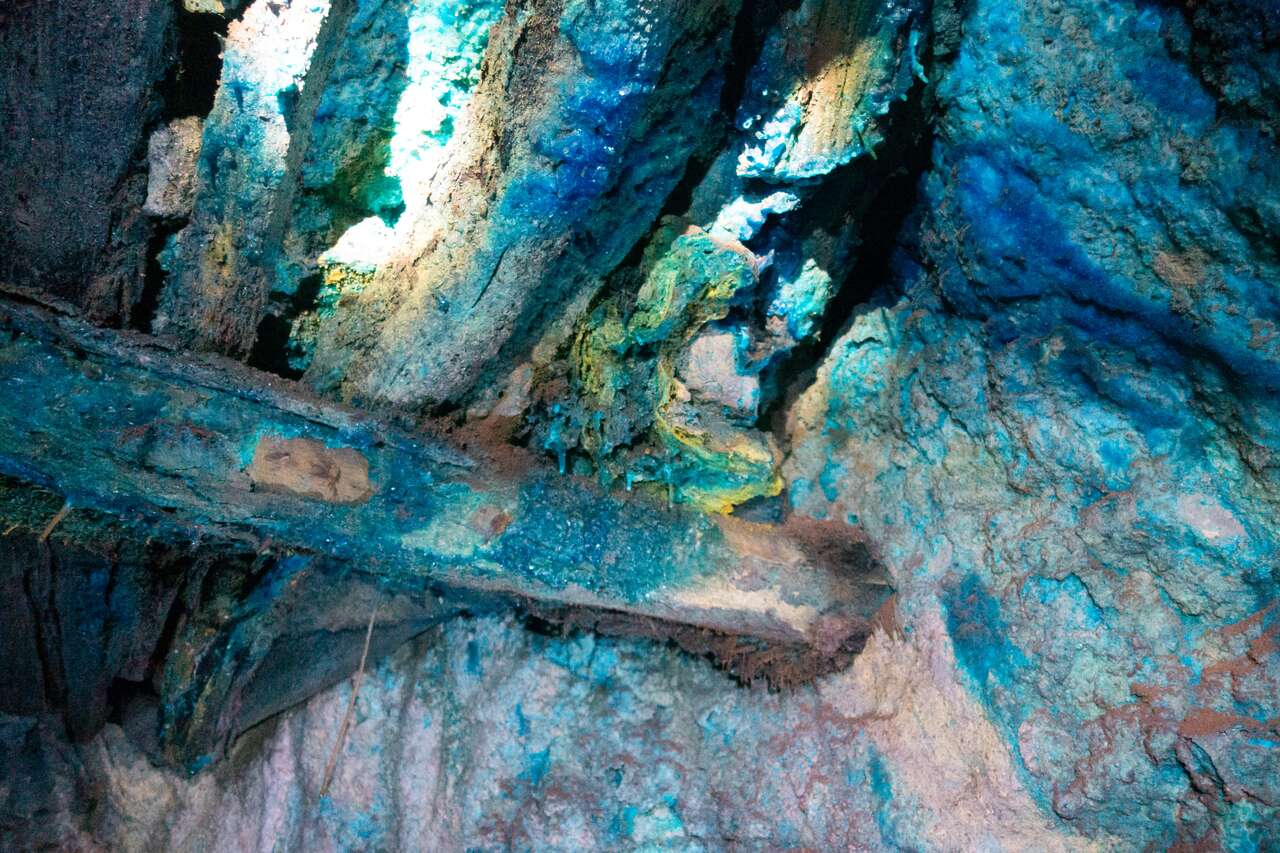
To my surprise, the mine is still operational, with many freelance miners working there to this day. My guide told me that some locals have "struck gold" (or rather, silver 😆) by discovering hidden deposits even today and those who find a deposit can claim it until it's depleted.

Unfortunately, this drives many young people to enter the mine in hopes of striking it rich, like many before them, but as they go deeper and deeper in search of silver, the conditions become increasingly dangerous, leading to numerous accidents and untimely deaths.

If you find the history interesting and you want to see it with your own eyes, I highly recommend you go on a day trip and learn more about the Potosi Mine on a guided tour. You will be able to go inside, see the condition they have to go through and get a glimpse of what life is like down there. They even have several small shrines inside for the locals working there to pray!
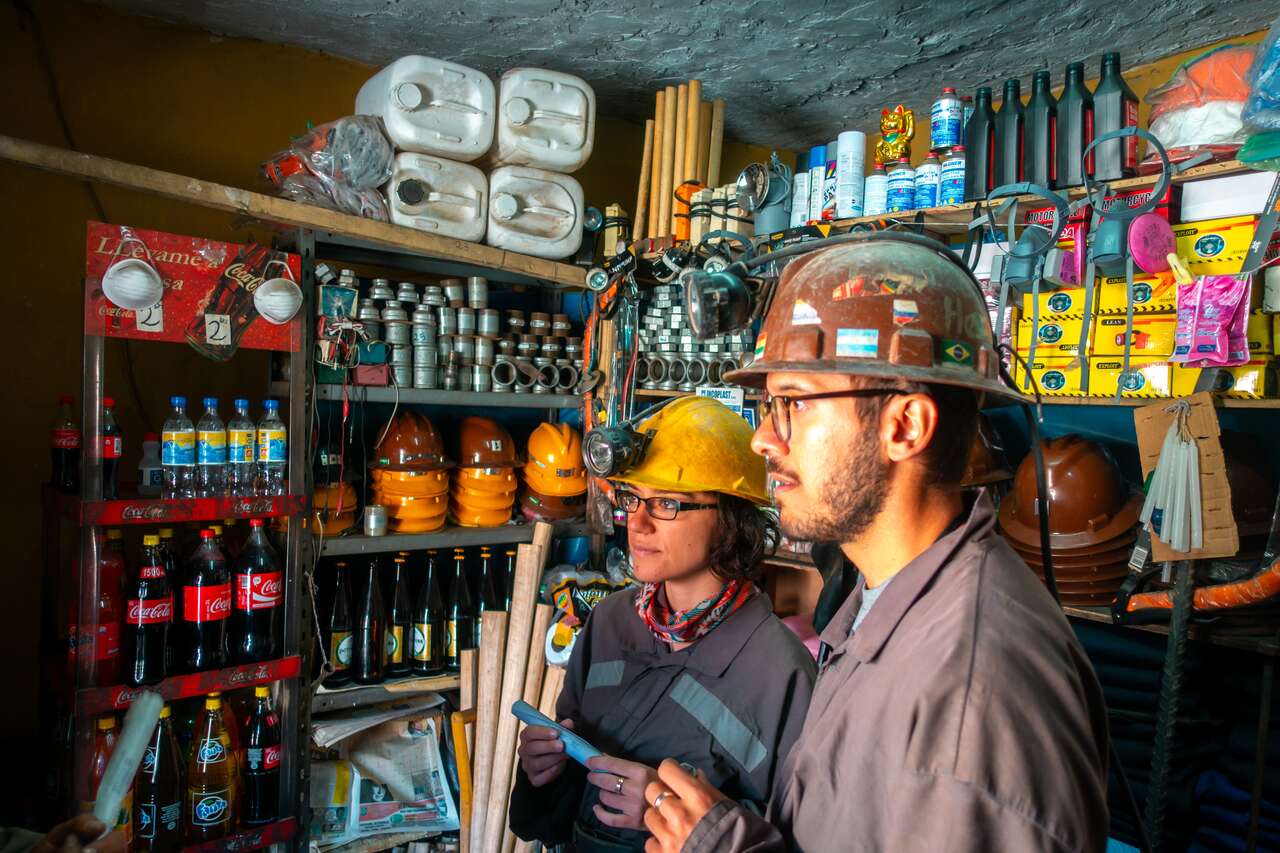
After you are done with the tour, you can spend the rest of the evening exploring Potosi and look out for shops selling coca leaves, 90% alcohol, and dynamite (yes, you read that right!), as they are all legal in Potosi 😅. Retreat for the night and prepare for the trip to Salar de Uyuni the next day.
Getting From Potosi to Uyuni
To get from Potosi to Uyuni, you will have to catch a regular bus from the new Potosi bus terminal. There are three daily buses operated by Expresso 11 de Julio, departing at 9:00 AM, 9:30 AM, 4:30 PM, and 5:30 PM (subject to change).
The journey will take about 4 hours and cost 60 BOB per person. You can book your ticket or check the bus schedule online here.
Day 6 - 8: Salar de Uyuni (2 nights)

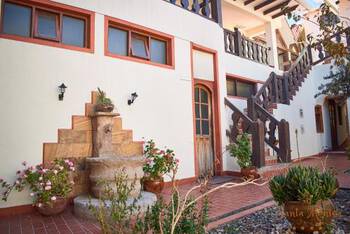
- 📍 Stay: Casa de Sal - Salt Hotel
- 🕐 Time: 2 nights
- 📖 Full Guide: 20 Best Places to Visit in South America
And now for the highlight of Bolivia: visiting Salar de Uyuni, the largest salt flat in the world, spanning more than 4,086 square miles (10,582 sq. km). It is located in the southwestern part of Bolivia and connects with the Atacama Desert in Chile, making it a great final stop before crossing the land border into Chile.
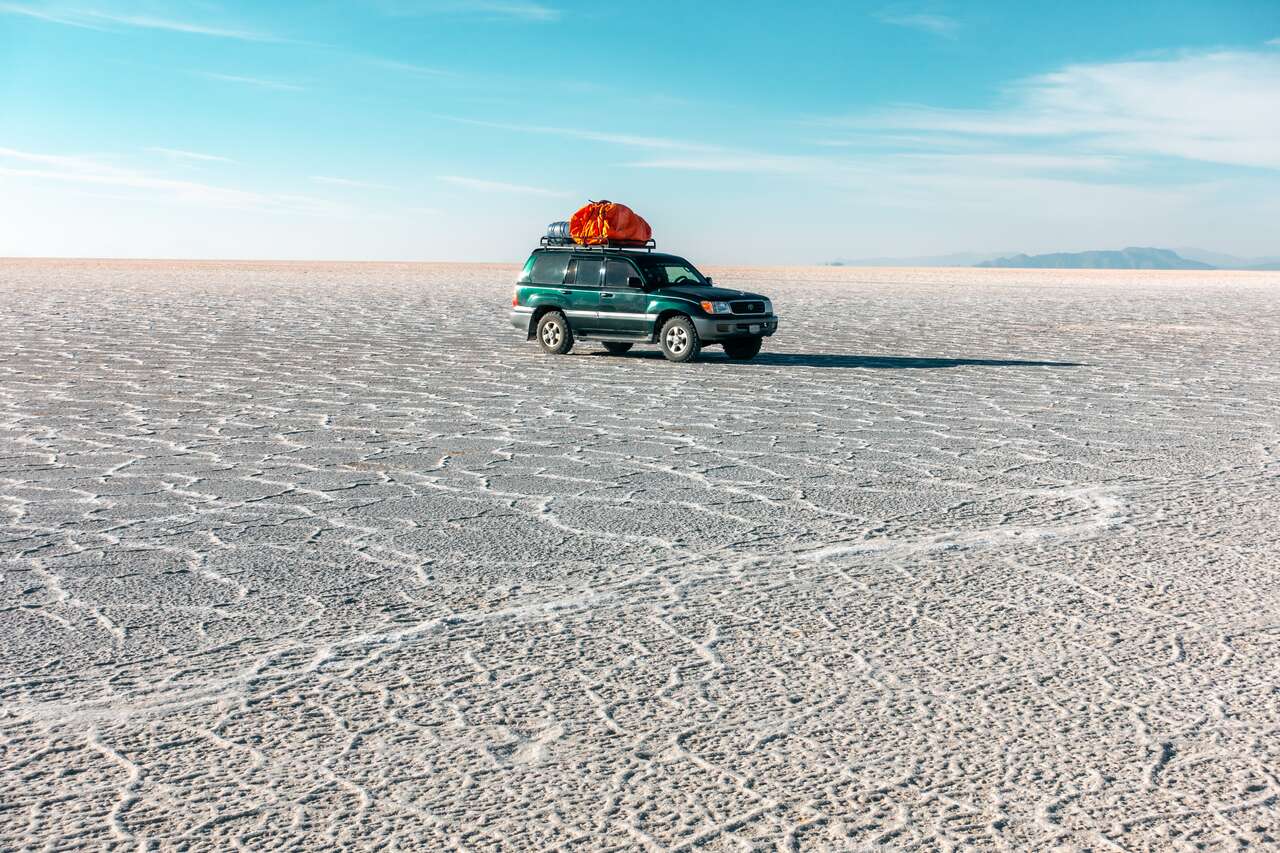
There are many tours that will take you across the salt flat, but I would recommend you go on one that will allow you to stay at least 3 days in the Uyuni like this one: 3-Days Tour to the Uyuni Salt Flat. There are so many awesome places to see that are scattered across the barren land and it would be a shame if you come all the way to Salar de Uyuni and not give it your undivided attention.

With the 3-day tour, you will also be able to see some of the most remote parts of the salt flat and experience the area the way it is meant to be as you will find a drastically fewer number of tourists the further you go. You can also choose where you want to be dropped off at the end, either back in Uyuni town or at the Chilean Border to continue your journey afterward.

The first place you will visit during your trip is the photogenic locomotive cemetery where you will find many abandoned vintage train in the middle of the desert. It's only a short stop, so make sure you get the photos you want before the crowds arrive.
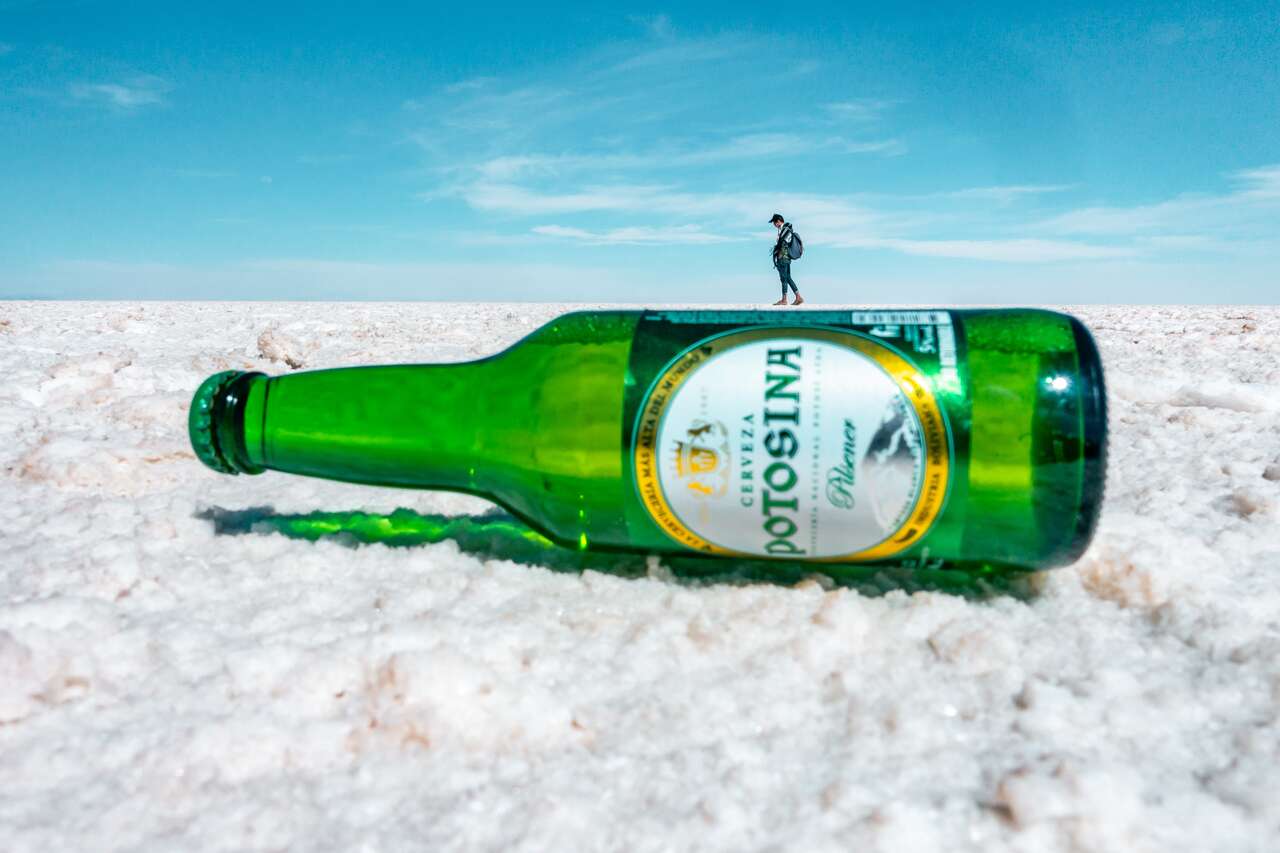
As you continue, you'll start to feel like you're cruising on the salt flat, with your surroundings becoming brighter and brighter. The guide will stop several times so you can take as many perspective photos as you want. In fact, I think my guide was even trained in taking perspective photos; he knows all the perfect angles like no one else!

Around the salt flats, you'll also find a cactus "island", which goes to show just how life thrives even in the most remote and inhospitable corners of the world. As the saying goes, "Life always finds a way". The guide will stop at the cactus island to break up the trip, allowing you to hike to the top and enjoy the view of the salt flats from above.

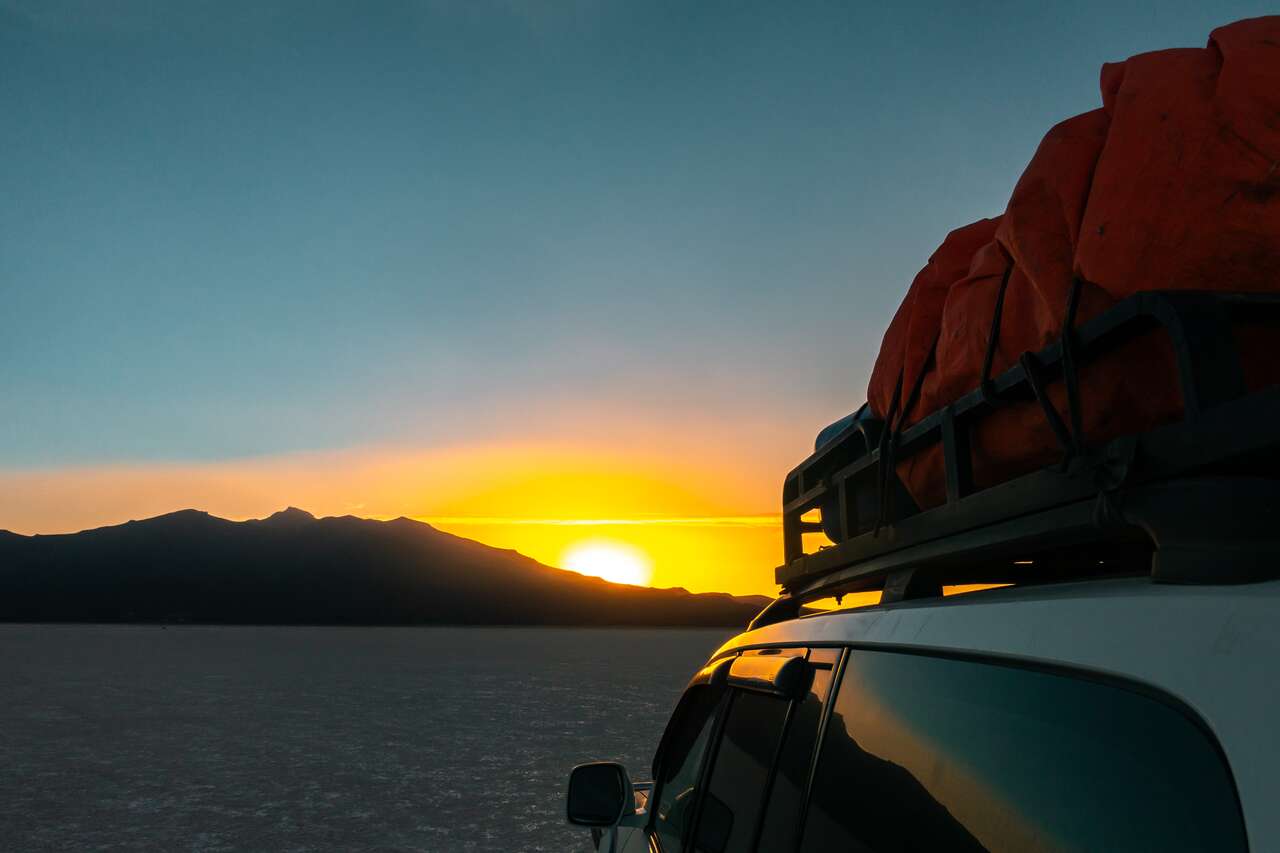
Your first day will be the only day you'll spend on the actual salt flat, so be sure to take as many photos as you can. You'll have a couple of hours on the island, and then you'll head to a different spot to watch the sunset.
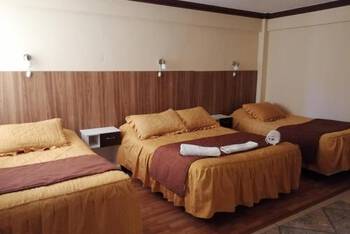
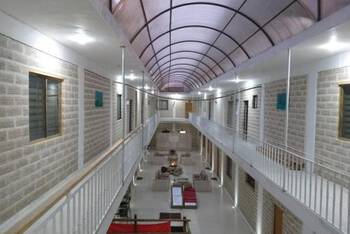
Your accommodation while exploring the salt flat is also quite unique, with your first night's hotel made entirely out of salt. Yes, salt! Everything from the ceiling to the walls, and even the tables and bed frames, is made of salt. You'll each have your own room with a built-in bathroom and access to water 24/7, so no need to worry about your sleeping arrangement on the tour. You will be well taken care of.

On the second day, you'll explore a thermally active area of the salt flat, surrounded by volcanoes, hot springs, geysers, and lagoons, making you feel almost like you're on an alien planet. The entire experience is truly mind-blowing, which is one of the reasons I highly recommend opting for a 3-day tour. You won’t be able to experience this part of the salt flat on a day trip from town.
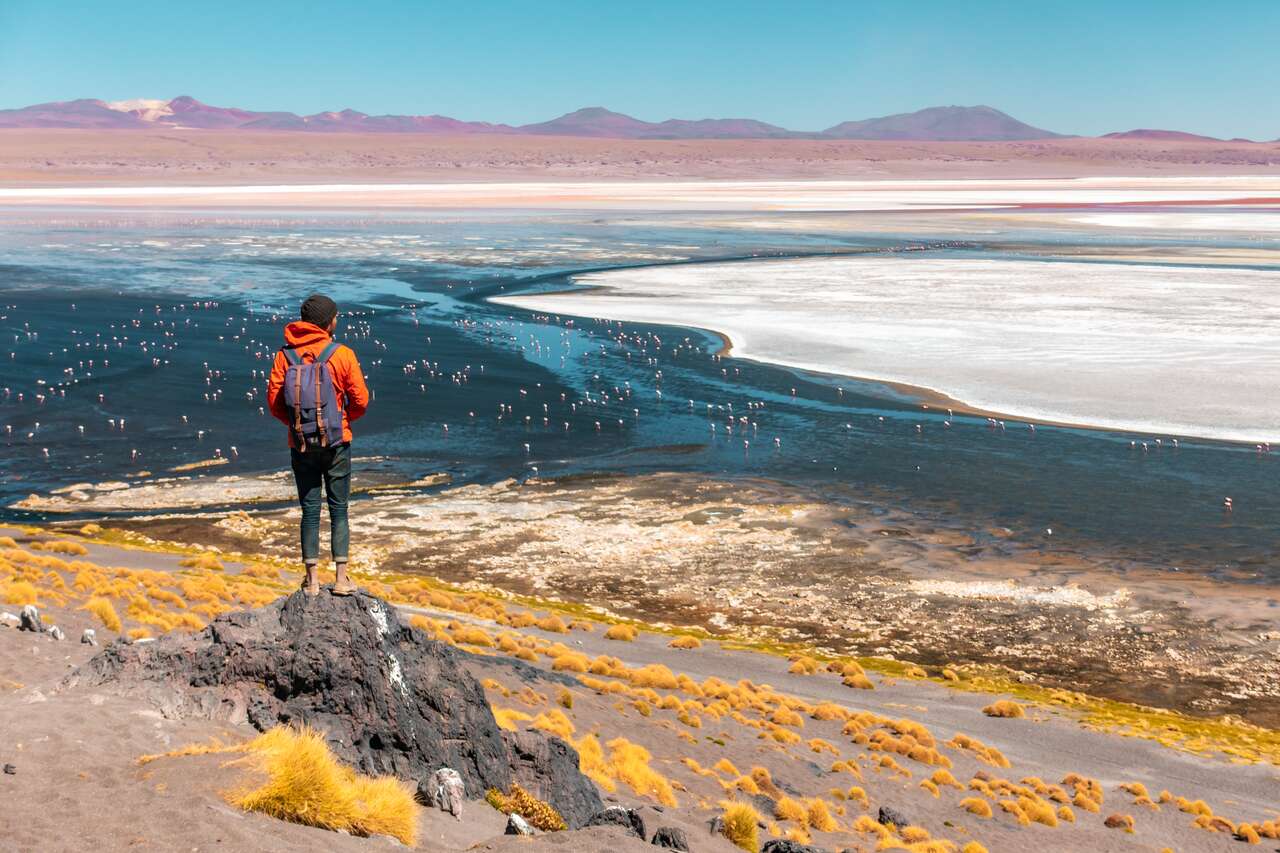
The Red Lagoon is undeniably one of the most beautiful lagoons I have ever seen. Hundreds of flamingos feeding on the red algae, perfecting their pink feathers, and showcasing their elegant features make for quite a sight to behold.
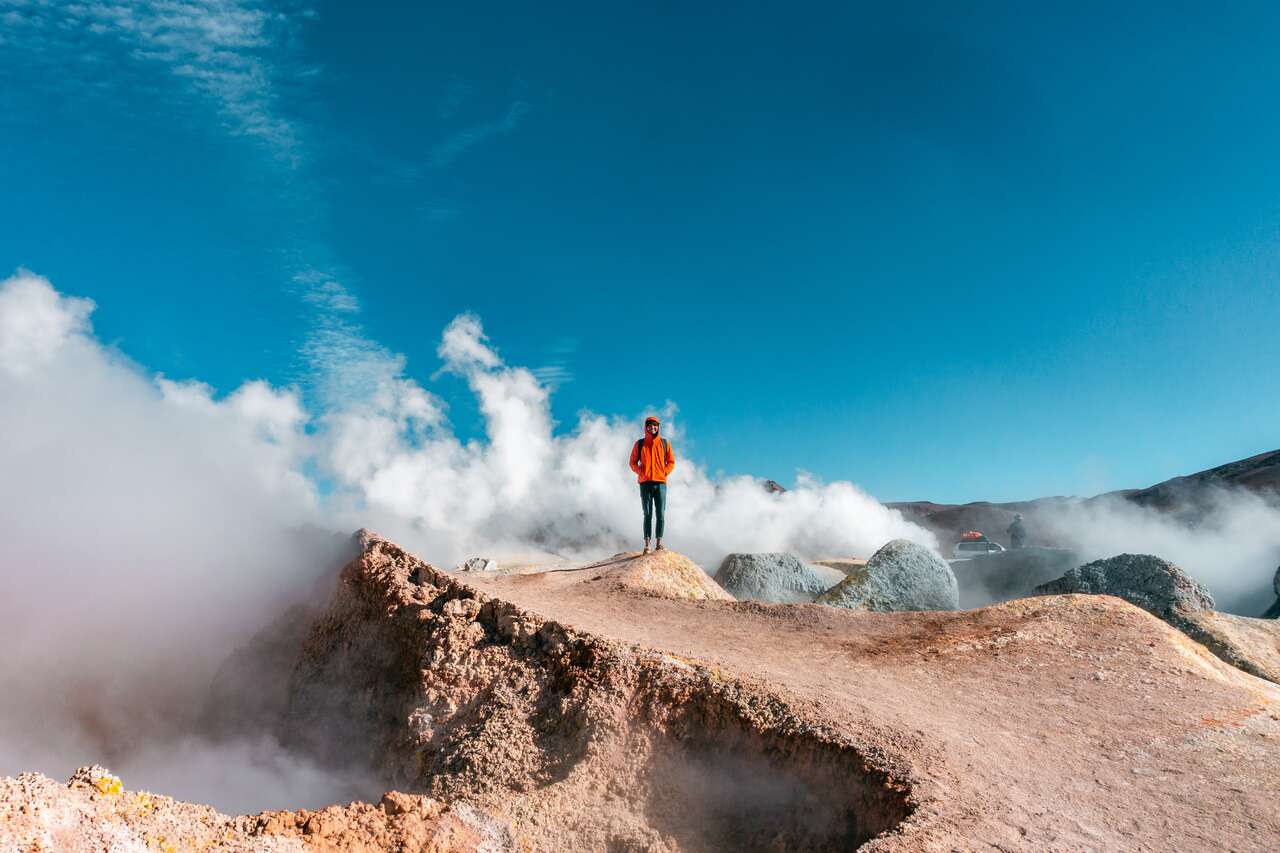
Another of my favorite spots is the Sol de Mañana, a collection of over 80+ geysers with fume coming out of them creating a dreamlike landscape, but with the smell of rotten eggs 😂. Don't worry, everyone will smell like rotten eggs by the end of the day so it kinda balances it out. Haha!

It still amazes me to this day that we can find so many active geological features in such a high-altitude place like this. At this point in time, you would be standing at over 4,000 meters above sea level and you can still feel the heat radiating from the ground. Always blows my mind, thinking about it.
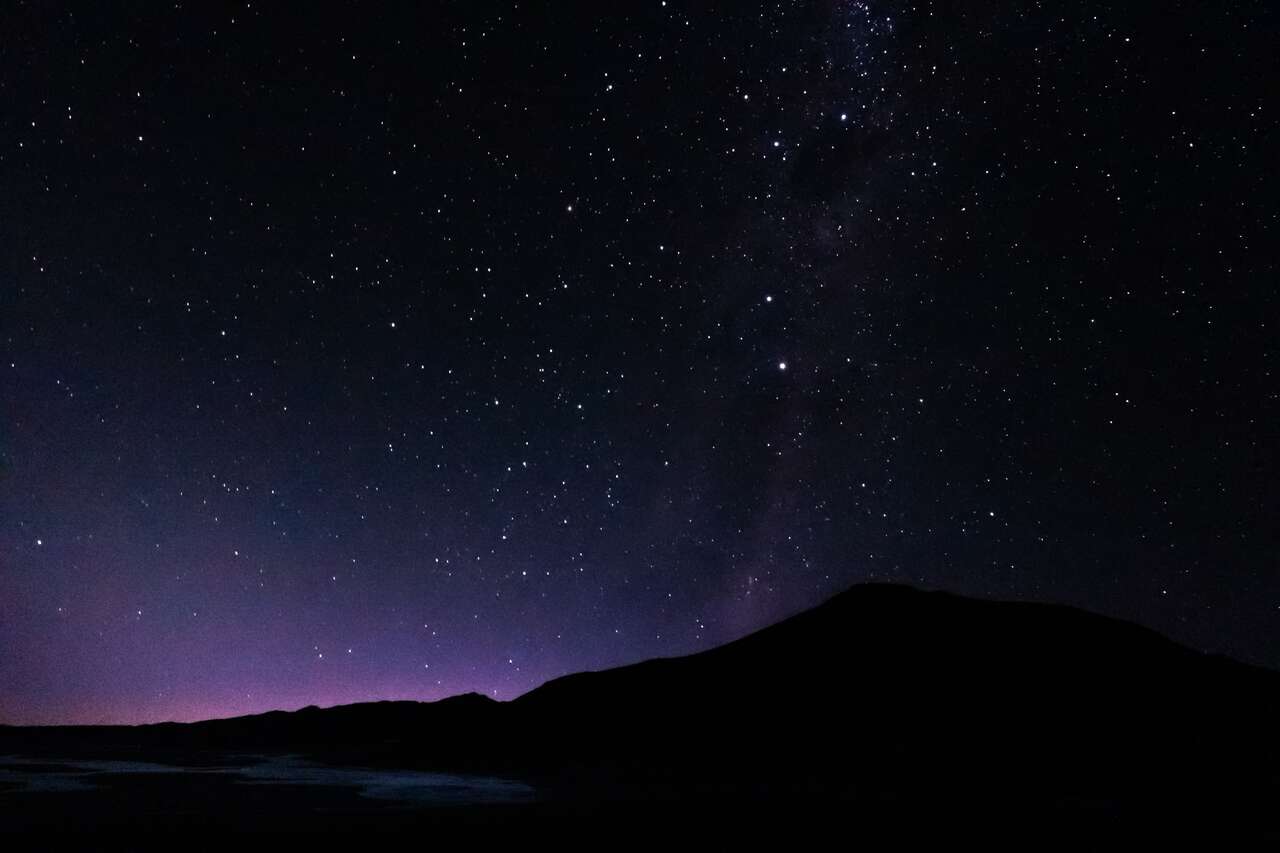
In the evening, you will have a once-in-a-lifetime opportunity to soak in a natural hot spring and relax with your tour mates under the stars, 4,700 meters above sea level. That is not something you can do every day!

On The third day, you will be visiting Green Lake and explore the dreamlike landscapes of the Dali Desert, a place with such an alien feature that some said had inspired Salvador Dali, a famous painter, to create his famous artwork, the Persistence of Memory (1931).

After that, if you choose to go to Chile next, the tour will drop you off at the border, and they will buy the transfer ticket to Pedro de Atacama for you. If not, you will be driven back to Uyuni in about 6 hours, where you can then head back to La Paz, concluding this itinerary. Congratulations!
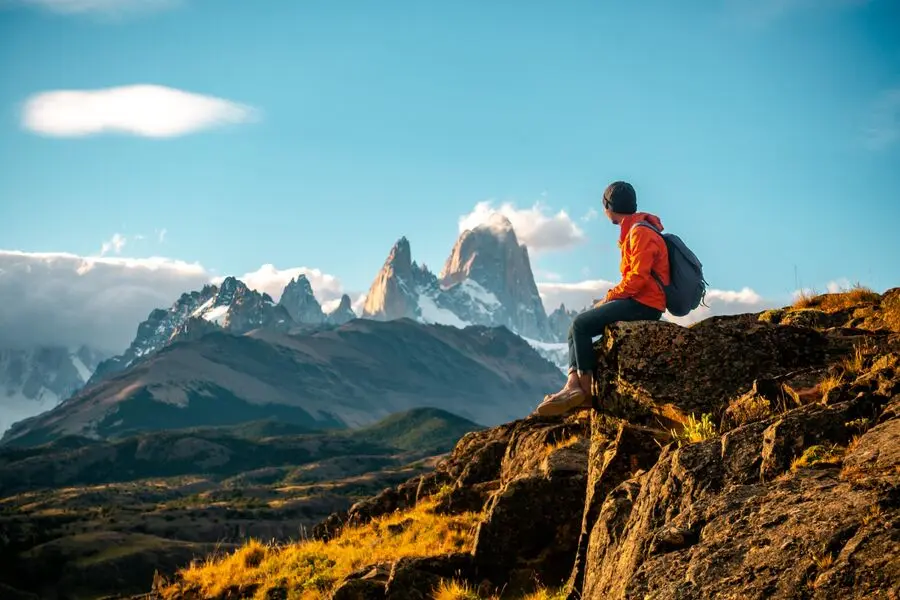

Why Visit Bolivia?

One of the most diverse countries in South America, Bolivia does not just offer the unique Andean culture for history buffs, but also an unmatched level of wilderness and nature like nothing you have seen anywhere in the world, waiting for you to explore. For collectors and shoppers, Bolivia is one of the cheapest countries to travel to in South America, and if you are looking to buy any souvenirs back home, Bolivia is the place to do it!
When to Visit Bolivia?

May to October offers a better chance of having good, clear weather, but as for my personal preference, the shoulder season (which is around November to February) is the perfect time for me.
Also, if you want to get the best experience out of Salar de Uyuni, come to Bolivia in February during the rainy season. And if you are lucky, you might be able to see the largest mirror in the world at the salt flat, as the water accumulates and reflects the blue sky, creating infinite possibilities for perspective photography.
How to Get to Bolivia?
The best way to get here is to fly if you are coming from abroad. I would recommend you browse through Skyscanner or Expedia to find a cheap flight from where you live to La Paz. If you are already in Peru, the cheapest way to travel to Bolivia is to take a bus from Lima to Puno and from Puno to La Paz.
How To Get Around Bolivia?

In cities like La Paz, where it is plagued by crazy traffic jams, taxis are the easiest and most comfortable way to move around. Since La Paz is hilly, navigating the city by public transport may be impossible when you first arrive, especially if you do not speak Spanish. So, taking a taxi is the way to go. The good thing is, that taxis are very cheap in Bolivia.
For intercity routes, buses are the cheapest way to get around. The quality of buses can range from acceptable to fully reclining bed comfortable. When you book a bus, just make sure you book either the semi-cama or cama seats.
I prefer El Dorado as my choice of bus company because it is one of the most well-known, and the bus quality is very acceptable.
Which tourist SIM card is best for Bolivia?
Update: If your phone supports eSIM, I highly recommend checking out Airalo, a global eSIM marketplace. It allows you to stay connected affordably while traveling in Bolivia without having to switch out your physical SIM card.
Gone are the days when you needed to scramble to find a local SIM card at an airport upon arrival. You can purchase an eSIM before your arrival, and you'll be good to go. If your phone doesn't support eSIM, here is how you can get a local SIM card in Bolivia:
Internet access in the La Paz and Potosi city areas is widely acceptable. With a SIM card from Entel, you can get 3 GB for only 140 Bs (20 USD)! That is really cheap! However, do not expect any internet access while you are in the Salar de Uyuni salt flat throughout the entire 3 days.
Tips: To stay connected with people at home, be sure that you have a VPN, such as ProtonVPN, installed before traveling. It's FREE, and you can gain access to services that may be blocked in certain countries.
Daily Budget


This location is less expensive than most countries, but it's not exceedingly cheap. Expect to spend around $30 - $50 USD per day per person, which includes both accommodation and meals.
Please keep in mind that these are suggested daily budgets based on my own style of travel, which leans more towards the budget side of things. If you aim to stick to this budget, anticipate sleeping in dormitories, dining out only occasionally, and being comfortable with the cheapest and most convenient modes of transportation, which often involve a considerable amount of walking.
Disclaimer: This post may contain affiliate links. See our disclosure policy.
First Published:
Last updated:
2 Comments
Hi Pete! Thank you for this blog. I am planning a trip to Bolivia. I would also love to see the Milky way while there. You mentioned rainy season vs. the dry season. If I did this trip during the rainy season, would I be able to still have the milky way views? Thank you
Hi Becky,
Thank you for the comments! It will really depend on how clear the sky will be that day. Rainy season is beautiful if the sky is clear. You can always look at the weather forecast and plan your trip according to that. Also, you will have to align yourself on the day where there is no moon. Look through a moon calendar and plan your trip when it's pitch dark at night in Bolivia. That way you will see the milky way in its gloriousness.
I hope this helps!