

"The lungs of the Earth", Borneo, is an island in Southeast Asia shared by three countries: Malaysia, Brunei, and Indonesia. It is home to some of the world's oldest tropical rainforests, with ecosystems that have evolved over well over 100 million years, and it remains one of the last major refuges for endangered wildlife such as the Bornean orangutan.
In this guide, we will explore the wonderful nature and wildlife the island has to offer, from Kuching to Kota Kinabalu. Let's begin, shall we?

Borneo Itinerary Map
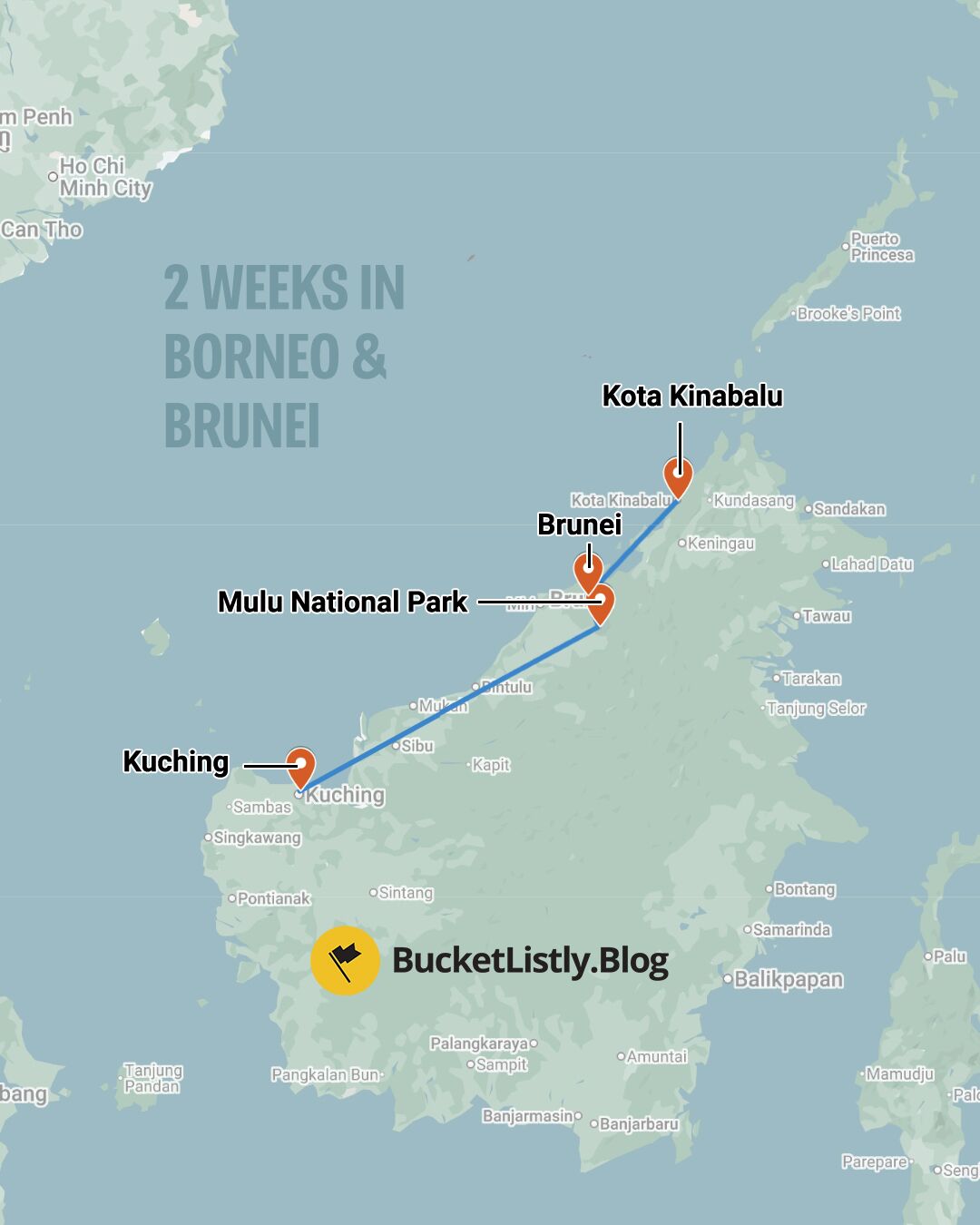
Quick Summary
| ☀️ Day 1-2: | Kuching |
|---|---|
| ☀️ Day 3: | Bako National Park |
| ☀️ Day 4-6: | Mulu National Park |
| ☀️ Day 7-8: | Brunei |
| ☀️ Day 9-12: | Kota Kinabalu |
2 Weeks Backpacking Borneo & Brunei Itinerary
Day 1 - 2: Kuching (3 nights)

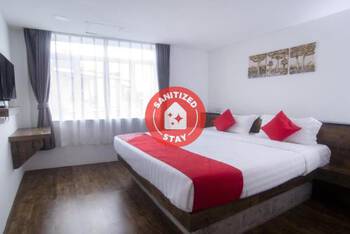
- 📍 Stay: OYO 836 Mandurah Room & Cafe Near Hospital Umum Sarawak
- 🕐 Time: 3 nights
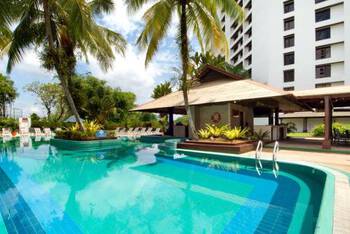
There are many places to visit in Borneo, and one of the main cities that you will likely arrive in when visiting Borneo is Kuching, the charming capital city of Sarawak.
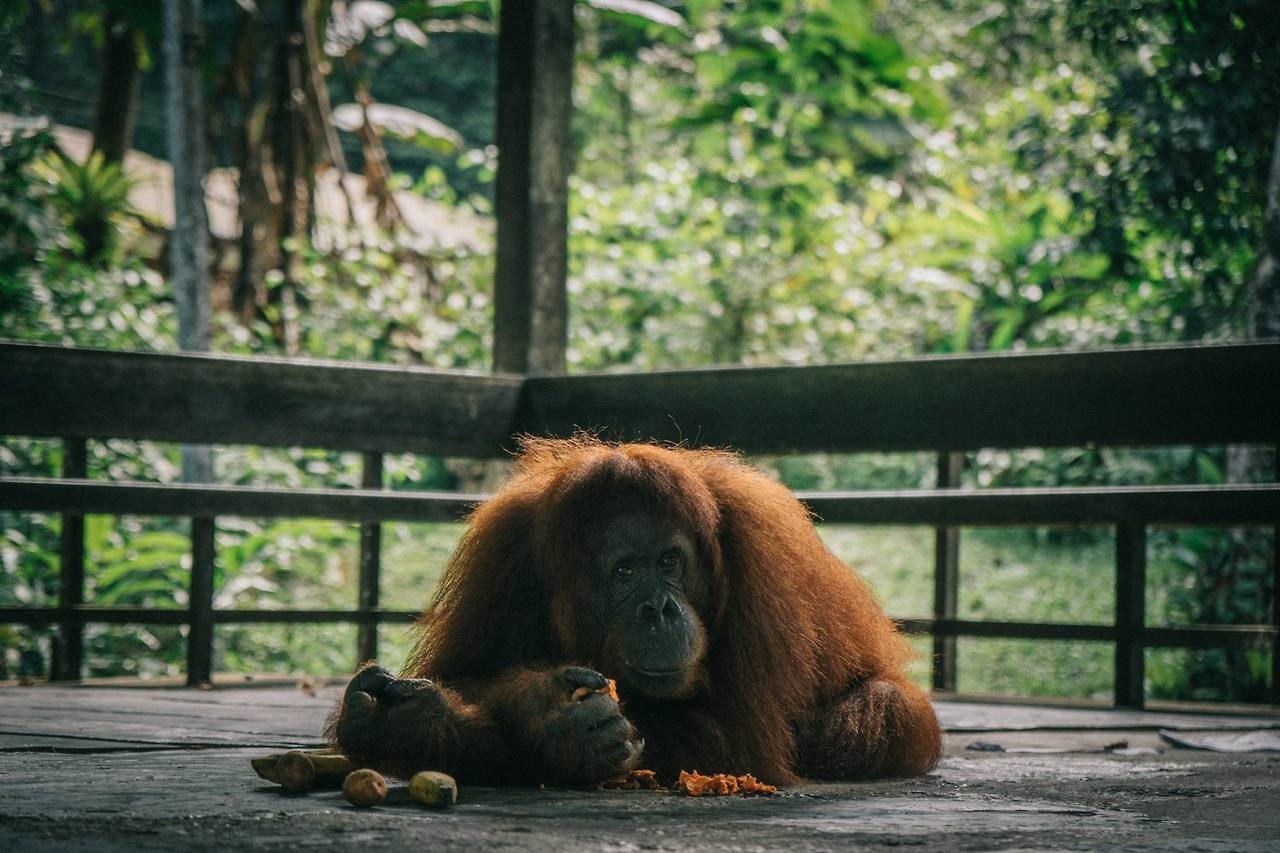
Borneo is all about nature and its unique tribal culture, and one of the first places you should visit in Kuching is Semenggoh Nature Reserve, where you can see semi-wild orangutans living in the surrounding forest. The reserve is open for two visitor sessions, from 8 AM to 10 AM and 2 PM to 4 PM, with feeding around 9 AM and 3 PM. As of 2026, entrance costs 10 MYR for foreign adults and 5 MYR for foreign children aged 6–17. Sightings are never guaranteed, which is part of what makes seeing them here feel so special.
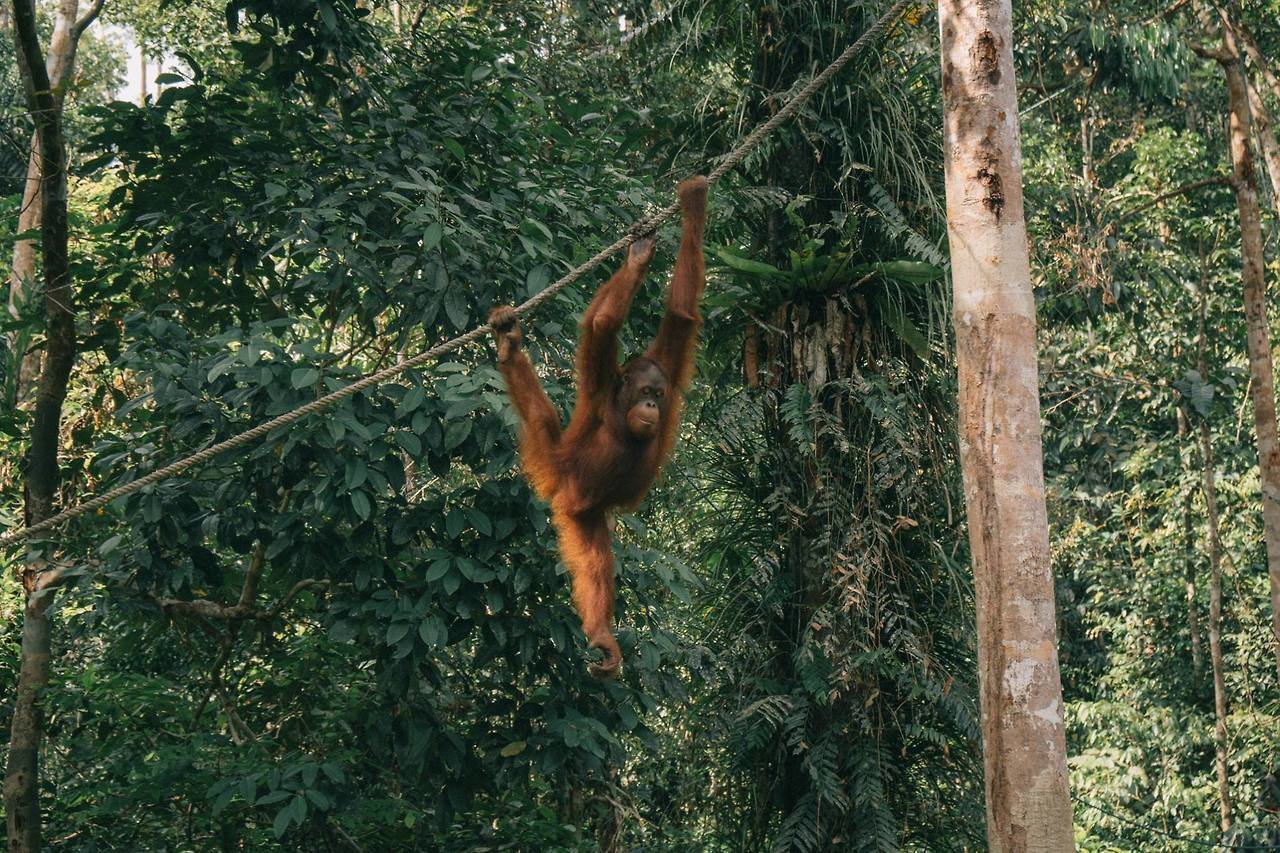
Seeing the semi-wild orangutans swinging through the forest was definitely the highlight of visiting Kuching for me. Kuching itself is also worth exploring, with a relaxed vibe and plenty to do, such as visiting the beautiful Tua Pek Kong Temple, the New Sarawak Parliament, or simply strolling along the Sarawak River at Kuching Waterfront.
- Borneo East Sabah Adventure (8 days)
- Sabah Adventure (11 days)
- Borneo Wildlife Discoverer (15 days)
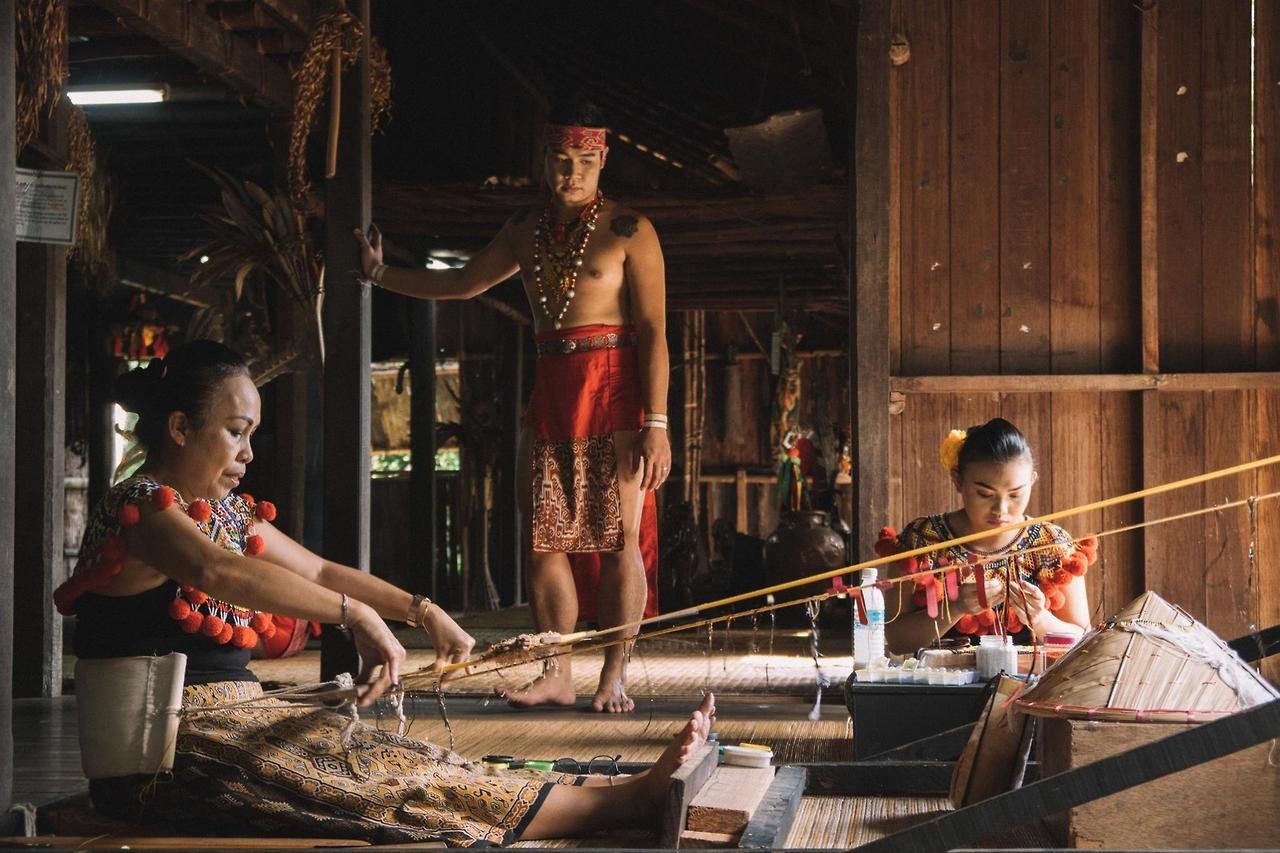
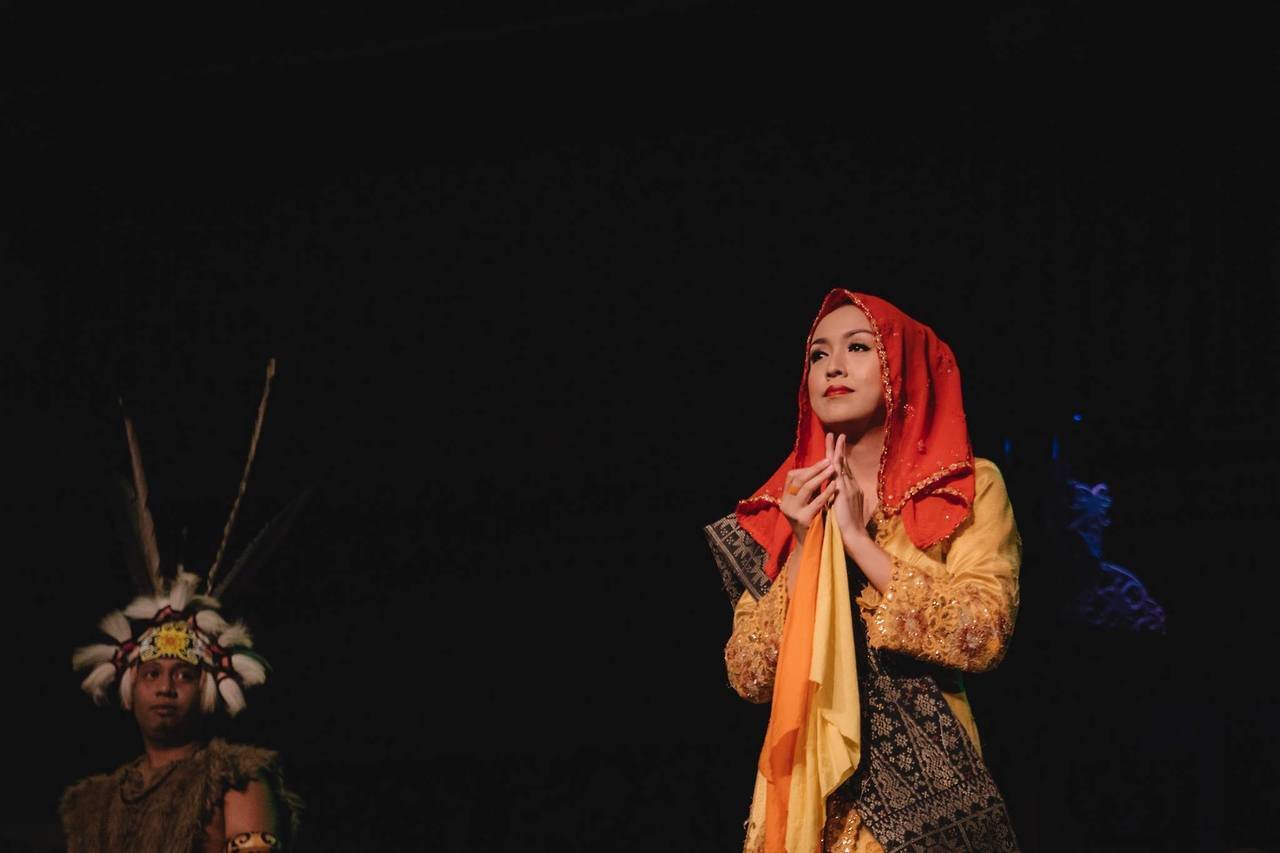
If you are interested in the history of Sarawak, I highly recommend you visit Sarawak Cultural Village, a living museum where you can learn more about Sarawak's cultures and traditions, from traditional longhouses and architecture to dance performances. It was an eye-opening experience, and I learned a lot about Sarawak and its people. As of 2026, a standard adult ticket for non-Malaysians costs 155 MYR at the gate or 135 MYR when bought online.
If you really want to go off the beaten path in Malaysia and see what the other side of what you experience on the Malaysian peninsula is like, Kuching is a great place to start your Borneo journey.
Day 3: Bako National Park (1 night)
- 📍 Stay: Government provided hostel
- 🕐 Time: 1 night
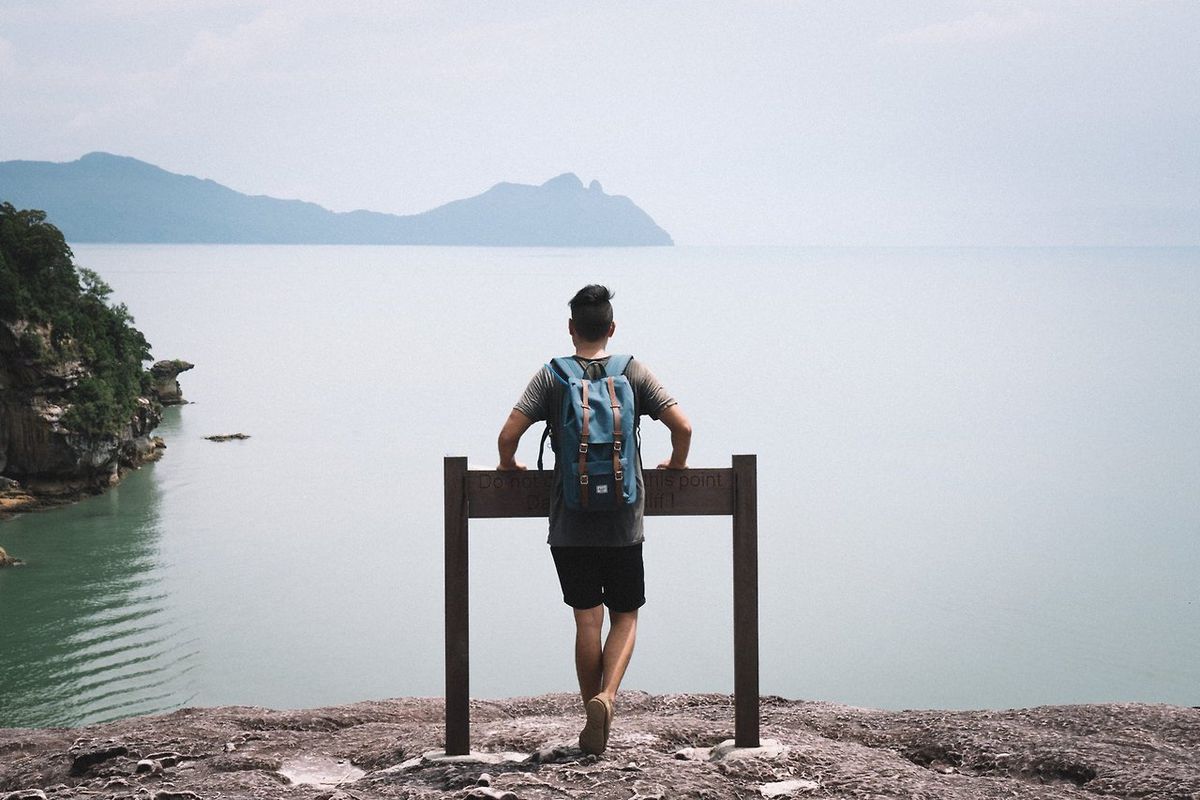
Bako National Park is the oldest park in Sarawak, and it is located not too far from Kuching, at the tip of the peninsula where the Bako and Kuching Rivers begin.
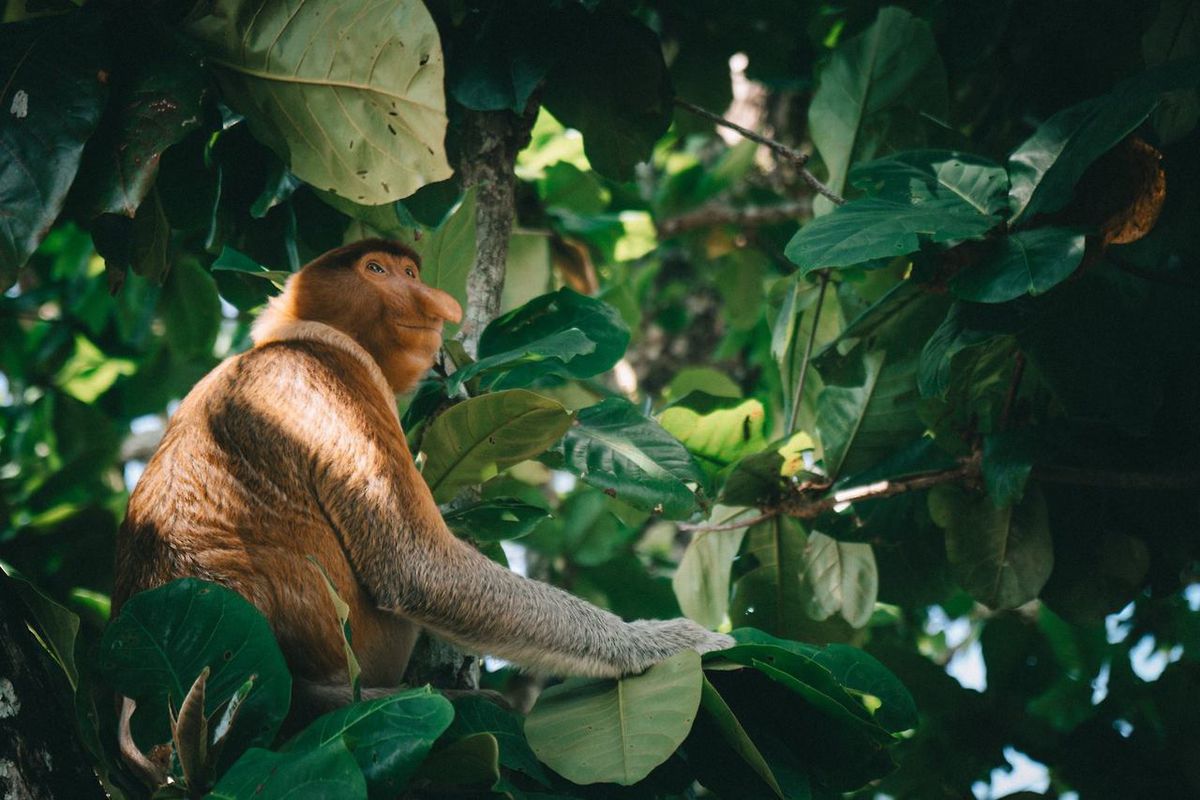
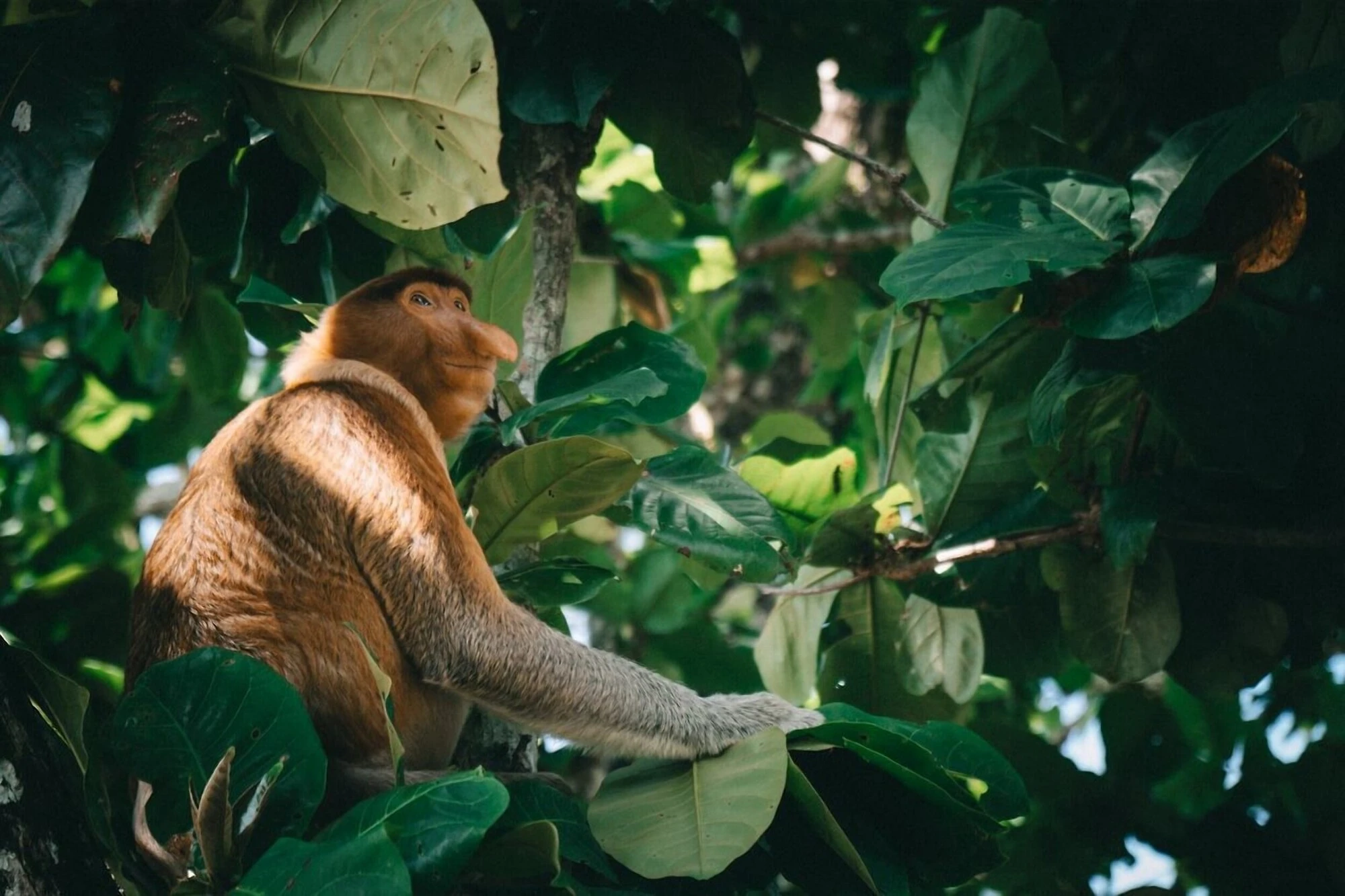
Bako National Park is home to some of the most endangered primates in the world, such as the funny-looking proboscis monkeys, as well as other rare animals like the long-tailed macaque and Bornean bearded pig.
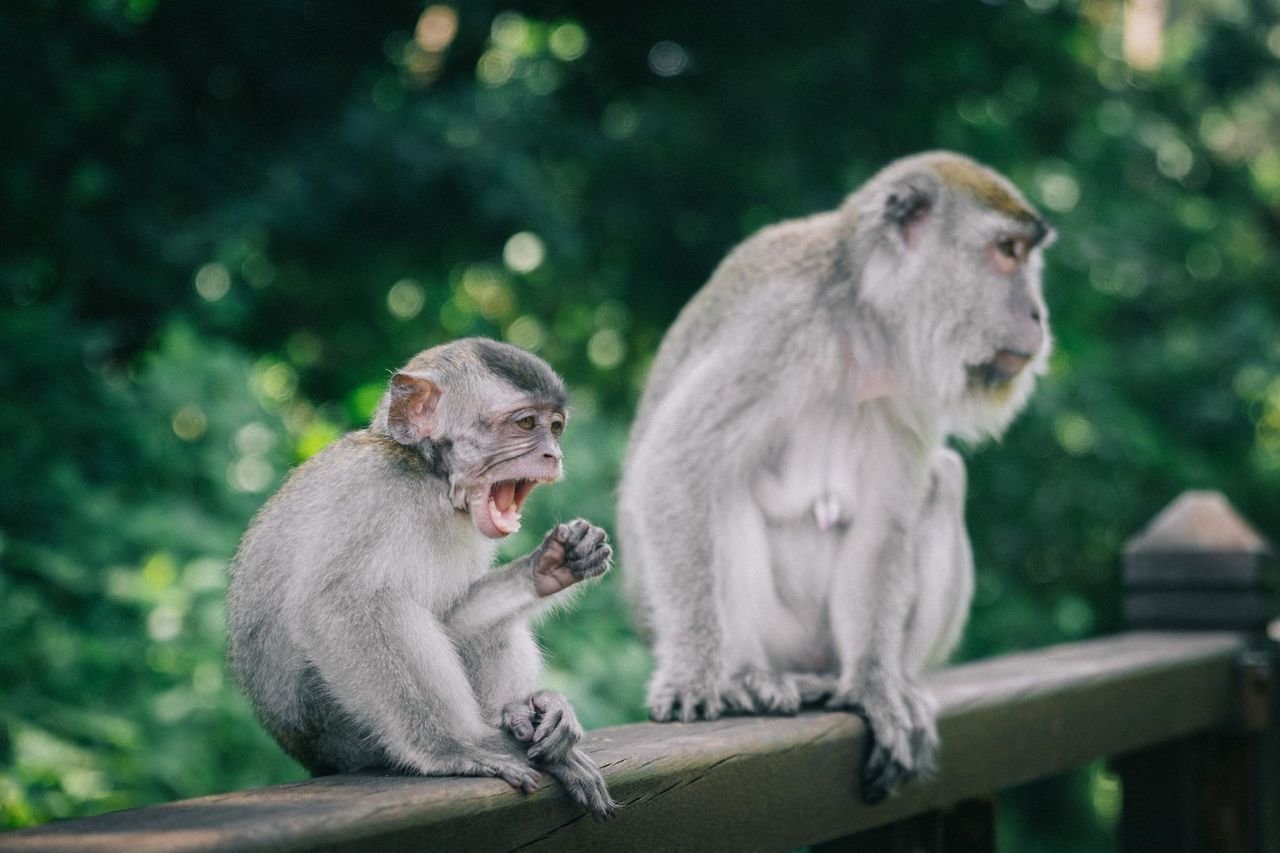
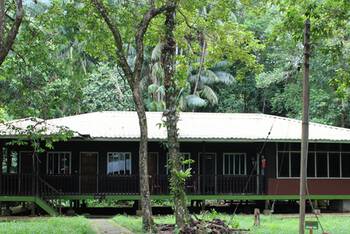
There is a government-run camp that visitors can book for an overnight stay, where you can sleep right inside the national park surrounded by the forest and wildlife. I found staying overnight especially worthwhile for seeing proboscis monkeys around the park when the day-trippers were gone. As of 2026, Bako's entrance fee is 20 MYR for foreign adults and 7 MYR for foreign children, while the boat from Kampung Bako jetty is separate and costs around 100 MYR each way per boat for up to five passengers, so sharing the boat can cut the cost considerably.
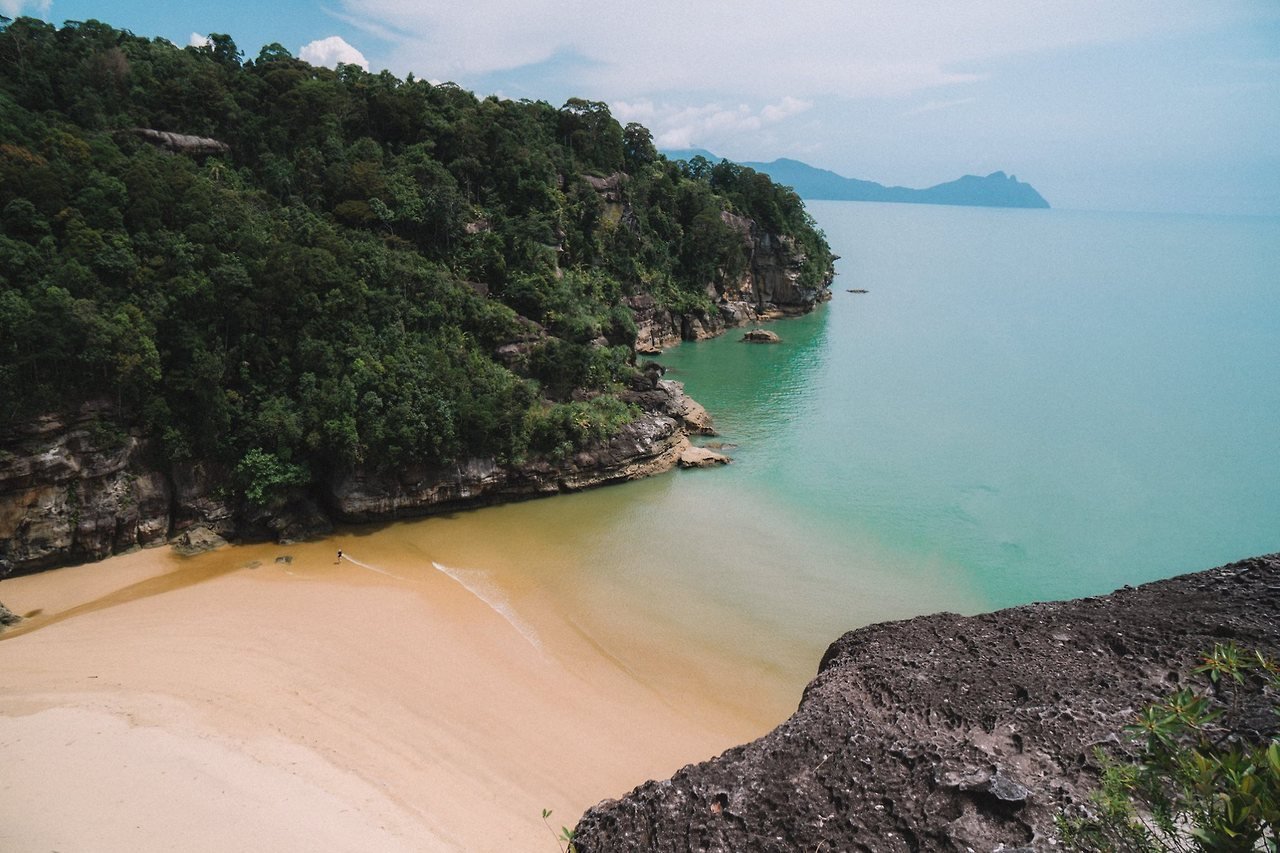
There are also many hiking trails you can enjoy that will take you around the park and to some of the best viewpoints in the national park. All the hiking information will be provided by the national park office when you register, but I highly recommend you hike the yellow trail, which is short and rewards you with a great view of a remote beach.
Where to Stay in Bako National Park?
Day 4 - 6: Mulu National Park (3 nights)
- 📍 Stay: Mulu Diana Homestay
- 🕐 Time: 3 nights
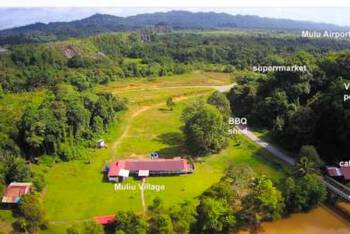
Mulu National Park is another national park in Borneo that is worth visiting if you are looking for an adventure. Getting to Mulu National Park is already an adventure in itself due to how remote the place is. For convenience, you can also go there on an organized tour.
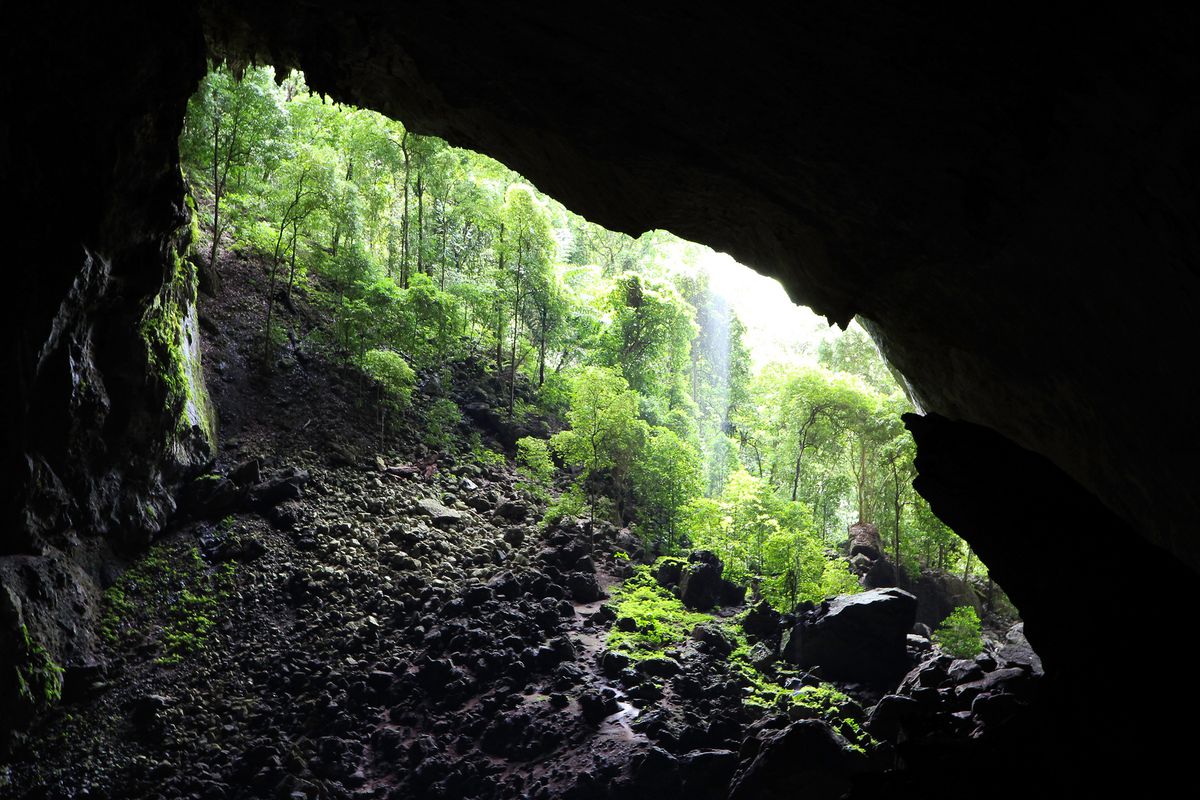
There are plenty of adventures to be had in this national park, from going caving to tackling the hiking trails in the area. Deer Cave and Lang Cave are commonly visited together, while Clearwater Cave and Cave of the Winds form another classic excursion. These show caves require park-arranged guided tours, so it is worth booking your preferred activities in advance, especially if you only have three nights here.
If you enjoy hiking, you can also embark on a roughly 2-hour hike to Paku Waterfall or try the Canopy Skywalk. For something much more demanding, the Pinnacles is a multi-day guided trip involving a longboat ride, a hike to Camp 5, and a steep climb to the viewpoint overlooking the magnificent limestone pinnacles jutting out from the jungle. It requires considerably more planning than the shorter trails, so reserve it ahead if it is a priority.
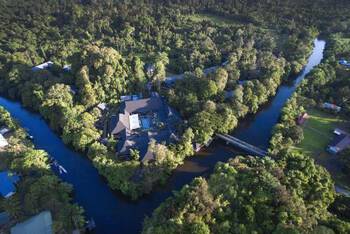
Where to Stay in Mulu National Park?
Day 7 - 8: Brunei (2 nights)
- 📍 Stay: Qing yun resthouse Bandar
- 🕐 Time: 2 nights
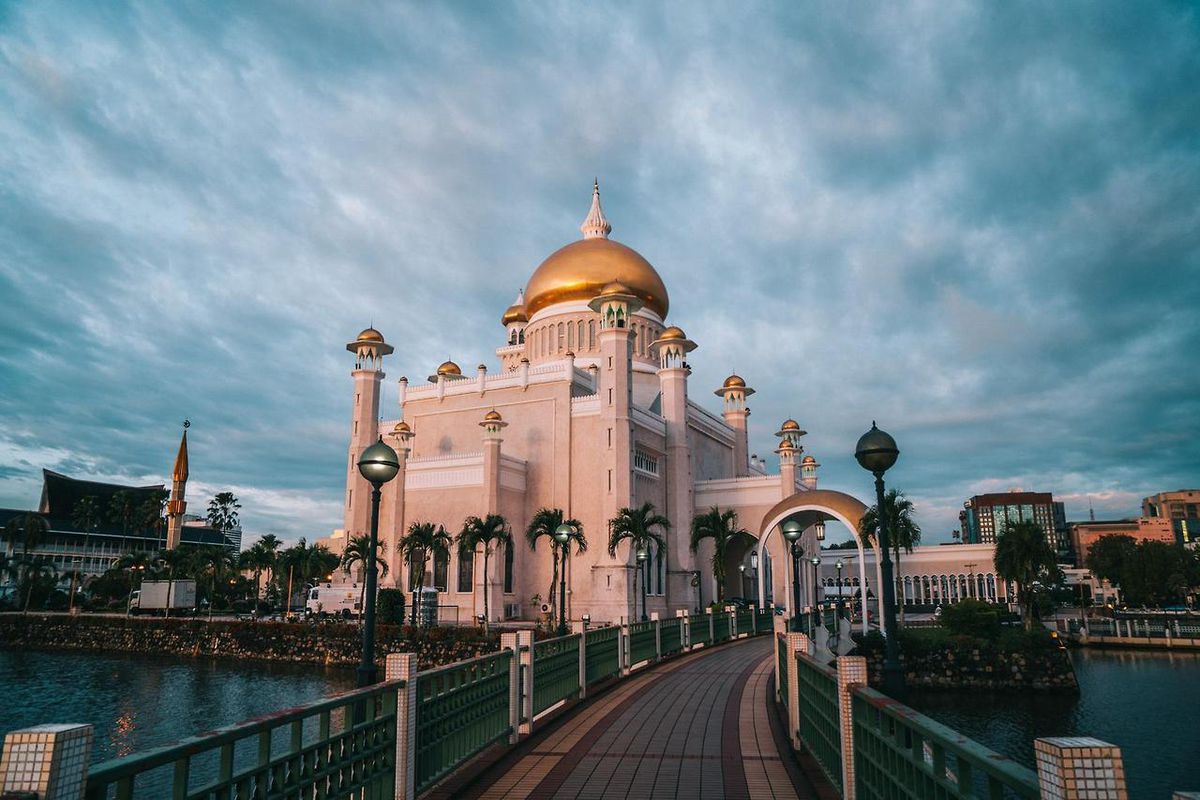
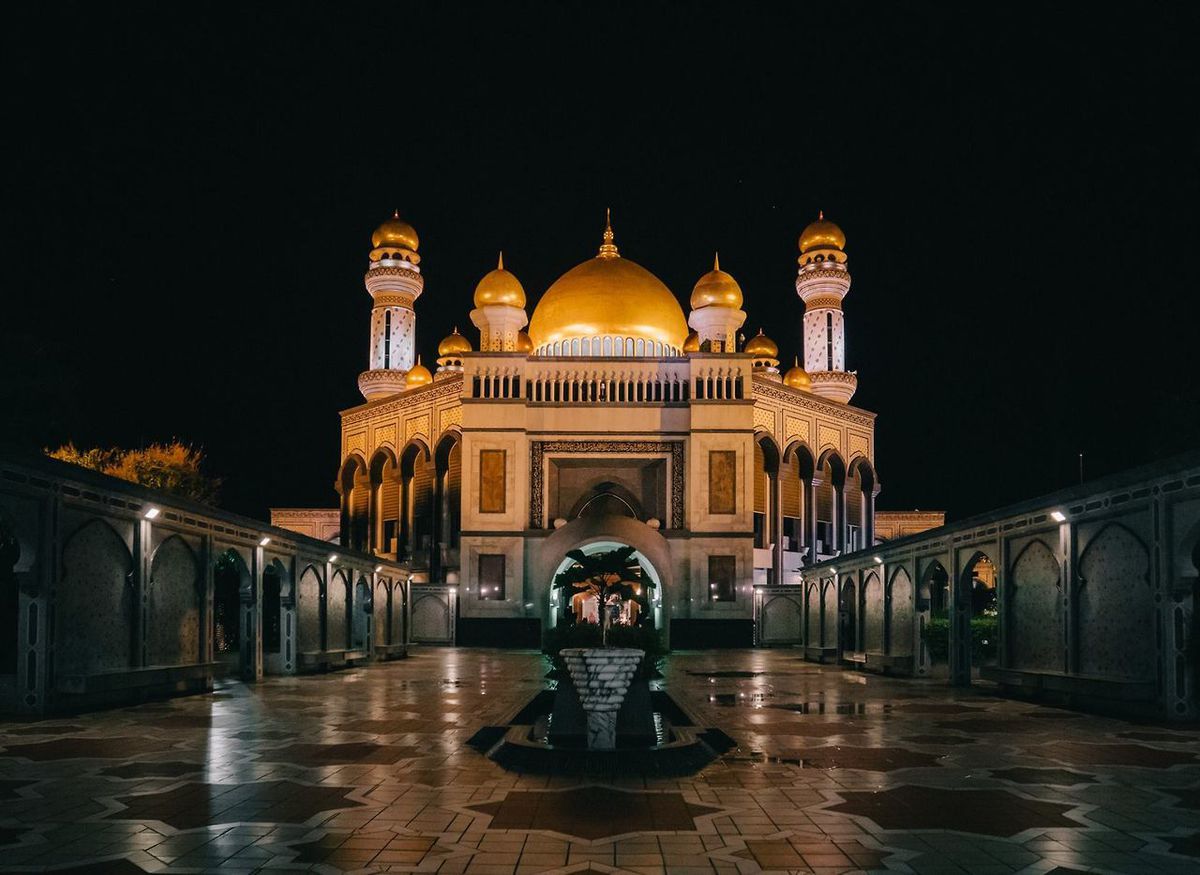
One day is more than enough to see Brunei, in my opinion. The wonderful Islamic architecture in Brunei is truly one-of-a-kind. Check out the Omar Ali Saifuddien Mosque, Istana Nurul Iman Palace, and the gigantic Jame' Asr Hassanil Bolkiah Mosque when you are there.
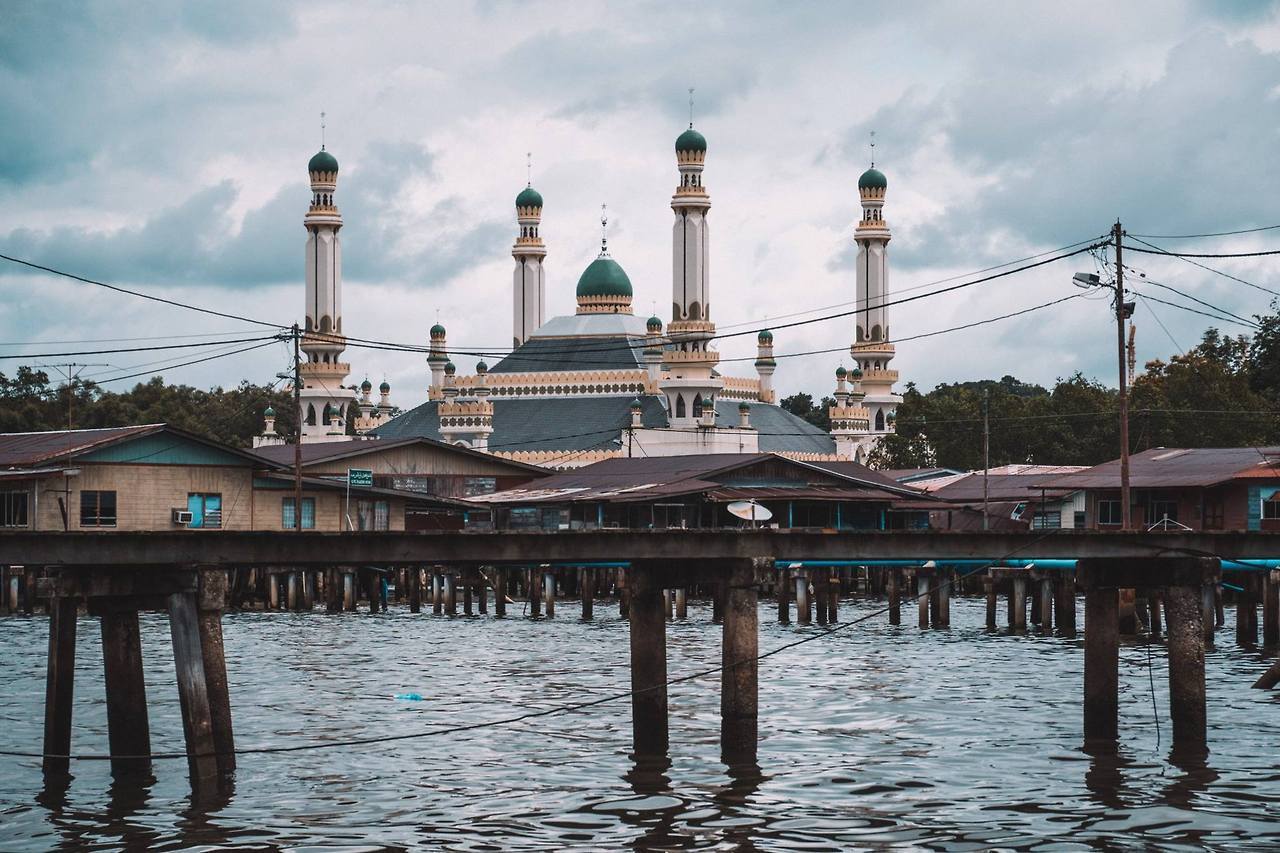
You can also take a water taxi to Kampong Ayer, the vast historic water-village settlement spread across the Brunei River. Rather than being a single compact village, it is made up of numerous stilt-house communities connected by wooden walkways. Spend some time exploring the area and learning how Kampong Ayer developed into an important center of settlement and trade in Brunei long before the modern capital expanded on land.

Day 9 - 12: Kota Kinabalu (4 nights)
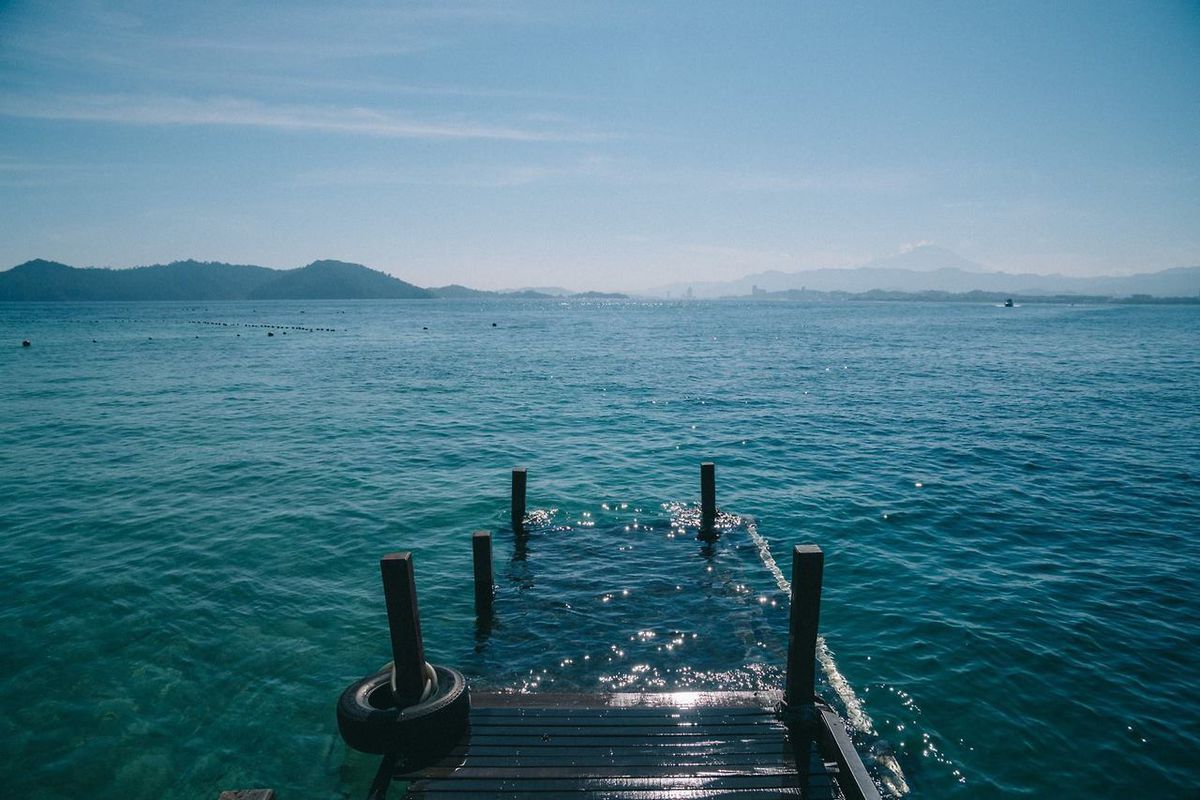
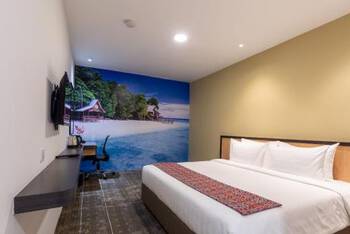
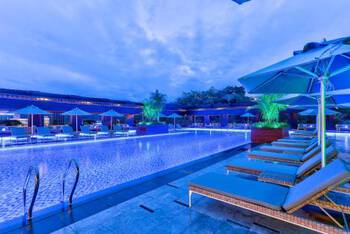
- 📍 Stay: Hotel 7 Suria
- 🕐 Time: 4 nights
Kota Kinabalu is the capital city of Sabah, a state located in the northern part of Borneo. It is a great place to launch yourself to all the beautiful islands in the area, as well as conquer Mount Kinabalu, the highest climbable mountain in Southeast Asia, standing at almost 4,100 meters above sea level.
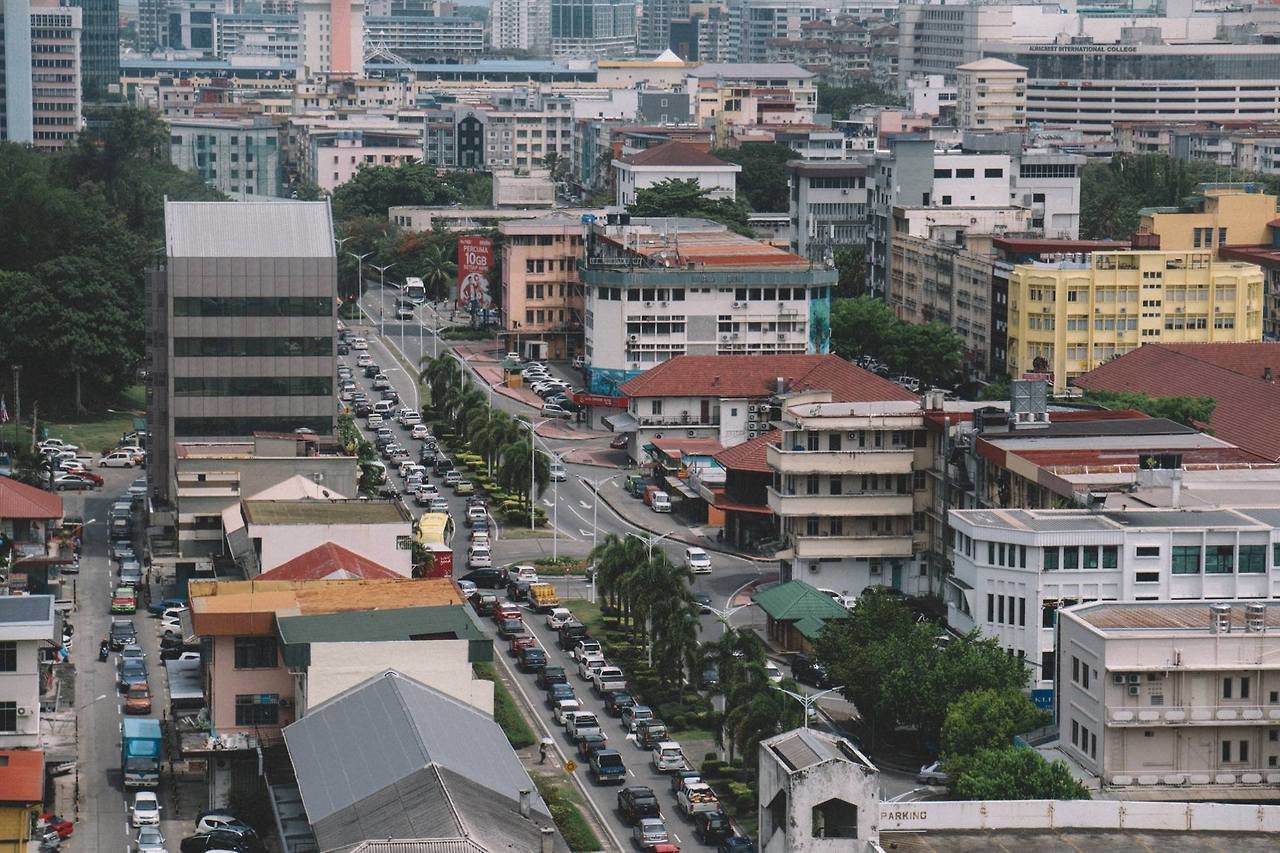
Be sure you are ready because the moment you arrive in the city center of Kota Kinabalu, you will be bombarded with the aroma of fresh street food being cooked at the food market along the riverfront. There are so many street foods to try; I'm drooling just thinking about it.
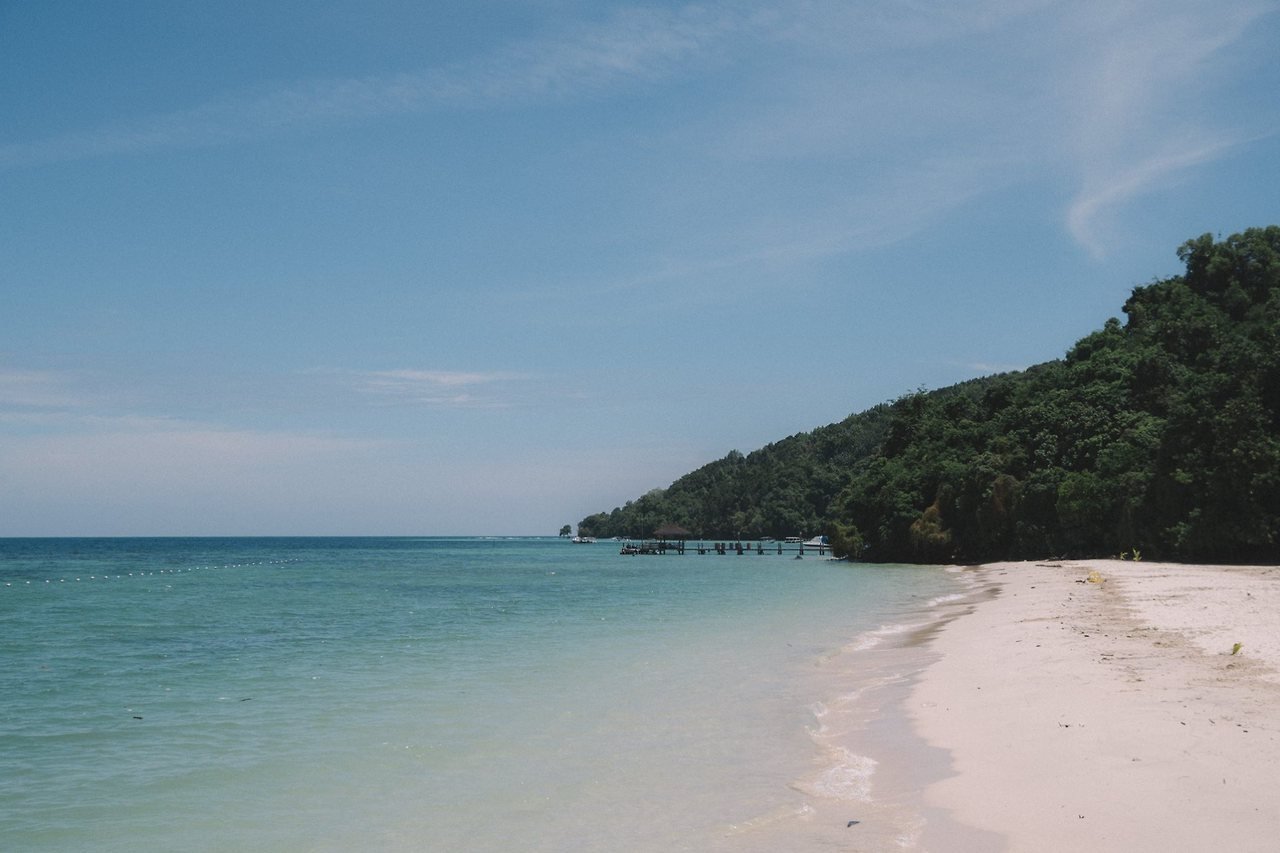
At Kota Kinabalu, you can spend your days island-hopping around Tunku Abdul Rahman Park, whose islands offer beaches, snorkeling, and an easy escape from the city. As of 2026, the Sabah Parks conservation fee for international adult visitors is 25 MYR per person per day, with boat transfers and activities charged separately.
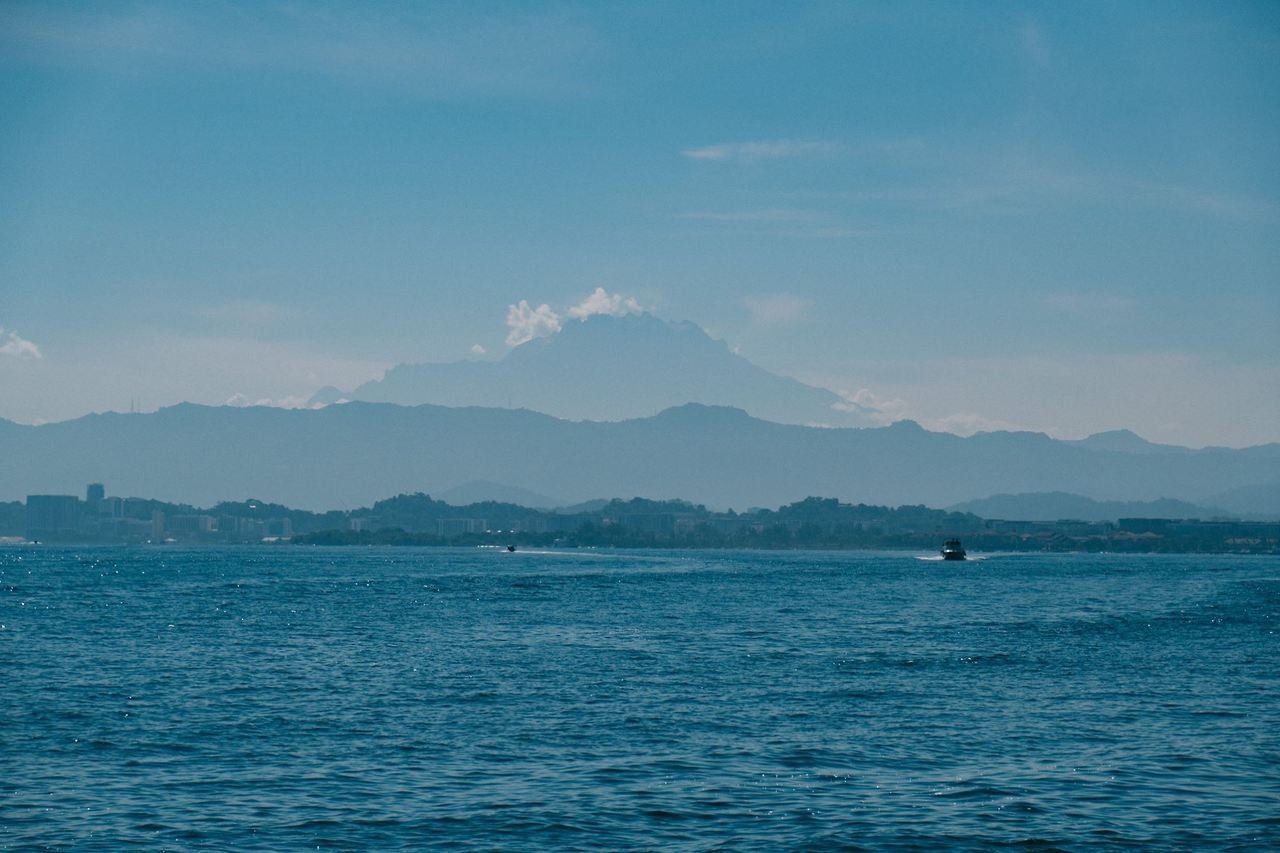
You can also climb the mighty Mount Kinabalu, Malaysia's highest mountain, whose Low's Peak stands at 4,095.2 meters above sea level. The standard climb takes 2 days and 1 night, and you need a climbing permit, reserved mountain accommodation, and a registered mountain guide, so this is one part of the itinerary you should book well in advance. For international adults, the current Sabah Parks climbing permit is 400 MYR, the Kinabalu Park conservation fee is 50 MYR, climbing insurance is 10 MYR, and a mountain guide costs 350 MYR for up to five adults. Accommodation and the climbing package are additional costs.
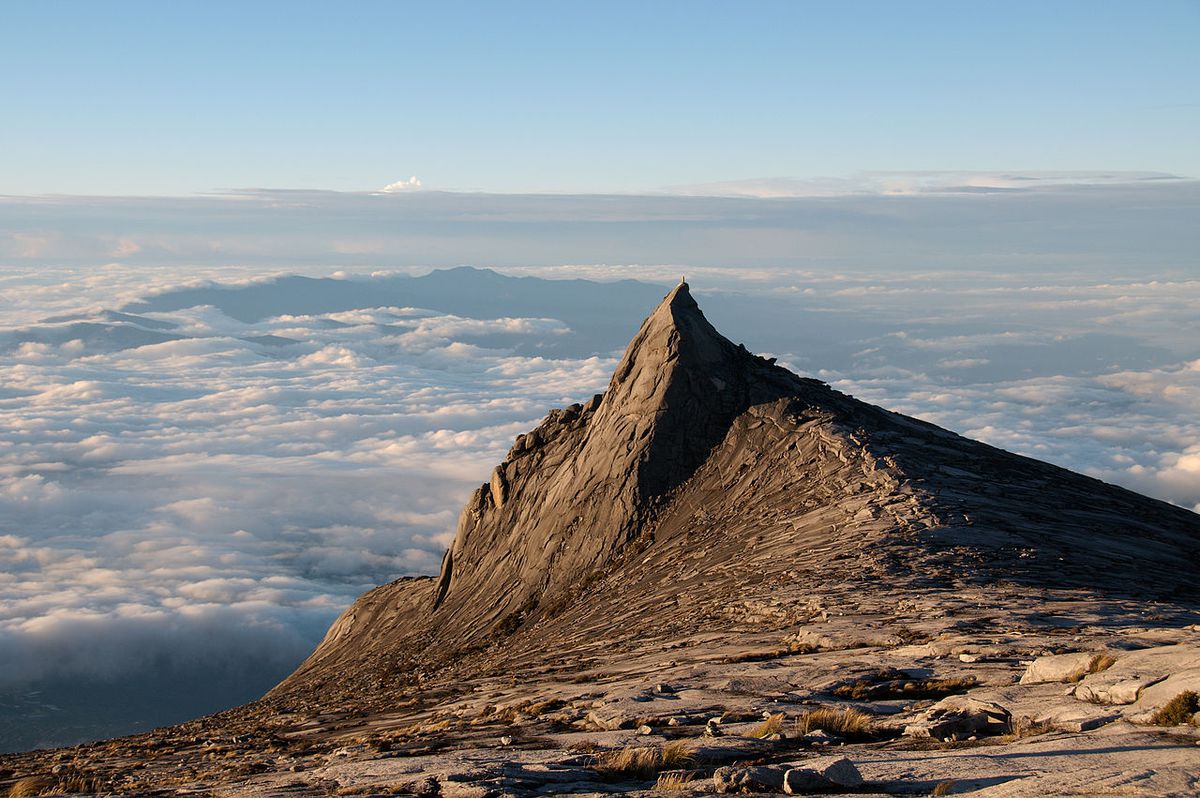
It is one of the best mountains to climb in Southeast Asia, and if you are looking for the ultimate adventure in Malaysia, there are no better things to do than climb Mount Kinabalu. You can find Mount Kinabalu hiking tours here.

Why go to Borneo?
Borneo is one of the few places where you can experience orangutans in their habitat. The old rainforest attracts many wildlife experts and conservationists from around the world to explore and study the rich ecosystem and unique wildlife that can only be experienced on this island. It is a chance for normal travelers like us to experience the exotic land and wildlife without going on an expedition, while learning how important it is for humanity to conserve this last bit of Earth's lungs.
When To Visit Borneo and Brunei?
For this route through Sarawak, Brunei, and Sabah, roughly March to September is generally the better window for drier weather, although Borneo is tropical and rain is possible at any time of year. Temperatures around the lowlands remain hot and humid year-round, while Mount Kinabalu is much cooler.
I was there in June, and the weather was a mix of rain and sun but almost always humid, so I would still pack for both tropical downpours and strong sun no matter when you visit.
How to Get to Borneo and Brunei?
Browse through Skyscanner or Expedia to find a cheap flight from where you live to Kuala Lumpur. From Kuala Lumpur, you can fly to Kuching via AirAsia.
If you are a foreign visitor entering Malaysia, also check whether you need to submit the Malaysia Digital Arrival Card (MDAC) before arrival. When entering Brunei, foreign visitors should complete Brunei's E-Arrival Card and have their passport, travel details, and accommodation information ready. Visa requirements for both countries still depend on your nationality.

How To Get Around Borneo and Brunei?
English is widely spoken in Malaysian Borneo, which makes getting around considerably easier for independent travelers. In cities like Kuching and Kota Kinabalu, local buses can be useful, while Grab is the main ride-hailing option when you want something faster or more convenient. In Brunei, taxis are limited compared with Malaysia, so for places that are not walkable from central Bandar Seri Begawan, you can use a taxi or Dart, Brunei's local ride-hailing app.
In between cities, buses are available on several overland routes, but distances across Borneo can take much longer than they look on a map. When I traveled from Brunei to Kota Kinabalu, the journey involved what felt like 4–6 immigration checks because the old road repeatedly crossed between Brunei and Sarawak. That experience has changed significantly since the Sultan Haji Omar 'Ali Saifuddien Bridge opened in 2020, allowing traffic between Bandar Seri Begawan and Temburong to bypass four of those old border checkpoints. As of 2026, Sipitang Express operates a direct 8 AM bus from Bandar Seri Begawan to KK Sentral for around 150 MYR, making this route much simpler than it was when I did it.
Note: Mulu National Park is extremely difficult to reach overland, requiring a combination of roads, boats, and trekking, so flying remains by far the easiest option. The flights were operated by MASwings at the time I was there, but AirBorneo took over MASwings' operations on January 1, 2026. The rural network still includes Miri–Mulu and Kuching–Mulu services, so check AirBorneo for the current fare and schedule when planning this leg.
Which tourist SIM card is best for Borneo And Brunei?
Update: If your phone supports eSIM, I highly recommend checking out Airalo, a global eSIM marketplace. It allows you to stay connected affordably while traveling in Borneo, Malaysia without having to switch out your physical SIM card.
Gone are the days when you needed to scramble to find a local SIM card at an airport upon arrival. You can purchase an eSIM before your arrival, and you'll be good to go. If your phone doesn't support eSIM, here is how you can get a local SIM card in Borneo, Malaysia:
Mobile data on the Malaysian side of Borneo worked very well for me in the cities and along much of this route. I used a Maxis SIM card and did not encounter any major issues during my trip. Coverage can still disappear in remote rainforest and mountain areas such as parts of Mulu and Mount Kinabalu, so download anything important before heading into the parks.
Alternatively, if your phone supports eSIMs, you can set one up before arriving and have mobile data as soon as you land. You can browse through available eSIMs here.
For my short stay in Brunei, I did not buy a local SIM and relied on Wi-Fi instead. At the time, the accommodation I used did not have Wi-Fi, so I ended up working from a nearby cafe. If you are only staying for a day or two, hotel and cafe Wi-Fi may still be enough, but an eSIM or current prepaid tourist plan is a much easier option now if you want data throughout your stay.
Tips: To stay connected with people at home, be sure that you have a VPN, such as ProtonVPN, installed before traveling. It's FREE, and you can gain access to services that may be blocked in certain countries.
Daily Budget


This place is quite affordable compared to all the other countries in the world. If you are planning a trip here, you can expect to spend around $25 - $45 USD per day per person, which should include accommodation and three meals.
Please keep in mind that these are suggested daily budgets based on my own style of travel, which leans more towards the budget side of things. If you aim to stick to this budget, anticipate sleeping in dormitories, dining out only occasionally, and being comfortable with the cheapest and most convenient modes of transportation, which often involve a considerable amount of walking.
Disclaimer: This post may contain affiliate links. See our disclosure policy.
First Published:
Last updated:


6 Comments
Thank you for the inspiration! I am taking a similar trip (just backwards since I am staring in Kota Kinabalu!) and your blog really helped me with my planning!
Hey Jasmine,
Thank you for the comments! I glad you found the guide useful! Wasn't it one of the most border crossing in a day you have ever done? 2 pages of my passport got filled up with stamps in a day traveling through Borneo haha.
Hope to see you again in Borneo next time.. you missed out quite a lot of good places in Borneo especially for Sabah part.. where the best islands are in Semporna, Kinabatangan river, tip of Borneo in Kudat, Tusan Cliff in Miri, The Pinnacles Mulu National Park and you should stay at the rural side of Sarawak, the iban longhouses..
Thank you for the comments! Yes, I know! There's plenty more to do around there. I just didn't have enough time for it. There's always a chance that I'll go back there soon so no worries. It was also always rainy when I was there so didn't do much :)
Thank you for the suggestions!
Hi Pete..Such a good information from you how u plans your journey and travels in Borneo from LAND OF HORNBILLS ( Sarawak )to Brunei and to LAND BELOW THE WIND ( Sabah).Who anyone wants to travel to both''s state's in Borneo should look how Pete manage his travel..to be honest this a really a good plans to me and such many very good information and very details about place to visit, place to stay... transport...food and how to plans your expenses during travels on both places.Last words from me to you Pete " SELAMAT DATAI" hope this not the last visit to BORNEO..Good luck Buddy!!
Thank you for this great blog.
Regarding Brunei, do you know if there are busses between Miri and Brunei. I know there used to be PHLS Express Bus, but looks like it might have stopped running.