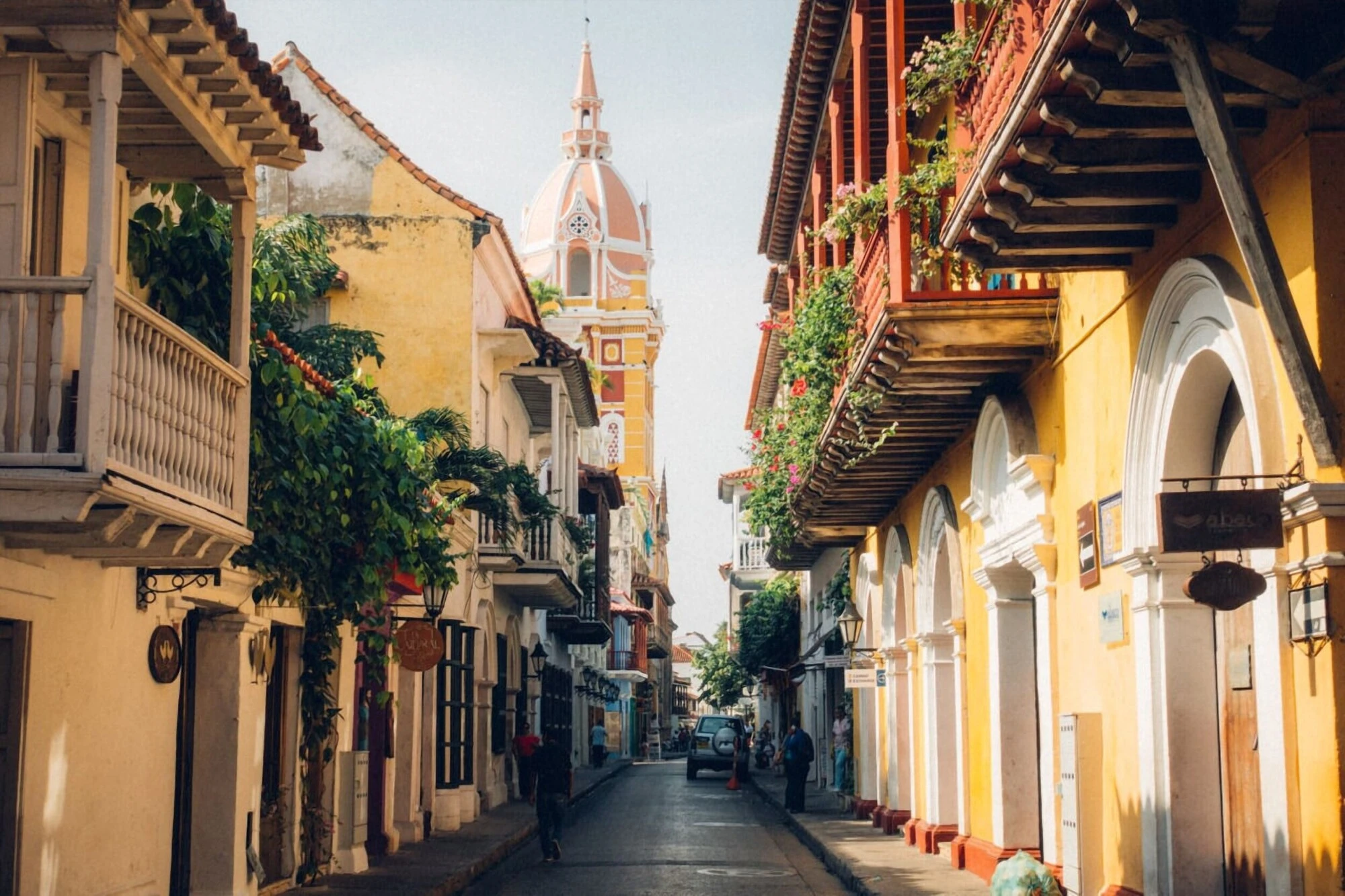


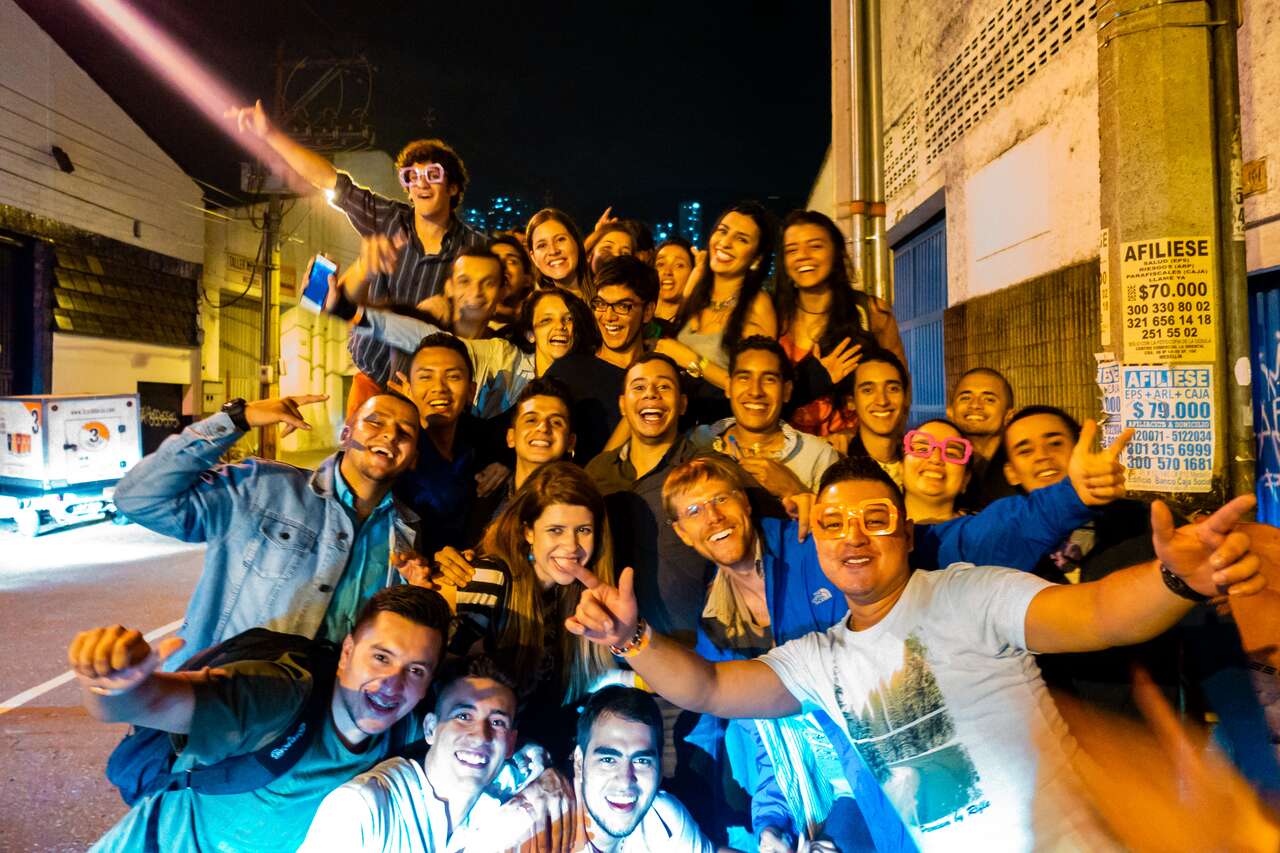
I don't know what it is, but everything just seems more fun in Colombia. From its colorful colonial cities and incredibly friendly people to the infectious rhythms of cumbia and some of the best nightlife in South America, Colombians really know how to have a good time.
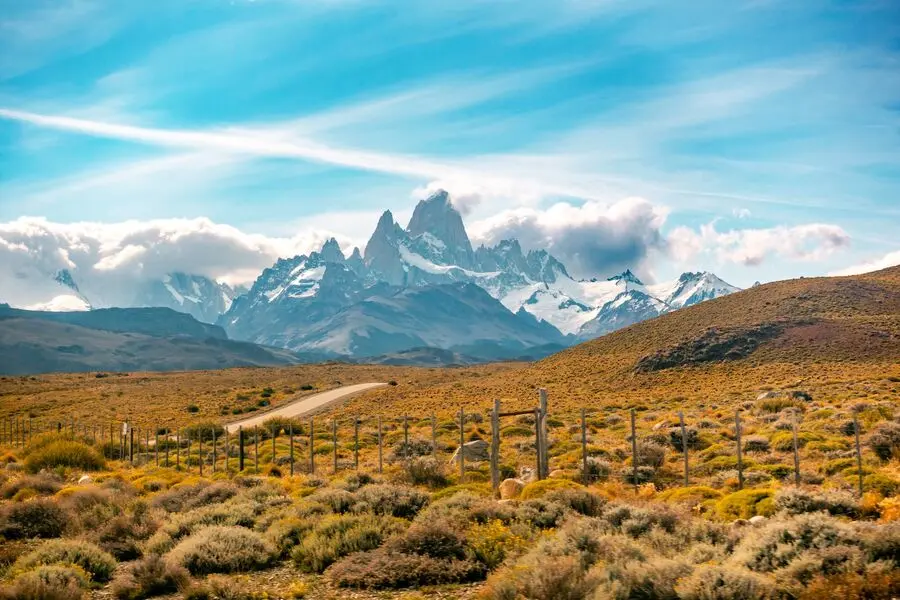
But there is so much more to Colombia than its lively cities. You've got the Caribbean coast, lush coffee country, misty mountains, dense jungles, and some of the most spectacular landscapes in South America, all packed into one country.
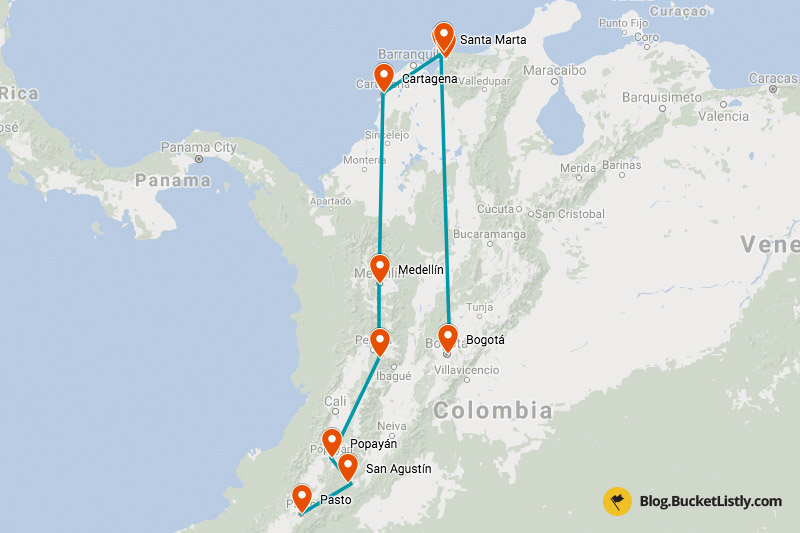
I spent over a month traveling through Colombia from north to south, stopping at many of its most incredible destinations along the way. In this guide, I'll share the exact route I followed, plus everything you need to know to plan your own trip across Colombia.
Colombia One Month Itinerary Map
Quick Summary
| ☀️ Day 1-3: | Bogota |
|---|---|
| ☀️ Day 4: | Santa Marta |
| ☀️ Day 5: | Tayrona National Park |
| ☀️ Day 6: | Minca |
| ☀️ Day 7-10: | The Lost City - La Ciudad Perdida |
| ☀️ Day 11-12: | Cartagena |
| ☀️ Day 13-17: | Medellin |
| ☀️ Day 18-19: | Salento |
| ☀️ Day 20-22: | Popayan |
| ☀️ Day 23-24: | San Agustin |
| ☀️ Day 25: | Pasto |
One Month Colombia Itinerary
Day 1 - 3: Bogota (4 nights)
- 📍 Stay: Mercure Bogota Calle 100
- 🕐 Time: 4 nights
- 📖 Full Guide: 11 Unique Things to Do Bogota, Colombia
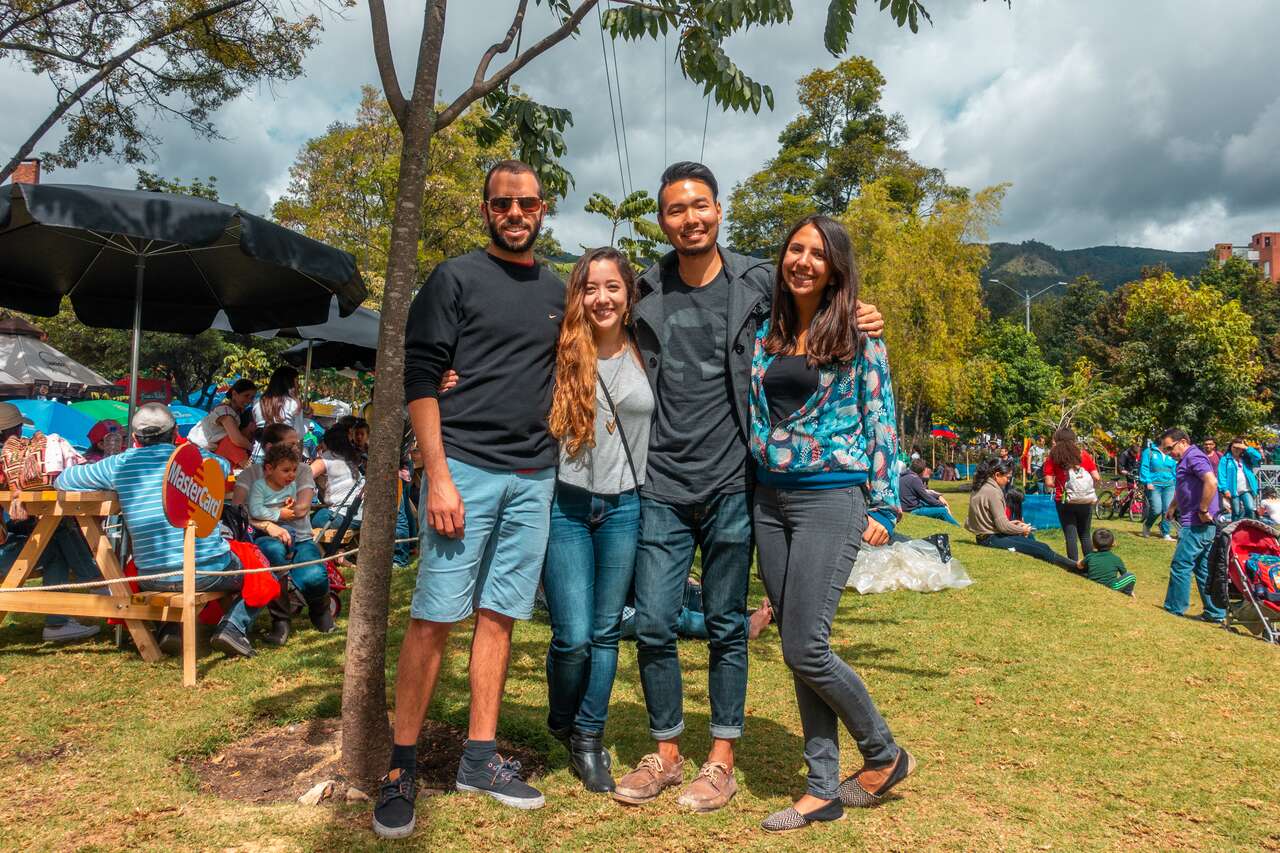
When most people come to Bogota, they usually stay in the Downtown area. Dare I say, that is not the best place to be, as it can get a bit sketchy, as some locals had warned me. When you are in Bogota, stay in the Zona Rosa area, where you can have access to the great parties Bogota has to offer.
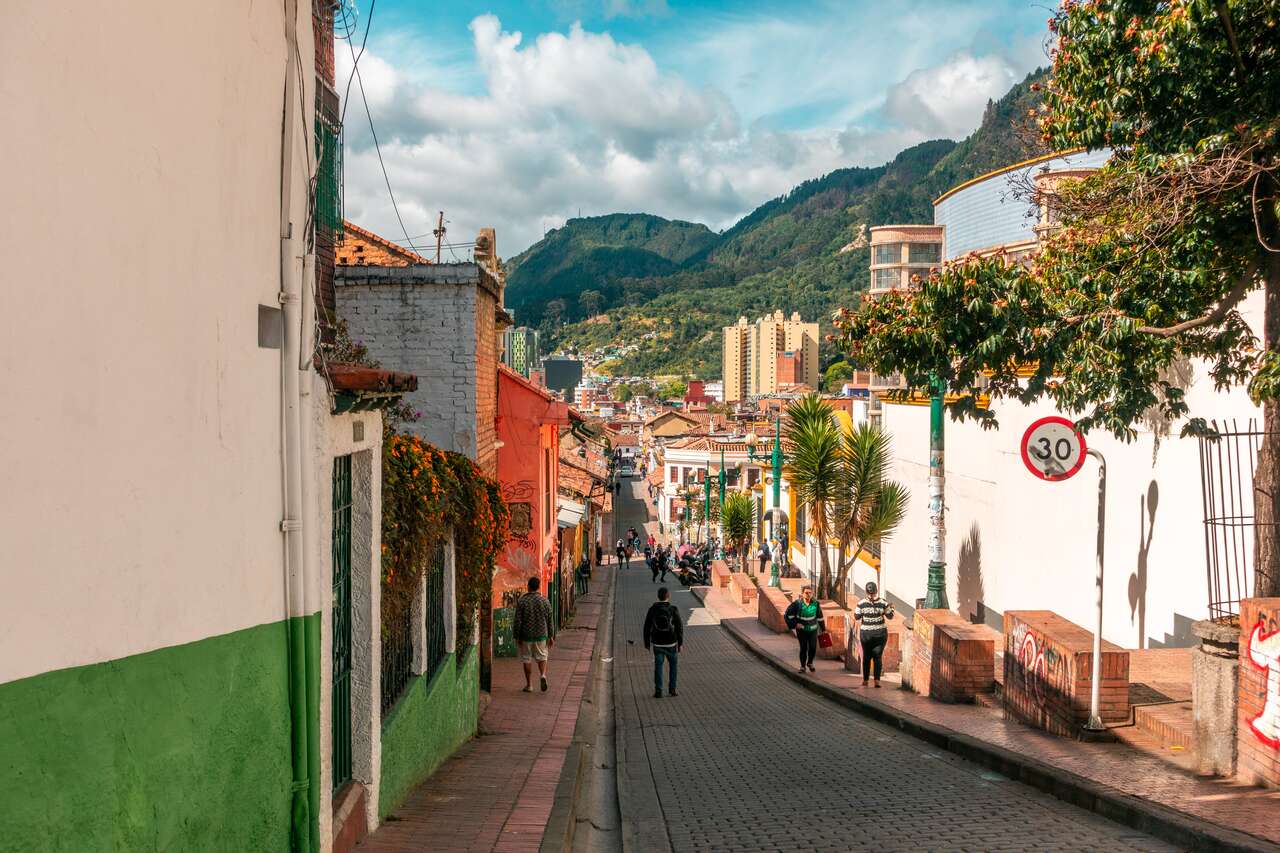
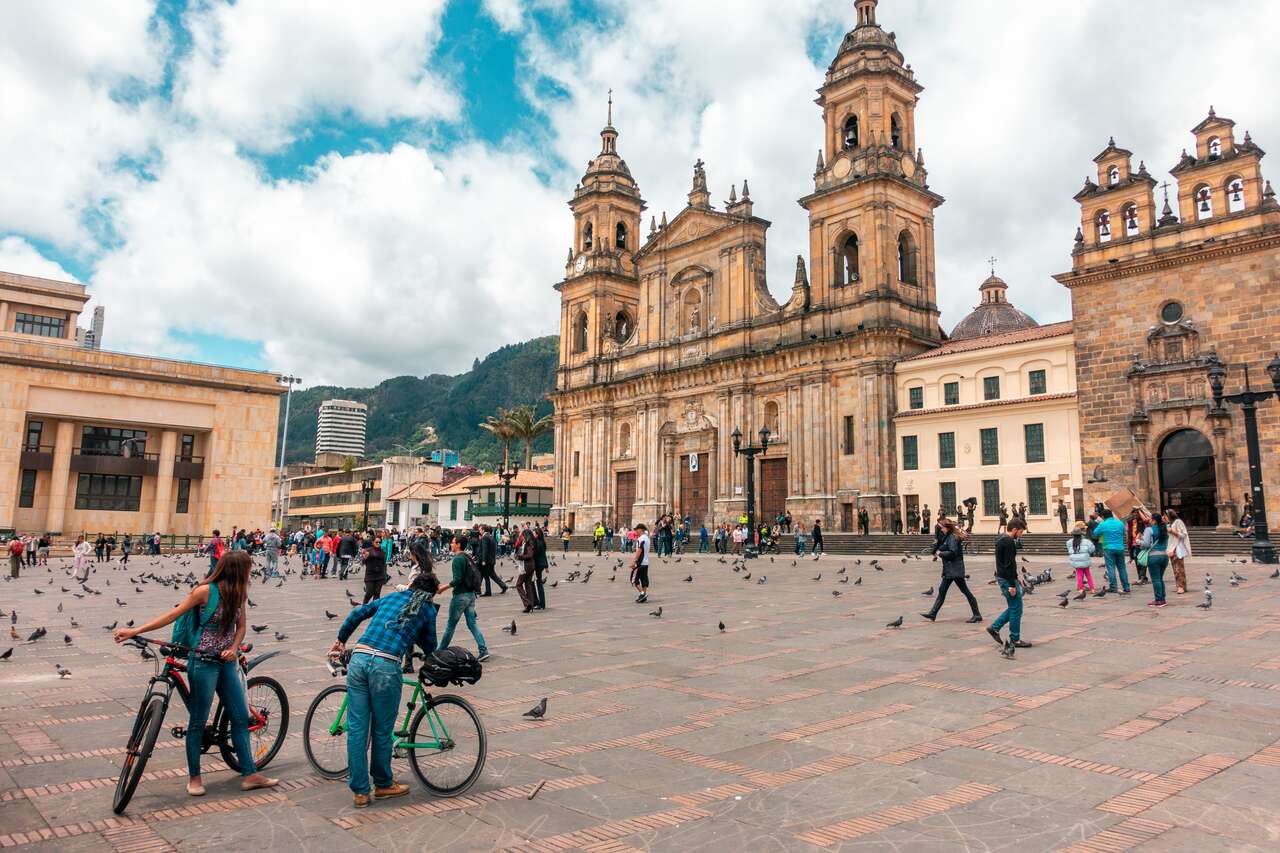
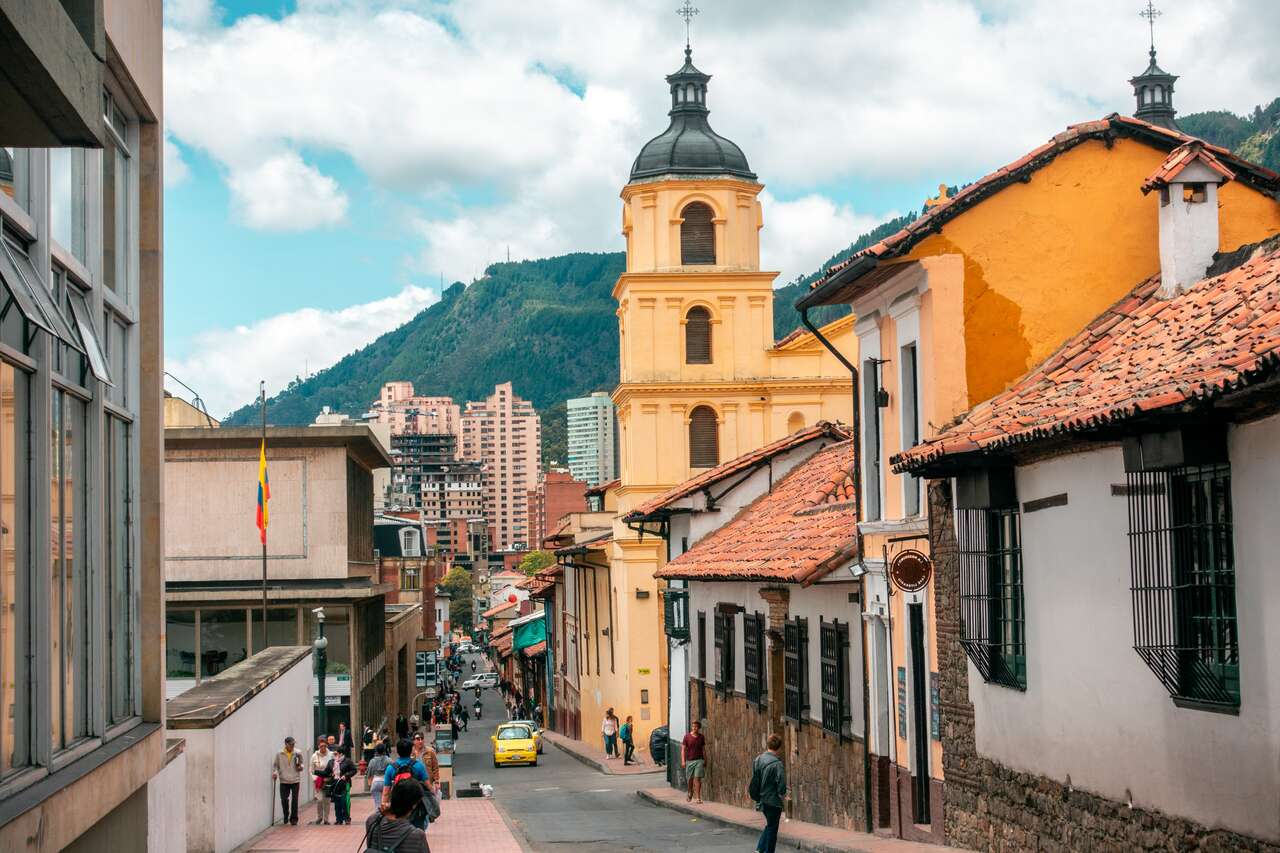
On your first day, from Zona Rosa, take an Uber downtown and check out the Plaza de Bolívar square and the colonial part of the city at the foot of the hill.
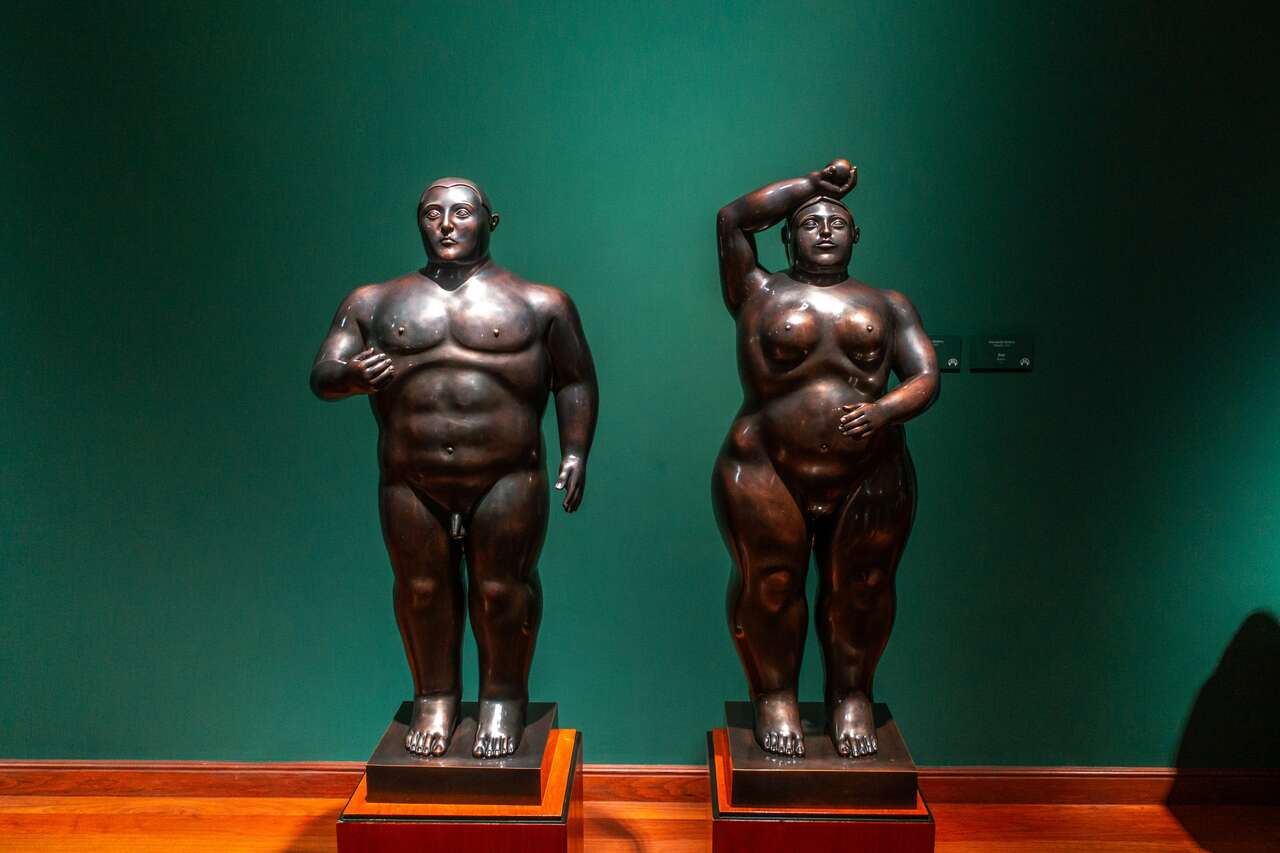
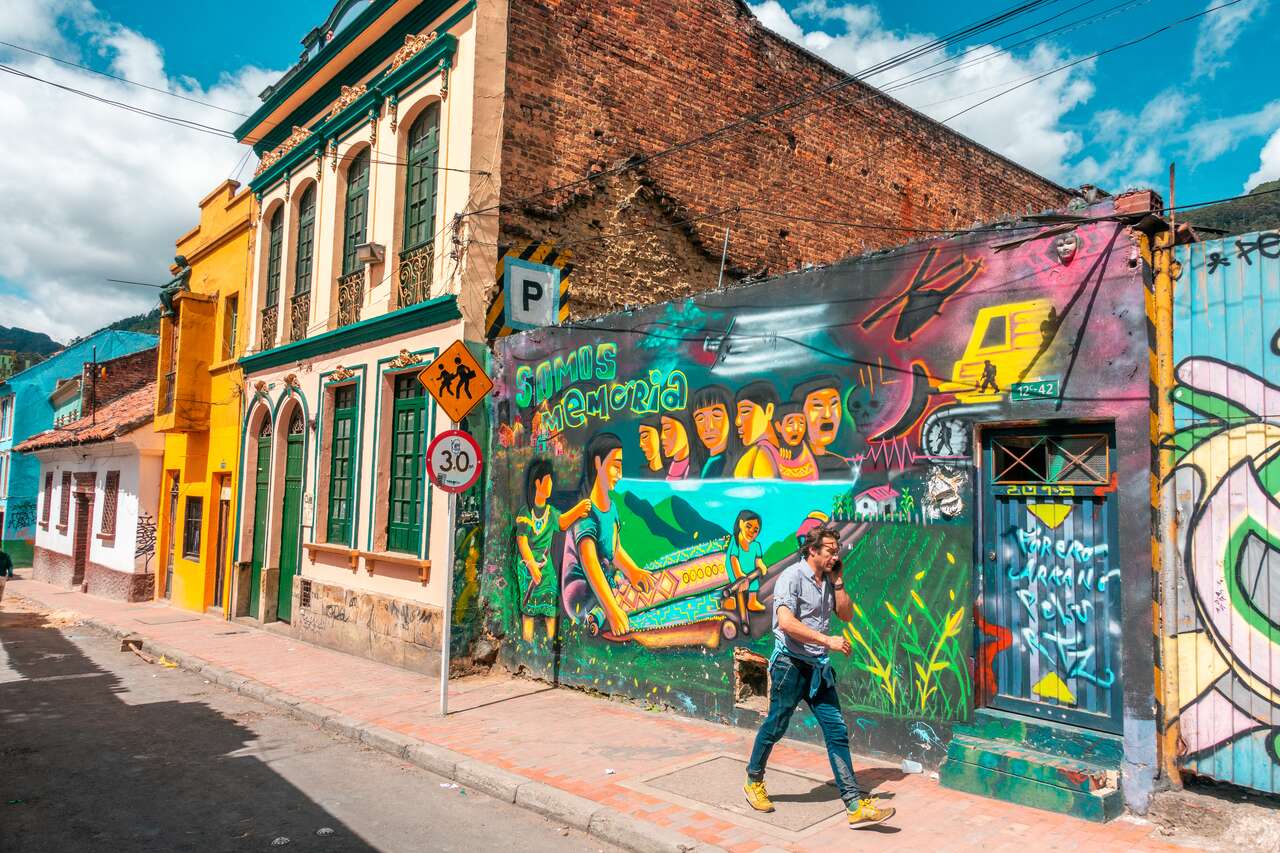
Visit the Botero Museum, one of the happiest museums I have ever been to, featuring a collection of Botero's best work. On top of that, it is free.
- Colombia Uncovered (12 days)
- Colombia Express (9 days)
- Classic Colombia (16 days)
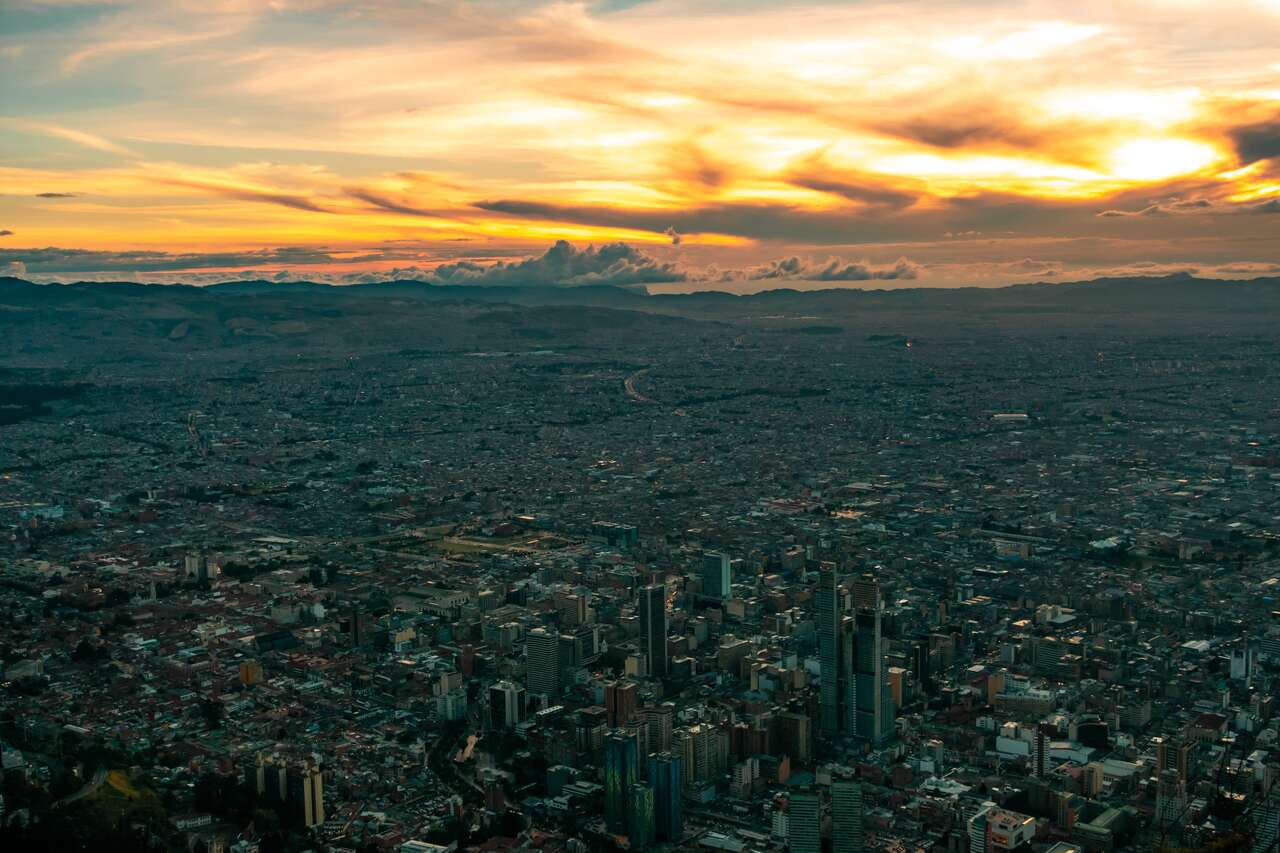
Once you are done, be sure to go up Monserrate and watch as the sun sets behind the horizon and the city lights light up. This is possibly one of my favorite places in Bogotá.
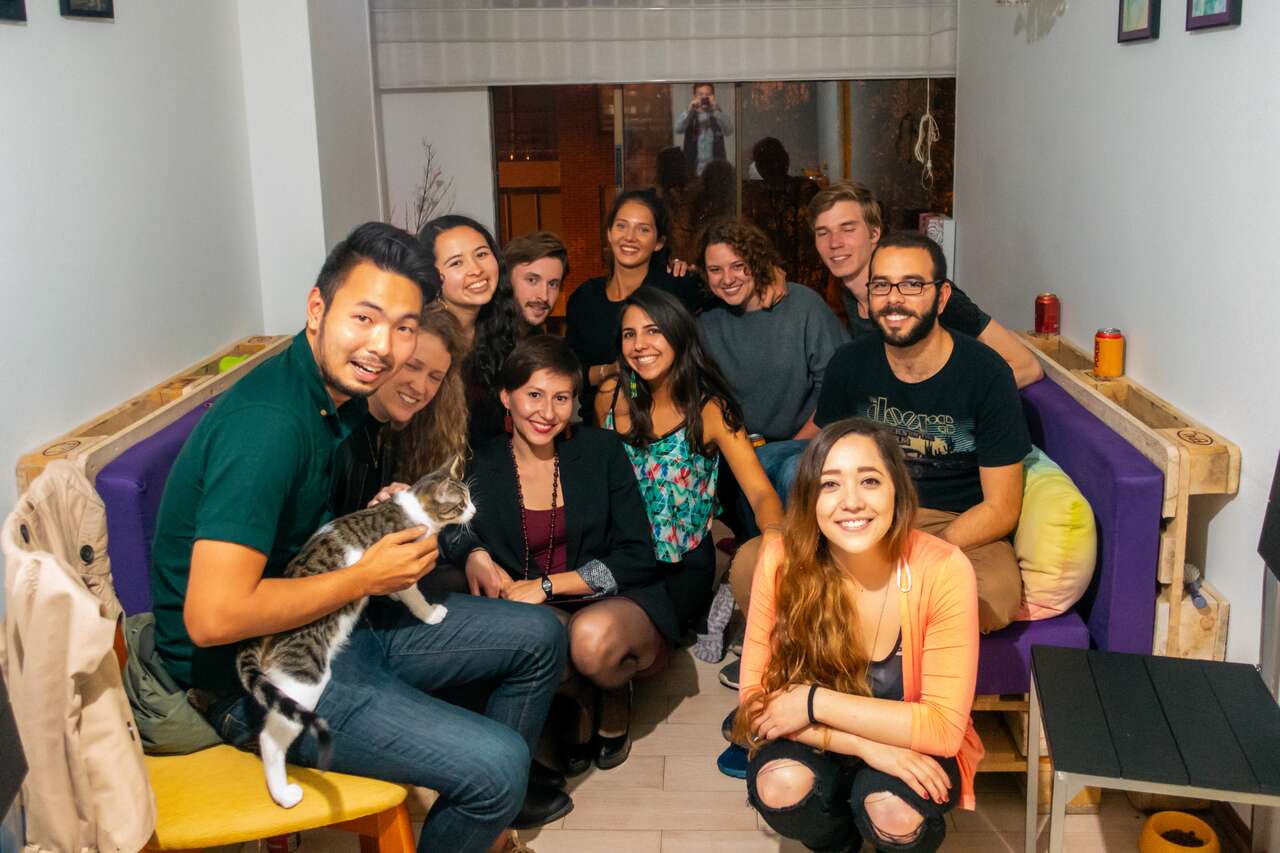
If you are there on a Tuesday night, be sure to drop by Vintrash bar near Zona Rosa and get to know Colombians and learn some Spanish at their weekly Gringo Tuesday event.
If you're there on a Sunday, during the day, take an Uber and go to the Usaquén Flea Market. Every Sunday, the locals come out and gather at this market, indulging themselves in the sun, street performances, and all the cool hipster items they can buy there.




Getting From Bogota to Santa Marta
After spending a few days in Bogota, it's time to go to the tropical north, and a good place to start is Santa Marta. To get there, I highly recommend you fly with VivaColombia. They are a low-cost airline in the region, and a flight from Bogota to Santa Marta shouldn't cost much.
After spending a few days in Bogota, it's time to go to the tropical north, and a good place to start is Santa Marta. Flying is the quickest option for this long jump across the country. Viva Air/VivaColombia, which I originally used and recommended here, stopped operating in 2023, so check Skyscanner for the Bogota–Santa Marta route instead.
Once you arrive in Santa Marta, there will be a public bus waiting for you to go to the city center. From the airport, it shouldn't take more than half an hour to get to the center, where you can easily walk to your accommodation.
Day 4: Santa Marta (1 night)
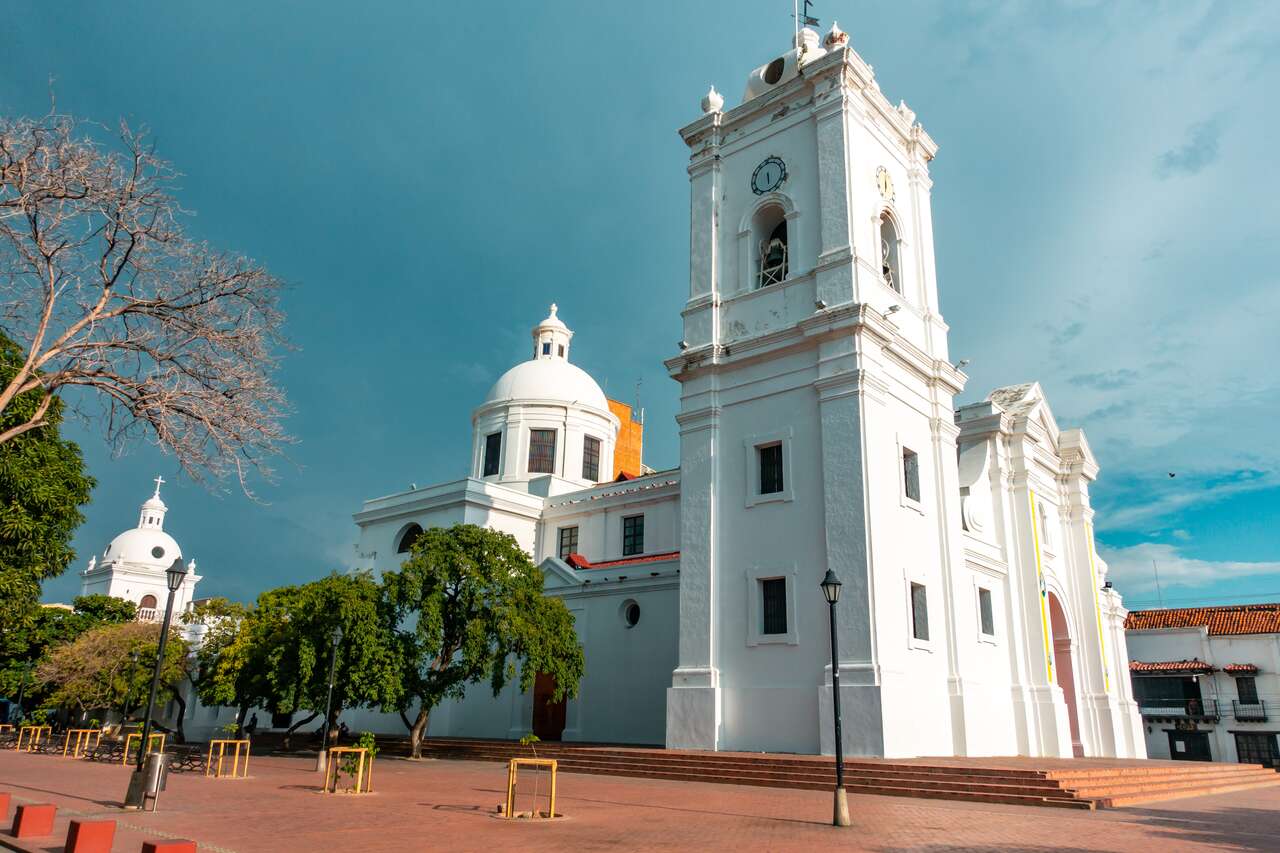
- 📍 Stay: Mauricio Babilonia
- 🕐 Time: 1 night
- 📖 Full Guide: The 9 Best Things to Do In Santa Marta (via alongdustyroads.com)
From Bogota, take a flight and fly to Santa Marta. From the airport, take a public bus to the city center and stay there for a night before heading elsewhere.
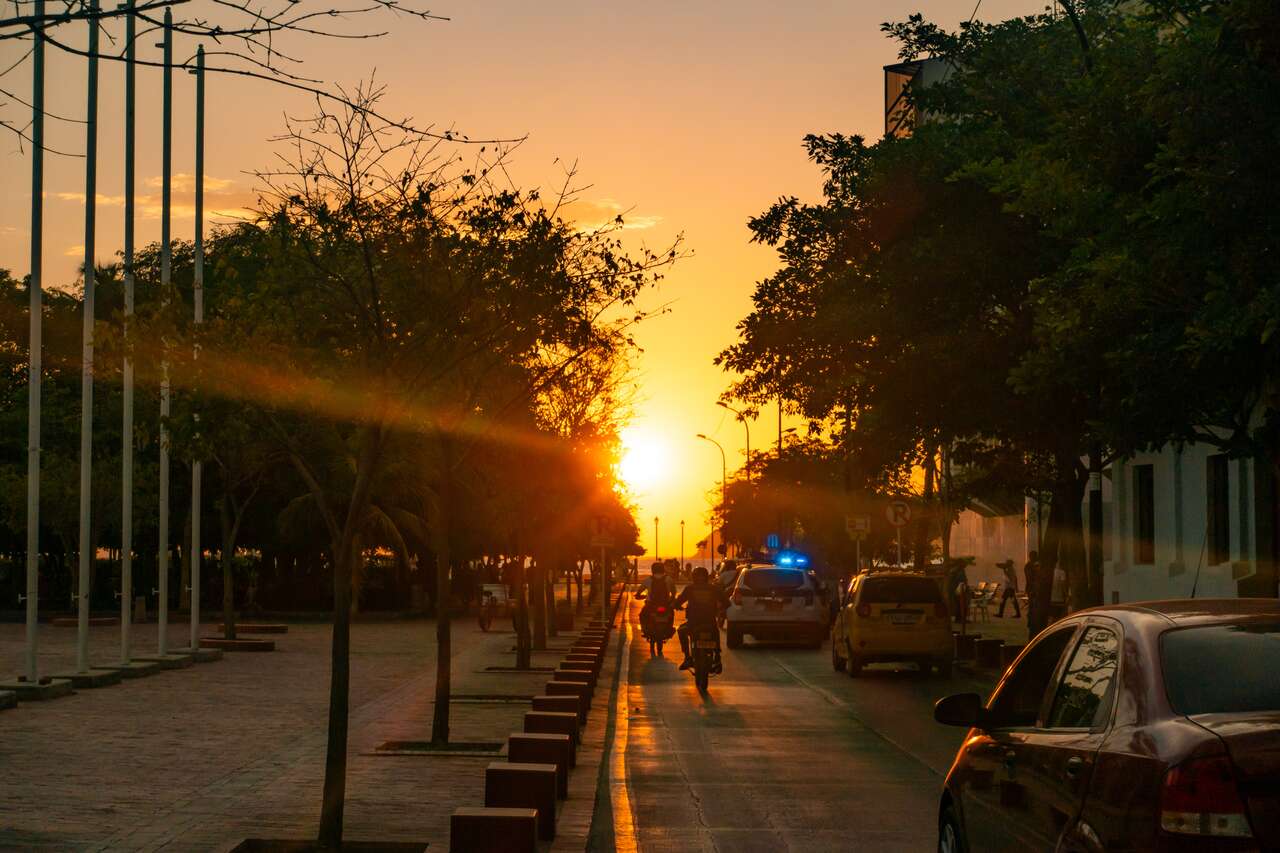
There isn't much to see in Santa Marta itself, but the surrounding area has a lot to offer. From Santa Marta, you can explore Tayrona National Park, Minca, or even embark on the famous Lost City trek.

Getting From Santa Marta to Tayrona National Park
From Santa Marta, you can take a local bus to Tayrona National Park and hike for about an hour or two to reach the campground.
To get the bus to Tayrona, you will have to go to Santa Marta's Central Market and take a local bus to Palomino. Then, you can get off at El Zaino and walk into Tayrona National Park.
As of September 2026, Tayrona is open and operating normally, but the park has fixed annual closure periods and can also close temporarily because of weather or security conditions. Check the official park status and current entrance fee shortly before you go.
Day 5: Tayrona National Park (1 night)
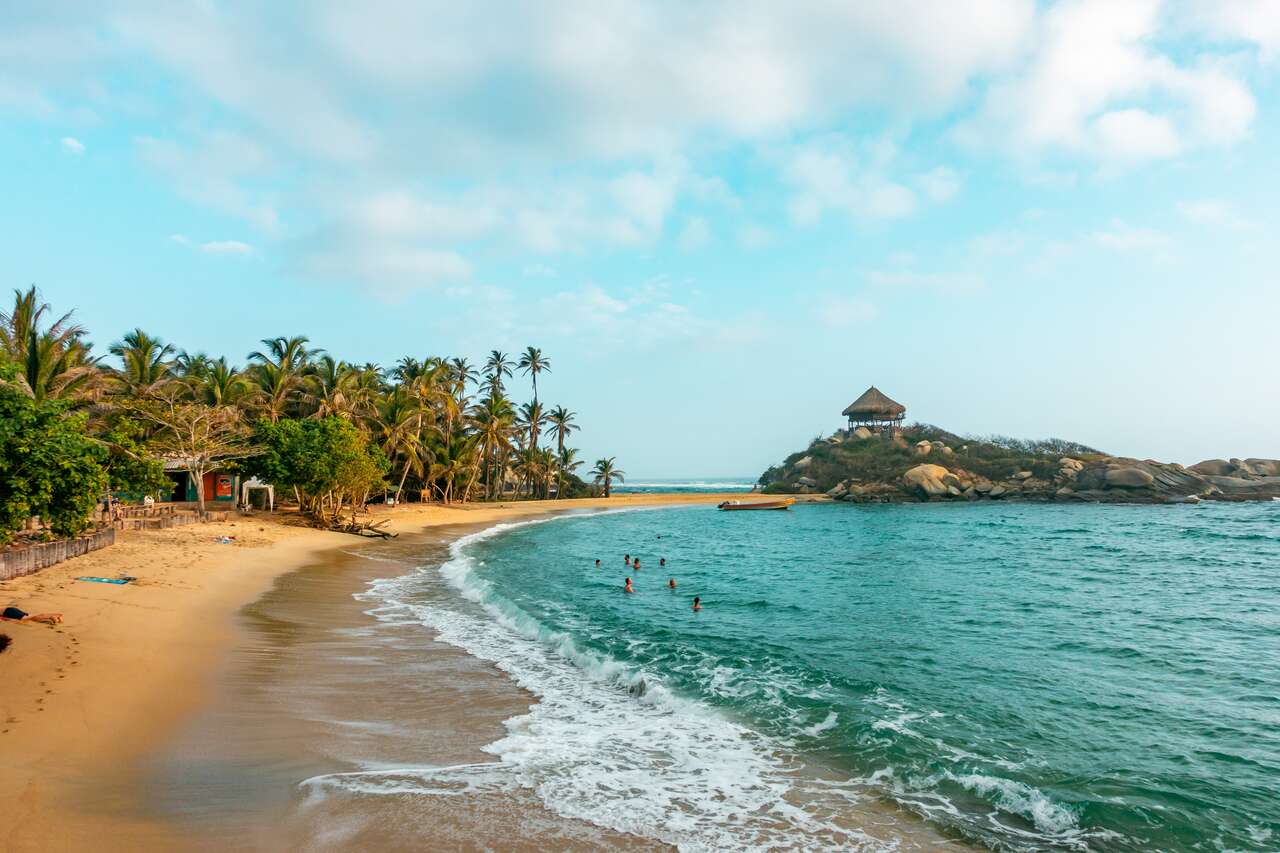
The next day in Santa Marta, go on a 2-day hike and camping trip to Tayrona National Park, a beautiful green space located in the foothills of the Sierra Nevada, right by the northern coast of Colombia and it is best known for its beautiful crystal clear water and incredible beach, a great place to relax in.
Important: Tayrona currently closes to visitors three times each year for ecological and Indigenous cultural restoration: February 1–15, June 1–15, and October 19–November 2. The park can also impose additional temporary closures. If your trip falls near these dates, check the official park notice before traveling to Santa Marta.
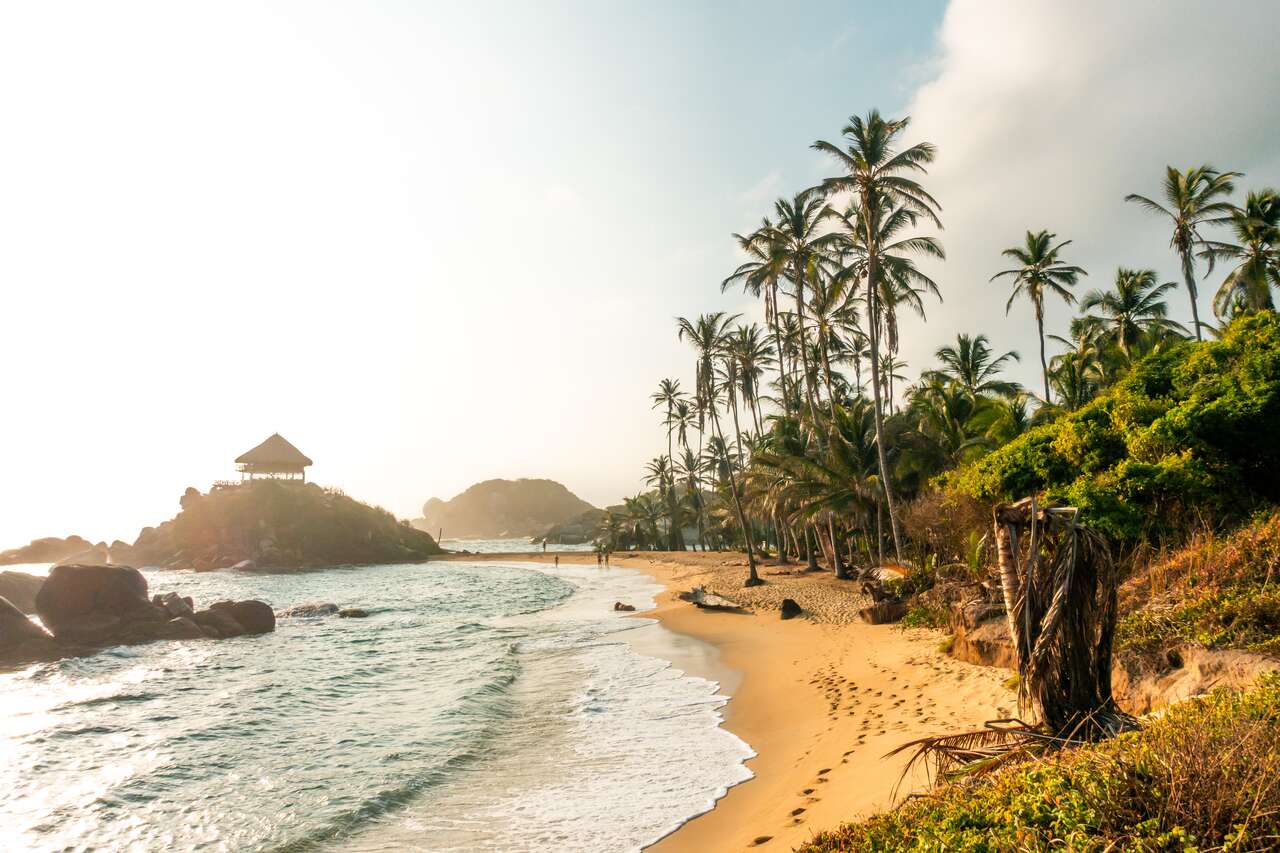
You can either camp at one of the many tents here or you can sleep in a hammock right by the beach. They built a makeshift open-air pavilion with hundreds of hammocks just for this.
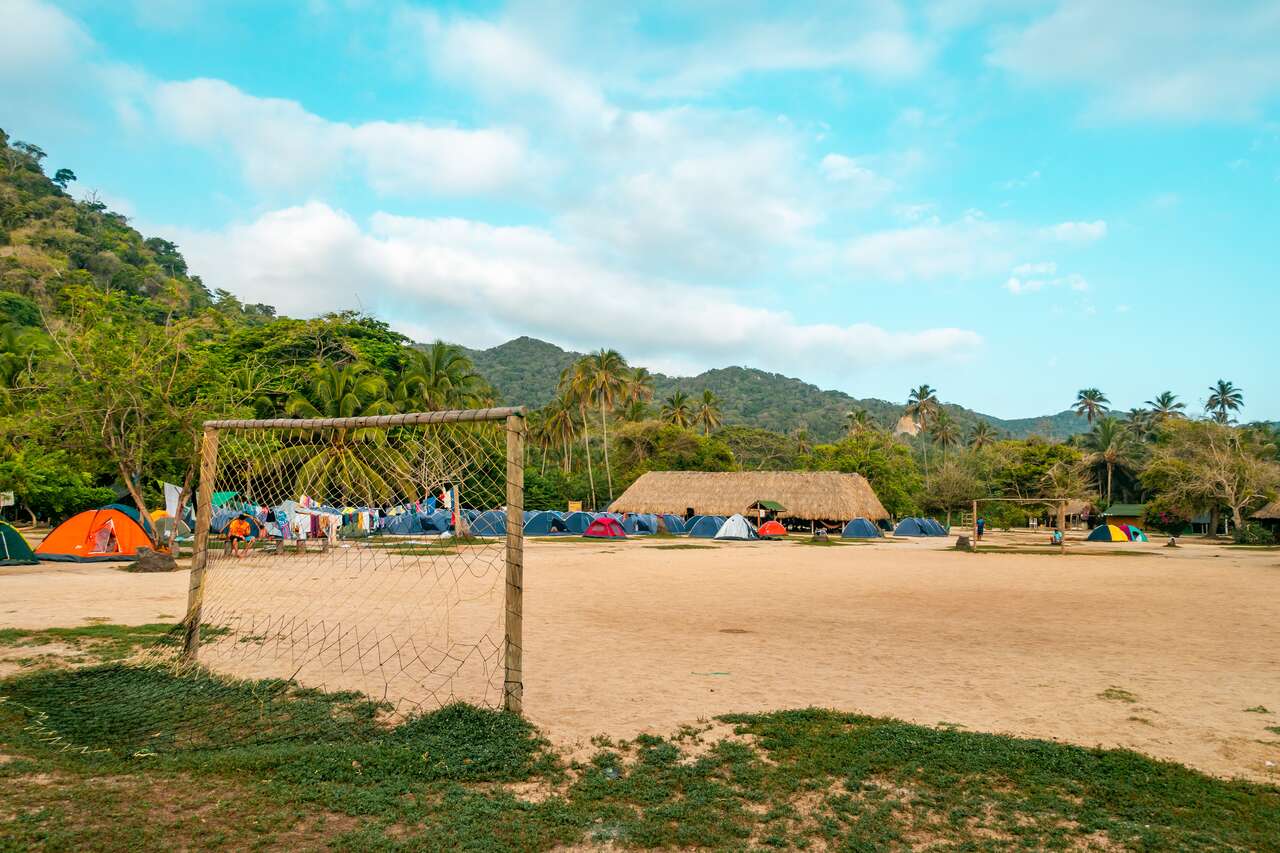
There is also a restaurant where you can order food, but the line can get pretty long at dinner time, so be sure to plan ahead and get in line before that happens.
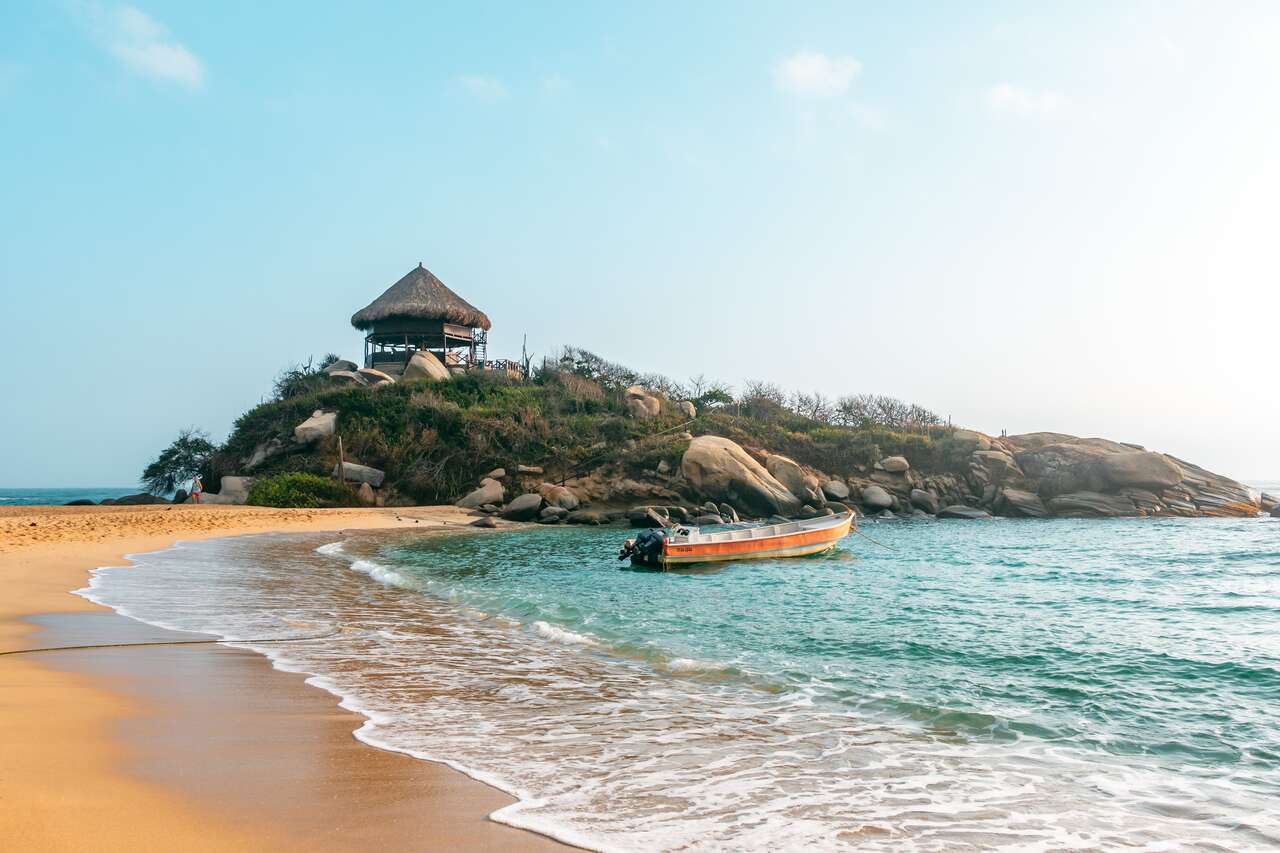
Spend the night at the camp here and make your way back to Santa Marta the next day as we continue our journey across the northern coast of Colombia. Personally, it was a little too crowded for me, but the scenery was nice and the hike was not too difficult. A good place to get acquainted with the rich nature here.
Getting From Santa Marta to Minca
To get from Santa Marta to Minca, you will have to get a collectivo from the collectivo stop by the Central Market (be sure to confirm the location with your accommodation before you go to Minca, as the bus stop might switch around).
The colectivo ride usually takes around an hour depending on traffic, but the fare and departure point can change. Confirm the current Minca colectivo stop and price locally in Santa Marta. For reference, I paid 8,000 COP for the ride when I was there.
Day 6: Minca (1 night)
- 📍 Stay: Minca Ecohabs
- 🕐 Time: 1 night
- 📖 Full Guide: Eight Wonderful Things To Do in Minca (Updated 2020) (via alongdustyroads.com)
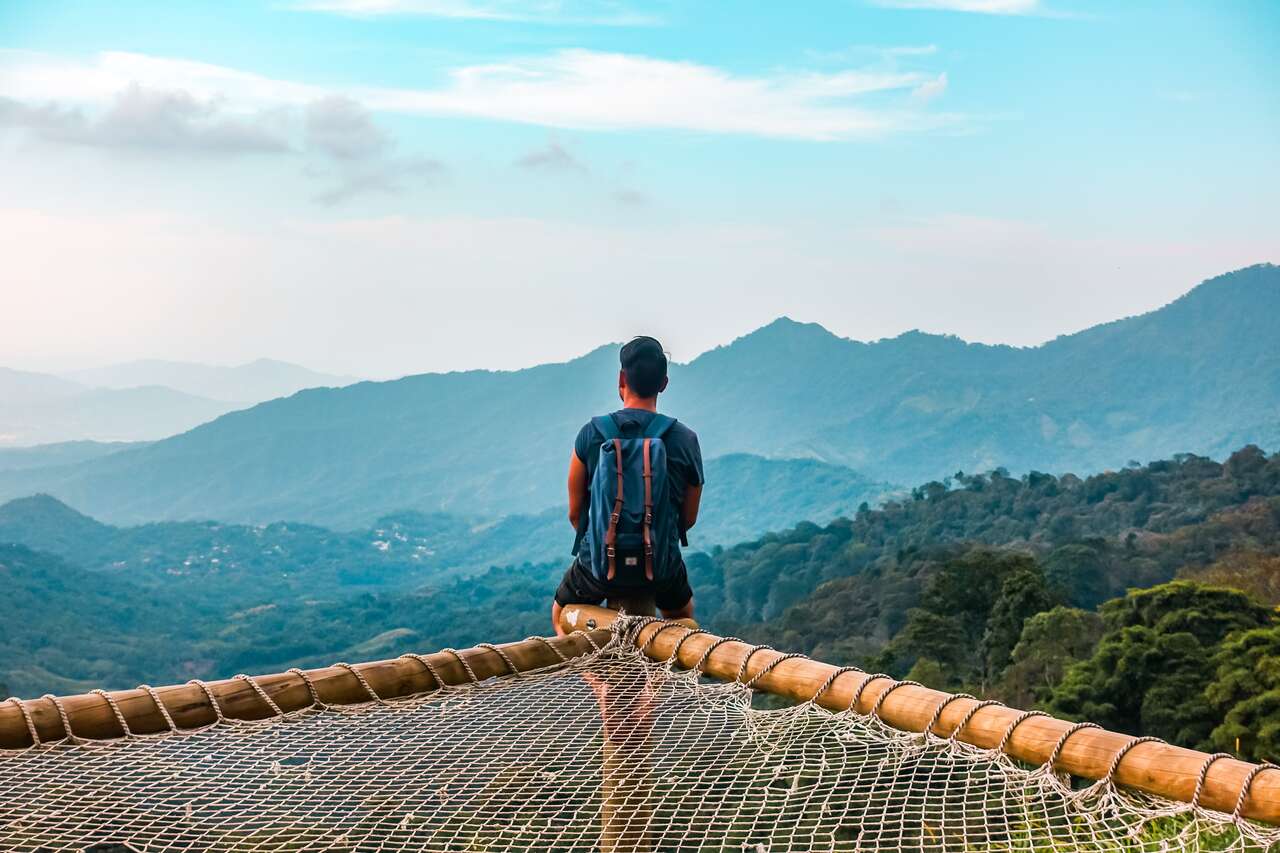
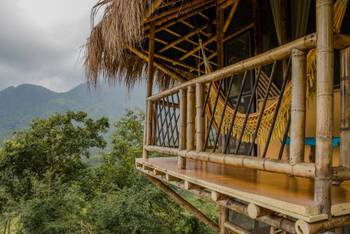
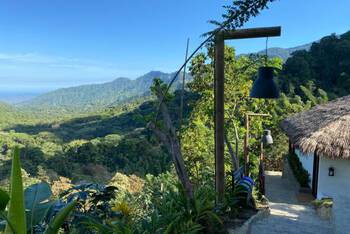
From the hot and humid Santa Marta, visiting Minca is going to be a breath of fresh air for you. Located in the coffee region of the north, Minca offers you a great chance to see the beautiful mountains of northern Colombia on a motorbike, taste some of the finest coffee in the country, and find solitude in the middle of the mountain as you relax on the giant hammock at Sierra Minca Hostel.
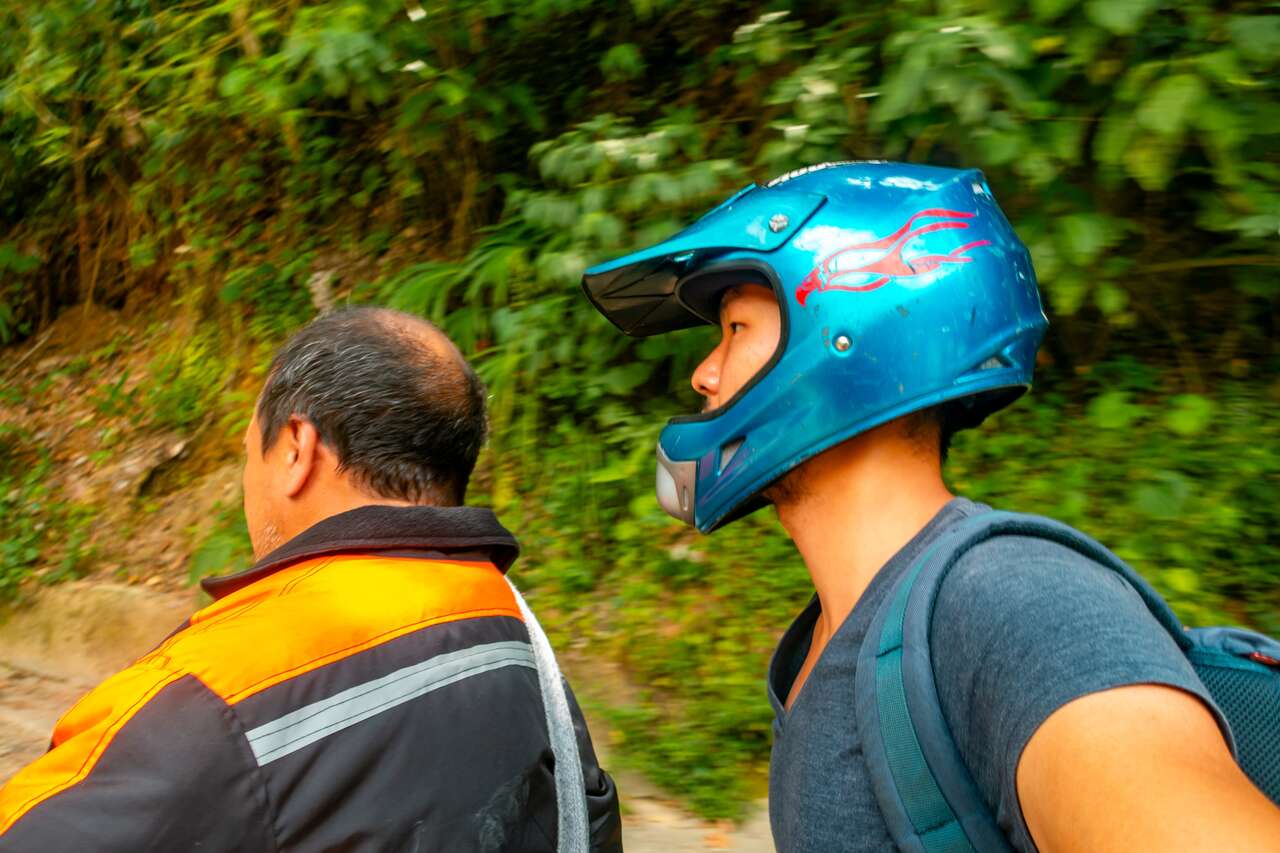
When you arrive in the town, you will see a motorcycle stand where you can hire them to show you around. Most of the things are quite far apart, so I highly recommend getting a motorbike.
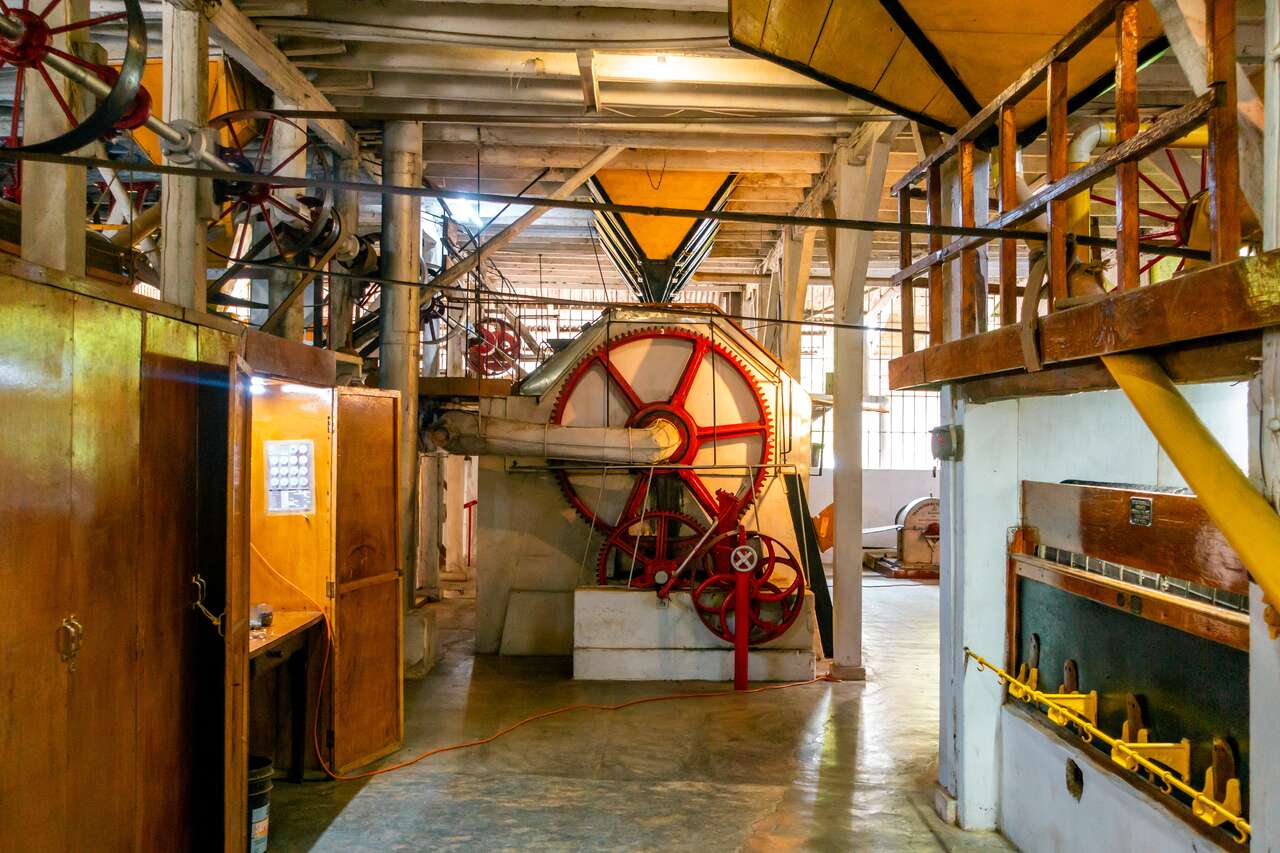
First, visit Finca Victoria coffee farm and get a dose of their finest coffee while learning about how the farm operates. Be fascinated by the fact that some of their equipment is from 1892 and the smart ways in which they operate without the use of electricity.
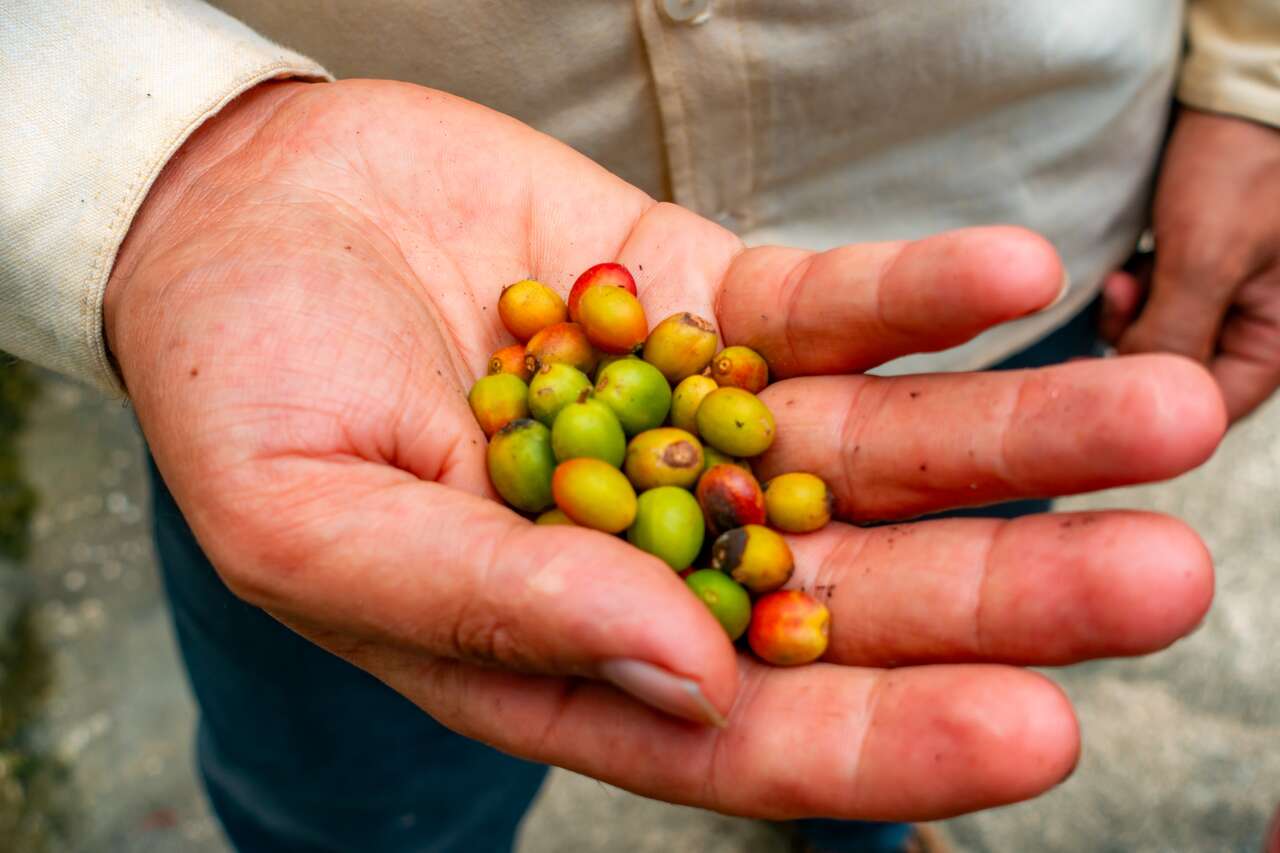
Once you are done, tell your moto-taxi driver to take you to the Los Pinos viewpoint, stop for a photo, and then head to Sierra Minca Hostel.
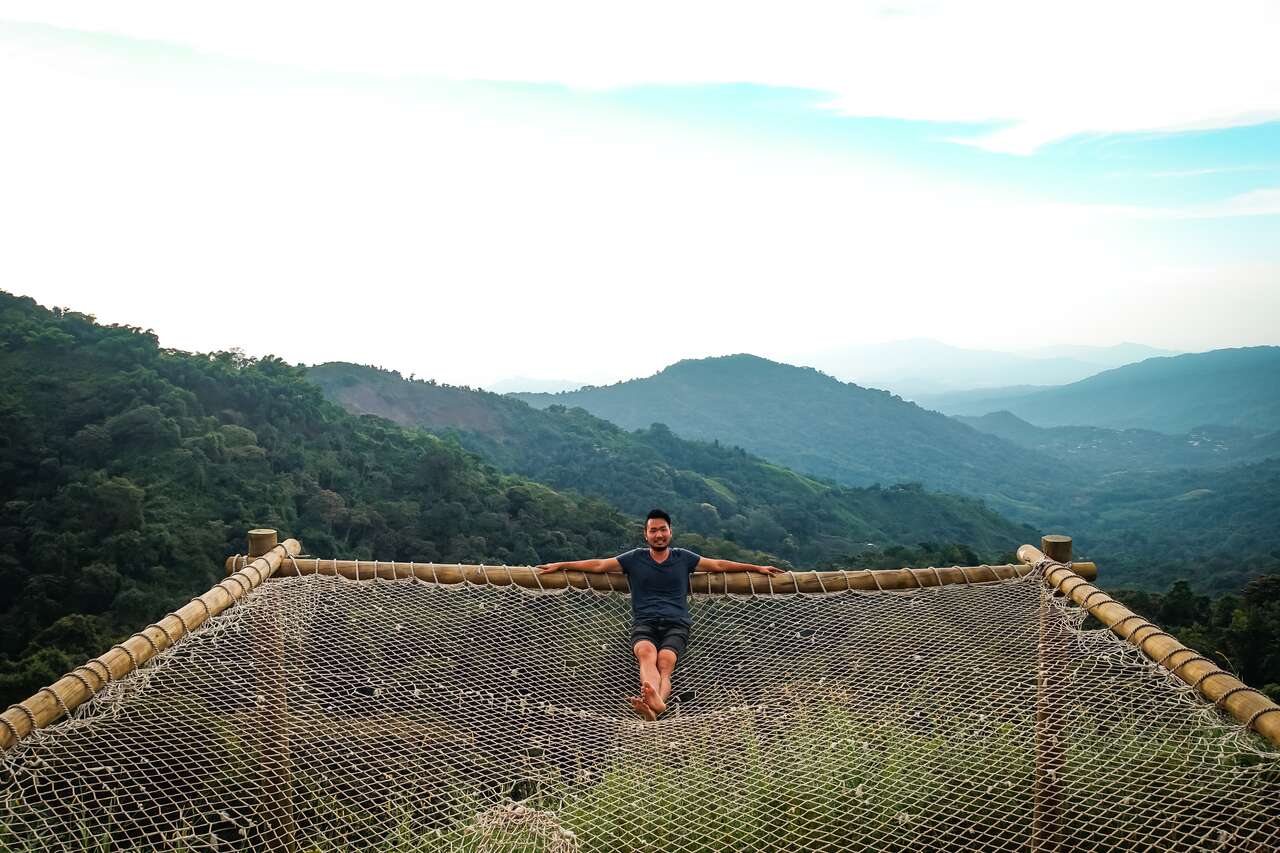
Spend a night there and enjoy nature while capturing cool photos with the iconic hammocks they have on-site. The next day, head back to Santa Marta for another night, and start planning your epic trip to the Lost City of Colombia!
Getting From Santa Marta to The Lost City
To get to the Lost City, you have to join an authorized trek. Current operators offer 3, 4, and 5-day options, with regular group departures. As of September 2026, the standard 4-day trek is around 1,860,000 COP, but check the current tour operator rate before booking.
Day 7 - 10: The Lost City - La Ciudad Perdida (4 nights)

I was unable to do the trek due to my workload and timing, but I met many people who enjoyed hiking to the Lost City, and one of our readers also shared their experience in the comment section. The trek is now offered as regular 3, 4, and 5-day departures, and you can tour operator ratebrowse for the tour here.
You will be hiking in a thick jungle with lots of mosquitoes, and sleeping in a basic shared hut, so make sure you are prepared. Pack insect repellent and sunscreens! You can book the tour here.
For more information about trekking the Lost City in Colombia, be sure to check out: The Lost City Trek, Colombia: All You Need to Know.
Getting From Santa Marta to Cartagena
After you are back in Santa Marta, you can spend one more night there before going to our next destination, Cartagena. Buses still connect the two cities, but schedules, travel times, and fares change, so check the current departure locally or online here. Allow roughly half a day for the journey and some buffer for traffic.
Day 11 - 12: Cartagena (2 nights)
- 📍 Stay: Casa India Catalina
- 🕐 Time: 2 nights
- 📖 Full Guide: The 15 Best Things To Do In Cartagena (With Travel Tips) (via indietraveller.co)
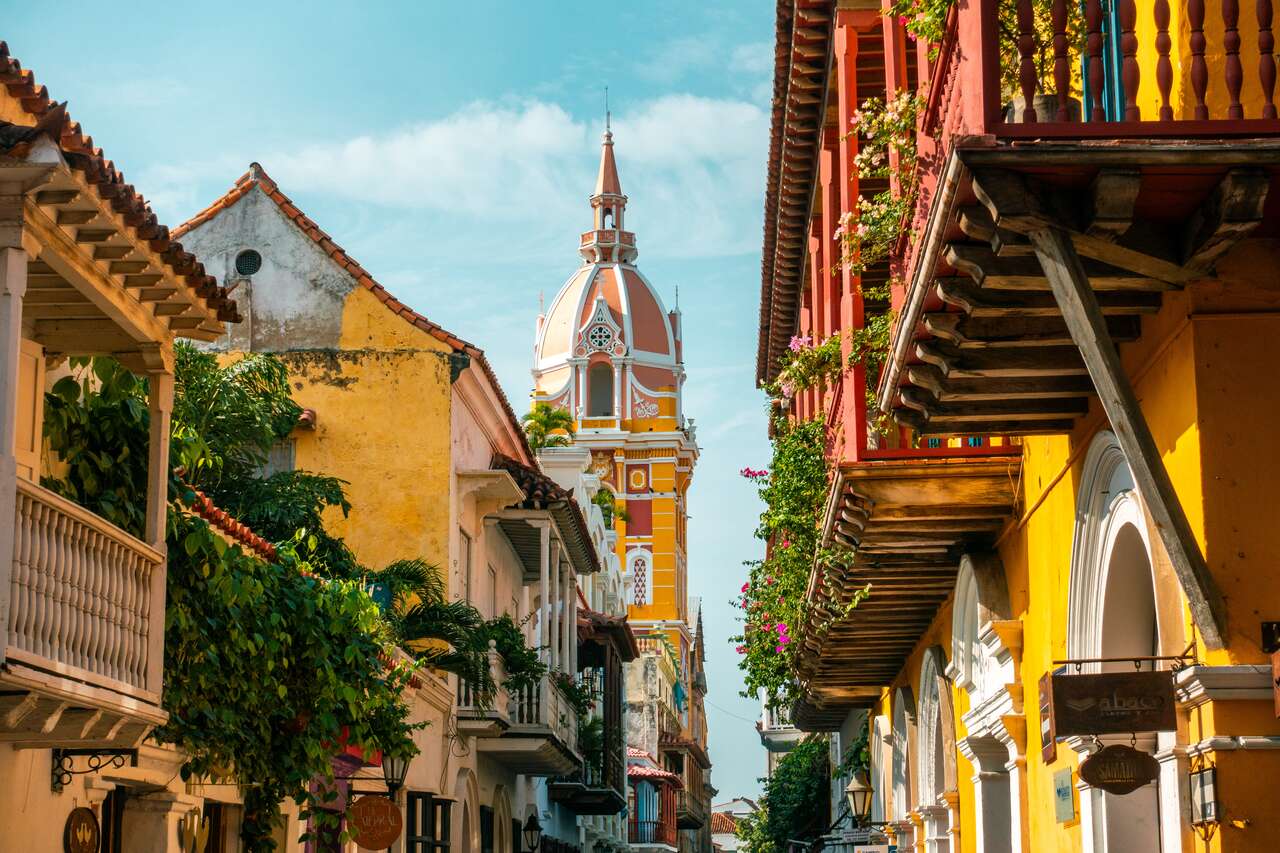
The next day, you can take an early bus to Cartagena. The trip should not take more than 6 hours. Cartagena is a colorful colonial city on the northern coast of Colombia. It is possibly one of the most photogenic colonial towns in Colombia, hence the number of tourists you will find here. Despite it being a bit crowded, the old town and its colorful colonial buildings are definitely worth seeing.
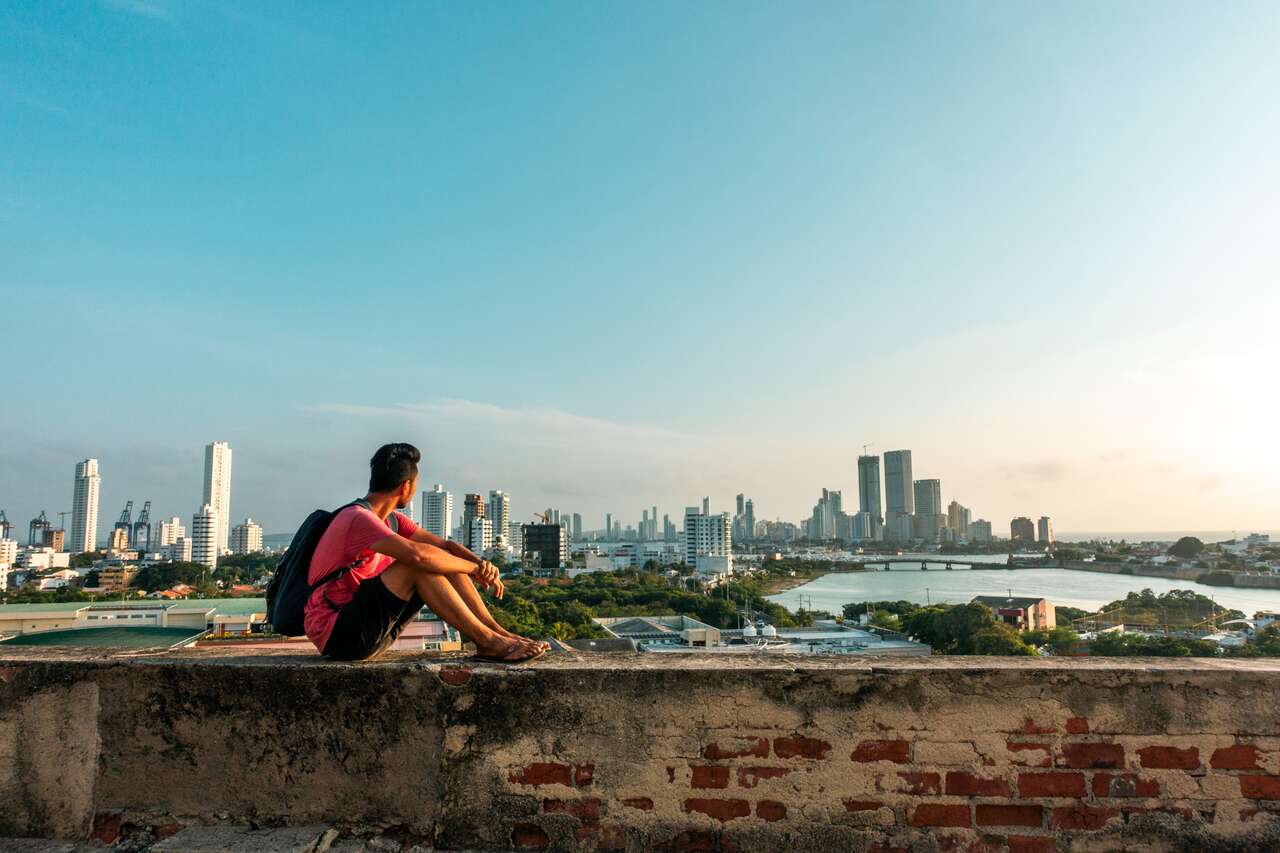
You can also experience a wonderful sunset from the top of Castillo de San Felipe de Barajas fortress, located just a few minutes drive away from the center. It is a wonderful colonial fortress with a stunning view of the city and a ton of history you can learn about.
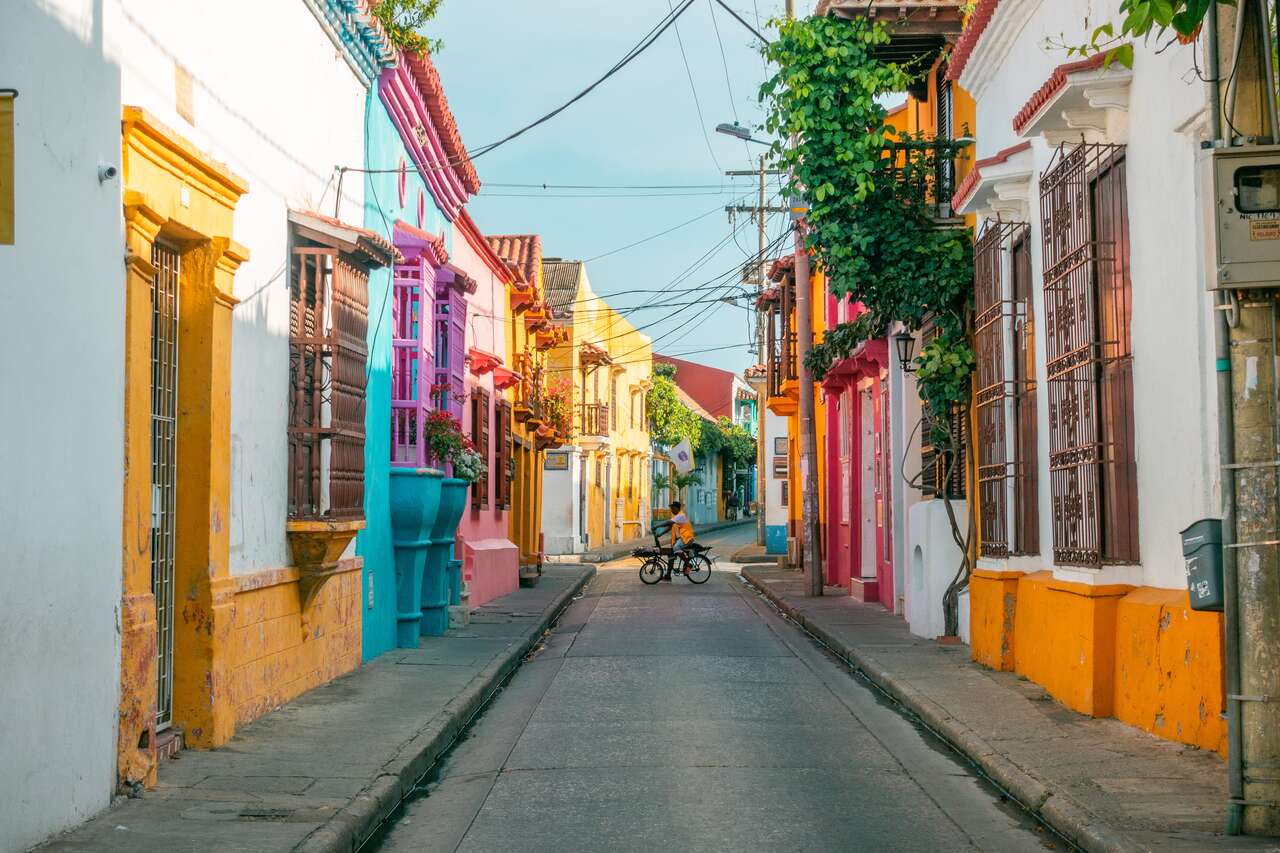
Not gonna lie, after spending a few days in Santa Marta and Tayrona National Park, it was great for me to get back to a lively city like Cartagena. The street is full of colors with people coming out in droves, street food carts everywhere, and street performers entertaining passersby. It was a breath of fresh air, and you are going to enjoy it.
Getting From Cartagena to Medellin
For Cartagena to Medellin, I would still compare flying with the long-distance bus. Flights can save most of a day, while the overnight bus avoids an airport transfer and a hotel night. You can Expediafind cheap flights here. If you prefer taking an overnight bus, you can also find the bus schedule online here.
Day 13 - 17: Medellin (5 nights)

- 📍 Stay: 574 Hotel
- 🕐 Time: 5 nights
- 📖 Full Guide: Top 10 Things To Do In Medellin
Medellin has quite a lot to offer in terms of hiking and culture. As some of you may know, Medellin was the stage for the drug lord Pablo Escobar and his reign of terror. So, in order to understand the history of the city and where it came from, going on a Pablo Escobar tour might help you understand the truth about the conflict a little bit more.
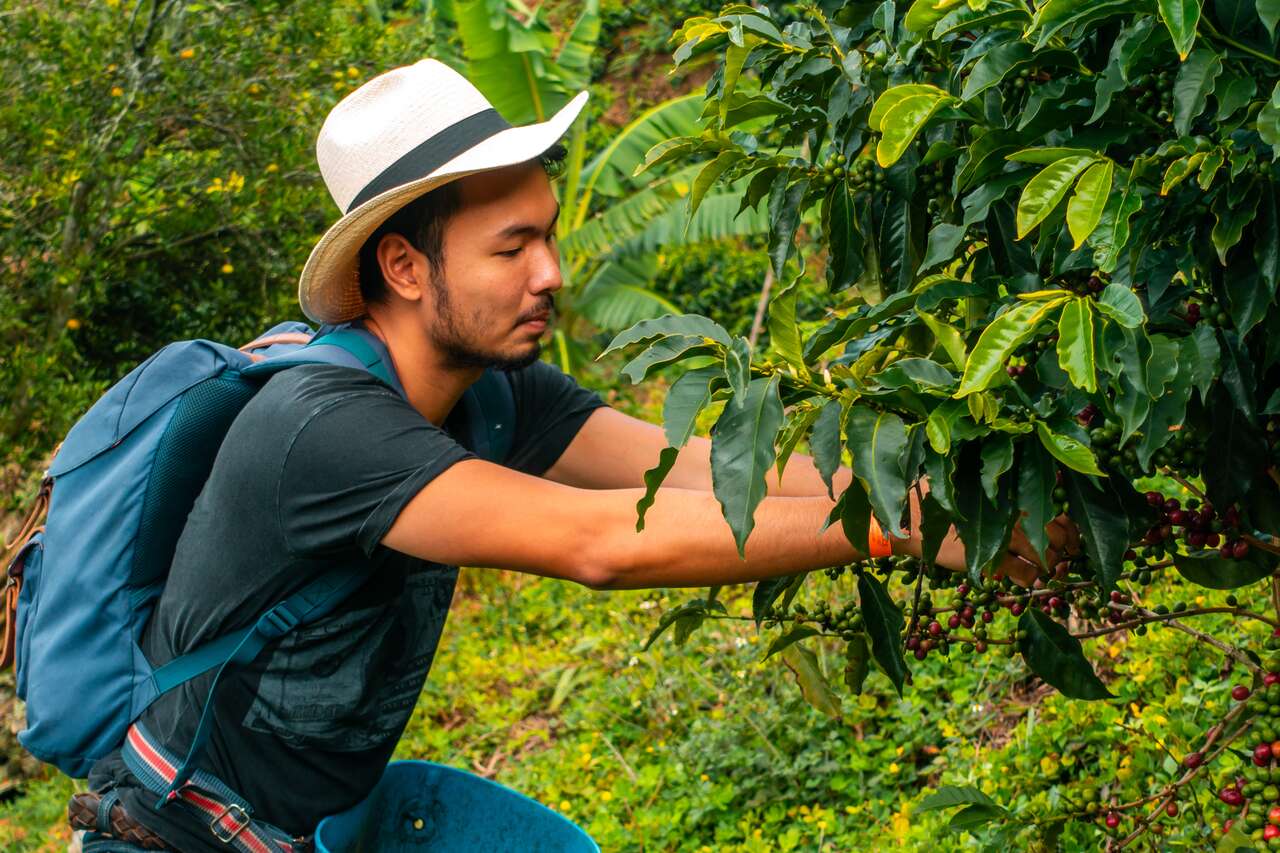
You can also do another coffee tour in Medellin that gives you access to private properties on the hills around the city and see what sustainable living is all about. I went to one of the coffee farms and was fascinated by how they were able to grow almost everything they needed, together with coffee, on the same farm.

If you are there on a Tuesday or Saturday night, you can hop over to Dancefree Workshop to learn a free Colombian salsa dance lesson from energetic and professional instructors. You can also ask to dance with anyone you want. The best way to learn is by asking a Colombian there to teach you as you stumble your way through the dance floor. They love to help out struggling foreigners.
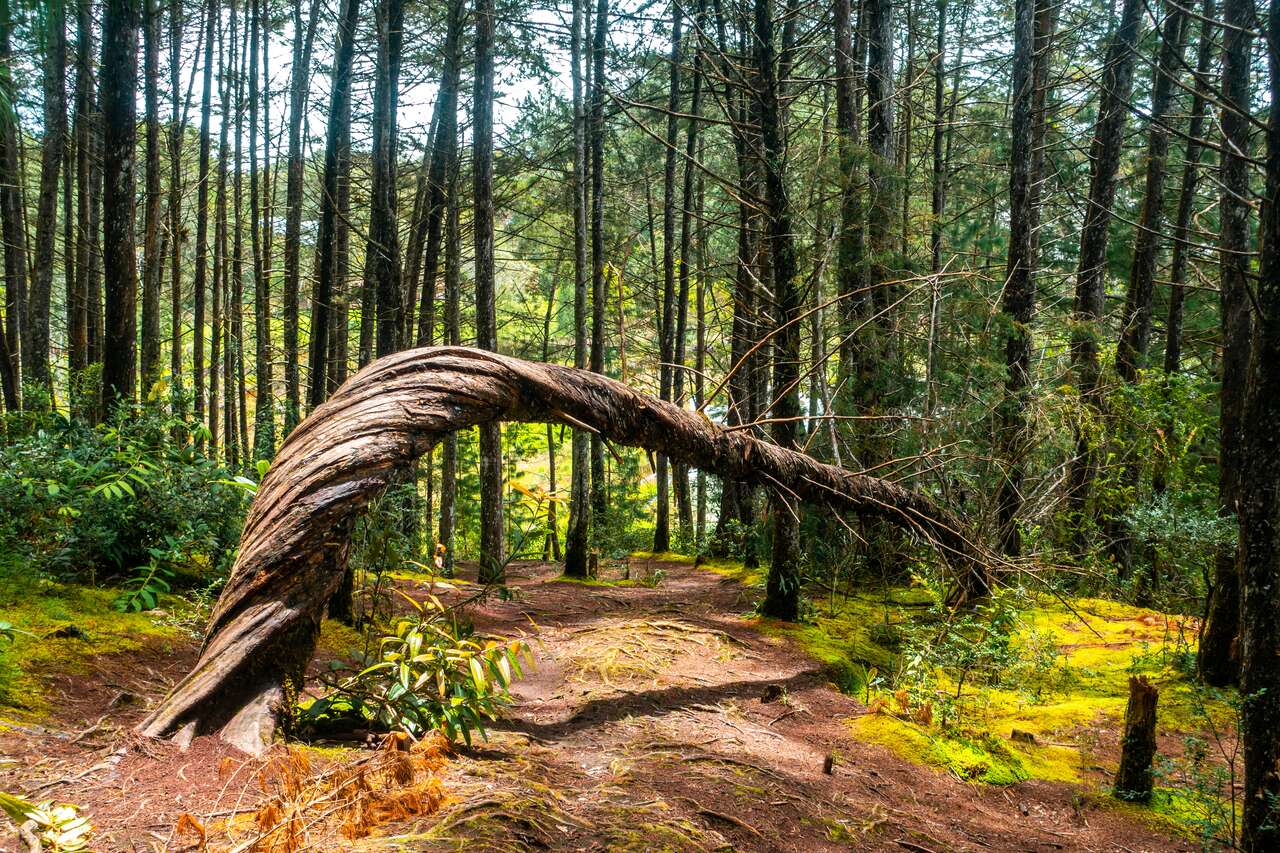
Parque Arví offers a great nature hike, complete with guides and facilities. This one is a little more tamed, and I would suggest you go with the free guide they provide since it is quite difficult to figure out your way around the thick forest of the park.
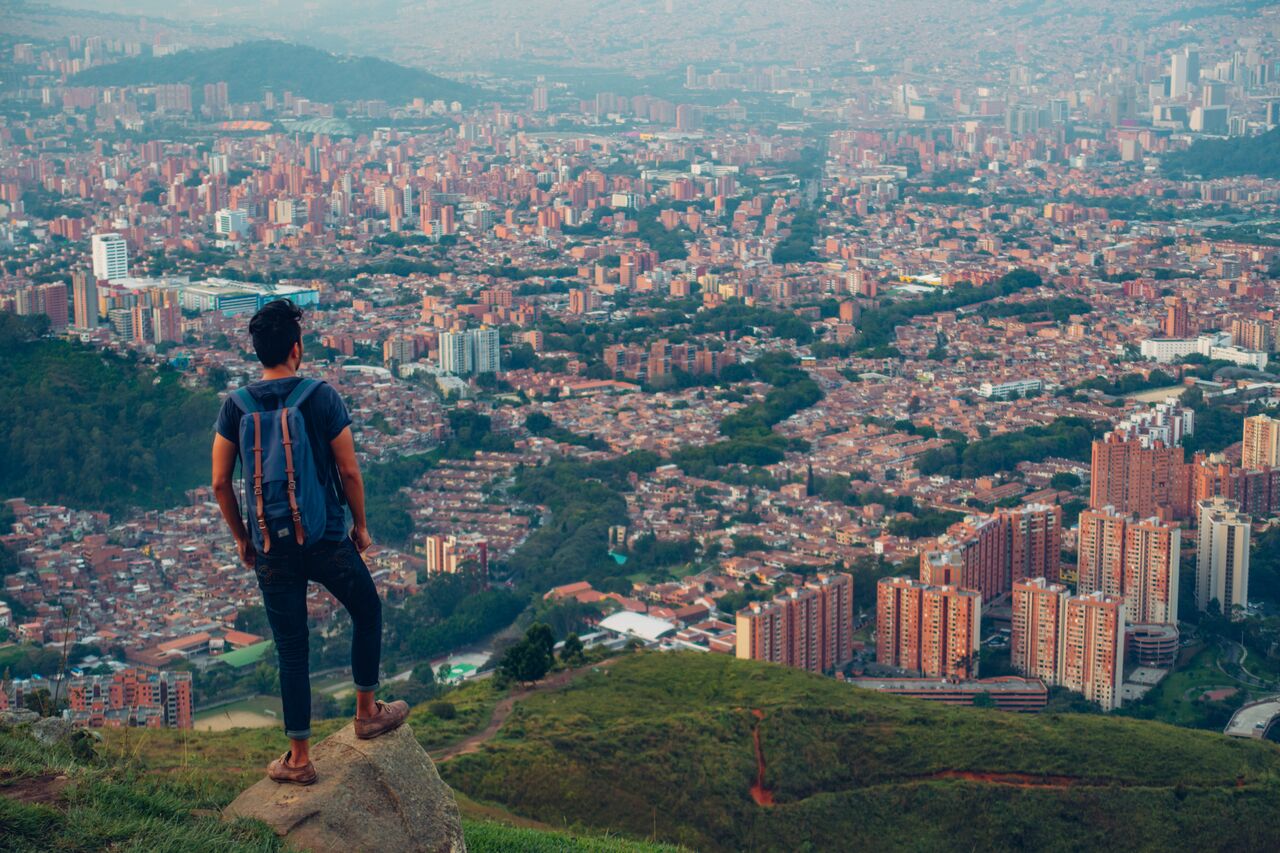
Within reach, there is a hike called Tres Cruzes, and you can complete it in an hour. From the top, you can enjoy a nice view of the city and the mountains that surround it.

If you have an extra day, be sure to go to GuatapeLa Piedra del Peñol, the enormous granite monolith overlooking the reservoirs. The view from up there is nothing short of extraordinary. See the photos above if you don't believe me.



Getting From Medellin to Salento
You can get a direct bus from Medellin's Terminal Del Sur bus station to Salento via Flota Occidental Bus Company. The trip should take about 7 hours and cost around 47,000 COP per person. To book a bus ticket online or check the schedule, you can do it here.
Day 18 - 19: Salento (2 nights)
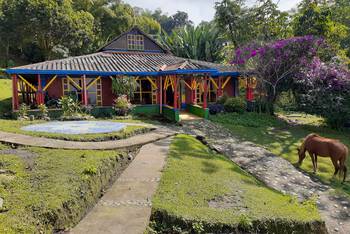
- 📍 Stay: Casa Borbon
- 🕐 Time: 2 nights
- 📖 Full Guide: The Ultimate Hiking Guide To Valle Del Cocora (Cocora Valley)
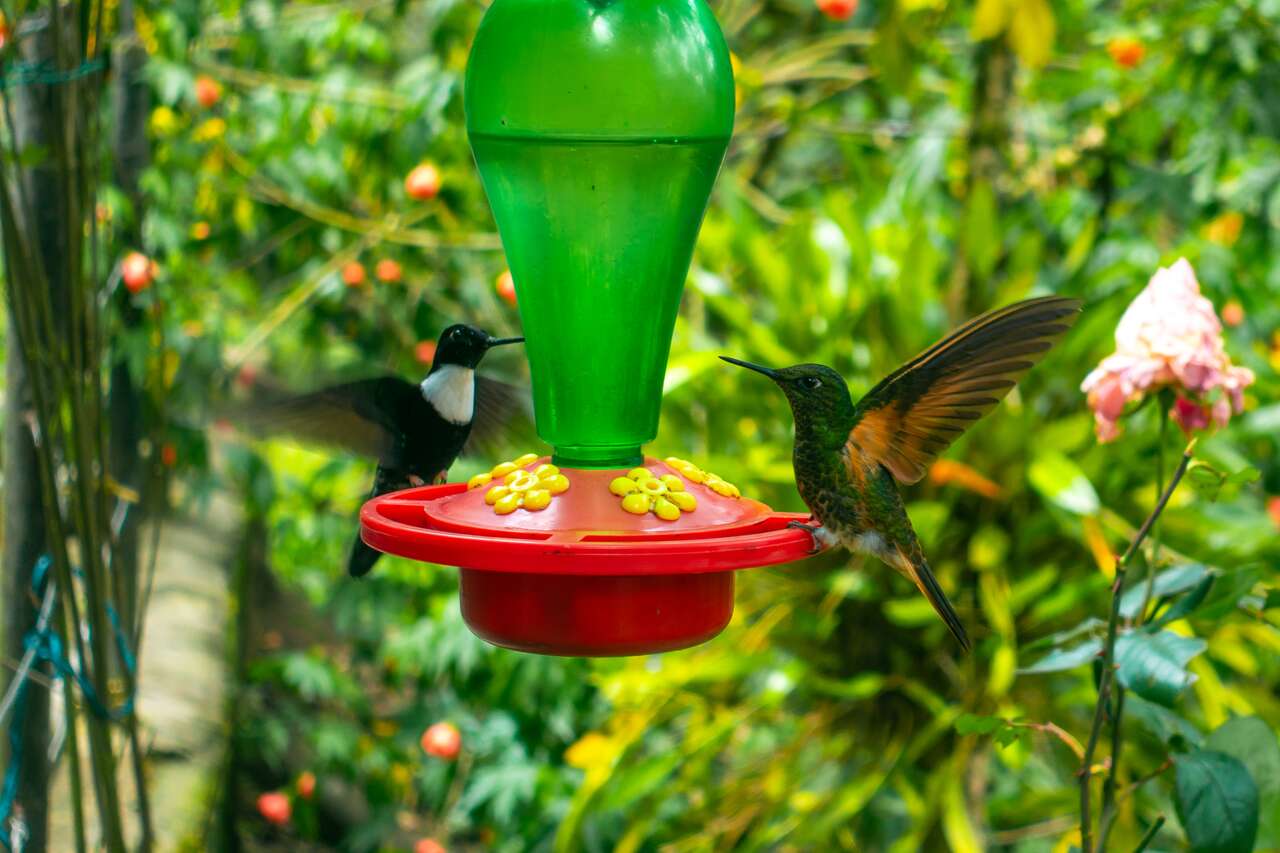
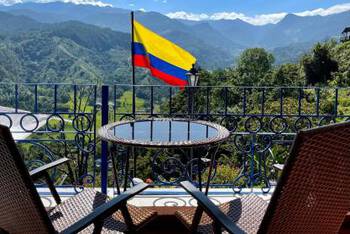
Salento is where the adventure is at. Spend a full day hiking around the Cocora Valley, where all the tall palm trees are. Get up to Finca Acaime for a nice, warm coffee break, and witness the hummingbirds up close.
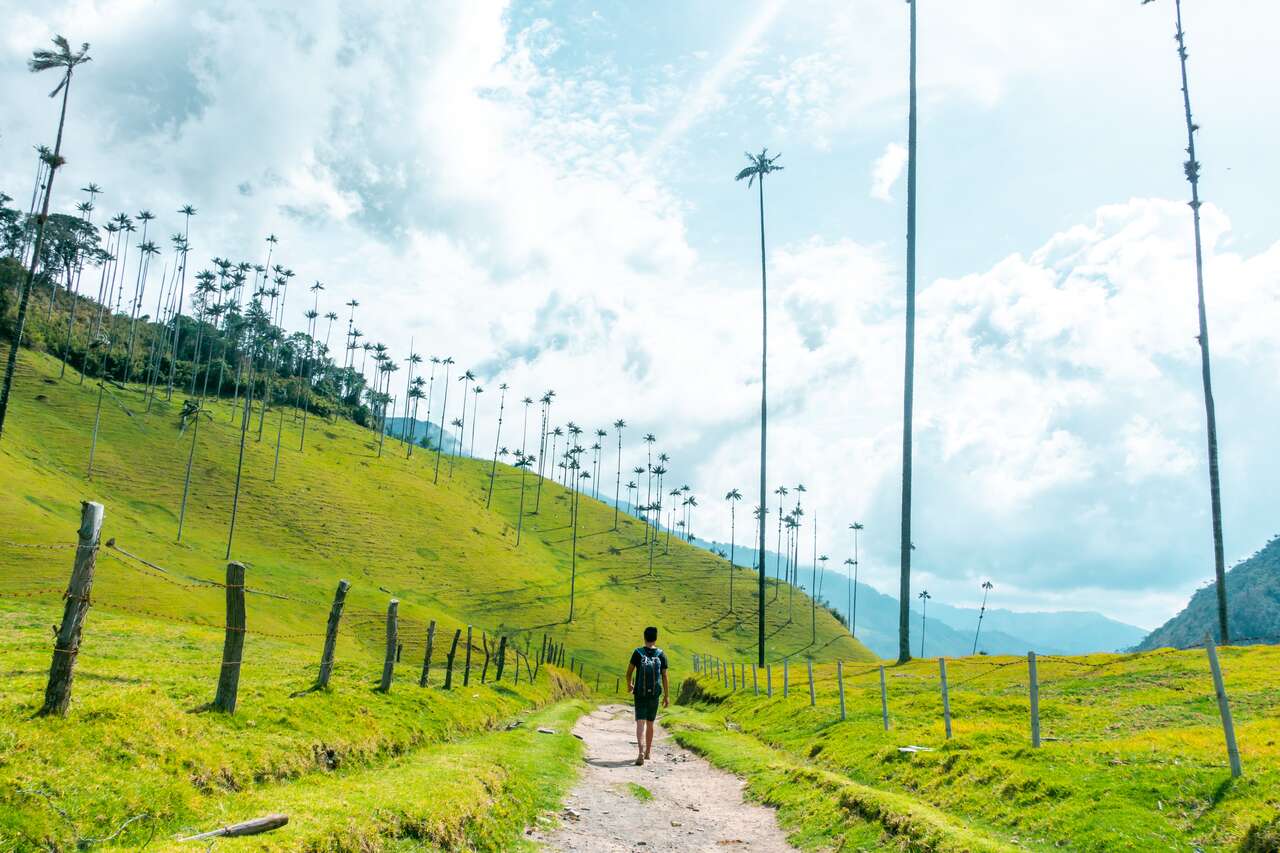
From the finca, hike down and around the valley to complete the loop. The cool part of the valley, where you can see all the tall palm trees up close, is at the end, so be patient.
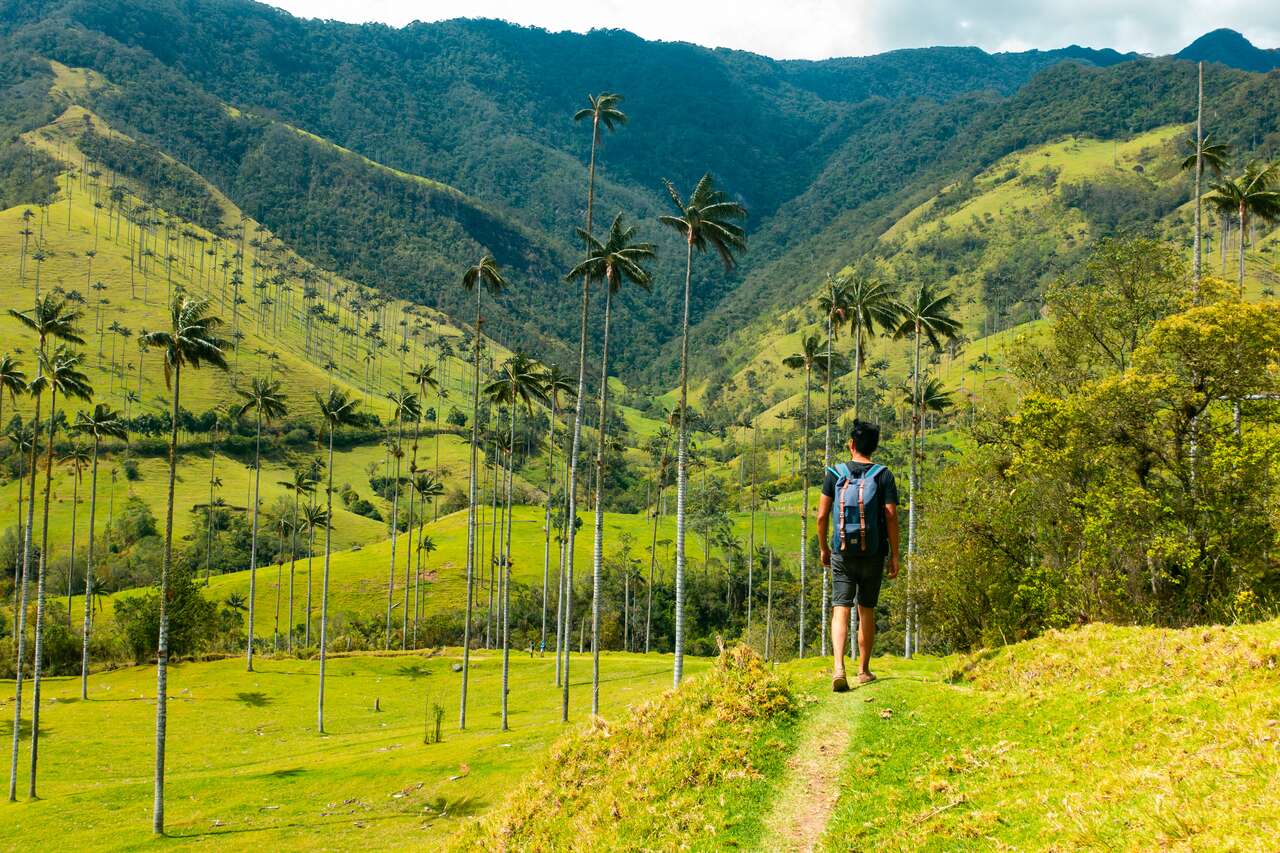
To get to Cocora Valley, you have to be in the city center early in the morning, around 8 am, and get a jeep there. The jeep runs quite often, but the earlier you go, the less crowded it will be. You can follow my complete travel guide below:


Getting From Salento to Popayan
The Salento to Popayan trip generally requires a connection, commonly through Armenia or Cali depending on the services running that day. It is a long travel day, taking about 6 - 7 hours, so leave early and confirm the current route and departure times locally. In my experience, there are several buses running between Cali and Popayan, so you should not have to wait very long. It costed me around $20 for the entire trip, but it will likely be higher now. You can find the bus schedule online here.
Day 20 - 22: Popayan (3 nights)
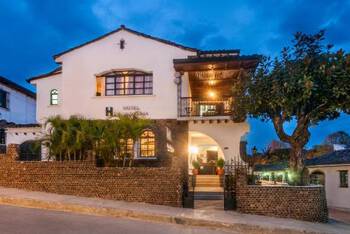
- 📍 Stay: Hotel La Herreria Colonial
- 🕐 Time: 3 nights
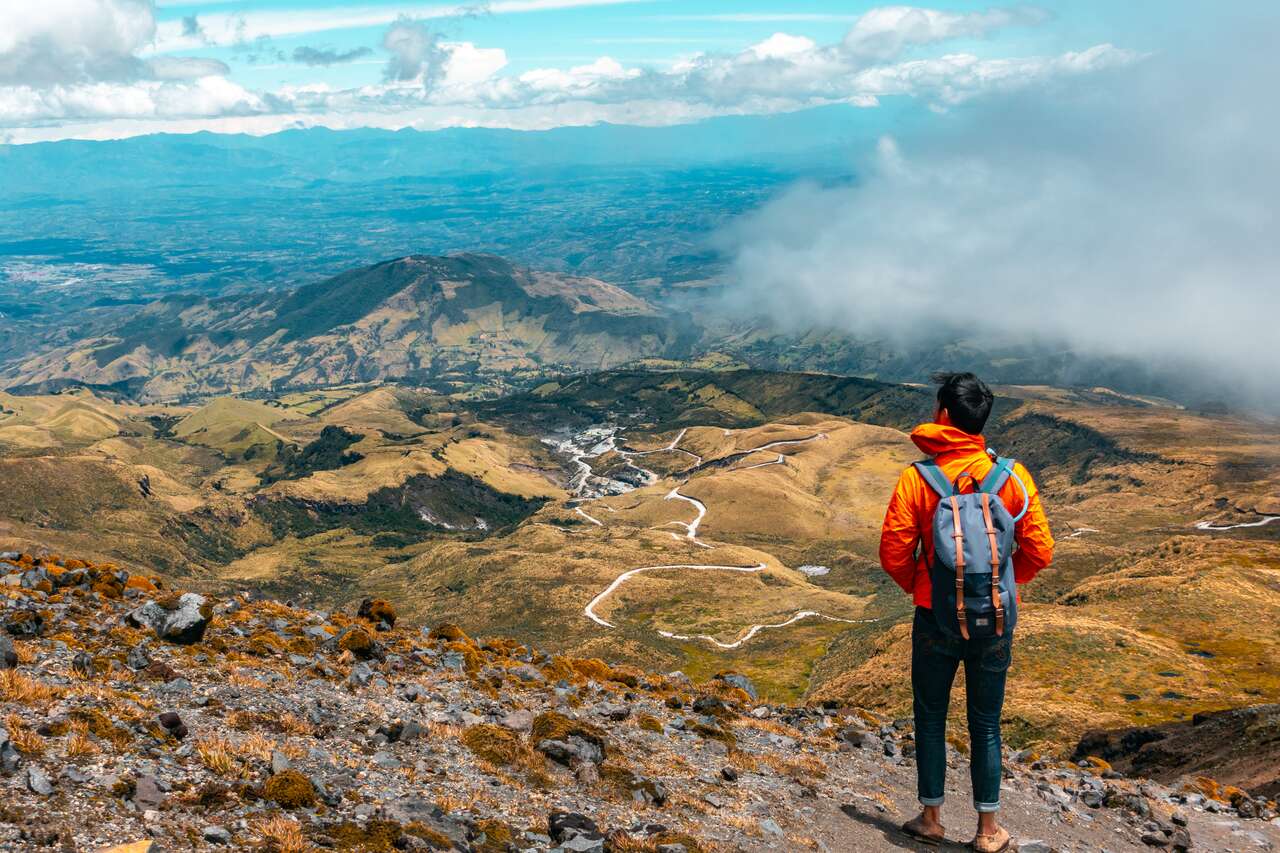
Near Popayan is Puracé Volcano>, which I hiked on my trip. That hike is not currently available: in August 2026, authorities raised Puracé to Orange Alert and temporarily closed the volcano trails, the Coconucos volcanic chain, Termales de San Juan, and several sectors of Puracé National Natural Park. As of September 2026, the volcano remains at Orange Alert. Keep the following photos and account as a record of my experience, not as a route you should attempt right now.
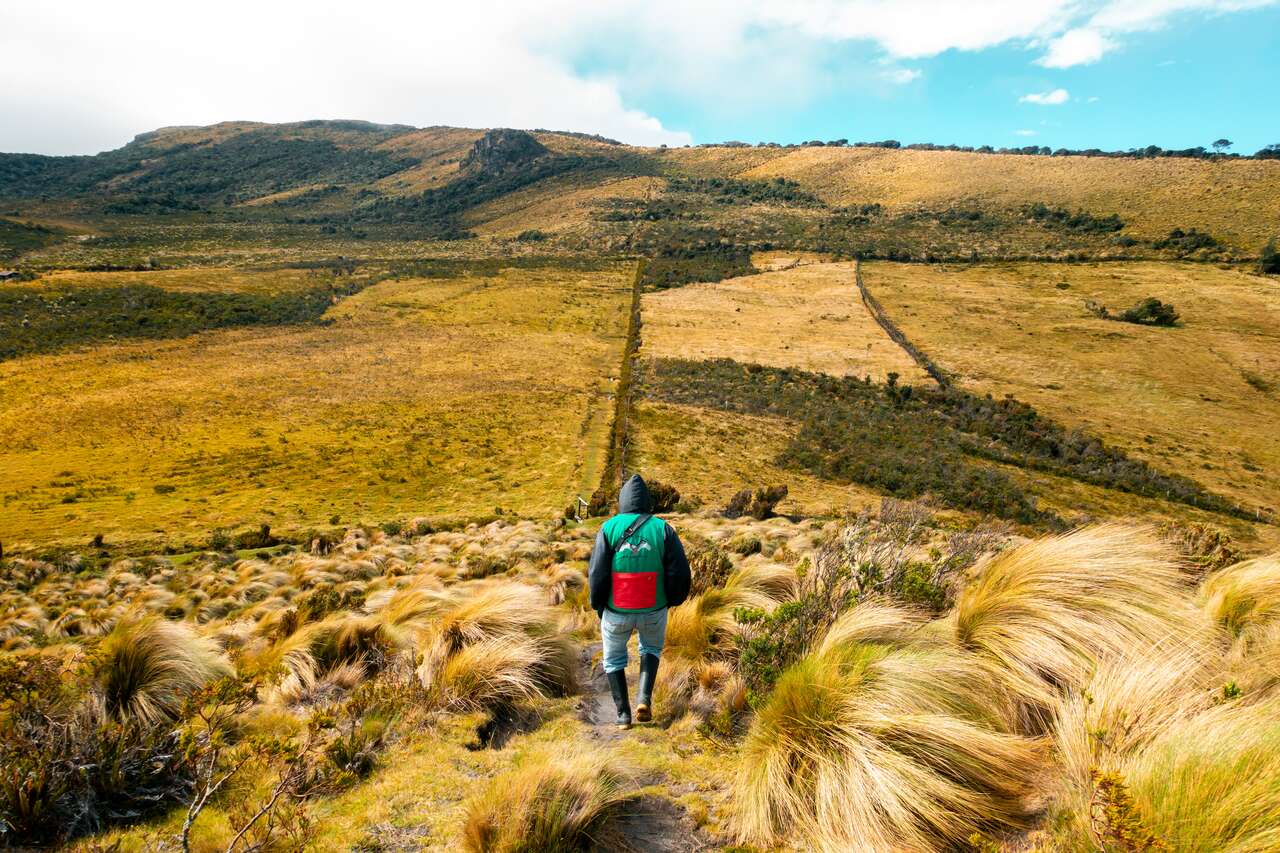
When I did this hike, I took a 5-AM bus from Popayan Terminal toward Termales de San Juan, and told the driver to drop me off at Purace. I arrived at 8 AM and started the long summit hike from there. This is historical information only. Do not follow these transport or trail instructions while the current volcanic closure remains in force.
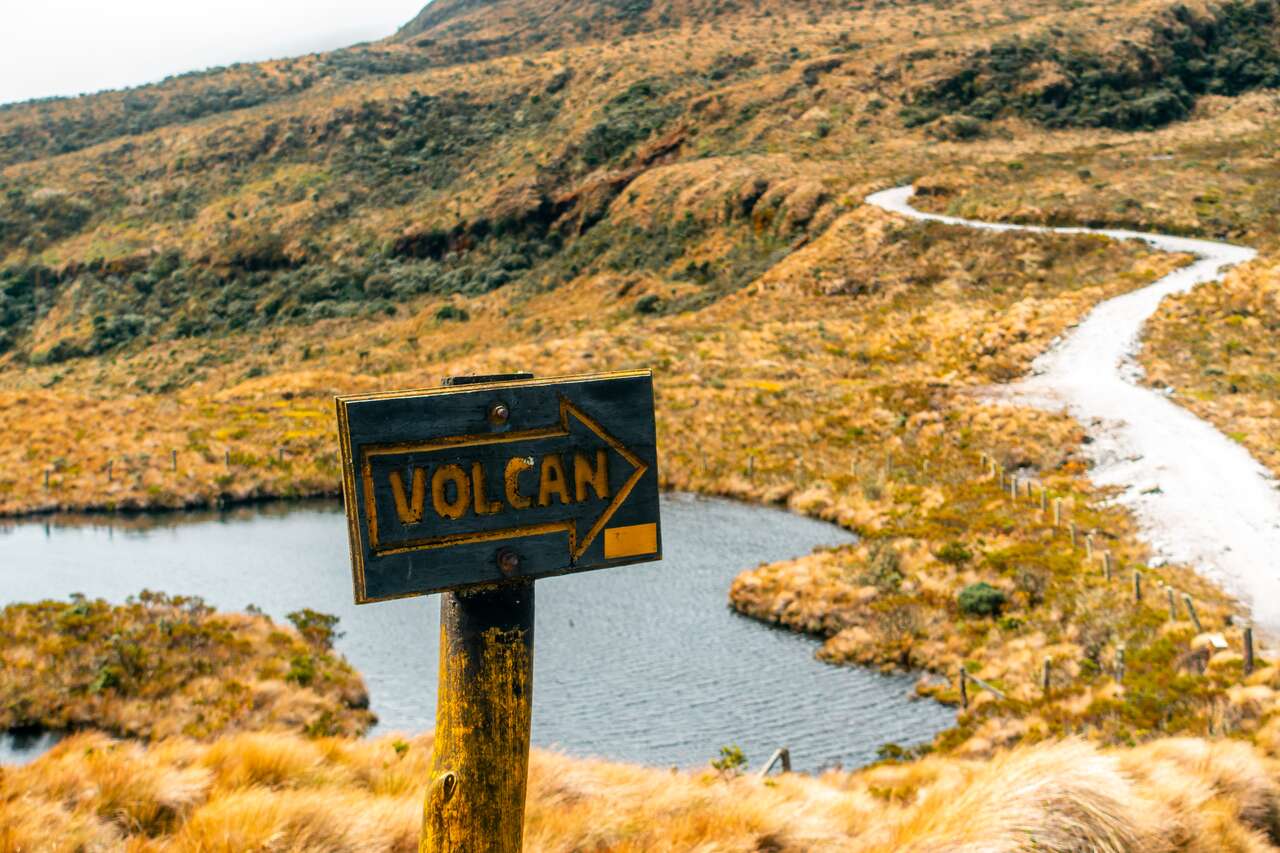
On my trip, access involved local arrangements and a guide at the Purace Registration Office. Current access rules are different because of the volcanic closure, so check Parques Nacionales and the Servicio Geológico Colombiano before planning anything around Puracé.
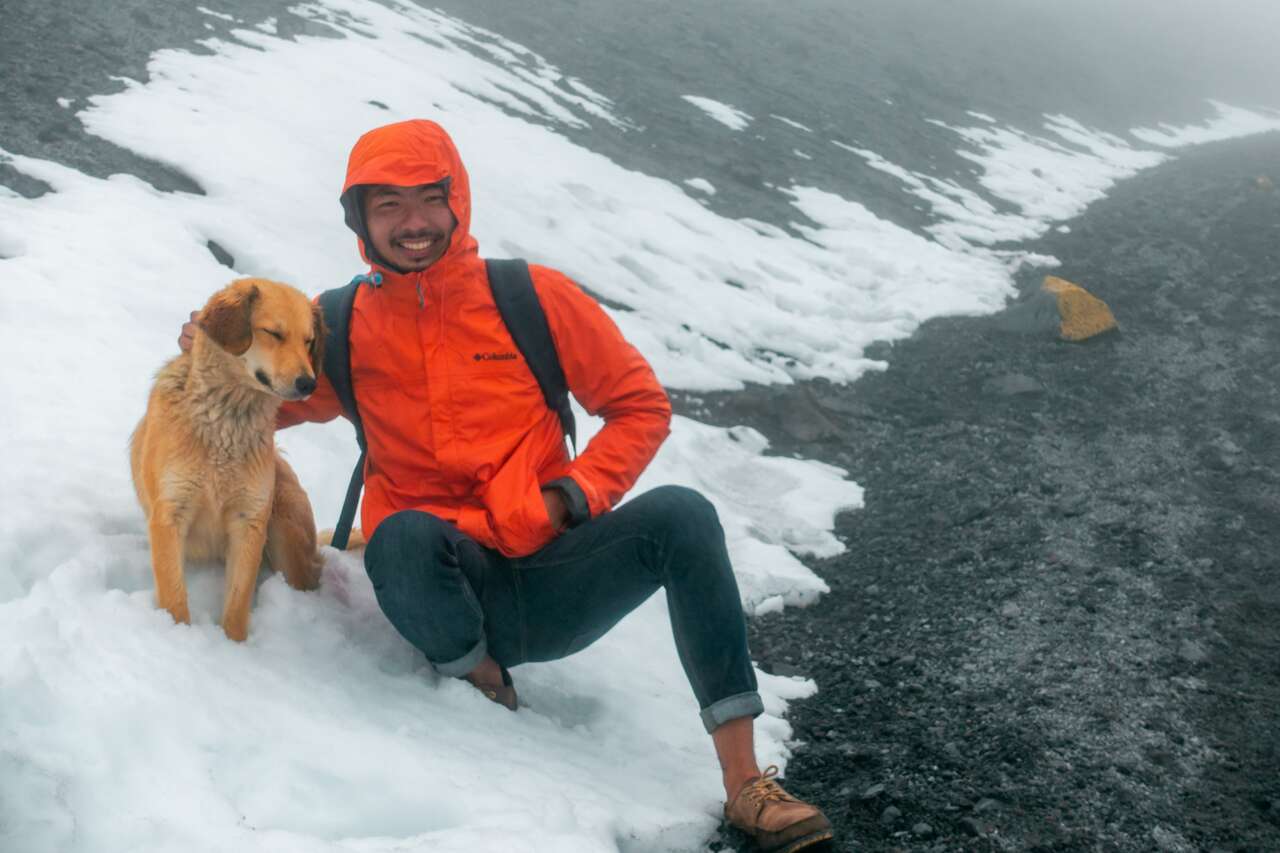
The trail is long and rugged, and the wind is unbearably strong, so be sure you pack enough layers for the hike. I was hiking in shorts but I had a fleece and an outer shell jacket. Long pants would be much better, in retrospect so don't be like me! The view from the trail is nothing short of spectacular.
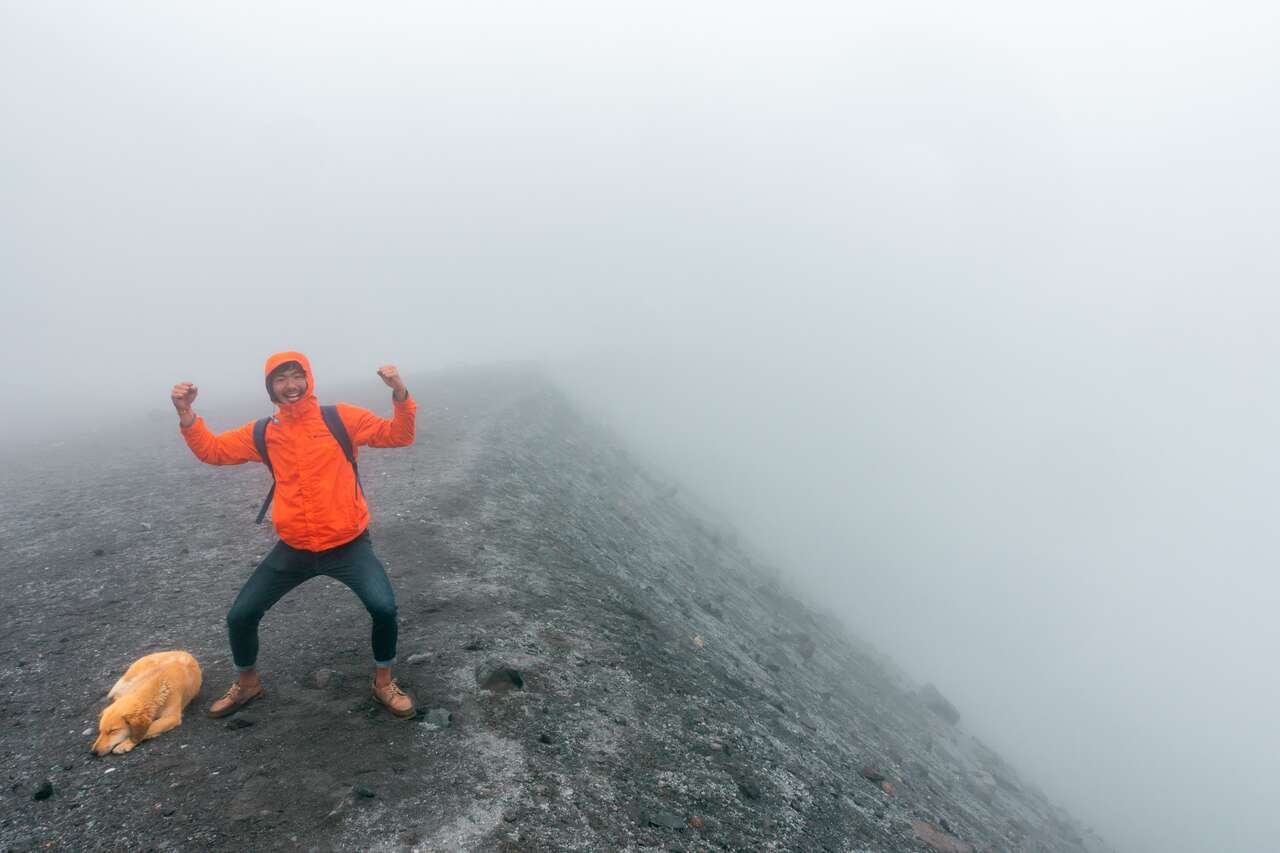
I did not have the best weather on the summit, but at least I have this dog to celebrate my success with me 😆. He followed us all the way from the office to the summit! A real hero, I'd say!
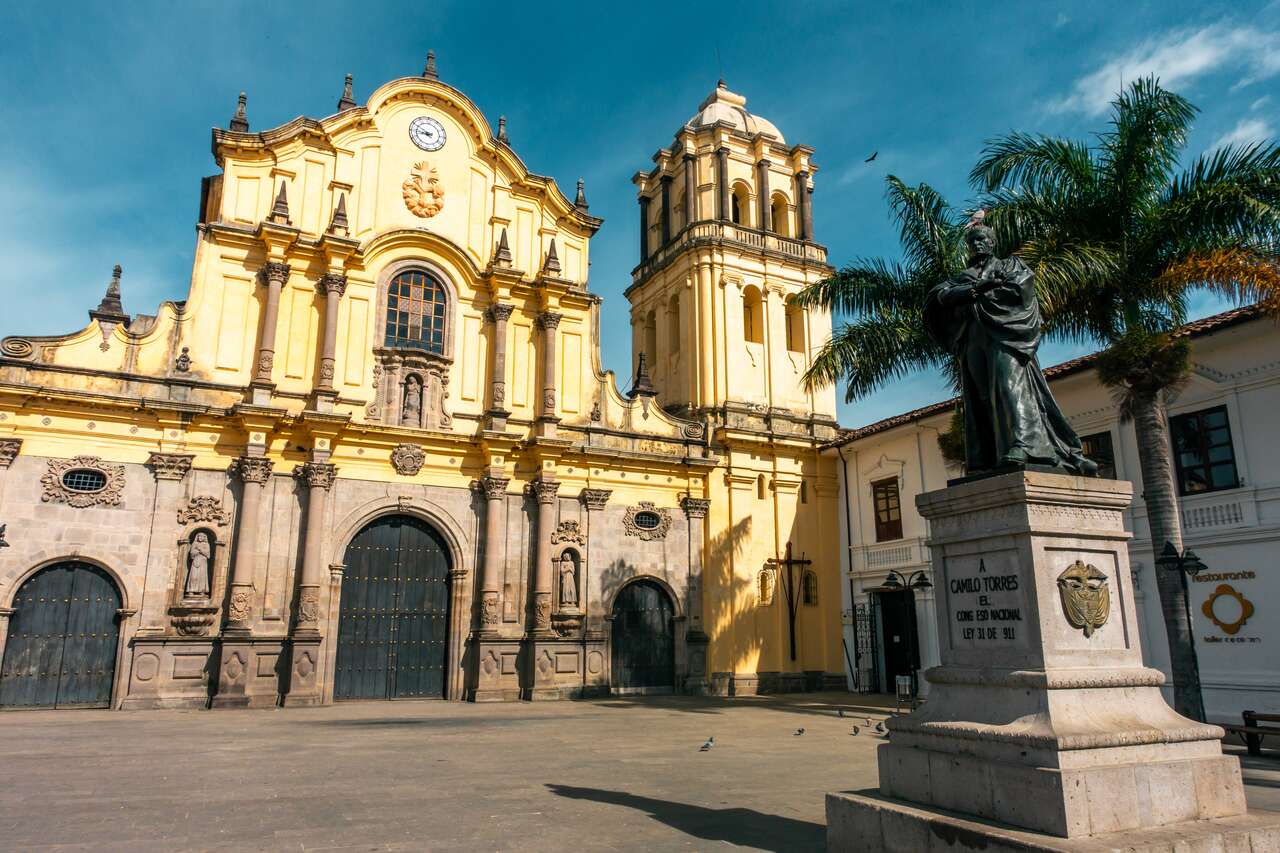
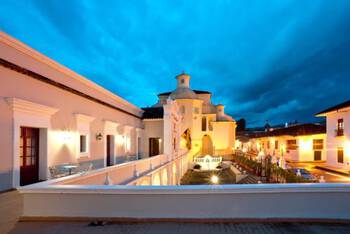
After the first day of hiking the volcano, rest up and take a walk around the white colonial town of Popayan for a day. The city is quite charming, with white-washed colonial buildings scattered across the city, so be sure to spend some time and explore while you are here.
Where to Stay in Popayan?
Getting From Popayan to San Agustin
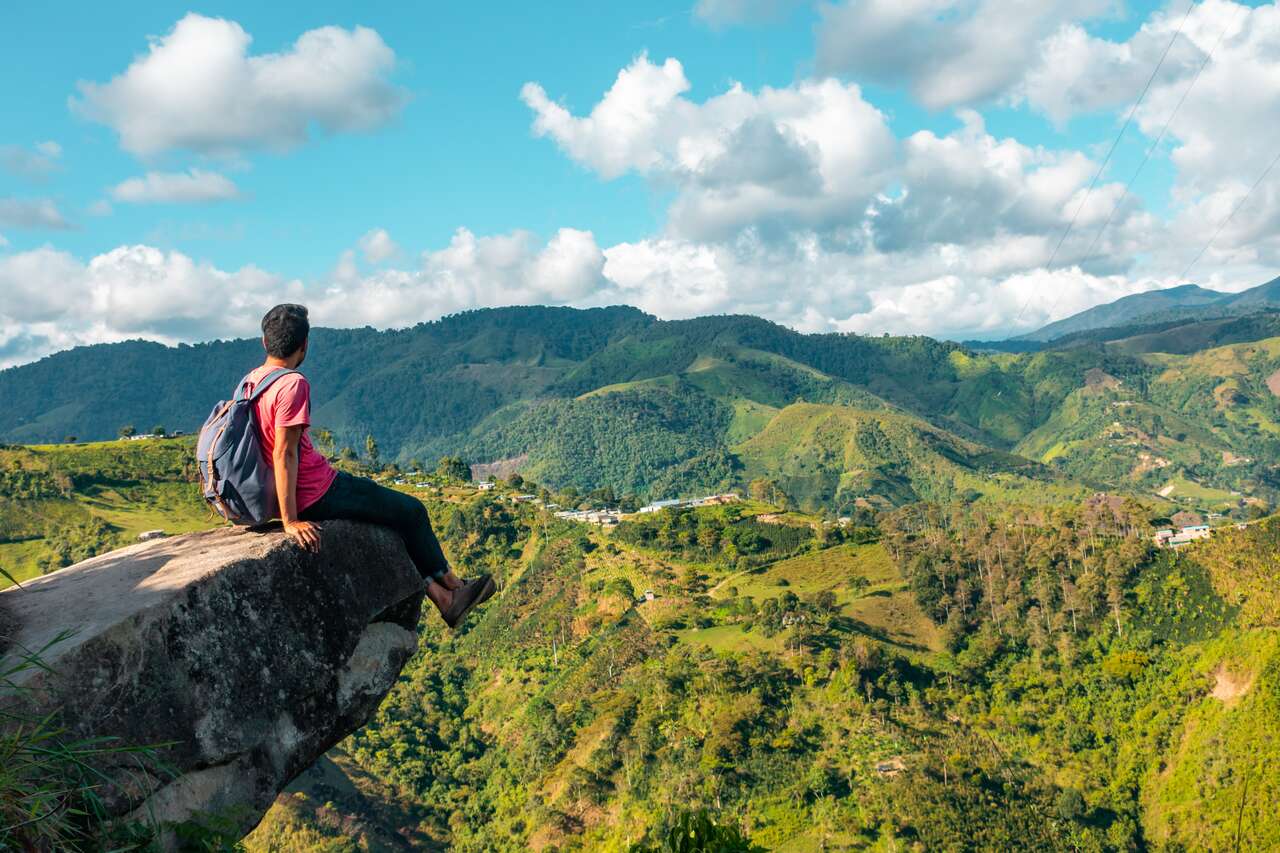
To get from Popayan to San Agustin, you have to get on a collectivo from Popayan Bus Terminal, and it will take you to San Agustin through one of the bumpiest roads ever. This part will not be the highlight of your trip, but once you arrive in San Agustin, it will make it all worthwhile. I promise you. The journey took around 5-6 long hours and costed about 35,000 COP. It will likely be higher for you now. You can find the bus schedule online here.
Day 23 - 24: San Agustin (2 nights)
- 📍 Stay: Raices Hotel San Agustin
- 🕐 Time: 2 nights
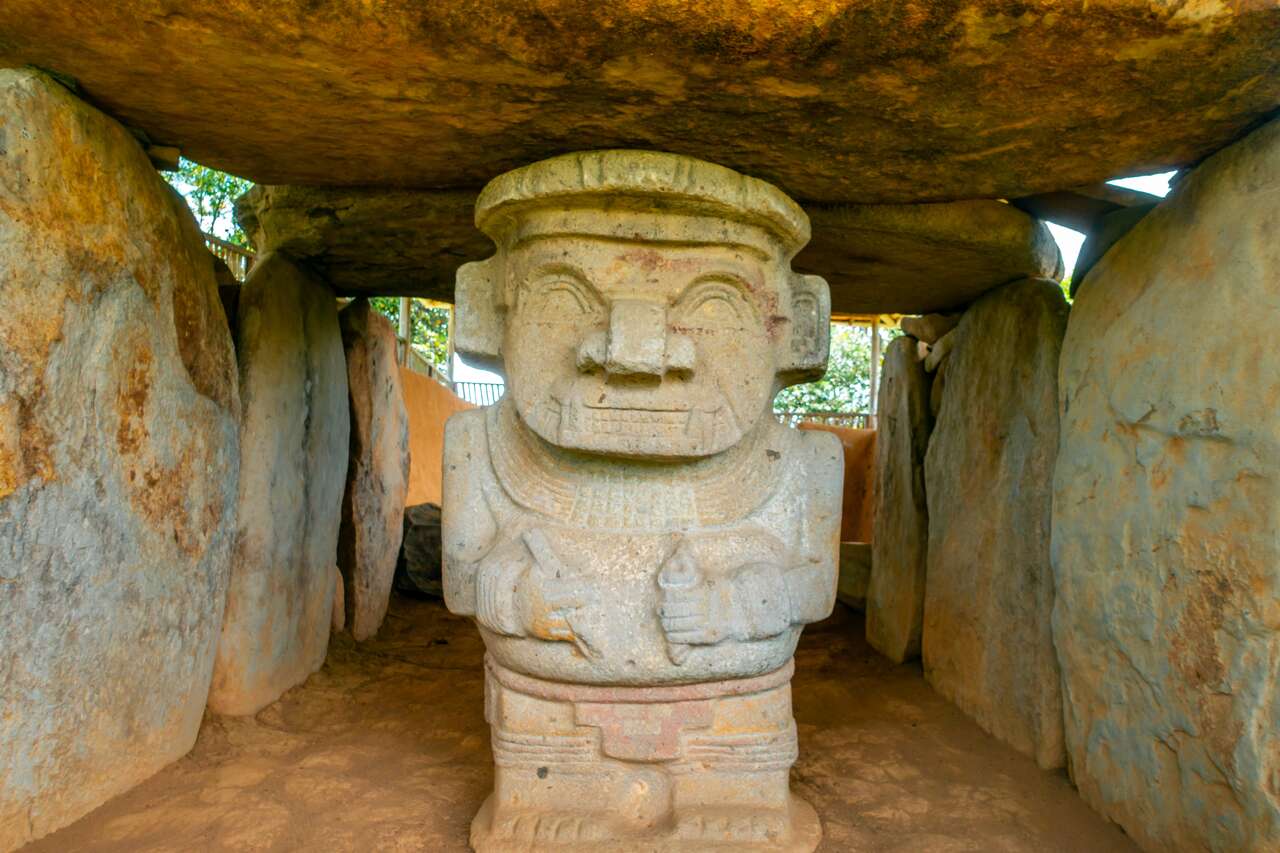
San Agustin is a gateway town to one of the many Pre-Columbian historical sites that can only be found in this region. The city is a great place for you to dive deep into the rich history of the indigenous people here with plenty of ancient stone statues scattered around many archaeological sites.
Parque Arqueologico is one such site, and I highly recommend taking a tour to see the others. Since San Agustin is a small town in the middle of nowhere, transportation is hard to come by. By taking a full-day tour, you eliminate the trouble of getting from one place to another and back.
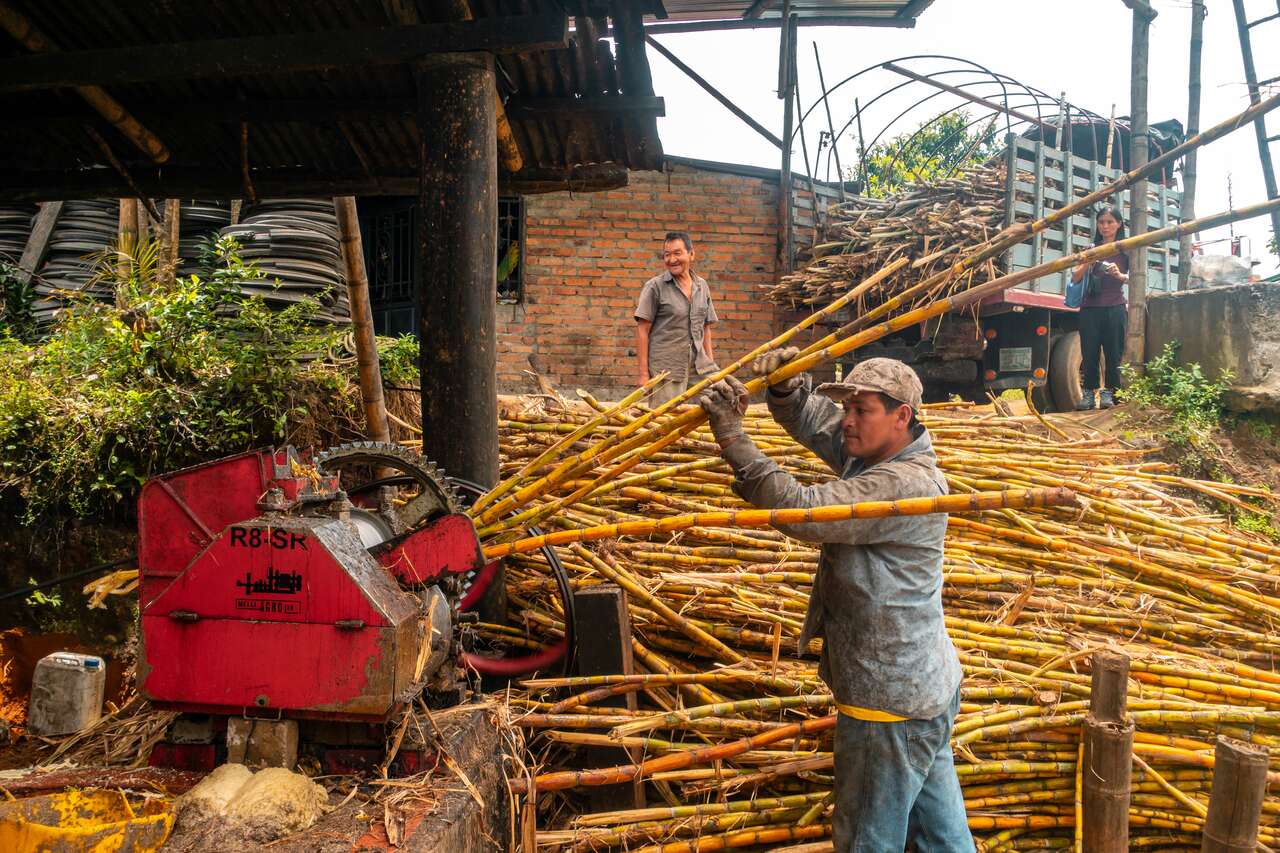
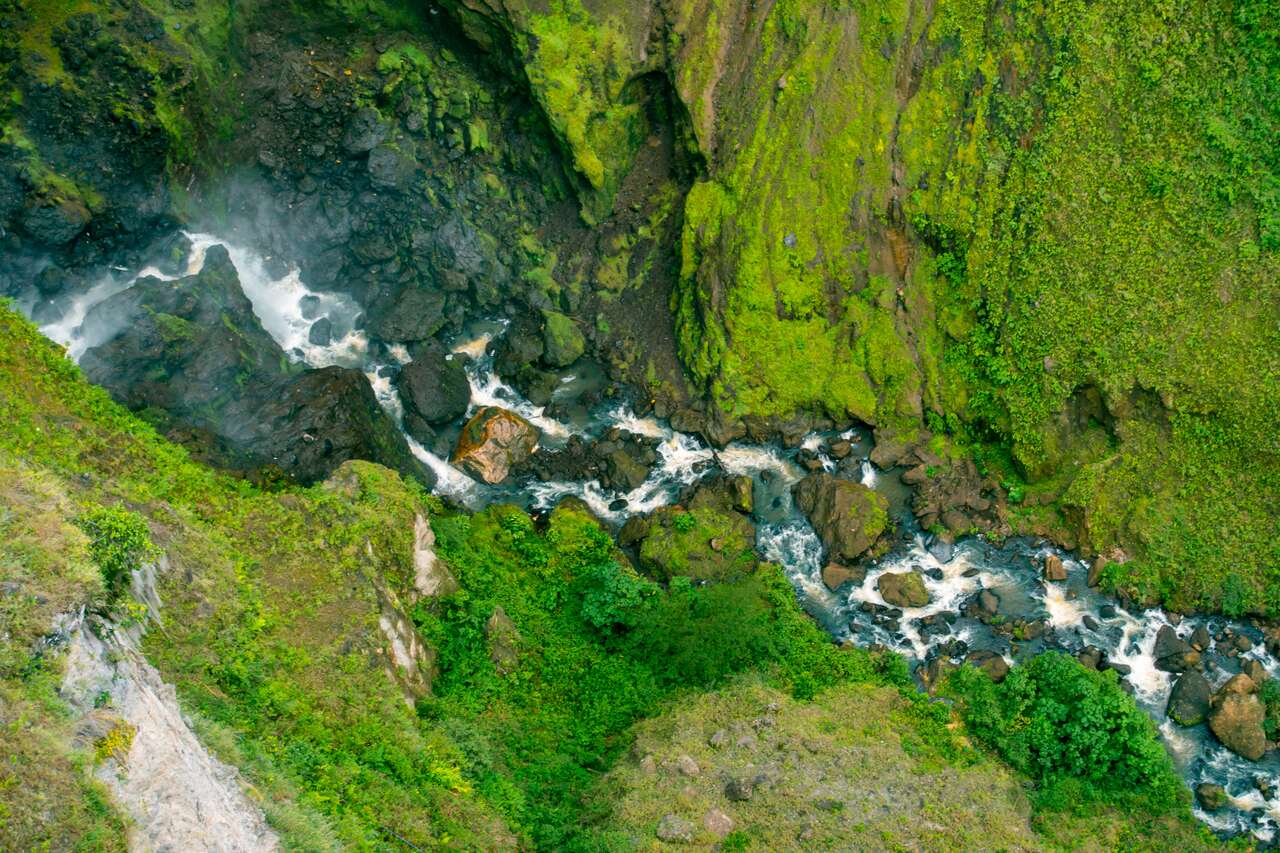
The day tour usually includes a visit to a sugar cane factory and several stunning waterfalls in the area, some of which are located on private properties. You should be able to organize a shared group tour from your accommodation in San Agustin or you can book a private tour here.
From San Agustin, continue toward Pasto for the final part of this route. You do not necessarily need to backtrack through Popayan as I originally did: current overland options can also run via Pitalito and Mocoa. Because these connections and road conditions change, ask locally in San Agustin which route is operating best before you leave.
Getting From San Agustin to Pasto
For San Agustin to Pasto, compare the current connections before departure. Routes via Pitalito and Mocoa can avoid the long backtrack through Popayan, while the best option can change with road conditions and schedules. Either way, expect this to take most of a day and start early.
You should be able to take any bus to Pasto, as there is no difference between the bus companies. Get the one with the schedule that works best for you. The journey takes around 5-6 hours, or longer depending on the road condition. You can find the bus schedule online here.
Day 25: Pasto (1 night)
- 📍 Stay: Casa Hospedaje La Bohemia
- 🕐 Time: 1 night
- 📖 Full Guide: 20 Best Places to Visit in South America
Since the ride from San Agustin to Pasto can be horrid, it is important to stop in Pasto so you can wake up early in the morning and make your way to the border of Ecuador. You probably are wondering why I'm taking you to the border town between Colombia and Ecuador instead of going straight to Quito, right? Well, here's why.
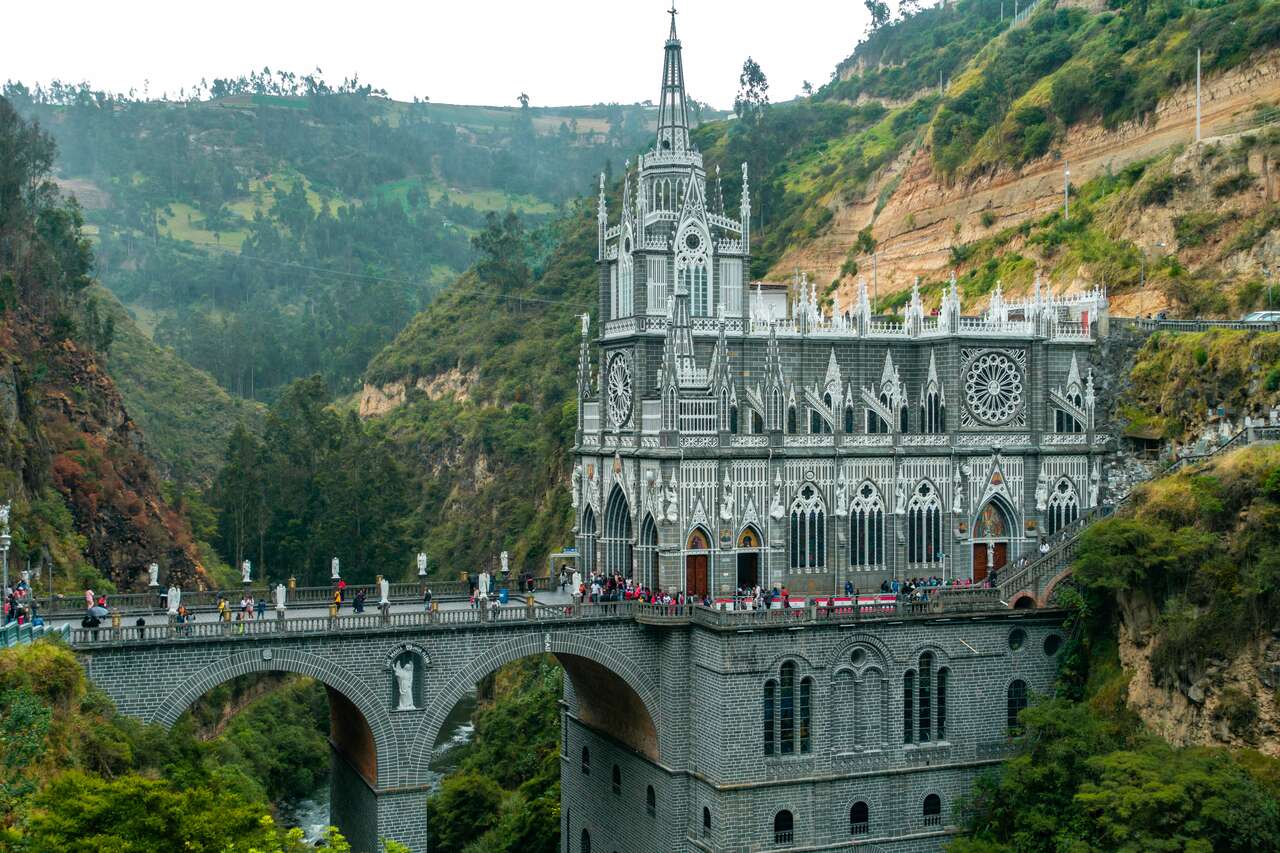
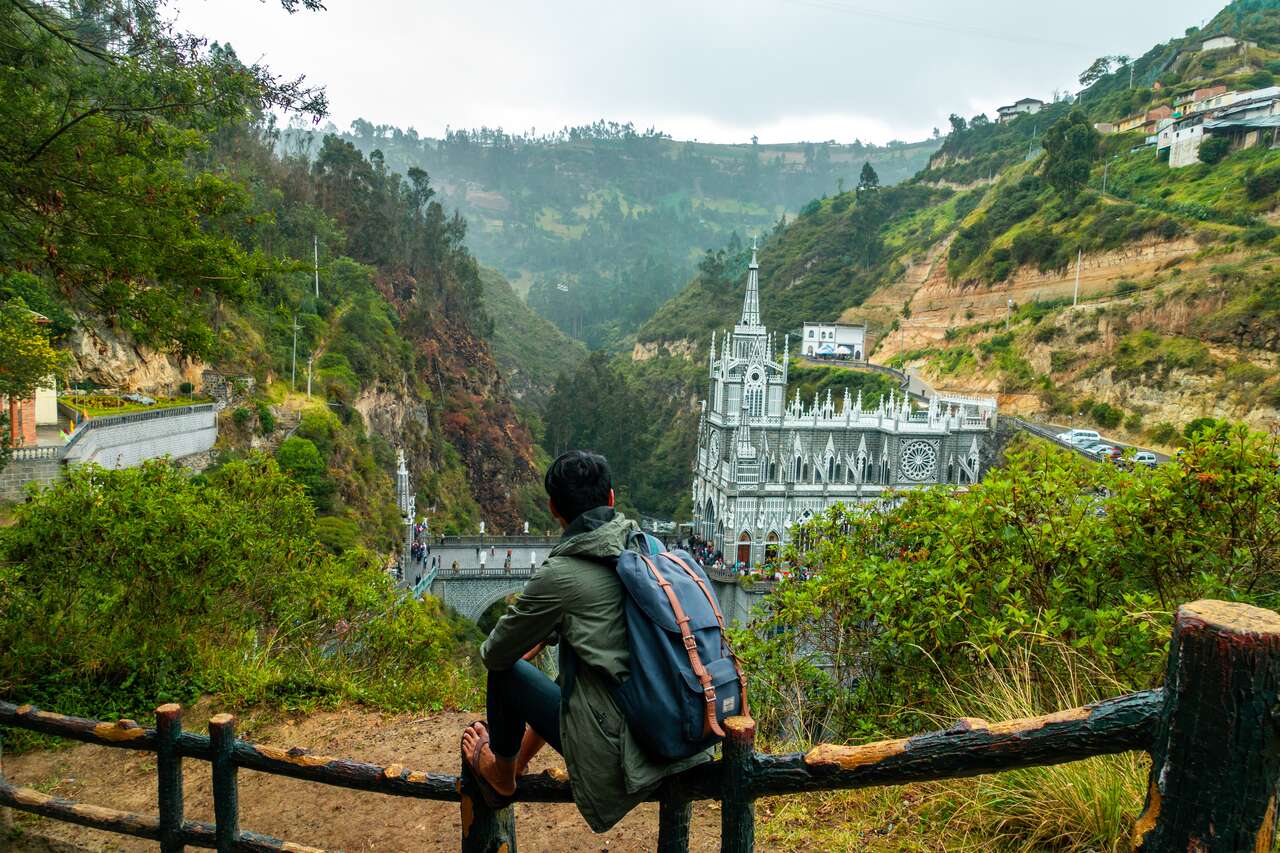
Right at the border, there is a cathedral built on the side of a mountain called Las Lajas. The cathedral is amazing and photogenically located in between 2 cliffs and it is definitely worth a visit if you are planning to cross the land border to Ecuador. I wouldn't recommend it if you don't plan to cross the border as it is quite far south from all the other attractions in Colombia.
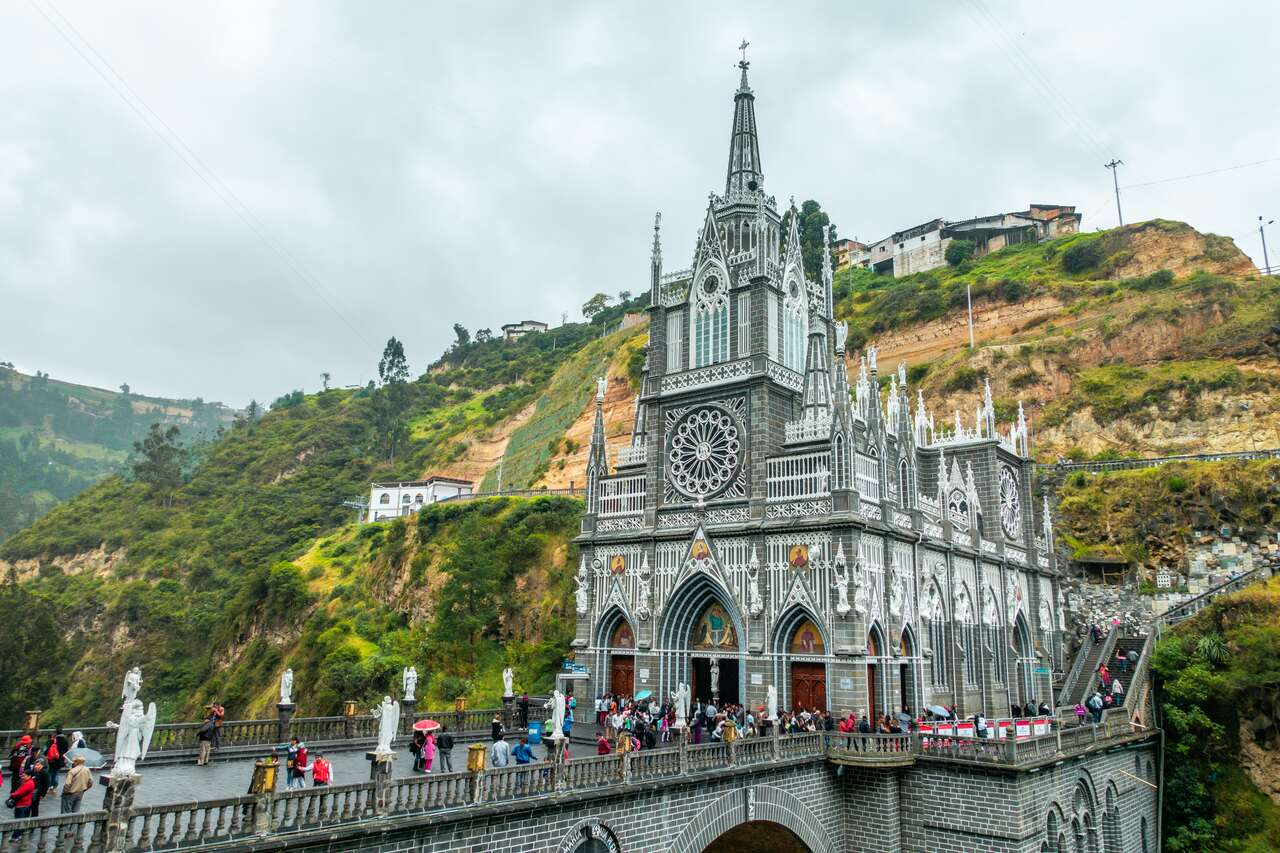
Take a morning bus from Pasto Bus Terminal to Ipiales, and from Ipiales, you can find plenty of taxis to take you to Las Lajas. Walk around the cathedral for a bit, and when you are ready to depart, get another taxi and tell them to drop you off at the border. Then, cross the border to Ecuador and head to Quito.
Take a morning bus from Pasto Bus Terminal to Ipiales, then a taxi to Las Lajas.
After visiting the sanctuary, return toward Ipiales and continue to the Rumichaca International Bridge if you are crossing into Ecuador. The Rumichaca crossing remains the principal tourist land crossing, but the wider Colombia–Ecuador border region has security risks, so use the main Pan-American route, travel during the day, and check current border and immigration conditions before departure.

Colombia Travel Video
Why Visit Colombia?
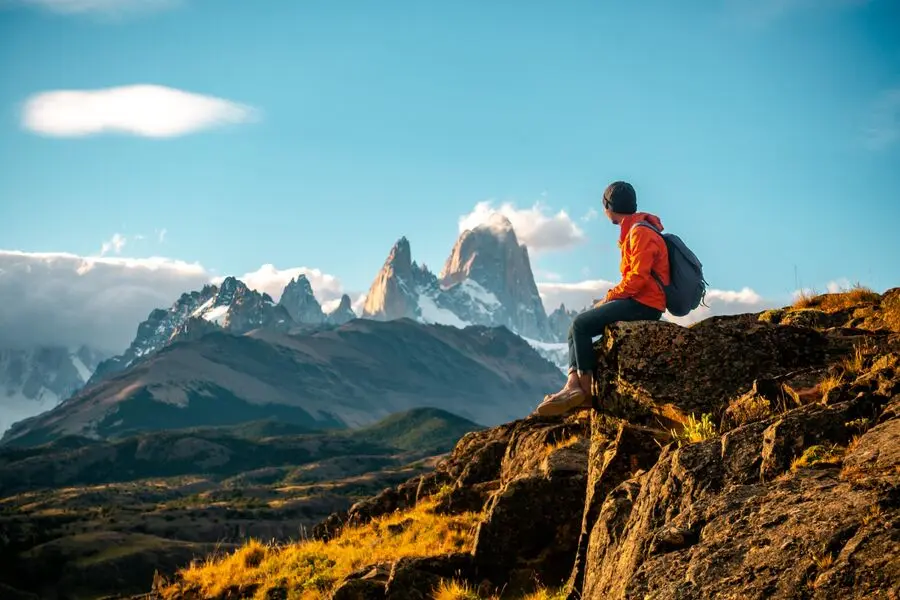
Colombia is a country that lacks big attractions to draw in tourists like its neighbors, Ecuador (Galapagos), and Peru (Machu Picchu). However, the country compensates for that with its crazy fun dance culture, amazing selection of coffee, and a great many hidden gems for travelers like you to discover. From the suspiciously tall palm trees in Salento to the beautiful coastal colonial town of Cartagena, one month is a perfect amount of time to get to understand the country and maybe learn some salsa in the process.
When to Visit Colombia?

Colombia can be visited year-round, but the weather varies much more by altitude and region than by temperature season. For this itinerary, the generally drier periods of December to March and July to August are the easiest for outdoor activities, while April–May and October–November tend to be wetter in much of the Andes.
The Caribbean coast follows a somewhat different pattern, so expect a mix of climates as you travel across the country. I personally like the shoulder periods for fewer crowds, but I would plan hiking days around regional rainfall rather than relying on one nationwide “best month.”
How to Get to Colombia?
Bogota is the most convenient international gateway for this particular itinerary, although Colombia also has international flights into cities such as Medellin and Cartagena. Compare the current routes for your dates via Skyscanner or Expedia. Before entering or leaving Colombia, travelers can also complete Migración Colombia's Check-Mig pre-registration online from 72 hours before travel until one hour before the trip.
How To Get Around Colombia?
Long-distance buses are useful for much of this route, but I would not call them universally the “safest” option. Journey times can be long and road conditions, landslides, protests, or security situations can disrupt routes, particularly in parts of southern Colombia. For the longest legs, compare the bus with a domestic flight and check current local conditions before traveling.
For long jumps such as Bogota–Santa Marta or Cartagena–Medellin, domestic flights can save a huge amount of time. Viva Air/VivaColombia ceased operations in 2023, so compare the airlines currently serving your route instead of looking for the carrier recommended in older versions of this guide.
In major cities such as Bogota and Medellin, app-based rides like Uber are convenient and let you see the route and fare in advance. Uber currently operates across many Colombian cities, and licensed taxis are also available. In Medellin, the Metro and cable-car network is especially useful and is often the easiest way to move around the city.
Which tourist SIM card is best for Colombia?
I used Claro on my trip and had good coverage through most of this route, with weaker service around San Agustin. Mobile plans and prices have changed significantly since then, so compare current prepaid packages from Claro and the other major Colombian networks after arrival.
Alternatively, if your phone supports eSIMs, you can set one up before arriving and have mobile data as soon as you land. You can browse through available eSIMs here.
Tips: To stay connected with people at home, be sure that you have a VPN, such as ProtonVPN, installed before traveling. It's FREE, and you can gain access to services that may be blocked in certain countries.
Daily Budget


This location is less expensive than most countries, but it's not exceedingly cheap. Expect to spend around $30 - $50 USD per day per person, which includes both accommodation and meals.
Please keep in mind that these are suggested daily budgets based on my own style of travel, which leans more towards the budget side of things. If you aim to stick to this budget, anticipate sleeping in dormitories, dining out only occasionally, and being comfortable with the cheapest and most convenient modes of transportation, which often involve a considerable amount of walking.
Disclaimer: This post may contain affiliate links. See our disclosure policy.
First Published:
Last updated:
20 Comments
What a detailed itinerary ! Sounds great ! Could you please tell me more about the budget you have foreseen for one month in Colombia ? thanks!
Thank you Max! I'm glad you find it useful! Budget is really a difficult topic since the price increases all the time and would be irrelevant in no time but I'd say around 50 USD per day average? Assuming you are staying in hostels and travel with buses most of the time. I hope this helps! :)
What is the average cost in USD for this itinerary? Could you include place tickets and normal food and extracurricular expenses?
I would really love to do this but it seems to always be changing and my guide will always be out of date so I left the budget part out of the article for now. I might come up with a better system for that.
Check out nomadicmatt budget guide for more info https://www.nomadicmatt.com/travel.../colombia-travel-tips/
Your South-American Guides are unreal mate,
I think you would really benefit from upgrading your site,
the quality of your writing and vids are already extremely high.
Cheers!
Thank you! :)
Great man! this is really helpful! Good luck in your adventure!s
Thank you!
Very well written. Thanks for the tips bro
Thanks man! Much appreciated :) I hope you had a great time in Medellin!